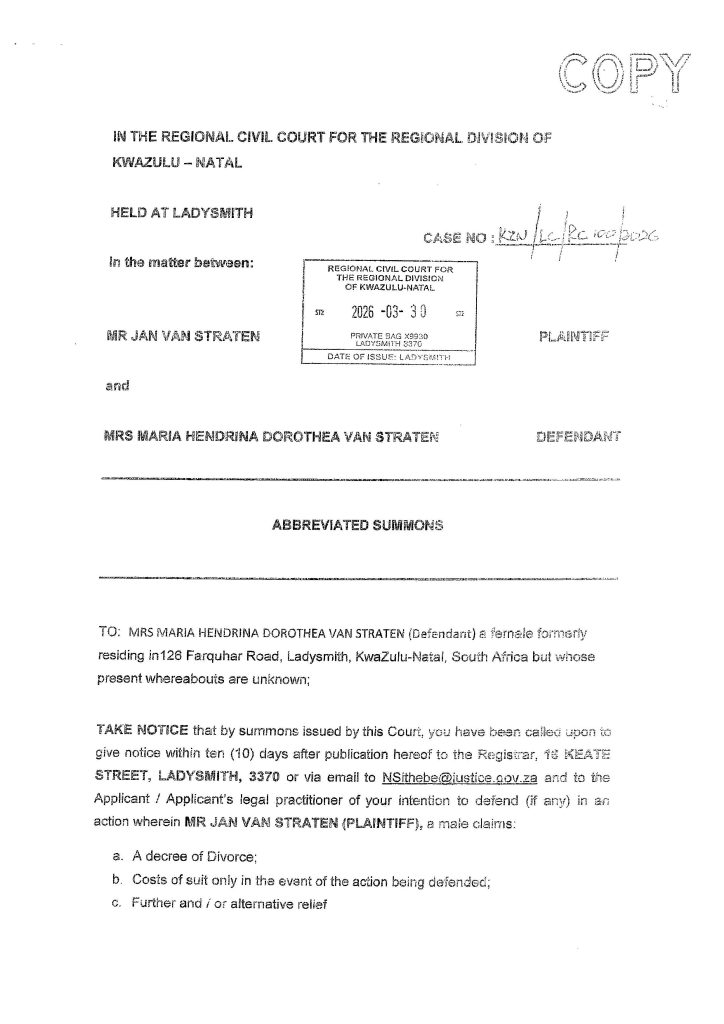
IN THE REGIONAL CIVIL COURT FOR THE REGIONAL DIVISION OF KWAZULU – NATAL HELD AT LADYSMITH
Case No: KZN/LC/RC100/2026
In the matter between:
MR JAN VAN STRATEN – PLAINTIFF
and
MRS MARIA HENDRINA DOROTHEA VAN STRATEN – DEFENDANT
ABBREVIATED SUMMONS
TO: MRS MARIA HENDRINA DOROTHEA VAN STRATEN (Defendant) a female formerly residing in 126 Farquhar Road, Ladysmith, KwaZulu-Natal, South Africa but whose present whereabouts are unknown;
TAKE NOTICE that by summons issued by this Court, you have been called upon to give notice within ten (10) days after publication hereof to the Registrar, 16 KEATE STREET, LADYSMITH, 3370 or via email to NSithebe@justice.gov.za and to the Applicant / Applicant’s legal practitioner of your intention to defend (if any) in an action wherein MR JAN VAN STRATEN (PLAINTIFF), a male, claims:
a. A decree of Divorce;
b. Costs of suit only in the event of the action being defended;
c. Further and / or alternative relief
TAKE NOTICE FURTHER that if you fail to give such notice, judgement may be granted against you without further reference to you.
DATED AT LADYSMITH ON THIS 30TH DAY OF MARCH 2026.
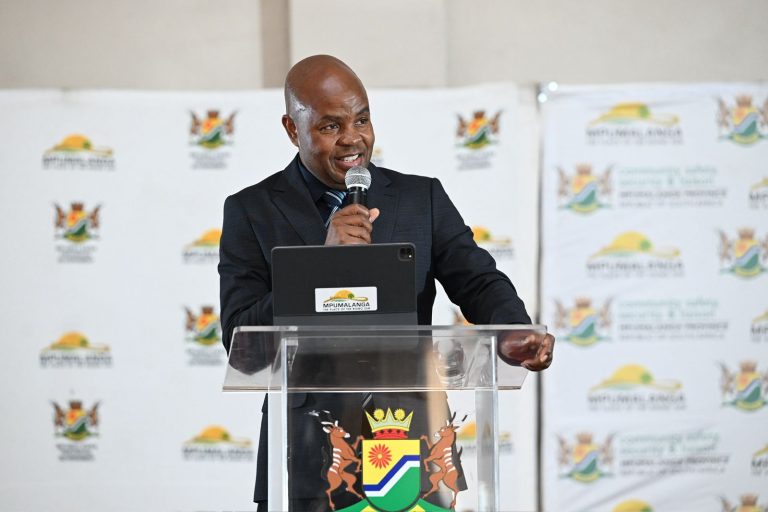
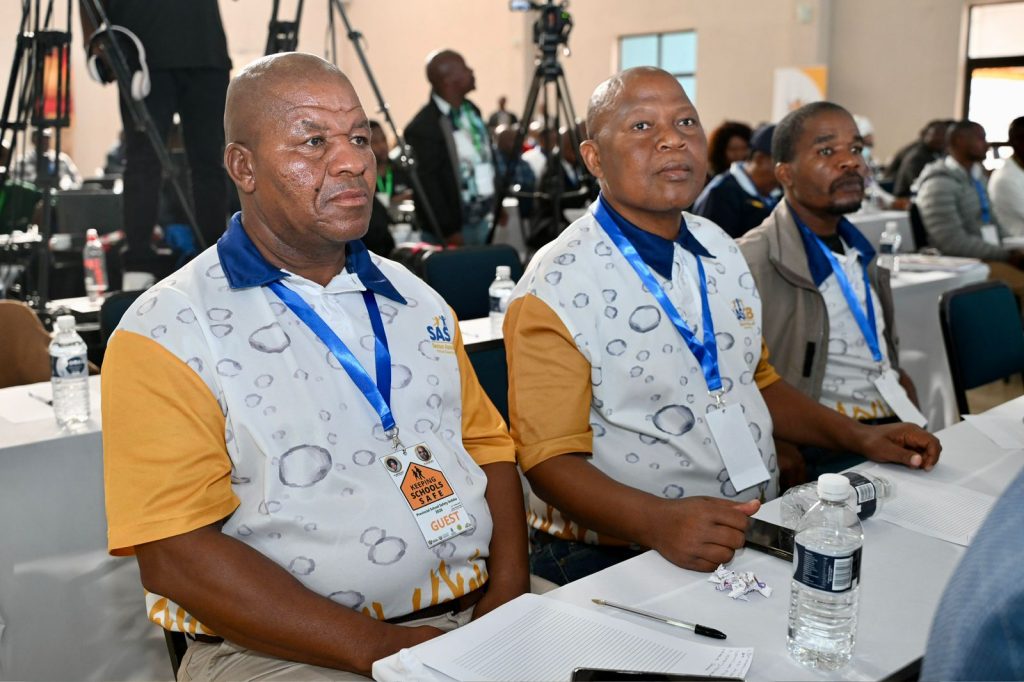
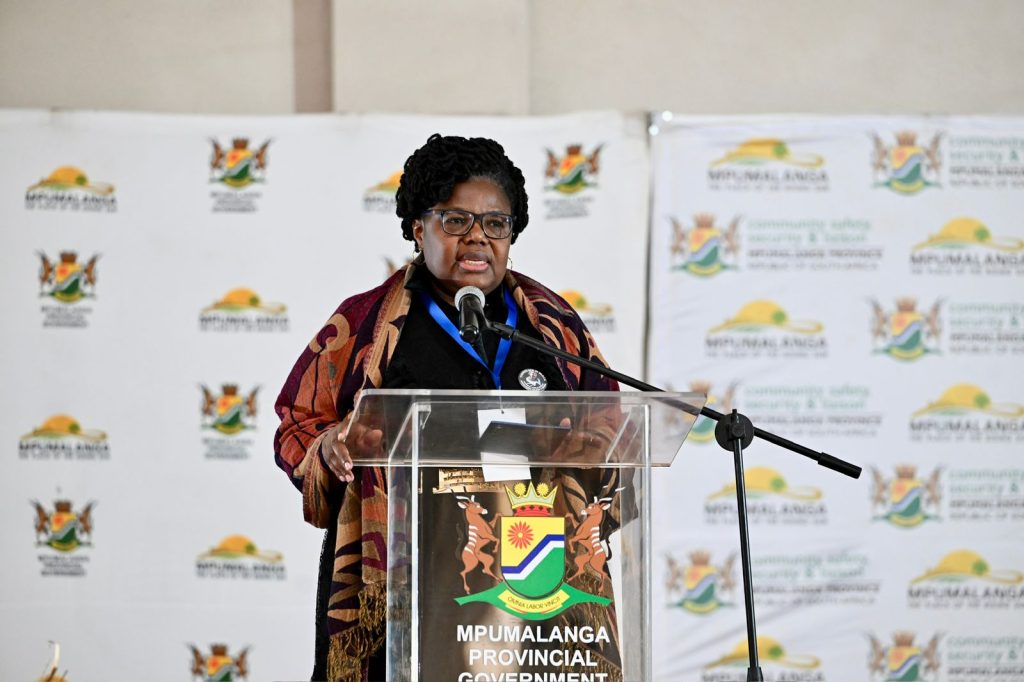
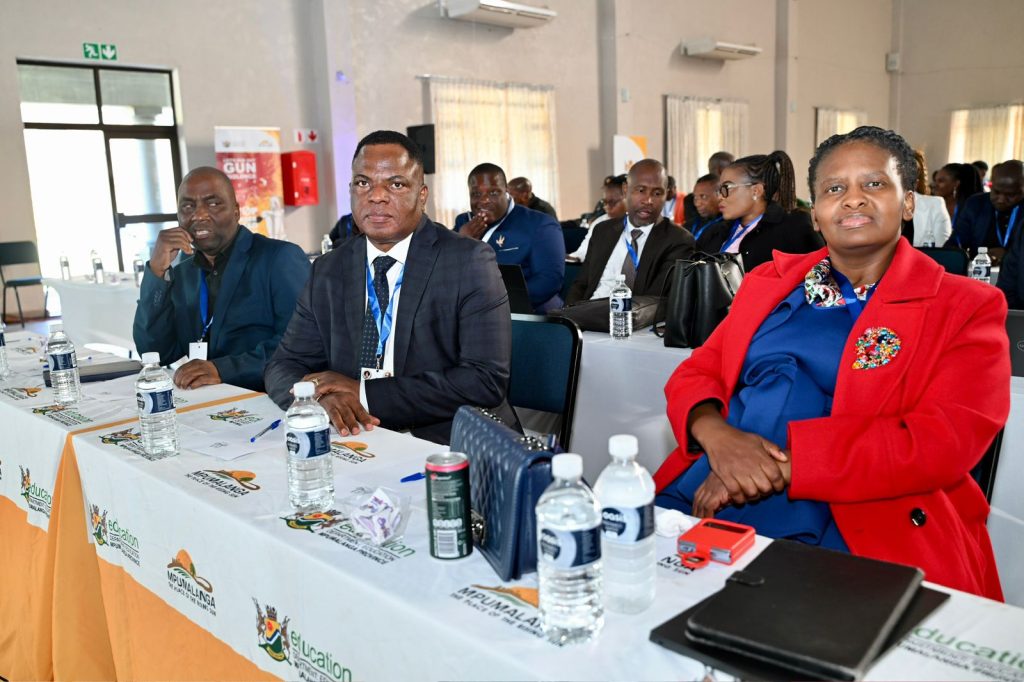
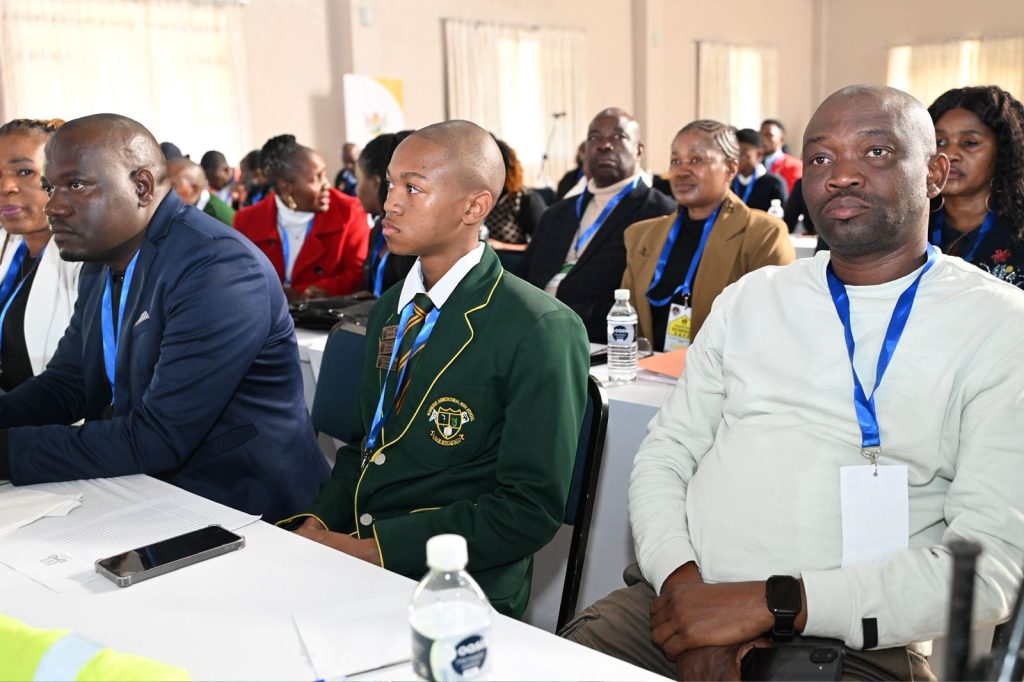
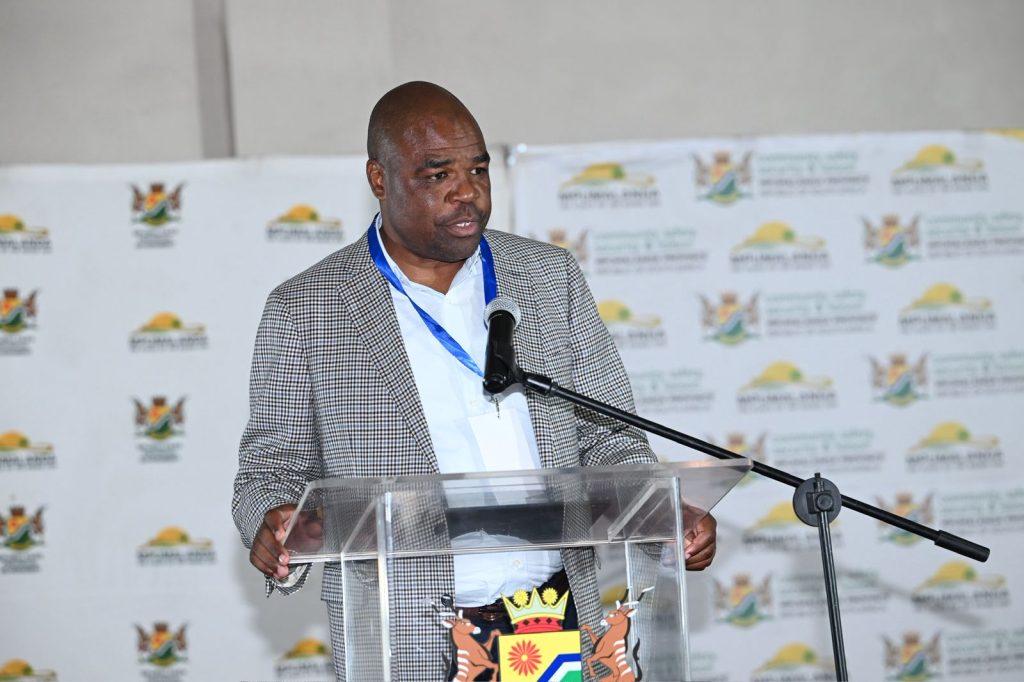
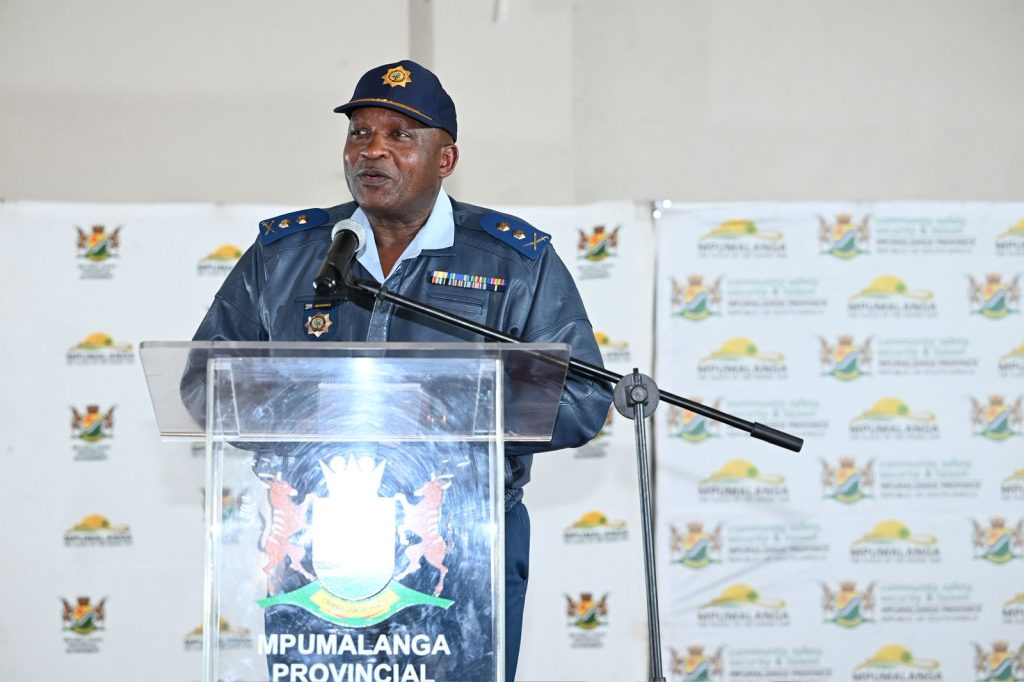
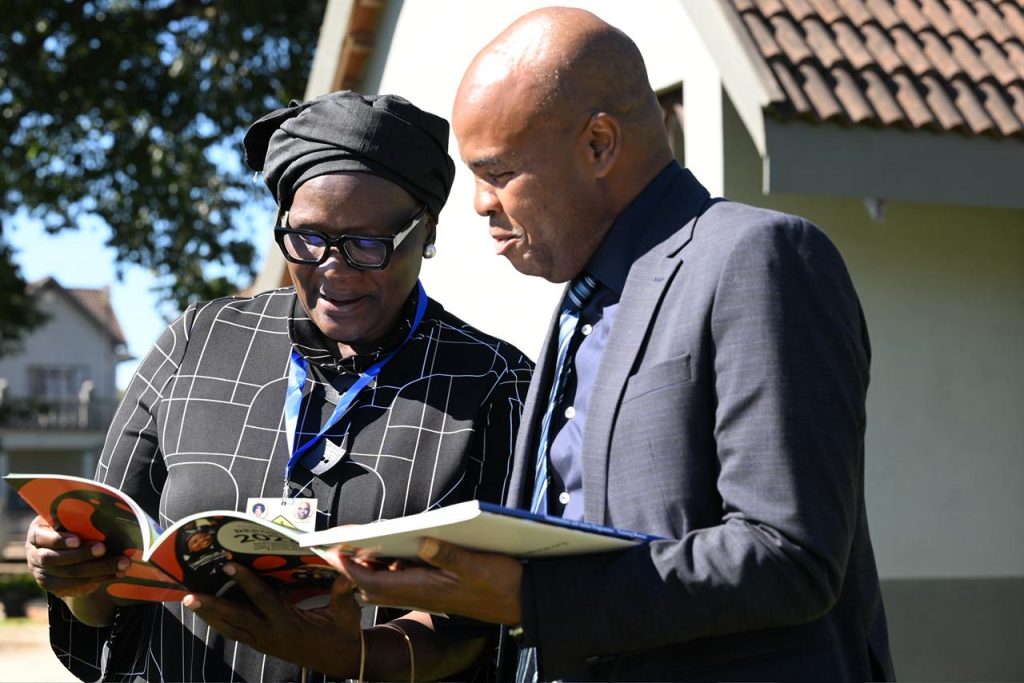
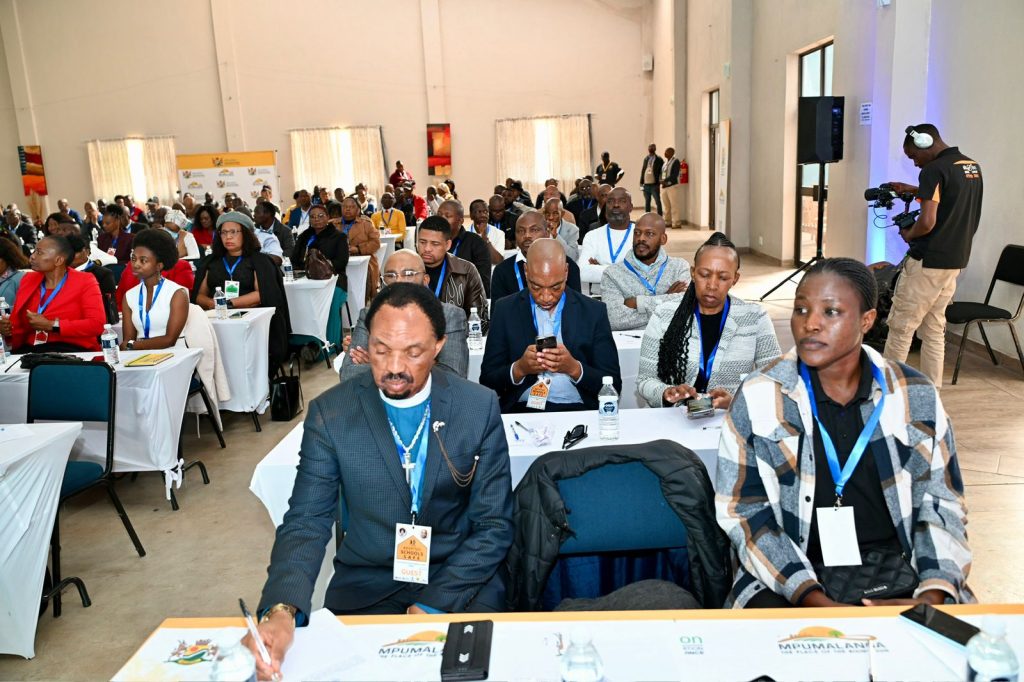
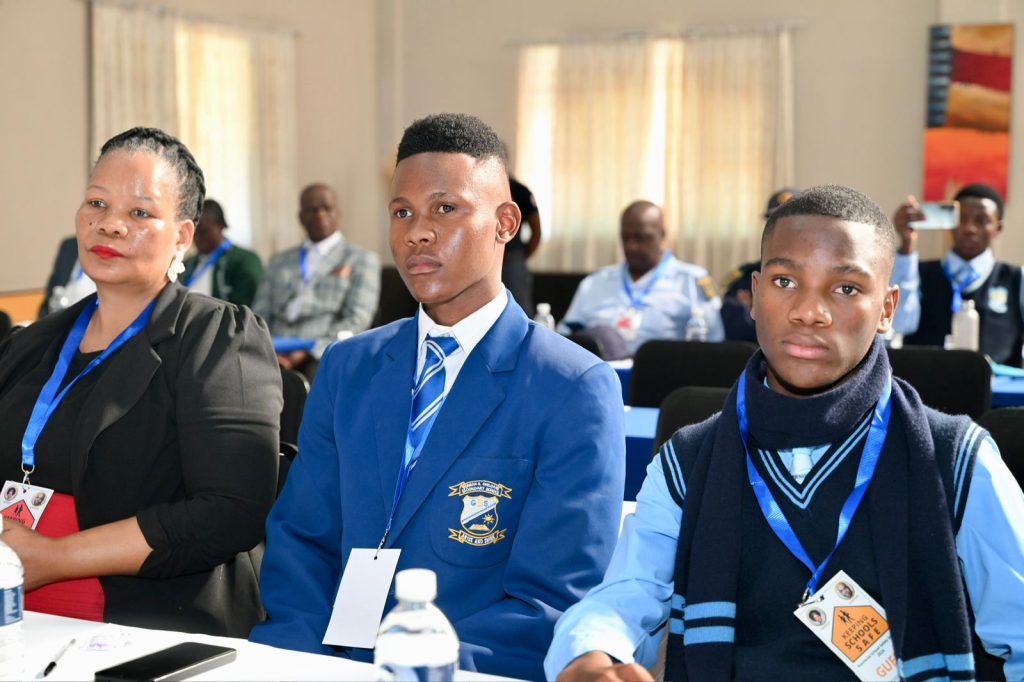
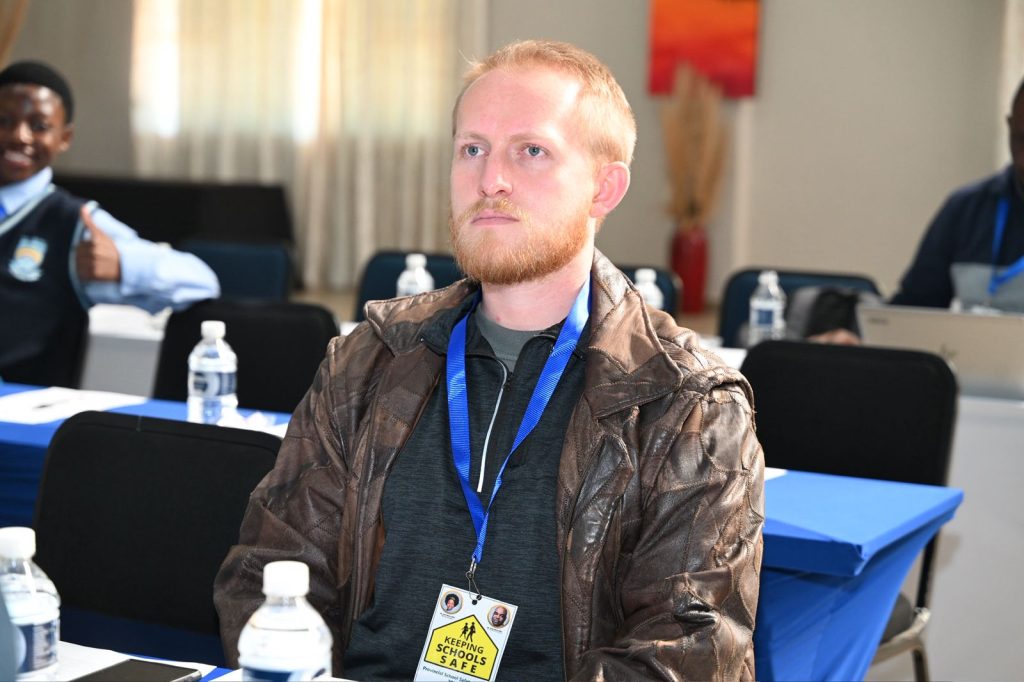
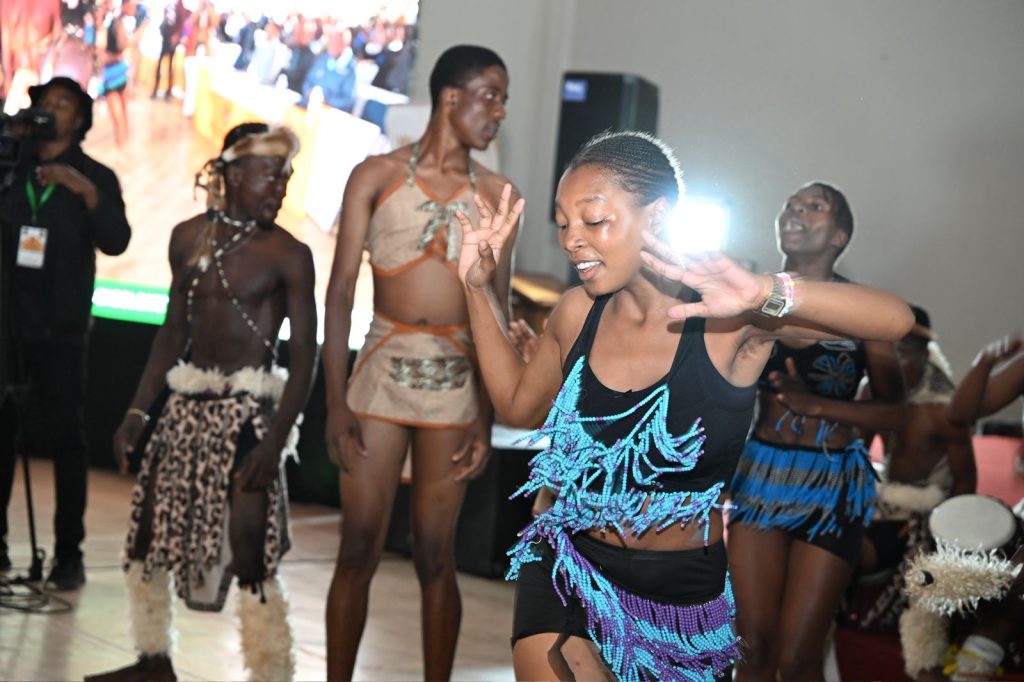
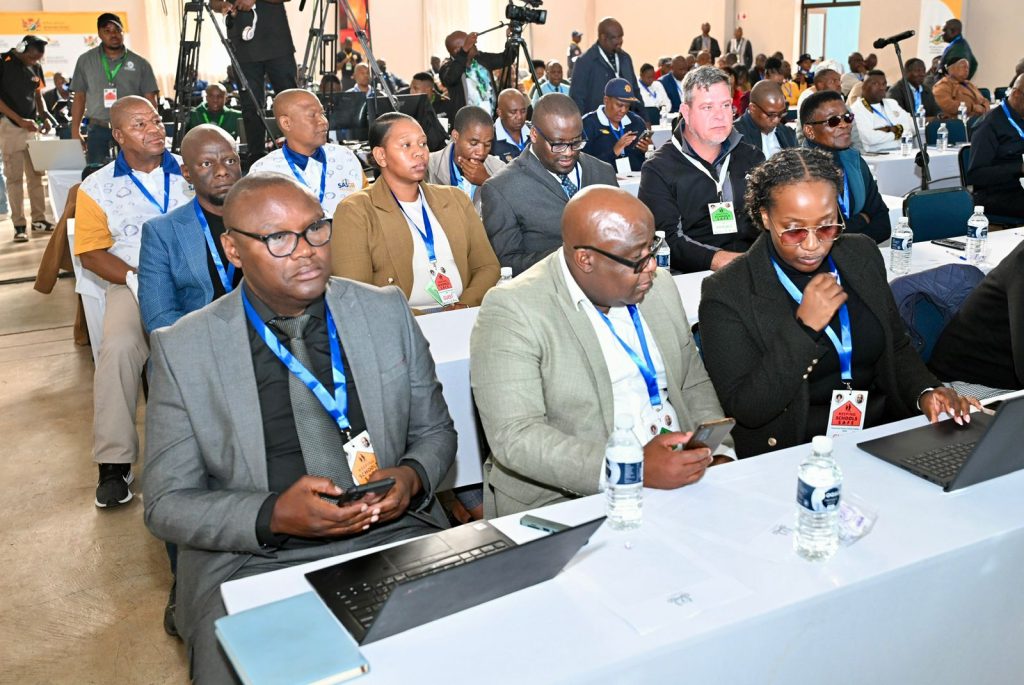
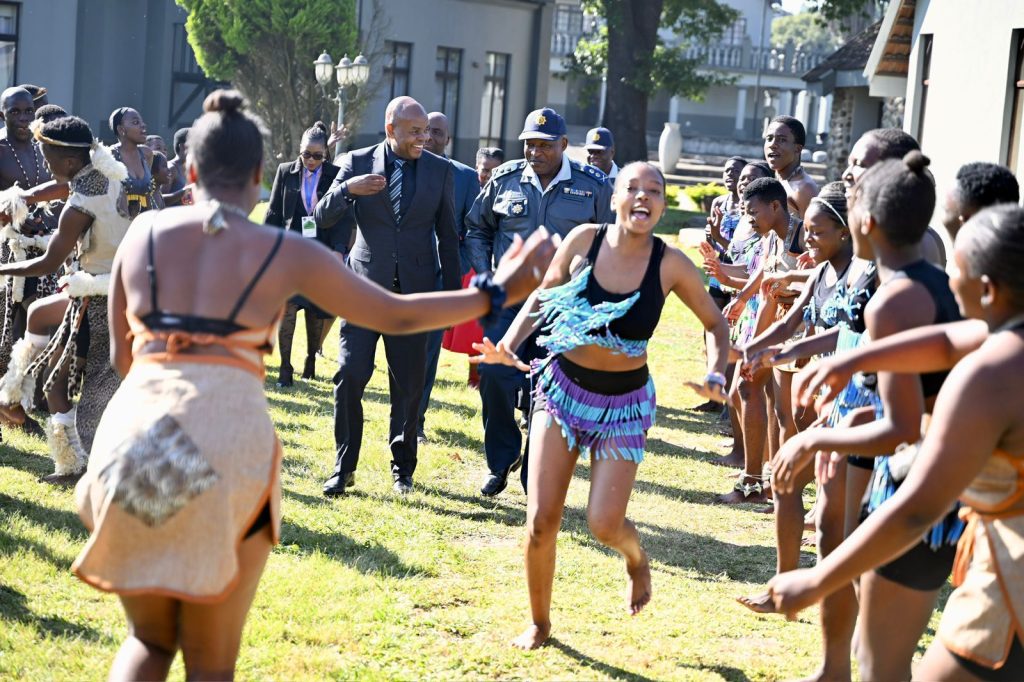
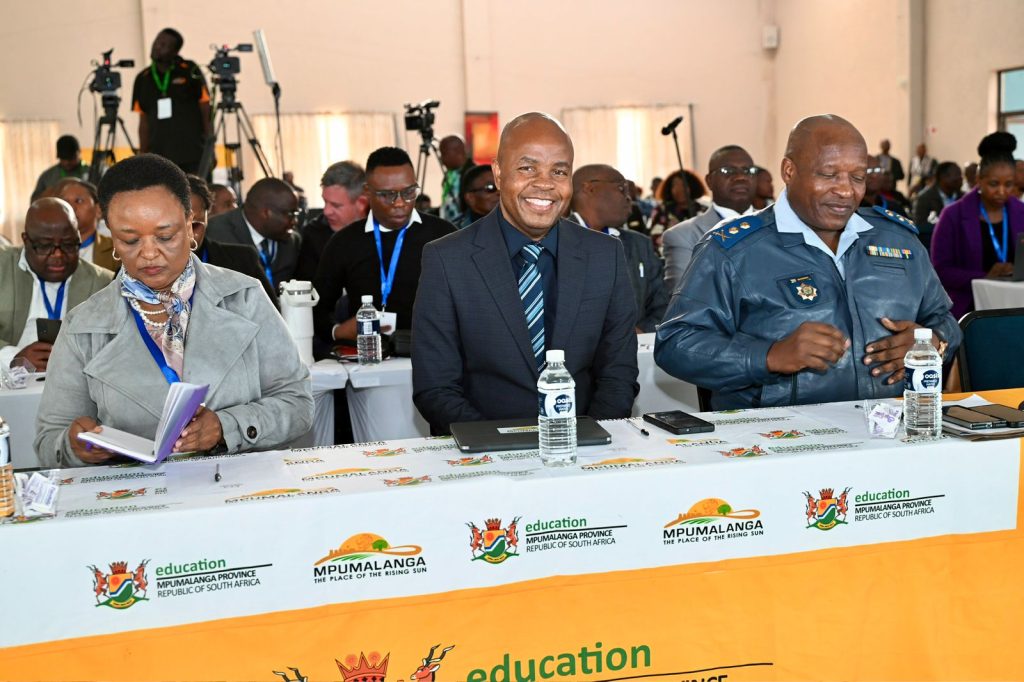
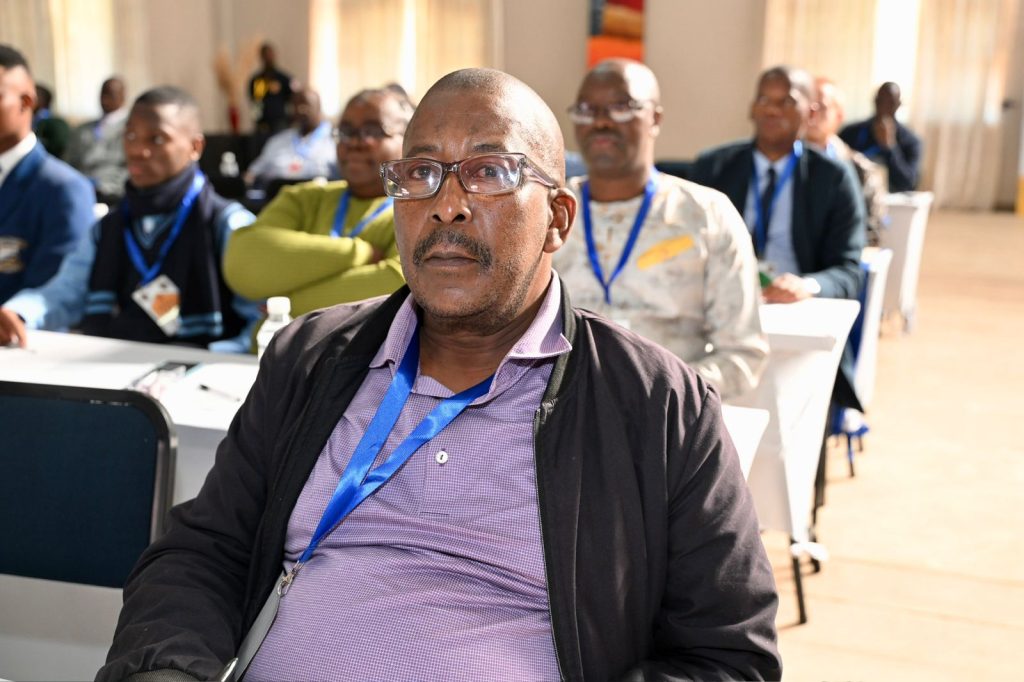
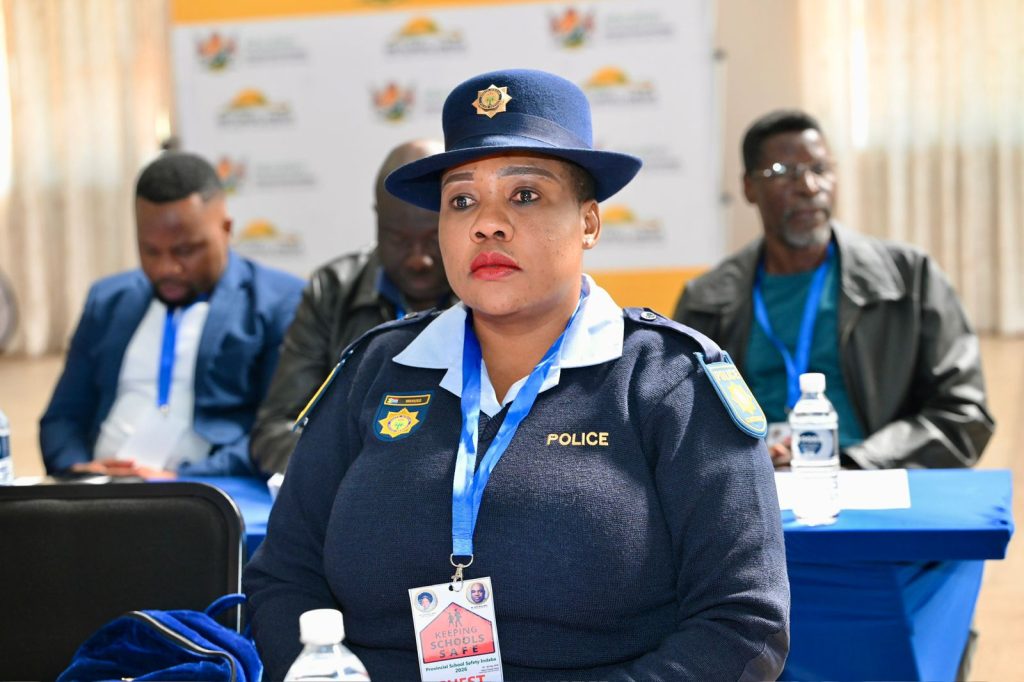
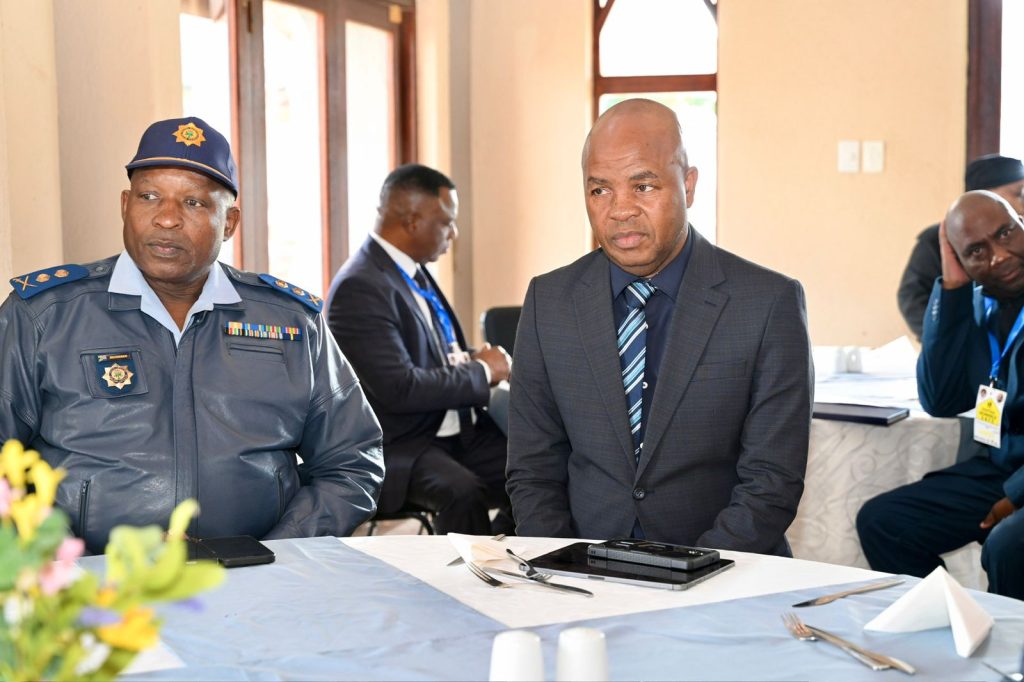
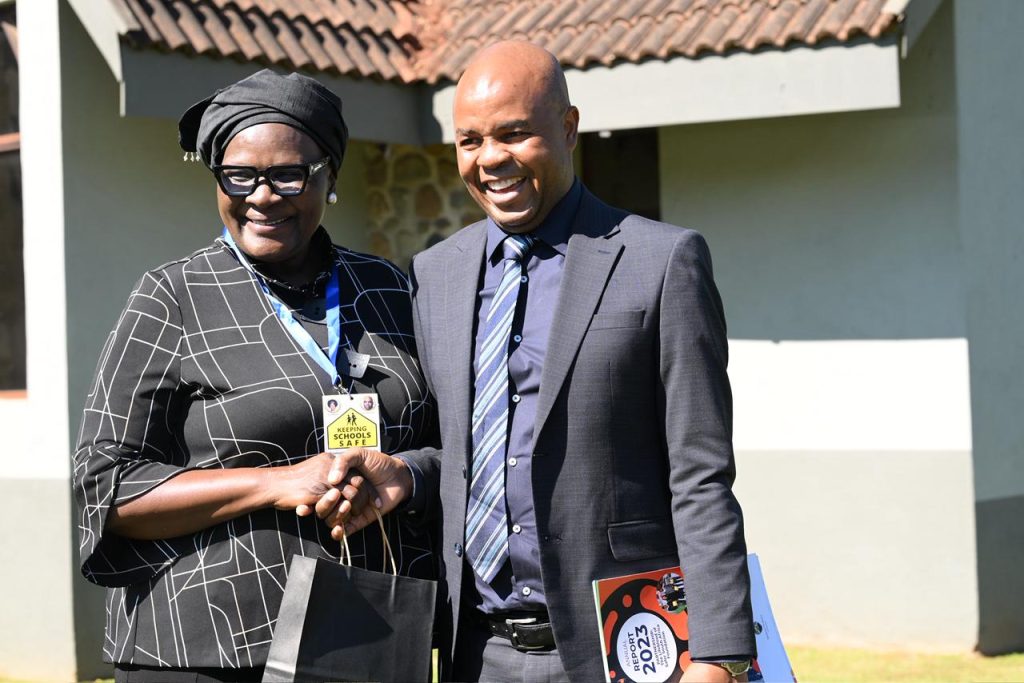
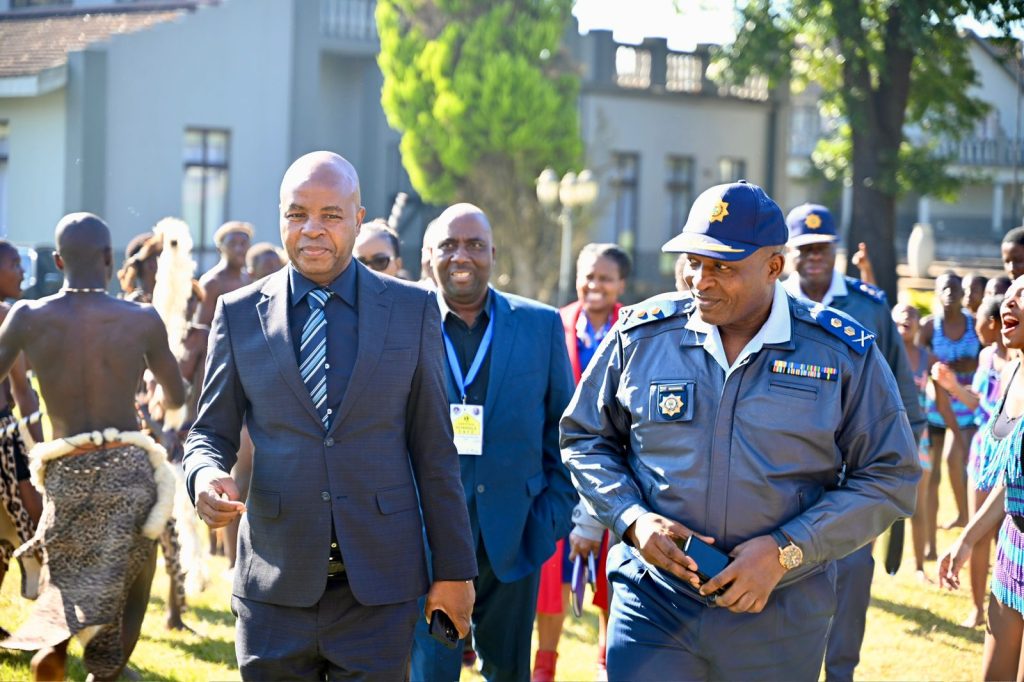
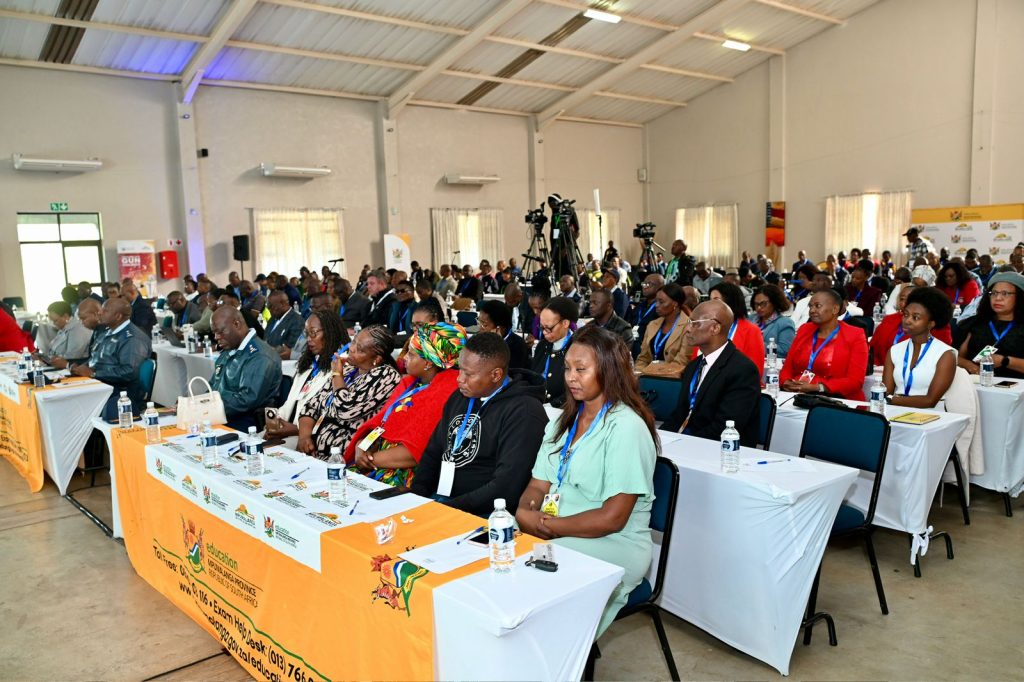
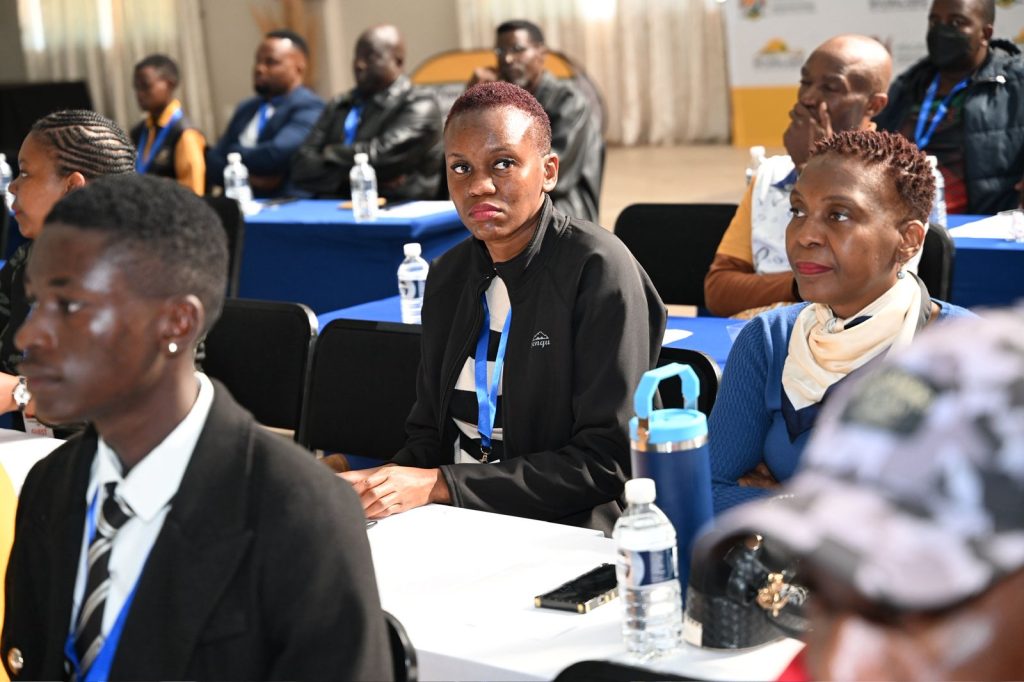
The Mpumalanga Department of Education, in partnership with the Department of Community Safety, Security and Liaison, today hosted the Mpumalanga Integrated School Safety Indaba under the theme “Building Safer Schools Together.” The two-day gathering brought together learners, educators, parents, government officials, law enforcement agencies, traditional leaders, NGOs, business representatives and community organisations to confront the growing safety challenges affecting schools across the province.
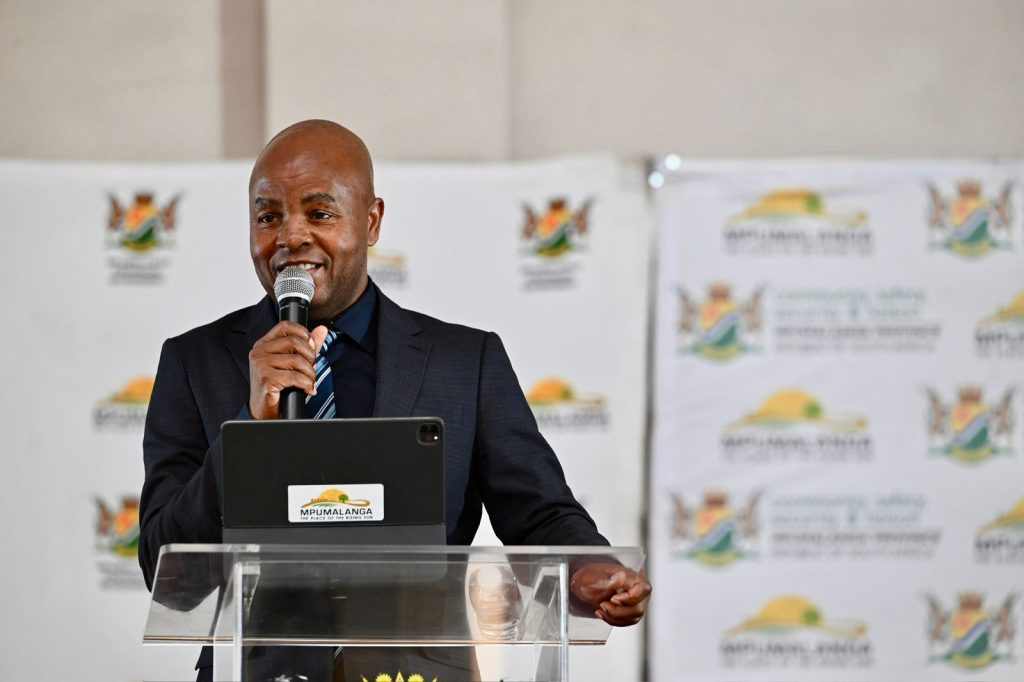
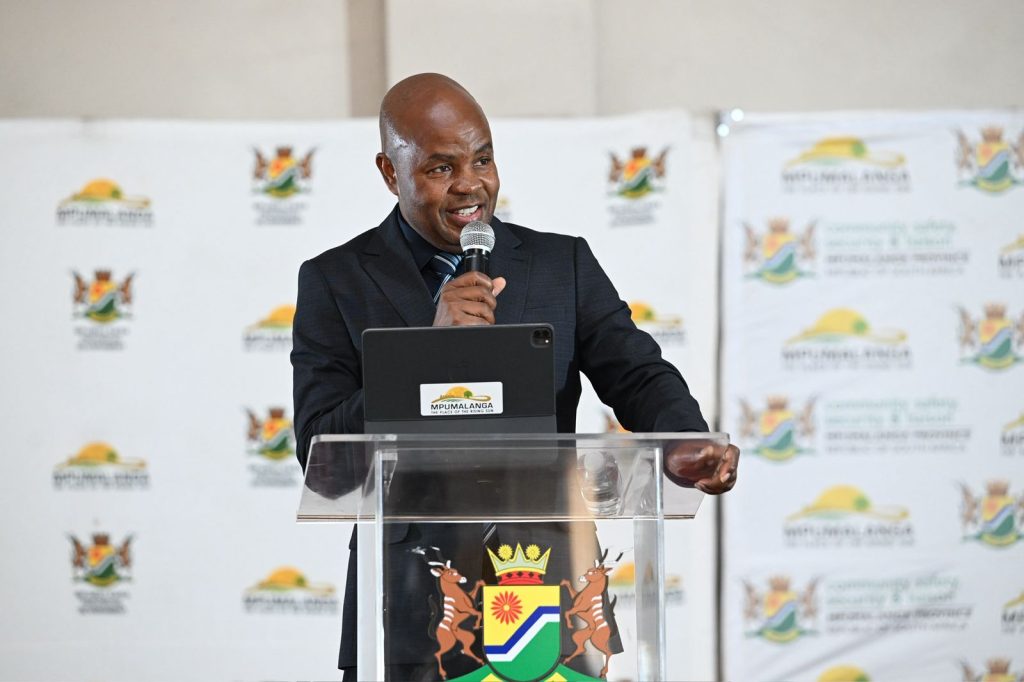
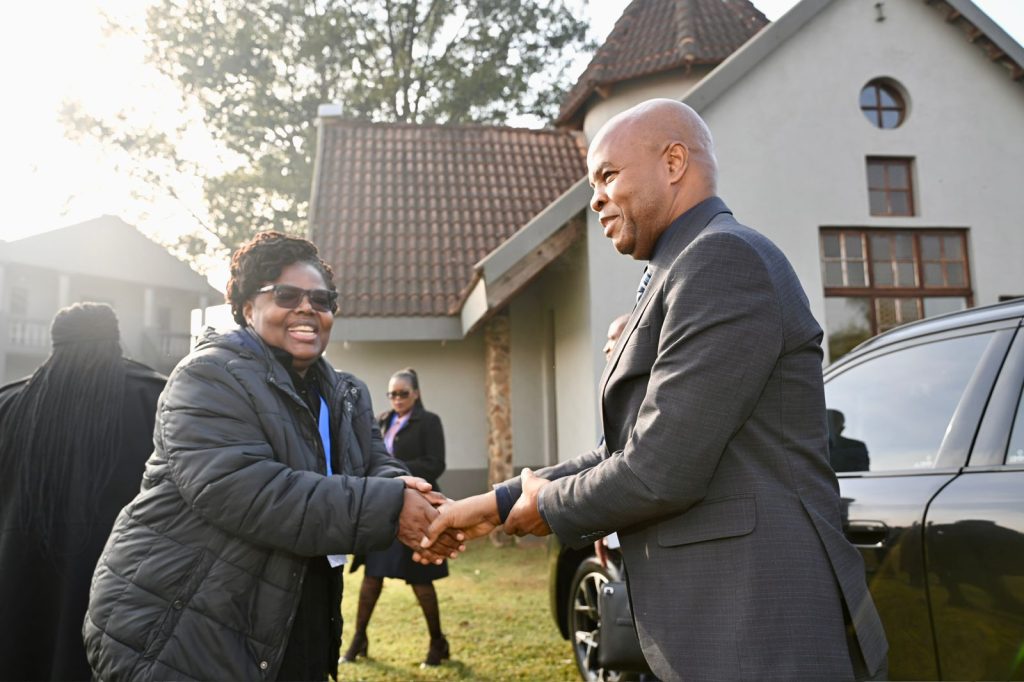
Premier of Mpumalanga, Mandla Ndlovu, delivered the keynote address during the opening session, calling for urgent and united action to create safer learning environments for children. The Indaba aims to promote dialogue, share best practices and develop long-term strategies to improve the safety and wellbeing of learners, educators and support staff throughout Mpumalanga.
Discussions during the Indaba focus on several key themes, including the shared responsibility for school safety, the use of technology and innovation to strengthen security, learner leadership and peer support, as well as conflict resolution and emotional resilience. Organisers say the event is intended to produce sustainable solutions driven by strong partnerships and community ownership to ensure schools become secure spaces where teaching and learning can thrive.
Mpumalanga Premier Mandla Ndlovu has called for urgent and coordinated action to tackle violence, bullying, drugs and criminal activity in schools across the province, warning that unsafe learning environments are threatening the future of young people.
Addressing delegates at the Provincial School Safety Indaba held at the Sabie Floreat Hotel in the Thaba Chweu Local Municipality on Thursday, the Premier described school safety as a collective responsibility that requires the involvement of government, communities, parents, educators, law enforcement agencies and learners themselves.
The gathering brought together representatives from the Department of Basic Education, SAPS, labour unions, school governing bodies, traditional leaders, religious organisations and civil society to discuss practical interventions aimed at improving safety in schools throughout Mpumalanga.
In his address, Premier Ndlovu reflected on the significance of Youth Month and the upcoming commemoration of 50 years since the 16 June 1976 student uprising. He reminded attendees that young people have historically played a powerful role in shaping society and urged today’s youth to unite against violence and criminality in schools.
Quoting former President Thabo Mbeki, Ndlovu said young people have the power to change history when they stand united behind a just cause. He also invoked the words of Nelson Mandela, describing education as “the most powerful weapon” that can be used to change the world.
The Premier stressed that meaningful teaching and learning cannot take place in environments dominated by fear and insecurity. He said learners who fear bullying, gangsterism or drugs struggle to focus on their studies, while educators who feel unsafe cannot teach effectively.
Ndlovu highlighted alarming statistics relating to crime and violence in schools across the province. According to the figures presented during the Indaba, 623 schools reported incidents of vandalism and burglary during the past year. He said the figures point to deeper social problems affecting communities.
The Premier also revealed that learners were exposed to 25 incidents involving stabbings and gun-related violence, while two murders were recorded on school premises during the same period.
“These are not isolated incidents; they are systemic problems requiring systemic solutions,” he said.
Drug-related incidents reportedly increased sharply from five cases in the first quarter to 72 by the end of the final quarter of 2025. Incidents of bullying involving teachers stood at 16, while gender-based violence continued to affect both learners and educators.
Ndlovu warned that exposure to violence at a young age could normalise criminal behaviour among learners and negatively impact the future of communities. He further cautioned that young people exposed to drug dealing and easy money in the streets could begin questioning the value of education.
Despite the grim statistics, the Premier pointed to several encouraging developments. He said the number of schools implementing anti-bullying programmes increased significantly from 120 to 301 during the year, while schools adopting corporal punishment prevention protocols rose from 50 to 265.
In addition, schools conducting searches and seizures nearly doubled, demonstrating that interventions can yield positive results when properly implemented.
Addressing learners directly, Ndlovu encouraged young people to become active agents of change within their schools. He praised learners who report dangerous behaviour and reject violence, saying courage and accountability are essential to building safer school environments.
“Reporting danger is not weakness; it is courage,” he said.
The Premier also emphasised the need for stronger partnerships between government departments, the South African Police Service, the Department of Correctional Services, the Human Rights Commission, community organisations and parents.
He announced that Mpumalanga would continue aligning its efforts with the National School Safety Protocol launched jointly by the Ministers of Basic Education and Police in 2025.
Among the measures proposed during the Indaba were the establishment of fully functional school safety committees, stricter enforcement of regulations declaring schools zero-tolerance zones for drugs and dangerous weapons, and tighter screening procedures for visitors entering school premises.
Ndlovu said every school should have an active safety plan and every learner should have a voice in matters affecting their wellbeing.
He further stressed that school safety should not rely solely on security measures, but must also promote empathy, dignity, discipline and emotional support.
Closing his address, the Premier called on all stakeholders to work together to transform schools into safe spaces where learners can thrive academically and socially.
“Our expectation is that this Indaba will produce a consolidated Provincial School Safety Framework, accompanied by practical implementation strategies aimed at creating safe, secure and child-friendly learning environments throughout Mpumalanga,” he said.
The Premier concluded by urging communities to unite behind a common mission of restoring discipline, hope and safety in schools across the province.
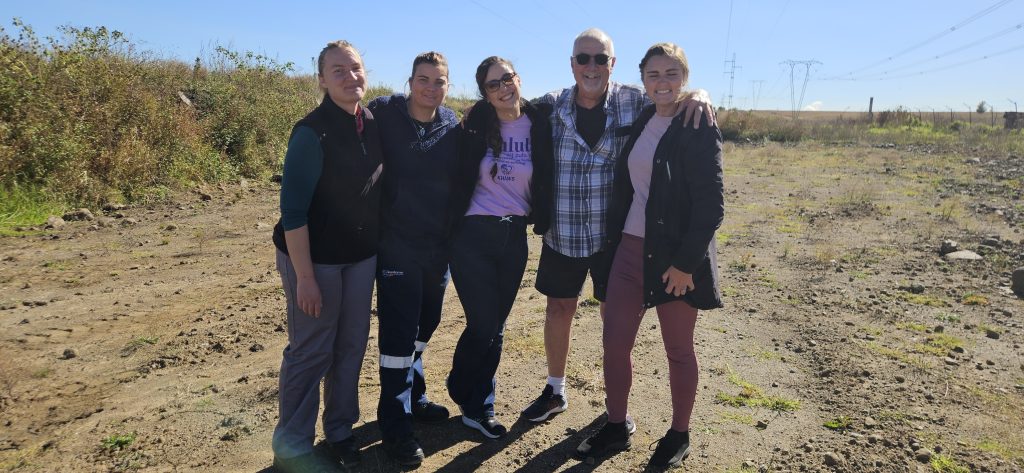
At Khulula Animal Welfare Society (KHAWS), every happy bark, wagging tail, and contented purr tells a story of hope, compassion, and unwavering dedication to animal welfare.
In just one year and four months of serving the community, KHAWS has welcomed countless animals through its doors. Their mission remains clear — to ensure the emotional, mental, and physical wellbeing of every animal while finding them loving forever homes where they can live free from hunger, pain, and uncertainty.
Over the past few months, the organisation has celebrated a wonderful increase in adoptions, with 15 animals finding homes in the last month alone. While this has been a tremendous success, KHAWS has also experienced a decline in donations. Despite limited resources, the team continues to maintain exceptionally high standards of care, hygiene, health, and love for every animal entrusted to them.
As a non-profit organisation, KHAWS relies entirely on the generosity and support of the community. Their dedicated staff and volunteers each play a vital role in creating a nurturing environment for the animals. An animal behavioural specialist works closely with the animals daily, helping them build trust and identifying the ideal family match for each pet.
Every weekend, volunteers spend countless hours walking dogs, giving them freedom, exercise, and affection, while cats are comforted with warmth, attention, and calm companionship — helping every animal prepare for a fresh start in life.
KHAWS has also received incredible ongoing support from Jan Beselaar, owner of Ricky B Trucking. From sponsoring water and electricity to assisting with maintenance, painting, equipment transport, and preparing walking trails, his contributions have played a major role in the shelter’s growth and development.
Several exciting improvements are currently underway at the shelter. Drainage systems at the cattery have been upgraded, office buildings secured with new doors and gates, and renovations are taking place to create proper staff facilities. Roofing upgrades are also in progress, particularly at the cattery where recent rainfall has caused discomfort for the cats. KHAWS is still seeking assistance with a few remaining roof sheets to complete this important project.
Another exciting development is the planned construction of a “Catio” — an enriched outdoor space designed to improve the cats’ quality of life through stimulation, exercise, and exploration. This long-awaited dream project is expected to begin within the coming month.
Looking toward the future, KHAWS is also entering the planning and development stages for a brand-new boarding kennel facility. The project aims to provide the TEKS area with a much-needed safe and reliable pet boarding service while simultaneously creating a sustainable additional income stream for the shelter.
The proposed boarding kennels will feature spacious covered sleeping areas and large outdoor yards where dogs can safely enjoy sunshine, fresh air, and playtime throughout the day. Dedicated boarding facilities for cats are also part of the vision, ensuring comfort and stimulation for feline guests as well.
KHAWS is inviting community members, businesses, and organisations to become part of this exciting journey. Contributions of building materials, fencing, grass, labour, expertise, fundraising assistance, or volunteer support can all make a meaningful difference. The organisation is also able to issue Section 18A tax certificates, making donations beneficial for both donors and the shelter.
Serious concerns are emerging over the financial state of Govan Mbeki Municipality after details contained in the municipality’s 2026/2027 Medium Term Revenue and Expenditure Framework (MTREF) revealed an unfunded budget exceeding R500 million.
The budget shortfall has raised fears about the municipality’s ability to sustain service delivery, maintain infrastructure, and meet its financial obligations in the coming financial year.
Despite objections from opposition parties, the budget was ultimately adopted after the ANC and EFF coalition used its majority to overrule concerns raised during the council process. Both the Democratic Alliance (DA) and Freedom Front Plus (FF Plus) voted against the acceptance of the budget, warning that the municipality’s financial position is becoming increasingly unsustainable.
An unfunded budget means that planned expenditure exceeds realistically available revenue and cash-backed reserves, placing the municipality in a financially vulnerable position. Financial experts warn that such a situation can lead to cash flow crises, mounting debt, delayed payments to suppliers, deteriorating infrastructure, and possible intervention by provincial government authorities.
The municipality’s proposed tariff book indicates that officials are attempting to close the funding gap through widespread increases in tariffs, penalties, deposits, and administrative charges affecting residents, businesses, and service users across the municipality.
Among the most significant increases is the administration fee for disconnection of services due to non-payment, which rises sharply from R543 to R1 600.
Electricity and water tampering penalties have also increased substantially. Domestic consumers found tampering with meters could now face penalties ranging from R8 000 for a first offence to R24 000 for a third offence. Businesses face even harsher penalties, with fines escalating up to R66 800 for repeat offences.
Consumer deposits for water and electricity services are also increasing. Residential deposits rise from R5 388 to R5 587, while some business connection deposits more than double depending on the size of the connection required.
The tariff proposals further reveal growing concerns around illegal water connections, infrastructure damage, and non-payment. Penalties for illegal water connections range from R9 203 for households to R18 754 for businesses, while unauthorized water tanker usage may result in fines exceeding R25 000 in addition to water charges.
Infrastructure-related penalties are equally severe. Damage to municipal water pipes can cost offenders up to R50 242 plus the calculated value of water losses, while damage to sewer infrastructure can exceed R53 000 depending on the extent of the damage.
Residents are expected to feel the financial impact of the new tariff structure across multiple services, including water, sewerage, refuse removal, electricity-related charges, and various administrative services.
Critics argue that the municipality’s reliance on increased tariffs and penalties points to deeper structural financial problems rather than temporary budget pressures. Concerns have also been raised about the municipality’s revenue collection capabilities, debt recovery systems, expenditure controls, and long-term financial sustainability.
Questions are now being asked about whether the municipality has a credible financial recovery plan in place and whether residents can continue absorbing escalating municipal costs amid ongoing economic pressure.
The budget documentation paints a troubling picture of a municipality under severe financial strain, with growing fears that the funding crisis could ultimately impact service delivery, infrastructure maintenance, and investor confidence within the region.
The proposed budget and tariffs are expected to face close public scrutiny as residents, businesses, and political stakeholders evaluate the implications of the municipality’s worsening financial position.
World No Tobacco Day (May 31) highlights how repeated smoking puts ongoing strain on the heart and blood vessels, significantly raising the risk of serious heart disease.
As South Africa marks World No Tobacco Day, health experts are drawing attention to something often overlooked in public messaging – that smoking is not only a long-term driver of disease, but also an immediate, repeat-trigger stressor on the heart.
Each cigarette does not just “add up over time” – it sets off a rapid chain of cardiovascular reactions that begin within minutes, raising heart rate, blood pressure and the heart’s oxygen demand almost instantly.
A minute-by-minute strain on the heart
When a cigarette is smoked, nicotine quickly enters the bloodstream and stimulates the release of adrenaline. This triggers a short-term spike in heart rate and blood pressure while simultaneously narrowing blood vessels, making it harder for blood to circulate efficiently.
At the same time, carbon monoxide from cigarette smoke binds to haemoglobin in the blood, reducing its ability to carry oxygen. The result is a double burden – the heart must work harder, while receiving less oxygen to do so. Over the course of a day, this process is repeated with every cigarette, creating a cycle of repeated cardiovascular “stress events” rather than a single continuous exposure.
Smoking also affects the body’s ability to regulate blood sugar. Research shows that nicotine can contribute to insulin resistance, increasing the risk of developing type 2 diabetes. For people already living with diabetes, smoking can worsen blood vessel damage and make complications far more likely.
“It’s a repeated shock to the system”
According to Ingrid Singels, Associate Director Scientific Products at Pharma Dynamics, this repeated physiological response is one of the most underestimated aspects of smoking.
“Each cigarette triggers a short, intense cardiovascular stress response. Heart rate increases, blood pressure rises and oxygen delivery is compromised. For someone smoking regularly, this is happening multiple times a day – sometimes every hour.”
She adds that even short-term changes matter. “We often think of heart disease as something that develops slowly over years, but these immediate spikes place repeated strain on blood vessels and the heart itself.”
The hidden burden behind every cigarette
Globally, tobacco use remains one of the leading preventable causes of death, claiming over 7 million lives annually, including around 1.6 million non-smokers who die due to exposure from second-hand smoke.
In South Africa alone, tobacco-related diseases claim over 25 000 lives each year and tobacco use kills up to half of its users – a stark reminder of the scale of the risk.
Singels notes that this burden is visible in clinical practice. “As a company working closely with cardiovascular and metabolic health, we see firsthand how many patients are on chronic medication for heart and metabolic-related conditions,” she says. “The scale of preventable disease is enormous.”
Preventative focus
Pharma Dynamics, SA’s leading supplier of cardiovascular medication, says its core focus is shifting the conversation from treatment to prevention.
“The reality is that once someone is on lifelong medication for hypertension or heart disease, we are already managing the consequences,” she explains. “Our goal is to reduce that pipeline in the first place through awareness and lifestyle change.”
She adds that smoking cessation is one of the most effective interventions for reducing cardiovascular risk. “The heart starts to recover surprisingly quickly after quitting. Within minutes, the heart rate drops and begins to normalise, while blood pressure starts to improve.”
Singels says framing smoking as an immediate physiological stressor, rather than only a longterm risk, may help shift behaviour, particularly among younger smokers. “People often underestimate what a single cigarette does in real time,” says Singels. “It’s not just a future risk; it’s a present biological event affecting the heart every time you light up.”
The toll on South Africans’ health
South Africa continues to face a dual burden of non-communicable diseases and lifestyle related risk factors, with smoking remaining a key contributor to cardiovascular illness while making diabetes management – another prevalent chronic condition – more difficult.
Beyond the human cost, tobacco use places a significant economic strain on the country, costing an estimated R42 billion each year in healthcare expenses, lost productivity and premature deaths.
The takeaway
As World No Tobacco Day approaches, the focus is shifting from awareness to action, with health professionals urging smokers to make use of the support available.
In South Africa, resources, such as the National Council Against Smoking offer telephonic counselling through the Smokers’ Quitline (011 720 3145) or Whatsapp number: 072 766 7812, along with practical tools and guidance to manage cravings and build healthier habits.
“Understanding the immediacy of the impact can be a turning point,” Singels says. “When people realise their heart is responding within minutes – not years – it changes how they think about that next cigarette.”
The Sasol Highveld Photography Club held a lively May meeting with members, guests and a guest judge, Jannie van Niekerk. The evening showcased 64 entries across eight categories, from Nature and Monochrome to Photojournalism and Set Subject, and offered news, recognitions and upcoming opportunities for club photographers.
Competitions and Club News
PSSA news and salon results
Best Club Competition: April results highlighted strong entries by Leon Pelser and Yolandi Geyser in senior and junior sections, respectively.
Web Competition: Members were reminded to nominate Sasol Highveld Photography as their club. Notable web competition entries included Louis van der Walt, Leon Pelser, DNE Smit, Sussa Pelser and Yolandi Geyser.
Salon Results: Several members had acceptances in recent salons. Highlights include Sussa Pelser’s acceptance in a regional digital salon and multiple acceptances by Louis van der Walt in a national salon. The club celebrated strong representation in international circuits as well.
International Success
Amour Circuit 2026: Club entries earned multiple honors across three salons — including PSA and other medals, several jury-choice e-certificates, and a total of 28 acceptances. Special congratulations to Leon Pelser for his achievements.
Upcoming Salons and Events
Members were encouraged to enter several upcoming national and international salons (including the Sandton National Digital Salon, Four Nations Competition, Kosmos Digital Salon and others). Deadlines were shown for members to plan submissions.
Photography events and opportunities for participation were highlighted, offering members chances to showcase work and earn salon acceptances.
Meeting Calendar and Set Subjects The club’s meeting schedule and monthly set-subject themes for the year were shared to guide members’ creative efforts:
June: Time
July: Funny
August: Forms in Nature
September: Industrial
October: Mirror, mirror
November: Self-Portrait
December: Year-end AGM and braai
Members were thanked for their participation and reminded to keep personal details (like birthdays) updated on the club’s online system. The meeting closed on a celebratory note, congratulating winners and encouraging continued participation in competitions and salons.
Well done to all contributors — keep shooting, entering, and supporting one another.
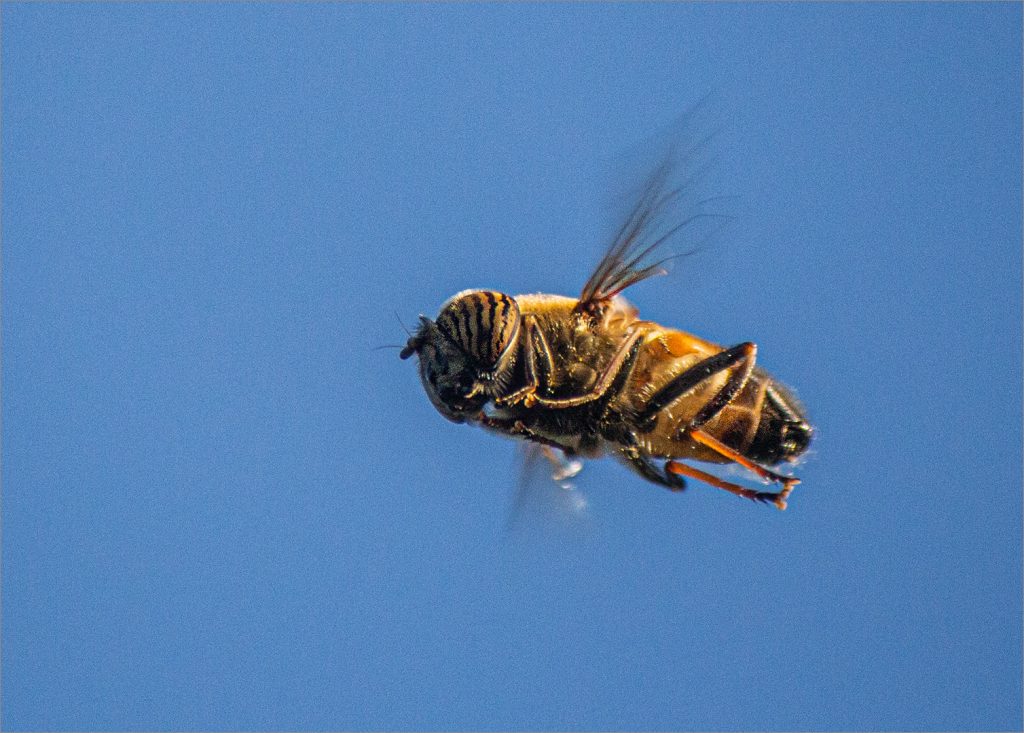
The Best Junior Photographer for May is Edmund Hattingh with “Bee breakfast”
The Best Set Subject photograph for May is Louis van der Walt with “Cederberg Arch Moon Phases v2”
Here are all the COM and Gold winners for the April meeting:
Category – Nature: Birds Only
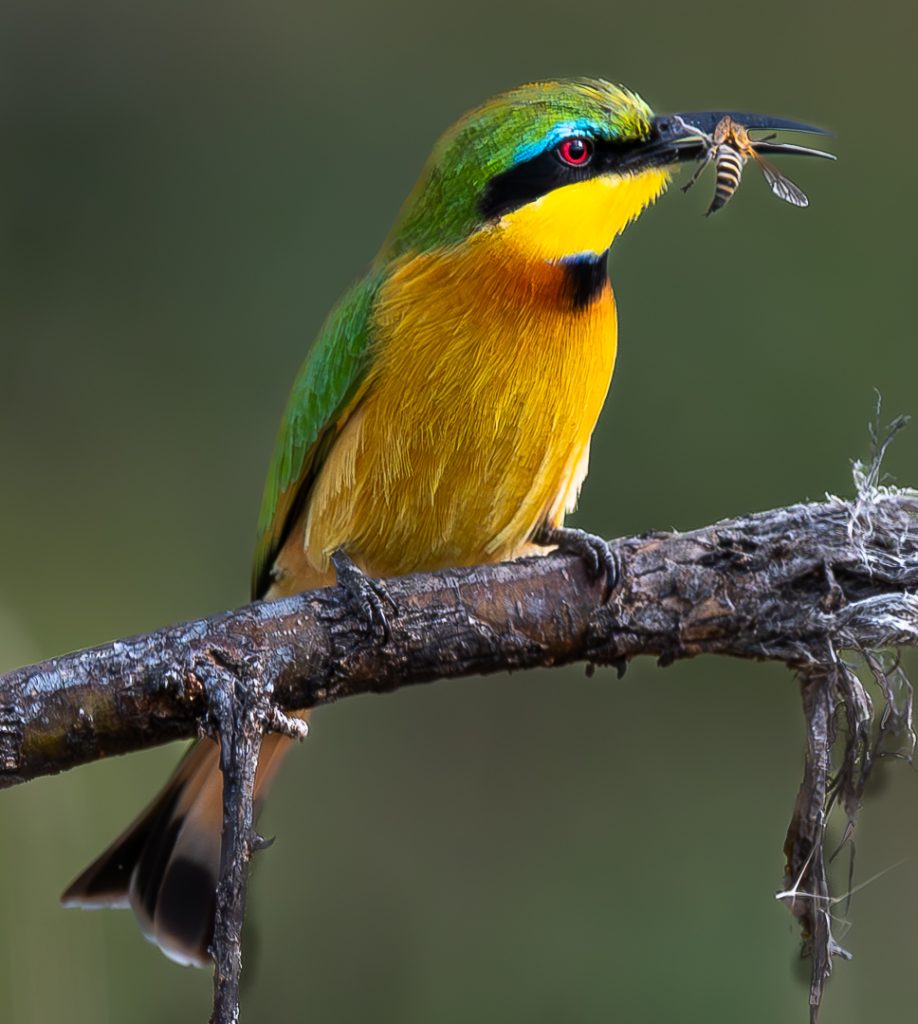
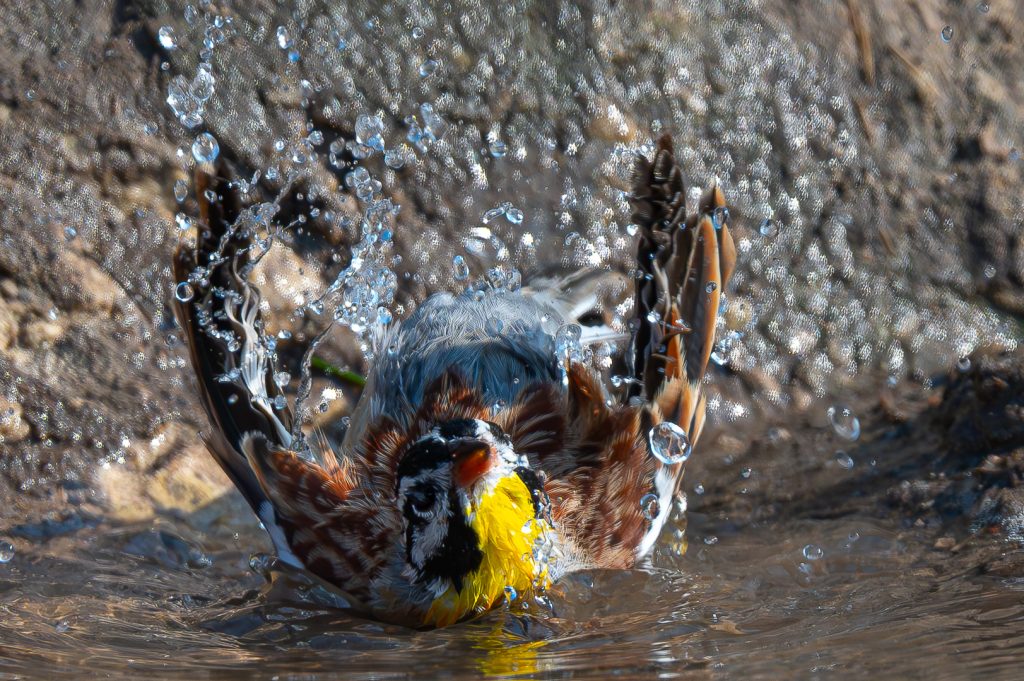
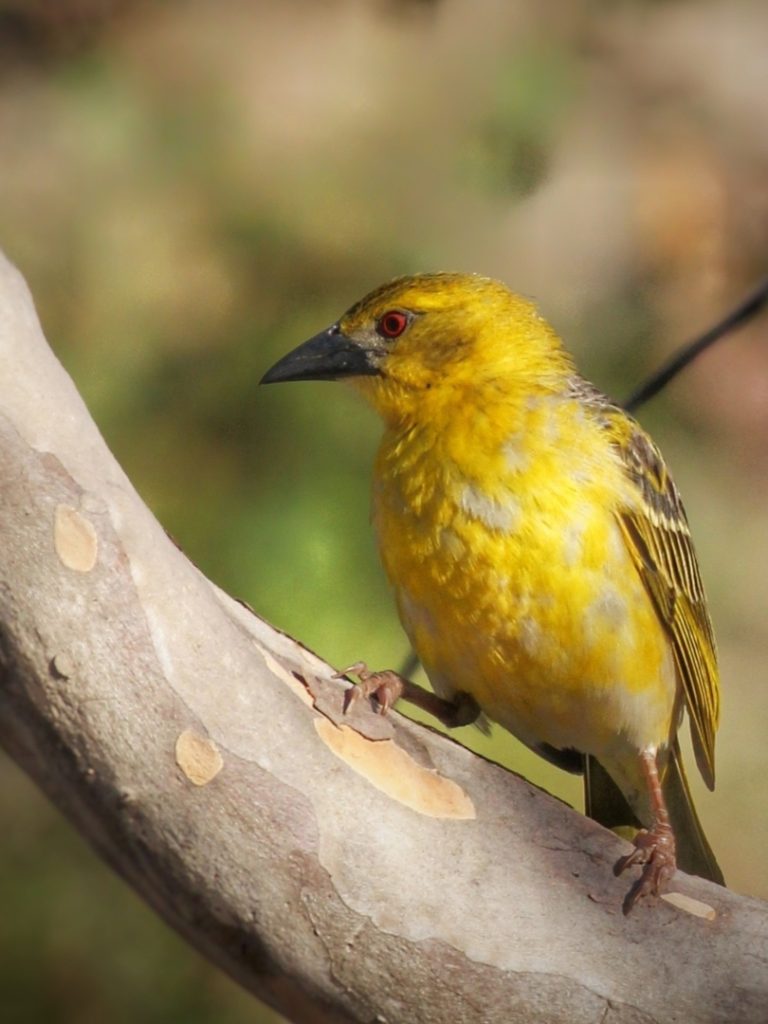
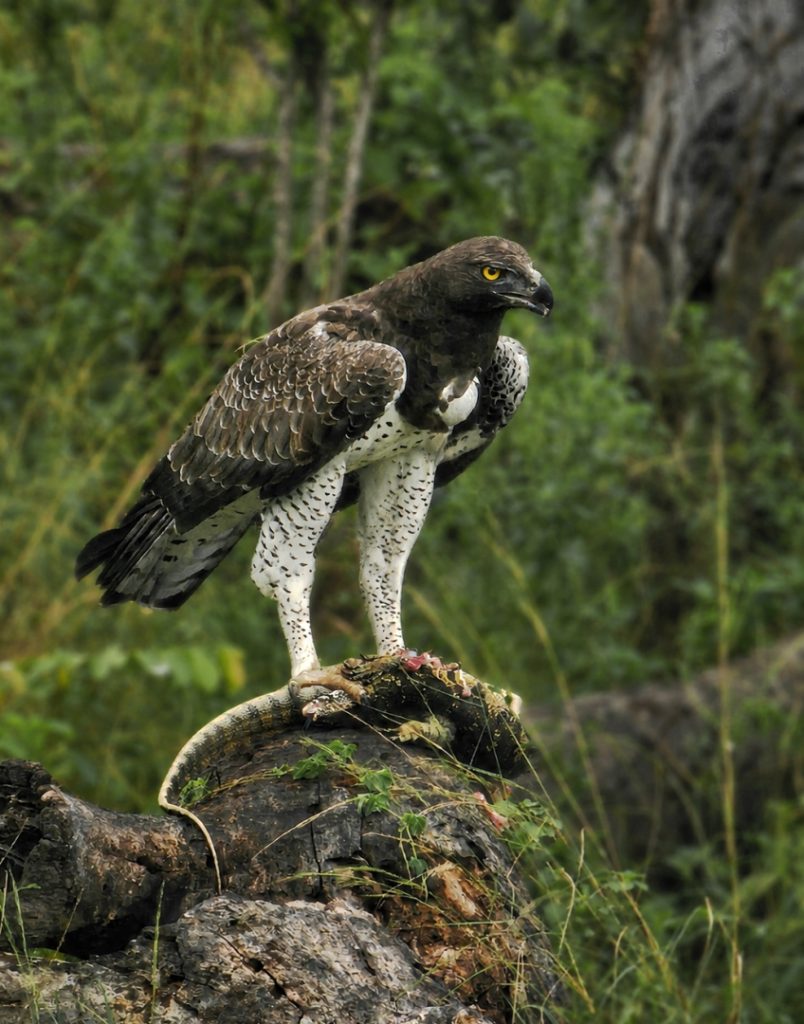
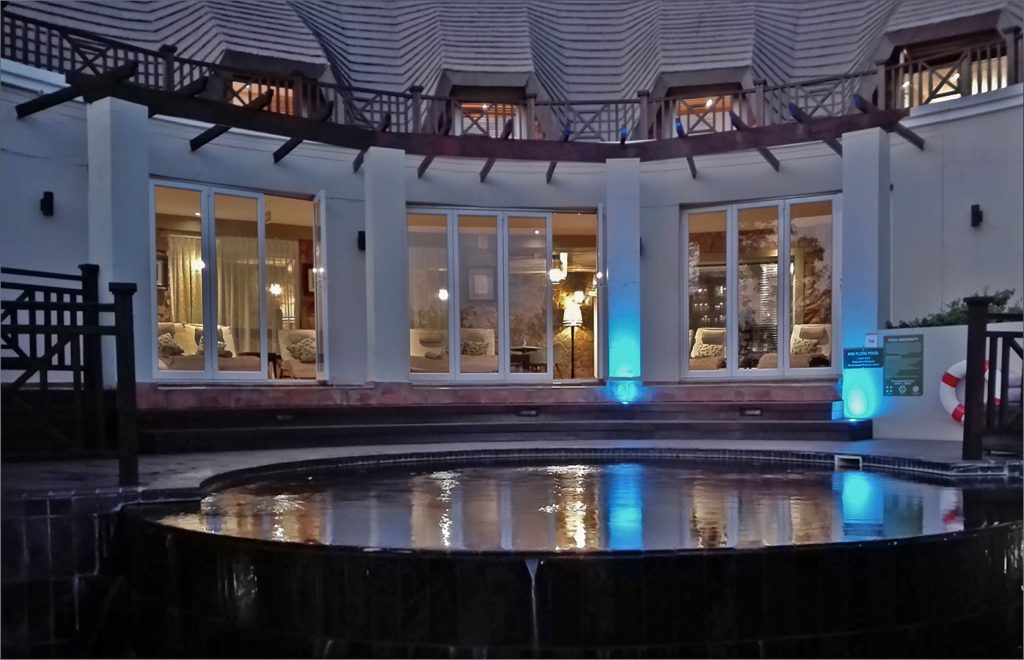
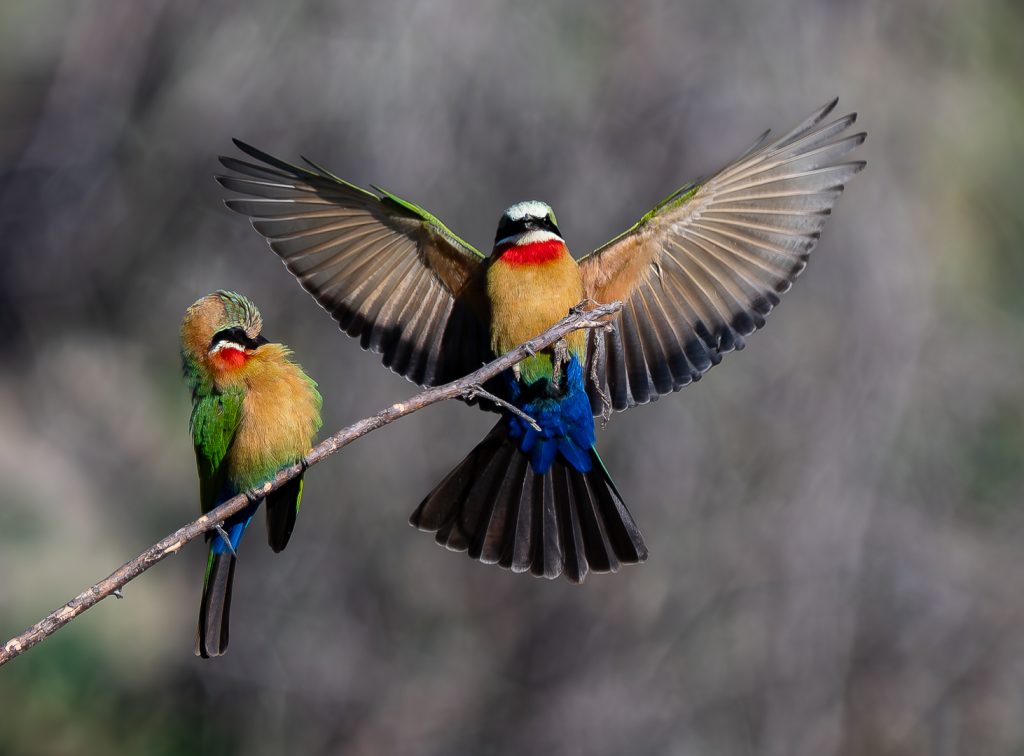
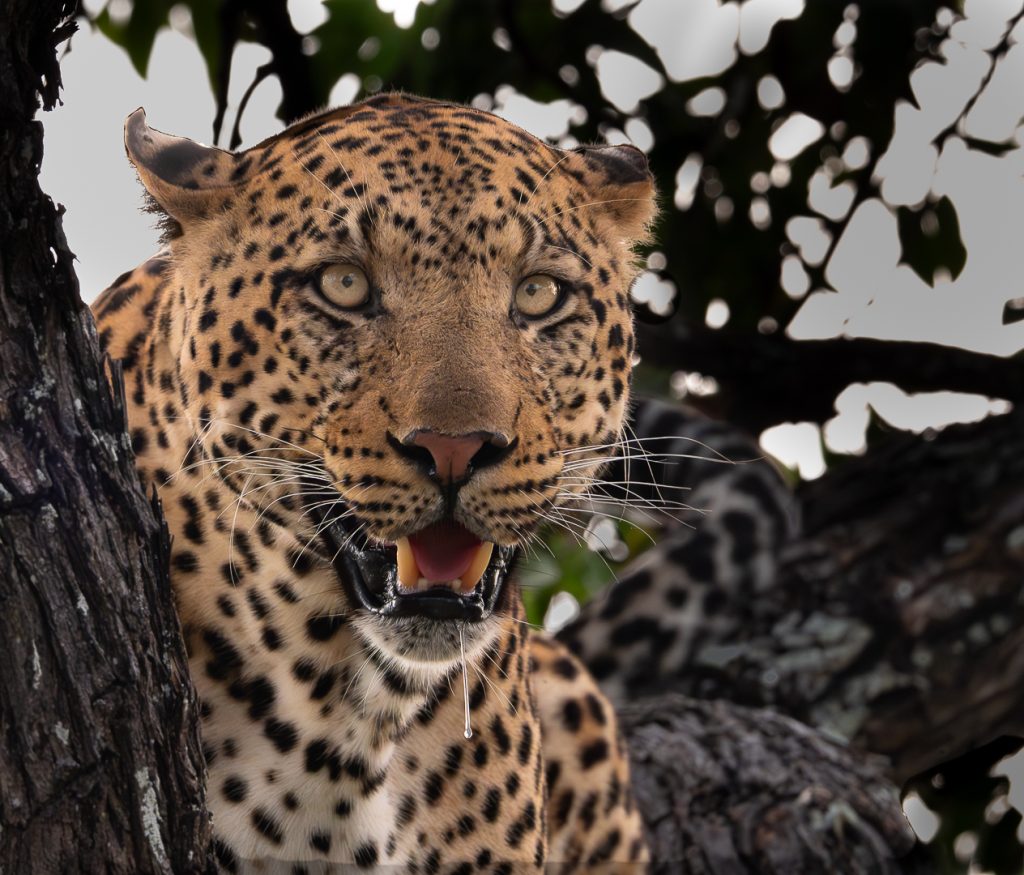
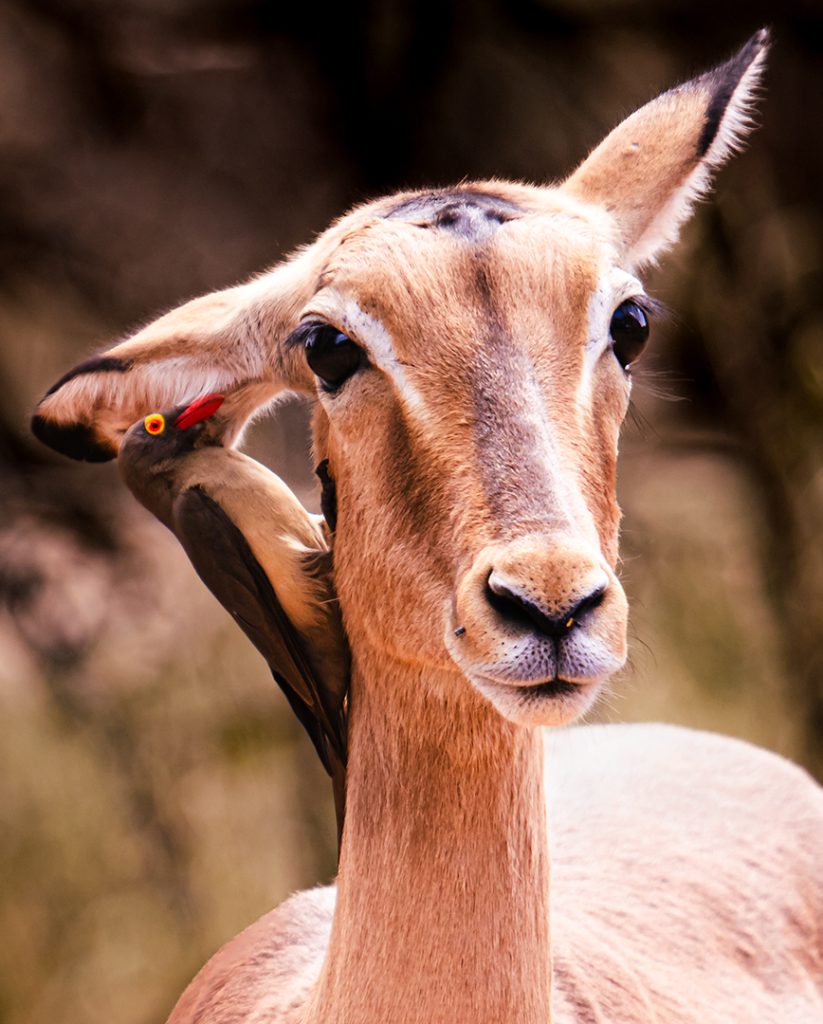
Vroeg oggend bad by Edmund HattinghVillage Weaver by Stian GriffinMartial Instinct by Ina AnnandaleRooibiskop by Hester GriesselPreparing for Winter by Piet PotgieterBalancing steps by Lorraine Botha
Category – Scapes
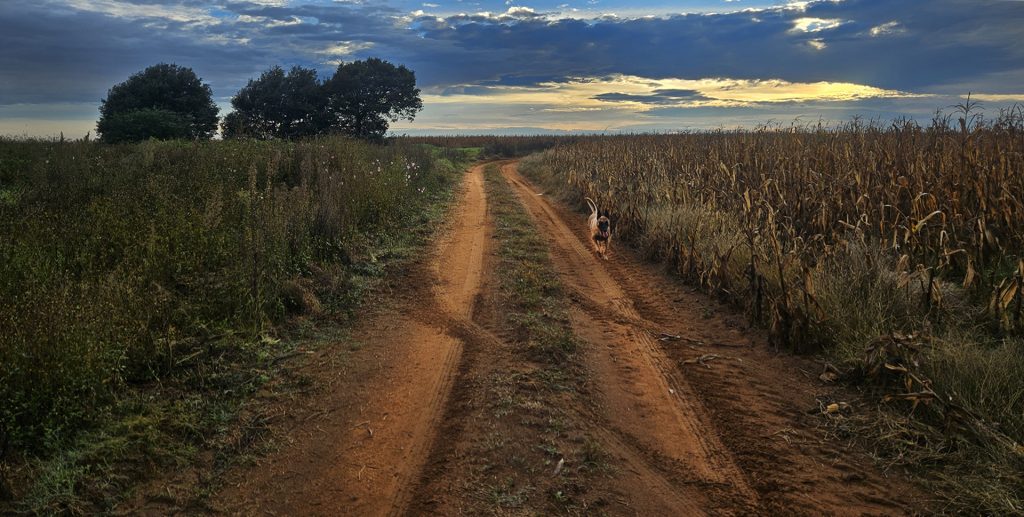
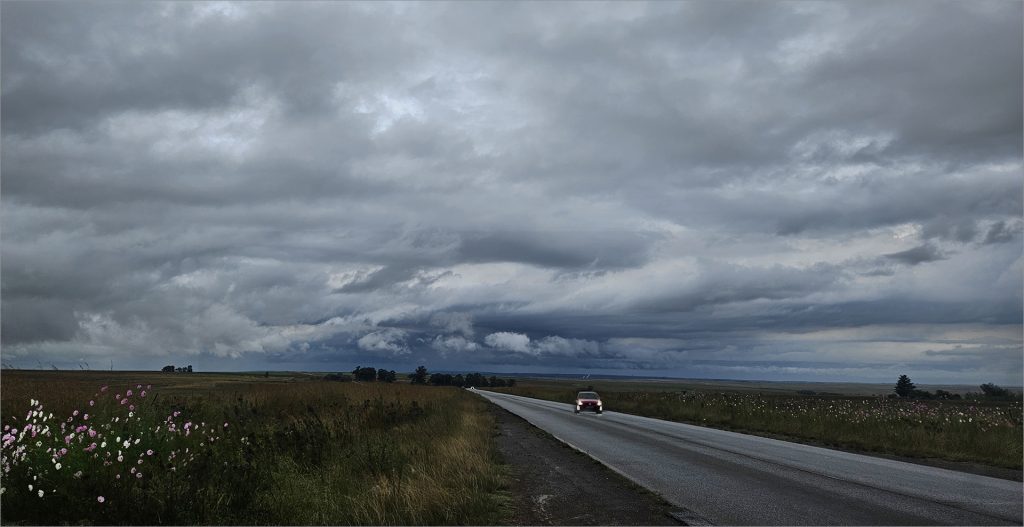
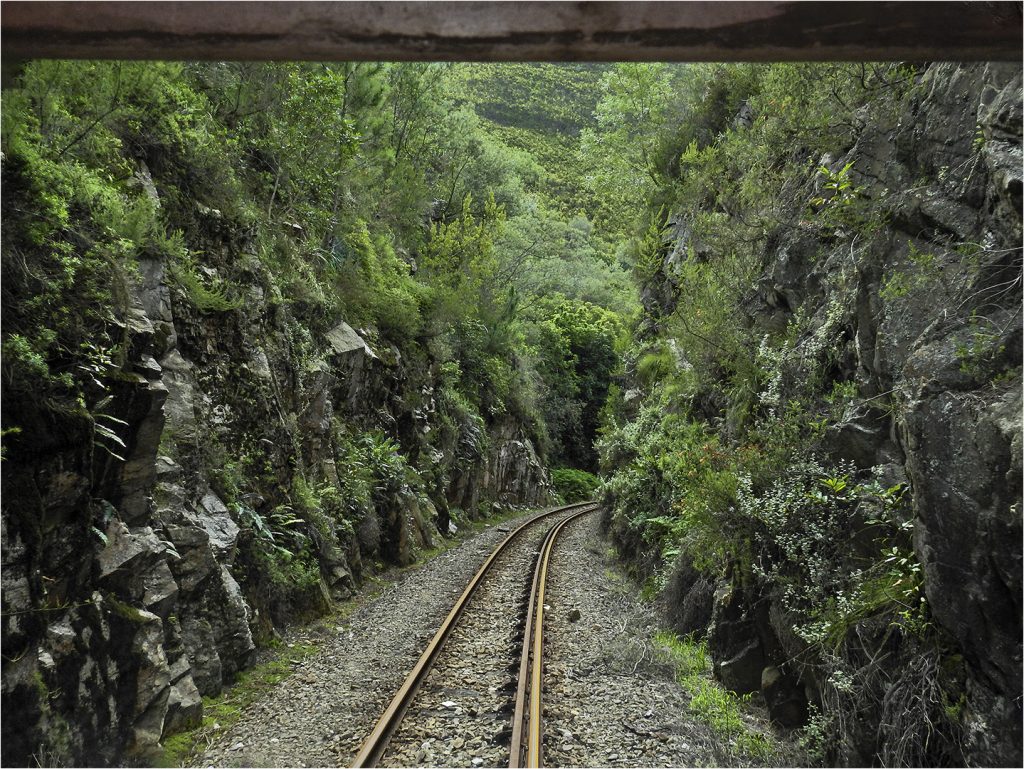
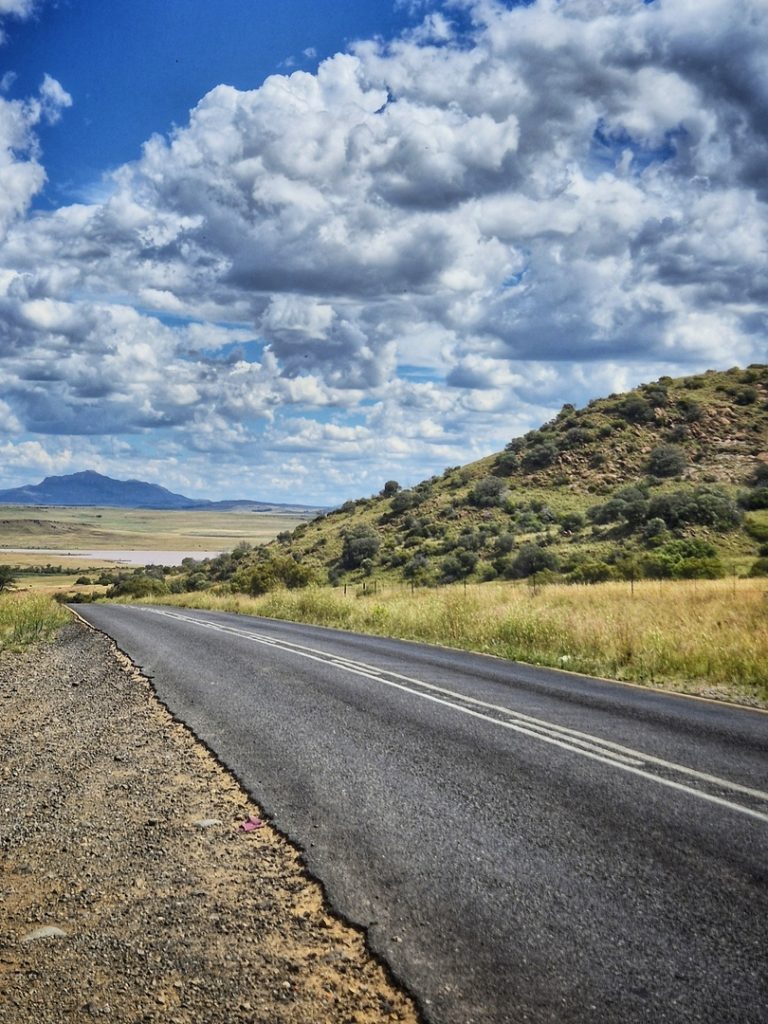
30s Tugela River 1 by Louis van der WaltAutumn in the Drakensberg by Stian GriffinJantjieshoek by DNE SmitTranquil at sunrise by Lorraine BothaEarly Morning Walk by Sussa PelserBig Storm Coming by Sussa Pelser
Category – Monochrome
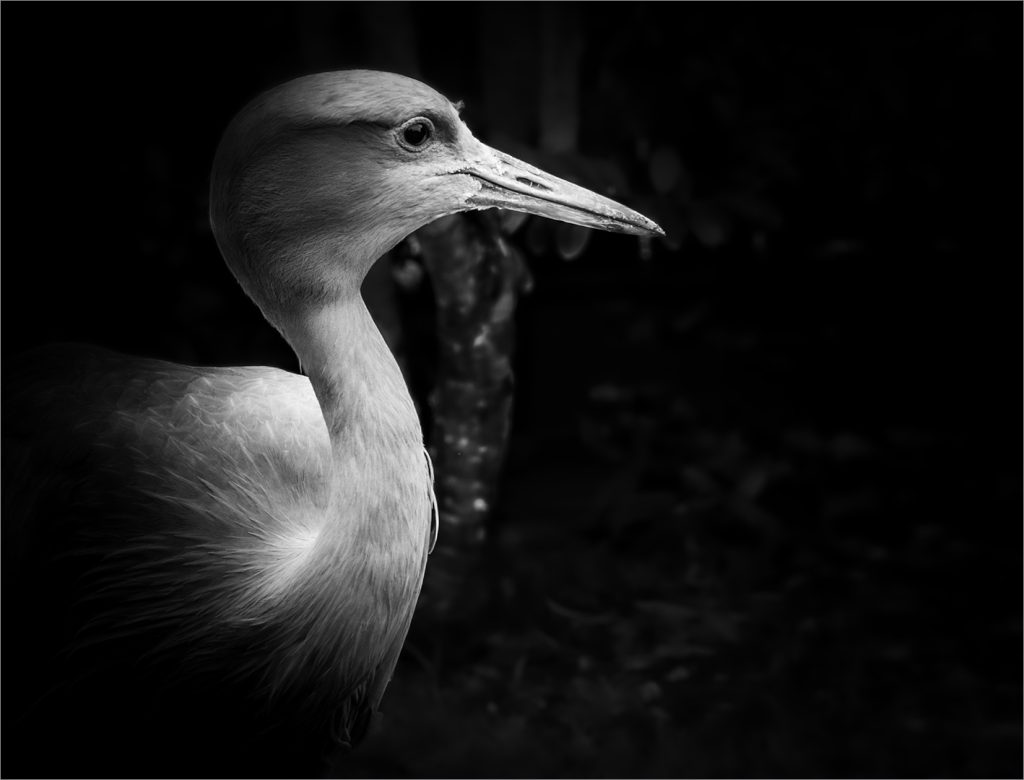
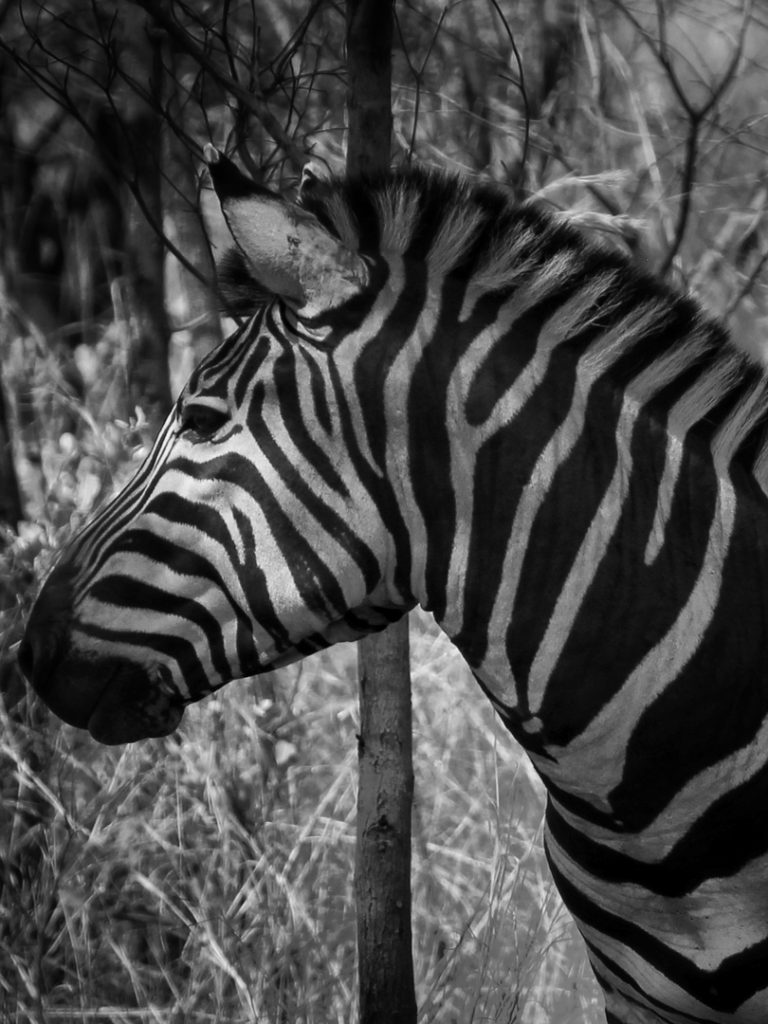
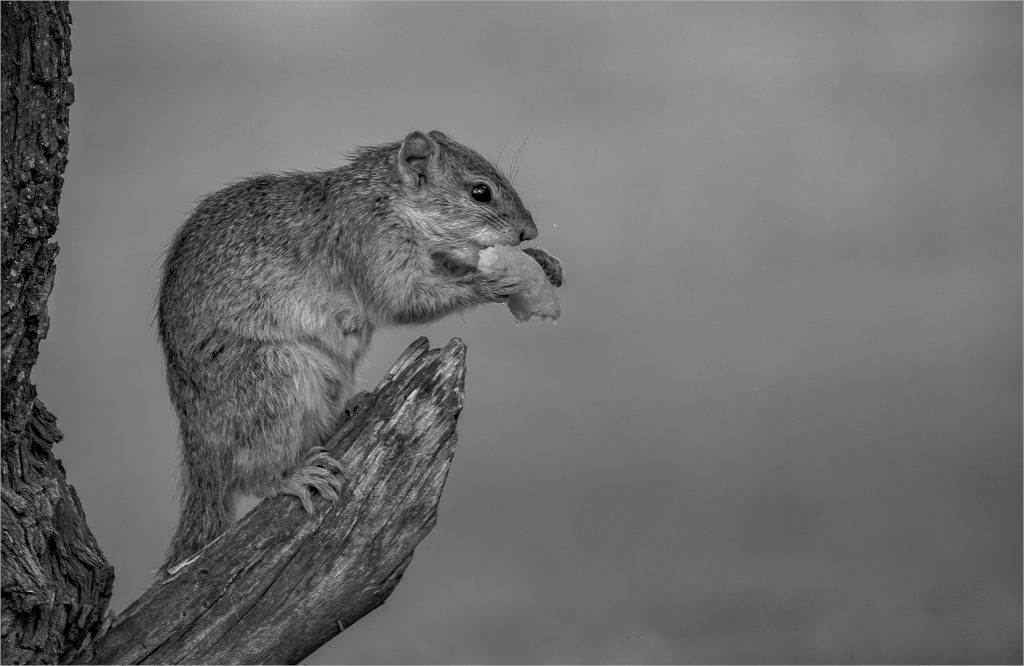
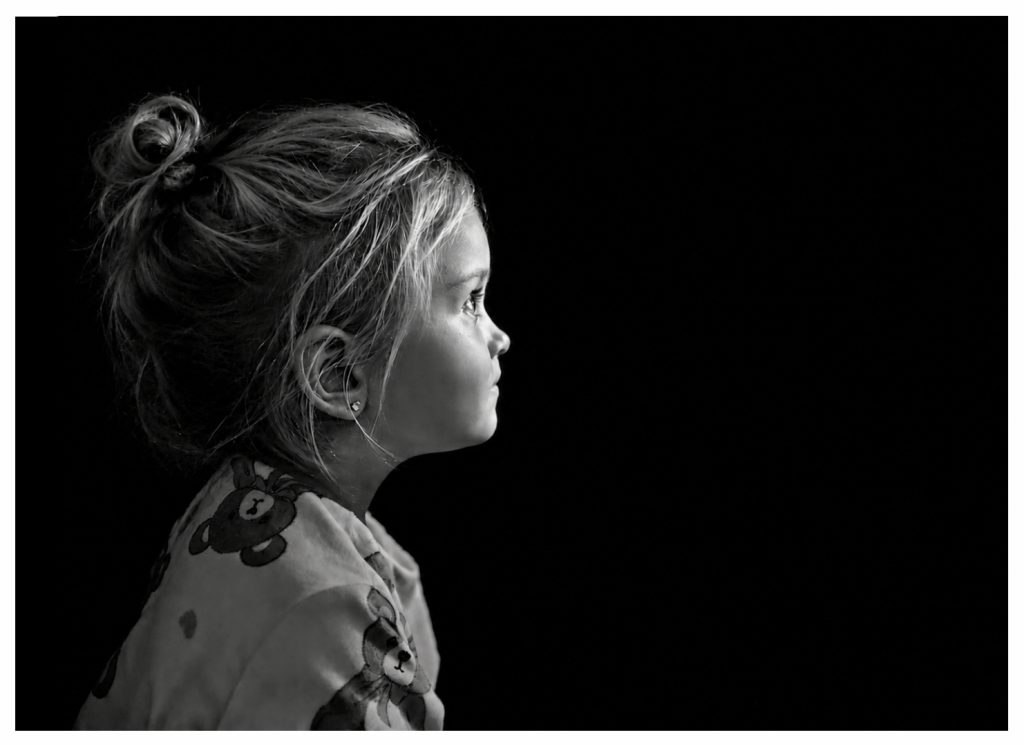
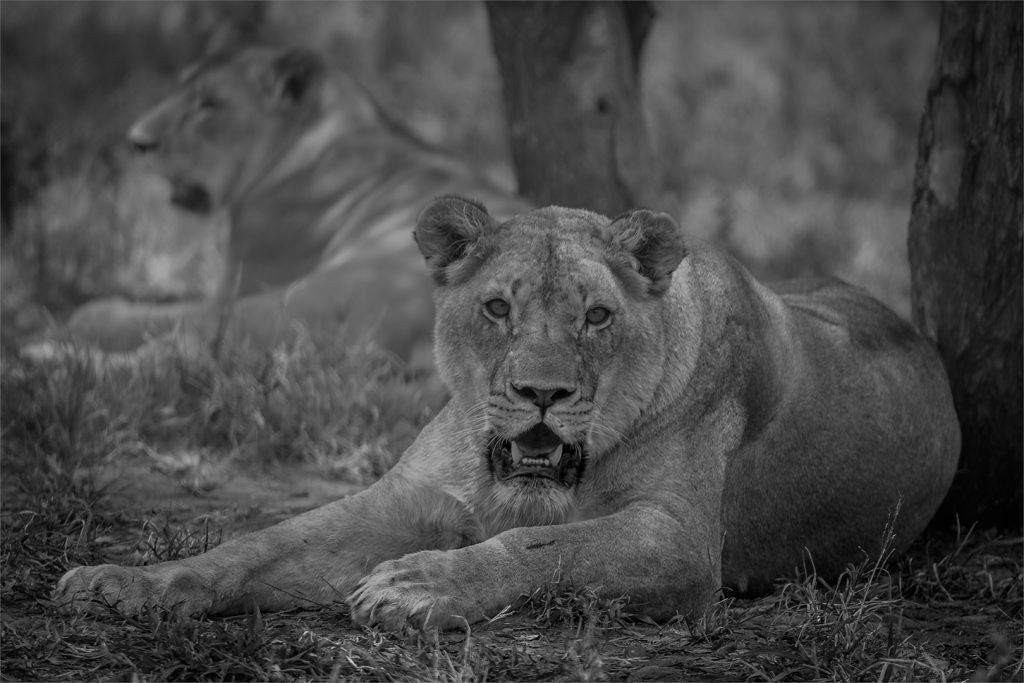
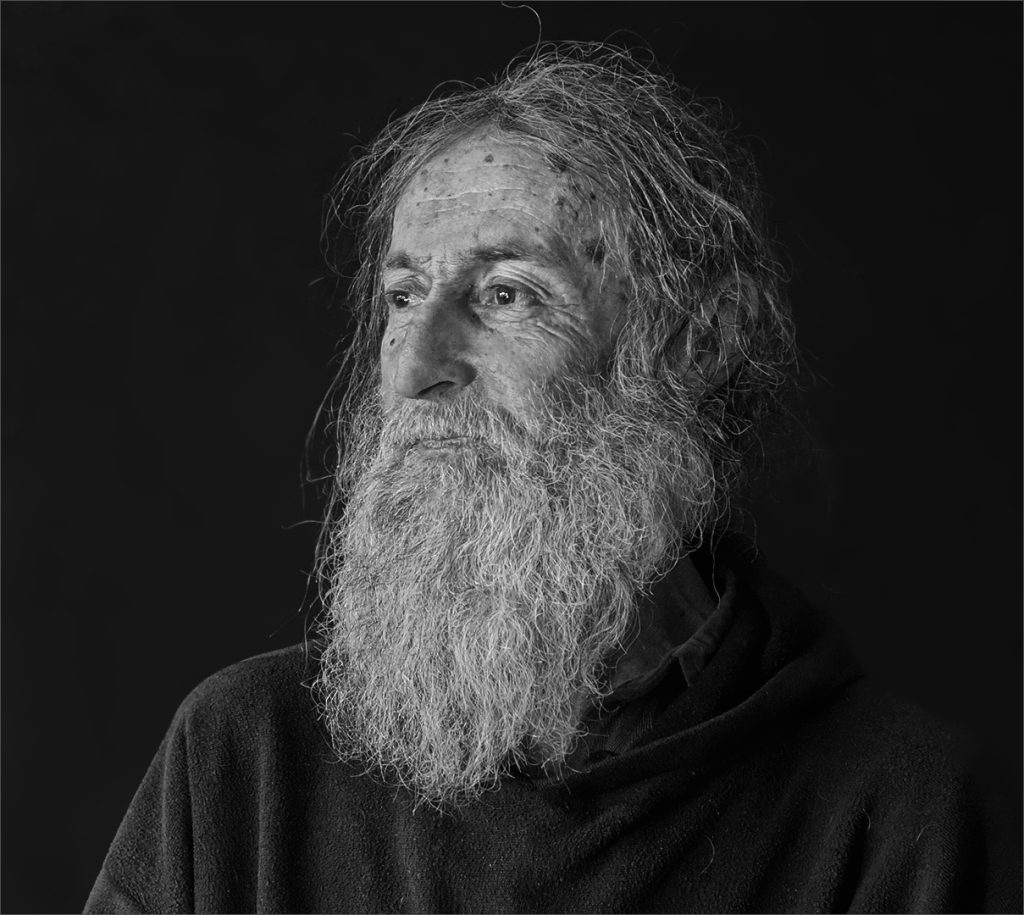
Poised in Silence by Yolandi GeyserLine by Line by Stian GriffinLittle Observer by Ina AnnandaleTaal Fontein by DNE SmitEat everything by Johan ViljoenSafe landing by Leon PelserWhispers after the rain by Yolandi GeyserResurrection wish by DNE SmitCalliie rook pyp mono by Leon Pelser
Category – Nature
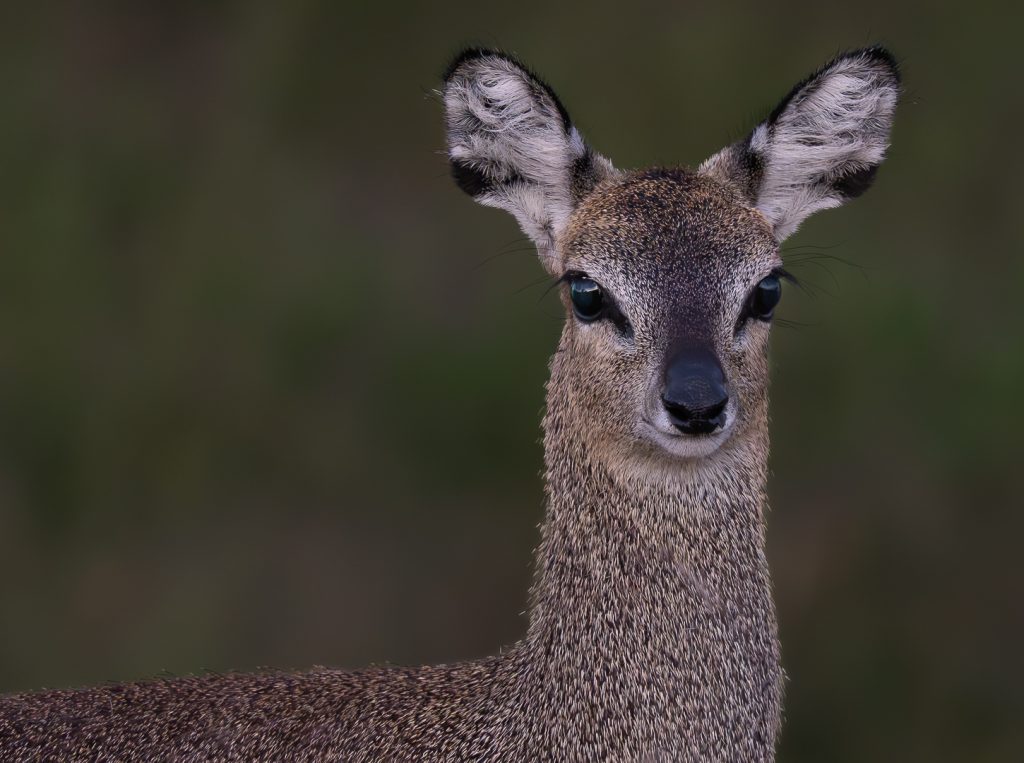
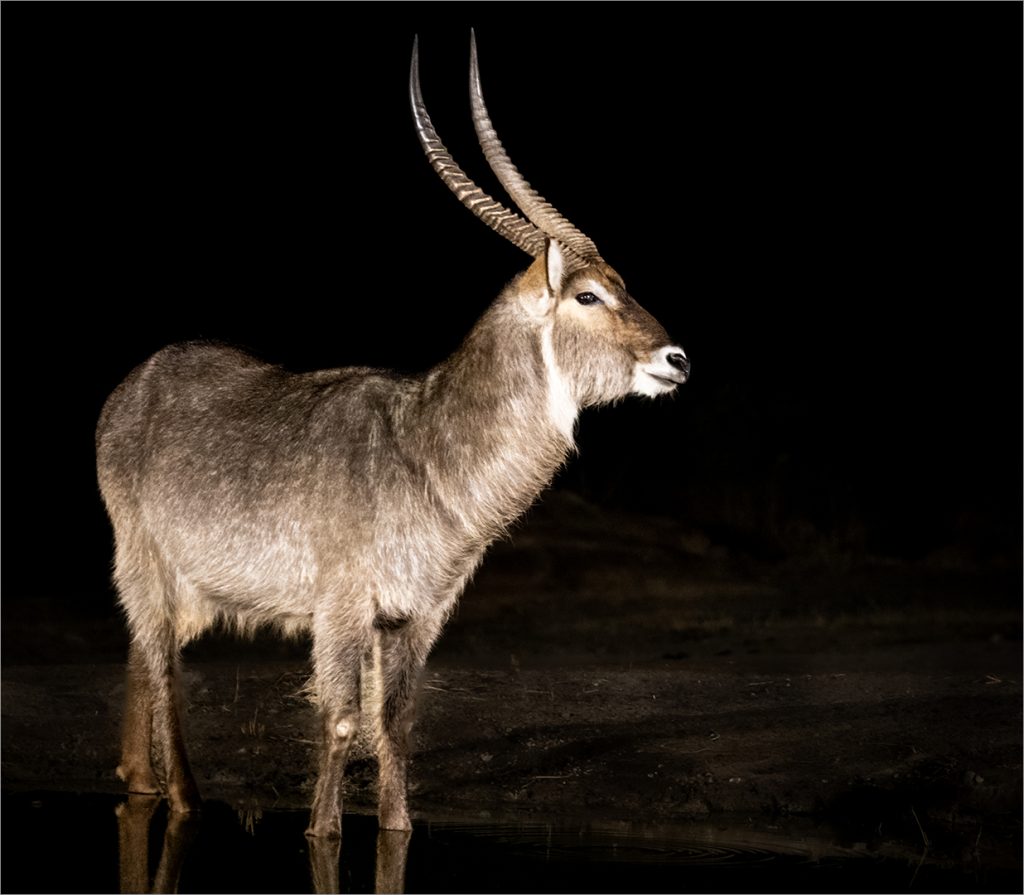
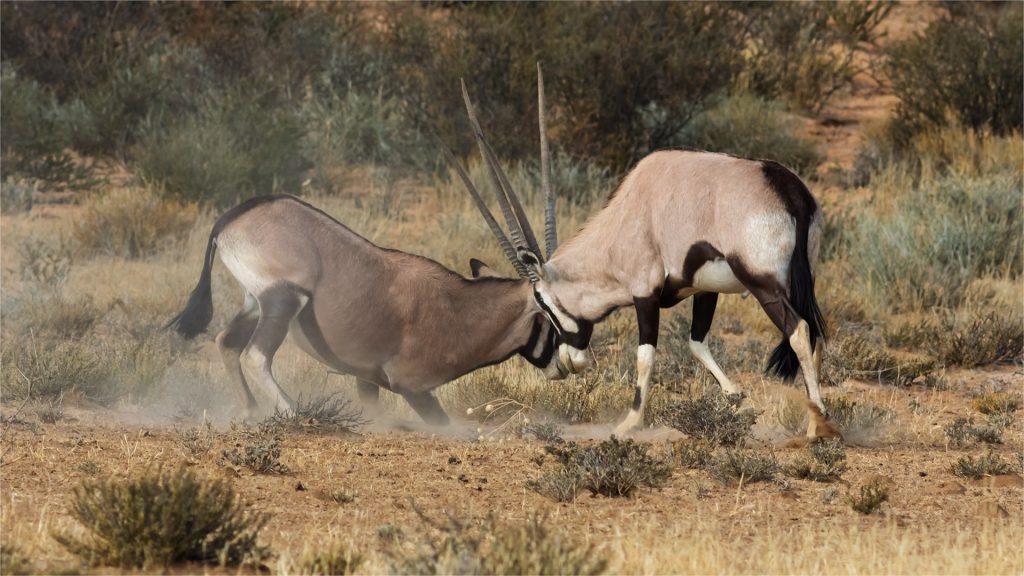
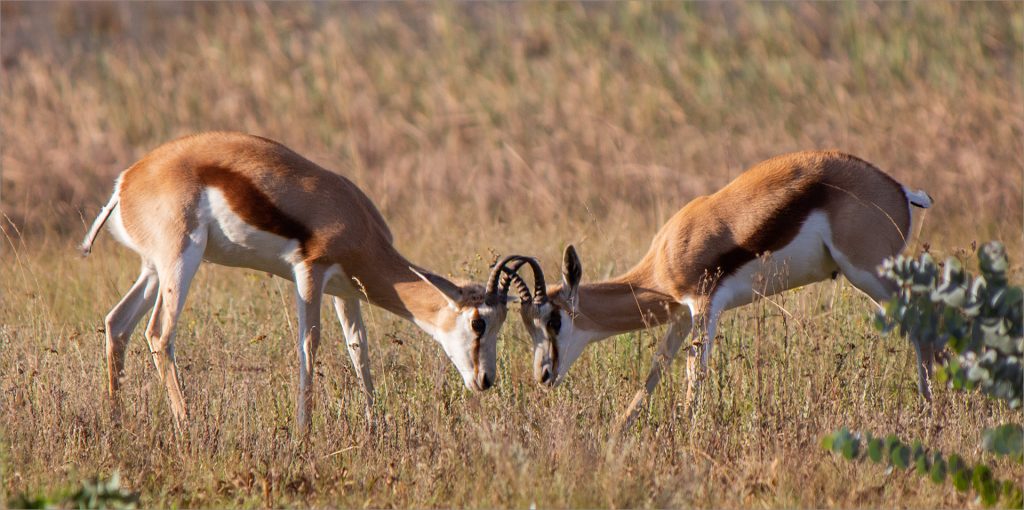
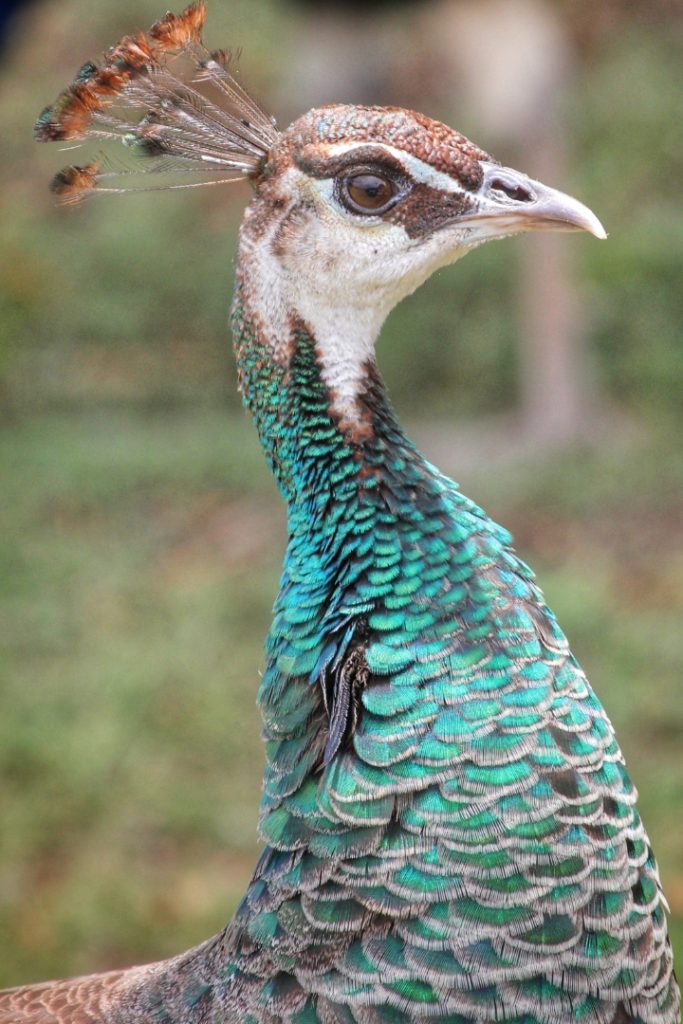
Klipspringer by Edmund HattinghSentinel at the Waters Edge by Yolandi GeyserDie nag jagter by Stian GriffinFighting for the right by Piet PotgieterBoys will be boys by Lorraine BothaNaaldekoker by Edmund HattinghMaking an escape in the water by Lorraine Botha
Category – Pictorial
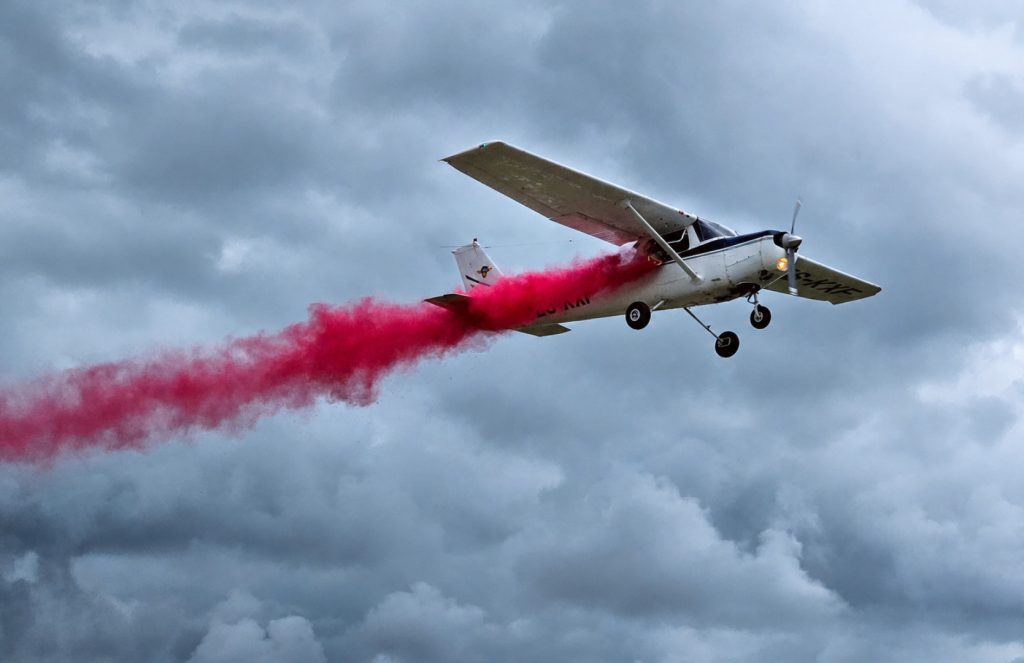
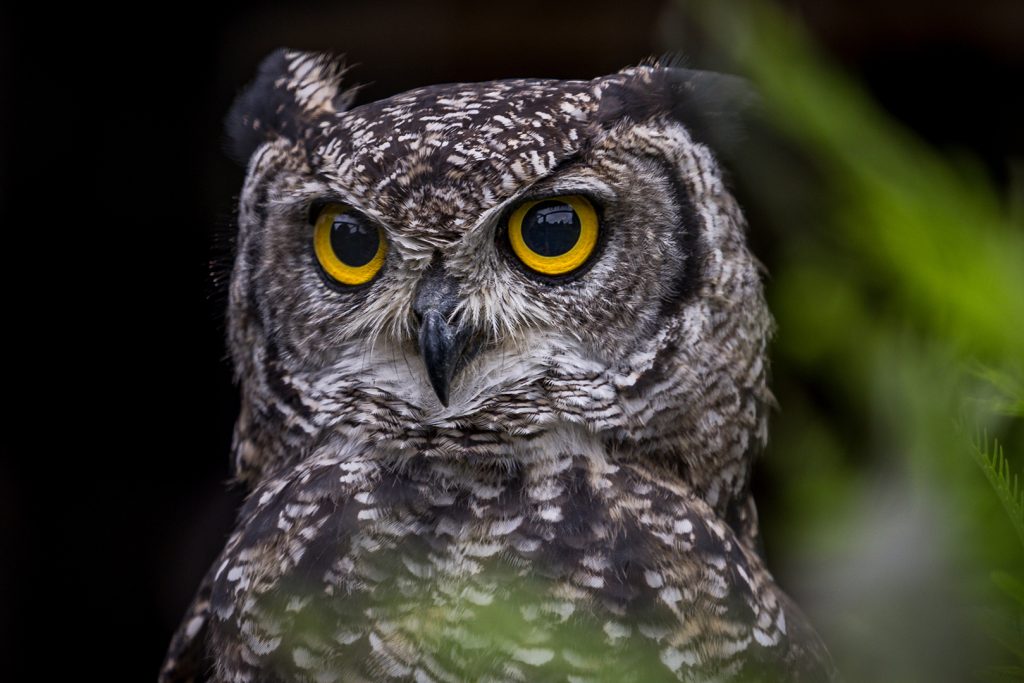
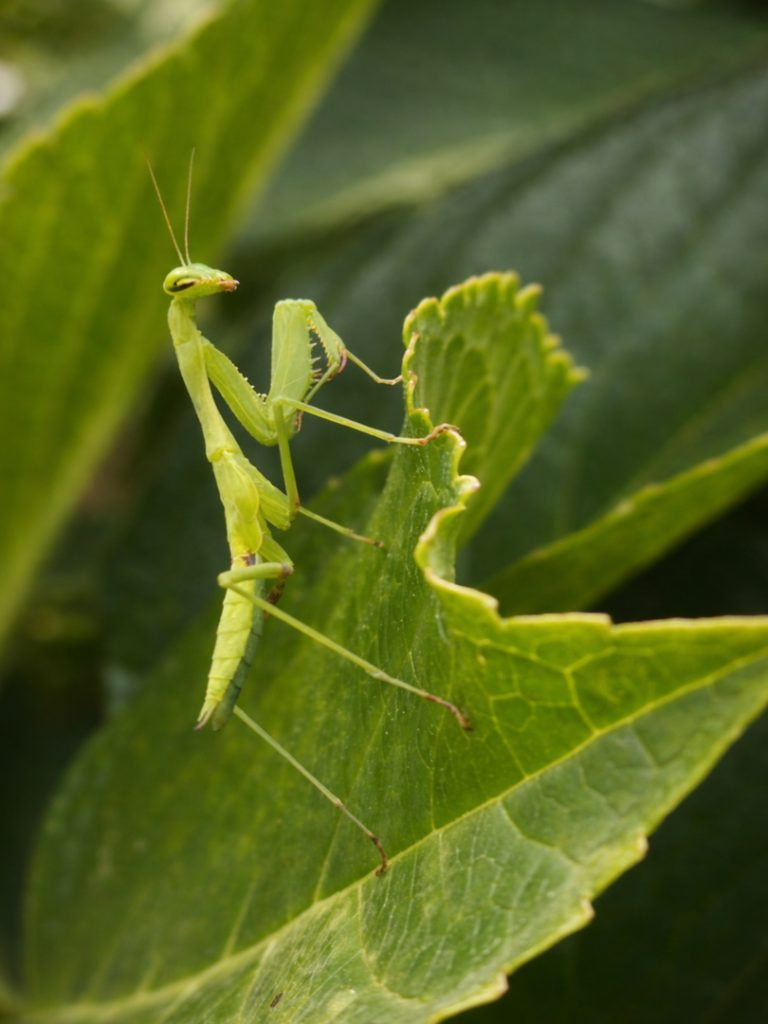
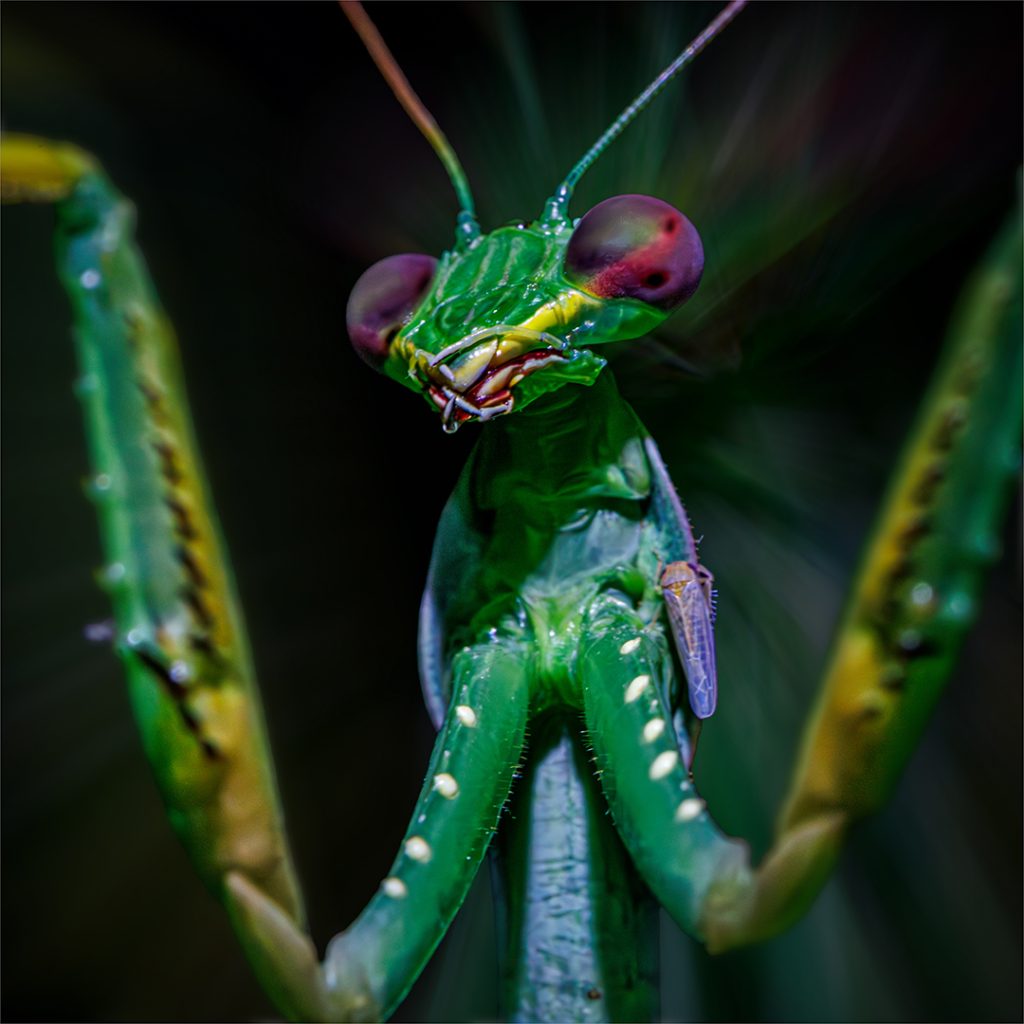
I eat you by Louis van der WaltA Bloom in Motion by Yolandi GeyserScarlet Trail by Ina AnnandaleCold authority by DNE SmitDangerous by Hester GrieselLekker gespeel met PS by Piet PotgieterIn the air by Johan ViljoenTill death drew us part by Leon PelserPraying Mantis 2 by Louis van der WaltTiny Wanderer by Ina AnnandaleLig daai boudjies by Hester GriesselTry in site by Johan ViljoenThe visitor by Leon PelserD Owl 2 by Louis van der WaltHet hom by Hester GriesselIn the clouds by Johan Viljoen
Category – Photojournalism
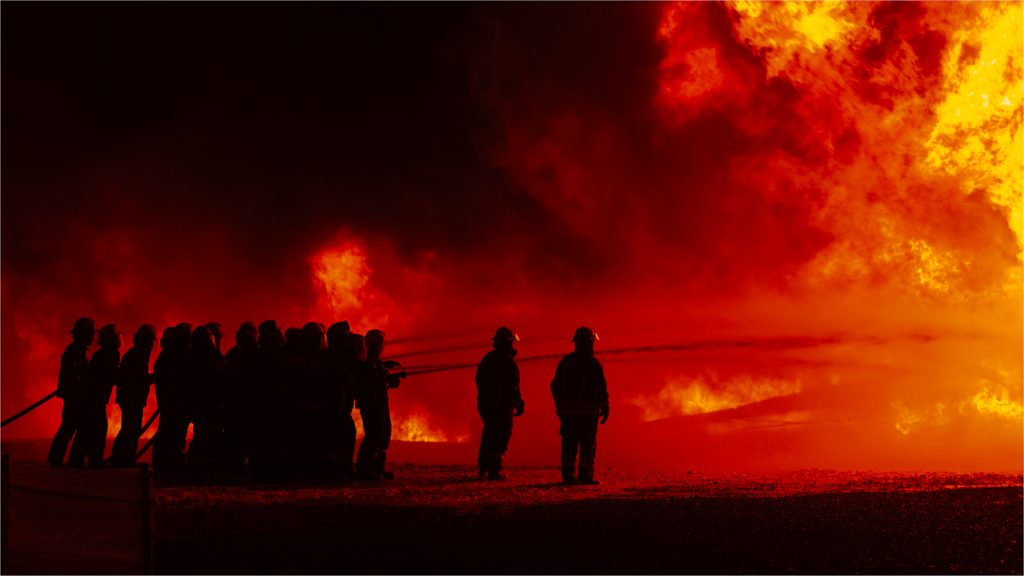
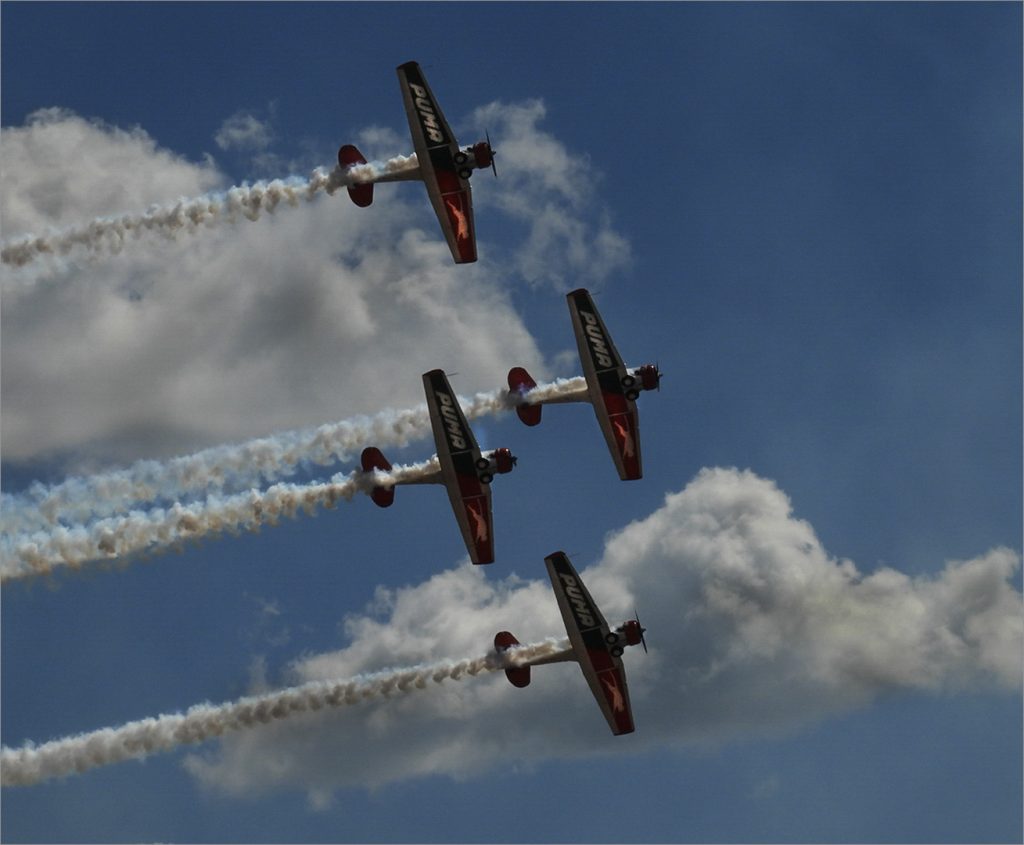
Quench that fire by Piet PotgieterSing Us A Song by Sussa PelserPumas At The Air Show by Sussa Pelser
Category – Set Subject
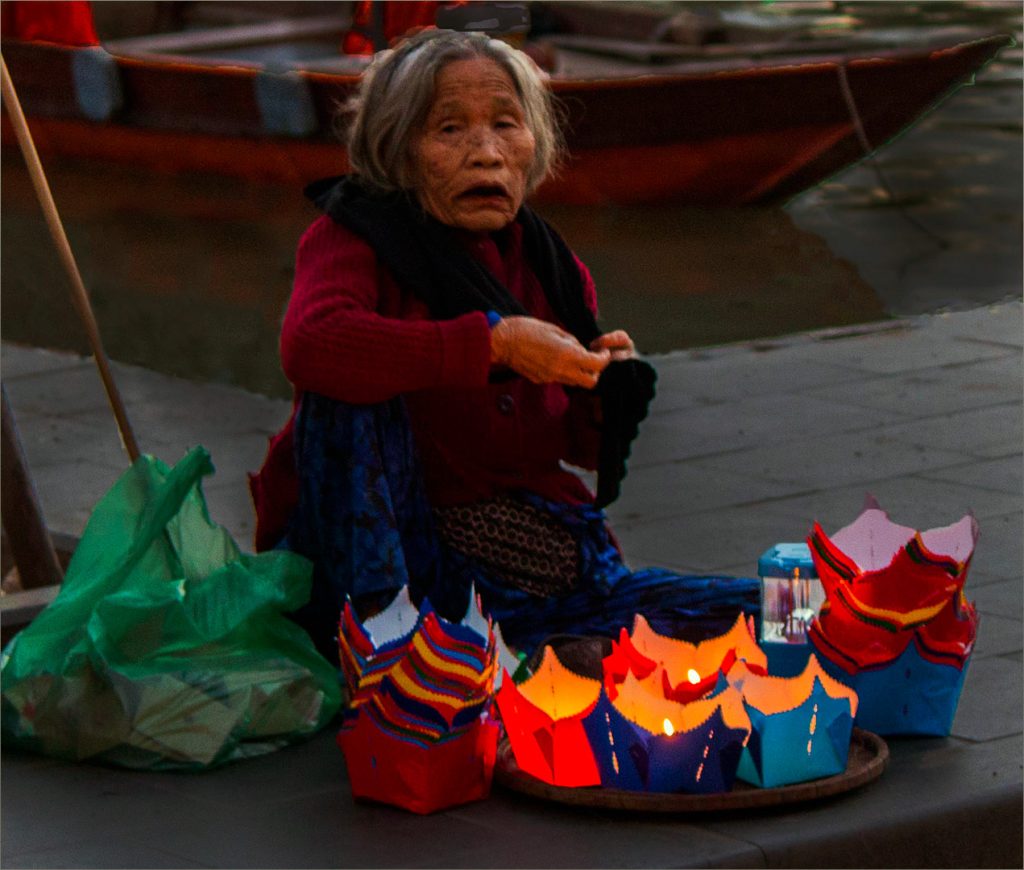
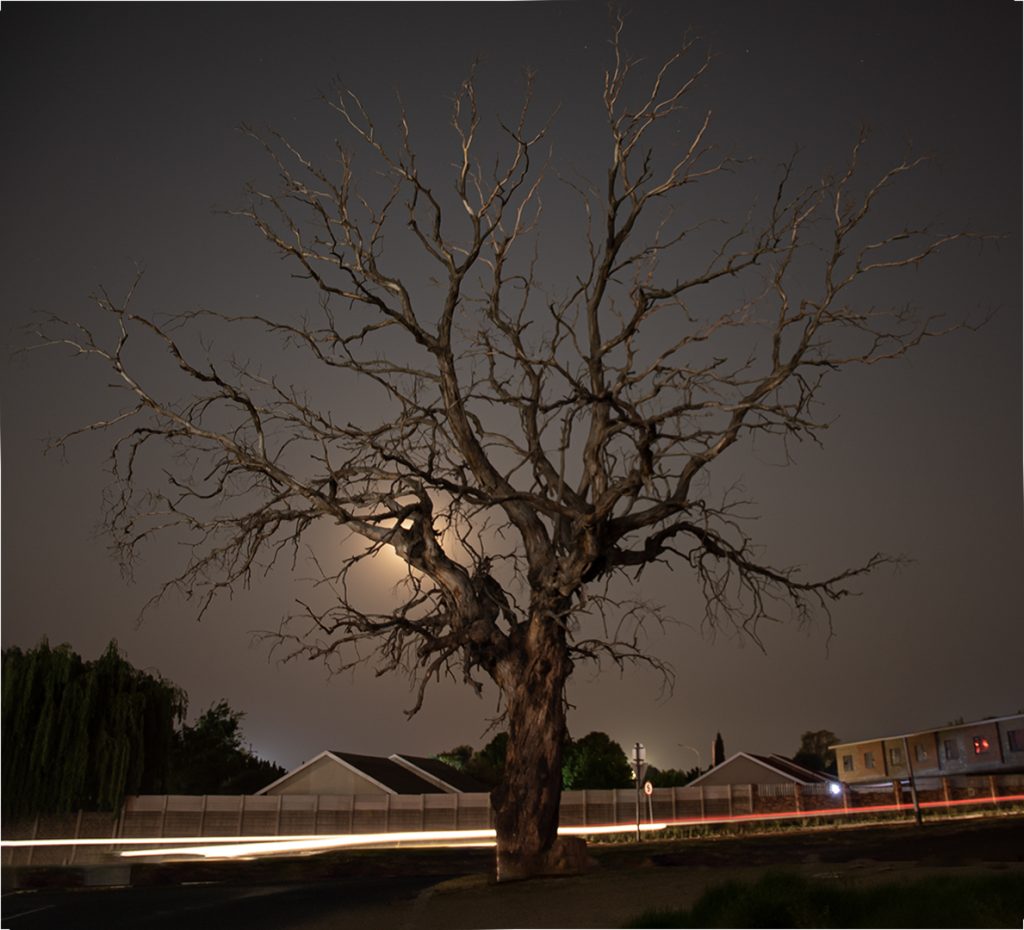
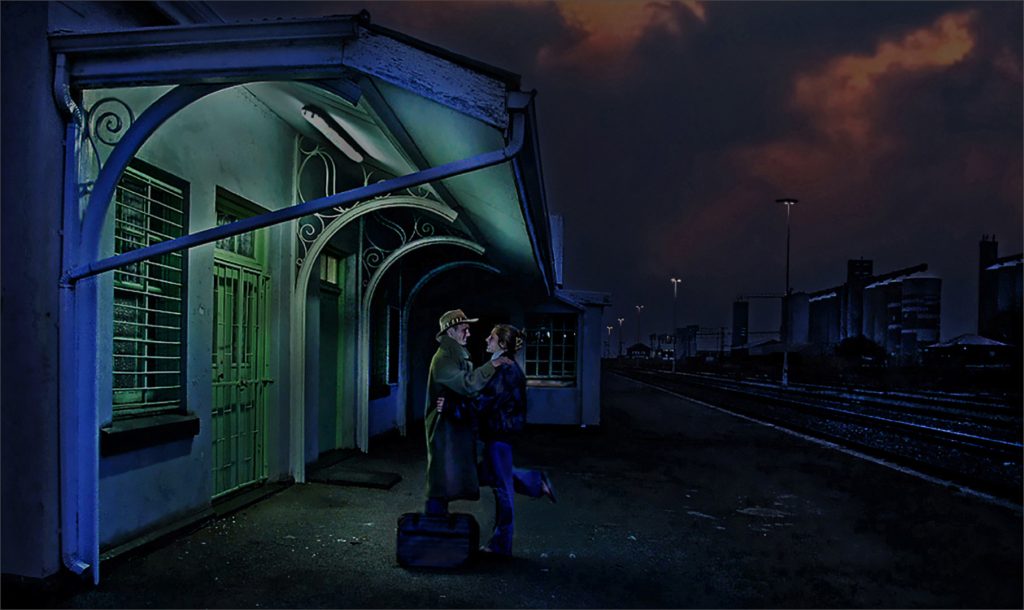
Old barn under the northern lights by Edmund HattinghThe Night Light by Stian GriffinSleepless by Ina AnnandaleWadi Rum by DNE SmitKwartmaan by Hester GriesselSearching for my ancestors by Piet PotgieterPlease buy a lantern by Lorraine BothaMy last stand by Johan ViljoenSaying goodbye by Leon PelserNight Time by Sussa Pelser
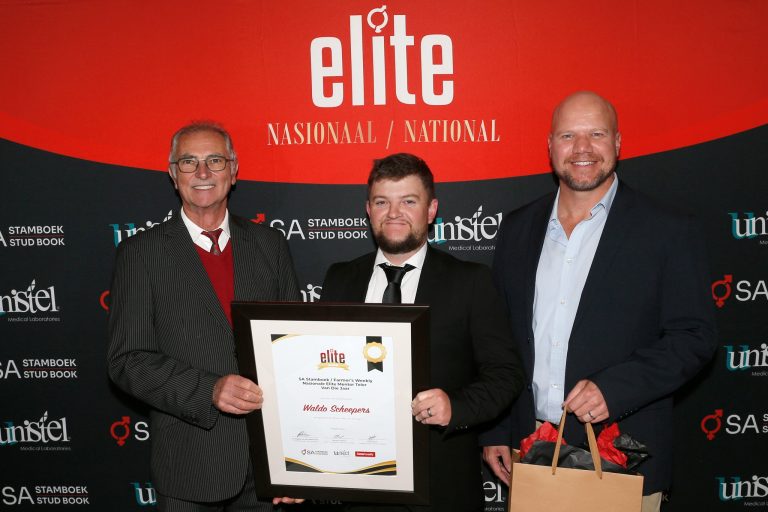
Die 2026 SA Stamboek Elite-toekennings het weer verskeie waardige wenners opgelewer. Die funksie op 27 April in Bloemfontein het eer gebring aan lede en hul uitsonderlike stoete, maar ook aan telers wat op ander, unieke maniere bydra tot die bedryf. Waldo Scheepers van Trifill Wagyu is vereer as Mentorteler van die Jaar vir sy toegewyde bydrae om nuwe veeboere prakties en aktief te ondersteun sodat hulle suksesvol kan wees.
Scheepers dien as Director of Breed Improvement & Genomics vir die Wagyu Society of South Africa en bring ’n rykdom van kennis en passie vir Wagyu-telery, veral in die begeleiding van jong, opkomende boere. Hy behaal sy B.Sc. Agric. aan die Universiteit van Stellenbosch in 2016 en het kort daarna sy veeboerdery-loopbaan begin. In 2017 het hy die Trifill Wagyu-stoet naby Secunda, Mpumalanga, gevestig.
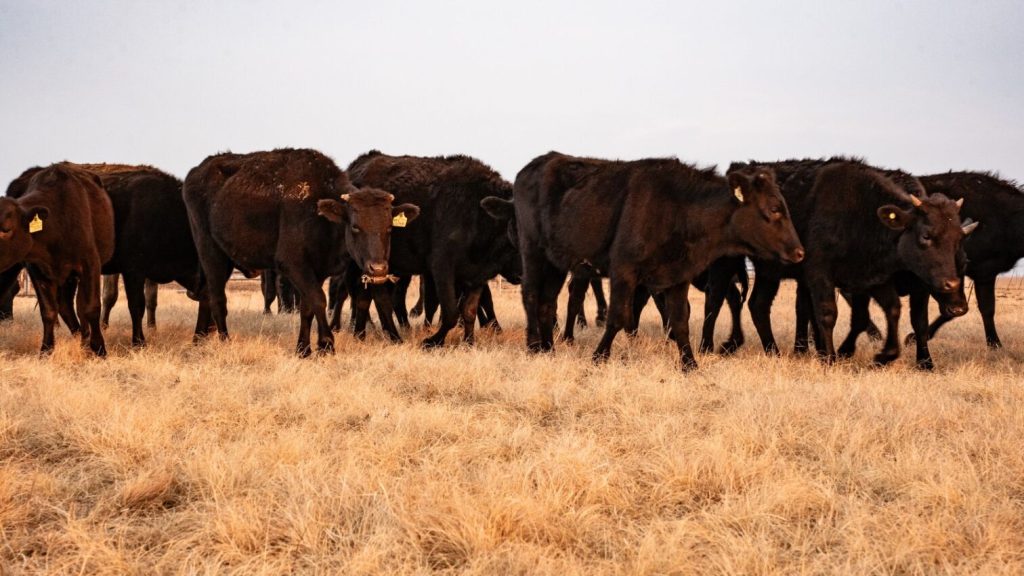
Met ’n sterk wetenskaplike grondslag fokus Waldo op genetika en data-gedrewe teling—gebiede waarin Wagyu besonder uitblink. Sy werk konsentreer op die teling van funksioneel doeltreffende Wagyu-koeie wat by verskeie omgewings kan aanpas en terselfdertyd uitblink in groei- en karkassparemeters. Sedert 2020 sit hy in die Breed Improvement Committee en hy speel ’n sleutelrol in die bestuur van die toekoms van Wagyu-genetika in Suid-Afrika. Saam met sy vrou, Bianca, boer hy by Vlakspruit, hul hoofproduksieplaas naby Secunda.
Die Bulletin het met Waldo oor hierdie erkenning gesels. Hy sê: “Hierdie toekenning is nie net vir my nie, maar vir al die boere en mentors wat kennis deel en mekaar ondersteun. My doel is om wetenskap en praktyk te verbind sodat nuwe telers selfversekerd en volhoubaar kan ontwikkel.”
Die erkenning beklemtoon die belangrikheid van mentorskap en kennisdeling binne die veeboerderybedryf en vier die rol van individue soos Scheepers wat die volgende generasie telers help vorm.
The Democratic Alliance (DA) welcomes the relaunch of the Tuberculosis (TB) Caucus in the Mpumalanga Legislature today, but remains deeply concerned that the Mpumalanga Department of Health (DoH) is still unable to locate tens of thousands of people who require antiretroviral (ARV) treatment.
“The DA is submiting parliamentary questions to Mpumalanga Health MEC Sasekani Manzini asking her to explain why the department has not effectively tracked and re-engaged patients who should be on ARV therapy and why it has failed to meet its own HIV and TB targets,” said Bosman Grobler: MPL – DA Spokesperson on Health: Mpumalanga Legislature
Bosman Grobler – DA Caucus Leader Mpumalanga Legislature
In February 2025 the Mpumalanga DoH joined the national “Closing the GAP” campaign to trace people who had tested HIV-positive but were not receiving treatment and to find those who had defaulted on treatment. At that time, 134,243 patients required engagement, re-engagement or retention in care.
According to the DoH’s 2025/2026 Fourth Quarter Report, 15 months later only 72,124 (54%) of those patients had been found. That leaves 62,199 people still unaccounted for. The department has extended its deadline to trace these patients to December 2026.
HIV/AIDS and TB remain the leading causes of death in Mpumalanga. The DA believes the DoH’s weak, inflexible initiatives are failing to meet the evolving needs of patients, contributing to poor prevention and treatment outcomes.
The DoH’s report shows the department did not meet 2025/2026 treatment and prevention targets for HIV/AIDS and TB. Although 95% of adults who tested HIV-positive reportedly began treatment, only 70% were retained.
Child treatment targets were also missed. The department aimed to initiate 849 HIV-positive children on ARVs in 2025/2026 but managed only 341. The report acknowledges the lack of a reliable system to follow up HIV-exposed infants at 10 weeks, 6 months and 18 months, delaying diagnosis and treatment.
The DoH admits it is not doing enough to trace children under five who need TB treatment. Implementation of targeted universal testing and treatment (TUTT) for TB is described as inadequate, contributing to missed TB prevention and treatment targets.
Call to action The DA calls on MEC Sasekani Manzini and the Mpumalanga DoH to:
Deploy all available resources immediately to find the remaining missing patients and re-engage defaulters.
Strengthen systems for follow-up of HIV-exposed infants and for initiating and retaining children on ARV treatment.
Urgently scale up effective, flexible community-based tracing and retention strategies and improve TUTT implementation for TB.
The DA supports the renewed focus on TB through the caucus relaunch, but warns that without rapid, decisive action to locate and retain people on treatment, both HIV and TB outcomes in Mpumalanga will continue to deteriorate.
The Sasol Highveld Photography Club gathered in April 2026 for a lively club meeting and guest-judge evening with Robbie Aspeling. The meeting featured 58 entries across eight categories — Nature (11), Photojournalism (4), Monochrome (10), Pictorial (11), Scapes (6), Nature — Birds Only (6) and Set Subject (10) — and included both senior and junior competitions.
Highlights
PSSA News:
Best Club Junior / Senior CompetitionSenior winner for March: Leon Pelser with “Inspection” (30 points)
Junior winner for March: Edmund Hattingh with “Stofwolk” (30 points).
Web competition top entries in March included Leon Pelser, DNE Smit, Sussa Pelser and Yolandi Geyser.
PSSA news and salon results The club reviewed recent PSSA salon successes and encouraged members to nominate “Sasol Highveld Photography” as their club when entering web and salon competitions
2nd Highway Salon PDI (2026): multiple acceptances and a Category Runner-Up (PSSA Bronze) for Sussa Pelser.
Ermelo Fotoklub 5th Digital Salon (2026): several accepted entries and a Certificate of Merit to Yolandi Geyser.
14th National AFO Salon (2026) and PSSA 29th National Up-and-Coming Photo Competition (2026): numerous accepted images from club members including Sussa Pelser, DNE Smit, Louis van der Walt, Yolandi Geyser and Edmund Hattingh (pages 10–11).
Upcoming salons and events A list of upcoming salons with closing dates was presented to members, including HCPS 7th Salon, TAF 15th Print & PDI Salon, Sandton National Digital Salon and international competitions such as the China International Photographic Art Exhibition. Members were encouraged to participate and to choose the club as their nominated entry club.
Club business and calendar The club agenda covered member birthdays, promotions (none this month), PSSA news, photography events, the guest judge presentation, scoring and closure. The meeting calendar and set-subject schedule for the year were confirmed : April — Motion (17 April meeting), May — Night (8 May), June — Time (5 June), July — Funny (3 July), August — Forms in Nature (14 August), September — Industrial (4 September), October — Mirror, mirror (2 October), November — Self-Portrait (6 November) and the year-end AGM and braai on 5 December.
Closing The meeting closed with thanks to winners and participants and encouragement to keep entering PSSA salons and web competitions (closure slide, page 19). Members are reminded to keep Photovault profiles (including birthdays) up to date and to nominate the club when entering competitions.
The best Senior Photographer for April is Leon Pelser with “Dusty Game”
The best Junior Photographer for April is Yolandi Geyser with “Watcher in the Dark”
The best Setsubject Photograph for April is DNE Smit with “Spier Tiere”
Here are all the COM and Gold winners for the April meeting:
Category – Nature: Birds Only
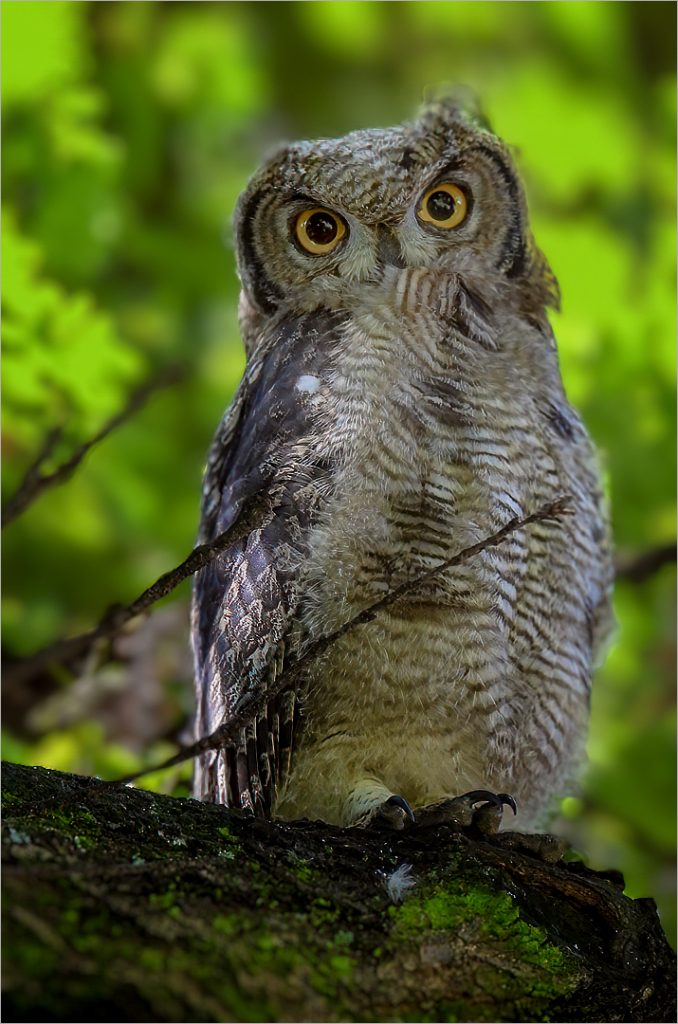
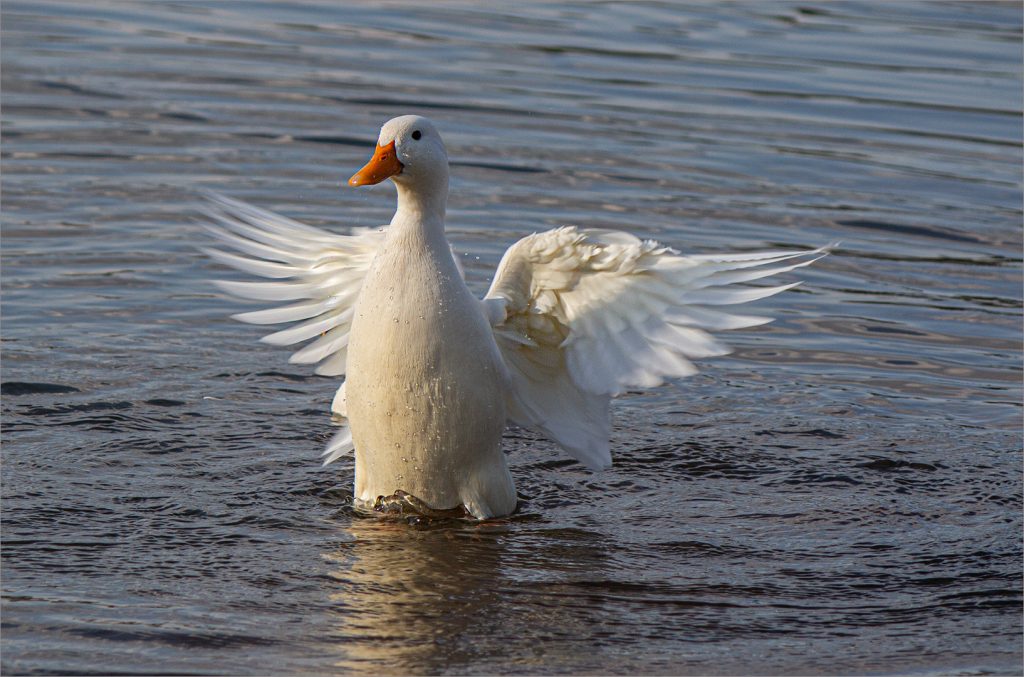
Ouma Uil by Johan ViljoenLooking for Sweetness by Piet PotgieterShow off duck by Lorraine BothaKom jy regtig by my sit? by Edmund HattinghThe quiet Queen by Stian Griffin
Category – Scapes
Sunset Beauty by Lorraine BothaAround the Bend by Johan ViljoenTugela Gorge 1 by Louis van der WaltPadlangs by Stian Griffin6s Tugela River 1 by Louis van der Walt
Category – Monochrome
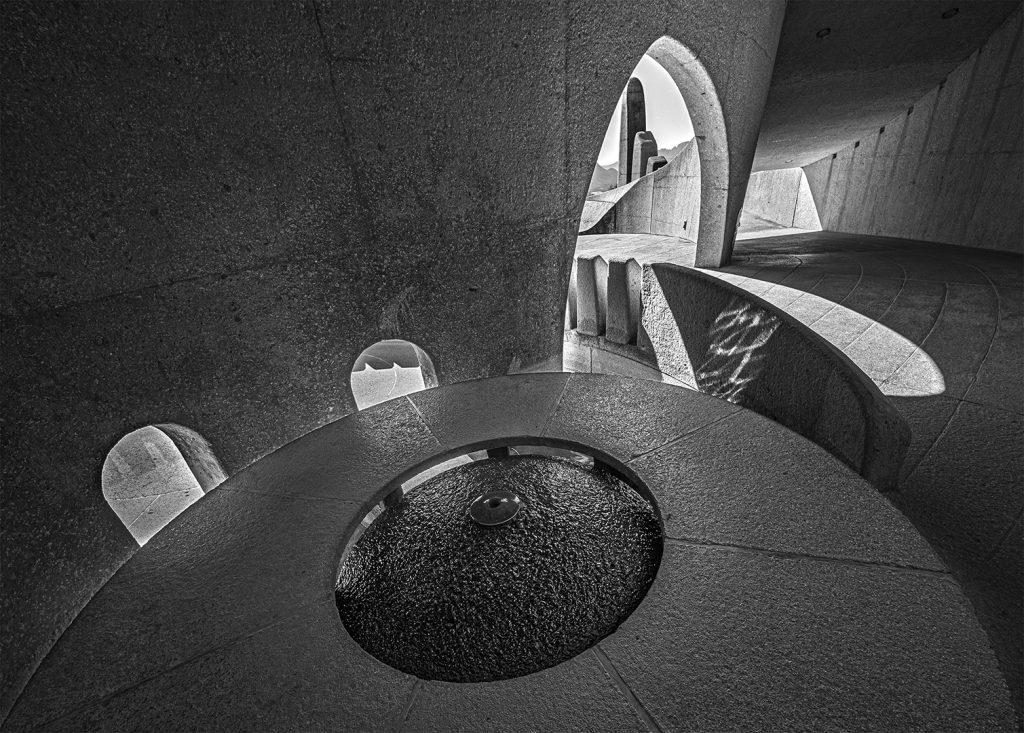
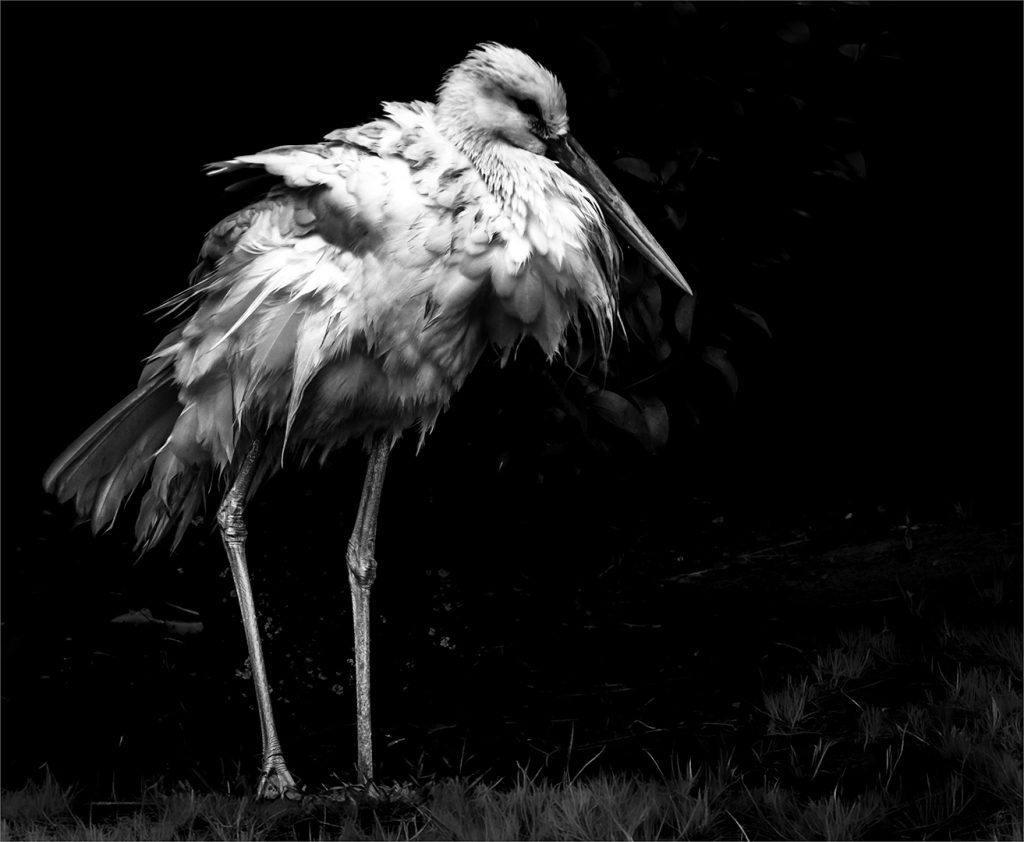
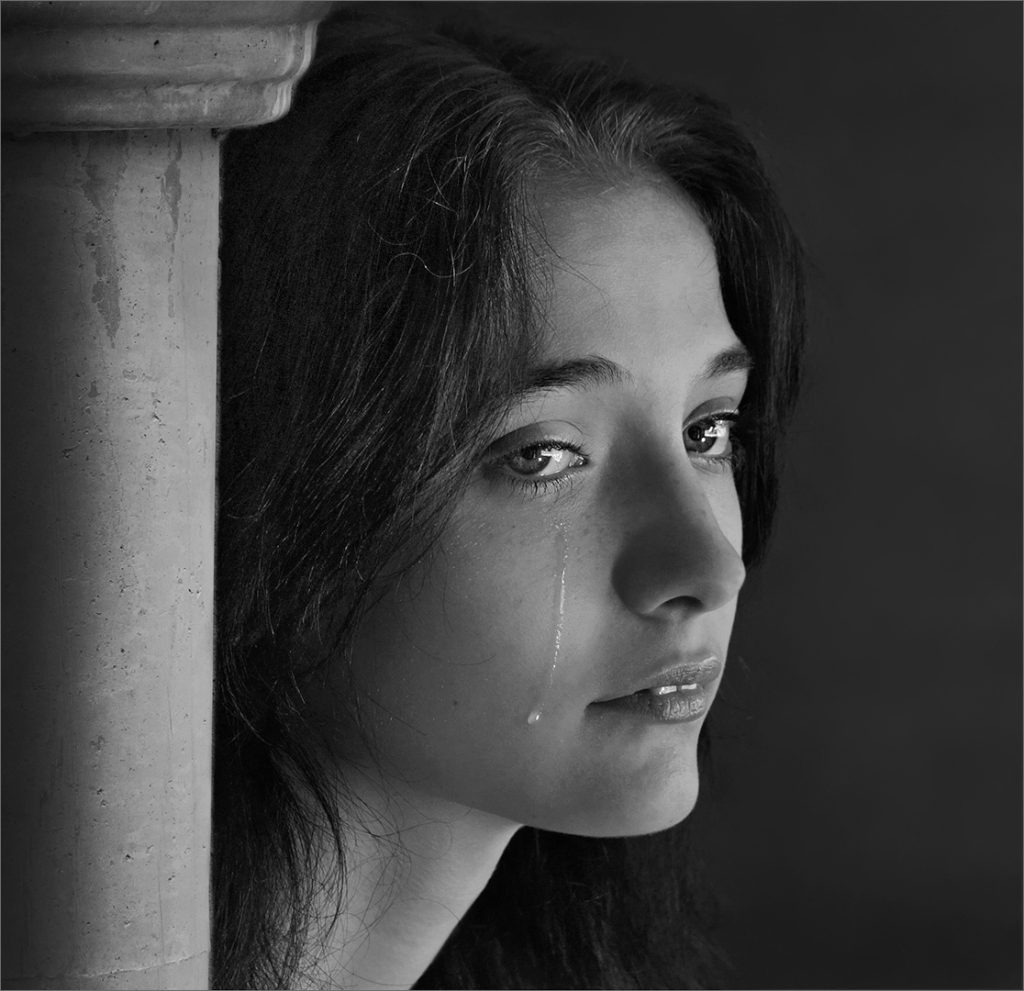
Silent Grace by Yolandi GeyserJewish Spiral Steps by DNE SmitVeil of Feathers by Yolandi GeyserEmotional by Leon PelserShadow and Spirit by Stian GriffinShy Lady by James HarrisI Eat You BW by Louis van der WaltI am just a Poor Boy by Leon Pelser
Category – Nature
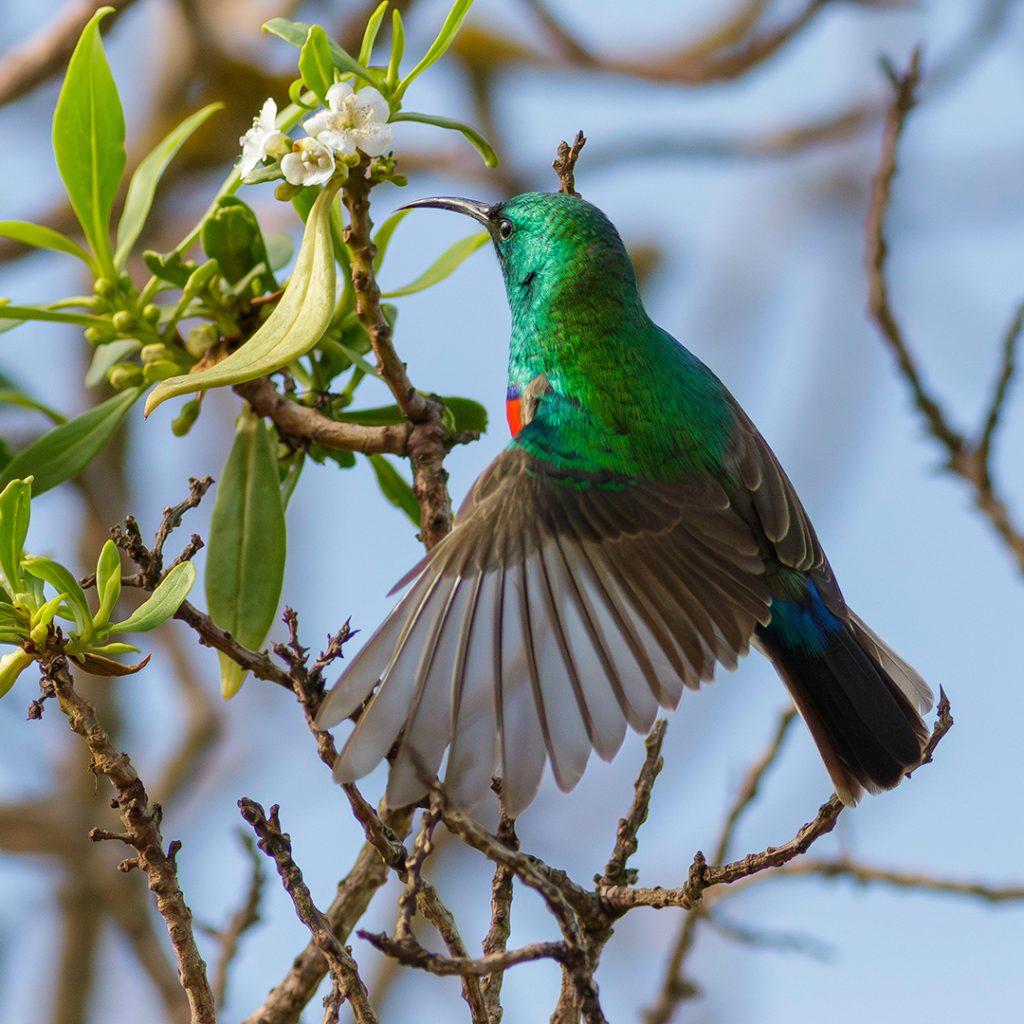
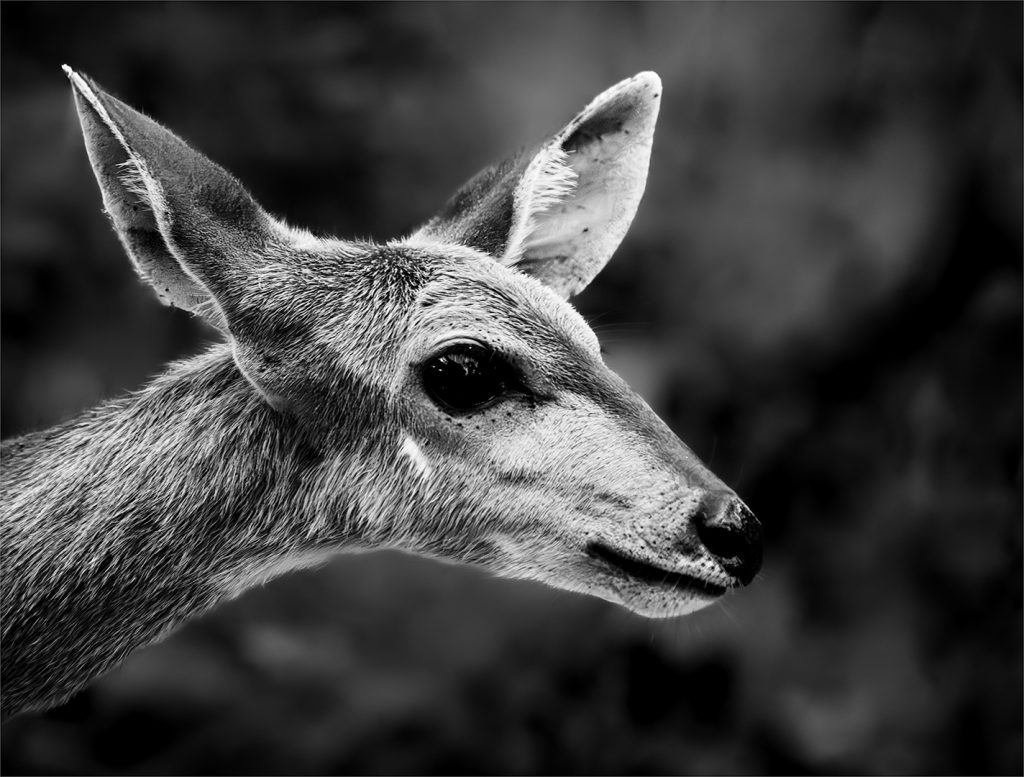
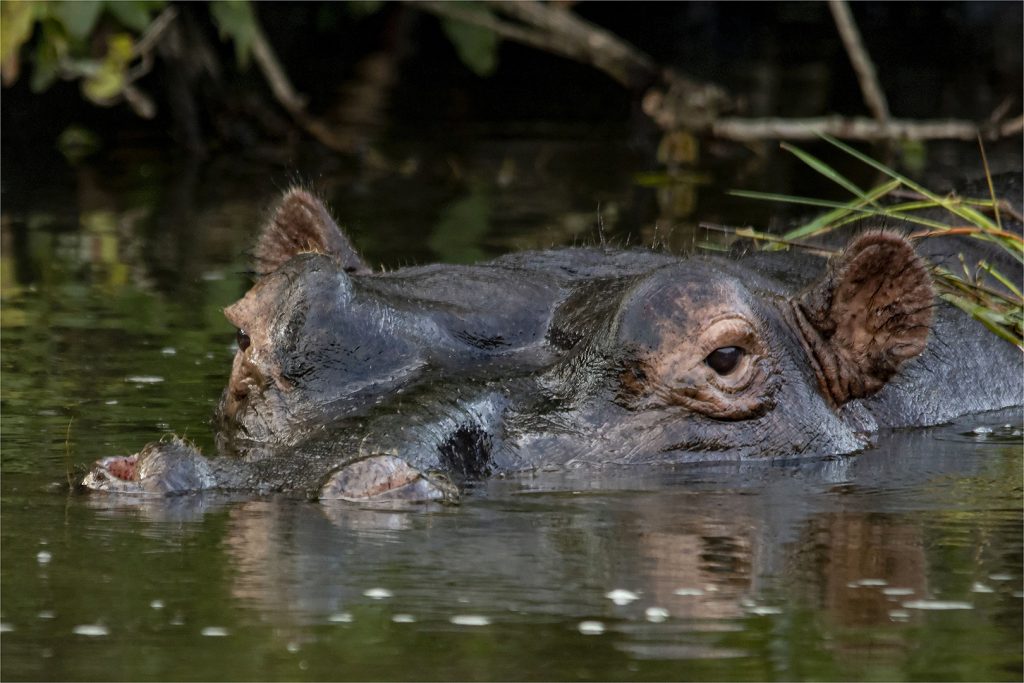
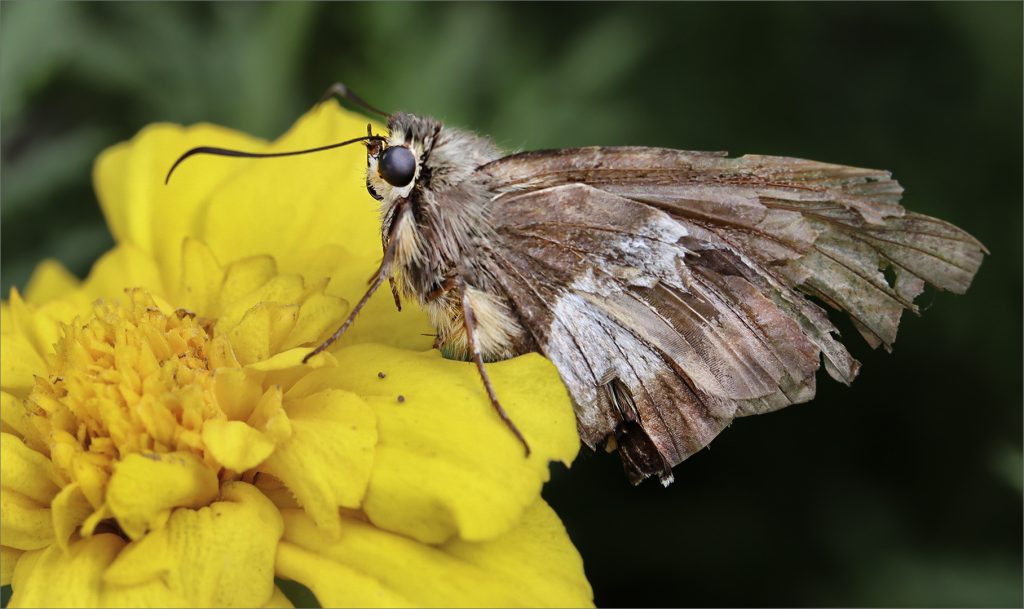
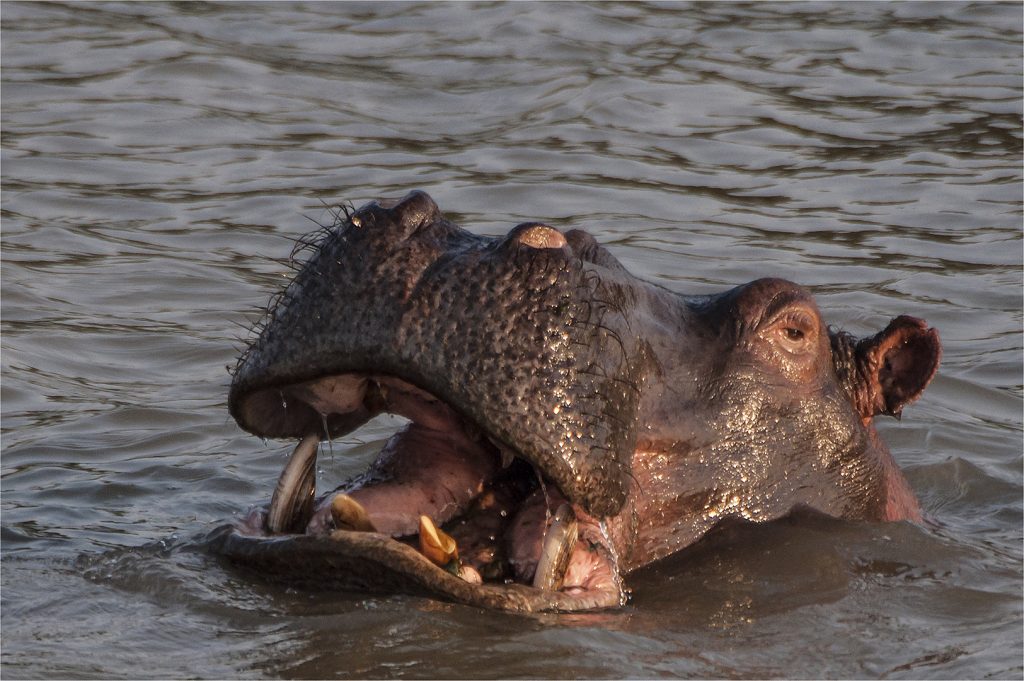
Die Groen Jagter by Stian GriffinOgies by James HarrisBee Enjoying Pollen by Sussa PelserDeath Look by Edmund HattinghHou Kop Bo Water by Edmund HattinghBeauty in the Veld by Lorraine BothaMoth on Yellow Flower by Sussa PelserWegkruipertjie by Edmund HattinghSeekoei by James HarrisMutual Trust by Yolandi Geyser
Category – Pictorial
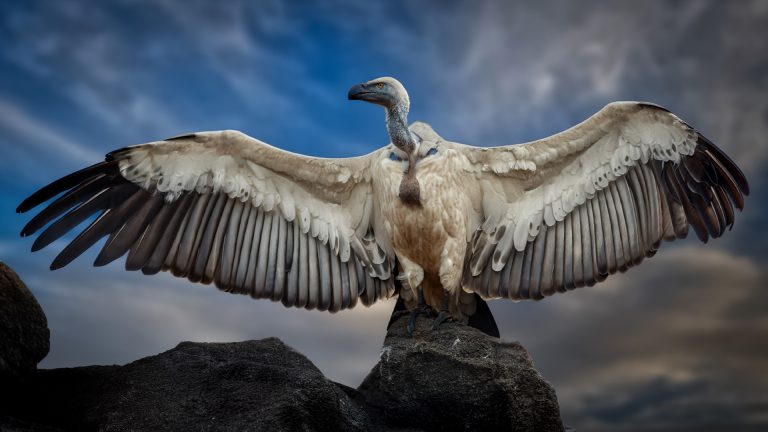
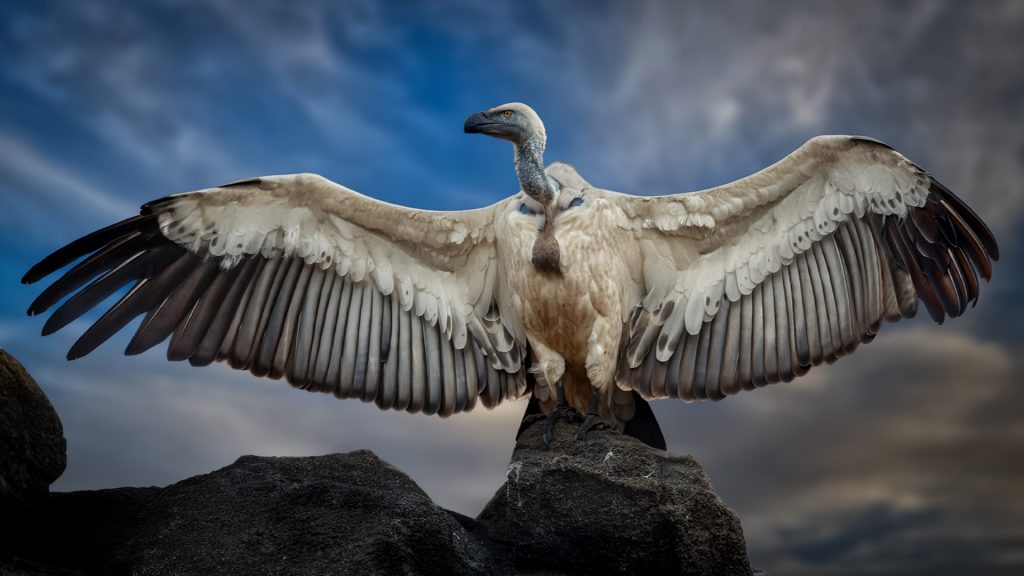
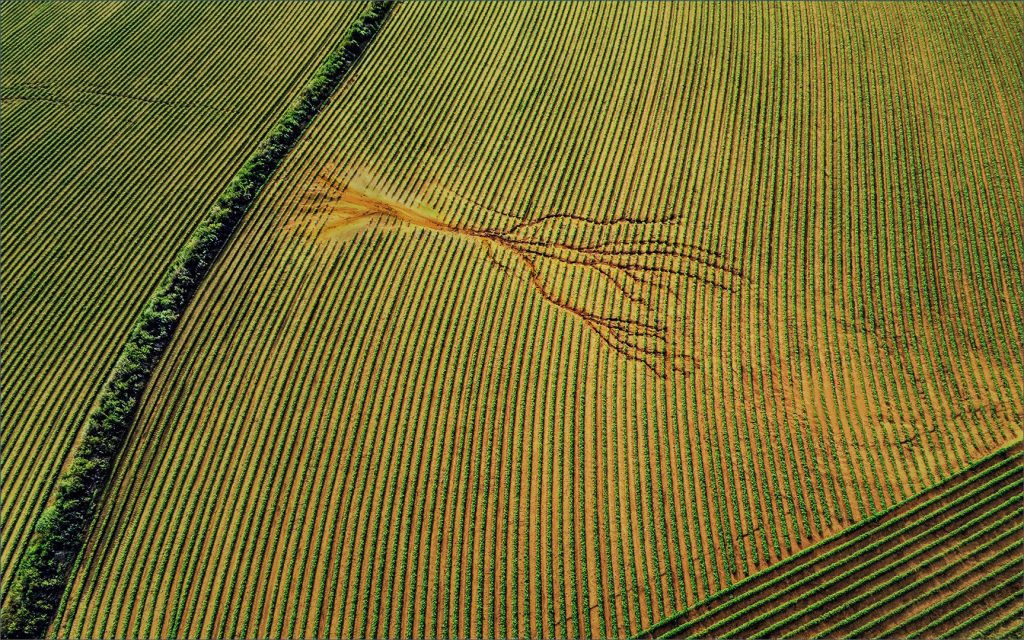
Heartbroken by DNE SmitNot eaten by Johan ViljoenCurly Wig by Sussa PelserPraying Mantis X Mouth by Louis van der WaltMonumentaal by Stian GriffinMooi Meisie by James HarrisD Cape vulture 1 by Louis van der WaltSnoetkat by DNE SmitErosion art on field by Leon Pelser
Category – Photojournalism
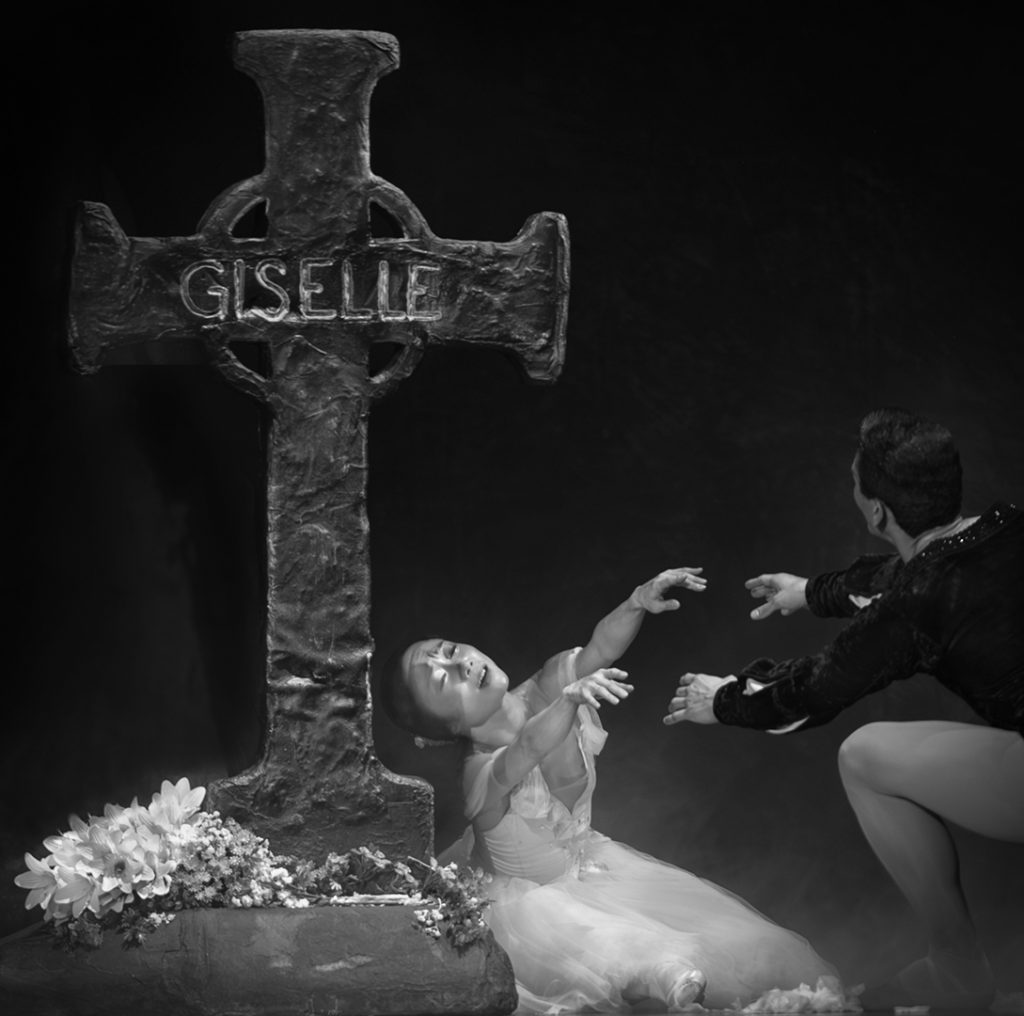
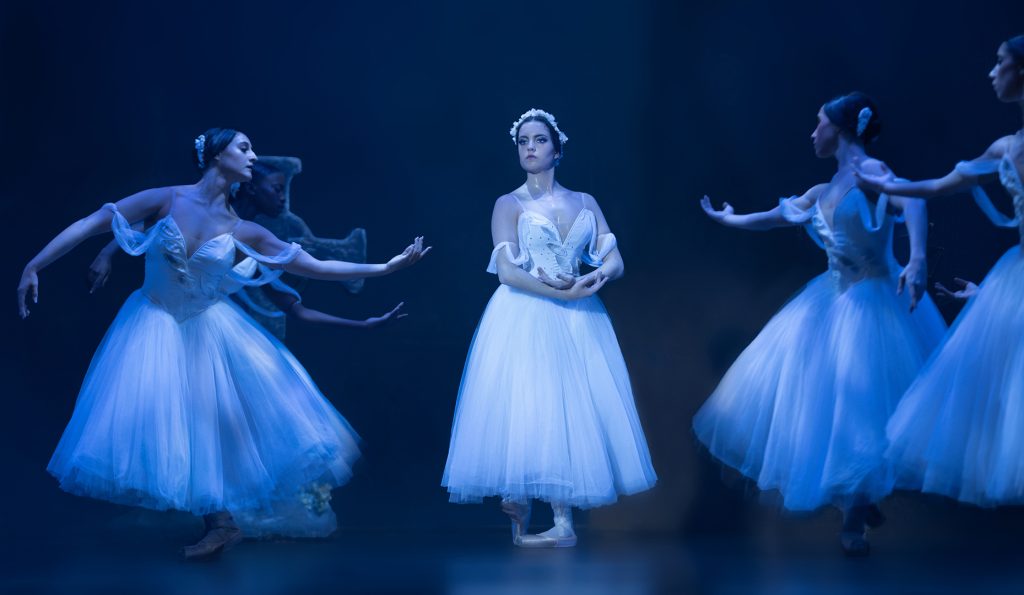
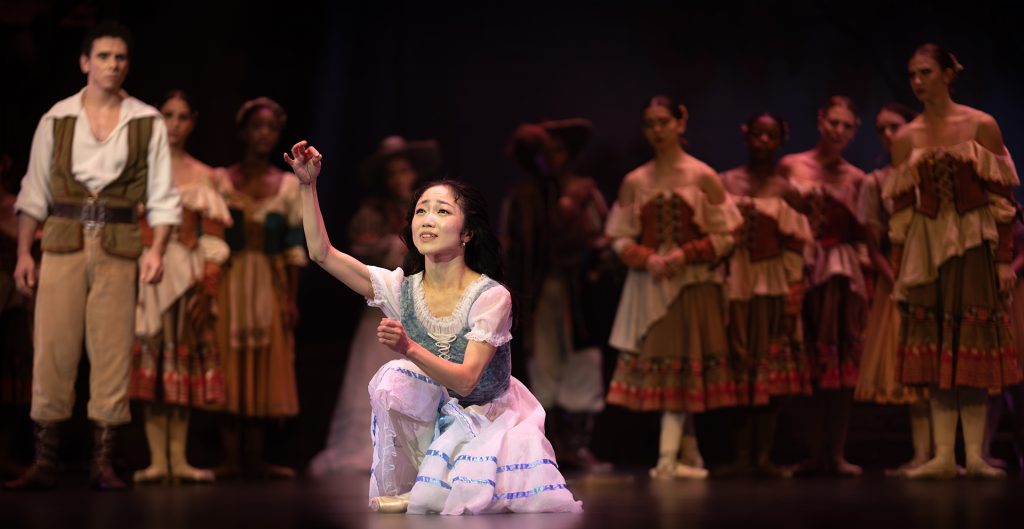
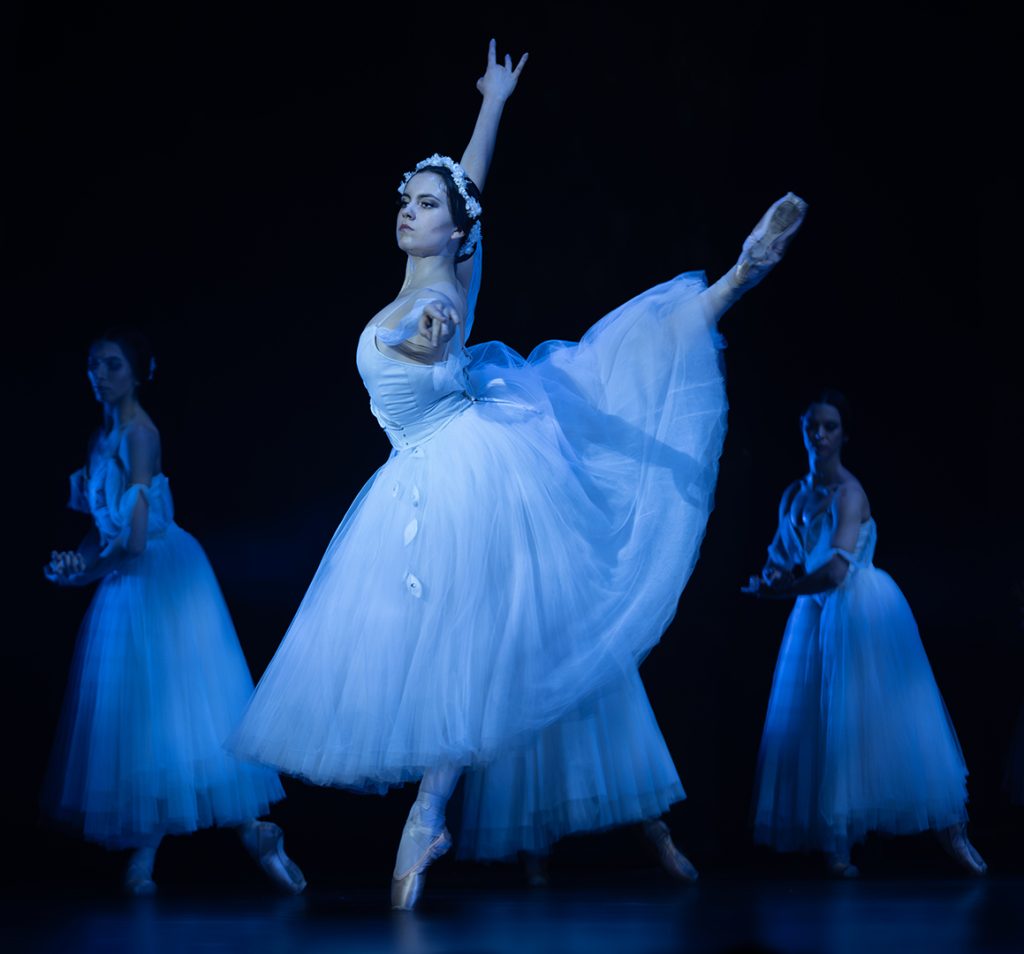
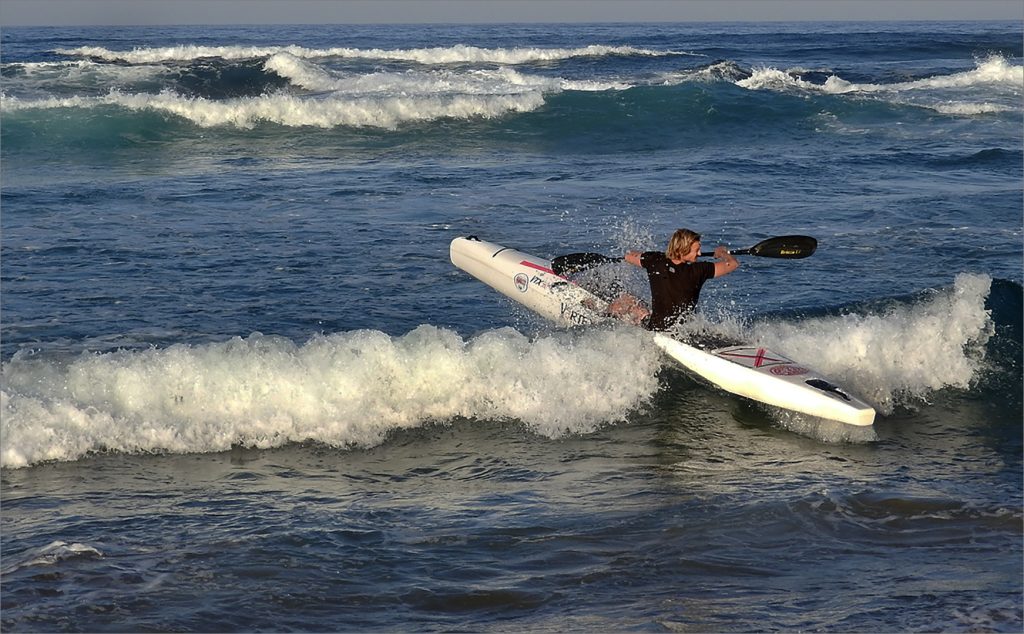
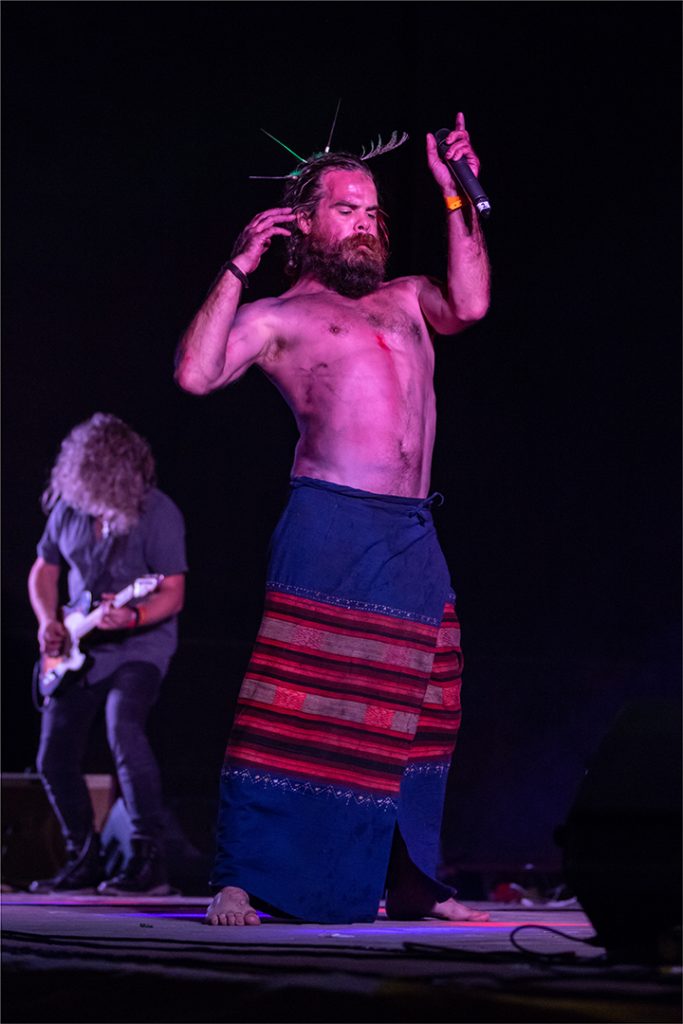
Myrtha and the Wilis by DNE SmitMore Bubbles Please by Lorraine BothaFacing the Waves by Sussa PelserNie meer met ons nie by Piet Potgieter
Category – Set Subject
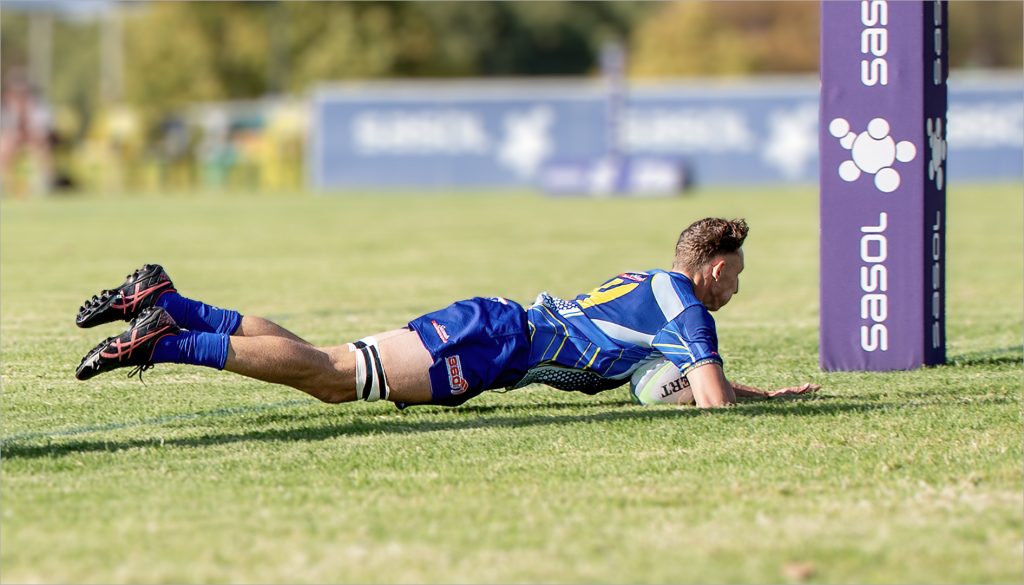
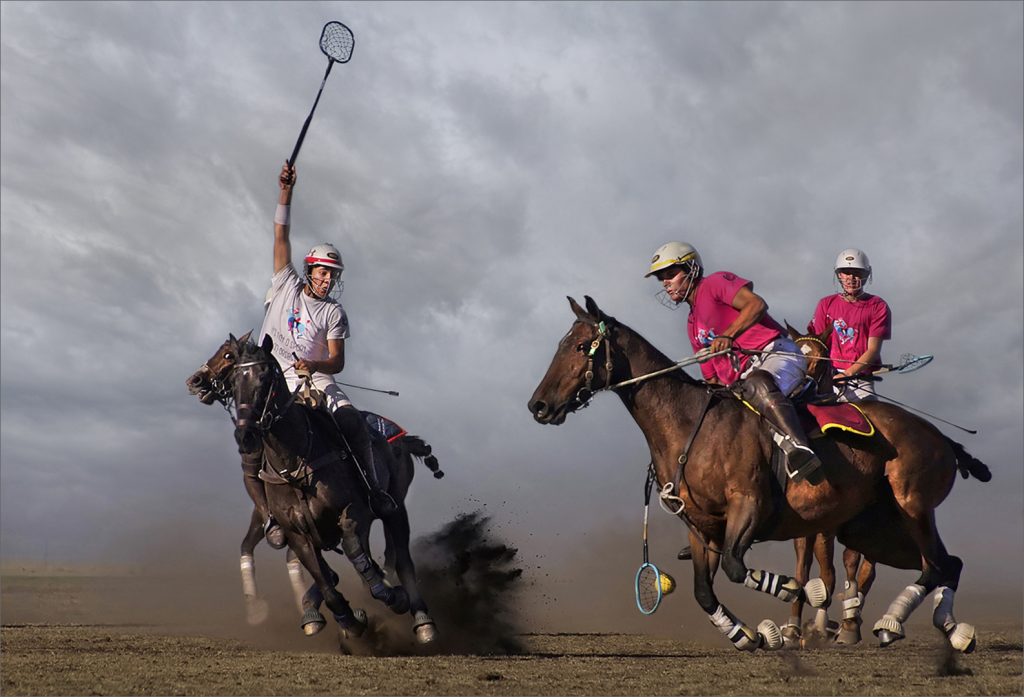
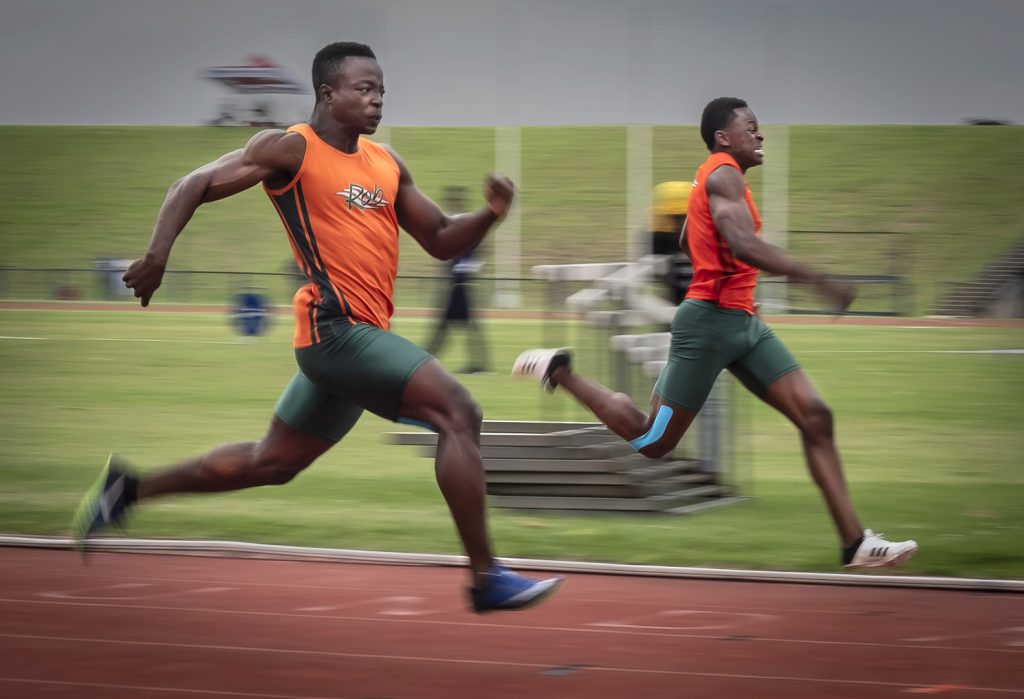
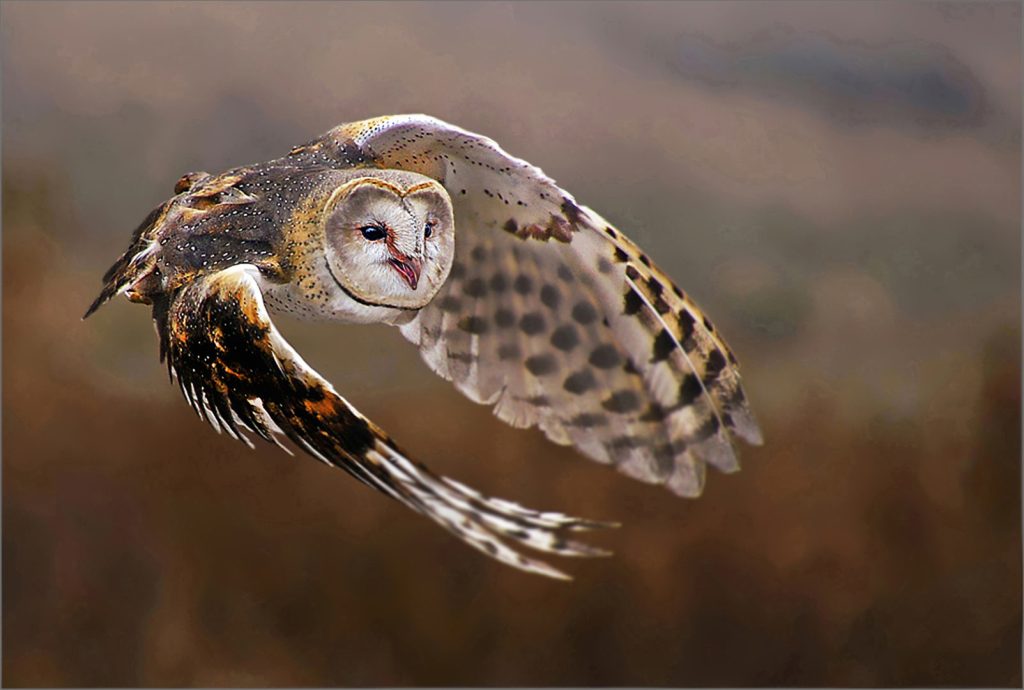
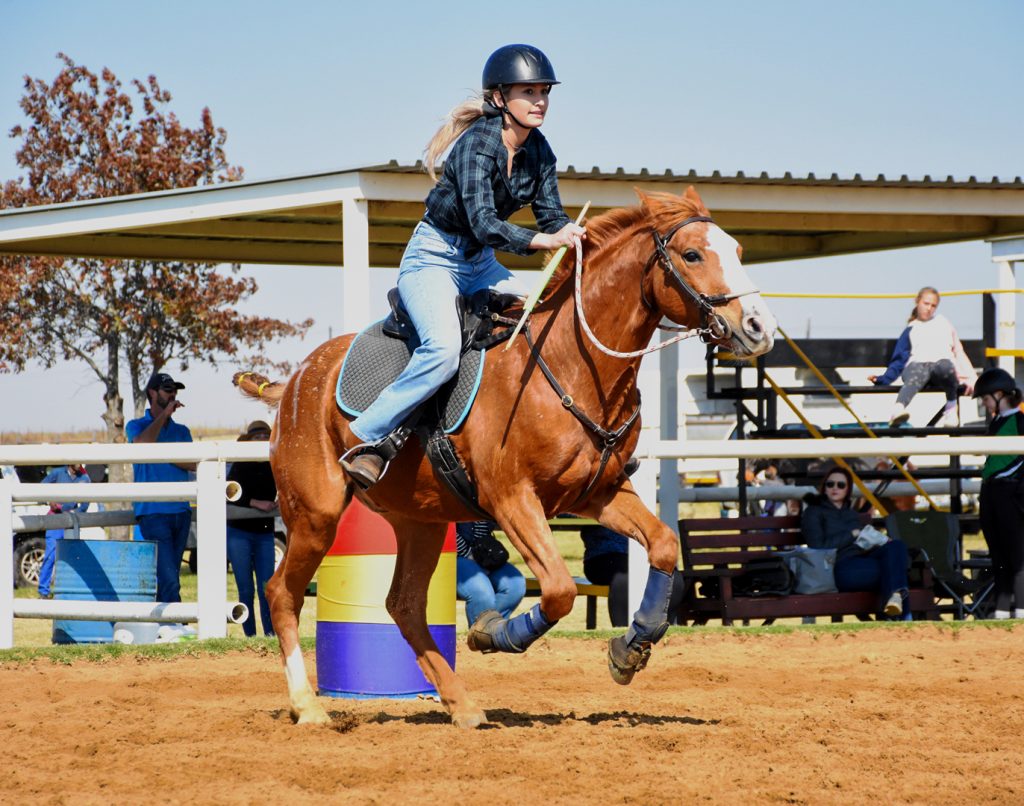
Swirl by Piet PotgieterFlying Owl by Leon PelserWestern Mounted Games 0285 by Adri KirstenFlying miracle by Lorraine BothaIn Motion by Johan ViljoenSpinning by Sussa PelserWing Flapping by Edmund HattinghRaw Moment by Yolandi GeyserRacing by James Harris
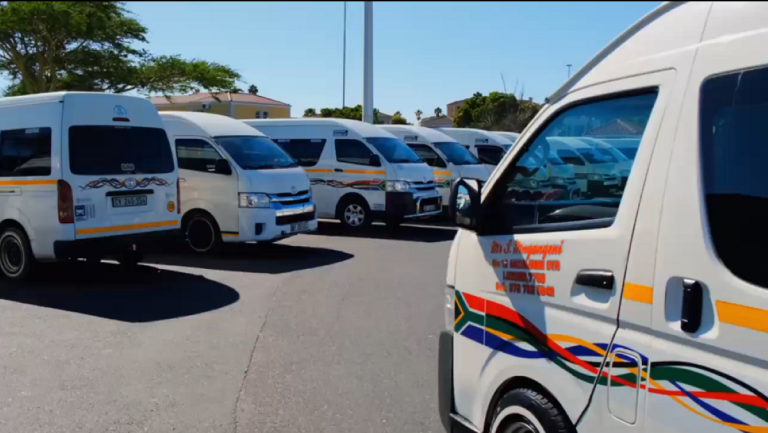
The Freedom Front Plus (VF Plus) has intensified its campaign against the growing lawlessness of taxi associations in Mpumalanga.
“During a recent oversight visit by the Mpumalanga Legislature’s Portfolio Committee on Community Safety to the SAPS provincial headquarters, the party once again raised the critical issue of illegal taxi patrols,” said Werner Weber Freedom Front Plus MPL: Mpumalanga
Werner Weber MPL
The Freedom Front Plus emphasised that no individual or organisation—including taxi associations—is above the law.
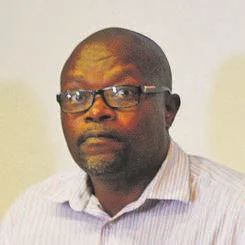
The conduct and public statements of certain leaders, such as the Mpumalanga chairperson of the South African National Taxi Council (Santaco), Mr Fanyana Sibanyoni—who has claimed that the association has the right to stop motorists and prevent lift-sharing—have contributed to the current state of lawlessness on the province’s roads.
Mpumalanga Mr Fanyana Sibanyoni, Chairperson of the South African National Taxi Council (Santaco)
Taxi patrol groups are reportedly forcing motorists off the road using life-threatening tactics, demanding unlawful fines, and employing violence to enforce monopolies over transport routes.
Numerous vehicles and drivers are operating without valid permits, while intimidation and extortion are being used to eliminate competition.
Although the MEC for Community Safety, Mr Jackie Macie, has undertaken to investigate the matter, commitments without decisive action are insufficient.
The authorities’ reluctance to make arrests is emboldening these groups to continue their unlawful and often violent activities.
The Freedom Front Plus calls for the immediate disbandment of all unlawful taxi patrols, the criminal prosecution of individuals involved in hijackings, intimidation, and extortion, as well as a moratorium on new operating licences and the revocation of licences held by associations implicated in such activities.
South Africans deserve dignity and safety on public roads.
The Freedom Front Plus will continue to apply pressure in the Legislature until the authorities recognise that maintaining law and order is not optional—and that this principle applies equally to the taxi industry.