The Mpumalanga Department of Education notes with concern the article published by City Press and News24 regarding the procurement of laptops and tablets for learners.
The Department wishes to place the correct facts on record and dispel misleading allegations of wastage and irregular procurement.
The Ubuhlebuzile E-Learning Programme was introduced in 2022 as a well thought and phased intervention to enhance teaching and learning throughout the Province.
In 2022, the Department procured 64 000 tablets for Grade 12 learners under a three-year contract valued at R224 million, including a three-year warranty. The procurement was conducted through a SITA contract, with Bongani Rainmaker Limited (BRL) appointed as the supplier, in full compliance with applicable government procurement prescripts.
In 2025, the Department replaced the 2022 devices with 60 000 Packard Bell tablets valued at R232 million, inclusive of a three-year warranty.
These tablets were successfully distributed to Grade 12 learners in quintile 1 to 3 schools in 2025, and the Department is not aware of any verified reports of non-functionality.
The Department attributes the improved Grade 12 performance partly to the effective utilisation of e-learning and teaching devices.
The significant improvement from 79% in 2023 to 86. 55% in 2025 is also linked to the maturing of the e-learning programme introduced in 2022.
The allegation that the Packard Bell tablets constitute wastage is completely untrue and misplaced.
As part of the Department’s e-learning strategy, the 2025 Grade 12 tablets have been retrieved, formatted, and reloaded with updated content.
These devices will be re-issued to the 2026 Grade 12 cohort, ensuring cost efficiency and sustainability.
The Department has further placed an order for 70 000 Windows-based tablet notebooks to be issued to Grade 10 learners in 2026.
The cost of these devices is R330 million, not R600 million as alleged by the City Press.
The strategy is to issue content loaded devices to Grade 10 learners who will retain them through to Grade 12, thereby reducing future costs related to retrieval, redistribution, and logistics.Content to these devices will henceforth be updated remotely, further improving efficiency.
The procurement was facilitated through BRL, in terms of a contract that allows BRL to source devices based on Department-approved specifications, manage procurement, load educational content, and oversee distribution to schools.
The Department funds the programme through a dedicated e-learning allocation, supplemented by the Learning and Teaching Support Material (LTSM) budget, as the devices form an integral part of e-learning delivery.
For the 2025/26 financial year, the e-learning budget amounted to R717 million to cover both grade 10 and 12 learners and is allocated as follows:
R312 million for Grade 12 tablets, including e-content and the distribution to schools.
The remaining R279 million, augmented by the LTSM budget, contributed to the procurement of 70 000 Grade 10 devices, with a total project value of R393 million, inclusive of devices, e-content, and distribution
The Department reiterates that all procurement processes were lawful, strategic, and aligned to improving learner outcomes.
Claims of wastage, inflated costs, or non-functional devices are factually incorrect and misleading.
The Department remains committed to transparency, accountability, and the effective use of technology to advance quality education for all learners through out the Province.
The Democratic Alliance (DA) in Mpumalanga demands full transparency following the return to work of the suspended Head of Department (HOD) for Education, Ms Lucy Moyane, after she received only a written warning for her role in the controversial procurement of 22 laptops.
Ms Lucy Moyane, Head of Department (HOD) for Education
While the DA notes that the disciplinary process has been finalised, serious questions remain about how conduct involving millions of rand in irregular expenditure resulted in such a lenient sanction.
“The DA will formally write to the Premier’s Office requesting the full Forensic Investigation Report, as well as the minutes of the disciplinary hearing that led to the decision to issue a written warning instead of dismissal,” said Annerie Weber, MPL – DA Spokesperson on Education, Mpumalanga Province
Annerie Weber MPL DA Spokesperson on Education Mpumalanga Province
In May last year, Premier Mandla Ndlovu suspended HOD Moyane and other senior officials in the Department of Education following a forensic investigation that uncovered gross procurement irregularities and alleged dishonesty linked to the laptop scandal that rocked Mpumalanga.
Ms Moyane was implicated in the procurement of 22 laptops that cost the department more than R2 million, at approximately R92 000 per laptop. She was also implicated in a separate scandal involving the alleged approval of over R2.1 million for the refurbishment of a guardhouse measuring less than three metres at the Department’s Ehlanzeni District offices in KaNyamazane, outside Mbombela.
On Thursday this week, Premier Ndlovu’s Office confirmed that Ms Moyane will return to work on 19 January 2026. The Premier stated that the disciplinary process found her guilty only of negligence, specifically for ignoring recommendations from the Bid Adjudication Committee (BAC), which ultimately led to the awarding of the laptop contract to BoTau Technologies.
According to the Premier, the chairperson of the disciplinary hearing recommended a written warning as an appropriate sanction. He further indicated that the Provincial Government has recovered 80% (R685 712) of the R855 712 claimed back from BoTau Technologies for the irregular laptop payment, with the outstanding R177 000 expected to be repaid by the end of January 2026.
The DA calls on Premier Ndlovu to provide a full update on the investigation into the alleged R2.1 million guardhouse refurbishment, as this matter appears to remain unresolved.
“We will also follow up at the end of January to verify whether the outstanding R177 000 has indeed been repaid, as stated by the Premier,” said Annerie Weber, MPL – DA Spokesperson on Education, Mpumalanga Province, “The DA will continue to conduct oversight to ensure that this level of negligence does not recur in any department or municipality. Consequence management must be a priority if government is to demonstrate accountability.”
Finally, the DA will pursue updates on the ongoing disciplinary processes against other departmental officials implicated in these matters. “We further demand action against officials who resigned before disciplinary hearings could be concluded. Public officials must not be allowed to evade accountability by resigning.”
As South Africans settle into the new year, the South African National Blood Service (SANBS) would like to warmly welcome everyone back and express appreciation to all donors for their continued generosity. Your commitment throughout the year helps save countless lives, and SANBS remains grateful for every person who takes the time to donate.
As the new year begins, SANBS is raising awareness about a familiar seasonal pattern, a dip in national blood collections during and immediately after the festive season. While this is expected, rebuilding healthy stock levels early in the year is essential to ensure the continuous availability of blood products for patients who depend on them.
While many households return to normal rhythm, thousands of patients across the country begin 2026 with a very different hope. Their new year is not defined by goals or celebration, but by the quiet wish for strength to return, for treatments to work, and for the simple, life-giving gift of blood to reach them in time.
Behind current blood stock levels are real people; mothers, fathers, sisters, brothers and children — receiving treatment in hospitals every day. Their recovery, and in some cases survival, depends on the continued availability of donated blood.
Why Blood Stocks Drop in January?
There are several factors contributing to blood stocks dropping in January, and largely impacting on SANBS’ reliance on organised blood drives, such as:
Holiday travel and movement
Donors are often away from their regular donation centres during December, leading to fewer visits.
Limited workplace and campus drives
Workplaces, schools and universities and key collection points close or operate on reduced
schedules over the festive season.
Meeting demand during the festive period with reduced donations. Emergency medical care, childbirth and the ongoin #JusticeForTheVictim #SchoemansdalMurder #CrimeInvestigation #HelpUsSolveThis #CommunitySafety #PoliceAppeal #FindTheTruth #ReportCrime #ConfidentialTip #LendYourVoiceg treatment of chronic conditions continue year-round, placing sustained pressure on available blood supplies.
Disrupted donor routines
Year-end events, travel and family commitments can cause regular donors to miss their usual donations schedule, creating a visible gap in blood collections by January.
SANBS is encouraging O and B blood group donors who are due for donation to donate as these groups contribute significantly to the stability of the national blood supply:
O negative is the universal blood type used in emergencies.
Group B contributes significantly to maintaining balanced stock for specific patient groups. However, SANBS emphasises that all blood groups are welcome and needed.
“We appreciate every South African who donates blood, and we want to start the year by saying thank you,”says Thandi Mosupye, Senior Manager: Marketing, Communication and Brand at SANBS.
“January is a challenging month for collections, but it is also an opportunity. If donors, especially those with O and B blood groups visit a donor centre early in the year, we can stabilise the national blood supply quickly and ensure hospitals continue caring for patients without interruption. We encourage all eligible donors to make time to give the gift of life.”
SANBS invites all eligible donors to make a blood donation at their nearest donor centre or mobile drive. A single donation takes only minutes and can save up to three lives, to support patients in need.
“Whether you are an O, A, B or AB donor your contribution matters, and we welcome you,” adds Mosupye.
Who Can Donate?
First-time donors must be between 16 and 75 years old.
Donors must weigh at least 50 kg (55 kg for platelet donations).
Donors should be in good health, lead a low-risk lifestyle, and consider their blood safe for transfusion.
Donors should have eaten within four hours before donating.
Whole blood may not have been donated in the last 56 days, or platelets/plasma in the last 14 days.
For more information or to find your nearest donor centre, please contact the SANBS call centre on 0800 11 9031 or visit the SANBS website.
The Kruger National Park (KNP) Management would like to alert all visitors planning to arrive at the park this weekend to be mindful of the predicted rainfall across the region.
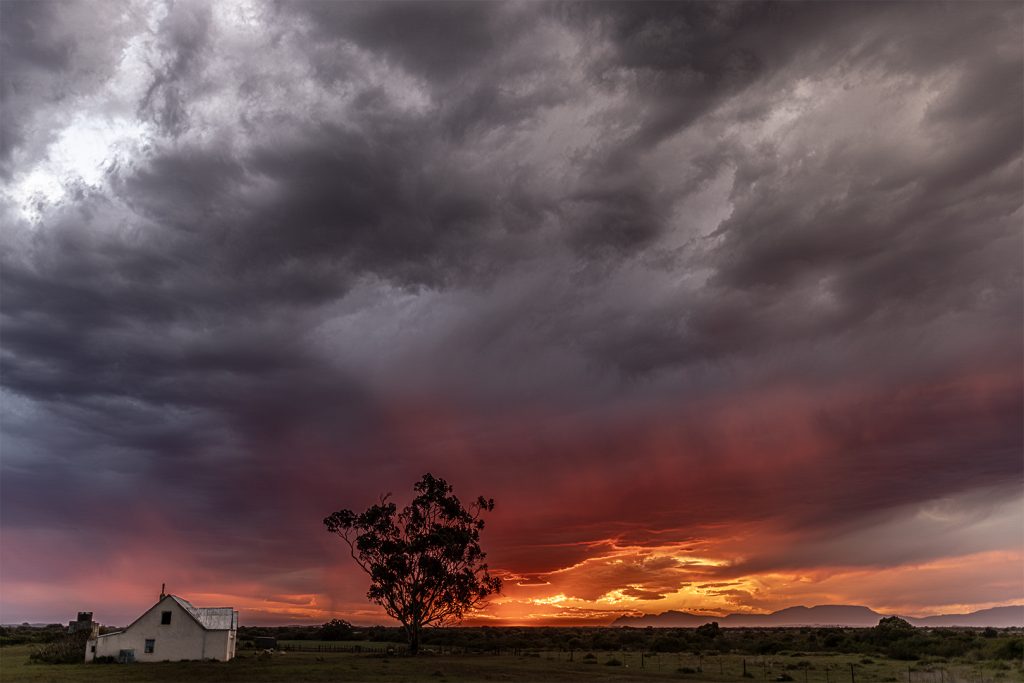
According to the South African Weather Services (SAWS), significant rain showers are expected to affect both Mpumalanga and Limpopo Provinces over the coming days, including the Kruger National Park area. Visitors are urged to exercise extra caution, particularly with the weather forecast showing heavy downpours starting this weekend and continuing into the week.
Weather Forecast:
Mpumalanga & Limpopo: The SA Weather Service has issued a warning for heavy rainfall across these regions, with up to 50mm of rain expected in some areas. Thunderstorms and localized flooding are also possible, particularly on Saturday, January 10 through to Monday, January 12.
Kruger National Park: Rain is expected to begin on the western side of the park, with the eastern sections seeing rainfall later in the weekend. The wet weather conditions are likely to affect travel within the park.
Photo: Jaco Roselt
Safety Advice for Visitors:
In light of the expected weather, Kruger National Park officials urge all guests to take the following precautions to ensure their safety during their visit:
Avoid Low-Lying Areas: Flooding may occur in low-lying regions, including riverbeds and floodplains, which could lead to dangerous conditions for visitors.
Be Cautious on Gravel Roads: Gravel roads may become slippery and treacherous during heavy rainfall. Visitors should take extreme care when navigating these areas, and where possible, avoid travelling on gravel roads during the peak of the rain.
Monitor Weather Updates: The park’s management recommends keeping up to date with the latest weather forecasts and warnings from the South African Weather Service and the Kruger National Park’s official communication channels.
Travel Early: Plan to leave earlier in the day when possible, to avoid being caught in adverse conditions after dark. If rain is predicted, aim to return to accommodation before the onset of heavier showers.
Emergency Preparedness: Ensure that your vehicle is in good working condition, with an adequate supply of water, food, and a fully charged phone. In case of emergencies, the park’s rangers are available for assistance.
Visitor Experience while there is rainfall will undoubtedly add a fresh dimension to the park’s already lush landscape, it is important that visitors remain vigilant and follow park guidelines to enjoy their stay safely.
The Kruger National Park is committed to ensuring a safe and enjoyable experience for all visitors, and we urge everyone to consider these weather warnings as part of their trip planning. We are grateful for your understanding and cooperation during this time.
For more information and to stay updated, visitors can check the official Kruger National Park website or contact the park’s reception for real-time alerts.
Recent incidents, such as those reported in Majaneng, Gauteng, serve as a stark reminder of the profound danger lightning poses, especially in regions like the eastern half of South Africa, which is recognized as one of the most lightning-prone areas globally. Understanding the science behind lightning and taking appropriate precautions can significantly reduce the risk of injury or fatality.
How Lightning Forms: A Brief Overview
Lightning is a dramatic natural electrical discharge that occurs during thunderstorms. It begins with strong updrafts and downdrafts within storm clouds, causing water droplets and ice particles to collide. These collisions lead to a separation of electrical charges: positive charges accumulate at the top of the cloud, and negative charges gather at the base. When the electrical potential difference becomes too great, an electrical discharge — lightning — occurs, either within the cloud or between the cloud and the ground.
Photo: Jaco Roselt
The Immense Dangers of Lightning Strikes
Lightning is not merely a flash of light; it’s an incredibly powerful natural phenomenon with devastating potential:
Extreme Energy and Heat: A single lightning strike releases an enormous amount of energy, heating the air in its path to approximately 30,000 °C – five times hotter than the surface of the sun. The peak electrical currents can reach around 30,000 amperes.
Devastating Impact on Humans:
Not Just Direct Hits: People do not need to be directly struck to suffer harm. Injuries commonly occur through:
Ground Current: The leading cause of lightning-related injuries in South Africa. When lightning strikes the ground, electricity spreads outward through the earth, affecting anyone in its path.
Side Flashes: When lightning strikes a nearby object (like a tree or pole) and a portion of the current jumps to a person.
Contact Strikes: Touching conductive materials (e.g., metal fences) that have been energized by a lightning strike.
Physiological Effects: Even an indirect exposure to lightning’s immense electrical pulse can interrupt cardiac rhythm, cause severe burns, damage the nervous system and internal organs, and often result in fatality.
Increased Risk in Open Spaces: Gatherings in open spaces significantly heighten the risk of multiple injuries during a thunderstorm. Factors contributing to this include standing close together, the presence of tall objects or temporary structures, metal equipment, elevated terrain, and delays in seeking proper shelter. Critically, temporary shelters like tents and gazebos offer no adequate protection against lightning.
Photo: Jaco Roselt
Protecting Yourself: Essential Precautions During Thunderstorms
The South African Weather Service (SAWS) urges the public to take lightning warnings seriously. Your safety is paramount, and proactive measures can save lives.
Heed the Warnings: “When Thunder Roars, Go Indoors!”
If you hear thunder, it means lightning is close enough to strike you. Do not wait for rain or for the lightning to be visible.
Immediately cease all outdoor activities.
Seek Safe Shelter:
Enclosed Buildings: The safest place is a fully enclosed building with wiring and plumbing that can safely conduct electrical current to the ground.
Hard-Topped Vehicles: Get inside a car, truck, or van with closed windows. The metal frame of the vehicle acts as a Faraday cage, diverting lightning around the occupants. Do NOT touch metal parts inside the vehicle.
Avoid Dangerous Locations and Objects:
Open Areas: Stay away from open fields, hilltops, and elevated terrain.
Tall Objects: Avoid standing near tall trees, utility poles, or other isolated tall structures.
Water Bodies: Get out of and away from lakes, ponds, pools, and other water bodies immediately. Water conducts electricity.
Metal Objects: Do not touch metal fences, gates, bleachers, or equipment.
Temporary Structures: Tents, gazebos, and bus stops offer no protection.
If No Safe Shelter is Available:
If caught outdoors with no immediate access to safe shelter, spread out from others.
Crouch low to the ground with your feet together, touching the ground with as little surface area as possible. Minimize contact with the ground; avoid lying flat. This position helps reduce the impact of ground current.
Photo: Jaco Roselt
Post-Storm Safety:
Wait at least 30 minutes after the last sound of thunder before resuming outdoor activities. Lightning can strike from many miles away, even when the storm appears to have passed.
Assisting Lightning Strike Victims:
It is SAFE to touch a lightning strike victim. They do not carry an electrical charge.
Call for Help: Immediately contact emergency services (e.g., 10177 in South Africa).
Administer CPR: If trained, begin CPR immediately. Lightning strikes can cause cardiac arrest.
Utilize Early Warning Systems:
The SAWS offers a buffer zone lightning alert service, providing advance warnings of lightning activity via email, indicating anticipated start and end times. This service (info4@weathersa.co.za) can be crucial for event organizers and those in high-risk areas.
Lightning-related injuries and fatalities are largely preventable through heightened awareness, preparedness, and timely action. Communities, event organizers, schools, and workplaces are strongly encouraged to prioritize lightning safety and stay informed through official weather alerts from the South African Weather Service.
The South African Weather Service (SAWS) has confirmed that a message circulating on social media, warning of a storm referred to as “Storm Baron,” is false and should be considered a hoax.
“There is currently no tropical cyclone activity over the south-western Indian Ocean, and there is no officially recognized storm named Baron,” the weather service stated on Thursday.
HOAX!
However, an intense low-pressure system is expected to develop over the southern parts of Mozambique in the coming days. This system is forecast to move further south, bringing widespread showers and thunderstorms to the northeastern regions of South Africa starting early Saturday morning, January 10, 2026, and continuing until Thursday, January 15, 2026.
The areas most likely to be affected include the escarpment and lowveld regions of Limpopo and Mpumalanga, as well as northeastern KwaZulu-Natal.
“It is important to note that there is currently significant uncertainty regarding the exact position of the system’s core, which directly influences the expected intensity of rainfall. While several numerical weather prediction models suggest the core of the system will remain to the east of South Africa, over southern Mozambique, some models indicate it could track much closer to the country,” the SAWS explained.
The first scenario could result in relatively lower rainfall amounts, while the second could lead to excessively high totals, potentially reaching several hundred millimeters in some areas.
The SAWS continues to closely monitor the situation and will provide regular updates as new information becomes available.
The proposed endorsement of the District Development Model (DDM) One Plan 2025 by the Govan Mbeki Municipality Council has come under intense scrutiny from the Freedom Front Plus (VF Plus), with Cllr Aranda Nel-Buitendag submitting a formal list of oversight questions demanding clarity on its legal, financial, and governance implications. The VF Plus has warned against a “rubber-stamp mechanism” that could undermine council oversight and expose the municipality to significant risks.
The matter arose during a council meeting where the municipality was tasked with endorsing the reviewed DDM One Plan 2025, as mandated by Coghta Circular No. 84 of 2025 from the Mpumalanga MEC for Co-operative Governance Human Settlements & Traditional Affairs. The circular directs district and local municipalities to formally adopt and approve the plan, with the resolution then submitted to the MEC’s office to ensure compliance. The DDM One Plan is described as an operational model aimed at improving co-operative governance and building a capable, ethical developmental state, aligned with national regulations requiring annual review and endorsement.
However, Cllr Nel-Buitendag, representing the VF Plus, raised a series of critical concerns, asserting that the council is being deliberately excluded from substantive debate or amendment of the plan.
Aranda Nel-Buidendag
Key Concerns Raised by VF Plus:
Legal Status and Council’s Role: The VF Plus questions whether the endorsement is merely procedural or if the Council retains the legal authority to reject, amend, or impose conditions on the DDM One Plan. They highlighted the absence of a formal legal opinion outlining the implications of endorsement, which is crucial for an informed and lawful decision.
Insufficient Financial Detail: The report on the DDM One Plan refers to an impact on future municipal budgets without providing any quantified financial exposure. The VF Plus demands clarity on the estimated Rand value of commitments, confirmation of a costed implementation plan, and assurance that these commitments are aligned with a funded budget, particularly given the municipality’s existing challenges with unfunded budgets, trading losses on water and electricity, and outstanding bulk service debt.
Accountability and Consequence Management Vacuum: The DDM One Plan acknowledges ongoing governance failures, including irregular expenditure, political interference, and poor audit outcomes. However, the VF Plus notes that the plan lacks mechanisms for assigning responsibility, corrective actions, timelines, or consequence-management measures. They question how accountability will be ensured when the same leadership structures associated with these failures are responsible for implementation.
Erosion of Council Oversight: Concerns were raised that DDM governance structures, chaired by Executive Mayors, could marginalize the Council, MPAC, and other oversight committees. The VF Plus seeks assurances that Council oversight will not be reduced to a formality and that statutory oversight bodies will retain their authority, confirming that endorsement does not limit the Council’s future ability to refuse funding for unfunded projects.
Persistent Service Delivery Failures: While the plan confirms severe service delivery and infrastructure challenges (ageing infrastructure, sewer spillages, electricity failures, Eskom debt, and vandalism), the VF Plus demands clarity on specific, funded interventions scheduled for Govan Mbeki Municipality. They argue that the Council should not endorse long-term development plans while basic service delivery issues persist without concrete solutions.
Questionable Public Participation and Community Legitimacy: The VF Plus points out that the plan acknowledges weak attendance at public participation structures, lack of community feedback, and political interference in ward committees. They request confirmation of documented community inputs that informed the plan and assurance that endorsement will not be used to imply unsubstantiated community support.
Procedural Integrity and Workshop Timing: Finally, the VF Plus found it concerning that a workshop for councillors on the DDM One Plan is proposed after endorsement, rather than before the Council is asked to make such a far-reaching decision. They also seek clarity on whether endorsement binds future Councils and budgets, and if the current Council retains the right to amend or withdraw funding.
The VF Plus has formally requested that these questions be responded to by the Executive Mayor and Municipal Manager, with responses recorded in the Council minutes, and considered prior to or alongside the decision on Item A177/12/2025. Cllr Nel-Buitendag emphasized that “Council cannot lawfully or responsibly endorse a plan of this magnitude without full clarity on affordability, accountability, and oversight safeguards.”
The outcome of these demands and the municipal response will determine whether the DDM One Plan 2025 proceeds with the full backing of the Govan Mbeki Council or faces further delays due to unresolved governance and accountability issues.
The contentious Firearms Control Amendment Bill (FCAB) has resurfaced in South African politics, reigniting a heated debate over gun control and citizen safety.
The proposed legislation, which faced massive public opposition in 2021, aims to overhaul the Firearms Control Act of 2000. Still, critics say it unfairly targets law-abiding gun owners while failing to address the sources of illegal firearms.
At the centre of the controversy is the proposal to remove self-defence as a valid reason for obtaining a firearm licence. For many South Africans, particularly those living in high-crime areas, the move is seen as unreasonable and a betrayal by a state often unable to guarantee public safety.
The Bill, currently under review at the National Economic Development and Labour Council (NEDLAC), introduces several stringent measures, including:
Abolishing self-defence as a licence purpose
Reducing licence validity periods
Limiting ammunition purchases
Tightening restrictions on collectors and sport shooters
Expanding discretionary powers for the Police Minister
Opposition parties, civil rights organisations, and firearm advocacy groups argue that the Bill’s focus is misdirected. They point to persistent failures within the South African Police Service (SAPS) and the Central Firearms Register (CFR), which have seen thousands of state-issued firearms lost or stolen and later linked to serious crimes.
Acting Police Minister Firoz Cachalia acknowledged in a parliamentary response that most illegal firearms originate from sources unrelated to licensed civilian ownership. “The increase in illicit firearms entering the Republic is primarily caused by diversion from legal markets, through theft, fraud, straw purchases, cross-border trafficking, and illicit manufacturing,” he said. Cachalia added that firearms are “mainly smuggled from Zimbabwe, Mozambique, Eswatini, and Lesotho.”
Critics say this admission undermines the Bill’s rationale. Jonathan Deal, director of the Safe Citizen Campaign, warned that the legislation disproportionately targets law-abiding owners while leaving the true culprits — corrupt officials and criminal syndicates — untouched.
Jonathan Deal
“Disarming responsible citizens will not stop violent crime. It may, in fact, worsen it,” Deal said. DA MP Ian Cameron, chairperson of the Portfolio Committee on Police, echoed these concerns, stating that the Bill would leave ordinary South Africans defenceless.
DA MP Ian Cameron
Proponents, including the Police Ministry, insist that firearm ownership is a privilege, not a constitutional right. Critics counter that in a country with one of the world’s highest murder rates, removing lawful self-defence options effectively strips citizens of their right to life and security of person.
During the 2021 KwaZulu-Natal unrest, private citizens and security companies frequently filled the gaps when police were overwhelmed — a cited example of why responsible firearm ownership remains a safeguard.
Deal emphasised that resources would be better spent on border controls, intelligence operations, and audits of state-issued firearms, rather than imposing “unnecessary and disproportionate burdens” on compliant gun owners.
The Bill is currently in a public participation phase at NEDLAC, with advocacy groups urging South Africans to submit their views, as widespread opposition in 2021 temporarily halted the legislation.
Rip currents are powerful, fast-moving channels of water that flow from the shore back out to sea. These currents are one of the most common dangers at the beach, but are often misunderstood. This article explores what rip currents are, how they form, their causes, types, and dangers, and provides tips on how to stay safe. By gaining a deeper understanding of these natural phenomena, beachgoers can make better choices and reduce their risk of danger in the surf zone.


What Are Rip Currents?
Rip currents are narrow, fast-moving channels of water that push away from the shore. These currents are most often found at surf beaches, particularly where waves break over sandbars, reefs, or near piers and jetties. While rip currents can occur in oceans, they can also form at large freshwater bodies, like the Great Lakes. Even experienced swimmers can find themselves in danger if caught in one. Understanding the behaviour of these currents is crucial for both swimmers and lifeguards to avoid accidents.

What Causes Rip Currents?
The formation of rip is primarily driven by wave action. As waves break over the shore, they push water toward the land, creating a buildup. To release this excess water, it flows back toward the ocean, often finding narrow paths between sandbars, reefs, or structures like piers. The key contributing factors include:
Wave Action: Stronger waves generate more water moving toward the shore, increasing the potential for rips.
Beach Morphology: The shape and structure of the beach and underwater features, such as sandbars and troughs, influence where these currents form and how strong they are.
Multi-feeder & One Feeder: Rip currents can have one main source or multiple sources of water channelling in. One-feeder rips are more common.
Tidal Changes: As the tides rise and fall, the water flow can intensify, contributing to the development of rips.
Weather Conditions: Storms and high winds can alter the beach profile and generate new currents, often making the water more dangerous.
Man-Made Structures: Piers, jetties, and groins can disturb natural water flow, creating rips on their leeward sides.
Beach goers: Humans can also disturb natural water flow and bottom sand conditions, creating feeder currents that can lead to the creation of rips.
Why Are Rip Currents Dangerous?
Rip currents are hazardous because they can quickly carry swimmers far away from shore. Some of these currents are extremely fast, moving at speeds that exceed the swimming speed of even the strongest swimmers. A swimmer caught in one may panic and exhaust themselves, further increasing the risk of drowning. Statistics show that rips cause more than 100 deaths each year in the U.S. and account for over 80% of surf rescues made by lifeguards. Understanding the risks is crucial for anyone spending time at the beach.
How to Identify Rip Currents
Being able to spot rip currents can significantly reduce your risk of getting caught in one. Look for the following signs:
A gap in the breaking waves, which may appear as a darker, smoother patch of water.
Churning or choppy water that moves seaward, often carrying foam, seaweed, or debris.
A noticeable colour difference between the current and the surrounding water.
Faster-moving water moving outward, particularly when it’s calmer than the surrounding area.
Before entering the water, always observe the conditions and check if there are any posted warnings, flags, or advisories for rip currents. Lifeguards are an excellent resource for safety advice and can point out areas of concern.
Components of a Rip Current
Feeder: The “feeder” of a rip current is the portion where the water is directed from the shore toward the main current. This area is typically found near the breaking waves, where the water flows back into deeper areas of the ocean. It is essential to recognise the feeder, as it can look like a narrow, concentrated stream of water moving seaward. The water in this area can flow quickly, carrying any debris or sand in its path. Understanding the flow dynamics of the feeder is crucial for lifeguards and beachgoers alike, as it helps to predict how the rip current may develop and where it will be strongest.
Neck: The “neck” of the rip current is the narrowest, most concentrated part of the current. It occurs after the water has gathered in the feeder, where the flow funnels into a more defined path. This is where the current’s speed is greatest, making it the most dangerous section. The neck can extend several meters offshore, and its strength can often be underestimated by swimmers who think they are just in a small inlet. It’s important to note that, while the neck is usually marked by choppy water and foamy whitewash, it may not always be immediately visible from the shore. Lifeguards should be vigilant in identifying the neck to prevent swimmers from entering it unwittingly.
Head: The “head” of the rip current marks its endpoint, where the water flows out into deeper ocean water beyond the breaking waves. While this part of the rip current is less hazardous in terms of speed, it can still be dangerous because it leads out to an area where the swimmer could be pulled further from shore if they are not cautious. Often, the head is harder to identify than the feeder and neck, but it’s still essential for swimmers to avoid being pulled into this deep-water section. Understanding the flow from the head back to the open ocean helps lifeguards assess how strong the overall rip current may be and aids in making crucial safety decisions.
Types and Sizes of Rip Currents
Rip currents vary in their characteristics, including size, shape, and duration. Some are long-lasting, while others may appear and disappear in a matter of minutes. The type and strength of the current depend on various factors such as wave height, underwater features, and weather conditions. Here’s a breakdown:
Types of Rip Currents
Fixed Rip Currents: These currents are stable and occur on sandy beaches in the same location due to consistent underwater features like sandbars. When surf conditions change, fixed rip conditions may also change due to the movement of the sand. Fixed rips may last hours, days, or even months.
Flash Rip Currents: These currents can form quickly and often disappear just as fast. They may result from a single large wave or sudden changes in wave conditions.
Moving Rip Currents: Similar to flash rip currents, except these rips move along the beach, usually with the prevailing winds and surf direction due to the displacement of the sand after below after set waves. These rips can wreck havoc on beachgoers as they move along the shoreline pulling large numbers of people into deeper water.
Mega Rip Currents: These are large currents that can span the width of multiple normal rip currents. They typically occur during high swell events or after storms.
Permanent Rip Currents: These currents are influenced by man-made or natural coastal structures such as piers, jetties, reefs, or groins. Water piles up on one side, forcing a powerful flow on the other side.
Size Variations
Rip currents can vary widely in their dimensions:
Width: Some currents are narrow, extending only a few meters, while others can stretch over 40 meters across.
Length: These currents may travel just beyond the surf zone or continue hundreds of meters offshore.
Speed: While some rip currents move at 0.5 meters per second, others can reach speeds in excess of 2 meters per second.
Depth: Rips can form in shallow water but often extend several meters deep where the waves do not break.
How to Stay Safe
While rip currents can be dangerous, knowing how to stay safe can make a huge difference. Here are some essential tips to follow when at the beach:
Swim Near Lifeguards: Always choose beaches that have lifeguard supervision, as they can respond quickly in case of an emergency.
Learn to Spot Rip Currents: Observing the water before entering is key. Pay attention to the wave patterns and look for any signs of potential rip currents.
Don’t Fight the Current: If you are caught in a rip current, remain calm and avoid panicking. Try swimming parallel to the shore to escape.
Use Floatation Devices: Make sure to have a floatation device with you when entering the water, particularly if you’re unfamiliar with the conditions.
If Caught in a Rip Current:
Stay Calm: Rip currents typically do not pull swimmers under the water.
Swim Parallel: Swim across the current to escape its pull. Once free, swim toward the shore.
Signal for Help: If you’re unable to escape, signal for help by waving your arms and shouting.
Rescuing Others:
If you see someone caught in a rip current, immediately alert a lifeguard or call 911.
If you cannot safely perform a rescue, throw them a floatation device and wait for trained professionals to respond.
Advanced Detection and Safety Measures
Modern technology is helping lifeguards and coastal authorities improve safety measures and save lives. Drones, equipped with high-resolution cameras and thermal imaging, are now being used to detect rip currents in real-time and monitor large stretches of coastline more efficiently than ever before. Artificial intelligence (AI) and advanced monitoring systems analyse wave patterns, currents, and other environmental factors to predict dangerous conditions and provide early warnings to beachgoers.
Many beaches have implemented real-time forecasting systems and rip current alerts based on a combination of weather, wave, and tide data, accessible via mobile apps, websites, and even electronic signage at the beach. These tools not only enhance the ability to identify and respond to rip currents but also improve public education by raising awareness about beach safety. Together, these innovations are playing a significant role in reducing beach-related incidents, empowering both lifeguards and beachgoers to make safer decisions.
Fascinating Facts About Rip Currents
They Don’t Pull You Under: Rip currents do not pull swimmers beneath the water; they only carry them out to sea.
Speed: While some currents move at average speeds of 1-2 feet per second, others can reach up to 8 feet per second.
Global Phenomenon: Rip currents are not confined to oceans. They also occur at lakes, such as the Great Lakes, where similar conditions can create powerful currents.
Variability: The size and strength of rip currents can change depending on the weather, tide, and wave conditions.
How Rip Currents Form
Rip currents are formed when the breaking waves create variations in water pressure and flow. Water moves toward the shore with the waves and then seeks a way to return to the sea. This movement often funnels through areas where there is less resistance, such as gaps between sandbars, reefs, or near structures. Various factors like the shape of the coastline, the power of the waves, and the tides all influence where and how rip currents form.
Tips for Avoiding Rip Currents
Check Beach Conditions: Many beaches post signs or flags indicating dangerous water conditions. Always check before swimming.
Consult Lifeguards: Ask lifeguards about the safest areas to swim and whether any dangerous currents have been reported.
Stay Aware: Always monitor the movement of water while in the surf zone. If conditions seem to change suddenly, be prepared to exit the water.
Final Thoughts
Understanding rip currents—how they form, their causes, types, and how to react—can save lives. Whether you’re a seasoned swimmer or a first-time beachgoer, it’s crucial to respect the ocean’s power. Before heading into the water, consult lifeguards and stay informed about current conditions.
For more lifesaving tips, signs and information, visit the National Sea Rescue Institute (NSRI) website at https://www.nsri.org.za. Stay safe, stay informed, and enjoy the beach responsibly.
Information taken from: https://www.islasurf.org/what-is-a-rip-current/?gad_source=1&gad_campaignid=22108324510&gbraid=0AAAAADzxDWoWR00MK7NJfa7ja76wSENZu&gclid=Cj0KCQiAxonKBhC1ARIsAIHq_lvObjINnQlF6O9Vidl3bHV7MOikk3qUwngiwBMqdqMjFOeYgK58GtkaAqX9EALw_wcB