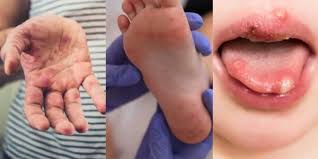
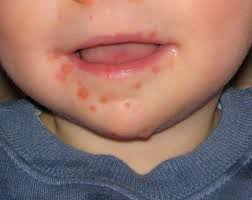
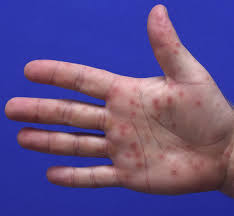
Since early February 2025, clusters of hand, foot and mouth disease (HFMD) have been reported in primary schools and daycare centres in the northern part of eThekwini District. Cases has also been reported in Secunda and even Capetown.
HFMD is a common viral illness that primarily affects infants and children under 10. Caused by enteroviruses, it typically produces mild, self-limiting illness with recovery in 7–10 days. HFMD affects humans only and is distinct from animal “foot-and-mouth” disease.
How HFMD spreads
Direct contact with an infected person’s saliva, nasal secretions, or fluid from blisters.
Respiratory droplets produced when an infected person coughs or sneezes.
Contact with contaminated surfaces or shared objects (toys, stationery, utensils).
Contact with fecal matter (for example, from inadequate hand hygiene after toilet use or diaper changes).
Signs and symptoms Symptoms usually appear 3–7 days after exposure and commonly last about 7–10 days. Typical features include:
Fever, sore throat, fatigue, and loss of appetite
Small painful blisters or ulcers inside the mouth, and on the palms of the hands and soles of the feet
Diagnosis and treatment
HFMD is usually diagnosed clinically from the characteristic symptoms and signs. In severe or uncertain cases, throat or stool samples may be sent to a laboratory for confirmation.
There is no specific antiviral treatment or widely used vaccine for HFMD. Management is supportive: rest, fluids, and symptomatic relief for fever and pain (as advised by a healthcare provider).
Most children recover fully at home. Seek prompt medical attention for severe symptoms or signs of complications.
Prevention and school guidance
Encourage frequent handwashing with soap and water, especially after toileting, diaper changes, and before eating.
Avoid sharing eating utensils, cups, and toothbrushes.
Regularly clean and disinfect toys, surfaces, and shared items in childcare and classroom settings.
Keep children from close contact with anyone who is ill.
Children who are well enough may attend school; routine exclusion or school closures are not generally required when cases occur, unless advised by health authorities.
If you have concerns about a child’s symptoms or believe they may have HFMD, contact your healthcare provider or local health department for guidance.
This Financial Literacy month, understanding the distinction could help under-pressure consumers avoid a debt spiral
Under pressure from rising electricity prices and municipal rates, South African consumers now face soaring fuel costs, which will have a knock-on effect throughout the economy.
The consequences for people with little or no financial wiggle room are already apparent, with applications for debt counselling in April already significantly up compared to last year.
National Debt Counselling Association chairperson, René Moonsamy, says when faced with rising costs, many consumers have few options: make use of the ‘two-pot’ system to dip into retirement savings, access more credit, or a combination of the two, or seek help from a debt counsellor to restructure debt and get protection from creditors.
“The reality is that we’re going to see people borrowing more. In this context, understanding debt and the distinction between so-called ‘good’ and ‘bad credit’ is important. With consumers battered by a storm of rising costs, and April being Financial Literacy month, now is a perfect time to explore the distinction.”
Credit itself, she explains, is neutral. It’s not the type of credit that’s at issue. What characterises it as ‘good’ or ‘bad’ is what it is used for, how much it costs, and whether the consumer can afford it.
‘Good’ credit is affordable, well-managed and used for productive purposes that improve your long-term financial stability. For example, buying a car to get to work or generate an income, furthering your education or paying for a renovation to add value to your house.
Payments should be affordable relative to your income, and the interest rates should be in line with a consumer’s risk profile. Making payments on time allows you to build a positive financial record. This will enable you to access financial products at better rates, because your credit score shows you are financially reliable.
The National Credit Act requires lenders to ensure applicants can afford credit before approving it. At the same time, consumers need to be truthful when applying for credit about their incomes and expenses.
“The problem is that while responsible lenders carry out all the required checks, desperate applicants can misrepresent expenses or income on the application. This is when borrowing becomes unaffordable, ‘bad credit’,” says Moonsamy.
‘Bad credit’ is unaffordable, high-cost or poorly managed borrowing, usually for short-term consumption that adds no lasting value.
Examples include using credit to fund lifestyle or basic living expenses, or taking new credit to repay old loans.
“In simple terms, ‘good credit’ helps you acquire assets and achieve financial stability and sustainability in the long term, while ‘bad credit’ is usually unaffordable, often used for short-term consumption and damages your credit record.”
“There’s nothing inherently wrong with credit. It’s integral to a functioning economy. What’s important to understand is whether it benefits you or not. We understand, however, that for people already caught in a debt spiral, the distinction between ‘good’ and ‘bad credit’ is academic, in which case the best course of action is to get help from one of our members. Delaying can further negatively affect your credit score and put your assets at risk of repossession, and if you wait too long, debt counselling may no longer be an option,” says Moonsamy.
Masibulele Mndebele of Bethal was crowned Miss Mpumalanga 2026 on April 11, 2026, at the AFM Communio Auditorium in Mbombela. The 24-year-old media practitioner and aspiring filmmaker earned the title after a competitive finale that capped a week of community engagement, leadership activities and public service by the top 10 finalists.
Chosen for her committed advocacy for young women, Masibulele has championed health, education and dignity as cornerstones of her platform. During the competition she emphasized health and fitness as vital tools in combating substance abuse and served as a brand ambassador for the iNtombazane sanitary pads initiative, promoting menstrual dignity to help keep girls in school. Her dedication to social impact and community service distinguished her among the finalists and positioned her as a visible advocate for positive social change across the province.
The 2026 edition marked the 16th year of the Miss Mpumalanga pageant, a milestone that underscores the event’s longstanding role in empowering young women across the province. In advance of the final, the top 10 finalists took part in community and leadership activities designed to deepen their civic engagement and practical impact.
Govan Mbeki Municipality also congratulated Masibulele on her win, celebrating her journey as a testament to the resilience and excellence of the municipality’s youth. The municipality urged residents to celebrate this achievement for Bethal and to support Masibulele as she begins her reign focused on empowerment, leadership and service.
What Is a Municipal Budget? The municipal budget is the annual financial plan adopted by the elected council. It outlines how funds will be collected and spent to deliver services, maintain infrastructure, and promote development. The budget is the key mechanism through which municipal priorities—set out in the IDP—are realised.
Integrated Development Plan (IDP) and budget consultations are annual, mandatory public participation processes in South Africa that allow residents to influence municipal service-delivery priorities and spending before the new financial year begins. These consultations typically run between August and May, and final municipal budgets must be approved before the start of the municipal financial year on July 1.
About the IDP and Budget Process
The IDP is the municipality’s five-year strategic plan setting development priorities and objectives. The annual budget allocates funding to deliver those priorities (for example, water, roads, housing, sanitation and other municipal services).
Municipalities invite community stakeholders to review and comment on draft IDP and budget documents through ward meetings, written submissions, and public notices. Inputs are considered before the council finalises the budget and adoption occurs ahead of the new financial year.
IDPs are reviewed annually (even though they cover five years) to accommodate changing needs and to align the budget with current priorities.
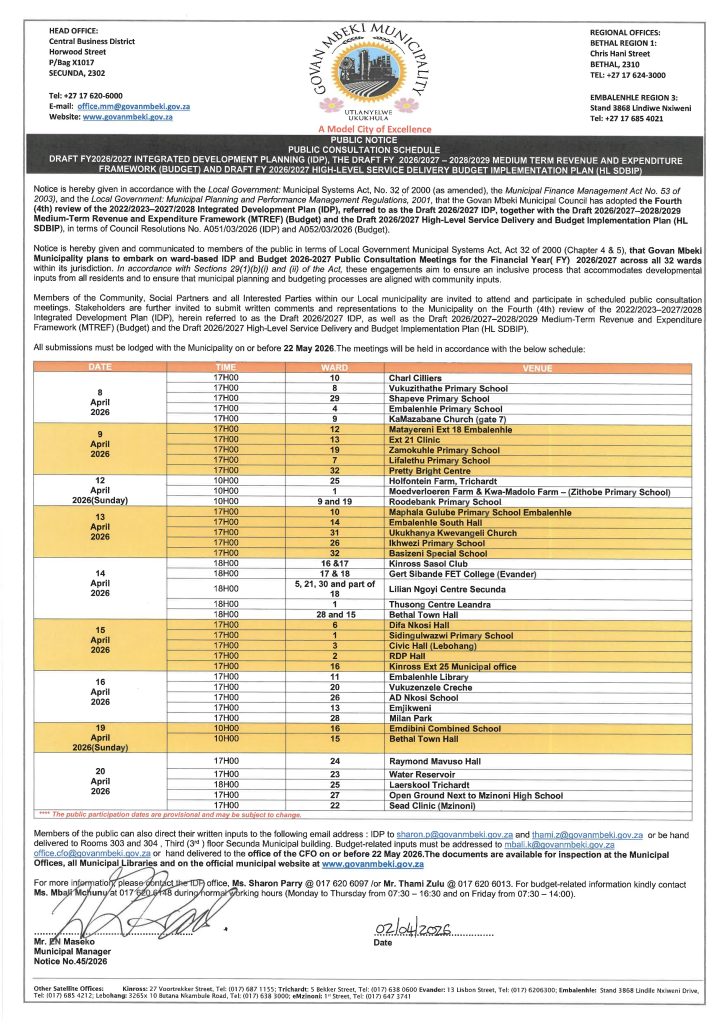
Current Consultations (2026/27): Govan Mbeki Municipality (GMM) GMM has scheduled public consultation meetings from 8 April to 20 April 2026. Residents may provide written inputs:
Take part in local meetings during the consultation period to raise priorities directly with councillors and municipal officials.
Access draft IDP and budget documents—usually available on municipal websites, at municipal offices, or public libraries—and review proposed projects and allocations.
If you cannot attend meetings, submit written inputs by email to the addresses above or use designated drop-off points where available.
Why Participation Matters
Public participation is a statutory right under the Municipal Systems Act. Engaging ensures your ward’s needs are considered in planning and spending decisions.
Resident input can shape which projects are prioritised and funded—such as repairs to infrastructure, improvements in water or sanitation, local safety measures, or community facilities.
How Municipal Budgets Work
When does the municipal financial year start?
The municipal financial year runs annually and must begin with an approved budget on July 1.
Funding sources:
Property rates: Levies on property owners based on assessed values.
Service charges: Fees for water, electricity, sanitation, and waste removal.
National and provincial transfers: Grants like the Equitable Share to support basic services for indigent households.
Fines, licenses, investments: Revenue from fines, business licenses, and municipal investments.
Borrowing: Loans for major infrastructure projects.
The municipal budget funds essential public services and infrastructure—basic services (water, electricity, sanitation, roads), community development (libraries, parks), public safety (fire, disaster management), and local economic growth initiatives.
Who Benefits? Municipal budgets serve all residents and businesses. They are especially crucial for indigent households relying on free or subsidised services and for ensuring a functional environment that supports local economic activity.
The Connection Between the IDP and the Budget The IDP sets the municipality’s strategic goals for economic and social development over five years and is managed by mayors, executive committees, and municipal managers. The annual budget is the implementation tool that allocates financial resources to projects and programs that deliver the IDP’s objectives. Annual IDP reviews—conducted during the budget process—allow municipalities to adjust plans to reflect changing priorities and inputs from the community.
Public Role After Budget Adoption Municipalities must create systems that maximise public participation. With rising tariffs and constrained resources, citizen involvement in budget processes is essential to ensure funds are directed appropriately toward operating and capital costs. After budgets are finalised, residents can monitor municipal spending by:
Reviewing Auditor-General annual reports to assess compliance and value for money.
Using audit findings to advocate for budget changes and improved service delivery in subsequent budget cycles. Active civic monitoring helps improve local facilities and outcomes for communities.
How to get involved now
Note the GMM consultation period (8–20 April 2026).
Attend your ward meeting or review the draft IDP and budget online or at municipal offices/libraries.
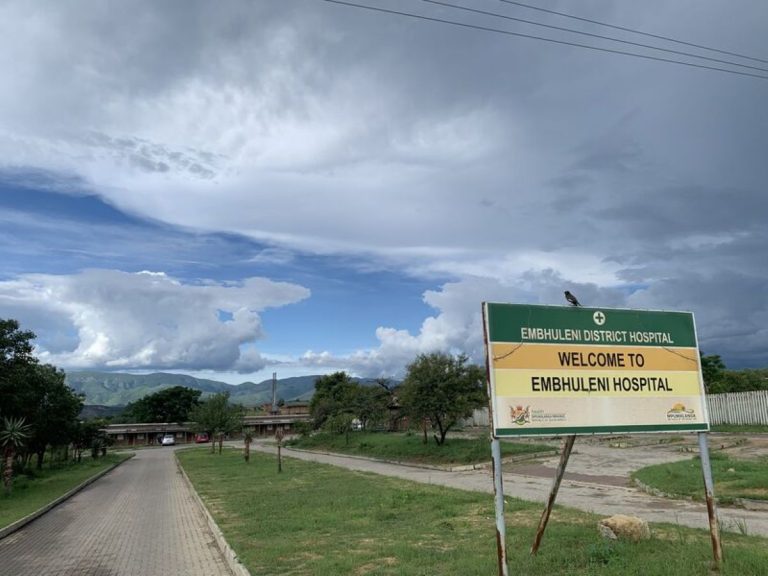
“The Democratic Alliance (DA) in Mpumalanga has written to Health MEC Sasekani Manzini demanding urgent action to fill critical vacancies and address severe equipment and infrastructure shortages at Embhuleni District Hospital,” said Bosman Grobler, MPL — DA Spokesperson on Health, Mpumalanga Legislature.
Key findings and stats
Staff Nurses: required 78 — currently 5 (94% vacancy)
Professional Nurses: required 149 — currently 117 (21% vacancy)
Medical Officers: required 39 — currently 14 (64% vacancy)
Service footprint: Gert Sibande District, including an estimated 248,000 residents of Chief Albert Luthuli Municipality
As part of the ongoing Taking Legislature to the People (TLP) programme, the Portfolio Committee on Health, chaired by Munene Mhlongo, conducted an oversight visit to Embhuleni Hospital to evaluate healthcare access and project implementation. The hospital, founded in 1982 and marking 42 years, shows a stark contrast between its history and current operational challenges.
Presentations by Department Head Dr. Lucas Ndhlovu and Chief Director Dr. Sheryl Nelson confirmed that:
Medication supply is generally sufficient, but physical and operational infrastructure is deteriorating.
Critical shortages of medical equipment and surgical consumables, including laryngoscope bulbs and various-sized airways.
Shortages of basic consumables and PPE, and emergency trolleys lacking oxygen, defibrillator, suction and airway management tools.
Missing internal signage, lack of soap and towel dispensers, leaking pipes, roof damage, and potholes on hospital grounds.
Long patient waiting periods due to an insufficient workforce.
Board and administrative notes Sitani Nkosi, Chairperson of the Hospital Board, reported improvements and ongoing concerns:
A new filing system has reduced missing patient files.
Four new doctors have been appointed, stabilising emergency services and reducing outsourcing costs.
The board is conducting surprise visits to monitor staff performance and executive accountability.
However, committee members raised concerns about administrative discrepancies: some executive members remain on the payroll despite suspensions being lifted but have not returned to duty.
Committee demands and department response The Portfolio Committee demanded:
Immediate filling of vacancies to reduce wait times and nurse fatigue.
Comprehensive infrastructure upgrades, including replacement of old piping, improved disability access, and installation of surveillance cameras.
Reinstatement of suspended employees cleared to return and a new strategy for engagement with labour unions.
Dr. Ndhlovu reported that 37 artisans have been deployed to begin renovations and equipment installation. He noted the financial logic of maintaining and optimising existing facilities when beds are under-utilised at smaller hospitals.
Accountability and deadline The committee has required the hospital and the Provincial Department of Health to submit a formal mitigation report addressing all raised concerns by 04/07/2026.
Impact and DA call to action The DA reiterates that failing to urgently address staffing, equipment and infrastructure shortages will perpetuate overcrowding, poor patient outcomes, longer waiting times, delayed diagnoses and staff burnout. The DA calls on MEC Sasekani Manzini to prioritise immediate recruitment of nursing staff and medical officers, procurement of essential equipment and consumables, and full infrastructure refurbishments to restore safe, timely care for the community.
A helicopter that went missing during an anti-poaching operation in the Kruger National Park on Monday, 04/06/2026 has been located and all four people on board are safe, SANParks confirmed Tuesday.
The contracted aircraft had been deployed to assist a crime-scene investigation after rhino carcasses were discovered. Onboard were a private pilot, two South African Police Service (SAPS) forensic investigators and a SANParks Environmental Crime Investigator. The team landed in dense bush to conduct on-the-ground assessments but became disoriented in thick vegetation and lost sight of the helicopter. Their GPS ran out of battery, and attempts to contact them were unsuccessful.
Search efforts continued overnight and resumed at first light. SANParks and SAPS deployed aerial and ground teams, including a SANParks helicopter and drones equipped for low-visibility operations. The crew spent the night in the bush and were located on the morning of 04/07/2026 after being spotted by the search helicopter; they waved for assistance and were brought to safety. SANParks confirmed all four are healthy and unharmed.
Major General (Dr) Zeph Mkhwanazi, Acting Provincial Commissioner of SAPS in Mpumalanga, praised the commitment of the officers involved, noting they were working on a national holiday. “We are committed to leaving no stone unturned in our efforts to locate the missing members,” he said, adding that expanded resources, including additional helicopters and personnel, were deployed as part of the search.
Investigations into the rhino carcasses and the circumstances that led to the team becoming disoriented continue. Authorities have highlighted the role of challenging terrain, poor signal, and a depleted GPS battery in complicating the crew’s ability to relocate their aircraft.
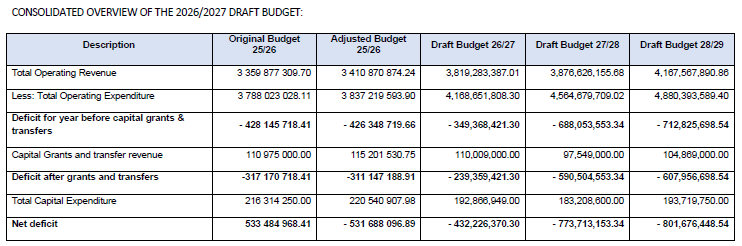
Govan Mbeki Municipality has tabled a draft 2026/27 Medium-Term Revenue & Expenditure Framework that lays bare a municipality under acute financial stress. The document, prepared in line with MFMA and National Treasury guidance, shows rising costs, shrinking capital investment and a funding shortfall that threatens service delivery and legal compliance.
A stark funding gap The draft budget projects operating revenue of R3.819 billion against operating expenditure of R4.169 billion — an operating deficit of about R349 million. Including capital, the municipality faces an overall deficit of R432 million. These shortfalls come alongside a reduced capital programme of R192.9 million for 2026/27, down by R27.6 million from the adjusted 2025/26 budget, constraining investment in infrastructure at a time when maintenance and upgrades are critical.
Mounting liabilities and cash-flow risk The municipality’s creditors currently total R7.638 billion, with Eskom and Rand Water the largest outstanding accounts. At an assumed 66% payment rate, only R4.45 billion of debt is realistically collectible over time — well short of what is needed to meet obligations and sustain operations. The budget papers warn the municipality will be unable to pay obligations as they fall due, risking non-compliance with Subsection 99(2)(b) of the Municipal Finance Management Act and exposing the council to potential litigation, additional interest charges and escalating legal fees.
Drivers of the deterioration Operating expenditure has increased by R331.43 million relative to the current adjusted budget, driven mainly by salary increases (kept within the 35% regulation), higher bulk-purchase costs and general inflation. Revenue growth is constrained, and without decisive action collection rates, operating efficiency and cost control will not improve fast enough to close the gap.
Service delivery and personnel implications Cash-flow constraints could leave critical vacancies unfilled, undermining service delivery and limiting the municipality’s operational capacity. The papers call for an urgent, intensive review of the organizational structure to align staff to essential deliverables.
Policy response and recommended measures The draft reiterates the statutory requirement to adopt funded budgets and urges immediate interventions: expenditure reprioritization, strict cost containment, intensified revenue enhancement and improved credit control, and full implementation of mSCOA. Administratively, the municipality proposes tariff increases (water and sewerage up to 11%, provisional electricity 12.74%, assessment rates and other tariffs around 3.7%) and other policy measures aimed at stabilizing finances. The document also stresses that if an unfunded budget is adopted, Council must table a credible plan showing how the municipality will move to a funded position.
Political fallout: opposition to an unfunded budget The funding gap and the municipality’s precarious cash position drew political opposition. The Democratic Alliance (DA) and the Freedom Front Plus (FF+) voted against accepting an unfunded budget, signalling concern that the draft fails to provide a sustainable, lawful funding model and warning that continued acceptance of unfunded budgets will deepen financial instability and compromise core services.
Conclusion Govan Mbeki’s 2026/27 draft budget signals an urgent need for decisive, sustained fiscal action. The operating and overall deficits — R349 million and R432 million respectively — coupled with R7.638 billion in creditors and limited collectible debt, create an immediate liquidity crisis with legal and service-delivery consequences. While the administration has proposed revenue and cost measures, the rejection by DA and FF+ of an unfunded budget underscores the political and governance challenge: without a credible, fundable plan and disciplined implementation, the municipality risks further deterioration in financial health and service outcomes.
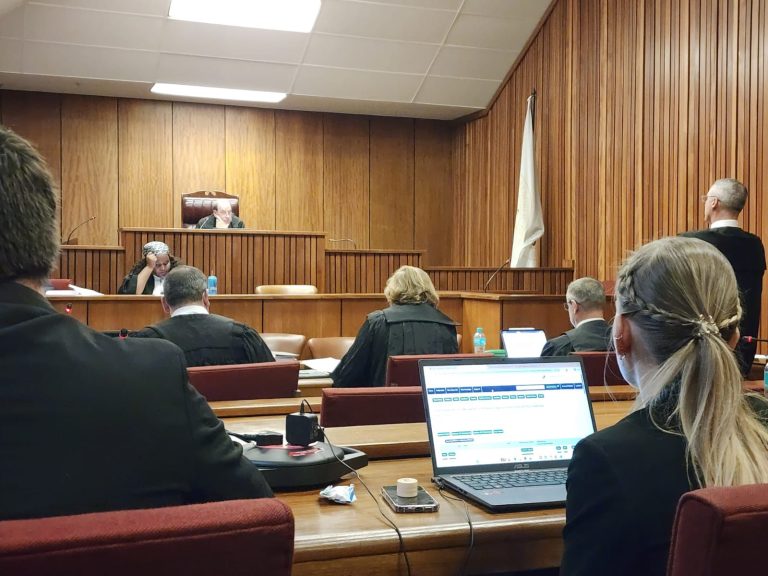
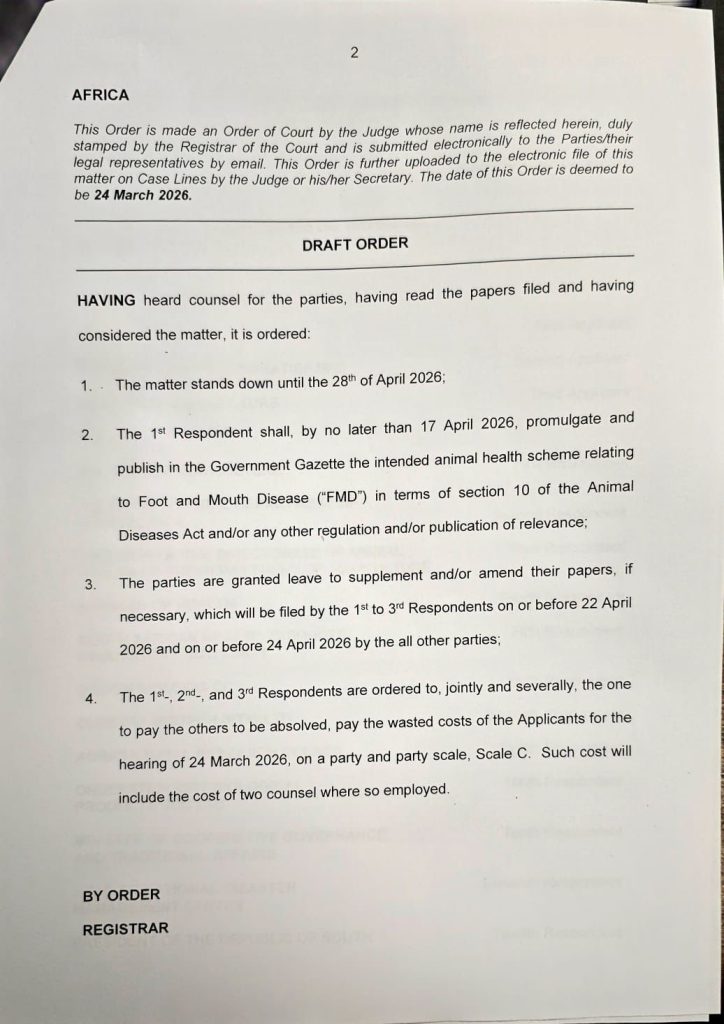
The court order and accompanying cost order in the urgent legal case brought by Saai, Sakeliga and Free State Agriculture against the Minister, Director-General and Director of Animal Health of the Department of Agriculture, regarding the control of foot-and-mouth disease vaccine, have once again highlighted how far removed the bureaucratic world of the public service is from the seriousness and urgency of livestock farming. While more farms are financially collapsing every day, the Minister, after three months, brought a draft framework for action (an Article 10 vaccination scheme) to court as his solution—one that had been rejected by his own department a week earlier. The current outbreak has been a major threat since 2022/2023, yet the Minister could only present a draft minutes before the hearing.
The more than three months during which the agricultural industry tried to assist the department with the contents of the vaccination scheme have been prohibitively costly, with hundreds of dairies, stud breeders, commercial herds and small-scale farmers facing losses from which they may not recover. Saai welcomes the fact that the court has now imposed strict deadlines on the Minister, ahead of the postponed court date. Should the Minister wish to promulgate a scheme, it must be done before 17 April 2026.
The order also creates an opportunity for farmers and other stakeholders, who have been excluded by the Minister, to provide input into the final vaccination scheme.
The matter was argued in court today after the Minister, for more than a month, failed to indicate the legal basis for his insistence that all aspects of the vaccination campaign must be controlled by the state. It is now clear that such legal grounds do not exist, but are instead based on an ideological preference for centralised state control rather than private initiative.
“It is regrettable that a DA Minister subscribes to ANC ideals of central control. Farmers suspect that state interference is designed to inflate costs so that politically connected tenderpreneurs and parasitic officials can benefit improperly, regardless of the consequences for livestock farmers on their farms,” said the statement by SAAI
Total state control has plunged the livestock industry into its greatest existential crisis ever, and although there are some agricultural organisations that support it, Saai and its network partners are mandated to ensure that central control is not presented as the only solution.
The last meeting (March 2026) brought members together for club business, PSSA news, event planning and an inspiring guest-judge session by Johan Frost.
Key highlights
Meeting welcome and entries summary: 58 images entered across categories (Pictorial 16, Nature — Birds Only 11, Nature 7, Monochrome 6, Scapes 6, Set Subject 9, Photojournalism 3).
Web competition entries (February): notable club submissions by Louis van der Walt, Leon Pelser, DNE Smit, Sussa Pelser and Yolandi Geyser.
PSSA salon results: Sasol Highveld members received several acceptances at the 5th Bethal Digital Salon PDI (2026);
PSSA Honours Images 2025 were highlighted.
Club served as a judging venue for the PSSA 29th National Up-and-Coming Photo Competition (Open Monochrome — Scholars) with local judges listed.
Events and outings
Confirmed volunteers and photographers for the 46th Annual Sasol Secunda Marathon.
Upcoming local event: Goedehoop Rainbow Rush (20 March 2026).
A list of upcoming PSSA salons and competitions was shared for members to enter.
Administration & reminders
Birthdays: Leon Pelser — 2 March (members asked to update birthdays on PhotoVault) — slide 3.
Club promotions: none this month.
Members are reminded to select “Sasol Highveld Photography” as their nominated photo club when entering PSSA web competitions.
Meeting calendar & set subjects (2026)
March 6 — Perspective
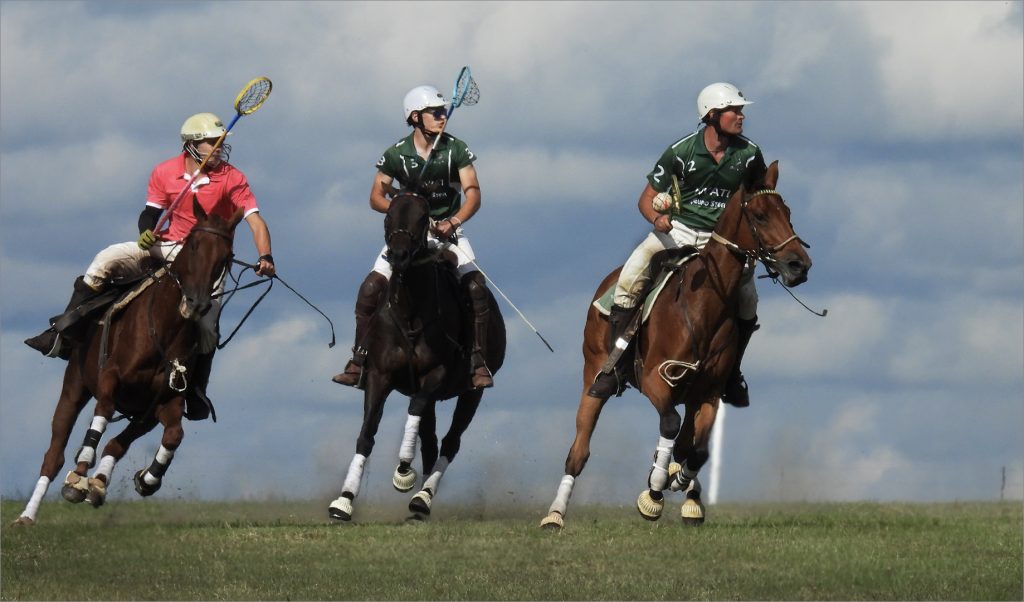
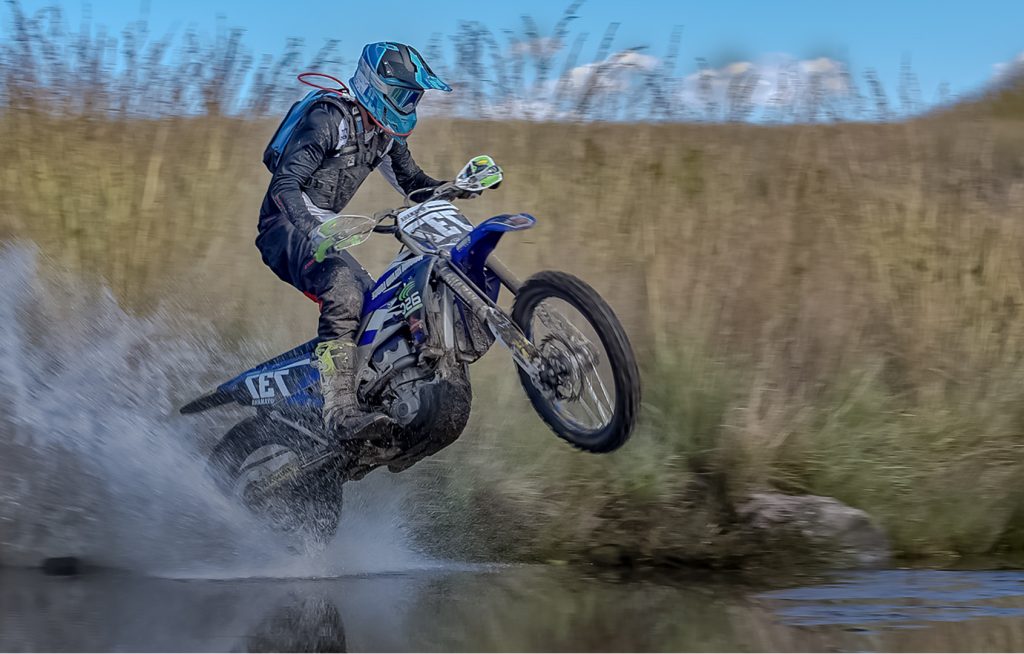
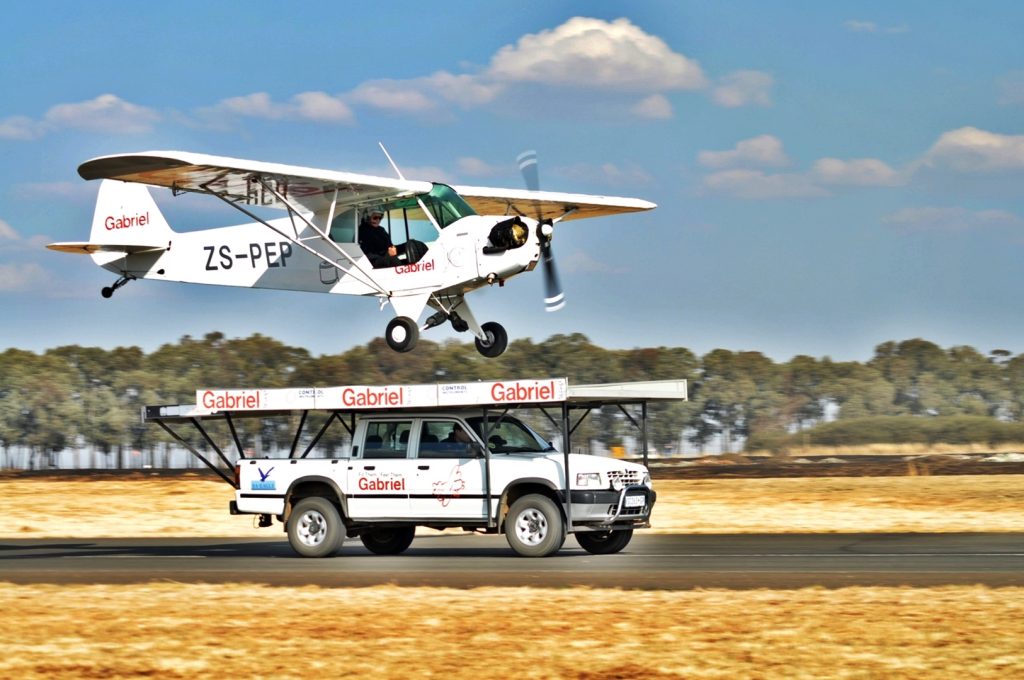
April 17 — Motion
May 8 — Night
June 5 — Time
July 3 — Funny
August 14 — Forms in Nature
September 4 — Industrial
October 2 — Mirror, mirror
November 6 — Self-Portrait
Year-end function / AGM: 5 December (braai) — slide 18.
Thank you and congratulations to the winners and to all members who entered recent competitions.
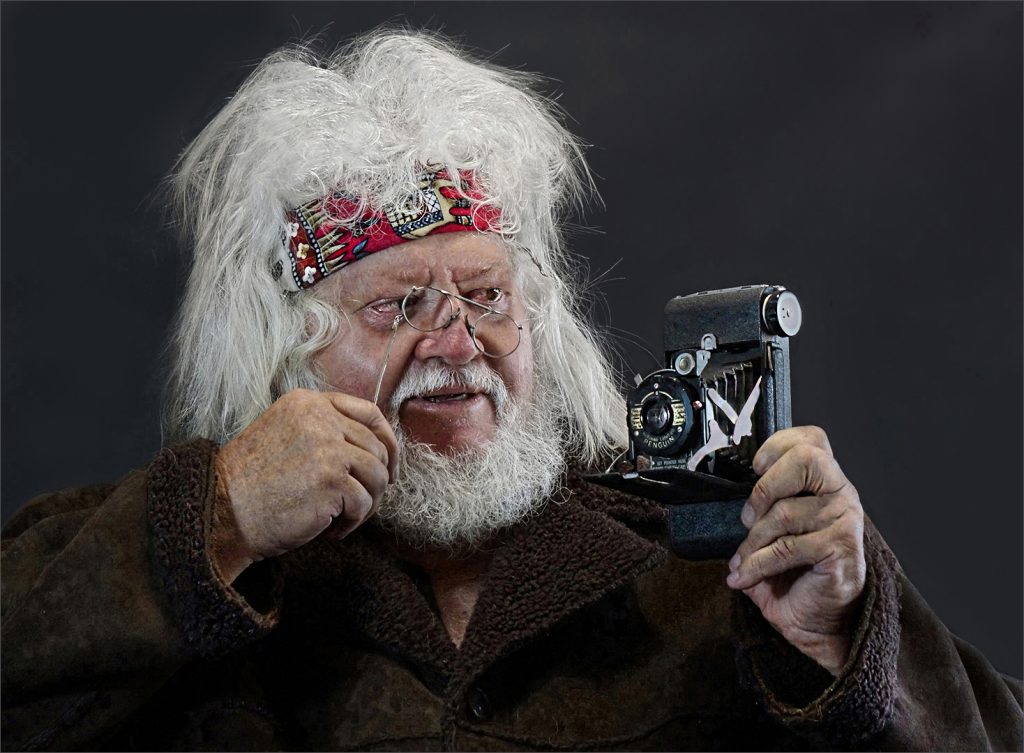
The best Senior Photographer for March is Leon Pelser with “Inspection”
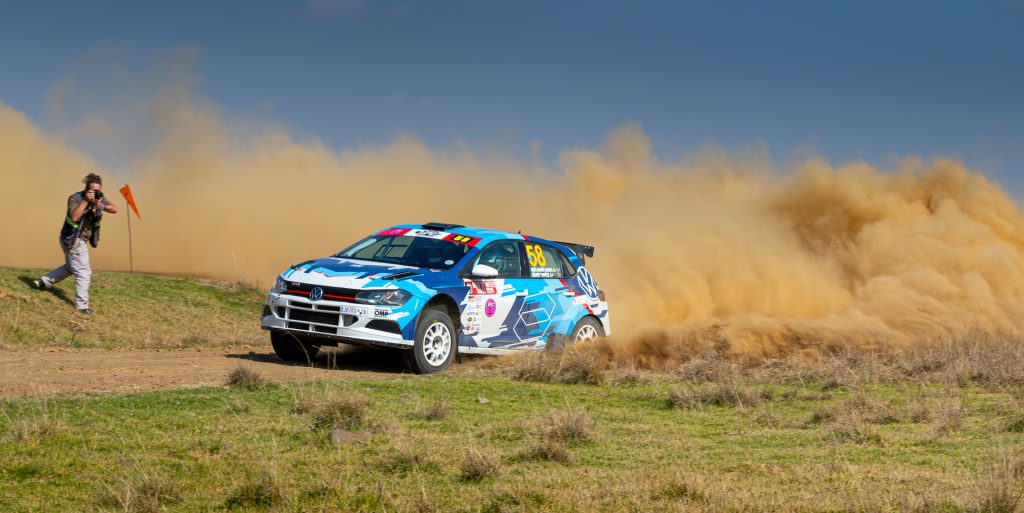
The best Junior Photographer for March is Edmund Hattingh with “Stofwolk”
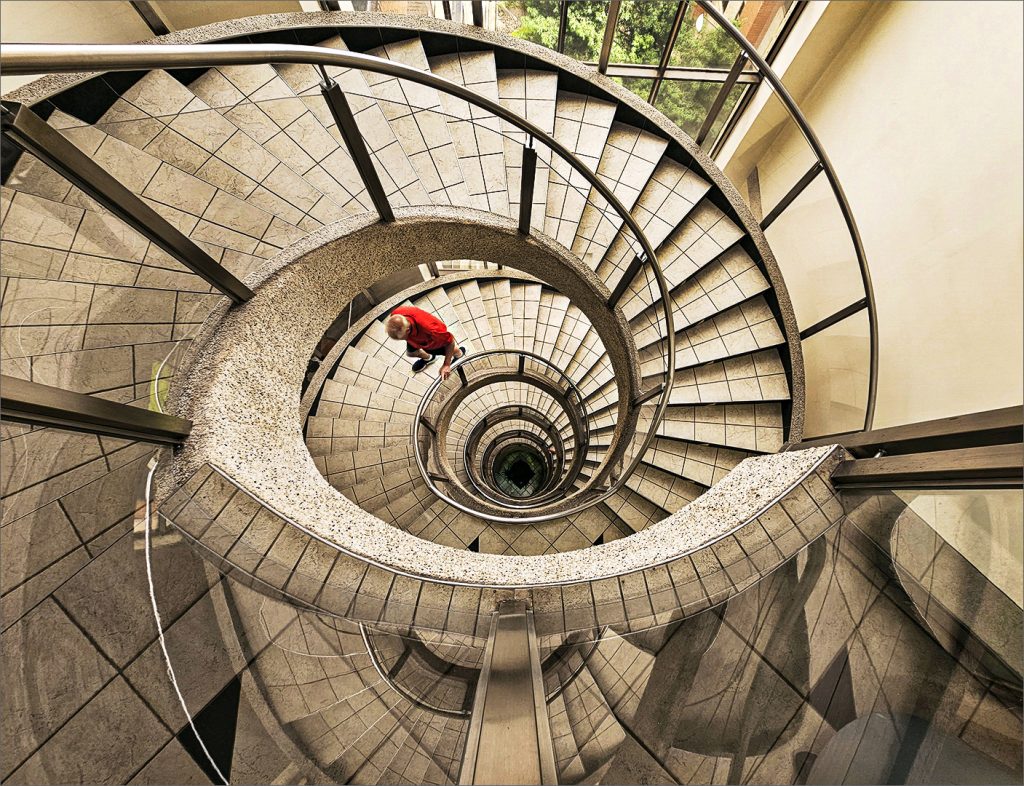
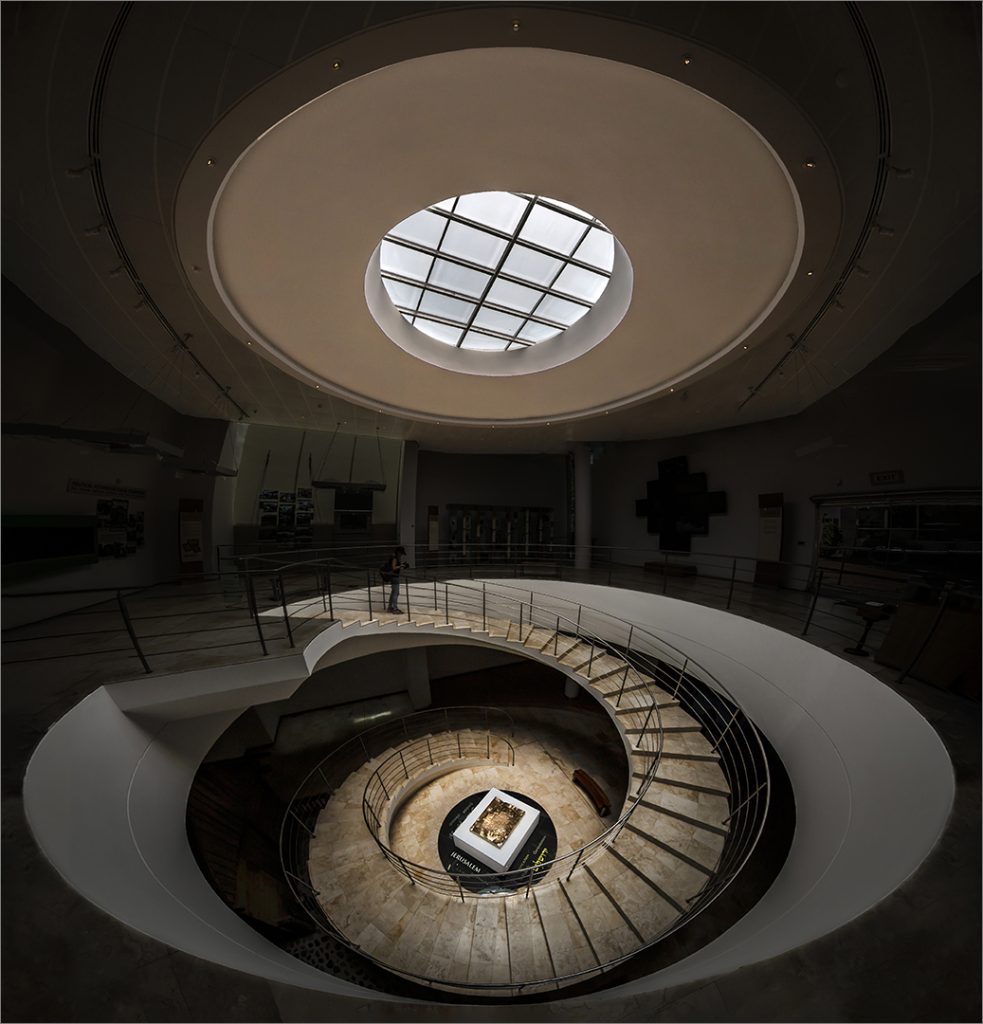
The best Setsubject Photograph for March is Sussa Pelser with “Man Coming Up The Staircase”
Here are all the COM and Gold winners for the March meeting:
Category – Set Subject (Perspective)
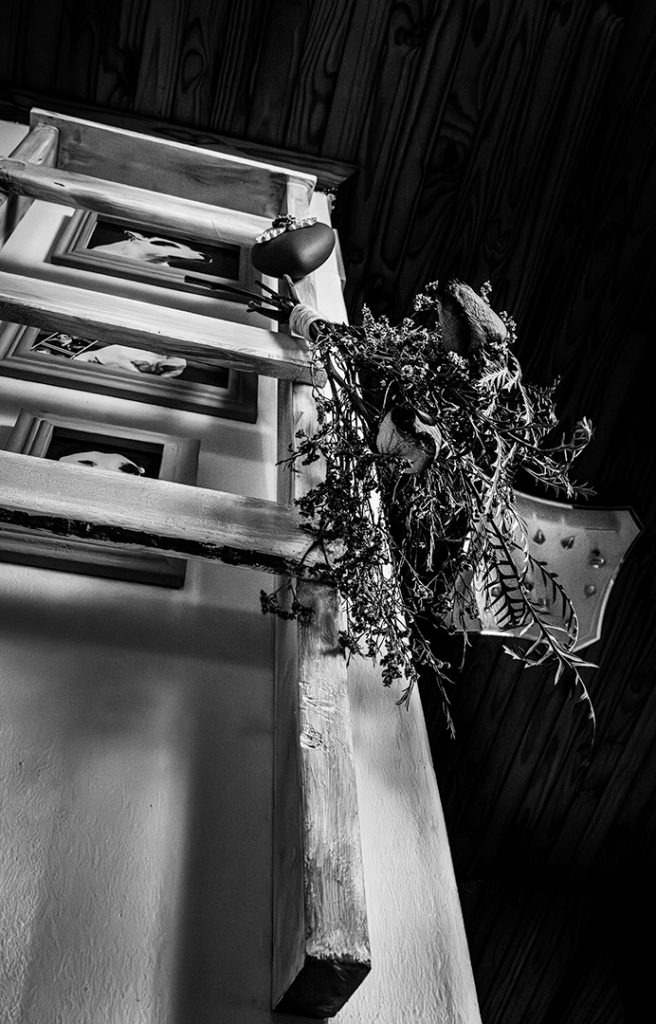
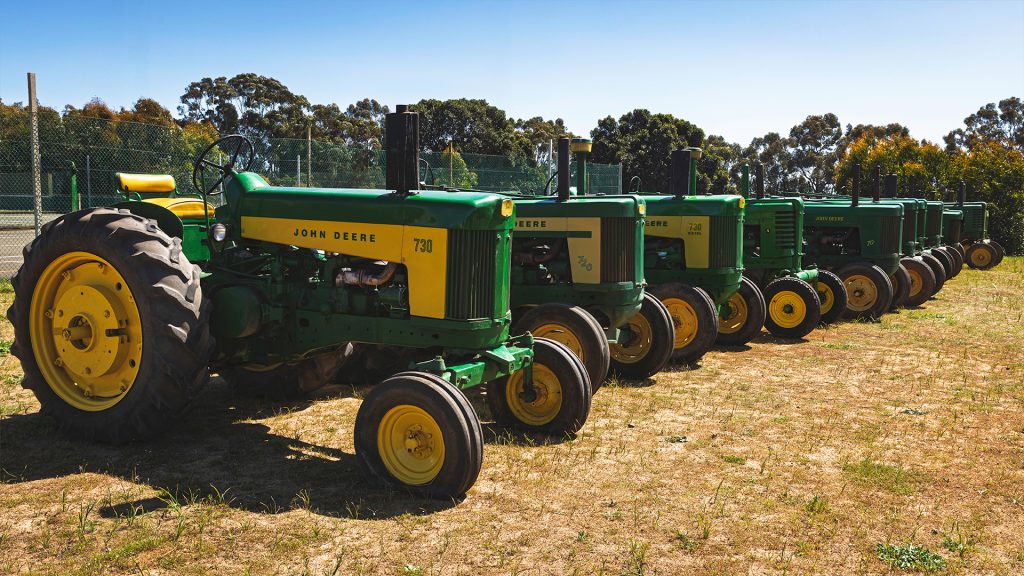
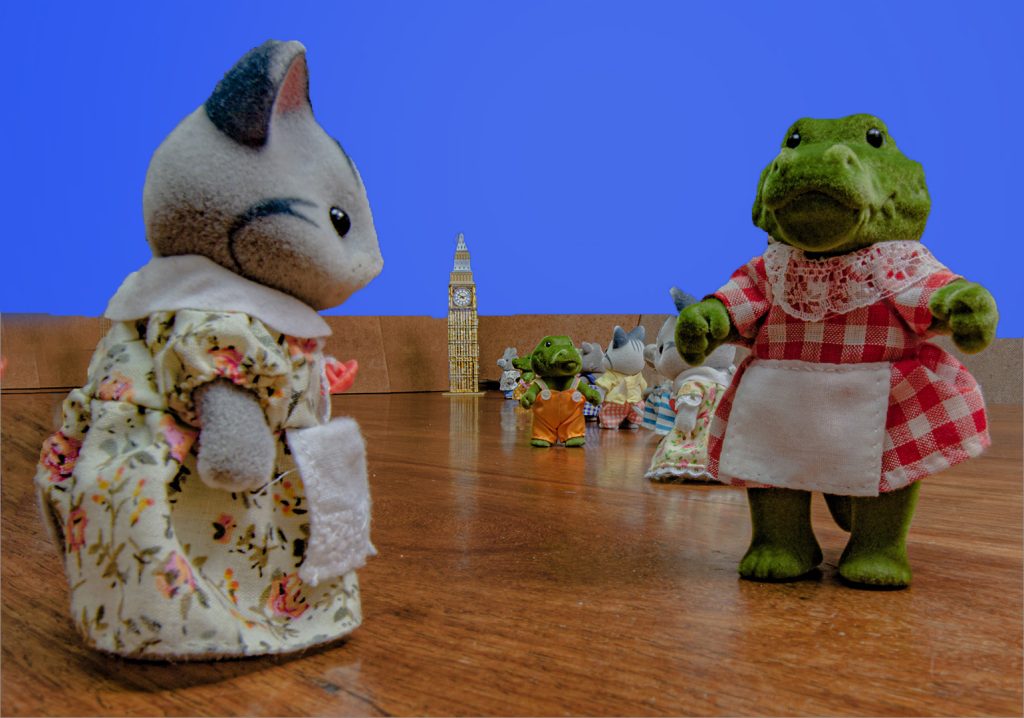
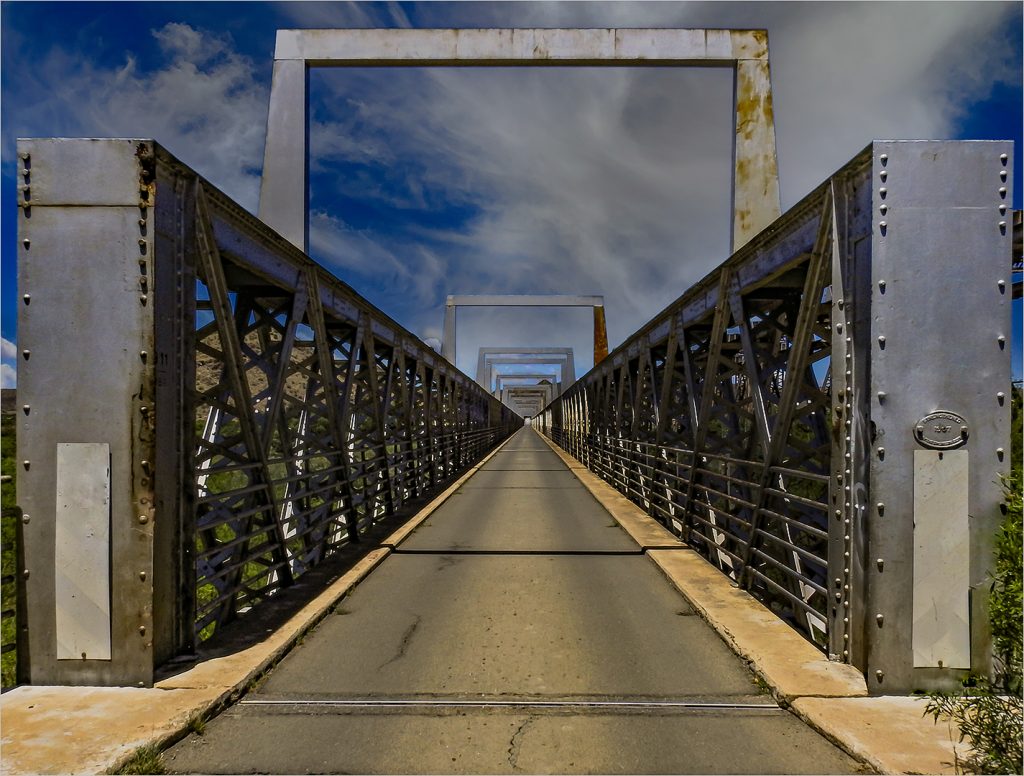
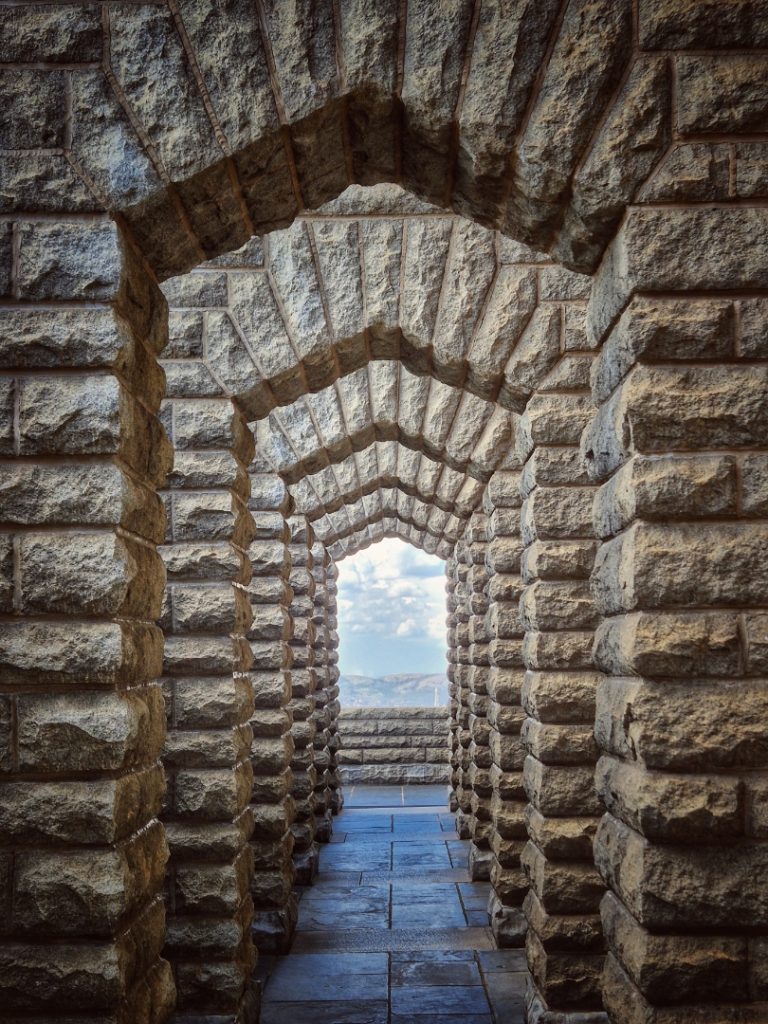
Arch Angel by Anzette SnydersLooking Up by Yolandi GeyserDie wereld deur ‘n klein lens by Stian GriffinDescent to the Golden City by DNE SmitJohn Deere by Piet PotgieterQueuing to see the Tower by Lorraine BothaThe Bridge by Johan ViljoenSon Vanger by Leon Pelser
Catagory – Photojournalism
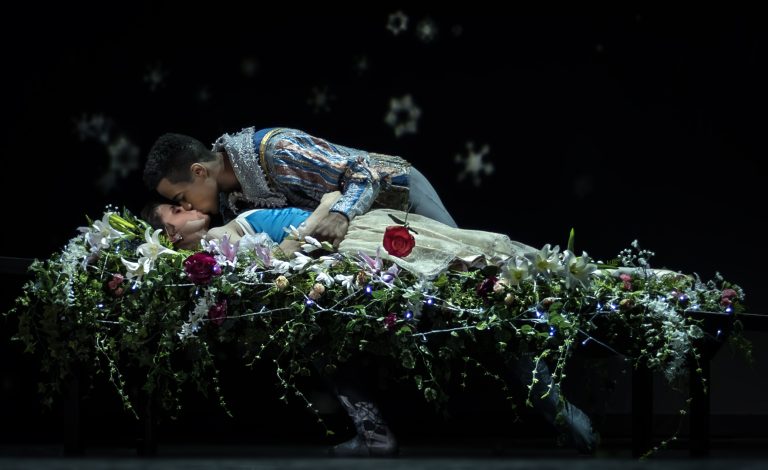
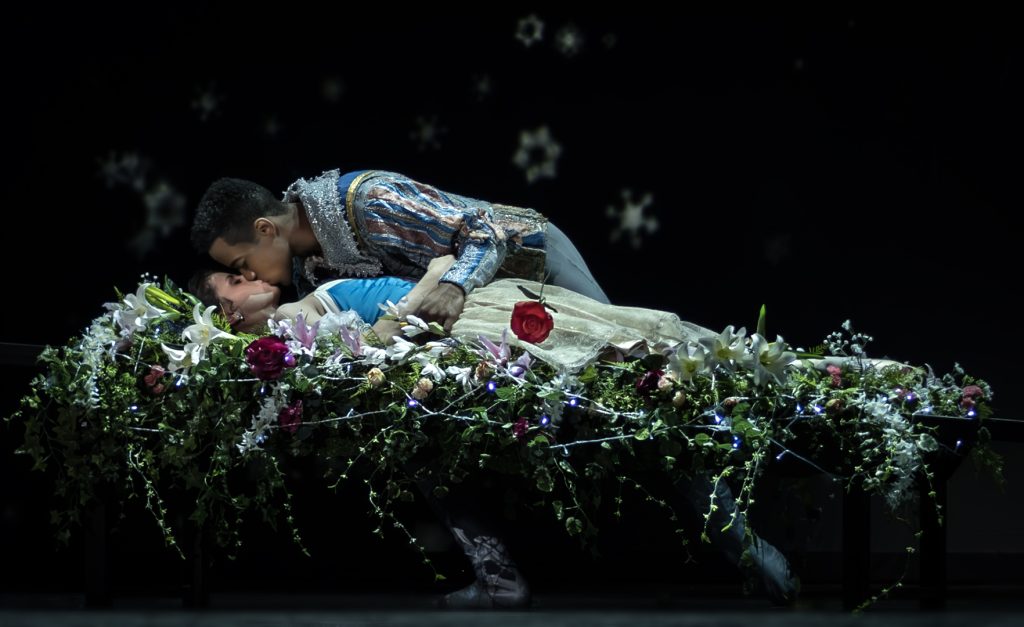
Kiss of Life by DNE SmitHeaven by Lorraine BothaI Got It by Sussa Pelser
Category – Pictorial
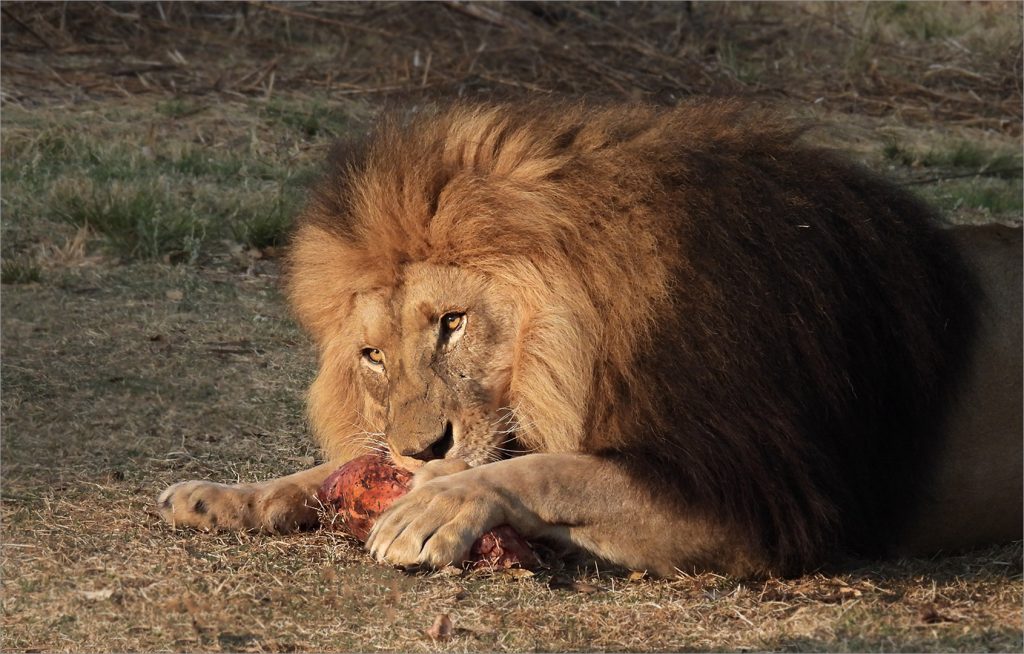
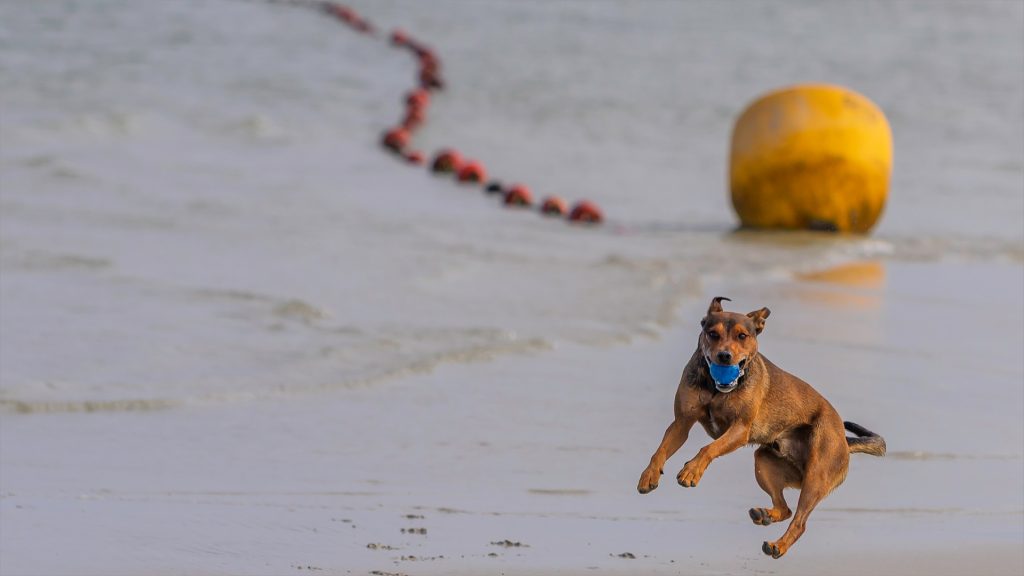
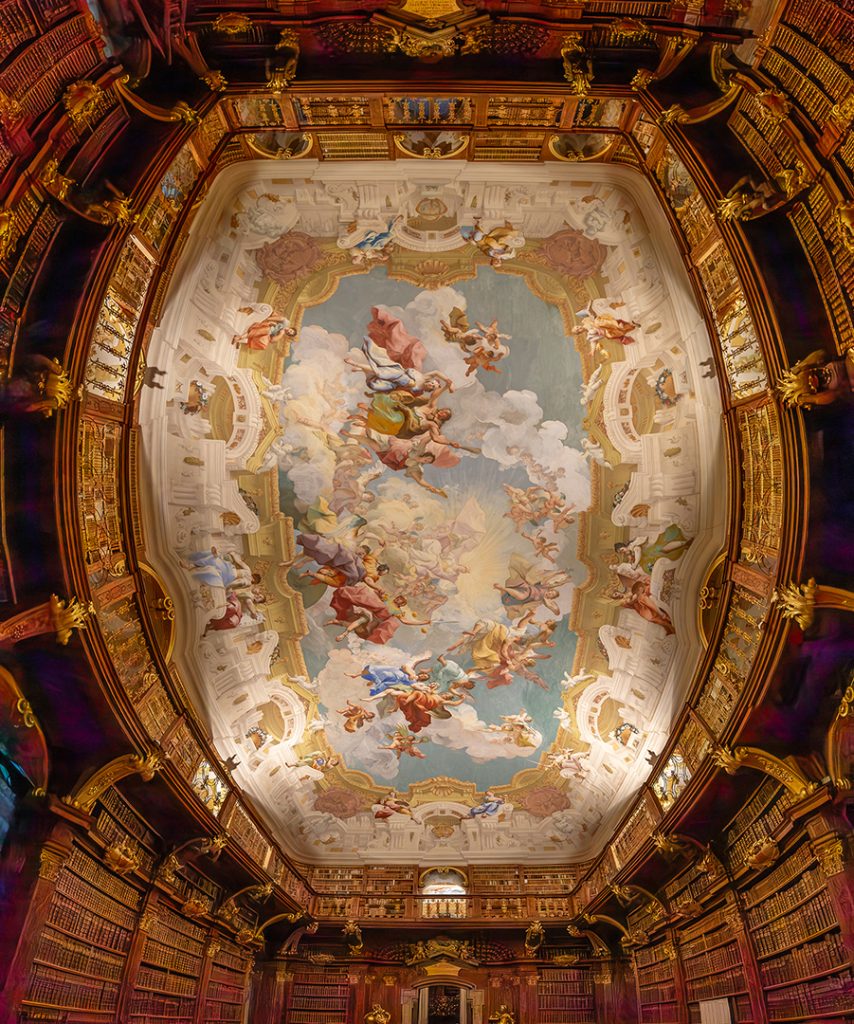
White Crab on Red Flower by Leon PelserSplash by Johan ViljoenWinter is Comming by Piet PotgieterMik reg en Land by Hester GriesselPanthenon by DNE SmitD Cape Vulture 2 by Louis van der WaltEnjouying a Piece of Meat by Sussa PelserI will Fall by Johan ViljoenVang die Bal by Piet PotgieterOnderstebo by Hester GriesselMelck Library by DNE SmitA Glimpse of the Horizon by Stian GriffinWhisper of Time by Yolandi GeyserPray Mantis 1 by Louis van der Walt
Category – Nature
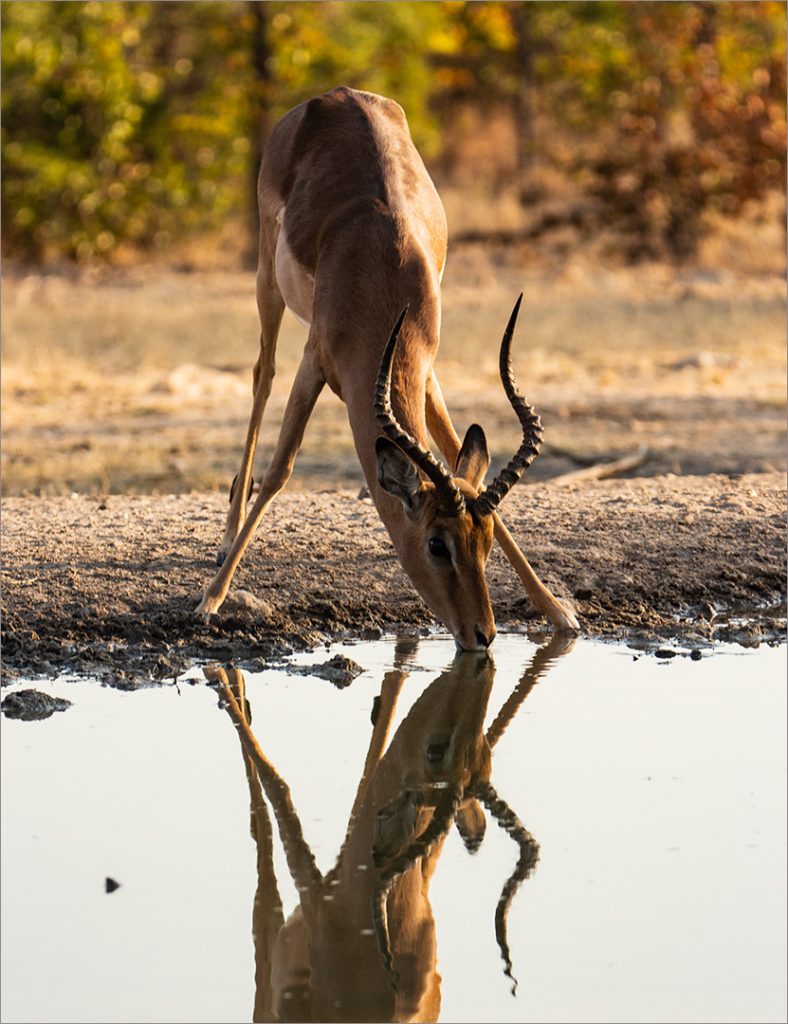
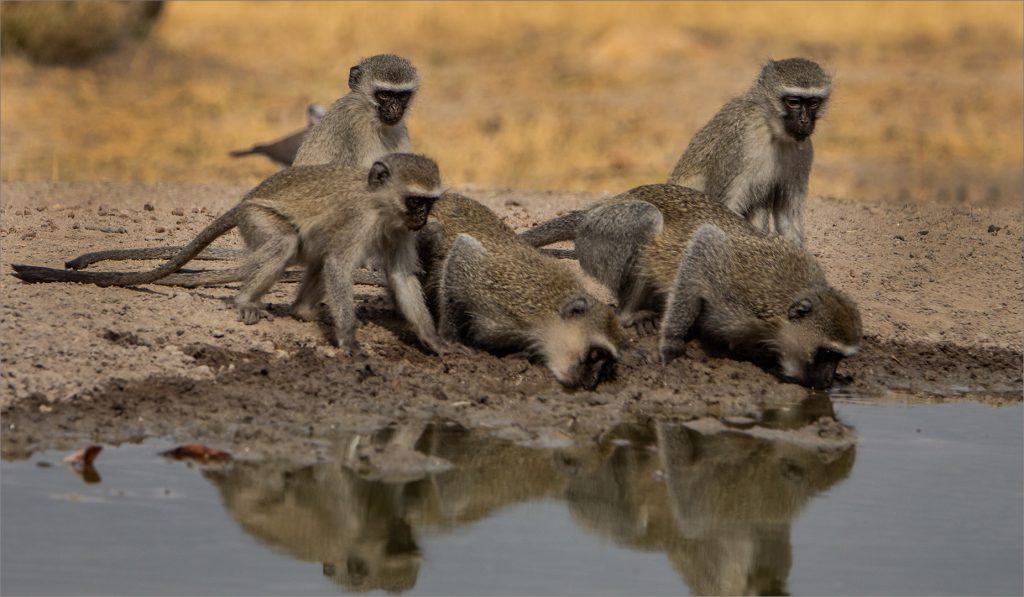
Impala Drinking by Lorraine Botha5 Monkeys Drinking by Lorraine BothaA Peacefull Moment by Stian GriffinDriven by Yolandi Geyser
Category – Monochrome
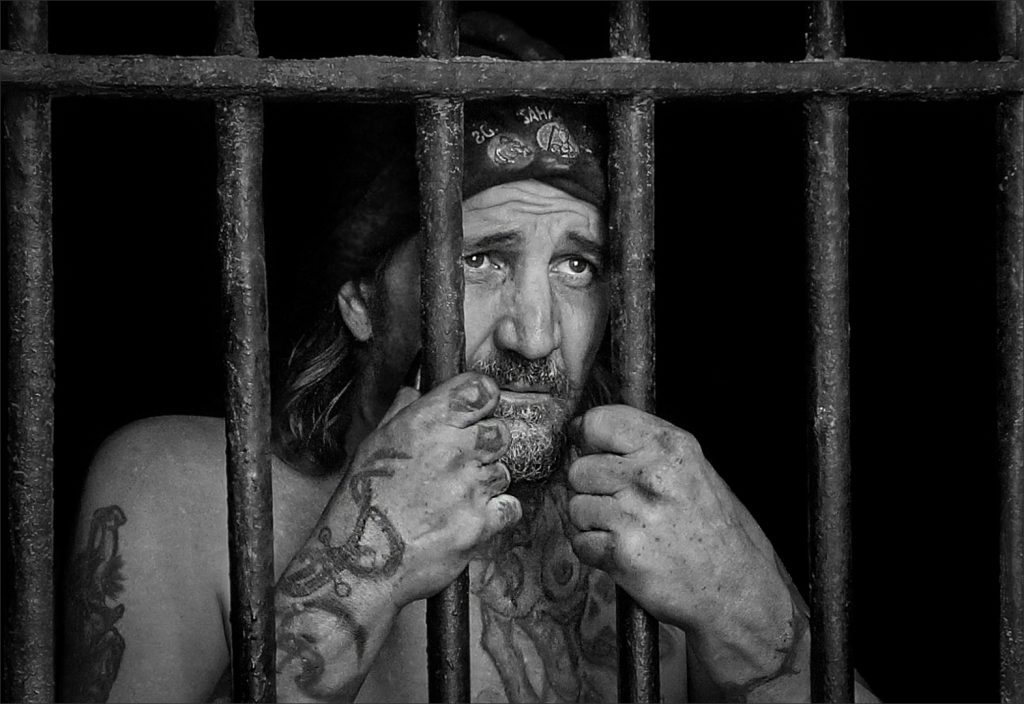
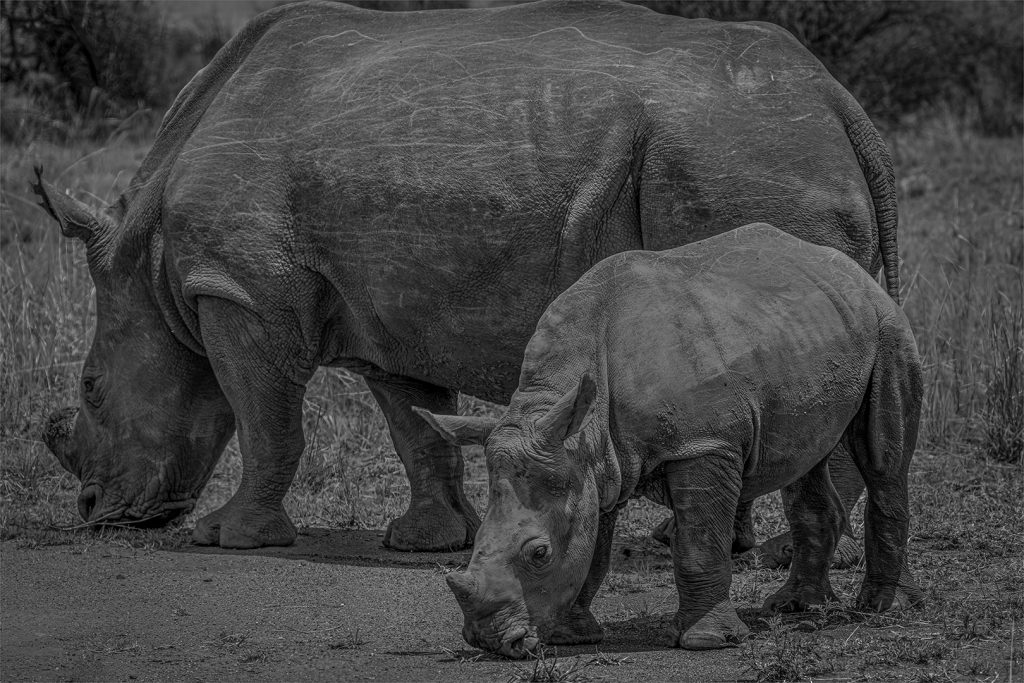
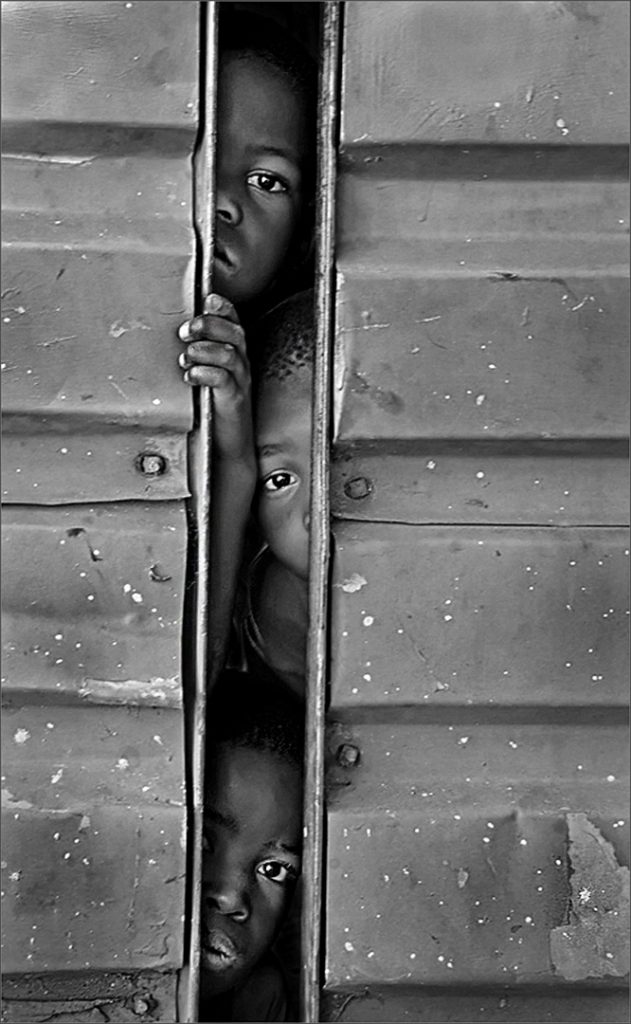
Inside by Leon PelserP Next to Mamma by Louis van der WaltHiding in the Barn by Leon PelserEdge of Light by Yolandi GeyserSAD Eyes by Louis van der Walt
Category – Scapes
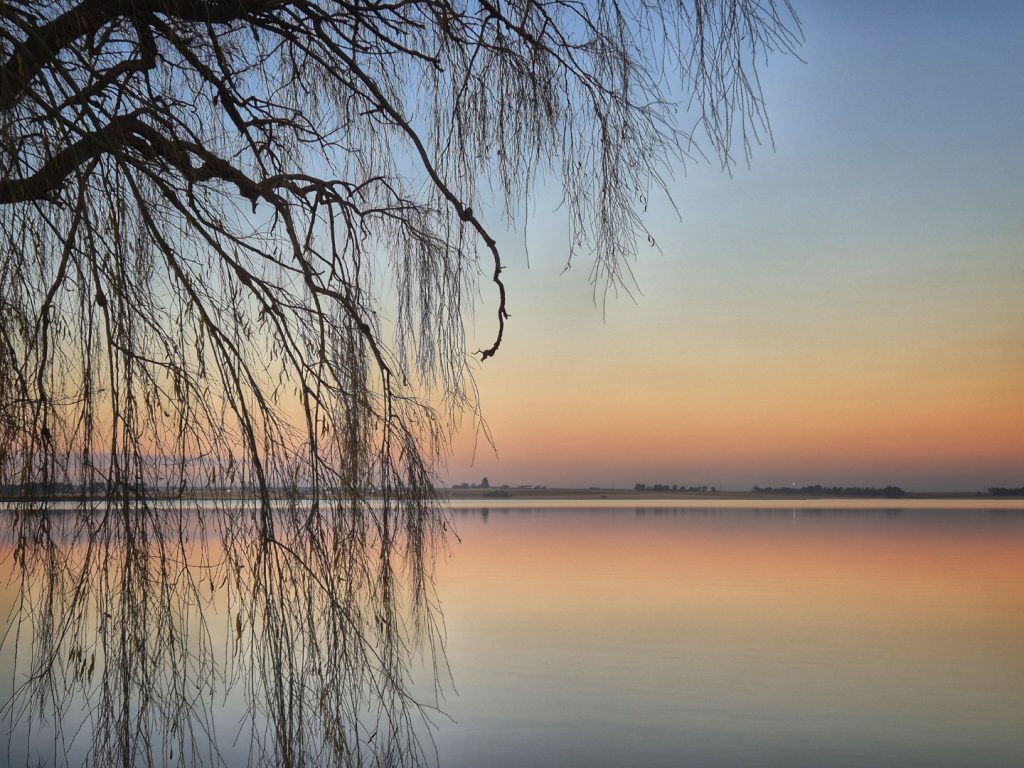
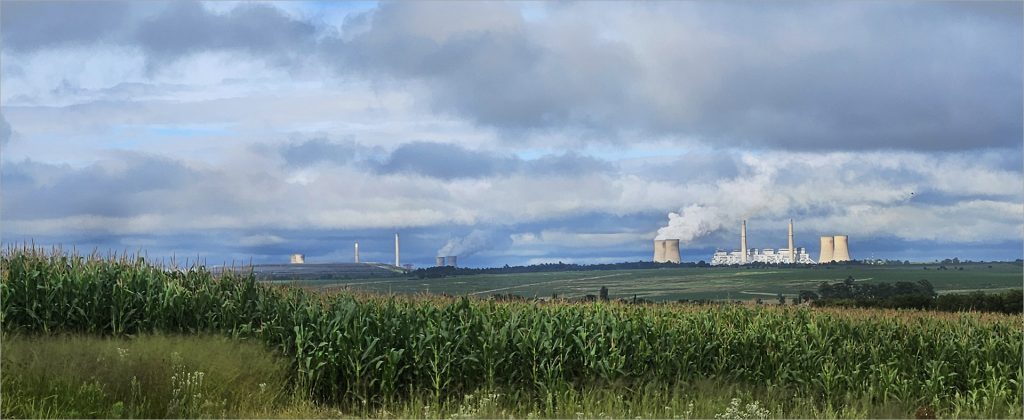
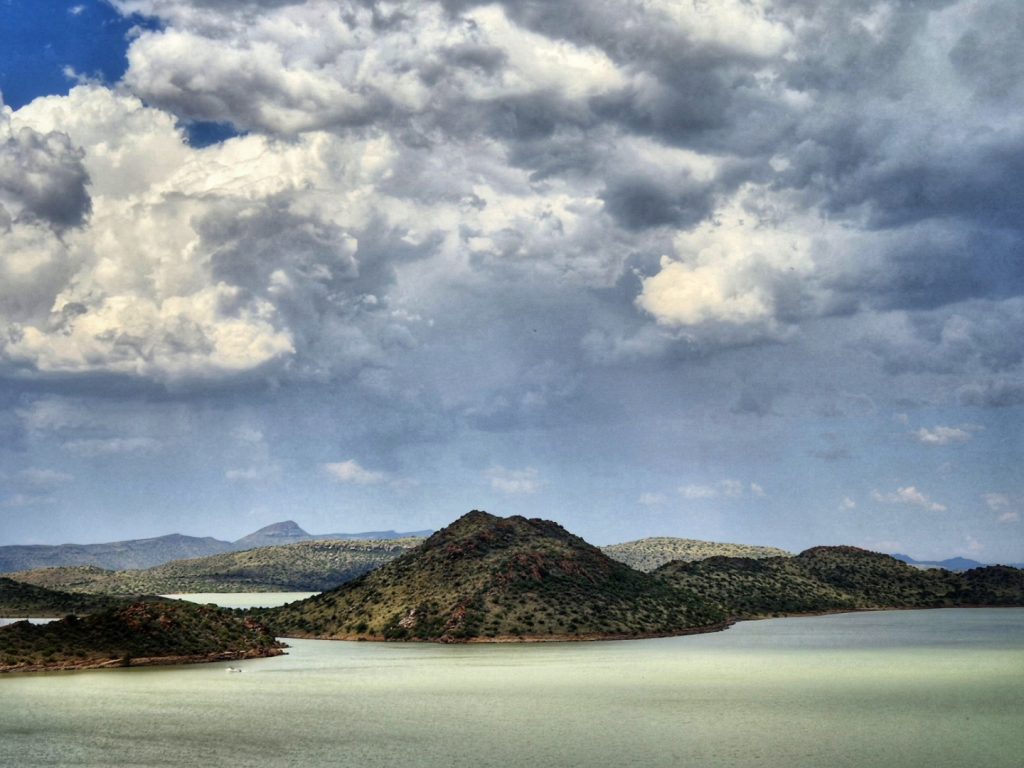
Power Stations Behind The Corn by Sussa PelserGolden Moment by Hester GriesselIslands Of The Karoo by Stian GriffinArch Trails by Louis van der Walt
Category – Nature, Birds only
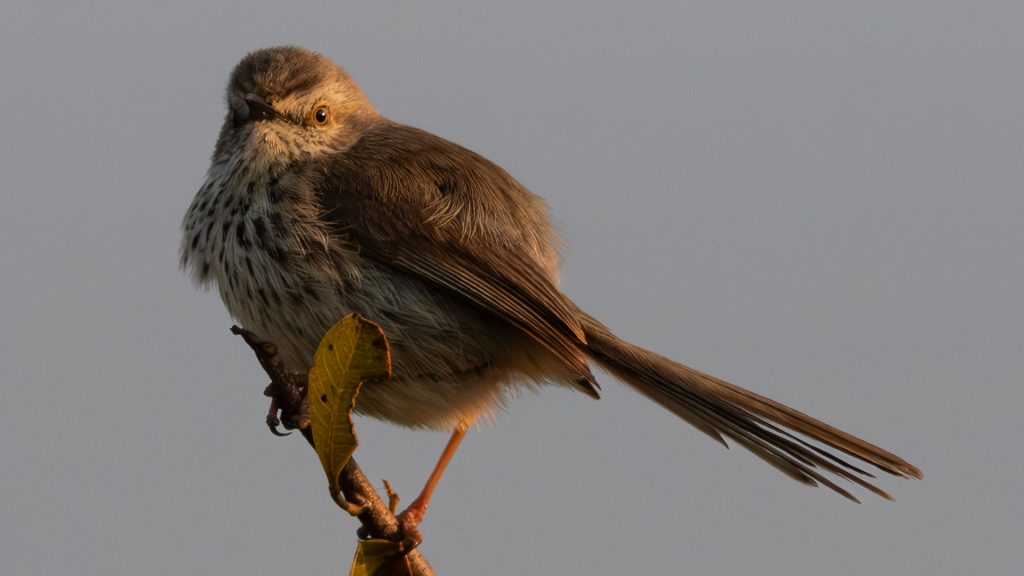
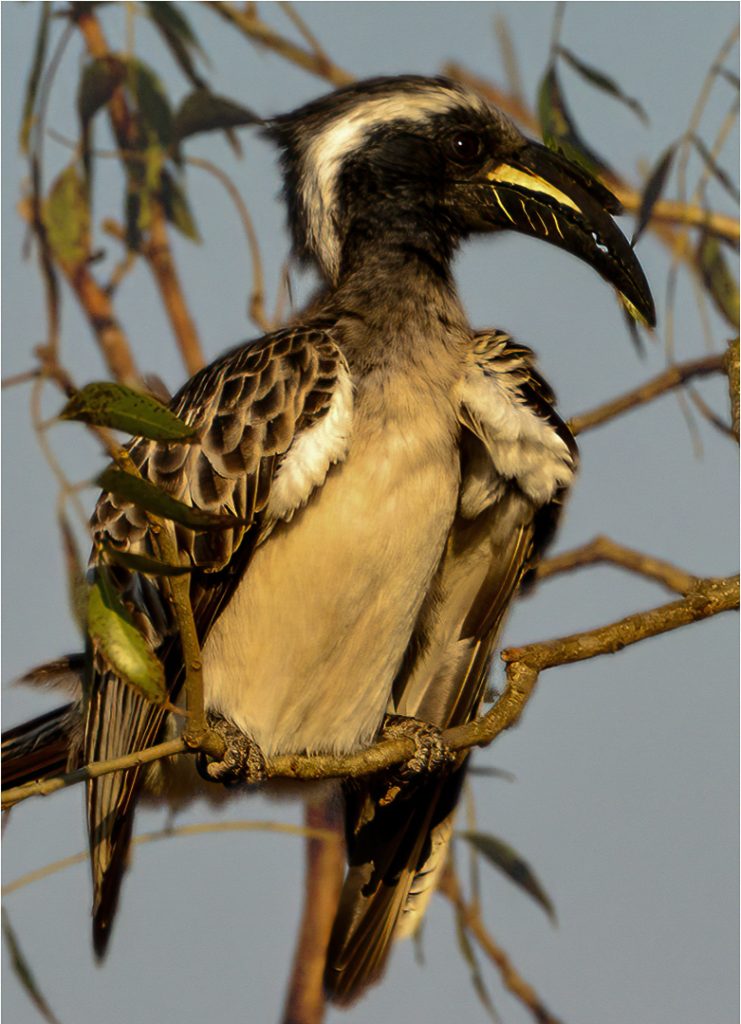
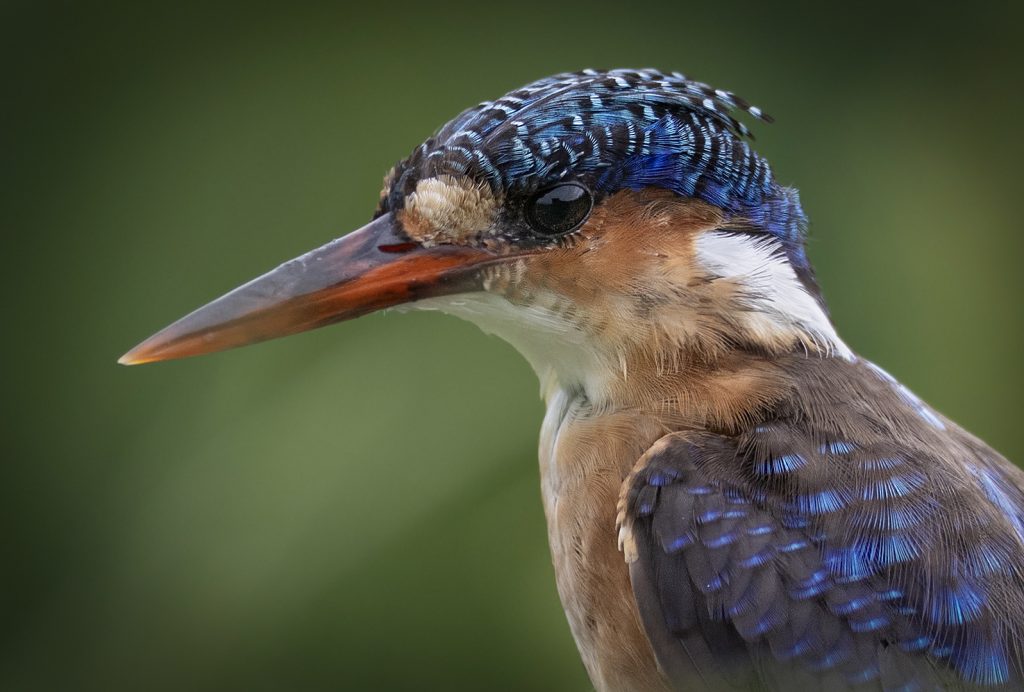
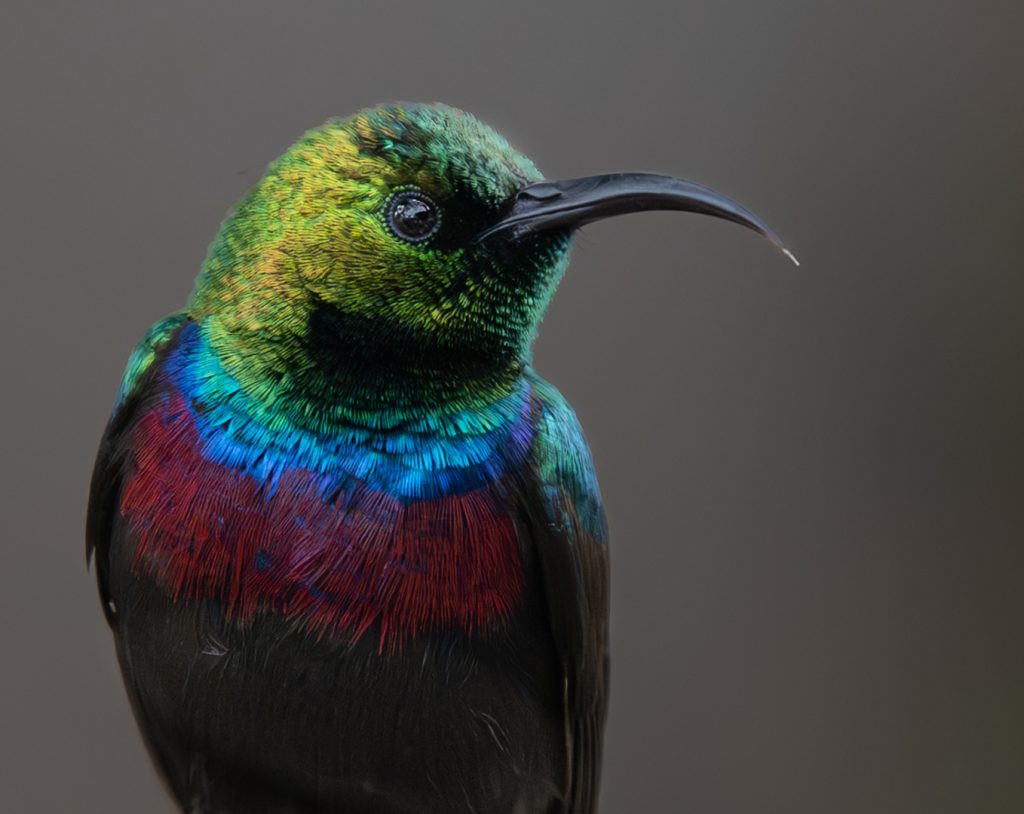
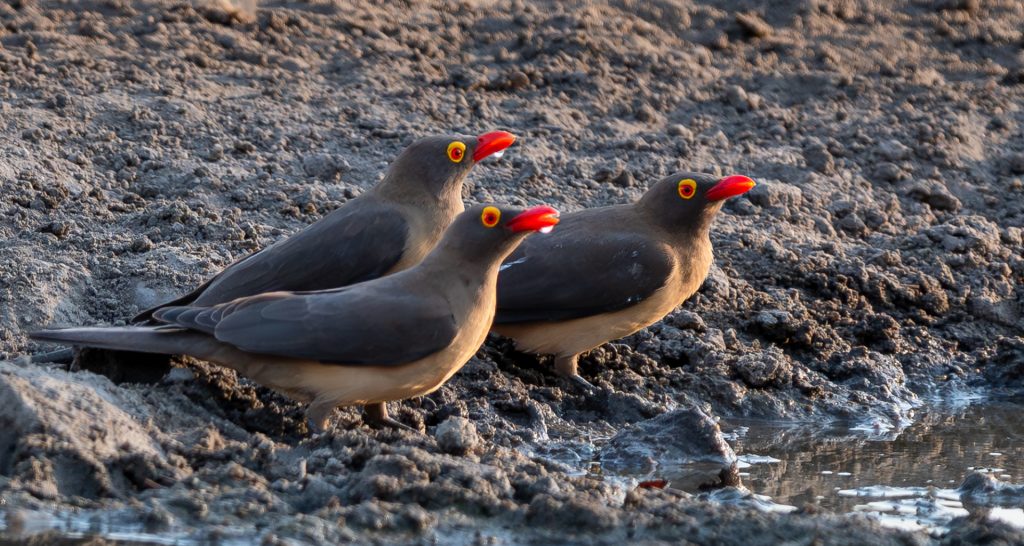
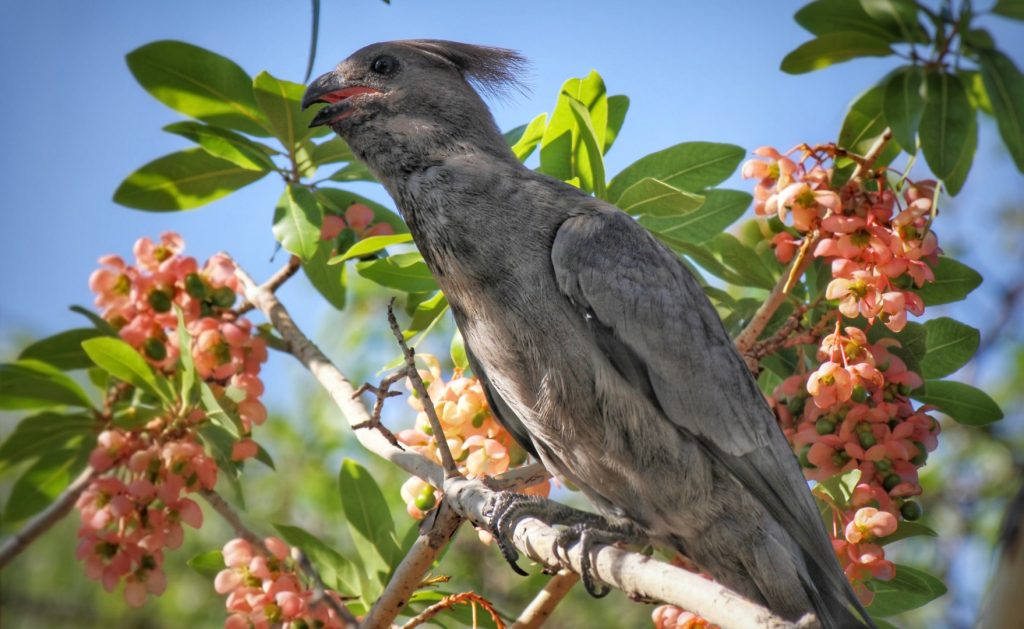
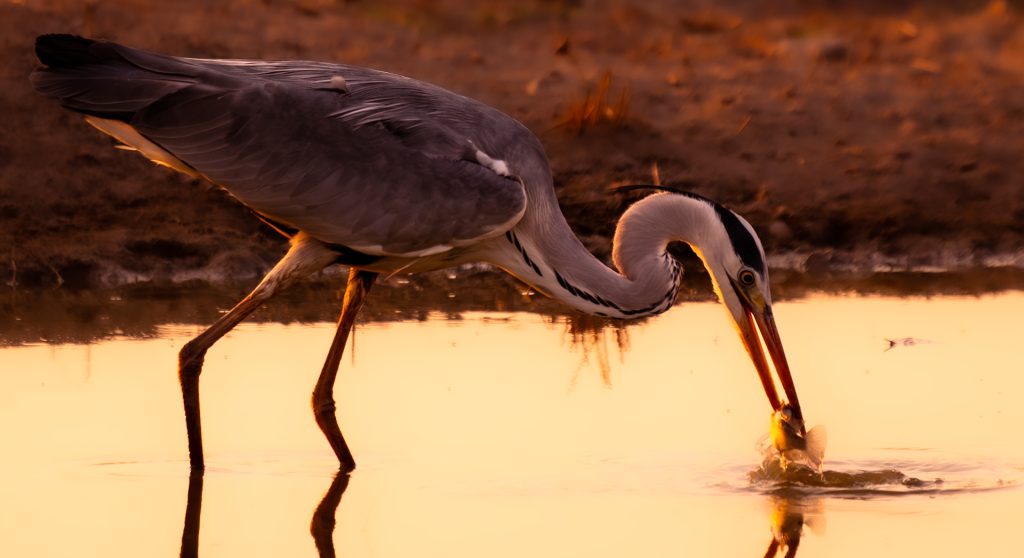
Little Brown Job by Piet PotgieterBoskraai by Johan ViljoenKingfisher by DNE SmitKleurvolle Suikerbekkie by Edmund HattinghDriemanskap by Edmund HattinghGuardian of the blossoms by Stian GriffinSplit Second by Yolandi GeyserGeeloog by Edmund Hattingh
Water-supply problems continue to plague Govan Mbeki Municipality (GMM), leaving many residents across the municipality increasingly frustrated and vulnerable. The crisis has persisted for months, with some communities — notably parts of Bethal — enduring prolonged outages. Residents in sections of Bethal reportedly went without water for more than 50 days, a situation that has intensified public anger and raised urgent questions about accountability and long-term planning.
Multiple factors are contributing to the crisis. Frequent pipe bursts have severely disrupted supply and affected large areas. Many reservoirs and balancing structures are either bypassed or non-functional, producing chaotic pressure fluctuations across the network. Those pressure swings place extra stress on aging pipes and fittings, leading to repeated failures and cascading outages. Where reservoirs are empty or offline, the municipality has fewer options to stabilise flows and protect vulnerable sections of the system.
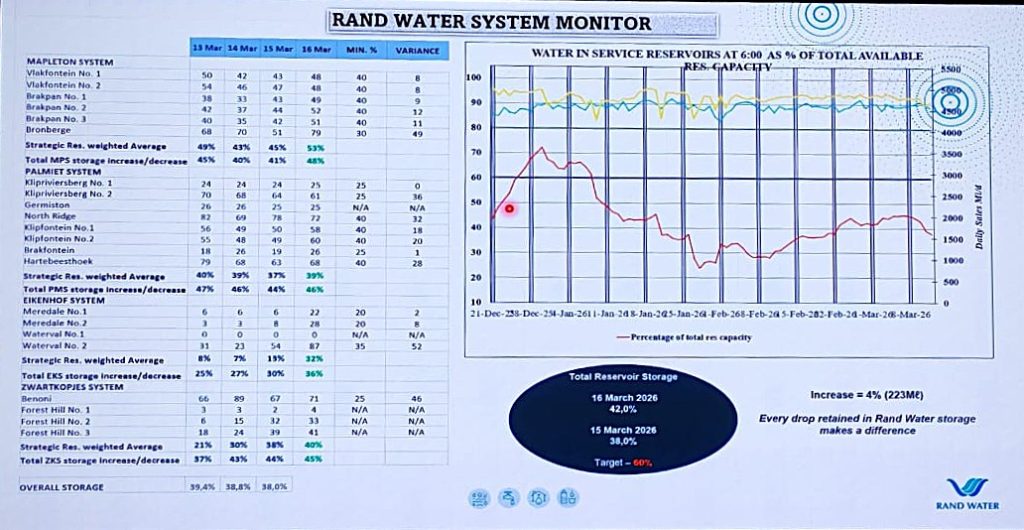
When residents ring the municipal call centre, they are often told that Rand Water is not pumping or that the supply problem lies with Rand Water. However, the situation appears more complex than a single-source failure. During a recent visit to Rand Water in Gauteng, attended by DA councillor Mariaan Chamberlain and MP Steven Moore, Rand Water emphasised that municipalities must meet their payment obligations. According to Rand Water’s presentation — posted as a press release and circulated to media outlets — Govan Mbeki Municipality owes close to R1 billion to Rand Water.
Rand Water said it is supplying the volumes for which it is being paid, though it did not disclose the precise paid-for volume. Sources within the municipality say GMM normally receives between 80–90Ml (Megalitres) per day under usual operating conditions. GMM is currently receiving between 60 and 63Ml per day according to sources within the municipality. Rand Water also noted that an extra 200Ml of water recently approved for allocation will be directed to metropolitan areas and will not be pumped to GMM.
While bulk supply is a critical part of the story, the municipality retains responsibility for distribution, balancing and local infrastructure maintenance. That division of responsibility raises serious governance and operational questions. If Rand Water is delivering the contracted volumes, why are some reservoirs and communities receiving adequate supply while others remain low or empty? The pattern suggests problems in municipal distribution management, maintenance backlogs, or prioritisation decisions that disadvantage certain communities.
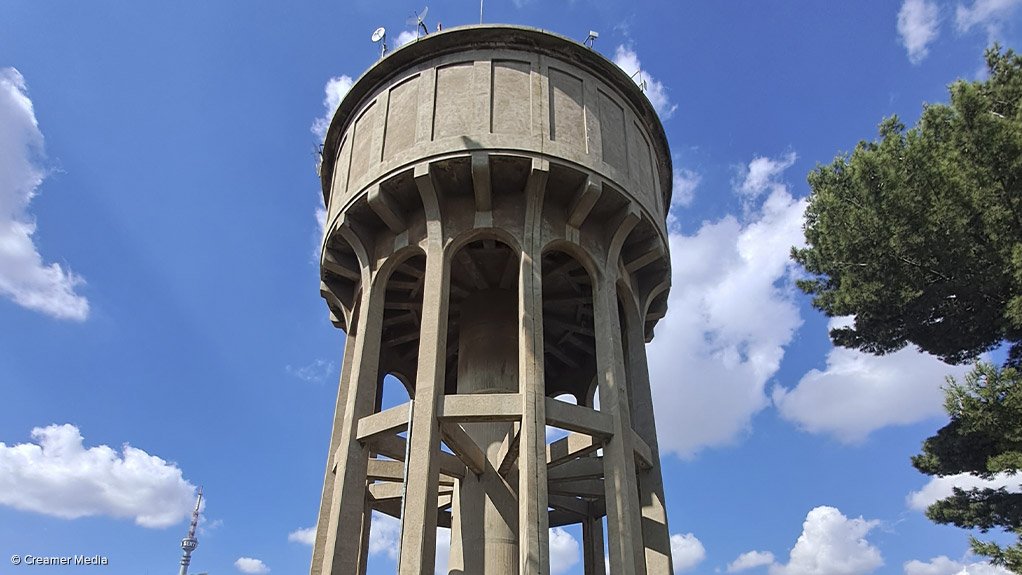
The state of specific reservoirs underlines the scale of the challenge. For example, the reservoir in Secunda Extension 22 has reportedly been out of operation for a long period. A contractor was appointed to repair and return it to service, but the work remains incomplete. These prolonged delays in critical repairs reduce the municipality’s capacity to balance flows and mitigate pressure-related failures.
Rand Water representatives also reported difficulties storing sufficient water in their own storage systems, which complicates pumping and scheduling to municipalities. In addition, both parties acknowledged that communication between Rand Water and GMM — and from GMM to residents — has been poor. Confusion over responsibilities, billing and operational status has left communities uncertain about when their water will be restored.
Reservoir levels as at 18 March 2026 illustrate the uneven distribution:
Region 1: Bethal Rand 40%; Extension 4 10%; Extension 5 & Van Heerden EMPTY. Affected areas: Extensions 3, 4, 5, Azapo, Kanana and Chris Hani.
Region 2: Lebohang RDP 80%; Leandra 70%; Kinross Town 90%; Evander 60%. Systems for Eendracht, Thistle Grove, Secunda and Trichardt are maintaining direct flow to residents. Water trucks have been deployed to support areas experiencing interruptions.
Region 3: Adullam 100%; eMbalenhle Extension 15 30%; Charl Cilliers 0%. Water tankers are being dispatched to Charl Cilliers, surrounding farms and affected extensions in eMbalenhle.
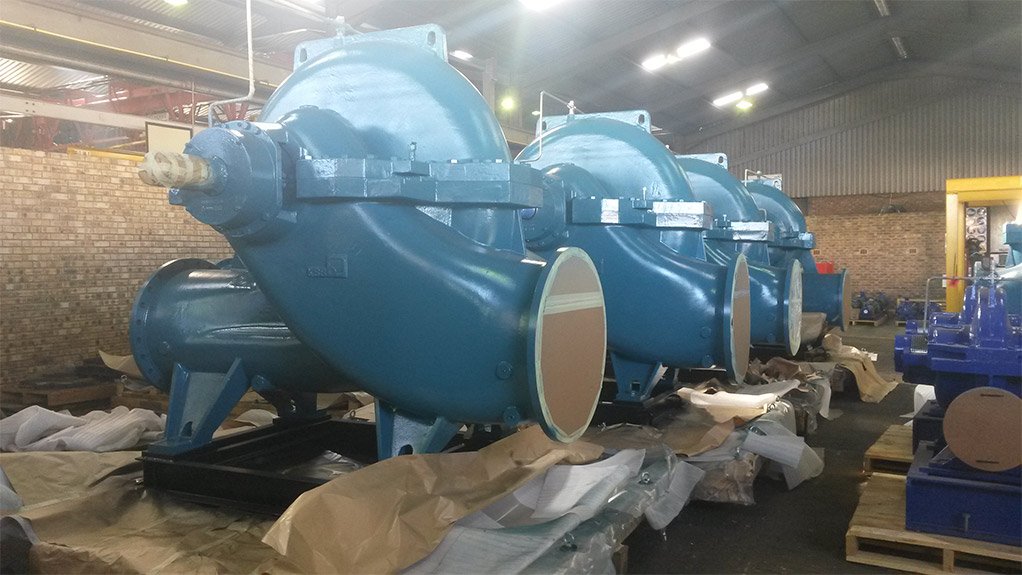
Source: Creamer Media
The reservoir-to-area mapping shows which communities are currently being served by specific tanks, with some areas receiving regular flow while others rely on emergency tanker deliveries.
The human and economic impacts are significant. Households coping without reliable water face immediate health and sanitation risks, added expense for purchasing water, and reduced quality of life. Small businesses, schools and health facilities also suffer operational disruptions that can affect livelihoods and essential services. Prolonged outages can exacerbate inequalities, as households with resources secure private water deliveries while poorer residents remain without.
Addressing the crisis will require coordinated action on several fronts. Immediate steps should include completing outstanding repair contracts for reservoirs and critical infrastructure, restoring bypassed reservoirs to service, and deploying a targeted pressure-management plan to reduce bursts. Financially, the municipality and Rand Water must reach clarity on accounts and contracted supply volumes to avoid supply reductions tied to unpaid bills. Equally important is restoring transparent, timely communication: residents need accurate updates on repair timelines, tanker schedules and priority allocations.
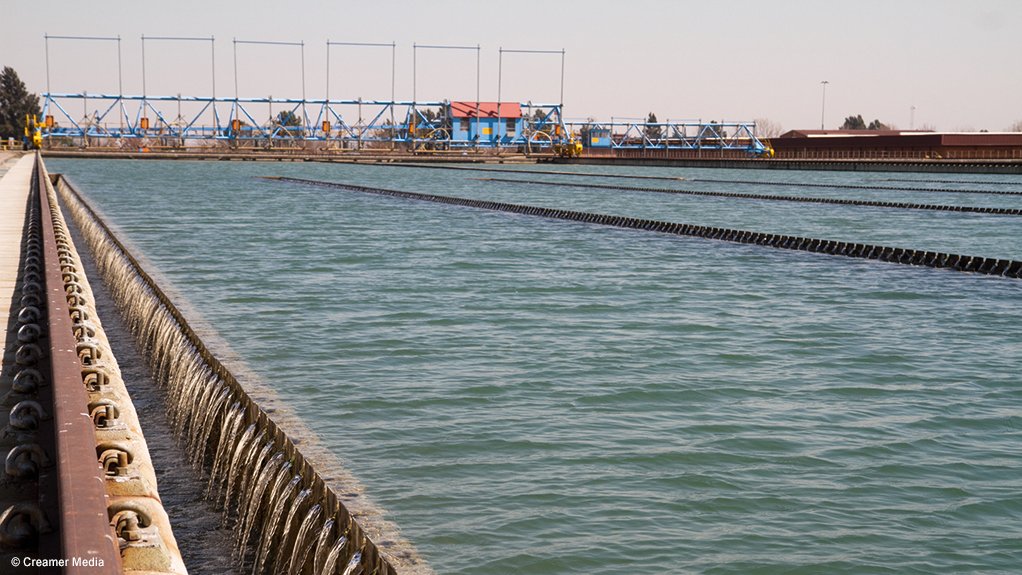
Source: Creamer Media
The Bulletin was reliably informed that GMM will table a plan to balance the water supply at the council meeting scheduled for Wednesday, 25 March 2026. Residents and oversight bodies will be watching to see if that plan includes clear budgets, timelines, contingency measures for vulnerable communities, and mechanisms to improve communication and accountability between the municipality and Rand Water.
Without decisive, coordinated action that addresses both bulk supply settlement and local distribution failures, the water crisis in Govan Mbeki is likely to persist — with serious social and economic consequences for the municipality’s residents.