Home Blog Page 25

ANIMALS 101 – BEAT THE HEAT

0

WHEN YOU ARE FEELING THE HEAT OF THE WARMER WEATHER, SO ARE YOUR PETS!

As we felt during this last week, the warmer weather is here, and protecting your pets from the heat is crucial for their well-being. While we humans may relish these sunny days, it’s crucial to remember that our furry companions may not share the same enthusiasm for the hotter days.

In this article, we explore the essential steps and precautions necessary for safeguarding our four-legged friends against the oppressive heat. From understanding the unique vulnerabilities of pets to the importance of hydration and shade, we’ll equip you with some knowledge and tools you need to ensure your pets stay cool, comfortable, and safe during the hottest months of the year.
hot weather
Image by The Paw Company

Editorial note: This article is a reprint from 11 October 2023.

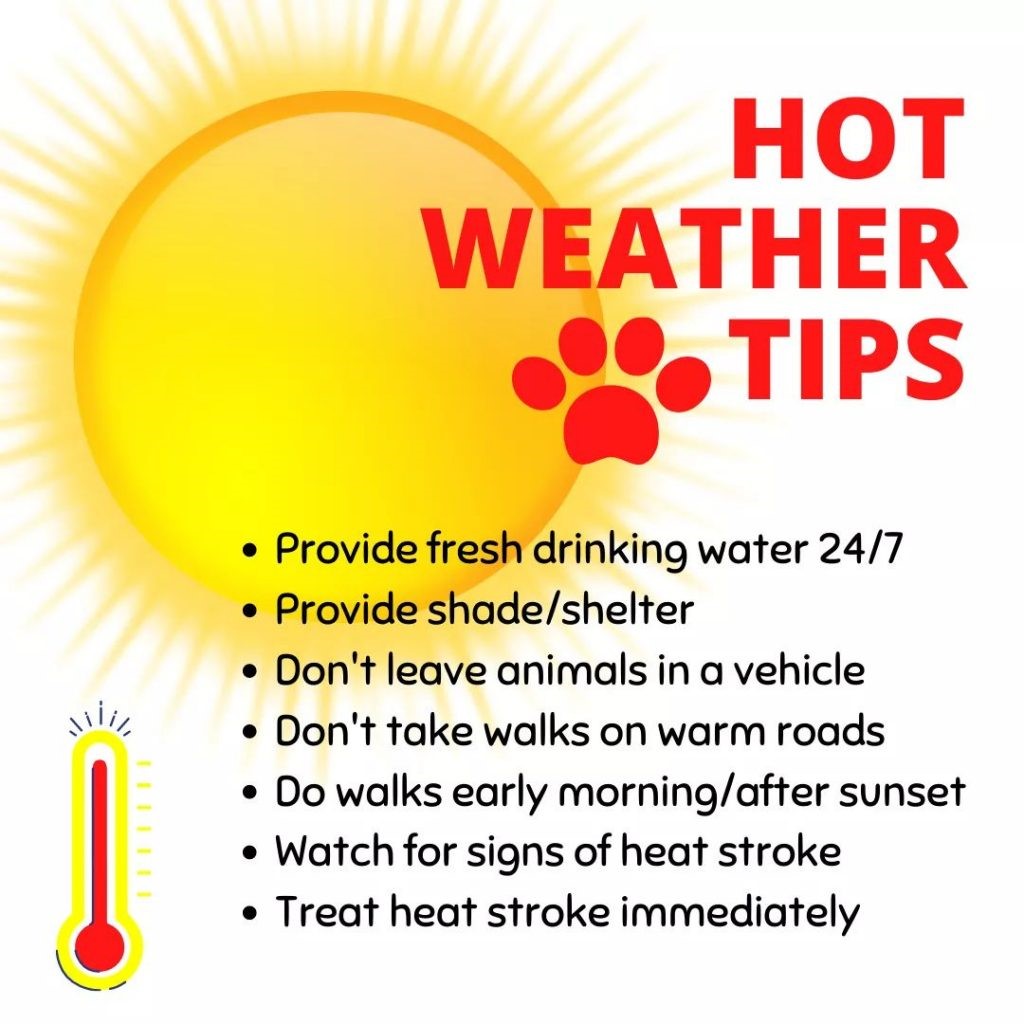
HOT WEATHER TIPS

Provide Ample Shade: Ensure your pets have access to shade throughout the day. If they spend time outdoors, set up a shelter or use natural shade from trees or structures. Shade helps protect them from direct sunlight and keeps them cooler.

Limit Outdoor Activities: Avoid strenuous exercise and outdoor activities during the hottest parts of the day. Opt for walks and playtime in the early morning or evening when temperatures are lower. Do not walk on hot pavements!

Stay Hydrated: Always have fresh, cool, clean water available for your pets. Dehydration can be a significant risk in hot weather, so encourage them to drink frequently. Although some owners think that ice water may help, it can actually slow your pet’s water consumption which is counterproductive in the heat.  Chewing on ice cubes is also not recommended, especially for dogs with dental issues. Remember to keep their water bowls out of the sun.

Cats may be reluctant drinkers because, in nature, they get a lot of the necessary moisture from their food.  Here are some tips to encourage drinking for cats.
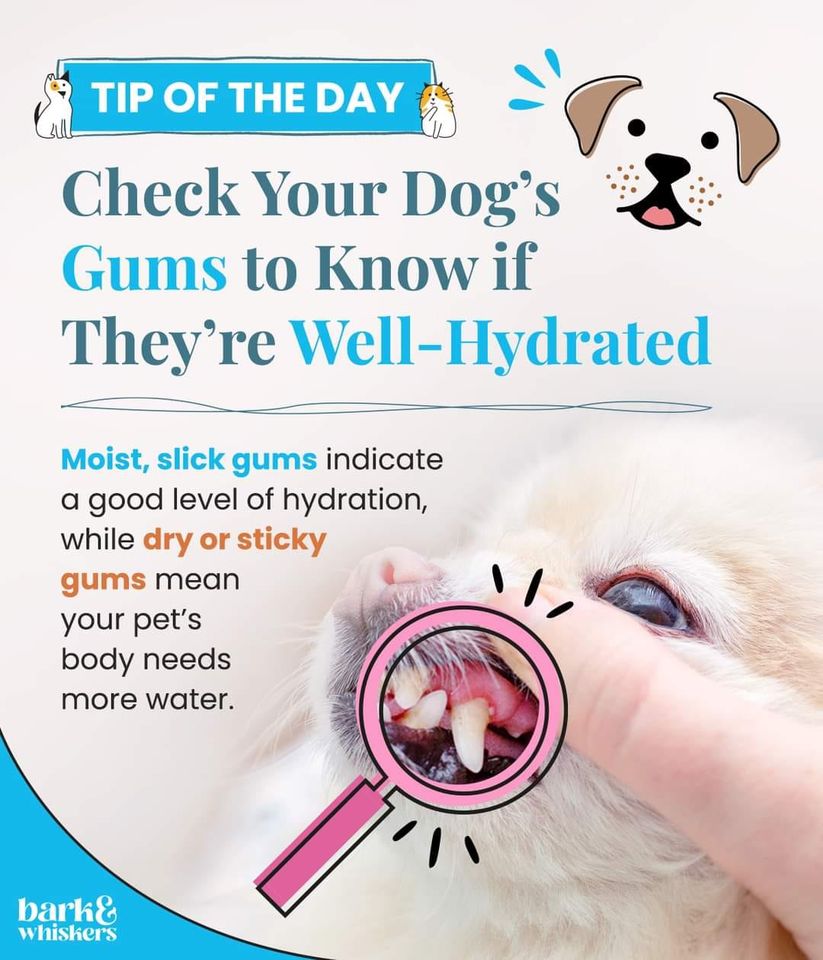
Image by Bark & Whiskers

Provide Cooling Solutions: Offer your pets cooling options like a shallow kiddie pool or a damp towel for them to lie on. Some pets may enjoy a cooling vest or bandana designed for hot weather. Never let them swim, unsupervised and if they did dip in a chlorine pool, rinse them off with clean water after.

Consider Indoor Time: If the heat is extreme, it’s best to keep your pets indoors. Ensure your home is well-ventilated and has fans or air conditioning to maintain a comfortable temperature. Regulate the temperature inside your home. Use air-cons, and fans, or give access to cooler areas like a basement or darker room with tile floors.

Travel Safely: If you’re traveling with your pets, plan ahead to ensure they stay cool during the journey. Please bring water, a travel crate with proper ventilation, and always avoid leaving them in a parked vehicle unsupervised.

Stay Informed: Keep an eye on local weather forecasts and heat advisories. Extreme heat warnings may prompt you to take additional precautions or keep your pets indoors.

PRECAUTIONS

Avoid Hot Pavement: Asphalt and concrete can get extremely hot in the summer, which can burn your pet’s paws. Walk your dog on cooler surfaces like grass. Test the pavement/ground/road with the back of your hand before you go for a walk. If it’s too hot for your hand, it’s too hot for their paws. Use the 7-second rule. If you can’t hold your hand on the road or pavement for 7 seconds, then it can potentially burn their paws and cause injury.

Never Leave Pets in Hot Cars: Even on mildly warm days, the temperature inside a car can rise rapidly and become dangerously hot. Never leave your pet in a parked car, even for a few minutes. Report animals in cars to your local SPCA!

Watch for Signs of Heatstroke: Be vigilant for signs of heatstroke, which can include excessive panting, drooling, rapid heartbeat, vomiting, and lethargy. If you suspect heatstroke, move your pet to a cooler place, offer water, start an active cooling process, and seek immediate veterinary attention. During the active cooling process to treat heatstroke, don’t use ice to cool a pet!  Wet your dog down with room-temperature water and focus on your pet’s underside and back (avoiding the head). A wet towel is an effective cooling solution whilst travelling with your dog to the vet.

Grooming: Regular grooming can help keep your pets cool. Brushing your pet’s coat can remove excess fur and prevent overheating. However, don’t shave long-haired breeds as their fur helps regulate temperature. As a general rule dogs shouldn’t be shaved, either; however, there are exceptions, such as dogs with chronic hot spots. Some dogs actually really like a very short coat; in this case, consider a “puppy/summer cut”.

Protect Sensitive Pets: Take extra precautions with old, overweight, or snub-nosed dogs in hot weather. Boston terriers, Pekingese, Pugs, Lhasa Apsos, Shih Tzus, and Bulldogs are especially vulnerable to heat stroke. Dogs with heart or lung diseases should be closely monitored. For those breeds with a thin coat or lighter skin, prone to sunburn, apply animal-safe sunscreen.

Image by Bark & Whiskers

Also read why responsible parents, do not take their children to the circus!

Even in the summer, we can experience some cold days! Here are our cold weather tips. If you see an animal that appears owner-less at the time, in danger, injured, in distress, or one that is not protected from the elements, please contact your local SPCA immediately! Visit the NSPCA website to find your nearest SPCA.

 The risk of flash flooding is also a reality.
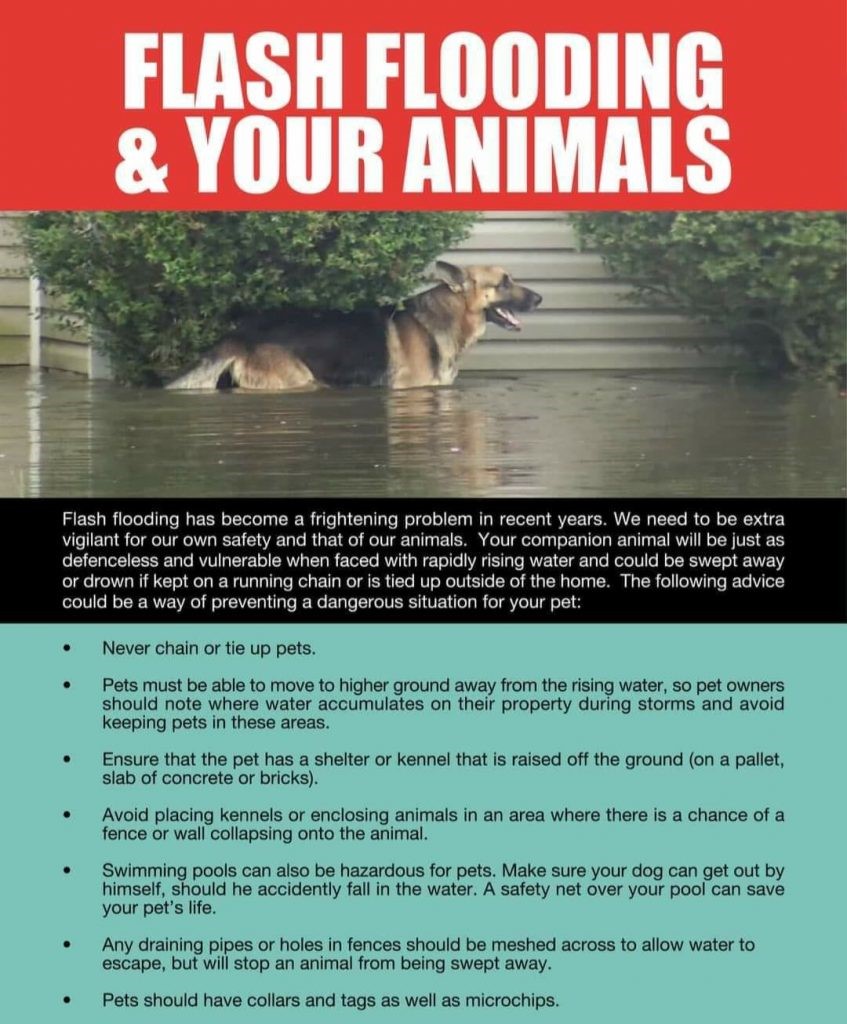
hot weather tips
Image shared on The Paw Company’s Facebook page

Also, see how to prepare for the fireworks season which has begun with Diwali.

It doesn’t matter what kind of weather we have; your animals should always be protected from the elements as you are responsible for them and it is required by law. By following these guidelines, you can help protect your pets from the potentially dangerous effects of hot weather and ensure they enjoy a safe and happy summer.

As summer’s scorching embrace settles in, safeguarding your pets from the heat becomes an act of love and responsibility. Our loyal companions rely on us to ensure their well-being, and protecting them from high temperatures is a crucial part of that commitment.

Join us again next week as we learn more about the animals in our world and how to improve their lives.


WHEN YOU KNOW BETTER, DO BETTER!

Bankrupt MEGA must be Disbanded

0

Bankrupt MEGA must be disbanded as it no longer has the ability to continue as a “Going Concern”

The Democratic Alliance (DA) calls for the Mpumalanga Economic Growth Agency (MEGA) to be urgently disbanded because it is bankrupt and no longer can continue as a “Going Concern” (as highlighted by the Auditor General), but used as a “Cash Cow” for ANC Comrades.
MEGA was formed in terms of the MEGA Act No. 1, of 2010 to provide funding to and promote foreign trade and investment in Mpumalanga, for the benefit of Historically Disadvantaged Individuals (HDIs).

The entity itself was borne of a merger of three bodies: The Mpumalanga Economic Growth Agency (the former MEGA), responsible for funding small, medium and micro-enterprises and promoting trade and investment; the Mpumalanga Agricultural
Development Corporation, responsible for financing and growing agricultural projects; and the Mpumalanga Housing Finance Company, which financed housing.

“In her last two consecutive reports for the 2022/2023 and 2023/2024 financial years, the Auditor General (AG) warned that MEGA was no longer a going concern,” said Trudie Grovè-Morgan: MPL – Spokesperson on Finance and Economic Development: Mpumalanga Legislature

minister Govan Mbeki Municipality placed under administration GMM calls
Trudie Grove-Morgan

The AG’s 2023/2024 report mentioned, “MEGA’s current financial statements indicate that a loss was incurred during the year ended 31 March 2024”. The report also mentioned that MEGA’s “current liabilities exceeded their current assets.

The losses are as follows:

  • Material loss allowance of R110 million because of the provision for impairment of other financial assets;
  • Material loss allowances of R175 million because of the provision of impairment of trade and other receivables.
It was also mentioned in the AG report that the above events or conditions within MEGA, along with other financial matters “indicate that a material uncertainty exists that may cast significant doubt on the entity’s ability to continue as a Going Concern.

“The AG’s report literally tells us that MEGA is bankrupt and can no longer continue as a Going Concern,” said Trudie, “This term, Going Concern, refers to a company or entity’s ability to make enough money to stay afloat or to avoid bankruptcy. With concerns that MEGA is not a going concern anymore, it means it’s gone bankrupt and its assets must be liquidated.”

“Why is the Mpumalanga Provincial Government insisting on keeping MEGA afloat when it does not have the ability to make money then?”

The DA is gravely concerned about this financial crisis gripping MEGA. This fiscal mismanagement within MEGA affirms what the DA has been saying for years, that this entity MUST be disbanded.

“Initially, MEGA was created to drive economic growth in Mpumalanga which in turn creates decent employment and promotes sustainable development through partnerships. However, despite being envisaged to foster economic growth and in turn, providing much-needed services to the residents of Mpumalanga, it has become nothing more than a looting pot set up to line the pockets of the connected individuals whilst stealing away from much-needed service delivery,” concluded Trudie

State-owned enterprises that consistently drain public resources, like MEGA, must no longer be bailed out while essential services crumble.

The financial crisis in MEGA is not only threatening SMME’s future, economic growth and job creation, but it is also a symptom of larger financial mismanagement across Mpumalanga government departments and municipalities that affects all frontline services.

ANIMALS 101 – BALANCING TRADITION AND COMPASSION DURING DIWALI.

0

CELEBRATING THE FESTIVAL OF LIGHTS WHILE PROTECTING OUR ANIMAL FRIENDS AND THE ENVIRONMENT.

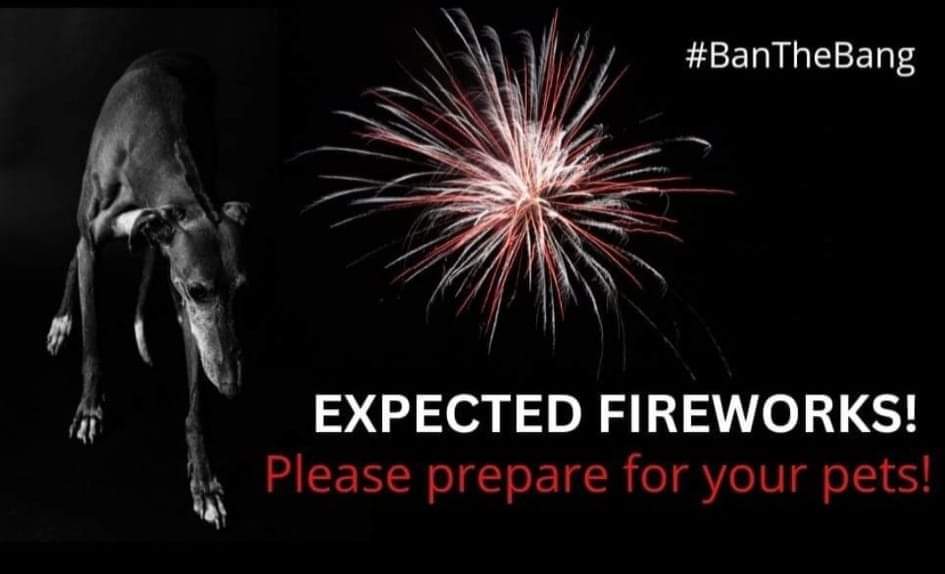
Diwali, Guy Fawkes, and even New Year’s Eve are quickly approaching, and unfortunately, fireworks are a common part of these celebrations. For pet owners, these holidays and occasions can be a source of anxiety, as the sound of fireworks often sends both domestic and wild animals into a state of panic or paralyzing fear.

Diwali, often called the festival of lights, is one of the most celebrated and spiritually significant occasions in Hindu culture. With roots that date back over 2,500 years, this vibrant festival symbolizes the triumph of light over darkness and good over evil. While families illuminate their homes with diyas and partake in joyous gatherings, the celebration has also become synonymous with a firework display.

As the lights burst and crackle in the night sky, a growing conversation emerges about the impact of these fireworks—not only on our environment but specifically on our beloved pets and wildlife. This article delves into the rich traditions of Diwali, the historical context of fireworks, and the ethical considerations we must remember to ensure that the festival is a joyous occasion for all members of our communities, including our furry friends.

FIREWORKS – IMAGE BY THE PAW COMPANY

Disclaimer: I am not an expert on Hindu culture and traditions, and I recognize that my perspective may not encompass the full diversity of beliefs and practices within the community. I welcome any corrections or insights from readers to foster a more accurate understanding.

LET’S TALK DIWALI, RIGHTS & FIREWORKS

We acknowledge that not all Hindus share the same views, and many actively choose kindness, tolerance, and environmental protection. I touch on fireworks and specifically mention Diwali as it will be celebrated from tomorrow, and because, among various festivals, it is the only one where religious reasons are claimed for the use of fireworks, by some individuals.

When we advocate against fireworks during Diwali, which happens to be in a sense the start of the firework “season”, there are always those who “attack” us and claim one or all of the following:

1. We infringe on Hindu’s rights to religious and cultural freedom.

2. We only fight against Diwali and not other holidays.

3. Their animals are fine.

4. They also claim that we know nothing about the culture.  

I will get back to number one last……….

2. If you look at my pages or posts and those of my fellow anti-fireworks activists, you will see that it is an all-year-round thing, but more posts will surface more frequently during the firework “season”. Asking nicely does not appear to work, so we will fight till our last breath, to help stop this for the sake of animals and the environment. 

3. Many can’t see Diwali as anything else than the day when they’re supposed to shut their doors and tranquilize their pets to help these sentient beings cope. Whose fault is that? I can’t describe the sadness I feel when I see an animal panic and there is only so much you can do! Not even the best medication or interventions help for some. Those who work in animal shelters see far worse and it breaks them!

Animals can hear sounds 5-10 times louder than us. Not all animals have a noise phobia, but research shows around 50% of all cats and dogs do. It also shows that when exposed to even just a recording of these sounds, their cortisol levels (stress hormone) go up 200%. They shake a lot, their heart rate elevates, and their breathing becomes hyperventilated.  

Those who make this claim, their animals might have been exposed to it from a young age, but no doubt their first experience must have been terrifying. Saying these animals got used to it, is not acceptable as abused animals can also get “used” to it, but that still does not make it right. It is possible that their hearing might have been damaged at a young age and it would be interesting to test the theory in those animals, including their hearing, their stress levels, behaviour, heart health, and premature death. Most people actually can’t read the calming signals of animals.

4. In my opinion, people use this as an easy way out when their argument has no substance. They also tend to not answer the questions you ask, which is a dead giveaway. That together with name-calling and anger, are typical signs of talking to someone who does not use logic. It doesn’t matter which religion you follow; no one can claim the monopoly on knowledge. You can also not use your religion as Carte Blanche.

Now for the number one claim………….

DIWALI AND FIREWORKS – IMAGE SHARED BY KOVEN MOODLEY – SMART PET BEHAVIOUR

UNDERSTANDING DIWALI

Here is my understanding of Diwali:

Hinduism is believed to be the oldest religion in this world, with its origins dating back to more than 4,000 years ago. Deepavali (Diwali), which is interpreted as the festival of lights, dates back at least 2,500 years ago.

The word Diwali (or Deepavali as it’s sometimes called) means “row of lights” in an Ancient language of India, called Sanskrit. During this festival, people decorate their homes with lights and oil lamps, called diyas. Diwali is much more than the lighting of fireworks. 

Steeped in spirituality, glorious tradition, and a history going back thousands of years, Diwali celebrates the triumph of light over darkness, good over evil, and knowledge over ignorance. It’s a pan-India festival. 

Some use the argument that taking away fireworks on Diwali is like taking away Christmas trees on Christmas. That is a weak argument as Christmas trees have nothing to do with the religion. Even so, the tree is not hurting others when it is on display. Just like many Christians do not understand their religion, I will assume there are many Hindus who don’t understand theirs either.

No religion that supports harm to other living beings, whether directly or indirectly, deserves respect.

HISTORY OF FIREWORKS & DIWALI

When the Diwali festival started, there were no firecrackers—people just lit lamps and diyas. Fireworks were incorporated later, over time. The lighting of fireworks during Diwali is not a religious right but a cultural choice that should not be forced on anyone. So, the assertion that firecrackers are an integral part of Diwali and, by extension, Hindu culture is a bit overstretched. 

Gunpowder, the explosive chemical that forms the basis of firecrackers, was invented around 9th century China, several centuries after the Ramayana is said to be dated. According to historians, it was not until the 13th century that firecrackers made their way into India through the Mongols. The use of fireworks in the celebration of Diwali must have come into existence after about 1400 AD, when gunpowder came to be used in Indian warfare, but did not likely start before the 18th century, when Maratha rulers would organize, firework displays for the general public. 

The majority of fireworks are made in China. Firecrackers are thus a legacy of the Chinese and the Mughals, which the Hindutva groups are usually keen on distancing themselves from. 

HINDU TEACHINGS

When you speak about religious rights, you have to go back to the scriptures and consider what is written down first. That should be your guide. Fireworks were not recorded in Hindu scriptures, were they? Here is my understanding of some of the Hindu teachings which might be applicable in this case:

  • Hinduism teaches you that we should rather save than waste money does it not? 
  • Diwali celebrates the triumph of light over darkness, good over evil, and knowledge over ignorance. If you are hurting your neighbours and animals, and causing disharmony, have you not lost the true essence of Diwali, which is to bring in light and emerge out of the darkness? So choose knowledge and understanding.
  • During Diwali, you also have the chance to uphold the Hindu tradition of vasudhaiva kutumbakam (the world is one family). Why not stick to that, and do away with the prevalent tradition of ‘me before you’?
  • What about showing Ahimsa? – an Eastern philosophy that promotes respect for all living things and the avoidance of violence.

Are you telling me that there are no alternatives, like silent fireworks, drone shows, or other displays of lights, and that you need to create fear and panic for other living beings, humans, and animals to celebrate your religion? 

FIREWORKS & THE LAW

FIREWORKS – IMAGE BY THE PAW COMPANY

Also, see last week’s article on Halloween safety for pets.

Every right comes with a responsibility and it is that responsibility that gives value to your right. Although people have a right to celebrate their religious and cultural festivals, they are equally obliged to do so in a responsible manner and mindfully.

There are rules about where fireworks may be set off, yet there are those who deliberately flout municipal regulations by lighting noisy and hazardous “crackers” that are illegal – and beyond the times stipulated in our by-laws.

Whilst we all have the right to enjoy ourselves, we have to be mindful of other people who do not burst fireworks and who equally have the right to be protected by the Constitution.

It is cruel to deliberately and unnecessarily cause fear, distress, and anxiety to any animal or person. 

Read more about fireworks and the law here.

OTHER CONCERNS AROUND FIREWORKS

Have you ever thought of the following when it comes to fireworks?

• The questionable labour practices used to produce them.

• The use of poisonous chemicals.

• Pollution of the air & land.

• Causing terror and injury to our fellow earthlings.

• Fright for disabled individuals and some children.

• Triggers for PTSD sufferers, especially war veterans.

• Health concerns

• Noise pollution that can damage hearing

Which person in their right mind can still burst fireworks if you THINK of all the above? How can you justify it in the name of religion or tradition? Have you no compassion?

Have you volunteered at animal shelters to see the damage? Spoke to owners of pets who go into a frenzy and panic. Donated to them to clean up the mess of 30 to 60 % increase of lost pets post fireworks displays? Your fun is over in a few minutes but the harm to them can continue for days and longer. 

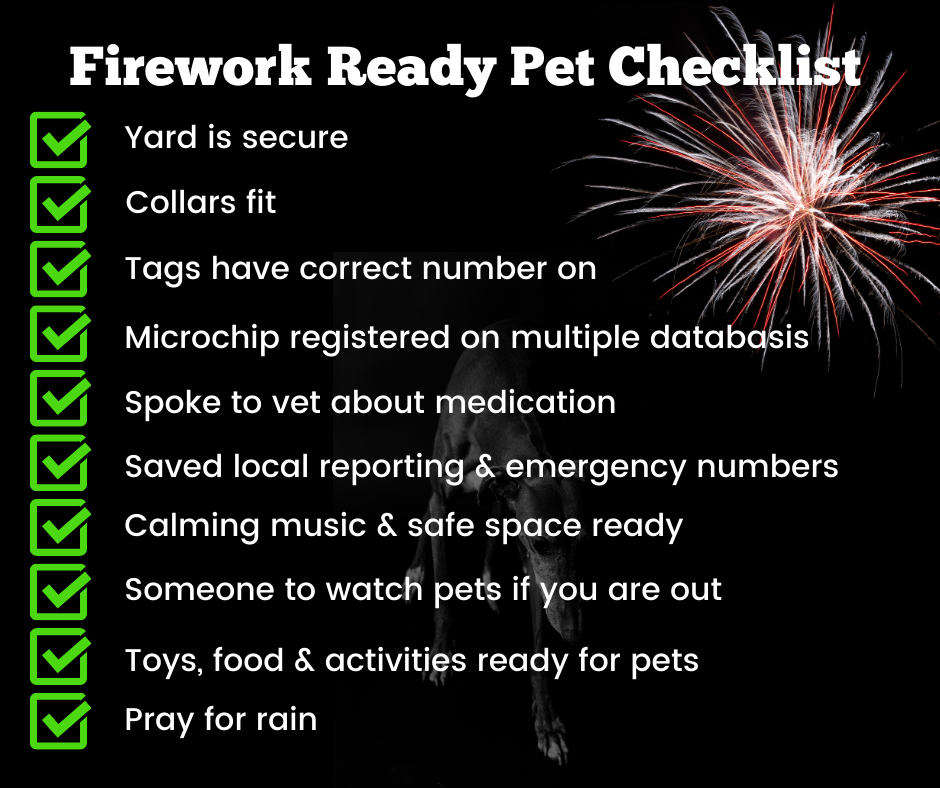
PREPARING YOUR PETS FOR FIREWORKS

FIREWORKS – IMAGE BY THE PAW COMPANY

Also, see more about fireworks and preparing your pets for these events.

As Diwali approaches, it is essential to reflect on the true essence of this cherished festival. While fireworks may add a festive flair, they can also pose significant challenges to our pets and the broader community. By embracing the core values of Diwali—such as compassion, responsibility, and unity—we can create a more harmonious celebration that honors both tradition and the well-being of all living beings. Let us choose to illuminate our homes with love and understanding, ensuring that the spirit of Diwali shines brightly for everyone, including our four-legged family members. In doing so, we not only celebrate the triumph of light but also the importance of kindness and consideration in our shared world.

Happy Diwali to those who celebrate! May your festival of lights be filled with happiness and prosperity.

Join us again next week as we look into animal matters.

WHEN YOU KNOW BETTER, DO BETTER!

So is die Lewe: Gawe mense, die Jansens

Ons word deesdae oorval met advertensies en SPAM-oproepe wat allerande nonsens aan ons wil afsmeer. As ‘n jongeling my bel en sê: “Marius! Hoe goed gaan dit vandag?”, druk ek summier die selfoon dood en veg teen die impuls om dit oor die muur of by die kar se venster uit te gooi. So ook is daar op televisie en radio baie advertensies wat jou gemoed bemors.  Ek is nie seker of daar dalk een of ander verskuilde prys is vir die mees irriterende advertensie nie.

Maar tog is daar advertensies wat vassteek na baie jare.   Soos die knorrige ou man wat  Cremora soek, en dan sy vrou snedig naboots op haar antwoord: “It’s not inside, it”s onnnn…top.”  Of die advertensie van die ou wat dringend motorolie soek daar by ‘n verlate garage in die Kalahari en Boet en Swaer wat daar op die stoep sit geen toet of blaas verstaan wat hy bedoel met can of the best nie.

Die een advertensie wat jare terug op die radio was waaraan ek nogal dikwels dink, is die van twee egpare wat een aand saam gekuier het. Die advertensie begin dan as hulle mekaar groet, en die gaste wegry. Dan kom die gesprek in die motor van die vertrekkende gaste: “Gawe mense, die Jansens” sê die vrou, “net jammer dat onaangename reuke hulle woning bederf!”  Dan sê die man” Daardie kombuis!” Die vrou reageer dan: “En die ander kamers!”

Hierdie advertensie laat mens onwillekeurig peins oor watter gedagtes jy nalaat in ander mense se koppe, hetsy na ‘n gesellige saam-eet, of by die werk, of skoolbyeenkoms, of selfs by die kerk. Wat sê hulle van jou as hulle so wegry van daar af? Vriendelike outjie, maar…  Hy praat te veel.  Sy praat net oor haarself.  Hy het geen sin vir humor nie.  Sy is koud en afsydig, of hoogmoedig. Et cetera. Of dalk nog ‘n hele klomp ander goed waaraan jy in jou wildste verbeelding nie eens sou dink nie.

Hoe wil jy hê moet mense jou beleef en onthou?

Ek lees die verhaal van ‘n Jood wat in 1927 gebore is in Munkach, Pole as Shlomo Zulman.  Hy is so klompie jare terug oorlede in Los Angeles, waar hy na die Tweede Wêreldoorlog gaan woon het en sy naam verander het na Saul Teichmann. Hier het hy bekend geword as ‘n baie suksesvolle sakeman, filantroop, maar veral iemand wat ‘n oop hand gehad het vir almal wat swaarkry of hulp nodig het. Hy het verskeie organisasies in sy naam gestig wat hulp verleen het aan alle noodlydendes.  Hy was bekend as “the man with the open hand, always giving, and you never left his house empty-handed.”

Iemand het hom op ‘n stadium gevra waar sy passie vir noodlydendes vandaan kom. Toe vertel hy dat hy in 1944 in ‘n beestrok saam met ‘n klomp ander Jode vervoer is na die Joodse konsentrasiekamp Auschwitz, en in ‘n lang tou gestaan het om te hoor wat nou met hulle gaan gebeur. Terwyl hy daar staan, het ‘n maer man met ‘n lang baard en ‘n gestreepte gevangene-oorpak na hom toe gekom.  Hy het hom van geen kant af geken nie.  Die man vra hom toe: “In watter jaar is jy gebore?” Teichmann het geantwoord: “In 1927.  Die onbekende man het gesê: “Nee, jy is gebore in 1925. Teichmann het gesê: My pa het gesê ek is gebore in 1927.  “Jou pa het ‘n fout gemaak,” het die ou man gesê. “Onthou, jy is gebore in 1925.”   “Trust me, you were born in 1925.”

Toe Teichmann voor in die tou kom, het die berugte Nazi-dokter, Josef Mengele, die sg. Engel van die dood, hom gevra: “Wanneer is jy gebore?” “In 1925”, het Teichmann gesê. Mengele het met sy vinger gewys dat hy na die regterkantste groep moes gaan.  Dis diè groep wat in die strafkampe moes gaan werk. Later het hy uitgevind dat almal wat in 1927 en later gebore is, reguit na die gaskamers gestuur is om te sterf.

Daarom het Teichmann later jare dikwels gesê: “My wens vir myself? Ek het ‘n engel gehad in Auschwitz wat my uit die dood in die lewe geplaas het.” Die Joodse woord wat hy gebruik het, is malach, engel.  “Daarom wil ek ‘n engel wees vir alle mense in hulle donker oomblikke.  Daarom gaan niemand by my weg sonder dat ek vir hulle iets gee nie.  Moed, liefde, hulp, hetsy finansieel, emosioneel of geestelik.  Niemand sal by my in sy donkerte gelos word nie. Dis my lewenstaak: Ek wil ‘n engel wees vir ander mense. Want ek het een gehad.”

Wat los jy agter?

Al wat saak maak: wees ‘n engel vir iemand in hulle donkerte.

Forestry’s role in advancing South Africa’s Sustainable Development Goals

0

By Dr Ronald Heath, Forestry South Africa’s Director of Research and Protection

COP16 is underway in Colombia, with land use as a central theme. In this context, South Africa’s forestry sector plays a pivotal role in delivering Sustainable Development Goals (SDGs), among others, life on land, climate action, responsible consumption and production, decent work and economic growth, and partnerships.

As an anchor tenant in several rural areas, the South African forestry industry is uniquely positioned to optimise how land is used and managed while ensuring responsible environmental stewardship, biodiversity preservation, and rural development, as well as the source of renewable harvested wood products that feed into countless industries.

All of these actions contribute to achieving national climate and biodiversity targets, support livelihoods and alleviate poverty. Linked to this is human health and wellbeing, and inclusive participation.

Balancing act

Addressing these issues requires a fine balance where humanity’s immediate needs are met without compromising those of future generations. It is to this end that forestry companies are equipped to bring together the three spheres of sustainability – environmental, social and economic – at grassroots level.

With forestry requiring people in a wide variety of careers and jobs, it also needs to build the enterprises that service its operations. This in turn opens job opportunities and rural economic growth. Added to this are the various social initiatives where the sector actively contributes to infrastructure projects, food security and access to education, health and welfare in rural communities where this is often lacking.

One such initiative is She is Forestry, a dynamic platform aimed at empowering and promoting the role of women in forestry. As a champion for gender equality and inclusion, She is Forestry provides a mentorship network to inspire the next generation of women living in the rural communities neighbouring our members.

Nature-positive solutions

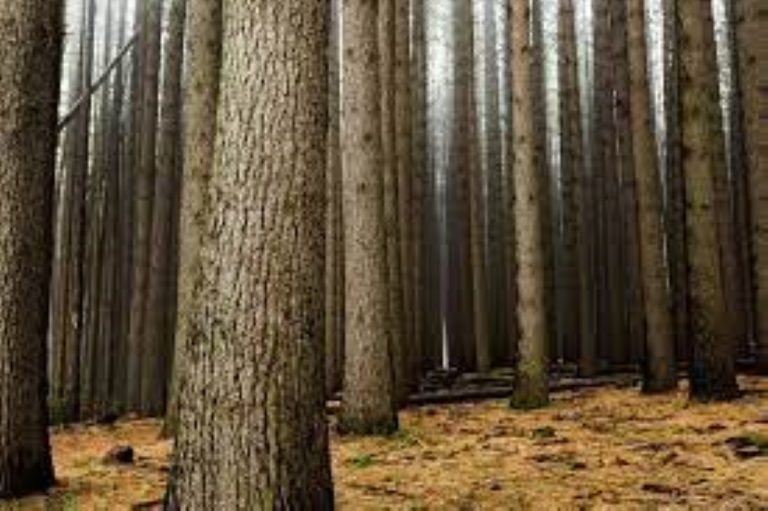
Plantations are not limited to commercial trees that are harvested for timber, pulp and paper, and poles. More than 20% of the forestry landscape remains unplanted. A bird’s view of a forestry landscape will show a ‘patchwork’ of timber plantations and grasslands, wetlands and indigenous woodlands. Collectively, they offer sanctuary and habitat for keystone species, as well as threatened and protected plants and animals, contributing to biodiversity conservation and sustaining vital ecological functions.

FSA’s Forestry Explained interactive map showcases some of the conservation initiatives underway within the forestry landscape. These include several proclaimed nature reserves that are home to a myriad of rare, endemic or threatened species, and programmes that focus on aspects such as monitoring water quality or rehabilitating high-altitude wetlands. Two such projects are the Blue Swallow programme at the 118-hectare Roelton Nature Reserve and MTO’S cycad conservation initiative.

The sector’s environmental and socio-economic impact is verified by forestry certification bodies. Over 80% of South Africa’s plantations are certified by the Forest Stewardship Council® (FSC®) or Programme for Endorsement of Forest Certification (PEFC) ( through the Sustainable African Forest Assurance Scheme). Their principles espouse the three spheres of sustainability and pave the way for the forestry sector to contribute to South Africa’s SDGs.

Partnerships and integration

To fully integrate the forestry sector into South Africa’s SDG commitments, close collaboration with the relevant government departments is essential to ensure that forestry’s role in the circular economy is maximised. Some of these collaborations have been made possible by the Presidential Public Private Growth Initiative which has seen the government and private sector taking hands to promote employment, job security, transformation, economic growth and global competitiveness.

As a sector managing natural, renewable resources, it’s crucial to showcase the many contributions forestry can make while identifying areas where more can be done to meet SDG milestones – both within our landholdings and beyond our operations.

As a custodian of rurally located natural resources, the forestry sector places great emphasis on creating social, environmental and economic sustainability, naturally aligning itself with many of South Africa’s SDG obligations. By contributing to these, we are not only helping to create a greener and more sustainable future, but we are also holding ourselves accountable for the responsible use of our resources.

As South Africa works towards its 2030 Sustainable Development Goals, the forestry sector needs to be recognised for its critical role in balancing environmental stewardship with social and economic progress. Through sustainable land management, biodiversity preservation, and fostering rural development, the industry contributes significantly to the country’s SDG commitments. By continuing to promote inclusive growth and nature-positive solutions, forestry will remain a key player in driving sustainability and creating a resilient, greener future for all.

GMM water contamination a ticking time bomb

0

Cholera, Diarrhea, Dysentery, Hepatitis A, Typhoid, and Polio are all diseases linked to contaminated water and poor sanitation.

Absent, inadequate, or inappropriately managed water and sanitation services expose individuals to preventable health risks. The statement is quite clear, dirty water can make you sick.

Safe and readily available water is important for public health, whether used for drinking, domestic use, food production, or recreational purposes. Improved water supply and sanitation and better management of water resources can boost countries’ economic growth and contribute greatly to poverty reduction.

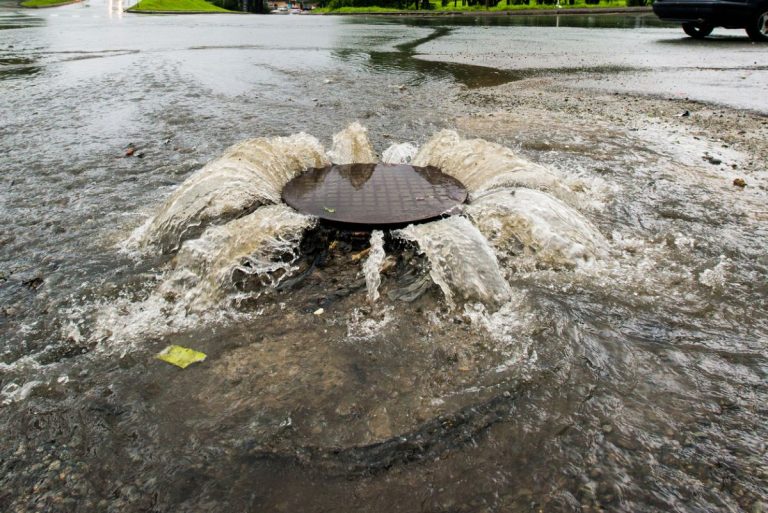
Sewer spillage in Ext 19 at eMbalenhle

For several years there had been media reports on the contamination of the Vaal River. These reports mainly focused on the towns and businesses around the Vaal River and not on towns and businesses further away.

The Bulletin received several complaints and reports on contamination from the whole of Govan Mbeki Municipality (GMM) as well as Standerton (Lekwa)

For years these two towns have been major contributors to sewage contamination of the streams and rivers leading to the Vaal River. The focus had not been on other towns that contribute to the Vaal River system.

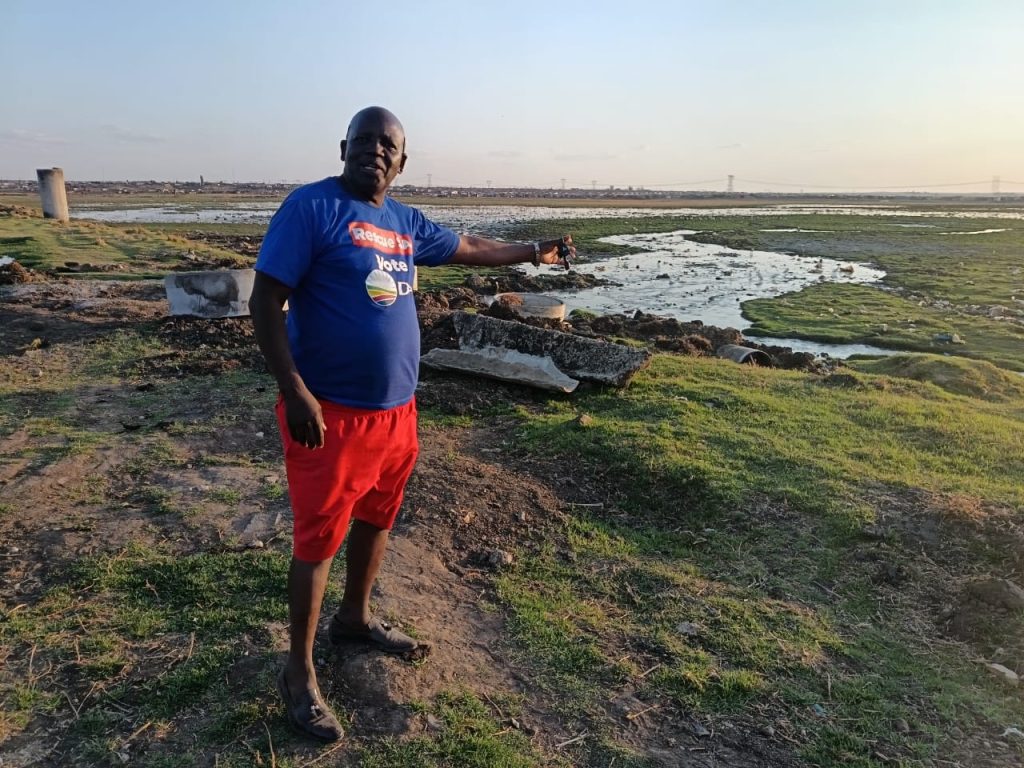
Residents in these areas are fed up with the sewer spillages. The Bulletin spoke to DA Councillor Thomas Mazibuko regarding the problems in eMbalenhle.

We asked him what the residents were saying and how they coped with the stench etc.

“A resident said that the Executive Mayor is aware of the issue as they saw him during the ward,” said Mazibuko, “he promised to do something but nothing was done.”

Another resident said that she was born in 1986 and as long as she can remember there were always sewer spillages.

“A resident told me that their parents left because they fell ill,” said Thomas, “Sometimes the municipality does clean the drain but it only lasts for a day or 2 then back to blockage again and the municipality is aware of those facts, The (residents) live, walk and sleep in sewer and that puts their health at high risk. Their feet are swollen, and they have body pain and headaches, they suspect that it is because of the sewer spillages, but they could not produce any proof to this effect.”

Sewer Spillage at N17 pump station in Emzinoni

The problem, however, is not new. A while ago a statement was made to The Bulletin that every stream in GMM, bar one near Greylingstad, is contaminated.

It was difficult to believe but it appears to be the truth!

So, how, where and with what are the rivers and streams being polluted in GMM?

The main culprit would be sewage pollution caused by inadequate preventative and corrective measures implemented by municipalities such as GMM and Lekwa.

GMM has recently been fined R200m for contaminating the water with sewer.

This comes as the Bethal magistrate’s court sentenced the municipality to a fine after it was found guilty of six counts of environmental violations including contravening the National Environmental Act (NEMA)107 of 1998 and the National Water Act 36 of 1998; failing to comply with a compliance notice; the unauthorised disposal of water and committing an act that detrimentally affects water resources.

Sewer Spillage at Ext 22 Secunda

Mpumalanga National Prosecuting Authority (NPA) spokesperson Monica Nyuswa said the municipality had committed an act which caused significant pollution to the environment between November 2019 and September 2020.

Nyuswa said “the disposal and distribution of effluent, raw and untreated sewer” had been released into the Emzinoni location, eMbalenhle wastewater treatment plant, Trichardt Spruit, Wela Mlambo, Leandra N17 Pump station, Waterval Hoek River, Blesbok Spruit and Groot Spruit.

The municipality was further ordered to repair all equipment identified by the contractor on or before December 2026 and install weighbridges to all landfill sites on or before May 30 2025.

The Bulletin received footage on sewer spillages in GMM and it is appalling, to say the least. We tried to visit every spill point but there are just too many.

If the “disposal and distribution of effluent, raw and untreated sewer” into our waterways was the reason for the first fine, what would happen should there be new charges and convictions?

Farmers downstream from GMM have been complaining about the deteriorating water quality of the streams. They state that they now must take measures to restrict their livestock from drinking the river and stream water. “Some of my cattle died,” said one farmer to The Bulletin. They all asked to stay anonymous when speaking to The Bulletin.

There were dead fish and foam in all areas of the river. “The foam balls are much bigger in the morning,” said the one farmer.

Sewer Spillages between Lekwa and GMM

The Bulletin put the Municipal Manager and one of the farmers in touch with each other and the Municipal Manager (MM), Mr Elliot Maseko, visited the farmer on his farm. The MM immediately put some measures in place to alleviate the problem, but it may be way too late. The ecological damage done to the river ecosystem will take a long time to recover if it ever will.

Sewer Spillage in eMbalenhle

The problem with sewer spillages is not a new one.

GMM received a SAHRC (South African Human Rights Commission) report dated 6 December 2019 after complaints were lodged against Lekwa GMM and Nkomati municipalities. Some of the complaints date back to 2012.

Here are some excerpts from the SAHRC report supporting the above

9. INVESTIGATIVE PROCESS IN RELATION TO THE COMPLAINT AGAINST THE THIRD

RESPONDENT

9.1. After receipt of the initial complaint from Mr Pretorius in 2012, the Commission addressed an allegation letter to the Third Respondent on 13 September 2012, inviting a response to the allegations that had been levelled against it. No response was received from the Third Respondent.

The damning report was very clear that the municipalities have not lived up to what was expected of them in terms of Service delivery and in terms of securing a healthy environment for its residents.

9.3. On 6 February 2018, following the receipt of the third complaint by the Third Complainant in this matter, the Commission addressed a follow-up letter to the Third Respondent on 8 February 2018, in terms of which it sought a progress report on the implementation of the projects it undertook to implement in 2013. A progress report was, however, not forthcoming. Instead of a progress report, in its letter of 9 October 2018, the Third Respondent provided the Commission with what appears to be a new project plan, with a reduced budget of R58 000 000. In the new project plan, the scope of the project was also reduced and segmented into 5 projects, covering the areas of eMbalenhle Ext 10, 16, 18, 19, 21 and 22.

9.6.2. A resolution had previously been taken by the municipal council to hold the contractor(s) and the responsible employees to account for the failures in the implementation of the project but was not carried out. To date therefore, no one has been held to account for the failures in the implementation of the project.

9.6.6. In view of these myriad of challenges, the Second Complainant proposed that the Third Respondent be placed under administration, in order to begin to resolve some of these challenges.

9.9.1.2. The impact of these sewage spillages on residents and the environment has been immense and has potential to cause waterborne diseases that may be harmful to both human health and the environment.

11.6. It can hardly be gainsaid that exposure to sewage spillages has an adverse impact on human health and wellbeing. Not only is untreated sewer aesthetically offensive, it is usually accompanied by an unpleasant stench, as was observed during the Commission’s site inspections at the various municipalities. In addition, the release of air-borne disease from exposed sewage is more than likely to affect the health of people and vulnerable groups such as children, and older persons quite adversely. The pollution of scarce water resources with untreated or inadequately treated sewage also has an adverse impact on human health and wellbeing. Not only are the users of such water directly exposed to disease and infirmity, the environmental degradation that results from the pollution also offends the mental wellbeing of the locals and other environmentally conscious persons world over, and is a cause for serious anxiety. It was therefore rightly conceded by the Respondents that the ongoing challenges of sewage spillages and the inadequate treatment of waste water at the municipalities under investigation have had an adverse impact on the affected residents’ health and wellbeing. The municipalities under investigation therefore violated residents’ rights in terms of section 24(a) by failing to provide sanitation services in a manner that does not cause environmental degradation or pose harm to residences’ health and wellbeing.

13. FINDINGS

13.1. In light of the above, the Commission makes the following findings:

13.1.1 The First to Third Respondents are in violation of section 24(a) and section 10 of the Constitution, as a result of their continued failure to effectively address the challenges of sewage spillages and the inadequate treatment of effluent within their jurisdictions.

13.1.2 The First to Third Respondents are in breach of their obligations in terms of section 19 of the National Water Act and Section 28 of NEMA respectively, as a result of their failure to prevent and remedy the effects of environmental pollution, in the course of providing sanitation services to their residents.

14.1.4.4. Within three (3) months of this report, the First to Third

Respondents must:

i)develop and submit their sanitation master plans to the Commission; and

ii) submit their time bound plans for the remediation of the environmental damage caused (particularly to the water resources) by the sewage spillages and the discharge of inadequately treated effluent into the water course.

Sewer spillage at the Hammerkop am area in Secunda

Water is vital for life and makes up 50% (females) to 60% (males) of an adult’s body weight. Physiologically, water is the main constituent of cells, tissues, and organs. It supports numerous biological processes and ensures homeostatic functioning by acting as a building material, solvent, participant in enzymatic reactions, transporter of nutrients and wastes, thermoregulator, lubricant, and an essential component of blood.

Drinking water contains nutritionally beneficial minerals such as sodium, potassium, calcium, magnesium, and phosphate. People obtain the majority of their mineral needs from food, but water containing these minerals represents a useful supplement.

Sufficient, safe, acceptable, physically accessible, and affordable water for personal and domestic use is recognized by the United Nations as a fundamental human right. Lack of water as a fundamental resource is associated with emotional distress and negative mental health outcomes

Read more about the Water and Sanitation Master Plan here: https://www.govanmbeki.gov.za/wp-content/strategic_documents/water_sanitation_master_plan2021.pdf

Costs of purifying water by Rand Water have slowly escalated over the last few years. Soon water will also be very expensive and may even be unusable for human consumption.

Sasol Legal Notice

0

SASOL SOUTH AFRICA LIMITED ACTING THROUGH ITS SECUNDA OPERATIONS. NOTIFICATION IN TERMS OF REGULATION 34(6) OF THE ENVIRONMENTAL IMPACT ASSESSMENT REGULATIONS, 2014 AS AMENDED IN 2017, OF SUBMISSION OF ENVIRONMENTAL AUDIT REPORTS

The following environmental audit reports were submitted to the Department of Agriculture, Rural Development, Land and Environmental Affairs (DARDLEA), on 09 October 2024:

REFERENCE NUMBER

WSP Audit report:
WSP_A1_01_Sasol_SO_SOL_EA_1.3.1.16.1 G-21_20240615
WSP_A1_02_Sasol_SO_SOL_EA_14.3.L.A.SAS.E.A_20240702
WSP_A1_03_Sasol_SO_SOL_EA_14.3.L.A.SAS.HPE_20240618
WSP_A1_04_Sasol_SO_SOL_EX_16.4.4.L.2001.15_20240627_V2
WSP_A1_05_Sasol_SO_SOL_EX_16.4.4.L.2001.16_20240702
WSP_A1_06_Sasol_SO_SOL_EX_17.2.26.EV1_20240619
WSP_A1_07_Sasol_SO_SOL_EA_14.3.(EV)20240621 WSP_A1_08_Sasol_SO_SOL_EA_14.25.EV.AW 20240702
WSP_A1_09_Sasol_SO_SOL_EA_16.4.28.L2_20240619
WSP_A1_10_Sasol_SO_SOL_EA_16.25(sasol.Dert)20240619 WSP_A1_11_Sasol_SO_SOL_EA_17.2.4GS 9_20240611 WSP_A1_12_Sasol_SO_SOL_EX_17.2.5EV7_20240529 WSP_A2_01_Sasol_SO_POL_EA_17 2 2 1(j) GS-01_20240719 WSP_A2_02_Sasol_SO_POL_EA_17.2.3 GS-172 20240719
WSP_A2_03_Sasol_SO_REF_EA_14.25.16 EV 10_20240716
WSP_A2_04_Sasol_SO_REF_EX_16.4.28.L 3_20240715
WSP_A2_05_Sasol_SO_REF_EA 17.2.22.18 GS 01_ 20240719
WSP_A2_06_Sasol_SO_REF_EA_17.2.22.14EV1_20240719
WSP_A2_07_Sasol_SO_TPS_EA_16.4.28.34 EV 1_ 20240718
WSP_A2_08_Sasol_SO_TPS_EX_17.2.22.3GS1_20240718
WSP_A2_09_Sasol_SO_TPS_EA_17.2.4 EV7_ 20240719
WSP_A2_10_Sasol_SO_TPS_EA_17.2.1.25 MP-16_ 20240716
WSP A2 11 Sasol SO POL EA 17.2.1.25 MP 10 20240718 WSP_A3_01_Sasol_SO_GC_EX_14.25(EV)20240603 WSP_A3_02_Sasol_SO_GP_17.2.2.1(i) MP-1_20240621 WSP_A3_03_Sasol_SO_GP_EA_14.2.10.NH.3W_20240704_V3 WSP_A3_04_Sasol_SO_GPS_EA_17.2.1.1. (e)MP-6_20240618 WSP_A3_05_Sasol_SO_TPS_EA_17.2.221.GS-1_20240702 WSP_A3_06_Sasol_SO_MPI_EA_16.25.14 EV 1 20240627
WSP_A3_07_Sasol_SO_MPI_EX_17.2.3 EV 1_ 20240616
WSP_A3_08_Sasol_STO_EX_14.25(EV).6(W)20240611 WSP_A3_09_Sasol_STO_EX_17.2.4.GS 10_V2.1_20240603 WSP_A4_01_Sasol_ROAS_SGS_SSC_EX_17.2.17 EV40_20240611 WSP_A4_02_Sasol_ROAS_RES_EX_16.4.19.EV33_20240518 WSP_A4_03_Sasol_SO_PWP_EX_17.2.10 EV 1_20240611 WSP_A4_04_Sasol_SO_PS_EA_17.2.22.3GS 2 20240815
WSP_A4_05_Sasol_SO_WA_EA_14.8 EV 7_20240615_ rev1
WSP_A4_06_Sasol_SSO_WA_EA_14.24 EV 2_20240611
WSP_A4_07_Sasol_SO_WA_EA_14.25.16 EV 11_ 20240702
WSP_A4_08_Sasol_SO_WA_EX_17.2.26.EV2_20240615_rev1
WSP_A4_09_Sasol_SO_WA_EA_14.25 EV 10_20240615_rev1
WSP_A4_10_Sasol_SO_WA_EA_17.2.2.1(e) MP-04_20240611
WSP_A5_01_Sasol_SO_WA_OA_17.2.3. GS-6_FAD6_20240913
WSP_A6_01_Sasol_ROAS_KomatiCS_17.2.29H07-03_20240718
WSP_A6_02_Sasol_MSP_A24.16.3.149_20240719_V2
WSP_A6_03_Sasol_ROAS_16.4.4.L.2001.14_SecInter_20240712

Sasol contact: Environmental Department
E-mail address: Environment.Secunda@sasol.com

Audit reports can be viewed on the Sasol website and will also be made available upon request.

ANIMALS 101 – KEEPING PETS SAFE DURING HALLOWEEN

0

ESSENTIAL TIPS FOR A SPOOKTACULAR SEASON.

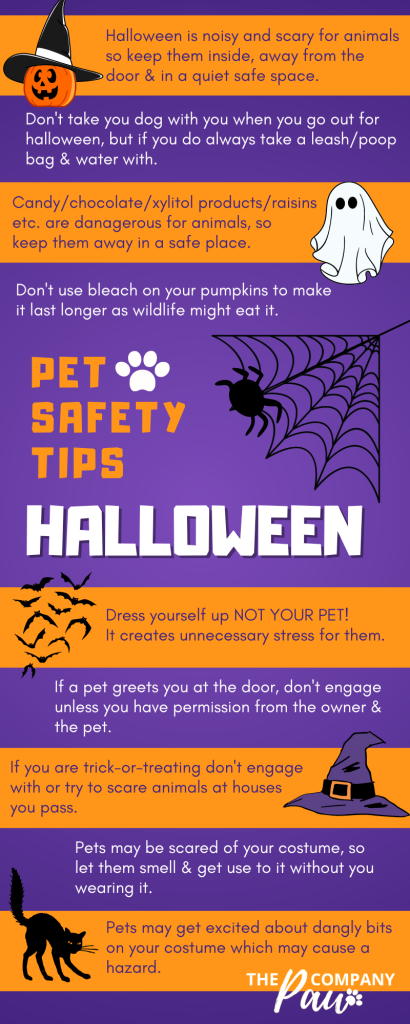
Halloween is around the corner and it is a time of excitement, creativity, and community spirit. However, while the festivities can be enjoyable for many, they also pose several risks to our beloved pets. The increased foot traffic, unusual costumes, and abundance of candy can create hazardous situations. By taking a few precautions, you can ensure that your furry friends stay safe and sound while you enjoy the spooky season. Here are essential tips to help keep your pets safe during Halloween.

Halloween – Image by The Paw Company

Keep Candy Out of Reach
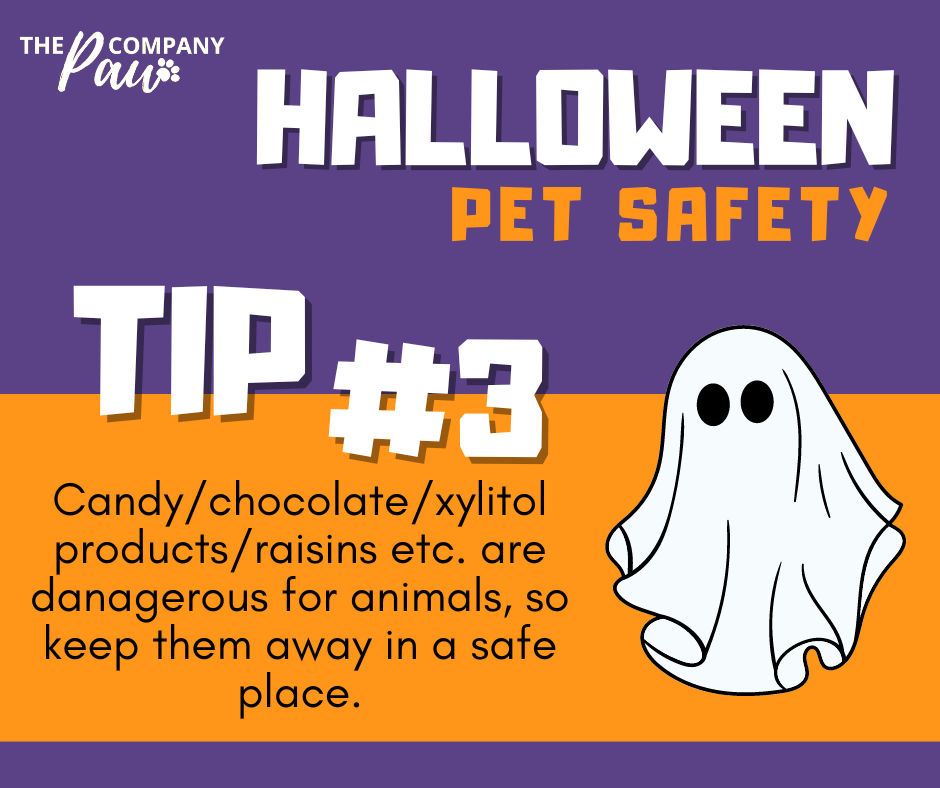
One of the most significant risks to pets during Halloween is the temptation of candy. Chocolate, especially dark chocolate, is toxic to dogs and cats and can lead to vomiting, diarrhea, hyperactivity, and even seizures. Ensure all family members and guests understand the importance of keeping all Halloween candy—particularly chocolate and sweets containing xylitol—away from pets. Additionally, candy wrappers can pose a choking hazard and lead to life-threatening bowel obstructions.

Be Mindful of Costumes
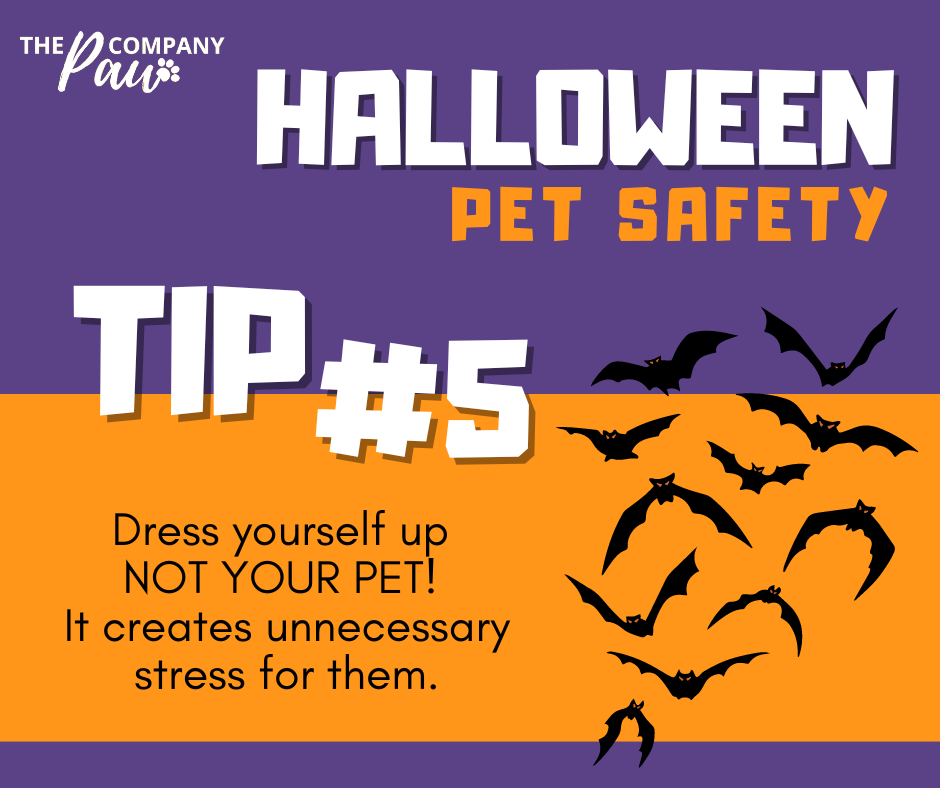
If you choose to dress your pet, ensure the costume is lightweight, comfortable, and doesn’t restrict movement. Avoid costumes with small parts that could be chewed off and swallowed. If your pet shows signs of discomfort, it’s best to let them remain in their usual attire. In general, I don’t support costumes because they are unnatural to them.

Create a Safe Space
The constant doorbell ringing and the influx of trick-or-treaters can overwhelm pets. Some pets may become anxious or aggressive when confronted with unusual costumes and the general excitement of the evening. If your pet tends to find commotion at the front door stressful, secure them in a quiet, safe spot before the festivities begin where your pet can retreat if they feel anxious. This space should include their favourite bed, toys, and calming music. A baby gate or closed door can help keep them safe from the chaos.

You can put a sign on your entrance that says: “We do not take part in Halloween.”

Ensure Proper Identification
In the chaos of Halloween, pets might get spooked and run away. Make sure your pet’s ID tag and microchip database information are up-to-date. Animal shelters and rescue organizations often see an increase in lost pets following Halloween, so taking these precautions is crucial.

Be Cautious with Decorations
While Halloween decorations add to the festive atmosphere, some can pose hazards to pets.

  • Keep decorations out of reach to prevent chewing or swallowing.
  • Be careful with lit candles and jack-o’-lanterns, as pets may accidentally knock them over, leading to burns or fire hazards.
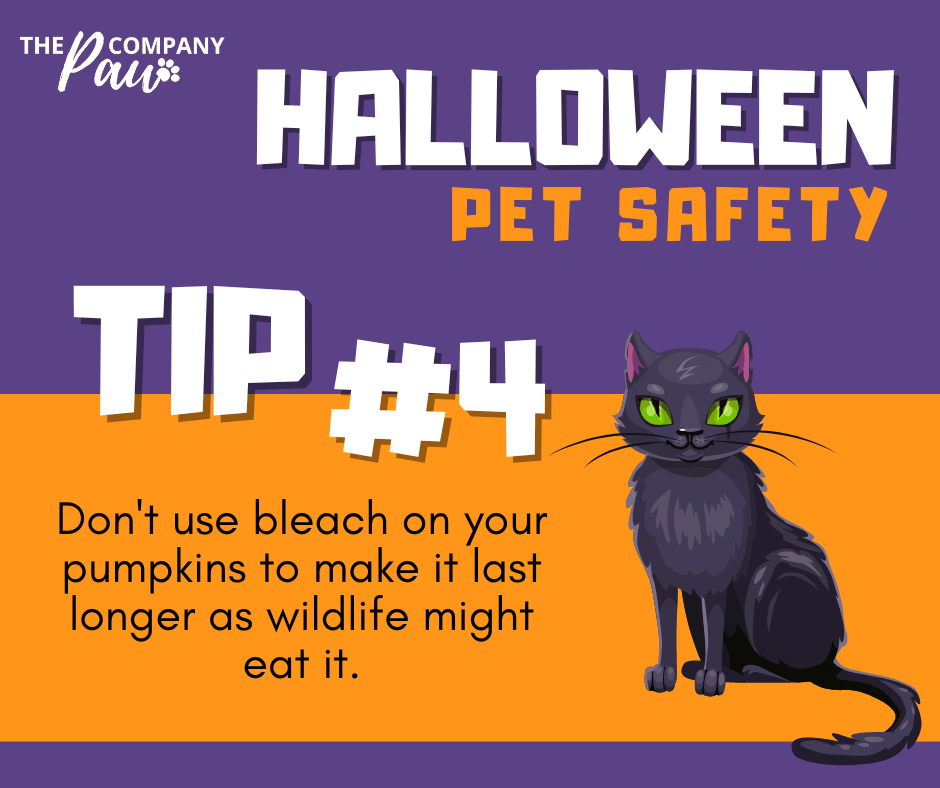
  • Do not bleach pumpkins as wildlife may eat them.
  • Wild birds also get trapped in the fake spider webs, so use them where birds will not go.

Supervise Outdoor Activities
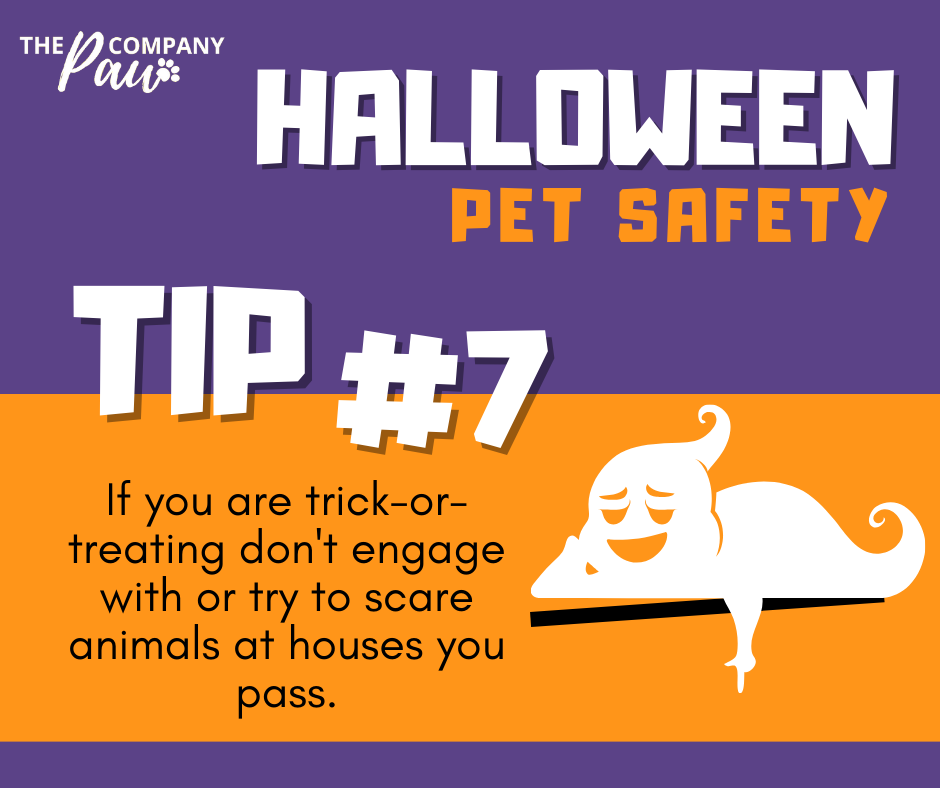
If your pet enjoys being outside, supervise them closely during Halloween. The increased activity and unfamiliar sights and sounds can lead to anxiety or aggressive behaviour. Ensure your pet’s environment is secure to prevent them from escaping due to the commotion.

Unfortunately, there may be offerings and evil rituals during this time. Please keep your pets safe.

Manage the Noise Level
The sounds of Halloween—from doorbells to loud music—can be distressing for pets. For those particularly sensitive to noise, consider using a white noise machine or calming music to help mask the sounds. Creating a tranquil environment is essential for their comfort.

Keep Pets Away from Glow Sticks and Fake Blood
Glow sticks and other Halloween novelties can be dangerous if chewed or ingested, as their chemicals can be toxic. Similarly, fake blood and other Halloween makeup products can harm pets if ingested or if they come into contact with their skin. Store these items securely and keep them out of your pet’s reach.

Monitor Interactions with Children
Costumed children can be startling for pets, especially if they’re not accustomed to such sights. Ensure that your pet interacts calmly with trick-or-treaters. Supervise these interactions to prevent stress or aggressive behaviour, and educate children on how to approach pets gently and respectfully. Remember, you are your pet’s advocate.

Watch for Signs of Stress
Be vigilant for any signs of stress in your pets during the Halloween festivities. Symptoms like excessive barking, hiding, trembling, or refusal to eat can indicate that your pet feels overwhelmed. If you notice these signs, provide comfort and reassurance. If needed, consult your veterinarian for additional advice on managing pet anxiety.

Also, read last week’s article about the importance of an emergency plan for your pets in case of a disaster.

Images by The Paw Company


Halloween can be a delightful time for people, but it’s essential to remember that our pets may experience it differently. By taking these precautions, you can help ensure that your pets remain safe and stress-free while you enjoy the holiday festivities. With a little planning and vigilance, you can create a Halloween that is enjoyable for everyone in your household—four-legged friends included. Happy Halloween, and may it be both spooky and safe for all!

Join us next week as we explore more of the animals in our world and improve their lives!

WHEN YOU KNOW BETTER, DO BETTER!

Exam Best Wishes by Sasol

BEST WISHES GRADE 12 END-OF-YEAR EXAMS

We would like to wish Grade 12 learners all the best with their end-of-year exams.

A special thank you goes to each parent, guardian and educator who ensured that our learners stayed the course this year.

Take care of your mental health, study hard and actively seek the support of your family and friends.

We are with you. We support you. We believe in you.

Sasol Highveld Photography Club – October Excellence

0

The October meeting of the Sasol Highveld Photography Club again showcased excellent photographs by its members.

Peter Cavanagh from Middelburg was the judge for the evening.

If you have any questions, contact Louis van der Walt at +27 (72) 755-2767. The Sasol Highveld Photography Club is passionate about photography and the quality of its images. It wants its members to enjoy their photography.

Members are also graded by their skill levels and receive points to progress to a higher level. The aim is for photographers to improve by having their photos judged and critiqued. By taking note of the guest’s commentaries, they should be able to improve.

Different “certificates” are awarded to the photographs. These are Bronze, Silver, Gold and Certificate of Merit (COM). If the author (photographer) does everything wrong in a photo, for his/her skill level, such as out of focus he/she will receive a bronze. Doing everything right will result in gold or even a COM.

The best Photograph in the Set Subject division is “Alhambra Staircase Ghost” by Danie Smit

“Alhambra Staircase Ghost” by DNE Smit

The best photograph in the Senior Division is Sussa Pelser’s “Why Are You Crying”

“Why Are You Crying” by Sussa Pelser

The best photograph in the Junior Division is “Silo” by Anzette Snyders

“Silo” by Anzette Snyders

The following photographs all received Certificates of Merit in the various categories.

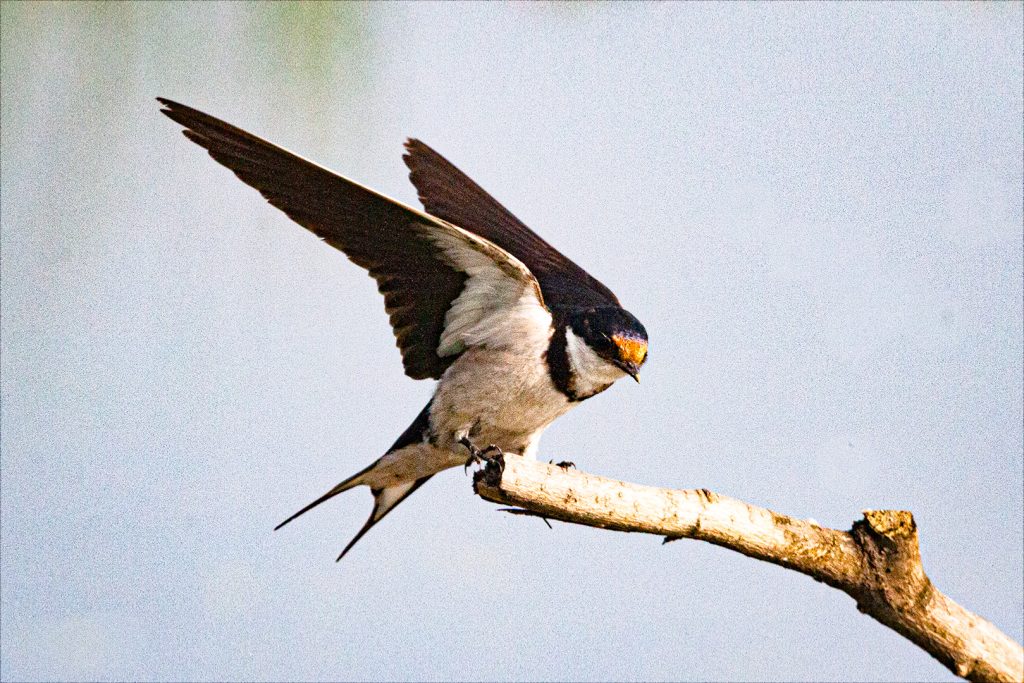
“Safe landing” by Yolande Pietersen
“Op Vlerke” by Johan Viljoen
“Think Pink” by Yolande Pietersen
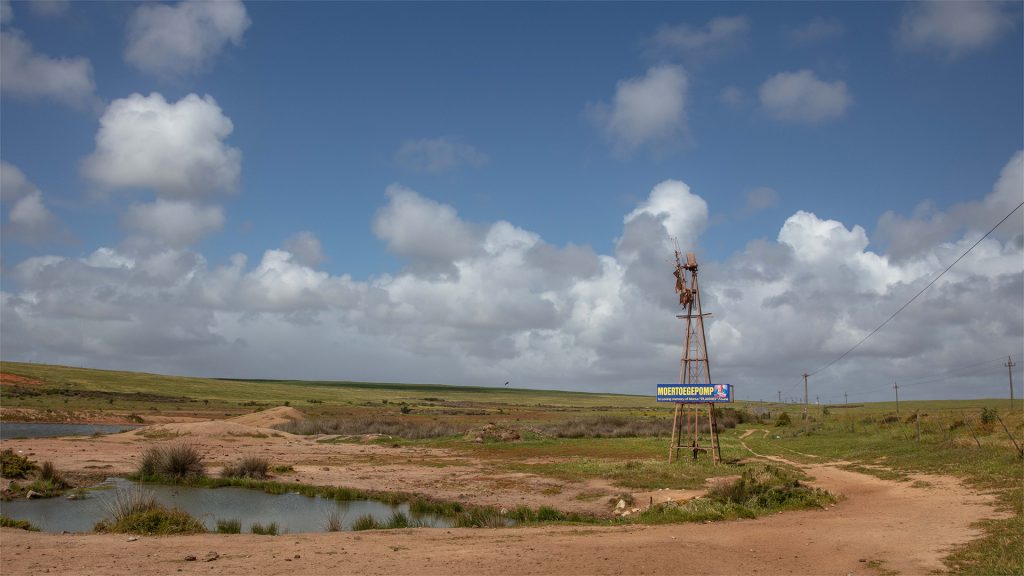
“Wolfberg Arch View” by Louis van der Walt
“Valentia” by DNE Smit
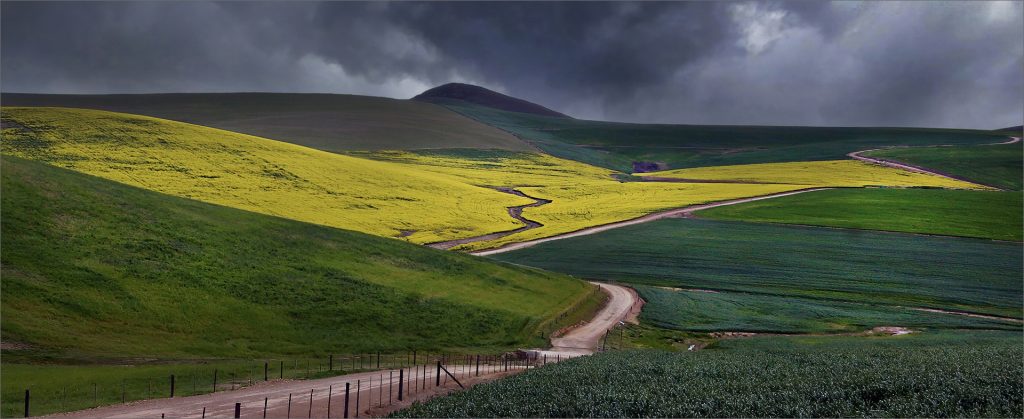
“Road through Canola Field” by Leon Pelser
“Canola Vlaktes” by Leon Pelser
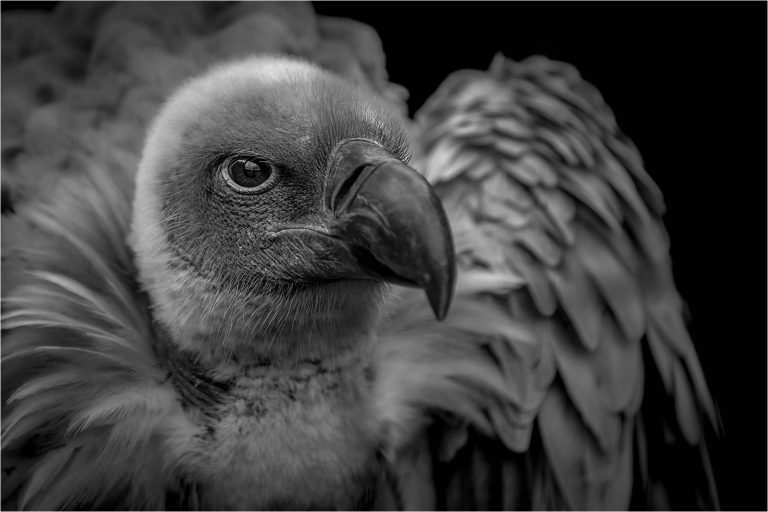
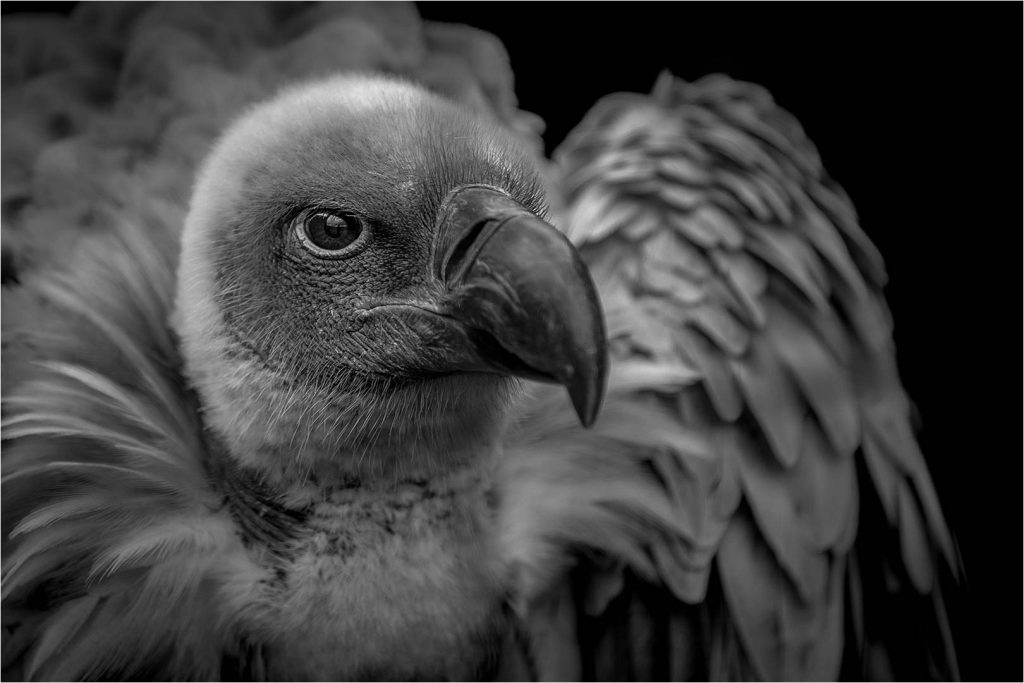
“Eye of the Villain 1 – BW” by Louis van der Walt
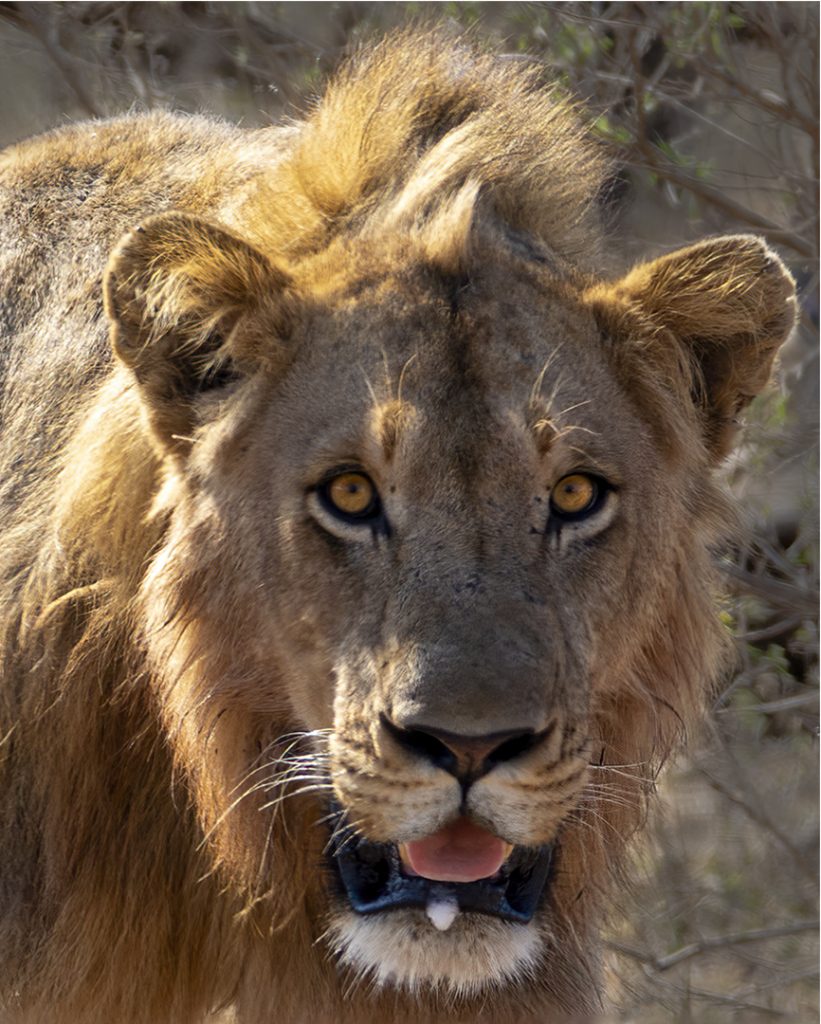
“Juvenile Buffalo” by DNE Smit
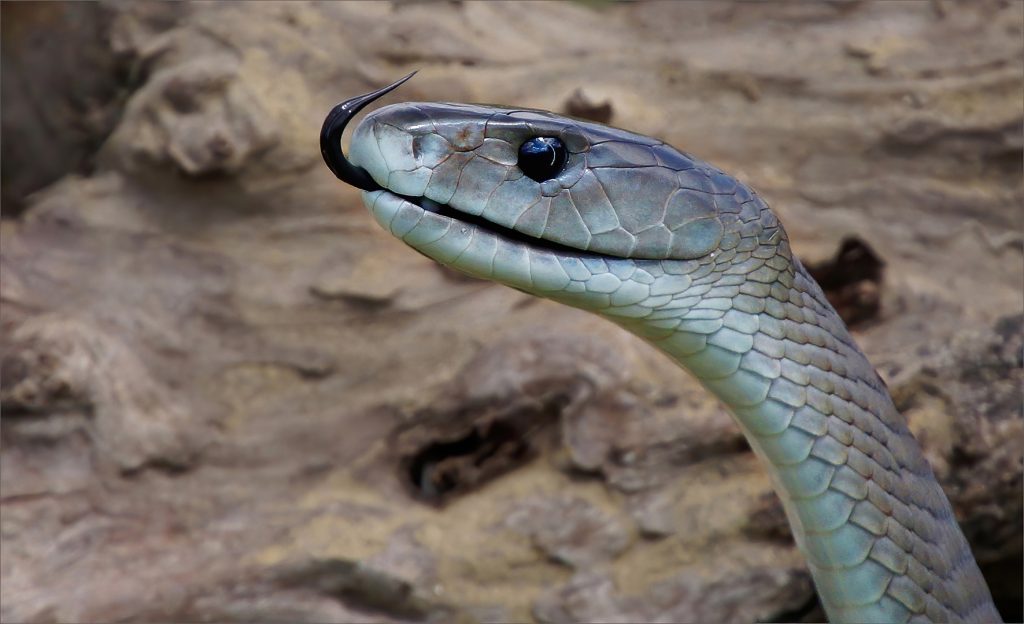
“Mamba” by Leon Pelser
“Spun” by Anzette Snyders
“Blue Moon” by Yolande Pietersen
“Rastafari” by Leon Pelser
“Flying High” by Yolande Pietersen
“Village Street Theatre in Douro Valley” by Lorraine Botha
“Contemporary Art” by Anzette Snyders
“Umbrella Shadow” by Anzette Snyders

The following photographs received Gold awards.

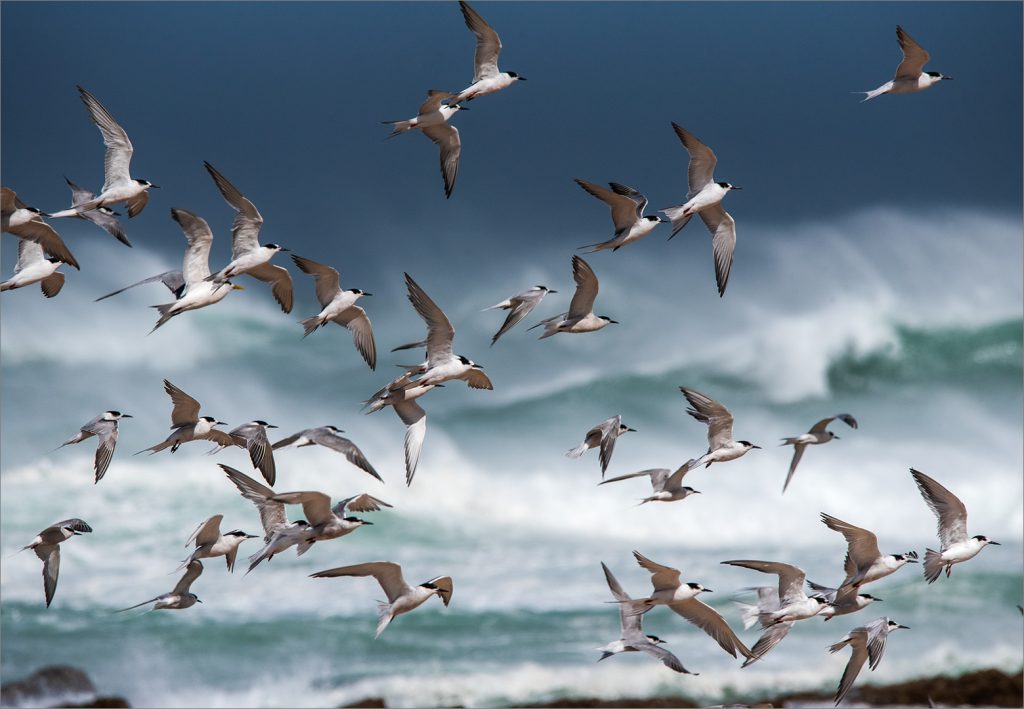
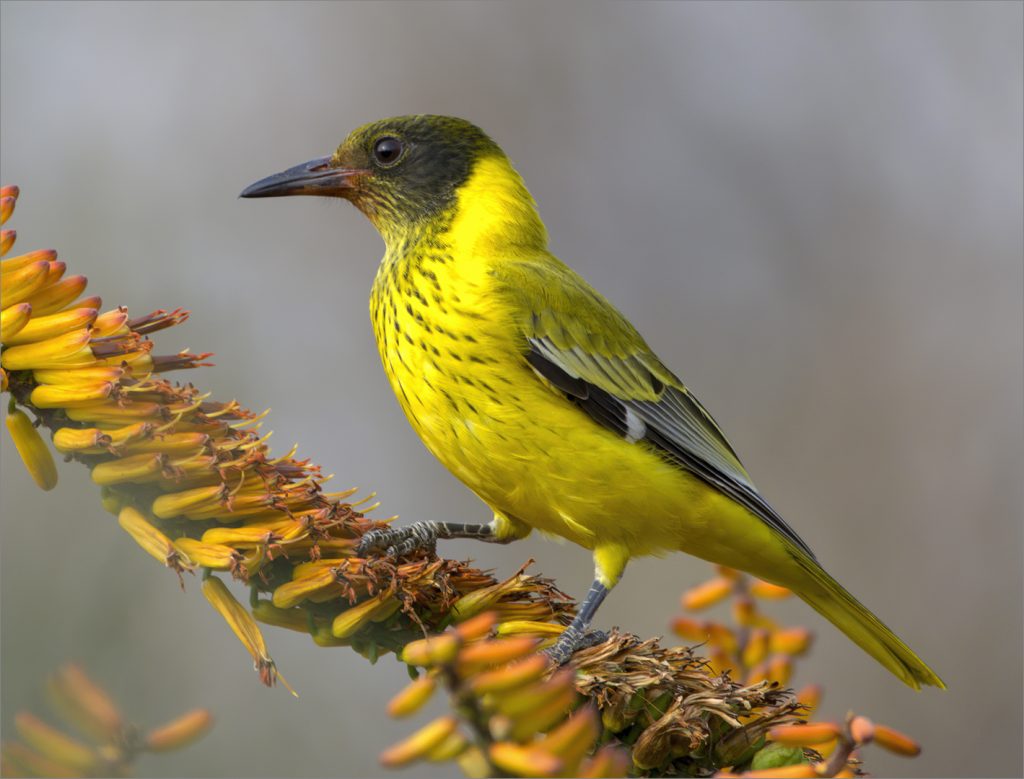
Nature – Birds only

“In Midair” by Johan Viljoen
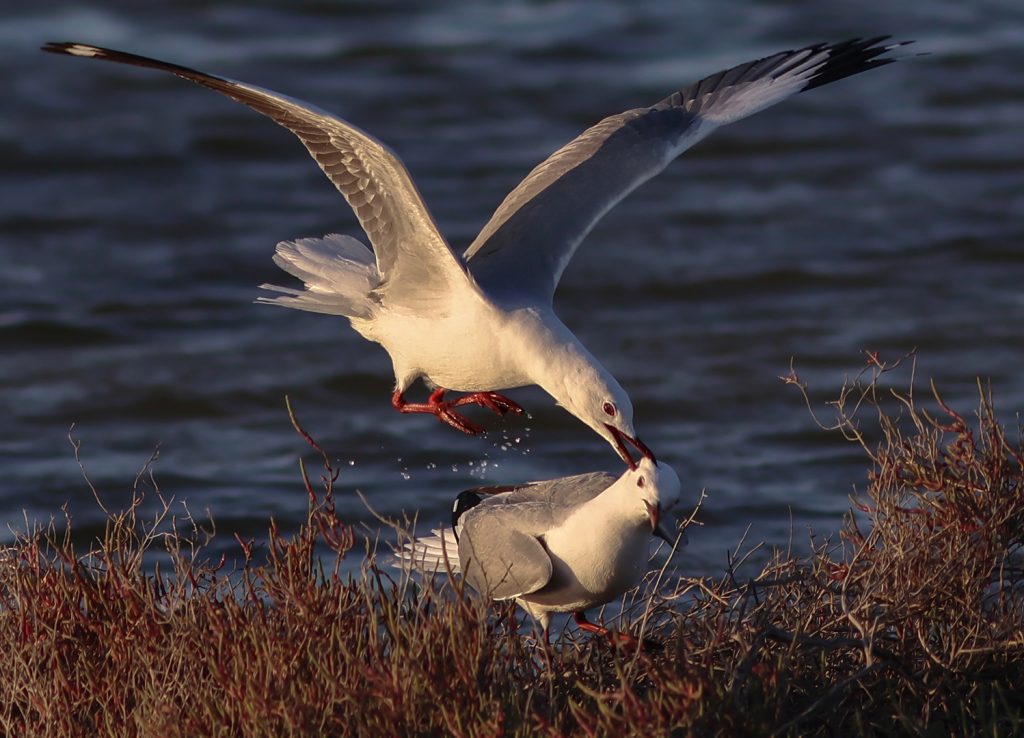
“Mating time” by DNE Smit
“Ek sien sterretjies” by Hanno de Beer
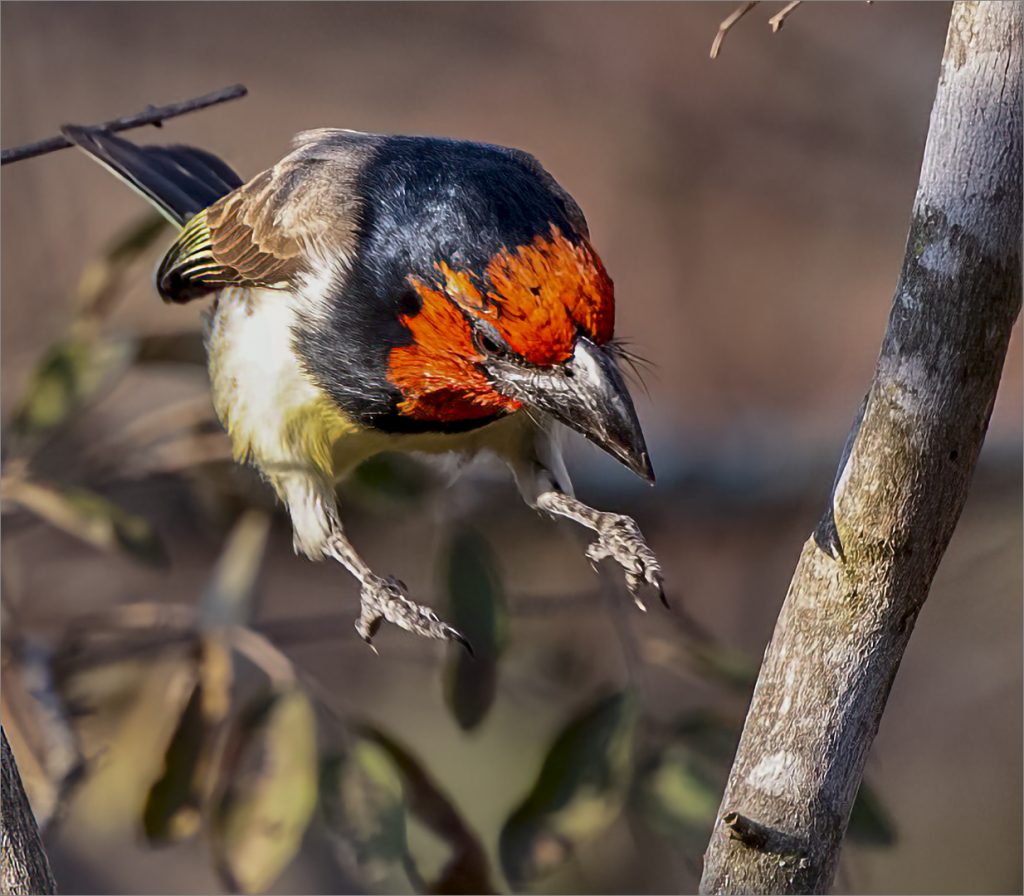
“Kittlitz Plover” by Piet Potgieter
“Wieliewaal 2” by Johan Viljoen

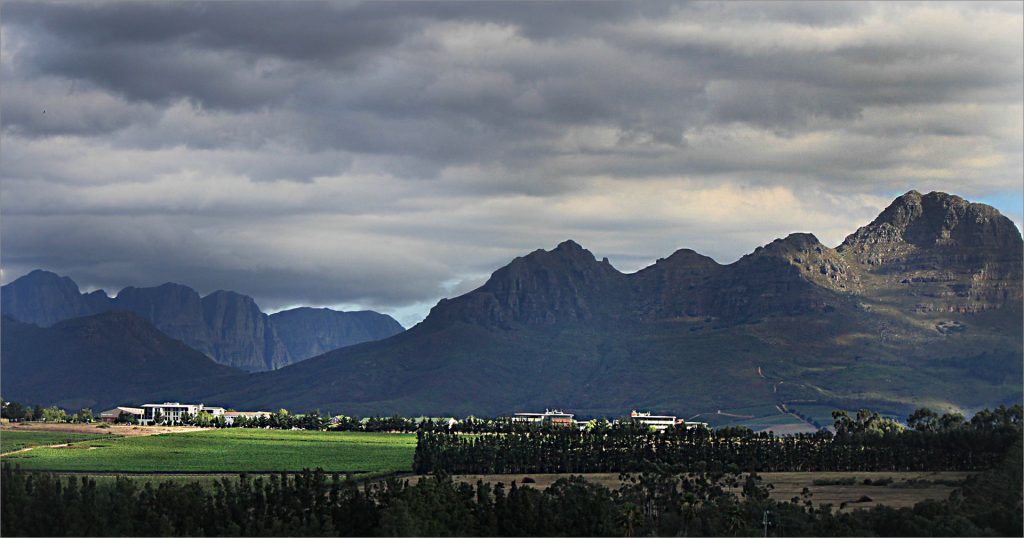
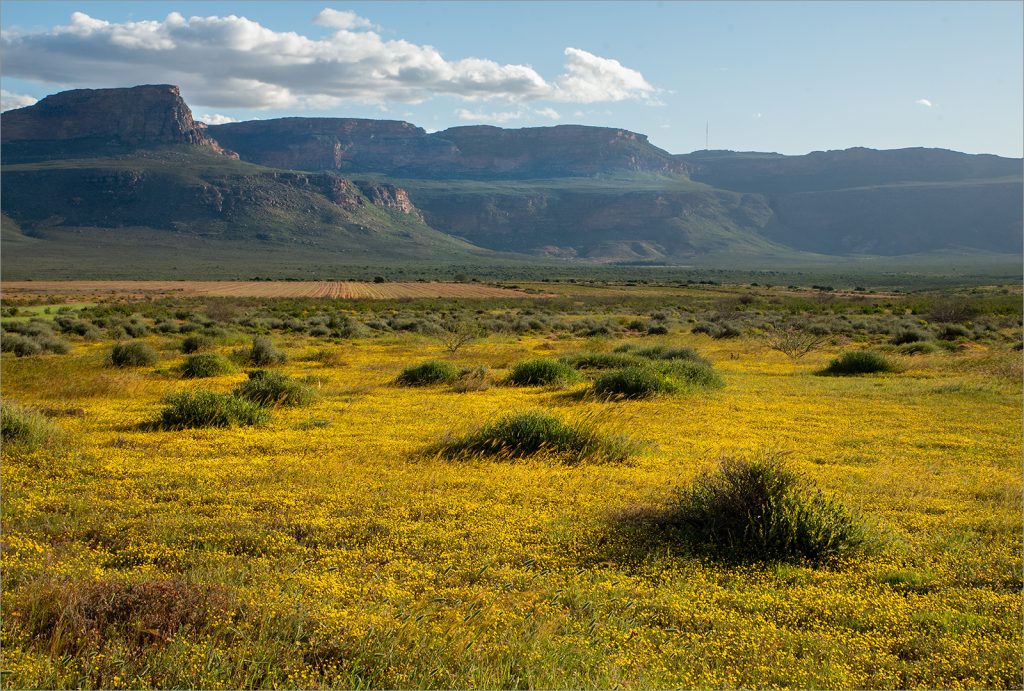
Scapes

“Die son sak op preekstoel” by Hanno de Beer
“Hope of sunshine” by Lorraine Botha
“Cloudy Misty Morning” by Sussa Pelser
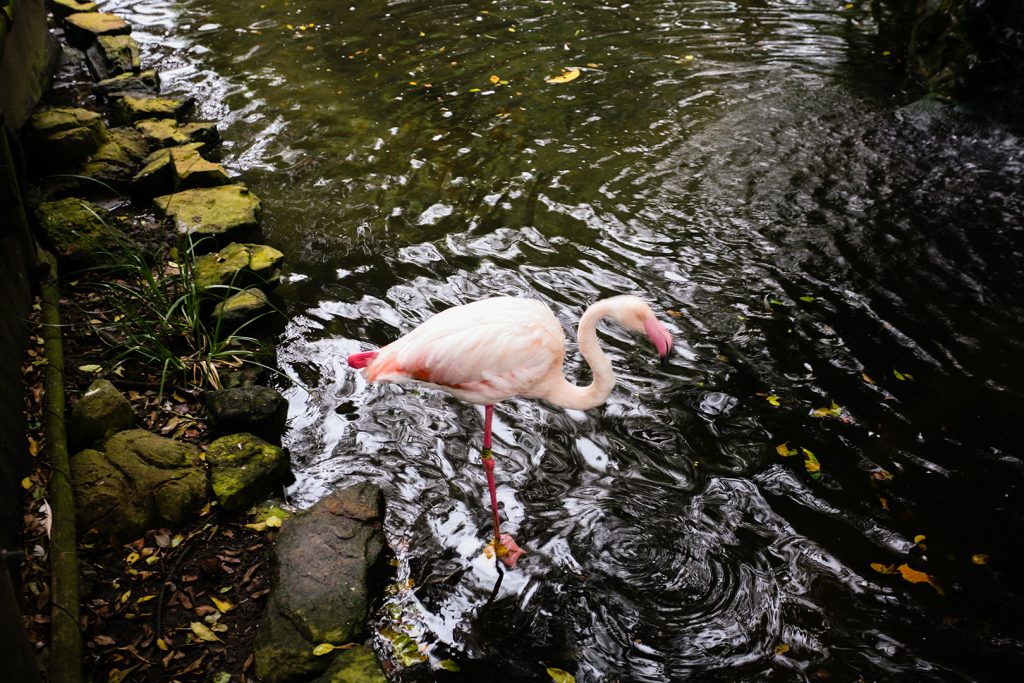
“Fonteintjiesberg Painting” by Louis van der Walt
“Sagrada Familia” by DNE Smit
“Van Rhynsdorp se blomme” by Hanno de Beer

Nature

“Mini Me” by Piet Potgieter
“Zebra on the Run” by Lorrain Botha
“Blue Insularis Snake 2” by Sussa Pelser

Pictorial

“Stukkend” by Piet Potgieter
“I am your teddy” by Johan Viljoen
“Orchid” by Anzette Snyders
“Engrossed ” by Lorraine Botha
“Look At Me” by Louis van der Walt

Photojournalism

“Man Praying In Turkish Mosque” by Sussa Pelser

Set Subject – Shadows

“Shadows Want It All – BW” by Louis van der Walt
“Shadows of Memories” by Anzette Snyders
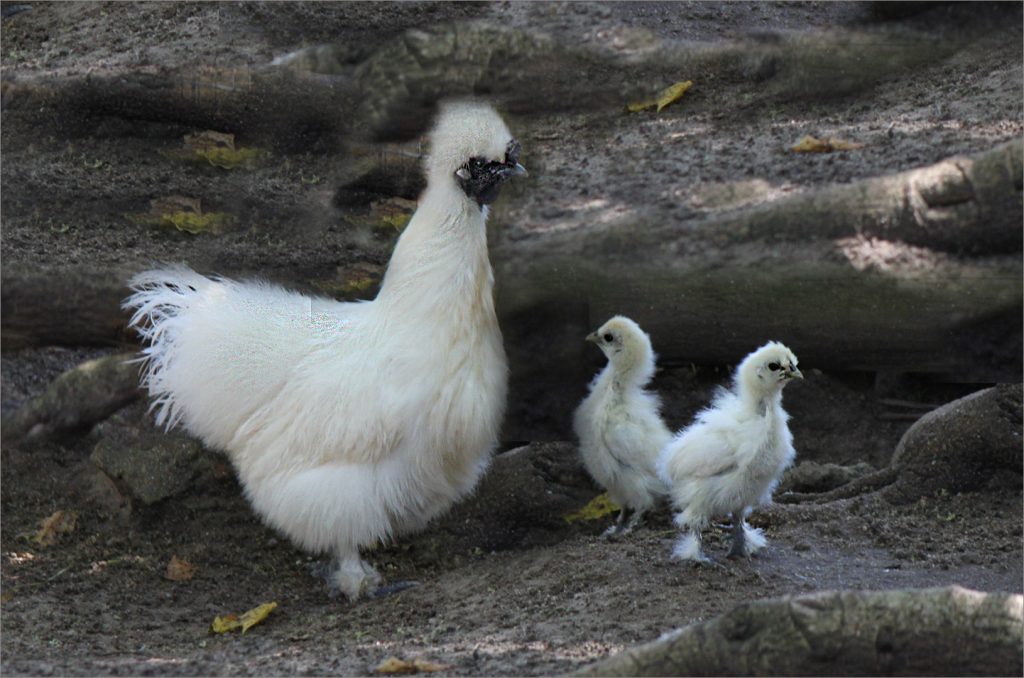
“Mamma hen” by Lorraine Botha
“In the Cave” by Johan Viljoen
“Hiding Behind Red” by Leon Pelser