Home Blog Page 24

Mayoral Crash! Official or Joyride?

0

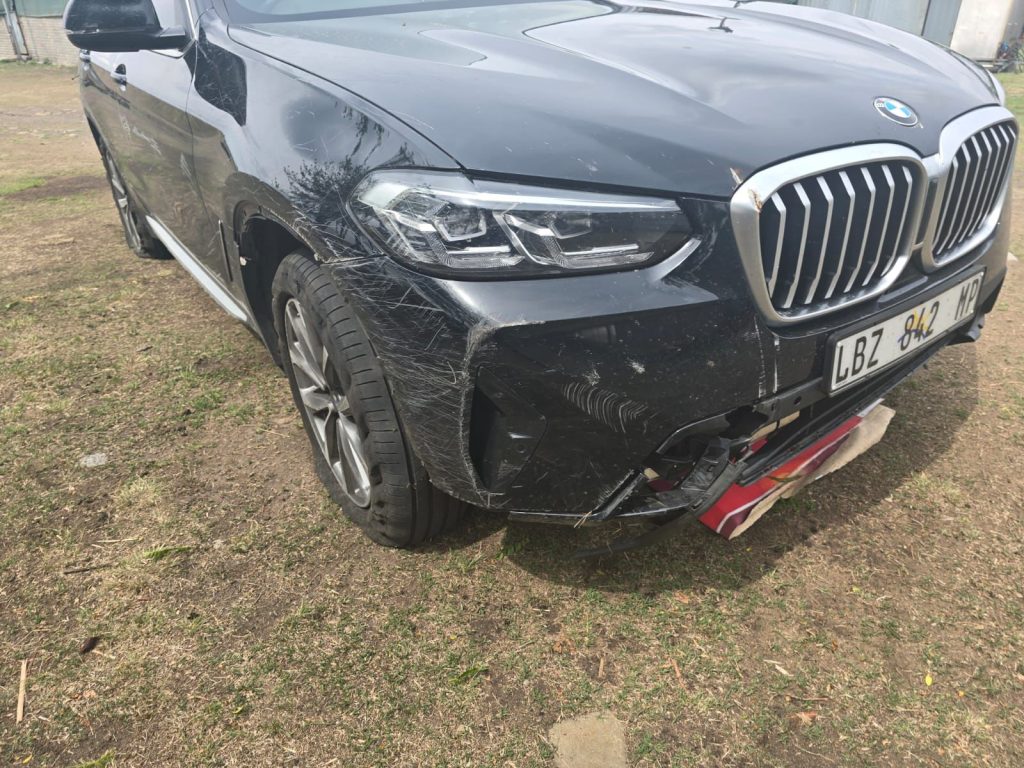
Cllr Nhlakanipho G Zuma, Executive Mayor crashed his mayoral vehicle in the early hours of Sunday morning November 10, 2024.

Councillors received the following message informing them of the accident:

The Office of the Executive Mayor would like to inform all Councillors and Officials of an accident that occurred on Sunday morning, November 10, 2024.

The Executive Mayor, Cllr NG Zuma, was involved in an accident on Sunday morning, November 10th, 2024, while driving from a meeting.

The accident involved the Executive Mayor’s vehicle only and no other vehicle or person was involved.

The Executive Mayor drove without his protectors as they were off duty.

The Executive Mayor is doing well and did not sustain any injuries.

The matter has been reported to the relevant authorities including the Police and other relevant Authorities.

The incident sparked several viral videos on the internet and kept the social media platforms buzzing.

The EFF and the VF+ were quick to question whether the vehicle was used in an official capacity or private. The EFF wrote a letter to Zuma questioning his use of the vehicle.

“We as the Economic Freedom Fighters request a formal investigation on the events that transpired that led to the nature of the Municipality’s’ Executive Mayor’s vehicle damage,” said EFF Councillor Nthabeleng Mtahane,  “After pending the investigation’s outcome, rigid Consequence management will be sanctioned.”

EFF Cllr AN Mtahane

The EFF’s letter contained the following questions aimed at clarifying the incident.

We, (The Economic Freedom Fighters) however are concerned about you driving yourself using the Municipality vehicle on the day of the accident, on Sunday. The Economic Freedom Fighters would like to have an understanding of the below:

  1. The whereabouts of the accident (Area where it occurred)
  2. Since there was no other vehicle involved, what caused the accident?
  3. Can we be provided with the accident report including the pictures of the car on the accident scene (Along with a blood alcohol test (BAC))
  4. The tracker report
  5. Full details of the meeting that you attended on a Sunday, venue, Time, Participants and signed attendance register there off.
  6. Provide reasons and motivation on why we should still keep your drivers and bodyguards employed because the statement provided is in breach of the Councillor code of conduct,” A Councillor may not use, take, acquire or benefit from any property or asset owned, controlled or managed by the municipality to which that councillor has no right” and;
  7. The Municipal Systems Act 32 of 2000 (“the Systems Act”) defines the legal nature of a municipality and provides for how municipal powers and functions are exercised and performed.

The Freedom Front Plus responded in a similar manner to the incident.

“I am concerned about the delayed response from the mayor’s office regarding the accident. The Chief of Staff only responded on November 14, 2024, four days after the incident,” said FF+ Councillor Aranda Nel-Buitendag, “I believe it is essential for the municipality to be transparent and responsive in matters of public interest.”

Aranda Nel-Buitendag, FF Plus councillor

The FF+ statement had similar questions to the EFF statement.

In light of this incident, I respectfully request that you provide answers to the following questions:

1. What was the cause of the accident involving your vehicle?

2. What was the time of the accident?

3. Was a case opened by SAPS, and if so, please provide the case number.

4. Why were your protectors not present at the time of the accident?

5. Have you received any medical attention or treatment following the accident?

6. Will there be an internal investigation into the accident, and if so, what will be the scope of the investigation?

“The FF Plus may want to consider requesting an investigation into the accident and the municipality’s safety protocols to ensure that such incidents are prevented in the future,” concluded Buitendag.

The Bulletin was told that the incident happened on a farm owned by Amos Skosana. Skosana is alleged to be a good friend of Zuma. This information could not be independently verified as the case number as well as the Police station where the incident was reported have not been released yet.
In our research, it was difficult to find a definitive updated vehicle policy on the use of council vehicles. Although several draft policies served in the council the only one that was accepted and approved by the GMM Councill in June 2008.

The following are excerpts from the council item:

The vehicle and equipment pool is an operational resource to enable employees to effectively execute the business of the Council. Planning and use of vehicles and equipment must be coordinated to achieve the maximum asset benefit with the minimum asset utilization.

Fleet and equipment are the property of the municipality and are to be used in a responsible manner. Employees, political office bearers and Councillors are expected to protect the interests of Council while using pool vehicles and equipment. Adequate controls will be exercized to ensure that municipal property is not misused.

The following are excerpts from the policy:

The executive mayor is authorised to use the mayoral vehicle for purposes relating to Council’s activities but may be driven by a dedicated chauffeur.

Except for routine maintenance needs, only authorised chauffeur is permitted to drive the mayoral vehicle. Council will provide the authorised driver users with the services of a designated chauffeur.

A logbook for the mayoral vehicle, recording all relevant details, must be kept and submitted to the vehicle transport officer after completion of each trip.

Vehicles shall be handled and cared for in a responsible manner. Preventative measures shall, at all times, be kept to protect vehicles and equipment.

The Bulletin will continue to investigate this story and will bring you updates when and if it surfaces

ANIMALS 101 – AND SO…… THE SILLY SEASON IN ANIMAL WELFARE BEGINS

0

ANNUAL PET SURRENDERS AND ANIMAL AS GIFTS REACH A PEAK DURING THE FESTIVE SEASON.

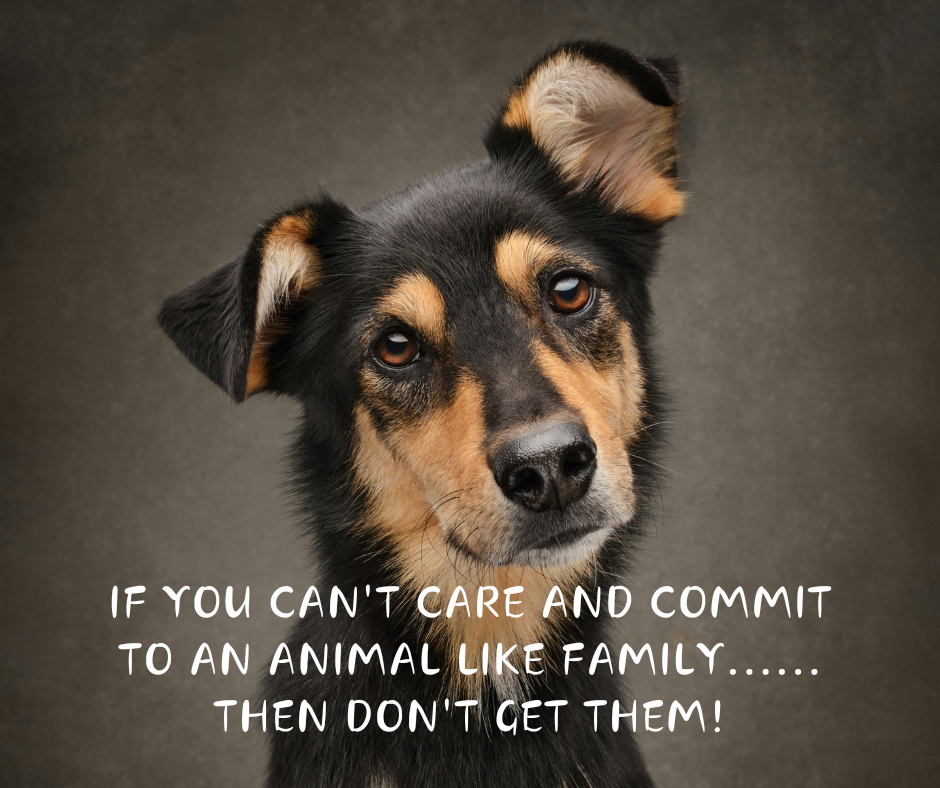
As the festive season approaches, animal welfare organizations brace themselves for an unfortunate and predictable surge in surrendered animals. For many, this time of joy is overshadowed by the heartbreaking reality of pets being abandoned or handed over with flimsy excuses. Some claim to be moving and unable to take their pets along, while others cite behavioural issues that were never addressed or even fabricated allergies. Others, the fact that the animal is getting old. Although there might be real circumstances that lead to it, I find it strange that it is always before the Christmas holiday time that these numbers rise drastically. The truth often lies in convenience—an unwillingness to accommodate these loyal companions during the holidays and commit to them for their whole lives.

Even more distressing is “convenience euthanasia,” where perfectly healthy animals are put down simply because they no longer fit into their owner’s holiday plans. This callous act disregards the bond of trust and dependency pets place in their human families. The festive season, meant to be a time of generosity and compassion, becomes a grim period for countless innocent lives.

Food for thought: Giving up animals because they are inconvenient or getting older sets a dangerous precedent as you are not getting younger yourself, are you?

LOST ANIMALS

On top of this, when people go away and fail to make proper arrangements for their animals, it creates a host of problems that endanger the animals and burden rescue organizations during the already overwhelming season of abandonment. Unattended pets are prime targets for theft, especially dogs, which are often stolen for purposes like breeding or fighting. Furthermore, without secure supervision, animals are more likely to escape during thunderstorms or fireworks, as these loud noises can cause extreme stress and panic, leading to them running away in search of safety. They may also get injured or sick at home with no one to help them. Many of these animals end up injured, lost, or worse. This negligence adds to the strain on shelters and rescuers, who are already dealing with an influx of abandoned pets during the holiday season, highlighting the critical importance of responsible pet care and planning.

Image shared by The Paw Company

Amid this tide of neglect, Silly Season also includes another troubling trend: the rush to acquire animals as Christmas gifts.  Below is a reprint from 29 November 2023. Also, read more about the sacrifice of animals in war.

PETS SHOULD NOT BE GIVEN AS GIFTS OR BE A SURPRISE

The holiday season often tempts well-meaning individuals to gift animals—puppies for Christmas, the same with bunnies for Easter, or kittens for birthdays. However, this seemingly heartwarming gesture can have serious consequences for both the animals and their unsuspecting recipients. In this article, we will explore the reasons behind this cautionary stance and delve into the essential considerations for responsible pet ownership.

WHY YOU SHOULD NOT GIVE ANIMALS AS GIFTS

Whether acquired for personal satisfaction or intended as a surprise for a loved one, purchasing or taking animals on a whim is a risky endeavor. Here’s why:

Animals Are Sentient Beings, Not Commodities: Animals should never be treated as mere commodities or impulse buys. They are sentient beings with emotions and needs, and gifting them sends the wrong message, perpetuating the idea that they are disposable toys.

Pets Are Long-Term Commitments: Animals typically live 10-20 years or more for some species, requiring a substantial commitment of time, effort, and resources. Impulse purchases can lead to neglect or abandonment when the reality of this commitment sets in.

Shelter Overcrowding: Studies indicate that more than 10% of animals given as gifts end up in shelters shortly thereafter. In an already overwhelmed animal welfare system, this percentage adds strain, making it crucial to avoid unnecessary contributions to shelter overcrowding.

Children’s Interest and Responsibility: Children’s fleeting attention spans often align better with stuffed toys than living beings. The responsibilities of caring for a pet, such as daily exercise and attention, can be overlooked or underestimated.

Image by The Paw Company

ESSENTIAL CONSIDERATIONS BEFORE “GIFTING” A PET

Before deciding to gift an animal, it’s imperative to consider various factors to ensure the well-being of both the recipient and the pet:

Interest: Has the person expressed genuine interest in owning a pet?

Cost & Resources: Is the recipient financially stable and willing to commit to the financial responsibilities of pet ownership, including food, supplies, and veterinary care?

Time & Energy: Does the recipient have the time and energy to dedicate to daily care, interaction, and play? Consider their activity level and how often they are at home.

Space: Evaluate the living environment to ensure it is suitable for the specific needs of the animal. Check for any restrictions on pets.

The Future: Consider future plans, such as potential relocations, family expansions, or changes in financial situations.

Compatibility: Assess the recipient’s lifestyle and choose a pet that aligns with their needs and capabilities, especially energy levels.

Age and Health: Ensure that the chosen pet is appropriate for the recipient’s age and that there are no health conditions that may conflict with pet care.

Other Pets: Consider whether the new animal will get along with existing pets in the household.

HOW TO POLITELY DECLINE OR HANDLE AN UNWANTED PET GIFT

Politely declining or addressing an unwanted pet gift is crucial to avoid unintended consequences for the animal. Here’s how:

Express Gratitude: Thank the giver sincerely for their thoughtful gesture.

Politely Decline: Clearly communicate that you are not ready for the responsibility of pet ownership at this time.

Responsible Surrender: As a last resort, if the giver insists, you can take the pet and responsibly surrender it to a shelter that can find a suitable home.

Image by Dr. Karen Becker

ADDITIONAL GUIDELINES FOR RESPONSIBLE PET “GIFTING“.

If you are still considering giving a pet as a gift, adhere to these guidelines:

Direct Family Only: Limit pet gifts to direct family members who have expressed genuine interest in owning a pet.

Take Responsibility: Be willing to be the backup home for the pet if the recipient is unable to care for it.

Avoid Surprises: Never surprise someone with a pet; instead, ensure the new owner is prepared for the responsibility and all the animal’s needs.

Avoid Impulse: Resist the urge for impulse pet purchases. Consider adopting from a local shelter, and promoting responsible adoption processes.

The decision to gift an animal should not be taken lightly. The life of an innocent being is at stake, and your responsibility as a potential guardian is paramount. Remember, adopting from reputable organizations reduces the strain on shelters and contributes to responsible pet ownership.

THINK TWICE BEFORE GIFTING A PET

In conclusion, before presenting a pet as a gift, carefully weigh the implications and responsibilities involved. If you are not prepared to be a responsible pet owner or if the recipient is not ready for the commitment, it’s best to reconsider and not gift the animal. The joy of pet ownership should come from a well-thought-out decision, ensuring a happy and healthy life for both the pet and their owner.

If you find yourself in the heartbreaking position of needing to give up your pet, please do so responsibly. Reach out to a reputable organization (in advance) that can ensure your animal is placed in a safe and loving home. Don’t walk away once the animal is no longer in your care—offer to cover their food and other needs for a meaningful period. One or two months is not enough when you add to an already overwhelmed system. And above all, remember that these organizations do their best in impossible circumstances. Rudeness or hostility towards those trying to help only makes the process more difficult for everyone, especially the animals.

Animals are family, treat them with love, care, and compassion!

Join us again next week as we explore the world of our pets and how we can improve their lives.

WHEN YOU KNOW BETTER, DO BETTER.

So is die Lewe: ‘n Pastorie is nie vir sissies nie

Feitlik alle dorpe in Suid Afrika, (natuurlik ook die stede), het imposante kerkgeboue. Dikwels is die kerk die eerste ding wat jy sien wanneer jy die dorp inry. Op die Kimberley-Griekwastad pad kyk jy nog na die kaal veld, dan doem daar skielik hierdie reuse kerktoring voor jou op, en skielik ontvou ‘n hele gemeenskap voor jou: die pragtige kerkgebou, die dorp, die enkele hoofstraat. Jy moet net nie te veel rondkyk nie, dan is jy weer uit die dorp uit.

So kan jy maar in enige dorp in Suid Afrika gaan kyk.  Die kerkgeboue is treffend, soms byna oordadig, en baie van hulle gebou in moeilike tye, soos die Anglo-Boereoorlog en tydens die depressie.  Die gemeentelidmate het hard gewerk, en ruim bygedra. Plooysburg se kerkgebou, wat in 1895 opgerig is, is gebou op ‘n plaas van 1700 hektaar wat ‘n mnr. Moller aan die gemeente geskenk het.  Met ‘n paar bepalings in sy skenking: die plaas mag nie onderverdeel word nie, daar mag nie ‘n drankwinkel wees nie, en slegs lidmate word toegelaat om daar nagmaalhuisies te besit.  Die grond behoort steeds aan die kerkraad.

Ook Nuwerusgemeente het baie grond wat uit ‘n erflating kom. Behalwe vir die massiewe terrein waarop die kerkkompleks en pastorie gebou is, is hier ook drie begraafplase, ‘n sportveld, en ongeveer 20 hektaar boerderygrond teenaan die groot begraafplaas.  Hulle oornagkamers vir nagmaalgangers is intussen verkoop, en is tans die enigste gastehuis op die dorp. Dan besit die gemeente ook geboue wat as kerke gebruik word in buitedienste, soos in Bitterfontein. 

‘n Interessante verskynsel is dat daar op vele kerktorings ‘n hoenderhaan pryk. Skynbaar is die betekenis daarvan dat dit die gemeente deurentyd vermaan om nie vir Jesus voor die wêreld te verloën, soos wat Petrus gedoen het nie. Ek het eendag vir ‘n groot vriend van my wat op Buffeljagsrivier predikant was, se klein dogtertjie gevra wat soek die hoenderhaan op die toring?  En ewe kontant antwoord sy my vinnig: “Hy is daar om die Here te loof en prys.” Geen wonder sy het vandag ‘n LLB-graad nie.

Die pastories is net so indrukwekkend. In baie dorpe op die platteland is dit die grootste huis in die hele dorp. Die ou dominees het skynbaar of nie huisbesoek gedoen nie, of te perd dae lank weg gewees van die pastorie af om lidmate te besoek.  Daarom het die meeste pastories baie kamers, want daar was baie kindertjies.  Baie besoekers ry verby so plattelandse kerk en pastorie, en “oe” en “aa”, en neem fotos. Veral in Griekwastad het dit dikwels gebeur, gesien teen die verlede se gebeure.

Maar ‘n plattelandse pastorie kan ‘n lewensgevaarlike plek wees. My eerste aand in die pastorie hier in Nuwerus, so op my eie, sien ek hierdie mater met twee groot skêre in sy hande, en ‘n gekrulde stert wat na my toe wys.  Natuurlik het ek geweet dis nie ‘n haarkapper nie, maar ‘n skerpioen. En ek, synde ‘n liefhebber van die natuur, besluit om hom eerder met handdoekpapier te vang en buite vry te laat. Ek was nie bedag daarop dat hy my wou steek nie. Gedog dis maar net verwelkomingsbesoek. Natuurlik is hy baie vinniger as oudominees van die ou pastorie, en steek my op my middelvinger toe ek hom wou vang.  Ek het nie eers die vinger vir hom gewys nie. Ek het aan die eiendomskommissie verduidelik dat hulle skerpioen ongelukkig gesneuwel het in ‘n kontak met ‘n (baie) oud-soldaat, maar dat ek hom sou vervang. 

Skaars ‘n paar aande daarna gaan my twee worshonde te kere om 23:30 in die aand.  Aanvanklik het ek vermoed dis skelms, maar toe is dit sowaar die eerste kryger se opvolger.  Ook hy het toe ongelukkig verhuis na weivelde met groter klippe om onder weg te kruip. Nou maak die name in die omgewing vir my meer sin.  Knersvlakte. Bitterfontein, Moedverloor. Hardeveld. Ook in ‘n ander plattelandse pastorie moes ek een nag 03:00 70 kilometer ver hospitaal toe jaag met my oudste seun, wat toe nog maar ‘n kleuter was. Een van die giftige skerpioene het hom gesteek. Die liggaamlike oorskot van die skerpioen is toe ook saam in ‘n leë bottel ter identifikasie, en om die regte behandeling toe te pas.

In ‘n ander plattelandse pastorie op ‘n plaas, was ons ook dikwels getraumatiseer deur indringers. Nou wel nie indringerspesies nie, maar nie-pastoriebewoners. So het een van die kinders gegil omdat daar ‘n “groot akkedis” in die toilet was.  Wat toe, tydens blitsige navorsing deur my gedoen, geblyk het ‘n likkewaan te wees. Dit was ‘n gesukkel om hom uit te kry, amper soos Tolla van der Merwe se storie oor die seekat wat in die bad vasgesuig het. 

So was daar menige groot plat spinnekoppe, ook vlermuise. My kinders kon meesterlik ‘n vlermuis in volle vlug met ‘n raket verwyder.  Hulle sou Springbok-kleure in pluimbal kon kry.

Dan die mees traumatiese van ‘n plattelandse pastorie. Slange. Veral pofadders en Kaapse kapelle, ook genoem geelslange.  Ons eerste kennismaking met ‘n slang was toe so maaaeer ou slangetjie die budjiehok ingekom het waarin oorlede oupa en ouma se lieflingsbudjies so pas nog koppie-krap geskreeu het. Hulle het soos twee uitstulpings in die slang se lyf gelê nadat hy hulle gulsig ingesluk het. Tydens ‘n besoek van familie van Pretoria lê daar toe ‘n geelslang onder die die bank in die sitkamer. Konsternasie en naakte vrees! Daarna het hulle elke jaar op ons uitnodiging gesê: “Dit sou heerlik wees om kersfees by julle te kom kuier, maar ons het reeds ander planne gemaak.” 

Daar is een slangepisode waarin ek my vandag nog verkneukel.  My kinders, wat eintlik op ‘n plaas groot geword het in die plattelandse gemeentes, was vinnig om my te kom roep as daar ‘n slang naby die huis was.  So kom die benoude stemmetjies: “Pappa, daar is twèè slange hier op die stoep. Twee pofadders! Hulle lê so langs mekaar!”  Ek het toe met my pompaksie-haelgeweer, wat die effektiefste verdedigingswapen was, twee skote geskiet om die slange se koppe te vermorsel voordat hulle my of my gesin in die hakskeen byt. Bybelse opdrag, gaan lees maar in Genesis.

Toe die skote klap, swerm die hele dorp pastorie toe om te kom kyk wat gebeur het.  Die koshuiskinders, die polisiemanne, die tannie by die winkel, die werkers wat skoffel, mense met looprame en kieries, almal. Dit lyk soos nagmaal op Sannieshof. My buurman, afgetrede skoolhoof, was ook daar.  ‘n Ware heer vir wie ek oneindige respek het. Korrek in sy optrede, besadig, praat suiwer Afrikaans sonder enige kru woorde, waardige ouderling en gerespekteerd.  Almal spekuleer waarom die twee pofadders so teen mekaar gelê het. Toe sê een oom, afgetrede boer wat die natuur en veld baie goed ken, dit is paarseisoen vir slange. Hulle was besig om ‘n ander opdrag in Genesis op hulle manier te gehoorsaam:  “wees vrugbaar, vermeerder en vul die aarde.”

Sê my waardige buurman: “Ai dominee, kon jy nie maar bietjie gewag het voordat jy hulle geskiet het nie?”

VAAL RIVER BARRAGE BIOCONTROL

0

RAND WATER APPOINTS CENTRE FOR BIOLOGICAL CONTROL TO ASSIST WITH BIOCONTROL ON THE VAAL RIVER BARRAGE

The Department of Water and Sanitation (DWS) has appointed Rand Water (RW) as the implementation agent for the integrated control and management of the invasive alien plants (Pontederia crassipes – water hyacinth and Pistia stratiotes – water lettuce) on the Vaal River Barrage Reservoir (VRBR) has partnered and appointed the Centre for Biological Control to assist with biocontrol. Both species of plants are extremely invasive with water hyacinth being more resilient and aggressive than water lettuce. In early 2024 an “explosion” of growth of these two species took place on the VRBR fueled by the “perfect storm”, namely spills of effluent-filled water rich in nutrients, hot summer conditions, and reduced water flows in the system. At the peak of the spread, water surface cover had reached approximately 397 of a total of 940 hectares monitored under the contract. 

Pontederia crassipes – water hyacinth

At the time, due to huge public and local community involvement with physical removal, and probono assistance from the Rhodes University – Centre for Biological Control (CBC), the mass was reduced to less than 100 hectares. Further work was undertaken by RW under the contract from DWS to physically remove further plants over the winter months when the plants are dormant.

Cover is now sitting at less than 2 hectares at the end of spring.

Pistia stratiotes – water lettuce

From the start of the project, it was identified that the work would have to be long-term due to the nature of these plants and the seed bank already present in the water. It was also identified that an integrated approach was required to undertake this work. The integrated approach adopted includes the use of various mechanisms: physical removal, chemical spraying, curtaining in the watercourse, and biocontrol agents.

The CBC is the only institution in South Africa equipped with specialist qualified staff, biocontrol agent-rearing facilities, and a network of teams available to provide on-the-ground assistance in the form of advice, implementation support, and long-term monitoring techniques.

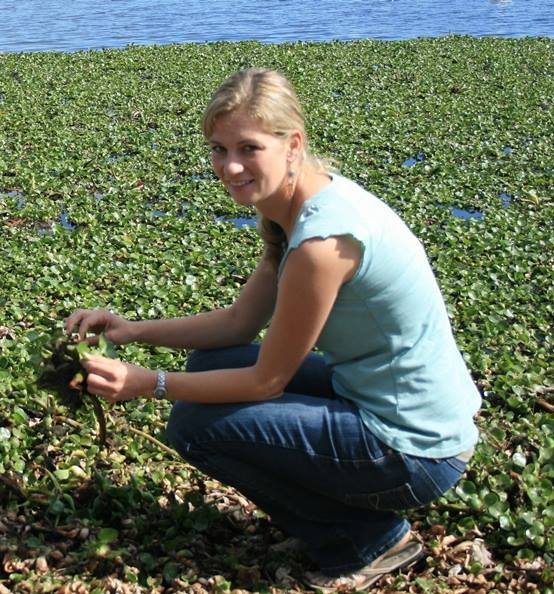
As a result, RW has appointed the CBC as a sole-service provider for the upcoming season to assist in all aspects relating to biocontrol and provide support for the project. The CBC team is being led by Prof. Julie Coetzee and Dr Kelby English with additional support from Prof. Martin Hill. 

Professor Julie Coetzee

Through the approval of the Department of Forestry Fisheries and Environment (DFFE), four permits have been granted to rear biocontrol agents at the RW Nursery as well as three community sites (the funding for community rearing sites has come directly from the community themselves). All rearing sites are already in full swing with agents being reared for both water lettuce and water hyacinth.

The aim, where possible, is to use biocontrol agents for as much of the control of these two invasive alien plants integrated with physical removal, and where other methods are not working fast enough will approved herbicide applications be used. All biocontrol agents released have been rigorously tested and confirmed to be host-specific before they were approved for release in South Africa. This means the agents solely feed and complete their life cycles on their target host plants.

Four biocontrol agents will be the main focus of the rearing facilities, the water lettuce weevil Neohydronomus affinis, the water hyacinth hopper Megamelus scutellaris, and the water hyacinth weevils Neochetina bruchi and N. eichhorniae. In South Africa, The water lettuce weevil was first released in 1985 and the first water hyacinth agents were released in the 1970s and the most recent in 2013. There are a few other water hyacinth agents namely a moth Niphograpta albiguttalis, a mirid Eccritotarsus catarinensis, and a mite Orthogalumna terebrantis which are not actively reared and released but may find their way into the system naturally as they move to new or different water hyacinth populations across the country. The moth has been found in the Vaal Barrage system and is steadily increasing in abundance.

Biological control is considered the most sustainable method of control, but this method does require continuous monitoring and technical support. Due to the very nature of these invasive alien plants, the Vaal Barrage system will need to be carefully managed for many years to ensure the population is reduced and controlled.

Sasol Highveld Photography Club November Results

The monthly Sasol Highveld Photography Club meeting took place at the beginning of November,

Several photographers entered their photographs in the club competition. The photographers excelled again with their photographs.

Leon Jacobs judged the entries. “The photo entries were of a very high standard,” said Leon, “it was difficult to choose a winner.”

If you have any questions, contact Louis van der Walt at +27 (72) 755-2767. The Sasol Highveld Photography Club is passionate about photography and the quality of its images. It wants its members to enjoy their photography.

Members are also graded by their skill levels and receive points to progress to a higher level. The aim is for photographers to improve by having their photos judged and critiqued. By taking note of the guest’s commentaries, they should be able to improve.

Different “certificates” are awarded to the photographs. These are Bronze, Silver, Gold and Certificate of Merit (COM). If the author (photographer) does everything wrong in a photo, for his/her skill level, such as out of focus he/she will receive a bronze. Doing everything right will result in gold or even a COM.

The “Set Subject” was Table Top.

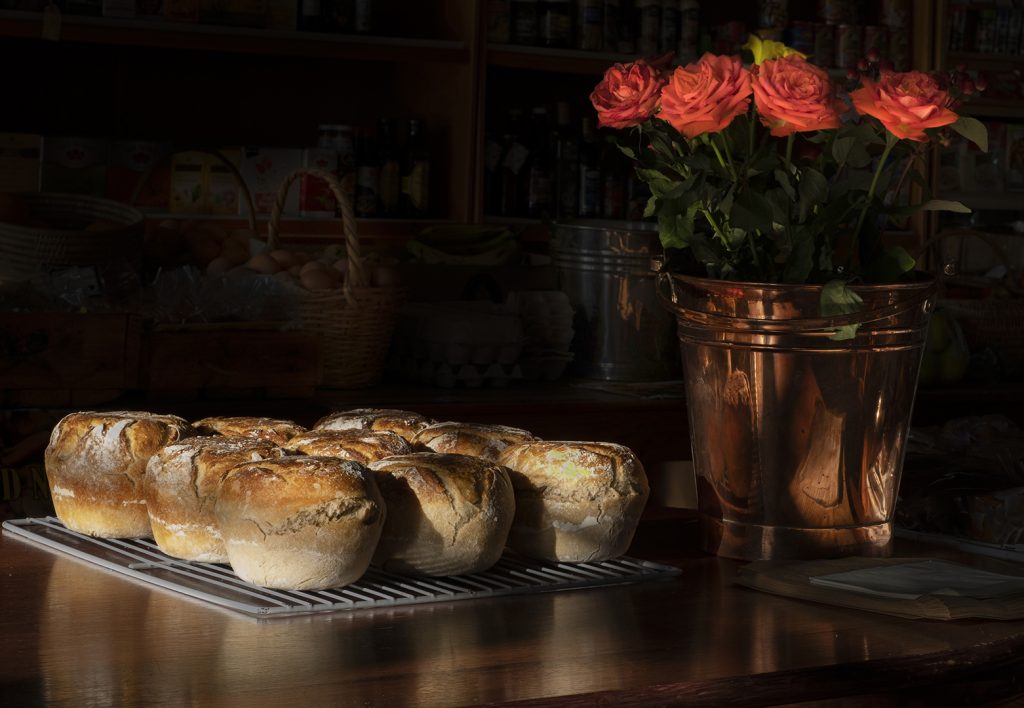
The Best Photograph in the Set Subject division was “Toonbrode” by Danie Smit.

Toonbrode by Danie Smit

The Best Photograph in the Senior Division is Leon Pelser’s “Game Over”

Game Over by Leon Pelser

The best photograph in the Junior Division is “Peaceful under the Mountains” by Edmund Hattingh

Peaceful-under-the-Mountains by Edmund Hattingh

The following photographs all received Certificates of Merit in the various categories.

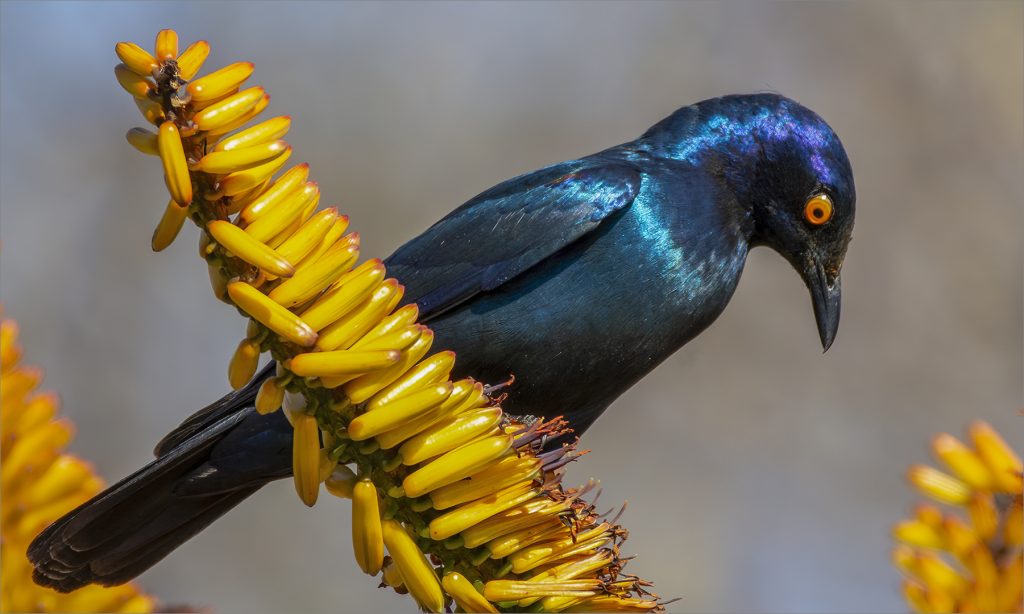
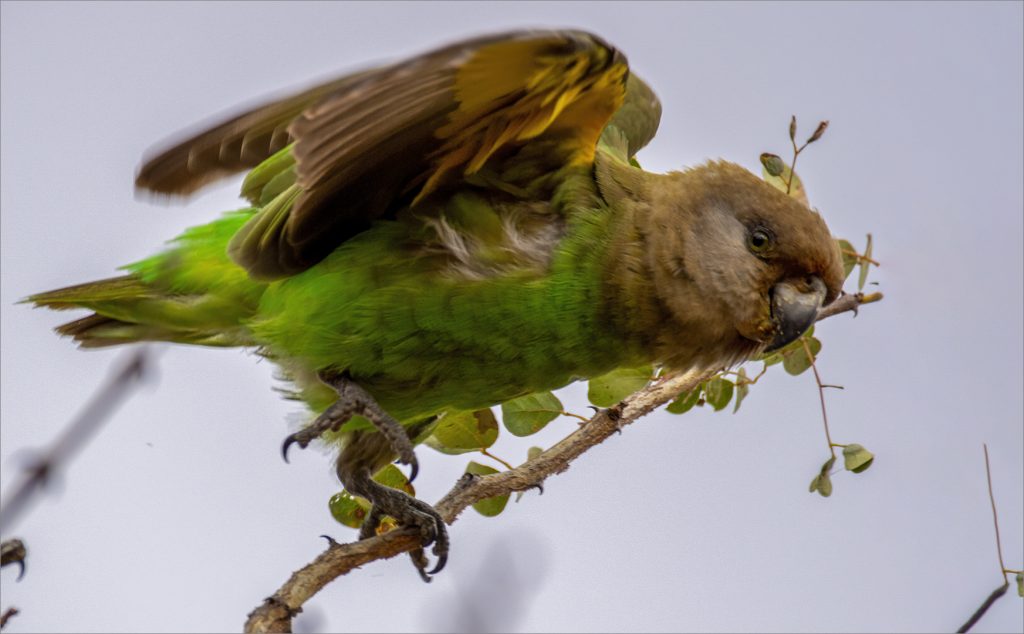
Which One by Johan Viljoen. Category: Nature Birds Only
Inyoka stream 5 by Louis van der Walt. Category: Scapes
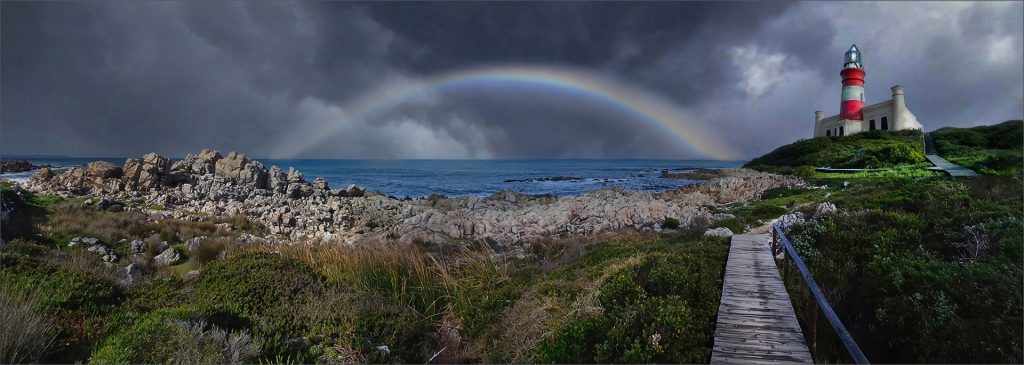
Lighthouse and Thunder by Leon Pelser. Category: Scapes
Wat Click So? by Louis van der Walt Category: Pictorial

The following photographs all received Gold Certificates in various categories.

Scapes

Amfiteater by Yolande Pietersen
Blouberg View by DNE Smit
Uitkykpunt Isimangaliso by Adri Kirsten
Garden Castle Dreamy River by Louis van der Walt
Tranquil By Anzette Snyders
On route to Willowmore by DNE Smit
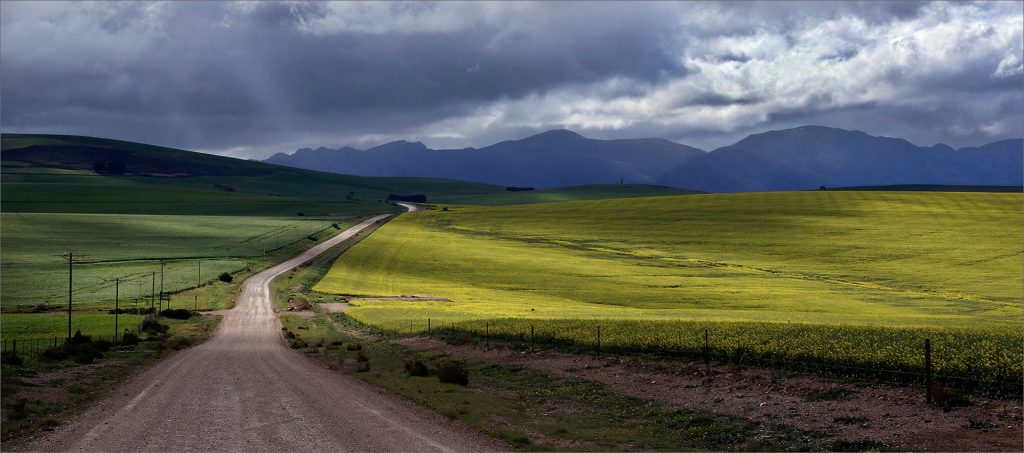
Caledon Canola Field by Leon Pelser

Monochrome

Plaastande BW by Louis van der Walt
Discovery reflections by DNE Smit

Pictorial

Clivia by Anzette Snyders
Cango Grotte by Yolande Pietersen
Hello by Lorraine Botha
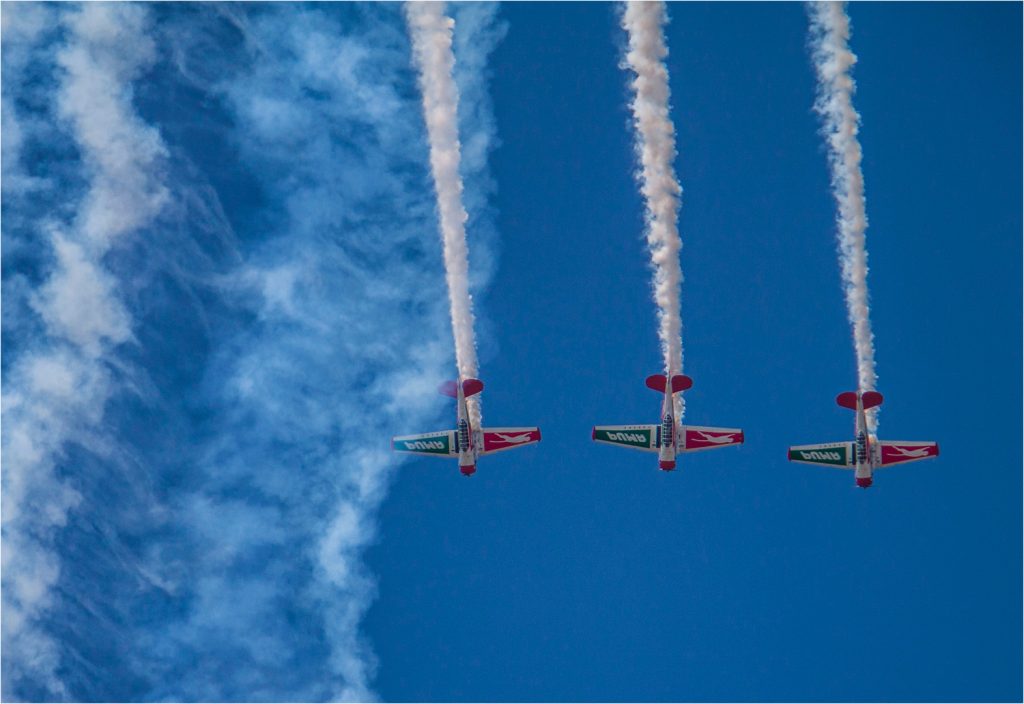
In the air by Johan Viljoen
Vintage by Leon Pelser
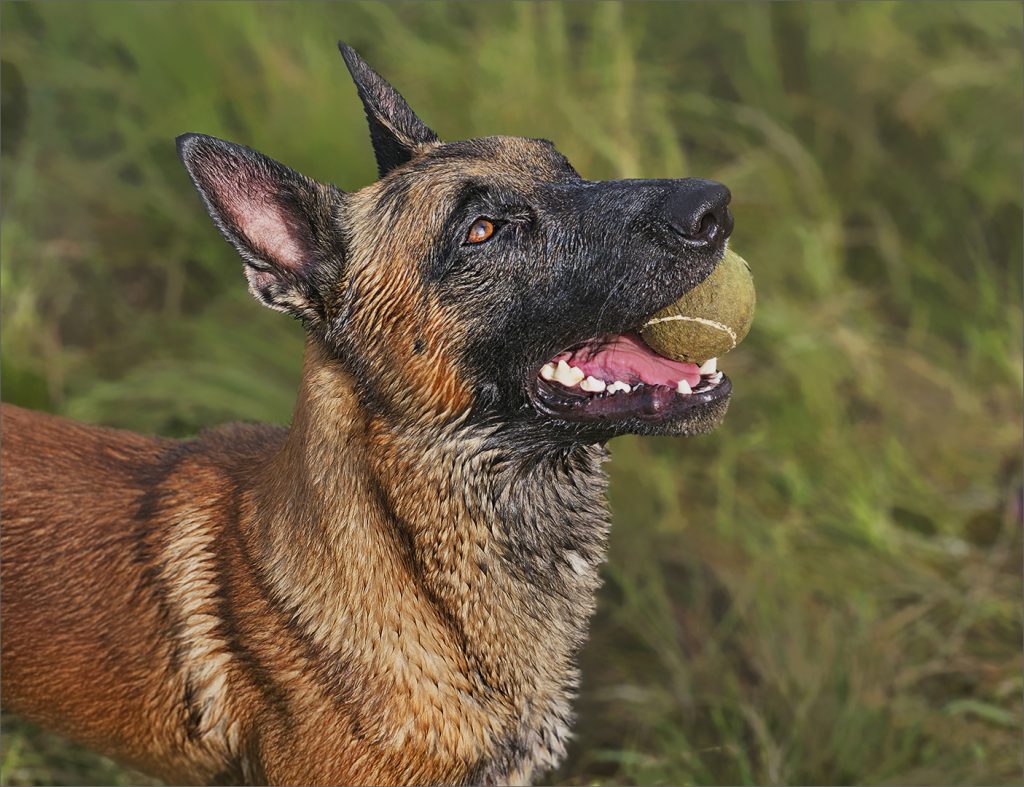
It Is My Tennis Ball by Sussa Pelser
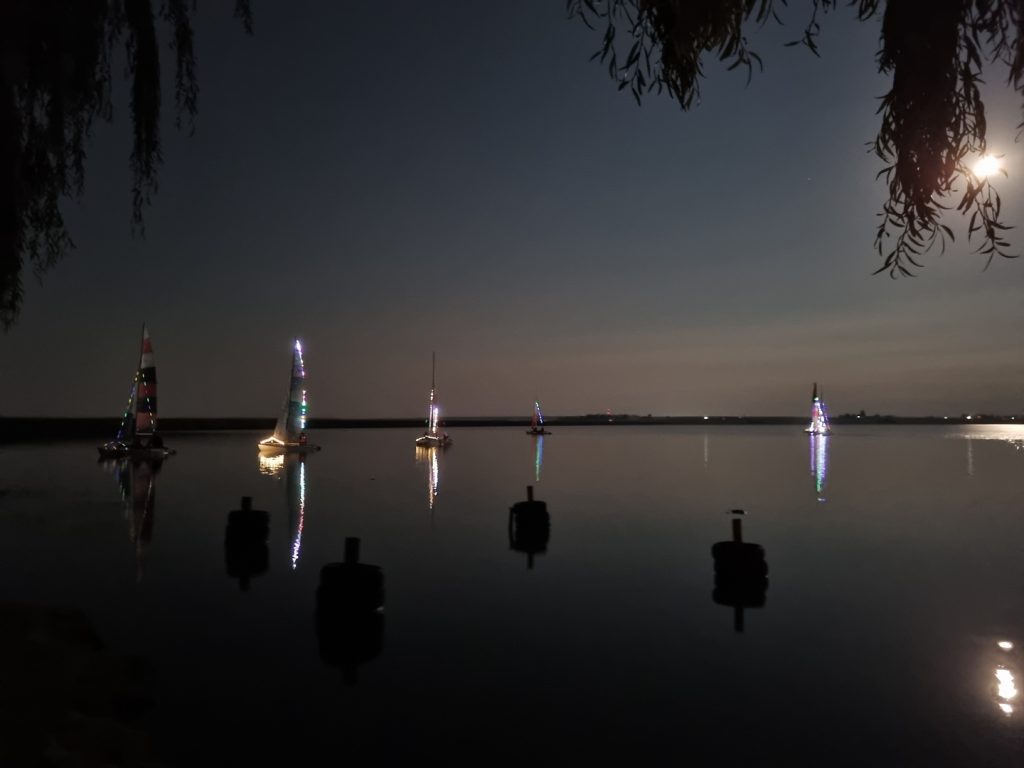
Fullmoon Sailing by Anzette Snyders

Photojournalism

Dive by Lorraine Botha
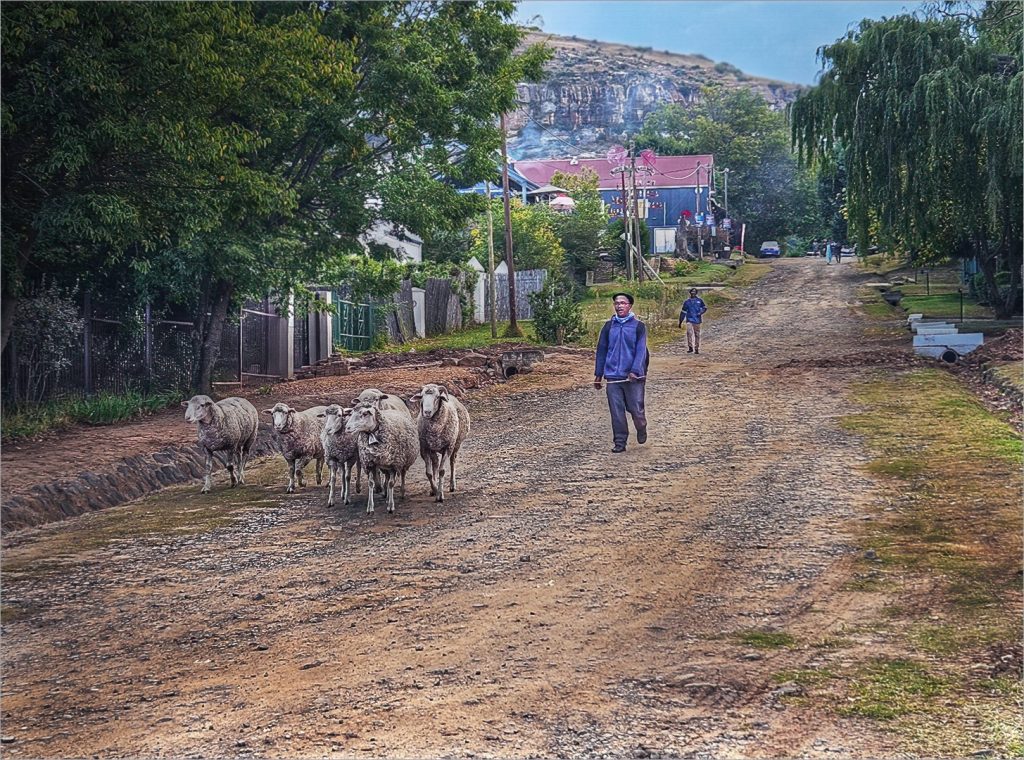
The Shepard by Sussa Pelser

Nature – Birds Only

On My Way by Johan Viljoen
Panorama Of Flamingos by Sussa Pelser
My Happie by Johan Viljoen

Nature

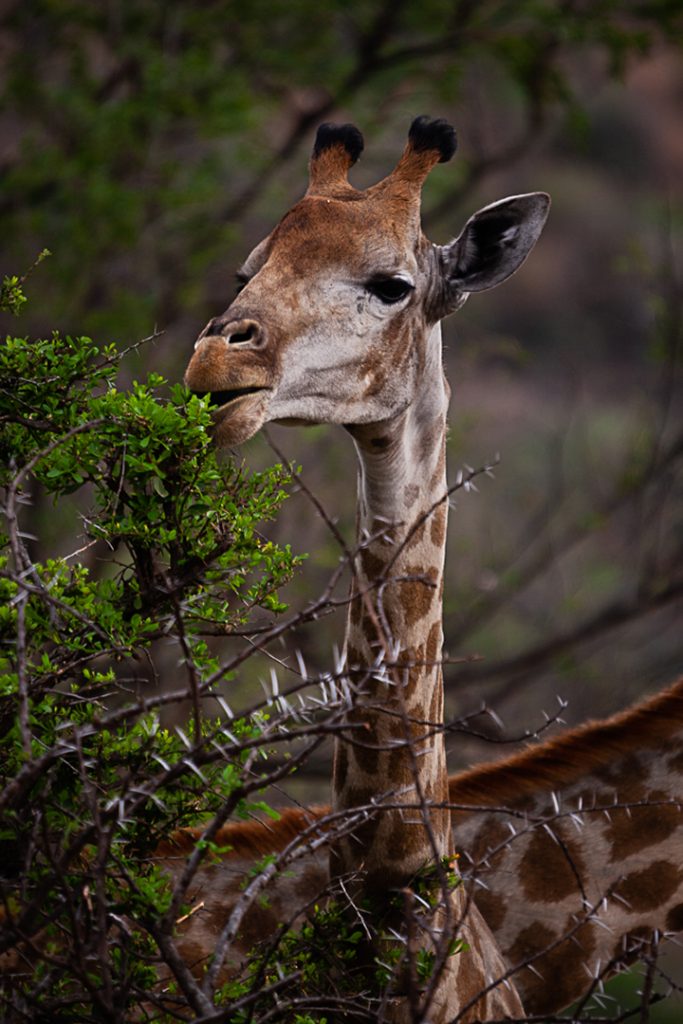
Hungry Giraffe by Yolande Pietersen
Winter Preparation by Edmund Hattingh
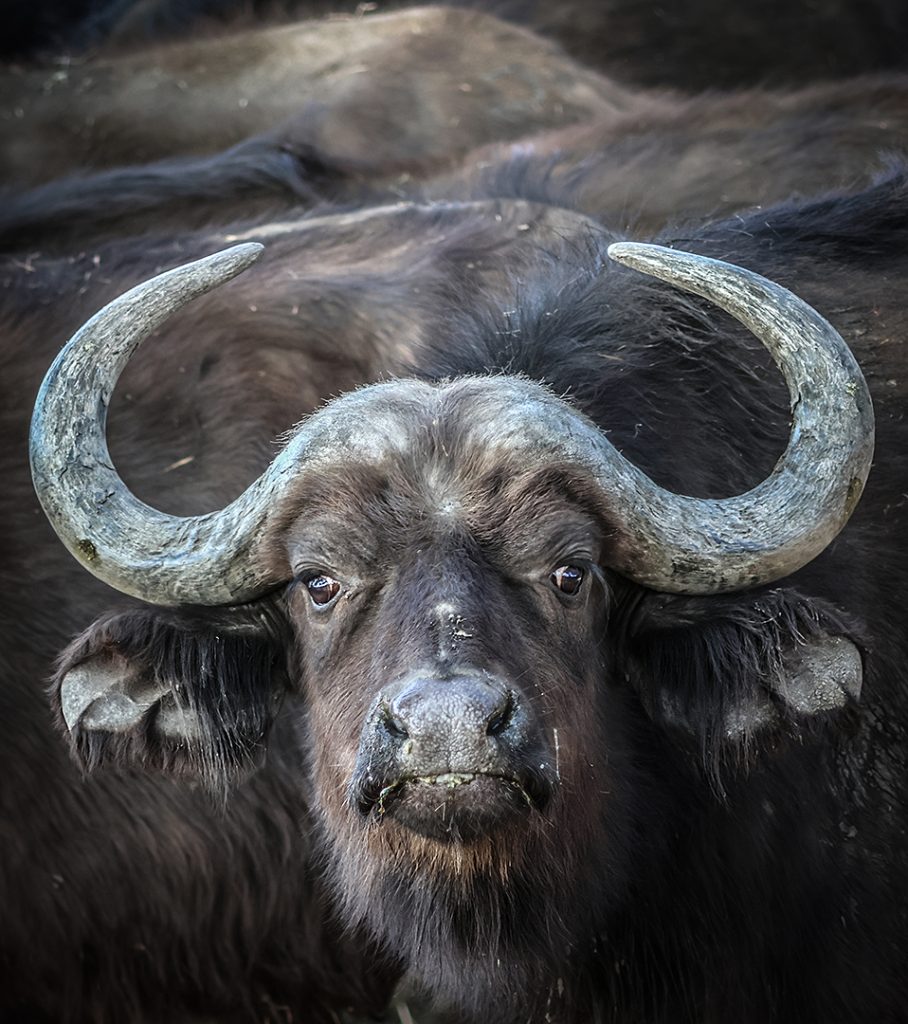
Young Buffalo by DNE Smit
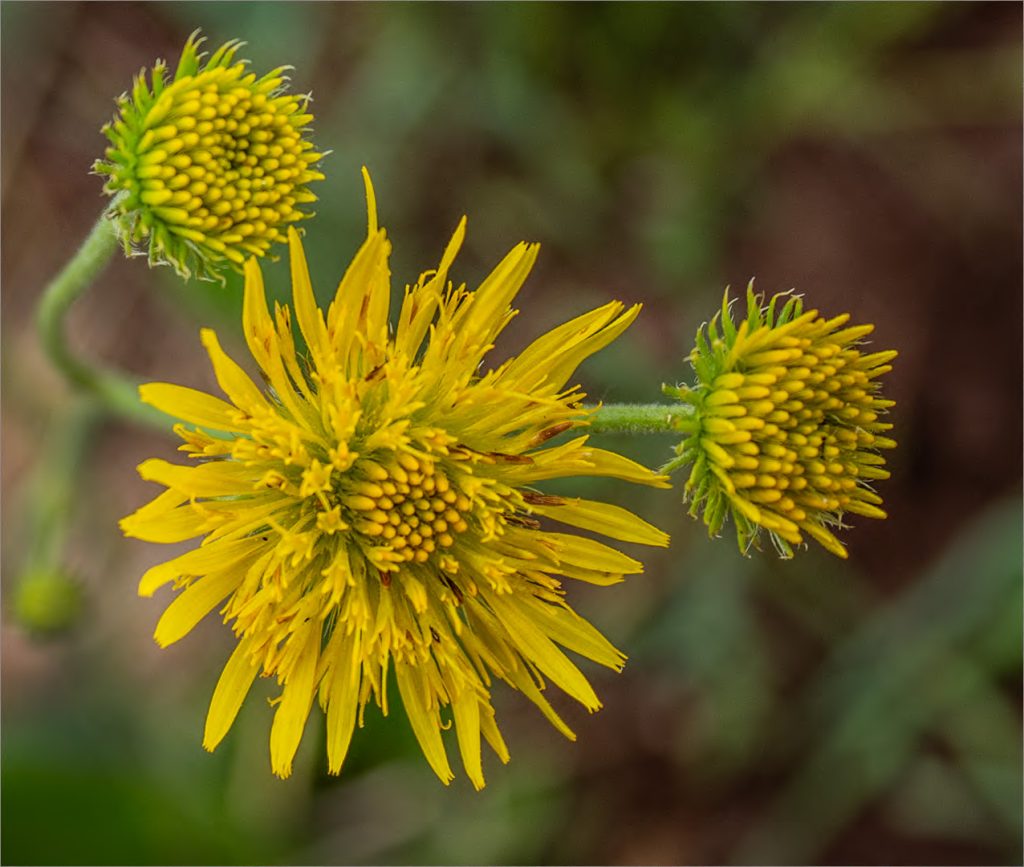
Blooming in a field by Lorraine Botha
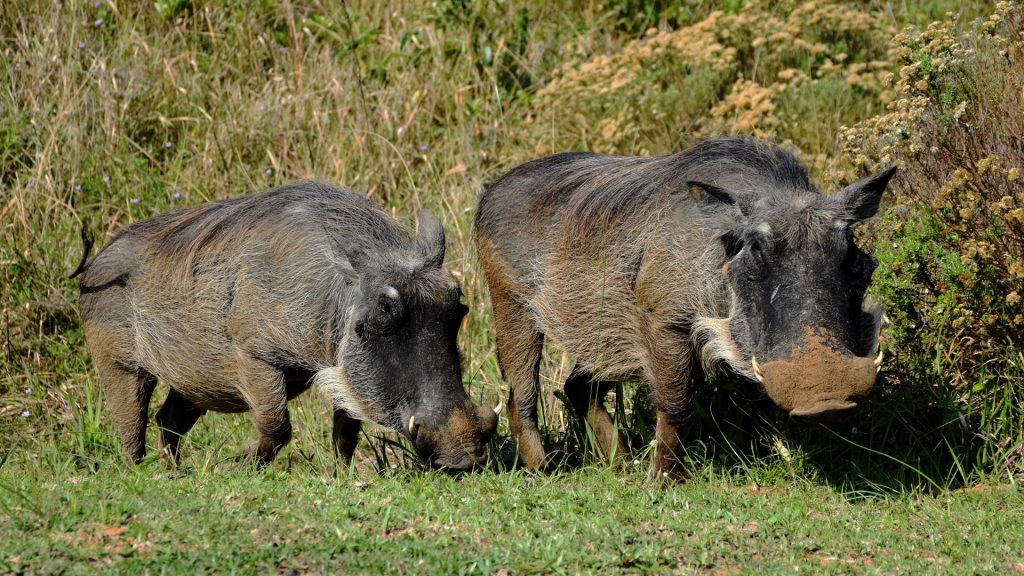
Vlakvarke Isimangaliso Park by Adri Kirsten
Delicate vs Dangerous by Lorraine Botha

Set Subject – Table Top

His Only by Louis van der Walt
Roodeberg by Anzette Snyders
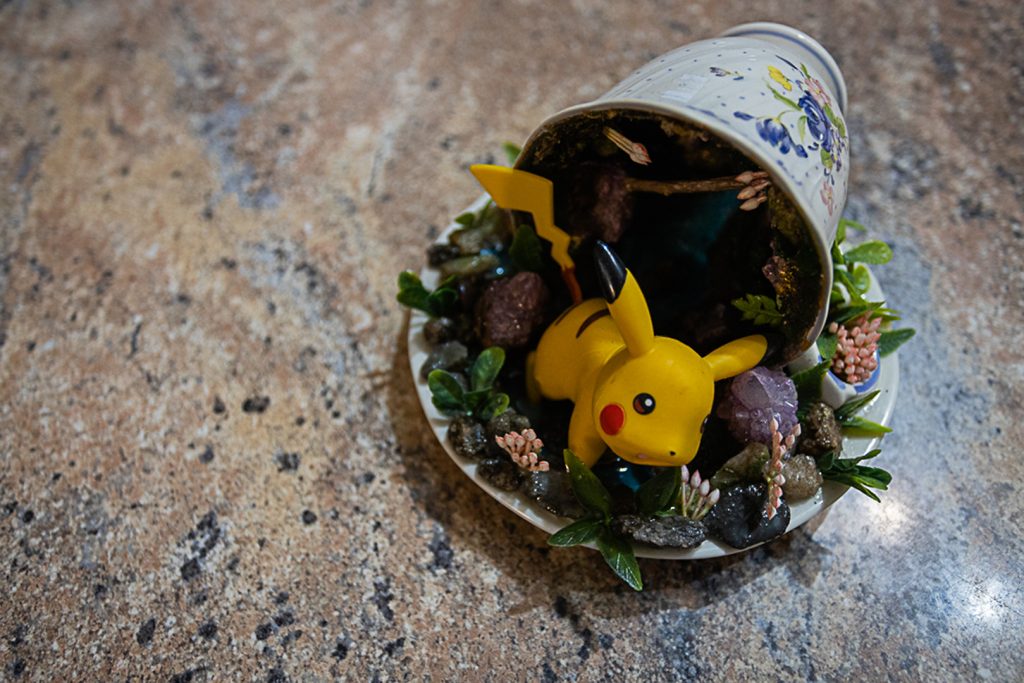
Pikachu by Yolande Pietersen
Coffee for One by Piet Potgieter
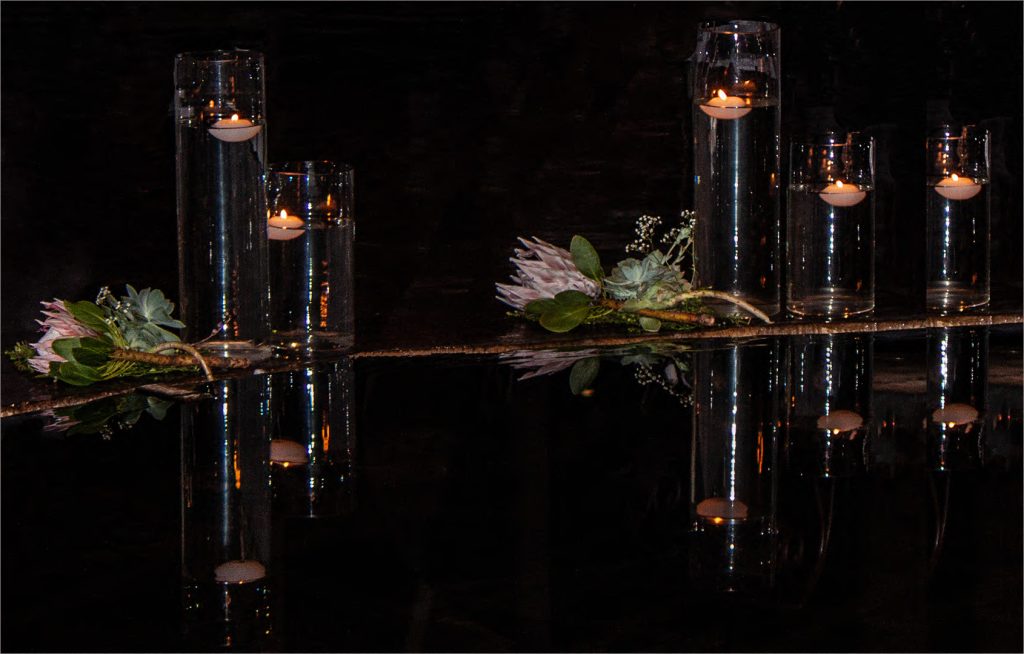
Candle Atmosphere by Lorraine Botha
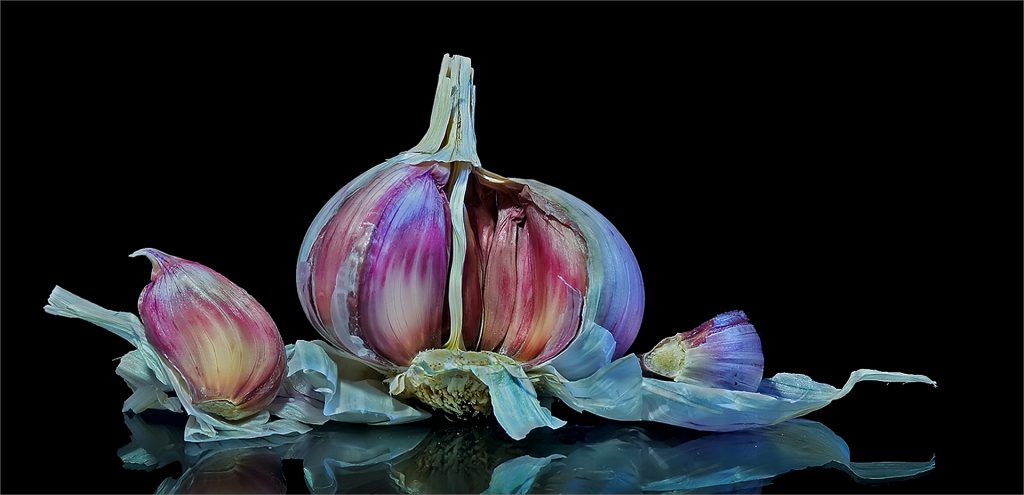
Garlic by Leon Pelser
My Treasure by Sussa Pelser
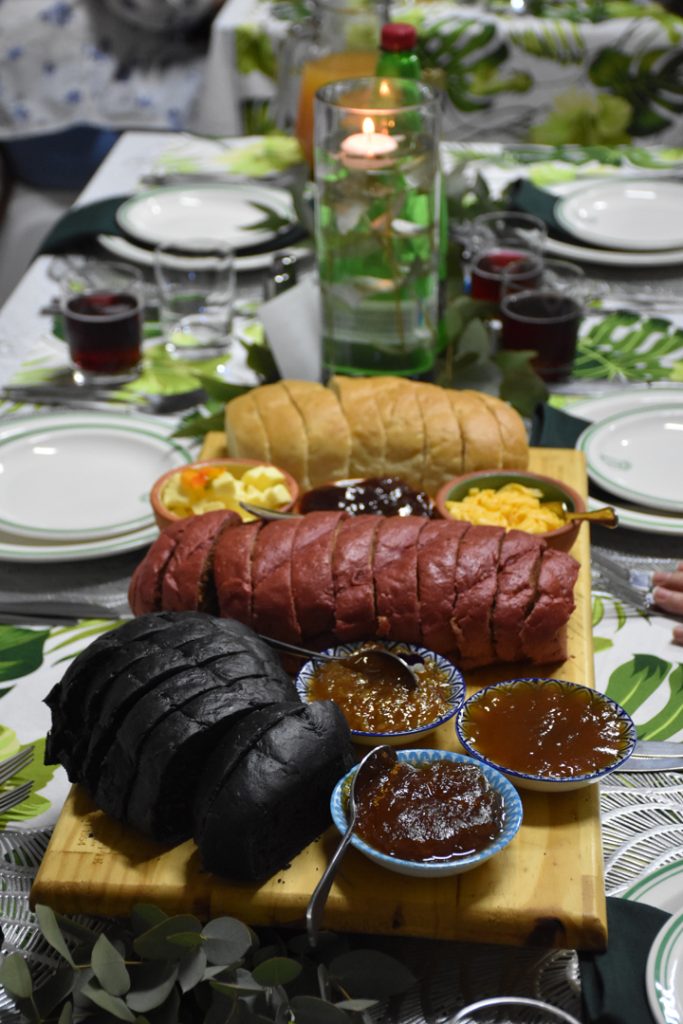
Brood Platter by Adri Kirsten

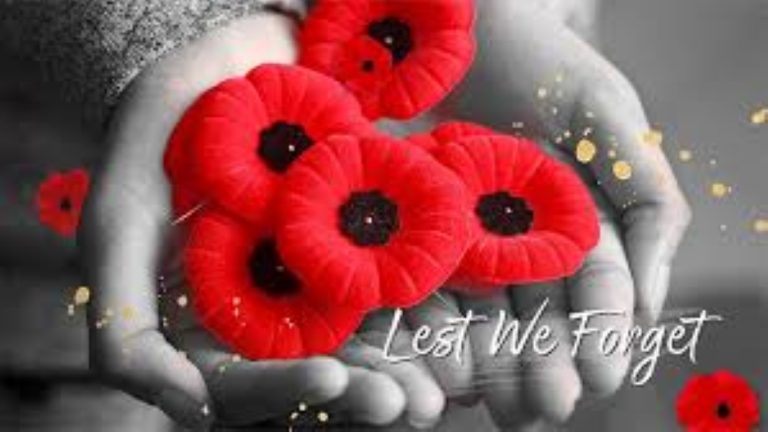
LEST WE FORGET

0

LET US HONOR THE SACRIFICE OF THE ANIMALS WHO SERVED IN WAR!

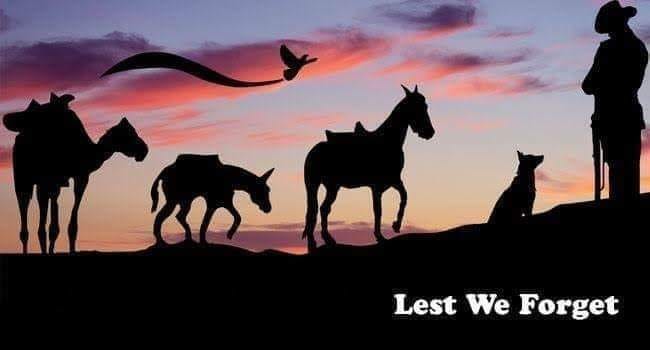
Remembrance Day was celebrated on Monday, November 11. It is a time to honor those who served and sacrificed in times of war, and this commemoration extends not only to the brave soldiers but also to the animals who had no choice but to obey the call. For them, the battlefield held no concept of duty or glory—only survival.

war
Image shared via The Paw Company

AN ARMY OF INNOCENTS

During World War I, countless animals were recruited into the military ranks. They were neither aware of their mission nor its purpose. Horses, donkeys, camels, and mules, integral to moving soldiers and supplies, endured hardships in conditions where humans themselves struggled to survive. They were overburdened and often pushed to their physical limits. Yet, day after day, they tread on through mud, rain, and gunfire, with no choice but to obey the commands given to them. Tragically, many did not make it back.

THE UNSUNG HEROES OF THE TRENCHES

Among the lesser-known contributions were those of pigeons and cats, often unacknowledged but essential to the soldiers’ survival. Cats, for example, played a surprising yet critical role by helping to control the rat population in the trenches. The infestation was severe, with rats not only contaminating food supplies but also spreading disease. For soldiers already fighting a merciless enemy, this was another struggle they could hardly afford. The cats kept the rats at bay, making life in the trenches just a little more bearable.

Pigeons, meanwhile, became lifelines in the most literal sense. Known for their remarkable homing ability, they were sent with messages across enemy lines and hostile territory, often dodging bullets and attacks from trained hawks meant to intercept them. In many cases, a pigeon’s safe arrival meant the difference between life and death for soldiers waiting on crucial intelligence. Their small wings carried immense responsibility, and many pigeons were awarded medals for their bravery and endurance.

FAITHFUL CANINE COMPANIONS

Dogs, too, played an indispensable role, a fact that often resonates deeply with those who have known the loyalty of a pet. Dogs served as messengers, alerting soldiers to incoming threats and even carrying first aid supplies to the injured. Some were trained as scouts, tracking enemy movements and helping locate wounded soldiers who were otherwise lost in the chaos. With their keen senses and unwavering loyalty, dogs braved dangerous terrains, always by their handlers’ side and willing to follow commands without hesitation, even if it meant putting themselves in danger. Dogs’ lives are still used today for security, police and military services, search, and rescue and they often pay with their lives.

A LEGACY WORTH REMEMBERING

The animals who served in wartime were no less heroic than their human counterparts, yet they did so without understanding the purpose of their actions. Unlike soldiers, they couldn’t refuse their assignments, nor could they comprehend the reasons for the turmoil around them. What they displayed was a purity of service—a dedication that came not from choice, but from instinct and loyalty.

As we remember the men and women who served, it is only fitting to also acknowledge the silent contributions of these animals who walked beside them. Many countries have erected memorials in honor of these animals, recognizing the sacrifices they made without ever truly having a say.

Let us honor the bravery and dedication of these animals. Let us remember that while they had no voice in the decisions that led them to the frontlines, their contributions were invaluable, and their sacrifices were real.

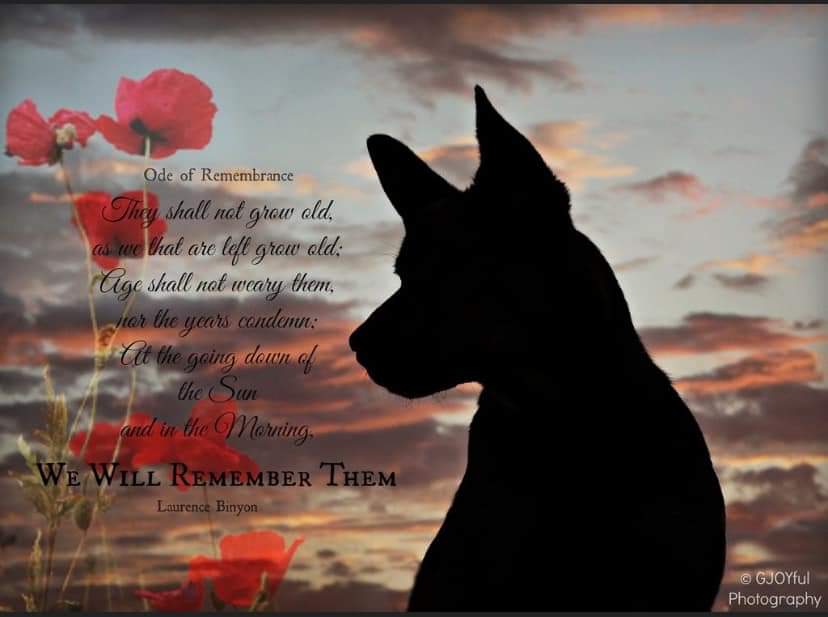
rememberance day
Image by GJOYful Photography

Also, read more about protecting your animals in hot weather.

EXPLORING ETHICAL DILEMMAS IN THE USE OF ANIMALS BEYOND COMPANIONSHIP

In this article, I not only want to honor those who served without a choice but also raise awareness of the many industries that use animals. While using animals in war may seem noble, as they serve alongside humans in dangerous situations, it raises ethical questions because animals cannot consent to such roles. They are subjected to fear, hardship, and the risk of losing their lives to save others, without any understanding or choice in the matter. Although their bravery is undeniable, it remains a profound ethical issue to place animals in positions where they may suffer or sacrifice their lives for human causes. True respect for animals might mean finding ways to protect life without requiring their unchosen service in human conflicts.

Although fewer animals are used in war today, many industries still use animals in ways that deny them autonomy or freedom. While some might justify using animals in war as a noble purpose compared to their use in the entertainment or beauty industry, we must recognize that animals in these industries always suffer without choice or benefit. The treatment of animals in these industries is frequently concerning, revealing a need for more ethical practices.

Here are just a few examples:

Factory Farming: Animals raised for food often endure overcrowded and unsanitary conditions, routine antibiotics, and sometimes inhumane slaughter methods, all of which compromise their well-being.

Fur Farming: Animals such as minks and foxes are confined to small cages for their pelts, and killing methods can be cruel, raising questions about the ethics of using animals for fashion.

Animal Testing: Though animal research may contribute to medical advances (highly debatable), concerns persist about their living conditions and painful procedures, especially given alternatives like in vitro testing. Read more on this topic here.

Entertainment Industry: Animals in circuses, zoos, and aquariums, face limited space and inadequate conditions, raising questions about their quality of life and the ethics of captivity for human amusement. Don’t be captured by captivity.

Tourism Industry: Practices like elephant rides or tiger petting subject animals to harsh training and unnatural living conditions, raising ethical concerns.

Captive Dolphin Facilities: Dolphins in shows or swim programs suffer from confinement that does not meet their physical or social needs, impacting their well-being.

Cruelty in Entertainment: Activities like dogfighting and cockfighting are explicitly cruel and illegal in many places, yet persist, causing extreme suffering.

Pet Breeding: Breeders always prioritize profit over animal needs. Bad breeding practices lead to a decline in health, genetic issues, behavioural issues, and add to shelter overpopulation.

Exotic Animal Trade: Illegal poaching and trafficking compromise the welfare of exotic animals taken from their natural habitats and kept in poor captive conditions. Exotic/wild animals do not belong in your home.

Fashion and Leather and Feather: Leather production involves ethical concerns regarding animal confinement and slaughter, as well as environmental impacts. Products that contain feathers also raise ethical questions. Read more on wearing it kind.

Horse and Dog Racing: Horses and dogs face issues like drug use, injury-related pressures, and grueling competition, with practices that prioritize profit over animal welfare.

To mention only a few………………..

Animals are born to live freely, not to serve human purposes. They are more than tools for our entertainment, convenience, fashion, or security. Riding animals, and using them in sports, circuses, aquariums, petting farms, animal testing, and even clothing production will cause suffering and deprive them of the natural lives they deserve. It’s time we rethink the role of animals in our lives and commit to ethical choices that honor their right to live freely and thrive. Let’s recognize animals as beings deserving of respect and compassion, not just resources to be used.

Efforts to address these issues are increasing, with organizations and activists pushing for better treatment and legislative changes. As awareness grows, consumer demand for ethical practices is driving positive changes and humane alternatives.

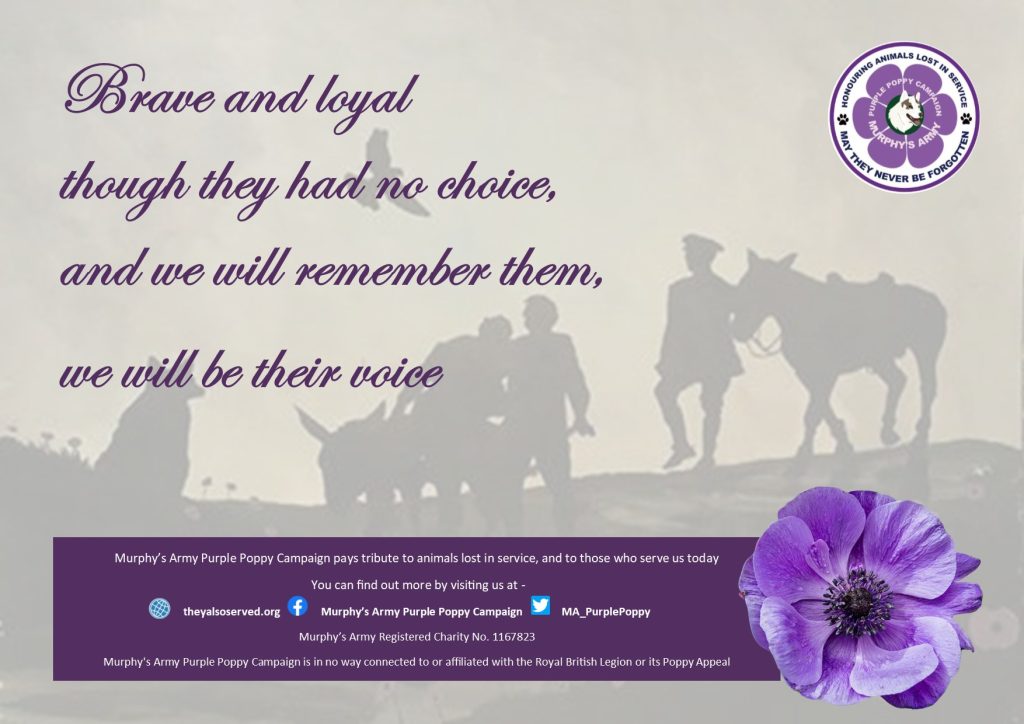
lest we forget
Image by Murphy’s Army Purple Poppy Campaign

I SPOKE TO YOU IN WHISPERS

By Neil Andrew

I spoke to you in whispers

As shells made the ground beneath us quake

We both trembled in that crater

A toxic muddy bloody lake

I spoke to you and pulled your ears

To try and quell your fearful eye

As bullets whizzed through the raindrops

And we watched the men around us die

I spoke to you in stable tones

A quiet tranquil voice

At least I volunteered to fight

You didn’t get to make the choice

I spoke to you of old times

Perhaps you went before the plough

And pulled the haycart from the meadow

Far from where we’re dying now

I spoke to you of grooming

Of when the ploughman made you shine

Not the shrapnel wounds and bleeding flanks

Mane filled with mud and wire and grime

I spoke to you of courage

As gas filled the Flanders air

Watched you struggle in the mud

Harness acting like a snare

I spoke to you of peaceful fields

Grazing beneath a setting sun

Time to rest your torn and tired body

Your working day is done

I spoke to you of promises

If from this maelstrom I survive

By pen and prose and poetry

I’ll keep your sacrifice alive

I spoke to you of legacy

For when this hellish time is through

All those who hauled or charged or carried

Will be regarded heroes too

I spoke to you in dulcet tones

Your eye told me you understood

As I squeezed my trigger to bring you peace

The  only way I could

And I spoke to you in whispers……

A Moment of Reflection

LEST WE FORGET– Let us remember their courage, their loyalty, and the countless lives they helped save. These animals may not have known why they were there, but they served faithfully. Today, we can repay that service by making sure their sacrifices are not forgotten and that we make ethical choices when it comes to our interaction with animals.

Join us again next week as we explore more on the topic of animals and how we can improve their lives.

WHEN YOU KNOW BETTER, DO BETTER!

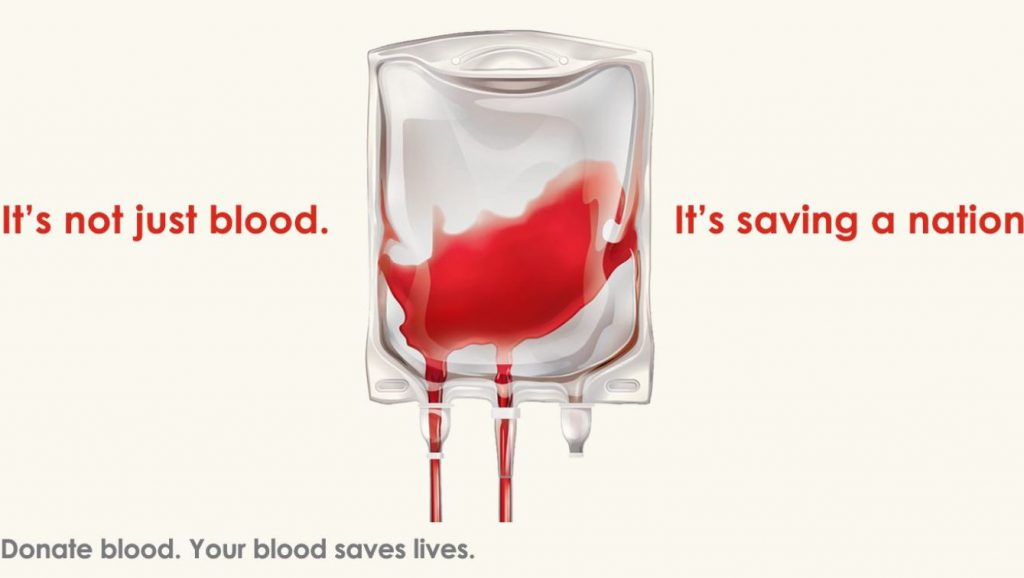
From First Donation to Lifelong Habit

0

From First Donation to Lifelong Habit: SANBS Aims to Grow South Africa’s Blood Donor Community This Summer

As South Africans gear up for the festive season filled with excitement, fun, and family gatherings, the South African National Blood Service (SANBS) is launching its annual summer campaign. Recognising the increased demand for blood products during this bustling time, SANBS is unwavering in its commitment to a safe and sufficient blood supply across the nation’s healthcare system.

The SANBS Summer campaign kicking off today, has a mission to exceed South Africa’s current blood donor base of 1%. By cultivating awareness, boosting blood collections, retaining regular donors, and engaging the youth, SANBS aims to safeguard the blood reserves crucial for emergencies and routine procedures.

keep blood stocks up

The campaign will focus on raising awareness about the importance of regular blood donations, encouraging first-time donors to make donating a lifelong practice and educating the public on the reciprocal benefits of giving blood.

First-time donors are the lifeblood of the SANBS summer campaign, representing a vital component in expanding South Africa’s blood donor pool beyond the existing 1%, and although they are not the only focus, they are crucial to the campaign’s success, as attracting new donors lays the foundation for a sustainable and reliable blood supply.

“We want to tap into the enthusiasm and potential of first-time donors, whilst cultivating a culture where donating becomes a lifelong habit. This focus on new donors is not just about a one-time contribution; it’s about ingraining the value of regular donation as a routine part of life,” said Thandi Mosupye, Senior Manager of Marketing, Communication, and Brand at SANBS.

Through targeted outreach and educational efforts, the campaign seeks to ease any apprehensions and emphasise the profound impact each donation has, encouraging individuals to continue supporting their communities for years to come.
Emphasising community engagement, SANBS aims to inspire young South Africans aged 16-24, by drawing attention to the rewarding societal contribution that blood donation provides. These efforts will go far beyond the summer campaign by continuing into the year at schools and tertiary institutions nationwide.

“Furthermore, the campaign encourages the youth to find purpose in making a difference,” added Mosupye, “We invite young South Africans to become heroes by donating blood. Through this act, we foster a culture of giving that transforms lives and strengthens our healthcare system.”

The campaign strongly focuses on youth; however, it invites all South Africans to be regular blood donors and leverages media outlets to amplify its reach.

Visit www.sanbs.org.za or contact 0800 119 031 to find out where you can donate blood. Follow SANBS on X (@theSANBS), Facebook (@SANBS) Instagram (@thesanbs) and TikTok (@thesanbs).

Through the collective force of the summer campaign, SANBS aims to significantly bolster blood donations and nurture ongoing community involvement, ensuring that South Africa’s healthcare system remains resilient and prepared to meet any challenge.

ABOUT SANBS

The South African National Blood Service (SANBS) is an independent non-profit organisation and a leader in blood transfusion. SANBS operates in eight out of nine provinces in South Africa (except
for the Western Cape, which the Western Cape Blood Service services) and provides crucial support to countries in the SADC region.

The organisation prides itself in being the lifeblood of South Africa’s healthcare system providing over one million world-class blood products. This pedigree comes from world-class testing and collection protocols, which ensure that the transfused blood is always of the highest quality. The organisation’s operations are supported by a wide network of donor centers consisting of more than 70 fixed donor centers and more than 100 mobile collection sites per day.

SANBS aims to collect 3500 units of blood daily to ensure a safe and sufficient supply for South Africa’s healthcare system. Given that a unit of blood only lasts 42 days, regular donations are critical. We encourage donors to make a commitment to give blood as frequently as every 56 weeks, ensuring a continuous supply for those in need.

So is die Lewe: Die lewe is ‘n rit. Geniet die reis!

0

Jy lees dikwels op sosiale media mymeringe, nadenke, ook spotterny en gekhede oor die lewe.  Dis nogal ‘n fenomeen eie aan ons menslikheid.  Ons wonder dikwels, onder goeie of slegte omstandighede, oor wat dit beteken om te lewe, juis dit waarmee ek en jy elke dag en nag voltyds besig is.

Baie liedere, gedigte handel daaroor, en ook filosowe en sielkundiges het al beroemd geword vir hulle slagspreuke oor die lewe.  So sing die Moody Blues:  Isn’t life strange? / A turn of the page / Can’t read like before / Can we ask for more? / Each day passes by / how hard man will try?/ The sea will not wait / you know it makes me want to cry, cry, cry… / Wish I could be in your heart / to be one with your love / wish I could be in your eyes. / Looking back, there you were and here we are.

Die gedagtes oor die goeie wat jy het, en ook die versugting oor die slegte wat jy dalk beleef, of ervaar het, bepaal dikwels jou kwaliteit van leef. 

So het baie mense oor die geskiedenis heen al gedink en geredeneer oor die lewe: 

  • Dostoevsky: It’s hell.
  • Moses: Here, as U my liefhet, maak my eerder dood.
  • Socrates: Dis ‘n beproewing.
  • Aristoteles: Dis jou denke.
  • Nietzsche: Dis mag.
  • Freud: Dis die dood.
  • Marx: Dis die idee.
  • Picasso: Dis kuns.
  • Gandhi: Dis liefde.
  • Schopenhauer: Dis lyding.
  • Bertrand Russell: Dis wedywering.
  • Einstein: Dis kennis.
  • Kafka: It’s just the beginning.

Maar uiteindelik is jou lewenservaring bloot hoe jy daarna kyk. Dit bepaal, soos almal wat aangehaal is hierbo, se visies en beskrywings.  As jy aanmekaar vir jouself vertel hoe sieklik jy is, dan word jy naderhand sieklik.   As ’n ouer of ander volwassene aanmekaar vir ‘n kind vertel hoe dom hy of sy is, dan glo daardie kind dit naderhand, en verloor sy unieke menswees. As jy voortdurend hoor dat alles wat skeefloop in jou huwelik of gesin of by jou werk eintlik jou skuld is, dan word die lewe naderhand een proses van mismoedigheid, mislukking, miderwaardigheid en oneindige skuldgevoelens vir jou.

Die lewe se grootsheid word nie bepaal deur jou eie persepsies daarvan nie, maar deur hoe jy daarop reageer. Jy is heeltemal toegerus om kragdadig te leef. Jy kan die heeltyd fokus op die omstandighede waarop jy jou werk verloor het, byvoorbeeld, maar dan sien jy nie al die ander deure wat vir jou kan oopgaan raak nie. Daar is soveel deure wat ek en jy nie raaksien nie, wat ons ervaring van lewe heeltemal kan omdraai en verander na positief en uitbundig.

Om die waarheid te sê, ons kan self die instrument word om ‘n slegte lewe te laat verander.  Deur eenvoudige dinge te doen en te sê. Soos: “ek besef jy het ‘n lang en spanningsvolle dag gehad, kom sit hier dan maak ek vir jou ‘n koppie koffie, of gooi vir ons ‘n glasie wyn.  Dan vertel jy my alles daarvan.”  En leer om te luister, nie te verwyt of te reflekteer of te sê, dis nog niks, jy moet hoor wat het met my gebeur nie. 

Ek lees ‘n sinvolle aanhaling: “You like taking care of people because it heals the part of you that need someone to take care of you.”  Word wat jy wil hê iemand moet vir jou wees.  Iemand wat sê: “Dankie vir alles wat jy vir ons doen.” Of wat sê: “ek is lief vir jou.” Dit laat my dink aan die huweliksberader wat na ‘n lang gesprek met ‘n egpaar besef het die vrou voel geweldig afgeskeep en ongeliefd. Hy het toe opgestaan, vir die vrou ‘n drukkie gegee het, en vir die man gesê: “Dis al wat nodig is vir haar! Hoe dikwels kan jy dit doen?”  Toe antwoord die man: “Ek kan haar Maandae en Vrydae bring, maar Dinsdae tot Donderdae speel ek gholf.”

Johannes Kerkorrel sing in sy lied Ballade vir ‘n mynwerker: “O, jy eindig op met ‘n vuur in die hart, die onrustigheid diep binnekant. Jy leef en jy leer om alles te gee vir die kans om net een keer te leef.

Lèwe jou lewe, mater. Jy kan dit voluit doen. Al is dit strompelend en hygend. Soos ‘n gerespekteerde Griekwavrou in die karoo vir my gesê het:  “Mens leef maar die lewe soos hy kom.”

Remembrance Day Commemorated

0

On the 11th hour on the 11th day of the 11th month, a minute’s silence is observed and dedicated to those soldiers who died fighting to protect the nation.

At 11am on 11 November 1918, the guns on the Western Front fell silent after more than four years of continuous warfare. The Germans called for an armistice (suspension of fighting) in order to secure a peace settlement. They accepted the allied terms of unconditional surrender.

The conflict had mobilised over 70 million people, left between 9 and 13 million dead, and as many as one third of these with no grave.

Armistice Day became universally associated with the remembrance of those who had died in the war

The day was originally called Armistice Day but was later changed to Remembrance Day to commemorate those who were killed in both World Wars. 

As South Africans unite as one nation, we should use 11 November to remember the 12 452 South African casualties suffered in the First World War, the 38 208 casualties suffered in the Second World War, and the 34 pilots killed in the Korean War.  Many war graves to South Africans lie far from home, in Namibia, in France and Belgium, in Tanzania, Ethiopia, the Middle East, Italy, Korea and elsewhere. Closer to home, we should remember the many South Africans who died in the conflicts on our borders and in the Liberation Struggle of the 1960s, 1970s and 1980s. As yet, there are no reliable figures for these casualties, but what is important is that they all contributed to building our country as we know it today.

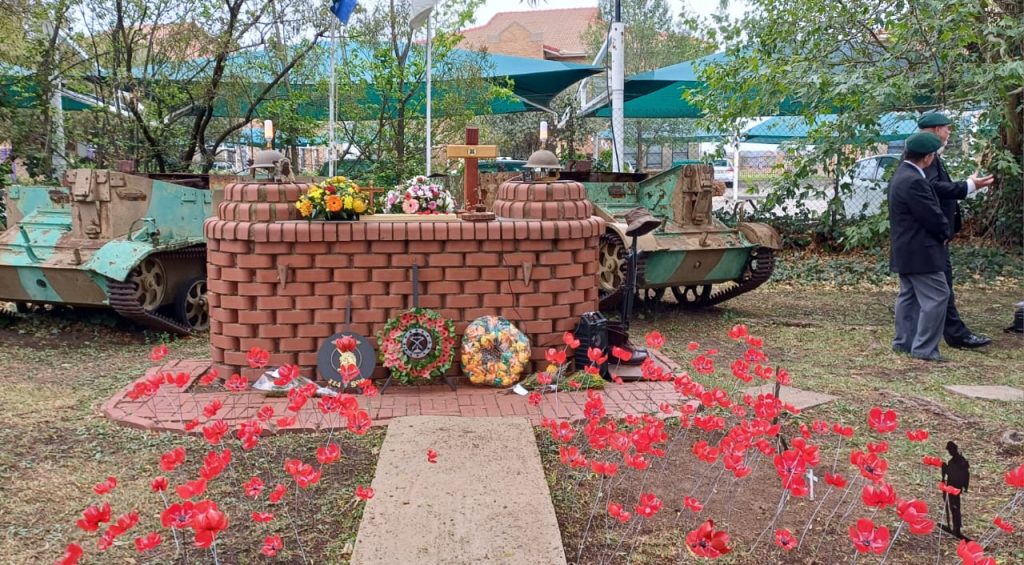
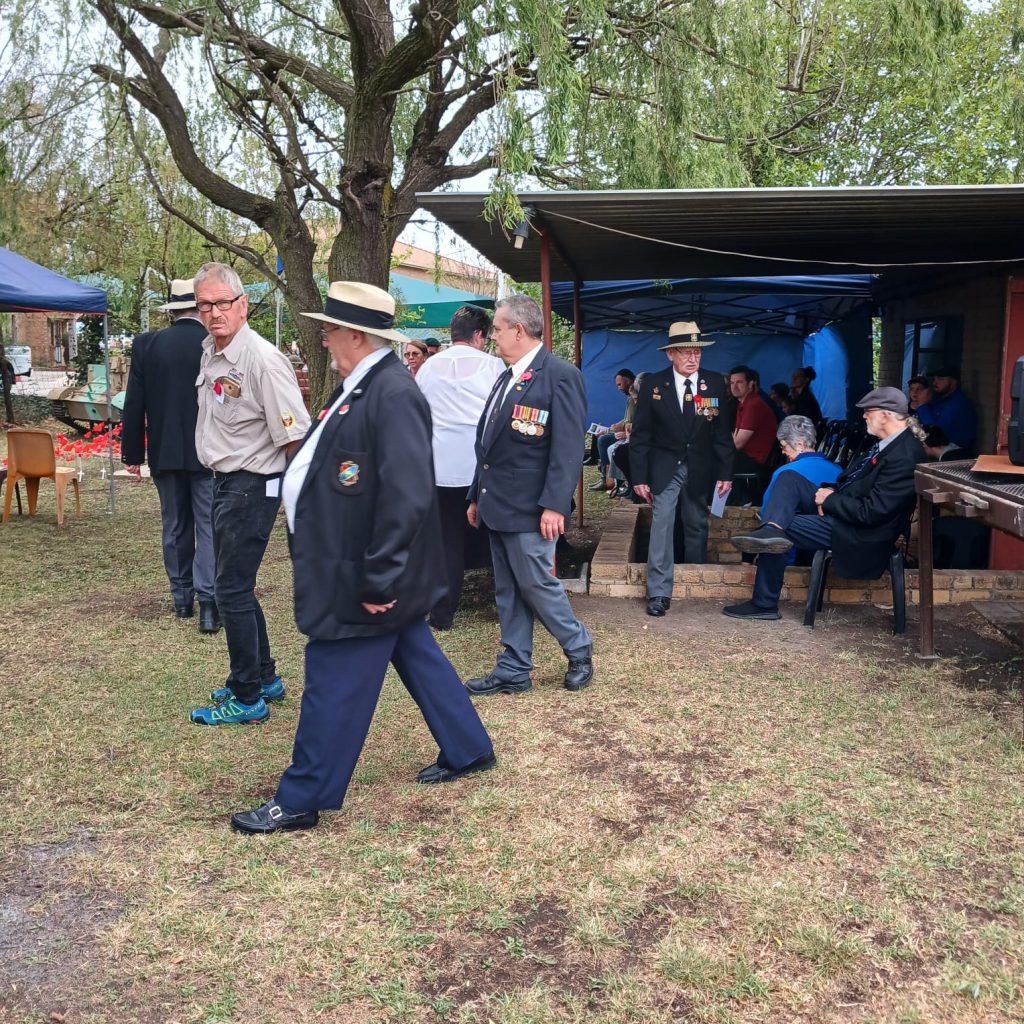
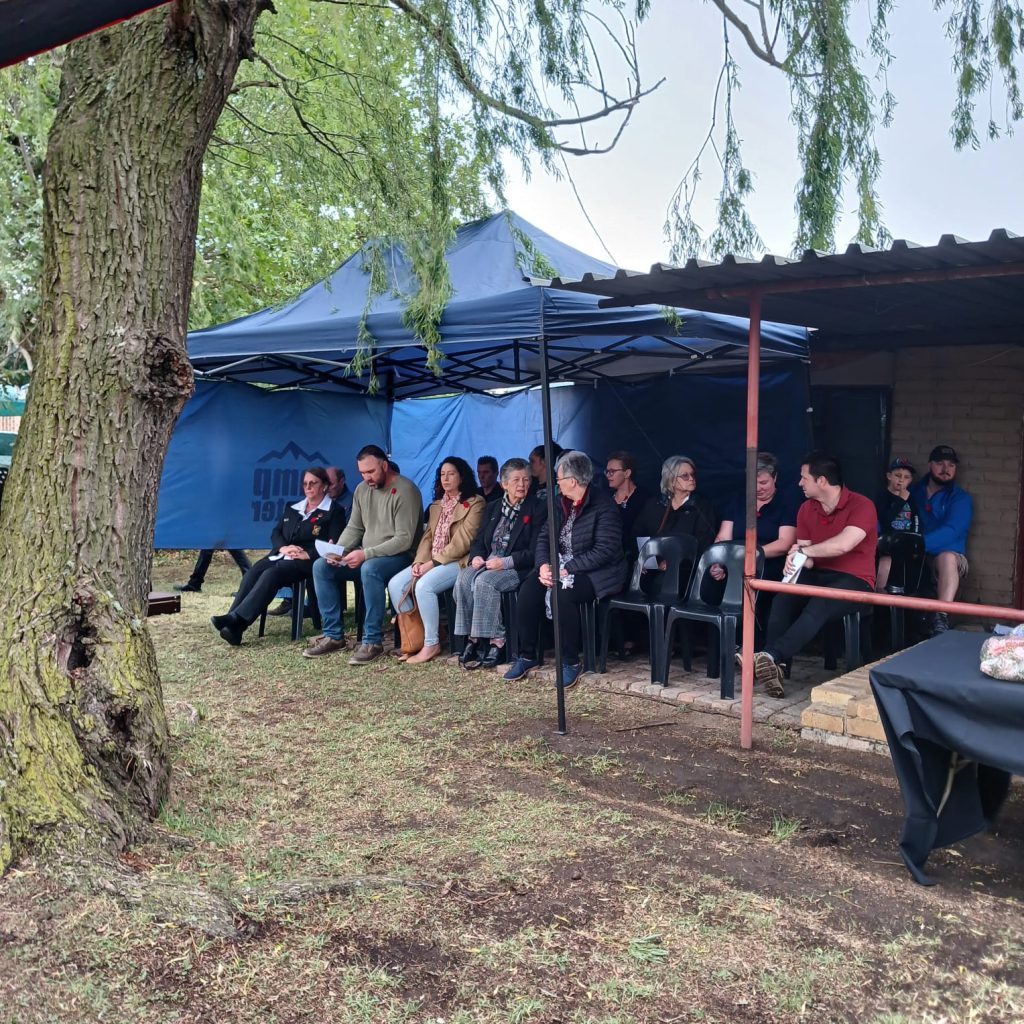
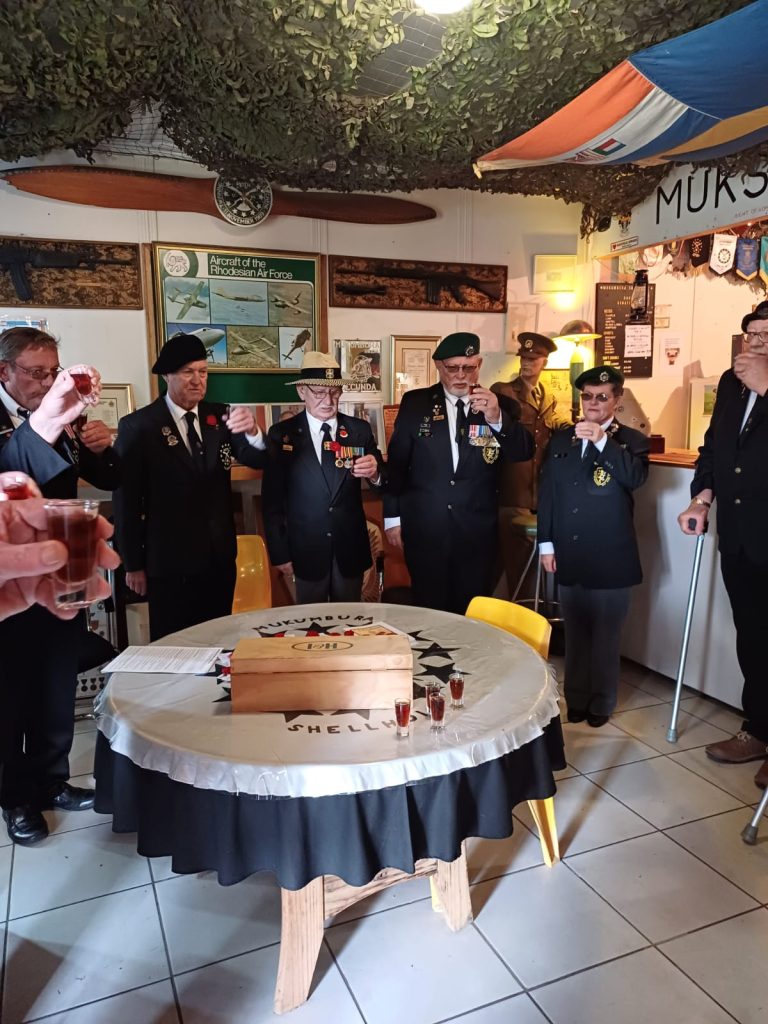
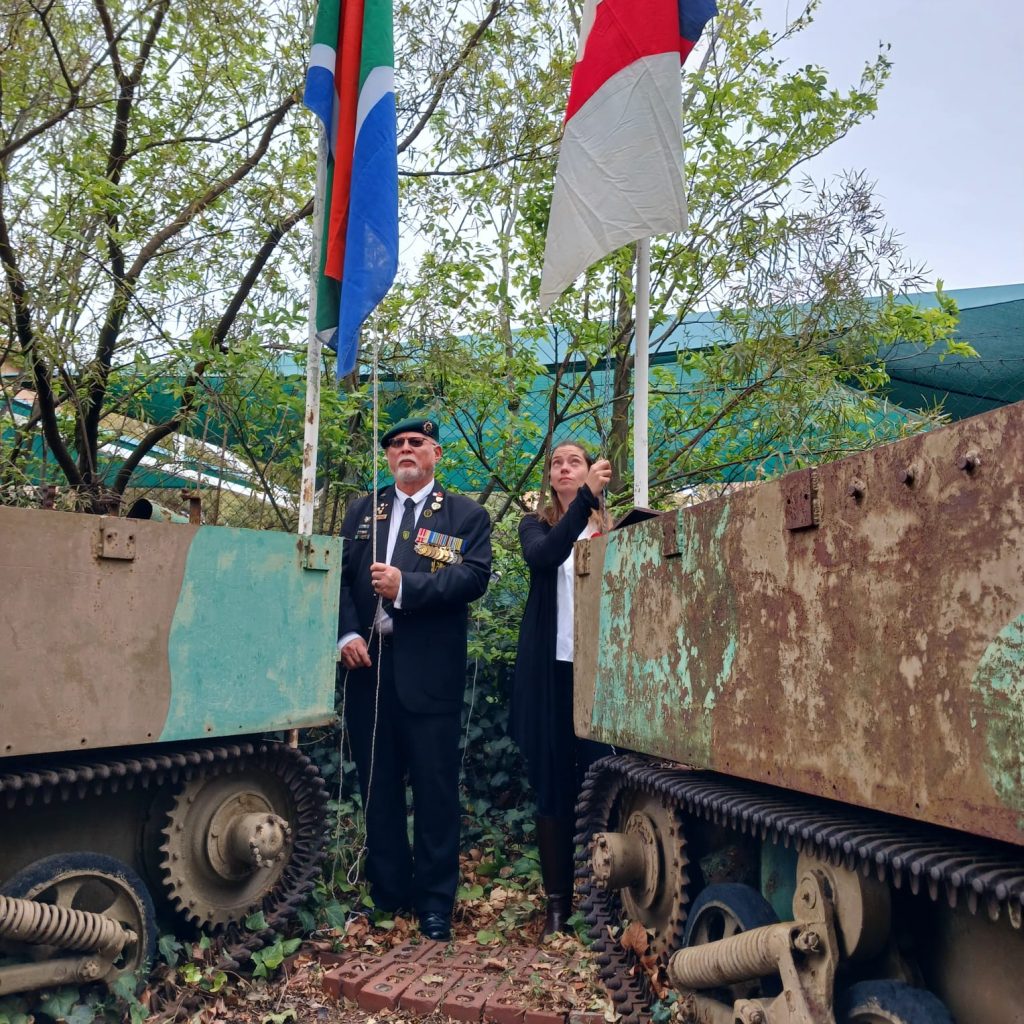
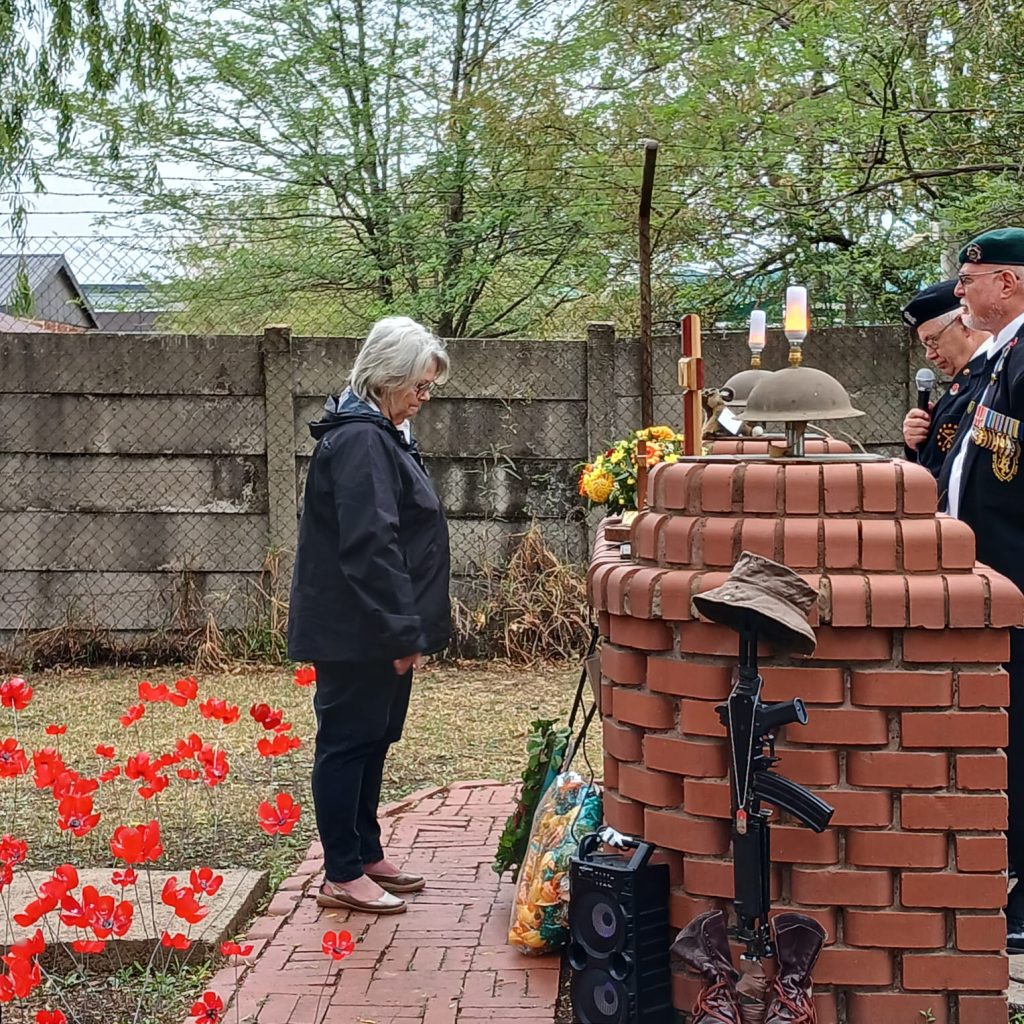
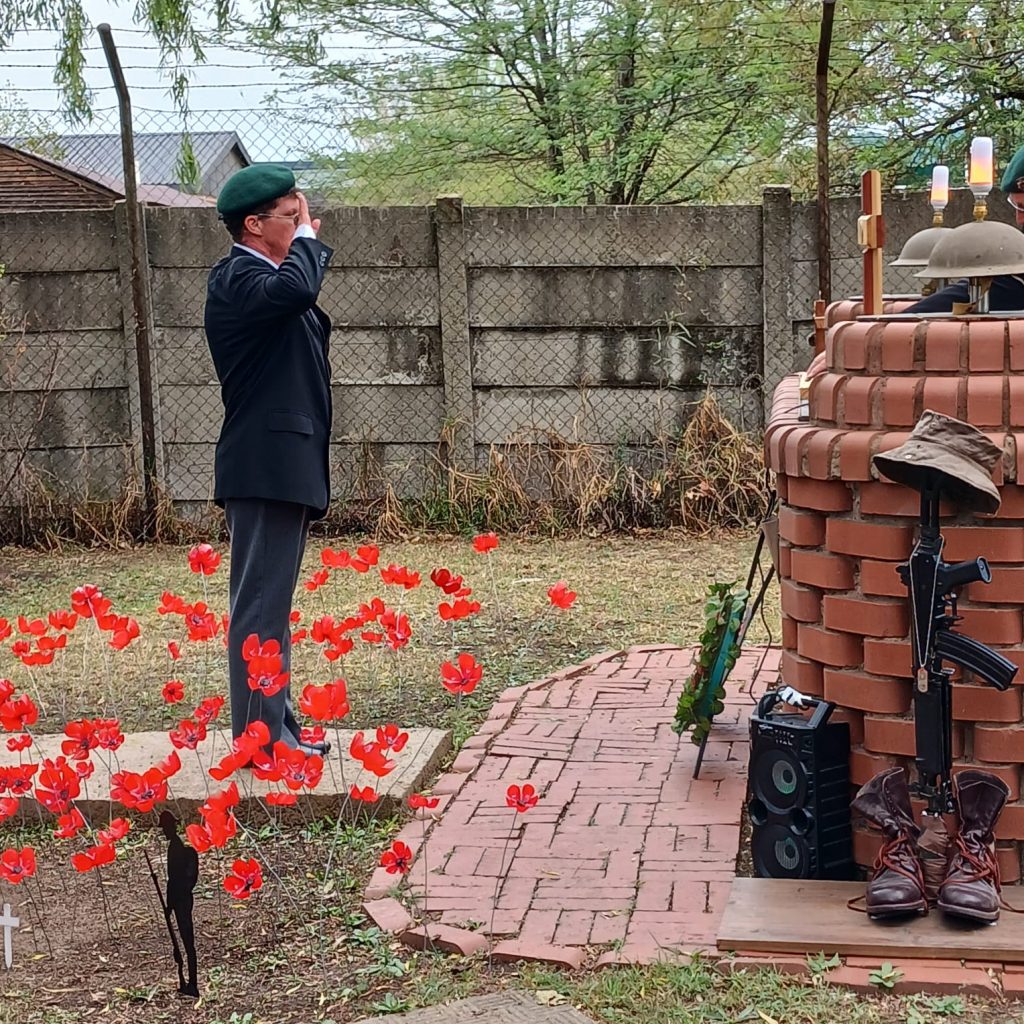
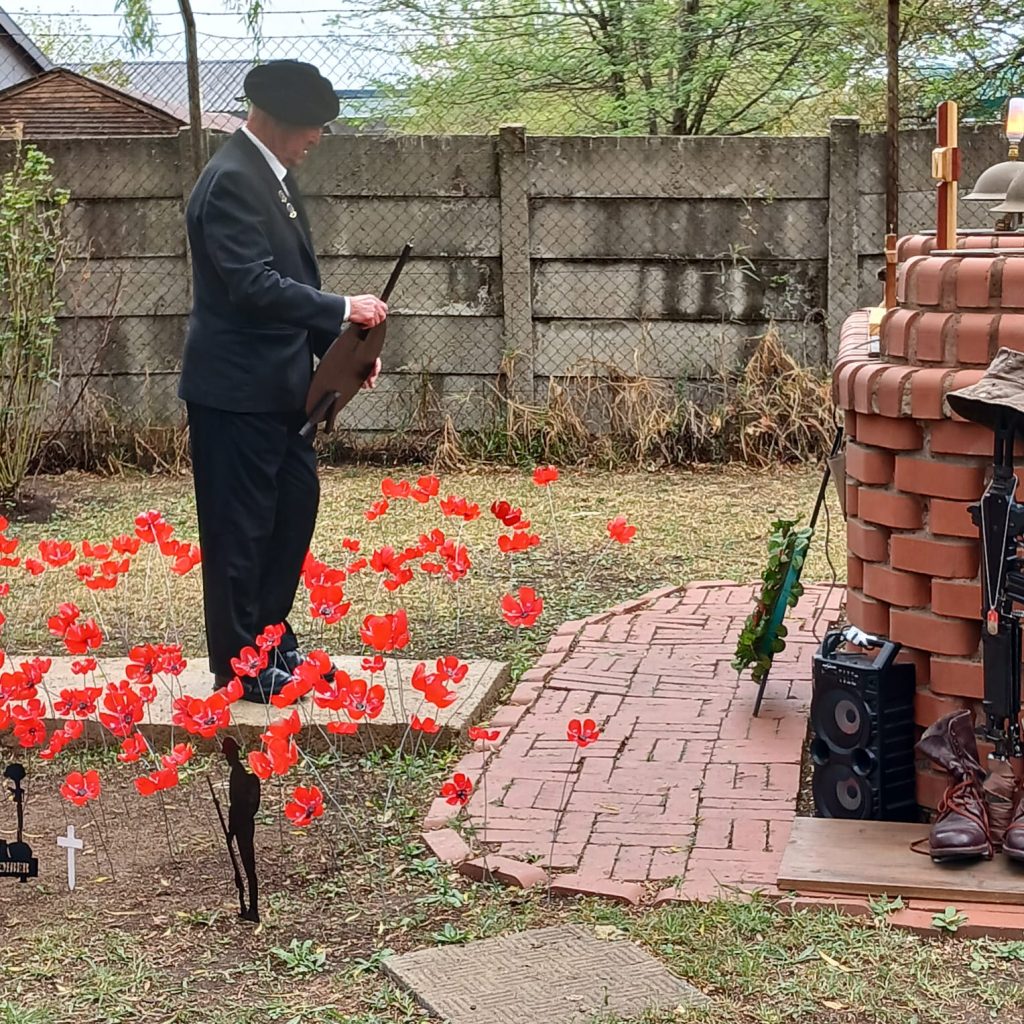
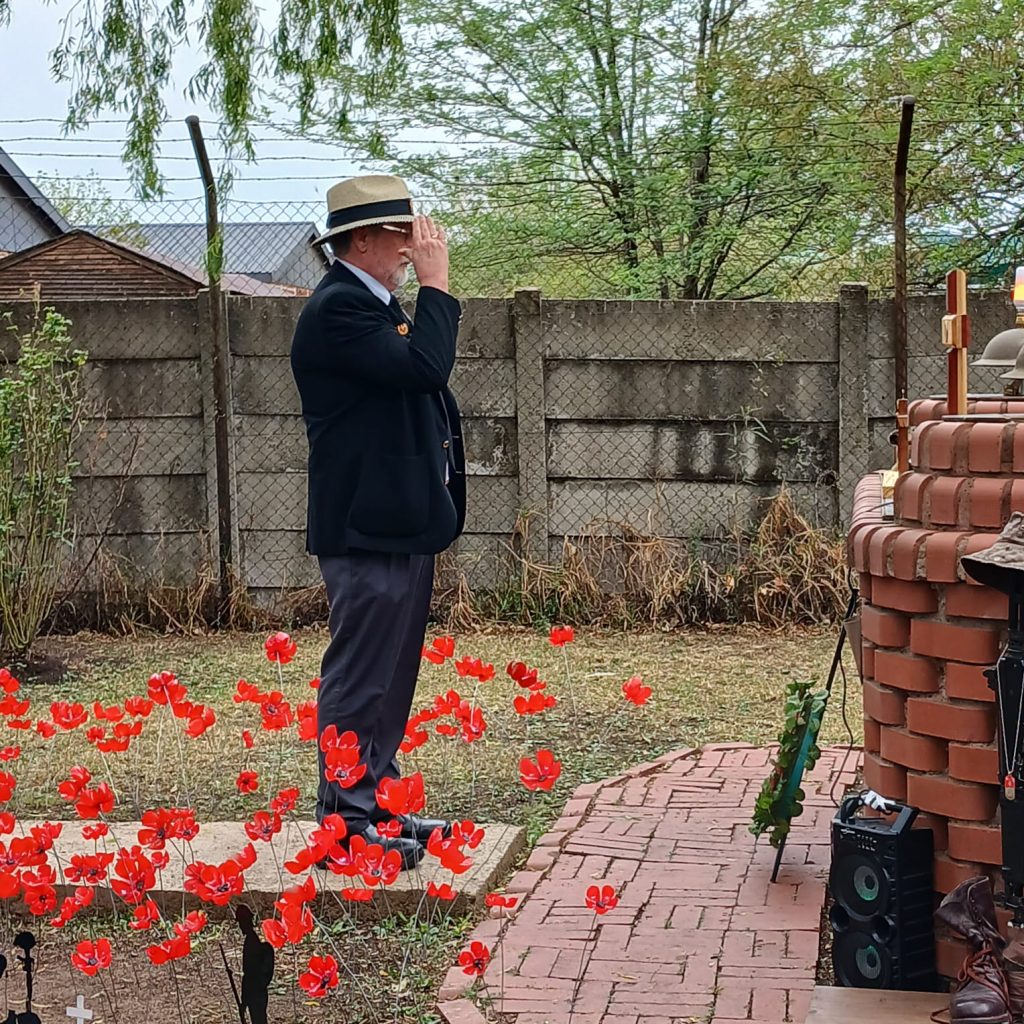
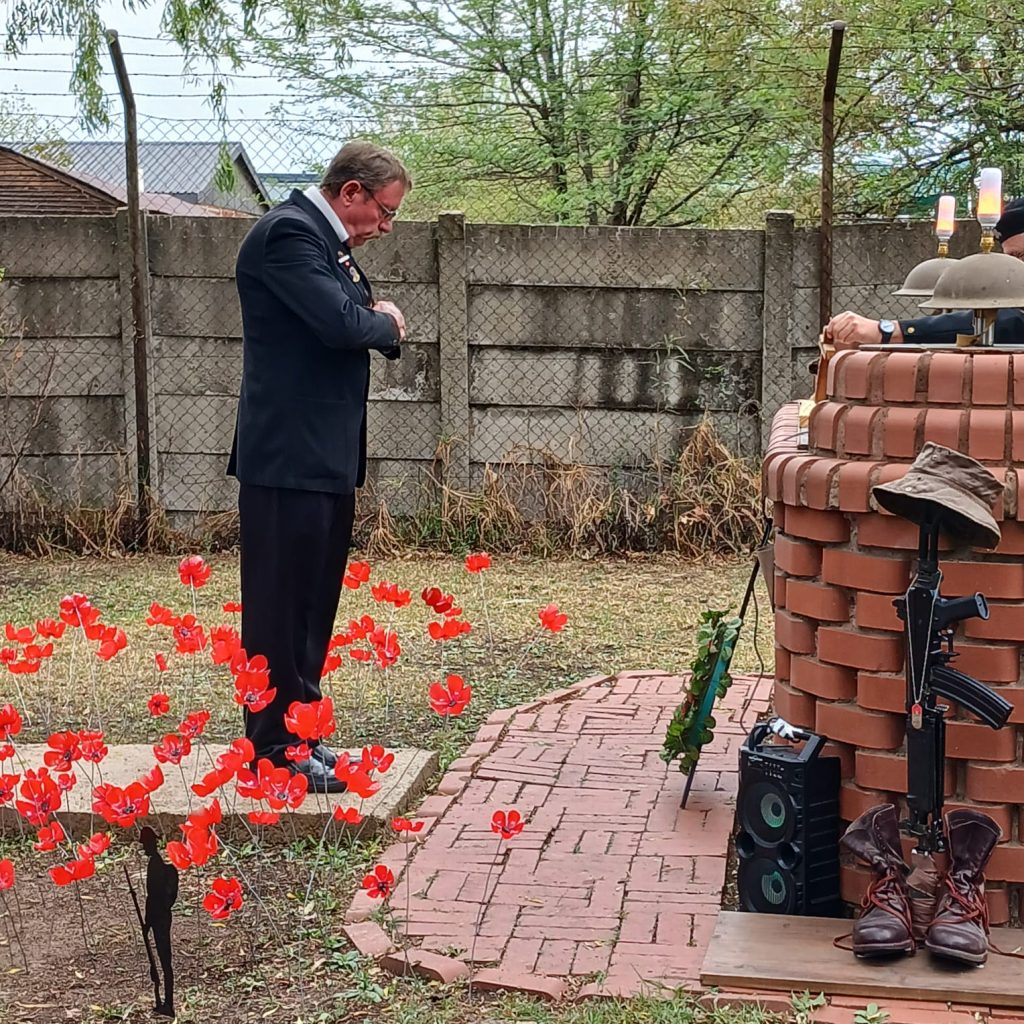
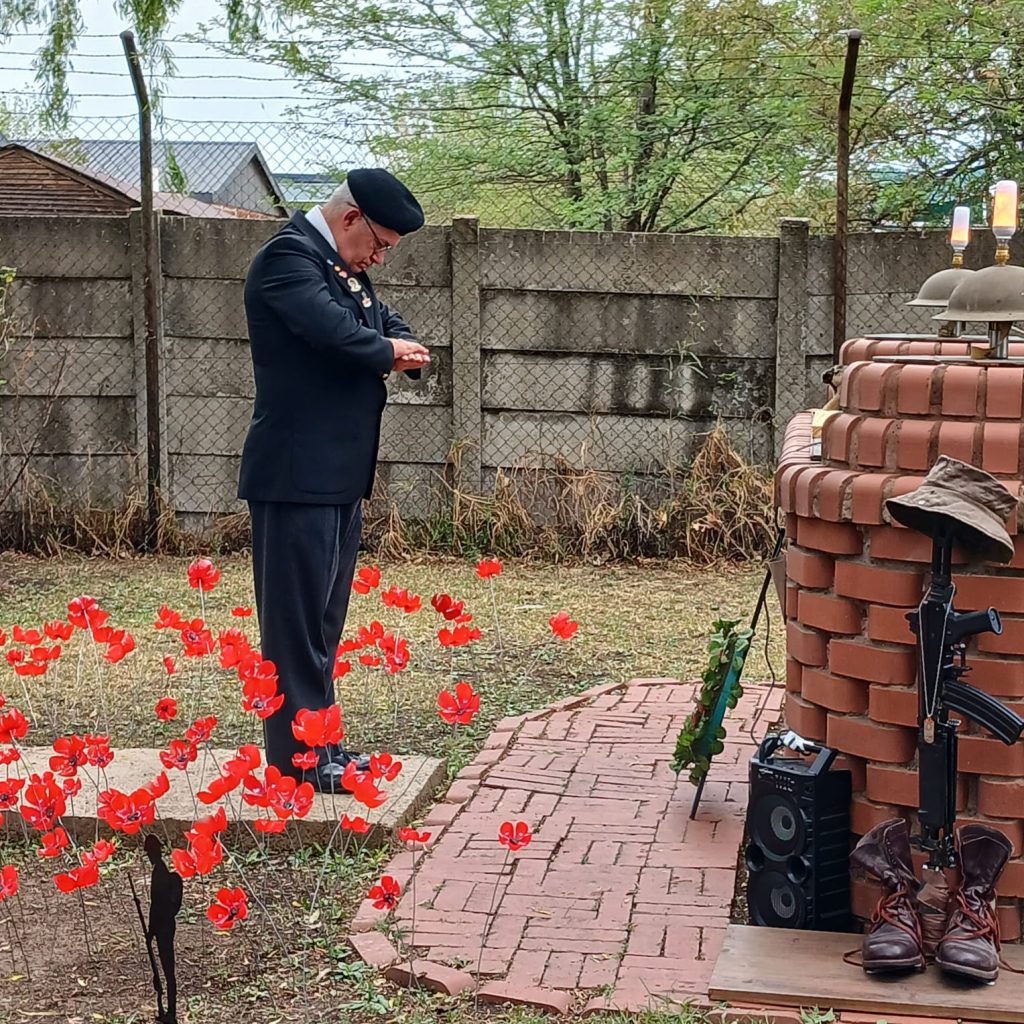
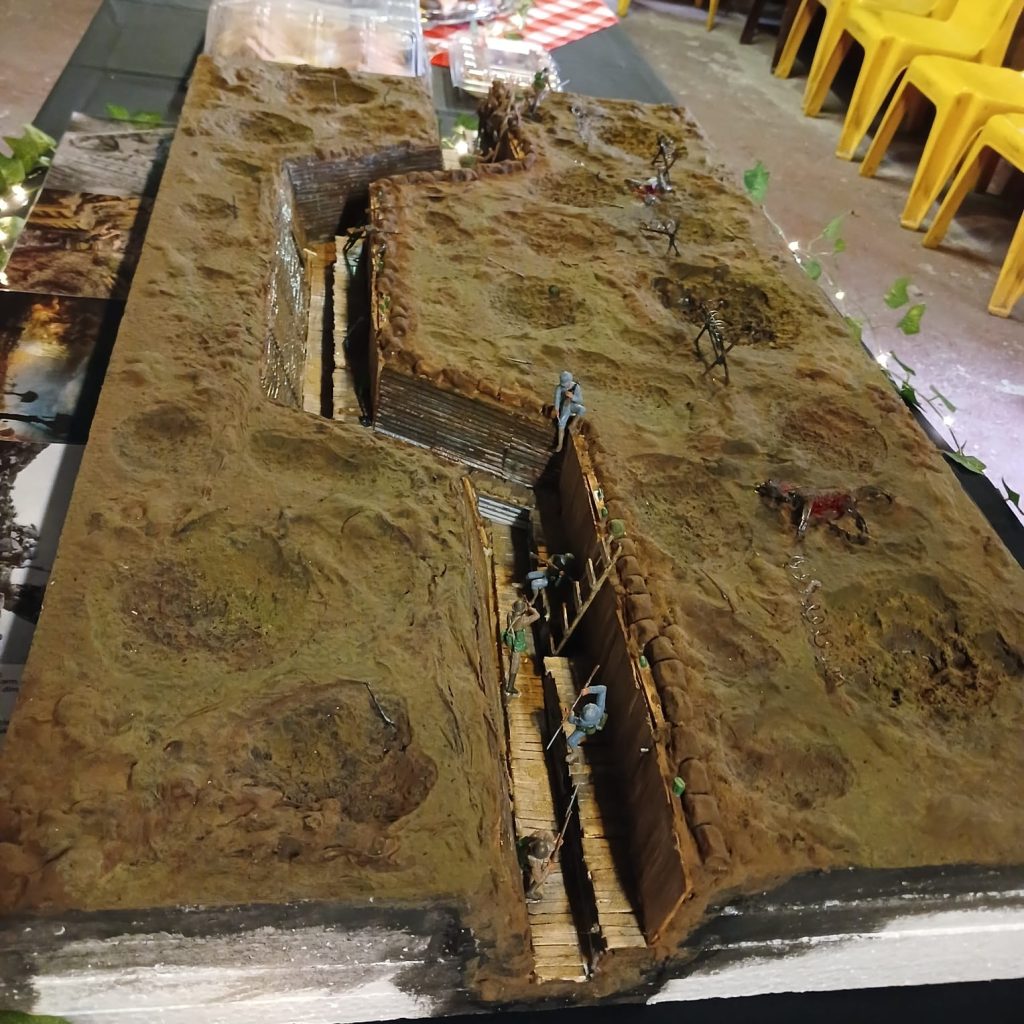
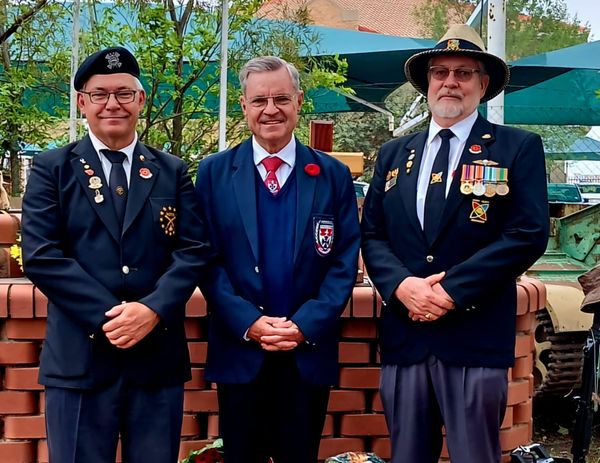
The Moths celebrated Remembrance Day at the Makumbura Shellhole on Saturday. Veterans attended honouring their fallen comrades from wars past.

They also remembered those from other armed forces that died for their country.

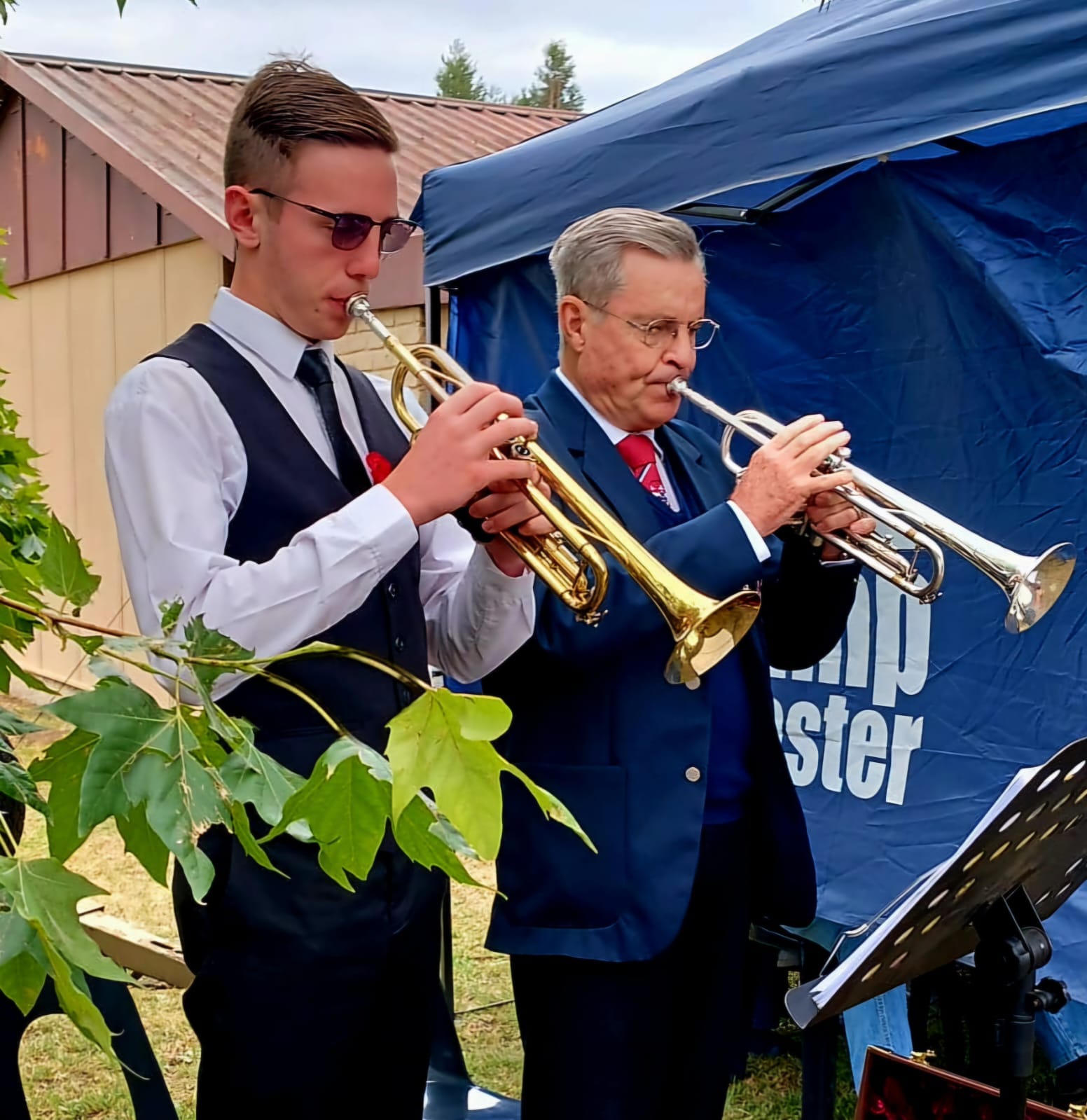
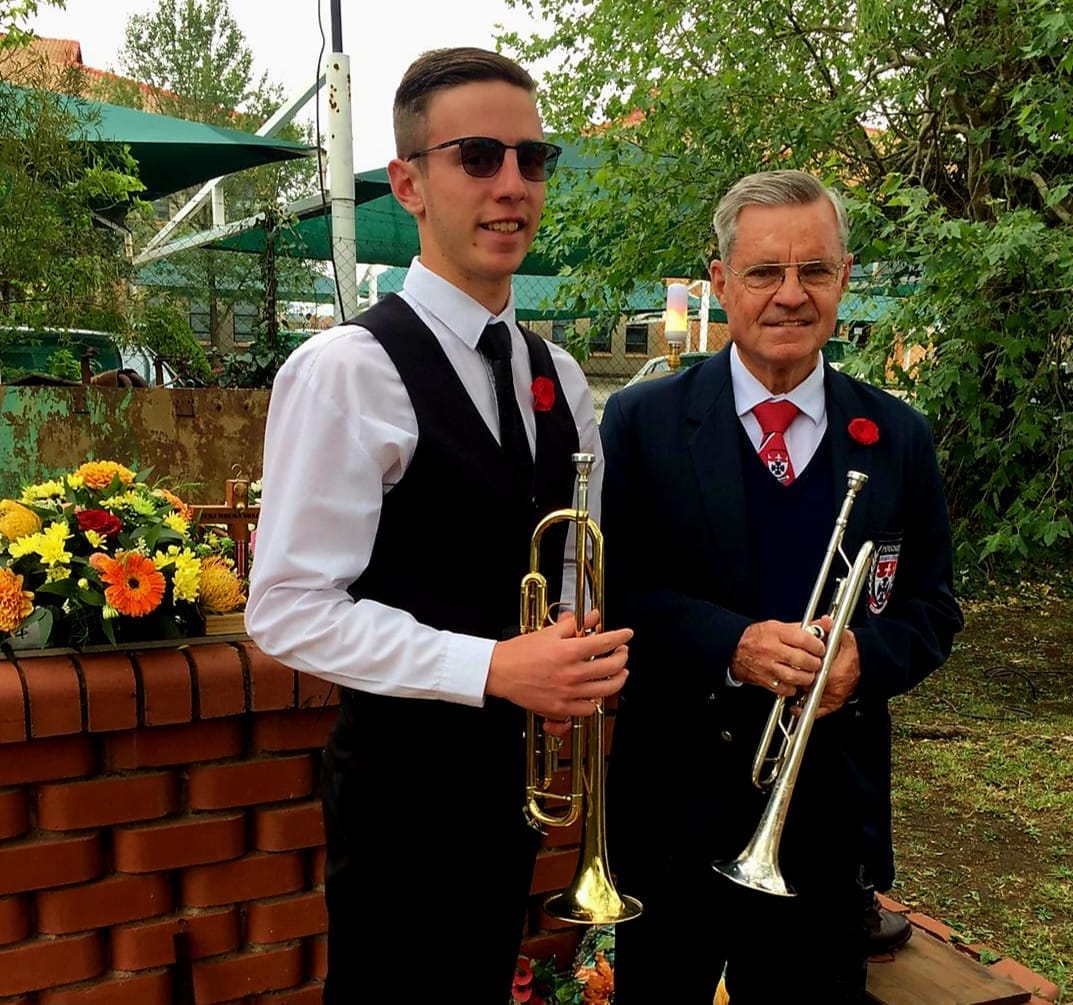
Mr Marais and Dylan Knoetze performed at the Moths’ parade.

About the Poppies

Among the millions of people who saw the poppies on the Western Front was a Canadian doctor called Lieutenant Colonel John McCrae. He was a medic in a dressing station very close to the front line near Ypres. John McCrae wasn’t an established writer but he had had poems published back in Canada and as a military doctor he used what rest time he had to write poems in response to what he was experiencing during the war.

In May 1915, during a break from tending to wounded and dying soldiers, he wrote a new poem and it’s a poem commonly known as ‘In Flanders Fields’, and it’s has its setting as a cemetery and it’s written as if it was it were being spoken by dead soldiers and this poem did become popular during the war, it was published in hugely popular magazines, it helped to, I suppose, connect the symbolism of death during the war with the poppy and McCrae himself did not actually survive the war, but it was really after the war that the poppy became the iconic symbol of Remembrance that it is today.

In Flanders Fields

By John McCrae

In Flanders fields the poppies blow

Between the crosses, row on row,

    That mark our place; and in the sky

    The larks, still bravely singing, fly

Scarce heard amid the guns below.

We are the Dead. Short days ago

We lived, felt dawn, saw sunset glow,

    Loved and were loved, and now we lie,

        In Flanders fields.

Take up our quarrel with the foe:

To you from failing hands we throw

    The torch; be yours to hold it high.

    If ye break faith with us who die

We shall not sleep, though poppies grow

        In Flanders fields.

A Soldiers Prayer

And when you go home tell them of us and say

For your tomorrow we gave our today

Our gift was great, but you must now give a greater gift

We died. Now you must nobly live

To complete the plan

And make man brother unto man.


In conclusion, I quote the Remembrance Prayer: 

They shall not grow old

As we that are left grow old

Age shall not weary them

Nor the years condemn them

At the going down of the sun

And in the morning

WE SHALL REMEMBER THEM

Skrikbewind van minibus-taxiverenigings in Mpumalanga kan nie langer geduld word

0

English version below

Die skrikbewind wat minibus-taxiverenigings op openbare paaie in Mpumalanga voer om die absolute monopolie oor vervoersdienste, is skokkend en onaanvaarbaar en die VF Plus eis optrede op die hoogste vlak.

Uit videomateriaal in die party se besit, kan duidelik gesien word hoe persone wat klaarblyklik optree as “sekerheidsdienste” of sterkmanne vir die taxi-verenigings, motoriste intimideer en dreig.

Motors word selfs van die pad gedwing waarna betalings of sogenaamde “boetes” geëis word. Die VF Plus het baie klagtes in dié verband ontvang en die TV-kanaal Newzroom Africa het ook reeds breedvoerig daaroor berig.

Video: Newzroom Africa

Tog blyk dit of die owerhede voete sleep met optrede. Tot op hede het die polisie nog niemand in hegtenis geneem nie en die VF Plus het verlede week die provinsie se LUR vir gemeenskapsveiligheid, mnr. Jackie Macie, in die provinsiale wetgewer versoek om op te tree.

Mnr. Macie het erken dat hy bewus is van die “toenemende probleem” en het onderneem om ʼn dringende ondersoek van stapel te stuur.

Hoe arrogant die oortreders is, blyk uit die uitlatings op TV van die voorsitter van die Suid-Afrikaanse Nasionale Taxiraad (Santaco) in Mpumalanga, mnr. Fanyana Sibanyoni, dat die vereniging “die reg het” om enige motoris te stop en te verhinder om saamrygeleenthede te gee indien dit op ʼn taxiroete plaasvind.

Die VF Plus het videomateriaal van ʼn voorval op die N4-hoofweg naby Ogies waar gesien kan word hoe ʼn motoris in ʼn lewensgevaarlike situasie van die pad gedwing word.

ʼn Ander selfoonopname wys hoe dieselfde of ʼn soortgelyke “taxi-patrolliemotor” in nog ʼn voorval probeer om ʼn Chevrolet-motor tot stilstand te dwing.

In ʼn verwante voorval is ʼn persoon wat sy buurman glo ’n saamrygeleentheid gegee het, van sy motor beroof. Die aanvallers het na bewering geëis dat hy ’n “boete” van R2 500 betaal om sy motor terug te kry en hy is gewaarsku om nie weer saamrygeleenthede te gee nie.

Kol. Donald Mdhluli, polisiewoordvoerder in Mpumalanga, het bevestig dat hy wel van sekere voorvalle bewus is en dat ‘n saak van kaping in die laaste voorval ondersoek word. Niemand is nog in hegtenis geneem nie.

Dit is vir die VF Plus onaanvaarbaar dat daar nie reeds daadwerklik opgetree is nie. Die polisie het ʼn goeie idee wie die oortreders is, daar is videomateriaal en ooggetuies beskikbaar en Santaco se dreigemente is openlik.

Tog is nog niemand nog aangekeer nie en die LUR beloof eers optrede nadat hy met die feite gekonfronteer word.

Dit is skokkend dat wettelose elemente ʼn skrikbewind op die provinsie se paaie voer terwyl die owerhede dit klaarblyklik swyend gade slaan. Die VF Plus sal die situasie volg om seker te maak daar word opgetree om dié wetteloosheid stop te sit.

English version (Google Translate)

The reign of terror that minibus taxi associations are waging on public roads in Mpumalanga for the absolute monopoly over transport services is shocking and unacceptable and the FF Plus demands action at the highest level.

From video material in the party’s possession, it can be clearly seen how persons who apparently act as “security services” or strongmen for the taxi associations, intimidate and threaten motorists.

Cars are even forced off the road after which payments or so-called “fines” are demanded.

The FF Plus has received many complaints in this regard and the TV channel Newzroom Africa has also already reported on it in detail. Yet the authorities appear to be dragging their feet in taking action.

To date, the police have not arrested anyone and the FF Plus last week the province’s MEC for community safety, Mr. Jackie Macie, in the provincial legislature requested to act. Mr. Macie admitted that he was aware of the “growing problem” and undertook to launch an urgent investigation.

How arrogant the perpetrators are is evident from the statements on TV of the chairman of the South African National Taxi Council (Santaco) in Mpumalanga, Mr. Fanyana Sibanyoni, that the association “has the right” to stop and prevent any motorist from giving carpooling opportunities if it takes place on a taxi route.

The FF Plus has video footage of an incident on the N4 highway near Ogies where a motorist can be seen being forced off the road in a life-threatening situation.

Another mobile phone recording shows how the same or a similar “taxi patrol car” tries to force a Chevrolet car to stop in another incident.

In a related incident, a person who apparently gave his neighbour a ride was robbed of his car. The attackers allegedly demanded that he pay a “fine” of R2 500 to get his car back and he was warned not to give carpooling opportunities again.

Col. Donald Mdhluli, a police spokesperson in Mpumalanga, confirmed that he is indeed aware of certain incidents and that a case of hijacking is being investigated in the last incident. No one has been arrested yet.

It is unacceptable for the FF Plus that action has not already been taken. The police have a good idea who the perpetrators are, there is video footage and eyewitnesses available and Santaco’s threats are open.

However, no one has been arrested yet and the MEC only promises action after being confronted with the facts.

It is shocking that lawless elements are running a reign of terror on the province’s roads while the authorities are apparently silently watching. The FF Plus will follow the situation to make sure that action is taken to stop this lawlessness.