AG report on provincial audit highlights ANC incompetence and mismanagement in Mpumalanga
The latest report by the Auditor-General (AG), Ms Tsakani Maluleke, on the state of Mpumalanga’s PFMA 2023/24 audit outcomes highlights the lack of skills, financial discipline, accountability and stable, ethical leadership.
The FF Plus in Mpumalanga demands that the failure to conduct timely investigations to improve audit reports should urgently be explored and addressed. There should be serious consequences for wrongful conduct.
“An urgent motion requesting the aforementioned was submitted earlier this week to the Speaker of the Provincial Legislature, Ms Lindi Lettie Masina,” said Werner Weber, FF Plus MPL: Mpumalanga to the Bulletin
Werner Weber
Non-compliance with laws and regulations remains high, especially in supply chain management, which leads to exorbitant levels of irregular expenditure.
This results in price hikes and incorrect allocations to suppliers giving rise to unfair and uncompetitive procurement processes. It is mainly caused by the negligence of management processes in the supply chain due to irregular deviations.
Irregular expenditure increased to R11,07 billion from last year’s R10,36 billion. Financial heads take no responsibility for outstanding documents needed for audits.
The five departments which contributed 91% of the R9,05 billion in irregular expenditure are Health, Education, the Office of the Premier, Social Development and Sport.
Department heads rely too heavily on the audit process to rectify financial statements. In addition, the large number of vacancies – including financial heads – in financial units is alarming. Half (eight) of the audited units did not have financial heads during the financial year.
Poor management and oversight processes for implementing and monitoring plans of action should urgently be addressed. Control measures for revising annual financial statements and performance reports should also be implemented.
The FF Plus will put increasing pressure on the new Premier, Mr Mandla Ndlovu, to take action and execute the above recommendations to save the province from its downward financial spiral
ENSURING THE SAFETY AND WELL-BEING OF OUR FURRY FAMILYIN CASE OF AN EMERGENCY IS YOUR RESPONSIBILITY!
In light of the weather disaster in the USA, I want to highlight again the importance of having a pet emergency plan in place. A pet emergency plan is crucial for safeguarding your pets in unforeseen events and ensuring their safety, well-being, and survival. It facilitates a quick and efficient response to emergencies, guiding you in gathering essentials, securing pets, and evacuating. Including proper identification in the plan, like collars with tags and microchips, increases the chances of reuniting with your pets if separated.
The plan should address health needs, evacuation preparedness, and compliance with regulations, which can offer peace of mind and reduce stress during high-pressure situations. Communication and coordination strategies with family, neighbours, and responders are integral, as is the plan’s adaptability to various emergency scenarios.
Never Leave Your Pets Behind—In the face of disaster, it can be tempting to think you can return for your pets. However, circumstances can change rapidly, and leaving them behind risks their lives. Always take your pets with you to ensure their safety because you chose to have them, and they remain your responsibility—just like you won’t leave a child behind to fend for themselves.
A pet emergency plan is a vital tool for effective and swift responses to crises, prioritizing the safety and well-being of your beloved pets. Your pets are important members of your family and therefore need to be included in your family’s emergency plan. To prepare for the unexpected follow these tips with your pets in mind:
1. Make a plan
2. Build an emergency kit
3. Stay informed
Image from Pexels.com
WHAT SHOULD YOUR PET EMERGENCY PLAN INCLUDE?
Having a comprehensive emergency plan for both yourself and your pets is crucial to minimize difficulties and stress during unforeseen situations, including illness or accidents.
A pet emergency plan is a comprehensive strategy designed to ensure the safety and well-being of your pets in the event of various emergencies or disasters. It involves careful consideration and preparation for situations such as natural disasters, medical emergencies, evacuations, or any unexpected events that may pose a threat to your pets. A well-thought-out pet emergency plan typically includes the following components:
Evacuation Plan: If evacuation becomes necessary, it’s vital to plan for your pets as well to prevent them from getting lost, injured, or worse if left behind. Know in advance where you can take your pets if you need to evacuate your home. Identify pet-friendly shelters, hotels, or the homes of friends and family members willing to accommodate your pets. You have to develop an evacuation strategy in advance. Coordinate with neighbours, friends, or relatives to ensure someone can care for or evacuate your pets if you are unable to do so.
Identification: Ensure your pets have proper identification, including collars with up-to-date tags and registered microchips. Register the microchip on multiple databases. Include your contact information and any essential medical details as well as an emergency contact outside your immediate area. Additionally, consider writing your name, number, or even your pet’s name on their tummy with a permanent marker. This simple step can help anyone who finds your pet contact you quickly.
Transportation: Have appropriate carriers or crates for each pet, ensuring they are comfortable and secure during transport. Practice getting your pets used to being in carriers beforehand.
Contact List: Maintain a list of emergency contacts, including your veterinarian, local animal shelters, and pet-friendly hotels or shelters. Share this information with family members, neighbors, and friends who may be involved in your pet’s care during an emergency.
Medical Information: Keep records of your pets’ medical history, vaccinations, and any special needs they may have. This information can be crucial in case your pets require veterinary care during an emergency.
Communication Plan: Establish a communication plan with family members or neighbors to ensure everyone knows how to coordinate and share information about the well-being and whereabouts of your pets.
Training: Train your pets to respond to basic commands, making it easier to manage them in stressful situations. This can be particularly important during evacuations or when interacting with emergency responders.
Secure Your Home: Take steps to pet-proof your home and secure it against potential hazards. This includes having a plan for containing pets in a safe area if necessary.
Remember to review and update your pet emergency plan regularly, especially if there are changes in your living situation, family composition, or the health of your pets. Being well-prepared ensures that you can act quickly and effectively to protect your pets in any emergency.
For further guidance, reach out to local authorities, veterinarians, animal shelters, or animal control offices to ensure the best care for your pets during emergencies.
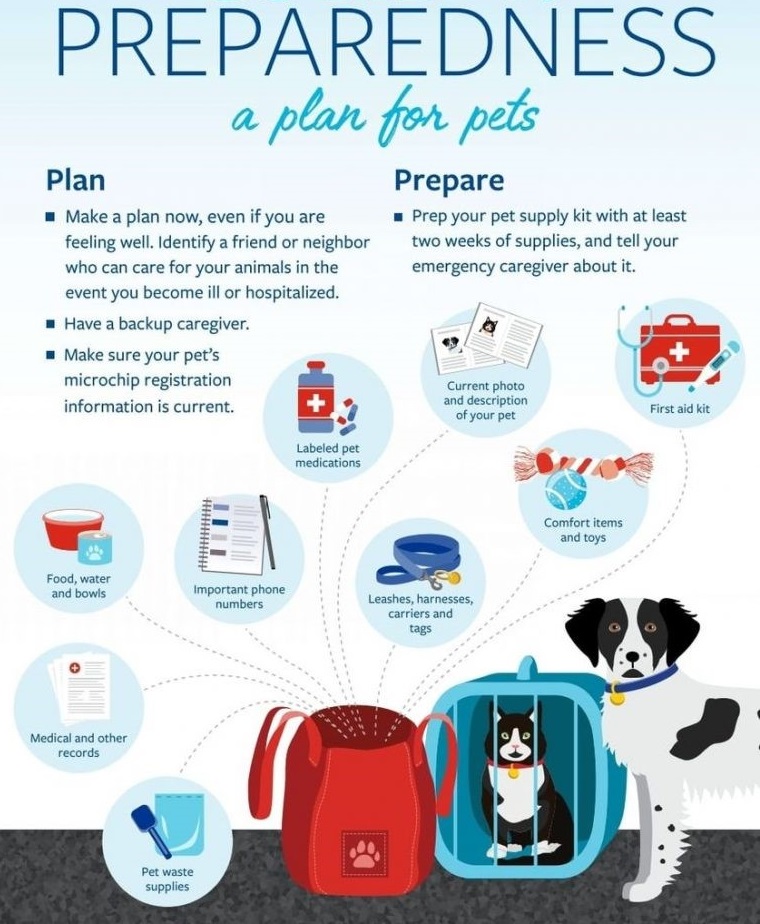
Image by humanesociety.org
BUILDING AN EMERGENCY KIT
Just as you do with your family’s emergency supply kit, think first about the basics for survival, such as food and water. Have two kits, one larger kit if you are sheltering in place and one lightweight version if you need to evacuate. Review your kits regularly to ensure that their contents, especially foods and medicines, are fresh.
Here are some items you may want to include in an emergency kit for your pet:
Food. Keep several days’ supply of food in an airtight, waterproof container.
Water. Store a water bowl and several days’ supply of water.
Medicine. Well-labelled. Keep an extra supply of the medicine your pet takes regularly in a waterproof container.
Keep all their medical records in one place with this kit.
First aid kit. Talk to your veterinarian about what is most appropriate for your pet’s emergency medical needs.
Collar with ID tag and a harness or leash. Include a backup leash, collar, and ID tag. Have copies of your pet’s registration information and other relevant documents in a waterproof container and available electronically.
Traveling bag, crate, or sturdy carrier, ideally one for each pet. Have a plan on who grabs what in an emergency.
Grooming items. Pet shampoo, conditioner, and other items, in case your pet needs some cleaning up. Dry shampoos are great for this.
Sanitation needs. Include pet litter and a litter box (if appropriate), newspapers, paper towels, plastic trash bags, and household chlorine bleach to provide for your pet’s sanitation needs.
A picture of you and your pet together. If you become separated from your pet during an emergency, a picture of you and your pet together will help you document ownership and allow others to assist you in identifying your pet. You can also add a detailed description of your pet.
Important numbers. Your veterinarian’s number. If your family does not live in your town, have numbers for someone who can immediately go to your home and check on them or take them. You can even provide them with a letter of authorization and or a key to your home.
Familiar items. Include their favourite toys, treats, or bedding in your kit. Familiar items can help reduce stress for your pet. You can also include items that smell like you.
STAYING INFORMEDAND OTHER TIPS
Stay informed about potential hazards in your area, including weather-related risks or other events that might impact your pets. Keep abreast of local emergency plans and regulations regarding pets.
Emergency card. You can buy or make such cards to keep in your wallet or your car, even stickers. If you are in an accident or unconscious then this person can be contacted. Never list your address, but that you have animals at home to be taken care of and the contact person.
In case of a fire at home, have a small notice board near entrances about people and pets in this home. Not where thieves can see it from outside, but if firemen enter this could help. Read more onFIRE EMERGENCY here.
When you evacuate with your pets, place a rescue alert sticker on the front door and write “Evacuated” across the sticker so rescue workers know you’re all accounted for.
Provide exits for your pets like doggy doors. We prefer at least two.
Teach your pets to open certain doors.
Our pet sitter and one other person are listed with contact numbers on our vet accounts as having the authority to make decisions on our behalf. Inform your vet that this person can be contacted.
We opened a vet account at more than one veterinary practice in town, so if one is not available, you (or the pet sitter) do not need to do all the paperwork then.
Let your pet sitter have the family’s numbers and vice versa.
Leave an extra set of keys with a friend or the neighbours.
NEVER LEAVE your pets alone when you are away for a holiday. Have someone check in at least once every 8-12 hours.
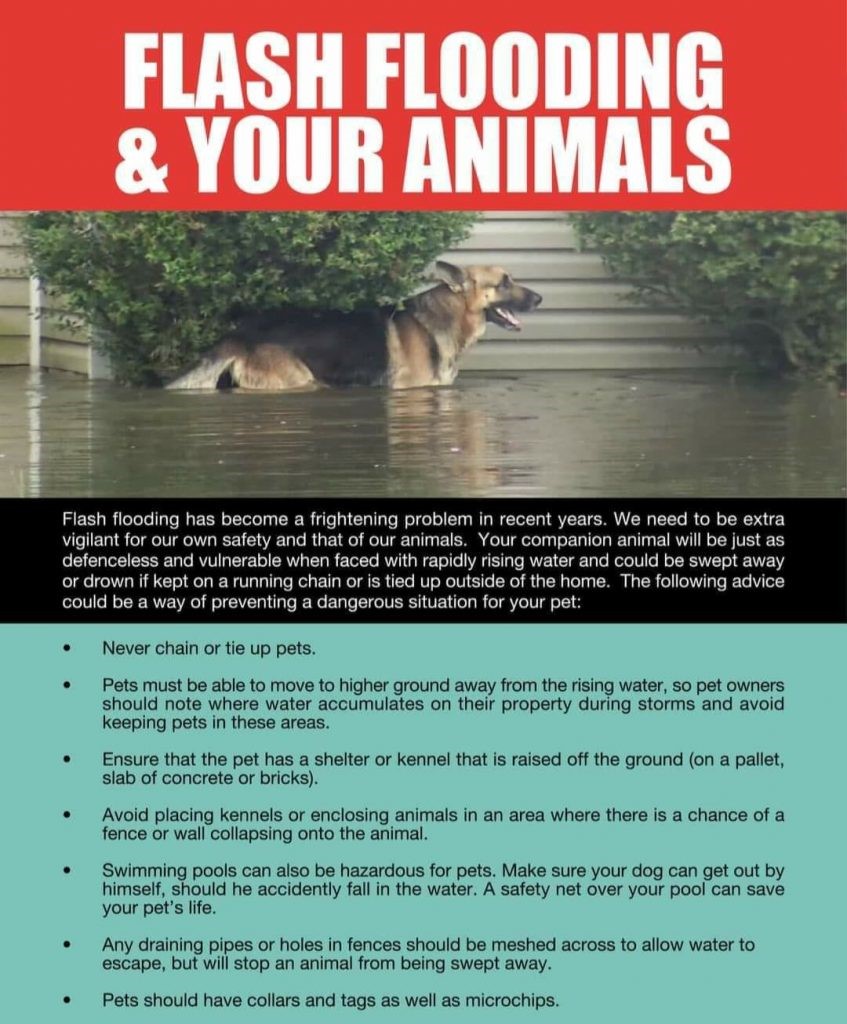
Floods – Image shared via The Paw Company’s Facebook page.
Secure a Safe Space: Create a designated safe area in your home where pets can stay during severe weather. This should be away from windows and potential flooding areas.
Elevate Supplies: If you live in a flood-prone area, store your pet’s food, medications, and emergency supplies on higher shelves to prevent them from getting soaked.
Evacuate Early: If you know a hurricane is approaching, evacuate with your pets as early as possible. Waiting until the last minute can lead to dangerous situations for both you and your pets.
Avoid Flooded Areas: During and after a storm, avoid walking your pets in flooded areas. Water may contain harmful debris or contaminants that can harm your pets.
Use Leashes and Carriers: Keep pets on leashes or in carriers when evacuating. This prevents them from running away in chaotic situations or unfamiliar environments.
Check Local Resources: Research local shelters or hotels that accept pets. Many emergency shelters may not allow animals, so it’s essential to know your options ahead of time.
Prepare for Power Outages: Keep extra batteries for pet supplies like automatic feeders or water dispensers. Have a backup plan for keeping your pets comfortable if the power goes out.
Plan for Cleanup: Avoid letting pets drink from puddles or standing water after a flood and ensure they have access to clean, fresh water.
Update Microchips and Tags: Verify that your pet’s microchip information and tags are current. This is crucial in case they get lost during evacuation or cleanup.
Monitor Health: Watch for signs of stress or illness in your pets after a hurricane or flood. They may need extra comfort or veterinary care due to the stressful environment.
By following these tips, you can help ensure the safety and well-being of your pets during hurricane and flood emergencies.
ANIMAL WELFARE SHELTERS…..DO YOU HAVE SUCH A PLAN?
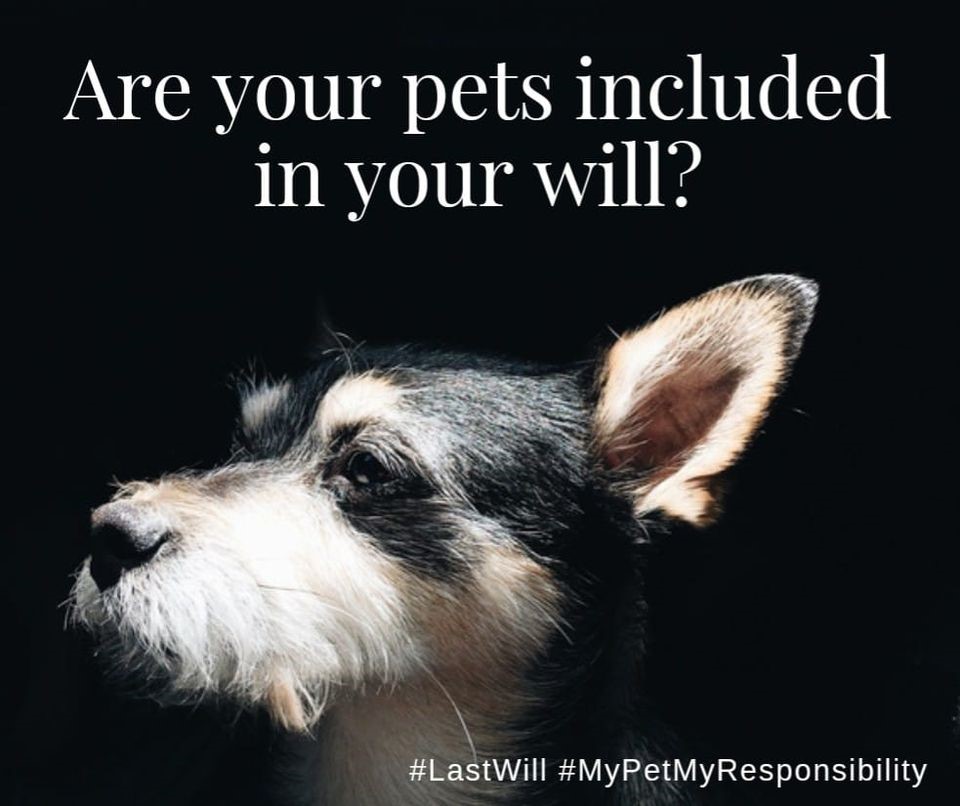
DO YOU HAVE A PLAN FOR YOUR PETS IF YOU SHOULD FALL ILL OR DIE?
Animal welfare organizations have seen first-hand the confusion as these animals arrive in shelters and have to try to cope in kennels. Often, being split up or waiting long periods before being adopted or eventually just humanely killed because there are just not enough homes with this massive overpopulation crisis.
Including pets in your will is important to ensure their ongoing care and well-being after your passing. Pets are considered property in legal terms, and without specific provisions, there may be uncertainty about their fate.
Include your pets in your will and clearly state your wishes. Name one or two people you trust to make these decisions if necessary. Inform those that you name in your will to take care of your pets. Explicitly stating care instructions, including daily routines and veterinary preferences, guarantees their continued well-being. This also helps prevent disputes among family or friends and minimizes legal conflicts, providing a recognized framework for your pets’ future care. Planning for contingencies, such as naming alternate caregivers, accommodates life’s unpredictability.
Allocating financial resources in your will eases the burden on caregivers, covering veterinary, grooming, and daily expenses.
Consultation with legal professionals for proper documentation and communication with designated caregivers to ensure their willingness to take on the responsibility may be required. Talk to a company that specializes in estate planning for pets!
Doing this provides peace of mind and prevents potential surrender to shelters by providing a clear plan for your pets’ future homes. Including pets in your will expresses your love and responsibility as a pet owner.
Read more about options to include in your will and leaving a legacy to a reputable animal welfare organization.
In conclusion, having an emergency plan for your pets and including them in your will is a responsible and compassionate approach to pet ownership. These measures provide a comprehensive strategy for ensuring the safety and well-being of your beloved animals in times of crisis and beyond and you will not burden an already overwhelmed animal welfare system. By taking these steps, you not only protect your pets from potential harm but also demonstrate your enduring commitment to their happiness, health, and security, even when you’re no longer able to be their primary caretaker.
Join us again next week as we explore animals in our world and improve their lives.
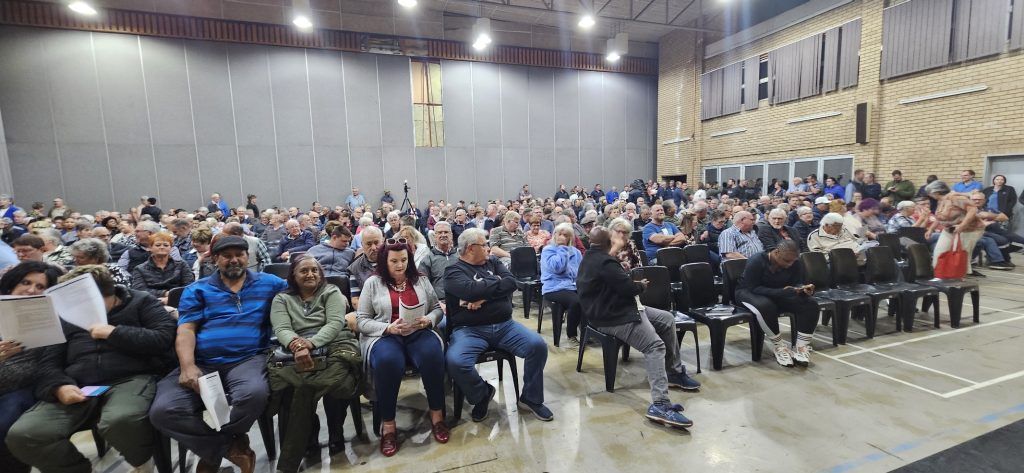
Tempers flared and tensions were at the breaking point during an IDP (Integrated Development Plan) meeting last week on Tuesday, 8 October. The problem was WATER. or better still, the LACK of WATER.
No MMC attended the meeting. MMC Zwane was scheduled to present the IDP at the meeting at Lilian Ngoyi but no one could be reached. Other venues faced similar problems.
It was then decided that the meeting should be about the ongoing water crises.
While everybody was asking about the disappearance of the water no answers were given. Everyone echoed residents’ accusations that the water shortages were a result of non-payment. Two halls at Lilian Ngoyi were full of residents.
What became very clear is that residents are not only fed up with the lack of water but also the poor management thereof.
Rand Water is trying to manage the situation but is struggling at best.
Rand Water raises the alarm over declining water levels in Gauteng, urging municipalities to implement urgent conservation measures. Spokesperson Makenosi Maroo emphasizes the critical need for immediate action to avert widespread shortages across the province.Credit: Newzroom Afrika
Water leaks are not always responded to quickly and GMM’s water losses are over 40%.
The issue of GMM’s unpreparedness to deal with the current water crisis is a huge issue. While trucks were dispatched to take water to residents it did not reach all areas timeously.
The state of the water reservoirs is a huge concern. Not all reservoirs are functional. To name a few, the Ext 22 reservoirs, The Ext 17 reservoir in eMbalenhle and the Reservoir at Afghanistan in Kinross.
Residents are of the opinion that the reservoirs could have been kept functional with proper maintenance, but they have fallen into misuse. The Kinross Reservoir is fairly newly built and the Ext17 reservoir was renovated as part of the Social Labour Plan (SLP). Both these reservoirs are not being used at all.
Reservoirs would not have eliminated the current problem but could have gone a long way to supply people with water well into the current crisis.
On 9 October 2018, The Bulletin visited the Ext 22 reservoir in Secunda. It was scandalous! The floating roof was host to several bird species as well as a few reeds that were growing on top of it.
This was written then:
Extension 22 Reservoir in a poor state.
The Bulletin visited the Extention 22 reservoirs in Secunda.
What we found was an absolute mess and disgrace.
Thieves have stolen everything that they could carry. This was reported to the portfolio committees a while ago, but no repairs have been made. See for yourself the state of the Ext 22 reservoirs!
Video from 2018
When the Bulletin visited the reservoirs over the past week it was in no better shape. Poor planning by GMM officials as well as prioritising other projects over water security may have helped to exacerbate the problem. In 6 years, no effort was made to correct that problem.
Footage supplied
However, a simple Google Earth search shows that the reservoir has been in its current condition since 2003. Not once did it show a working reservoir. (the reservoir with the floating roof)
When The Bulletin visited the reservoir in 2018 we found the pump house full of water and everything was stolen that could be stolen. It appears the same now as well.
The reservoir in Afghanistan doesn’t even have proper piping installed and is not receiving any water.
Footage supplied
The reservoir at Ext 17 in eMbalenhle, which was refurbished as part of the SLP, is in a terrible state. There are absolutely no pumps in the pump house. The floating roof of the reservoir is deteriorating and will have to be replaced (in our opinion).
GMM sends out updates regarding the state of reservoirs.
Here is the latest update on reservoir levels:
14/10/2024 GMM water supply updates.
Please be informed that Rand Water is pumping water to GMM at half capacity due to high water demand within their system.
Wildebeest reservoirs’ water levels are below 5%
Region 1 water supply status
The pumping of water to Region 1(Bethal/ eMzinoni) from the Trichardt booster pump is affected due to low water levels at Wildebeest.
Water reservoirs within Region 1.
– Bethal Rand reservoirs at 0%
– Bethal ext 5 reservoir at 25%
– Vanheerden Reservoir at 0%
– Emzinoni Ext 4 reservoir at 0%
Water truck is currently supplying water to schools and Emzinoni Ext 5, 6, aZapo and Kannan
Region 2 Reservoirs Water levels
– Eendracht at 100%
– Leandra town at 40%
– Lebogang RDP at 100%
– Kinross town at 5%
– Thistle groove at 10%
– Trichardt at 40%
– Evander at 100%
Water truck will be supplying water to schools and health facilities
Region 3 reservoir levels
– Adullum reservoir at 60%
– Emba. Ext. 15 reservoirs at 20%
– Charl Cilliers tower at 0%
The water truck will be supplying water to Emba ext 15 and Charl Cilliers
Affected areas will receive water as soon as the water supply improves.
We encourage the community to conserve water and report water leakage
The following questions should be asked here.
Why does Bethal only have one reservoir at 25% and three others at 0%? Bethal residents must always bear the brunt of poor water supply.
Why are Lebogang RDP at 100% as well as Evander reservoirs (100%) while Kinross town is at 5%, Thistle Grove at 10% and Trichardt at 40%.
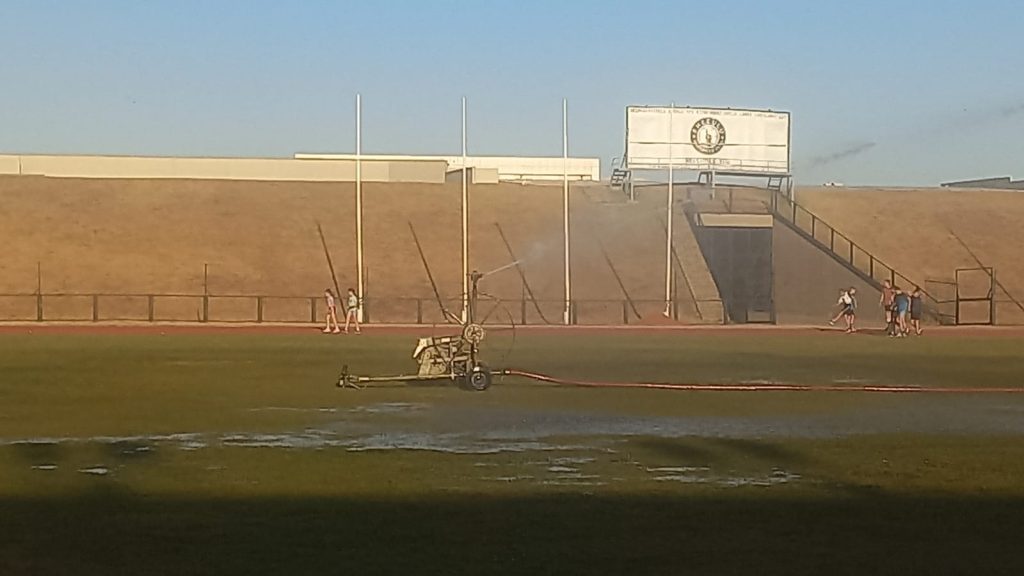
In the ultimate form of deceit, GMM kept on watering the Lilian Ngoyi Stadium grass. The Bulletin learned that there will be a soccer match played there over the weekend.
Why are the mines receiving water at (mostly) full capacity, but the residents are without water? It could be said that they are paying Rand Water (RW) directly, but the issue is that if they are receiving water at acceptable pressure and volumes then there should be more for the residents.
The water crisis that we are all facing is huge and it will take excellent management to be able to get water to everyone.
Is it not time that GMM, maybe through the SLP partners, start building dams?
Is it not time that GMM start fixing the infrastructure that we have?
Is it not time that GMM informed the residents of Govan Mbeki Municipality truthfully about the water crisis?
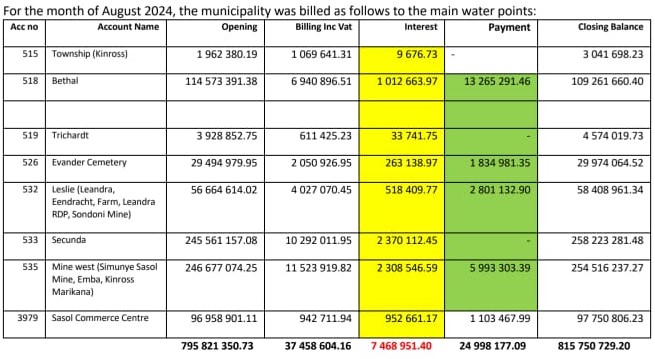
GMM owes Rand Water over R9M. Residents are told that GMM is keeping to the agreements made for repayment but the debt keeps rising.
Look at the table below to have an updated vision of the Rand Water Debt.
GMM political leadership as well as the officials should stop and take a long hard look at the damage that had been done over the past few years.
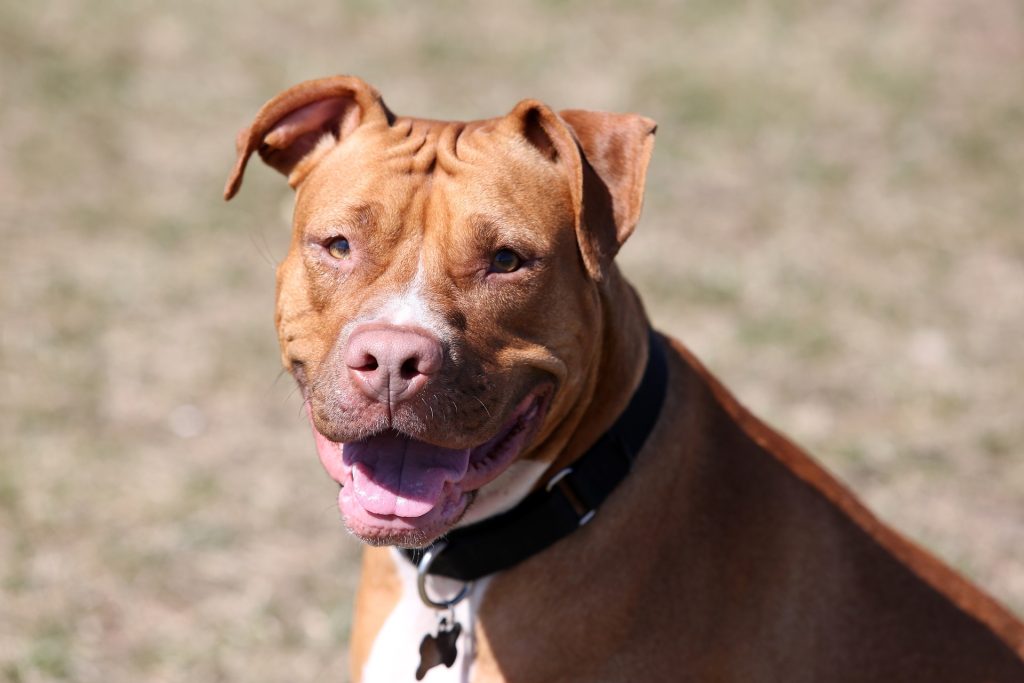
There has always been an “issue” regarding Pitbulls, power breeds, and dog attacks. However, in 2022, the crisis exploded and has not improved since. How many pitbull breeders do you think stopped breeding or allowed their pitbulls to have litters because of this crisis?
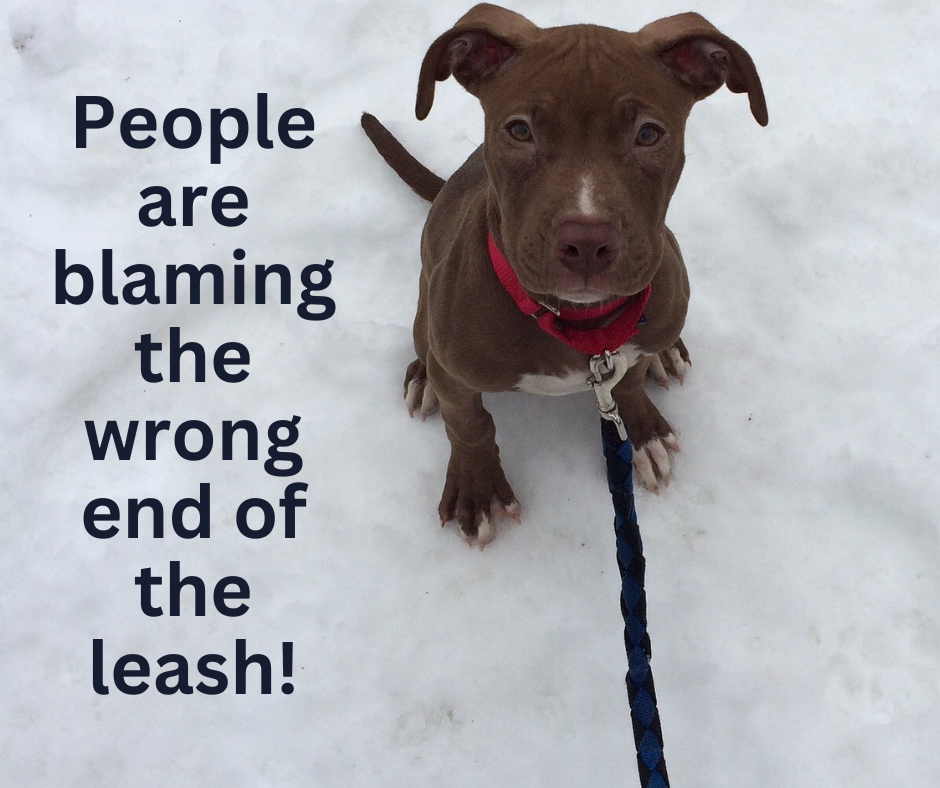
On lost and found animal groups, multiple Pitbulls, Pitbull-crosses, and power breeds have been out weekly, therefor I am resharing this article this week! It is also not the first time being out for most of them, so who do you think is to blame? Do these owners fit the typical Pitbull-owner profile?
Accidents happen, and no animal is safe in the streets, but when you are the guardian of such an at-risk breed, you should take extra precautions to keep them safe. How many owners do you think took extra precautions to protect them? Asking nicely doesn’t work, so we need to send the SPCA and other authorities for the safety of the animals and we are working on getting stricter laws passed too.
Below is an important article on understanding the issue better. Help us educate others and help us keep these sentient beings safe!
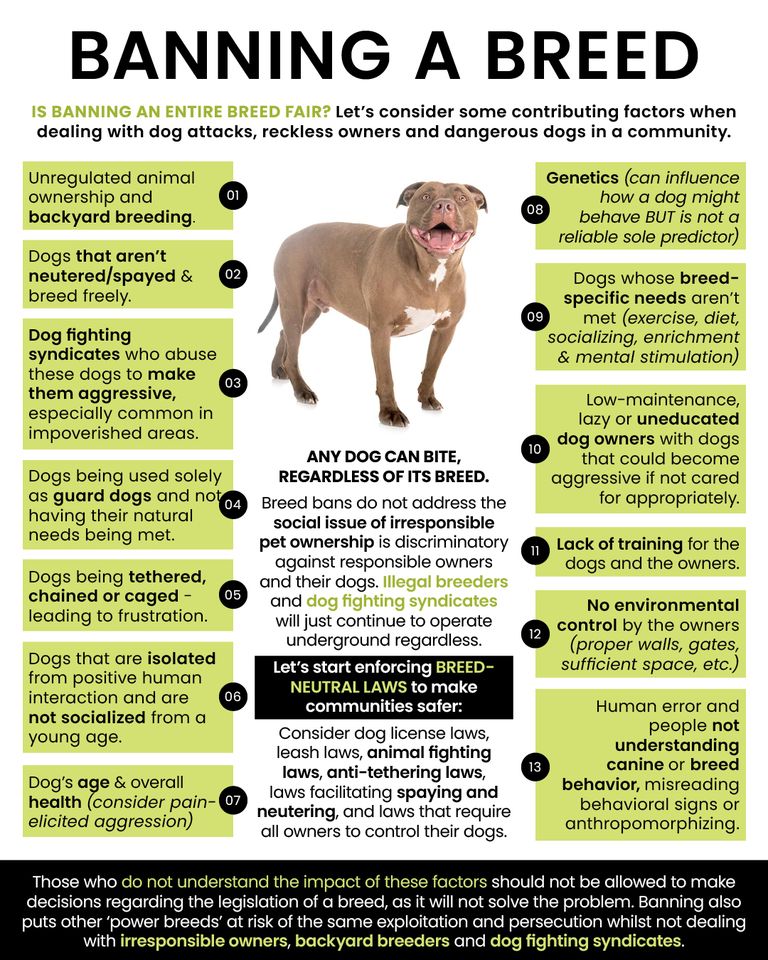
A BAN ON PITBULLS IS NOT THE SOLUTION TO DOG ATTACKS BECAUSE ANY DOG CAN BITE AND ANY DOG CAN BE TAUGHT TO BE AGGRESSIVE.
After reports of a Pitbull attack killing a child of the owner and another killed by the neighbour’s dog, a massive uproar began and the call for a Pitbull ban went viral. Chaos is unfolding around us while many people are still unaware of the massive crisis surrounding these Pitbull breeds (and others) and sadly thousands of innocent animals, will pay with their lives.
This chaos includes:
Petitions for a ban.
Petitions against a ban.
Dog trainers’ ads claim they can handle these breeds.
Scams with financial incentives for information on Pitbulls.
Theft and brutal killings of these animals.
Deliberate injury of these animals.
Sketchy characters want to visit shelters and see the available dogs.
Media statements and stories are being sensationalized.
Heated social media debates.
Mass surrender of these dogs to shelters.
Animals are being abandoned.
Post from responsible and irresponsible Pitbull owners and more.
Our condolences to the families that have lost loved ones because of irresponsible owners. I agree with Hannah Winkler (MP for the DA) when she says: “This loss of life could have been avoided had the government adopted national regulations on the breeding and keeping of dogs, especially power breeds, in response to the call from civil society and South Africans that have been voiced for years.”
Pitbulls are surrendered to various organizations all over SA in high numbers like the 49 Pitbulls in only two days at Bloemfontein SPCA. Some people surrender the Pitbulls because they fear their own animals and other owners because their neighbours and community are threatening to kill their dogs. Sadly, chances are high that all these surrendered animals will have to be euthanized (humanely killed) because what do you expect them to do with hundreds if not thousands of power breeds being surrendered? We already don’t have enough homes for all the animals, never mind good homes. Shelters are overwhelmed!
I agree with Rustplaas dog shelter that just as we shouldn’t make blanket statements that stereotype an entire group of people based on the actions or crimes committed by a few individuals, we should also not villainize/assume all dogs of a specific breed are “vicious, unpredictable and violent” based on the actions of a few when there are many who aren’t? You have to treat each dog as an individual and consider their genetics, history, needs, socialization, environment, training, and the situation as a whole.
This week’s article is a long one, but such an important one and I am just touching on the basics here. Let’s talk about the breed, behaviour, and the ban.
Editorial note: This article is a reprint from 30 November 2022.
ABOUT THE BREED
Any breed can be taught to be aggressive and any dog can bite, but the difference is that a Pitbull can do more damage than a Chihuahua. Pitbulls sadly have gotten a bad reputation over the years. Pitbulls and other power breeds became “trendy” and gave owners a sort of “street credit”.
I don’t believe the “breed” is the problem, but many of those who own and breed them are, especially when they do not meet their needs. Genetics does play a role, but with the right owners and when all their needs are being met they thrive. You have to understand the breed as with any species or animal. The lack of education among owners and the public, poor law enforcement, and lack of accountability don’t help either.
When I say Pitbull, most people get a certain picture in their mind, however, the modern-day Pitbull label is a generic term used to describe a certain type of dog based on how they look, so their physical appearance and not their DNA. It usually includes medium-sized dogs with short hair and the physical appearance of bulldog-type breeds. According to www.pitbullinfo.org, “the American Pitbull Terrier (APBT) is the only formal breed with the term “Pitbull” in its name, but there are four breeds that are commonly included in the modern Pitbull-type category – the American Pitbull Terrier, American Staffordshire Terrier, Staffordshire Bull Terrier, and the American Bully.
However, there are easily over 20 other unique breeds and even more mixed breeds that share the same or similar physical characteristics that are common to dogs included in the pitbull-type category.” Another term frequently used is “power breeds”.
To understand a breed and their behaviour better, you need to understand what they were originally bred for because we can’t deny genetics even though that is only one of many factors that influence behaviour. So, what were Pitbulls historically bred for? They were bred for blood sports to “bait” bulls and bears. When that was banned, they were used for dog fighting and the breed only later became companion animals. The breed had a rough start sadly.
These animals need sufficient enrichment, exercise and space, strong gates, and high walls and they can easily be aroused. They like rough physical play, grabbing, pulling, jumping, and biting because that is what they were bred for. The very traits they were bred for are usually the same behavioural “issues” that make it more challenging to live with these “unemployed” dogs as Canineology describes them. They are likely to show those traits, especially when aroused or frustrated and if we preserve the way they look we will preserve the way they behave most likely too. Due to their muscular build, the “tight movement” and illegal ear cropping, they can appear more threatening.
Sadly, many of them are kept for security and ego purposes and they are a popular breed to use in illegal dog fights, although not the only breed used for this. Most animal welfare organizations are against keeping any animals for security purposes. You are responsible for them, not them responsible for you. If you want security, let them sleep inside to alert you while they are safe and get a security company.
ABOUT BEHAVIOUR
“There is a tremendous amount of genetic variability within every breed – so much so that it’s not possible to make any reliable predictions about behaviour based solely on breed identification.” – Dr. Jen, veterinarian & professional dog trainer.
While a dog’s genetics can influence their behaviour, genetics do not exist in a vacuum and can develop through a complex interaction between environment (how they are treated and kept) and genetics. Nurture vs. Nature debate. Canineology explains it like this: “Genetics tells you what the dog can do, but their environment tells you what they will do.” On top of that, aggressive behaviour is complex.
Other aspects include, but are not limited to:
Breeding practices.
Lack of sterilizatons.
Human error (owners, the public, and victims).
Bad socialization.
Insufficient enrichment.
No proper and ongoing training.
Poor environmental control and containment measures.
“Given the powerful impact of socialization, it’s no surprise that dogs that are chained outside, isolated from positive human interaction, or whose breed-specific needs aren’t met are more likely to attack people than dogs that are integrated into our homes and well-trained & socialized. Dogs need proper enrichment and stimulation instead of being caged or chained up – this will only lead to frustration and aggression.” – Rustplaas Dog Shelter
“What triggers a dog to bite?” Frustration, chaining, teasing, abuse, starvation, beating, fear aggression, pain without medical treatment, thunder, loud noises, and unknown places. All of these are triggers and when they stack, aggression can be a quick way to release the tension. Pitbulls are high-energy dogs who need a lot of exercise and stimulation. If they are tied up most of the day, where do you think all that built-up energy will go?
If a dog is aggressive our first stop is the vet, to check if the animal is not in pain or has an underlying medical condition, especially in older dogs. If there is no medical reason, the next step is to evaluate their environment and if you need help with that, please contact a qualified and ethical behaviourist (not a trainer) who is trained in aggression/power breeds and who uses fear-free training.
One of my top rules when it comes to behaviour is to never punish a growl. A growl is the dog’s way of saying they are uncomfortable with the situation and need your help. If you punish it, as most people do, they will eventually skip the growl and go straight to a snap or bite. This could have been prevented if you listened and helped when they growled.
Sterilization is also important. When you have a female in heat, males’ behaviour will change and they may be more aggressive. It doesn’t come as a surprise that most of these surrendered animals are not spayed or neutered which can contribute to behaviour and fuels the massive overpopulation crisis we have been dealing with for years.
BANNING PITBULLS IS NOT THE SOLUTION TO DOG ATTACKS!
Most importantly, a ban will not solve the underlying problem, which is irresponsible owners and uncontrolled breeding. We need better education and accountability and asking nicely has not worked so far. Banning these breeds will lead to the breeding of other similar breeds or the breeding will go “underground” as dog fights have already done.
Rustplaas Dog Shelter shares the following: “It does not fix the social issue of irresponsible and uneducated pet owners, or the large impact breeders and dog fighting syndicates where these dogs are exploited, provoked and abused to become aggressive. Banning only gives a community a false sense of security without fixing the problems.”
The ignorant people and groups pushing the ban and causing mass hysteria, do not care about the animal and they are demonizing the dog/breed when the owners are at fault. We need people who are objective and care about all lives to be involved in legislation. We need people who are educated on this topic, which the ban pushers are clearly not.
Sensationalist reporting from the media is being used at the expense of lives and it is causing a frenzy with a clear lack of reporting on how the government could have prevented this if they listen to those of us who have been warning about it for years. I am sure stories will be sensationalized further or possibly lied about to get this ban and I think our current government is likely to support it.
What we need is stricter laws, better law enforcement, compulsory sterilization, licenses to own them (well any animal) or sell them, and responsible pet ownership (accountability). That said, I would rather see a breed go extinct than see the suffering they endure, but then it would be for their sake not only for humans’ sake.
I agree with the NSPCA that this petition is leading to the demonizing of Pitbulls, while it should focus on finding a humane and cohesive way forward to protect the human and animal victims in this issue.
Image by Joe Stoltz via pexels.com
TO OWNERS OR PROSPECTIVE GUARDIANS OF PITBULLS
Let’s start by saying that there are good Pitbull owners, but Pitbull owners need to be extra careful currently because these dogs are under a microscope & a ban on them is very possible.
First, so your animal is safe because currently, cruel and uneducated people are deliberately and brutally hurting them apart from the regular dog fighting cruelty. Take extra precautions, better secure your yard, put up cameras, go for behaviour training if needed, meet all their needs, and more. If at all possible they should not be seen from the street. Theft of these breeds has always been high, but there will certainly be an increase.
Yes, you might have to spend more money and go through more effort to protect your dog. If you don’t want to, then you are exactly the owners who should not enjoy the privilege to own a Pitbull or other animal.
Secondly, you need to take extra precautions because if your dog gets out, they will be part of the evidence to support the ban.
These breeds are not for the average Joe owner. If you really want to be a guardian (owner) of such a breed, do your homework, and make sure you can meet all their needs, always. Most of all adopt one from a reputable organization and please don’t support breeders. There are many breed-specific organizations.
I can’t begin to explain my and others’ frustration toward breeders and I wish breeders would grasp the effect of the overpopulation crisis. The fact that they continue to exploit animals for money and or status shows they don’t really care about the rest. If you can do the maths, around 2800 healthy animals have to be put down every day in SA because there are just not enough homes, never mind good homes. Even if you get a good home for the animal you sell, I doubt you know what a good home is, it means others are still losing their lives because of you.
You are breeding them faster than we can rescue them. Some breeders do sterilization contracts, but it is certainly not because they care about the crisis, but rather their bloodline. Most of them don’t do home checks and even if they do, none of them volunteer in animal welfare and know what we look for. It is not just about a good home, but the right placement for that animal.
If your dog is aggressive and you have worked with a behaviourist or two (not a trainer) that couldn’t sort out the underlying issue, then consider putting them to sleep.
Certain people are going to shelters to “adopt” a Pitbull or to see the kennels. We don’t think it is because they want one. The organizations need to be extra vigilant now and some even halted adoptions to protect the animals. So, you who sell and give them away for free might now be giving them to someone who will kill them. Are you willing to take that risk with a sentient being?
If you buy a Pitbull in South Africa or see one that has their ears cropped, you can be sure that it was done illegally by a veterinarian, the owner, the breeder, or someone else. It may only be done for a medical reason by a qualified veterinarian. Ear cropping and tail docking of dogs (if not for medical reasons) is cruel and a prosecutable crime in South Africa. This procedure is also prohibited in the veterinary code of practice. Please contact your nearest SPCA if you are aware of, or have witnessed, any incidents of ear cropping, dog fighting, cruelty, or neglect of these animals in your communities.
Injuring any animal (even neglect) is considered cruelty and illegal under South African law and should be reported to your nearest SAPS and SPCA.
IF YOU ARE SCARED OF PITBULLS OR OTHER ANIMALS
Education on how to care for these animals is key. Children and many adults need to learn how to respect the dogs and their personal space too. A dog is not your toy, canvas to paint on, pony to ride on, or bed or pillow to sleep on. I also believe dog bites are 100% preventable!
If you fear this “breed” or any dog, learn about their body language to help address the fear. If any dog approaches me…. I stand still, don’t make eye contact, don’t try to touch them or talk to them, don’t scream or make sudden movements. I let them sniff which is normal behaviour and they will most likely leave if not provoked. Screaming, shouting, sudden movements, and hurting the animal will only worsen the situation.
If you, or your family, are afraid of your dog, for any reason, regardless of breed, please surrender them to the SPCA. There is no cost (any donations are welcome), and no judgment comes with surrendering a pet to the SPCA and they will never turn away any animal. If you need advice or assistance with an animal you are afraid of, please contact your local SPCA to advise.
If you own a Pitbull purely to guard your property, rather surrender them to your nearest SPCA. If you have a Pitbull tied up as a “guard dog”, you are setting yourself up for tragedy, and putting your dog in a very unsafe situation.
If you become aware of cruelty to a Pitbull, or if tensions are rising and you believe someone intends to harm a Pitbull (or any animal for that matter) please contact your nearest SPCA. You can find your nearest SPCA here.
Also, read last week’s article on animals in captivity.
Asking people nicely to take care of their animals, to keep them safe and not breed when we have a massive overpopulation crisis, doesn’t seem to work, so legislation is the only way. We are excited and fully support the DA’s task team to address this issue with the help of other organizations through legislation. As a country, we can unite in fighting for responsible pet ownership regulations to keep both the animals and the public safe.
Join us next week as we learn more about animals in our world.
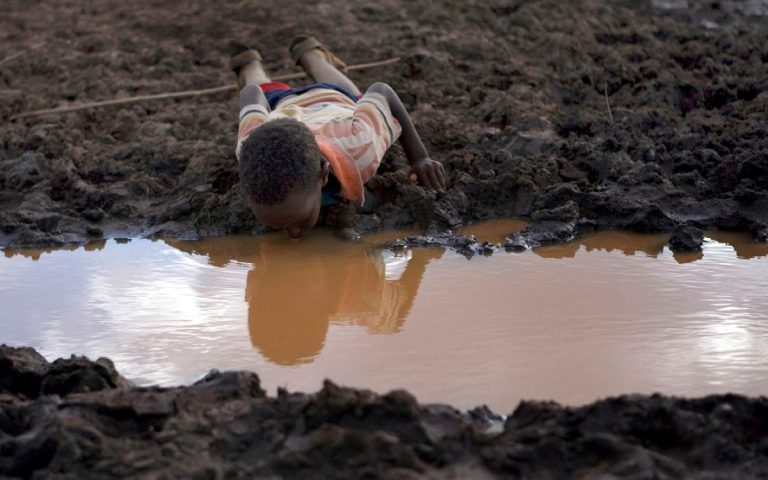
8 Days without water. That is the reality that most residents face in Govan Mbeki Municipality (GMM).
Water mysteriously dried up amid cries and allegations of non-payments to Rand Water, Lies from politicians and misleading statements.
The truth is that there is no water in the taps of GMM residents.
Several attempts by political leaders to get to the bottom of the problem only led to higher frustration levels among councillors and residents alike. No clear answer could be obtained from anybody.
Fortunately, The Bulletin also has some sources willing to talk to us with the agreement of being anonymous. It is confirmed that Rand Water has resumed pumping but at a limited capacity.
A reliable source within Rand Water confirmed that they have enough water to pump to GMM but are not doing so due to poor payment by GMM. This has not yet been officially confirmed by The Bulletin.
Some sources within GMM (also anonymous) stated that GMM paid more than R12m short on their August account.
GMM was billed R37 458 604,16 (R7 468 951,40 was interest) and paid R24 998 177,09.
This brought the total owing Rand Water to a staggering R815 750 729,20 from R795 821 350,73. A difference of R19,929,378.47.
On Friday 4 October GMM decided to water the stadium. A lot of water was used as most of the pipes were leaking. The stadium looked like a dam at one stage.
Sources within the mining fraternity also confirmed a strong water supply in certain areas. This has not yet been officially confirmed by The Bulletin.
Some residents with boreholes have made water available to other residents. In Bethal the farmers made sure that the churches had water and were continually supplying water to some residents. Thank you to those who are helping in this regard.
GMM water trucks now have no more water to load. All the dams within the GMM area are polluted with sewer to the extent that it is most probably undrinkable. Farmers next to rivers and streams flowing from GMM have reported livestock deaths after drinking water from the rivers and streams.
The cleanest water in the area is reportedly the Trichardtsfontein dam next to Trichardt but this is allegedly reserved for Sasol in case of emergencies.
The DA in GMM made a call to the residents to attend the IDP meeting on Tuesday. Even if water issues will most probably not be on the agenda, it is a place where your voices can be heard and concerns noted.
It is confirmed that water has now reached Kinross reservoirs and that some parts do have water in that area.
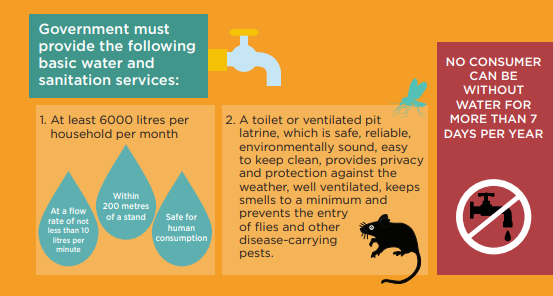
The South African Human Rights Commission explains the right to water on their website in a document that can be accessed here: https://bit.ly/3Yaw9cC
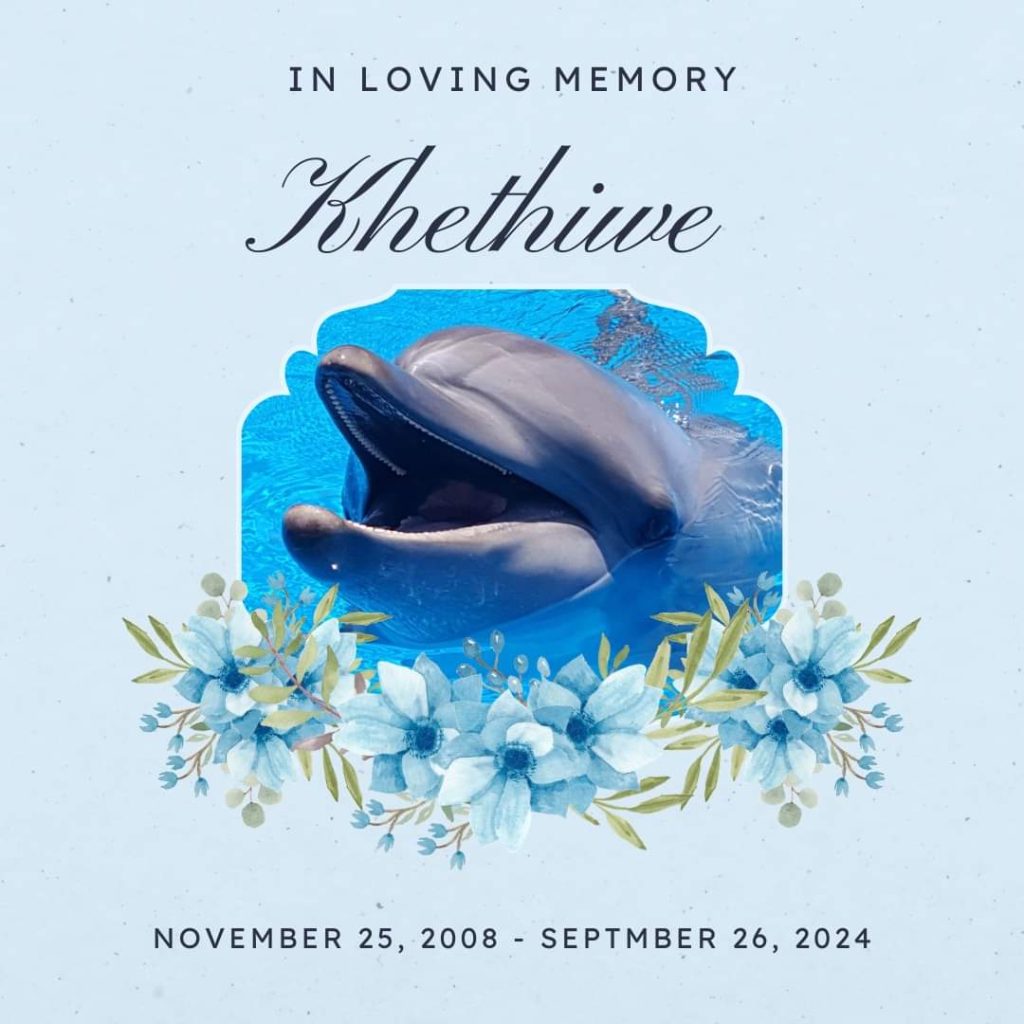
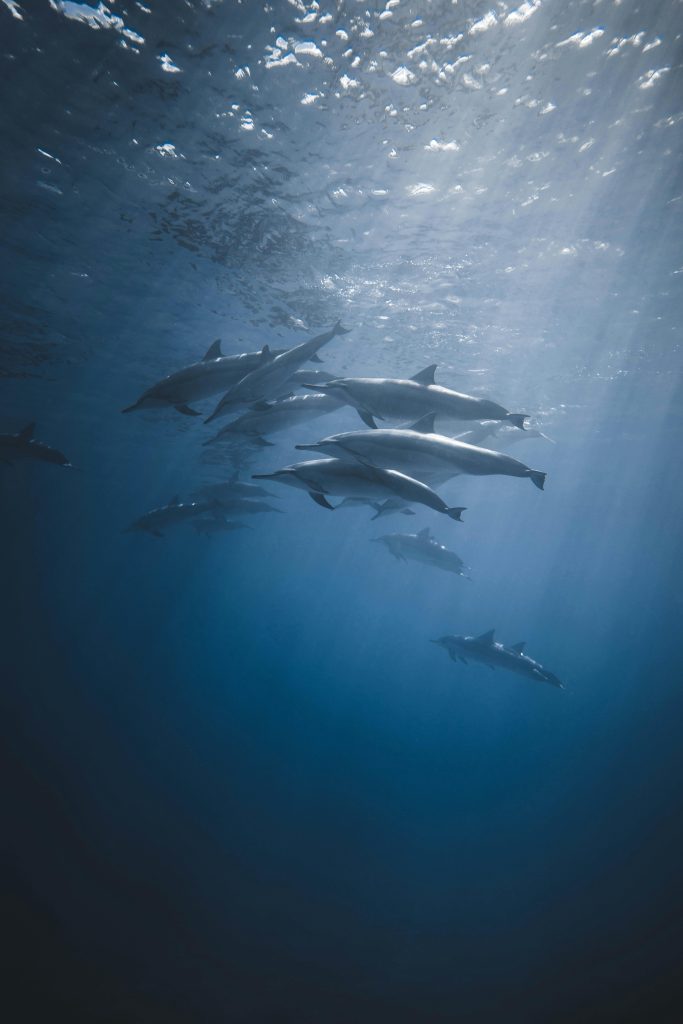
Since the recent passing of Khethiwe, the youngest dolphin at uShaka Marine World, the animal rights world is faced with not just sadness, or anger, but a duty to highlight the ethics of keeping marine mammals (and other wildlife) in captivity.
Born to parents Gambit and Frodo, Khethiwe spent her brief 16 years confined within the walls of a marine park, performing tricks for crowds. Her name, meaning “the chosen one” in isiZulu, serves as a sad reminder of the expectations placed upon her—chosen for captivity, rather than the freedom that her species was meant to enjoy, as Beauty Without Cruelty writes.
At just 16 years old, this captive-born dolphin slipped away, her life a sad reminder of the ocean depths she never knew, the waves she never felt, and the freedom that remained forever out of reach. My eyes fill with tears every time I think about her death and as I write this article I hope to see a world, in my lifetime, where animals are not used for entertainment!
Khethiwe – Image shared by Beauty Without Cruelty
Sixteen years old is considered young for a bottlenose dolphin female to die. Her cause of death is not yet revealed. In the wild, bottlenose dolphins typically have a lifespan of around 40 to 60 years, with some individuals living even longer in captivity. Factors such as health, environmental conditions, and human impact can influence their lifespan, but a 16-year-old dolphin would generally be expected to live much longer.
Dolphins are highly social animals, known for their complex social structures and strong bonds within their pods. These intelligent creatures thrive in groups, relying on social interactions for communication, cooperation, and emotional support. Their playful behaviours and coordinated hunting strategies demonstrate the importance of community in their lives. Living in close-knit pods allows dolphins to share resources, protect one another from predators, and teach their young essential survival skills. This social nature is crucial for their well-being, highlighting how interconnectedness with their kind is vital for their survival and happiness.
Toni Brockhoven, Chairperson of Beauty Without Cruelty (BWC), remarked, “Khethiwe’s life and death should be a wake-up call. We cannot keep hiding behind the idea that animals in captivity are happy just because they seem to entertain us. Her life was not her own—it was a performance for human amusement, and that’s something we need to confront. Her death is heartbreaking, but what’s even more devastating is that we still allow animals like Khethiwe to live entire lives in captivity for the sake of human entertainment. It’s time we face the reality: these animals suffer, and we need to change.”
Khethiwe’s untimely death at such a young age highlights the urgent need to end the practice of using animals for entertainment. While facilities like marine parks and zoos often claim to care for their animals, it is a terrible justification to keep them confined. Dolphins are intelligent, social beings that thrive in their natural environments, swimming great distances and engaging in complex social interactions that cannot be replicated in captivity. I believe that if you truly care about their needs, then you don’t keep them captive or support captivity. Is it acceptable to keep a child in a cage because they are well cared for? That is an ignorant argument from fools. Khethiwe never got to experience what she was meant to! For anyone who has any compassion, this should be heartbreaking!
Dolphins like Khethiwe, spend their lives performing repetitive routines in confined tanks. It is undeniable that the stress of captivity can lead to severe physical and psychological issues, including depression and aggression. The restrictions placed on these creatures rob them of their natural behaviours—swimming freely, socializing, and hunting in the depths of the ocean.
Marine mammal specialist Naomi Rose from the Animal Welfare Institute has long called for an end to dolphin captivity. “Captivity limits their natural behaviours, causing mental and physical stress. The environment in marine parks is entirely artificial and unnatural for dolphins.” Khethiwe’s life was a testament to this harsh truth. Confined to a tank, her instincts were suppressed, and her existence was reduced to mere entertainment for humans.
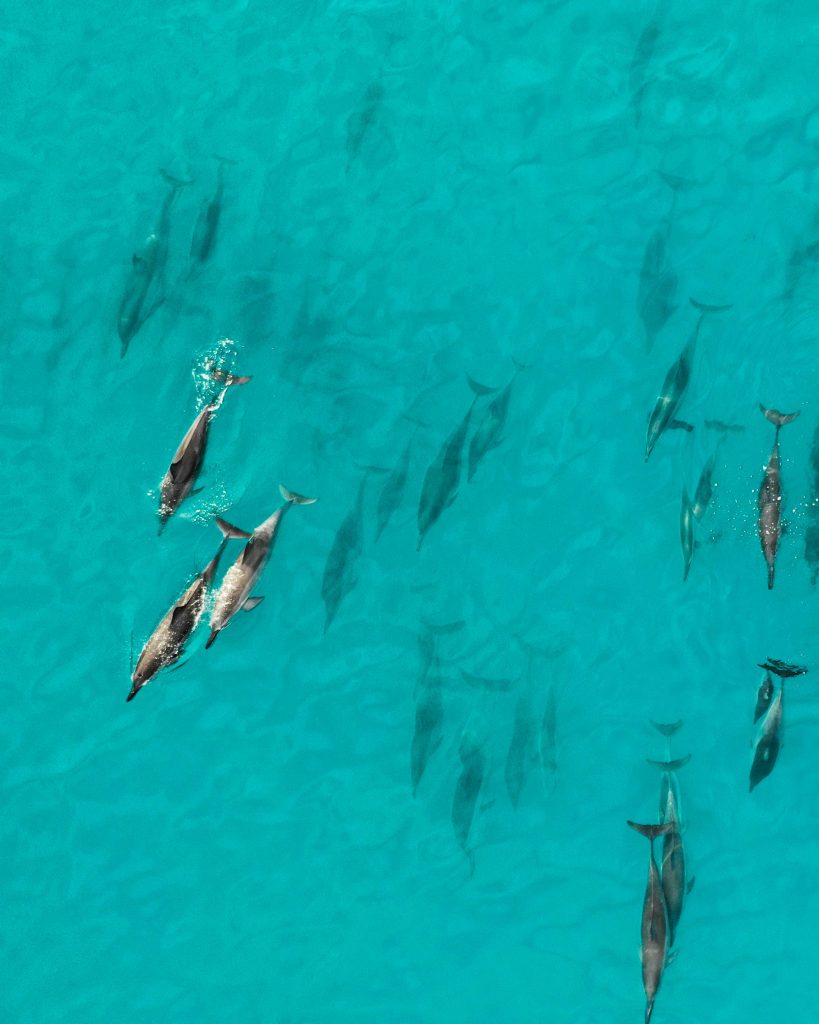
Dolphins – Image via Pexels.com
Also, read about the bad excuses for giving animals away.
As we mourn Khethiwe’s passing, it is crucial to understand that her story is not an isolated incident. Many animals, from dolphins to elephants and tigers, are held in captivity for the sake of entertainment. Zoos, petting farms, animal rides, and circuses perpetuate a cycle of exploitation, where the lives of sentient beings are commodified for human enjoyment. The ongoing support for these entertainment parks and industries directly contributes to the captivity of these animals because if it pays, it stays. Every ticket purchased and every attraction visited funds an industry that prioritizes profit over the true needs of its inhabitants. By choosing to attend these facilities, individuals inadvertently endorse a system that exploits sentient beings for entertainment, perpetuating confinement and potential suffering. This financial support allows parks to maintain their operations, creating a false narrative that animals are thriving when, in reality, they suffer in isolation. Do you remember how much you loved lockdown? Didn’t think so……
The claim that marine parks and zoos provide significant educational value is another common misconception. While seeing animals up close may seem informative, true education goes far beyond mere observation. A four-year-old can tell you about dinosaurs they’ve never seen, demonstrating that knowledge can be acquired through books, documentaries, and other resources without the need for live animals in captivity. Learning about dolphins, elephants, and other creatures in their natural habitats offers a much richer understanding of their behaviours, social structures, and ecological roles.
Documentaries and virtual experiences can provide authentic insights into their lives, fostering a deeper appreciation for their existence and the challenges they face in the wild. Instead of teaching empathy and respect for wildlife, captivity often reinforces a false narrative that these animals are mere entertainment, or commodities, detracting from the urgent message of conservation and the importance of protecting their natural environments.
Khethiwe’s life and tragic death force us to confront uncomfortable truths about our values and practices. Should dolphins, inherently meant for the vastness of the ocean, be confined to small tanks? Is this what we truly want for animals we claim to care for? These beautiful creatures do not belong in captivity. They are deprived of the world they were meant to inhabit.
Consumers need to recognize the impact of their choices and consider alternatives that promote wildlife conservation and education without compromising animal welfare. By choosing to support sanctuaries (not engaging directly with wildlife) and reputable rescue organizations instead, we can advocate for a future where no sentient creature is locked away for human amusement, ultimately driving home the urgent need for systemic change in how we treat animals.
We need to push for a future where no dolphins (or other wildlife) are born into captivity, where no creature is forced to endure a life confined to cages and tanks. Animals are not here for our entertainment; they are living beings deserving of the freedom to exist in their natural environments.
Let Khethiwe’s life inspire us to take action. The world is evolving, and our understanding of animal rights must evolve with it. The time has come to empty the tanks and end the practices that keep sentient beings in confinement. Together, we can advocate for a world where animals can thrive in their natural habitats, free from the constraints imposed by human entertainment.
In honoring Khethiwe, let us commit to creating a better future for all animals. Let’s ensure that future generations of dolphins swim freely in the oceans, living lives rich with the natural behaviours that define their existence. Choose compassion over entertainment. Don’t be captured by captivity.
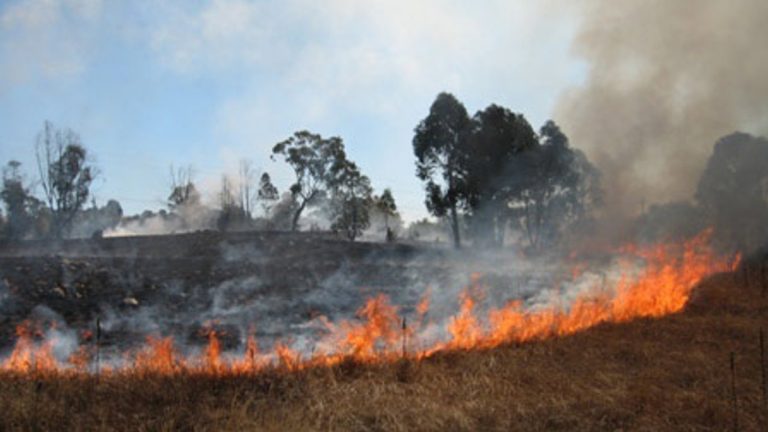
Mpumalanga must be declared a Disaster Area so that Insurance Companies can pay farmers for the fires ravaging parts of the province
The Democratic Alliance (DA) has written a second letter to the Mpumalanga Government asking them to urgently declare the province a Disaster Area so that farmers and landowners who are affected by fires can get help.
In July this year, after several fires devastated many parts of the province, the DA wrote to the MEC of Agriculture, Rural Development, Land and Environmental Affairs, Nompumelelo Hlophe, appealing to her to declare the province a Disaster Area for the agricultural community to get help. She responded positively and said she would ask Premier Mandla Ndlovu to declare the province a Disaster Area. But it looks like the Premier ignored the request. Even during his official Opening of the Mpumalanga Legislature on July 31, the Premier did not mention anything about declaring the province a Disaster Area.
Today (27 September 2024), the DA wrote another letter to MEC Hlophe asking her the same thing after another fire broke out last night in the Highveld Area around Ermelo.
“We reminded MEC Hlophe that the agricultural community and concerned citizens of Mpumalanga need urgent help and government intervention in the wake of these devastating fires that have swept across all municipal districts in the province in the last few months, and the only way they can get help, is if they declare the province a Disaster Area,” Said Tersia Marshall MPL – DA Spokesperson on Agriculture: Mpumalanga Province to The Bulletin.
Tersia Marshall MPL – DA Spokesperson on Agriculture: Mpumalanga Province to The Bulletin
The DA has previously raised concerns with the provincial government regarding the severe risks posed by these fires, and the situation has now escalated to a critical point.
“We are concerned that the widespread fires have caused immense damage to landowners, farmers, and businesses alike. The legal ramifications of this disaster are severe, as insurance companies are refusing to process or pay out claims unless the province is officially declared a disaster area. Without this crucial declaration, landowners and business owners face financial devastation, and the consequences for Mpumalanga’s economy will be catastrophic.”
“In our latest letter to the MEC, we informed her that failure to declare Mpumalanga a disaster area would result in widespread business liquidations, leaving thousands of people without jobs and threatening the food security of the province,” said Marshall.
The Provincial Government must know that the agricultural sector, already under immense pressure, will be unable to recover without urgent financial support and insurance relief. The ripple effect of this disaster on local businesses and employment is immense, and the long-term damage to the province will be irreversible without immediate action.
The DA requested MEC Hlophe to urgently raise this matter again with the Premier and expedite the declaration of Mpumalanga as a disaster area. This is a critical step to ensure insurance claims are paid out and that those affected can begin rebuilding their livelihoods. “We cannot afford any delay in addressing this matter, as every day lost deepens the impact on our communities.”
ANIMAL WELFARE ORGANISATIONS HAVE HEARD IT ALL, NO JOKES!
Surrendering animals is an all-year-round thing, but especially close to holidays and the first few weeks into the new year, shelters and rescues are overwhelmed, so much, that some have to say “We are full” and can’t take in any more. It is just heartbreaking! What follows, might sound ridiculous to you, but if you volunteer in animal welfare you have heard all this!
Editor’s note – This article is a reprint from 30 March 2022.
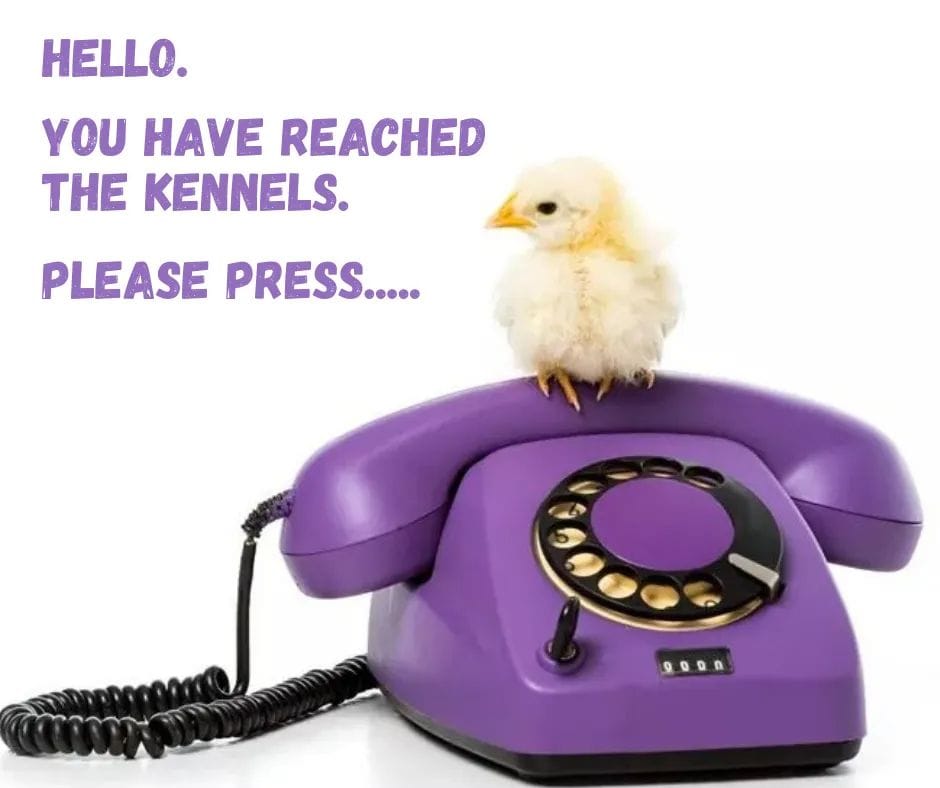
HELLO. YOU HAVE REACHED THE KENNELS.
Due to the high volume of calls we have been receiving, please listen closely to the following options and choose the one that best describes you or your situation:
Press 1 if you have a 10-year-old dog and your 15-year-old son has suddenly become allergic and you need to find the dog a new home right away.
Press 2 if you are moving today and need to immediately place your 150-pound, 8-year-old dog.
Press 3 if you have three dogs, had a baby, and want to get rid of your dogs because you are the only person in the world to have a baby and dogs at the same time.
Press 4 if you just got a brand new puppy and your old dog that you’ve had for 16 years is having problems adjusting, so you want to get rid of the old one right away.
Press 5 if your little puppy has grown up and is no longer small and cute and you want to trade it in for a new model.
Press 6 if you want an unpaid volunteer to come to your home today and pick up the dog you no longer want.
Press 7 if your old dog has had years of being tugged at and jumped on by your children, and now the dog is sore and arthritic he has shown his teeth so you need to get rid of him right away instead of teaching your kids how to behave.
Press 8 if your dog is sick and needs a vet, but you need the money for your holiday.
Press 9 if your dog doesn’t like your new partner.
Press 10 if your relative has died and you don’t want to care for their elderly dog, because it doesn’t fit your lifestyle.
Press 11 if you suddenly have no time for your dog.
Press 12 if your two-year-old male dog is marking all over your house, but you just haven’t gotten around to having him neutered or trained.
Press 13 if you want to return your recently adopted dog, and seeing him in kennels isn’t as heartbreaking as it was when you adopted him.
Press 14 if you heard that your unchipped dog has been brought to the safety of the kennels, but you’re angry and don’t want to pay the small fee that keeps the charity running & looking after dogs like yours.
Press 15 to leave us an anonymous garbled message, letting us know you have left a dog in our yard in the middle of January, which is in fact, better than just leaving the dog with no message.
Press 16 if you are going to get angry because we are not going to take your dog, which you have had for fifteen years because it is not our responsibility.
Press 17 if you are going to threaten to take your ten-year-old dog to be euthanized because we won’t take it.
Press 18 if you didn’t realize that dogs require exercise and training and your dog is a chore. So, you would prefer not to have a dog anymore.
Press 19 if you want one of our perfectly trained, housebroken, kid and cat-friendly purebred dogs that we have an abundance of.
Press 20 if you want us to take your dog that has a slight aggression problem, i.e. has only bitten a few people and killed your neighbour’s cats.
Press 21 if you have already called once and been told we don’t have any kennels left to take in dogs, so you called again to see if a different staff member could magic a kennel out of nowhere.
Press 22 if you want an 8-week-old puppy for your kids in time for Christmas.
Press 23 if your dog has had a litter in time for Christmas and now that you’re making money from them, you want to get rid of the dog.
Press 24 if your young husky keeps getting out of your unfenced garden and would rather get rid of them than spend money on fencing and training. The same goes for cats!
Press 25 if you have found a “stray”, and when we collect it, you slip up by calling the dog his name and he cries when we take him away.
Press 26 if you’re lying to make one of us feel bad and take your pet off your hands.
Press 27 if you have done “everything” to housebreak your dog and have had no success, but you don’t want to train the dog.
Press 28 if you’re angry that we can’t rehome an unsocialized purebred dog with your children because you’re ok with the dog biting other kids.
Press 29 if you need a puppy immediately and cannot wait because today is your daughter’s birthday and you forgot when she was born.
Press 30 if your dog’s coat doesn’t match your new furniture and you need a different colour or breed.
Press 31 if your new partner of 4 weeks doesn’t like your dog and you are too stupid to get rid of the new friend instead of the dog.
Press 32 if you went through all these ‘options’ and didn’t hear enough. This press will connect you to the sounds of tears being shed by one of our staff who is holding a discarded old dog, while he is confused as to what he did wrong to be abandoned and homeless, and now has to wait for someone to see past his age and health problems and adopt him……
Credit: Elize Steytler
Also, read more about the why and how of spaying and neutering your pets and why “free to good home” is playing Russian Roulette with an animal’s life.
If you can no longer take care of your pet for some honest and real reason, then contact your local animal welfare organizations to handle a responsible adoption, including home checks, sterilization, an adoption contract, and more.
Sasol Highveld Photography Club (SHPC) bid Hanno de Beer Farewell at their September club meeting. Hanno was a longstanding member of SHPC. Hanno was also the club chairman over the past few years. Hanno is moving to the Netherlands after accepting employment there.
Hanno de Beer
Sasol Highveld Photography Club (SHPC) hosts monthly meetings where members can enjoy informative talks by other photographers.
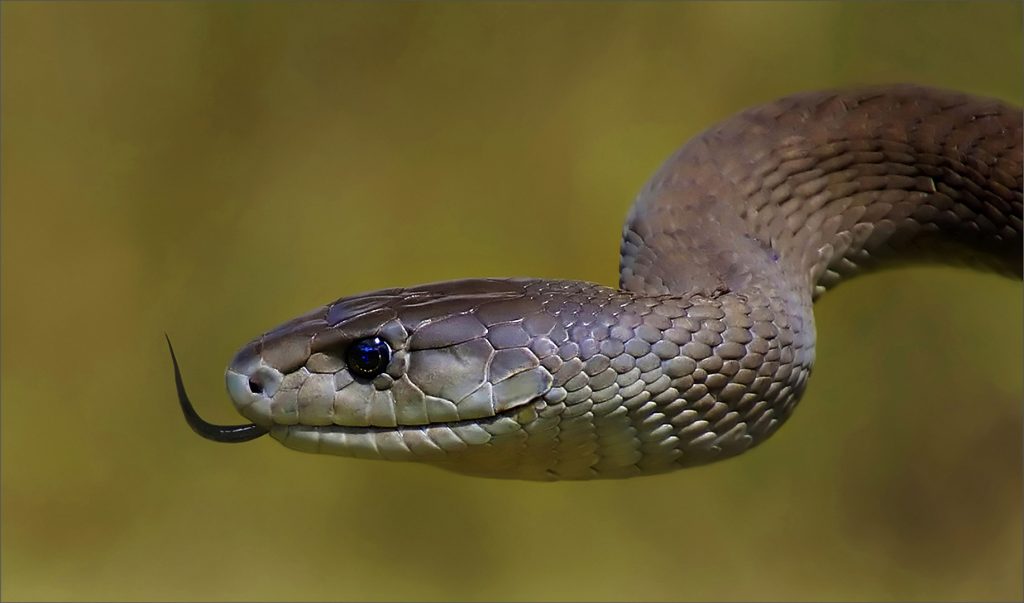
The Best Senior at the meeting was Leon Pelser with his photograph “Venomous Black Mamba”
Leon Pelser – Venomous Black Mamba
Various topics are covered, and this is always accompanied by photographs that the guest has shot.
The best Junior at the meeting was Edmund Hattingh with “Red Eye”
Edmund Hattingh – Red Eye
Members are invited to enter their photographs to be judged in different categories.
The best photographer in the Set Subject category was Leon Pelser with “You Bitch.”
Leon Pelser – You Bitch
Members are also graded by their skill levels and receive points to progress to a higher level. The aim is that photographers should improve by having their photos judged and critiqued. By taking note of the commentaries of the guest they should be able to improve.
Different “certificates” are awarded to the photographs. These are Bronze, Silver, Gold and Certificate of Merit (COM). If the author (photographer) does everything wrong in a photo, for his/her skill level, such as out of focus he/she will receive a bronze. Doing everything right will result in gold or even a COM.
Here are the gold and com awards of the evening.
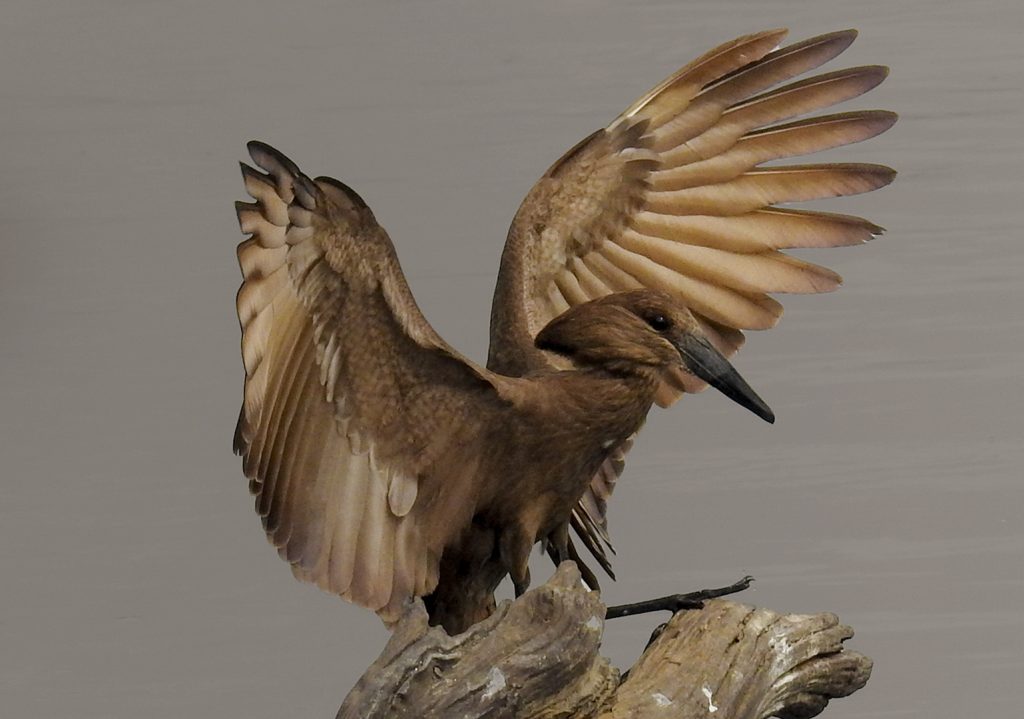
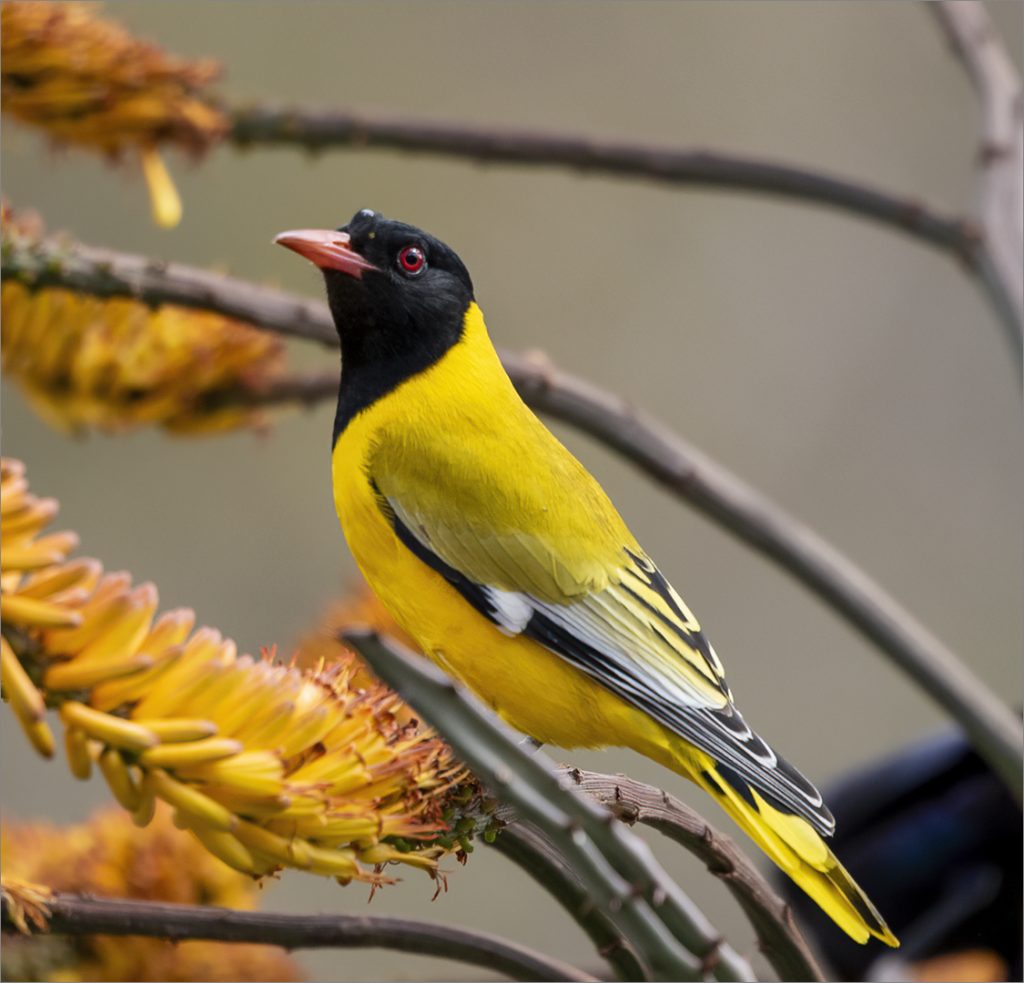
Nature – Birds only
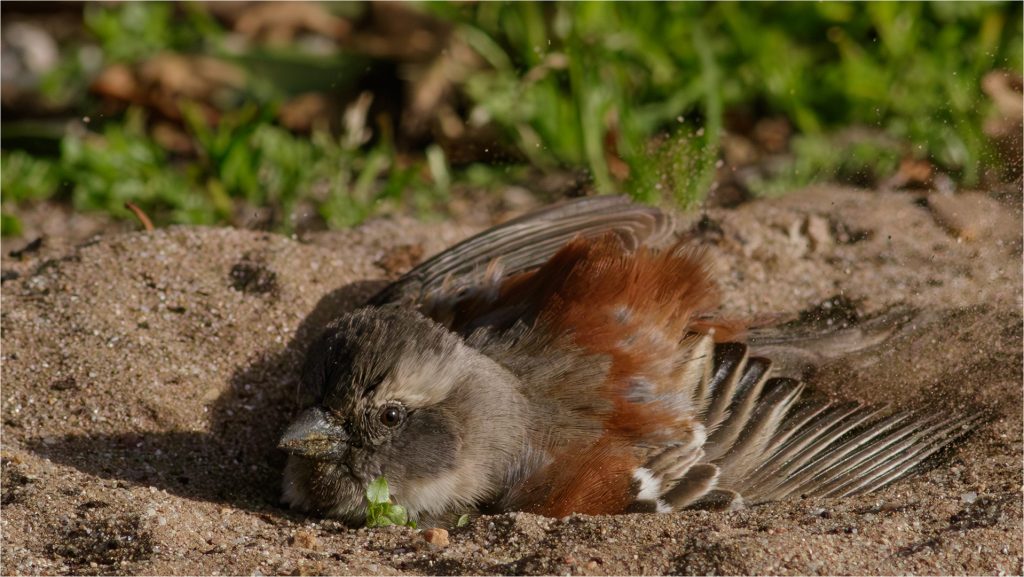
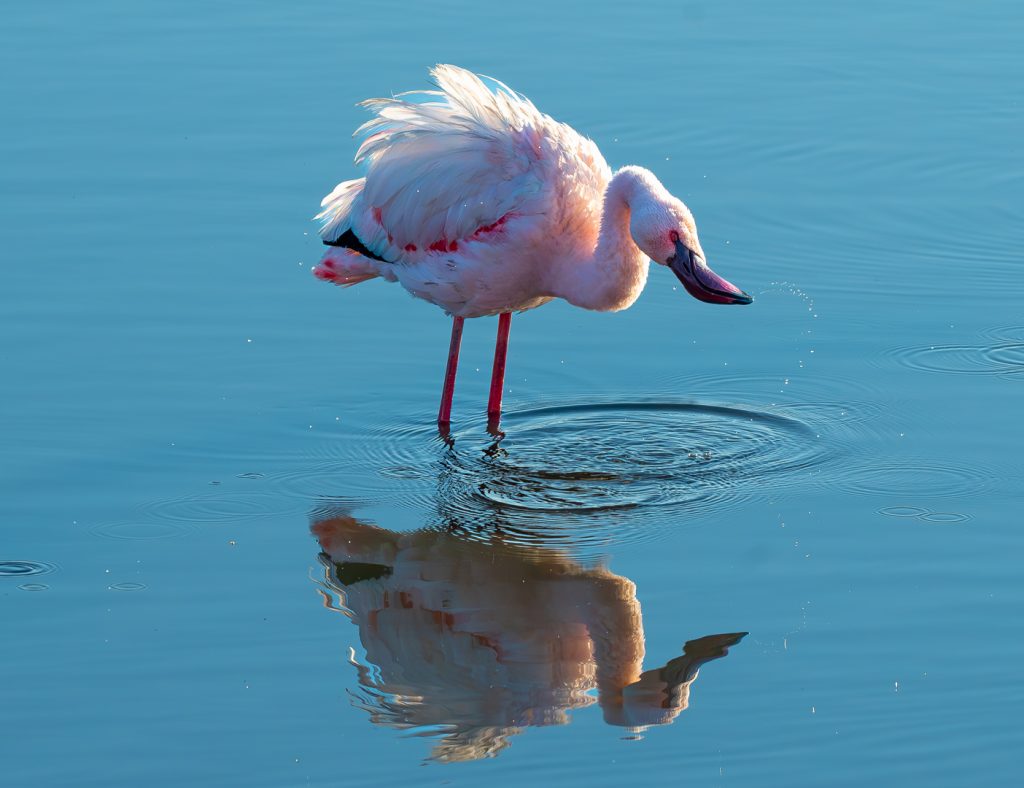
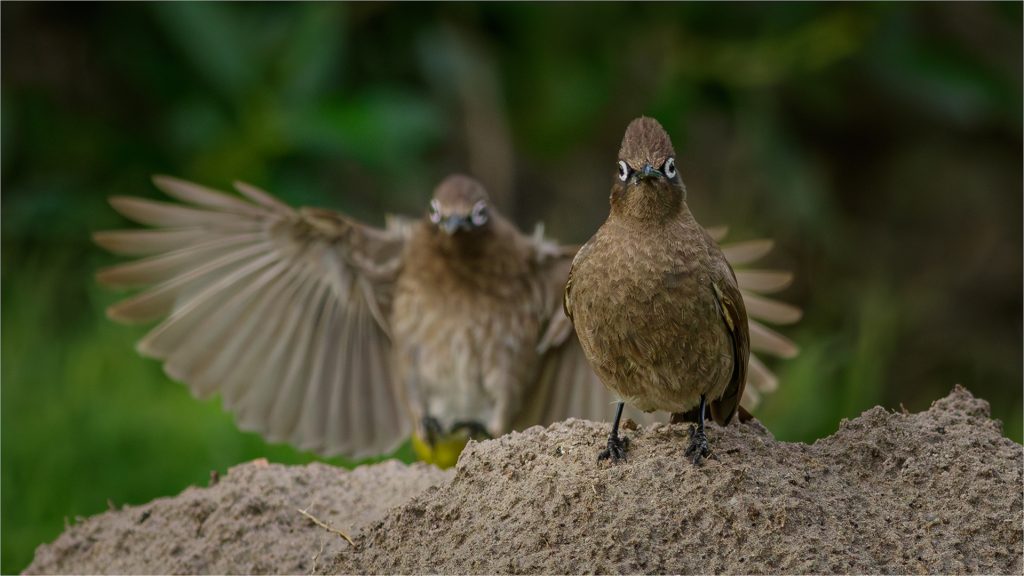
Piet Potgieter – Sand BathEdmund Hatting – Flamingo head turn
Johan Viljoen – LandedJohan Viljoen – Wielewaal
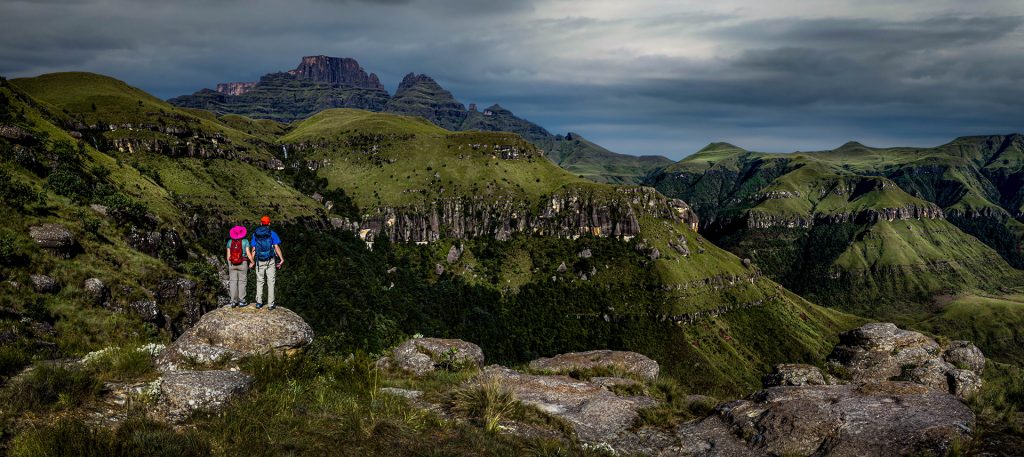
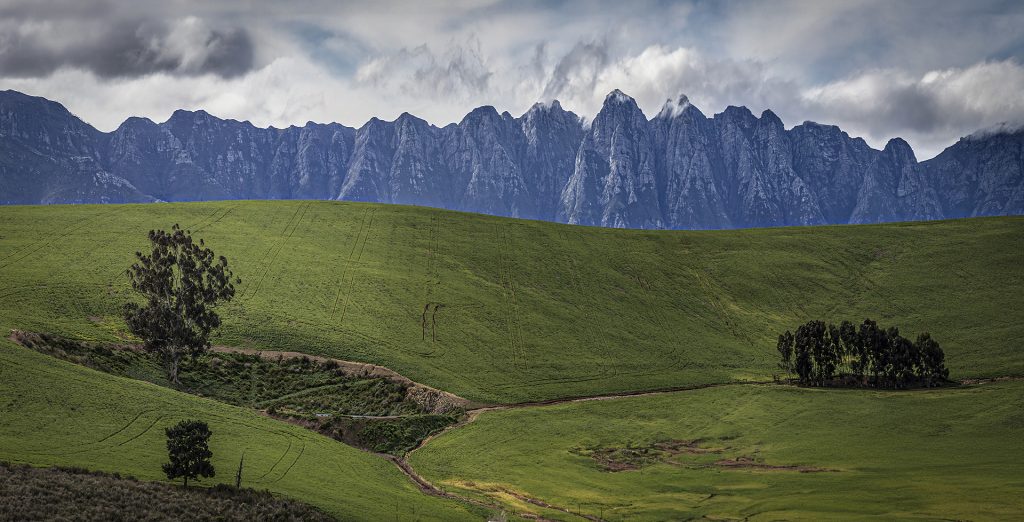
Scapes
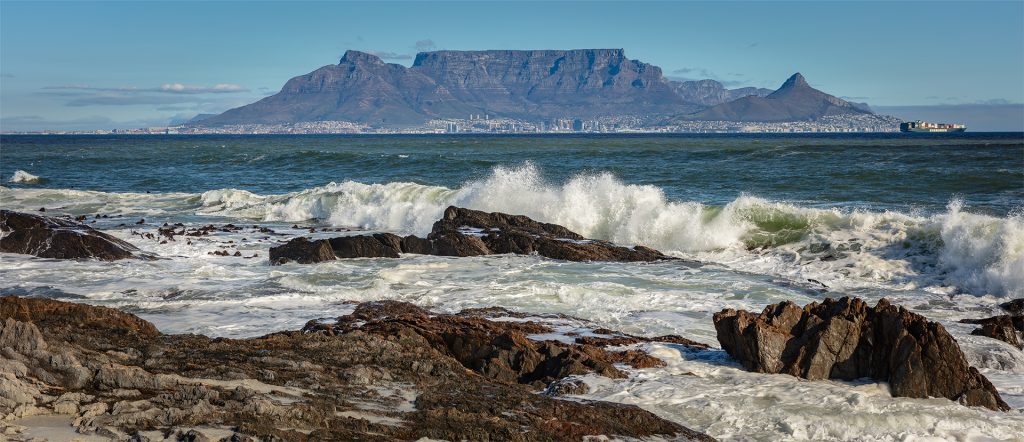
Leon Pelser – Dry mud on ashdam surfaceLouis van der Walt – One with the mountainDNE Smit – Overberg winterPiet Potgieter – That viewSussa Pelser – Brandwag By GoldengateLouis van der Walt – Nandi 4 Streams 1
Monochrome
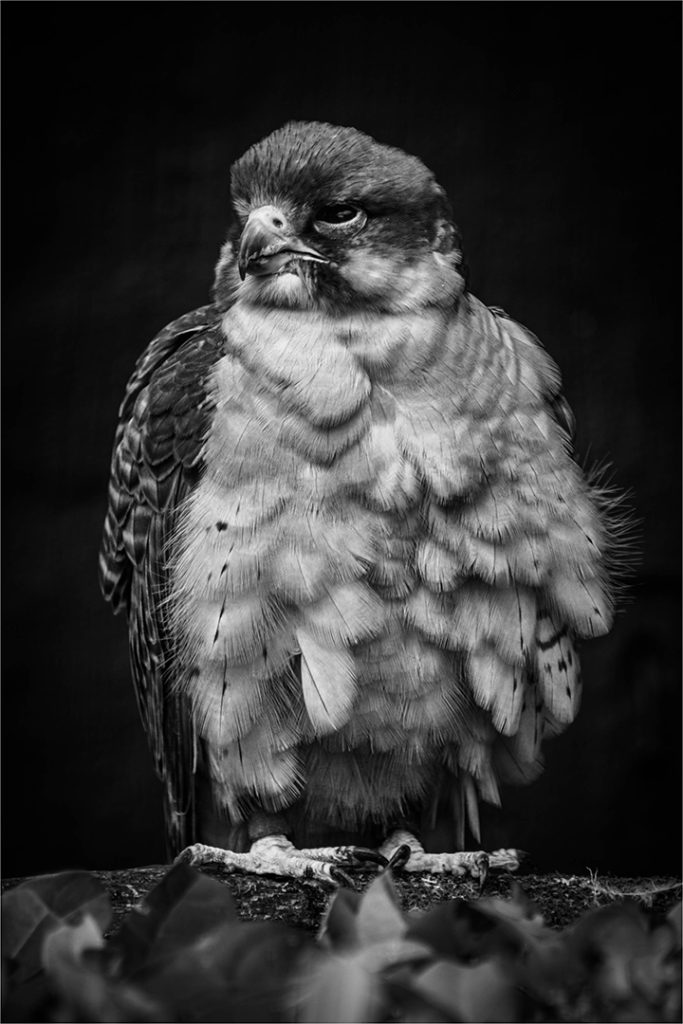
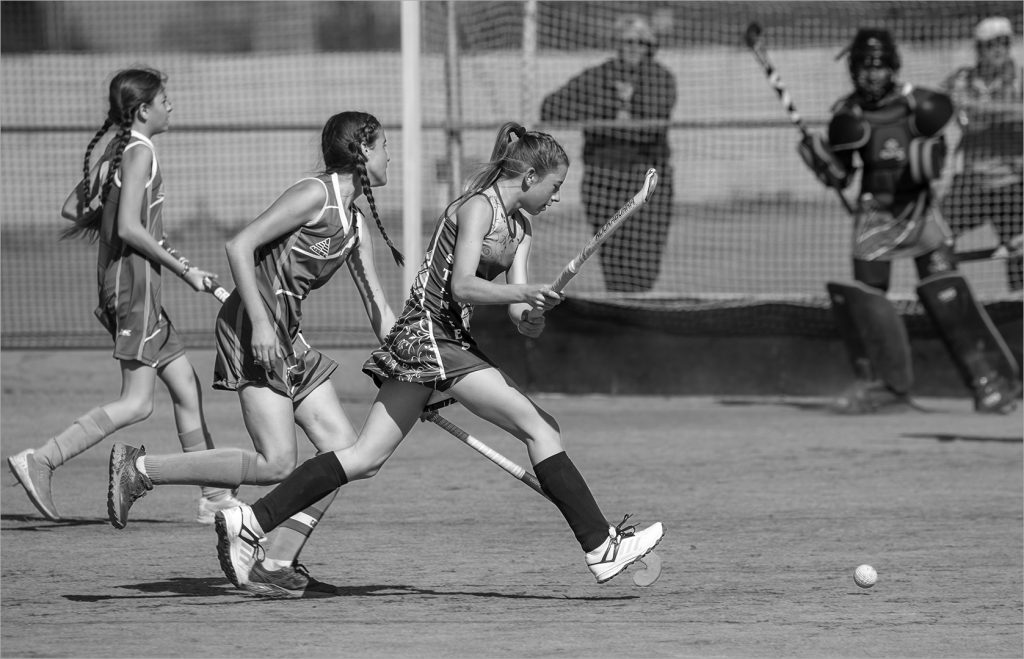
Hanno de Beer – Fighting for possessionLouis van der Walt – Sleepy Black-Winged Kite FR 5Hanno de Beer – Open GoalAnzette Snyders – Stories
Nature
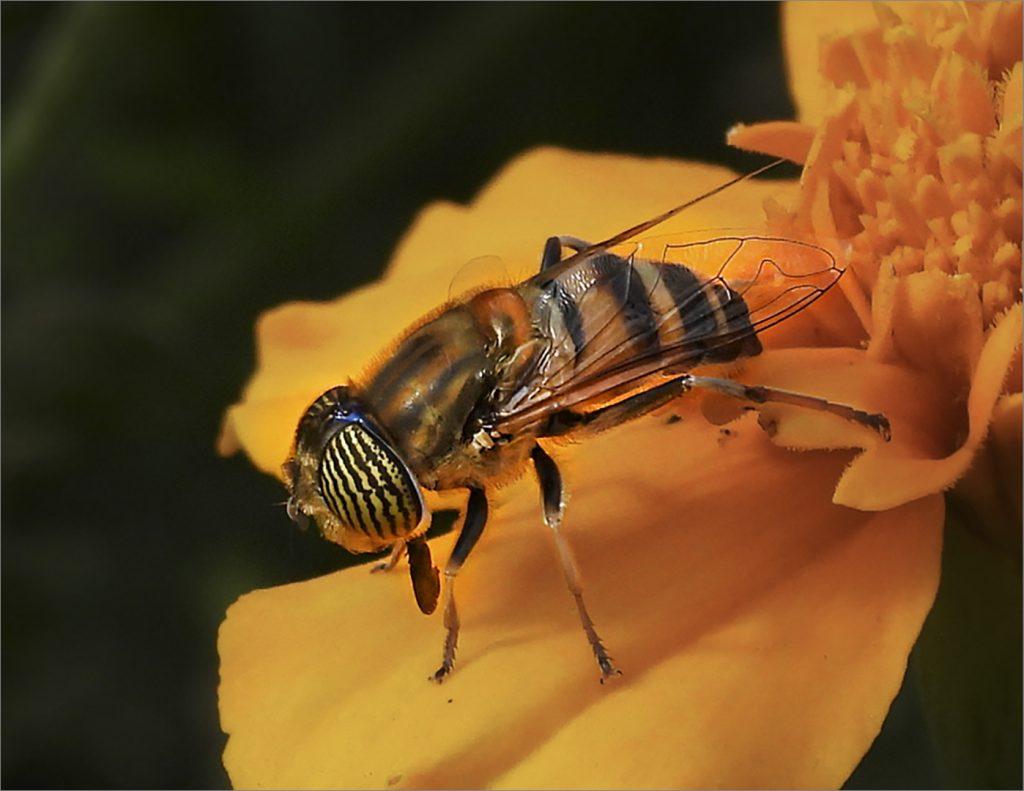
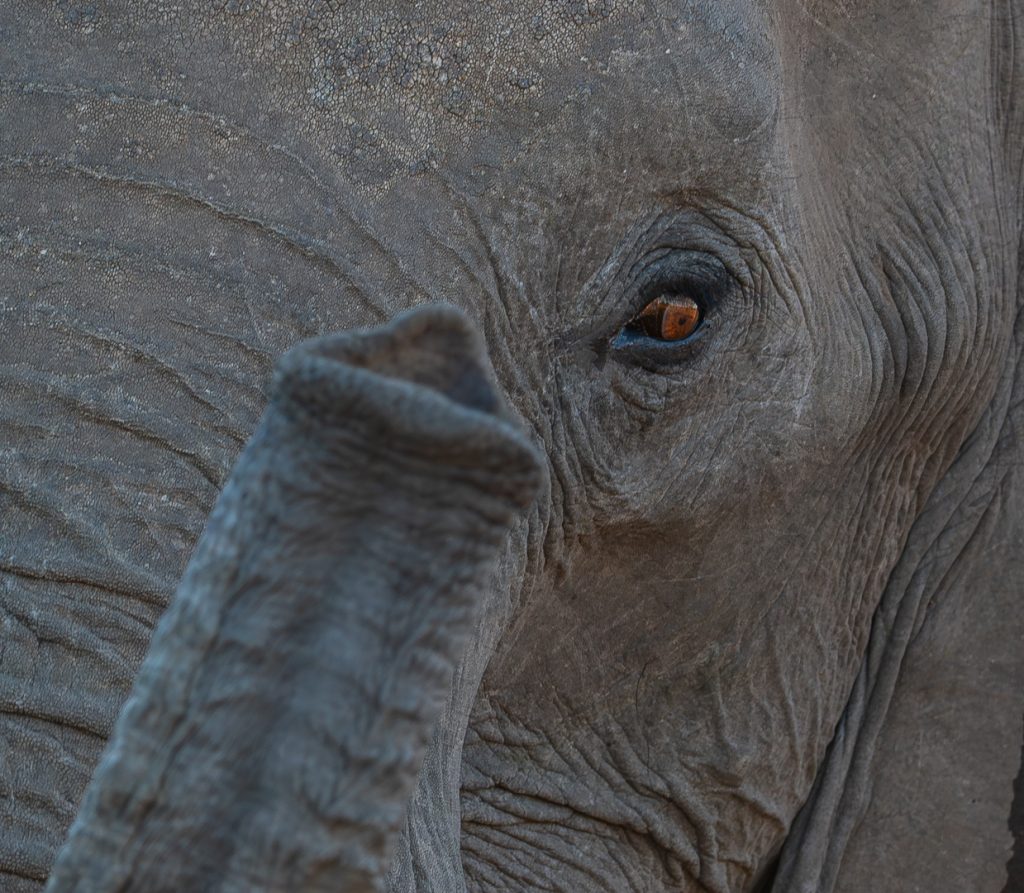
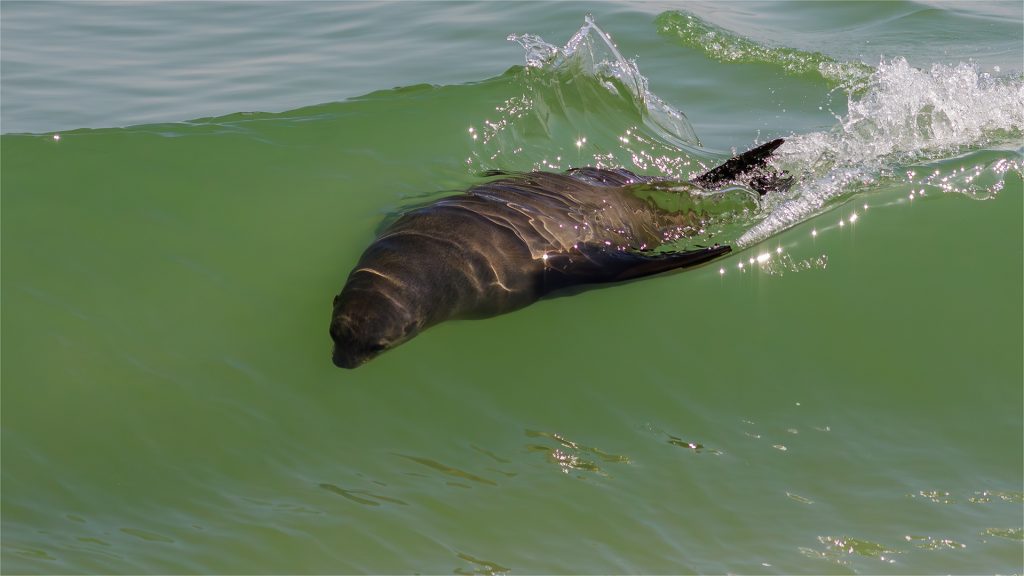
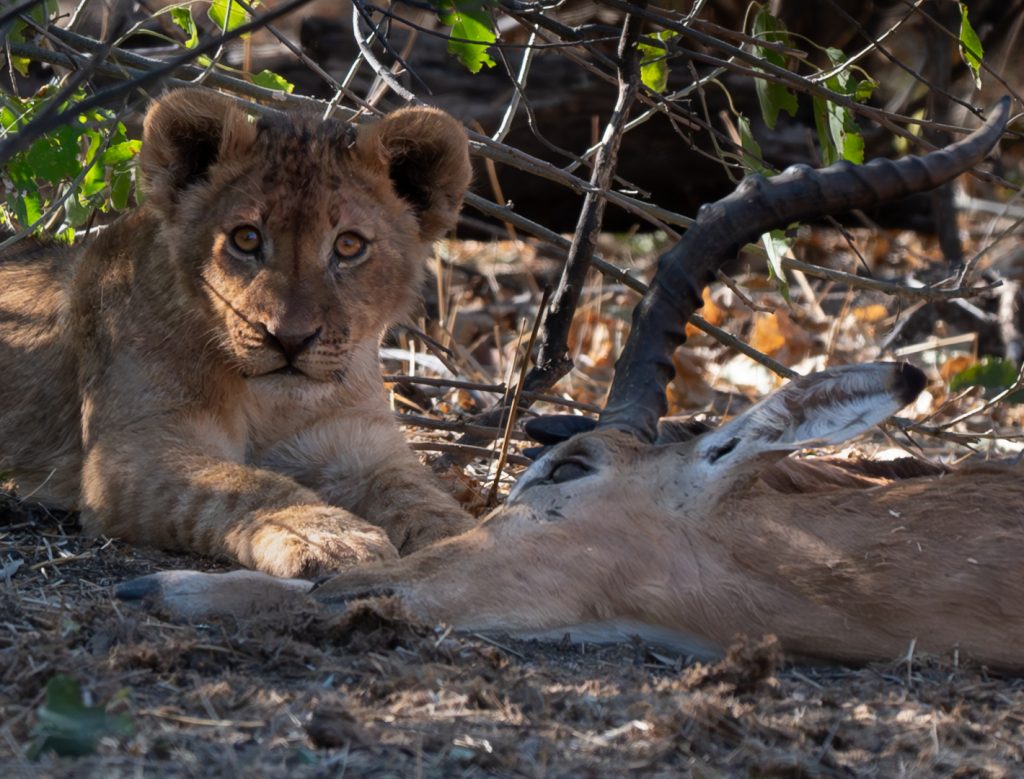
Sussa Pelser – Bee On Flower 7Edmund Hattingh – Elephant Eye (COM)Piet Potgieter – SurfingEdmund Hattingh – Got him Mom What nowEdmund Hattingh – Got You (COM)
Pictorial
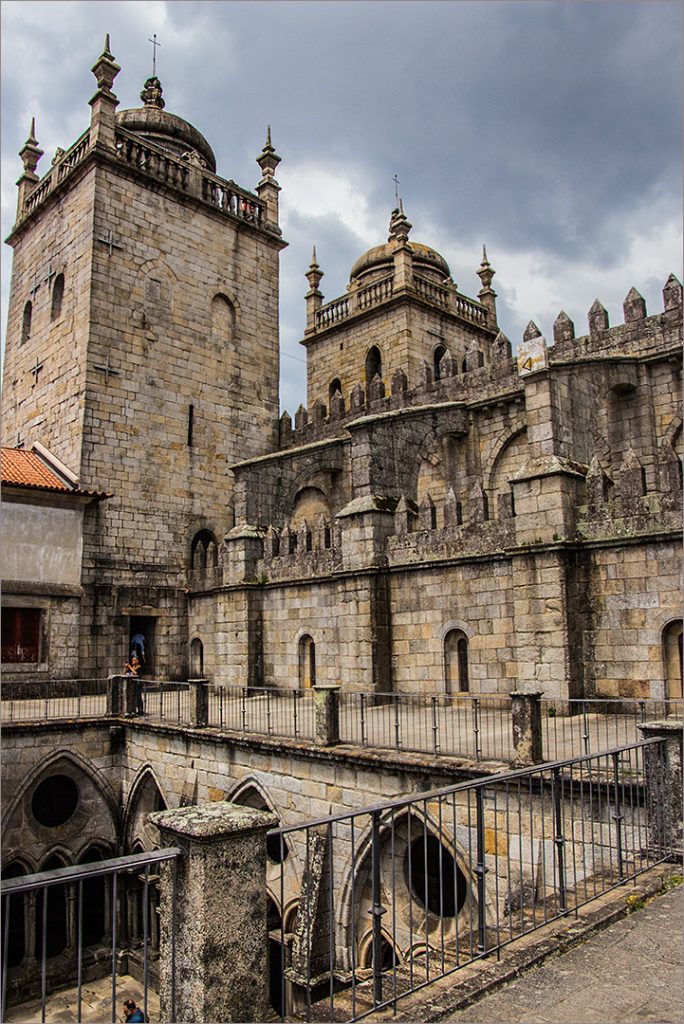
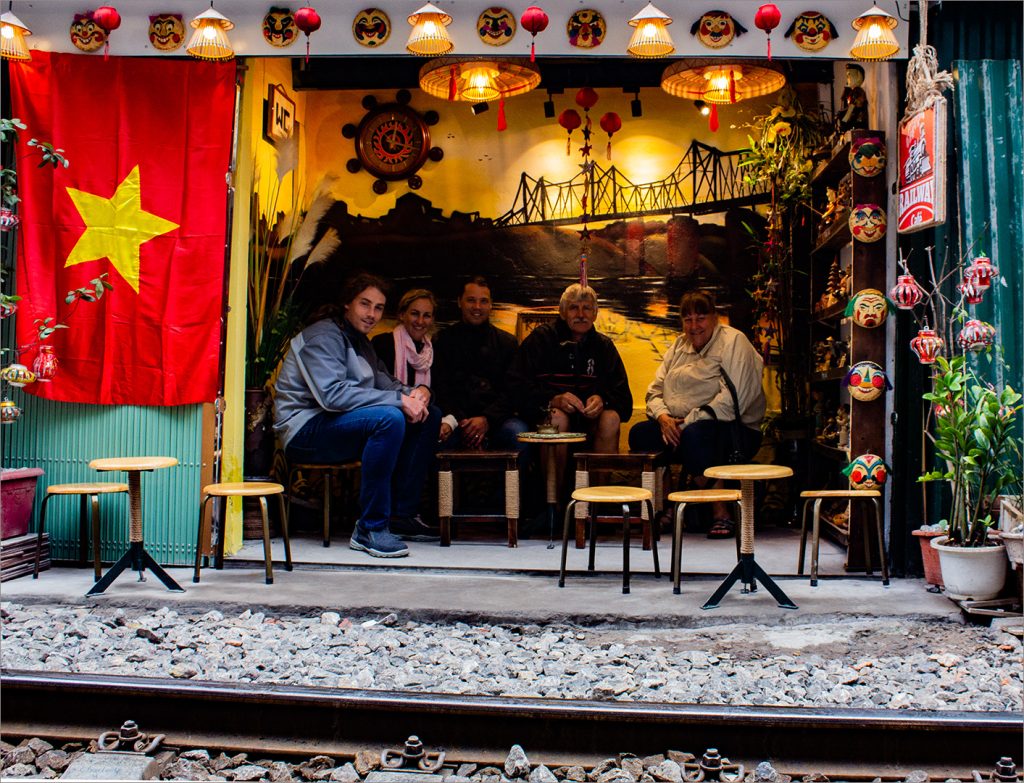
DNE Smit – DipsyLouis van der Walt – Falcon 1Lorraine Botha – Mad Hatter Tea PartyAnzette Snyders – Windhoek central
Piet Potgieter – What are you lookingDNE Smit – Wishful ThinkingJohan Viljoen – Wat kyk jySussa Pelser – Who Took My Vodka
Louis van der Walt – Sien jy dit?
Africa’s premier solar car event, the Sasol Solar Challenge (SSC), returns for its 16th year in September 2024, promising an exhilarating blend of innovation, competition, and sustainability. With a striking new route, record-breaking female participation, and participation from the world’s leading solar car teams, the SSC is set to solidify its place among the top solar events globally.
Discover the All-New 2024 Route: A Journey Through South Africa’s Scenic Heartland
This year’s SSC unveils a brand-new route that takes competitors on an epic journey from Secunda, Mpumalanga, to the vibrant city of Cape Town. This 8-day challenge will test the limits of solar technology against South Africa’s most challenging and beautiful terrains. The route promises to be the most scenic yet, offering breathtaking views that will captivate competitors and spectators alike. This unique route not only adds to the technical difficulty of the challenge but also enhances the visual appeal, making it a must-see event both on the ground and online.
Meet the Teams: Champions Return for the Ultimate Solar Showdown
The 2024 SSC will feature 14 top-tier local and international teams, including the reigning champions and top contenders from the World Solar Challenge. These teams, renowned for their engineering prowess and strategic innovation, will push the boundaries of what solar-powered vehicles can achieve. The participation of these world-class competitors reaffirms the SSC’s status as a key player on the global stage, drawing international attention and raising the stakes for all involved.
Why the Sasol Solar Challenge Stands Out
What sets the SSC apart from other solar events is its unique blend of innovation, strategy, and endurance. Competitors must navigate not only the technical challenges of solar vehicle design but also the strategic complexities of route planning and energy management. Breakdowns and obstacles are all part of the journey, but it’s the teamwork and innovative problem-solving that define the SSC experience. This event isn’t just a race; it’s a testament to human ingenuity and the relentless pursuit of sustainable mobility.
Rob Walker, Director of the Sasol Solar Challenge, emphasizes the significance of these elements: “Teamwork, innovation, and strategy are all central to the Sasol Solar Challenge, with teams required to not only navigate the technical challenges of the route and their solar-powered cars but also strategic elements including route planning and energy optimisation.”
Engage with Us: Fan Engagement on a Global Scale
The 2024 SSC is more than just a competition; it’s a celebration of solar technology and sustainability, designed to engage fans both on the ground and online. Spectators along the route can look forward to interactive activities, while those following from around the world can join the excitement through live streams, social media updates, and exclusive behind-the-scenes content. Whether you’re cheering from the sidelines or tuning in from afar, the SSC offers something for everyone.
Walker further encourages fan participation: “We believe that the future of mobility lies in sustainable solutions that enhance transport systems while also protecting the planet. With this year’s event, we want to emphasize the importance of embracing innovative technologies to reduce our carbon footprint and promote clean transportation.”
Innovation, Technology, and Strategy at the Core
Innovation is at the heart of the SSC, and this year’s event is no exception. As Walker noted, “Breakdowns are common, demanding teamwork and innovative solutions to get competitors to the finish line in an epic showdown that provides inspiration for future entrants and exciting viewing for spectators.” This year, expect to see innovation in action as teams battle the elements and each other to reach the finish line.
Celebrating Women in STEM: Record Participation in 2024
The 2024 SSC marks a significant milestone in the event’s history, with a record number of female participants across various roles—from drivers and engineers to key figures in communication and marketing. This year’s focus on gender diversity is a powerful statement about the growing role of women in STEM (science, technology, engineering, and mathematics). Sasol is proud to highlight the achievements of these women, who are not only competing but leading the charge towards a more inclusive future in sustainable technology.
Elton Fortuin, Sasol’s Vice President of Group Brand and Communications, expressed his excitement: “We are very encouraged by the increased number of women participants in both the main challenge and the school programme. The event is set to become even more exciting, and we look forward to seeing women participants giving it their best and hopefully grabbing a podium finish at the end.”
Inspiring the Next Generation
Beyond the main competition, the SSC continues to inspire future generations through its dynamic Schools Programme. This initiative brings the excitement of the SSC to young learners, fostering a passion for STEM through interactive activities and educational workshops. As the solar cars race across South Africa, the SSC’s Schools Programme ensures that the spirit of innovation reaches every corner of the country.
Sasol’s Commitment to Renewable Energy
Sasol is committed to advancing renewable energy solutions. The SSC is a bold statement of this commitment, showcasing how innovation can drive a more sustainable future. Fortuin adds, “In Sasol’s own operations, we’re making strides toward our ambitious goal of securing 1,200 megawatts of renewable energy by 2030 – enough clean energy to power over 700,000 households. To date, we’ve struck deals for over 750 megawatts, with several projects already under construction and set to come online soon. These developments mark a significant milestone in our commitment to sustainable energy.”
Join Us on This Thrilling Journey
The 2024 Sasol Solar Challenge is an event like no other, bringing together the best in solar technology, innovation, and human endurance. We invite you to be part of this incredible journey, whether by following the route in person or engaging with us online. Witness the future of mobility unfold as teams from around the world push the limits of what’s possible with solar power.