Home Blog Page 17

Tutela – A Life Transformed

A Life Transformed: The Power of Compassion and Intervention

In a powerful testament to the impact of community vigilance and swift action, a young girl’s life took a dramatic turn for the better after she was rescued from a dangerous and neglectful environment. What began as a heartbreaking case of severe malnutrition and abandonment is now a story of resilience, hope, and the unwavering dedication of those who refused to look the other way.

A Cry for Help

During 2024, a concerned community member reached out to Tutela Family Care Secunda, deeply troubled by the conditions in which a young girl was living. The child’s biological parents, both struggling with alcohol addiction, had created a hazardous and neglectful environment, leaving her exposed to constant instability and deprivation. The situation was dire—malnutrition had taken its toll, and immediate action was required to ensure her safety. Understanding the urgency, a dedicated social worker launched an in-depth investigation, which confirmed the distressing reality. The child had been left without proper care, her basic needs neglected, and her health deteriorating rapidly. With the child’s welfare as the priority, the social worker took legal intervention.

A Remarkable Transformation

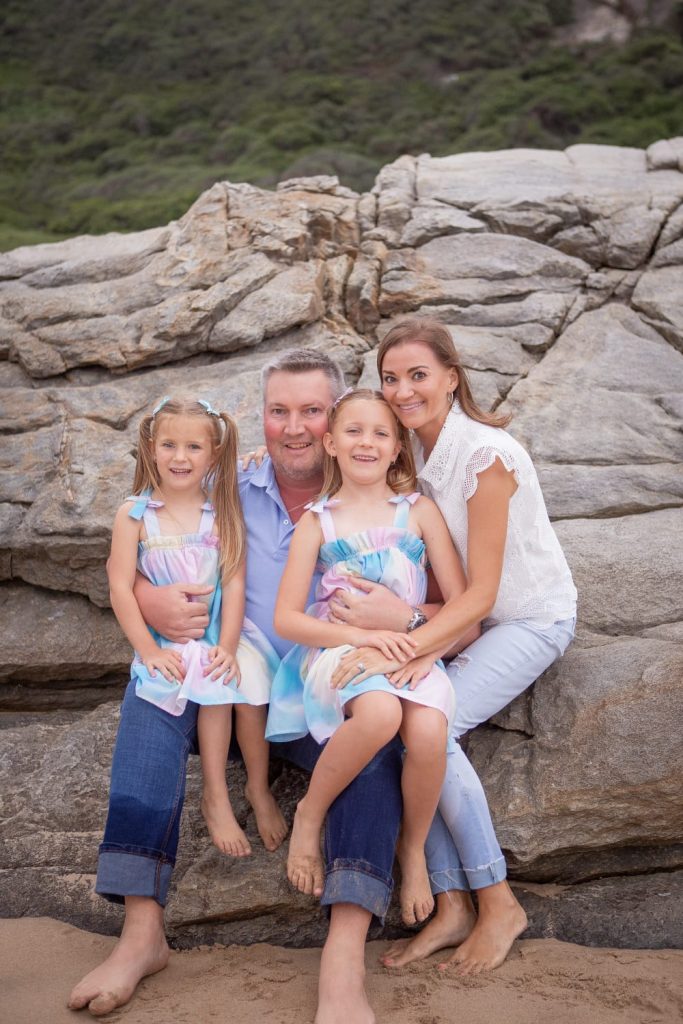
Under the care of caregivers, the young girl has made extraordinary progress. Once frail and withdrawn, she is now thriving in a structured, nurturing home. Surrounded by a strong support system—including the family, their children, and a network of caring friends—the child is finally receiving the love and care she was once deprived of. This stable, nurturing environment is helping her overcome early childhood trauma and build a foundation for a bright and promising future.

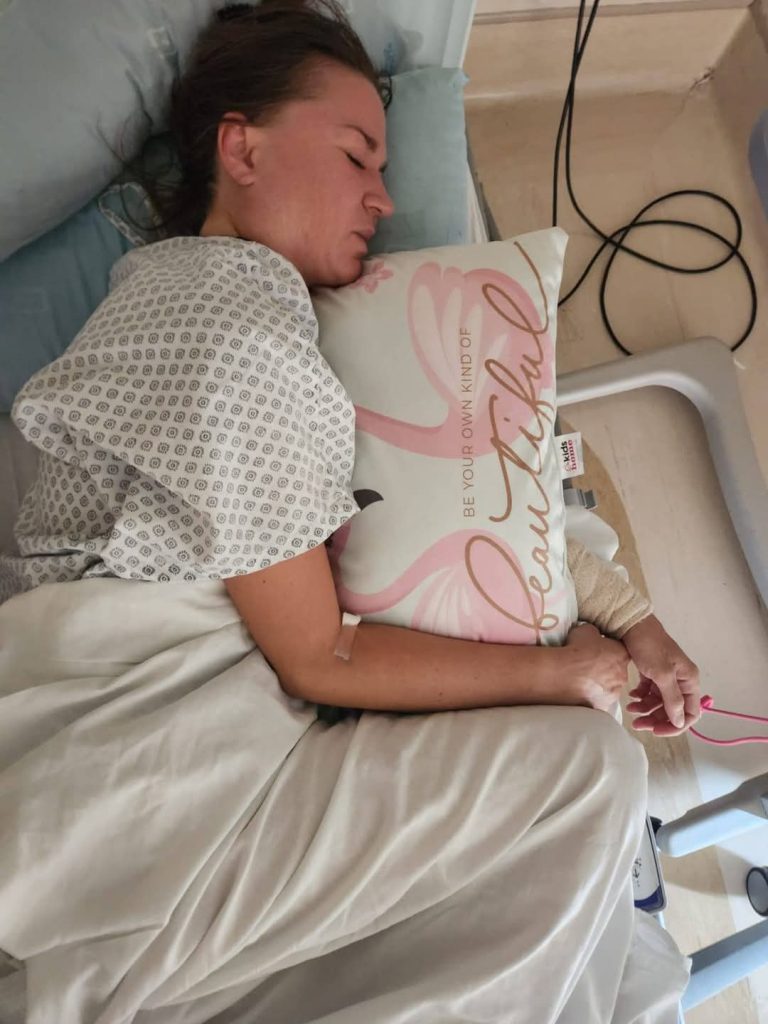
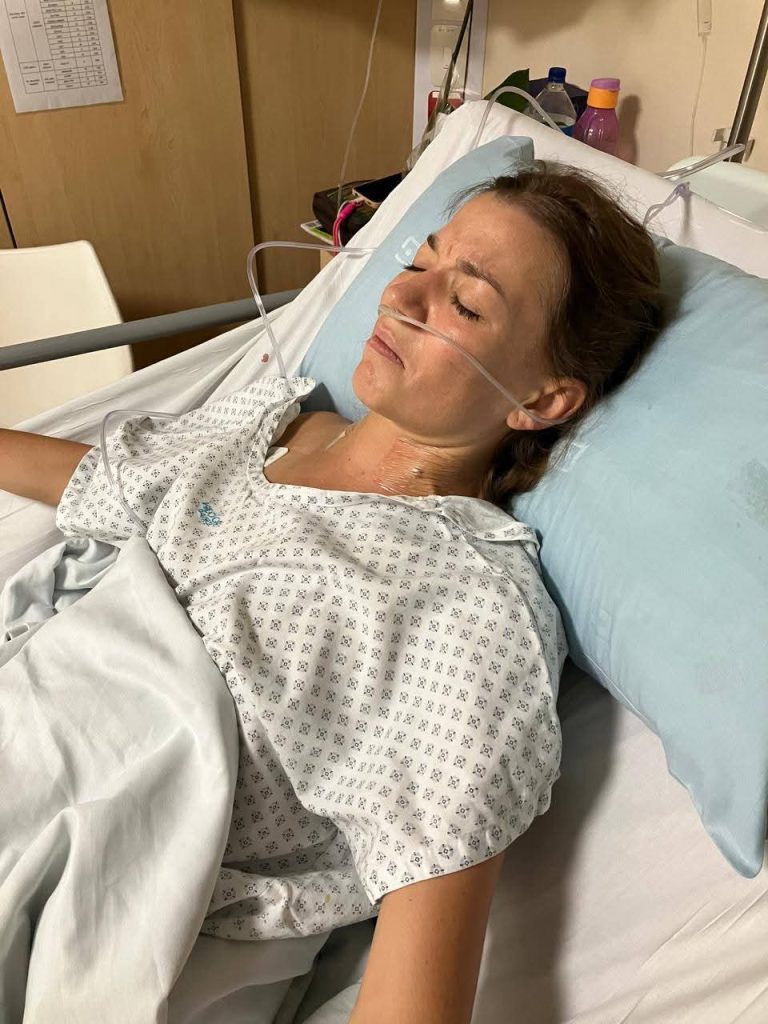
For illustration purposes only

A Story of Hope and Renewal

This case serves as a powerful reminder of how timely intervention and community support can change a child’s life. From the vigilance of a concerned neighbour to the dedication of social workers and the love of caregivers, this little girl’s journey from despair to hope is nothing short of inspiring. While her biological parents remain absent, the focus has shifted to ensuring she continues to flourish in a safe and supportive home. The family has not only provided her with shelter but also with a chance at a better life—one filled with care, security, and the promise of a brighter future.

This success story highlights the critical role that individuals, organizations, and communities play in safeguarding the well-being of vulnerable children. Thanks to swift action and unwavering compassion, this young girl now has the opportunity to grow up in a world filled with hope and love.

This Social Work Appreciation Month let’s stand together in recognition, gratitude, and support for the social workers who make our world a better place.

For donations or volunteering opportunities, contact Tutela Family Care Secunda at 079 310 2599 or tutela.secunda@gmail.com.

KhomaniSan, a forgotten people but thriving in GMM

Introducing the KhomaniSan leaders in GMM

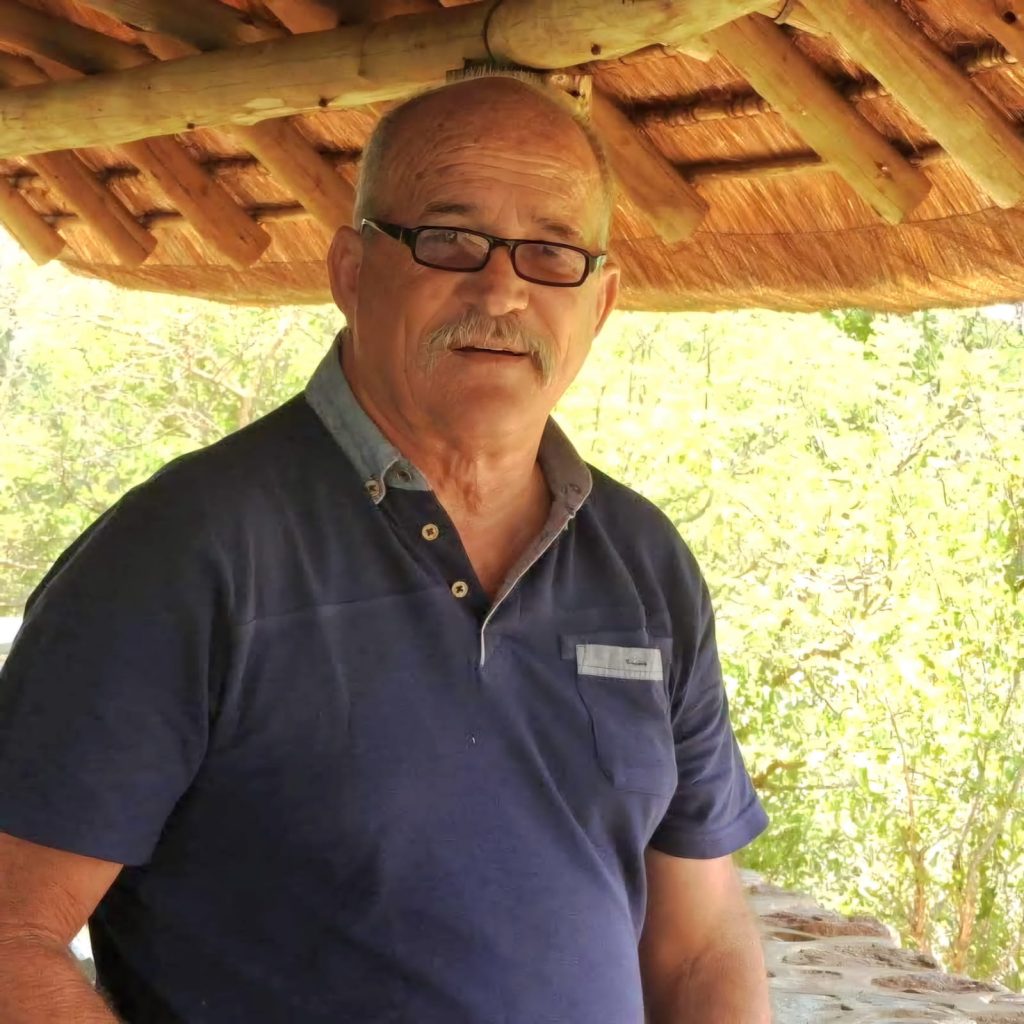
“The KhomaniSan is alive and well in GMM,” these are the words of KomaniSan Chief, Bruce Paulsen, “we want to bring awareness to our culture and our language.”

The Bulletin spoke to the KhomaniSan leadership from the Teksa area. It was an interview that brought new visions and insights about the indigenous people of South Africa.

Chief Paulsen was accompanied by Headman Sam de Vos, Headman Sydney Hartzenberg, Chiefness Sandra Paulsen, Headwoman Estelle Hartzenberg and Headwoman Megan Moolman.

Meeting with the Premier Mr Ndlovu

Dressed in traditional attire they spoke about the origins of the San, KhomaniSan and the Bushman.

It became clear that while the KhomaniSan is recognised as a traditional indigenous group they do not receive the support and recognition that they deserve as the first inhabitants of South Africa. How do they support the claim of being the first? Simply by pointing us to the many “Bushman paintings” scattered all over South Africa.

Chief and Chiefness Paulsen was ordained by the legendary “Oupa” David Kruiper who led the community to a historical land claim victory on Human Rights day in 1999. Headman Sam de Vos was ordained by a family member of “Oupa” David Kruiper namely Khoeses Gooi in Middelburg, Mpumalanga

Oupa Dawid Kruiper (Born – 1 September 1935 Around Kalahari Desert, Cape Province. Died – 13 June 2012 (aged 76), Upington)

“We really need the support of the municipality as well as the provincial government,’ said Chief Paulsen, “there were heritage day celebrations in the past but we were not invited. Not even as the first nation in SA!”

“It is important that we preserve the language and culture of the KhomaniSan,” said Chief Paulsen, “how will we teach our children about our heritage if we don’t have any support?” The heritage of the KhomaniSan is interwoven into all our cultures as they were the first inhabitants of these lands.

Chief Paulsen (He is also the Mpumalanga leader) recently met with the premier of the province Mr Ndlovu as well as the Mayor of Govan Mbeki Municipality, Cllr Zuma. “They are very interested in our group and we are looking forward to future engagements with them both.

Meeting the Executive Mayor of Govan Mbeki Municipality, Cllr NG Zuma

Several people have already shown their support for the KhomaniSan. “I would like to thank Olivelde, Trichardt Builders Market, Whitehouse Paints and Santani Construction for their continual support.”

There are also special thanks to Chellas Rainbow Kids for their donation to the Koisan.

They also have Khoisan Dancers that are active and plan to extend it with more dancers in the TEKSA and Bethal region

If there are any farmers and hunters that have any animal skins, please donate the skins to the KhomaniSan. Real skin is part of their traditional attire.

For more information on the KhomaniSan or any further inquiries feel free to contact : Chief Bruce Paulsen : 0685088963 and Headman Sam De Vos : 0798822460

If anybody would like to support the KhomaniSun they can contact Chiefness Sandra Paulsen on 0670866195. The Bulletin can also be contacted @ encee@thebulletin.co.za.

“We as KHOMANI SAN TEKSA COMMUNITY COUNCIL wants to give a big thanks to Encee for publishing our Khoisan history and intrucing us to the community may God bless you,” said Chiefness Sandra Paulsen.

The San, the first people in South Africa

The earliest hunter-gatherers in southern Africa were the San people. The San were also known as ‘Bushmen’, a term used by the European Colonists that is now considered derogatory. The San populated South Africa long before the arrival of the Bantu-speaking nations, and thousands of years before the arrival of Europeans.

Language, culture and religion:

San languages, characterised by implosive consonants or ‘clicks’, belonged to a totally different language family from those of the Bantu speakers. Broadly speaking, they are two different and identifiable languages, namely the Khoikhoi and San. Many dialects have evolved from these, including /Xam, N?¡, !Xu, Khwe and Khomani. NÁƒ mÁƒÂ¡, previously called Hottentot, is the most populous and widespread of the Khoikhoi and San languages.

Very little is known about the different dialects of South Africa’s San people, as most of these beautiful, ancient languages were never recorded. Fortunately, the /Xam dialect, which is spoken by the San, was recorded almost in its entirety, thanks to the work of a German linguist, Dr WHI Bleek.

/Xam speakers originally occupied a large part of western South Africa, but by 1850, only a few hundred /Xam speakers lived in remote parts of the Northern Cape. Today, the language is no longer exists, but survives in 12 000 pages of hand-written testimony taken down word-for-word from some of the last /Xam speakers in the 1860s and 1870s. These pages record not just the /Xam language, but also their myths, beliefs and rituals. A comprehensive /Xam dictionary was produced by Dr Bleek at the time, but was only published years later (DF Bleek: 1956).

South Africa’s motto, written on the SA coat of arms is a /Xam phrase: !ke e: /xarra //ke, literally meaning: diverse people unite.

Archaeological evidence determines a way of life:

Archaeological evidence shows that South Africa was part of a large region, including North and East Africa, in which modern humans first evolved and lived. Hundreds of thousands of generations of Stone Age hunter-gatherers populated the South African landscape for nearly two million years, yet for most of that time we know nothing of their names, language, memories beliefs, wars or alliances.

The San are the best model we have for the hunter-gatherer lifestyle that saw so many generations through the Stone Age, and it is tempting to say that the history of the later Stone Age is the history of the San. This can only be done at a very broad level of generalization, but evidence does points to a ‘San’ history.

For example, human skeletal remains buried mainly in the last 10 000 years are broadly similar to those of the ninetieth and twentieth century San people. The ‘toolkits’ of the more modern San people are similar to those artefacts found and dated back to later Stone Age hunter-gatherers. Finally, the uniqueness and diversity of the San ‘click’ languages suggest very ancient roots that possibly date back into the middle Stone Age period.

There are three kinds of evidence that give us clues as to the development of the early South African hunter-gatherers and later the San. These consist of human bone fragments and art artefacts (like beadwork and rock art) as well as the examination of the places where these people lived, and the food remains that they left behind.

Rock art by the late Stone Age hunter-gatherers can be found in the form of paintings or engravings in almost every district in South Africa. There is no comprehensive list of all sites, and many have not been recorded, but it is estimated that there are at least 20 000 to 30 000 sites and well over a million individual images. Although many are not well preserved, collectively they represent a remarkable record of the beliefs and cultural practices of the people who made them. Most were created by San hunter-gatherers, but Khoikhoi herders and Iron Age farmers added to the collection.

Khoikhoi herders who brought sheep and cattle into this part of South Africa within the last 2 000 years were probably responsible for the most recent phase of painting, in which the paint was applied with a finger instead of a brush. The colours are mostly monochrome and the subject matter is frequently non-representational patterns with symbolic meaning. As the Khoikhoi settled on the land formerly occupied by hunter-gatherers, the San gradually stopped painting as their numbers and cultural activities declined.

The San have a rich oral history and have passed stories down from generation to generation. The oldest rock paintings they created are in Namibia and have been radiocarbon-dated to be 26 000 years old. The San rock art gives us clues about their social and belief systems.

One of the most significant pieces of Rock art found in South Africa was found on Linton Farm in the Eastern Cape. The panel was removed from the farm in 1917 and taken to the South African Museum in Cape Town. It is known as the Linton panel, and an image from this panel was used in the new South African Coat of Arms.

Eighty-three years in museum care, protected from the elements, has made the Linton panel one of the best preserved of all pieces of South African rock art. In 1995, the panel featured as one of the premiere attractions in the international exhibition, “Africa: the Art of a Continent”.

The figure embodies the spirit of the African Renaissance. When European nations began their Renaissance, they turned to the classical age of Greece and Rome when art and architecture had reached its zenith. San rock art is one of the great archaeological wonders of the world, and is a mirror which reflects the glories of the African past.

Our knowledge of South African San texts (especially the 12 000 pages of testimony collected by Dr Bleek), combined with the study of the rituals and beliefs of San people still living in the Kalahari, allows us to understand many of the paintings in the Linton panel. The panel shows people capturing a power the /Xam called !Gi. The San sought and used this power for the benefit of their community ,as it allowed for the healing of the sick and for the healing of divisions within society. San rock art was believed to be rich in this special power.

A dying way of life:

The ability of Later Stone Age hunter-gatherers to sustain themselves was seriously challenged at least three times in the past 2 000 years. Firstly, this occurred with the southward migration of the Khoikhoi herders into the western half of the country. Although they appear to have developed a symbiotic relationship with the hunter-gatherers, they converted individuals to herding, and therefore weakened hunter-gatherer social cohesion.

(https://karoospace.co.za/bushman-art-eastern-cape-mountainlands/)

Secondly, hunter-gatherers were challenged in the north and east of South Africa, as Iron Age farmers (Nguni and later Sotho nations) had settled in the summer rainfall regions within the last 1 800 years to grow crops and tend their stock. They also lived alongside hunter-gatherers, particularly in the Drakensberg region, and developed a working relationship with them. However, they became more and more powerful in terms of population size and land ownership. Finally, the death knell came with the arrival of European colonists whose commandos with guns and horses decimated the hunter-gatherers within two centuries. Some of this history is reflected in the rock art of the later Stone Age.

In the 1950s, several thousand San people were still hunting large game with poisoned arrows and gathering plant food in the Kalahari Desert in Namibia. One group, the !Kung, lived in an area called Nyae Nyae (pronounced ny ny, rhyming with high), near the border between Namibia and Botswana.

The !Kung were able to continue their ancient way of life largely because they lived in an area that was very difficult to reach. A stretch of land of about 200 km, waterless for most of the year, lay between the closest farms and the Nyae Nyae area. Travelling across this area, even in trucks, was difficult. Vehicles would get stuck in the sand, tyres would get punctured or the seeds of the tall, dry grasses would clog up their radiators causing them to boil. These factors helped to protect the !Kung way of life from outside influences until about thirty years ago.

In the 1960s, the Department of Nature Conservation began to take over large sections of the traditional hunting lands of the Kalahari San for game and nature reserves. A law passed in 1970 meant that the !Kung lost 90% of their traditional land in Nyae Nyae. Today, they have hardly any land on which to hunt and gather.

Tutela – A Year of Community Impact

Tutela Family Care Secunda: A Year of Community Impact and Compassion

Tutela Family Care Secunda has continued to make a meaningful difference in the lives of individuals and families through a range of impactful community outreach initiatives in 2024. From equipping parents with essential skills to supporting vulnerable groups and fostering stronger family bonds, the organization has demonstrated unwavering dedication to social upliftment. These are just a few of the many projects undertaken throughout the year to bring about positive change.

Empowering Parents with Knowledge and Skills

In May and August 2024, Tutela Family Care Secunda hosted an insightful parenting skills workshop featuring guest speaker and clinical psychologist Mr. Nevern Subermoney. Designed to empower caregivers, the workshop equipped 25 parents with valuable knowledge and tools to navigate the challenges of raising children in a rapidly evolving society. Key topics included understanding different parenting styles, distinguishing between discipline and punishment, and enhancing communication skills. Parents also gained insight into the various developmental stages of children and learned effective ways to meet their basic needs. This initiative served as a cornerstone in strengthening family units by providing practical guidance and fostering positive parenting practices.

Uniting for a Cause: The Annual Blanket Run

June 2024 marked a powerful collaboration between Tutela Secunda, Tutela Bethal, and two local motorcycle clubs—Soldiers for Jesus and MACS Familia—for the highly anticipated annual Blanket Run. The event drew approximately 300 attendees, creating an opportunity to engage the community while raising awareness about gender-based violence (GBV). During the gathering, 250 informational pamphlets were distributed, providing crucial resources and support options for those affected by GBV. In a remarkable display of generosity, nearly 200 blankets were donated and later redistributed to those in need. This initiative not only emphasized the importance of collective action in addressing pressing social issues but also reinforced a strong sense of unity and compassion within the community.

Nelson Mandela

Honouring Nelson Mandela’s Legacy with Acts of Kindness

On Nelson Mandela Day 2024, Tutela Family Care Secunda extended its support to 20 elderly community members by donating blankets and non-perishable food items. Beyond the provision of essential supplies, social workers took the time to engage with the recipients, listening to their life stories and fostering meaningful connections. This compassionate approach addressed both material and emotional needs, reminding the elderly that they are valued and cared for by the community. The initiative served as a testament to the power of empathy and human connection in addressing social challenges.

Family Day: Strengthening Bonds Despite the Cold

September 2024 saw families come together for the Family Day—Tutela Tutu-2-Care event, aimed at reinforcing family resilience and fostering closer interactions between families and social workers. Despite one of the coldest days of the year, the event radiated warmth and joy, as five families, comprising 20 individuals, participated in a day of fun-filled games and activities. Exciting prizes were awarded to the winning families, creating an atmosphere of camaraderie and friendly competition. The event highlighted the importance of nurturing strong family relationships and provided a platform for families to connect in a supportive and engaging environment.

Bringing Holiday Cheer: The Angel Tree Project

In collaboration with Grip and Rip Fitness, Tutela Family Care Secunda spearheaded the annual Christmas initiative, “Angel Tree,” aimed at spreading festive joy to underprivileged children in the community. A Christmas tree was set up at Grip and Rip Fitness, where each child provided a wish list of items they hoped to receive. A total of 125 children, including clients from Tutela Secunda, SAVF Children’s Home, and Voetspore, were selected for the initiative. Community members enthusiastically participated by choosing an “angel” and purchasing a gift tailored to the child’s wish list. The initiative ensured that these children experienced the joy of receiving gifts during the holiday season—something that might not have been possible otherwise. More than just a gift-giving effort, the Angel Tree project fostered a spirit of generosity, community involvement, and goodwill, making the festive season truly special for all involved.

A Year of Impact and Hope

These initiatives represent only a fraction of the numerous projects undertaken by Tutela Family Care Secunda throughout the year. From educational programs to humanitarian aid and community engagement, the organization’s commitment to making a difference remains steadfast. By addressing social challenges, uplifting vulnerable individuals, and fostering strong family connections, Tutela Family Care Secunda continues to be a beacon of hope, unity, and positive change in the community. Their unwavering efforts stand as a powerful reminder that small acts of kindness and collaboration can create lasting impacts on countless lives.

This Social Work Appreciation Month, we recognize the incredible dedication of social workers at Tutela Family Care Secunda, who, despite having limited resources, continue to make a lasting impact in the community.

To truly appreciate social workers, we must support them in meaningful ways:

  • Donations help provide food, clothing, and medical support for children and families in crisis.
  • Volunteering offers additional hands to assist in care and administrative work.
  • Advocating for social work policies ensures better funding and working conditions for social workers.

If you would like to support Tutela Family Care Secunda, reach out at 079 310 2599 or tutela.secunda@gmail.com. Your help can change lives.

ANIMALS 101 – DO YOU CARE ABOUT THE FOOD YOUR DOG EATS?

0

FEEDING YOUR ANIMALS THE BEST POSSIBLE DIET IS IMPORTANT FOR THEIR HEALTH.

Nutrition, for me, is a fascinating topic from my profession’s side as well as the animal welfare side, and it is something many pet parents are unsure about!  I am not a veterinarian or animal food specialist, so all this information comes from a trusted vet, who is also the co-author of The Forever Dog.  I have tried many of these for my animals and just like humans, animals, even from the same species, certainly have food preferences.  Our one dog, loves pineapple and blueberries, while the other two like bananas and strawberries.

It is important to remember that every type of food you feed your animals has the potential to do 1 of 2 things: HEAL or HARM. What are the food and treats you give them, doing to your animal’s body? Do they help reduce inflammation or cause it? Provide antioxidants or just empty calories? Provide polyphenols or just synthetic flavours and dyes?

“I only feed my dog their kibble and nothing else!” was once a proud pet owner’s statement, but microbiome research proves this is a big mistake. Study after study shows that the more diverse your pet’s diet is, the healthier their gut and immune system can become.

pet food
Image by Dr. Karen Becker

TRAITS OF A GOOD DIET FOR YOUR ANIMALS

  • Minimally processed
  • Low carb
  • Species appropriate
  • Fresh
  • You can try an eating window for your dog (8 hours of eating time & 16 hours of fasting)

Some questions are:

You can also check out this link by Dr. Karen to search for particular foods that are safe for pets.

VERY IMPORTANT! – Please note that the whole food item might not be ideal for the pet or even dangerous. Removing for example the seeds or skin of the food might be necessary. If your pet has any medical conditions, it is important to discuss what they eat with your vet who knows your individual pet best because certain foods, too many carbs, too much protein, etc., may have a dangerous effect on certain health conditions. 

pet food
Image by Photo by Kasuma via pexels.com

THE NO CARB REQUIREMENT

Dogs and cats don’t have a carb requirement, so why do grain-free pet foods often contain so many carbs? The reason is that it’s cheaper to produce foods with less meat protein. The issue starts with many pet food companies using excessive vegan fillers (including peas, lentils, rice, corn, potatoes, quinoa, oatmeal, tapioca, wheat, etc.) to offset the large amount of critically important (and more expensive) meat that dogs and cats require for health.

The end result of excessive plant-based fillers in pet foods can be a chronic amino acid deficiency from not enough meat-based protein in pet foods, which can lead to heart and other organ dysfunction as well as many other issues.

There are too many plant-based ingredients and not enough real meat in many pet foods on the market. Keeping carbs low in any type of pet food is important (“grain-free” or not).

Also, read more on pets and exercise.

HOW TO CALCULATE

  • CARBS

To ensure your pet is receiving an adequate amount of protein, you have to calculate the amount of unnecessary starch (carbs) in the diet. Aim to feed dry foods with less than 15-20% carbs.

Here’s how to calculate the carbs in your dry pet food – find the numbers under the Guaranteed Analysis on the side of your pet food bag, and put them into this equation:

100% – % protein – % fat – % moisture – % ash (if not listed, use 6%) = % carbs

  • DAILY CALORIES

Dog Daily calories = Body weight (kg) x 30 + 70

Cat Daily calories (feline) = Body Weight (kg) x 30 + 70 x 0.8

Use their ideal weight, not their current weight, in formulas!

  • WATER INTAKE

The amount of drinking water your dog needs daily depends on their size, diet, age, activity level, and weather conditions. A good general guideline is that a healthy dog should drink between 30- 60 mL per kg (½ – 1 ounce of water per pound) of body weight each day.

Provide fresh, good-quality drinking water for your animals. This means water that doesn’t contain fluoride, heavy metals, or other contaminants. Filtered water is ideal, not only for two-legged family members but for furry family members as well.

CHANGING YOUR PET’S DIET

Changing your pet’s food too fast can cause digestive issues. Follow this general guideline over 7 days.

pet food
Image by The Paw Company

READING FOOD LABELS

It can be overwhelming to decide which food is best for your pets and it is our responsibility to do our homework on it because food can heal or harm. You can’t blindly trust what’s on the internet!

Although there are vets who know a lot about nutrition, not all do. One vet I follow shared that they cover only a very small portion of nutrition during their studies. They mostly sell the big-name brands, and this vet said that although it is not bad food, vets trust the brands cause those are the ones they know and the ones that sponsored “pizza talks” about their products. He believes that other foods can provide similar value at a lower cost. I agree.

What are some key things I look for when buying food?

  • Human grade is a priority for me instead of feed-grade ingredients. If it’s not fit for humans, then I do not want to feed it to my pets. Our pets mainly get home-cooked meals.
  • There is a lot more to it, but look for the following:
  • Choose products where they list many of the ingredients specifically and not just a general few.
  • Where they do not just say “animal proteins and derivatives”, but rather chicken proteins or which proteins specifically. If there is more than one animal protein source, for example, chicken and beef, then I would rather buy that one.
  • If they start the list with animal proteins instead of other ingredients like cereals, then it is likely better too.
  • An exception to the above will be if they start with rice if they eliminate corn and wheat thus offering a single-grain product which is better. Usually as part of the carb source they use wheat, corn or rice. Rice as an ingredient is more digestible. Remember our cats and dog’s no-carb requirement.
  • I try to avoid products with BHT or BHA (artificial antioxidants/food additives, possibly associated with cancer).
  • I look for other extras like rooibos which include antioxidants. Beet pulp, Inulin or chicory fibre can be helpful as fibre sources. Look for products with Omega oils in them. Brewer’s yeast is rich in vitamin B. Other ingredients like glucosamine and chondroitin are also helpful.
  • Be careful with flavours and palatability enhancers (which contain phosphorus). Beef flavour doesn’t mean there is actually beef in it.

A few extra notes

  • Be careful with bulk buying. Try to use the food within 30 days of the opening so it doesn’t lose quality.
  • Choose good bowls and wash them after each meal.
  • Keep food in glass containers instead of plastic.
  • Work out what your pet needs calorie-wise instead of following the too-wide range regarding weight on the packaging.

MORE ON THE SCIENCE

  • A recent study from Finnish veterinary scientists shows that healthy leftovers of human food offered to puppies significantly reduce allergy symptoms and skin problems later in life. This long-term, protective effect increased the more often real foods were added, so the more exposure puppies had to a variety of healthy leftovers, the more protection there was from developing skin issues down the road.

“…even if the dog eats 80% of its food as dry, adding a minimum of 20% of the food as raw significantly decreased the risk of AASS [allergic skin disease] later in life.” – Dr Anna Hielm-Björkman

  • According to scientists, feeding a variety of raw or minimally processed, real food early in life may lead to microbial exposure that enhances the immune system early on, reducing allergic responses later in life. Some of the owners of the foods fed in this study were fish and meats, vegetables and roots, culinary mushrooms, buttermilk and other fermented milk products and berries.
  • It is important to look at the studies when someone claims Yay or Nay for a food item. For example, a study that said garlic is toxic for dogs was based on too much garlic/day for any dog. This also includes myths about other foods like avocados and nuts. Context is important!

Are you looking for more DIY fresh food ideas to inspire healthy canine snacking?! Dr Karen coaches you through how to successfully swap unhealthy foods and treats for healthier choices. She does support more natural foods and raw diets instead of kibble. In the book, The Forever Dog, the authors list over 40 of their favourite fresh foods from the fridge to add to your dog’s bowl, backed by the most surprising new science as to why they’re so amazing at building health and longevity! They also show you how to add them and how much to offer in a way that keeps your pup’s nutrition in balance.

The health of your pet should be important to you and providing them with a healthy and species-appropriate diet is crucial. It is also your responsibility to make sure that the particular food is safe for your individual pet.

Join us again next week as we learn about the pets of our lives.

WHEN YOU KNOW BETTER, DO BETTER!

DA fights for the revival of the Kinross Golf Club facility

  • The DA will table a motion calling on the municipality to consider repairing the Kinross Golf Club. 
  • This facility used to create employment and generate revenue for the municipality.
  • It is unfair that residents and local businesses who need such a facility need to travel to other municipalities. 

The DA in Govan will table a motion calling on the municipality to prioritise the rehabilitation of the Kinross Golf Club. The clubhouse consists of a hall, toilets, kitchens, bar and offices. In 2020, during the coronavirus pandemic, this facility was used as a shelter for homeless people.

After this period, the municipality ceased all maintenance work. Currently, the facility has been vandalized beyond recognition and sadly enough the municipality has turned a blind eye. Windows, doors, ceiling, office furniture inside this facility have been vandalized.

Due to the municipality’s negligence, criminals have also helped themselves to electric sockets, bar glasses, stoves and water taps. A sewer leak that goes right into the dam next to the facility has also led to piles of litter in the vicinity. 

The clubhouse was once the pride and joy for residents of Kinross and other neighbouring towns with its scenic golf course and a dam.  Notably the clubhouse was also a place of employment for residents of Govan Mbeki as it employed chefs, waiters, security guards and gardeners.

Recently, the municipality was downgraded to level 4, this can be attributed to revenue generation failures and financial mismanagement. The DA would like to emphasise that this is one facility that used to generate millions in revenue. 

The repairing of this establishment will go a long way in reviving the economy of Govan Mbeki and changing the livelihoods of residents. Surprisingly, the municipality’s Executive Mayor Nhlakanipho Zuma, has always committed to reviving facilities that were once thriving.

This goes to show that the ANC administration is good at misleading the public. The notion that Govan Mbeki will be the best municipality by the end of this term is fictitious. This municipality is ran by cadres who are self-centred. 

The DA will continue exposing the rot, the ANC administration in Govan Mbeki has failed dismally. The municipality requires a serious change. 

Should our motion be defeated, we will run a petition, the DA will not be deterred, residents deserve a functional government that will prioritize service delivery.

ANIMALS 101 – PETS AND EXERCISE

0

THE IMPORTANCE OF REGULAR EXERCISE FOR PETS

Exercise is essential for pets, just as it is for humans. Regular physical activity helps maintain a healthy weight, reduce the risk of illness, and stimulate pets mentally. Just like humans, animals who exercise tend to be happier and healthier with greater quality of life. Every pet needs exercise, and most don’t get anywhere near the amount they need. This is why there are so many overweight, bored companions with behaviour problems. Whether your pet is a dog that loves to run, a cat that enjoys a playful chase, or a rabbit that loves to hop around, providing adequate exercise is vital for their overall well-being. In this article, we will explore why exercise is important for pets and how to incorporate it into their daily routine.

Exercise
Picture by Sam Lion and design by The Paw Company

BENEFITS OF EXERCISE

1. PHYSICAL HEALTH BENEFITS

The primary benefit of regular exercise for pets is improved physical health. Active pets are more likely to maintain a healthy weight and muscle tone, which reduces the risk of obesity-related health problems.

  • Weight Management: Obesity is a common issue among pets, especially dogs and cats, which can lead to conditions such as diabetes, arthritis, and heart disease. Regular exercise helps burn calories and prevent excessive weight gain, keeping your pet at a healthy weight. Exercise can also help improve digestive health.
  • Muscle Strength and Bone Health: Exercise helps build and maintain muscle mass and keeps joints flexible, reducing the risk of injuries and conditions like arthritis. Pets that don’t get enough exercise may become stiff and weak, especially as they age.
  • Heart Health: Just like humans, pets need cardiovascular exercise to keep their hearts strong. Regular movement promotes good circulation, reduces stress on the heart, and may help to manage high blood pressure.

2. MENTAL STIMULATION AND ENVIRONMENTAL WELL-BEING

Exercise isn’t just about physical health – it also plays a key role in your pet’s mental and emotional well-being. Pets that are mentally and physically stimulated are less likely to develop behavioural issues or become anxious and depressed.

  • Boredom Prevention: Pets, especially dogs, can become bored and frustrated if they don’t get enough exercise. Boredom can lead to destructive behaviour, such as chewing on furniture, digging holes, or excessive barking. Providing physical activities helps prevent these issues.
  • Stress and Anxiety Relief: Regular exercise can help alleviate anxiety and stress in pets. Active pets are less likely to display signs of separation anxiety, nervousness, or aggression. Exercise also helps burn off excess energy, which can contribute to calmer behaviour.
  • Bonding Time: Physical activities, such as walks or playtime, provide an opportunity for you to bond with your pet. Whether you’re playing tug-of-war with your dog or engaging in interactive games with your cat, spending time together strengthens your relationship and deepens the emotional connection.

3. SOCIALIZATION AND BEHAVIOUR IMPROVEMENT

Exercise is an excellent way to socialize pets, especially dogs, with other animals and people. Regular walks, trips to the dog park, or playdates with other pets help improve your pet’s social skills and reduce fear-based behaviours. Please note that there is more to socialization than just this.

  • Positive Socialization: Dogs that get regular exposure to other dogs and people are less likely to become fearful or aggressive. Socializing them through controlled exercises and activities ensures that they’re more comfortable in various environments and around other pets.
  • Improved Behaviour: Pets that don’t get enough exercise may exhibit undesirable behaviours like aggression or hyperactivity. Regular physical activity provides an outlet for their energy, leading to improved behaviour at home.
  • Exercise builds confidence: Exercise helps shy or fearful dogs build confidence by allowing them to explore their environment, engage their senses, and develop problem-solving skills. Activities like agility, scent work, or structured walks provide positive experiences that reinforce independence and reduce anxiety.
Exercise
Image via Pexels.com

Also, read more on how parrot owners fail their pets.

Most people do not meet their pets’ exercise or enrichment needs and then wonder why their dog is “acting out”.  Here is a powerful video that illustrates this.  For me, it is heartbreaking because this breed especially suffers a lot with the lack of the right exercise and being forced to live in town yards, when they should be living on farms.

HOW MUCH EXERCISE DOES YOUR PET NEED?

Different pets have different exercise requirements based on their breed, age, and health. It’s important to tailor your pet’s exercise routine to their specific needs.

  • Dogs: Most dogs need at least 30 minutes to an hour of exercise per day, depending on their breed and energy level. High-energy breeds, like Border Collies and Labrador Retrievers, may require more exercise, while low-energy dogs, such as Bulldogs or Shih Tzus, may need less. Regular walks, jogs, or playtime in the yard are great options for dogs.

Walking, for most dogs, will not be enough to optimally work their hearts.  Here’s a good rule of thumb: Dogs should get a minimum of 20 minutes of sustained heart-thumping exercise a minimum of three times a week.

  • Cats: While cats are generally more independent than dogs, they still benefit from exercise. Interactive toys, like feather wands, encourage cats to play and exercise. Some cats also enjoy climbing or exploring, so providing vertical spaces like cat trees can promote physical activity.
  • Small Pets: Rabbits, guinea pigs, and hamsters also require regular exercise. A safe, enclosed area where they can run, jump, or play helps maintain their physical health. Rabbits, for example, need space to hop around freely to stay fit. A hamster wheel poses certain risks and should not be the only exercise for a hamster.
  • Parrots: Parrots are highly active animals, designed to fly long distances daily. When kept as pets, their ability to fly is severely restricted. To keep them healthy, they need plenty of physical and mental exercise, such as climbing, foraging, and supervised flight time. That is non-negotiable for responsible pet guardians. Providing a variety of perches, toys (daily change), and interactive activities helps mimic their natural movement and keeps them fit and engaged.

WAYS TO EXERCISE

Pets can stay active through various exercises like walking, running, digging, flying, climbing, and swimming. Remember that not all dogs are good swimmers, despite popular belief. Activities that improve strength, flexibility, and balance, along with stretching and massage, help keep them fit and relaxed.

PRECAUTIONS FOR EXERCISE

Different breeds, ages, and health conditions affect exercise tolerance. There is something like too much exercise and there is a dark side to for example, playing fetch.

AVOID CHASING THE BALL TOO MUCH

Have you ever wondered why many dogs will bring the ball over and over again? The answer is in the hormones released. Chasing and catching a ball tap into the dog’s predatory sequence, and causes the body to release adrenaline. Chasing a ball endlessly can have serious health risks. The repetitive action releases adrenaline and cortisol, which during prolonged release can lead to heart strain, anxiety, and difficulty settling. Physically, sudden stops, twists, and jumps put stress on muscles and joints, increasing the risk of injuries, especially to the shoulders. Over time, this can cause lasting damage.

 Safer Alternatives:

  • Limit fetch and play on safe surfaces.
  • Warm up your dog before high-impact activities.
  • Encourage calmer games like scent work or “find the ball” to engage their mind without overloading their body.
  • Store fetch toys out of sight if your dog is obsessive.

LASER PLAY

This popular toy can make your pet highly frustrated, and I never support it as a way to exercise them. Both cats and dogs instinctively chase laser beams simply because they move, and movement triggers the prey drive. When a laser dot stimulates your cat or dog’s predatory systems, they can’t NOT chase it, yet they can never “catch” it. So the question becomes, is it a good idea to trigger your cat or dog’s prey drive using an object they have no chance of catching? No, it is not! Laser-chasing may seem fun, but veterinary behaviorists found that like dogs, cats can also develop behavior disorders as a result of chasing, but never catching, those little red dots.

Image via Pexels.com

SIGNS THAT YOUR PET MAY BE OVEREXERTED

Over-exercising your pet can lead to exhaustion, injuries, and even long-term health issues. Here are signs to watch for:

1. Excessive Panting & Drooling

2. Lagging Behind or Stopping

3. Limping or Stiffness

4. Disorientation or Weakness

5. Dark Red or Pale Gums

6. Vomiting or Diarrhea

7. Reluctance to Exercise

8. Excessive Thirst

9. Rapid or Labored Breathing

10. Collapse or Unconsciousness

This is an emergency! If your pet collapses, seek veterinary help immediately.

 What to Do:

  • Stop exercise immediately if you notice any of these signs.
  • Offer water and move them to a cool, shaded area.
  • Let them rest and monitor their recovery.
  • If symptoms persist, contact your vet.

EXERCISE QUADRANTS (LEVELS OF AROUSAL)

I agree with SpiritDog Training that there is such a thing as too much high-arousal exercise.

They share that activities that tend to physically wear dogs out the fastest are also the ones that create the highest excitement levels. Fetching balls. Playing frisbee. Racing around at the dog park. Chasing water from the garden hose. Running next to a bike. All of these are physical exercises, but they also create intense arousal states. And if you put your dog into high-arousal states repeatedly you better know how to train around this, too. The dog may start to crave these arousal states (as programmed in their DNA).

But at the same time, no impulse control training happened. So now we have a dog who knows the fun of adrenaline and who seeks it, without having been taught to listen and regulate when in a state of high excitement. This dog will start to show other problems. They might get frustrated to the point of redirecting when they cannot access fun immediately. They might be vocalizing or unable to settle, and then the trainer/behaviourist get messages that say “My dog just cannot be normal in public”.

If your dog gets to enjoy a high-arousal activity every time they leave the house, they will start to expect (and eventually demand) a high-arousal activity every time. Your dog needs a balance of high-arousal and low-arousal activities. Furthermore, the more high-arousal activities your dog has, the more you have to balance these with impulse control training. It’s not fair to make our dogs crazy without teaching them the skills to un-crazy.

“Exercise” can have four quadrants:

  • Low-arousal, not physically demanding (sniff walks)
  • Low-arousal, physically demanding (hiking)
  • High-arousal, not physically demanding (excited waiting while another dog works)
  • High-arousal, physically demanding (fetching)

Make sure you are aware of which type of exercise you are providing for your dog, and try to reach a balance that works for your dog. Know your pet’s limits! Keep sessions appropriate to their needs. A well-balanced routine keeps your dog happy, healthy, and injury-free!

TIPS FOR INCORPORATING EXERCISE INTO YOUR PET’S ROUTINE

  • Set a Schedule: Just like humans, pets thrive on routine. Set aside regular times each day for exercise. For dogs, daily walks or play sessions are important. For cats and other small pets, interactive play or exercise time should also be scheduled regularly.
  • Mix It Up: Keep your pet engaged by varying their exercise routine. Dogs can enjoy different activities, such as fetching a ball, running, or swimming. Cats might enjoy chasing toys or climbing, while small pets can benefit from running in an exercise ball or exploring new spaces.
  • Use Positive Reinforcement: Reward your pet with treats, praise, or extra playtime when they engage in exercise. Positive reinforcement helps encourage good behaviour and makes exercise fun for your pet.
  • Monitor Your Pet’s Health: Pay attention to your pet’s health and adjust their exercise routine as needed. Older pets or those with health conditions may require lower-impact activities, such as shorter walks or slower-paced play. Always consult your veterinarian if you have concerns about your pet’s exercise regimen.
Exercise
Image via Pexels.com

Please remember that enrichment goes beyond physical exercise—it’s about engaging your pet’s mind and fulfilling their natural instincts. While exercise keeps them fit, enrichment prevents boredom, stress, and behavioural issues. Activities like puzzle feeders, scent games, training sessions, and interactive toys stimulate their brain, providing the mental challenge they need. Without proper enrichment, even the most well-exercised pet can become anxious or destructive. Mental and physical stimulation go hand in hand for a truly happy and well-balanced animal.

Regular exercise is crucial for keeping your pet healthy, happy, and well-adjusted. Whether it’s taking your dog for a daily walk, playing interactive games with your cat, or letting your rabbit hop around in a safe space, exercise promotes both physical and mental well-being. Tailor your pet’s exercise routine to their individual needs and preferences, and be mindful of any signs of overexertion. By incorporating regular physical activity into your pet’s routine, you’ll help them lead a longer, healthier, and more fulfilling life.

Join us again next week when we learn about the pets of our lives.

WHEN YOU KNOW BETTER, DO BETTER!

LEGAL NOTICE – NOTICE OF APPLICATION FOR ENVIRONMENTAL AUTHORISATION

NOTICE OF APPLICATION FOR ENVIRONMENTAL AUTHORISATION FOR THE PROPOSED UMLANDO PV 1, 2 AND 3 GRID CONNECTION INFRASTRUCTURE

Notice is hereby given, in terms of the 2014 EIA Regulations (as amended in 2017) published in Government Notice R982 under Section 24(5) and 44 of the National Environmental Management Act (No. 107 of 1998) (NEMA), of the intent to carry out a Basic Assessment (BA) process, in accordance with Listing Notices 1 – 3 (GNR 983 – 985) (as amended) for the following:

Project Title

The proposed Umlando PV 1, 2, and 3 Grid Connection Infrastructure, near Secunda, Mpumalanga Province.

Project description

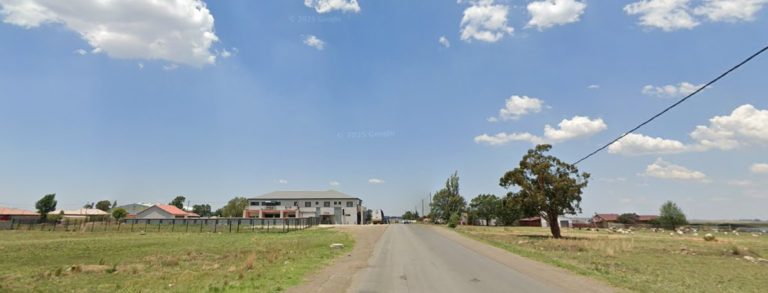
The development of the Umlando PV 1, 2, and 3 Grid Connection Infrastructure on the Remaining Extent of Portion 7 of farm Zondagskraal No. 125, Portion 12 of farm Rolspruit No. 127, Portion 19 of farm Kromdraai No. 128, Portion 23 of farm Kromdraai No. 128, Remaining Extent of farm Ruigtekuilen No. 129, Remaining Extent of Portion 1 of farm Ruigtekuilen No. 129, Remaining Extent of Portion 2 of farm Zandfontein No. 130, Portion 4 of farm Zandfontein No. 130, Portion 5 of farm Zandfontein No. 130, Portion 6 of farm Zandfontein No. 130, and the Remaining Extent of Portion 5 of farm Winkelhaak No. 135, situated within the Govan Mbeki Local Municipality area of
jurisdiction. The town of Secunda is located ~12 km southeast of the proposed development.

Project Footprint

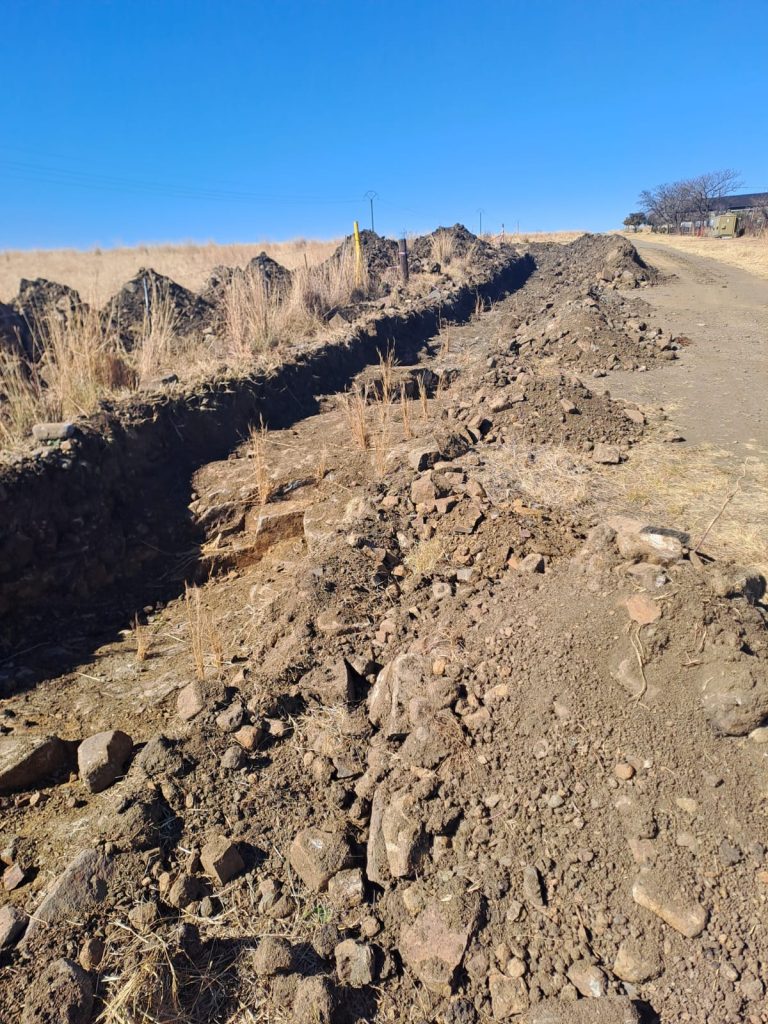
200m wide Grid Connection Corridors.

Proponent

Voltalia South Africa (Pty) Ltd

EAP contact details

Siyongamele Dzingwa
Solis Environmental
Cell: 083 928 8612
E-mail: siyo@solis-environmental.co.za

The application for Environmental Authorisation (EA) will be submitted to the Competent Authority for decision making. In order
to ensure that you are identified as an interested and/or affected party, please submit your name, contact information and interest
in the matter, in writing, to the contact person given above within 30 days of this notice.

So is die Lewe: DIS Mý MENSE

Geniet nog ‘n aflewering van “So is die Lewe” uit die pen van Marius Britz.

DIS Mý MENSE, DIè.

Dit is opvallend hoeveel gebeure in die buiteland, veral vanuit Amerika, die afgelope tyd nuwe debatte laat oopbreek het in ons land.  Een van die mees bespreekte aspekte op sosiale media gaan juis oor identiteit, en vele daarvan is eerder negatief en afbrekend as wat dit ons lei tot verdere verstaan en helderheid.  Die soms oordrewe beginsel van inklusiwiteit het noodwendig daartoe gelei dat baie van die geykte persepsies, soos byvoorbeeld in die radiowese, omroepers en besluitnemers en hulle keuses van temas van programme en onderwerpe van openbare belang ten diepste raak.

Die spesifieke vraagstukke reik veel dieper as wat dit op die oppervlakte lyk.  Diè wat pro-immigreer is, teenoor diè wat vasstaan daarby dat hulle vir geslagte reeds hier woon, en Suid Afrika hulle enigste tuiste is.  Dan is daar ook by baie ‘n nuwe denkrigting oor hoe jy ‘n groep mense moet identifiseer. Jong mense het nie meer noodwendig dieselfde sentimente oor die geskiedenis, die kerk, kultuur en taal van die groep waaraan hulle behoort, soos wat hulle ouers het nie. Onder alle bevolkingsgroepe is hierdie tendens merkbaar. 

Wat jou as plattelander van Namakwaland, hier in die Hardeveld, Boesmanland en Knersvlakte veral tref, is hoe diep die wortels van tradisie en oorgeërfde gebruik steeds rotsvas geplant is. In plekke  waar ek gewoon het, soos Trichardt en die Hoëveld, was die kohesie en wisselwerking tussen mense anders. Omdat groot maatskappye meestal hulle eiesoortige kultuur en rangorde het, en mense gedurigdeur kom en gaan, tree daar maklik ‘n ander dinamika in as op die platteland.

Hier is die inwoners baie meer tradisievas, en ten nouste aan mekaar verbind deur die boerdery, familiebande en geslagte se verbintenis aan grond en tradisie.  Die gemeenskap is ook veel meer homogeen, en veral die langdurige droogte maak hierdie verbintenis aan mekaar sterker as in groter voorstede en dorpe. Tradisies speel ‘n groot rol. Ek is byvoorbeeld bewus van vier boeremusiek-orkeste wat in die hier gemeente bestaan, en gereeld optree regoor die land. By een basaar het hulle die heel tyd gesit en musiekmaak.

Ek was die afgelope naweek op een van die buitewyke se vrouebasaar. Dis ‘n unieke kenmerk van so uitgestrekte gemeente met ver afstande grondpad; elke wyk funksioneer in ‘n groot mate op hulle eie soos ‘n stadsgemeente, met buitedienste en basaars twee keer per jaar ensomeer.  Dis veel meer as ‘n kerklike aktiwiteit, dit is ook ‘n samekoms van mense wat op afgeleë plase woon, ver van mekaar, en dan die geleentheid gebruik om te kuier, te bespiegel oor die reënvalmoontlikhede, om te verneem na mekaar se welstand, en dan die uitruil van stories en onthou-dinge van die verlede. 

Opvallend is die byname wat mense het, wat reeds jare aankom.  As jy praat van broer Sê-maar-Swanepoel, sal  min mense weet van wie jy praat.  Maar praat van Piet Koker, en almal weet onmiddelik wie dit is.  Die stories is kostelik, en kort-kort bars daar ‘n heerlike gelaggery uit. Tipies Tolla van der Merwe-wêreld en stories, met eiesoortige taalgebruik, aksent en sêgoed.  Met ‘n kosbare manier van dinge sê, soos die volksrym “Ou sontjie sak mos weg” wat deur NP van Wyk Louw in die Boesmanland opgeskryf, en deur Randall Wicomb getoonset is.

By Bjørn Christian Tørrissen - Own work by uploader, http://bjornfree.com/, CC BY-SA 4.0, https://commons.wikimedia.org/w/index.php?curid=45152535
Photo by Bjørn Christian Tørrissen

Jy belèèf die wortels van die Namakwaland by so ‘n basaar.  Heerlik, ontspanne, almal groet mekaar met ‘n handdruk of omhelsing, almal ken mekaar, en kindertjies hardloop oral rond en speel.  ‘n Jong seun kom gee jou ‘n stewige handdruk, stel jou voor aan sy maatjie, en sê oom, hierdie is Stefan, my agterkleinneef. Jong mense, ou mense en bejaarde mense is deel van een groot familie.  Die jongste is ‘n paar maande oud, die oudste een 98 jaar.  Daar word nimmereindigende bakke en bakke vleis gebraai vir die ete: saaltjops, boudtjops, plaaswors, skaapribbetjies en blaaie. Dis nou na al die proeëry en poedingetery voor die hoofmaal, met nog bakke poeding wat wag vir ná ete.  Braaibroodjies, en meer soorte slaaie as wat een mens op sy bord kan skep as hy van elke soort een lepel vol sou vat. (As nagedagtenis: ek as oud-Transvaler het my stywepap en sous gemis…) Dan word daar gekuier en geëet, sommige skep ‘n tweede rondte, en dan bly daar nog genoeg kos oor vir ‘n peleton infanteriesoldate op die grens.

Dan die hoogtepunt: die veiling. Die ouderling wat optree as afslaer is baie gevat, vinnig met sy humor. Waarmee begin ons?  Een piesangbrood!  Het ek R500? En dan gaan die bod net op en op. R550-00, R600-00, R650-00… R1000-00 het ek! Oom Gert, hy is joune! Watter bargain! So word die een na die ander item opgeveil teen uitstekende pryse.  Almal lag spontaan, hulle bie en koop met oop harte en hande.
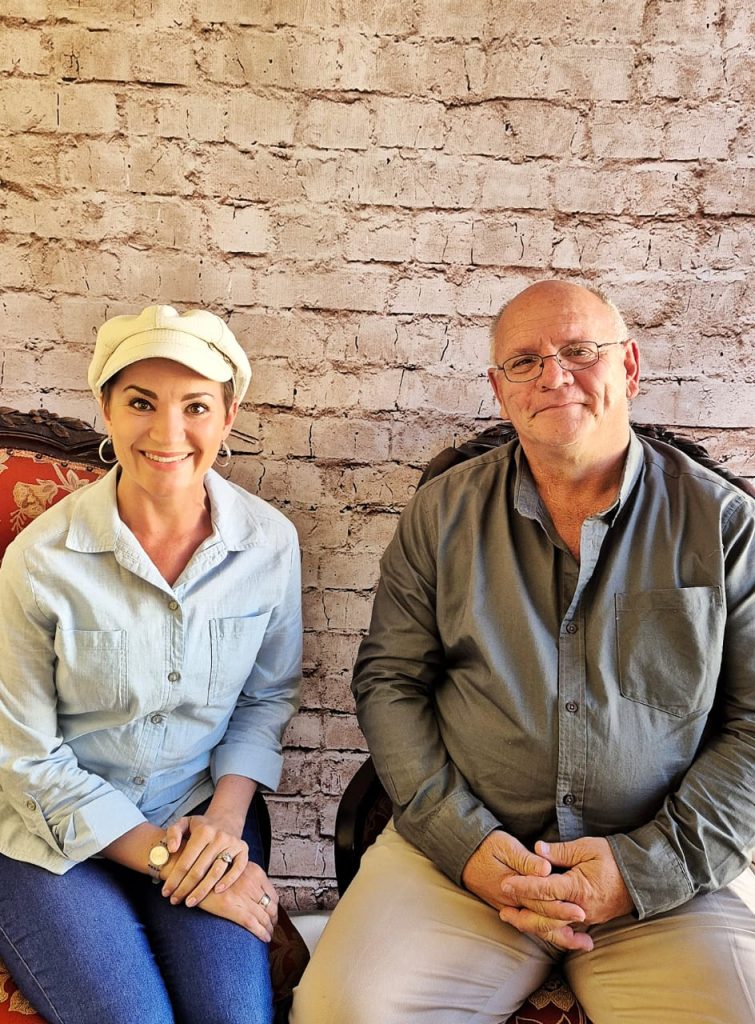
Skielik beland daar ‘n item op die tafel: een pakkie sigarette.  Die afslaer sê: man, ek kan hierdie aanbeveel.  Ek rook dit self! As hy sy sakke klap om die skare te wys, ontdek hy dat iemand stilletjies sy vol pakkie sigarette uit sy sak gesteel het, en vir die veiling geskenk het.  Die afslaer koop sy eie pakkie sigarette terug vir R500-00. As hy die pakkie oopmaak, sien hy dat daar net 19 sigarette in is.  “En dan het hy wragtig nog een gerook ook!”, merk hy op. Na nog ‘n paar goed opgeveil is, beland daar ‘n verweerde, voosgedrade pet op die tafel. Nadat die bod by R200-00 verby trek, merk die afslaer op dat dit sy eie pet is, ook stilletjies van sy kop afgesteel en op die veiling geplaas. “Man, ek koop hierdie pragtige hoed vir R1000-00!”  bie hy dan en slaan die bod op homself toe. Daardie een vrouebasaar van een wyk samel meer geld in as ‘n gemiddelde jaarlikse basaar van ‘n stadsgemeente.  Op pad terug na die pastorie toe, deur die dorre Boesmanland se stofpaaie, sê ek vir myself:
“Dis mý mense diè.”

Tutela – The Heart of Social Work

The Heart of Social Work- Celebrating Social Workers During Social Work Appreciation Month

Every day, social workers dedicate their lives to making a difference in the lives of the most vulnerable individuals in our communities. They are the frontline workers in family care, child protection, crisis intervention, and community development. Yet, their work often goes unnoticed.

This Social Work Appreciation Month, we celebrate and acknowledge the tireless efforts of social workers, particularly the dedicated team at Tutela Family Care Secunda. At Tutela Family Care Secunda, social workers embody the values of advocacy, care, and support. Every day, they intervene in difficult family situations, ensure the safety of children, and help individuals facing hardships regain stability in their lives. Whether it’s assisting a single mother in need, placing an abandoned child in a loving home, or guiding families through crises, their role is critical to the well-being of our society.

The job is not easy. Social workers are often exposed to emotional and psychological challenges as they navigate the complexities of family breakdowns, child welfare cases, and societal issues like poverty and substance abuse. Despite these challenges, they remain unwavering in their commitment to serving those in need.

Social workers wear many hats—they are counsellors, advocates, problem solvers, and protectors. Their work extends far beyond paperwork and case files; they are the ones who step in when families face crises and when children need safety.

At Tutela Family Care Secunda, the impact of social work is evident in the many lives they touch. With just two social workers and one office manager, this small but dedicated team covers an extensive working area, ensuring that children and families in need receive the help and guidance they deserve. From placing children in temporary safe care to assisting struggling parents, they provide hope where there once was despair.

The work of a social worker is not without its challenges. High caseloads, emotionalexhaustion, and limited resources make the job incredibly demanding. The social workers at Tutela Family Care Secunda manage multiple casesacross a large geographic area, often dealing with traumatic situations involving child neglect, abuse, homelessness, andaddiction.

Despite these challenges, their commitment remains unwavering. They continue to fight for children’s rights, family stability, and community well-being, even when the odds seem against them.

Social workers cannot do it alone. The demand for services is ever-growing, and resources are often stretched thin. This Social Work Appreciation Month, the community has the opportunity to make a difference by supporting the work of Tutela Family Care Secunda in the following ways:

  • Volunteer Your Time: Whether it’s assisting with administrative tasks, mentoring children, or offering professional skills, your time can make a huge impact.
  • Make a Financial Donation: Even a small contribution can help provide essential resources, such as food, shelter, and services for children in need.
  • Spread Awareness: Educating others about the role of social workers and advocating for better funding can help improve support systems.

To volunteer or donate, contact Tutela Family Care Secunda at 079 310 2599 or tutela.secunda@gmail.com.

As we celebrate Social Work Appreciation Month, let us take a moment to express gratitude to these dedicated professionals who work tirelessly to make our communities stronger, safer, and more compassionate.

Understanding the Business of Blood

0

Maintaining adequate blood stocks is an ongoing challenge for many countries. In South Africa, less than 1% of the population are active blood donors – and with each unit of blood lasting only 42 days after collection, it is important for blood donors to donate regularly and for blood services organisations to increase the donor pool.

Topping the list of the questions most asked at the South African National Blood Services (SANBS) is why we do not just pay people to give blood instead of relying on voluntary donations and why we charge for the blood we get for free.

Under the National Health Act 61 of 2003, it is illegal for blood donors to be given any financial or other rewards. For most people, donating blood is motivated by pure altruism – the knowledge that their unit of blood can save up to three lives as blood is separated into red blood cells, plasma and platelets.

The World Health Organisation (WHO) and the International Federation of Red Cross and Red Crescent Societies, advocate for countries to move to 100% voluntary blood donation. The foundation for a safe, sustainable blood supply relies on regular voluntary unpaid blood donations.

Perhaps to further understand this voluntary donor approach to which we adhere, as per South African law, it is important to understand how we operate and generate revenue to remain sustainable and ensure the availability of blood and blood components which enable doctors to carry out modern procedures for many malignant diseases, complex surgical and emergency operations.

SANBS is a non-profit organisation licensed to provide blood transfusion services to the country. We receive no funds or subsidies from the government and are fully funded from the fees we charge for our service to ensure safe quality blood products.

Blood is an essential but expensive resource because of the meticulous collection process, screening and testing processes that ensure its safety for transfusion. The money paid for transfused blood goes to cover services in the collection, testing, storage and delivery of blood. From the moment donors come through our doors, the blood supply value chain requires medical expertise and state of the art technology to ensure quality and safety. Staff salaries and other operational overheads all add to costs.

Every step in the journey of blood is delicate and represents a possible point of failure where any delays, wrong temperature, miscommunications, or procedural issues can result in the product being substandard and unusable, all of which costs money.

Regulatory approved blood bags, personal protective equipment and medical tools are used to draw blood from a donor. Also factored into the costs is the transportation to specialised laboratories as well as testing on all blood units for transfusion transmissible diseases such as HIV, Hepatitis B and C and Syphilis.

Generally, patients are not expected to pay for blood from their own pockets. At public hospitals, the costs are covered by the government and/or by a patient’s medical aid when admitted to a private facility. Blood products are a prescribed minimum benefit as indicated by the Medical Schemes Act.

If a patient is admitted to a private facility as a cash paying patient, the account for blood usage would be for their account. In cases where the medical aid does not pay the full amount, a patient should contact SANBS for assistance. SANBS is also open to having discussions with patients in financial difficulty..

The donation of blood by voluntary non-remunerated blood donors is recognised globally as crucial for the safety and sustainability of national blood supplies. Paying for blood opens numerous challenges which pose serious threats to the health and safety of the recipients as well as the donors themselves.

Donors who give blood in a volunteer-based system have little incentive to lie about their medical history and risk factors since their primary motivation is helping patients.

This is in stark contrast to donors in a paid system who prioritise monetary gain and may withhold key information when filling out the donor questionnaire during the preliminary screening process. Where some of these paid donors could have been otherwise ineligible to donate, they would bypass the screening possibly giving contaminated blood which is unusable or could infect a patient with a transfusion transmissible disease.

Blood transfusion is a core service within our healthcare system and individuals who donate their blood provide a unique contribution to the health and survival of others.
The blood supply value chain is complex, it starts with the blood donor at collection and ends with the patient at transfusion, but there are several stages in between which affect the process.

Transportation, testing, processing, inventory management and distribution are all vital to the process.
Continuous education and understanding of the business of blood by everyone involved in the supply chain is therefore key in ensuring the sustainability of this life-saving resource.

When one donates blood, they give patients the gift of a second chance which science cannot create.