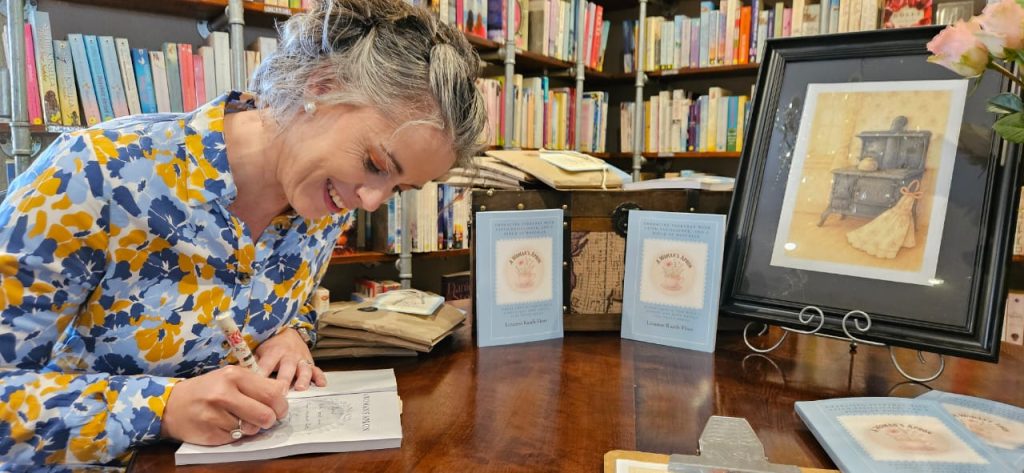
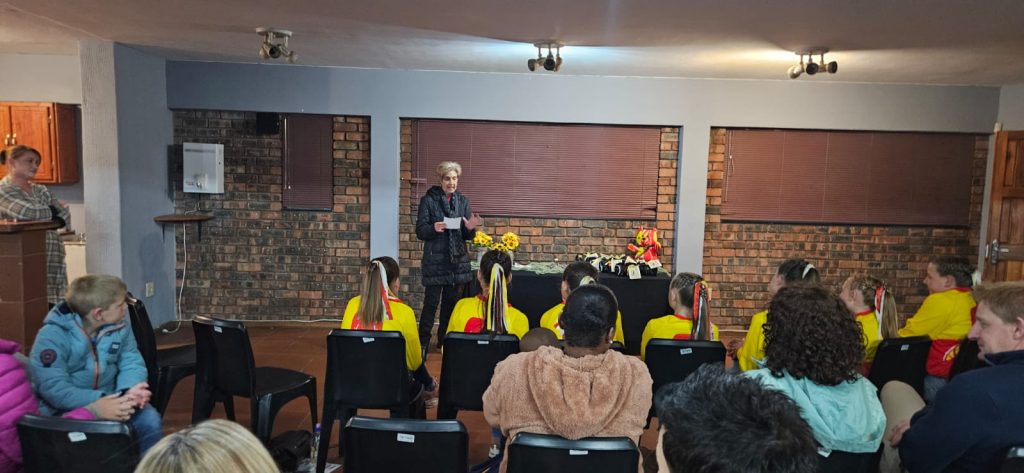
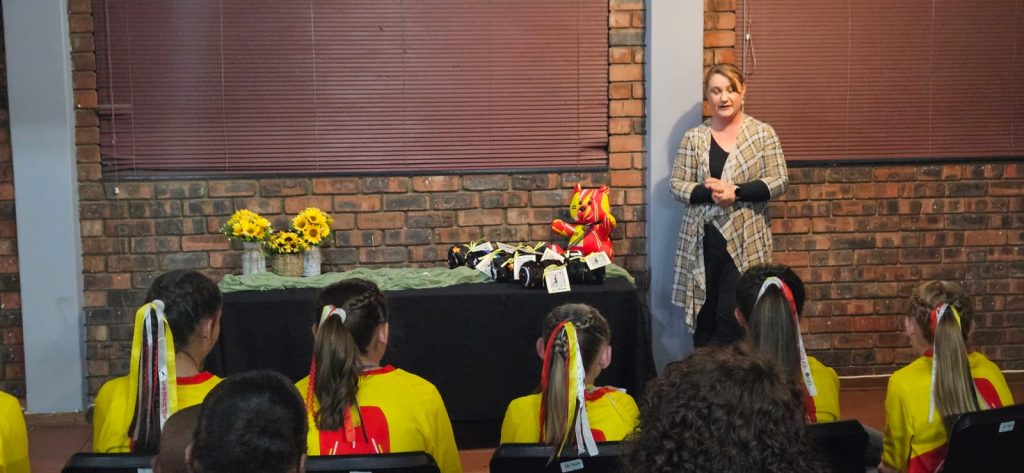
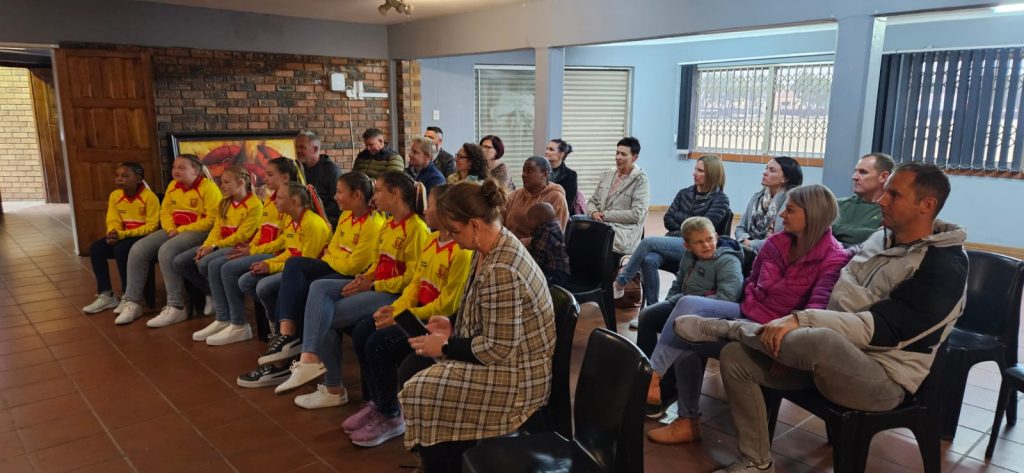
On Saturday, 25 July, readers gathered for a special booksigning event with local author Lezanne Raath-Titus, a proud resident with a deep love for vintage homemaking, handwritten letters, and life’s simple, meaningful moments. Lezanne’s debut book, A Woman’s Apron, was launched to much acclaim, captivating women near and far with its warm reflections on womanhood, faith, and the quiet strength that sustains families.
Lezanne, who attended the event herself, took this opportunity to share her story and the inspiration behind her heartfelt collection. A Woman’s Apron is not just a book; it’s a collection of gentle stories that serve as a comforting companion for women navigating the busy, often overwhelming worlds of marriage, motherhood, and life’s everyday struggles. The stories are infused with nostalgia, scripture, and humour — paying homage to the older generations of women who quietly carried homes and faith in their hands.
Lezanne signing a book for The Bulletin
“I live in the middle — between motherhood and marriage, work deadlines and supper plans,” Lezanne explained during the signing. “This book was born from those moments of honest reflection, of realising that sometimes, the simplest things — a cup of coffee, a handwritten letter, a quiet prayer — are what hold us together.”
The inspiration for her stories came from biblical women like Ruth, Hannah, and Lydia — ordinary women doing extraordinary things. Their stories sparked a deep longing in Lezanne to tell her own, reminding women that even in the crumbs of everyday life, God sees and values them. She describes her writing as a “visit with grandma,” offering comfort and wisdom in a chaotic world.
While A Woman’s Apron is not a cookbook, it is a collection of short stories, reflections, and everyday wisdom designed for women who carry their homes in their hearts and faith in their spirits. It emphasises the importance of slowing down, trusting in God’s plan, and embracing the beauty of simplicity.
The book is available in both print and digital formats, and Lezanne invites readers to connect with her directly at awomansapron@gmail.com or visit her website at www.awomansapron.com. Locally, copies can be found at Clayjars Books and Gifts (Kruik Bookshop).
Lezanne expressed her gratitude for the support she received and for the opportunity to share her story with the community. “Thank you for allowing me to do what I love and for coming out to the signing. Writing this book has been a labour of love, and I hope it resonates with women who need to be reminded that God sees them — even in the crumbs,” she said.
As the event closed, it was clear that Lezanne’s story and her book had touched many hearts, inspiring a return to warmth, faith, and the old-fashioned values that build lasting bonds and strength within families and communities.
On 31 July, South Africa joined the global community in celebrating World Ranger Day, honouring the critical role of rangers in safeguarding the nation’s rich natural and cultural heritage. This year’s main celebrations took place at Table Mountain National Park, with various SANParks regions nationwide observing the significance of the day through a series of activities and events.
The main event was led by Dr. Dion George, Minister of Forestry, Fisheries and the Environment, who was joined by SANParks Chairperson, Ms. Pam Yako. The occasion paid tribute to rangers, acknowledging their dedication, bravery, and the sacrifices made by those who have lost their lives in the line of duty.
World Ranger Day is observed globally on 31 July to honour the essential work of rangers and to recognise their vital contributions to wildlife conservation, environmental protection, community engagement, safety and security, visitor management, and environmental education. This year’s theme, “Rangers, Powering Transformative Conservation,” highlights the evolving role of rangers as champions of inclusive and innovative conservation efforts.
SANParks emphasised that the experiences and insights of rangers are instrumental in shaping a future where conservation is integrated with technology, community development, and regenerative tourism — aligning with the long-term Vision 2040 strategy. This vision envisions a reimagined conservation approach that promotes social justice, economic growth, and inclusivity, ensuring that both nature and communities thrive together.
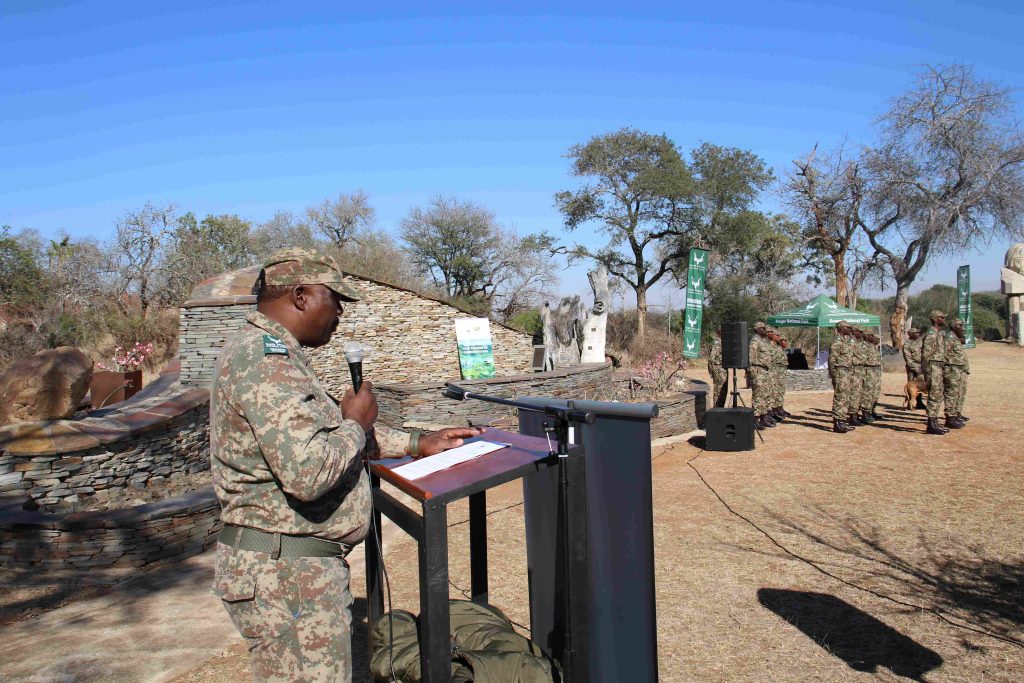
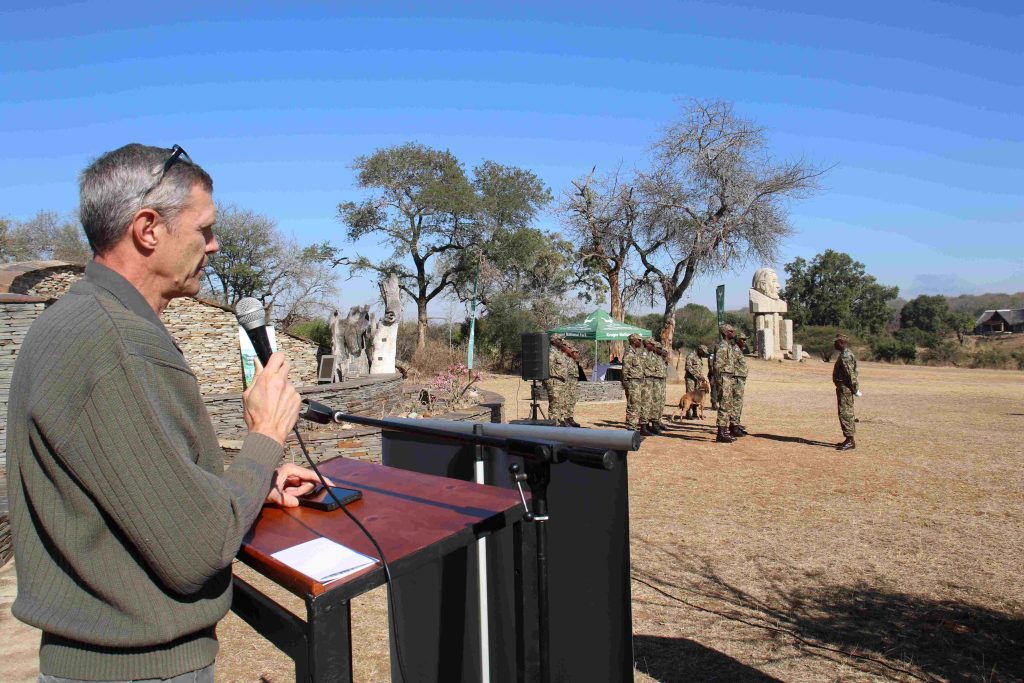
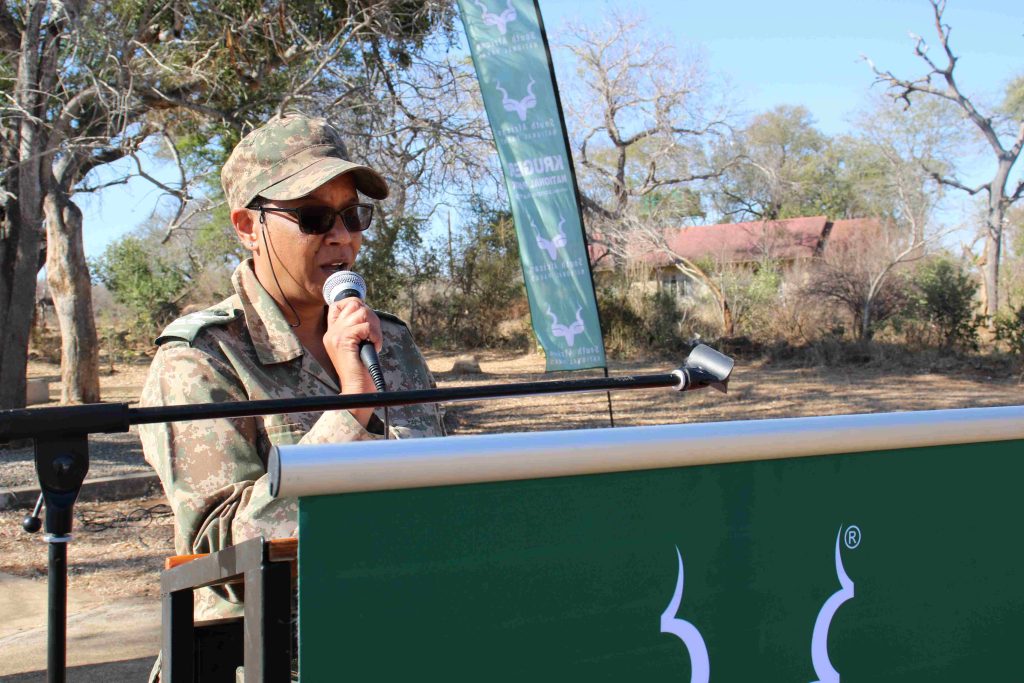
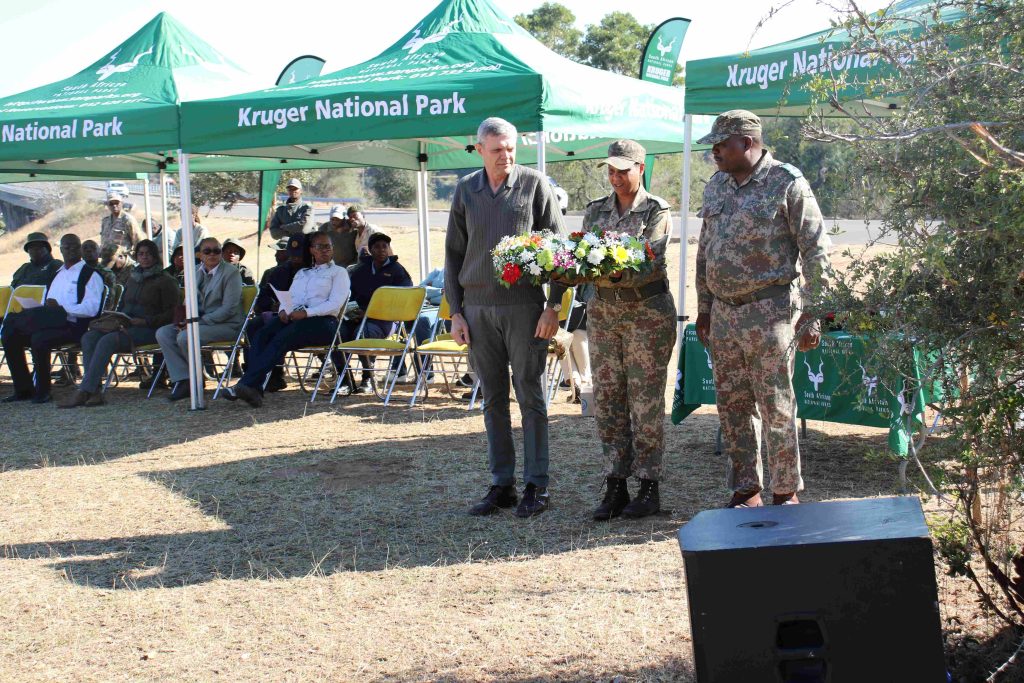
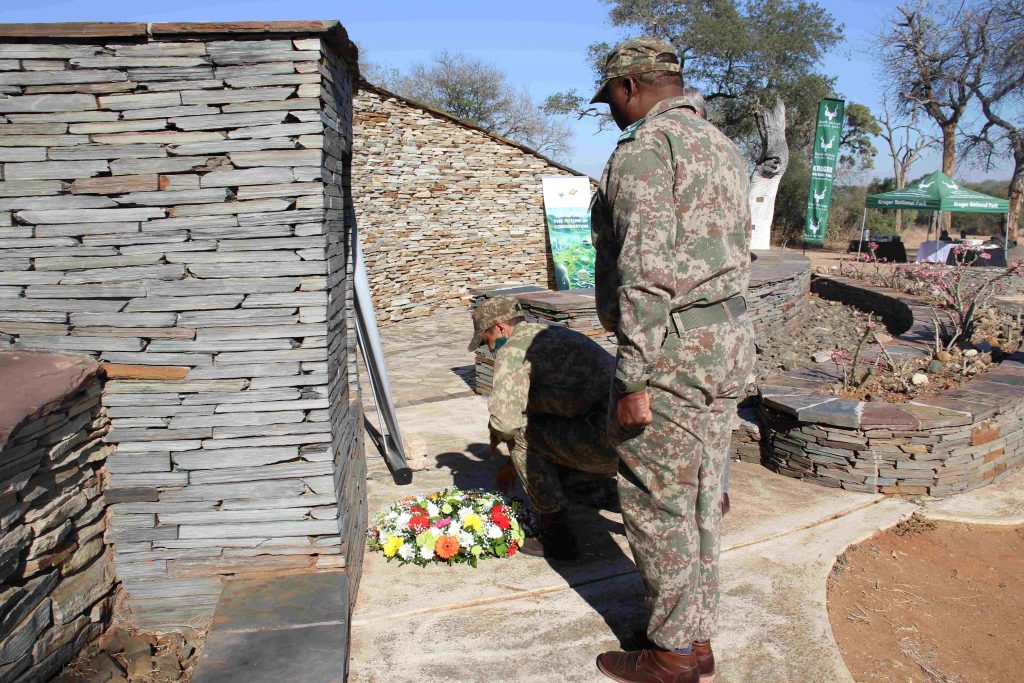
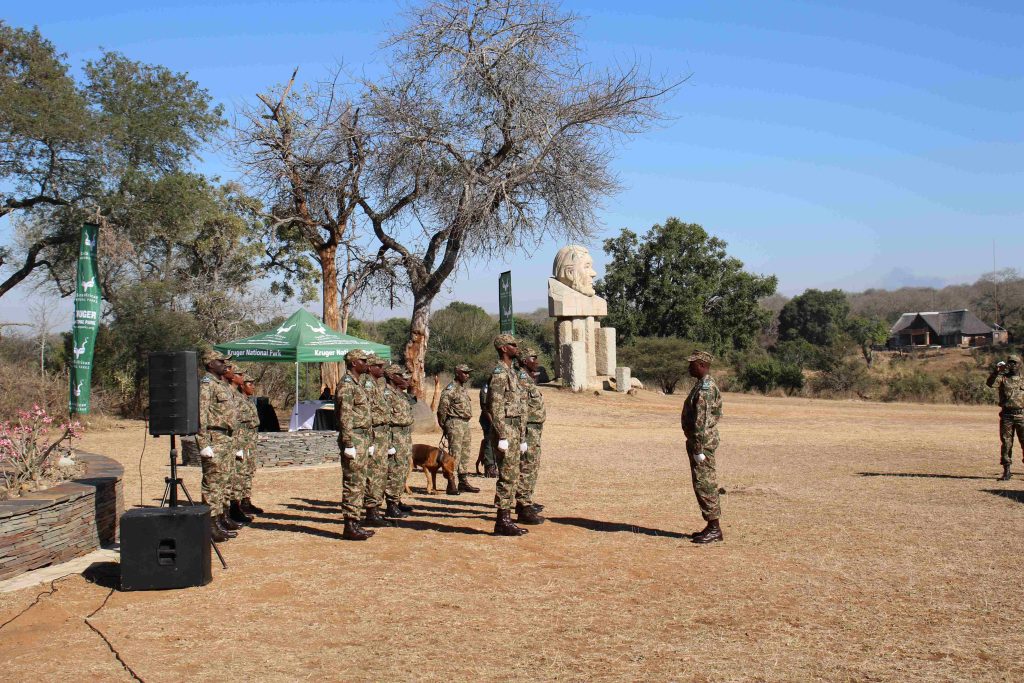
WRD in Kruger – reading of the pledge by Regional Ranger Derick MashaleWRD in Kruger – poem rendering to the Rangers – Senior GM Conservation Management Mr Danie PienaarWRD in Kruger – message of support by Head Ranger Cathy DreyerWRD – Wreath laying ceremony by Sen GM Conservation Management – Danie Pienaar, Head Ranger – Cathy Dreyer and Regional Ranger Derick MashaleWRD in Kruger – wreath laying ceremonyWRD in Kruger – Rangers drill
Throughout the day, SANParks regions hosted various activities:
Arid Region: Celebrations at Mokala National Park featured drill practice, a shooting competition, an imbizo with section rangers and the park manager, culminating in a sports event and dinner.
Frontier Region: Held at Camdeboo National Park near Graaff-Reinet, this event included rangers from Addo Elephant Park, Karoo, and Mountain Zebra National Park. Participants conducted a simulated poaching exercise involving aircraft and ground teams, alongside displays showcasing equipment used in ranger duties, including the Addo marine vessel.
Garden Route National Park: Covering Tsitsikamma, Knysna, and Wilderness, the event at Knysna High Sports Field featured the recognition of retired rangers with certificates of appreciation.
Kruger National Park: A low-key wreath-laying ceremony was held at the Paul Kruger Gate Ranger Monument to honour fallen heroes.
SANParks General Manager, Ms. Pam Yako, reaffirmed the organisation’s commitment to empowering rangers as key agents of change and transformation in conservation efforts. “Our rangers are the backbone of our natural heritage. Their courage and dedication keep our parks safe and contribute to sustainable conservation for generations to come,” she said.
As South Africa toasts its rangers, the nation’s gratitude extends to these dedicated guardians of the environment and cultural heritage, whose efforts continue to inspire and protect the country’s natural treasures.
By Trudie Grové-Morgan, MPL – Spokesperson on Finance, Economic Development and Tourism
The Democratic Alliance (DA) has announced its unwavering commitment to ensure rigorous oversight over the Mpumalanga Provincial Government’s allocation of over R70 million dedicated to refurbishing neglected industrial parks and shopping centres across the province. This move follows concerns over the project’s management, given that the funds have been entrusted to the Mpumalanga Economic Growth Agency (MEGA), which the DA considers discredited.
The Mpumalanga Department of Economic Development and Tourism (DEDET) recently disclosed that R70.9 million has been allocated to revitalise key sites, including the Kabokweni Shopping Centre, Ekandustria Industrial Park, Thembisile Hani Industrial Park, and Siyabuswa Shopping Centre. The initiative aims to stimulate economic growth and create much-needed employment in a province grappling with an unemployment rate of 35.4%, including 46.4% youth unemployment.
While the effort to rejuvenate these projects is a positive step, the DA’s primary concern lies with the organisation tasked with overseeing their implementation. The responsibility has been given to MEGA, an agency with a longstanding history of mismanagement and failure. Since its inception in 2010, MEGA was established to facilitate funding, promote foreign trade, and foster investment, especially targeting Historically Disadvantaged Individuals (HDIs). Over time, its mandate has shifted toward funding youth projects, small and micro enterprises (SMMEs), agriculture, housing, and trade promotion.
However, the DA argues that MEGA has consistently failed to meet its mandates. The agency’s financial records are marred with irregularities, and both the Auditor General and the Standing Committee on Public Accounts (SCOPA) have flagged it for serious mismanagement and lack of accountability. Giving MEGA responsibility for these vital projects, the DA warns, risks further failures and wastage of public funds.
“The DA strongly believes that these projects should be transferred directly to DEDET, which has the capacity and mandate to oversee economic development in the province,” stated MPL Trudie Grové-Morgan. “Leaving oversight in the hands of MEGA, whose own executives have prioritised inflated salaries over job creation and skills development, jeopardises the success of the revitalisation efforts for thousands of unemployed youths.”
The DA emphasised that proper oversight and accountability mechanisms are crucial to ensure the funds are utilised efficiently and effectively, ultimately leading to tangible job opportunities and economic growth for the province.
The DA remains committed to holding provincial authorities accountable and ensuring that public resources are managed responsibly to deliver real benefits for the unemployed youth and communities across Mpumalanga.
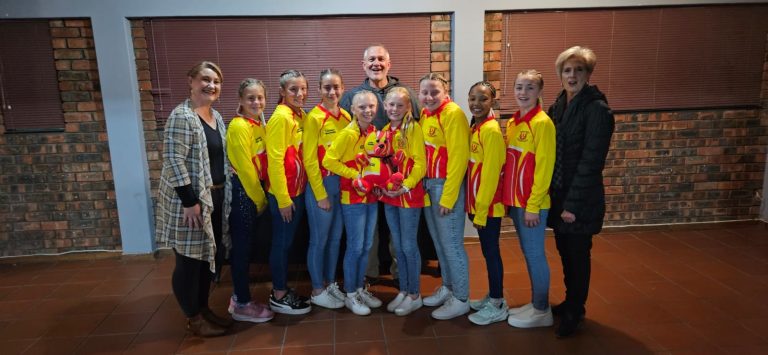
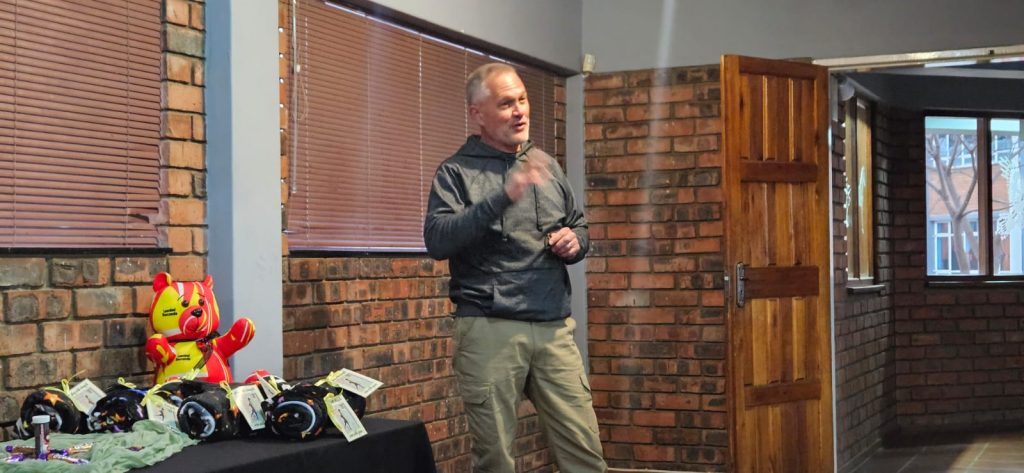
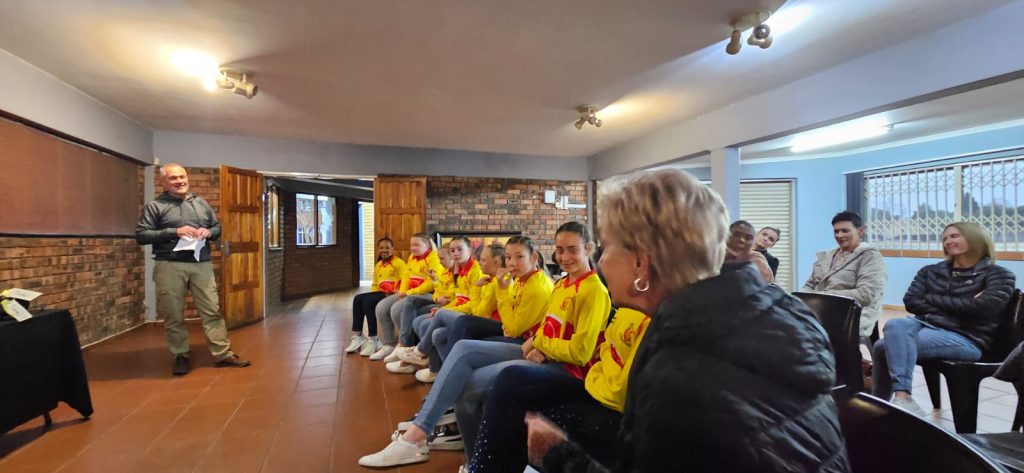
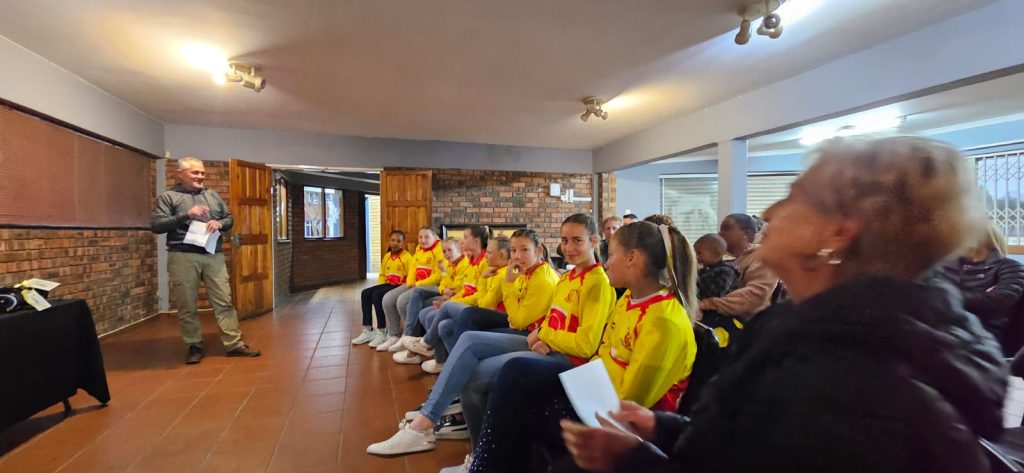
Secunda, Mpumalanga – Terwyl die Laerskool Secunda (L/s Secunda) netbalspan voorberei om geskiedenis te maak by die komende SASN (Suid-Afrikaanse Skole Netbal) Kampioenskappe, het die span ‘n inspirerende motiveringspraatjie ontvang van Johan Steyn, bekend vir sy betrokkenheid by die TV program “Die Brug”.
Die span het gekwalifiseer vir die gesogte toernooi, wat op 25 en 26 Julie 2025 by Hoërskool Pietersburg in Polokwane plaasvind. Dit is die eerste keer dat ‘n netbalspan van L/s Secunda hierdie vlak bereik het.
Tydens sy toespraak het Steyn sleutelbeginsels beklemtoon wat diep met die atlete en hul families geresoneer het:
Spanwerk: Hy het die belangrikheid van elke speler se bydrae tot die span se sukses beklemtoon.
Belangrikheid van Elke Wedstryd: Steyn het onderstreep dat elke wedstryd tel om hul doelwitte te bereik.
Doel van Deelname: Hy het die span aangemoedig om na te dink oor hul redes vir deelname en om na uitnemendheid te streef.
Geloof en Talent: Steyn het die spelers daaraan herinner om die unieke talente wat elkeen besit, te erken en te waardeer.
Voorreg van Deelname: Hy het die eer beklemtoon om hul skool by ‘n nasionale kampioenskap te verteenwoordig.
Ondersteuning en Aanmoediging: Steyn het spelers en ouers aangemoedig om ‘n ondersteunende en opbouende omgewing te bevorder.
Genot: Hy het hulle daaraan herinner om die ervaring te geniet en blywende herinneringe te skep.
Dankbaarheid: Steyn het die span aangemoedig om dankbaar te wees vir hul talente, spanmaats, afrigters, ouers en ondersteuners.
Afrigter Carin Brandow, Netbalhoof Marietha Cole en Biokinetikus Minette Schneider was instrumenteel in die voorbereiding van die span vir die kompetisie. Die span bestaan uit:
Kara J. v. Rensburg
Miané Schneider
Miané Bester
Carlé Cole
Elana Klein
Anna-Lynne v Heerden
Melize Smit
Sheminke v Aswegen
Die L/s Secunda netbalspan is gretig om teen 47 ander spanne van regoor die land by die SASN Kampioenskappe mee te ding. Die skoolgemeenskap wens hulle alle sterkte toe terwyl hulle L/s Secunda op die nasionale verhoog verteenwoordig.
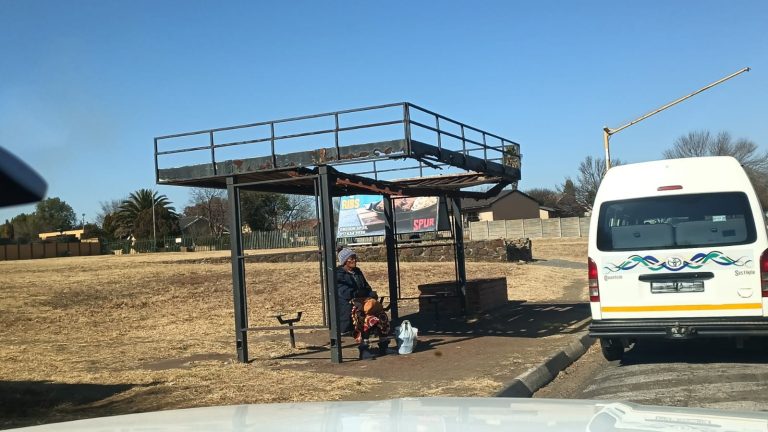
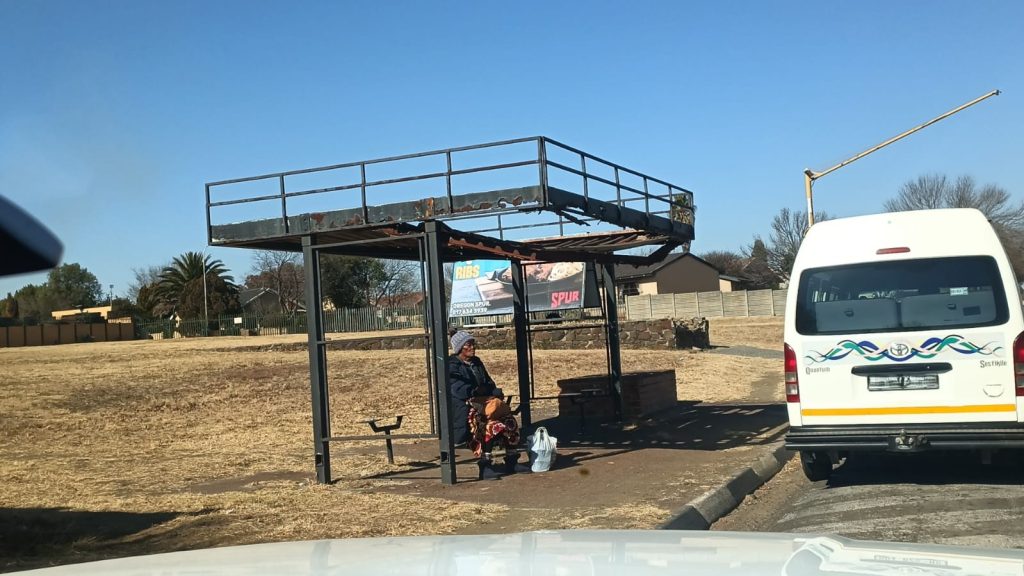
Secunda, July 21, 2025 – The Democratic Alliance (DA) in Govan Mbeki Local Municipality has called on Executive Mayor Nhlakanipho Zuma to provide clarity on a tender for the refurbishment of bus shelters in Secunda. In a statement released yesterday, the DA revealed that a local business had offered to refurbish eight public bus stops at no cost to the municipality, requesting only the right to advertise on the structures.
According to Fiona Pelman, DA Councillor in Govan Mbeki Local Municipality, the business’s proposal included structural repairs, repainting, roof and seating installation/repair, refuse bin placement and maintenance, and ongoing upkeep for three years.
Councilor Fiona Pelman
However, the municipality’s Department of Planning and Development responded to the proposal by stating that an open tender for bus shelter rehabilitation was being compiled due to numerous similar applications. Despite this communication on March 5th, the DA reports that no such tender has been advertised, raising concerns about the municipality’s willingness to accept cost-free solutions for infrastructure improvement.
The DA highlights the dilapidated condition of bus shelters in Secunda and questions why the municipality appears hesitant to lease these structures to private entities willing to undertake repairs at no expense to taxpayers.
In light of these concerns, the DA has formally requested Mayor Zuma to report to the council with a detailed plan for the municipality’s bus shelters. They are demanding a clear timeline for the tender process if the municipality intends to involve private individuals in the refurbishment efforts.
The DA emphasises its commitment to holding public officials accountable and ensuring efficient infrastructure development in Govan Mbeki Local Municipality.
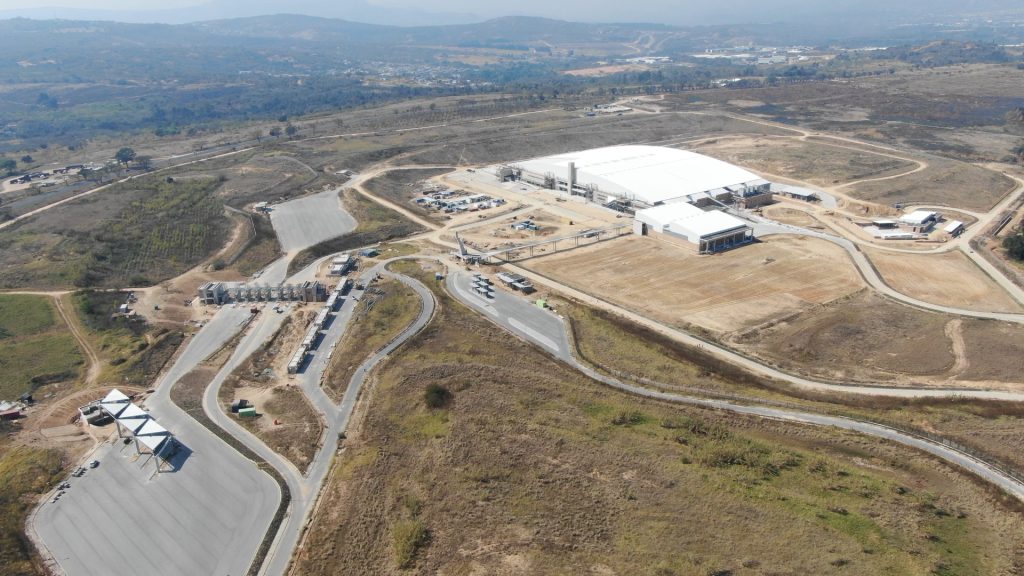
Mbombela, July 22, 2025 – In a statement delivered to the Mpumalanga Legislature today, DA MPL Trudie Grovè-Morgan sharply criticised the Mpumalanga Department of Agriculture, Rural Development, Land and Environmental Affairs’ (DARDLEA) 2025/26 budget of R1.6 billion, accusing the department of “deliberate misinformation” and a pattern of unfulfilled promises.
Trudie Grove-Morgan
Grovè-Morgan, in her capacity as a Democratic Alliance Member of the Provincial Legislature, expressed concerns about the department’s allocation, particularly highlighting the stalled Mpumalanga International Fresh Produce Market and the misrepresented status of the Mkhondo Agri-Hub.
Fresh Produce Market Delay
The DA MPL noted that the Mpumalanga International Fresh Produce Market, touted as a transformative project to connect smallholder producers with international markets, had failed to open as promised on 1 April 2025. Grovè-Morgan described this as a “bad April Fool’s joke at the expense of poor farmers.”
Agri-Hub Misrepresentation
The statement further challenged the department’s claim that plans were underway to integrate the Mkhondo Agri-Hub into the aforementioned Fresh Produce Market. She stated that the Agri-Hub is currently non-operational due to storm damage, contradicting the department’s narrative. Grovè-Morgan urged the department to cease disseminating false information, which she stated undermines legislative oversight.
Unfulfilled Promises
Grovè-Morgan highlighted a recurring pattern of capital projects and agro-processing schemes that are presented in budget cycles without tangible progress. She cited the Mkhuhlu Agri-Hub as an exception but noted its limited scope.
Fortune 40 Programme Concerns
The DA MPL also raised concerns about the Fortune 40 Programme, questioning the lack of impact assessment, beneficiary selection criteria, and graduation rates from dependency to commercial viability. She argued that the department continues to reallocate funds under the “pretext of youth empowerment” without providing adequate justification.
Call for Transparency
In conclusion, Grovè-Morgan called for urgent clarity on the operational status of the Mkhondo Agri-Hub, a verifiable progress report on the Fresh Produce Market, and an independent impact assessment of the Fortune 40 Programme. She emphasised the need for tangible outcomes that uplift the youth and secure their place in the agricultural economy, stating that the budget must be regarded as “technically inflated, strategically misleading, and politically unaccountable” until such transparency is provided.
Shortly after the disagreement on the Parliamentary report on Farm Safety between the DA and the VF+, SAAI released the statement below. But first a little background on SAAI.
The Southern African Agri Initiative (Saai) is an agricultural interest network for farmers by farmers, which is committed to protecting and promoting the rights, values, ideals and needs of family farmers in the primary produce sector.
Family farmers are an essential part of rural communities, providing food and stability. However, they face new challenges, including climate change, corporate takeovers, and government interference. The Southern African Agri Initiative (Saai) was created to protect and promote the rights of family farmers. Saai focuses on policy influence, strategic solutions, and partnerships to address issues like poverty, hunger, gender equality, responsible production, and climate action. The organisation also emphasises the importance of education, health, energy, and water access for farmers. Saai strives to preserve rural communities, combat urbanisation, and create sustainable agricultural practices.
The report on farm safety presented before Parliament marks a significant breakthrough in acknowledging one of agriculture’s greatest challenges.
However, it still falls short and is out of touch with the realities that farmers face on the ground every day. In the contentious parliamentary debate surrounding the report, Saai will not side with the Freedom Front Plus (FF+) or the Democratic Alliance (DA), but—as true to our calling—will articulate the voice of the farmers.
Farmers largely rely on the DA and FF+ to represent their political interests in Parliament and are concerned about the deep differences in the two parties’ approaches to a matter that is vital to their survival. Ironically, the political entity that most accurately reflects the current security concerns of South African farmers is the Trump administration in the United States. None of the security-related conditions it set for restoring relations with South Africa are addressed in the report:
That farm murders be declared a priority crime, and
That the ANC distance itself from “Kill the farmer, kill the boer.â€
The fact that the report acknowledges the extraordinary brutality that characterizes farm murders is a major breakthrough. It is the first time it has been officially accepted that the nature and extent of farm murders are abnormal and cannot be compared with the country’s already high general murder rate. Farmers also welcome the recommendation that a specialized unit within the SAPS be established to combat farm attacks and stock theft. That these acknowledgments still do not justify declaring farm attacks a priority crime is inexplicable and raises suspicions.
The greatest challenge lies in implementation.
What troubles farmers about the report is that it recommends parliamentary visits to farms to seek out examples of farmer-worker conflict or poor labour relations. This stems from an old ANC narrative that farm murders are driven by worker mistreatment—something that was investigated and rejected by the International Labour Organization (ILO) in 2014. In 2015, the ILO, together with the University of Cape Town and the University of KwaZulu-Natal, published a report on farmworker conditions which debunked this narrative. The parliamentary report makes no reference to these reports, nor to what has changed since then.
Saai wants access to the data on which the report’s findings are based.
Apart from the fact that there is no scientific basis in the farm murder data for allegations of poor labour relations, the logic behind this argument is alarming. This is a report about farm attacks, yet it scrutinizes labour relations. It implies that disputes between workers and their employers—farmers—might somehow justify brutal murders!
Underlying the report are several serious allegations against a dysfunctional state, and this should have been Parliament’s focus instead:
What is so ineffective about the regulatory labour environment that Parliament must conduct farm visits to find out why workers resort to murdering farmers, instead of asserting their rights through the CCMA or labour courts?
Why must Parliament decide on better cooperation between police stations and farm watches, and how does this relate to the recent revelations about SAPS involvement in organized crime at the highest levels?
The Brendin Horner farm murder in Paul Roux illustrated how difficult it can be for farmers to cooperate with local police stations—whether it concerns farm attacks, stock theft, or trespassing. Saai is involved in several cases—on behalf of both black and white farmers—who are instituting civil claims against the SAPS due to losses suffered from police inaction against trespassing, crop thieves and poachers on farms. During Willie Aucamp, MP from the DA’s speech on the report, Members of Parliament from the MK party interrupted him, saying he made them feel like singing “Kill the farmer.†Regardless of what the Constitutional Court may say, the rest of the world—especially the USA—does not accept this call to murder as a mere cultural tradition. It has no place in a civilized South Africa and should have been addressed in the report.
While the report brings us across the advantage line, it still falls short of restoring farmers’ confidence in the political or state system. Far more decisive investigations are required to address farm murders as a stain on South Africa’s recent history. The most recent incident comparison meeting has once again proven that the true extent of crime on farms and in rural areas is severely underestimated, particularly because many incidents are not reported to the South African Police Service (SAPS).
A comparison between statistics from external stakeholders and SAPS’s database reveals shocking discrepancies:
Only 50% of all livestock theft incidents reported through organized structures are recorded in the SAPS system.
Only 15% of all illegal hunting incidents, especially those involving dogs, are officially registered.
From January to May 2025 alone, 72 farm attacks and 10 farm murders have already been reported, reflecting an increase compared to the same period last year.
These differences indicate that very little crime is reported in rural areas, leading to misinterpretation of crime trends and misallocation of resources.
Saai makes an urgent appeal to all farmers, land users, and rural communities to report every crime incident to SAPS, no matter how minor it may seem. This includes:
Farm attacks or murders
Illegal hunting with dogs or other means
Livestock theft, game theft, and poaching
Unlawful trespassing on property
Theft of cables, solar panels, water pumps, tools, and any equipment essential to farming operations
There is growing concern that the lack of official case numbers not only hampers investigations but also undermines the state’s ability to effectively manage crime in rural areas. Crime that is not officially recorded does not get investigated or acted upon.
Saai is currently actively involved in external working groups with SAPS to ensure that the definitions and classifications of rural areas, farm attacks, and related crimes are comprehensive and inclusive.
As part of this work, Saai has submitted a detailed document to SAPS, specifically addressing:
What should be considered a “rural areaâ€
The inclusion of smallholdings, communally farmed land, game farms, and settlements
Proper recognition of victims: farmers, farm workers, residents, visitors, and service providers
The importance of economic sabotage, infrastructure destruction, and theft as key elements of farm-related crime
This contribution is an effort to make SAPS’s statistics, prioritization, and resource allocation at ground level more realistic and targeted.
Saai will continue to prioritize this issue at a national level in partnership with other stakeholders in the agricultural sector. The organization sees it as a core responsibility to support family farmers and rural communities in their right to safety, justice, and sustainable food production.
A parliamentary report addressing farm attacks and rural safety has exposed significant divisions between political parties, most notably the Democratic Alliance (DA) and the Freedom Front Plus (VF Plus). While the DA has embraced the report as a crucial first step, the VF Plus has strongly rejected it, citing “misconceptions and flawed assumptions.” This article will delve into the key points of contention between the two parties.
Key Recommendations of the Report:
The parliamentary report in question aims to address rural safety concerns, with a focus on farm attacks. Its main recommendations include:
Establishing a specialised and funded Rural Safety Unit within the South African Police Service (SAPS).
Conducting a national audit of rural policing capacity.
Improving cooperation between SAPS and community safety structures like farm watches.
Strengthening intelligence and cross-border crime coordination to combat livestock theft.
Addressing the low conviction rate in rural crime cases through better police-prosecutor collaboration.
Providing assistance to vulnerable farmers.
Categorising rural crime statistics separately for better monitoring and response.
The Democratic Alliance’s Stance:
The DA has lauded the report as a “fundamental step in the right direction,” emphasising that it is the first time Parliament has officially recognised the severity and brutality of farm attacks, rural violence, and livestock theft in a multi-party context. They view the recommendations as practical solutions derived from evidence-based discussions and collaboration with stakeholders. The DA has strongly criticised the VF Plus for voting against the report, accusing them of political opportunism and effectively voting against rural safety. They have also defended a specific recommendation in the report calling for parliamentary oversight to protect all rural residents, including farmworkers, against exploitation and intimidation, stating it is not a “blaming of farmers” but a matter of basic human rights.
The Freedom Front Plus’s Rejection:
The VF Plus, however, has voiced strong opposition to the report. While acknowledging “few positive aspects,” they argue that these are overshadowed by “several misconceptions and flawed assumptions.” A central point of contention is the report’s recommendation for targeted oversight visits to agricultural areas, focusing on potential human rights violations against farmworkers, including intimidation, humiliation, and abuse by farm owners. The VF Plus believes this digresses from the report’s original objective of addressing attacks on farming communities.
Furthermore, the VF Plus criticises the report for not prioritising farm murders as a specific crime, despite acknowledging their “unique nature” and extreme brutality. They also lament the report’s failure to mention or condemn inflammatory statements like “Kill the Boer, Kill the Farmer.”
The core differences between the DA and VF Plus’s perspectives stem from:
Focus on Farmworker Welfare: The VF Plus views the report’s emphasis on potential exploitation of farmworkers as a misdirection, while the DA sees it as essential for balanced protection of all rural residents.
Prioritisation of Farm Murders:Â The VF Plus believes farm murders should be explicitly recognised and treated as a priority crime, a stance not reflected strongly enough in the report, in their view.
Interpretation of Motives: The DA accuses the VF Plus of political opportunism, while the VF Plus suggests the DA has been swayed by ideological considerations.
Conclusion:
The parliamentary report on rural safety has become a point of contention, highlighting the differing priorities and perspectives of the DA and VF Plus. The DA views the report as a crucial first step towards addressing farm attacks and improving rural safety for all, while the VF Plus believes it is flawed by its focus on farmworker welfare and its failure to prioritise farm murders as a distinct and pressing issue. This divergence underscores the complexities and sensitivities surrounding the issue of rural safety in South Africa.
Appointment of Mr. Godfrey Ntombela as Head of Department for Culture, Sports, and Recreation
The Premier announced the immediate appointment of Mr. Ntombela to this position, following a thorough selection process. The role involves providing leadership, strategic planning, resource management, and upholding core values such as honesty, integrity, loyalty, accountability, and transparency. Previous contract extensions and a fraudulent activity involving his electronic signature, linked to an R80,000 payment, were also addressed, prompting investigations in collaboration with SAPS.
Addressing Contract Extensions and Allegations of Fraud
Mr. Ntombela’s contract was extended multiple times by the former and current Premiers. His recent rejection of a five-month extension, citing a previous extension until 2027, was refuted by the former Premier, who clarified no such extension beyond September 2024 was given. A serious matter involving the alleged forgery of the former Premier’s electronic signature and misappropriation of funds is under investigation.
Changes to the Provincial Executive Council
The Premier highlighted the need for governance improvements and announced several leadership changes aimed at strengthening service delivery and addressing provincial challenges.
New MEC Appointments and Key Focus Areas:
Ms. Lindi Lettie Masina – MEC for Education:
Improve matric pass rate to 90%
Promote Maths and Science participation
Implement eLearning starting from Grade 10 in 2026
Support exam preparations and resource provisioning
Foster community and union engagement
Ms. Jester Sidell – MEC for Economic Development and Tourism:
Drive projects like Nkomazi SEZ and feasibility studies for Mariepskop Mountain Cable Car and Hazyview Water Wave
Develop tourism, SMMEs, industrial parks, and infrastructure
Support investment initiatives and skills development
Ms. Khethiwe Moeketsi – MEC for Agriculture, Rural Development, Land and Environmental Affairs:
Ensure successful operation of the Mpumalanga Food Market
Support farmers and rural enterprises
Prioritize agro-processing and value addition
Ms. Nompumelelo Hlophe – MEC for Social Development:
Expand social assistance coverage
Improve child care services and establish the Khuseleka Centre for GBV victims
Reduce substance abuse and support NGOs
Remaining MEC positions stay unchanged.
Acknowledgment and Future Outlook
The Premier expressed appreciation to outgoing MECs, congratulated the new appointees, and emphasized that these changes aim to promote inclusive growth, job creation, poverty reduction, and building an ethical, capable government to better serve the people of Mpumalanga.
The Sasol Highveld Photography Club (SHPC), renowned for its dedication to photographic excellence and the personal development of its members, recently held its monthly club meeting with great success. The meeting, which took place in July 2025, brought together club members, guests, and respected guest judge Mr. Peter Cavanaugh, for an evening of creative appreciation, critique, and community engagement.
With 61 entries submitted across a wide range of photographic categories, the evening provided a compelling showcase of local photographic talent. Categories included Nature, Photojournalism, Monochrome, Pictorial, Scapes, Nature – Birds Only, and the Set Subject. Each image presented a unique narrative, style, or technique, affirming the diverse interests and evolving capabilities of the club’s membership.
Recognising Talent and Growth
June’s top performers were celebrated during the meeting:
Senior Winner: Mr. Peter Winnan
Junior Winner: Ms. Hanlie de Beer
Their recognition reflects SHPC’s emphasis on continuous improvement through constructive critique. Members are encouraged to grow not only through competition but through active engagement with judges feedback and fellow members insights.
The club employs a grading system to track members’ development. Entrants are scored and assigned award levels based on their skill level. These range from Bronze (awarded when key technical or creative elements are missing), to Silver, Gold, and ultimately the prestigious Certificate of Merit (COM), granted when a photograph excels in both execution and artistic impact.
PSSA News and Achievements
The July meeting also featured updates on ongoing and upcoming Photographic Society of South Africa (PSSA) events and competitions. Noteworthy achievements by SHPC members in recent competitions were acknowledged, including:
Sussa Pelser “ Albino White Lip Tree Viper (35)
Leon Pelser “ Thunder and Lighthouse (35)
DNE Smit “ Blouberg Blue Hour (37)
Louis van der Walt “ Rain Spider (32)
Yolandi Geyser “ Bee Painting (29)
These results reflect the consistent participation and competitive standard of the SHPC at national level. Members were reminded to select Sasol Highveld Photography Club as their nominated club when entering PSSA salons and competitions.
Interclub Participation and Upcoming Salons
Preparations and participation for the PSSA Interclub Competition 2025 were also highlighted. The club submitted 117 images across four major categories, and 33 entries under the Open – Senior and Open – Junior divisions. Members are encouraged to continue engaging with upcoming PSSA salons and external photography events as part of their creative journey.
A Club Built on Passion and Support
Beyond technical skill, SHPC places great value on enjoyment, mentorship, and community spirit. By fostering an environment where members receive feedback from experienced judges and peers, the club ensures that both new and seasoned photographers are given equal opportunity to learn and grow.
Members are also reminded to update their personal information such as birthdays on Photovault to ensure they receive appropriate recognition and communication.
Contact and Enquiries
For more information about the club, upcoming events, or grading and membership queries, please contact: Louis van der Walt +27 (72) 755 2767
Whether hobbyist or professional, every member of the Sasol Highveld Photography Club is encouraged to pursue their photographic passion with curiosity, courage, and a commitment to continuous improvement.
Here are the winning photographs for July:
The best set subject is “Wave backflip” by DNE Smit
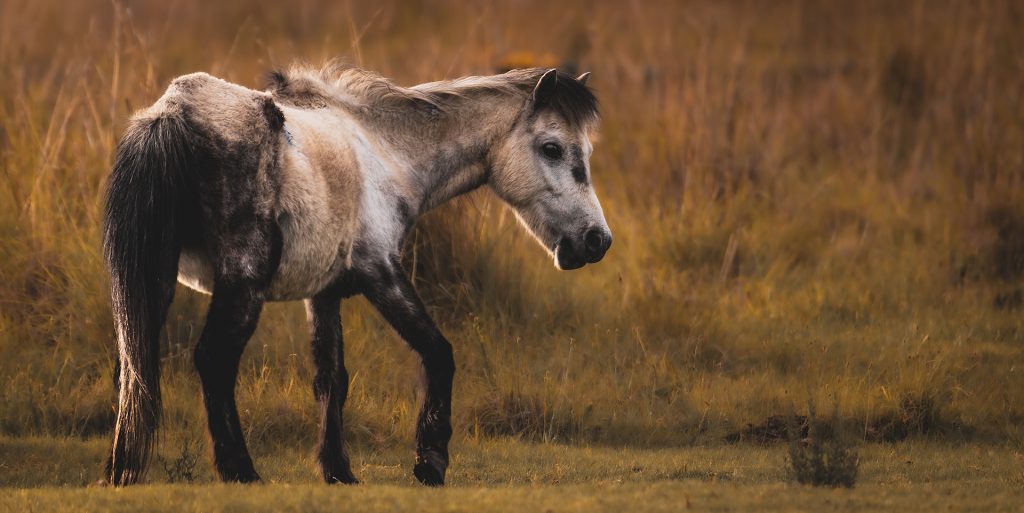
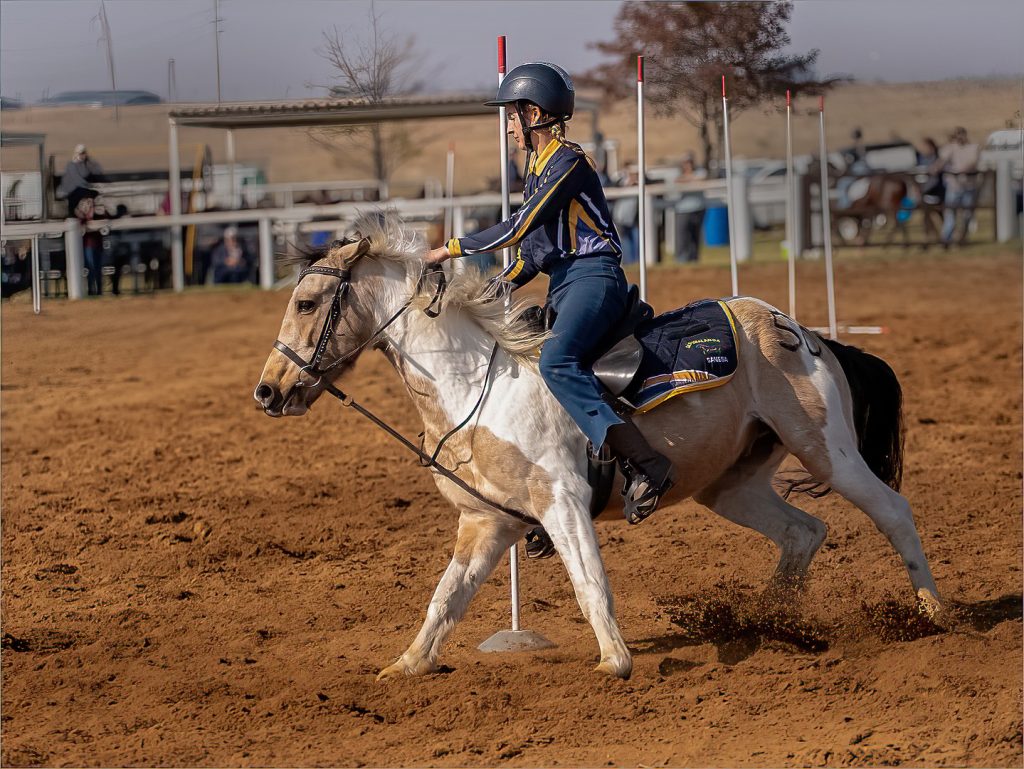
The best Junior is Yolandi Geyser with “Pony”
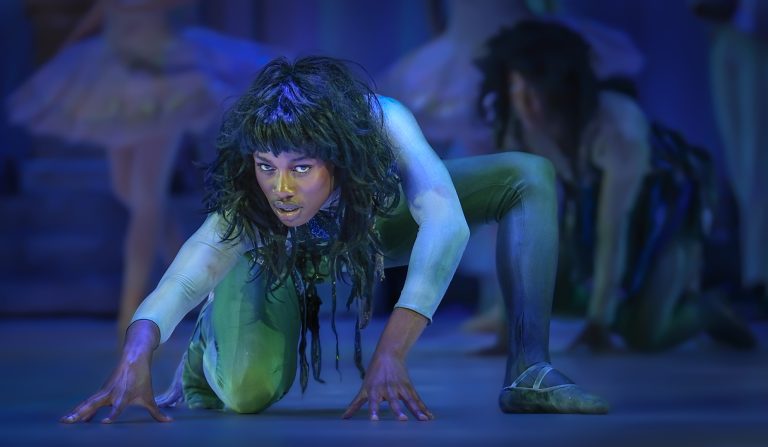
The best Senior is DNE Smit with “The sorceress helper”
Here are the COM and GOLD certificates
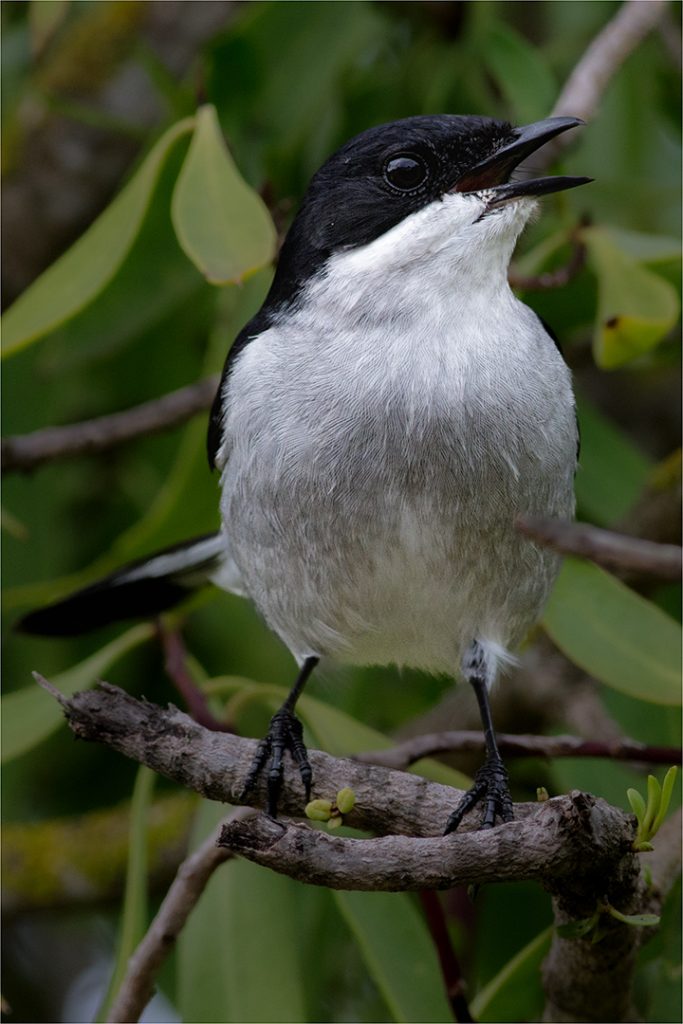
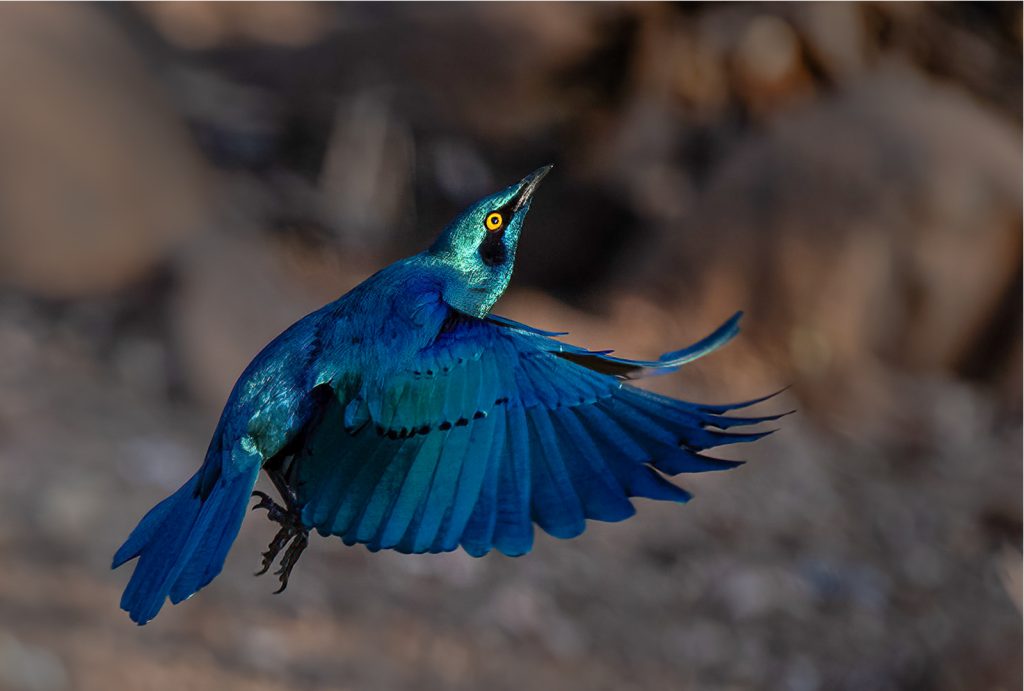
Category – Nature – Birds only
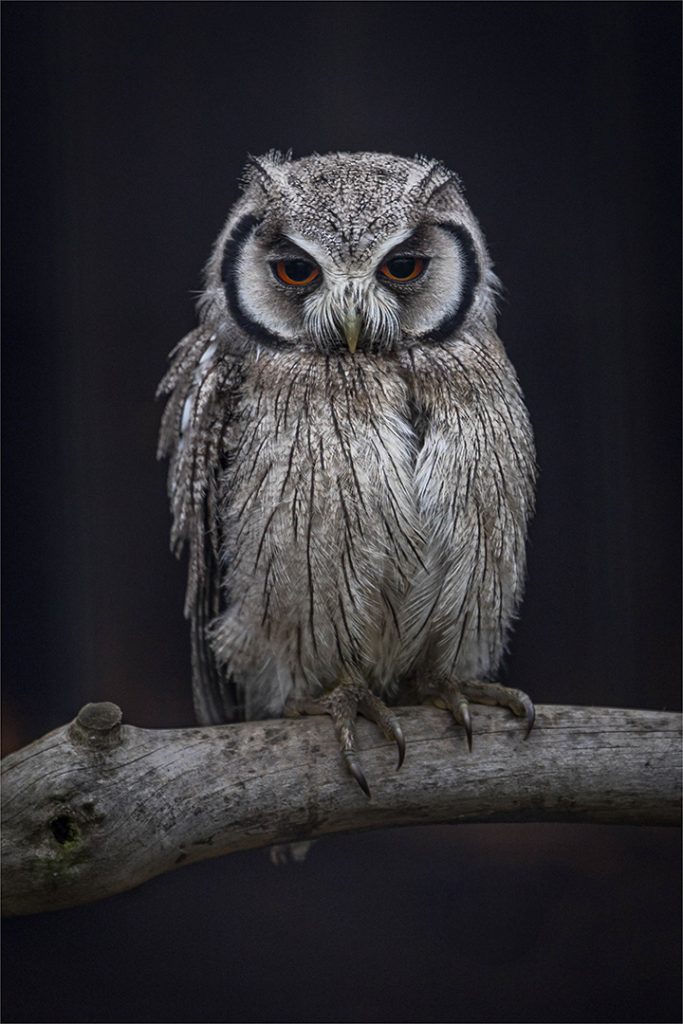
A lovely record shot by Piet PotgieterTo the Branch by Johan Viljoen
Category – Set Subject
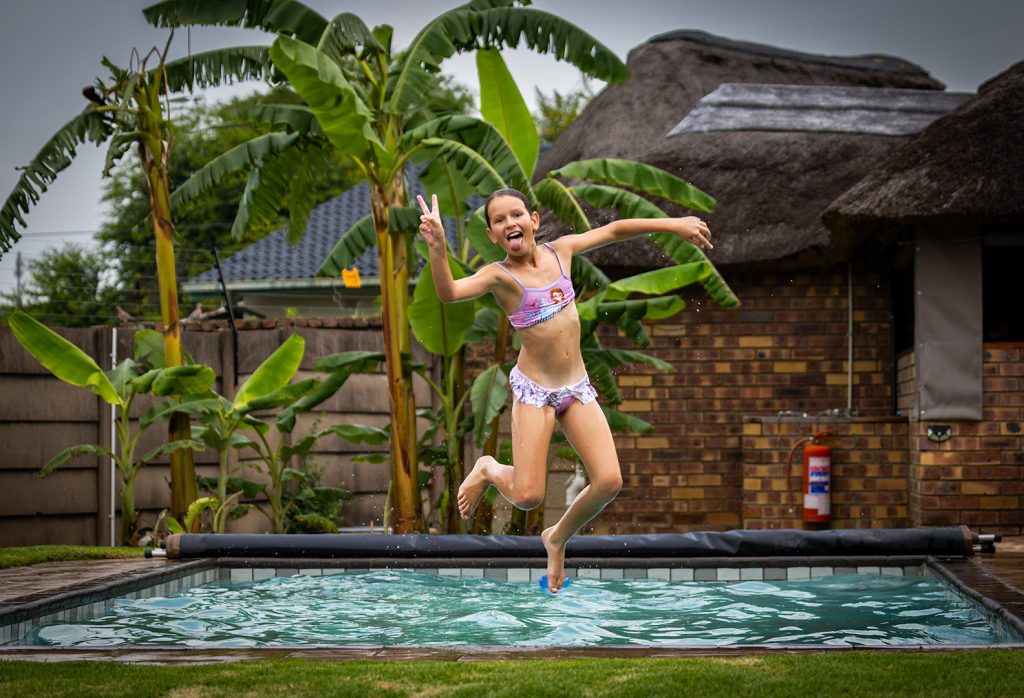
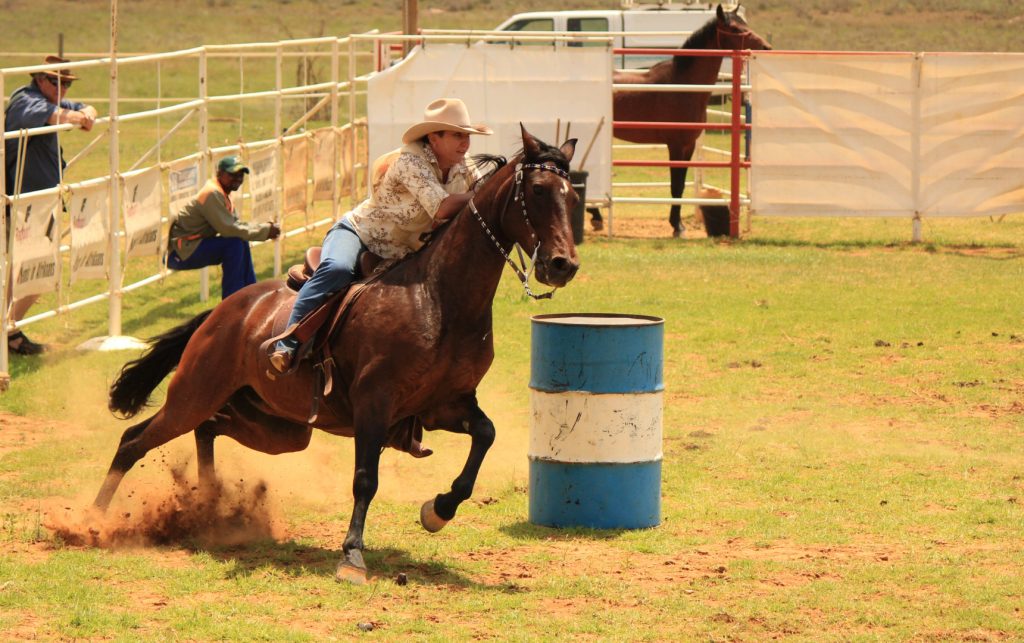
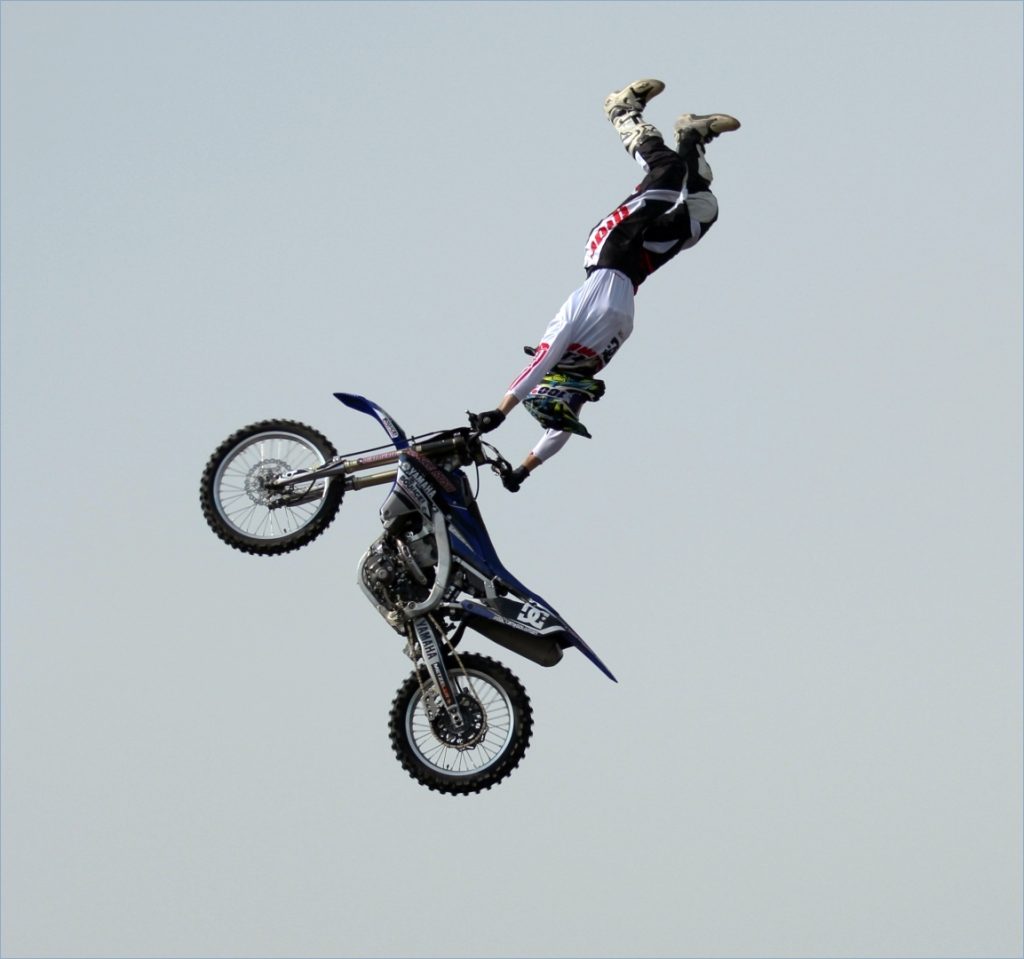
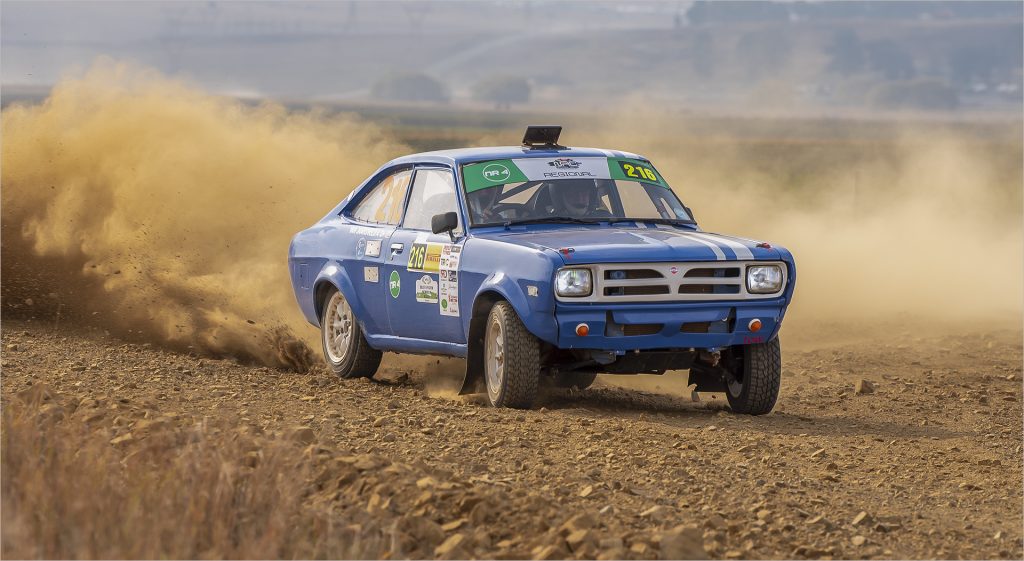
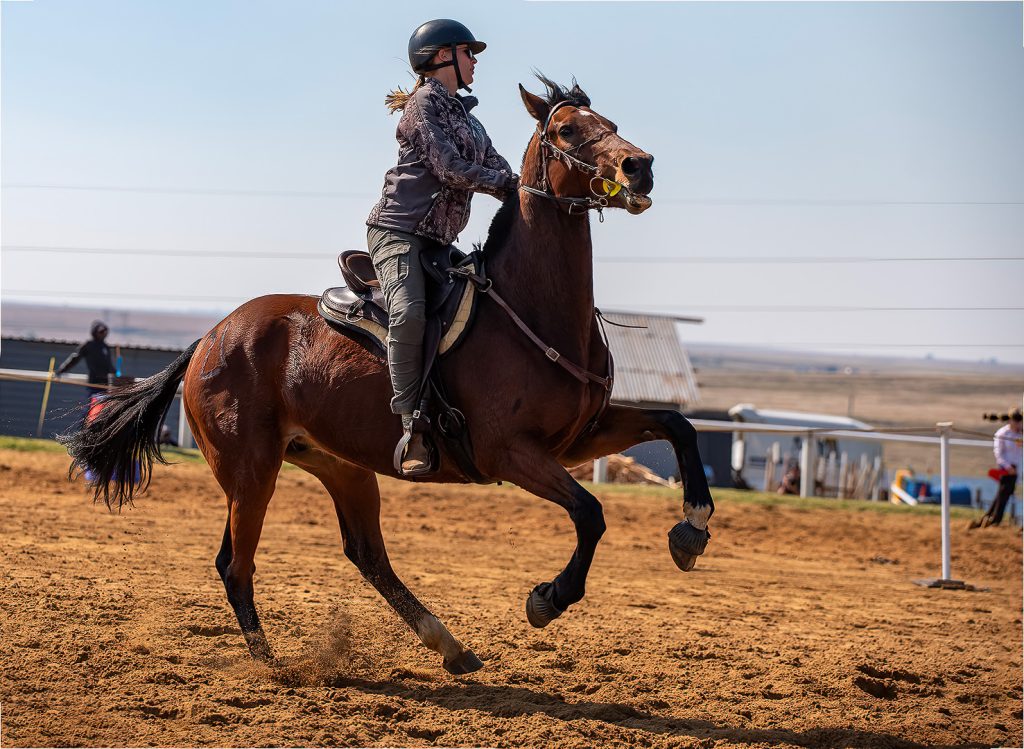
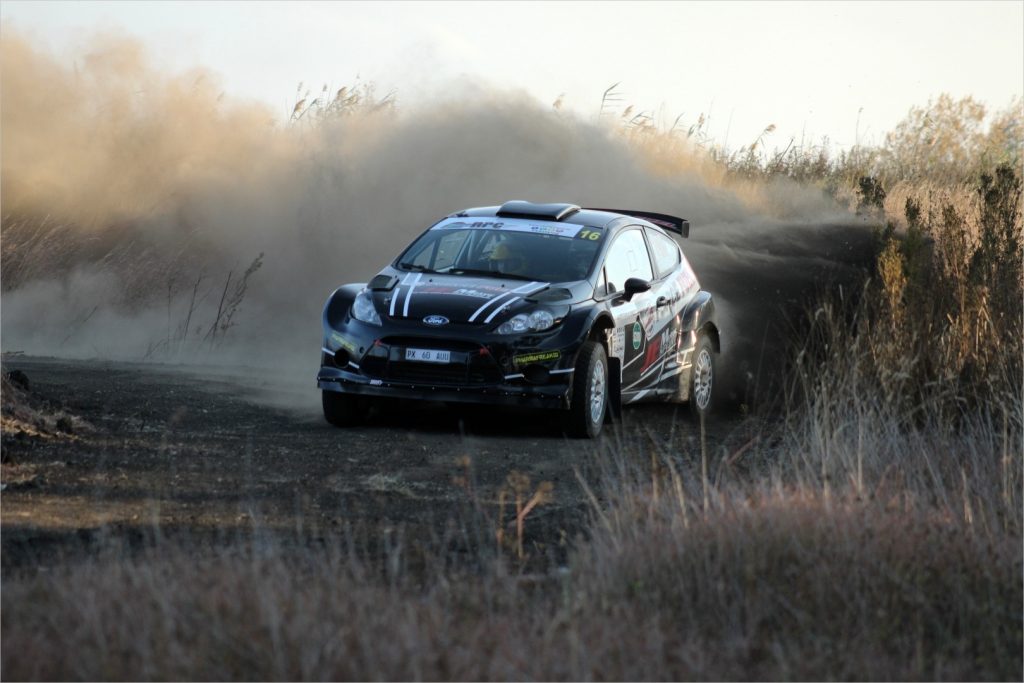
Stunt Racer at Sunset by Leon PelserPeace by Yolandi GeyserBarrelrace by Anzette SnydersJump for Life by Sussa PelserPJ representation of stunts by Lorraine BothaWaaghals by Hester Griesel
Category – Photojournalism
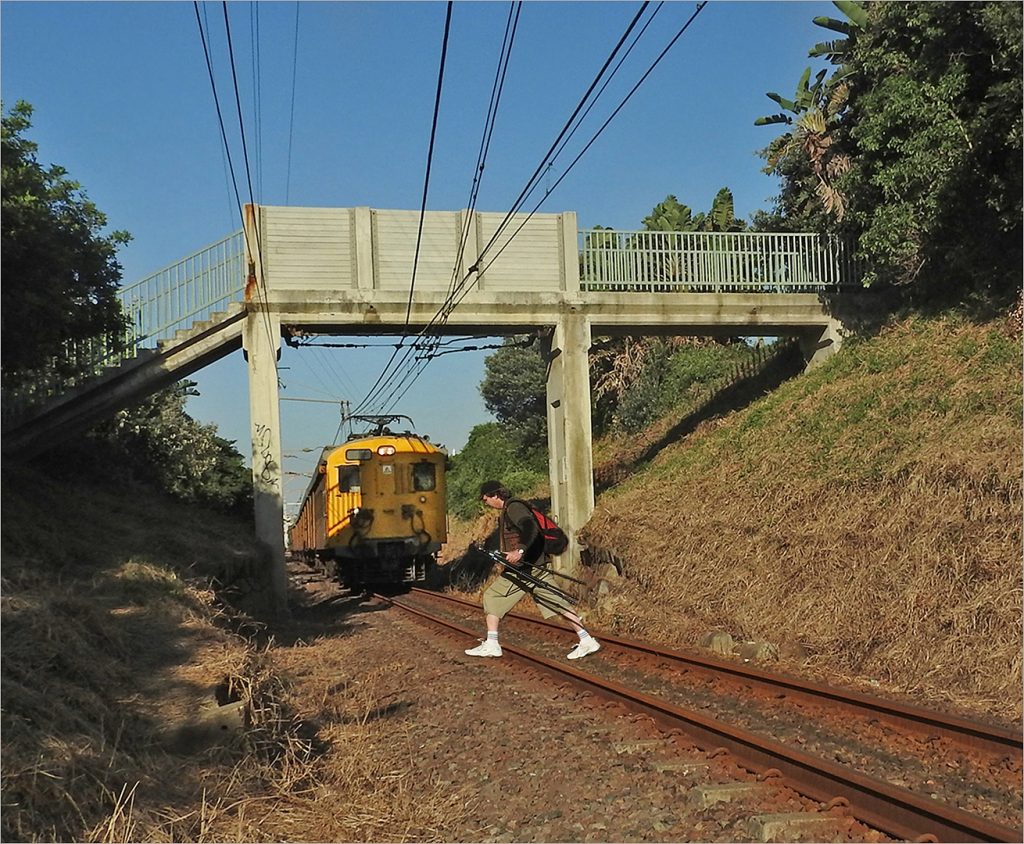
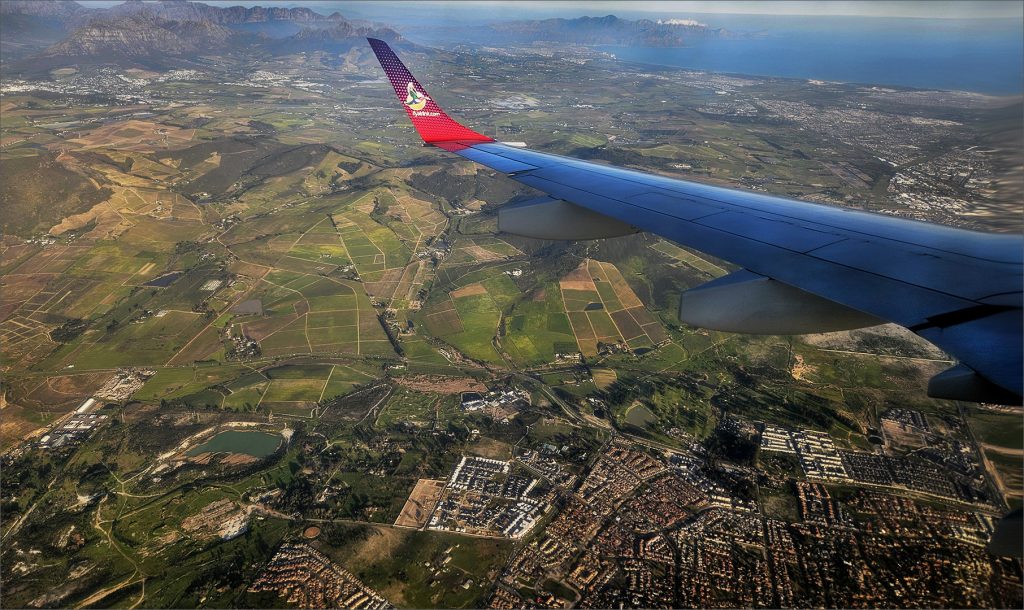
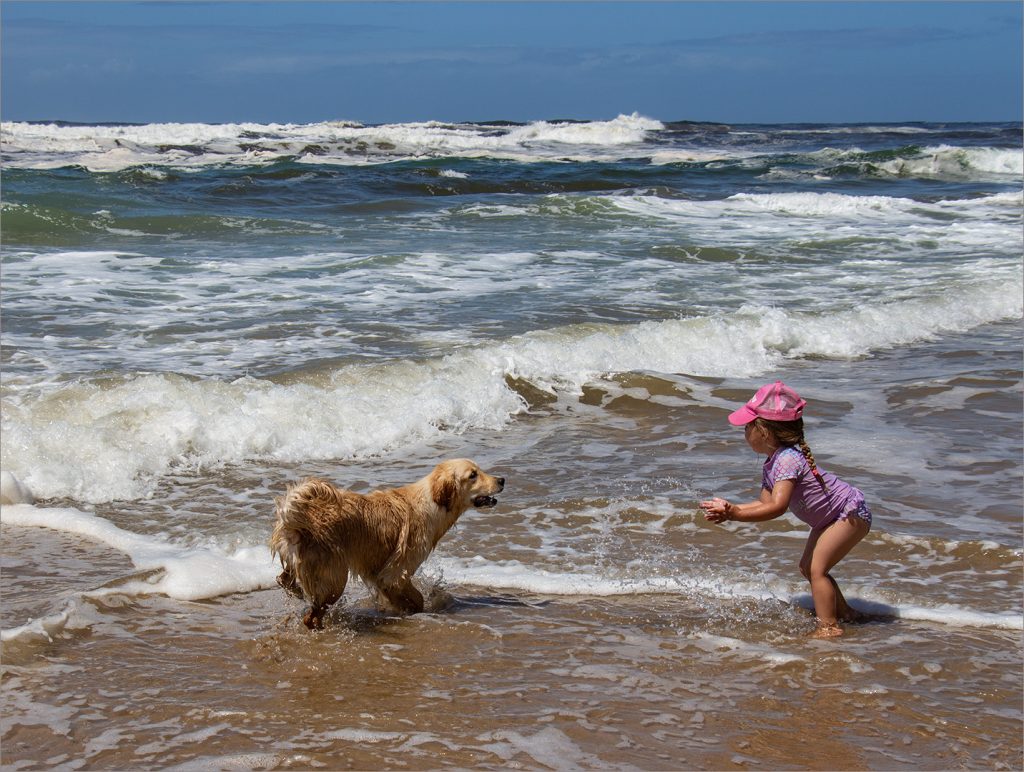
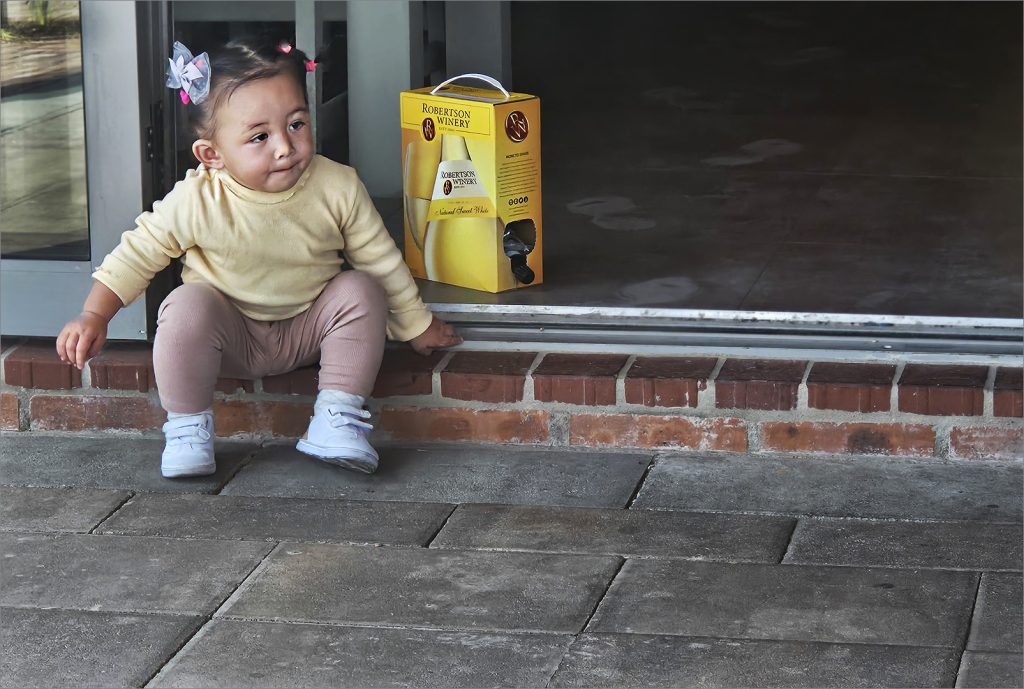
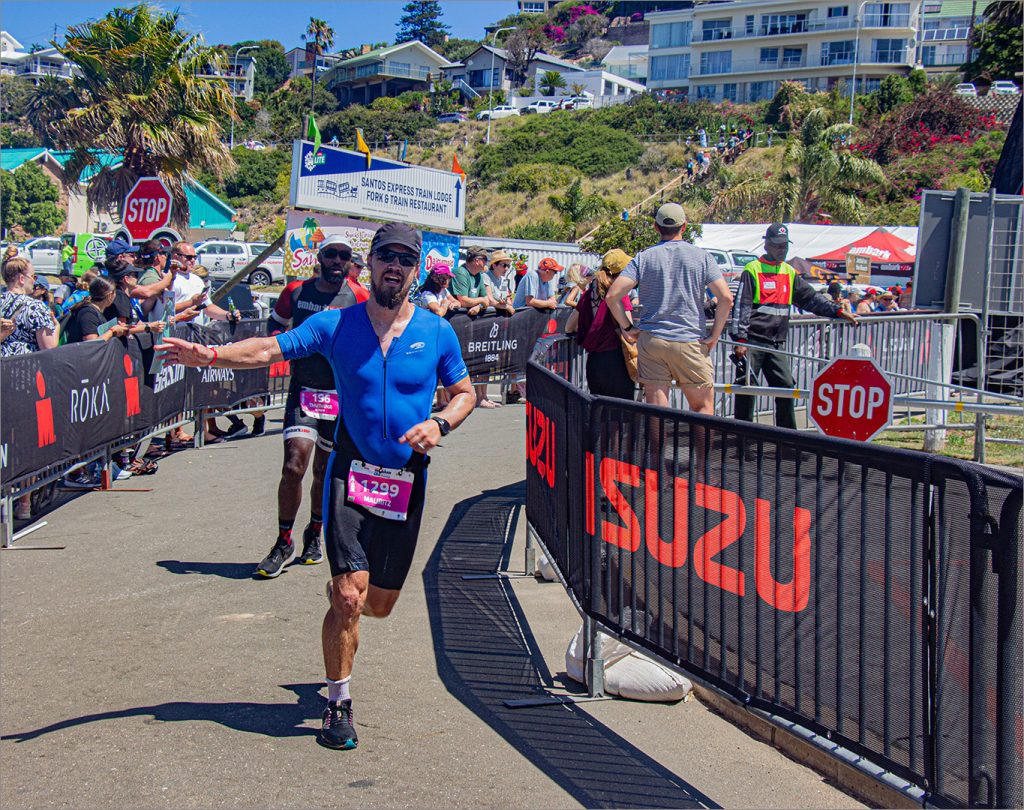
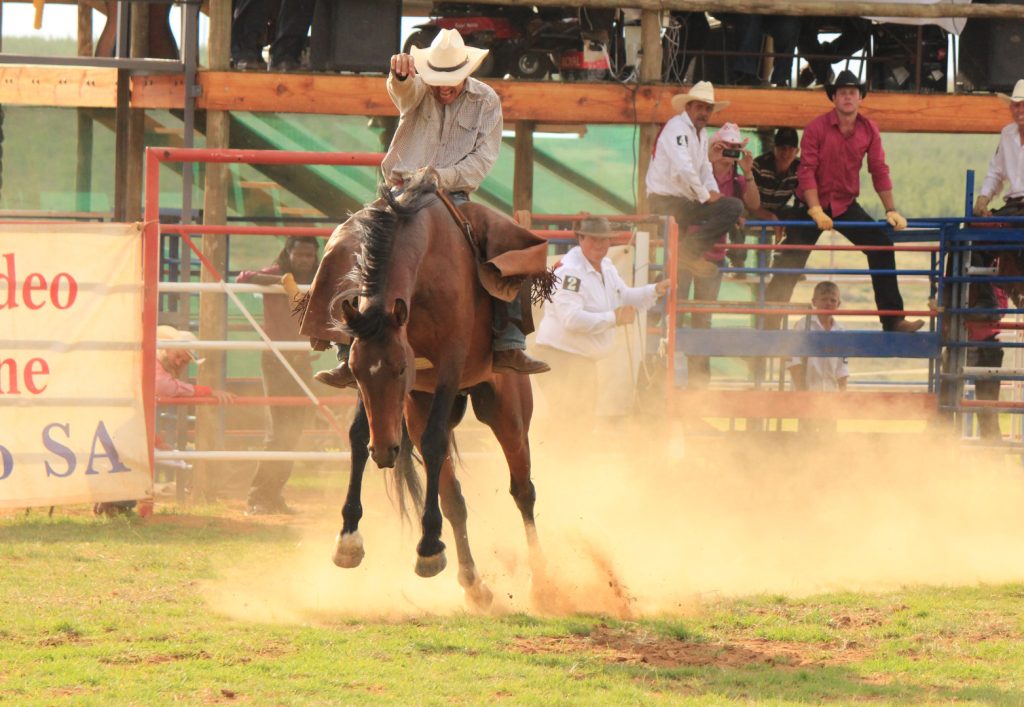
Flyairlink by Sussa PelserDog and three-year-old by Lorraine BothaSorry Not My Box by Sussa PelserIron Man Finish by Lorraine BothaRodeo by Anzette Snyders
Category – Pictorial
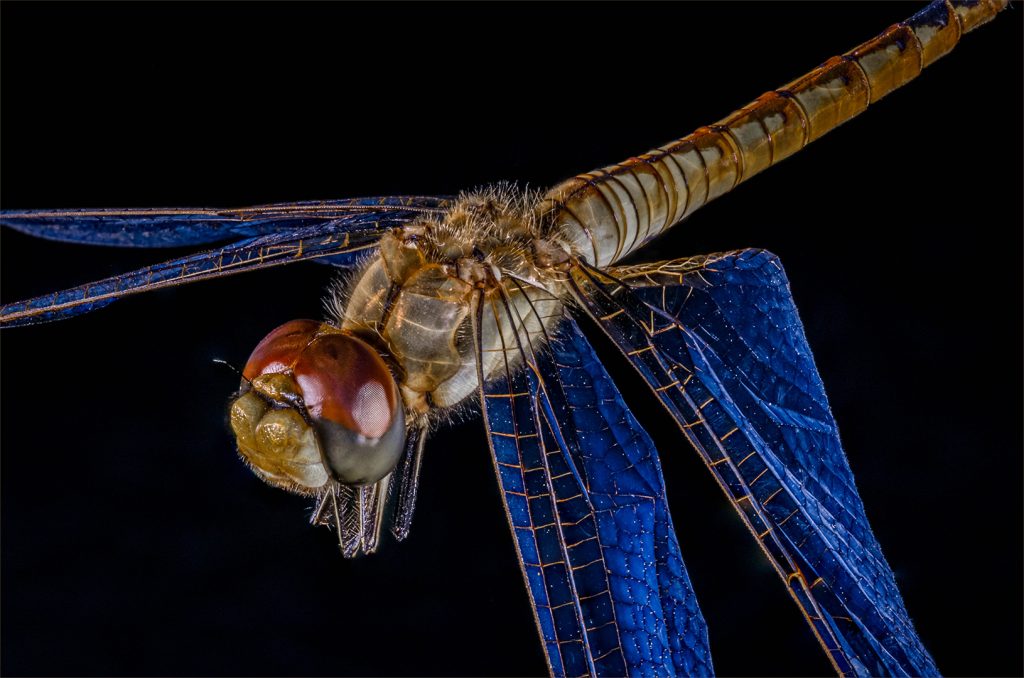
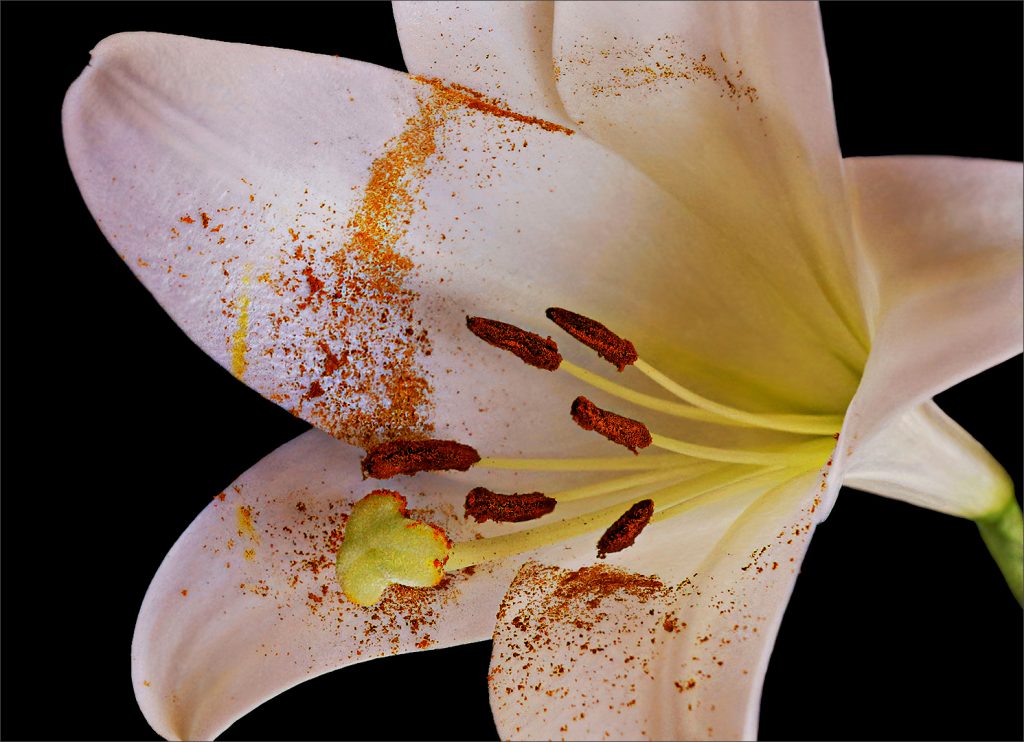
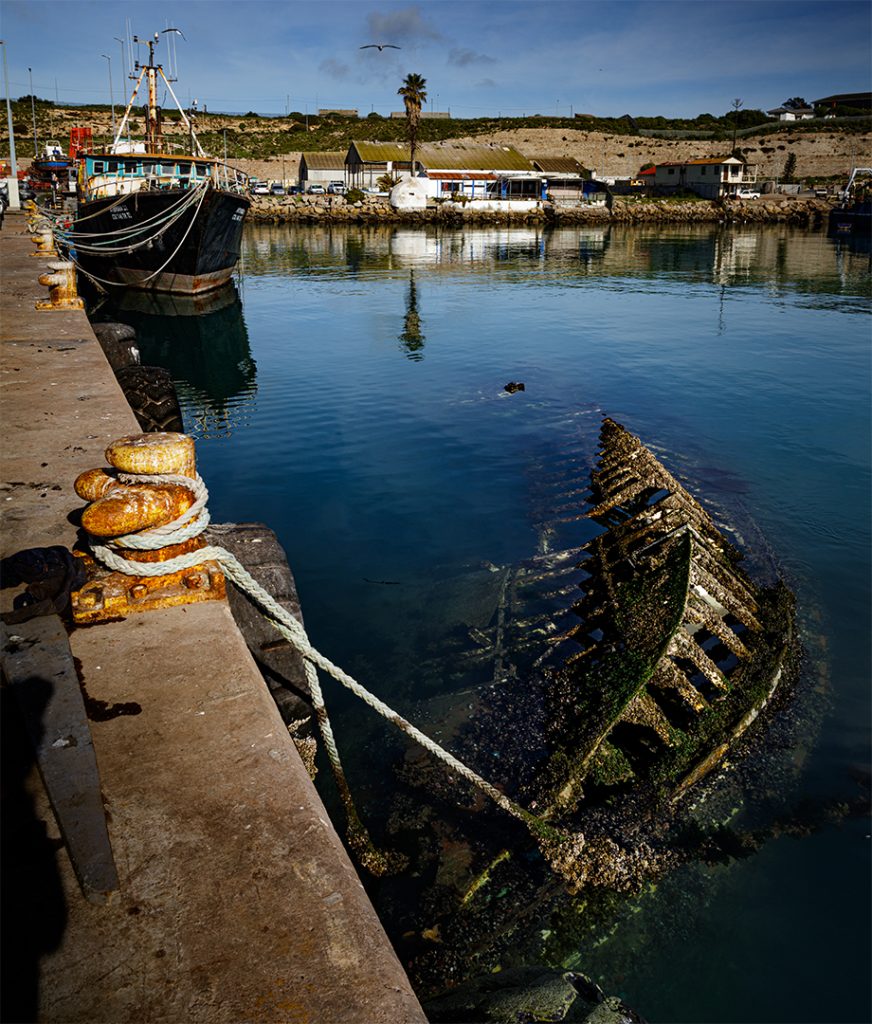
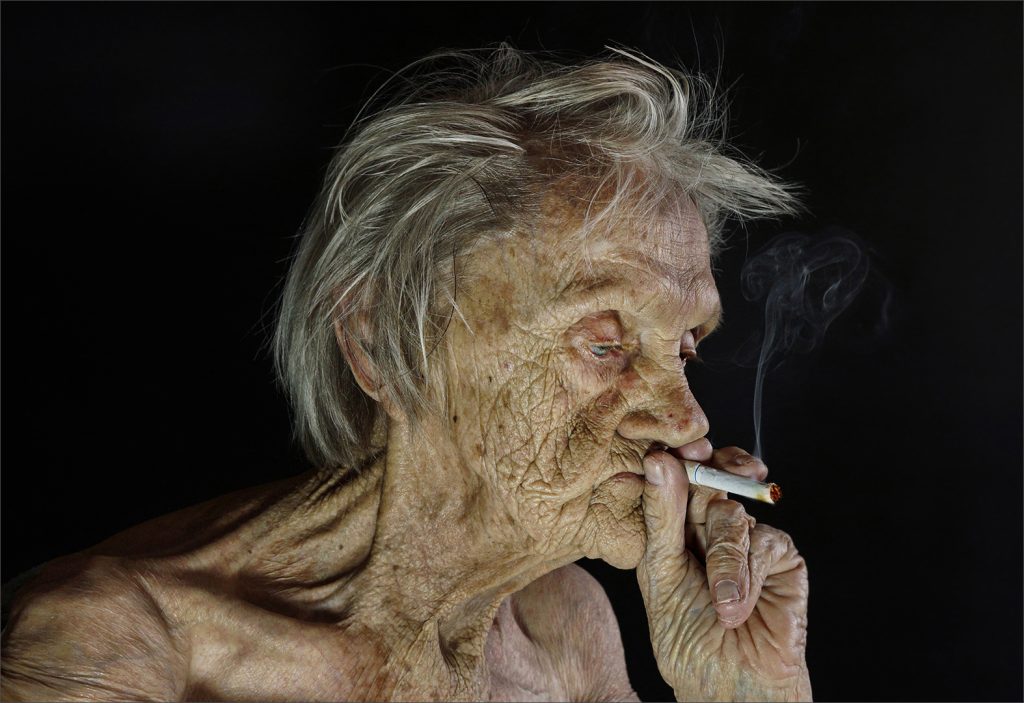
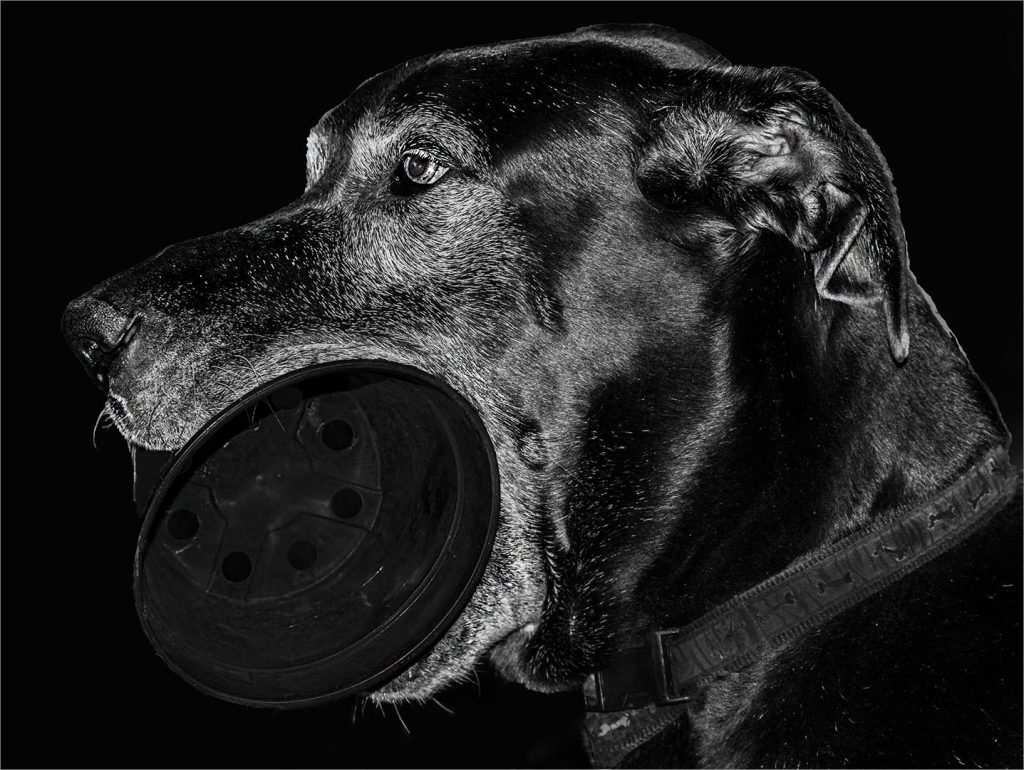
Dragon Fly – H by Louis van der WaltAround thee end by Johan ViljoenDassie 1 by Tiaan MullerLily by Leon PelserAround the bend by Johan ViljoenSunken Dreams by Piet PotgieterSteps 2 by Tiaan MullerCast Out – In The Rain by Louis van der WaltSmoking Old Lady by Leon PelserOne hoof down by Johan Viljoen Black Pearl by Lorraine Botha Life amidst death by Gerrit Myburgh
What a struggle by Piet Potgieter
Dust all over by Hester Griessel
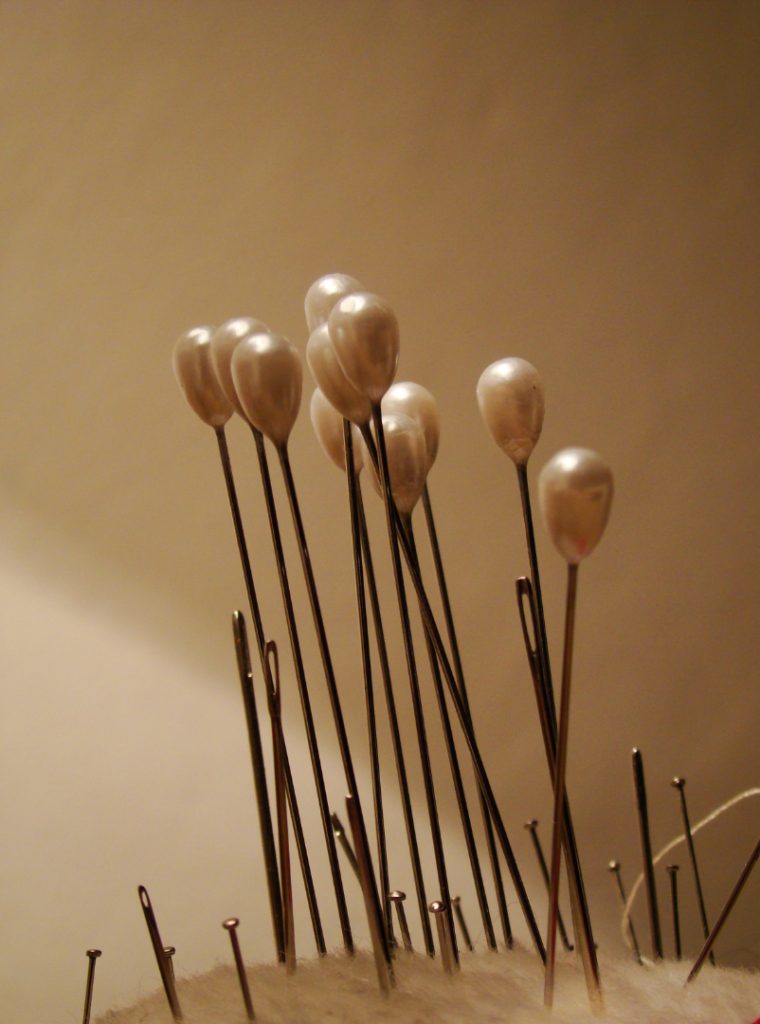
Fatman by Tiaan MullerPinned by Anzette Snyders
Category – Nature
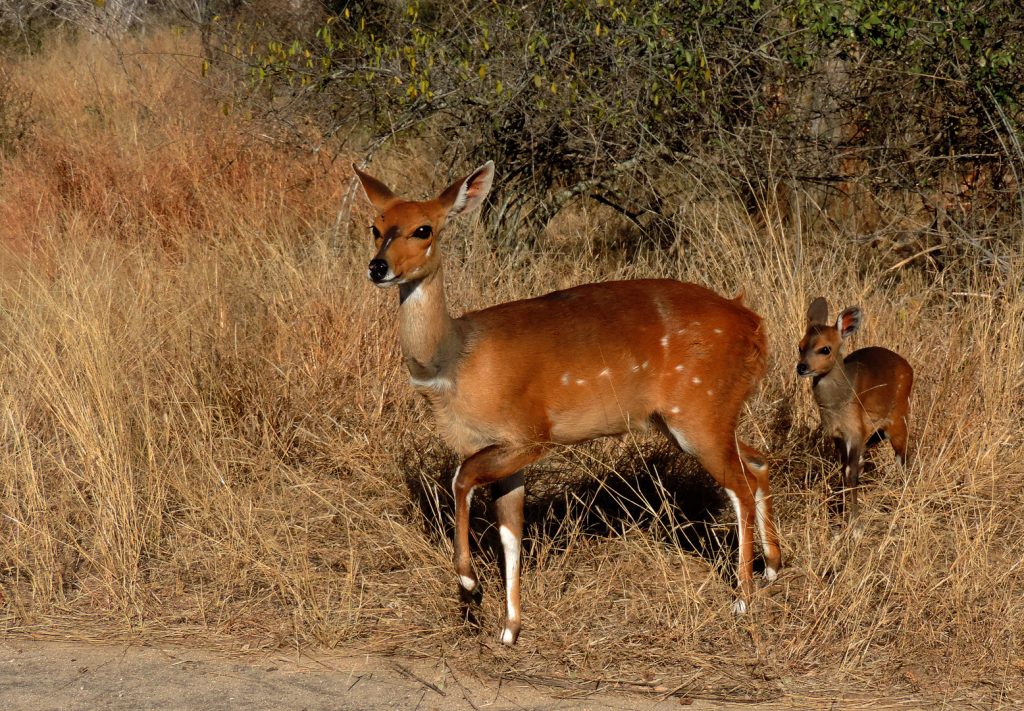
Bushbuck and baby by Gerrit Myburgh
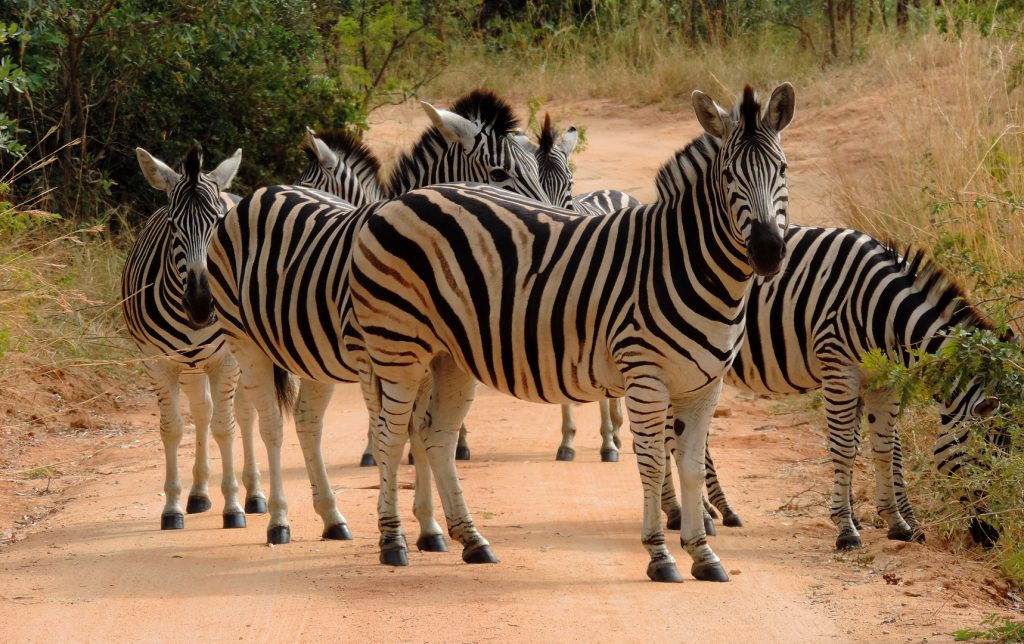
Zebra road block by Gerrit Myburgh
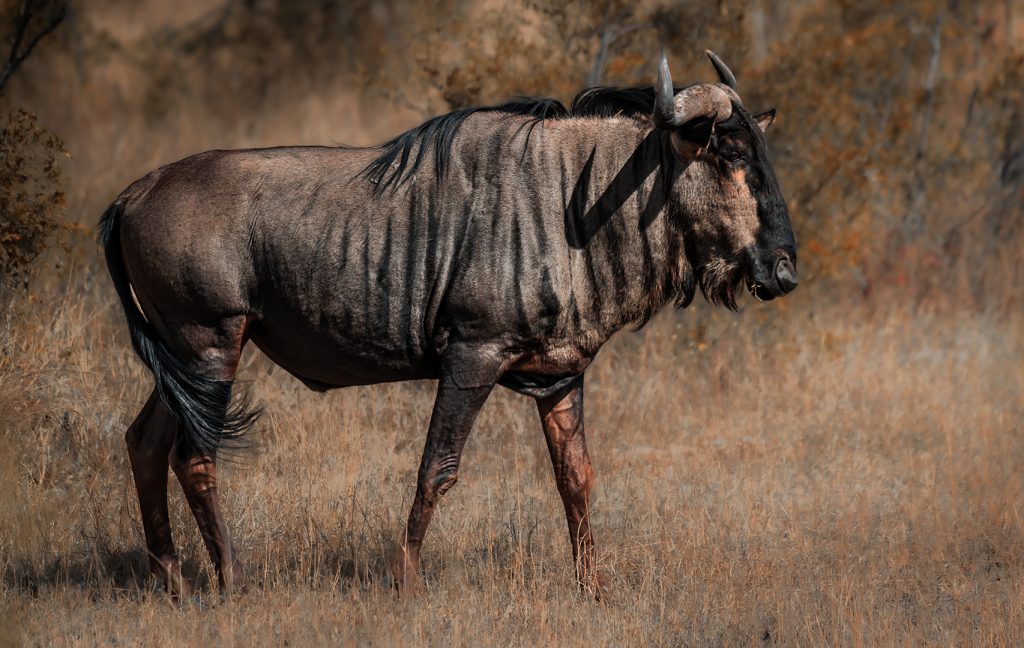
Blou Wildebeest by Yolandi Geyser
Wilderness by Lorraine Botha
Taking Calcium supplement by Gerrit Myburgh
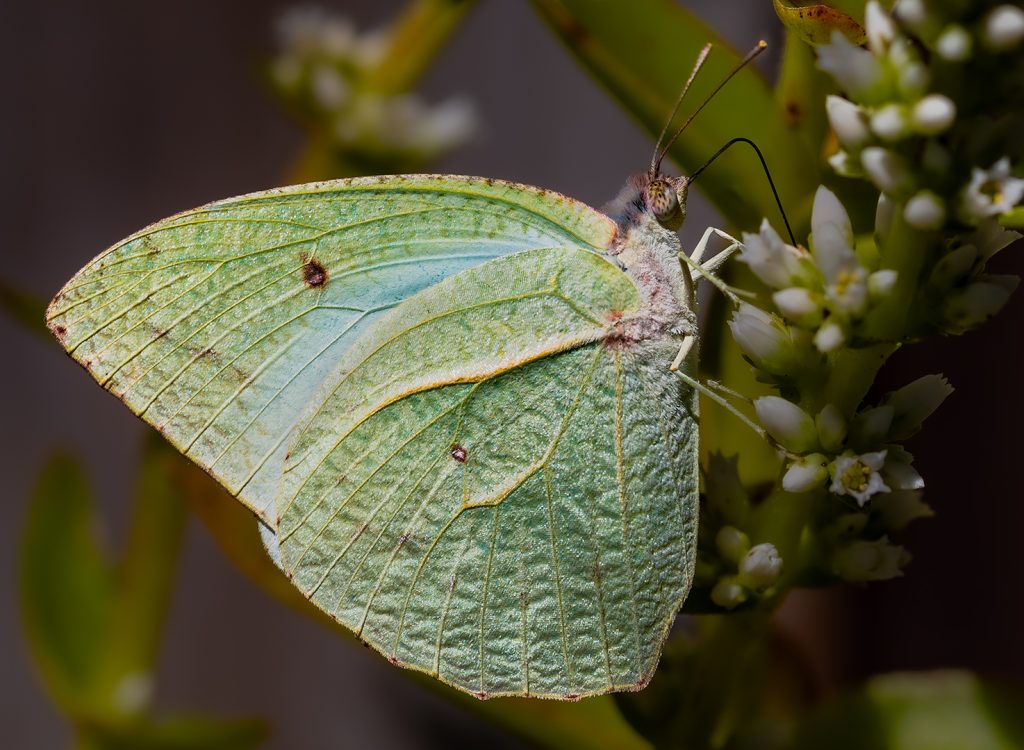
Sipping some nectar Yolandi Geyser
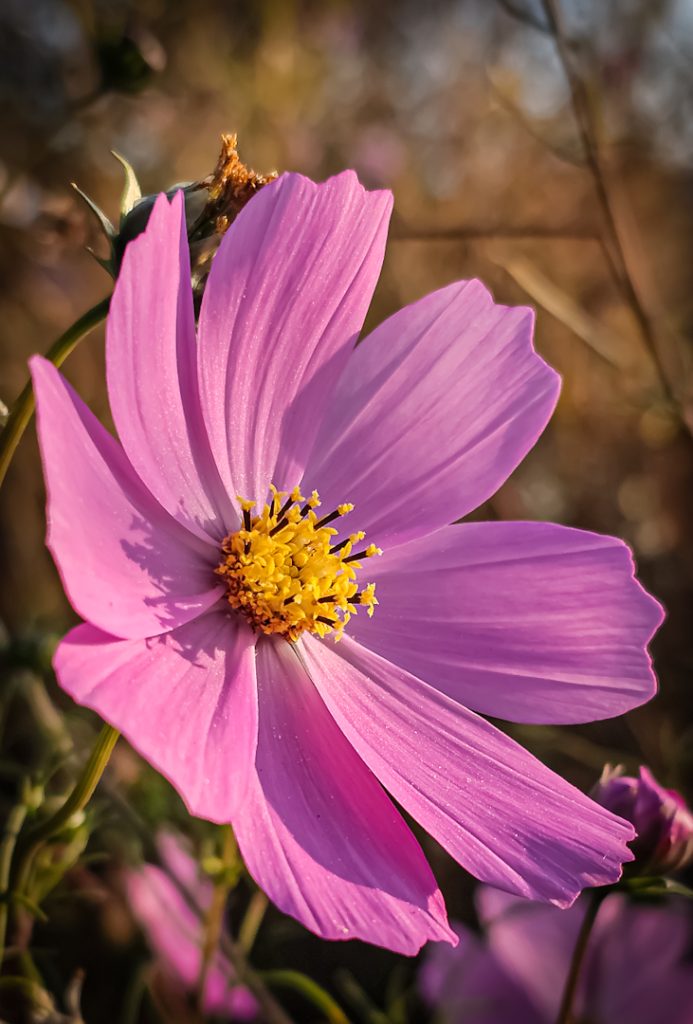
Kosmos 1 by Tiaan Muller
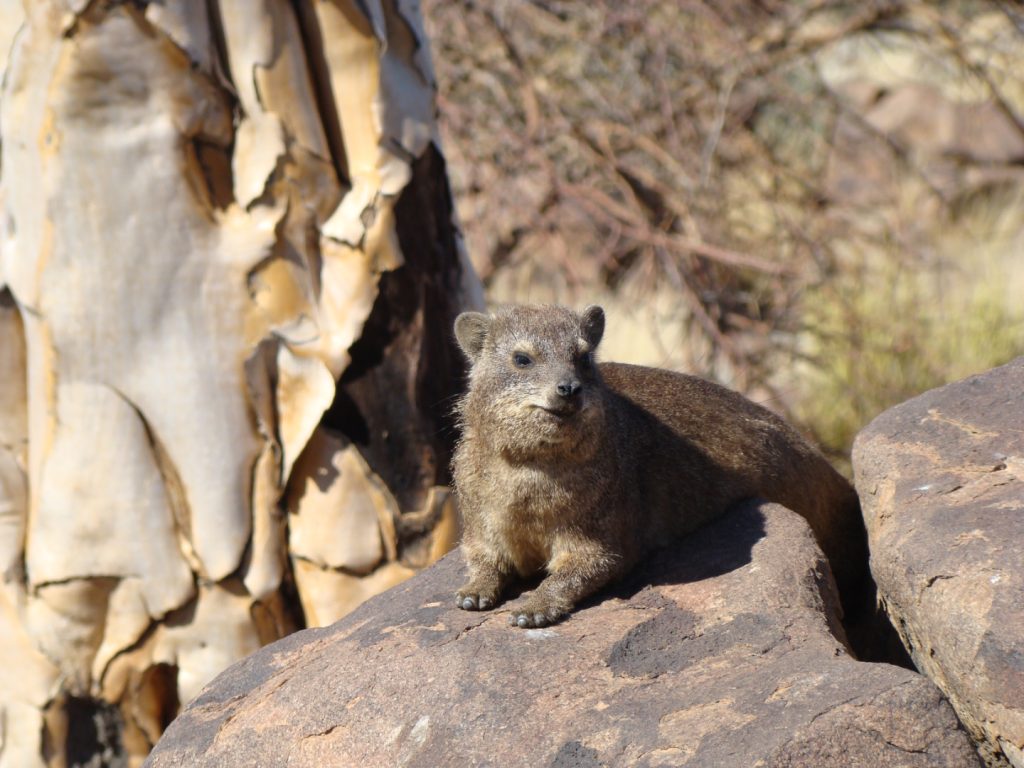
Das by Anzette Snyders
Category – Monochrome
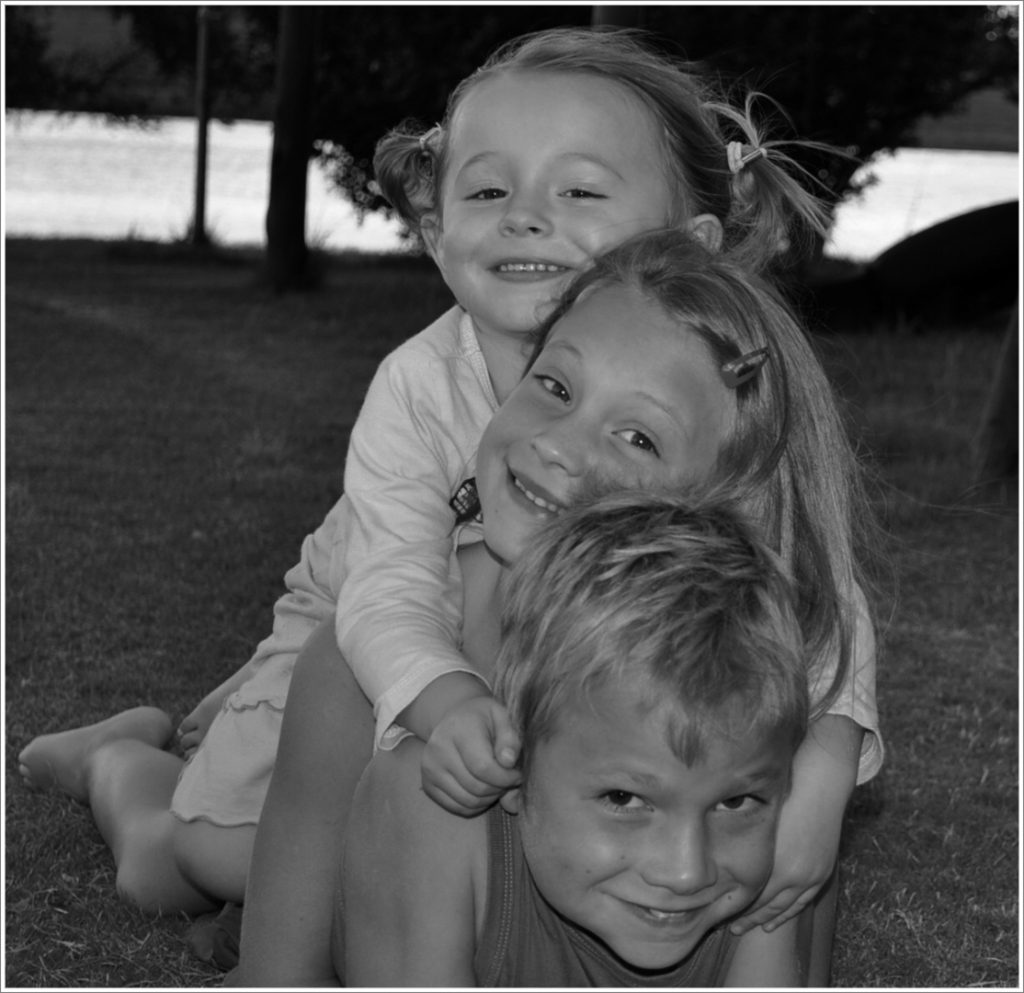
Kinderoret by Hester Griessel
Blaauwberg spiral by DNE Smit
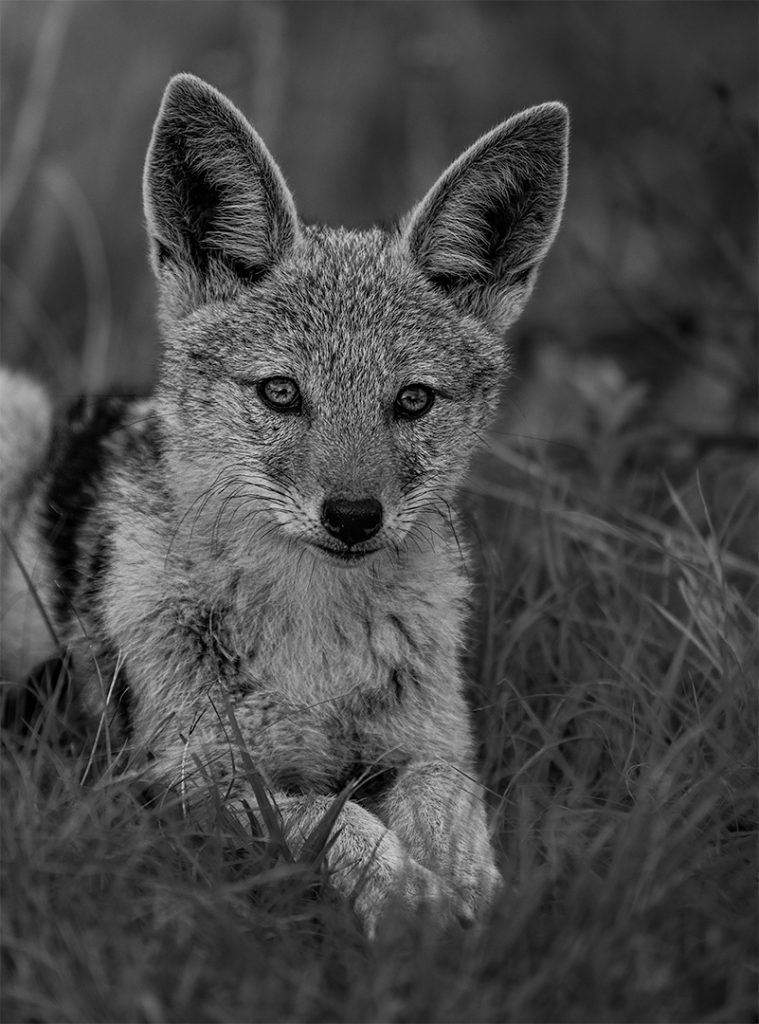
Baby Fox by Yolandi Geyser
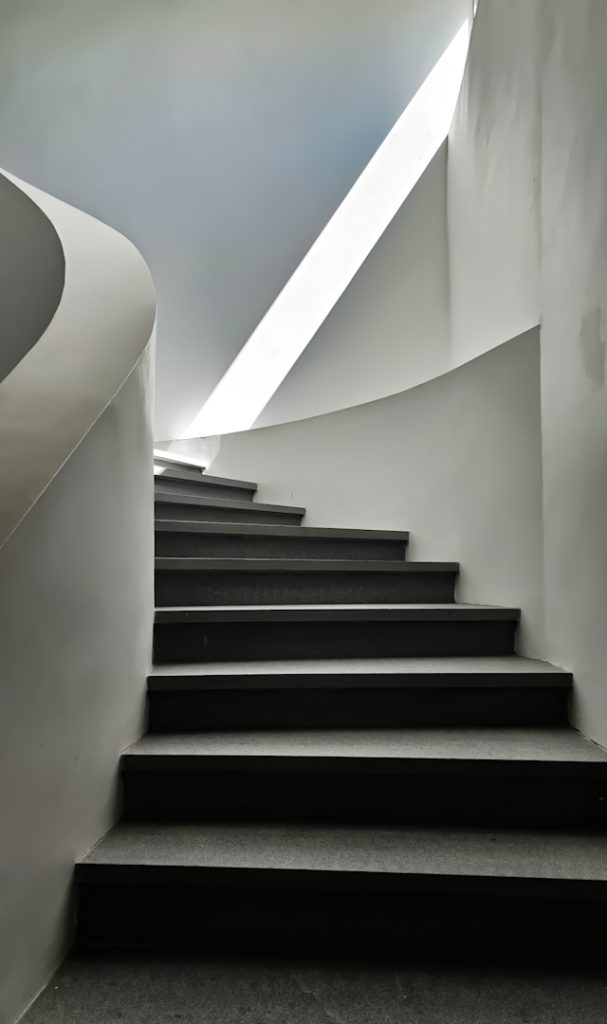
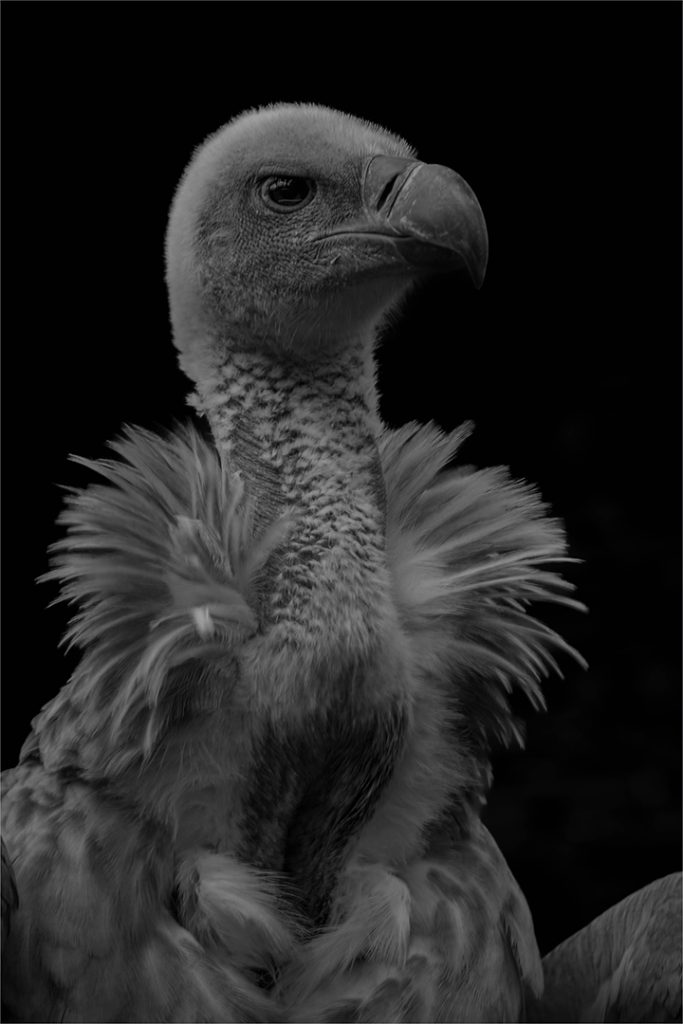
Steps 3 by Tiaan MullerDrakensberg Vulture 1 – BW by Louis van der Walt
Category – Scapes
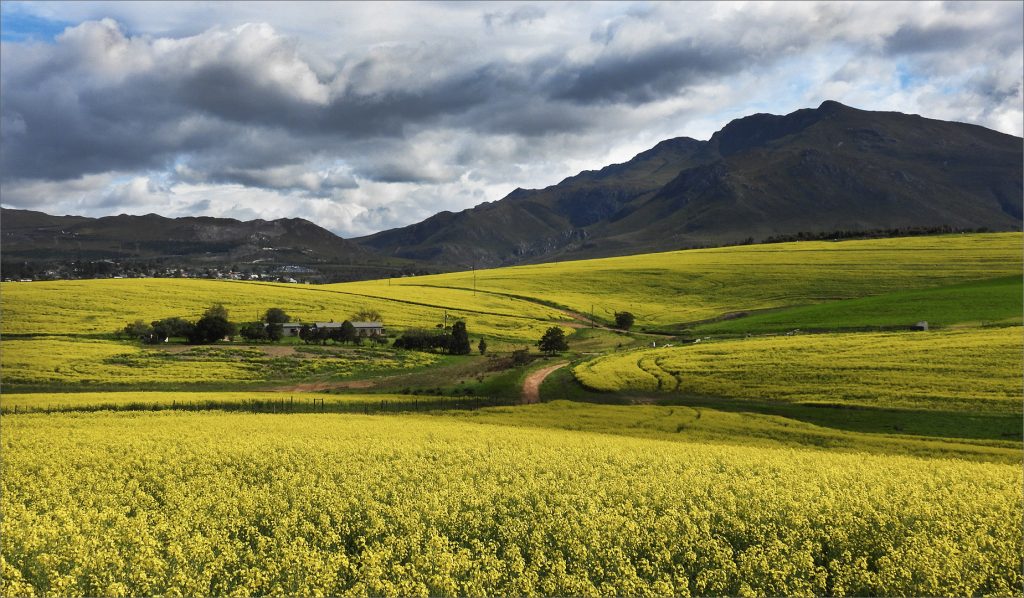
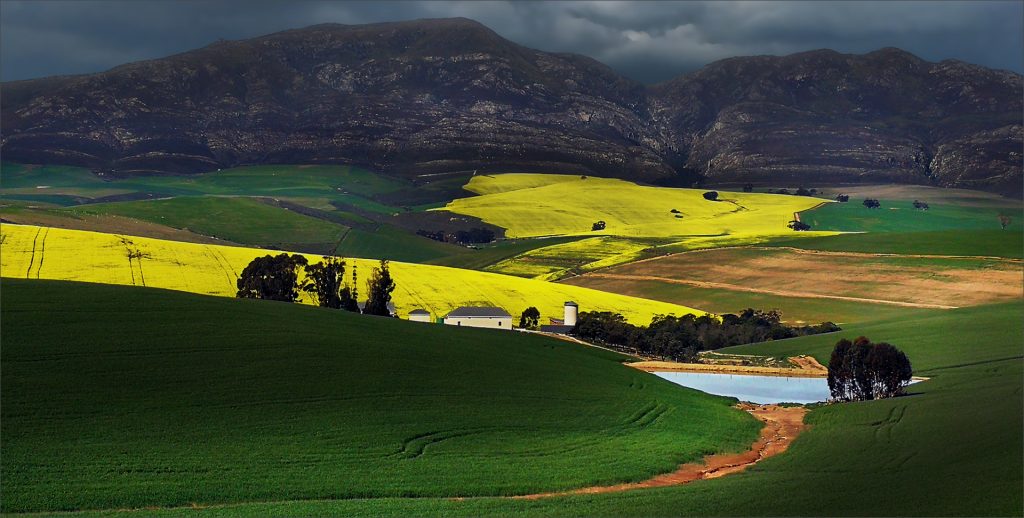
Cloudy Day Over Canola Fields by Sussa Pelser
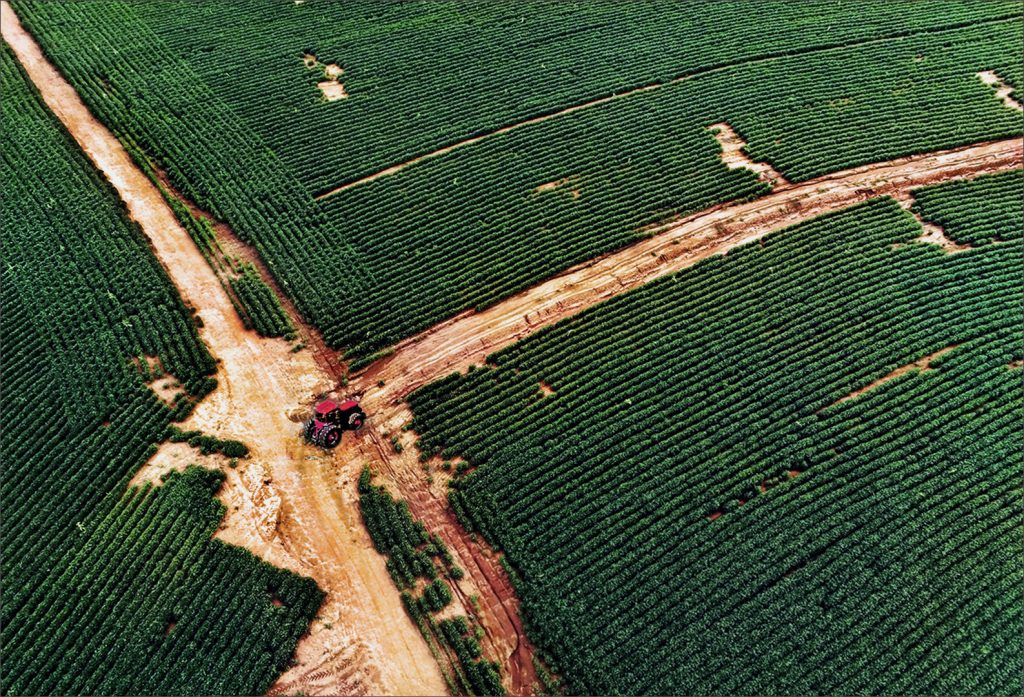
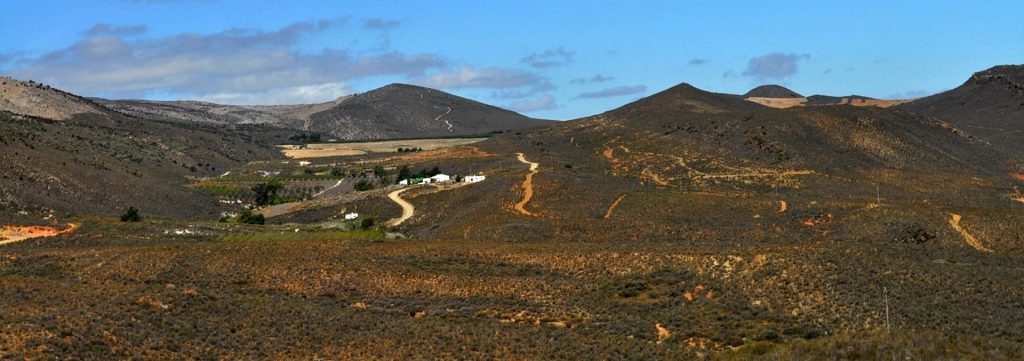
Soya Farmer by Leon Pelser Harde Karoo landskap by Hester Griessel
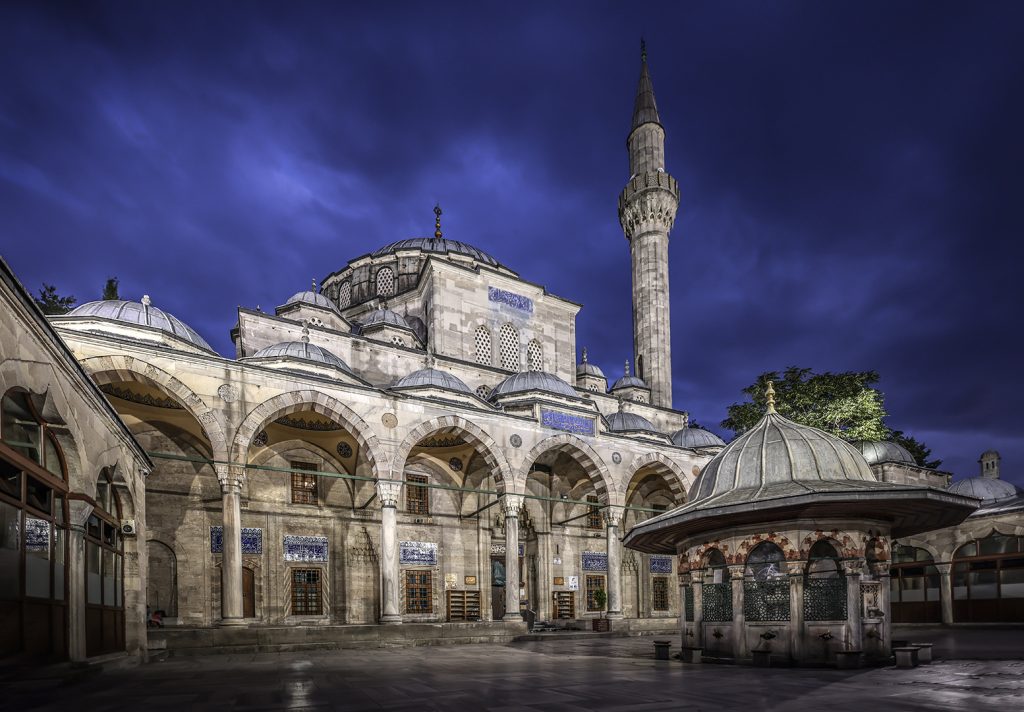
Istanbul mosque by DNE Smit
Ash Dam Sunset by Louis van der Walt
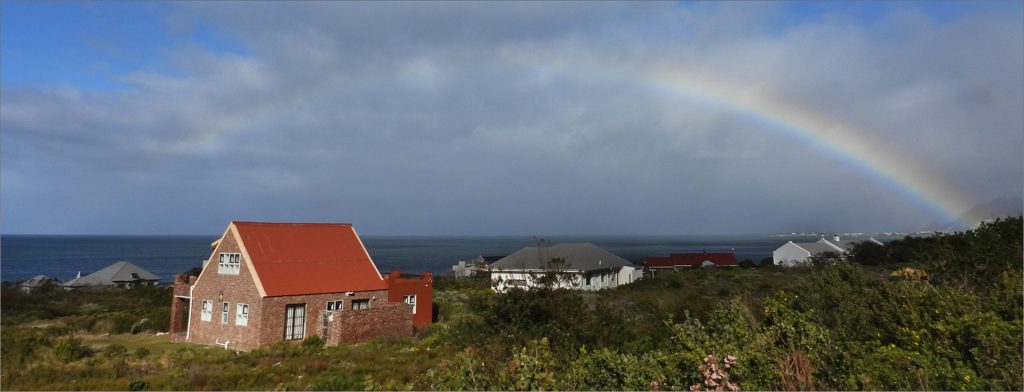
Rainbow Over Houses by Sussa Pelser
Stormy clouds by Leon Pelser Oos Vrystaat by Hester Griessel
African Enterprise by DNE Smit Franshoek by Anzette Snyders
Garden Castle River Tides 1 by Louis van der Walt