Eskom and the National Energy Regulator of South Africa (Nersa)’s controversial settlement agreement – which would cost consumers around R54 billion over a three-year period – was today put on hold for the time being, thanks to AfriForum. Due to pressure from the civil rights organisation, Eskom agreed to transfer the case from the uncontested to the contested role. The agreement was to be ratified by a court order in the Pretoria High Court today. However, this move now creates the opportunity for AfriForum and other interested parties to join the case as parties. AfriForum believes that this settlement can be considered unlawful and unreasonable due to a lack of transparency.
Soundbite: Deidré Steffens (English)
AfriForum wrote to Eskom in September this year, requesting that this case be removed from the uncontested roll so that the organisation could join the case as a party. Eskom opposed the request, arguing that AfriForum did not have the right to intervene and that the public did not have a veto right. According to Eskom, this settlement did not require public participation.
If this settlement were to proceed, consumers would face rate increases of almost 9% per year.
Deidré Steffens, AfriForum’s advisor for Local Government Affairs at AfriForum, believes that the energy giant’s response is short-sighted as the public will be directly affected by this decision. “To say that the public, who must fund the decision, has no interest in the matter shows Eskom’s blatant arrogance, and it can no longer be tolerated and blindly funded.”
Eskom and Nersa must act transparently and responsibly, especially after Nersa’s several tariff missteps and Eskom’s uncertain financial management. According to AfriForum, Nersa is undermining public trust by attempting to conclude this settlement without public participation.
“This development is a victory for transparency and consumer rights. AfriForum will ensure that the public’s voice is heard and that Nersa and Eskom are held accountable for their decisions,” concludes Steffens.
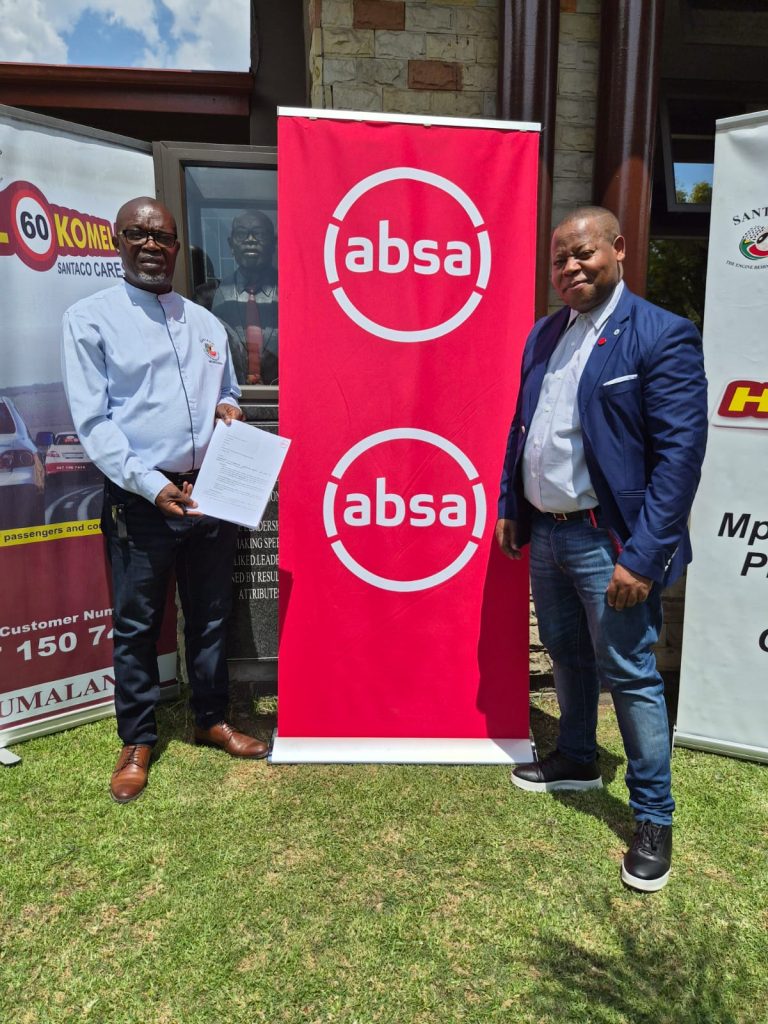
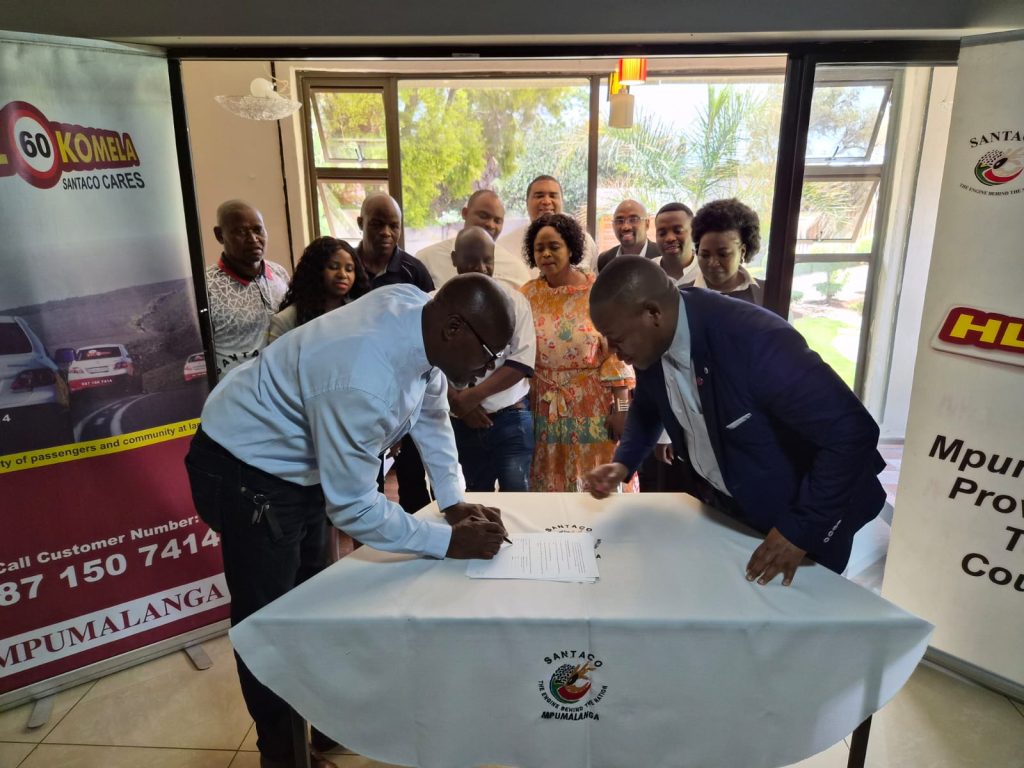
Tuesday, October 7, 2025, will go down in history as a landmark day for the taxi industry in Mpumalanga. This significant milestone was marked by a groundbreaking deal between Santaco South Africa and Absa Bank South Africa, aimed at easing the financial burdens faced by taxi operators across the province.
Provincial Chairman and Deputy President of Santaco South Africa, Mr FJ Sibanyoni, announced that a special agreement has been signed that will drastically reduce the monthly instalments for the purchase of brand-new Toyota Quantums. Under this deal, taxi operators will now pay a flat rate of R12,000 per month, inclusive of insurance and tracker fees—a substantial reduction from previous payments, which sometimes soared as high as R18,000 per month.
This initiative comes as a relief to many taxi owners who have been struggling to keep their vehicles on the road. The high monthly instalments had led to numerous instances where banks repossessed taxis due to the inability of operators to meet their payment obligations, causing financial distress among local drivers and entrepreneurs.
Speaking to members at the Santaco offices in Middleburg, Mr Sibanyoni assured all eligible taxi operators that they should approach their nearest vehicle dealers with the required paperwork to take advantage of this new deal. He emphasised that this initiative is designed to support the industry, promote sustainability, and enable taxi owners to expand their businesses without the crippling financial strain that previously plagued them.
He also urged taxi operators facing difficulties to seek assistance from their local association leadership, who are ready to provide guidance and support through the process.
This development is seen as a significant step forward in empowering Mpumalanga’s taxi industry and fostering economic growth within the province. It demonstrates a commitment by industry stakeholders and financial institutions to work together in building a resilient and prosperous transport sector.
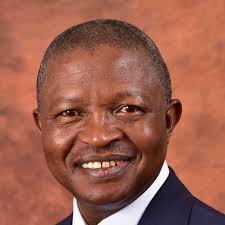
The Pretoria High Court has delivered a scathing critique of the late Deputy President David Dabede “DD” Mabuza, condemning him even after death for his purported involvement in a corrupt and ruthless campaign aimed at dismantling a landmark conservation initiative and ejecting its founder from the region.
In a comprehensive 181-page judgment handed down on September 25, Judge Neil Tuchten laid bare a complex web of political misconduct. He awarded R306 million in damages to Grand Valley Estates, the principal entity behind the ambitious “Nkomazi Wilderness” project. The ruling cast a harsh spotlight on Mabuza’s alleged abuse of power, which the court described as an orchestrated effort to persecute Fred Daniel, a legitimate businessman and key architect of the project, who refused to partake in a large-scale land claims fraud.
The legal battle dates back over a decade, to 2010, when evidence emerged of a secretive “collusive agreement” involving the Mpumalanga Tourism and Parks Agency (MTPA), the Regional Land Claims Commission (RLCC), and Mabuza, who served as Mpumalanga’s Premier and MEC for Agriculture before ascending to national politics.
Central to the case was Daniel’s achievement of consolidating 30,000 hectares of land, backed by R380 million invested by Kerzner International and the support of the Development Bank of Southern Africa. His vision was to develop a premier eco-tourism reserve, but the court found that his efforts were deliberately undermined after he exposed and refused to participate in a land-brokering scheme led by Pieter Visagé. According to court findings, Mabuza called Daniel and pressured him to admit land claims over the project area and to sell these claims to the Ndwandwe Trust, a move the judge characterised as coercive.
When Daniel refused, Mabuza allegedly leveraged his political influence to incite violence, instruct police to stay absent during protests, and create an environment of lawlessness to intimidate the project’s founder.
late Deputy President David Dabede “DD” Mabuza
Evidence revealed that about 150 protesters, bused in from Middelburg, descended on the site in August 2008, setting tyres alight and damaging fences, while police were ordered to refrain from intervening. Mabuza later addressed the crowd, reportedly promising them land—a move the court interpreted as fomenting unrest rather than protecting property rights.
A pivotal piece of evidence was a 13-minute phone call in late August 2008, during which Mabuza told Daniel that protection could only be guaranteed if he “admitted the land claims over the Project lands and sold them to the Ndwandwe Trust.” Judge Tuchten condemned this as a form of extortion, stating that Mabuza’s language suggested he was withholding police protection unless Daniel complied with his demands.
Further allegations described political interference within provincial offices, where officials, overheard by witnesses, planned to use land claims as justification to deny Daniel’s permits needed to operate his reserve. Evidence also pointed to violent sabotage, including a controversial raid in June 2008, where officials seized and ultimately shot a leopard and other animals from Daniel’s sanctuary—an operation the court found to be unjustified and timed to coincide with legal proceedings against him.
Judge Tuchten emphasised that the raid was a demonstration of how officials had moved beyond their lawful roles, becoming perpetrators of intimidation and cruelty designed to crush Daniel’s aspirations.
In his final order, the judge dismissed technical legal objections raised by the defendants, asserting that justice could only be served through the claim for damages. The R306 million awarded consisted of R38 million for the undervalued land sale and R268 million for projected future profits lost. The court also imposed a punitive costs order, holding the involved agencies jointly responsible for Daniel’s legal expenses, including the entire history of the case.
This ruling reveals a disturbing picture of political abuse and state-sponsored intimidation, with the court asserting that even after Mabuza’s passing, his actions remain a matter of grave concern.
Eskom, South Africa’s state-owned power utility, has announced a historic turnaround, posting a profit before tax of R23.9 billion for the year ending March 2025 — the first positive financial result since 2017. This remarkable recovery reflects the success of its comprehensive turnaround strategy initiated in FY2024, which has begun to restore both operational stability and financial health.
The impressive financial results are underpinned by a stronger EBITDA margin of 29.05%, surpassing the previous year’s 14.67%. The company also benefits from a 12.74% tariff increase and a 14% reduction in primary energy costs, thanks to improved reliability of coal-fired power plants and reduced dependence on expensive Open-Cycle Gas Turbines (OCGT). These efficiency gains contributed to diesel savings of R16.3 billion annually.
Eskom also significantly reduced load shedding, with energy not supplied dropping from 13.2 TWh in 2024 to below 0.4 TWh in 2025. The total load shedding duration plummeted to just 175 hours — compared to 6,367 hours the previous year — with only 13 days of outages, compared to 329 days in 2024. Consequently, Eskom supplied electricity on 96% of the days in the reporting period, markedly improving service stability.
A key factor in the improved profitability was the recovery of previously disallowed fuel levy rebates from the South African Revenue Service (SARS), which provided a notable boost to Eskom’s earnings. After accounting for this once-off recovery, Eskom recorded a ‘normalised’ profit before tax of R11.9 billion.
Eskom’s efforts in governance and internal controls are also bearing fruit. Around 90% of external audit findings from FY2021 to FY2024 have been addressed and closed, signalling progress towards better compliance, although some challenges remain.
Eskom Chairman Mteto Nyati highlighted the organisation’s transformation, stating, “Eskom is increasingly a sustainable, investable company ready to compete in a liberalised, competitive energy market. The crisis inherited in October 2022 is now a thing of the past, thanks to strategic recalibration and dedicated execution.”
The CEO, Dan Marokane, added, “Our stability and performance are vital for South Africa’s economic growth. We are committed to reinvesting profits into critical infrastructure—over R320 billion over the next five years—to ensure long-term energy security and support economic development.”
Despite these successes, Eskom faces ongoing challenges, notably municipal debt, which stood at R94.6 billion as of March 2025 — a 27% increase from the previous year. Many municipalities struggle to meet their payment obligations, posing risks to Eskom’s financial stability and wider industry reforms. The utility is exploring new interventions, including prepaid models and distribution agency arrangements to improve revenue collection.
Eskom also emphasises its focus on efficiency, launching the Cost Optimisation and Revenue Enhancement (CORE) programme, which aims to deliver over R50 billion in cumulative efficiencies by 2029.
However, the organisation’s financial integrity remains under scrutiny. Eskom received a qualified external audit opinion for FY2025 due to incomplete records linked to the Public Finance Management Act. Internal control deficiencies and uncertainties regarding its sustainability — heavily reliant on government support — continue to pose risks. To address these issues, Eskom has launched a three-year Audit Recovery Programme, ambitiously targeting comprehensive internal control improvements and striving for an unqualified audit opinion.
Looking ahead, Eskom’s leadership remains committed to executing its long-term Generation Recovery Plan, strengthening governance, and fostering a resilient, sustainable power sector. As the company stabilises, its strategic focus on efficiency, innovation, and transparent management aims to secure energy supply and contribute to South Africa’s economic revival.
For more details on Eskom’s FY2025 results and ongoing initiatives, visit the Eskom website.
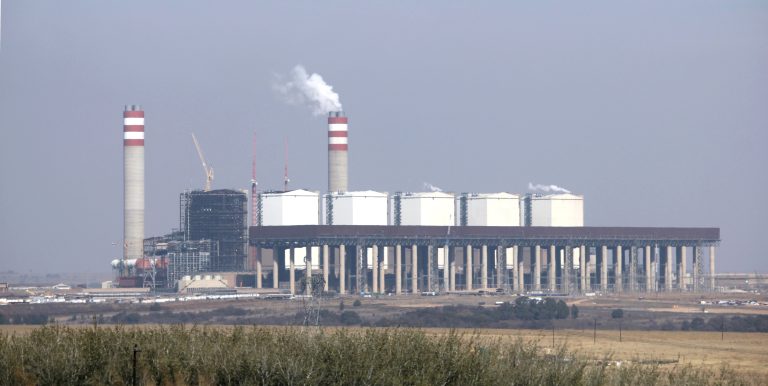
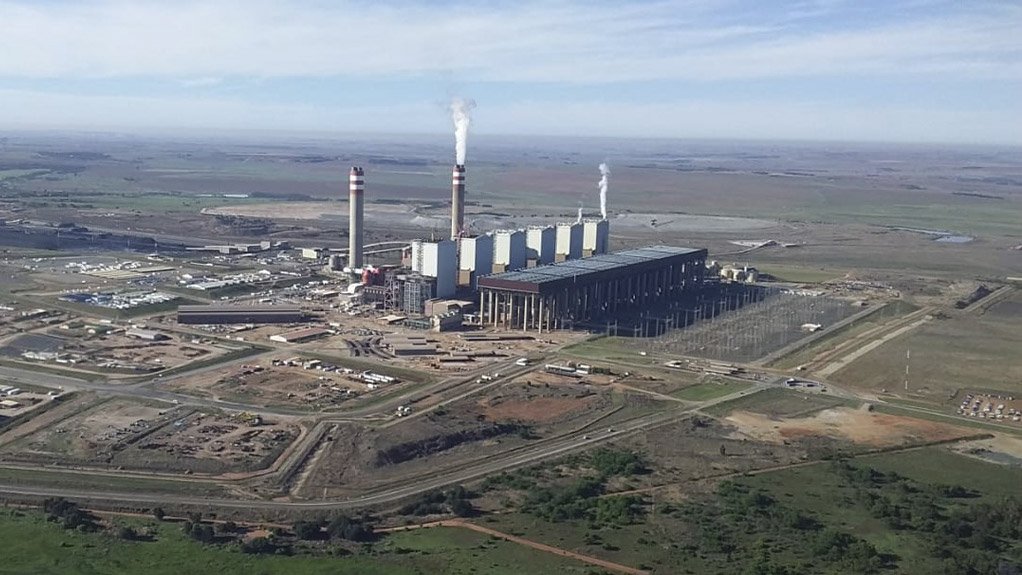
Eskom is pleased to confirm that Unit 6 at Kusile Power Station has officially entered commercial operation, marking the successful completion of Eskom’s Build Programme. This milestone is a key component of the Generation Recovery Plan and ends the construction of South Africa’s two supercritical coal-fired power stations—Medupi and Kusile.
Together, these stations form the backbone of the country’s baseload electricity supply. With Unit 6 now online, Kusile and Medupi can deliver a combined 9,600MW when operating at full capacity, significantly strengthening South Africa’s electricity supply
Photo by Creamer Media’s Donna Slater
Commercial operation indicates that the unit has passed all required testing and optimisation phases and is now fully integrated into Eskom’s operational fleet. Although the unit has been supplying electricity to the grid since its synchronisation on 23 March 2025, its contribution had not been reflected in official reporting until now. From this point onward, Unit 6’s output will be included in the Energy Availability Factor (EAF) calculations, contributing to Eskom’s overall performance metrics.
This achievement also marks a key milestone in Eskom’s strategic goal to add 2,500MW of new capacity to the grid by March 2025 and represents a major step in completing one of the largest infrastructure projects in South Africa’s history.
“The successful commissioning of Unit 6 adds 800MW to the grid and completes our twelve-unit Megaprojects fleet. We extend our gratitude to employees and contractors for their commitment and perseverance in delivering this milestone. Despite the many challenges along the way, the successful handover of Unit 6 reflects the team’s resilience and dedication. We look forward to the added stability these megawatts will bring,” said Bheki Nxumalo, Eskom Group Executive for Generation.
“Achieving commercial operation of Unit 6 within the planned timeframe is a testament to Eskom’s disciplined execution of the Generation Operational Recovery Plan. This milestone not only completes the Kusile build programme but also reinforces Eskom’s commitment to restoring energy security, enhancing grid stability, and investing in infrastructure that supports South Africa’s long-term economic growth. Since its synchronisation in March, Unit 6 has consistently met performance benchmarks, contributed to grid reliability, and helped meet electricity demand 97% of the time,” said Eskom Group Chief Executive, Dan Marokane.
“Medupi and Kusile will remain central to South Africa’s electricity supply for many years to come. Both stations are designed for an operational lifespan of approximately 50 years. As we celebrate this milestone, we are also accelerating efforts to expand our renewable energy portfolio, complementing our baseload infrastructure. This is part of our broader strategy to repower the grid and reduce overall emissions,” added Marokane.
Kusile Power Station is the first in South Africa—and on the African continent—to implement Wet Flue Gas Desulphurisation (WFGD) technology. This ensures compliance with air quality standards and aligns with global best practices to reduce sulphur dioxide emissions.
Eskom remains committed to executing its Generation Operational Recovery Plan, enhancing governance, and future-proofing the organisation to ensure energy security, economic growth, and long-term sustainability for South Africa and the broader sub-Saharan region.
Local pilots have reported incidents in which laser pointers were directed at aircraft operating in the vicinity of Secunda. Such conduct is hazardous and may distract or temporarily incapacitate flight crews, creating a risk of serious accident or loss of life. The Bulletin received video evidence of an incident; authorities traced the source to a residence on Tsitsikamma Street. The precise address is withheld pending ongoing legal processes.
Regulatory Advisory:
The South African Civil Aviation Authority (SACAA) has issued a formal warning: the deliberate illumination of aircraft with laser devices is dangerous, unlawful and subject to severe administrative and criminal sanctions.
The green laser that is being pointed at the aircraft
Aviation Safety Risks Laser illumination directed toward aircraft or air traffic control personnel presents the following operational hazards:
Distraction and disorientation:
Laser exposure during critical flight phases (take-off, approach and landing) can divert pilot attention from essential flight duties.
Temporary or permanent visual impairment:
Direct exposure to laser radiation can cause flash-blindness or retinal injury, diminishing a pilot’s ability to control the aircraft.
Increased susceptibility at night: reduced ambient light amplifies the effects of laser illumination, elevating risk during night operations.
Interference with air traffic services:
Laser incidents may affect ground-based personnel and equipment, increasing the risk of miscommunication or procedural error.
Legal Framework and Penalties:
Under South African civil aviation regulations, directing any light source, including laser pointers, toward aircraft or air traffic control installations is prohibited. Offenders may be subject to: Substantial fines; and/or Criminal prosecution, which may include imprisonment of up to ten years, depending on the circumstances and applicable statutes.
Reporting Procedures SACAA requests that members of the public report laser illumination incidents through the Centralised Occurrence Reporting Portal. Reports should include: date, time, precise location, a description of the device used, and any available identification or descriptive information regarding the person(s) involved.
Guidance for the Public
Do not point laser devices at aircraft, air traffic control towers, or any aviation personnel.
Report any instance of laser illumination of aircraft immediately via the SACAA portal.
Promote community awareness regarding the hazards and legal consequences of misusing laser devices.
The warning label designs may not be the same. But the labels have to include: the starburst insignia, laser classification, maximum output power (in mW), and wavelength (in nm).
Safety Guidance for Laser Pointer Users
Overview:
When used appropriately for visual aids, compliant laser pointers can be safe. Misuse, however, can result in eye injury and create hazardous situations. Where practicable, presenters should consider electronic on-screen pointer functions as a safer alternative.
Selection and Operation
Prefer low-power devices (Class 2) that emit less than 1 mW; these present a lower risk of injury from inadvertent, brief exposure.
Prefer red-wavelength devices (approximately 633–690 nm). Green and blue pointers (notably 532 nm green devices) have been shown in some inexpensive models to emit hazardous levels of infrared radiation due to inadequate filtering and may produce persistent retinal after-images; blue wavelengths (400–500 nm) also raise photobiological concerns.
Use a momentary-contact (spring-loaded) on/off switch. Devices with locking mechanisms that maintain continuous emission are discouraged.
Identification and Labelling:
Only use laser pointers that carry a clear regulatory warning label indicating class and output power. Avoid unlabeled devices, as these may exceed safe power levels.
Operational Safety Practices
Direct the beam solely at inanimate targets (e.g., presentation screens). Never point a laser at a person, animal, or reflective surface. Reflections can be equally hazardous.
Do not view laser beams through optical instruments (binoculars, telescopes, microscopes), which can concentrate energy and increase the hazard.
Keep laser devices out of reach of unsupervised children.
Ensure the device ceases emission immediately upon release of the switch; do not employ pointers fitted with locking mechanisms that sustain the beam.
Avoiding Accidents.
Even low-power lasers can produce glare, flash-blindness or after-images sufficient to cause accidents.
To reduce risk: Never aim laser pointers at aircraft, vehicles, drivers, or law enforcement officers. Do not aim laser pointers inside occupied buildings or toward public thoroughfares.
Conclusion:
Deliberate or negligent use of laser pointers toward aircraft is a serious public-safety and legal matter. Compliance with regulatory requirements, adoption of safe equipment and operational practices, and prompt reporting of incidents are essential to protect pilots, passengers, air traffic personnel and the broader public.
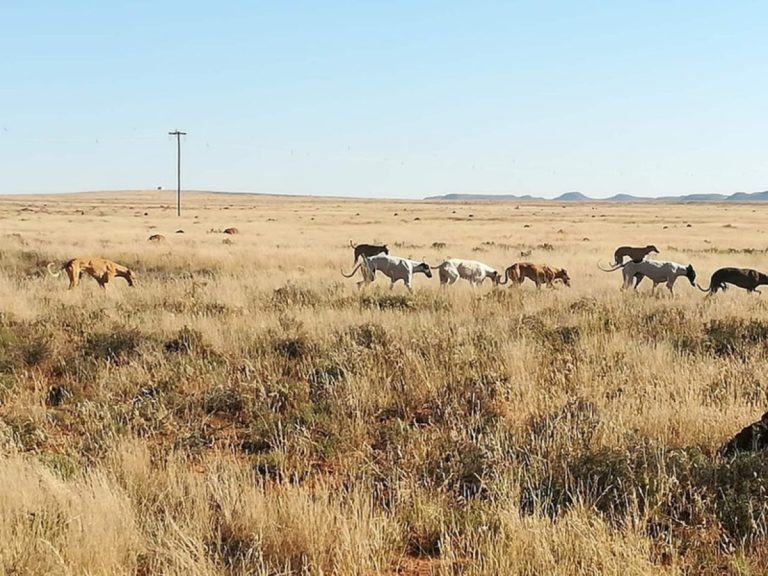
TLU SA can confirm that a significant investigation into illegal hunting with dogs took place on 21 September 2025, successfully carried out by local farmers, Ermelo SAPS, the SAPS Cattle Theft Unit, and the Animal Welfare Society (DBV/SPCA).
The operation resulted in the arrest of 24 suspects, who are currently in custody at Ermelo SAPS, as well as the seizure of 50 dogs. Of these, eight dogs are being cared for by the DBV, while the remaining forty-two have been returned to their owners, subject to the condition that the dogs remain in their possession until the case is finalised. Several vehicles used in the unlawful hunting activities, including two minibus hire vehicles, two dog trailers, and one light delivery vehicle, were also confiscated.
“This successful investigation is a clear example of how collaboration between farmers, law enforcement agencies, and animal protection organisations can make a significant difference,” said Ronnie Schilling, Regional Manager for TLU SA in the Eastern Cape. “All parties were fully aware of the legal requirements and regulations pertaining to hunting with dogs, and there were structured procedures in place that enabled the investigation to proceed smoothly. It serves as an important reminder to farmers and hunters that operating within the law is not only a legal obligation but also ensures the protection of everyone’s interests.”
TLU SA emphasises that this case is the second major investigation of its kind within just a few weeks. The organisation is calling on local communities to act responsibly and ensure that all hunting activities comply with the law. Structures, procedures, and comprehensive knowledge of the rules and regulations are not optional; they are essential.
“We see this success as proof that when all stakeholders work together and respect the rules, substantial achievements can be realised. It is also a call to farmers to always ensure their structures and knowledge of the law are up to date before engaging in any hunting activities,” Schilling concluded.
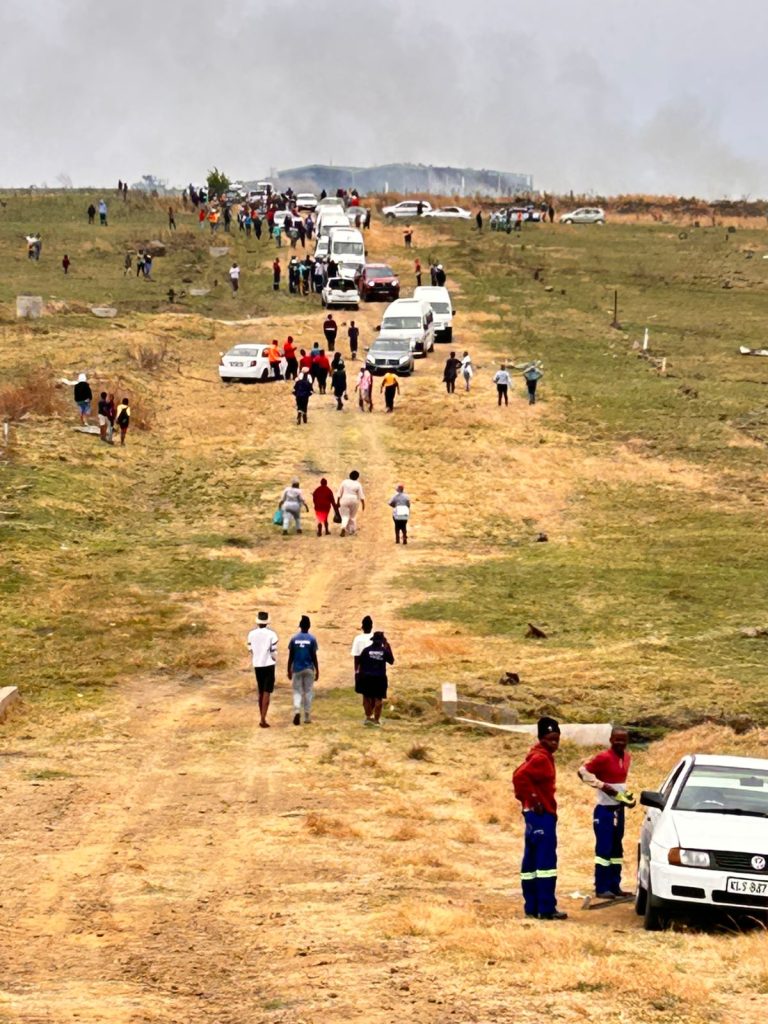
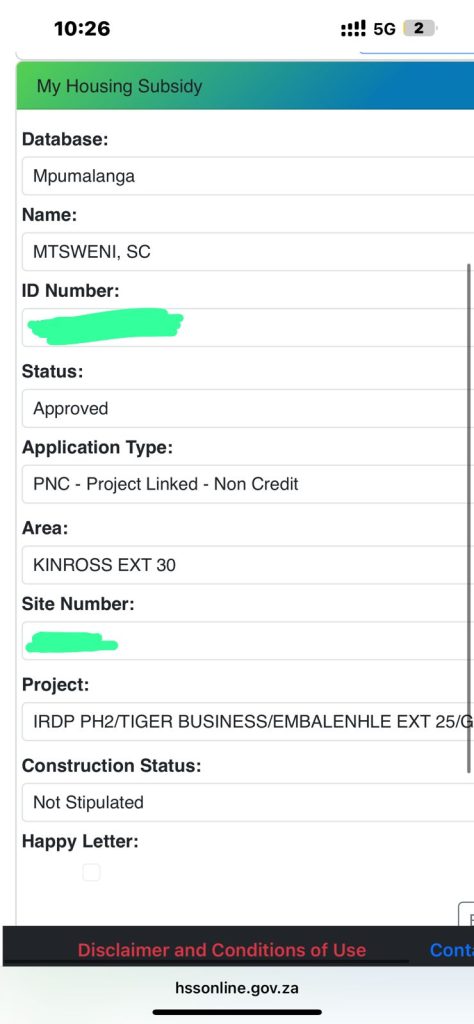
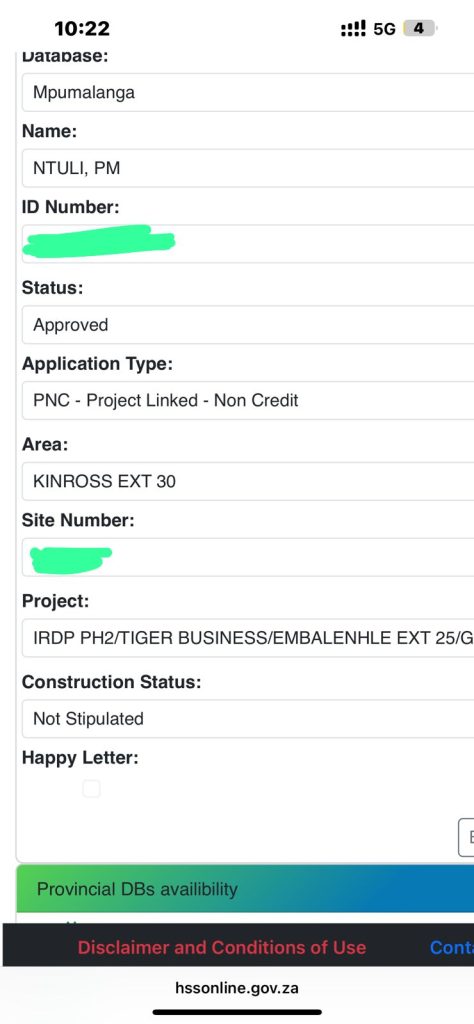
The development in Kinross, known as Ext 30, has been controversial from its inception. Overseen by the Department of Human Settlement, the project has now been invaded by people desperate for land to build their own homes, leading to chaos and conflict at the site.
From the beginning, the development was marred by poor workmanship and planning. Funds intended for Ext 30 were also diverted to a similar project in Charl Cilliers, raising concerns about mismanagement and misallocation of resources—issues that will be explored further.
The Bulletin spoke to several individuals at the site, some claiming they were official beneficiaries of the development and showing correspondence confirming their successful applications. However, questions about the true ownership of the land have now arisen.
Adding to the dispute, a man claiming to be Malilesa has reportedly arrived and told everyone that he is the owner of the land. During a telephone conversation, an anonymous source told the Bulletin, “Malilesa has arrived and told everyone he owns this land. They are starting to destroy the shacks!”
Contradictory information has emerged from another source, which stated that Malilesa did not claim ownership but was opposed to illegal shacks near his land, which borders the development site. The situation remains unclear, as the Bulletin has yet to verify these claims and intends to speak directly with Malilesa.
Earlier today, law enforcement officials from GMM Law Enforcement and Kinross SAPS were present at the site and scheduled a meeting with the “invaders” for noon tomorrow. Despite this, the construction of new shacks continued unabated.
Several pressing questions remain unresolved:
Why was the project never finalised? It is understood that a proposed sewer pipeline had to be rerouted due to a land dispute, causing some sections to run uphill, which compromises infrastructure integrity.
Why were land allocations made four to five years ago without subsequent action? This delay has contributed to the chaos and confusion at the site.
Can an individual claim land ownership without proper sale documentation? There are concerns about land being sold without clear proof, raising questions about legitimacy.
What about the state of infrastructure? A representative from Tiger Business Enterprises, the company responsible for roads and utilities, indicated that insufficient funds prevented the proper completion of roads and culverts. Cement ditches were built as interim structures, which vehicles now struggle to traverse. While two areas were tarred, they were never connected by any access roads.
Allegations have also been made that some plots were sold by a local councillor, further complicating land ownership rights and trust in local governance.
The Bulletin is committed to seeking answers to these urgent questions. The issues surrounding the Charl Cilliers development and another project just outside Leandra also warrant investigation, as they may reflect broader governance and planning challenges within the region.
As this situation unfolds, the community and beneficiaries deserve transparency and justice. The ongoing saga at Kinross Ext 30 highlights the need for accountability and proper land management to prevent similar conflicts in the future.
The Democratic Alliance (DA) in Mpumalanga is demanding accountability from the Department of Education and MEC Lindi Masina regarding their apparent inaction concerning a troubling case of gender-based violence and the department’s response to a senior SADTU official involved in violent assault allegations.
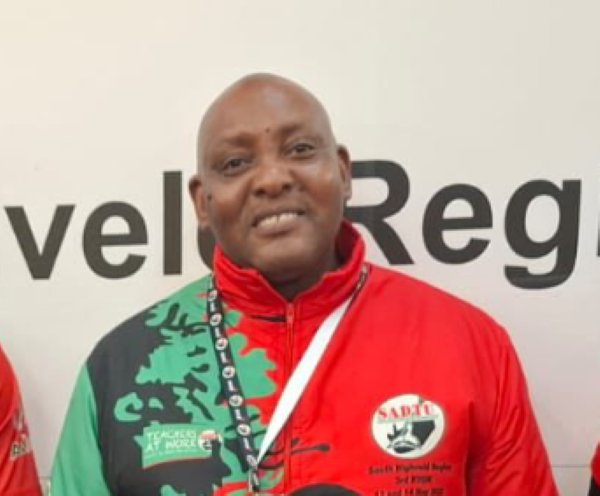
On 29 May 2025, Bheki Nkosi, the Secretary of SADTU at the South Highveld Region, was arrested in Bethal on charges of assault causing grievous bodily harm after he assaulted his girlfriend, Nqobile Sihlangu, a fellow teacher and SADTU member. Nkosi’s actions reportedly included multiple assaults, and he was subsequently detained for three months, with his bail application denied multiple times due to the severity of the charges.
Bheki Nkosi, the Secretary of SADTU at the South Highveld Region
Despite the seriousness of the case, allegations have surfaced that Nkosi violated a Protection Order, which barred him from contacting or harassing the victim, by obtaining a cellphone and continuing to threaten and harass Sihlangu from custody. Nkosi’s continued employment as the SADTU South Highveld Regional Secretary has drawn criticism, especially after SADTU’s Provincial Secretary, Walter Hhlaise, confirmed Nkosi’s transfer from Bethal to eMalahleni and his ongoing duties—beyond the scope of the original allegations.
The DA expressed its concern in a written plea dated June 13, 2025, calling on SADTU and the Department of Education to conduct internal investigations and suspend Nkosi until his court case concludes. The party also urged the department and union to develop policies addressing gender-based violence, noting that SADTU currently lacks a dedicated GBVF policy.
Further disappointment was added when SADTU refused to sign the EDU 9 form, delaying the transfer of Sihlangu to another school in her hometown of Nkomazi, contrary to her wishes. The organisation’s apparent leniency toward Nkosi and lack of policy measures against GBVF reveal troubling attitudes that could undermine efforts to combat gender-based violence within educational institutions.
The case remains pending, with Nkosi released on R2000 bail and scheduled to appear in court again on 18 November 2025. The DA plans to hold a picket outside the court in support of the victim and to send a clear message that gender-based violence cannot be tolerated in any setting, including education.
Annerie Weber, MPL DA Spokesperson on Education, Mpumalanga Province
Annerie Weber, MPL and DA Spokesperson on Education for Mpumalanga, emphasised, “This case highlights the urgent need for heightened accountability and the implementation of comprehensive policies to fight GBVF within our education system. Both SADTU and the provincial Department of Education must act decisively to show zero tolerance for such violence and protect the rights and safety of our teachers and learners alike.”
The DA calls on the provincial government to intervene promptly, ensure disciplinary action is taken against Nkosi, and implement policies that support victims of gender-based violence in schools.
Govan Mbeki Municipality (GMM) remains embroiled in ongoing water pollution crises that threaten public health and the environment. Despite multiple reports, court fines, and directives from environmental authorities, the situation shows little sign of improvement. The municipality’s continued neglect poses a severe risk to water resources that supply not only local communities but also downstream regions, including Gauteng.
Last year, in October 2024, The Bulletin visited several areas in GMM where water contamination was a pressing concern—an issue first reported extensively in 2024. Alarmingly, there has been little progress in addressing the pollution, and the situation remains dire. Thousands of litres of sewage continue to flow into streams and rivers, especially into the Vaal River system, which is a crucial water source for Johannesburg and Gauteng.
Recent footage of the pollution from eMbalenhle. Pay special attention to the broken sewer line towards the end
Residents and environmental groups have raised concerns about the severity of the pollution, with reports of contaminated water flowing freely into water bodies used for domestic, agricultural, and recreational purposes. The contamination includes raw and untreated sewage spilling into streams, which has led to a cascade of health risks and environmental degradation.
GMM’s failure to comply with environmental laws has not gone unnoticed. In April 2024, the Bethal Magistrates’ Court imposed a hefty fine of R150 million, which was later increased to R200 million, on the municipality for contraventions of the National Water Act and the National Environmental Waste Management Act. The court found GMM guilty of causing significant pollution, failing to respond to directives, and unlawfully disposing of water that negatively impacts local water resources.
The Department of Water and Sanitation (DWS) had previously issued multiple directives to the municipality, urging them to address pollution risks, conduct environmental assessments, and implement rehabilitation plans. Unfortunately, GMM repeatedly failed to respond or take the necessary corrective actions. Despite submitting a plan and allocating a budget in November 2020, no rehabilitation work materialised.
The court’s intervention was part of a broader effort to hold GMM accountable for its environmental violations, rooted in multiple directives issued since 2019. Yet, the municipality’s inaction persists, with reports indicating that essential infrastructure repairs and upgrades have been ignored or delayed. The failure to repair and upgrade sewage treatment facilities has led to ongoing spillages, with the municipality’s officers seemingly more focused on political agendas—particularly preparations for upcoming by-elections and the 2026 local government elections.
Current situation at the golf course in Kinross.
Impact on Communities and Environment
The impact of sewage spillages and water pollution extends beyond environmental damage. Residents of eMbalenhle, Ext 19, and other affected areas describe living in the midst of foul stench and contaminated water. Many report health issues such as skin infections, gastrointestinal diseases, and respiratory problems, linked directly to polluted water sources.
Local farmers downstream from GMM have also been severely affected. Reports of deteriorating water quality have led farmers to restrict their livestock from drinking river water, with some cattle dying due to exposure. Dead fish and foam in the rivers serve as stark visuals of the ecological damage inflicted by unchecked pollution.
Despite the heavy fines and ongoing court cases, water pollution in GMM persists. The Department of Water and Sanitation remains committed to enforcing environmental laws, and officials like Director-General Dr. Sean Phillips have emphasised that transgressors will be held accountable. Still, the question remains: when will the municipality prioritise sustainable water management and infrastructure upgrades over political games?
Environmental activists, residents, and farmers urge GMM to take immediate and decisive action to fix failing infrastructure, implement effective water management strategies, and restore the health of local water resources. The health of communities and the ecological integrity of the environment depend on it.
The situation in Govan Mbeki Municipality is a stark reminder of the devastating consequences of neglecting environmental responsibility. Water is a vital resource—its pollution a ticking time bomb that could lead to widespread health crises if left unaddressed. Stakeholders must work together to uphold environmental laws, prioritise infrastructure development, and ensure that communities have access to clean, safe water.