Home Blog Page 12

Commitment to Excellence: Sasol Highveld Photography Club Hosts Successful July 2025 Meeting

The Sasol Highveld Photography Club (SHPC), renowned for its dedication to photographic excellence and the personal development of its members, recently held its monthly club meeting with great success. The meeting, which took place in July 2025, brought together club members, guests, and respected guest judge Mr. Peter Cavanaugh, for an evening of creative appreciation, critique, and community engagement.

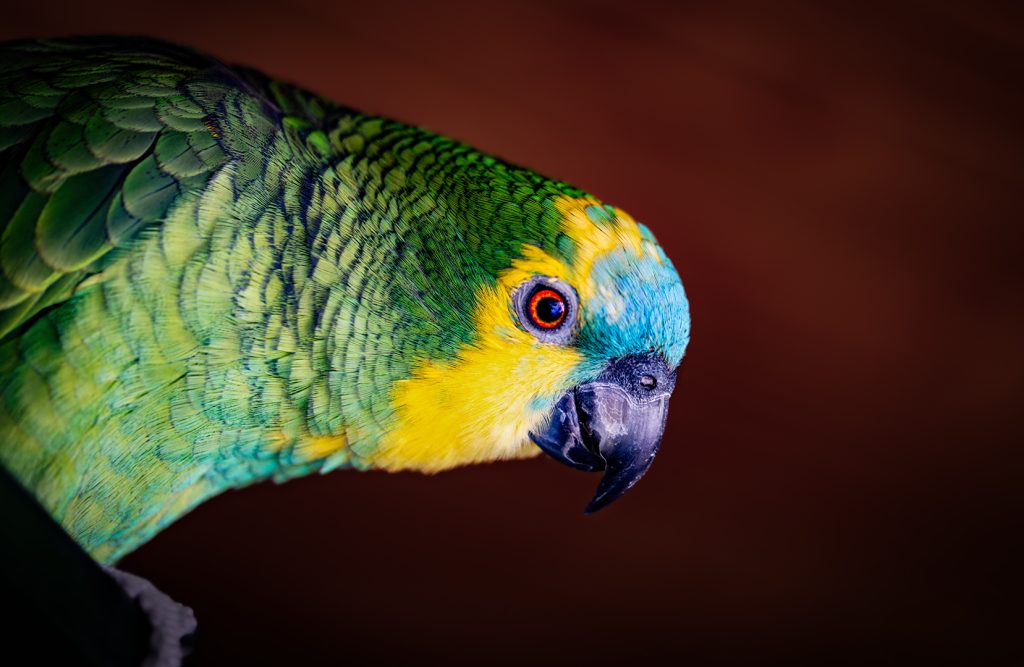
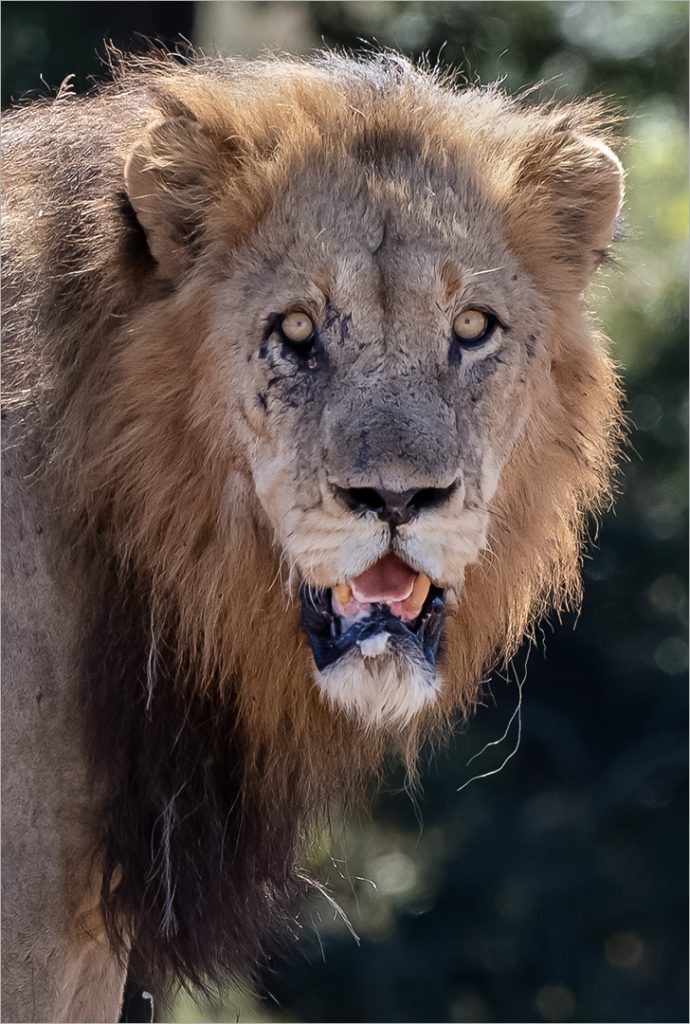
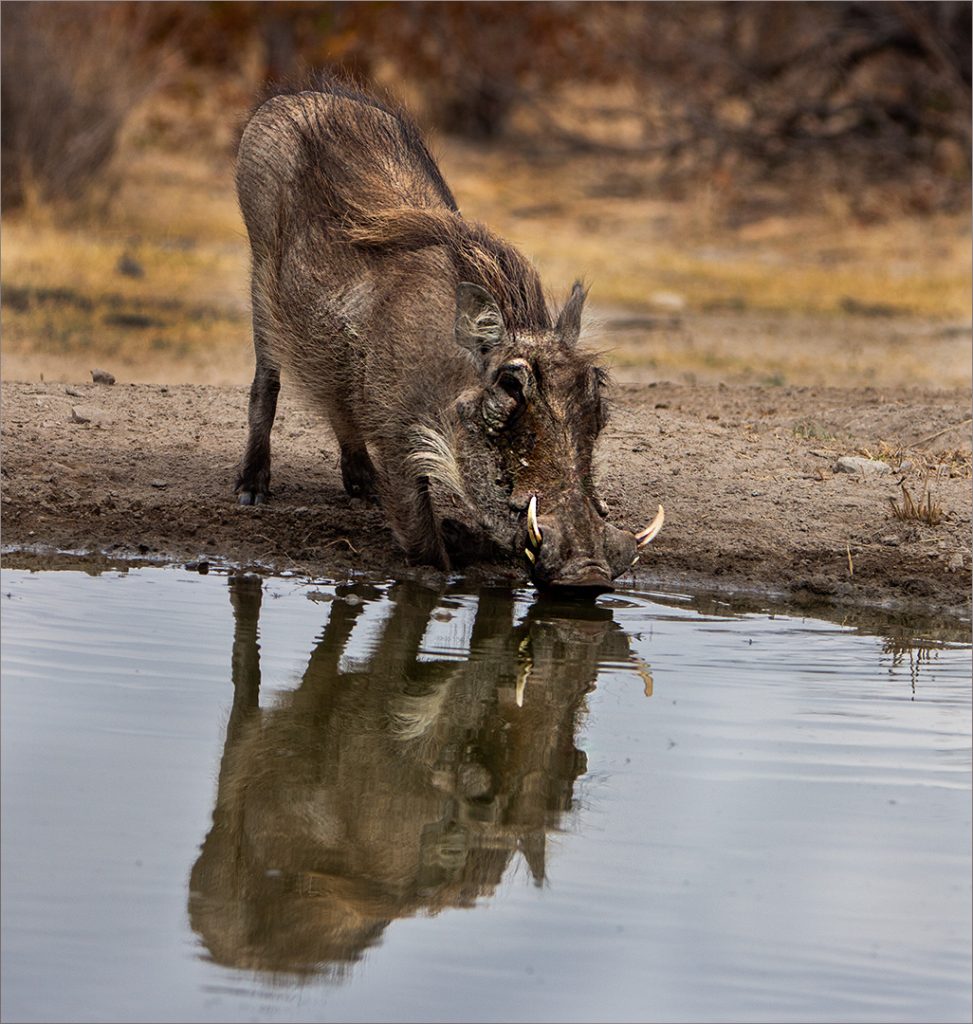
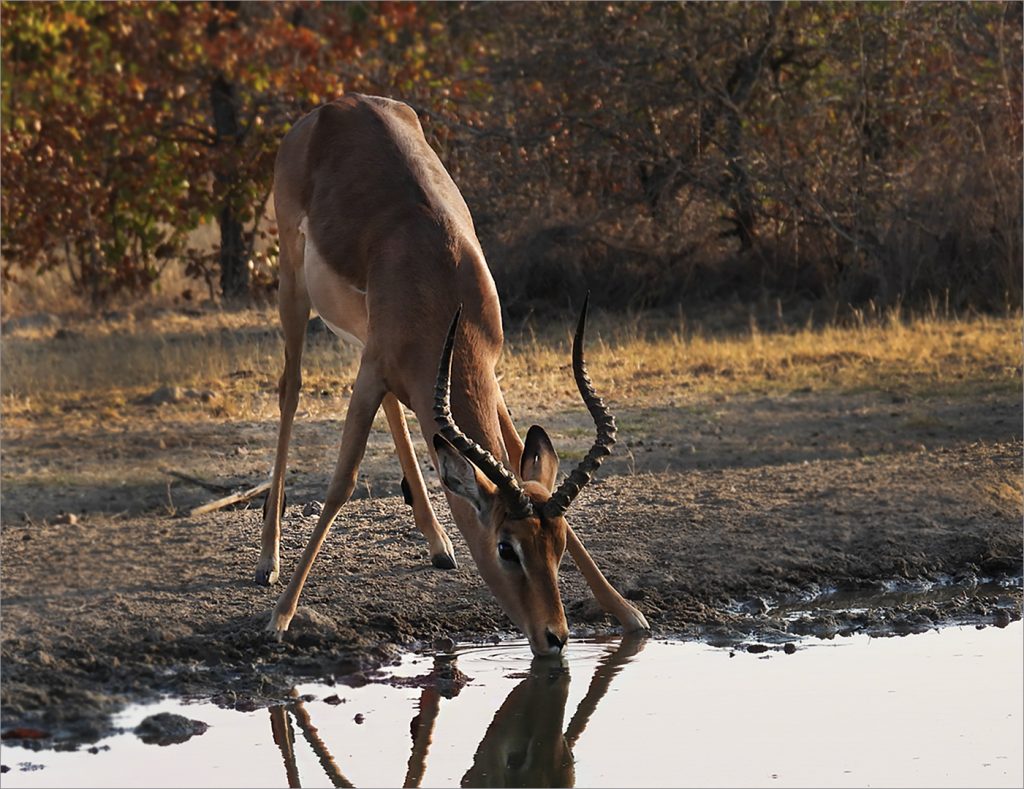
With 61 entries submitted across a wide range of photographic categories, the evening provided a compelling showcase of local photographic talent. Categories included Nature, Photojournalism, Monochrome, Pictorial, Scapes, Nature – Birds Only, and the Set Subject. Each image presented a unique narrative, style, or technique, affirming the diverse interests and evolving capabilities of the club’s membership.

Recognising Talent and Growth

June’s top performers were celebrated during the meeting:

  • Senior Winner: Mr. Peter Winnan
  • Junior Winner: Ms. Hanlie de Beer

Their recognition reflects SHPC’s emphasis on continuous improvement through constructive critique. Members are encouraged to grow not only through competition but through active engagement with judges feedback and fellow members insights.

The club employs a grading system to track members’ development. Entrants are scored and assigned award levels based on their skill level. These range from Bronze (awarded when key technical or creative elements are missing), to Silver, Gold, and ultimately the prestigious Certificate of Merit (COM), granted when a photograph excels in both execution and artistic impact.

PSSA News and Achievements

The July meeting also featured updates on ongoing and upcoming Photographic Society of South Africa (PSSA) events and competitions. Noteworthy achievements by SHPC members in recent competitions were acknowledged, including:

  • Sussa PelserAlbino White Lip Tree Viper (35)
  • Leon PelserThunder and Lighthouse (35)
  • DNE SmitBlouberg Blue Hour (37)
  • Louis van der WaltRain Spider (32)
  • Yolandi GeyserBee Painting (29)

These results reflect the consistent participation and competitive standard of the SHPC at national level. Members were reminded to select Sasol Highveld Photography Club as their nominated club when entering PSSA salons and competitions.

Interclub Participation and Upcoming Salons

Preparations and participation for the PSSA Interclub Competition 2025 were also highlighted. The club submitted 117 images across four major categories, and 33 entries under the Open – Senior and Open – Junior divisions. Members are encouraged to continue engaging with upcoming PSSA salons and external photography events as part of their creative journey.

A Club Built on Passion and Support

Beyond technical skill, SHPC places great value on enjoyment, mentorship, and community spirit. By fostering an environment where members receive feedback from experienced judges and peers, the club ensures that both new and seasoned photographers are given equal opportunity to learn and grow.

Members are also reminded to update their personal information such as birthdays on Photovault to ensure they receive appropriate recognition and communication.

Contact and Enquiries

For more information about the club, upcoming events, or grading and membership queries, please contact:
Louis van der Walt
+27 (72) 755 2767

Whether hobbyist or professional, every member of the Sasol Highveld Photography Club is encouraged to pursue their photographic passion with curiosity, courage, and a commitment to continuous improvement.

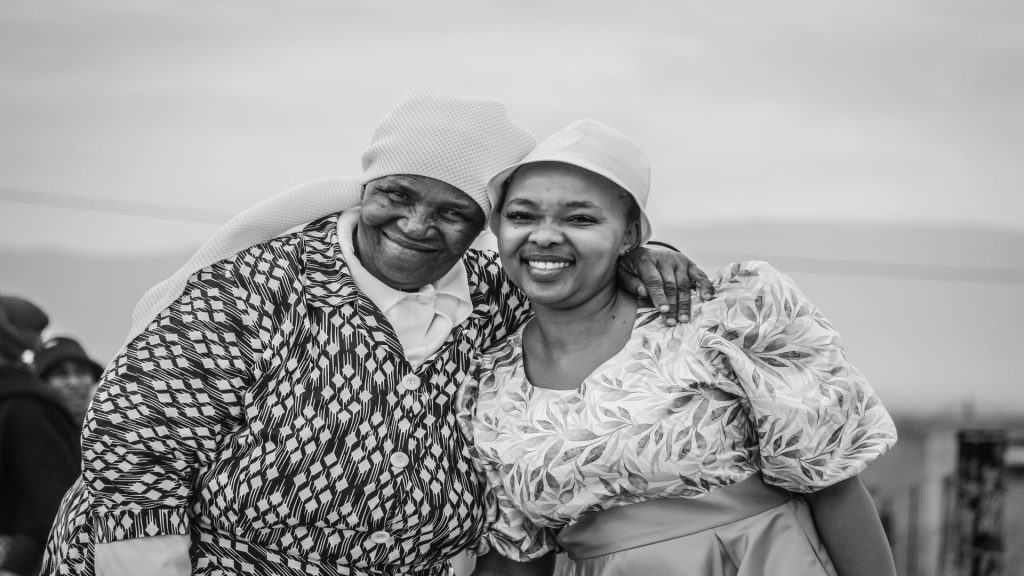
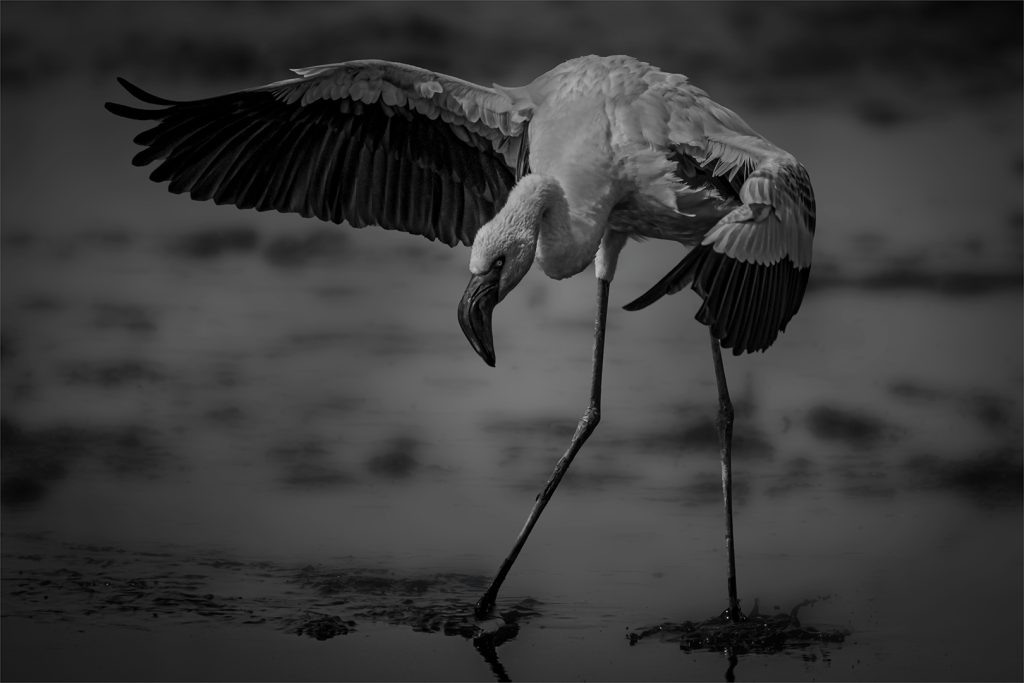
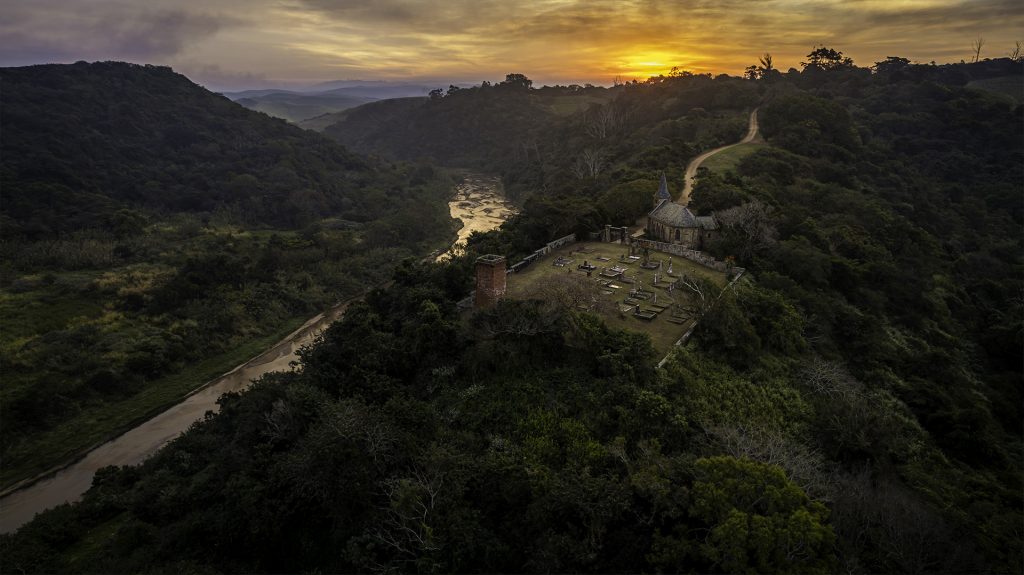
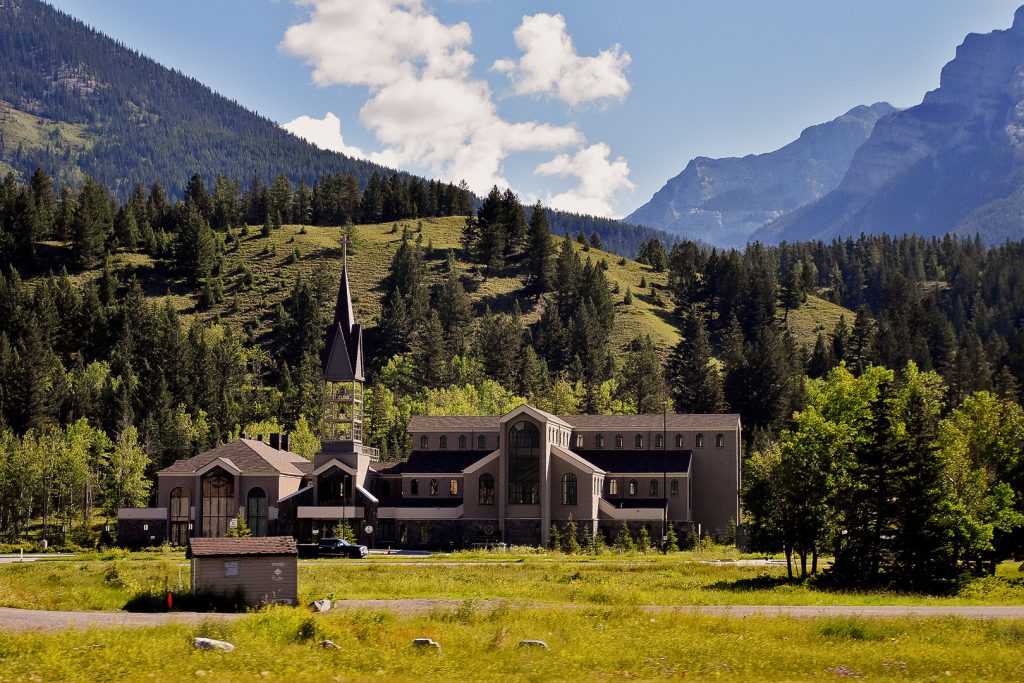
Here are the winning photographs for July:

The best set subject is “Wave backflip” by DNE Smit

The best Junior is Yolandi Geyser with “Pony”

The best Senior is DNE Smit with “The sorceress helper”

Here are the COM and GOLD certificates

Category – Nature – Birds only

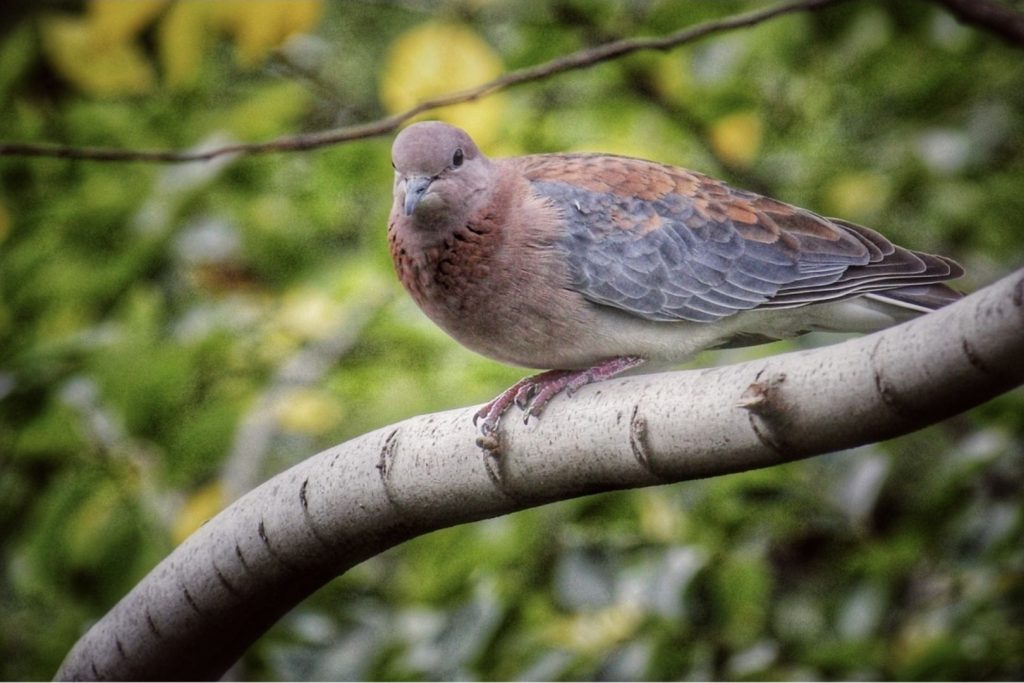
A lovely record shot by Piet Potgieter
To the Branch by Johan Viljoen

Category – Set Subject

Stunt Racer at Sunset by Leon Pelser
Peace by Yolandi Geyser
Barrelrace by Anzette Snyders
Jump for Life by Sussa Pelser
PJ representation of stunts by Lorraine Botha
Waaghals by Hester Griesel

Category – Photojournalism

Flyairlink by Sussa Pelser
Dog and three-year-old by Lorraine Botha
Sorry Not My Box by Sussa Pelser
Iron Man Finish by Lorraine Botha
Rodeo by Anzette Snyders

Category – Pictorial

Dragon Fly – H by Louis van der Walt
Around thee end by Johan Viljoen
Dassie 1 by Tiaan Muller
Lily by Leon Pelser
Around the bend by Johan Viljoen
Sunken Dreams by Piet Potgieter
Steps 2 by Tiaan Muller
Cast Out – In The Rain by Louis van der Walt
Smoking Old Lady by Leon Pelser
One hoof down by Johan Viljoen
Black Pearl by Lorraine Botha
Life amidst death by Gerrit Myburgh
What a struggle by Piet Potgieter
Dust all over by Hester Griessel
Fatman by Tiaan Muller
Pinned by Anzette Snyders

Category – Nature

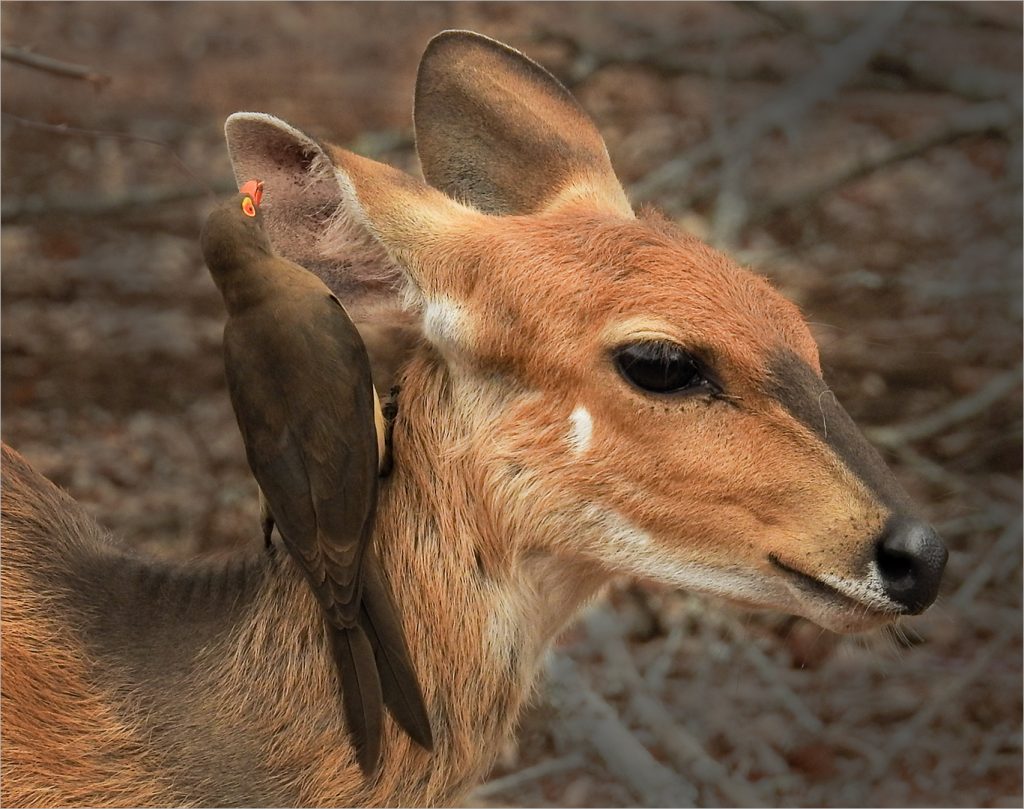
Bushbuck and baby by Gerrit Myburgh
Zebra road block by Gerrit Myburgh
Blou Wildebeest by Yolandi Geyser
Wilderness by Lorraine Botha
Taking Calcium supplement by Gerrit Myburgh
Sipping some nectar Yolandi Geyser
Kosmos 1 by Tiaan Muller
Das by Anzette Snyders

Category – Monochrome

Kinderoret by Hester Griessel
Blaauwberg spiral by DNE Smit
Baby Fox by Yolandi Geyser
Steps 3 by Tiaan Muller
Drakensberg Vulture 1 – BW by Louis van der Walt

Category – Scapes

Cloudy Day Over Canola Fields by Sussa Pelser
Soya Farmer by Leon Pelser
Harde Karoo landskap by Hester Griessel
Istanbul mosque by DNE Smit
Ash Dam Sunset by Louis van der Walt
Rainbow Over Houses by Sussa Pelser
Stormy clouds by Leon Pelser
Oos Vrystaat by Hester Griessel
African Enterprise by DNE Smit
Franshoek by Anzette Snyders
Garden Castle River Tides 1 by Louis van der Walt

Safe Driving near Veld and Forest Fires

0

Background information

Left unchecked, veld and forest fires can cause widespread destruction to property. More serious is however the risk posed to the human lives of those traversing in areas prone to veld and forest fires. These risks include not only the fire itself but also the road safety risks of poor visibility caused by smoke and the health risks of smoke inhalation. It is important for the safety of motorists that we share information on these risks as well as recommendations on how to act if confronted with these dangers.

Nature of veld and forest fires

But what are these fires and what should we expect from them? Veld fires can be categorized as “natural” fires and “unnatural fires”

  • Natural fires: They typically occur seasonally and the primary source of ignition is lightning. Due to the source of ignition, occurrence is most frequent during the rainy seasons.
  • Unnatural fires: They result from the intervention of humans and purposeful or accidental ignitions. Due to the source of ignition, frequency is usually higher than natural fires. These fires mostly occur in the dry season (often protracted by late rains).

Safe Driving Recommendations

  • When planning a trip during the fire season, check to see what the weather conditions will be like in the area and listen to local radio stations for news on any fires in the area.
  • Keep maps of your route and frequent travel destinations in your car, and know at least two ways of getting anywhere. If an emergency happens and your primary route of travel is closed, you’ll already know another way to get where you’re going, or you’ll only need to pull over and read the map to figure it out.
  • There will be limited visibility due to smoke and there may be large volumes of slow-moving traffic – drastically reduce speed, drive carefully and be on full alert.  
  • If visibility becomes very poor, don’t attempt to drive through thick smoke or flame – many accidents occur when drivers attempt this, only to find that they run off the road, collide with stationary obstacles such as other vehicles, or are involved in head-on collisions with other vehicles attempting to drive through from the opposite direction.
  • Put your headlights and hazards on so that you are as visible as possible to other vehicles, particularly fire tankers / emergency workers.
  • If you are caught in your vehicle during a veld fire, your vehicle will provide a good degree of protection. Look for a clear area, preferably off the road (areas clear of grass or bush will not sustain fires of high intensity).
  • Do not leave the vehicle – people have lost their lives by exiting the vehicle, only to be trapped on foot in the open. Your vehicle will help to protect you from radiant heat, which is the main hazard. Close all windows and vents. Switch the ignition off, it is unlikely that the fuel tank will explode from the heat of a passing veld or grass fire.
  • Stay in the vehicle, as low down as you can get, until the fire front has passed, then exit and inspect the vehicle for damage before proceeding.
  • If you are in the veld, away from your vehicle, and you see that a fire has started, move from the fire immediately.
  • Never ignore the fire, even if it seems far away – it can quickly become large and engulf you! The most dangerous situation to be in is when a veld fire is moving up a steep slope, and you are above it with bush and grass between you and the fire. It is estimated that every 10% increase in the gradient of the slope doubles the rate of fire spread.
  • If you feel threatened and you don’t think you can outrun the fire, or if you are surrounded, then find a ‘Safe Zone’.
  • A ‘Safe Zone’ can be an area that has already been burnt, or is completely clear of any fuel that can burn, such as a wide road or an old homestead. The clear area should be as large as possible.
  • Do not panic and run at the last minute!
  • Remember that what will hurt you are the heat that the fire makes, and the lack of oxygen to breathe.
  • Lie down on the ground, cover your head, breathe deeply before the smoke gets too close, and hold your breath when the fire passes over and around you. If you have blankets or extra clothing with you, try to cover any exposed parts of your body.

Respect and Awareness of Emergency Operations

The police, traffic officials and fire fighters do their best to avert the dangers form veld fires and to protect the public and motorists from these dangers. They also control crowds near the emergency scenes and will provide the most convenient detour for traffic when roads are closed. It is important that motorists obey and pay close attention to these officials. The following should be kept in mind:

  • Move over when you see flashing lights at the side of the road or the presence of emergency vehicles or fire engines! 
  • Try to stay at least 200 metres from the emergency vehicle.
  • If an emergency exists ahead, it may be dangerous to the public to drive through the area.
  • People who drive into an emergency scene may collide with a fire engine, or worse, a firefighter. 
  • Slow down when approaching an emergency scene
  • Be patient and keep in mind that fire and emergency personnel did not create the emergency, they did not cause the accident and they did not start the fire
  • Detouring traffic may cause everything to slow down, but it is better getting through slowly instead of getting stuck.
Fire at Schoemanskloof

Prevention and fire strategy

Landowners and especially hospitality and tourism businesses operating in an area where wildfires are a reality should pay particular attention to the protection and safety of their guests and employees. The proper control and management of spreading wildfires involves an integrated approach requiring a well co-coordinated plan to achieve the necessary result.

Any fire strategy should include the following components:

  • Awareness
    It is estimated that as many as 90% of unwanted unnatural fires are caused by human intervention. It is important to know where and when these dangers occur and where the danger areas are.
  • Prevention
    Prevention and control are the secondary steps in wild fire management and follow directly from awareness. Education and the establishment of management systems may be necessary to achieve the desired outcome under this aspect. Educational materials could be provided to staff and visitors. It is also important not to allow unsafe refuse fires, unattended fires or children access to matches.
  • Preparedness
    The best way to be prepared is to comply with the provisions of the National Veld and Forest Fire Act, creating and maintaining adequate fire breaks and to join or form a local Fire Prevention Association (FPA) in your area. The Emergency Response plan should go far beyond showing the shortest exit route.

Should the fire be of the magnitude that threatens the whole area, responsible command should be taken by senior staff knowing local conditions. The decision to evacuate an area could have serious consequences. Roads may be unusable due to being engulfed in fire or smoke, traffic or fire fighting equipment. It is impossible for a person to outrun a rapidly spreading wildfire, particularly uphill.

What are the characteristics of a well co-coordinated response?

  • The dedicated fire management team must be alerted immediately with appropriate staff and guests also alerted and marshaled to a safe assembly or evacuation point.
  • A head count should be made and reconciled with visitors and staff records.
  • Evacuation vehicles on standby in a separate safe area to evacuate guests if necessary.
  • Rapid deployment of fire fighting resources within the structure of pre-planned emergency procedures.
  • Communications to the local Fire Prevention Association or Fire Services.
  • Thatch roofs, buildings and the vegetation in surrounding areas should be drenched.
  • Surplus combustible materials should be removed wherever possible.

  • Emergency medical resources should be placed on stand by.

  • Progress of fire fighting endeavors to be monitored and communicated via a radio system.
  • Careful watch should be directed on the fire out flanking fire fighters or fresh fire fronts being created. 
  • Suppressed fires should be observed for re-ignition.

Golden guidelines to conclude:

  • If you cannot see –don’t drive!
  • Try to move away from the vicinity of veld and forest fires
  • Respect and obey the guidance of fire, emergency and traffic officials
  • Do not be the cause of this life-threatening danger – Do not throw away burning cigarette ends! 
  • Do not leave an open fire unattended.
  • If you see someone playing carelessly with fire, then tell them to stop.

Health Ombud Finds Clinical Mismanagement may have led to Preventable Death at Mediclinic Highveld Hospital

Mpumalanga, South Africa – A damning report by the Office of the Health Ombud has revealed a harrowing case of clinical negligence and systemic failure at Mediclinic Highveld Hospital in Mpumalanga, where 65-year-old patient Mr Izak Gerhardus Liebenberg died following alleged mismanagement during his hospital stay in January 2022.

The investigation, launched following a complaint by the patient’s wife, Mrs Sonja Liebenberg, concluded that Mr Liebenberg was subjected to substandard care, poor clinical oversight, and delays in critical treatment—all of which significantly contributed to his death. The Health Ombud’s report, conducted under Section 81A of the National Health Amendment Act, outlined a series of damning findings and issued urgent recommendations to prevent future occurrences.

Mr Izak Gerhardus Liebenberg

Chronology of Neglect

Mr Liebenberg was admitted to Mediclinic Highveld on 3 January 2022 with shortness of breath and water retention. He tested positive for COVID-19 and was later diagnosed with COVID-19 pneumonitis. He had a complex medical history, including chronic kidney disease, ischemic heart disease, diabetes, hypertension, and a pacemaker in place.

Despite this high-risk profile, the investigation found that Mr Liebenberg was housed in a general ward under the care of enrolled nurses with limited scopes of practice, rather than in a high-care or ICU setting. Throughout his week-long hospitalisation, vital signs and fluid output were inconsistently monitored, and several abnormal blood test results, including a dangerously elevated International Normalised Ratio (INR) and markers of kidney failure, were either not acted upon or addressed with undue delay.

The report cites that Mr. Liebenberg’s abnormal INR of >10 was flagged at 05:44 on 9 January, yet no action was taken until after 19:00 that evening—an inexcusable delay of more than 13 hours. During this time, the patient also exhibited confusion and extreme fatigue, signs consistent with worsening renal function and uremic encephalopathy, which went largely unaddressed.

Transfer Too Late

On 10 January, Mr Liebenberg was finally transferred by ambulance to Wilgers Hospital in Pretoria after his wife’s persistent requests. Upon arrival, the receiving medical team found him severely dehydrated, delirious, and in acute renal failure requiring immediate dialysis. He was placed in the Intensive Care Unit (ICU) and started on Sustained Low-Efficiency Dialysis (SLED), but despite best efforts, he suffered a cardiopulmonary arrest and passed away on 12 January 2022.

Findings of the Report

The Ombud’s office found multiple instances of clinical mismanagement at Mediclinic Highveld, including:

  • Failure to Monitor Critical Indicators: Repeated failures to adhere to strict fluid intake/output protocols, despite the patient’s known kidney failure.
  • Poor Documentation and Communication: Incomplete medical records, incorrect reporting of the presence of a pacemaker, and missing or inaccurate consent forms.
  • Delayed Escalation of Care: A delay of over 13 hours in addressing critical INR levels and failure to initiate dialysis or transfer to high care at an earlier stage.
  • Substandard Nursing Oversight: The patient was often under the care of enrolled nurses without supervision or input from professional nurses or physicians during key periods of deterioration.
  • Lack of Informed Consent: A consent form for Fresh Frozen Plasma was improperly filled, and Mr. Liebenberg—reportedly confused at the time—was not in a position to give informed consent.

Importantly, the Ombud concluded that although the exact cause of death could not be medically verified without a postmortem, the cumulative evidence pointed to a trajectory of clinical neglect that significantly worsened the patient’s condition.

Recommendations for Reform

The Health Ombud issued several critical recommendations, including:

  1. Disciplinary Action: The report advises that Mediclinic Highveld consider instituting disciplinary processes against healthcare staff responsible for oversight failures.
  2. Review of Staffing Policies: The hospital must review the practice of assigning complex cases to enrolled nurses and ensure professional nurses or physicians oversee all high-risk patients.
  3. Training and Capacity Building: All clinical staff must undergo training in early recognition of clinical deterioration and strict adherence to monitoring protocols.
  4. Improved Record Keeping: Implementation of mandatory record-keeping audits and ensuring completeness of patient records, especially regarding consent and clinical interventions.
  5. Policy Amendments: The hospital is to amend protocols related to the escalation of care, particularly for patients exhibiting signs of acute deterioration or abnormal laboratory results.

Response from the Family

Speaking after the report’s release, Mrs Liebenberg said, “My husband didn’t have to die like that. He trusted the hospital to help him. Instead, he was left to suffer in silence. No one listened. No one acted. This report finally acknowledges the truth we have been living with since 2022.”

She added that she hopes the findings will spark change not just at Mediclinic Highveld, but across private hospitals in South Africa.

“This tragic case serves as a painful reminder that no matter the pressures on a healthcare system, patient dignity and safety must remain paramount.”

Mediclinic Responds

Mediclinic Highveld issued a formal public statement at the time of publication that is included below. According to the report, several meetings were held between hospital management and Mrs Liebenberg, but she was left dissatisfied with the responses and resolution process, prompting her to escalate the matter to the Health Ombud.

A Broader Concern

This case highlights deeper systemic issues in South Africa’s private healthcare sector, particularly around the treatment of vulnerable, high-risk patients during the COVID-19 pandemic. While staff shortages and the burden of care are acknowledged in the report, the findings suggest these factors do not absolve institutions of their obligation to provide adequate and timely care.

As the Ombud emphasized in his concluding remarks, “This tragic case serves as a painful reminder that no matter the pressures on a healthcare system, patient dignity and safety must remain paramount.”

The Bulletin reached out to the Highveld Mediclinic to discuss the findings. They requested questions to respond to. Several questions were forwarded that included questions of a more personal nature.

Although the questions below formed part of the longer, exhaustive list of questions that were submitted to Mediclinic, The Bulletin extracted these questions from the final report named “FINAL REPORT INTO ALLEGATIONS OF CLINICAL MISMANAGEMENT RESULTING IN THE DEATH OF A PATIENT AT MEDICLINIC HIGHVELD HOSPITAL REF NUMBER: 32186”

  • Were any health practitioners identified by Mediclinic Highveld (MH) that did not perform their duties diligently and in accordance with clinical and ethical guidelines when providing care to Mr. Liebenberg?
  • If so were disciplinary action taken and in what form?
  • Was this disciplinary action reported as ordered?
  • Did MH put measures in place to monitor, safeguard, and evaluate proper record-keeping of all patients’ medical records?
  • Was the recommendation done that MH should develop a Standard Operating Procedure (SOP) on how to handle and manage laboratory abnormal blood results with urgency?
  • Was the recommendation that MH should provide Mrs Liebenberg and her daughter with psychosocial support services to help them deal with the loss of their loved one in the given circumstances adhered to?
  • Was any apology offered to Mrs Libenberg regarding the matter?

The following response was received from Mediclinic:

RESPONSE TO MEDIA ENQUIRY

Due to patient confidentiality, Mediclinic is unable to comment on any patient details around their
hospitalisation and care in the public domain.

Mediclinic can confirm that investigations of any sorts are dealt with comprehensively, ensuring
accurate and conclusive outcomes.

Mediclinic remains committed to ensuring our patients receive the best possible care within a safe
environment.

AN EXPERT CHEMIST’S GUIDE TO BREWING THE PERFECT CUP OF TEA

When it comes to crafting the perfect cup of tea, lovers of the brew know it’s as much about flavour and ritual as it is about comfort and connection. From black to green, oolong to herbal, every cup tells a story. But what if we told you that behind the soothing steam and fragrant leaves lies a world of chemistry – one that can actually help you brew a better, more flavourful cup?

According to Michelle Francl, professor of chemistry at Bryn Mawr College in Pennsylvania, USA and author of Steeped: The Chemistry of Tea, brewing tea is a rich chemical process involving hundreds of compounds that influence the colour, aroma, taste and even health benefits of every cup.

“Tea is the world’s most popular beverage,” notes Francl. “What many people don’t realise is how complex the chemistry behind it truly is.”

While her book explores the molecular magic in the Camellia sinensis plant – the source of black, green, oolong and white teas, for South Africans, the real intrigue lies in how Rooibos (Aspalathus linearis), our proudly local herbal infusion, compares.

“Perhaps the biggest difference between Camellia sinensis and Rooibos is the type of alkaloids they produce,” says Francl.

Camellia sinensis is a source of caffeine, along with theobromine and theophylline – all stimulating compounds that give tea its characteristic kick and slight bitterness. Rooibos, on the other hand, is naturally caffeine-free and instead produces trigonelline, an alkaloid also found in coffee and fenugreek. “Trigonelline is not a stimulant, but studies suggest it may help regulate blood sugar,” Francl explains.

This difference gives Rooibos its mellow, calming character. It’s also less astringent than traditional teas, because it contains fewer tannins – the polyphenols that create that dry, puckering feeling on the tongue.

“Overall, Rooibos is a calming beverage, with a sweet rather than bitter or astringent taste,” notes Francl.

Another fascinating fact is that teas, including herbal tisanes like Rooibos, contain a host of fragrant compounds like linalool, which gives tea its floral scent, as well as geraniol – a compound also found in roses and lemongrass. “These molecules are highly volatile, which is why freshly brewed tea smells more fragrant than one that has cooled.”

The colour of your brew also depends on pH. Francl says Rooibos, being lower in tannins and higher in flavonoids, shows less dramatic colour shifts than black tea, but by adding lemon juice (which lowers pH) it can brighten the reddish hue.

The art and science of steeping

Francl is quick to point out that steeping time and temperature affect what ends up in your cup – both chemically and sensorially.

“The longer you let anything steep, the more compounds will be extracted. Lighter, more water-soluble molecules come out first. Over time, larger polyphenols are drawn into the infusion, building a more complex flavour, but also increasing astringency.”

She also highlights that brewing temperature can influence the release of other compounds like theanine, which contributes to black and green tea’s umami flavour and calming effect. Though unlike black or green tea, Rooibos doesn’t contain theanine, steeping it properly still maximises the release of other potentially soothing compounds like aspalathin and quercetin.

So, how long is just right for Rooibos?

“For optimal antioxidant extraction, research shows using boiling water (100°C) and steeping for 10 minutes is best,” advises Francl.

Beyond that, however, the antioxidants begin to degrade due to oxygen exposure. So, timing really is everything.

Red vs Green Rooibos: A matter of oxidation

While most South Africans reach for red Rooibos, the green, unfermented version actually has higher antioxidant levels.

“Fermented Rooibos has fewer antioxidants, because the fermentation process is essentially an oxidation process. Antioxidants act like little sponges soaking up oxygen. Once they’ve reacted, they can’t function as antioxidants anymore.”

Green Rooibos retains more aspalathin, a rare and potent antioxidant unique to the plant, but one that degrades with time and oxygen. Her advice? “Drink it fresh.”

Minerals and “tea scum”

Francl also cautions against using mineral-heavy water. In teas made from Camellia sinensis, it can result in “tea scum” – a layer of compounds floating on top of your brew. She suspects something similar may occur with Rooibos if the water is particularly hard.

“These mineral-polyphenol interactions can dull flavour, while filtered water can help preserve the taste profile.”

Why long-steeped Rooibos tastes sweeter

Many Rooibos drinkers report that longer steeping enhances sweetness. Though there’s no formal analysis to confirm this, Francl says it’s plausible.

“Longer steep times increase the presence of maltol, a natural flavour enhancer and vanillin, the same compound that gives vanilla its signature sweetness.”

A science-based recipe for Rooibos perfection

To brew the ultimate cup of Rooibos, Francl recommends the following:

·       Use green Rooibos if your goal is to maximise antioxidant intake

·       Choose fresh Rooibos to retain aspalathin content

·       Use boiling water (100°C)

·       Steep for 10 minutes

·       If possible, opt for filtered water to avoid flavour-dulling minerals

Whether you’re sipping Rooibos to unwind after a long day or seeking its health benefits, knowing the science behind the steep can elevate your tea ritual.

As Francl so elegantly puts it, “Brewing tea is not just an art. It’s a beautifully balanced act of chemistry.” So next time you brew a cup, give it the full ten minutes and let science do the rest.

DA Demands Urgent Investigation into ANC Councillors for Undermining the Eendracht Sewer Project

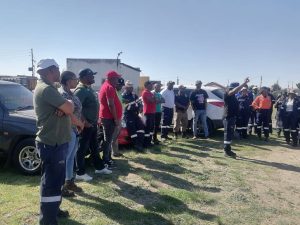
The Democratic Alliance (DA) in the Govan Mbeki Municipality is deeply alarmed by the ongoing political interference and misconduct of ANC councillors, who are actively obstructing the delivery of critical sanitation infrastructure to the Eendracht community. “We have formally given the Speaker of Council, Cllr Fikile Magagamela, 14 days to institute an impartial investigation into the alleged misconduct of these councillors, in line with the Councillors’ Code of Conduct and the broader framework of municipal governance,” said a statement from the DA.

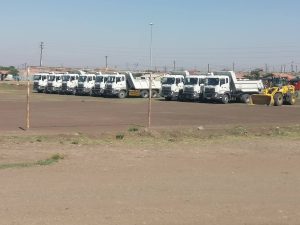
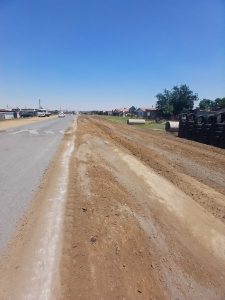
The Eendracht Sewer Project, a vital initiative aimed at restoring dignity to a long-neglected community through the provision of improved sanitation infrastructure, is being deliberately delayed. Although the project is geographically and administratively located in Ward 1, ANC councillors from Wards 2, 3 and 6 have repeatedly interfered with its progress, raising serious questions about motive, legality, and political intent.

ANC Factionalism Over Service Delivery

“Instead of supporting the delivery of much-needed infrastructure, these councillors have chosen to hijack the project and sabotage three scheduled community meetings—on 17 June, 26 June, and 3 July 2025—that were organised to brief and engage Ward 1 residents,” said DA PR Cllr Portia Madiyala Mpatlanyane, “The meeting of 26 June even proceeded without the participation of the elected Ward 1 councillor, who received no formal apology or explanation for the exclusion. This constitutes a clear violation of residents’ rights to inclusive governance and community participation, as stipulated in Chapter 4 of the Municipal Systems Act.”

The ANC’s internal factional battles have spilt over into the realm of basic service delivery, with devastating consequences for ordinary residents. Communities should not be held hostage to political power plays or vendettas. The DA strongly condemns this misuse of authority and disruption of lawful processes.

Disruption of the Project Steering Committee

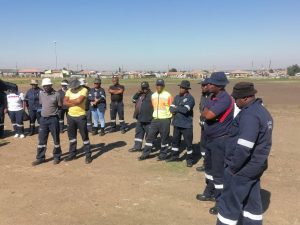
Most recently, on 1 July 2025, a scheduled meeting of the Project Steering Committee (PSC)—the legally recognised structure responsible for overseeing project delivery—was disrupted by the Ward 3 ANC councillor, with support from their counterparts in Wards 2 and 6. This blatant act of sabotage forced the meeting to be adjourned, leaving both the contractor and community stakeholders confused and demoralised. This repeated interference undermines not only the project’s timeline but also the principles of transparency and good governance that underpin effective service delivery.

The PSC was established in full compliance with the Construction Industry Development Board Act (Act 38 of 2000) and includes key stakeholders such as:

  • The MMC for Civil Services (Chairperson)
  • The Ward 1 Councillor
  • Two PR Councillors from Ward 1
  • Appointed contractor
  • Project Management Unit
  • Director of Civil Engineering
  • Water & Sanitation Manager
  • Consulting Engineers
  • Community Liaison Officer

“This diverse and legally sound structure was created precisely to ensure that the project was executed fairly, transparently, and without undue political influence,” said DA PR Cllr Portia Madiyala Mpatlanyane.

Violations of the Councillors Code of Conduct

The conduct of the involved ANC councillors contravenes the Councillors Code of Conduct, as outlined in Schedule 1 of the Local Government: Municipal Systems Act (Act 32 of 2000). According to this Code, councillors must:

  • Act in the best interests of the municipality;
  • Perform their duties with integrity and accountability;
  • Refrain from obstructing the implementation of council decisions;
  • Avoid interference in the administration or areas outside their ward.

“By choosing to interfere with a Ward 1-specific project, these councillors have breached both the spirit and the letter of the law. Their attempts to isolate Eendracht—labelling it an “island” separate from the greater Leandra area—is not only factually incorrect but deeply divisive. It undermines community unity and discredits the legitimate representation of Ward 1 residents,” said Mpatlanyane

Phase 1 Failure Highlights Need for Oversight

It is also important to recall that Phase 1 of the Eendracht Sewer Project failed due to poor municipal management, lack of oversight, and exclusion of the local community. That failure resulted in wasted public funds and incomplete infrastructure. Instead of learning from that experience and strengthening systems of governance, ANC councillors have chosen to double down on disruption and power grabs.

This project aimed to uplift a historically underserved community, one that continues to lack basic sanitation. Every delay, every obstruction, and every political stunt is a direct assault on their right to dignity and development.

The DA’s Position and Call to Action

“As the DA, we stand firm in our commitment to ethical governance, lawful conduct, and accountable service delivery. We call on:

  1. The immediate cessation of all interference by councillors from Wards 2, 3 and 6 in Ward 1 matters;
  2. The Speaker of Council to urgently investigate this misconduct and hold the councillors accountable in terms of the Municipal Systems Act;
  3. The Municipality is to uphold all relevant legislation, including:
    • The Municipal Systems Act (Act 32 of 2000)
    • The Municipal Finance Management Act (Act 56 of 2003)
    • The Construction Industry Development Board Act (Act 38 of 2000);
  4. The immediate reconvening of the Project Steering Committee, with guarantees of non-interference and full legal protection for project stakeholders.”

“This is not merely a political issue, it is a community crisis. The people of Eendracht have waited far too long for the dignity of working infrastructure. The DA will not stand by while the ANC turns critical development into another theatre of corruption, control, and chaos.”

“We remain resolute in protecting the rights of residents and ensuring that service delivery is driven by need, not factional interest,” said Cllr Portia Madiyala Mpatlanyane

Kriel Residents Demand Action After Devastating House Fire Sparks Outrage

Kriel, Mpumalanga – A devastating house fire that engulfed a family home in Crest Crescent on June 18 has pushed the Kriel community to a breaking point. Residents, already battling persistent load reduction and deteriorating infrastructure, believe this fire — the seventh since February 2024 — could have been prevented if local fire services had not been removed from the town.

The blaze occurred while the homeowners were away. By the time they returned, their house was in flames. Community members say the Emalahleni Local Municipality’s delayed emergency response was exacerbated by bureaucratic inefficiencies, particularly a reported “authorisation process” that hindered the dispatch of a fire truck from Phola, nearly 30 km away.

This tragedy has reignited deep-seated frustrations in Kriel, where residents say they feel abandoned, unprotected, and ignored by the local government.

Community Stands Up

Outrage over the fire culminated in a tense public meeting on Wednesday, June 25, during which Executive Mayor Cllr Vusi Julius Nhlapho faced an angry crowd demanding immediate solutions. Community activist Edwin Nel led the call for accountability, with grievances and demands delivered in both English and Zulu.

The removal of Kriel’s fire trucks to Phola was labelled a “non-negotiable” issue, with residents insisting that the trucks be returned permanently. “We are not second-class citizens,” one resident was heard shouting. “We pay our rates — where are our services?”

In addition to the fire services, residents expressed frustration over:

  • Up to three instances of daily load reduction
  • Pothole-riddled roads
  • Sewer overflows
  • Lack of functioning streetlights

Another major concern was the redirection of Kriel’s municipal payments to cover expenses in other areas, such as Witbank, rather than investing those funds back into the Kriel community.

Mayor Responds, Promises Change

Cllr Nhlapho attempted to calm tensions, explaining that some issues had not been brought to his attention. He mentioned that he had previously spent two weeks in Kriel to address community concerns, but residents say little progress has been made.

As tensions escalated during the meeting, police had to intervene to protect the mayor from a crowd that at times threatened to turn violent. Fortunately, the situation de-escalated, allowing the dialogue to continue.

Mayor Nhlapho promised to return a fire truck to Kriel by Thursday, a promise that was fulfilled. He further committed to:

  • Hiring new fire and traffic officers from within the Kriel community
  • Repairing the condemned fire station, which is still being used as a residence
  • Resolving infrastructure issues within six months
  • Paying greater attention to Kriel’s unique challenges

“The residents of Kriel deserve dignity and reliable services,” Nhlapho said. “We will restore this town to what it should be.”

A United Front

Despite longstanding neglect, the people of Kriel stood together in a unified call for change. Community leaders praised the collective spirit shown during the protest and public meeting. “This was not just about a house burning down,” said Nel. “This is about all of us. We’ve been ignored for too long.”

With promises made and the spotlight finally shining on Kriel, the question now is whether the Emalahleni Municipality will deliver on its commitments — or if the community’s frustration will boil over again.

Mpumalanga Targets Construction Mafia Amid Mounting Project Delays

Government finally responds after DA pressure; key projects remain incomplete despite billions spent

After years of pressure from the Democratic Alliance (DA), the Mpumalanga Department of Public Works, Roads and Transport (DPWRT) has finally announced a national summit aimed at tackling the province’s notorious construction mafia. The syndicates have been blamed for massive delays in crucial infrastructure projects, costing taxpayers billions.

During a Progress Performance Report presentation to the Portfolio Committee on Public Works on 26 June 2025, the department confirmed that several key intervention strategies would be rolled out in the 2025/2026 financial year to dismantle the criminal networks disrupting development.

These strategies include:

  • Deployment of SAPS in areas frequently targeted by construction mafias
  • Strengthening social facilitation and encouraging greater community cooperation
  • Participating in a national dialogue with Minister Dean Macpherson to address the issue
  • Urging lawmakers and councillors to discourage community interference and extortion

The DA welcomed the announcement, noting that the interventions are long overdue. “For years, the DA has called for decisive action. The continued extortion and disruption have paralysed service delivery and wasted public funds,” said Teboho Sekaledi: MPL – DA Spokesperson on Public Works, Roads and Transport: Mpumalanga Province.

Key Projects Brought to a Standstill

The DA also listed several high-profile infrastructure projects that have been severely impacted:

🔹 Mpumalanga International Fresh Produce Market (MIFPM):
Despite over R2 billion spent, the market remains non-operational due to repeated disruptions.

🔹 High-Altitude Training Centre:
Initially set for launch in 2012/2013, over R300 million has been spent on planning, but nothing stands on the site today.

🔹 Mpumalanga Parliamentary Village:
Launched in 2017 with a 2020 deadline, the project has faced repeated delays. It was expected to reduce accommodation costs for MPs.

🔹 Mkhondo Boarding School:
Started in 2018 as an 18-month build, the project is still unfinished due to multiple disruptions.

🔹 Middelburg Hospital:
Begun in 2017 at an estimated cost of R1.4 billion, the hospital was due for completion in 2020. Progress has stalled.

Costs Continue to Climb

DPWRT confirmed an additional R115 million has been allocated to these projects, but the DA warns this figure may still fall short due to ongoing interference. “These delays not only rob residents of essential services but also open the door to unchecked corruption and inflated budgets that benefit a select few,” the DA said.

The Department now faces increasing pressure to demonstrate that the latest interventions will succeed where past efforts have failed.

Idalet Maritz: ‘n Getuienis van Geloof, Vasberadenheid en Oorwinning oor Kanker

Soms kom daar mense oor jou pad wie se storie jou siel aanraak, mense wat hoop bring waar daar wanhoop is, en wat getuig van ‘n geloof wat nie wankel nie. Idalet Maritz is so ‘n vrou.

Op net 28-jarige ouderdom is Idalet, ‘n jong ma van ‘n pasgebore baba en ‘n peuter, met limfklierkanker gediagnoseer. Dit was in Oktober 2019 ‘n oomblik wat haar wereld tot stilstand geruk het. Maar wat vir baie ‘n einde sou beteken het, was vir haar die begin van ‘n pad van geloof en volharding.

“Ek het vrede gekry toe ek die diagnose ontvang,” vertel sy aan The Bulletin. “Jesus het my gemoed gevul met rus.” Idalet het geweet dat sy nie alleen gaan veg nie “soos Moses wat se arms deur Aaron ondersteun is, sou sy ook vasgehou word.

“In die begin het sy en haar man Johan besluit om die pad van natuurlike genesing te stap. Hulle het verskeie dokters besoek wat holisties na haar gesondheid sou kyk” met groentesappe, sonlig, oefening en natuurlike protokolle. Maar haar toestand het agteruit gegaan. Die knoppe het gegroei, haar asemhaling het verswak.

“ek verstaan dat dit my woestynpad was. En ek eer vandag vir God vir daardie tyd, want dit was in die woestyn waar ek die God van die vuurkolom en die wolk leer ken het.”

Augustus 2020 het God haar een oggend 4am wakker gemaak met ‘n massiewe rooi woord: CHEMO. Daar het sy vir die eerste keer vrede gehad en besef dat God wel ook IN die chemo is. Op 8 September het sy haar eerste chemoterapie ontvang. Die getal 8 simboliseer nuwe begin, en dit was presies wat dit vir haar gebring het. Na drie maande se behandeling, het sy op 3 November “n skoon uitslag gekry. Die getal 3 simboliseer heelheid, herstel en voltooiing.

Maar die pad was nie verby nie. “n Jaar later het die kanker teruggekeer. ‘Ek was in ontkenning. Ek was kwaad,” vertel sy eerlik, “nooit vir God nie, maar omdat ek weer om dieselfde berg moes stap.” In September 2024 het haar gesondheid drasties versleg. Die simptome van Hodgkins Limfoma het vir die eerste keer werklik gewys koors, nagswete, gewigsverlies, en ‘n infeksietelling wat gevaarlik hoog gestyg het.

In Januarie 2025 het sy vasgehou aan Psalm 92. Sy het geweet dit sou ‘n jaar van stryd wees, maar ook van oorwinning. Op 27 Januarie is sy weer opgeneem in die hospitaal, waar sy ernstig siek geword het. Maar in Maart het God weer die onmoontlike gedoen, na drie sessies van chemoterapie en immuneterapie, het sy weer skoon getoets. Soos 1 van die 10 melaatses, kies Idalet om terug te draai en vir Jesus DANKIE te se.

Met ‘n lig in haar oe vertel sy haar storie aan The Bulletin. Haar stem is sag, maar haar woorde dra krag. “Jesus is my rots,” se sy sonder huiwering. “Sonder my geloof sou ek dit nie gemaak het nie. Ek het Hom nodig gehad vir elke tree, elke asem.”

Idalet se verhaal is nie net een van fisiese genesing nie, maar van geestelike verdieping. Sy het ‘n God ontmoet wat getrou is: in die woestyn, in die siekbed, in die stilte.
Wat die toekoms inhou, weet sy nie. Maar een ding is seker: haar geloof is vandag sterker as ooit. En sy hoop dat haar verhaal ander sal inspireer om aan te hou glo, al is die pad hoe donker.
“Met God wat jou dra, kan jy enigiets oorwin.”

God is nogsteeds vandag die God van Abraham, Isak en Jakob, Jehovah Rapa, THE GOD WHO HEALS.

Portfolio Committee Meeting on Companion Animal Welfare in South Africa

0

The State of Companion Animal Overpopulation and the Call for National Reform

Ancois van Zyl (The Paw Company) and Cheryl Gaw (Pug Rescue South Africa) presented the State of Companion Animal Welfare in SA to the Portfolio Committee of the Department of Agriculture at Parliament in Cape Town. The presentation was met with the seriousness it warrants, and a constructive way forward was discussed.

Ancois van Zyl (The Paw Company) and Cheryl Gaw (Pug Rescue South Africa) at the Parliament in Cape Town

The Paw Company and Pug Rescue South Africa extend heartfelt thanks to the Honourable Members of Parliament who attended and engaged in our presentation to the Portfolio Committee on Agriculture, Land Reform and Rural Development on 3 June 2025 in Cape Town. The full briefing of the meeting is available on the Parliamentary Monitoring Group (PMG) platform.

This presentation was not a standalone effort—it marked the culmination of seven years of sustained advocacy and collaboration. In 2023, we hosted consultative sessions across Gauteng and the Western Cape, including online platforms, to gather insights from animal welfare organisations across South Africa. These engagements confirmed what we already knew: South Africa faces an urgent and intensifying companion animal overpopulation crisis, and a regulatory vacuum lies at its heart.

The Crisis: Why It Matters

South Africa is grappling with a massive and unsustainable population of cats and dogs, largely due to unregulated breeding, irresponsible ownership, and uncontrolled trade. The consequences are wide-ranging and deeply troubling:

  • A sharp increase in stray animal populations
  • Growing incidents of dog attacks and disease outbreaks
  • Shelter closures due to financial strain and overcrowding
  • Widespread and emotionally devastating euthanasia of healthy animals
  • An unfair burden on NGOs and welfare organisations, who receive no government support yet are expected to carry out core public health functions

As the country’s economic challenges deepen, more animals are surrendered while donations to shelters plummet. Without formal intervention, the crisis will worsen, affecting not only animals but also communities, public health systems, and environmental sustainability.

Our Proposal: From Reaction to Regulation

In response to the national crisis, our team has worked with veterinarians, legal experts, and policymakers to draft a set of national regulatory proposals, submitted to the Department of Agriculture, Land Reform and Rural Development for consideration. These proposals aim to:

  • Tackle the root causes of overpopulation
  • Establish legal requirements for responsible breeding, trading, and ownership
  • Shift the system from reactive crisis management to proactive control and accountability

Our initial focus is on companion animals—dogs and cats—but future regulation should extend to other species as needed. The Department has acknowledged receipt of the proposed draft regulations. Any components selected for adoption will undergo the formal public participation process following constitutional and legislative procedures.

The Case for National Reform

A proactive national framework will provide:

  • Better protection for communities from stray animal-related health and safety threats
  • Relief to overburdened shelters and veterinary facilities
  • Formal support for ethical breeders
  • Tools to eliminate exploitative practices and black-market trade
  • Increased transparency and consumer protection
  • Stronger alignment with the global One Health Initiative, which recognises the link between animal, human, and environmental health

This shift is not only ethically necessary—it is strategically urgent.

A Shared Responsibility

Animal control is a governmental responsibility, yet most of the current work is done by under-resourced private rescue organisations and NGOs. These groups are reaching a breaking point. Relying on donations to carry out what should be state-supported public health services is not sustainable. It is imperative that the government steps in with a national, enforceable framework that supports collaboration and ensures long-term success.

The Way Forward

We sincerely thank everyone who contributed to this initiative and look forward to working with Parliament, government departments, civil society, and communities in a robust and inclusive public participation process. Real reform is now within reach. With courage, commitment, and cooperation, we can build a humane, effective, and accountable system that protects animals, serves communities, and safeguards public health.

The time to act is now.

Overview

The Portfolio Committee convened to receive a presentation by Pug Rescue South Africa on the escalating crisis of companion animal welfare in South Africa. The organisation provided an in-depth analysis of systemic challenges, legislative gaps, and policy recommendations concerning the overpopulation and mistreatment of dogs and cats. The Committee engaged robustly with the content, highlighting the urgent need for reform and improved intergovernmental coordination.

Key Issues Raised in the Presentation

1. Overpopulation Crisis

Pug Rescue South Africa described South Africa’s companion animal crisis as an “unseen tragedy.” The country faces a severe overpopulation problem among dogs and cats, resulting in:

  • More than one million euthanised cats and dogs annually (Rescue Rehab SA).
  • Approximately 1,000 animals are euthanised daily (SPCA data).
  • Overwhelmed shelters and veterinary services.
  • Environmental and psychological consequences of mass euthanasia.
  • Increased disease transmission and dog attacks.

Contributing factors include:

  • Irresponsible breeding and lack of regulation.
  • Informal pet trade operating without tax or veterinary oversight.
  • Absence of municipal bylaws on breeding, animal ownership, and enforcement.

2. Challenges in Shelter Management

  • Only 67 SPCA branches are operational nationally, and many are underfunded or closing.
  • An estimated R183 million annually is spent on cremation alone.
  • Welfare organisations like Pug Rescue SA receive no government support, raising substantial monthly funds independently.
  • Shelter personnel experience trauma and burnout due to constant euthanasia procedures.

3. Unregulated Breeding and Trade

  • Breeding remains an unregulated and informal business, often driven by profit and tax evasion.
  • Animals are commonly sold without vaccination records or vet clearance.
  • Lack of traceability and accountability facilitates abuse and neglect.
  • The use of dogs for hunting in rural areas raises public safety and disease concerns.

4. Legislative and Enforcement Gaps

  • No national statutory body exists to oversee companion animal welfare.
  • Municipalities lack the capacity to regulate breeders or enforce existing laws.
  • Current legislation is outdated and fails to address systemic causes.

Legislative and Policy Recommendations

Pug Rescue South Africa presented comprehensive proposals to strengthen animal welfare governance:

Key Legislative Proposals:

  • National companion animal welfare legislation to standardise regulations across provinces and municipalities.
  • Creation of a statutory body to regulate breeders and enforce compliance.
  • Mandatory registration for breeders, microchipping of all companion animals, and a national registry.
  • Sterilisation requirements for all animals sold or adopted, with breeder accountability until completion.
  • Restricted sales to breeder premises to ensure traceability.
  • Special permits for ownership or sale of “power breeds” (e.g. Pitbulls).
  • Enforcement measures include fines and license revocation for non-compliance.

Broader Recommendations:

  • Public awareness campaigns on responsible ownership and the benefits of sterilisation.
  • Microchipping with breeder and owner data embedded to enable enforcement.
  • Regulation of online sales and advertising.
  • Proactive inspection and registration drives, including a tip-off hotline.
  • Reform of breed standards, phasing out flat-faced breeds such as pugs and bulldogs due to genetic health issues.

Committee Engagement and Feedback

Members commended the quality and urgency of the presentation. Key points raised included:

  • Mr CF Smit (DA) called for stronger legislative implementation and suggested microchipping and registration systems to improve animal traceability.
  • Mr WA Aucamp (DA) expressed concern over legislative enforceability and supported stricter breeder regulation.
  • Mr A Mngxitama (MKP) raised questions about balancing animal welfare with human poverty and proposed measures to prevent exploitation by profit-driven breeders.
  • Ms NA Ndalane (ANC) highlighted the need for awareness campaigns and asked about the role of government in partnering with NGOs.
  • Inkosi RN Cebekhulu (IFP) cautioned that informal rural breeders may evade regulation and stressed the risk associated with hunting dogs.
  • Mr A Trollip (ActionSA) questioned whether certain breeds (e.g., pugs) should exist and asked whether animals are protected under the Consumer Protection Act.
  • The Chairperson raised concerns about the closure of SPCA branches and the increase in dangerous dog breeds.

Departmental Response

Mr Mooketsa Ramasodi (DG, DALRRD)

  • Acknowledged the value of the presentation.
  • Confirmed that DALRRD is currently developing the Animal Welfare Bill.
  • Emphasised that integration of new proposals requires careful legal and economic analysis.

Dr Mike Modisane (Chief Director)

  • Noted overlap between proposed regulations and existing laws under the Animal Improvement Act.
  • Cautioned against regulatory conflicts with pedigree breeding societies.
  • Supported sterilisation as a population control strategy and discouraged abortion as an option.

Dr Anndrea Yelliah (Deputy Director)

  • Confirmed that stakeholder engagements have taken place, but not all draft proposals were submitted.
  • Stressed that companion animal issues will be addressed through secondary regulations under the new Bill.
  • Explained the role of the Compulsory Community Service (CCS) programme, which contributes to sterilisation and vaccination efforts.
  • Acknowledged implementation challenges with microchipping and outdated legislative tools.
  • Confirmed the Department’s intention to include animal sentience and domain in the new Bill.
  • Described interconnected human and animal health concerns, referencing the One Health Initiative.

Civil Society Responses to Departmental Remarks

  • Ms Gaw reiterated that breeders must be taxed and registered like any business.
  • Stated that microchipping should be central to enforcement and must include both breeder and owner data.
  • Stressed that animal welfare services in poor communities benefit both animals and humans.
  • Called for the government to establish public channels for reporting tax non-compliance by breeders.
  • Ms van Zyl emphasised the need for a government-managed microchip registry and a tip-off hotline.
  • Proposed voluntary registration with microchip providers as a first step.
  • Called for national legislation to override ineffective or absent municipal bylaws.
  • Supported the establishment of a statutory body to regulate breeders and welfare organisations.

Follow-Up and Proposed Action Items

  • Quarterly reporting from DALRRD on the progress of the Animal Welfare Bill and draft companion animal legislation was proposed.
  • Inclusion of the Agricultural Research Council in work on breed genetics and welfare.
  • Enhanced public-private partnerships and economic impact assessments prior to legislation rollout.
  • Integration of all stakeholder feedback into the Animal Welfare Bill.
  • Consideration of a Treasury-supported hotline for unregistered or non-compliant breeders.

Conclusion

The Portfolio Committee concluded that South Africa is facing a deep and multifaceted companion animal crisis. Pug Rescue South Africa’s presentation exposed severe shortcomings in legislative oversight, enforcement capacity, and intergovernmental coordination. Members expressed strong support for systemic reform through national legislation, breeder regulation, and institutional accountability.

The Department acknowledged the urgency of the issues and committed to considering the proposals as part of the Animal Welfare Bill currently under development. It was agreed that a structured plan of action, supported by quarterly updates and collaborative stakeholder input, is essential to addressing the crisis.

The Chairperson thanked all participants and adjourned the meeting.

STEPFATHER HANDED DOWN FOUR LIFE SENTENCES FOR RAPE OF A MINOR

0

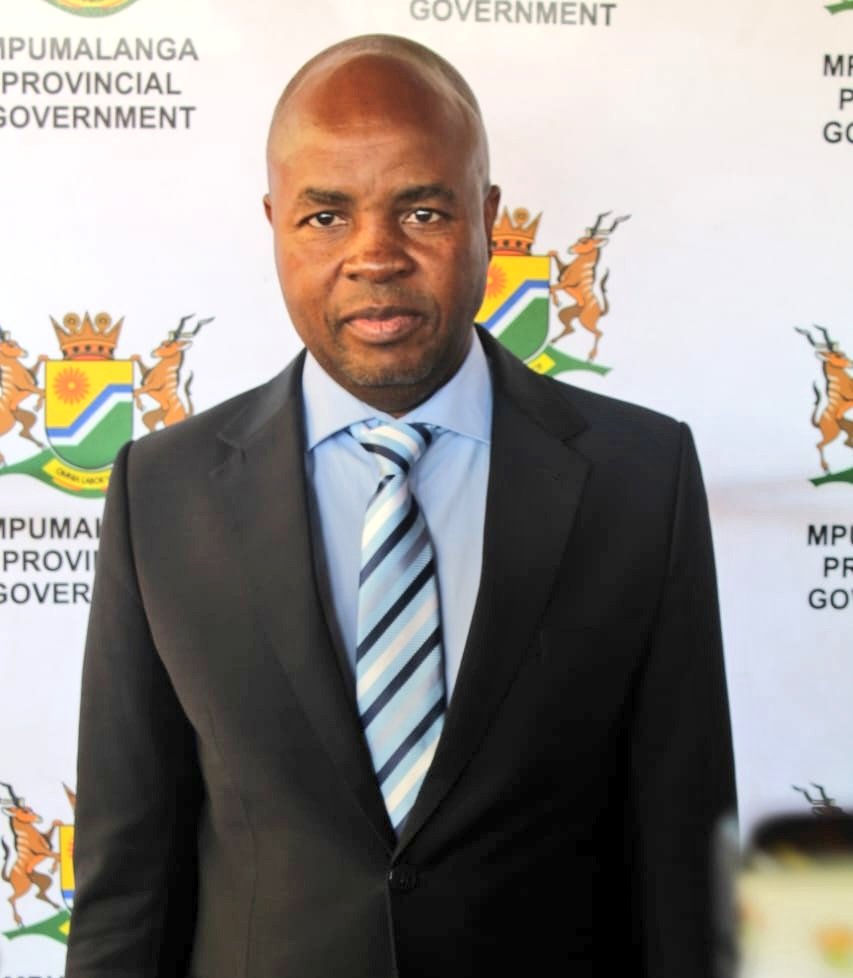
The Acting Provincial Commissioner of the SAPS in the Mpumalanga, Major General (Dr) Zeph Mkhwanazi has welcomed the four life sentences that were handed down to a man (42) after being found guilty for rape of his stepdaughter on multiple counts. The Secunda Regional Court sentenced the accused on 23 June 2025.

Wilson Mahlaba

The court heard that the first incident dates back to somewhere in October 2020, when the victim was 12 years old at the time. The victim narrated that on that fateful day, she was at home with her stepfather when he called her to his bedroom. He then started touching her body whilst complimenting her beauty. The girl is said to have been frightened by his actions. When the accused realised this, he allowed her to go outside the house.
She is said to have reported the matter to her mother the next day. Her mother then confronted her husband about this matter and ordered him to stop what he was doing to the child. Regardless of the confrontation, the accused never stopped but continued to abuse the victim on several occasions.

The second incident occurred on 15 October 2020, during the time when her mother was at work, meanwhile the victim was left with the accused at home. Her other siblings were playing outside the house at the time. The young girl was preparing food for her stepfather when he instructed her to bring it to the bedroom. As she was about to leave the room, he grabbed her then raped her. Thereafter, he threatened her not to tell a soul about the ordeal unless he would surely kill her.

The court further heard gruesome and graphic details on how the accused raped the girl also from her back (private part) on both incidences.

As if that was not enough, on 15 February 2021, the girl was raped again by the accused during the time when she was left with him at home. He started by sending her to the shop and when she returned, he threatened her with the knife, took her to the bedroom and raped her. After the incident, just like he did in the previous incidents, he threatened to kill her if she dared utter a word to anyone about the ordeal.

On 03 March 2021, the victim finally broke the silence about the trauma she experienced, and she confided to her teacher, who brought it to the family’s attention. The matter was then reported to the Police, where a case was opened and then assigned to the Family Violence, Child Protection and Sexual Offences (FCS) Unit in Secunda. The accused was then arrested and attended court where he was found guilty on four counts of rape on 26 May 2025.

The sentencing was as follows:

On Count 1- rape, the accused was sentenced to Life imprisonment.

On Count 2 – rape, the accused was sentenced to Life imprisonment.

On Count 3 – rape, the accused was sentenced to Life imprisonment.

Count 4 – rape, the accused was sentenced to Life imprisonment.

The court ordered that all counts will run concurrently. He was also declared unfit to possess a firearm, and his particulars were to be registered in the Sexual Offenders Register. The accused was further declared unfit to work with children as per the Children’s Act.

Major General (Dr) Zeph Mkhwanazi further appreciates the bravery shown by the young lady for reporting the matter, which was then brought to the attention of the Police. “We are delighted that the perpetrators of Gender-Based-Violence are getting punished and that justice is prevailing. We trust that this sentence will bring hope to other victims of this nature, ” said the General.