The South African National Parks Week in the Kruger National Park (KNP) and other National Parks will take place this year from 22 to 26 September 2025. The purpose of this initiative is to continue to encourage citizens to know their parks and enjoy their natural heritage, especially communities that border the protected areas, as they might not ordinarily be able to afford the general entry fees.
The KNP will open its gates only during weekdays (22 – 26 September 2025) and implores people to make online bookings as quotas will be implemented to avoid congestion both at the gates and other public areas within the park. People must note as follows:
This free entry applies to South Africans who will be requested to present their South African identity documents when making bookings.
No alcohol will be allowed, and the free access is only for entry and no other tourism activities.
Conditions applicable to the free entry are that access will only be granted to day visitors upon presentation of an identity document; only children below the age of 16 years gain entry without proof of identity.
Groups regarded as commercial ventures: private open safari vehicle operators, tourists who come to the park on tour buses and overnight visitors are not included in this free access arrangement (except on 24 September, which will be a holiday).
Visitors are urged to plan their trips accordingly to avoid having to rush back as there are speed limits within the park. Park rules will be enforced as always to ensure that visitors enjoy their visits.
No alcohol may be brought into the park. No loud music, alcohol consumption will be allowed at any area close to the park. Braais will only be allowed at designated areas in the picnic sites.
The use of drones in the KNP is strictly prohibited in terms of the National Environmental Management: Protected Areas Act (NEMPAA) and SANParks regulations. Unauthorised drone use poses safety risks to visitors, disturbs wildlife, and compromises security operations.
There are planned activities for invited guests as follows:
22 – 26 September 2025 – Walk and Learn on the Wild Side
KNP will host the event in conjunction with Limpopo’s Department of Education – Vhembe and Mopani Districts. The project targets high school pupils specifically, Grade 10 and 11 from neighbouring communities, exposing them to conservation and tourism-related careers. 200 learners will be hosted, and the learners are divided into groups of 40 alternating daily.
23 – 25 September 2025 – Road safety awareness in the park
o To keep tabs and highlight safety management with visitors on the roads inside the park, the law enforcement officials will conduct awareness with a focus on areas such as vehicle roadworthiness, valid licences check, speeding etc.
24 September 2025 – Cultural Heritage celebration in Matsulu
As September is both Tourism and Heritage month, there will be a cultural heritage celebration at Matsulu, a township outside Numbi Gate. The event will allow park management an opportunity to strengthen relations with key stakeholders from around the park.
· 26 September 2025 – Gingirikani Greening project launch
As part of the Corporate Social Investment programme, the launch of a greening project with communities will take place at Gingirikani, a village in Giyani.
· 26 September 2025 – Disability Inclusion programme
Over the past few months, South African National Parks (SANParks), in partnership with the National Youth Development Agency (NYDA), empowered 34 young people with disabilities through an entrepreneurship development course and wil,l on 26 September hand-over cheques to celebrate this milestone of the Disability Inclusion Programme.
Rand Water abstracts, purifies and sells bulk (wholesale) water to all municipalities in Gauteng and parts of Mpumalanga, Free-State and the North-West Provinces. Gauteng Municipalities consume the highest volumes of water (above 80%) produced by Rand Water systems. Municipalities have been allocated specific quotas in line with the abstraction limits set by the Department of Water and Sanitation.
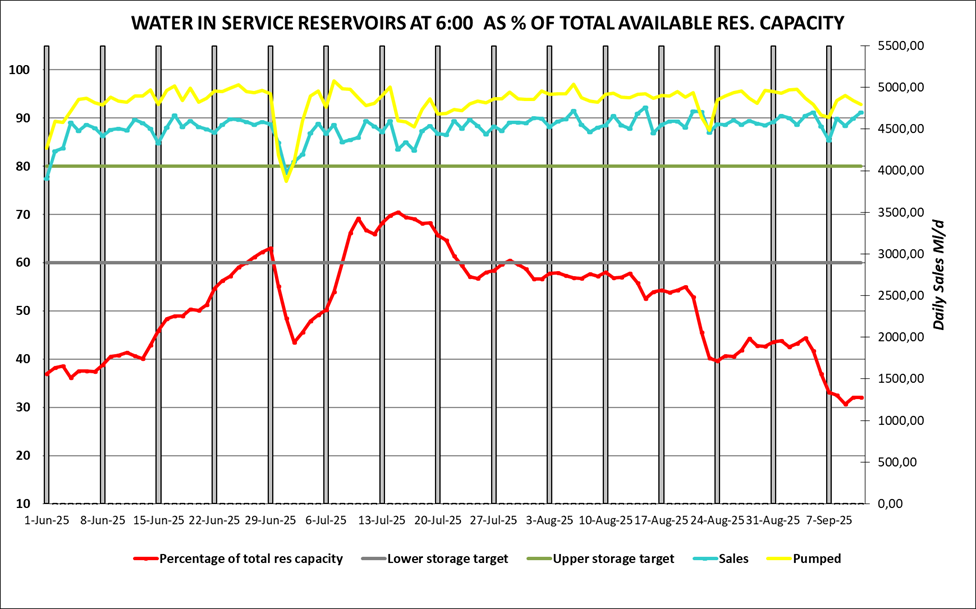
Figure 1 below: depicts the declining Rand Water storage systems – shown by the red solid line. The decline can be observed from the 22 August 2025. Rand Water continues to pump and supply at maximum capacity; however, storage is declining rapidly owing to high-water withdrawals by Municipalities.
FIGURE 1 – RAND WATER SUPPLY SYSTEMS
Gauteng Municipalities
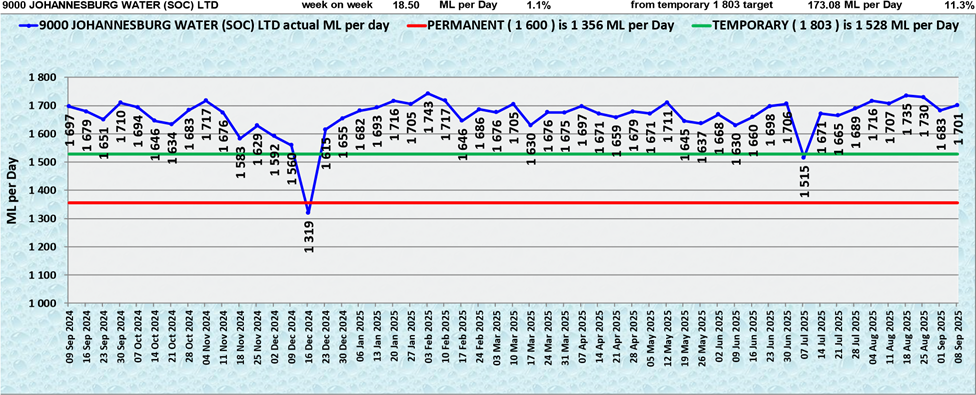
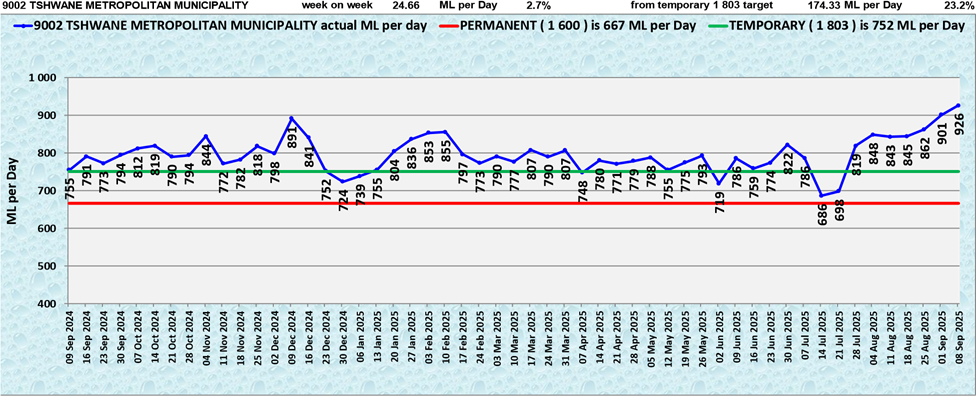
It is important to highlight that Rand Water supplies 77% of water produced to the cities of Johannesburg, Tshwane and Ekurhuleni. Figures 2 and 3 below: show water consumption higher than the allowable quota (depicted by the solid red line) for the cities of Johannesburg and Tshwane, respectively.
FIGURE 2 – CITY OF JOHANNESBURG CONSUMPTION PATTERNS.
The consumption pattern observed from the City of Johannesburg, as reflected in Figure 2 above, shows an upward trend and is way above the target licensed quota, putting the system sustainability at risk.
FIGURE 3 – CITY OF TSHWANE CONSUMPTION PATTERNS.
The City of Tshwane is withdrawing way above the licensed targeted quota and the trend is showing a negative shift, putting the system’s sustainability at risk. In the City of Tshwane, there are other water sources which have unfortunately been performing sub-optimally. The City has engaged Rand Water to assist with these plants (Rietvlei and Roodeplaat).
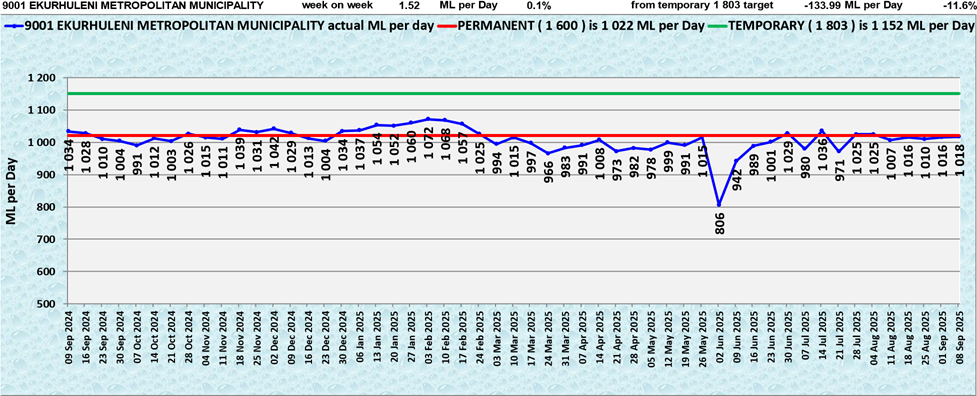
FIGURE 4 – CITY OF EKURHULENI CONSUMPTION PATTERNS
City of Ekurhuleni’s consumption remains stable and in line with their licensed targeted quota. The water conservation efforts in Ekurhuleni are yielding positive results and that is seen in their consumption patterns, see figure 4above.
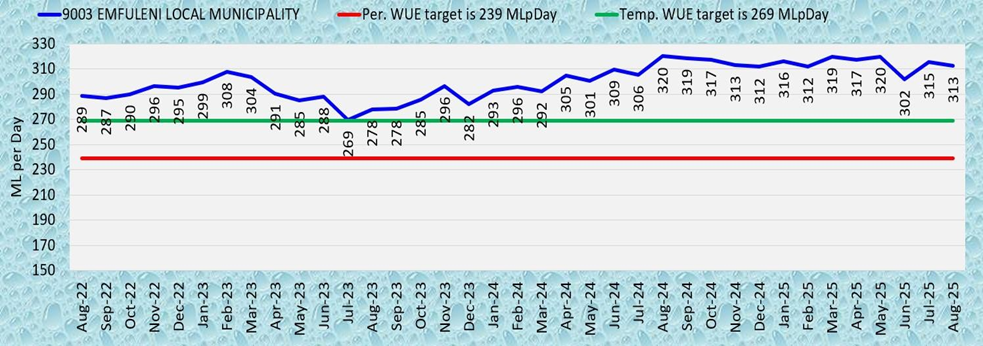
FIGURE 5 – EMFULENI CONSUMPTION PATTERNS
The Emfuleni Local Municipality is amongst the highest consumers and is experiencing rising water losses owing to aged infrastructure. The municipality is consuming above the licensed targeted quota, as shown in figure 5 above.
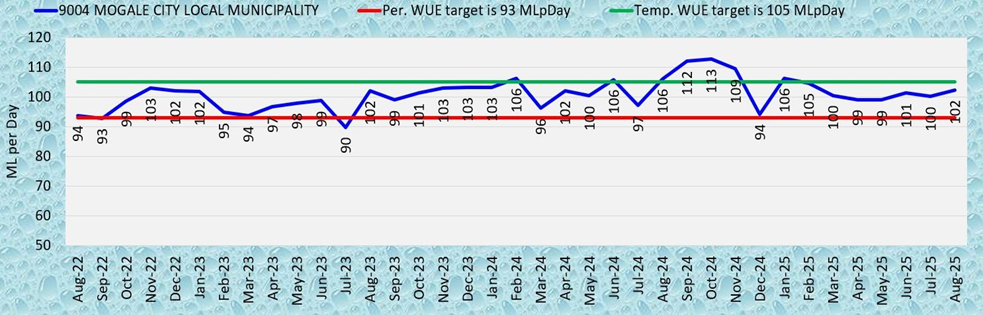
FIGURE 6 – MOGALE CITY CONSUMPTION PATTERNS
Mogale City’s consumption remains below the temporary targeted quota but still above the permanent licensed target. Figure 6 above: shows the consumption patterns of Mogale City.
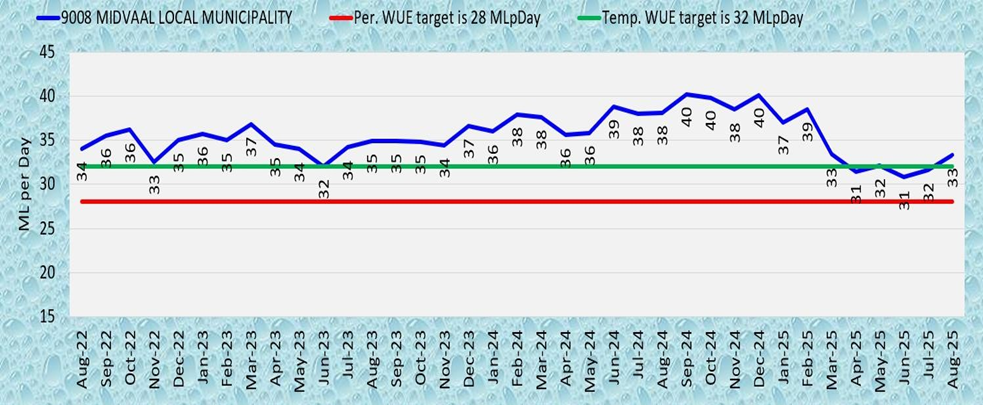
FIGURE 7 – MIDVAAL CONSUMPTION PATTERNS
Midvaal’s consumption was showing a positive trend towards the licensed targeted quota. It has however started showing a negative shift. Figure 7 above: shows consumption figures that are above the licensed target quota for the month of August.
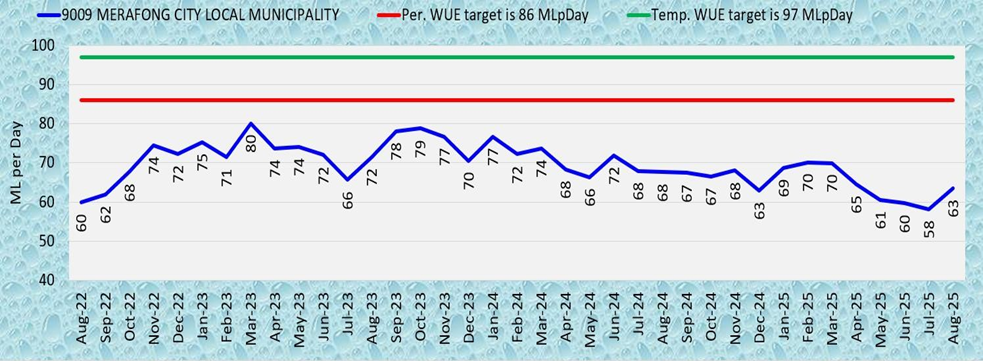
FIGURE 8 – MERAFONG CITY CONSUMPTION PATTERNS
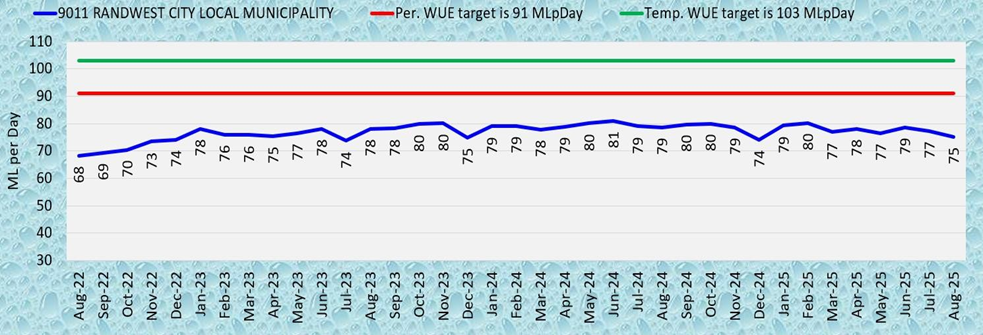
Merafong and Rand West Municipalities are consuming well below their allocated quotas as can be seen in figures 8 (above) and 9 (below).
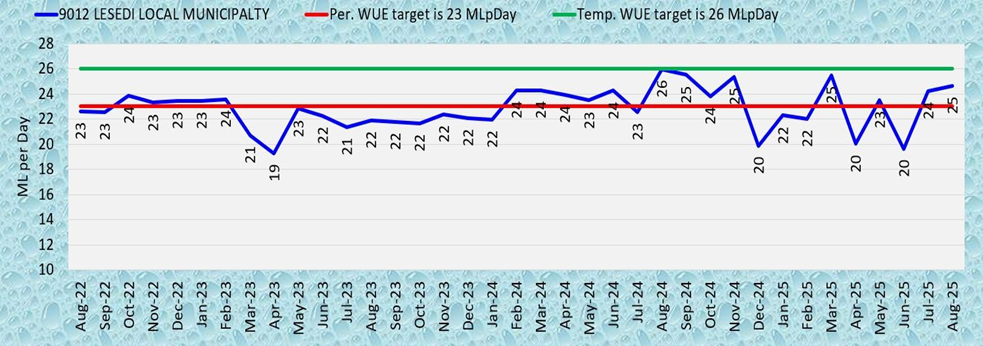
FIGURE 9 – RAND WEST CITY CONSUMPTION PATTERNSFIGURE 10 – LESEDI CONSUMPTION PATTERNS
Lesedi Municipality, albeit in low volumes, consumes below the temporary target but are still above the permanent license targeted quota. The consumption of Lesedi is considered high as it needs to be below the red line. Figure 10 above shows the consumption figures of Lesedi Municipality.
Free-State Municipalities
In the Free-State, consumption is generally very low and mostly in line with the allocation. Although Rand Water monitors all the systems, there is no particular emphasis in Free-State since volumes are low when compared to other customers within the Rand Water area of supply.
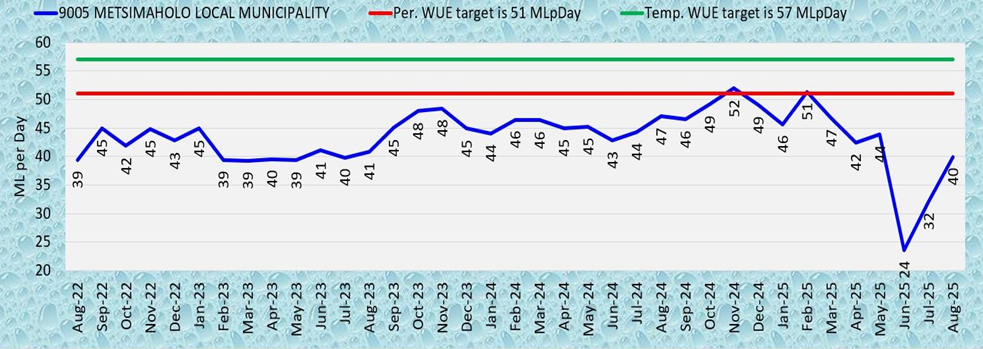
FIGURE 11 – METSIMAHOLO CONSUMPTION PATTERNS
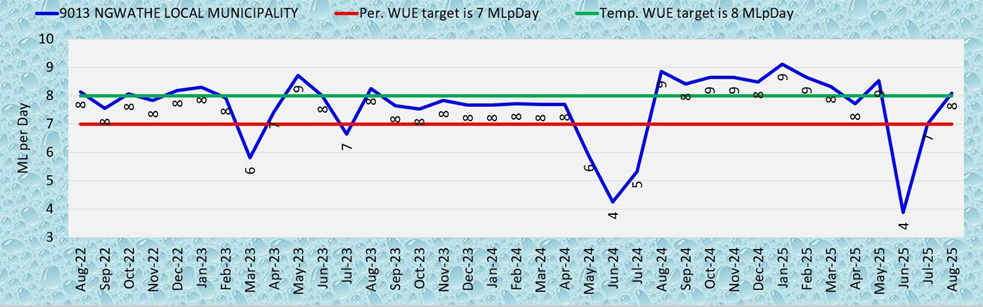
Figures 11 (above) and 12 (below) reflect low consumption levels of the Municipalities in the Free State. The municipalities have performed well over the years and do not pose any risk to the system’s instability.
FIGURE 12 – NGWATHE CONSUMPTION PATTERNS
North-West Municipalities
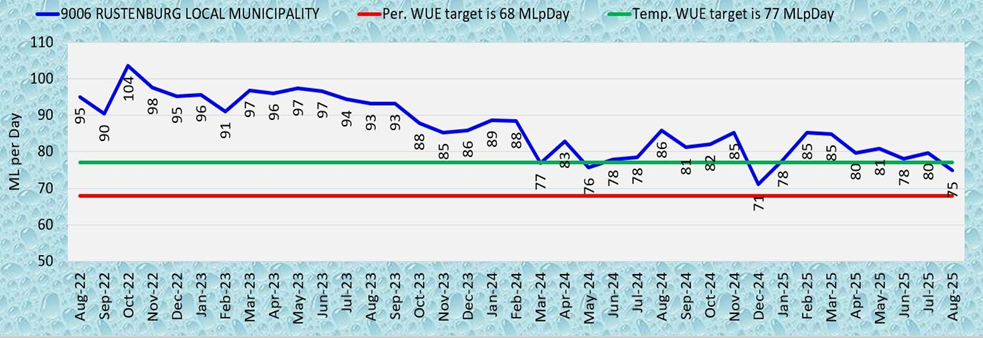
Rustenburg is consuming above the licensed targeted quota. However, the trend is positive and shows a declining consumption. Figure 13 below shows the consumption pattern of Rustenburg over the past three (3) years.
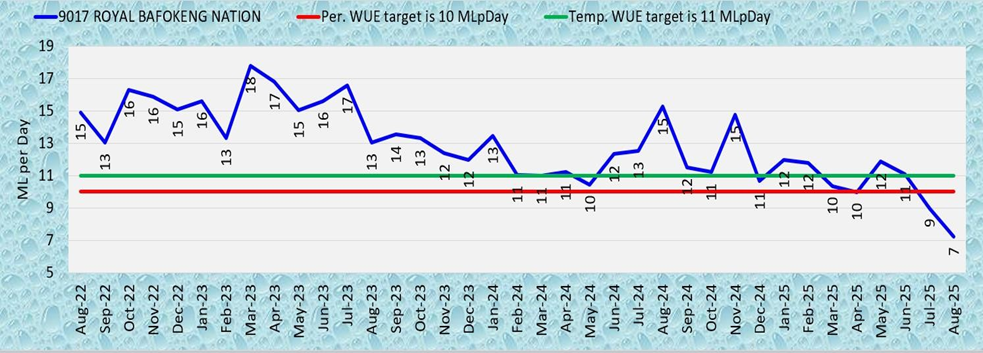
Royal Bafokeng Administration (RBA) is not a standalone Municipality. However, Rand Water recognises the RBA as an independent customer within the Rustenburg Local Municipality. Royal Bafokeng’s consumption has been above the licensed targeted quota, however it has decreased due to reduced supply from the Magalies System, see figure 14 above.
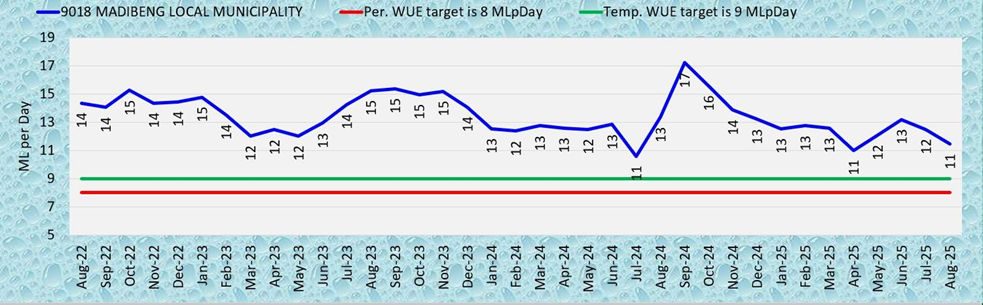
FIGURE 15 – MADIBENG CONSUMPTION PATTERNS
The other municipality serviced by Rand Water in the North-West Province is the Madibeng Local Municipality. Figures 15 shows the municipality is consuming above the licensed targeted quota, putting the system’s sustainability at risk.
Mpumalanga Municipalities
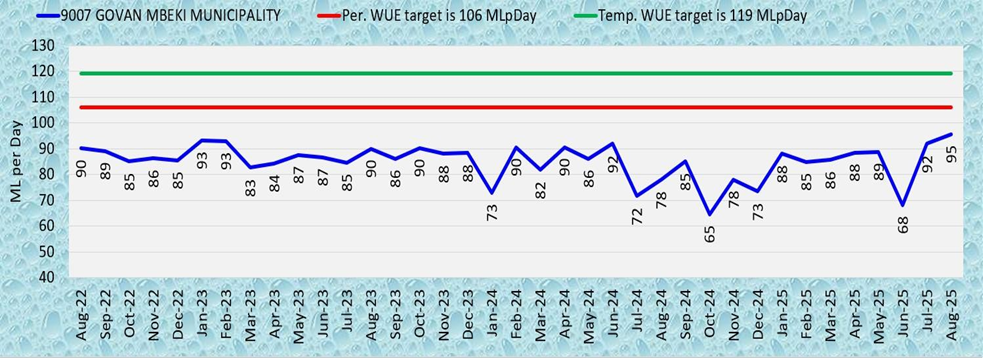
In Mpumalanga, Rand Water provides water services to three (3) local municipalities, namely Govan Mbeki, Victor Khanye and Thembisile Hani. Govan Mbeki’s consumption, as reflected by figure 16 below, remains below the allocated quota.
FIGURE 16 – GOVAN MBEKI CONSUMPTION PATTERNS
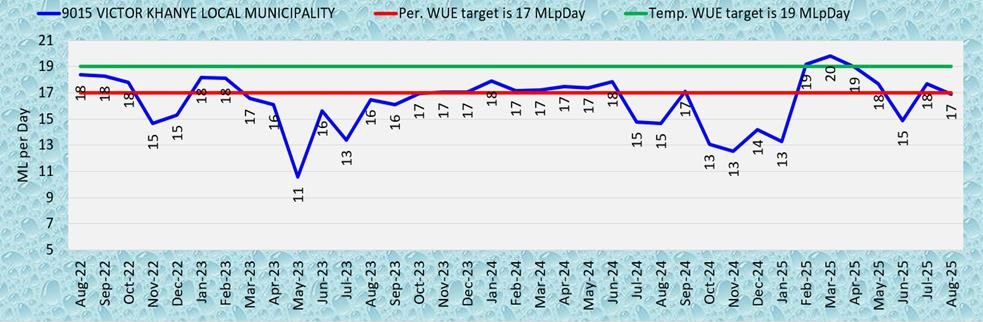
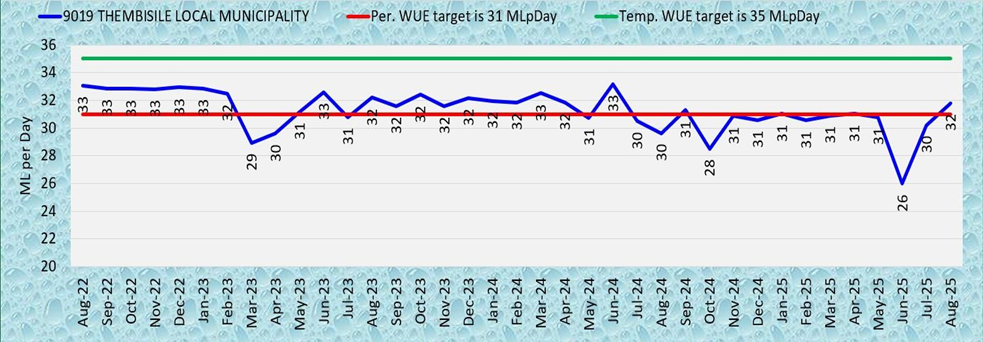
On the other hand, both Victor Khanye (Figure 17 below) and Thembisile Hani are over consuming. However Thembisile Hani performs slightly better, it is still marginally over-consuming as seen in figure 18 below.
Rand Water therefore, calls on ALL the over-consuming customers to reduce their consumption in line with allocations to avoid system collapse, which will inevitably affect other customers as well. The water systems are interlinked and high consumption in one area impacts the sustainable provision in other areas. Water conservation is a joint responsibility that must be observed and practised by ALL to ensure a sustainable and equitable supply to customers.
The family of 33-year-old Phineas Mosima, who died under suspicious circumstances following a car crash in Ext 26, eMbalenhle, on August 17, 2025, is demanding justice. The tragic incident has ignited outrage in the community and raised serious concerns about police conduct and accountability.
The Circumstances of the Death
According to reports, Mosima was involved in a collision that led to his hospitalisation. He was certified dead on arrival at the hospital. Initially, the death was classified as “mysterious,” prompting an investigation by the Independent Police Investigative Directorate (IPID). The family was devastated by the news, especially as they continued to grapple with the trauma of losing their loved one. His sister, Rebecca Mosima, expressed her anguish, saying, “Phineas was a disciplined person. We thought he was attacked by criminals, but hearing that police officers are suspects shocked us. If he had broken the law, they should have arrested him, not taken his life.”
Mosima, a father to a three-year-old son, was laid to rest on August 23 in Limpopo. The family now faces the painful task of explaining the circumstances surrounding his death to his young child, raising concerns about the impact this loss will have on his future.
Arrests and Bail Hearing
On August 26, three police officers stationed in eMbalenhle—Constables Ina Mahlangu (34), Lucky Shabangu (35), and Musa Hlanze (32)—were arrested in connection with Mosima’s death. They face charges of murder and defeating the ends of justice.
The officers appeared before the Evander Magistrate’s Court on September 5, 2025, to apply for bail. Despite the absence of electricity in the courtroom, proceedings continued as the court adopted an “old-style” process, with magistrates and court officials recording evidence manually.
During the bail hearing, the officers presented affidavits, and the prosecution called witnesses from the investigation team at IPID. The court acknowledged the urgency of the bail application, emphasising that the failure to grant bail could prejudice the accused, especially given the ongoing investigation.
The magistrate reviewed evidence from the investigation officer and the witnesses, ultimately ruling that exceptional circumstances justify the suspects’ release. The matter was postponed to October 8, 2025, for further investigation and review.
The Community’s Outcry
The family’s plea for justice is echoed by community members and human rights advocates who are calling for transparency and accountability. The family’s demand is simple yet profound: they want the police officers responsible for Mosima’s death to face the full weight of the law, ”jailed for life,” as his sister articulated.
Next Steps
The three officers, who have been granted bail of R1,000 each, are expected to return to court on October 8, 2025, as investigations continue. The community and the family are awaiting the outcome of the case, hoping that justice will finally be served for Phineas Mosima.
Conclusion
This case highlights the urgent need for police accountability and proper oversight. The community demands that justice be done and that those responsible for the death of Phineas Mosima be held accountable to restore faith in law enforcement and uphold human rights.
Join the Sasol Highveld Photography Club for our October meeting!
Here is a summary of the evening’s meeting. The photos are shown below.
Guest Judge: Wouter Labuschagne
Entries Summary: 52 photos judged across various categories.
Club Member Promotions: Congratulations to Sussa Pelser on achieving Master Gold status!
PSSA News & Achievements:
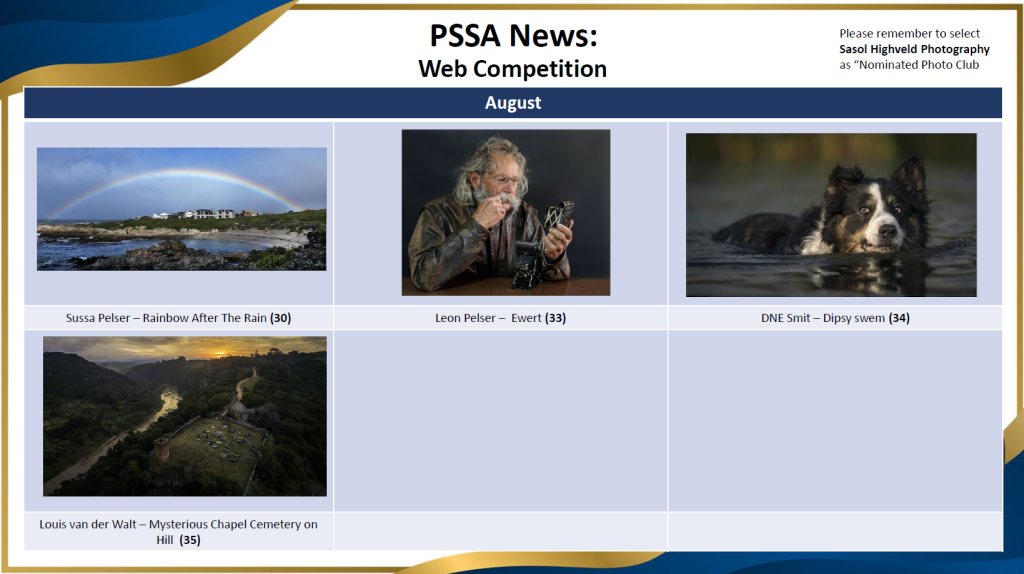
Web Competition (August): Showcasing winning photos from Sussa Pelser, Leon Pelser, DNE Smit, and Louis van der Walt.
Past Salon Results:
8th Edenvale Digital Salon: Congratulations to Pierre Jordaan, Sussa Pelser, DNE Smit and Louis van der Walt for their accepted photos.
30th Birthday Celebration Salon NPC: Congratulations to Pierre Jordaan, Sussa Pelser and Louis van der Walt for their accepted photos.
28th National “Up-and-Coming”: Congratulations to Lorraine Botha, Yolandi Geyser, and Edmund Hattingh.
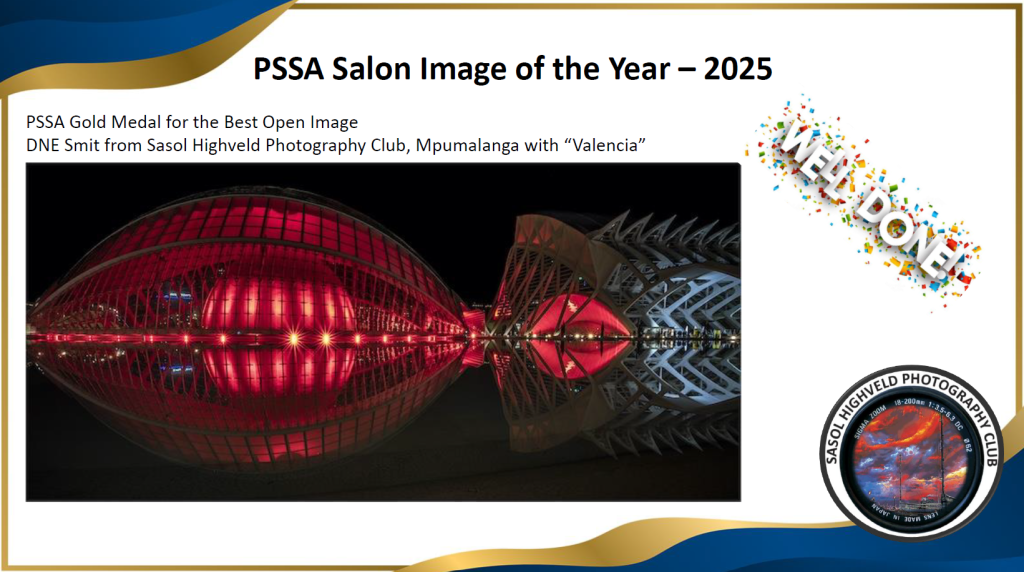
Salon Image of the Year 2025: DNE Smit wins PSSA Gold Medal for the Best Open Image.
Other Key Information:
Birthdays: Celebrating members born in October.
Next Meeting: October 3, 2025, set subject: Horror
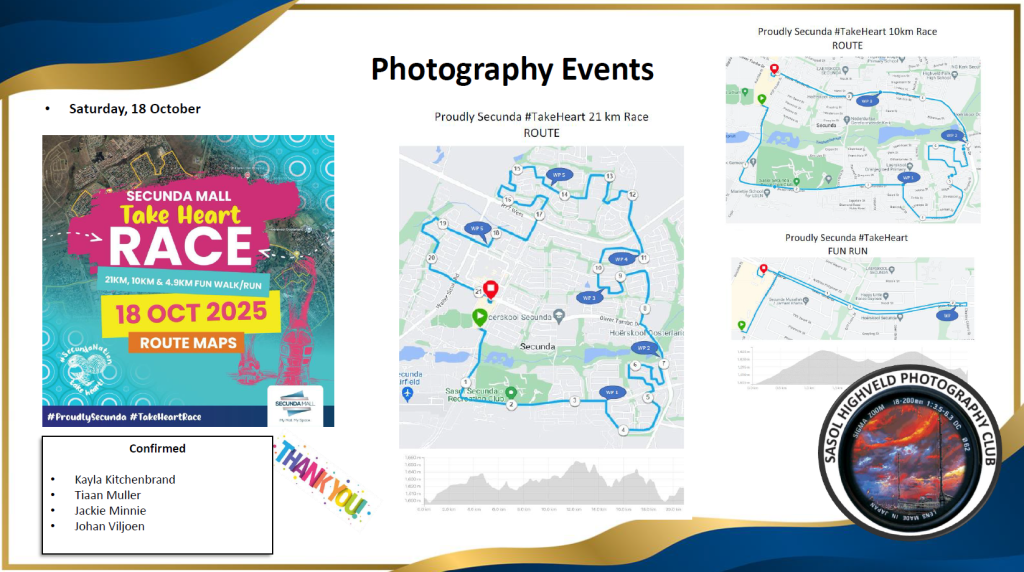
Event Proudly Secunda #TakeHeartRace on the 18th of October. See route maps inside.
The Sasol Highveld Photography Club aims to develop the art of photography within the community. The September meeting covered a range of topics from reviewing recent competition entries and acknowledging member achievements to planning future events and welcoming new members.
Here are the winning photographs for September
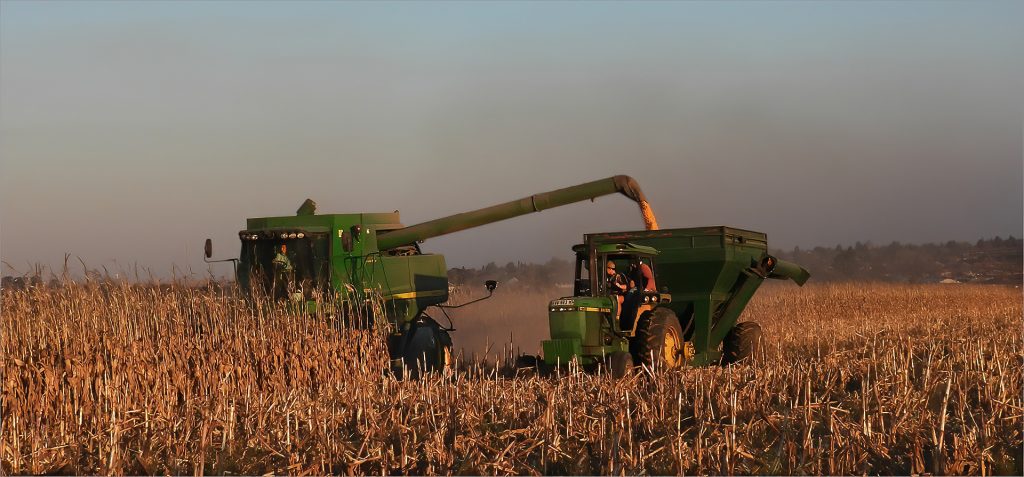
The best Senior entry is “Gathering The Harvest” by Sussa Pelser
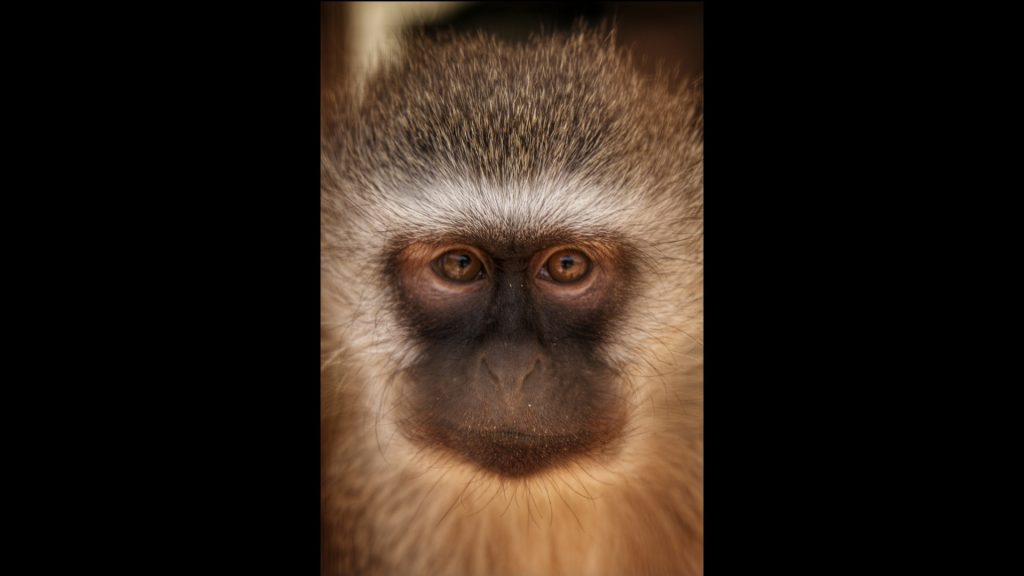
The best Junior entry is “The Watcher“ by Stian Griffin
The best Set Subject entry is “Backstreet” by Sussa Pelser
Here are the COM and GOLD certificates
Category – Set Subject
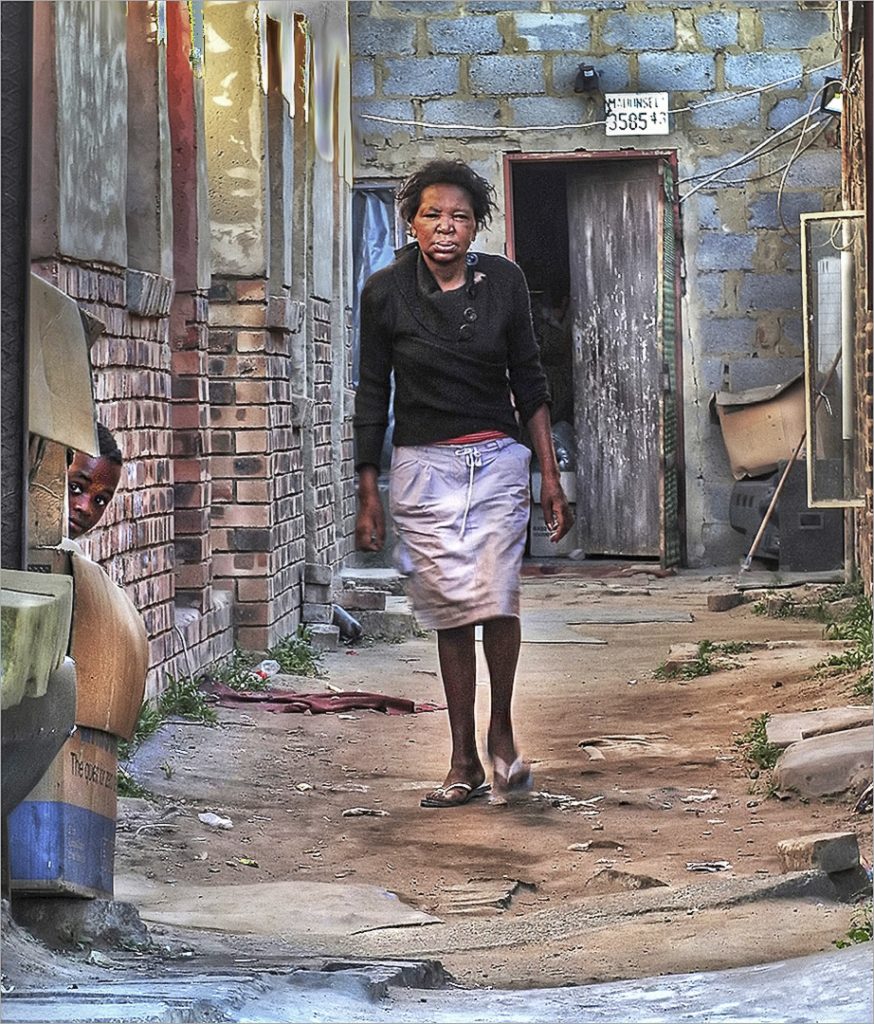
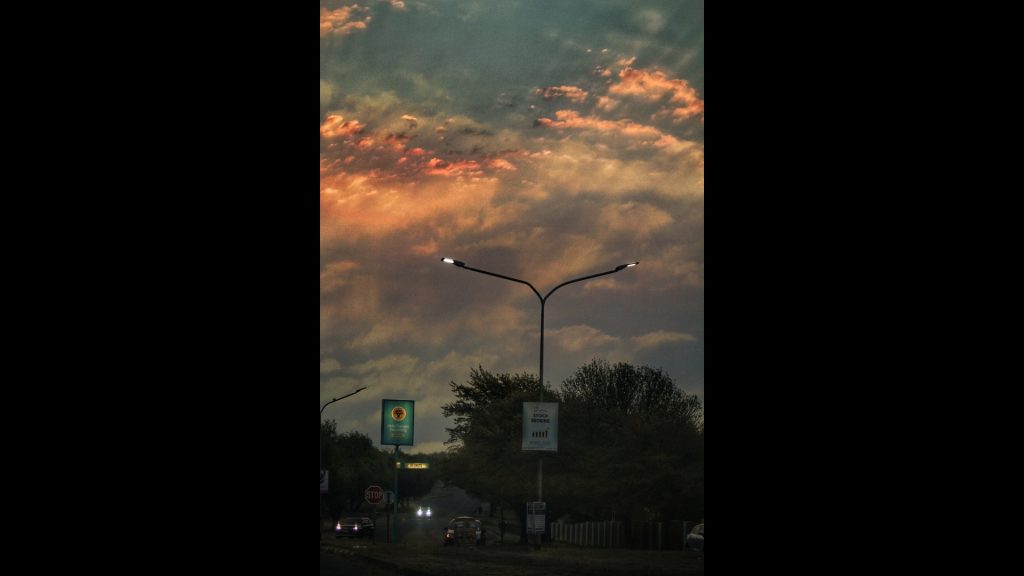
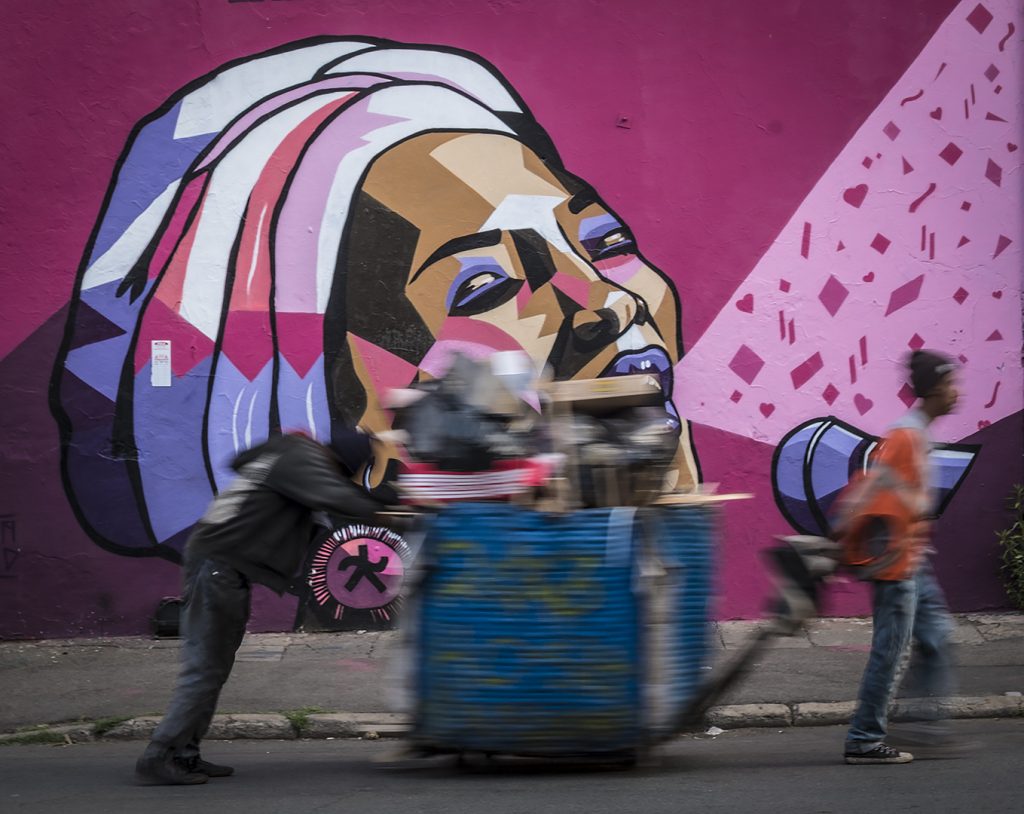
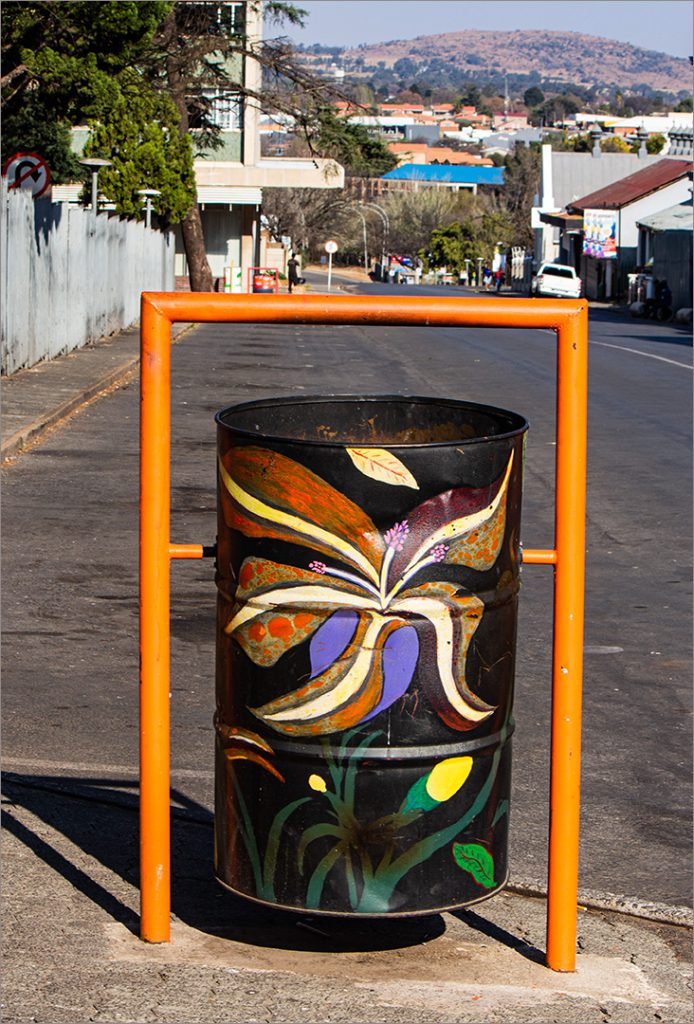
STOP and Stare by Stian GriffinOn the Go by Edmund HattinghGarbage rhythm by DNE Smit Heidelburg street dustbin by Lorraine Botha
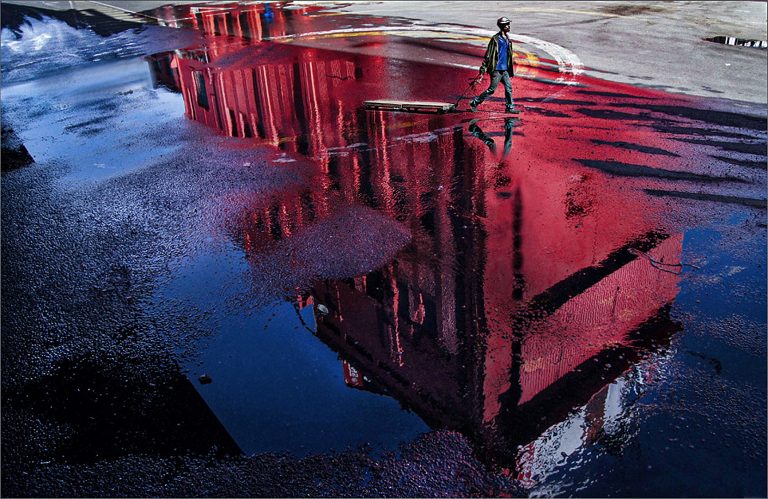
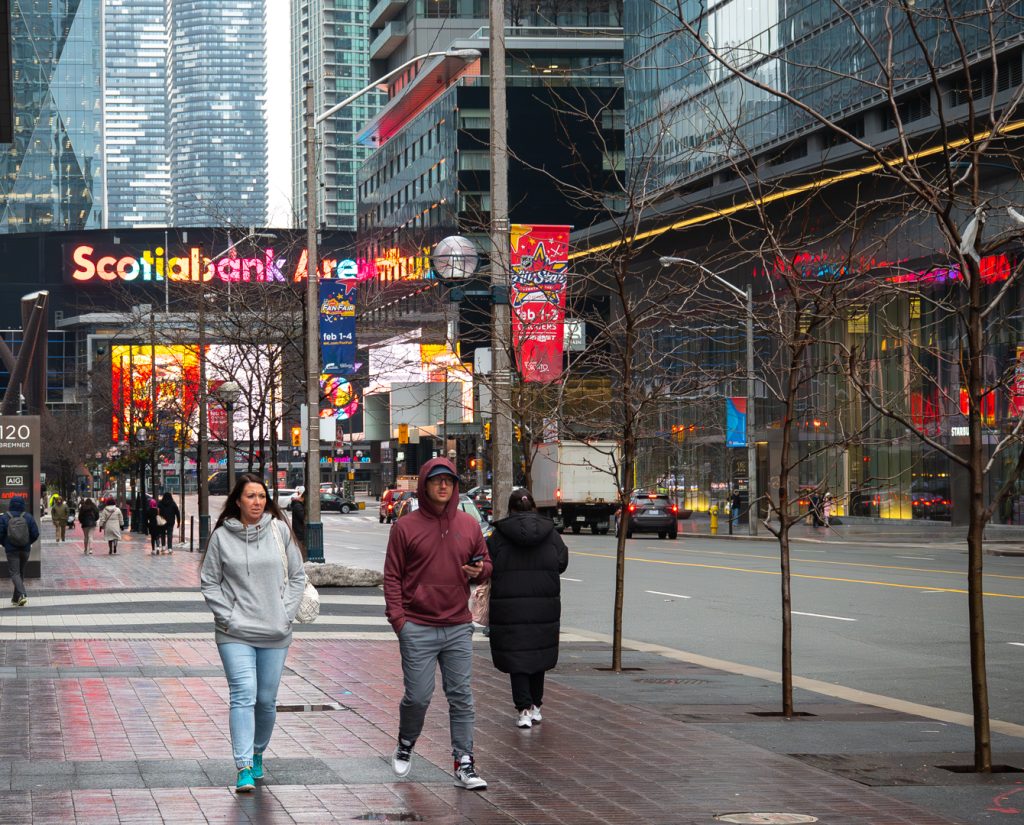
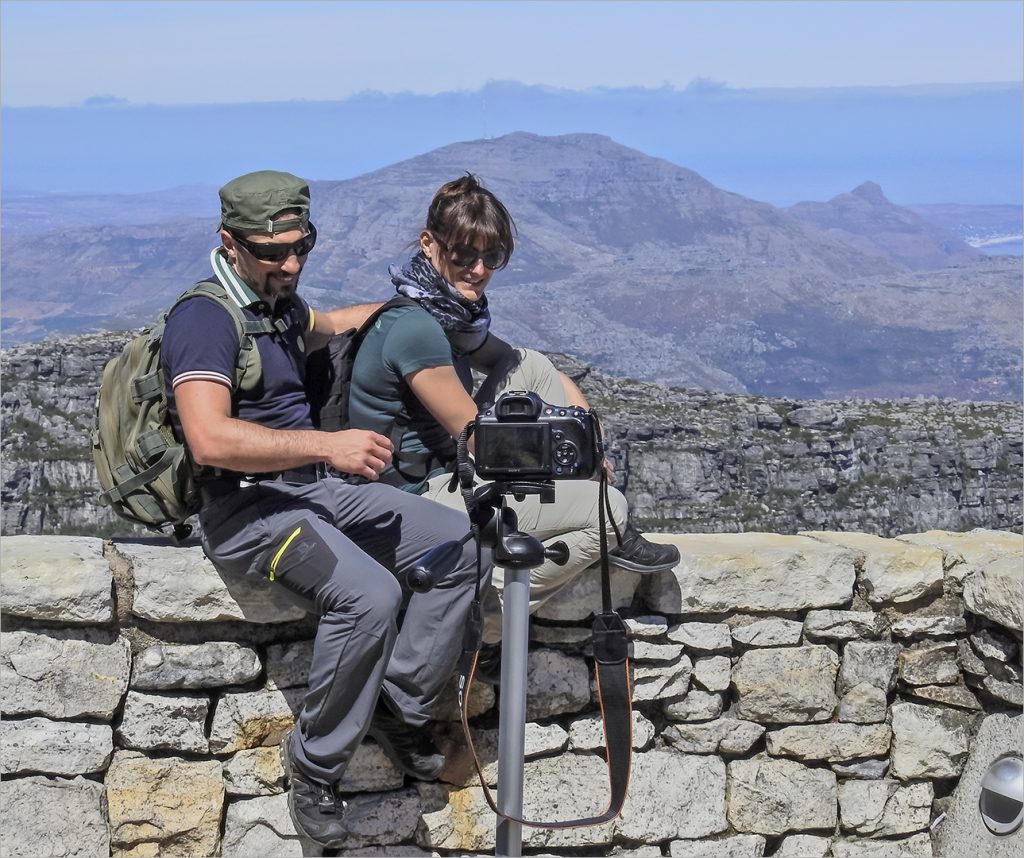
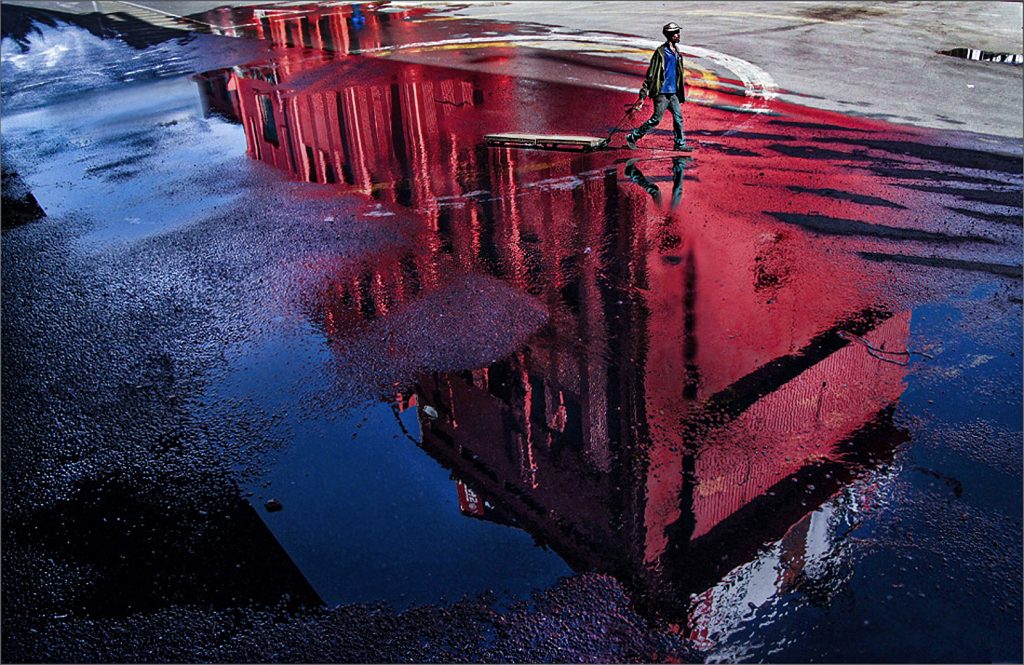
Selfies by Johan ViljoenWalking on building reflexion by Leon Pelser
Category – Photojournalism
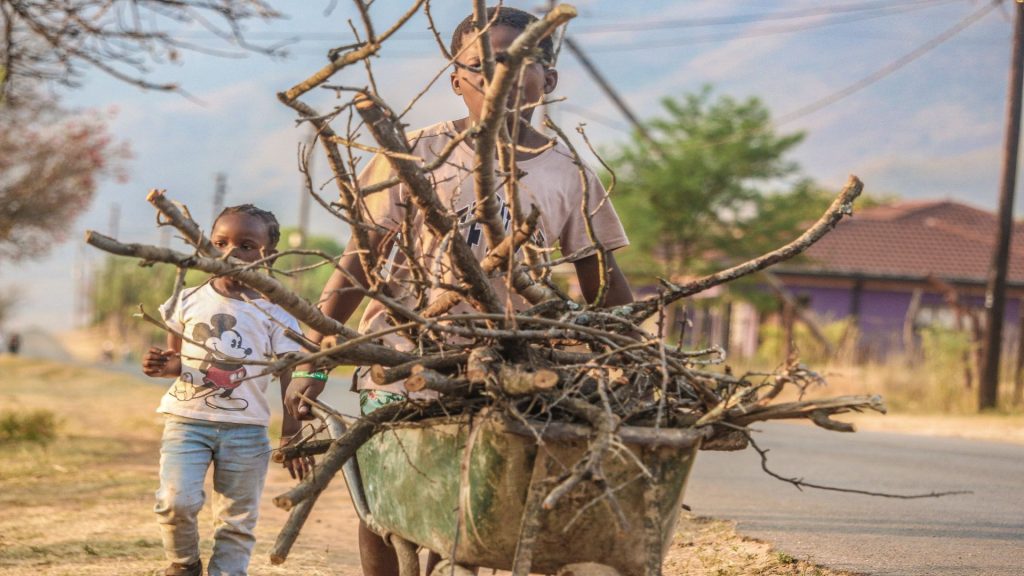
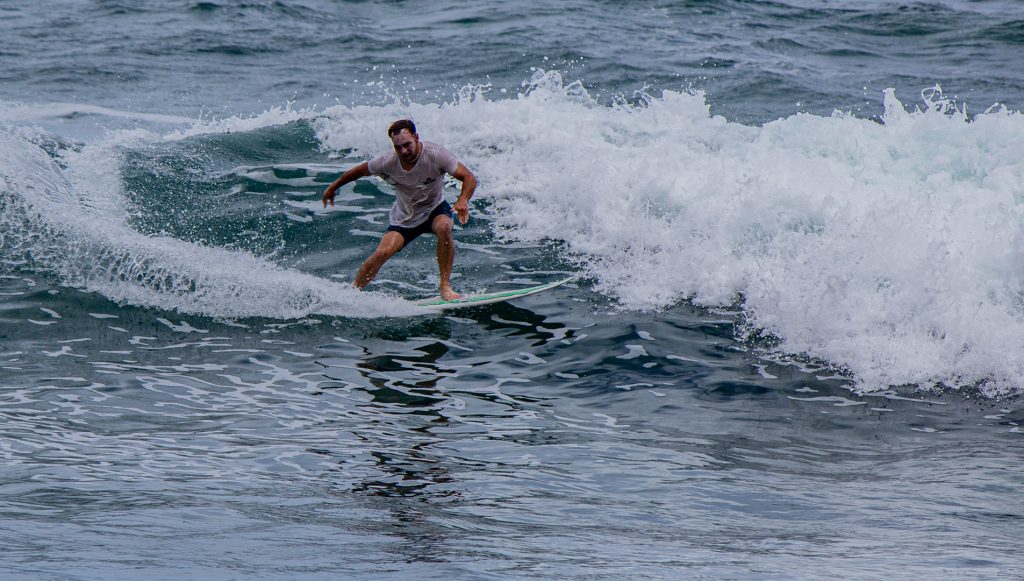
Hope by Mthombisi GamaSurf 1 by Lorraine Botha
Category – Pictorial
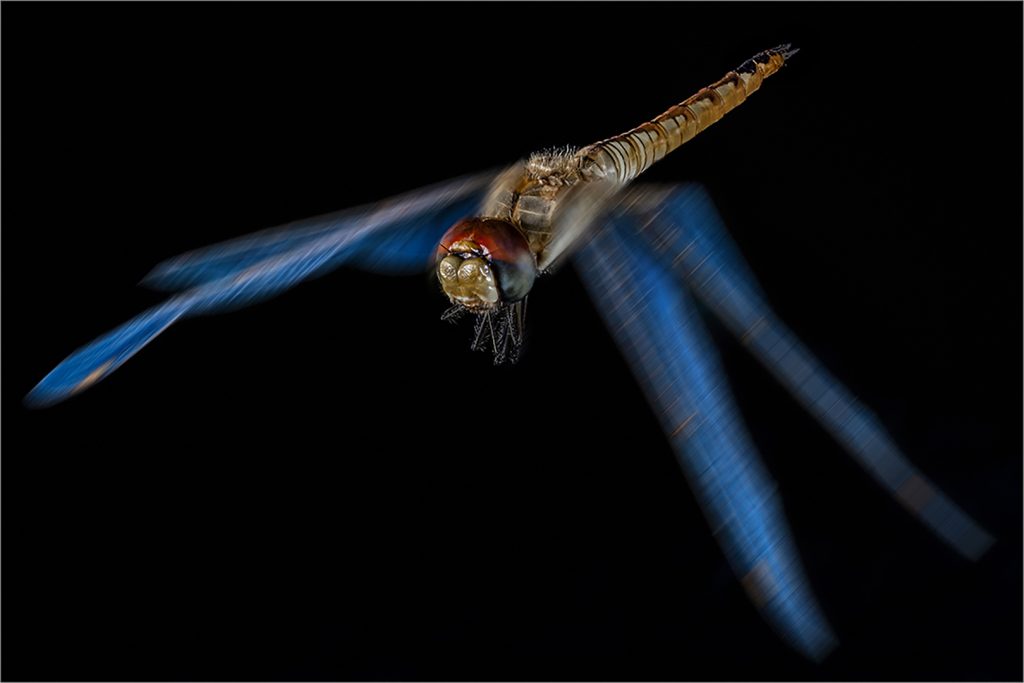
Ewert smoke by Leon PelserDragon Fly – Full 2 by Louis van der Walt
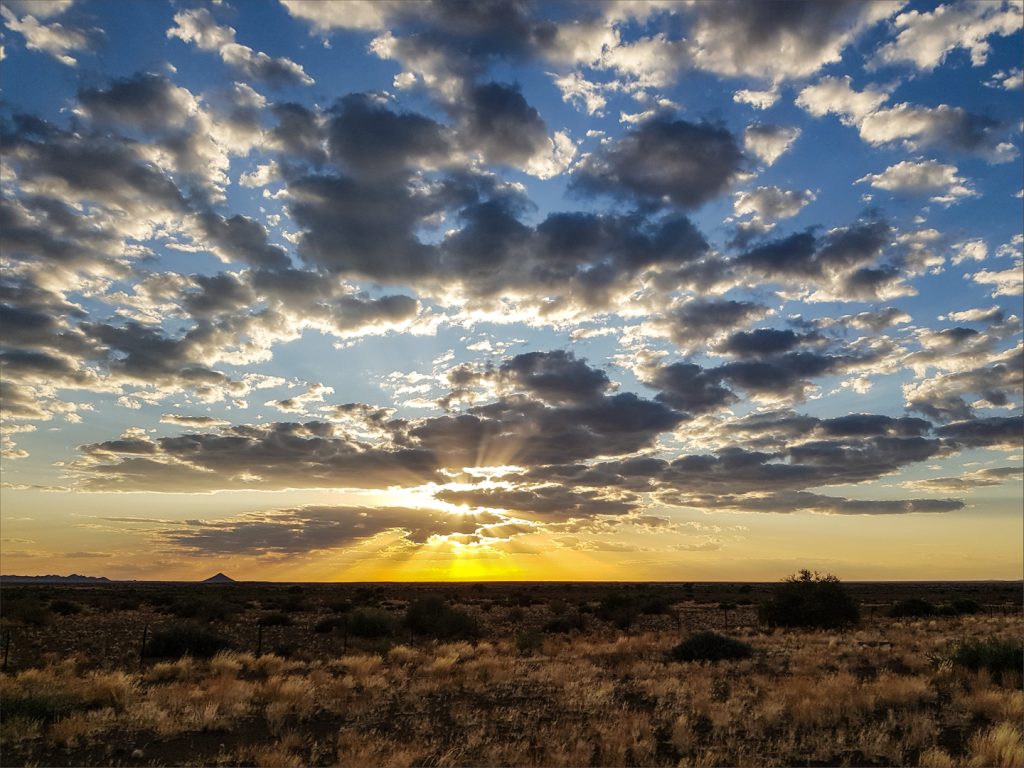
Vroegoggend Grunau omgewing by Adri Kirsten
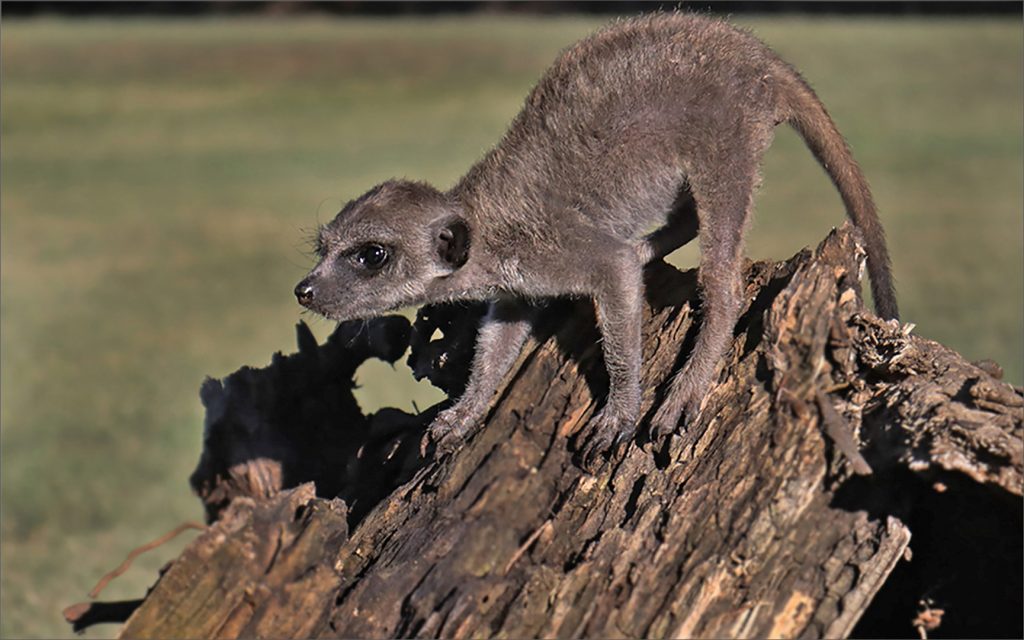
Meerkat On Tree Stump by Sussa Pelser
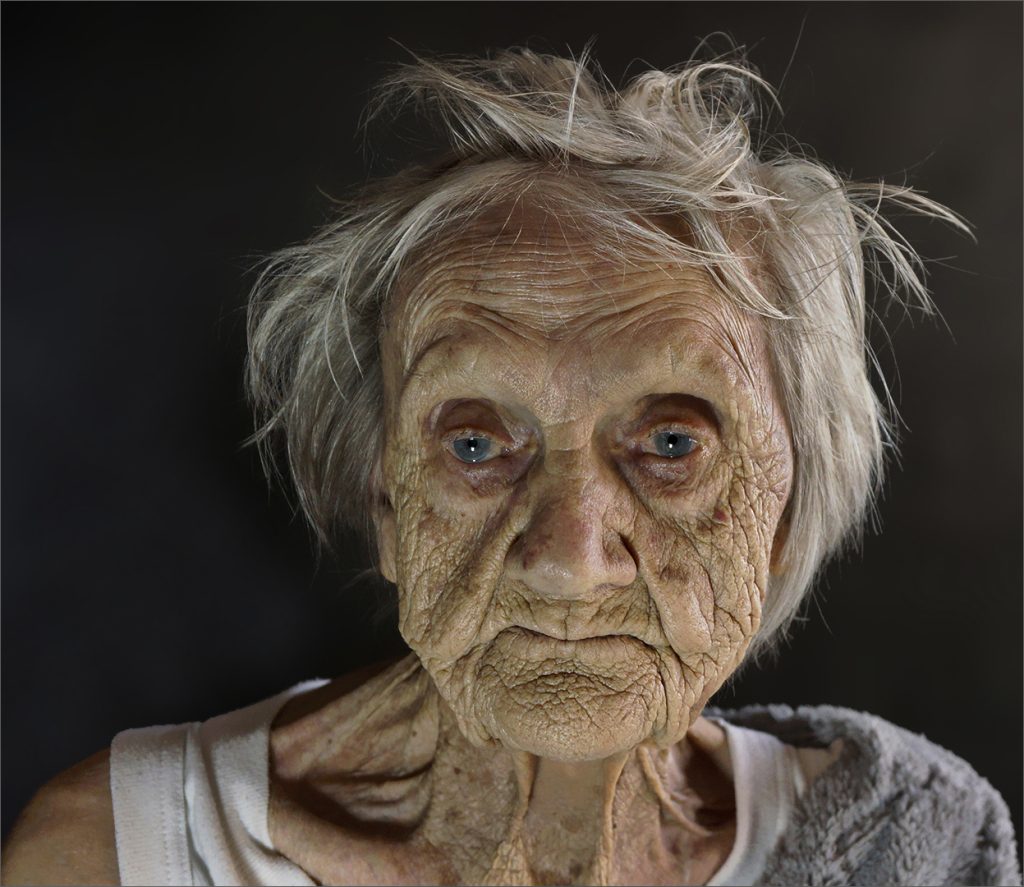
Just woken up by Leon Pelser
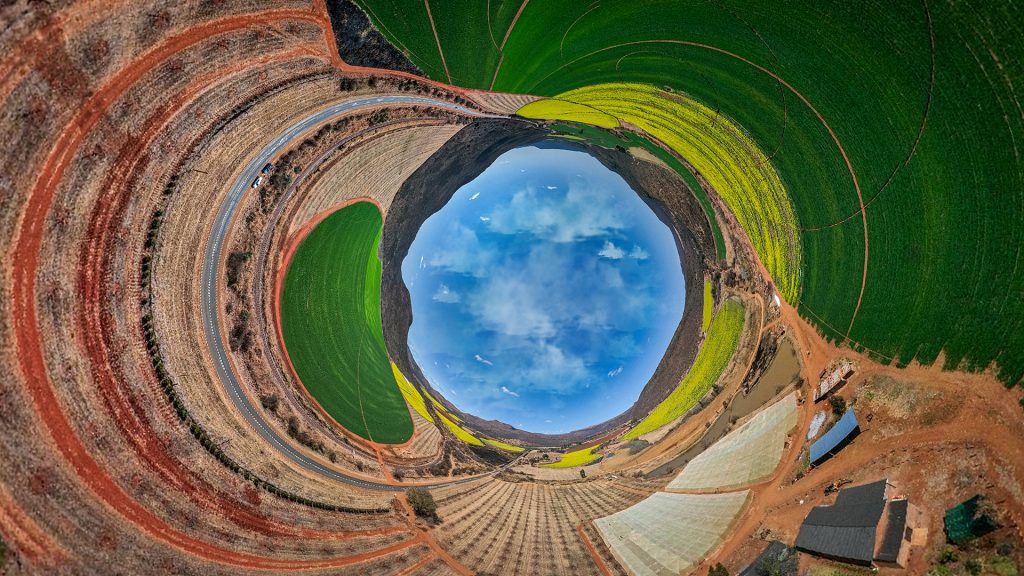
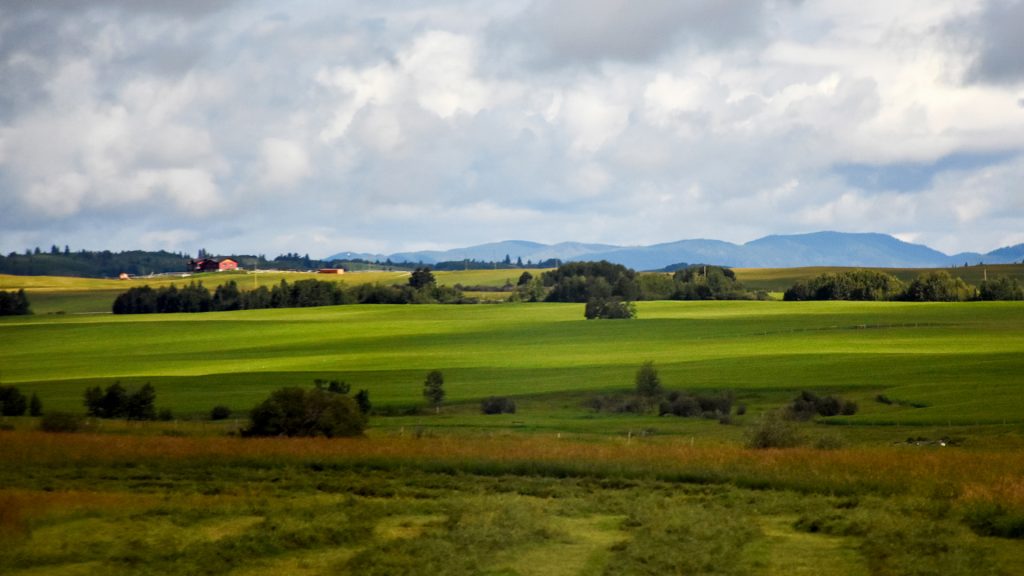
Invite by Johan ViljoenEye of the Canola Fields by Louis van der Walt
Category – Nature
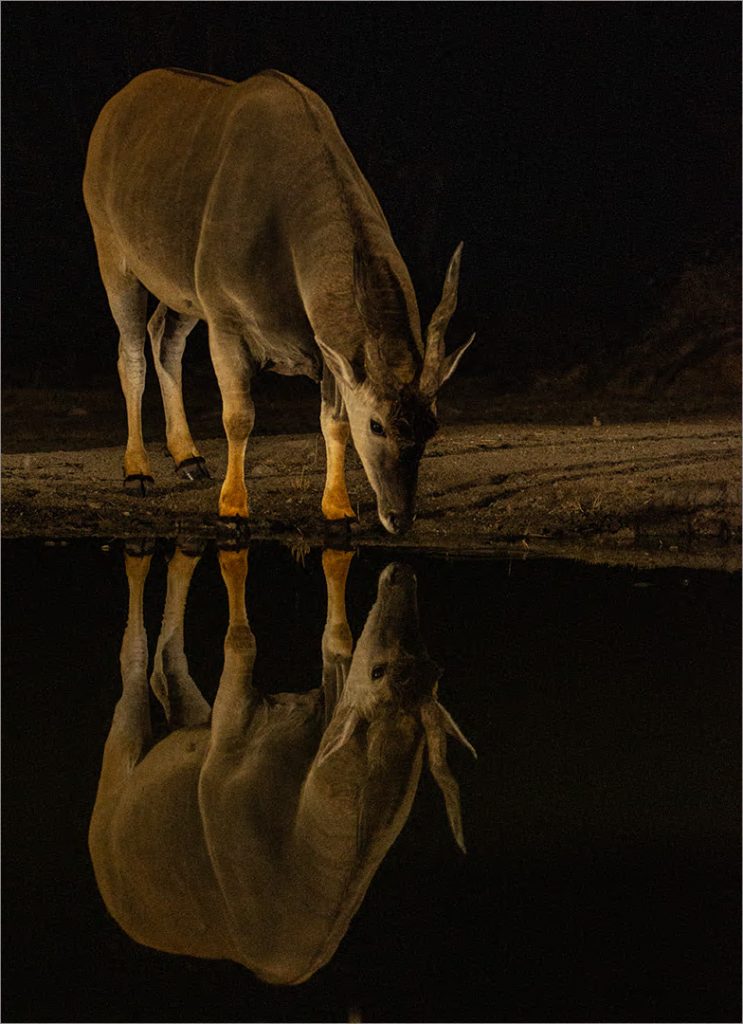
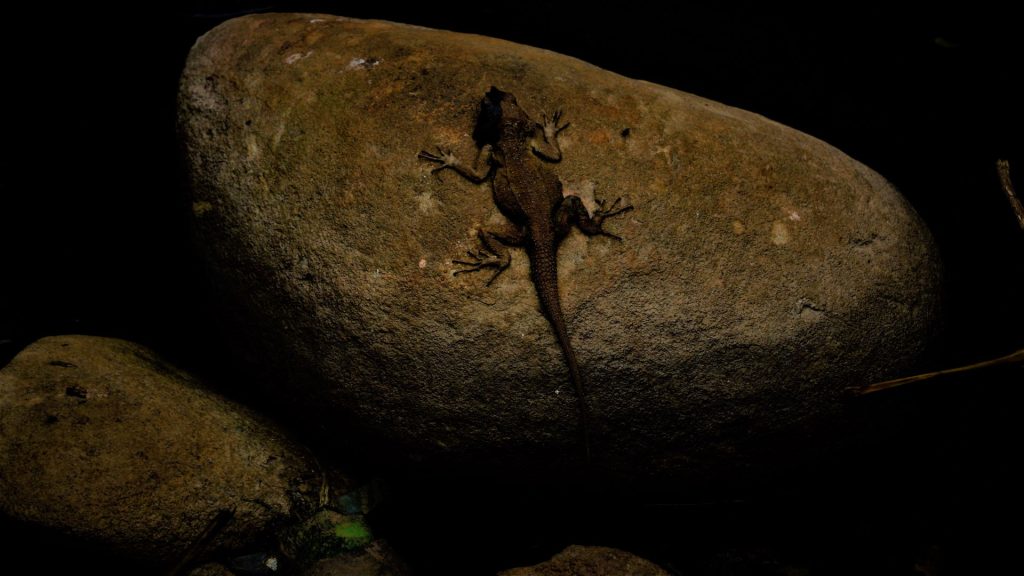
Eland drinking 2 by Lorraine Bothalonely nights by Mthobisi Gama
Category – Monochrome
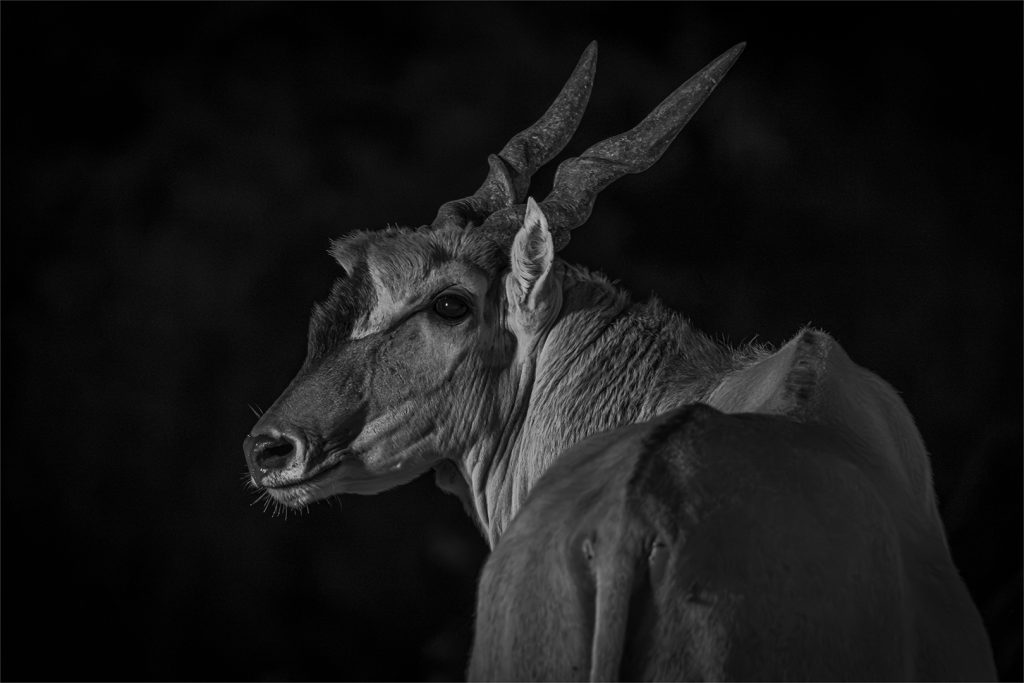
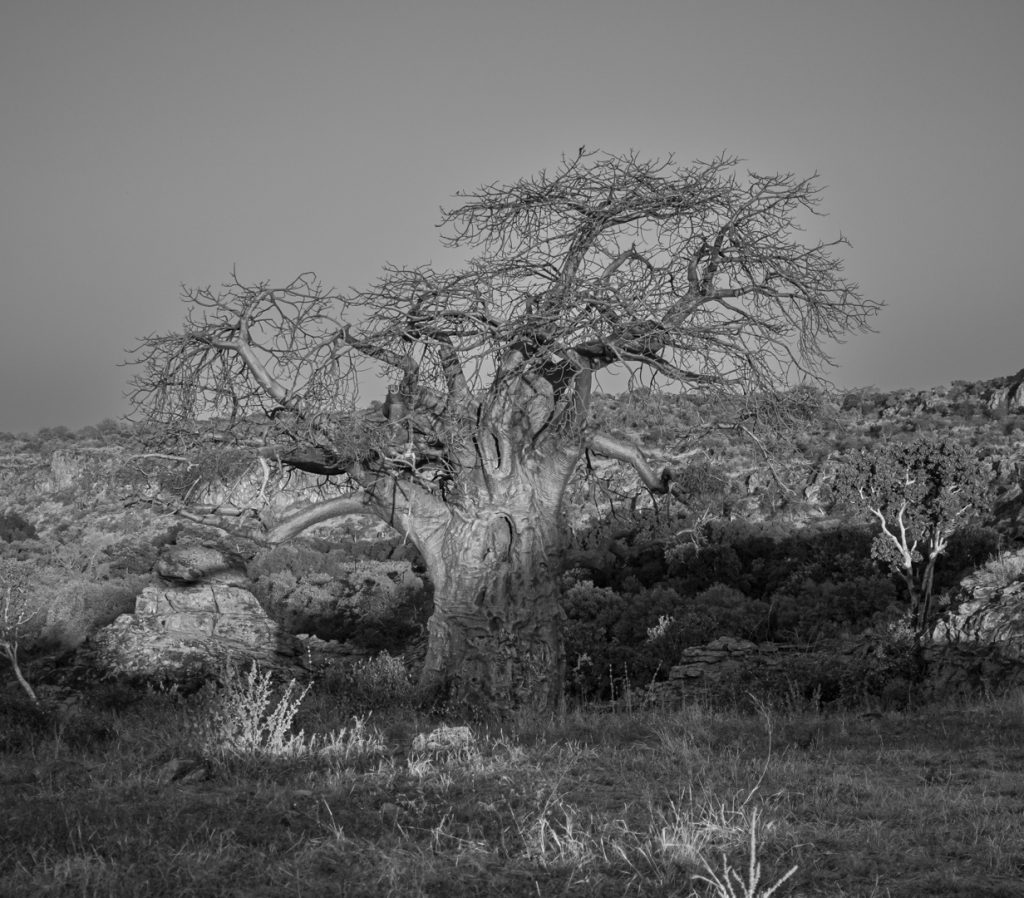
S Eland 1 – BW by Louis van der WaltKremetart boom by Edmund Hattingh
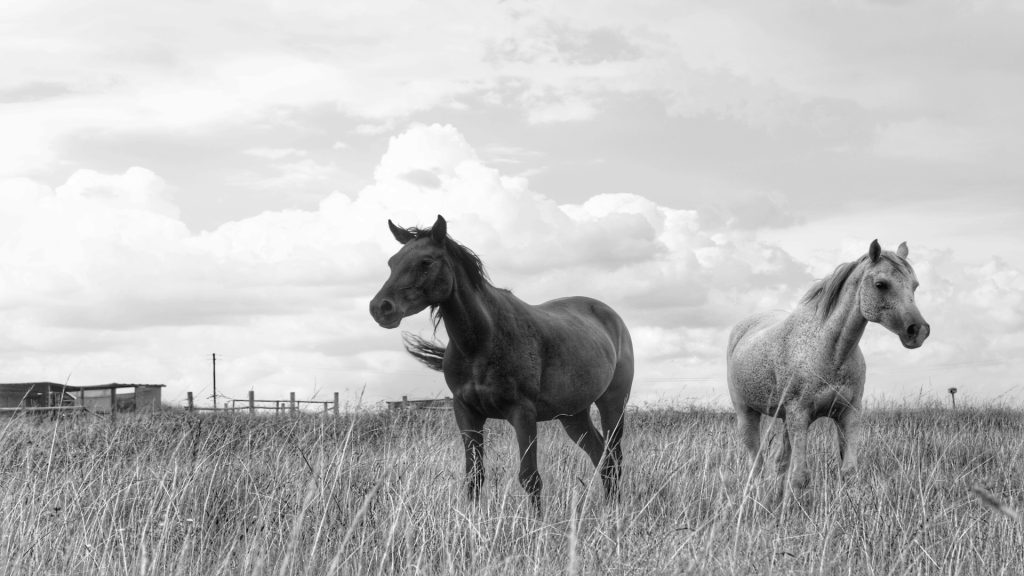
Grace In The Field by Stian Griffin
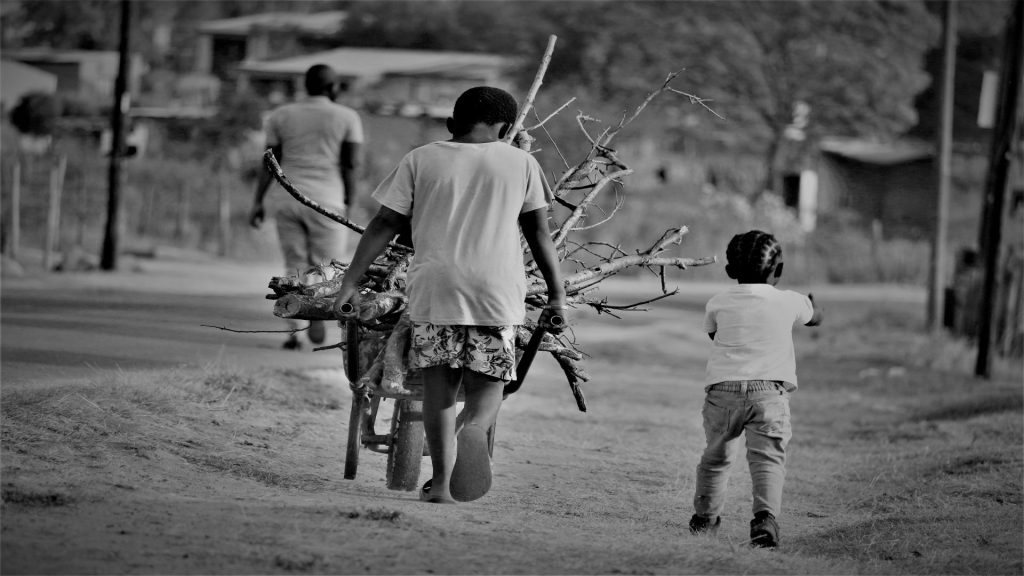
Keep going by Mthobisi Gama
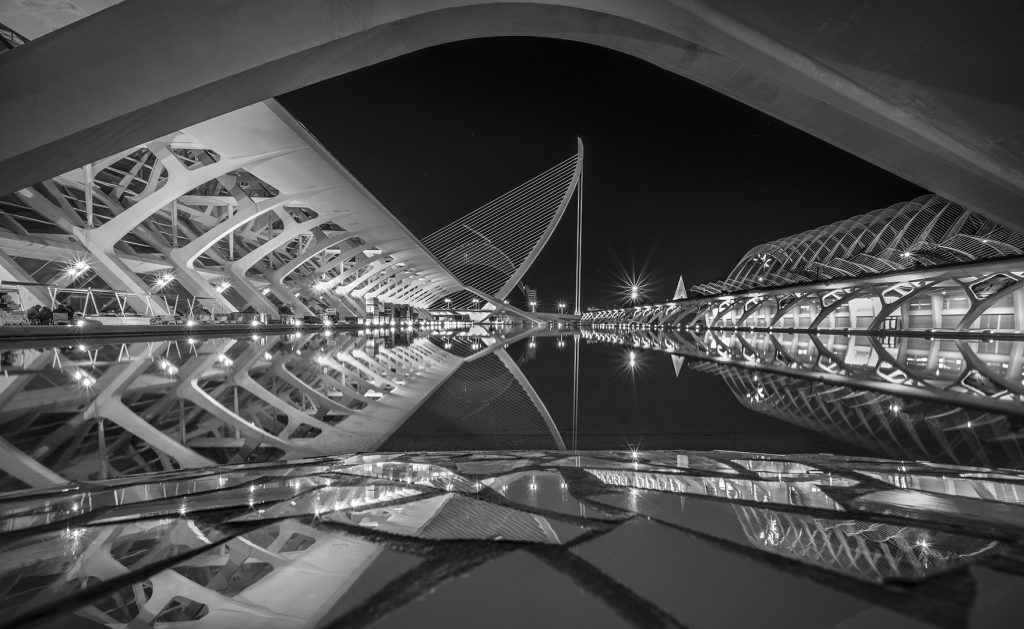
Water and tile reflections by DNE Smit
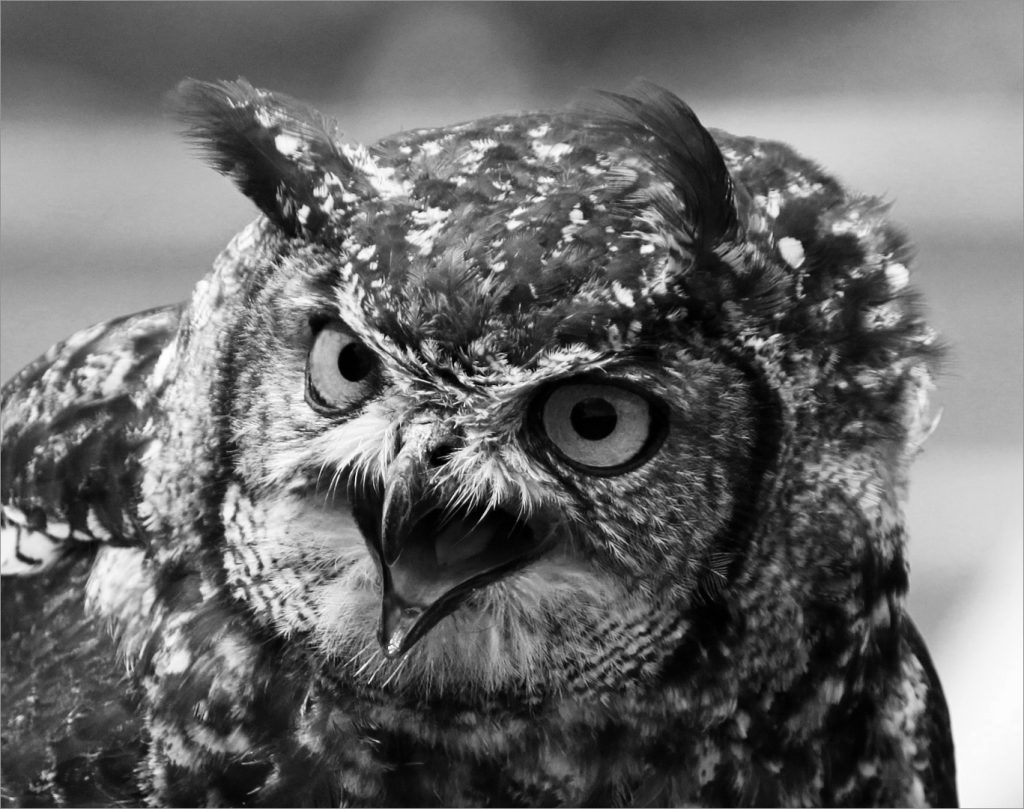
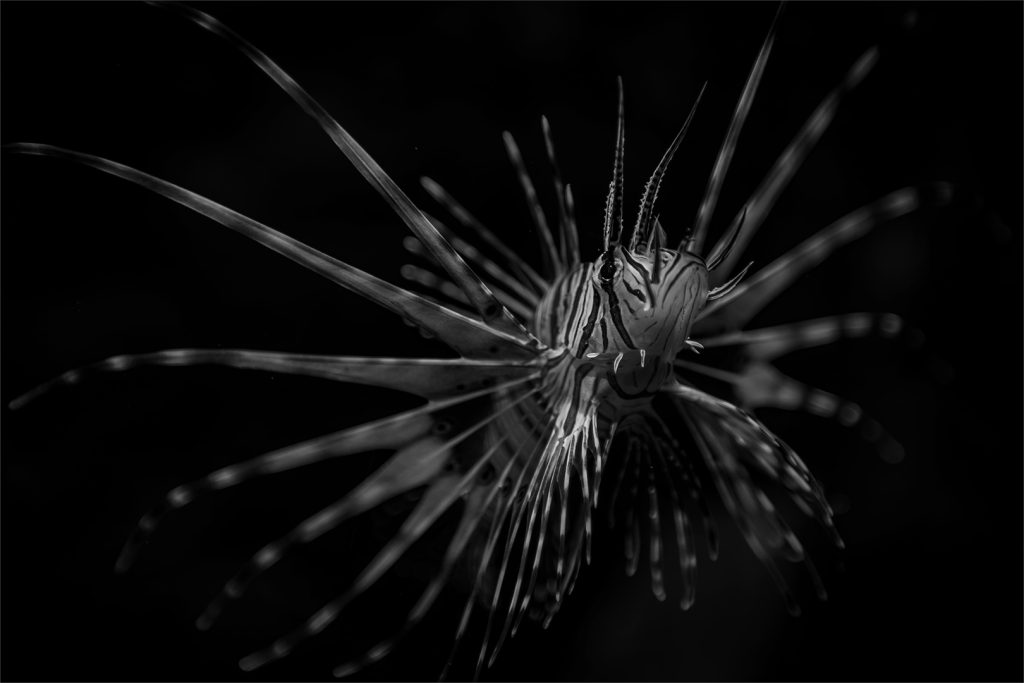
Angry Owl Mono by Lorraine Botha Lionfish U1 – BW by Louis van der Walt
Category – Scapes
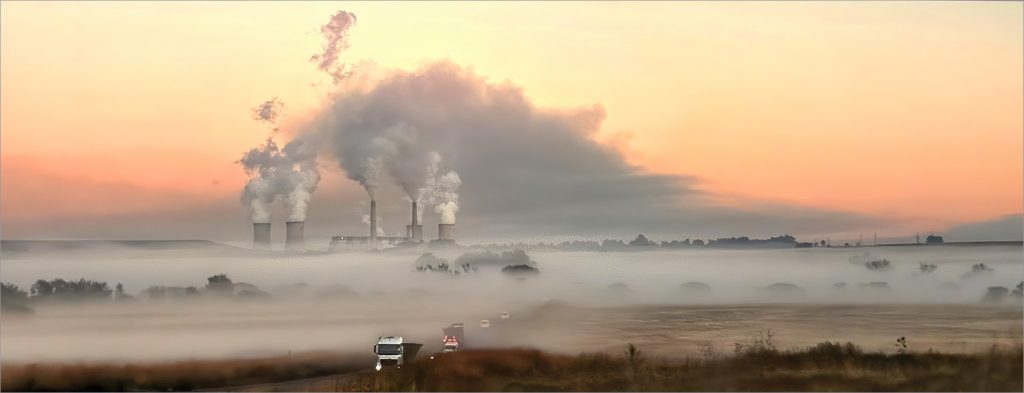
Fog And Smoke Over Landscape by Sussa Pelser
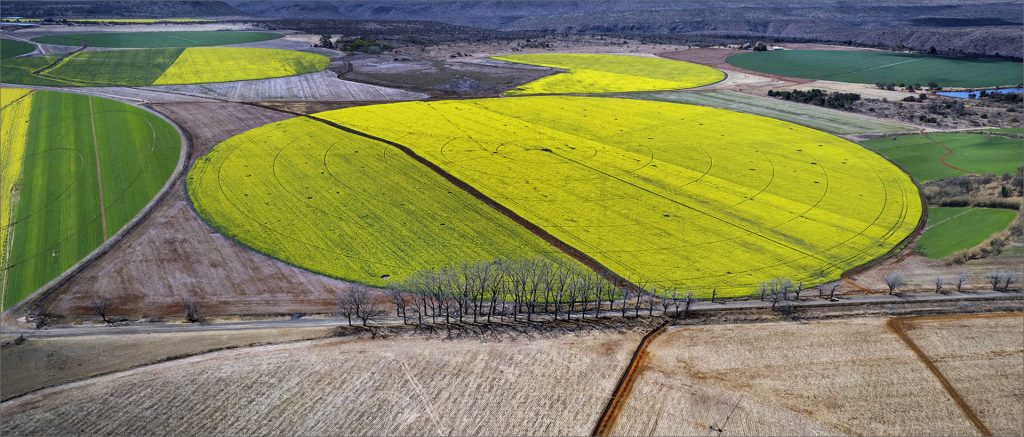
Canolas from midair by Leon Pelser
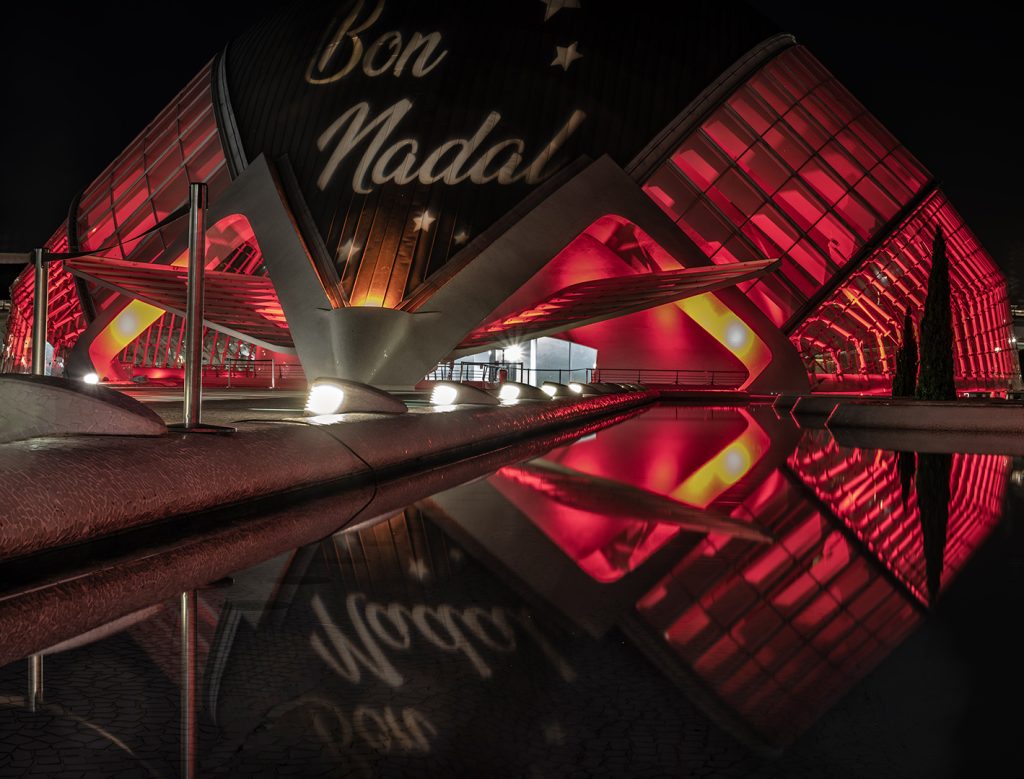
Bon Nadal by DNE Smit
Anderkant Calgary Canada by Adri Kirsten
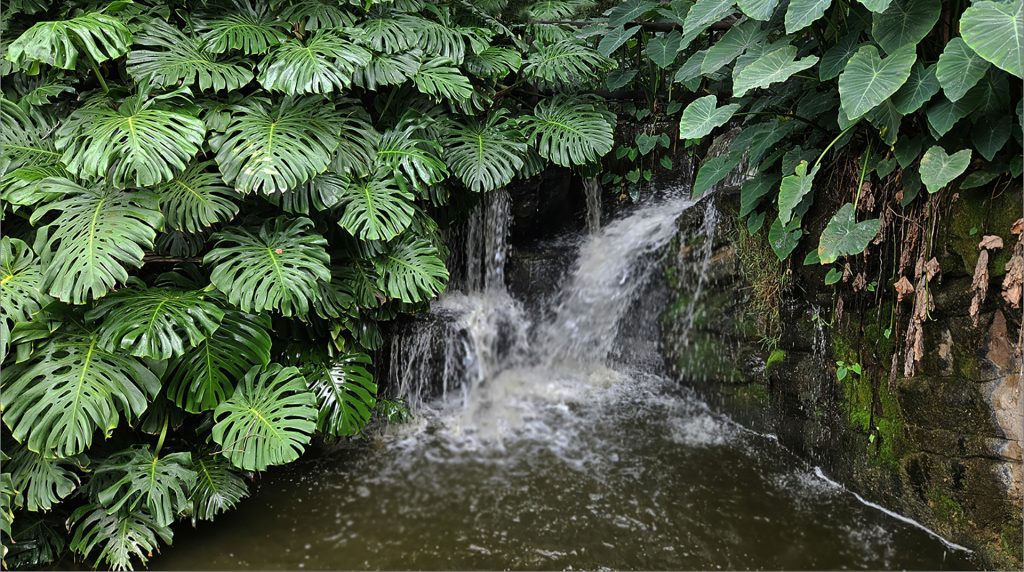
Small Waterfall Between Plants
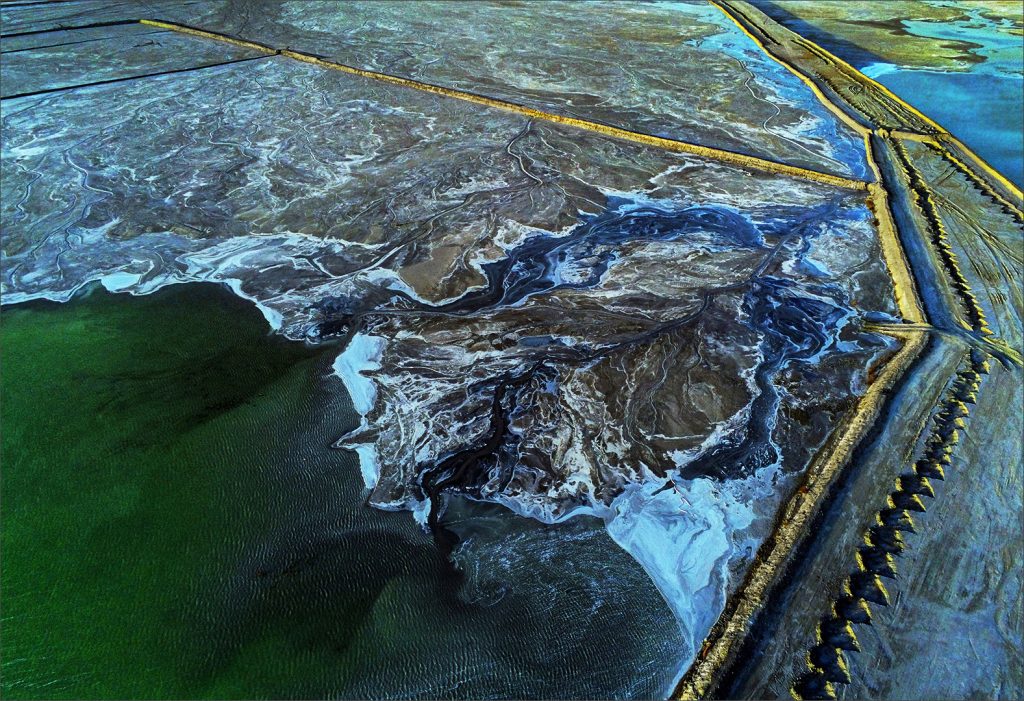
by Sussa PelserPatterns on ashdam by Leon Pelser
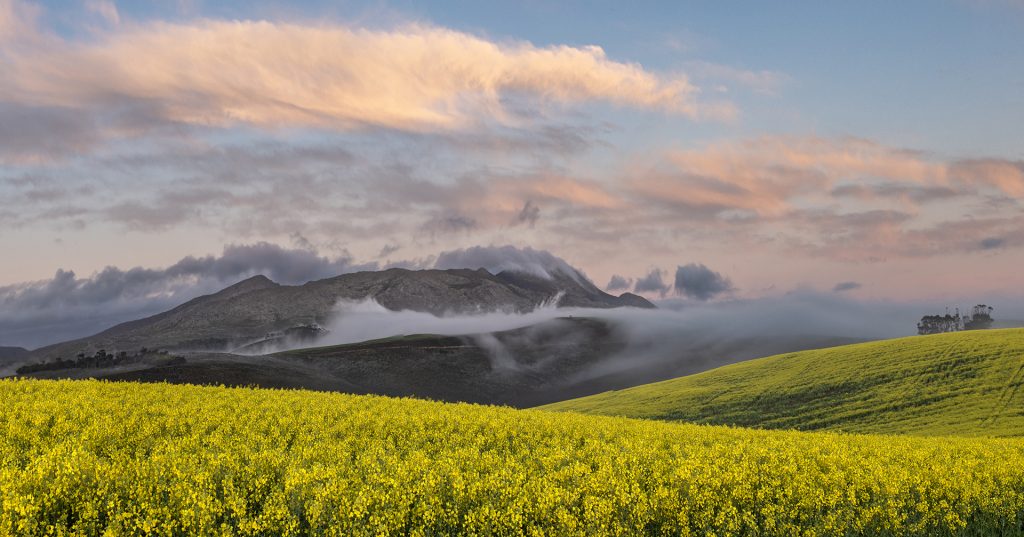
Overberg sunrise by DNE Smit
New Castle by Mthobisi Gama
Stone and Stillness by Stian Griffin
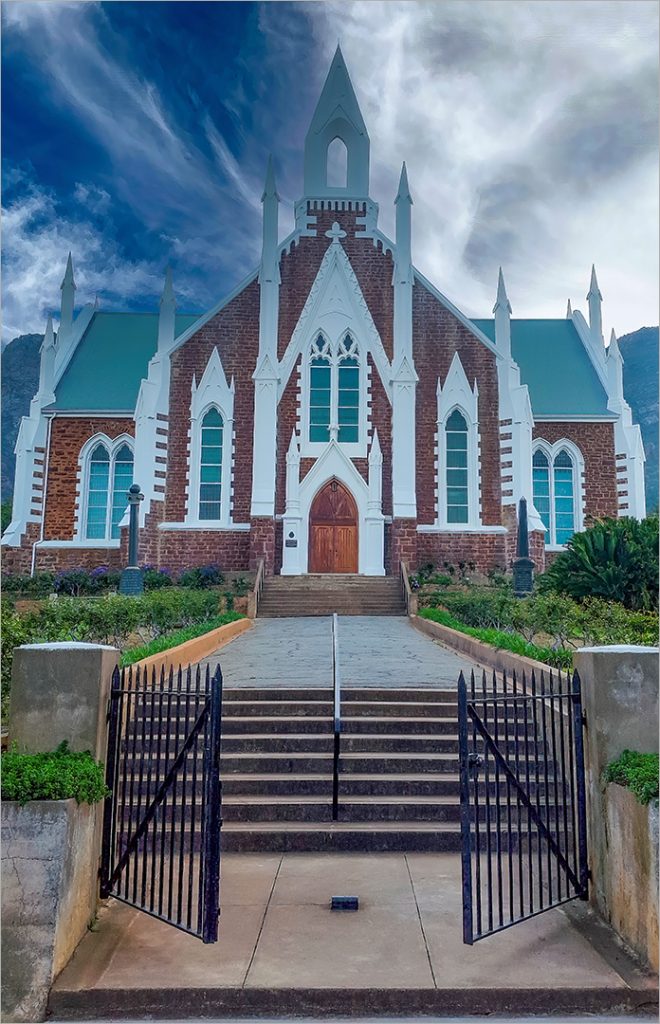
The REAL Gods Window Imagined by Louis van der Walt
Category – Nature, birds only
Relaxing in the sun by Johan ViljoenDriebandstrandkiewiet by Edmund HattinghMr Ugly by Johan Viljoen
Ontbyt in die bek by Edmund Hattingh
Brunch by Johan Viljoen
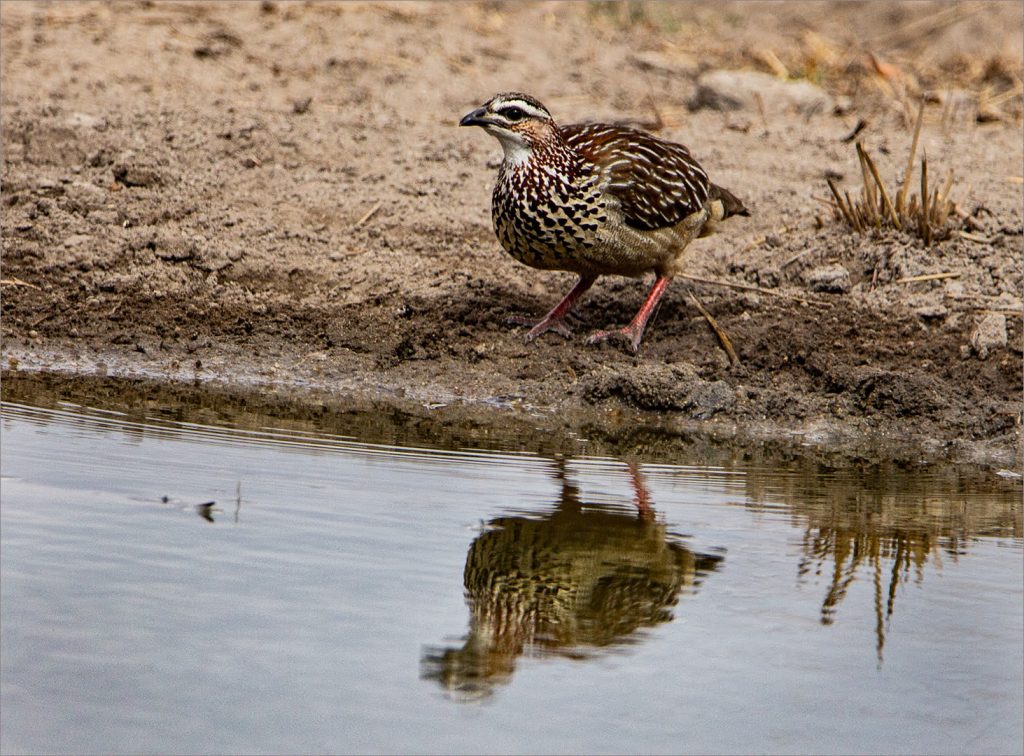
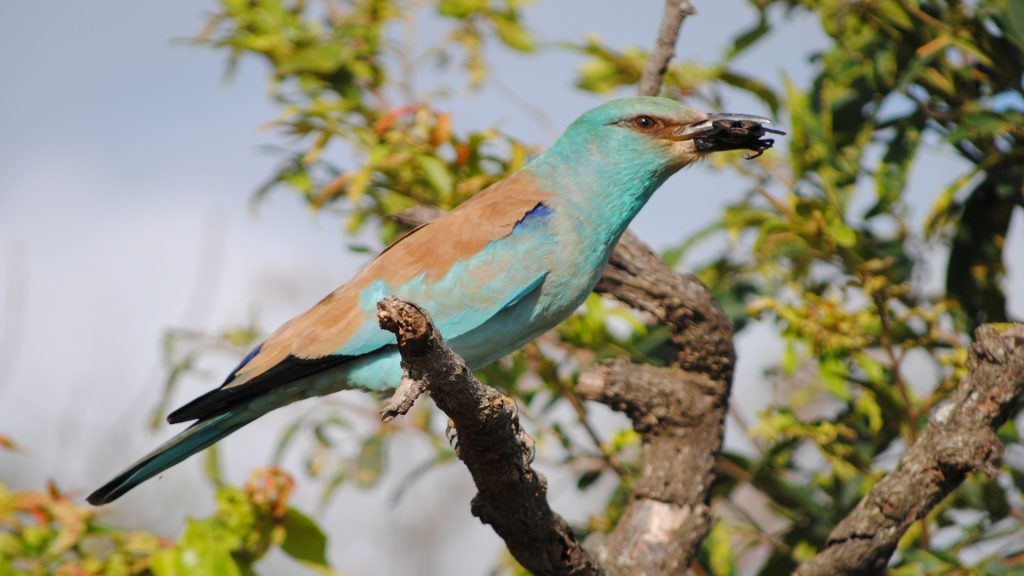
Crested Francolin by Lorraine BothaRollers Reward by Stian Griffin
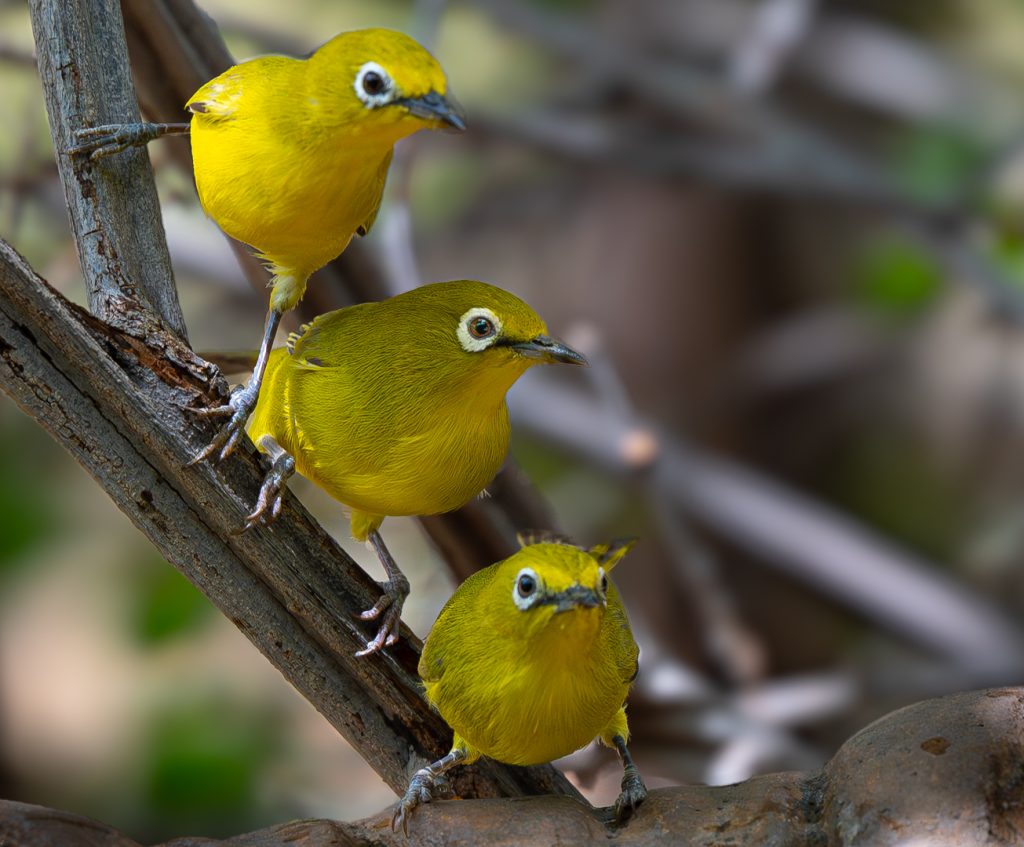
Three of a kind by Edmund Hatting
Die burgerregteorganisasie AfriForum eis ’n formele nasionale ondersoek na polisiebetrokkenheid by veediefstal. Dié versoek volg in reaksie op die arrestasie van ’n lid van die Standerton-veediefstaleenheid, konstabel Siyabonga Cindi, verlede week. Cindi, wat Dinsdag (2 September) in die hof op Amersfoort verskyn het, staan tereg op aanklag van die diefstal van nagenoeg R450 000 se beeste in die Standerton-, Greylingstad- en Perdekop-omgewing.
AfriForum benadruk dat ’n nasionale ondersoek na die betrokkenheid van lede van die Suid-Afrikaanse Polisiediens (SAPD) by veediefstal noodsaaklik is aangesien Cindi se geval nie uniek is nie. In Maart vanjaar is Mokete Jacob Mokoena, stasiekommissaris van die Tweeling-polisiestasie, skuldig bevind aan veediefstal, en in Julie 2021 is vyf lede van die SAPD in die Vrystaat in hegtenis op aanklag van veediefstal, meineed en regsverydeling. Daarbenewens het Vrystaatse boere in 2019 ’n verslag aan die Valke voorgelê met omvattende inligting rakende ’n georganiseerde veediefstalsindikaat in die Vrystaat. Die verslag het onder meer name van verdagtes sowel as bewyse van polisiebetrokkenheid by dié netwerk bevat. Dié deurlopende gevalle van polisiebetrokkenheid by veediefstal vereis daarom ’n ondersoek, beklemtoon die burgerregteorganisasie.
Volgens Jacques Broodryk, hoofwoordvoerder vir Gemeenskapsveiligheid by AfriForum, is die betrokkenheid van sogenaamde beskermers van die landbougemeenskap by veediefstal uiters kommerwekkend. “Ten spyte van jare se inligting, bewyse en skuldigbevindings wat wys op polisiebetrokkenheid by veediefstal, blyk dit dat daar steeds nie veel gedoen word om die probleem uit te roei nie. Die polisie se betrokkenheid by veediefstal ondermyn die stryd wat die landbougemeenskap teen dié multimiljoenrand misdaad stry. Dit plaas boonop ook menselewens in gevaar en bedreig boere se finansiële voortbestaan,” verduidelik hy.
“Korrupte polisiebeamptes – en veral korrupte beamptes in veediefstaleenhede – wat by veediefstal betrek word, vertrap die goeie werk van eerlike en toegewyde lede en takel die skamele vertroue wat die publiek nog in die polisie het, selfs verder af. Ons kan nie langer toelaat dat die einste mense en eenhede wat daargestel is om boere en hul vee te beskerm, hul misdade onverpoos voortsit nie. Misdadigheid in die polisie moet wortel en tak uitgeroei word en ’n dringende en deursigtige ondersoek is derhalwe nou noodsaaklik,” sluit Broodryk af.
Hennie Bekker, AfriForum se distrikskoördineerder vir die Hoëveld, benadruk intussen dat Cindi sy magsposisie as polisielid misbruik het om homself te verryk en was deur sy betrokkenheid by die veediefstaleenheid in ’n posisie om sy misdade te verdoesel. “Dit is egter positief om te weet dat geregtigheid ook opvang met dié wat die hulpbronne en vermoëns het om die gereg te probeer systap. Ons sal Cindi se saak voortaan monitor om te verseker dat geregtigheid geskied,” sê hy.
Hennie Bekker
AfriForum het sedert Junie vanjaar ’n opleidingsprogram aan die organisasie se 170 buurt- en plaaswagte beskikbaar gestel om dié burgerlike misdaadsbekampingspanne te bemagtig met spesialiskennis vir die bekamping van veediefstal. Dié en ander kursusse – waaronder ook ’n gespesialiseerde spoorsnykursus – wat AfriForum gratis aan die organisasie se buurt- en plaaswaglede bied, bemagtig lede met die nodige kennis en vaardighede om die knellende misdaadprobleme wat landelike gemeenskappe teister, hok te slaan. Dié opleiding het reeds vrugte afgewerp en AfriForum se buurt- en plaaswagte was reeds aktief betrokke by verskeie suksesvolle veediefstalbekampingoperasies.
Cindi se borgtogaansoek is uitgestel tot 29 September. Hy bly intussen in aanhouding.
Bekker nooi die publiek uit om deel te neem aan AfriForum se pogings om Cindi en ander vermeende veediewe se borgtog teen te staan. Teken AfriForum se petisie hier.
This article was first published on “In Your Pocket”. Here is a link to the original article: http://bit.ly/4peSGR5
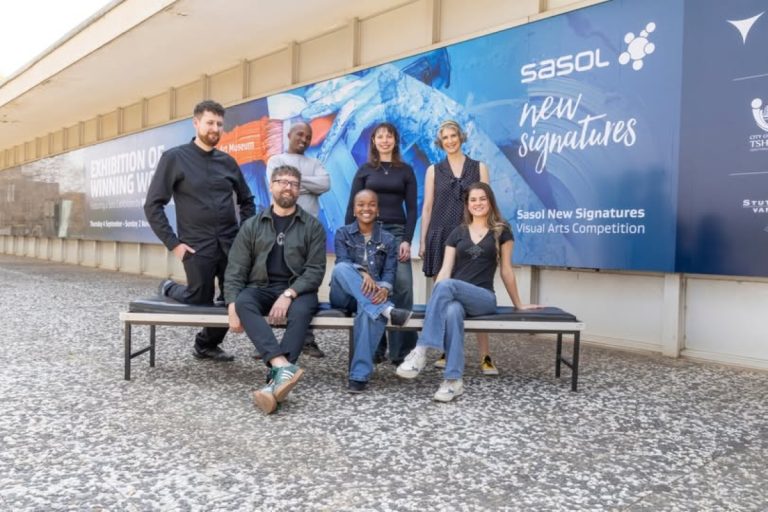
After judging more than 900 entries from across the country, the winner, runner-up, and five merit award-winning artists of the Sasol New Signatures 2025 competition have been announced. See their work among 100+ shortlisted entries in a fantastic group showcase at the Pretoria Art Museum from Thu, Sep 4 – Sun, Nov 2, 2025.
The anticipation was palpable as members of the local arts media and a diverse group of South African artists from all around the country – flanked by their friends and family – gathered round for the Sasol New Signatures awards ceremony at the Pretoria Art Museum (Wed, Sep 3). Now in its 35th year, this is easily one of our favourite annual art events – and the 2025 edition did not disappoint. The works on display are a testament to the diversity and vibrancy of the country’s artists and makers, and have been beautifully curated for the final showcase.
There are prints, paintings, sculptures, and a great many textile works on display this year. Interestingly, much of what has been submitted has an interactive element – teasing out the idea that art is not something to be experienced in stasis, but actively engaged with. This echoes the approach of 2025 winner Miné Kleynhans, who presents her playful, imaginative solo Augury After Autogogues(a mouthful, we know) at the Pretoria Art Museum this year, cementing herself as a singular artist to watch.
900+ submissions, countrywide
The Sasol New Signatures visual arts competition is not only one of the most prestigious art awards in South Africa, it is also one of the most interesting. With submission points nationwide, and with the only qualifying factor being that the artist has not yet had a solo exhibition, the range of mediums, backgrounds and influences that emerge is staggering. By including regional drop-off points, Sasol New Signatures helps open the door for artists who are not located in the country’s art centres.
In 2025 there were 903 entries submitted for consideration. The logistics of orchestrating this are impressive, with no prohibition of large-scale sculpture or installation-based works. Nor is selecting the winners an easy task – not only because of the sheer mass of talent, but because measuring paintings, drawings, and prints up against textiles, ceramics, and installations (not to name any of the more unusual mediums) is a task we don’t envy.
On the judging process, Pfunzo Sidogi, chairperson of the Sasol New Signatures visual arts competition, said, “It was an enormous privilege to engage with and listen to the greatest collection of art minds during the regional and final judging rounds. These esteemed judges, whose roles in the visual arts ecosystem range from practising artists and curators to academics, auctioneers, arts administrators, and gallerists, do not merely select or reject artworks for awards; their efforts as adjudicators are actively shaping the now and tomorrow of South African art practice.”
The history of Sasol New Signatures is one of opportunity and platforming artistic voices, growing over the years into an important launching pad for professional careers in art. Notable past winners include Mohau Modisakeng, Patrick Rulore, Andrea du Plessis, and Mondli Mbhele. With that, get to know the artists behind 2025’s winning works.
2025 Sasol New Signatures Winner, Juandré van Eck
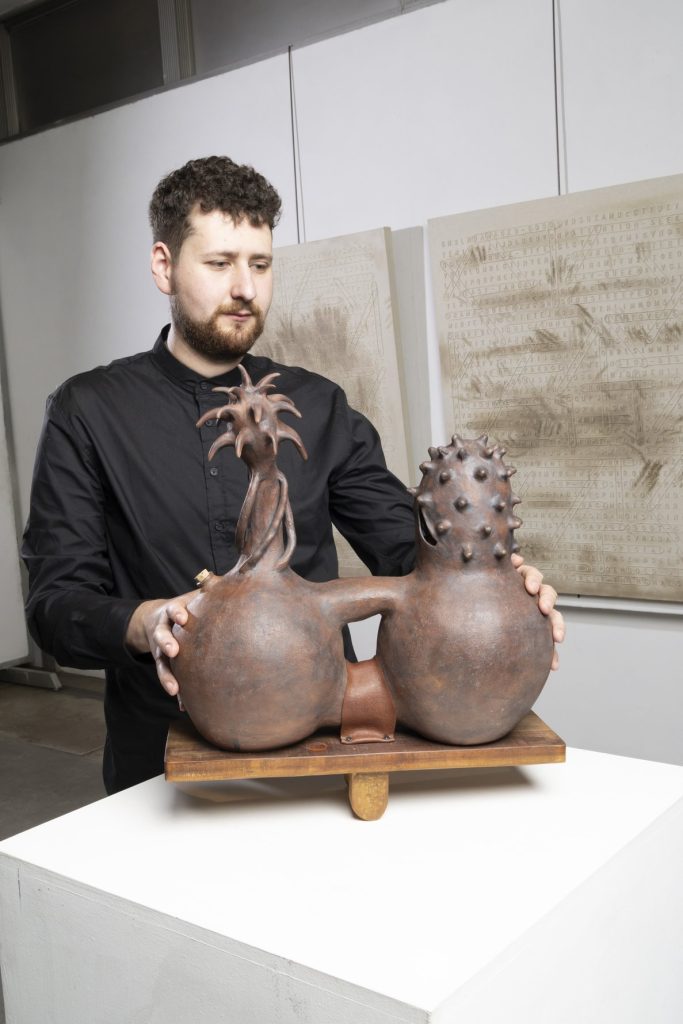
A merit award winner in 2024, Juandré van Eck wins the 2025 Sasol New Signatures Visual Arts Competition. Photo: Supplied.
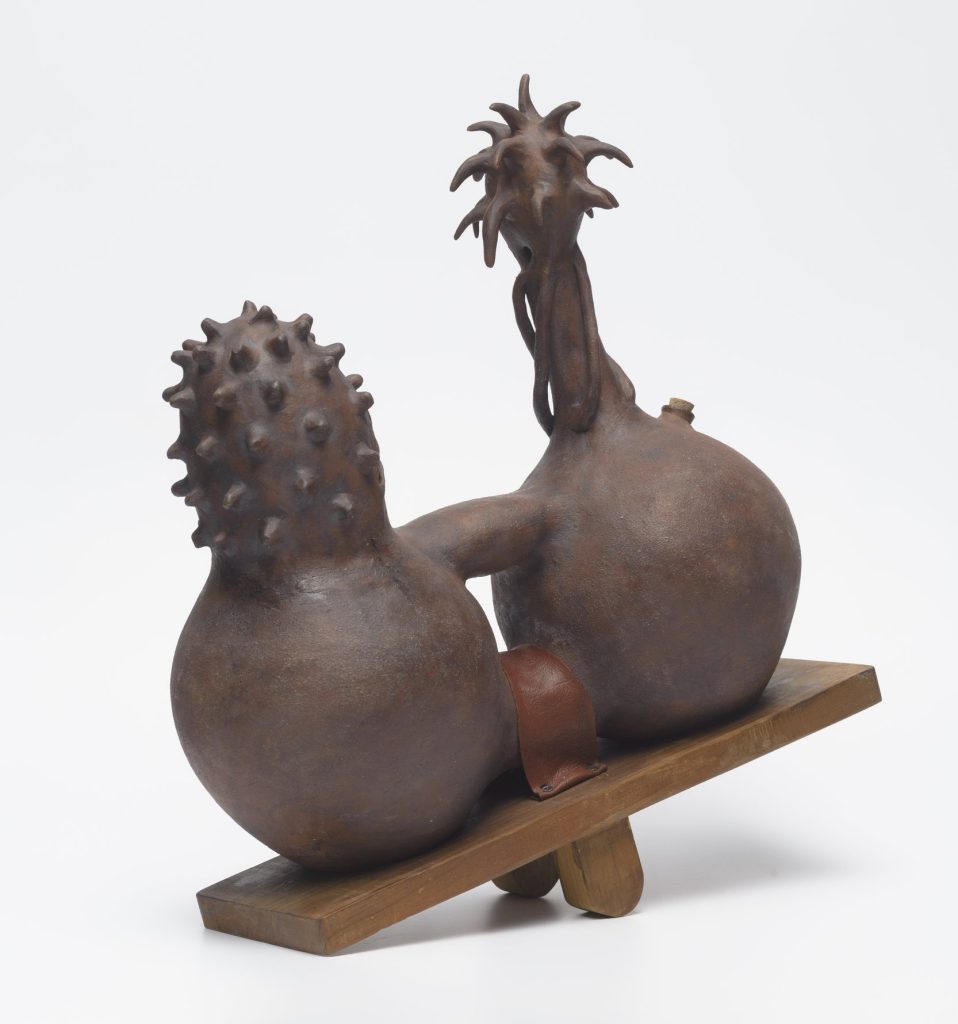
Gqeberha-based artist Juandré van Eck is the overall winner of the 2025 Sasol New Signatures visual arts competition for his interactive ceramic piece, Cycles of the mind. An honours student at the Nelson Mandela University, Van Eck was a merit award winner in 2024 for his work, Waters of life – a work we remember for its ingenuity.
With Cycles of the mind Van Eck turns his attention to breath, and shows a refinement in his output in little over a year. The piece features two whistles on either side, with the artist explaining, “one a cry of liberation and joy, the other a low, gentle echo of contemplation and unseen turmoil. Water, the essence of life, gives life to this artwork, offering it a voice through its gentle flow from one state to the next. It provides comfort and the promise that even in the darkest moment, hope can rise, a whisper becoming a triumphant cry of defiance.” It is whimsical, evocative, and quite unlike anything we’ve encountered before. We hear the judges were unanimous in their decision.
Van Eck’s Cycles of the mind is a delicately balanced creation. Photo: Supplied.
Van Eck’s creation shows a considered hand at work, as water and air flow from one side of the piece to the other, the whistles sound with a rhythmic pattern of breath being created. His use of ceramics is truly exciting to see, and partake in. “When people interact with my work,” says Van Eck, “I hope it creates a calming environment that speaks to the inner child, allowing for a sense of play in a world that often feels overwhelming.”
As the overall winner of the competition, Van Eck will receive a cash prize of R100 000 as well as the opportunity to host a solo at the Pretoria Art Museum in 2026.
Runner-up for 2025, Thabo Treasure Mofokeng
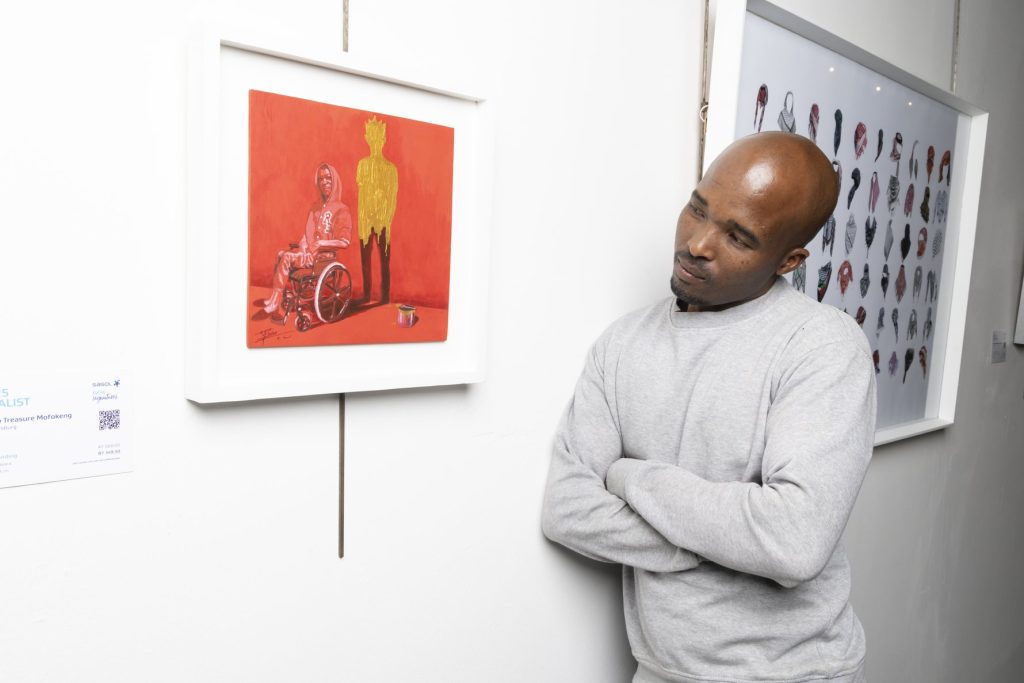
Though small, Thabo Treasure Mofokeng’s Still Standing glows off the walls of Pretoria Arts Museum. Photo: Supplied.
Another past merit winner, Thabo Treasure Mofokeng’s painting Still Standing was announced as this year’s runner-up, for which he will receive R25 000.
With his vivid painting, Mofokeng pays tribute to his neighbour, who was shot and paralysed. The work radiates off the gallery walls, and the deep and contrasting reds draw you into the canvas. A Johannesburg-based artist, Mofokeng received his formal training at Artist Proof Studio. While he is comfortable in exploring other mediums and forms, he finds himself coming back to acrylics – and with Still Standing it is easy to see why.
His drive to keep on doing art is to inspire and remind those around him of their inherent value and beauty, describing his work as “a celebration of the human capacity for resilience, hope, and determination.”
The five 2025 merit award winners
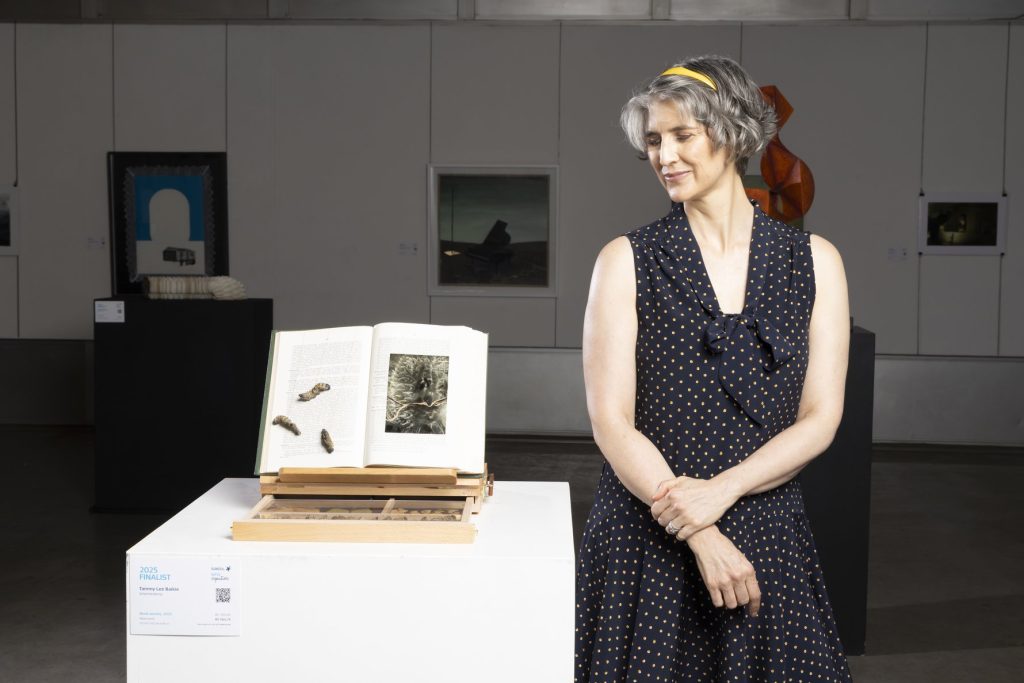
Tammy Lee Baikie’s mixed-media work Book worms saw her being announced as one of the merit award winners. The work uses the wild harvesting of mopane warms to look at how certain frameworks of knowledge (scientific, for instance) are privileged over others (such as indigenous knowledge systems). Through cracked images and the words of Zimbabwean villagers on the drawer cover, Baikie’s work disrupts the book, etching, and specimen collection as symbols of the Western scientific paradigm.
Tammy Lee Baikie’s mixed-media work Book worms uses sustainably harvested mopane worms. Photo: Supplied.
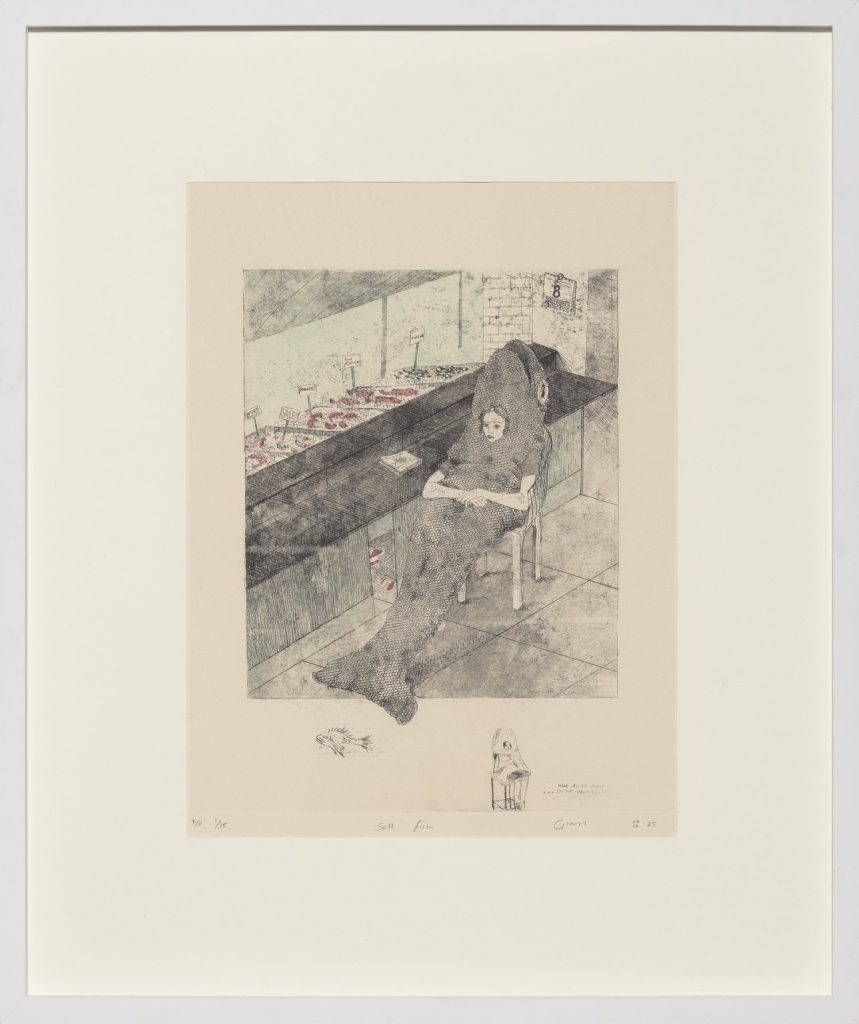
Pretoria-based artist Rebecca Louis (Beck) Glass wins the merit award for her Kafkaesque etching Sell – Fish. Set in a fish market, the figure is part human, part fish, and it explores the duality of being both the creator and the product in an artistic career. Glass says, “As artists, we are often required to ‘sell’ ourselves, navigating a world where personal identity and creative output become inseparably entangled.”
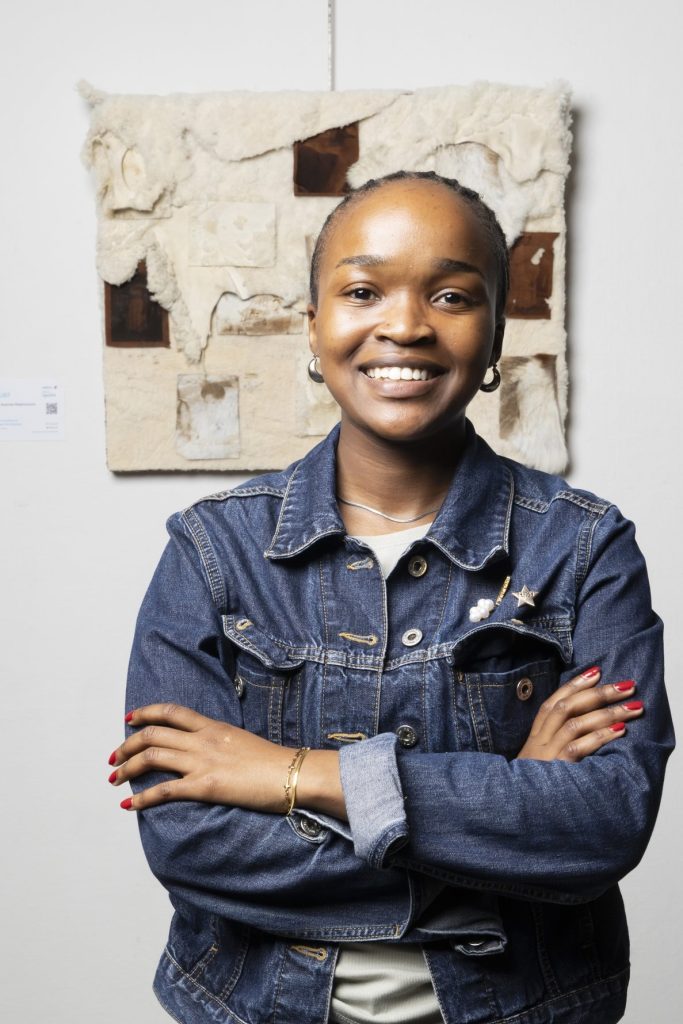
Snelihle Asanda Maphumulo is one of two 2025 merit award winners from Gqeberha for her tactile piece Ngaphansi kwesithunzi sakhe (under His Shadow). This compelling work invites deep exploration. Embedded into layers and folds of hide, images are partially hidden, speaking to the imperfect process of remembering and tradition.
Ngaphansi kwesithunzi sakhe (under His Shadow) is inspired by family photographs. Photo: Supplied.
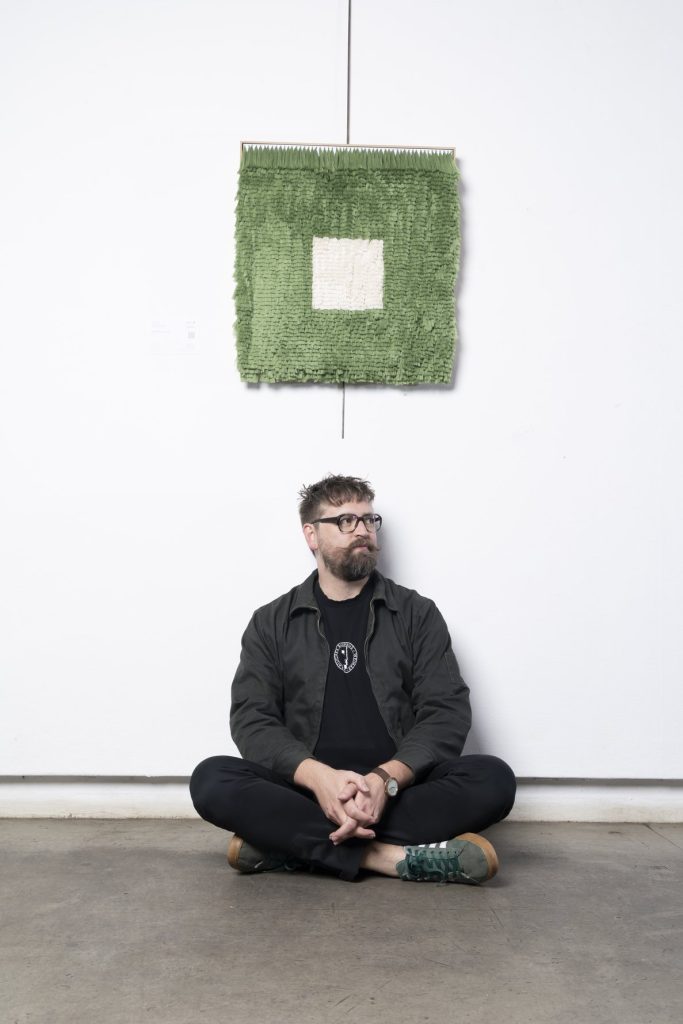
With just two colours, 2025 merit award winner Vian Mervyn Roos‘ textile work 2916 is deceptively simple. Made up of 2916 individually crafted tassels, it is a work focused on tactility and resists automated processes. As time goes on and viewers engage with the work the tassels will begin to fray and wear. Roos describes this as “a meditation on the fragility and resilience of the handmade in a digital age.”
Roos hand crafted all 2916 tassels featured in 2916. Photo: Supplied.
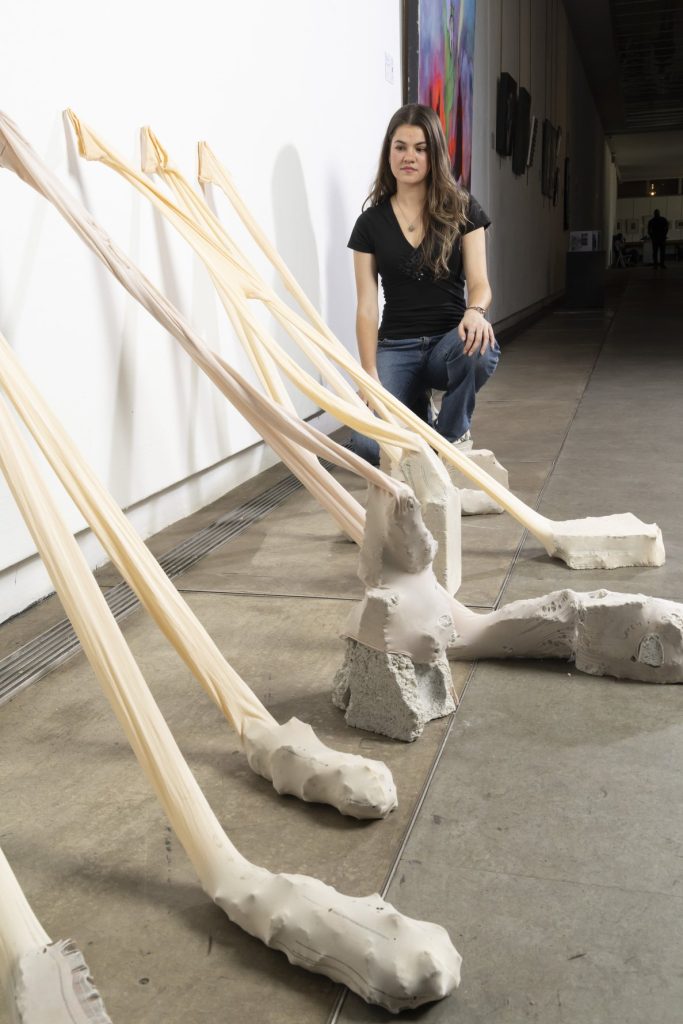
Last but not least is 2025 merit award winner, also from Gqeberha, Sarah Volker with Taut, tethered, and torn. The sculpture comprises ballet tights filled with stones, bricks, and cement blocks and looks at the tensions between a dancer’s body and mind. Some of the tights tear while others stretch, with Volker considering the ways in which the body holds on to experiences.
Sarah Volker with her work Taut, tethered and torn. Photo: Supplied.
Each merit award winner receives a cash prize of R10,000.
Experiential works rise to the fore
On the nature of submissions for this year’s competition, Pfunzo Sidogi says, “More and more emerging artists are creating artworks that demand to be experienced beyond purely visual and cognitive dimensions. This is certainly the case with this year’s winning work. Van Eck’s ceramic sculpture invites viewers to touch, hold, and gently move the delicately manufactured object…”
See the Sasol New Signatures 2025 winning exhibition
You can see Van Eck’s winning installation together with runner-up Mofokeng, the five merit award winners, and more than 100 shortlisted entries at the Pretoria Art Museum. Alongside, 2024 winner Miné Kleynhans holds her first solo exhibition, Augury After Autogogues. Both of these exhibitions run until Sun, Nov 2, 2025.
The Pretoria Art Museum is on the corner Francis Baard and Wessels Streets, Arcadia Park, Pretoria. Open Tue – Sun from 10:00 – 17:00.
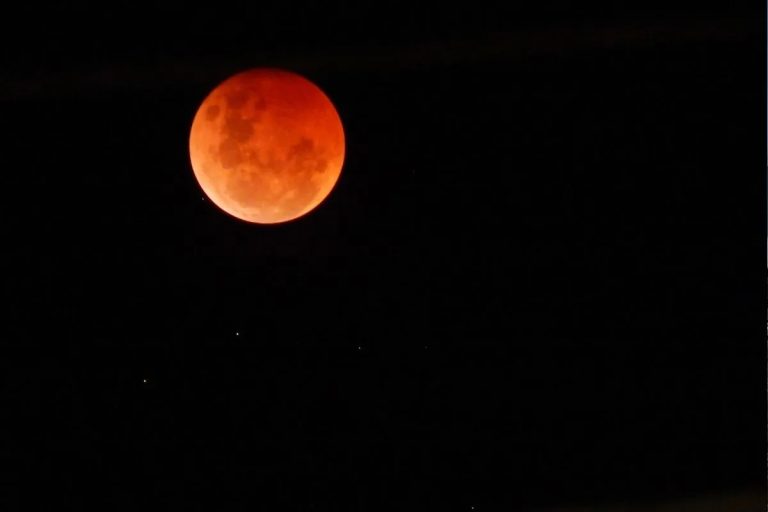
On Sunday, 7th September, South Africans will have the opportunity to witness one of the decade’s most spectacular celestial events: a total lunar eclipse, otherwise known as a Blood Moon.
This eclipse will be visible across the country, and the best part is that no special equipment is required to view it. Here’s where, how, and when to catch this breathtaking event…
Blood Moon: The best time to watch the eclipse will commence in the evening as the moon enters Earth’s shadow. The total eclipse phase, the most dramatic part, will last just over an hour, reaching its peak around 20:11 (with slight variations depending on location). During this time, the moon will emit a deep, burnt red glow, creating the famous “blood moon” effect.
The eclipse will be observable nationwide, meaning whether you’re in Johannesburg, Cape Town, Durban, or a small rural village, you’ll be able to witness the event. To maximise your viewing experience:
Seek out a dark area: Urban lighting can diminish the view. Locate an open space, a tranquil park, or even your garden if it has minimal streetlight interference.
Look towards the east: The moon will rise and darken as it progresses further into Earth’s shadow.
Monitor the weather: Clear skies are essential. Cloud cover could obstruct the view completely.
Unlike solar eclipses, lunar eclipses can be watched safely with the naked eye without the need for protective glasses.
For a more enhanced view, you may use binoculars or a telescope to observe details on the moon’s surface as it transitions from bright white to deep red.
This event isn’t just any eclipse; it is projected to be the longest total lunar eclipse since 2022.
Astronomers anticipate that the moon will showcase one of the deepest, richest shades of red seen in years. As vivid “blood moons” are unusual, the night of 7th September is one to remember.
So, mark your calendars for Sunday, 7th September, and prepare to witness this rare and stunning astronomical event. Remember to find a dark location with clear skies and keep an eye out for the moon as it rises and transforms into a deep, fiery red hue. Whether you’re in a bustling city or a tranquil village, everyone in South Africa will have the opportunity to observe and marvel at this extraordinary Blood Moon eclipse.
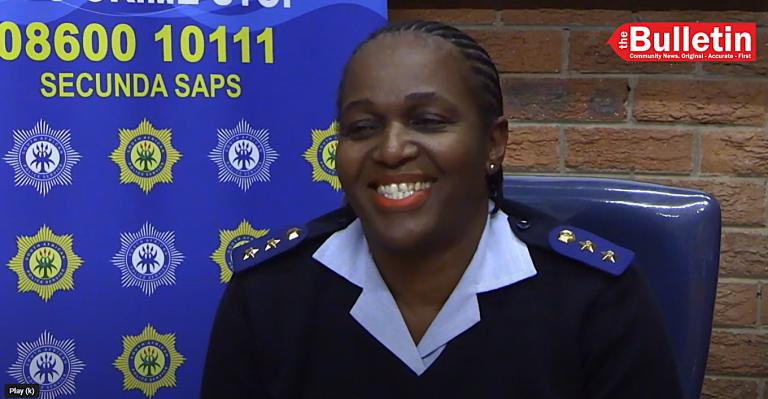
In honour of Women’s Month, a special interview was conducted with Colonel Vena Sigo, the station commander of Secunda SAPS. The conversation shed light on her inspiring journey, challenges faced by women in law enforcement, and her vision for empowering women both within the police force and in the broader community.
A Late but Purposeful Start
Colonel Sigo joined the South African Police Service (SAPS) in 2002, at an age when many consider themselves well-established. Reflecting on her decision, she shared that she was unemployed and seeking a meaningful career. Her time at police college ignited a desire for authority and service, instilling pride in her uniform and role within South Africa’s justice system.
The Bulletin spoke to Colonel Vena Sigo about women in the police
Overcoming Gender-Related Challenges
As a woman in a predominantly male environment, Colonel Sigo experienced underestimation and gender stereotypes. She explained that her biggest challenge was being seen as only suitable for the kitchen, not the forefront of police work. Nevertheless, her competence and leadership have earned respect, and she emphasised that adherence to national instructions and the Criminal Procedure Act guide her actions, rather than personal ambitions.
Achievements and Pride
When asked about her proudest achievements, Colonel Sigo highlighted her ability to make positive changes in her work environments and inspire those she encounters. She believes that listening and understanding diverse perspectives, especially those of marginalised individuals, can turn the worst into the best. Her journey exemplifies resilience, dedication, and the importance of leadership by example.
Women’s Contribution to the Police Force
Colonel Sigo pointed out that women contribute uniquely to policing through their emotional intelligence and ability to listen and empathise. She stressed that women prioritise victims of violence, often women and children, because these issues are personal to them. She also emphasised that women have been instrumental in operations against crime and are increasingly taking on leadership roles.
Balancing Family and Police Life
Discussing the personal side, Colonel Sigo admitted the difficulty of balancing family life with the demanding hours of police work. Planning and resilience are key; she explained how she manages to fulfil her duties while maintaining her family life. Her example underscores that dedication and well-structured routines can harmonise both aspects.
The Significance of Women’s Month
For Colonel Sigo, Women’s Month is a time for women to shine and prove their capabilities. Last week’s women-only operation was a testament to women’s strength and strategic importance in policing. She encouraged young girls to pursue careers with resilience, responsibility, and pride, emphasising that success depends on hard work and self-belief, not connections or favours.
Empowering Women in the Police
Asked what could be done to further empower women, Colonel Sigo identified favouritism as a barrier. She advocates for merit-based opportunities, ensuring that women are recognised and promoted based on their hard work and capabilities.
Our interview with Colonel Sigo when she was appointed as station commander at Secunda SAPS(14 September 2024)
A Message to Future Generations
Her advice to young women is to listen more, have clear visions, and focus on continuous learning, especially in technology and modern police tactics. She urges women to work hard, build their own paths, and remain committed to their goals, dismissing the misconception that success requires personal relationships within the force.
Final Thoughts
As Women’s Month unfolds, Colonel Vena Sigo’s insights reinforce the importance of resilience, leadership, and unity among women in law enforcement. Her story exemplifies that with perseverance, support, and adherence to principles, women can thrive and lead change in traditionally male-dominated fields.
In Conclusion
Celebrating women like Colonel Vena Sigo reminds us of the vital roles women play in building a safer, more inclusive society. Their contributions, struggles, and achievements inspire future generations to aim higher and break barriers.
On 9 August 2025, the Sasol Club in Secunda came alive with the energy and competitive spirit of the Mpumalanga Provincial Championships, hosted by the IFBB. The event, which began at 11:00, showcased a wide array of bodybuilding and fitness categories, drawing participants and spectators from across the region.
Event Highlights
The championships featured multiple divisions for both men and women, including categories such as Beach Bikini, Ladies Bikini Fitness, Bikini Wellness, Fitness Bikini, and the highly anticipated Men’s Physique and Bodybuilding classes. New talent took to the stage in the eagerly awaited “Nouveau Mens Fit Model” category.
Athletes underwent weigh-in and registration from 8:00 to 10:00, displaying dedication and passion for their sport.
Pathway to the Nationals
This year, the stakes were higher than ever, as the provincial championships served as a qualifier for the National Championships on 25 August 2025. Competitors aimed to impress the judges and secure a coveted spot at the nationals.
Community and Support
The event was not only a celebration of physical prowess but also a testament to community spirit. Proud sponsors, including Santana and Perfect Physiques, provided invaluable support, ensuring the day was a success. Enthusiasts had the opportunity to support their favourite athletes, with vibrant performances adding to the atmosphere.
The Mpumalanga Provincial Championships delivered an unforgettable experience, highlighting strength, discipline, and the pursuit of excellence. As athletes prepare for the upcoming national championships, this event sets a high standard for future competitions.
Contact Information
For further details about the championships or upcoming events, interested parties were encouraged to reach out to Juan at 072 099 9500 or Natasha at 079 515 3460, or visit the official website at ifbbssa.co.za.
The event underscored the thriving bodybuilding community in Mpumalanga, promising exciting developments in South Africa’s fitness landscape.
Verklaring rakende die verbod op die gebruik van die Sig Sauer Model P320-pistole en alle variante op SA Jagters se skietbane en vir alle skietdissiplines
Die gebruik van alle variante van die Sig Sauer Model P320-pistool word met onmiddellike effek verbied op alle skietbane en by alle skietdissiplines wat onder die vaandel van die SA Jagters- en Wildbewaringsvereniging bedryf word.
Hierdie besluit is geneem op grond van goed gedokumenteerde veiligheidskwessies wat internasionaal met hierdie spesifieke model verbind word. Verskeie onafhanklike ondersoeke en regsgedinge het bevind dat die P320 model en alle variante, selfs in sy sogenaamde “verbeterde” weergawe, onder sekere omstandighede onbeheerd kan afgaan sonder dat die sneller getrek word.
Ter beskerming van ons lede, beamptes, toeskouers en die publiek, kan ons nie langer hierdie risiko akkommodeer nie. SA Jagters bly verbind tot die hoogste standaarde van veiligheid en verantwoordelike vuurwapenhantering, en versoek alle lede om alternatiewe vuurwapens te gebruik wat aan erkende veiligheidsvereistes voldoen.
Hierdie verbod geld tot enige verdere kennisgewing in die verband, gebaseer op nuwe of verifieerbare inligting wat die veiligheid van die P320 model en alle variante kan bevestig.
Vir navrae kontak asseblief vir:
Jacques van Eck – 082-566-0529
Dirk Brand – 083-324-2237
Martin Dreyer – 076-953-4278
Important and Urgent Notification
Declaration Regarding the Ban on the Use of the Sig Sauer Model P320 Pistol and All Variants on SA Hunters Shooting Ranges and for All Shooting Disciplines
Effective immediately, the use of all variants of the Sig Sauer Model P320 pistol is prohibited on all shooting ranges and in all shooting disciplines operated under the auspices of the SA Hunters and Wildlife Conservation Association.
This decision has been made based on well-documented safety concerns associated internationally with this specific model. Several independent investigations and legal proceedings have found that the P320 model and all its variants, even in its so-called “improved” version, can, under certain circumstances, discharge without the trigger being pulled.
To protect our members, officials, spectators, and the public, we can no longer accommodate this risk. SA Hunters remains committed to the highest safety standards and responsible firearm handling and urges all members to use alternative firearms that meet recognised safety requirements.
This ban remains in effect until further notice based on new or verifiable information confirming the safety of the P320 model and its variants.