This article first appeared on the Lake Umuzi website.
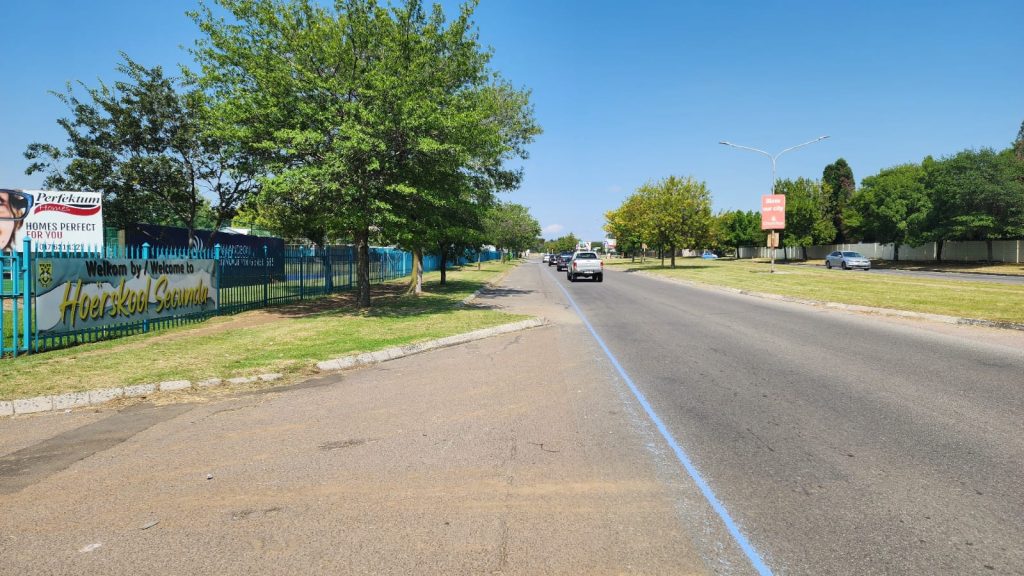
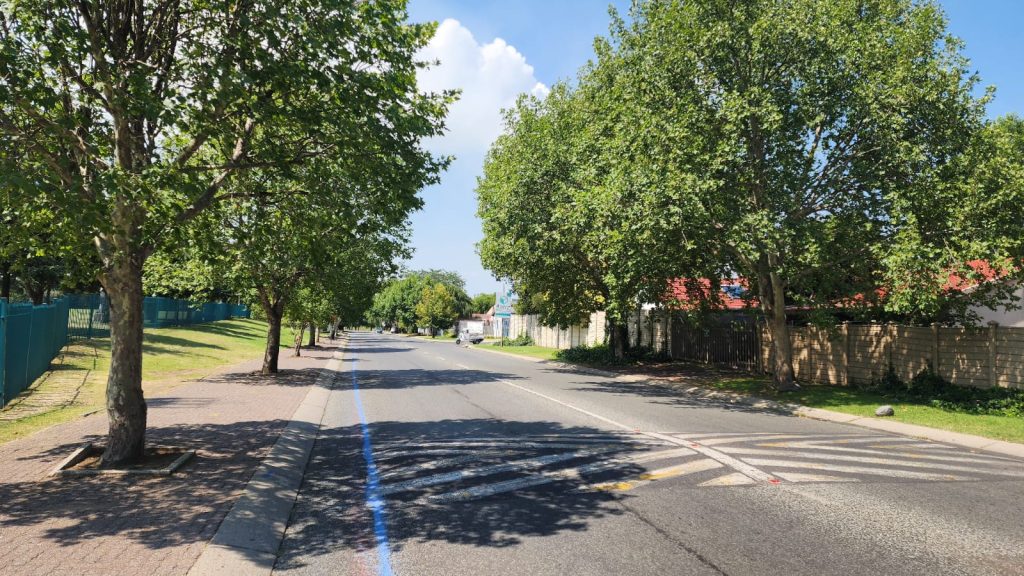
When you see the BuildIt Blue line, you know it’s Komos time!
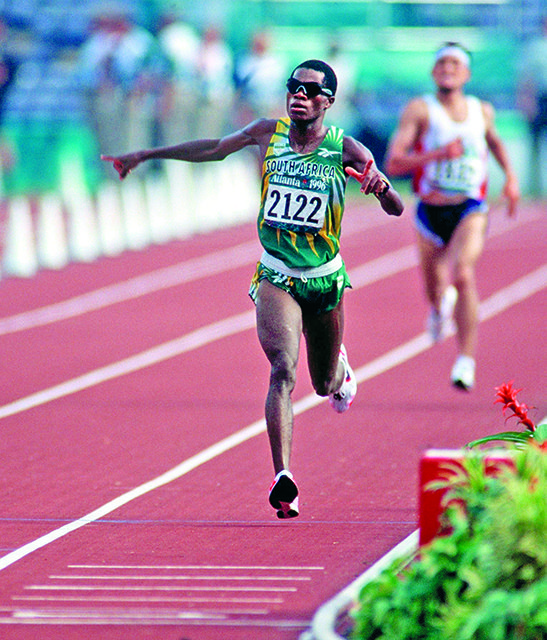
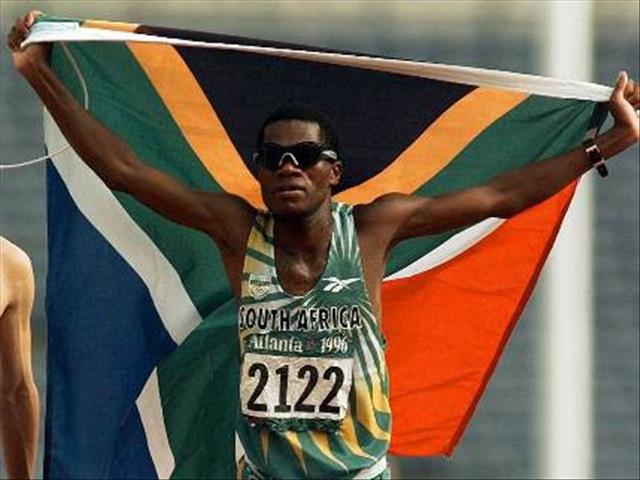
When the BuildIt Blue line appears on the roads, it signals the arrival of the highly anticipated Kijima Kosmos 3 in 1 marathon. This distinctive blue route, inspired by the legendary Josia Thugwane’s victorious race at the 1996 Atlanta Olympics, not only guides runners through the scenic landscapes but also symbolizes the spirit of community and resilience.
A Tribute to Josia Thugwane:
Josia Thugwane’s triumphant run on a yellow line at the 1996 Atlanta Olympics left an indelible mark on the running community. His success in both the Olympics and the 42.2km Marathon of the Kijima Kosmos 3 in 1 makes him a local legend and a source of inspiration for all participants. The Build It Blue line pays homage to Thugwane’s achievements and encourages runners to push their limits just like the Olympian did.
The Significance of the Build It Blue Line:
Blue, the color of water, was carefully chosen for the Build It Blue line to inspire runners until they reach the next water point, a signature feature of the Kijima Kosmos 3 in 1 marathon. Unlike standard road markings, the blue color ensures that motorists won’t be confused, enhancing safety for both participants and spectators. The Build It Blue line is designed to fade away after the event, only to reappear in all its glory the following year, marking the return of this celebrated tradition.
A Grateful Community:
The Lake Umuzi Secunda Marathon Club expresses gratitude to Build It, Secunda, for their generous sponsorship of the Build It Blue line. Their support not only contributes to the success of the marathon but also showcases the community’s collaborative efforts to make Secunda the number one place to live. It’s a partnership that goes beyond the race, fostering a sense of pride and unity among locals.
Expanding Horizons: The Concrete 360 Readymix Valentine’s Night Race
In a thrilling development, this year marks a significant expansion for the Lake Umuzi Secunda Marathon Club. In addition to hosting the Kijima Kosmos 3 in 1, they will also be organizing the Concrete 360 Readymix Valentine’s Night Race. This new addition promises to bring a different atmosphere to the running community, combining the excitement of night racing with the spirit of Valentine’s Day.
The Lake Umuzi Secunda Marathon Club is set to create memorable experiences for runners and spectators alike. The Build It Blue line is not just a route marker; it’s a symbol of endurance, unity, and the relentless pursuit of excellence.
FOREIGN NATIONAL DUE TO APPEAR IN COURT FOR POSSESSION OF EXPLOSIVES AND IMMIGRATION ACT
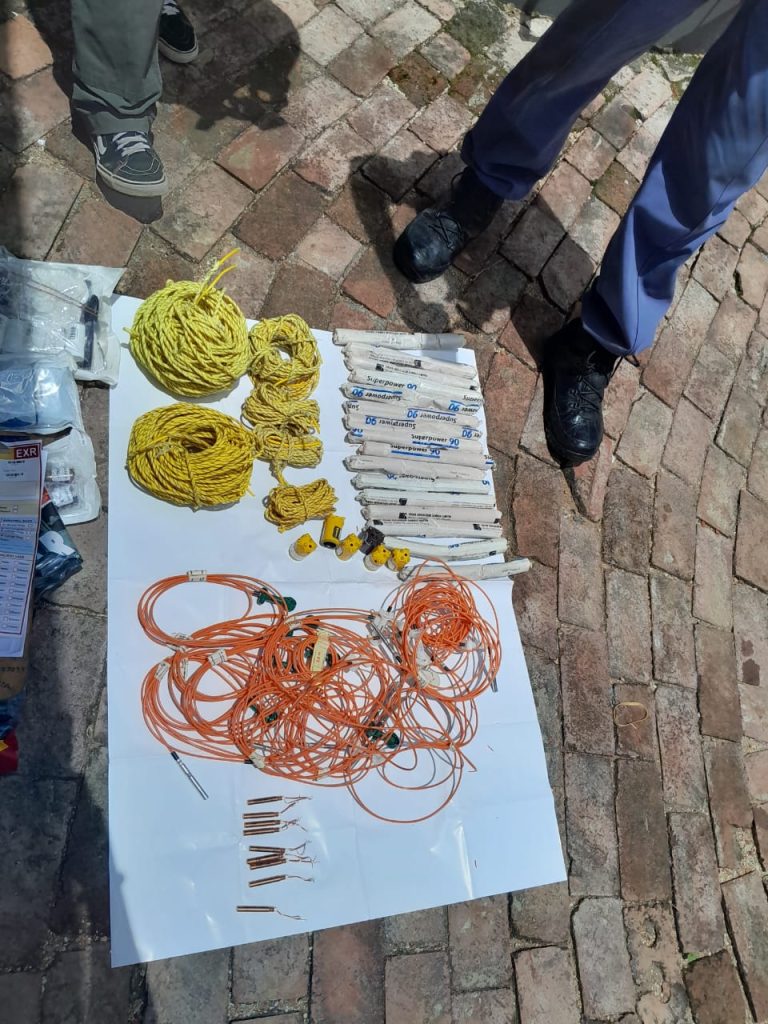
MPUMALANGA- A 35 –year old, Zimbabwian Citizen, was arrested during a multidisciplinary tactical operation conducted by the Hawks Secunda based Serious Organised Crime Investigation, Secunda CIG, Nelspruit based Serious Organised Crime Investigation, White River K9 and Nelspruit Bomb Disposal on Friday, 2 February 2024 at Emjindeni Barberton for possession of explosives and contravention of the Immigration Act.
The team followed up information which led them to the residential place of the suspect in Barberton Mpumalanga.
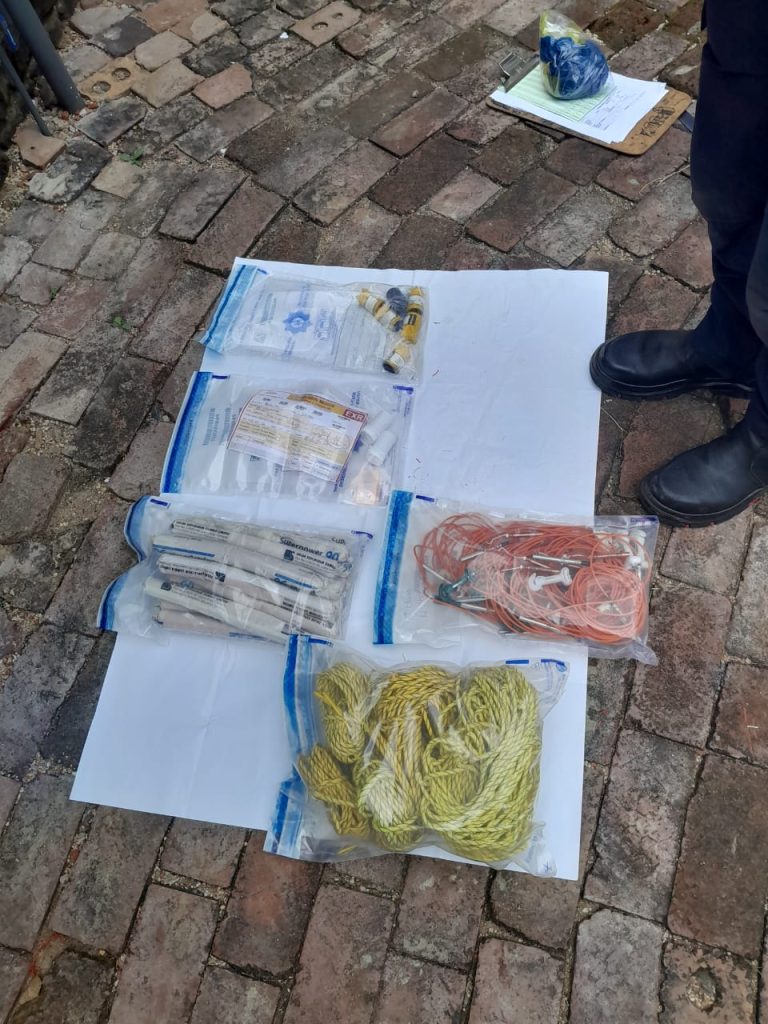
The premises of the suspect was searched. The following exhibits were found hidden in various places inside the shop: 9 x Electronic detonators, 14 x Shock tube assemblies, 16 x Blasting cartridges, 6 x industrial drilling bit 104 m x detonating cord.
The suspect was arrested and detained pending his first court appearance at Barberton Magistrate Court on Monday, 5 February.
Preliminary investigation established that the explosives were imported from Zimbabwe. During interview the suspect reported that the explosives are sold mainly to illegal miners and other criminal elements.
The Provincial Head of the Hawks Major General Gerber hailed the work of the team. Illegal explosives are used during the execution of various serious crimes. This seizure is but one of many as the HAWKS are collaborating with key stakeholders to ensure the safety of our communities. We are committed in our efforts.
Investigation continues. More arrests are eminent.
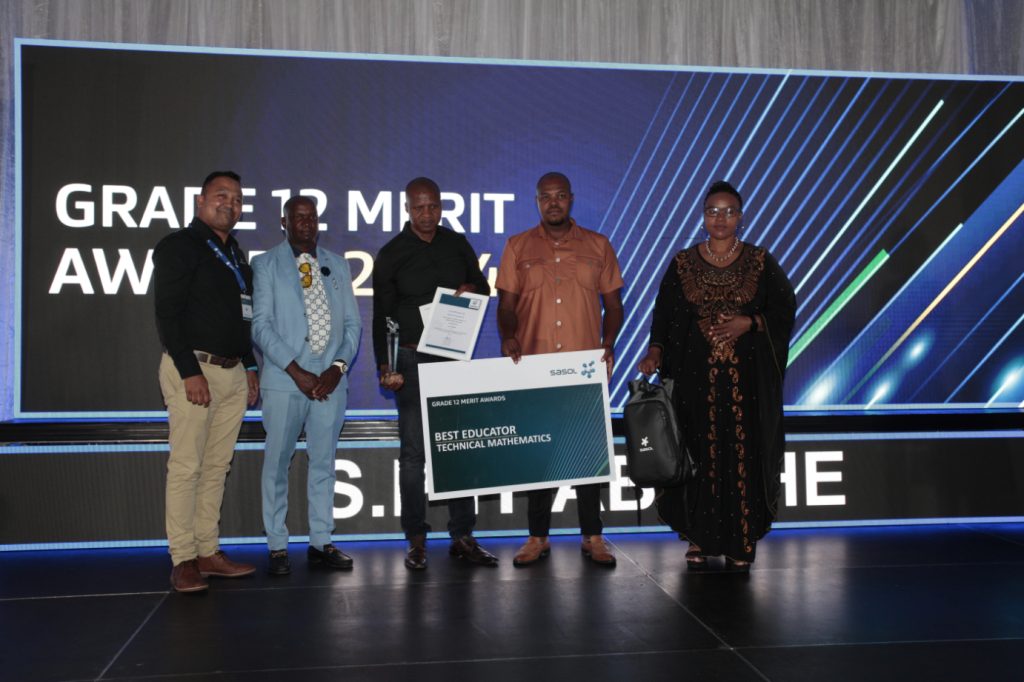
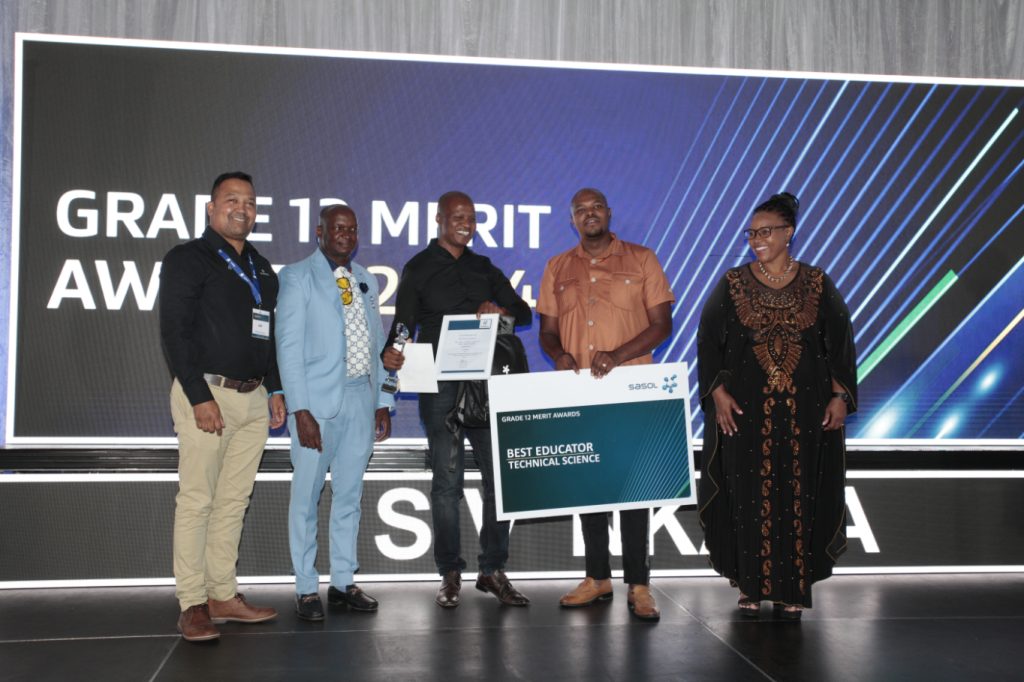
On Thursday, 1 February 2024, Sasol hosted the 29th Grade 12 Merit Awards in Secunda to honour outstanding performers from the Class of 2023.
The award for the Overall Top Achiever learner in Gert Sibande and Ehlanzeni (Sasol’s fenceline schools) went to Sivikelwe Jaiden Shongwe from Insika Secondary School at Elukwatini in Chief Albert Luthuli Local Municipality. Sivekelwe’s father (holding a trophy), accepted the award on behalf of his son.
The awards are an annual initiative that aims to recognise, celebrate and reward Grade 12 top achievers as well as encourage learners to enrol in Science, Technology, Engineering and Mathematics (STEM).
To honour the role played by educators, the best-performing subject teachers and best-performing schools were also recognised. More than 130 awards handed out during the ceremony.
Some of the top-performers in Mathematics and Science from Quintile 4 & 5 schools receiving recognition from Sasol.
Mambane Secondary School from Komatipoort scooped the award for the Most Improved School. The Overall Best Performing Schools in the Standerton Sub District and Ehlanzeni Region were: Komatipoort Academy, Beacon College, Mkolishi Secondary School and Highveld Muslim Combined School.
Over the past week, Sasol has been awarding incentives to top-performers with distinctions at provincial prize-giving ceremonies in KwaZulu-Natal and Mpumalanga. A total of nine full bursaries have been awarded to outstanding perfomers.
Sasol in collaboration with the Department of Education continues to implement different interventions that support the teaching and learning of technical subjects across the country. These subjects play a pivotal role in preparing students for the evolving workforce.
Speaking at the awards ceremony, Gerrit Viljoen, Senior Vice President: Secunda Operations stated that, “As a corporate citizen, all our interventions in education are driven by a need to see a meaningful change in society preparing communities for a sustainable future.”
Sasol’s collaboration with the Department of Education in the implementation of education initiatives is informed by a need to ensure that learners from all backgrounds have access to equal educational opportunities.
Sasol continues to play a significant role in offering educational programmes through its Osizweni Science Centre. Bursaries and skills development programmes such as Bridge to Work are also available to those who qualify.
The Electoral Commission will hold a second voter registration weekend on 3 and 4 February 2024 in preparation for the general elections of the National Assembly and Provincial Legislatures. Accordingly, the Electoral Commission announces its readiness to welcome eligible South Africans at 23 303 registration stations across the country to register or check their details ahead of the elections. Registration stations will operate from 08h00 and 17h00 on both days.
The Electoral Commission held a successful registration weekend in November 2023 and transacted with over 2.9-million South Africans who registered and/or updated their details on the voters’ roll. Registration weekends remain the most accessible modality of registration as affirmed by the yield from the first registration weekend.
The Commission is happy to report the achievement of two historic milestones:
The first is that the national voters’ roll has, for the first time, surpassed the 27 million mark. In the 2019 NPE the certified voters’ roll stood at 26.7 million. We are encouraged that we have reached this milestone ahead of the second general registration event scheduled for this weekend.
The online registration platform has proved to be the mainstay of registrations between voter registration weekends. We recorded just under 200 000 new registrations on the registration weekend in November 2023. Overall registration activity in that period is 498 000. Again this is a new feat, never realised before.
“We plan to build on these successes and urge all South Africans to make use of this weekend to register for the elections. We further urge eligible voters to visit the registration stations to inspect or update their registration details, or to do so online.” wrote the IEC on their website.
The forthcoming Voter Registration Weekend will have over 69 718 staff members in service, who have been recruited and trained. The recruitment criteria for electoral staff was conceived in consultation with the National Political Liaison Committee. The names of trained staff have also been shared with Municipal Political Liaison Committees to facilitate objections against those staff members that are deemed unsuitable. Out of the appointed staff, 53 028 are female and 16 690 are male. In addition, 35 640 registration staff are under the age of 35, while 26 475 are between ages 36 and 50. The balance of 7 603 are aged 51 and older. Crucially, 50 213 of the total staff complement are unemployed persons.
Voters are to vote where they are registered
“Our collective goal as a nation is to ensure that every one of the eligible voters in South Africa is registered to vote in the 2024 National and Provincial Elections. It is, therefore, apposite that, ahead of the second voter registration weekend, we remind voters of the general rule in elections. That is, a person votes at a voting station where they are registered. The only exception to the general rule is that a voter may vote outside of the voting district of registration only if they have first notified the Commission by the date which will be regulated by the Election Timetable. The need for this prior notification is new and comes about as a result of the changes to the law. Details of the modalities of this notification will be outlined after the registration process.”
Registration Stations for the Second Registration
On electoral infrastructure for the second Voter Registration Weekend, the Commission wishes to indicate the following:
Lease agreements for 23 303 permanent voting stations have been signed and concluded. Of these, 62% are schools, 9.7% are places of worship and the balance of 28% include all other categories such as community halls and other municipal facilities.
There are a further 959 temporary voting stations across the country. The majority of temporary stations are found in the province of Gauteng at 204, followed by the Free State at 180, and Limpopo at 150. Procurement processes concerning the provision of temporary infrastructure have been concluded. The implementation of temporary infrastructure ensures that electoral services reach even those communities who do not yet have public amenities. Temporary voting stations are, therefore, an important mechanism of extending franchise rights to all citizens.
There are 33 mobile voting stations.
Voter management devices mainstay technology for registration
The success of the first Registration Weekend was, in the main, because of the efficiencies brought by the voter management devices (VMDs). The VMD is the mainstay technology for the delivery of the registration process. Once again, three business applications will be running on the VMDs during this weekend. These are the Voter Registration, Voting Station Monitoring, and Staff Attendance Register applications. The devices are designed to operate online via a secure private cellular data connection. However, all three applications have been coded to function fully without access to the network – what we call the offline mode – if certain predetermined parameters are met. These include instances when there is insufficient connectivity with the data centre. The interplay between the online and offline modes of the devices will happen without operator intervention.
It is crucially important for each voter to check where they are registered. This is more acute in the light of the general rule that a voter must vote at the voting station at which that voter is registered. To check your registration status there are a number of channels that can be used:
Our contact centre is fully operational and can be reached on 0800 11 8000.
We are pleased to announce that, as of today, voters can also check their registration status and voting station details via our WhatsApp Chatbot on 0600 88 0000.
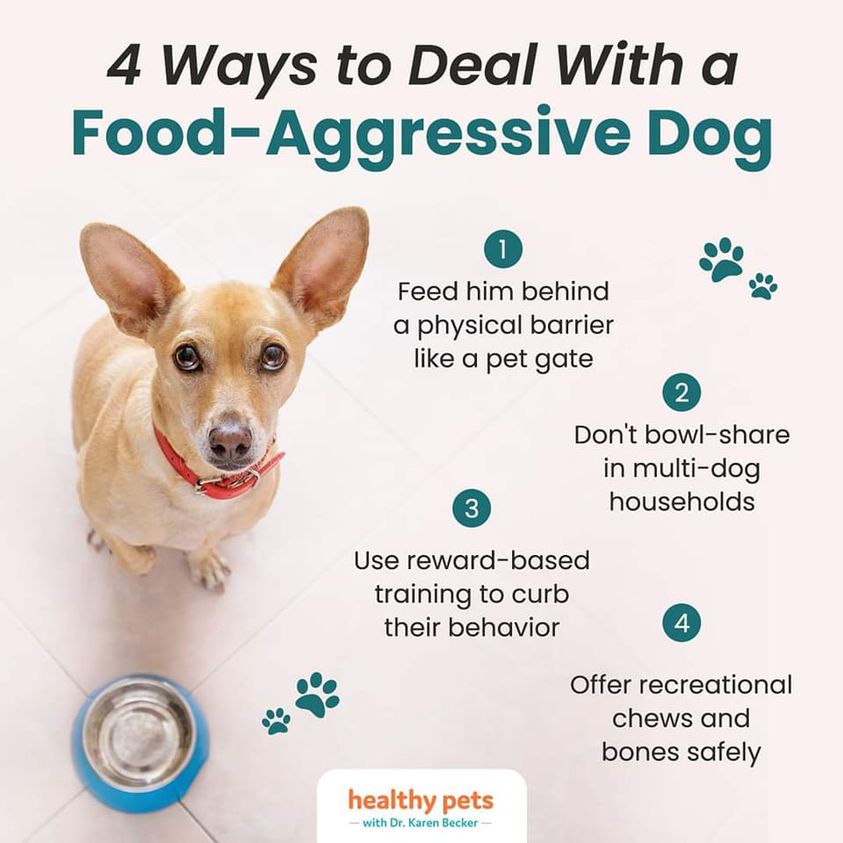
ANIMALS BEING AGGRESSIVE IS A COMPLEX BEHAVIOUR AND SHOULD BE IDENTIFIED CORRECTLY AND ADDRESSED IMMEDIATELY BY QUALIFIED INDIVIDUALS!
Aggressive behaviour is probably the most common behavioural problem in dogs seen by behaviour professionals and the most dangerous one seen in companion dogs. Behaviour is one of the most common reasons why people surrender animals to shelters, especially dogs, and aggression is one of them, although many behaviours that people perceive as aggressive are actually normal forms of communication.
As the Whole Dog Journal shares: “The broad spectrum of “aggressive behaviours” is technically called “agonistic behaviours” and is defined in ethology as, “pertaining to the range of activities associated with aggressive encounters between members of the same species or social group, including threat, attack, appeasement, or retreat.” So, while a growl-lunge-bite sequence would be easily recognized by most people as aggression, more subtle agonistic behaviours such as a freeze, a hard stare, or even a lack of eye contact, may go unnoticed (and unaddressed). The lack of understanding of basic and normal animal behaviour remains part of the problem!
Another part of the problem is also that there has been a cultural shift about dog aggression. I agree with Patt Miller that our culture has become over-sensitized to dog bites. In the past, if a child was bitten by a neighbour’s dog, the mother would usually question the child about what they did to provoke the animal. Nowadays, however, the first response is to contact a lawyer or a behaviour specialist (less likely), or even take the dog to a shelter. We have become a society that is increasingly fearful of aggression. Read more about the Pitbull crisis in SA and dog bite prevention.
This is a republication from 15 March 2023.
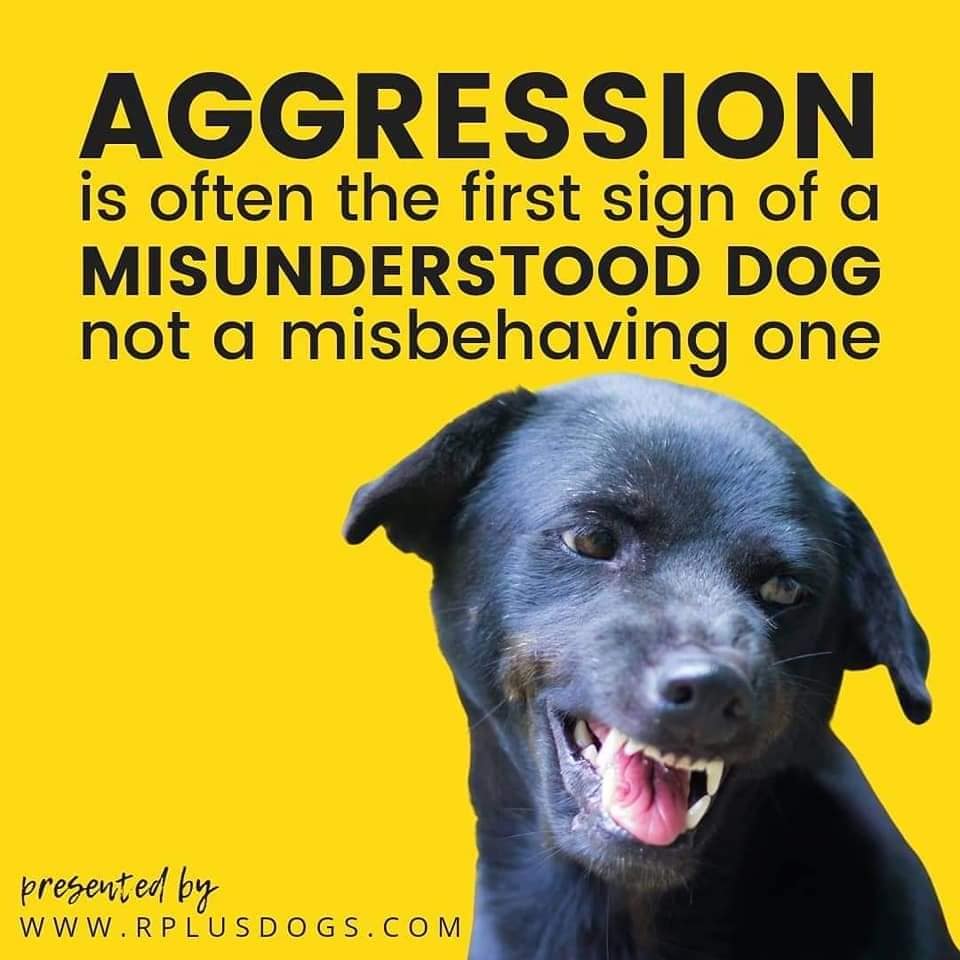
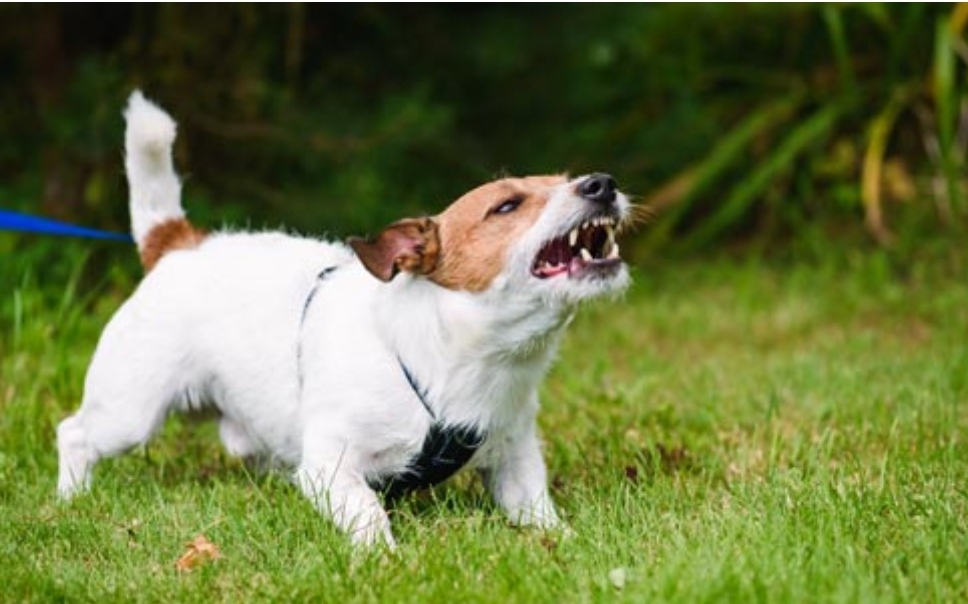
Aggression – Images by R+Dogs
SOME FACTORS THAT MAY CONTRIBUTE TO DOG AGGRESSION
Aggression in animals can be caused by a variety of factors, such as fear, excess energy, self-defence, or pain and physical discomfort for example.
1. Lack of Socialization: Dogs that are not properly socialized may become aggressive when they encounter unfamiliar people or animals. Pups learn valuable information about behaviour from their mom/dad. If they are removed before 10-12 weeks, then this could affect their future behaviour negatively too.
2. Fear: Dogs may become aggressive when they feel threatened or scared, which is a normal response for us as humans too. “Aggressive” behaviour when defending themselves or a mom protecting her puppies are also examples.
3. Pain: Dogs in pain may become aggressive as a way to protect themselves.
4. Dominance: Dogs may become aggressive in an attempt to establish dominance over other animals or people. Whether people believe it or not, animals do establish hierarchy and what appears to be aggressive behaviour might be part of that, although possibly normal. Sometimes just the company of other dogs may be stressful to your dog, which may lead to “aggressive” behaviour.
5. Breed genetics: Some breeds of dogs might be predisposed to aggression and bad breeding practices have certainly contributed to this. All dogs can bite, but some may do more damage than others. Aggression can’t be blamed on the breed. The breed of a dog can tell you what they can do, but how they are raised and cared for, determines what they will do. I believe dog bites are 100% preventable and understanding body language is key to prevention.
6. Hormones: An earlier study showed that dogs with high levels of the hormone vasopressin may be more aggressive than dogs with lower levels; higher levels of oxytocin (the “love hormone”) and higher oxytocin-to-vasopressin levels are seen in the breeds least likely to behave aggressively. Hormone levels when a bitch is in heat may contribute to “aggressive” behaviour for both her and males. One of the many reasons we support spay & neuter.
7. Your response: The owner’s prior experience with dogs can contribute to or reinforce certain behaviours, and when you panic it may worsen the situation. Animals need calm and confident owners. Remember that aggression can be learned; your pup can learn that if he acts aggressively, the things that scare him will go away. This means that his aggressive behaviour is rewarded, and will become more frequent.
MORE ON BEHAVIOUR
Reactivity
Reactivity is a reaction to something that makes a dog uncomfortable. It always starts subtly and as signals are missed, ignored, or punished. We then start to see behaviours that become a problem for us, like growling, snarling, lunging and biting.
All animals engage in defending their resources, and resources come in a variety of forms. Some may make sense, others may not. It may also seem surprising to you that your dog may resource guard items because they have an abundance of things. Food, toys, you…..but resource guarding isn’t about things. It’s about feelings as R+Dogs explains it, including:
The fear of losing out on something.
The fear associated with not having any control.
The fear that comes with intimidation (implied or unknowingly present).
The fear of the unknown.
The fear of no escape.
The fear of being unsafe.
Resource guarding can also be linked to pain so please have your dog thoroughly checked for pain by your vet.
Trigger stacking – when the behaviour happens “out of the blue”
We’ve all experienced days when it feels like everything is going wrong and we’re left feeling overwhelmed, anxious, and ready to lash out at the next person who speaks to us. This person may think we have a serious attitude problem or need anger management when in reality, we’re just having a really bad day and don’t usually act this way. The same is true for dogs. Behaviours that appear out of the blue or are out of character can often be attributed to the stacking of different triggers.
A trigger can be anything that causes a dog to become overwhelmed and have a negative reaction. These can be small, seemingly insignificant things that we may not even notice, but they can add up and eventually lead to a reaction that is out of proportion to the stimulus. When the dog’s stress levels reach a certain point, the next event, no matter how small, can cause an unexpected reaction.
Examples include: Someone at the gate, the garbage truck passing, a strange man fixing the pool, someone on a bike passing, other dogs barking, a kid that hugs the dog, etc. If this happens each on a consecutive day, you likely avoid the stacking, but if it all occurred in one day, they might “snap” with something simple due to stacking of triggers.
WHY PUNISHMENT IS NOT THE ANSWER!
Punishment is not the solution because it only suppresses the symptoms. Physical, punishment-based training is outdated. Such methods may include the use of choke chains, shock collars, or alpha rolls (physically rolling a dog onto the ground and holding him there) and hitting them. While these methods peaked in popularity in the 1960s, the science of dog training has advanced significantly in the last 50 years and today’s reputable trainers/behaviourists overwhelmingly shun them in favour of positive reinforcement or reward-based conditioning. Remember punishment, whether physical or mental, can harm your pet.
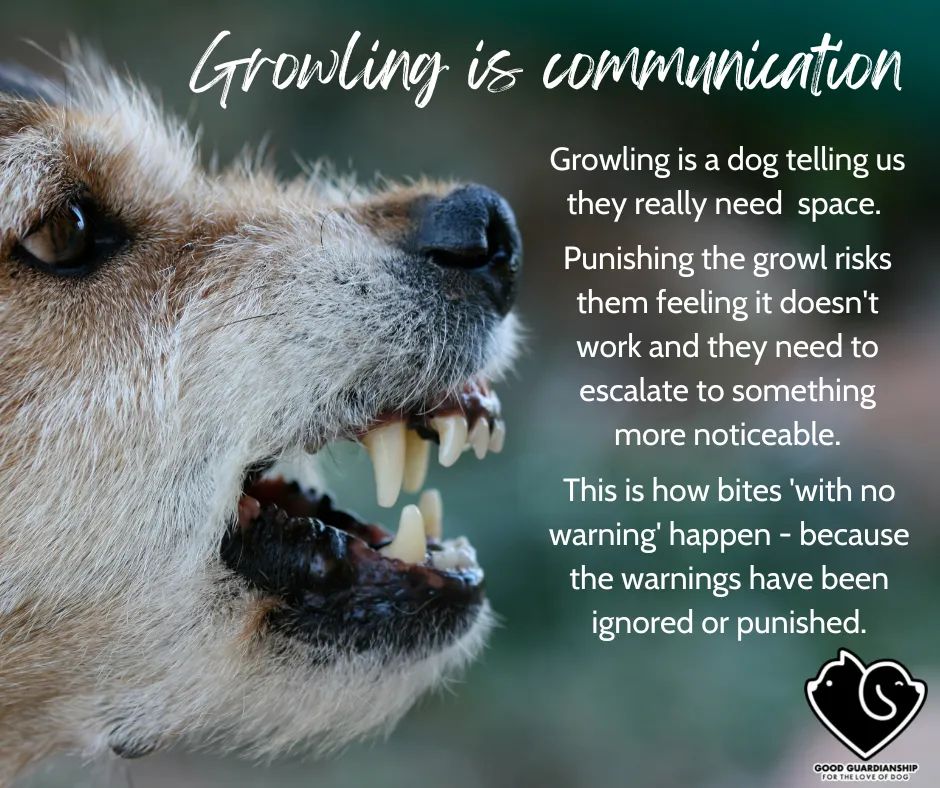
Never punish a growl, which usually precedes the bite or snap action. This way they will learn from you that it is safer to skip the growl because you will punish it, and then they bite “out of the blue”. A growl is a way of communicating that they are not happy and that they need your help! No bite is “out of the blue!”
You need an aggression-modifying action plan. A blanket approach can’t be followed for aggression, and an evaluation by a qualified behaviourist, not just a dog trainer, is important as well as addressing the individual needs of that animal if it is correctly identified as aggressive behaviour.
My first stop will always be to go for a vet check to rule out any underlying medical issue or pain.
Educate yourself about dog body language so you can be aware of your dog’s more subtle agonistic behaviours. Listen to what your pet is saying through their vocalizations or body language. TEMP – tails ears/eyes, mouth and posture. Also learn basic first-aid for pets in case of an emergency. See our previous article on body language here.
Find out what is the cause of aggression or stressors, and the stress levels. Look for subtle signs too. Avoid putting them in situations where they may be compelled to act aggressively and also to help them cope. Take steps to eliminate it from their life if possible. If it is something that can’t be removed, try to manage it by removing the dog from the environment when the stressor is present or re-directing your pet’s attention. If it is too difficult to be removed or managed, try to change their opinion of the stressor (gradually) through counter-conditioning or behaviour modification in the presence of the stressor. Redirect their attention or give them a job. Always stay calm!
Contact a behaviourist and make the time to follow the plan. Search for a behaviourist near you and ask for references. Remember that you need to look out for your pets, so if you feel uncomfortable with any trainer/behaviourist, then walk away and find someone else. We only support fear-free reward-based training methods. You can follow R+Dogs more on aggression and reactivity.
Become a calm-confident guardian by setting rules and boundaries and being consistent.
Meet all their needs physically and emotionally through species-appropriate enrichment.
Never force affection and let them come to you.
This only includes the basics and each situation must be assessed by a qualified behaviourist and an individual plan needs to be formulated to help the particular animal cope.
Many people wait too long before getting help for their dogs. Invest in learning about body language so you can help your pet to better navigate this human world they were forced into. They are your responsibility and just as most won’t dump their angry child on an already overwhelmed welfare system, you shouldn’t give up on the animals in your care because you are not meeting their needs or understanding their behaviour.
Next week we will look at being a responsible pet guardian.
WHEN YOU KNOW BETTER, DO BETTER!
Disclaimer: I am not a behaviourist although I research these topics.
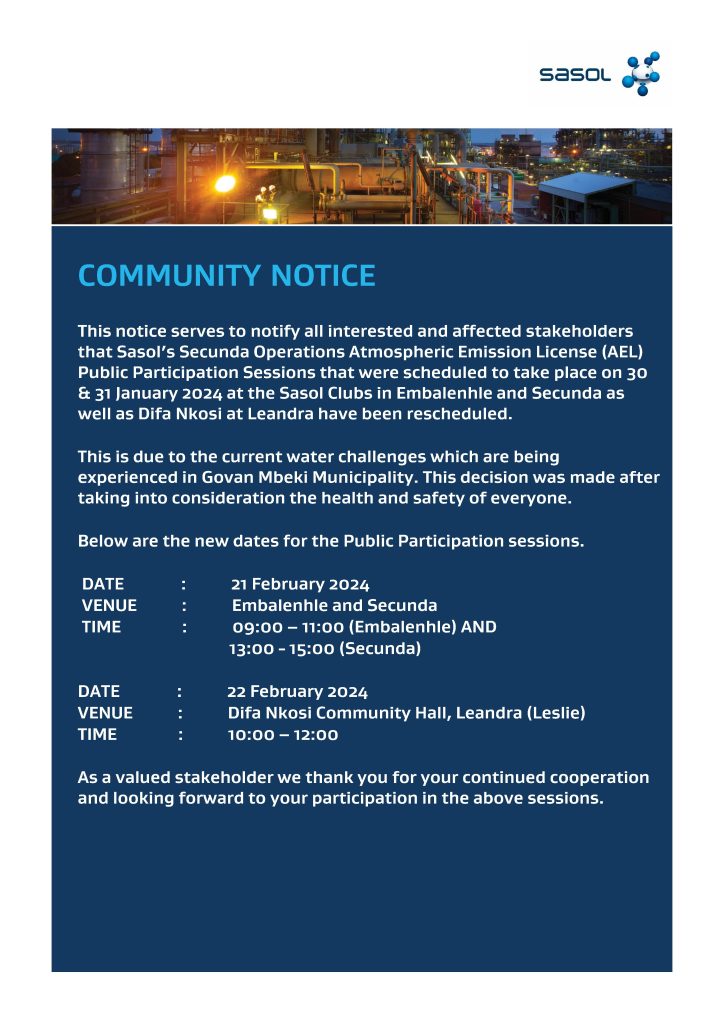
This notice serves to notify all interested and affected stakeholders that Sasol’s Secunda Operations Atmospheric Emission License (AEL) Public Participation Sessions that were scheduled to take place on 30 & 31 January 2024 at the Sasol Clubs in Embalenhle and Secunda as well as Difa Nkosi at Leandra have been rescheduled.
This is due to the current water challenges which are being experienced in Govan Mbeki Municipality. This decision was made after taking into consideration the health and safety of everyone.
Below are the new dates for the Public Participation sessions.
DATE – 21 February 2024
VENUE – Embalenhle and Secunda
TIME – 09:00 – 11:00 (Embalenhle) AND 13:00 – 15:00 (Secunda)
DATE – 22 February 2024
VENUE – Difa Nkosi Community Hall, Leandra (Leslie)
TIME – 10:00 12:00
As a valued stakeholder we thank you for your continued cooperation and looking forward to your participation in the above sessions.
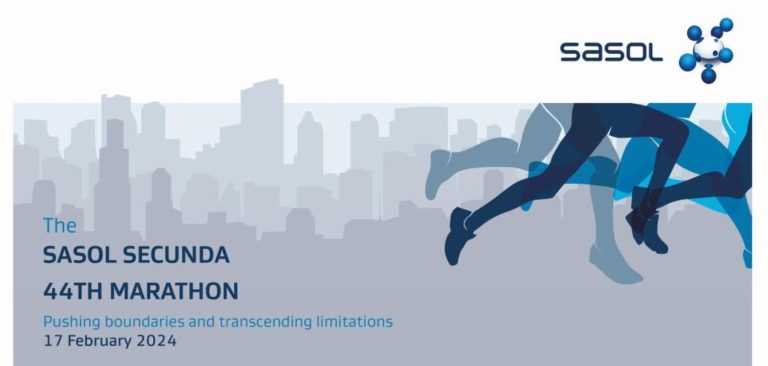
The Sasol Secunda Marathon is an annual event hosted by the Sasol Marathon Club. The event is a popular qualifier for the Comrades and the Two Oceans Marathons and attracts elite runners from across the country.
Participants can take part in the following races: 42.2 km, 21.1 km,10 km and a 4.5 km fun run.
Register online to be part of this fun-filled day.
Race Information:
Date : Saturday 17 February 2024
Time : 06:00 (42,2 km, 21.1 km, 10km) | 06:15 (Fun run)
Starting Point: Sasol Secunda Recreation Club
How to register:
Scan the QR code and complete the entry form online. Alternatively, register manually by downloading and completing the entry form and email it to admin@sasolmarathonclub.co.za
Understanding dog body language is like unlocking a secret code to their emotions and intentions. Dogs, being non-verbal creatures, rely heavily on their body to communicate with the world around them. Every wag of the tail, tilt of the head, or prick of the ears tells a story about their current state of mind. Delving into the intricacies of canine body language not only deepens the bond between humans and their furry companions but also enhances our ability to provide the care and attention they deserve.
Let’s explore some of the more common body language in the canine conversation.
WHAT IS BODY LANGUAGE?
Most animals use body language as well as sound and smell to communicate with one another. Body language is the movements of animals’ facial expressions, eye behaviour, posture, and the movement of their body parts is inherent in all creatures including humans.
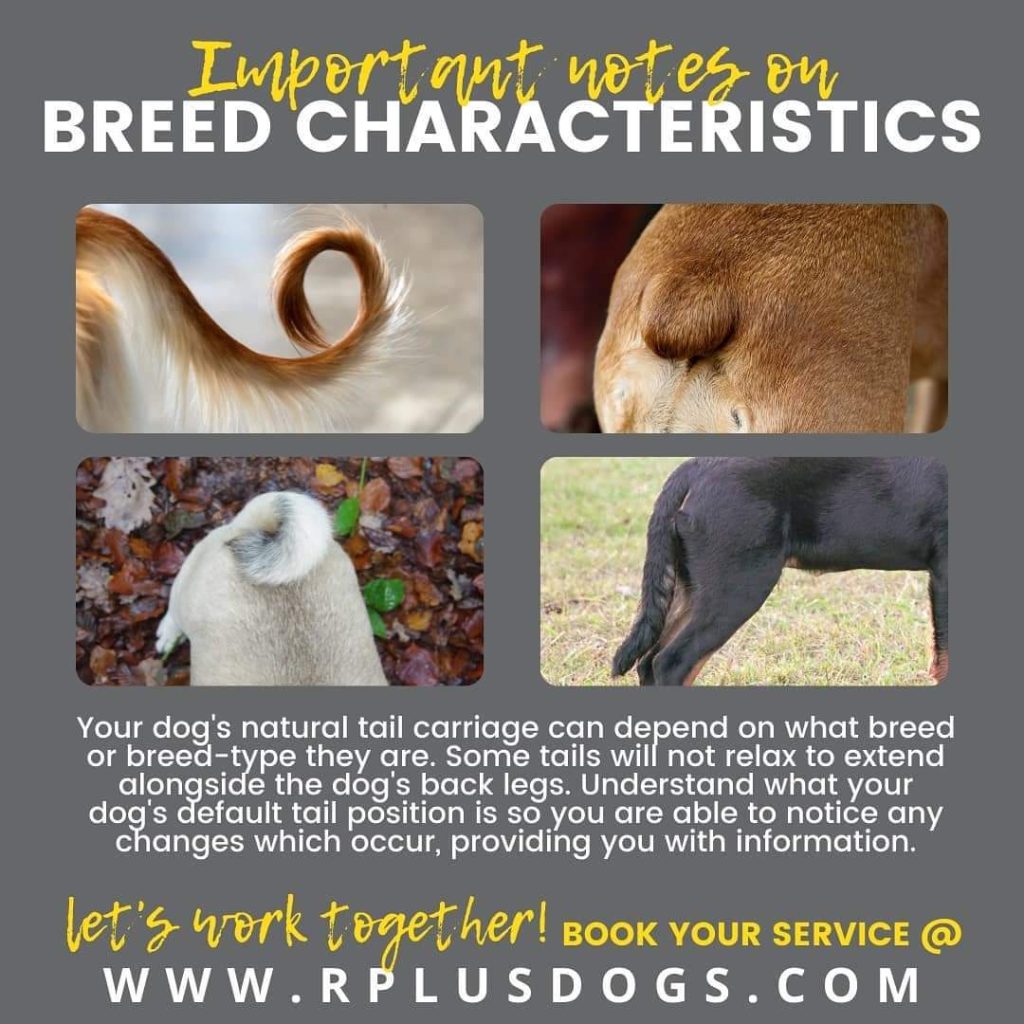
Many people think that it is easy to ‘read’ their dog, but there are so many subtle signs that many people don’t pick up on. Decoding your pet or another pet’s body language is not as straightforward as looking at a tail wag or the ears. Lexi Donnelly, a behaviour consultant at Best Friends Animal Society, shares how you usually see several dog body language signals happening at once. To make dog expressions even more nuanced, “Body language signals can be challenging due to breed difference and physical appearance, such as cropped ears, docked tails, wrinkles, etc.”
WHY IS BODY LANGUAGE IMPORTANT?
Dogs don’t use words, but through the gestures of our canine companions they can express a wide range of emotions and actions and it is crucial for communication. Your ability to understand and interpret body language can help you pick up on unspoken issues or feelings in your pets. When we understand body language, we can better understand our pets and meet their needs which will deepen our relationship. Dog bites and fights can also be prevented by better understanding and predicting behaviour.
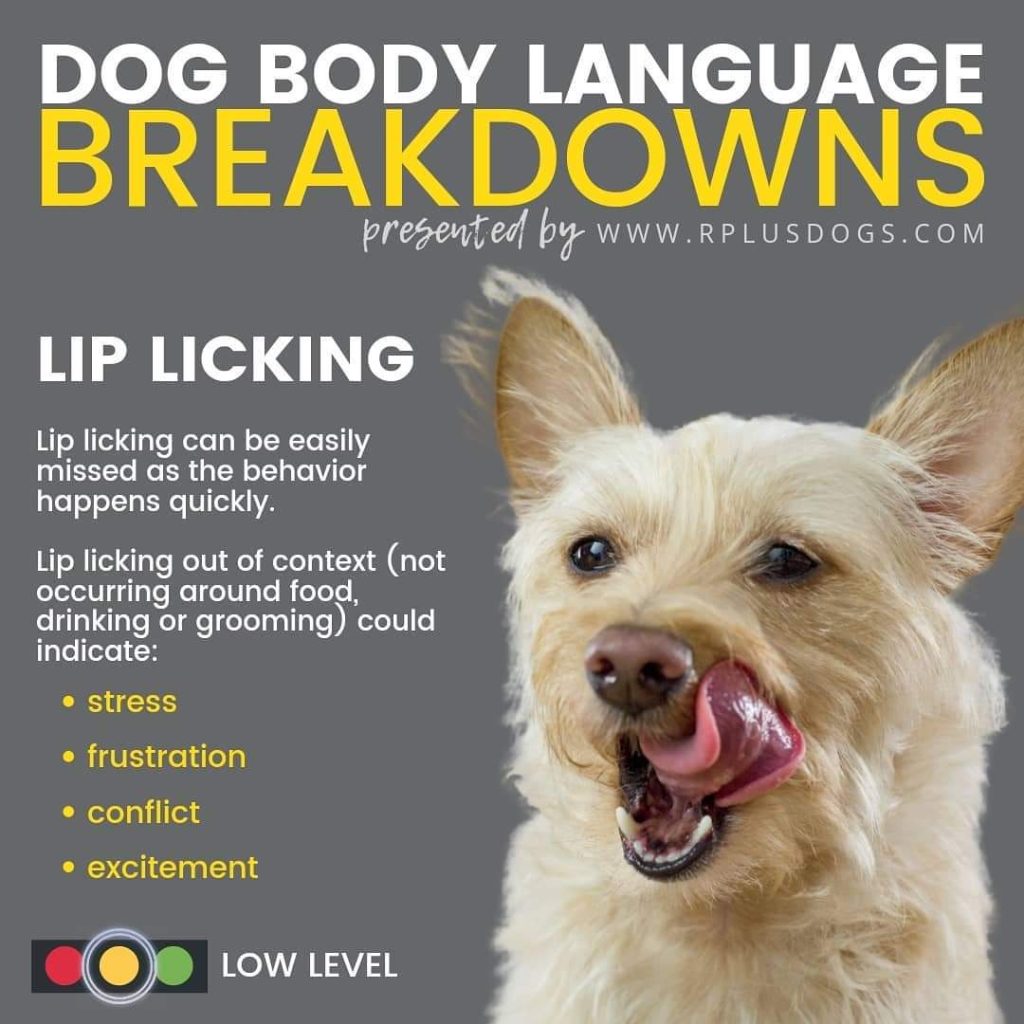
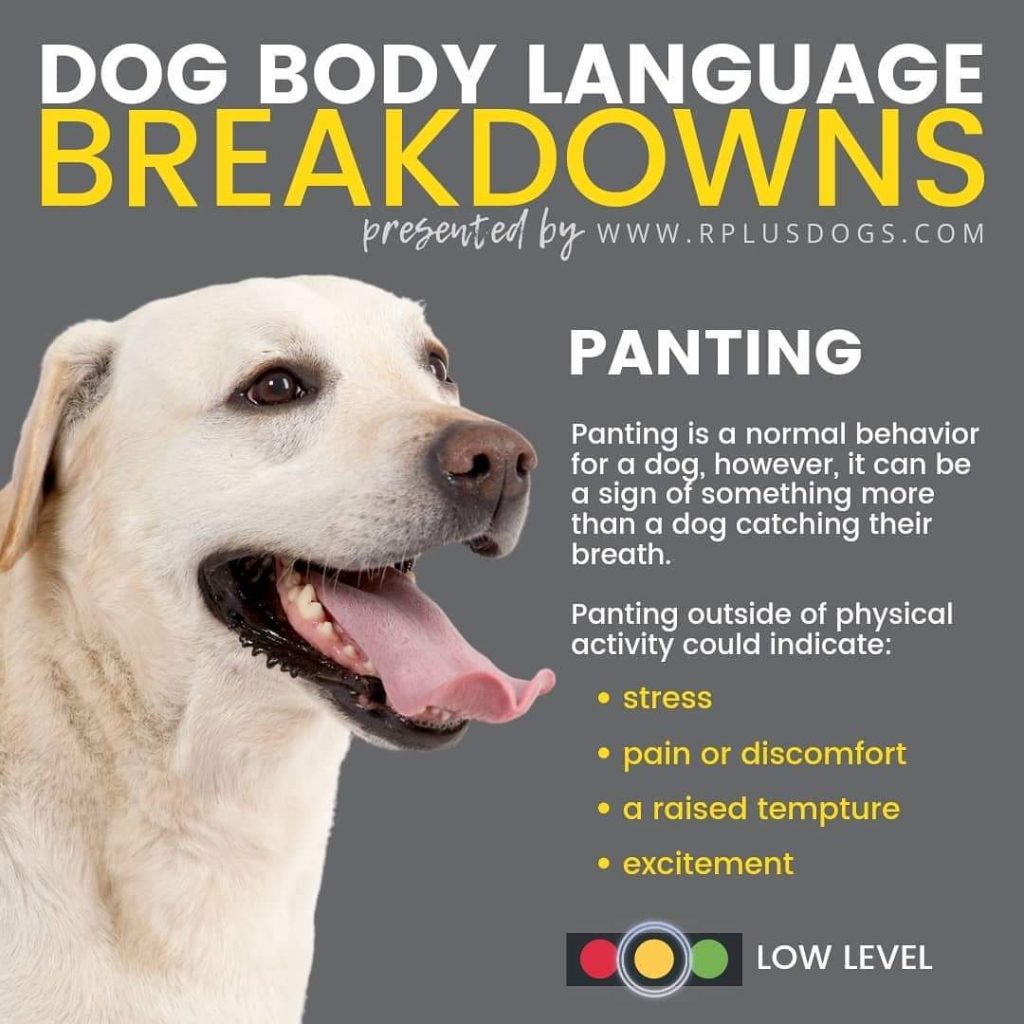
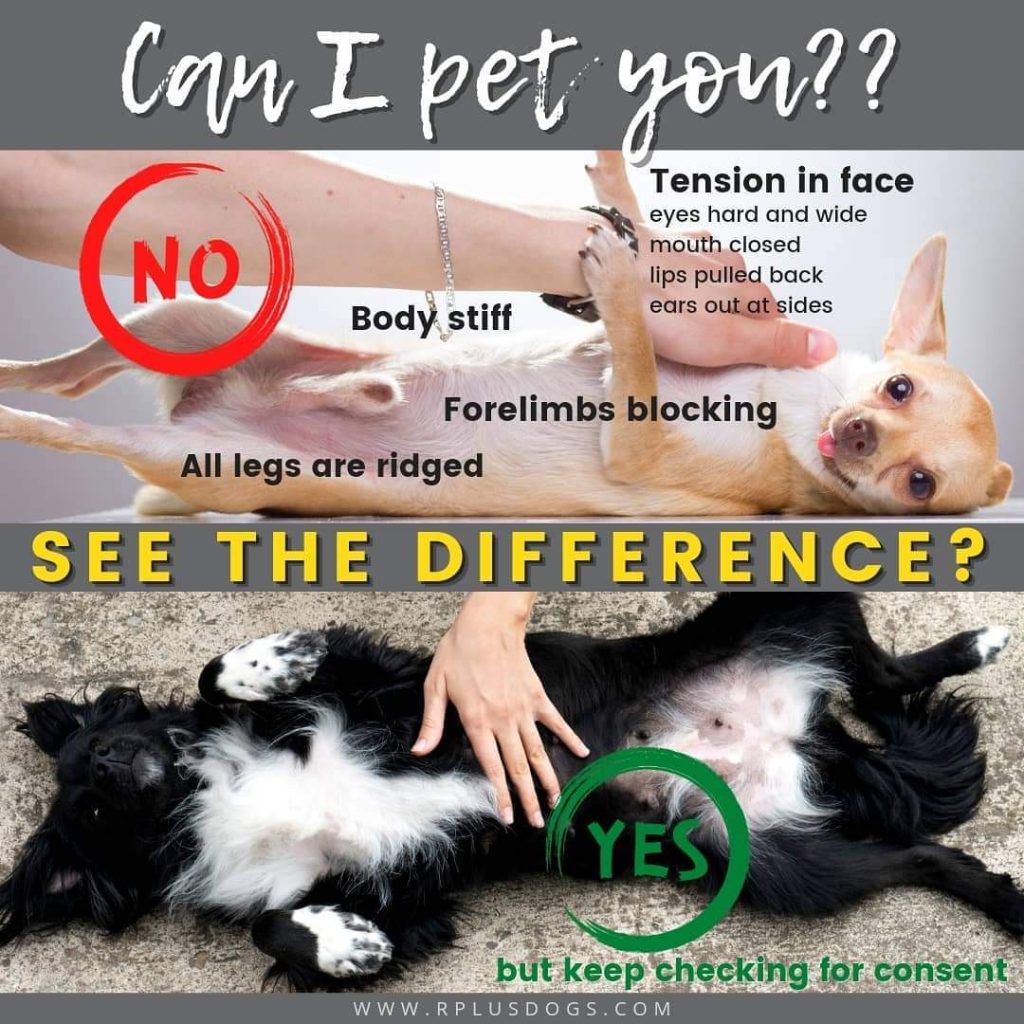
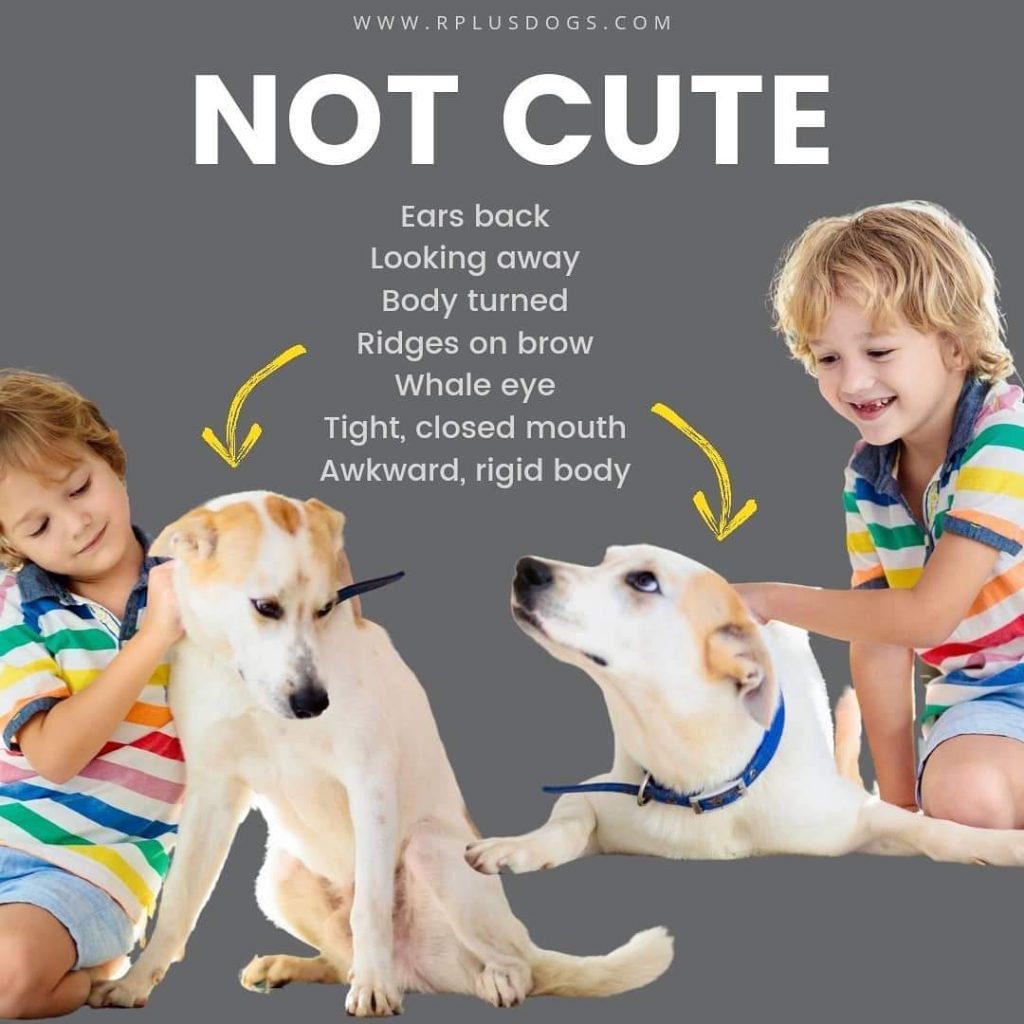
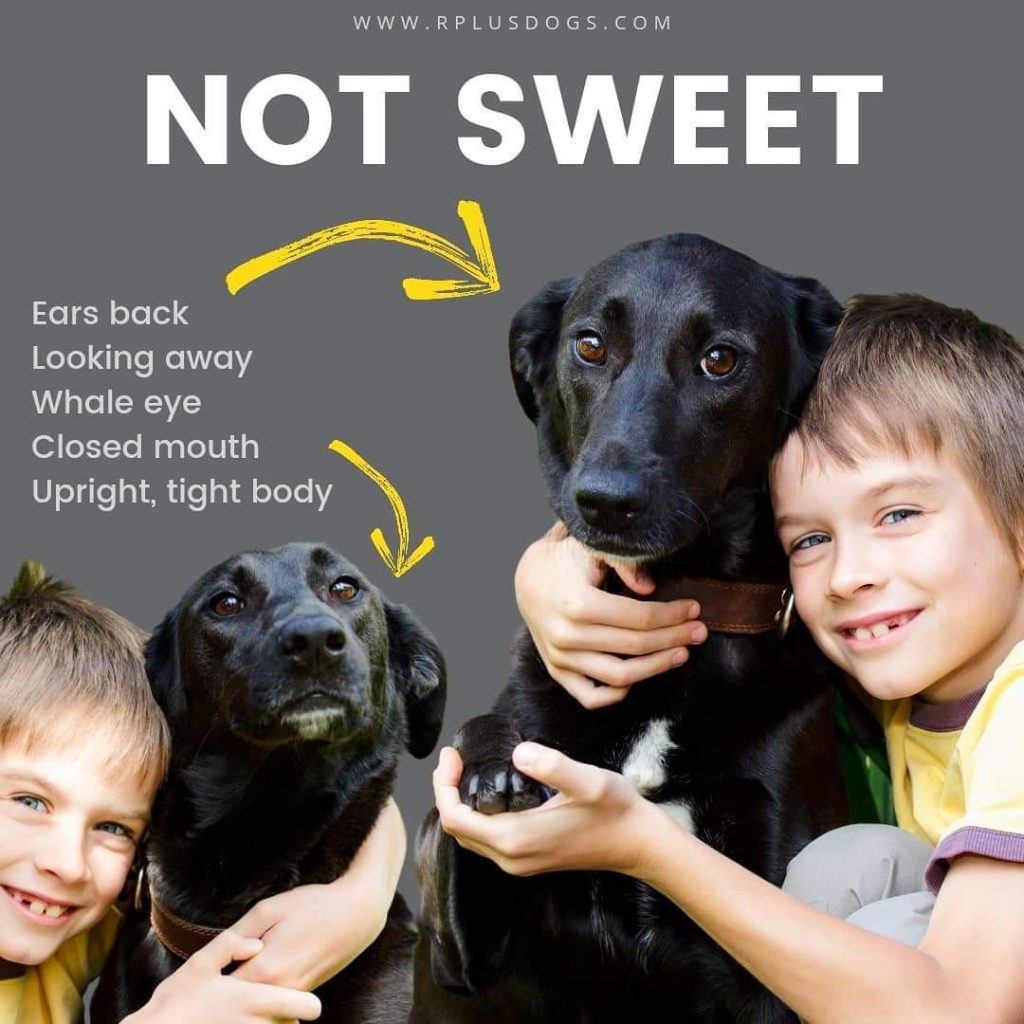
I am not a behaviourist, but I will share some of the basics I have learned about this topic. We can’t begin to cover the full extent of dog body language (or other animals) in one article, so we will look at the basics only! Check out these PAWSOME BODY LANGUAGE pictures from www.RPLUSDOGS.com and here are a few body gestures from other species.
To understand a dog’s communication signals, it’s necessary to pay attention to specific body postures, movements, and facial gestures although we do need to look at them all together and within context too.
DIFFERENT BODY LANGUAG CUES
Gilbert-Gregory gives the following cues:
HOW A DOG LOOKS WHEN RELAXED
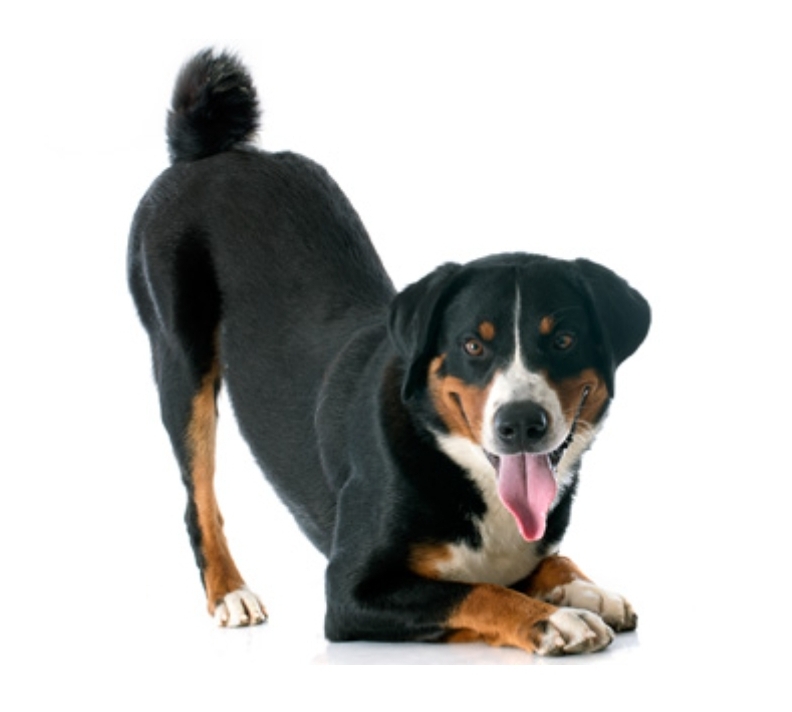
Posture — The weight is carried evenly; may do a play bow or wiggle.
Tail — Relaxed and neutral position; may be wagging.
Ears — Neutral position.
Mouth — May be open with tongue hanging out, or may be closed with lips relaxed over teeth.
Posture (and fur) — Piloerection (raised hair on the shoulders and back); might roll over and lift a forelimb.
Tail — Might be tucked in under the body.
Mouth — Might show a submissive smile (a very wide smile), or may be panting, lip licking and/or yawning.
Ears — Pinned back.
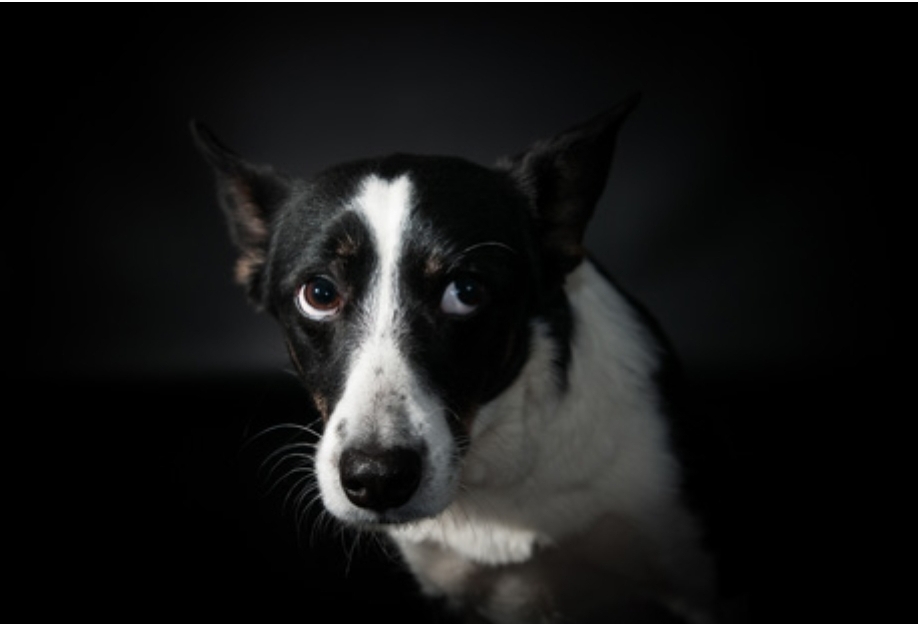
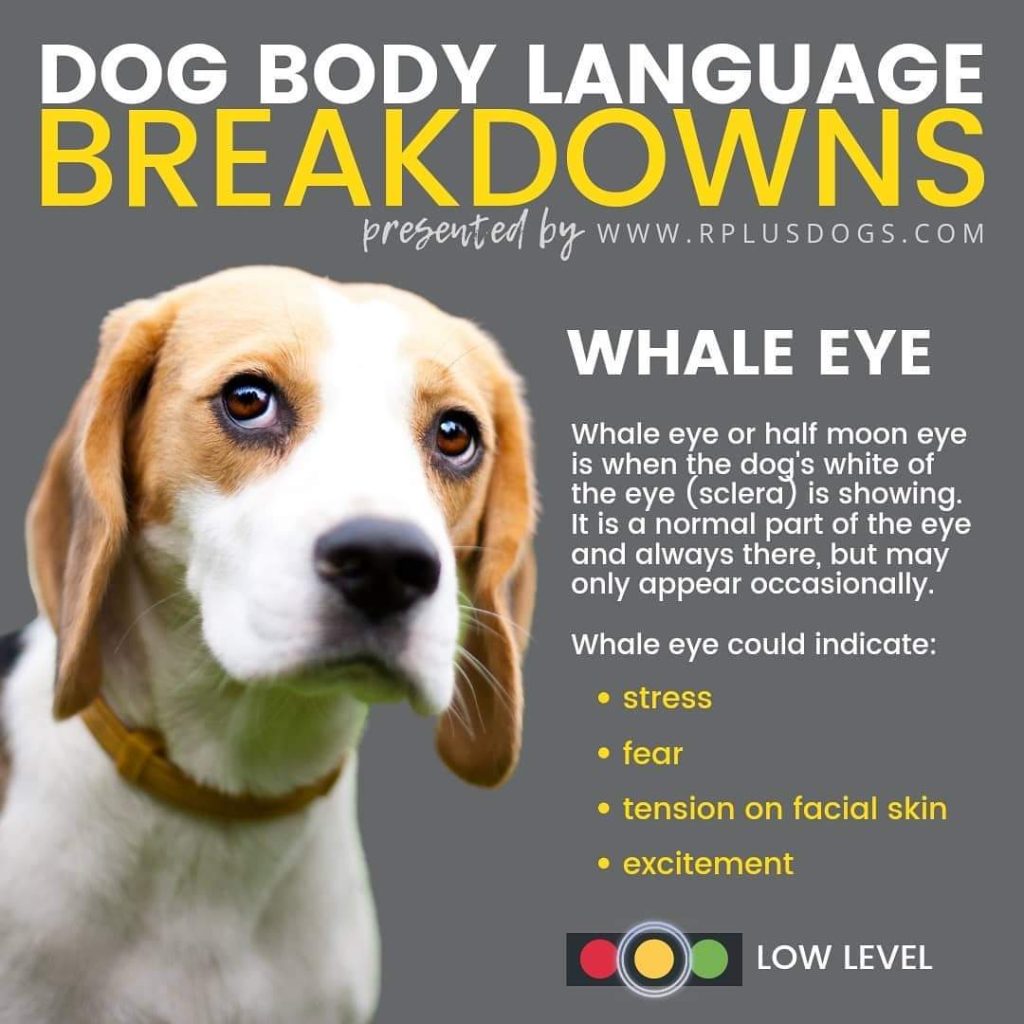
Eyes — Whale eye (white portion of the eye showing at corner or rim), pupil dilation, or averted gaze.
Body language – Image shared by Dr. Karen Becker
HOW A DOG LOOKS WHEN AGGRESSIVE
Posture — Muscles tense, weight shifts back and low to the ground; may also roll over to expose belly or raise one paw.
Hair — Piloerection is a red flag.
Tail — May be tucked or low to the ground; may be wagging slowly or rapidly.
Mouth — Pulled back, with possible growling, snarling, excessive panting, lip licking, chewing, or yawning.
Body language – Image shared by Dr. Karen Becker
CALMING SIGNALS
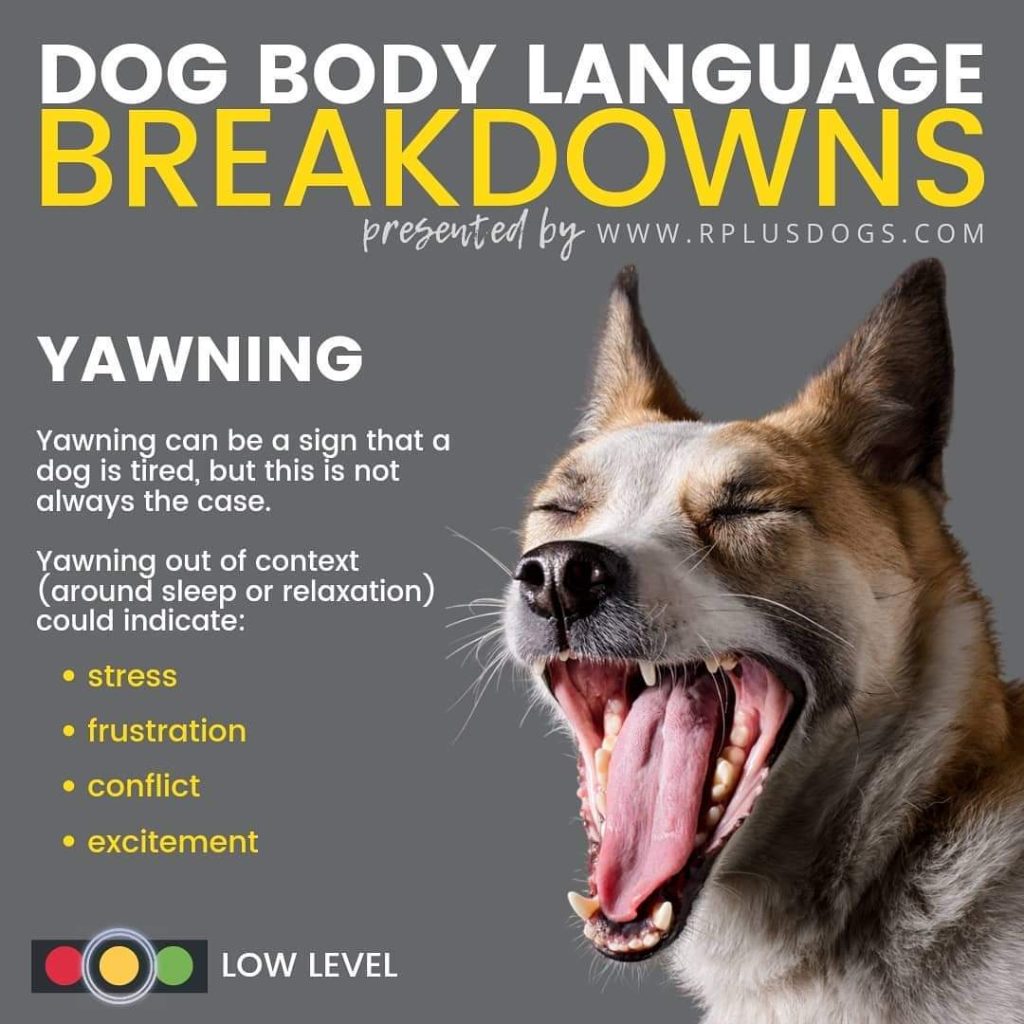
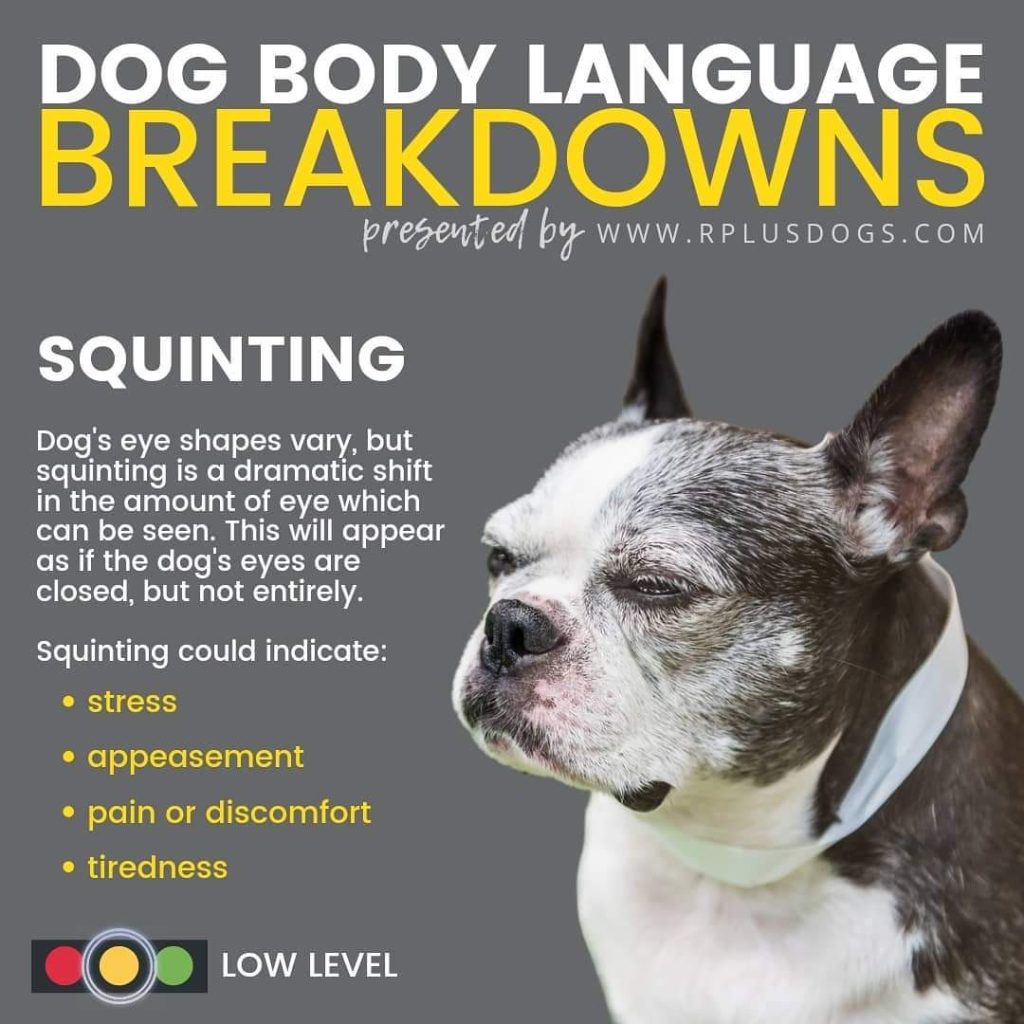
Some of these body gestures are referred to as “calming signals” and it is a way your pet tells you they are uncomfortable or not a threat, yet so many people especially parents miss this. They include: Breaking eye contact/turning away, lifting a paw, sniffing the ground, freezing/stillness, showing the whites of the eye (whale/moon eye), lip licking (when not eating), yawning (when not tired), walking slowly, “smiling”, wagging tail, panting, play bow, exposing the belly/lying on back, shake/shiver, lowered head and more.
A note on a dog’s hair – When you see a dog’s hair rise, most people think it is only a bad sign, but it could be arousal, discomfort, or fear. Similar to when we get goosebumps from an awesome story or when watching a scary thriller.
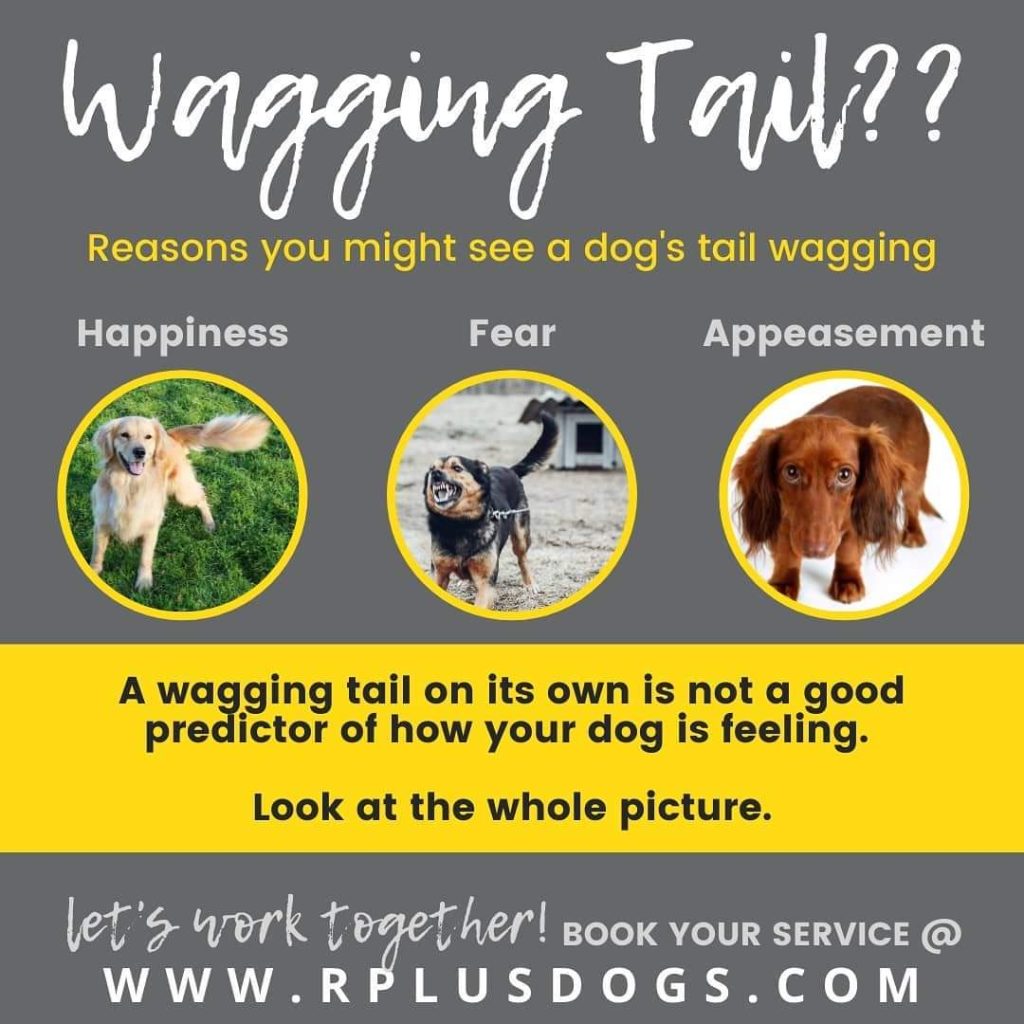
Many people will say: ” The dog’s tail was wagging so I know they just wanted to play.” In an article by Dr. Karen Becker, she shares how wagging tails do not always indicate happiness or pleasure. This is a good reason why you should stop using the tail wagging as a sign that all is okay. Tail wagging probably evolved as a dog-to-dog form of communication, since it appears dogs message each other through tail wags.
A 2013 study suggests that dogs who see another dog wagging to the left respond anxiously, with elevated heart rates, and dogs who see another dog wagging to the right remain relaxed. Other tail wagging signals include full body wags, the “circle wag”, the tip of the tail wags, and stiff or rigid wags.
Donnelly breaks it down to:
A high tail wag can be over-arousal or early warning signal that the dog is frustrated or fearful.
A loose, half-mast wag can be comfortable and playful.
A low tail wag can signify fear and serve as an early warning signal.
Tail between the legs – this body posture is not one of confidence or feeling at ease.
PUTTING IT ALL TOGETHER
When you are trying to decode your dog’s gestures it’s important to look at the whole picture and within context. What happened when the behaviour was displayed? Dogs will most likely not display only one gesture at a time and you will have to look at the whole body, not just one part. Although some body language is universal, focus on your pet’s individual body language. Next time you interact with your dog, look specifically at their body language. Look at how their posture changes when they are in different situations.
Always look at the body language when you want to touch an animal. Touch should always be with clear consent, voluntary, and with ongoing permission. We refer to it as PET-PET-PAUSE. The safest bet is when you let the dog approach you and initiate the interaction. If you notice they are stressed and showing any of the calming signals, move away and take them to a safe space to help them relax.
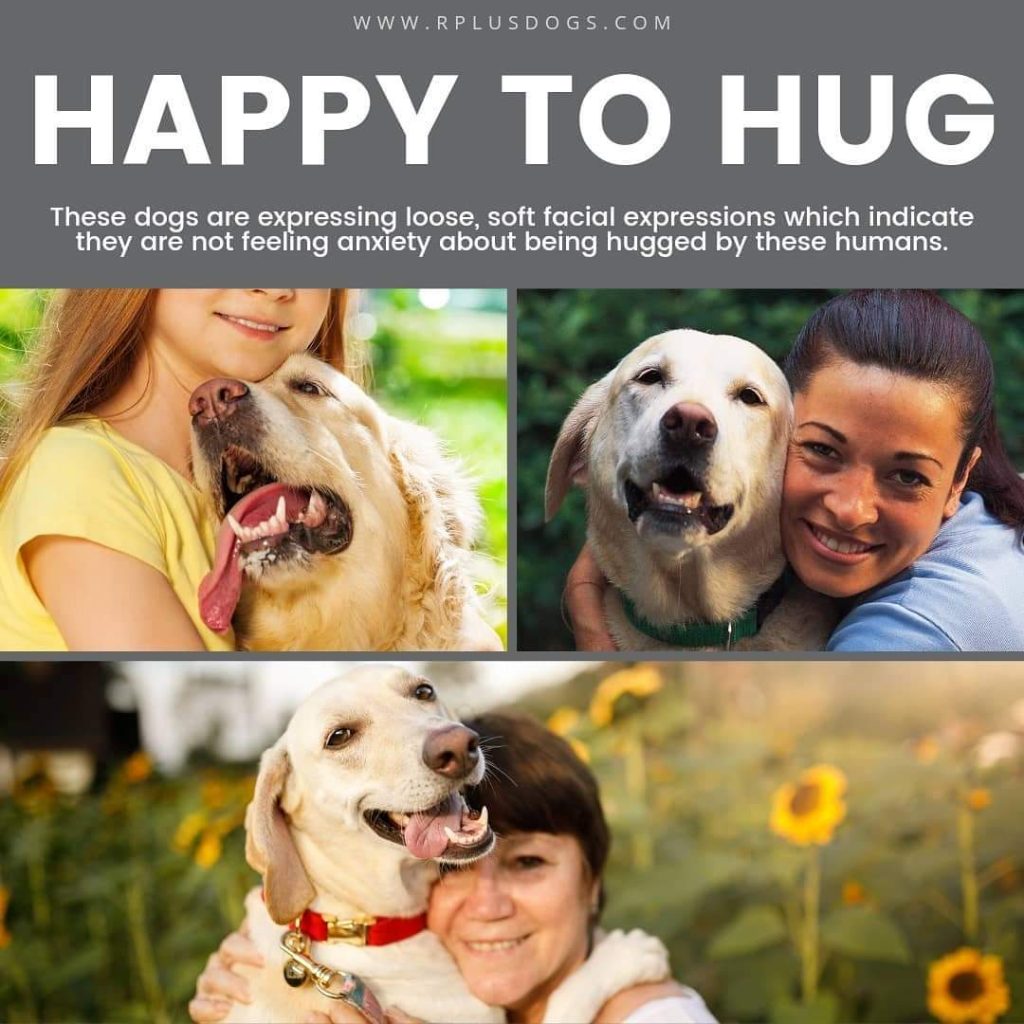
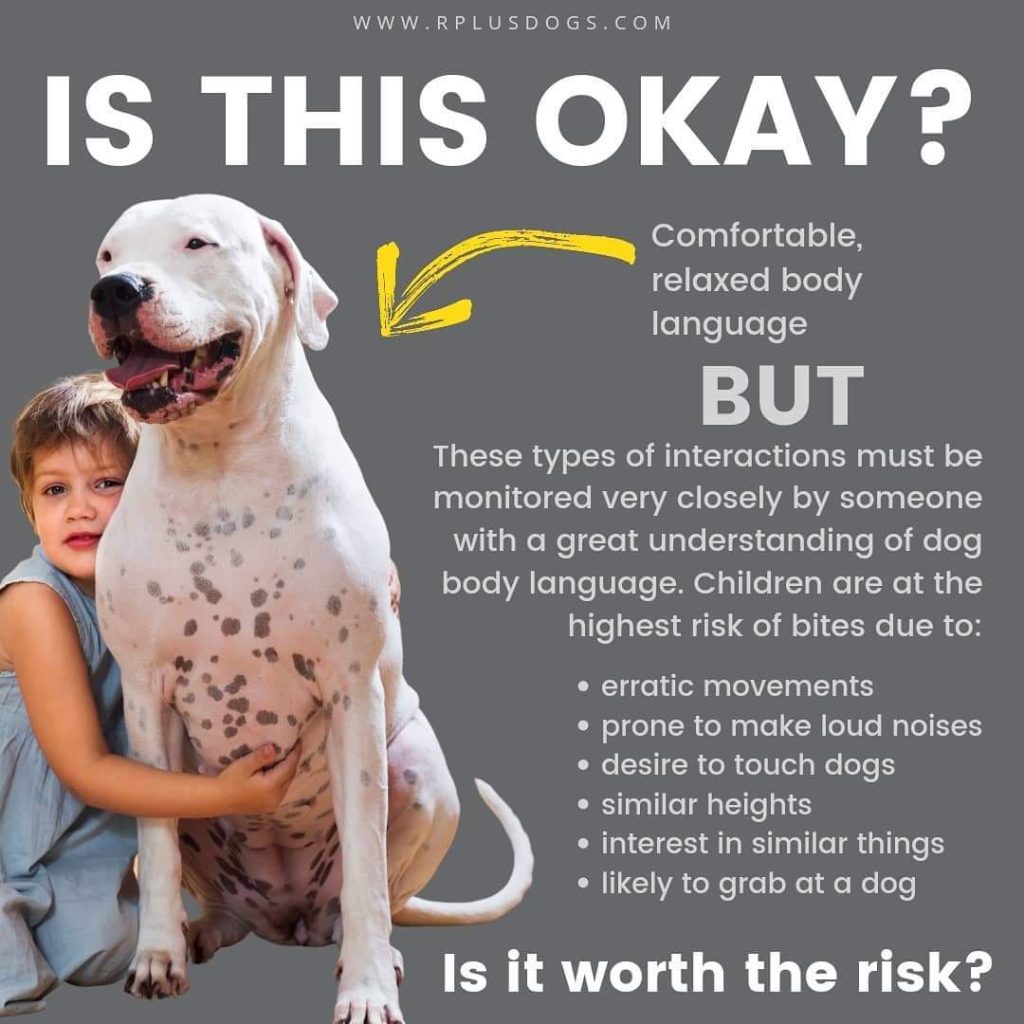
Here are more pictures by R+Dogs on this topic:
REMEMBER T-E-M-P: Tails, ears & eyes, mouth and posture.
I have heard people brag about how well their dog listens to them, but I want to know how well you listen to your dog by observing, understanding, and reacting to their body language and through it help them navigate this human world, they were forced into, better. Make the time to really “get” your four-legged best friend because it will improve your relationship and avoid unfortunate interactions.
Apart from the fact that it is cruel to crop ears and dock tails of animals, it also affects their body language and therefore their communication.
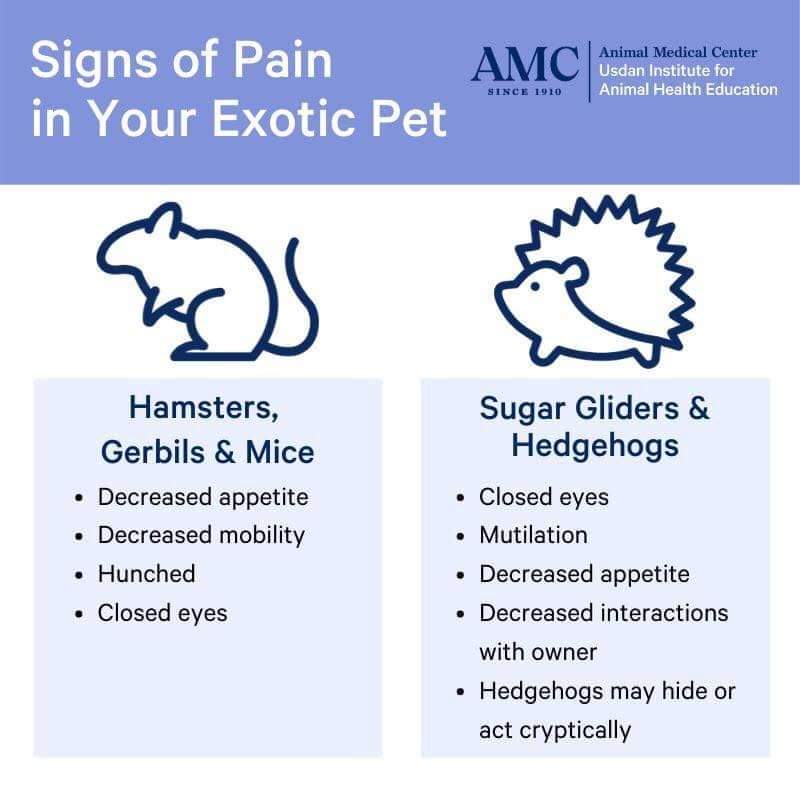
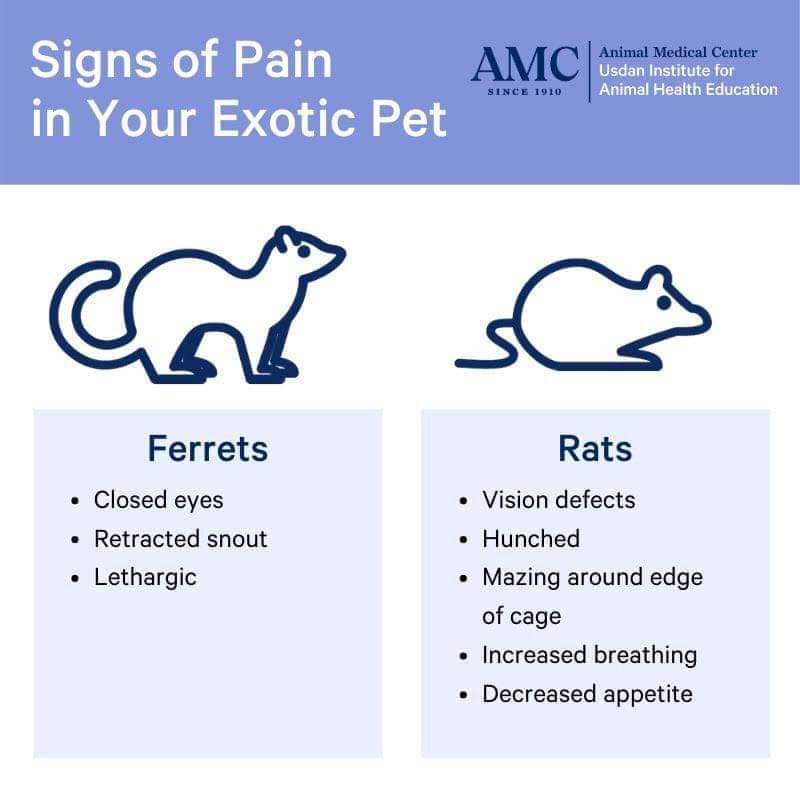
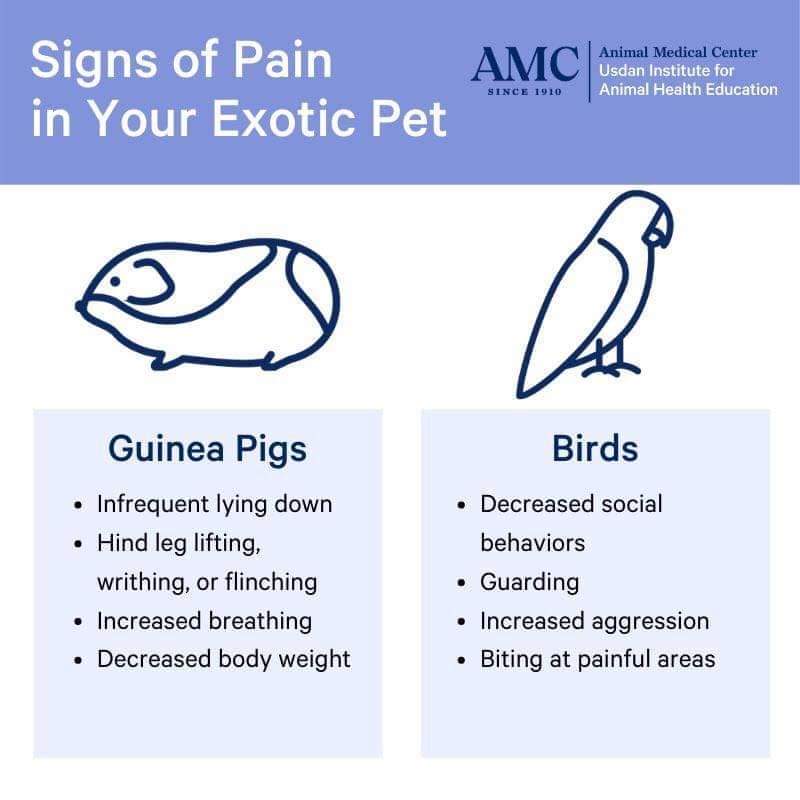
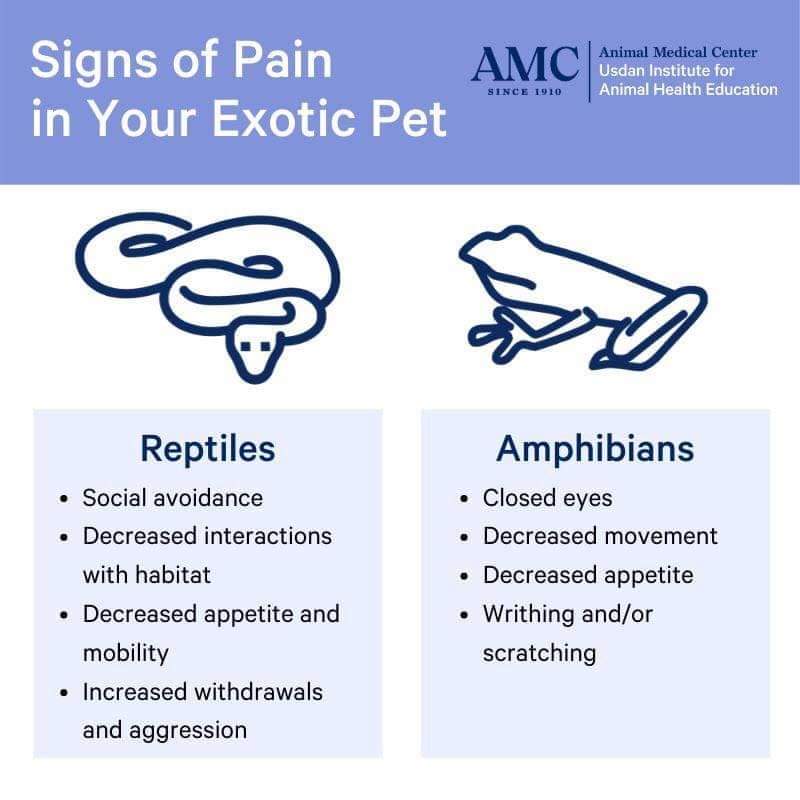
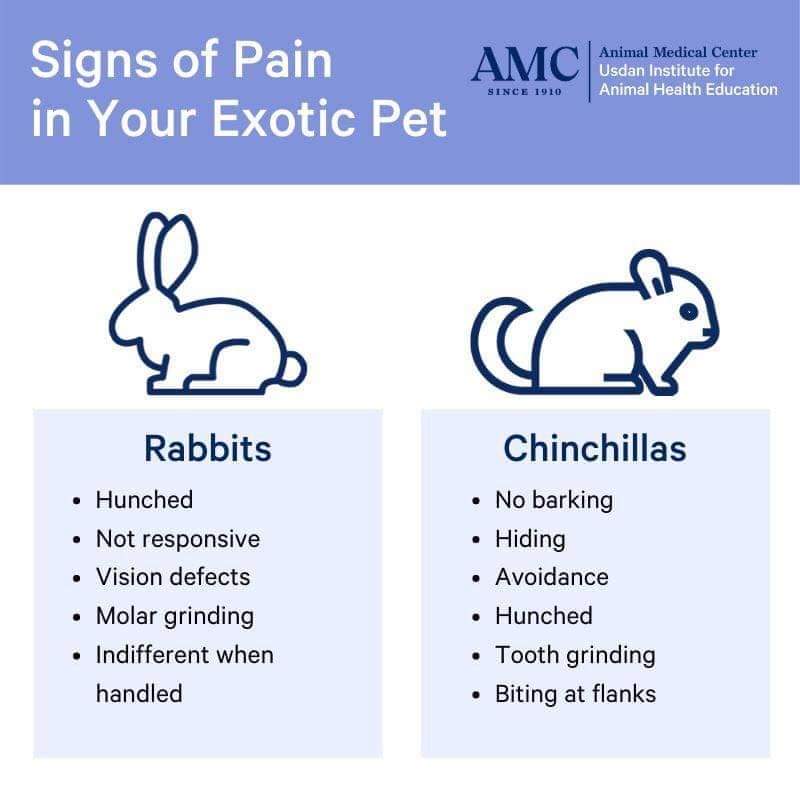
Before we conclude, here are some hints on the body language of some exotic pets as shared by the Animal Medical Center. Please remember that we do not support the keeping of exotic or wild animals as pets.
In conclusion, the profound connection between humans and dogs goes beyond verbal communication; it is intricately woven into the fabric of their body language. As pet guardians, recognizing and understanding the subtle cues embedded in their wagging tails, expressive eyes, and varied postures is not just a skill but a responsibility. It allows us to respond to their needs with empathy and care, fostering a relationship built on trust and mutual understanding. By delving into the nuances of dog body language, we not only enhance our ability to meet their emotional and physical needs but also create a harmonious environment where both human and canine companions can thrive. So, let us continue to appreciate the silent yet powerful language of our furry friends, ensuring a lifetime of love, companionship, and shared adventures.
Are you hearing what your dog is saying through their body language?
Next week we will share more on aggressive behaviour of dogs.