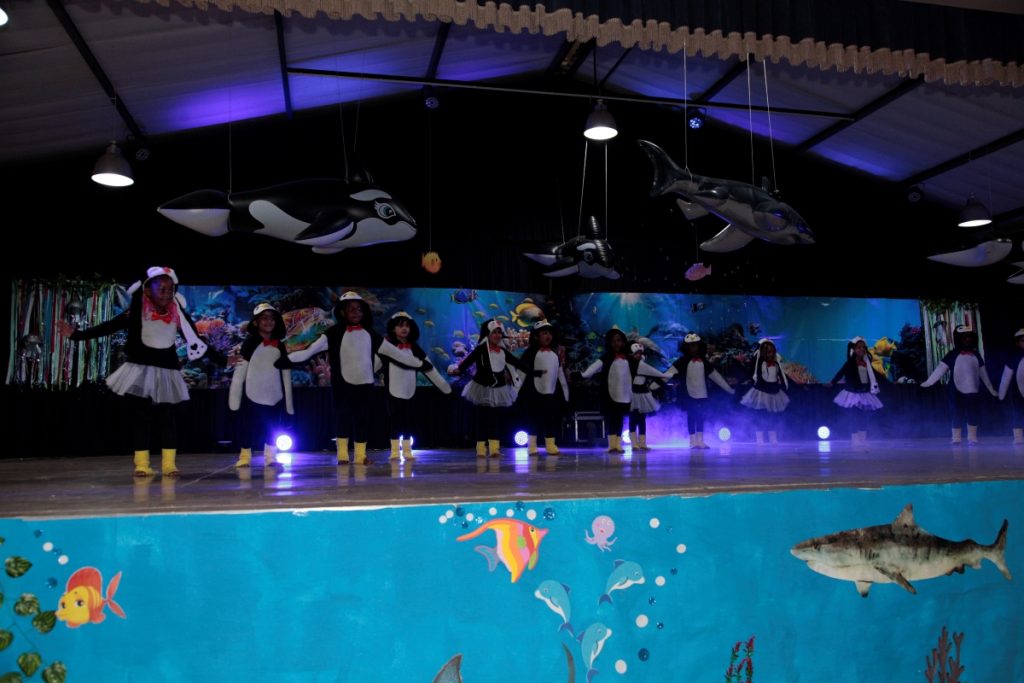
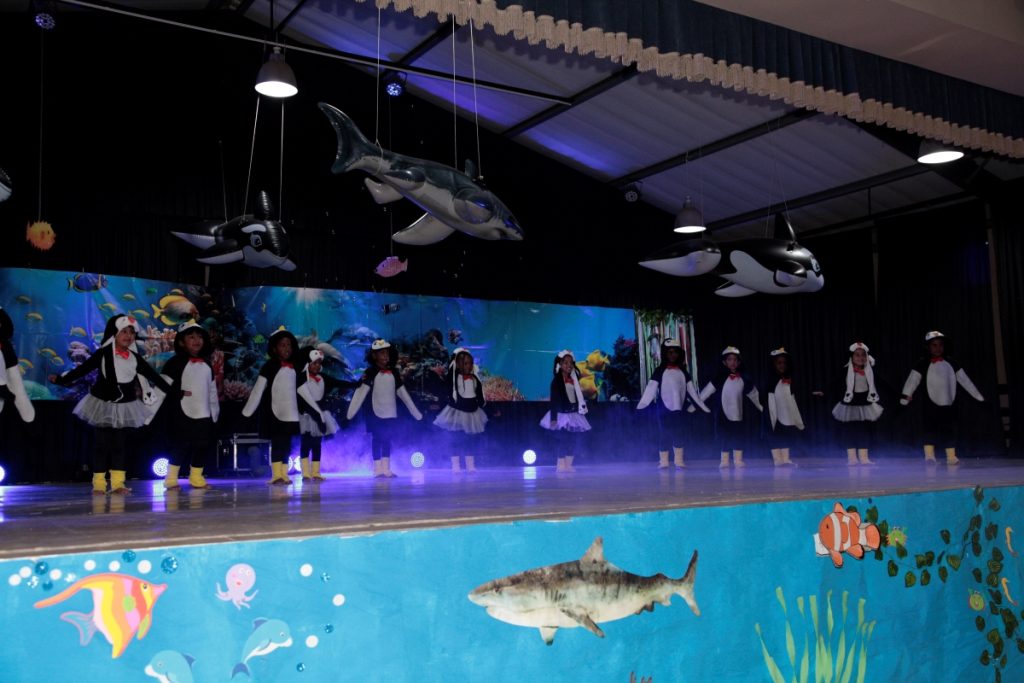
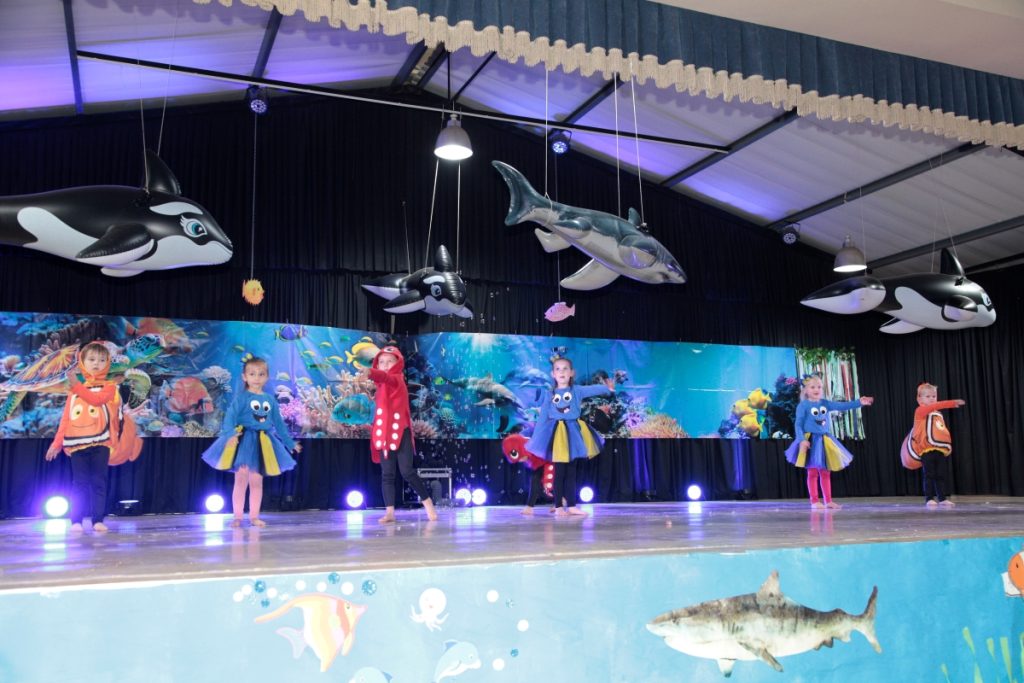
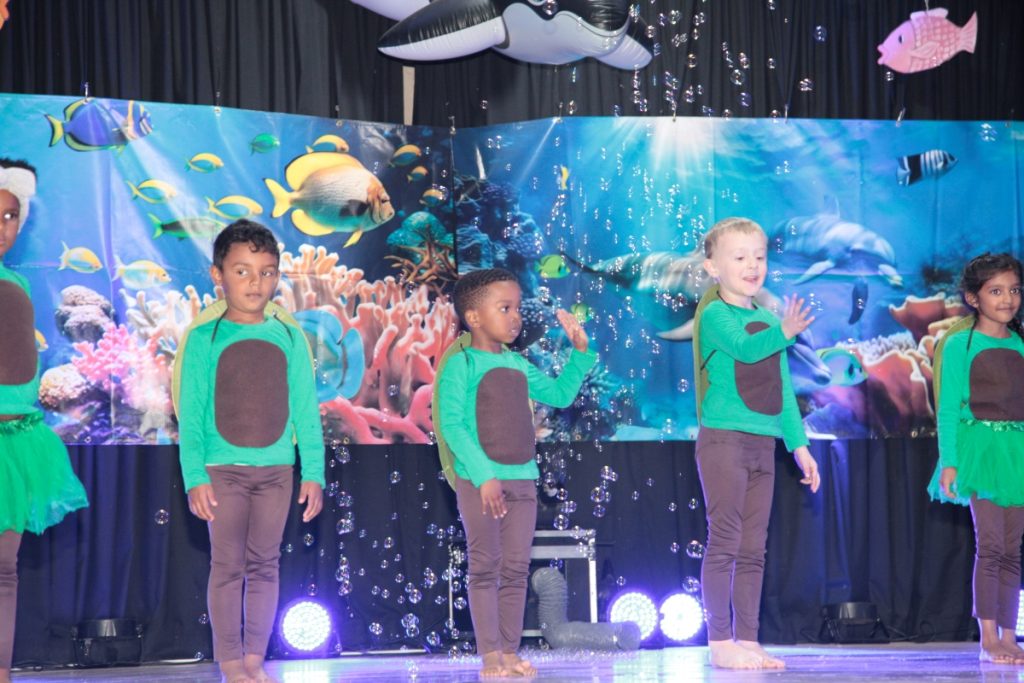
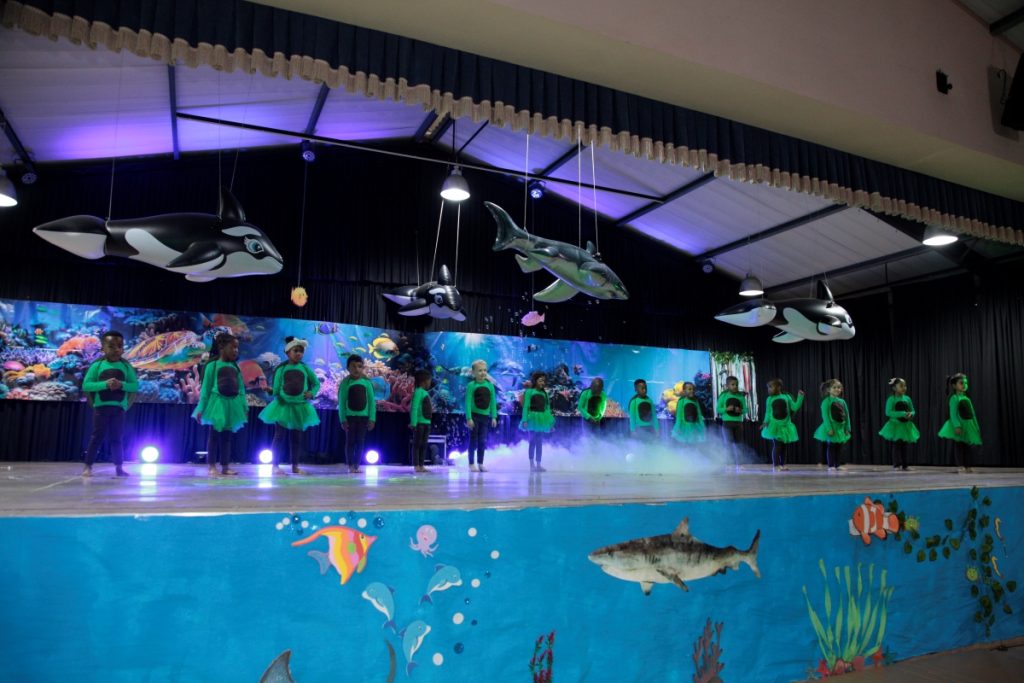
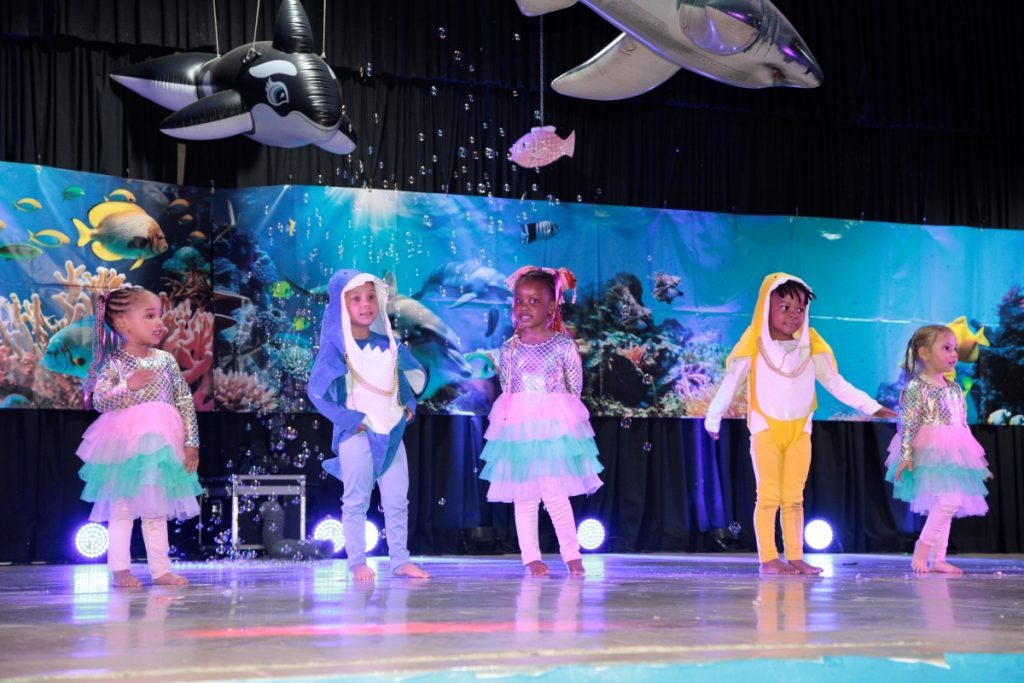
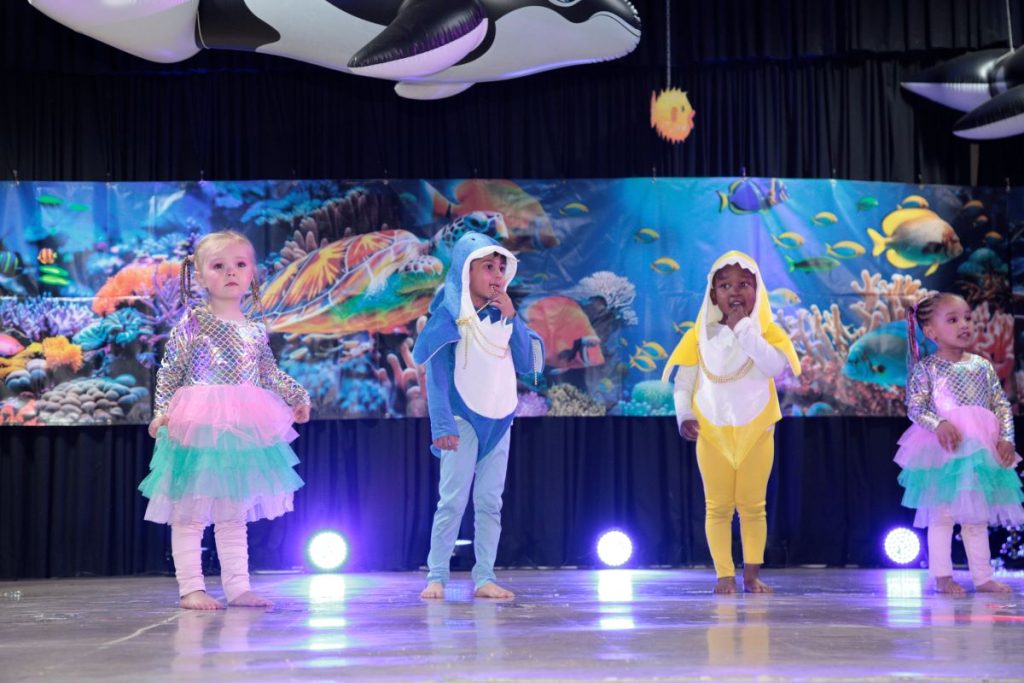
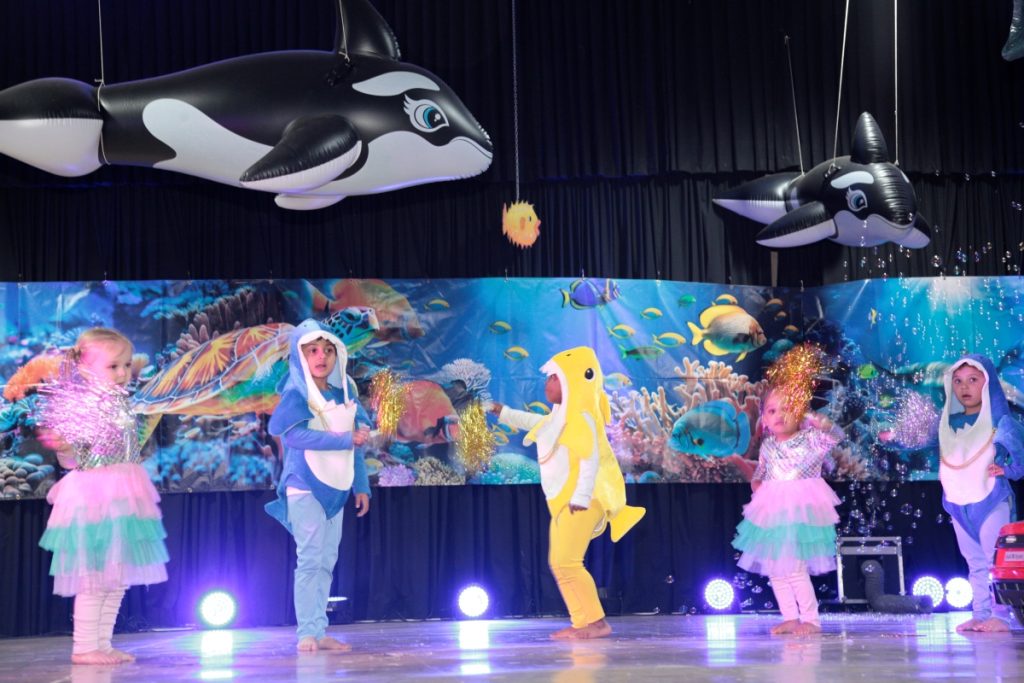
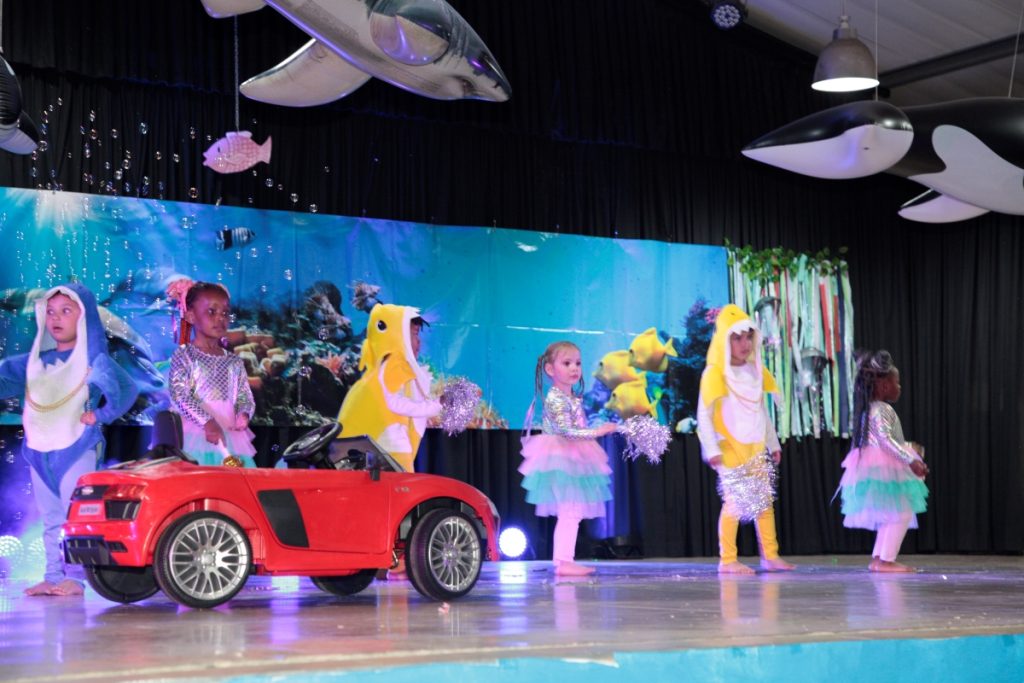
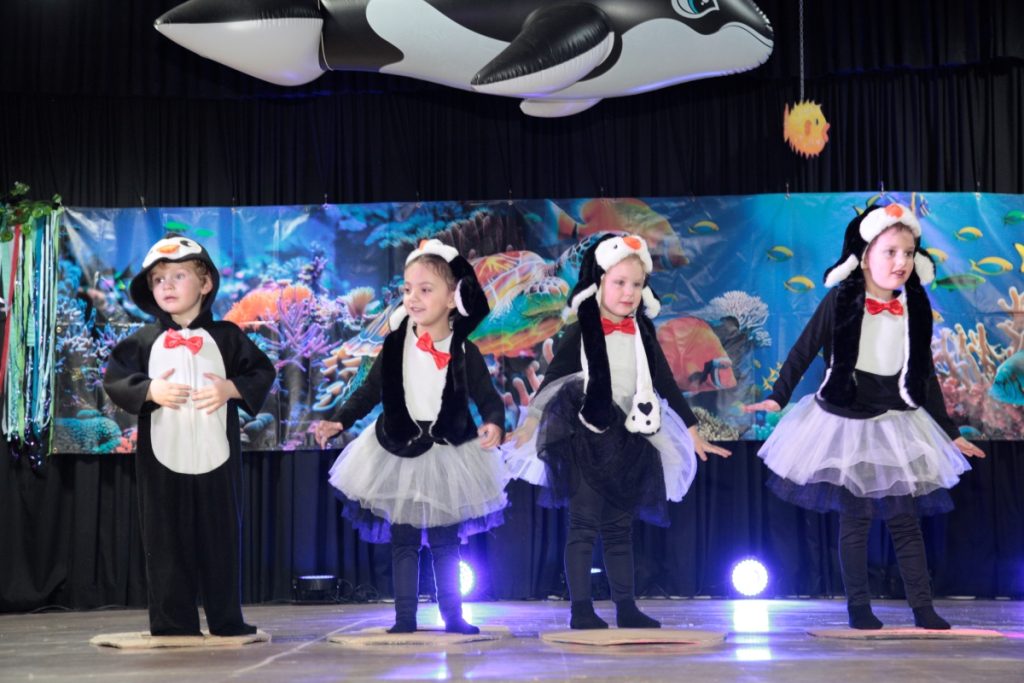
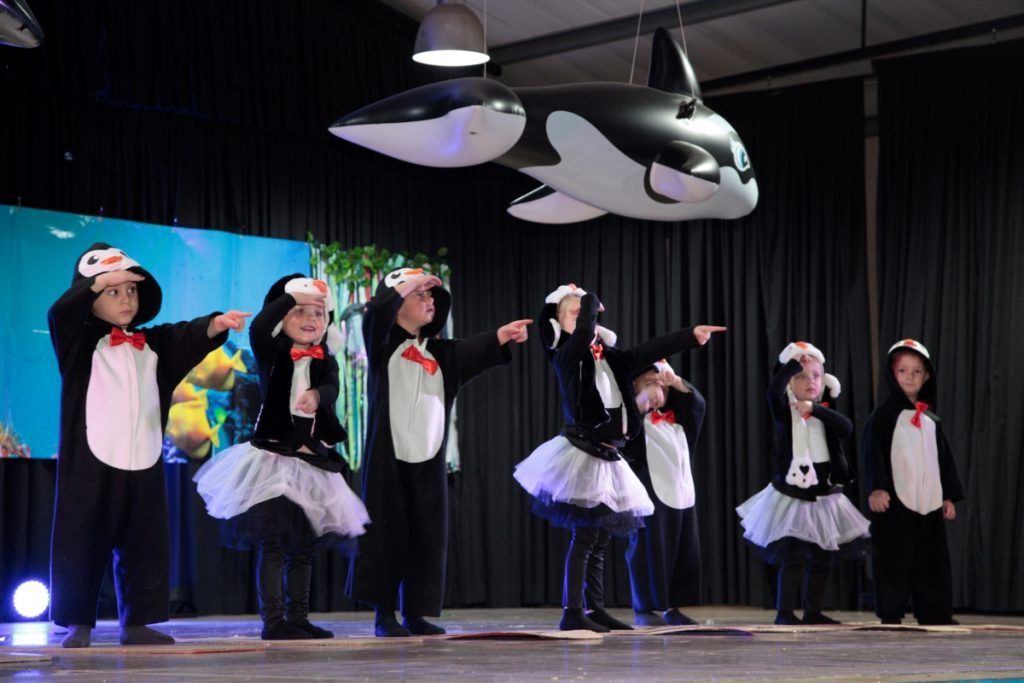
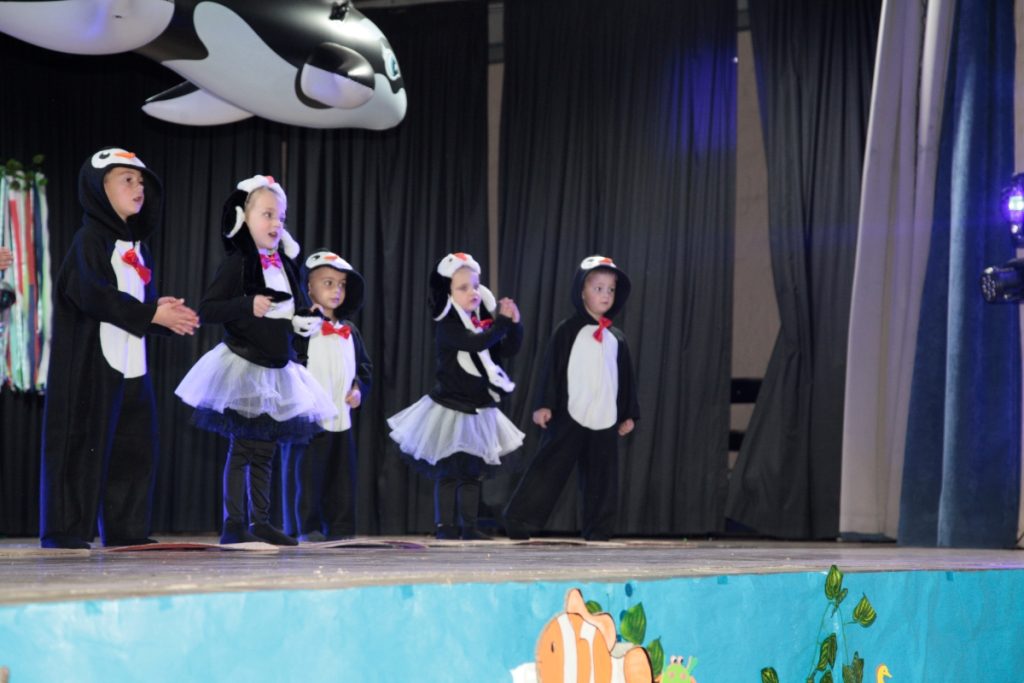
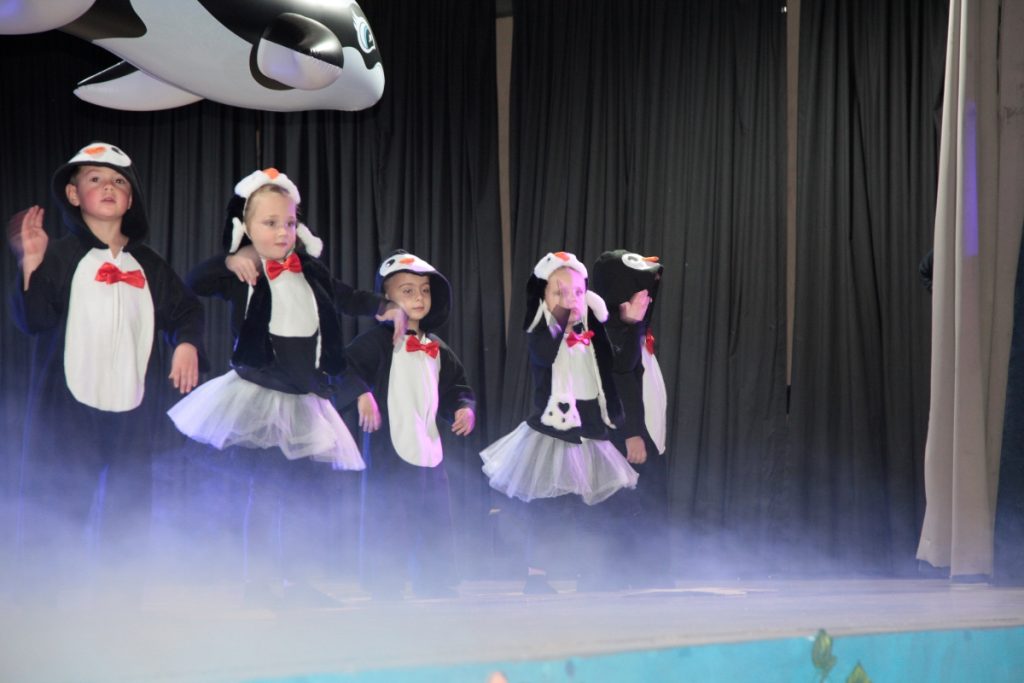
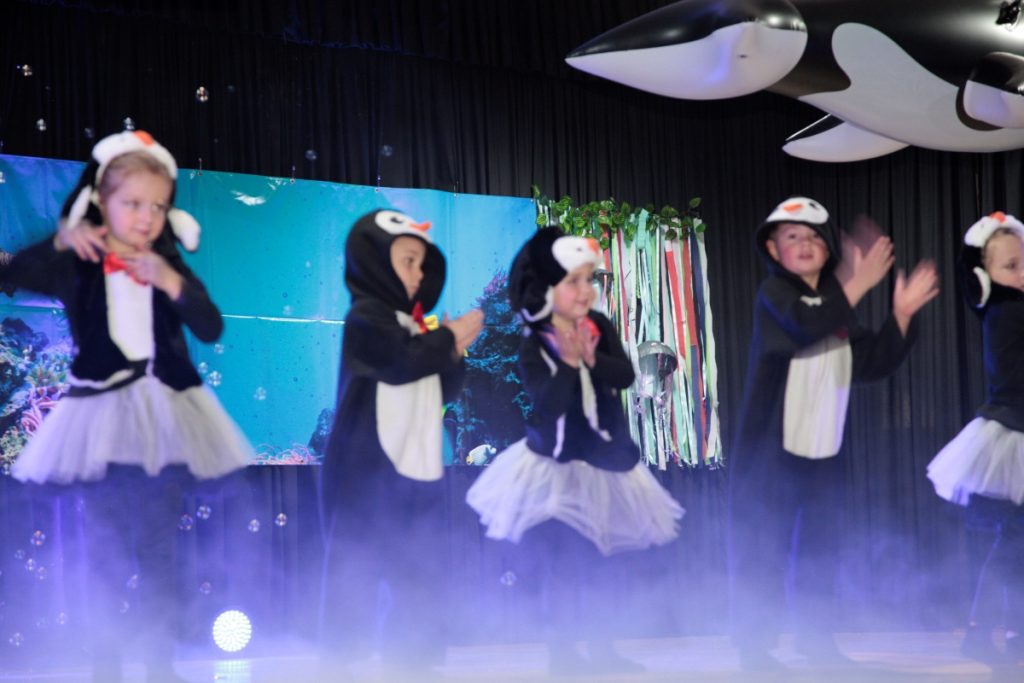
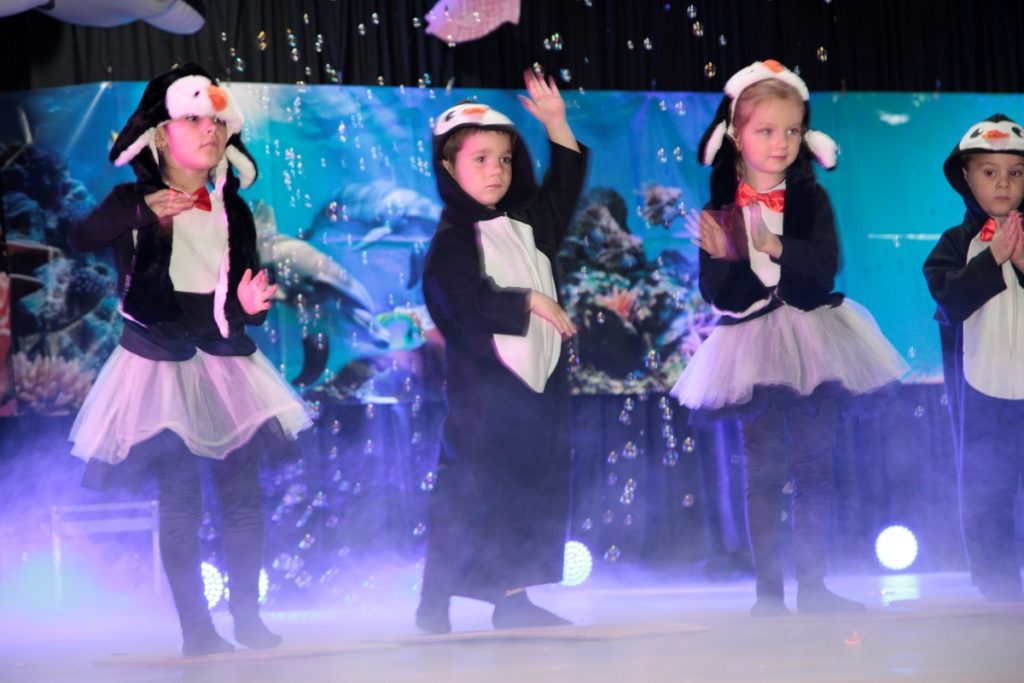
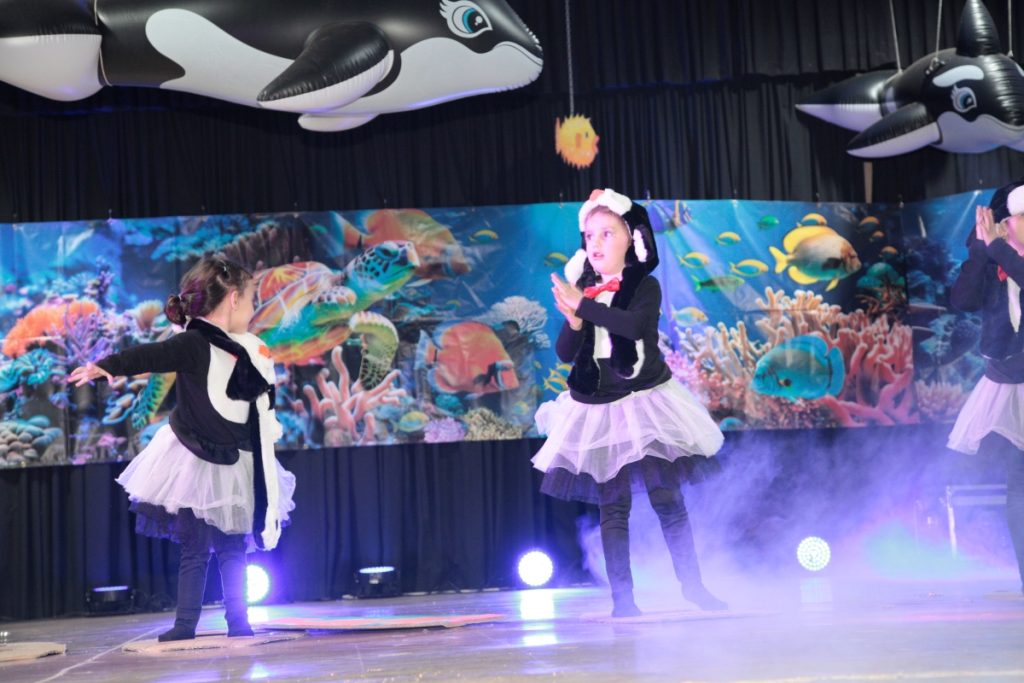
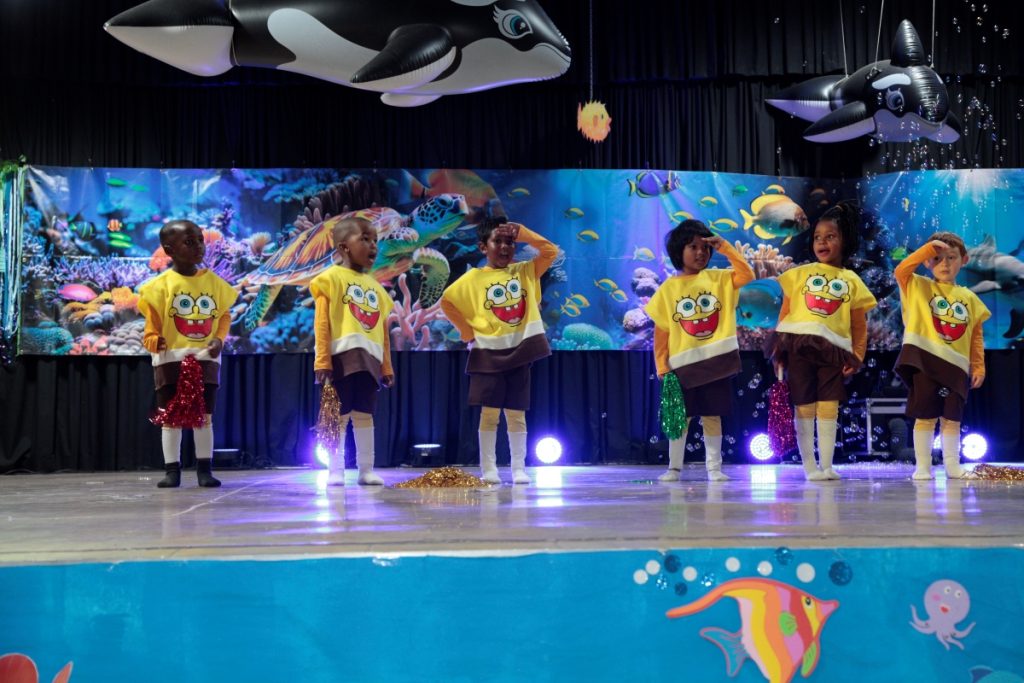
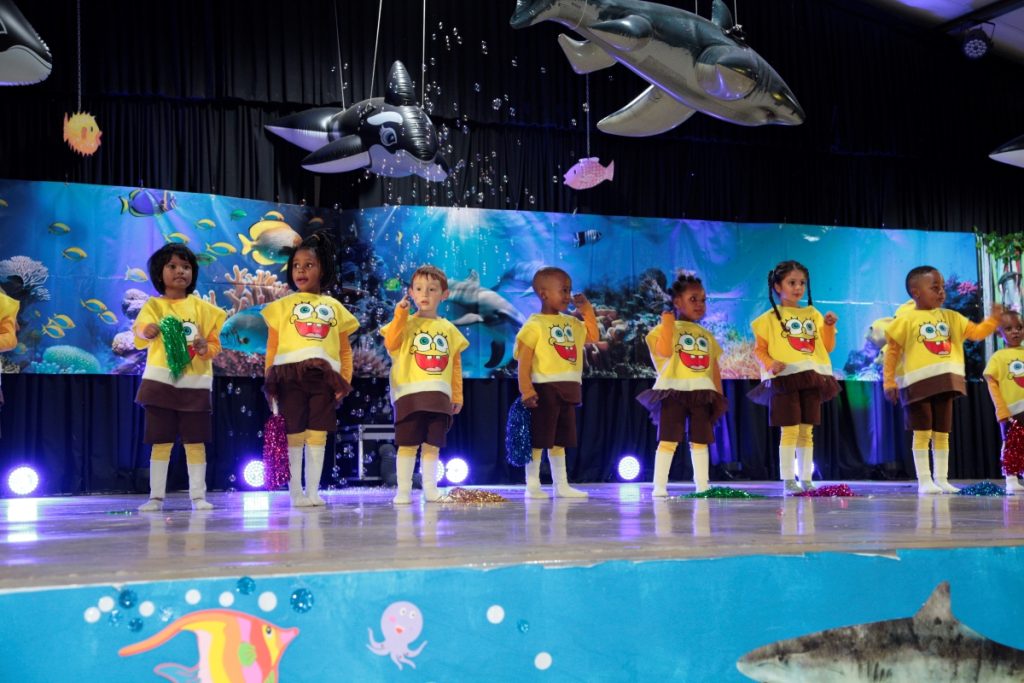
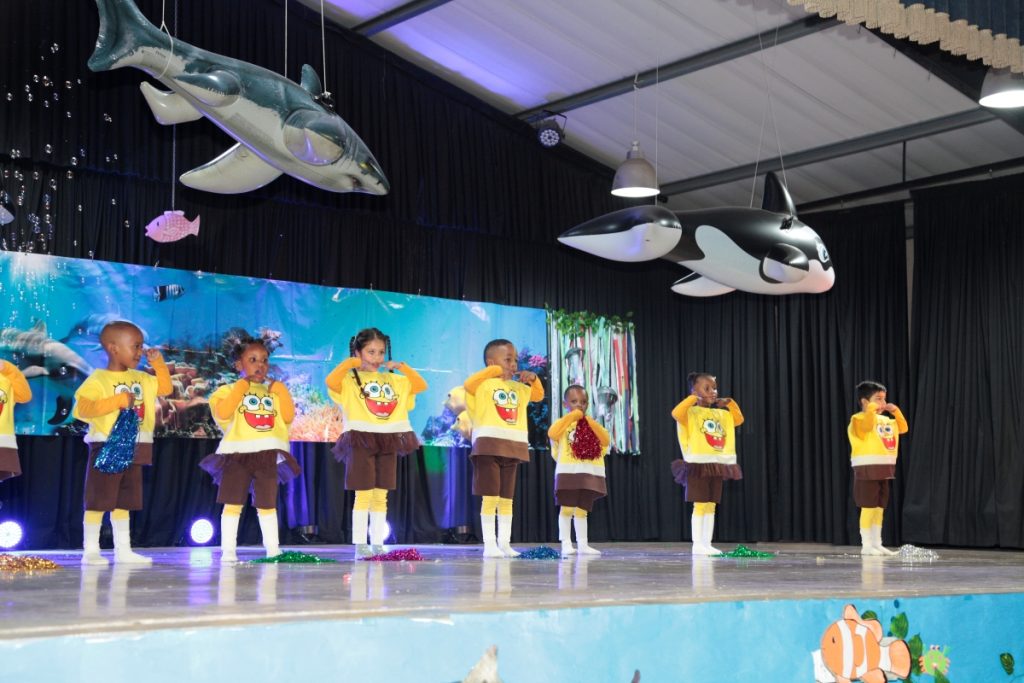
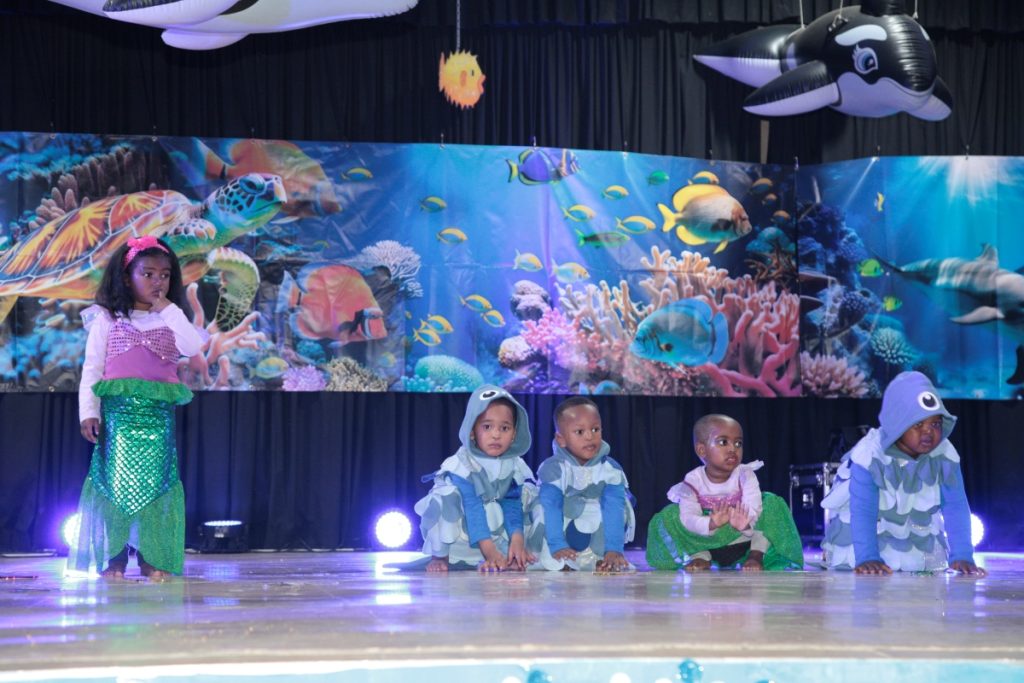
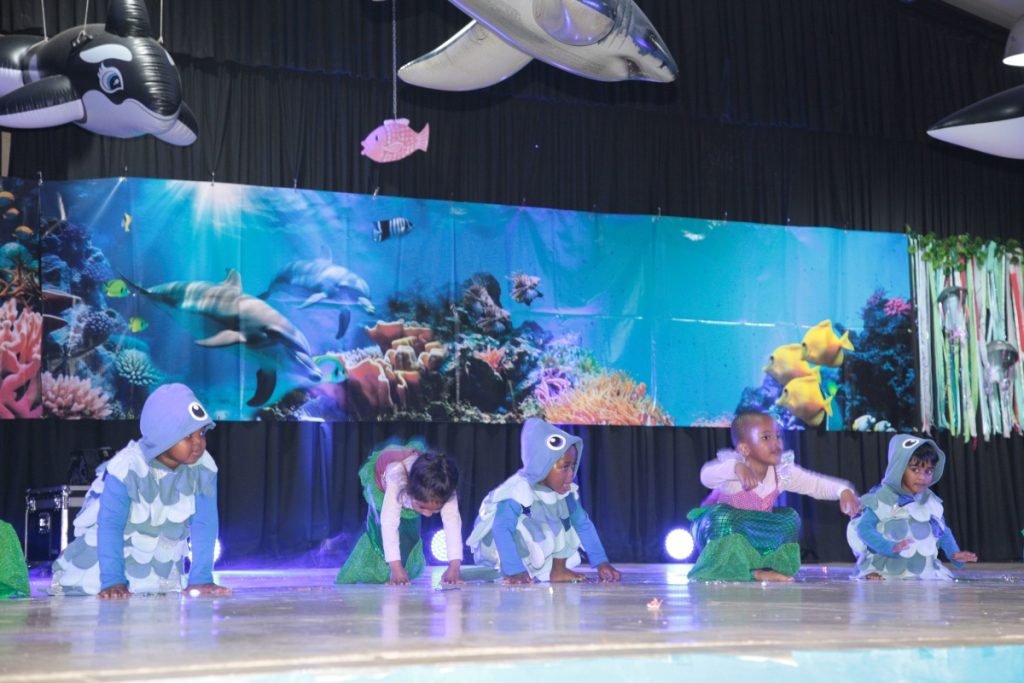
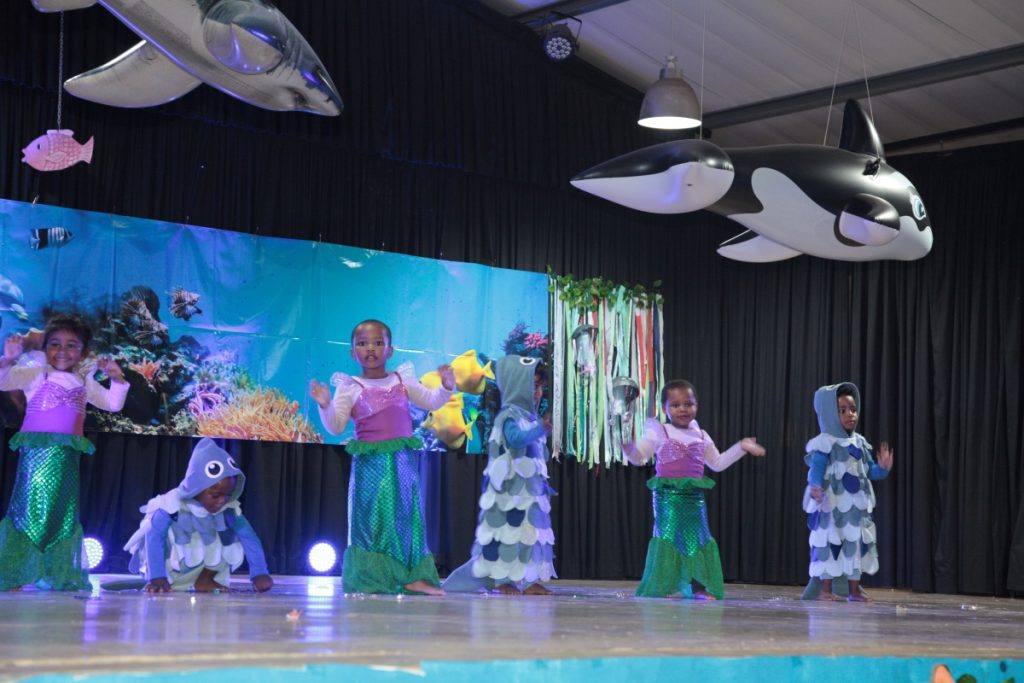
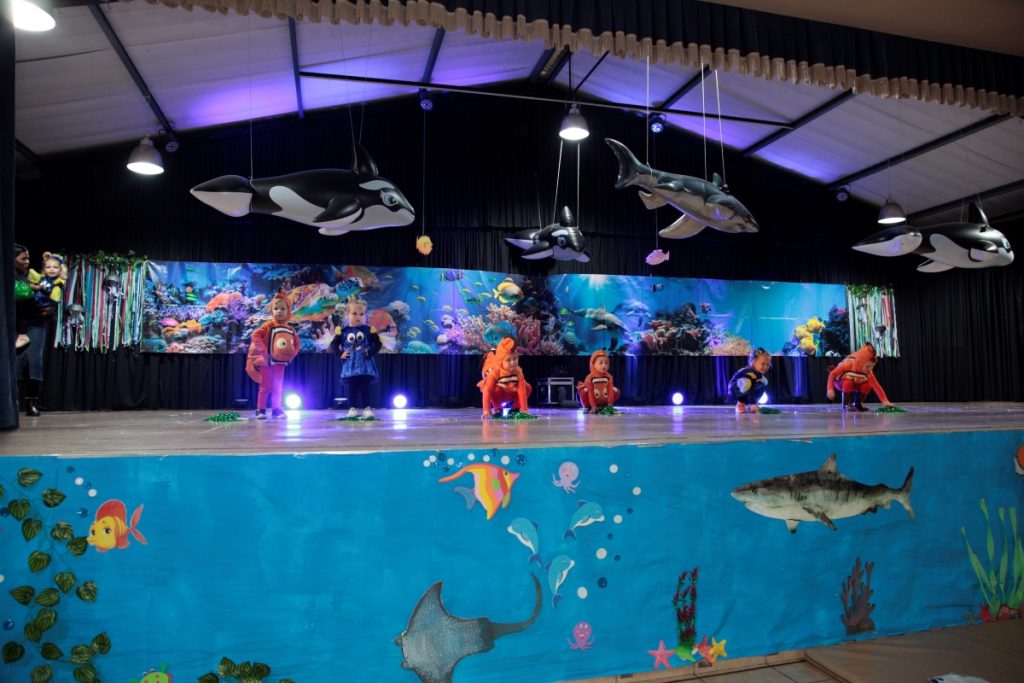
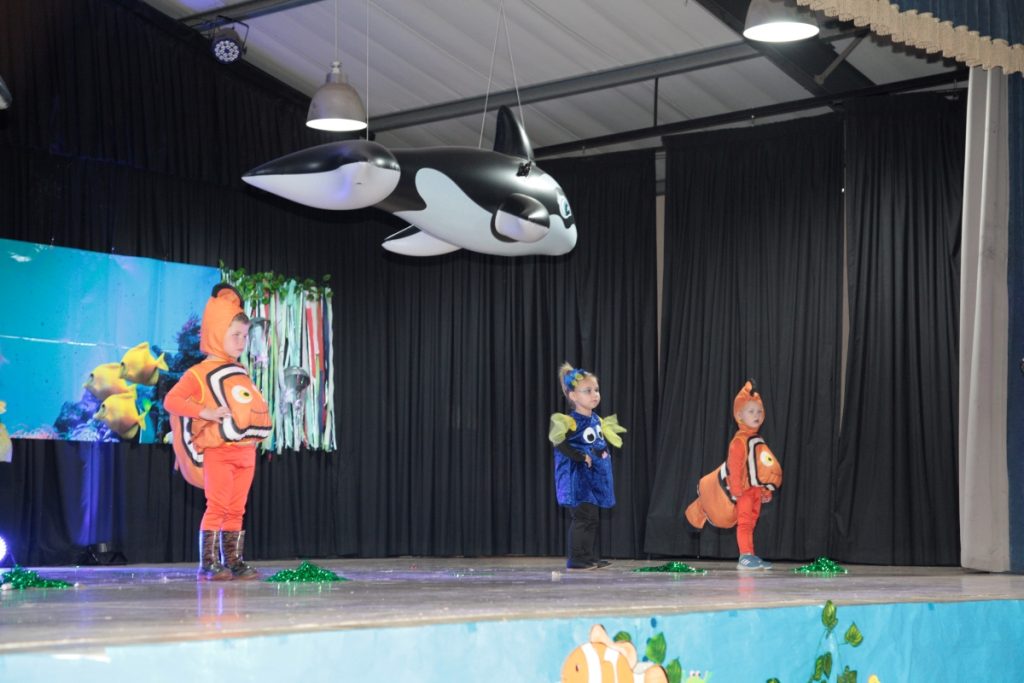
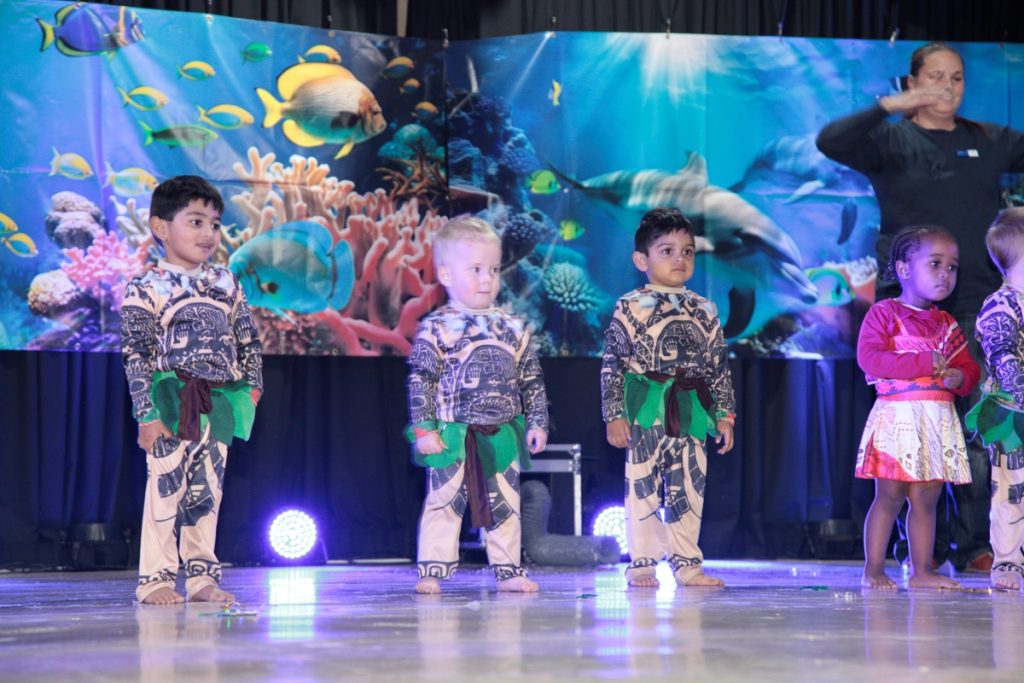
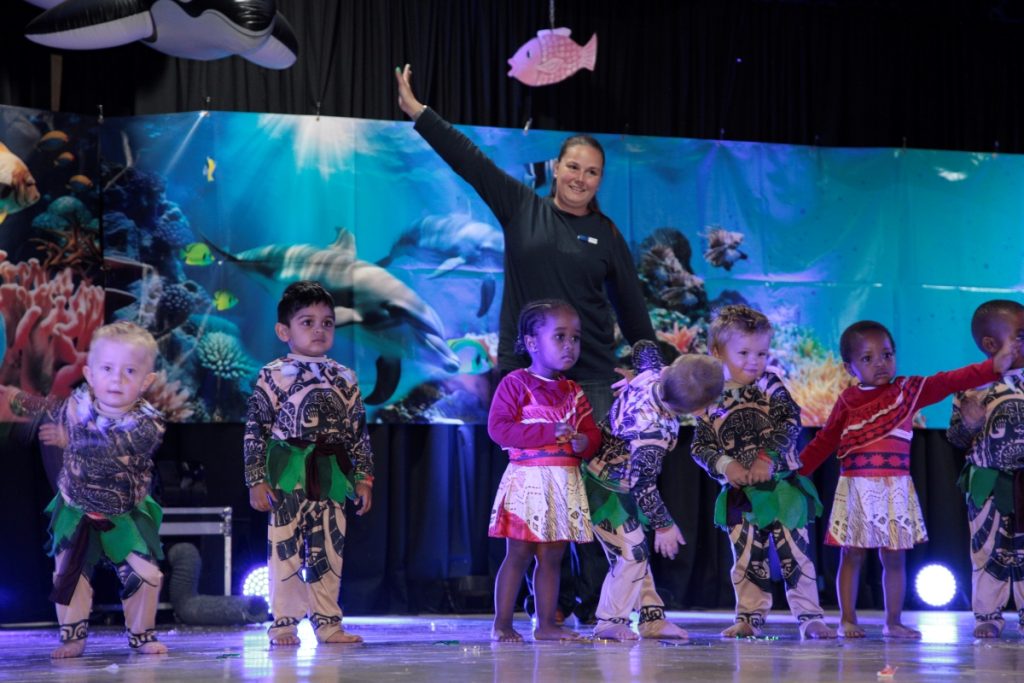
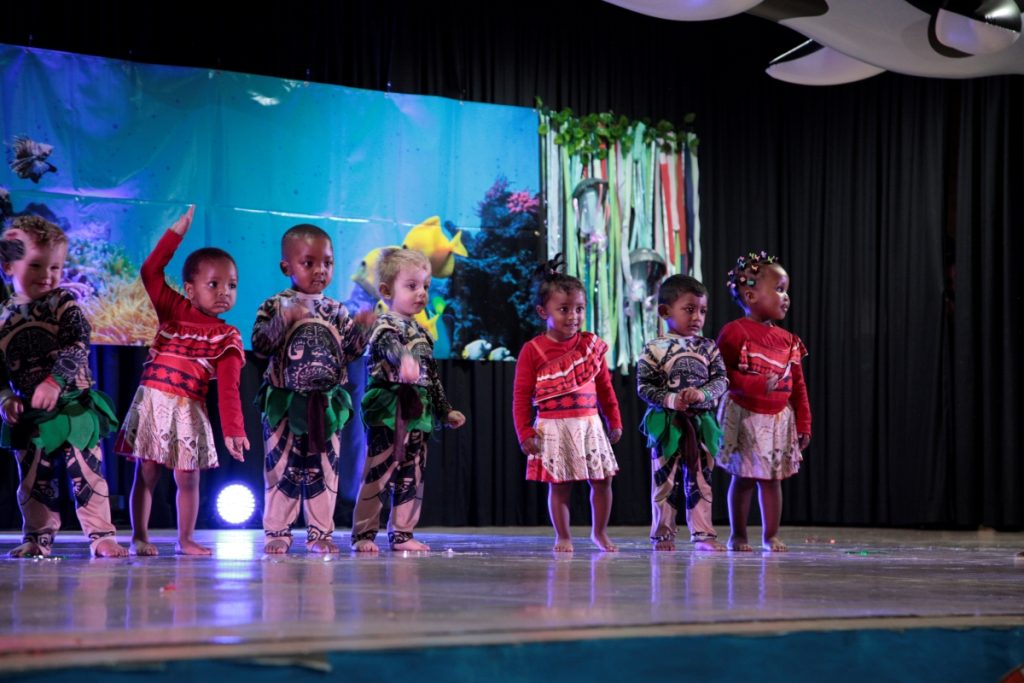
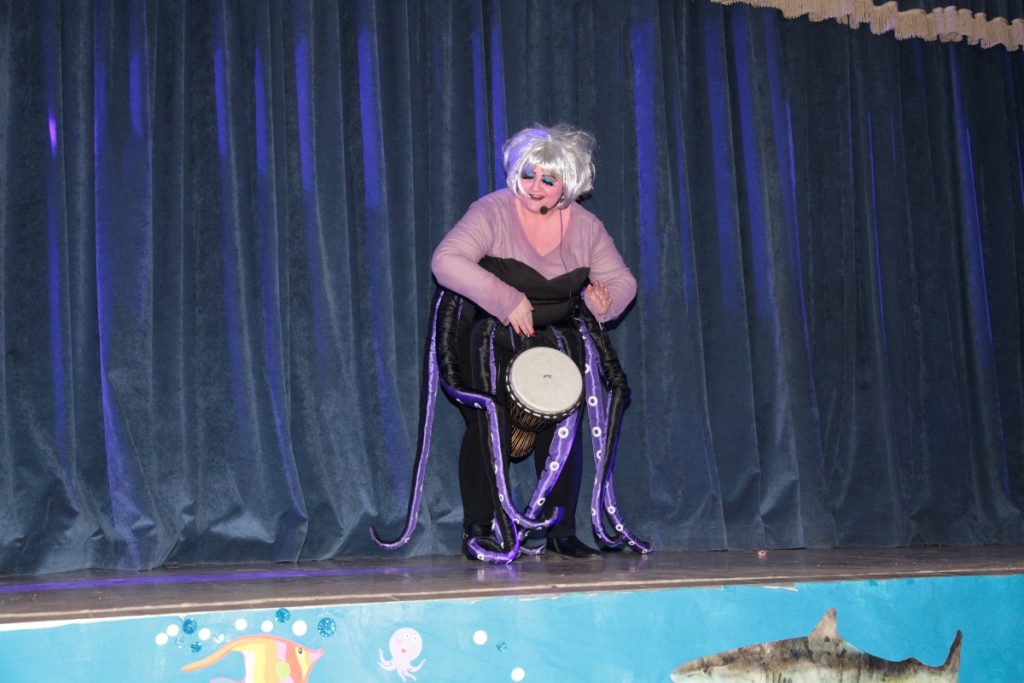
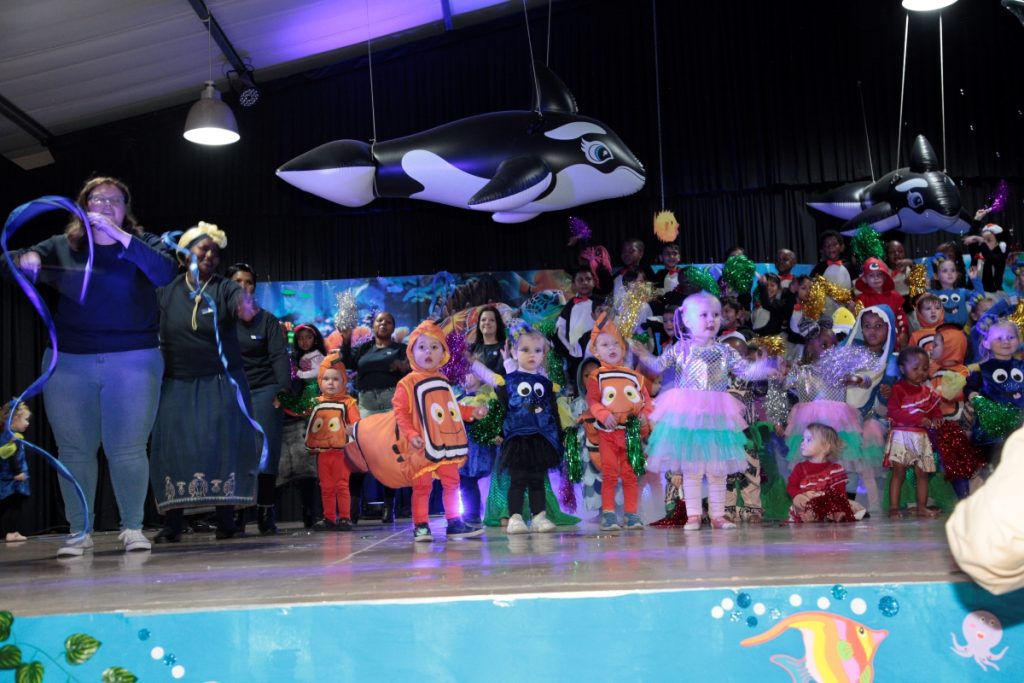
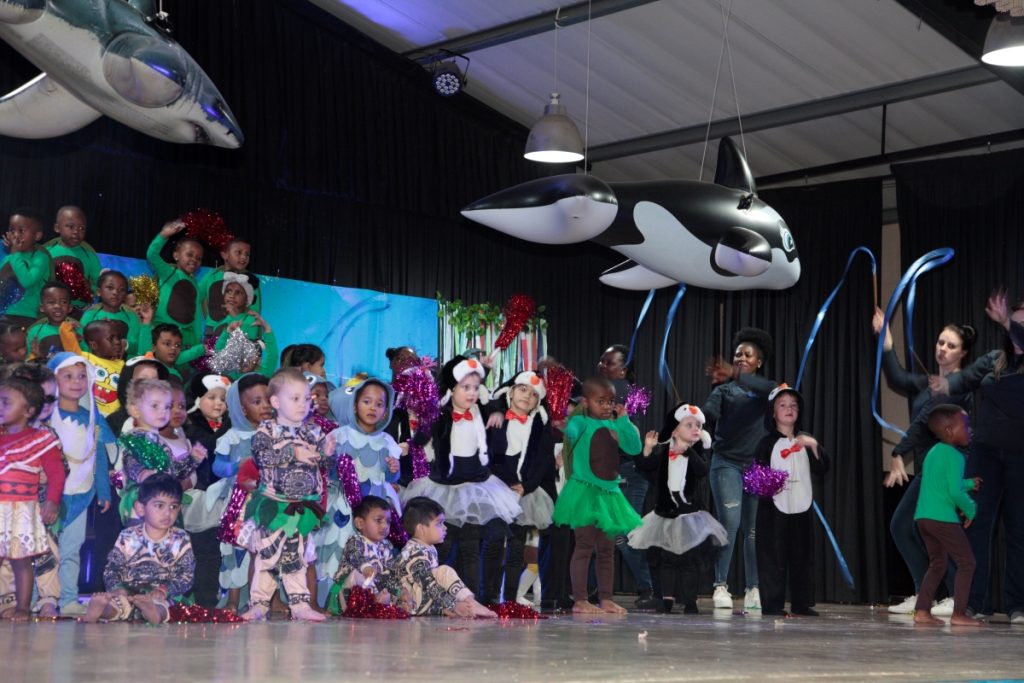
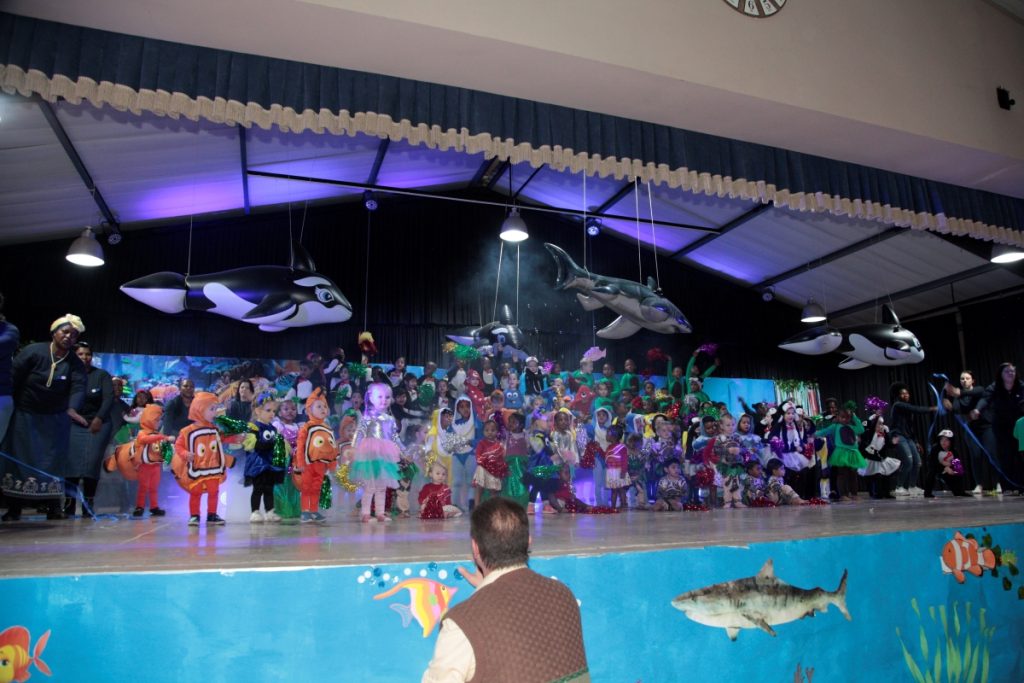
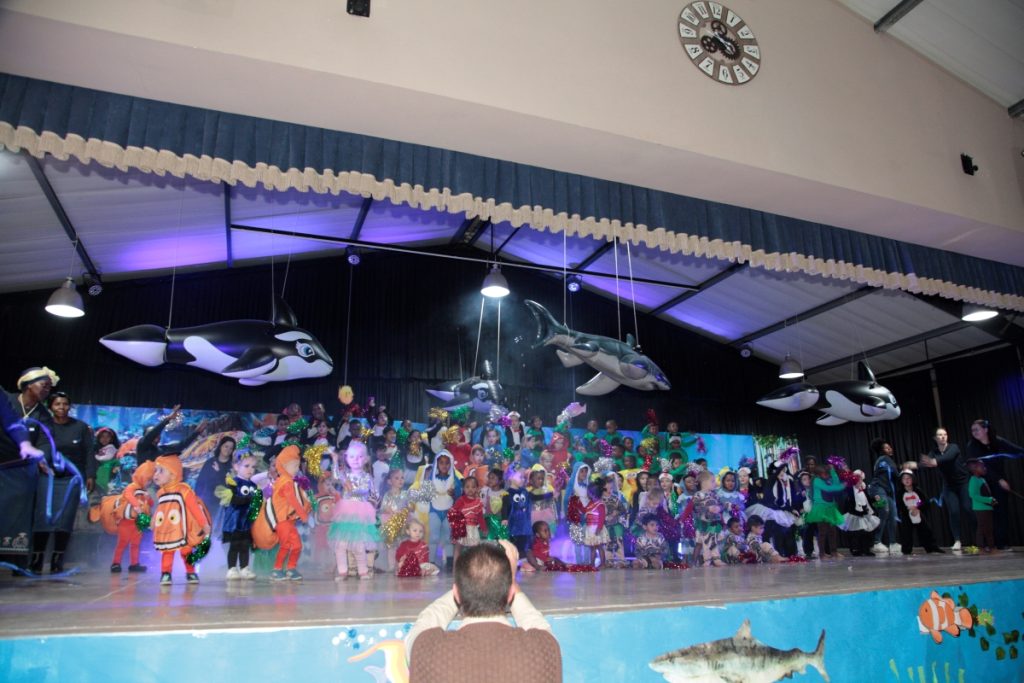
The excitement was high as parents and grandparents filled the hall at Curro Secunda. Each rushed to their seat hoping that they would be able to have a good view of the children as they performed their acts.
It took several weeks if not months of practice with the small children and no one was certain that everything would run smoothly, and for the most part, it did.
As the children came out to perform, they faced applause and a big crowd. Most performed well but for some, it was just a bit overwhelming. But I believe that no parent nor grandparent were concerned with that. Everyone enjoyed the antics on stage.
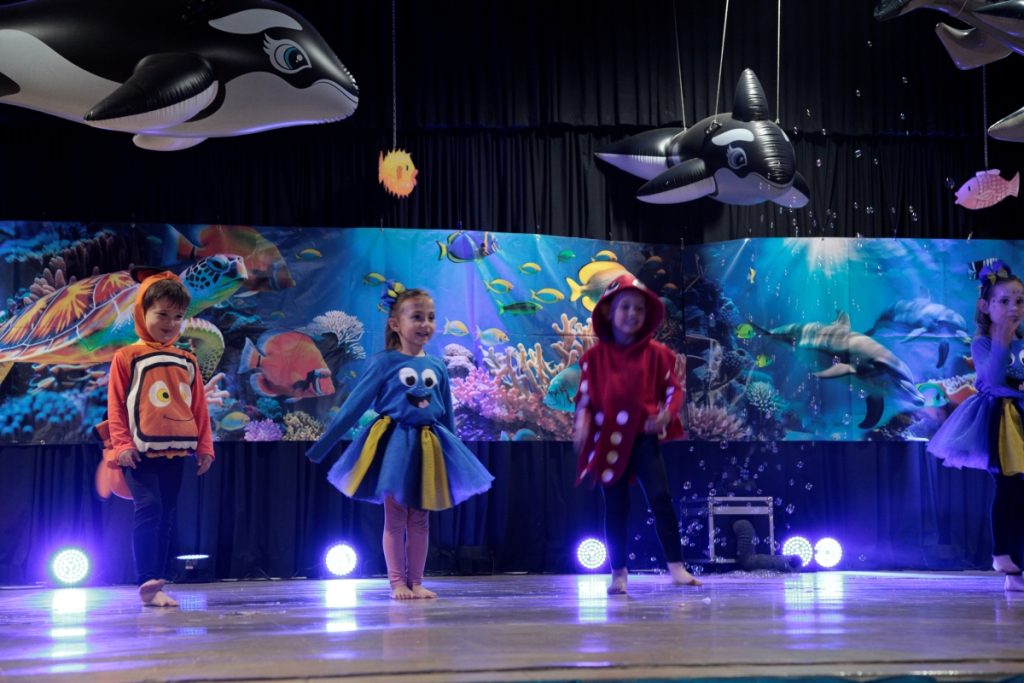
If one child were distracted the parents all shrieked with delight. Of course, there were a lot of distractions. There were bubbles blowing over the stage that immediately caught the attention of at least one child per act. It created a lot of humour for the audience.
Not all was chaotic though and most were performed quite well if one would consider the age of the children.
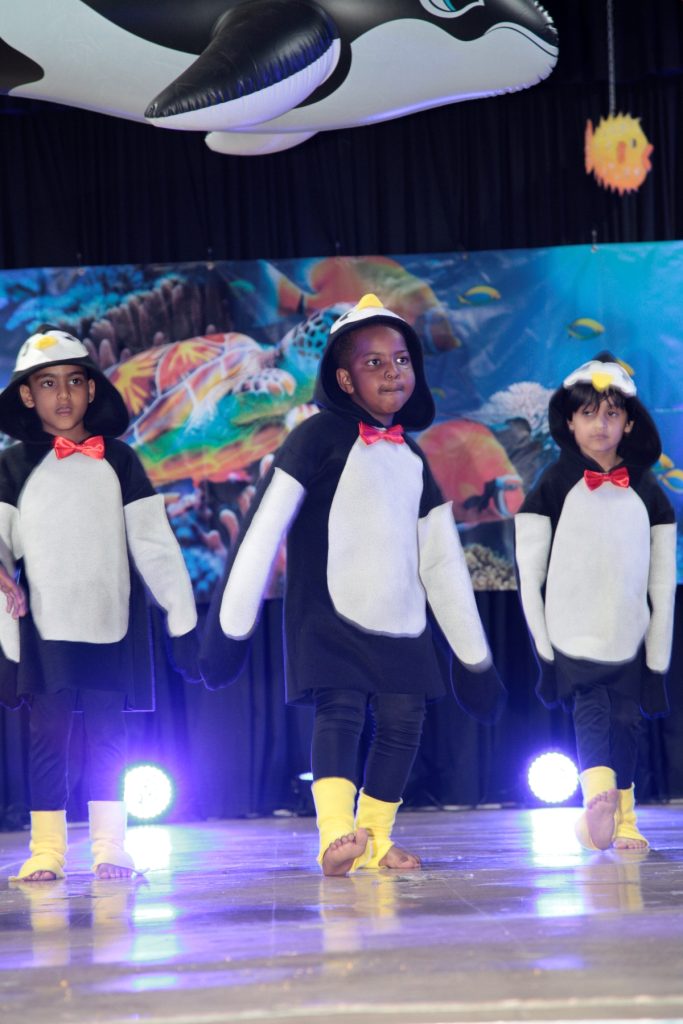
The concert was thoroughly enjoyed by all. From Group 5 that performed Surf’s Up, Finding Dory and a Turtles Tale to Group 4 with Shark Tale, Happy Feet and SpongeBob SquarePants to Group 3 with Bubble Gappies and Finding Nemo to the final Group (Group 2) with Moana.
Thank you to the staff for all their hard work and dedication
35 years ago Roos and Rosslee started as a small company with a vision: Build pools that last and be the outstanding company in a world of “fly by nights”
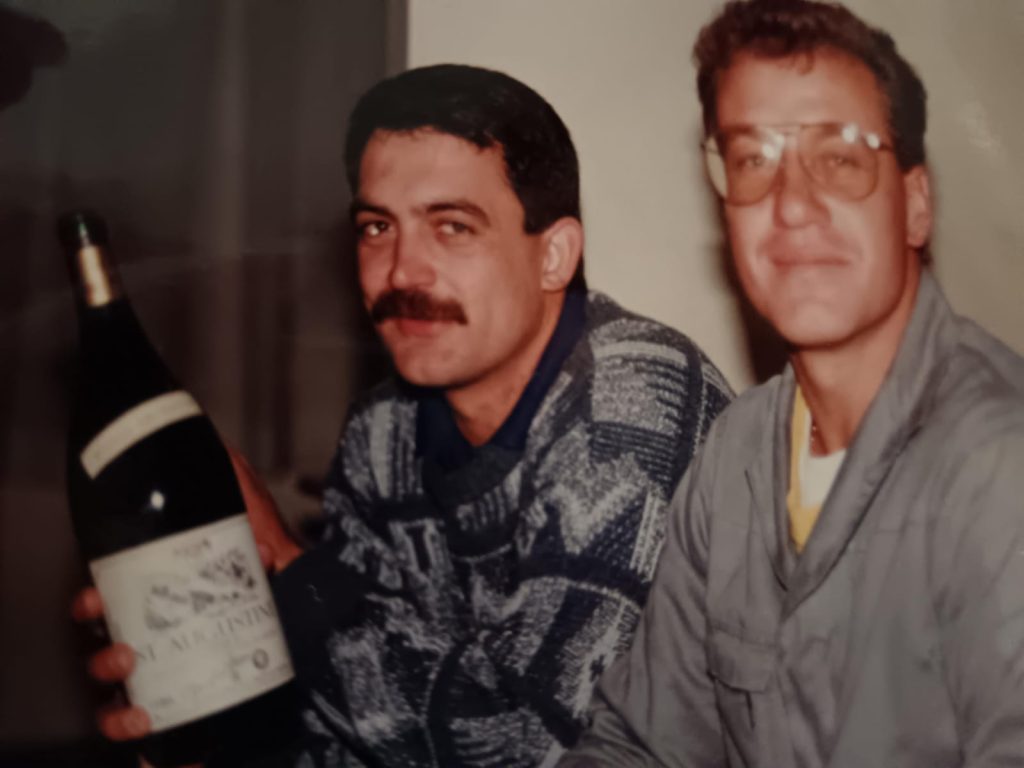
27 June 1989 Johan Rosslee and his friend Kurt Roos did their first job as Roos and Rosslee. The fact that they never asked for deposits and always honoured their guarantees, ensured that the company could last these many years. Usually, pool companies only last for two or three years before they close down or run away.
Johan Rosslee and Kurt Roos. The bottle of “Augustine” has significance in the founding of Roos and Rosslee.
They decided to return to the incomplete projects left by Fibreflex Pools when they filed for bankruptcy on 26 June 1989 and completed those projects. Johan worked for Fibreflex at the time of their filing for bankruptcy.
Johan struggled to sell pools initially but after making a decision that he would not leave until the order was signed things took a turnaround. “I sat in a client’s house drinking coffee until eleven or twelve that night. I almost fell asleep,” Recalls Johan, “but they signed, and I sold my first pool. From that day I could sell pools.”
In 1995 Johan and Kurt decided to buy land and develop properties. The first of these ventures was Ballynoran in Trichardt.
“My father taught me that in good times you should build for other people and in bad times you build your own,” said Johan
At the end of 1997, Kurt decided to return to Durban. This left a vacancy that was filled by Martin Keyser.
Johan believes that his businesses should be run as a family. Some of the employees who started with Roos and Rosslee 35 years ago are still with them.
Roos and Rosslee celebrated its 35th birthday with a charity ball on 20 July 2024. Dutch Jazz artist Tijn Trommelen and his band were the entertainers for the night. All proceeds were donated to RATA.
The weekend of 27 July was when the big celebration took place.
There were Boplaas Brandewyn, whisky and wine tasting and sales. Whiskey Master Class at Upstairs, and Food and Wine Pairing at Justino’s.
Live entertainment at eish!! Consisted of
Henco, Henru & Schwabie and Johan Fourie Band
Saturday included: Joubert, Smokkelhuiz, Van Pletzen and Nax
The Bulletin would like to congratulate Roos and Rosslee on this milestone! May you continue to be a cornerstone in our community!
Smoke alarms that are properly installed and maintained play a vital role in reducing fire deaths and injuries. Fire spreads fast and a working smoke alarm gives you early warning so you can get outside quickly.
NFPA (National Fire Protection Association) Statistics
Roughly three out of five fire deaths happen in homes with either no smoke alarms or no working smoke alarms.
More than one-third (38 per cent) of home fire deaths result from fires in which no smoke alarms are present.
The risk of dying in a home fire is cut in half in homes with working smoke alarms.
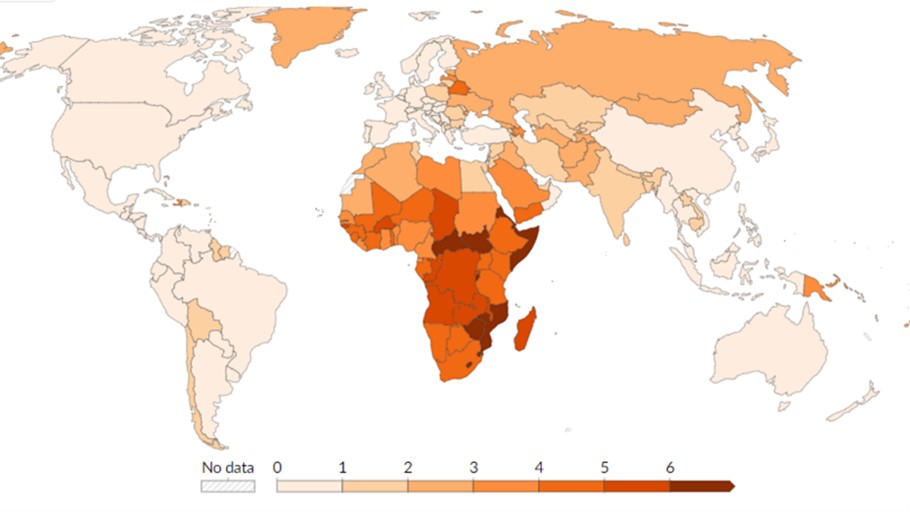
Source: Death rate from fire and burns 2021 (our world data) (deaths per 100 000)
Information in the following graph shows the time of death for fatalities during fire incidents. “It is not a surprise that the high-risk time of death is between 22:00 and 04:00 as this is the time most people are in bed.” Says Neels de Klerk, Sasol representative on the CAER committee.” This is also the period when you are in a deeper sleep.”
Source: Van Niekerk, et al., 2009
Source: Van Niekerk, et al., 2009
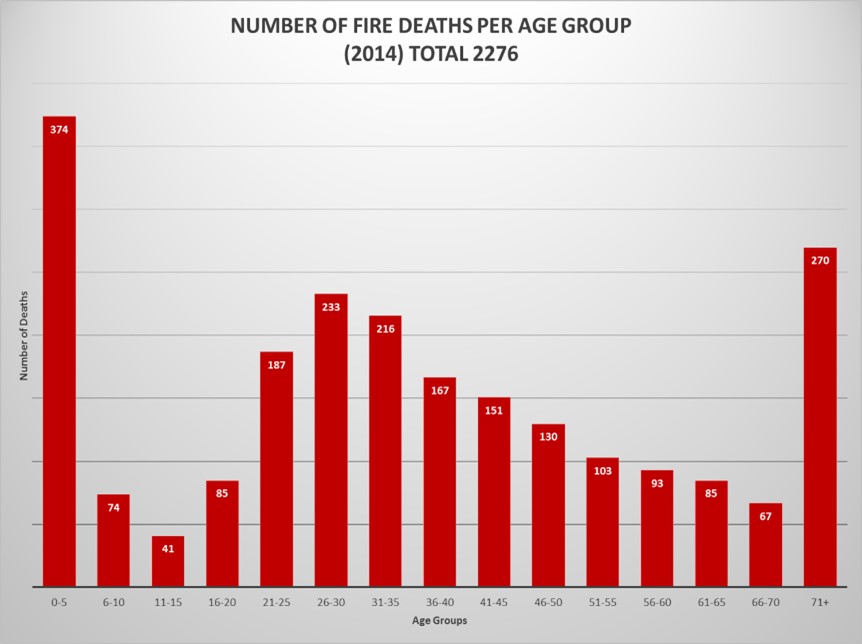
Statistics also shows that the children below the age of 5 and persons above the age of 71 is the most vulnerable. “Factors that might contribute to this statistic may include, mobility, the ability to recognize fires or the sound of fire alarms and the absence of smoke alarms” says de Klerk. The other age groups between 21 and 36 is mostly males and has an alcohol content in their blood that is higher than the quantity allowed for driving a motor vehicle. This could contribute to the individual’s ability to react to emergency incidents or the sound of an activated smoke alarm.
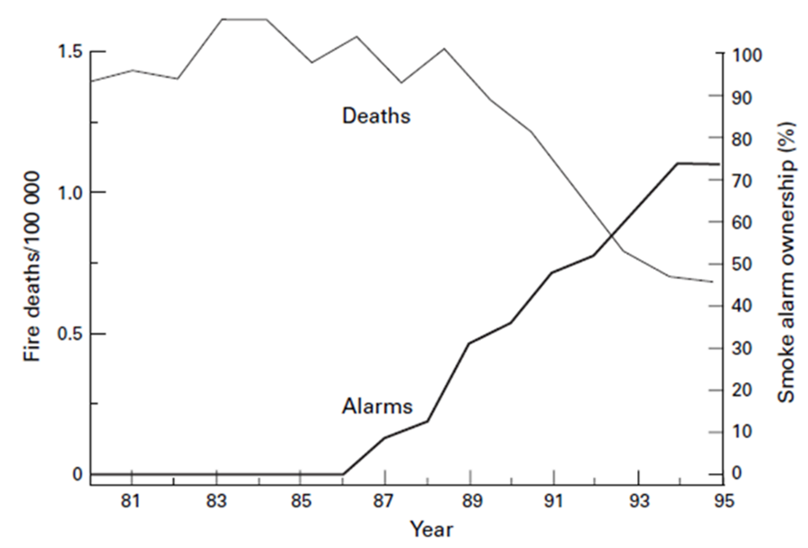
Trends in fire death rates in children 0 – 4 years and smoke alarm usage.
It is clear from the graph below that since the enforcement of the use of smoke alarms in homes in the US the death rate in children below the age of four years has dramatically decreased.
Source: DiGuiseppi, C., Roberts, I., and Li, L. (1998)
The use of smoke alarms in South Africa.
Currently, there is no legislation enforcing the use of smoke alarms in residential homes. Although the current building regulations are mostly focused on life safety it only requires smoke alarms/ smoke detection systems in other occupancies. It is therefor up to each individual homeowner to decide if he want to install smoke alarms in his house. Smoke alarms are usually available at hardware stores and some large retail stores.
A home smoke alarm is a portable device without any hardwiring and certain smoke alarms can be connected to your security alarm. Install a home smoke alarm today and save a life.
MOST PETS LOVE TO PLAY, BUT ARE YOUR TOY CHOICES SAFE?
Most healthy dogs and other pets retain their love to play throughout their lives, but some don’t and that is fine. Nando Brown calls them disco dogs vs. library dogs. “You don’t take your library dog to the disco; they’re not gonna like it.” There are two types of play pets engage in, namely social and solitary. Social play involves a playmate, either a dog a human or another species of animal. As the name implies, solitary play involves the pet and an object. Hopefully, it is an appropriate toy and not your favourite pair of shoes!
As with humans, we might have similar interests to another person or a sibling, but we are not carbon copies and this goes for pets too. There are some basic requirements for your pets, but to really fulfil your pets’ individual needs, even within the same breed, you have to find out what they really love. One dog loves a ball, another loves an empty Coke bottle or a soft toy. Our one dog rarely touched a ball and he was a solitary player. Keep this in mind when you play with them!
Your pet’s temperament, size and age all play a role in determining which toys are safe, and there are considerations, too, based on the toy itself (materials used, size, shape, and more). Here are some guidelines below, compiled by VetStreet, to ensure the toys you choose for your pets keep them enjoying play, but also keep them safe.
Image by Josh Sorenson – PEXELS.COM
TIPS FOR SELECTING SAFE PET TOYS
Choose toys that are the right size for your dog. Giving a small toy to a large dog poses a risk of inhalation and choking. Generally speaking, you should choose large toys for large dogs and smaller toys only for smaller dogs.
Avoid toys that have small parts that can be chewed or pulled off.
Avoid toys with sharp edges or that can be chewed into sharp points.
When playing fetch, avoid toys that are heavy or hard enough to damage your dog’s teeth or injure him.
If your dog likes to de-stuff toys, be sure he’s not eating the stuffing. Some dogs really enjoy stuffing-free toys.
Image by Blue Bird – PEXELS.COM
Editor’s note: This article is a reprint from 29 September 2021.
SOME TOYS REQUIRE CLOSE SUPERVISION
Long rope-like or tug toys, since they can become wrapped around your dog’s neck.
Squeaky toys if your dog likes to play “rip out the squeaker”.
Battery-operated toys, because if your dog manages to get the batteries out and swallows them, it can result in battery toxicosis.
Tennis balls can be a choking hazard for large dogs, and the abrasive fuzz may wear down the teeth of an aggressive or persistent chewer.
Frisbees and similar flying disks that may cause your dog to jump up and twist simultaneously, which can lead to leg and back injuries.
‘TOYS’ TO AVOID
Pet toys are not regulated, so they can be made with virtually any material.
String, ribbon, pantyhose, socks, and rubber bands, all of which can be swallowed and cause life-threatening complications in the digestive tract.
Children’s toys (such as stuffed animals); they’re not designed to withstand the type of play dogs engage in.
Toys stuffed with beads or beans.
Rocks & Sticks.
Containers (including bags) large enough for your dog to put his head in; if it becomes stuck, he can suffocate.
Tug toys for dogs with neck or back problems, such as herniated disks.
Rubber toys with a hole in only one end, as they can form a vacuum that catches your dog’s tongue.
Rawhide chews aren’t recommended for several reasons, one of which is that they pose a high risk of choking and intestinal obstruction.
Potentially toxic toys – Plastic toys, in particular, can be dangerous, as many contain endocrine-disrupting chemicals such as phthalates and bisphenol-A (BPA).
Old or weathered toys (such as those left outside) leach higher concentrations of harmful chemicals.
PLAYING FETCH – Although fetch can be a great way to get rid of some energy, it also has a dark side you should be aware of. This article explains it well. There is healthy fetch and then there is “fetch-fall-out”. It is a great enrichment activity, but should never be the only one. There are many other enrichment games available. There is nothing wrong with changing up your routine to cut the problem out of the picture and doing this can often lead to big improvements in health and behaviour outcomes for both dog and human.
Mind and Manners suggest playing fetch 1-5 times per week for 10 minutes at a time, but again it might depend on your dog. Playing such a high-intensity game for too long can put them at risk for certain injuries.
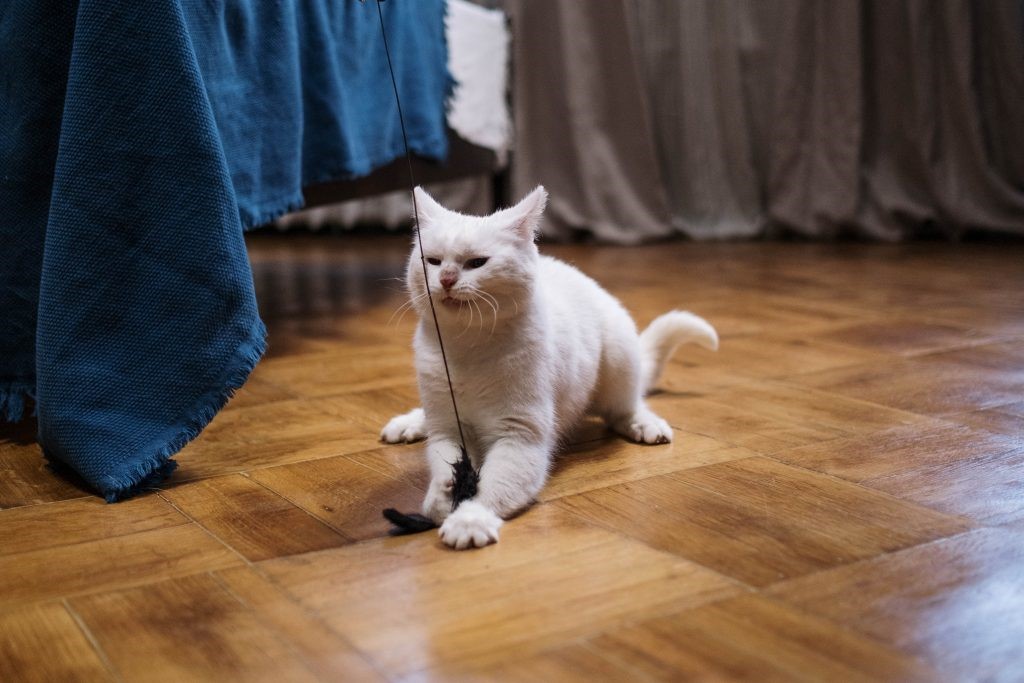
LASER PLAY – Dr Karen Becker says: “While your cat may be driven to pursue the laser light, even if they are successful, there is no tangible reward for the effort they put in. This type of pointless play can lead to behaviour problems such as developing a tendency to compulsively chase shadows or reflections.” This goes for all animals with all games. You need to give them some wins!
RESOURCE GUARDING WITH TOYS – Mind and Manners explains resource guarding as a serious behavioural issue where the guarding dog acts aggressively towards dogs and or humans who approach them when they have a ball or other toy. They do this because they (often correctly) assume that the oncoming dog or person will take their toy away and they really want to keep it! Dogs who mildly resource guard balls may retreat or play “keep away” when approached, or may growl when asked to relinquish the ball.
In moderate cases, the resource guarder may growl or snap and if left untreated resource guarding may become severe enough that the guarder bites the approaching dog or person, or even swallows the ball to prevent it from being taken. If your animal presents with this behaviour, do some more reading on the topic or contact a behaviourist to assist you.
Finally, don’t underestimate your ability to stimulate your dog’s interests. A session of playtime with you, whether playing fetch, tug-of-war, or hide-and-seek, will be far more stimulating to your pet than any toy could be.
Next week we will look at tips for your dog walks.
The Sasol Foundation Bursary is a comprehensive bursary targeted at talented individuals who are planning to pursue or are already registered for full-time studies towards an undergraduate degree in STEM (Science, Technology, Engineering and Mathematics). Priority is given to STEM degree studies that are in line with future capabilities including specialisations in study disciplines such as Engineering and Technology, Data Science, Computer Science, and Agricultural Science, among others.
Qualifying children of Sasol Khanyisa shareholders, children of Sasol employees, and students from Sasol’s fence line communities (municipalities/districts around Sasol plants/operations) are also exclusively funded for studies towards non-STEM qualifications.
Applications open on 29 July and close on 30 August 2024
STEM BURSARIES (Science, Technology, Engineering and Mathematics)
Priority will be given to degree studies that are in line with future capabilities (Green Economy and Digitalisation), which include disciplines such as Engineering, Information Technology, Data Sciences, Agricultural Science, Environmental Sciences, Medical Sciences, Construction and Manufacturing and Financial Sciences among others.
NON-STEM BURSARIES
These bursaries are reserved only for qualifying students from Sasol’s fence line communities (municipalities/districts around Sasol plants/operations); children of Sasol Khanyisa shareholders; and children of Sasol employees, wishing to study towards non-STEM qualifications.
Visit www.sasolbursaries.com for details
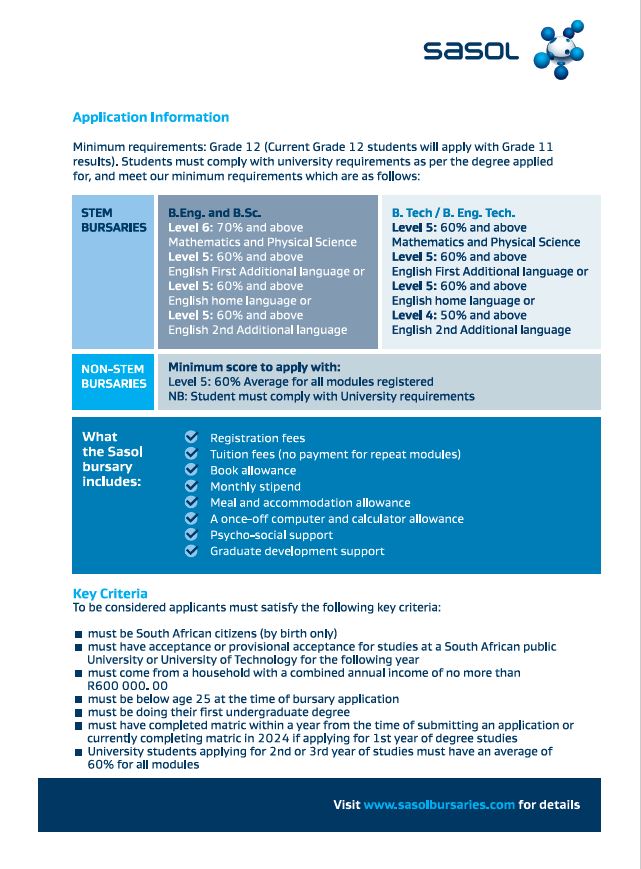
Application Information
Minimum requirements: Grade 12 (Current Grade 12 students will apply with Grade 11 results). Students must comply with university requirements as per the degree applied for, and meet our minimum requirements which are as follows:
STEM BURSARIES
B.Eng. and B.Sc. Level 6: 70% and above Mathematics and Physical Science Level 5: 60% and above English First Additional language or Level 5: 60% and above English home language or Level 5: 60% and above English 2nd Additional language
B. Tech / B. Eng. Tech. Level 5: 60% and above Mathematics and Physical Science Level 5: 60% and above English First Additional language or Level 5: 60% and above English home language or Level 4: 50% and above English 2nd Additional language
NON-STEM BURSARIES
Minimum score to apply with: Level 5: 60% Average for all modules registered NB: Student must comply with University requirements
What the Sasol bursary includes:
Registration fees
Tuition fees (no payment for repeat modules)
Book allowance
Monthly stipend
Meal and accommodation allowance
A once-off computer and calculator allowance
Psycho-social support
Graduate development support
Key Criteria To be considered applicants must satisfy the following key criteria:
must be South African citizens (by birth only)
must have acceptance or provisional acceptance for studies at a South African public University or University of Technology for the following year
must come from a household with a combined annual income of no more than R600 000.00
must be below age 25 at the time of bursary application
must be doing their first undergraduate degree
must have completed matric within a year from the time of submitting an application or currently completing matric in 2024 if applying for 1st year of degree studies
University students applying for 2nd or 3rd year of studies must have an average of 60% for all modules
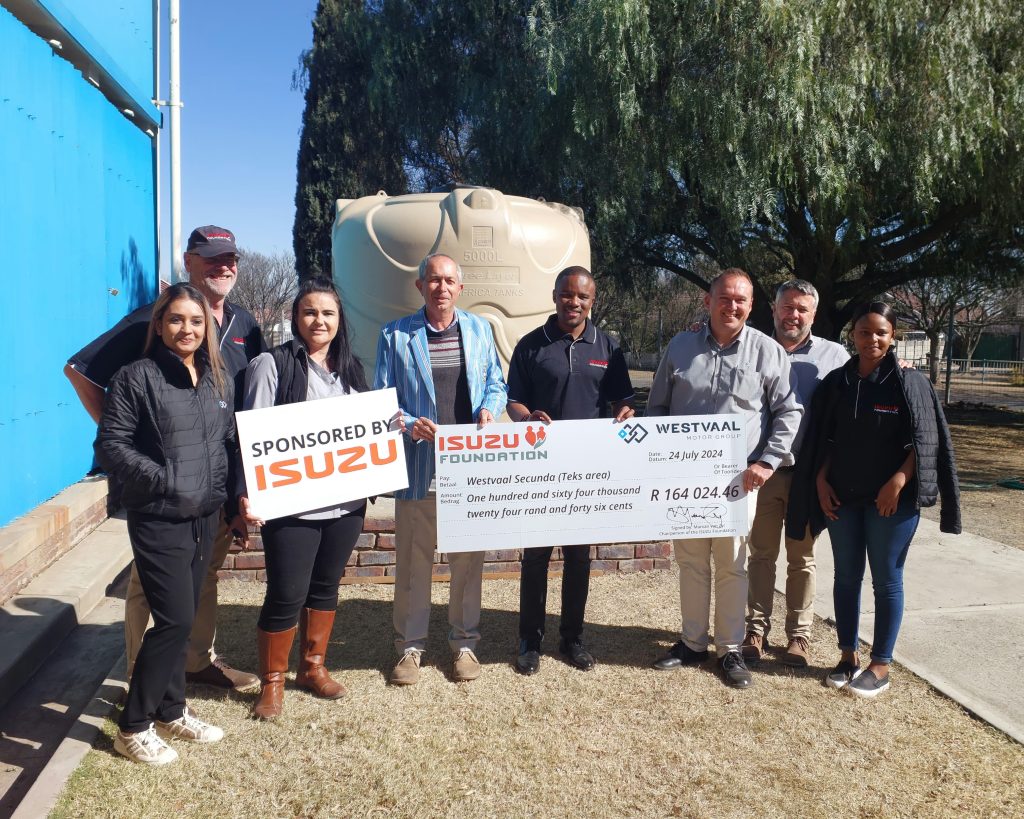
The project started with the “Ligdraerprojek” asking Westvaal Motors for 1 water tank for a school. They came back with a suggestion that a Proposal be made to The Isuzu Foundation. They have a water for schools project.
The Isuzu Foundation receives a percentage of every Isuzu sold in SA, and uses this money for projects like this.
So Liné de Vries and Karin Strydom formed an NPC – “Tree-Seeds” and sent the Isuzu Foundation the Proposal.
Tree-Seeds is a networking NPC – they present the needs to businesses with funds to connect the schools in need so help (not money) gets to the right places -children that need it! TREE-SEEDS does all the networking and admin, the business does the handover. They receive an 18-A Certificate from Tree-Seeds for SARS.
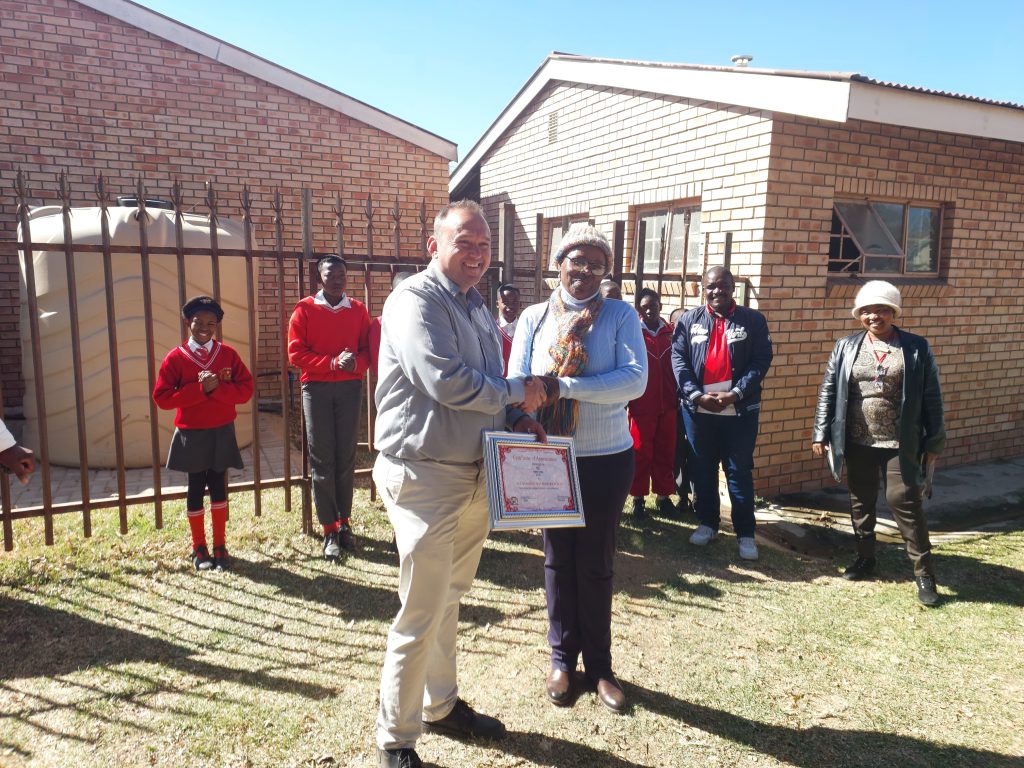
There are certain criteria for these schools and we did site visits and had discussions with School Management Teams in regards to the upkeep of the systems and using water sparingly.
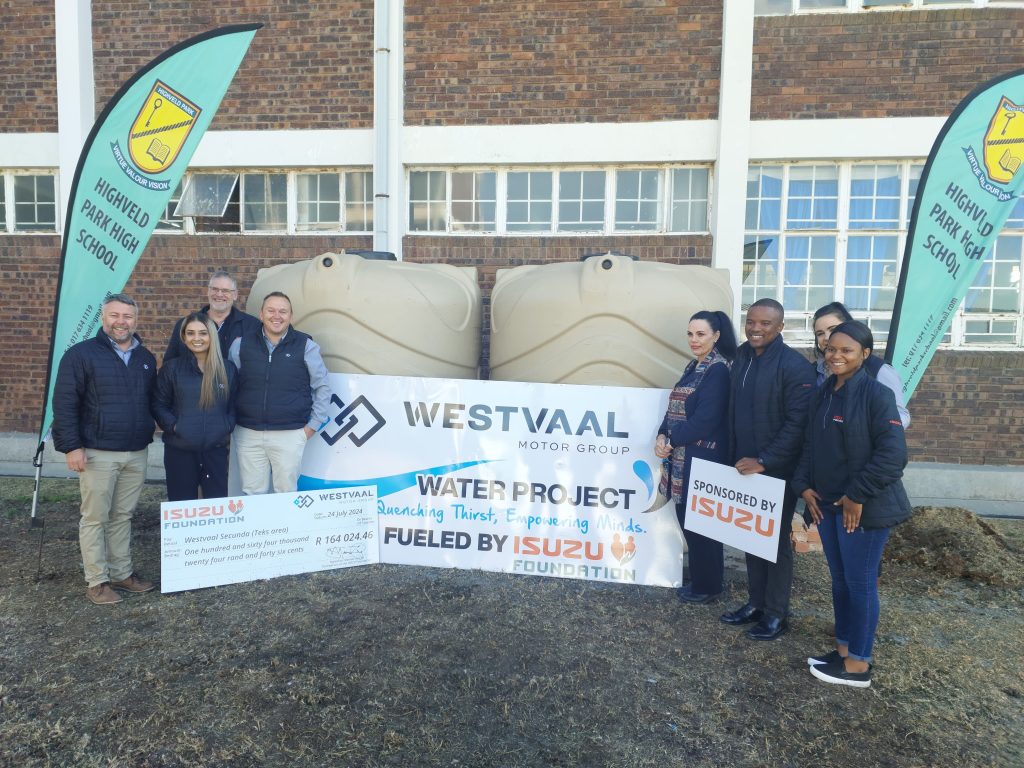
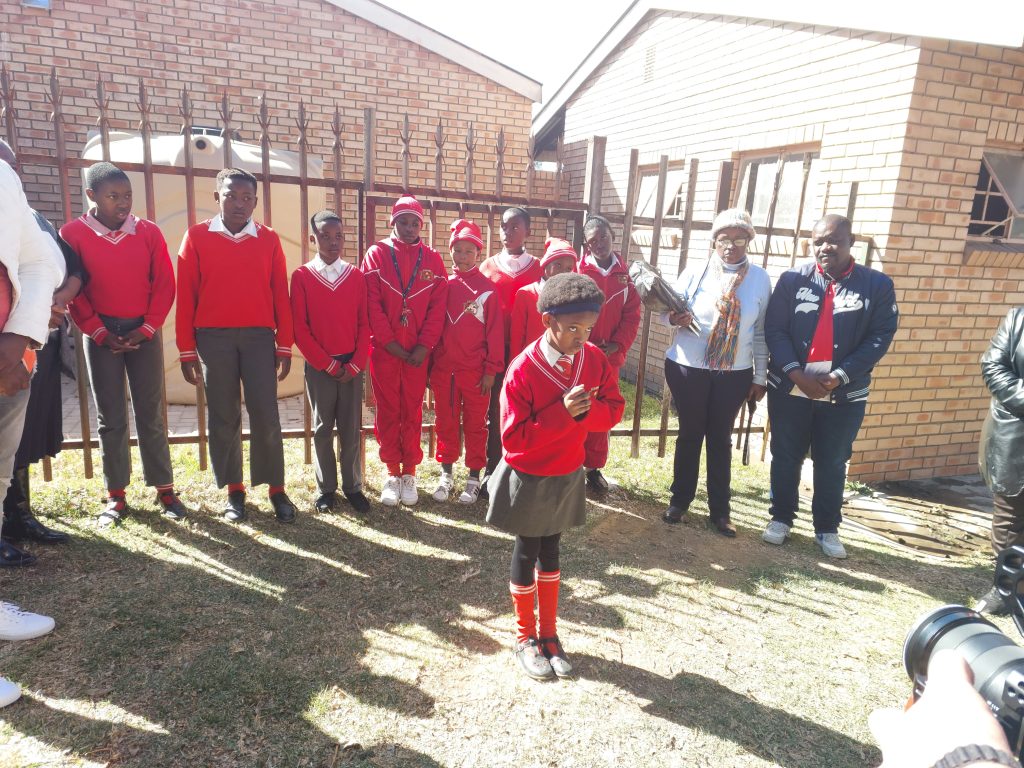
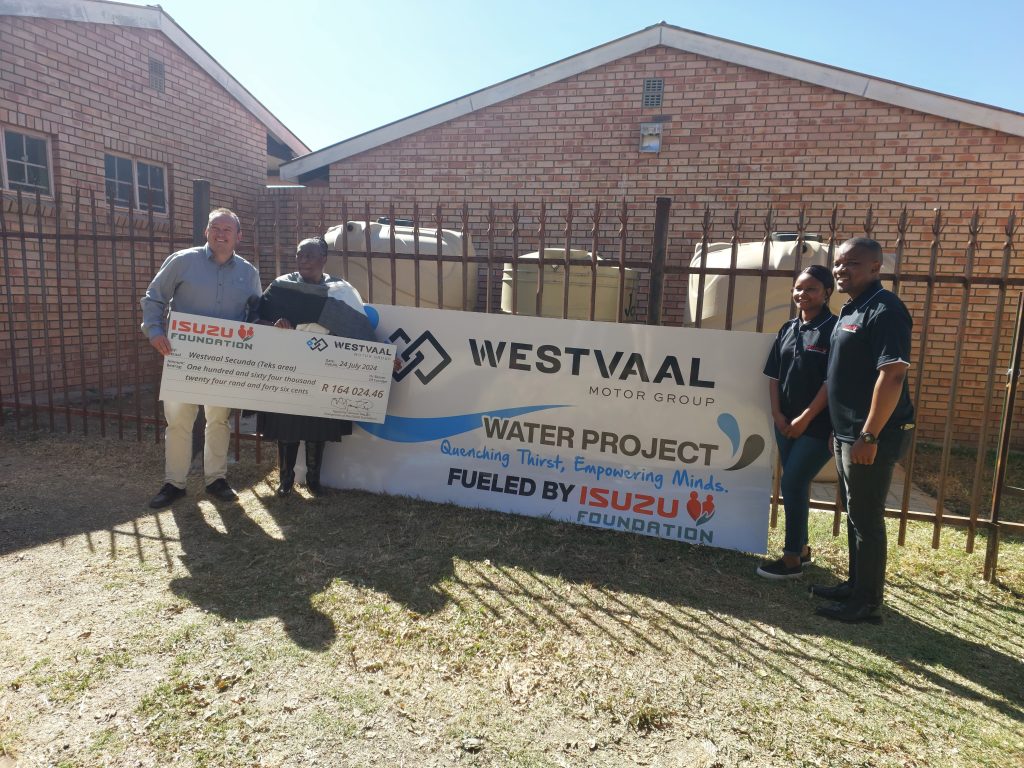
TREE-SEEDS received the go-ahead for this project from The Isuzu Foundation and installed 10 tanks at 6 schools and 2 creches. Their contractor Cobus Smit, also fixed some of their current leaky pipes, and old Jo-jos and on his own account helped with water-saving solutions for these schools. The total amount of Capital invested was R164 000. The community should be very thankful for sponsorship like this, contributing to solutions for our water crisis!
In total 14 tanks have been installed in the TEKS AREA, the other 4 from different sponsors. There is a long list of schools that close down in days of water shortage. The children then also forfeit on their meal from the school – for some their only meal…
This project is an ongoing one any sponsors big and small can contribute to help these children with a water tank at their school. Tree-Seeds will be happy to help. Contact Liné 082 786 0134 for more information.
New study confirms high hepatitis C prevalence among people who inject drugs in South Africa
The biobehavioral survey and population size estimation undertaken in eThekwini, Ehlanzeni and Tshwane underscores the need for harm reduction services to address the transmission of HIV and viral hepatitis among people who inject drugs.
New findings from TB HIV Care’s latest biobehavioural survey, conducted between May and September 2023, reveal a high prevalence of hepatitis C infection and high levels of HIV co-infection among people who inject drugs (PWID) in eThekwini, Ehlanzeni (Lydenburg and Mbombela) and Tshwane.
“Hepatitis B and hepatitis C infections are typically higher in key populations than the general population, but data are limited,” explains Joel Steingo, Strategic Information and Business Development Director at TB HIV Care. “Biobehavioural surveys are critical because they allow us to estimate the population size of marginalised groups like PWID in sites across South Africa, estimate the prevalence of infections like HIV and viral hepatitis, assess health-seeking behaviour, gauge injecting practices and other risk factors, and examine the intersectionality between injecting drug use with behavioural, social and structural factors – including the ability to access healthcare services,” says Steingo.
The survey, which also aimed to estimate the prevalence of HIV among PWID populations in each city, shows:
In eThekwini, there is an estimated 49.3% HIV prevalence; a 5.8% prevalence for hepatitis B; an anti-HCV prevalence of 75.2%; and an HIV and anti-HCV co-infection prevalence of 43.2% among the PWID population.
In Lydenburg, there is an estimated 45.4% HIV prevalence; 0.9% prevalence for hepatitis B; an anti-HCV prevalence of 40.8% and an HIV and anti-HCV co-infection prevalence of 26.7% among the PWID population.
In Mbombela, there is an estimated 30.3% HIV prevalence; a 1.6% prevalence for hepatitis B; an anti-HCV prevalence of 90.5%; and an HIV and anti-HCV co-infection prevalence of 28.1% among the PWID population.
In Tshwane, there is an estimated 72.1% HIV prevalence; 2.8% prevalence for hepatitis B; an anti-HCV prevalence of 89.1% and an HIV and anti-HCV co-infection prevalence of 69.2% among the PWID population.
For Andrew Scheibe, Technical Advisor at TB HIV Care, the high HIV and anti-HCV prevalence highlights the need for increased HCV prevention, testing, treatment with direct-acting antivirals (DAAs), and the scale-up of evidence-based services among people who inject drugs.
Andrew Scheibe Technical Advisor – TB HV Care
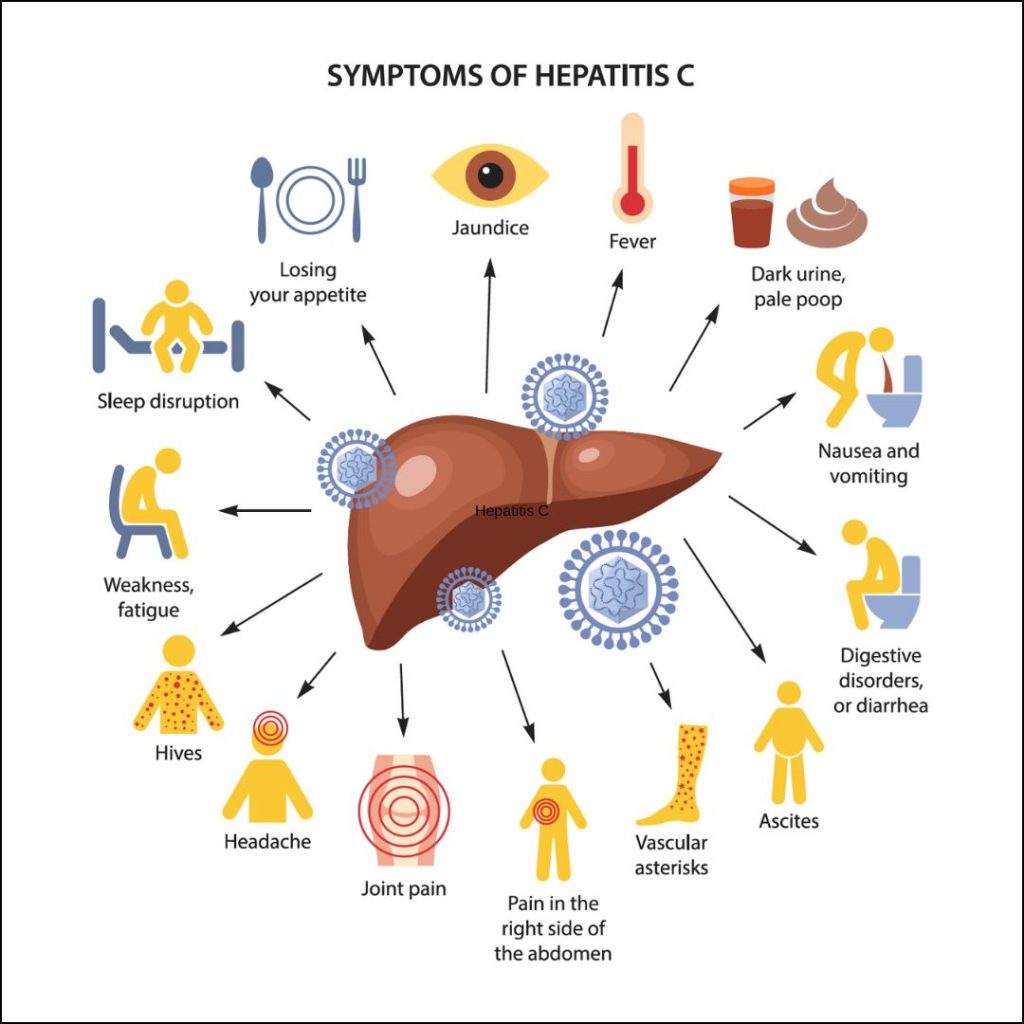
“Hepatitis C is often called the silent killer because many people remain completely asymptomatic until the infection progresses, causing serious liver damage and life-threatening health issues,” explains Scheibe. “Today’s DAAs are highly effective, but cost and access are an issue in South Africa. We need to continue to advocate for easier, cost-effective access to generic DAAs, especially for populations at risk.”
Scheibe believes that harm reduction, including uninterrupted needle and syringe services and opioid substitution therapy, is also critical for HCV and HIV prevention for people who inject drugs.
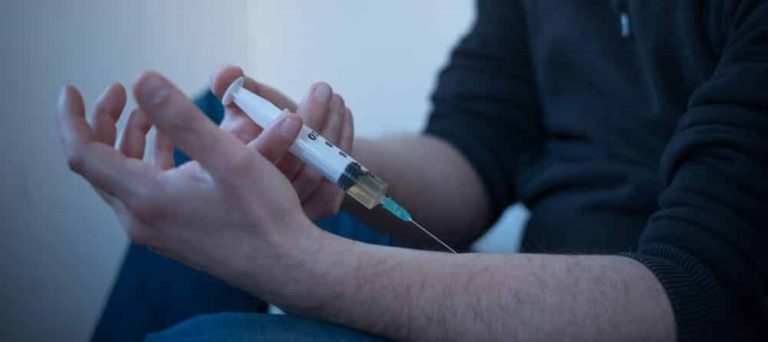
“Hepatitis C is a blood-borne virus, meaning it’s spread through needle sharing and unsafe injecting practices. We need to deliver a comprehensive package of care, including needle and syringe programmes, opioid substitution therapy, HIV and hepatitis testing and treatment, and psychosocial services to prevent the onward transmission of HIV and viral hepatitis – and reduce the harms associated with drug use.”
The BBS survey was made possible with funding from the U.S. President’s Emergency Plan for AIDS Relief (PEPFAR) and technical assistance from the U.S. Centers for Disease Control and Prevention (CDC).
CDC Country Director, Dr John Blandford says key populations face significant stigma and discrimination and often find it difficult to access healthcare services because of these judgements.
“This biobehavioural survey has given us a deeper understanding of the challenges faced by people who inject drugs,” says Dr Blandford. “We know, for example, that the prevalence of physical and/or sexual violence across all the sites was more than 30%. We also know that a third of PWID have not accessed healthcare in the last year due to fear of stigma or discrimination. This information allows CDC partners to include post-violence care in their programmes, as well as sensitisation training for healthcare workers. The high HIV and anti-HCV prevalence means we need to focus on harm reduction efforts – and continue to advocate for the rights of key populations.”
About TB HIV Care
TB HIV Care is a registered non-profit organisation that puts integrated care at the heart of responding to TB, HIV and other major diseases. They work to prevent, find and treat TB, HIV and viral hepatitis in South Africa as well as targeting their interventions to address the needs of populations most at risk, including communities in the Eastern Cape and Western Cape, adolescent girls and young women, inmates in correctional centres, sex workers and people who inject drugs.
Hepatitis C is an inflammation of the liver caused by the hepatitis C virus. The virus can cause both acute and chronic hepatitis, ranging in severity from a mild illness to a serious, lifelong illness including liver cirrhosis and cancer.
UPGRADE YOUR PET’S DINING EXPERIENCE WITH THE PERFECT BOWL WHILE BALANCING FUNCTION, SAFETY AND STYLE.
When buying bowls for our pets, we often pick one that looks nice and is convenient for us but, do you ever think about how that bowl can affect your pet’s health and comfort? The type of bowl you choose—its material and design—can make a big difference.
When selecting a pet bowl, it’s essential to weigh the pros and cons of each type, considering factors like your pet’s size, mouth shape, ear length, health, and temperament. While style and design might be appealing for home decor, prioritize your pet’s health as paramount.
Consider eco-friendly options to minimize environmental impact and explore sustainable materials where possible. Remember, quality doesn’t necessarily correlate with high cost, so research and user reviews can guide you. Seek a bowl that meets all your criteria, balancing aesthetics with functionality to find the right fit for both your pet and your home.
Image by The Paw Company
TIPS FOR CHOOSING BOWLS
Here are a few factors to consider when buying food and water bowls for your pets:
Size Matters
Choosing the right bowl size is important based on your pet’s breed, size, and eating habits. Oversized or undersized bowls can affect how comfortably your pet eats. Try using a large, flat bowl that gives plenty of room for your pet to eat comfortably.
Keep in mind that dogs, like cats can get whisker fatigue if the bowls are too small and their whiskers touch.
Health Considerations
Consider raising the bowl if your pet is elderly, or has arthritis, or digestive issues. This can be more comfortable by reducing joint pressure and neck flexion. This is also important when it comes to allergies or the safety of the bowl material, plus it can keep the feeding area cleaner.
Safety
Ensure the safety of your pet while using the bowl, such as avoiding bowls with sharp edges or small parts that could be chewed off.
Specialized Bowls
For fast eaters, opt for a slow-feeder bowl to encourage slower eating and better digestion. For those with other digestive issues or joint problems, you also need to consider the type of bowl even more as mentioned above.
Non-slip Flooring
Use a non-slip mat under the bowl, especially for older pets, to prevent it from moving around.
Energy Levels
Pets with high energy levels might benefit from puzzle bowls to stimulate mental activity during mealtime. This can also be great for cats who are hunters.
Eating Habits
Some pets prefer self-feeders or water dispensers but ensure they maintain a healthy weight and don’t overeat.
Area and Placement
Place bowls in a shaded area to prevent water from heating up and away from potentially contaminating environments. Ensure the eating area is spacious and doesn’t make your pet feel trapped.
Social Eating
Although eating is a social experience for humans, it should be a sole dining experience for your pets. Ensure bowls are not placed too close together to maintain a comfortable eating experience for each pet.
Resources
Provide separate bowls for each pet, especially in multi-pet households. Cats, in particular, need separate food and water bowls as well as a litter box for each cat.
Angle
Consider using bowls with a slight angle (about 15⁰) to aid digestion for some pets. This is not ideal for all pets.
Water Considerations
Provide clean, fresh water daily in a bowl or consider a fountain feature to attract pets to drink more as they prefer running water. Remember to put water and food in a shaded area.
Hygiene
The dog water bowl has previously been identified as the third most contaminated item within the household and can be a breeding ground for dangerous germs & life-threatening bacteria that can put the entire house at risk, researchers at University Centre Hartpury have revealed.
You don’t want to eat out of a dirty bowl, right? No matter which type of bowl you use, the best thing you can do to protect yourself and your dog’s health is to wash your bowl after every meal with hot water and soap. In addition, at least once a week, run your bowls through the hot cycle in your dishwasher. This is important to avoid biofilm buildup, which can contribute to health issues.
Some materials or designs might be easier to clean than others. Easy-to-clean bowls can help maintain proper hygiene and prevent bacterial growth.
Don’t forget to have travel bowls handy for outings or trips with your pet.
Transitioning Bowls
If you are changing your pet’s food bowl, offer food in the old bowl and original location as well as use the new bowl, and then in a slightly different location. This allows your pet to have a choice. You can then remove the old bowl once your pet starts using the new one. This allows your pet to adjust gradually. Remember to change food gradually too!
Material Choices
Plastic, Ceramic, or Stainless steel are the 3 popular choices, and like anything, they come with pros and cons.
In their new book, The Forever Dog LIFE, the authors lay out the pros and cons of different types of bowls. Here’s a glimpse of what you need to know:
PLASTIC – Plastic bowls are cheap, but also easily destructible and not so environmentally friendly. Plastic bowls grew the highest number of bacteria over time according to the Hartpury study. Endocrine-disrupting chemicals found in plastic bowls are not good at all. Also, be aware plastic bowls can cause Plastic Dish Nasal Dermatitis: Chemicals in plastic absorb through the skin and inhibit the synthesis of melanin, leaving the nose and adjacent areas with pink blotches.
CERAMIC – Some suggest ceramic bowls are best for dogs with allergies as they do not sensitize, but they are heavy and expensive and bacteria can build up in the cracks. Hartpury scientists found the most harmful bacterial species (salmonella, E. coli, and MRSA) were most frequently found in ceramic bowls because people continue to use them after fine cracks in the glaze become visible. Lead can also be a problem when using these bowls.
STAINLESS STEEL – cheaper quality bowls have been involved in recalls due to heavy metal contamination. Be sure to buy high-quality bowls (18-gauge or 304 steel) from a trusted source. They are relatively safe, practical, and easy to clean although some say they are too noisy. This is my prefered choice of bowl.
GLASS – Durable, kitchen-friendly glass bowls made from 100% borosilicate glass (Pyrex) make great food and water bowls on the floor.
So, which dish is best to use for a dog bowl? The bowl that grows the least amount of life-threatening bacteria!
Being self-sufficient survivalists, cats prefer to eat and drink in separate places. They feel safer eating and drinking this way as they are less likely to be spotted by predators (remember cats are prey animals as well as effective little predators).
Cats don’t like the idea of their food contaminating their water. Bear in mind cats are programmed to hunt, catch, and kill prey several times a day. This means consuming their food near their water source could risk contaminating the water with the blood or gut contents of their prey. The water would then act as a medium for bacteria and attract flies. A sick cat is a vulnerable cat!
Double bowls tend to be small, quite deep, and are of course joined together, which could risk aggravating a cat’s sensitive whiskers. This can be uncomfortable and even painful for your cat, causing something called ‘whisker fatigue’ resulting in food aversion or preventing a cat from finishing its food!
Do your research on the proper food for your pet’s specific needs! When animals are not eating there could be serious health conditions present, so seek veterinary care immediately. Learn more about improving your pet’s life on The Paw Company’s page including food-specific tips from trusted veterinarians.
Picking the right pet bowl isn’t just about looks or convenience; it’s about ensuring your pet stays healthy and comfortable. Whether you go for stainless steel for durability, ceramic for style, or specialized bowls for specific needs, your choice matters. By considering the material, size, and design, you’re not just improving your pet’s mealtime—you’re showing them you care about their well-being in every way.
Next week we will look at choosing safe toys for your pets.
AFU, SIU, AND HAWKS SEIZE ASSETS WORTH R52 MILLION IN ALLEGED COVID-19-RELATED CORRUPTION CASE.
The Asset Forfeiture Unit (AFU) of the National Prosecuting Authority, the Special Investigating Unit (SIU), and the Directorate for Priority Crime Investigation (Hawks) have seized various assets and properties valued at approximately R52.6 million. The assets and properties are linked to 22 senior management officials, service providers, and entities involved in an alleged corruption network within the Mpumalanga Department of Public Works.
This seizure follows a preservation court order from the High Court of South Africa, Mpumalanga Division, Mbombela obtained by the AFU. The order allows the AFU, SIU, and Hawks to seize various assets in Mpumalanga, Gauteng, North West, and Western Cape provinces associated with personal protective equipment (PPE) corruption. The operation included serving orders at 34 locations and capturing inventories of 29 properties, 31 vehicles, and a boat trailer.
The court order freezes properties such as houses, electronics, cars, household items, jewellery, arms, ammunition, bank accounts, salaries, and bail monies. All internet banking privileges will be removed from the accused as of July 23, 2024. The seized assets and frozen properties belong to employees of the Mpumalanga Public Works, while others belong to service providers doing business with the department.
The order restrains the following individuals and entities:
The order is based on Section 26 of the Prevention of Organised Crime Act, 121 of 1998, which prevents a person from dissipating their assets before a confiscation order is made following a conviction.
The SIU’s investigation into PPE contracts related to the COVID-19 pandemic revealed that senior management officials awarded multi-million Rand COVID-19 PPE tenders to suppliers who did not deliver the services. These suppliers paid substantial kickbacks to the senior management officials and their family members in different ways. The investigation uncovered multiple instances of corruption, fraud, theft, and money laundering committed by senior managers and service providers involved in procuring PPE disinfection services during the COVID-19 period.
In line with the Special Investigating Units and Special Tribunals Act 74 of 1996 (SIU Act), the SIU referred criminal evidence to the NPA and Hawks for further investigation, leading to the arrest of department officials and service providers. The officials and service providers now face criminal charges related to PPE procurement and appear in the Commercial Crimes Court on charges of corruption, fraud, and money laundering.
President Cyril Ramaphosa directed the SIU, in terms of Proclamation R23 of 2020, to investigate allegations of corruption, maladministration, malpractice, and payments made by State institutions relating to PPE procurement and the conduct of State employees.
This preservation order is part of the implementation of the National Anti-Corruption strategy by law enforcement agencies to strengthen their fight against corruption. It highlights the misuse of positions of trust by state employees to enrich themselves at the expense of public service delivery and the economy.
The NPA’s Asset Forfeiture Unit is authorised under Section 26 of the Prevention of Organised Crime Act 121 of 1998 (POCA) to obtain a restraint of property order to seize any “realisable assets” of an accused person in a criminal case. Such assets may later be used to satisfy a confiscation order granted by any court after the conviction of the accused to recover any illegal financial benefit obtained from their criminal activities.
The SIU is also empowered to institute civil action in the High Court or a Special Tribunal in its name to address any wrongdoing uncovered during investigations related to acts of corruption, fraud, or maladministration. In line with the SIU Act, the SIU refers any evidence of criminal conduct it uncovers to the NPA for further action.
Sasol volunteers pack food hampers for welfare centres to mark Mandela Day
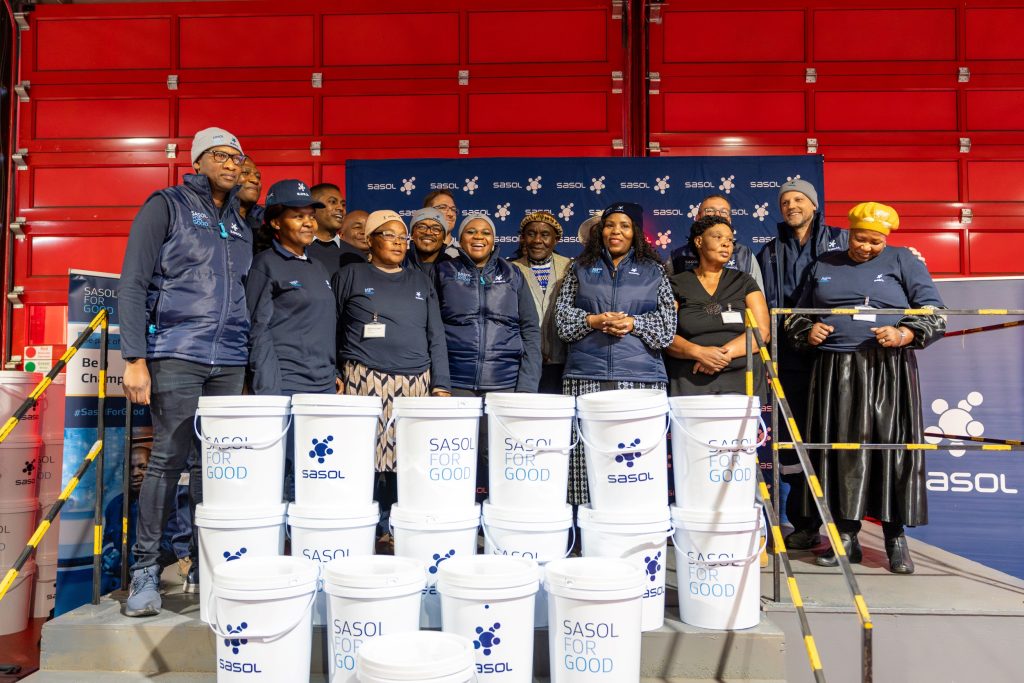
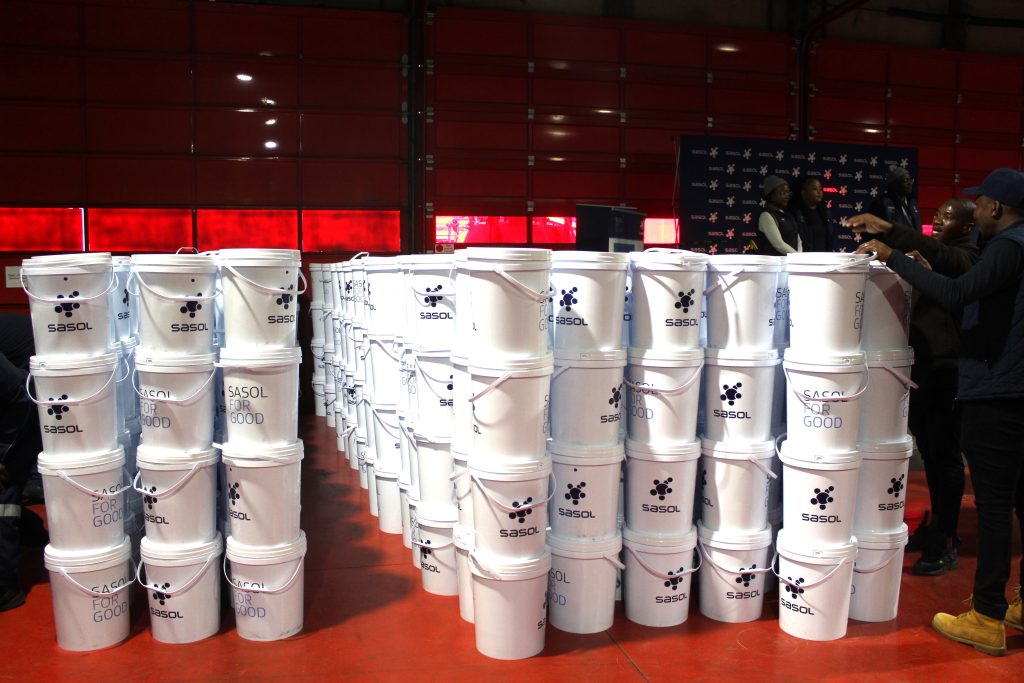
To honour Mandela’s legacy, Sasol volunteers, on Thursday, came out in numbers at the Secunda plant and in Brandspruit to pack food hampers that will be distributed to welfare centres across Sasol’s fenceline communities. The beneficiaries of the food hampers are orphanages and centres for vulnerable children and child-headed households within Mpumalanga’s Govan Mbeki Municipality, Lekwa, Dipaleseng and Nkomazi.
Similar packing events took place in Germiston, Durban, Sasolburg and Sandton.
“We know that this will not be enough,” said Sipho Maseko – Senior Vice President of Operations and Services, “But this is a little that we can do, we are encouraging our employees to continue doing the voluntary work that they do in their respective communities.”
“I hope that our employees will continue this every ay of their daily lives,” said Sipho.
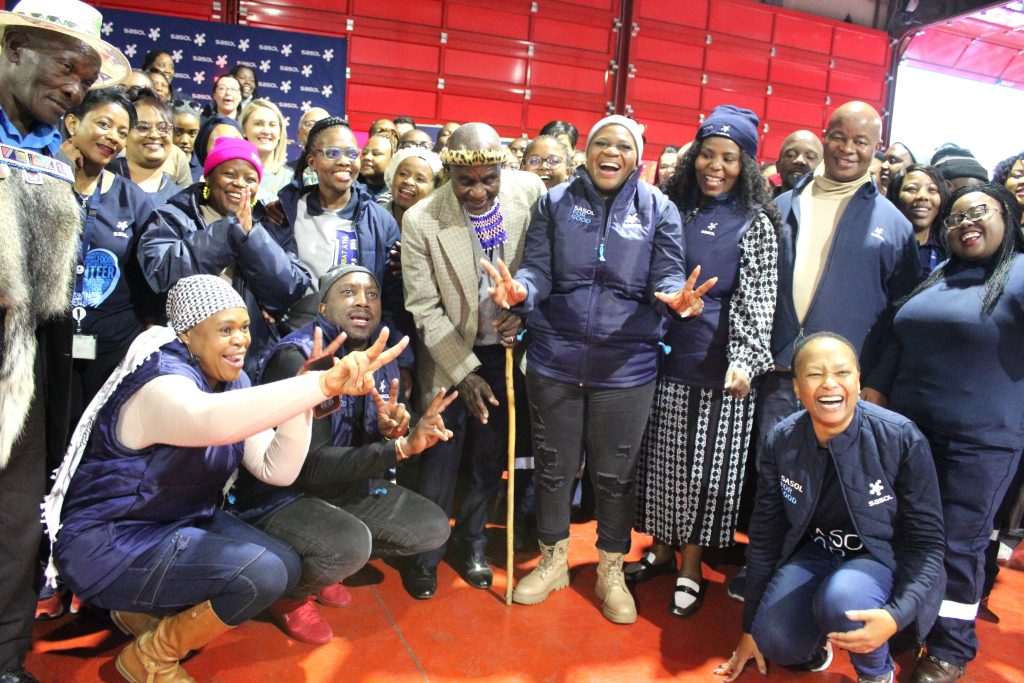
Sasol volunteers and community stakeholders gathered to honour Mandela Day
Sasol will partner with the Department of Social Development for the distribution of the hampers. Some food hampers packed in Secunda will be delivered to the Enduduzweni Women and Children Initiative Centre in eMzinoni, the House of Hope Development Centre and the Okwam’ Nokwakho Drop-in Centre in eMbalenhle. The KwaZulu-Natal recipients are located in Durban South.
Through its #SasolforGood programme, Sasol continues to implement various social impact projects in line with the spirit of Mandela Month. The focus for this year’s Mandela Day activities is providing comfort to vulnerable groups and impacting society meaningfully.
Apart from delivering the food hampers, Sasol volunteers will also engage in various social programmes to support old age homes and disability centres across Govan Mbeki Municipality, in what is a demonstration of one of Sasol’s values: Be Caring.
Mandela Day is an annual global celebration that takes place on 18 July to honour the life and legacy of Nelson Mandela. This day is a call to action for individuals, communities, and organisations to take time to reflect on Mandela’s values and principles and to make a positive impact in their own communities.
What happened to 67 Minutes?
Nelson Mandela Day is perhaps best known for its slogan, “67 Minutes of Service,” but did you know where that came from and why it is no longer the slogan?
In 2009, it was calculated that Nelson Mandela spent 67 years of his life in service of social justice – in his years of activism and mobilisation, his years in prison, as well as his years as president of the Republic of South Africa. However, It seems that something went wrong with the calculation because, in 2009, Madiba had spent 65 years fighting for social justice since he joined the ANC in 1944. Even with this error, the 67 Minutes campaign went global and became the rallying call for Nelson Mandela International Day.
There were many notable campaigns that were started by the 67 Minutes campaign, perhaps most notably being the 67 Blankets initiative by Carolyn Steyn and the Mandela Day Libraries all across the country.
The 67 Minutes gave people an opportunity to take part in short, action-based projects in service of their communities. This included painting schools, cleaning up streets and making sandwiches.
Very quickly, the criticism came that Mandela Day was not making a sustainable impact in the world, but instead encouraged “do-goodism”, or short-term charity work. What the world needed were long-term, collaborative initiatives in honour of Madiba’s legacy.
And so, in 2011, the Nelson Mandela Foundation introduced the “Make Every Day A Mandela Day” slogan, encouraging people to take responsibility for social justice in their communities every day of the year. The hope was that Mandela Day would become more than just a day, but a global movement of ordinary people doing extraordinary things for their communities and Madiba.
Some of the food hampers packed by Sasol volunteers ready for distribution to different welfare organisations
However, after more than a decade of Nelson Mandela Day, we have learnt that even short-term interventions such as street cleanups and school painting have long-lasting impact for the community. It brings different sectors of society together in ways they may never have gotten together. It shows us the reality of this country and drives discourse and agendas for social justice.
This year, the slogan for Nelson Mandela International Day is a return to Madiba’s words when he gave us his birthday as a day for making good in the world – “It is still in your hands to combat poverty and inequity.”
With this message, we are motivating the world to take ownership of our communities and of the well-being of the people in our neighbourhoods. In the difficult economic and social environment we are in, nobody is coming to save us. It is up to all of us to uphold the legacy of our beloved icon, Nelson Mandela.