Parrots, especially African Grey parrots are popular pets, but unfortunately, many owners don’t realize the extreme level of care these highly intelligent, high-maintenance birds require.
The combination of their high intelligence and their long life expectancy makes them one of the highest maintenance pets on the planet. Adding inexperienced owners to the mix often results in a long list of behavioural problems, health concerns, and unhappiness for both the parrot and the owner. These animals can easily change homes 6-7 times in their lifetime. The number of surrendered and abandoned birds is sky-high worldwide. Through education and awareness, we want to help change that.
Although we do not support exotic and wild animals as pets, or keeping them in cages, many are captive and that is why it is important to make sure you are ready and realistic about owning a parrot. They are beautiful, adorable, and very smart, but they are also:
Noisy
Messy
Require expensive care
Need lots of time & energy
Demanding
Still needs grooming
Vet care is specialized
Destructive
Not ideal for kids
Become very old (60+)
“Parrots are commonly presented at veterinary clinics for feather-destructive behaviour, aggression, inappropriate noise making and/or excessive vocalization, and other behaviour problems — usually more so than for medical illnesses,” says avian veterinarian Dr. Anthony Pilny.
Also, read last week’s article on what to do if your pet dies at home.
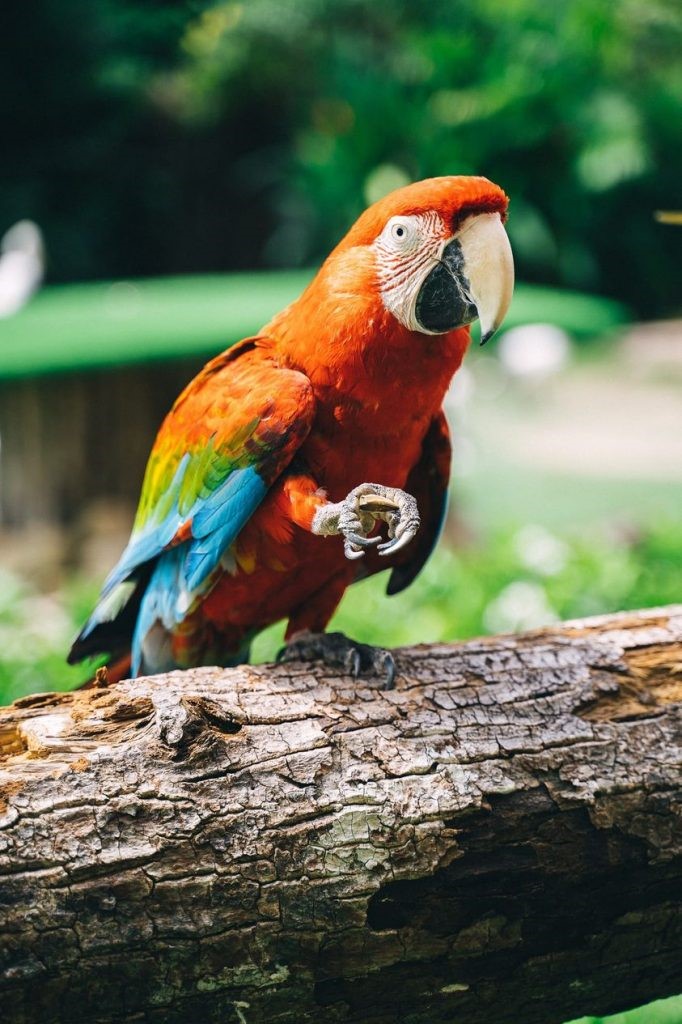
Parrots – Image from Pexels.com
Editor’s note: This article is a reprint from 2 June 2022.
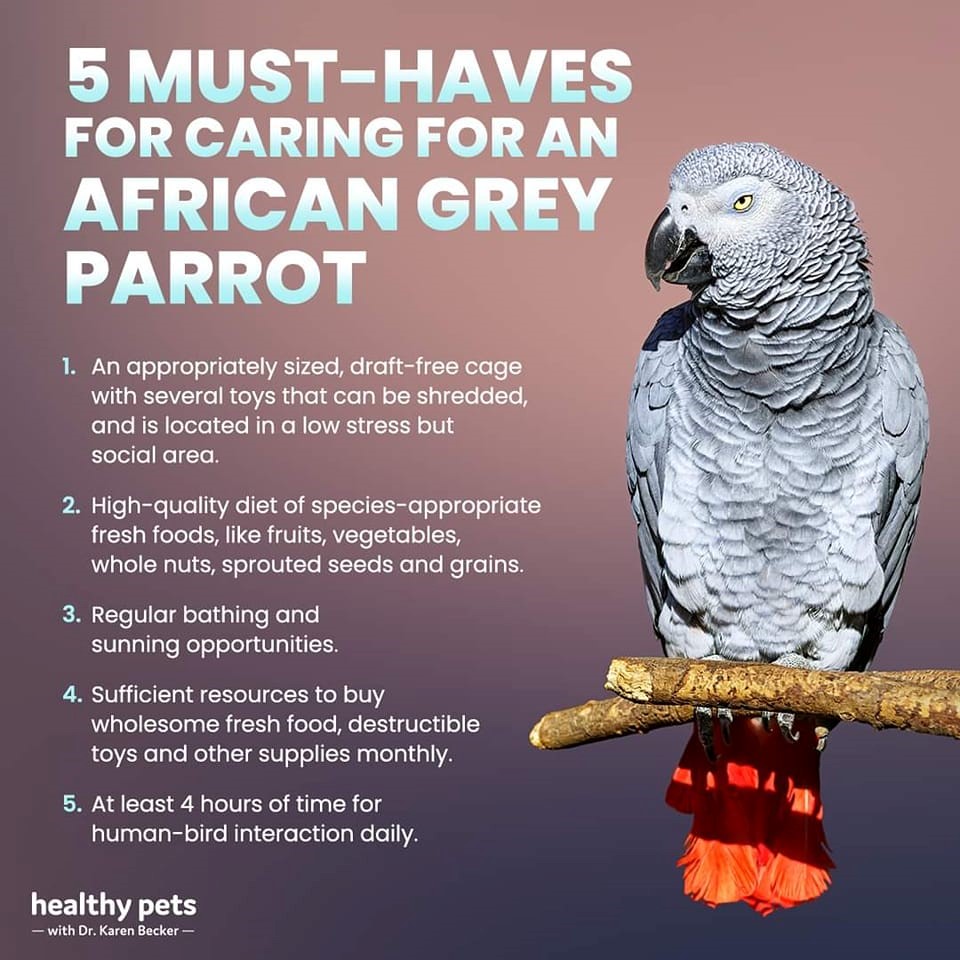
Two absolute essentials for caring for parrots in captivity are access to an avian veterinarian and a minimum of 4 hours each day spent in human-bird interaction. Other fundamentals include a big monthly bird budget, a cage that is the right size, properly accessorized, and well-maintained, and a species-appropriate, healthy diet.
He suggests the following:
You need an avian vet. Parrots aren’t chickens or small mammals. They have a unique physiology that exotic animal vets are well versed in navigating. Avian veterinarians are better equipped than general small animal vets to diagnose exotics, as well as to understand and interpret behaviour problems and recommend appropriate treatment, enrichment methods, and behaviour counseling.
Owners and potential owners of parrots need to be thoroughly educated by avian veterinarians and other knowledgeable sources about the parrots’ needs so they know what to expect and how to meet the birds’ requirements in captivity.
The high cognitive ability of parrots should be considered in their captive husbandry as a contributing factor to developing behaviour concerns. If you’re considering a parrot as a pet, you should be prepared to spend almost the same amount and quality of time with your bird as you would a highly interactive, bright, inquisitive pre-schooler.
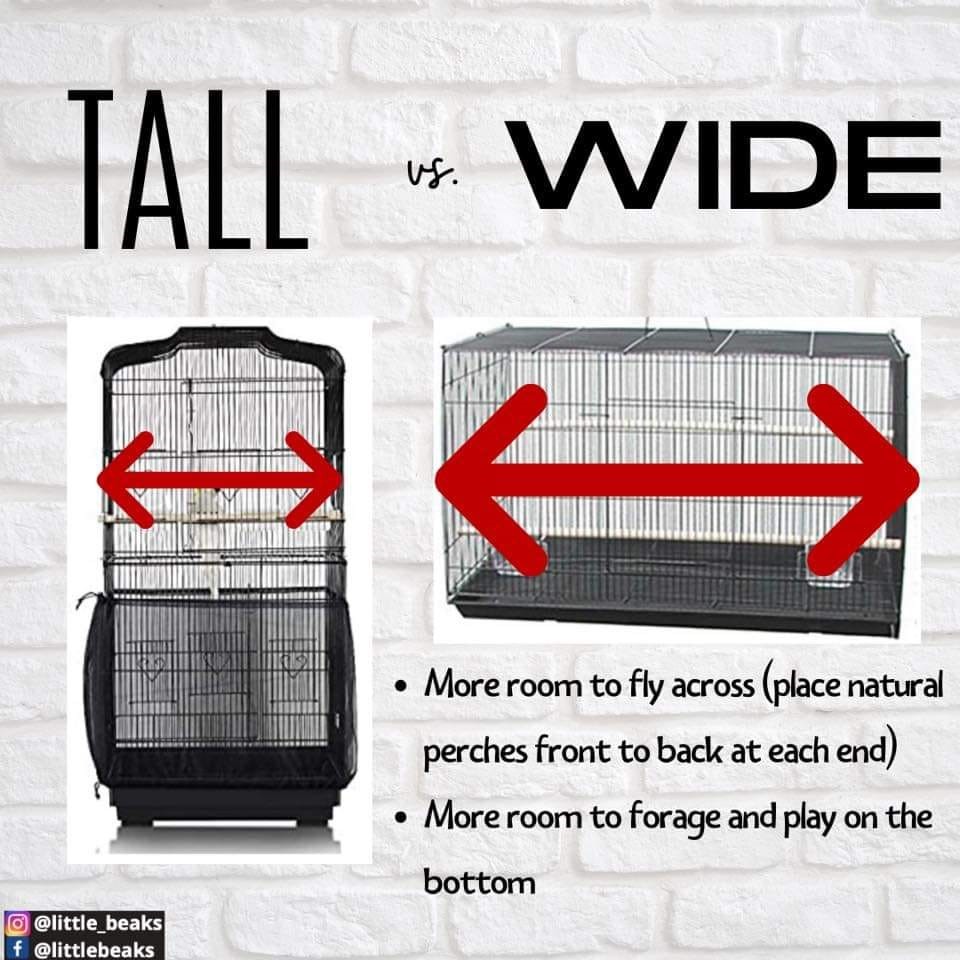
An appropriately sized cage that is cozy (draft-free) and located in a safe, low-stress but social area. Your bird’s cage should be big enough for her to spread her wings and flap vigorously without contacting anything. It is even better when they can fly in their cage. Remember that birds fly more horizontally, so consider this when you buy a cage.
It should have a variety of natural branch perches (not dowels) and contain several shreddable toys, for example, balsa wood, woven mat toys, paper-stuffed toys, nontoxic enrichment “goodie bags,” and organic hemp rope toys for chewing. A huge variety of organic, all-natural, chemical-free toys is critical, as parrots’ mouths are used as a third hand so, an ongoing supply of safe, nontoxic instantly shreddable, as well as a few resilient or reusable chew toys, are a must.
He recommends replacing the disposable chews at least daily and rotating the more resilient toys at least twice a week, ideally daily. Always introduce new toys slowly, attaching them to the outside of the cage for a few days first, so your parrot can investigate at his own pace.
The cage should be cleaned daily with a nontoxic cleaner. His recommendation is diluted vinegar. The cage floor should be lined with newspaper that is discarded daily. All loose material (feathers, leftover feed, bird poop) should be carefully disposed of before disinfecting cage surfaces. Birds should be removed from the area during the disinfecting process to protect them from fumes.
Cage – Image by Little Beaks
DIET – Feed a high-quality diet of species-appropriate fresh foods including fruits, vegetables, sprouted seeds, whole nuts, and sprouted grains. Organic, dye-free commercial pelleted food (not poor-quality sunflower seed mix, which is the equivalent of junk food for most exotic birds) can also be offered.
BATHS – Parrots can get dusty, so regular bathing opportunities are important. Many parrots love baths; some will splash around in a tub of shallow water; others will join their owners in the shower and others enjoy a gentle spray from a plant mister. Use filtered water, free from heavy metals and contaminants, and consider adding a flower essence if your bird is stressed.
MONEY – Beyond the initial expense of acquiring a parrot, owners should plan to spend a lot of money a month on wholesome fresh food, destructible toys, and other supplies. An emergency fund or pet medical aid is also crucial.
TIME – Just because birds live in cages doesn’t mean they are easy pets to care for. You can’t just pop your parrot into his cage and ignore him except at feeding time. Be prepared to spend a great deal of time interacting with them. Potential owners of parrots should be ready, willing, and able to commit at least 4 hours per day to human-bird contact. This will disqualify many potential owners immediately.
Birds need chemical-free environments to be healthy. Consider the dangers or effects of:
Tap water
Home scenting products
Kitchen cookware
Fireplaces and smokers
Home cleaning products
Air purification
If you own a bird or want to learn, read more on various bird-related topics here.
Please think twice and again before committing and if you do…..ALWAYS ADOPT! We will fight not until cages are comfortable, but until they are empty!
REMEMBER THE AVIAN VET VISITTO SECUNDA
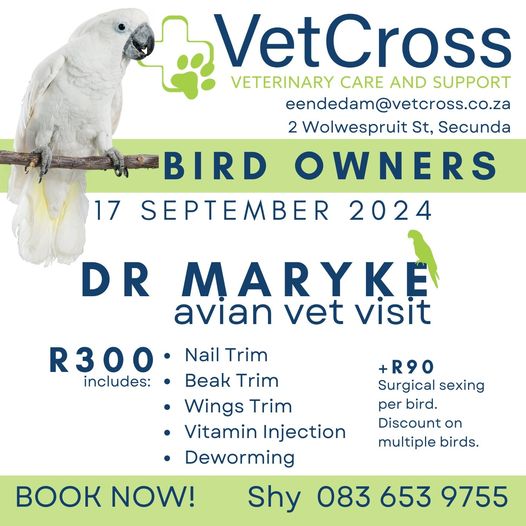
It is in the best interests of your birds to be seen by an Avian vet as not all vets can treat birds correctly. Dr. Maryke will be visiting Secunda again on 17 September. She will be doing trims, vitamin injections, deworming, and surgical sexing of birds. Please WhatsApp Shy for more info and to book. 083 653 9755. Thank you VetCross Eendedam for hosting.
Parrots – Image by Vetcross Eendedam
Next week we will look at tips for finding missing birds.
The Sasol Highveld Photography held its monthly club meeting at Sasol Club on Friday 16 August.
The judge for the evening was Francois Venter from Pretoria and the set subject was “Through the Window”
The club hosts monthly meetings where members can enjoy informative talks by other photographers.
Various topics are covered, and this is always accompanied by photographs that the guest has shot.
Members are invited to enter their photographs to be judged in different categories.
Members are also graded by their skill levels and receive points to progress to a higher level. The aim is for photographers to improve by having their photos judged and critiqued. By taking note of the commentaries of the guest they should be able to improve.
Here are the photos for August, who received Gold or COM (Gold and Certificate of Merit).
Best Senior Photographer (August)
Leon Pelser with his photograph “Shade from Thunder” was judged as the best Senior Photographer for the evening.
“Shade from Thunder” by Leon Pelser
Best Junior Photographer (August)
Lorraine Botha with her photograph “Living in a City on Water in Ha Long Bay” was judged to be the best Junior Photographer for the evening.
“Living in a city on water in Ha Long Bay”
By Lorraine Botha
Best Set Subject Photographer (August)
Louis van der Walt with his photograph “Cathedral Peak through Window” was judged as the best photographer in the set subject category.
“Cathedral Peak through Window” by Louis van der Walt
Categories:
Scapes:
“Wolfberg Camp 2” by Louis van der Walt
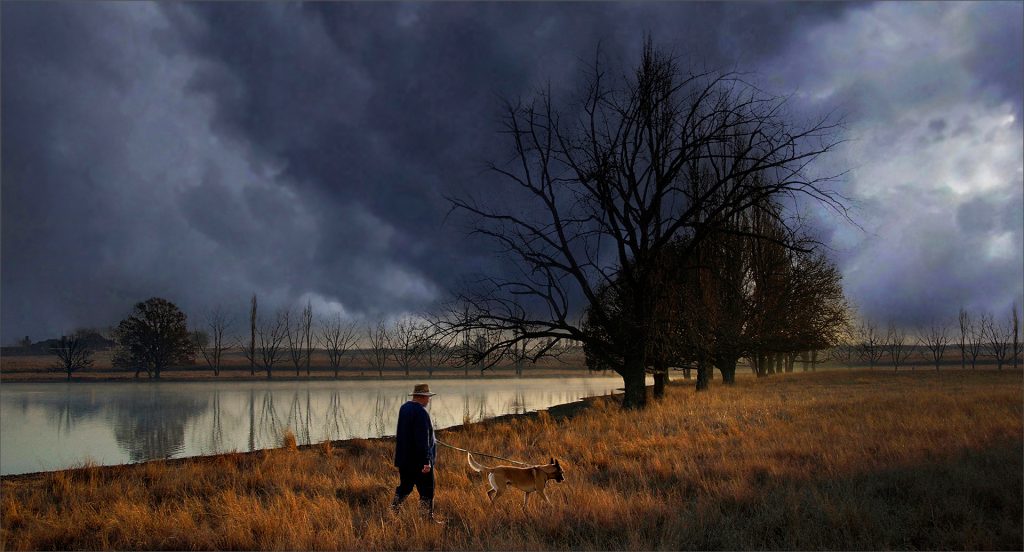
“Rooikrans” By DNE Smit“The wine valley of Portugal” by Lorraine Botha“Walking the dog” by Leon Pelser“Inyoka stream 3” by Louis van der Walt
Monochrome:
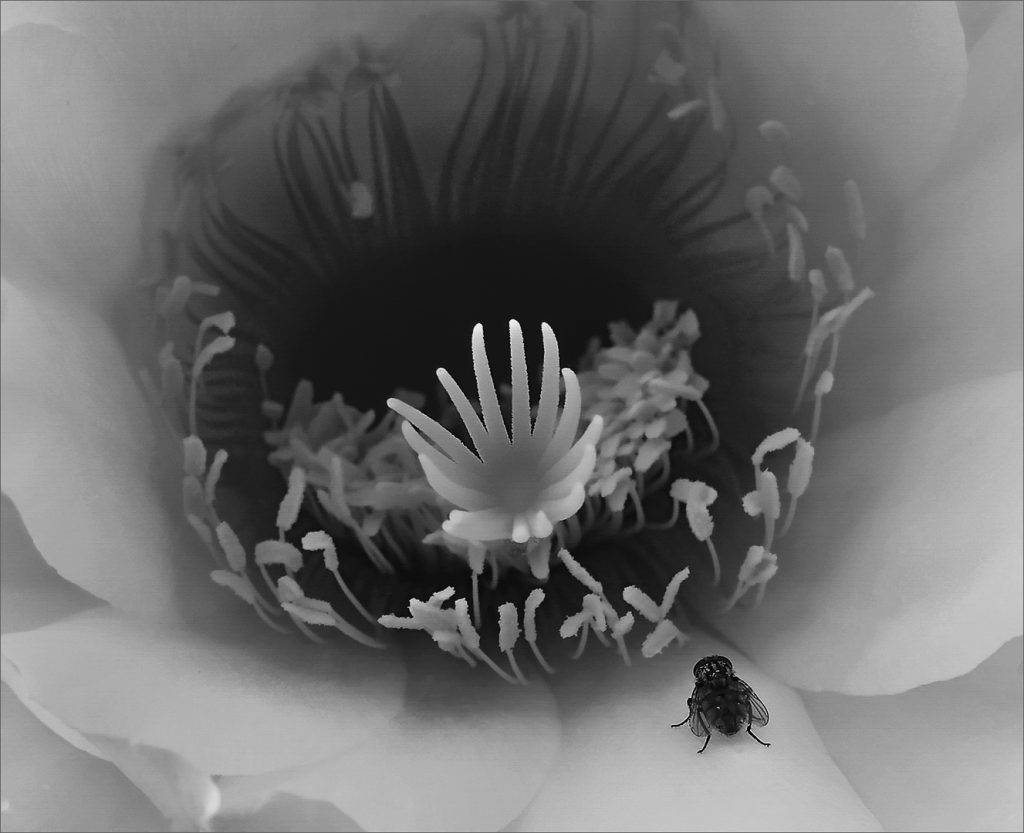
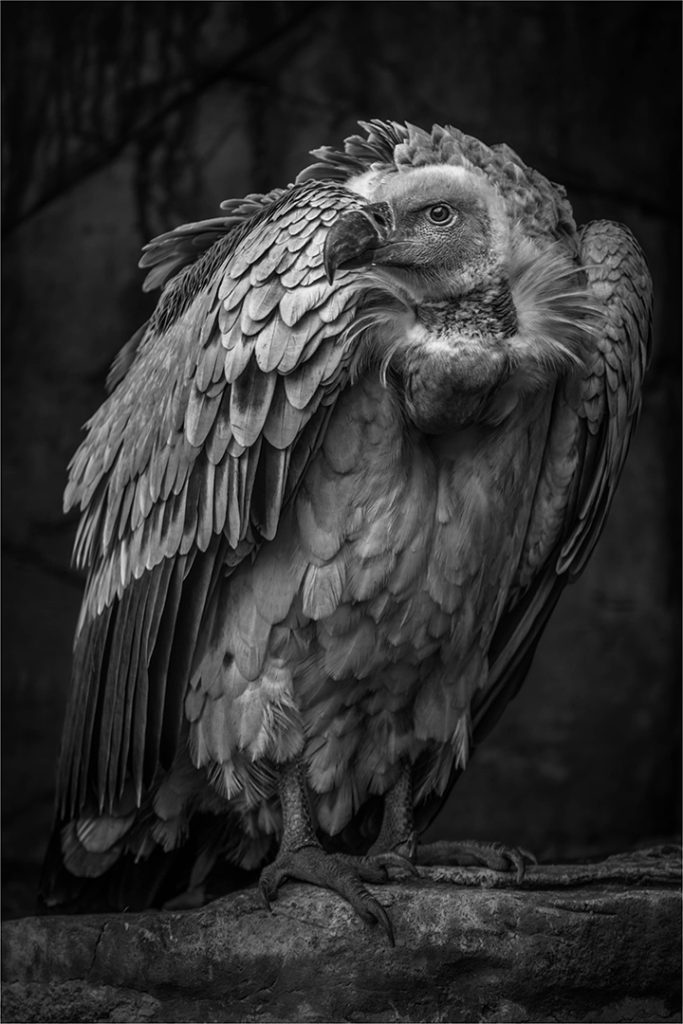
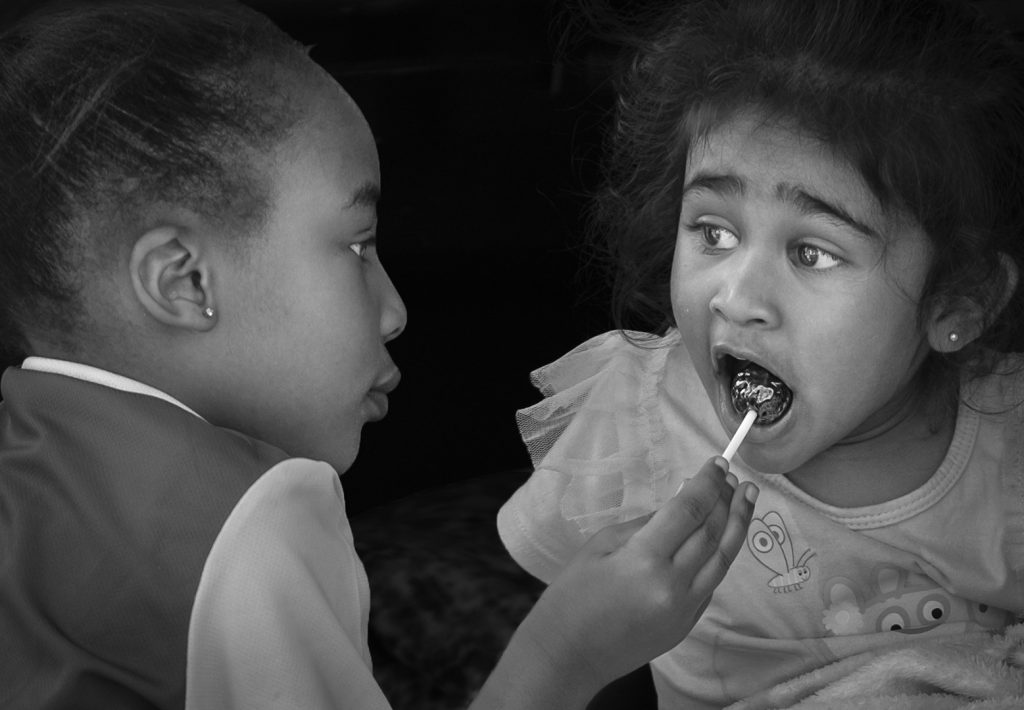
“Blue and Pink Light tube paint 1 – BW” by Louis van der Walt“Dinner Time” by DNE Smit“Flower With Fly On Mono” by Sussa Pelser“Cape Vulture FR 2 – BW” by Louis van der Walt“Aligned” by DNE Smit“Sharing” by DNE Smit
Nature:
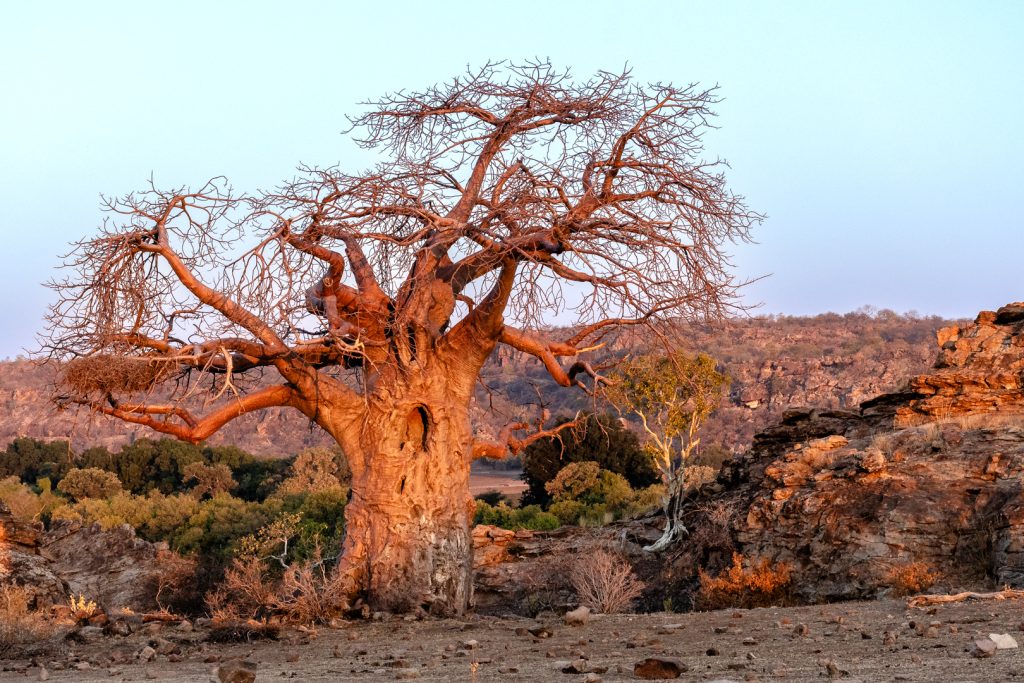
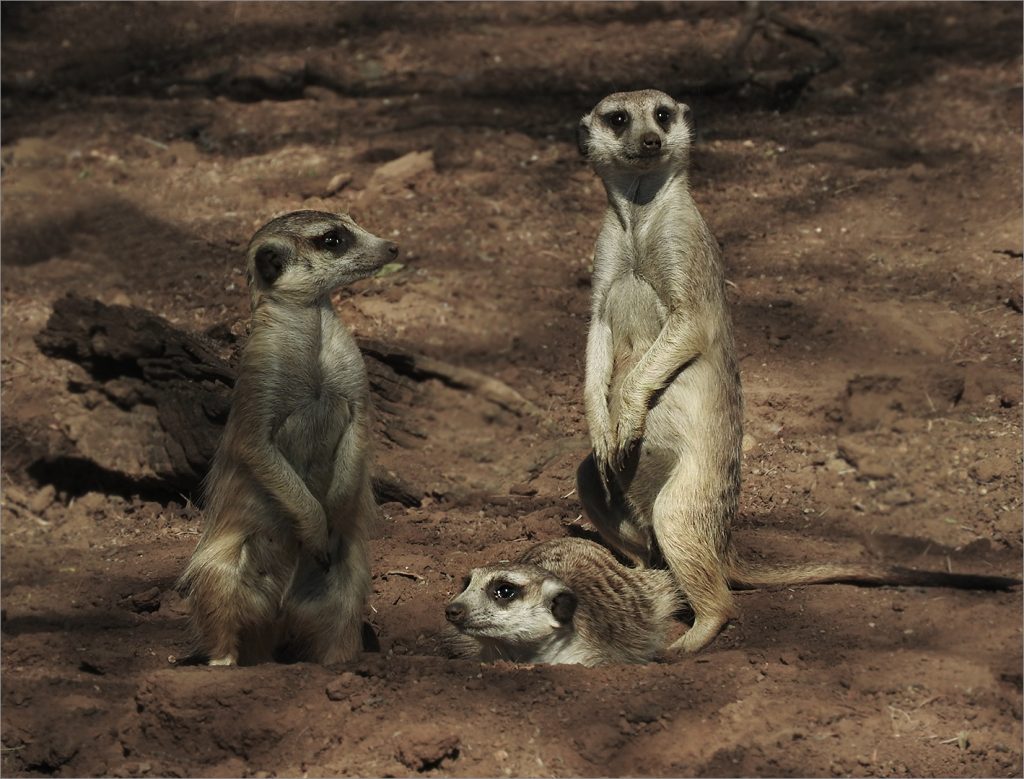
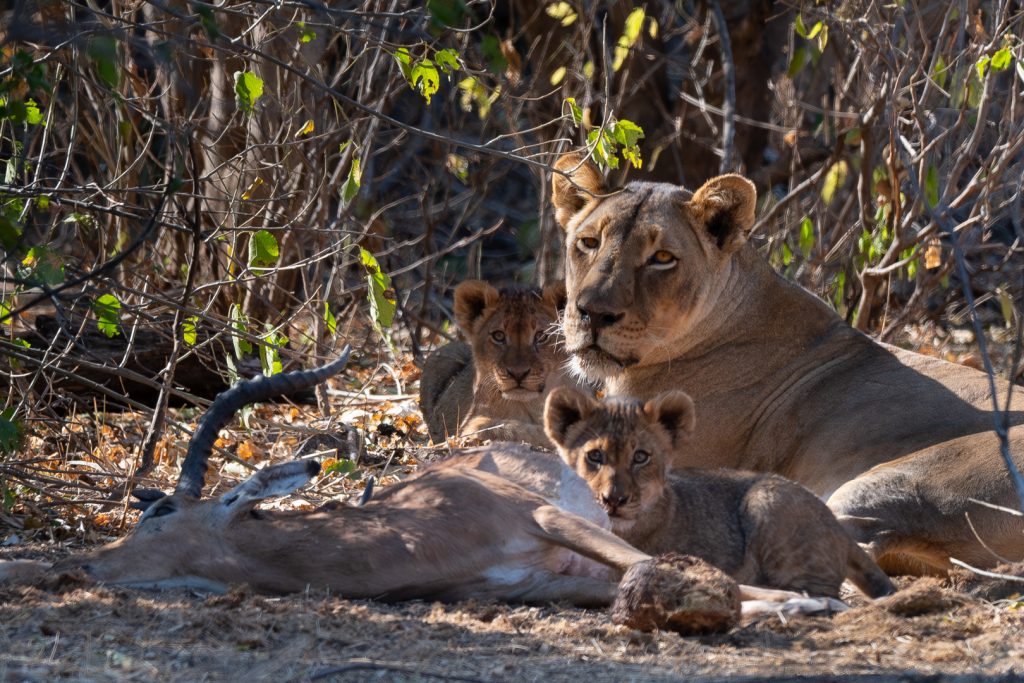
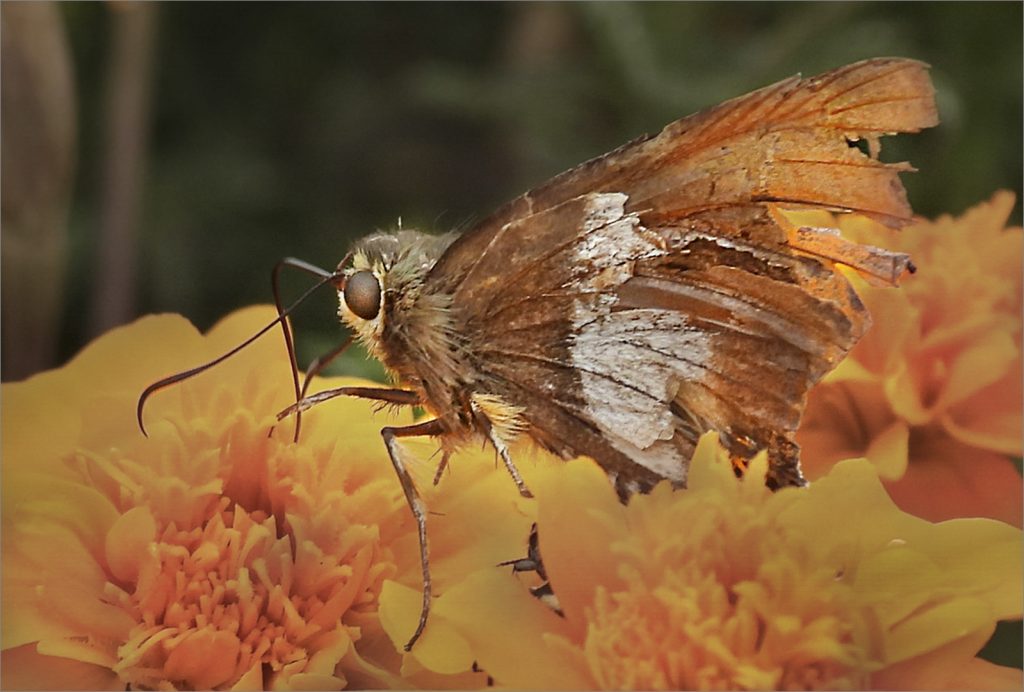
“Sonsondergang Kremetart” by Edmund Hattingh“On The Alert” by Sussa Pelser“Leeuwyfie met welpies” by Edmund Hattingh“Moth On Flower” by Sussa Pelser
Pictorial:
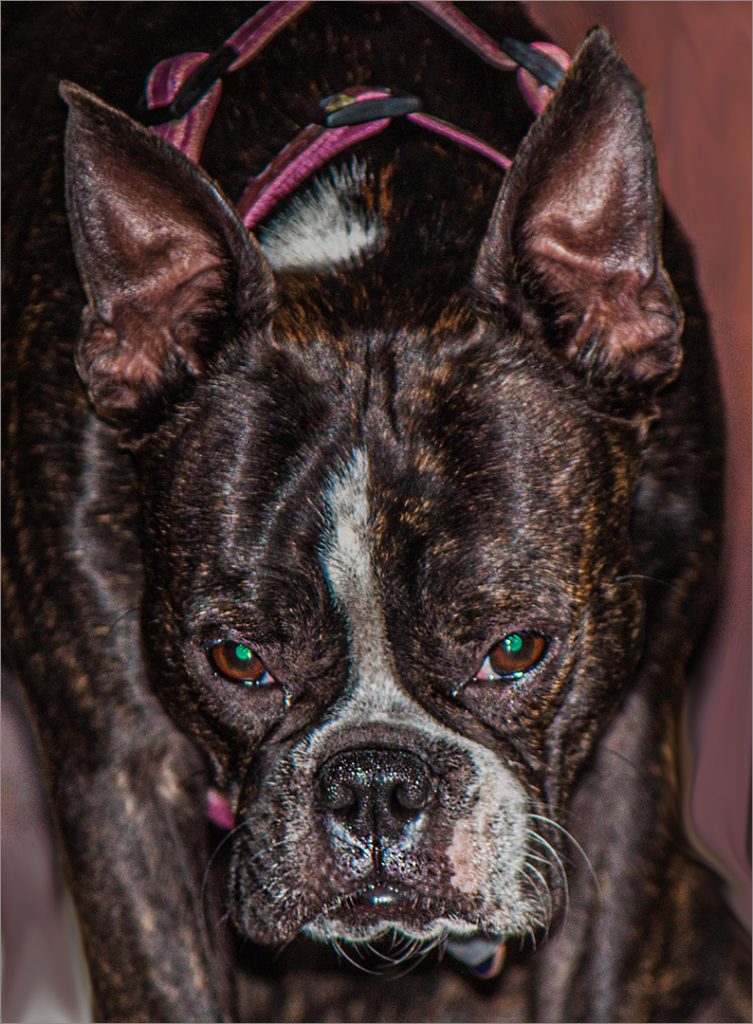
“You said WHAT” by Lorraine Botha
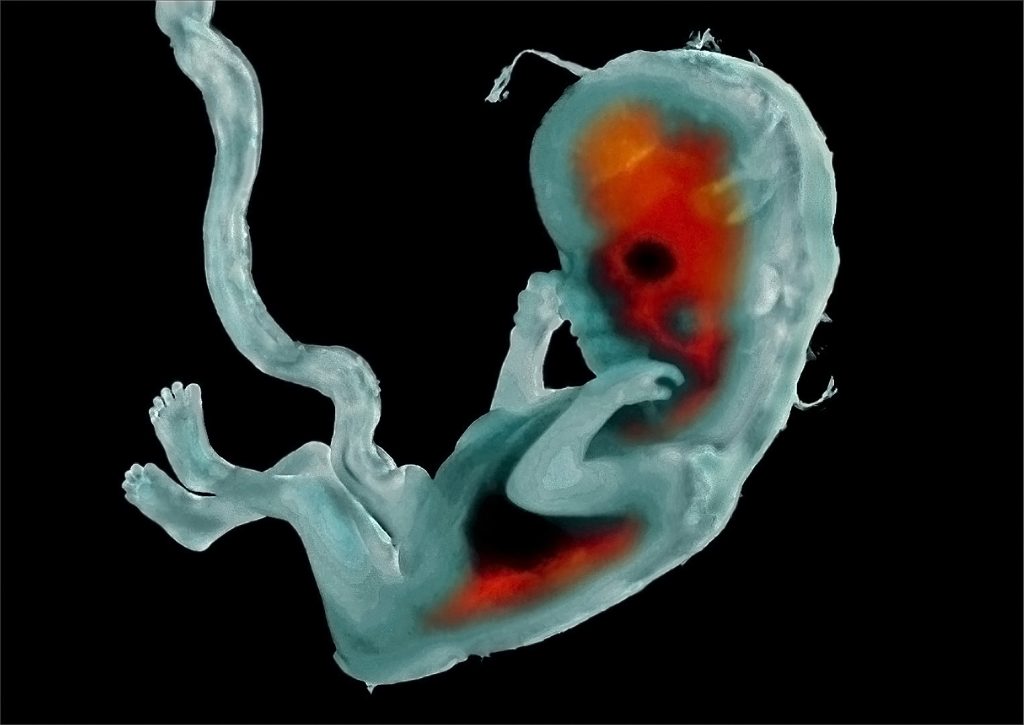
“The Bonding” by Leon Pelser“Nine and a half weeks” by Leon Pelser
Photojournalism:
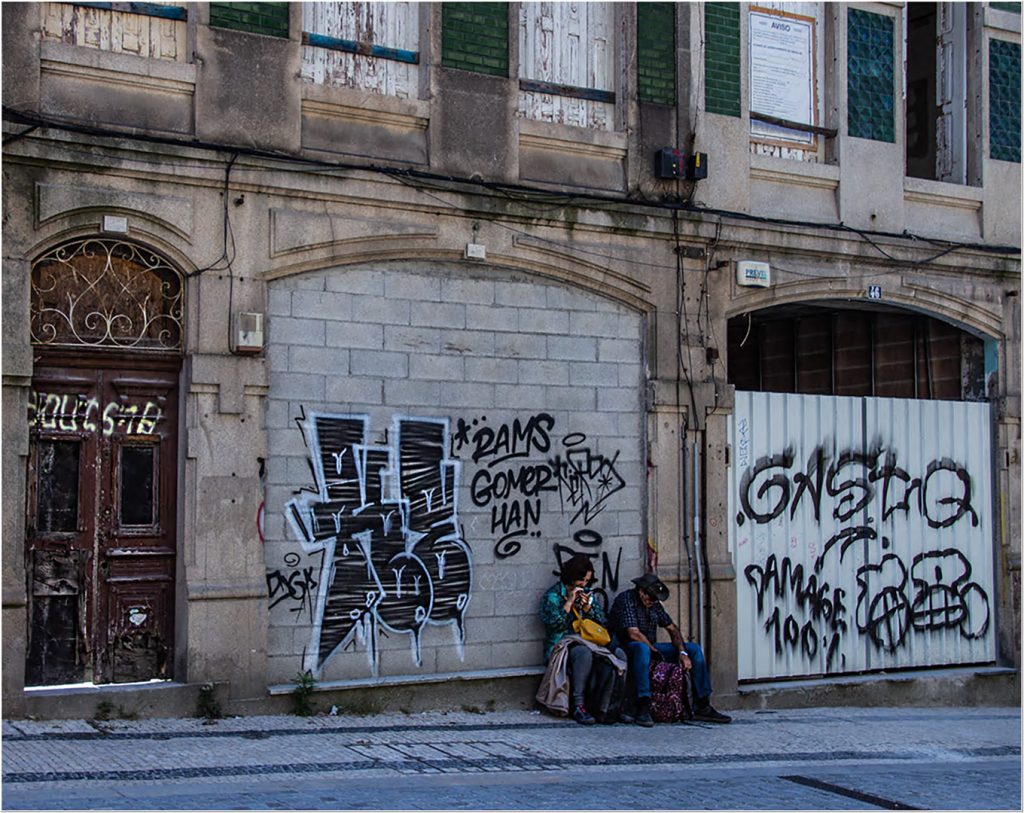
“Streets of Porto” by Lorraine Botha“Oppad na die doelpale” by Adri Kirsten“Secunda vs Heidelberg Volkskool” by Adri Kirsten
Set Subject: Through the Window
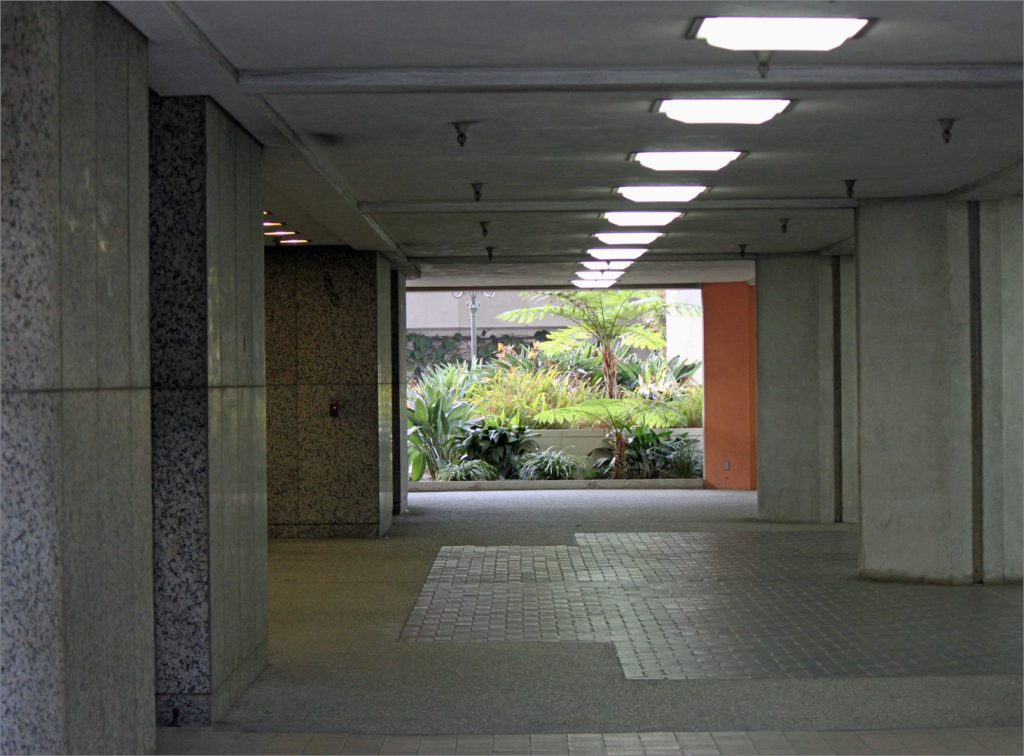
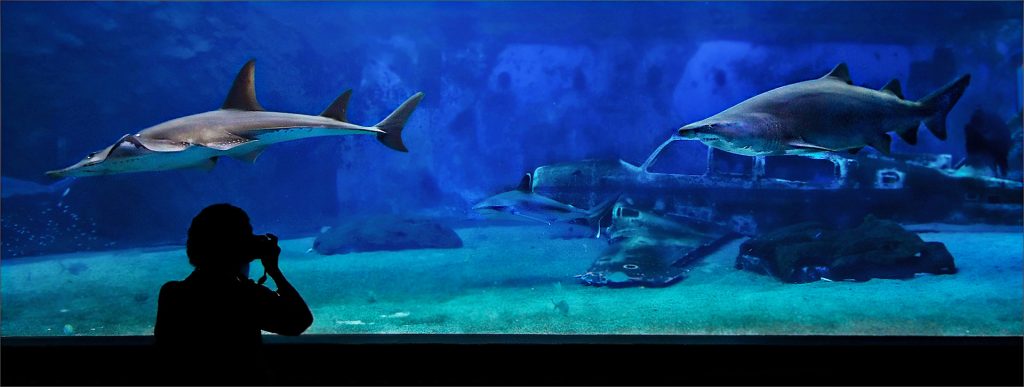
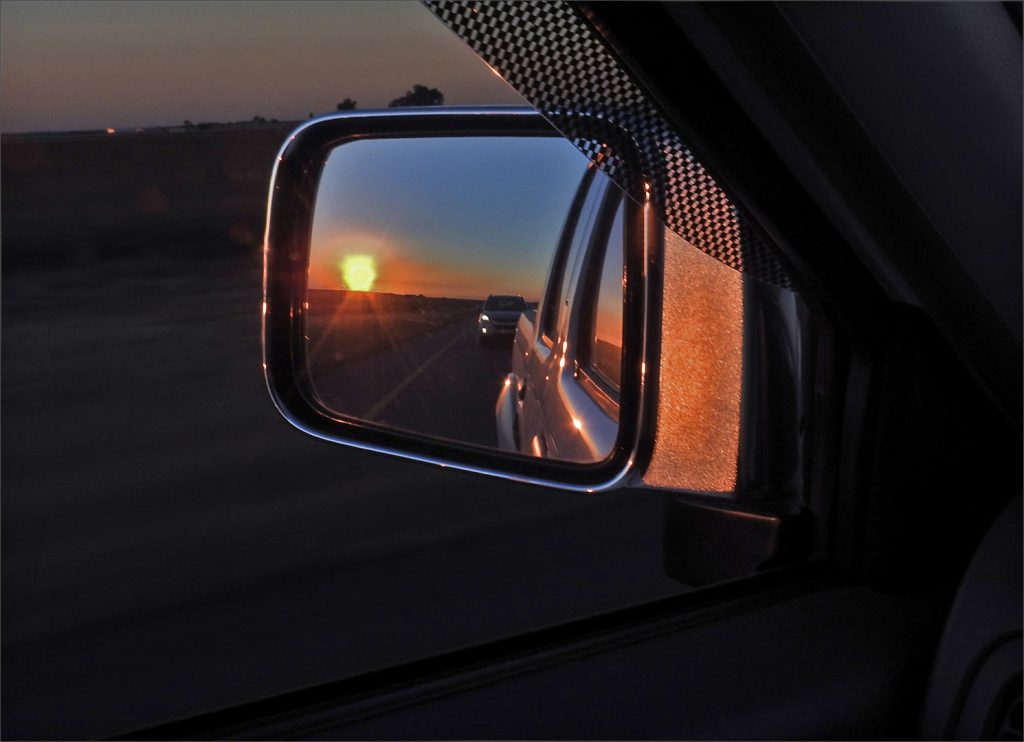
“Sleeping beauty view” by DNE Smit“Signs of life in the concrete jungle” by Lorraine Botha“Aquarium Photographer” by Leon Pelser“Sunset Through The Window” by Sussa Pelser
“BRIDGE TO WORK” INSTALLATION REPAIR AND MAINTENANCE PROGRAMME
Are you between 18 and 35 and own an IRM business? Join one of the Sasol Bridge to Work IRM programmes to grow your business.
ACCELERATION OF SMMES
12 months business development modules, coaching and mentoring, masterclasses and technical upskilling
Criteria:
Resides within Govan Mbeki Municipality
Minimum 2-years operation
Operating in the IRM professions and sectors
Black-owned
Preference given to Women Owned SMEs
Township-based
Committed to the 12 months business acceleration
Committed to host trained unemployed young people for workplace learning
SMME’s to apply for only one programme.
TECHNICAL UPSKILLING OF SMMES
Transfer of technical upskilling (technical gap analysis; needs-based for compliance to industry standards)
Criteria:
Resides within Govan Mbeki Municipality
Minimum 2-years operation
Operating in the IRM professions and sectors
Black-owned
Preference given to Women Owned SMEs
Township-based
Full commitment to completion of technical upskilling
Committed to host trained unemployed young people for workplace learning
Have previous attended and completed any business development skills programme (Gert Sibande/Sasol/Incubator)
Should have technical competency within IRM requiring further support
REQUIREMENTS
Company profile
Business documents (CIPC, SARS, BBBEE, Bank confirmation letter)
Turnover of minimum R600 000 (12 months management account)
Be able to host trained unemployed young people for workplace learning.
Site visits will be conducted in the selection process.
HOW TO APPLY
Option 1: Apply by sending the relevant documentation to cfe.marketingint@gscollege.edu.za or cfe.admin@gscollege.edu.za with the heading Sasol/Gert Sibande CFE IRM Programme 2024
Option 2: Drop off your documentation at the Gert Sibande Centre for Entrepreneurship, 12 Cornell road, Evander.
Applications close 25 August 2024
JUNIOR DRAUGHTSPERSON
Work integrated learning opportunity
Short Job Description
Create and update drawings according to disciplined specifications and red lined information.
Redraw non electronic drawings to the relevant engineering platform, e.g. hard copy, hand sketch, tiffs and .pdf formats.
Convert existing CAD drawings to intelligent data base technology.
Utilise complimentary technology to achieve reverse engineering.
Formal Education
Post School Tertiary Diploma Draughting (South Africa / Eurasia)
NQF 4 Engineering Draughting
This is a work integrated learning opportunity for youth within Govan Mbeki Municipality.
Candidate age limit 18-25 years of age.
Candidate to be a residens of Govan Mbeki Municipality.
Submit your CV to secundacorporateaffairs@sasol.com
Sasol hands over houses, electricity sub-station and two-way radios to Govan Mbeki Municipality
As part of Sasol’s ongoing housing scheme under the Social Labour Plan (SLP) programme, today the company officially handed over almost 40 houses to residents of Govan Mbeki Municipality. These houses are located in eMbalenhle and Secunda. Initiated in 2014 by Sasol, the project targets Sasol employees who are first-time homebuyers and qualify for funding.
To date, over 260 houses have been handed over to qualifying employees in eMbalenhle, Secunda, and Sasolburg in the Free State province.
“Through this initiative, Sasol is not just providing a roof over people’s heads, but we are restoring dignity and hope to those who thought owning a home was out of reach,” stated Sandile Siyaya, Sasol Mining Senior Vice President.
By providing affordable housing to permanent Sasol Mining employees, Sasol addresses one of the critical social issues facing the country, which is access to housing. Some of the key qualifying criteria for the scheme are that applicants must not have previous government subsidies and not earn more than R40 000 per month.
Embalenhle electricity sub-station
To support the delivery of electricity to the growing population, Sasol also unveiled Phases 1 and 2 of the upgraded electricity sub-station in eMbalenhle. The infrastructure is a critical component in helping the local Govan Mbeki Municipality (GMM) reduce the occurrence of unplanned power outages due to the overloading of infrastructure.
Both initiatives further demonstrate Sasol’s commitment of uplifting fenceline communities and collaborating with public and private institutions to improve lives.
Two-way radios
Furthermore, Sasol donated nine Motorola two-way radios, valued at R200 000, to the Govan Mbeki Municipality Traffic Department (GMMTD) to enhance their emergency response capabilities. This donation follows a previous donation of radios to GMM Emergency Services in 2023, which has been effectively utilised. The two-way radios will ensure reliable communication, even in areas with cellphone network failures. Sasol will also maintain the communication network repeaters and external antennas covering most of Govan Mbeki, at no cost to GMM. The radios come with a one-year warranty and have been programmed for immediate use.
“These initiatives are in line with our Sasol values, where we always strive to empower our people, uplift communities, and ensure a safer and more sustainable future for all,” concluded Siyaya.
IT IS INEVITABLE THAT SOME PETS MIGHT DIE AT HOME OR THAT YOU FIND A DECEASED ANIMAL SOMEWHERE AND MOST PEOPLE DO NOT KNOW WHAT TO DO IF THIS HAPPENS.
Animal welfare organizations have to deal with animal bodies often and it is not something I wish anyone to experience. Still, it may happen to you, and being prepared can help. Some time back someone did a post about their animal that passed away at home over a weekend. They couldn’t get a hold of their vet, which is the first step for most. For this reason, I decided to provide some guidelines in this regard and some tips on the grieving process.
One suggestion that was made by a few was to bury the animal in the yard. Burial regulations are determined by local municipal bylaws and it usually falls under waste management bylaws. As far as I am aware, our local municipality does not have any pet burial regulations in place. This, basically means that you can bury your pet in your yard, however, there are exceptions determined by other regulations.
You are not allowed to bury diseased carcasses, which means if your pet had a transmissible disease like Parvo etc., was poisoned or you don’t know why they died, you may not bury them in your yard as it can lead to health and environmental problems. Our municipal waste management department does not pick up dead animals from vets and all vets are referred to Legacy Pet Crematorium.
I followed up on some suggestions:
Legacy Pet Crematorium can be contacted on 011 875 2099 during the week and on weekends. They do collect bodies from people’s homes, but only on Tuesdays in the Secunda area. The costs include the collection and communal cremation. Separate cremation will be more, and dependent on a few factors.
Another suggestion on the post was to contact AVBOB. I phoned them and they confirmed that they do handle animal bodies too, but they couldn’t give me the exact cost at the time. Contact your nearest AVBOB for more info.
You can contact your local SPCA as many SPCAs might be able to assist with the body. I can’t confirm whether there is a fee for it, but if there is no fee, please consider a donation.
Other animal welfare organizations might be able to assist too, although the bodies they deal with, usually go to the vet as well.
I can confirm that Agricall Pest Control Secunda can’t assist with this.
Monteviro will remove poisoned bodies and neutralize your yard in the Secunda area. I have not used them myself yet.
Enviroserv Secunda does not have an incinerator and therefore can’t assist with the bodies.
As I understand there is another pet cremation service called Paw Print Pet Funeral and Cremation Service. They are not local, so I can’t confirm if they can help with this.
Editor’s note: This article is a reprint from 12 October 2022.
SO NOW WHAT?
You can’t get a hold of your or other vets in the area or any of the above. This means the body will need to stay with you until the vet practice is open or the body can be collected. This might be upsetting for many, but here are some suggestions on the dos and don’ts in the meantime:
DOS
Make sure the pet is deceased. They might be unconscious or in a deep sleep. Look, listen, and feel for a pulse and breathing. You can look and see if the chest rises and falls. Listen closely to whether you can hear breathing or even hear their heart beating. You can put your finger under their nose to feel for breathing. To allocate a pulse you can place the ball of two fingers (not the thumb) on the depression found in your pet’s inner upper thigh over the Femoral artery. You can also place your hand over the left side of their chest where their elbow touches their body. If there is a pulse but no breathing, then rescue breaths are required. If there is no pulse and no breathing, CPR is needed. It is important to know basic first aid for your type of pet (cat, dog, bird, etc.).
Use gloves if possible and heavy-duty trash bags. If you don’t have heavy-duty bags, use multiple bags for the body.
Place a towel under the tail, genitals, and mouth of your pet. Their body may begin to expel fluids as the muscles relax. This will protect carpets and flooring. Clean the areas around your dog’s mouth, genitals, and anus if the fluid has been released. Keep in mind that more body fluids might be released as you move the body.
It is important to understand that the remains of the pet must be handled as soon as possible and before the onset of rigor mortis. Rigor mortis, the stiffening of the joints, typically begins within 10 minutes to three hours after death and can last as long as 72 hours. The temperature will affect this process.
Use a blanket, towel, or bed sheet that is large enough to wrap around the body. Place your pet’s body on its side in a curled-up position, as if sleeping. If your pet dies with their legs stretched out, gently fold them in closer to the body if they haven’t already stiffened. The sleeping position can also offer a sense of peace and make it easier to move the body later. Tightly wrap the body and move the body into the trash bags. Securely close the bag with knots.
The body needs to be kept cool. An animal’s body begins to decompose immediately after death and will soon begin to give off a foul odour and attract insects. The hotter the temperature, the faster the rate of decomposition. If you can’t get the body to your vet or a local pet cremation service or use a freezer/refrigerator, we suggest keeping the body in a cool utility room, basement, or garage floor, and making use of additional trash bags is recommended. This should be for no longer than 4-6 hours, as the odour will become severe and spread through the house.
I do support other pets being allowed to smell the body, so they can better understand what happened and it can help them with the grieving process too. Yes, they grieve too. If you don’t know why the animal died or they have been poisoned or had a transmissible disease then this is not advisable.
If the body is going elsewhere, be sure to put a label on the bag with your name, number, and your pet’s name.
DON’TS
Don’t panic. I know it is easier said than done, but when you panic, it can cause extra distress for other family members or pets which adds to the trauma and you may not be able to think clearly.
Don’t leave your pet in a warm place. A cool, dry place such as a garage will have to do if you can’t keep it in a freezer or refrigerator.
Don’t try to handle it alone as the death of a pet can be a traumatic experience. Call a friend or family member if you are alone when it happens.
Don’t move larger pets without assistance. As the pet’s body stiffens it may be more difficult to move alone.
Don’t bury the animal in your yard if the local bylaws do not allow for it or if you don’t know why your pet died if they had a transmissible disease or were poisoned. This can be dangerous for other animals and your family as well as the environment.
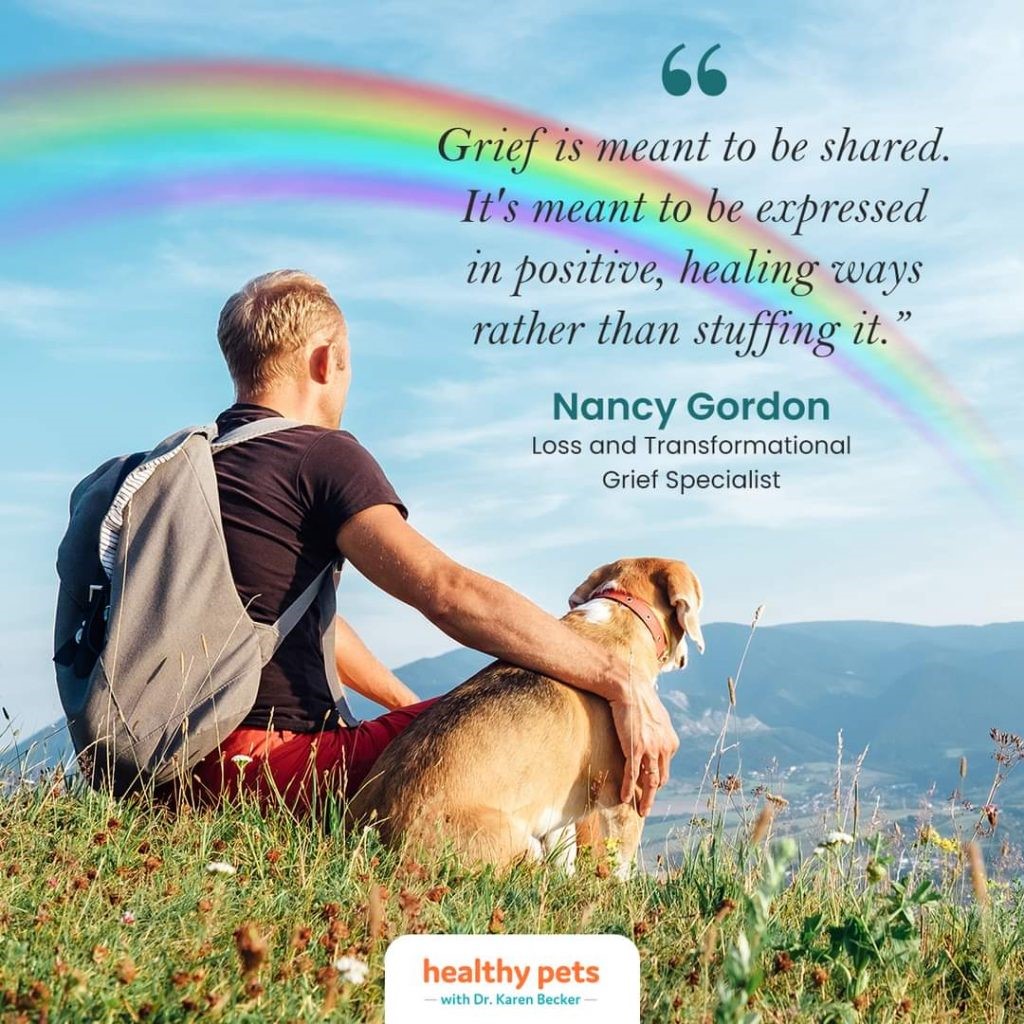
Image by Dr. Karen Becker
Also, read more about becoming a master at dog walks.
REMEMBER
Contact vets in advance about euthanasia prices. Some are double the price of others. Also ask the vet what they do with the body, especially if you pay for cremation, ask through which company.
If you do not have the funds to euthanize a pet who is suffering, please surrender them to your local SPCA, which will end the suffering humanely. They may not refuse any animal.
If you find a body in the road, please remove it from the road. Take a picture if you can and send it to your local lost and found pet groups so they can give closure to someone whose pet is missing.
Please don’t replace the animal soon after with another pet as you will introduce the new family member into a low/sad energy home which is unfair to them. As mentioned, your pets grieve too, so keep an eye on them.
ABOUT GRIEF AFTER PET LOSS
Here is a three-series guide that may help you heal from the overwhelming grief that accompanies the loss of a pet:
The hardest part of being a pet guardian is saying goodbye. Remember your grief is valid & personal. Reach out if you need to! There are professional counselors for those who have lost pets. You will need time to grieve properly.
Next week we will look at what to consider when you plan to add a parrot to your family.
Mpumalanga Department of Education’s lack of an action plan leads to R623 million being returned to the Treasury
“The Democratic Alliance (DA) is concerned that the Mpumalanga Department of Education returned money to the treasury for the second consecutive financial year as they failed to spend it – while their infrastructure projects are lagging,” said Annerie Weber: MPL – DA Spokesperson on Education: Mpumalanga Province
Annerie Weber: MPL DA Spokesperson on Education: Mpumalanga Province
According to the department’s reports, in the 2022/2023 financial year, they returned R311 million to the Treasury due to the failure to spend the budget. The department has managed to repeat the very same in the 2023/2024 financial year underspending the budget with R312 million. This means that in just two consecutive financial years, this department lost R623 million to the Treasury.
“This is one of the main reasons why the department’s infrastructure projects take more than ten years to complete a single school,” said Weber, “Could the reason be that there is too much money being syphoned off these projects?”
R623 million would have achieved a lot if the department had a plan of action. The Department could have done the following:
• Eradicated all the pit toilets in schools.
• Completed the Mkhondo Boarding School.
• Rebuilt Sidlamafa High School in Nkomazi as it is falling apart to the extent that classrooms have cracks.
A School’s physical infrastructure and environment inspire learners to learn and teachers to teach, however, this program continues to fail.
Returning millions to Treasury in two consecutive years costs our learners and teachers. After 30 years of democracy, Mpumalanga schools still face the following challenges:
• A learner will still not have a textbook per child per subject
• Learners will not receive a meal at the mere cost of R3 per child
• Principles and SGBs will face another year of deciding what more they need to cut due to paper budget reduction.
According to a recent government gazette, the Minister of Finance, Enoch Godongwana, mentioned that both the Eastern Cape and Mpumalanga Departments of Education forfeited R411 million of their 2022/2023 schools’ infrastructure budgets because they have failed to spend it. He mentioned that the Eastern Cape forfeited R100 million while Mpumalanga forfeited R311 million. Gondongwana also mentioned that the money was re-directed to both the Western Cape and Gauteng Departments of Education.
“We will write to the MEC of education, Cathy Dlamini, reminding her that with the shortage of 747 schools in the province, her department needs to start building schools, maintaining and fixing schools, and not give our money that is so needed to other provinces,” concluded Weber
The crime prevention team comprising Sergeant Vusumuzi Mpila, Sergeant Lindiwe Mkhonto, Constable Mankweng Motloutsi and Constable Mercy Pule continues to squeeze crime to zero in Bethal policing precinct.
In the early hours of Wednesday 7 August 2024, the team was officially on duty performing crime prevention duties within Bethal policing area when they noticed a Ford ranger vehicle parked along the street with a man in it. The police stopped and asked the man if they could be of assistance.
The man informed the police that he parked his vehicle on a busy street next to Bethal Mall where he fell asleep. While sleeping, he was awakened by noises from the street with the passenger’s door opened. As soon as he woke up, he noticed three men where one of the men was searching him.
He further told the police that he had a firearm, a 9mm Taurus pistol containing seven live ammunition which was stolen by the suspects in the car.
The description of the suspects was given to the police by the victim and police promptly conducted a preliminary investigation using the description given. They then received information about the whereabouts of the suspects which they followed up on.
Upon following the information, they found two men in a house where the victim positively identified them and through the skills and knowledge of handling suspects, the police managed to recover the stolen firearm and ammunition with other items stolen from the victim.
Police then arrested two of the suspects for illegal possession of firearms and ammunition. Upon arresting them, they informed the police about the third suspect whereby the police went to look for him and found him with stolen property. He was then arrested for possession of stolen property meanwhile, the victim was charged with the negligence handling of a firearm.
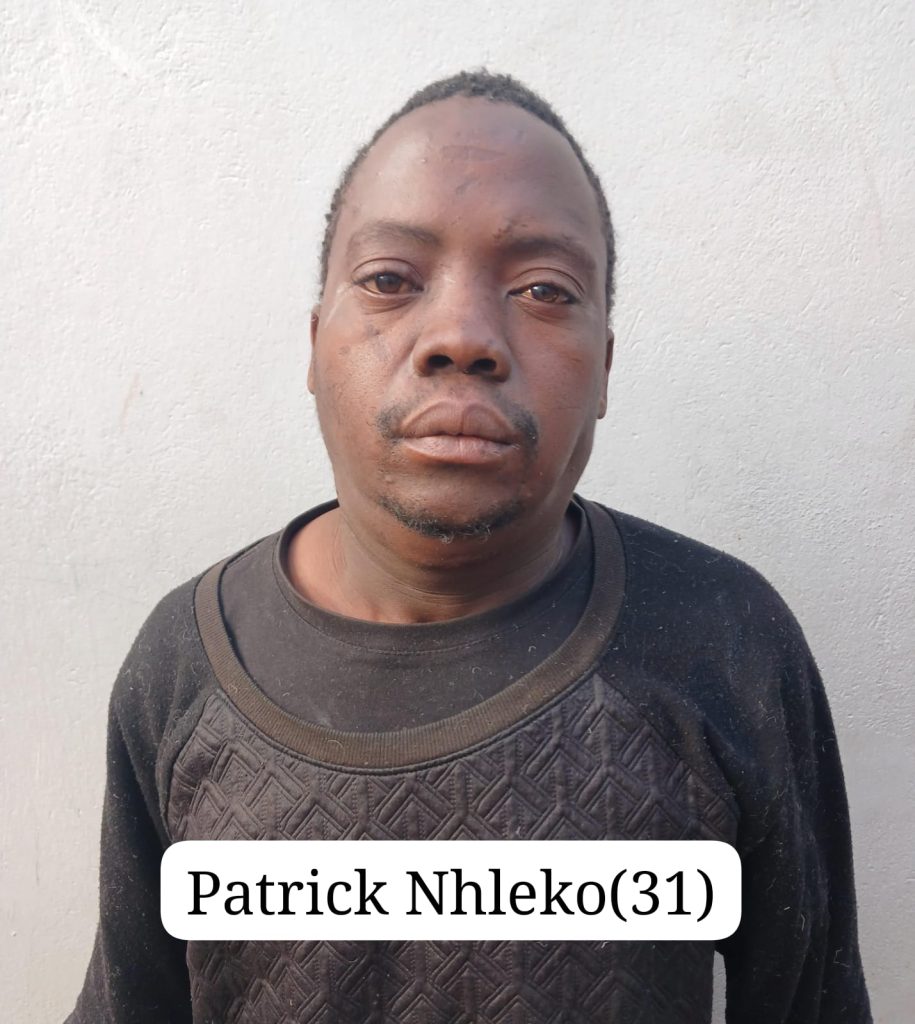
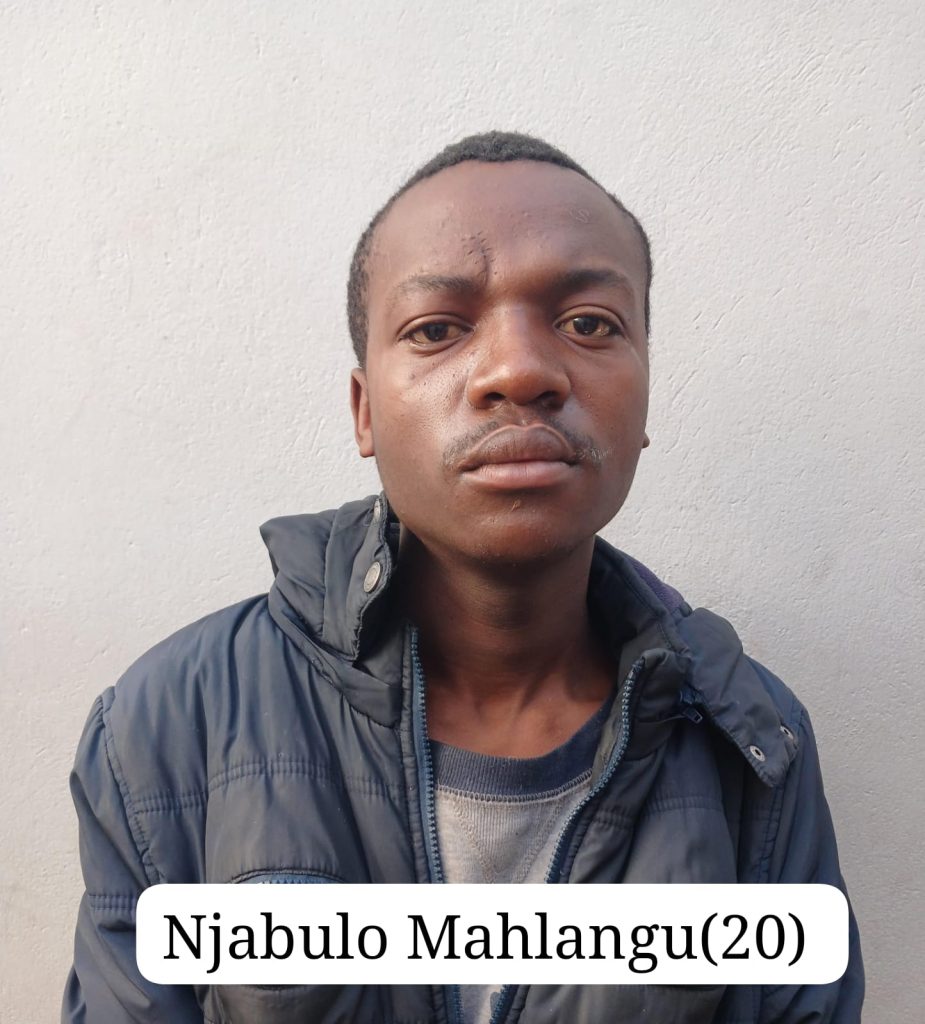
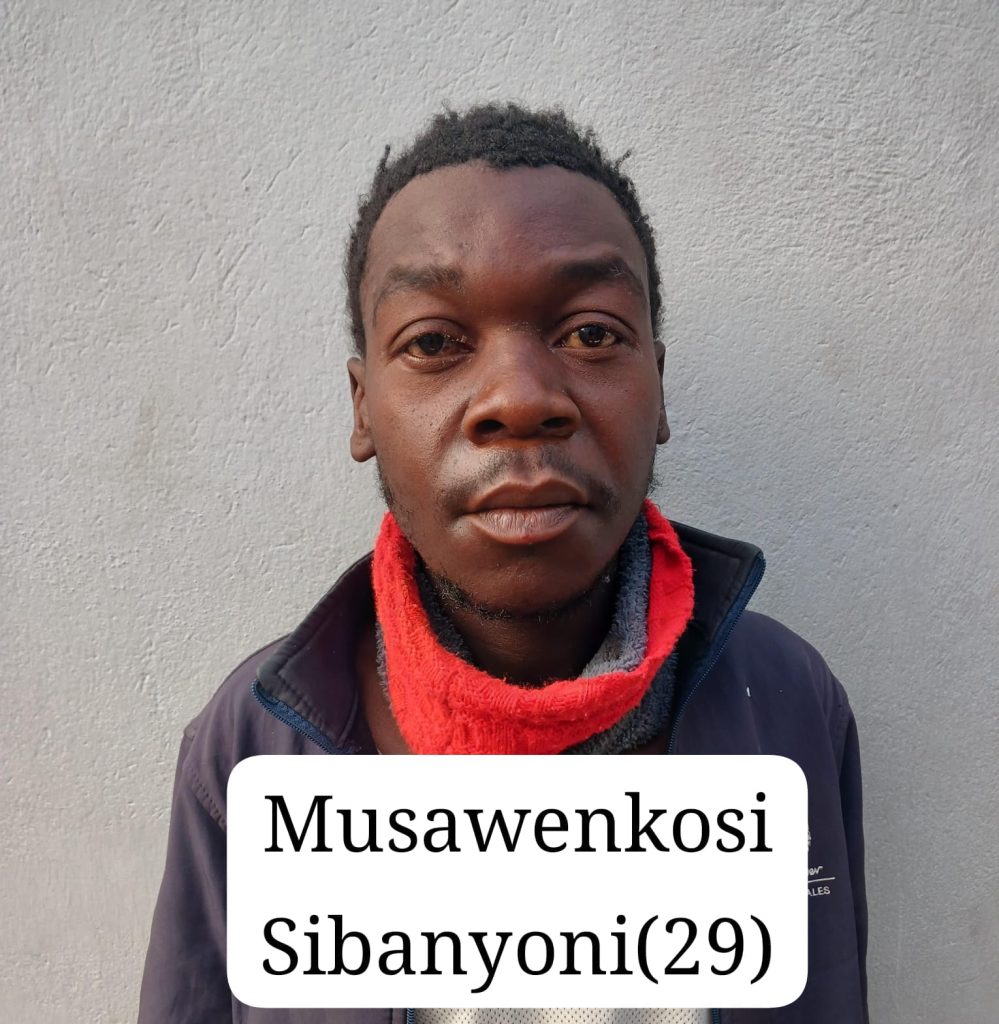
The suspects, Njabulo Mahlangu(20) and Musawenkosi Sibanyoni(29) made their first appearance before Bethal Magistrate’s Court on Wednesday 7 August facing charges of illegal possession of firearm and ammunition while Patrick Nhleko(31) appeared for possession of stolen property and both matters were postponed to 14 August 2024 pending investigations and for formal bail application.
Several residents contacted The Bulletin to complain about high electrical charges.
The budget made provision for a hike of 9.86% on electricity charges.
Unfortunately, residents suddenly had to pay a 16,21% increase on some charges.
Residents suddenly had to pay a 16,21% increase on some charges.
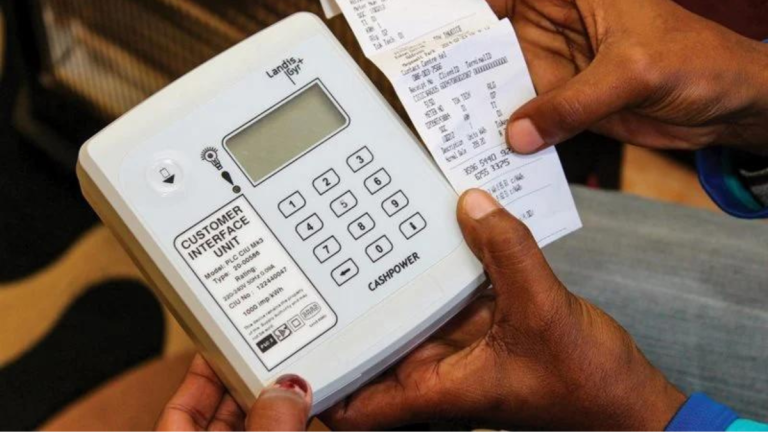
Prepaid electricity is charged in blocks. 0 to 50 Units, 51 to 350 Units and 351 to 600. Residents are mostly purchasing in the 51 to 350 units block and this is where the problem lies. Instead of increasing it by only 9,86%, it increased by 16,21%.
In a statement released by the Democratic Alliance (DA), Cllr Terry-Lee Kleynhans said that the municipality’s top brass has conceded that it would appear that there are discrepancies in the block 2 category. They have also further committed to opening an investigation and reimbursing affected households.
“Noting the high levels of unemployment in Govan Mbeki, we find this alleged error unacceptable,” said Kleynhans, “ The municipality’s electrical and finance division needs to start taking accountability and perform their duties with due diligence.”
“Just last year, we learnt that the municipality’s electricity distribution loss was sitting at an alarming 63%. The losses consisted of both technical losses (10%) and non-technical losses (53%).”
Cllr Terry-Lee Kleynhans
“Therefore, this goes to show that there are serious shortcomings in the municipality’s energy division that are directly affecting every household in Govan Mbeki. The DA does not buy into the notion that the municipality will impartially investigate this matter.”
Govan Mbeki Municipality has subsequently released a statement on their Facebook page stating that:
Govan Mbeki Municipality has established that there has been an error in Block 2 of the electricity supply tariffs for the period of 1 July 2024 to 30 June 2025.
This was a result of an administrative error when effecting the 9.86% tariffs increase approved by Council.
The increased tariff should have been R2.20 instead of R2.33, resulting in a 13-cent difference.
It should be noted, however, that the municipality applied the 9.86% increase correctly among all the blocks.
Consumers should not be alarmed as the municipality is investigating the impact of this error.
The municipality will ensure consumers are credited with the correct approved tariffs, which will be reflected in their statements.
Comments on the GMM Facebook page said:
There’s just 1 word to describe GMM: Greedy. Feel nothing for the community. Just take the current water situation!!
How will you refund prepaid customers?
Skelms!
Govan Mbeki Municipality why are you blocking Prepaid Electricity meters law-abiding residents who are in arrears? Are you pushing them to also Steal electricity like others?
“We urge the municipality to release a report on their findings and bring the matter to the council for effective measures and solutions to be implemented,” said Kleynhans, “Residents of Govan Mbeki deserve an effective and competent government. With this in mind, we call on the District Municipality to step in and bring stability to the municipality’s Technical Service Department.”
Not only did the increase affect a lot of people, but they also had no way to purchase units. The following statement was on the GMM Facebook page:
Dear Valued Customers
Prepaid users are alerted that our third-party vendor, PowerUp, is experiencing network challenges, affecting vending transactions for both online and retail sales.
Customers are directed to download the EasyPay application to make the purchase or purchase from Money Market retailers or any other EasyPay accredited retailer or via the banking applications.
We apologise for any inconvenience and Powerup is working on resolving the problem.
Thank you for your patience and cooperation.
ISSUED BY GOVAN MBEKI MUNICIPALITY
Let us hope that GMM prioritises the electricity issues, especially after the long water crises, and fix the problems plaguing the basic services of this municipality.
OPTIMIZE DOG WALKS FOR YOU AND YOUR DOG WITH THESE ESSENTIAL TIPS.
Walks are essential for the well-being of canine companions and when done correctly, with the right attitude, they can also be very beneficial for us. It is a commitment responsible pet parents make.
Walks are an opportunity for dogs to:
Relieve themselves.
Move their bodies and get exercise.
Get fresh air.
Help with weight control.
Reduce anxiety, boredom, and depression.
Interacting with their environment and “earthing”.
Socialize with other humans and dogs.
Strengthen their bond with you.
The truth is that most dogs don’t get nearly the amount of exercise they need, resulting in many canine companions becoming obese. Pet guardianship means committing to keep your pet healthy and moving, rain or shine (or snow). Keep in mind, that for most dogs, a walk is great, however, they need at least three days of 20-minute plus heart-pumping exercise per week, which will likely be achieved more by fast activities or running, rather than walking.
Set the stage for a lifetime of good walks for you and your canine companion!
Get the right gear for your dog’s needs and get them used to it.
Train your dog to follow loose lead and reduce your dog’s urge to pull.
Explore the different types of walks and make it fun.
Be mindful of the common mistakes we can make when going for walks.
Take safety precautions.
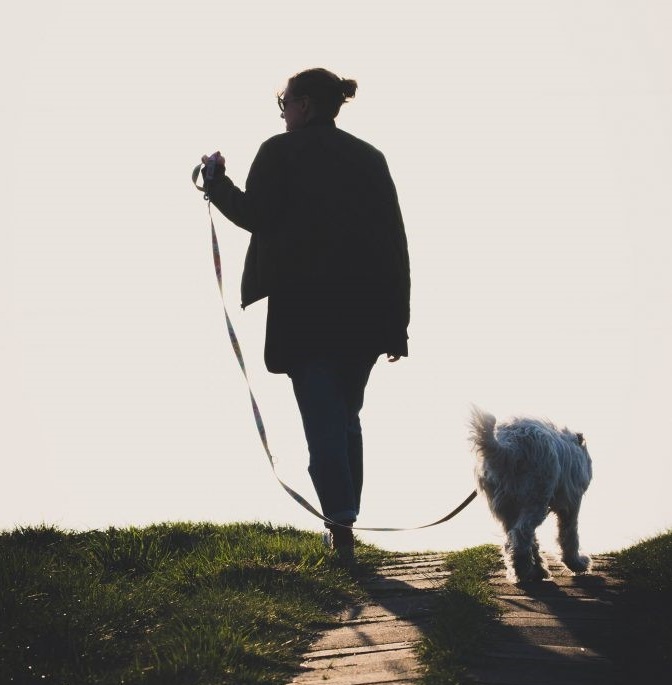
Dog walk – Image by Pexels.com
1. THE RIGHT GEAR
Investing in quality gear, not only enhances safety but also makes walks more enjoyable for both you and your furry companion. Start young/early and slowly. They should be accustomed to wearing the gear before you attempt to take them for walks.
HARNESS, COLLAR, AND LEAD
For your dog, a well-fitting harness or collar is crucial, as it provides comfort and control while minimizing the risk of injury. A sturdy leash, preferably one with a comfortable handle and appropriate length, allows you to maintain control and guide your dog effectively. Even if off-leash, always pack their harness and leash and include an ID tag.
Every dog should have their own secure-fitting flat collar (no choke or pinch collars, please) and an ID tag.
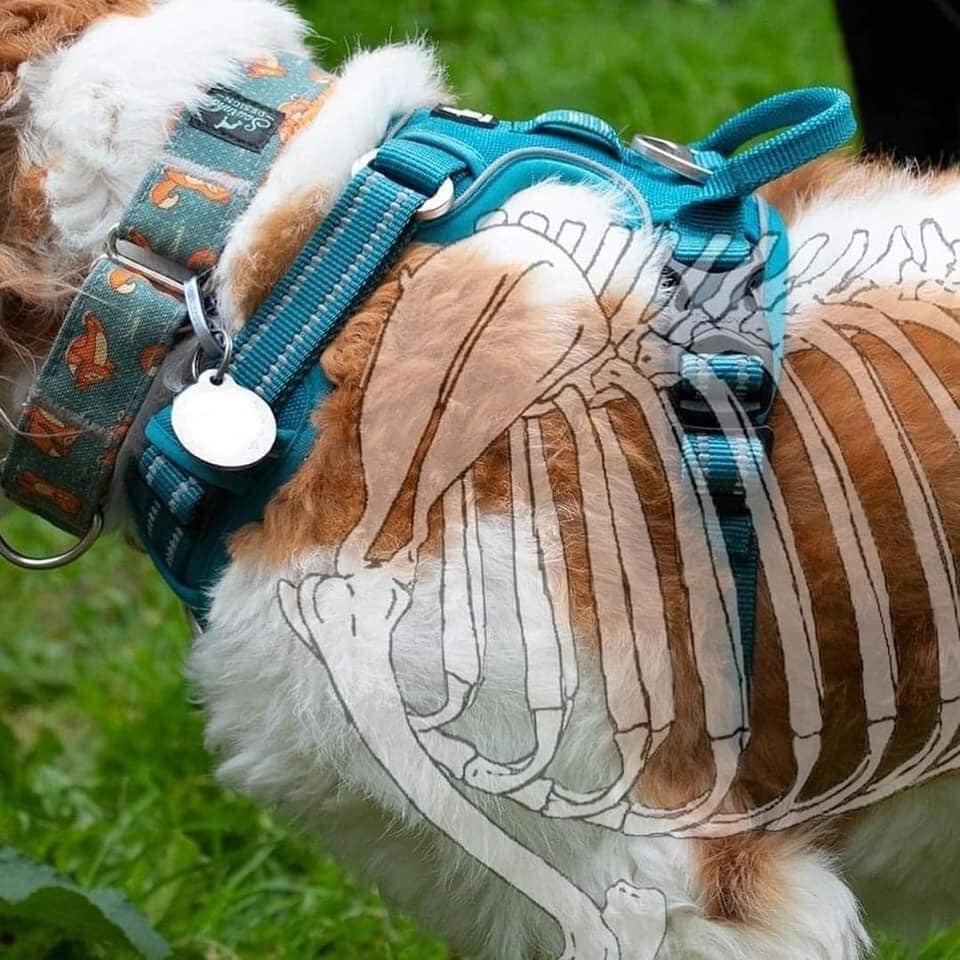
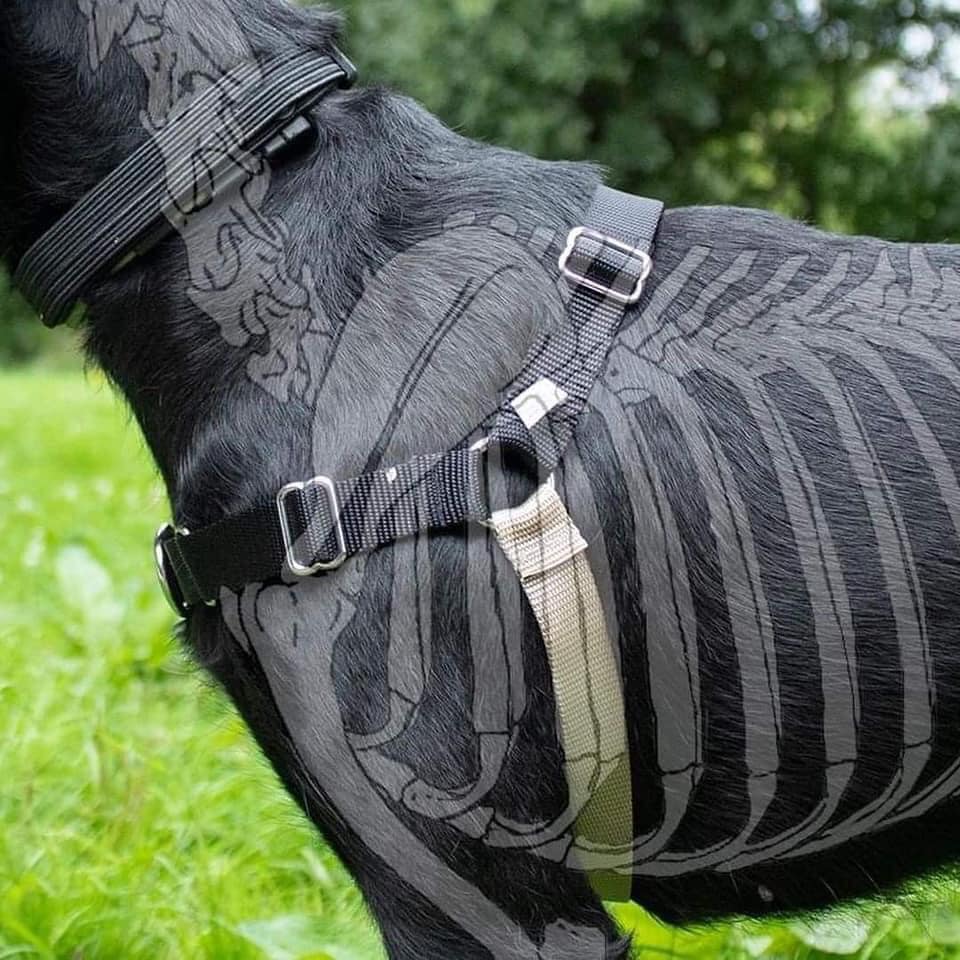
I always advocate for a Y-harness as collars may cause injury to the neck and soft tissue. However, a harness won’t work if your dog does not have loose lead walking skills or training. In a dog’s forward movement, a harness with a ribbon crossing their chest from side to side hinders them, in the same way humans would be bothered hiking with a rubber band holding their arms. Physiological movement of the front limb is inhibited. Check out this video on the harness and read more on The Paw Company’s page, by searching harness.
I prefer a strong lead of about 1.5 m and advise against retractable leashes as they are more prone to create injury and be a safety hazard, they break, and you have less control.
Make sure your ID tags are legible and have updated contact numbers on.
Other gear may include:
Muzzles are not only for aggressive dogs as they can also be used for those dogs who like to eat anything on the road. Muzzle training is important for emergencies too.
Reflective gear for both of you if you walk during darker hours.
Wear comfortable, supportive shoes yourself and weather-appropriate clothing to stay dry and protected.
Consider carrying essentials such as water, waste bags, and a first-aid kit for unexpected situations.
Image shared via The Paw CompanyImage shared via The Paw Company
Initial walks should be short for most puppies — the main goal is to get your dog used to being attached to you by a lead. Find a safe environment and allow the puppy to drag the line behind him for a bit, then pick up the opposite end. Let him lead you around for a few seconds while you hold the line just off the ground. Slow down so he’s forced to slow down, ultimately to a stop. Take a short break for praise and a little playtime.
Next, let him trail the line again, but when you pick up your end this time, call him and stand still. If he pulls, hold your ground without pulling him in your direction. The goal is to teach him to put slack in the line himself by moving toward you. When he puts slack in the line, praise him and call him to you.
If he comes all the way to you, give him more praise and a training treat. If he stops on his way to you, tighten the line just enough to apply a tiny bit of pull to it. Immediately call him to come again. Give praise as he moves toward you and treats when he comes all the way back. Two or three repetitions is all many puppies need to understand lack of tension in the line is what earns praise and treats.
When your pup has learned to come towards you to relieve tension on the line, you can begin backing up as he comes toward you to keep him moving. Next, turn and walk forward so he’s following you. If he passes you, head in another direction so he’s again behind you.
The goal is to teach him to follow on a loose lead. Once you’ve accomplished the goal, you can continue to use the light line or replace it with a leash.
Depending on your pup’s temperament, 5 to 15-minute sessions are sufficient in the beginning. Practice controlling him on the lead for 30-second intervals during each session. Exercise patience and don’t engage in a battle of wills with your pup. Don’t snap, yank, or otherwise use the line for correction or punishment. Stop before either of you gets frustrated or tired.
After each short session on the lead, liberally praise your puppy and spend a few minutes playing fetch or some other game he loves. Remember: you’re building the foundation for an activity both you and he will enjoy and look forward to throughout his life.
Reducing Your Dog’s Urge to Pull
Dogs pull for various reasons including but not limited to:
It is unnatural to be attached to a leash. They are not meant to walk like robots next to us.
They move faster than us and by pulling their human moves forward.
Excitement.
It is unrealistic to expect them to never pull!
If your little guy or girl just doesn’t seem to be catching on to the loose lead thing, don’t despair. Some puppies and untrained adult dogs stubbornly fight the “pressure of the line” rather than create slack.
If your puppy freezes on a taut line or consistently pulls against it, it’s important to use a halter or harness rather than a collar attached to the lead, because she can create serious neck and cervical disk problems for herself by pulling against a collar/leash combination.
Next, make sure you’re not part of the problem. Our human instinct is to hold the leash taut, so you must also train yourself to move in ways that keep slack in the line. A dog’s natural response to a tight line is to pull against it. Once you’re sure you’re not contributing to your pup’s refusal to create slack in the lead or move toward you, do the following:
Maintain tension on the line and turn your back to her. Allow time for it to occur to her she can’t win by pulling against you.
Remain still with your back to her holding the tension in the line — don’t jerk it, don’t pull, or yank her toward you, and don’t put slack in the line yourself, as this will show her that the way to get slack is to pull at the line, which is exactly the opposite of what you’re trying to teach her.
The message you want to send to your pup is that pulling on the lead doesn’t accomplish a thing. It doesn’t change the scenery, it doesn’t get you moving in a direction she chooses, and it doesn’t earn praise or treats. Eventually, she’ll stop doing what doesn’t work, especially when she’s consistently rewarded for desirable behaviour.
From the very first moment you begin leash training, make sure your puppy accomplishes nothing by pulling on her line. It takes some dogs longer than others to learn to keep the leash loose, but with patience and persistence, any puppy can learn to follow a loose lead.
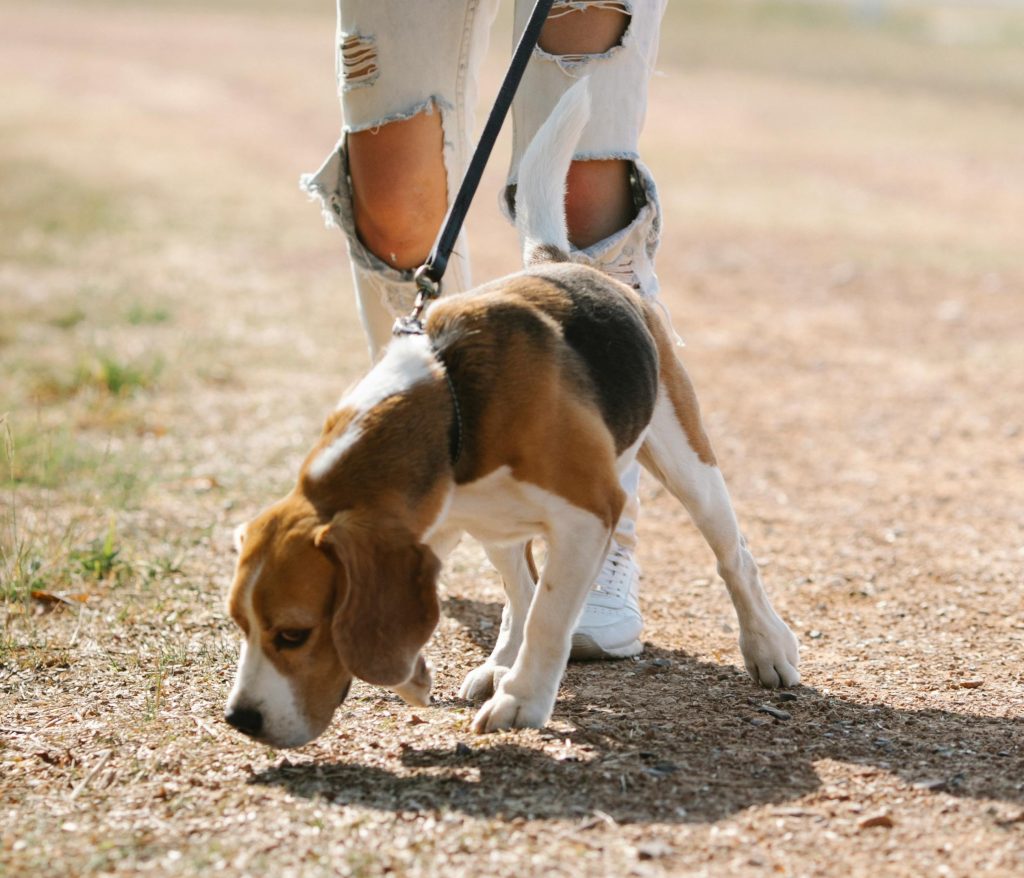
Image by Blue Bird via pexels.com
DIFFERENT KINDS OF WALKS
I have learned a lot about the different kinds of walks from Dr. Karen Becker. Here is what shes shares:
Once your furry companion has acquired good leash manners and both of you look forward to your walks each day, consider changing up the routine to keep things fresh and fun.
1. Purposeful walks — These are typically short and have a specific goal, for example, walking your dog to her potty spot.
2. Training walks — These walks can be about improving leash manners and learning basic or advanced obedience commands. Remember to take some healthy training treats.
3. Mentally stimulating walks — Most leashed dogs don’t get to spend nearly as much time sniffing and investigating as they would like, so allowing your pet some time to explore is good mental stimulation for her.
4. Sniffaris — During these mentally stimulating walks, your dog takes the lead, you follow, and he gets to sniff whatever he pleases.
5. Power walks — Power walks keep your dog’s frame strong, and his weight in check, and help alleviate arthritis and other degenerative joint diseases. These walks can also be an essential method for ensuring your dog gets enough exercise. Your dog may be pumped up after such a walk, so prepping some post-walk-enrichment (like a food toy, licking, etc.) can help them wind down.
6. Walks with friends — If your dog is comfortable around other dogs, consider meeting up with neighbours or friends with dogs for social group walks.
7. Different dog-walker walks — Everyone walks a dog a little differently, so the more members of your household who walk your dog, the more variety she’ll enjoy.
8. Change-of-scenery walks — Instead of heading outside in the same old direction, instead, buckle your dog in and drive a few blocks away or to a neighbourhood park or nearby hiking trail for your walk.
9. Decompression walks – The idea is to reduce the dog’s stress and anxiety by providing a calm and controlled environment where they can use their natural behaviours. These walks often involve a slower pace and a focus on allowing the dog to make choices about where to go and what to explore, rather than following a strict route or pace.
When you do suburban walking, the other dogs barking, are not them “saying hello”, it is more like “death threats”. For reactive and anxious dogs this won’t be beneficial. For some guardians, walks then become stressful too. In such cases, it may do more harm than good, to commit to that walk.
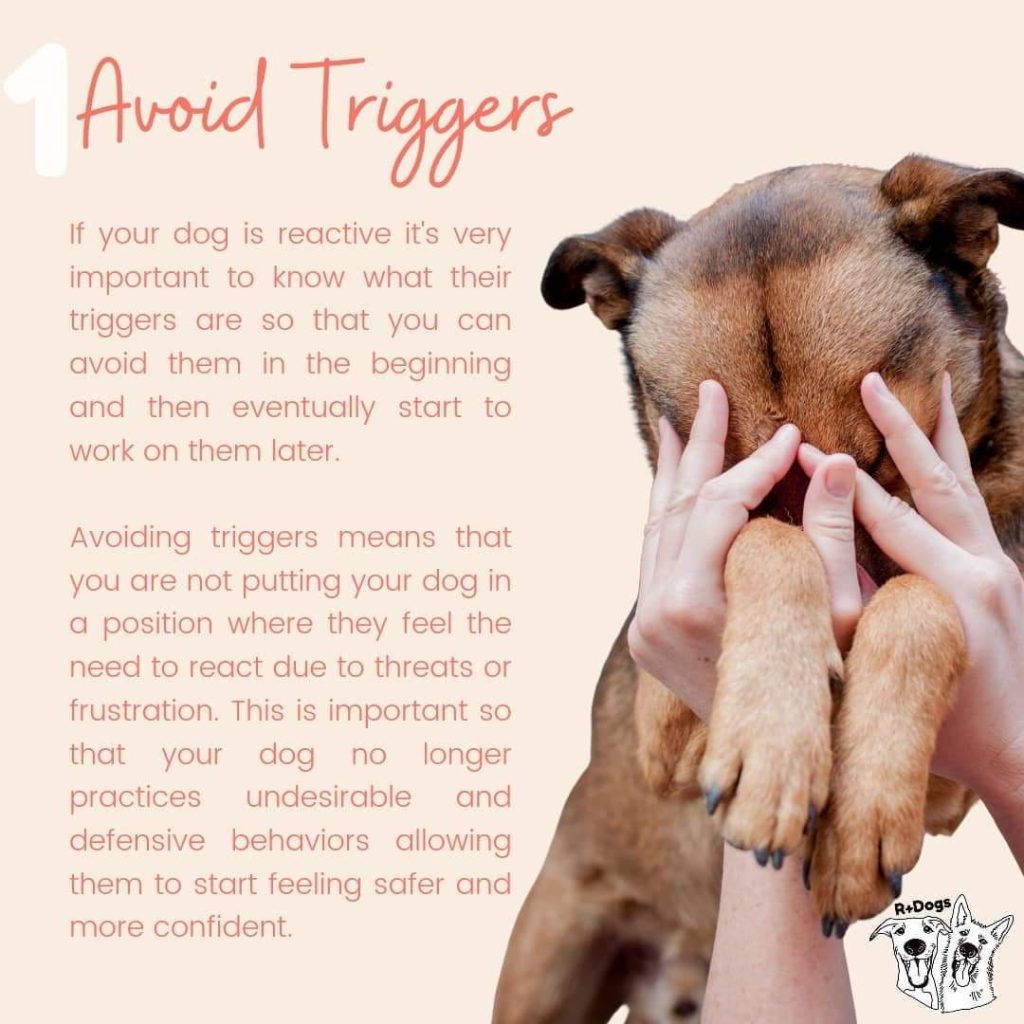
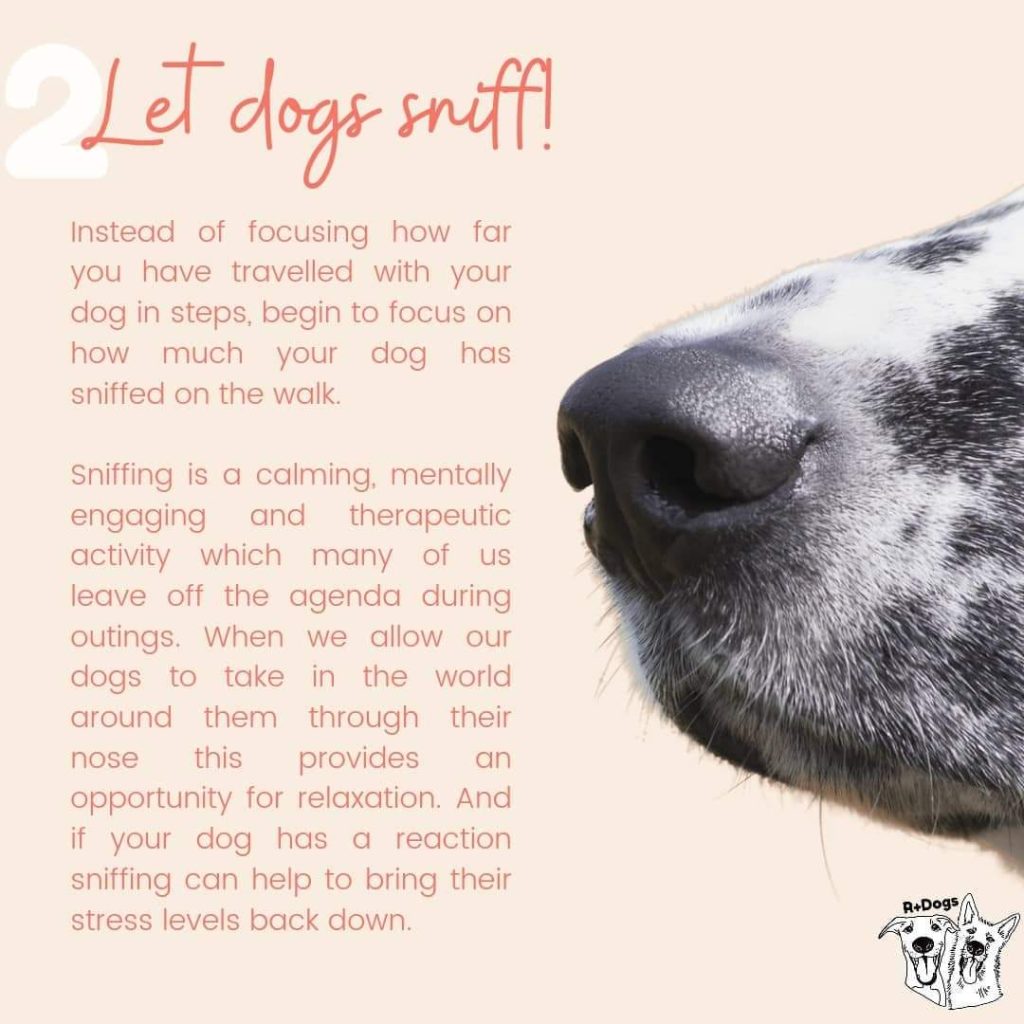
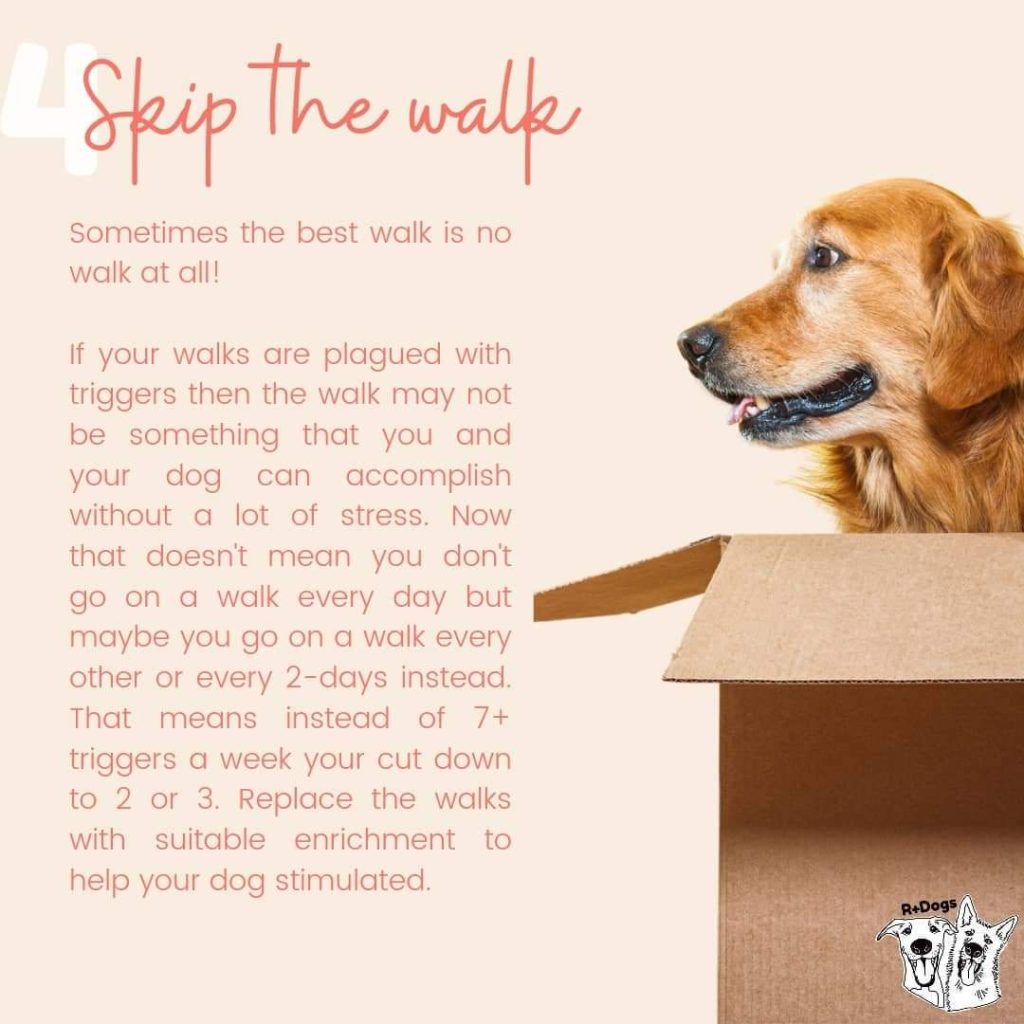
Ways to improve the walk for a reactive dog (R+Dogs):
Avoid the triggers (still work on them later)
Let them sniff more
Build their confidence
Skip the walk
Get professional help
Here are some alternatives for physical and mental stimulation:
Active games
Dog puzzles and toys
Dog play dates
Online training (for you)
Scent work where you hide things for them to find in your home or yard
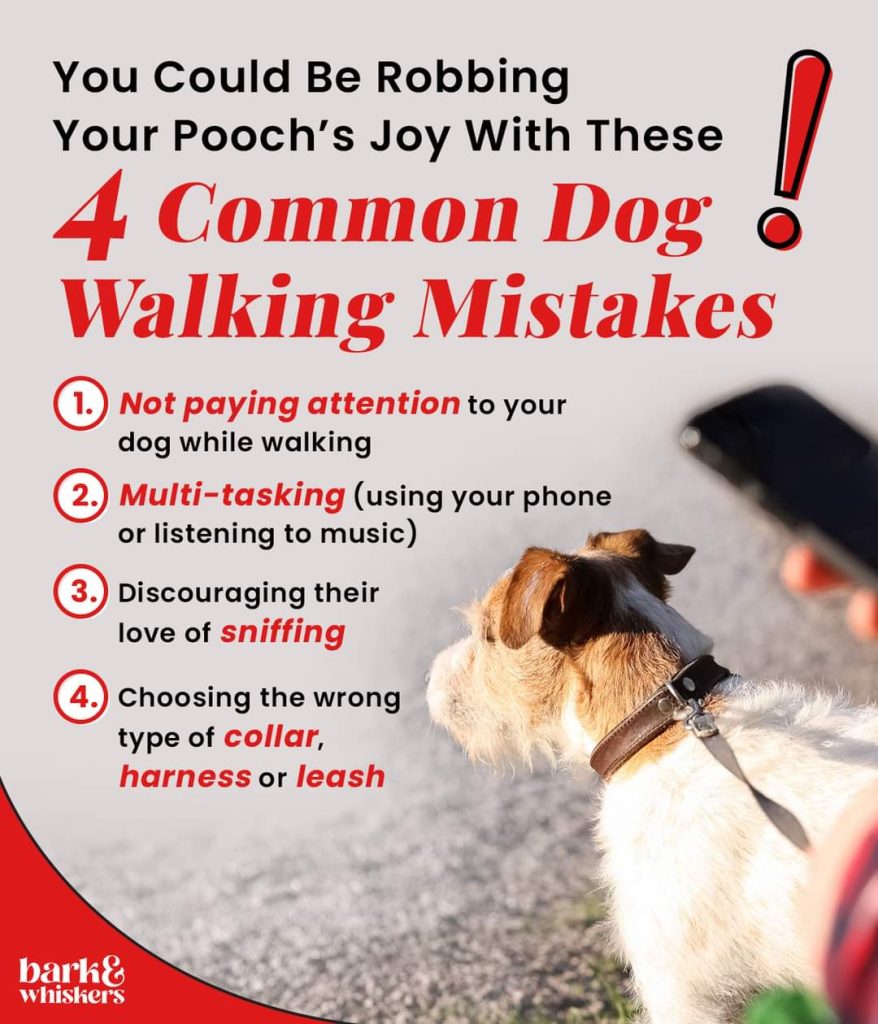
Ignoring your dog or multi-tasking — Unfortunately, there are pet parents who do everything but, pay attention to their dogs during walks. The activity becomes so routine that they do it without giving much thought to the furry fellow at the other end of the leash. This is a bad habit primarily because of the danger of what your dog can get up to if you are not looking.
Not allowing sniff time — Your dog’s most acute sense is their sense of smell. Remember that dogs perceive their world in a big way through scent. It is important to allow them to sniff during walks.
Choosing the wrong type of collar, harness, or leash — Many pet parents don’t realize the importance of choosing the right type for their dog.
Not taking advantage of the different types of walks, mentioned above, to keep things interesting for both of you.
5. SAFETY PRECAUTIONS
Here are some safety precautions to take:
Pack a mini first aid kit.
Take water for you and your canine companion.
Keep them hydrated and prevent them from drinking contaminated water.
Wear visible gear so the public can see you and reflective gear if you are walking during darker hours.
Watch out for dog snatchers who follow your walking routines as well as any other hazards.
Do not let young children or the elderly walk animals alone.
Go at their pace.
Protect their paws.
Puppy precautions.
Microchip and ID tags.
Let’s elaborate on a few:
Protect their paws – To protect your dog’s paws while walking, ensure you avoid hot pavement or rough terrain that can cause burns or abrasions. Before the walk, test the road/tar/ground temperature. If you can’t keep the back of your hand on the ground for 5 seconds then it is too hot for their paws!Opt for early morning or late evening walks when the ground is cooler, and consider using dog booties to shield their paws from very harsh surfaces if neccesary.
Regularly check their paws for signs of injury or irritation, and keep their nails trimmed to prevent discomfort. Additionally, applying a paw balm can help moisturize and protect their pads from drying out or cracking. I also do a paw-soak after walks with filter water and apple cider vinegar. Taking these precautions can keep your dog’s paws healthy and comfortable during walks.
Puppies – Discuss with your veterinarian when your puppy’s immune system is strong enough to go for walks. This is usually after they had all their initial vaccinations. Also, discuss with your vet when running and jumping will be appropriate for your puppy, when we look at bone growth.
Microchip and ID tags – Make sure your dog is microchipped and registered on multiple databases as well as wearing an ID tag.
KEEP IN MIND
If you are having trouble with the walk, get professional help. This could be a trainer if your pet just never learned to walk on a leash properly or a behaviourist if there are other underlying issues like anxiety or reactivity.
Leash manners are important, even with the right gear.
Sterilized dogs will likely be less distracted or distracting for other dogs.
Although walking is a great activity, some breeds might not be getting enough exercise for cardiovascular health through just a walk. For others, you might have to start slower for shorter distances. Remember to take precautions when running. Start slow, go at their pace, and be cautious with growing dogs, old dogs, and those from certain breeds or with certain conditions.
When going for hikes, make sure your pet is up for it, you have enough water, the trail is dog-friendly and never let your dog chase any wildlife.
Yellow Ribbon Project – Image shared by The Paw Company
Yellow ribbon – Be mindful of fellow walkers. Never allow your dog to just approach another dog, even if they are friendly, and especially not when that dog is on a leash because they might be fearful, reactive, aggressive, in pain, not child-friendly, in training or recovering from an operation. The yellow ribbon on a dog’s collar or leash is a sign to other people, that the dog needs some space and that you need to proceed with caution. Never take away another dog or their owner’s choice to interact or not. Always ask permission from the owner and most importantly from the dog. Help us spread the world on this!
The most important thing you can do to ensure a lifetime of enjoyable walks with your canine companion is to help them learn to be the perfect walking partner and be one too. As Dr. Karen Becker says: “One of the most important gifts you can give your dog whenever you interact with him, including on walks, is your undivided attention.”
Next week we will look at what to do when your dog dies at home.
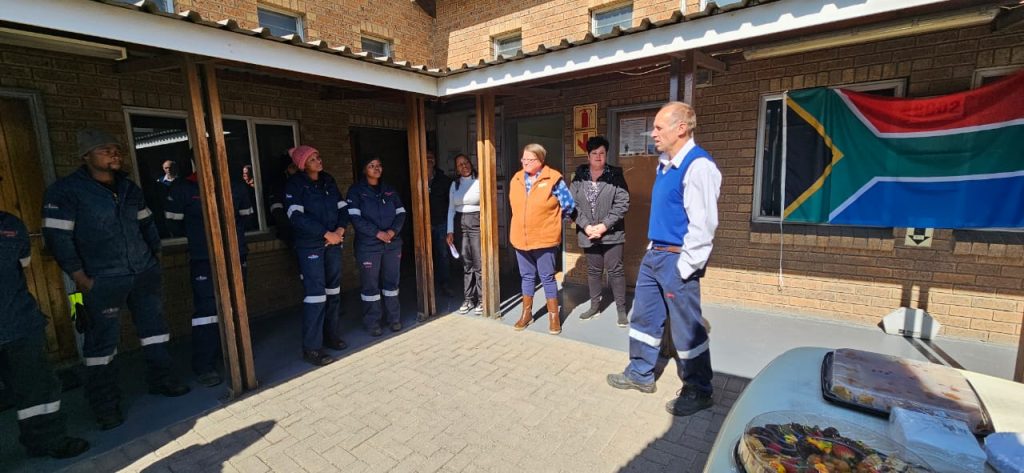
In a generous gesture of community support, FFS Refiners (Pty) Ltd’s Evander Terminal has donated R10,000 in clothing vouchers to SAVF Louis Hildebrandt Child and Youth Care Centre in Volksrust to demonstrate their care for the local community.
This children’s home, which has been struggling with a shortage of boys’ clothing, will now be able to provide the children with new clothes, allowing them to personally choose their own items from local stores.
Mrs Alta van Heerden, the Centre Manager of the children’s home, visited FFS to receive the vouchers, which was organised by Mr Barry Visagie. During her visit, she took the opportunity to share more about the home’s operations and the challenges they face, particularly the ongoing need for boys’ clothing. Her presentation gave FFS employees valuable insight into the day-to-day needs of the home, fostering a deeper understanding of the critical role the community can play in supporting vulnerable children.
FFS is no stranger to community involvement. In addition to this recent donation, the company has also sponsored a water tank for a school in Embahlenhe and is planning to sponsor another. These initiatives highlight FFS’s commitment to making a positive impact in the local community, addressing urgent needs, and supporting the well-being of those most in need.
This donation not only meets a pressing need at the children’s home but also raises awareness of the ongoing challenges within the community, encouraging further support and involvement from others.
Giving is not just about donating, it’s about making a difference.