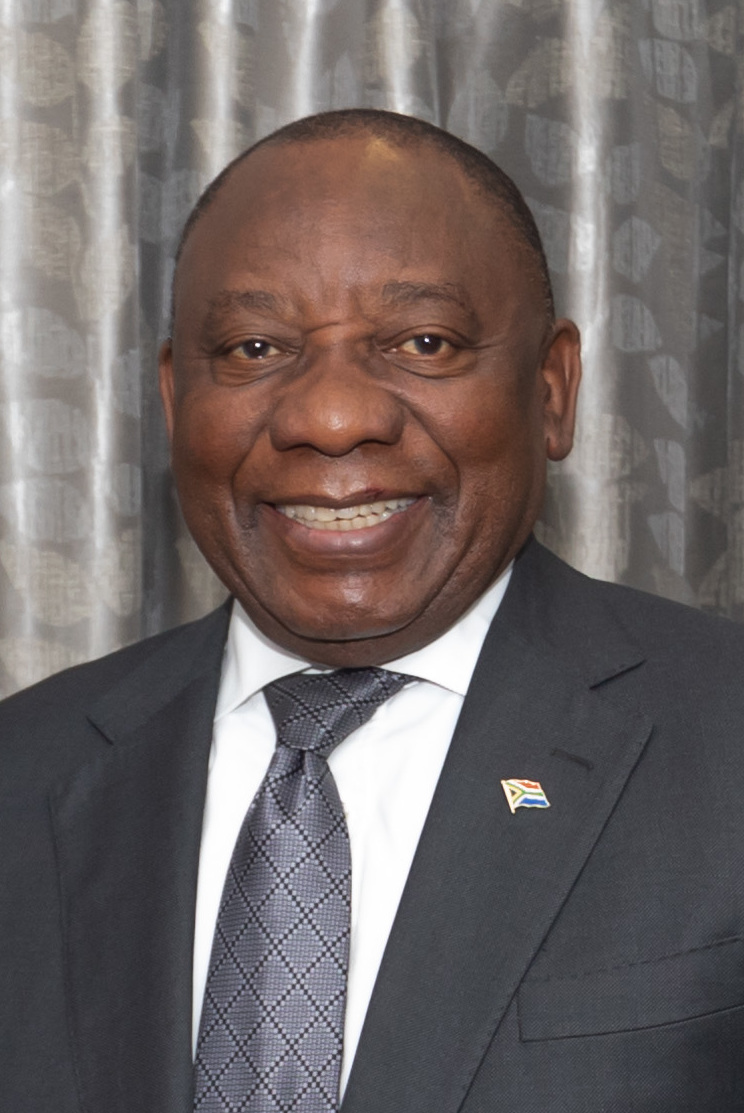
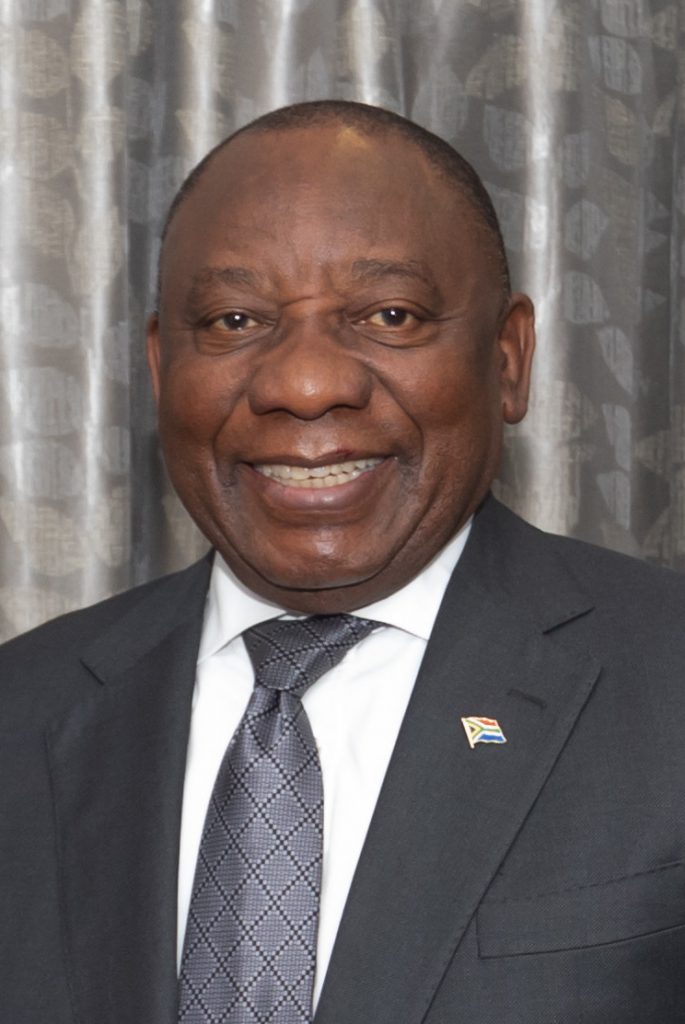
President Ramaphosa announced last night
that there will be a Nationwide Lockdown from 26 March at 00:00 to 16 April
00:00.
“Those countries that have acted swiftly
and dramatically have been far more effective in controlling the spread of the
disease,” said President Ramaphosa.
The President continued: “This is a
decisive measure to save millions of South Africans from infection and save the
lives of hundreds of thousands of people. While this measure will have a
considerable impact on people’s livelihoods, on the life of our society and on
our economy, the human cost of delaying this action would be far, far greater.”
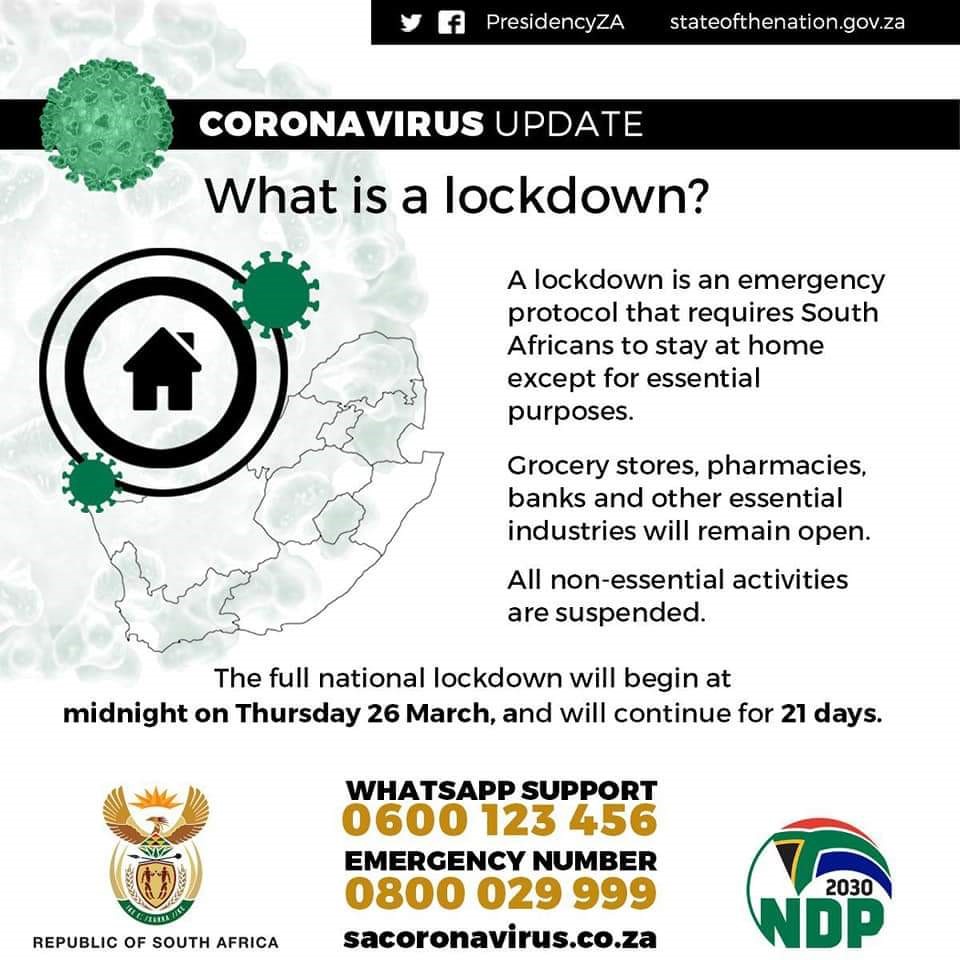
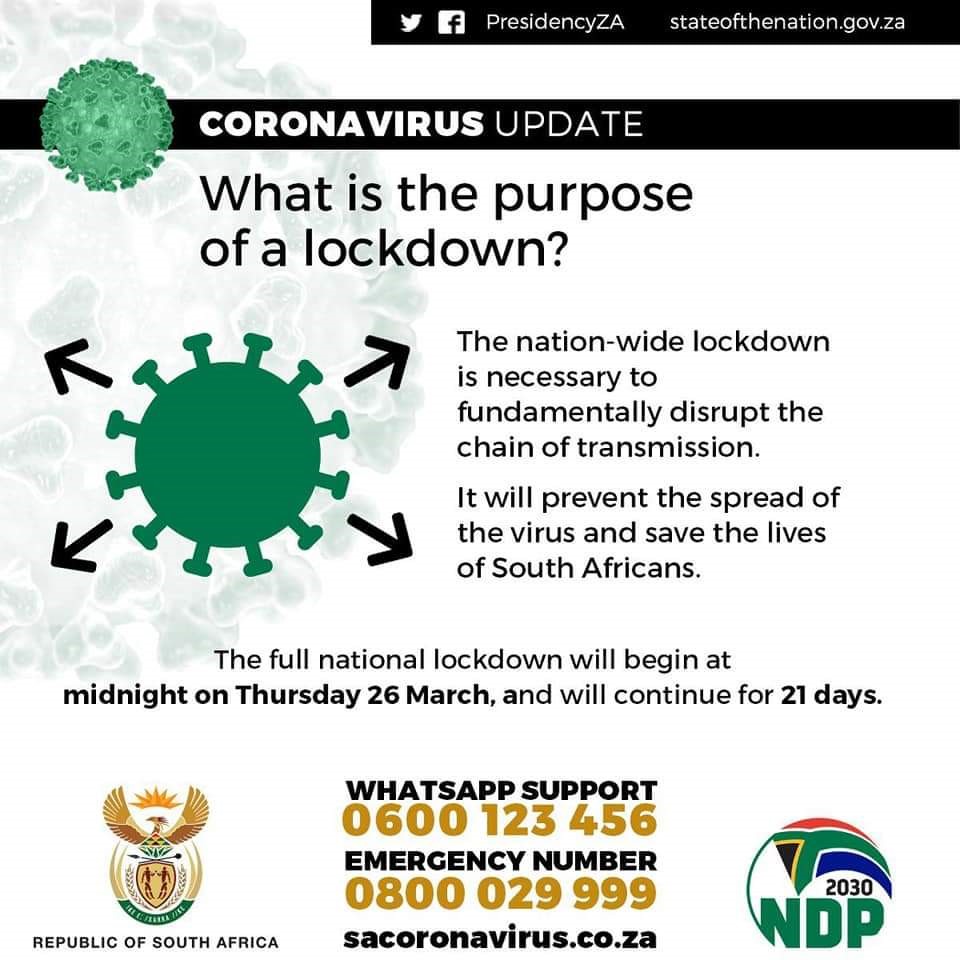
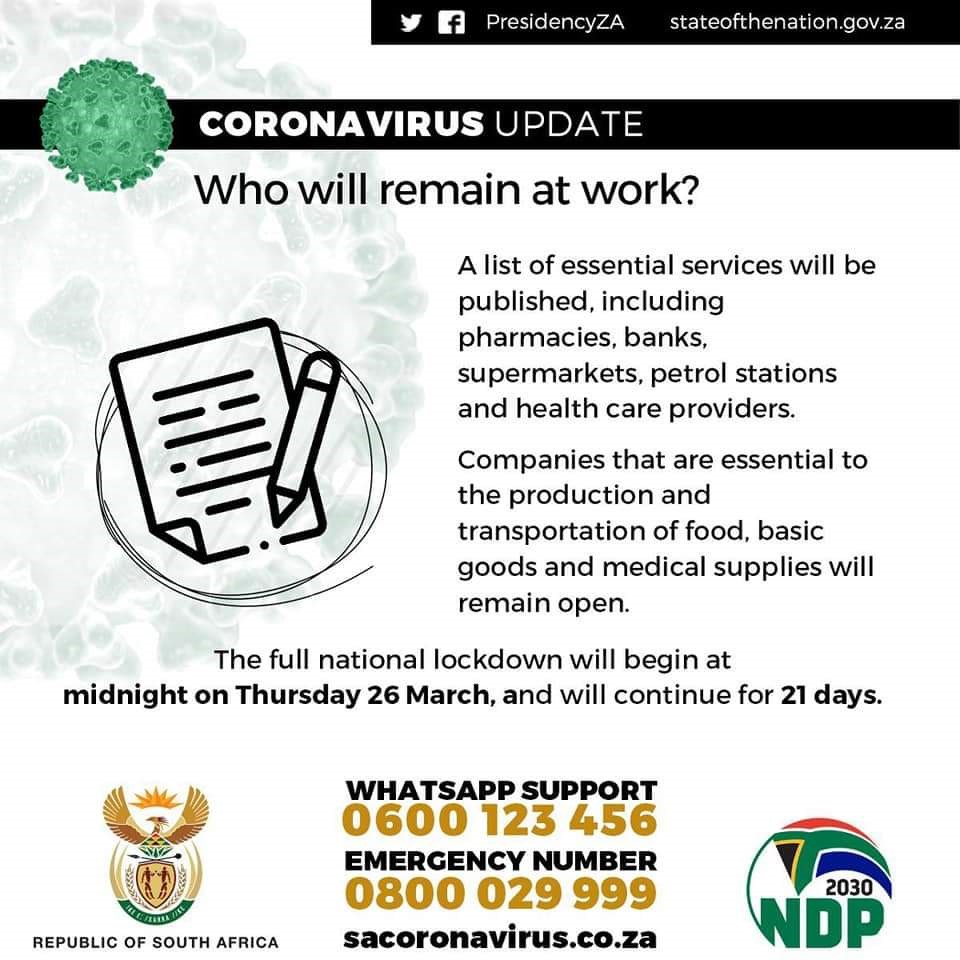
With the announcement last night, the government has released the following to explain more what a Nationwide Lockdown is and what services will be available:
President Ramaphosa announced last night
that there will be a Nationwide Lockdown from 26 March at 00:00 to 16 April
00:00.
“Those countries that have acted swiftly
and dramatically have been far more effective in controlling the spread of the
disease,” said President Ramaphosa.
The President continued: “This is a
decisive measure to save millions of South Africans from infection and save the
lives of hundreds of thousands of people. While this measure will have a
considerable impact on people’s livelihoods, on the life of our society and on
our economy, the human cost of delaying this action would be far, far greater.”
With the announcement last night, the government has released the following to explain more what a Nationwide Lockdown is and what services will be available:
Hy stap die herfsmiddag, soos wat hy dikwels doen, eers biblioteek toe, voordat hy SPAR toe gaan. Ingedagte pluk hy aan die toe staalhek voor die biblioteek, verbaas omdat die deur altyd oop is. Hy sien die kennisgewing teen die deur, en moet eers twee keer lees voordat dit by hom insink: “Gesluit vir onbepaalde tyd.”
Kopskuddend loop hy SPAR toe, en vind dit vreemd dat dit so besig is
halfdrie op ‘n Maandagmiddag. Dit tref hom hoeveel mense se trollies gelaai is
met veral grootmaat toiletpapier, en houers vol handeseep. Die kassiere het almal rooi maskers aan wat
hulle monde en neuse bedek. Teen al die rakke is daar kennisgewings wat aandui
dat alle items beperk word tot twee per klant.
Daar is geen hoender of maalvleis in die yskaste nie, en die bevrore
groente en blikkieskosrakke is ook yl besaai met voorraad. Nadat elke klant se
kruideniersware betaal is, word die toonbank eers deeglik ontsmet met alkohol-skoonmaakmiddel
en ‘n lap voordat die volgende een gehelp word.
Terwyl hy wag, speel Hasie, hoekom is jou stert so kort? van Al Debbo
oor die luidsprekers. Hy verkneukel hom
daarin. Dis so tipies platteland.
Tydens die rit huistoe, luister hy na die nuus op RSG. “Nog 38 Suid
Afrikaanse burgers gestrand op skip onder kwarantyn in Italië”, sê Mariëtta
Kruger oor die nuus. Die getal geinfekteerdes in Suid Afrika styg met 47% in
een dag. Later sê sy dat die
staatspresident teen verwagting om sewe-uur vanaand verdere maatreëls gaan
aankondig wat ‘n reuse impak op mense se lewens en beweging kan hê.
Skole is alreeds gesluit tot na die paasnaweek, baie mense werk van die
huis af, terwyl baie ander vrees dat hulle hul werk gaan verloor. Die restaurante in Langebaan wat gewoonlik
saans wemel van vakansiegangers, is almal toe.
Geen drank mag na sesuur verkoop of gebruik word nie.
Baie internasionale vlugte is gestaak, en almal hou asem op of daar nie
dalk ‘n totale verbod gaan kom op beweging van mense buite hulle huise, soos in
China, Italië en baie ander lande nie.
Dalk is dit nie net ‘n slegte ding nie, terwyl hy dink aan dominee
Beukes en sy vrou wat erg vermink en vermoor is in Bethal. Dieselfde gebeur daagliks op plase regoor die
land.
Die hele saak prikkel sy denke. Dit voel of al hierdie dinge nie gebeur
nie, al is dit oral in die sosiale media en in die pers. Waar het hy al van hierdie goed gehoor? Dis
nuut, maar tog terselftertyd so bekend.
Die dametjie op sakenuus rammel die verlies op die JSE op die radio
af. Ook dit wil-wil bekend klink.
Hy gaan staan voor sy boekrak, en skandeer deur die titels van sy
versameling. Skielik besef hy: daardie
tyd toe diè boeke verskyn het, was dit distopiese romans wat afspeel in ‘n
post-apokaliptiese tyd, ‘n wetenskapsfiksie wat daarop gerig was om lesers se
denke op ‘n fantasievlug te vat na ‘n wêreld wat totaal fiktief, en so blyk
dit, ook onmoontlik was. Hy trek die eerste boek uit die rak, Na die geliefde
land, geskryf in 1972 deur Karel Schoeman.
Die boek vertel van ‘n onvolkte platteland, van angsbevange mense wat
hulle saans toesluit in hulle plaashuise, en nêrens heen gaan nie. Die meeste
van hulle kinders en kleinkinders het oorsee gaan woon. Baie van hulle het nog nooit eens hulle
kleinkinders gesien nie. Hulle leef in
vrees vir misdadige bendes wat snags van plaas tot plaas swerf om te plunder,
steel en moor.
Die hoofkarakter het ‘n familieplaas ge-erf, en hy is nie eens seker
waar die plaas is nie. Hy kom van oorsee
af om die dokumentasie te kom afhandel, en is selfs bereid om die plaas net so
te los. Daar is nie kopers nie, want die
meeste plase is eenvoudig onteien, en lê verlate en onbewerk.
Skielik word die distopiese verhale meer aktueel. Hy trek die boek van Koos A Kombuis uit die
rak: Hotel Atlantis. Die boek is in 2002 geskryf, en speel af, vir daardie tyd,
in die verre toekoms, 2012. Die land is
‘n donker, gevaarlike plek. Die stede
het leegeloop. In al die plekke op die weskus is daar vrees vir die virus wat
duisende mense laat sterf het. Mense
leef primitief, soos roofdiere wat mekaar verslind. Koeberg-kragsentrale het ontplof na ‘n
operateursfout, en die hele land is in donkerte gehul.
Skielik is die gedagte nie meer so absurd nie. Hy trek ook Deon Meyer se Koors uit die rak,
geskryf in 2016. Die verhaal oor ‘n
virus wat in ‘n laborotorium ontwikkel is, en duisende slagoffers regoor die
wêreld laat sterf het. Die verhaal van mense
wat by die huis moet bly in afsondering, en gewetenlose en roekelose
rondtrekkende bendes wat plunder en moor, van wetteloosheid en vrees wat heers
in die land, van simptome van ‘n geheimsinnige mense skielik laat siek word en
sterf, van die sosiale media wat totaal onbetroubaar word, en deurtrek is met
fopnuus en vals gerugte.
Die boek vertel van ‘n ekonomie wat totaal ineengestort het as gevolg
van die geheimsinnige virus, van kosskaarstes en boere wat nie meer kan
produseer nie. Dit vertel van
kerkdienste wat opgeskort is, en dapper mense wat nog probeer op Sondae om ‘n
paar gelowiges bymekaar te kry en die Woord te verkondig.
Skielik is hy onseker. Is die
boeke lank terug geskryf, of dink hy nou aan vandag se koerant? Hy moet weer kyk na die datums van publikasie
net om seker te maak dat dit lank terug geskryf is.
Eensklaps voel dit vir hom of hy ‘n karakter in ‘n distopiese roman
geword het.
SA will go into a 21-day national lockdown starting at midnight on Thursday, 26 March, to combat the spread of the COVID-19 virus, President Cyril Ramaphosa has announced.
“Over the past week, as we have been implementing
these measures, the global crisis has deepened. When I addressed the nation
last Sunday there were over 160,000 confirmed COVID-19 cases worldwide.
Today, there are over 340,000 confirmed cases across
the world.
In South Africa, the number of confirmed cases has
increased six-fold in just eight days from 61 cases to 402 cases. This number
will continue to rise,” said President Ramaphosa.
The President made it clear that the government’s
fundamental task is to contain the spread of the disease.
President Ramaphosa continued: “It is essential that
every person in this country adheres strictly – and without exception – to the
regulations that have already been put in place and to the measures that I am
going to announce this evening.”
Following the announce of the Nationwide Lockdown,
President Ramaphosa said that the will be enacted in terms of the Disaster
Management Act and will entail the following:
– From midnight on Thursday 26 March until midnight on
Thursday 16 April, all South Africans will have to stay at home.
– The categories of people who will be exempted from this lockdown are
the following: health workers in the public and private sectors, emergency
personnel, those in security services – such as the police, traffic officers,
military medical personnel, soldiers – and other persons necessary for our
response to the pandemic.
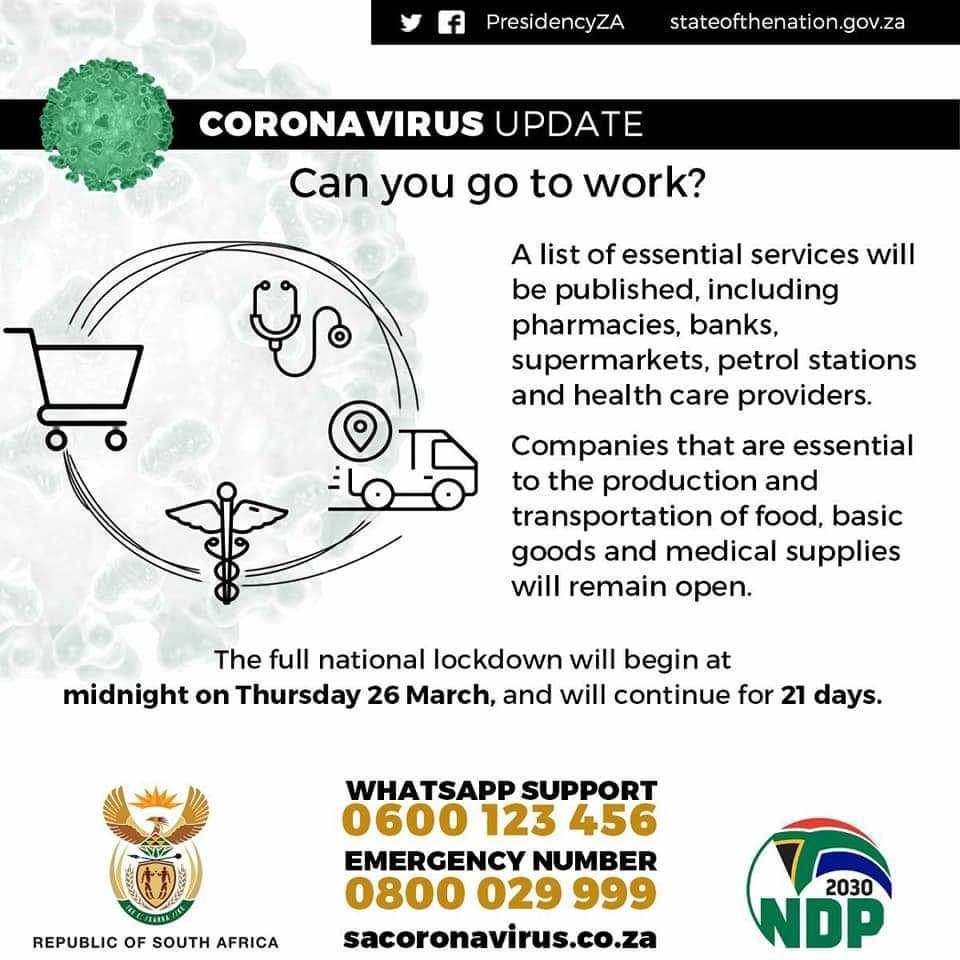
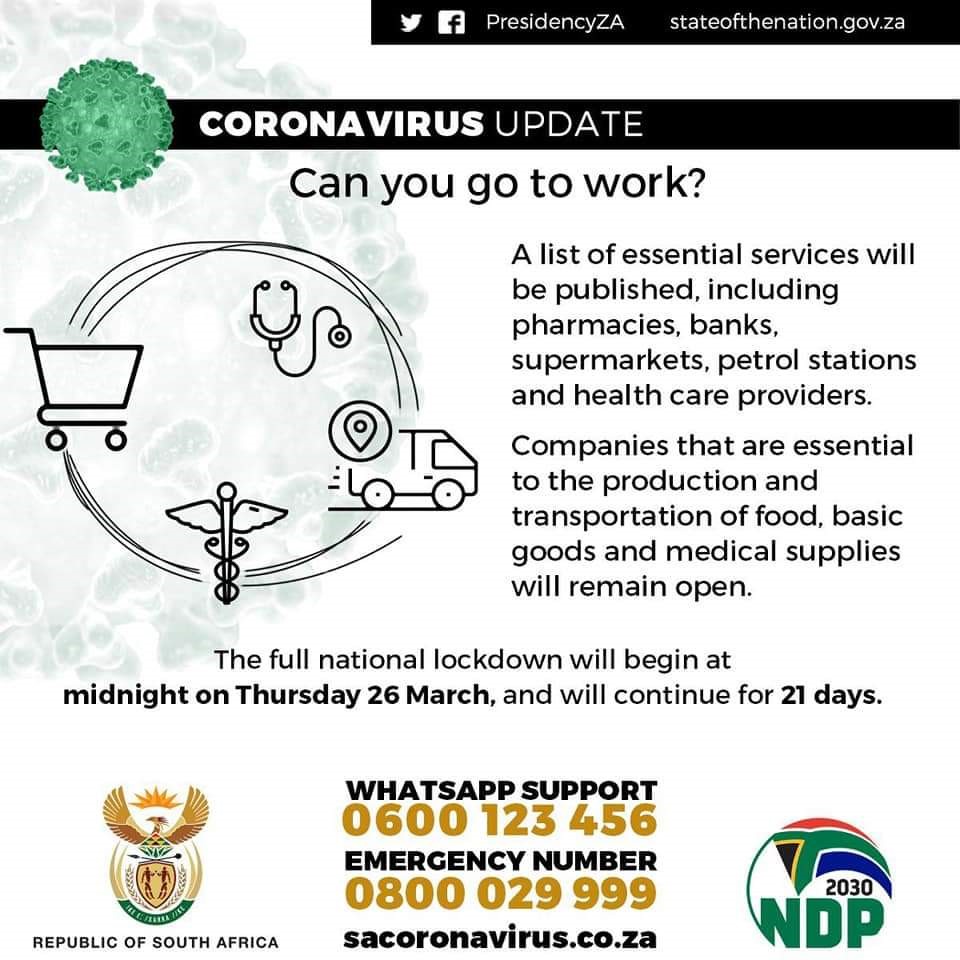
– It will also include those involved in the production, distribution
and supply of food and basic goods, essential banking services, the maintenance
of power, water and telecommunications services, laboratory services and the
provision of medical and hygiene products. A full list of essential personnel
will be published.
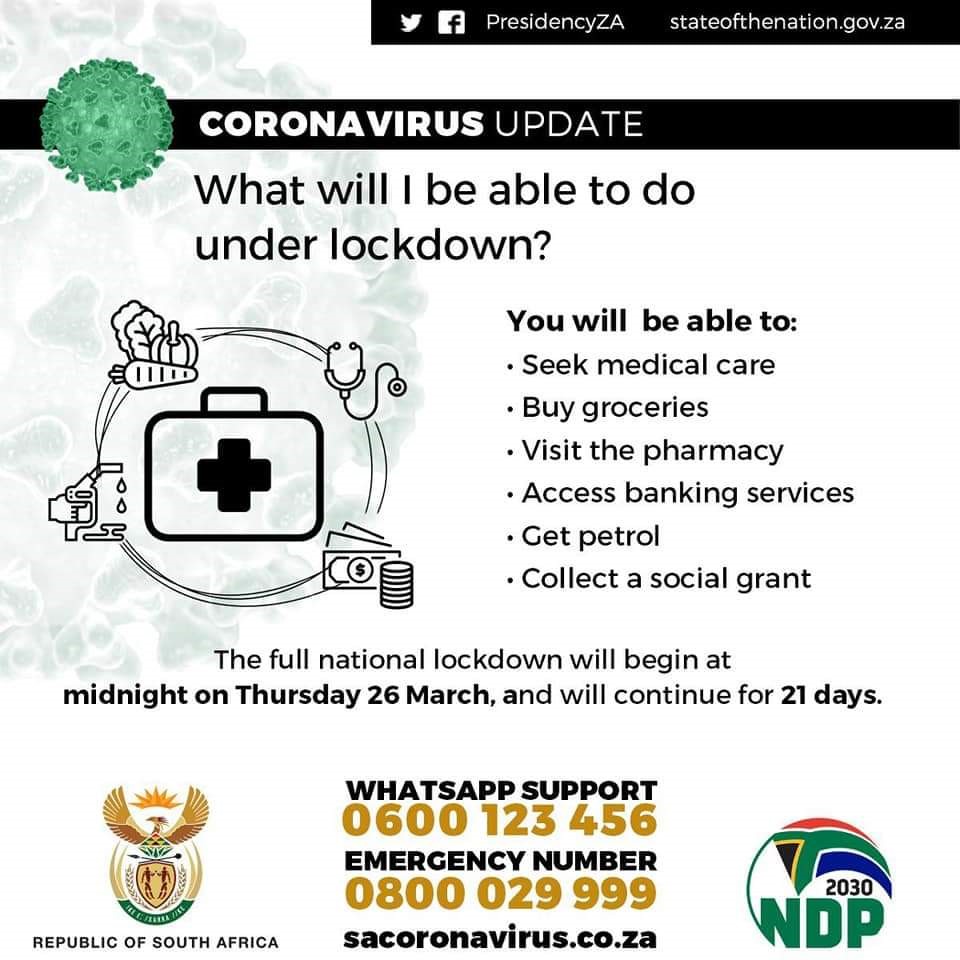
– Individuals will not be
allowed to leave their homes except under strictly controlled circumstances,
such as to seek medical care, buy food, medicine and other supplies or collect
a social grant.
– Temporary shelters that meet
the necessary hygiene standards will be identified for homeless people. Sites
are also being identified for quarantine and self-isolation for people who
cannot self-isolate at home.
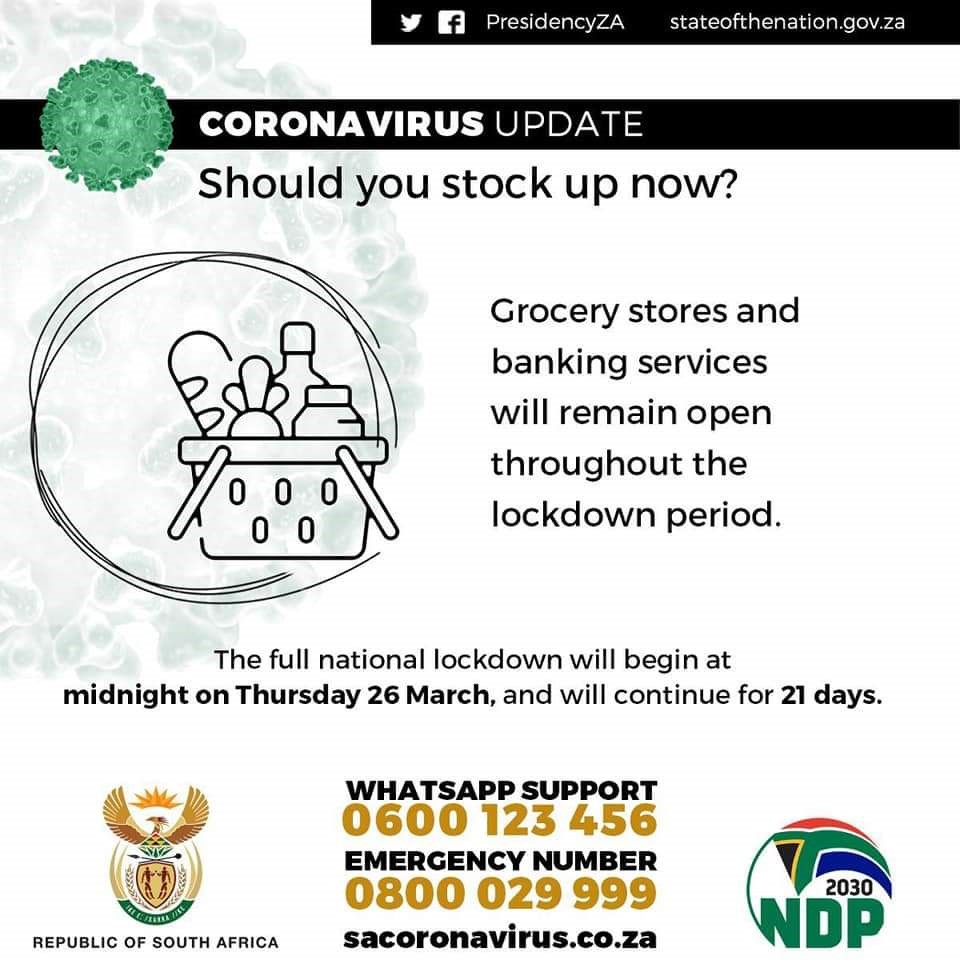
– All shops and businesses
will be closed, except for pharmacies, laboratories, banks, essential financial
and payment services, including the JSE, supermarkets, petrol stations and
health care providers.
– Companies that are
essential to the production and transportation of food, basic goods and medical
supplies will remain open.
We will publish a full list of the categories
of businesses that should remain open.
– Companies whose operations
require continuous processes such as furnaces, underground mine operations will
be required to make arrangements for care and maintenance to avoid damage to
their continuous operations.
– Firms that are able to continue their
operations remotely should do so.
– Provision will be made for essential
transport services to continue, including transport for essential staff and for
patients who need to be managed elsewhere.
President Ramaphosa has also
directed that the South African National Defence Force be deployed. This is to
support the South African Police Service. By doing this, the President is
ensuring that the measures that were announced are being implemented
accordingly.
The nationwide lockdown will
be complemented by a public health management programme which will
significantly increase screening, testing, contact tracing and medical
management. There will be community health teams that will focus on screening
and testing people. These teams will be focusing on high density and high-risk
areas.
Hospitals might become overcrowded
with patient flow but a system will be put into place for ‘centralised patient
management’ for severe cases and ‘decentralised primary care’ for mild cases.
Further measures that were
put into place:
Emergency water supplies – using water storage tanks, water tankers,
boreholes and communal standpipes – are being provided to informal settlements
and rural areas
-South African citizens and residents arriving from high-risk countries
will automatically be placed under quarantine for 14 days.
Non-South Africans arriving on flights from high-risk countries we
prohibited a week ago will be turned back.
International flights to Lanseria Airport will be temporarily suspended.
International travellers who arrived in South Africa after 9 March 2020
from high-risk countries will be confined to their hotels until they have
completed a 14-day period of quarantine.
The President also spoke about
interventions that will be put into place and said that these interventions
will be quick and targeted.
“Firstly, we are supporting
the vulnerable.”
– Following consultation
with social partners, we have set up a Solidarity Fund, which South African
businesses, organisations and individuals, and members of the international
community, can contribute to.
– The Fund will focus
efforts to combat the spread of the virus, help us to track the spread, care
for those who are ill and support those whose lives are disrupted.
– The Fund will complement
what we are doing in the public sector.
I am pleased to announce
that this Fund will be chaired by Ms Gloria Serobe and the deputy Chairperson
is Mr Adrian Enthoven.
The Fund has a website –
www.solidarityfund.co.za – and you can begin to deposit monies into the account
tonight
The government has seeded R
150 million into the fund and the private sector has also pledged to assist. The
Rupert and Oppenheimer families have each made a commitment of R1 billion each
to assist small businesses and their employees affected by the coronavirus
pandemic.
The President continued:
– We are concerned that
there are a number of businesses that are selling certain goods at excessively
high prices. This cannot be allowed.
– Regulations have been put
in place to prohibit unjustified price hikes, to ensure shops maintain adequate
stocks of basic goods and to prevent people from ‘panic buying’.
– A safety net is being
developed to support persons in the informal sector, where most businesses will
suffer as a result of this shutdown. More details will be announced as soon as
we have completed the work of assistance measures that will be put in place.
– To alleviate congestion at
payment points, old age pensions and disability grants will be available for
collection from 30 and 31 March 2020, while other categories of grants will be
available for collection from 01 April 2020.
– All channels for access will remain open,
including ATMs, retail point of sale devices, Post Offices and cash pay points.
Secondly, we are going to
support people whose livelihoods will be affected.
– We are in consultation on
a proposal for a special dispensation for companies that are in distress
because of COVID-19. Through this proposal employees will receive wage payment
through the Temporary Employee Relief Scheme, which will enable companies to
pay employees directly during this period and avoid retrenchment.
– Any employee who falls ill through exposure
at their workplace will be paid through the Compensation Fund.
– Commercial banks have been exempted from
provisions of the Competition Act to enable them to develop common approaches to
debt relief and other necessary measures.
Thirdly, we are assisting
businesses that may be in distress.
– Using the tax system, we will provide a tax
subsidy of up to R500 per month for the next four months for those private
sector employees earning below R6,500 under the Employment Tax Incentive. This
will help over 4 million workers.
– The South African Revenue Service will also
work towards accelerating the payment of employment tax incentive
reimbursements from twice a year to monthly to get cash into the hands of
compliant employers as soon as possible.
– Tax compliant businesses with a turnover of
less than R50 million will be allowed to delay 20% of their pay-as-you-earn
liabilities over the next four months and a portion of their provisional
corporate income tax payments without penalties or interest over the next six
months. This intervention is expected to assist over 75 000 small and
medium-term enterprises.
– We are exploring the temporary reduction of
employer and employee contributions to the Unemployment Insurance Fund and
employer contributions to the Skill Development Fund.
– The Department of Small Business Development
has made over R500 million available immediately to assist small and medium
enterprises that are in distress through a simplified application process.
– The Industrial Development
Corporation has put a package together with the Department of Trade, Industry
and Competition of more than R3 billion for industrial funding to address the
situation of vulnerable firms and to fast-track financing for companies
critical to our efforts to fight the virus and its economic impact.
– The Department of Tourism has made an
additional R200 million available to assist SMEs in the tourism and hospitality
sector who are under particular stress due to the new travel restrictions.
The President urged South
Africans to act in the interest of other South Africans and “not in their own
selfish interests.”
“We will prioritise the
lives and livelihoods of our people above all else and will use all of the
measures that are within our power to protect them from the economic
consequences of this pandemic. I call on all of us, one and all, to play our
part. To be courageous, to be patient and above all, to show compassion. Let us
never despair. For we are a nation at one, and we will surely prevail,” President
Ramaphosa said.
The Bulletin will keep you
updated on the Nationwide Lockdown.
The Govan Mbeki Municipality has outlined a
list of containment and mitigation measures to decrease the spread of the COVID-19
pandemic during a meeting with stakeholders on Friday, 20 March 2020.
Actions taken by the municipality:
• the municipality responded in two-fold, through internal and external
interventions.
• Internally, the response is targeting employees and visitors to the
municipality.
• Externally, the response if geared towards the
public and in particular in the manner in which services will be affected.
Service Delivery Water • The municipality is ensuring that the community has access to running water. • Areas without water will be serviced through water tanks. • All library services have been suspended. Members of the public will only be able to return books that are due. • All municipal-owned public facilities such as halls and sports fields have been closed to the public. Where bookings were made in advance, the municipality will refund the applicants. • Security services as visitors enter the municipal facilities; they will need to be sanitised.
Pay points
• Municipal pay points will continue to operate in line with new safety
protocols aimed to protect front-line employees and our customers.
• Residents are encouraged to pay for services as per norm and may do so online
and via accredited pay stations and providers.
Cemetery Services • the gathering must not be more than 100
people.
• Funeral undertakers and families of the deceased will be allocated time to
arrive and depart the cemetery.
• Not more than three (3) funerals will be allowed at a cemetery within an
Hour.
• Burials will be allocated times that will spread from 07:00 -15:00 on first
come first serve basis.
• Potential areas for quarantine have been identified and will be communicated
after approval by the Department of Health.
• In Mpumalanga, Rob Ferreira Hospital has been identified as the designated
hospital for COVID-19.
Recommendations • The above measures require various
stakeholders to corporate.
• Churches, public transport operators, liquor outlets, traditional leaders,
business and all organs of state.
• Law enforcement agencies including, SAPS to assist in enforcing the
directives of the President.
Captain Gerhard Elmes, Corporate Communication
Officer, recently brought the high crime rate under The Bulletin’s attention.
He said: “Housebreakings are taking place 24 hours a day. Crime does not sleep and the community must be aware of their surroundings and ensure they stay safe. Peak days are Fridays, Saturdays and Sundays, 24 hours a day. ”
In the past few months, the Secunda SAPS had an influx of reports on housebreakings and theft. “A lot of the theft cases is theft from vehicles. The thieves would steal items from people’s cars,” said Captain Elmes.
He continued: “Most of the theft out of vehicles that is taking place, takes place in the Secunda CBD area.”
With the influx in housebreakings, Captain Elmes refers to the safety tips the SAPS has posted on their website:
For theft out of a vehicle:
ON THE STREET
Avoid an ostentatious display of expensive jewellery, cameras, mobile
phones and other valuables.
Keep your handbag with you, keep it closed or zipped and do not leave it unattended.
Keep your mobile phone with you and do not leave it unattended.
Do not carry large sums of money with you.
Exchange your currency at a bank or at the hotel – never exchange it on
the street.
Carry your wallet in an inside pocket – never in the rear pocket of your
trousers.
Credit card transactions must be processed in your presence.
At night, stay away from dark, isolated areas.
It is always better to explore in groups and to stick to well-lit, busy
streets.
Plan your route beforehand and, as far as possible, do not ask
directions from strangers.
A police officer or traffic officer will be happy to direct you if you
get lost.
Should you want to call a taxi, your hotel or the South
African Tourism helpline (contact number: 083 123 6789) can
recommend a reliable service.
IN YOUR VEHICLE
Plan your route in advance.
Keep the doors locked and wind the windows up at all times.
Do not leave your mobile phone or other valuables where they are visible
from outside the vehicle.
Lock valuable items in the boot (trunk) before your departure.
At night, park in well-lit areas.
Never pick up strangers or hitchhikers.
If in doubt about the safety of an area, phone a police station for
advice and help.
Make sure you have the number of the car rental company at hand in case
you get stranded.
For House Breakings:
Fences/Walls
A high fence around the house with lockable gates is much safer than a high wall due to the advantage of the improved visibility it provides.
The primary aim of the fence is to make access/intrusion difficult and to allow dogs to move freely around the house.
Ensure that your gates are locked at all times and that the keys cannot be reached easily and are not lying around uncontrolled.
Security gates with sturdy locks in front of each outer door, as well as burglar proofing covering all windows, are recommended.
The following devices prevent easy access:
Window bars
Security doors
Security gates
Razor wire
Additional locking devices on doors
Strengthening of doors
Peepholes in the doors
Safety chains to doors
Intercom system between the home and gate, front door or garage
Alarm Systems
An alarm system, preferably connected to an armed response company, can act as an effective deterrent.
In the rural environment a siren/alarm on the roof that can be heard over a long distance and that can be activated by means of a switch/panic button in the house, is recommended.
A few switches/panic buttons in different rooms of the house should preferably be installed.
An alarm must also have the capability to warn the occupants of any intrusion into the house.
Examples of alarm systems:
Mechanical and/or electrical (purchased types)
Improvised systems
Threaded tins
Threaded pieces of iron
Gravel on window panes, pathways or around the home
Obstacles that can make a noise when moved
Biological Systems:
Dogs
Geese
Ostriches
· Security Lights
Security lights on the outside of the house improve the physical protection of a house, farm or smallholding.
The lights must be directed away from the house and must allow the occupants to use the windows without being observed from outside.
Be aware of possible shadows and blind spots.
Safety Precautions
Ensure that all doors are locked at all times and that windows are closed when you are not at home.
Large dogs serve as a deterrent. At least one dog should be trained to sleep inside the house.
If you leave your residence, inform your family/ neighbours of your intended destination, time you expect to return and the route you will be driving, especially if you reside in a rural area.
Ensure that tools such as axes, spades, picks, ladders, etc that can be used in an attack, are locked away when you do not use them.
Vary your daily routine.
Get into the habit of not immediately falling asleep after switching off the lights.
Remain awake for a while.
You should not be visible in the bedroom from the outside when you are asleep.
Always keep a torch nearby at night and when you use it, ensure that you do not give away your position.
If you are unsure about the security status of your home after returning from work/a visit, e.g. your dogs do not come to the gate, do not enter your home.
Contact your neighbour to assist you in securing your home.
Identify relatively safe places of refuge, i.e.: bathroom, toilet or storeroom.
The fewer windows and doors these rooms have, the better.
Involve employees as they are part of the family/team.
Employees must be involved in maintaining security on an equal footing.
Report suspicious behaviour and information to the South African Police Service.
Clear the areas around the gates of bushes and other hiding places.
Take photographs of all employees.
It could be to your advantage to identify them, if required.
Remunerate your employees when useful information is provided that contribute to the prevention of crime.
Do not employ casual workers without a reference.
Keep copies of all your employees – Identity Documents (ID’s).
Ensure that you have a good relationship with your neighbours so that you will be in a good position to support and help each other.
Access and Key Control
Do not allow strangers on your premises or in your house without having properly identifying the person, especially at night.
Implement proper key control measures.
Identify keys by means of codes instead of indicating in writing on labels to which gate/door access can be gained.
Keys to the safe must be kept on the person.
Never hide any keys in traditional places, such as in pot plants or under doormats.
Keys in the keyhole on the inside of the front or back door should be turned to avoid easy removal.
Never allow strangers to handle keys or look at key numbers.
Change locks when keys are lost.
Insert barring devices indoor locks.
Remove keys from doors when leaving.
Communication
There should be two systems for alternative back up:
Telephone
Cellular phone
Have the telephone installed where it is easily
accessible from anywhere in the house.
Inform your children not to give an indication that adult supervision is not
available when they answer the phone.
SAPS CRIME STOP: 08600 10111
SAPS EMERGENCY LINE: 10111
Amidst the craziness, a ray of sunshine peeked through the clouds. This one ray depicts the faces of the following animals that are available for adoption at the Bethal SPCA!
In light of the national
state of disaster, President Ramaphosa will be meeting with business and political
leaders. The president will also be chairing the National Command Council
meeting. After the Council meeting. he will be addressing the nation.
The National Command
Council meeting is to ensure that necessary measures are in place to restrict
the spread of the Coronavirus.
Please note that the
time at which the President will address the nation, will be determined by when
his meetings conclude.
The Presidency of the
Republic of South Africa issued the following statement:
President Cyril
Ramaphosa’s programme for today, Sunday 22 March 2020, is dedicated to key
engagements around the national state of disaster occasioned by the outbreak of
the coronavirus, beginning with a consultation with business leaders at the
Union Buildings.
The engagement with
business forms part of a series of meetings the President has held with various
stakeholder constituencies – including communities of faith and the nation’s
political leadership – in the week since his declaration on 15 March 2020 of
the national state of disaster.
These leaders will
have an opportunity to outline the impact of the disaster on businesses and the
economy at large and engage recommendations to mitigate the impact of the
outbreak on the economy at large.
Following the meeting
with business, the President will receive a delegation of leaders of political
parties who were part of the President’s engagement on Tuesday, 17 March 2020,
with the leaders of all political parties represented in Parliament.
The leaders who will
see the President today did not have an opportunity at the meeting at
Parliament to deliver statements of support and will therefore do so today with
media present.
Later in the day the
President will chair a meeting of the National Command Council which will
receive an update on the novel coronavirus (COVID-19) outbreak; progress and
challenges related to implementation of the recently promulgated regulations on
the state of disaster and other measures to protect the country, as well as
economic impact.
On the outlook for the
period ahead, the Council will consider whether the measures that are currently
in place to contain the spread of the virus are sufficient and what further
measures are required.
Following the
Council’s deliberations, President Ramaphosa will address the nation in a
message that will be broadcast on radio and television and livestreamed online.
Sasol released the following statement regarding the COVID-19 virus that is terrorising the country.
Here is the whole statement as received:
Secunda, Mpumalanga – On Sunday, 15 March, President Cyril Ramaphosa announced South Africa’s decisive approach to contain the spread of the COVID-19 outbreak and declared it a national disaster.
Sasol is prepared for and aligned with the government’s measures and will support efforts to contain the spread of the virus.
Sasol has been closely monitoring
developments with the Coronavirus (COVID-19) outbreak in China since January.
Sasol has implemented contingency measures to safeguard the health and safety
of all our employees and stakeholders who interact with Sasol, against the
COVID-19 outbreak.
Emergency response and task team were initiated to manage the company’s group-wide response in a coordinated, responsible manner. A detailed management plan has also been implemented and communicated throughout our operations globally and includes:
•social-distancing, including de-crowding initiatives;
•hygiene practice and behaviour
recommendations;
•limiting travel to business-critical
needs;
•screening initiatives; and
•disabling high-frequency contact surfaces
and touchpoints, such as biometric access controls
and keypads, and other high-frequency
contact surfaces.
The plan also includes comprehensive risk
mitigation measures which include extensive risk scenarios to ensure business
continuity during these times.
Furthermore, various precautionary measures
at our Mining and plant operations have already been implemented to provide the
necessary practical support and ensure that our employees remain safe and
active in their roles to provide uninterrupted service to our customers and stakeholders.
Sasol has clear procedures in place to prevent the spread of the virus, identify high-risk individuals and respond to confirmed cases.
We are monitoring the situation closely and
will continue to be transparent in our communication to employees, suppliers
and service providers to provide updates about the COVID-19 situation.
We encourage our communities to remain calm
and unite to contain the spread of the virus and not to spread fake news.
Sasol remains committed to the safety and
health of its employees, service providers and the community.
On Friday, 20 March, the Gert Sibande
District Municipality released a statement to all restaurants, gyms, hotels
etc.
The opening statement of the notice stated:
THE GERT SIBANDE DISTRICT MUNICIPALITY
THROUGH MUNICIPAL HEALTH AND ENVIRONMENTAL SERVICES HEREBY ISSUE A GENERAL
NOTICE No. 02-2020 ISSUED IN TERMS OF LOCAL GOVERNMENT SYSTEMS ACT, 2000 (ACT
32 OF 2000) CHAPTER 4 SECTION 21A READ IN CONJUCTION WITH THE GERT SIBANDE
DISTRICT MUNICIPAL BY-LAWS NOTICE NO. 2300 OF 21 MAY 2014 INCLUDING THE
DISASTER MANAGEMENT ACT, 2002 REGULATION NO. 318 OF 2020.
I, Muzi Gibson Chirwa the Executive Mayor
of Gert Sibande District Municipality designated as the Head of Disaster
Management in the District, following the declaration of the National State of
Disaster published in government gazette No. 43096 on 15 March 2020, hereby
make the following Public General Notice regarding the steps necessary to
prevent an escalation of the disaster or to alleviate, contain and minimise the
effects of the disaster.
In the notice, Executive Mayor Muzi Gibson
Chirwa stated the following:
1. Places of instruction
THE FOLLOWING FACILITIES AND ACTIVITIES ARE
TEMPORARILY PREVENTED AND PROHIBITED FROM OPERATION AND ANY ACTIVITY WITHIN
GERT SIBANDE DISTRICT MUNICIPALITY UNTIL FURTHER NOTICE
Public and private TVET
colleges
Universities of technology
(centres)
Public and private colleges
Training centres
Public and private primary,
secondary and combined schools
Any other learning or training
centre/institution
Further, access of libraries to
the public is restricted, until further notice
2. Early childhood development centres
THE FOLLOWING FACILITIES AND ACTIVITIES ARE TEMPORARILY PREVENTED
AND PROHIBITED FROM OPERATION AND ANY ACTIVITY WITHIN GERT SIBANDE DISTRICT
MUNICIPALITY UNTIL FURTHER NOTICE
Full-time day-care centres or
preschools
Part-time day-care centres or
preschools
Child minders or day mothers
Play groups
Drop off centres
After care centres
Any other childcare facility or
centre
3. Accommodation establishments
THE FOLLOWING FACILITIES ARE PROHIBITED FROM HOSTING AND
ACCOMODATING MORE THAN 100 PERSONS AT A GIVEN TIME, OR FUNCTIONS, CELEBRATIONS
OR ANY ENTERTAINMENT OR COMPETITION WHOLLY OR PARTIALLY IN OPEN AIR OR IN A
BUILDING OR PREMISES, WITHIN GERT SIBANDE DISTRICT MUNICIPALITY UNTIL FURTHER
NOTICE
Hotels
Guest houses
Lodges
B n B’s
Hostels
School hostels
Any other facility, centre or
establishment used for the mass accommodation of people
4. Indoor and outdoor recreational facilities
THE FOLLOWING FACILITIES AND ACTIVITIES ARE TEMPORARILY PREVENTED
AND PROHIBITED FROM OPERATION OR HOSTING ANY ACTIVITY OR FUNCTION WITHIN GERT
SIBANDE DISTRICT MUNICIPALITY UNTIL FURTHER NOTICE
Swimming pools and spa baths
Indoor and outdoor sport
facilities (gymnasia, stadiums, pavilions, sport arenas)
Casinos
Movie theatres
Amusement arcades
Amusement Parks
Any other places where members
of the general public assemble to engage in physical exercise or participate in
athletic competition, or witness sporting events as well as any other place
where the general public assembles for recreational purposes
5. Mass Social Gathering Activities and Meetings
THE FOLLOWING FACILITIES AND ACTIVITIES ARE TEMPORARILY PREVENTED
AND PROHIBITED WITHIN GERT SIBANDE DISTRICT MUNICIPALITY UNTIL FURTHER NOTICE
Concerts
Weddings
Places of worship and ministry
functions
Carnivals
Conferences
Auctions
Community meetings
Stokvels
Social clubs and gatherings
Imbizos, cultural or
traditional events or celebrations
National, provincial and local
calendar events
Any other mass gathering,
wholly or partially in open air or in a building or premises, except where authorisation
has been granted by the District Municipality
6. Funerals
THE FOLLOWING RESTRICTIONS APPLY TO FUNERAL SERVICES AND PROCESSIONS
WITHIN THE DISTRICT MUNICIPALITY
No night vigils or overnight
church services are allowed
No church services are allowed
in any social gathering centres (community centres, temporal physical
structures, schools and fixed church buildings)
Funeral services must only be
held at the home of the deceased
Only the immediate family
members of the deceased are to be in attendance of the funeral service,
including processions to the burial site
The funeral service and
procession must be finalised within a period of 1 hour
Catering during this period of
the outbreak in funerals must only be take-aways an no sit-down will be allowed
The funeral undertaker must
ensure that funeral services and processions are conducted in such a manner
that hygiene principles are in place and provide for proper hand washing and
disinfection
7. On-Consumption Liquor Establishments
THE FOLLOWING FACILITIES AND ACTIVITIES ARE TO BE CLOSED WITH
IMMEDIATE EFFECT, WHERE OPERATIONS ARE AUTHORISED BY THE SOUTH AFRICAN POLICE
SERVICES, ONLY TAKE-AWAY SALE OF LIQUOR IS ALLOWED, WITHIN GERT SIBANDE
DISTRICT MUNICIPALITY UNTIL FURTHER NOTICE
Nightclubs
Bars
Pubs
Taverns
Lounges
Gaming premises
Any food establishments with on
consumption Liquor facilities
Any other on-consumption Liquor
Establishment Further all on-consumption premises selling liquor must only
operate between 09:01 and 17:59 on weekdays and Saturdays and on Sundays and
public holidays between 09:01 and 12:59 strictly. No special or events liquor
license applications will be considered for approval.
8. Off-Consumption Liquor Establishments
All off-consumption
establishments selling liquor must only operate between 09:01 and 17:59 on
weekdays and Saturdays, and on Sundays and public holidays between 09:01 and
12:59 strictly.
9. Suspension of visits
ALL VISITS BY MEMBERS OF THE PUBLIC TO THE
FOLLOWING FACILITIES ARE TEMPORARILY SUSPENDED WITHIN GERT SIBANDE DISTRICT
MUNICIPALITY UNTIL FURTHER NOTICE
Correctional Centres (Prisons
and Community Correctional Centres)
Holding cells
Juvenile centres
Rehabilitation centres
Private and Public Centres of
Care including shelters, orphanages, disability centres, victim empowerment
centres, mental health institutions, stimulation centres, victim centres and
crises centres, old age homes.
Any other place where people
are treated or housed
10. Any other prohibition and restrictions
tabled in the regulation issued in terms of section 27(2) of the Disaster
Management Act 2002, No. 318 of 18 March 2020 and as may be deemed by the Head
of Disaster Management by form of a general public notice
The Bulletin has spoken to the Municipal Manager
of Govan Mbeki Municipality, Felani Mndebele. He said that the municipality has
been consulted with this but during the coming week there will be further consultations
with the Gert Sibande District Municipality (GSDM) to align with GSDM.
As for now, the recommendation is to follow
the National Directive until further notice.
Following the National Directive,
restaurants can still operate normal operating hours. No more than 50 people
(including staff) at one time in the restaurant and no alcohol is allowed to be
served after 18:00 and Saturday and Sundays only until 13:00. Casinos have the
same restrictions.
The above is what we have to adhere to until further notice.
Go out, keep your social distancing and if the restaurant is too
full, try the next one or order takeaways!