Home Blog Page 200

Two men killed and manhunt launched for the killers

0

Lieutenant General Mondli Zuma has in the strongest possible terms condemned the killing of two men aged 24 and 30, whose bodies were discovered on top of each other on a farm in Witbank on Tuesday morning, 12 May. 

According to the report, police received information in the early hours of the morning from a concerned family member who informed them that his 24-year-old brother called him alleging that he had been shot and was hiding in the bush at a farm nearby. Police immediately attended to the matter and went out and searched for him, without any success. They summoned the K9 Unit who continued with the search where they later discovered Emmanuel Mashengwane’s body and that of the second victim piled on top of each other with gunshot wounds at the said farm. The police summoned the Paramedics who certified both victims dead at the scene. 

A case of murder was subsequently opened and an investigation into the killing of the two has commenced.

The Provincial Commissioner has strongly condemned the killing of the two men and has appealed to the community to assist with information that can lead to the apprehension of the suspects. 

“I am very disturbed by the senseless killing of the two men and as such have ordered for the search of the suspects. No one has the right to take someone’s life, those responsible for this callous act will face the full might of the law,” said General Zuma.

Anyone with information that can assist the police in locating the suspect(s) can call 10111 or 08600 10111. Alternatively, they can send an SMS to 32211 for any crime related information or download MYSAPSAPP to anonymously send valuable information to police. Their information will be treated with strictest of confidence.

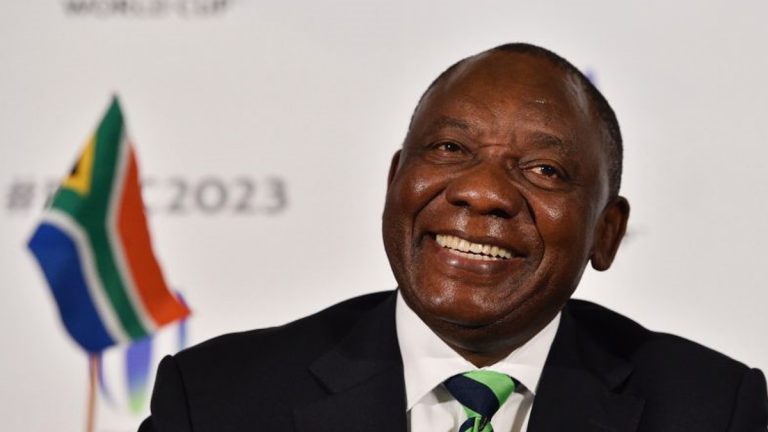
President Ramaphosa addresses the nation on Corona virus lockdown

With high hopes we all listened tonight to what our President had to say. Every South African hoped for a relaxation on the lockdown but no, instead nothing was said. This was the opinion of most of our readers.

Most South Africans had hoped that the President would relax lockdown rules on alcohol and cigarettes. What is so part of our culture was not even mentioned.

The comments were flying as angry South Africans voiced their concerns when our President said: “There have been very disturbing reports of increased levels of gender-based violence since the lockdown started.”

This can only be attributed to the fact that nicotine and alcohol have been banned since the beginning of lockdown.

The withdrawal symptoms of anyone that has to go through nicotine or alcohol withdrawal is very much that of the Coronavirus.

The President also said: “…to continue to engage and consult with you;” But yet the voices of the South African people have not been heard. The voices of the South African people have fallen on deaf ears…

“to be transparent, to take the nation into confidence and to do so regularly;

to continue to be forthright on the state of the pandemic. You want to know when things are bad and be told when they could get worse;

to continue to engage and consult with you;” the President continued.

There has been no transparency, when asked the National Coronavirus Commission was asked for their minutes of their meetings. How can our President then say the was transparency?

The President compared COVID-19 to the likes of HIV/AIDS with the words of Tata Madiba: “In the face of the grave threat posed by HIV/AIDS, we have to rise above our differences and combine our efforts to save our people.”

This was President Ramaphosa’s speech:

“My Fellow South Africans,

This week, our country reached a sad moment in the progression of the coronavirus pandemic, as we recorded our 219th death from the disease.

Every life lost is a tragedy.

These 219 people who passed away had families, they had dependents, friends and colleagues.

Their lives were cut short by a virus that has caused human and economic devastation across the world.

In recording and reporting on the daily figures of new infections, deaths and recoveries –– we can too easily lose sight of the fact that we are dealing with human lives.

This coronavirus is taking a heavy toll not only on the health of our people but also on our people’s ability to earn a living, to feed themselves and their families, to learn and to develop and to enjoy many of the basic freedoms that we daily take for granted.

This evening, let us keep in our thoughts and prayers all those who have been infected by the coronavirus, all those who have lost loved ones and also those who have endured – and continue to endure – great hardship because of the pandemic.

It is nearly 7 weeks since we implemented a nation-wide lockdown.

During this time, South Africans have demonstrated great courage, resilience and responsibility.

I once again thank you for the sacrifices you have made thus far.

I would like to say, as I have said before, that despite its duration and its severity, the lockdown was absolutely necessary.

Without the lockdown the number of coronavirus infections would have soared uncontrollably, our health facilities would have been overwhelmed and many thousands more South Africans would have died.

From the very beginning, our response has been guided by advice from world-leading experts from our own country and across the globe.

We have also benefited from the guidance from the World Health Organisation.

The experiences that other nations have been through have also given us invaluable insights.

There have been several projections about the possible path the disease would have taken without our swift and decisive action.

As more data has become available, these projections have been updated and refined.

The best current estimate is that, without the lockdown and the other measures we have taken, at least 80,000 South Africans could have been infected by now.

And the death toll could have been at least 8 times higher than it is.

As it stands, there are 219 people in South Africa who have succumbed to this disease.

By contrast, at a similar stage in the progression of the disease, the United States had recorded over 22,000 deaths and the United Kingdom over 19,000 deaths.

We should never forget that the purpose of the lockdown was to delay the spread of the virus and prevent a huge surge of infections.

So far, we have been successful in the manner we as South Africans have responded and dealt with this virus.

The percentage of cases identified out of all the tests conducted – what is known as the positivity rate – has remained low and stable.

The level of confirmed infections in South Africa is around 181 people per million of the population. By contrast, countries like the United States, the United Kingdom, Spain, Italy and Singapore have between 2,400 and 4,600 coronavirus cases per million people.

It is significant that out of the 12,074 confirmed cases in South Africa, we have recorded 4,745 recoveries.

By delaying the spread of the disease, we have been able to strengthen the capacity of our health system and to put in place wide-ranging public health programmes to better manage the inevitable increase in infections.

We now have 25,000 additional beds available for quarantine.

We have been able to source and produce substantial quantities of personal protective equipment for health workers, vital medical equipment and other supplies.

Using the valuable time which the lockdown gave us, we have managed to significantly expand our screening and testing programme.

In all, our field workers have now screened over 9 million people and we have conducted nearly +370,000 coronavirus tests.

This is the largest and most extensive public health mobilisation in the history of our country.

It has been made possible by the hard work and dedication of thousands of community workers, nurses, doctors and other health workers.

They made enormous sacrifices to ensure the success of the lockdown.

By answering the call to stay at home and stay safe, you, the people of South Africa, have helped us to save many lives.

As we have strengthened our public health response, we have introduced several vital measures to support the companies, workers and households that have been severely affected by the lockdown.

We have introduced an economic and social relief package worth over R500 billion to help companies in distress, to save jobs and to provide some income to informal workers and poor households.

Since it was established, the special COVID-19 relief scheme of the Unemployment Insurance Fund has paid out over R11 billion to 2 million employees employed by over 160,000 companies in distress.

This will help to keep companies afloat and save millions of jobs.

The various funds that we established to provide support for small businesses, including the initiatives of the Department of Small Business Development, the Department of Tourism, the Industrial Development Corporation and the South African Future Trust, have provided direct assistance to over 27,000 enterprises.

As of today, the R200 billion COVID-19 Loan Guarantee Scheme, which is guaranteed by the government, has begun to process applications from small and medium-sized businesses.

At the beginning of this month, government paid out an additional R5 billion to social grant recipients to assist poor households at a time when other sources of income have been disrupted.

We have opened applications for the special COVID-19 grant of R350 a month for unemployed South Africans who receive no other form of assistance from government.

By the close of business today, some 3 million South Africans had already applied for this assistance.

These temporary measures will be in place for six months.

We will spare no effort to ensure our most vulnerable citizens are supported and protected during this difficult time.

The scale of the measures we have taken, including tax relief and interventions by the South African Reserve Bank, is historic.

The Solidarity Fund, which was set up to support the coronavirus response, has raised around R2.7 billion in commitments from over 175,000 individuals and more than 1,500 companies and foundations.

We are grateful to the many governments and organisations that continue to generously support our coronavirus response.

In addition to those that I have previously recognised, I wish to express our appreciation to the government and the people of the United States for the donation of 1,000 ventilators.

I also want to recognise the commitment of the ELMA Group of Foundations of R2 billion to mitigate the impact of coronavirus on vulnerable communities in Africa.

This includes an immediate contribution of R250 million to South Africa’s Solidarity Fund.

We are determined that our response matches the proportions of the crisis and helps to ensure that the foundations of our economy are protected.

There have been very disturbing reports of increased levels of gender-based violence since the lockdown started.

The scourge of gender-based violence continues to stalk our country as the men of our country declared war on the women.

We have developed an emergency pathway for survivors to ensure that the victims of gender-based violence are assisted.

One of the interventions we have made is to ensure lockdown regulations be structured in a manner that a woman can leave her home to report abuse without the fear of a fine, intimidation or further violence.

Now, two months after we declared a national state of disaster, we are ready to shift to a new phase in our response to the coronavirus pandemic.

On the first of May, we moved to Alert Level 4 and began the phased easing of the national lockdown.

This was in line with our risk-adjusted strategy through which we sought to slow down the rate of infection and flatten the curve.

We are now preparing for a further easing of the lockdown and a gradual opening of the economy.

I will repeat what I have said before: if we lift the lockdown too abruptly and too quickly, we risk a rapid and unmanageable surge in infections.

We will therefore continue to proceed cautiously, informed by the best available evidence and guided by the advice of local and international experts.

Our goal is to steadily increase economic activity while putting measures in place to reduce the transmission of the virus and provide adequate care for those who become infected and need treatment.

When I last addressed you, I outlined the five-level alert system that we have introduced to guide this process.

At the time, the country was at alert level 5, which has the most stringent restrictions on movement and economic activity.

Alert level 4 – which is the current level across the country – retains most of the lockdown regulations but permits the gradual opening up of certain parts of the economy.

Alert levels 3 to 1 allow a progressively greater relaxation of restrictions.

As I indicated then, some areas of the country may be designated at a particular alert level, while others may be designated at other levels.

This would be done according to the rate of infection in an area and the state of readiness and the capacity of its health facilities to cope with treating infected people.

For now, infections are mostly concentrated in a few metropolitan municipalities and districts in the country.

It is important that we maintain stringent restrictions in these areas and restrict travel out of these areas to parts of the country with lower rates of infection.

We will immediately begin a process of consultation with relevant stakeholders on a proposal that by the end of May, most of the country be placed on alert level 3, but that those parts of the country with the highest rates of infection remain on level 4.

We will make further announcements after the completion of the consultations

In the coming days, we will also be announcing certain changes to level 4 regulations to expand permitted business activities in the retail space and ecommerce and reduce restrictions on exercise.

Some have questioned whether our approach in dealing with the coronavirus has been at the expense of the livelihoods of our people.

Our strategic approach has been based on saving lives and preserving livelihoods.

Our key objective has always been to slow down the infection rate through a number of interventions in our coronavirus prevention toolbox.

Each of these prevention measures are crucial and non-negotiable. They are:

 – Lockdown (to achieve extreme social distancing) – Social distancing – Adopting hand hygiene practices by washing hands regularly with water and soap or sanitiser – Cough etiquette including coughing into your elbow or a tissue – Wearing cloth masks whenever you are in public places – Use of personal protection equipment by all health workers – Frequent cleaning of the work environment and other public spaces – Symptom screening – Testing, isolation, quarantine and contact tracing

It is in the implementation of all these preventative measures that we will overcome this disease.

The success of our efforts to limit transmission of the virus depends on finding those who are infected as early as possible, tracing their contacts and isolating them so they cannot pass on the virus to others.

Our door-to-door screening campaign in vulnerable communities across the country resulted in over 100,000 people being referred for testing.

This gave us a good indication of the extent of the infection among the population, but we now need a screening and testing programme that is targeted to areas where people are more likely to be infected.

This will involve the identification of infection hotspots using a combination of technology, surveillance data and epidemiological mapping, enabling the rapid deployment of dedicated screening and testing teams to these areas.

Those found to be positive should either self-isolate or be isolated in suitable and independently inspected facilities. 

Most importantly, this new phase will require each of us to change our own behaviour in profound ways.

There needs to be a fundamental shift in our thinking and our way of life. 

We need to take personal responsibility for our own health and the health of others.

Let us remember that although the lockdown has slowed down the rate of transmission, the coronavirus is very much still present – and will be present among us for a long time to come.

We have been warned that infections will inevitably rise as the lockdown measures are eased, as has happened in many countries.

We also know that the coronavirus will continue to be a global health threat for some time to come and that the fight against COVID-19 needs to become part of our daily lives.

Our success in overcoming the coronavirus will ultimately be determined by the changes we make in our behaviour.

As restrictions are eased, we will need to observe social distancing even more carefully, wear face masks whenever we leave home, wash hands regularly with soap and water or sanitiser and avoid contact with other people.

I have been encouraged that so many people are wearing face masks in public since the start of Alert Level 4.

We will need to re-organise workplaces, schools, universities, colleges and other public places to limit transmission.

We will need to adapt to new ways of worshipping, socialising, exercising and meeting that minimise opportunities for the virus to spread.

It is our actions now that will determine whether the advantage we gained through the lockdown can be sustained.

It is our actions now – individually and together – that will determine whether the great sacrifices that people have made over these last two months will ultimately save the lives of thousands of South Africans and spare our country from the huge devastation that this pandemic can cause.

The transition to the next phase of the coronavirus response will in many ways be more difficult than the present one.

The risk of infection outbreaks will increase as more people return to work.

This calls for vigilance, responsibility and discipline from all of us.

My fellow South Africans,

Over the last 7 weeks, you have been asked to endure much and to sacrifice much.

On more than one occasion, I have stood before you and asked you to accept stringent restrictions on your daily lives, knowing that these will bring great hardship.

You have heeded these calls, firmly convinced that these measures are necessary for the health and the well-being – indeed the survival – of our young nation.

In return for everything that is being asked of you, there are a few fundamental things that you ask of us, your leaders.

And that is why we must acknowledge that as we have confronted this unprecedented challenge, there may have been times when we have fallen short of your expectations.

Some of the actions we have taken have been unclear, some have been contradictory and some have been poorly explained.

Implementation has sometimes been slow and enforcement has sometimes been inconsistent and too harsh.

This evening, I want to reaffirm my commitment and the commitment of the government I lead to take whatever action is necessary to safeguard the life, the dignity and the interests of the South African people.

The last time I addressed you, I said that we will soon be embarking on the third phase of our economic response to the coronavirus crisis by outlining a clear strategy for economic recovery.

Cabinet is seized with this issue and will be announced when the work has been completed. We are determined and committed:

to ensure that all government decisions are taken in good faith, that they are reasonable and based on empirical evidence and that they do not cause more harm than good;

to be transparent, to take the nation into confidence and to do so regularly;

to continue to be forthright on the state of the pandemic. You want to know when things are bad and be told when they could get worse;

to continue to engage and consult with you;

to ensure that we continue to mobilise every resource at our disposal to support the most vulnerable and to give the greatest support to those most in need; and,

 to make sure that the funds that are dedicated to our coronavirus response are not wasted and are not stolen.

Above all, I pledge once again to ensure that your rights are respected and upheld, especially by those who have been entrusted with this responsibility.

As your President, as this government, we are firmly committed to meeting the expectations you rightly have of us.

Where we have disappointed, we will continue to make amends.Where we make mistakes, we will continue to correct them.

Our collective struggles over the past months have taught us much about ourselves and about each other.

We have also learnt a lot about this virus.

Although there may have been differences and disagreements, there has also been kindness, empathy and compassion.

There has been courage and solidarity.

A very different South Africa and world awaits us. 

The greatest test will be our willingness to embrace change.

Let us rise to meet this challenge. 

Let us stand as one family and one nation to build a new and stronger society.

The days before us will be difficult.

But we will draw strength from what we have achieved. 

We should recall the words spoken by President Nelson Mandela 20 years ago when our country was being devastated by another pandemic.

He said:

“In the face of the grave threat posed by HIV/AIDS, we have to rise above our differences and combine our efforts to save our people.

“History will judge us harshly if we fail to do so now.”

As I end, let me offer the words of Franklin Delano Roosevelt, delivered at a difficult time in the life of his own country:

The state of this nation is good. The heart of this nation is sound The spirit of this nation is strong The faith of this nation is eternal.

May God bless South Africa and protect her people.

I thank you.”

Tonight was a waste of time to most South Africans and has only brought more doubts to their minds as the comments showed on the live broadcast.

The SANBS begins research on convalescent plasma for the treatment of COVID-19

SANBS has released the following press statement:

December 2019 will always be remembered as a month where the novel coronavirus disease (COVID-19) started its worldwide spread. As we sit amidst the international pandemic, the SARS-CoV-2 infection continues to claim lives with the numbers of infections continuing to increase exponentially on a daily basis.

Within the South African context, swift responses have allowed the country to contain a rapid spread of the virus. The rollout of a proactive diagnostic programme, isolation and quarantine have all proved effective supportive measures to limit the spread, yet there remains no cure for COVID-19. There is an international rush to develop vaccines and treatment options for the illness and effective treatments are crucial for curing patients.

As a cornerstone of the healthcare fraternity in South Africa, the South African National Blood Service (SANBS) and the Western Cape Blood Service (WCBS) are exploring ways to use blood plasma for the treatment of COVID-19 patients locally. Research forms a large part of our operations and following the recent approval from our Human Research Ethics Committee we will, in the next few weeks, start collecting convalescent plasma from patients who have recovered from COVID-19. This convalescent plasma will be used in phase 2 clinical trials to confirm whether this therapy will be of benefit to patients admitted to hospitals with pneumonia caused by the virus. It is noteworthy that the treatment will primarily be in the experimental phase, with the rollout being a priority.

Convalescent plasma, plasma collected from patients who have recovered from a viral infection, has long been used as a way to treat patients still critically ill from the same viral infection. This plasma, which contains neutralising antibodies, provides passive immunity to an infected patient, significantly improving their clinical status often helping them to recover quicker. It has not yet been widely used in the South African context. Such therapy was explored for patients in West-Africa for the treatment of the Ebola Virus and before that, it was successfully used to treat SARS-CoV and MERS-CoV. The development of COVID-19 antibody treatments will, however, take several months to complete.

The SANBS intends to start collecting convalescent plasma from donors who have fully recovered from COVID-19. To be eligible to donate, 28 days must have elapsed since the patients last exhibited symptoms of infection. This gives the patient time to develop sufficient antibodies to be therapeutic and to have fully recovered from the disease, which minimises the risk of such patients still being able to transmit the virus. Initially, these plasma products will only be issued in patients participating in SAHPRA approved phase II clinical trials.

While there are still no specific medications approved to treat COVID-19, work has commenced worldwide on convalescent plasma harvested from people who have recovered from the infection. The SANBS is uniquely positioned to both collect and collaborate in clinical trials of convalescent plasma that will subsequently be used in patients hospitalised with COVID-19, in the hope that it will reduce mortality and result in quicker recovery.

WhatsApp groups beware – You are liable for cigarette and alcohol sales on your channel

The ban on cigarette and alcohol sales frustrated a lot of people during the lockdown. The Bulletin administers a few other Facebook and Whatsapp  pages, in particular the page called “Secunda en sy mense praat saam.”

This page, like others, has been bombarded with requests for cigarettes and alcohol as well as “for sale” offers. The sale of these are illegal and hold serious consequences not only for the sellers but also for the admins of these pages.

MyBroadband.co.za wrote: If you are an admin on a Facebook or WhatsApp group, you can be held vicariously liable for illegal cigarette and alcohol sales on that platform.

This is the warning from Megan Harrington-Johnson, managing partner at HJW Attorneys, who was speaking to Jacaranda FM.

Megan Harrington-Johnson interview on Breakfast with Martin Bester explaining your rights. Whatsapp issue mentioned around 8 minute mark

The ban on alcohol and cigarette sales has drawn sharp criticism from many people who argue that it is doing more harm than good.

Apart from the lack of support from many citizens, it is also costing the country a lot of money in lost tax revenue.

SARS Commissioner Edward Kieswetter said the losses in tax revenue from beer and alcohol in April were around R1.5 billion.

Another consequence of the ban is the rapid rise of black-market sales of liquor and tobacco products.

The Witness reported that the ban on cigarette and alcohol sales has created a thriving underground market.

It is, however, not only criminals engaging in this illegal activity. Those supporting it, The Witness said, include normally law-abiding citizens and many professional people.

“Some tuck-shop and pub owners, and their connections, have formed WhatsApp groups advertising what they have in stock,” it said.

Warning from Harrington-Johnson

Megan Harrington-Johnson, managing partner at HJW Attorneys https://www.hjw.co.za/

Harrington-Johnson warned people that, independent of their feeling towards the ban, it is currently law and people who break this law face harsh penalties.

She said it is worrying that people on social media are advertising alcohol and cigarettes for sale, which is illegal.

“It is currently illegal to trade in, transport, or sell alcohol or cigarettes,” she said.

If you are putting these adverts on your Facebook feed or WhatsApp group, you are contravening the lockdown regulations.

“If you are an admin of a Facebook group or a creator of a WhatsApp chat and you allow this content on your platform, you can be held vicariously liable,” she said.

She said all it takes is a screenshot sent to your local police station and you can be in very big trouble.

“Please be very careful. Educate yourself and make informed decisions,” she said.

Thank you to https://mybroadband.co.za/ for the use of their article.

Kriya Gangiah And Nicholas Goliath Share 3 Easy Lockdown Recipes Budding Chefs At Home Need To Try

There are two kinds of people during lockdown – those who are craving their favourite take-outs and those that have become master chefs in their own right.

Local radio and television presenter Kriya Gangiah http://www.kriyagangiah.com/ and comedian Nicholas Goliath https://www.osmtalent.com/wp-content/uploads/2017/10/Nicholas-Goliath-Owen-S-Bio-2017- are two people who have really pushed their culinary skills to their limits during this lockdown.

What started out as some friendly Instagram banter has become a fully-fledged food fight as the two celebrities try and outdo each other with their culinary creations. “I love to cook and I have been enjoying the freedom to recreate some of my most loved recipes as well as try a few new ones,” Kriya says of her love for food. “It seems Nicholas Goliath and I have the same taste in food because we have been really impressed with what the other has been whipping up during this period. So much so that we challenge each other to really put our best foot forward and create some really delicious, but easy dishes.”

Kriya Gangiah http://www.kriyagangiah.com/

Here are three easy recipes Kriya and Nicholas have experimented with over the past few weeks:


Kriya’s Easy Home-Made Falafel

“I love middle eastern food and not being able to get my fix from my favourite restaurant was starting to get to me,” Kriya explains. “So, I decided it was time to pull out this old recipe and enjoy a batch of homemade falafels. P.S. you can also freeze the batter to use later.”

Ingredients:
1 can chickpeas, drained
1 can sweet corn, drained (optional, but adds a special element)
4 cloves garlic
1/4 onion, roughly chopped
2 tbsp. freshly chopped coriander
1 tsp. ground cumin
3 tbsp. all-purpose flour
Salt to taste
Freshly ground black pepper
Vegetable oil, for frying

Method:
1.       Lightly roast the chickpeas and sweetcorn in the oven to get rid of any excess water.
2.       Throw everything into a blender, pulse until mixture is coarse—do not over blend!
3.       Roll into little falafel balls and chill in the fridge while the oil heats up.
4.       Fry falafels until golden, then transfer to a paper towel-lined plate. You can season with salt if needed.

Enjoy these with pita bread and a homemade tzatziki sauce.

Nicholas Goliath https://www.osmtalent.com/wp-content/uploads/2017/10/Nicholas-Goliath-Owen-S-Bio-2017-


Nicholas’ Creamy Butter Chicken

Butter Chicken has been a staple in our family for years and my six-year-old son helped us develop this new recipe we use in our household,” Nicholas says. “With winter being right around the corner, this is the perfect comfort meal!”

Ingredients:

For the marinade:
1 lemon, juiced
2 tsp ground cumin
2 tsp masala
1-2 tsp hot chili powder (depends on how spicy you like i)
200g natural yogurt or cream (I sometimes add a little extra for more gravy)
Salt and pepper to taste

For cooking:
2 tbsp vegetable oil
1 large onion, chopped
2 tsp ginger garlic
1 green chilli, deseeded and finely chopped (optional)
1 tsp garam masala
3 tbsp tomato purée
50g flaked almonds, toasted
500g skinless boneless chicken breasts

Method:
1)      In a medium bowl, mix all the marinade ingredients. Chop the chicken into bite-sized pieces and toss with the marinade. Cover and chill in the fridge for one hour.
2)      In a pot, heat the oil and add the onion, ginger, garlic and green chilli. Fry on medium heat until onions are soft and golden.
3)      Add the spices with the tomato purée and cook for a further two mins until fragrant, then add the marinated chicken.
4)      Cook for 15 mins, then add any remaining marinade left in the bowl.
5)      Simmer for 5 mins, then sprinkle with the toasted almonds.
6)      Serve with your freshly made roti and enjoy.

Kriya’s Effortless Roti

“I always like a good challenge and when Nicholas started sending me pictures of all these mouthwatering dishes he has been whipping up, I knew the challenge was on,” Kriya says. “After seeing his delicious Butter Chicken recipe, I knew that I wanted to make some homemade roti. Having roti was always a treat in our house. My mom used to make 3 batches at one go so we got roti rolls for lunch at school as well – which I loved! It was always fun helping her in the kitchen and it turns out that paying attention then helped me perfect my roti-making style.”

Ingredients:
3 cups flour
1 teaspoon salt
1 ½ cup boiling water
90g butter

Method:
1.       Place the flour and salt in a mixing bowl. Crumb in the butter.  Try not to melt the butter with your fingers
2.       Pour in the boiled water and mix into a dough.
3.       Roll the dough into a ‘log’ and slice into 12 equal pieces, roll these into balls.
4.       With a rolling pin, roll each piece out on a flour-dusted surface. (Don’t worry if you don’t get them round the first time, I still struggle)
5.       Place the roti on a hot pan, when small bubbles appear, flip the roti over.
6.       Drizzle with melted butter, then flip the roti again, drizzle again and then flip for the last time.
7.       Serve while still warm

Eskom intensifies efforts to distribute free basic electricity to indigent households

In order to help alleviate the impact of the COVID-19 national lockdown on indigent households, Eskom today launched its communication campaign aimed at raising awareness of the longstanding Free Basic Electricity (FBE) programme, which is targeted at giving limited free electricity to indigent households.

Qualifying households, in terms of the government’s policy of providing support to the unemployed, low-earning, the destitute and the elderly, are encouraged to approach their municipalities to register as indigents in order to collect their allocated free basic electricity every month.

“Customers on municipalities’ indigent household registers have the right to collect a minimum 50 kiloWatt hours (kWh) of electricity for free every month, which can also be higher, depending on the municipality,” said Monde Bala, Group Executive: Distribution. “Unfortunately a large number of indigent households don’t exercise their right, either because they are unaware of the free basic electricity, or because they have not registered with the municipality.”

Once registered with the municipality, the customer’s details are loaded on the Eskom system where they get credited with free electricity tokens.

As at end March 2020, Eskom had 900 000 registered indigent customers for free basic electricity but only 700 000 people are collecting their FBE tokens. Eskom is working with municipalities to ensure that indigent households receive the free electricity allocated by the government. “The partnership with municipalities will go a long way to helping cushion the indigent households from the full impact of COVID-19 lockdown,” said Bala.

Customers who qualify for FBE but who are not currently collecting it must approach their municipality and register to receive their free allocation.

So is die Lewe: Honger

Die Gereformeerde Blues Band sing: “In die tronk / is dit ‘n gewone dag / in die tronk / net soos elke ander dag / in die tronk / hoor jy laat in die nag / die honde blaf / in die tronk / kettings aan die mure vas / in die tronk / kettings aan jou voorkop vas / in die tronk / kettings aan jou denke vas / en laat in die nag / hoor jy ver / die honde blaf.”

Met die aanvanklike aankondiging van die landswye inperking was daar grootliks ‘n stilswyende instemming by die meeste Suid Afrikaners dat dit die beste manier is om die Coronavirus se verspreiding te bekamp. Die aanvanklike inligting was dat die inperking net drie weke sou duur.  Die uitdraai van die hele situasie lyk nou egter totaal anders as wat die meeste mense in hulle wildste voorspellings kon voorsien het. 

Die uitwerking van die verlengde inperking, asook die sowat 500 regulasies wat daarmee saamgaan, het ‘n situasie geskep wat ‘n onbeplande uitkomste genoem kan word.  Inderdaad is mense gefrustreerd, verward en oningelig oor die presiese vertolking van wat en wat mag nie. 

Gewone mense se lewens word so gereguleer, dat die verkoop van alkohol en nikotien verbied is. Terwyl die gebruik van dagga wettig is.  Daarmee saam word die regulasies se vertolking skynbaar oorgelaat aan individue in magsposisies wat dit totaal uiteenlopend vertolk.  Dit bring absurde situasies mee, soos dat ‘n kleuter wat op die strand ‘n draai hardloop, se ouers in hegtenis geneem word.  Elders word ‘n kleuter deur verkeersbeamptes in hegtenis geneem, terwyl sy pa skreeuend hom probeer terugkry.  Dit maak opslae in die media, en jaag die woede onder gewonde landsburgers tot op kookpunt. 

Terselftertyd word 19000 gevangenes vroegtydig vrygelaat omdat “die staat ‘n verpligting het om hulle belange te beskerm”, aldus ‘n hooggeplaaste.  Mense wat gevonnis is vir diefstal, bedrog en ander misdade, is skielik buite die tronk. Terwyl wetsgehoorsame, belastingbetalende Suid Afrikaners wat nog nooit aan enige misdaad skuldig bevind is nie, gearresteer en toegesluit word en obsene boetes moet betaal vir “misdade” soos die uitdeel van kospakkies vir honger mense, en ry in hulle motors (totaal geisoleerd van enigiemand anders,) terwyl hulle nie maskers op het nie.

Een persoon kry R10000 boete omdat hy in die tuin op sy sypaadjie werk, terwyl ‘n eskader mense wat uitgewys is by die Zondo-kommissie vir die verdwyning van miljoene rande en grootskaalse wanbestuur en korrupsie, niks oorkom nie.  In baie stedelike gebiede is hordes mense wat alle regulasies oortree, terwyl ‘n hele polisiemag ‘n branderplankryer in die Kaap arresteer wat op sy eie in die see was.

Werkloosheid neem drasties toe, en met die skrywe van hierdie rubriek waarsku dr. Roelof Botha, bekende ekonoom, dat Suid Afrika binne twee weke bankrot kan wees as daar nie ’n verslapping van reëls is nie.  Aan die ander kant moet toegegee word dat die getalle van mense wat aangesteek word met die virus, asook sterftes, daagliks toeneem.  Wye konsultasie is nodig, en politiekery soos wat ook tans plaasvind, moet heeltemal geamputeer word.

Voorwaar is ons almal in tronke, soos die GBB sing, terwyl ons denke in kettings gebind word. Ons hoor ook duidelik na agtuur in die aand die honde blaf, terwyl ons onder huisarres is.  Ver in die nag blaf hulle, omdat hulle dalk dinge vermoed wat vir ons nie duidelik is of sin maak nie.

Die ergste, mees kommerwekkende ding van die huidige omstandighede, is mense wat nie kos het nie.  Wat doen ‘n pa as sy kinders huil, en daar geen geld of kos is nie?  Wanneer nie-regeringsorganisasies deur onsinnige regulasies verbied word om kospakkies uit te deel? Dit is interessant hoeveel oop harte en hande daar is om honger mense te help. Dit is net so skokkend hoeveel mense onder die broodlyn begin lewe. 

Dit herinner aan die wêreldoorloë, waar tonele waar gewone mense in lang toue staan en wag vir ‘n skeppie sop, ‘n algemene gesig was.  Miskien is die honger van gewone mense tans een van die plofbaarste kwessies.  Die sielkundige implikasies van hongerly word nie altyd besef deur mense wat die vermoë het om drie keer per dag te eet nie. Noodwendig word verskeie kettings wat aan jou denke vas is, weer helder:

Aan die begin van die negentigs van die vorige eeu het daar baie nuwe troepe begin inkom in die destydse SAW,  wat nie dienspligtig was nie. Hulle het die kerkkampe wat ons by Lugmaggimnasium gehou het tydens basiese opleiding, geesdriftig ondersteun. Een aand, na dagafsluiting, het al die manne gaan swem in die swembad. Ek, as kapelaan, was offisier in beheer, met min of meer die verantwoordelikheid van ‘n bevelvoerder van die kerkkamp.  Ek hoor laataand ‘n kabaal, en storm uit na die swembad toe.

Daar was grootskaalse paniek. Een van die  troepe, ‘n seun van Mamelodi, het op die bodem gedryf. Hy was reeds dood toe die korporaals hom uithaal. Daar was ‘n Raad van ondersoek, wat vir my persoonlik groot stres veroorsaak het. Die uitslag was hartverskeurend: Op hierdie kerkkampe het die weermagkokke ‘n oorvloed van kos gemaak, met baie vleis, wat heelwat smaakliker as die gewone menasiekos was. Daar was ‘n groot verskeidenheid, en hulle kon soveel eet en soveel keer skep as wat hulle wou.  

Die Raad van ondersoek, met ‘n patologiese verslag, het bevind dat die troep wat verdrink het, bykans vier keer die normale hoeveelheid kos in sy maag gehad het as wat ‘n normale mens kan eet. Hy het opgebring, verstik en toe verdrink. Die maatskaplike verslag het bevind dat hy in ‘n plakkershut grootgeword het, 8 mense in een sinkvertrek, waar hulle sommige dae net pap of brood geëet het, ander dae niks. Dit is wat ek onthou as ek tonele sien van mense wat storm vir kospakkies, of in kilometer-lange toue staan.  

Hier, vandag, tussen ons. To ghastly to contemplate.

Secunda Reformed Church Morning Service 10 May

Mothers Day Lessons In Times Of Difficulty

Today’s sermon is lead by Rev Anton Knoetze

Scripture reading is from Genesis 16 verse 1-14

Now Sarai, Abram’s wife, had borne him no children. But she had an Egyptian slave named Hagar; 

so she said to Abram, “The Lord has kept me from having children. Go, sleep with my slave; perhaps I can build a family through her.”

Abram agreed to what Sarai said. So after Abram had been living in Canaan ten years, Sarai his wife took her Egyptian slave Hagar and gave her to her husband to be his wife. He slept with Hagar, and she conceived.

When she knew she was pregnant, she began to despise her mistress. Then Sarai said to Abram, “You are responsible for the wrong I am suffering. I put my slave in your arms, and now that she knows she is pregnant, she despises me. May the Lord judge between you and me.”

“Your slave is in your hands,” Abram said. “Do with her whatever you think best.” Then Sarai mistreated Hagar; so she fled from her.

The angel of the Lord found Hagar near a spring in the desert; it was the spring that is beside the road to Shur. 

And he said, “Hagar, slave of Sarai, where have you come from, and where are you going?”

“I’m running away from my mistress Sarai,” she answered.

Then the angel of the Lord told her, “Go back to your mistress and submit to her.” 10 The angel added, “I will increase your descendants so much that they will be too numerous to count.”

11 The angel of the Lord also said to her:

“You are now pregnant
    and you will give birth to a son.
You shall name him Ishmael,[a]
    for the Lord has heard of your misery.
12 He will be a wild donkey of a man;
    his hand will be against everyone
    and everyone’s hand against him,
and he will live in hostility
    toward[b] all his brothers.”

13 She gave this name to the Lord who spoke to her: “You are the God who sees me,” for she said, “I have now seen[c] the One who sees me.” 14 That is why the well was called Beer Lahai Roi[d]; it is still there, between Kadesh and Bered.

Kruik Oggenddiens 10 Mei 2020

Goeiemore en baie welkom by Kruik se Oggenddiens!

Ons reis die volgende paar weke rondom die vraag: “Wie is hierdie Man?”.

Kom ons herontdek saam meer oor wie hierdie Man, Jesus is.

Maak ‘n finansiële bydrae op 2 verskillende maniere:

1.Gee Aanlyn (Kruik Gemeente, ABSA, Tjek, 632005, Rek nr:1510140016) 2.Gee deur Zapper – vind ons QR code in die diens aankondigings.

Kontak ons gerus op Kruik Gemeente se Facebook Messenger en Whatsapp lyn (0721336130) of besoek ons webtuiste by: https://www.kruik.co.za/

Ons sal graag met jou gesels.

Dankie dat jy hierdie diens saam met ons beleef het!

New COVID-19 positive case for GMM.

A new COVID-19 positive case in GMM was confirmed yesterday. An employee of Highveld Radiology tested positive.

The management of Highveld Radiology was informed of the results of the tests yesterday (8 May) and immediately contacted the Department of Health (DOH).

The employee was immediately placed in quarantine as per instructions of the DOH. The employee will now be managed by the Department of Health

“The remaining employees were evaluated following guidelines provided by the DOH and those deemed necessary by these guidelines were also placed in quarantine,” Dr Eric Gous of Highveld Radiology said to the Bulletin, “All our employees will be monitored by the DOH on a daily basis for a time frame as deemed necessary by the DOH.”

The Department of Health visited Highveld Radiology yesterday and evaluated the premises.

“They were more than satisfied with the prevention measures that we, at Highveld Radiology, put in place,” Said Dr Gous, “Highveld radiology was then disinfected by the DOH according to protocol.”

The DOH identified a specific timeframe and only those patients that might possibly have come in contact with the COVID-19 positive person during this timeframe will be contacted. This is a normal procedure.

DOH will now contact all possible affected patients with further instructions.

Dr Gous concluded by saying, “We were instructed by the DOH to continue with our services and to continue with the infection prevention measures we have in place.”

All Highveld Radiology employees will now be monitored by the Department of Health daily. This will continue for a specific time as per protocol.

The Department of Health has also been conducting screening in various areas of GMM. The Bulletin would like to urge residents to give their full cooperation to the screening team. This is not only for yourself but for your family and friends also.