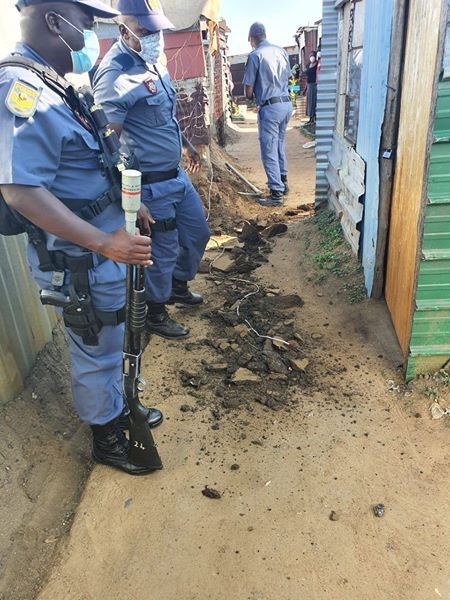
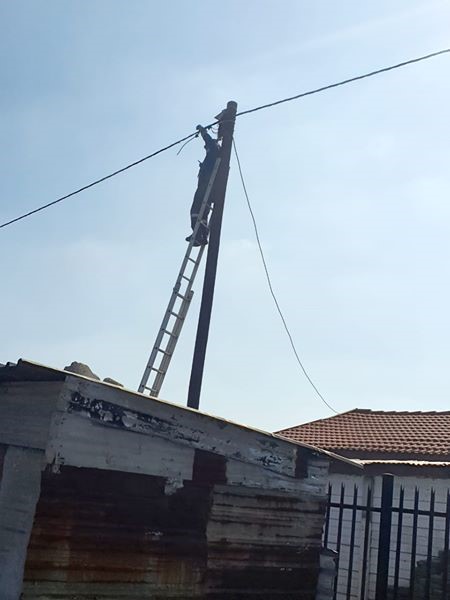
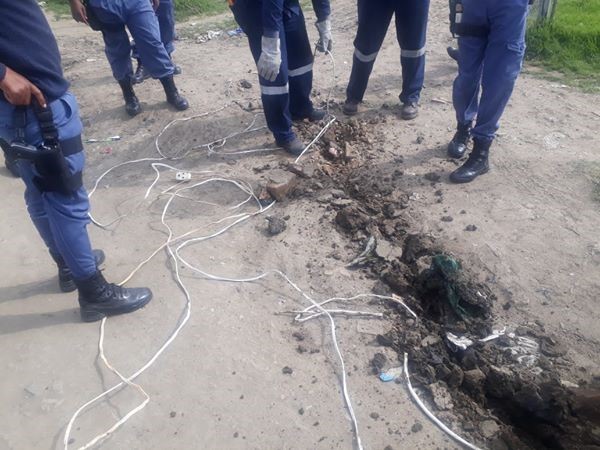
The Govan Mbeki Municipality’s Compliance & Law Enforcement Unit and technicians, in partnership with the Secunda SAPS Cluster, removed electrical cables that were connected illegally in various households in eMbalenhle.
• Cables illegally connected to 21 stands were removed in Extension 22 for bridging or tampering with the meter boxes.
• Cables illegally connected to at least 500 households were removed/disconnected in the Mandela Section.
• Cables illegally connected electricity to at least 300 households in the area were also removed.
Illegal electricity connections and tempering have caused many power supply interruptions in the area due to overloading to the grid.
This causes damage to electricity supply infrastructure, such as burning of transformers and even leads to frustrations from residents who have to go for lengthy periods without power supply.
The municipality is also losing millions of rand in revenue due to electricity theft, in addition to the losses suffered by local businesses during electricity outages caused by illegal connections.
These connections are not only illegal but are also dangerous and can cause electrocution.
If you come across any illegal connections, report them to the municipal Compliance and Law Enforcement at 017 620 6327 or email:madiso.m@govanmbeki.gov.za.
President Cyril Ramaphosa has authorised the placement on parole of selected categories of sentenced offenders as a measure to combat the spread of COVID-19 in correctional facilities, which are considered high-risk areas for infection.
The President has taken this step-in response to a call by the United Nations to all countries to reduce prison populations so that social distancing and self-isolation conditions can be observed during this period.
In South Africa, as in many other countries, correctional facilities have witnessed outbreaks of coronavirus infections among inmates and personnel.
A number of countries across the world have already heeded the call by the United Nations High Commissioner for Human Rights and have released a number of offenders in detention.
The President has taken this decision in terms of Section 82(1)(a) of the Correctional Services Act of 1998 which empowers the President to authorise at any time the placement on correctional supervision or parole of any sentenced prisoner, subject to conditions that may be recommended by the Correctional Supervision and Parole Board.
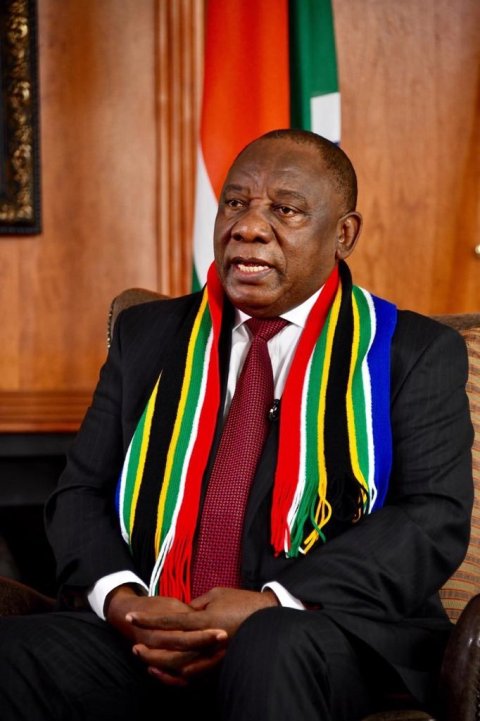
Pesident Cyril Ramaphosa
The decision taken by the President to combat the spread of COVID-19 in correctional centres could relieve our correctional services facilities of just under 19,000 inmates out of a population of 155,000.
The parole dispensation will apply to low-risk inmates who have passed their minimum detention period or will approach this period in the coming five years.
This dispensation excludes inmates sentenced to life imprisonment or serving terms for specified other serious crimes, including sexual offences, murder and attempted murder, gender-based violence and child abuse.
Inmates that will be affected by this decision will be placed on parole instead of having their sentences remitted. They will therefore continue to serve their sentence under Community Corrections until they reach their respective sentence expiry dates.
Offenders may be arrested and ultimately reincarcerated if they violate their release conditions.
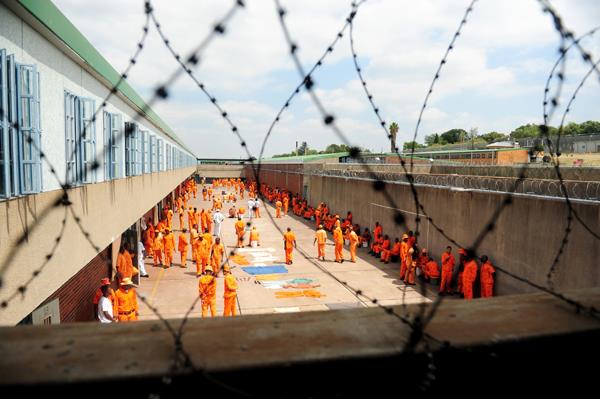
A inmate speaks with a prison guard at the male section of the Johannesburg Correctional Centre also known as Sun City Prison, South Africa, on April 8, 2020. (Photo by Michele Spatari / AFP)
The placement of qualifying sentenced offenders will take place over a 10-week period and will commence as soon as all Parole Board processes have been finalised and all relevant rehabilitation and pre-release programmes are attended.
Minister of Justice Mr Ronald Lamola will in due course provide more details on the parole placement programme in a public briefing.
AfriForum se Bethal-tak het gehelp om pampoene vir die dorp se sopkombuis te oes wat ’n boer van die omgewing geskenk het nadat hy besef het die oes is nie groot genoeg om winsgewend mark toe te neem nie.
Lede van die tak het die eerste vrag pampoene op die land gaan oes en die pampoene het ’n groot hupstoot aan kosvoorrade gegee. Diegene betrokke by die Bethal-sopkombuis is daarna ingespan om ’n groot gedeelte van die oes te verwyder.
Ongeveer vier bakkievragte pampoene is tot dusver geoes en daar is steeds pampoene oor wat gepluk moet word. Van die pampoene is ook aan behoeftige gesinne in Morgenzon en Hendrina geskenk. ’n Bakkievrag van die pampoene is na Solidariteit Helpende Hand se Josef Silo in Witbank geneem en geruil vir koekmeel, brood en piesangs wat na die sopkombuis geneem is.
“Hierdie geskenkte pampoene is weer eens ’n bewys dat gemeenskappe kan saamstaan en dat selfs ’n misoes van waarde is vir mense wat in nood verkeer,” sê Hennie Bekker, AfriForum se distrikskoördineerder vir die Laeveld.
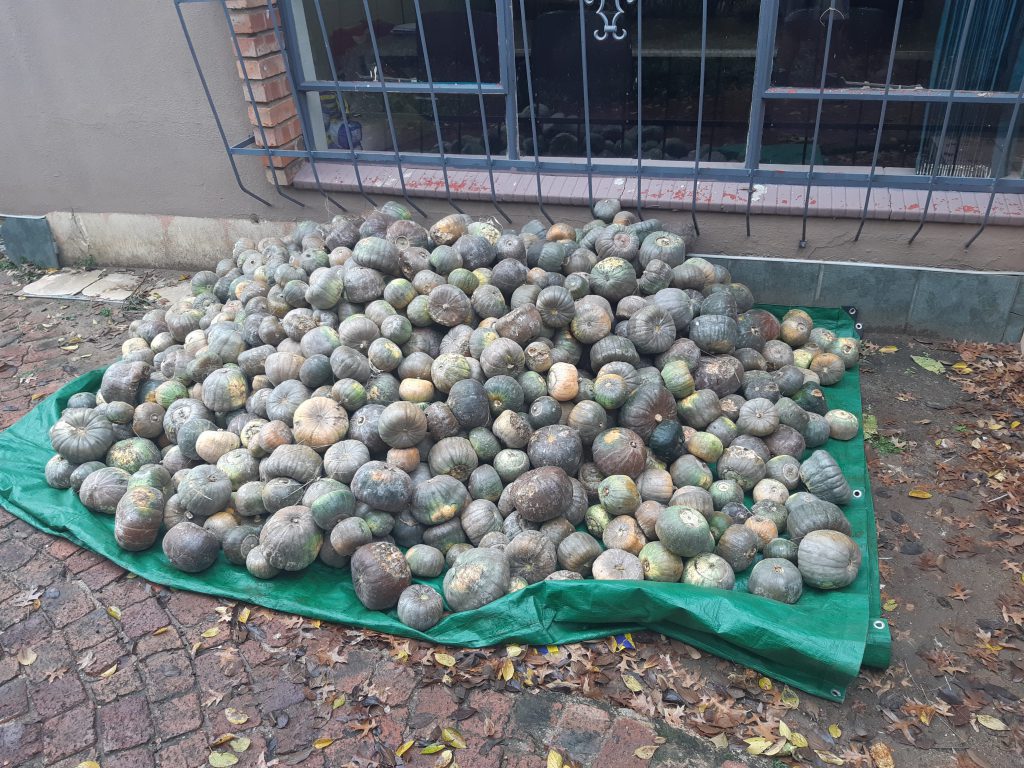
Van die geoeste pampoene
Nóg ’n boer van die omgewing het ook intussen pampoene geskenk en dit sal na Helpende Hand geneem word om aan behoeftige mense te versprei.
Indien inwoners in die Laeveld enige voedselskenkings wil maak, kan hulle Hennie Bekker by 081 217 6091 skakel.
Saam is ons sterker. Help ons om ander te help: SMS “Bethal” na 45350 (R1).
The DA supported the lock down but also proposed their risk model to the President.
Unfortunately, although it was sound advice, it was not accepted as a whole by the ruling party and was mostly ignored.
Federal DA leader, John Steenhuisen, today outlined the Democratic Alliance’s stance on the national lock down and called for it to end.
South Africa’s economy is collapsing and several worrying statements have been made by the President and his leadership.
Here is the full speech as contained in the video (delivered today)
DA Leader makes an important announcement
My fellow citizens,
I know you love this country as much as I do. There is a lot to love.
We all want South Africa and her people to succeed, and it is heart-breaking to see so many suffering in these difficult times.
We pay tribute to those who have lost their lives to the virus, and our deepest condolences go out to their friends and families.
But what makes this even more heart-breaking is the fact that much of the hardship we’re going through is unnecessary. In our efforts to fight off a very real threat, we have replaced it with an even bigger threat of our own making.
The real tragedy playing out here is no longer the Coronavirus, but the lockdown itself. Because this lockdown is going to cost many more lives than it can possibly save.
This is a hard truth to speak, and it is even harder to hear. But it must be spoken.
We have to end the lockdown crisis, and we have to do it now.
There is very little for us to gain and almost everything to lose by keeping people at home and keeping businesses shut any longer.
The only reason we entered into the lockdown was to buy some time.
We weren’t trying to stop all Covid infections. We weren’t trying to kill the virus.
We were simply giving our hospitals time to prepare. To give our healthcare workers the best possible chance of dealing with the inevitable wave of infections when it finally hit us.
We knew then, as we know now, that this wave is coming, lockdown or not. We also knew that our country’s economy could only withstand a very limited freeze.
This is why the lockdown had an end date. Three weeks is what it was going to take to source equipment, to get beds ready and to train the doctors and nursing staff in Covid protocols.
However, before those three weeks were up it was decided that a little more time was needed, and so the three weeks became five weeks.
These extra two weeks would come at a huge cost to our country, but at least there was an end date, and we could brace ourselves for the duration.
All of this had to be a very delicate trade-off: shut everything down at an enormous cost to the livelihoods of millions for a short period, and hopefully save many lives in the process.
But this is the thing about managing this pandemic – there’s not only one trade-off. You have to make them all the time.
Every day, the situation changes – the odds change – and you constantly have to reassess this trade-off.
Six weeks ago, that decision by President Ramaphosa to act quickly in shutting the country down to delay the spread was widely praised, and rightly so.
I was one of those who stood firmly behind him and supported his early call for a nationwide lockdown. The whole country did. At the time it was undoubtedly the right thing to do.
But although the President was called brave and bold at the time, that would turn out to be one of the easiest decisions he would make in this crisis.
We could all see what was happening around the world. We could do what they were doing, only faster and firmer.
It was the right thing for the President to do, but not the bravest.
Because the real bravery would be required later, when the time would come to open everything up again and face what we had been preparing for: the spike in infections.
That was the whole point of this hard lockdown: to prepare for the opening up.
I also supported the President when he announced that we would be moving into a phased approach to the lockdown. What he called a risk-adjusted model that would allow for a return to work, schools and, ultimately, normal life.
The DA had just proposed a very similar model to him, and we were grateful that some of this work had found fertile soil.
I said, at the time, that we would judge this model on the details that would follow, but in principle this was a good move.
But we were right to reserve our judgment. Level 4 of the lockdown, as it turns out, is hardly different from Level 5. In fact, in many respects it is more restrictive, not less.
We now have a curfew enforced by more than 75,000 armed soldiers, which we didn’t have under Level 5. And even shopping hours have been reduced instead of expanded.
This wasn’t progress towards a more open society and economy at all. It was simply an extension of the hard lockdown – this time with no final deadline in sight.
What the DA had proposed in its Smart Lockdown was a detailed plan, sector by sector, for how we could safely return to normality.
What the government gave us was simply a longer list of rules and a curfew.
And, as most of you have seen, or even personally experienced, the rules and restrictions under this supposed lighter level of lockdown are often petty, irrational and authoritarian.
It is little wonder then that these rules are increasingly met with resistance, and even outright civil disobedience.
If you want people on your side, you have to treat them with the respect they deserve. You have to treat them like adults.
Instead we have seen citizens treated like criminals.
We have seen people being abused and humiliated in the streets and in their properties by members of the police and the army.
And sadly we have even seen citizens die at the hands of these armed forces.
We have seen good Samaritans arrested for the crime of feeding the poor.
We have seen arbitrary rules on what may and may not be purchased drawn up with the stroke of a pen. There is no rational argument for the continued ban on cigarettes, or alcohol, for that matter.
We have seen announcements from ministers on keeping sectors of the economy shut that have nothing to do with halting the spread of the virus. Petty, irrational announcements, like the ban on all e-commerce.
We have seen the outrageous announcements from the Small Business Development Minister and the Tourism Minister that they intend to exclude some South Africans, on the basis of their race and other arbitrary criteria, from government’s emergency relief measures.
The DA has already written to the head of the IMF – where a large part of this relief funding will come from – to urge them to instruct our government not to use this money in a way that discriminates against some South Africans.
We have also instructed our lawyers to take this matter to the High Court, because it is unconscionable that government would play identity politics in a time of crisis.
We will continue to fight to overturn regulations that are either irrational or immoral, whether in court or through other means.
And we will fulfil our duty, as official opposition, of guarding against the abuse of power.
Because never before, in democratic South Africa, has the power of the state been spread wider, and yet concentrated in the hands of so few.
And all the while, South Africans have been asked to give up even more for even longer, without questioning any of it.
That has to end.
South Africans have more than done their bit. They have been asked to sacrifice, and they have done so. Many have lost all they had.
They have sat diligently in their homes as our country’s economy slowly crumbled around them, waiting for the news that the hospitals and the doctors were ready and we could resume our lives.
I don’t have to tell you how hard this wait has been.
Many of you know full well what it’s like to go week after week without any income, or to wait every day for that dreaded phone call: “I’m sorry, you no longer have a job.”
Thousands of businesses have either already closed down, or are about to. Each of these businesses was a precious lifeline for the employees and their families.
National Treasury says, best-case scenario, we stand to lose 3 million jobs. That’s if we do everything right and end the lockdown now.
Worst-case scenario it’s 7 million jobs. That’s on top of the 10 million who were already unemployed before Covid hit.
SARS says we will miss our revenue target by a massive R285 billion. That’s a fifth of our income gone. This is money meant for social grants, it’s meant to pay teachers, nurses, police officers. It’s meant to deliver water and housing.
We are not the USA. We are not the UK, or Germany or Japan. We simply don’t have the means to navigate around this kind of loss.
The effect on poor South Africans will be devastating.
This is a self-inflicted catastrophe far, far greater than anything the virus could throw at us.
Mr President, by creating this lockdown crisis, you have broken your sacred compact with the people of South Africa. You have weaponised our trust in you and turned it against us.
Instead of trusting us back, you have devastated lives and livelihoods through brutality and coercion.
And you have turned the free citizens of the Republic of South Africa into subjects of an authoritarian government.
We are no longer dealing with a Covid19 crisis. We are dealing with a lockdown crisis. An ANC lockdown crisis, to be precise.
Let me be very clear about this: There is no longer a justification to keep this hard lockdown in place. Government cannot produce this justification.
They cannot show us the modelling they use to decide when to ease and when to tighten restrictions. They cannot do this because they don’t seem to know for sure themselves.
And so every decision is shrouded in secrecy. We are told to blindly trust a body called the National Command Council – a small group of cabinet ministers who don’t answer to Parliament or anyone else.
When asked for their meeting minutes to clarify why they backtracked on lifting the cigarette ban, this National Command Council refused, claiming this was classified information.
I don’t buy that for a second, and neither should you.
The DA has filed a PAIA application to obtain not only the minutes of their cigarette discussion, but of all their other decisions relating to the lockdown.
It is crucial that we all know exactly why, according to government, we’re still in this destructive lockdown.
What we do know is that government’s very own epidemic expert, Professor Salim Abdool Karim, thinks this lockdown has already run its course and is of little more use.
In fact, this was his view already two weeks ago. Yet here we still are.
We know that the sole reason for locking the country down was to buy time to boost our healthcare response. We’ve done this. What hasn’t happened in the past six weeks will not happen now.
The only thing keeping us locked down now is fear.
And we have every right to fear the virus. We have every right to worry about the health of our loved ones, and particularly those who are at higher risk.
We have every right to feel unsure about the future, and what our world will look like three months, six months, a year from now.
But this is not a reason to remain locked down. We cannot afford to remain trapped by fear alone.
If there is a good reason for maintaining the lockdown, based on a scientific modelling of this pandemic, then we need to know what this reason is. We need to see government’s modelling.
If no reason and no modelling can be shared, then we have no choice but to suspect that government is acting irrationally, or deliberately instilling fear to further some other agenda.
Since the start of this crisis, the DA has called for all this data to be shared publicly. We have made extensive and multiple submissions to the president explaining exactly what kind of data is needed for such decisions to be made.
This must go way beyond just the number of infections, deaths and recoveries in the country and for each province.
The data has to be localised. It has to include a detailed breakdown of age, gender and co-morbidities. And, most importantly, it has to include the full, updated picture of the state of our healthcare preparations in each town and city.
It also has to include a very detailed picture of our screening, testing, tracing and tracking efforts.
Because if we don’t know this, we have no way of knowing whether the lockdown serves any purpose at all, and we have no way of knowing if and when we will ever come out of it.
We’re about to enter our seventh week of lockdown, which means we’re fast catching up with the longest Covid lockdowns in the world – Wuhan at 8 weeks and Italy at 9 weeks.
Every single day that we stay here comes at a massive cost. Because every day more businesses are closing down and families are left destitute.
But there is some good news too. As we see this virus spread through the world, we get a clearer picture of its effect. And one encouraging part of this picture is that mortality rates are not as high as we initially thought.
While still dangerous, the Coronavirus is not as deadly as we had feared.
Most people who contract it will get better, or perhaps not even know they had it. For younger, healthy people, the risks are not much higher than normal flu.
This means we have based our response on over-estimated risks. Our strategy is flawed, and we need to respond to this new information by phasing out this lockdown.
This is where the DA’s Smart Lockdown model comes in. A real phased approach that balances the flattening of the infection curve with the safe opening of the economy.
Under this approach, the three steps that we all must do – wearing masks, washing hands and maintaining physical distance – are still critical.
We then use extensive testing to identify where the virus is spreading out of control, so that we can use localised lockdowns to contain the spread.
At the same time, we protect the elderly and others who are at risk as far as possible through isolation.
And then the rest of us get back to work, where every business in every sector will have comprehensive safety regulations in place which they will have to comply with.
Every single business that can safely open, must be allowed to open immediately.
That is how we can effectively spread infections out so that our hospitals can cope, while still allowing businesses to operate safely and allow people to earn a living.
We need to do this right away, because every day we delay comes at a price we cannot afford.
We also need to end the lockdown in an orderly way before the people end it with chaos.
Millions of people are already breaking the law, not because they are criminals, but because they are hungry.
Not because they want to, but because they have to.
Not because they are bad, but because the laws are bad.
When a rule is met by mass non-compliance, it is usually because the rule is irrational. If you need an example of this, just look at e-tolls.
There is no bravery or compassion to be found in this lockdown.
The true bravery and compassion is in the mothers and fathers, the grandmothers and grandfathers, who risk arrest or death to break this lockdown, so that they can feed and clothe their families.
The true bravery and compassion, President Ramaphosa, will be in ending this lockdown.
And be warned Mr, President: Unless you come to your senses and end this lockdown crisis, millions more will start breaking the law in the coming days and weeks.
If you don’t end it, the people of South Africa will take charge and end if for you.
As it now stands, the lockdown is a tragic mistake that has already caused damage that risks dooming an entire generation of South Africans to a lifetime of destitution and suffering.
We can’t undo any of this. We can’t turn back the clock.
What we can do is act now to end this lockdown crisis and get as many of us back to work as safely as possible.
That is the only way we will ensure that, once we have defeated this virus, we have a country left to rebuild.
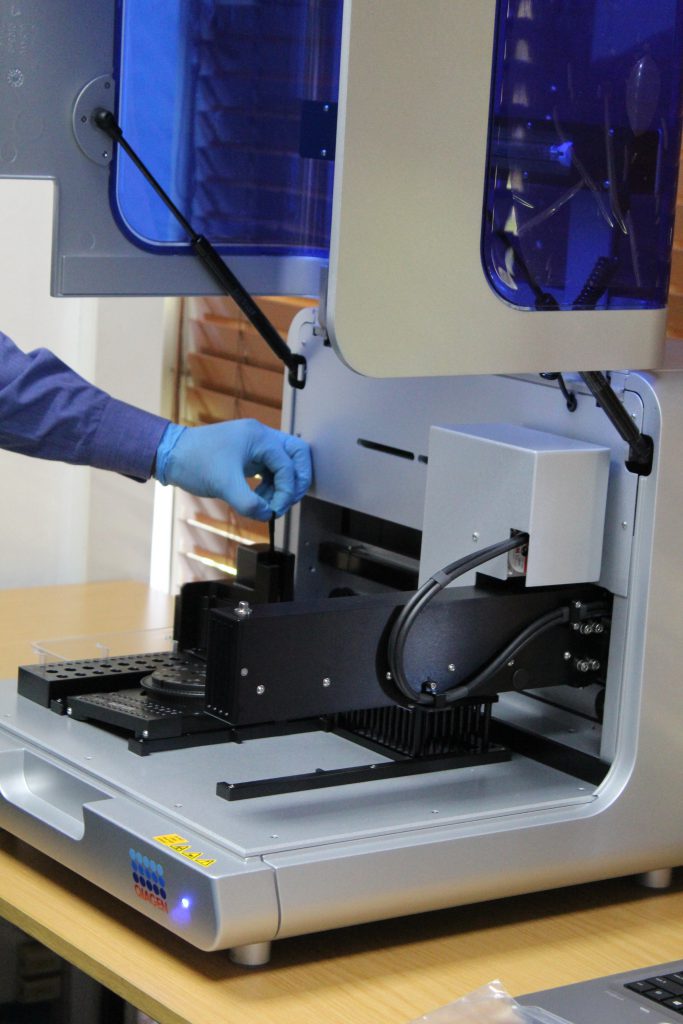
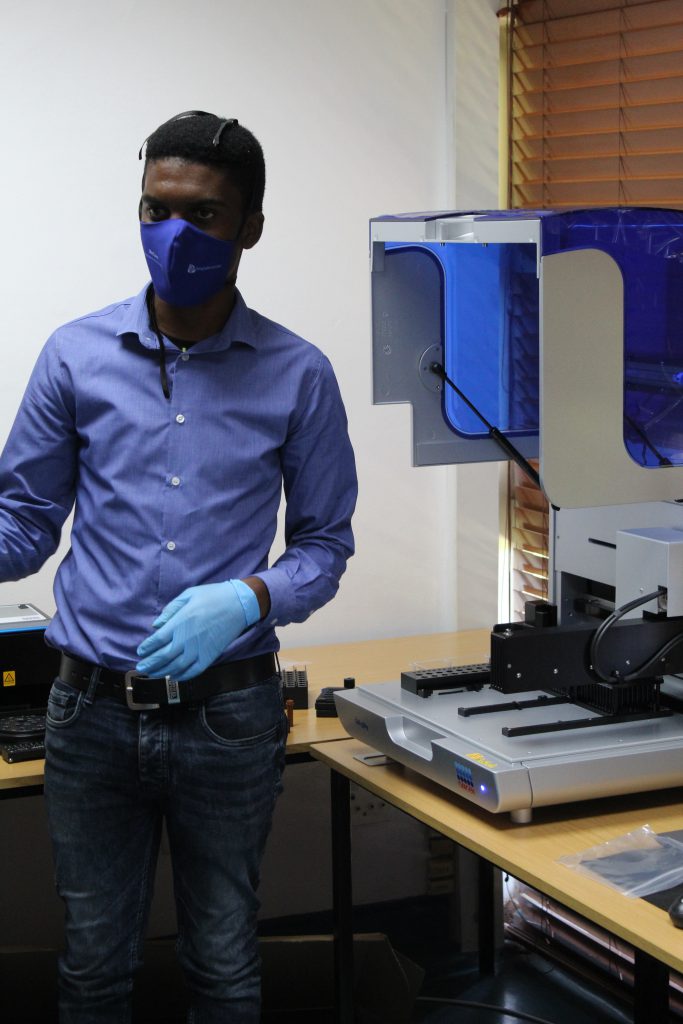
Anglo American’s Coal SA subsidiary recently unveiled a state-of-the-art COVID-19 testing laboratory at its Highveld Hospital in eMalahleni, which will allow the hospital to test employees, contractors and the broader community who show signs of the virus.
The laboratory, which was set up within a week, is fully equipped with a polymerise chain reaction (PCR) testing machine. The machine can currently perform 300 tests a day, but this can be doubled if necessary through the addition of a second lab technician. Coal SA has also appointed four clinical associates, and provided vehicles for them to be able to conduct home-based responses.
Opening the laboratory alongside senior leaders from the National Union of Mineworkers (NUM) and Coal SA executives, Coal SA chief executive July Ndlovu said the new laboratory was a key element of the company’s efforts wide-ranging employee and community initiative to prevent the spread of the pandemic.
Ndlovu gave the delegation a tour of the Highveld Hospital, which has been dedicated to treating potential COVID-19 patients from Anglo Coal SA operations and the communities surrounding the mines by installing 85 additional beds, increasing the capacity to 107, for the use of isolation beds and recommissioning the tuberculosis ward to treat COVID-19 patients in isolation.
Ndlovu said ‘a range of stringent measures’ had been put in place at Coal SA’s mines, including increased hygiene measures, clear social distancing markings to ensure social distancing both in the workplace and while travelling to and from work, the provision of personal protective equipment, and screening and testing procedures.
“We made a decision to get the hospital ready for any eventuality early on when the COVID-19 hit our region. I am proud of the work that the team has done to get us to where we are today. This a clear demonstration that safety is a value and a priority for us,” said Ndlovu.
“Our approach is based on stopping the spread of COVID-19 by limiting the movement of employees at sites operating with a reduced workforce and production; supporting the sustainability of our host communities, who depend on us for a variety of essential services and need our support now more than ever; and ensuring the security of people’s livelihoods and their families.”
Carina Venter, Coal SA Head of Safety and Health briefed the union leadership on Coal SA’s employee and community initiatives in Mpumalanga, which form part of Anglo American’s wide-ranging Community Response Plan (CRP) to ensure the health and wellbeing of the employees. The plan was announced earlier this month as part of a multi-pronged strategy to sustain the company’s employees, host communities and supply chain through the challenges of the pandemic.
NUM’s National Health and Safety Chairperson, Duncan Luvuno, said: “As the NUM, we have been visiting mines to make sure that employers are doing everything in their power to ensure that they have put measures in place to contain the spread of the virus. We are encouraged by Anglo Coal SA’s initiatives, and to see that they have taken this a step further by deploying the Highveld Hospital to help fight the pandemic.”
Coal SA’s community initiatives include food package distribution to child-headed households, households of people living with disabilities and elderly and shelters in eMalahleni, Steve Tshwete and Govan Mbeki Municipalities; providing water to its surrounding communities; and working with the Department of Education to provide access to learning resources.
The company also provides around 12% of eMalahleni’s potable water needs through its eMalahleni Water Reclamation Plant, which purifies waste mine water by reverse osmosis to supply 16 million litres a day into the municipal reticulation system. To date, the plant has treated in excess of 70 billion litres of water, with 50 billion sent to the municipality and the rest reused within Anglo Coal operations.
“Our operations play a vital role in many of our host communities, including the development and maintenance of essential infrastructure and services such as roads, clean water and energy. Now, they need our support more than ever. We are going beyond the ‘business as usual’ services to make health infrastructure available to support the national effort, and provide access to basic provisioning such as food and water during this crisis,” said Ndlovu.
Democratic Alliance provincial Leader Jane Sithole recently said in a statement: “Mpumalanga is the only province where the number of infections either increases or reverts to a lesser number every day. For the last four weeks, official positive cases have been fluctuating between 20 and 23. This causes confusion and panic amongst the residents”
She also said that The MEC is also causing confusion and panic with the reported number of infections being erratic. The full statement is part of the article named: “NO New COVID-19 Positive in GMM while Inaccurate Covid-19 data may lead to a premature lifting of lockdown in Mpumalanga.”
In response to these statements (and a few others) by the Democratic Alliance, the Department of Health issued the following statement:
The Department notes the concerns raised by DA regarding the COVID-19 statistics in the Province. The Department would like to state that the MEC for Health is not misleading the people of Mpumalanga as alleged by the DA. The public should note that the data for COVID-19 changes from time to time informed daily by samples and results taken on suspected COVID-19 cases. The Department dismisses the allegations raised by the DA that the MEC is misleading the public on the COVID-19 statistics.
Mpumalanga Health MEC Sasekani Manzini
The MEC have no reason or intention to mislead the people of Mpumalanga, whom she serves diligently, and shall not deny anyone access to information on COVID-19 statistics. It is for these reasons that the MEC makes a concerted effort to inform the people of Mpumalanga by publishing daily statistics. The province always verifies the statistics sent.
The Minister for Health: Dr Zwelini Mkhize announces the national statistics, and thereafter the Minister send the details of the statistics to the provinces for the purposes of validation, contact tracing and linkage to care. As the province, we are responsible for the tracing our cases and their contacts. Therefore, upon this process, the province would pick misallocated cases and report these cases to the National Department of Health for correction. Then the Minister corrects the misallocated with the subsequent announcement.
The MEC requests the media, 013NEWS in particular, to verify information to get a balanced view before publishing a story. Otherwise the MEC would be left with no option but to report this to the Media Ombudsman because this may create public panic. (end)
Opinion:
The Bulletin notes with concern the last paragraph of the MEC’s statement. We have read the 013NEWS article and it is exactly the statement as received from the Democratic Alliance. This is very worrying that the MEC would threaten a newspaper so openly on a public platform as this statement was sent, and published, to several media houses.
It may be worthy to note that there are no responses on the Dept of Health’s twitter account to questions asked there. Especially the ones querying the figures correctness.
On Monday the dept published an infographic stating that GMM has two positive cases of COVID-19 (please remember that the one positive case recovered) only to withdraw that infographic on Tuesday morning and replacing it with one that says GMM has one case. On Tuesday night it was again replaced with one that says GMM has two cases.
How can we Keep the public informed if the information we receive is not reliable?
The Directorate for Priority Crime Investigation (DPCI), working in close cooperation with Crime Intelligence, Tactical Response Team, Priority Crime Specialised Investigation, Local Criminal Record Centre and Nelspruit detectives have arrested Vuyo Magagula (31) and Aaron Magagula (60) for illegal possession of a firearm and ammunition and for an outstanding warrant of arrest on Thursday 07 May 2020 in Nelspruit.
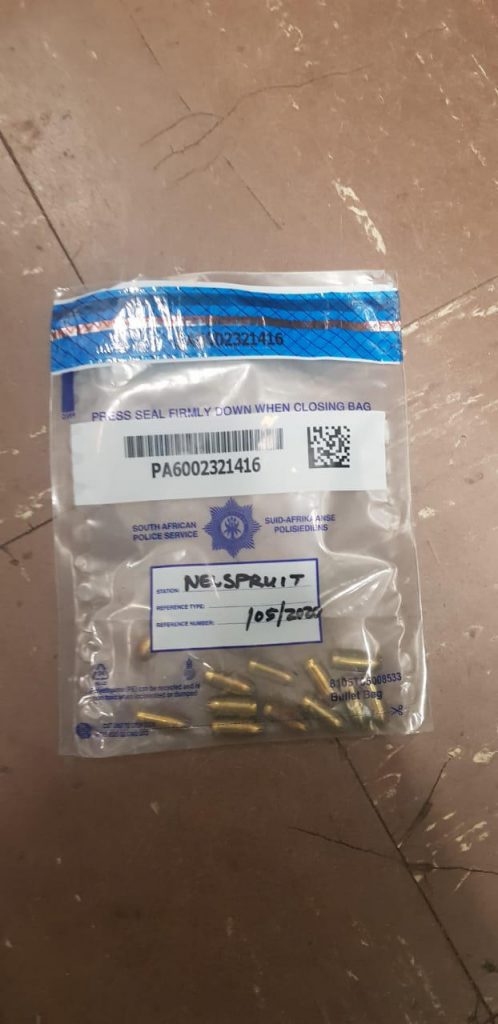
Illegal Ammunition
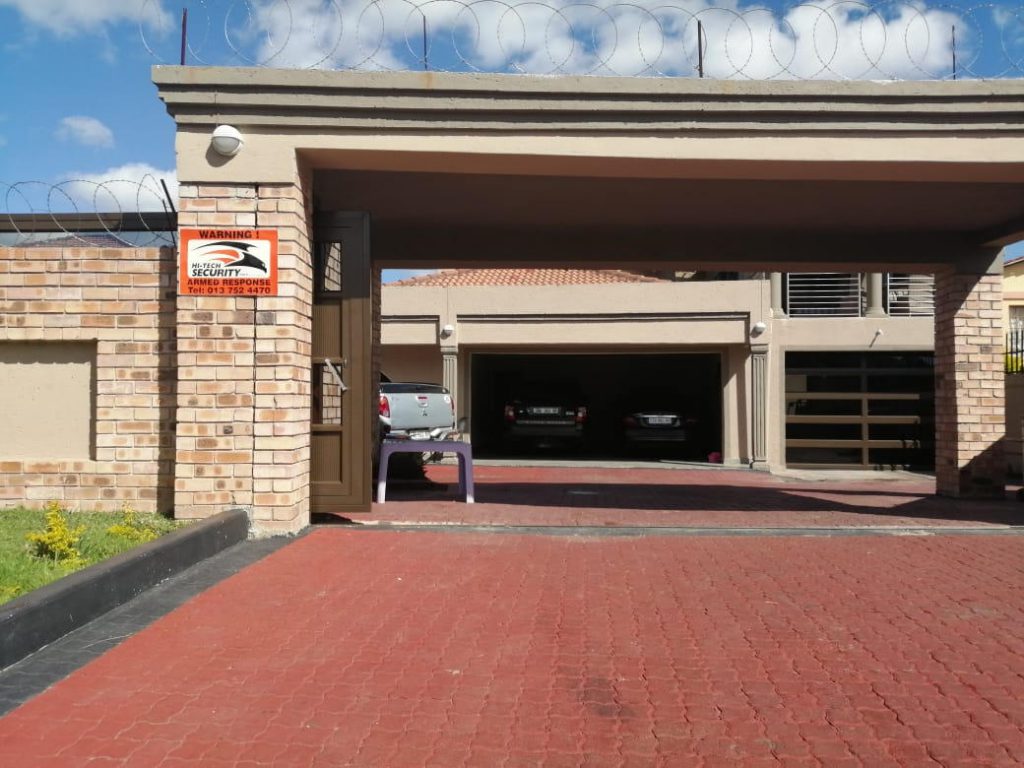
The intelligence-driven disruptive operation was a result of information about premises allegedly harbouring illegal firearms. The team visited the address in Nelspruit, two firearms and a number of ammunitions were found, one of which was illegal and the other was found to be licensed. It was established during further probing that the unlicensed revolver was reported stolen during a house robbery case at Nelspruit in May 2018 which led to Aaron Magagula arrest.
Meanwhile, Vuyo was arrested at Kanyamzane as part of the ongoing probe after it was established that there was an outstanding warrant of arrest for an armed robbery case committed in Nelspruit in February 2020 against him.
He was immediately arrested and the case under investigation by the detectives. Aaron Magagula appeared in Nelspruit Magistrate Court and he was released on R1000 bail and the case is postponed to 27 July 2020 for further investigation.
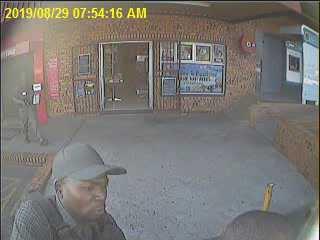
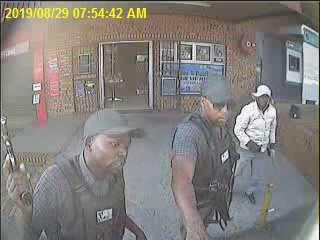
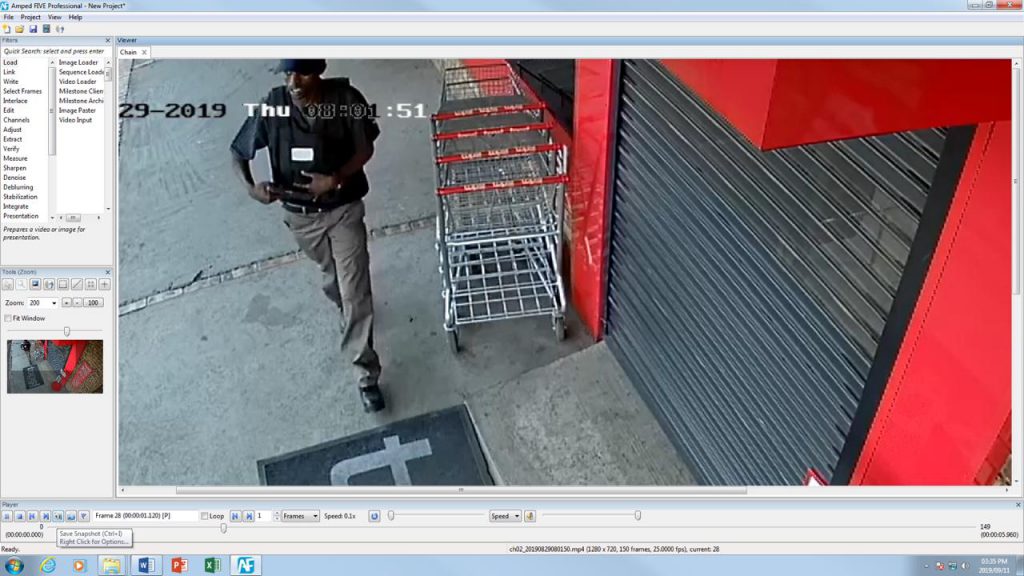
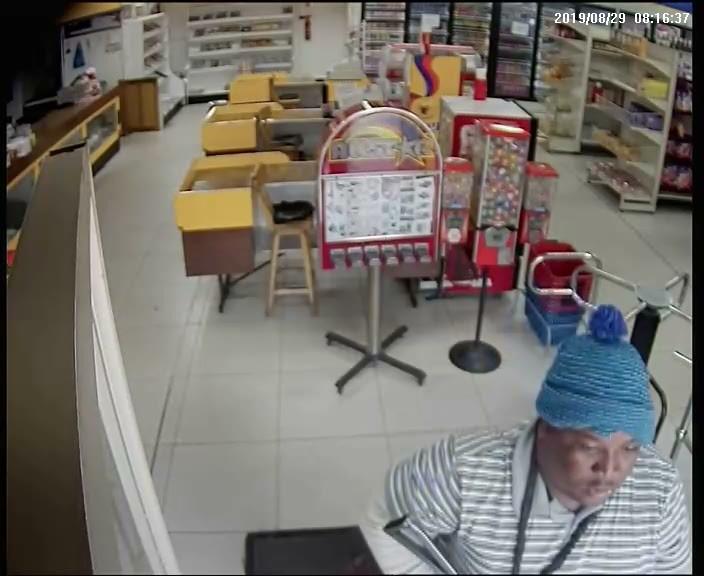
The Directorate for Priority Crime Investigation (DPCI) request the assistance of the public in the identification of a group of armed robbers who robbed an SBV cash delivery truck an undisclosed amount of money on 29 August 2019 in Kriel, Mpumalanga.
It is alleged SBV security guards were loading cash into an auto teller machine when they were suddenly confronted by an unknown number of heavily armed suspects wearing the same uniform similar to theirs.
The crew was forced to open the armoured vehicle vault while being threatened with explosives.
In the process, one crew member was shot twice however he survived the attack.
The suspects fled the scene using a Silver Toyota van and a Toyota Etios, taking along the truck keys. The pictures of the suspects are below.
Anyone with information which can lead to the arrest of the armed robbers is urged to contact the investigating officer Captain Thembi-Nkosi Nkambule on 082 303 9872, alternatively to contact the SAPS Crime Stop number 086 00 10111 or provide information via the SAPS MYSAPSAPP.
All information will be treated with strictest confidence and callers may remain anonymous.
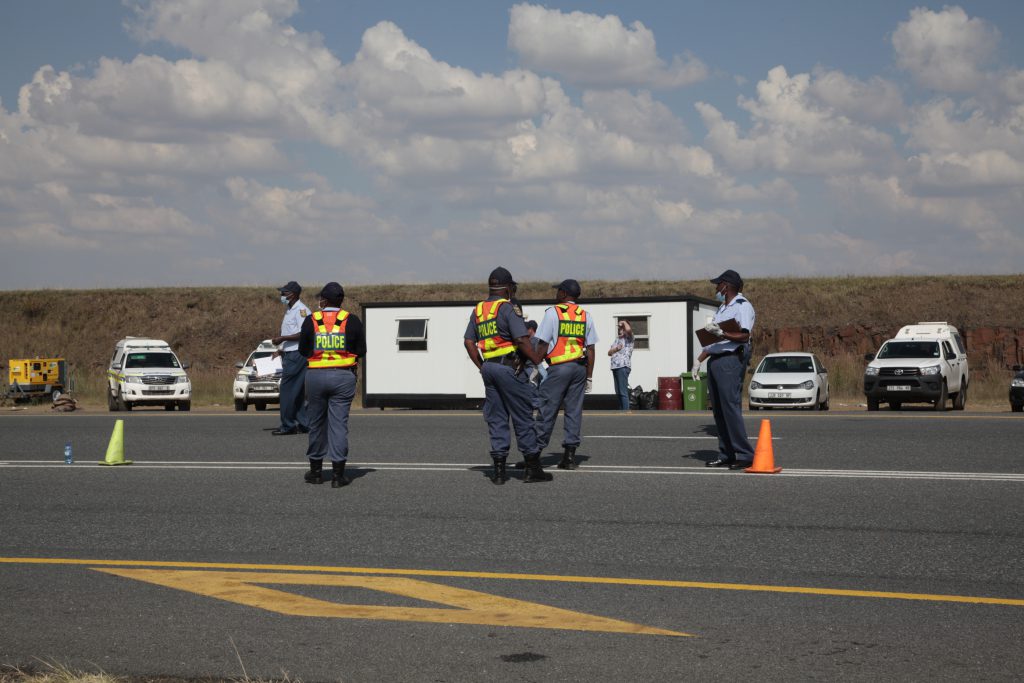
Incredible 19 000 vehicles stopped in Mpumalanga over five days. SAPS conducted roadblocks across the province.
The movement of people between the provinces will end on Thursday, 7 May 2020 just before midnight.
This arrangement was meant to allow people who were locked in other provinces other than where they reside or work to return to their respective provinces.
In line with the declaration by Cooperative Governance and Traditional Affairs Minister, Ms Nkosazana Dlamini Zuma, the movement by people to other provinces was permitted from 1 to 7 May 2020.
This means that from 8 May 2020 interprovincial movement will be prohibited. This arrangement along with easing of the lockdown to level 4 and returning of most people to work this week, there was increased traffic volumes on most roads in the province.
Roadblock on N17 near Leandra
The Provincial traffic law enforcement officers working with the police and members of the SANDF, stopped 19 207 vehicles between 1 and 5 May 2020.
Over 450 of these vehicles were issued with notices to discontinue. 24 vehicles were discontinued due to defects.
The traffic volumes are further expected to increase on Thursday as most people will be rushing to other provinces.
Although there are about 14 law enforcement operations across the province, Mpumalanga MEC for Community Safety, Security and Liaison, Ms. Gabisile Shabalala has called on those who will be travelling to do so safely.
She reiterated a call to motorists to obey the rules and to also abide by the provisions of the prevailing Lockdown.
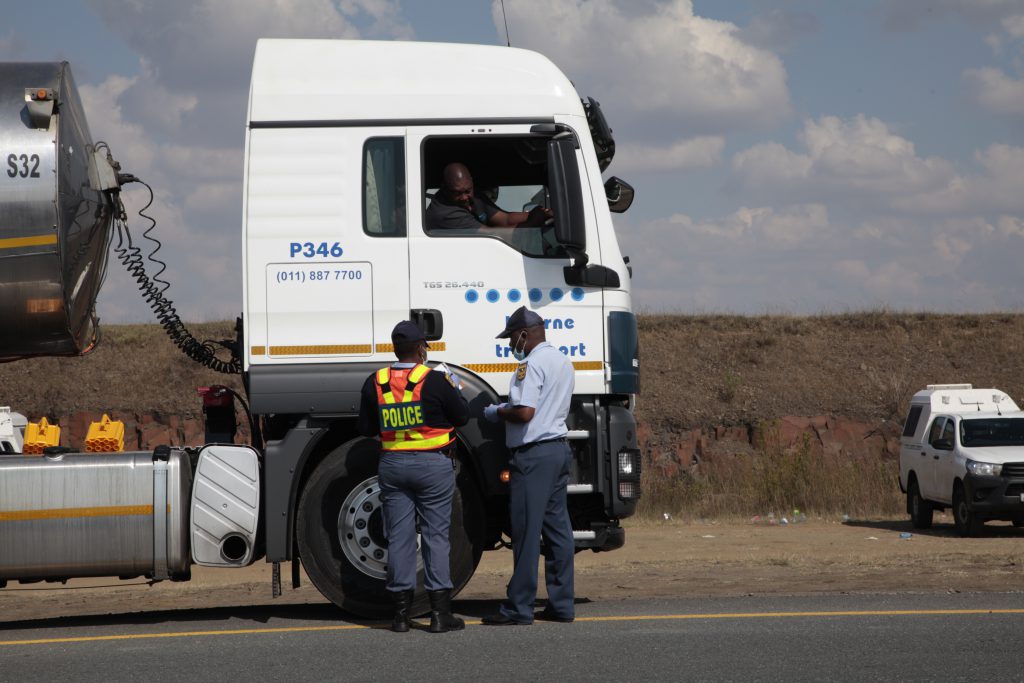
Police inspect permits at N17 roadblock near Leandra
She is reminding those wanting to travel to be aware that once they are in other provinces after 7 May 2020, they will no longer be allowed to move across provinces.
MEC Shabalala is also appealing to all taxi operators to ensure that no passengers are allowed inside their vehicles without face masks.
Shabalala again encouraged the law enforcers to spur no effort in dealing with those who break the law.
“Government is working around the clock to curb the spread of the Covid-19 virus and in order for us to win, everyone must respect measures put in place to eradicate the pandemic. Therefore, those who disobey the law should face the consequences of their behaviour,” said Shabalala.
The MEC has meanwhile urged the communities who visit shopping centres to respect social distancing.
She is deeply disturbed by some community members who do are not observing social distancing while they are shopping.
According to the MEC, management and shop owners should put measures in place to minimize chaos at their premises.
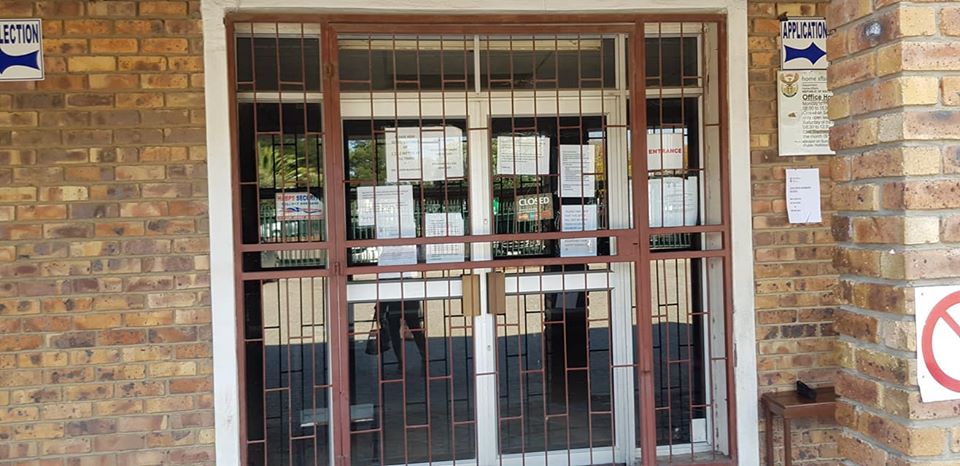
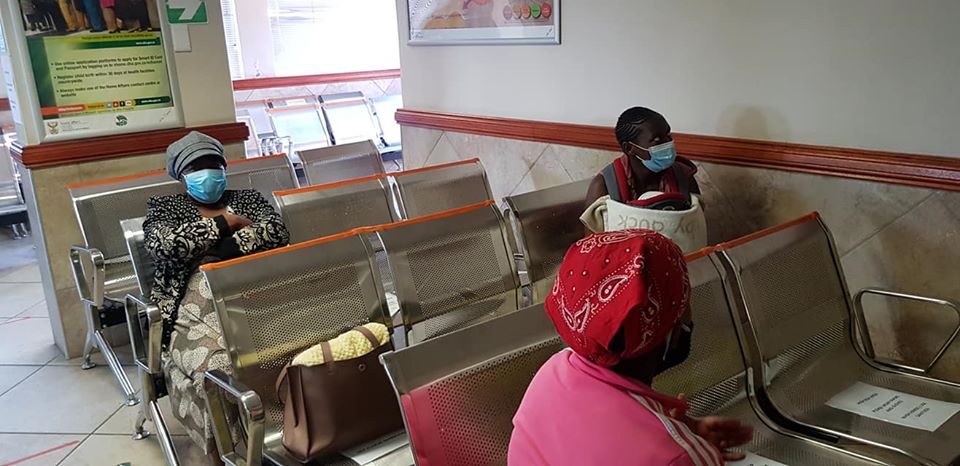
The Bulletin received numerous calls from the public stating that the Department of Home Affairs is closed in Secunda.
Department of Home Affairs in Secunda remained closed
These callers stated that some of them even travelled from Ermelo as those offices were closed. Death Certificates were needed as well as birth certificates.
“Families of deceased people are thinking that we are lying when we say that the Home Affair’s offices are closed,” said one undertaker, “what can we do?”
DA Deputy Shadow Minister of Home Affairs and Member of Parliament, Angel Khanyile visited the offices in Standerton as well as Secunda.
DA Deputy Shadow Minister of Home Affairs and Member of Parliament, Angel Khanyile
“Standerton Offices were in good working order. However, l was saddened by what l discovered at Secunda offices, the offices were locked and Home Affairs delegated their responsibility to security officers who were sitting outside and telling everyone that the office is closed because Home Affairs were instructed by the Union NOT to operate because they did not have PPE.” Said Angel, “In the previous Portfolio Committee the Minister and the Deputy Minister presented to us that they were ready, that PPE and Sanitisers were sent to ALL their offices and were ready to open, but reality proved otherwise.
Standerton offices were open and functioning
We have pledged our support to the governing party as we believe the fight against COVID-19 need all of us working together.
Members of the community, as well as officials, need to be protected against this virus, l was saddened when I saw two women who had to travel from Ermelo to Secunda to get a death certificate using public transport, simply because the Ermelo Offices were closed, only to find the Secunda offices closed as well.
We will escalate this matter and find solutions that will be in the best interest of the community.”
The Democratic Alliance released a press statement in this regard.
Democratic Alliance
Here is the full statement:
The Democratic Alliance (DA) has been informed that Home Affairs offices in Mpumalanga, Gauteng, Eastern Cape, Kwazulu Natal as well as the Western Cape have been closed either due to a lack of Personal Protection Equipment (PPE) or due to Covid-19 infections.
We call on the Minister of Home Affairs, Aaron Motsoaledi, to urgently get his house in order and ensure that his Department provides critical Personal Protection Equipment (PPE) to its employees at client-facing offices.
The Department promised that all of its offices will be operating between 08:00 and 16:00 on weekdays to render essential services. However, the Department surely cannot expect, employees to conduct these services, without PPE. The lack of PPE not only put the employees’ health at risk but also the health of their families and the public.
Home Affairs staff are front line workers who are exposed to the Covid-19 virus every day.
It is horrifying that the Department is failing to provide them with the protective equipment they need to safely and effectively carry out their tasks.
Closing a department responsible for the important task of issuing birth certificates and death certificates which are needed during this time is deeply concerning. People who want to bury their loved ones have been left in the lurch with no possibility of getting death certificates.
The DA will write to Minister Motsoaledi, to find out what his department is doing to address the safety of frontline staff and what measures are being put in place to ensure that Home Affairs offices that are and have been closed are reopened safely in a way that will not compromise the health and safety of staff and expose them to occupational risks.
By failing to provide the necessary protective equipment the Department is failing not only its employees but millions of South Africans who rely on the essential services provided by Home Affairs.
The DA calls on the Minister to address these matters without delay so that grieving families, in particular, will not be kept waiting and incurring unnecessary expenses due to the Department’s failure to carry out its obligations.