Home Blog Page 20

GRADUATE UNEMPLOYMENT: HOW TO BRIDGE THE UNI TO WORKPLACE DIVIDE

Curriculum reform tops 6-point turnaround strategy  – Expert

MAY 2025

South Africa’s graduate unemployment rate has surged from 8.7% last year to 11.7% this year, which has prompted questions about the value of a university degree in a struggling economy. However, the question should not be about the value of further education, but rather the systemic, but clearly identifiable and addressable issues that continue to cause barriers to employment post-graduation, an education expert says.

“The case for more education, not less, is settled on the numbers,” says Dr Linda Meyer, MD at IIE Rosebank College and President of Rosebank International University College Ghana.

For those with only a matric certificate, the unemployment rate hovers at 34.9%, and it climbs to 39% for those without. The graduate unemployment rate – while up from last year – is a fraction of that at 11.7%, Dr Meyer notes.
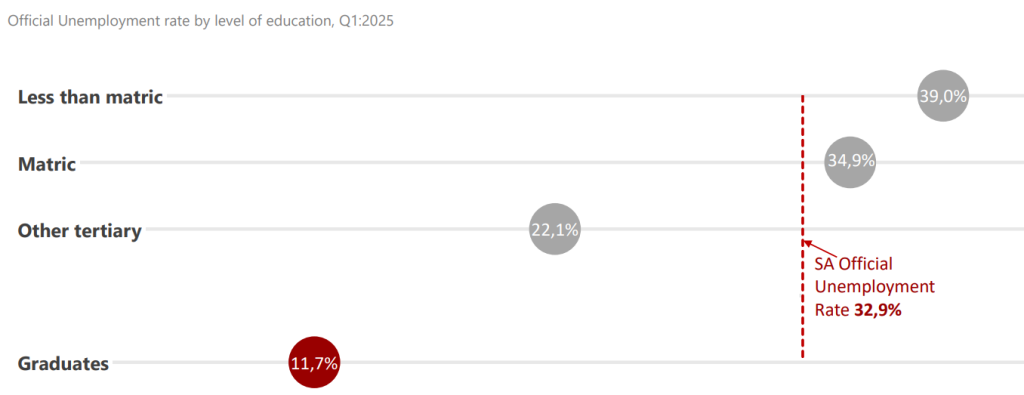
“But it is true that despite the clear case for education—evidenced by consistently lower unemployment rates for degree-holders compared to those with less education—the growing disconnect between tertiary education and employability demands urgent attention,” she says.

Dr Meyer says there are 6 clear barriers to employment for graduates, which must be addressed through an urgent coming together between higher education institutions, government and industry.

ECONOMIC BARRIERS

South Africa’s stagnant economic growth is the primary barrier to graduate employment.

“The economy needs to grow at least 3% annually to absorb graduates effectively,” Dr Meyer explains. “Without this, even well-educated individuals struggle to find opportunities. The solution lies in not waiting for economic improvement but in proactively equipping graduates with skills to create their own opportunities.”

CURRICULUM REFORM

The outdated design of university curricula is a key constraint to workplace readiness, says Dr Meyer.

“The degrees our parents studied are largely the same as those offered today, which is absurd on its face,” she notes.

To bridge the gap, institutions must align programmes with industry needs, particularly in high-growth sectors like artificial intelligence (AI), information and communications technology (ICT), and cybersecurity.

“These fields have huge job opportunities, but our curricula must reflect these demands,” she says.

Additionally, digital fluency must be prioritised, along with soft skills and entrepreneurial competencies to prepare graduates not just to become employees, but also potential employers

“It is unacceptable that there are still students who do not know how to use a computer. If you are not digitally fluent as a graduate, your opportunities are severely, if not completely, curtailed.”

INDUSTRY PARTNERSHIPS

Collaboration with industry is critical, however, there is a lack of incentives for such partnerships with higher education.

“In the vocational sector, tax incentives drive collaboration, but this is absent in universities,” says Dr Meyer.

“Many companies run bridging programmes to retrain graduates, indicating a skills mismatch that could be addressed earlier through formalised partnerships. Statutory bodies in key sectors, such as mining, ICT, and healthcare, should work closely with universities to ensure graduates’ skills are fit for purpose.”

Funding shortages further exacerbate the issue, limiting access to cutting-edge equipment. This calls for strategic partnerships to provide the latest technology, ensuring students gain hands-on experience with tools used in industry.

WORK-INTEGRATED LEARNING AND CAREER DEVELOPMENT

Dr Meyer says incorporating work-integrated learning (WIL) into curricula is non-negotiable.

“Internships and simulated work environments are game-changers. A graduate with just one year of experience sees their employability increase exponentially.”

Universities must prioritise partnerships with companies for internships, create on-campus labs, and develop ecosystems that mimic real-world work settings.

ENTREPRENEURSHIP AND MICRO-CREDENTIALLING

To empower graduates as job creators, entrepreneurship education and micro-credentialing are key.

“Digital entrepreneurial skills and understanding market gaps are crucial,” says Dr Meyer.

Universities should partner with businesses to provide incubation funding and mentorship, enabling graduates to launch ventures. Social entrepreneurship, in particular, offers opportunities to address societal challenges while building sustainable businesses.

Micro-credentialing can also set graduates apart in a competitive job market.

“When employers screen 400 CVs, micro-credentials highlight unique skills and drive. These certifications, combined with an entrepreneurial mindset, equip graduates to identify and solve specific problems, creating businesses that address real-world needs.”

SMALL BUSINESS DEVELOPMENT

There is major untapped potential in South Africa’s small, medium, and micro-enterprise (SMME) sector.

“We often focus on big businesses, but SMMEs offer significant opportunities. However, access to funding remains a barrier. Many graduates lack the collateral for bank loans, and government processes for microloans must be made fairer and more accessible.

“Sometimes, it doesn’t take huge capital—just enough to buy stock and start pursuing dreams,” she notes.

Educational mechanisms, such as business incubators and supplier certification programmes, could also be integrated into tertiary institutions to support aspiring entrepreneurs.

Dr Linda Meyer

ABOUT DR LINDA MEYER

Dr Linda Meyer is MD at IIE Rosebank College, President of Rosebank International University College Ghana, and has held several Executive roles in the public and private sectors. She is a serving member of the South African Qualifications Authority (SAQA) Board. She holds several qualifications, including a Doctor of Philosophy (RSA), Doctor of Business Administration (USA), Master of Business Administration (UK), Post Graduate Diploma in Management Studies (UK), Bachelor of Business Administration, B. Com (Law) and several other Diplomas and Higher Certificates and professional certifications.
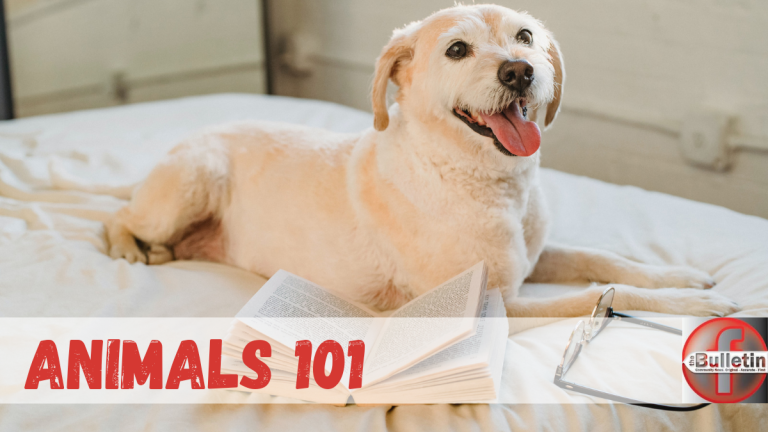

ANIMALS 101 – UNDERSTANDING PET ANXIETY

HOW TO HELP YOUR FURRY FRIEND FEEL SAFE AND SECURE

WHAT IS PET ANXIETY?

Pet anxiety refers to a state of unease or fear that pets experience in response to certain situations. It can manifest as physical, behavioural, or emotional symptoms. While some anxiety is normal, especially in new or unfamiliar environments, excessive or chronic anxiety can be harmful to your pet’s health.

Image by The Paw Company

COMMON TYPES OF PET ANXIETY

There are various types of anxiety that pets may experience, each with its own triggers and symptoms. The most common types include:

  1. Separation Anxiety: This is when pets become distressed when left alone or separated from their primary caregiver. It often leads to behaviours such as destructive chewing, excessive barking, and accidents in the house.
  2. Noise Anxiety: Many pets are fearful of loud noises, such as thunderstorms, fireworks, or even vacuum cleaners. This can cause your pet to hide, shake, or become overly agitated.
  3. Travel Anxiety: Some pets may become anxious during car rides or trips to the vet, which can lead to drooling, vomiting, or panting excessively.
  4. Generalized Anxiety: This refers to anxiety that is not necessarily triggered by a specific event but rather an overall sense of fear or unease in different situations, such as around strangers or in new environments.

SIGNS OF ANXIETY IN PETS

Recognizing the signs of anxiety in pets is essential for addressing the issue early. Common signs of anxiety in pets include:

  • Excessive Barking or Meowing: A pet that barks or meows incessantly, especially when you’re not around, may be suffering from separation anxiety.
  • Destructive Behaviour: Pets with anxiety may chew furniture, scratch walls, or destroy items in your home as a way of coping with their stress.
  • Excessive Grooming: Cats and dogs may excessively lick or groom themselves when anxious, leading to bald patches or irritated skin.
  • Restlessness: An anxious pet may have difficulty settling down or may pace around the house in an attempt to relieve their anxiety.
  • Panting and Shaking: Some pets show physical signs of anxiety, such as panting, drooling, or trembling, even when they’re not exerting themselves.
Image by Carolina Almeida via Pexels.com

CAUSES OF PET ANXIETY

Several factors can contribute to anxiety in pets. Some of the most common causes include:

  1. Past Traumas: Pets that have experienced abuse or neglect may develop anxiety due to the trauma they endured. These pets may be particularly fearful of certain situations or people.
  2. Changes in Routine: Pets thrive on routine, and any significant changes in their environment, such as moving to a new home, a change in their owner’s schedule, or the arrival of a new pet or baby, can cause anxiety.
  3. Lack of Socialization: Pets that haven’t been properly socialized, especially during their formative months, may develop anxiety when exposed to unfamiliar situations or people.
  4. Genetics: Certain breeds are more predisposed to anxiety than others. For example, small dog breeds like Chihuahuas and Dachshunds are more prone to anxiety-related behaviors.
  5. Health Issues: Physical health problems, such as chronic pain or hormonal imbalances, can contribute to anxiety in pets.

MANAGING AND TREATING PET ANXIETY

1. Create a Safe Space. Providing a safe and quiet space for your pet to retreat to can help them feel secure when they’re feeling anxious. This could be a crate, a designated room, or a comfortable bed in a low-traffic area of the house. Having a safe space where they can relax and retreat from stressful stimuli can reduce anxiety.

2. Provide a Consistent Routine. Consistency is key when it comes to helping your pet feel secure. Keep feeding times, walks, and playtimes on a regular schedule so your pet knows what to expect. A predictable routine can reduce anxiety and create a sense of calm.

3. Training and Positive Reinforcement. Training your pet to associate certain situations with positive experiences can help reduce anxiety. For example, if your dog is afraid of being left alone, practice leaving them alone for short periods and gradually increase the time. Reward them with treats and praise when they remain calm. Similarly, for noise anxiety, use positive reinforcement when they remain calm during thunderstorms or fireworks.

4. Desensitization and Counterconditioning This technique involves gradually exposing your pet to the anxiety-triggering situation in a controlled and positive way. For instance, if your pet is afraid of car rides, start by taking them on short, calm trips and rewarding them for staying calm. Gradually increase the duration and frequency of trips as they become more comfortable.

5. Use of Anxiety-Relief Products There are several products available that can help alleviate anxiety in pets, including:

  • Thundershirts: These pressure wraps provide gentle, constant pressure around your pet’s body, which can have a calming effect.
  • Calming Pheromones: Synthetic pheromone products mimic the calming scent that mother animals produce to reassure their young. These can be used in sprays, diffusers, or collars.
  • Anxiety-Relief Supplements: Natural supplements like CBD oil, valerian root, or chamomile can help reduce anxiety in pets. Always consult your veterinarian before using any supplement to ensure it’s safe for your pet.

6. Professional Help. In some cases, professional help may be necessary to manage your pet’s anxiety. A behaviourist (not trainer) or your veterinarian may recommend behavioural therapy or medication to address severe anxiety. Medications such as anti-anxiety drugs or antidepressants may be prescribed for pets with chronic or severe anxiety.

Image by Ivan Babydov via pexels.com

Also, see here if you are a responsible pet guardian.

Did you know pets can also get PTSD?

Dogs can develop post-traumatic stress disorder (PTSD). Canine PTSD can be caused by a range of traumatic experiences, including military or police work, life in a puppy mill, severe abuse, attacks by other dogs, or distressing experiences in a veterinary ICU. The symptoms often mirror those seen in humans and may include hypervigilance, disturbed sleep, and separation anxiety or fear of being alone. While a full cure is often not possible, PTSD in dogs can usually be managed through consistent retraining and behavior therapy, helping them regain a sense of safety and stability in the world.

Pet anxiety is a common issue, but with the right strategies and interventions, it can be effectively managed. Understanding the signs of anxiety, identifying potential causes, and using positive reinforcement, along with products designed to alleviate stress, can go a long way in helping your pet feel secure. If your pet’s anxiety persists or worsens, don’t hesitate to consult with your veterinarian and behaviourist to create a tailored treatment plan. By being patient and proactive, you can help your pet lead a more relaxed and happier life.

Join us next week to explore and learn more about the amazing animals who share our world!

WHEN YOU KNOW BETTER, DO BETTER!

Disclaimer: I am not a qualified behaviourist. I share what I have learned through the years from qualified veterinarians, trainers, and behaviourists. Please consult with your vet and behaviour professionals when your pet is experiencing anxiety-like symptoms.

Road Safety and Preventing Smash-and-Grab

This article appeared on https://www.arrivealive.co.za/

Introduction and Definition

Crime and criminal activity require from South African motorists alertness and caution to more than only other vehicles.

Even though progress has been made in fighting hijackings and vehicle theft, there has been an increase in theft from vehicles. Many of these are what can be defined as “Smash-and-Grab”.

In this section, we would like to discuss the crime of smash-and-grab in more detail and offer recommendations to motorists on preventing this sudden invasion of privacy and likely loss of possessions.

What is a smash-and-grab crime?

A smash-and-grab criminal turns a pleasant drive into a nightmare when criminals are pouncing on unsuspecting drivers. The criminal act is usually characterised by smashing through some sort of barrier (e.g. vehicle window) while the car is stationary at traffic lights or stuck in slow moving traffic and grabbing something of value (e.g. jackets, handbags, laptops, etc).

A smash-and-grab usually play on the element of speed and surprise  -The violent smashing of the window at the passenger side places the motorist in a few moments of silent paralysis – just enough to get hold of the valuables and flee the scene!

These car burglaries can be expensive, from the cost of repairs to the vehicle and windows to replacing your belongings. The victims will most likely be traumatised and feel victimised for quite some time.

What is being targeted?

The thieves are usually after valuables which they can easily identify from outside the vehicle and sell as easily once removed from the possession of the motorists. Items targeted include:

  • Purses, handbags and wallets
  • Laptop bags, briefcases and backpacks
  • Shopping bags
  • Cell phones, MP3 players and tablets
  • Loose change and CDs
  • Keys

Where are drivers most at risk and what are the methods used?

We find in the media mentions and warnings of so-called “Hot spots”. Even without warning signs, the cautious driver would be able to identify areas where he/ she would be most at risk. These tend to be places where criminals know that vehicles will be stationary, where drivers can be easily distracted and where the criminal can make a quick and effective escape.

Who is most vulnerable?

  • The victims are most often single drivers with belongings on the passenger seat.
  • Criminals tend to focus on female drivers well knowing that they are less likely to chase after them.
  • Drivers who are distracted are most vulnerable – those busy on the cellular phone or with a cigarette in the hand.
  • Vehicles left unattended away from the crowds and with valuables visible are easy targets for a quick smash-and-grab.

Methods used and Modus Operandi

  • Criminals will focus on those areas where they know traffic is often congested and where vehicles will remain stationary for a while.
  • These criminals also will often work in pairs where one will pose as a vendor, distracting the attention of the driver while the other party will perform the smash-and-grab from the passenger side.
  • Objects are sometimes placed on the road and motorists make the mistake of leaving their vehicles to remove these objects. This is when the vehicles are then easily targeted.
  • Communication technology such as cellular phones has also enabled these criminals to identify potential victims from a bridge or position of elevation and to relay this message to their partners in crime further along the road.
  • The person making the smash-and-grab will most likely select the scene of the crime as an area where a fast getaway would be possible for him and any pursuit would be difficult.

Advice on preventing smash-and-grabs

Even though it is not always possible to avoid the so-called “hotspots” where these criminals prey on unsuspecting motorists, it is possible to reduce the risk of becoming a smash-and-grab the victim. Motorists can make these burglaries more difficult. Smash-and-grab car burglars don’t want difficult challenges and would rather prefer to move on when they suspect hurdles to the swift execution of these crimes.

We would like to advise the following measures:

Safe Driving

  • Lock all your doors and close the windows when driving – Never open vehicle windows or doors for strangers.
  • Avoid opening your windows or getting involved in discussions with street vendors or anyone handing out flyers.
  • Be constantly on the lookout for suspicious looking characters.
  • Always be conscious of your surroundings and remain alert when coming to an intersection or stopping your vehicle.
  • Be wary of people standing at intersections – They may be innocent but perpetrators mix with these people while waiting for an opportunity to pounce.
  • If you encounter obstacles such as rocks or tyres do not get out of your vehicle to remove them -immediately reverse and drive off in the opposite direction.
  • If it’s late at night, slow down well in advance so that the light changes green by the time you reach the intersection.
  • Leave a gap between you and the car in front of you to give you room to escape (i.e. drive away from the scene), if anything should happen. 
  • Be especially wary whenever you see broken glass lying on the road. If the pieces of glass are still scattered across the road, chances are that a smash-and-grab occurred just recently.

Taking Away the Attraction

  • Reduce the chances of becoming a target by removing that which the criminals are trying to get their hands on.
  • Smash-and-grab car burglars aren’t exactly criminal masterminds. Many simply act on impulse.
  • Don’t have bags, cellular phones, briefcases or other valuables visible inside the vehicle – valuables only attract thieves who may break your car window.
  • Hide your valuables. – Car floors, dashboards and seats are not good places to leave items.  
  • If you can’t take valuable items with you, hide them out of sight in your trunk.

Safety when Parking

  • Thieves target car parks. Always park your car in attended parking lots.
  • When parking at night ensures that you always park in a well-lit area.
  • Keep your car visible. Thieves do not want witnesses – You can help prevent a smash-and-grab by parking your car in crowded areas near pedestrian and vehicle traffic.
  • Never sit in your vehicle without being conscious of your surroundings.
  • Lock your doors and roll up your windows when you park
  • Activate your security system
  • Consider window tinting (if permitted by local laws)
  • Avoid using the console or glove box as mobile lockboxes
  • Don’t hand a car burglar your keys. Leaving your key on the dash or in the ignition is an invitation to a burglar. And keep in mind that if you have a great hiding place for a spare key (in your wheel well or above your sun visor), a thief has thought of it, too.
  • Stow your belongings like shopping bags and laptops in the trunk before you get to the parking area.

Window Safety Film

What is “smash-and-grab” film?

Protective safety film is pasted on vehicle windows to help prevent smash-and-grab incidents. The protective film is usually tinted so that no one can see into the car, while also preventing the windows from shattering. While the glass breaks, the film holds the pieces in place, which further protects you from broken glass.

Although smash-and-grab film may not prevent smash-and-grab incidents from taking place, it will give you a few extra minutes to recompose yourself and drive away safely.

If you don’t have smash-and-grab film installed, leave your window open slightly (approximately 3 cm, but less than 5cm) whilst driving. This makes the glass more flexible and more resistant to shattering if they’re struck by a sharp object.

Safety film is however not only a deterrent for criminals. Other benefits include:

  • It protects passengers from being hit by dangerous glass splinters when the glass breaks in side-impact accidents.
  • Windows film can reject up to 99% of the sun’s harmful UV rays, helping to protect you against skin cancer, and your car’s interior from fading and cracking.
  • Safety film forms an invisible shield to reduce glare and resultant eye fatigue.
  • The film also improves your comfort by keeping the vehicle interior cool and comfortable in the scorching heat, reducing the load on the air conditioning and thus saving fuel.

Keep in mind that some car insurance companies provide a discounted premium to vehicle owners installing window safety film on their vehicles.

Conclusion

The cautious driver will be able to prevent most incidents of smash-and-grab. If there is nothing to grab there is no reason for the window to be smashed! Trust your instincts. If you see suspicious activity, find somewhere else to park. We would like to urge motorists to report suspicious activity to the proper authorities – you can help prevent others from becoming a victim of a smash-and-grab or another crime!

Tutela – Understanding the Rights and Responsibilities of Children

Understanding the Rights and Responsibilities of Children

Children in South Africa are protected by the Constitution and the Children’s Act 38 of 2005, which guarantee rights to safety, care, education, and participation in decisions that affect their lives. But with these rights come responsibilities—respecting others, obeying rules, and being accountable for their actions.

How Social Workers Support Children’s Rights:

  • Educating children and parents about their rights and duties.
  • Promoting respectful behaviour at home and in schools.
  • Empowering children to speak up, ask for help, and participate in decisions about their lives.
  • Facilitating life skills programs, child participation forums, and school campaigns.

Tips for Promoting Rights and Responsibility:

  1. Teach Respect Early
    Model and encourage respectful behaviour toward adults and peers.
  2. Encourage Participation
    Let children express their opinions and involve them in family or classroom decisions.
  3. Explain Consequences
    Help children understand how actions have consequences—both positive and negative.
  4. Promote Accountability
    Give children age-appropriate tasks and hold them responsible in a nurturing way.
  5. Create a Safe Space
    Ensure children feel emotionally and physically safe to speak up.

Join Us for Upcoming Events

???? Parenting Workshop – 21 June 2025
???? 079 310 2599 | ✉️ tutela.secunda@gmail.com

???? Annual Children’s Festival – 30 June–4 July 2025
A week of fun, learning, and child empowerment.
???? Jan Badenhorst – 071 378 6805 | ✉️ jan@kids4jesus.co.za

How can you help?

???? Volunteer your skills or time
???? Donate to support vulnerable families
???? Raise Awareness about children’s rights and social work efforts

???? 079 310 2599 | ✉️ tutela.secunda@gmail.com
Together, we build responsible children and stronger communities.

RAND WATER PLANNED MAINTENANCE FOR MAY TO JULY 2025

RAND WATER PLANNED MAINTENANCE FOR MAY TO JULY 2025

Rand Water is scheduled to undertake critical maintenance on its key infrastructure starting Thursday, 29 May 2025, as part of its commitment to ensuring a sustainable and efficient water supply.

The objective of this planned maintenance is to increase capacity and enhance plant availability, reliability, and operational efficiency, supporting a more resilient and adaptable water supply network in preparation of the anticipated increased supply volumes from August 2025. 

The maintenance activities will commence at different times and locations across various municipalities. The main maintenance operation is scheduled to begin on 29 May at 03h00 and is anticipated to be concluded on 02 June at 17h00.

During this period, pumping capacity will be reduced at the Eikenhof, Palmiet, Mapleton, and Zwartkopjes systems. Areas within the cities of Johannesburg, Ekurhuleni, and Tshwane may experience low pressure or intermittent water supply. The maintenance may also impact water provision to the local municipalities of Rand West, Mogale City, Merafong, Madibeng, Lesedi, Govan Mbeki, Rustenburg, Royal Bafokeng Administration, and Victor Khanye, Thembisile Hani, Midvaal and Emfuleni. 

RAND WATER PLANNED MAINTENANCE FOR MAY TO JULY 2025

The maintenance work has been strategically scheduled during the low consumption months of May to July 2025 to minimize disruptions and better manage the potential impact on water supply. The scope of work and associated impacts are outlined below:

City of Ekurhuleni Metropolitan Municipality

  No  Description  Affected system  Planned date  Planned duration  Impact on supply  
1 Tie-in of B16 pipeline from Zuikerbosch, Station 5 Mapleton System From 29 May at 03h00 to 02 June 2025 at 17h00 107 hours No pumping at Mapleton Pumping Station for the whole duration. 
2 Klipriviersberg isolation for cleaning & inspection Palmiet System From 03 June 2025 at 06h00 to 16h00 10 hours Pumping will be reduced to 67% for 10 hours. 
3 Russel Road meter installation Palmiet System 03 June 2025 from 06h00 to 18h00 12 hours No supply to the following meters: Southern Areas,  Barlow Road   
4 Zwartkopjes Station valves replacements Zwartkopjes System From 30 June at 05h00 to 02 July 2025 at 07h00 50 hours No pumping for the duration of the maintenance work. 

The key objective for the major work is to connect the newly constructed B16 pipeline, which will be supplying water from the new Station 5A at Zuikerbosch Water Treatment Plant to Engine Room 3 at Mapleton Booster Pumping Station. The City of Ekurhuleni will also take an opportunity to carry out their maintenance in their electrical infrastructure.

City of Tshwane Metropolitan Municipality

No  Description  Affected system  Planned date  Planned duration  Impact on supply  
1 Tie-in of B16 pipeline from Zuikerbosch, Station 5 Mapleton System From 29 May at 03h00 to 02 June 2025 at 17h00 107 hours No pumping at Mapleton Pumping Station for the whole duration. 
2 Klipriviersberg isolation for cleaning & inspection Palmiet System From 03 June 2025 at 06h00 to 16h00 10 hours Pumping will be reduced to 67% for 10 hours. 

The above-mentioned work will affect the City of Tshwane meters that are supplied from the abovementioned systems.

City of Johannesburg Metropolitan Municipality

  No  Description  Affected system  Planned date  Planned duration  Impact on supply  
1 Klipriviersberg isolation for cleaning & inspection Palmiet System 03 June 2025 from 06h00 to 16h00 10 hours Pumping will be reduced to 67% for 10 hours. 
2Pipe leak repairs at Zuikerbosch PlantEikenhof System30 June 2025 from 05h00 to 02 July 2025 at 05h00.48 hoursNo pumping for 6 hours. It will be increased to 50% for 42 hours and then be increased 80% for the remaining 19 days.  
3Cleaning of Sedimentation Tank at Vereeniging PlantEikenhof System30 June 2025 from  05h00 to 21 July 202521 days
4 Zwartkopjes Station valves replacements Zwartkopjes System 30 June from 05h00 to 02 July 2025 until 07h00 50 hours No pumping for the duration of the maintenance work. 

The above-mentioned work will affect the City of Johannesburg meters that are supplied from the abovementioned systems.

 Mogale, Merafong, Royal Bafokeng and Rand West Local Municipalities

 No  Description  Affected system  Planned date  Planned duration  Impact on supply  
1 Pipe leak repairs at Zuikerbosch Plant Eikenhof System 30 June 2025 from 05h00 to 02 July 2025 at 05h00. 48 hours No pumping for 6 hours. It will be increased to 50% for 42 hours and then be increased 80% for the remaining 19 days.   
2Cleaning of Sedimentation Tank at Vereeniging PlantEikenhof System30 June 2025 from 05h00 to 21 July 202521 days

The above-mentioned work will affect the Mogale, Merafong, Royal Bafokeng and Rand West meters that are supplied from the Eikenhof system.

Thembisile Hani, Lesedi, Govan Mbeki, Victor Khanye Local Municipalities and all Direct Customers and Industries 

No  Description  Affected system  Planned date  Planned duration  Impact on supply  
1 Tie-in of B16 pipeline from Zuikerbosch, Station 5 Mapleton System 29 May at 03h00 to 02 June 2025 at 17h00 107 hours No pumping at Mapleton Pumping Station for the whole duration. 

The key objective for the major work is to connect the newly constructed B16 pipeline, which will be supplying water from the new Station 5 at Zuikerbosch Water Treatment Plant to Engine Room 3 at Mapleton Booster Pumping Station. The City of Ekurhuleni will also take an opportunity to carry out their maintenance in their electrical infrastructure.

 Madibeng Local Municipality   

No  Description  Affected system  Planned date  Planned duration  Impact on supply  
1 Klipriviersberg isolation for cleaning & inspection Palmiet System 03 June 2025 from 06h00 to 16h00 10 hours Pumping will be reduced to 67% for 10 hours. 
2Pipe leak repairs at Zuikerbosch PlantEikenhof System30 June 2025 from 05h00 to 02 July 2025 at 05h00.48 hoursNo pumping for 6 hours. It will be increased to 50% for 42 hours and then be increased 80% for the remaining 19 days.  
3Cleaning of Sedimentation Tank at Vereeniging PlantEikenhof System30 June 2025 from  05h00 to 21 July 202521 days

The above-mentioned work will affect the Madibeng meters that are supplied from the above-mentioned systems.

Midvaal and Emfuleni Local Municipalities

 No  Description  Affected system  Planned date  Planned duration  Impact on supply  
1 Disconnect and removal of Amanzimtoti Pump No. 5 for overhaul VVS System 29 May at 18h00 to 30 May 2025 at 07h30 13.5 hours No pumping at Amanzimtoti Pumping Station for the whole duration. 

The above-mentioned work will affect the Midvaal and Emfuleni meters that are supplied from the abovementioned system

Rustenburg Local Municipality

 No  Description  Affected system  Planned date  Planned duration  Impact on supply  
1 Pipe leak repairs at Zuikerbosch Plant Eikenhof System 30 June 2025 from 05h00 to 02 July 2025 at 05h00. 48 hours No pumping for 6 hours. It will be increased to 50% for 42 hours and then be increased 80% for the remaining 19 days. 
2Cleaning of Sedimentation Tank at Vereeniging PlantEikenhof System30 June 2025 from 05h00 to 21 July 2025 at 05h0021 days 

The above-mentioned work will affect the Rustenburg meters that are supplied from the above-mentioned system.

In terms of Communication Protocol, Rand Water has officially notified its municipal customers regarding the upcoming project within the prescribed 21-day prior notice arrangement. This advance notice is intended to enable to inform their respective customers and  implement suitable contingency measures and manage storage capacity at the municipal level effectively.  As a result, municipal customers who will or likely to be impacted will advise consumers on the extent and the impact of water supply shortages in their respective areas.

During the maintenance period, Rand Water will issue regular updates through its official communication channels and social media platforms to keep customers thoroughly informed of the progress.

Premier Ndlovu applauds young entrepreneurs

Premier Ndlovu applauds aspiring young entrepreneurs for catching government’s attention for support

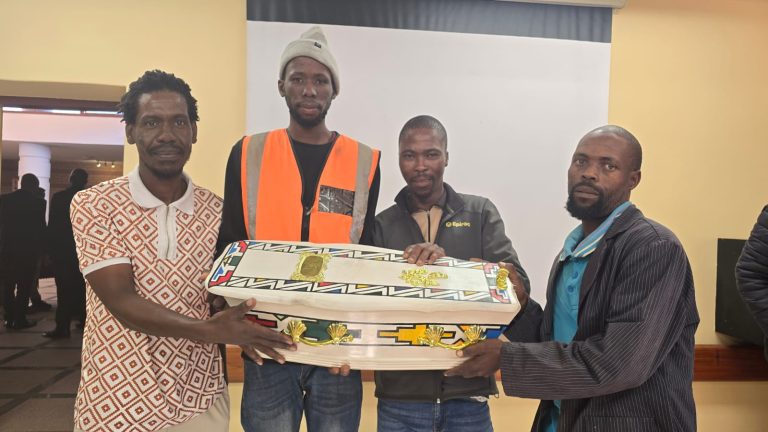
The Mpumalanga Premier, Mr Mandla Ndlovu has applauded four young aspirant entrepreneurs for their powerful demonstration of commitment to seek government’s support on their coffin-making business.

The four walked for days over 300km from KwaMhlanga (Thembisile Hani Municipality) to Mbombela carrying a small coffin with Ndebele art designs to seek business and support from Premier Ndlovu. The Premier engaged them on Monday and further on Wednesday, (14 May 2025), accompanied by the Department of Economic Development and Tourism (DEDT) as well as the Mpumalanga Economic Growth Agency (MEGA) to present opportunities available to assist them.

Mr Ndlovu  reiterated government’s  commitment to helping the youth in business with numerous opportunities. He cited the Premier’s Youth Development Fund (PYDF) as an example. Only one of them is eligible for the fund.

“At least one guy would have been eligible for the Premier’s Youth Development Fund, had he considered the PYDF. It is important to note that the information on government services is available in all our municipalities.

“I am incredibly impressed with their business idea, but regrettably, they did not have to endure such agony of walking for days to engage with their government. We have all these programmes throughout the province aimed at helping our people to take advantage of. I have linked them with DEDT and MEGA to formalise and navigate other regulatory requirements for their business,” said Premier Ndlovu.

The Premier has warned that it is not necessary to walk long distances in pursuit of government’s assistance, adding that people should first access information within their local municipalities. He explained that departments have regional offices to offer government services.

“I must commend these guys though for their outstanding display of good behaviour. They have showed  remarkable respect by not destroying any public infrastructure to draw attention. Their action serves as a positive example to a harmonious and respectful environment for everyone. 

“I trust that with the help they will receive in establishing their business, one day they will be successful, and they will become a good example of how they exhibited good behaviour to rich their dreams,” said Premier Ndlovu.

The group urged the Premier’s support for their business to be registered formally, marketing and markets for clients.  

ANIMALS 101 – RESPONSIBLE PET GUARDIANS DO THIS!

A USEFUL GUIDE TO SEE WHETHER YOU ARE A RESPONSIBLE PET PARENT.

The privilege of sharing your life with an animal companion comes with responsibilities, and this should not be taken lightly.  In addition to meeting your pet’s basic needs, there are some extremely important rules of responsible pet ownership you need to know to keep your pet in good health and enjoying life.

Have you cleaned your pet’s cage today or their water and food bowl? Have you made sure to feed and water them before eating yourself? Have you made the effort to say hello to them today? We cannot share this sort of post enough, because it is clear that many, if not most, pet owners, do not meet the needs of their pets. You are your pet’s whole world. Animal welfare is always receiving surrender requests because of “time”. Your pet has all the time in the world for you, and you promised them forever when you chose to take them in. 

The American Veterinary Medical Association (AVMA) lists six areas of responsible pet ownership, including commitment, investment, obeying local ordinances, ensuring your dog (any pet) is properly identified, limiting his or her reproduction, preparing for emergencies, and other life-changing events.

Image by The Paw Company

COMMIT

  • Avoid impulsive decisions when selecting a pet.
  • Select a dog that’s suited to your home and lifestyle.
  • Provide appropriate exercise and mental stimulation.
  • Properly socialize and train your dog.
  • Commit to the relationship for the life of your dog(s).
  • Keep only the type and number of dogs for which you can provide appropriate food, water, shelter, health care, and companionship.

INVEST

  • Recognize that dog ownership requires an investment of time and money.
  • Make sure your dog receives preventive health care as well as care for any illnesses or injuries.
  • Budget for potential emergencies.

OBEY

  • Clean up after your dog.
  • Obey all local ordinances, including licensing, leash requirements, and noise control.
  • Don’t allow your dog to stray.

IDENTIFY

  • Make sure your dog is properly identified (i.e., tags, microchips, or tattoos) and keep the registration up-to-date.
  • Learn more about your pet’s microchip.

LIMIT

  • Don’t contribute to the dog overpopulation problem: limit your dog’s reproduction through sterilization, containment, or managed breeding (The Paw Company does not support any breeding while there is a massive overpopulation crisis).

PREPARE

  • Prepare for an emergency or disaster, including assembling an evacuation kit.
  • Make alternate arrangements if you can no longer provide care for your dog.
  • Recognize any decline in your dog’s quality of life and make timely decisions in consultation with a veterinarian.
animals
Image by The Paw Company

This article is a republication from 7 February 2024

RESPONSIBLE OWNERSHIP

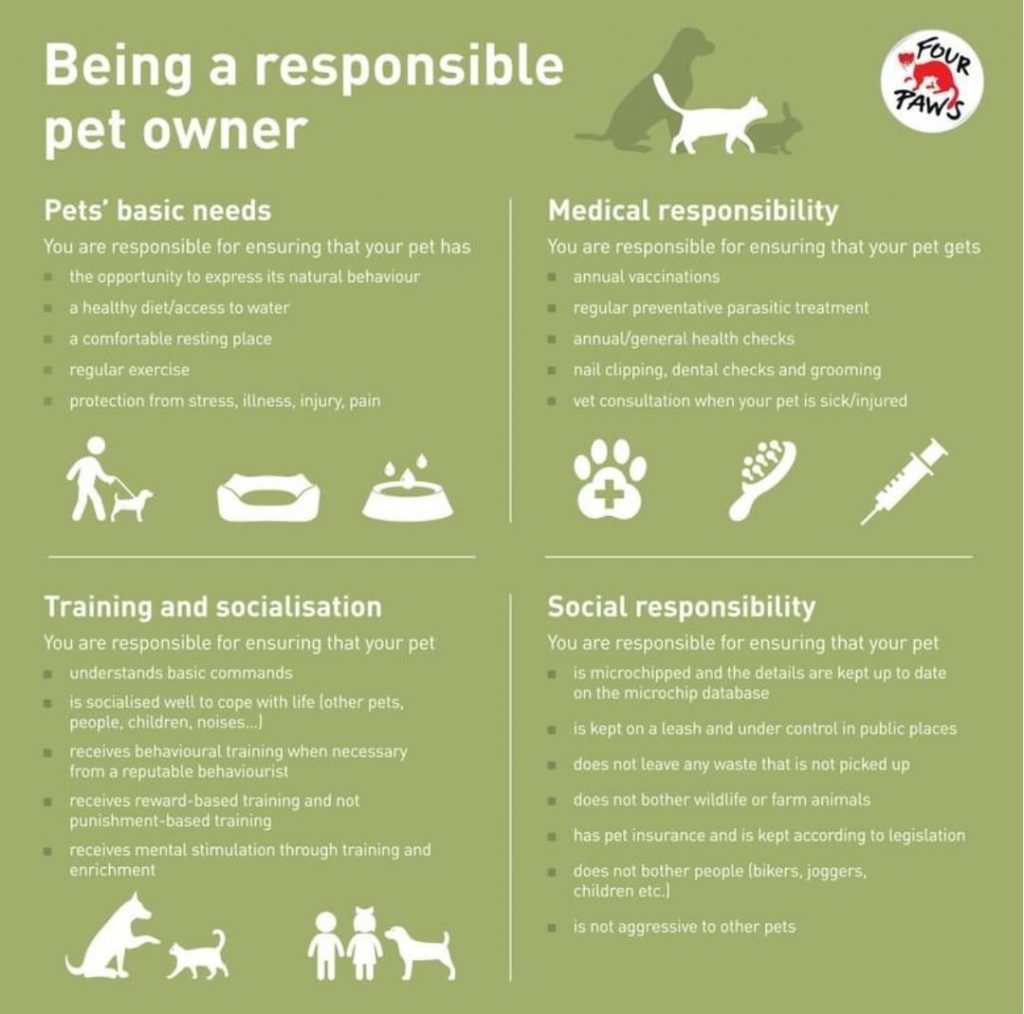
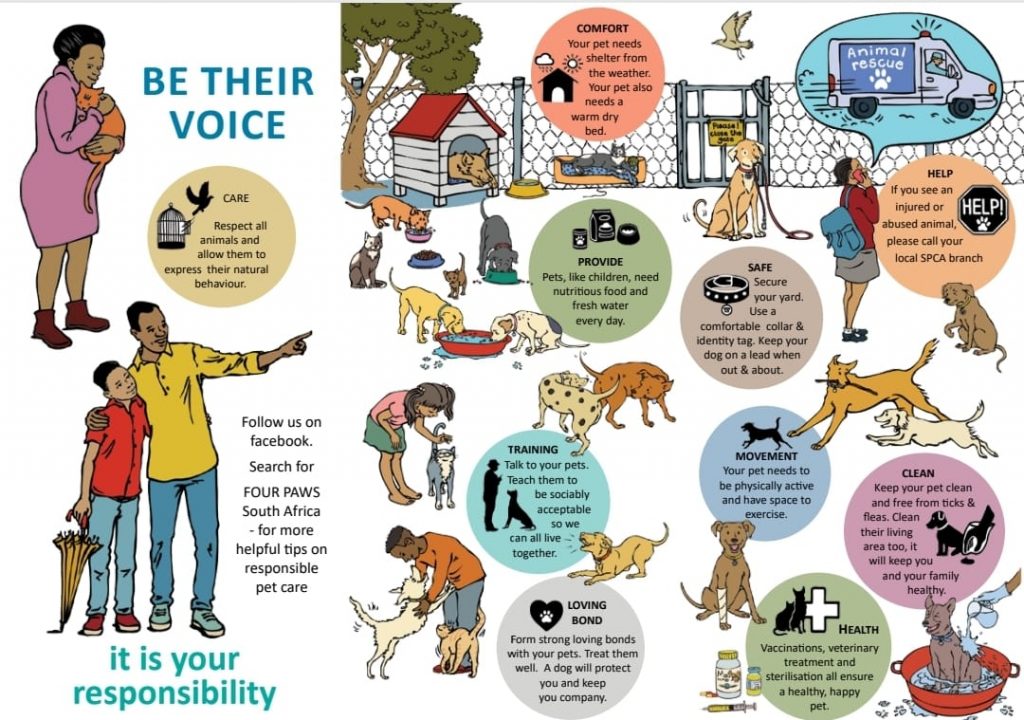
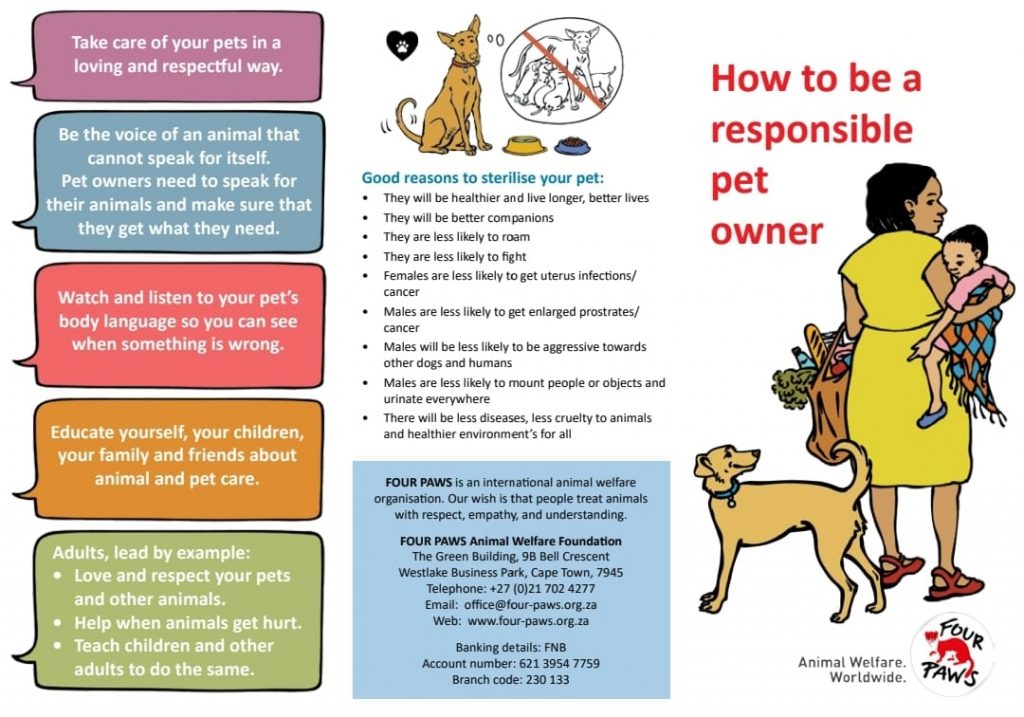
FOUR PAWS SHARE THE FOLLOWING ON RESPONSIBLE PET OWNERSHIP

PET’S BASIC NEEDS

You are responsible for ensuring that your pet has:

  • the opportunity to express their natural behaviour;
  • healthy (species appropriate) diet and access to fresh water;
  • a comfortable resting place;
  • regular exercise; and
  • protection from stress, illness, and injury.

MEDICAL RESPONSIBILITY

You are responsible for ensuring that your pet gets:

  • annual vaccinations;
  • regular preventative parasitic treatment;
  • annual/general health checks by a qualified vet;
  • nail clipping, dental checks, and grooming; and
  • vet consultation when your pet is sick/injured.

TRAINING & SOCIALIZATION

You are responsible for ensuring that your pet:

  • understand basic commands;
  • is socialized well to cope with life (other pets, people, children, noises);
  • receives behavioural training, when necessary, from a reputable behaviourist;
  • receives reward-based training and not punishment-based training; and
  • receives mental stimulation through training and enrichment.

SOCIAL RESPONSIBILITY

You are responsible for ensuring that your pet:

  • is microchipped, and the details are kept up to date on the microchip database;
  • is kept on a leash and under control in public places;
  • does not leave any waste that is not picked up;
  • does not bother wildlife or farm animals;
  • has pet insurance and is kept according to legislation;
  • does not bother people (bikers, joggers, etc.); and
  • is not aggressive towards other pets.
animals
Image by Four Paws

RESPONSIBLE PET OWNER TEST

How well do you score on our basic responsible owner test? Give yourself one point out of 10 for each yes answer.

1. Can you commit to their whole life, and do they fit your lifestyle?

2. Are your pet’s vaccinations and internal and external parasite treatment up-to-date?

3. Do you know and are you obeying the local laws on having pets?

4. Are your pets sterilized?

5. Are your pets safe and secure in your yard and not allowed to roam the street freely?

6. Are your pets microchipped and the chip registered, and do they have a collar ID?

7. Are they at a healthy weight?

8. Do you meet the enrichment needs of your pets, including social, mental stimulation, and regular exercise?

9. Do your pets have access to fresh drinking water daily, and do they get the right species-appropriate food?

10. Are you prepared for an emergency, and for when something happens to you – are they included in your will?

responsibility
Image by Four Paws
Repsonsible pet owners
Image by Four Paws

How did you score on the above?

Being a responsible pet parent is about more than just these 10 points.  It also means learning to pick up on your pet’s often-subtle communication cues, as well as helping your pet learn human communication signals through proper handling, socialization, and training. Being a responsible pet guardian is a privilege and comes with responsibility and a serious commitment that takes time, money and energy. Commit fully, or don’t get a pet! It is that simple

Join us next week to explore and learn more about the amazing animals that share our world!

WHEN YOU KNOW BETTER, DO BETTER!

#responsiblepetownership #ResponsiblePetOwner #Care #MyPetMyResponsibility

Tutela – Substance Use and Its Impact on Familie

Substance Use and Its Impact on Families

Substance abuse whether by parents or children can deeply damage family stability, emotional bonds, and safety. Children exposed to substance use often suffer from trauma, neglect, academic struggles, or even develop substance use habits themselves.

The Children’s Act 38 of 2005 supports early intervention, family preservation, and the removal of a child if their safety is compromised (Sections 150 & 151).

How Social Workers Help:

  • Risk Assessments: Identifying safety concerns for children.
  • Referrals: Connecting families to rehab, therapy, and support groups.
  • After-Care Support: Maintaining long-term recovery and stability.
  • Family Counselling: Rebuilding trust and restoring healthy dynamics.

Practical Tips for Families Affected by Substance Use:

  1. Acknowledge the Problem
    Openly discussing substance use is the first step toward healing.
  2. Seek Professional Help
    Don’t wait—contact social workers, clinics, or helplines for support.
  3. Establish Routines
    Consistent structure helps children feel safe and secure.
  4. Create a Safe Environment
    Remove triggers, substances, or individuals who may cause harm.
  5. Include the Child in the Healing Process
    Age-appropriate counselling helps children process emotions and trauma.
  6. Join Support Networks
    Support groups for both users and affected family members reduce isolation.

Upcoming Events

???? Parenting Workshop – 21 June 2025
???? 079 310 2599 | ✉️ tutela.secunda@gmail.com

???? Annual Children’s Festival – 30 June to 4 July 2025
A week of learning, fun, and growth
???? Jan Badenhorst – 071 378 6805 | ✉️ jan@kids4jesus.co.za

Support Our Work

  • Volunteer your time or skills
  • Donate to support struggling families
  • Raise Awareness in your community

???? 079 310 2599 | ✉️ tutela.secunda@gmail.com
Together, we can break the cycle and build stronger families.

Sasol Highveld Photography Club – May results

Sasol Highveld Photography Club held their monthly meeting on the first Friday of May at the Sasol Club in Secunda.

Amy Ansell was the guest judge. The Bulletin reported on Amy Ansell before (Feb 7, 2024).

Here is a video of the interviews that we made then.

An interview with Amy Ansel (October 2022)

The following is the club meeting presentation.

Welcome and Introductions

  • The meeting begins with a welcome to members, guests, and the guest judge, Amy Ansell 
  • Recognition is given to the Senior Winner for April, Peter Winnan, and the Junior Winner, John Mullineux 

Entries Summary

  • The presentation summarizes the number of photos submitted in various categories:
    • Nature: 9
    • Photojournalism: 4
    • Monochrome: 4
    • Pictorial: 18
    • Scapes: 10
    • Nature – Birds Only: 8
    • Set Subject: 10
    • Total: 63 

Agenda

  • The agenda includes:
    • Welcome
    • Club and PSSA Fees
    • Birthdays
    • Club Member Promotions
    • PSSA News
    • Senior and Junior Club Competitions
    • Web Competition
    • Other updates including PSSA Salon, past and future salons, and photography events
    • Tips & Tricks
    • Guest Judge Presentation
    • Break
    • Scoring
    • Closure 

Membership and Fees

  • Membership fees for June 2025 are outlined:
    • Ordinary members: R200 per year
    • Pensioners: R100 per year
    • Sasol Club Fees: R420 for non-Sasol employees, deducted from salary for Sasol employees 

Birthdays

  • Notable birthdays in May include:
    • Hester Griessel: 7 May
    • James Harris: 16 May 

Club Member Promotions

  • Promotions include:
    • Louis van der Walt: Promoted from 4 Star to 5 Star 

PSSA News

  • Results for the Best Club Junior/Senior Competition in March:
    • Senior: Peter Winnan – Lions Playing (29)
    • Junior: John Mullineux – St Helena lighthouse (33) 
  • Web Competition results for April:
    • Sussa Pelser – Man Coming Up The Stairs (31)
    • Leon Pelser – Harvard display (26)
    • Louis van der Walt – Bell Park Dam (32)
    • Yolandi Geyser – Elegant Worker (38) 

Photography Events

  • The presentation covers upcoming events and past salon results, including the Hillcrest Camera Club 1st Digital Salon 2025 and the 7th Paarl National Salon of Photography PDI PSSA 2025 
  • Future salons and photography events are also discussed 

Other News

  • PSSA Interclub Competition 2025 details:
    • Junior Section: 1 to 3 Star – 15 entries
    • Senior Section: 4 Star and upwards – 15 entries
    • No one author may have more than three images entered
    • Both color and monochrome images accepted
    • Closing date: 30 June 2025 
  • NEP (June 2025) details:
    • 20 photos per category
    • 3 photos per person per category
    • Categories: Open, Mono, Nature, Set Subject – Opposites/Contrast 

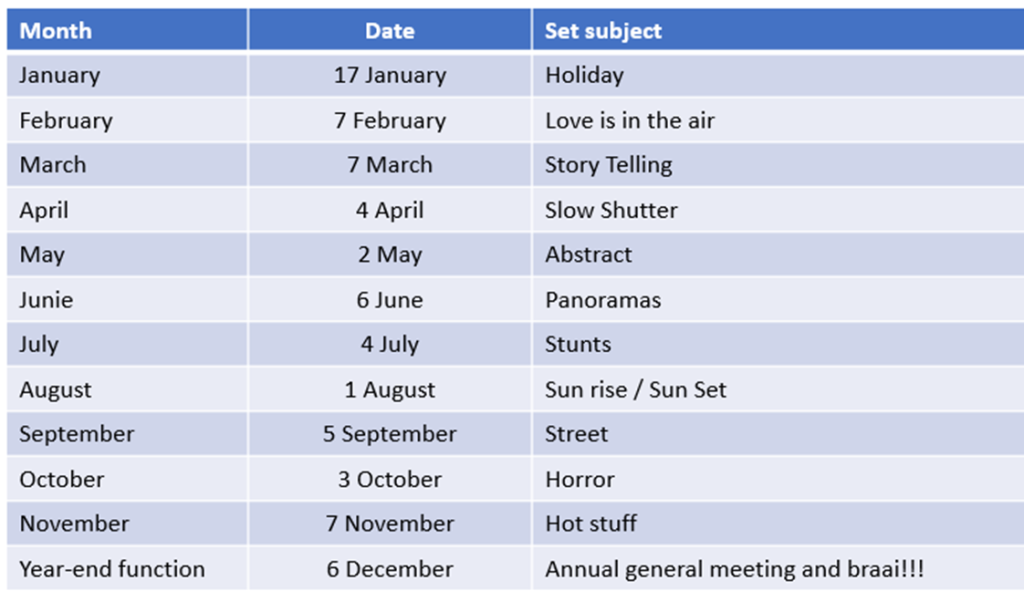
Meeting Calendar and Set Subject

  • Details on the meeting calendar and set subjects for future meetings

Here are the photos for May that received Gold or COM.

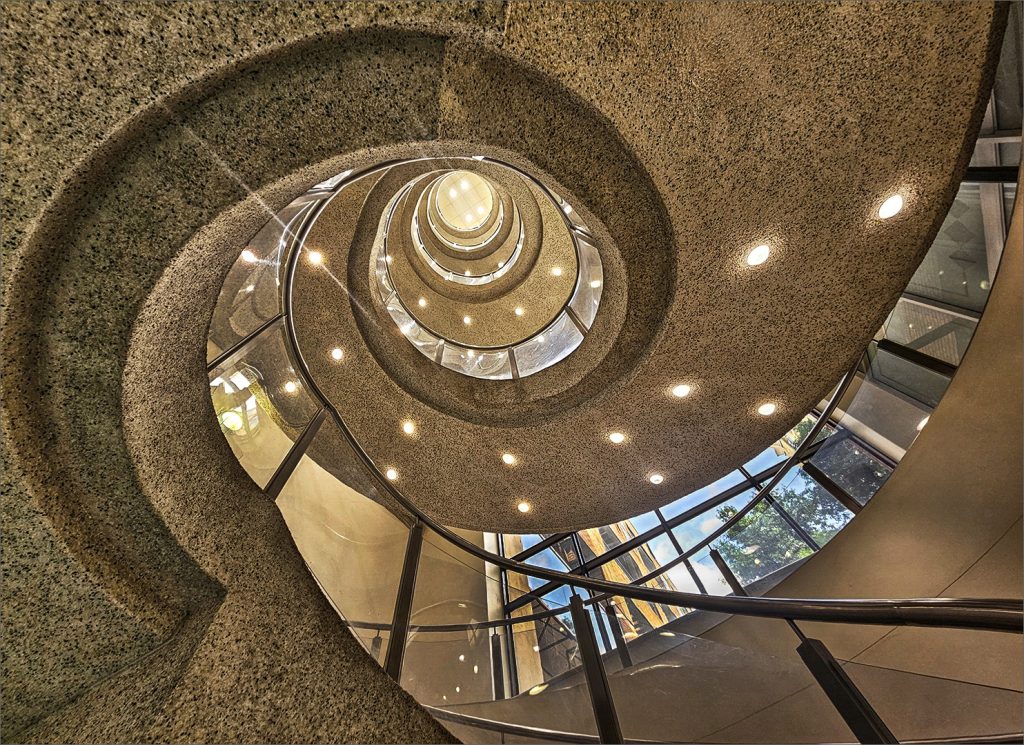
Best Set Subject Photographer (Abstract)

Sussa Pelser – Spiral Staircase

Best Senior Photographer

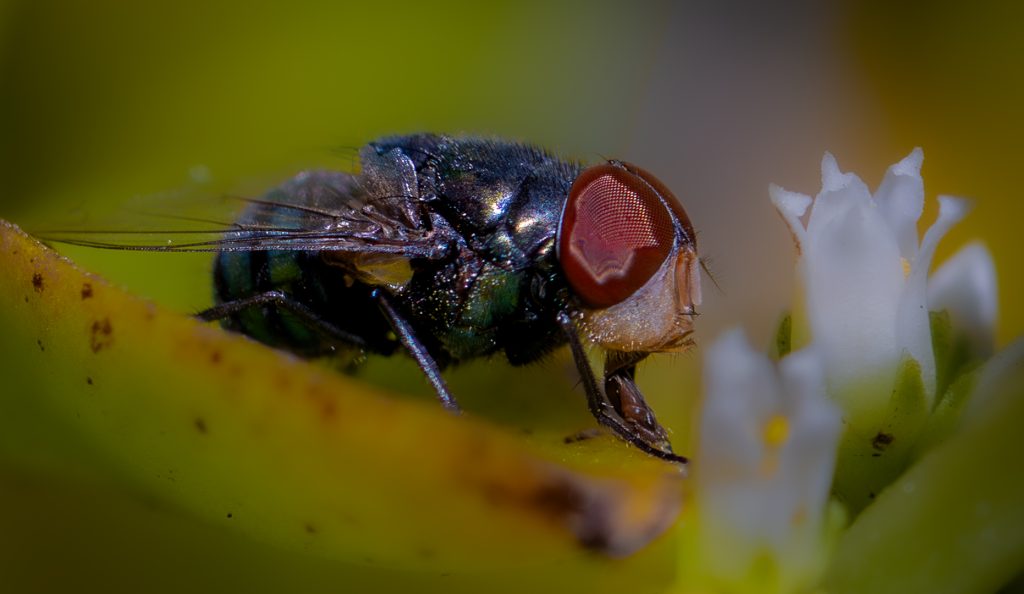
Leon Pelser – Bee fly

Best Junior Photographer

Edmund Hattingh – Vroegoggend dorsles

Categories:

Nature – Birds Only

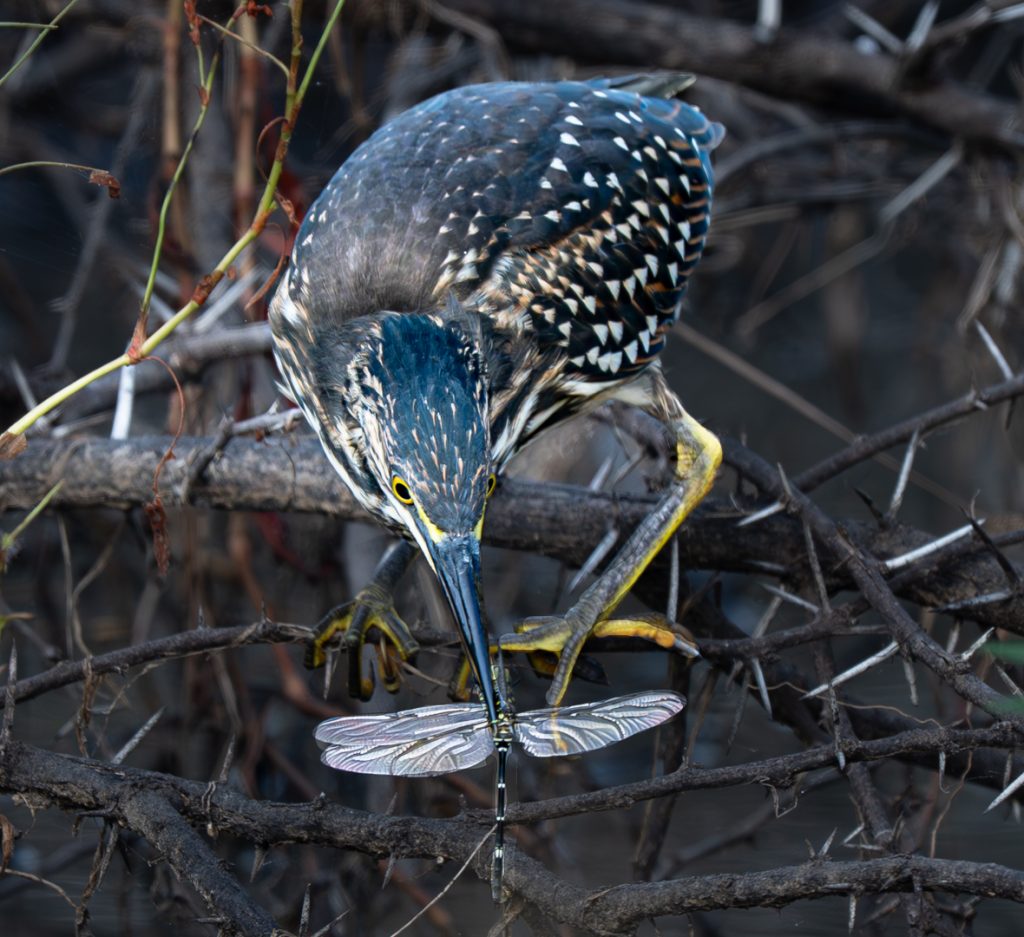
Edmund Hattingh – Naaldekoker middagete
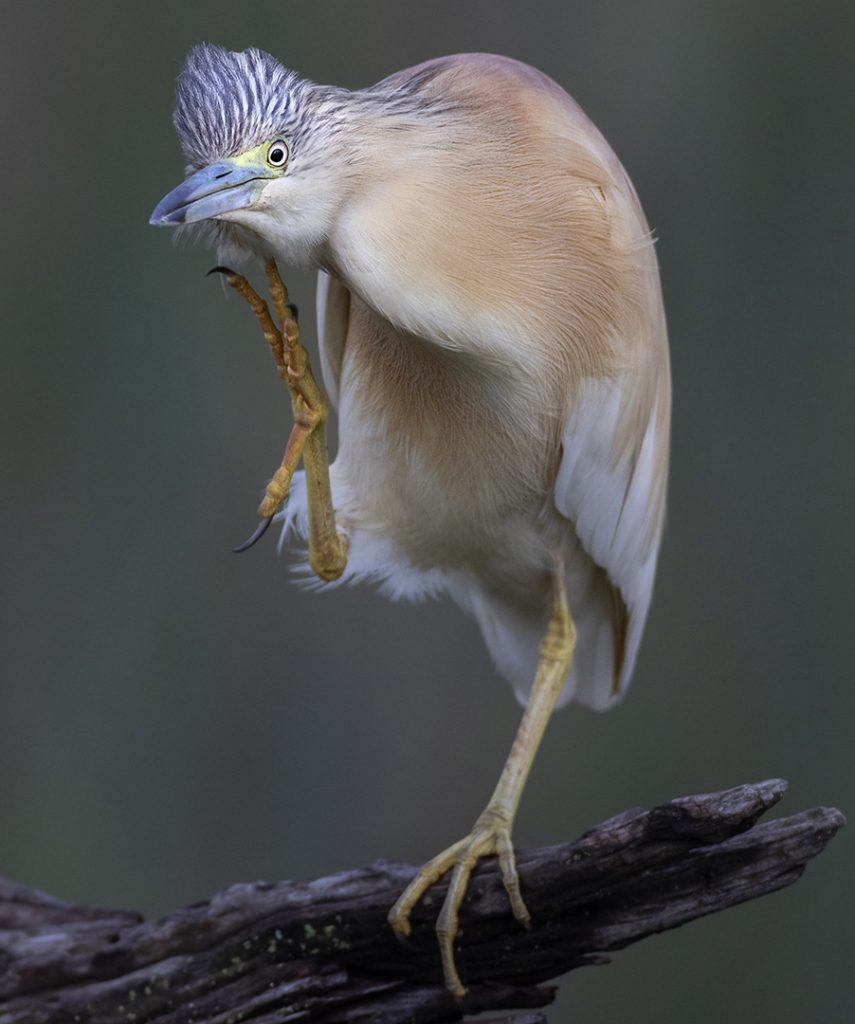
DNE Smit – Scratch
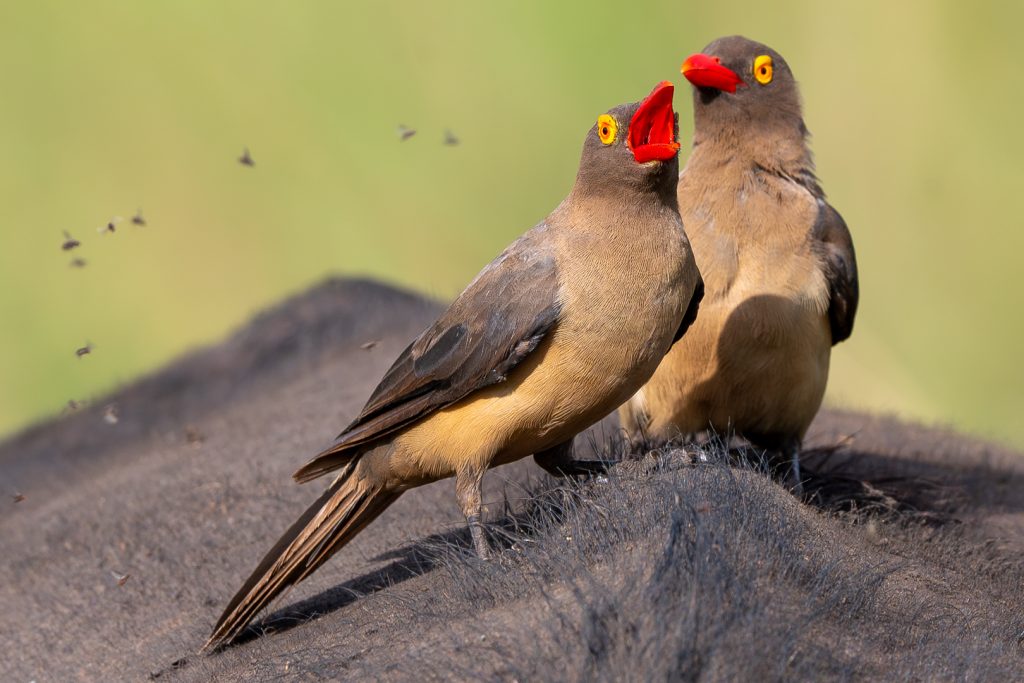
Johan Viljoen – My happie
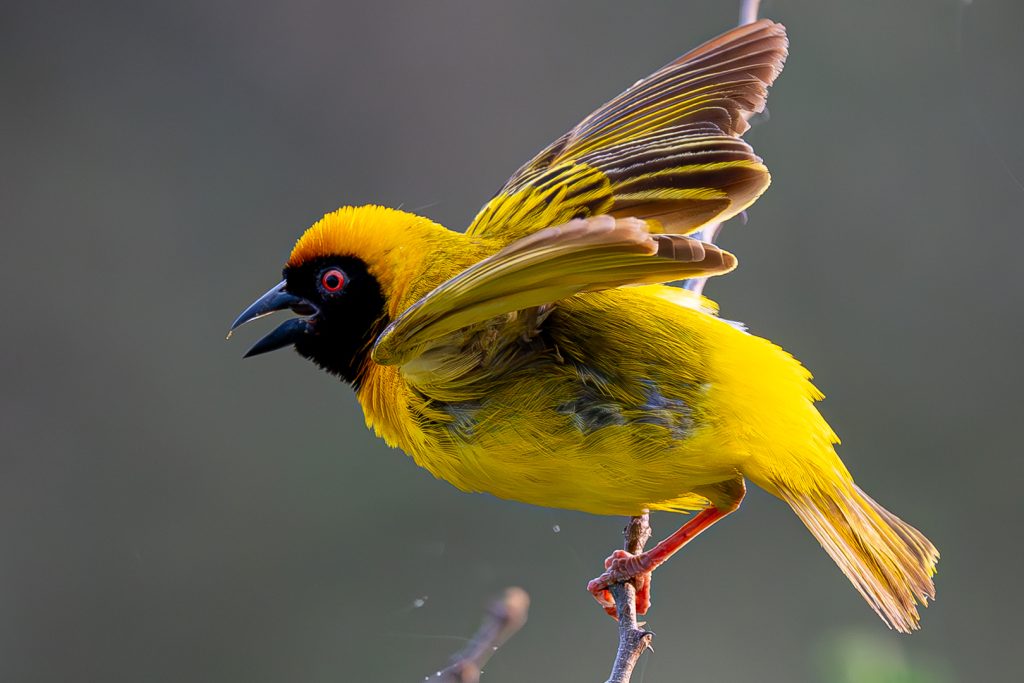
Edmund Hattingh – Masked Weaver Take off
Edmund Hattingh – Los my Uit
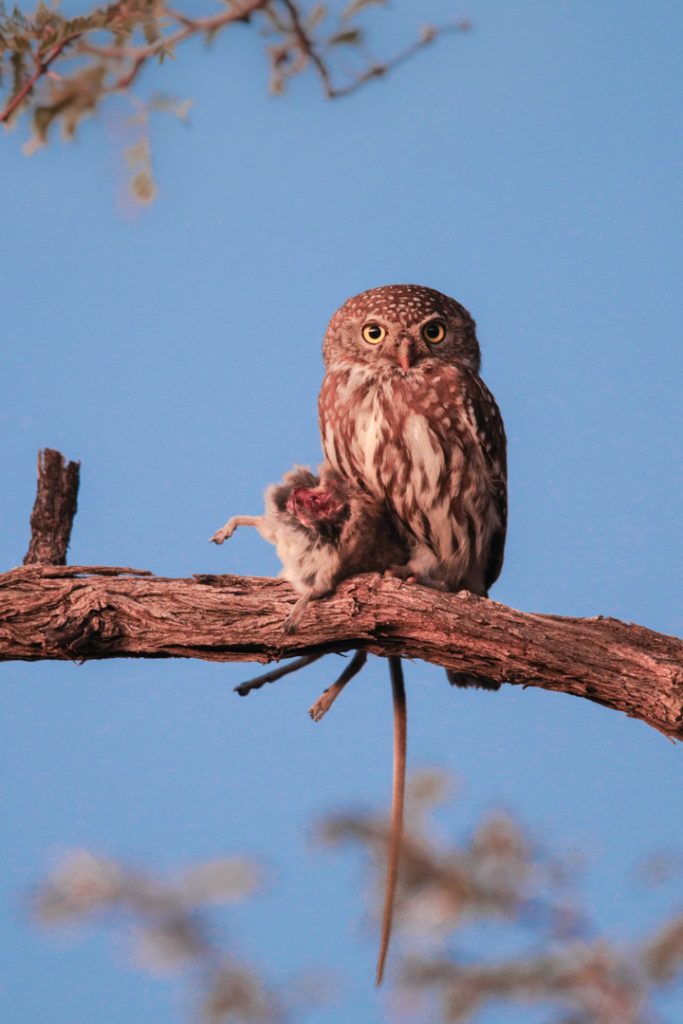
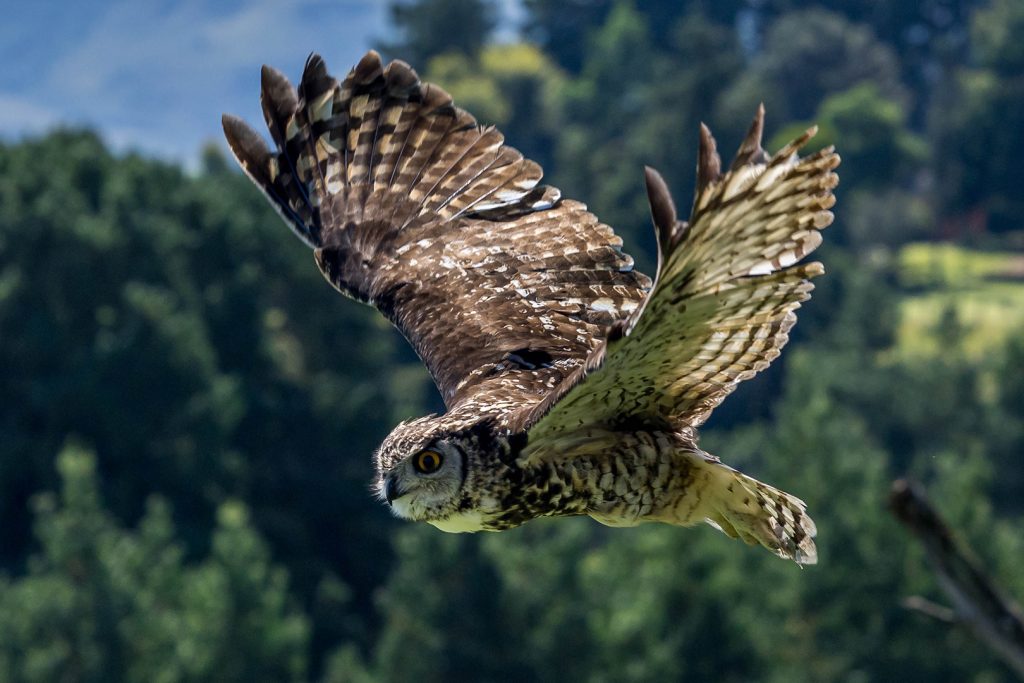
John Mullineux – Twilight owlet

Scapes

John Mullineux – Purple persistence
DNE Smit – Jakkalsfontein bloekombos
Piet Potgieter – A whale of a tree
Leon Pelser – Cape Agulhas
Sussa Pelser – Misty Morning In Street
Louis van der Walt – Bell Park Dam Rainbow Sunrise 1
DNE Smit – Hexrivier
Leon Pelser – Canola farmer

Monochrome

Piet Potgieter – Joyous
Tiaan Muller – Steps
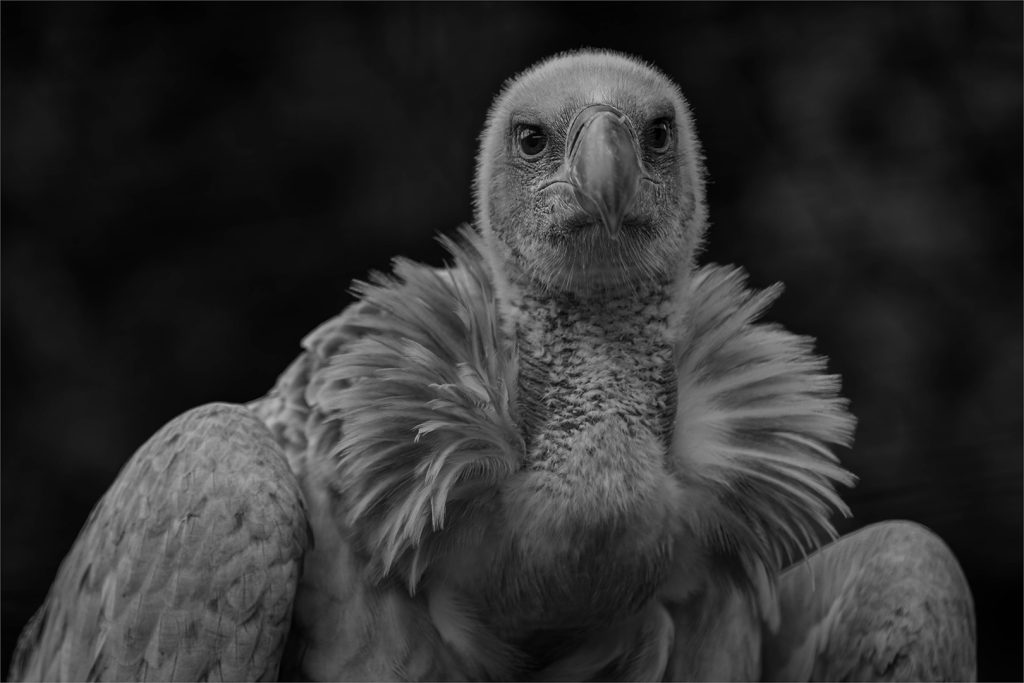
Louis van der Walt – Drakensberg Vulture 2 – BW

Nature

Yolandi Geyser – Beauty in shades of green
John Mullineux – From dusk til yawn
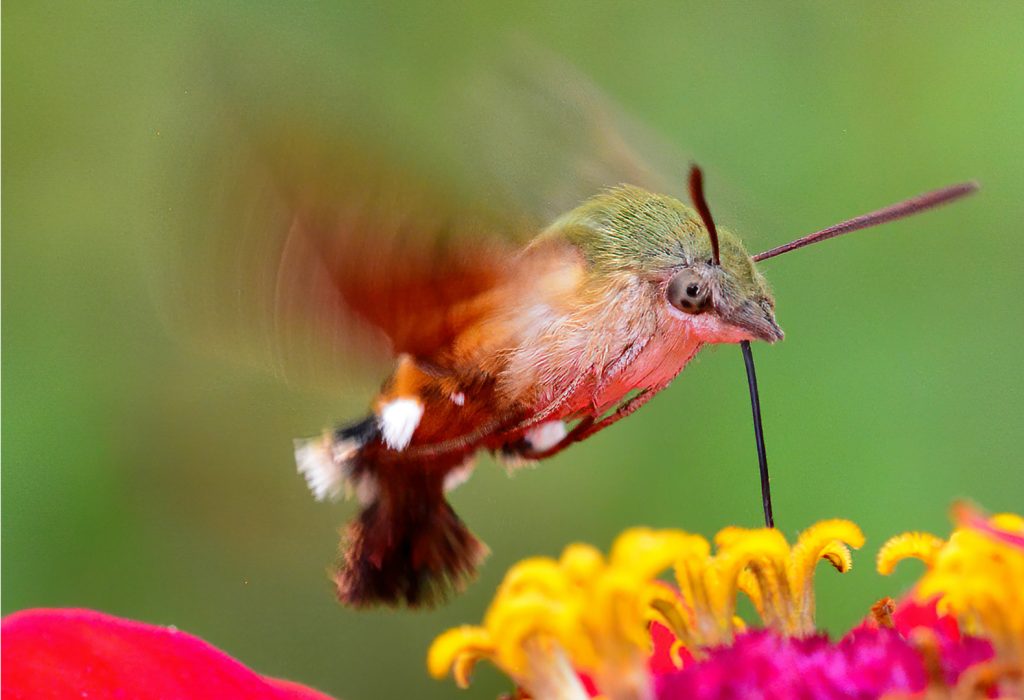
Johan Viljoen – Necktar sucker
Sussa Pelser – Rain Spider On Plant
Yolandi Geyser – Drinking some water

Pictorial

Louis van der Walt – Drakensberg Owl 1
Tiaan Muller – The Silos
Marius Krige – Airfried Meatballs
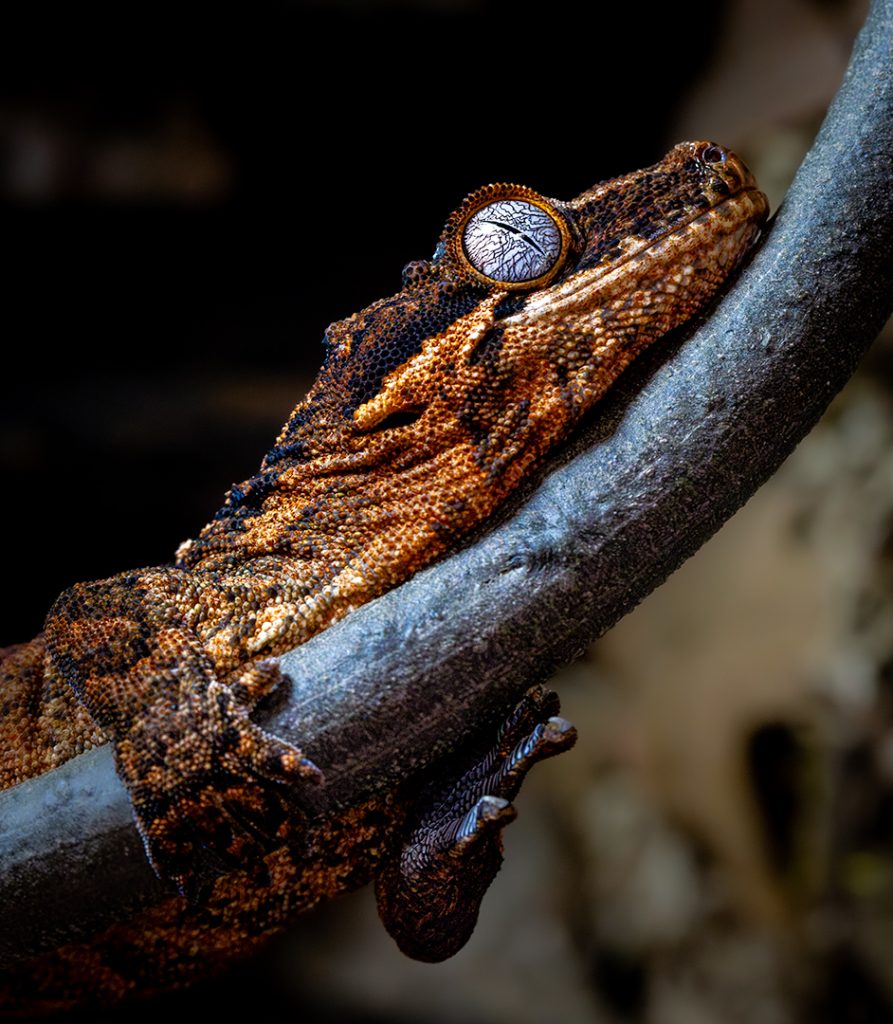
Yolandi Geyser – Gargoyle Gecko
DNE Smit – Liceu opera Barcelona
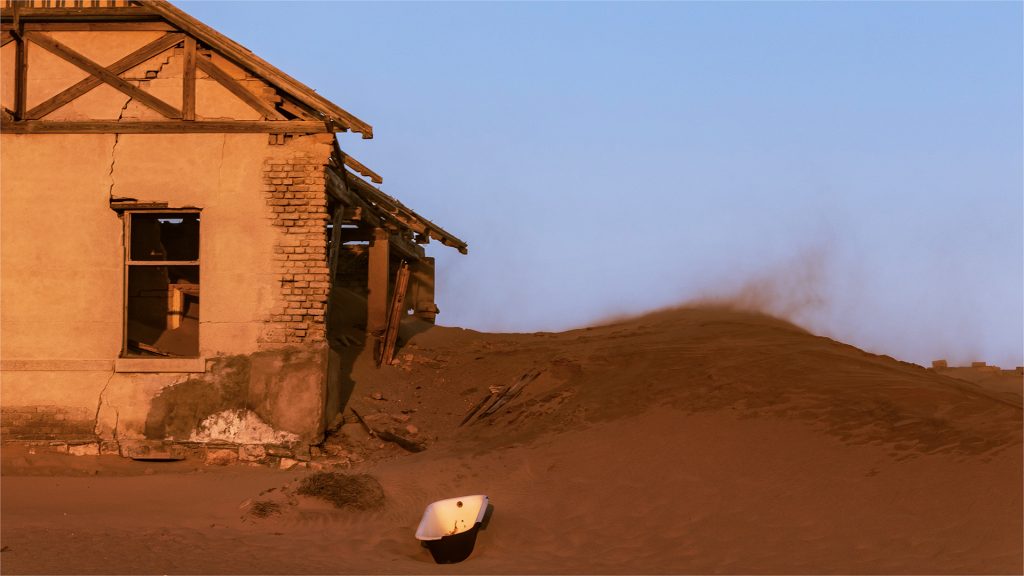
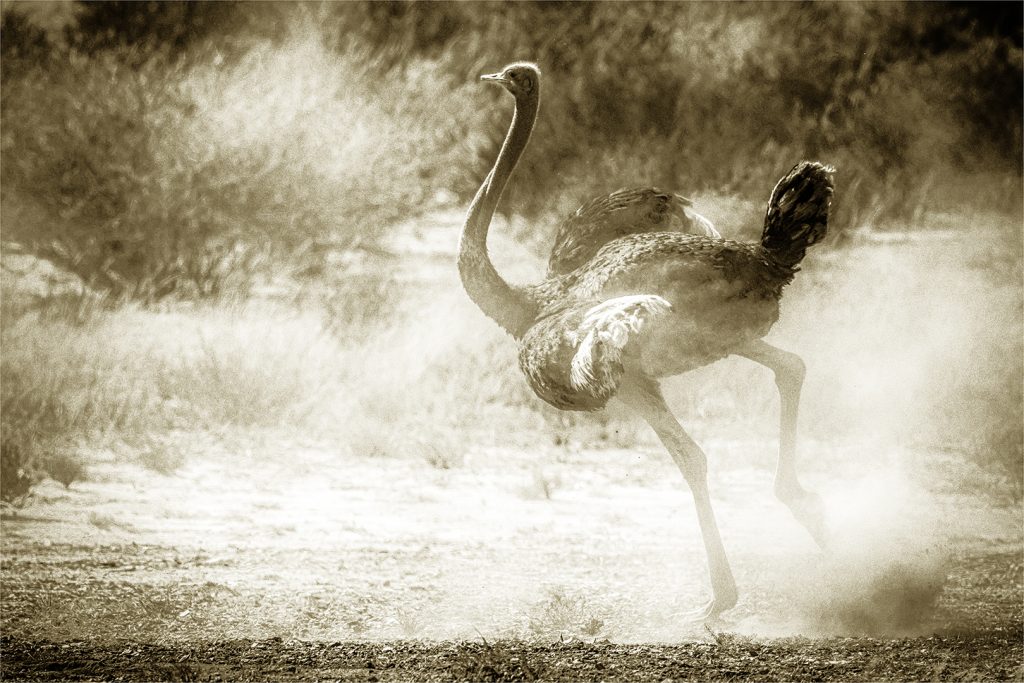
Piet Potgieter – Dusty bath
Gerrit Myburgh – Ek kan Pa 1
Lorraine Botha – Innocent stare
Johan Viljoen – 87 Winner
Tiaan Muller – Old Rusty at misty waters
Marius Krige – Hearts Over The Line
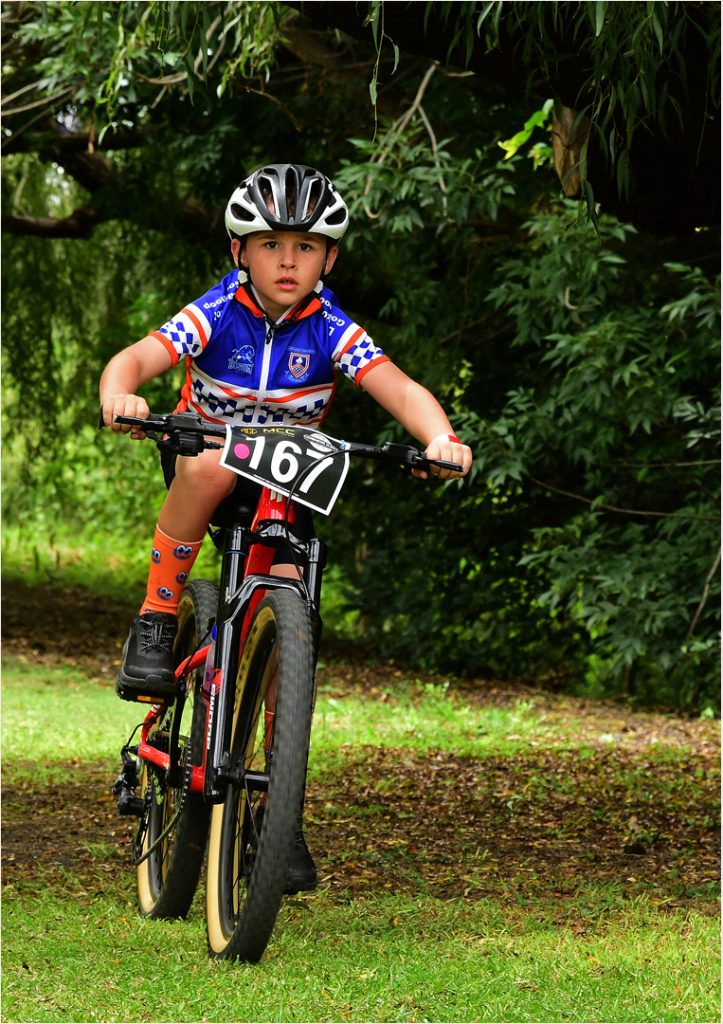
Piet Potgieter – Dusty dans
Johan Viljoen – Stuck in the mud
Leon Pelser – dont you die on me

Photojournalism

Gerrit Myburgh – The finish line
Lorraine Botha – Horse Show
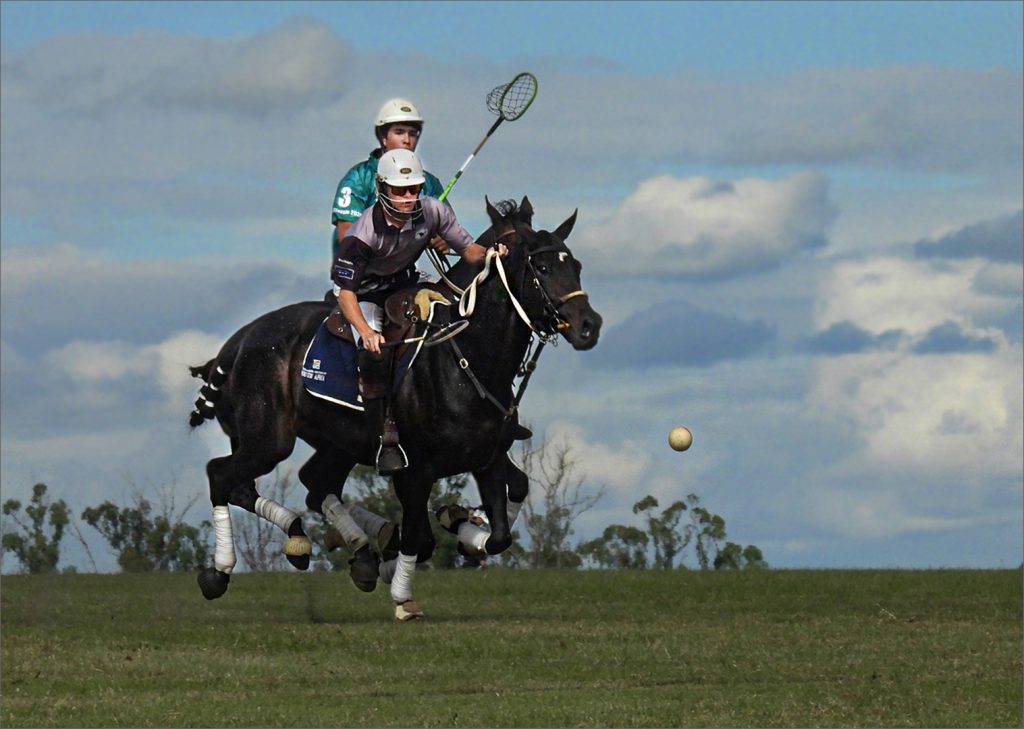
Sussa Pelser – Going For The Ball
Lorraine Botha – Eeek

Set Subject – Abstract

Tiaan Muller – Red reflection
Yolandi Geyser – Flower reflection
John Mullineux  –  Port Nolloth fuel tank
DNE Smit – Anglo gold
Gerrit Myburgh – Quiet peace
Lorraine Botha – Baby crocodile abstract
Leon Pelser – In the forest

Tutela – Establishing Healthy Boundaries Within the Family

Establishing Healthy Boundaries Within the Family

Healthy boundaries are essential for building respectful and emotionally safe family relationships. They help define what is acceptable, reduce conflict, and support each family member’s personal space and emotional needs.

Children who grow up without clear boundaries may experience confusion, anxiety, and behavioural issues. That’s why the Children’s Act 38 of 2005 and the South African Constitution emphasize dignity, emotional safety, and the right of children to participate in decisions that affect them.

Tips for Setting Healthy Family Boundaries:

  1. Create Clear Rules Together
    Involve children in setting age-appropriate rules and explain the reasons behind them.
  2. Respect Privacy and Personal Space
    Encourage each family member to have time alone and respect their physical and emotional space.
  3. Be Consistent with Limits
    Follow through calmly and firmly when rules are broken. Consistency builds trust.
  4. Teach Consent and Body Autonomy
    Help children understand that their body is their own and they have the right to say “no.”
  5. Model Respectful Communication
    Speak kindly and listen actively to show what mutual respect looks like.
  6. Encourage Responsibility
    Give children tasks and roles to help them learn accountability and independence.

Join our upcoming events

 Parenting Workshop

21 June 2025
Contact: 079 310 2599 | tutela.secunda@gmail.com

Annual Children’s Festival

30 June – 4 July 2025
A week of fun, learning, and meaningful engagement
Jan Badenhorst – 071 378 6805 | jan@kids4jesus.co.za

Support Tutela Family Care Secunda

  • Volunteer your time or skills
  • Donate to help families in crisis
  • Spread the word about our work

079 310 2599 | tutela.secunda@gmail.com

Strong families build strong communities—let’s create a safe and supportive environment for every child.