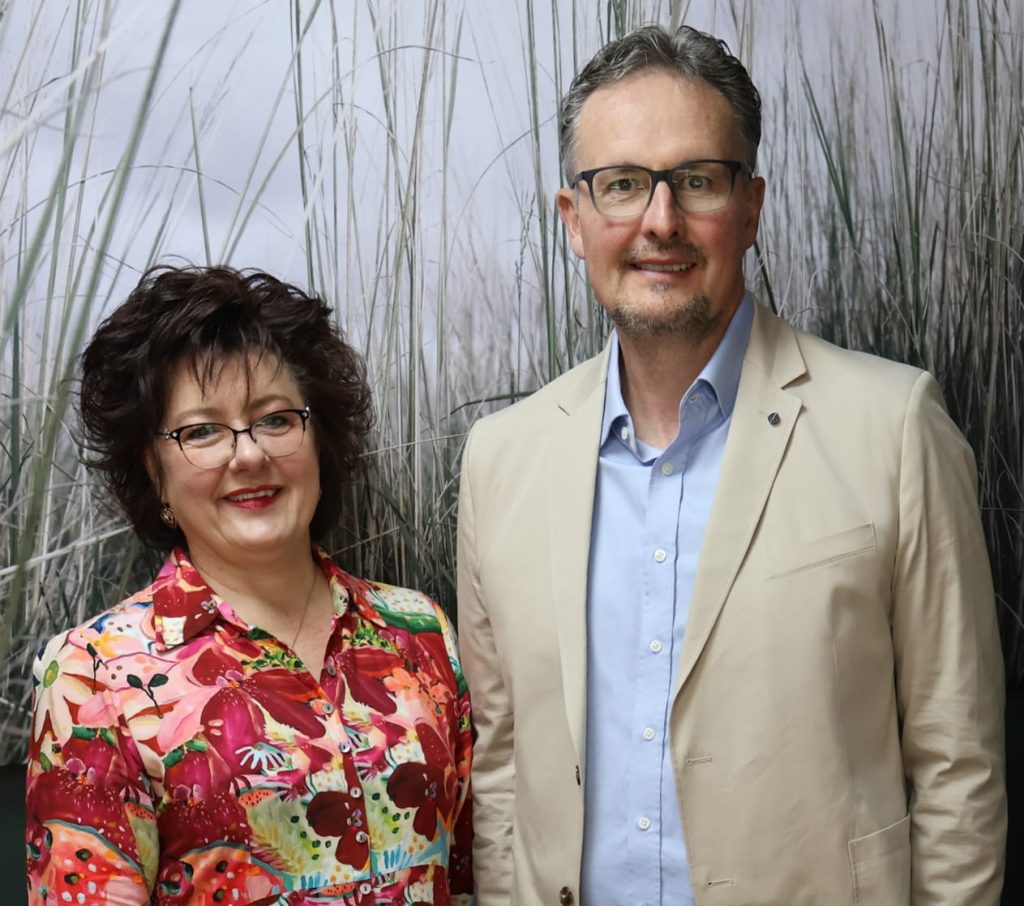
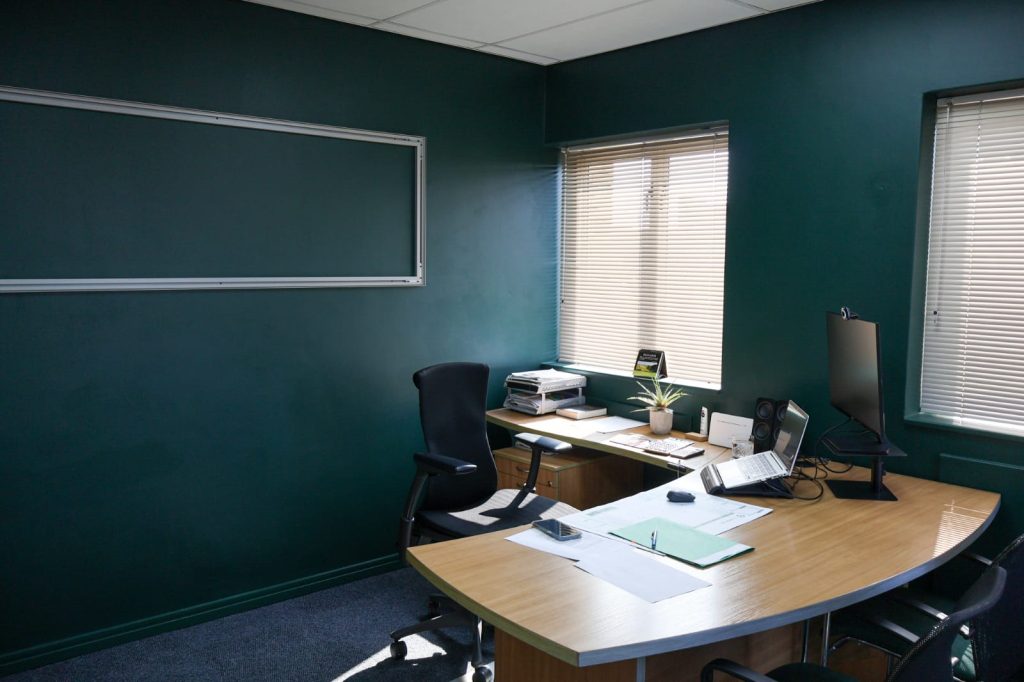
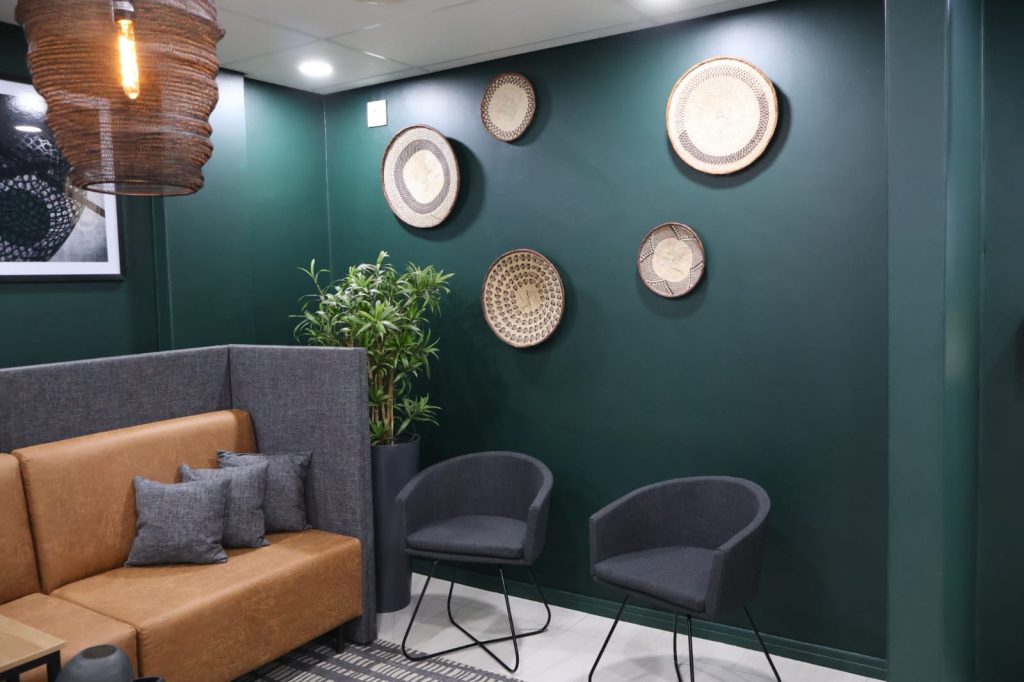
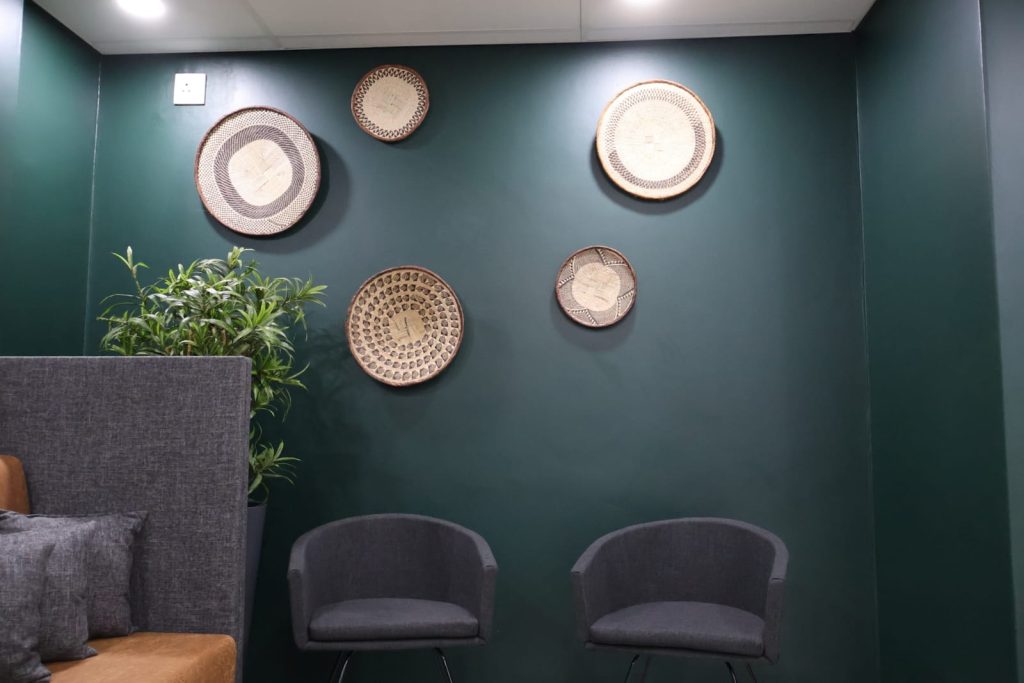
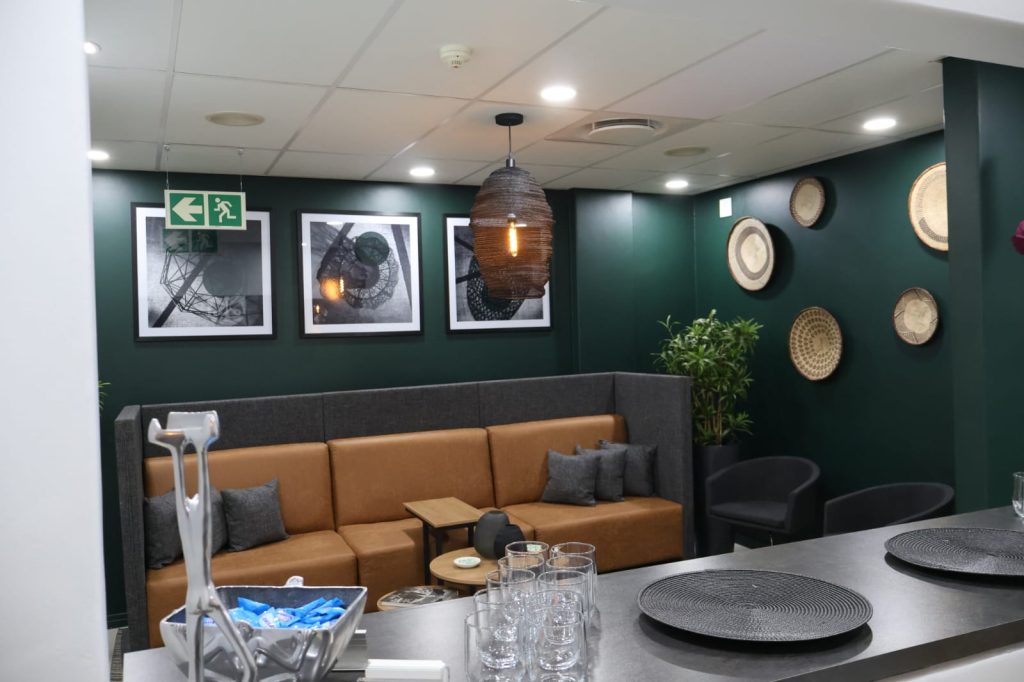
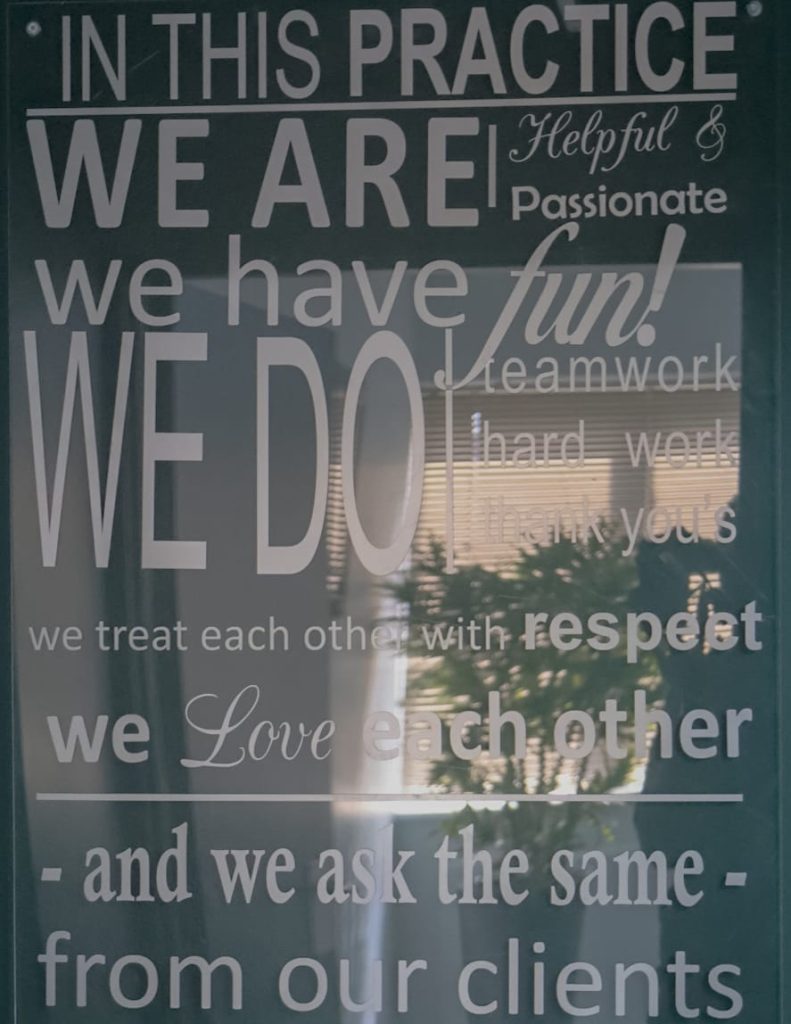
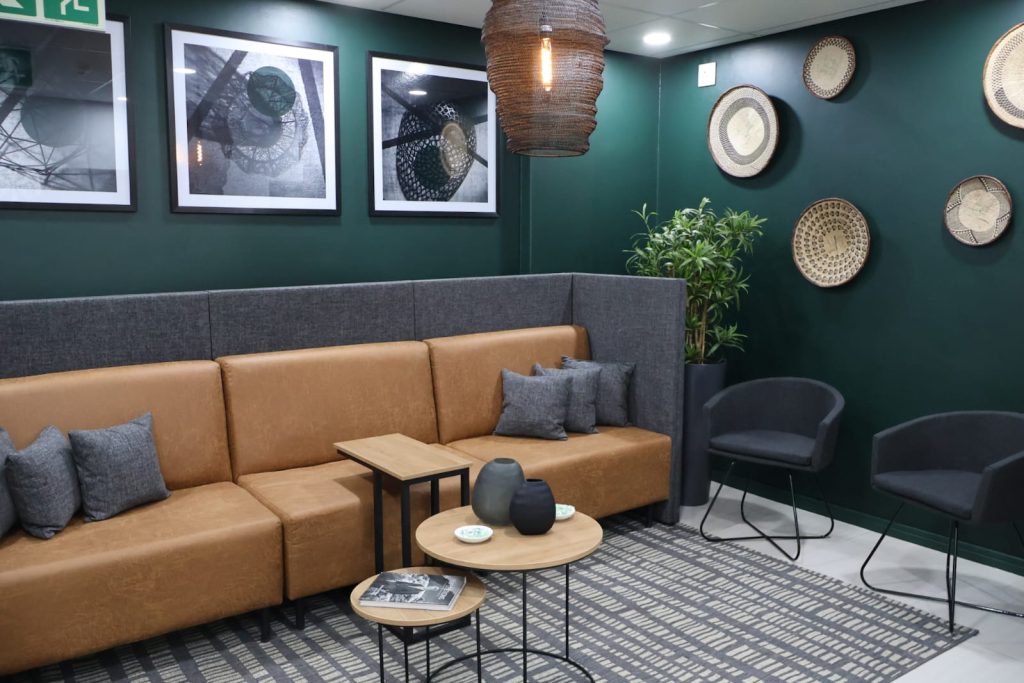
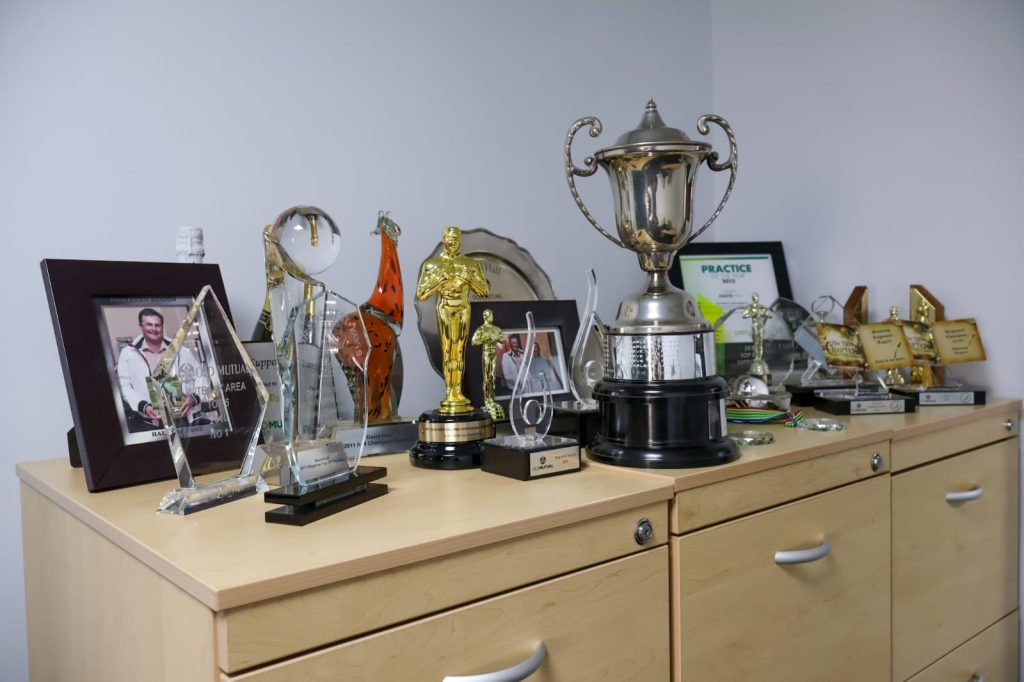
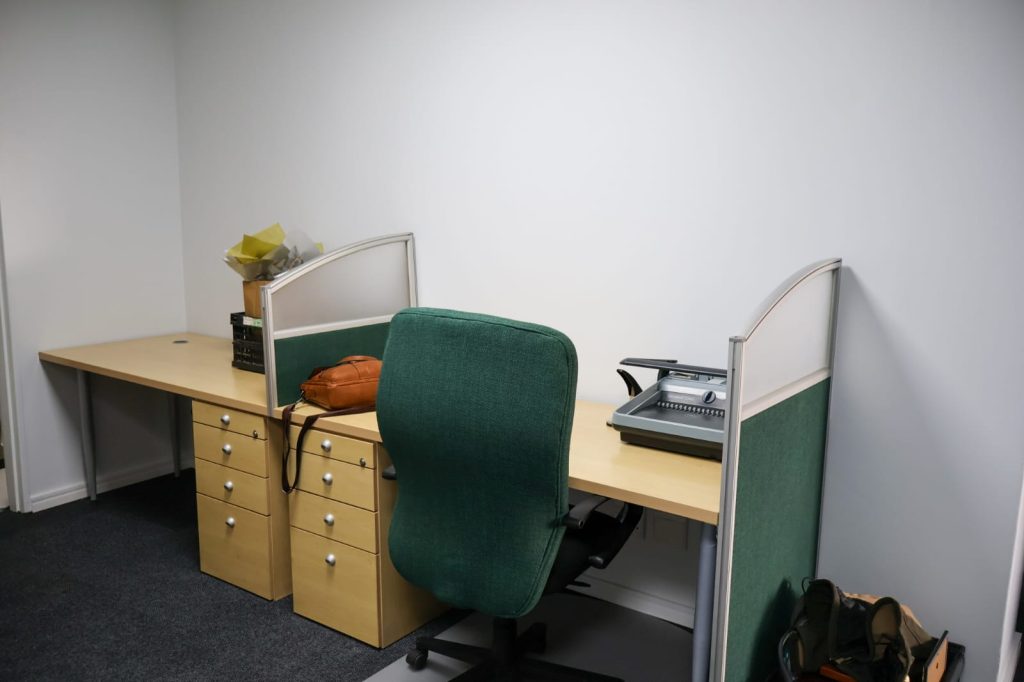
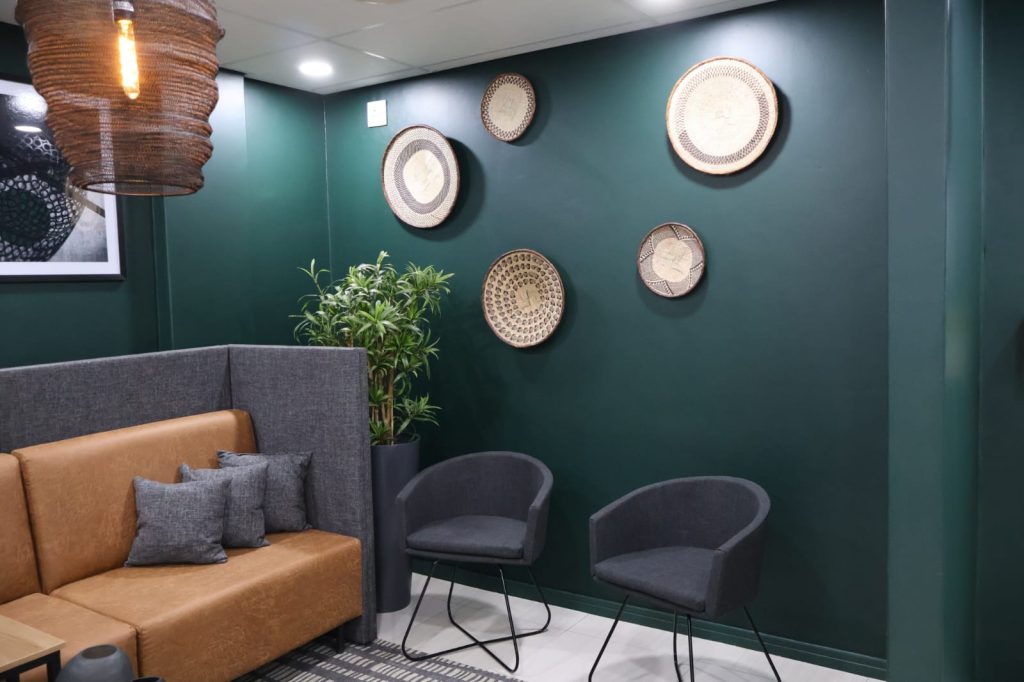
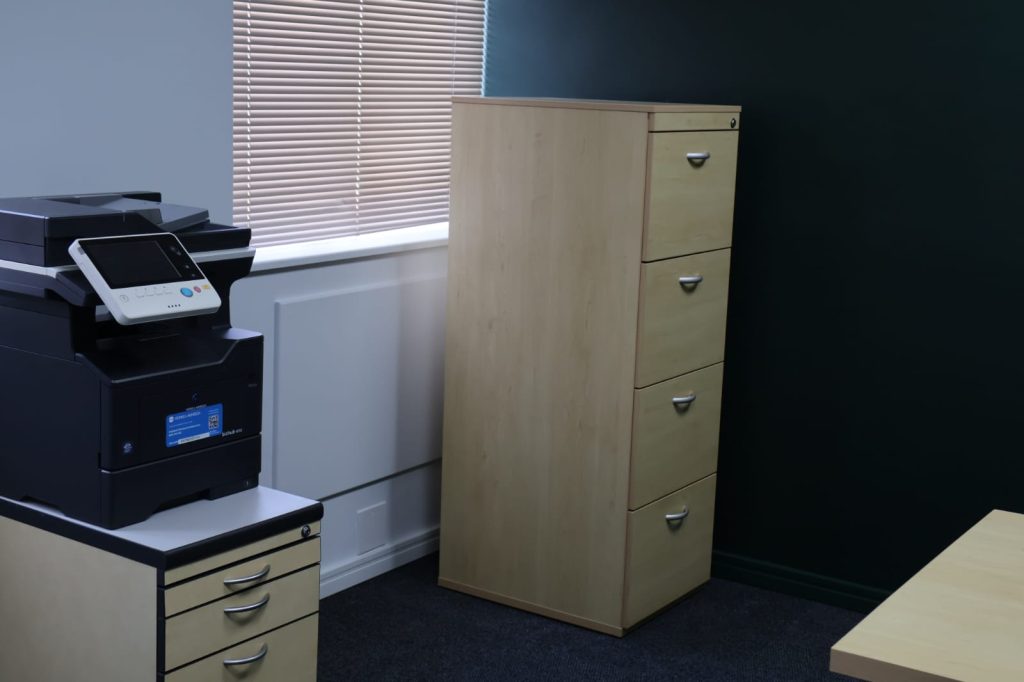
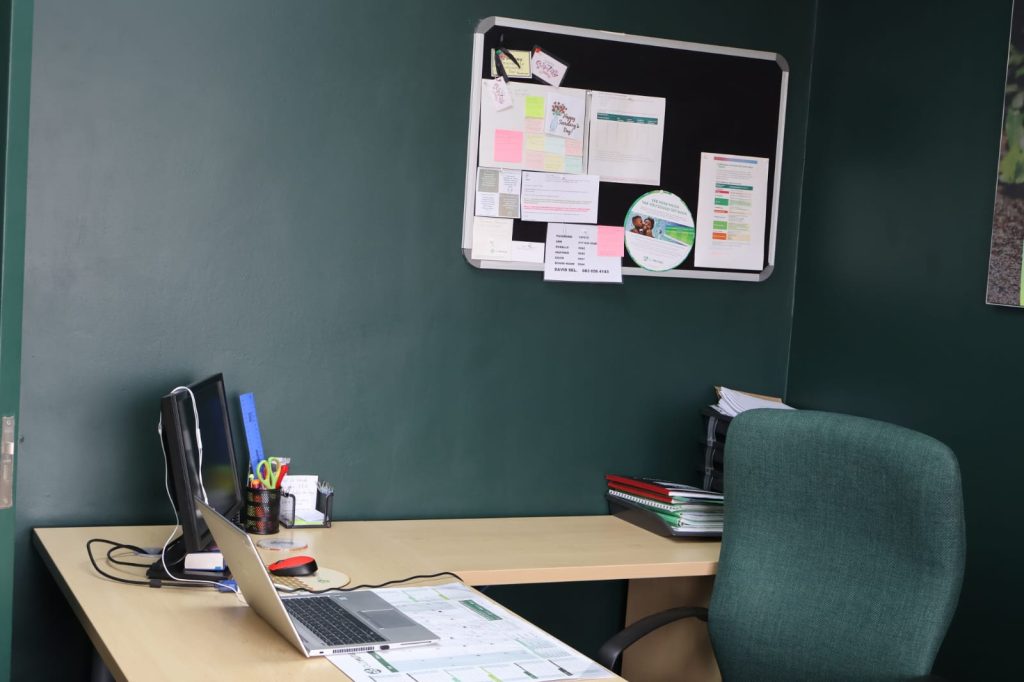
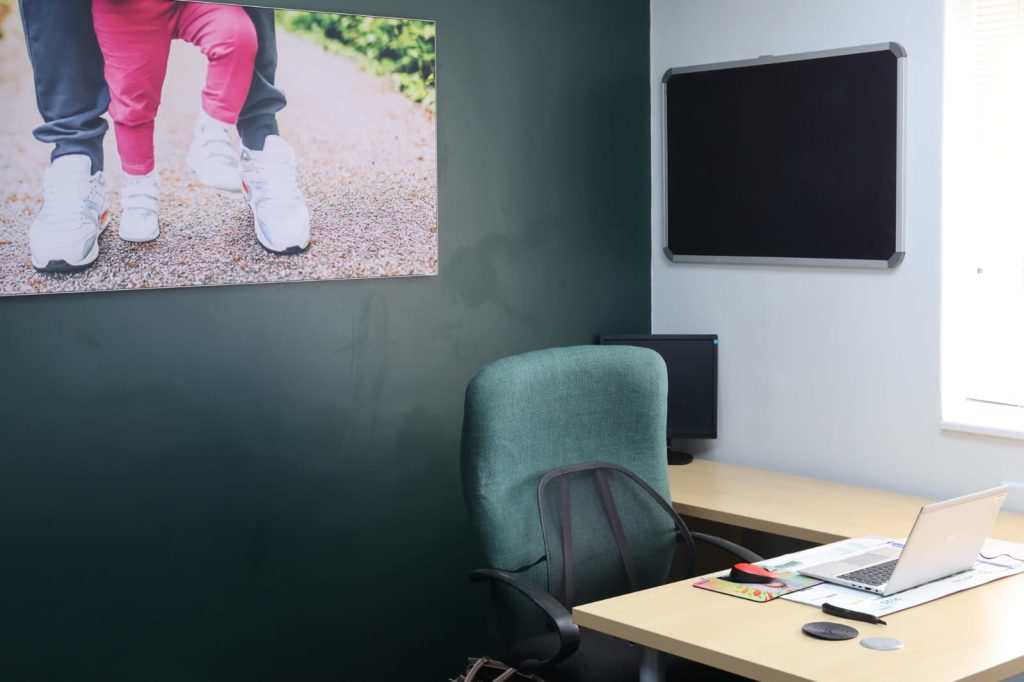
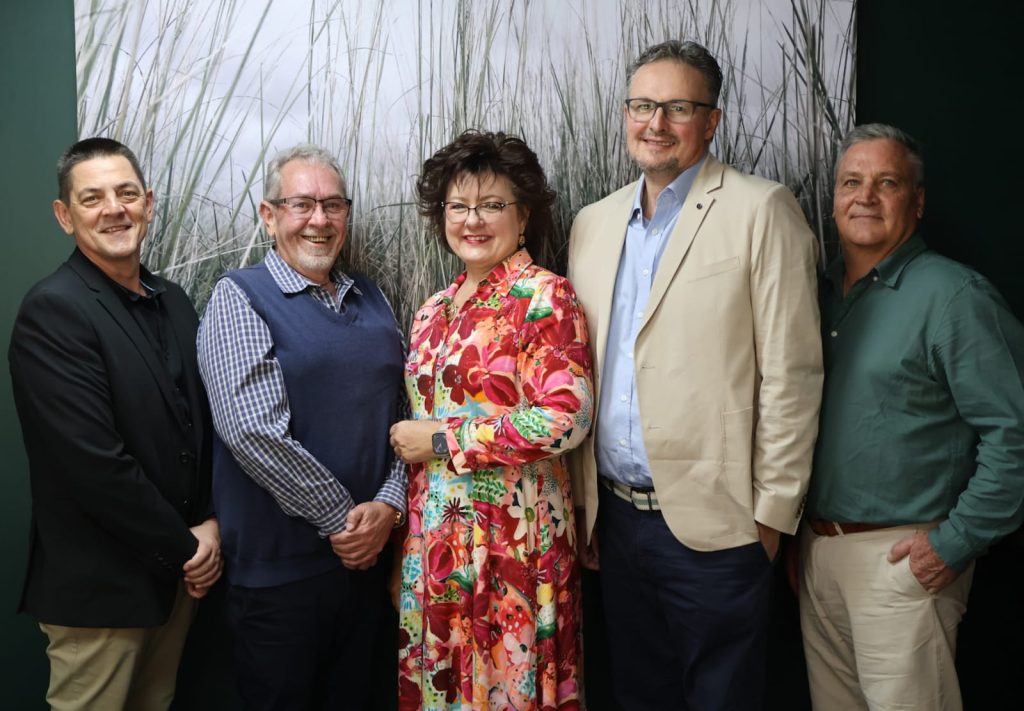
Walk into Old Mutual Certified Financial Planner, David Hall’s newly renovated office in Secunda, and it?s clear that this upgrade involved much more than just a fresh coat of paint. After more than a decade in the Medforum Building, David, who is a trusted Old Mutual financial adviser, decided it was time for a change, not in the advice he gives or the relationships he’s built, but in the environment where it all happens.
The enhanced offices offer a modern, welcoming space built around the needs of David?s customers who want clarity, calm and confidence when making life?s big financial decisions.
David is a familiar name in the Secunda community. He?s been with Old Mutual since 1996 and has operated from the Medforum Building since 2014. Over the years, he has built a strong reputation for helping people plan for the futures they want, build wealth and long-term financial stability, and protect what matters most to them.
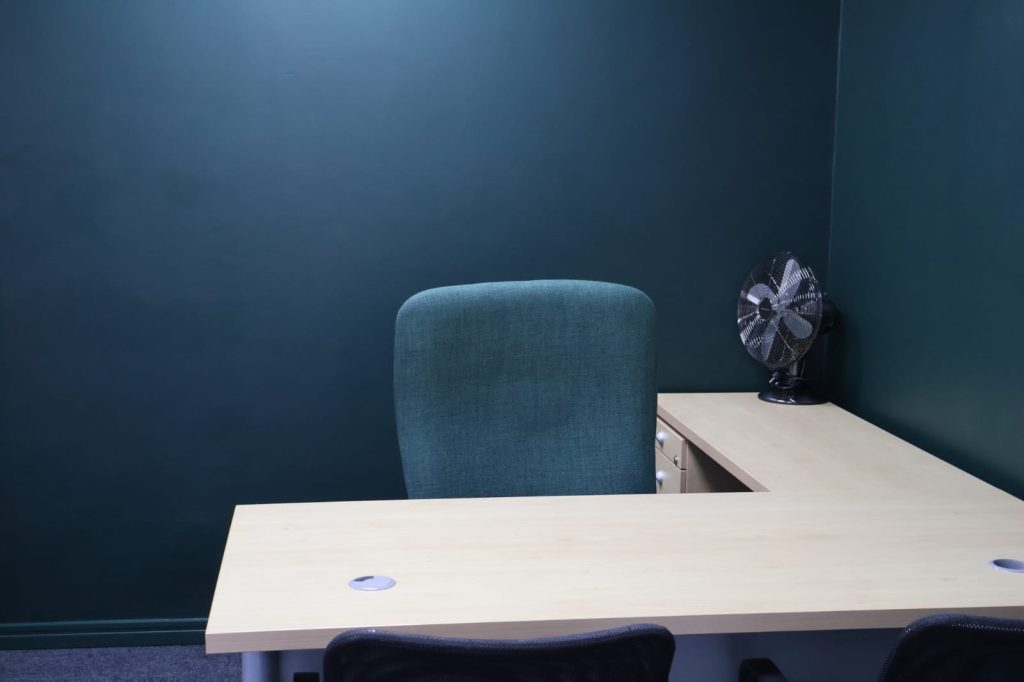
The revamped office, which was part of Old Mutual?s broader effort to modernise its office spaces, includes new consultation rooms that are quieter and more private, with a modern layout designed to create a better experience for every visitor. ?The goal was to make the space more welcoming and professional,? David explains. ?We want our customers to feel comfortable when they come to see us and, since this is a space where people talk about personal things, privacy and a calm atmosphere are very important.?
David has worked in financial planning for over 30 years with a special focus on estate planning and risk management. He is also one of Old Mutual?s most recognised and celebrated advisers, having been named among their Top 25 nationally for 25 years in a row. In 2021, he received the Chairman?s Prize as Old Mutual?s Personal Finance top adviser.
His services include everything from life and disability cover to wills, estate planning, retirement strategies, and legacy planning. ?We help customers plan for the unexpected and also for their future,? he explains. ?It?s not just about products; it?s about building a full financial plan that fits each person?s life.?
Financial advice runs in the family for David. Both his parents worked in the industry, and he?s proud to carry that legacy forward. Despite having worked in financial advice for more than three decades, David?s vision remains as clear as it was on the day he started. ?My passion is to provide excellent service and world-class advice that helps people create the lives and futures they want for themselves and their families,? he says. And this obsession with meaningful customer relationships, insightful planning, and trusted guidance continues to drive everything he does.
He also gives credit to his team in his Secunda and Pretoria offices. ?I?m very lucky to have such dedicated people supporting and working alongside me,? he says. ?They play a big role in creating the type of world-class experience our customers have come to expect from us.?
David welcomes both his long-standing customers and new faces to visit the refreshed space for themselves. ?Our upgraded office better reflects the standards we hold ourselves to,? he says, ?professional, personal, and built around what matters to our customers.?
TIPS TO KEEP YOUR PET SAFE AND HAPPY WHEN THEY ARE HOME ALONE
Leaving our beloved pets at home alone is a common part of our daily lives, but ensuring their safety, comfort, and well-being during our absence is an important responsibility as a pet parent. In this guide, we’ll explore a range of practical tips and strategies to make those moments when our furry companions are left on their own a positive experience for both pets and their owners, because we understand that you can’t be with your pet all the time. A question every loving dog parent should ask is, “How long is too long to leave my dog alone?”
Sadly, we can share many horrible stories of what happened to pets while owners were away or how many people will go away for days with no one checking in on them. This is highly irresponsible, and worse, it is how many puppies get lost or found in the streets! Our concerns include theft, poison, and health-related emergencies, too. Then there is also the emotional well-being, as some animals get very depressed and can even stop eating when left alone.
When you do go out (short or long), make sure:
Your yard/house is safe and secure
They have enough food
They have lots of fresh water
They have shelter from the elements
Someone can check in on them
Your pet sitter is listed with your Vet
Their medication and medical records are together
They have a microchip that is registered with up-to-date details, or at least an ID collar with your number
Editorial Note – This article is a reprint from 8 November 2023
HOW LONG CAN YOUR DOG BE LEFT ALONE?
Answer: It depends.
It’s not a yes or no question. How long your dog can stay home alone depends on your dog, their age, and their physical and emotional needs. Two rules of thumb: There’s no one-size-fits-all time frame, but 10 to 12 hours is considered too long to leave a pet alone; they also shouldn’t go without a potty break every 4 to 6 hours if left inside, says Dr. Karen Becker.
Your dog’s bladder control, like humans, depends on factors such as age, hydration, and physical build. Young puppies and elderly dogs require more frequent outdoor breaks. Establish a routine that suits both of you, ensuring they go out before you leave and when you return.
To determine how long your dog can stay alone, consider their physical and emotional needs. Your dog’s ability to stay home alone also relies on their exercise and social interaction requirements. Some dogs may enjoy lounging during your absence, while others need regular walks and stimulating toys.
Watch out for behavioral changes, such as increased lethargy, depression, or destructive tendencies, which could indicate issues related to extended solitude. If you notice these changes, consult your veterinarian for a professional evaluation. Separation anxiety may manifest as destructive behaviours, and dogs, being social animals, may struggle with prolonged isolation.
WAYS TO IMPROVE THEIR ALONE TIME
Managing how your dog spends their time alone can help your pup feel more satisfied or fulfilled while you’re away. It also provides you with some peace of mind. Some options include:
Hire a dog walker, even a day or two per week. This will include much-needed exercise, stimulation, and distraction.
Provide safe and mentally stimulating toys such as treat puzzles.
Leave the TV or radio (keep in mind electrical risks) on.
Get another pet (this only works if they get along).
Create a safe space for them in your home. Crate training your dog is recommended in general and for emergencies, but leaving him confined to his crate all day is something he absolutely doesn’t deserve!
Doggy cams can be great. Smart indoor cameras that you can access through your phone serve as invaluable tools for keeping an eye on your dog when they’re home alone. Numerous options are available in the market, enabling you to not only see and hear your dog but also receive notifications about activity or sound, allowing for quick check-ins. Some even release a treat.
Get a pet sitter to check in.
Doggy daycare (one time a week can make a difference).
Pet-proof the area where they are left. This can be an area that can be closed off from the rest of the house, and likely one that can be cleaned easily with a tile floor. Add their bedding, water, food, and toys (safe ones). Ensure there are no plugged-in electrical wires or cables that they can hurt themselves or chew on. Keep other food out of reach and make sure they can’t climb onto something to access something else. Remove any potentially hazardous chemicals or medication. Also, make sure that they have much to keep them busy because you would not leave a child in a room with nothing to keep them busy. Initially, you have to supervise those enrichment toys to see if they can destroy them and if there are other dangers around them.
Getting your new dog used to being alone. Begin by leaving them alone in a room for short intervals, allowing them to become acclimated to the idea. Gradually extend the duration of their alone time as they adjust. Once your dog has become comfortable in this designated space and their behaviour is reassuring, you can gradually expand their access to other areas of the house when you’re not present. A practical test for this transition is when you expect to be away for around 30 to 60 minutes, such as a quick trip to the supermarket. If they can maintain good behaviour in a larger area for a short period, you can progressively increase the duration for which they have the freedom to roam the house while you’re away, eventually accommodating a full workday.
Image by Theresa Duvenage
SPECIAL PRECAUTIONS
When leaving pets home alone, it’s crucial to take extra precautions for:
Dogs, especially those prone to separation anxiety.
Cats, especially those with anxiety or territorial issues.
Birds, particularly highly social species.
Exotic pets with specific habitat requirements.
Small rodents who need a secure environment.
Fish with a focus on water quality and feeding.
Young/baby animals
Senior pets with age-related health needs.
Pets with special needs or health conditions.
Understanding and addressing their unique needs, from companionship to environmental conditions, ensures their well-being when you’re not around.
Have a fire escape and emergency plan. If a fire starts when you’re not home, having a pet alert window cling, which lets firefighters know the number and type of pets inside, will alert them to look for your pets. Do you have an ER card for your pets in your wallet? Are your pets included in your last will?
WHAT TO CONSIDER WHEN CHOOSING A DAYCARE OR PET SITTER
We have seen posts of people wanting a pet sitter “now,” and for me, that raises a lot of concern. You need to take time to do your homework and choose carefully who you trust with your animals. You need a trusted and experienced pet sitter or service, and they should be familiar with your pet’s routine and any unique needs they may have.
Blue Cross recommends considering the following when choosing a doggy daycare:
Do they have professional training in dog behaviour, first aid, and other important aspects of dog care?
Are they properly licensed and insured?
Where will your dog play, exercise, and rest?
How many other dogs will be there, and by how many people will they be supervised?
Are they equipped to take care of any special needs your dog may have due to age, health, etc.?
Make sure to read reviews or ask friends and family about quality daycare places, and do a tour of the facility before leaving your dog. The nice part of a doggy daycare is that you don’t have to take your dog every day, which can sometimes become expensive. A day or two at the daycare will help get your dog exercise as well as socialize them with other dogs.
Read more about training tips for your pets in part one and part two of our previous posts.
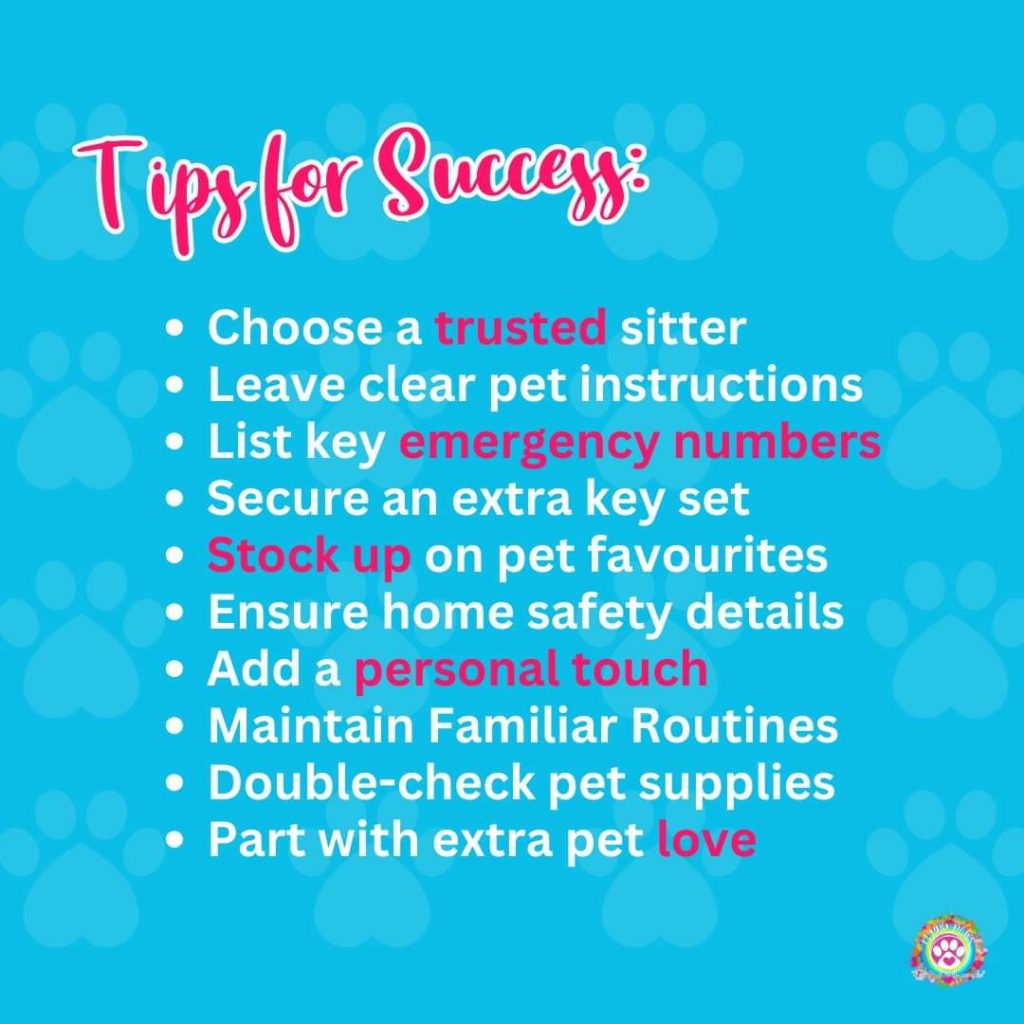
While you’re packing and prepping, don’t forget the essentials for your furry family members. It’s vital to ensure they’re as comfortable as possible, especially if they’re staying at home. Furry Paws Secunda is a local pet sitter service/daycare/groomer. They give the following advice:
Leave written instructions that include feeding schedules for favourite toys. A comprehensive guide will make your pet’s life (and your sitter’s job) smoother.
Ensure your sitter has an extra set of keys. Bonus points if you leave another set with a trusted friend or neighbour.
Alarm codes, Wi-Fi passwords, and any special instructions should be written down and accessible.
Emergency Numbers and information to add to your instructions:
Vet’s contact info.
Nearest trusted emergency pet hospital.
Your security company’s hotline.
Poison control centre number.
Local police and other emergency services.
A trusted friend or neighbour.
Include any medical conditions or allergies your pet may have.
Include some pet comforts and personal touches.
Leave familiar toys and bedding to keep them at ease.
If your pet has a favourite calming music playlist or TV channel, let your sitter know!
Ensure all their favourite treats and foods are well stocked.
Consider leaving a short note or voice recording for your pet. Hearing a familiar voice can be comforting.
Schedule a call or video chat to check in if you’re away for an extended period.
Remember that when you bring home a new dog, you’re committing to a long-term relationship. Be sure you have time to dedicate to your new family member. Working full-time or having a busy life and owning a pet is doable; you may just have to get creative to ensure their needs are being met. Before bringing a new pet into your home, it’s really important to find an animal that fits your lifestyle. Consider taking a few days off to help them adjust to this new world you force them to live in. #adoptdontshop
In conclusion, when it comes to leaving pets home alone, our furry, feathered, or scaled friends rely on us to create a safe and comforting environment. By following the tips and strategies outlined in this guide, we can uphold our responsibility as responsible pet owners. Remember, pets thrive on routine and familiar surroundings. Ensuring their well-being in your absence not only eases your mind but also guarantees their contentment and security. From setting up their space and providing mental and physical stimulation to considering technological aids, your efforts will not only benefit your pets but also strengthen the bond between you and your beloved companions.
So, the next time you have to leave your pets home alone, do so with the confidence that you’ve taken the necessary steps to ensure their happiness and welfare.
Join us again next week as we learn about the pets of our lives.
Twenty-five (25) ECD Centres with about 300 Learners marched to the Embalenhle police station. The aim of the march was to deliver a memorandum which entailed the abuse faced by the young ones.
The event also focuses on raising awareness about children’s rights and protecting them from abuse, neglect, and exploitation. The march also served as a reminder of the importance of creating a safe and supportive environment for all children, especially those 6 years and younger. This is part of the 2025 Children Protection Week.
The march started at Engen Garage @10:00 (Extension Four Drive) and proceeded to the Police station.
The principals of the crèche gathered and organised the march to address the station commanders
Four different types of abuse were discussed: The signs and indicators of child abuse and neglect that parents, teachers, and community members should be aware of:
Physical abuse: This type of abuse is most noticeable if the child is not dressed appropriately, or has blue marks (cigarette burns or blue eyes). A child doesn’t accidentally get these injuries; they were inflicted on them.
Emotional abuse: it includes any degrading or insulting comments or remarks towards a child, or threats. This is noticeable when a child is very unhappy, scared, and displaying aggressive behaviour.
Sexual abuse: this abuse is noticeable when a child experiences pain or bleeding around their genitals, is scared to be alone with someone, is withdrawn, is detached, has self-harming behaviour, has nightmares, and displays suicidal behaviour.
https://youtu.be/Bo2L5B-OfKk
“Please look out for children and their suffering- help them- they matter”
The station Commander, Colonel Matrose of EMbalenhle police station, welcomed and received the memorandum from the little ones. She applauded the principals for organising the March and emphasised the need to protect children.
EMPOWER YOUR PET’S JOURNEY BY INVESTING TIME IN TRAINING
Last week, we looked at the “why” and “what” of training your animals, so this week we will jump right in with some tips for training your pets and unleashing their potential, leading to a happier and well-balanced life. The majority of training tips for animals focus on dogs; however, the psychology and principles remain similar for animals in general. Remember that opinions and situations might differ, but it is important that you, who know your animals best, use what works for you and them.
Editorial note – This article is a reprint from 25 October 2023
HERE ARE OUR TOP TIPS
THEIR NAME – Choose the animal’s name wisely. It helps to consider a short name ending with a strong consonant that they can always hear clearly. A strong ending, like in the names “Jasper,” “Jack,” and “Ginger.” I choose not to use their name in the negative sense, for example, when trying to interrupt a behaviour.
START YOUNG – Although we believe you can teach an old dog new tricks, the earlier they put a particular skill or training in their memory bank, the better!
REWARD-BASED TRAINING – Positive reinforcement is our preferred method, and punishment is never one! Reward-based training is less likely to cause stress or anxiety. Positive, however, does not mean permissive. Don’t set your pet up for failure, and do allow them to rehearse the right behaviour frequently. Keep the session short, simple, and fun. Give them options and choices in the training. Be careful not to become dependent on treats only for training. Your attention is another great reward that can be used.
TRAIN IN “DOGS TIME” – Pets live in the moment, and two minutes after they’ve done something, they’ve likely already forgotten about it. So, when your animals are displaying unwanted behaviour, use the training techniques right away so they have a chance to make the association between the behaviour and the “correction”. Consistent repetition will reinforce what they’ve learned.
DIRECTION NOT CORRECTION – Interrupt the unwanted behaviour as soon as possible and redirect them at that moment, e.g., if they are digging a hole in your garden, guide them to the sand pit you made for them immediately.
ADDRESS THE CAUSE & A.S.A.P – As soon as serious behavioural concerns (e.g., aggression, fear, etc.) surface and you rule out any health issues, address the behaviour immediately (hours or a few days). Do not let it escalate. You need to find out what the cause of the behavioural changes is. This could be a new family member (animal or human), a kid or adult abusing them, moving, lack of stimulation or resources, unmet needs, etc.
HANDLE REACTIVITY – Reactivity affects their ability to train and is an important aspect to address. Reactivity is when a dog overreacts to things in their environment. These reactions can include barking, lunging, and growling. You need to limit or cease exposure to the “random” triggers and rather work on them in an isolated, well-planned setting. Don’t let the triggers stack!
CONSENT – Consent should be CLEAR, VOLUNTARY, with ONGOING PERMISSION! Consent is an important part of any healthy relationship, and teaching people to allow the animals to approach you is a good practice that we need to be ever-encouraging. Even when you touch your pet, it should be with consent. Don’t let people just touch your pets because they are “friendly”.
BODY LANGUAGE – Animals use a series of facial expressions and body postures to communicate how they feel. Your ability to understand and interpret body language can help you pick up on unspoken issues or feelings for your animals. It is a major part of communication, meeting their needs, and it will improve training. Watch out for T-E-M-P (tails, ears & eyes, mouth, and posture). Know what normal behaviour is and what it is not. Some behaviours, like digging, sniffing butts or crotches, rolling in stuff and even humping/mounting are quite normal.
BARK & GROWL Never punish a growl. This is a sign that they are uncomfortable. When you punish it, next time they might skip the growl and go straight to biting. Barking is also a way to communicate, and through the barking, your dog is trying to tell you something. If you talk to someone and they ignore you, how does that feel? When my dog barks, I go and check and say, “I see the cat, for example, and thank you for letting me know”. Some suggest barking with them and then decreasing that barking… it would be interesting to investigate this.
EYE CONTACT – Training eye contact as a wanted behaviour can help you with other areas of training. To teach your animal eye contact as a behaviour, you simply need to reward them when they look at you. This teaches them that deciding to look at us is a rewarding one, and as such, they will begin to do it more often and for longer periods. Then, if you choose to, you can add in a cue like ‘look’, so you have the behaviour on cue, and you can take it on the road.
HAND SIGNALS vs. VERBAL CUES – Verbal commands are great, but I prefer that our fur-kids understand hand signals too, as an additional skill. This could be and has been helpful in an emergency or when they are further away from you, or when you can’t talk for some reason.
EXERCISE-DISCIPLINE-AFFECTION – The biggest cause of misbehaviour in dogs is when their needs for exercise, discipline, and affection are not fulfilled. Especially when they do not get enough exercise to drain their excess energy and bring their minds to a calmer state, during which we can reinforce and reward that calm behaviour with affection. It is very difficult to train an overwhelmed mind (human or animal), and if you give affection to this overexcited behaviour, you may encourage it.
YOUR MINDSET – If you try to train your pet when you have had a long day or feel sick or frustrated, it can be detrimental to their training. Your calm, positive, and assertive energy is needed for training.
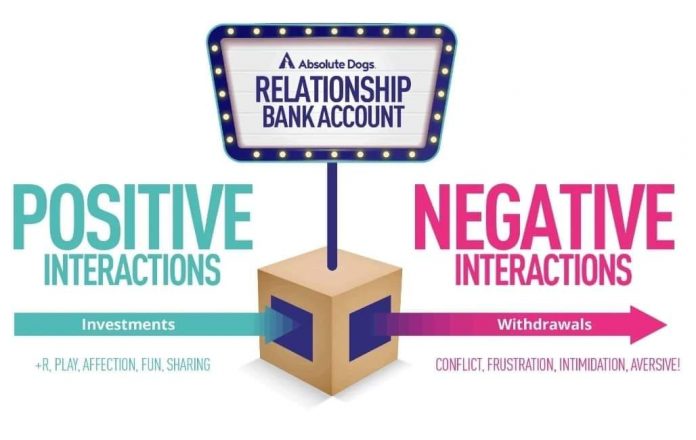
MAKE DEPOSITS INTO YOUR RELATIONSHIP BANK ACCOUNT – Trick training is a great way of teaching your pet and bonding with them. Playing games to learn is another awesome way to learn and have fun. Free play is also necessary, and training should not just be formal. The best enrichment activities include natural behaviour and time with you. Are you making deposits into your relationship bank account with your pet through play and quality time? If your dog doesn’t find you engaging, it’s unlikely they’ll focus on you over the distractions in their environment (chew toys, other dogs, cyclists, smells – you name it!). Follow Absolute Dogs for more on this.
THE BREED – although we never blame the breed, a Border collie might learn a new behaviour with 4 tries, while an Afghan hound might need 40 tries. A powerful breed like a Pitbull can do more damage when not trained, or be tougher to handle than a Chihuahua that is not trained. We encourage using breed-specific types of activities.
PATIENCE – Patience, in general, is important for training. You can’t expect your pet to learn everything in a few hours. It takes time and lots of practice to reinforce a behaviour. When you ask something of your dog, give them time to think. Do not expect that because they did something well two days ago, it will automatically happen today.
DECIDE ON HOUSE RULES – It is important to decide in advance what the house rules are, and the whole family must stick to them! Be consistent.
HELP YOUR DOG RELAX – Especially when you have an anxious or fearful pet, you need to help them manage stress better. This can include getting enough sleep, engaging in sniffing, letting them chew, vet checks, safe herbal remedies, or prescribed medications if necessary. PTSD in pets is a reality. You should set up a private den, which is their spot alone, and where they can go to debrief or relax and feel safe. When your puppy gets home, give them a warm hot-water bottle and put a ticking clock near their sleeping area, which can imitate the heat and heartbeat of littermates that will soothe your pup in their new environment.
ROUTINE – Establishing a daily schedule for your new pup or other animals is essential to having a well-behaved, balanced pet.
FOOD – You can use food and treats for positive reinforcement and in games, but wean them from expecting only treats, too. There is a difference between giving your dog a piece of food from your hand and your dog only getting food if it comes from your hand. When we feed dogs exclusively through interaction with us, we make eating conditional, when food is a basic welfare need that should come with zero strings attached. Food aggression and guarding need to be addressed through training; however, we do believe eating should be a solitary dining experience. Great if your pets can eat close to each other, but they should not be forced to do so.
PET-PROOF YOUR YARD & HOME – It is your responsibility to make sure that your yard is safe and secure, especially if you are still training your pet; however, you can teach them not to go out or to sit and wait in a spot for the car to park, etc. If you open the gate and do not teach them the boundaries, then you can’t expect them to stay inside.
THE RIGHT EQUIPMENT – Many pet parents don’t realize the importance of choosing the right type of collar, harness, and leash for their dog. I believe dogs should wear a harness and should never be leashed or even handled by the collar. I prefer the harness above a collar for health and safety reasons. There are, however, different harnesses too. The harness should not restrict their shoulder blade movement, and I prefer a Y-shape harness. Teach them from a young age to be comfortable with a harness and leash. Choosing the right bowl for eating and knowing which toys are safe for your animals is important, too.
CRATE TRAINING, MUZZLE TRAINING & TOUCHING Although animals should not be kept in crates for very long, it can be helpful in an emergency if they are not scared of being crated. The same goes for muzzle training. Some animals are more cuddle bugs than others; however, for the sake of lower anxiety with veterinary or grooming visits, help your pet become more comfortable with frequent touching. Touching the paws, ears, looking in the mouth, the nose, the eyes, touching the body, etc.
UNDIVIDED ATTENTION – If you’re like many busy animal parents today, you’re multitasking when you’re interacting with your dog. For example, you play tug-of-war with one hand while talking on the phone or checking Facebook with the other. Give them your undivided attention because they deserve it!
LEAVING MOM TOO EARLY – Baby animals learn valuable information from their parents, especially their mom. Studies suggest pups and kittens should stay with their mom for 12 weeks, and I agree!
SOCIALIZATION Play is not socialization. It is an important skill, but it is separate from socialization. There are many definitions and opinions, but for me, it is getting my fur-kid accustomed (at a speed they can handle) to different things and people, or animals. Slowly and safely introducing them to the world humans forced them to live in. Note that a dog park is not for socialization; not for puppies, and not for your dog-selective dog.
Also, readmore specific training tips from Beyond Behaviour and about training from last week’s article.
IF YOUR DOG STRUGGLES WITH TRAINING
Often, people will say that their dog is stubborn if they do not want to do the training well or at all, but there are many aspects, physically and emotionally, that could affect them.
Are they happy/stress-free?
Did they sleep well, and are they well-rested?
Are they comfortable and not in pain?
Do they feel safe in the environment?
Did they have an appetite?
Are they physically capable of what you require of them?
Are they not overwhelmed or trigger-stacked?
Is there something distracting in the environment?
Are you asking too much of them?
Are you clear on what you expect of them, or are they unsure?
SPECIAL CONSIDERATIONS WITH THE TRAINING OF SMALL DOGS
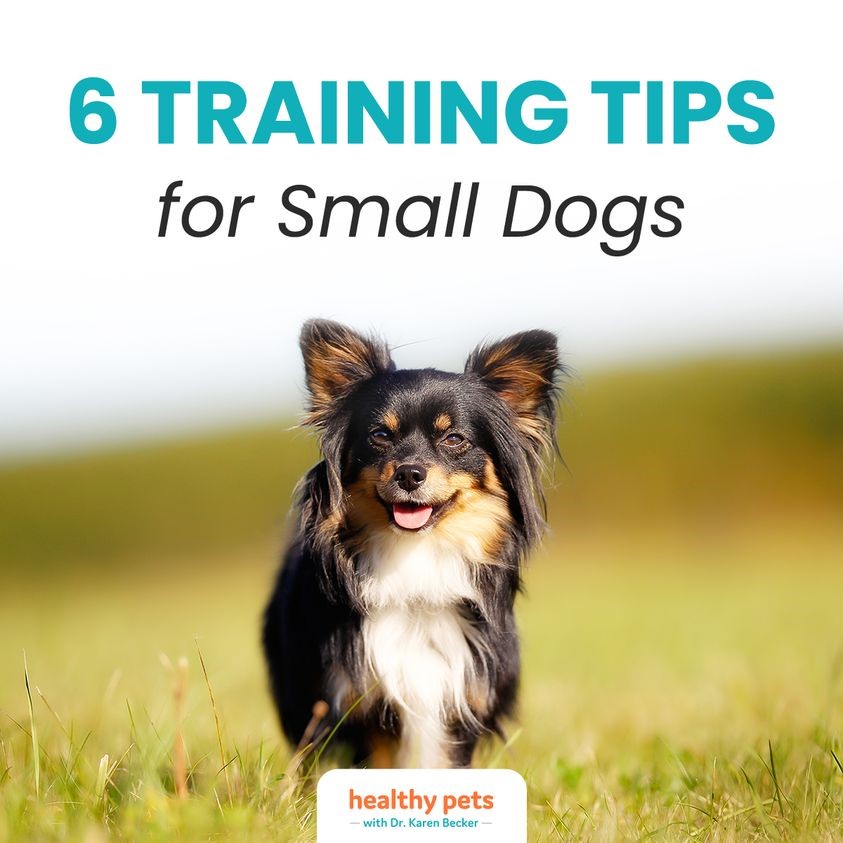
Dr. Karen Becker shares how small dogs have unfairly gotten a reputation for being yappy, nervous, and snappy. All dogs are capable of learning good manners through fear-free training.
If you have a small dog, help them stand tall with these training tips: 1. Get down close to her level instead of looming over them. 2. Offer extra-small training treats. 3. Use a harness, as well as small-sized toys and training tools. 4. Teach your dog a verbal “lift-off” cue to signal you’re about to pick them up. 5. Let them regularly socialize with safe humans and other dogs on their own terms. 6. Don’t accept obnoxious behaviour just because of size.
Meeting your pet’s needs is your responsibility, and that includes health, diet, providing fresh, clean drinking water, exercise, mental stimulation, love, proper care, a commitment to their life, and more. Training them or addressing behavioural issues is a crucial part of this. Contact a trainer or behaviourist for professional help, depending on what the need may be. Be consistent, have patience, and end every session on a positive note!
Join us again next week as we learn more about the pets of our lives.
Guest Judge: Johan Frost. Johan Frost hails from the Middelburg Photography Club
May Competition Winners
Senior: Leon Pelser
Junior: Edmund Hattingh
June Entries
Total Entries: 61 photos
Categories: 7
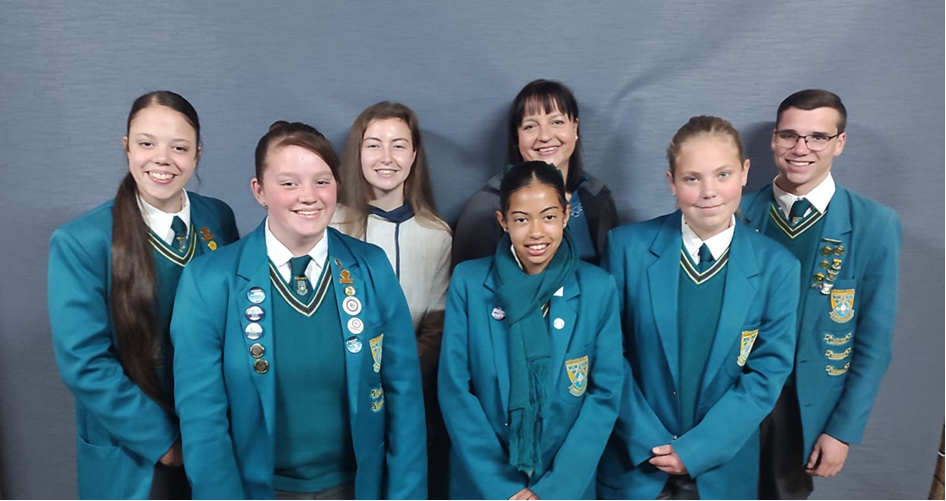
A heartfelt thank you to Secunda High School for attending our Friday night club event. We look forward to your future entries in our club nights and PSSA scholars’ events!
Agenda Highlights
Membership & PSSA Fees
Birthdays (none listed – please update your Photovault profile!)
Club Promotions (none this month)
Competition Results: Senior, Junior & Web
Salon Results and Upcoming Salons
Photography Events & Acknowledgements
Guest Judge Presentation & Scoring
PSSA News
Web Competition (May): Outstanding entries by:
Sussa Pelser
Leon Pelser
DNE Smit
Louis van der Walt
Yolandi Geyser
Salon Achievements
Sussa Pelser
Multiple wins, including Scape and Architecture categories
HCPS Salon – Open Category Winner
Sussa Pelser
Danie Smit
Western Cape Salon – Scape Category Winner
Paarl National Salon – Architecture Category Winner
Danie Smit
Louis van der Walt
Paarl National Salon – Open Category Runner-up
Louis van der Walt
Upcoming Competitions
PSSA Interclub – Deadline: 30 June 2025
NEP Interclub – Deadline: 30 June 2025
Here are the photographs that received COM and Gold accolades
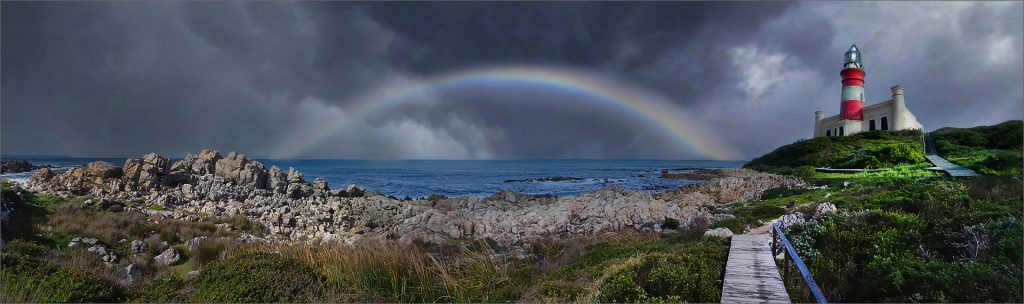
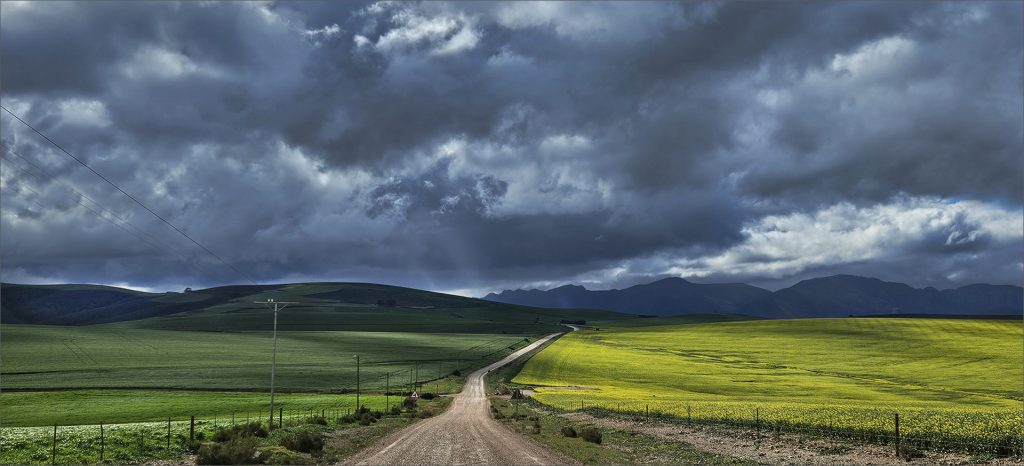
Best Set Subject Photographer (Panoramas)
Thunder and Lighthouse by Leon Pelser
Best Junior Photographer
Lugbalon Lyne deur Hanlie de Beer
Categories:
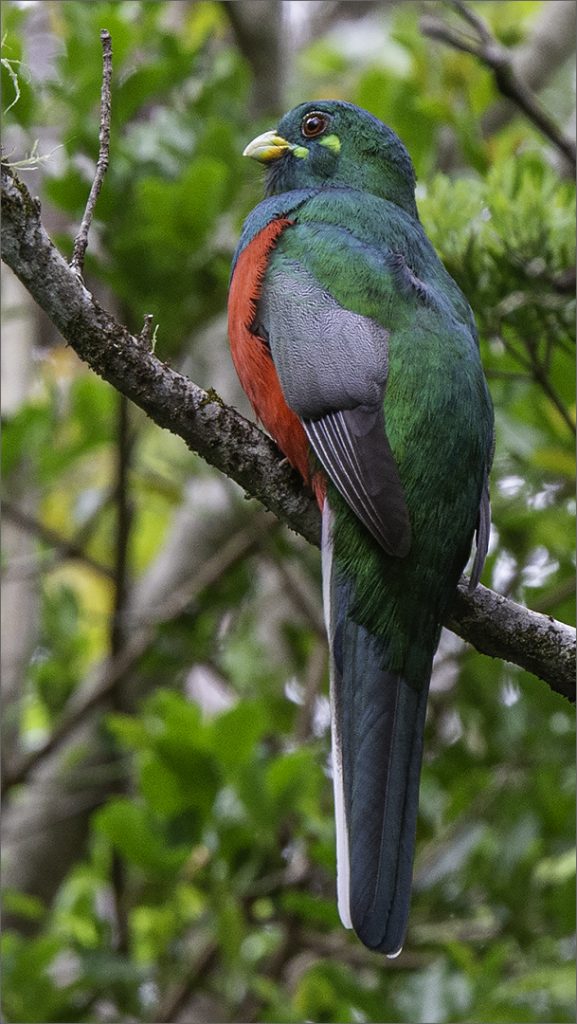
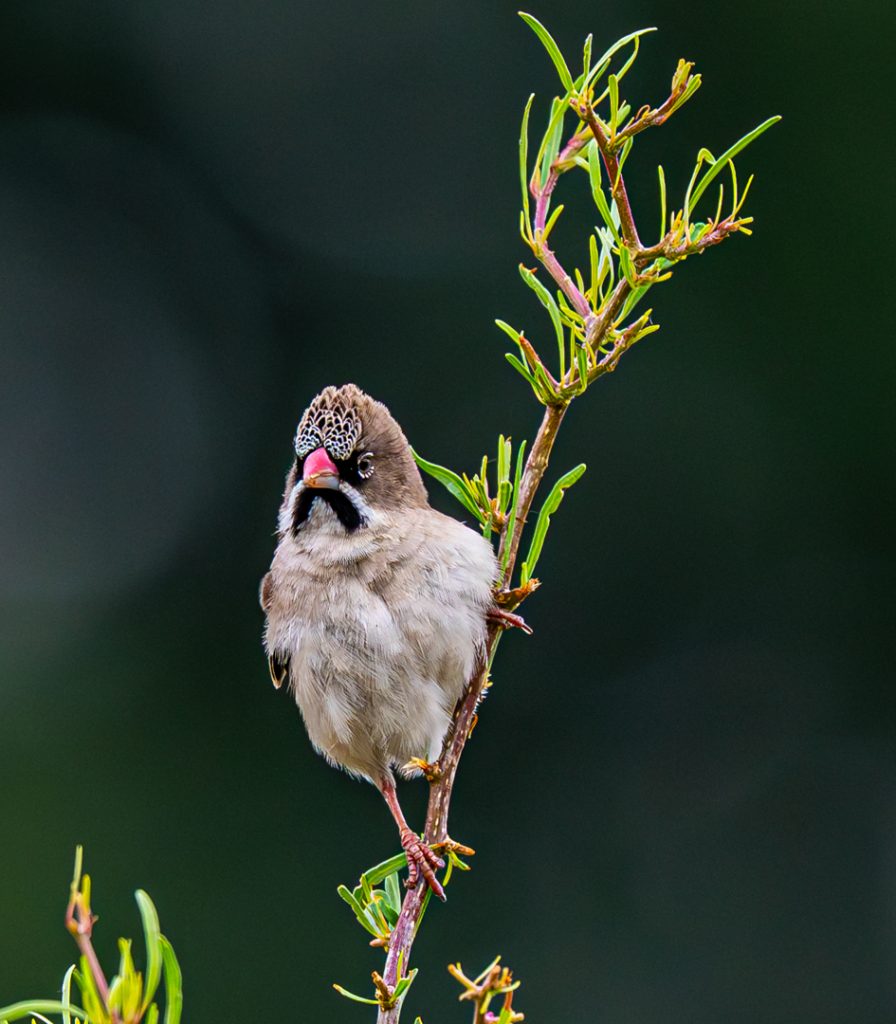
Nature – Birds Only
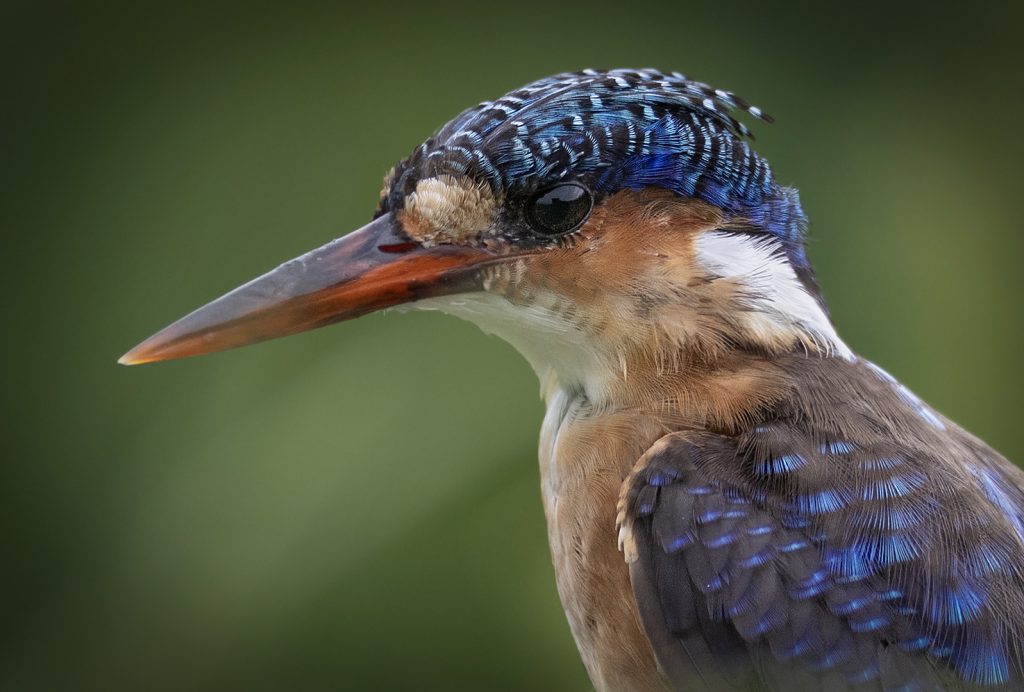
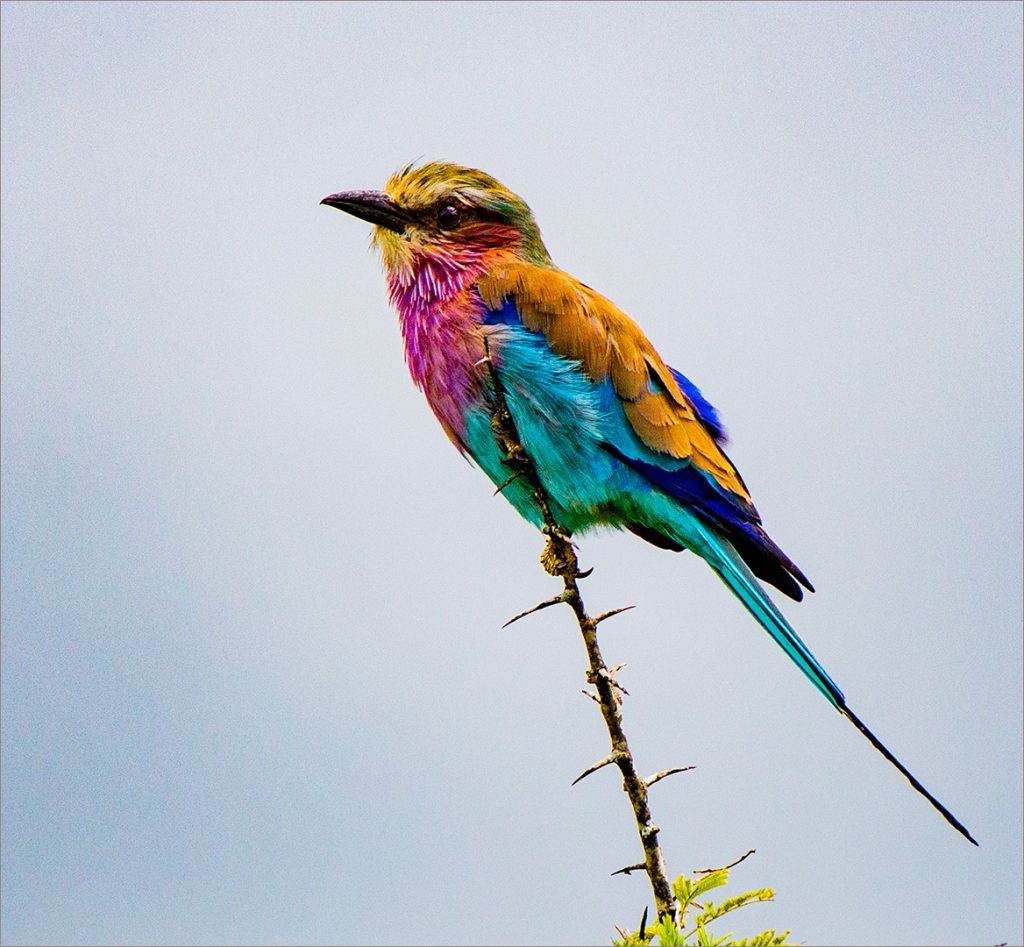
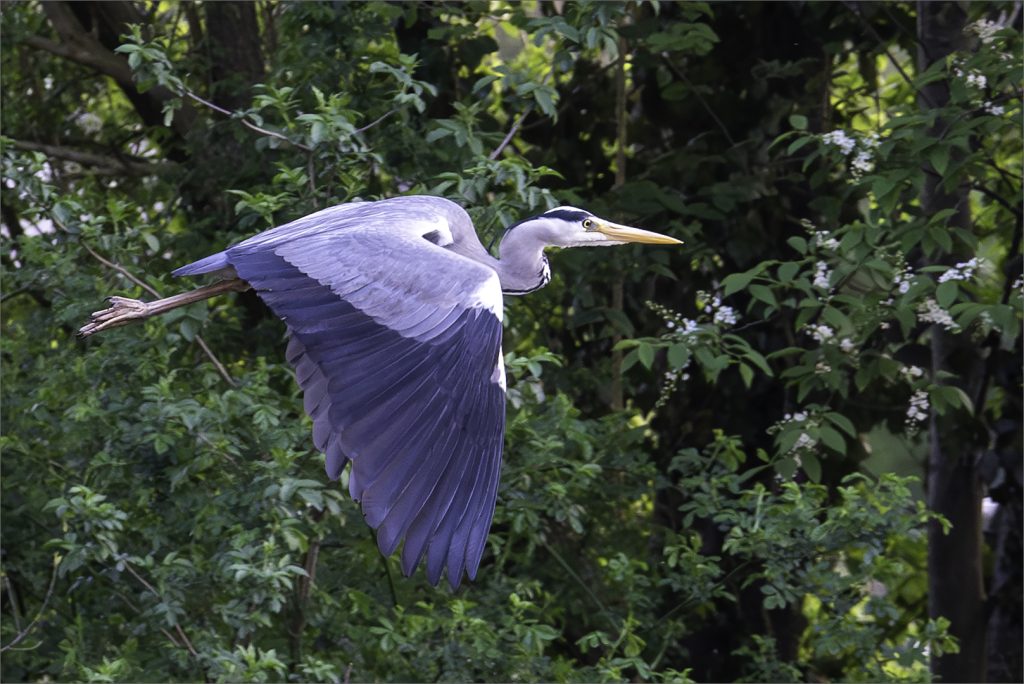
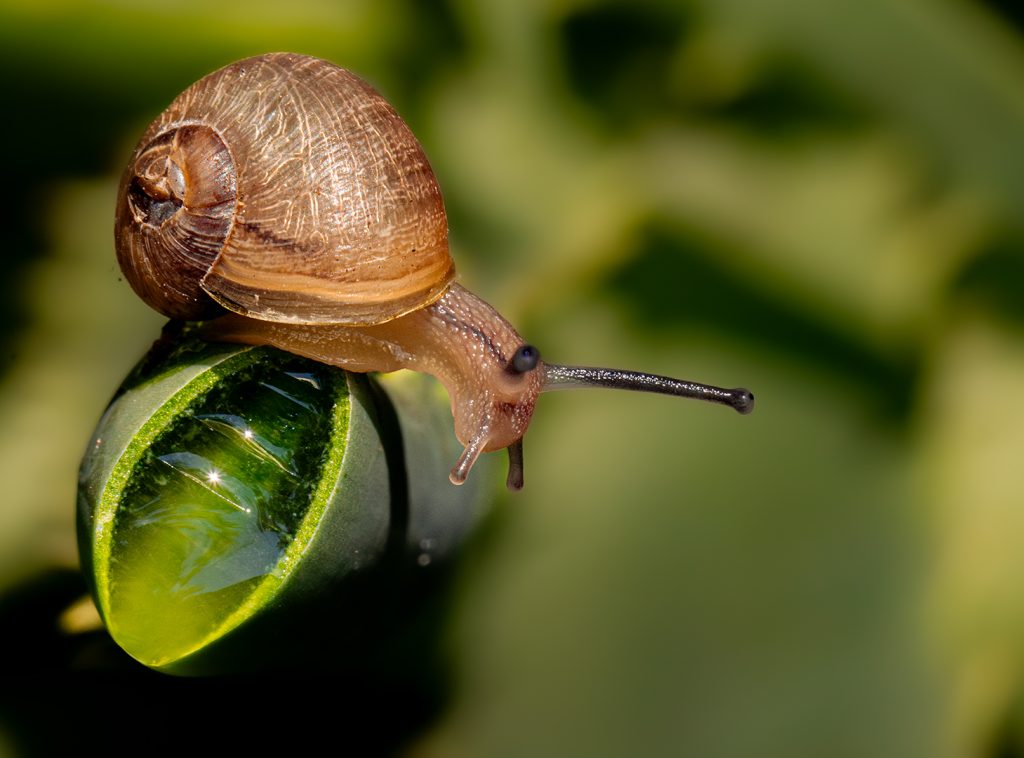
Bosloerie by Hanlie de Beer Los my uit by Edmund HattinghKingfisher by DNE SmitRoller by Lorraine BothaFlying Heron by Hanlie de Beer
Scapes
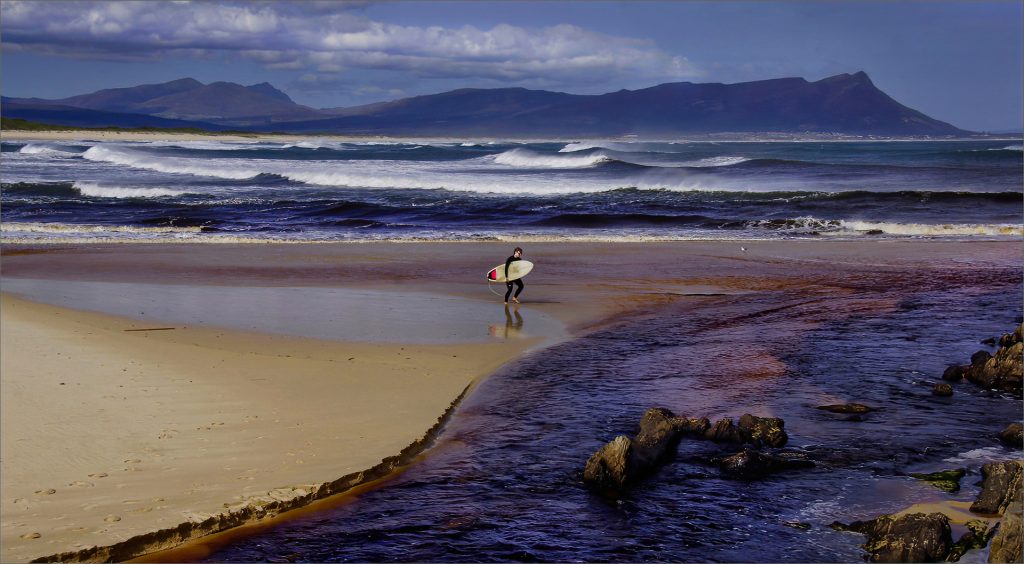
The lonly surfer by Leon PelserHolkrans Cave by Louis van der WaltWinkel onderhoud voor die winter by Louis van der WaltField of dreams by Leon PelserBlouberg Blue Hour by DNE SmitSkouperde in herfslaning
by Edmund HattinghBell Park Dam Milkyway
by Louis van der WaltPatches Of Sunlight by Sussa Pelser
Monochrome
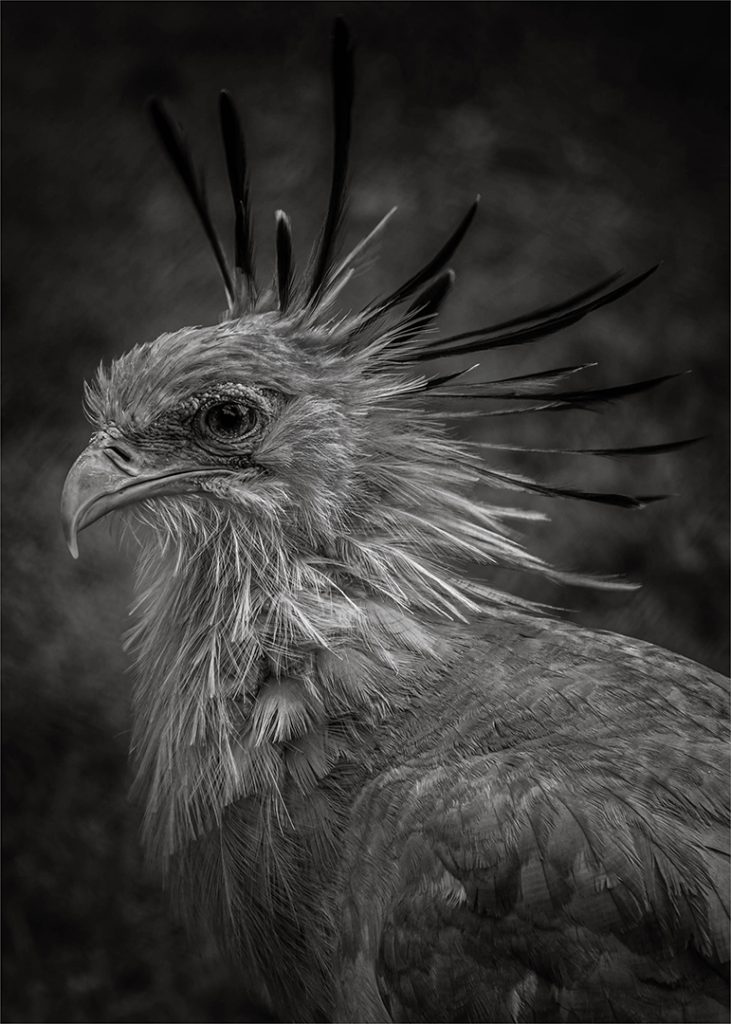
D Secretarybird 1 – BW by Louis van der Walt
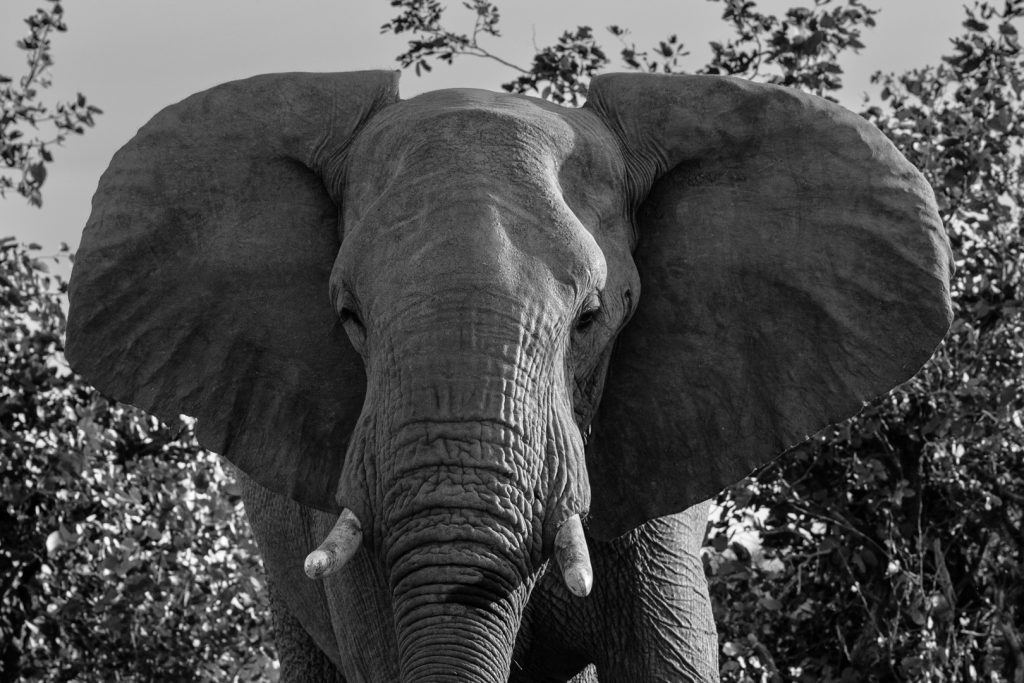
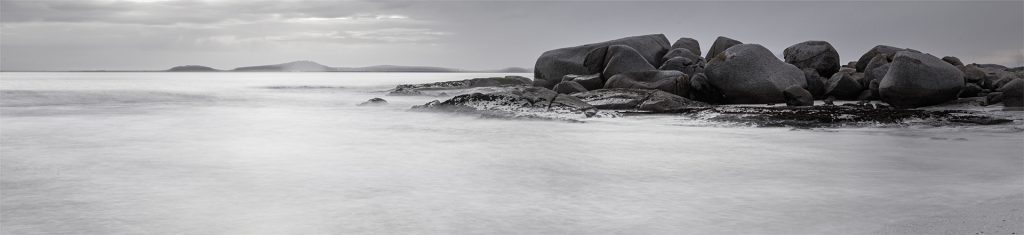
Glass study by Anzette SnydersOlifant ore by Edmund HattinghBig bay by DNE Smit
Klippe by Piet Potgieter
Nature
Bright pink flower by Hanlie de BeerPoint of view by Yolandi Geyser
Fungus in the Knysna Forest 4 by Lorraine Botha
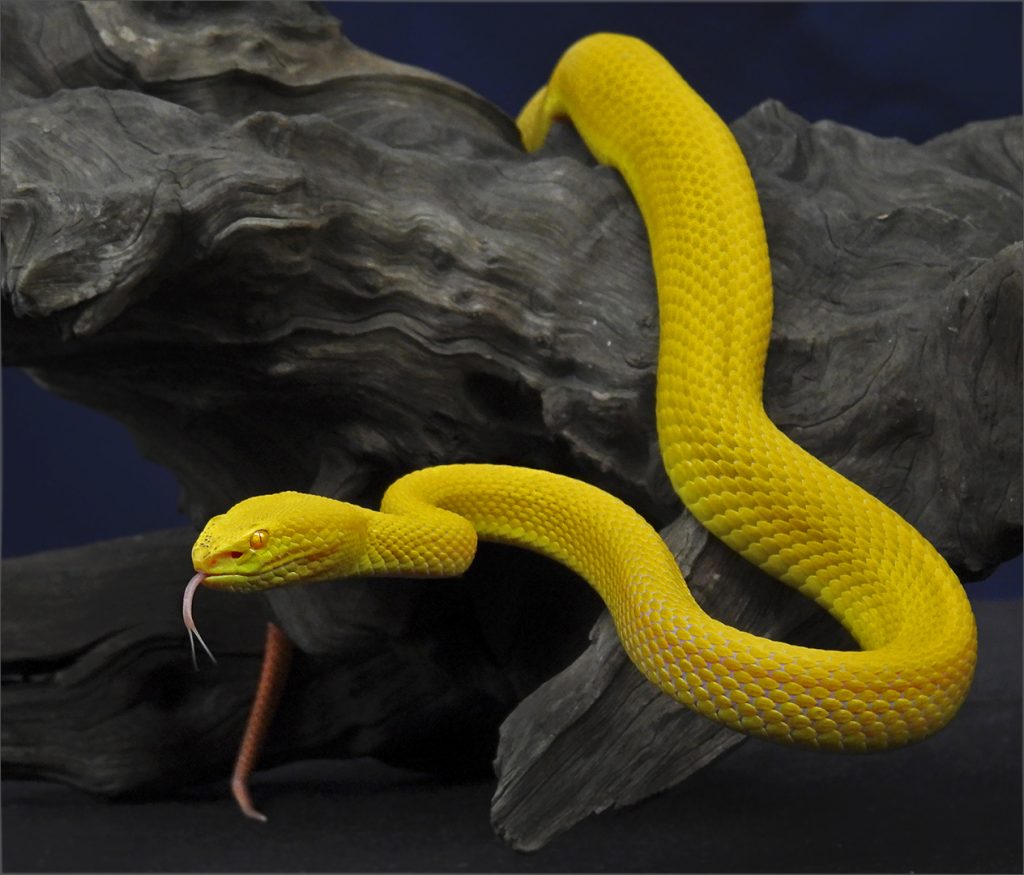
Albino White Lip Tree Viper 4 by Sussa Pelser
Beautiful Simplicity by Yolandi Geyser
Pictorial
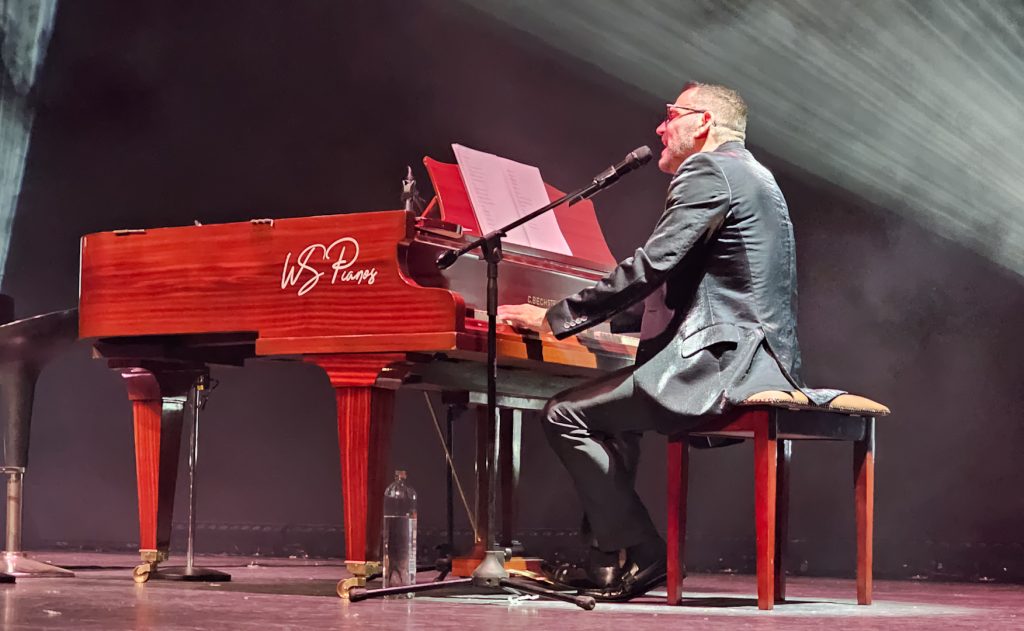
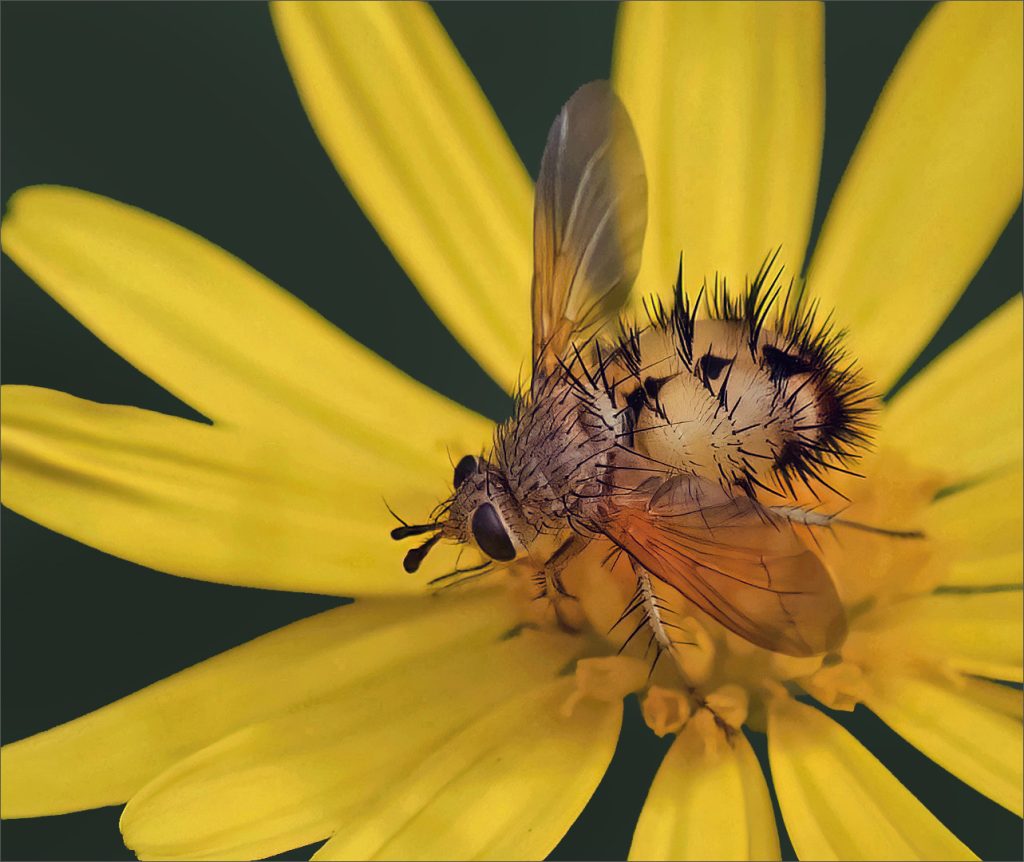
Catch me if you can by Johan ViljoenOn piano by Tiaan MullerBee Fly 2 by Leon PelserLeader of the pack by Johan Viljoen
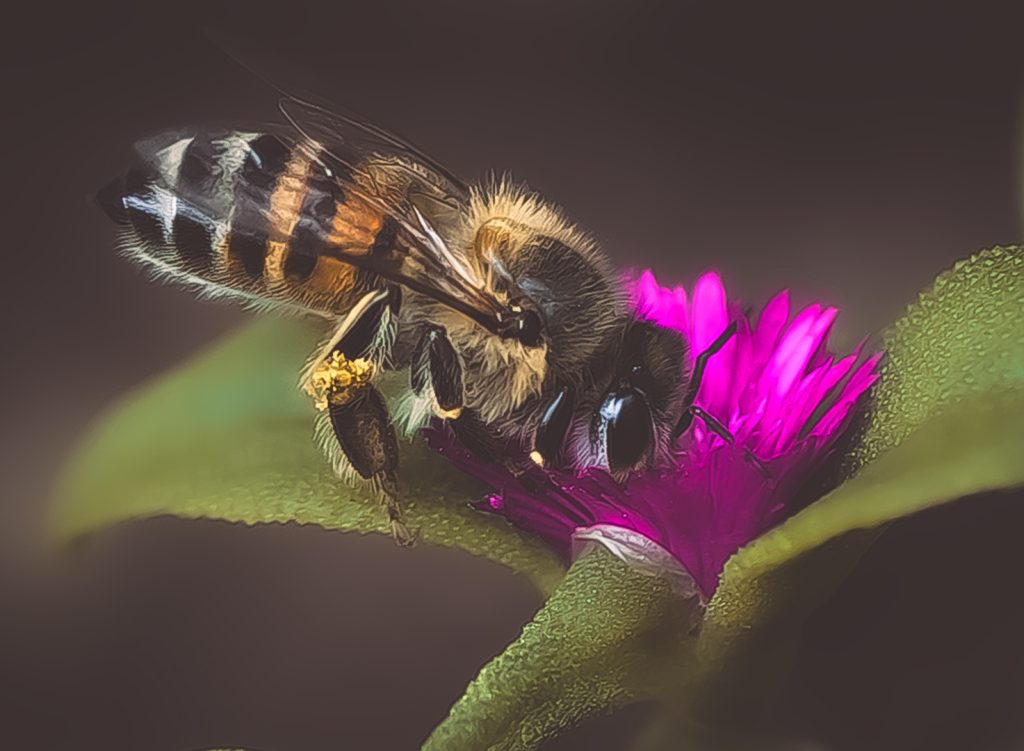
Bee Painting by Yolandi Geyser
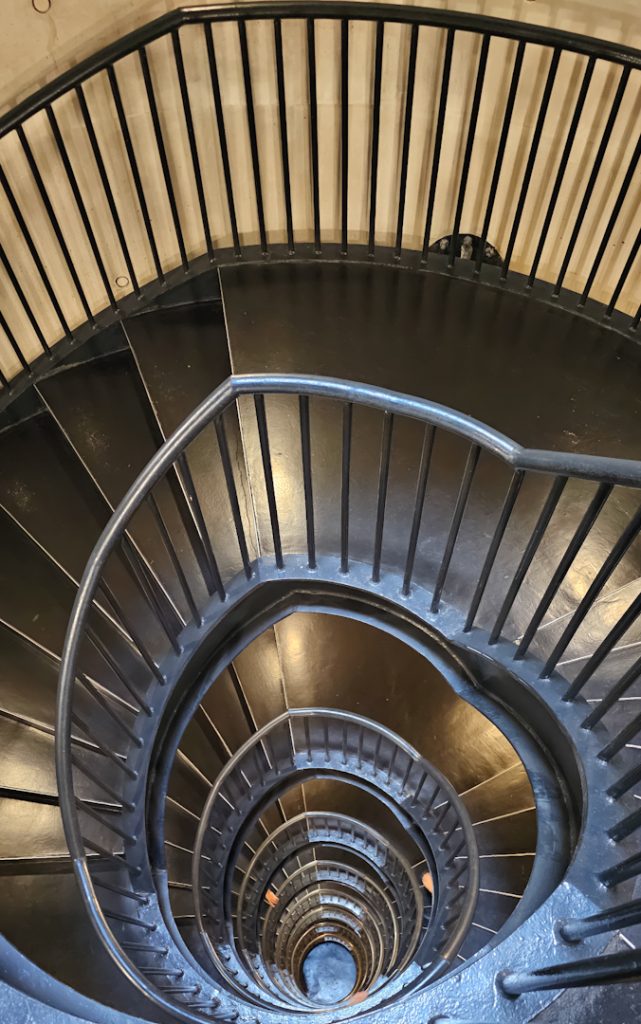
The Silo steps by Tiaan Muller
Must I Go To The Dentist by Sussa PelserInflating hotair balloon by Leon PelserKomaan regs
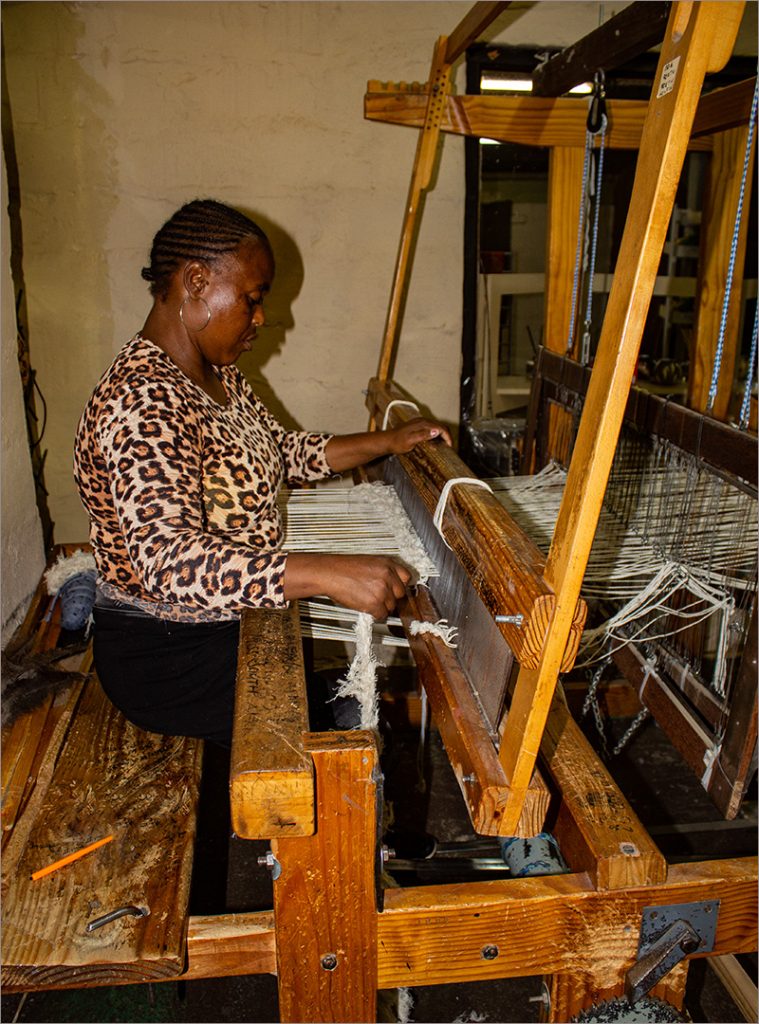
by Johan ViljoenWeaving on a loom
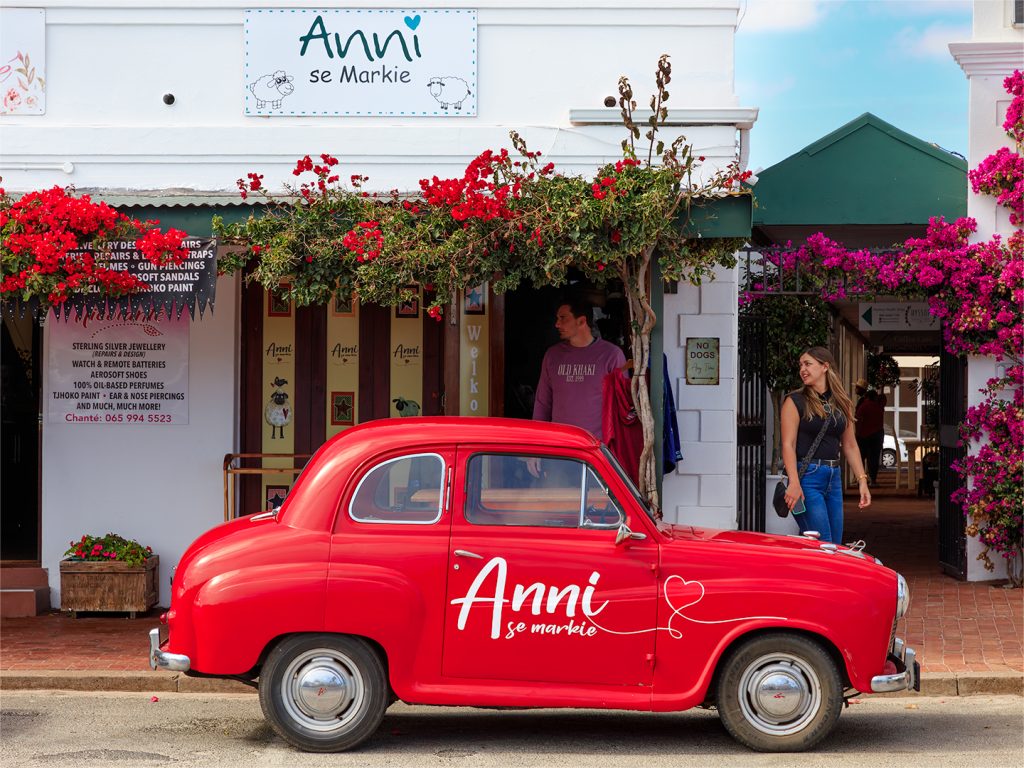
by Lorraine BothaAnni
by Piet PotgieterDandelion
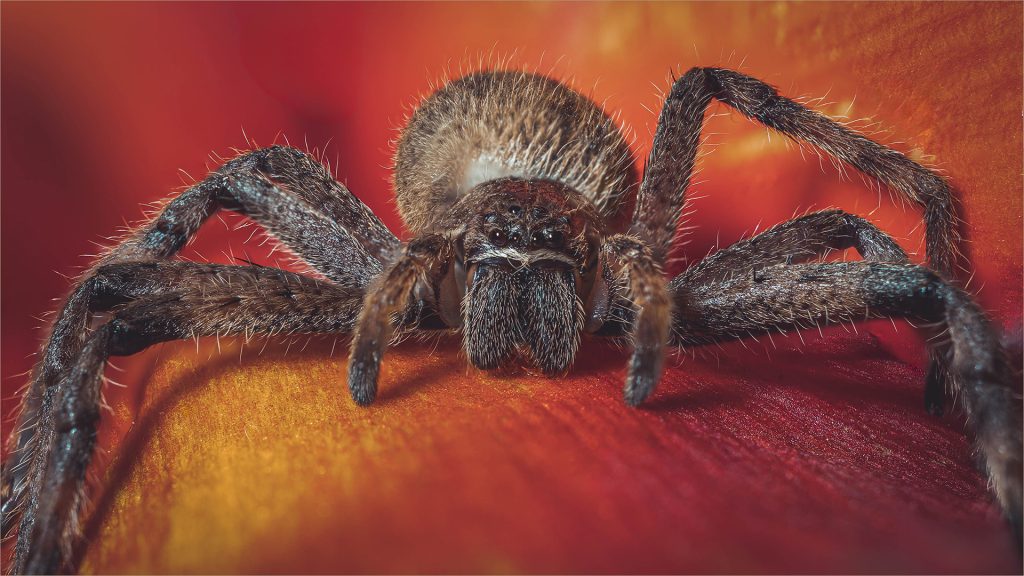
by Yolandi GeyserRain Spider 2
by Louis van der Walt
Photojournalism
Inspections
by Anzette SnydersHow many live in Porto
by Lorraine BothaUnstopable
by Johan ViljoenTry To Stop Me
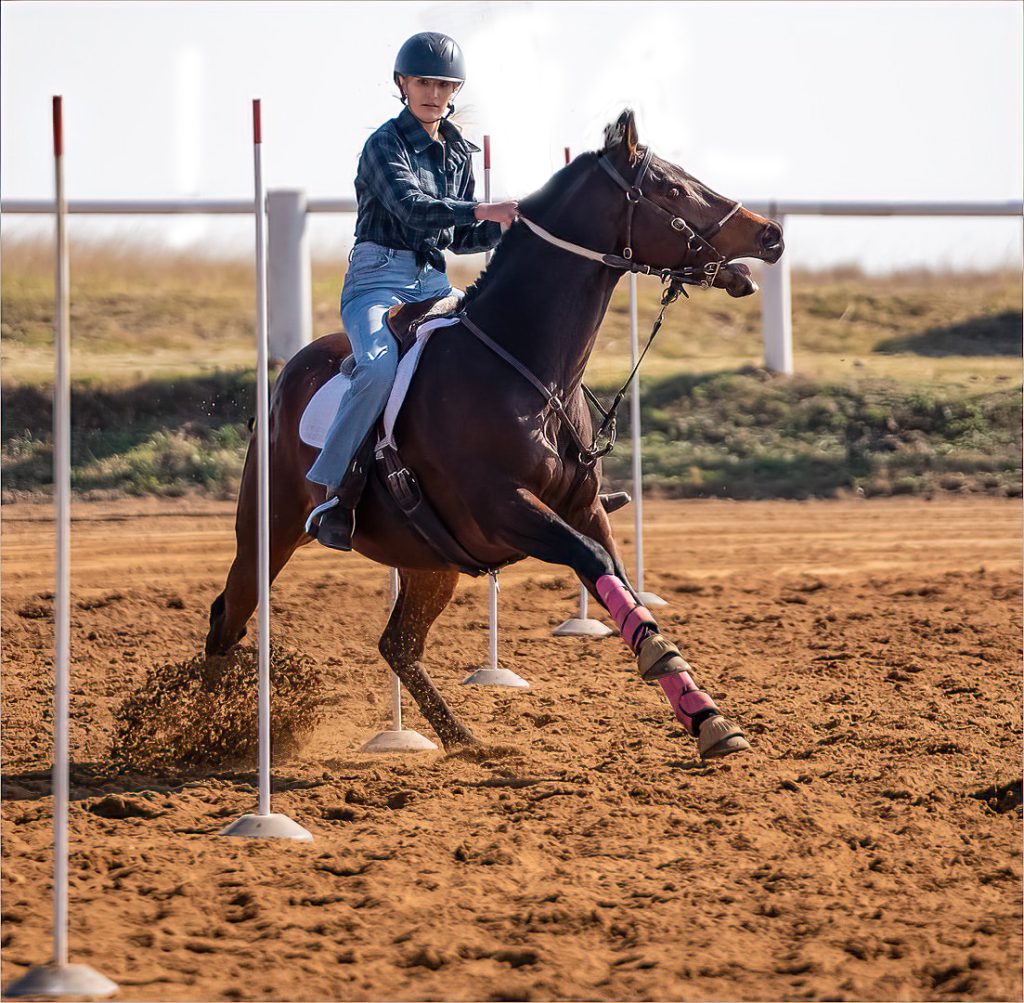
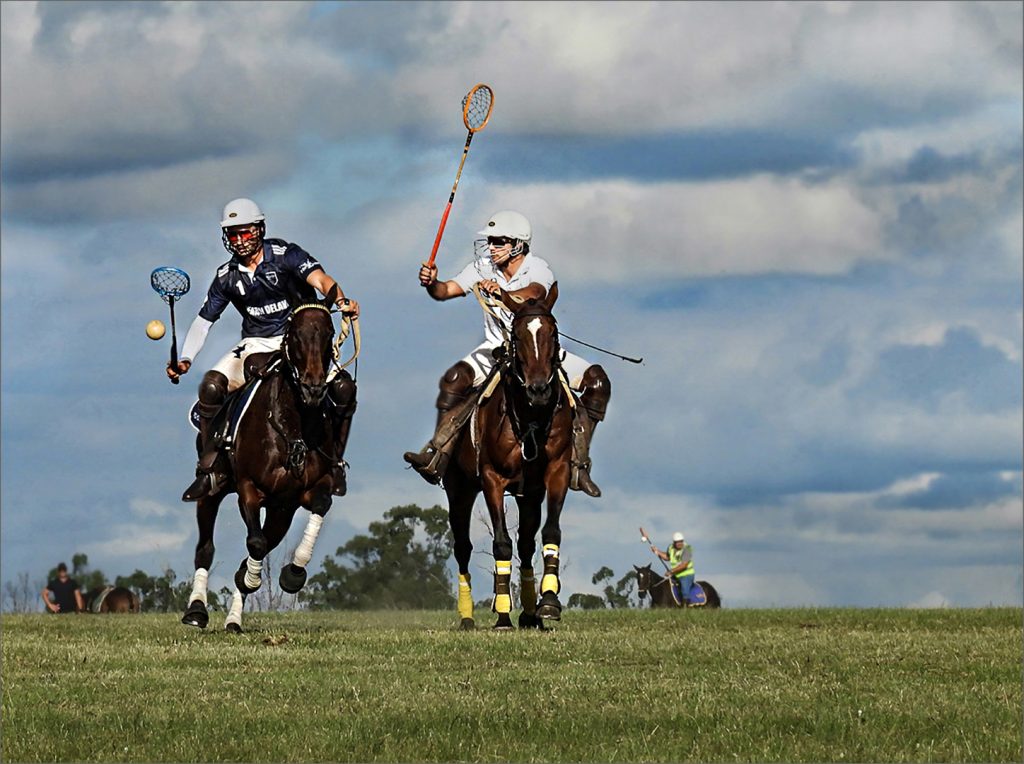
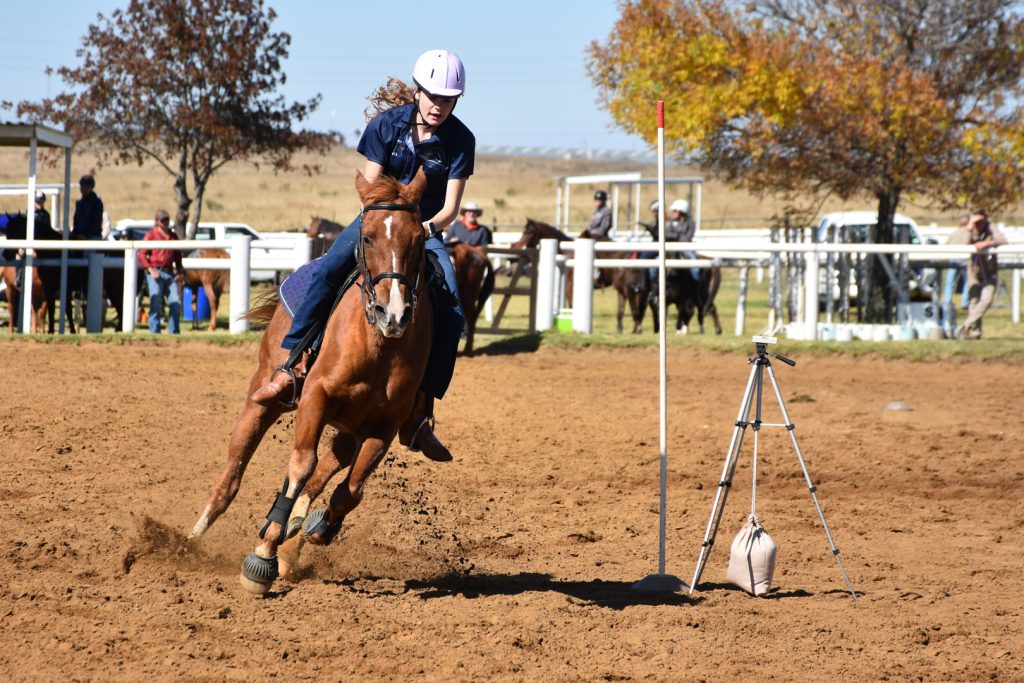
by Sussa PelserWestern Mounted Games 0434
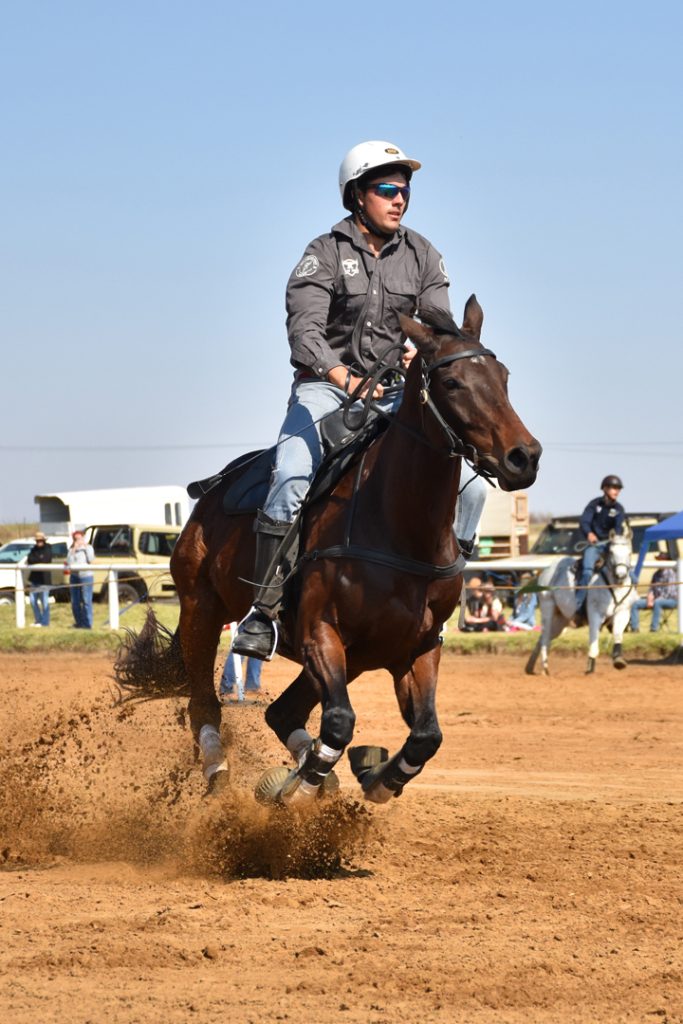
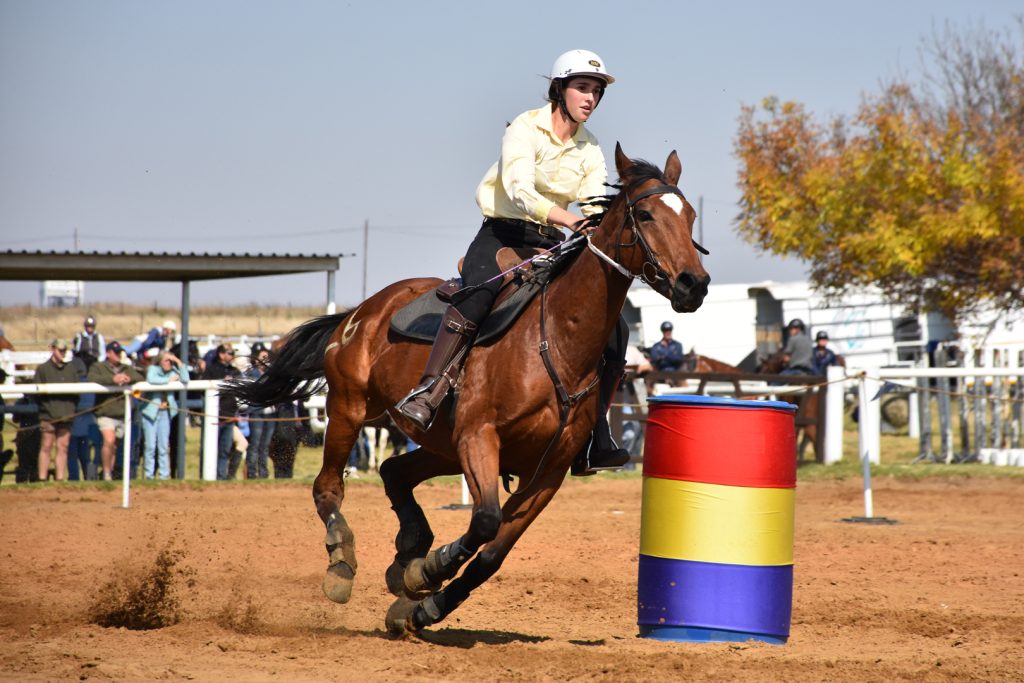
by Adri KirstenSpeed Barrel 0421
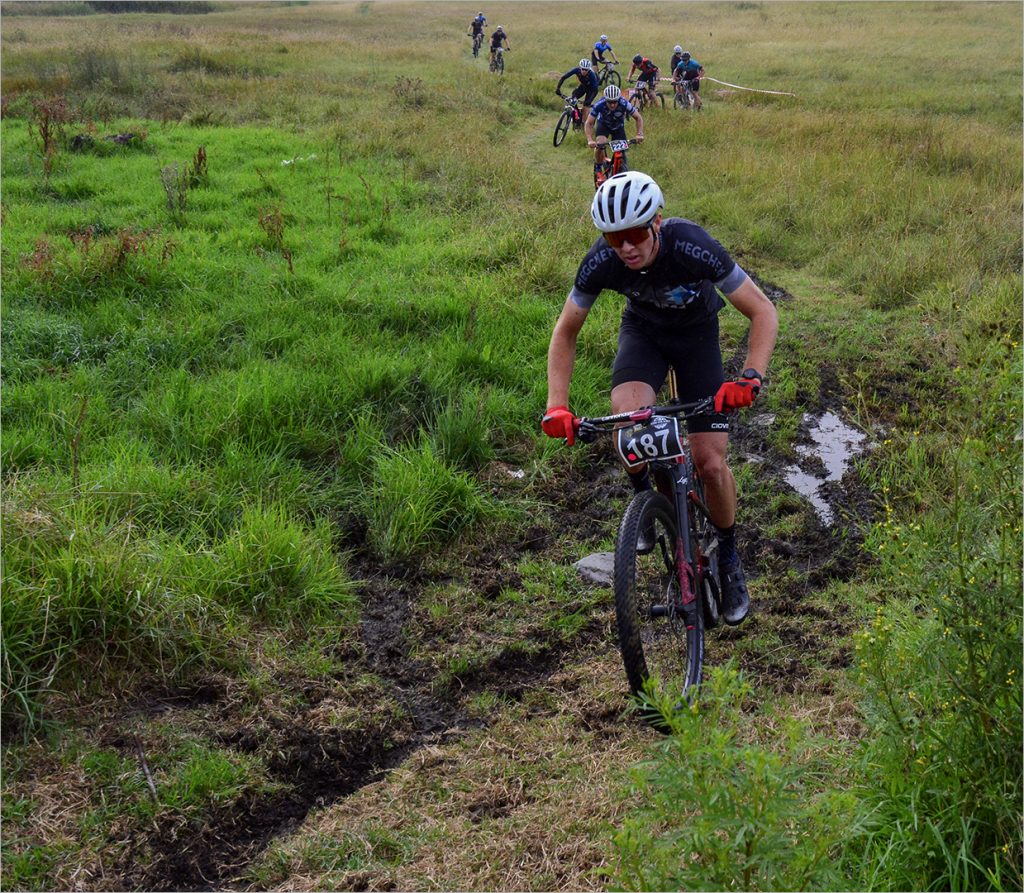
by Adri KirstenQuadrangle 0566
by Adri Kirsten
Set Subject
Eagle View Morning Mist
by Louis van der WaltLydenburg Pano
by Anzette SnydersFamily get together
by Yolandi GeyserValencia
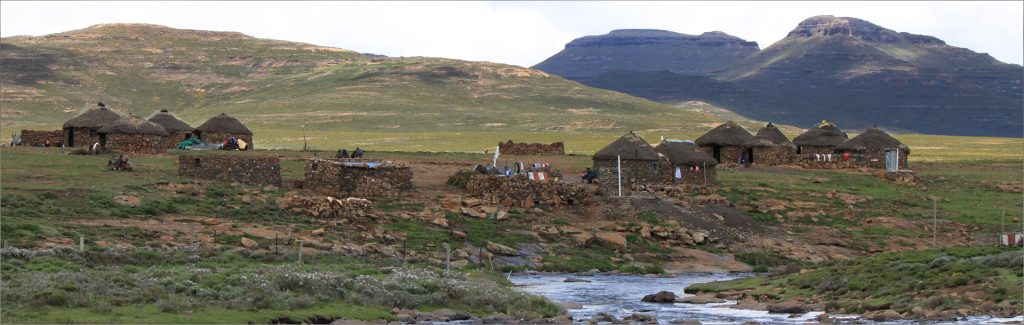
by DNE SmitLesotho
by Lorraine BothaGoing Back West
by Sussa Pelser
The Police in Hazyview are in sought of a suspect who fatally shot a local businessman on Wednesday, 04 June 2025, at approximately 19:30 at Sandriver Trust near Hazyview.
According to the report, the Police responded to a complaint about a shooting at a certain food business in the area. Upon arrival, members found the victim, Mr. Eddie Khoza, lying motionless on the ground and covered with a blanket.
Preliminary investigations revealed that Mr. Khoza had sustained multiple gunshot wounds to the body. Some cartridges were recovered at the scene. Preliminary investigations by the Police indicate that a suspect entered the premises posing as a customer. Out of the blue, the suspect drew a firearm and shot the victim point-blank.
The victim is said to have attempted to get help but collapsed in the street and was further shot by his assailants before they fled the scene on foot. Emergency medical services later declared him dead at the scene.
Police are appealing to the public for assistance in locating the suspect. Anyone with information that could aid the investigation is urged to contact Detective Captain Eddie Raphakgadi on 082 449 0231. Alternatively, members of the public can call the crime Stop number at 08600 10111 or share information via MYSAPSAPP. All received information will be treated with the strictest confidentiality, and callers may opt to remain anonymous.
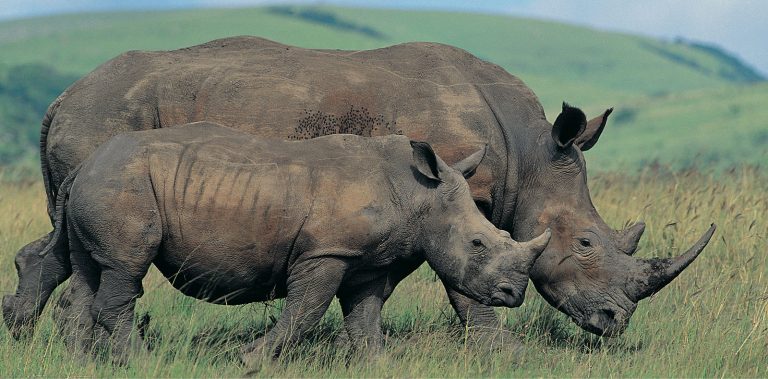
The Acting Provincial Commissioner of the SAPS in Mpumalanga, Major General (Dr) Zeph Mkhwanazi, welcomes the sentencing of a pensioner, named Philip Mfana Masuku (62). He was sentenced by the Skukuza Region Court to spend 14 years behind bars on Thursday, 5 June 2025, for rhino poaching in the Kruger National Park.
The court heard that on 17 February 2019, at around 02h40 am, the Technical Manager at Kruger National Park detected the movements of suspected poachers at the Pretoriuskop section of the park. The Section Ranger was notified and immediately deployed Field Rangers to follow up on the information.
During the search, they managed to pick up three fresh sets of footprints, and they began to trace. Some hours later, three suspects were spotted sitting along the Voortrekker road. When Rangers approached them, two managed to evade and flee the scene while the third one, who was later identified as Masuku, was apprehended with four (04) rhino horns and two (02) knives in his possession.
The incident was then reported to the Skukuza Police Station, and Masuku was charged accordingly.
Masuku first appeared at the Bushbuckridge District Court, where he was granted bail. His case was transferred to the Skukuza Regional Court, and Masuku attended court from outside the park. However, he later absconded from attending, which resulted in a warrant of arrest being issued. A trace operation was then conducted, and Masuku was rearrested.
He attempted to apply for bail again during his second detention, but it was opposed due to a fraudulent medical certificate that he submitted to support his application, which was confirmed through police investigations.
The trial proceeded at the Skukuza Regional Court on 05 June 2025, and he was sentenced to 14 years’ direct imprisonment on charges of Trespassing in a National Park, illegal hunting of two white Rhinoceroses, Conspiracy to commit a crime, as well as possession of dangerous weapons. Masuku was also declared unfit to possess a firearm.
The Acting Provincial Commissioner expressed his appreciation to the Investigation team, the Field Rangers, Prosecutors, and the Judiciary for playing their role in making sure that the man is put behind bars.
Mpumalanga’s Education Department wastes R22 million on rent per annum, instead of building a school for the deaf
The Democratic Alliance (DA) in Mpumalanga has written to The Standing Committee on Public Accounts (SCOPA), asking them to investigate the Provincial Department of Education for wasteful and fruitless expenditure, after it emerged that they are paying R22 million rent per annum to accommodate deaf learners instead of building them a school which was approved 14-years ago.
In an Education Portfolio Committee meeting held on 29 May 2025, Education MEC, Cathy Dlamini, confirmed that her department pays Bukhosibetfu Private Boarding School in Nkomazi Local Municipality R22 million per annum to teach and accommodate 253 deaf learners.
The DA found that the department’s initial agreement with Bukhosibetfu Private Boarding School was in 2022 for 179 deaf learners, at R11 million per annum. However, the amount has now escalated to R22 million per annum because the number of learners has increased to 253. Some of these learners were rescued from unsuitable facilities in Limpopo, where they were dumped by the Mpumalanga Department of Education, as they still have not built their own school.
“The DA believes that this is wasteful and fruitless expenditure, considering that it has been 14 years now since it was announced in the 2011/2012 Mpumalanga Provincial Budget Speech that a school for the deaf and blind will be constructed in the province,” said Annerie Weber: MPL & DA Sokesperson on Education: Mpumalanga Province, “But the project has not materialised 14 years later, as the provincial government keeps shifting the goal posts and claims that the previously identified locations to build the school are not suitable.”
Annerie Weber MPL DA Spokesperson on Education Mpumalanga Province
Currently, there are over 600 learners in the province who have already been identified to benefit from the school for the blind and deaf, yet they will not because the provincial government acts like the construction of the school is not a matter of urgency.
With the department paying R22 million rand yearly, it is no wonder that the school for the deaf and blind still has not broken ground, 14 years after the announcement. It costs an average of R15 million to build a school in South Africa.
The DA is also in possession of an internal memorandum dated 16 July 2021, where the then Director for Inclusive Education, Phililwe Mbatha, requested the departmental head, Lucy Moyane, to facilitate a year-to-year contract with Bukhosibetfu Private Boarding School until the school for the deaf and blind has been built. This is yet another deviation from procurement processes.
“We want SCOPA to investigate the department for the possibility of corruption, wasteful, and fruitless expenditure. The DA will not stop fighting for learners living with disabilities in Mpumalanga to receive the education they deserve and need.”
“The Govan Mbeki Local Municipality’s (GMM) non-compliance with the Municipal Property Rates Act, again confirmed during the latest council meeting, is unacceptable,” says Aranda Nel-Buitendag, Freedom Front Plus councillor: Govan Mbeki Local Municipality
FF+ Cllr Aranda Nel-Buidendag
The Freedom Front Plus’s (VF Plus) recent motion regarding the GMM’s failure to consistently apply tariff increases and its misleading communication regarding property valuations and rates was dismissed.
This demonstrates the ANC-led council’s disregard for legal compliance and public accountability.
The Municipality was previously warned against misleading the public about rates and valuation impacts. In addition, the GMM still does not comply with sections 14(1) and (2) of the Municipal Property Rates Act.
Contrary to claims of a 5,44% reduction in property rates, consumers may face an effective increase of 17% due to higher property valuations.
Meanwhile, the rate for undeveloped land has increased by 3%.
Consequently, the residents of towns such as Secunda, Bethal, Charl Cilliers, Embalenhle, Evander, Kinross, Leandra and Trichardt could expect sharp increases in their municipal bills as from 1 July 2025.
In the party’s view, another serious cause for concern is that Secunda is apparently treated as a “cash cow” while many residents in other towns are defaulting on their bills, with some owing over R100 000 and disregarding payment arrangements.
The Freedom Front Plus remains committed to holding the GMM accountable and will continue to oppose budget and policy decisions that unfairly burden loyal taxpayers.
UNDERSTANDING YOUR PETS AND TRAINING THEM IS AN IMPORTANT ASPECT OF RESPONSIBLE GUARDIANSHIP
Training your pet is not just about teaching them to perform tricks or follow commands; it’s a crucial aspect of responsible pet ownership. We’ll delve into the key reasons why investing time and effort into training is a decision you won’t regret, and how it can lead to a happier, healthier, and more fulfilling partnership between you and your pet.
While we often see our pets as perfect, they have their moments, just like we all do, and that’s perfectly fine! Pets don’t come into our lives already trained, so it’s essential to understand the importance of training and what key lessons to impart. Sometimes, addressing behavioural concerns can be as straightforward as dedicating a few minutes each day or making simple adjustments, like adding an extra food bowl for a cat or providing a sandpit for a dog.
Failing to train your pets can lead to frustration on your part, which, in turn, creates confusion and stress for your furry friend, perpetuating a cycle of misbehaviour. Many pets end up in shelters due to perceived “behavioural issues,” which are often quite normal given the circumstances and unmet needs, and could be resolved with a little training and attention from their owners.
Image by The Paw Company
Editorial note – This article is a reprint from 18 October 2023
WHY IS TRAINING IMPORTANT?
Training your pet is a valuable investment! Let’s explore these key reasons and understand how they contribute to a happier, healthier, and more fulfilling partnership between you and your beloved pet.
1. Communication: Training is a bridge that helps you and your pet communicate effectively. By learning to understand and respond to commands, cues, and signals, your pet can express their needs and desires more clearly. Likewise, you can convey your expectations and boundaries in a way that your pet comprehends. This mutual understanding forms a foundation for a deeper connection.
2. Behavioural Harmony: Well-trained pets are more likely to exhibit positive behaviours. They are less prone to destructive actions like chewing on furniture or having accidents indoors. A pet that doesn’t engage in problematic behaviours is often easier to integrate into your daily life, reducing stress and frustration for both of you.
3. Safety: Training is about more than just convenience; it’s about safety. A well-trained pet is less likely to dart out of an open door into potential danger, jump on people, or exhibit aggression. This ensures the safety of your pet and those around them, preventing accidents and injuries.
4. Socialization: Proper training often includes socialization with other pets, things and people. This exposure helps your pet become well-adjusted, confident, and less anxious in various situations. A socially adept pet is more likely to enjoy outings, playdates, and interactions with family and friends.
5. Mental Stimulation: Training keeps your pet’s mind active. Learning new commands and tricks challenges their cognitive abilities, warding off boredom. Mentally stimulated pets are generally happier and less prone to engage in undesirable behaviours born out of frustration.
6. Exercise and Physical Health: Many training activities involve physical exercise, which is vital for your pet’s overall health. Regular exercise helps maintain an ideal weight, promotes cardiovascular health, and keeps muscles strong. A fit and active pet is more likely to lead a happy, longer life.
7. Bonding: Training sessions are an excellent opportunity for you and your pet to bond. The time you spend teaching and learning together strengthens your emotional connection. These positive interactions create trust, affection, and a sense of security in your pet.
8. Increased Freedom: A well-trained pet often enjoys more freedom because you can trust them in various situations. This means you can include them in more aspects of your life, whether it’s travelling together, visiting friends, or going on outdoor adventures.
9. Sense of Achievement: Training your pet and witnessing their progress can be incredibly rewarding. It’s a journey that offers a sense of accomplishment and boosts your confidence as a pet guardian.
I am not a qualified trainer or behaviourist; however, I am a perpetual student and love learning about the field of behaviour and psychology and obviously, animals too. I share here what I have learned through the years and what has worked for me. This info does not address how to train a specific skill, but rather forms a general guide to help you in the right direction or highlight some important aspects.
If you need help with training your pet, it is important to contact either a qualified trainer or a qualified behaviourist, depending on what your animal needs. Always remember to use reward-based training or positive reinforcement and not fear-based training or punishment. Most trainers teach obedience, basic behaviour modifications, and specific skills, whereas behaviourists address advanced behaviour issues like fear, aggression, severe anxiety, compulsive disorders, and other challenges.
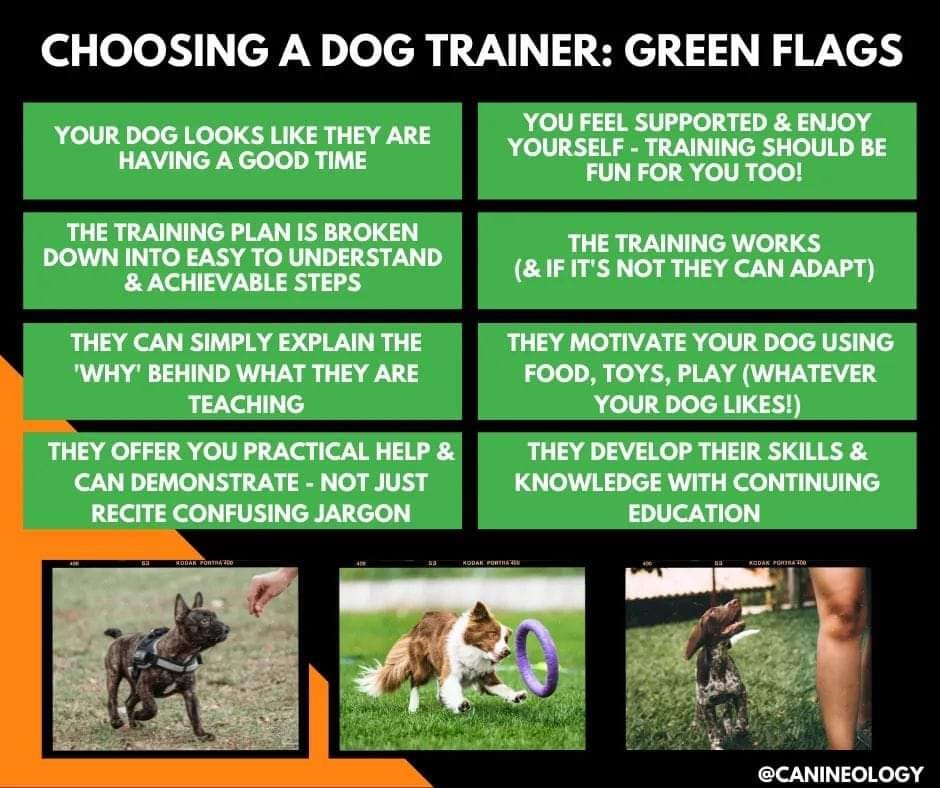
You always have to address the underlying cause of behaviour and not just a symptom, for example, by using cruel anti-bark collars. If a professional starts to badmouth other trainers right off the bat, I would also walk away. Check out the green flags for choosing a trainer below.
Our approach to training centres around a commitment to upholding the five fundamental freedoms of animal welfare. We firmly believe that any training method we choose must ensure these freedoms: freedom from hunger and thirst, freedom from pain, injury, and disease, freedom from discomfort, freedom from fear and distress, and the freedom to express natural behaviour.
It’s essential to recognize that your feelings and your pet’s well-being during a training session are paramount. If either of you feels uncomfortable with the training process, it’s crucial to voice your concerns. This extends beyond just physical harm; emotional well-being matters too. Remember that punishment, or your actions, can have a lasting impact on your pet’s emotional state, so it’s important to be sensitive to their feelings.
Training and teaching tricks should be viewed as an enjoyable form of enrichment that enhances your bond with your pet. In the realm of training, what truly impresses us is your ability to understand and connect with your pet on a deeper level, rather than merely their obedience to your commands. I want to know how well you can read your pet and whether they seem happy.
BEHAVIOURAL PROBLEMS
When there are behavioural issues, it is always a good idea to go for a vet check first to exclude any health problems that might cause this behaviour, e.g., excessive chewing or urinating in the house, etc. Keep them healthy with regular wellness checks, up-to-date vaccination (without over-vaccinating), regular deworming, tick and flea treatment, a healthy and species-appropriate diet, enough exercise and enrichment, etc.
Welfare for Animals shares a few helpful questions when there is a training or behavioural issue:
WHO – is it environmental? Is it you and your behaviour? Is it a family member or another dog? Or the cat? Are you pushing your dog too much, too fast?
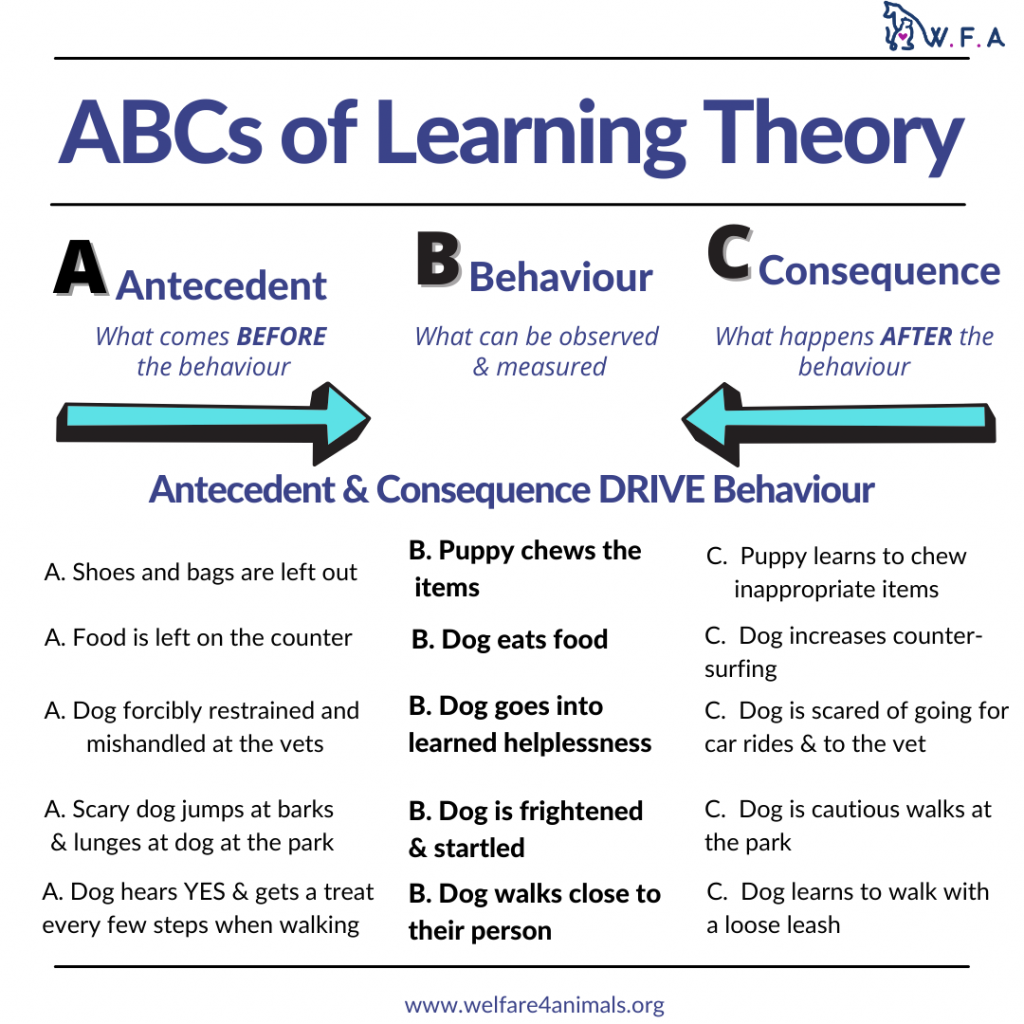
WHAT – what is the behaviour- let’s think about the ABCs- antecedent (what comes before the behaviour)- behaviour- consequence.
WHERE – is it certain environments? Would changing the environment help?
WHY – Is your dog fluent in the cues you’ve taught? Are they stressed, fearful or anxious? Are their needs being met? Have you set them up for success?
WHAT TO TEACH THEM?
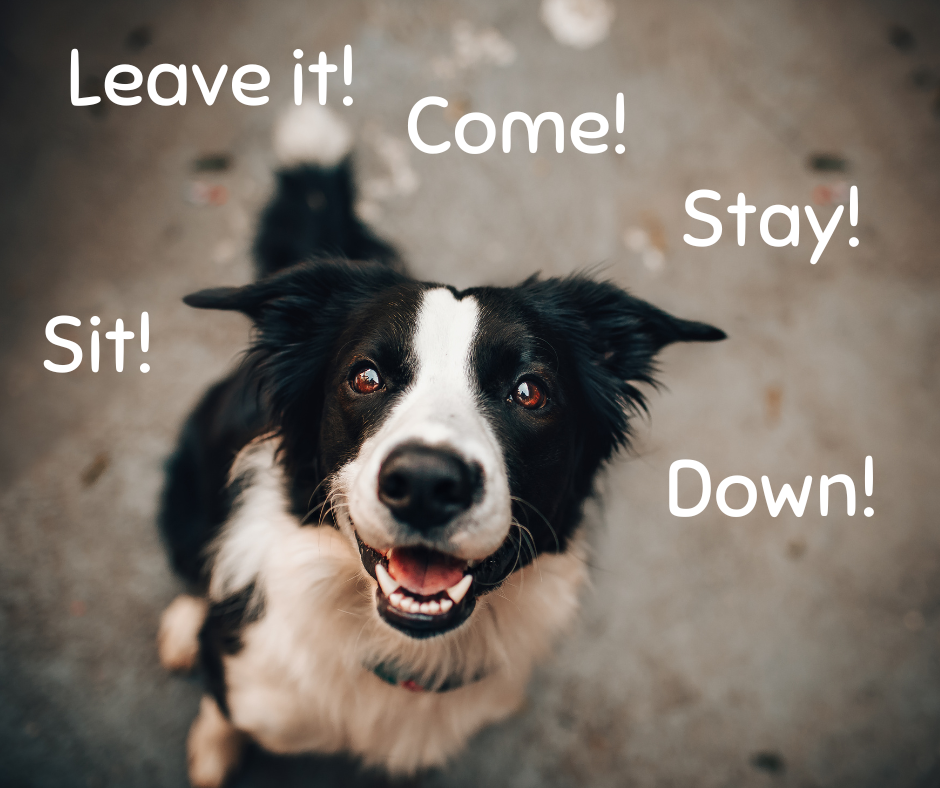
The obvious commands that are helpful include sit, come, down, stay and leave it. Here are a few I consider important, too.
SAFETY – Water safety is non-negotiable for us, but also safety around cars and not leaving the yard when the gate is open. It is important that your pet does not fear water, especially when you have a pool, but also for bathing purposes. You have to pet-proof your pool or fish ponds, but also teach them how to get out if they do fall in. Remember, not all breeds are good swimmers!
RECALL – A good recall is one of the most important skills for all dogs to have, if not the most important. Successfully getting your dog to come back to you not only prevents potentially dangerous situations but also allows for greater freedom in off-leash areas. Never punish your dog if you have called them to you. This will only teach them that it’s a bad idea to come to you.
ON-LEASH & OFF-LEASH – You can start by teaching them to walk well on a leash, and walking them is a great way to bond with them or help them bond with another dog. You do, however, need to teach them to be off-leash too and still respond to your commands, so work on recall!
JUMPING – Discourage jumping from the start. I don’t step back when they jump, but rather towards them. If you give lots of attention when they jump, this will encourage the behaviour.
BITING – Say no to biting and nipping. Chewing, on the other hand, can be from boredom, dental issues or just a way to relieve stress.
HANDLING – Snuggle sessions are a great opportunity to get your new puppy or adult dog comfortable with having all the areas of their body handled because soon enough, they’ll need to visit the veterinarian and perhaps the groomer. The animals we care for and live with can work towards learning preventative care with positive reinforcement, to avoid restraint and coercion in treatment throughout their life. Wherever we can aim to teach and instil these caretaking behaviours with our animals, we should invest the time to make it happen.
SOCIALIZE – Socialization means exposing your pet to as many new people, animals, environments, and other safe stimuli as possible, without overwhelming them. This should preferably be done early in their life. Like humans, some might not like it as much, but they need to be able to socialize and not fear being around other animals, humans and stimuli.
HOUSE TRAINING – If they are lucky enough to be cared for and stay safe inside your home at night, this will be important. You need to watch their behaviour and take them out after they wake up or have eaten, and add some praise when they go. You might have to re-train some older pets again later. When a mistake happens, don’t scream or punish them and never, ever rub your dog’s nose in their mess. Look for and address submissive and “relief” urination as well.
CRATE TRAINING – We don’t support keeping your pet in a crate often and definitely not as punishment, but training for it can be helpful for you, as well as them, if you need to crate them during an emergency, car or plane travel, or overnight stays with friends or family.
Your pride and ego should never trump what is best for your pet. You don’t have to follow it, but be open to people suggesting a different approach or a better way of doing it, which can benefit your pet. You can learn from many people. Not all towns have access to training classes, but don’t let that stop you from learning online and trying it at home. Training does not have to be expensive, but know what you pay for.
Your pets are your responsibility, and you should invest in their training & health. Investing time and effort in training your pet is a decision that leads to a happier, healthier, and more fulfilling partnership. It enhances communication, behaviour, and safety, while also promoting mental stimulation, physical health, and a stronger bond. As you embark on this training journey with your pet, you’ll find that the benefits extend far beyond a well-behaved and balanced companion; they create a more enriching and joyful life for both of you.
If you don’t train them, don’t blame them! Join us again next week for part two of this training series.