“When you say yes to others, make sure you’re not saying no to yourself.” — Paulo Coelho
This Women’s Month normalise saying “no” without guilt. Learning to manage your time is not just about productivity; it is a profound act of self-respect. Every “no” to what drains you is a “yes” to what nurtures you. Time is one of the few things in life that one can never get back. As women, you are taught to give, to be available for others, to sacrifice for your families, and to stretch yourselves for work and community obligations. But what happens when there is nothing left for you?
Time management is not just about being productive; it is about making time for what truly matters. When you do not plan your days, stress and burnout become your norm. Mastering time management allows you to reclaim your life, pursue your passions, and avoid exhaustion.
Start by identifying what really matters to you. Make time for rest, hobbies, growth, and stillness. You are not selfish for choosing peace. Remember that not every request deserves your “yes”—especially if it costs you your sanity.
Time management tips for busy women:
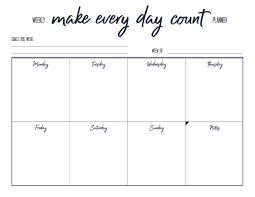
Use a weekly planner to track your energy, not just your appointments.
Block off time for self-care like you would a meeting.
Protect your mornings or evenings as sacred time for you.
Time is a resource you cannot get back. During this Women’s Month, commit to using it in ways that uplift, restore, and inspire you.
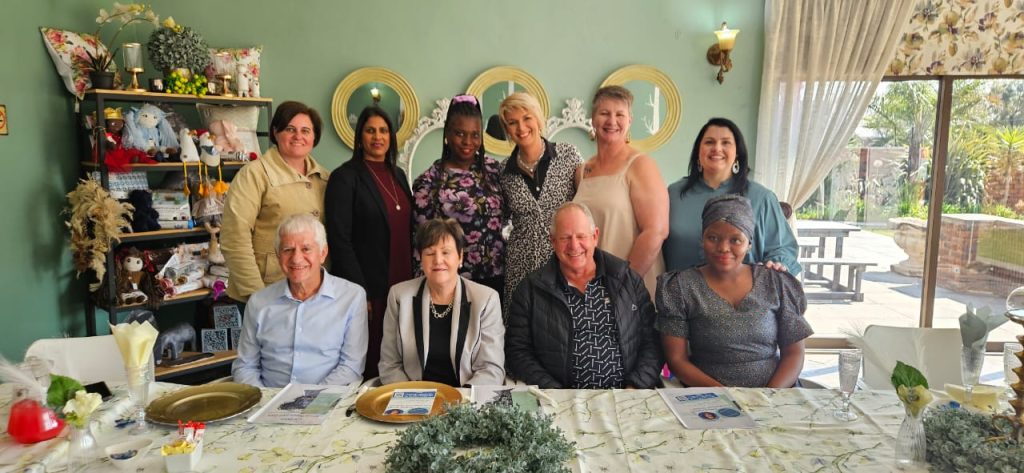
FAMSA recently convened its Annual General Meeting (AGM) at Huiz Ta Che in Trichardt, marking a significant occasion to reflect on the past year’s endeavours, challenges overcome, and future aspirations. The meeting served as a platform to acknowledge the unwavering dedication of its board members, staff, volunteers, and stakeholders, all of whom have contributed to the organisation’s mission of strengthening families in South Africa.
The AGM commenced with a warm welcome to all attendees, underscoring the importance of their presence and continued support. The Chairperson’s report set the tone for the meeting, highlighting key achievements and expressing gratitude for the collective efforts that have propelled FAMSA forward. In particular, the report emphasised the warm welcome extended to two new members, Veneshrie Chetty and Jana Oosthuizen, who joined the board, bringing valuable expertise in marketing, organising, and journalism. Their contributions are anticipated to further enhance the organisation’s reach and impact.
A significant highlight of the past year was the celebration of Social Workers’ Day. The board members took the initiative to plan and fund an event to honour the contributions of social work professionals, including social auxiliary workers. The event featured a variety of activities, including coaching sessions on the circle of influence, fun sports, team-building exercises, and pampering sessions. This initiative underscored the board’s dedication to fostering a supportive and appreciative environment for its staff, recognising their crucial role in delivering essential services to the community.
Navigating the complex landscape of non-governmental organisations (NGOs) and their relationship with government funding, FAMSA demonstrated resilience in the face of challenges. Despite funding constraints experienced by NGOs nationwide, the organisation successfully secured funding for an additional three years in Standerton. Furthermore, FAMSA expressed gratitude to the Mpumalanga Department of Social Development (DSD) for its continued subsidies, recognising the vital role of government support in sustaining its programs.
As the meeting progressed, the Chairperson, Santa Vermaak, delivered her farewell address, marking her last meeting as a volunteer for FAMSA. With heartfelt gratitude, she acknowledged the privilege of working alongside dedicated staff members since September 2012. Vermaak also reiterated the benefits of volunteering, emphasising its positive impact on communities and individuals alike.
The Treasurer’s report provided a comprehensive overview of the organisation’s financial performance, highlighting adherence to financial policies and practices. The Auditor’s report affirmed the well-maintained financial practices of FAMSA, with no irregularities identified. The report indicated that the primary source of income was the Department of Social Development, with supplementary income derived from interest and consultation fees. While the organisation reported a budgeted loss for the year, the Treasurer emphasised the importance of exploring external streams of income to ensure long-term sustainability.
The Director’s report offered an honest reflection on the past year, acknowledging the challenges faced and the need to adapt to an ever-changing social climate. The Director emphasised the importance of appointing skilled and passionate staff members, highlighting the contributions of Gift Sibiya and Geneava Ngazi. Furthermore, the organisation remained committed to providing in-service training opportunities to enhance staff skills and knowledge.
FAMSA prides itself on good governance and compliance, adhering to all legal and registration requirements. This commitment to ethical practices enhances its credibility and attractiveness to donors and beneficiaries alike.
The organisation has also embarked on a new venture to identify and nominate community ambassadors to celebrate and commemorate relevant calendar events. This initiative aims to promote community engagement and raise awareness of important social issues.
In terms of service delivery, the Secunda Social Workers hosted a family day event to celebrate the institution of family, while FAMSA presented at Witbank Correctional Services on youth and relationships. These initiatives underscore the organisation’s commitment to reaching diverse communities and addressing critical social needs.
In conclusion, the FAMSA Annual General Meeting 2025 served as a testament to the organisation’s resilience, dedication, and commitment to strengthening families in South Africa. Despite the challenges faced, FAMSA remains steadfast in its mission, driven by the unwavering support of its board members, staff, volunteers, and stakeholders.
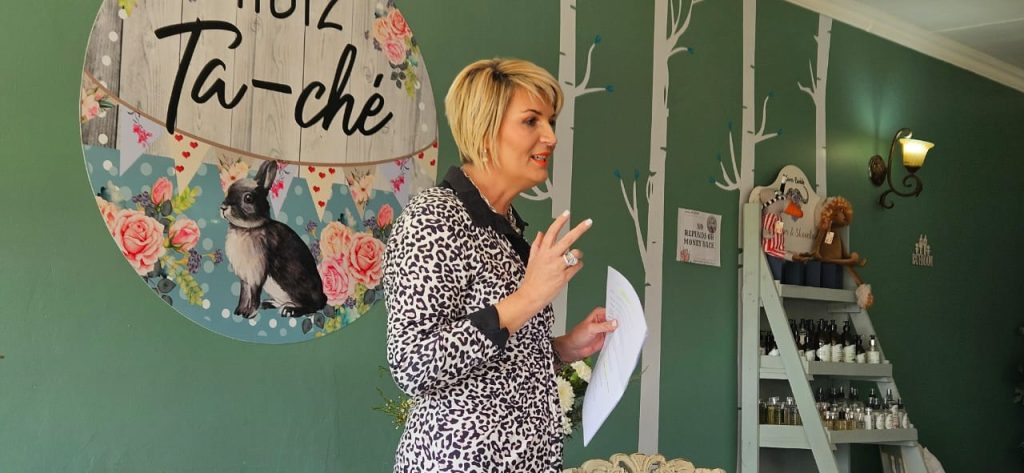
Adri van Schalkwyk-Le Roux then spoke about “Strong, Sacred and Slightly Sassy: Celebrating Women who Own it!”
Here is a summary of what she said.
Adri discusses the importance of self-worth and confidence, particularly for women. She emphasises the challenges women face, such as societal expectations and self-criticism, and encourages embracing self-care and self-respect. Adri highlights the concept of being designed with divine intention and the importance of recognising one’s value without seeking external validation. She shares practical tips for boosting self-esteem, such as dressing up and using makeup as a form of self-expression. The talk also touches on the metaphor of wearing God’s armour to combat negative thoughts and the power of positive thinking. The speaker aims to inspire women to celebrate themselves and recognise every day as special.
Action Points:
• Encourage women to practice self-care and self-worth daily. • Promote the idea of divine intention and self-acceptance among women. • Share practical tips on using existing wardrobe and makeup to boost confidence.
Key Topics:
Introduction and Professional Background
• Adri van Schalkwyk-Le Roux introduces herself as an attorney with a practice in conveyancing and family law. She addresses the perception of being a ‘professional home wrecker’ due to her involvement in divorces, but emphasises her commitment to helping families dissolve marriages amicably and co-parent effectively.
Celebrating Women’s Strength and Challenges
• In recognition of Women’s Month, Adri discusses the unique challenges women face, including societal pressures and self-doubt. She humorously describes the internal conflict women experience when shopping and the reality of budget constraints.
The Importance of Confidence and Self-Worth
• Adri introduces the concept of confidence, self-worth, and self-care as essential and free ‘products’ that women should embrace. She highlights the tendency for women to criticise themselves and encourages them to own their reflection and recognise their divine design.
Practical Steps for Self-Improvement
• Adri provides practical advice for women to improve their self-esteem, such as wearing makeup and dressing up for themselves. She emphasises the importance of starting small and gradually building confidence, using resources like YouTube and Pinterest for guidance.
Positive Thinking and Self-Acceptance
• Adri concludes by discussing the power of positive thinking and the metaphor of wearing God’s armour to combat negative thoughts. She encourages women to celebrate themselves and recognise every day as special, reinforcing the message of self-worth and empowerment.
Women’s Month is a time to celebrate the trailblazers, innovators, and leaders shaping South Africa’s business landscape, and to inspire the next generation of female professionals. Five dynamic South African women share their hard-earned wisdom on how to thrive in the workplace, navigate challenges, and carve out your own space in the business world.
Find Your Voice and Trust It
For Jacaranda FM media personality Rozanne McKenzie, confidence is one of the most powerful tools a young professional can develop. “My piece of advice for young business professionals would be not to be afraid of your opinion,” the host of Jacaranda FM’s ‘The Drive With Rob & Roz’ says. “If you are in a room and you feel you have something to say that is going to add value, don’t be afraid to speak up and speak out. When I was starting out, I didn’t always have the confidence to back my own opinion, so I’d just go with the flow. But if you feel strongly about something and have that gut feeling, you should say it, say it. You never know, it might change the situation, alter the way something is viewed, or shift the perspective of even just one other person in the room. Don’t be afraid to make your voice heard. Your words might matter more than you think.”
Build a Safe Zone
Award-winning radio personality and author Carol Ofori believes that one of the smartest things a young professional can do is to surround themselves with the right people. “Form a safe zone. I’m calling it that because it’s really a network of people who truly have your best interests at heart,” Ofori explains. “They’re not intimidated by your growth, and they’re generous in sharing their pearls of wisdom without feeling it compromises them in any way. Find women who’ve walked the walk you want to take, or even those in different industries who can plant seeds in your mind about how to grow from where you are now. A safe zone is where you can be vulnerable, honest, and open about your insecurities, knowing you’ll get advice that moves you forward. These are the people who will challenge you, celebrate you, and help you take the next step with confidence.”
The Art of Balance
Faziela Saheb, Sales Manager at Air France-KLM, believes that mastering balance is essential for long-term success and personal well-being. “My biggest piece of advice is to be intentional with your time,” she says. “Work will always be there, but your personal life, your relationships, and your health are what truly sustain you. Treat your ‘me time’ and family time with the same importance and respect as a high-stakes board meeting.” Saheb explains that boundaries are not only necessary, but they’re also healthy. “It took me years to realise that saying ‘no’ to a late-night email doesn’t make you less committed, it means you’re committed to being your best self. When you’re rested, present, and fulfilled outside of work, you’re a stronger leader and a better team member.” She adds, “Balance isn’t about perfection. Some weeks your career will demand more, other weeks your personal life will take priority, and that’s okay. The key is to check in with yourself and make sure neither side is neglected for too long.”
Be Direct. Be Kind. Be Unshakeable.
Mandy Davis, Co-Managing Director at brand and communication agency Penquin, has built her leadership style on a foundation of clarity and compassion. “Tell the truth early, have the difficult conversations when they’re needed, even when they’re uncomfortable. Stand your ground when you know you’re right, but be able to gracefully admit it when you’re wrong and learn from the feedback.” Davis adds, “Provide clarity on expectations and consistently hold others accountable without making it personal. Kindness is not weakness, it’s a powerful leadership style when it’s paired with clarity.
Resilience Beats Talent
For TV personality and The Piercery owner Roxy Burger, grit often matters more than genius. “I don’t think it’s the most talented or the smartest people who are successful in business,” says Burger. “It’s those who are the most tenacious and resilient. Success is often just a waiting game.” She adds “Getting ahead is dusting yourself off after every knock and carrying on, no matter how tough it gets. Hard work beats talent any day of the week. And if you happen to have both? Then, my lady, you are set for stardom!”
From finding your voice to building a supportive network, from setting boundaries to leading with kindness and resilience, these women show that success isn’t defined by a single formula. This Women’s Month, take their advice to heart: speak up, seek out your safe zone, protect your well-being, lead with clarity, and never give up. The path may not always be easy, but as these trailblazers prove, it’s worth every step.
On 21 September 2025 South African National Parks (SANParks) will host a celebratory event at Kruger National Park to kickstart the 20th annual SA National Parks Week, which will be held from 22 to 26 September 2025 and extended to 27 and 28 September at selected national parks. During this period, free access is granted to most of the 21 national parks under the management of SANParks.
Please take special note of the fact that free access to national parks at this time does not include free access to accommodation facilities and other tourist activities. For respective dates on when different parks will be observing SA National Parks Week and allowing free access, please visit https://www.sanparks.org/events/2025-south-african-national-parks-week-dates
National Parks Week has seen an influx of day visitors in all participating parks since its inception in 2006. SANParks also uses this time to cultivate a sense of pride in South Africa’s natural, cultural and historical heritage as protected and preserved by the national parks system.
SA National Parks Week has proved to be a successful campaign that provides education and awareness about South Africa’s inclusive approach to conservation. Whilst offering an opportunity to experience South Africa’s rich natural and cultural heritage, attention is also drawn to the sustainable development practices made possible through partnerships with key role players like communities living adjacent to national parks, businesses, scientists and tourists.
Mpumalanga Province is emerging as a key area for wind energy development in South Africa.
As the country accelerates its shift towards renewable energy and gradually moves away from coal, the demand for suitable locations to build new wind farms is growing rapidly. However, some of the areas with the best wind resources in Mpumalanga are also home to threatened bird species that are prone to collisions with wind turbines.
South Africa’s energy system is under pressure. Many coal-fired power stations are old and due to be decommissioned, while past delays in the completion at large-scale power projects like Kusile and Medupi made it difficult to meet rising electricity demand. Although load-shedding has become less frequent, the need for alternative energy sources remains urgent. With other wind-rich areas reaching grid capacity, developers are now turning to Mpumalanga for new opportunities.
At the same time, conservationists have raised concerns about the impact of wind turbines on birds. Some species are particularly vulnerable to collisions with turbines, as highlighted in the recent ‘Summary of Bird Monitoring Reports from Operational Wind Energy Facilities in South Africa’ by BirdLife South Africa. Some of these species of conservation concern in Mpumalanga are endemic to the region and are listed in the 2025 Regional Red Data Book of Birds of South Africa, Lesotho and Kingdom of Eswatini (Red Data Book – BirdLife South Africa).
To address this issue, the Mpumalanga Department of Agriculture, Rural Development, Land and Environmental Affairs (DARDLEA) appointed the Endangered Wildlife Trust (EWT) in 2024 to undertake the Mpumalanga Bird Flyways Research Project. This collaborative initiative, led by DARDLEA, also involves the Mpumalanga Tourism and Parks Agency (MTPA) and Birdlife South Africa (BLSA). The aim of the partnership is to gather essential data on bird movements to understand the flyways and flight patterns of birds of conservation concern in Mpumalanga in order to ensure informed decision making with regards to renewable energy projects in the province, in particular wind energy facilities.
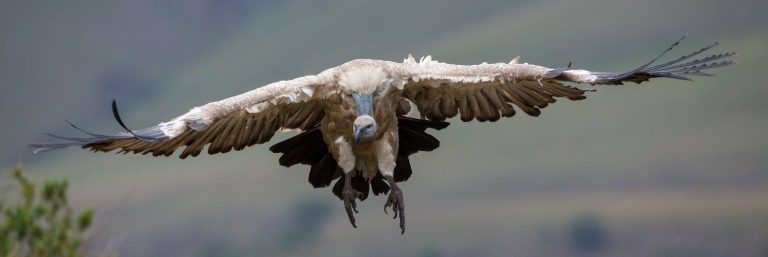
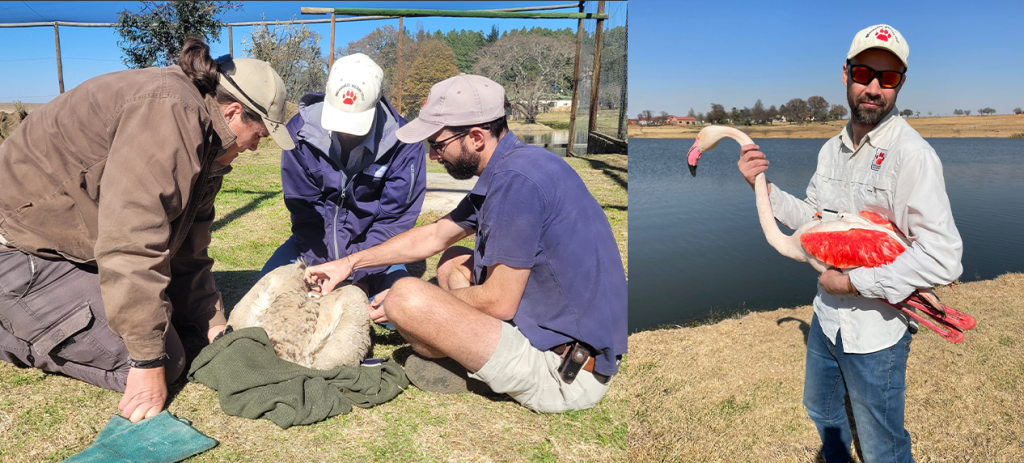
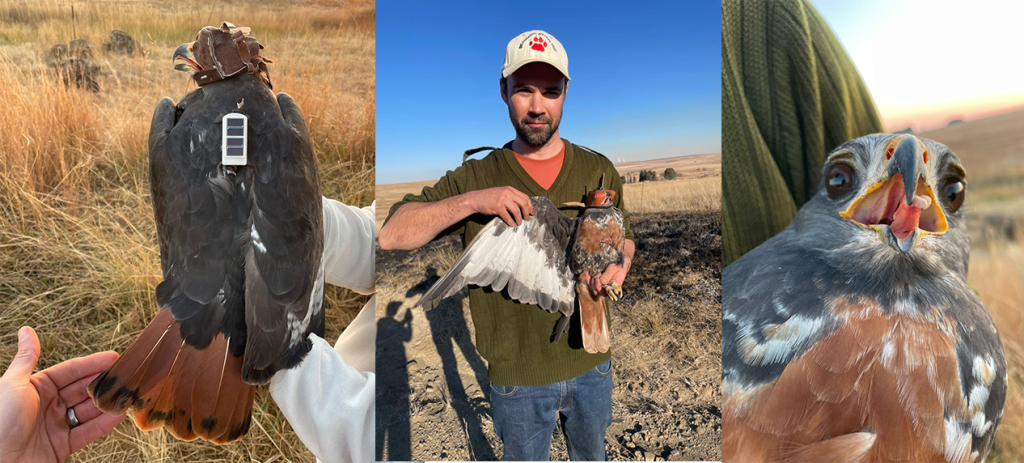
The project involves fitting lightweight GPS tracking devices to 12 priority bird species that are particularly susceptible to colliding with wind turbines. These include Greater and Lesser Flamingos, Martial Eagle, Cape Vulture, Jackal Buzzard, Grey Crowned Crane, Blue Crane, Wattled Crane, Blue Korhaan, White-bellied Korhaan, Denham’s Bustard, and Secretary Bird. Notably, three of these species—the Blue Korhaan, White-bellied Korhaan, and Denham’s Bustard—have never been tracked before, and several others have not yet been tracked in Mpumalanga.
Since the project began in September 2024, 15 birds have been fitted with GPS tags, including seven Jackal Buzzards, four Greater Flamingos, two Blue Korhaans, and a Cape Vulture. These devices are already providing valuable insights into bird behaviour, revealing not only where species move, feed, and breed, but also bird flight path patterns indicating heights and patterns that these birds are following when in flight. Some species, such as Blue Korhaans, appear to remain within small home ranges, while others, such as Flamingos and Buzzards, travel widely between provinces.
These data will be used to map regular flyways and flight paths, as well as home ranges, and be used to develop detailed species-specific sensitivity models. These tools may also help decision-makers and developers avoid high-risk areas when planning new wind energy projects.
Some mitigation strategies are already being explored, such as Shutdown-on-Demand (SDOD) systems that temporarily stop turbines when birds are detected nearby. However, these systems have limitations. For example, many Flamingos fly mainly at night, and most existing SDOD systems are not capable of identifying nocturnal flights.
The Mpumalanga Bird Flyways Research Project is a groundbreaking initiative as it is the first state-funded project of its kind in South Africa. Hopefully, it will serve as a model for other provinces to follow. By combining scientific research with conservation planning, the project is helping to ensure that the country’s renewable energy future does not come at the cost of its rich and irreplaceable birdlife.
The Democratic Alliance (DA) has officially called for the immediate dissolution of the Mpumalanga Tourism and Parks Agency (MTPA) Board, citing severe mismanagement and misconduct that have compromised the integrity and operational effectiveness of the agency.
In a formal letter addressed to the Mpumalanga MEC of Economic Development and Tourism, Jesta Sidell, the DA urged her to take action against a background of disturbing findings from a forensic report. The report, which remains classified, exposes serious transgressions by senior executives, including bullying, nepotism, undue interference in hiring processes, and a failure by the Board to address these issues.
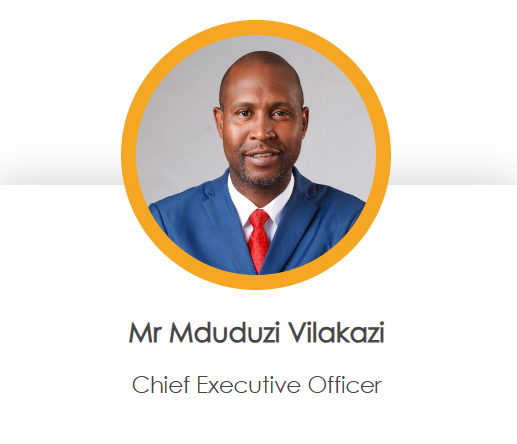
Despite clear recommendations for disciplinary proceedings against Executive Managers Nomcebo Kunene and Andries Zwane, who were found guilty of misconduct, the Board has failed to act. Moreover, Suspended CEO Mduduzi Vilakazi, who is under investigation for fraud, has not been reported to SAPS, as advised by forensic investigators, nor have they taken any disciplinary measures. Vilakazi has been on suspension since May 2024 but continues to receive an annual salary of R2.8 million.
“The forensic report paints a grim picture of a dysfunctional organisation with a toxic working environment characterised by fear, mistrust, and a lack of accountability. Kunene and Zwane, whose misconduct perpetuates a culture of impunity, are said to have once again engaged in intimidating staff, further undermining staff morale and the agency’s reputation,” said Trudie Grovè-Morgan: MPL – Spokesperson on Finance, Economic Development and Tourism
The Board and the agency’s Chief Executive Officer (CEO), Mduduzi Vilakazi, have been criticised for ineffective consequences management, with a failure to address serious infractions that threaten the agency’s core mandate. The report underscores that these failures have led to an environment where illegal or unethical behaviour goes unpunished, causing significant damage to Mpumalanga’s tourism sector.
Financially, the MTPA’s breakdown is troubling. With a total budget of R600 million for 2025/2026, an astonishing R438 million is allocated to staff salaries, while only R73 million is dedicated to operational expenses, visitor services, wildlife management, and park maintenance.
The DA argues that under the current leadership, the MTPA is failing in its fundamental responsibilities: managing state-owned parks, providing quality visitor experiences, and ensuring the safety and protection of wildlife and natural resources. The continued inaction of the Board and management has severely hampered effective service delivery, prompting calls for their dissolution and the placement of the agency under administration.
“The DA has given the MEC 14 days to act before they take the matter further, including reporting Vilakazi to SAPS for neglecting to act on serious allegations”.
As Mpumalanga’s premier tourism body, the MTPA’s dysfunction not only damages its reputation but also impacts the province’s economy and its attractiveness as a tourist destination. The DA remains committed to ensuring accountability, transparency, and good governance in all provincial agencies.
The Democratic Alliance (DA) in Govan Mbeki has called on the Municipal Manager, Elliot Maseko, to urgently intervene and dispatch a team to resolve the worsening sewage overflow crisis in eMbalenhle.
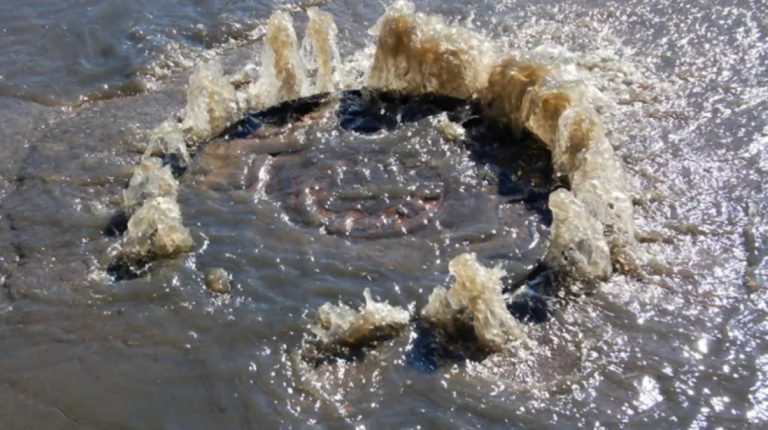
Residents have been subjected to dire living conditions as raw sewage spills directly into yards, causing blocked toilets and posing serious health risks. The situation has reached a critical point, with overflow encroaching on the main water lines, further endangering the community, including many elderly residents.
The DA strongly condemns the Govan Mbeki Municipality’s continued failure to maintain basic sanitation infrastructure, describing it as a gross violation of residents’ dignity, health, and constitutional rights. The persistent neglect and silence from municipal officials have left the community vulnerable to disease and unsafe living conditions.
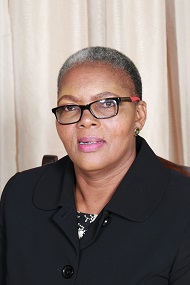
This crisis is not isolated. Across eMbalenhle, residents face broken sewer lines, blocked drains, and little to no response from municipal authorities. “Many are unable to use toilets and fear consuming tap water, risking disease outbreaks,” said Zodwa Mkhwebane DA Councillor Govan Mbeki Local Municipality
Cllr ZA Mkhwebane
The DA urges the municipality to conduct a comprehensive audit of the sewer network and implement a targeted maintenance plan, prioritising high-risk, low-income areas where vulnerable community members reside. Equal treatment and swift action are imperative; no resident should be forced to live in such degrading conditions.
The party emphasises that delivering clean water and dignified sanitation is a core mandate of local government. The DA commits to holding the municipality accountable and will continue advocating for residents until their basic needs are met.
The Democratic Alliance (DA) has demanded that the Mpumalanga Tourism and Parks Agency (MTPA) immediately report its suspended CEO, Mduduzi Vilakazi, to the South African Police Service (SAPS) over serious allegations of fraud, collusion, and financial misconduct. This appeal follows a forensic investigation report submitted to the MTPA Board in May, which implicates Vilakazi and several senior officials in misconduct, yet no official action has been taken.
According to the DA, the report highlights a range of allegations, including fraudulent appointments and irregular project management. Notably, Vilakazi is accused of appointing Vuxaka Consulting Engineers improperly for the construction of a Visitor Information Centre. “The forensic report recommends that the Board consider recovering R9.8 million paid to Vuxaka and possibly terminating the contract, as the award violated legislative requirements,” said Trudie Grovè-Morgan: MPL – DA Spokesperson on Finance, Economic Development and Tourism
Trudie Grove-Morgan
Further, the report alleges collusion involving Vilakazi, Maduna, and Siphelele General Trading (SGT) concerning the Barberton Makhonjwa Mountains Geotrails, urging the Board to report any such misconduct to SAPS. Senior officials of the MTPA are also accused of authorising illegal mining activities in exchange for a 10% profit share from mining companies, with the forensic investigators instructing the Board to submit a detailed report on these allegations.
Despite the serious nature of these accusations, the MTPA Board has yet to forward reports to SAPS, despite being required to do so by July 31, 2025. Vilakazi has been under suspension since August 2024, pending the outcome of the investigation, which has cost taxpayers approximately R2.2 million.
The DA has issued a stern warning: if the Board fails to report these allegations within the next 14 days, they will escalate the matter publicly. The party emphasises the importance of accountability and transparency in addressing corruption within public institutions.
“Your mental health is a priority. Your happiness is essential. Your self-care is necessary.” — Unknown
As Women’s Month shines a spotlight on the strength and contributions of women in society, women must also take a moment to reflect inward on how they treat themselves. One of the most powerful and life-sustaining acts a woman can make is to prioritise her mental well-being. Mental self-care is not just about therapy sessions or a once-off break. It is about building a mindset where your thoughts, feelings, and emotional health are regularly nurtured. It means allowing yourself space to breathe, to cry, to reset without judgment.
But beneath the smile, stress, fatigue, and anxiety often build up. This month, we urge women to pause. Ask yourself: How am I really doing?
Tips for nurturing your mental health:
Start a morning or evening journaling habit.
Learn to say “I’m not okay” when that is the truth.
Seek professional help without shame—strength is asking for support.
Set boundaries to protect your emotional energy.
Connect with people who lift you up.
Disconnect from social media if it feels draining.
By acknowledging your mental well-being, you are not showing weakness — you are showing wisdom. When women prioritise their mental health, they empower not only themselves but also the generations they care for.
The Sasol Highveld Photography Club held its August meeting, a night dedicated to celebrating the artistry and passion of local photographers. The meeting, held this month, provided a platform for members and guests to share their work, learn new techniques, and connect with fellow photography enthusiasts.
The evening’s program featured a variety of activities, including:
Welcome and Introductions: The meeting began with a warm welcome to all members and guests.
Birthdays: Celebrated members Lorraine Botha (August 10th) and Edmund Hattingh (August 24th).
Club Member Promotions: Recognised Yolande Geyser on her promotion to a 2-star club rating.
PSSA News: Shared updates from the Photographic Society of South Africa. (See specific accomplishments of club members.)
PSSA Salon: Provided a preview of Past Salons with Club Results
Photography Events: Reminded members of upcoming events.
Tip & Tricks (Before and After): by Louis van der Walt
Guest Judge Presentation: Simon du Plessis
Image Review and Scoring: Members shared their images across different categories, receiving feedback from the guest judge.
The meeting also acknowledged the recent successes of club members in the PSSA Best Club Junior/Senior Competition for July, where Danie Smit won in the Senior Category and Yolandi Geyser won the Junior Category. A number of club members had their work shown in PSSA Web Competitions. Members also excelled in the Past Salon, with multiple acceptances and awards at the 3rd Kriel Foto Club Salon, the 1st Ballito Photo Club National Salon, the TAF 14th Print & PDI Salon, the 27th National “Up-and-Coming” Photographic Competition, and the 5th Witzenberg Photographic Society Salon
During the meeting, the club highlighted their photographic safari set for Klipspringer Selati Game Reserve for 15-17 August 2025.
The Sasol Highveld Photography Club is dedicated to fostering a supportive and educational environment for photographers of all skill levels. The club offers regular meetings, workshops, outings, and competitions, providing ample opportunities for members to grow their skills and share their passion.
If you’re interested in photography and live in the Sasol Highveld area, the Sasol Highveld Photography Club offers a warm and welcoming community.
Coming Up:
The “Set Subject” for the September meeting will be Street.
Here are the winning photographs for August:
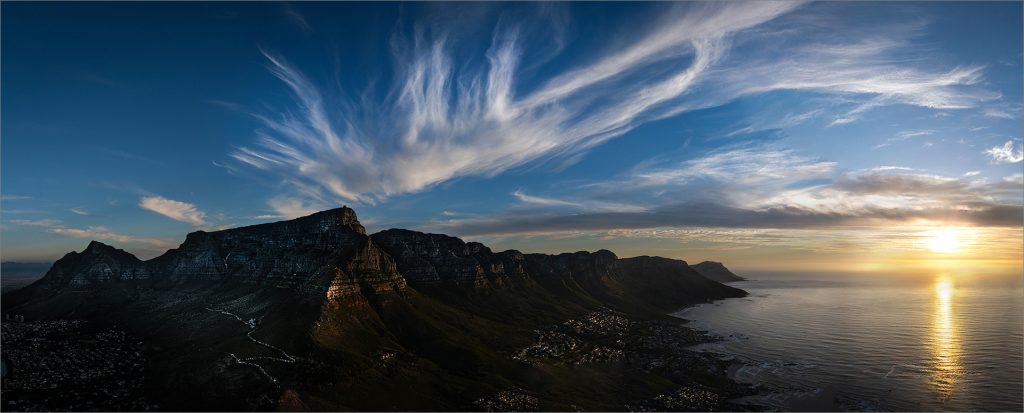
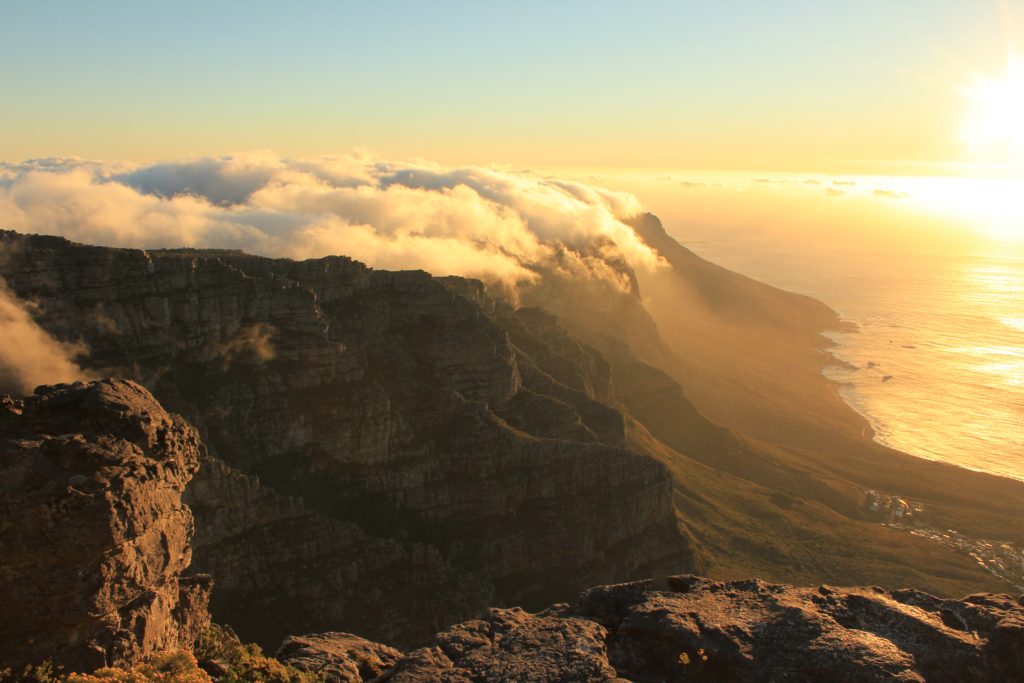
The best set subject is “Lions Head Sunset” by DNE Smit
Lions Head Sunset by DNE Smit
The best Junior is Yolandi Geyser with “Life’s Journey”
Life’s Journey by Yolandi Geyser
Here are the COM and GOLD certificates
Category – Nature – Birds only
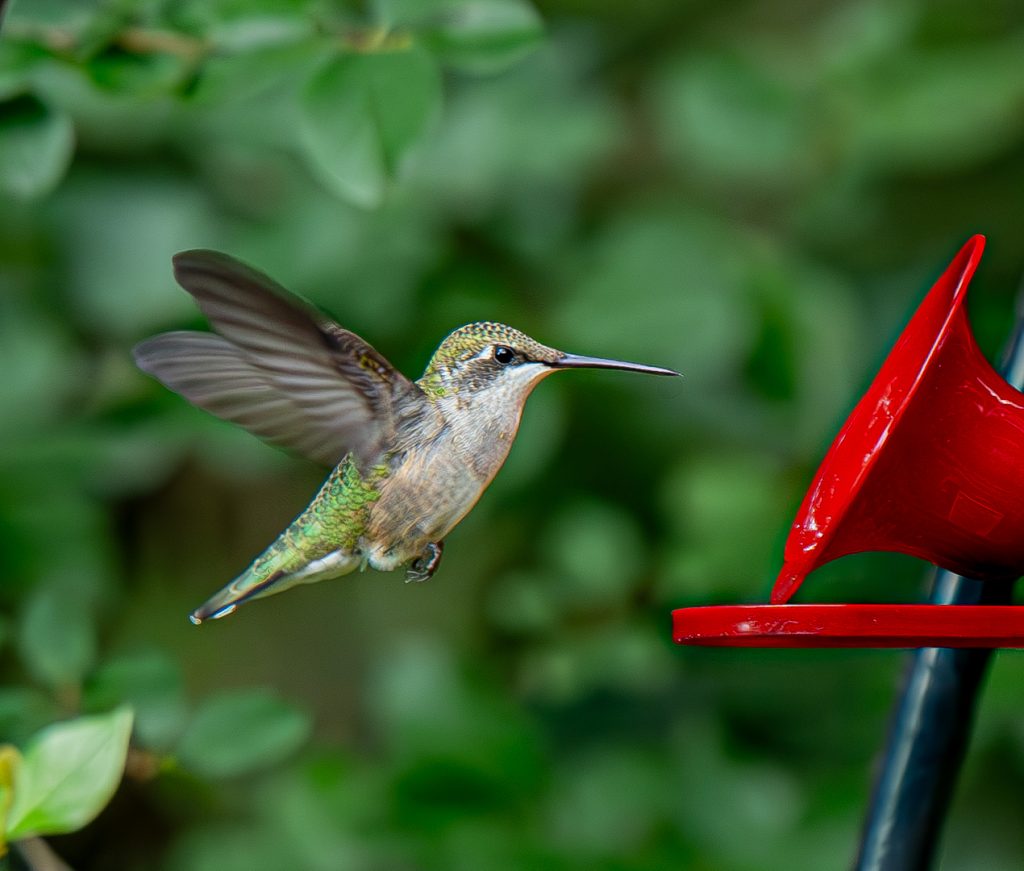
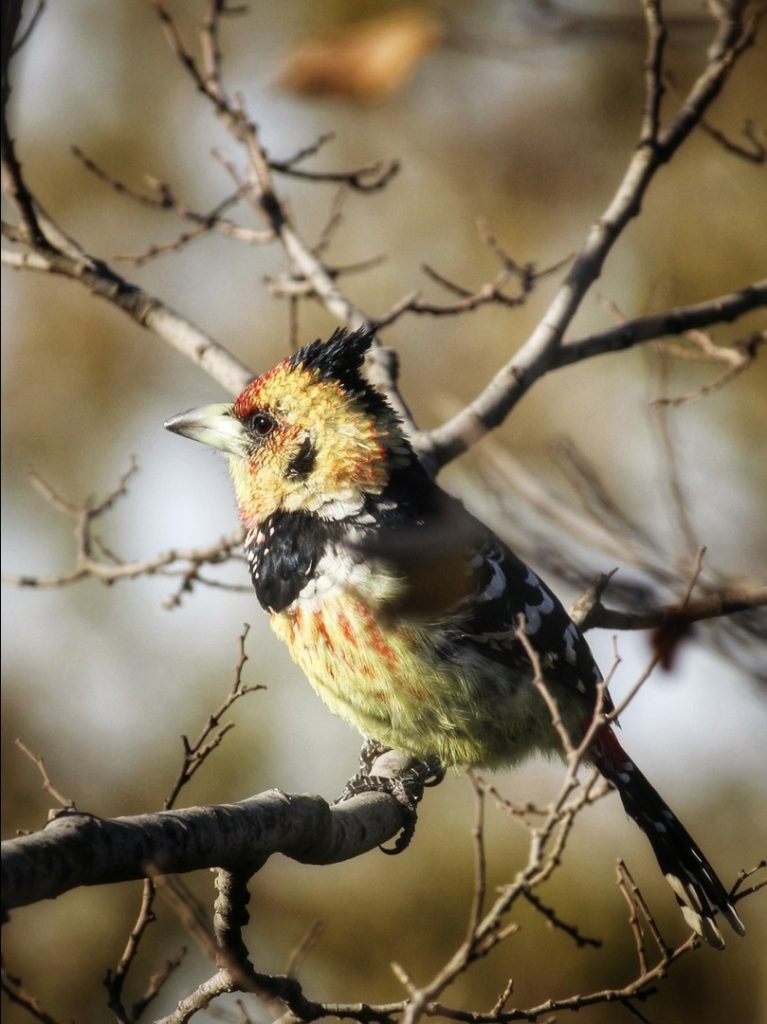
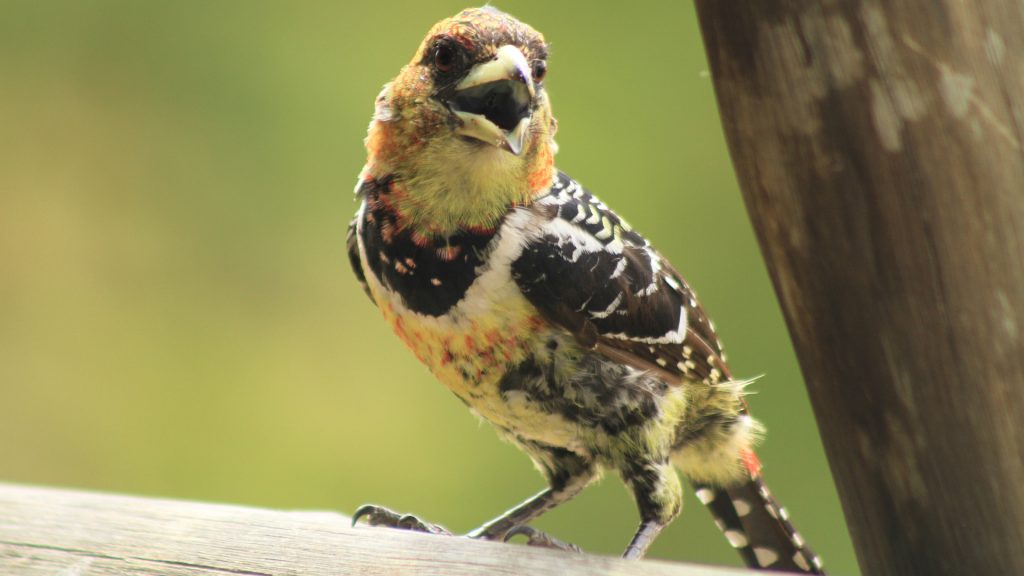
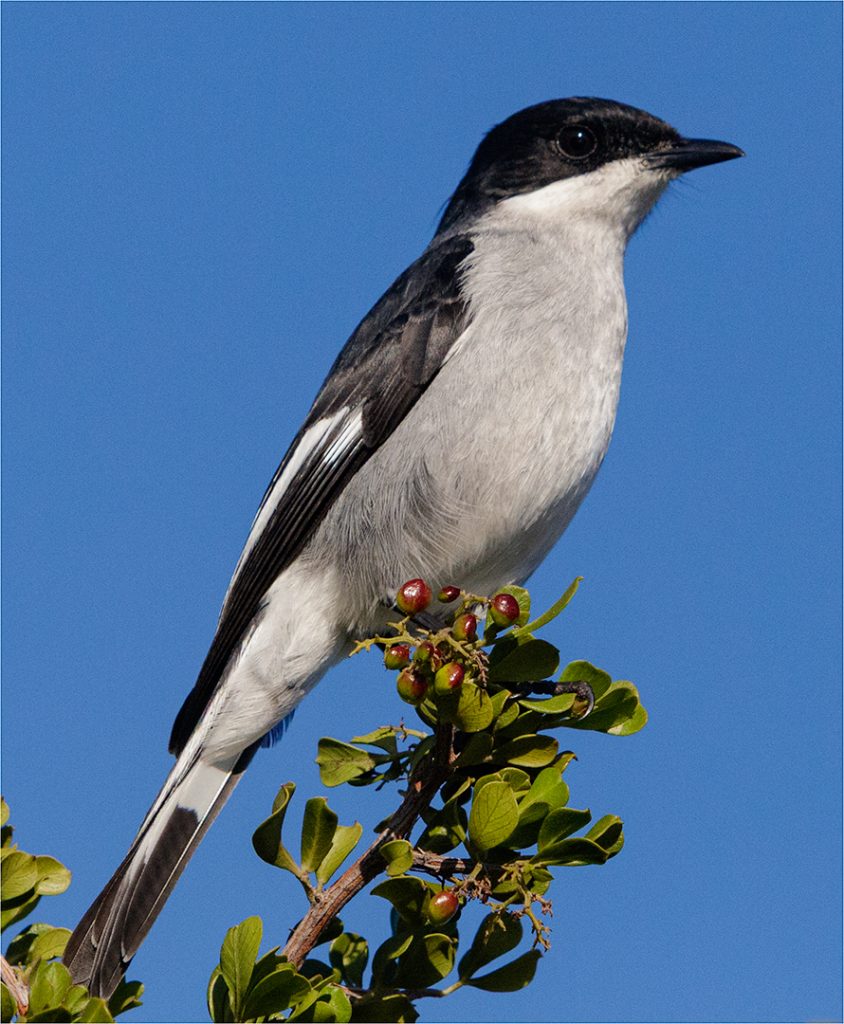
Hummingbird seeing nectar by Edmund Hattingh Crested Barbet by Stian GriffinWild Bird by Cimone Duncan
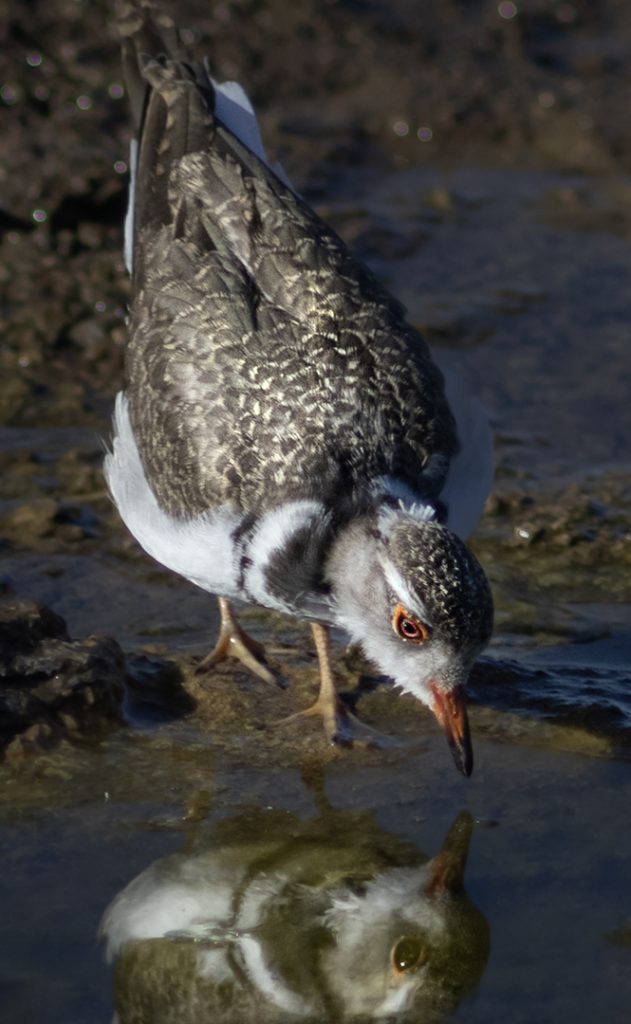
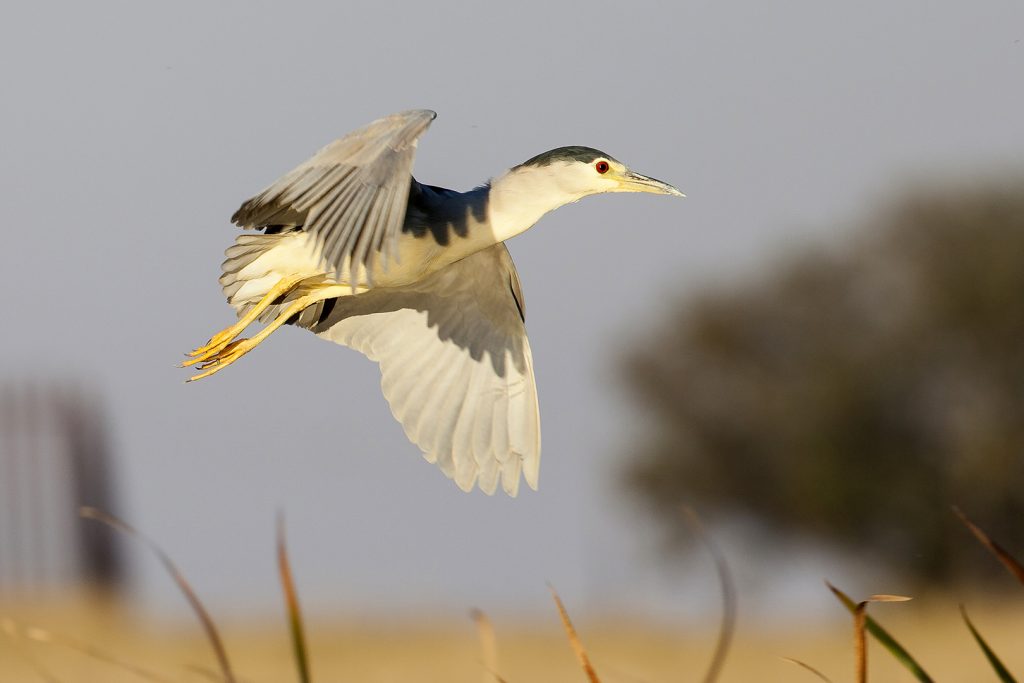
Bandkiewiet by DNE SmitSquacco Heron by Encee van HuyssteenA fine specimen by Piet Potgieter
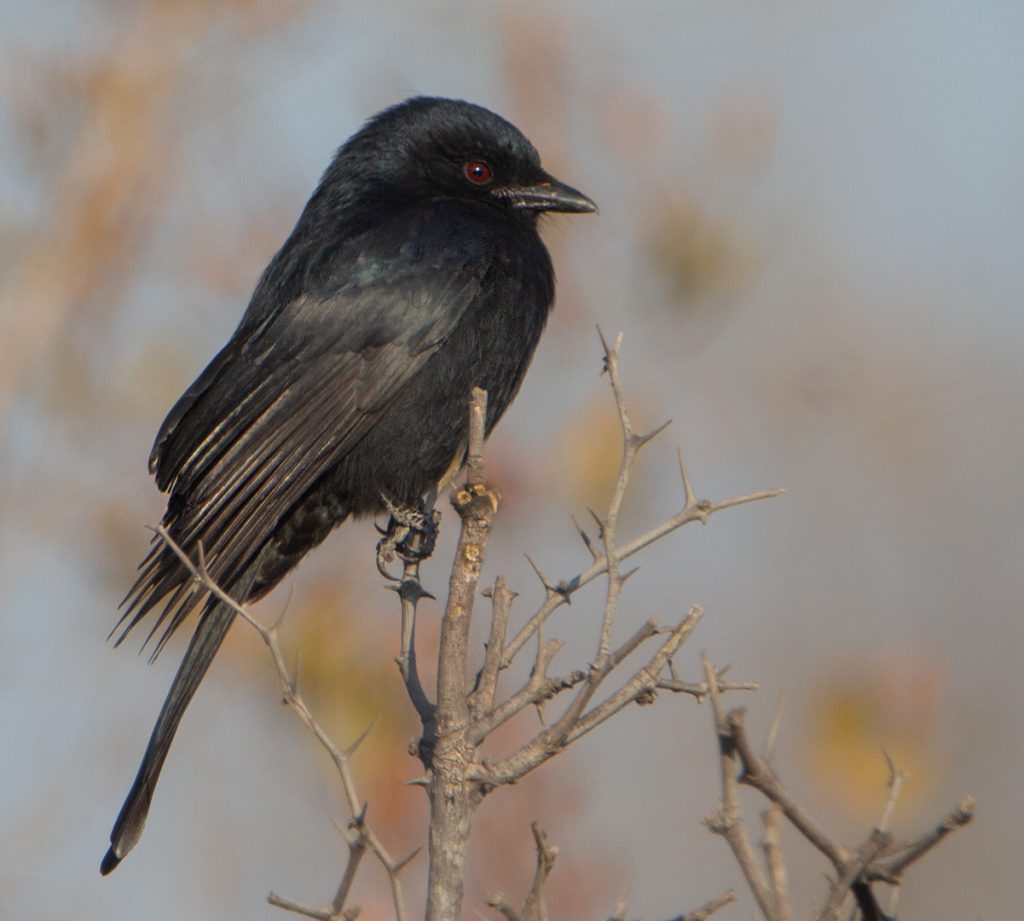
Black Flycatcher by Lorraine Botha
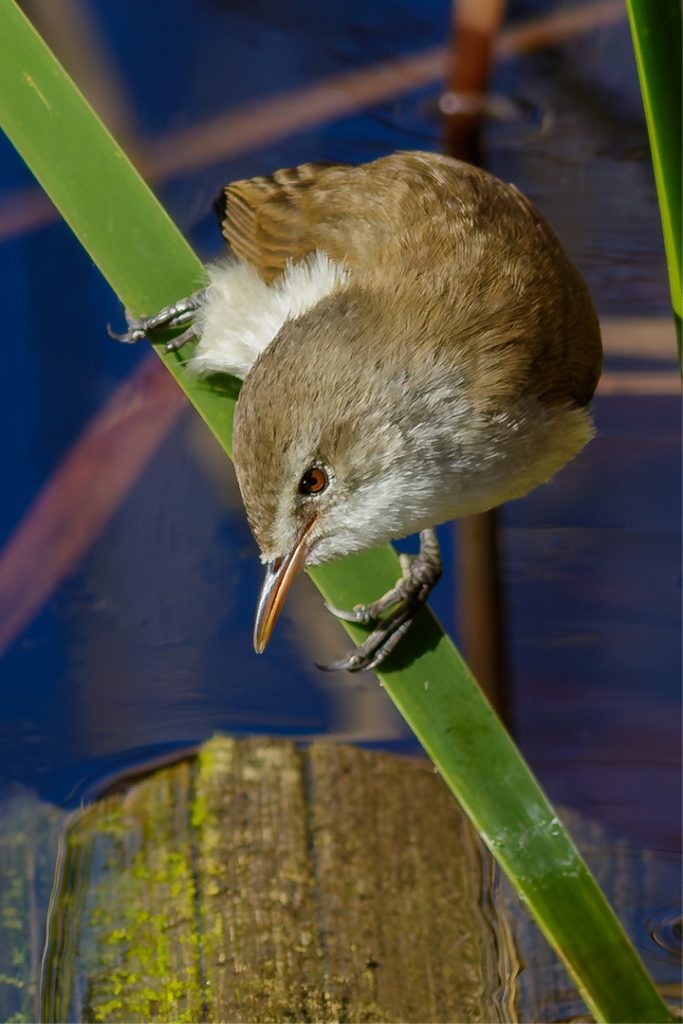
What is that by Piet Potgieter
Category – Photojournalism
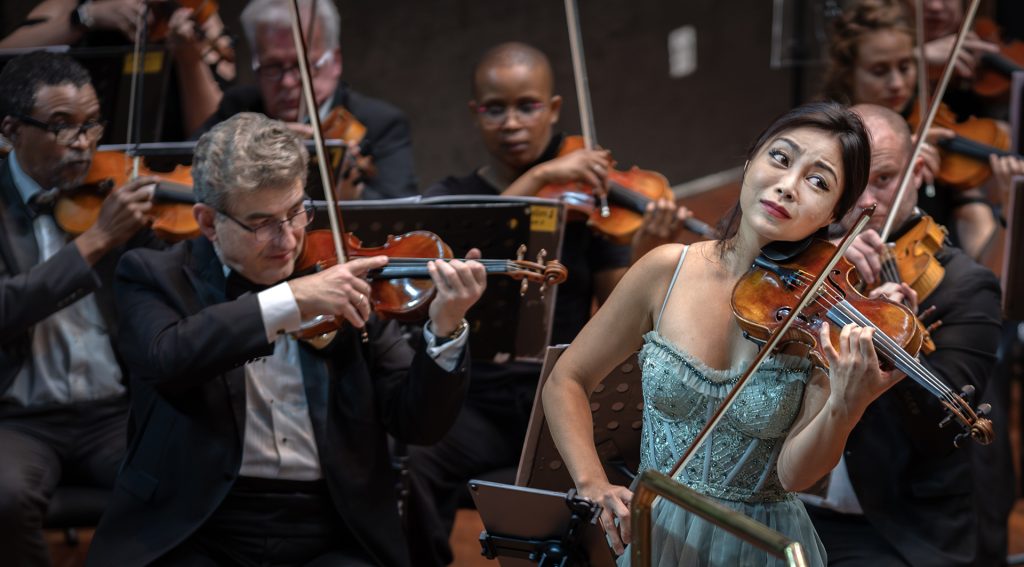
Virtuoso by DNE Smit
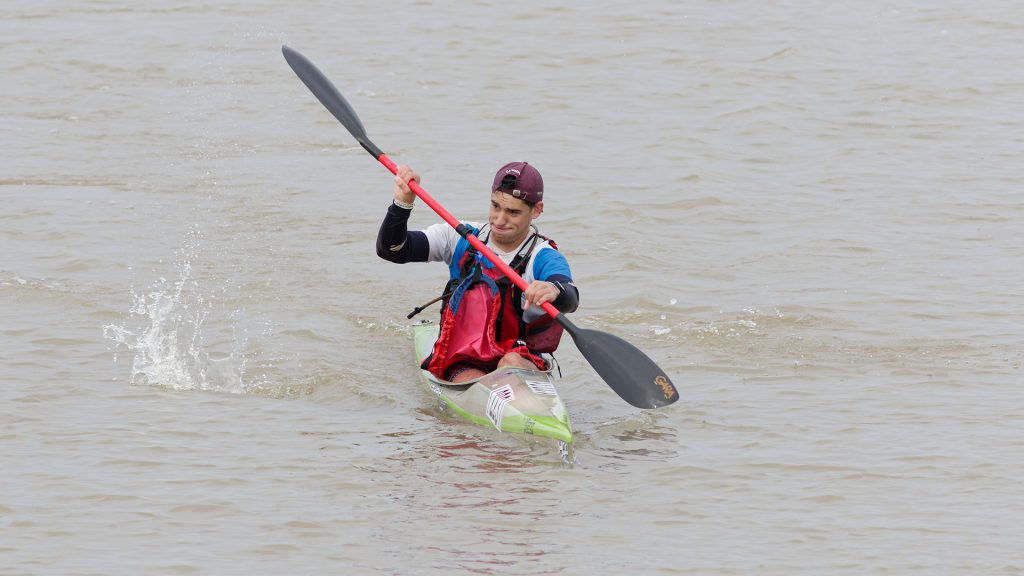
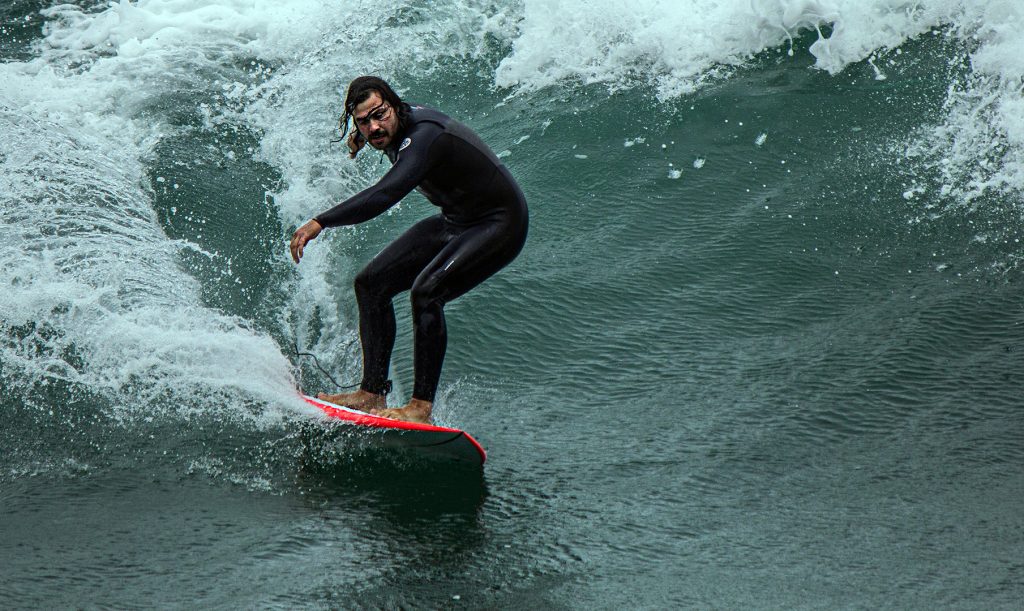
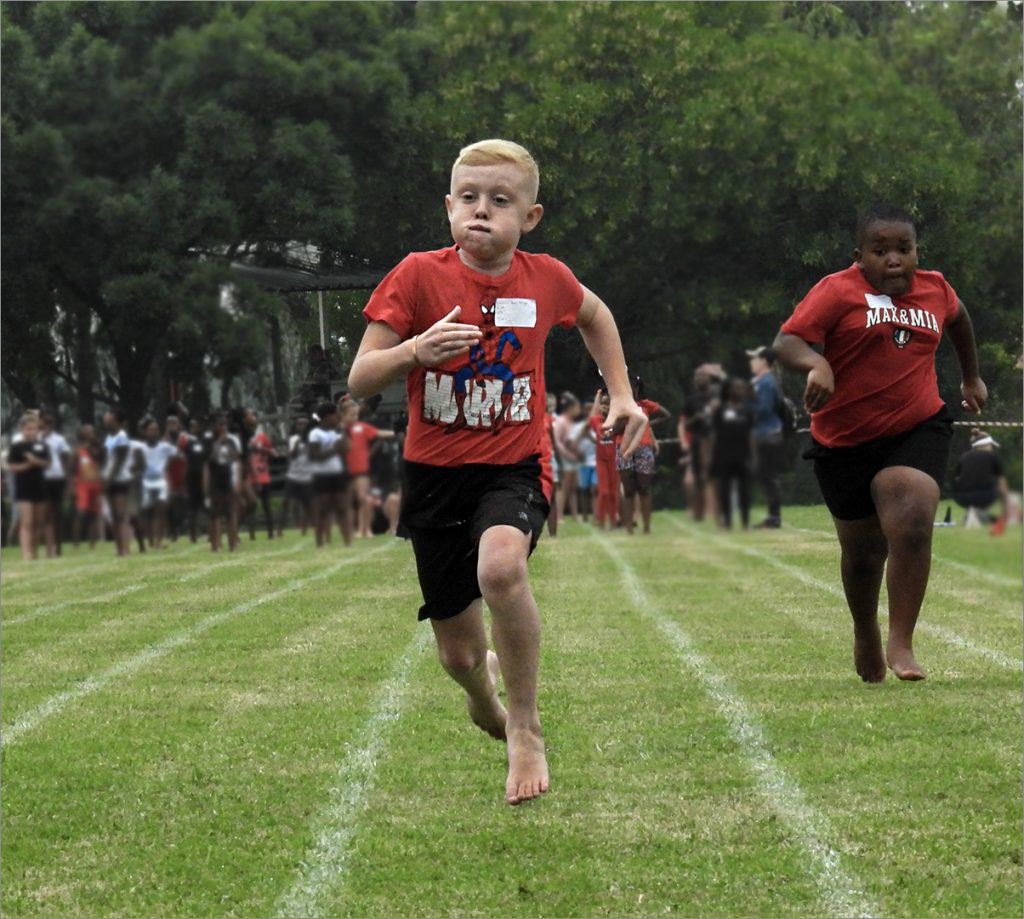
Splashing Away by Piet PotgieterSurf 2 by Lorraine BothaHardloop Met Bolwange by Sussa Pelser
Category – Pictorial
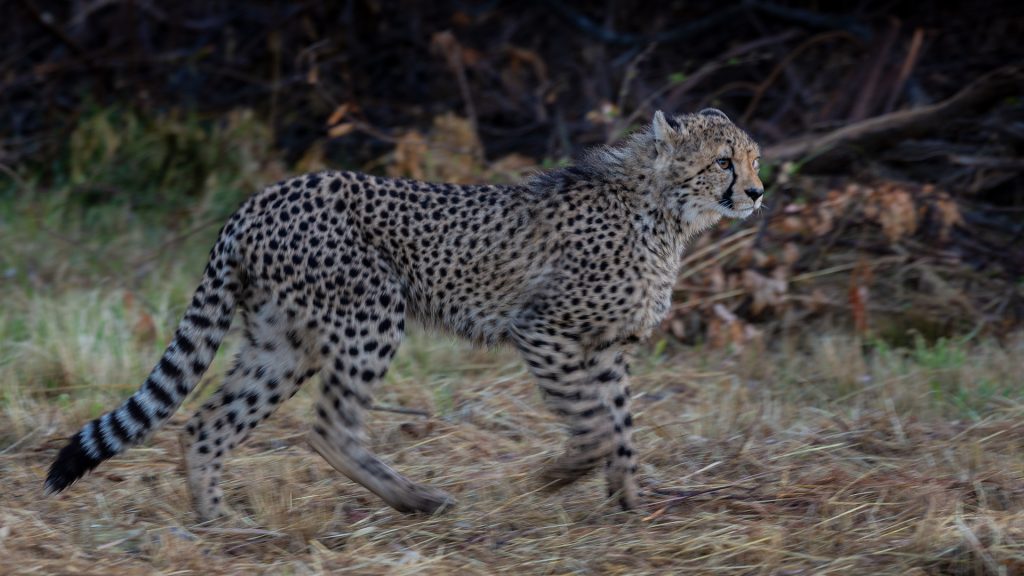
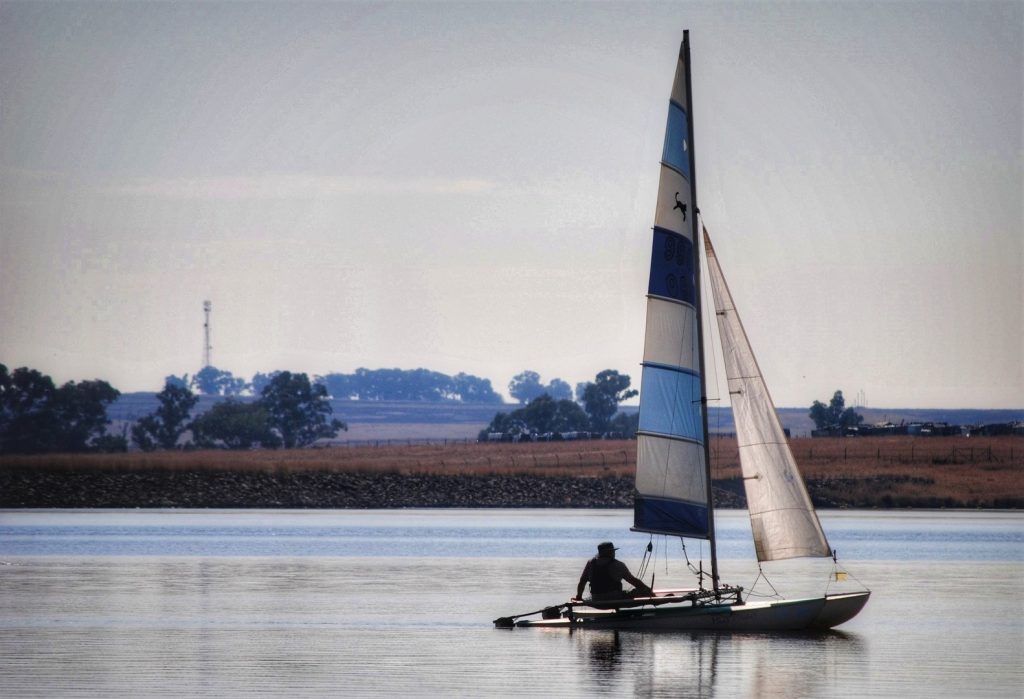
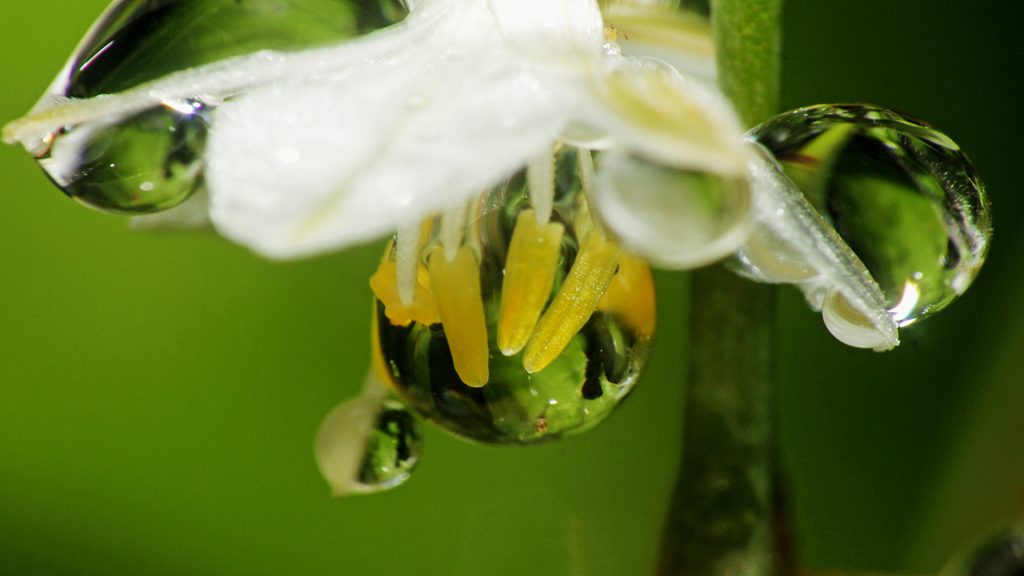
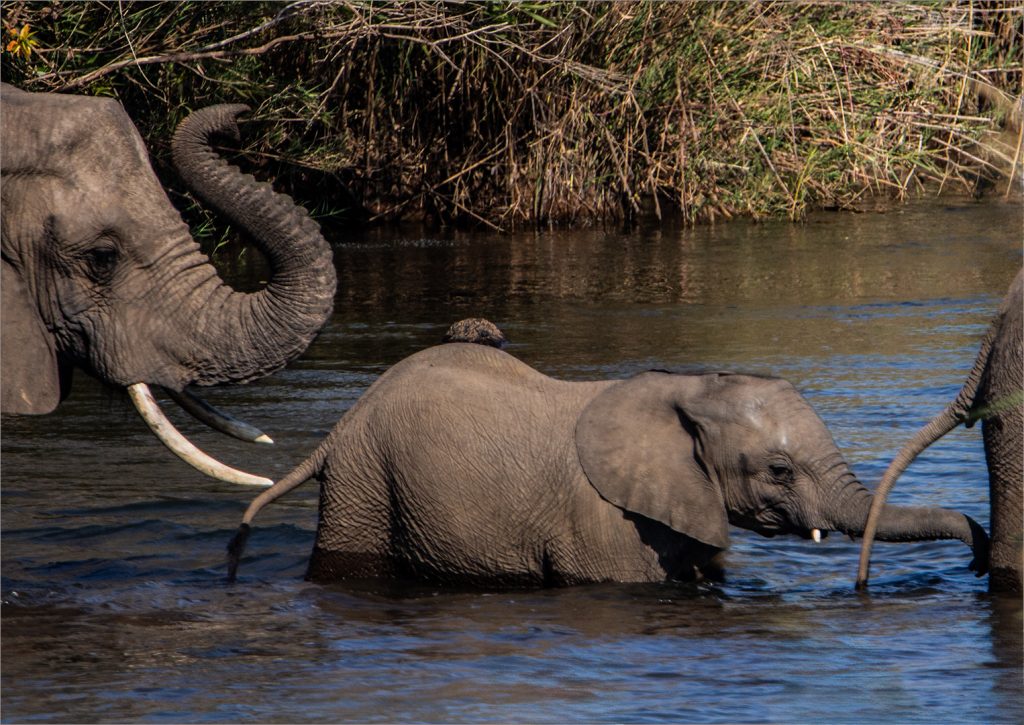
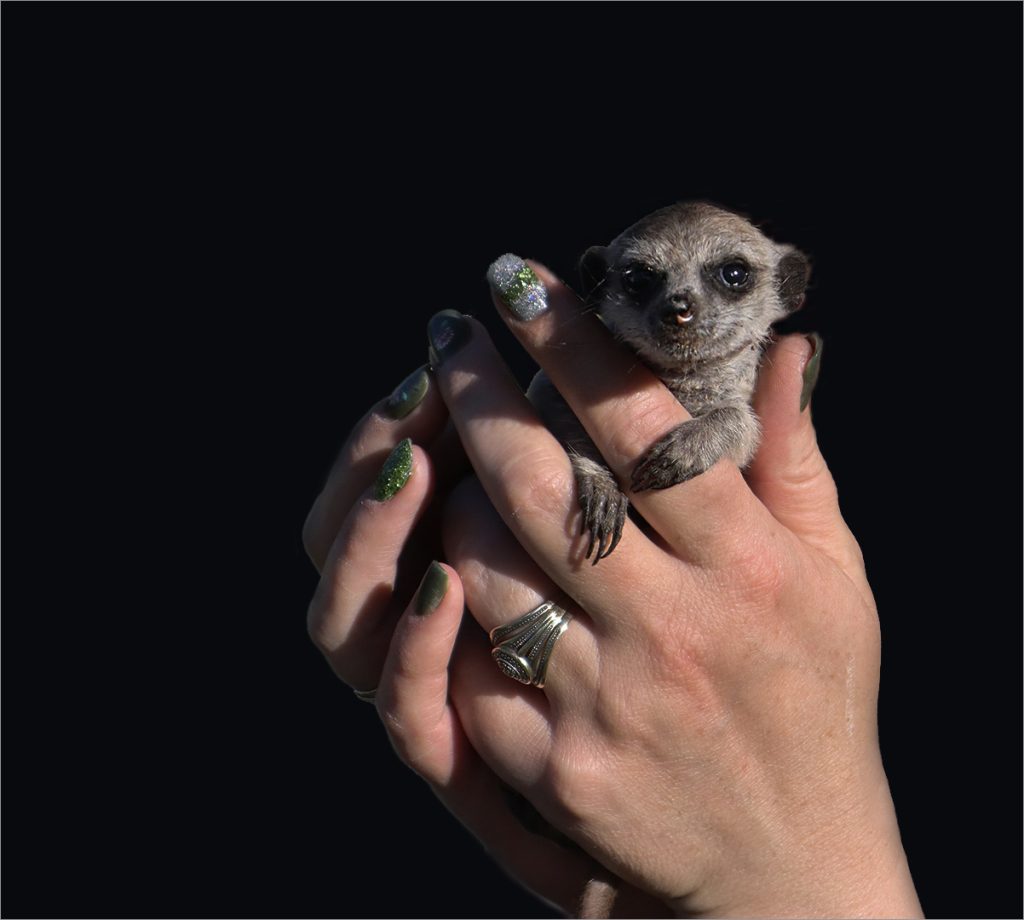
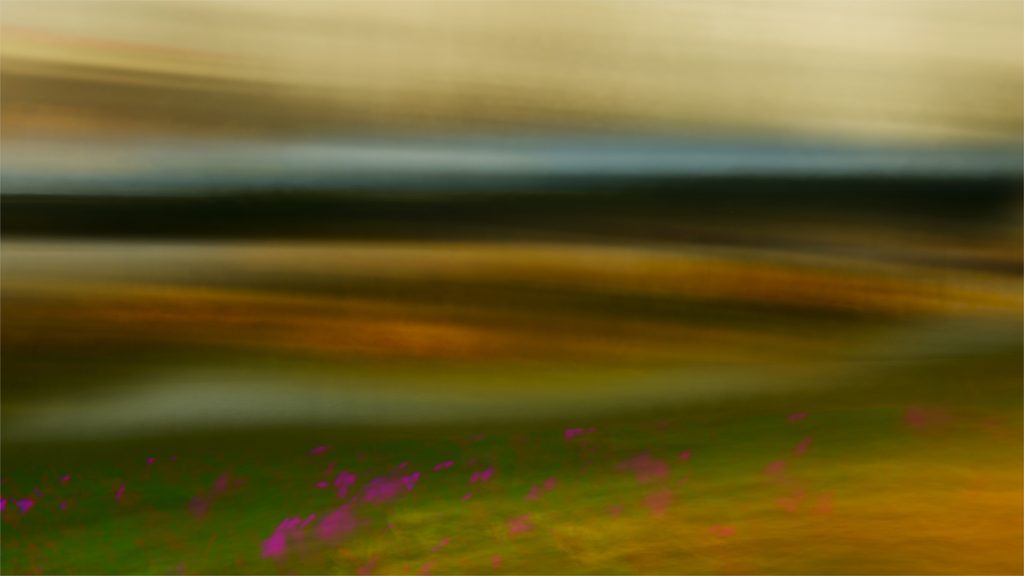
Clown Fish Home U1 by Louis van der WaltNervous Cheetah by Jaco LindeZeus by Yolandi GeyserWhispers Of The Wind by Stian GriffinWhite Flower by Cimone DuncanBaby elephant crossing river by Lorraine BothaEwert by Leon PelserHands Holding A Tiny Meerkat by Sussa PelserBlue Jellyfish U1 by Louis van der WaltKetelfontein abstract by Jaco LindeSadness by Leon PelserBear by Yolandi Geyser
Category – Nature
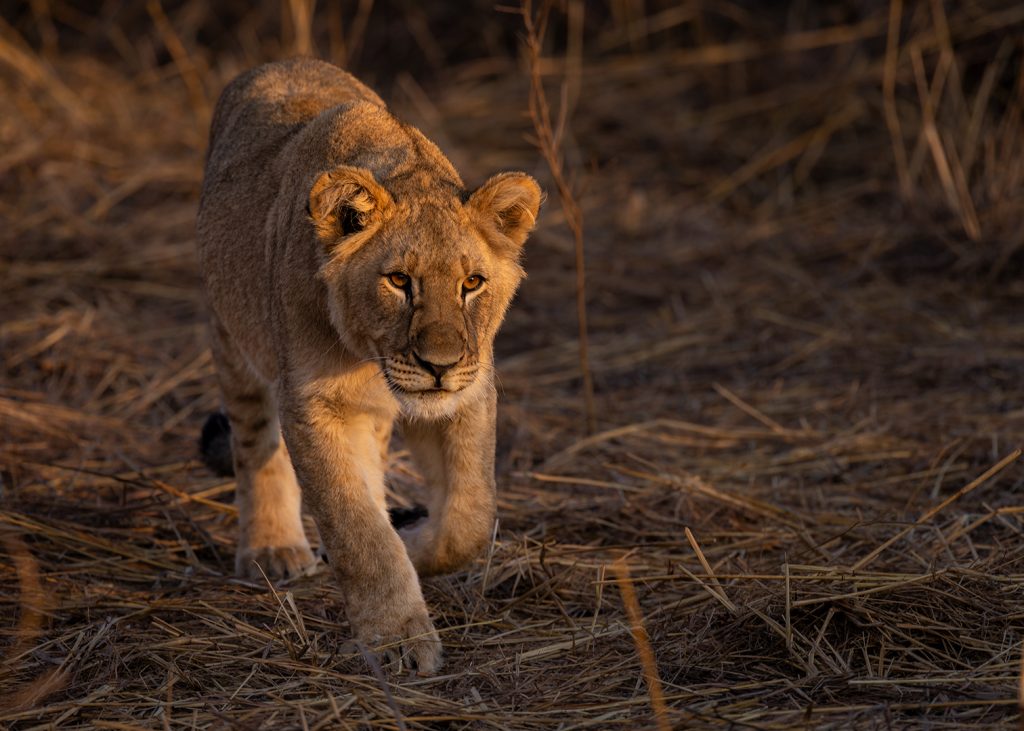
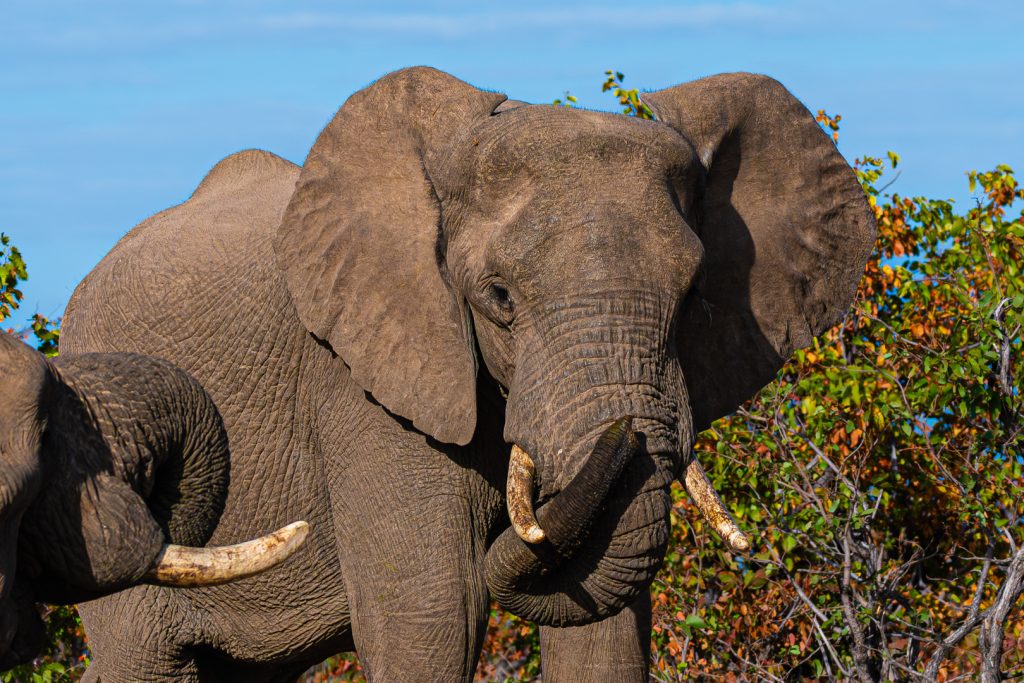
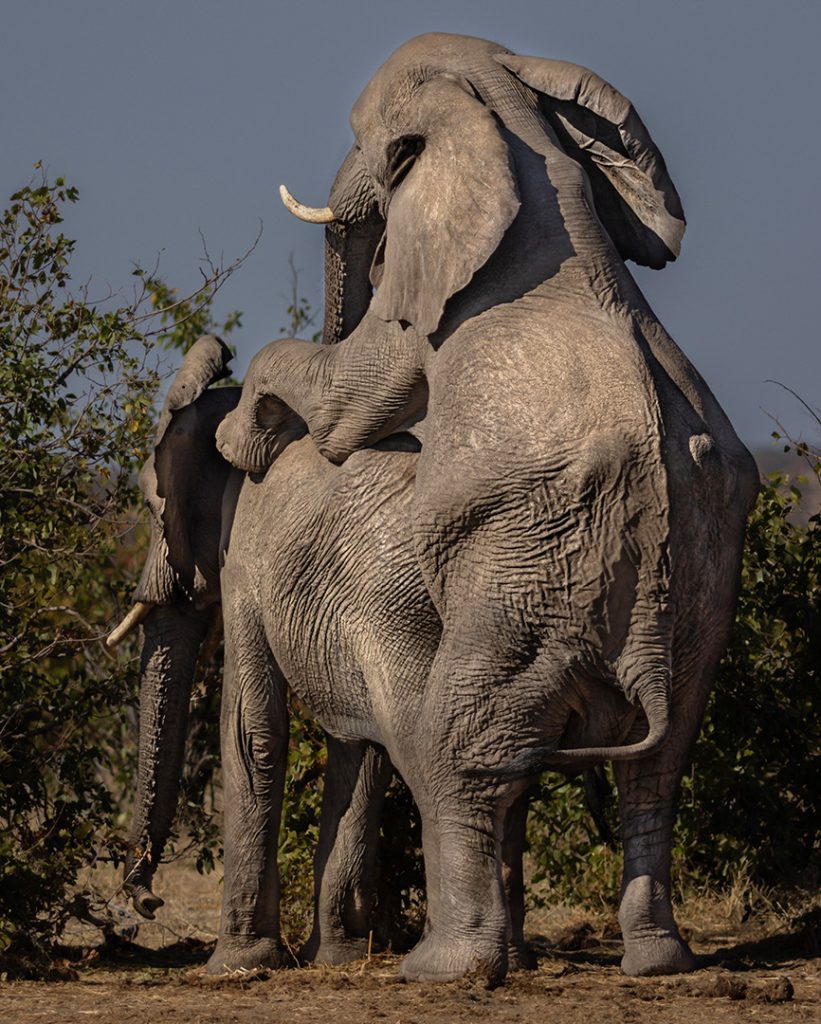
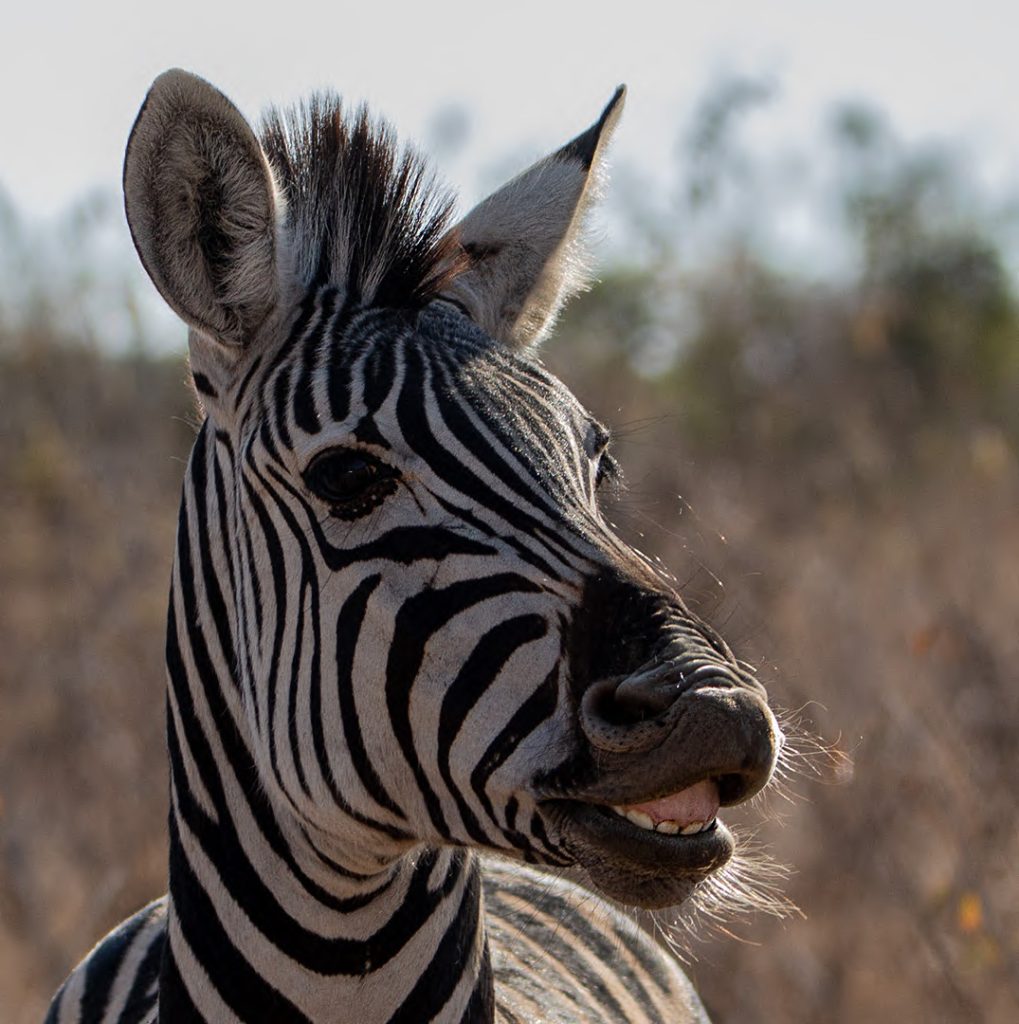
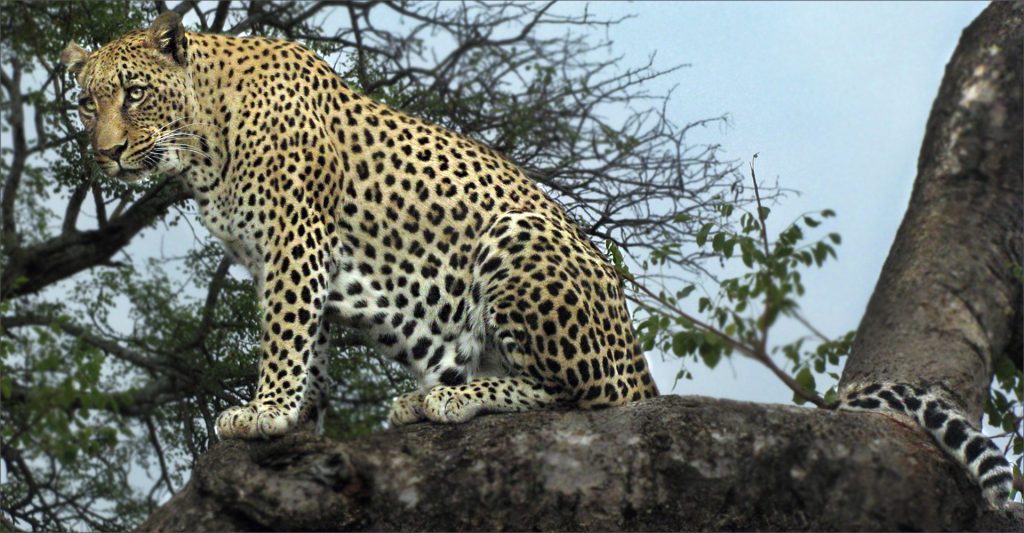
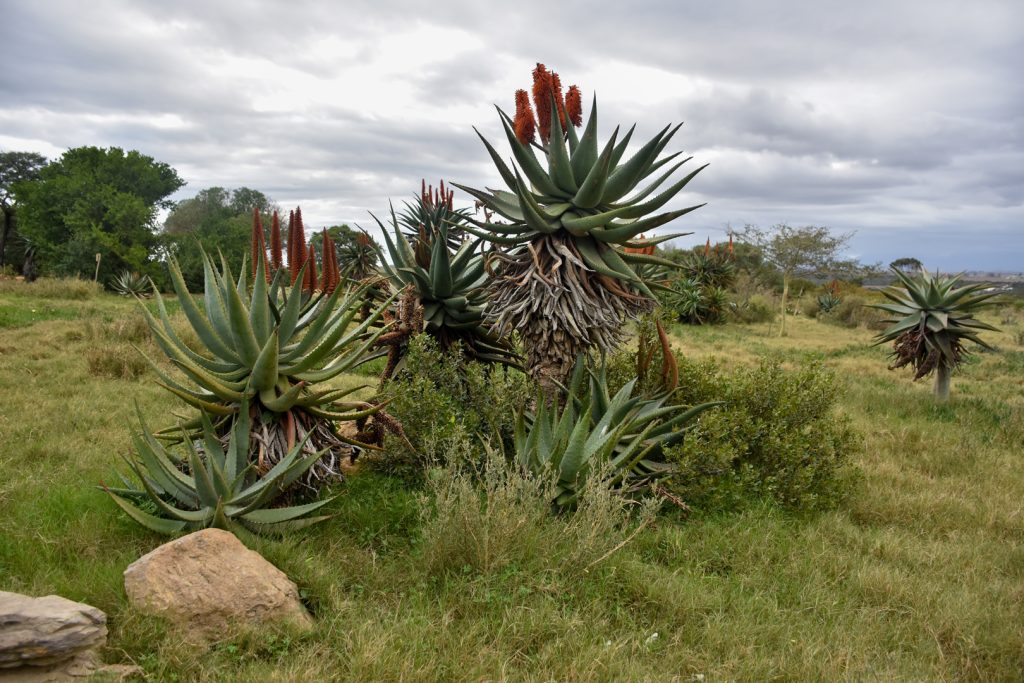
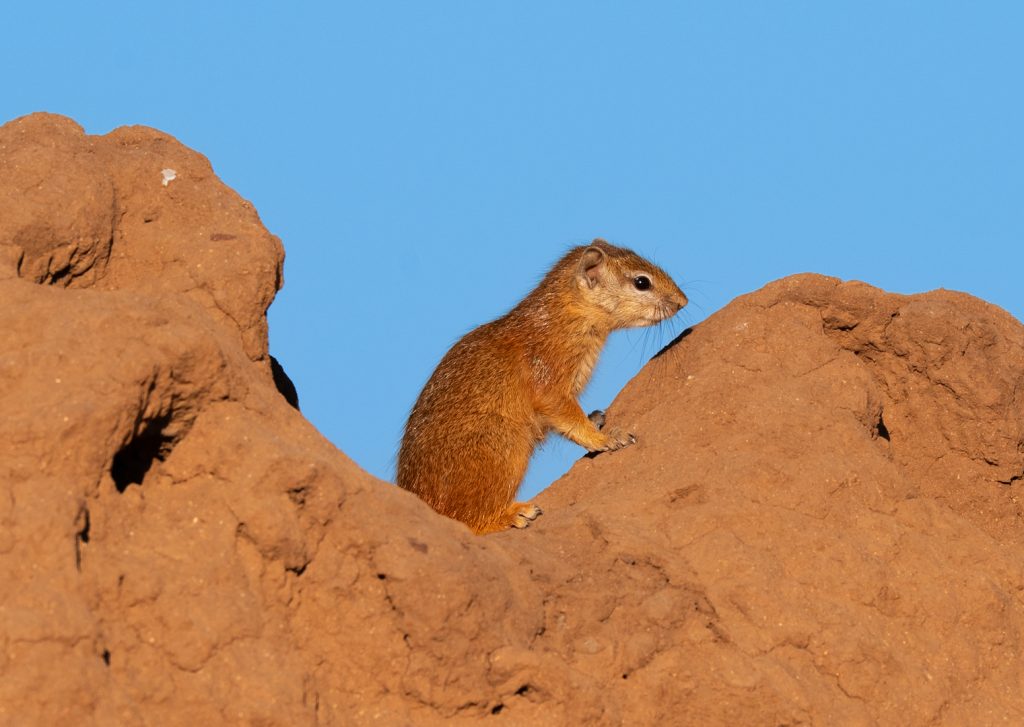
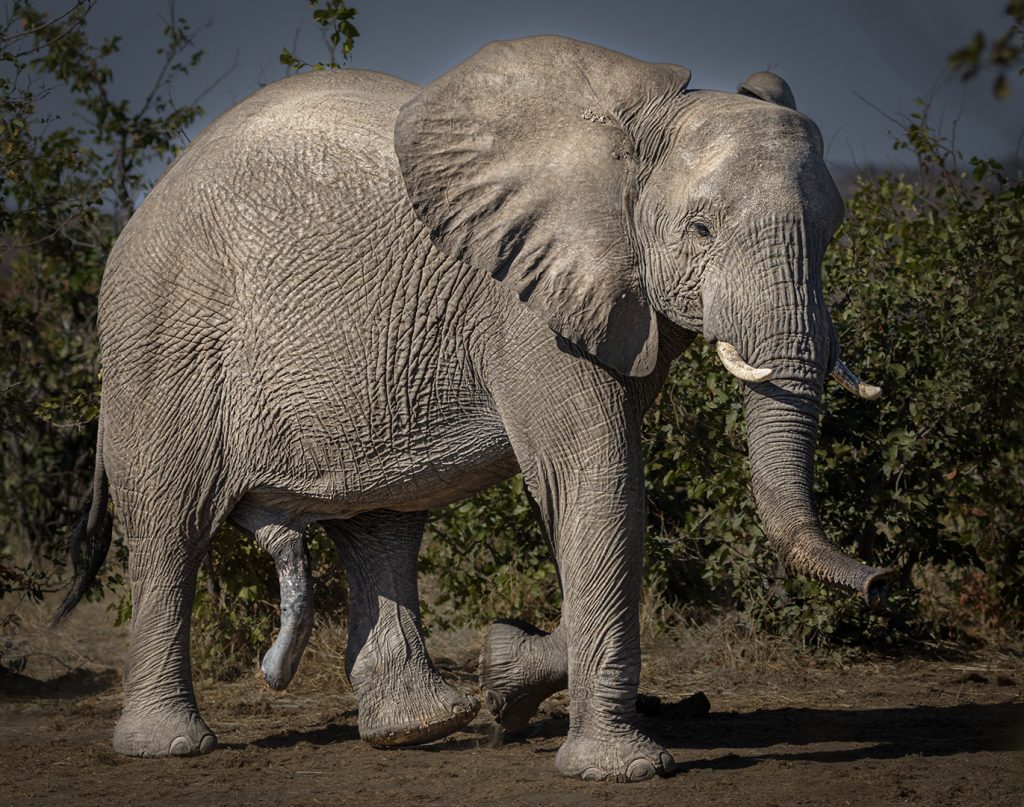
Lion Cub by Jaco LindeGrootoor by Edmund HattinghHorned Adder by Yolandi GeyserSun Set by Cimone DuncanElephants Mating by DNE SmitSmile for the Photo by Lorraine BothaLeopard in Tree by Sussa PelserAalwyne Albertinia by Adri KirstenEekhoring op eie Koningryk by Edmund HattinghLusty Male by DNE Smit
Category – Monochrome
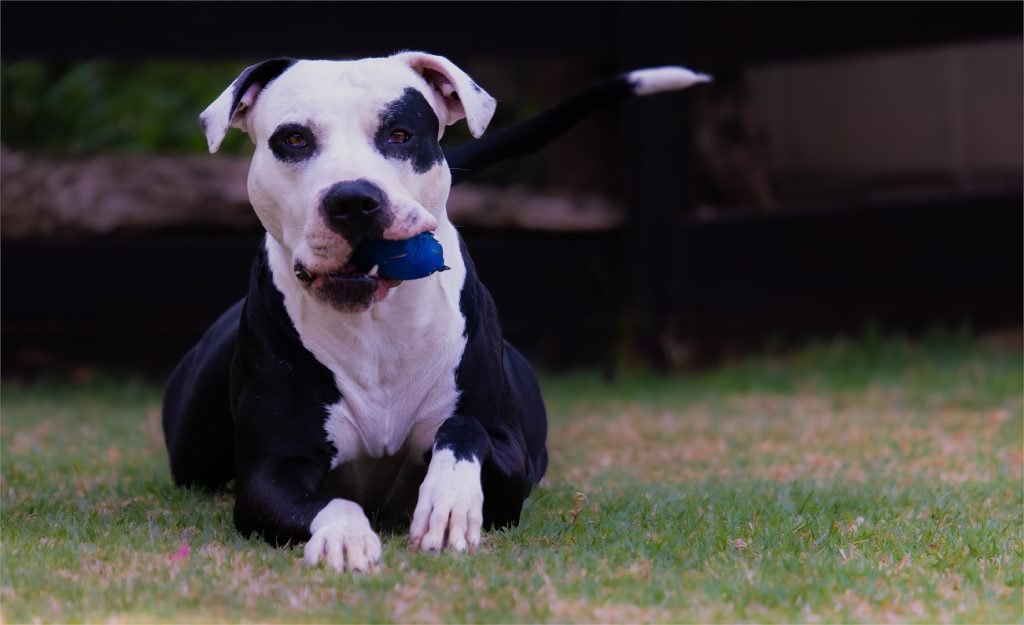
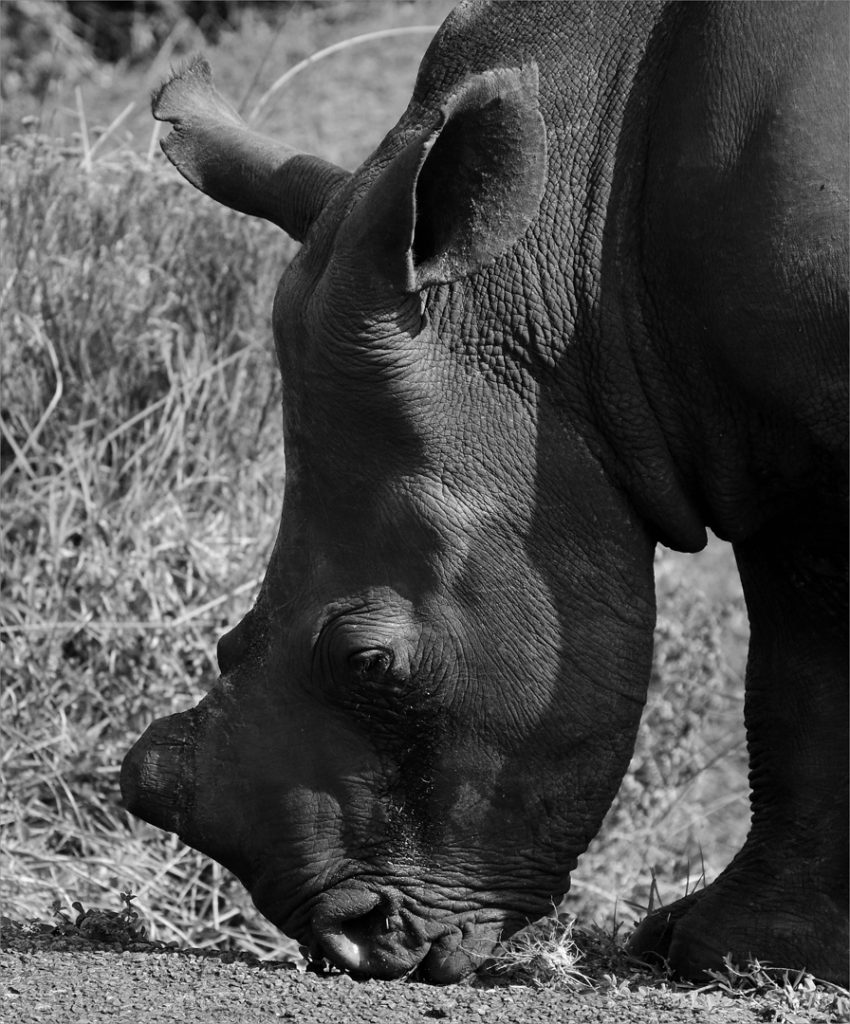
Man’s Best Friend by Stian GriffinRenoster Cape Vidal reservaat by Adri KirstenTrap2 by Hanno de BeerKantoor Trap by Hanno de Beer
Category – Scapes
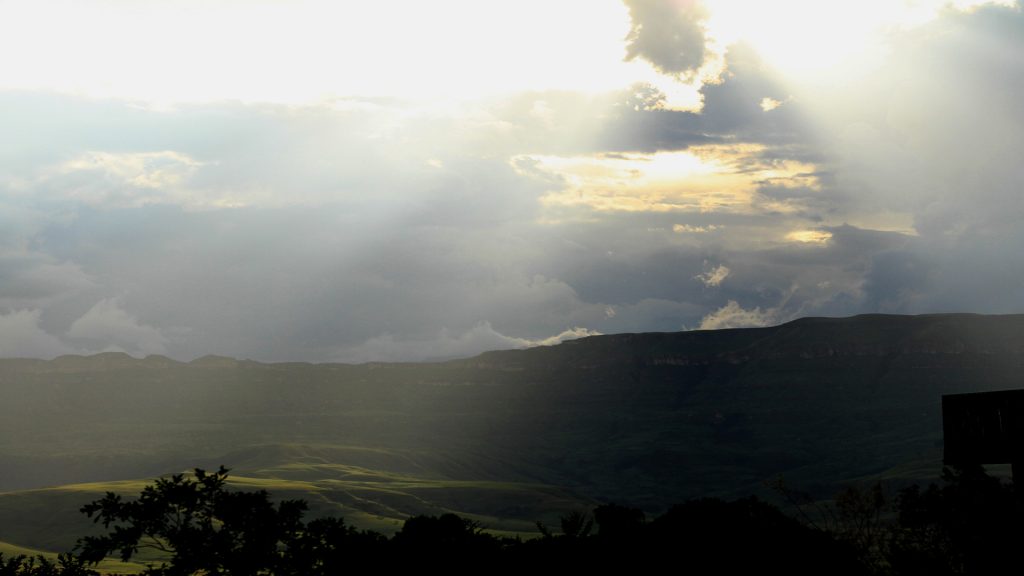
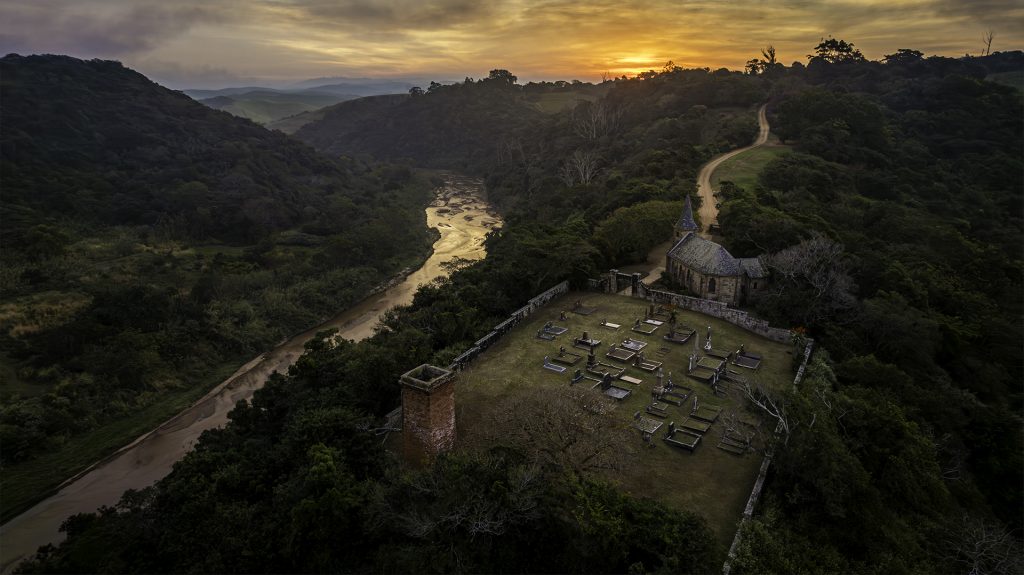
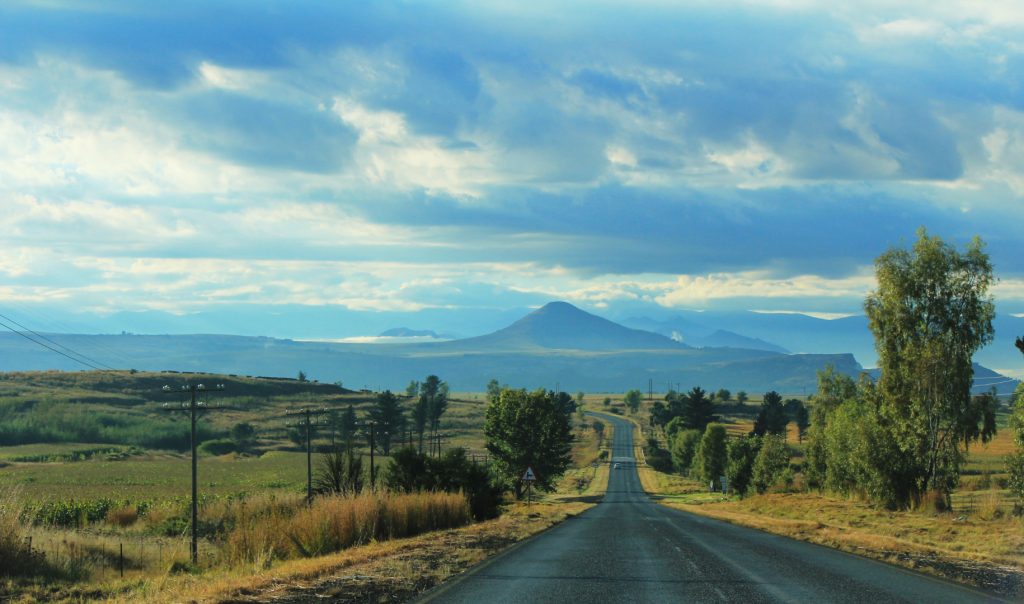
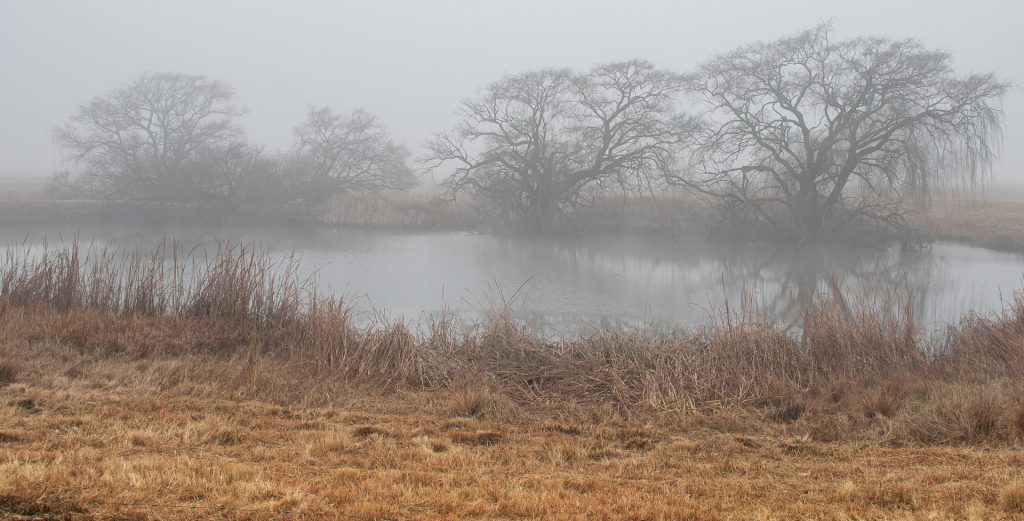
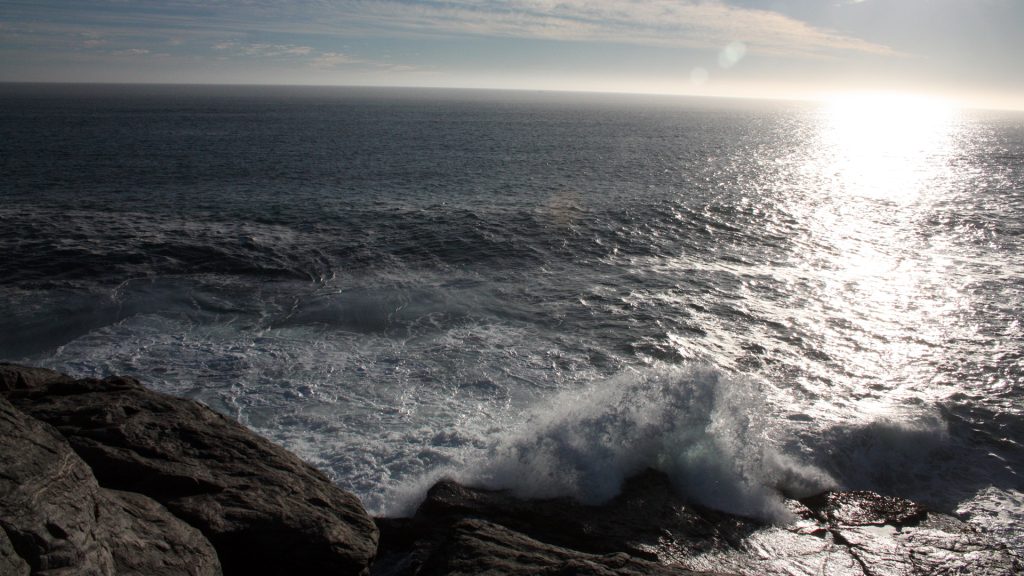
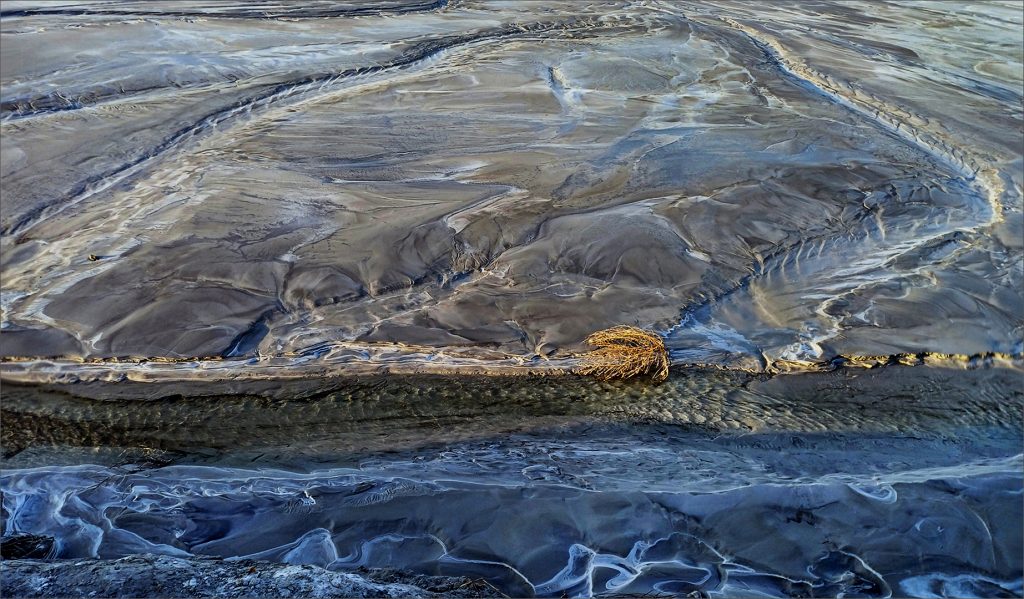
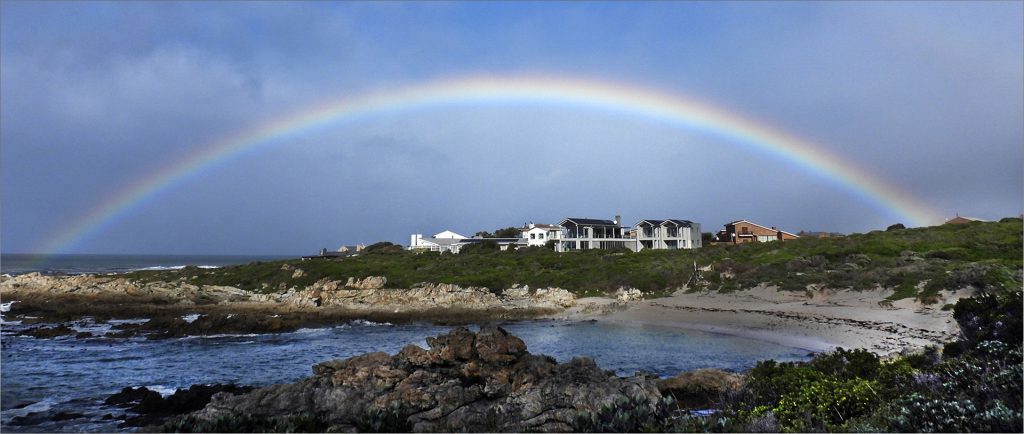
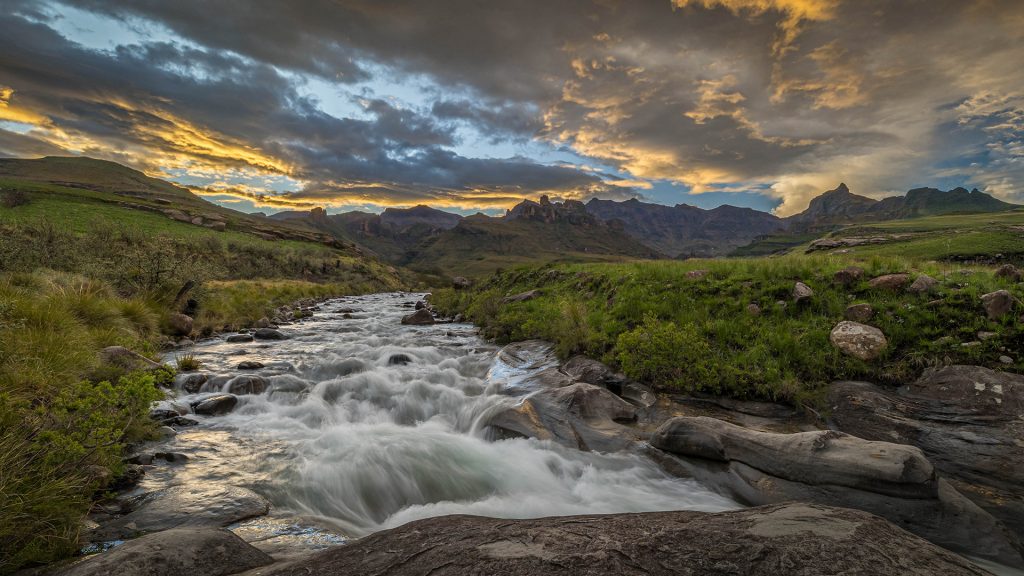
Mysterious Chapel Cemetery on Hill – 2 by Louis van der WaltDrakensberge by Anzette SnydersBome in die Mis by Edmund HattinghBeautiful Ocean by Cimone DuncanTolbos op Asdam by Leon PelserRainbow after the Rain by Sussa Pelser
Category – Set Subject
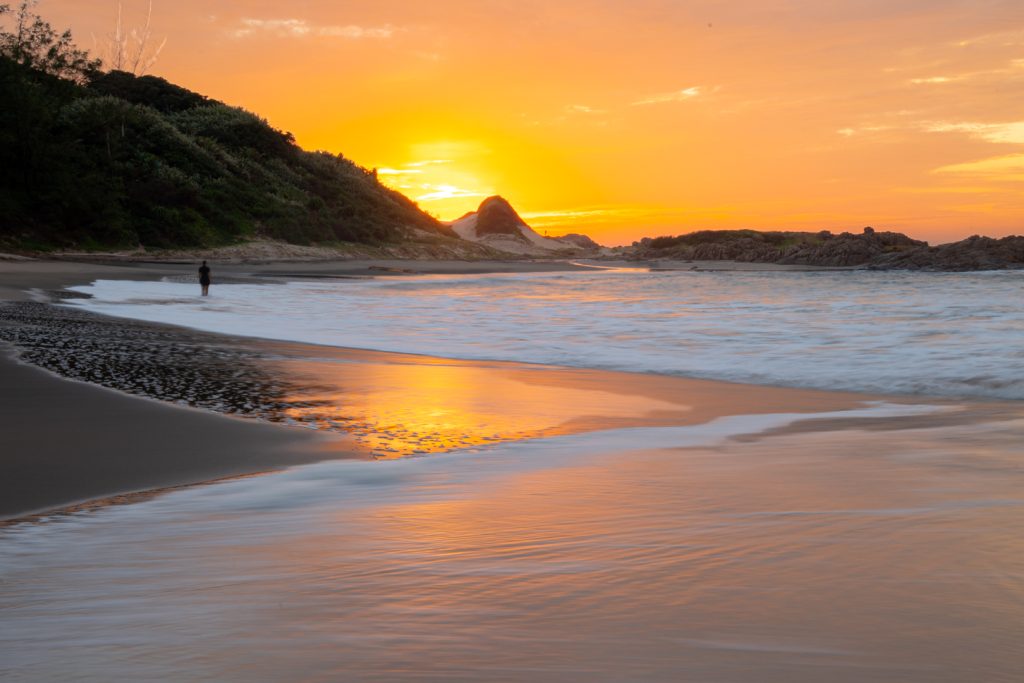
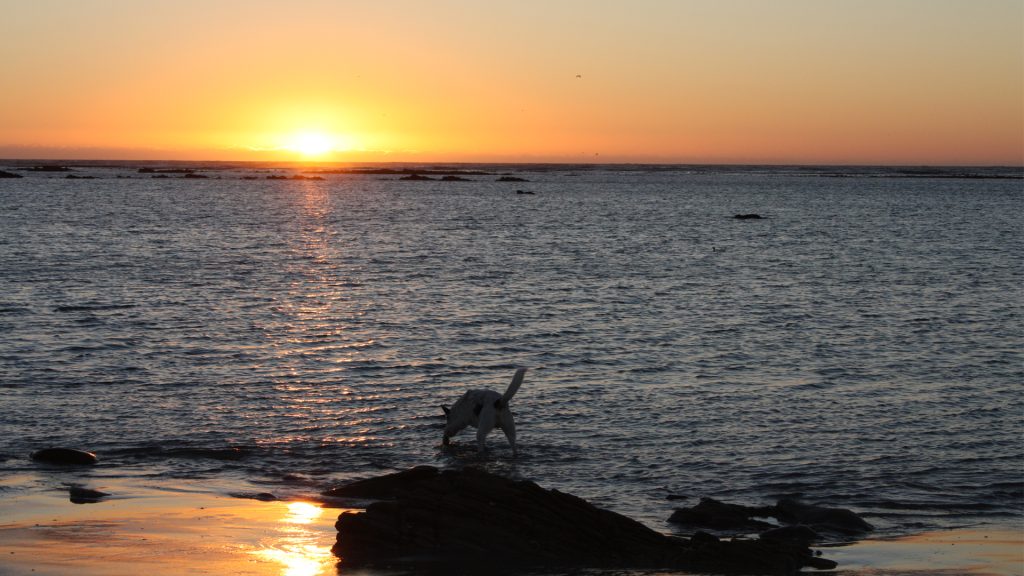
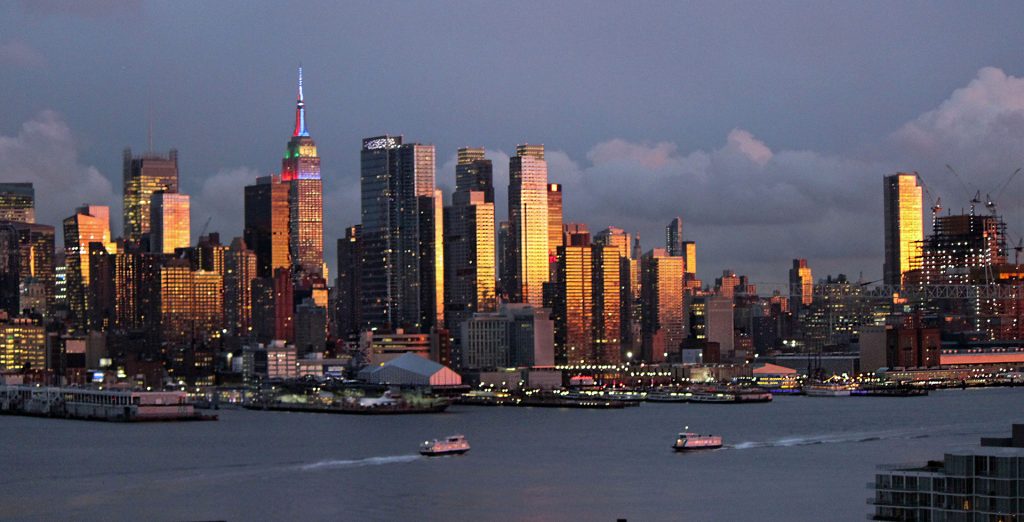
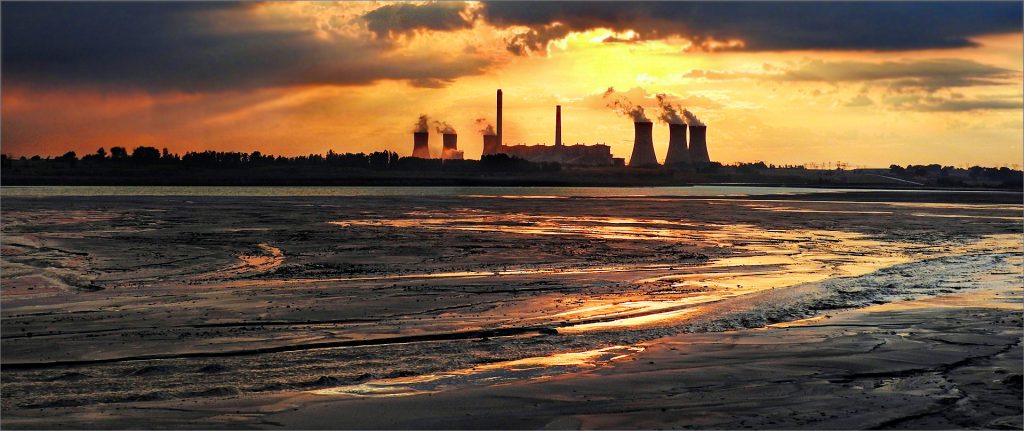
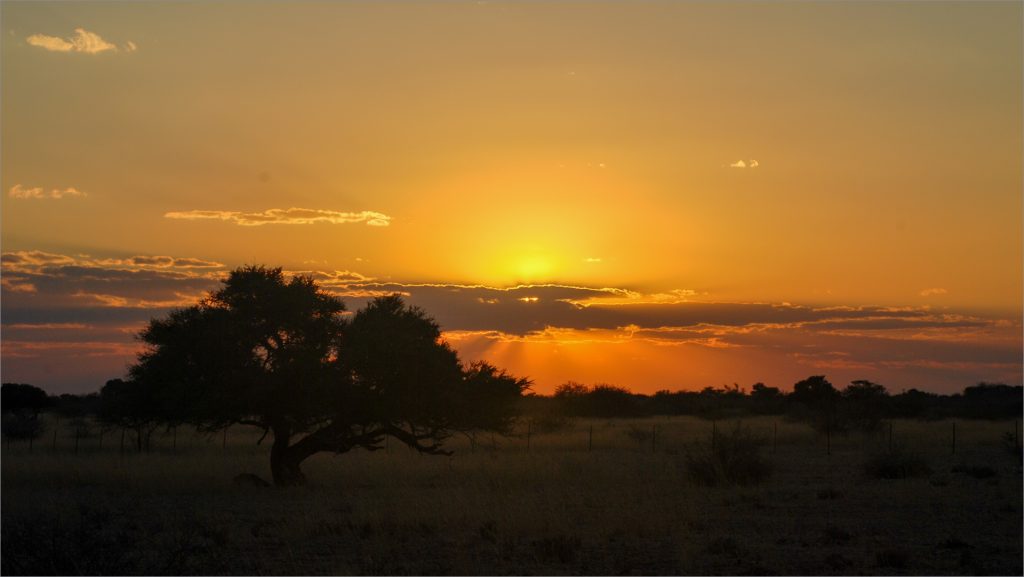
Garden Castle Sunset 1 by Louis van der WaltGoodnight world by Anzette SnydersVroeg Oggend Stappie by Edmund HattinghSunset at Home by Yolandi GeyserGolden Reflection by Stian GriffinSun Set by Cimone DuncanSunset New York by Lorraine BothaSunset Patrol by Leon PelserBeautiful Sunset by Sussa PelserSonsondergang in Namibie by Adri Kirsten