SUSPECT DUE TO APPEAR IN COURT FOR ATTEMPTED MURDER AND ROBBERY OF DUTCH TOURISTS.
A 42-year-old suspect is expected to appear before the Barberton Magistrates Court on Monday, 16 September 2024, for attempted murder and armed robbery which took place on Tuesday, 10 September 2024 at about 11:40 along R35 road between Barberton and Badplaas. It is alleged that on the day in question, the couple( Dutch tourists), were driving a rented Toyota Cross when a dark-coloured VW Polo passed them. They kept on driving when the Polo with three occupants drove parallel to their vehicle and fired at the driver, injuring the driver on his right hand. They stopped their vehicle.
Three suspects pointed at the victims with firearms and robbed them of their belongings, two cellphones. three bank cards, R5000 cash, passports, and an international driver’s license. They fled from the crime scene towards Barberton.
On Thursday, 12 September 2024, the Hawks led an intelligence-driven operation following information regarding the whereabouts of the suspect. A team comprising Nelspruit-based Serious Organised Crime Investigation, Crime Intelligence and Flying Squad operationalised the information. The suspect was arrested and found in possession of the stolen items belonging to the victims.
The suspect was charged and detained pending his first court appearance on Monday. Two suspects are still at large. The victims’ properties and the rented vehicle were recovered and confiscated. The Provincial Head of the Directorate for Priority Crime Investigation, Major General Gerber applauded the multidisciplinary team for the speedy arrest of the suspect and recovery of the stolen property.
He further gave a stern warning to criminals who threatened and harmed tourists’ safety as they visited the province and boosted the economy. “Such senseless attacks threaten the economy and have a negative impact on the rest of the world,” said Major Gerber to The Bulletin
The Hawks team took over the investigation to ensure the speedy arrest of the culprits. He further requests anyone with information regarding the whereabouts of the outstanding two suspects to contact the Investigating Officer, Detective Warrant Officer Elbert De Lange on 071 481 2815. The General further assured the public that the information provided would be confidential. He concluded.
EMPOWERING ANIMAL RESCUE THROUGH COMMUNITY SUPPORT.
Animal rescue is not just a job; it’s a calling that demands immense physical and emotional resilience. Those who dedicate their lives to this cause face daily challenges that go far beyond the average workday. They juggle the complexities of rescuing, caring for, and finding homes for animals, all while managing their personal responsibilities and often also full-time jobs. Yet, despite their unwavering commitment, rescuers often find themselves overwhelmed by the sheer volume of requests for help, with their limited resources.
Animal rescue is a relentless, emotionally draining endeavor and when the community fails to support these efforts adequately, the burden on rescuers increases significantly. The common plea for help on social media saying: “someone help the animal” overlooks the reality that you are someone and you can do something. For the rescuer, your request for help might be the 10th one of the day and if you can help more than just doing a post for help, then they can deal with 9 situations and you with one.
This article is not meant to make anyone feel guilty or to stop posting for help, but rather to help you understand the reality rescuers face and that there is a need for a more engaged and supportive approach from the public.
THE CRUCIAL ROLE OF COMMUNITY INVOLVEMENT
To bridge the gap between need and support, it’s essential for the community to actively participate in animal welfare. The mantra should be: You are someone; you do something. This principle involves more than acknowledging the issue—it means taking actionable steps to support rescuers and the animals they care for, especially with individual situations that may arise in your area. We understand that not everyone is always in a position to help at the time, but if you can, then do lighten the load on the rescuers. Yes, it might be a day or two inconvenience for you but it helps that animal and the rescue who is already overwhelmed every day. Let’s explore some ways to do this below.
First of all, the best way to help is if everybody is a responsible owner/guardian. This is important so that your animals do not overwhelm the system and become statistics and the responsibility of rescuers.
Prevent escape and roaming the streets.
Spay and neuter your pets, so your female in heat does not attract unsterilized males and your unsterilized male doesn’t go on a walkabout.
Provide them with food, water, love, care, and enrichment. Read more here on why love is not enough.
Get them immediate veterinary care when needed.
Take responsibility for your animals.
AS A RESPONSIBLE COMMUNITY
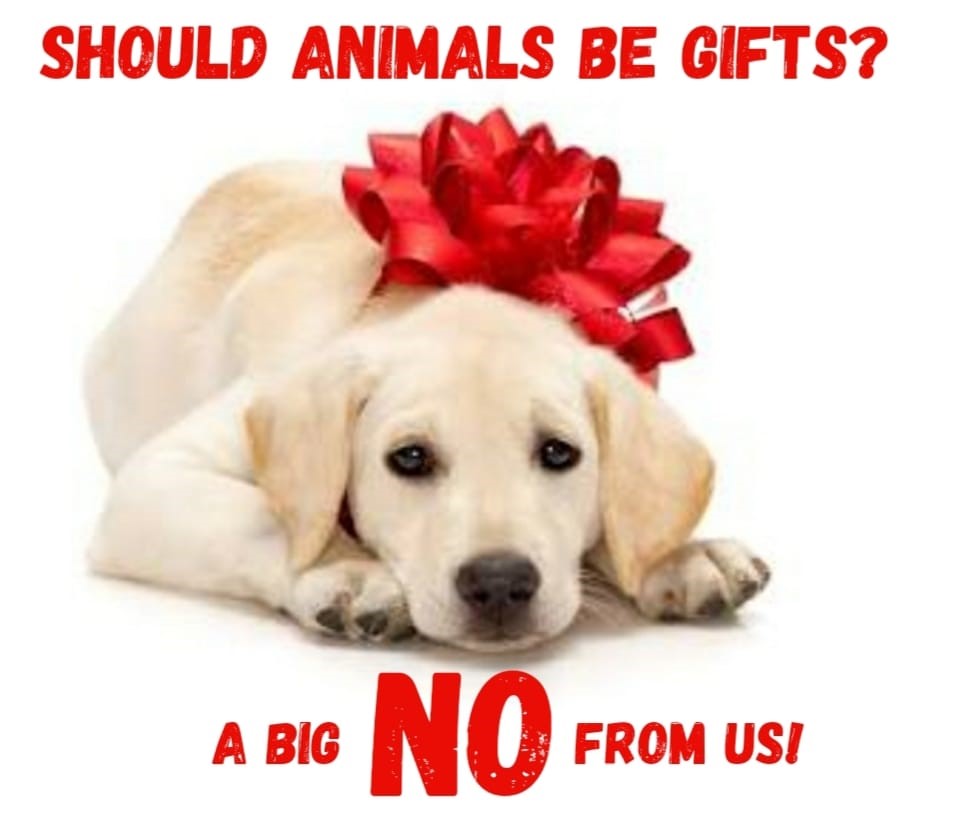
Don’t give animals as surprise gifts to anyone.
Do not breed or support breeders, sellers/brokers, or pet shops. We have to euthanize thousands of healthy animals a day in SA because there are just not enough homes.
Do not rehome through or support “free to a good home” advertisements.
Report cruelty to the authorities.
Adopt don’t shop.
Educate others.
BE PROACTIVE AND HELP!
Some think that if they posted, then they have done their part, but we need far more than that. Often the excuse for not taking in an animal is that “we have animals”, but so do the rescuers, usually more than you.
Instead of merely sharing posts about animals in need and hoping someone else will handle it, evaluate what you can do directly. Offer temporary foster care, help with transportation, or donate supplies. Recognize that rescuers are already stretched thin, and your direct involvement can make a significant difference.
Can you take the animal to the SPCA? If you don’t want to do this, then you need to help instead of just saying “Don’t take to the SPCA”! Can you take the animal to one of our trusted Vets? Can you keep the animal in your garage or bathroom for a few hours – which is safer than the streets? If the animal is scared, can you put out some food or water (have an emergency packet in your car)?
Another example is finding baby birds. People remove them and then want someone to take them in. We know the intentions were good, but we also often share what to do and request that unless the baby is in imminent danger, not to interfere as they are often fledglings learning to fly. Always contact a rescuer or rehabber for guidance before you just remove birds, kittens, or other wildlife.
Read the posts rescuers often share on what to do so that you know in advance what to do, which can save time and lighten the load. Also, join local groups like neighborhood groups and the lost and found groups in advance. Here is our Facebook link for Verlore Diere Secunda (TEKS)
If you rescue an animal, assume responsibility for their well-being. Avoid offloading the animal to an organization without contributing support. If you’ve taken an animal into your care, provide necessary food, supplies, or funds to cover their needs. Your active involvement ensures that rescues are not overwhelmed further by additional responsibilities.
Also, read last week’s article on pets as gifts for the elderly. Please stop giving animals as surprise gifts because, in the end, the animals suffer when a person cannot meet their needs and are not ready to take them in.
Connect with Local Shelters: Reach out to a reputable shelter or organization in your area to express your interest in volunteering. Call or visit the shelter, ask to speak to the volunteer coordinator, and introduce yourself.
Express Willingness to Help: Inquire about volunteer opportunities or other ways you can contribute to alleviating the shelter’s workload.
Explore Various Roles: Learn about the shelter’s operations and explore roles such as feeding, washing, walking, administrative tasks, or fostering.
Utilize Professional Skills: Offer any professional skills you possess, such as accounting, IT, fundraising, bookkeeping, plumbing, electrical work, design work, etc., to support the organization.
ADDITIONAL WAYS TO LIGHTEN THE LOAD
Stay informed: Read and stay informed about resources shared by animal welfare organizations, even if they don’t directly apply to you at the moment.
Educate others: Share your newfound knowledge with at least one person to contribute to broader awareness.
Engage on social media: Support organizations by liking, sharing, and commenting on their posts, especially adoption-related content. Your engagement, especially commenting and sharing can increase the visibility of their posts.
Participate in fundraising: If financial contributions aren’t feasible, support fundraising events and offer assistance in other ways. You can also organize a fundraiser for a reputable organization.
Show appreciation: Acknowledge the efforts of staff, rescuers, or volunteers by buying a coffee or lunch, leaving a note of encouragement, or offering another token of appreciation.
Support reputable organizations: Channel your support to organizations with proper adoption policies, financial transparency, and ethical practices. Not just those who claim to do it.
Addressing misconceptions and criticism
Rescuers often face criticism and backlash, sometimes due to misunderstandings or misplaced expectations. It’s crucial to approach these situations with empathy. Recognize that rescuers experience emotional and physical exhaustion. Constructive feedback and support are more helpful than criticism, which can undermine the morale of those working tirelessly for the cause. Most rescuers are one failed rescue or one such backlash away from quitting. Animal welfare has enough drama, so don’t get involved, and definitely do not give an uninformed opinion when you don’t have all the facts.
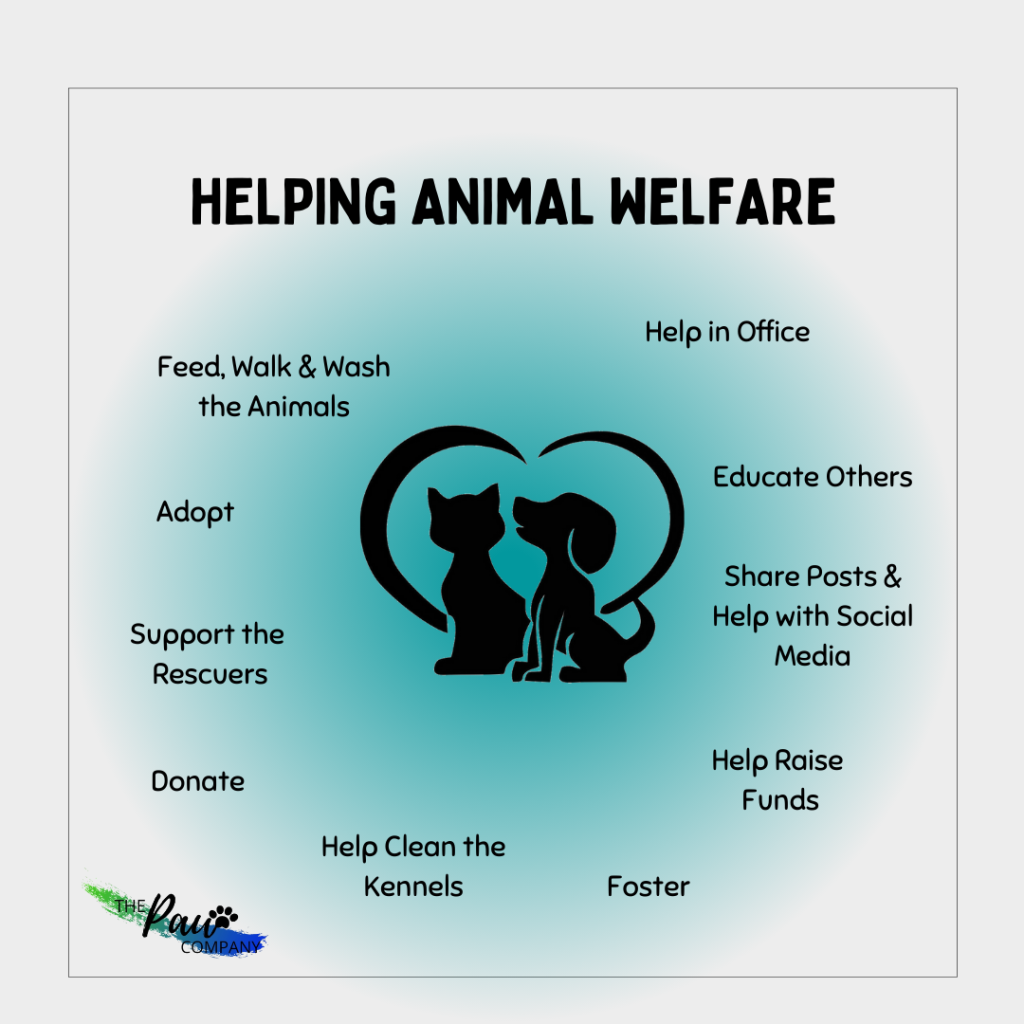
For everyone, there is a way to help! If you can’t adopt, FOSTER. If you can’t foster, SPONSOR. If you can’t sponsor, VOLUNTEER. If you can’t volunteer, DONATE. If you can’t donate, EDUCATE – NETWORK – SHARE.
Every action, no matter how small, can create a ripple effect that extends far beyond the immediate situation and inspires others to join the cause. Embrace the opportunity to make a difference and help build a more compassionate environment for those who need it most.
Animal rescue is a demanding yet profoundly rewarding endeavor. While the efforts of individual rescuers are crucial, they cannot succeed in isolation. The collective power of a supportive and engaged community can significantly enhance the effectiveness of rescue operations and improve the lives of countless animals.
By embracing the mantra “You are someone; you do something,” each of us can contribute to this vital work. Whether through direct involvement, advocacy, or supporting rescuer efforts, every contribution counts. Together, we can create a more compassionate world for animals and ensure that rescuers have the support they need to continue their lifesaving work.
Thank you to every person who has made the effort and often at an inconvenience for themselves or their family, to help animals in need.
Next week we will look at why sterilization is so important!
The Mpumalanga Premier, Mr. Mandla Ndlovu visited a wind energy generating facility (Ummbila Emoyeni) at a Bethal farm today as part of the country’s renewable energy programme. The project is being implemented by a South African-owned company, Seriti Green, to lower the carbon emission footprint and ensure long-term sustainability as a diversified energy producer.
The Ummbila Emoyen farm is located between Bethal and Morgenzon in the Govan Mbeki Local Municipality and will supply its mining operations and Eskom with power generated from the wind through the turbines and is expected to commence full commercial operation from 2025. The farm is an excellent area for wind development due to high wind speed. It is the first in the Mpumalanga Province and the largest hybrid energy facility in South Africa. It is set to redefine the Province’s journey towards a just energy transition.
A total of 125 wind turbines are planned. Each would be about 210m high with 90m blades
The visit to Ummbila Emoyeni is part of the Premier’s stakeholder engagement process to interact with different stakeholders such as the businesses and investors, to understand their impact whilst sustaining the relations.
Seriti Green has launched the first phase of its R25 billion wind farm project in Mpumalanga.
The group plans to build 900MW of renewable wind energy projects over the next three years, with the first phase being the 155MW Ummbila Emoyeni facility.
Construction on the facility is currently underway and is expected to be completed in mid-2026, costing just under R5 billion.
The project is being funded by Seriti shareholders Standard Bank and Rand Merchant Bank (RMB).
The project is the first since Seriti Resources, one of South Africa’s largest coal miners, announced its acquisition of Windlab and the subsequent launch of Seriti Green in 2023.
Chairman of Seriti Green and Group CEO of Seriti Resources, Mike Teke and CEO of Seriti Green, Peter Venn noted that this is the biggest wind farm of its kind in South Africa and also the first in Mpumalanga.
It is anticipated that it will supply 75% of the power needs of Seriti’s coal mines, which will impact the group’s efficiency, sustainability, and profitability.
Secunda, Mpumalanga – The regional leg of the Sasol Energy Innovation Challenge concluded in Secunda on Saturday. The competition attracted young innovators from 21 schools located in Gert Sibande District, with 54 projects showcased by the learners.
The Sasol Energy Innovation Challenge is a multi-stage competition established by Sasol Foundation in 2022, with regional winners ultimately competing in the finals on 12 September 2024. Regional competitions have already taken place in Sasolburg and Ekandustria.
Targeted at learners in grades 4 to 11, the competition aims to raise awareness about renewable and alternative energy sources and develop science research skills of learners in school from Sasol fenceline communities. Learners in primary, secondary, and technical schools’ categories showcased scientific projects that seek to provide solutions to energy-related challenges.
AD Nkosi Technical High School
The competition is aligned with the Natural Sciences, Technology, Physical Science and Life Science curriculum, making the Department of Education a critical stakeholder.
The Overall Regional Winner in the primary school category was Osizweni Primary School, Kusasalethu Secondary School won in the secondary school category, and the winner in the technical schools category was AD Nkosi Technical High School.
Kusasalethu Secondary School
The finals will take place at the Graceland Hotel Casino and Country Club, in Secunda.
Sasol is a significant investor and supporter of science and technology education in South Africa. The Challenge is part of Sasol’s interventions that are informed by a need to drive a meaningful change among the youth and prepare them for a future that will enable them to be economically sustainable.
Osizweni Primary School learners
To ensure learner support and project development in the competition, Sasol has partnered with Nka’thuto – an NGO that specialises in science project school support to work with registered schools to ensure that they submit high-quality projects for the regional and final competitions.
Vanessa Goosen’s story is a story of hope, determination, and faith. There is also a story of hardship, betrayal and prison life.
For 16 years, six months and 16 days, Vanessa Goosen, a former Miss SA semi-finalist, was incarcerated in Lard Yao women’s prison in Bangkok, Thailand.
Vanessa was asked to bring back four engineering books from Thailand for a customer. The books were found to have compartments in the front and back hardcover and spine containing 1.7kg of heroin.
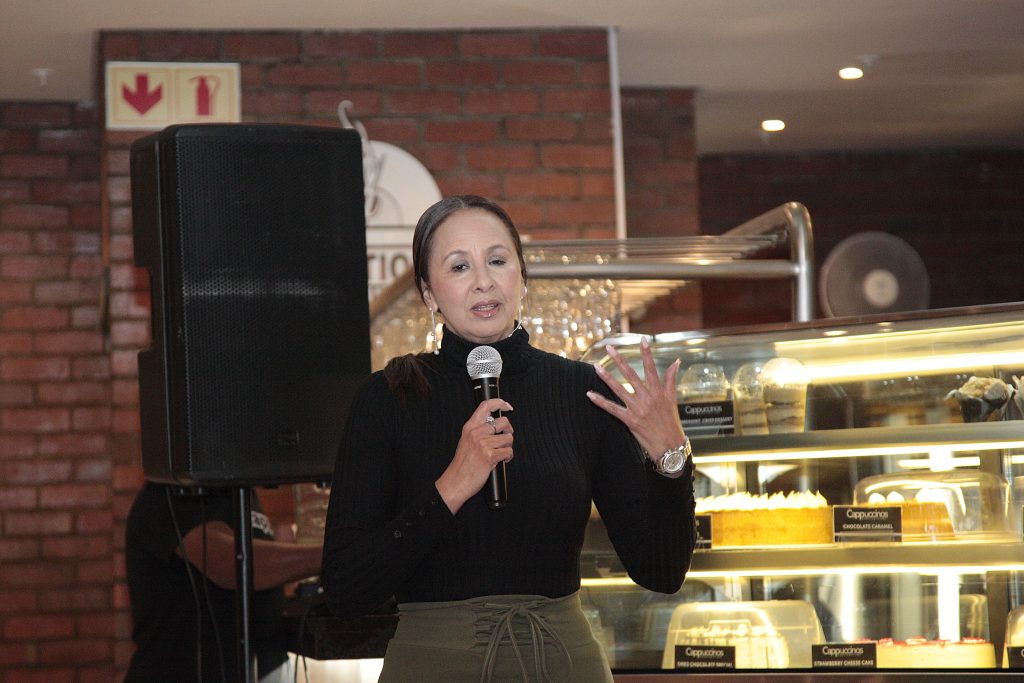
CAPPUCCINOS at Secunda Mall
Aged 21 and pregnant, she was arrested and tried on drug trafficking charges. She faced a trial in a language she did not understand and was sentenced to death, fortunately, her sentence was commuted to life. Through two appeals – one of which was rejected – and a process of amnesty from the king of Thailand, Goosen eventually served 16 and a half years. On October 30, 2010, she was released, finally reaching Joburg on November 5.
Vanessa spoke to The Bulletin about her ordeal and had a message for travellers. Listen to her conversation with The Bulletin.
The Bulletin spoke to Vanessa Goosen about her ordeal in a Thai prison
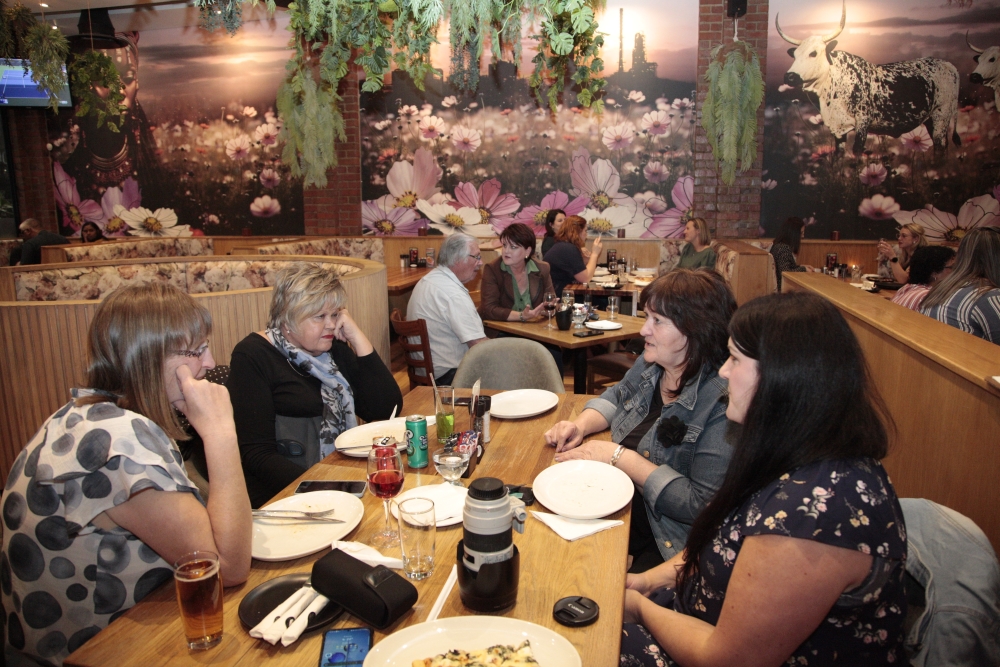
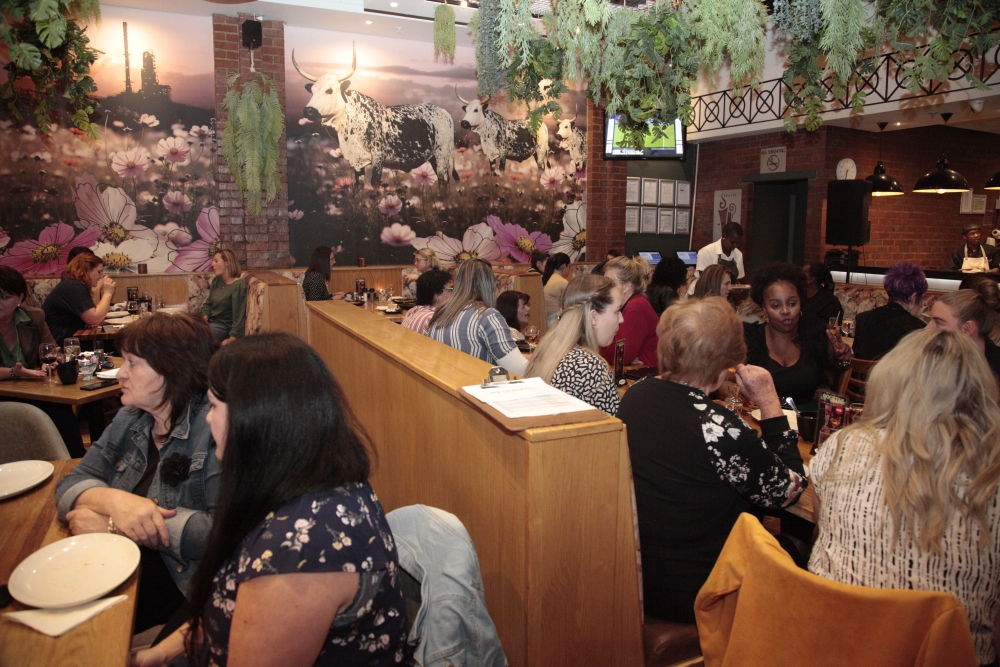
Vanessa is now a Motivational Speaker, Author and Pastor. She spoke at a function hosted by Secunda Mall in Cappuccinos on Monday night. Many people that The Bulletin spoke to said that her story had found its mark in their hearts. It is a very moving story.
Vanessa spoke a little about the hardships that she had to endure in prison, she also told the audience about giving birth in prison and having to send her little girl back to South Africa at the age of three. Even though there were a few visits from her daughter it would be thirteen years before she could hug her again.
Both Vanessa and Felicia, her daughter, wrote a book about their ordeal.
Vanessa’s book is called “Drug Muled, Sixteen Years in a Thai Prison” and Felicia’s book is called Prison Child.
If you would like to obtain a copy of Vanessa’s book you may send her an email as the book is currently out of print. She would inform you where and when to obtain a copy when the reprint occurs. The email address is: info@vgse.co.za
Don’t hesitate to get in touch with Vanessa on 0735624160 or vanessa.goosen@speakersinc.co.za if you would like her to speak at your function.
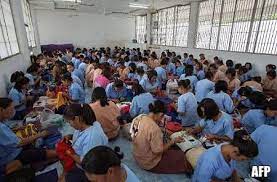
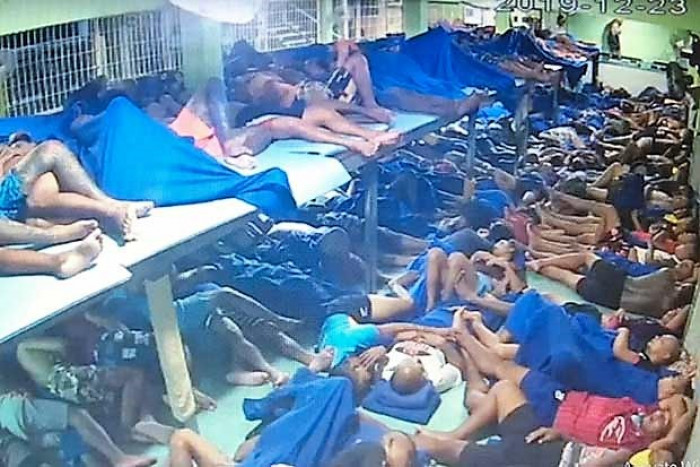
We have searched the internet for images and info on Lard Yao women’s prison in Bangkok, Thailand.
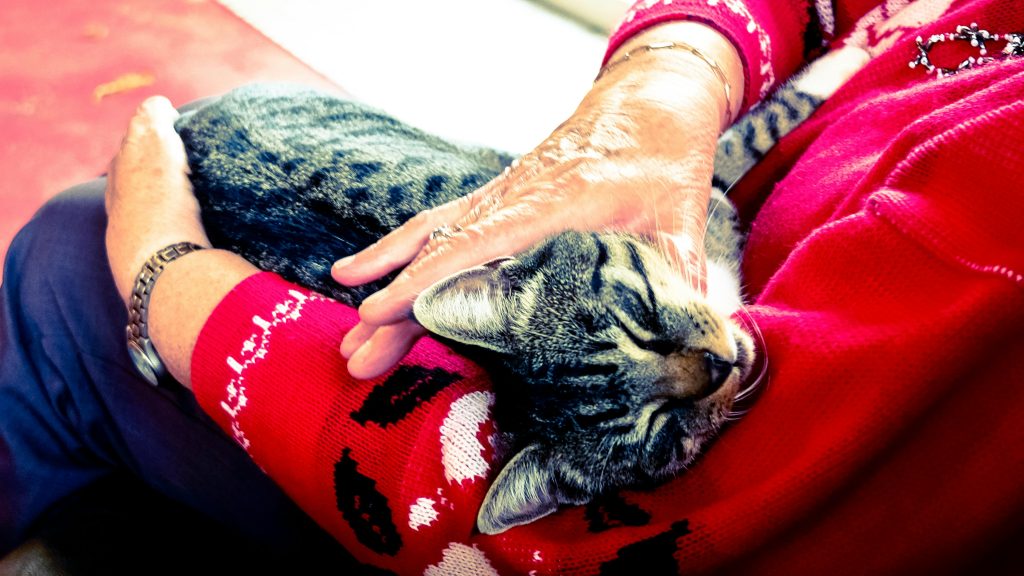
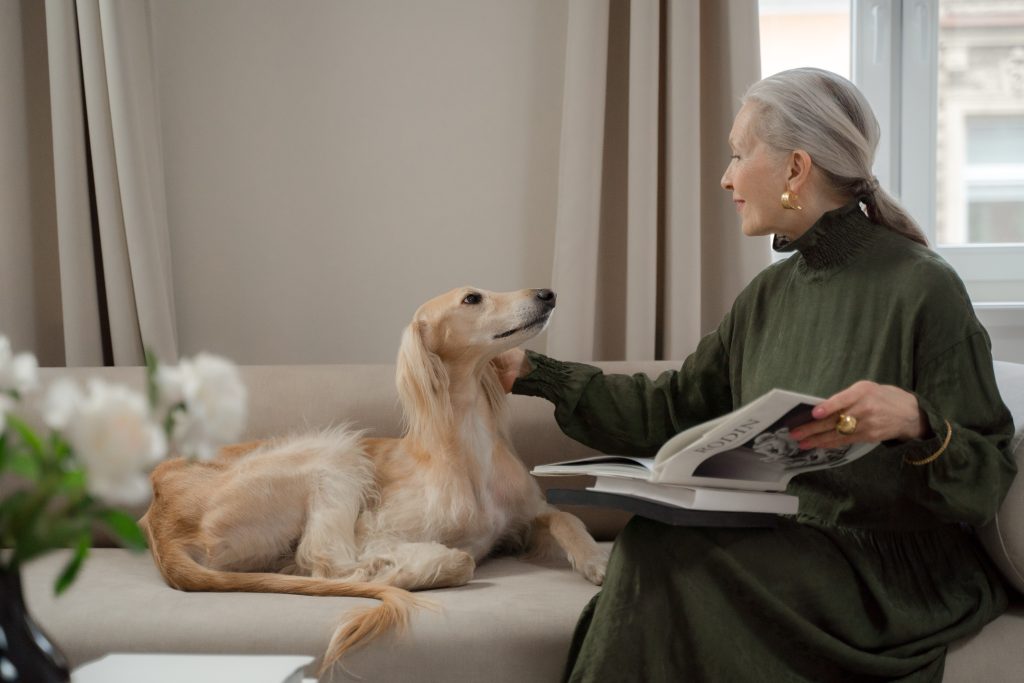
Gifting a pet to an elderly parent or loved one may seem like a thoughtful gesture aimed at providing companionship and alleviating loneliness. However, the reality of pet ownership often reveals a more complex picture. While animals can indeed offer joy and solace, and have a positive effect on health, introducing a pet into an elderly person’s life requires careful consideration. Unfortunately, even registered animal welfare organizations make mistakes regarding this. The mismatched needs and capabilities can lead to unintended consequences for both the pet and the elderly owner. This article explores why gifting pets to seniors can be problematic, addressing the challenges of care, physical demands, and long-term responsibilities.
Also, read why an animal should never be a surprise gift for anyone!
UNDERSTANDING THE COMPLEXITY OF PET CARE
The belief that a pet is a simple solution to loneliness is a common misconception. Each animal demands specific care, attention, and resources that may be challenging for an elderly person to provide. For example, puppies or active dogs, like Jack Russells (being a popular breed), require substantial training, exercise, and supervision. Their high energy levels and need for interaction can quickly become burdensome rather than beneficial. Birds, often perceived as low-maintenance, also present unique challenges. They need proper diet, social interaction, and mental stimulation despite their confinement to a cage. Without adequate care, birds can suffer from stress, poor health, and behavioural issues.
Physical and Emotional Demands
The physical demands of pet ownership can be particularly taxing for seniors. Large or strong breeds might inadvertently cause accidents, such as tripping their owner or knocking them over. Even smaller, active breeds can pose risks if they require more exercise than the elderly owner can provide. Additionally, the emotional stress of caring for a pet can be significant. Tasks like walking a dog, cleaning up after an animal, or managing behavioural problems can lead to increased stress, anxiety, and physical strain, undermining the intended benefits of companionship.
2. Financial Implications
The financial responsibilities of pet ownership are often underestimated. Costs associated with food, veterinary care, grooming, and other essentials can quickly add up, creating a burden for seniors on fixed incomes. We often get requests to help with vet bills because it is a pensioner or to help get the animal to the vet, because the elderly caregiver can’t take them for various reasons. Emergency veterinary care or unexpected health issues for the pet can further strain finances. Long-term financial planning is also crucial. Without a clear plan for the pet’s care in the event of the senior’s incapacity or passing, the pet’s future can become uncertain, leading to potential neglect or rehoming.
3. Health and Safety Concerns
Potential Health Risks: Pets, particularly dogs and cats, can pose health risks to elderly individuals, including allergies, zoonotic diseases (diseases transmitted from animals to humans), and infections. Seniors with compromised immune systems or existing health conditions may be more susceptible to these risks.
Physical Safety: Active pets, such as young dogs or large breeds, can unintentionally cause accidents or injuries. For instance, a playful dog might pull on a leash too hard, causing the owner to fall. Pets requiring frequent outdoor exercise or trips to the vet can pose additional risks, especially if the senior has mobility issues.
4. Emotional and Psychological Impact
The Burden of Care: Owning a pet can be emotionally overwhelming for some elderly individuals. The constant need for attention, the responsibility of meeting the pet’s needs, and managing behavioural issues can lead to stress and anxiety, detracting from the intended comfort and companionship.
Impact of Loss: The emotional toll of losing a pet can be profound, especially if the senior forms a strong bond with the animal. The grief of losing a pet, combined with the stress of rehoming or arranging care, can exacerbate feelings of loneliness and depression. Keep in mind that the animal may also experience the loss of their owner and then having to live with a stranger if the family can’t take them in.
If a pet is being considered, providing educational resources and support about pet care can help ensure preparedness for the responsibilities involved. Workshops, guides, and consultations with veterinarians or animal care specialists can be invaluable.
Image – Pexels.com
ALTERNATIVES TO PET OWNERSHIP
Community Programs: Many communities offer programs that match volunteers with elderly individuals for regular visits. These programs provide social interaction and companionship without the need for full-time pet ownership. Therapy animal programs can also bring joy to seniors without the responsibilities of caring for a live animal.
Other activities: There are numerous enriching alternatives to pet ownership that can keep elderly individuals engaged and active. Mental stimulation can be achieved through activities like jigsaw puzzles, crossword puzzles, and brain-training apps, which challenge cognitive abilities and provide enjoyable problem-solving opportunities. Creative pursuits such as painting, knitting, or writing offer self-expression and artistic fulfillment. Educational activities, including online courses and workshops, contribute to personal growth. Social interaction can be fostered through board games, card games, social clubs, and volunteering, providing a sense of community and purpose. Physical wellness can be maintained with chair exercises, yoga, and gardening. Digital media, including streaming movies, listening to music, and engaging in virtual socializing, offers entertainment and connection.
Companion Animals: Robotic pets or interactive companions designed for seniors can provide the emotional benefits of a pet without the physical and financial demands. These devices can offer companionship and mental stimulation without requiring extensive care.
Image – Pexels.com
PREPARING FOR THE FUTURE
Creating a Care Plan: If a senior already owns a pet or is considering one, developing a comprehensive care plan is essential. This plan should include provisions for the pet’s care in case of the senior’s incapacity or passing, such as identifying a family member or friend to take over responsibilities and ensuring financial and logistical arrangements are in place.
Since the system is so overwhelmed and there are already not enough homes, especially with old pets, I suggest that the caretakers take them to the vet for euthanasia instead of dumping them on an already overwhelmed system. Unfortunately, the reality is that it is harder to find homes for older pets who may come with higher expenses due to illness.
Legacy Considerations: Discussing and planning for the pet’s future as part of the senior’s estate planning can help mitigate uncertainties. Establishing a pet trust or making arrangements with animal rescue organizations for rehoming can provide peace of mind and ensure the pet’s needs are met in the long term.
If you have given a pet to an elderly parent, please take responsibility for that animal and plan for their future. Are your pets included in your will? Read more about this topic here.
Gifting a pet to an elderly individual requires careful consideration and planning. While the intention may be to provide companionship, the physical, emotional, and financial realities of pet ownership must be thoroughly evaluated to ensure a beneficial arrangement for both the elderly person and the pet. By understanding the complexities involved and exploring alternative solutions, we can better support seniors in their quest for companionship while safeguarding the well-being of their animal companions. This thoughtful approach helps avoid the pitfalls of well-intentioned but poorly planned pet gifts, ensuring a fulfilling and harmonious relationship for both the elderly individual and their pet.
Next week we will look at why we need the public to step up and how they can help.
Missing parrots seem to be a frequent occurrence in our area lately and since these birds are human-imprinted, it is hazardous for them outside, especially when it is cold and windy. We understand that accidents can happen, but for me, if it happens multiple times, then it is not an accident. Remember that they didn’t get to choose you as their owner and you are responsible for keeping them safe. Prevention is better than cure, but today we will provide a guideline on what to do if birds do escape.
BE PREPARED FOR AN ESCAPE
Birds instinctively tend to fly when their adrenaline level is high. They also generally fly up to the highest point they can land. However, most pet birds today have never fully fledged (fledging is the process of learning how to fly). While smaller birds can often fly quite easily, larger parrots require more skill to be able to take off and land at will, and to navigate where they want to go.
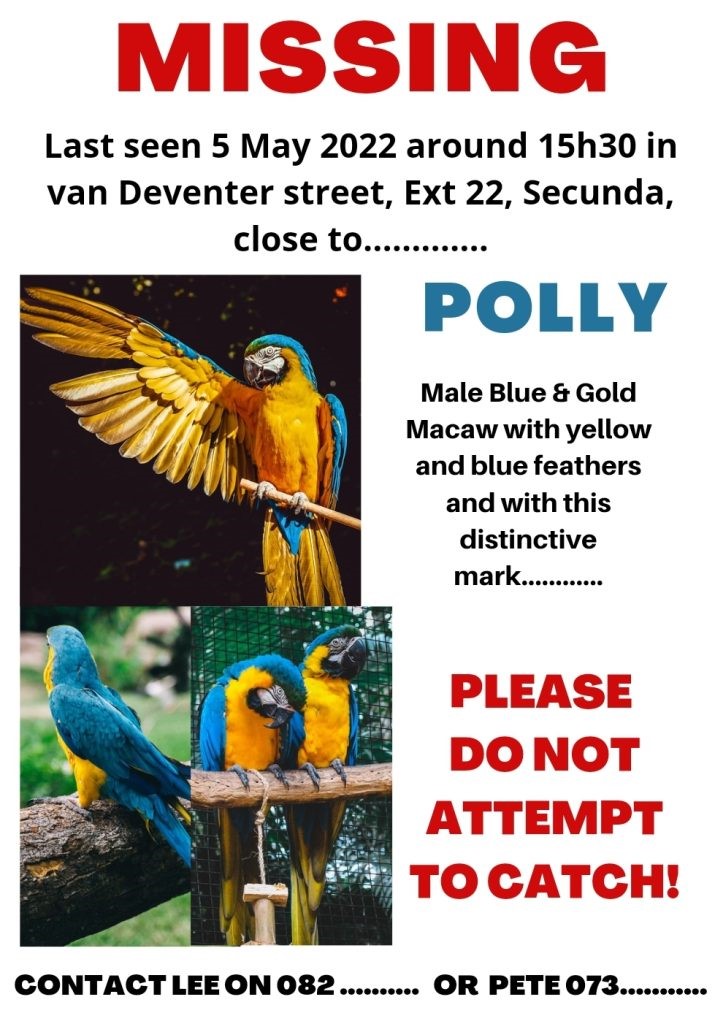
For all pet owners, please have flyers ready just in case. Take a few minutes now to create one for each pet. Have copies available so a friend can make copies for you while you do an initial search. You don’t want to take this time after the escape nor do you want to find you have no photos. Please do not share a photo of a younger version of your pet if they had matured, as people might look for a puppy instead of an adult dog. The photo should preferably show the bird in full colour both back and front view and with wings spread if possible. If you leave town and your parrots in the care of others, make sure they fully understand the recovery process and that they understand to notify you immediately if your bird does escape. Create one post with the photos on instead of sharing many photos separately.
1. Always check that windows and doors are closed when they are out of their cage.
2. Wing clipping should only be done by a qualified professional. Remember they can still fly quite a distance, especially on a windy day.
3. If you take them for outings make sure it is a safe and secure carrier or wear a safe harness.
4. Practice recall and teach them to fly down to you from higher perches, trees, roofs, or the top of stairs.
5. Have a poster or at least pictures ready in case they get out. It is sad to see how many pet owners do not have pictures of their pets.
Missing parrot – Image shared by The Paw Company
FINDING AN ESCAPED BIRD – HOW TO PROCEED
Act immediately – Locating your bird is the first step. This must be done as quickly as possible. So, start searching as soon as you realize your bird is lost. If you see them fly away, note the direction!
Place his/her cage outside – Put the cage outside and fill it with his/her favourite treats and fresh water. Leave the cage door open.
Canvas the neighbourhood – Most birds are recovered within 3 kilometers of the escape location, so within hours you need to have everyone within that area know how to contact you. Let your neighbours know that you lost your bird. Walk around the neighbourhood and call his/her name. The best way to do this is to go door to door to every home within a kilometer of the escape location. If you have other birds, take them with you on the search, if possible, and with safety in mind.
Distribute flyers and share them on social media (correctly) – Post and pass out flyers with a detailed description of your bird and a picture. Include instructions that say to leave the bird alone and not attempt to recover them and your contact number. Facebook Messenger is not an effective method if you are not friends on Facebook. When you share on social media, do a post on your personal profile with the privacy setting on public. Then share and reshare that particular post everywhere instead of doing a new one every time.
Ensure that as many eyes and ears as possible are on the lookout – Give flyers to school crossing guards and distribute them to students exiting schools local to the escape location.
Keep your phone charged – The phone number listed on the flyer should be a fully charged cell phone with service available in the area where your bird was lost. If this is not available the phone should be with a friend or family member who will be able to contact you while you are out searching. Give an alternative number too.
Offer a reward- You could offer a reward for the safe return of your lost bird. Keep in mind that this may encourage the theft of animals, so, in general, I do not encourage this.
WHAT TO EXPECT
Even brightly coloured parrots blend in amazingly well and are hard to spot. The bird will most likely start calling within the first 24 hours. Those living close by should know how to contact you. Days are not counted with 24 hours, but how many nights the parrot has been out.
DAY 1 is the day of escape whether morning or late in the afternoon.
DAY 2 is the day after the first night spent out.
DAY 3 is the day after the 2nd night out etc.
FIRST 24 HOURS
Looking for parrots should begin the moment they escape and continue until dusk and resume every morning at dawn. Large parrots are quiet and roost at night making searching at night fairly pointless.
THE NEXT 24 HOURS
If you have not spotted your parrot within the first 24 hours make sure someone does the round at local shelters and veterinary hospitals daily. As time passes the chances of recovery lessons so move fast and keep moving. Send your flyer to your local avian vet.
Call your local animal care and control and rescue organizations/shelters and list your bird as missing. Go there every day to see if your bird has been surrendered.
DAY 3
By day 3 you should enlarge your flyer area to about 1.5- 2km and grow it each day thereafter.
The most critical part of recovery is: DON’T GIVE UP!!!!
Place an ad in your local newspapers. Some of them place ads about lost and found animals for free.
Share on social media frequently with updates on the original post if the bird was spotted in some areas with times. Not in the comments!
Seek a bird rescue organization or rescuer near you and let them know you lost your bird. They often take in stray birds.
List your bird as missing at other lost and found bird websites out of town.
RECOVERING A LARGE PARROT
Wait until the bird is ready to come down
Consequently, if a bird flies to something high, like a tree, it may not have the skill and experience to know how to fly down. This means that most large parrots who escape their caregivers need to be found quickly and then monitored until they are ready to climb down on their own. Once the parrot is located, if it is above arm’s reach, you need to wait until the parrot climbs down willingly. The parrot will do this on its timetable, not yours. Food treats and attention by the caregiver are the only tools that should be used to encourage the parrot to come down sooner, rather than later.
Remember your bird will probably have to glide down instead of fly immediately down.
Do not spook the bird into taking off again
Chances are, the parrot will not come down until she/he has spent two nights out. Thus, your goal is, to ensure that nothing spooks the parrot into flight. The worst thing that can happen is for the parrot to take flight again so you have to resume your search. This means that under no circumstances should anyone climb a tree, or use a ladder, net, pole, hose, or other reaching item to access the parrot. A few cold nights are far less dangerous to the bird than having it fly onto a power line or to a location where you can’t spot it. The hard part is finding a bird!
Observe the bird
The parrot should be observed from dawn to dusk. The parrot will probably just roost. Food should not be left out or distributed around the location. The goal is for the parrot to climb down to the caregiver. This usually happens on day three. Avoid too many strangers at the location. You want the parrot to focus on its caregiver.
Watch for signs the parrot is ready to climb down:
Fluttering of wings.
Movement in the tree to ensure a good view of the caregiver.
Calls to the caregiver when not in view.
A movement toward the caregiver.
Start the food fest
Once the parrot is showing clear signs of being ready to climb down, start passing favourite foods to other spotters around the location within the view of the parrot. Make yummy sounds showing great pleasure in having such wonderful treats. Use large visible portions of brightly or strong-smelling foods that the parrot sees as a treat. This should get the parrot fairly excited if it is ready to come down. Continue with the food fest with only the primary caregiver directly at the base where the parrot will need to climb down.
Leave and return
If the parrot settles a bit during day three, leave a spotter at the location and have the primary caregiver leave for an hour or so, returning with a plate of food. Offer the food to the spotter and start the food fest over again. Most likely, by the end of day three, the parrot will give in and climb down to its caregiver.
If it is getting late in the day on day 3 and the parrot is looking like it is settling in for the night, try one last shot for that day.
By day 4 most parrots will climb down to anyone, but for those few holdouts, just continue as on previous days. The parrot will eventually climb down when they are ready.
It is always better to contact the caregiver/owner to fetch the bird rather than to try and catch them yourself. Other methods like using water should only be done with the guidance of an experienced individual.
Also read what to do if you find wildlife, including birds, and why I am against wing clipping for birds.
Free parrot education
Please note we are against keeping any exotic animals or birds as pets, in cages, and breeding with them. Most people who have birds are not meeting their needs and it is heartbreaking for us to see this. There are far too many abandoned birds/animals or those that get passed on from one home to another.
Also, read more on advice for current or prospective parrot parents.
Please think long and hard before getting a bird as a pet. Volunteer at a rescue first and do proper research about all their needs. If you have a bird, don’t take away their ability to fly and to be birds, and make sure that your enclosures can keep them safe, as well as train a good recall!
We will fight not until cages are comfortable, but until cages are empty! Next week we will look at why buying animals for someone else, especially the elderly, is a problem.
Parrots, especially African Grey parrots are popular pets, but unfortunately, many owners don’t realize the extreme level of care these highly intelligent, high-maintenance birds require.
The combination of their high intelligence and their long life expectancy makes them one of the highest maintenance pets on the planet. Adding inexperienced owners to the mix often results in a long list of behavioural problems, health concerns, and unhappiness for both the parrot and the owner. These animals can easily change homes 6-7 times in their lifetime. The number of surrendered and abandoned birds is sky-high worldwide. Through education and awareness, we want to help change that.
Although we do not support exotic and wild animals as pets, or keeping them in cages, many are captive and that is why it is important to make sure you are ready and realistic about owning a parrot. They are beautiful, adorable, and very smart, but they are also:
Noisy
Messy
Require expensive care
Need lots of time & energy
Demanding
Still needs grooming
Vet care is specialized
Destructive
Not ideal for kids
Become very old (60+)
“Parrots are commonly presented at veterinary clinics for feather-destructive behaviour, aggression, inappropriate noise making and/or excessive vocalization, and other behaviour problems — usually more so than for medical illnesses,” says avian veterinarian Dr. Anthony Pilny.
Also, read last week’s article on what to do if your pet dies at home.
Parrots – Image from Pexels.com
Editor’s note: This article is a reprint from 2 June 2022.
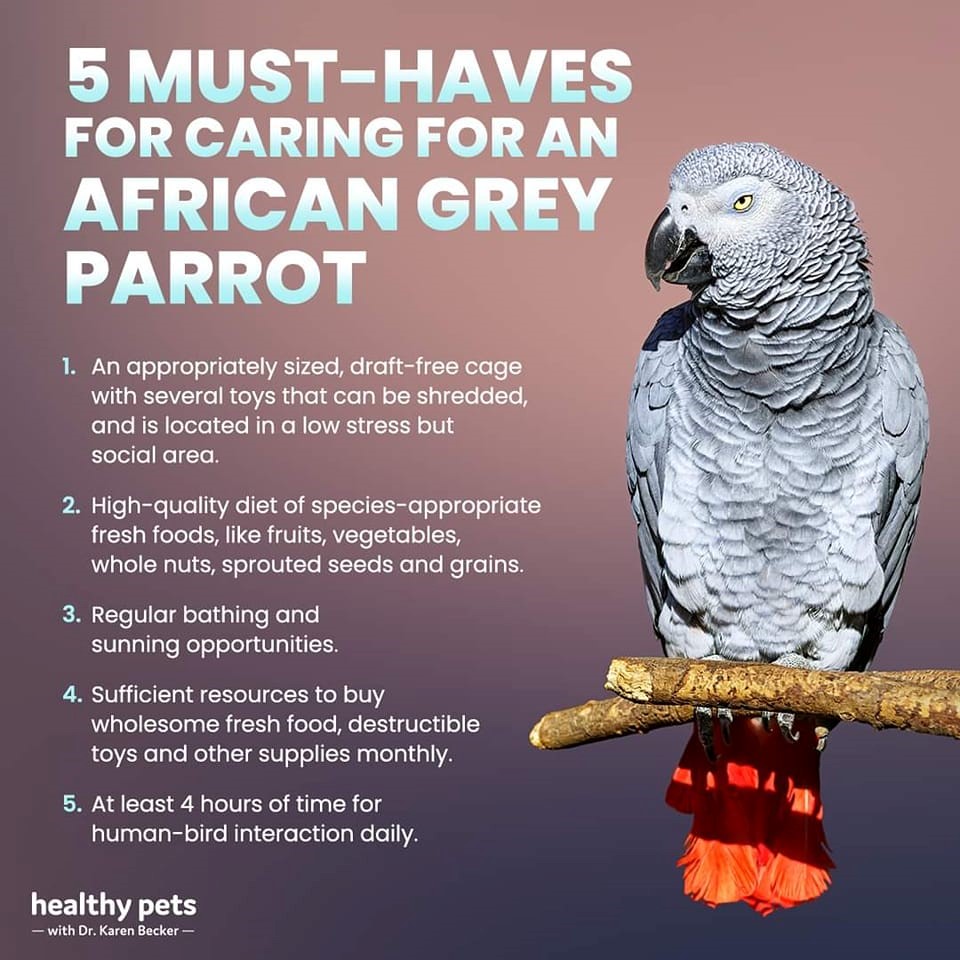
Two absolute essentials for caring for parrots in captivity are access to an avian veterinarian and a minimum of 4 hours each day spent in human-bird interaction. Other fundamentals include a big monthly bird budget, a cage that is the right size, properly accessorized, and well-maintained, and a species-appropriate, healthy diet.
He suggests the following:
You need an avian vet. Parrots aren’t chickens or small mammals. They have a unique physiology that exotic animal vets are well versed in navigating. Avian veterinarians are better equipped than general small animal vets to diagnose exotics, as well as to understand and interpret behaviour problems and recommend appropriate treatment, enrichment methods, and behaviour counseling.
Owners and potential owners of parrots need to be thoroughly educated by avian veterinarians and other knowledgeable sources about the parrots’ needs so they know what to expect and how to meet the birds’ requirements in captivity.
The high cognitive ability of parrots should be considered in their captive husbandry as a contributing factor to developing behaviour concerns. If you’re considering a parrot as a pet, you should be prepared to spend almost the same amount and quality of time with your bird as you would a highly interactive, bright, inquisitive pre-schooler.
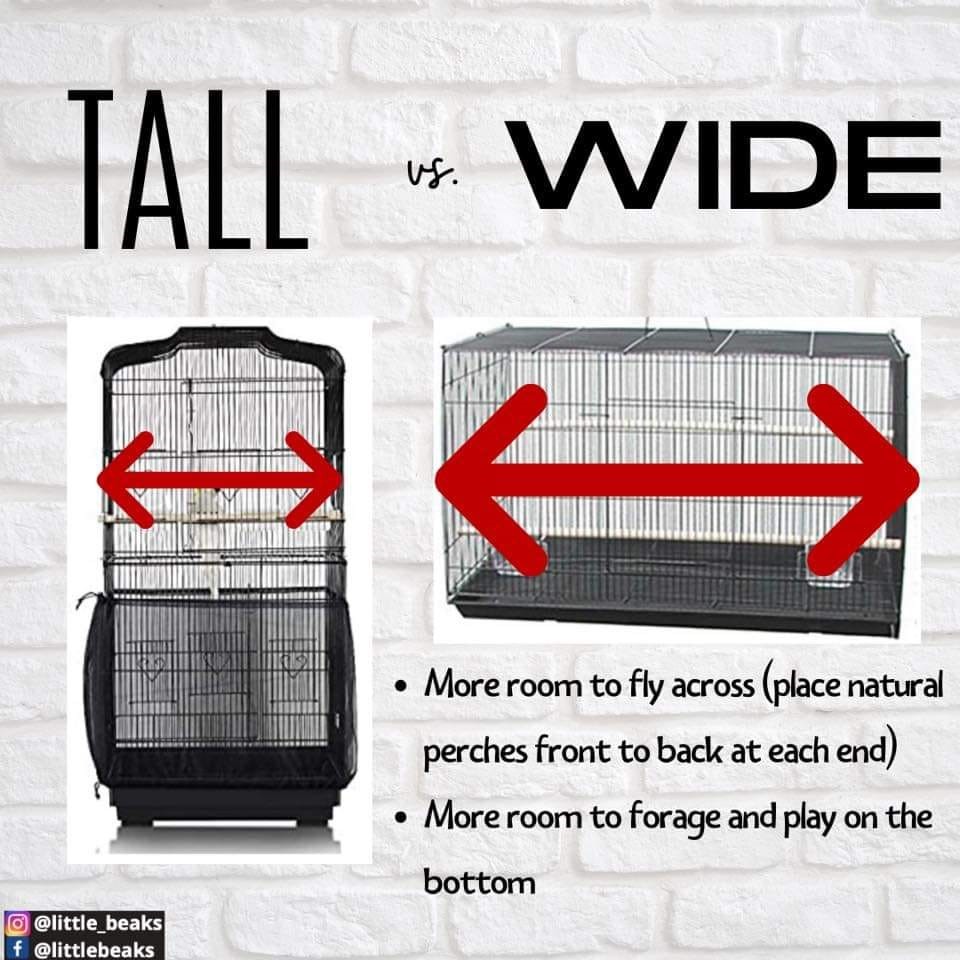
An appropriately sized cage that is cozy (draft-free) and located in a safe, low-stress but social area. Your bird’s cage should be big enough for her to spread her wings and flap vigorously without contacting anything. It is even better when they can fly in their cage. Remember that birds fly more horizontally, so consider this when you buy a cage.
It should have a variety of natural branch perches (not dowels) and contain several shreddable toys, for example, balsa wood, woven mat toys, paper-stuffed toys, nontoxic enrichment “goodie bags,” and organic hemp rope toys for chewing. A huge variety of organic, all-natural, chemical-free toys is critical, as parrots’ mouths are used as a third hand so, an ongoing supply of safe, nontoxic instantly shreddable, as well as a few resilient or reusable chew toys, are a must.
He recommends replacing the disposable chews at least daily and rotating the more resilient toys at least twice a week, ideally daily. Always introduce new toys slowly, attaching them to the outside of the cage for a few days first, so your parrot can investigate at his own pace.
The cage should be cleaned daily with a nontoxic cleaner. His recommendation is diluted vinegar. The cage floor should be lined with newspaper that is discarded daily. All loose material (feathers, leftover feed, bird poop) should be carefully disposed of before disinfecting cage surfaces. Birds should be removed from the area during the disinfecting process to protect them from fumes.
Cage – Image by Little Beaks
DIET – Feed a high-quality diet of species-appropriate fresh foods including fruits, vegetables, sprouted seeds, whole nuts, and sprouted grains. Organic, dye-free commercial pelleted food (not poor-quality sunflower seed mix, which is the equivalent of junk food for most exotic birds) can also be offered.
BATHS – Parrots can get dusty, so regular bathing opportunities are important. Many parrots love baths; some will splash around in a tub of shallow water; others will join their owners in the shower and others enjoy a gentle spray from a plant mister. Use filtered water, free from heavy metals and contaminants, and consider adding a flower essence if your bird is stressed.
MONEY – Beyond the initial expense of acquiring a parrot, owners should plan to spend a lot of money a month on wholesome fresh food, destructible toys, and other supplies. An emergency fund or pet medical aid is also crucial.
TIME – Just because birds live in cages doesn’t mean they are easy pets to care for. You can’t just pop your parrot into his cage and ignore him except at feeding time. Be prepared to spend a great deal of time interacting with them. Potential owners of parrots should be ready, willing, and able to commit at least 4 hours per day to human-bird contact. This will disqualify many potential owners immediately.
Birds need chemical-free environments to be healthy. Consider the dangers or effects of:
Tap water
Home scenting products
Kitchen cookware
Fireplaces and smokers
Home cleaning products
Air purification
If you own a bird or want to learn, read more on various bird-related topics here.
Please think twice and again before committing and if you do…..ALWAYS ADOPT! We will fight not until cages are comfortable, but until they are empty!
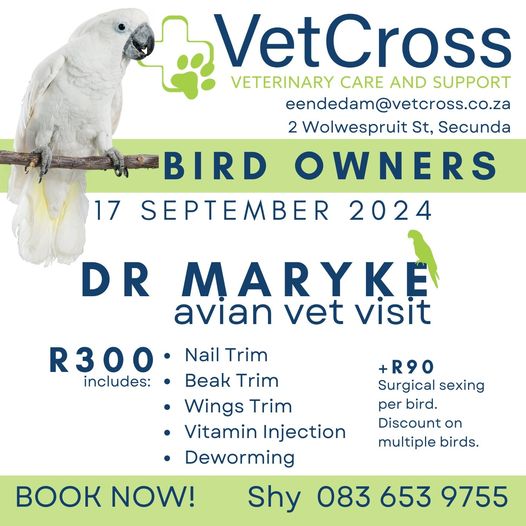
REMEMBER THE AVIAN VET VISITTO SECUNDA
It is in the best interests of your birds to be seen by an Avian vet as not all vets can treat birds correctly. Dr. Maryke will be visiting Secunda again on 17 September. She will be doing trims, vitamin injections, deworming, and surgical sexing of birds. Please WhatsApp Shy for more info and to book. 083 653 9755. Thank you VetCross Eendedam for hosting.
Parrots – Image by Vetcross Eendedam
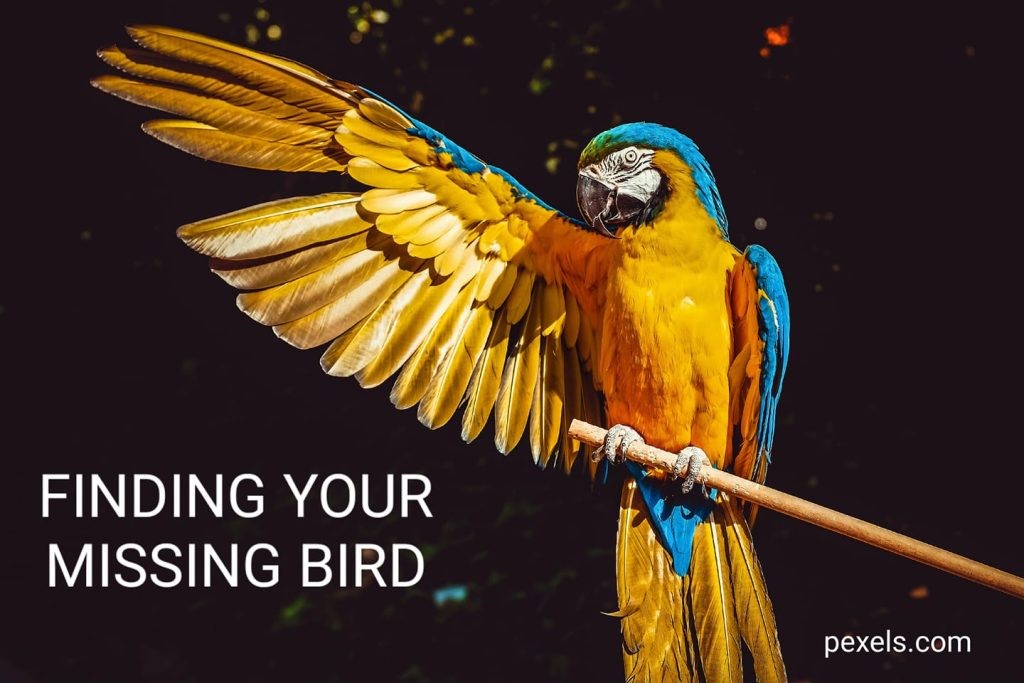
Next week we will look at tips for finding missing birds.
The Sasol Highveld Photography held its monthly club meeting at Sasol Club on Friday 16 August.
The judge for the evening was Francois Venter from Pretoria and the set subject was “Through the Window”
The club hosts monthly meetings where members can enjoy informative talks by other photographers.
Various topics are covered, and this is always accompanied by photographs that the guest has shot.
Members are invited to enter their photographs to be judged in different categories.
Members are also graded by their skill levels and receive points to progress to a higher level. The aim is for photographers to improve by having their photos judged and critiqued. By taking note of the commentaries of the guest they should be able to improve.
Here are the photos for August, who received Gold or COM (Gold and Certificate of Merit).
Best Senior Photographer (August)
Leon Pelser with his photograph “Shade from Thunder” was judged as the best Senior Photographer for the evening.
“Shade from Thunder” by Leon Pelser
Best Junior Photographer (August)
Lorraine Botha with her photograph “Living in a City on Water in Ha Long Bay” was judged to be the best Junior Photographer for the evening.
“Living in a city on water in Ha Long Bay”
By Lorraine Botha
Best Set Subject Photographer (August)
Louis van der Walt with his photograph “Cathedral Peak through Window” was judged as the best photographer in the set subject category.
“Cathedral Peak through Window” by Louis van der Walt
Categories:
Scapes:
“Wolfberg Camp 2” by Louis van der Walt
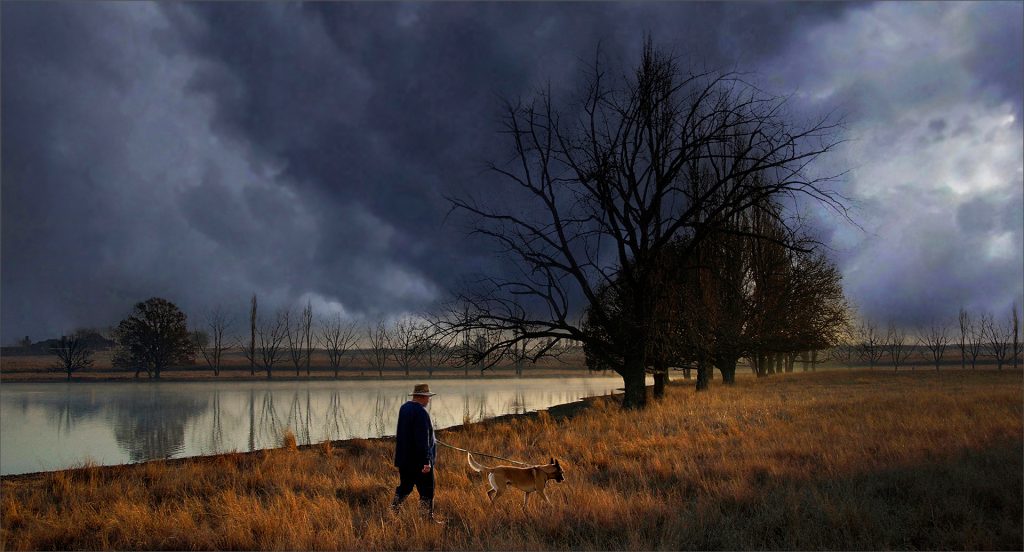
“Rooikrans” By DNE Smit“The wine valley of Portugal” by Lorraine Botha“Walking the dog” by Leon Pelser“Inyoka stream 3” by Louis van der Walt
Monochrome:
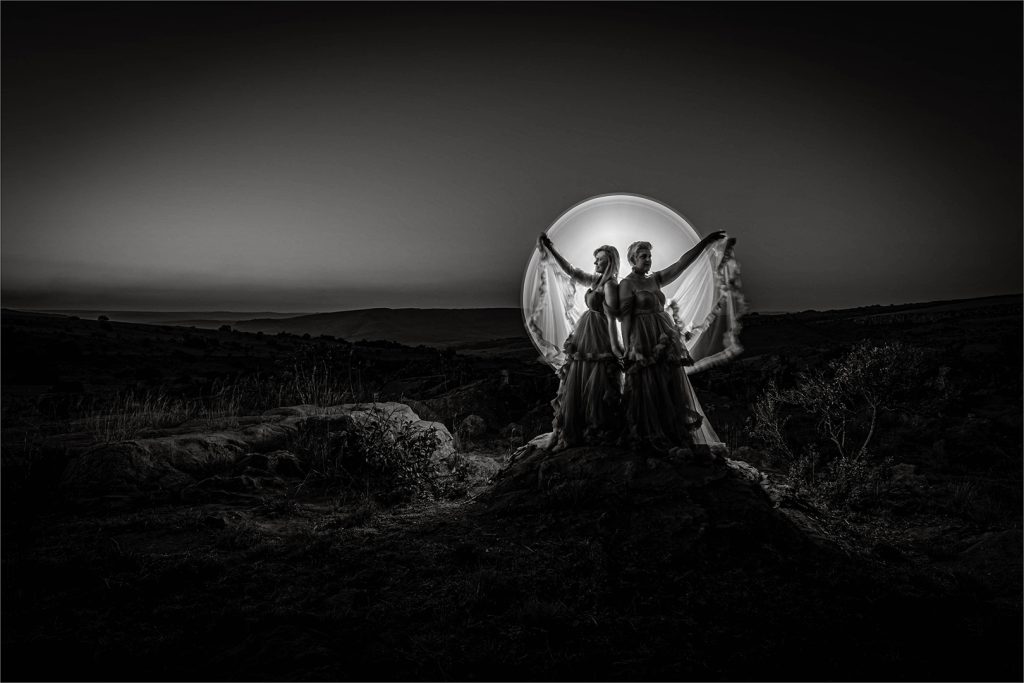
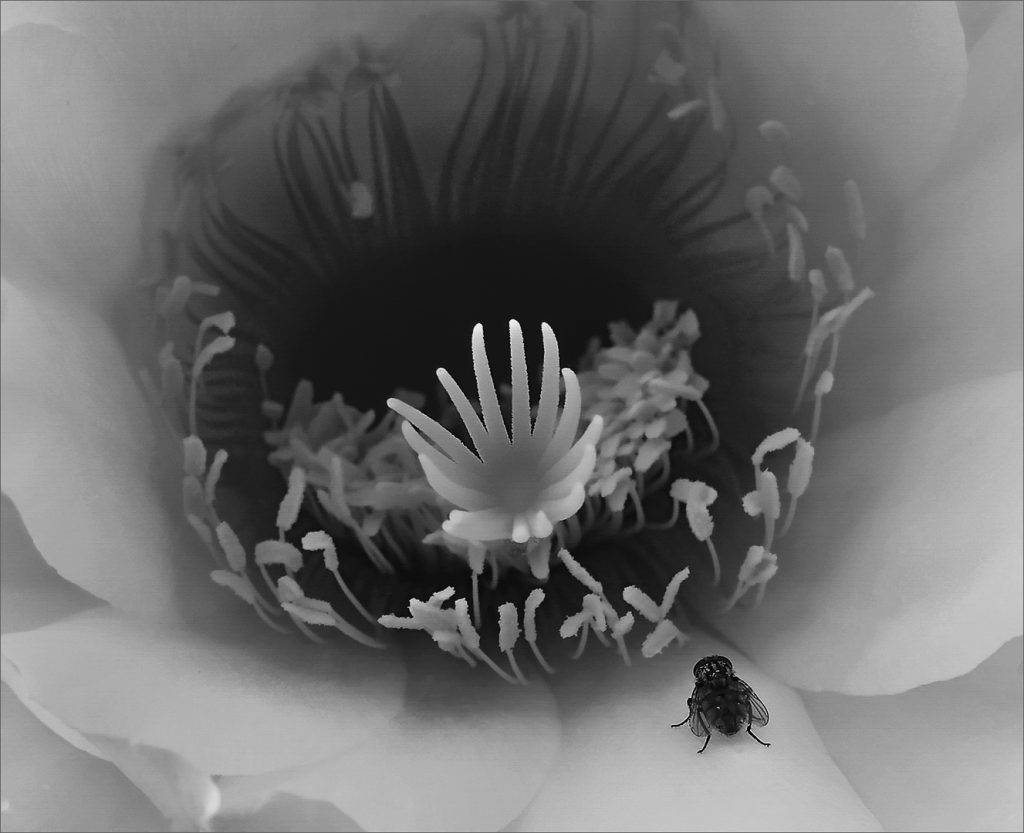
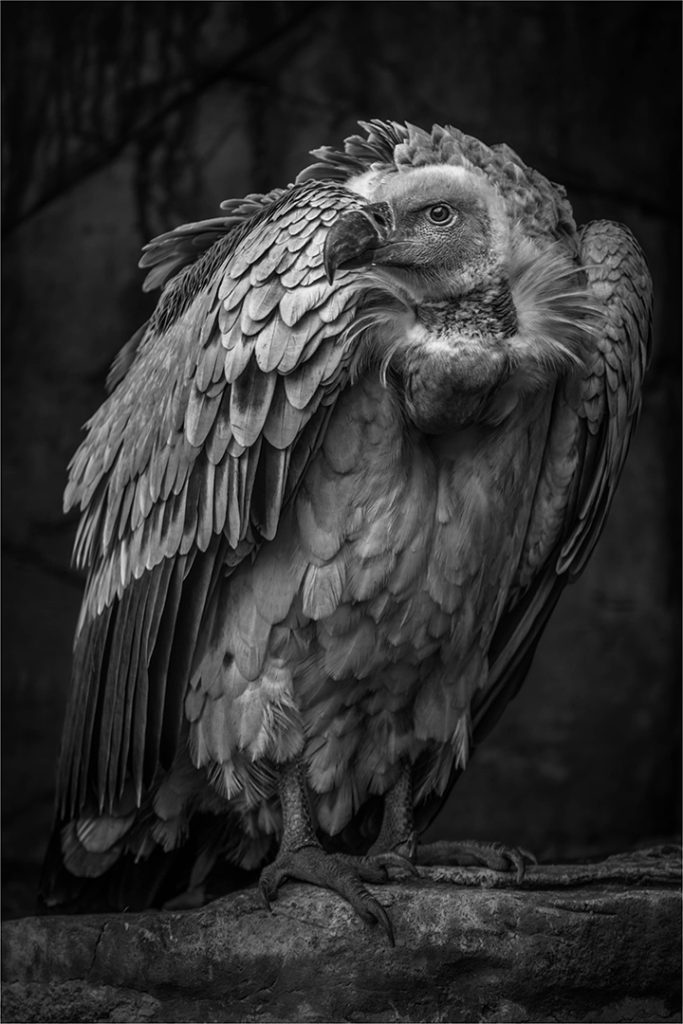
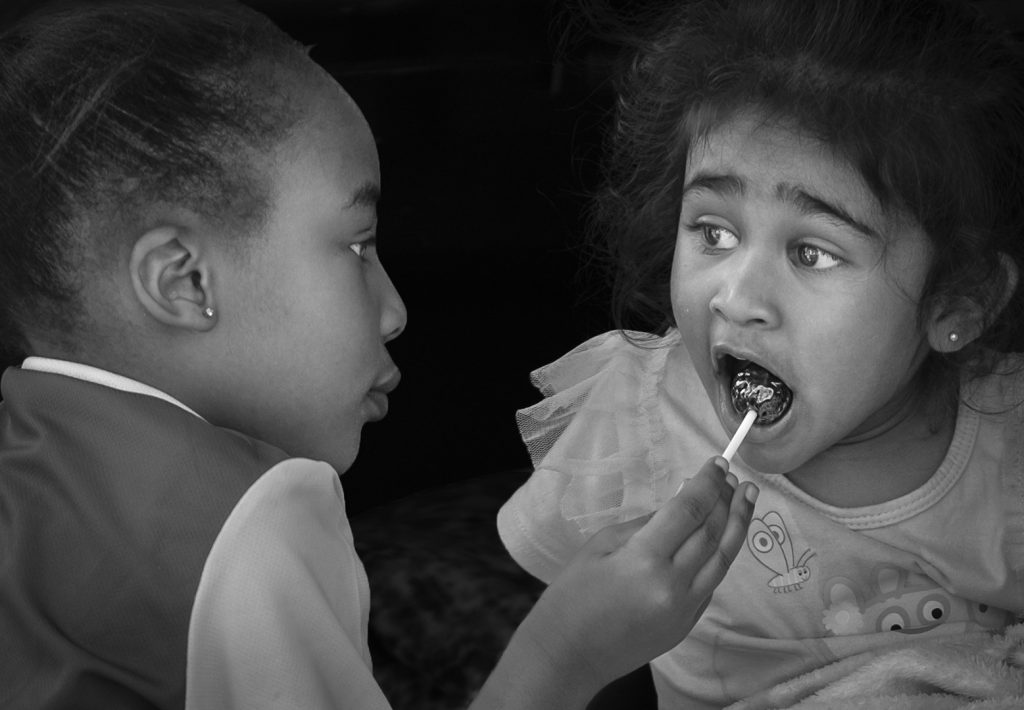
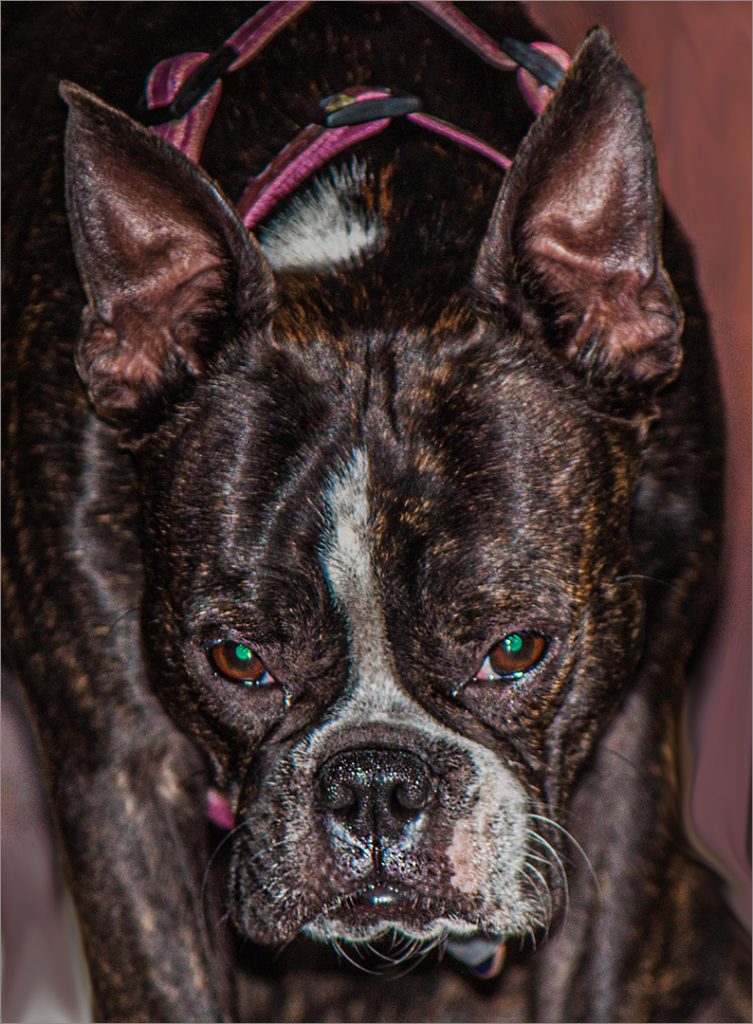
“Blue and Pink Light tube paint 1 – BW” by Louis van der Walt“Dinner Time” by DNE Smit“Flower With Fly On Mono” by Sussa Pelser“Cape Vulture FR 2 – BW” by Louis van der Walt“Aligned” by DNE Smit“Sharing” by DNE Smit
Nature:
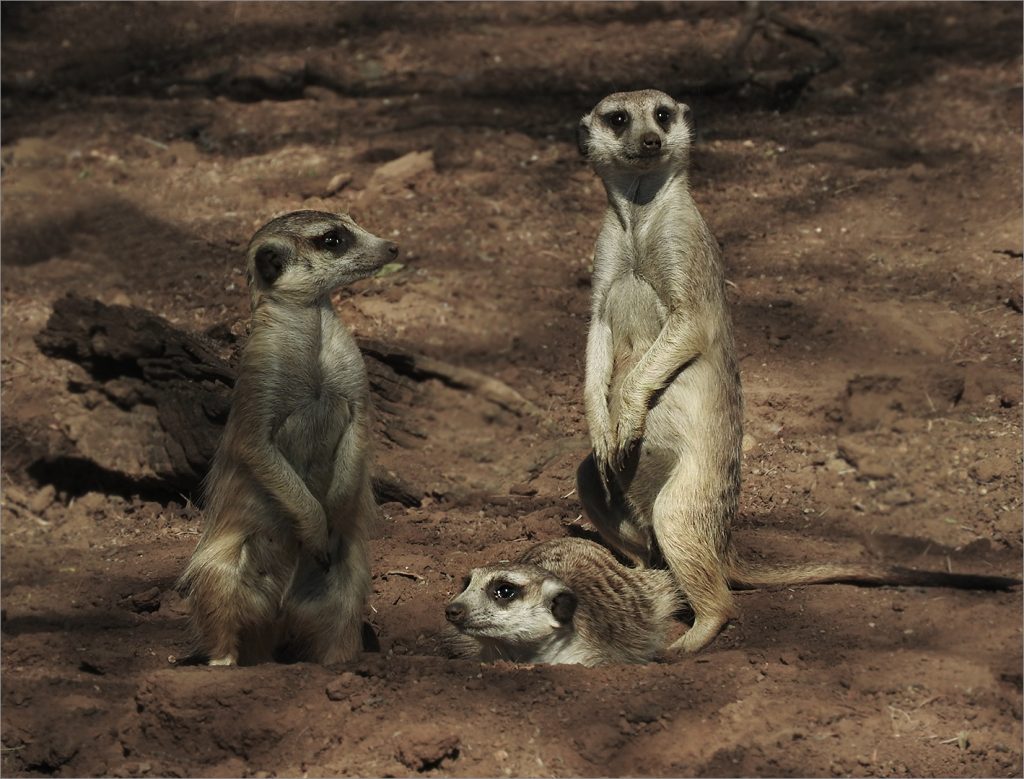
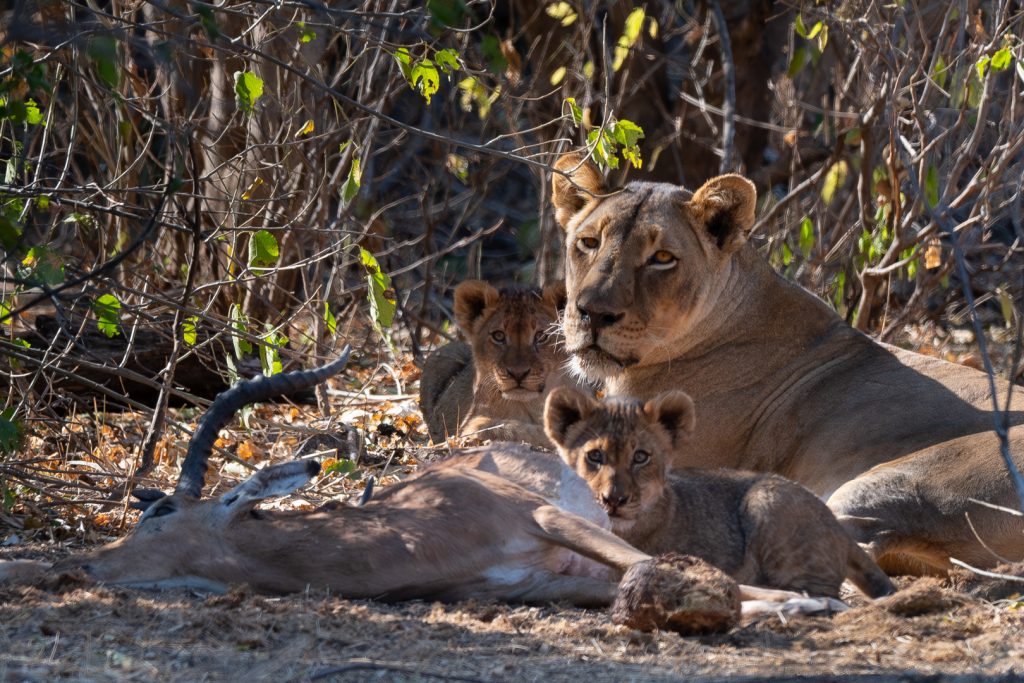
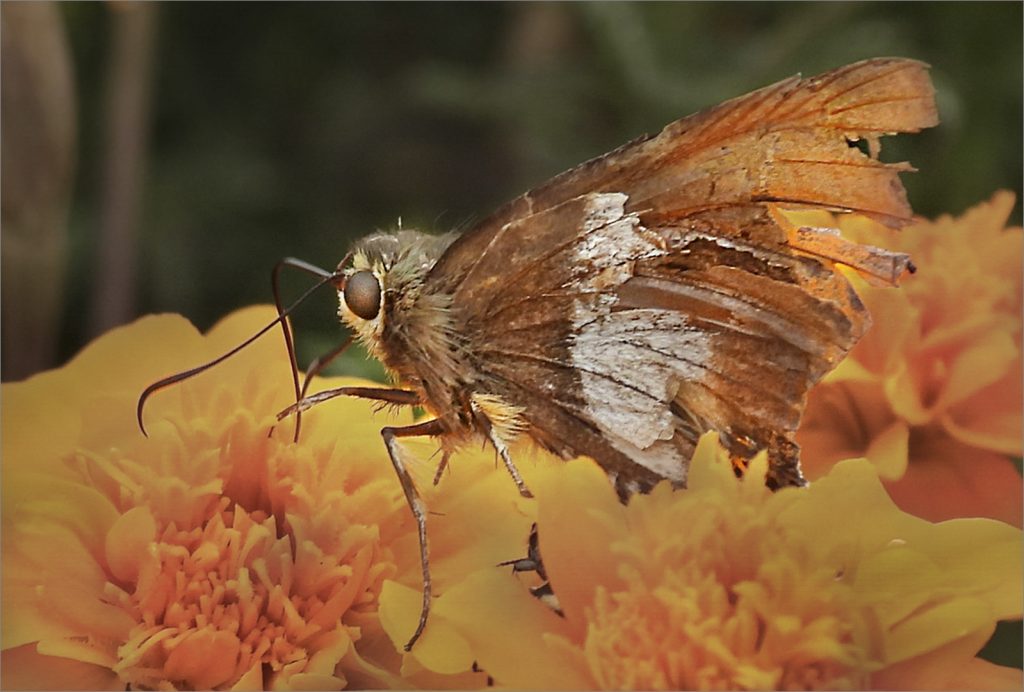
“Sonsondergang Kremetart” by Edmund Hattingh“On The Alert” by Sussa Pelser“Leeuwyfie met welpies” by Edmund Hattingh“Moth On Flower” by Sussa Pelser
Pictorial:
“You said WHAT” by Lorraine Botha
“The Bonding” by Leon Pelser“Nine and a half weeks” by Leon Pelser
Photojournalism:
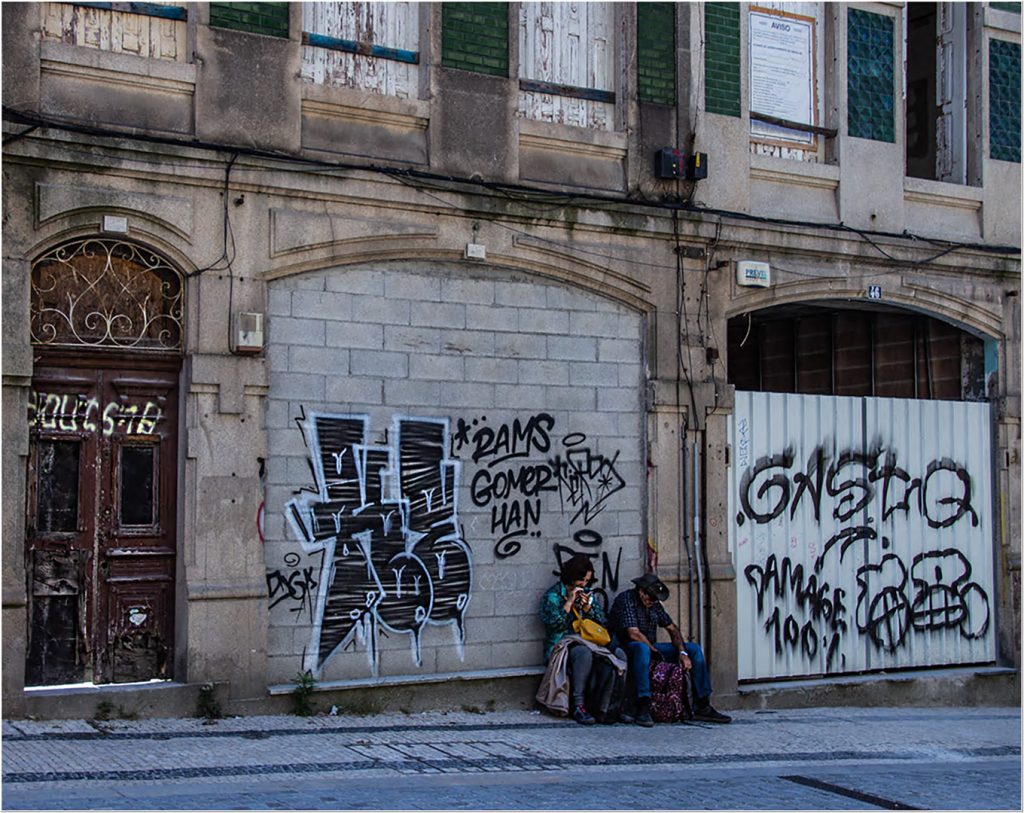
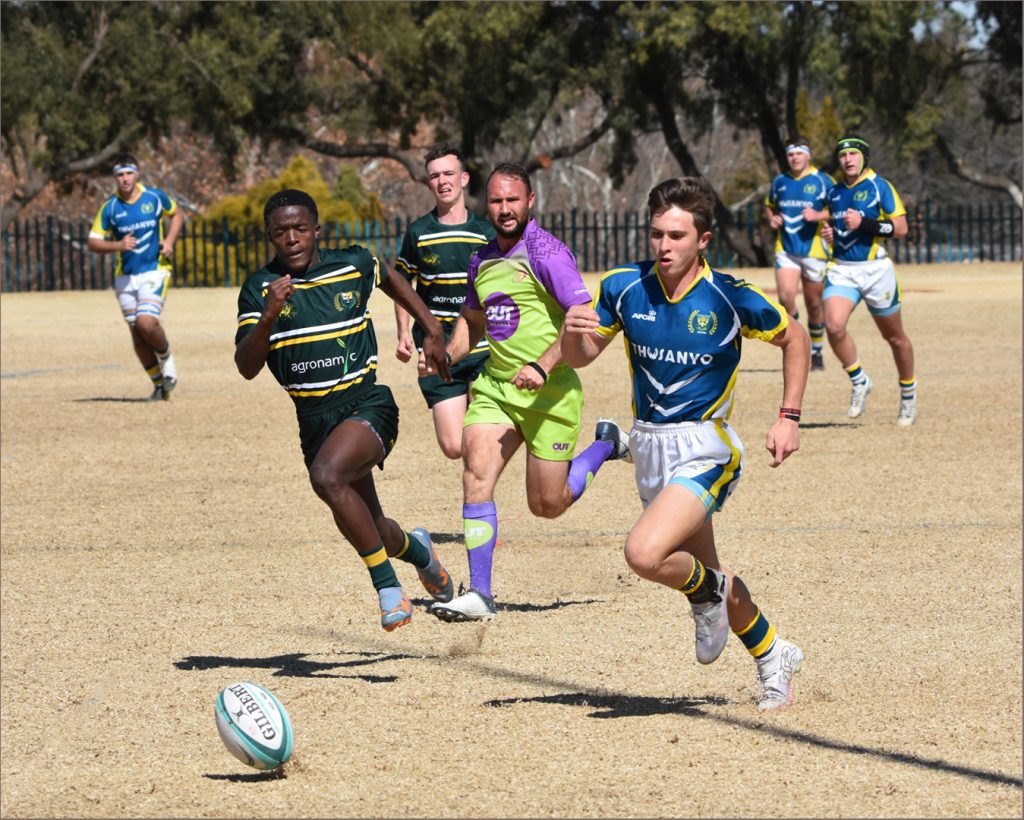
“Streets of Porto” by Lorraine Botha“Oppad na die doelpale” by Adri Kirsten“Secunda vs Heidelberg Volkskool” by Adri Kirsten
Set Subject: Through the Window
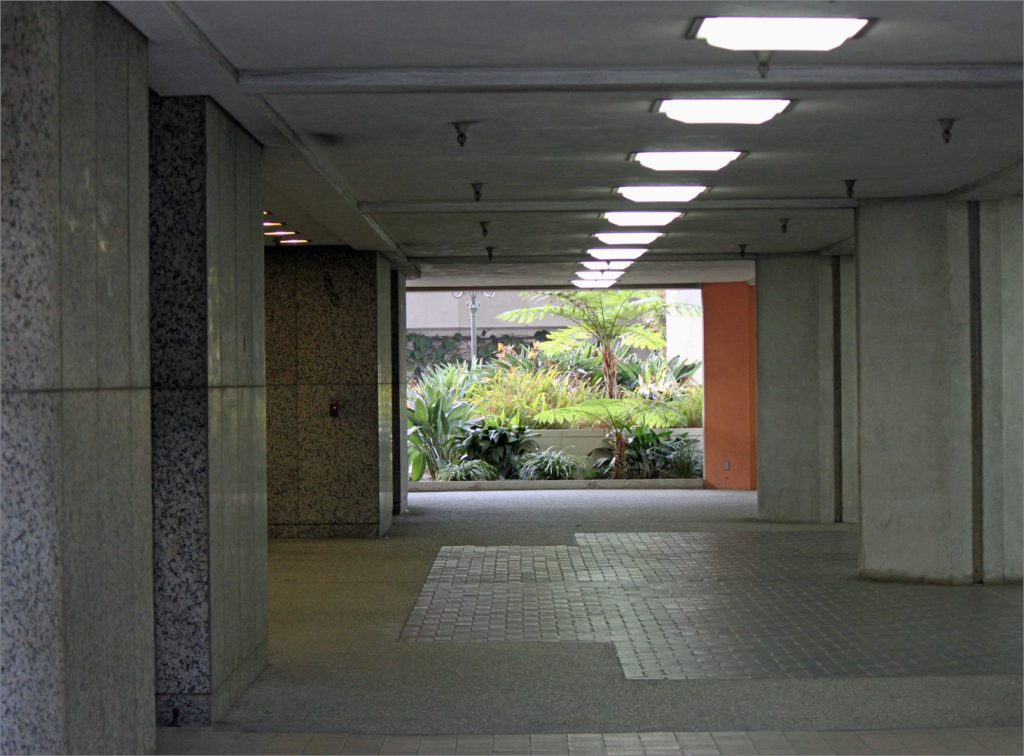
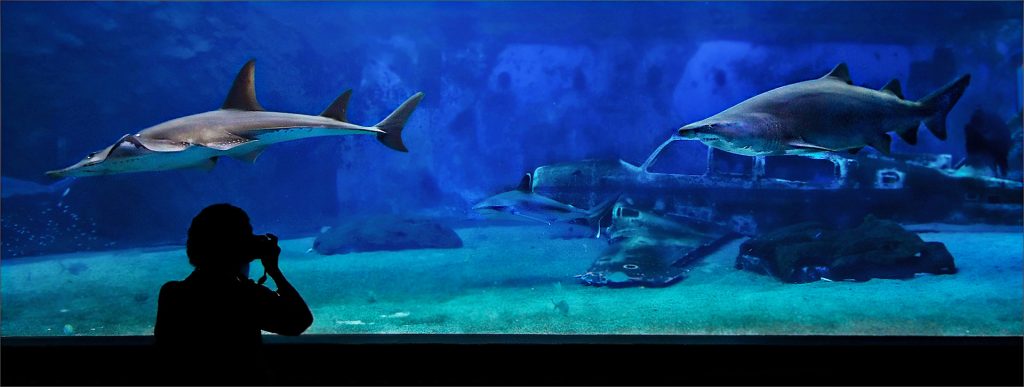
“Sleeping beauty view” by DNE Smit“Signs of life in the concrete jungle” by Lorraine Botha“Aquarium Photographer” by Leon Pelser“Sunset Through The Window” by Sussa Pelser
“BRIDGE TO WORK” INSTALLATION REPAIR AND MAINTENANCE PROGRAMME
Are you between 18 and 35 and own an IRM business? Join one of the Sasol Bridge to Work IRM programmes to grow your business.
ACCELERATION OF SMMES
12 months business development modules, coaching and mentoring, masterclasses and technical upskilling
Criteria:
Resides within Govan Mbeki Municipality
Minimum 2-years operation
Operating in the IRM professions and sectors
Black-owned
Preference given to Women Owned SMEs
Township-based
Committed to the 12 months business acceleration
Committed to host trained unemployed young people for workplace learning
SMME’s to apply for only one programme.
TECHNICAL UPSKILLING OF SMMES
Transfer of technical upskilling (technical gap analysis; needs-based for compliance to industry standards)
Criteria:
Resides within Govan Mbeki Municipality
Minimum 2-years operation
Operating in the IRM professions and sectors
Black-owned
Preference given to Women Owned SMEs
Township-based
Full commitment to completion of technical upskilling
Committed to host trained unemployed young people for workplace learning
Have previous attended and completed any business development skills programme (Gert Sibande/Sasol/Incubator)
Should have technical competency within IRM requiring further support
REQUIREMENTS
Company profile
Business documents (CIPC, SARS, BBBEE, Bank confirmation letter)
Turnover of minimum R600 000 (12 months management account)
Be able to host trained unemployed young people for workplace learning.
Site visits will be conducted in the selection process.
HOW TO APPLY
Option 1: Apply by sending the relevant documentation to cfe.marketingint@gscollege.edu.za or cfe.admin@gscollege.edu.za with the heading Sasol/Gert Sibande CFE IRM Programme 2024
Option 2: Drop off your documentation at the Gert Sibande Centre for Entrepreneurship, 12 Cornell road, Evander.
Applications close 25 August 2024
JUNIOR DRAUGHTSPERSON
Work integrated learning opportunity
Short Job Description
Create and update drawings according to disciplined specifications and red lined information.
Redraw non electronic drawings to the relevant engineering platform, e.g. hard copy, hand sketch, tiffs and .pdf formats.
Convert existing CAD drawings to intelligent data base technology.
Utilise complimentary technology to achieve reverse engineering.
Formal Education
Post School Tertiary Diploma Draughting (South Africa / Eurasia)
NQF 4 Engineering Draughting
This is a work integrated learning opportunity for youth within Govan Mbeki Municipality.
Candidate age limit 18-25 years of age.
Candidate to be a residens of Govan Mbeki Municipality.
Submit your CV to secundacorporateaffairs@sasol.com