Since its formation in 2010, MEGA has been running at a loss, failing its mandate while burning through millions of public funds.
“The Democratic Alliance (DA) in Mpumalanga has written to Premier, Mandla Ndlovu, requesting detailed answers as to why his administration is consistently funding and keeping the Mpumalanga Economic Growth Agency (MEGA), despite its disastrous financial track record,” said Trudie Grovè-Morgan: MPL – Spokesperson on Finance and Economic Development: Mpumalanga Legislature, to The Bulletin
When formed in 2010, the aim was for MEGA to provide funding and promote foreign trade and investment around Mpumalanga Province with a focus on Historically Disadvantaged Individuals (HDIs). MEGA’s mandates and responsibilities have slightly shifted today to funding (through loans and grants) Small Medium & Micro Enterprises (SMME’s), Agro Projects and Farming, Housing and Promoting Trade and Investment in the province.
A recent report by the Auditor-General (AG) and the Select Committee on Public Accounts (SCOPA) paints a grim picture of MEGA’s financial mismanagement. The AG has explicitly stated that the entity’s future is in serious doubt, yet the ANC-led provincial government keeps bailing it out.
SCOPA’s findings are damning:
In 2022/2023, MEGA wrote off over R447 million in irregular expenditure.
In 2023/2024, it racked up another R249 million in irregular expenditure – so severe that Provincial Treasury refused to write it off due to non-compliance with the Public Finance Management Act (PFMA)
MEGA continues to flout regulations, with R18.1 million in irregular expenditure linked to payments exceeding contract amounts and non-compliance with the Construction Industry Development Board (CIDB) requirements.
SCOPA and the AG found the following reasons why MEGA is accumulating and sometimes writing-off millions worth of irregular expenditure:
Debtors owing the entity are not servicing their loans
Entity did not take effective and appropriate steps to collect all revenues due as required by Section 51(1)(b)(1) of the PFMA.
Contract extensions which had not been approved as required by Section 56 of the PFMA.
MEGA’s Management did not provide leadership, based on culture of honesty, ethical business practices and good governance, to ensure fairness and transparency in the procurement processes.
SCOPA has now recommended that Premier Ndlovu take disciplinary action against MEGA’s leadership and investigate whether its Accounting Authority is fit to lead.
The DA welcomes the recommendations against MEGA accounting officers, and we feel vindicated on our call for MEGA to be disbanded. But we are also disappointed that in his recent State of the Province Address (SOPA), the Premier did not announce the dissolution of this entity, instead he mentioned that they will coordinate regular investment programmes through MEGA, assisted by a specialist investment company.
We want the Premier to implement the SCOPA recommendations and take disciplinary action against MEGA accounting officials. How long will the ANC use MEGA as its cash-cow? This agency has neither the necessary skills nor expertise to be at the forefront of economic growth in Mpumalanga. The Premier needs to act now and disband MEGA.
Once again, the DA’s call for MEGA to be disbanded continues to be backed by concrete statistics. The provincial economy has and continues to be stagnant. This province is in dire need of a government that possesses the right leadership with the political will to make necessary changes, so that the lives of residents can improve.
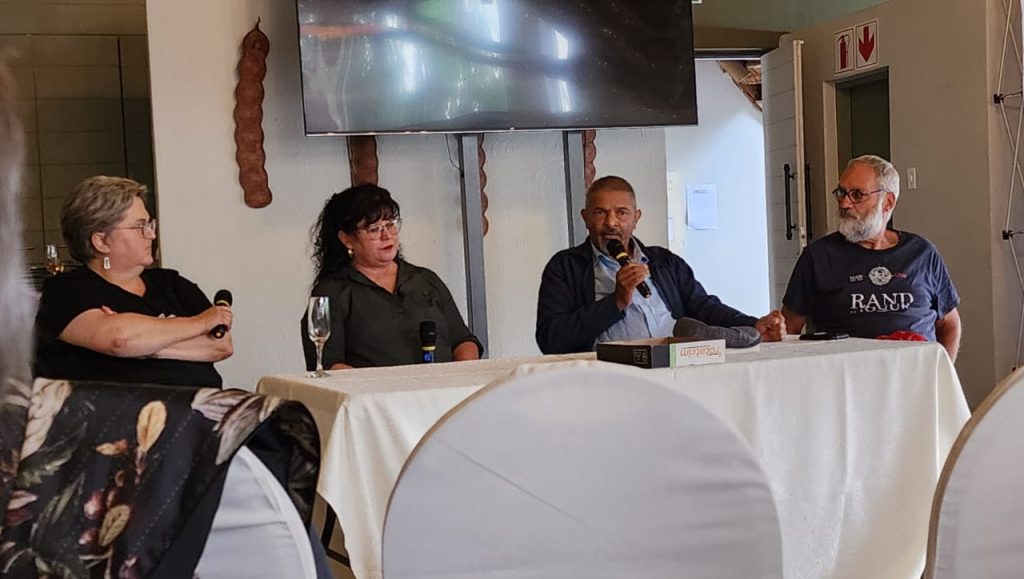
Die eerste Umuzi Lees- en kosfees wat teen die einde van Februarie in Secunda gehou is, is baie goed ondersteun, aldus die Feesorganiseerder, Alma Swart.
Benewens die amptelike program met skrywers en besoekers, het skrywers hierdie geleentheid gebruik om saam met ou vriende te kuier en nuwes te maak.
Sommige van die jeugskrywers wat aan die program deelgeneem het, het Donderdag douvoordag al van Potchefstroom, Klerksdorp en Pretoria gery om skole in Secunda te besoek. Skrywers het hul passie vir Afrikaans en die skryf van stories met die leerlinge gedeel en die hoop uitgespreek dat die skoleprojek leerders sal inspireer om met erns te begin lees.
Skrywers Dibi Breytenbach en Hannes Barnard het ook tydens die fees ʼn fiksie-skryfwerkswinkel aangebied met nege aspirant en entoesiastiese skrywers.
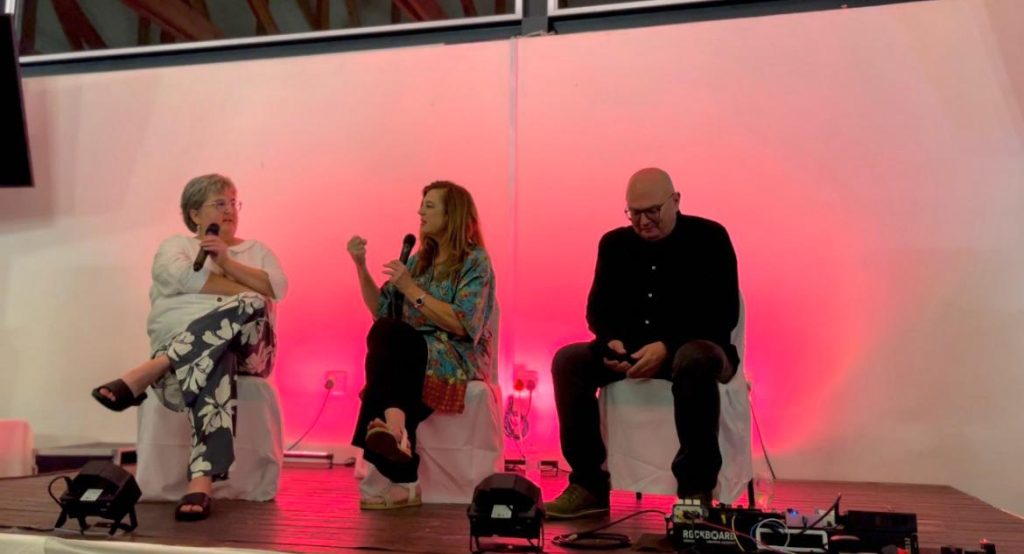
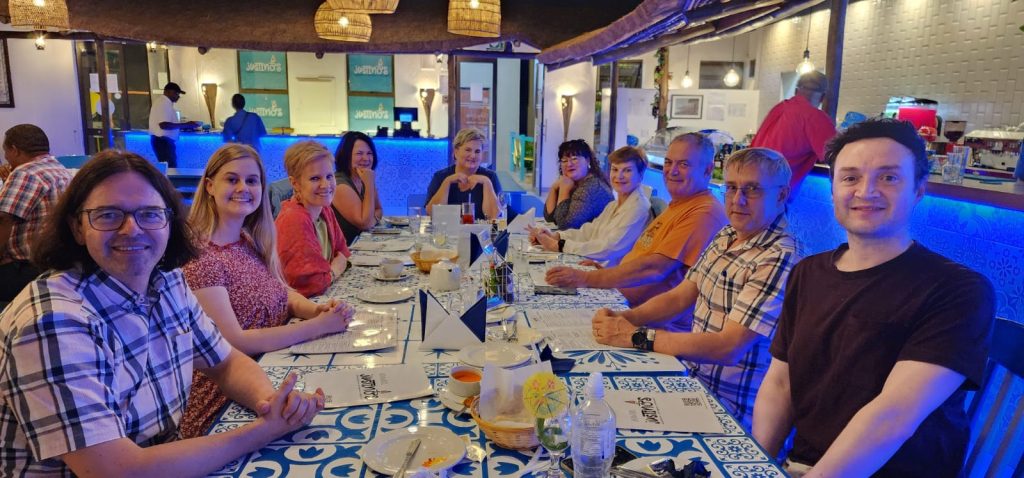
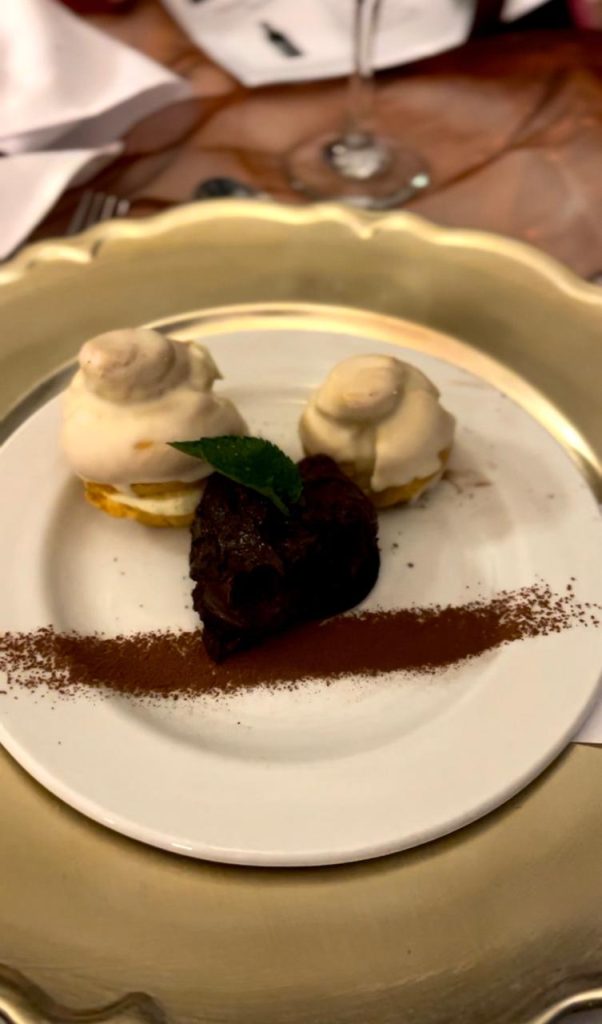
Vrydagaand se vyfgang-maaltyd in die Glaskas by Boesies was ʼn kos-en-wynpas met Boplaas wyne en komplimenterende spyskaart deur Charlotte en Cobus van Dyk. Ilse Salzwedel het tydens hierdie suksesvolle geleentheid ʼn genotvolle gesprek op die verhoog gelei met Susan Coetzer en Dana Snyman waarna Tian Nienaber vir die musikale vermaak gesorg het.
Saterdagoggend 1 Maart het afgeskop met ʼn interaktiewe gesprek deur die jeugskrywers, onder aanvoering van Phyllis Green van Sarie tydskrif. Die onderwerp was oor hoe om die jeug-lesersmark te bereik vir interessantheid en volhoubaarheid.
Daarna was die skrywer Susan Coetzer aan die beurt met Haas en Harriet, haar onlangse boek wat handel oor die verhouding tussen ma en dogter en die hartseer en verwydering wat volg terwyl elkeen sy eie lewe leef maar hoe hulle tog weer in mekaar se lewenskringetjie beland. Die gaste is trakteer op vonkelwyn en tuisgemaakte sjokolade terwyl Ilse Salzwedel die gesprek met Susan gelei het. Almal was dit eens dat hierdie boek aanbeveel word vir beide ma’s en dogters.
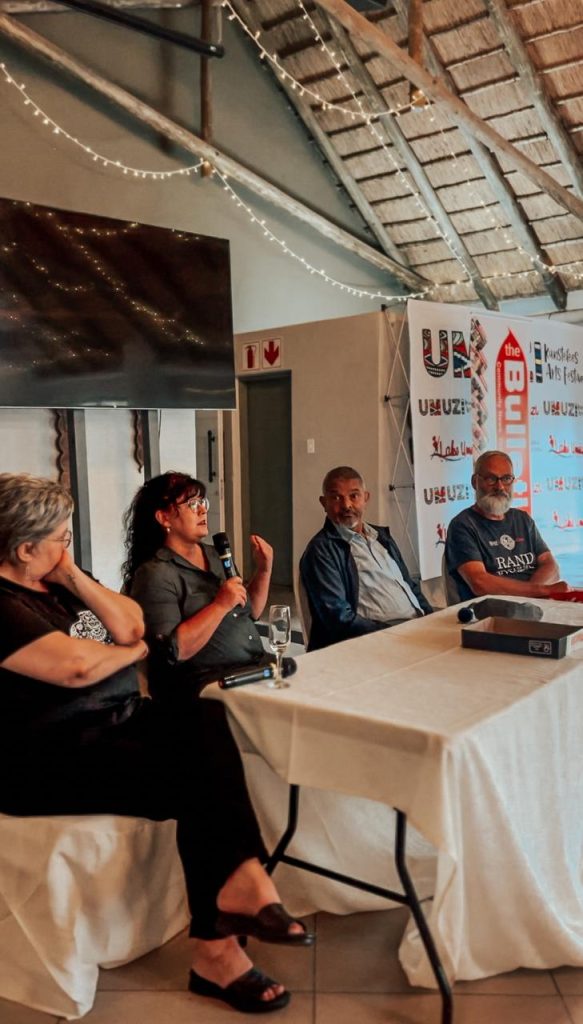
Die daaropvolgende gesprek met drie van ons land se gerespekteerde skrywers het die lig laat val op die onderwerp, misdaad: fiksie vs.realiteit. Jeremy Veary, Julio Agrella en Dibi Breytenbach het al vele boeke oor misdaad die lig laat sien, en het gedeel oor hulle ervarings van wanneer om die werklikheid te gebruik om die storie te vertel sonder om die leser te veel te ontstel. Die belangrikheid van navorsing en gebruik van die korrekte feite in hul boeke is beklemtoon. Jeremy Veary se Rooisand speel af in Namibië en alhoewel die verwysings na die Bondelswart en ook ander gebeurtenisse feitlik korrek is, is die storie wat afspeel, fiksie. Dibi Breytenbach is bekend vir haar deeglike navorsing en het ʼn vertel hoe sy van haar feite bekom. Julio Agrella is ʼn boorling van Springs met ʼn agtergrond wat self herinner aan ʼn fiksieverhaal. Sy boekspeurder, Zeus van Wyngaard is ʼn geliefde karakter wat die leser maklik betrek by die storie.
Dana Snyman het die middaggesels afgesluit deur met Phyllis Green te gesels oor sy memoir, Seun. Die vraag is gevra, “hoe maak jy ʼn man van ʼn seun?” Dana het openhartig vertel van sy stryd as jongman in die weermag en hoe daardie tyd se letsels die res van sy volwasse lewe aan hom bly klou het.
Die digterswandel wat ‘n eie innisiatief is en parallel gereël en bestuur is deur Christell Brooks van Letter Liefde, was ook ‘n eerste vir Secunda, en heelwat mense het positiewe terugvoer gegee.
Na die fees het die oorblywende skrywers Saterdagaand saamgekuier met pizza en Boplaas se vlagskip uitvoerwyne terwyl Platoppiaarde die agtergrondmusiek verskaf het.
Swart bedank graag Boesies Restaurant, die bemarkingspan van Lake Umuzi, Charlotte en Cobus van Dyk en al die skrywers wat deel was van hierdie eerste Umuzi Lees- en kosfees.
Welcome to our weekly article from the field of social work.
Community Collaboration: Tutela Family Care Secunda’s Projects for the Quarter
Tutela Family Care Secunda is excited to announce a series of impactful projects planned for the upcoming few months aimed at empowering families, schools, and caregivers in the community. These initiatives are designed to provide valuable tools, knowledge, and support to ensure the well-being and development of vulnerable individuals and families. Community participation is highly encouraged, and those interested in supporting these efforts are welcome to contribute through sponsorships, volunteering or donations.
Parenting Workshop: Building Stronger Families
The parenting workshop held on the 22nd of February 2025 focussed on equipping parents and guardians with essential skills to navigate the challenges of raising children in today’s world. 14 participants learned about self-care and preventing burnout, parental resilience, emotional intelligence and financial literacy as well as the developmental stages of a child and age-appropriate parenting techniques, fostering open communication, and building positive relationships within the family. The workshop also addressed the importance of discipline, nurturing, and creating a safe environment for children to thrive. By empowering parents, this initiative aimed to strengthen families as the cornerstone of a healthy community.
School Outreach Program: Supporting Teachers for Better Education
Tutela’s outreach to schools will target teachers, recognizing their critical role in the development of young minds. The program will focus on equipping educators with tools to identify and support vulnerable children in their classrooms. Topics will include recognizing signs of abuse or neglect, strategies for emotional support, and creating inclusive and safe learning environments. This initiative underscores the importance of a collaborative approach between educators, social workers, and families to ensure that no child falls through the cracks.
Alternative Care Workshop: Enhancing Support for Caregivers
The alternative care workshop will provide training and support to caregivers involved in places of safety, temporary safe care, and foster care. The workshop will focus on educating caregivers about their legal responsibilities, understanding the emotional needs of children in care, and building resilience to manage the demands of caregiving. By empowering caregivers, the program aims to enhance the quality of care provided to vulnerable children and ensure that their developmental needs are met in a safe and supportive environment. Those individuals who are interested in becoming alternative care parents are welcome to attend.
Community Involvement and Collaboration
Each of these projects offers a unique opportunity for the community to become actively involved in improving the lives of children and families in the Secunda area. By attending workshops, volunteering, or simply spreading the word, community members can play a vital role in supporting Tutela’s efforts to foster a safer and more empowered society.
Call for Sponsorships and Donations
Tutela Family Care Secunda welcomes sponsorships and donations to support these projects and other ongoing initiatives. Contributions, whether financial or in-kind, directly assist in reaching more individuals and making a meaningful impact. Our banking details are as follow: Tutela Family Care Secunda, Absa – Cheque, Account number 151 023 0287, Branch code 632-005
Businesses, organizations, and individuals interested in sponsoring workshops or donating resources are encouraged to contact the Tutela office at 079 310 2599 or tutela.secunda@gmail.com.
Urgent Needs: A Call for Community Support
Tutela Family Care Secunda is reaching out to the community for support in addressing two critical needs: the establishment of a children’s home and the recruitment of temporary safe care parents. These initiatives are vital to ensuring that vulnerable children have access to safe, stable, and nurturing environments when they are in need of care and protection.
The Need for a Children’s Home
There is an urgent need for a children’s home in the Secunda area to provide a secure and supportive environment for children who are unable to live within their families. A children’s home would serve as a haven where children can receive the care, guidance, and resources they need to grow and thrive. This initiative requires community support in the form of financial contributions, building materials, and volunteers to bring this vision to life. By establishing a children’s home, you can create a space of hope and healing for children who have experienced trauma or neglect.
Temporary Safe Care Parents: A Critical Role
Tutela is also seeking dedicated individuals or families to become temporary safe care parents. These caregivers play a crucial role in providing short-term care for children who have been removed from unsafe situations. Temporary safe care parents offer not just shelter but also love, stability, and reassurance during a challenging time in a child’s life. Tutela provides comprehensive training, guidance, and support to equip caregivers with the necessary skills to fulfil this role effectively.
How You Can Get Involved
The community’s involvement is essential to addressing these needs. If you have a passion for helping children and believe you can make a difference, consider becoming a temporary safe care parent. Alternatively, you can support the establishment of a children’s home by donating funds, resources, or your time. Every contribution, no matter how small, brings Secunda closer to creating a brighter future for children in need.
Contact Us to Make a Difference
If you’re interested in getting involved, whether as a caregiver or a donor, please contact Tutela Family Care Secunda. Together, we can provide the care and protection these children deserve and build a stronger, more compassionate community. Turn caring into action and bring hope to those who need it most.
Contact Us
If you would like to participate in any of these projects or contribute to the success of these initiatives, please reach out to Tutela Family Care Secunda at 079 310 2599 or tutela.secunda@gmail.com . Together, we can make a lasting difference in the lives of vulnerable children, families, and the broader community. Your support turns care into action, bringing hope to those who need it most.
ANIMALS BEING AGGRESSIVE IS A COMPLEX BEHAVIOUR AND SHOULD BE IDENTIFIED CORRECTLY AND ADDRESSED IMMEDIATELY BY QUALIFIED INDIVIDUALS!
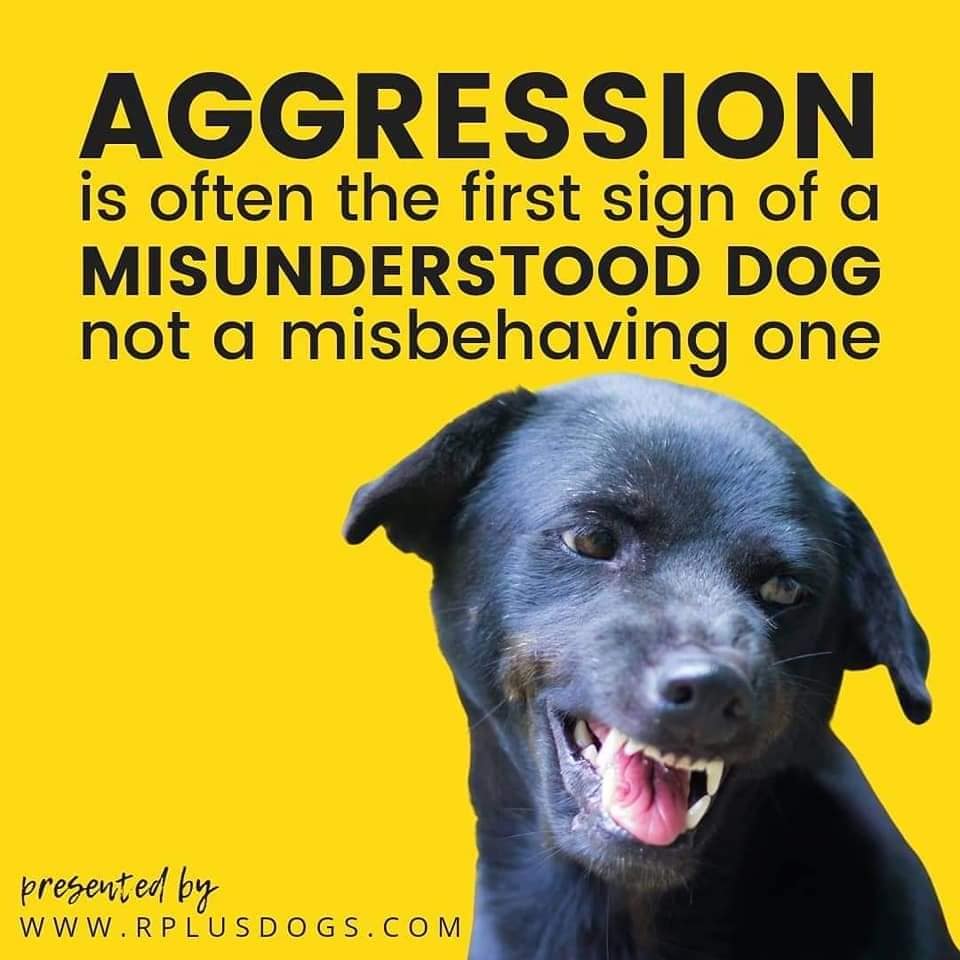
Behavior is one of the most common reasons people surrender animals to shelters, especially dogs—and aggression is often a key concern. But could it be that you’re misunderstanding your dog rather than them “misbehaving”? Aggression is a complex issue and one of the most frequent behavioral challenges addressed by professionals. However, many actions that people interpret as aggression are actually normal forms of canine communication.
As the Whole Dog Journal shares: “The broad spectrum of “aggressive behaviours” is technically called “agonistic behaviours” and is defined in ethology as, “pertaining to the range of activities associated with aggressive encounters between members of the same species or social group, including threat, attack, appeasement, or retreat.” So, while a growl-lunge-bite sequence would be easily recognized by most people as aggression, more subtle agonistic behaviours such as a freeze, a hard stare, or even a lack of eye contact, may go unnoticed (and unaddressed). The lack of understanding of basic and normal animal behaviour remains part of the problem!
Part of the problem is also that there has been a cultural shift about dog aggression. I agree with Patt Miller that our culture has become over-sensitized to dog bites. In the past, if a child was bitten by a neighbour’s dog, the mother would usually question the child about what they did to provoke the animal. Nowadays, however, the first response is to contact a lawyer or a behaviour specialist (less likely), or even take the dog to a shelter. We have become a society that is increasingly fearful of aggression. Read more about the Pitbull crisis in SA and dog bite prevention.
Editor’s note: This article is a reprint from 15 March 2023.
Also, see how to better understand your dog’s body language.
SOME FACTORS THAT MAY CONTRIBUTE TO DOG AGGRESSION
Aggression in animals can be caused by a variety of factors, such as fear, excess energy, self-defence, or pain and physical discomfort for example.
1. Lack of Socialization: Dogs that are not properly socialized may become aggressive when they encounter unfamiliar people or animals. Pups learn valuable information about behaviour from their mom/dad. If they are removed before 10-12 weeks, then this could affect their future behaviour negatively too.
2. Fear: Dogs may become aggressive when they feel threatened or scared, which is a normal response for us as humans too. “Aggressive” behaviour when defending themselves or a mom protecting her puppies are also examples.
3. Pain: Dogs in pain may become aggressive as a way to protect themselves.
4. Dominance: Dogs may become aggressive in an attempt to establish dominance over other animals or people. Whether people believe it or not, animals do establish hierarchy and what appears to be aggressive behaviour might be part of that, although possibly normal. Sometimes just the company of other dogs may be stressful to your dog, which may lead to “aggressive” behaviour.
5. Breed genetics: Some breeds of dogs might be predisposed to aggression and bad breeding practices have certainly contributed to this. All dogs can bite, but some may do more damage than others. Aggression can’t be blamed on the breed. The breed of a dog can tell you what they can do, but how they are raised and cared for, determines what they will do. I believe dog bites are 100% preventable and understanding body language is key to prevention.
6. Hormones: An earlier study showed that dogs with high levels of the hormone vasopressin may be more aggressive than dogs with lower levels; higher levels of oxytocin (the “love hormone”) and higher oxytocin-to-vasopressin levels are seen in the breeds least likely to behave aggressively. Hormone levels when a bitch is in heat may contribute to “aggressive” behaviour for both her and males. One of the many reasons we support spay & neuter.
7. Your response: The owner’s prior experience with dogs can contribute to or reinforce certain behaviours, and when you panic it may worsen the situation. Animals need calm and confident owners. Remember that aggression can be learned; your pup can learn that if he acts aggressively, the things that scare him will go away. This means that his aggressive behaviour is rewarded, and will become more frequent.
MORE ON BEHAVIOUR
Reactivity
Reactivity is a reaction to something that makes a dog uncomfortable. It always starts subtly and as signals are missed, ignored, or punished. We then start to see behaviours that become a problem for us, like growling, snarling, lunging and biting.
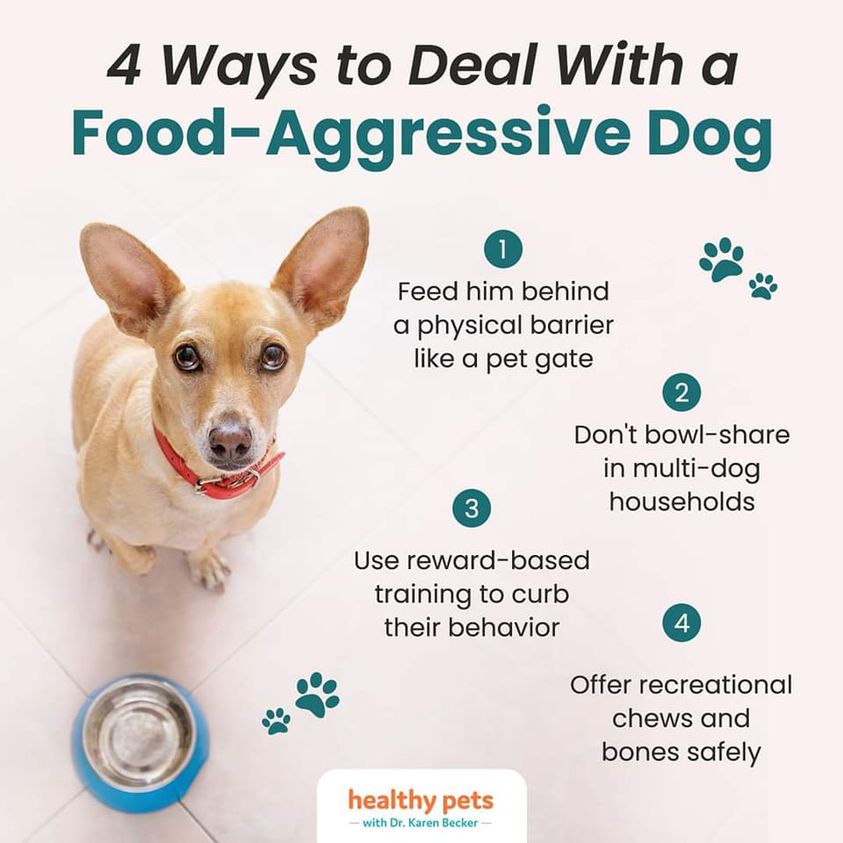
All animals engage in defending their resources, and resources come in a variety of forms. Some may make sense, others may not. It may also seem surprising to you that your dog may resource guard items because they have an abundance of things. Food, toys, you…..but resource guarding isn’t about things. It’s about feelings as R+Dogs explains it including:
The fear of losing out on something
The fear associated with not having any control
The fear that comes with intimidation (implied or unknowingly present)
The fear of the unknown
The fear of no escape
The fear of being unsafe
Resource guarding can also be linked to pain so please have your dog thoroughly checked for pain by your vet.
Trigger stacking – when the behaviour happens “out of the blue”
We’ve all experienced days when it feels like everything is going wrong and we’re left feeling overwhelmed, anxious, and ready to lash out at the next person who speaks to us. This person may think we have a serious attitude problem or need anger management when in reality, we’re just having a really bad day and don’t usually act this way. The same is true for dogs. Behaviours that appear out of the blue or are out of character can often be attributed to the stacking of different triggers.
A trigger can be anything that causes a dog to become overwhelmed and have a negative reaction. These can be small, seemingly insignificant things that we may not even notice, but they can add up and eventually lead to a reaction that is out of proportion to the stimulus. When the dog’s stress levels reach a certain point, the next event, no matter how small, can cause an unexpected reaction.
Examples include: Someone at the gate, the garbarge truck passing, strange man fixing the pool, someone on a bike passing, other dogs barking, a kid that hugs the dog etc. If this happens each on a consecutive days you likely avoid the stacking, but if it all occured in one day, they might “snap” with something simple due to stacking of triggers.
WHY PUNISHMENT IS NOT THE ANSWER!
Punishment is not the solution because it only suppresses the symptoms. Physical, punishment-based training is outdated. Such methods may include the use of choke chains, shock collars, or alpha rolls (physically rolling a dog onto the ground and holding him there) and hitting them. While these methods peaked in popularity in the 1960s, the science of dog training has advanced significantly in the last 50 years and today’s reputable trainers/behaviourists overwhelmingly shun them in favour of positive reinforcement or reward-based conditioning. Remember punishment, whether physical or mental, can harm your pet.
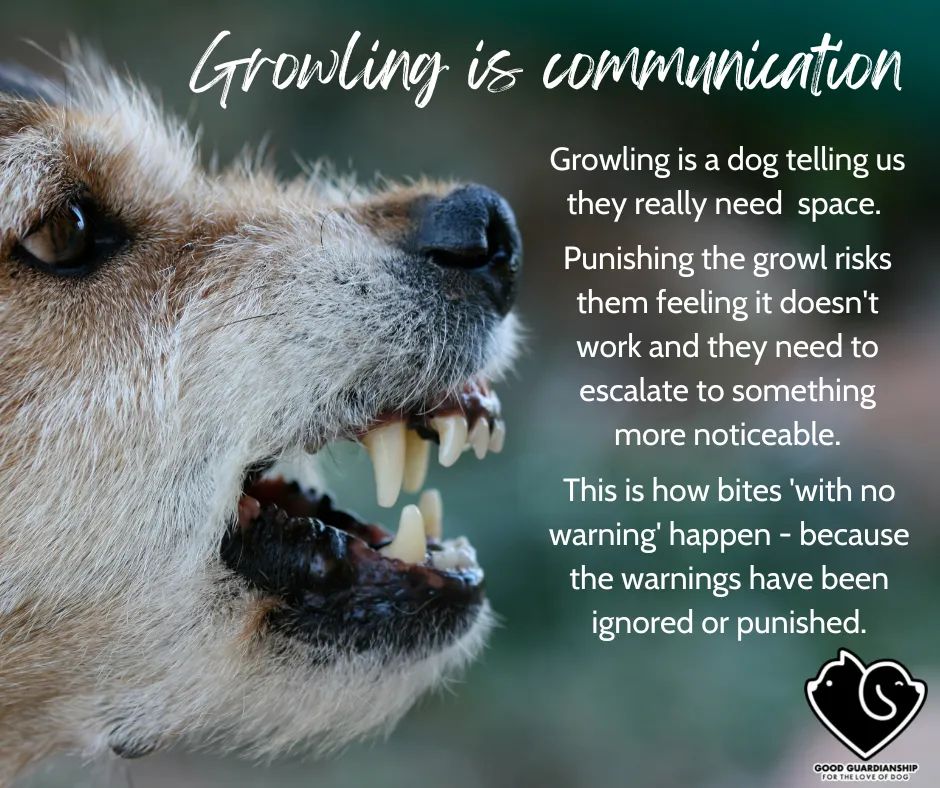
Never punish a growl, which usually precedes the bite or snap action. This way they will learn from you that it is safer to skip the growl because you will punish it, and then they bite “out of the blue”. A growl is a way of communicating that they are not happy and that they need your help! No bite is “out of the blue!”
You need an aggression-modifying action plan. A blanket approach can’t be followed for aggression, and an evaluation by a qualified behaviourist, not just a dog trainer, is important as well as addressing the individual needs of that animal if it is correctly identified as aggressive behaviour.
My first stop will always be to go for a vet check to rule out any underlying medical issue or pain.
Educate yourself about dog body language so you can be aware of your dog’s more subtle agonistic behaviours. Listen to what your pet is saying through their vocalizations or body language. TEMP – tails ears/eyes, mouth and posture. Also learn basic first-aid for pets in case of an emergency.
Find out what is the cause of aggression or stressors, and the stress levels. Look for subtle signs too. Avoid putting them in situations where they may be compelled to act aggressively and also to help them cope. Take steps to eliminate it from their life if possible. If it is something that can’t be removed, try to manage it by removing the dog from the environment when the stressor is present or re-directing your pet’s attention. If it is too difficult to be removed or managed, try to change their opinion of the stressor (gradually) through counter-conditioning or behaviour modification in the presence of the stressor. Redirect their attention or give them a job. Always stay calm!
Contact a behaviourist and make the time to follow the plan. Search for a behaviourist near you and ask for references. Remember that you need to look out for your pets, so if you feel uncomfortable with any trainer/behaviourist, then walk away and find someone else. We only support fear-free reward-based training methods. You can follow R+Dogs more on aggression and reactivity.
Become a calm-confident guardian by setting rules and boundaries and being consistent.
Meet all their needs physically and emotionally through species-appropriate enrichment.
Never force affection and let them come to you.
This only includes the basics and each situation must be assessed by a qualified behaviourist and an individual plan needs to be formulated to help the particular animal cope.
Many people wait too long before getting help for their dogs. Invest in learning about body language so you can help your pet to better navigate this human world they were forced into. They are your responsibility and just as most won’t dump their angry child on an already overwhelmed welfare system, you shouldn’t give up on the animals in your care because you are not meeting their needs or understanding their behaviour.
If you are concerned about the way an animal is treated or suspect cruelty, please contact our local (Secunda) Inspector Marius 067 858 9717.
Join us again next week as we explore the pets of our lives.
WHEN YOU KNOW BETTER, DO BETTER!
Disclaimer: I am not a behaviourist although I research these topics.
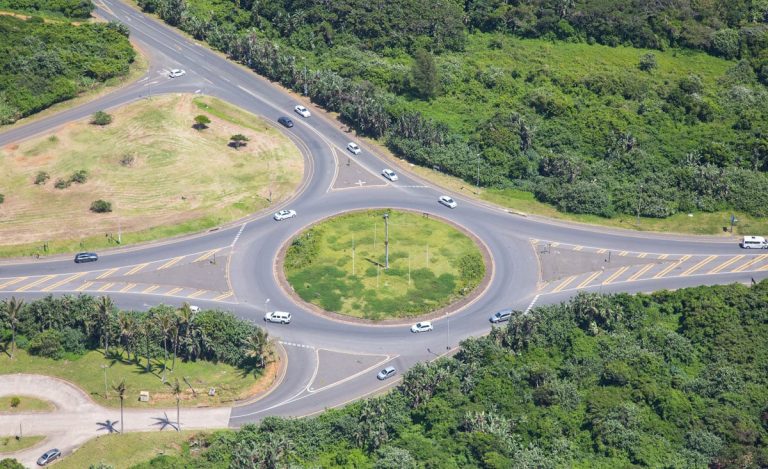
In South Africa, we often refer to roundabouts as “traffic circles”. A roundabout is a type of circular intersection that reduces potential conflicts between vehicles and improves the efficiency of the intersection.
The advantages of a roundabout are:
Traffic calming
Reduction of angle and head-on crashes
Reduction of crash severity
Improvement of intersection capacity
Aesthetic improvements
Approaching a roundabout:
On approaching a roundabout take notice and act on all the information available to you, including traffic signs, traffic lights and lane markings which direct you into the correct lane.
If you take your time and make sure you are in the correct lane a good distance from the roundabout you can’t go far wrong.
Slow down as you approach the intersection – You’re typically not required to stop.
A roundabout is designed to be driven at low speed. Entering and travelling through a roundabout at higher speed is difficult and could be unsafe.
Don’t worry if you have to stop when you reach the roundabout. When it’s clear, ease up off the clutch smoothly, don’t rush, keep using the mirrors, and above all, stay calm.
As you enter the roundabout, traffic coming from your right has right of way. This means that traffic streaming into the roundabout from the entrance to your right will keep coming as long as no one is coming from their right.
These cars may not even slow down as they enter the roundabout, because they have the right of way. You must stop and wait until there is a break in traffic. Watch out for other traffic in the roundabout.
Once you are on the roundabout maintain a reasonable speed. Failing to do this, especially when you are in the right-hand lane, may result in other drivers passing on the nearside.
Watch out for vehicles already on the roundabout; be aware they may not be signalling correctly or signalling at all.
Always keep an eye on the vehicle in front as you’re about to emerge. Don’t assume the driver won’t have to stop while you’re still looking right. Many rear-end collisions happen this way. Make sure the vehicle has actually moved away.
Watch for pedestrians and bicycles.
Keep in mind that buses or large trucks need extra room to make turns and might take up more than one lane in a traffic circle.
Obey all traffic signs and road markings.
Signal your intent to other drivers when entering, going around and exiting the circle.
If you miss your turn, just go around again. Avoid swerving at the last minute.
Safe Driving at the Roundabout /Traffic Circle and Mini Circle
Step by step example: The animation will provide better insight with regards to the process to follow:
To Turn Left (taking the first exit)
signal left and approach in the left-hand lane
keep to the left on the roundabout and continue signalling left to leave.
To go straight on (taking the second exit)
select the appropriate lane on approach to and on the roundabout. If no marking on the road it is usually safest to keep to the left lane
stay in this lane until you need to alter course to exit the roundabout
signal left after you have passed the exit before the one you want.
To Turn Right (taking the last exit or third exit )
signal right and approach in the right-hand lane
keep to the right on the roundabout until you need to change lanes to exit the roundabout
signal left after you have passed the exit before the one you want.
Note: The animation shows the vehicle exit the roundabout into the right lane (Lane 2). You should only do this if there is traffic in the nearside lane or you wish to turn right straight after leaving the roundabout. In an ideal situation, you should leave the roundabout in the left lane (Lane 1)
By applying some of this information and sharing this with colleagues and friends we might contribute towards reducing some of the road rage on our roads!
The rules for traffic circles in South Africa are as follows:
Mini-circles
Slow down and give way to other vehicles that cross any Yield line before you do.
Proceed in a clockwise direction around the painted island, without driving on it.
In the words of the official legislation:
Indicates to the driver of a vehicle approaching a mini circle that he or she shall yield right of way to any vehicle which will cross any yield line at such junction before him or her and which, in the normal course of events, will cross the path of such driver’s vehicle and that the driver shall move in a clockwise direction within such junction and attempt not to encroach on the mini-circle.
Roundabouts
You must obey traffic circle rules at the roundabout.
In the words of the official legislation:
Indicates to the driver of a vehicle that he or she shall move in a clockwise direction at the junction ahead and he or she shall yield right of way to traffic approaching from the right, within the roundabout, where such vehicles are so close as to constitute a danger or potential danger.
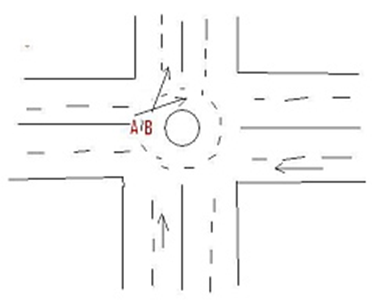
The official regulations in South Africa leave a lot to be desired when it comes to the finer aspects of driving, and they do not in fact address the situation as described in the sketch provided (below).
It is not clear from this sketch which of the two arrows in the approaching roads represents which of the vehicles.
Assuming that A came from the two-lane dual-carriageway on the right, and was travelling in the LH lane on approach to the roundabout, and B came from the lower road and approached the circle in the RH lane:
– Then he entered the circle from the wrong lane if he intended using the circle to turn back and drive back on the same dual-carriage road to the right. He should have been in the RH lane when entering the circle. – And B should not have entered the circle until A had passed anyway. (rules of traffic circles)
Assuming it was the other way round and A came from the bottom road, in the RH lane: – A was entered the circle from the correct lane but somehow got into the outside lane once in the circle, which is wrong for the exit he wished to take. – Also, A should have waited for B before entering the circle, and would therefore not have ended up in this situation.
Whichever way it happened, either or both of the vehicles ended up in the wrong lane within the circle and that is the cause of the problem.
Of course, this assumes a fairly small roundabout.
Have said that, when one gets in a fix such as this the norm would be for the vehicle that is ahead of the other vehicle to move forward and for the vehicle behind to allow it to get out of the way so that it can exit the circle. However, as both A and B are alongside each other, the Calgary rule would seem the most appropriate.
At the end of the day, no vehicle in a traffic circle should obstruct another’s line of travel. So if there were any doubt at all, B should go around the island another time (or even two) and move into the LH lane when it is safe to do so, and then exit from that outer lane when it is safe to do so. (Of course, he would check mirrors and blind spots first, then if it is safe, use the left indicator, and all that other “good K53 stuff”.
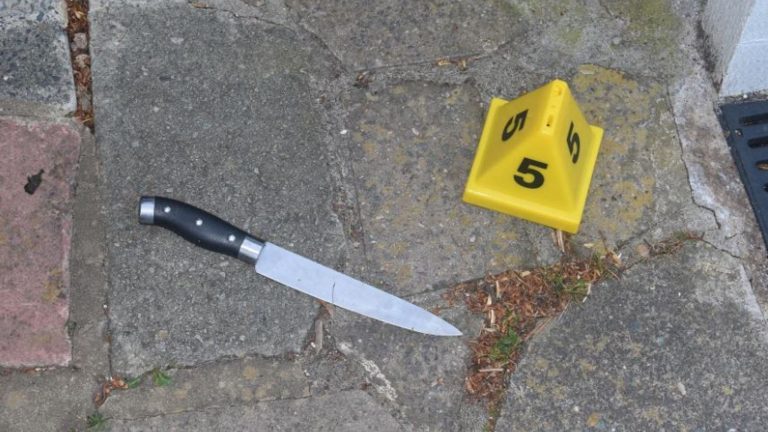
A grade 12 learner at Thomas Nhlabathi Secondary School was stabbed and killed yesterday, 27 February 2024, by a grade 10 learner. The incident took place after school hours.
According to information the Bulletin received the incident came after two boys had an argument during school hours, which led to the grade 12 being stabbed.
“Learners carried the injured learner from outside the school where he was stabbed to the school’s foyer with stab wounds; the learner was quickly rushed to Ext 4 Clinic.
Unfortunately, the learner succumbed to his injuries and was certified deceased by a doctor at the clinic in the presence of his mother,” said Music Ndzukula, SGB Chairperson of the school.
In a separate incident two learners were stabbed at a dysfunctional school in Sundra near Delmas
“For years Sundra Secondary school was plagued daily by vandalism. The school’s fencing has been broken down to nothing, which makes it easier to be vandalised. The breaking of doors and windows have become the norm,” Annerie Weber: MPL – DA Spokesperson on Education: Mpumalanga Province, “The stealing of the electrical cable was detrimental to the school as they now have been for more than a year without electricity. the JOJO tanks vandalised, and taps broken down. The roof is in disrepair.”
Annerie Weber MPL DA Spokesperson on Education Mpumalanga Province
A security guard was employed, and he allegedly was part of the removing of the electrical cable.
On Monday 24 February 2025, two learners were stabbed and fortunately they have survived. Discipline and safety are now truly impossible at the school and teachers and learners are starting to live in fear. Learners should be able to get their education in a safe environment and learners stabbing one another is a serious problem. “Where were the teachers that were supposed to be on duty?” asked Annerie
For years, the Mpumalanga Department of Education has been aware of the above challenges in this school, yet nothing has been done to address them. Now this school has become a true embarrassment not only to the department, but also to the learners and parents. It seems no one, not the SGB, nor the department can control everything that happens there.
The DA is really concerned that the conditions at the school are depriving learners of an opportunity to realize their full potential and access to quality education as enshrined in Section 29(1)(a) of the South African Constitution.
The above challenges that have not been addressed for years, show that the ANC Government cannot be trusted with the future of our children.
The DA would ask both the Mpumalanga Departments of Public Works and Education to have an urgent meeting with the acting Principal and SGB to sort out their differences, and to also find ways of address the issues of security and infrastructure at the school.
It is unfair that many children are forced to learn in dilapidated schools more than 30 years after democracy. Clearly the ANC must make way for a DA government that will prioritise school infrastructure and security, plus all other service delivery requirements.
The DA will continue fighting for our learners as we believe they have a right to safe and dignified learning environments.
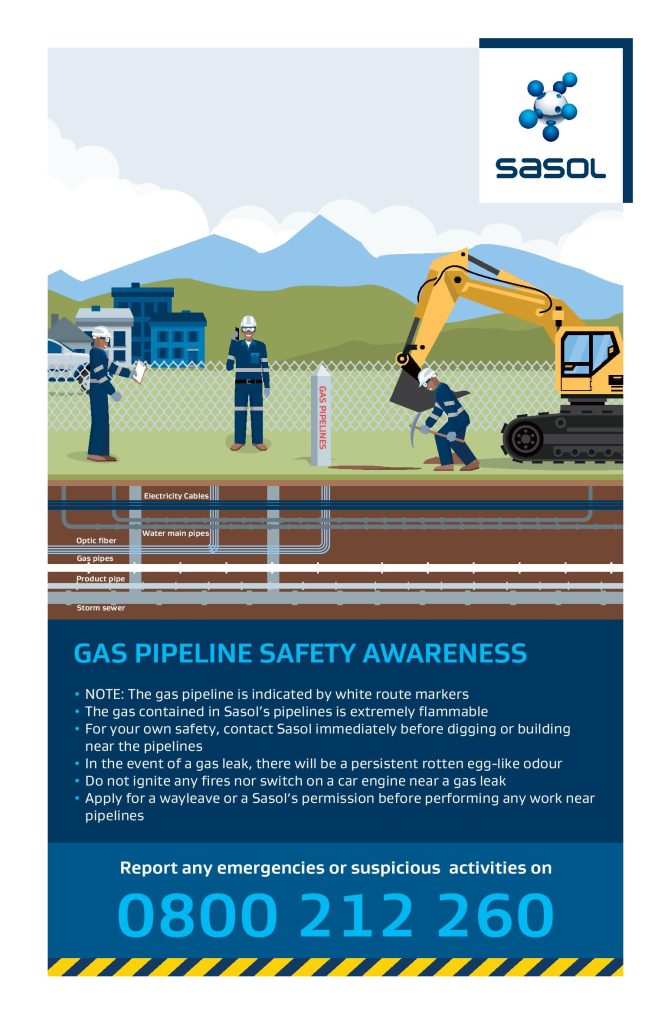
Sasol operates a network of gas pipeline infrastructure. Where there is a gas pipeline, you will see an orange-capped concrete pillar erected above ground.
The gas in these pipes is highly flammable. In the event of a gas leak, there will be a persistent “rotten egg-like” odour. Should you pick up this odour, do not ignite any fires or switch on a car engine. For your safety, contact Sasol before working near a gas pipeline.
Report any emergencies or suspicious activities on our toll-free number: 0800 212 260
The entries for the February Sasol Highveld Photography Club meeting were of a very high standard.
Willie Labuschagne was the judge and speaker for the night. He showed his FPSSA panel and used it to show what is possible.
If you have any questions, contact Louis van der Walt at +27 (72) 755-2767. The Sasol Highveld Photography Club is passionate about photography and the quality of its images. It wants its members to enjoy their photography.
Here are the fees for the year:
Membership fees for June 2025: R200 per year for ordinary members R100 per year for pensioners
Sasol Club Fees – Need to complete Sasol Club Member Form (to receive card) Sasol Employee – part of salary deduction Non-Sasol Employee R 420 – Need to be paid June
If you have any questions, contact Louis van der Walt at +27 (72) 755-2767. The Sasol Highveld Photography Club is passionate about photography and the quality of its images. It wants its members to enjoy their photography.
Members are also graded by their skill levels and receive points to progress to a higher level. The aim is for photographers to improve by having their photos judged and critiqued. By taking note of the guest’s commentaries, they should be able to improve.
Club Competition
Different “certificates” are awarded to the photographs. These are Bronze, Silver, Gold and Certificate of Merit (COM). If the author (photographer) does everything wrong in a photo, for his/her skill level, such as out of focus he/she will receive a bronze. Doing everything right will result in gold or even a COM.
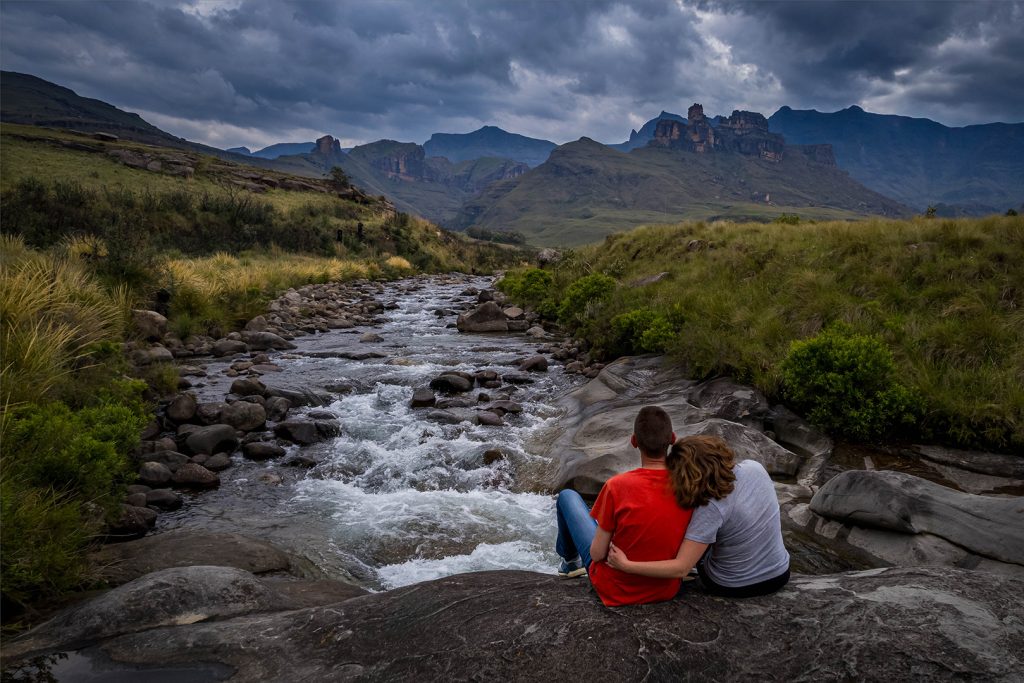
The Best Photograph in the Set Subject division was “Underberg River Love” by Louis van der walt
Underberg River Love by Louis van der Walt
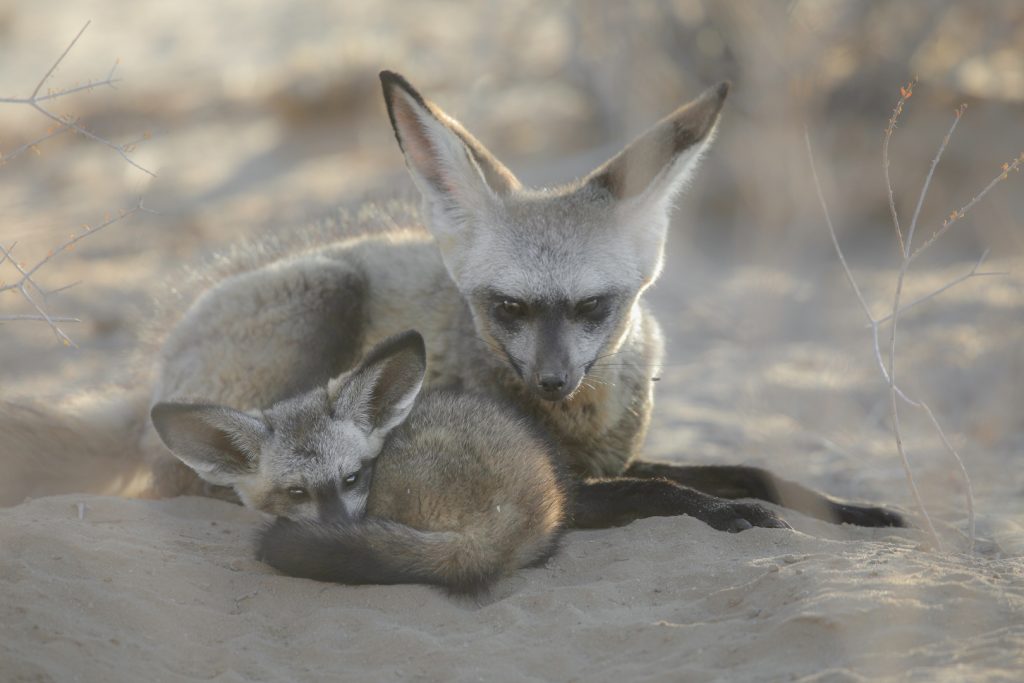
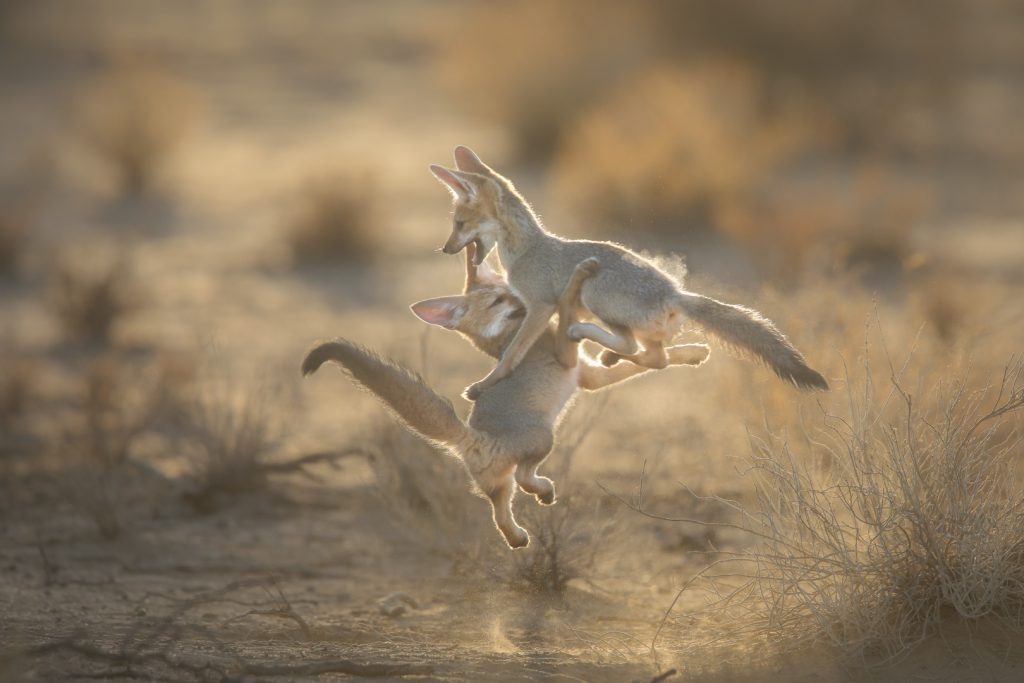
The best photograph in the Junior Division is “Bat-eared fox cuddles” by John Mullineux
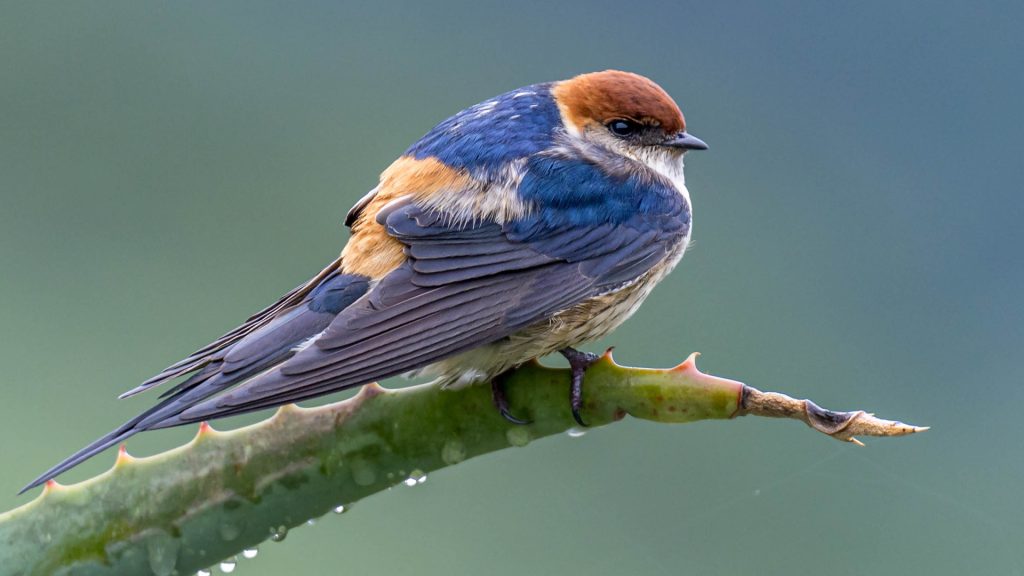
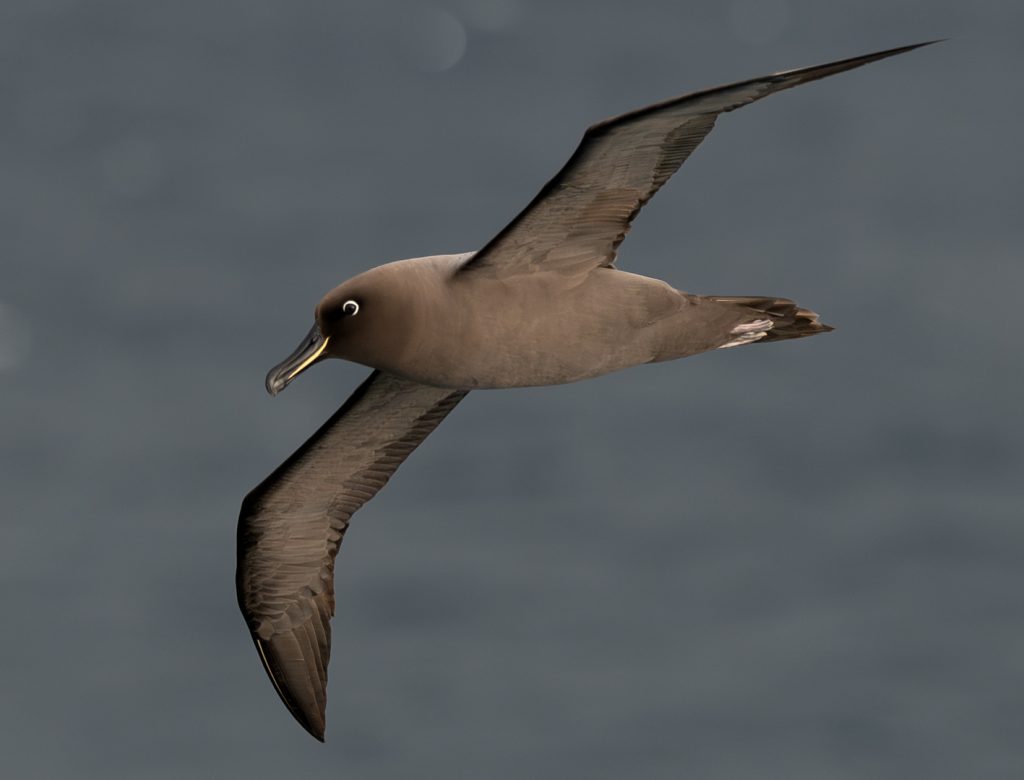
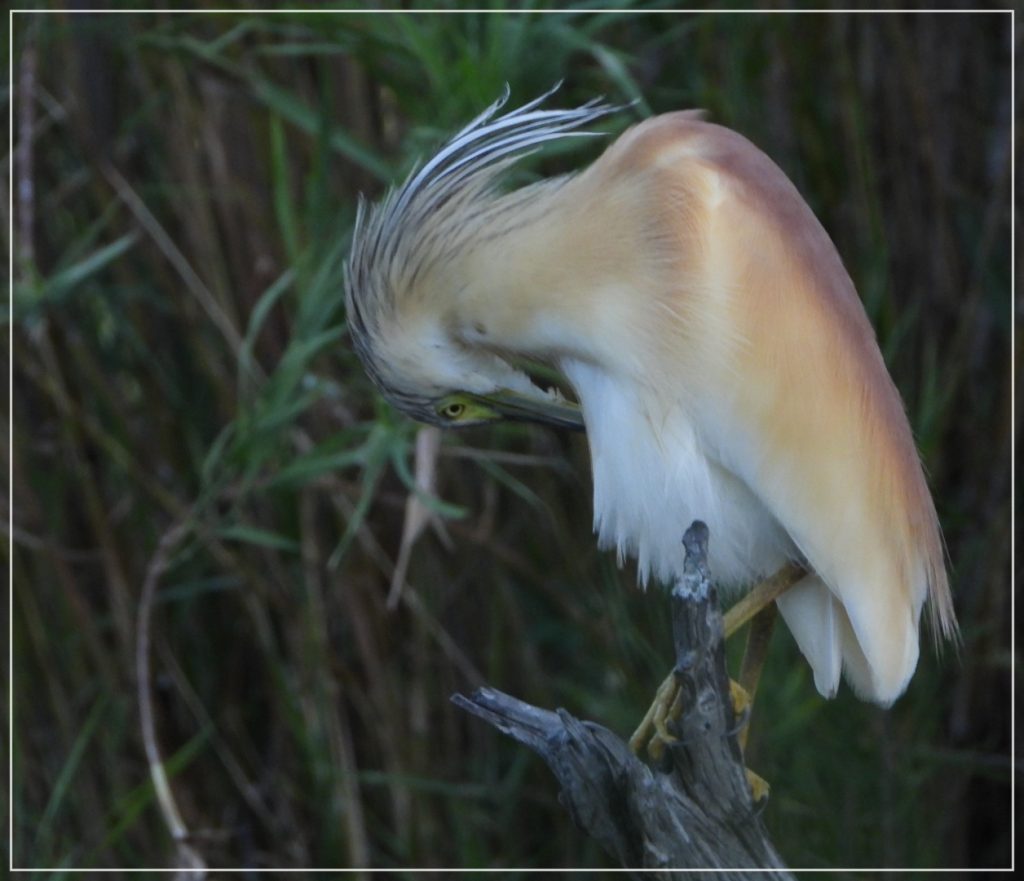
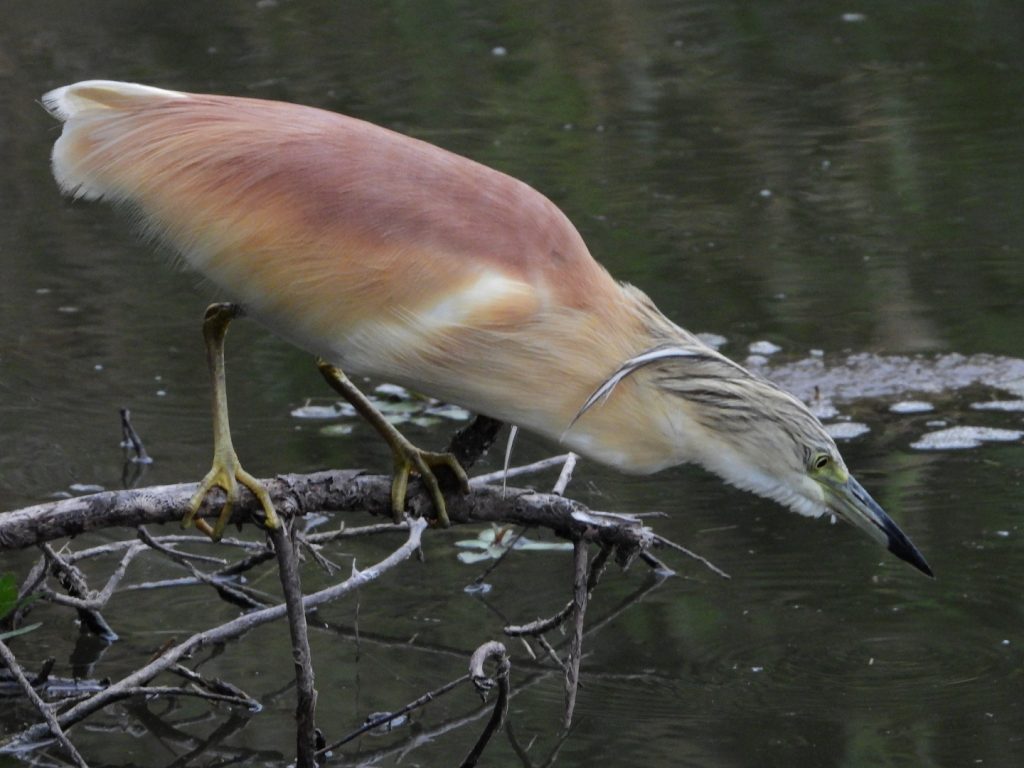
Category – Nature Birds Only
Inkunzi Cave Swallow 2 by Louis van der Walt
Bruin Albatros by Edmund HattinghI want that by John Mullineux
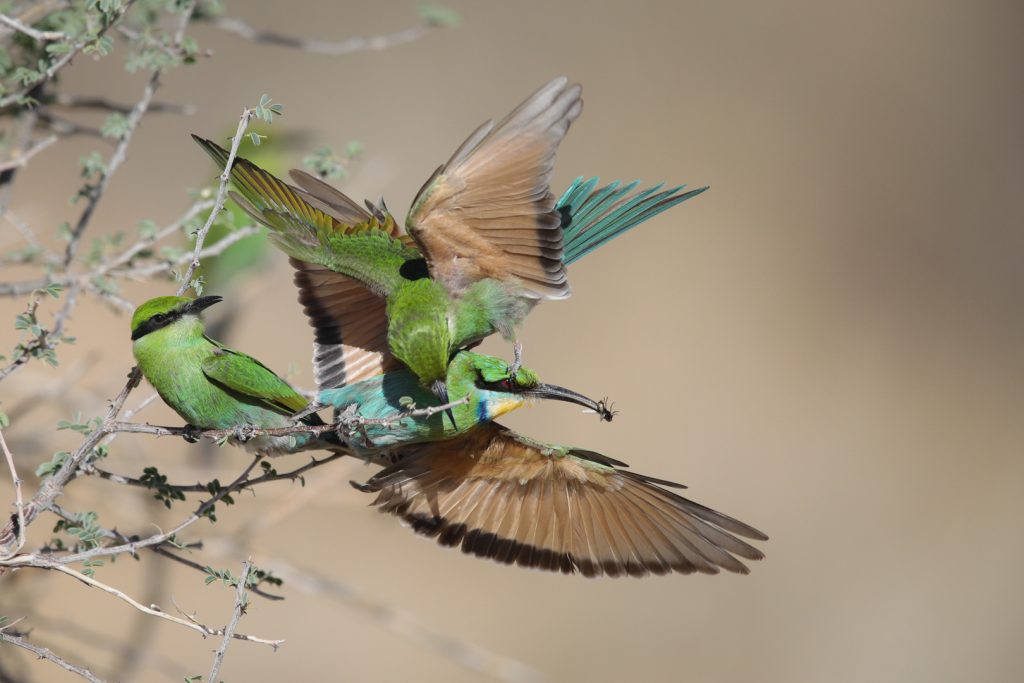
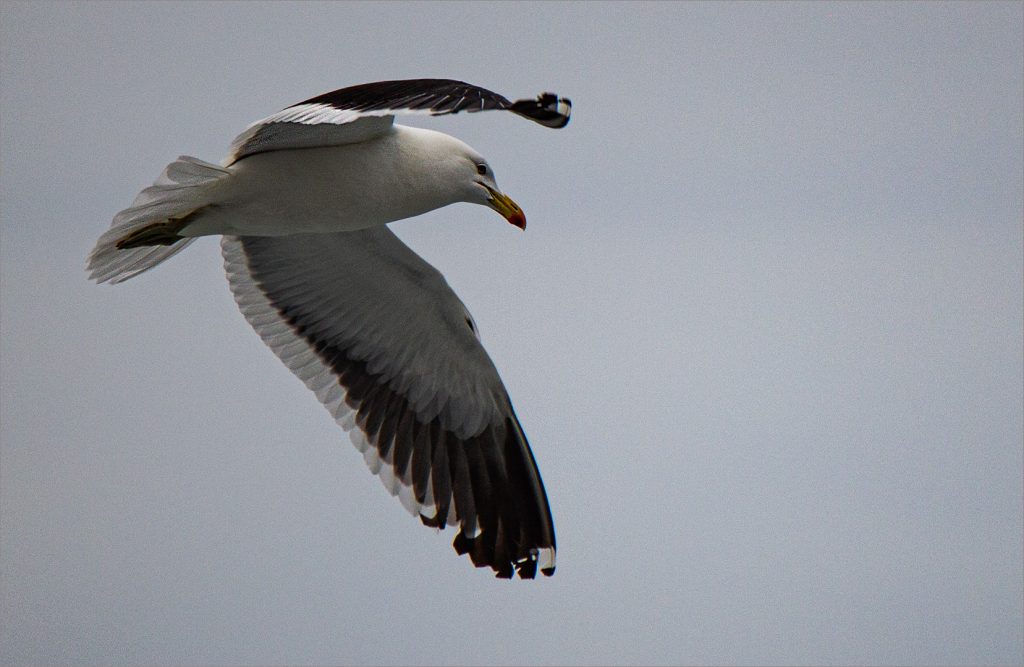
Mooi Mooi by Hester GrieselGull in flight by Lorraine BothaDaar is nie vis nie by Johan ViljoenReady for action by Hester Griesel
kleurvol by Hester Griesel
Category – Landscape
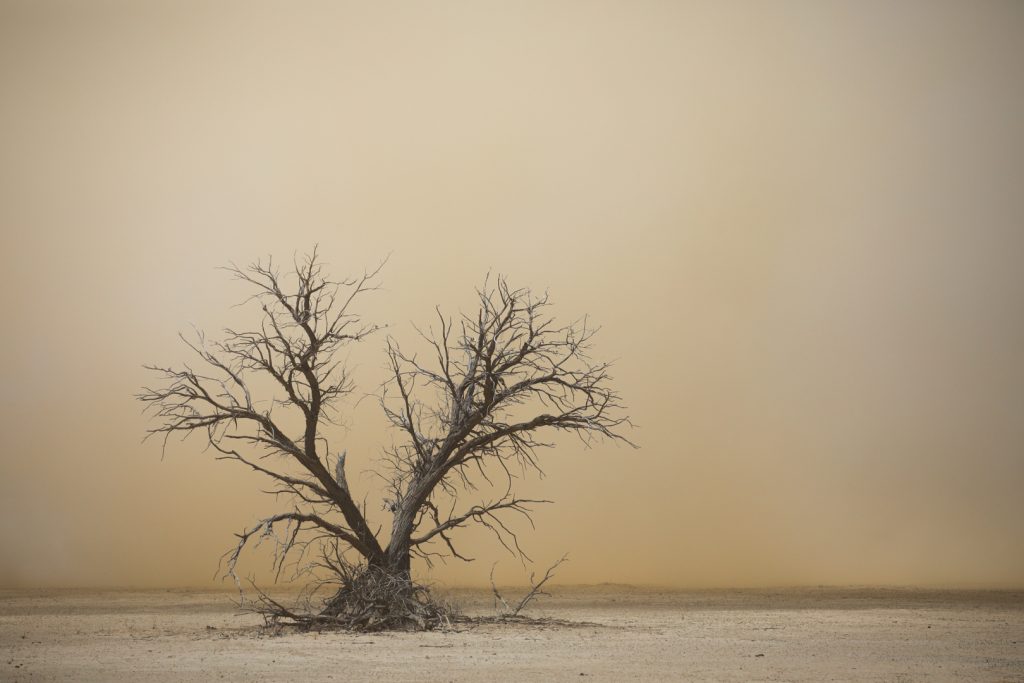
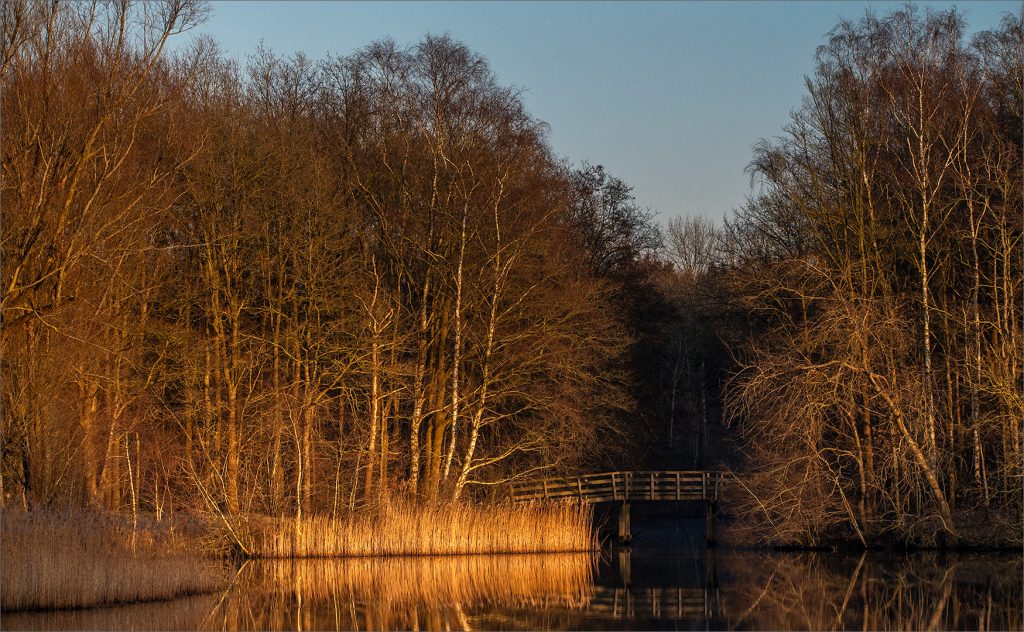
Dust storm by John MullineuxBridge over untroubled waters by Hanno de Beer
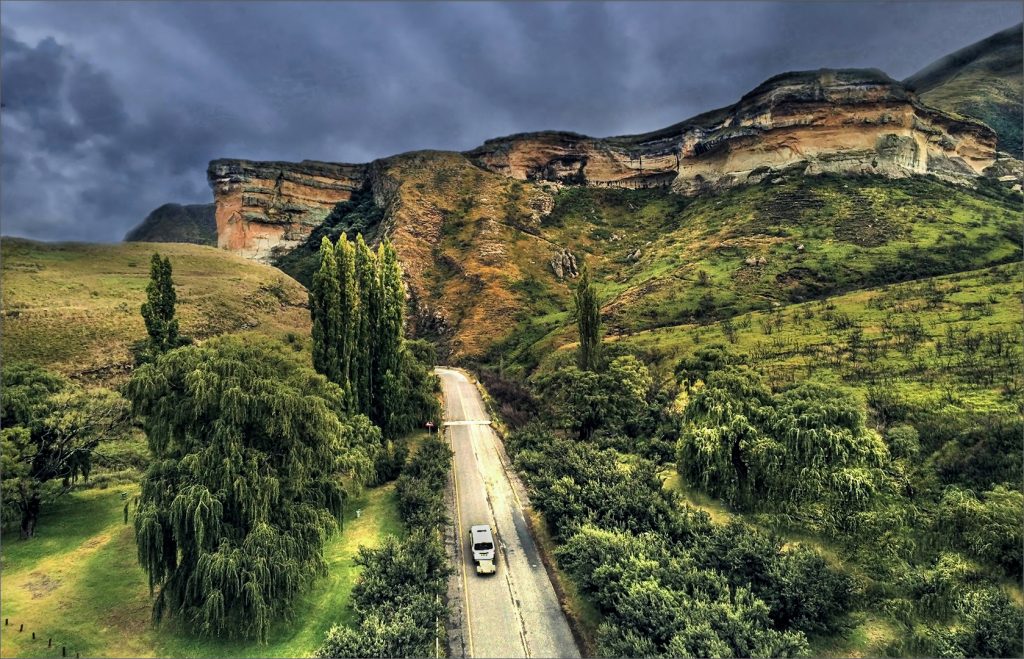
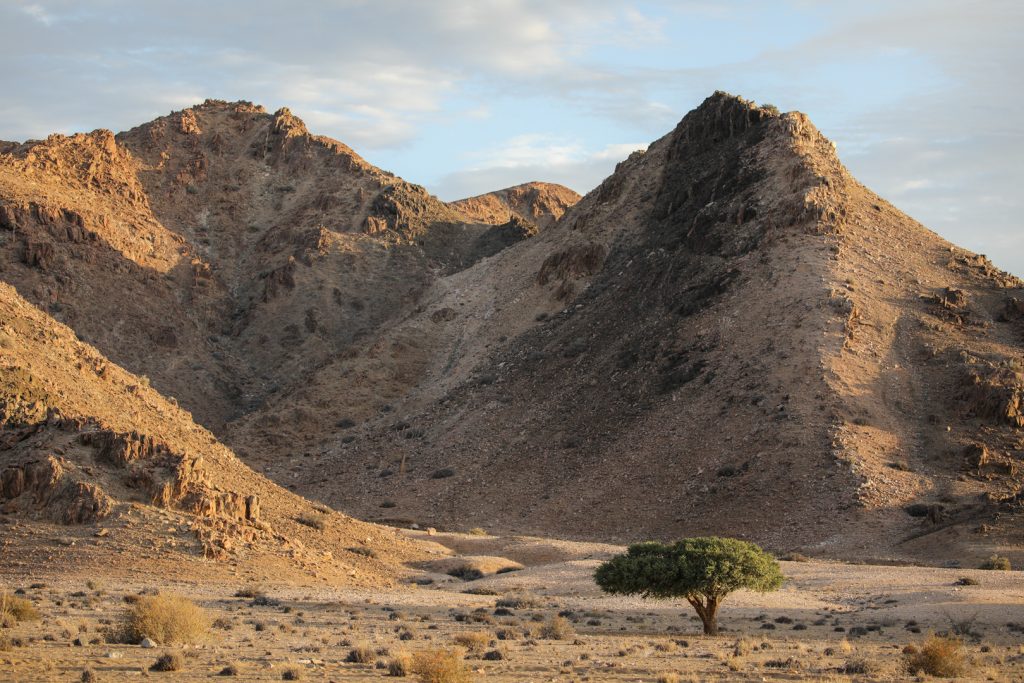
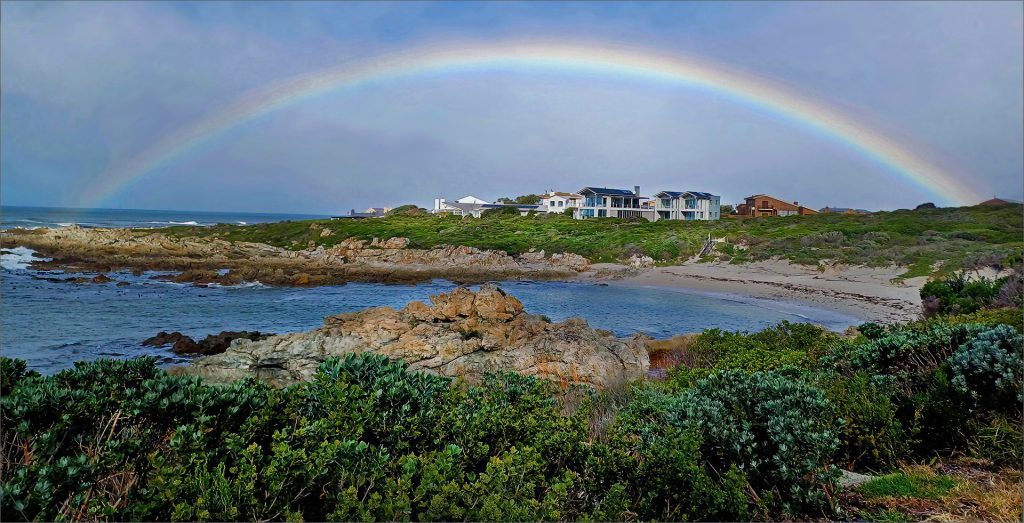
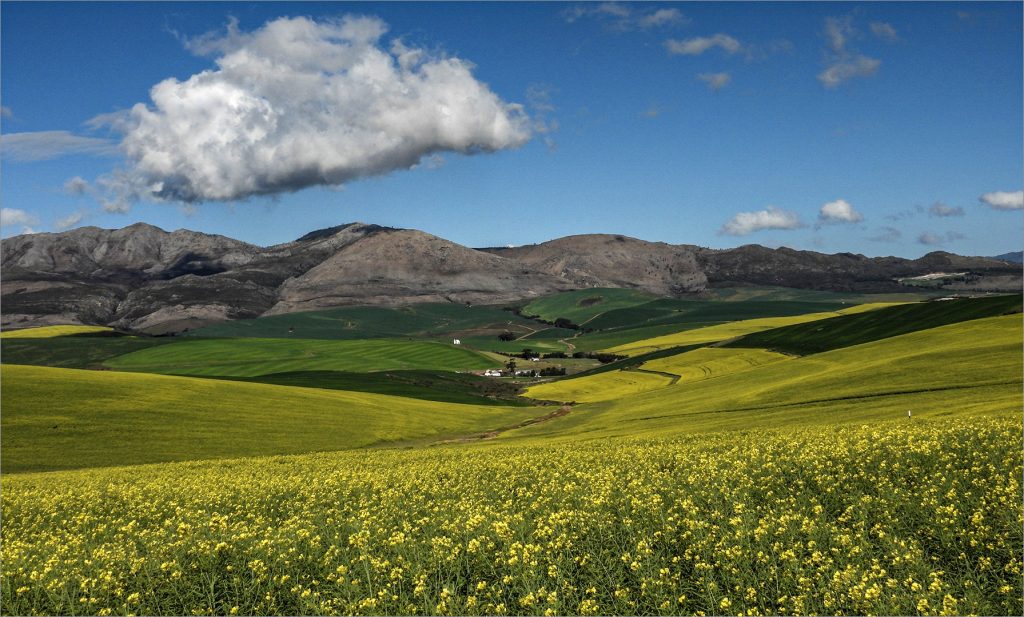
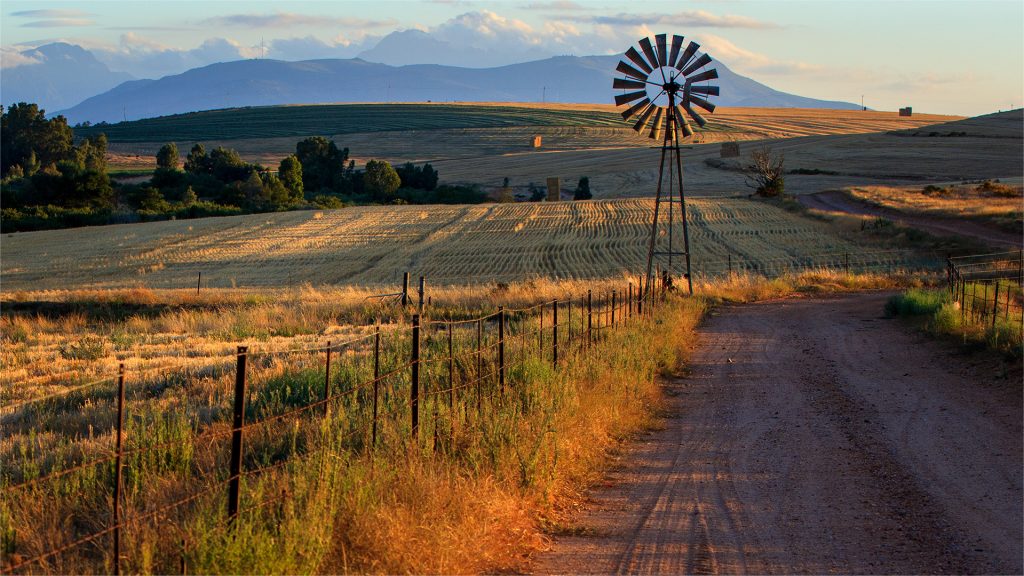
Brandwag ahead by Leon PelserRichtersveld tree by John MullineuxBetties bay by Leon PelserA Cloud Over Canola Fields by Sussa Pelser
Category – Monochrome
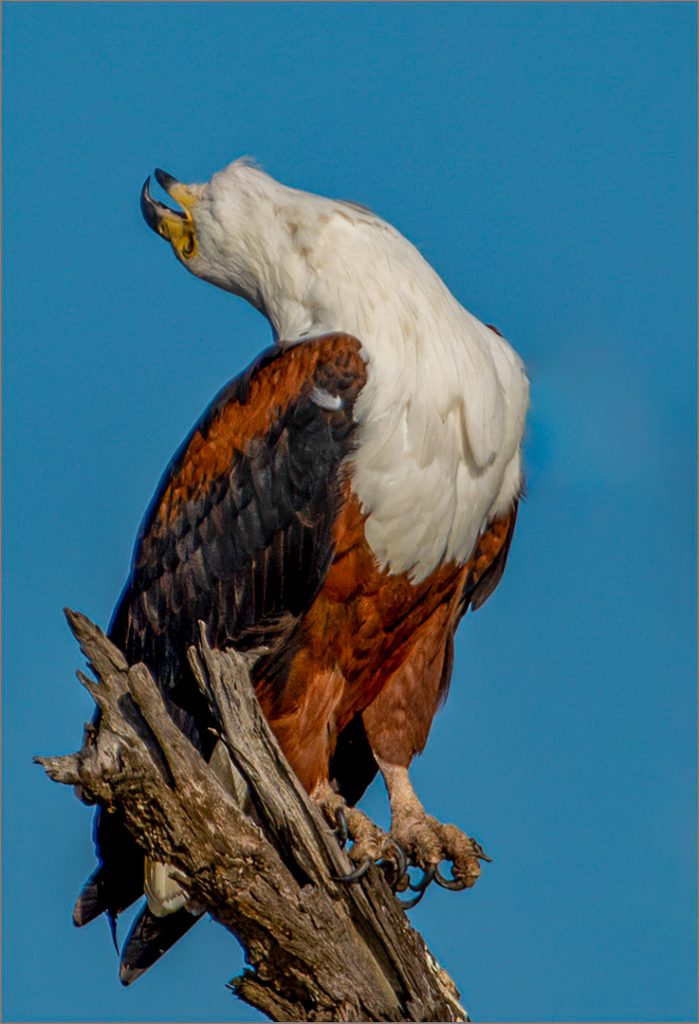
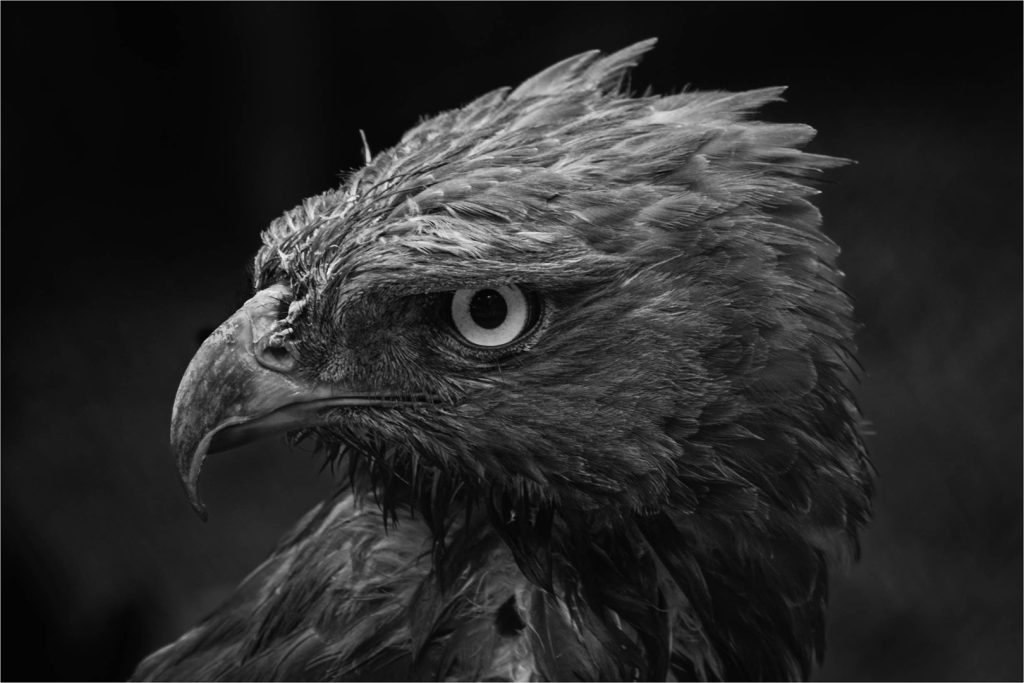
D Eagle 1 – BW by Louis van der WaltMysterious love by Anzette SnydersGetting ready by Anzette Snyders
Category – Nature
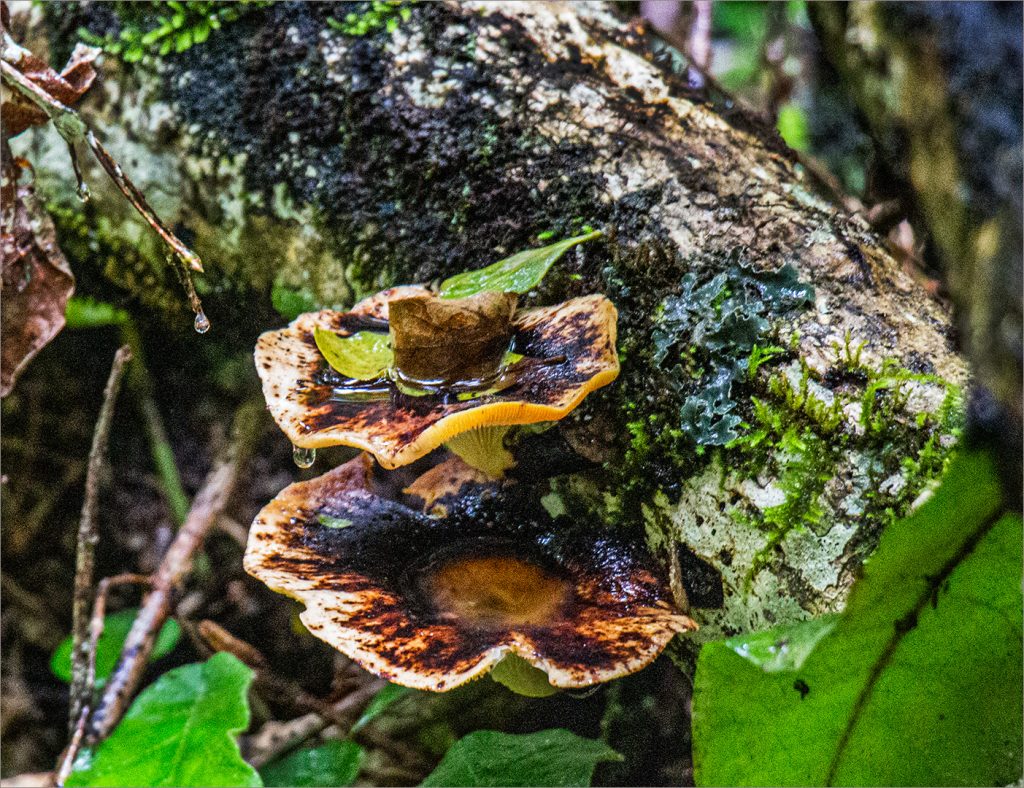
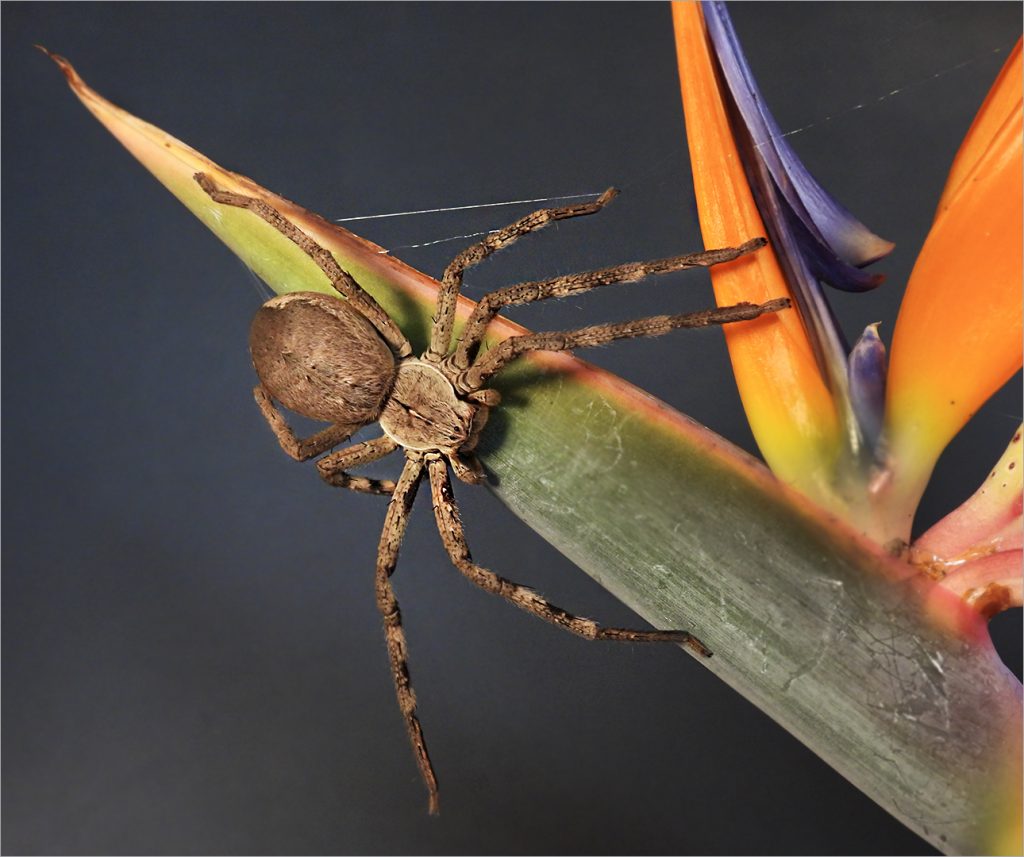
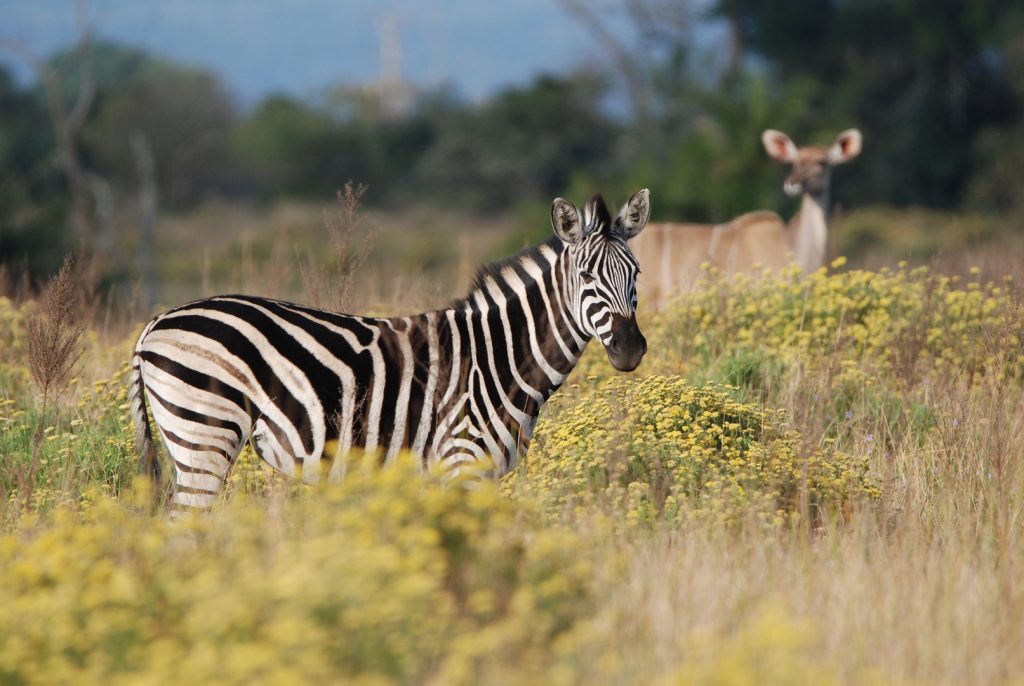
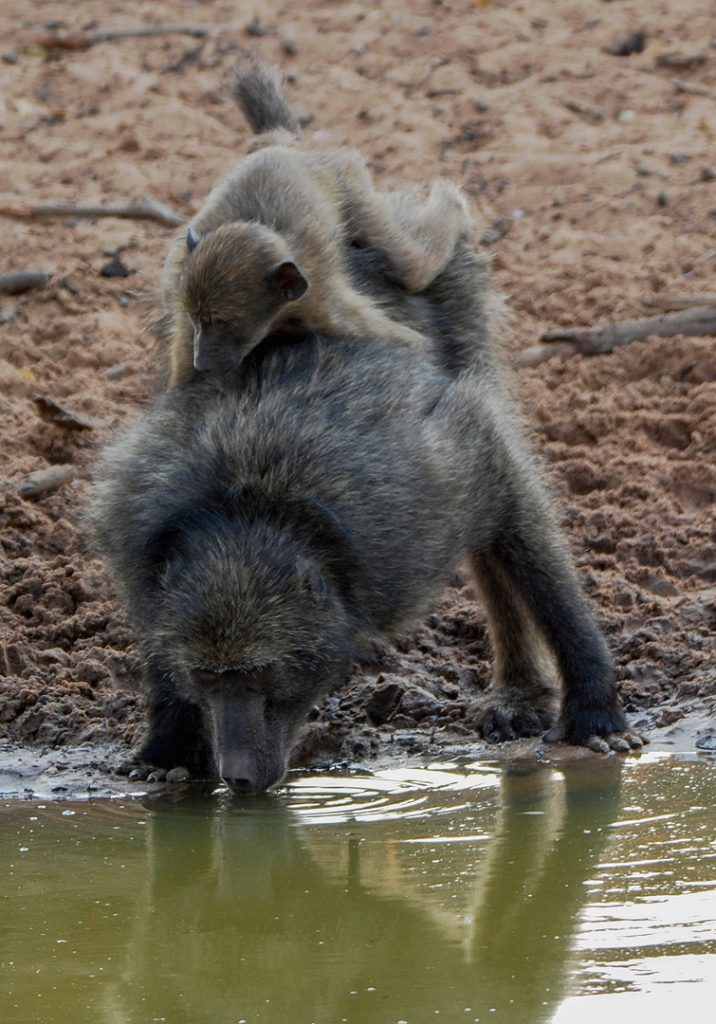
Hemelse Weiveld by Edmund HattinghForesting by Yolandi GeyserCleaning hands by DNE SmitFungus in the Knysna Forest 2 by Lorraine BothaHybiscus by Johan ViljoenRain Spider On Strelitzia 1 by Sussa PelserPeace while grazing by Adri KirstenHou vas my lief by Adri Kirsten
Category – Pictorial
Inkunzi Cave Purple Sunset by Louis van der WaltDeck at night by Tiaan MullerDeck at night by Marius KrigeTender love by Yolandi GeyserStiltetyd by Hester GrieselHappy chap
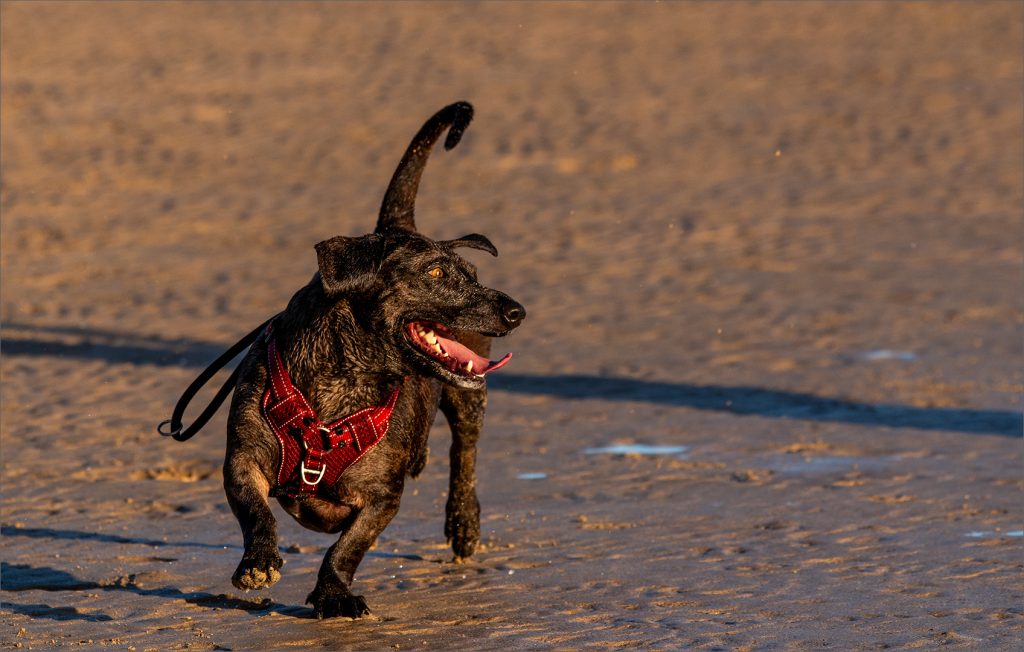
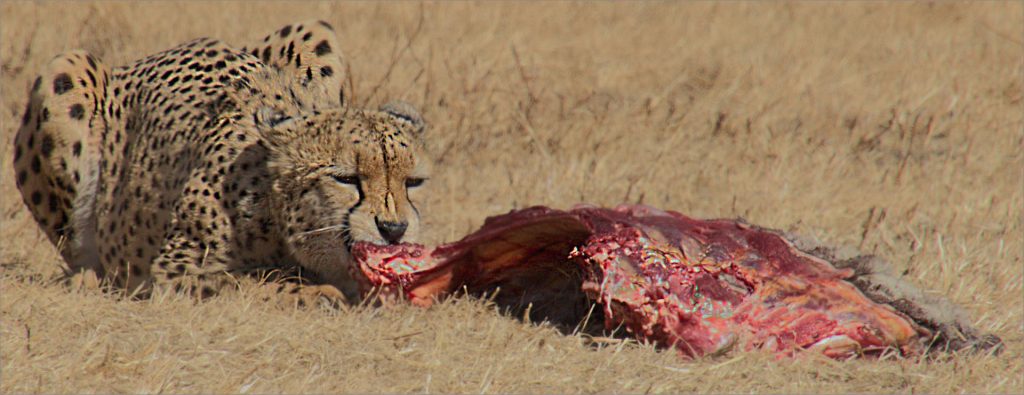
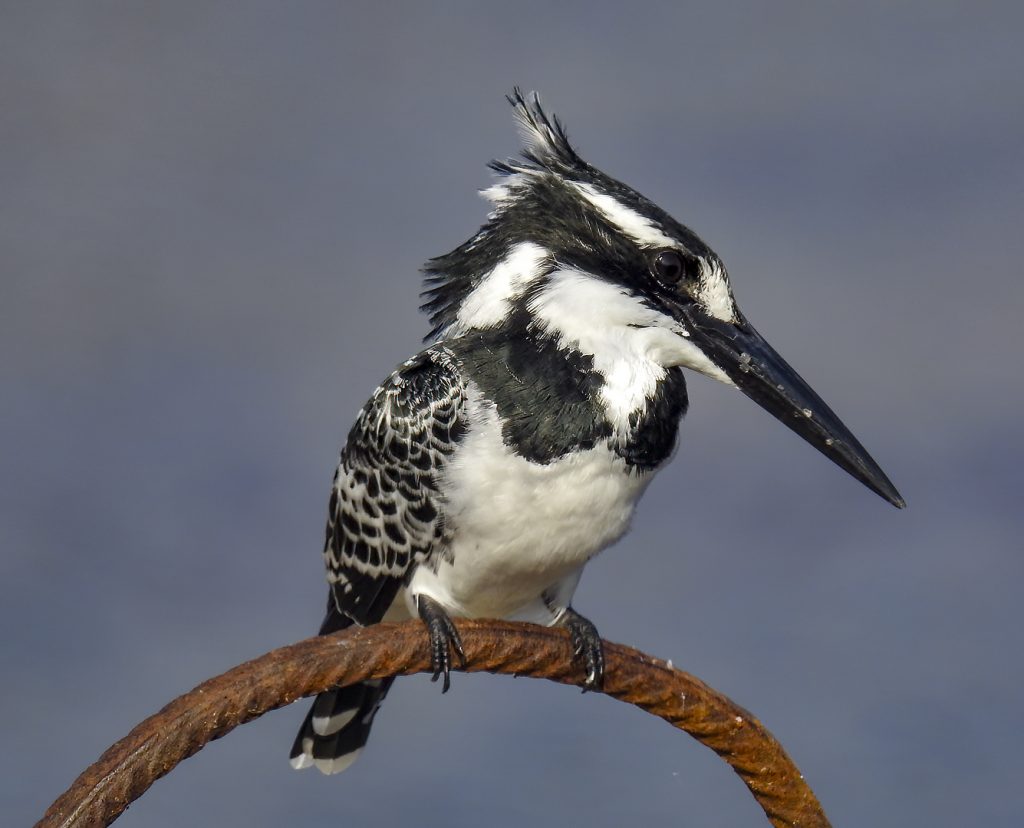
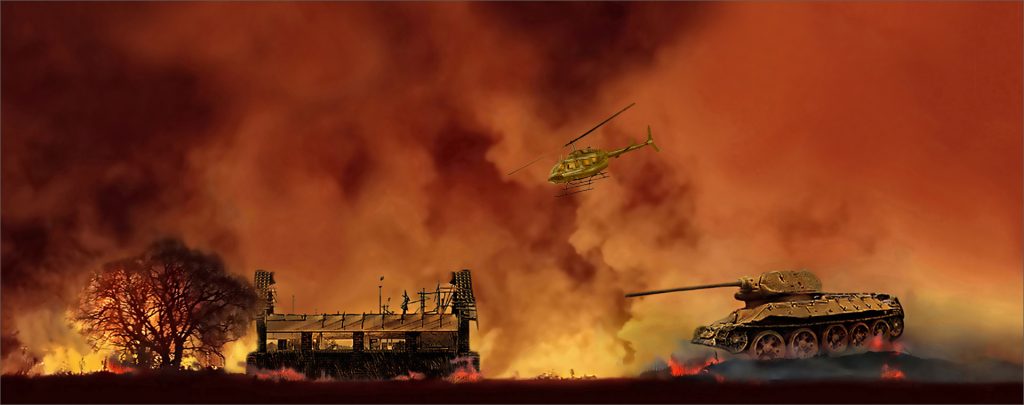
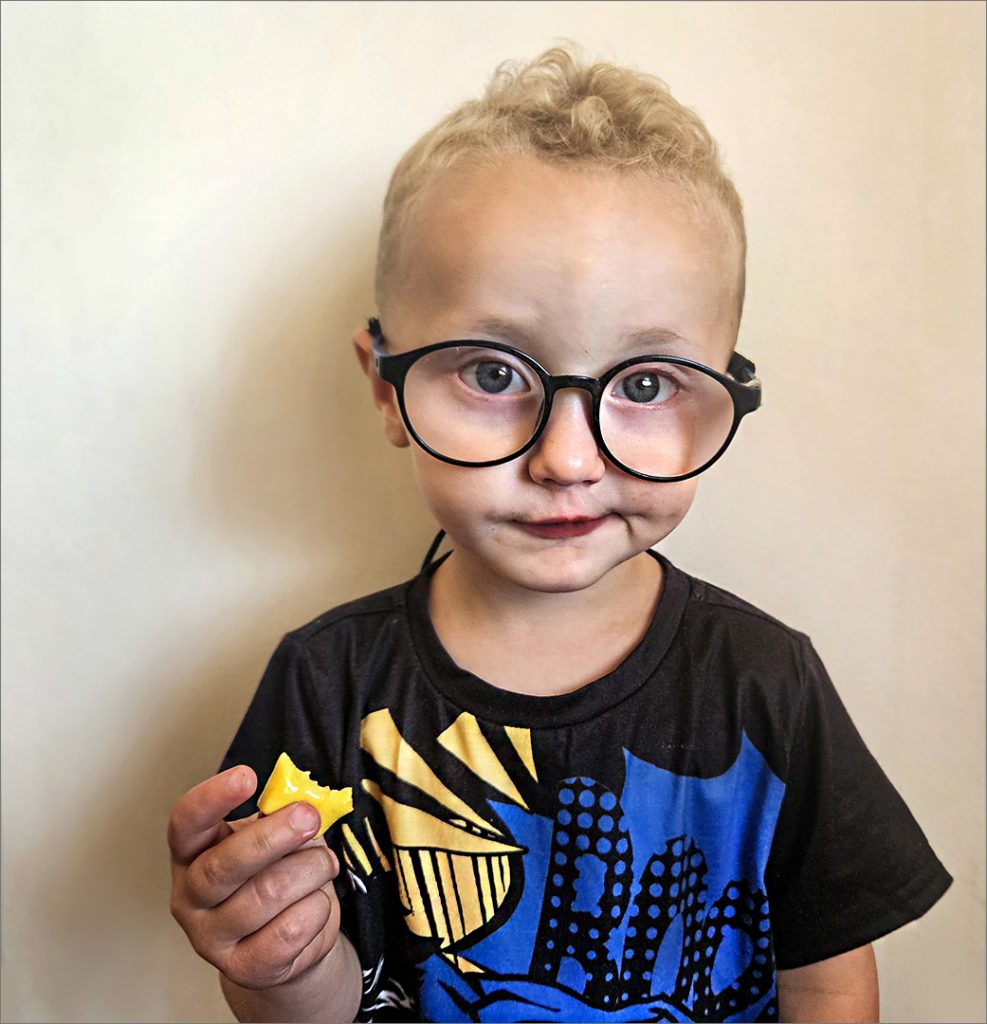
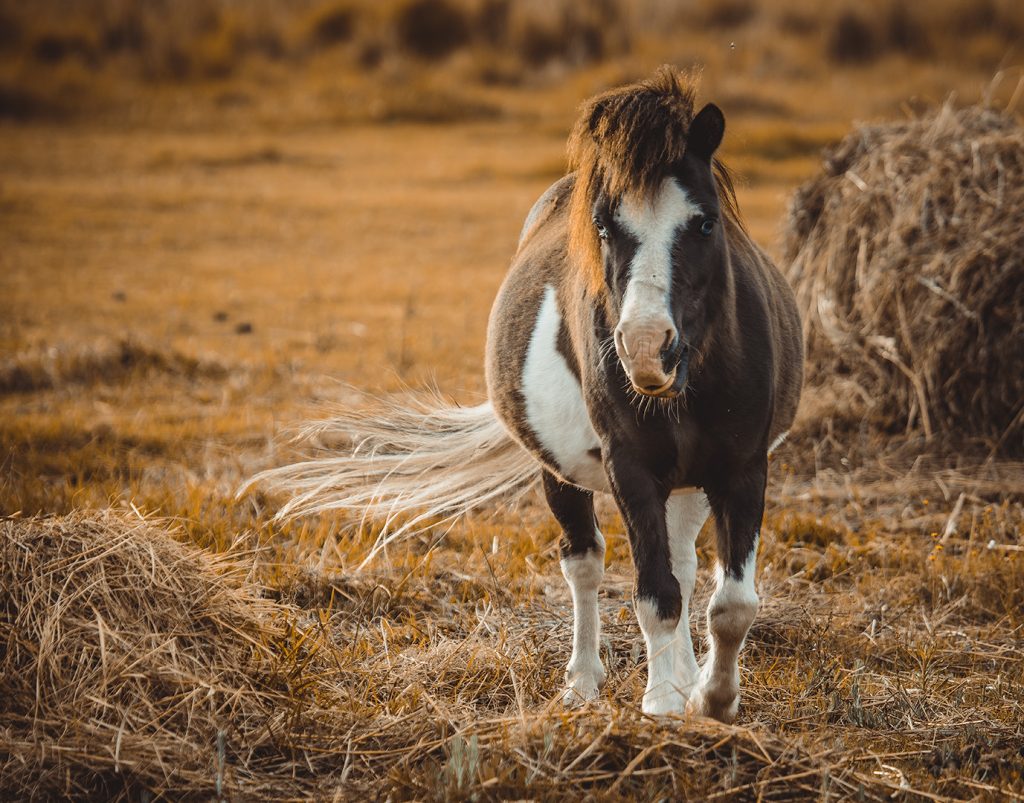
by Hanno de BeerRustig by Piet PotgieterCheetah by Lorraine BothaBont visvanger by Johan ViljoenEnemy defeated by Leon PelserWearing Big Glasses by Sussa PelserDeparting at night by Tiaan MullerOrange Juice Daily by Marius KrigeWind in my tail by Yolandi GeyserNo Wi Fi by Piet PotgieterSnow in Secunda by Lorraine BothaCake and Coffee by Marius Krige The art of being subtle by Yolandi Geyser
Category – Photo Journalism
Friday night by Anzette Snyders
Category – Set Subject
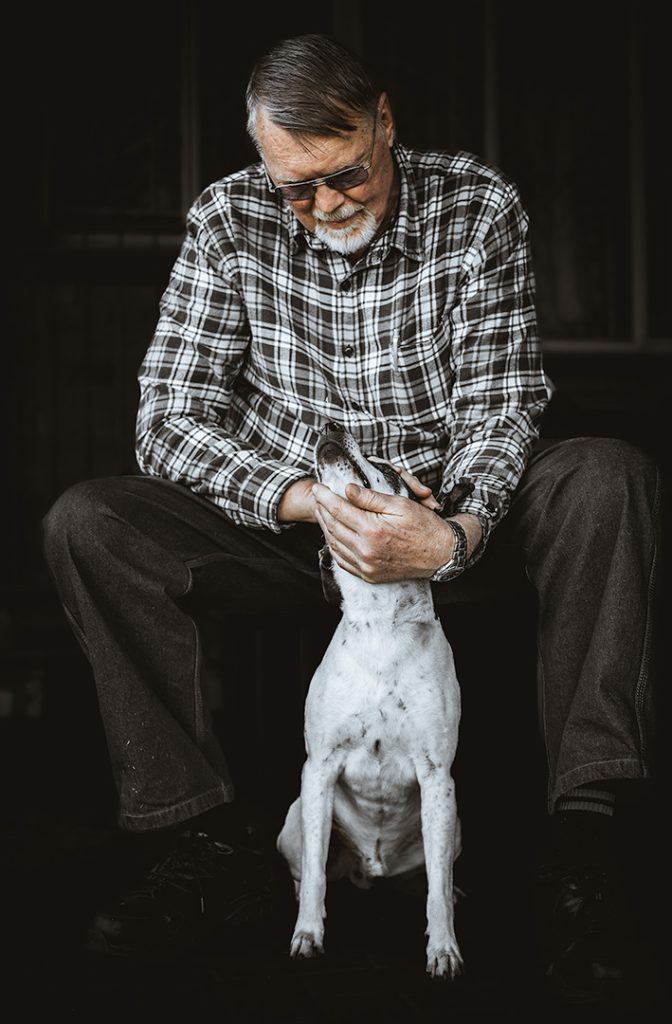
Lekker by Anzette SnydersYou hold my heart forever by Marius KrigeWorsie Love by Yolandi GeyserCape fox style love by John MullineuxLove is in the air by Lene van Vuuren
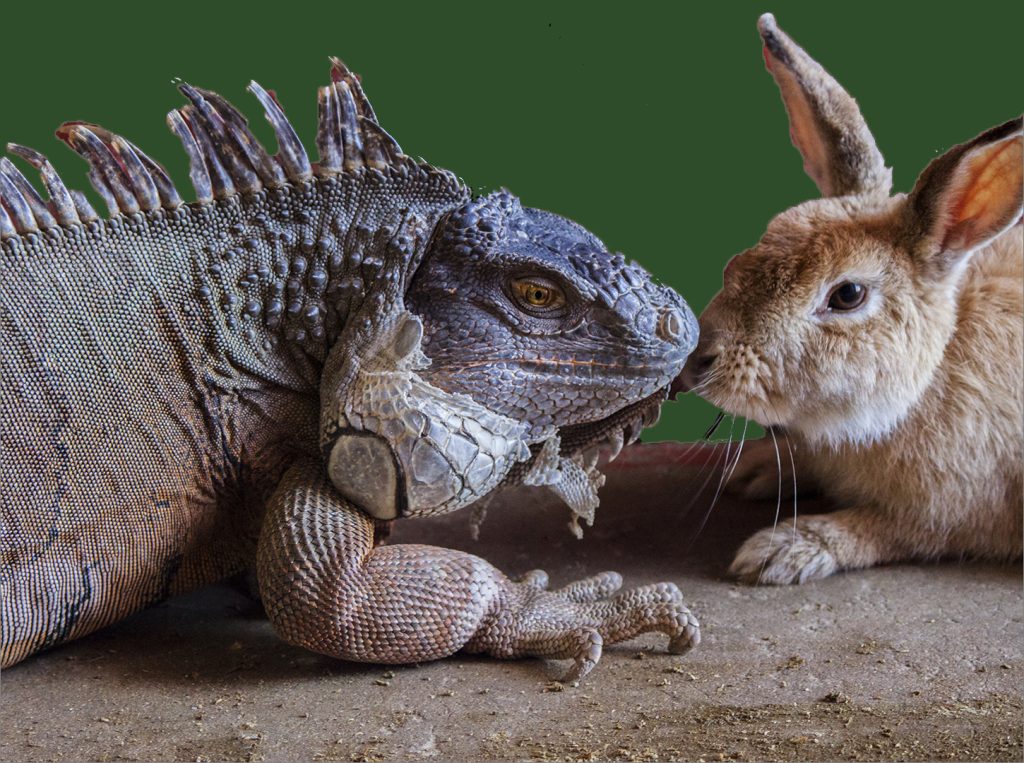
Maanskyn en rose by Hester GrieselUnlikely friendship 2 Lorraine Botha
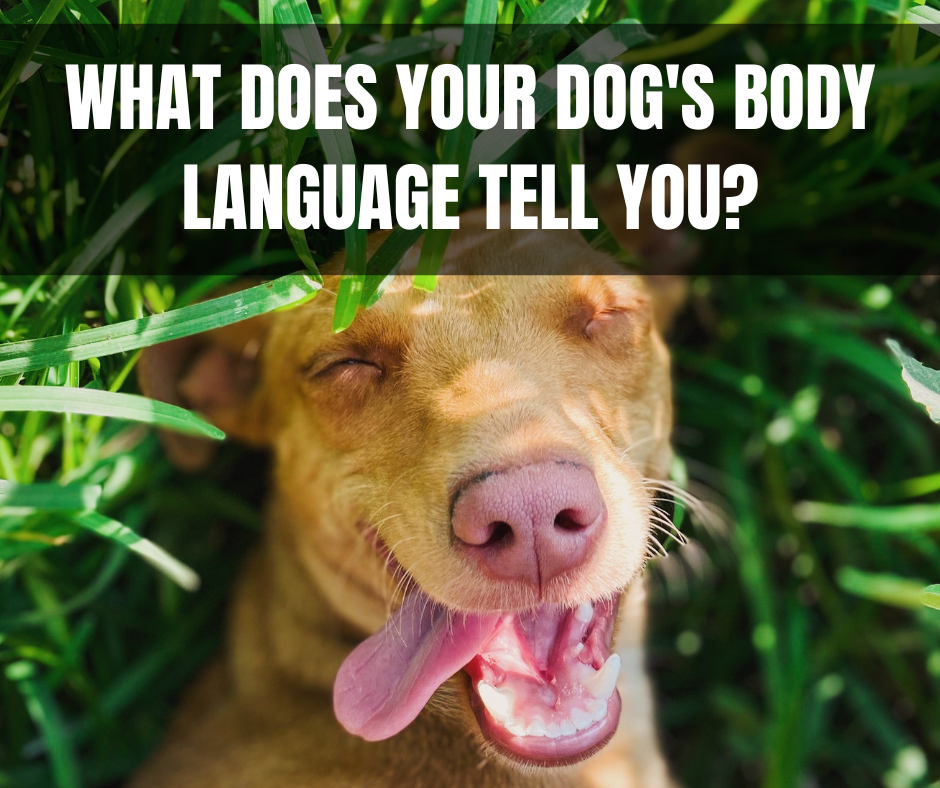
WHAT IS YOUR DOG TELLING YOU WITH THEIR BODY LANGUAGE FROM HEAD TO TAIL?
Most animals use body language, sound, and smell to communicate with one another. Body language is the movements of animals’ facial expressions, eye behaviour, posture, and the movement of their body parts is inherent in all creatures including humans.
A common saying in animal welfare is that we are the voice for the voiceless, but more recently I agree rather with the saying that we are the voice of the unheard. So, my question to you is this: Are you hearing what your dog is saying through their body language?
Many people think it is easy to ‘read’ their dog, but there are so many subtle signs that many people don’t pick up on. Decoding your pet or another pet’s body language is not as straightforward as looking at a tail wag or the ears. Lexi Donnelly, a behaviour consultant at Best Friends Animal Society, shares how you usually see several dog body language signals happening at once. To make dog expressions even more nuanced, “Body language signals can be challenging due to breed difference and physical appearance, such as cropped ears, docked tails, wrinkles, etc.”
WHY IS BODY LANGUAGE IMPORTANT?
Dogs don’t use words, but through the gestures of our canine companions they can express a wide range of emotions and actions and it is crucial for communication. Your ability to understand and interpret body language can help you pick up on unspoken issues or feelings in your pets. When we understand body language, we can better understand our pets and meet their needs which will deepen our relationship. Dog bites and fights can also be prevented by better understanding and predicting behaviour.
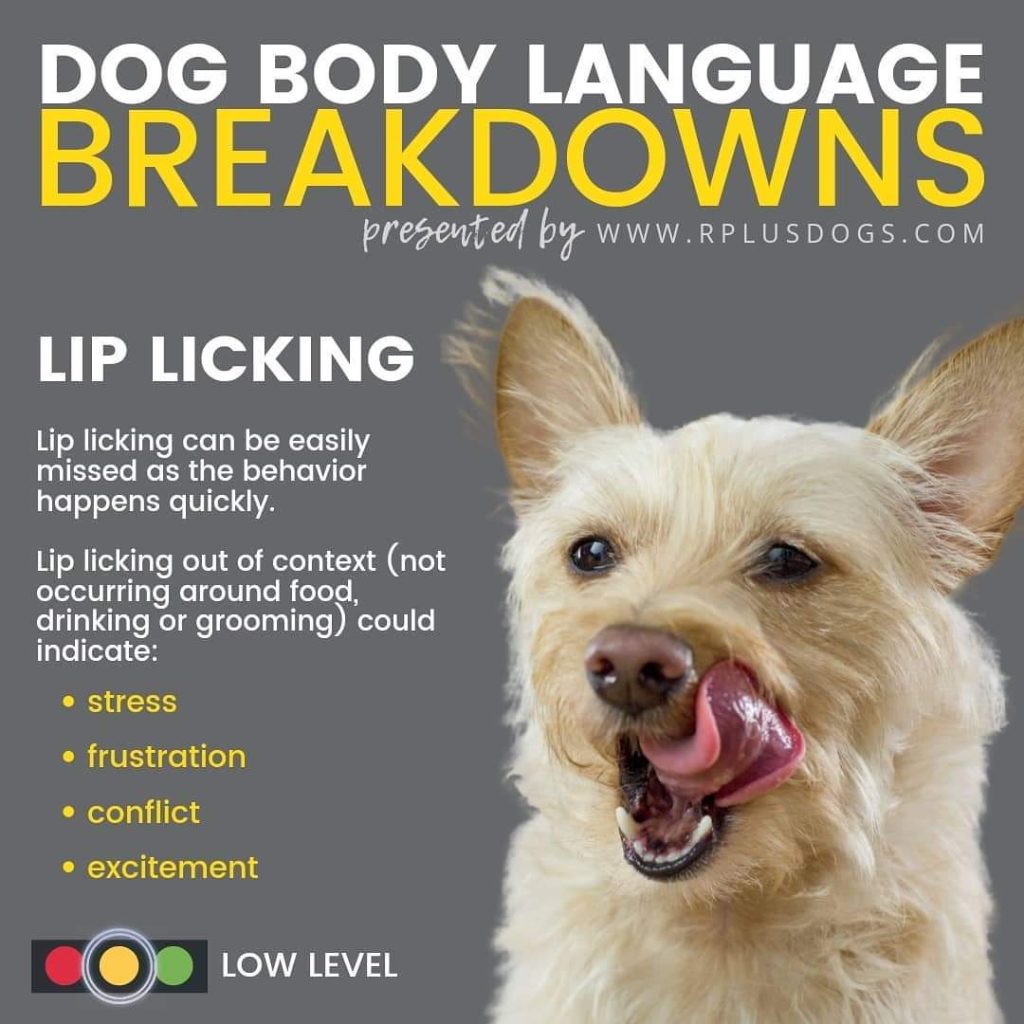
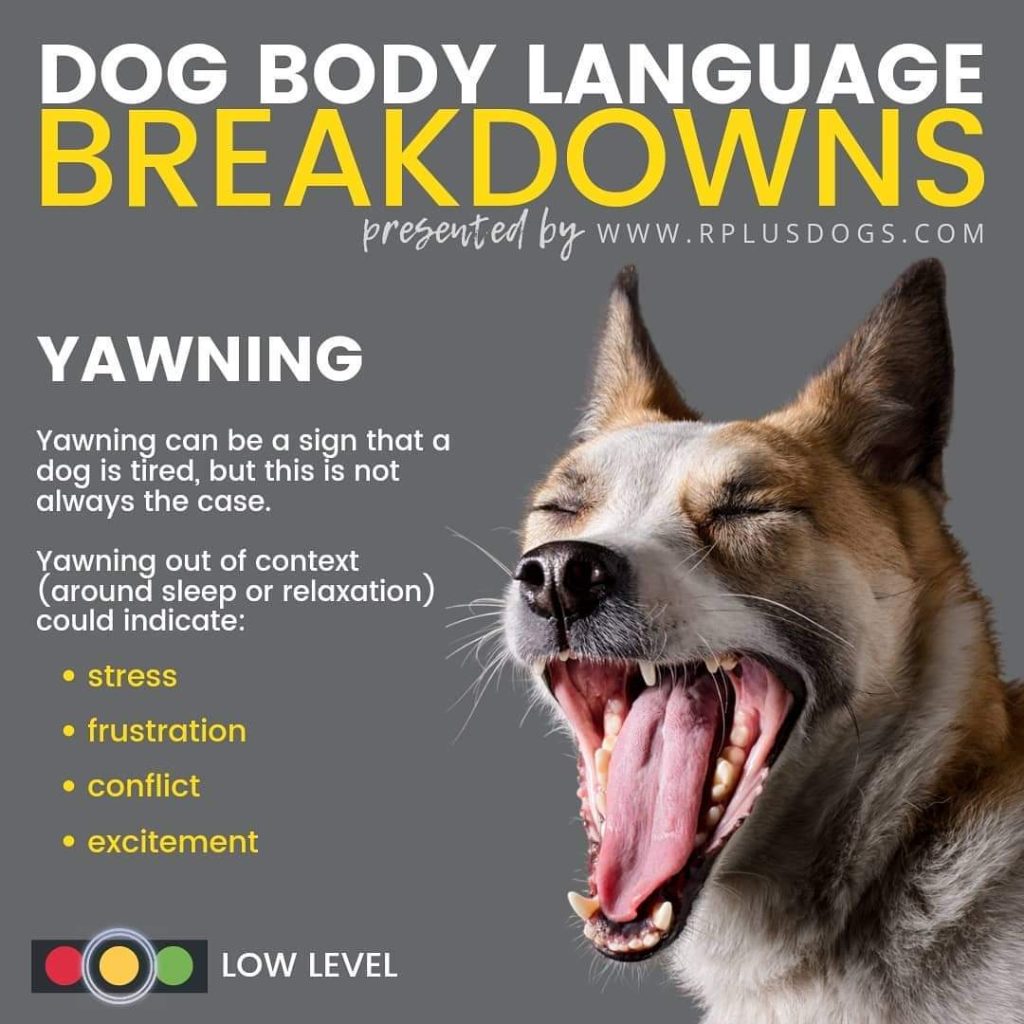
I am not a behaviourist, but I will share some of the basics I have learned about this topic. We can’t begin to cover the full extent of dog body language (or other animals) in a single article, so we will only look at the basics! Check out these PAWSOME BODY LANGUAGE pictures from www.RPLUSDOGS.com and here are a few body gestures from other species.
Editor’s note: This article is a reprint of 21 March 2023.
To understand a dog’s communication signals, it’s necessary to pay attention to specific body postures, movements, and facial gestures although we do need to look at them all together and within context too. Gilbert-Gregory gives the following cues:
HOW A DOG LOOKS WHEN RELAXED
Posture — The weight is carried evenly; may do a play bow or wiggle.
Tail — Relaxed and neutral position; may be wagging.
Ears — Neutral position.
Mouth — May be open with tongue hanging out, or may be closed with lips relaxed over teeth.
Posture (and fur) — Piloerection (raised hair on the shoulders and back); might roll over and lift a forelimb.
Tail — Might be tucked in under the body.
Mouth — Might show a submissive smile (a very wide smile), or may be panting, lip licking, and/or yawning.
Ears — Pinned back.
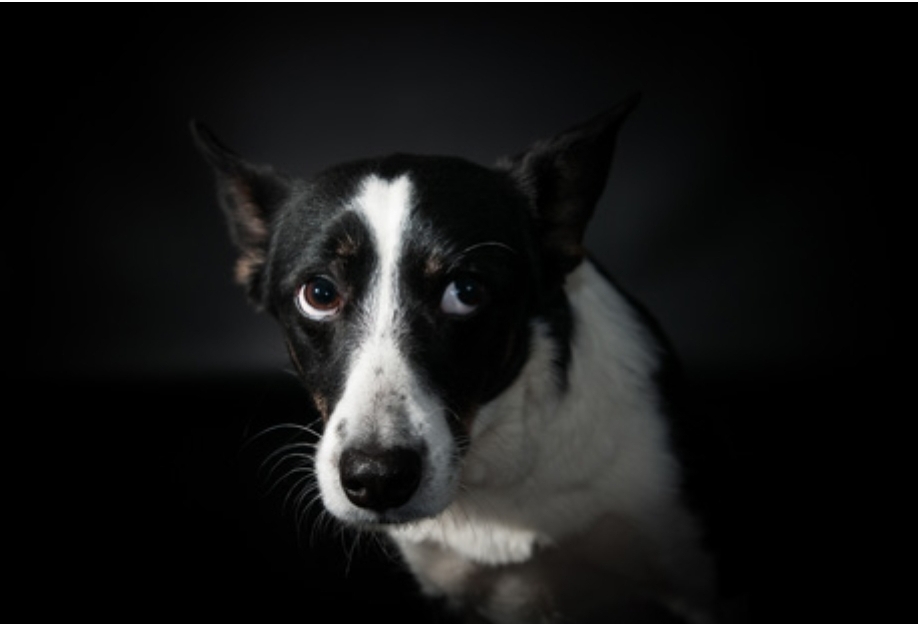
Eyes — Whale eye (white portion of the eye showing at corner or rim), pupil dilation, or averted gaze.
Body language – Image shared by Dr. Karen Becker
HOW A DOG LOOKS WHEN AGGRESSIVE
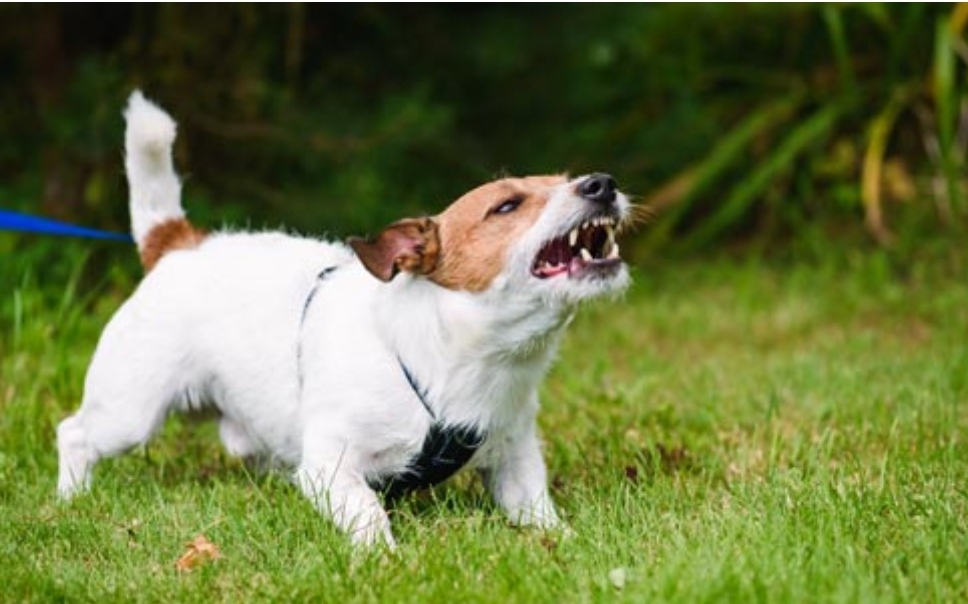
Posture — Muscles tense, weight shifts back and low to the ground; may also roll over to expose belly or raise one paw.
Hair — Piloerection is a red flag.
Tail — May be tucked or low to the ground; it may be wagging slowly or rapidly.
Mouth — Pulled back, with possible growling, snarling, excessive panting, lip licking, chewing, or yawning.
Body language – Image shared by Dr. Karen Becker
CALMING SIGNALS
Some of these body gestures are referred to as “calming signals” and it is a way your pet tells you they are uncomfortable or not a threat, yet so many people, especially parents miss this. They include: Breaking eye contact/turning away, lifting a paw, sniffing the ground, freezing/stillness, showing the whites of the eye (whale/moon eye), lip licking (when not eating), yawning (when not tired), walking slowly, “smiling”, wagging tail, panting, play bow, exposing the belly/lying on back, shake/shiver, lowered head and more.
A note on a dog’s hair – When you see a dog’s hair rise, most people think it is only a bad sign, but it could be arousal, discomfort, or fear. Similar to when we get goosebumps from an awesome story or when watching a scary thriller.
Many people say: “The dog’s tail was wagging so I know they just wanted to play.” In an article by Dr. Karen Becker, she shares how wagging tails do not always indicate happiness or pleasure. This is a good reason why you should stop using the tail wagging as a sign that all is okay. Tail wagging probably evolved as a dog-to-dog form of communication, since it appears dogs message each other through tail wags.
A 2013 study suggests that dogs who see another dog wagging to the left respond anxiously, with elevated heart rates, and dogs who see another dog wagging to the right remain relaxed. Other tail wagging signals include full body wags, the “circle wag”, the tip of the tail wags, and stiff or rigid wags.
Donnelly breaks it down to:
A high tail wag can be over-arousal or an early warning signal that the dog is frustrated or fearful.
A loose, half-mast wag can be comfortable and playful.
A low tail wag can signify fear and serve as an early warning signal.
Tail between the legs – this body posture is not one of confidence or feeling at ease.
PUTTING IT ALL TOGETHER
When you try to decode your dog’s gestures it’s important to look at the whole picture and within context. What happened when the behaviour was displayed? Dogs will most likely not display only one gesture at a time and you will have to look at the whole body, not just one part. Although some body language is universal, focus on your pet’s individual body language. Next time you interact with your dog, look specifically at their body language. Look at how their posture changes when they are in different situations.
Always look at the body language when you want to touch an animal. Touch should always be with clear consent, voluntary, and with ongoing permission. We refer to it as PET-PET-PAUSE. The safest bet is when you let the dog approach you and initiate the interaction. If you notice they are stressed and showing any of the calming signals, move away and take them to a safe space to help them relax.
REMEMBER T-E-M-P: Tails, ears & eyes, mouth, and posture.
I have heard people brag about how well their dog listens to them, but I want to know how well you listen to your dog by observing, understanding, and reacting to their body language and through it help them navigate this human world, they were forced into, better. Make the time to really “get” your four-legged best friend because it will improve your relationship and avoid unfortunate interactions.
Join us again next week as we explore the pets in our lives.
Lees gerus die volgende aflewering vanuit die pen van Marius Britz
Daar is ‘n Engelse frase genoemd flash fiction, oftewel kortkuns. Dit is ’n sin wat ironie bevat, wat nie kommersieel bedoel is nie, maar eerder ’n bepaalde emosie by jou opwerk. Een daarvan word toegedig aan die skrywer Ernest Hemingway, alhoewel ek nie dit onder sy werk kon opspoor nie. Dit lui só: “For sale: Baby shoes, never worn.”
Ses woorde wat ’n hele landskap in jou hart skud, wat jou gedagtes en bespiegelings op alle paaie laat hardloop, wat jou vat na ‘n lappieskombers van swaarkry, seerkry, ‘n wêreld van ontnugterde verwagtings. Toe ek hierdie woorde die eerste keer lees in ’n rubriek, het ek onmiddelik gedink aan soveel mense wat ek ontmoet het, wat uitgesien het na die geboorte van ’n kindjie, en toe loop dinge verskriklik skeef. Een babakot en stootwaentjie in ’n nuut uitgeverfde babakamer, laaie vol nuwe babaklere, sagte speelgoed, donsige babakombersies wat eensklaps onnnodig, onbruikbaar word. Want die lank begeerde en alreeds geliefde kind sien nie die lig nie, om watter rede ookal. Soveel afwagting, en uiteindelik net ontnugtering. En ’n diep, diep, onoorvertelbare seer.
Dis nie net met mislukte swangerskappe wat verwagtings kan skeefloop nie. Hierdie kortkuns se vlerke strek veel wyer as dit. Hoeveel paartjies het nie al met drome en sterre in hulle oë voor ’n kansel gestaan, stralend van opgewondenheid en bruisend van optimisme, om na ‘n paar jaar betrokke te raak in ’n bitter, venynige egskeiding. Waar daar selfs jare na die egskeiding nog steeds die een of ander vergeldingspoging is om mekaar by te kom, op grond van baie redes, soos die ontduiking van die egskeidingsbevel. Die bruid se oë met sterre in word uiteindelik blou opgeswel van vuishoue, en die mooi lyf in die pragtige trourok vol skopmerke. One expensive wedding dress for sale, used only once. Ironies genoeg, baie keer nog net ’n jaar of twee oud.
Hoeveel ouers is daar nie wat wel met sorg, aandag en liefde hulle kinders kan grootmaak, drome droom oor die dag wanneer seun saam met pa gaan boer, of sussie graad gaan kry en ’n wonderlike loopbaan gaan hê iewers, net om uiteindelik te beleef dat daardie kinders oorsee gaan woon, en hulle hul kleinkinders nog nooit gesien het nie. Al Skype hulle gereeld, dikwels verstaan die kleinkinders nie eers Afrikaans nie, en “Oupa” word granddad en “Ouma” word granny, terwyl hartseer grootouers met Engels wat maar hortend gepraat word, probeer om in ’n kubergesprek ’n persoonlike verhouding met hulle kleinkinders op te bou.
Of die paartjie wat nie kan wag vir die dag wat hulle aftree na jare van harde werk, en droom oor toer en kampeer en uiteet, maar dan eensklaps agterkom dat een van hulle alleen agtergebly het. Of dat hulle pensioen nie naastenby genoeg is nie, en hulle maar moet voortgaan om te werk met wat daar ookal is wat inkomste inbring. Want hulle skuldspiraal suig hulle net al dieper in die gat van moedeloosheid in. Al is die aftreewerkie se inkomste net ’n druppel in die emmer, dit moet liggaam en siel bymekaar hou. Hierdie lys kan met vele voorbeelde aangevul word. Teleurgestelde verwagtings.
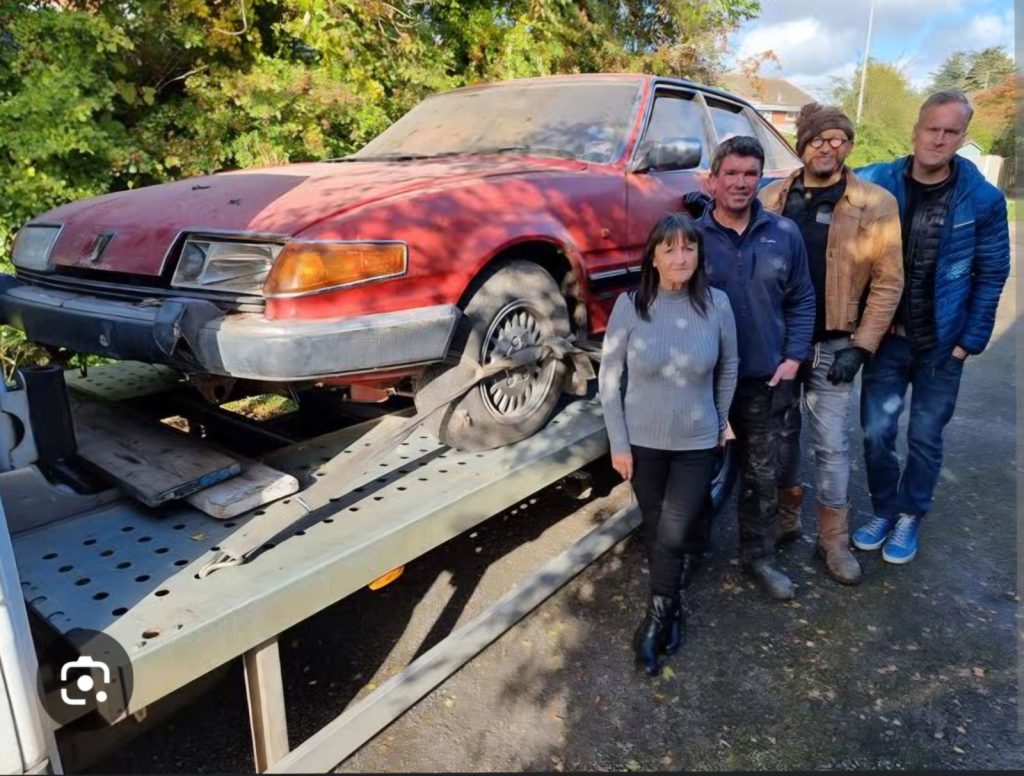
Ek dink dikwels aan hierdie dinge as ek na my gunsteling program op televisie kyk, genaamd Car SOS. Mans met ‘n passie vir ou motors, wat dit dikwels al jare in ’n motorhuis parkeer, of iewers stofbedek in ’n stoor laat staan. Dit was hulle lewenspassie om hierdie veteraanmotors te restoureer, en daarmee te ry. Maar dan kom die onverwagse van die lewe op hulle pad: kanker, hartaanvalle, beroertes en vele meer teleurstellings. Dit is eenvoudig net nie meer vir hulle fisies moontlik om daardie motor te restoureer nie. Maar hulle klou naarstiglik vas aan hierdie ou droom, asof hulle hoop om eendag daarby uit te kom en wel dit waar te maak. Soos Johannes Kerkorrel sing: “O, jy eindig op met ’n vuur in die hart, die onrustigheid diep binnekant. Jy leef en jy leer om alles te gee vir die kans om net een keer te leef, die kans om net een keer te leef.”
Dan kom die kantelpunt. Hulle vrouens of kinders of vriende kontak die twee manne van Car SOS, wat beide fantastiese vakmanne is, en vertel die hartseer stories van die verflenterde motors se eienaars. Die motor word dan onder groot geheimhouding gaan haal, en van onder af gerestoureer tot sy oorspronklike staat in ’n werkswinkel, terwyl die eienaar totaal niks vermoed nie.
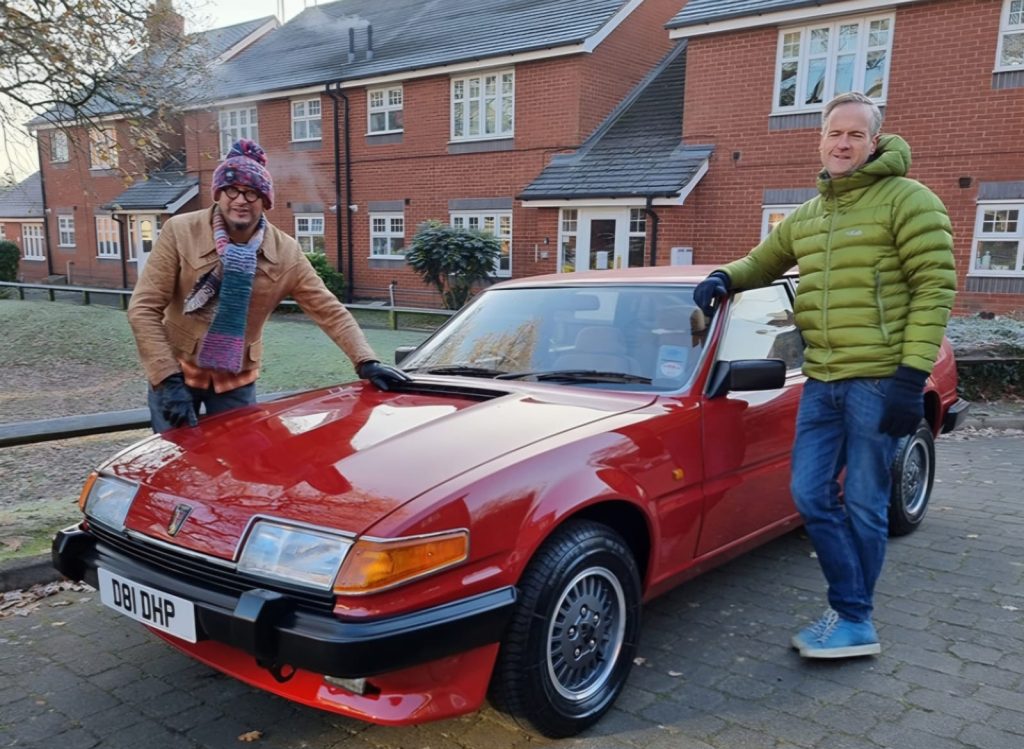
Die hoogtepunt van elke episode: die kar word met een of ander voorwendsel onthul as die oortreksel afgetrek word, in sy toestand van perfekte restourasie, terwyl die eienaar glad nie weet dat dit eintlik sy droom, sy motor is nie. Baie van hulle sê: “I have a car just like that.” En dan, skielik, kom sy familie en vriende te voorskyn, terwyl die aanbieders van die program sê: “This is your car.”
Die reaksie van die eienaar is vir my dikwels oorweldigend emosioneel. Ongeloof, verwondering, diepe hartseer, maar veral, hierdie dankbaarheid, hierdie verwagting wat nie meer teleurgesteld is nie. Dan word die motor se sleutels aan hom oorhandig met die woorde: “You’ve been Car SOS’d.” Dit gaan dikwels gepaard met trane, en altyd ’n diep dankbaarheid.
Ons het nie beheer oor die ongebruikte babaskoene wat verkoop moet word nie. Maar ons kan ten volle verantwoordelik wees om ander mense se teleurgestelde verwagtings om te keer. Met hope liefde, met aandag, sorg, ondersteuning en toewyding. Met empatie en begrip. Binne ons vermoëns en hulle behoeftes, met ’n oorvloed liefde.
Ek en jy moet kyk en luister. Jy hoor elke dag by mense van hulle teleurgestelde verwagtings. Party praat net moeiliker daaroor as andere. Maar meestal, meestal kan ons mekaar se lewens in ’n reis verander wat uiteindelik sinvol is. Begin deur te sê: “Ek is lief vir jou. Dankie vir alles wat jy opgeoffer het, ten spyte van jou teëspoed en teleurgestelde verwagtings. Jy maak vir my die lewe die moeite werd.”
So kan ons almal met ’n glimlag op die mond, en nie ’n traan in die oog nie, die lewe verlaat.