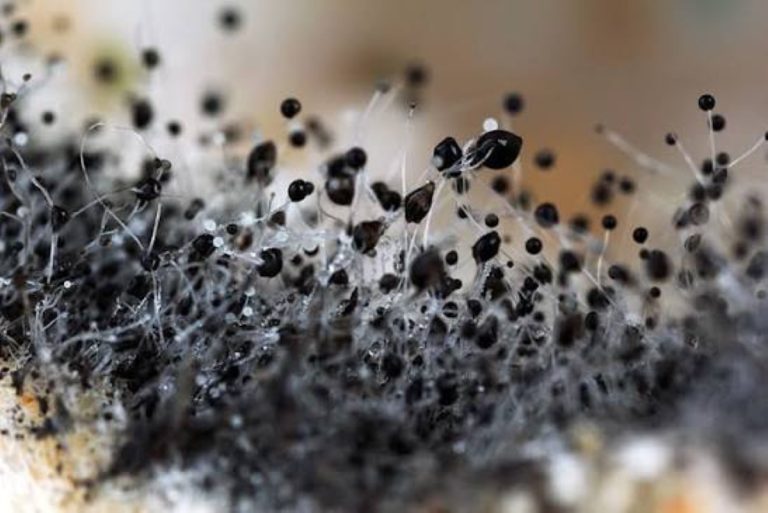
From airborne germs to hidden black mould, local specialists explain why indoor environments need more than a wipe-down
We share more air than we realise. In a classroom, a church, a clinic or an open-plan office, every breath, cough and conversation puts tiny droplets and particles into the space around us. Many common respiratory illnesses, from colds and flu to COVID-19, can spread this way, and the risk is greater in crowded or poorly ventilated rooms.
Good habits remain the first line of defence: washing hands, staying home when unwell, opening windows, and following the advice of health authorities, including vaccination where it is recommended. But the buildings we share are part of the picture too, and increasingly, businesses, schools and households are asking whether the air and surfaces around them deserve more attention.
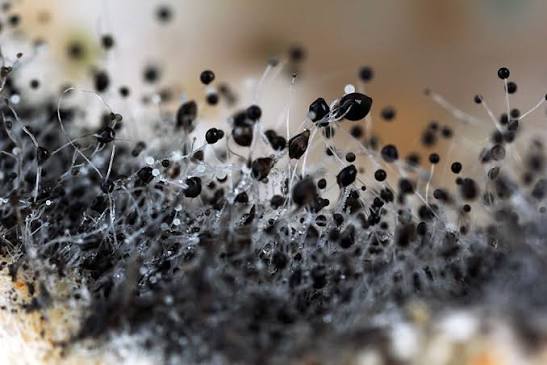
The room matters, too
Many buildings look spotless yet are not necessarily hygienically sound. Ordinary cleaning removes visible dirt. Professional sanitising goes a step further, treating the air and surfaces of a space with a specialised treatment solution applied in a controlled way.
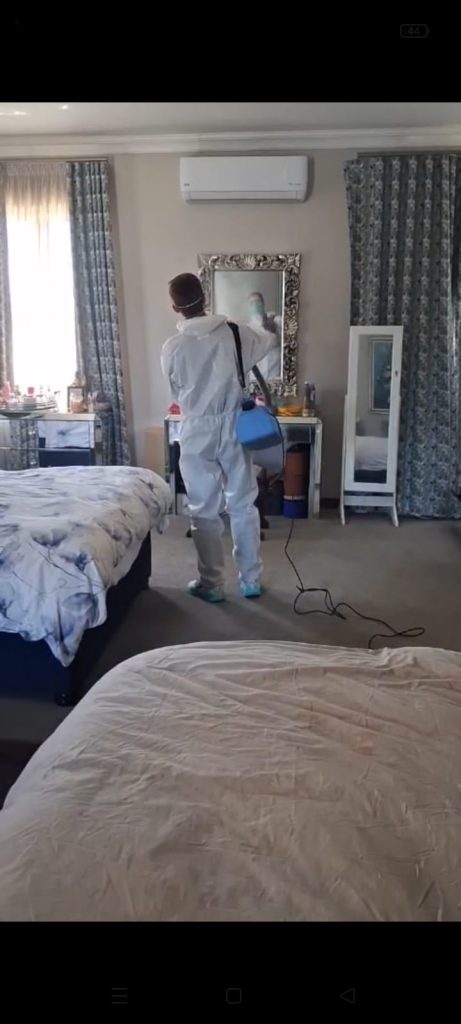
Applied by trained operators, fogging can reach corners, fittings and the air itself in a way that wiping cannot. It is increasingly considered by schools, clinics, offices, guesthouses, restaurants and places of worship as one part of a wider hygiene programme, aimed at helping to reduce airborne germs in shared spaces. It supports, but does not replace, ventilation, good personal hygiene and medical advice.
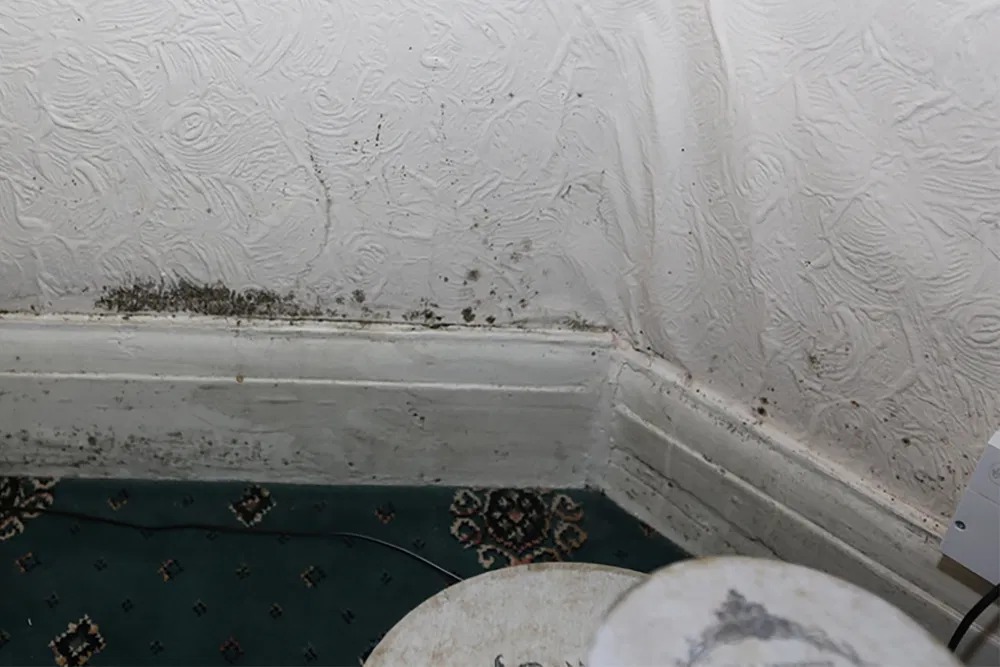
The problem on the wall
Infection is not the only hidden hazard in the buildings we use. Mould is another, and it is common in South African homes and workplaces, especially after wet weather.
“Black mould” is the everyday name for dark mould colonies that grow on walls, ceilings, cupboards and fittings. Mould needs moisture. Leaking roofs and pipes, rising damp, condensation, poor ventilation and past water damage are the usual causes.
Health authorities, including the World Health Organisation, link damp and mouldy buildings with respiratory symptoms, allergies and asthma. That does not mean everyone exposed becomes seriously ill; most healthy people do not. Children, older people, and people with asthma, allergies or weakened immunity are more likely to be affected, and mould smells and stains make a building unpleasant to live or work in.
The most common mistake is to scrub away the visible patch and repaint. That addresses the symptom, not the cause. If the moisture source remains, the mould is likely to return.
It also helps to understand the terms. Cleaning removes surface growth. Treatment targets the mould and its spores. Remediation deals with the whole problem, including the moisture that feeds it. Prevention means keeping the conditions from returning. No treatment can promise that mould will never come back, particularly if a building continues to take on water.
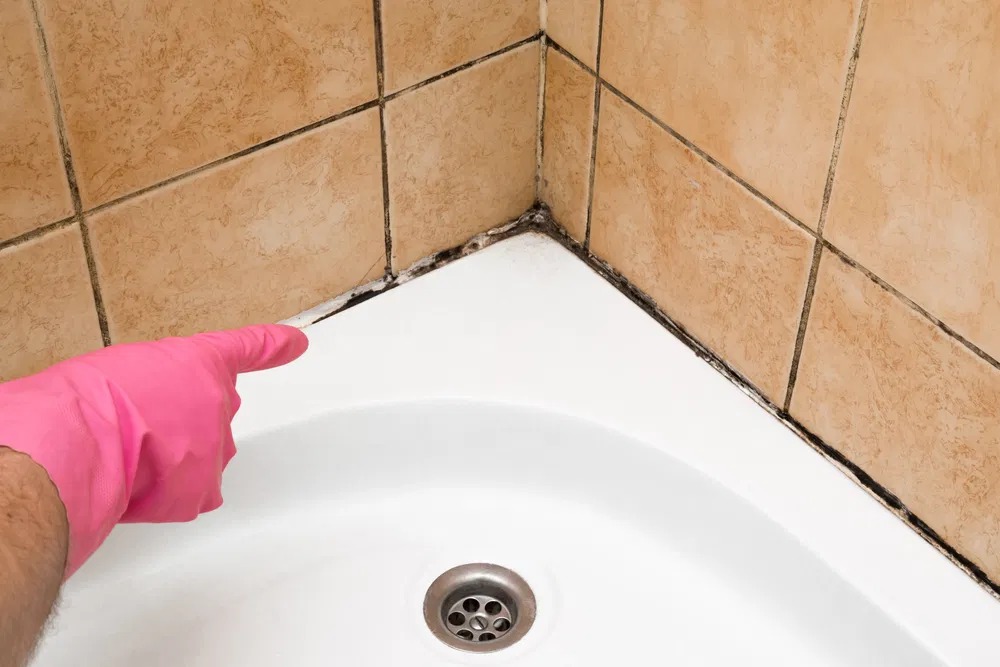
What a professional approach involves
This is the work done by SDS PureAir, a Secunda-based environmental hygiene service. The same fogging approach is used for both airborne germs and mould: the air and affected surfaces are treated with a specialised fog applied throughout the space.
For mould, the process begins with a 75-point damp checklist, which assesses the property and helps trace where moisture is entering or collecting. The team then helps identify and address those moisture sources as far as possible. The whole affected area is fogged to target mould spores and growth. Occupants need to leave the area for no longer than about 20 minutes during the application. In cases of heavy infestation, more than one treatment over a period of time may be needed.
Air sanitation is available for homes, schools, offices, clinics, places of worship and commercial and industrial premises. The company works with Berryking Waterproofing SA, through which its registrations and certifications are supplied, and also offers indoor air quality and hygiene solutions.
“People are often surprised that a clean-looking space can still have a problem,” says Bryan van der Heever of SDS PureAir.
Where to start
The best response to airborne germs and to the hidden problems of damp and mould is awareness backed by practical steps. Keep shared spaces ventilated and clean. Wash hands, stay home when ill and follow health guidance. Fix leaks early, and if mould keeps coming back or you cannot find the source, ask a professional to assess it. Environmental treatment supports good hygiene but does not replace ventilation, medical care, vaccination where recommended, or established infection-prevention measures.
About SDS PureAir
Air sanitation, fogging and environmental disinfection, and black mould identification, treatment and prevention for residential, commercial and industrial premises.
Contact: Bryan van der Heever
Tel: 075 887 6697
Email: bryan@sdsgroup.co.za
Area: Secunda and surrounding areas