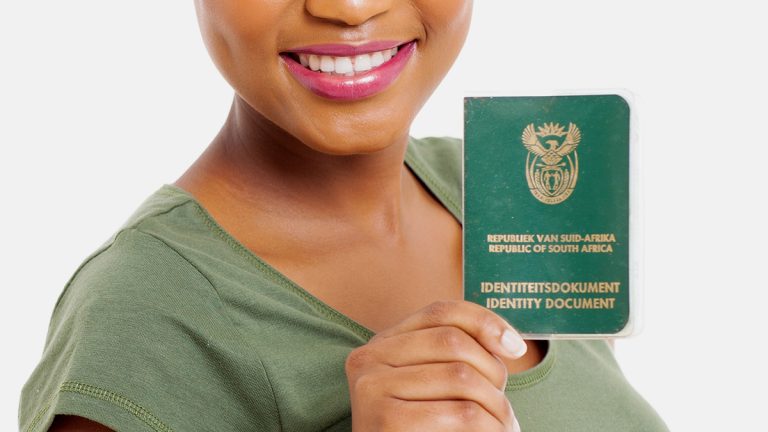
A landmark change is looming for about 16 million South Africans as the Department of Home Affairs prepares to phase out the green barcoded ID book. Minister Leon Schreiber announced a roadmap toward retiring the document while speaking at the Xpatweb Global Mobility Conference in Bryanston on 21 July 2026.
Schreiber said the decision follows a rapid roll-out of Smart ID services as part of a wider push to digitise Home Affairs. Through a bank partnership, access to Smart ID services rose by 250% in 19 weeks, he said, calling it a key achievement of the Home Affairs @ Home modernisation programme. The minister framed the shift as part of a move away from paper-based systems to faster, less bureaucratic document services.

More than 422,000 people have already obtained Smart IDs via participating banks in just over four months, Schreiber noted, without needing to fill in paper forms, schedule appointments, or queue at offices. He emphasised these gains were delivered without extra staff or additional cost to taxpayers. The department aims to expand from roughly 300 bank branches offering the service to over 750 before the end of 2026, a step Schreiber linked to the planned withdrawal of the green ID book.
Schreiber also argued the phase-out would reduce fraud and identity theft and diminish an incentive for illegal immigration. He has previously warned that the green ID book is highly susceptible to fraud; during a June 2026 briefing he cited research indicating it is the continent’s most commonly abused identity document. The physical photo page, he said, can be altered or swapped, increasing theft risk if the book is lost or stolen.
In related digital reforms, Home Affairs is continuing to roll out an Electronic Travel Authorisation (ETA) system to replace paper visa applications with automated checks using machine learning. Launched in pilot in late 2025, the ETA has processed over 203,000 applications and flagged more than 5,700 fraudulent submissions before travellers could board flights. Schreiber highlighted the system’s ability to perform rapid, large-scale cross-checks that would be impossible to do manually.
The department plans gradual expansion of the ETA to more countries and visa types. Schreiber acknowledged ongoing work but said the recent changes show Home Affairs is shifting toward a modern, digital-first service model. Xpatweb MD Marisa Jacobs said the initiatives and new technologies will benefit departmental staff, citizens, visitors and the broader South African economy.