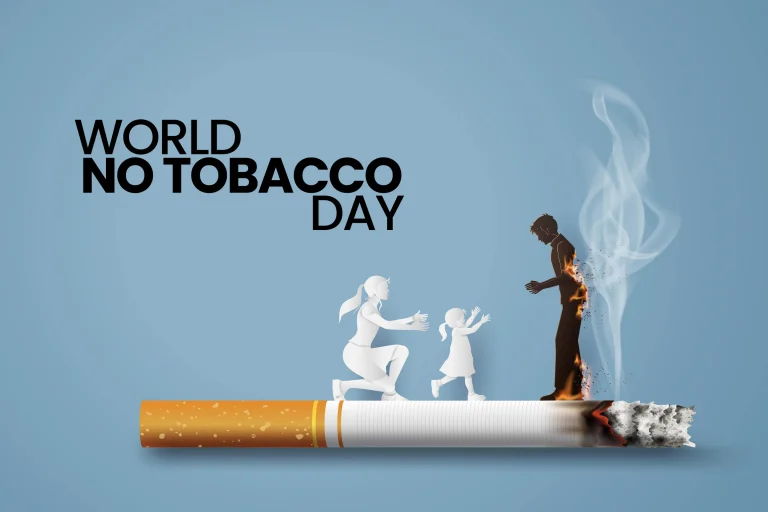
World No Tobacco Day (May 31) highlights how repeated smoking puts ongoing strain on the heart and blood vessels, significantly raising the risk of serious heart disease.
As South Africa marks World No Tobacco Day, health experts are drawing attention to something often overlooked in public messaging – that smoking is not only a long-term driver of disease, but also an immediate, repeat-trigger stressor on the heart.
Each cigarette does not just “add up over time” – it sets off a rapid chain of cardiovascular reactions that begin within minutes, raising heart rate, blood pressure and the heart’s oxygen demand almost instantly.
A minute-by-minute strain on the heart
When a cigarette is smoked, nicotine quickly enters the bloodstream and stimulates the release of adrenaline. This triggers a short-term spike in heart rate and blood pressure while simultaneously narrowing blood vessels, making it harder for blood to circulate efficiently.

At the same time, carbon monoxide from cigarette smoke binds to haemoglobin in the blood, reducing its ability to carry oxygen. The result is a double burden – the heart must work harder, while receiving less oxygen to do so. Over the course of a day, this process is repeated with every cigarette, creating a cycle of repeated cardiovascular “stress events” rather than a single continuous exposure.
Smoking also affects the body’s ability to regulate blood sugar. Research shows that nicotine can contribute to insulin resistance, increasing the risk of developing type 2 diabetes. For people already living with diabetes, smoking can worsen blood vessel damage and make complications far more likely.
“It’s a repeated shock to the system”
According to Ingrid Singels, Associate Director Scientific Products at Pharma Dynamics, this repeated physiological response is one of the most underestimated aspects of smoking.
“Each cigarette triggers a short, intense cardiovascular stress response. Heart rate increases, blood pressure rises and oxygen delivery is compromised. For someone smoking regularly, this is happening multiple times a day – sometimes every hour.”
She adds that even short-term changes matter. “We often think of heart disease as something that develops slowly over years, but these immediate spikes place repeated strain on blood vessels and the heart itself.”
The hidden burden behind every cigarette
Globally, tobacco use remains one of the leading preventable causes of death, claiming over 7 million lives annually, including around 1.6 million non-smokers who die due to exposure from second-hand smoke.
In South Africa alone, tobacco-related diseases claim over 25 000 lives each year and tobacco use kills up to half of its users – a stark reminder of the scale of the risk.
Singels notes that this burden is visible in clinical practice. “As a company working closely with cardiovascular and metabolic health, we see firsthand how many patients are on chronic medication for heart and metabolic-related conditions,” she says. “The scale of preventable disease is enormous.”
Preventative focus
Pharma Dynamics, SA’s leading supplier of cardiovascular medication, says its core focus is shifting the conversation from treatment to prevention.
“The reality is that once someone is on lifelong medication for hypertension or heart disease, we are already managing the consequences,” she explains. “Our goal is to reduce that pipeline in the first place through awareness and lifestyle change.”
She adds that smoking cessation is one of the most effective interventions for reducing cardiovascular risk. “The heart starts to recover surprisingly quickly after quitting. Within minutes, the heart rate drops and begins to normalise, while blood pressure starts to improve.”
Singels says framing smoking as an immediate physiological stressor, rather than only a longterm risk, may help shift behaviour, particularly among younger smokers. “People often underestimate what a single cigarette does in real time,” says Singels. “It’s not just a future risk; it’s a present biological event affecting the heart every time you light up.”
The toll on South Africans’ health
South Africa continues to face a dual burden of non-communicable diseases and lifestyle related risk factors, with smoking remaining a key contributor to cardiovascular illness while making diabetes management – another prevalent chronic condition – more difficult.
Beyond the human cost, tobacco use places a significant economic strain on the country, costing an estimated R42 billion each year in healthcare expenses, lost productivity and premature deaths.
The takeaway
As World No Tobacco Day approaches, the focus is shifting from awareness to action, with health professionals urging smokers to make use of the support available.
In South Africa, resources, such as the National Council Against Smoking offer telephonic counselling through the Smokers’ Quitline (011 720 3145) or Whatsapp number: 072 766 7812, along with practical tools and guidance to manage cravings and build healthier habits.
“Understanding the immediacy of the impact can be a turning point,” Singels says. “When people realise their heart is responding within minutes – not years – it changes how they think about that next cigarette.”