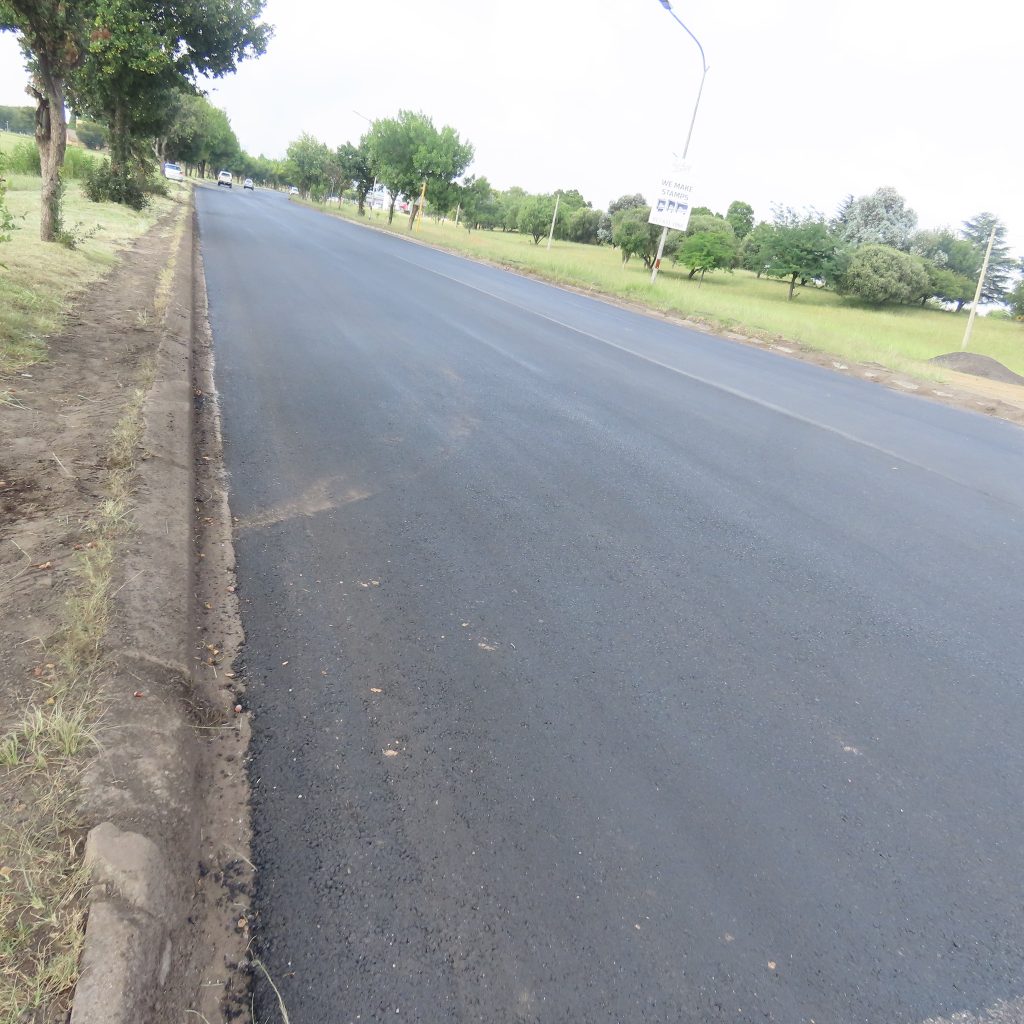
The water crisis in the GMM area has escalated significantly over the past few weeks, turning water into an increasingly scarce commodity. While certain regions have historically faced water supply issues, the situation has now spiraled out of control.
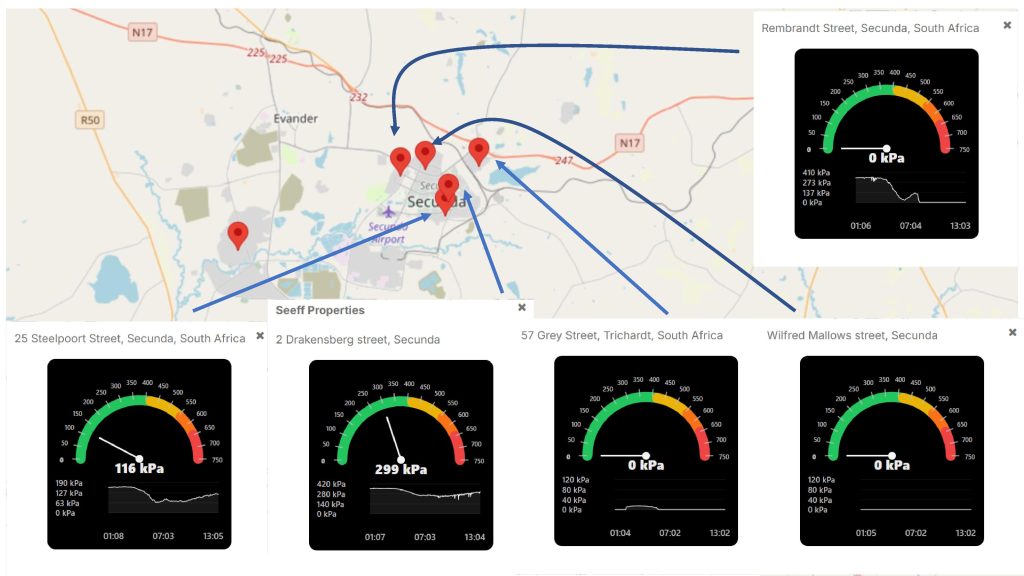
Several areas have gone without water for weeks, with Bethal experiencing supply problems for approximately a month. Additionally, Extensions 21, 22, and 23, as well as Trichardt and the elevated regions of Secunda, have struggled with inadequate water supply for as long as ten days.
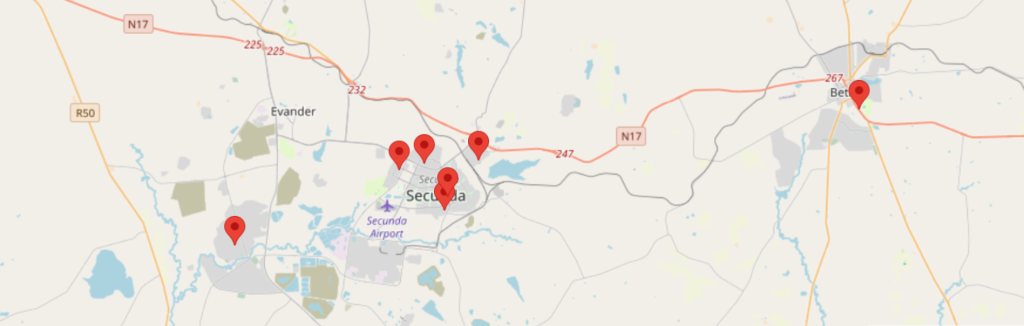
There are seven water pressure data points across GMM; however, the data presents a perplexing picture, revealing inconsistent pressure levels—some areas with no pressure at all while others report high pressure.
Social media is abuzz with messages and complaints about the unavailability of water. The blame is being cast in various directions: some residents hold GMM accountable, others point fingers at Rand Water, while some criticize local councillors. Unfortunately, there is no clear indicator of the root cause of the problem.
However, a significant issue looms regarding Gauteng’s situation. Rand Water claims to be pumping to Gauteng at full capacity, but both political parties and residents contend otherwise. GMM relies on Rand Water for its supply, meaning that any disruption in Gauteng can directly affect us.
The Bulletin spoke with a reliable source within the municipality to better understand the water situation. Our source suggests that Rand Water may not be operating at full capacity during the day, with reports of pumping halting at night. This information remains unverified by Rand Water, which has directed us back to GMM, citing its status as their client and refusing to discuss internal matters with us.
This lack of transparency complicates the establishment of clear facts. Meanwhile, residents continue to bear the brunt of the crisis. Water is a fundamental human right and should not be denied; however, many taps remain dry. Some residents believe that GMM owes Rand Water over R1 billion, which could contribute to the ongoing issue. While this may be true, the absence of clear communication leaves residents as the ultimate victims.
In a striking contrast, the Gauteng premier recently mentioned that he resorts to showering at a hotel, a luxury unattainable for those living in the affected areas.
Let us hope for a resolution to this pressing issue soon.
The Democratic Alliance (DA) in Mpumalanga has lodged a formal written complaint with the Public Protector concerning unlawful mining activities on agricultural land in Victor Khanye Local Municipality, and related environmental statutory breaches, irregular property valuations, and systemic maladministration by municipal and provincial authorities.
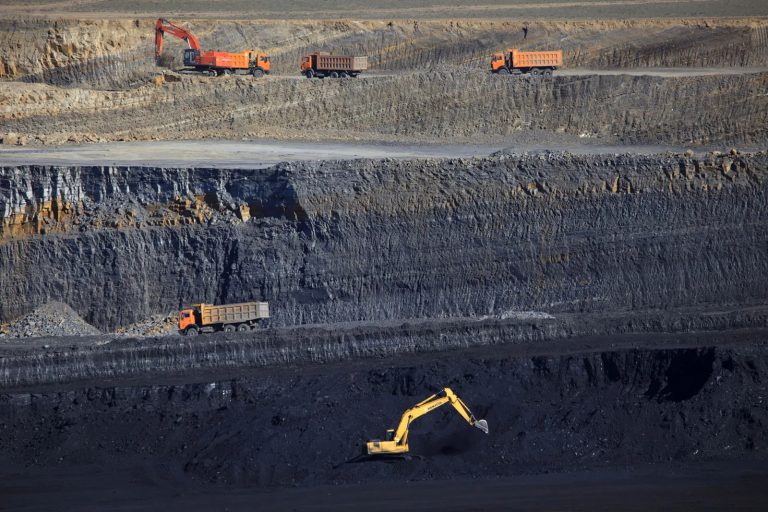
The complaint presents credible evidence that multiple mining operations, including active collieries, are conducting extractive activities on properties zoned “Agriculture” or otherwise classified as rural or residential, without the required rezoning or consent-use approvals under applicable planning legislation.
The DA has requested the Public Protector to investigate the conduct of the following persons and institutions in relation to these unlawful mining activities:
Speedy Mashilo, MEC for Cooperative Governance, Human Settlements and Traditional Affairs (CoGHSTA);
Khethiwe Moeketsi, MEC for Agriculture, Rural Development, Land and Environmental Affairs;
Jesta Sidell, MEC for Economic Development;
Senior officials of Victor Khanye Local Municipality, including Mayor Vusi Buda;
The Mpumalanga Regional Office of the Department of Mineral Resources and Energy (DMRE);
Any other official or organ of state who may have failed to discharge constitutional obligations.
Key concerns set out in the complaint
“Despite formal DA correspondence dated 17 June 2025 notifying the MEC for CoGHSTA of the alleged contraventions, there was no acknowledgement or effective supervisory intervention,” said Tersia Marshall MPL DA Spokesperson for Agriculture, Rural Development, Land and Environmental Affairs.
Tersia Marshall, MPL – DA Spokesperson for Agriculture, Rural Development, Land and Environmental Affairs
Prior correspondence from the Executive Mayor to the MEC dated 29 May 2025 confirms the Municipality was aware of widespread zoning contraventions but opted to issue fines rather than enforce cessation of unlawful land uses.
The Municipality’s response omitted critical information, including the duration of unlawful mining activities, when the Municipality first became aware of the contraventions, reasons for delayed or absent enforcement, and whether these irregularities span multiple financial years.
Allegations the DA requests the Public Protector to investigate
Maladministration and failure to enforce land-use schemes;
Abuse of power through deliberate non-enforcement of planning and environmental laws;
Undue delay in exercising oversight and correcting property valuations;
Improper dealing with public money and potential improper enrichment or receipt of undue advantage;
The lawfulness and rationality of decisions permitting mining activities to continue without appropriate rezoning or approvals.
The DA’s position is that Mpumalanga’s agricultural land is strategic national infrastructure for food security, rural livelihoods, and economic sustainability. Its erosion through unlawful or improperly regulated mining activity is not merely a planning failure but a governance crisis that undermines the rule of law and public confidence.
The Constitution requires all spheres of government to act lawfully, rationally, and in the public interest. Where supervisory authorities are aware of illegality and fail to act, constitutional accountability mechanisms must be invoked.
“We are committed to defending lawful governance, environmental compliance, and the proper administration of public funds. Accordingly, the DA has requested an urgent investigation by the Public Protector and appropriate remedial action in the public interest,” concludes Tersia Marshall.
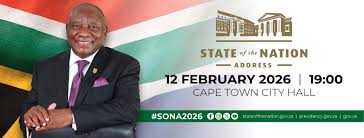
President Cyril Ramaphosa’s 2026 State of the Nation Address set a determined tone for a year of reform, recovery and renewal. Framing the moment with the memory of the 1956 women’s march and other milestones of the struggle, the President linked South Africa’s constitutional promise to a set of bold, practical priorities: drive inclusive growth and job creation; reduce poverty and the cost of living; and build a capable, ethical, developmental state.
A renewed focus on security and the rule of law dominated the agenda. Organised crime and gang violence were identified as the most immediate threats to democracy, public safety and economic progress. The government will pursue an intelligence-led, integrated enforcement strategy, consolidate national intelligence efforts, and deploy multidisciplinary teams to dismantle priority syndicates. The South African National Defence Force has been authorised to support police operations in hotspot provinces, and 5,500 new police recruits will join this year in addition to prior commitments. A criminal-justice reform initiative, modelled on Operation Vulindlela, aims to strengthen institutions — from the SIU and Hawks to the NPA — while a Whistle-Blower Protection Bill and procurement reforms are intended to reduce corruption and restore public trust.
Water insecurity and local government dysfunction are being elevated to the national scale. The President announced a National Water Crisis Committee to coordinate rapid responses and long-term investments. More than R156 billion in public funding has been committed for water and sanitation over three years, alongside a R54 billion incentive for metros that reform water, sanitation and electricity services. Legislative measures — including the Water Services Amendment Bill — will enable the government to hold providers accountable and intervene where municipalities fail. A revised White Paper on Local Government promises a differentiated, merit-based approach to municipal responsibilities, stronger accountability and faster national interventions when needed.
Economic recovery is central to the plan for inclusive growth. Four consecutive quarters of GDP growth, two primary budget surpluses, an improved credit rating and lower inflation signal positive momentum. To convert this momentum into enduring job creation, government has pledged over R1 trillion in public infrastructure investment over three years and launched an infrastructure bond that was heavily oversubscribed. Reforms to speed commercial dispute resolution (specialised courts), create a professional State Property Company, and expand Operation Vulindlela’s market-opening reforms aim to attract further private investment.
Energy and logistics reforms are key to long-term competitiveness. Load shedding has been ended and the country is accelerating a transition toward renewables, targeting more than 40% of energy from clean sources by 2030. Eskom is being restructured with an independent transmission entity and immediate steps to begin independent transmission projects. Rail and port turnarounds — including private concessions at major terminals and enabling private rail operators — are intended to reduce costs and connect producers to global markets. Preparations for high-speed rail and public-private partnerships in critical corridors were also announced.
Job creation and industrial transformation are priorities across sectors. The Presidential Employment Stimulus has created more than 2.5 million opportunities, and public employment programmes will be expanded and better coordinated to provide income, skills and pathways to long-term work, particularly for youth and women. Government set an ambitious R2 trillion investment target over five years and committed funding for small and medium enterprises — more than R2.5 billion for 180,000 firms plus R1 billion in guarantees — with special focus on women- and youth-led enterprises. Incentives for the green economy (including a 150% tax deduction for new electric vehicle investment) and measures to promote beneficiation of critical minerals are designed to position South Africa for global demand.
Agriculture and the response to disease received urgent attention: a national vaccination programme for 14 million cattle (28 million doses) was announced to combat a severe foot-and-mouth outbreak, with a task team reporting monthly. The agriculture sector’s export potential was underscored, and finance and extension services will be scaled up for emerging black producers.
Education and skills development are framed as pillars of the skills revolution. Early childhood development is being expanded — including compulsory Grade R and increased ECD subsidies — while the government pursues a dual training model linking classroom learning to workplace experience. The matric class of 2025 achieved an historic 88% pass rate, but the address stressed the need to reduce dropout rates and expand access to science, technology, engineering and mathematics. Reforms to SETAs, greater use of TVET colleges, and changes to skills-levy returns aim to better align training with employer needs.
Social protection, housing and child welfare were emphasized as essential to an inclusive recovery. The Social Relief of Distress Grant will continue but be redesigned to support livelihoods and pathways to sustainable employment. A new housing model will prioritize subsidies for ownership and rental in suitable areas, and the District Six restitution programme will continue with Phase 4 funding. A national mission to end child stunting by 2030 was launched, with targeted interventions for the first 1,000 days of life and allocations to be set out in the Medium Term Budget Policy Statement.
Health and gender-based violence drew urgent, actionable commitments. Investment in health infrastructure and academic hospitals will be prioritised, beginning with George Mukhari Hospital. A mass rollout of Lenacapavir — a six-monthly HIV prevention injection — and a nationwide push to vaccinate girls against HPV aim to reduce HIV transmission and cervical cancer. GBV and femicide, declared a national disaster, will be addressed through improved investigations, expanded sexual offences courts, survivor-centred services, and prevention campaigns.
On migration and borders, the address combined enforcement with human rights protections: funding for border infrastructure and technology, expanded Electronic Travel Authorisation systems, and prosecutions for employers who hire undocumented workers. Ten thousand new labour inspectors will strengthen enforcement of labour laws, while the government reiterated that foreign nationals must not be denied access to essential services.
Strengthening the state and digital transformation were central themes. Legislative reforms, including the Public Service Amendment Bill, will protect senior appointments from political interference and enforce lifestyle audits and a central registry for disciplinary cases. SOE governance will be tightened through clearer appointment standards and a phased move to centralised portfolio management. A Digital ID and the MyMzansi platform will digitise key services — driver’s licenses, matric certificates, police statements and SASSA eligibility checks — expanding access and reducing bureaucratic barriers.
Internationally, South Africa will continue to champion multilateralism, African integration and the interests of the Global South. The government affirmed its commitment to the AfCFTA, economic diplomacy to expand exports, and continued participation in peacekeeping and conflict-prevention efforts. The address reiterated South Africa’s principled stance on sovereignty and human rights across global conflicts.
The President framed 2026 as a turning point: the country is emerging from a period of decline and moving toward growth, with concrete actions to fix local government, fight crime and corruption, create jobs, and build a state that delivers. A National Dialogue process will deepen public participation and culminate in a national convention to define a national compact and inform the next phase of the National Development Plan beyond 2030. The address closed with a call to collective action: to ensure that growth lifts all South Africans, restores trust in public institutions, and secures a more equitable, resilient future.
Overall, the address combined immediate operational measures — security deployments, water crisis interventions, vaccination drives and recruitment targets — with long-term structural reforms in infrastructure, energy, local government, skills, and the public service designed to convert recent economic gains into inclusive, sustainable progress.
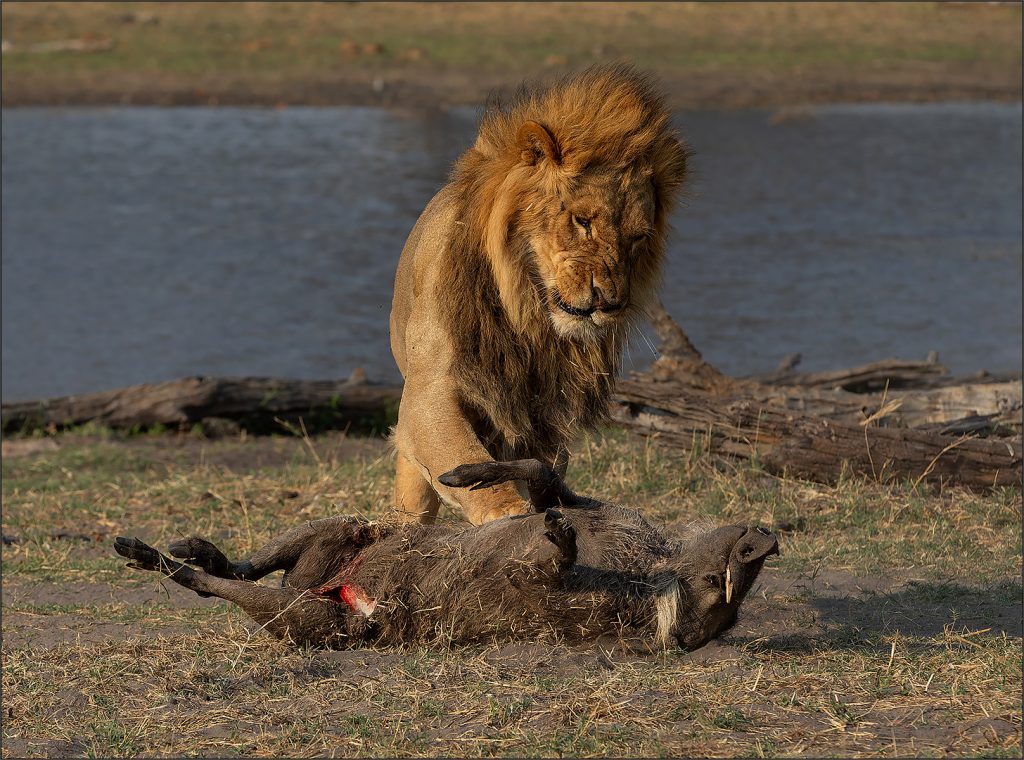
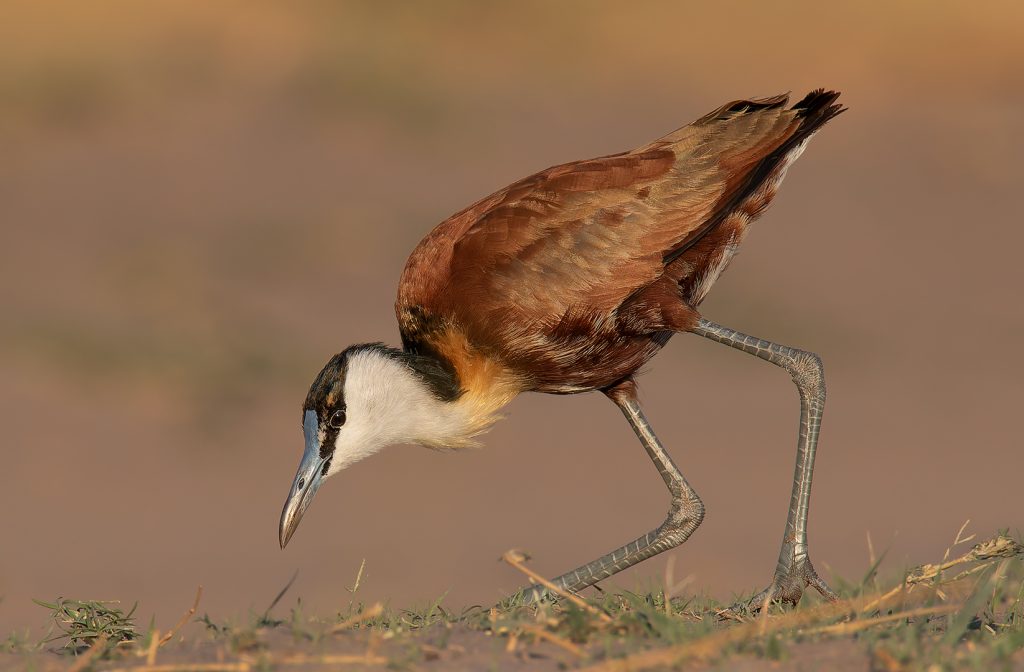
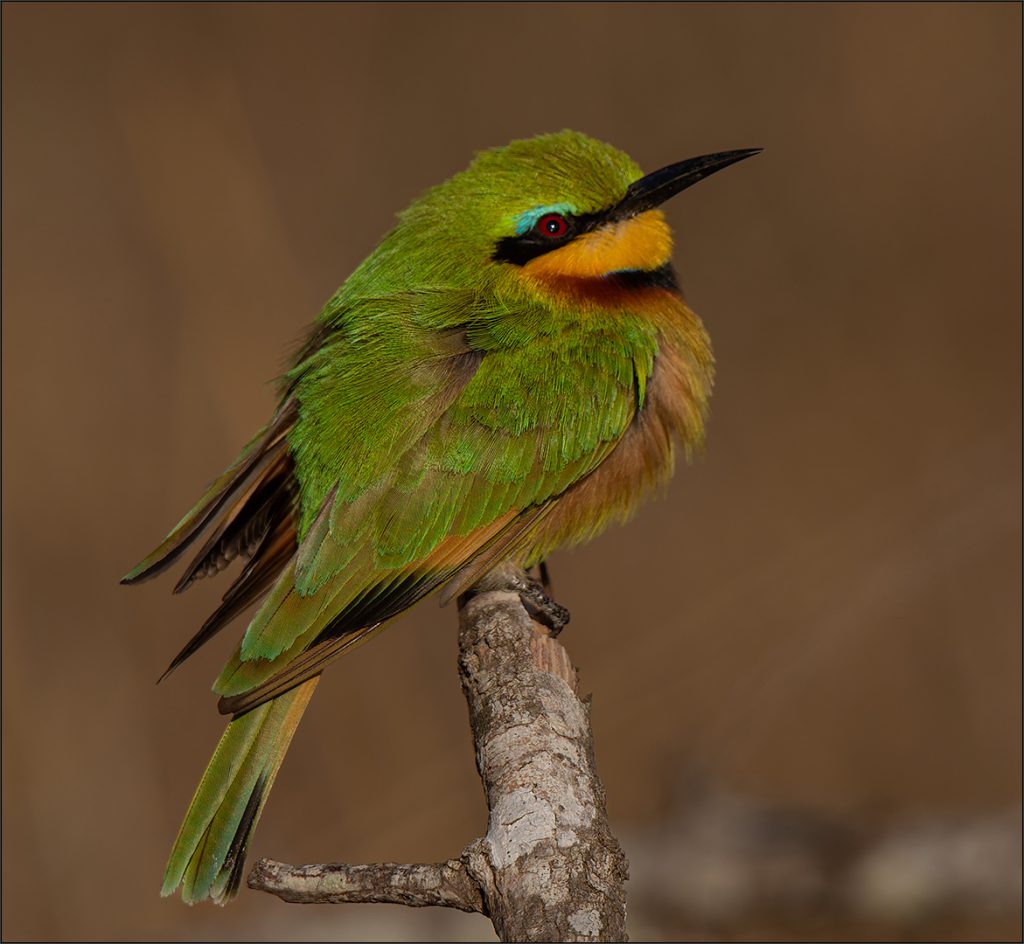
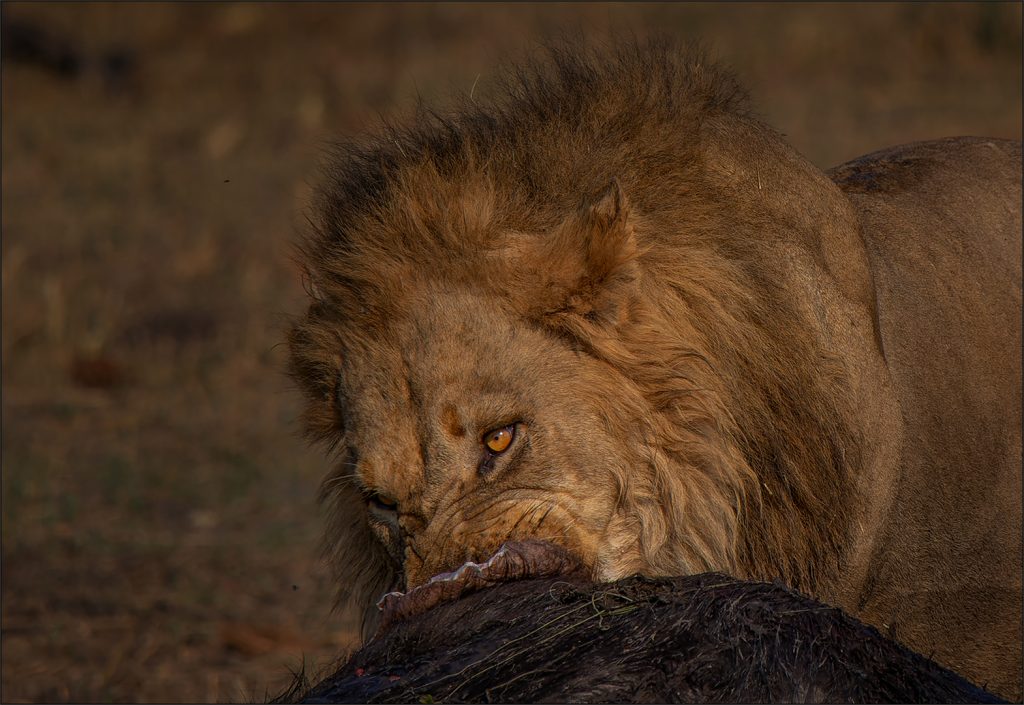
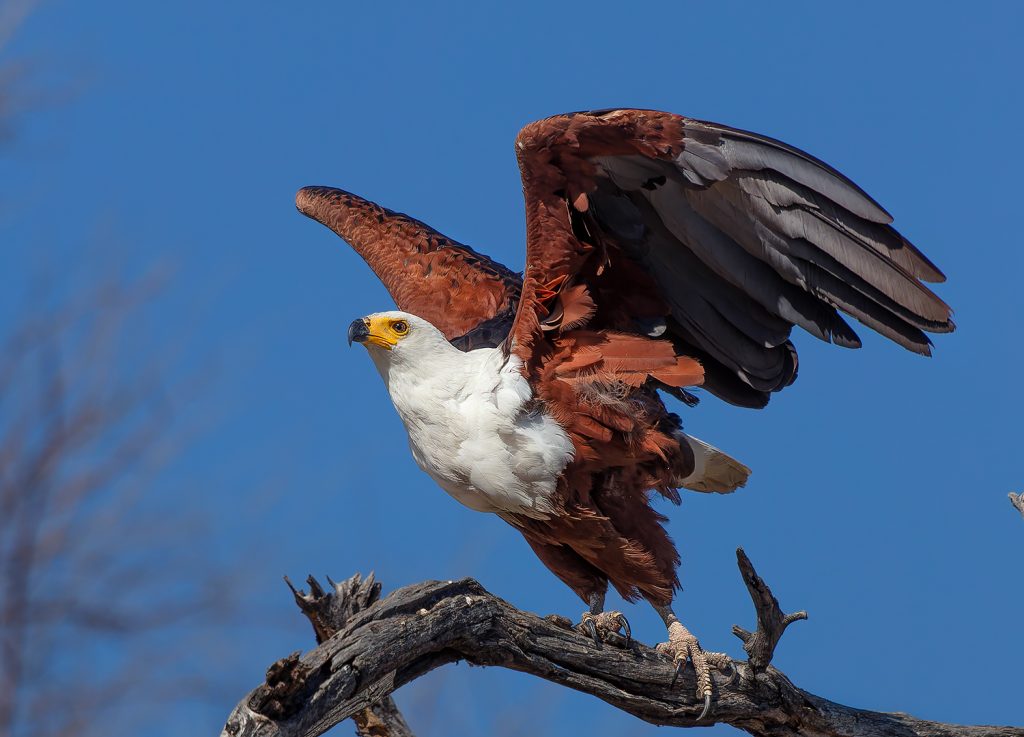
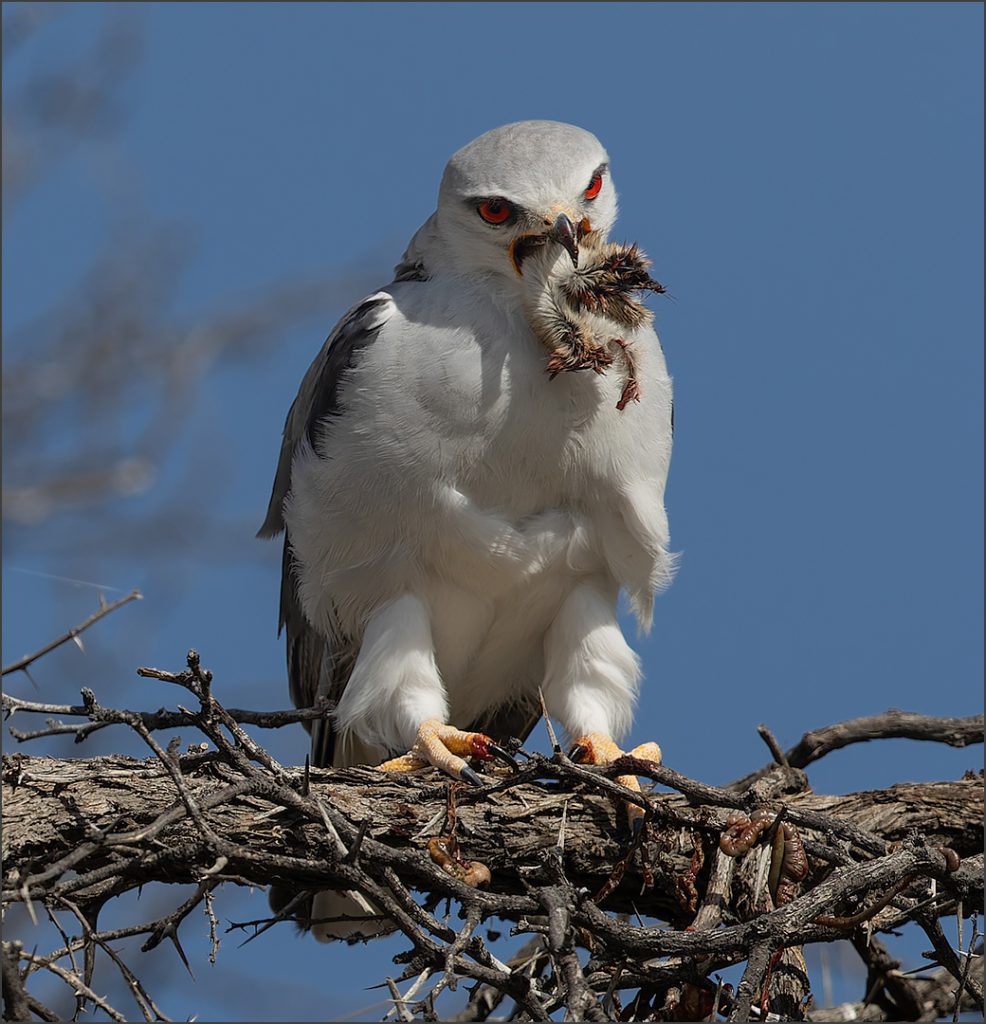
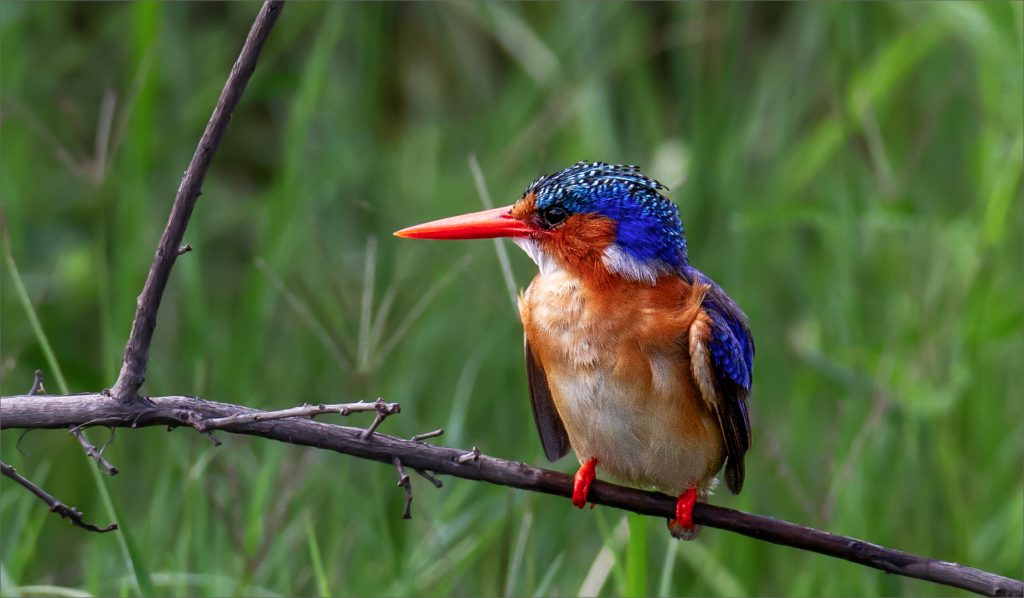
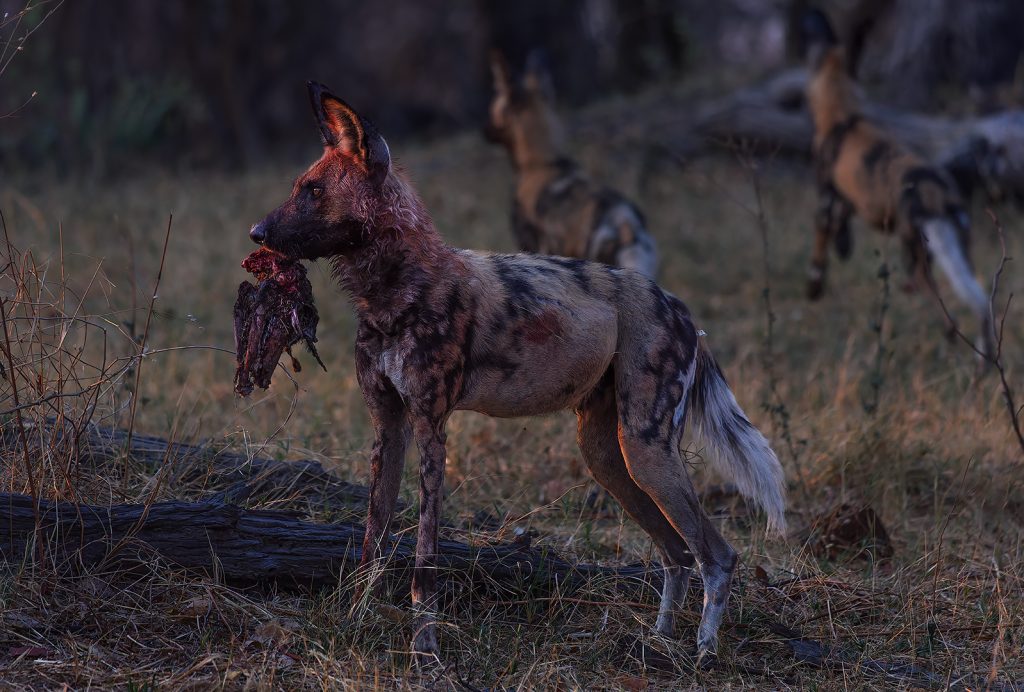
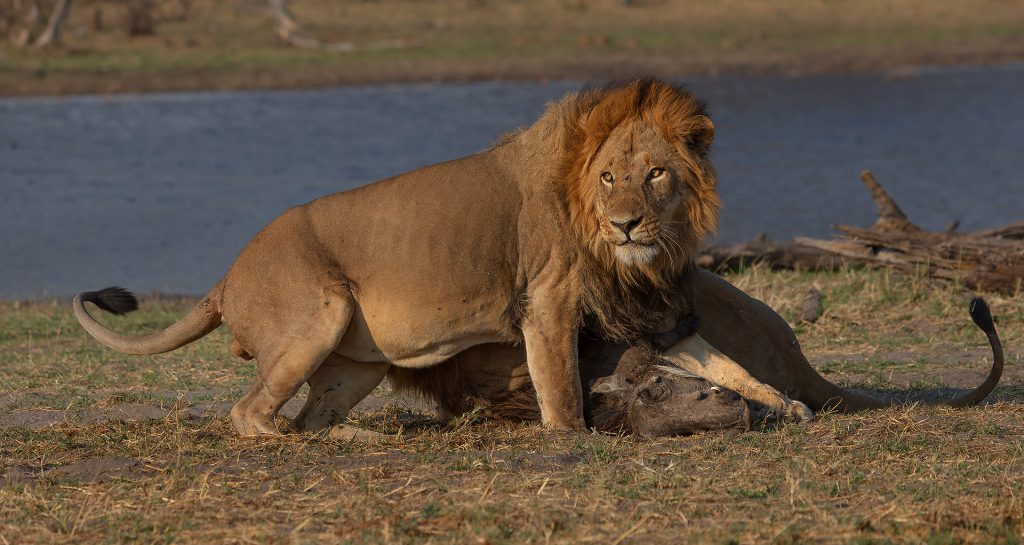
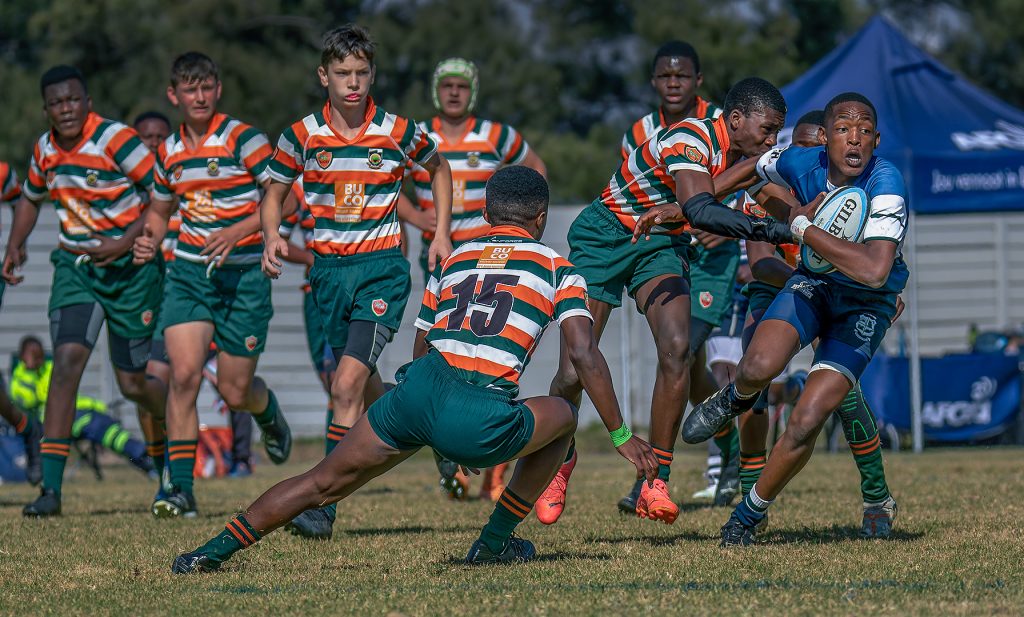
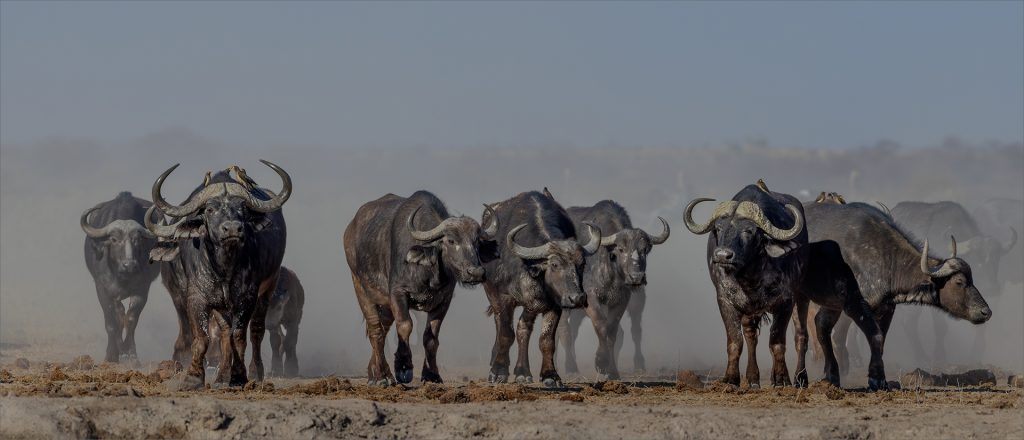
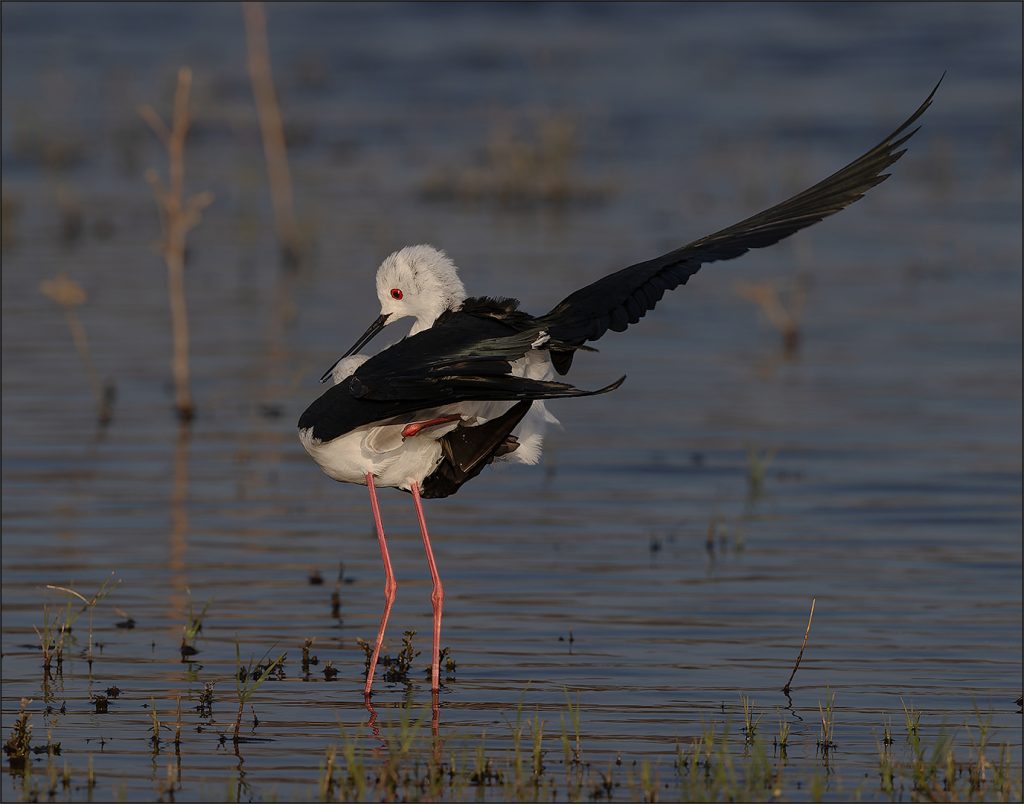
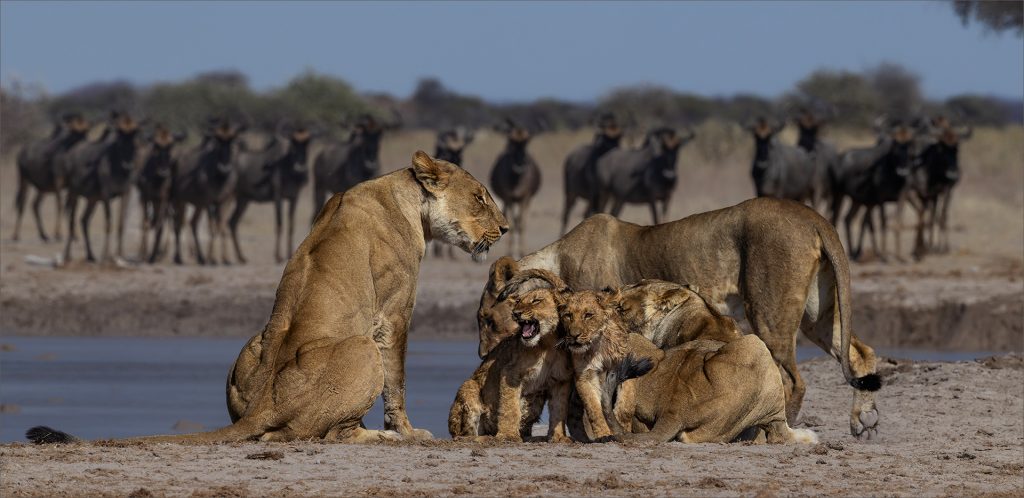
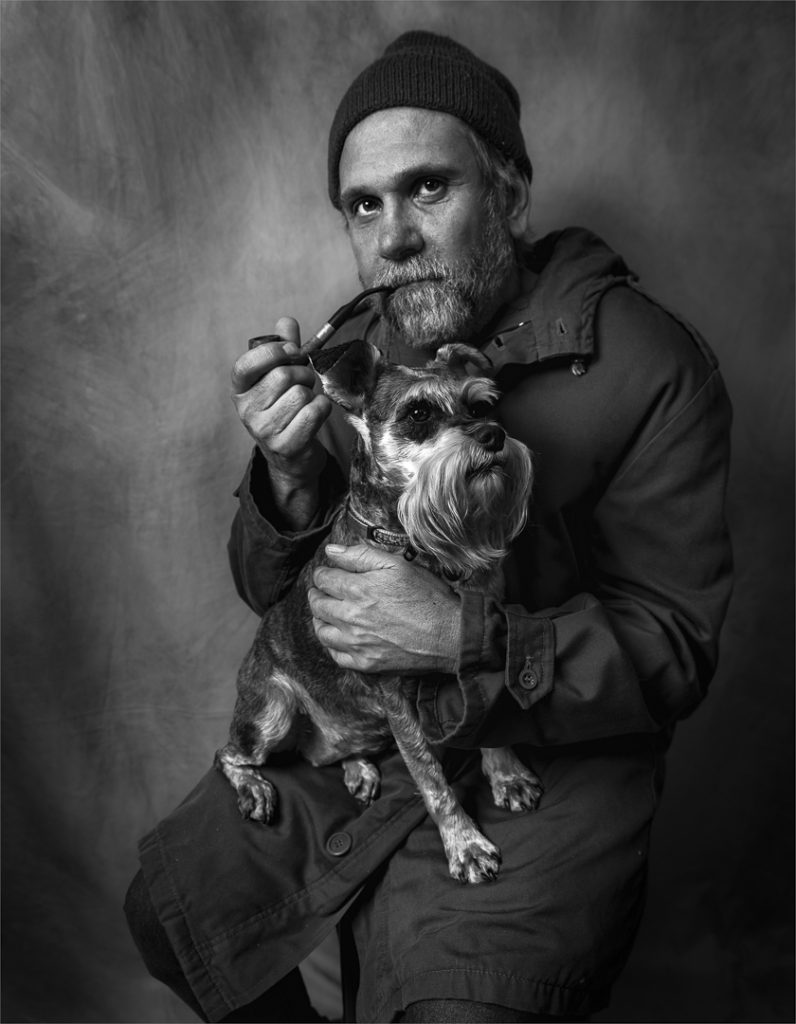
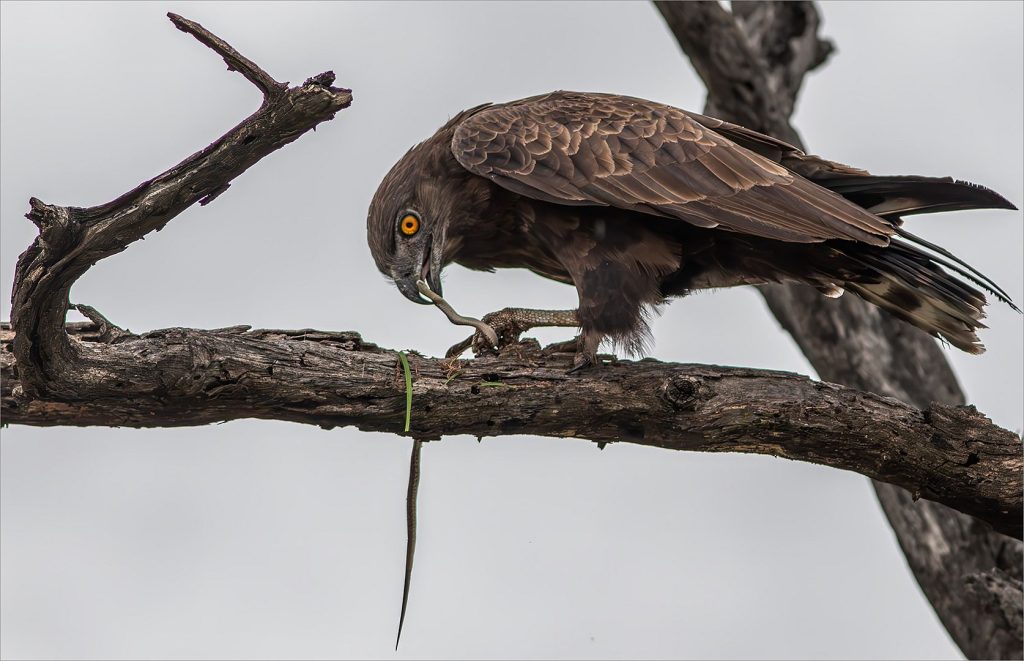
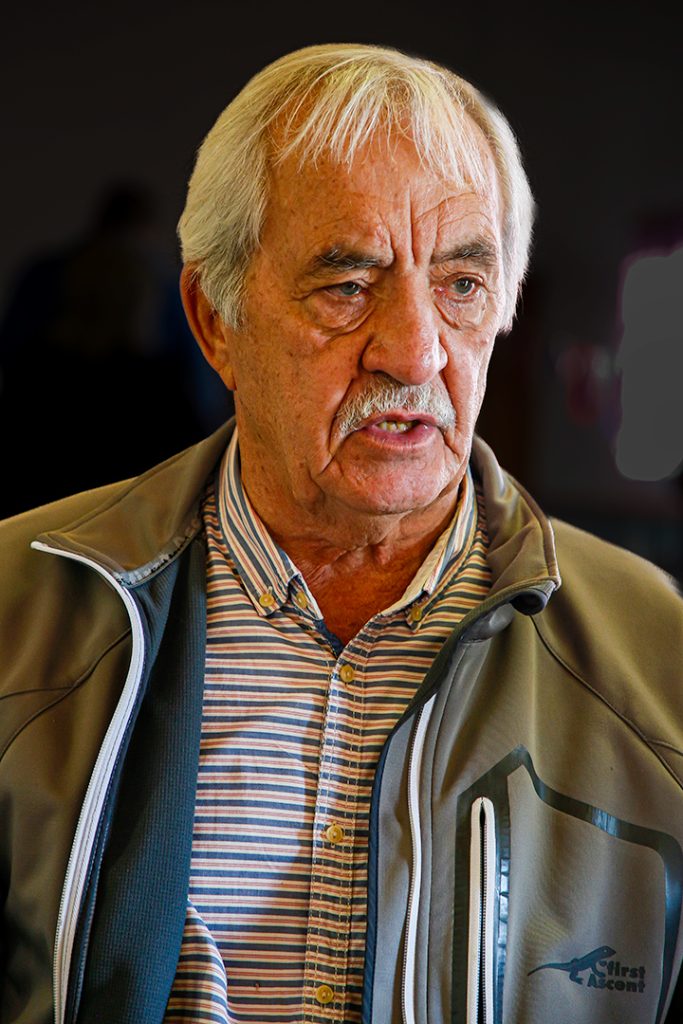
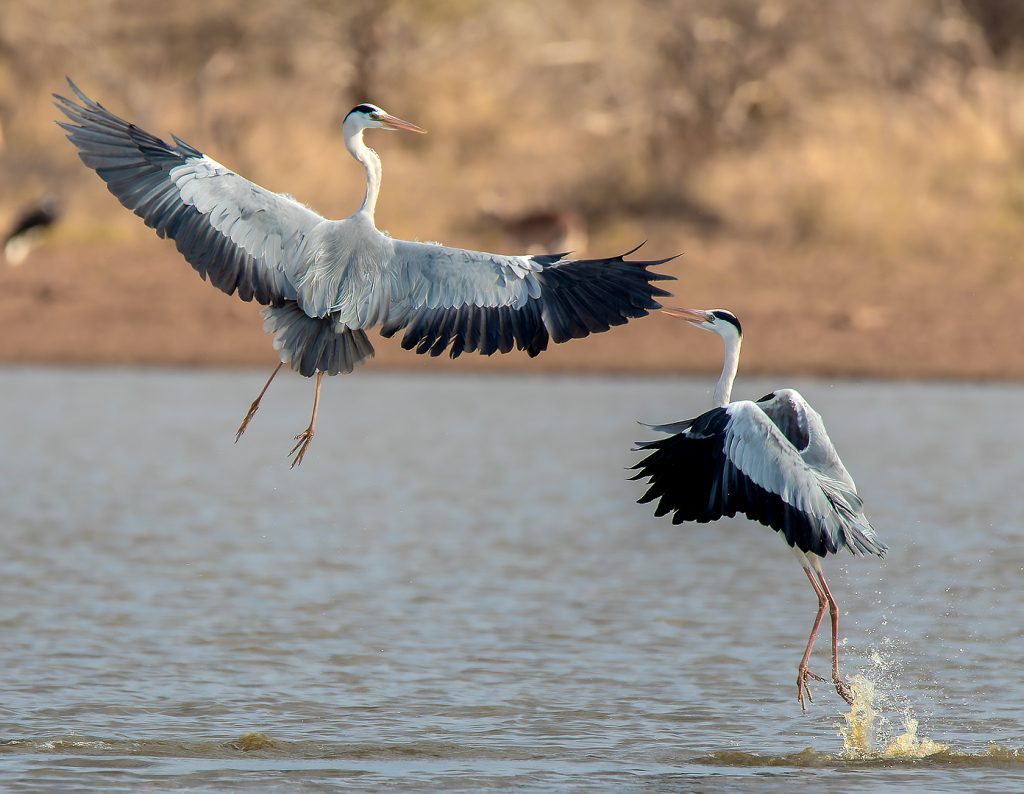
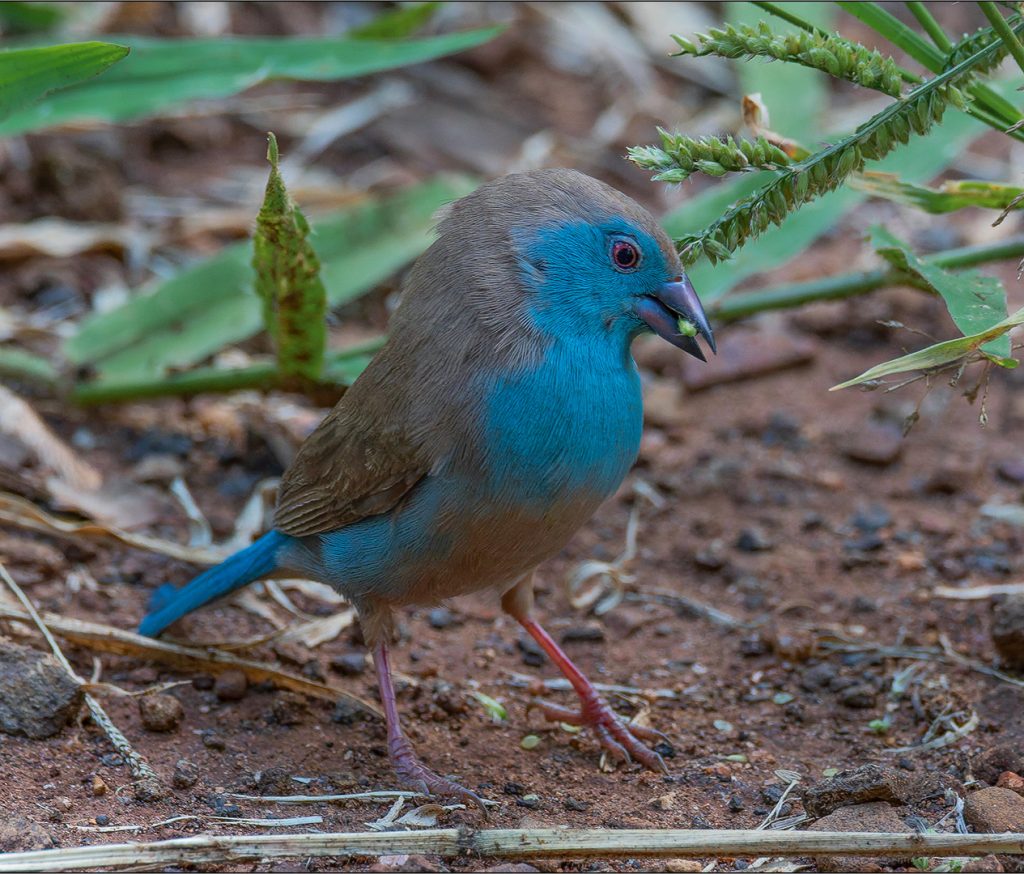
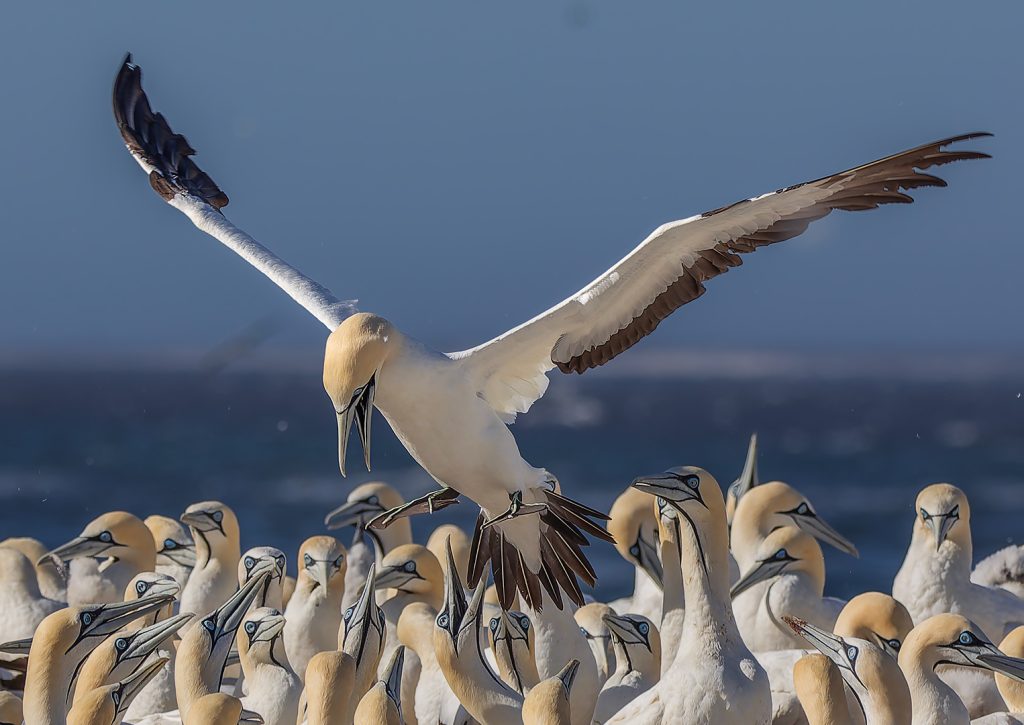
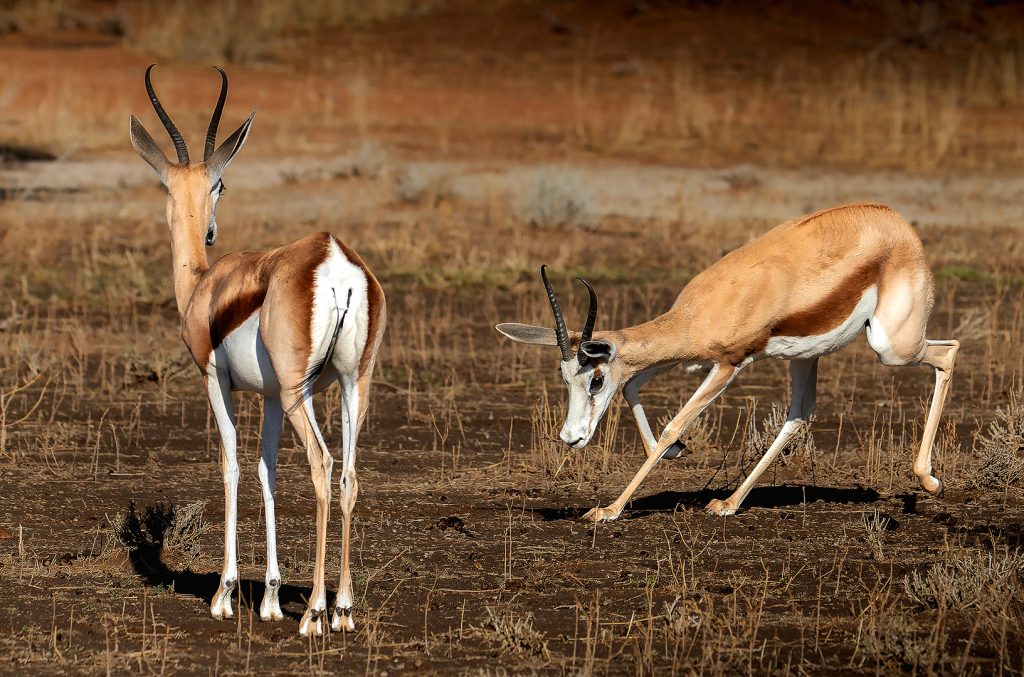
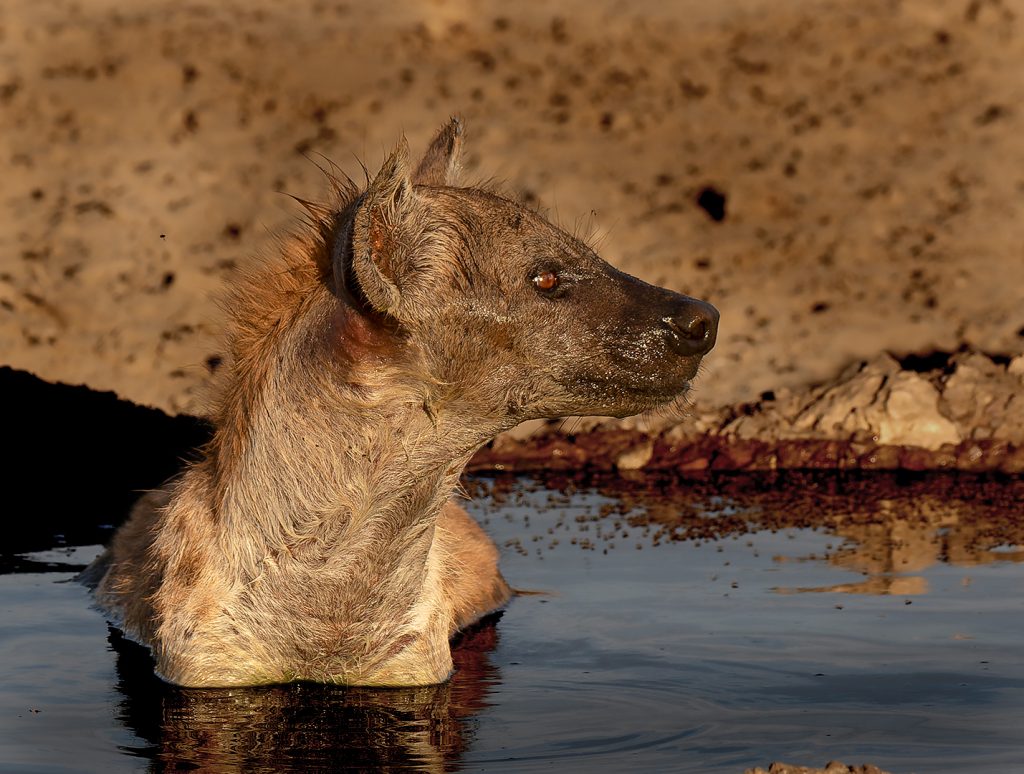
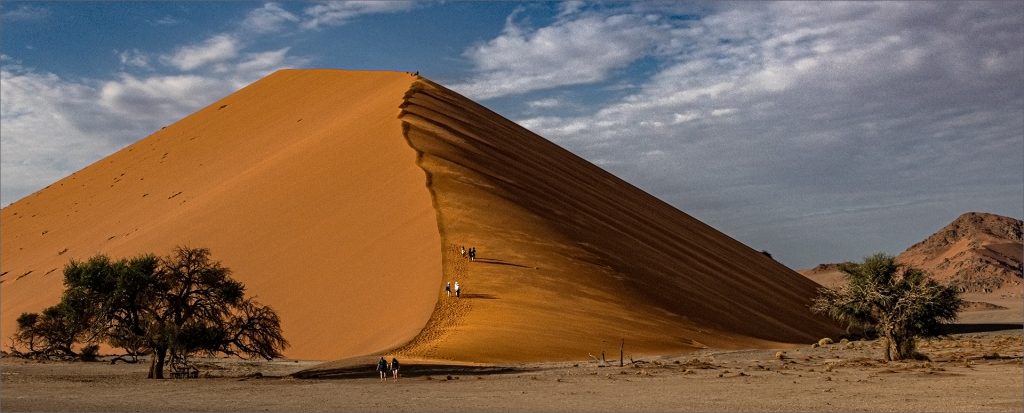
Photographers gathered during the first club meeting of the year to showcase their photographs.
The entries were of a very high standard and it was difficult to award winning entries.
If anymore information on Bethal Fotoklub is required Johan Drotsky can be contacted on 0829265328
The winning photographs for January were
The best Senior Photographer was Johan Drotsky with “Vat so Vark”
The best Junior Photographer was Landi Drotsky with “Soek vir Kos”
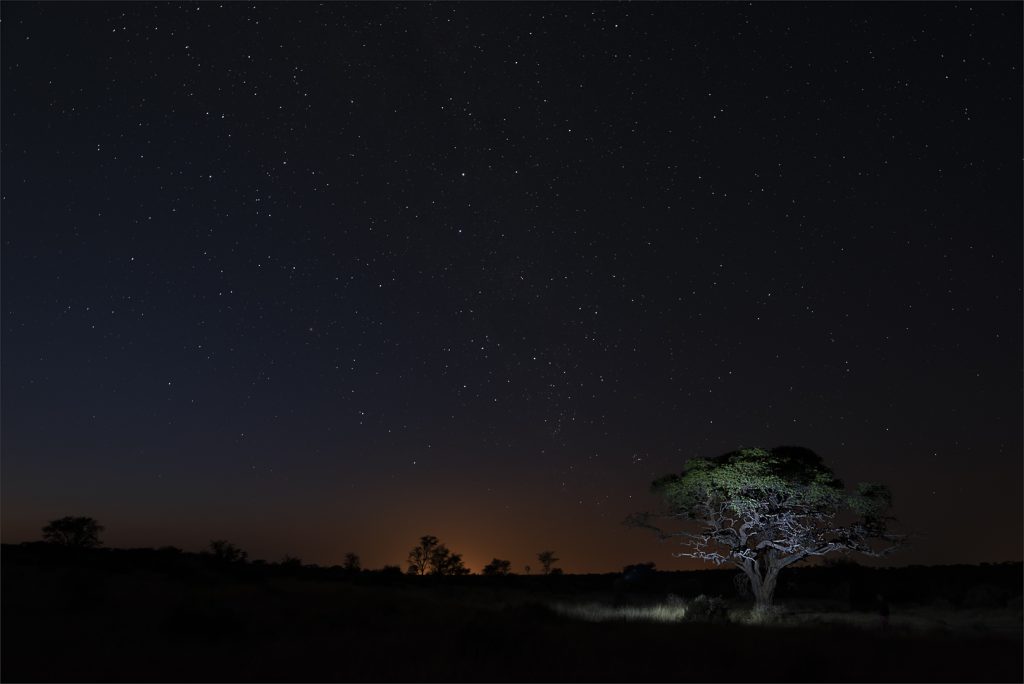
The best Senior Photograph in the Set Subject Category was “Kremetart in die Nag” by Bernie van der Vyver
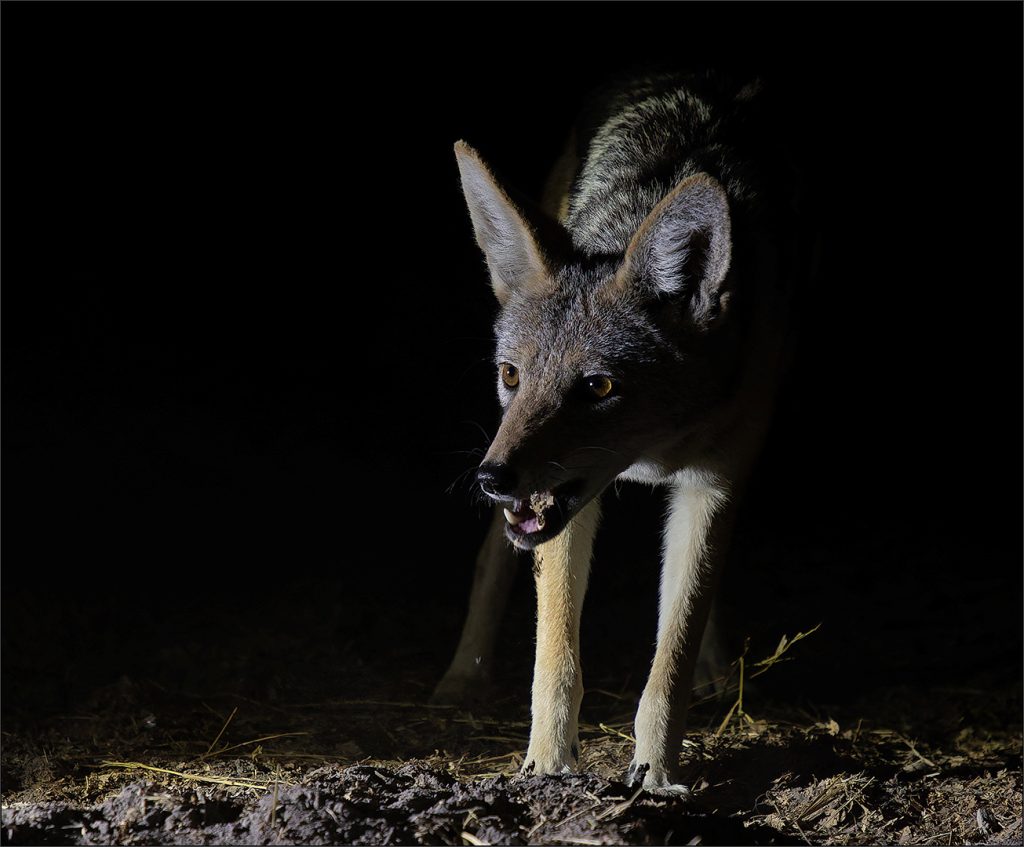
The best Junior Photograph in the Set Subject Category was “Kyk in die Donker” by Reinhardt Herselman
Here is the COM and Gold awards for the night
Category – Open
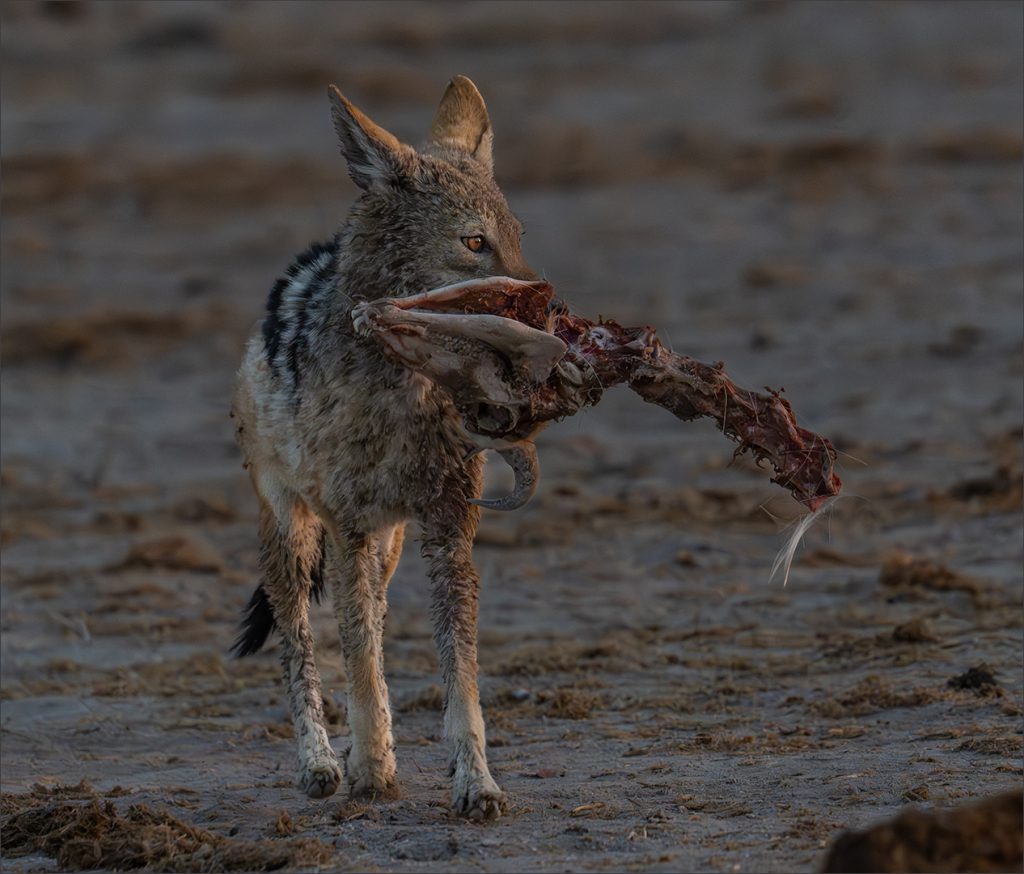
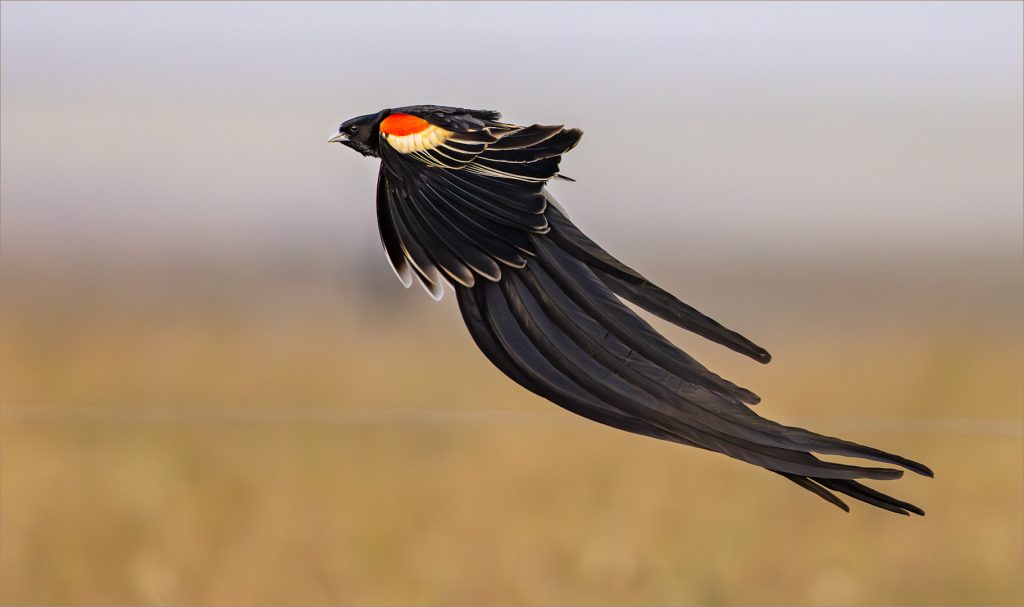
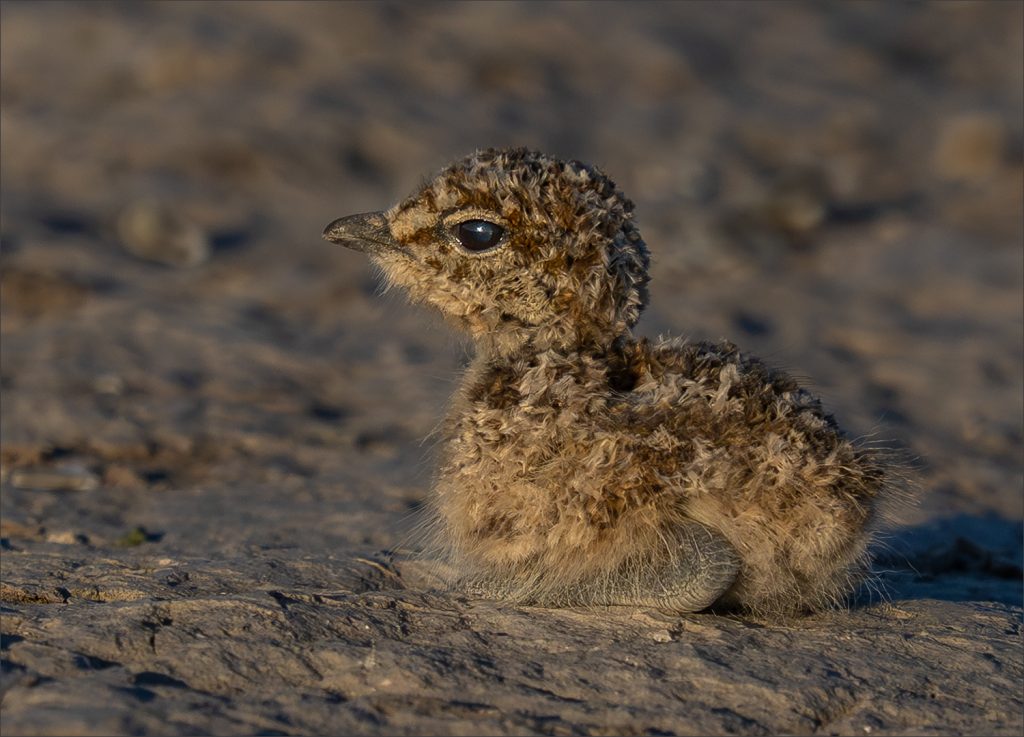
Jakkals met Springbokkop by Leon VenterLangstertflap in Vlug by SP SmithDubbelbanddrawwertjie kuiken by Leon VenterGroenrug Reier by Charles PentzChomp by Appel van der WesthuizenStaar na die Verte by Reinhardt Herselman
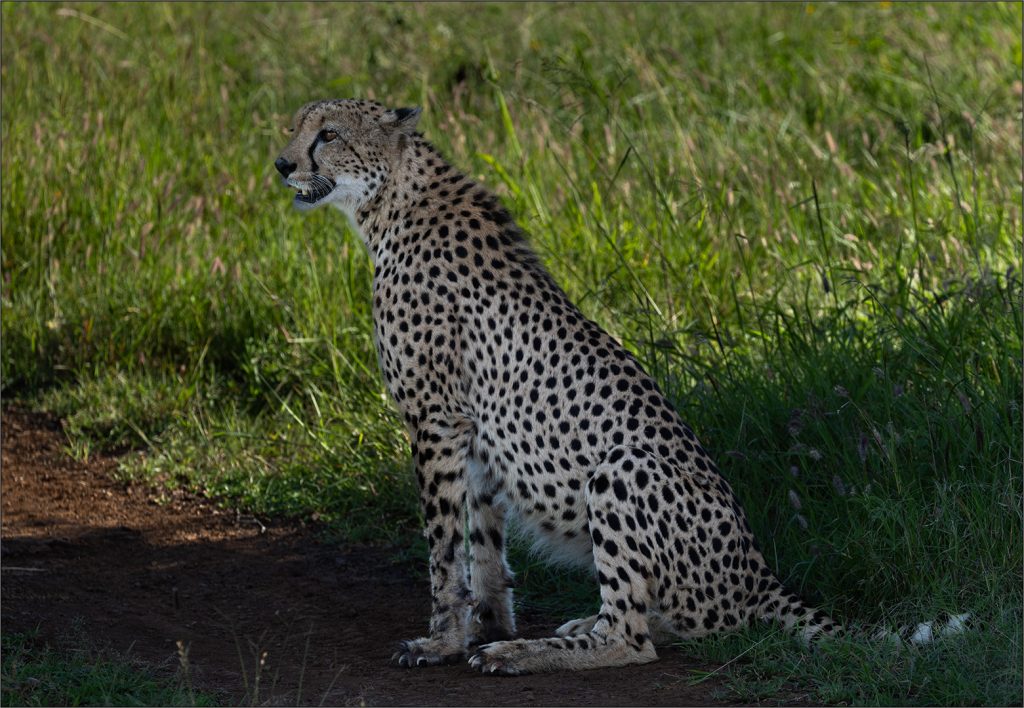
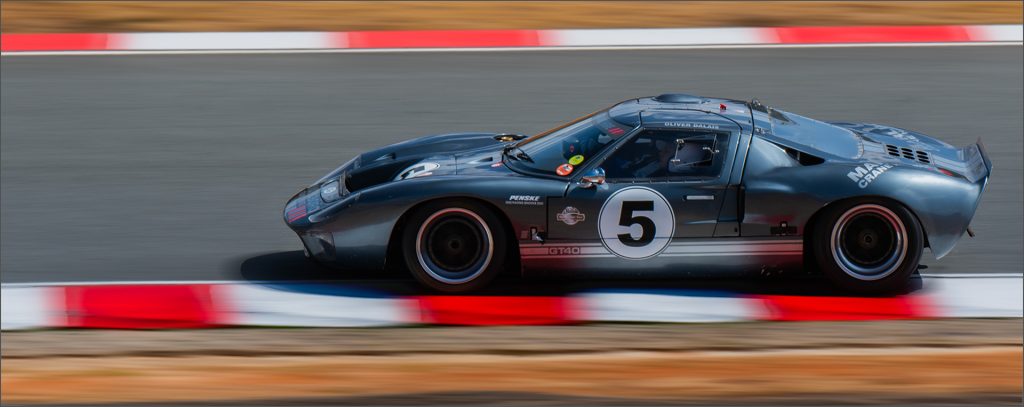
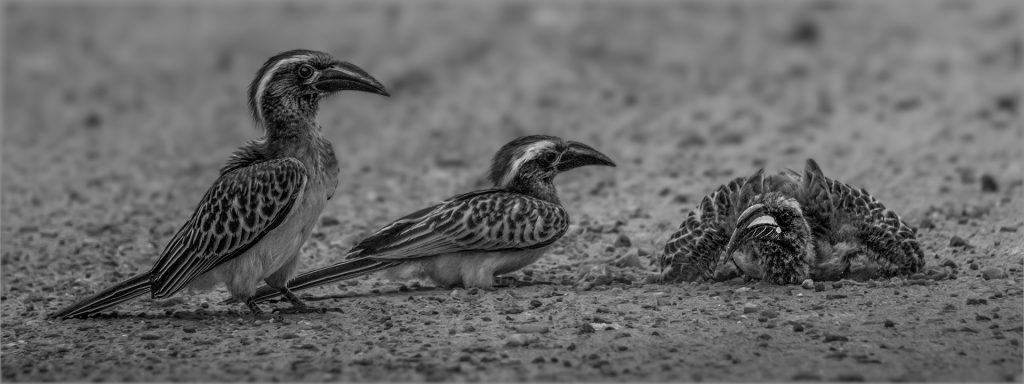
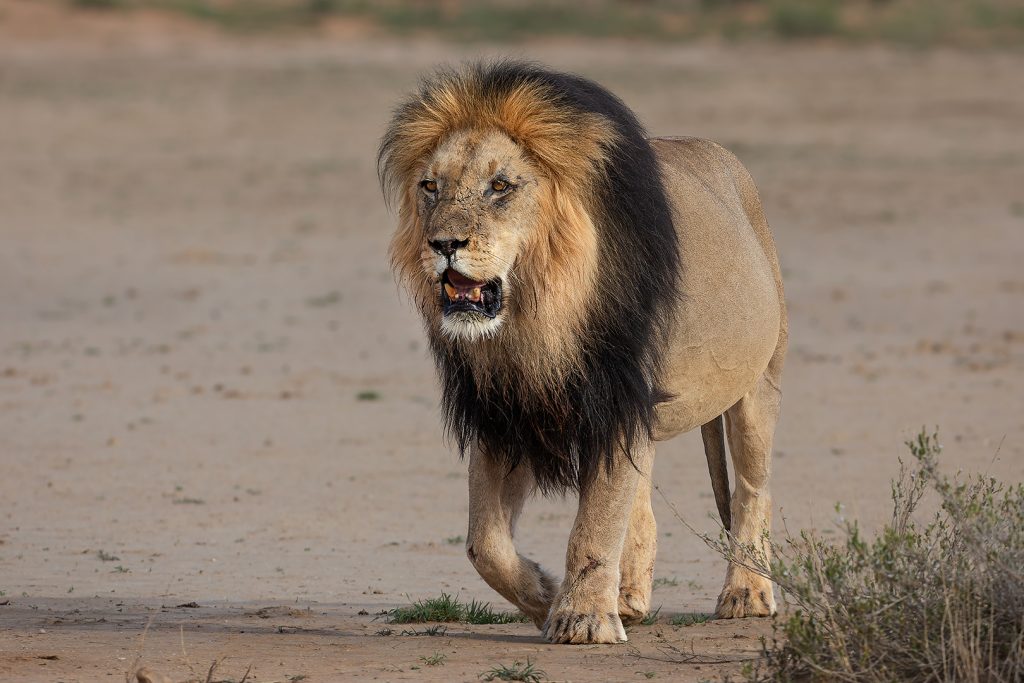
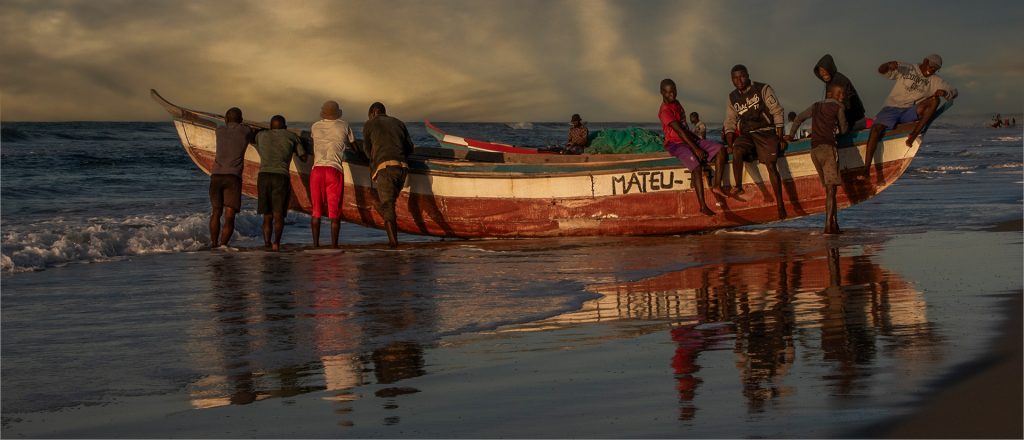
Opgepof by Wilma DrotskyHier kom ek Nou by Leon Venter Wag jou Beurt by Cobus MandersMaanlig in die Woestyn by SP SmithVasbyt by Wilma DrotskyRooi oog en harige vlieg by Cobus MandersSpreeu Opstyg by Reinhardt HerselmanOpstyg by JG DrotskyBlouvalk sluk by Johan DrotskyBiyamiti luiperd by Lienkie van der WesthuizenDobber by Landi DrotskyEende Dans by Christi van DykKleurvol by Sanlia van der WesthuizenWildehond vangs by JG DrotskyZena by Joane VenterEtens Tyd by Christi van DykKaroo Skilpad by Joane VenterVangs by JG DrotskyPienk Blom by Joane VenterTsau het die Bal by Landi Drotsky2 by Jannes DrotskyGroot Dors by Bernie van der VyverPaartyd 4 by Johan DrotskyCape Recife Lighthouse by Bernie van der VyverKop geveg by Jannes DrotskyEk is Honger by Bernie van der VyverKlaar gesuip by Jannes DrotskyWater Lafenis by Reinhardt HerselmanEen ry Spore by Bertie BothaEk en my Hond by Annelize DellFord GT40 in Action by Donovan DellLanner by Fanie BarnardPush and Shove by Priscilla DrotskySeevisvang Vroegoggend by Mitzi van der WesthuizenThree is a Crowd by Appel van der WesthuizenClassy by Annelize DellKalahari Leeu by Fanie BarnardLone Fisherman by Mitzi van der WesthuizenResting on the Beach by Donovan DellSamewerking by Priscilla DrotskyThe early boat catches the fish by Appel van der WesthuizenGrom Kat by Fanie BarnardMiddagete by Mitzi van der WesthuizenSundowner Yawn by Priscilla DrotskyErnstige Fransie by Hennie BarnardFight or Flight by Riaan DrotskyFlamink Strek by Beverly BarnardJagluiperd by Charles PentzSaaidjie in die bek by Danika PentzDonderweer oor Grasslands by Hennie BarnardEk is honger by Danika PentzLanding by Beverly BarnardSide Step by Riaan DrotskyLuiperd in Boom by Danika PentzMoeg by Charles PentzMy best side by Riaan DrotskyGetting some Pollen by Cobus MandersCute by Wilma DrotskyDuin in Sossusvlei by SP Smith
Category – Set Subject
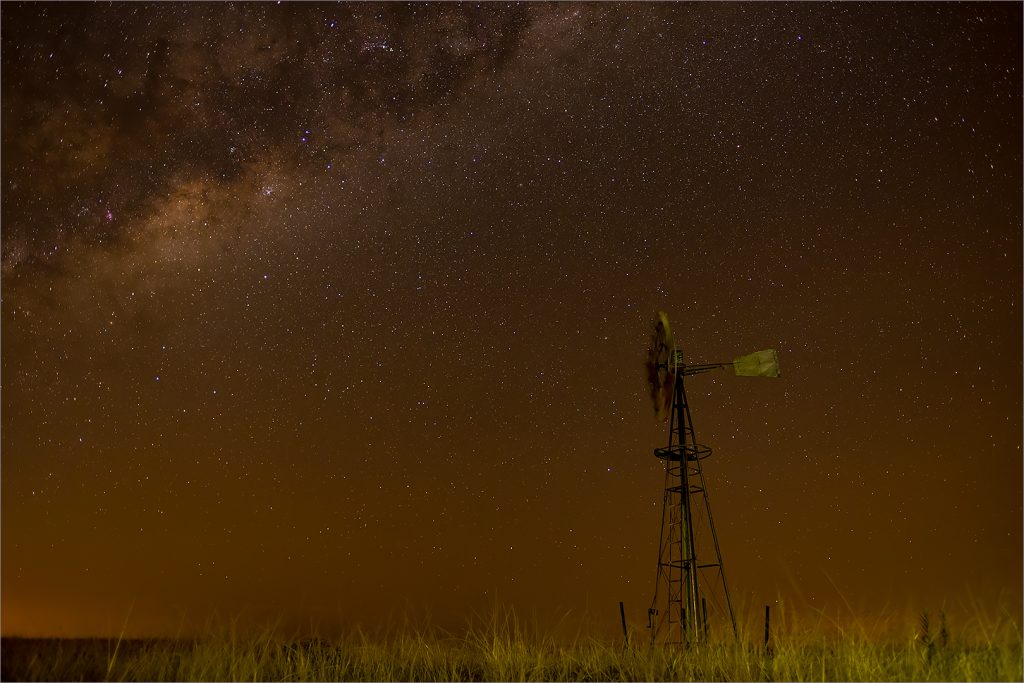
Johan se windpomp – after dark by Franscois RousseauDuiker Paraat by Leon VenterAas soek in die donker by Wilma DrotskySpookhuis by SP SmithAfter dark comes sunrise by Riaan DrotskyUnder a Starry Sky by Annelize DellSparks Flying by Donovan DellFontein Sterre by Johan DrotskyAfter Dark by Jannes Drotsky
For years councillors in Govan Mbeki Municipality (GMM) have had to explain to residents why basic services were failing. Sewage spills, electricity outages, interrupted water supply, uncollected refuse and pothole-damaged tyres became routine complaints. Councillors were inundated with calls: where is my water? when will my lights be back on? when will the refuse be collected? These are not partisan problems — the steady decline in municipal service delivery has affected everyone.
Then an unexpected but inevitable shock rearranged local politics. In the last local elections the ANC failed to win outright majorities in three Mpumalanga municipalities: Lekwa, Steve Tshwete and Govan Mbeki. In GMM that opened the door to coalition dynamics and, eventually, to the EFF taking a decisive role. Nationally the ANC also lost its single-party majority and now finds itself in a Government of National Unity.
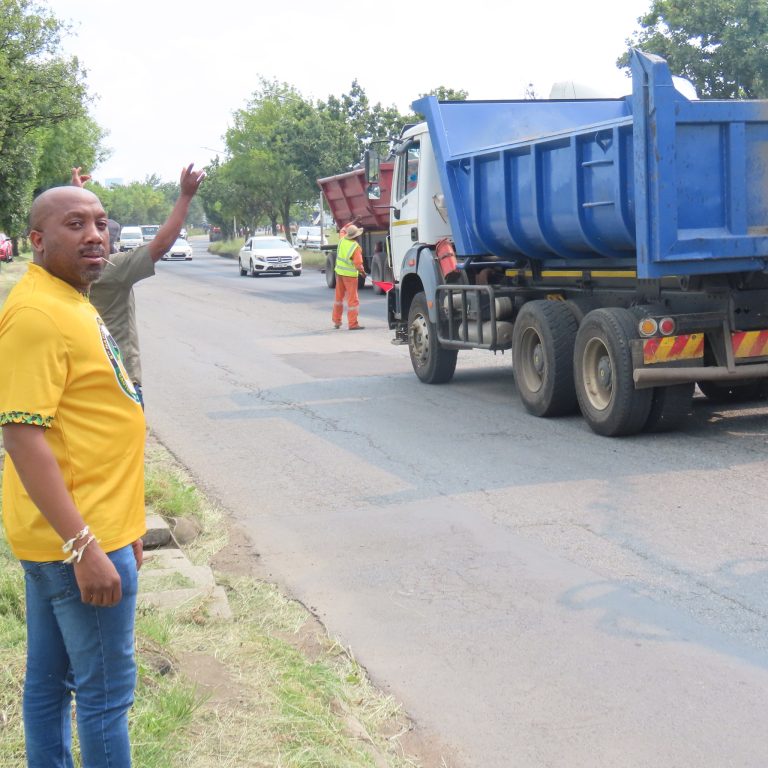
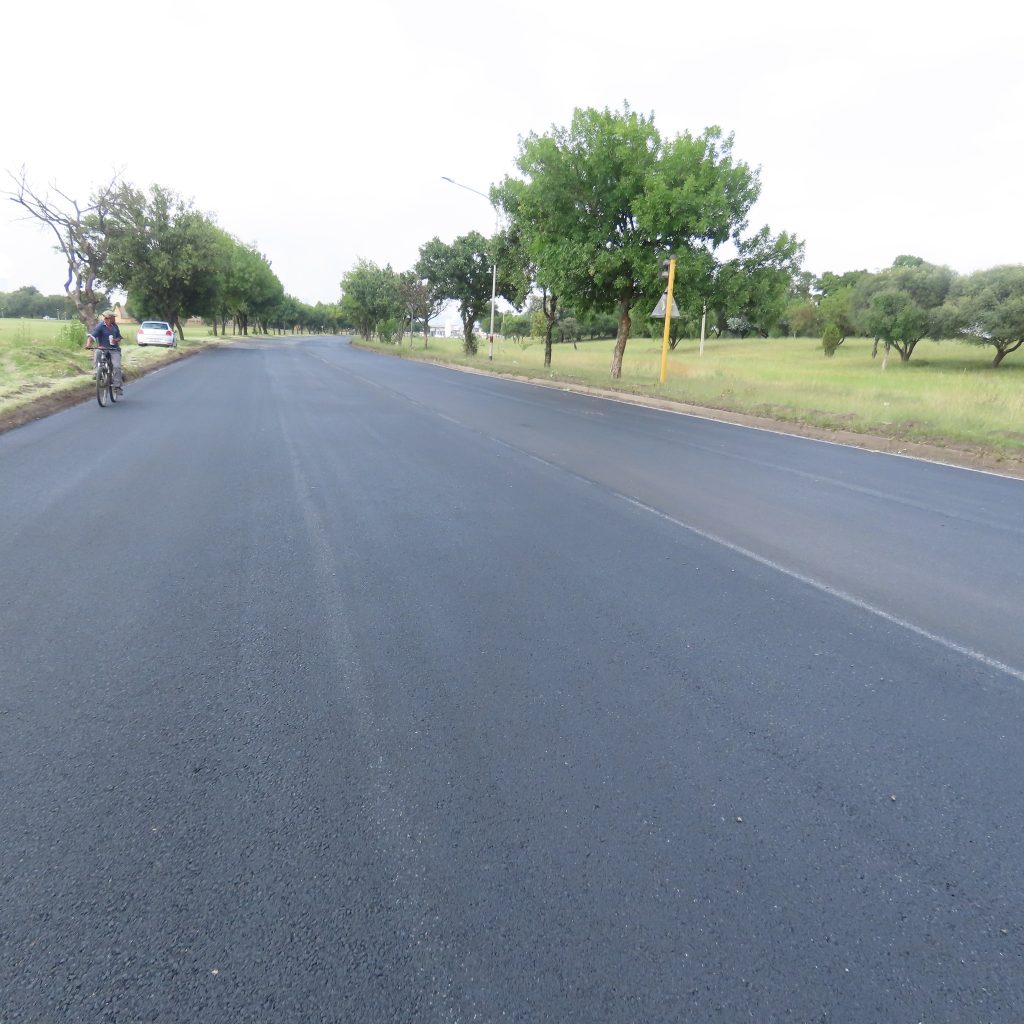
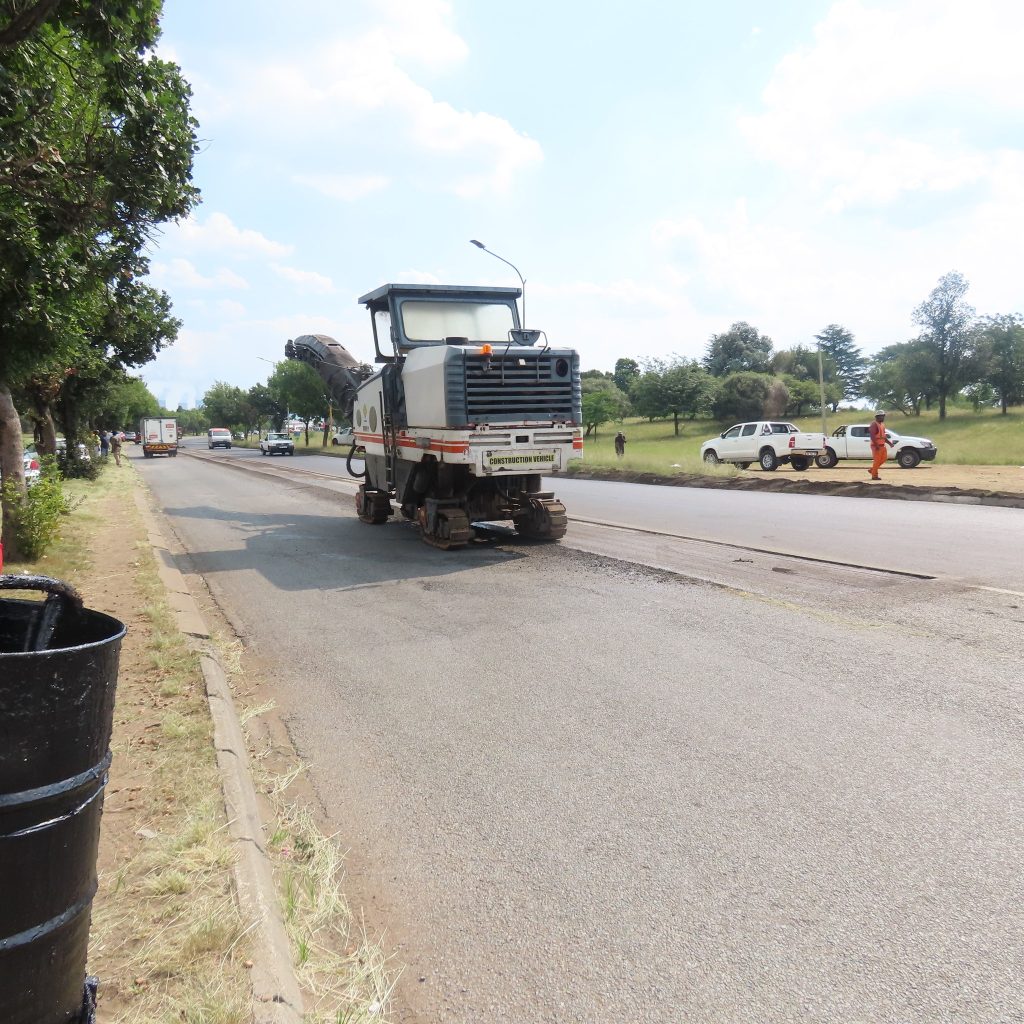
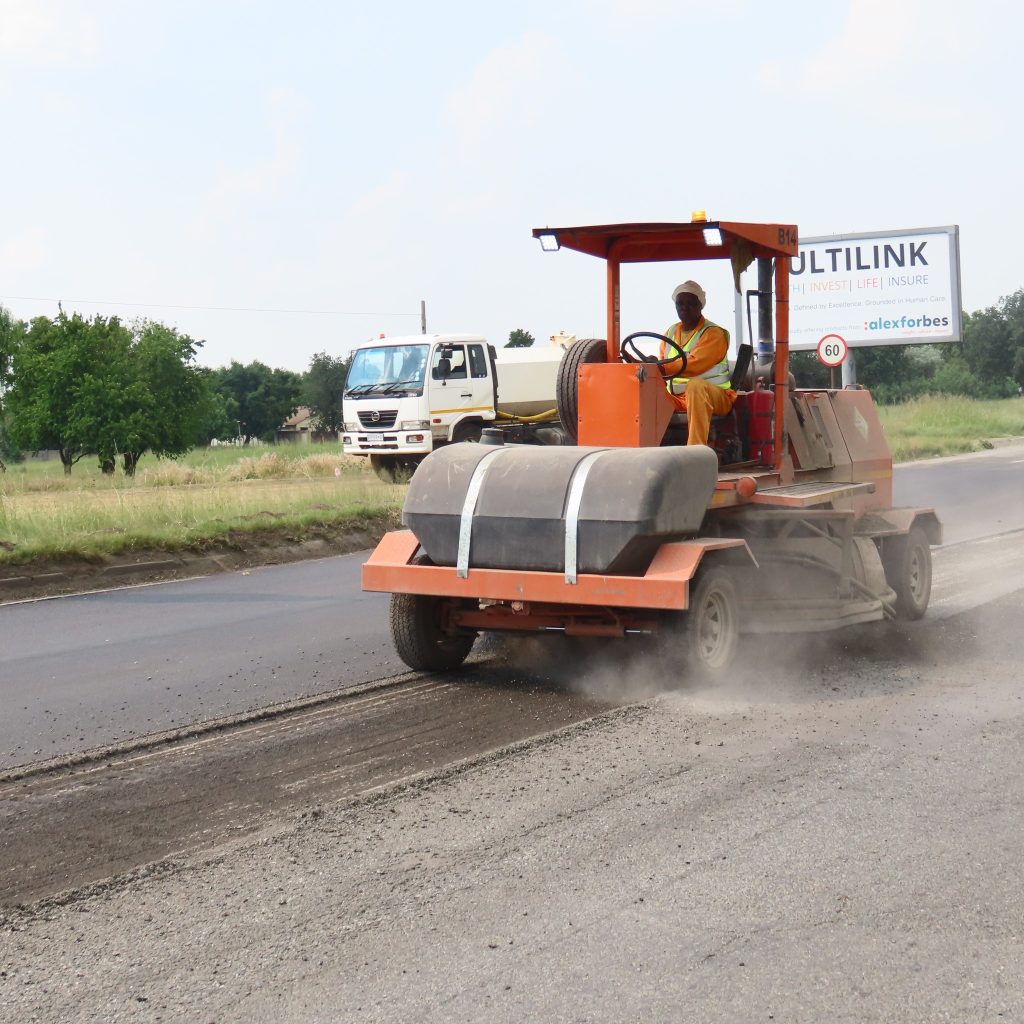
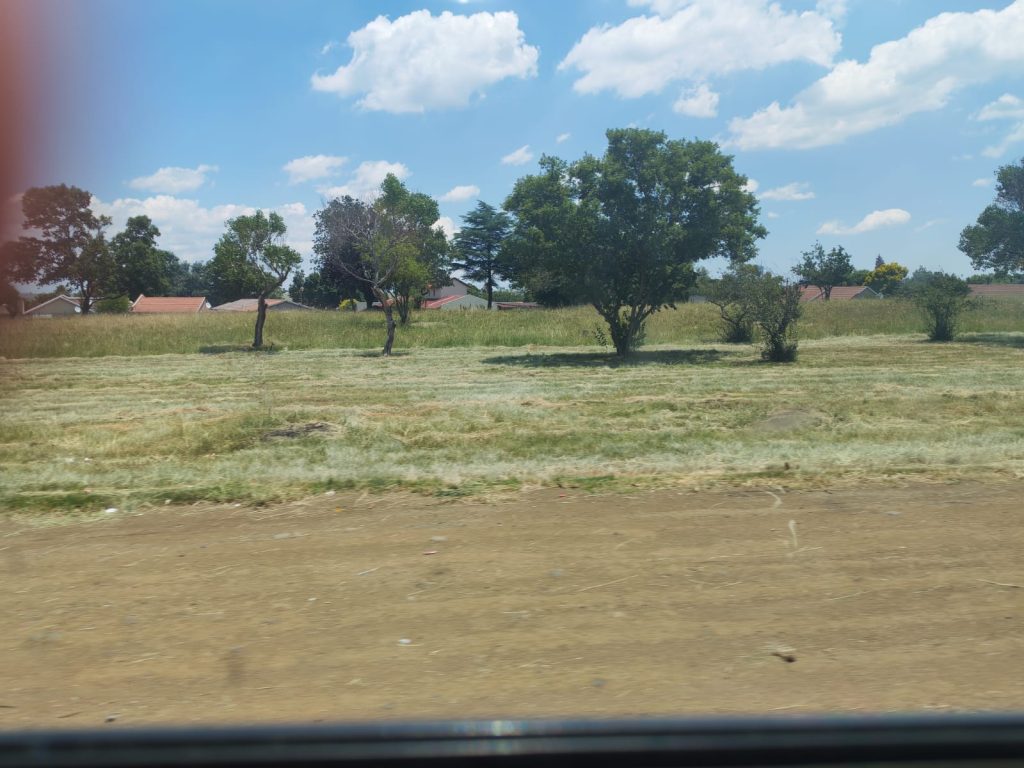
That political squeeze appears to have produced a predictable response: intensified, highly visible “fixing” of certain infrastructure ahead of political events and to shore up traditional voters. What had been routine municipal responsibilities — road repairs, grass cutting, TLB digging and clean-ups — suddenly accelerated in parts of Secunda. A mayoral clean-up campaign called Ijima was publicised, and residents were asked to praise the mayor for improvements that should be part of everyday municipal operations.
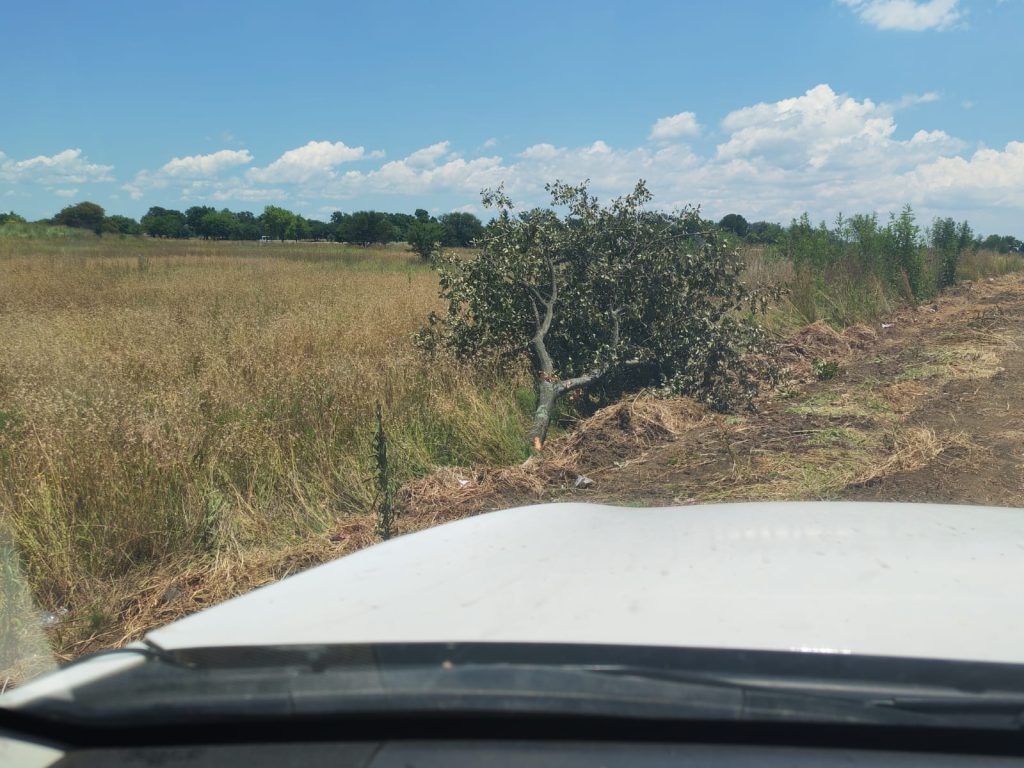
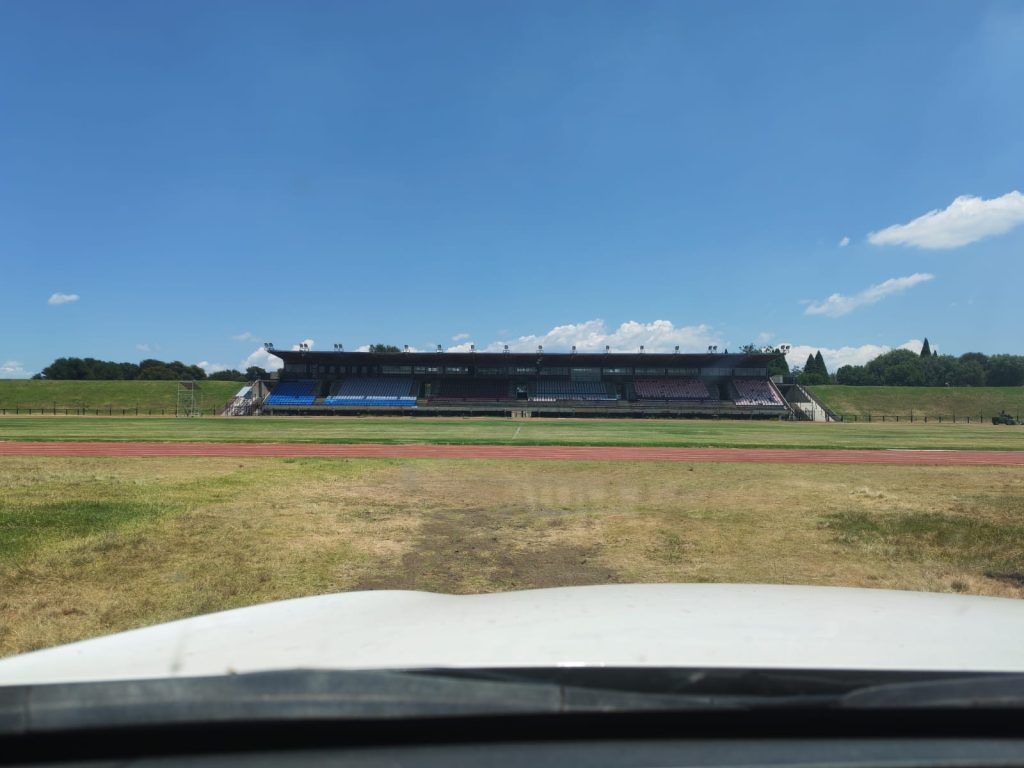
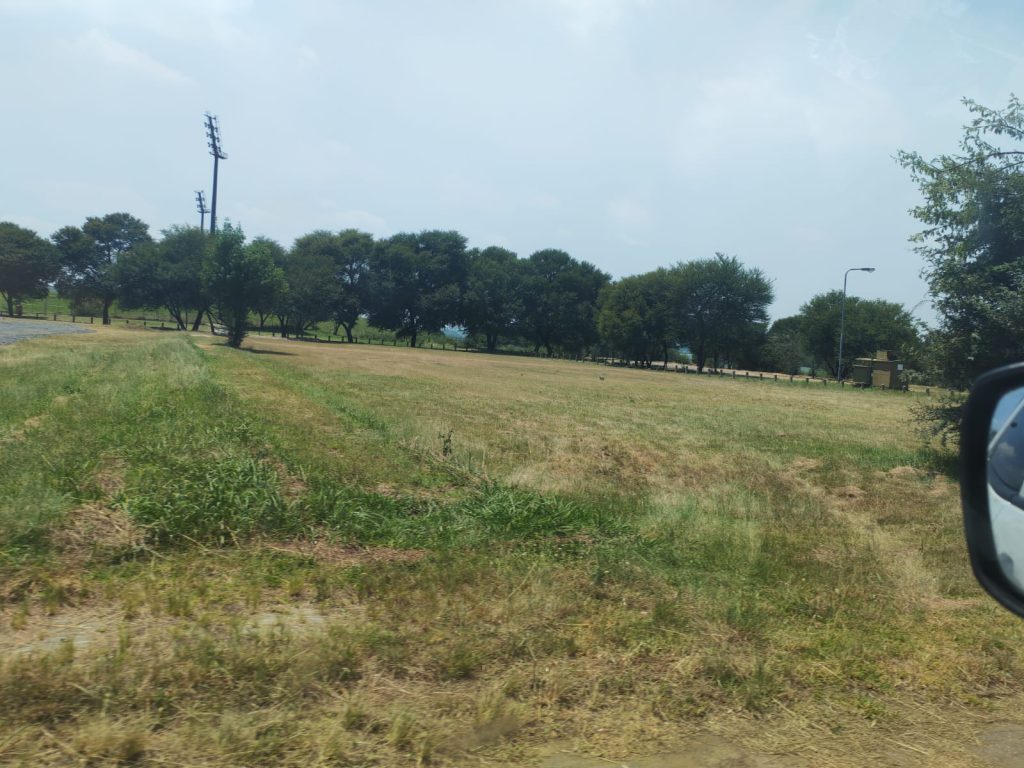
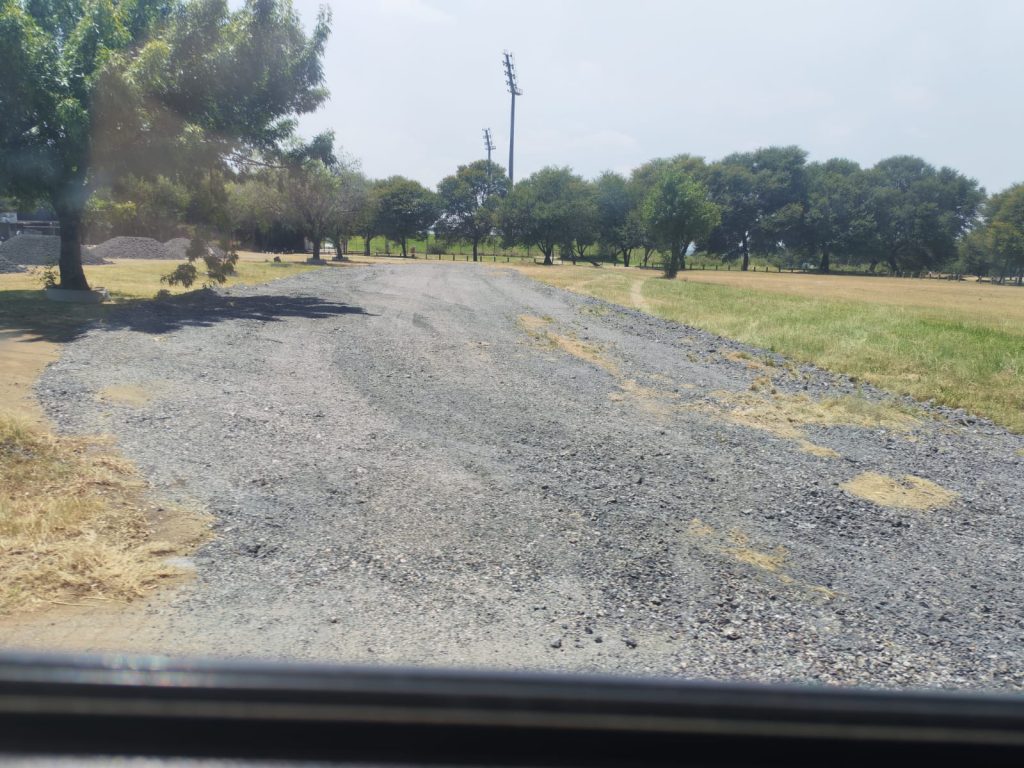
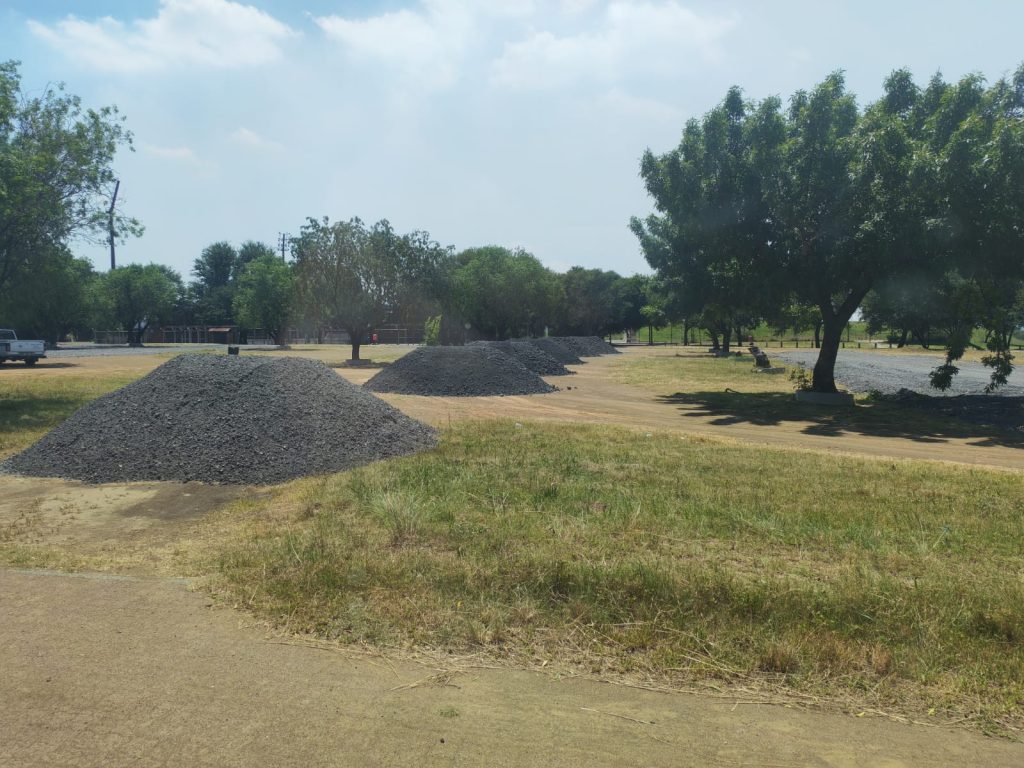
Why the sudden focus? The answer is simple: political optics. The ANC will celebrate its 114th birthday this year, and the Mpumalanga provincial celebrations are being held at Lilian Ngoyi Stadium in Secunda this weekend. According to local sources, the event was initially planned for eMbalenhle but was reportedly moved after objections from the Taxi Association; the precise reasons remain unclear. Whatever the cause, the venue change concentrated attention — and municipal activity — on Secunda. A school athletics meeting scheduled at the stadium was abruptly cancelled. Road surfacing, graveling of the stadium parking lot and frantic grass-cutting followed. Streets like Walter Sisulu Road received new surfaces overnight.
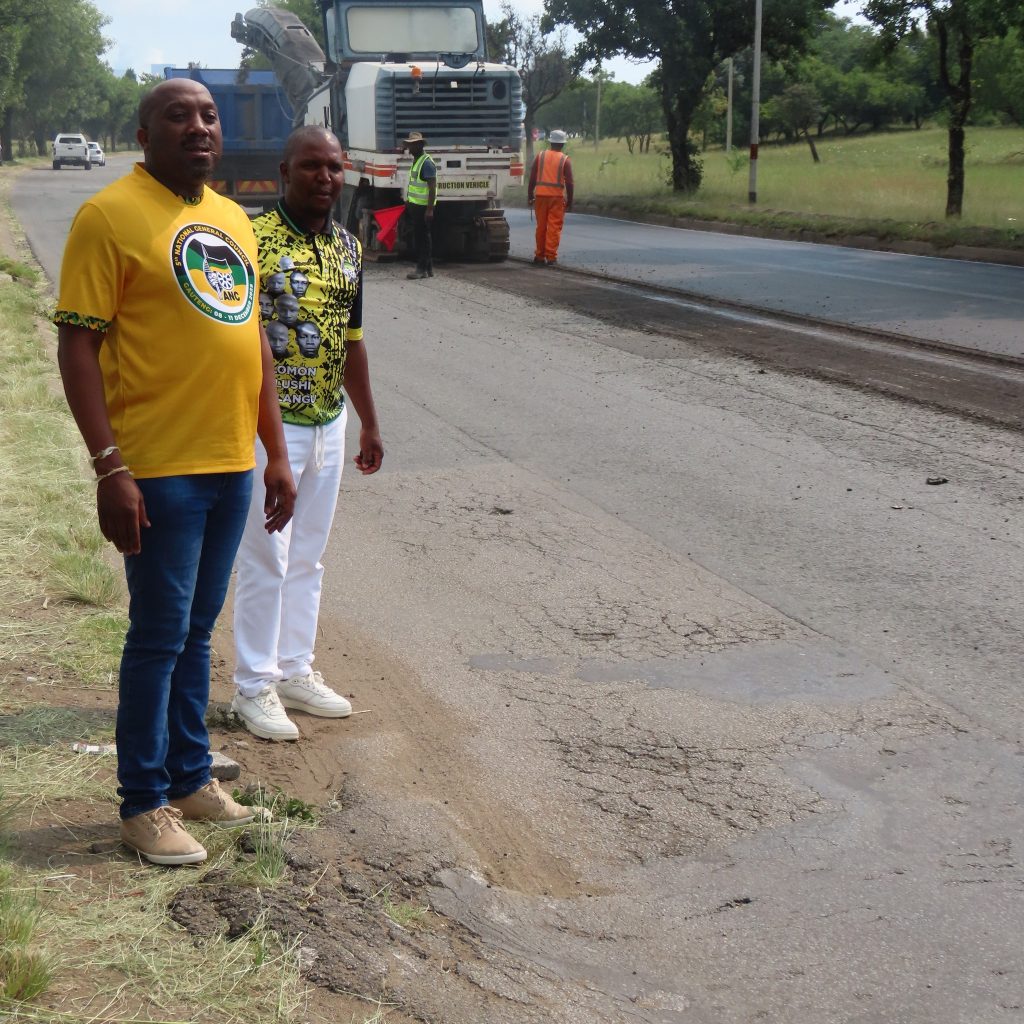
Is this a coincidence? Many residents and opposition leaders — including the Democratic Alliance in Govan Mbeki — say it is not. They allege the ANC is using municipal channels, personnel and public resources to stage-manage improvements so that party leaders can be photographed in ANC regalia inspecting works, creating an impression that the ruling party is personally delivering services. The DA has demanded that Municipal Manager Elliot Maseko immediately stop the politicisation of service-delivery communications on official municipal platforms.
The DA’s public statement by Portia Mpatlanyane DA Councilor Govan Mbeki Local Municipality, raises three central concerns:
No more VagrantsVagrants suddenly goneGrass cutting Tree victim of new roadLilian Ngoyi gravelledAsh for Lilian Ngoyi
Elected officials and municipal managers should not use government platforms and resources to promote a party brand. Recent coverage shows Executive Mayor Nhlakanipho Zuma and MMC for Civil Engineering Vusimuzi Mbokazi appearing in ANC regalia while inspecting road repairs under a banner labelled “Accelerating Road Infrastructure Rehabilitation in Secunda.”
Road maintenance and similar work are statutory municipal responsibilities, not political favours. Citizens should not be misled by theatrical displays designed to attribute regular service delivery to a party’s goodwill.
There are serious risks that public resources are being diverted to raise political visibility. Government funds and municipal capacity must never be used for party campaigning.
The DA reminded residents that the municipality’s Integrated Development Plan (IDP) sets service-delivery targets for wards, and that the Municipal Systems Act and local governance frameworks require impartial, needs-based delivery to all ratepayers, regardless of political affiliation. The DA pledged to continue oversight and to expose improper practices, arguing for a clear separation between ruling party activity and administration so that taxpayers’ money is protected.
What residents should watch for
Transparency about who authorises and pays for the recent works in Secunda.
Whether municipal communications channels are used to carry party-branded messages.
If the improvements are sustained as part of regular service delivery or disappear after the birthday event.
Evidence that municipal procurement and labour rules were followed, and that projects were included in the IDP and budget.
Conclusion The visible improvement in Secunda ahead of a major political event raises legitimate questions. If municipal resources, staff time or communication platforms are being used to stage-manage service delivery for partisan gain, that is a misuse of public assets and a breach of citizens’ trust. Govan Mbeki residents deserve steady, equitable services year-round — not short-term performative fixes timed for photo opportunities.
Municipal officials should publish clear, dated records showing the funding sources, procurement approvals and operational orders for the recent works. Political parties should refrain from using state platforms to enhance their brand. And opposition parties and civil society must keep up scrutiny so that taxpayers’ money serves the public interest, not party politics.
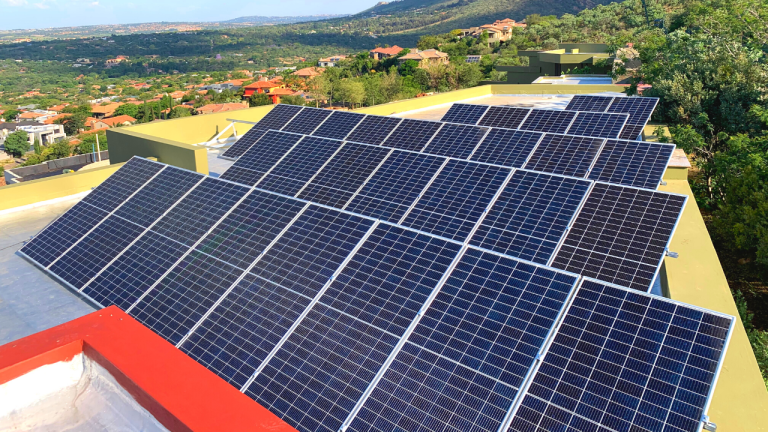
Energy analyst Chris Yelland (MD, EE Business Intelligence and energy advisor to OUTA) has urged South African households with rooftop solar PV or battery energy storage (BES) systems not to be intimidated by recent warnings from Eskom and some municipal electricity distributors about mandatory registration, fines and possible disconnection.
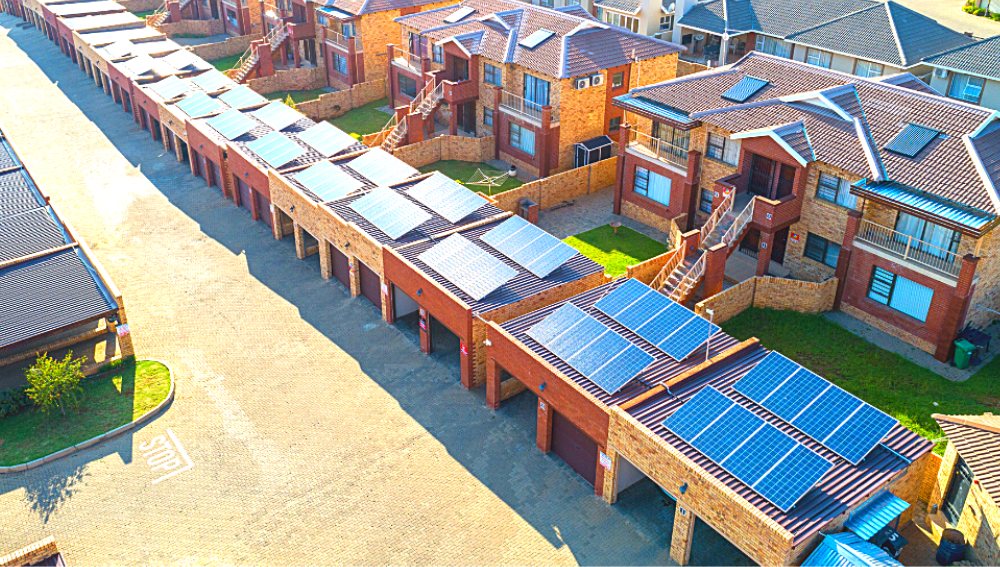
The context Since late 2025, Eskom and a number of municipalities have intensified a “Solar PV registration legal compliance campaign,” telling customers that all embedded generation systems — including residential rooftop PV systems smaller than 100 kVA — must be registered with their electricity service provider under NERSA rules. Eskom’s 14 January 2026 statement reiterated this position and warned of penalties, including fines of more than R6,000 and potential disconnection for unregistered installations. Eskom says it has simplified the process, and from 1 October 2025 allowed sign-off by a Department of Labour–registered person rather than requiring an ECSA-registered professional, framing the effort as a safety and compliance initiative.
Yelland’s view: don’t panic, do ensure proper compliance documentation Yelland describes the utility and municipal messaging and enforcement strategy as misguided, confusing and counterproductive. He warns it risks alienating law‑abiding, paying residential customers and says the approach is unlikely to succeed in the long term. His core advice to homeowners is straightforward: prioritise safe, accredited installations and keep proper documentary proof of compliance.
What homeowners should do now
Use accredited, experienced installers for any solar PV/BES installation.
Obtain a valid Certificate of Compliance (CoC) issued by an installation electrician who is registered with the Department of Employment and Labour (DoL). The CoC is the lawful proof that the system meets required technical and safety standards.
Retain all installation, inspection and commissioning records, inverter settings, and any correspondence with the installer or distributor.
On registration and exporting electricity Yelland notes that homeowners who are not exporting energy to the distribution network face a different practical decision from those who do export. If your system is configured so it does not export to the grid and you hold a valid CoC, Yelland advises that you are within your rights to question or resist aggressive enforcement — but to do so while prepared with proper documentation and, if necessary, legal counsel. Homeowners who plan to export or participate in future incentive programmes should carefully consider registering to avoid disputes and to access potential benefits.
If you are threatened with disconnection According to Yelland’s guidance, customers who receive threats of disconnection should seek legal advice and formally challenge unlawful enforcement actions by their electricity distributor. Keep written records of all threats, written notices, and any communications, and present your CoC and compliance paperwork when engaging with the distributor or a lawyer.
Balancing safety, compliance and practical choices Eskom presents registration as a safety and planning measure and says the process has been simplified to make compliance more accessible. That said, Yelland emphasises homeowners should focus on the fundamentals: competent installation, a DoL‑registered electrician’s CoC, and careful documentation. Whether to register is a decision that can hinge on technical settings (export versus no-export), local regulations and how an individual household wishes to interact with its distributor and potential future programmes.
Practical next steps (quick checklist)
Verify your installer’s accreditation and the electrician’s DoL registration.
Secure and store your system’s CoC and commissioning paperwork.
Confirm whether the system is set to export to the grid; if not, document this configuration.
If contacted by Eskom or your municipality, respond in writing, provide your compliance documents, and consult legal advice if you are threatened with fines or disconnection.
Consider registering if you want to participate in export programmes or avoid prolonged disputes.
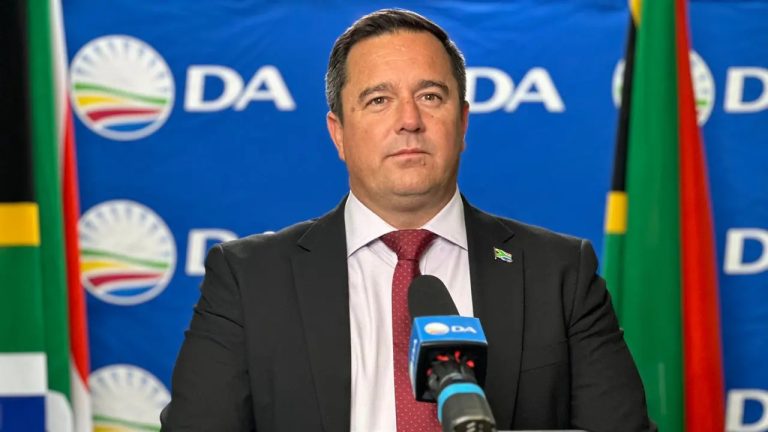
John Steenhuisen, leader of the Democratic Alliance (DA) and South Africa’s Minister of Agriculture, announced on Wednesday, February 4, 2026, that he will not seek re-election as the party’s federal leader at the upcoming Federal Congress in April.
Speaking at a press briefing in his hometown of Durban, Steenhuisen confirmed earlier reports and framed his decision as a deliberate handover after achieving what he called his “DA Moonshot” mission. He credited his tenure with expanding the party’s national reach, returning the DA to outright control of the Western Cape, growing its polling support and guiding the party into the Government of National Unity (GNU).
“This is not the end of the road for the DA, and it is not the end of the road for me,” Steenhuisen said. “I today announce that I will not seek re-election for a third term as DA Federal Leader at the party’s upcoming Federal Congress. I do so with a full heart, knowing that I have accomplished my DA Moonshot mission, and that my work in government now requires me to similarly pour my heart and soul into defeating foot-and-mouth disease.”
He said the decision follows his appointment to a ministerial role focused on combating the worst outbreak of foot-and-mouth disease (FMD) recorded in South Africa’s livestock, a crisis that has drawn intense pressure from farmers and civil society. Steenhuisen said he intends to devote his remaining time in office to eradicating the disease and that dividing his attention between an internal leadership campaign and the national response would be unfair to farmers.
“After leading the DA into the GNU, my next chapter must be to eradicate this devastating disease from our shores once and for all. That is not a part-time job,” he said.
Steenhuisen assured members he will remain in government as minister and pledged full support to the successor elected at the DA’s April federal congress; nominations open on February 24. His exit opens the path for rising DA figures — notably Cape Town Mayor Geordin Hill-Lewis, who has publicly signaled leadership ambitions but had said he would not challenge Steenhuisen while he served as leader.
The leader’s announcement comes against a backdrop of internal party tensions, including public disputes with former DA Federal Finance Chair Dion George, who resigned in January amid a series of accusations against Steenhuisen. An internal probe previously cleared Steenhuisen of misuse of party funds, finding the disputed credit-card expenditure reconciled.
As minister, Steenhuisen has faced mounting criticism from farming groups and lobbyists over the government response to the FMD outbreak. This week, several farmer lobby groups took legal action accusing the minister of obstructing private-sector assistance in efforts to contain the disease — allegations that have increased scrutiny of his handling of the crisis.
Steenhuisen closed his remarks by saying he leaves the DA “a fundamentally healthier party” and urged members to back the next generation of leaders. The Federal Congress in April will elect new party leadership and mark the formal end of Steenhuisen’s tenure as DA federal leader.
Introduction Foot and Mouth Disease (FMD) remains one of South Africa’s most serious livestock health risks. Highly contagious and capable of devastating dairy and beef production, FMD undermines animal welfare, rural livelihoods and export markets. Recent outbreaks and renewed national coordination have placed control and eradication squarely at the top of the industry agenda.
What is FMD and how it spreads FMD is caused by an Aphthovirus infecting cloven-hoofed animals — cattle, sheep, goats, pigs and some wildlife. Young animals are particularly vulnerable. The virus spreads quickly through:
Direct animal contact (saliva, milk, breath, secretions).
Contaminated surfaces, feed, water and transport vehicles.
Human activity (clothing, footwear, equipment).
Movement and trade of infected animals.
Environmental survival in cool, moist materials (hay, manure, soil).
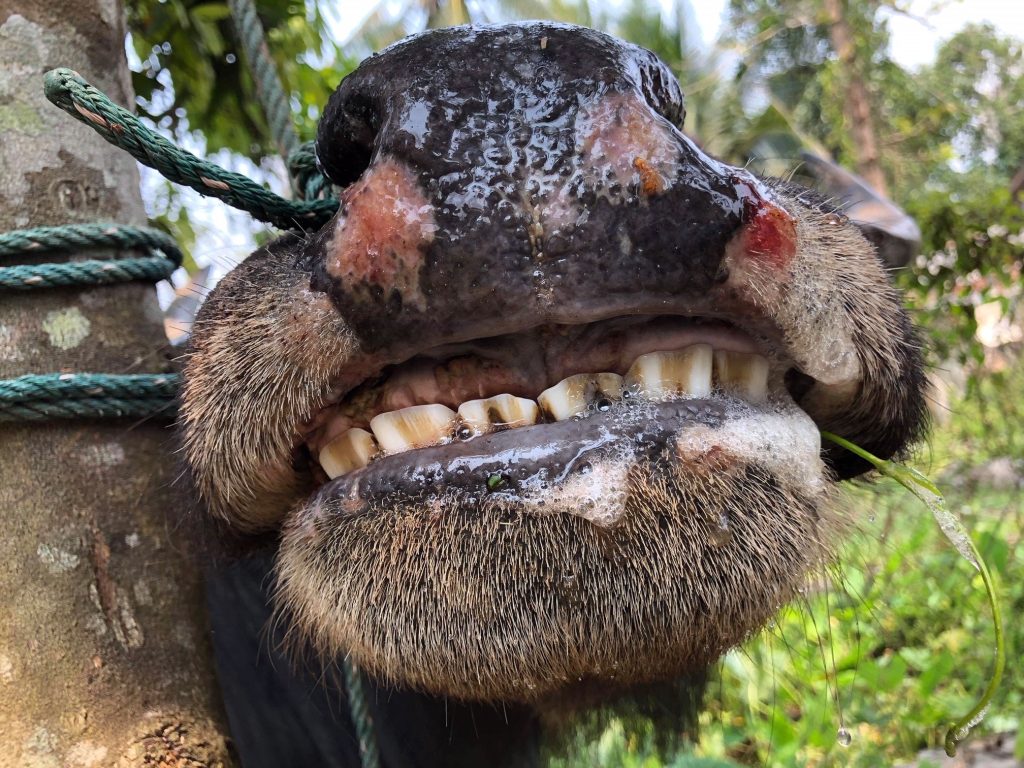
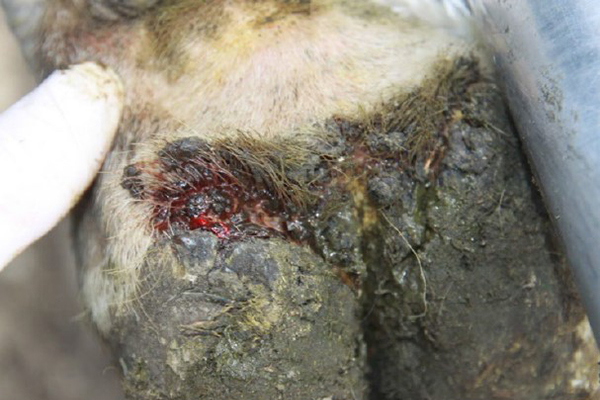
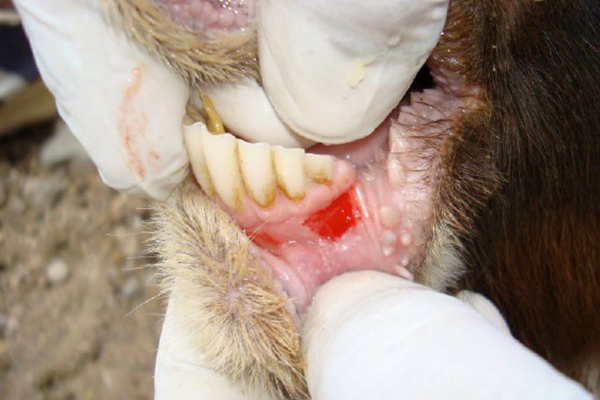
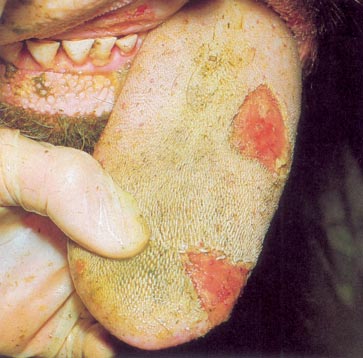
Clinical signs and animal impact Typical signs include fever, painful vesicles on the mouth, tongue, teats and hooves, lameness, reduced appetite, weight loss and severe drops in milk yield. Calves, lambs and piglets face higher mortality; survivors often show reduced fertility and long-term productivity losses. Where outbreaks occur, culling and movement bans are frequently necessary, with major welfare and financial consequences.
Economic and industry consequences Beyond on‑farm losses (reduced milk, slower weight gain, deaths and culling), FMD triggers trade embargoes that close export markets for meat and live animals. Supply-chain disruption affects abattoirs, feedlots, transporters and rural economies. National responses and compensation add fiscal costs. Restoring market access and confidence can take years.
Mpumalanga and recent outbreak history Since 2024–2025, FMD events linked to KZN have affected Mpumalanga. SAT2 (and previously SAT1) strains moved into municipalities including Gert Sibande, Dipaleseng, Victor Khanye, Govan Mbeki, eMakhazeni, Steve Tshwete and Dr Pixley ka Isaka Seme, with multiple outbreaks reported. Authorities implemented vaccinations in controlled zones, targeted culling and strict biosecurity to protect historically FMD-free areas. Persistent challenges include livestock movement compliance and informal markets.
Prevention and control measures Effective control is multifaceted:
Quarantine and movement controls, including Disease Management Areas and permits.
Strategic vaccination in high‑risk zones and regular boosters.
On-farm biosecurity: disinfection, visitor control and equipment hygiene.
Traceability systems and real‑time movement records (e.g., RMIS).
Rapid detection, reporting and laboratory confirmation.
Government–industry collaboration for coordinated response and farmer support.
National coordination and the Industry Coordination Council To accelerate recovery, the Minister established an FMD Industry Coordination Council to work alongside the Department of Agriculture and a Technical and Scientific Task Team. The council’s role includes aligning industry actions with national measures, consolidating situational information, coordinating communications, supporting traceability and readiness for compartmentalised operations, and facilitating logistics, training and monitoring. The council’s inaugural meetings began in January 2026, with weekly engagements planned to maintain momentum.
Leadership and accountability Minister Steenhuisen has committed to a clear roadmap, stating the government cannot act alone and that private sector, farmers and veterinarians must collaborate. The stated goal is to restore FMD-free status within a concerted timeframe through shared responsibility, technical oversight and improved compliance.
What farmers and stakeholders should do now
Maintain strict biosecurity and limit unnecessary movements.
Enrol and keep records up to date on traceability platforms.
Participate in vaccination programs where recommended.
Report suspect cases immediately to veterinary authorities.
Cooperate with quarantine and testing measures to protect wider markets.
Conclusion FMD poses a sustained threat to South African livestock, trade and rural livelihoods. Recent outbreaks underline the need for rapid detection, disciplined movement controls, strategic vaccination and strong industry–government coordination. With the new council, technical oversight and committed stakeholders, South Africa has a coordinated roadmap to reduce outbreaks and work toward restoring FMD-free status — but success will depend on consistent compliance and collective action.
For support or to report suspect cases, contact provincial veterinary services or the national Department of Agriculture.
The Freedom Front Plus (FF Plus) warns that the Govan Mbeki Local Municipality’s unqualified audit opinion for 2024/25 should not be mistaken for financial stability or sound governance.
“An unqualified audit opinion merely indicates that the financial statements are technically acceptable; it does not conceal the scale of the municipality’s crisis,” said Aranda Nel-Buitendag Freedom Front Plus Councillor, Govan Mbeki Local Municipality, “The Auditor-General’s report and the mid-year Audit and Performance Committee report reveal serious financial distress, weak controls, widespread non-compliance and deteriorating service delivery.”
Key concerns:
Revenue collection is only 32%.
Unauthorised and irregular expenditure exceeds R1.2 billion for the year.
Debt to Eskom and the water board totals more than R6.6 billion combined.
The budget deficit has reached R733 million.
Creditor payments are being deferred, and the AG has declared the municipality not financially sustainable.
Service delivery is failing. Although the full infrastructure budget was spent, only one-third of planned targets were achieved. Large sums are being consumed by interest and penalties, providing no value to residents. A serious environmental irregularity at the Embalenhle Wastewater Treatment Works has already caused pollution-related damage, with no effective remediation underway.
Aranda Nel-Buitendag, FF Plus councillor
The mid-year performance report confirms poor delivery: targets are unmet and indicators fail to comply with basic performance principles. There is an absence of consequence management for financial misconduct.
The FF Plus rejects any portrayal of the municipality as healthy or compliant. The Council and municipal management must move beyond reporting and take decisive action: institute visible consequence management for financial transgressions, improve revenue collection, fully implement audit action plans, and deliver tangible improvements in service delivery.
“Govan Mbeki residents deserve more than polished reports — they deserve real, grassroots change. The Freedom Front Plus will continue to press for full accountability and for a municipality that serves the interests of its community,” concluded Aranda
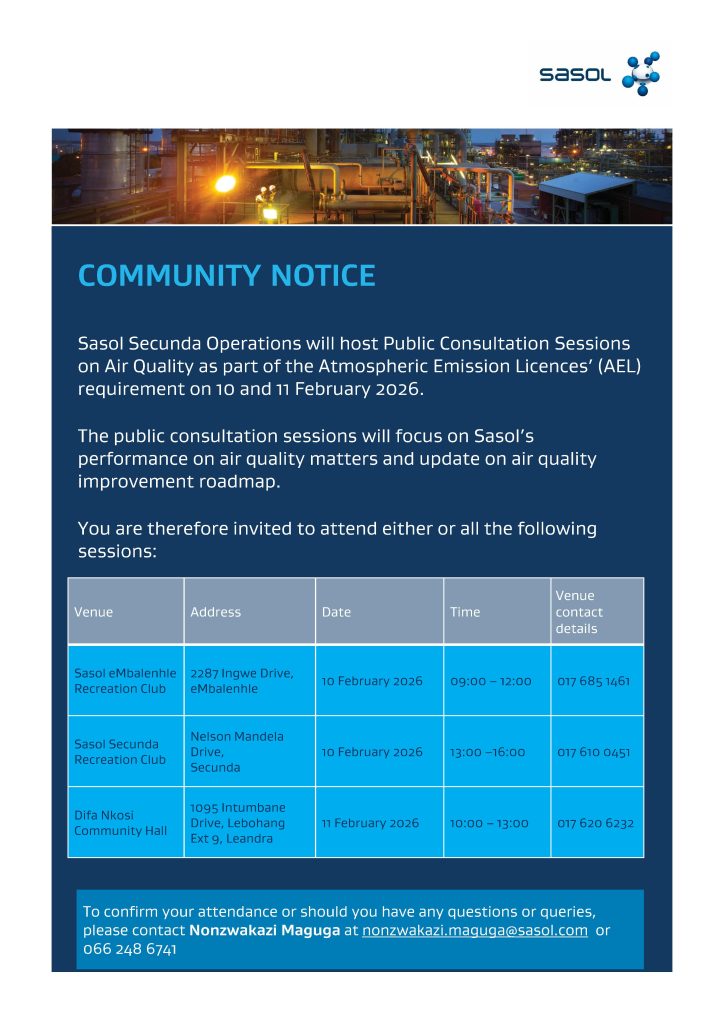
Sasol bied Publieke Konsultasie Forums aan oor die kwaliteit van lug wat belyn is met Sasol se Atmosferiese Emissie-Lisensies op 10 en 11 Februarie 2026. Die publieke konsultasie forums gaan fokus op Sasol se resultate in terme van lug kwaliteit asook vordering op die lug kwaliteit verbeterings program.
U word genooi om hierdie forums by te woon op 10 en 11 Februarie 2026 te:
Kontak Nonzwakazi Maguga by nonzwakazi.maguga@sasol.com of 066 248 6741 vir enige navrae en om u bywoning te bevestig.
COMMUNITY NOTICE
Sasol is hosting Public Consultation Forums regarding air quality related to Sasol’s Atmospheric Emission Licenses on February 10 and 11, 2026. The public consultation forums will focus on Sasol’s results concerning air quality as well as progress on the air quality improvement program.
You are invited to attend these forums on February 10 and 11, 2026, at: