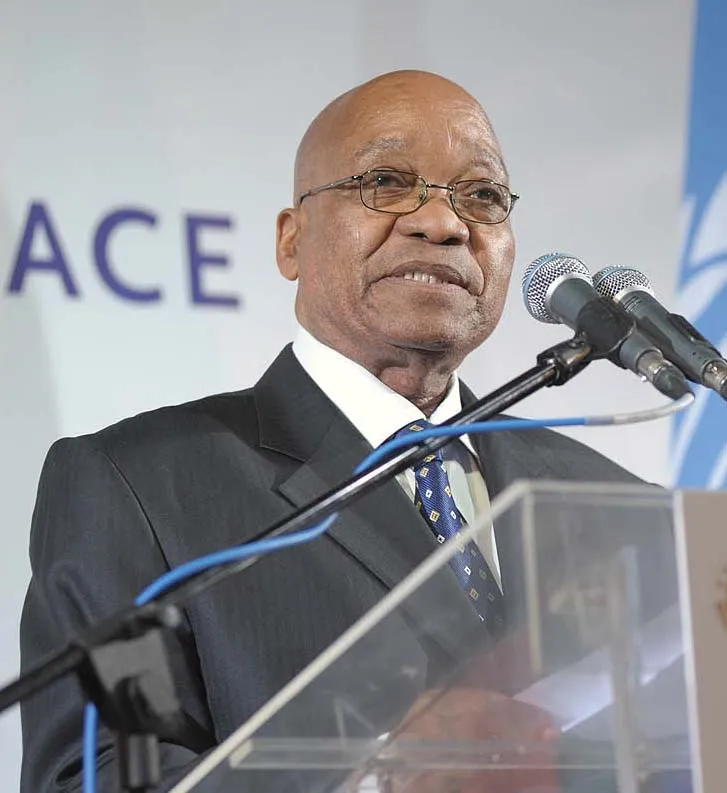
AfriForum het ’n betaling van meer as R280 000 van die nasionale kommissaris van die departement van Korrektiewe Dienste (DKD) ontvang, vir regskoste wat in 2021 deur die Pretoriase Hooggeregshof aan AfriForum toegeken is in ’n saak oor die onregmatige toekenning van mediese parool aan oudpres. Jacob Zuma. Zuma en die DKD was gesamentlik en afsonderlik verantwoordelik vir die koste, maar die nasionale kommissaris het in die einde die volle bedrag betaal sonder dat Zuma ’n sent bygedra het. AfriForum voer aan dat nes Zuma tronkstraf vermy het, hy ook in hierdie geval verantwoording ontduik het.
AfriForum het ook ’n betaling van bykans R35 000 van die DKD ontvang vir koste toegeken vir dieselfde saak wat voor die Konstitusionele Hof gedien het. Zuma en die nasionale kommissaris van die DKD is egter nog ’n verdere bedrag van ongeveer R170 000 aan AfriForum verskuldig vir regskoste in die Hoogste Hof van Appèl.
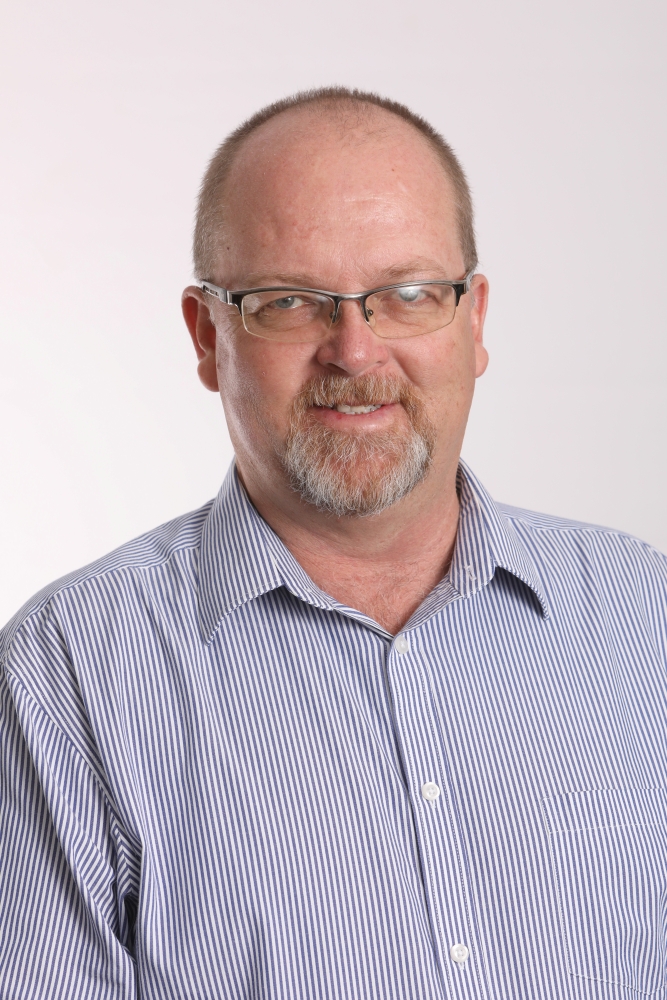
Volgens Louis Boshoff, veldtogbeampte by AfriForum, is dit goed dat hofuitsprake, soos die betaling van regskoste, nagekom word, maar bly dit teleurstellend dat Zuma weereens nie die las van sy skuld moes dra nie. “Zuma is deur die Hooggeregshof, Appèlhof én Konstitusionele Hof skuldig bevind, maar hy het geen noemenswaardige tyd agter tralies deurgebring nie, nie ’n sent se regskoste betaal nie en is steeds die leier van die derde grootste politieke party in die land.”
Boshoff beklemtoon dat AfriForum sal aanhou druk plaas om Zuma aanspreeklik te hou vir uitstaande regskoste in elke saak waarby die organisasie betrokke is.
Agtergrond:
AfriForum en ander applikante het in 2021 ’n aansoek in die Pretoriase Hooggeregshof ingedien en aangevoer dat die mediese parool wat in September 2021 aan Zuma toegestaan is, onwettig was. AfriForum het dié saak met koste gewen. Zuma het egter teen die bevinding geappelleer, maar sy appèlsaak het in die in die Hoogste Hof van Appèl vasgeval waarna hy hom tot die Konstitusionele Hof gewend het. Uitspraak in dié saak is in Julie 2023 gelewer nadat Zuma se aansoek om verlof tot appèl téén die Appèlhofuitspraak van die hand gewys is. Teen Augustus daardie jaar het Zuma finaal tronkstraf vrygespring toe presidensiële kwytskelding aan hom toegestaan is.
The Bulletin is proud to shine a light on Menzy, a remarkable non-profit organisation founded by Zandramé and her partner, Anita, dedicated to transforming how young girls experience puberty.
In a world where open conversations about menstruation are often steeped in embarrassment and stigma, Menzy steps forward as a beacon of education, support, and empowerment. Zandramé shares that their core mission is to fight the societal taboo surrounding a girl’s first period and the entire female cycle, ensuring girls receive accurate, loving, and factual information.
“We want to break that chain,” explains Zandramé, highlighting the prevalent lack of information in many households, be it single-parent families, those led by grandparents with outdated views, or cultures where such topics are simply not discussed. This void often leaves girls feeling confused, ashamed, or resorting to unhygienic practices—a heartbreaking reality that Menzy is determined to change. Zandramé noted a particularly distressing discovery during their journey: girls in impoverished communities often use rags and other unsuitable materials from dumping sites as sanitary products due to a lack of access to proper resources, leading to significant health risks.
Menzy’s approach is multi-faceted. They visit schools to provide essential education, helping girls understand the biological changes they are experiencing and fostering a sense of pride in womanhood rather than shame. Beyond education, Menzy offers tangible support through two key initiatives:
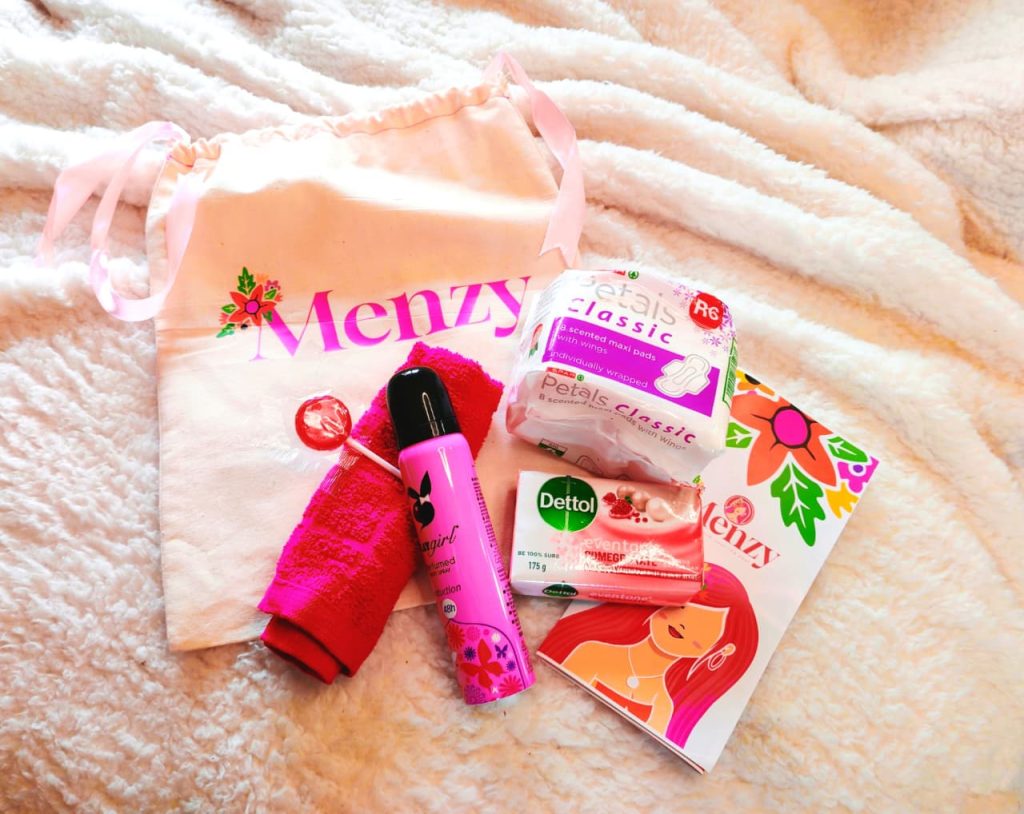
The “Starter Pack”: These goodie bags are distributed to girls in need, containing basic necessities such as sanitary pads, soap, washcloths, deodorant, and a small treat like a lollipop, alongside an informative pamphlet. These packs are designed to offer immediate practical help and reinforce the educational messages.
The “Menzy Box”: Available for purchase, these boxes serve a dual purpose: generating vital funds for Menzy’s projects and acting as a powerful conversation starter for mothers and daughters. Each Menzy Box contains a more comprehensive selection of items, including a pack of pads, panty liners, a sensitive soap, and chocolate (deemed the most important item!), hygienic wipes, a discreet pouch, and even a microwavable heating pad for period cramps. Crucially, every box comes with a detailed pamphlet, making it easier for parents to discuss these sensitive topics and for girls to reference information whenever needed.
The name “Menzy” itself embodies their goal, with Menzy serving as their mascot – a relatable character who young girls can confide in, even anonymously. This accessibility ensures that no girl feels alone in navigating the challenges of puberty.
Zandramé passionately emphasises that by equipping girls with proper hygiene products and knowledge, Menzy also plays a crucial role in reducing school absenteeism. “It’s easier for them to stay away from school than to go through this whole process at school,” she states, pointing out how discomfort, lack of resources, and even teasing from peers can disrupt a girl’s education.
Menzy is more than just an organisation; it’s a movement towards empowering the next generation of women. The funds raised through the sale of Menzy Boxes directly support their efforts to reach more girls and ensure they can approach puberty with dignity and confidence.
To learn more about Menzy, how you can purchase a Menzy Box, or contribute to their invaluable work, please see the contact details below. Let’s join Zandramé and Anita in making a lasting difference in the lives of young girls.
South Africans are facing another tough year of rising medical scheme costs in 2026. Weighted average premium increases range between 6% and 9%, depending on the benefit option – despite the Council for Medical Schemes (CMS) recommending that increases be limited to CPI (3.3%) plus reasonable utilisation.¹
Across the country’s leading open medical schemes, the announced increases are: Discovery (7.2%), Bonitas (8.8%), Medihelp (8.46%), and Bestmed (6.8%).¹ While these increases are marginally lower than 2025, the combined effect of electricity hikes, fuel inflation, and rising food costs means that household budgets are stretched to breaking point.
“For many households, the cost of medical scheme membership consumes a significant portion of monthly disposable income – yet it remains a non-negotiable given the state of the public healthcare system,” says Martin Rimmer, CEO of Sirago Underwriting Managers. “Even for those with employer subsidies, affordability has become a growing challenge as both employees and employers face tightening economic conditions.”
Martin Rimmer – Sirago
Paying More for Less: The Reality of Medical Inflation
Medical scheme contributions rise each year, driven by higher claims costs, increased utilisation, and an ageing membership base. As a result, members are paying more but receiving less cover, facing escalating co-payments, penalties, sub-limits, and out-of-pocket expenses.
“Medical schemes simply cannot keep pace with the rate of medical inflation while keeping premiums affordable,” Rimmer explains. “The result is continual benefit erosion and an increase in member exposure to self-funding.”
Gap Cover Claims Reveal the True Cost Pressure
Sirago’s five-year analysis of gap insurance claims (2021–2025) reveals a sharp rise in claim values – a clear indicator of both benefit erosion and the buy-down trend toward more affordable, “core” hospital plans.
Gap cover protects members from the shortfall between what specialists charge and what medical schemes pay for in-hospital procedures. Specialists often bill 300% to 500% above the agreed medical scheme tariffs, leaving members liable for the difference – often tens of thousands of rands.
“A few years ago, the average mega gap claim was between R6,000 and R12,000,” says Rimmer. “Today, we’re seeing daily mega claims exceeding R50,000 – a symptom of affordability pressures and widening gaps between medical scheme tariffs and provider fees.”
The rise in high-value claims underscores the need for members to review their cover carefully and understand the implications of buying down to lower-cost options. While these options reduce monthly premiums, they also come with limited benefits, stricter rules, and more penalties for non-compliance – significantly increasing the risk of out-of-pocket costs if no gap cover policy is in place.
Planning Your Healthcare Funding Strategy for 2026
In 2026, with premium increases outpacing inflation, healthcare funding requires strategic planning, informed choices, and professional guidance. Balancing affordability with adequate cover is more critical than ever to safeguard your health, your family, and your financial well-being. This balance is best achieved with the advice and direction from a professional, accredited and independent financial advisor
Medical scheme members have until the end of November 2025 to make benefit option changes to be effective 1 January 2026. Sirago advises members to work closely with their financial advisor to assess their personal needs, compare relevant options, and craft a sustainable healthcare funding solution.
Here are key considerations when reviewing your cover for 2026:
1. Maintain Your Medical Scheme Membership: Don’t delay joining a medical scheme or rely on enrolling later in life. Late joiner penalties and waiting periods apply – including a three-month general and 12-month condition-specific waiting period if you’ve had a break in cover.
2. Analyse Your Day-to-Day Spending: Review how much you’ve spent out-of-pocket versus what your medical scheme covered. Overspending or underutilising benefits may mean you’re on the wrong option.
3. Consider Chronic Conditions: If you or a dependant has a chronic illness, ensure that it’s registered with the scheme and covered under the Prescribed Minimum Benefits (PMBs) list, as well as the prescribed medication is part of the scheme’s medicine formulary. Evaluate whether savings from a cheaper option justify the potential loss of chronic benefit access.
4. Know How Much You Can Self-Fund: Lower premiums mean fewer benefits. Be realistic about what you can afford to self-fund and consider setting up a dedicated medical savings card/account for routine care and medication.
5. Get Gap Cover: Gap cover bridges shortfalls for in-hospital procedures – a critical safety net as specialists often charge far above medical aid rates. Without it, members risk facing shortfalls of R50,000 to R200,000 or more.
6. Understand Core Plans: Hospital or “core” plans only cover in-hospital events. Members must self-fund all GP visits, medication, dentistry, and optometry. Consider pairing such a plan with a complementary health insurance product that provides primary care benefits.
7. Stay Within the Same Scheme if Possible: If you’re changing options, try to stay within your current scheme to avoid waiting periods. Most allow a “buy-down” any time during the year, but “buy-ups” are generally only permitted at the start of a benefit year.
8. Beware of Waiting Periods: Waiting periods and late-joiner penalties can apply even when switching between schemes. Professional guidance is essential to avoid being caught off guard.
“Healthcare in South Africa is complex, and the consequences of poor planning can be financially devastating. Always work with an accredited, experienced healthcare advisor who can explain your benefits, exclusions, and options – and help you put the right mix of medical scheme and gap cover in place to protect your health and your finances,” concludes Rimmer
The Democratic Alliance (DA) has uncovered troubling facts regarding the flawed processes behind the Mpumalanga Department of Education’s initiative to send students to study in Russia. The scheme, which was intended to benefit hundreds of students, ultimately left over 200 of them stranded without food, accommodation, or tuition fees.
In 2016, the Mpumalanga Department of Education appointed Green Tutu Trading (RACUS) as service provider, awarding a contract worth R65 million. The company was tasked with managing logistics and the well-being of 368 students pursuing studies in fields such as medicine, engineering, aviation, and cybersecurity in Russia.
However, in October 2021, the Auditor-General of South Africa raised serious concerns about this contract, which was marred by numerous irregularities. According to Annerie Weber, MPL and DA Spokesperson on Education in Mpumalanga, “The AG highlighted that the department was overpaying or being overcharged by RACUS, the company provided uniform costs for all students without breakdowns of individual flight costs, and the exchange rate used to convert USD invoices to ZAR was not disclosed. Furthermore, the department continued paying RACUS even after it failed to provide invoices, while students faced threats of expulsion from their universities for non-payment. Shockingly, some students enrolled in the program were not even South African citizens.”
Annerie Weber MPL DA Spokesperson on Education Mpumalanga Province
A recent report by the Standing Committee on Public Accounts (SCOPA), seen by the DA, revealed that the contract with RACUS expired in 2021 and was not renewed. As a result, payments for tuition and accommodation for 221 students remained pending, leaving many stranded in 14 Russian universities. Weber explained, “These students were left with no access to food, accommodation, or their R5000 monthly stipends, and some faced an uncertain future in a country caught in the turmoil of international sanctions due to the Russia-Ukraine conflict.”
The situation worsened with the outbreak of the Russia-Ukraine war in February 2022. The war and subsequent sanctions severely impacted Russia’s economy, making it even more difficult for students to cope with their circumstances, adding to their frustration and distress.
Encouragingly, Weber noted, “The Mpumalanga Department of Education eventually took steps to rectify the crisis by taking over the management of the program from RACUS. Responsibility was transferred to the Department of International Relations and Cooperation (DIRCO), which now manages the students’ welfare through the South African Embassy in Russia.”
The DA believes that the R65 million spent on this scheme could have been better allocated within South Africa. “Investing these funds in our local universities would have provided greater value for taxpayers’ money and allowed more students to benefit from quality education at home,” Weber stated.
The failure of this scheme underscores the importance of proper oversight and transparent processes when public funds are involved. Weber emphasised, “It is crucial that future initiatives prioritise the interests of students and ensure the responsible management of resources to prevent such disastrous outcomes again.”
The Sasol Highveld Photography Club gathered for its November 2025 meeting, celebrating another month of creative excellence, member achievements, and community engagement within the world of photography.
Meeting Overview
The evening opened with a warm welcome to all members, guests, and the guest judge, Francois Roux. A total of 67 photographs were entered across various categories:
Nature – 12
Photojournalism – 8
Monochrome – 5
Pictorial – 17
Scapes – 8
Nature (Birds Only) – 8
Set Subject – 9
Birthdays
No birthdays were recorded for November, but December celebrations are around the corner for:
Jaco Linde
Tiaan Muller (1 December)
Encee van Huyssteen (8 December)
Members were reminded to keep their details updated on Photovault.
Club Promotions
No new promotions were recorded this month.
PSSA News
The Photographic Society of South Africa (PSSA) updates included:
Club Competitions: October’s top performers were Leon Pelser (Senior) and Yolandi Geyser (Junior).
Web Competition: Members were encouraged to select Sasol Highveld Photography Club as their nominated club when entering online competitions. Recent notable entries came from Sussa Pelser, Leon Pelser, DNE Smit, Louis van der Walt, and Yolandi Geyser.
Salons: Members were reminded to always nominate the club when participating in PSSA salons, including the recent BCC National Digital Salon and CCJ 90th Anniversary Salon.
Judges Accreditation Program (JAP 2025)
The meeting highlighted the importance of the PSSA’s Judges Accreditation Program (JAP)—a 12-month training initiative covering diverse photographic genres and judging principles. The program ensures that judging across clubs remains consistent, fair, and educational, enriching both judges and photographers.
Upcoming Events
Upcoming photography events were confirmed. Members looked forward to insightful sessions and opportunities to further develop their craft.
Guest Judge Presentation
The evening featured a presentation by guest judge Francois Roux, followed by the judging and scoring of the evening’s entries.
Closing
The meeting concluded with congratulations to all winners and participants for their continued dedication and creativity. Members were encouraged to stay inspired as the club calendar approaches its final months of the year.
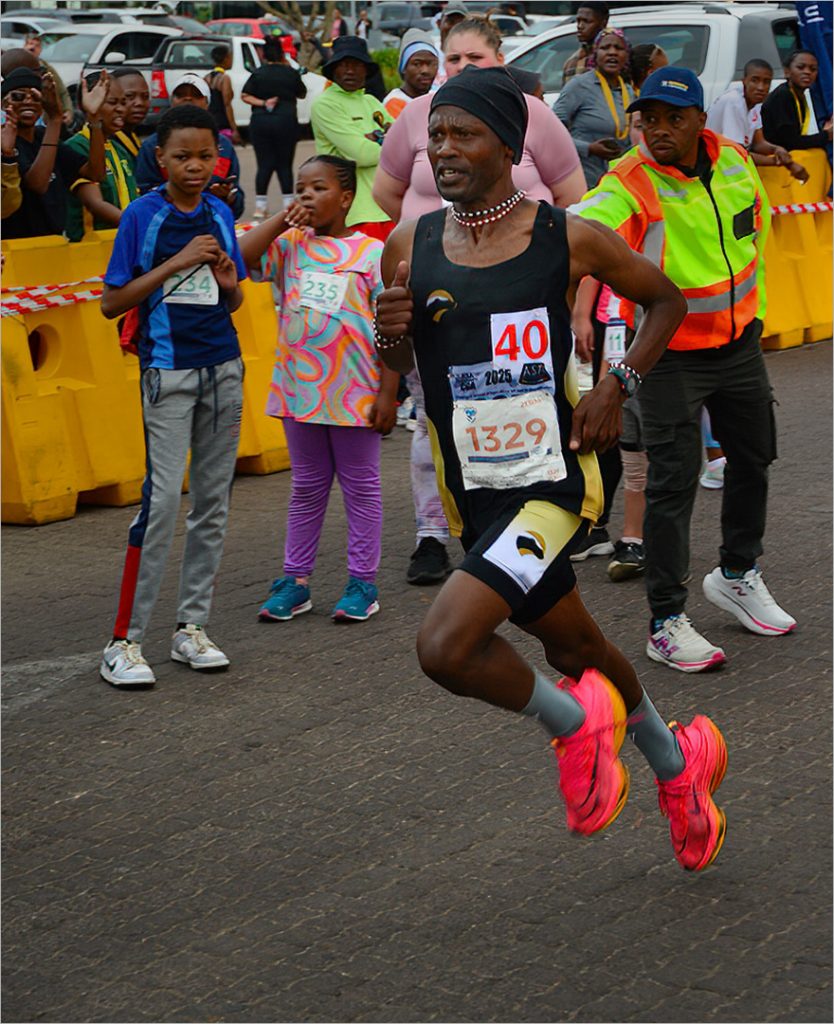
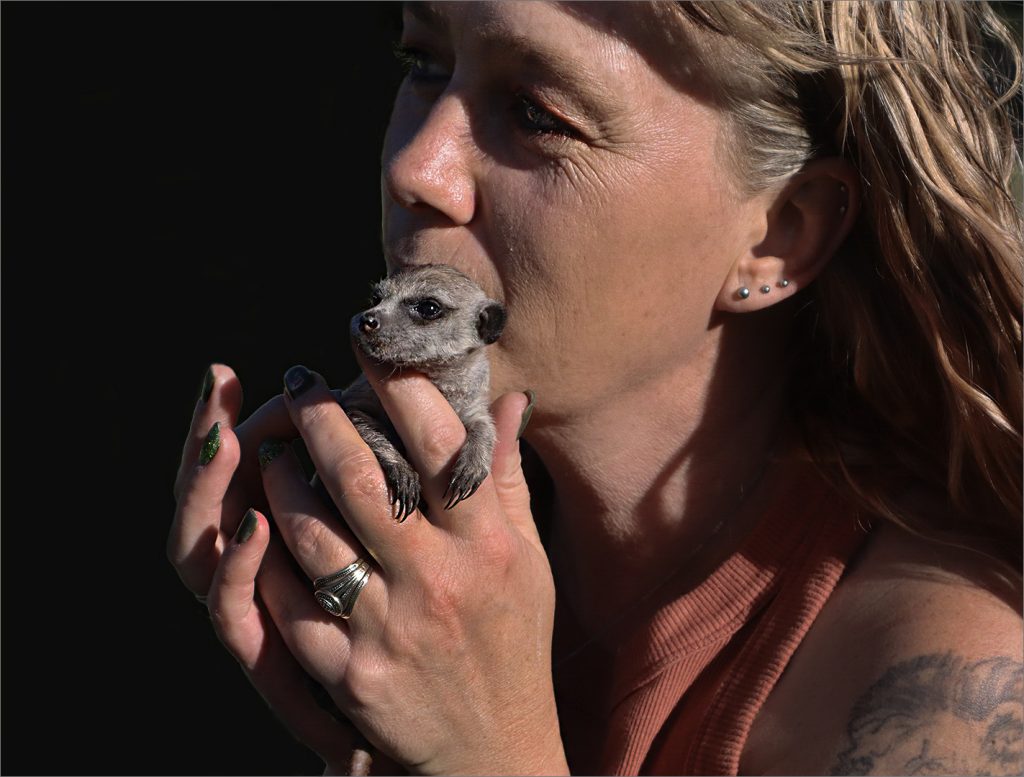
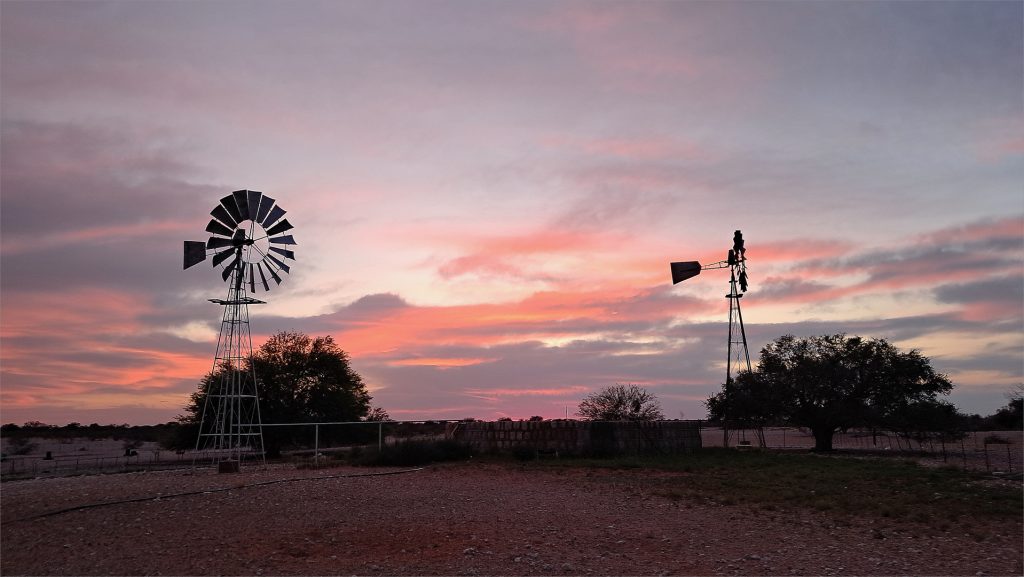
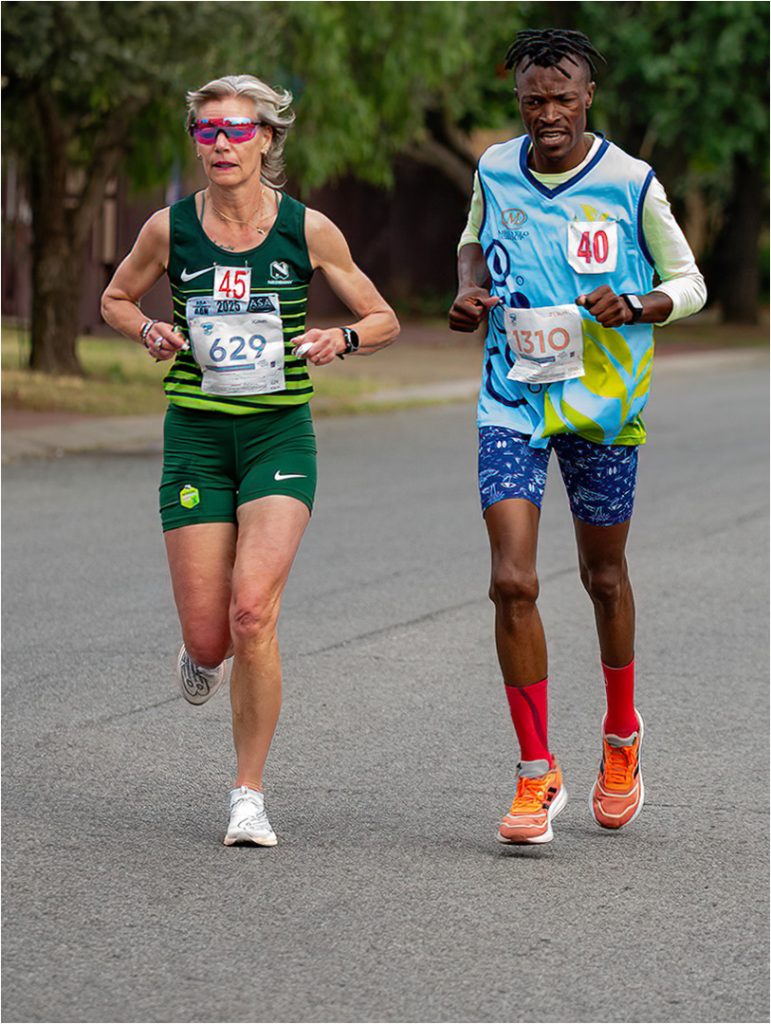
Here are this month’s winning photographs
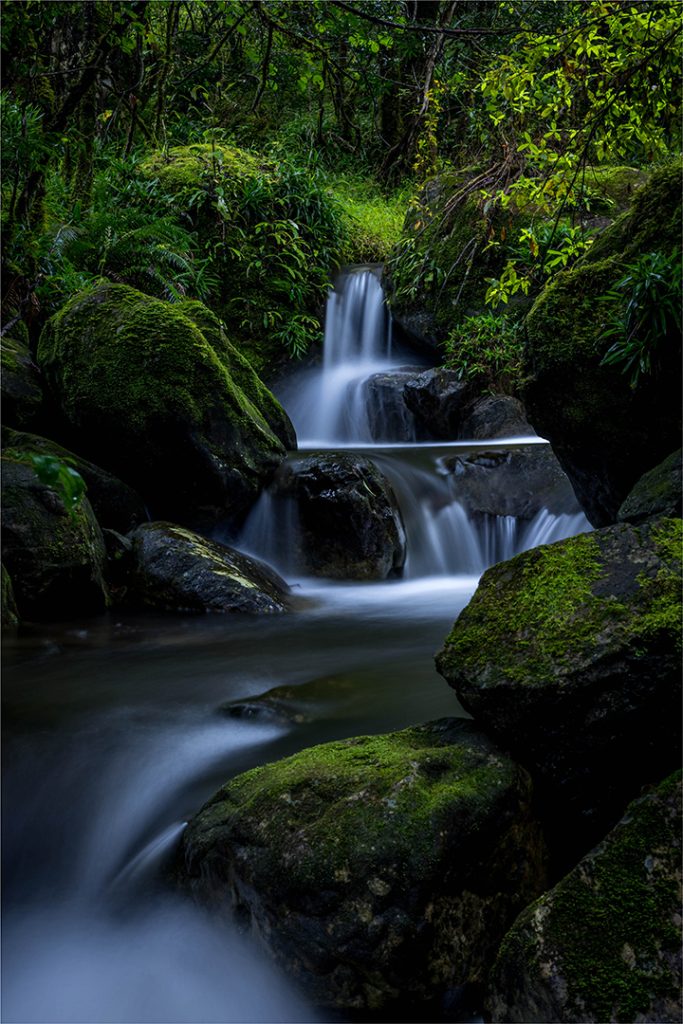
Best Senior Photographer is Louis van der Walt with “Inyoka stream 4“
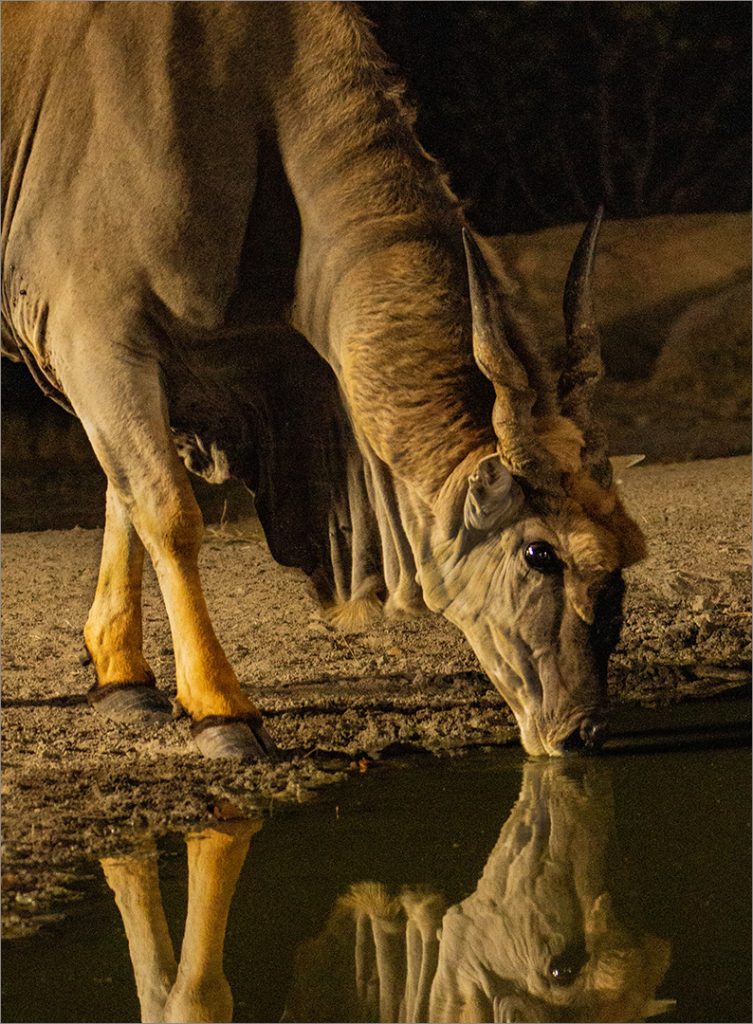
Best Junior Photographer is Lorraine Botha with “Eland at Waterhole”
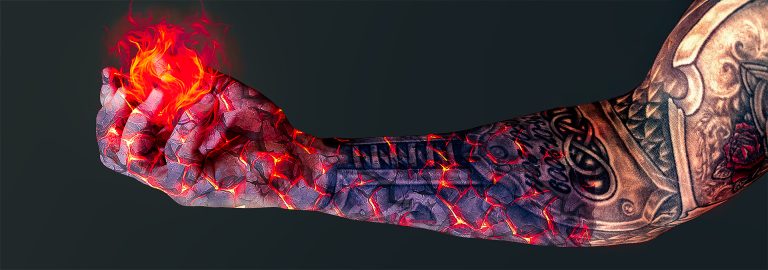
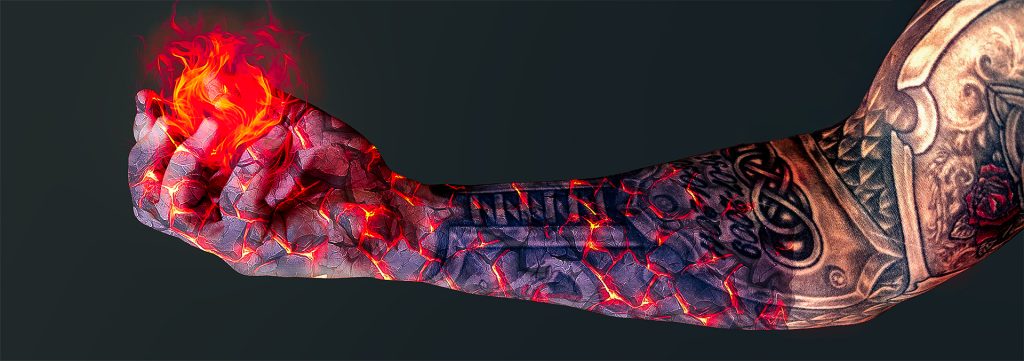
Best Set Subject Photographer is Yolandi Geyser with “Forged by Fire”
Here are the COM and GOLD certificates
Category – Nature, Birds Only
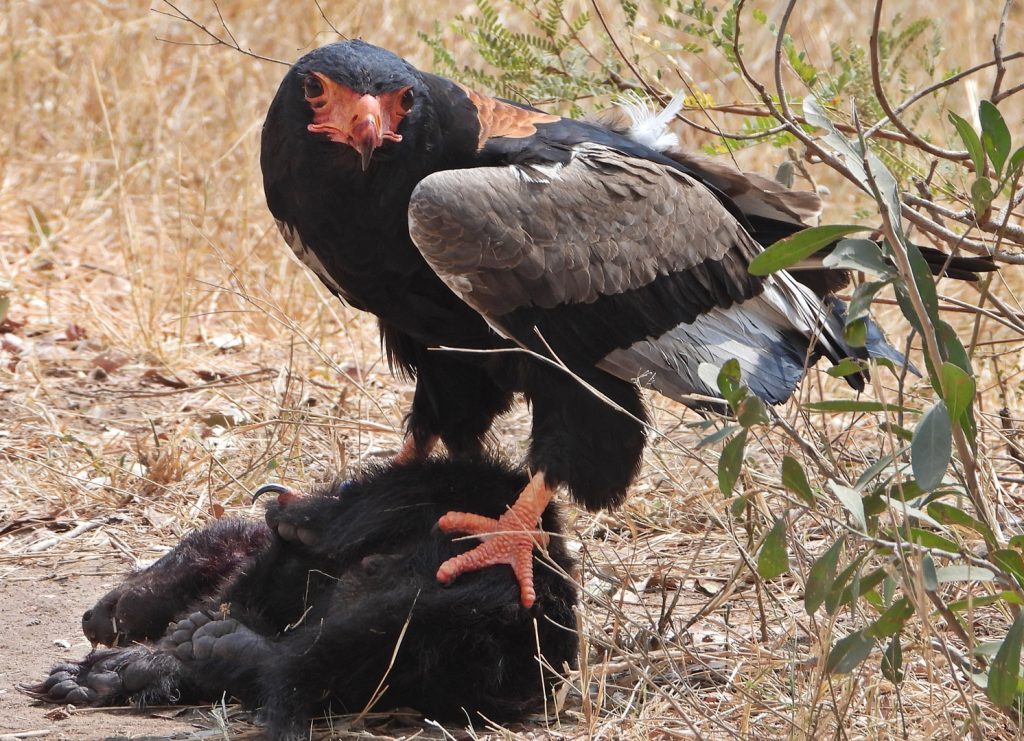
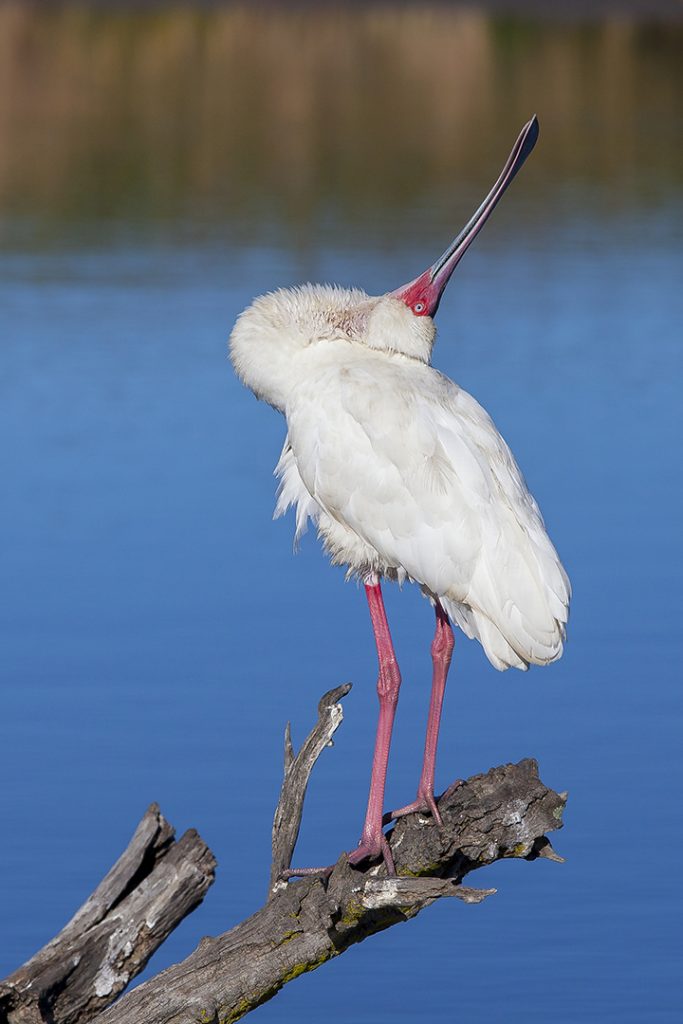
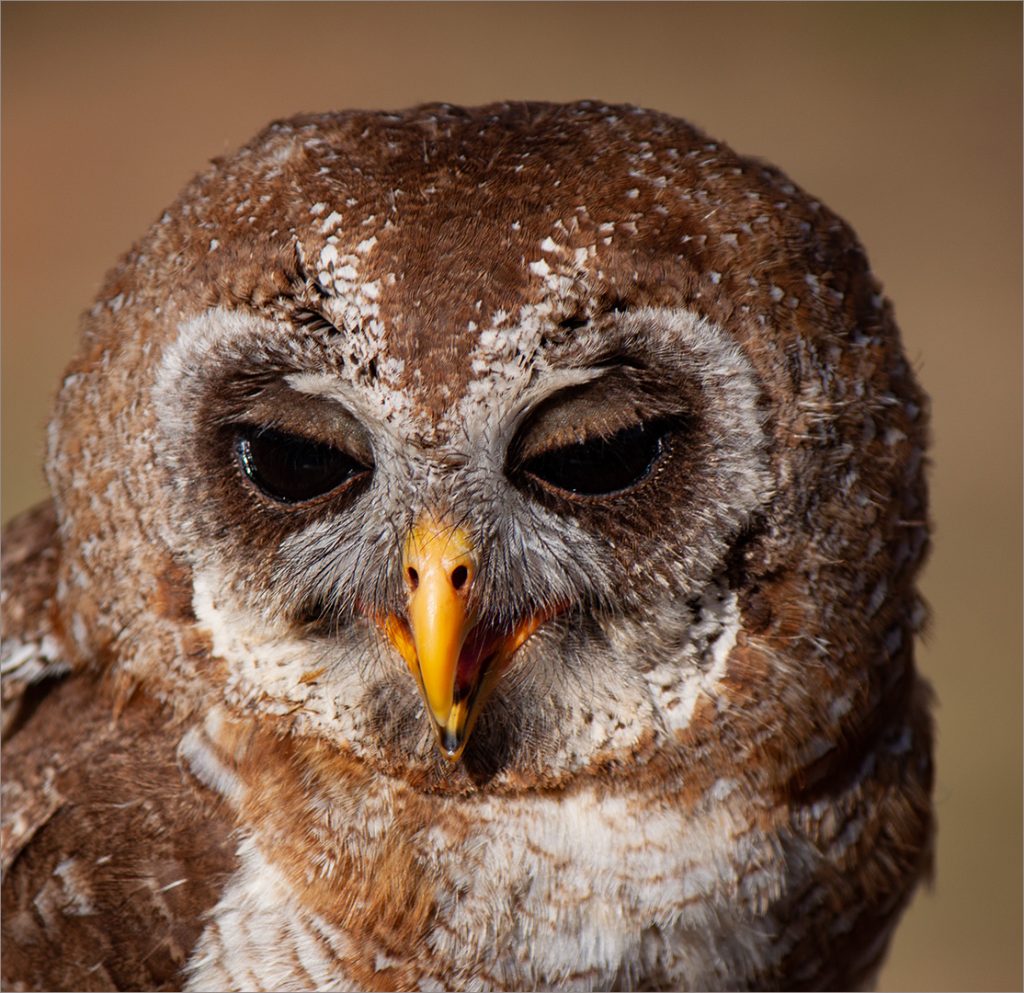
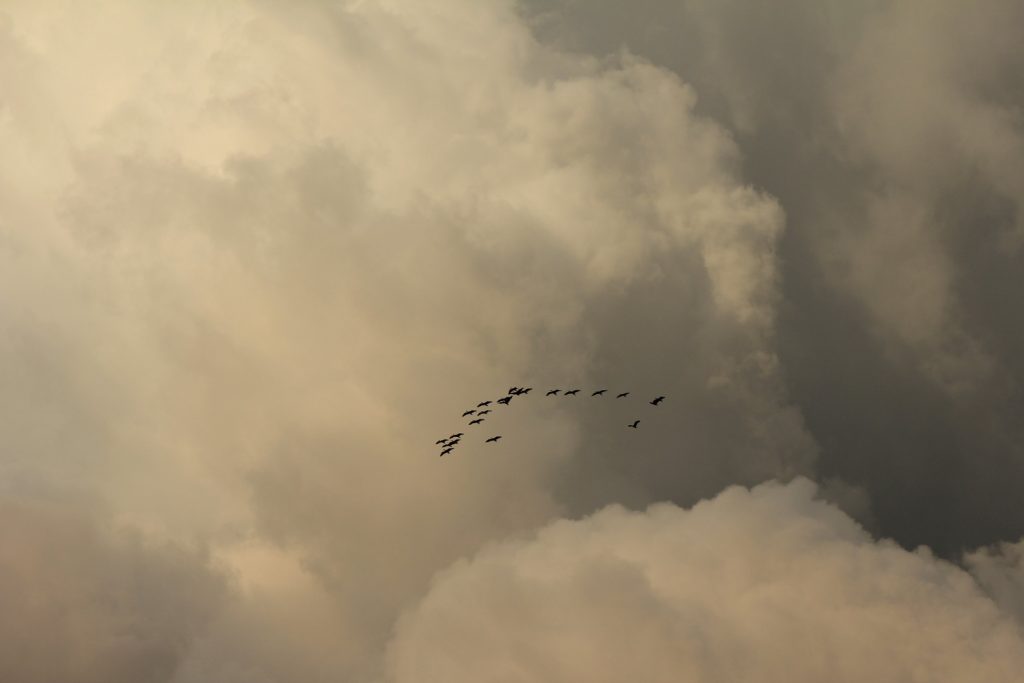
Cape Bulbul by Stian GriffinRatel se Moses by Hester GriesselUpwards by Encee van HuyssteenPinching Supper by Piet PotgieterPortrait of an owl by Lorraine BothaI am waiting by Johan Viljoen
Category – Scapes
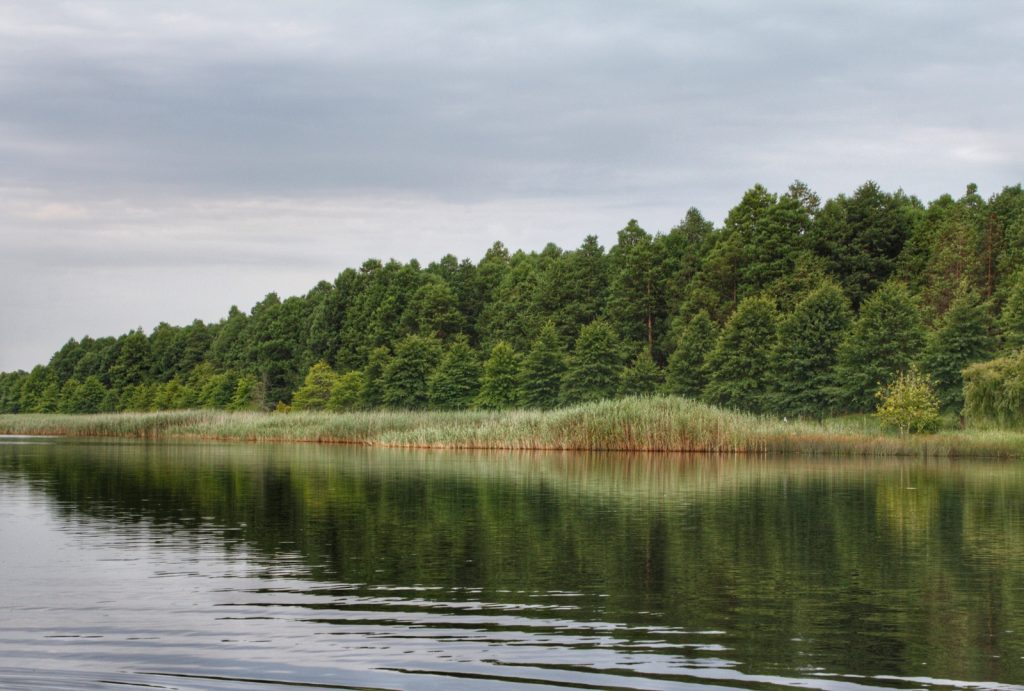
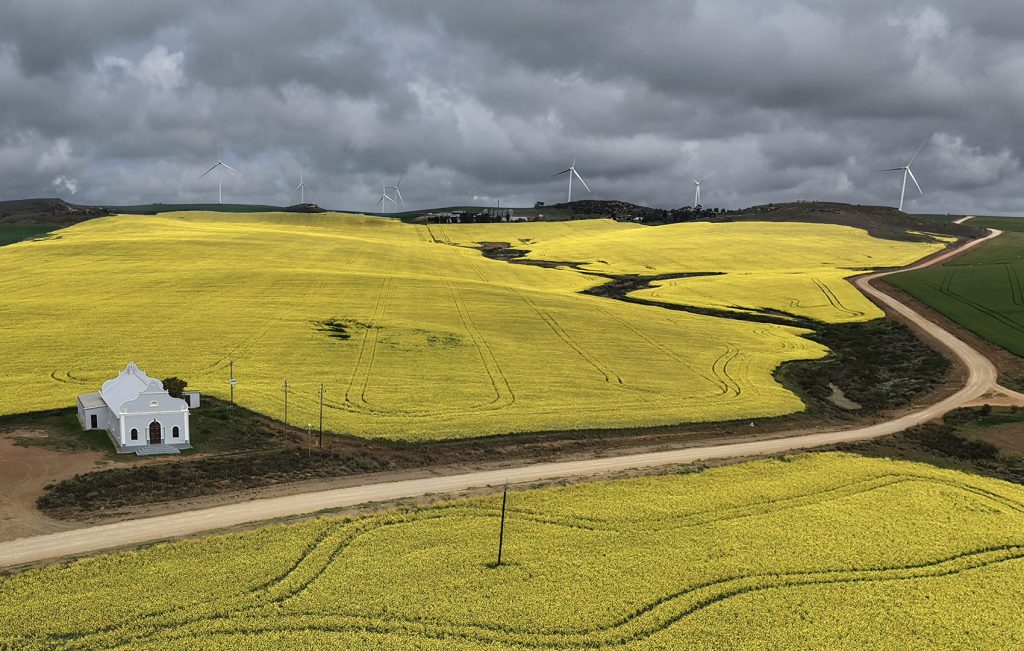
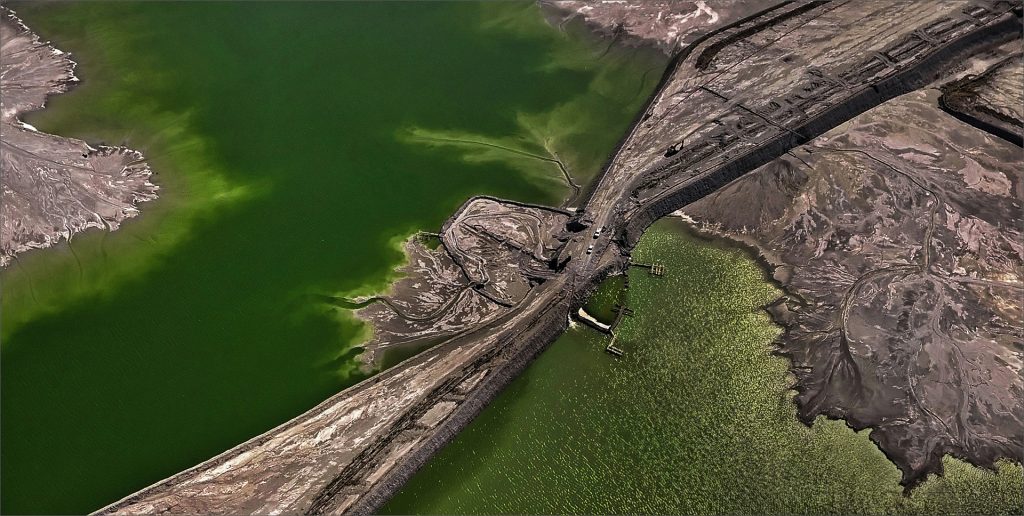
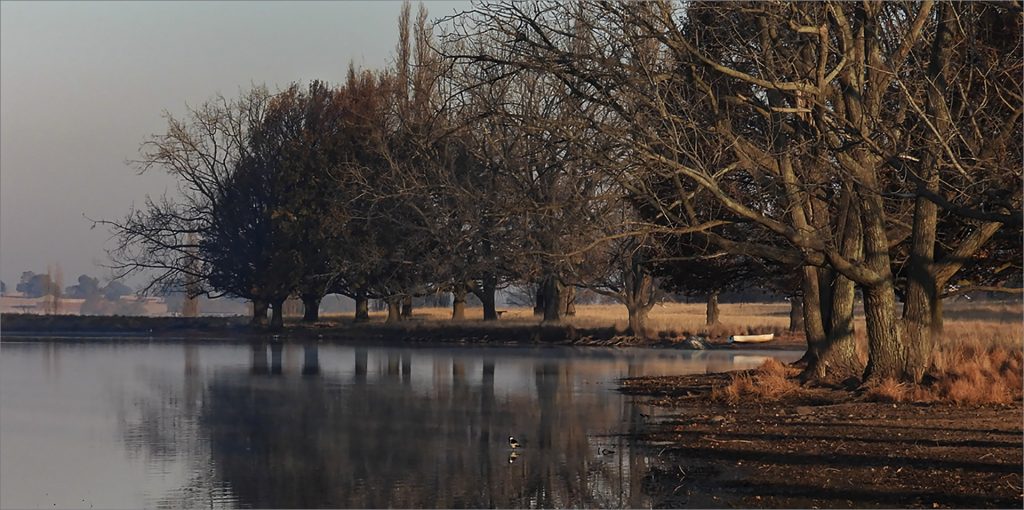
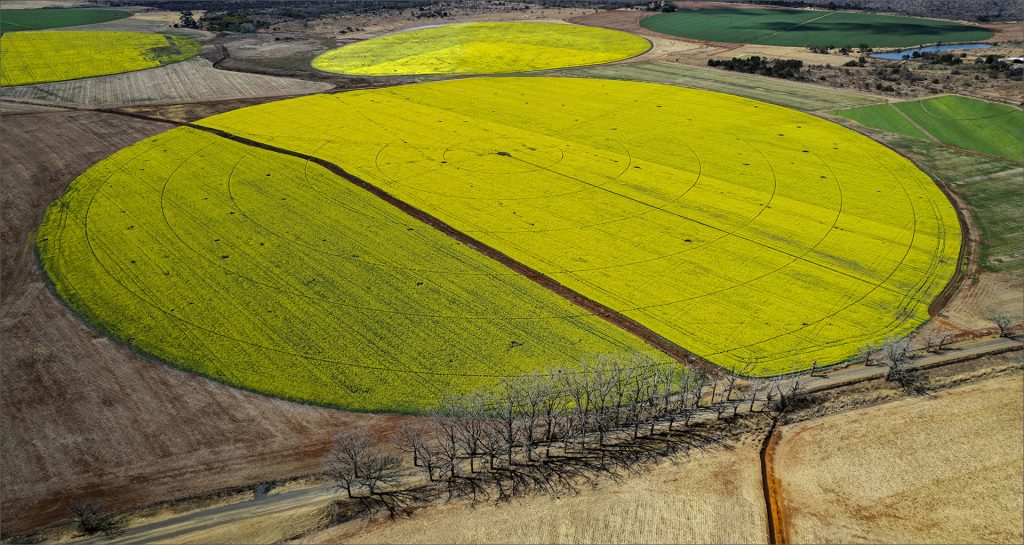
Forrest Mirror by Stian GriffinSophia saal en canolas by DNE SmitSon en See by Hester GriesselRoad through Ashdam by Leon Pelser Winter Morning At Dam by Sussa Pelser
The Canola Farm by Leon Pelser
Category – Monochrome
MM Leopard 1 – BW by Louis van der Walt
Monarch at Rest by Yolandi Geyser
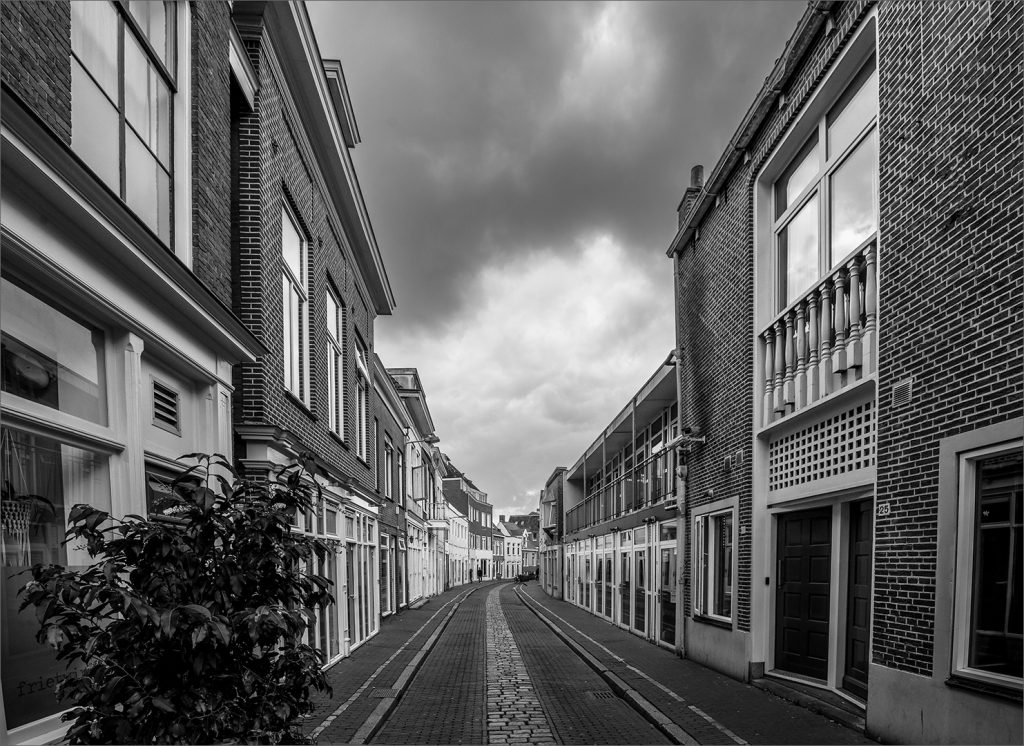
Die pienk straat in Groningen by Hanno de Beer
MM Mother Lemur – BW by Louis van der Walt
Category – Nature
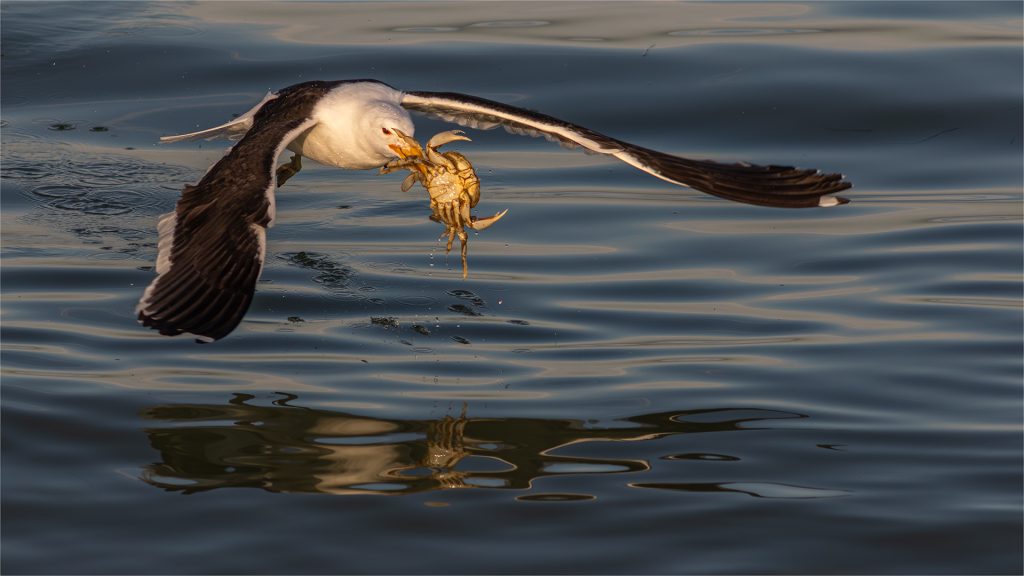
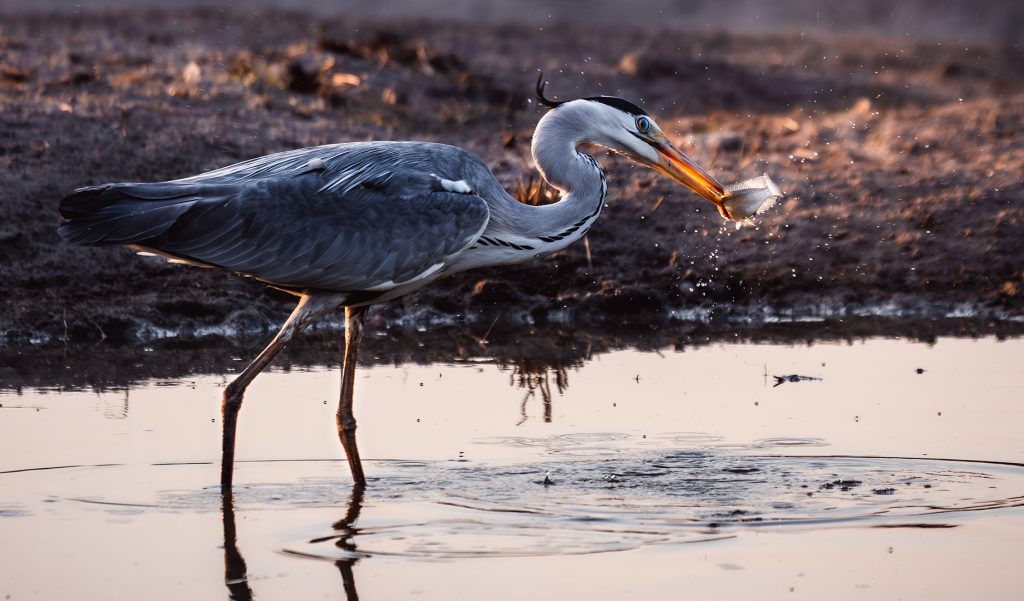
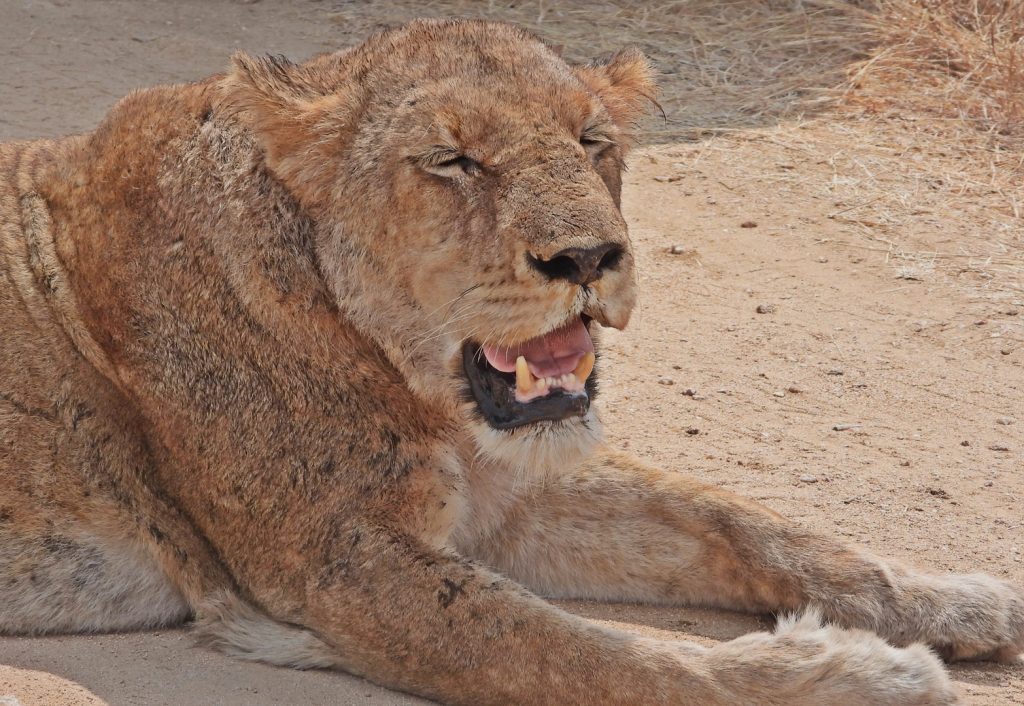
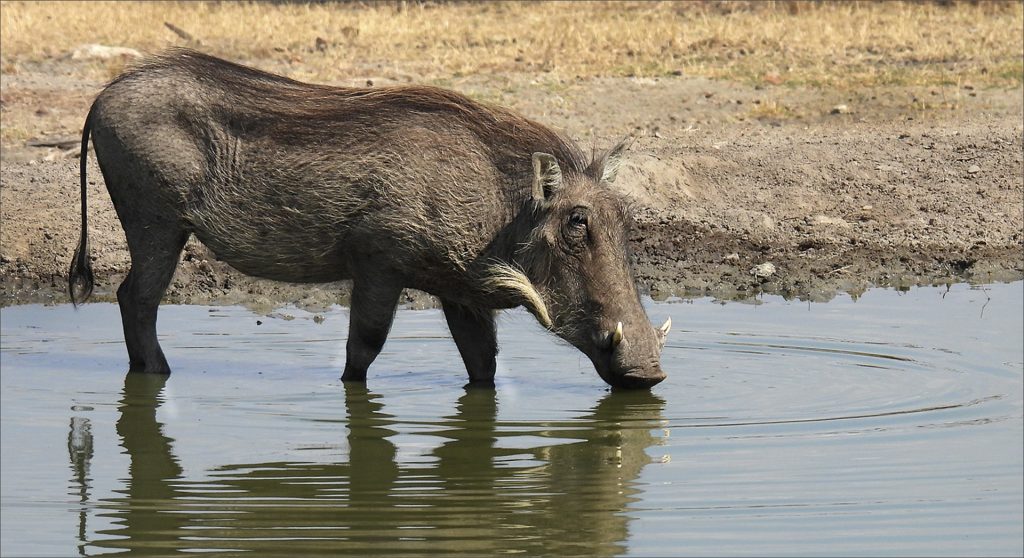
Great Escape by Anzette SnydersGolden Catch by Yolandi GeyserLife Scars by Hester GriesselInteraction between giraffes by Lorraine Botha Warthog In Water, Drinking by Sussa Pelser
Still Waters by Yolandi Geyser
Category – Pictorial
MM Tiger Cub 1 by Louis van der Walt
Silent Watcher Yolandi Geyser
Stukkie Nostalgie by Stian Griffin
Kassiesbaai visterman by DNE Smit
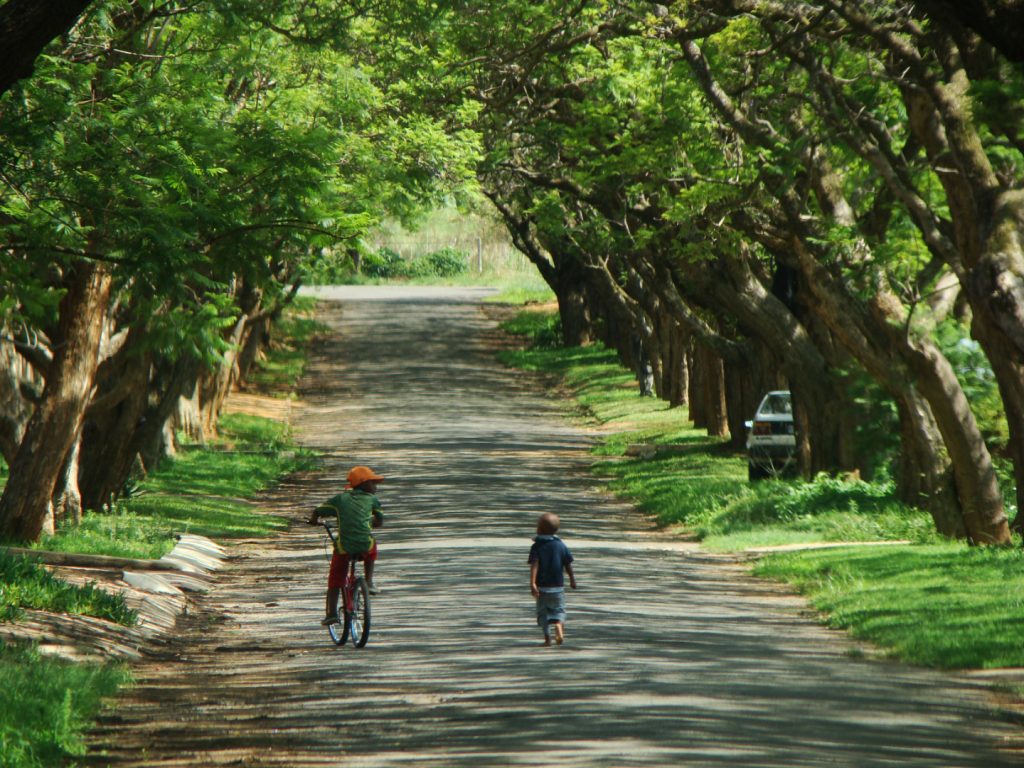
Perfect Symmetry by Encee van Huyssteen Walk with me by Piet PotgieterAt the Finish by Johan ViljoenPython by Leon PelserLooking The Same Direction by Sussa Pelser
Sonsopkoms Lauenstein Namibia by Adri Kirsten
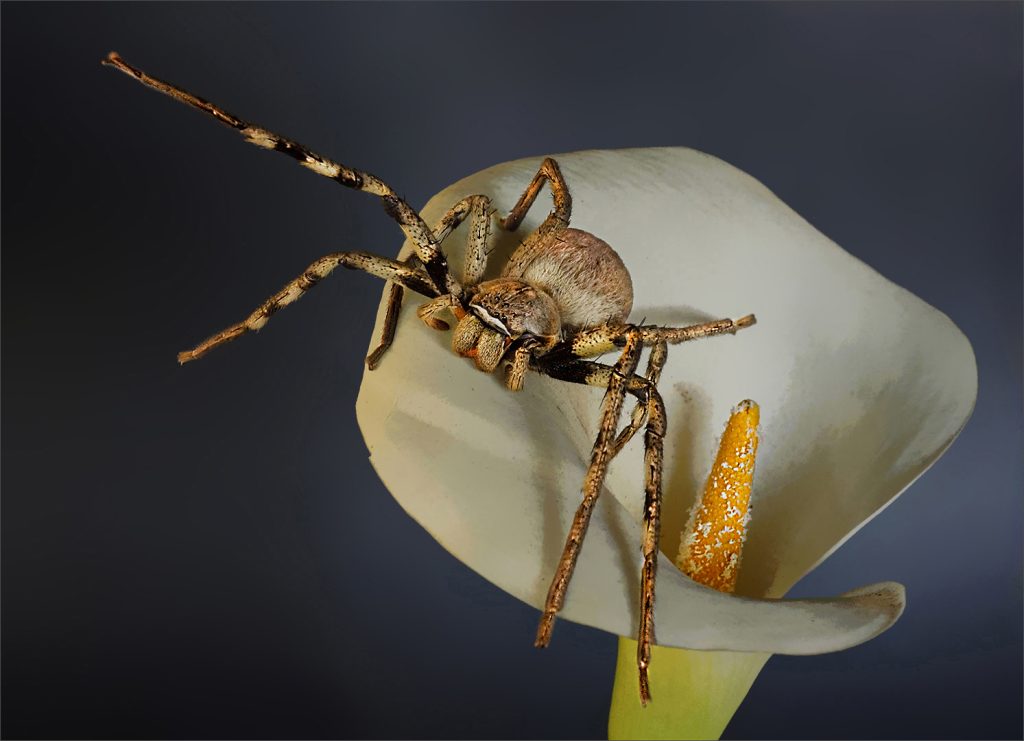
Joyful Sing by DNE SmitSonsak by Piet PotgieterSide by Side by Johan ViljoenRainspider on flower by Leon Pelser
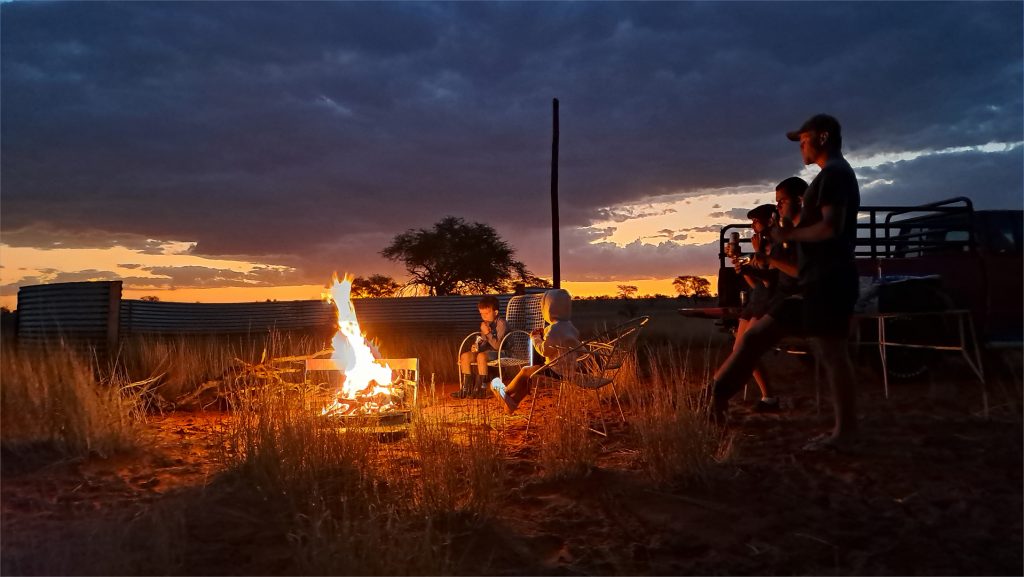
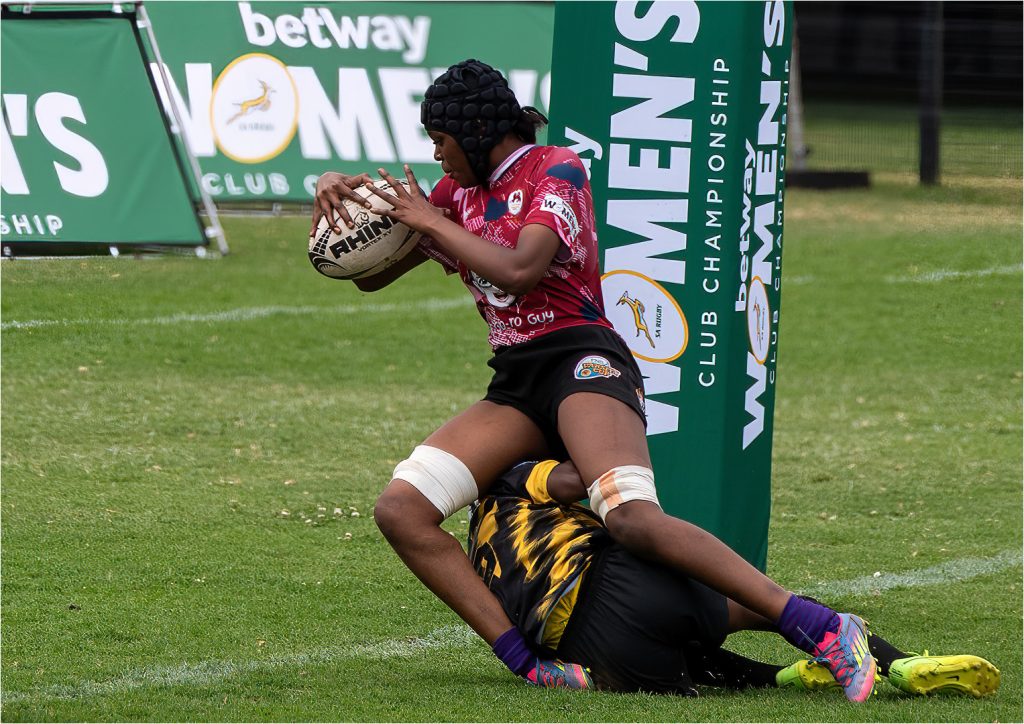
Kampvuur vrede by Adri KirstenWomans rugby by Johan Viljoen
Category – Photojournalism
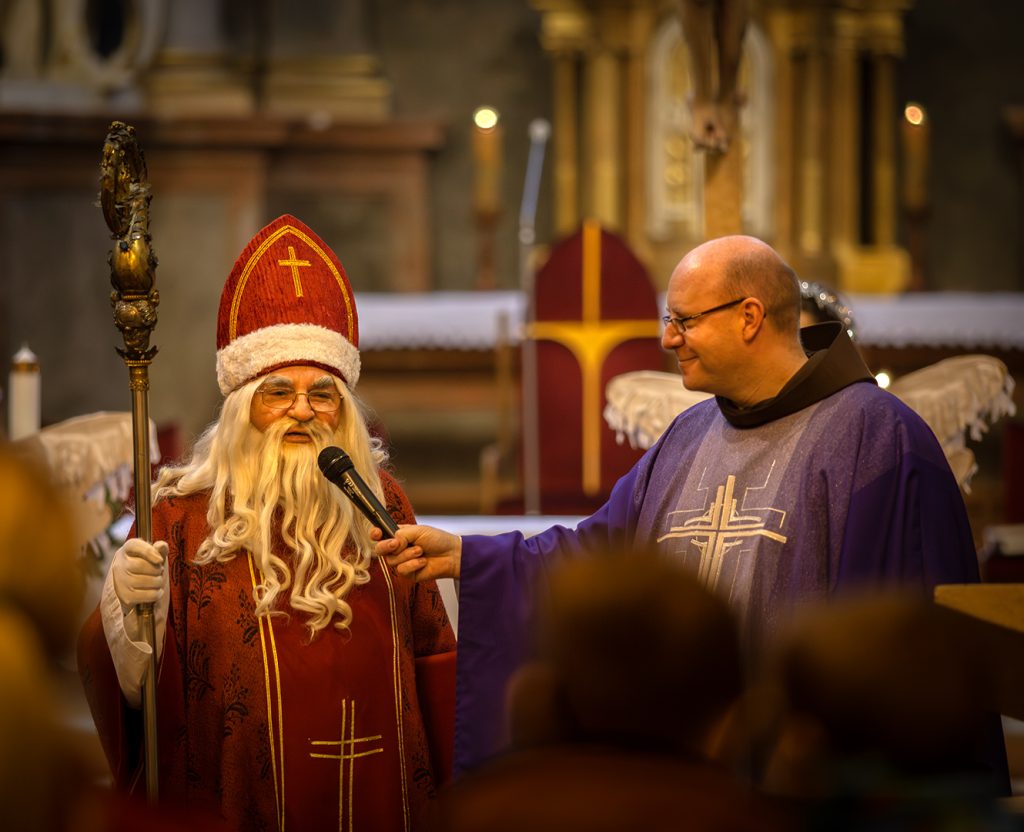
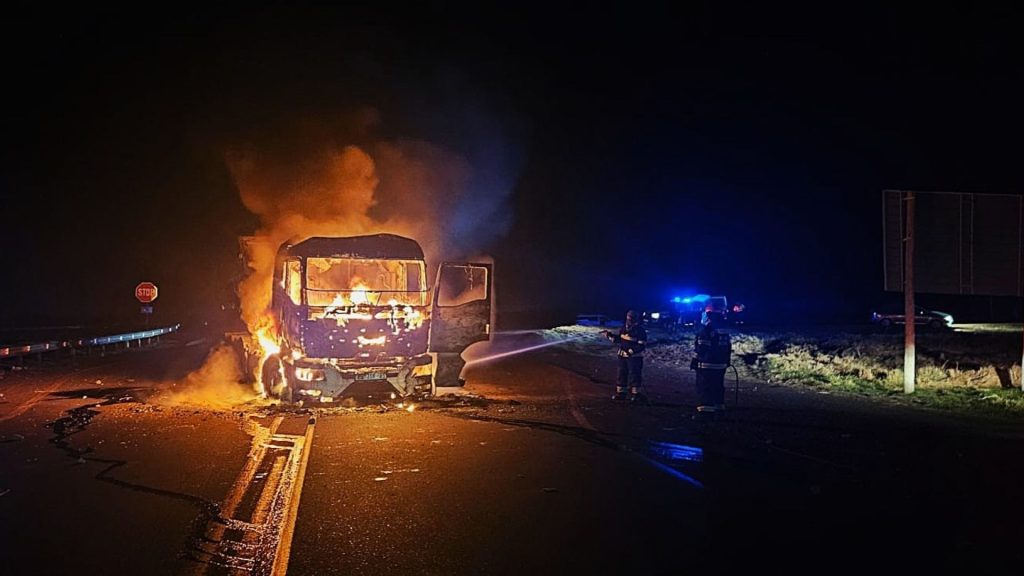
Buddies by Anzette SnydersOestyd by Stian GriffinSlavic Santa by DNE SmitToo late to save by Encee van Huyssteen
Gesinchroniseerd by Hanno de Beer
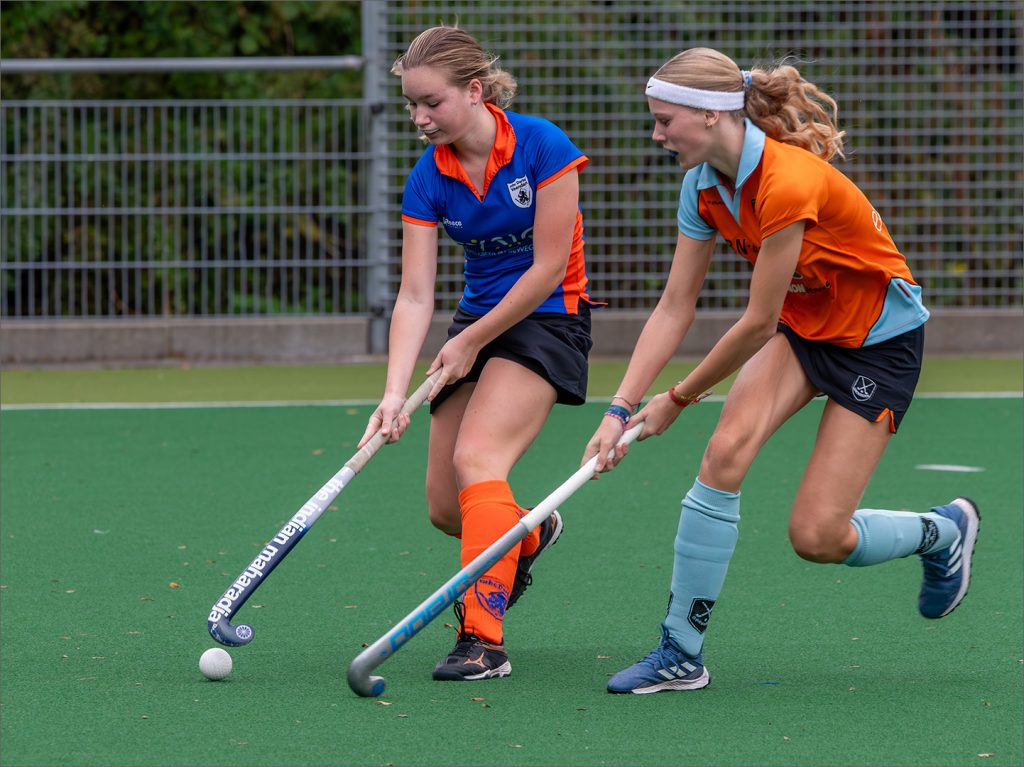
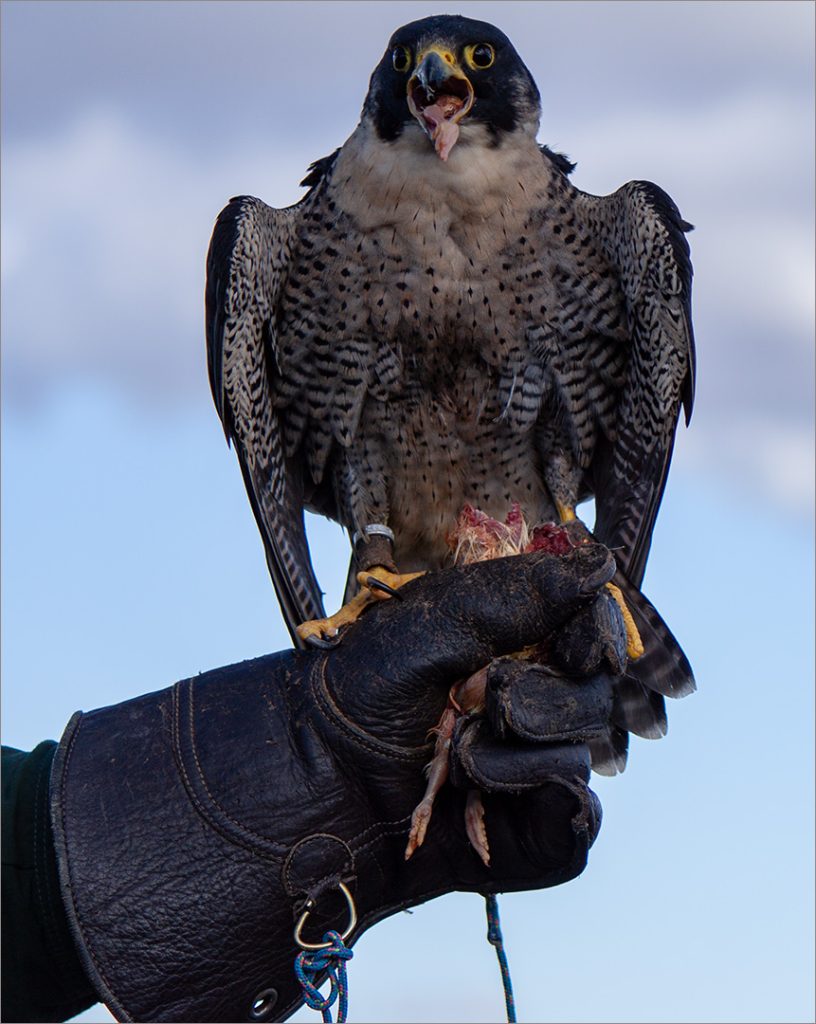
Falconry by Lorraine BothaHokkie by Veendam by Hanno de Beer
Category – Set Subject
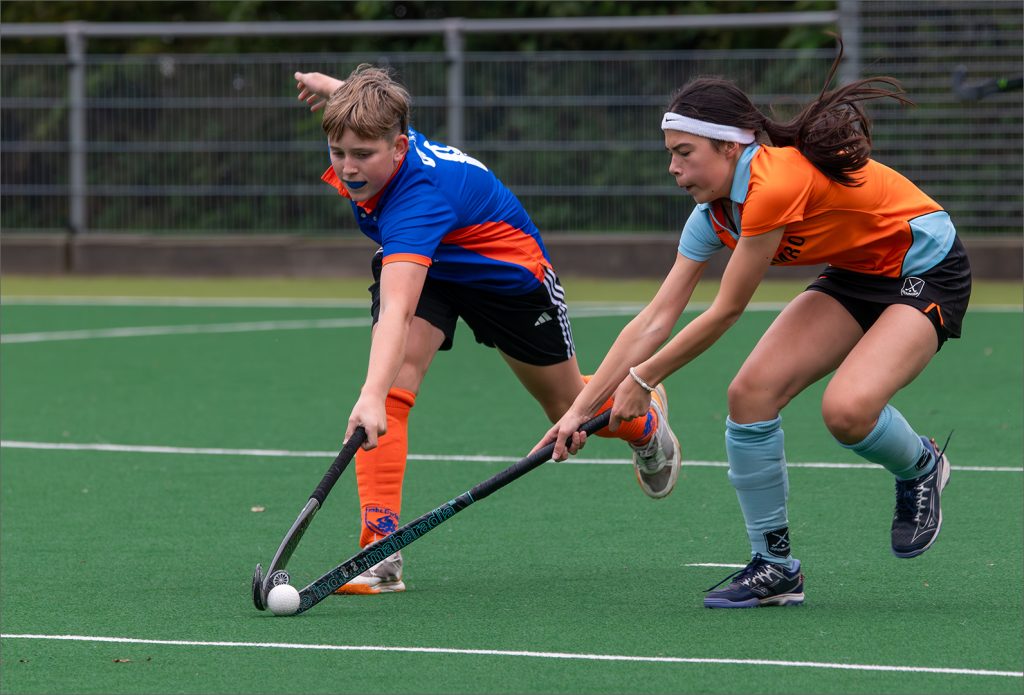
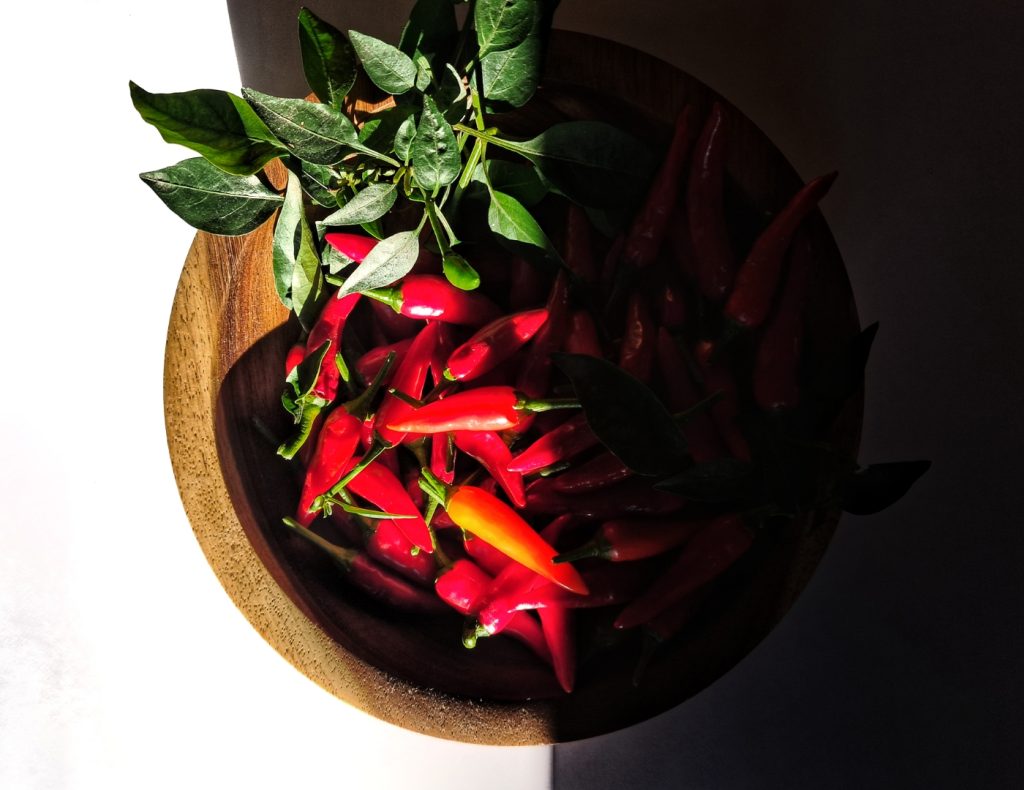
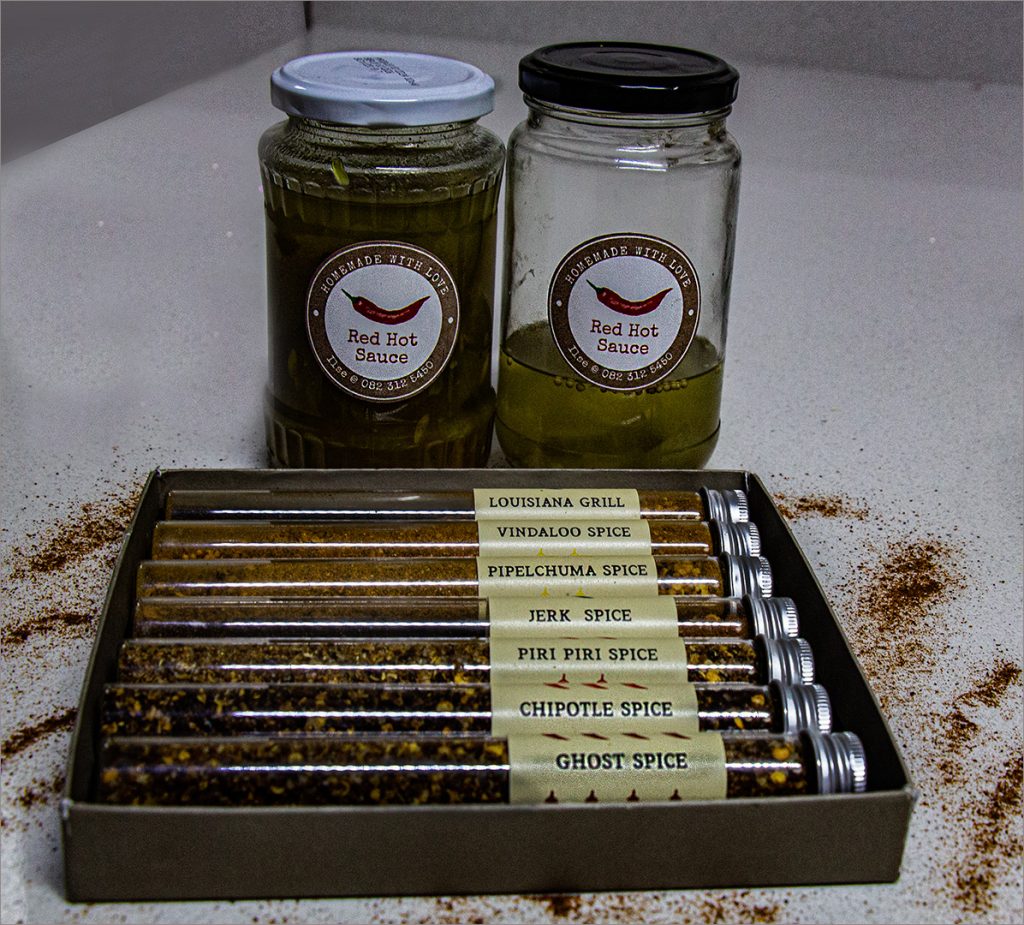
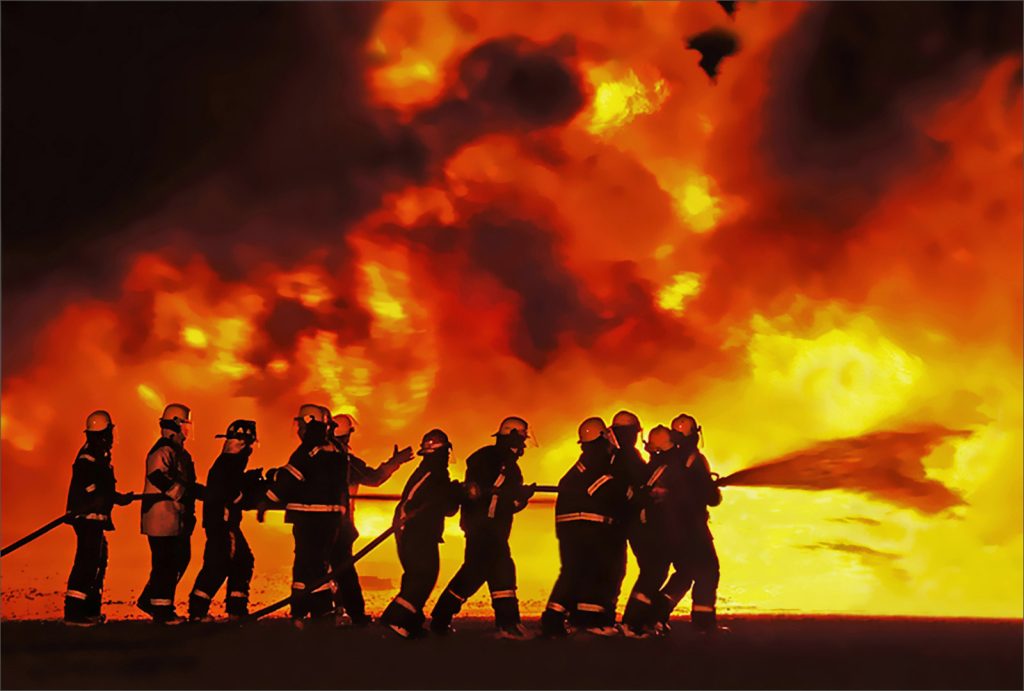
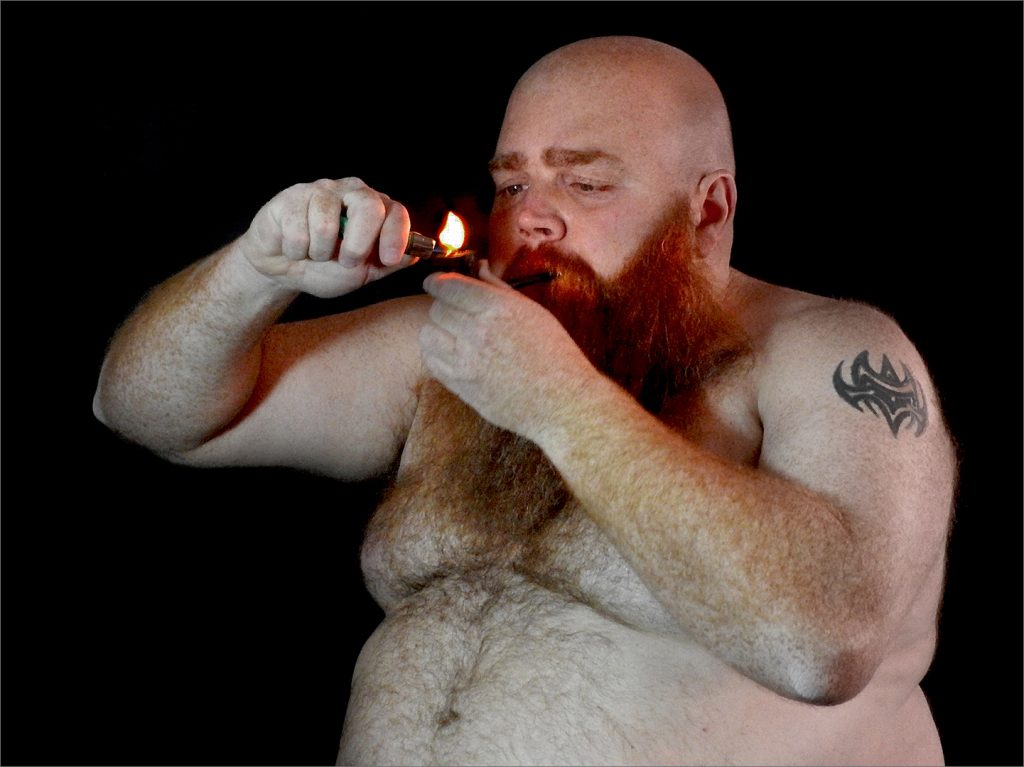
Hot or Not by Stian GriffinHot Stuff by Hester GriesselIntense by Encee van HuyssteenHot Spices by Lorraine BothaTeamwork by Leon PelserPipe Smoking by Sussa Pelser
The employees of the Kruger National Park were honoured for exceptional performance in their duties on Friday, 07 November 2025, at the annual KNP Achievements Awards held at the Nombolo Mdluli Conference Centre, in the iconic national park.
This awards programme is part of the KNP management initiative, acknowledging its hard-working employees who go beyond the call of duty daily, following the end of a financial reporting period. Employees are rewarded based on merit and their contributions towards the organisation’s success.
This year’s awards come against the background of SANParks’ impressive achievements in its operational and financial performance for the 2024/25 financial year, reporting a 10 % increase in revenue from R3.67-billion to R4.1-billion in 2024/25. On the operational front, SANParks achieved 86% of its performance. SANParks also received an unqualified audit outcome for the past year, affirming the strength of its financial governance and management practices.
Amongst the award recipients were those outstanding in the workplace, others gave outstanding service to clients, some worked well as a team, whilst some showed a great deal of creativity. Some of the winners have worked tirelessly in the organisation for over three decades. There were also employees who showed bravery and rescued their colleagues in the face of imminent danger, showing a great deal of determination, built with the quality of their actions and the integrity thereof.
Awards were given to KNP Staff members who either excelled in the categories of “excellent performance in the workplace” and “best customer service to clients” in the past year or over a long period. Other awards categories given were: “Leadership Award”, “Research, Initiative and Innovation Award”, Best Constituency Builder Award”, “Lifetime Achievement Award”, “Bravery Award”, “Ranger Post of the Year”, “Camp of the Year”, “Bush Camp of the Year”, “Wilderness Trails Camp of the Year”, “Entrance Gate of the Year” and “Managing Executive Special Awards”.
Four staff members, namely Albert Mkansi, Vusi Lubisi, Katekani Sibuyi and Nicolus Mathebula stole the limelight for scooping the Bravery Award in recognition of their bravery by placing their own lives in danger and single-handedly confronting armed suspected poachers as well as dangerous animals. The bravery award, also known as the Kruger Cross, is the highest in the KNP and is awarded to a candidate who has performed an act of exceptional bravery to save a colleague, tourist or any person’s or animal’s life.
Management also bestowed the Lifetime Contribution Award on four long-serving employees – Oupa Manzini (28 years of service), Richard Vukeya (31 years of service), Jairos Chiloane (34 years of service), and James Mdluli (35 years of service), who were recognised for having made a significant contribution to SANParks over an extensive career of unbroken service.
All the finalists went through a selection phase based on a set of stringent criteria. Apart from their extra mile achievements, individual nominees had to possess qualities such as independent and progressive thinking, initiative and creativity, a positive approach to work, leadership and the ability to interact at all levels regardless of training and skills.
The awards for facilities were judged on areas such as overall performance, implementation of various systems, financial performance and management, guest complaints and compliments, compliance with policies and general neatness of the facility.
In the face of extreme weather events, including drought and floods, safeguarding water resources has never been more critical.
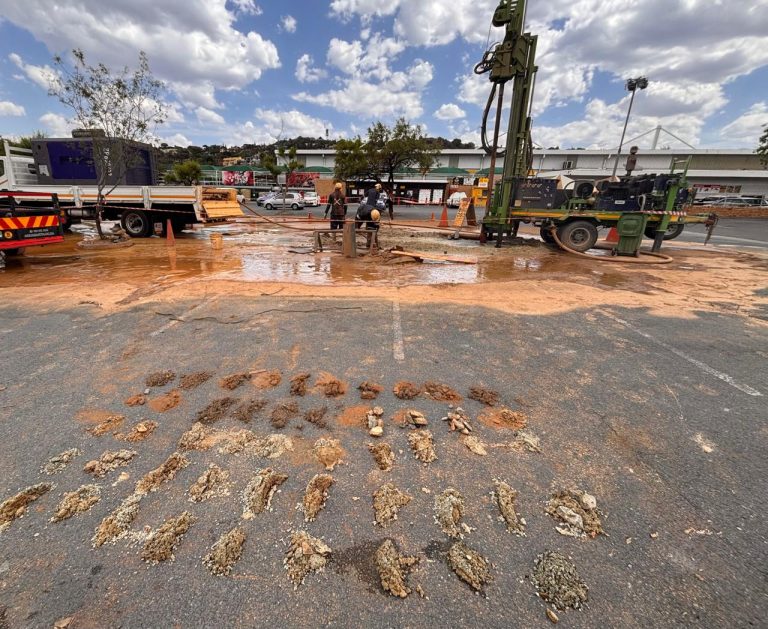
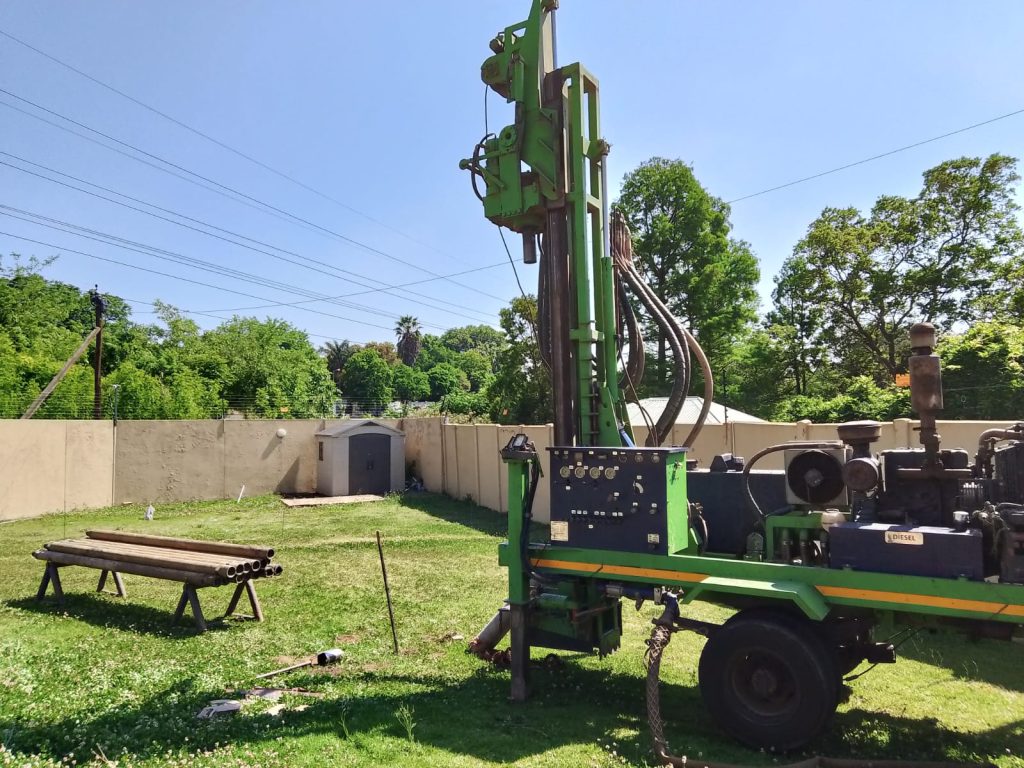
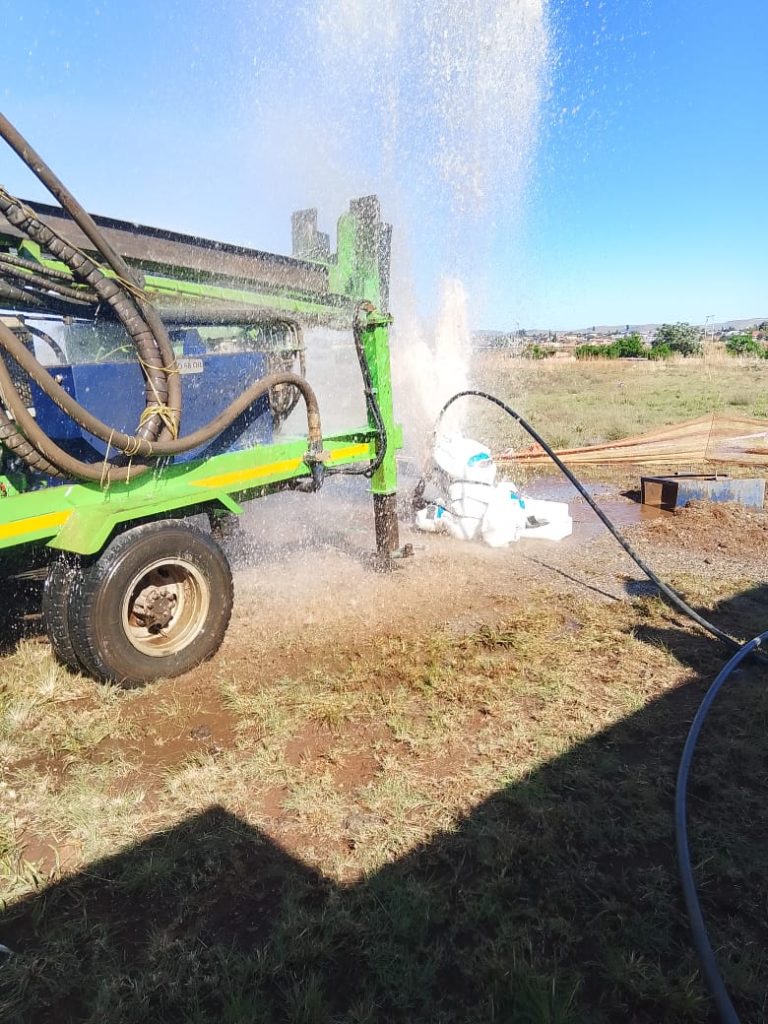
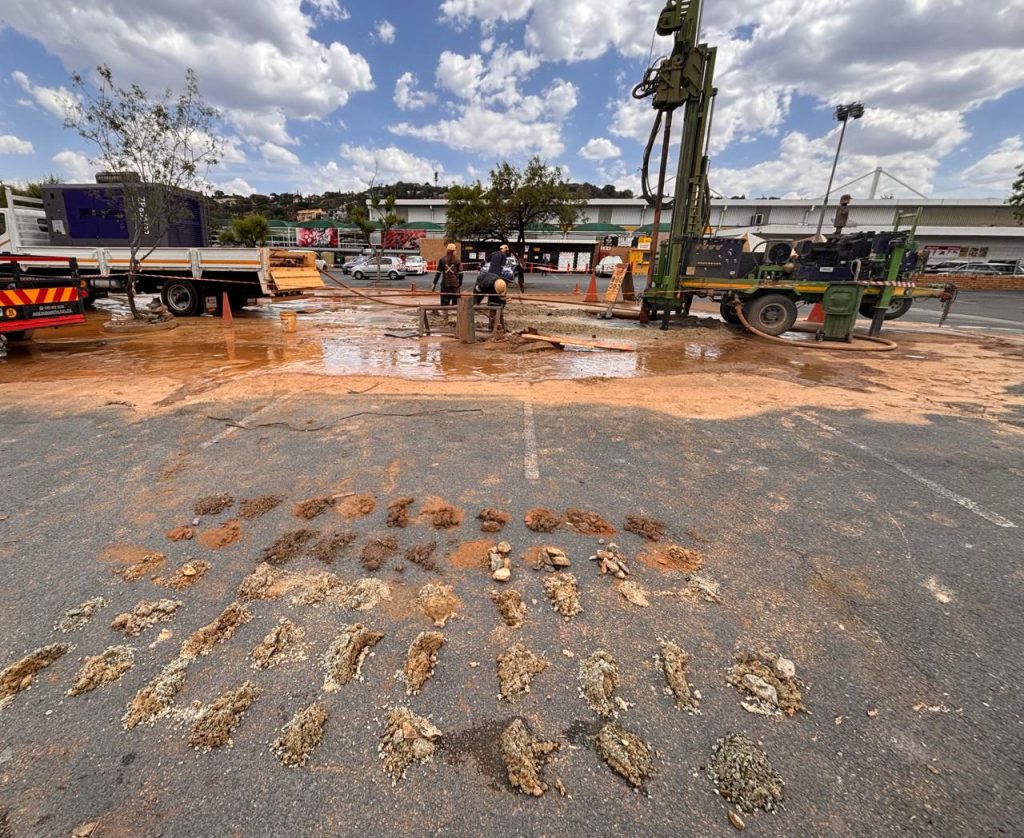
Added to adverse climate conditions is the challenge of delivering water to homes and businesses through ageing and poorly maintained water infrastructure. According to industry watchdog the Borehole Water Association (BWA), these factors together make the drilling of boreholes and the responsible use of groundwater an essential part of alleviating the ongoing water crises occurring across the country.
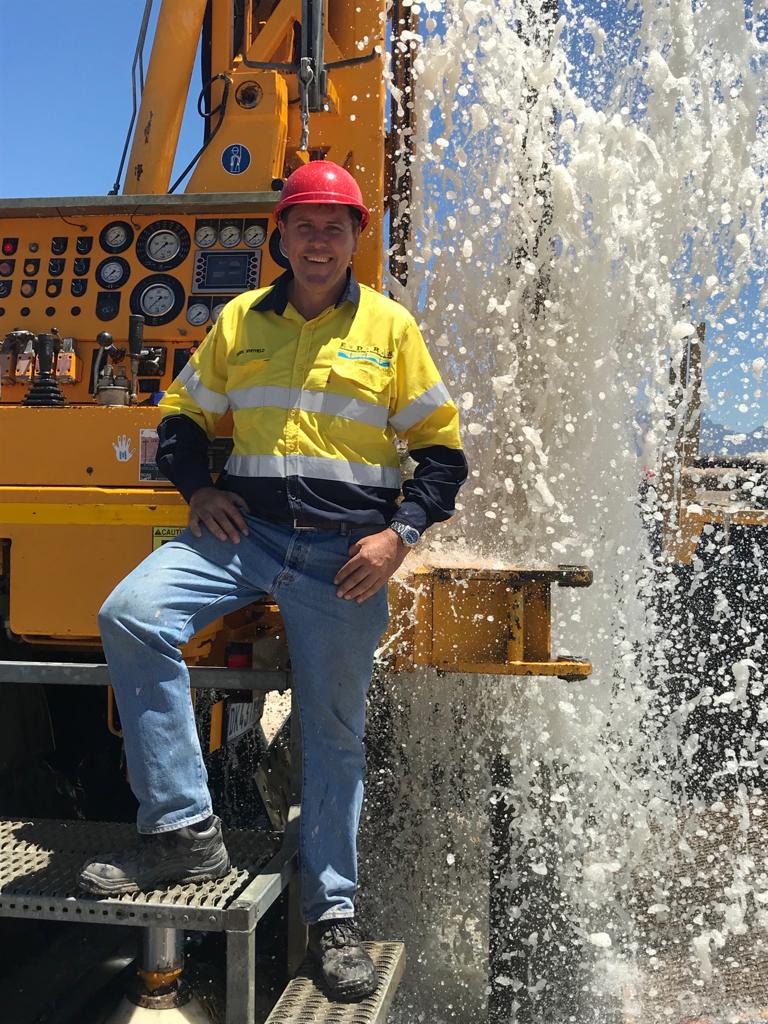
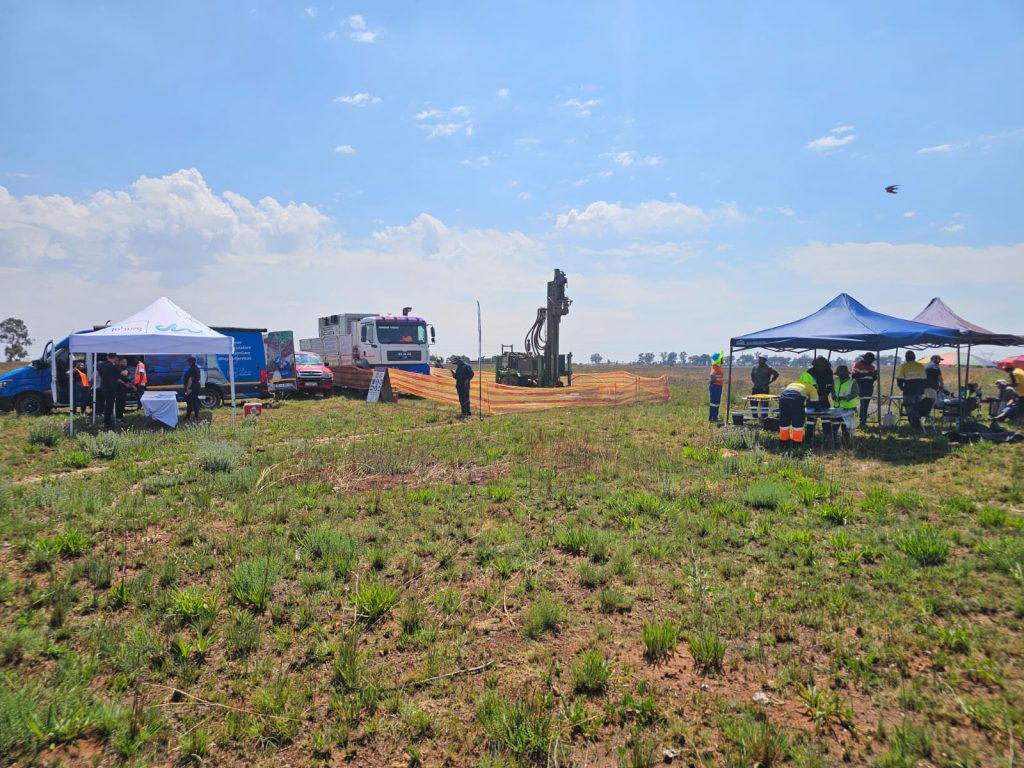
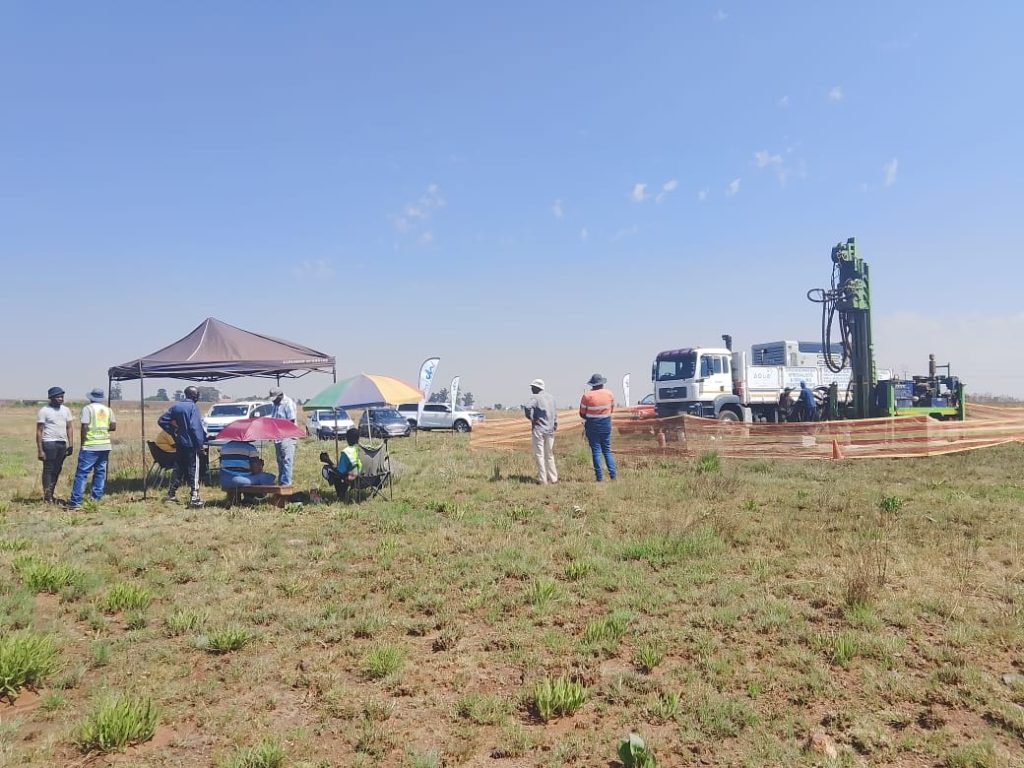
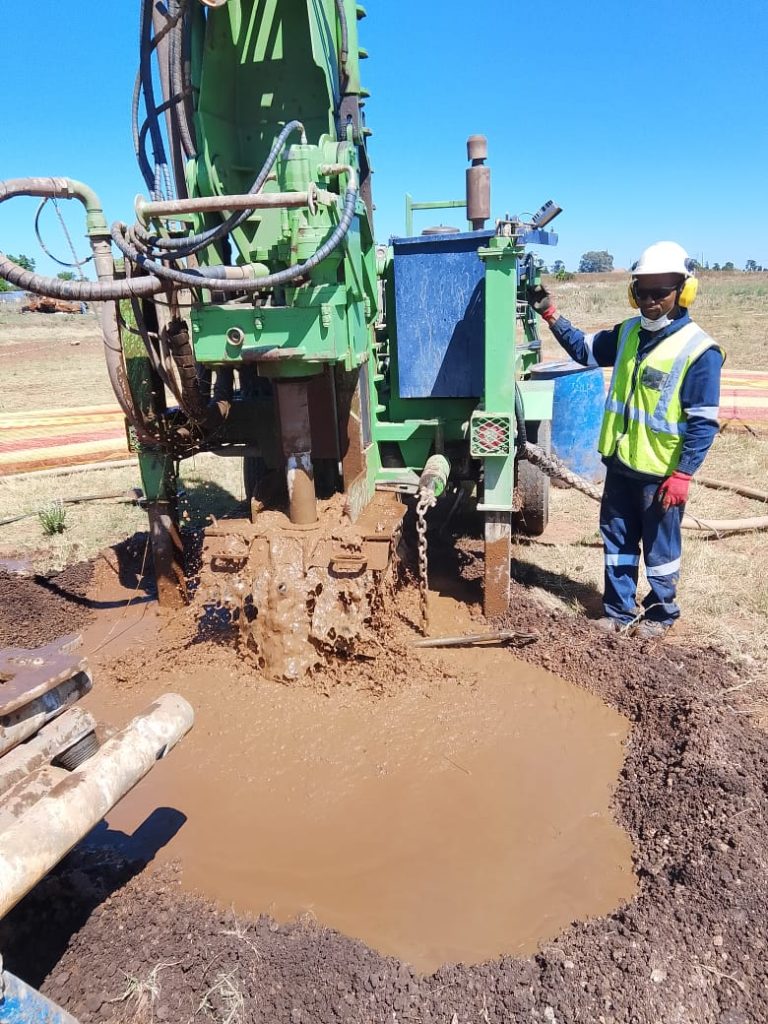
Illegally tapping into municipal water supplies puts additional pressure on already strained systems, said BWA President Derek Whitfield. The recent commencement of the drilling of boreholes in nine informal settlements in Gauteng, he noted, recognises the need to simultaneously provide water to growing communities, especially areas where infrastructure development has not reached these communities or has not been maintained for decades.
Accessing water via properly constructed boreholes – which could be supported by new storage tanks, reticulation and standpipes – means that communities have a safe and sustainable source of water and no longer need to rely on illegal connections,” he added. “Responsible Borehole drilling is a legal and safe way to ensure the responsible access to and use of valuable water resources.”
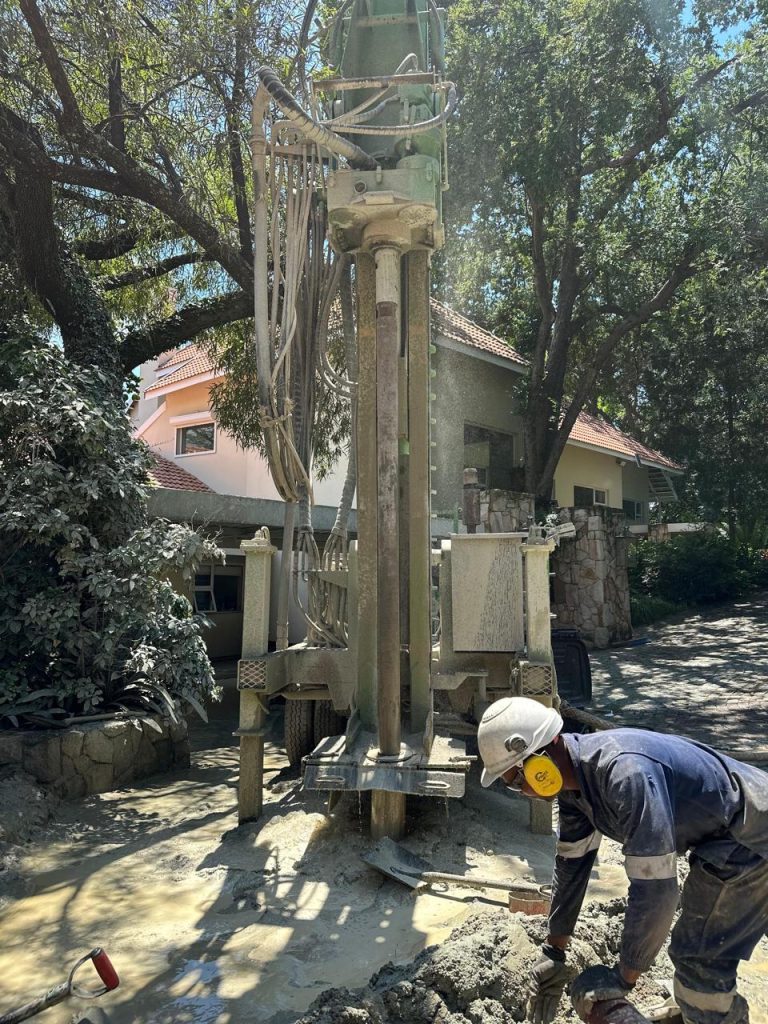
Albertus Lombaard, BWA Exco member and special advisor on drilling, emphasised the importance of compliant borehole drilling in ensuring the protection of our natural aquifers and in the prevention of ground water contamination.
“More than 80% of South Africa’s towns depend on groundwater as their primary source of safe potable water. This situation emphasises the need in our country of more trained and certified borehole contractors,” he said. “Borehole drilling is a critical skill in the context of South Africa’s water situation, providing responsible access to our groundwater resources”
New look, same mission
The BWA this week heralds in a new look with its refreshed logo and brand identity, which will be revealed at the seventh edition of the 19th Biennial Groundwater Conference.
While its appearance might have had a make-over, the work and message of the association remain the same: that borehole drilling is legal and plays an important role in the management of the country’s – and entire region’s – most valuable resource.
As the industry voice for Southern Africa, the BWA is leading education on responsible and sustainable use of groundwater and this is echoed in the theme for this year’s conference: ‘Groundwater—An Interdisciplinary Science,’ which will explore all aspects of groundwater science and its linkages.
As the champion of safe and sustainable groundwater access and use, the BWA has recently developed a series of training programmes under a Department of Water and Sanitation (DWS) initiative. Assisted by the Institute of Groundwater Studies, which has put together quality course content for borehole contractors, pump installers and test contractors, the BWA will deliver the training and certify those who complete the courses as members of the association. DWS will present on the introduction of the training programmes at the Groundwater Conference.
“From being an association that to date has acted primarily as a disseminator of information, the BWA is now able to offer more value to its members by providing training and accreditation,” said Whitfield. “This can only elevate the professionalism of the sector.”
The 19th Biennial Groundwater Conference, of which BWA is one of the sponsors, brings together experts, researchers, and professionals from the industry to discuss and share insights on groundwater’s crucial role in our interconnected world. The BWA eagerly anticipates engaging in open, multidisciplinary discussions about pressing issues affecting groundwater at the conference, which will be held from 28 to 31 October in the North West.
The Commission for the Promotion and Protection of the Rights of Cultural, Religious and Linguistic Communities (CRL Rights Commission) has revived its controversial proposal to regulate religion in South Africa — a move that many faith leaders warn could lead to unprecedented state interference in matters of faith.
The Commission, which previously faced strong parliamentary rejection over similar plans, is again advancing a strategy it calls “Peer Review.” Under this model, State-appointed and State-funded committees would be empowered to determine who may preach, register a religious organisation, or operate a place of worship.
In February 2025, CRL Chairperson [name if known] stated, “You want to open up a church… You apply first. We test you… and grant a licence.”
Concerns Over Constitutionality
Critics argue that the proposal poses a direct threat to the constitutional freedoms of religion, association, and conscience.
Section 15 of the Constitution guarantees freedom of religion and belief, while Section 18 protects the right to associate freely, or not to join a state-sanctioned body. Section 31 further recognises the right of religious communities to self-govern.
“If these proposals are implemented,” said one faith leader, “every religious leader and organisation will effectively be under government oversight.”
Unnecessary and Unworkable
Opponents argue the CRL’s plan is unnecessary. Existing legislation — including the Criminal Law, Sexual Offences and Related Matters Act, and the Children’s Act — already provides mechanisms to prosecute criminal abuses within religious settings.
“The problem has never been the absence of law,” says Freedom of Religion South Africa (FOR SA). “It’s the failure to enforce existing law.”
Practical implementation also raises serious questions: Who will decide what qualifies as a legitimate religion or who may serve as a “religious practitioner”? Which doctrine will be deemed acceptable — and by whom?
Financial Implications
The proposed system could come at a steep cost to the taxpayer. Estimates suggest a start-up budget of around R750 million, with R250 million annually required to sustain operations — five times the CRL’s current budget.
Critics warn that “licence fees” could be imposed on religious bodies and leaders to fund the system, effectively forcing churches, mosques, temples, and other faith communities to pay for state control over their operations.
The Real Danger
The CRL confirmed on April 22 that it has established a Section 22 Committee to begin preparatory work for the Peer Review Council. This committee has been tasked with:
Developing strategies to “curb spiritual transgressions.”
Researching the “abuse of people’s beliefs” and “harmful religious practices.”
Making recommendations for a legal or legislated framework to promote peer review in the religious sector.
Observers fear that this process is designed to collect evidence that will justify new legislation — effectively placing the entire religious sector under state control.
A Call for Voluntary Reform
Rather than legislating religion, faith leaders are calling for voluntary accountability within the sector. Suggestions include:
Strengthening existing religious fraternals and networks.
Adopting the Religious Freedom Charter and voluntary Codes of Conduct.
Enforcing financial accountability and background checks for child protection.
Encouraging training in theology and practical church management.
They also urge the CRL to use its current powers to educate and assist faith communities, rather than attempting to regulate them through state machinery.
History’s Warning
Bishop Zipho Siwa cautioned, “In whatever ‘self-regulatory’ terms this is couched, these regulatory bodies will be state-appointed, state-funded and state-controlled.”
Bishop Zipho Siwa
History offers stark reminders: whenever the State assumes control of religion, the outcome is invariably restriction, persecution, or oppression.
The CRL has declared, “It’s not business as usual.” But for South Africa’s diverse faith community, the message is clear — the solution to abuse and misconduct within religion does not lie in State control.
The Bulletin stands firmly for the constitutional right to freedom of religion, belief, and association. South Africa’s faith communities must remain free to preach, to serve, and to worship without government interference.
Stand for your freedom. Speak now. Before it is too late.
Taxpayer-funded projects raise questions ahead of the eMbalenhle by-election
By The Bulletin | Community Opinion
As the Ward 14 by-election in eMbalenhle draws closer, many residents are asking an uncomfortable question: are government resources being used to boost the ANC’s election campaign?
This ward has long been one of the ANC’s strongholds. But things have changed. Support for the party has been slipping, both locally and nationally. In the 2021 local government elections, the ANC dropped below 50% in Govan Mbeki Municipality for the first time. Then came this year’s national election results, which forced the party into a Government of National Unity.
Now, with a by-election around the corner, it seems all eyes — and government efforts — are suddenly focused on Ward 14.
The story began with the resignation of the previous councillor, Jabu Zwane. His departure didn’t go smoothly. The Speaker of the municipality, Cllr Magagamela, reportedly refused to accept his resignation, and it took pressure from the DA and intervention by the MEC for Cooperative Governance to officially declare a vacancy.
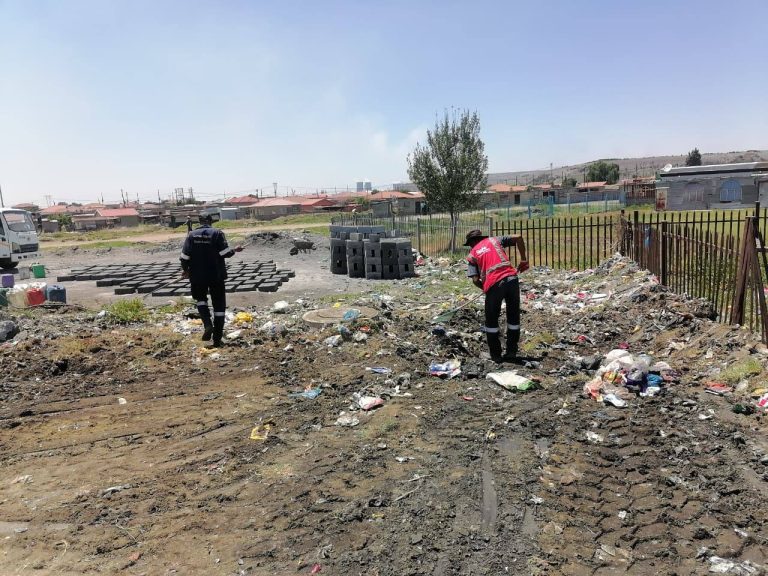
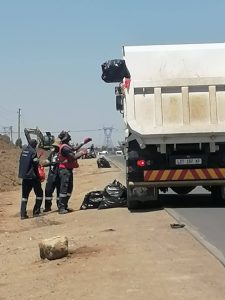
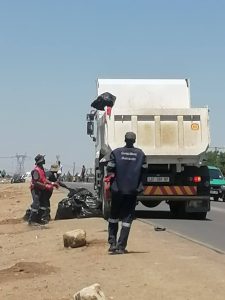
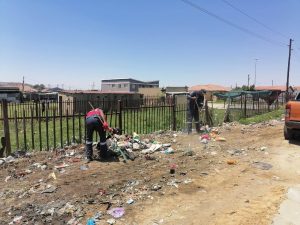
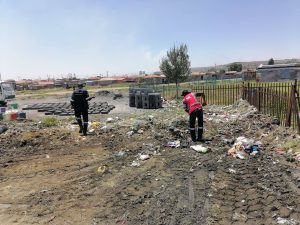
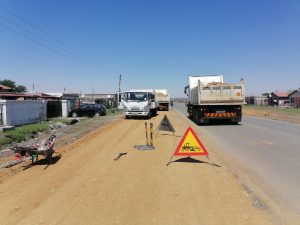
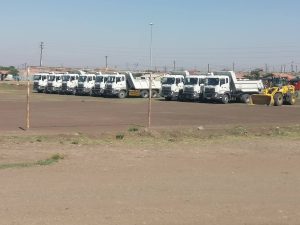
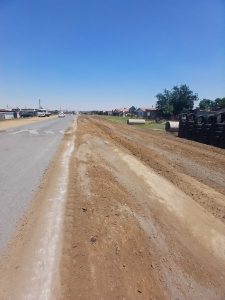
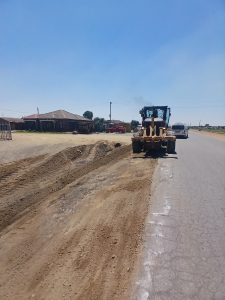
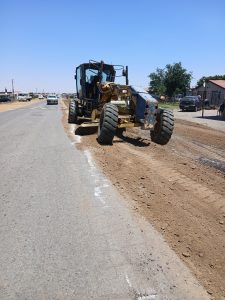
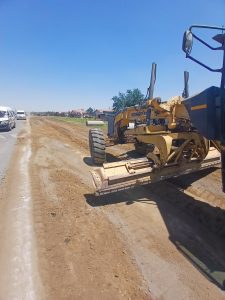
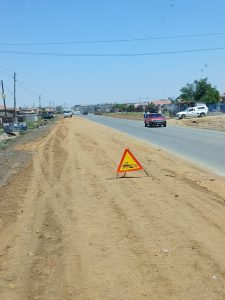
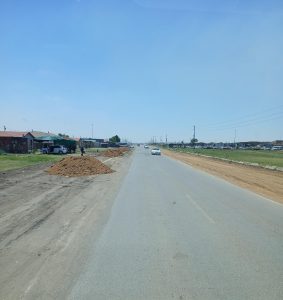
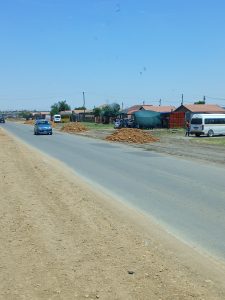
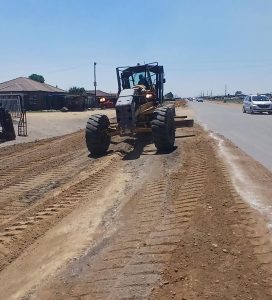
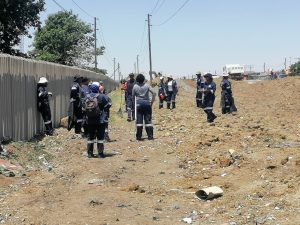
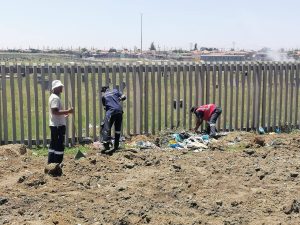
That’s when things got interesting. Almost overnight, municipal activity in Ward 14 increased dramatically. Roads were graded, illegal dumping sites were cleared, and stormwater drains were unblocked. The municipality proudly announced these efforts on social media as part of the Ijima Lokuhlwengisa (Mayoral Service Delivery Programme), saying it was “accelerating service delivery” in eMbalenhle.
Photos: GMM Facebook
But residents can’t help noticing the timing. These are basic services that should have been happening all along, not only when an election is near.
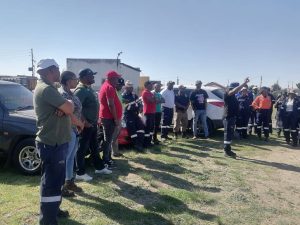
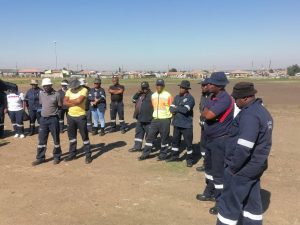
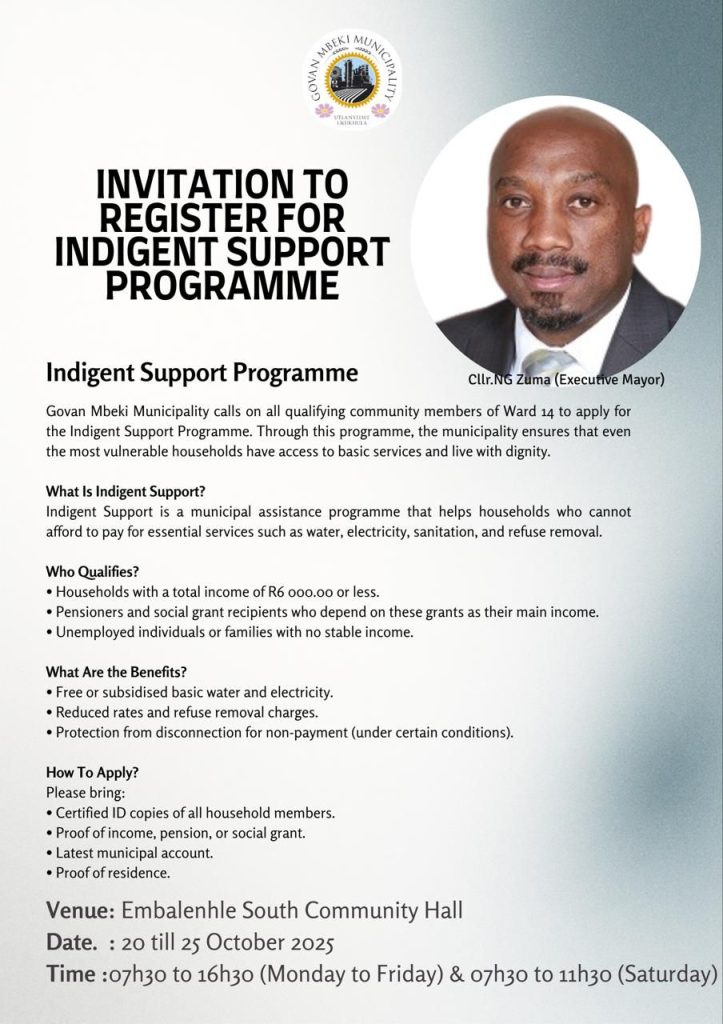
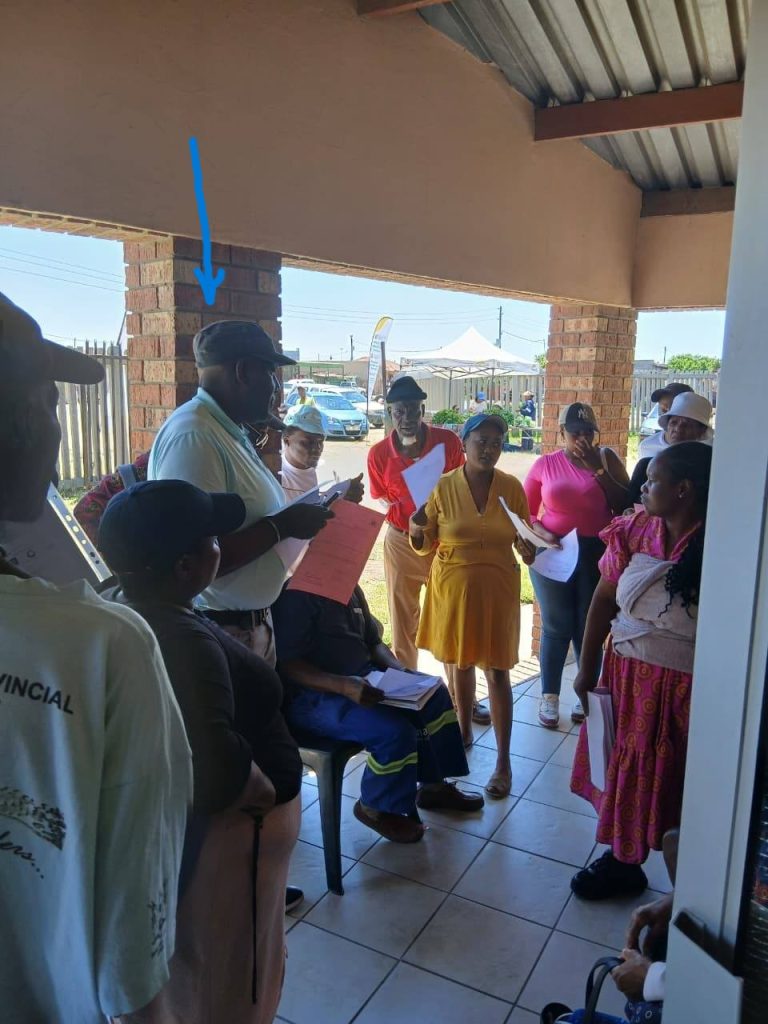
Even more concerning are the political overtones surrounding the projects. ANC-branded gazebos were reportedly seen at events for indigent subsidy registration, where only ANC councillors were visible — no other political parties were invited. Provincial officials and high-ranking politicians have also been making appearances in the ward, cutting sods and hosting community events in quick succession.
ANC Councillor addressing the residents
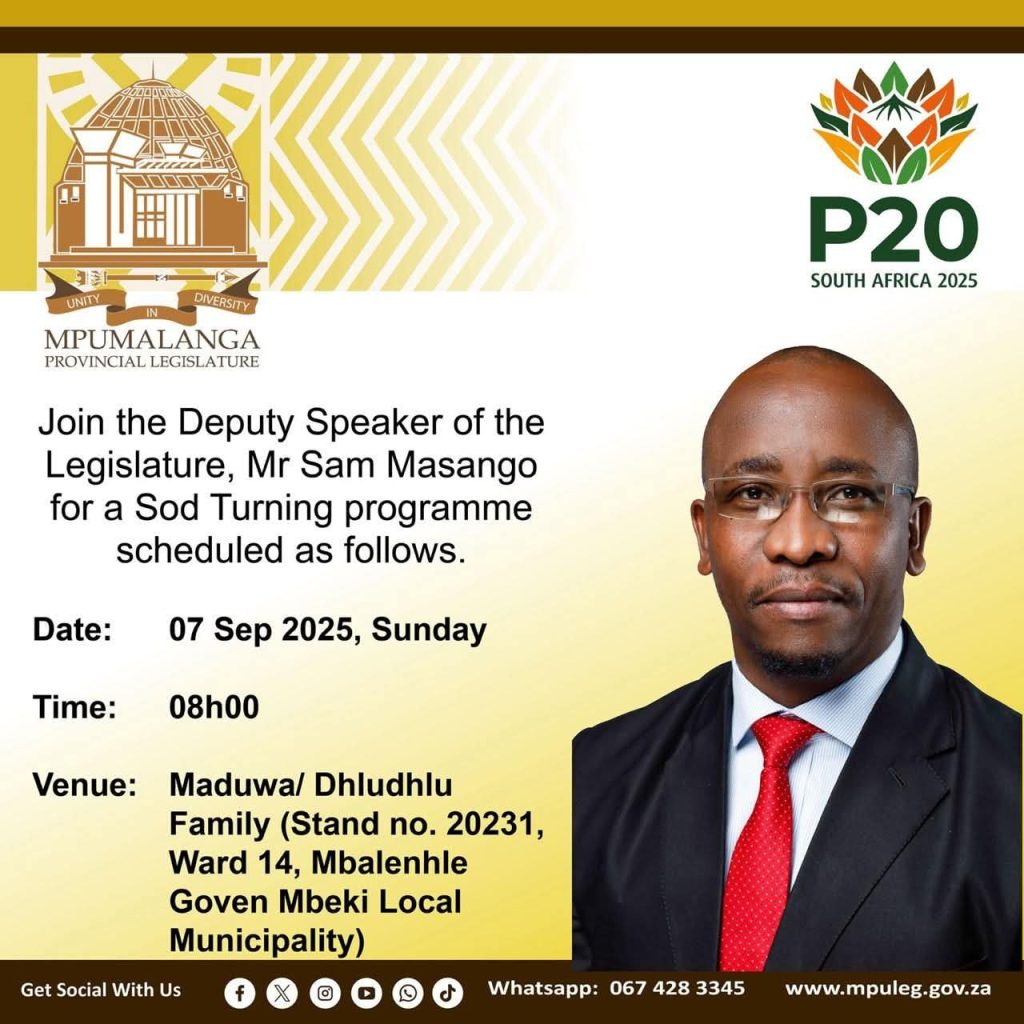
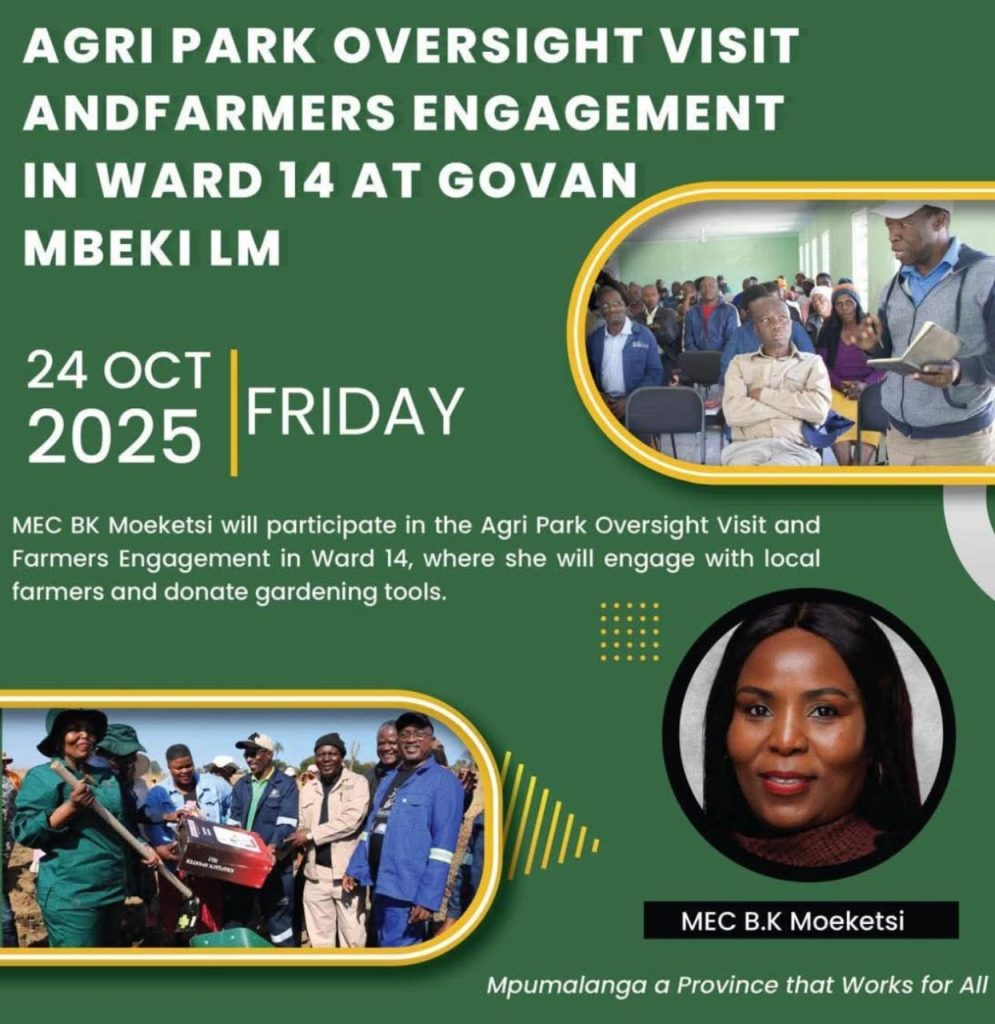
Adding to the perception of manipulation, provincial officials — including MEC BK Moeketsi and Deputy Speaker Sam Masango — have made conspicuous appearances in the ward for “oversight” and “sod-turning” events. While these may be legitimate government functions, their clustering in one ward just before a by-election appears more strategic than coincidental.
The optics suggest a coordinated effort to use state programmes, communication platforms, and service delivery campaigns to boost the governing party’s image — effectively funded by taxpayers. In a municipality already struggling with credibility, accountability, and financial mismanagement, such actions risk further eroding public trust.
It may all be legal on paper, but it certainly looks like politics at play. When government programmes and service delivery drives appear only in a ward where a by-election is pending, it’s fair for residents to ask whether these are genuine service improvements — or campaign tactics disguised as them.
People in Ward 14 have been waiting for consistent service delivery for years. They have every right to feel frustrated if those services suddenly appear now, just weeks before they cast their votes.
The truth is, communities should not have to wait for elections to see government in action. Clean streets, working roads, and functioning drains are not favours — they’re basic rights.
The upcoming by-election is an important one, and the outcome will carry symbolic weight. If the ANC loses this ward — especially to the DA — it will signal that voters are ready for change, even in areas that were once considered untouchable.
But beyond party politics, this moment is about accountability. Residents must ask: Who is paying for all these sudden improvements? And why now?
Ward 14 deserves lasting service delivery, not short-term campaigns.
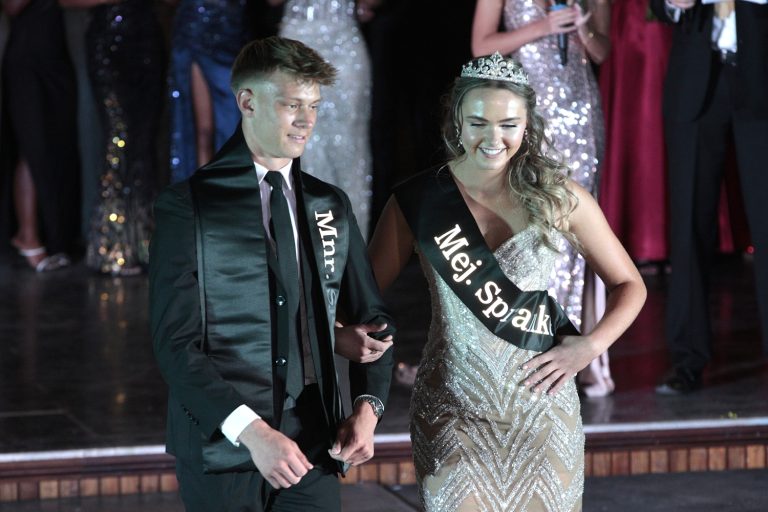
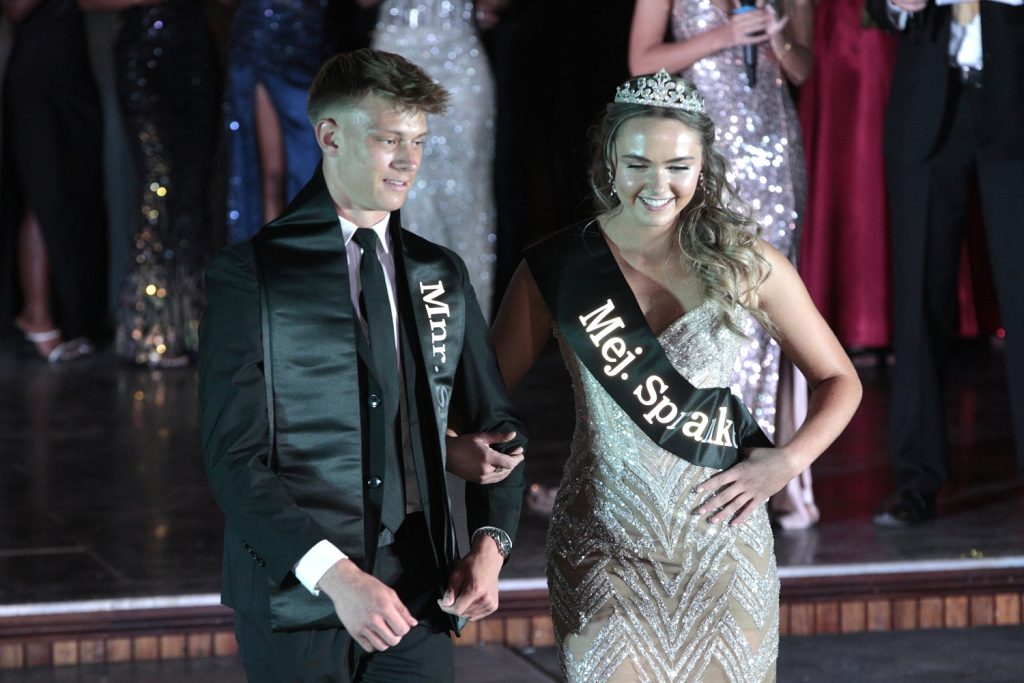
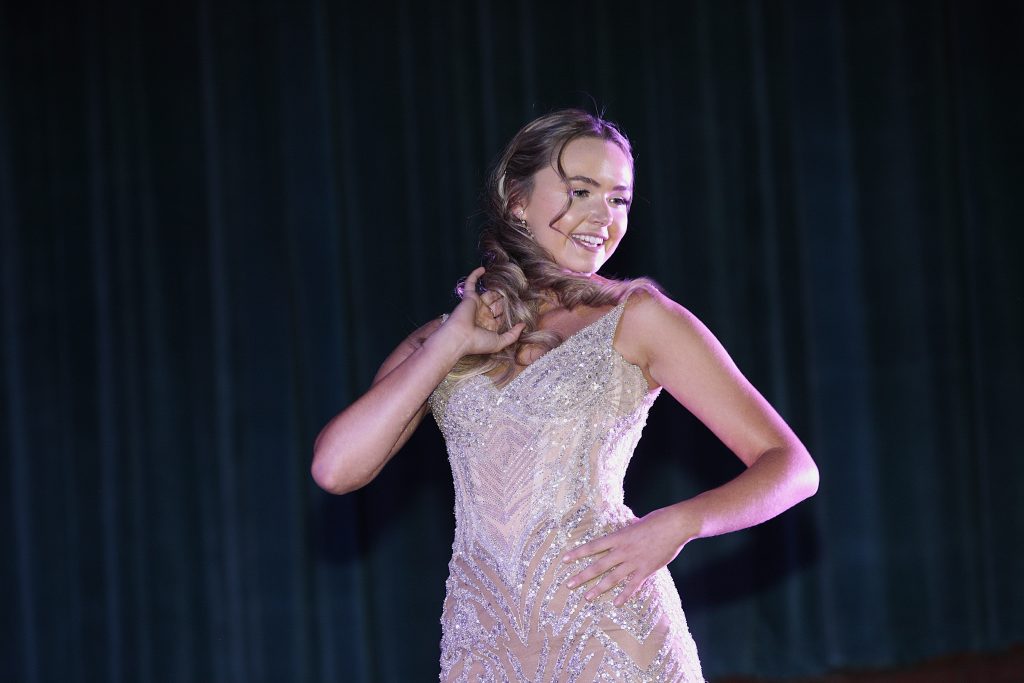
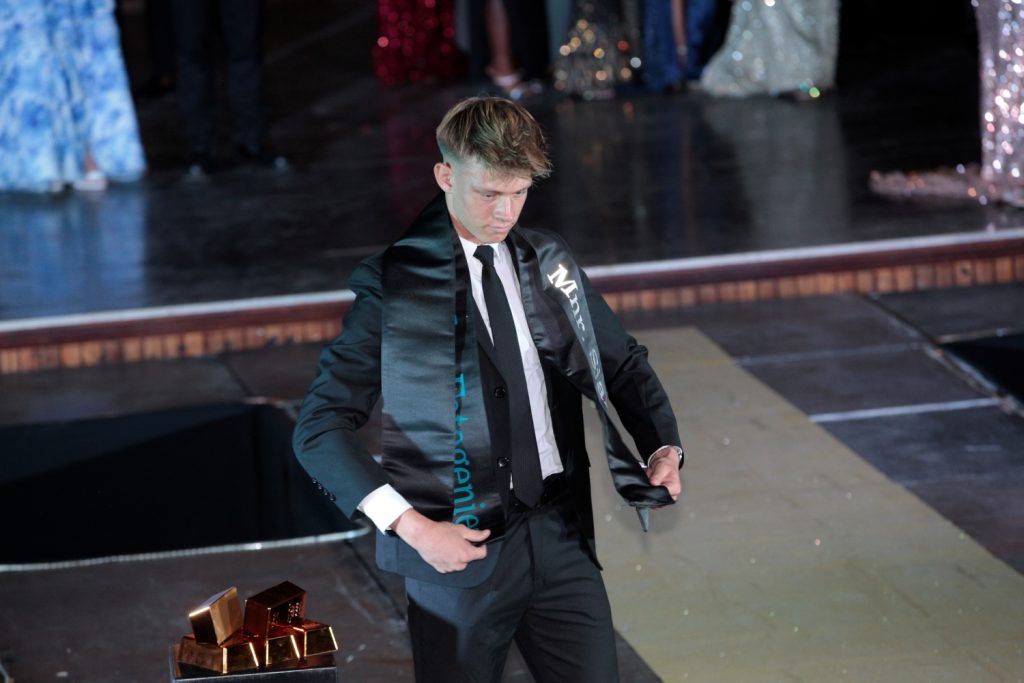
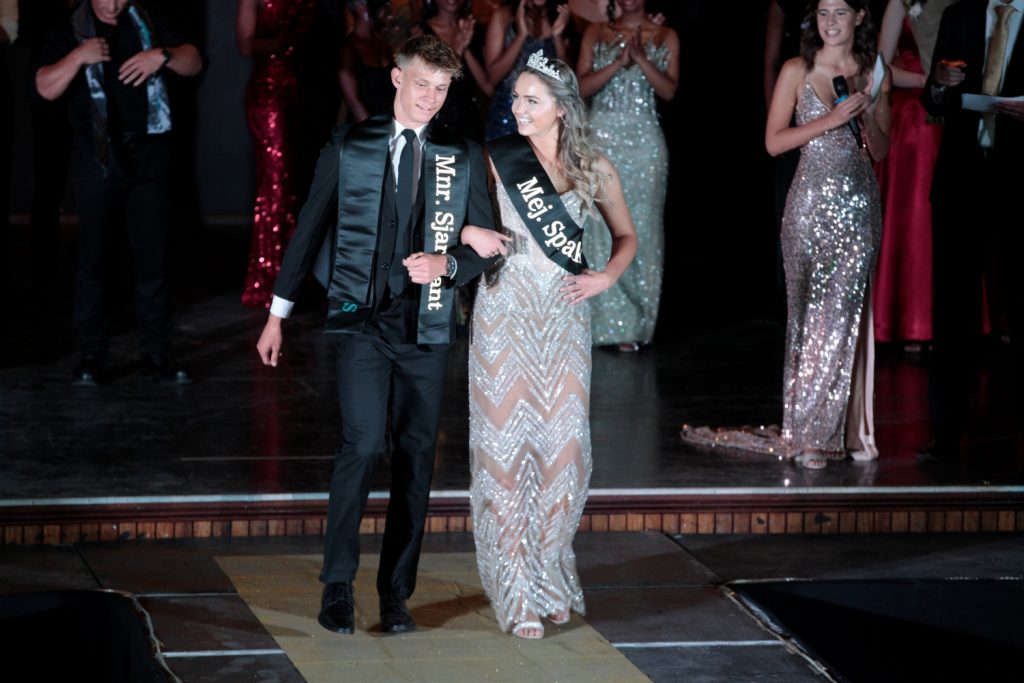
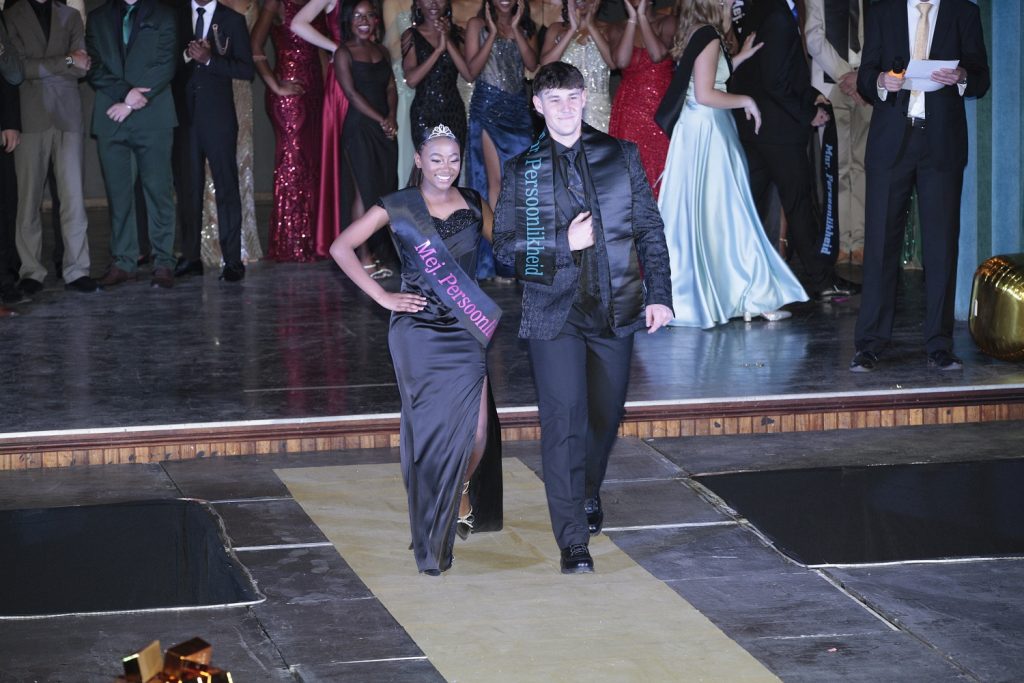
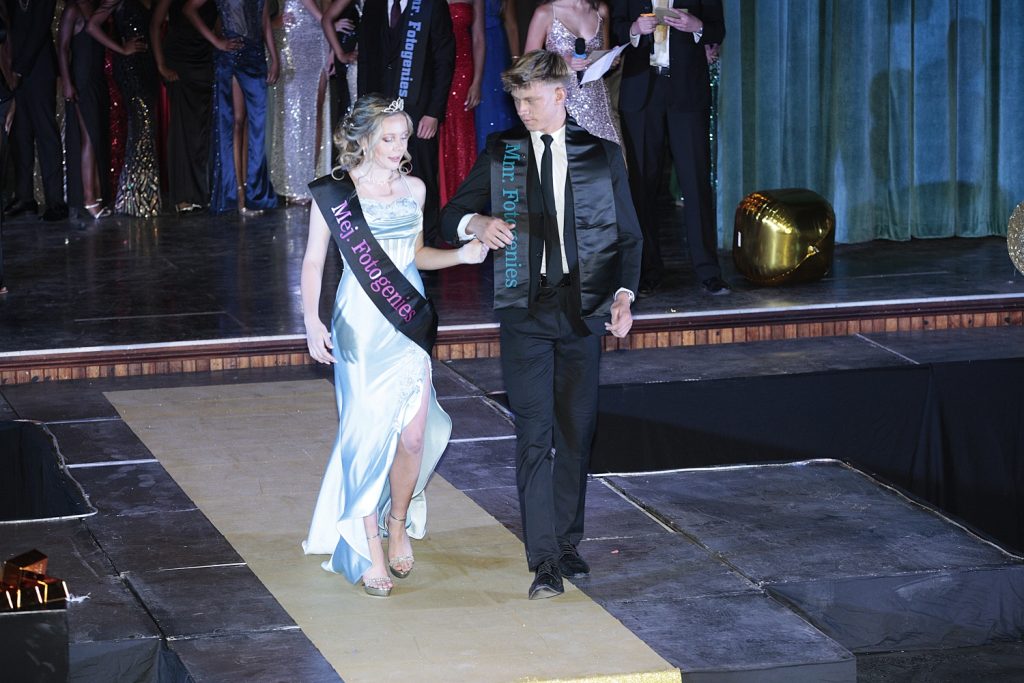
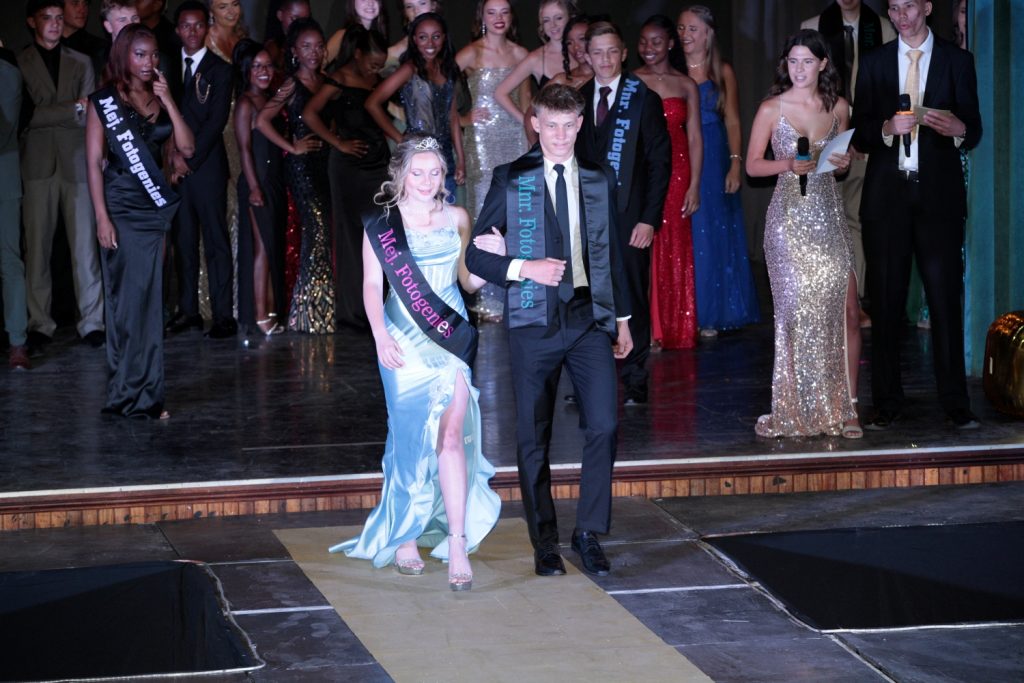
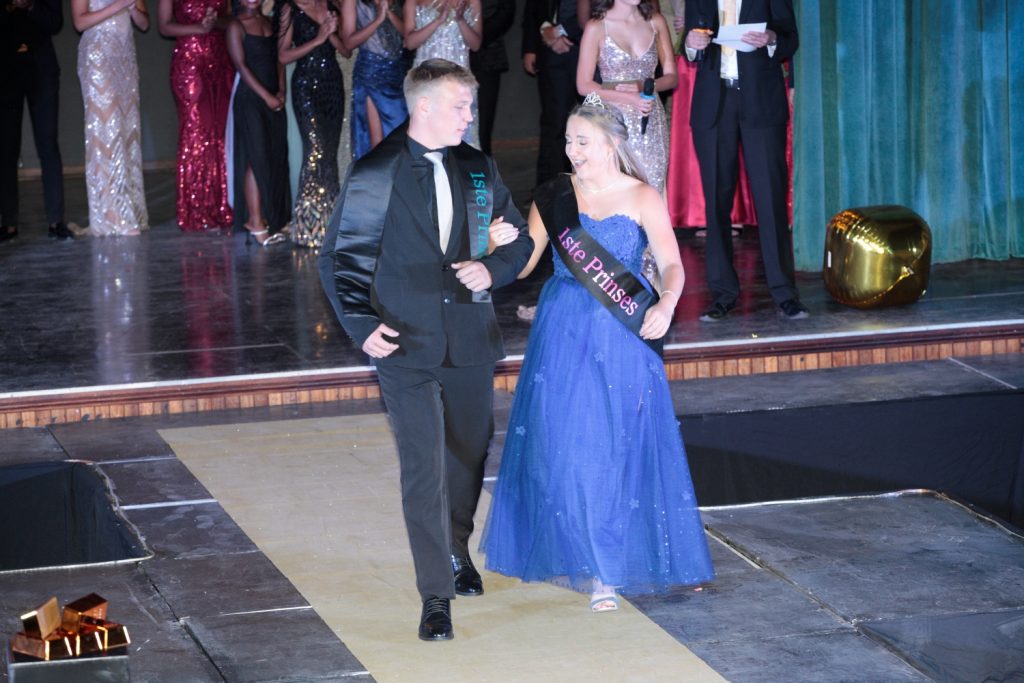
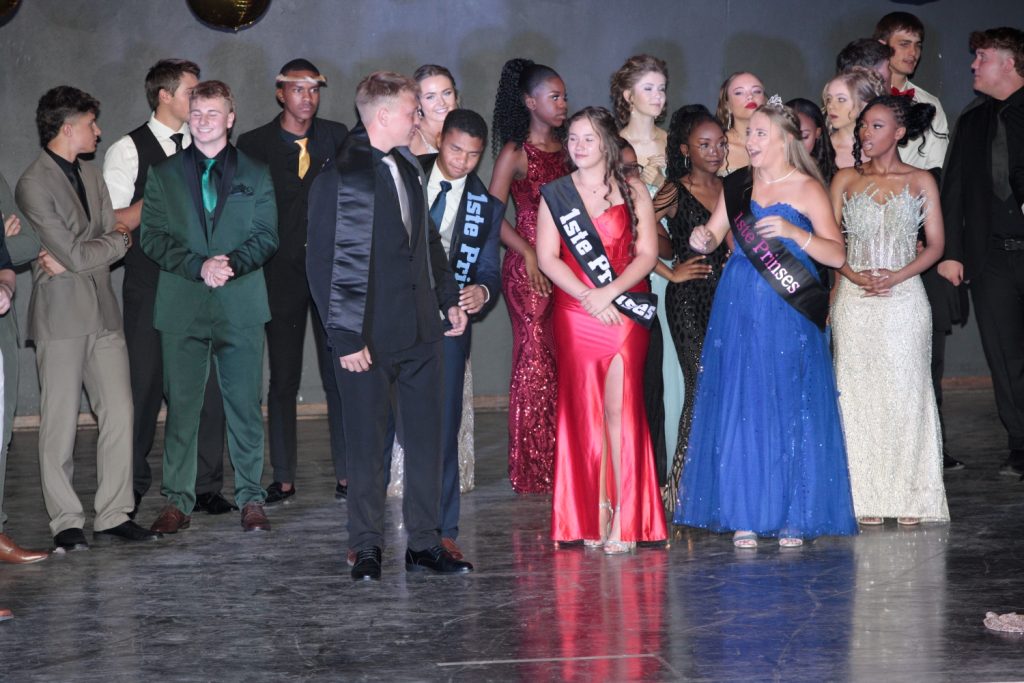
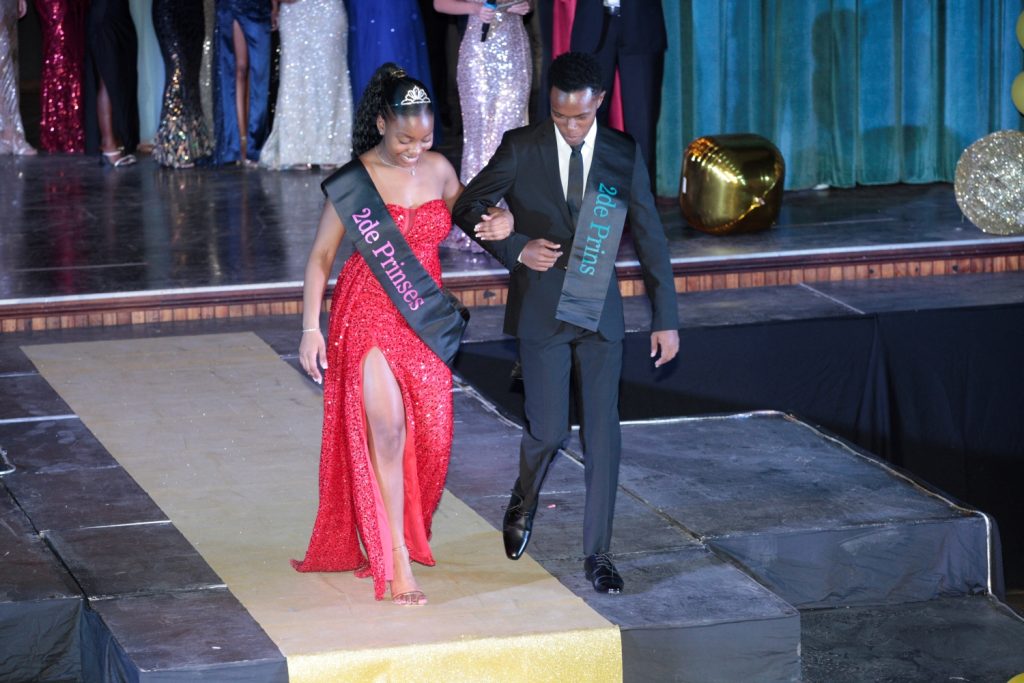
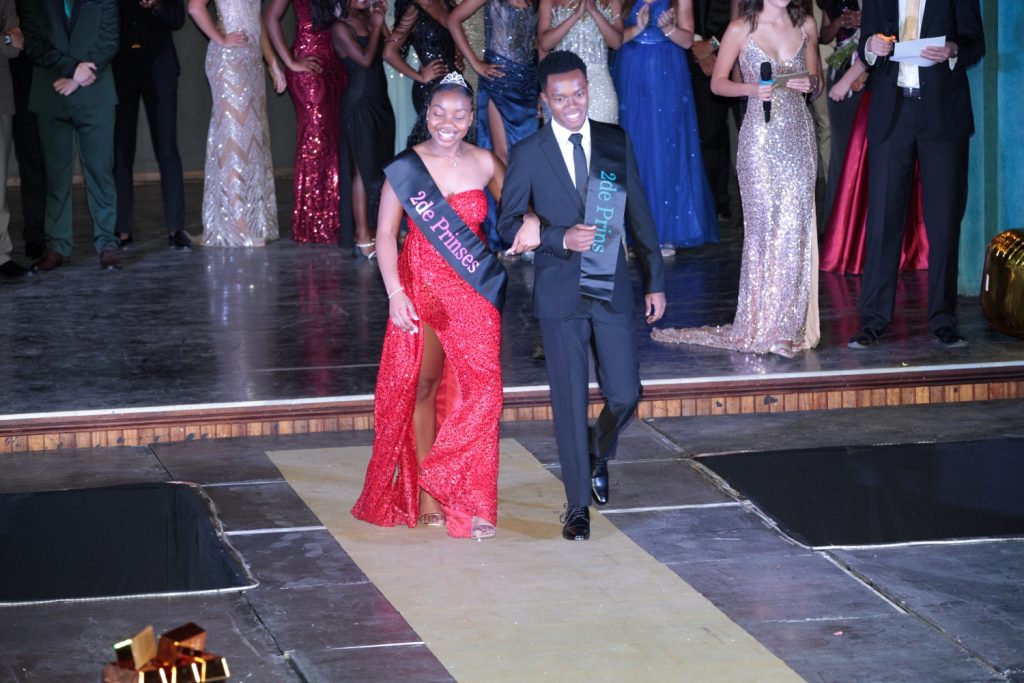
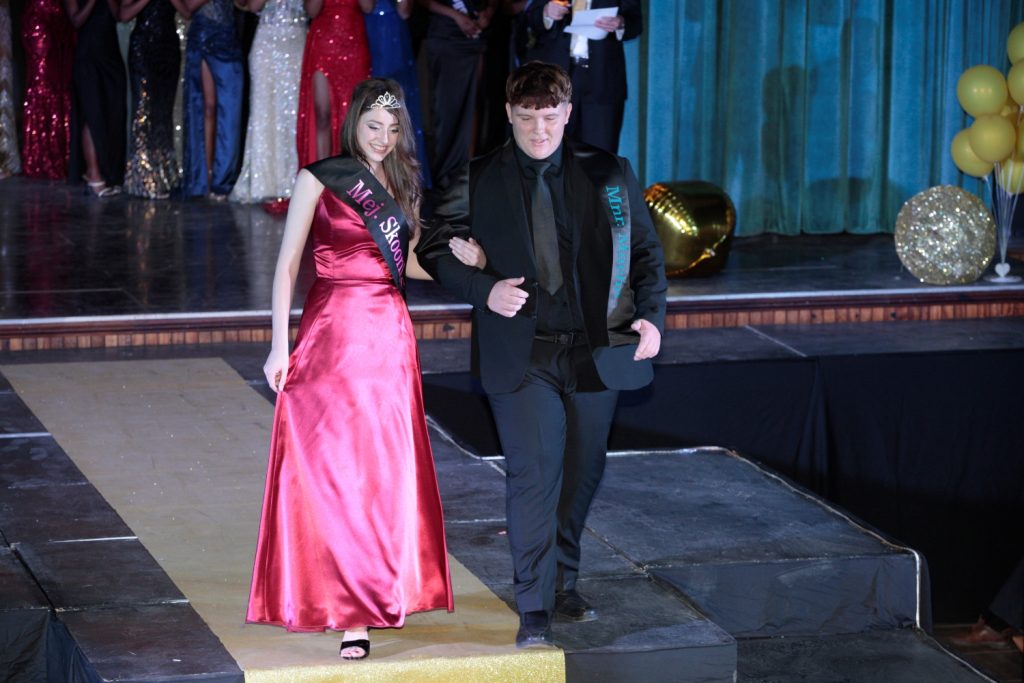
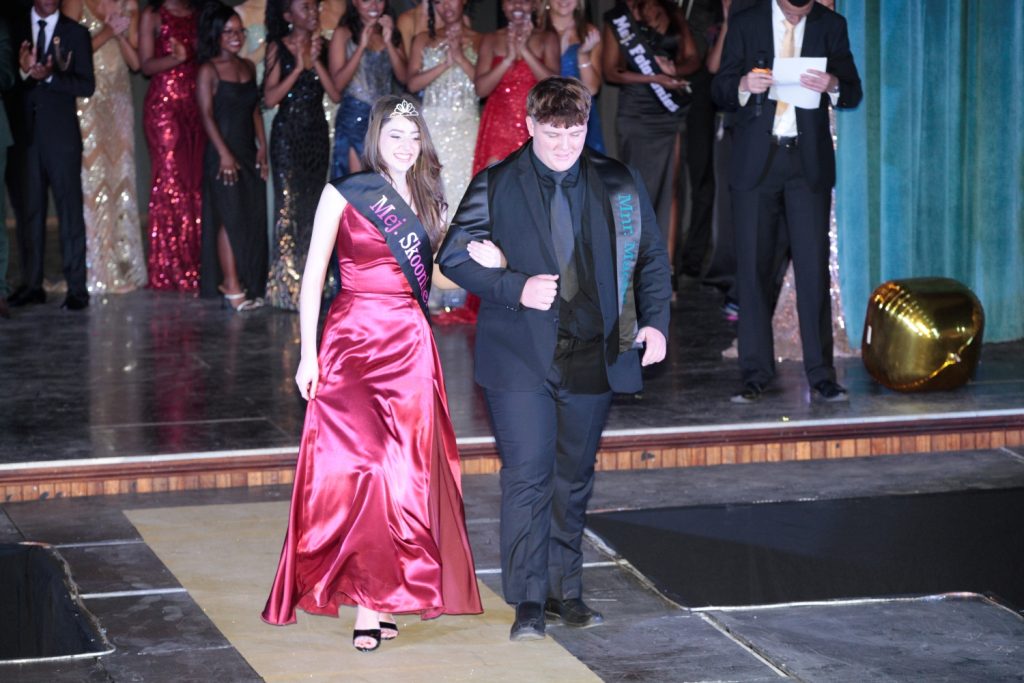
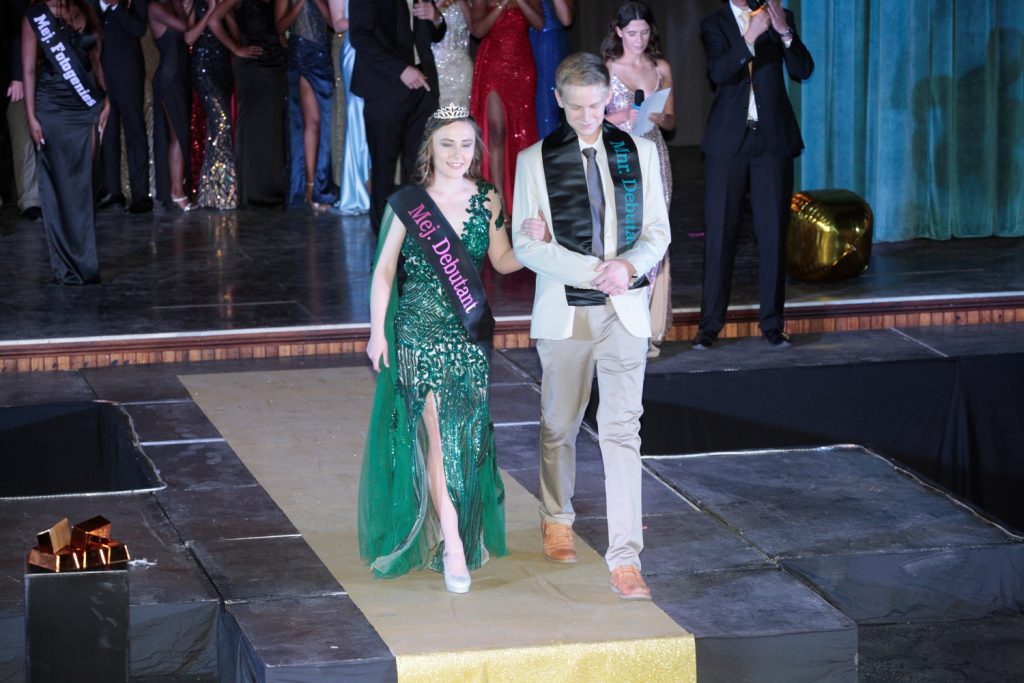
Wat ’n belewenis! Die kinders het pragtig geskitter tydens die funksie en elke deelnemer het die verhoog met trots en selfvertroue betree. Hoërskool Secunda se glansaand het soos goud geblink.
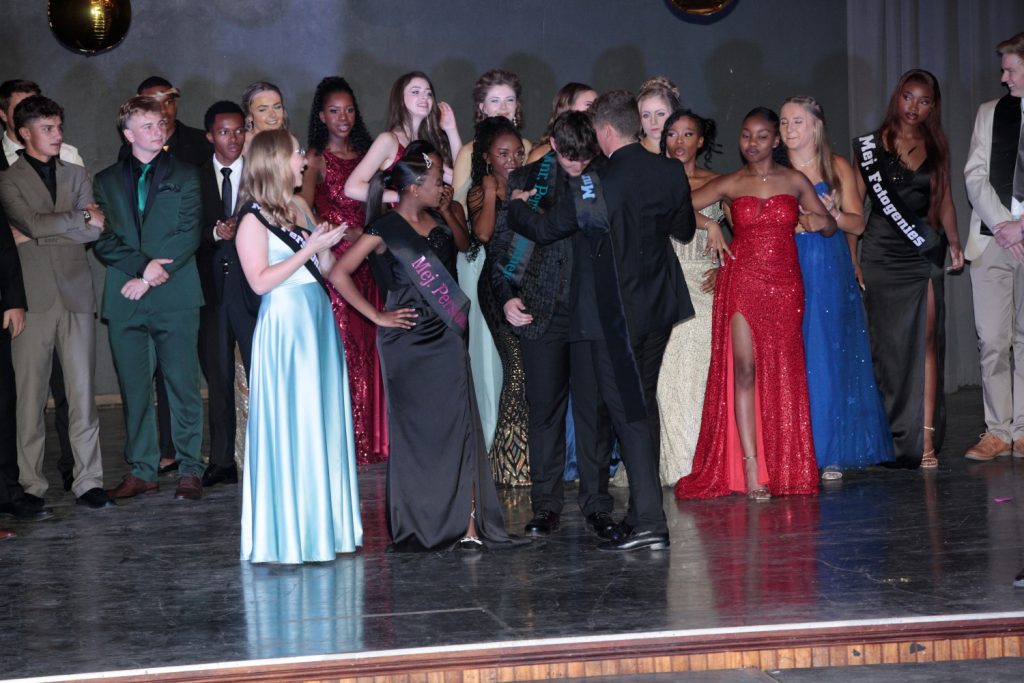
The answers given by the finalists to the judges’ questions truly entertained the spectators — their wit, charm and honesty had the audience laughing, cheering and applauding throughout the evening.
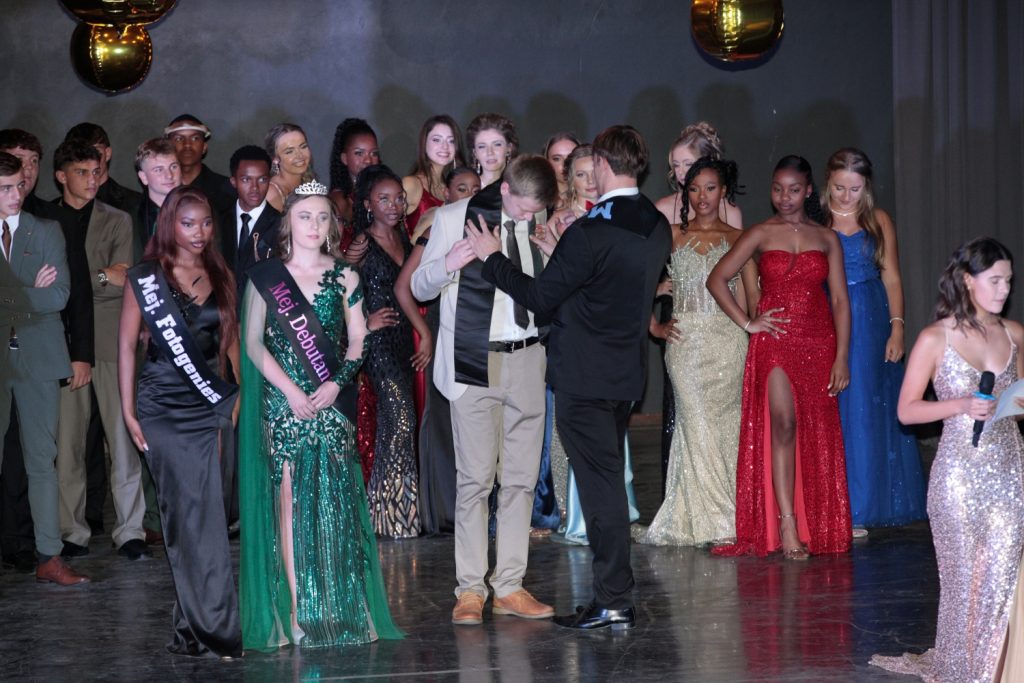
Sprankel & Sjarmant 2025 was more than just a pageant; it was a celebration of confidence, talent and individuality. Each finalist looked absolutely stunning and carried themselves with grace, showcasing the hard work and dedication that went into preparing for this special event.
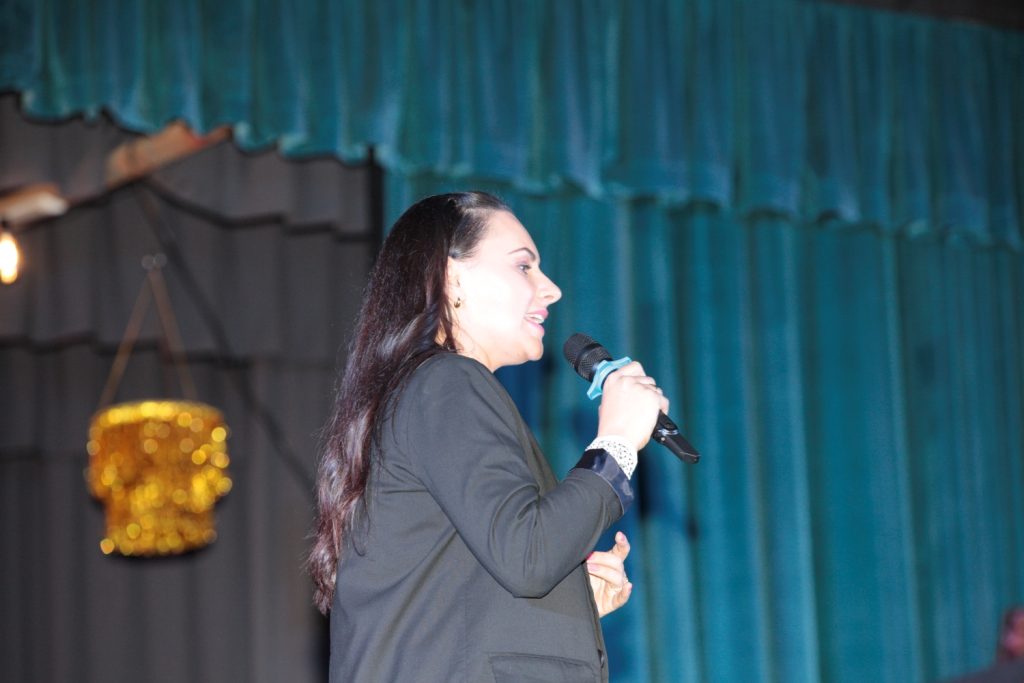
The charismatic Rhona van Niekerk kept the audience engaged from start to finish, ensuring the atmosphere remained lively and full of sparkle. The event was filled with laughter, elegance and a sense of community pride as friends, family, and supporters gathered to cheer on the contestants.
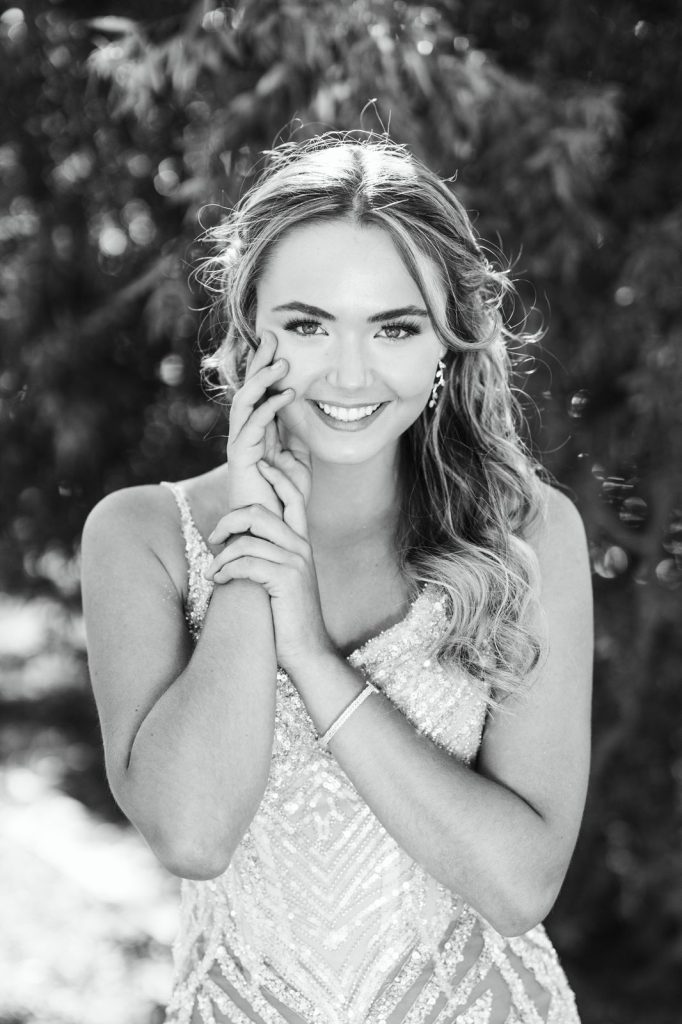
A heartfelt congratulations goes out to the winners, who shone brightly on stage and truly embodied the spirit of Sprankel & Sjarmant. Their achievements are a testament to the talent and confidence nurtured through this event.