Landsdieners van Laerskool Secunda blink weer uit by Provinsiale Kamp
Tydens die afgelope vakansie vanaf 24 tot 27 Junie het 25 van Laerskool Secunda se Gr. 6 en Gr. 7 landsdieners die Provinsiale landsdienskamp bygewoon te Nkambeni Lodge.
Daar was altesaam 288 kinders in Mpumalanga wat die kamp bygewoon het. Uit hierdie groep is daar 108 landsdieners gekies om die Nasionale kamp te Blyderivier Adventures in Desember by te woon.
Laerskool Secunda is trots om te kan spog met 12 leerders wat verkies is vir hierdie Nasionale landsdienskamp.
Die leerders wat verkies is vir die kamp:
Kaylin Harrison, Kara McKenzie, Hannah Ritchie, Annika le Roux, Melé Joubert, Louan Hattingh, Corné Olivier, Mika Janse van Rensburg, Katryn Fourie, Annebel Combrink, Anri Binneman en Miané Venter.
Laerskool Secunda is in besonder trots op Corné Olivier wat verkies is as die Onder-Provinsiale leier vir die Nasionale kamp.
FOUR SUSPECTS ARRESTED FOR BRUTAL MURDER OF A FARMER
Nelspruit: 31 July 2023 – Four suspects aged between 16 and 19 years were arrested in less than two hours after they brutally murdered a 79-year-farmer Theo Frederik Bekker, injuring his wife, stealing three firearms and his vehicle in Grootvlei next to Balfour yesterday morning Sunday 30 July 2023 at about 08:30.
It is alleged that four suspects outside his house attacked the deceased. They allegedly forced him back to the house where they demanded money and firearms.
It is further reported that the suspects assaulted both victims, husband and wife. The deceased was injured with an unknown object on his face as a result he succumbed to his injuries. He was certified dead on the scene by medical practitioners. The wife was then taken to the hospital for medical treatment.
The house was ransacked and the suspects managed to make off with an undisclosed amount of cash, a .22 pistol, 38 special revolver, a shotgun and the couple’s Renault Kwid.
Police were immediately informed after the suspects left the scene.
It is reported that the stolen vehicle overturned in Villiers in the Free State Province, about 25 kilometres from where it was stolen.
All occupants jumped out of the overturned vehicle and allegedly ran away from the scene. A community member who witnessed the accident notified Villiers SAPS who immediately launched a manhunt. All suspects were arrested shortly. Two of the stolen firearms a pistol and a revolver were found in their possession. The shotgun was allegedly left on the accident scene.
The four suspects will be charged with murder, assault with the intent to do grievous body harm and robbery. They are expected to appear in Balfour Magistrate’s Court tomorrow Tuesday 01 August 2023.
The Provincial Commissioner of the SAPS in Mpumalanga, Lieutenant General Semakaleng Daphney Manamela has strongly condemned the farm attack. “The positive contribution from the community member, Villiers and Grootvlei SAPS will not go unnoticed,” concluded the General.
Police urge anyone with any information on Crime to call the Crime Stop number at 08600 10111. Alternatively, members of the public can send information via MYSAPSAPP. All received information will be treated as confidential and callers may opt to remain anonymous.
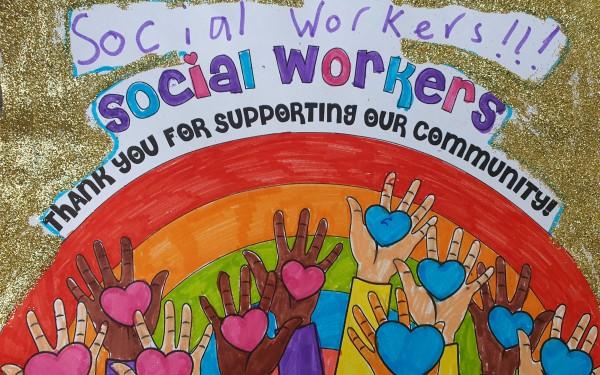
Solidariteit Helpende Hand talks about social workers etc in the community
As a social worker, I have seen many dire situations where a solution to a problem seemed distant. In most cases, the answer came from community members who came together and made a plan. The strength of a community lies in the networks within the community, the hands willing to give and work, and the hearts that care!
One of the unmissable roles in a community is that of its social workers. Due to high caseloads, negative media and a lack of resources, social work has a negative image and needs to be seen in a better light. Over the next few weeks, I will share information on the different social work fields. Did you know that there are more than 15 different “types” of social workers? There is a common misconception that all social workers are in child protection and therefore remove children from atrocious situations, but that is false!
I will also be sharing the different types of social workers working in Secunda and how they can assist you with everyday issues and severe challenges that you might be facing.
So, why do I want to share this information with you? Solidariteit Helpende Hand promotes community development; we want every community to foster a sense of belonging for every community member. Our job is to bring the community together so they can support, uplift and develop the community together! Through these articles, I will share my information about social work, the different aspects of community development, and how the Secunda community can become self-reliant and supportive of a happy and healthy community.
To start our journey through the social work profession, let’s start with the most notable field in social work: the statutory social worker, also known as child protection social worker. They are some of the most overworked and underpaid social workers in South Africa. Only a few organisations have been mandated by the Department of Social Development to safeguard children. In Secunda, these organisations are Tutela Family Services, Rata Social Services Secunda, SAVF Secunda and the Department of Social Development.
These are the only organisations allowed to remove children from their families when the situation is not in the child’s best interest. The South African Police Service is also mandated to remove children when necessary; their role will be discussed soon. An essential aspect of child protection is that the advocate of the children’s court has the final say in whether children are permanently removed from their families.
It is important to note that all child protection organisations have a strong capability and work ethic to keep the family system intact. Preventive and remedial services are of the utmost importance, and the child’s best interest will always be to support the family system staying together. Removing a child from their family is always the last option when a statutory social worker delivers services to a family. In some situations, immediate removal is warranted, and the social worker will treat these situations with the necessary urgency.
Also, remember that when a social worker removes a child, they need to place that child in a place of safety. The harsh reality is that most of these places of safety are fully occupied, which means that children cannot be removed. The challenges are never-ending, but these social workers give it their all every day!
So how can we, as the community, support these social workers in their everyday tasks? The easiest, most important way is by having patience and showing compassion when interacting with social workers. Can I tell you a secret? The social workers are as frustrated with the flawed system as you are! You can also volunteer at children’s homes and donate food, clothes and finances – all of which are always welcome. Another way of supporting them is to become a place of safety for those children who need a haven for the interim. Please don’t hesitate to contact me for more information on the process and criteria.
Do you want to join our dynamic volunteer team in Secunda? Join in the fun of developing the community! Contact our chairperson, Liza de Coning, at 082 567 2247. Or please contact me, Marla Louw, at 066 120 4406 for any social work advice and guidance. If you want to donate to Solidariteit Helpende Hand, please get in touch with our regional manager, Annemarie van Heerden, at 082 829 2546.
UNRAVELING COMPASSION FATIGUE’S IMPACT ON ANIMAL WELFARE WORKERS.
Compassion fatigue is a well-known phenomenon that affects individuals in caregiving professions, and one group particularly susceptible to this condition is animal welfare workers. These dedicated individuals play a crucial role in providing care, protection, and support to animals in need. However, the nature of their work often exposes them to the distressing realities of animal abuse, neglect, and suffering, making them vulnerable to the emotional toll of compassion fatigue.
In this article, we will unravel the concept of compassion fatigue and its impact on animal welfare works as well as strategies to prevent and manage this condition. By understanding the complexities of compassion fatigue within the context of animal welfare work, we can better support these compassionate individuals and ensure the continued well-being and care of the animals they tirelessly advocate for.
To understand the fatigue of compassion, we first have to look at what compassion is.
Compassion is a profound and empathetic understanding of the suffering or distress experienced by others, coupled with a genuine desire to alleviate or lessen their pain. It is a fundamental human emotion and virtue that involves being sensitive to the needs, feelings, and circumstances of others, even if they are different from one’s own. Compassion is characterized by a deep sense of caring, kindness, and a willingness to act to help and support others, often driven by a sense of moral responsibility. Compassion is an essential aspect of building and maintaining healthy relationships, fostering a sense of community, and promoting social cohesion. It is not limited to familial or close relationships but extends to strangers and even beyond species boundaries, as seen in the case of animal welfare and environmental conservation.
WHAT IS COMPASSION FATIGUE?
Compassion fatigue is a state of physical, emotional, and mental exhaustion that can occur in individuals, particularly caregivers or professionals, who regularly provide care and support to others, often in demanding or traumatic situations. It is characterized by increased feelings of emotional distress and a reduced ability to cope with the suffering or trauma of others.
Compassion fatigue can arise from consistently witnessing and empathizing with the pain, trauma, or distress experienced by others, leading to a diminished capacity to provide care and support effectively. It can impact both personal well-being and professional performance, causing symptoms such as emotional detachment, cynicism, irritability, physical exhaustion, and a sense of overwhelming burden. Recognizing and addressing compassion fatigue is crucial to prevent burnout and maintain the well-being of individuals engaged in caregiving or helping professions.
Compassion fatigue, trauma, and burnout are related concepts but have distinct differences: In summary, compassion fatigue is a specific form of exhaustion that arises from providing care, trauma refers to distressing events or experiences that overwhelm a person’s coping mechanisms, and burnout is a state of chronic exhaustion and detachment often related to work-related stress. Although they can overlap and interact, each concept captures a unique aspect of the challenges individuals may face in caregiving or demanding professions.
Compassion fatigue can affect individuals in various caregiving or helping professions, particularly those who are regularly exposed to the suffering, trauma, or emotional challenges of others. The following are some professions that are more prone to experiencing compassion fatigue:
Healthcare Workers
Mental Health Professionals
First Responders
Animal Welfare Workers
Teachers and Educators
Caregivers and Social Service Workers
It’s important to note that while these professions are more commonly associated with compassion fatigue, anyone who regularly provides care, support, or assistance to others can be at risk. Understanding the signs of compassion fatigue and implementing self-care strategies is crucial for individuals in these professions to maintain their own well-being and continue providing effective care to those in need.
Animal welfare workers are particularly susceptible to compassion fatigue due to several factors inherent in their work. Undoubtedly, animal welfare is one of the most challenging tasks to undertake. It extends far beyond conventional 8-5 working hours and exacts a toll both physically and emotionally. In this industry, the victims cannot speak for themselves and for most in society, their lives are not seen as of “equal value” compared to humans, although our courts, since 2016 recognize them as sentient beings in a landmark case. This makes the work hard on a different level. Volunteers (most don’t get paid) who commit to animal welfare find themselves confronted with heart-wrenching moments almost every day, causing them to contemplate giving up on numerous occasions
While the primary focus of your local shelter is to facilitate the adoption of hopeful animals into loving homes, their responsibilities go well beyond that. Operating tirelessly 365 days a year, the shelter takes in homeless animals, providing them with necessities such as food, water, and shelter. Moreover, they actively engage in rescuing injured or abused animals and making efforts to reunite lost pets with their families. This ongoing dedication ensures that the shelter remains steadfast in its mission to save and protect animals in need.
Here are some reasons why they may experience compassion fatigue:
Continuous Exposure to Animal Suffering: Animal welfare workers are consistently exposed to the distressing realities of animal abuse, neglect, and suffering. Witnessing animals in pain or facing life-threatening situations can be emotionally draining and take a toll on their well-being.
Empathy and Emotional Investment: Animal welfare workers often develop strong emotional connections with the animals they care for. They invest their time, energy, and compassion into improving the lives of these animals, making it harder to detach emotionally from their experiences.
Limited Resources and Overwhelming Workload: Animal welfare organizations often operate with limited resources, which can result in high workloads and increased stress levels for workers. The pressure to rescue, rehabilitate, and find suitable homes for animals within tight deadlines can be overwhelming.
Secondary Traumatic Stress: Witnessing and hearing about the traumatic experiences of animals can lead to secondary traumatic stress. The constant exposure to stories of animal cruelty and suffering can trigger feelings of helplessness, sadness, frustration, guilt and anger, further contributing to compassion fatigue. It is not only one sort of emotion you experience.
Challenging Work Environments: Animal welfare workers may encounter various challenges in their work environments, such as limited support, organizational constraints, dealing with difficult or uncooperative individuals, or facing criticism from the public. These factors can add to the stress and emotional strain they experience.
Personal Investment and High Expectations: Many individuals drawn to animal welfare work have a deep personal investment in the cause. They often hold themselves to high standards, wanting to make a significant difference in the lives of animals. This personal investment and the weight of expectations can contribute to increased stress and pressure.
Lack of Recognition and Acknowledgment: Animal welfare work can be emotionally demanding and often goes unnoticed or undervalued by society. None of us that are in it for the right reason, do it for recognition, but all people appreciate recognition. The lack of recognition and acknowledgment for the important work they do can lead to feelings of frustration and burnout.
Life and Death Decisions in Their Hands: These individuals almost on a daily basis deal with death as well as making death decision by opting to euthanize an animal for example. It is not only the sick or injured that have to die, but because of the massive overpopulation crisis we face, in SA on a DAILY BASIS, at least 2800 (yes two zeros) healthy animals have to be humanely killed. Having to make such a decision by putting a healthy animal on the list for today, is gut-wrenching in itself.
It’s important to acknowledge and address the unique challenges that animal welfare workers face to ensure their well-being and sustainability in their important roles.
DEALING WITH COMPASSION FATIGUE
Dealing with compassion fatigue is crucial for animal welfare workers to maintain their well-being and continue providing effective care to animals in need. Here are some strategies to help cope with compassion fatigue in the context of animal welfare:
Self-Care: Prioritize self-care activities that promote physical, emotional, and mental well-being. This can include engaging in hobbies, exercising regularly, practicing relaxation techniques, getting enough sleep, and maintaining a healthy lifestyle. Taking care of oneself allows for better resilience and the ability to handle the emotional demands of the work.
Boundaries and Time Management: Establish clear boundaries between work and personal life. Set realistic expectations and avoid overextending oneself. Effective time management can help reduce stress and prevent burnout. Ensure adequate breaks, rest, and time for relaxation and rejuvenation.
Support Networks: Connect with others who share similar experiences, either within the organization or through external support groups. Peer support can provide validation, understanding, and a space to share emotions and experiences. Seek out counseling or therapy services specifically designed for animal welfare workers if needed. Find coping-strategies that work for you as an individual.
Education and Training: Continuously seek opportunities for education and training to enhance skills and knowledge in animal welfare. This can help build confidence, improve decision-making, and increase job satisfaction. Staying updated on current best practices and advancements in the field can reduce feelings of helplessness and increase effectiveness.
Mindfulness and Stress Reduction: Practice mindfulness techniques, such as meditation or deep breathing exercises, to reduce stress and promote emotional well-being. Mindfulness helps bring focus to the present moment, reducing anxiety about the past or future. Incorporate stress reduction techniques into daily routines to manage stress levels effectively.
Seek Supervision and Consultation: Consult with supervisors or mentors within the organization to discuss challenging cases, seek guidance, and process emotions. Supervision can provide an opportunity to debrief and gain support from experienced professionals. Consultation with experts in the field can offer fresh perspectives and advice on complex situations.
Take Breaks and Vacations: Allow yourself regular breaks and take vacation time to rest and recharge. Time away from work, even if it’s just a short break, can help gain perspective and prevent burnout. Ensure adequate coverage or support during absences to reduce concerns about work responsibilities. We have to accept the reality that we can’t save them all. People breed and hurt animals faster than we can rescue. We are working on ultimate solutions and I will never stop, but for now, we have to accept this sad reality.
Inspector debriefs and rotation: A big problem in organizations with inspectors (apart from the lack of proper and enough inspectors) is that they have to deal with tough stuff alone. It is the responsibility of their team managers and organization’s leaders to make sure these individuals get debriefed regularly and get rotational breaks (if they have more than one inspector) or at least some sort of break apart from regular leave.
Remember, self-care and recognizing the signs of compassion fatigue are essential in maintaining overall well-being and providing effective care for animals.
SUICIDES IN ANIMAL WELFARE
Research on suicide rates specifically among animal welfare workers is limited, and it is challenging to determine the exact prevalence or rates of suicide within this particular industry. However, it is important to acknowledge that the field of animal welfare can be emotionally and physically demanding, and individuals working in this sector may face stress, burnout, and mental health challenges often. Those in animal welfare know it is high and many have likely thought about doing it. Some studies have indicated higher rates of mental health issues, such as depression, anxiety, and compassion fatigue, among individuals in caregiving roles, including animal welfare workers. These factors, combined with the emotional toll of working with animals in distressing situations, could potentially contribute to an increased risk of mental health challenges and, in some cases, suicide.
It is crucial to prioritize mental health support and resources for animal welfare workers, as well as promote awareness, education, and destigmatization of mental health issues within the industry. Providing access to counselling services, implementing mental health training, and fostering a supportive work environment can help mitigate the risk and promote well-being among animal welfare workers.
WHAT CAN YOU DO TO HELP?
If someone close to you is suffering from compassion fatigue, there are several ways you can support and help them:
Be a Listening Ear
Encourage Self-Care
Provide Practical Support to help lighten their load
Validate Their Emotions
Encourage Boundaries
Offer Resources
Be Patient and Understanding
Remember, supporting someone with compassion fatigue requires empathy, patience, and active listening. By offering a compassionate and supportive presence, you can provide valuable assistance to your loved one during their healing process. There are many ways for the public to lighten the load for animal welfare warriors.
In the world of animal welfare, compassion fatigue poses a significant challenge for those dedicated to caring for animals in need. The emotional demands, witnessing suffering and neglect, and advocating tirelessly for animals can take a toll on the well-being of animal welfare workers. Recognizing the signs of compassion fatigue, implementing self-care strategies, seeking support, and maintaining healthy boundaries are vital in preventing and managing this condition. By addressing compassion fatigue in the context of animal welfare, we can ensure the well-being of those who tirelessly advocate for animals, allowing them to continue making a positive difference in the lives of our furry companions. Together, we can support and empower these compassionate individuals to create a brighter future for animals in need.
Next week we will look at the theft of companion animals and how you can keep your animals safe.
PROVINCIAL COMMISSIONER CONDEMNS THE BRUTAL MURDER OF A BABY GIRL (05), POLICE ARRESTED THE COUSIN
Nelspruit: 26 July 2023 – The Provincial Commissioner of the SAPS in Mpumalanga, Lieutenant General Semakaleng Daphney Manamela has strongly condemned the brutal murder of a 05-year-old girl allegedly by her cousin (27). The shocking incident is said to have occurred at Bushbuckridge yesterday, 25 July 2023.
According to the report, in the afternoon of that fateful day, Police as well as the paramedics in Bushbuckridge received information about the body of a child found in the bushes. Upon arrival at the scene, they found the little girl’s lifeless body with her throat slit and some stab wounds on her upper body. She was unfortunately certified dead by the medical personnel on the scene and police opened a murder case.
The investigation by the police immediately began. Preliminary investigation indicated that the girl reportedly left home with her cousin (male) to a nearby tuck shop (spaza) to buy some snacks. However, the family was amazed when the cousin returned alone without the little girl. Further allegations by members of the family indicate that he informed them that the baby girl went to play with other children in the neighbourhood. However, the family was concerned and worried that something could have happened to the child and it is said that they began searching for her until they sadly made the gruesome discovery of her body in the nearby bushes. That was the time when they alerted the authorities.
The Police in Bushbuckridge arrested the suspect on the same day and charged him with murder.
The suspect is expected to appear at the Bushbuckrigde Magistrate’s Court soon the investigation is still ongoing and it is not yet clear if the girl was raped or not as that will form part of the probe.
The Provincial Commissioner of the SAPS in Mpumalanga, Lieutenant General Semakaleng Daphney Manamela further urged parents and guardians to be vigilant with their children. “It is disheartening and disappointing to learn that some family members are found to be the ones allegedly perpetrating crimes against children whereas they have been entrusted with safeguarding them, ” said the General.
Police urge anyone with any information on Crime to call the Crime Stop number at 08600 10111. Alternatively, members of the public can send information via MYSAPSAPP. All received information will be treated as confidential and callers may opt to remain anonymous.
MALEMA’S STATEMENTS ARE HATE SPEECH: AFRIFORUM WINS DOUBLE VICTORY IN CASE AGAINST HUMAN RIGHTS COMMISSION.
The civil rights organization AfriForum was successful in its court application in the Johannesburg High Court against the South African Human Rights Commission (SAHRC) to review their decision that Julius Malema, leader of the EFF, did not amount to hate speech.
Judge Roland Sutherland ruled on 14 July 2023 that the SAHRC 2019 finding that Malema did not commit hate speech during a 2016 gathering must be set aside. The court further found that the SAHRC does not have binding powers to make orders or findings. AfriForum won this case emphatically with costs.
Malema testifies that he may call for the slaughtering of white people in the future. Video Afriforum
The statements by Malema, which are in question here, were made in 2016 during a meeting in Newcastle when he said, among other things: “We are not calling for the slaughtering of white people, at least for now.” In 2019, AfriForum filed court documents to review the SAHRC’s decision that these statements are not hate speech.
South Africa’s EFF leader Julius Malema says there could be an ‘unled revolution in the country’. Video TRT World 2018
“This is a double victory for AfriForum over the SAHRC, as our position is that Julius Malema committed clear hate speech in 2016, and that the SAHRC does not have binding powers. Both have now been confirmed by the court,” says Ernst van Zyl, campaign officer for strategy and content at AfriForum.
“There is a further success in question in this great victory, and that is that it also sets the precedent that findings by the SAHRC may be taken up in court,” concludes Van Zyl.
Hercules Viljoen het op 15 Junie 2023 die stryd teen ‘n lang siekbed verloor.
Bekende prokereur, Hercules Viljoen, was al geruime tyd gewikkel in ‘n stryd teen siekte en het ongelukkig die stryd verloor op 15 Junie 2023.
Baie sal Hercules onthou as prokereur by Vos, Viljoen en Bekker waar hy vanaf 1997 gedien het met net ‘n klein onderbreking.
Hercules het veral in strafreg gespesialeer.
In ‘n dorpie in Noordwes, Vryburg, op ‘n Sondag (13 February 1972), het Hercules die lig gesien. In 1979 Verhuis die familie na Secunda. Hercules het graag aan sport deelgeneem en uitgeblink in Krieket en Rugby vir Trichardt Laerskool asook Hoërskool Secunda. Later jare het hy Mpumalanga verteenwoordig in “Tenpin Bowling.”
Hercules laat ‘n groot leemte tussen sy familie en friende. Hy is beskryf deur die wat hom geken het as ‘n goedhartige en liewe mens.
Pa en dogter het ‘n hegte band gehad en hy het graag Geneve se aktiwiteite ondersteun. “Ek sal aan ons goeie tye vashou en nooit vergeet,“ Het Geneve geskryf, “Ek sal Pappa weer sien. Eks bly Pappa is nou gesond.”
Lenie, Hercules se eggenoot, het die laaste paar maande aan die Bulletin beskryf. Die emosies en seer lê nog baie vlak. “Hy het alles so maklik gemaak,” het Lenie gesê, “Hy het gesorg dat alles in orde was, selfs terwyl hy siek was het hy gesorg dat ons oor niks moes bekommer nie.”
“Dis hoe hy was.”
Lenie wil graag almal bedank wat hulle so goed bygestaan het en nog steeds bystaan. “Dit is so moeilik om almal op te noem,” het Lenie gesê, “eks bang ek laat iemand uit. Daarom se ek dankie aan elkeen sonder om name te noem.”
The Sasol AEL public consultations were met with criticism and opposition.
Hannes Buys, Senior Manager SHE Environment Air, struggled to deliver his presentation about the Air Emissions Licence (AEL) during Sasol’s public participation campaign.
Everything that he said was challenged by Ian Erasmus, Whistleblower and former employee, and Gavin McGillan, former contractor.
Gavin immediately questioned whether the session is a public consultation session or an information session. “the session is labelled incorrectly” said Gavin
Hannes Buys said that the session is a requirement of the current and existing Atmospheric and Emissions licence. “part of that requirement is that we engage with the public, that we give feedback to the public in terms of our performance, that we give feedback on the quality of the ambient air,” said Hannes, “and that we give feedback on the initiatives that Sasol give to improve the air quality.”
Gavins stated that these sessions are punitive measures against Sasol emanating from their operations here. He also stated that Sasol is not currently compliant with the AEL. Hannes Buys assured him that Sasol is fully compliant.
Gavin stated that Sasol is not fully compliant.
The Bulletin asked for the presentation that was used to be forwarded to our offices on several occasions, but no response was received to date.
Sasol is being accused on several fronts of polluting the environment and has recently been taken to court on pollution of water at their Secunda plant.
RSG, the Afrikaans national radio station recently introduced a podcast as follows (translated), “Sasol is the biggest releaser of greenhouse gasses in South Africa after Eskom. Its Secunda plant where synthetic fuel is manufactured from coal and gas, is a single plant that produces the most greenhouse gasses in the world. During the past 7 years, the group invested more than R7billion rand to lessen the release of these gasses at the Secunda and Sasolburg plants. According to Sasol, it complies with 98% of the requirements at these plants. It does not, however, comply with the standards for the release of Sulfur Dioxide!”
“Sasol applied in June to the National Air Quality official to change the way that these emissions are measured. This was not approved! Sasol wants to appeal the decision.”
Photo supplied
RSG spoke to Simon Baloyi from Sasol regarding this development. Click HERE for the podcast (in Afrikaans)
Hannes buys continued with his presentation and was questioned on every aspect. The Bulletin took a video but unfortunately bad light influenced the quality of the video.
Sasol’s presentation continued to say that they are fully compliant with their Air Emissions Licence but Ian and Gavin challenged this.
The following quote comes directly from Sasol’s website:
AIR QUALITY MANAGEMENT
We acknowledge the link between our activities and air quality and the need to act responsibly in managing our impacts. We have a holistic air quality management approach, which is informed by internationally accepted practices.
We are committed to complying with all applicable regulatory requirements and monitor and report on our activities diligently.
Our air quality management system enables us to develop and implement feasible and sustainable emission-reduction strategies to mitigate our atmospheric footprint.
We adopted a robust abatement technology approach, informed by in-depth engineering studies and in-situ piloting of plausible solutions, aimed at identifying feasible abatement solutions.
We have a risk-based approach to managing air quality. This is aligned with our safety and health approach and considers the complexity of our operations. We are committed to working with all stakeholders on our air quality improvement journey.
We participate in policy and regulatory developments as well as in community initiatives to improve air quality.
MANAGING AIR QUALITY COMPLIANCE
By 1 April 2020, our existing plants in South Africa were required to meet the point source standards applicable to newly commissioned plants. Sasol has already met the prescribed minimum emission standards for 98% of our emissions sources. Details on all the efforts which contributed to this including the achievements for particulate matter ( PMs) NOx, sulphur dioxide (SO2), incinerators and total volatile organic compounds (TVOCs) are included, per operations. For the remaining 2%, we have been provided extension on compliance for the remaining sources via postponements granted by the Department of Forestry, Fisheries and the Environment (DFFE) until 1 April 2025. We are on track with our air quality roadmaps to achieve this milestone for all point sources except for our steam plant operations in Secunda.
During 2020, we applied for further postponement for four additonal sources at our Secunda Operations following the inclusion of these point sources in the Secunda Atmospheric Emissions Licence upon review thereof. These sources require postponement to meet the volatile organic limits contained in the applicable standard. We recently concluded the required public participation and await the decision of the authorities.
We aim to also achieve compliance for these sources by 1 April 2025. We remain resolute in our intent to achieve our commitments and complete our air quality compliance roadmaps in the last stretch of our compliance journey to ensure that our mature plants meet the prescribed standards for newly commissioned plants along the extended compliance timeframes we obtained through lawful postponements by 1 April 2025.
Ian Erasmus made photographs available that show some of the extent that, which they are arguing, Sasol pollutes the air.