The photographers excelled again at their monthly meeting held in October.
The club hosts monthly meetings where members can enjoy informative talks by other photographers.
Various topics are covered, and this is always accompanied by photographs that the guest has shot.
Members are invited to enter their own photographs to be judged in different categories.
Members are also graded by their skill levels and receive points to progress to a higher level. The aim is that photographers should improve by having their photos judged and critiqued. By taking note of the commentaries of the guest they should be able to improve.
Different “certificates” are awarded to the photographs. These are Bronze, Silver, Gold and Certificate of Merit (COM). If the author (photographer) does everything wrong in a photo, for his/her skill level, such as out of focus he/she will receive a bronze. Doing everything right will result in gold or even a COM.
If anyone is interested in joining the club or just wants to know more about Sasol Highveld Photography Club they can contact Hanno de Beer at 071 365 6440
The next club meeting will be on Friday 3 November at the “Scrum Inn” Sasol Club
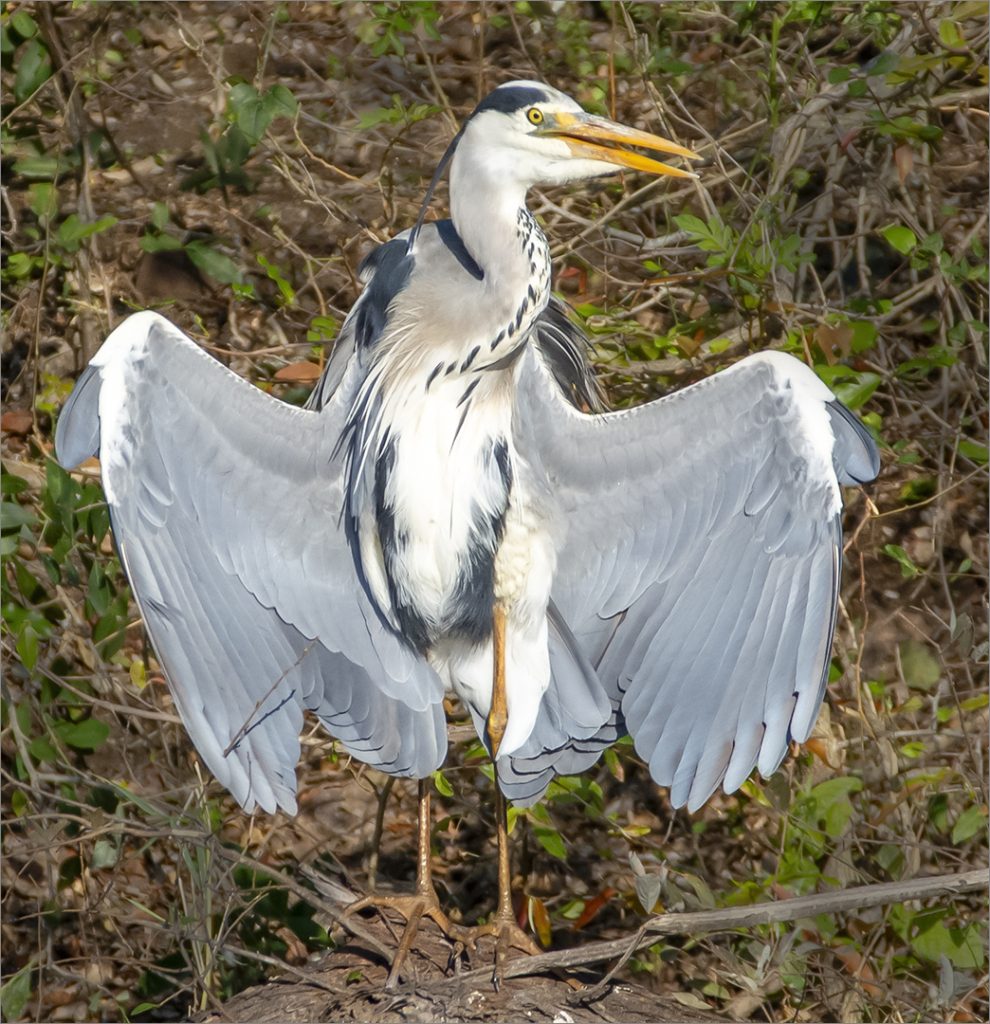
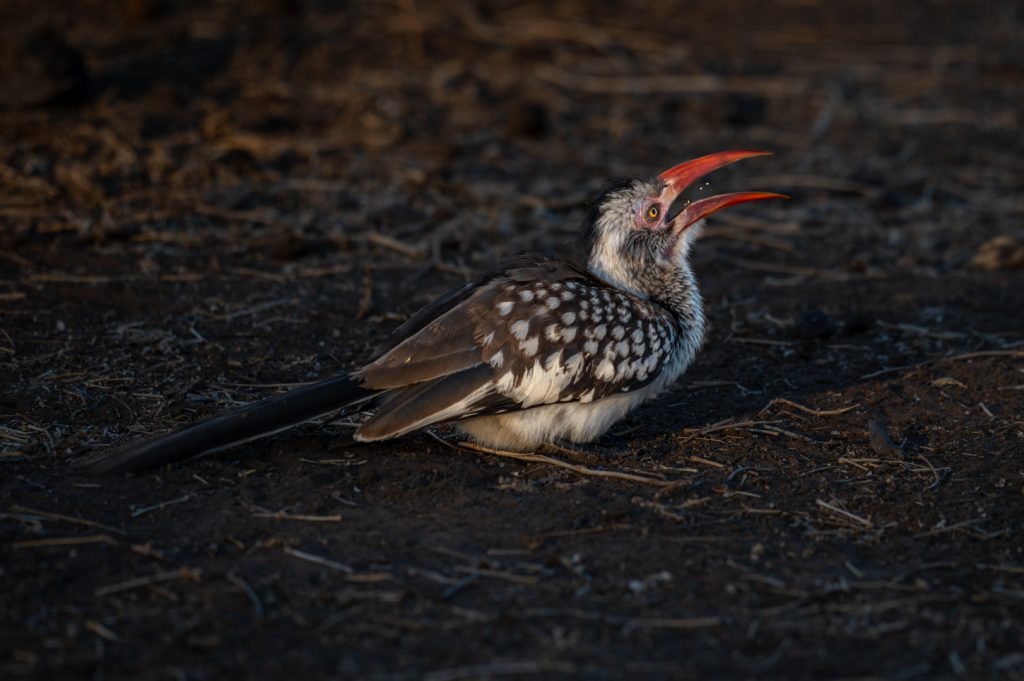
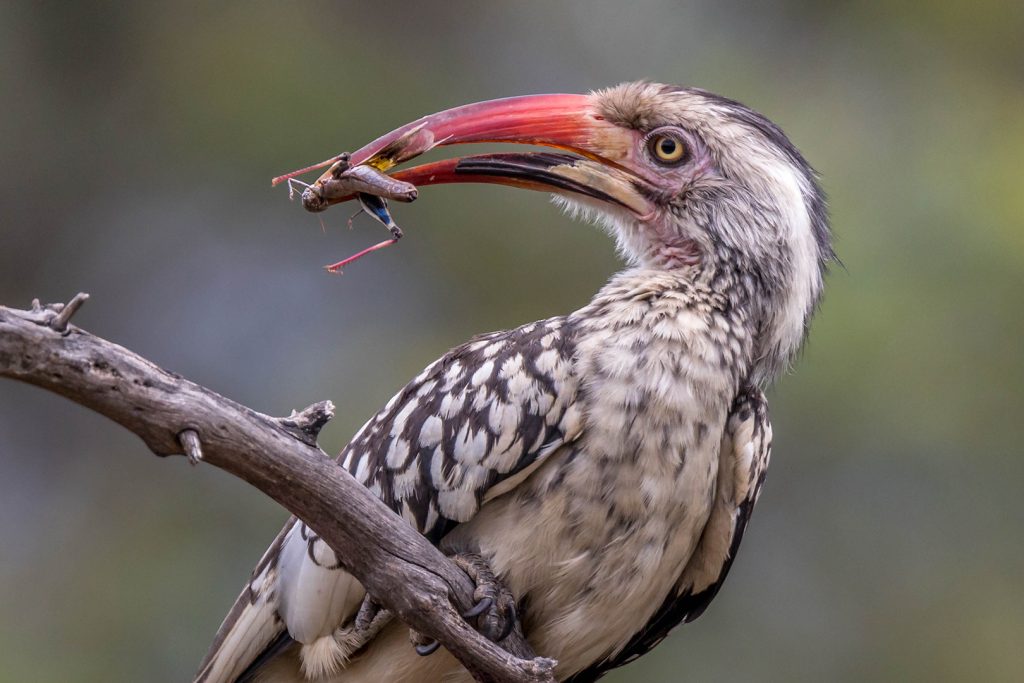
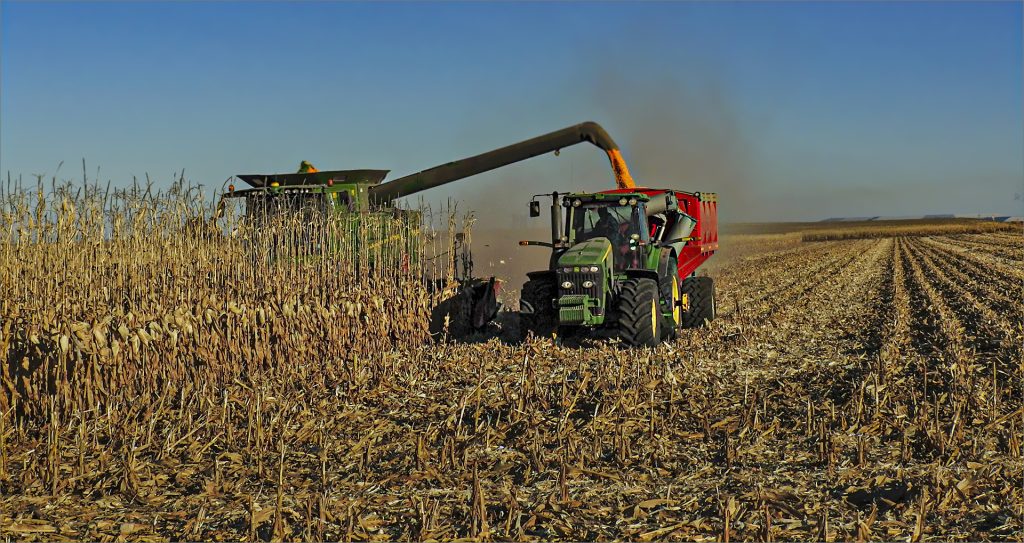
Here are the photos for October that received Gold or COM.
Best Senior Photographer(October)
Spring by Leon Pelser
Best Junior Photographer (October)
Garden Castle Sitting Monk by Louis van der Walt
The Best Set Subject (October)
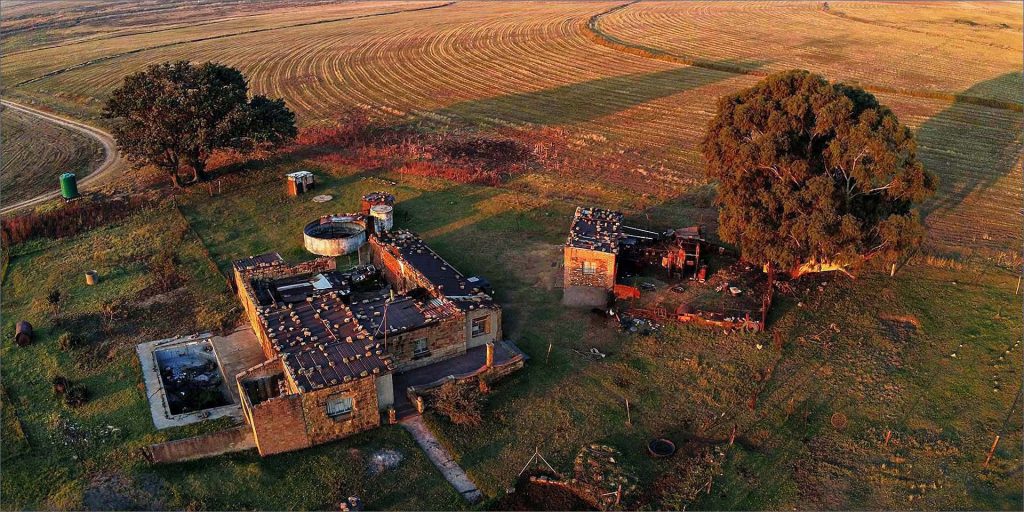
New SA Farm by Leon Pelser
Categories:
Monochrome
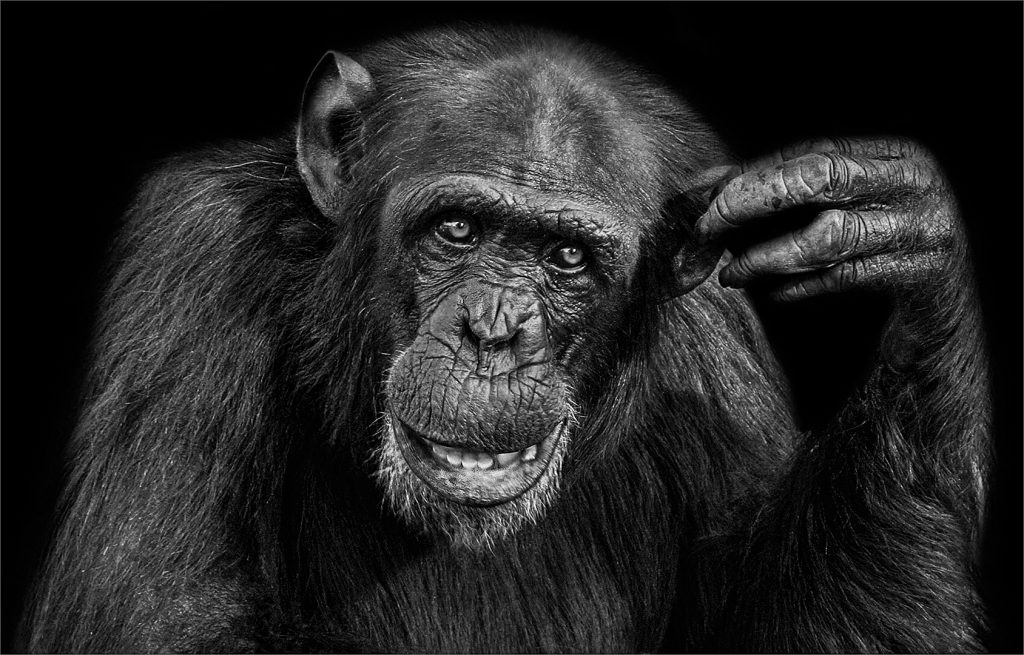
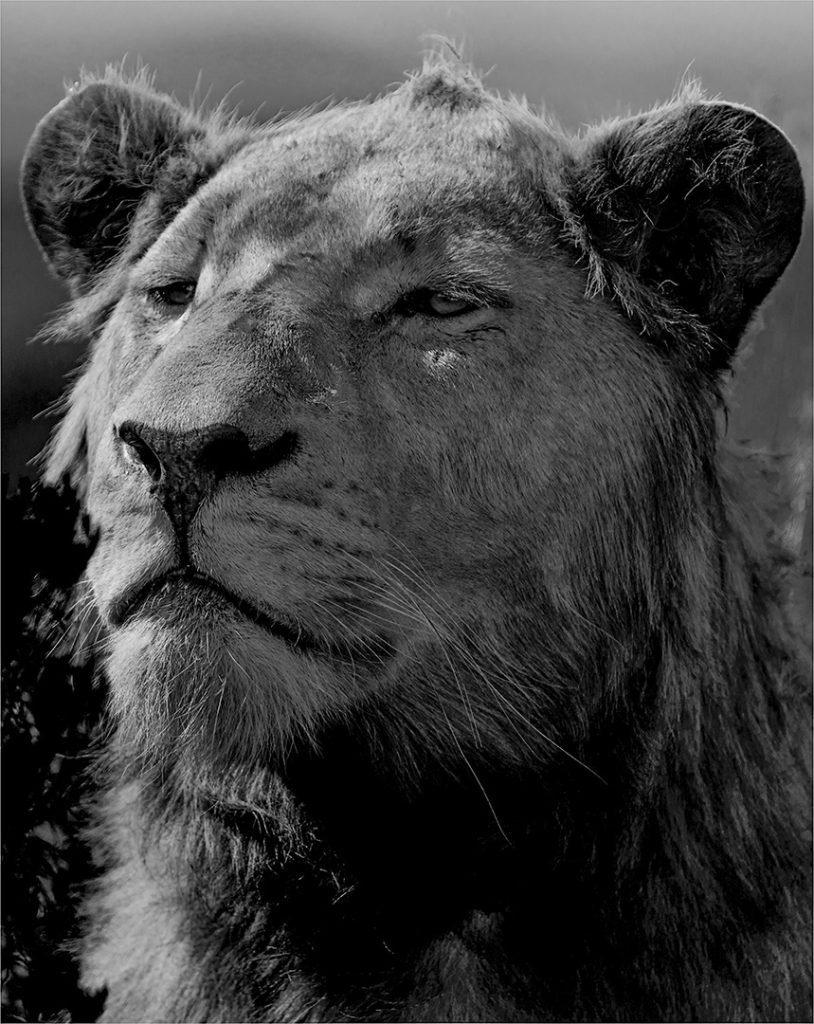
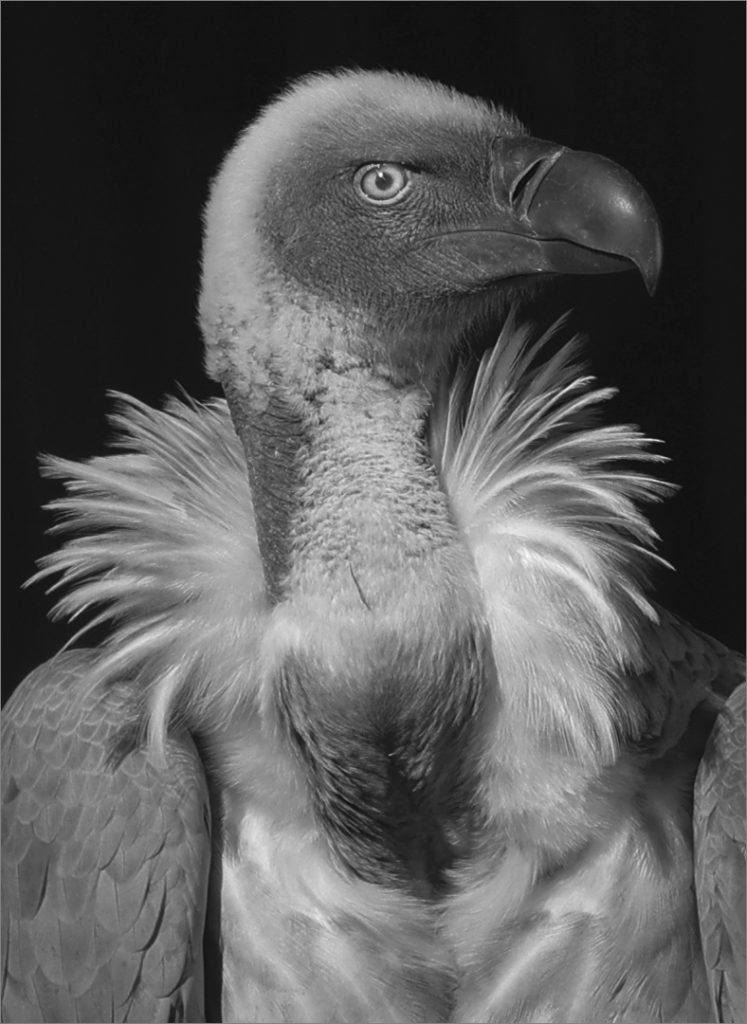
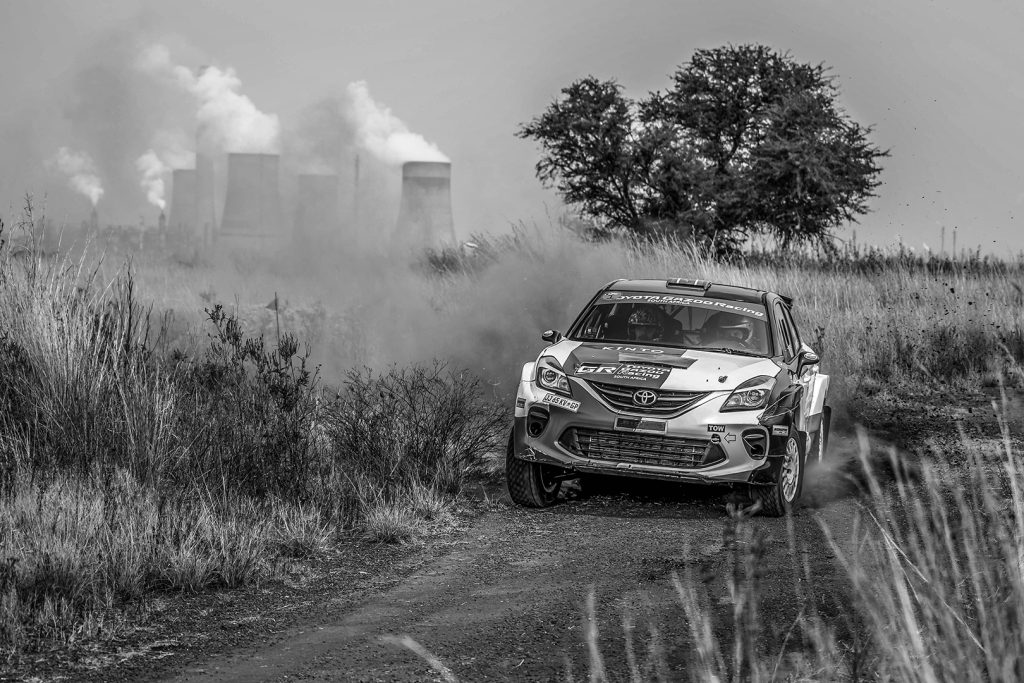
let me think by Leon PelserValencia Science Museum by Danie SmitLonely Lion by James HarrisMadame in Fur by Danie SmitSecunda Rally 2023-Toyota Gazoo-Stage1-BW by Louis van der Walt
Nature
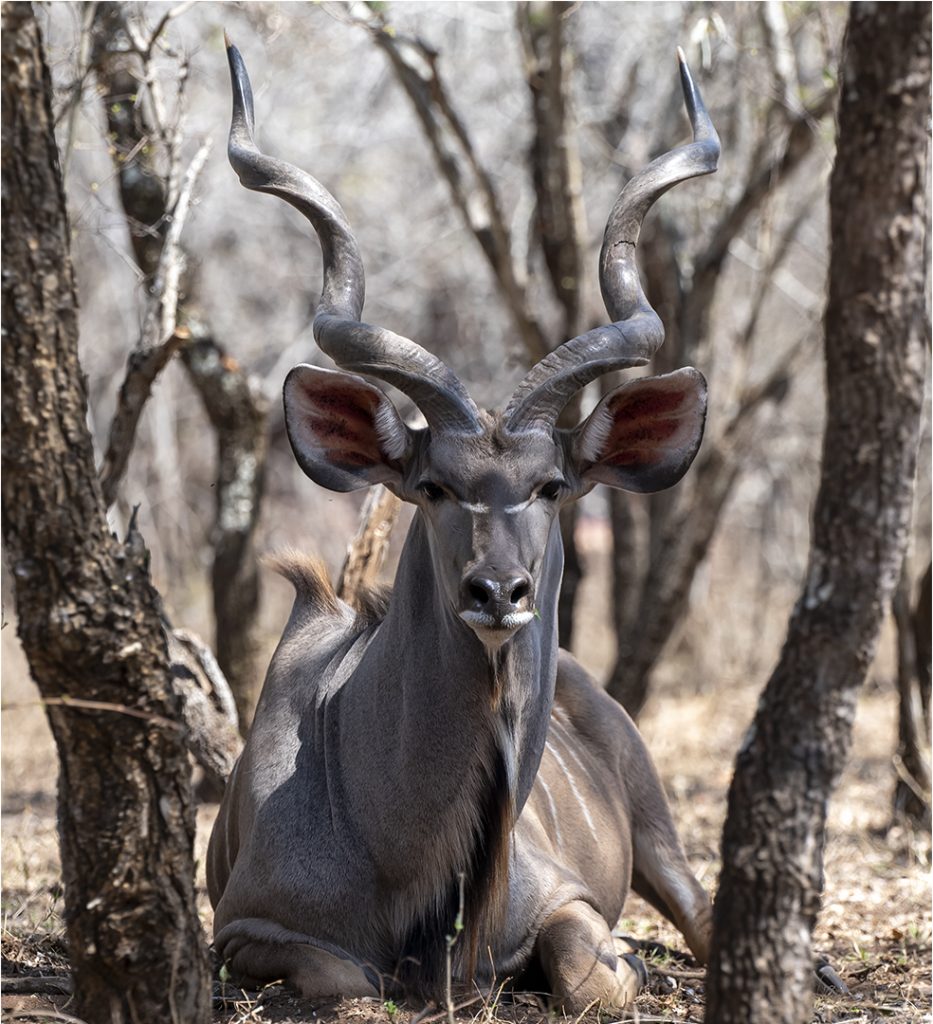
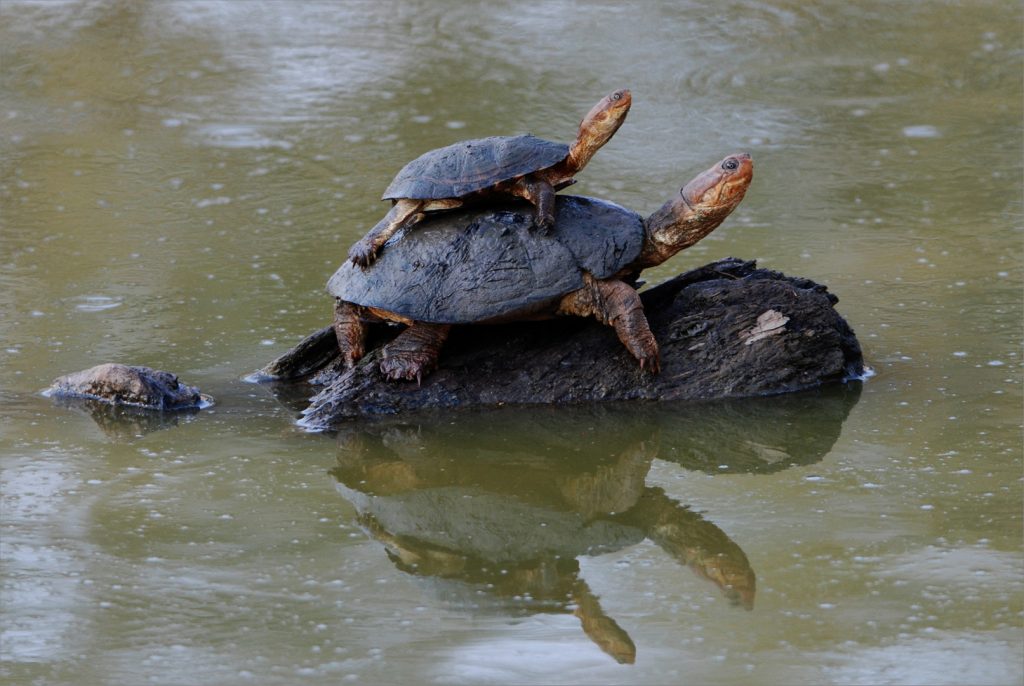
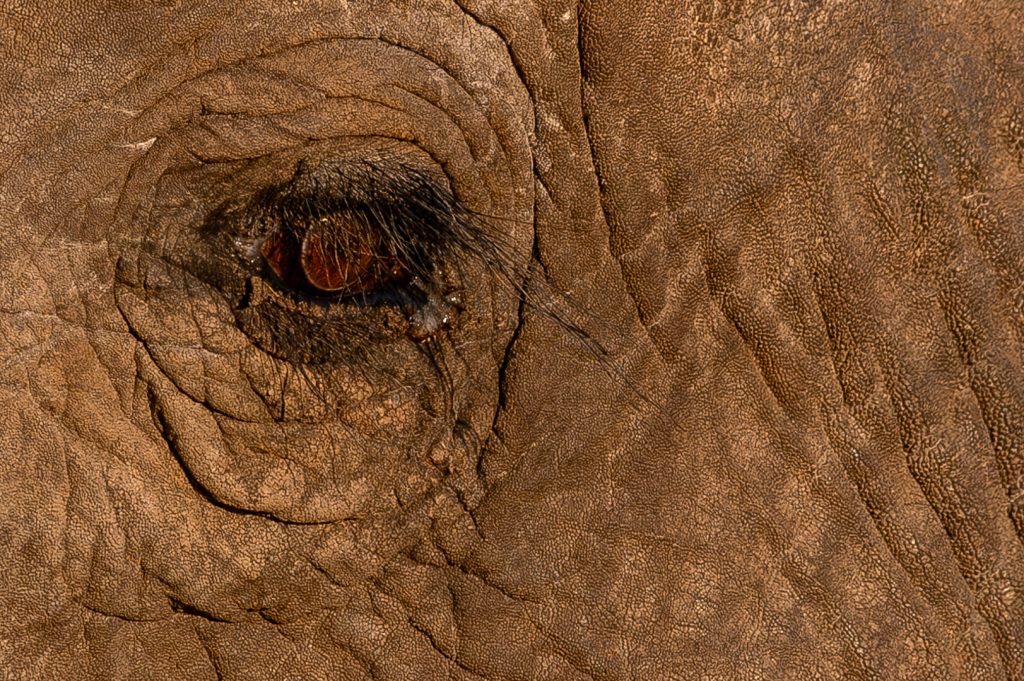
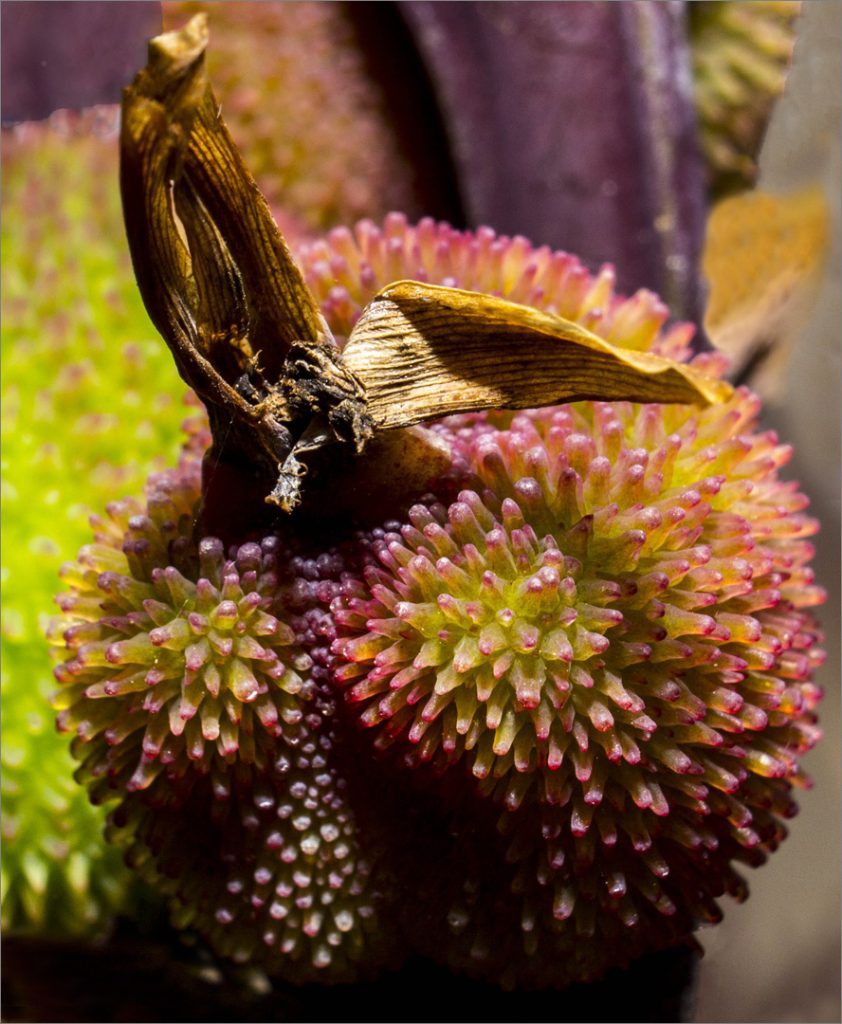
Framed by Johan ViljoenStar Boabab by Edmund HattinghWaterskilpad liefde by Ari KirstenElephant Eye by Edmund HattinghEtenstyd by Adri KirstenFlower seed pod by Lorraine Botha
Nature – Birds Only
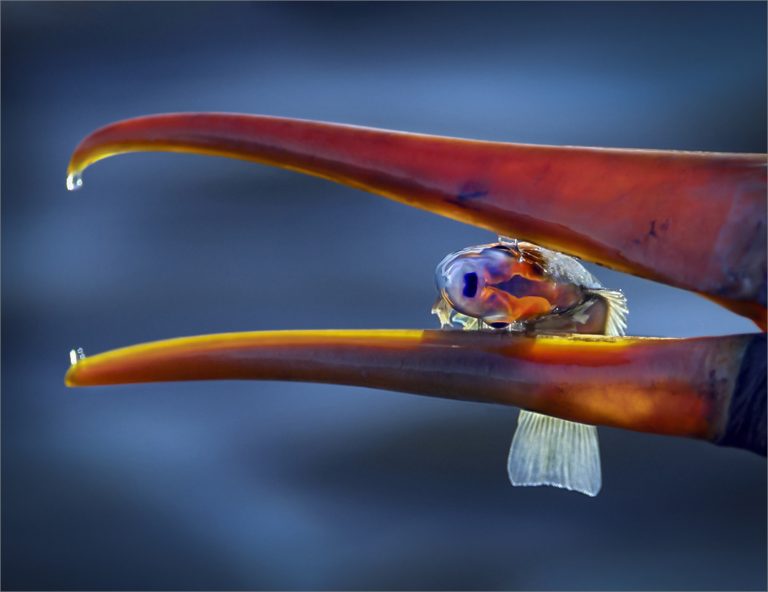
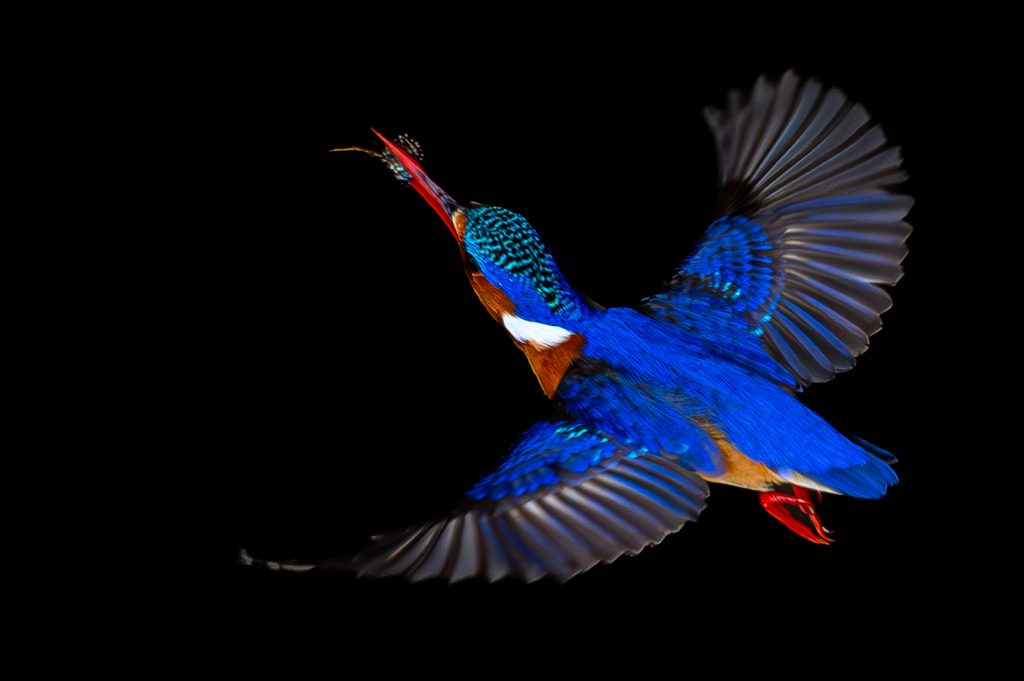
Catch of the Day by Edmund HattinghSonbak lekker by Johan ViljoenSmall by Edmund HattinghZazu Food 2 by Louis van der Walt
Photojournalism
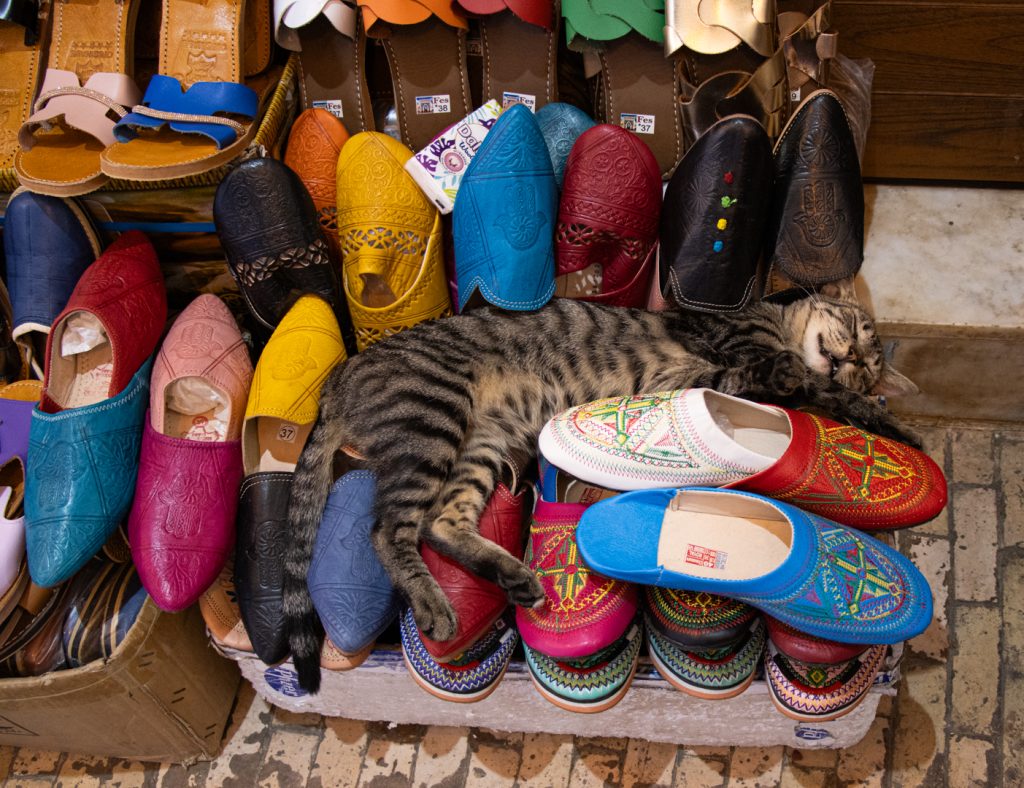
Just for fun by Barbara MittonHarvesting Of Crops by Sussa PelserPuss in shoes by Barbara Mitton
Pictorial
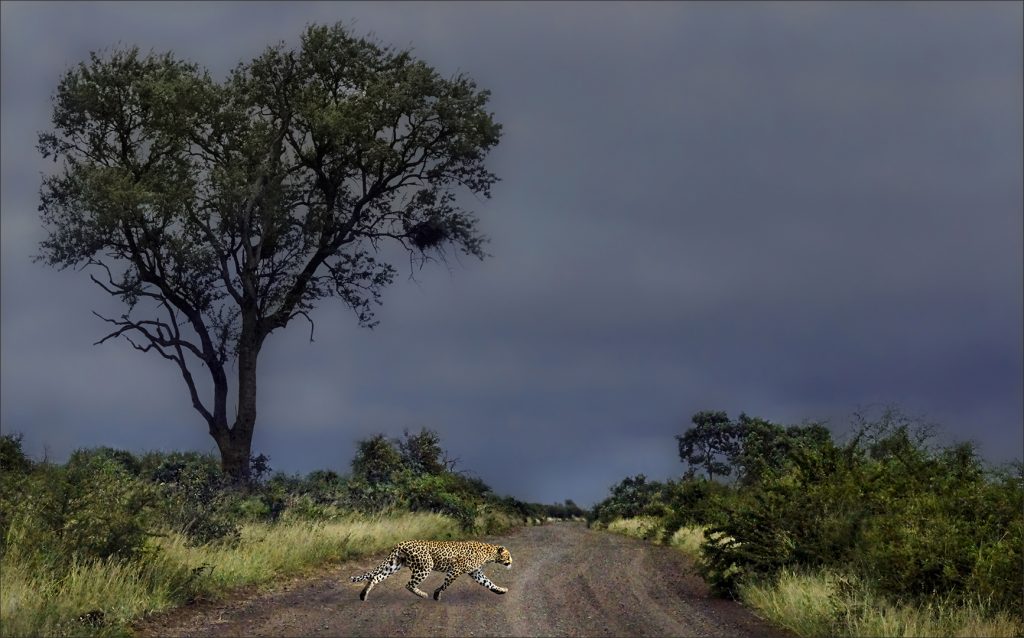
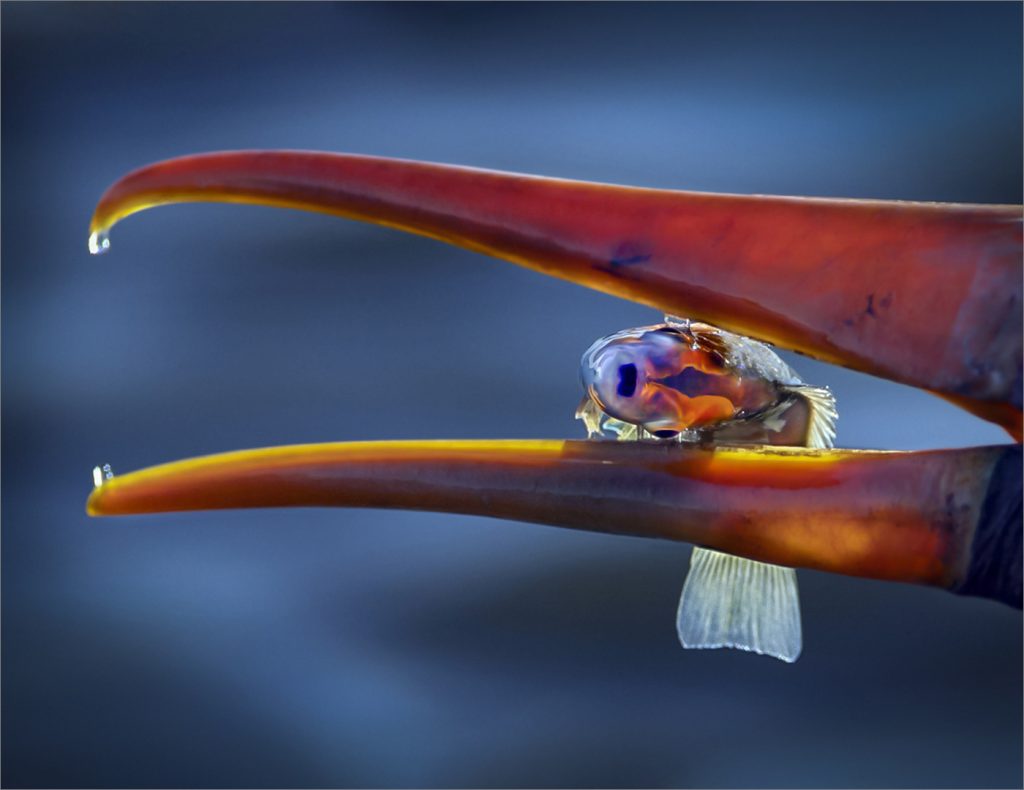
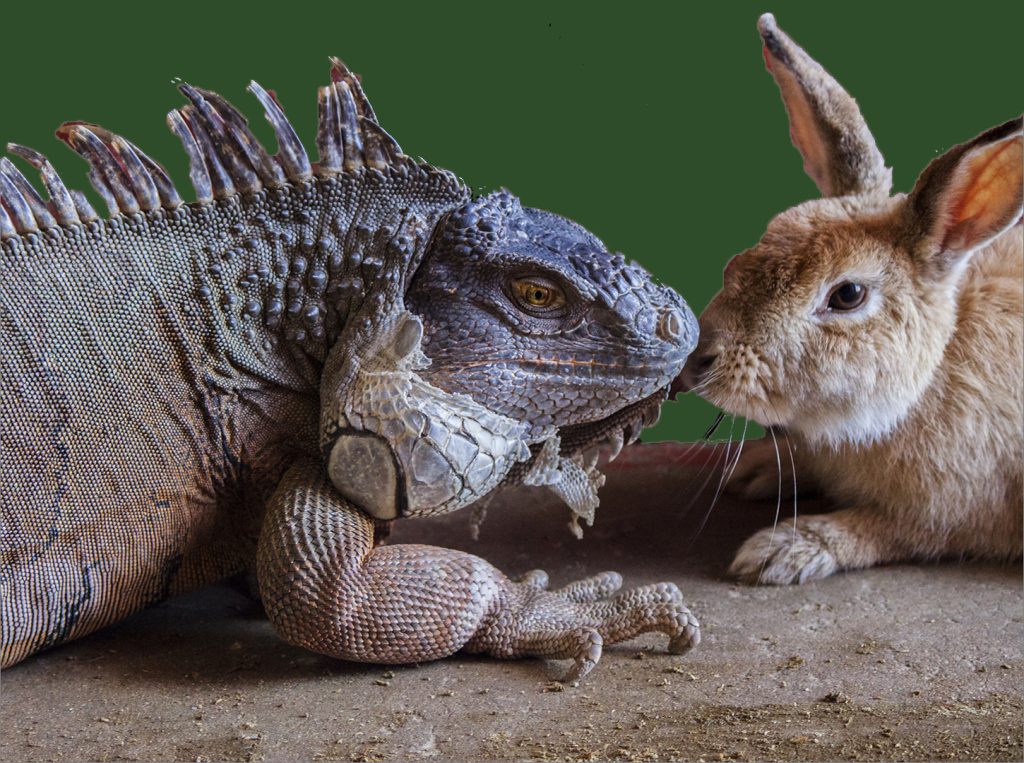
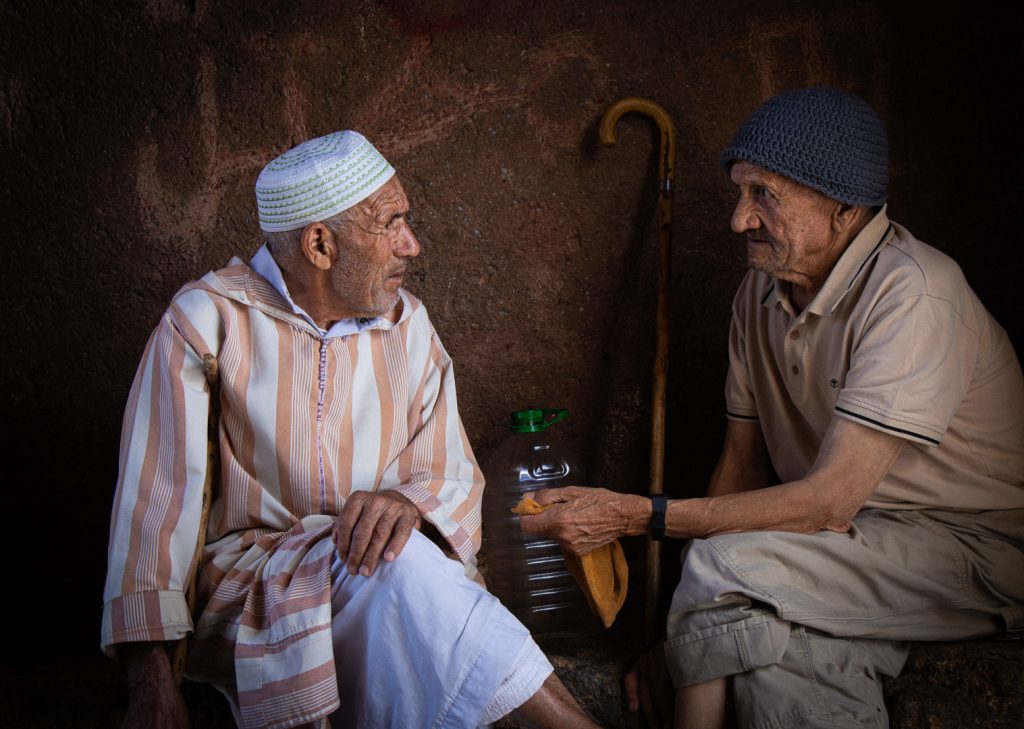
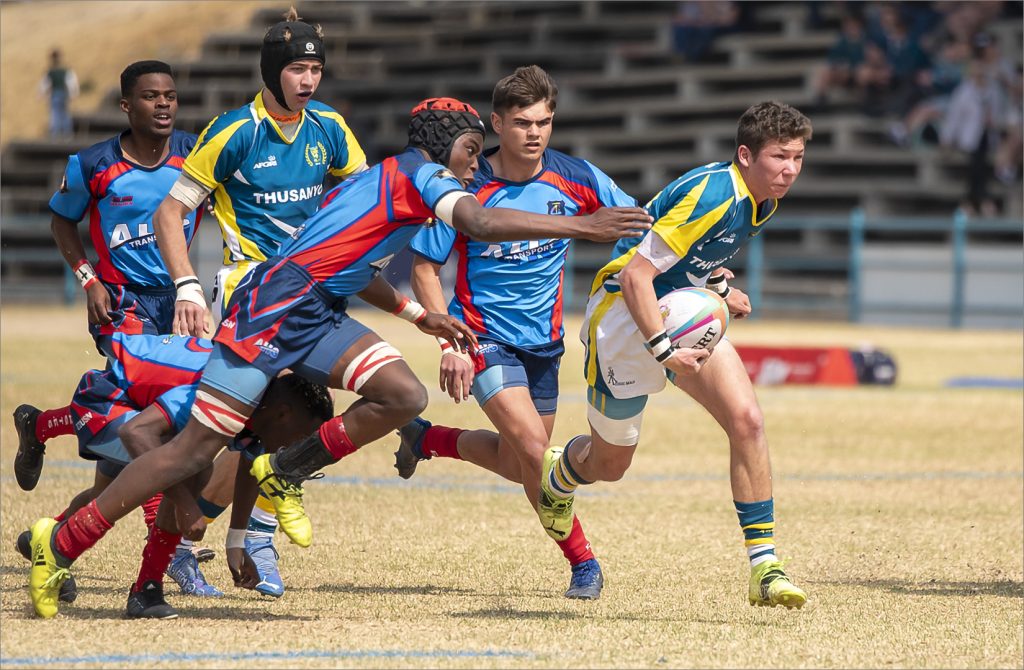
Leopard Crossing by Leon PelserGoodbye Nemo by Danie SmitUnlikely Friendship by Lorraine BothaI Hear Somebody Coming by Sussa PelserIntense Conversation by Barbara MittonMotion Blue by Louis van der WaltMoroccan portrait by Barbara MittonChokie gesiggie by James Harris
Scapes
Desert Caravan by Barbara MittonOptical Illusion by Lorraine BothaFarmer and Dog by Leon PelserMakkedaat Grot by Danie SmitSunrise at Qwantani
by Lorraine Botha
Beautiful Sunset At Marloth by Sussa Pelser
Set Subject
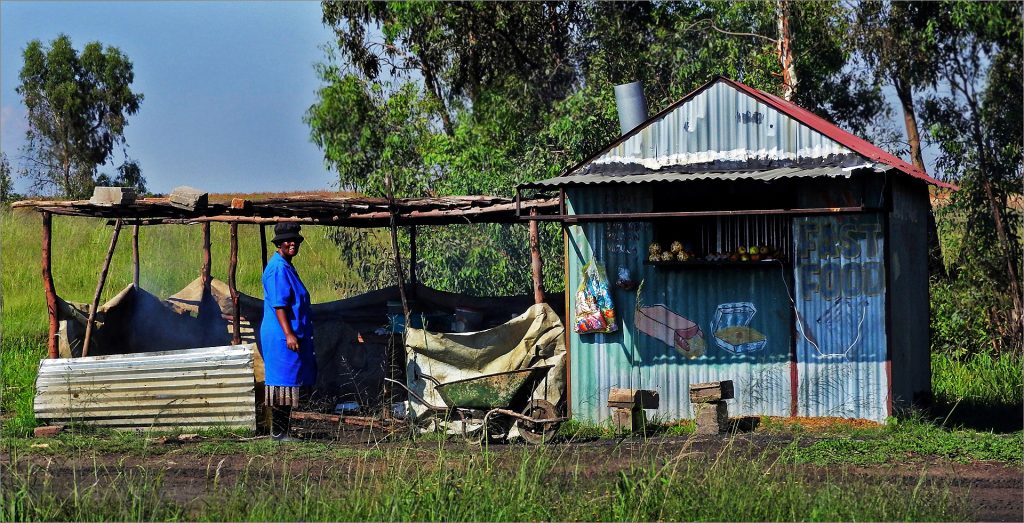
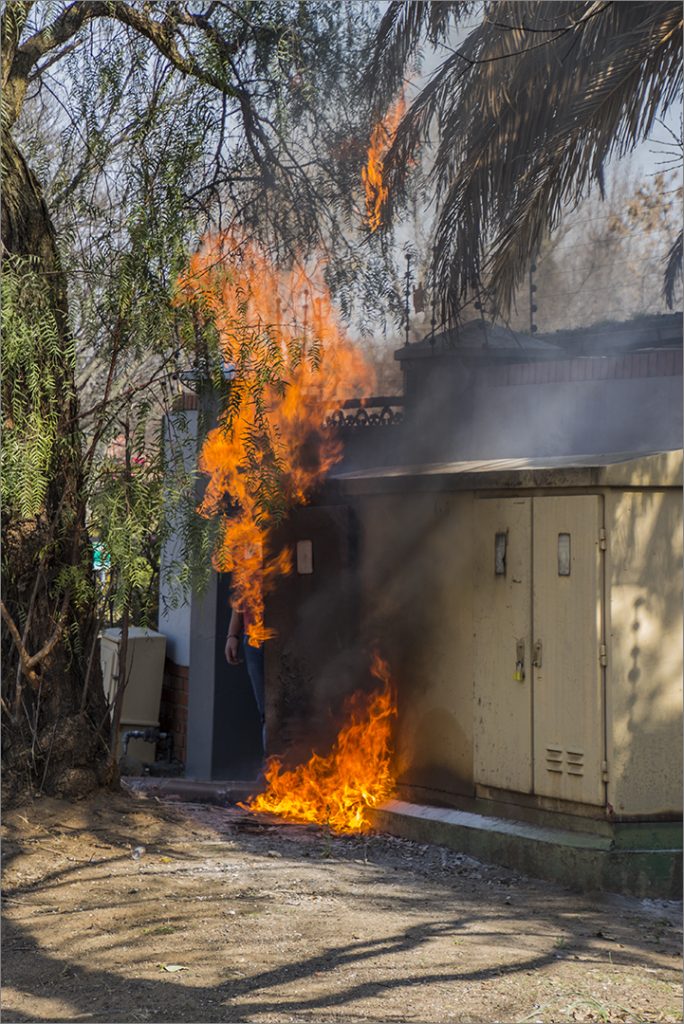
Abandoned St Elmos Monastery by Louis van der WaltAfrika Entrepreneur by Sussa PelserNSA by Johan ViljoenElectrical Box Van Eck Street July 2023 by Lorraine BothaGarbage rhythm by Danie SmitHappy Face by James Harris
Guy Fawkes, Diwali, and even New Year’s Eve are quickly approaching, and unfortunately, fireworks are a common part of these celebrations. For pet owners, these holidays and occasions can be a source of anxiety, as the sound of fireworks often sends both domestic and wild animals into a state of panic or paralyzing fear.
The fear of fireworks, as well as storms, is a significant health concern for animals. Firework and storm phobias can cause extreme anxiety and discomfort, affecting not only our beloved pets but also their human family members who often feel helpless in alleviating their furry friends’ distress. Moreover, individuals with disabilities, war veterans, and those dealing with post-traumatic stress disorder (PTSD) can also be profoundly impacted by the noise and disruptions caused by fireworks.
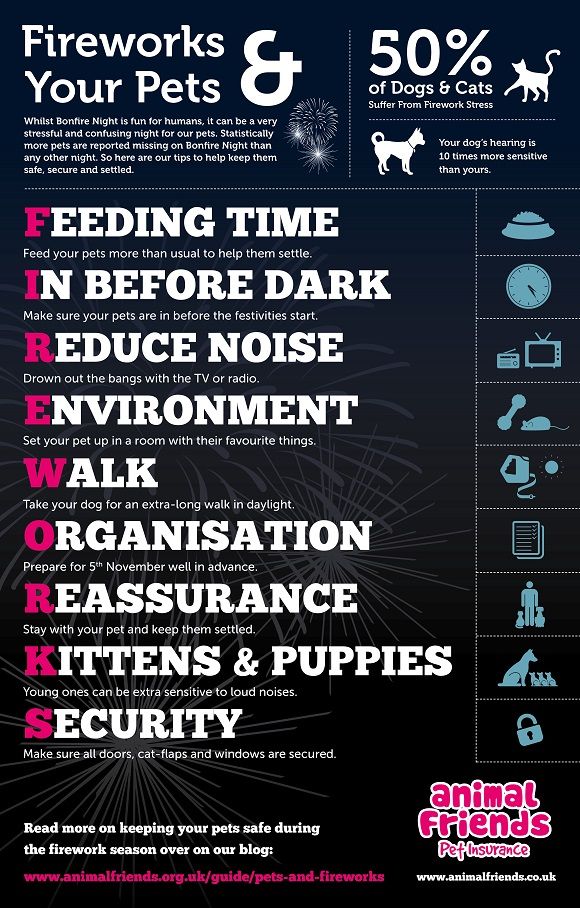
Some studies suggest that 50% of cats and dogs suffer from firework stress and show that in phobic dogs, plasma cortisol (stress hormone) levels can jump over 200 percent from exposure to just an audio recording of a storm.
Many animals desperately try to get out and even become disorientated when fireworks are set off. Sometimes they can’t find their way back home again or some hurt themselves trying to get over fences and through palisades.
Some wildlife like birds and squirrels can abandon their young in a panic.
Fireworks pollute the air and land! Some waterbirds and fish die when they eat firework debris.
Fireworks can cause wildfires which can also lead to suffering and death for animals.
The hearing of many animals, especially cats and dogs are more sensitive than it is in humans, so the explosions of fireworks are not only disturbing and frightening, but it can also damage their hearing. They can hear sounds as much as 5 to 10 times louder than humans.
The day and even week after such an event the animal welfare organisations and shelters are flooded with stray and hurt animals. Studies suggest a 30-60% increase in lost pets after such an event.
Your few minutes of fun cost animals their lives and cause tons of suffering!
Image by The Paw Company
FIREWORKS AND THE LAW
Fireworks in South Africa are controlled in terms of the Explosives Act 15 of 2003 (Explosives Act). There are also specific by-laws that regulate the use or exploding of fireworks.
Firework dealers need to be licensed in terms of the Explosives Act. Only individuals in possession of valid licenses may deal in the sale of fireworks.
No fireworks may be sold by street hawkers or vendors.
It is unlawful to set off fireworks without a certificate for authorization.
It is also unlawful for any person to use or explode any firework within 500 meters of any building or any public thoroughfare. This includes any residential area.
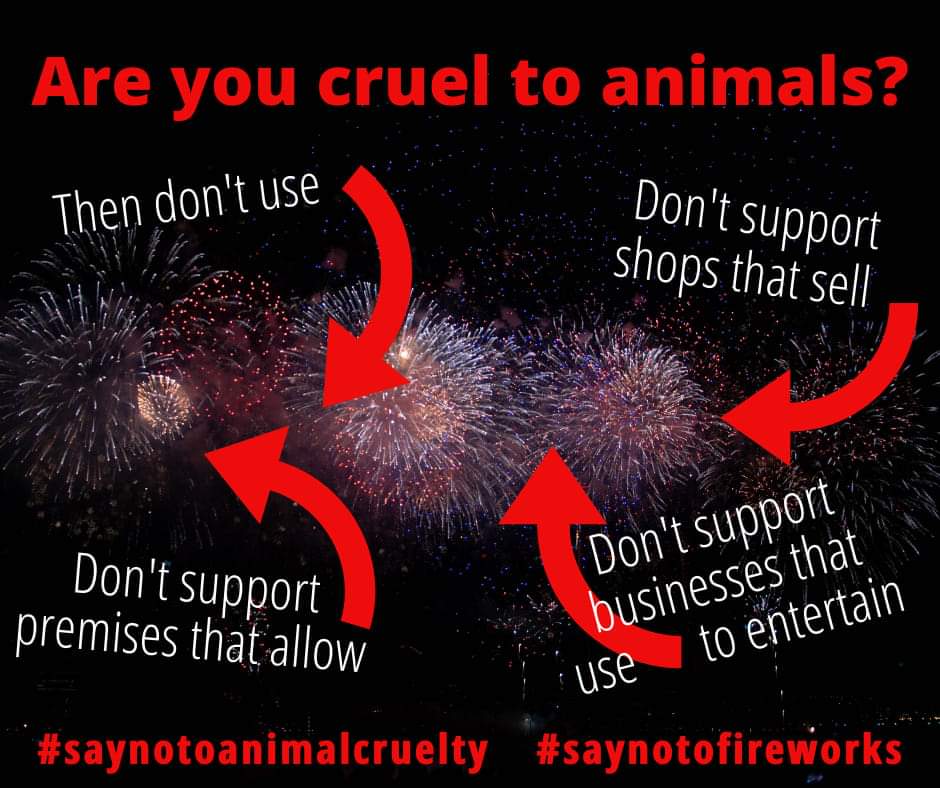
If you notice these actions, please report them to your nearest police station! Don’t use fireworks nor support shops that sell them and businesses that display them for fun or allow them on their premises. If your company does it, please see management or organize a petition against it in your town.
There are things you can do to help your furry family members remain calm when fireworks may be used, but executing your plan before your pet becomes stressed is important.
Use a teaspoon to knock on various surfaces around the house and follow up with a treat. This teaches your dog that startling sounds predict yummy food.
Teach your dog to use a Kong or chew toy so that they can engage in this calming activity during the next fireworks occasion.
Play with your dog during thunderstorms. Creating an association between play and the cracks of lightning will aid in generalizing a positive emotional state during fireworks.
Make sure your microchip information is registered on more than one database and up-to-date as well as your animal having an up-to-date tag on their collar. This is a big challenge when we find pets with out-of-date details.
If you know your animal is prone to extreme stress during this time, then see your veterinarian, before these events, for some medication. Never use human medication and discuss the use of natural remedies with your veterinarian.
Make sure your yard is secure and safe as many pets who try to escape get stuck on palisades or hurt on other fencing.
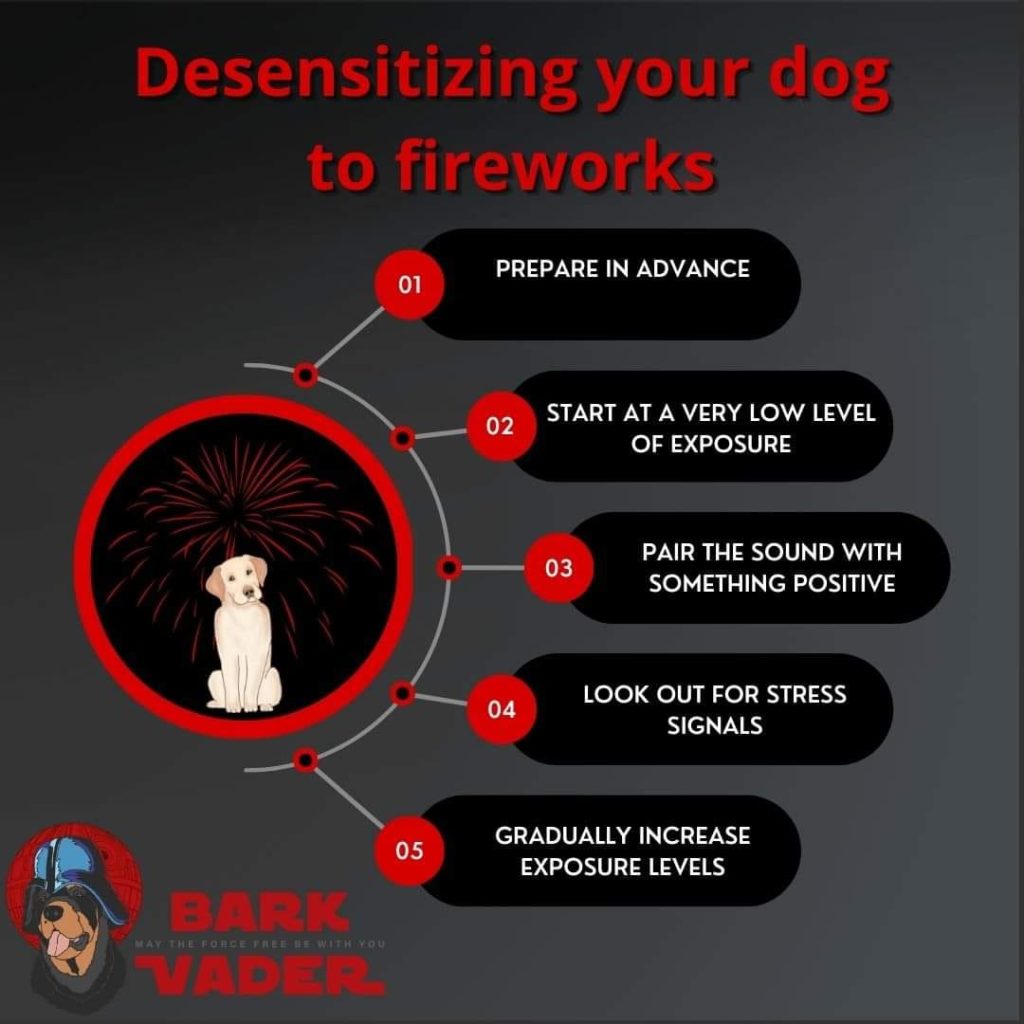
Decensitizing your pet for these sound at their pace can be achieved, but it has to happen weeks or months before such an event as it takes time. Here is a post by Bark Vader Dog School.
In conclusion, the use of fireworks, while a spectacular tradition for human celebrations, is a selfish act that takes a heavy toll on our animal companions. The distress, anxiety, and fear experienced by pets and wildlife during firework displays is a matter of great concern. As responsible and compassionate individuals, we need to reconsider the necessity of these dazzling but potentially harmful displays.
By choosing alternative ways to celebrate special occasions and holidays that do not involve fireworks, we can protect the well-being of our four-legged friends, as well as the environment. This decision not only demonstrates our commitment to the welfare of animals but also promotes a more harmonious coexistence with the creatures we share our planet with. Ultimately, it’s a small sacrifice for the sake of the happiness, comfort, and safety of our beloved animal companions, and it reflects our dedication to creating a more compassionate and empathetic society.
This year volunteer at your local shelters when fireworks are being set off by these selfish humans so you can help comfort the animals. Help us educate others by sharing this information and reporting any unlawful selling or use of fireworks. Don’t support any firework displays!
If you find a lost dog or pet, please take them to the SPCA or local shelter! Next week we will look at tips when your pets are home alone.
MPUMALANGA – Phinda Alex Ndlovu (32) was found guilty and sentenced by Louw’s Creeks Magistrate court on Thursday, 26 October 2023 for fraud. The sentence followed after the accused was arrested by the team comprising of the Hawks Nelspruit-based Serious Commercial Crime Investigation and FNB and Absa banks forensic investigators on 17 August 2023 at Nkomazi Tollgate during a stop and search operation. It is further alleged that on the day in question, the accused drove a Scania truck from Swaziland to the Republic of South Africa.
On arrival at the tollgate, the accused presented a Standard Bank cloned card to the cashier for payment at the tollgate booth. Transaction was made, and the driver was stopped and searched by the team after entering the tollgate.
During the search, he was found in possession of a Standard Bank fleet card, one Nedbank cloned card and one FNB debit cloned card, together with several tollgate transaction slips to the value of R 72 550.00.
The accused was arrested and appeared in court on several occasions until he was sentenced to R 3000.00 fine or 12 months imprisonment.
Police urge anyone with any information on Crime to call the Crime Stop number at 08600 10111. Alternatively, members of the public can send information via MYSAPSAPP. All received information will be treated as confidential and callers may opt to remain anonymous.
The head-on collision between an articulated truck and a light delivery vehicle (LDV) on the N2 Road in Mkhondo claimed the lives of five people on Saturday afternoon. The deceased includes the driver of the LDV and four passengers.
The driver of the truck was seriously injured and was then transported to the nearest hospital.
It is suspected that one of the drivers may have transgressed the rules leading to this crash. The investigation into this horrific collision has already commenced.
Mpumalanga MEC for Community Safety, Security and Liaison, Mr Vusi Shongwe is pleading with motorists to obey the rules of the road and rest sufficiently along the way if travelling long distances to avoid deadly crashes.
“It is sad that while we commemorate October Transport Month, we continue to lose lives on the road. We are therefore appealing for heightened adherence to the rules on the part of all road users,” says the MEC.
POLICE CONDEMN MOB JUSTICE WHEREBY SEVEN ALLEGED SUSPECTS WERE KILLED
Nelspruit: 26 October 2023 – Police in Mpumalanga have raised a serious concern regarding a high number of kangaroo courts which result in people being killed. This comes after seven people were murdered in four separate incidents in the Ehlanzeni District yesterday, Wednesday 25 October 2023.
Among the victims, two were found lying in a pool of blood after allegedly being assaulted by a mob where they sustained multiple injuries. Their lifeless bodies were discovered at Mjejane (Hectorspruit) near Komatipoort yesterday around 11h30 a.m.
Meanwhile, a 28-year-old victim’s body was found with multiple injuries in Marite at Ga-Bhereni village near Bushbuckridge, not far from a certain tavern. The victim is suspected to have been attacked by some community members. Stones, bricks as well as sticks were also found next to the victim’s body. Preliminary investigation by the Police suggests that the victim might have been killed by a mob as well.
Whereas in Lydenburg, a 33-year-old victim succumbed to injuries upon arrival at the hospital in the evening of the said day around 19h30. Allegations are that he too was severely assaulted by a group of people at the Lydenburg Taxi Rank.
As if that was not enough, last night, the Police in Komatipoort responded to yet another mob justice incident at Mjejane whereby three people were burnt to death by some members of the public and their vehicle as well as a trailer was set alight. Police are trying to establish whether this incident is not related to the one in whereby two victims were killed in the same area earlier that day.
Police appreciate efforts in instances where community members work hands-in-glove with the police to ensure that suspected criminals are prosecuted after thorough investigations conducted however the SAPS strongly condemns incidents wherein people take the law into their own hands.
The SAPS encourages community members to report any criminal activity to the authorities or utilise community-based structures like the Community Police Forum (CPF) and the Community In Blue which seek to bridge the gap between the community and the police.
Police urge anyone with any information on Crime to call the Crime Stop number at 08600 10111. Alternatively, members of the public can send information via MYSAPSAPP. All received information will be treated as confidential and callers may opt to remain anonymous.
The quality of the air that we breathe is important for our well-being.
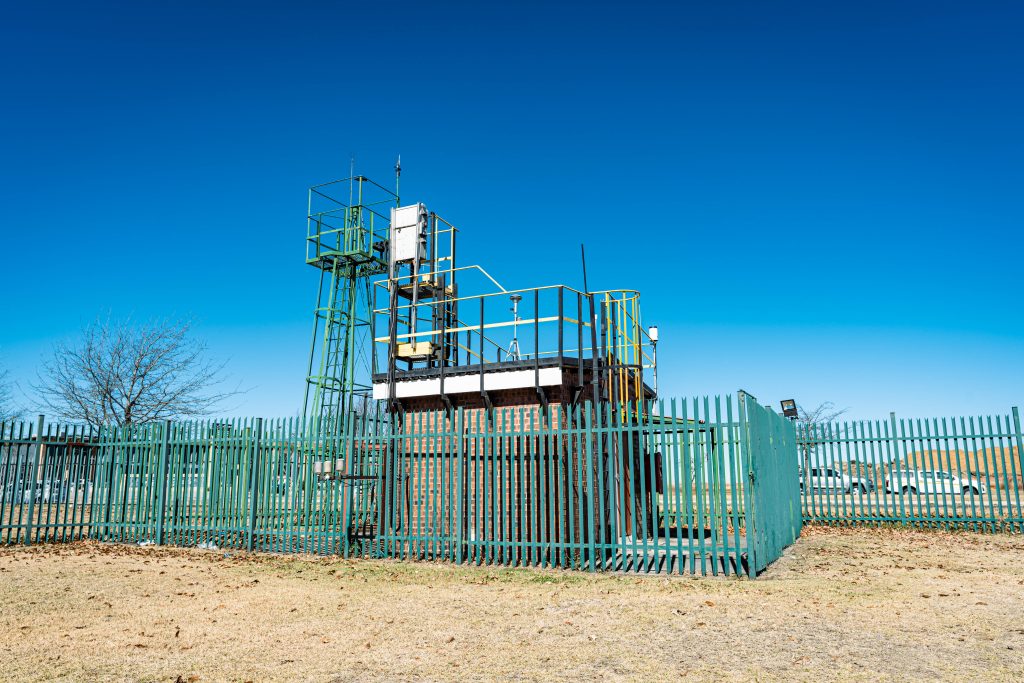
Did you know that Sasol operates nine air monitoring stations? Three of these stations are based in eMbalenhle, others are located in Amersfoort, Bosjesspruit, Grootvlei, Secunda, Lebohang and Springs.
These stations constantly collect and submit data to the South African Air Quality Information System for analysis. The monitoring of air is vital for the protection of communities and the environment.
Sasol continues to invest in several projects to advance its commitment to air quality.
OPERATION SHANELA LEADS TO THE RECOVERY OF A FIREARM WITH AMMUNITION, SUSPECT ARRESTED BY POLICE
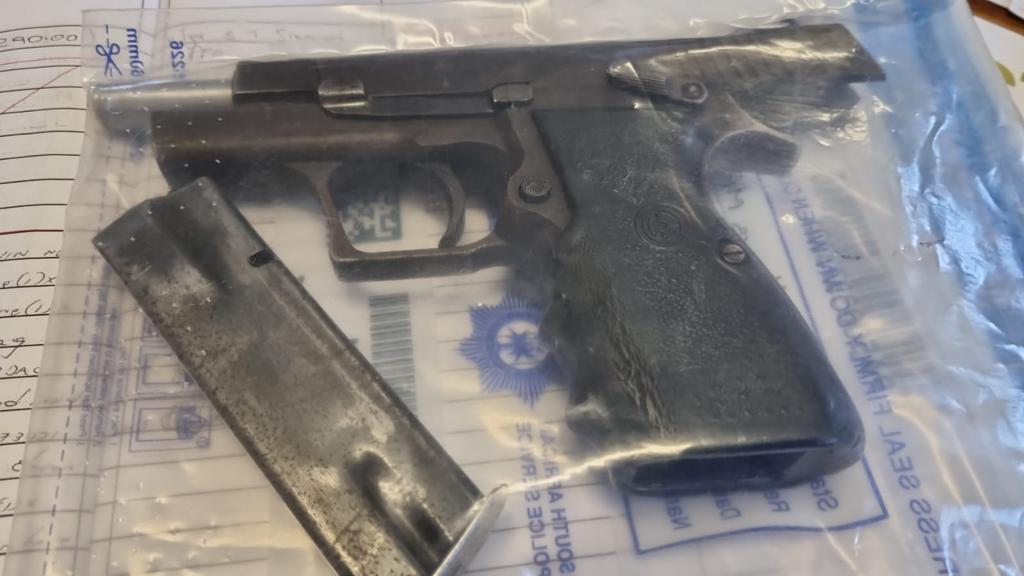
Nelspruit: 26 October 2023 – Operation Shanela has yielded positive results whereby, Qalekwakhe Simon Motha (37) was arrested and a firearm was recovered from his possession on the N11 Hendrina Road in Middleburg on Tuesday, 24 October 2023 around 08h30 am. The firearm was stolen from a certain security firm in September 2019.
According to the report, Police in Middleburg were patrolling on the said road when they noticed a suspicious Toyota Etios with one occupant. There was no registration number plate at the back of the said vehicle.
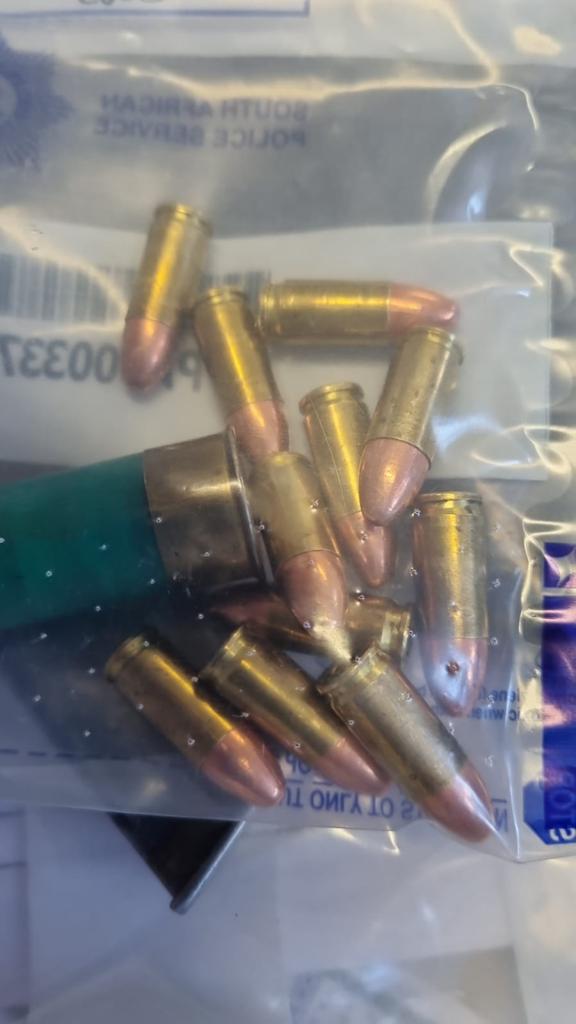
A search was then conducted inside the car and it was during this period that a 9 mm pistol with live rounds (for a pistol), as well as one ammunition (for a shotgun), were discovered by the astute members.
The driver of the sedan is said to have failed to produce a firearm licence hence he was arrested and charged with possession of an unlicenced firearm with ammunition.
The firearm and ammunition were seized and will be used in the investigation. The firearm will undergo ballistic testing to ascertain if it was not used previously in the commission of other crimes elsewhere.
Motha is believed to be from Pongola in the KZN Province and he appeared at the Middleburg Magistrate’s Court yesterday, Wednesday 25 October 2023 and the case was postponed to 02 November 2023 for a formal bail application. Meanwhile, the suspect remained in custody.
The management of the SAPS in Mpumalanga appreciates the arrest of the suspect meanwhile the recovery of the firearm has been considered to be significant as it contributes positively to the fight against the proliferation of firearms which are often used in violent crimes such as kidnapping, hijacking, robberies and many more. The members are encouraged to be more vigilant as the period of the festive season is at hand.
EMPOWER YOUR PET’S JOURNEY BY INVESTING THE TIME IN TRAINING SO THEY CAN BE WELL-BALANCED AND HAPPY.
Last week, we looked at the why and what of training your animals, so this week we will jump right in with some tips for training your pets and unleashing their potential. The majority of training tips about animals are focused on dogs; however, the psychology and principles remain similar for animals in general. Remember that opinions and situations might differ, but it is important that you, who know your animals best, use what works for you and them.
THEIR NAME – Choose the animal’s name wisely. It helps to consider a short name ending with a strong consonant that they can always hear clearly. A strong ending, like in the names “Jasper,” “Jack,” and “Ginger.” I choose not to use their name in the negative sense, for example, when trying to interrupt a behaviour.
START YOUNG – Although we believe you can teach an old dog new tricks, the earlier they put a particular skill or training in their memory bank, the better!
REWARD-BASED TRAINING – Positive reinforcement is our preferred method, and punishment is never one! Reward-based training is less likely to cause stress or anxiety. Positive, however, does not mean permissive. Don’t set your pet up for failure, and do allow them to rehearse the right behaviour frequently. Keep the session short, simple, and fun. Give them options and choices in the training. Be careful not to become dependent on treats only for training. Your attention is another great reward that can be used.
TRAIN IN “DOGS TIME” – Pets live in the moment, and two minutes after they’ve done something, they’ve likely already forgotten about it. So, when your animals are displaying unwanted behaviour, use the training techniques right away so they have a chance to make the association between the behaviour and the “correction”. Consistent repetition will reinforce what they’ve learned.
DIRECTION NOT CORRECTION – Interrupt the unwanted behaviour as soon as possible and redirect them at that moment, e.g., if they are digging a hole in your garden, guide them to the sand pit you made for them immediately.
ADDRESS THE CAUSE & A.S.A.P – As soon as serious behavioural concerns (e.g., aggression, fear, etc.) surface and you rule out any health issues, address the behaviour immediately (hours or a few days). Do not let it escalate. You need to find out what the cause of the behavioural changes is. This could be a new family member (animal or human), a kid or adult abusing them, moving, lack of stimulation or resources, unmet needs, etc.
HANDLE REACTIVITY – Reactivity affects their ability to train and is an important aspect to address. Reactivity is when a dog overreacts to things in its environment. These reactions can include barking, lunging, and growling. You need to limit or cease exposure to the “random” triggers and rather work on them in an isolated, well-planned setting. Don’t let the triggers stack!
CONSENT – Consent should be CLEAR, VOLUNTARY, with ONGOING PERMISSION! Consent is an important part of any healthy relationship, and teaching people to allow the animals to approach you is a good practice that we need to be ever-encouraging. Even when you touch your pet, it should be with consent. Don’t let people just touch your pets because they are “friendly”.
BODY LANGUAGE – Animals use a series of facial expressions and body postures to communicate how they feel. Your ability to understand and interpret body language can help you pick up on unspoken issues or feelings for your animals. It is a major part of communication, meeting their needs, and it will improve training. Watch out for T-E-M-P (tails, ears & eyes, mouth, and posture). Know what normal behaviour is and what it is not. Some behaviours like digging, sniffing butts or crotches, rolling in stuff and even humping/mounting are quite normal.
BARK & GROWL – Never punish a growl. This is a sign that they are uncomfortable. When you punish it, next time they might skip the growl and go straight to biting. Barking is also a way to communicate, and through the barking, your dog is trying to tell you something. If you talk to someone and they ignore you, how does that feel? When my dog barks, I go and check and say, “I see the cat, for example, and thank you for letting me know”. Some suggest barking with them and then decreasing that barking……it would be interesting to investigate this.
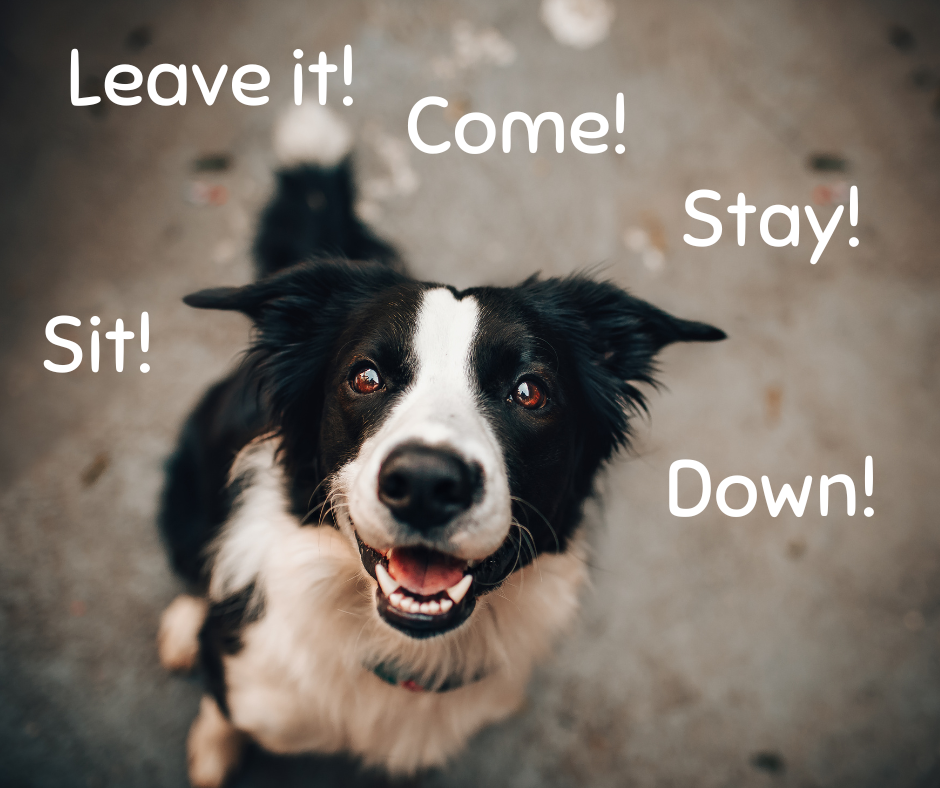
EYE CONTACT – Training eye contact as a wanted behaviour can help you with other areas of training. To teach your animals eye contact as a behaviour, you simply need to reward them when they look at you. This teaches them that deciding to look at us is a rewarding one, and as such, they will begin to do it more often and for longer periods. Then, if you choose to, you can add in a cue like ‘look’, so you have the behaviour on cue, and you can take it on the road.
HAND SIGNALS vs. VERBAL CUES – Verbal commands are great, but I prefer that our fur-kids understand hand signals too, as an additional skill. This could be and has been helpful in an emergency or when they are further away from you, or when you can’t talk for some reason.
EXERCISE-DISCIPLINE-AFFECTION – The biggest cause of misbehaviour in dogs is when their needs for exercise, discipline, and affection are not fulfilled. Especially when they do not get enough exercise to drain their excess energy and bring their minds to a calmer state, during which we can reinforce and reward that calm behaviour with affection. It is very difficult to train an overwhelmed mind (human or animal), and if you give affection to this overexcited behaviour, you may encourage it.
YOUR MINDSET – If you try to train your pet when you have had a long day or feel sick or frustrated, it can be detrimental to their training. Your calm, positive, and assertive energy is needed for training.
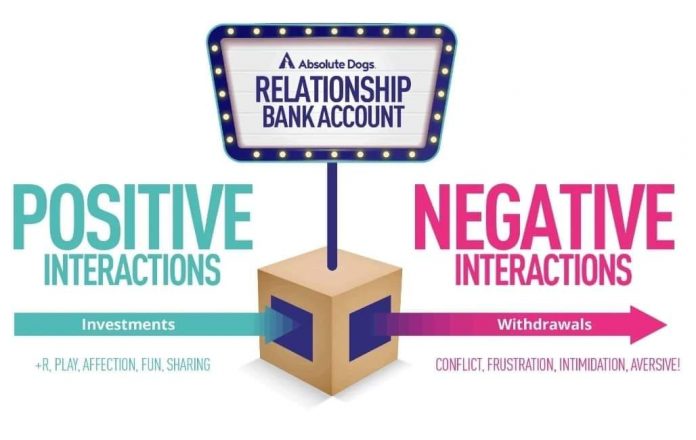
MAKE DEPOSITS INTO YOUR RELATIONSHIP BANK ACCOUNT – Trick training is a great way of teaching your pet and bonding with them. Playing games to learn is another awesome way to learn and have fun. Free play is also necessary, and training should not just be formal. The best enrichment activities include natural behaviour and time with you. Are you making deposits into your relationship bank account with your pet through play and quality time? If your dog doesn’t find you engaging, it’s unlikely they’ll focus on you over the distractions in their environment (chew toys, other dogs, cyclists, smells – you name it!). Follow Absolute Dogs for more on this.
THE BREED – although we never blame the breed, a Border collie might learn a new behaviour with 4 tries, while an Afghan hound might need 40 tries. A powerful breed like a Pitbull can do more damage when not trained, or be tougher to handle than a Chihuahua that is not trained. We encourage using breed-specific types of activities.
PATIENCE – Patience, in general, is important for training. You can’t expect your pet to learn everything in a few hours. It takes time and lots of practice to reinforce a behaviour. When you ask something of your dog, give them time to think. Do not expect that because they did something well two days ago, it will automatically happen today.
DECIDE ON HOUSE RULES – It is important to decide in advance what the house rules are, and the whole family must stick to them! Be consistent.
HELP YOUR DOG RELAX – Especially when you have an anxious or fearful pet, you need to help them manage stress better. This can include getting enough sleep, engaging in sniffing, letting them chew, vet checks, safe herbal remedies, or prescribed medications if necessary. PTSD in pets is a reality. You should set up a private den, which is their spot alone and where they can go to debrief or relax and feel safe. When your puppy gets home, give them a warm hot-water bottle and put a ticking clock near their sleeping area, which can imitate the heat and heartbeat of littermates that will soothe your pup in their new environment.
ROUTINE – Establishing a daily schedule for your new pup or other animals is essential to having a well-behaved, balanced pet.
FOOD – You can use food and treats for positive reinforcement and in games, but wean them from expecting only treats, too. There is a difference between giving your dog a piece of food from your hand and your dog only getting food if it comes from your hand. When we feed dogs exclusively through interaction with us, we make eating conditional, when food is a basic welfare need that should come with zero strings attached. Food aggression and guarding need to be addressed through training; however, we do believe eating should be a solitary dining experience. Great if your pets can eat close to each other, but they should not be forced to do so.
PET-PROOF YOUR YARD & HOME – It is your responsibility to make sure that your yard is safe and secure, especially if you are still training your pet; however, you can teach them not to go out or to sit and wait in a spot for the car to park, etc. If you open the gate and do not teach them the boundaries, then you can’t expect them to stay inside.
THE RIGHT EQUIPMENT – Many pet parents don’t realize the importance of choosing the right type of collar, harness, and leash for their dog. Certain dogs, for example, should wear a harness and should never be leashed or even handled by the collar. I prefer the harness above a collar for health and safety reasons. There are, however, different harnesses too. The harness should not restrict their shoulder blade movement. Teach them from a young age to be comfortable with a harness and leash. Choosing the right bowl for eating and knowing which toys are safe for your animals is important, too.
CRATE TRAINING, MUZZLE TRAINING & TOUCHING – Although animals should not be kept in crates for very long, it can be helpful in an emergency if they are not scared of being crated. The same goes for muzzle training. Some animals are more cuddle bugs than others; however, for the sake of lower anxiety with veterinary or grooming visits, help your pet become more comfortable with frequent touching. Touching the paws, ears, looking in the mouth, the nose, the eyes, touching the body, etc.
UNDIVIDED ATTENTION – If you’re like many busy animal parents today, you’re multitasking when you’re interacting with your dog. For example, you play tug-of-war with one hand while talking on the phone or checking Facebook with the other. Give them your undivided attention because they deserve it!
LEAVING MOM TOO EARLY – Baby animals learn valuable information from their parents, especially their mom. Studies suggest pups and kittens should stay with their mom for 12 weeks, and I agree!
SOCIALIZATION – Play is not socialization. It is an important skill, but it is separate from socialization. There are many definitions and opinions, but for me, it is getting my fur-kid accustomed (at a speed they can handle) to different things and people, or animals. Slowly and safely introducing them to the world humans forced them to live in. Note that a dog park is not for socialization. Not for puppies and not for your dog-selective dog.
Also, readmore specific training tips from Beyond Behaviour and about training from last week’s article.
IF YOUR DOG STRUGGLES WITH TRAINING
Often, people will say that their dog is stubborn if they do not want to do the training well or at all, but there are many aspects, physically and emotionally, that could affect them.
Are they happy/stress-free?
Did they sleep well, and are they well-rested?
Are they comfortable and not in pain?
Do they feel safe in the environment?
Did they have an appetite?
Are they physically capable of what you require of them?
Are they not overwhelmed or trigger-stacked?
Is there something distracting in the environment?
Are you asking too much of them?
Are you clear on what you expect of them, or are they unsure?
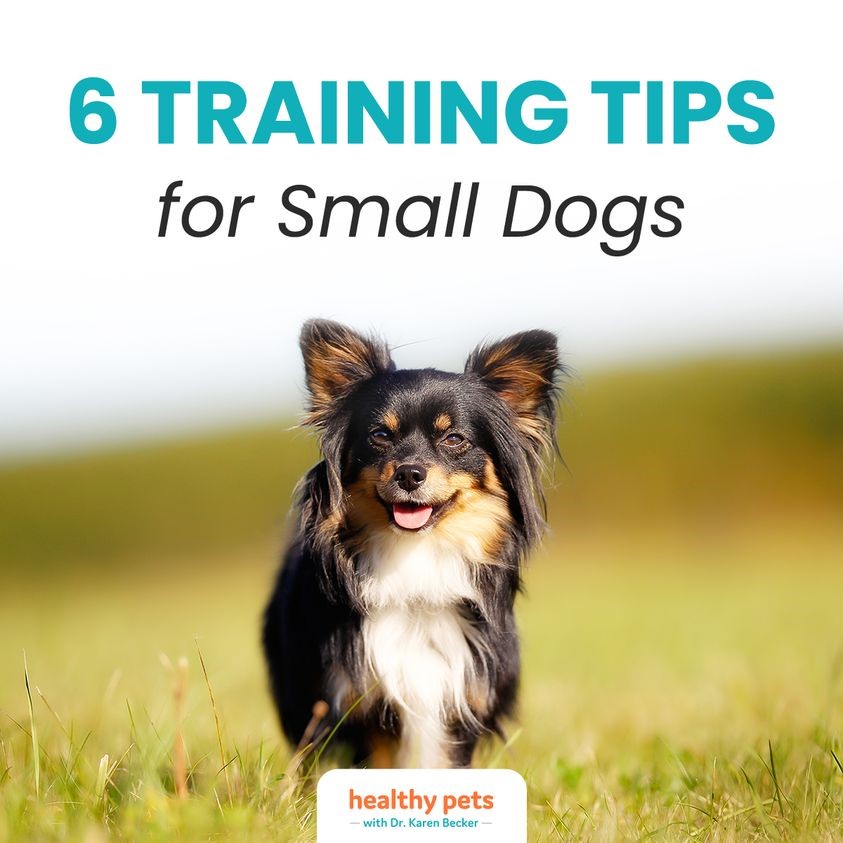
SPECIAL CONSIDERATIONS WITH THE TRAINING OF SMALL DOGS
Dr. Karen Becker shares how small dogs have unfairly gotten a reputation for being yappy, nervous, and snappy. All dogs are capable of learning good manners through fear-free training.
If you have a small dog, help them stand tall with these training tips: 1. Get down close to her level instead of looming over her. 2. Offer extra-small training treats. 3. Use a harness, as well as small-sized toys and training tools. 4. Teach your dog a verbal “lift-off” cue to signal you’re about to pick her up. 5. Let her regularly socialize with safe humans and other dogs on her own terms. 6. Don’t accept obnoxious behaviour just because of size.
Meeting your pet’s needs is your responsibility, and that includes health, diet, providing fresh, clean drinking water, exercise, mental stimulation, love, proper care, a commitment to their life, and more. Training them or addressing behavioural issues is a crucial part of this. Contact a trainer or behaviourist for professional help, depending on what the need may be. Be consistent, have patience, and end every session on a positive note!
Next week, we will look at tips to prepare for the November fireworks.