POLICE CONDEMN MOB JUSTICE WHEREBY SEVEN ALLEGED SUSPECTS WERE KILLED
Nelspruit: 26 October 2023 – Police in Mpumalanga have raised a serious concern regarding a high number of kangaroo courts which result in people being killed. This comes after seven people were murdered in four separate incidents in the Ehlanzeni District yesterday, Wednesday 25 October 2023.
Among the victims, two were found lying in a pool of blood after allegedly being assaulted by a mob where they sustained multiple injuries. Their lifeless bodies were discovered at Mjejane (Hectorspruit) near Komatipoort yesterday around 11h30 a.m.
Meanwhile, a 28-year-old victim’s body was found with multiple injuries in Marite at Ga-Bhereni village near Bushbuckridge, not far from a certain tavern. The victim is suspected to have been attacked by some community members. Stones, bricks as well as sticks were also found next to the victim’s body. Preliminary investigation by the Police suggests that the victim might have been killed by a mob as well.
Whereas in Lydenburg, a 33-year-old victim succumbed to injuries upon arrival at the hospital in the evening of the said day around 19h30. Allegations are that he too was severely assaulted by a group of people at the Lydenburg Taxi Rank.
As if that was not enough, last night, the Police in Komatipoort responded to yet another mob justice incident at Mjejane whereby three people were burnt to death by some members of the public and their vehicle as well as a trailer was set alight. Police are trying to establish whether this incident is not related to the one in whereby two victims were killed in the same area earlier that day.
Police appreciate efforts in instances where community members work hands-in-glove with the police to ensure that suspected criminals are prosecuted after thorough investigations conducted however the SAPS strongly condemns incidents wherein people take the law into their own hands.
The SAPS encourages community members to report any criminal activity to the authorities or utilise community-based structures like the Community Police Forum (CPF) and the Community In Blue which seek to bridge the gap between the community and the police.
Police urge anyone with any information on Crime to call the Crime Stop number at 08600 10111. Alternatively, members of the public can send information via MYSAPSAPP. All received information will be treated as confidential and callers may opt to remain anonymous.
The quality of the air that we breathe is important for our well-being.
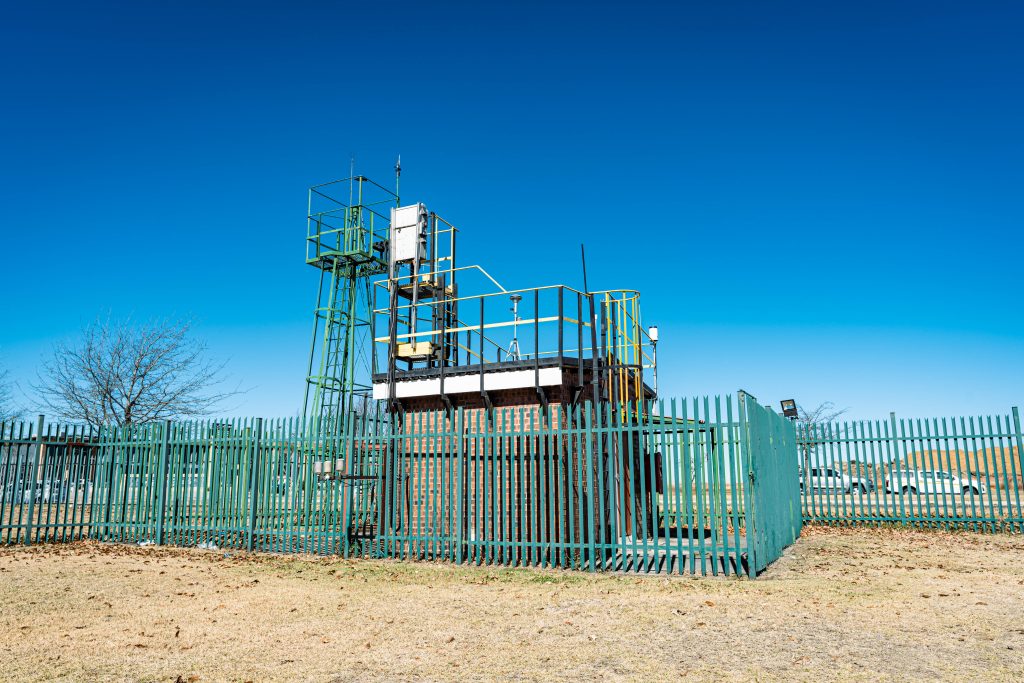
Did you know that Sasol operates nine air monitoring stations? Three of these stations are based in eMbalenhle, others are located in Amersfoort, Bosjesspruit, Grootvlei, Secunda, Lebohang and Springs.
These stations constantly collect and submit data to the South African Air Quality Information System for analysis. The monitoring of air is vital for the protection of communities and the environment.
Sasol continues to invest in several projects to advance its commitment to air quality.
OPERATION SHANELA LEADS TO THE RECOVERY OF A FIREARM WITH AMMUNITION, SUSPECT ARRESTED BY POLICE
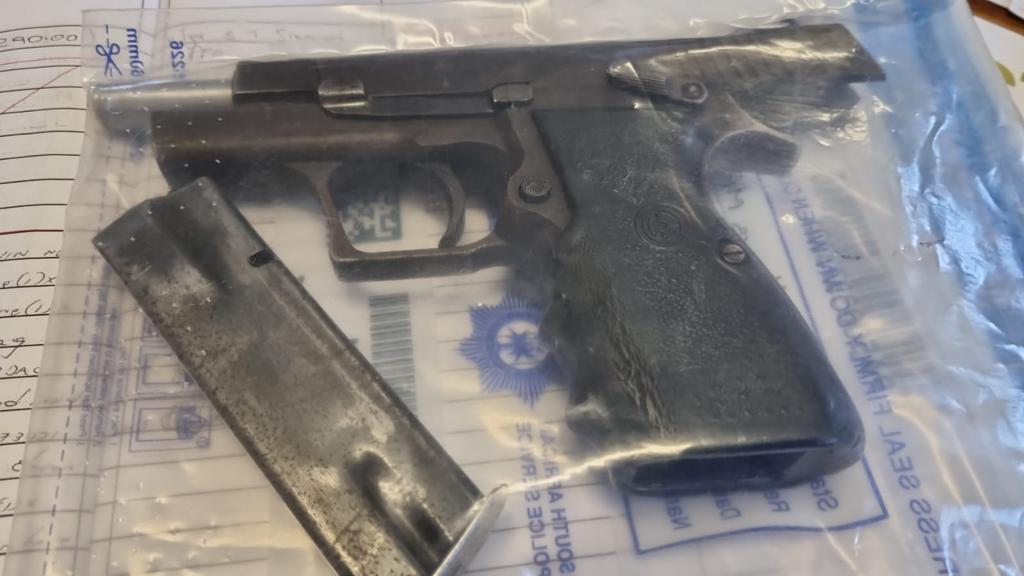
Nelspruit: 26 October 2023 – Operation Shanela has yielded positive results whereby, Qalekwakhe Simon Motha (37) was arrested and a firearm was recovered from his possession on the N11 Hendrina Road in Middleburg on Tuesday, 24 October 2023 around 08h30 am. The firearm was stolen from a certain security firm in September 2019.
According to the report, Police in Middleburg were patrolling on the said road when they noticed a suspicious Toyota Etios with one occupant. There was no registration number plate at the back of the said vehicle.
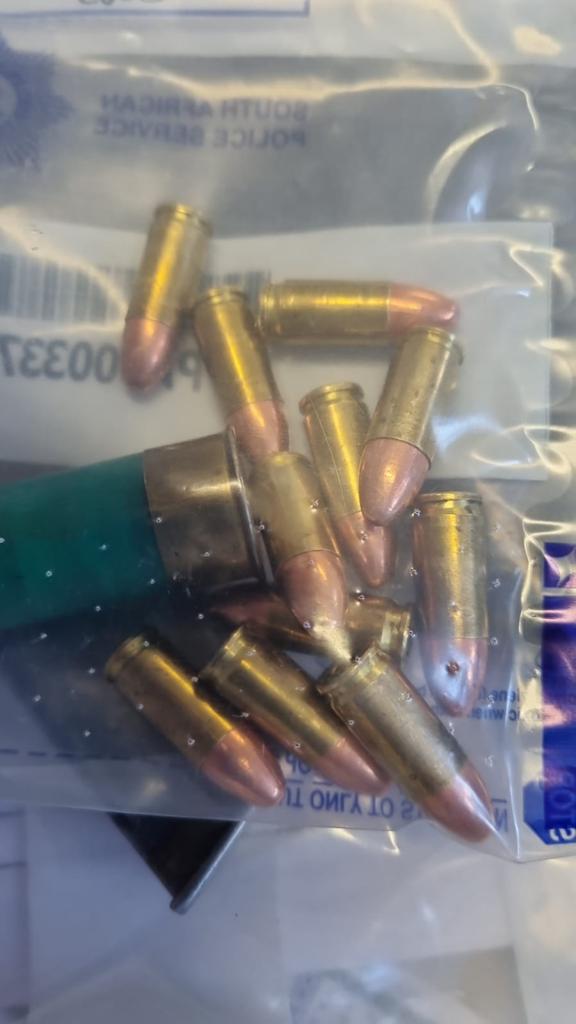
A search was then conducted inside the car and it was during this period that a 9 mm pistol with live rounds (for a pistol), as well as one ammunition (for a shotgun), were discovered by the astute members.
The driver of the sedan is said to have failed to produce a firearm licence hence he was arrested and charged with possession of an unlicenced firearm with ammunition.
The firearm and ammunition were seized and will be used in the investigation. The firearm will undergo ballistic testing to ascertain if it was not used previously in the commission of other crimes elsewhere.
Motha is believed to be from Pongola in the KZN Province and he appeared at the Middleburg Magistrate’s Court yesterday, Wednesday 25 October 2023 and the case was postponed to 02 November 2023 for a formal bail application. Meanwhile, the suspect remained in custody.
The management of the SAPS in Mpumalanga appreciates the arrest of the suspect meanwhile the recovery of the firearm has been considered to be significant as it contributes positively to the fight against the proliferation of firearms which are often used in violent crimes such as kidnapping, hijacking, robberies and many more. The members are encouraged to be more vigilant as the period of the festive season is at hand.
EMPOWER YOUR PET’S JOURNEY BY INVESTING THE TIME IN TRAINING SO THEY CAN BE WELL-BALANCED AND HAPPY.
Last week, we looked at the why and what of training your animals, so this week we will jump right in with some tips for training your pets and unleashing their potential. The majority of training tips about animals are focused on dogs; however, the psychology and principles remain similar for animals in general. Remember that opinions and situations might differ, but it is important that you, who know your animals best, use what works for you and them.
THEIR NAME – Choose the animal’s name wisely. It helps to consider a short name ending with a strong consonant that they can always hear clearly. A strong ending, like in the names “Jasper,” “Jack,” and “Ginger.” I choose not to use their name in the negative sense, for example, when trying to interrupt a behaviour.
START YOUNG – Although we believe you can teach an old dog new tricks, the earlier they put a particular skill or training in their memory bank, the better!
REWARD-BASED TRAINING – Positive reinforcement is our preferred method, and punishment is never one! Reward-based training is less likely to cause stress or anxiety. Positive, however, does not mean permissive. Don’t set your pet up for failure, and do allow them to rehearse the right behaviour frequently. Keep the session short, simple, and fun. Give them options and choices in the training. Be careful not to become dependent on treats only for training. Your attention is another great reward that can be used.
TRAIN IN “DOGS TIME” – Pets live in the moment, and two minutes after they’ve done something, they’ve likely already forgotten about it. So, when your animals are displaying unwanted behaviour, use the training techniques right away so they have a chance to make the association between the behaviour and the “correction”. Consistent repetition will reinforce what they’ve learned.
DIRECTION NOT CORRECTION – Interrupt the unwanted behaviour as soon as possible and redirect them at that moment, e.g., if they are digging a hole in your garden, guide them to the sand pit you made for them immediately.
ADDRESS THE CAUSE & A.S.A.P – As soon as serious behavioural concerns (e.g., aggression, fear, etc.) surface and you rule out any health issues, address the behaviour immediately (hours or a few days). Do not let it escalate. You need to find out what the cause of the behavioural changes is. This could be a new family member (animal or human), a kid or adult abusing them, moving, lack of stimulation or resources, unmet needs, etc.
HANDLE REACTIVITY – Reactivity affects their ability to train and is an important aspect to address. Reactivity is when a dog overreacts to things in its environment. These reactions can include barking, lunging, and growling. You need to limit or cease exposure to the “random” triggers and rather work on them in an isolated, well-planned setting. Don’t let the triggers stack!
CONSENT – Consent should be CLEAR, VOLUNTARY, with ONGOING PERMISSION! Consent is an important part of any healthy relationship, and teaching people to allow the animals to approach you is a good practice that we need to be ever-encouraging. Even when you touch your pet, it should be with consent. Don’t let people just touch your pets because they are “friendly”.
BODY LANGUAGE – Animals use a series of facial expressions and body postures to communicate how they feel. Your ability to understand and interpret body language can help you pick up on unspoken issues or feelings for your animals. It is a major part of communication, meeting their needs, and it will improve training. Watch out for T-E-M-P (tails, ears & eyes, mouth, and posture). Know what normal behaviour is and what it is not. Some behaviours like digging, sniffing butts or crotches, rolling in stuff and even humping/mounting are quite normal.
BARK & GROWL – Never punish a growl. This is a sign that they are uncomfortable. When you punish it, next time they might skip the growl and go straight to biting. Barking is also a way to communicate, and through the barking, your dog is trying to tell you something. If you talk to someone and they ignore you, how does that feel? When my dog barks, I go and check and say, “I see the cat, for example, and thank you for letting me know”. Some suggest barking with them and then decreasing that barking……it would be interesting to investigate this.
EYE CONTACT – Training eye contact as a wanted behaviour can help you with other areas of training. To teach your animals eye contact as a behaviour, you simply need to reward them when they look at you. This teaches them that deciding to look at us is a rewarding one, and as such, they will begin to do it more often and for longer periods. Then, if you choose to, you can add in a cue like ‘look’, so you have the behaviour on cue, and you can take it on the road.
HAND SIGNALS vs. VERBAL CUES – Verbal commands are great, but I prefer that our fur-kids understand hand signals too, as an additional skill. This could be and has been helpful in an emergency or when they are further away from you, or when you can’t talk for some reason.
EXERCISE-DISCIPLINE-AFFECTION – The biggest cause of misbehaviour in dogs is when their needs for exercise, discipline, and affection are not fulfilled. Especially when they do not get enough exercise to drain their excess energy and bring their minds to a calmer state, during which we can reinforce and reward that calm behaviour with affection. It is very difficult to train an overwhelmed mind (human or animal), and if you give affection to this overexcited behaviour, you may encourage it.
YOUR MINDSET – If you try to train your pet when you have had a long day or feel sick or frustrated, it can be detrimental to their training. Your calm, positive, and assertive energy is needed for training.
MAKE DEPOSITS INTO YOUR RELATIONSHIP BANK ACCOUNT – Trick training is a great way of teaching your pet and bonding with them. Playing games to learn is another awesome way to learn and have fun. Free play is also necessary, and training should not just be formal. The best enrichment activities include natural behaviour and time with you. Are you making deposits into your relationship bank account with your pet through play and quality time? If your dog doesn’t find you engaging, it’s unlikely they’ll focus on you over the distractions in their environment (chew toys, other dogs, cyclists, smells – you name it!). Follow Absolute Dogs for more on this.
THE BREED – although we never blame the breed, a Border collie might learn a new behaviour with 4 tries, while an Afghan hound might need 40 tries. A powerful breed like a Pitbull can do more damage when not trained, or be tougher to handle than a Chihuahua that is not trained. We encourage using breed-specific types of activities.
PATIENCE – Patience, in general, is important for training. You can’t expect your pet to learn everything in a few hours. It takes time and lots of practice to reinforce a behaviour. When you ask something of your dog, give them time to think. Do not expect that because they did something well two days ago, it will automatically happen today.
DECIDE ON HOUSE RULES – It is important to decide in advance what the house rules are, and the whole family must stick to them! Be consistent.
HELP YOUR DOG RELAX – Especially when you have an anxious or fearful pet, you need to help them manage stress better. This can include getting enough sleep, engaging in sniffing, letting them chew, vet checks, safe herbal remedies, or prescribed medications if necessary. PTSD in pets is a reality. You should set up a private den, which is their spot alone and where they can go to debrief or relax and feel safe. When your puppy gets home, give them a warm hot-water bottle and put a ticking clock near their sleeping area, which can imitate the heat and heartbeat of littermates that will soothe your pup in their new environment.
ROUTINE – Establishing a daily schedule for your new pup or other animals is essential to having a well-behaved, balanced pet.
FOOD – You can use food and treats for positive reinforcement and in games, but wean them from expecting only treats, too. There is a difference between giving your dog a piece of food from your hand and your dog only getting food if it comes from your hand. When we feed dogs exclusively through interaction with us, we make eating conditional, when food is a basic welfare need that should come with zero strings attached. Food aggression and guarding need to be addressed through training; however, we do believe eating should be a solitary dining experience. Great if your pets can eat close to each other, but they should not be forced to do so.
PET-PROOF YOUR YARD & HOME – It is your responsibility to make sure that your yard is safe and secure, especially if you are still training your pet; however, you can teach them not to go out or to sit and wait in a spot for the car to park, etc. If you open the gate and do not teach them the boundaries, then you can’t expect them to stay inside.
THE RIGHT EQUIPMENT – Many pet parents don’t realize the importance of choosing the right type of collar, harness, and leash for their dog. Certain dogs, for example, should wear a harness and should never be leashed or even handled by the collar. I prefer the harness above a collar for health and safety reasons. There are, however, different harnesses too. The harness should not restrict their shoulder blade movement. Teach them from a young age to be comfortable with a harness and leash. Choosing the right bowl for eating and knowing which toys are safe for your animals is important, too.
CRATE TRAINING, MUZZLE TRAINING & TOUCHING – Although animals should not be kept in crates for very long, it can be helpful in an emergency if they are not scared of being crated. The same goes for muzzle training. Some animals are more cuddle bugs than others; however, for the sake of lower anxiety with veterinary or grooming visits, help your pet become more comfortable with frequent touching. Touching the paws, ears, looking in the mouth, the nose, the eyes, touching the body, etc.
UNDIVIDED ATTENTION – If you’re like many busy animal parents today, you’re multitasking when you’re interacting with your dog. For example, you play tug-of-war with one hand while talking on the phone or checking Facebook with the other. Give them your undivided attention because they deserve it!
LEAVING MOM TOO EARLY – Baby animals learn valuable information from their parents, especially their mom. Studies suggest pups and kittens should stay with their mom for 12 weeks, and I agree!
SOCIALIZATION – Play is not socialization. It is an important skill, but it is separate from socialization. There are many definitions and opinions, but for me, it is getting my fur-kid accustomed (at a speed they can handle) to different things and people, or animals. Slowly and safely introducing them to the world humans forced them to live in. Note that a dog park is not for socialization. Not for puppies and not for your dog-selective dog.
Also, readmore specific training tips from Beyond Behaviour and about training from last week’s article.
IF YOUR DOG STRUGGLES WITH TRAINING
Often, people will say that their dog is stubborn if they do not want to do the training well or at all, but there are many aspects, physically and emotionally, that could affect them.
Are they happy/stress-free?
Did they sleep well, and are they well-rested?
Are they comfortable and not in pain?
Do they feel safe in the environment?
Did they have an appetite?
Are they physically capable of what you require of them?
Are they not overwhelmed or trigger-stacked?
Is there something distracting in the environment?
Are you asking too much of them?
Are you clear on what you expect of them, or are they unsure?
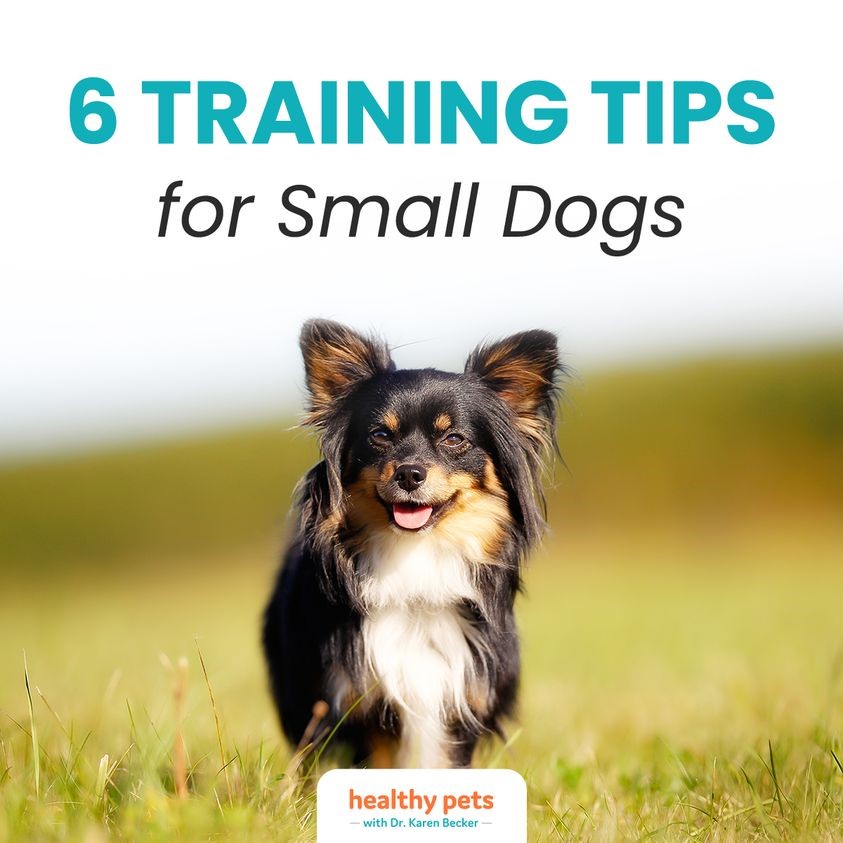
SPECIAL CONSIDERATIONS WITH THE TRAINING OF SMALL DOGS
Dr. Karen Becker shares how small dogs have unfairly gotten a reputation for being yappy, nervous, and snappy. All dogs are capable of learning good manners through fear-free training.
If you have a small dog, help them stand tall with these training tips: 1. Get down close to her level instead of looming over her. 2. Offer extra-small training treats. 3. Use a harness, as well as small-sized toys and training tools. 4. Teach your dog a verbal “lift-off” cue to signal you’re about to pick her up. 5. Let her regularly socialize with safe humans and other dogs on her own terms. 6. Don’t accept obnoxious behaviour just because of size.
Meeting your pet’s needs is your responsibility, and that includes health, diet, providing fresh, clean drinking water, exercise, mental stimulation, love, proper care, a commitment to their life, and more. Training them or addressing behavioural issues is a crucial part of this. Contact a trainer or behaviourist for professional help, depending on what the need may be. Be consistent, have patience, and end every session on a positive note!
Next week, we will look at tips to prepare for the November fireworks.
UNDERSTANDING YOUR PETS AND TRAINING THEM IS AN IMPORTANT ASPECT OF RESPONSIBLE GUARDIANSHIP.
Training your pet is not just about teaching them to perform tricks or follow commands; it’s a crucial aspect of responsible pet ownership. We’ll delve into the key reasons why investing time and effort into training is a decision you won’t regret, and how it can lead to a happier, healthier, and more fulfilling partnership between you and your pet.
While we often see our pets as perfect, they have their moments, just like we all do, and that’s perfectly fine! Pets don’t come into our lives already trained, so it’s essential to understand the importance of training and what key lessons to impart. Sometimes, addressing behavioural concerns can be as straightforward as dedicating a few minutes each day or making simple adjustments, like adding an extra food bowl for a cat or providing a sandpit for a dog.
Failing to train your pets can lead to frustration on your part, which, in turn, creates confusion and stress for your furry friend, perpetuating a cycle of misbehaviour. Many pets end up in shelters due to perceived “behavioural issues,” which are often quite normal given the circumstances and unmet needs, and could be resolved with a little training and attention from their owners.
WHY IS TRAINING IMPORTANT?
Training your pet is a valuable investment! Let’s explore these key reasons and understand how they contribute to a happier, healthier, and more fulfilling partnership between you and your beloved pet.
1. Communication: Training is a bridge that helps you and your pet communicate effectively. By learning to understand and respond to commands, cues, and signals, your pet can express their needs and desires more clearly. Likewise, you can convey your expectations and boundaries in a way that your pet comprehends. This mutual understanding forms a foundation for a deeper connection.
2. Behavioural Harmony: Well-trained pets are more likely to exhibit positive behaviours. They are less prone to destructive actions like chewing on furniture or having accidents indoors. A pet that doesn’t engage in problematic behaviours is often easier to integrate into your daily life, reducing stress and frustration for both of you.
3. Safety: Training is about more than just convenience; it’s about safety. A well-trained pet is less likely to dart out an open door into potential danger, jump on people, or exhibit aggression. This ensures the safety of your pet and those around them, preventing accidents and injuries.
4. Socialization: Proper training often includes socialization with other pets, things and people. This exposure helps your pet become well-adjusted, confident, and less anxious in various situations. A socially adept pet is more likely to enjoy outings, playdates, and interactions with family and friends.
5. Mental Stimulation: Training keeps your pet’s mind active. Learning new commands and tricks challenges their cognitive abilities, warding off boredom. Mentally stimulated pets are generally happier and less prone to engage in undesirable behaviours born out of frustration.
6. Exercise and Physical Health: Many training activities involve physical exercise, which is vital for your pet’s overall health. Regular exercise helps maintain an ideal weight, promotes cardiovascular health, and keeps muscles strong. A fit and active pet is more likely to lead a happy, longer life.
7. Bonding: Training sessions are an excellent opportunity for you and your pet to bond. The time you spend teaching and learning together strengthens your emotional connection. These positive interactions create trust, affection, and a sense of security in your pet.
8. Increased Freedom: A well-trained pet often enjoys more freedom because you can trust them in various situations. This means you can include them in more aspects of your life, whether it’s travelling together, visiting friends, or going on outdoor adventures.
9. Sense of Achievement: Training your pet and witnessing their progress can be incredibly rewarding. It’s a journey that offers a sense of accomplishment and boosts your confidence as a pet guardian.
I am not a qualified trainer or behaviourist; however, I am a perpetual student and love learning about the field of behaviour and psychology and obviously, animals too. I share here what I have learned through the years and what has worked for me. This info does not address how to train a specific skill but rather forms a general guide to help you in the right direction or highlight some important aspects.
If you need help with training your pet, it is important to contact either a qualified trainer or a qualified behaviourist, depending on what your animal needs. Always remember to use reward-based training or positive reinforcement and not fear-based training or punishment. Most trainers teach obedience, basic behaviour modifications, and specific skills whereas behaviourists address advanced behaviour issues like fear, aggression, severe anxiety, compulsive disorders, and other challenges.
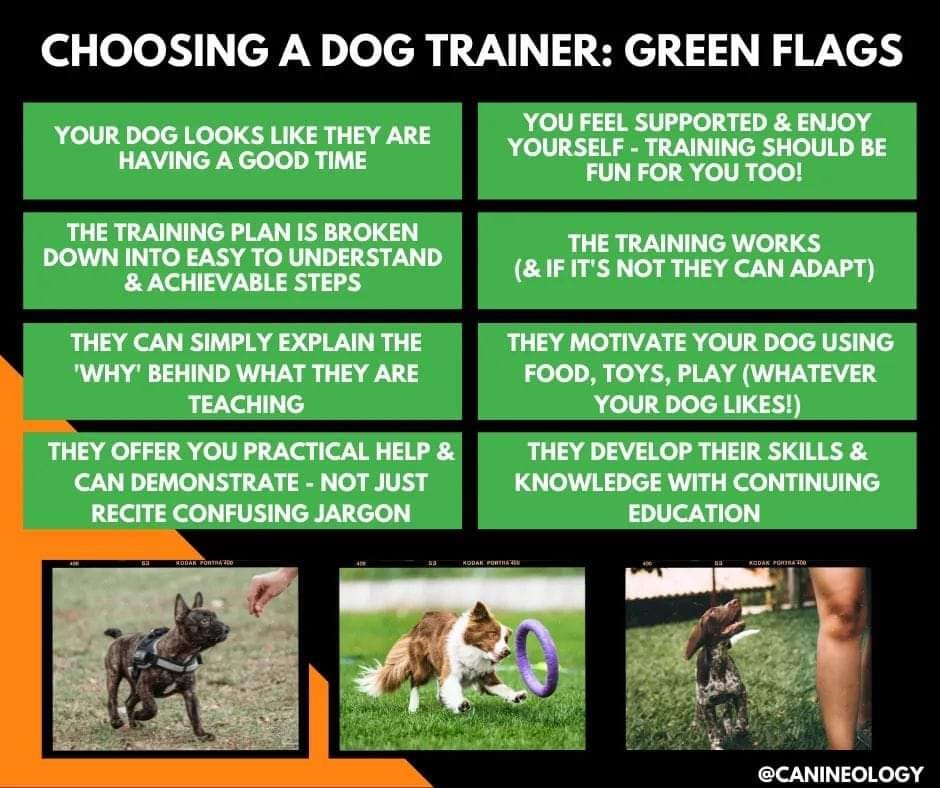
You always have to address the underlying cause for behaviour and not just a symptom for example by using cruel anti-bark collars. If a professional starts to badmouth other trainers right off the bat, I would also walk away. Check out the green flags for choosing a trainer below.
Our approach to training centres around a commitment to upholding the five fundamental freedoms of animal welfare. We firmly believe that any training method we choose must ensure these freedoms: freedom from hunger and thirst, freedom from pain, injury, and disease, freedom from discomfort, freedom from fear and distress, and the freedom to express natural behaviour.
It’s essential to recognize that your feelings and your pet’s well-being during a training session are paramount. If either of you feel uncomfortable with the training process, it’s crucial to voice your concerns. This extends beyond just physical harm; emotional well-being matters too. Remember that punishment or your actions can have a lasting impact on your pet’s emotional state, so it’s important to be sensitive to their feelings.
Training and teaching tricks should be viewed as an enjoyable form of enrichment that enhances your bond with your pet. In the realm of training, what truly impresses us is your ability to understand and connect with your pet on a deeper level, rather than merely their obedience to your commands. I want to know how well you can read your pet and whether they seem happy.
BEHAVIOURAL PROBLEMS
When there are behavioural issues, it is always a good idea to go for a vet check first to exclude any health problems that might cause this behaviour e.g., excessive chewing or peeing in the house etc. Keep them healthy with regular wellness checks, up-to-date vaccination (without over-vaccinating), regular deworming, tick and flea treatment, a healthy and species-appropriate diet, enough exercise and enrichment etc.
Welfare for Animals shares a few helpful questions when there is a training or behavioural issue:
WHO – is it environmental? Is it you and your behaviour? Is it a family member or another dog? Or the cat? Are you pushing your dog too much too fast?
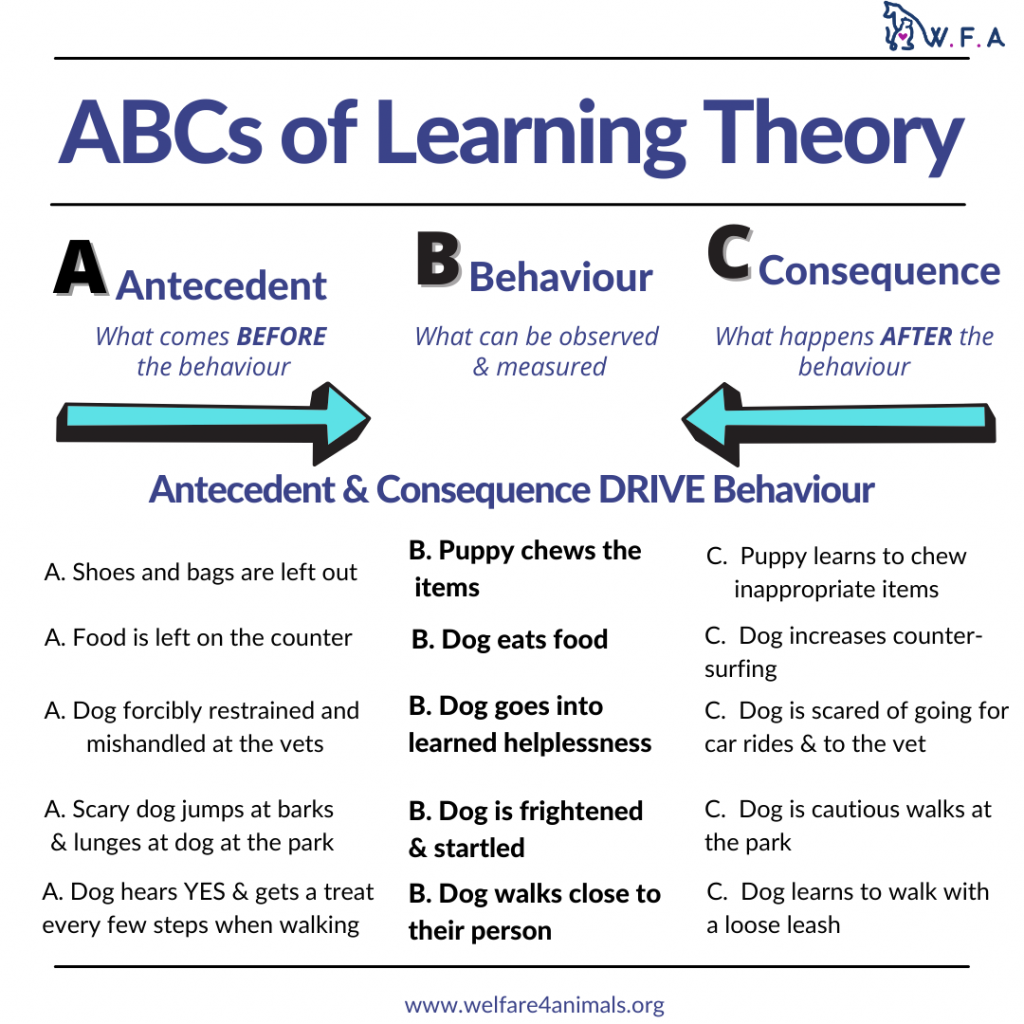
WHAT – what is the behaviour- let’s think about the ABCs- antecedent (what comes before the behaviour)- behaviour- consequence.
WHERE – is it certain environments? Would changing the environment help?
WHY – Is your dog fluent in the cues you’ve taught? Are they stressed, fearful or anxious? Are their needs being met? Have you set them up for success?
WHAT TO TEACH THEM?
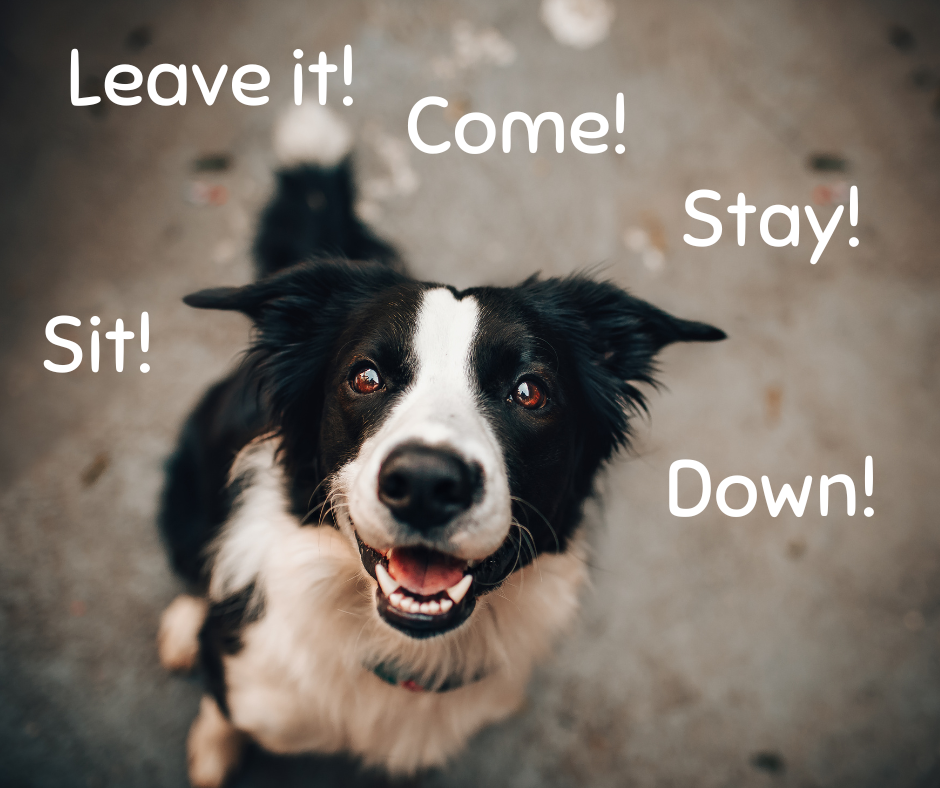
The obvious commands that are helpful include sit, come, down, stay and leave it. Here are a few I consider important too.
SAFETY – Water safety is non-negotiable for us, but also safety around cars and not leaving the yard when the gate is open. It is important that your pet does not fear water, especially when you have a pool, but also for bathing purposes. You have to pet-proof your pool or fish ponds, but also teach them how to get out if they do fall in. Remember not all breeds are good swimmers!
RECALL – A good recall is one of the most important skills for all dogs to have, if not the most important. Successfully getting your dog to come back to you not only prevents potentially dangerous situations but also allows for greater freedom in off-leash areas. Never punish your dog if you have called them to you. This will only teach them that it’s a bad idea to come to you.
ON-LEASH & OFF-LEASH – You can start by teaching them to walk well on a leash and walking them is a great way to bond with them or help them bond with another dog. You do however need to teach them to be off-leash too and still respond to your commands, so work on recall!
JUMPING – Discourage jumping from the start. I don’t step back when they jump, but rather towards them. If you give lots of attention when they jump, this will encourage the behaviour.
BITING – Say no to biting and nipping. Chewing on the other hand can be from boredom, dental issues or just a way to relieve stress.
HANDLING – Snuggle sessions are a great opportunity to get your new puppy or adult dog comfortable with having all the areas of their body handled because soon enough they’ll need to visit the veterinarian and perhaps the groomer. The animals we care for and live with can work towards learning preventative care with positive reinforcement, to avoid restraint and coercion in treatment throughout their life. Wherever we can aim to teach and instil these caretaking behaviours with our animals, we should invest the time to make it happen.
SOCIALIZE – Socialization means exposing your pet to as many new people, animals, environments, and other safe stimuli as possible, without overwhelming them. This should preferably be done early in their life. Like humans, some might not like it as much, but they need to be able to socialize and not fear being around other animals, humans and stimuli.
HOUSE TRAINING – If they are lucky enough to be cared for and stay safe inside your home at night, this will be important. You need to watch their behaviour and take them out after they wake up or have eaten and add some praise when they go. You might have to re-train some older pets later again. When a mistake happens don’t scream or punish them and never, ever rub your dog’s nose in their mess. Look for and address submissive and “relief” urination as well.
CRATE TRAINING – We don’t support keeping your pet in a crate often and definitely not as punishment, but training for it can be helpful for you, as well as them if you need to crate them during an emergency, car or plane travel, or overnight stays with friends or family.
Your pride and ego should never trump what is best for your pet. You don’t have to follow it, but be open to people suggesting a different approach or a better way of doing it, which can benefit your pet. You can learn from many people. Not all towns have access to training classes, but don’t let that stop you from learning online and trying it at home. Training does not have to be expensive but know what you pay for.
Your pets are your responsibility and you should invest in their training & health. Investing time and effort in training your pet is a decision that leads to a happier, healthier, and more fulfilling partnership. It enhances communication, behaviour, and safety, while also promoting mental stimulation, physical health, and a stronger bond. As you embark on this training journey with your pet, you’ll find that the benefits extend far beyond a well-behaved and balanced companion; they create a more enriching and joyful life for both of you.
If you don’t train them, don’t blame them! Next week we will share more tips on training & behaviour!
Nelspruit: 15 October 2023- A 45-year-old scrap metal business owner, Ben Jacobs and two employees attached to Rotex servicing Eskom at Kusile power station Thabang Nxumalo (42) and Jeremiah Mahlangu (48) were granted R1 500 bail each after a brief appearance at Ogies Magistrate’s Court on Friday 13 October 2023.
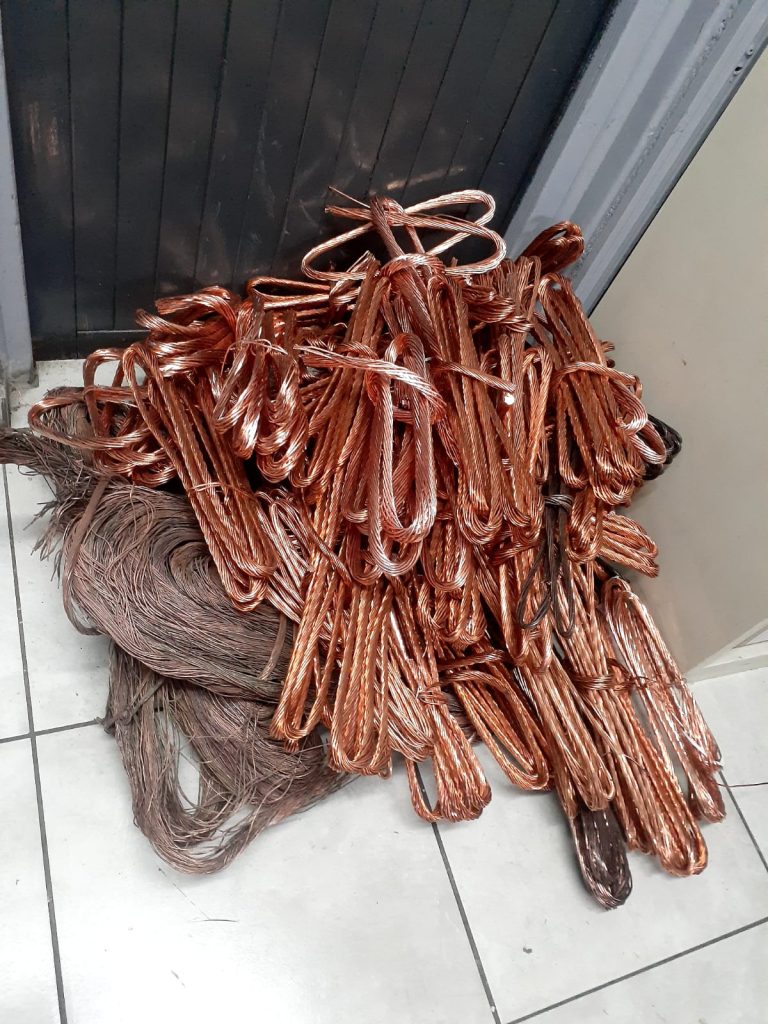
The trio were arrested in Kendal, Ogies on Thursday 12 October 2023 after copper cables and other metals were found in Jacobs property in Kendal.
According to information, the team of police officers and SANDF who are assigned to safeguard Eskom properties were conducting their normal patrol duties at Kendal power station when they spotted a suspicious-looking Light Delivery Vehicle driving into one of the scrap metal businesses on Thursday at about 12:00.
The team followed the vehicle. On the team’s arrival, the LDV was indeed parked inside the yard. Also on the same premises, there was a VW T-Cross.
The team was allowed to search both vehicles. Nothing was found in the LDV, but in the T-Cross, two bags were loaded with copper cables and three rolls of loose copper cables.
The items were identified by Kusile where Nxumalo and Mahlangu work as their property.
The owner of the T-Cross concerted to be the lawful owner of the copper cables and produced the proof of purchase. The copper cables were bought from the very same scrap metal business where the vehicle was found and had a receipt proving her statement.
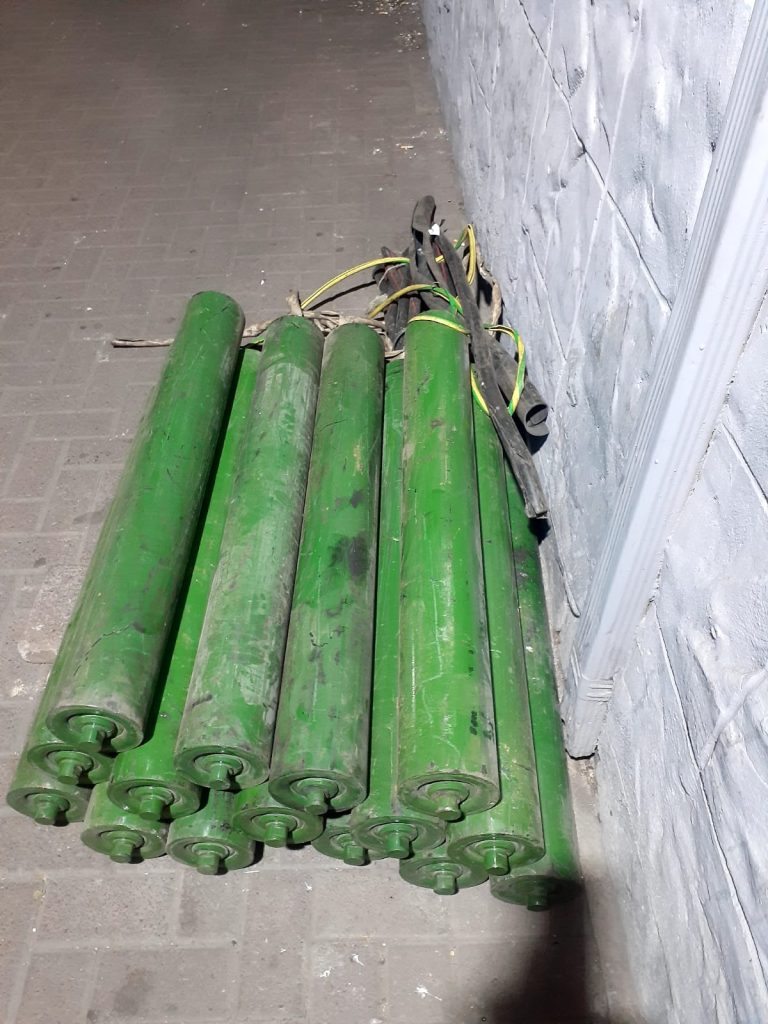
Fifteen heavy green metals (Rollers) identified by the Kendal power station as the power utility’s property were also found in the scrap yard.
The scrap metal business owner Mr Jacobs and the two employees Mr Nxumalo and Mr Mahlangu were arrested hence their appearance in court.
Nxumalo and Mahlangu were charged for damage to essential infrastructure and Jacobs was charged with possession of suspected stolen property.
Police cannot rule out possibilities of making more arrests as some of the names of people who sold Eskom properties to Jacobs appear in the items register.
The South African Police Service in Mpumalanga welcomed the arrest of the suspects and commended the partnership between SAPS and SANDF members who formed a strong team to clampdown on those who target the power utility’s properties.
TWO FOREIGN NATIONALS PLEADED GUILTY AND SENTENCED FOR CONTRAVENING TRAFFICKING IN PERSON ACT, ACT 7 OF 2013
MPUMALANGA – The Provincial Head of the Hawks, Major General Nico Gerber, welcomed the sentence of the two foreign nationals who pleaded guilty and were sentenced by the Nelspruit Regional Court on Tuesday, 10 October 2023. The General applauded the investigating officers for the speedy finalisation of the case.
The sentence followed after an intelligence-driven operation was executed by the Mpumalanga multidisciplinary team on Monday, 27 February 2023 at KaMagugu, following information regarding illegal immigrants who were kept in a safe house, migrating from foreign countries into South Africa without proper documentation.
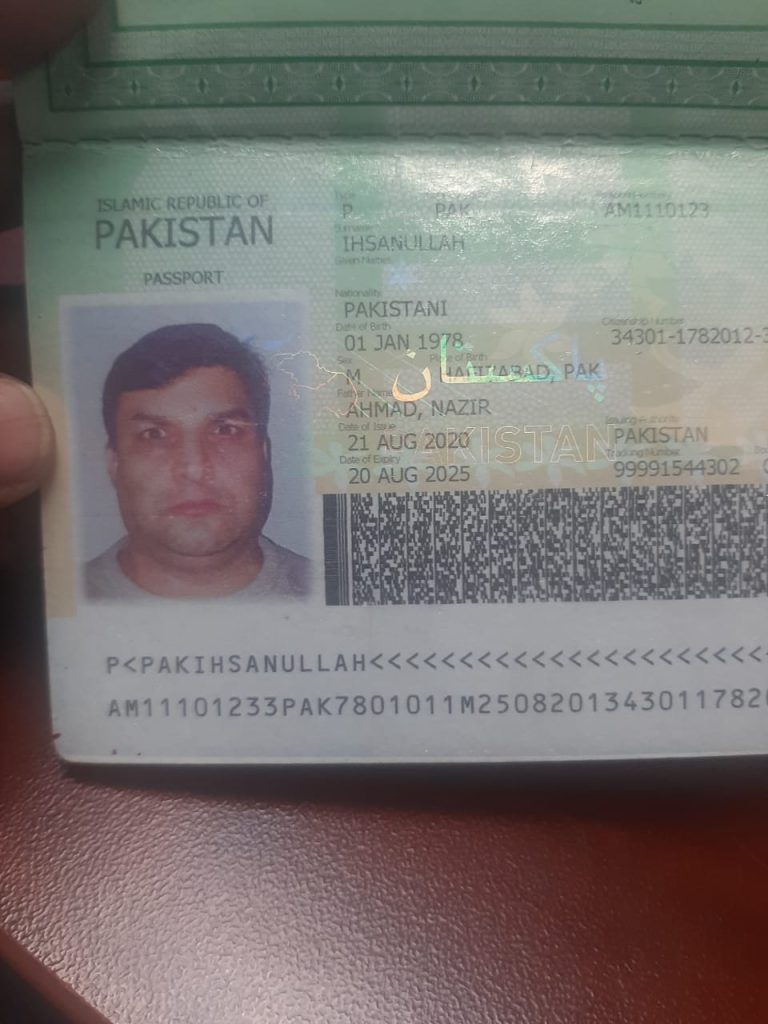
IHSANULLA
The team which comprised of the Nelspruit-based Hawks’ Serious Organised Crime Investigation, Crime Intelligence Nelspruit, Nelspruit Detectives, Nelspruit Visible Policing team as well as Local Criminal Record Centre, followed up the information which led them to the house at KaMagugu. They found 19 males packed into a three-bedroom house without furniture.
Preliminary investigation established that 14 were Bangladeshi and 4 were Pakistani nationals. A Pakistani foreign national, Ihsanulla, 43, was arrested for being in charge of the safe house. Police recovered 18 passports, 27 cellphones, chargers, and cables which were packaged together and kept by Ihsanulla. The suspects could not communicate in English and were in possession of passports that were not stamped for legal entry into South Africa.
The 18 foreign nationals aged between 20 and 45 were arrested and charged for contravention of the Immigration Act. Ihsanulla was charged with Trafficking in persons. The Department of Home Affairs declared all as undocumented foreign nationals. Investigation revealed that they were trafficked.
During further investigation, an additional Pakistan foreign national Mujahid Hussain (36) was arrested and added as a suspect. The house in which the victims were harboured was leased to Mujahid Hussein and his wife, and in the absence of his wife, he used the house together with accused 1 to harbour the trafficking-in-person victims. The suspects were denied bail and kept in custody.
On Tuesday, 10 October 2023, at Nelspruit Regional Court, both accused pleaded guilty to harbouring the victims and were sentenced as follows:
Accused no.1 IHSANULLA was sentenced to R10 000.00 fine or 2 years imprisonment and a further 3 years imprisonment which is wholly suspended for 5 years on condition that the accused is not found guilty of trafficking in persons committed during the period of suspension.
Accused no.2 Mujahid Hussain was sentenced on count 1 R5000.00 fine or 1 year imprisonment and a further 3 years imprisonment which is wholly suspended for 5 years imprisonment on condition that the accused is not found guilty of trafficking in persons committed during the period of suspension. Mujahid Hussain was also linked with a Matsulu case, which occurred in September 2022. He was sentenced to R5000.00 fine or 1-year imprisonment.
The provincial head, Major General Gerber concluded by urging the public to report such matters to the police.
SASOL initiatives target young people residing in Sasol’s fenceline communities.
As a responsible corporate citizen, Sasol continues to drive socio-economic programmes by delivering initiatives that increase the skills development pool within the community. These initiatives target young people residing in Sasol’s fenceline communities. One such initiative is Bridge to Work (BtW) which provides training in welding, handyman services, business digital services, and garment making among other skills.
Over and above driving these skills development initiatives, Sasol also works closely with the local government to identify and upgrade water, sewerage, and electricity infrastructure. For instance, in 2023 Sasol partnered with Govan Mbeki Municipality (GMM) and Thungela to upgrade Leandra’s sewerage pump station infrastructure. Sasol is currently undertaking work on a 40-kilometre water pipeline in Bethal which aims to eliminate water leaks and therefore save water as South Africa navigates through its deepening water scarcity challenge.
Sasol also plays a significant role in the delivery of quality education to local communities by providing learning materials to learners in under-resourced schools, donating uniforms, building, or refurbishing classrooms, as well as supporting the teaching of Science, Technology, Engineering and Mathematics (STEM)
WHEN YOU ARE FEELING THE HEAT OF THE WARMER WEATHER, SO ARE YOUR PETS!
As we felt during this last week, the warmer weather is here, and protecting your pets from the heat is crucial for their well-being. While we humans may relish these sunny days, it’s crucial to remember that our furry companions may not share the same enthusiasm for the hotter days.
In this article, we explore the essential steps and precautions necessary for safeguarding our four-legged friends against the oppressive heat. From understanding the unique vulnerabilities of pets to the importance of hydration and shade, we’ll equip you with some knowledge and tools you need to ensure your pets stay cool, comfortable, and safe during the hottest months of the year.
Provide Ample Shade: Ensure your pets have access to shade throughout the day. If they spend time outdoors, set up a shelter or use natural shade from trees or structures. Shade helps protect them from direct sunlight and keeps them cooler.
Limit Outdoor Activities: Avoid strenuous exercise and outdoor activities during the hottest parts of the day. Opt for walks and playtime in the early morning or evening when temperatures are lower.
Stay Hydrated: Always have fresh, cool, clean water available for your pets. Dehydration can be a significant risk in hot weather, so encourage them to drink frequently. Although some owners think that ice water may help, it can actually slow your pet’s water consumption which is counterproductive in the heat. Chewing on ice cubes is also not recommended, especially for dogs with dental issues. Remember to keep their water bowls out of the sun.
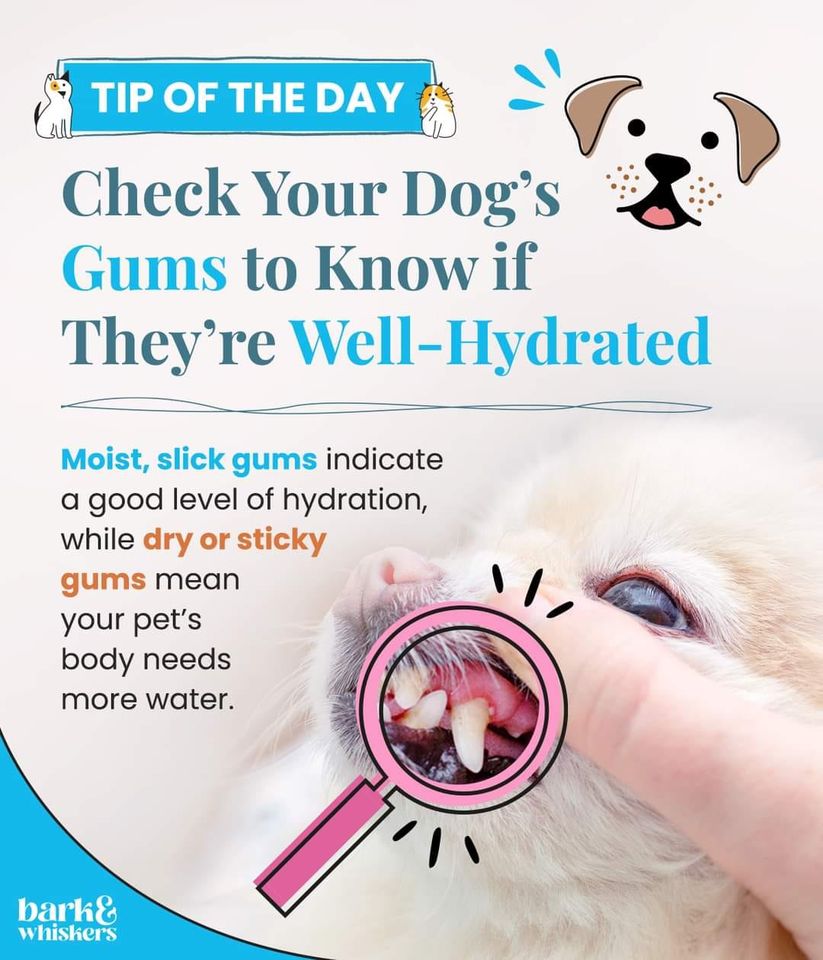
Cats may be reluctant drinkers because in nature, they get a lot of the necessary moisture from their food. Here are some tips to encourage drinking for cats.
Image by Bark & Whiskers
Provide Cooling Solutions: Offer your pets cooling options like a shallow kiddie pool or a damp towel for them to lie on. Some pets may enjoy a cooling vest or bandana designed for hot weather. Never let them swim, unsupervised and if they did dip in a chlorine pool, rinse them off with clean water after.
Consider Indoor Time: If the heat is extreme, it’s best to keep your pets indoors. Ensure your home is well-ventilated and has fans or air conditioning to maintain a comfortable temperature. Regulate the temperature inside your home. Use air-cons, and fans, or give access to cooler areas like a basement or darker room with tile floors.
Travel Safely: If you’re traveling with your pets, plan ahead to ensure they stay cool during the journey. Bring water, a travel crate with proper ventilation, and always avoid leaving them in a parked vehicle unsupervised.
Stay Informed: Keep an eye on local weather forecasts and heat advisories. Extreme heat warnings may prompt you to take additional precautions or keep your pets indoors.
PRECAUTIONS
Avoid Hot Pavement: Asphalt and concrete can get extremely hot in the summer, which can burn your pet’s paws. Walk your dog on cooler surfaces like grass. Test the pavement/ground/road with the back of your hand before you go for a walk. If it’s too hot for your hand, it’s too hot for their paws. Use the 7 second rule. If you can’t hold your hand on the road or pavement for 7 seconds, then it can potentially burn their paws and cause injury.
Never Leave Pets in Hot Cars: Even on mildly warm days, the temperature inside a car can rise rapidly and become dangerously hot. Never leave your pet in a parked car, even for a few minutes. Report animals in cars to your local SPCA!
Watch for Signs of Heatstroke: Be vigilant for signs of heatstroke, which can include excessive panting, drooling, rapid heartbeat, vomiting, and lethargy. If you suspect heatstroke, move your pet to a cooler place, offer water, start an active cooling process, and seek immediate veterinary attention. During the active cooling process to treat heatstroke, don’t use ice to cool a pet! Wet your dog down with room-temperature water and focus on your pet’s underside and back (avoiding the head). A wet towel is an effective cooling solution whilst travelling with your dog to the vet.
Grooming: Regular grooming can help keep your pets cool. Brushing your pet’s coat can remove excess fur and prevent overheating. However, don’t shave long-haired breeds as their fur helps regulate temperature. As a general rule dogs shouldn’t be shaved, either; however, there are exceptions, such as dogs with chronic hot spots. Some dogs actually really like a very short coat; in this case, consider a “puppy/summer cut”.
Protect Sensitive Pets: Take extra precautions with old, overweight, or snub-nosed dogs in hot weather. Boston terriers, Pekingese, Pugs, Lhasa Apsos, Shih Tzus, and Bulldogs are especially vulnerable to heat stroke. Dogs with heart or lung diseases should be closely monitored. For those breeds with a thin coat or lighter skin, prone to sunburn, apply animal-safe sunscreen.
Also read why responsible parents, do not take their children to the circus!
Even in the summer, we can experience some cold days! Here are our cold weather tips. If you see an animal that appears owner-less at the time, in danger, injured, in distress, or one that is not protected from the elements, please contact your local SPCA immediately! Visit the NSPCA website to find your nearest SPCA.
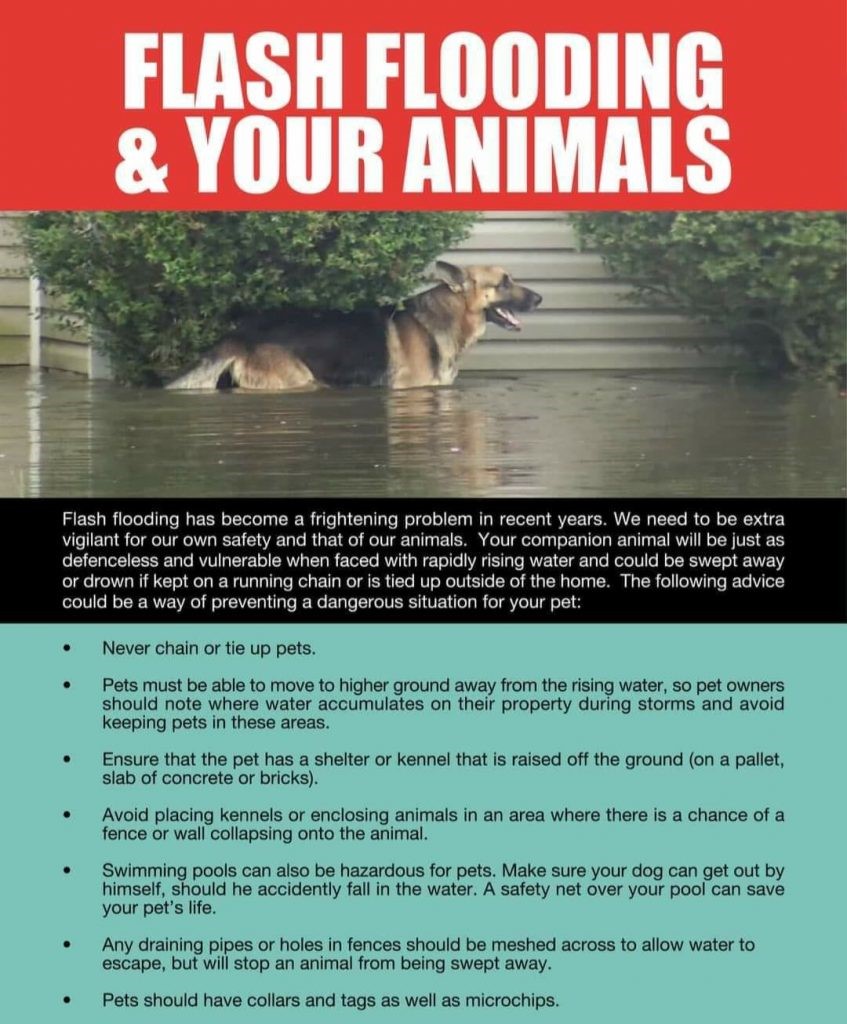
The risk of flash flooding is also a reality.
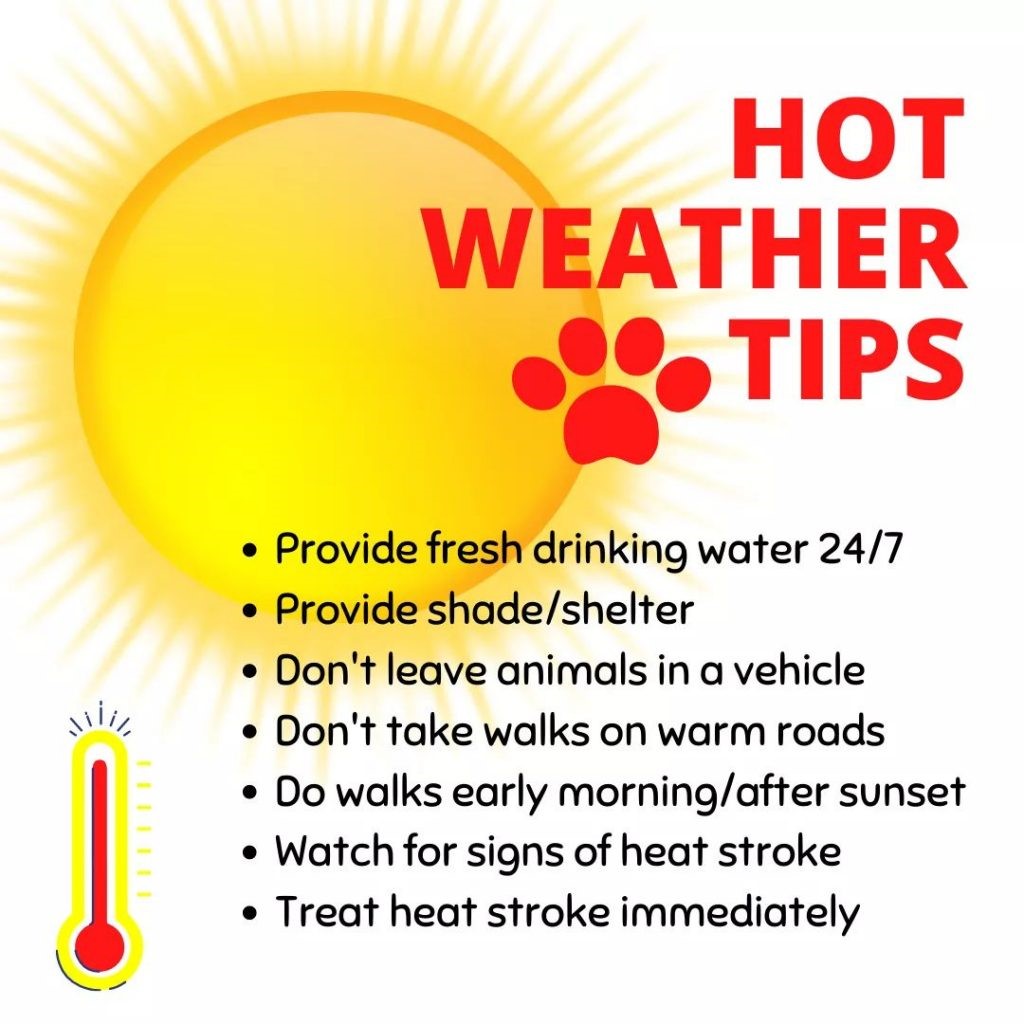
Image shared on The Paw Company Facebook page
It doesn’t matter what kind of weather we have; your animals should always be protected from the elements as you are responsible for them and it is required by law. By following these guidelines, you can help protect your pets from the potentially dangerous effects of hot weather and ensure they enjoy a safe and happy summer.
As summer’s scorching embrace settles in, safeguarding your pets from the heat becomes an act of love and responsibility. Our loyal companions rely on us to ensure their well-being, and protecting them from high temperatures is a crucial part of that commitment.
Next week we will look at some basics tips on training your dog.