AWARE.org Champions Youth Wellbeing on June 16th by combatting Underage Drinking
As South Africa commemorates Youth Day on June 16th, AWARE.org is taking this opportunity to address the critical issue of underage drinking. This day, which honours the bravery and sacrifice of the youth during the 1976 Soweto Uprising, serves as a poignant reminder of the ongoing challenges faced by today’s generation of young people. Among these are the root causes that contribute to underage drinking.
Research indicates that about 19.9% claim first drink by 13, highlighting that underage drinking is alarmingly prevalent in South Africa. Nearly 50% of high school learners have consumed alcohol. These figures underscore the urgency of tackling this issue through awareness, education and community engagement.
Through its “No to Under 18” flagship programme, AWARE.org is committed to educating the youth about the severe health and social risks of underage drinking. As health experts warn, negative consequences can include impaired brain development, a higher risk of addiction to alcohol and other substances, and increased susceptibility to other risky and harmful behaviours.
In a bold new initiative, AWARE.org is leveraging the popular youth television series, Skeem Saam, which airs on SABC 1, to amplify this crucial message. It is important to recognise that the attitudes and behaviours around underage drinking are not isolated to individual choices but are influenced by societal norms and pressures.
Therefore, addressing this issue requires a collective effort from the entire community, including parents, educators, and policymakers. Through the storyline, characters face real-life decision-making scenarios, challenges, and the repercussions of underage drinking, providing viewers with powerful, relatable examples.
By depicting these trials and tribulations, this initiative aims to spark meaningful conversations among peers and families about the importance of avoiding alcohol consumption before the age of 18, as well as to change risky attitudes and behaviours.
“By weaving our message into a popular television series like Skeem Saam, we can reach young people in a relatable and impactful way,” said Mokebe Thulo, Head of Brand for AWARE.org. “We believe that this approach will not only raise awareness but also encourage crucial conversations about responsible behaviour between peers and within families.”
This initiative is part of AWARE.org’s mission to foster a culture of responsible drinking and to protect young people from the harms associated with alcohol.
“We believe that by integrating our message into platforms that resonate with the youth, we can make a significant impact on under-18s’ perceptions of harm and their agency to practice self-care by not drinking,” said Mokebe Thulo. “Youth Day is not only a time to reflect on past struggles but also to address present-day issues affecting our young people, and underage drinking is a critical one. If we act as the whole of society when it comes to underage drinking, the solution to this challenge to young people’s lives and futures is within our grasp.”
AWARE.org urges parents, educators, and community leaders to engage with young people about the dangers of alcohol consumption. By fostering open dialogues and providing accurate information, we can collectively work towards reducing the prevalence of underage drinking.
“As we honour the spirit of Youth Day, let us also commit to safeguarding the health and futures of our young people, and giving them the opportunity to become makers of tomorrow,” concludes Thulo.
TWELVE ACCUSED APPEARED IN COURT FOR CONTRAVENING THE TAX ADMINISTRATION ACT
MPUMALANGA: Smangaliso Innocent Khoza (40), a director of four companies, was found guilty and convicted by the Nelspruit Specialised Commercial Crime Court on Monday, 10 June 2024 for Contravening Section 6(a) of the Prevention of Organised Crime Act, Act 121 of 1998-money laundering, Contravening the provisions of Sections 235(1)(a) of the Tax Administration Act, Act 28 of 2011 and Contravening Section 4(b) read with Sections 1 and 8 of the Prevention of Organised Crime Act, Act 121 of 1998-money laundering.
It is alleged that during April 2017, the Hawks Nelspruit-based Serious Commercial Crime Investigation carried forward an investigation referred to them by SARS. During the investigation, it was established that accused 1, Khoza was involved with the operations, in various capacities and roles, of four (4) entities: Simangalesi Trading Enterprise Cc; Madam and Eve General Trading CC; Khuzudumo Trading (Pty)Ltd; and Ngcebo Empire Projects (Pty)Ltd.
It further revealed that Khoza as a registered e-filer, was able to electronically submit returns on behalf of Simangalesi Busizwe Trading Enterprises CC as well as Ngcebo Empire Projects (Pty)Ltd to the South African Revenue Service.
The accused was the only signatory on the business accounts of Simangalesibusizwe Trading CC, Ngcebo Empire Projects (Pty) Ltd, as well as both business accounts of Khuzudumo Trading (Pty)Ltd. The mentioned companies received undue refunds in the amount of R 990 297.75 for the 2013 tax year into their FNB business account.
During the investigation, it was established that Busisiwe Prudence Nkosi (life partner of accused no 1 Khoza) is the sole member of Madam and Eve General Trading CC, registered as a Close Corporation and also registered at SARS as an e-filer. Madam and Eve General Trading CC (through Busisiwe Prudence Nkosi and Khoza) misrepresented SARS and failed to provide proof of the declaration made on the 2013 income returns to obtain undue tax refunds. Madam and Eve General Trading CC received an undue refund of R 986 686.12 for the 2013 tax year into its Standard Bank business account.
The investigation also linked Sabelo Given Khumalo (the brother of Khoza), the sole director of Khuzumdumo Trading (Pty) Ltd, registered in terms of the Company Act and registered at SARS for income tax. Khusudumo Trading (Pty)Ltd (through Khoza) misrepresented to SARS and failed to provide proof on the 2013 income tax return to prove the undue tax refund claimed.
Khoza, the sole director of Ngcebo Empire Projects (Pty)Ltd, is registered in terms of the Companies Act and registered at SARS for business income tax.
Ngcebo Empire Projects (Pty)Ltd (through Khoza ) misrepresented to SARS and failed to provide proof on the 2014 income tax return to obtain undue tax refund, causing actual losses to SARS amounting to R 955 307.56 and R 990 297.75, as well as potential losses amounting to R 280 000.15, R 32 092 602.87 and R 9 625 228.59 whereas SARS froze the business bank accounts of some of these entities.
Various amounts were also transferred into different entities, business bank accounts, and personal bank accounts as proceeds of crime.
Khoza was convicted of the following charges Count 1: One (1) x count of Contravening Section 6(a) of the Prevention of Organised Crime Act, Act 121 of 1998-money laundering
Count 2 to 6: Five (5) x counts of Contravening the provisions of Sections 235(1)(a) of the Tax Administration Act, Act 28 of 2011.
Count 7 to 12: Six (6) x counts of Contravening Section 4(b) read with Sections 1 and 8 of the Prevention of Organised Crime Act, Act 121 of 1998-money laundering.
The case against Khoza was postponed to 23 August 2024 for pre-sentence and correctional supervision report, as well as sentence. The case against the other accused was set for trial on Monday, 10 June and 11 June 2024 whereas all witnesses were subpoenaed.
State Advocate submitted an application for a confiscation order in terms of Section 18 of POCA. The investigation continues.
Evander residents continue to be plagued with water problems despite promises from GMM.
In a statement released yesterday, the DA in Govan Mbeki called upon the municipal manager, Elliot Maseko, to urgently attend to the municipality’s dysfunctional water supply system.
Previously, the municipality assured the public that a pump at the water reservoir was fixed and that water services would be restored.
However, residents in Evander are still without water. “This indicates that there are still unresolved issues within the water supply system,” said Ansie van Marle DA, Councilor Govan Mbeki Local Municipality, “The prolonged water outage has raised serious concerns on the reservoir’s reliability and the municipality’s management of its infrastructure.”
Ansie van Marle DA, Councilor Govan Mbeki Local Municipality
The DA has since discovered no backup pump to prevent prolonged water outages. The municipality’s failure to install a backup pump has proven detrimental to the community.
There is growing frustration and a lack of confidence in the municipality’s ability to ensure a consistent water supply. It is crucial to address these concerns promptly and transparently.
In their letter to the municipality, they call on the municipality to conduct an in-depth investigation into the reservoir’s infrastructure and recent breakdowns.
Residents should also be provided with a detailed report on why the backup pump has not been installed despite previous assurances.
“The DA will not relent until the municipality ensures that there is regular maintenance of the reservoir area,” sais Ansie, “including mowing the grass and repairing the pump house roof.”
“We urge the ANC administration to develop a contingency plan that will address water supply interruptions.”
MAKING VETERINARY VISITS BETTER FOR YOUR PET, YOURSELF, AND THE VET.
Veterinary visits are an essential part of maintaining your pet’s health, but they can be a source of significant stress for pets, owners, and even veterinarians. According to research, nearly 80% of dogs experience fear, anxiety, and stress during vet visits, and for cats, the stress can be even greater due to the added trauma of being placed in a carrier and transported. However, there are several strategies that pet owners can adopt to make these visits less stressful and more manageable for everyone involved. Here’s how you can make vet visits better for your pet, yourself, and your vet.
Fear and anxiety at the vet’s office can manifest in various ways, such as refusal to enter the clinic, trembling, panting, increased heart rate, and even aggression. These stress responses can interfere with the accuracy of medical examinations and treatments, making it difficult for veterinarians to provide the best care. Additionally, the stress experienced during vet visits can lead pet owners to delay or avoid necessary check-ups, which can negatively impact their pet’s health.
For the pet’s guardian, one big source of stress, apart from what is wrong with your pet, is certainly the cost aspect. Consider pet insurance to address this, or at least save money for emergencies. When you have a good relationship with your vet, they will likely allow you to arrange a down payment. Volunteer at local animal rescues as some might also be able to help with that.
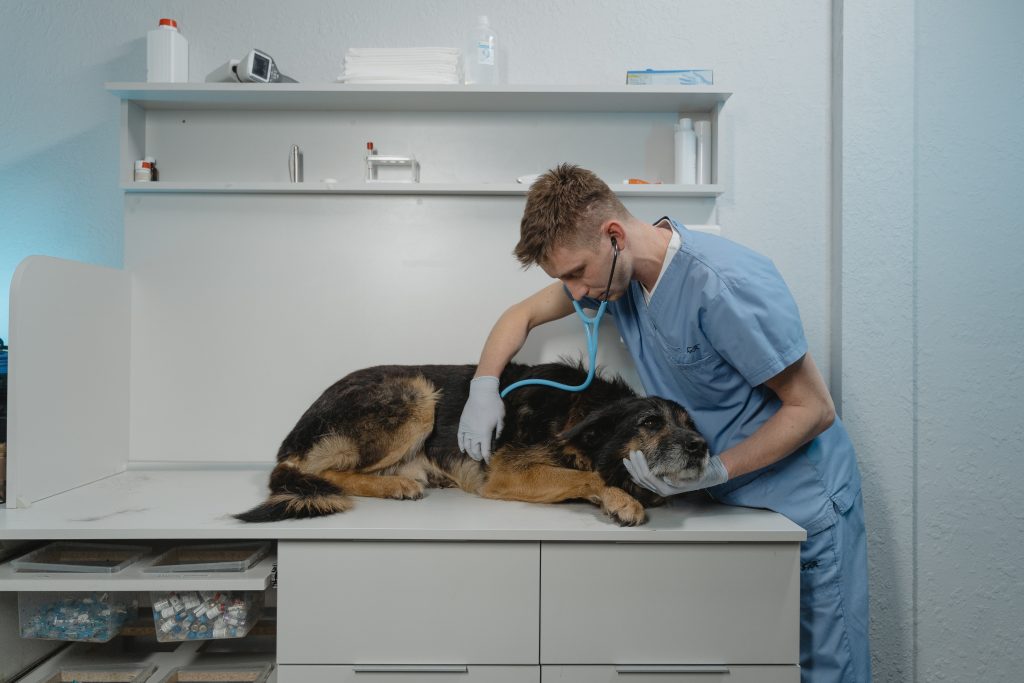
Image by Pexels.com
PREPARING YOUR PET
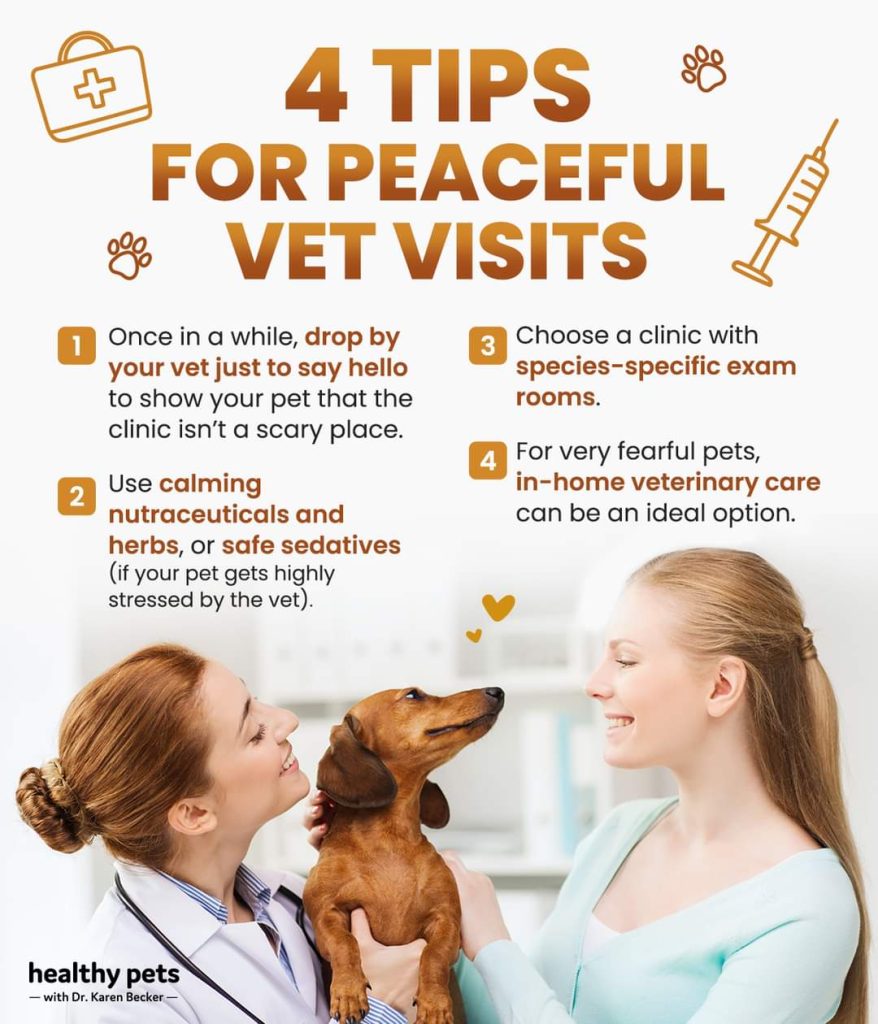
Acclimate Your Pet to the Vet’s Office: One effective way to reduce your pet’s anxiety is to familiarize them with the vet’s office. Occasionally dropping by the clinic just to say hello can help your pet associate the place with positive experiences rather than just medical procedures. Inform the clinic ahead of time and visit during quieter hours. Allow your pet to explore the waiting room and receive treats and affection from the staff if your vet’s practice can accommodate this.
Carrier and Car Rides for Cats: For cats, the carrier often signals an impending vet visit, leading to stress and avoidance. To mitigate this, keep the carrier out in a familiar space at home, and encourage your cat to nap or play in it. Gradually acclimate your cat to car rides by taking short trips that don’t end at the vet’s office, helping them learn that the carrier and car rides are not always precursors to a vet visit.
Handling and Desensitization: Regularly handle your pet’s paws, ears, and mouth to get them accustomed to the types of examinations they will experience at the vet. Use treats and positive reinforcement to make these interactions pleasant.
Mental Stimulation: Engage your pet in mentally stimulating activities before the visit. Puzzle toys, training exercises, and play sessions can help tire out their brain, making them more relaxed during the vet visit. Sniffing games is another way to help.
Muzzle Training: In emergencies, a muzzle might be necessary to keep your pet and the vet safe. Training your pet to accept a muzzle calmly can prevent additional stress if one is needed.
You can discuss these treatments with your trusted vet in advance.
Nutraceuticals and Herbs: Several natural calming aids can be administered before a vet visit, including certain nutraceuticals and herbs.
Safe Sedatives: For pets with severe anxiety, safe sedatives prescribed by your veterinarian can be a useful option. Sedatives help reduce stress, making the visit more tolerable for your pet and allowing the vet to conduct necessary examinations and treatments without the pet becoming overly distressed.
CHOOSING THE RIGHT VET
Some vets have a special interest in certain species and some might not be able to treat all species effectively. Do your homework in advance and find one that works for you and your pets!
Fear-Free Practices: These clinics are designed to reduce stress for pets through species-specific exam rooms, calming pheromones, and soothing music. They may also allow exams to be conducted in ways that your pet finds most comfortable, such as on your lap, on the floor, or inside their carrier.
Holistic and Traditional Approaches: When selecting a vet, consider their approach to care. A vet whose philosophy aligns with your own can make a significant difference in the care your pet receives.
MINIMIZING TIME AND STRESS AT THE CLINIC
Wait Outside: Minimize the time your pet spends at the clinic by waiting in your car until an exam room is ready. This can help reduce stress from the waiting room environment, where other anxious animals might be present.
Treats and Positive Reinforcement: Bring your pet’s favourite treats to the appointment. If they’re a bit hungry, they’re more likely to focus on and respond to the treats, creating a positive association with the vet visit.
Prepare Questions and Observations: Prepare questions or observations since the last visit in advance, so you can discuss them with your vet. This can lead to important conversations about their health. There is no stupid question when it comes to the life and well-being of your pet, and if a vet makes you feel judged or stupid, then get another vet. Ask these questions and ask for explanations if you don’t understand.
Knowing What Your Vet is Checking For: Understanding what your veterinarian is checking for can help you prepare questions and raise concerns you may have about your pet’s health. Next week we will look more into this.
Don’t Forget Essentials: For non-emergency situations, take treats and water for your pet. Doing some sniff-work before the visit can help calm them too. Don’t forget your harness and leash.
COMMUNICATING WITH YOUR VET
Your Pet Needs Your Honesty: Effective communication with your veterinarian is crucial for your pet’s well-being. Veterinarians rely on the information you provide to make accurate diagnoses and treatment plans. Honesty is the best policy; don’t worry about being judged if you waited a little too long to bring your dog in for itchy ears, or if you missed some doses of medication. What’s important is that you give your vet the facts:
How many doses of medication were actually missed?
How many days has the problem really been going on?
When did you first notice the tumour? The vet knows it didn’t get that big overnight.
What are you truly feeding your pet and how much?
Veterinarians need this information not to judge you, but to formulate a correct diagnosis and treatment plan. Remember, their patients don’t speak!
Ask Questions: If you don’t understand something, ask your vet for clarification. If you think you can’t follow through on the instructions, let them know. Make your expectations clear. If you have time constraints or financial restrictions, your vet will do their best to work with you.
Provide Feedback: If something happens that makes you unhappy, inform the vet or staff immediately so they can address the issue. Posting complaints on social media without giving the vet a chance to resolve the problem can be disheartening for professionals who are unable to respond due to professional conduct.
Be Kind to the Receptionist: Receptionists play a crucial role in veterinary clinics but often face stress from dealing with upset clients. Remember, they don’t control wait times or set prices. Approach them with kindness and understanding, especially if you’re feeling stressed. A little patience goes a long way in making the visit pleasant for everyone.
Read more about strategies to avoid high vet bills here.
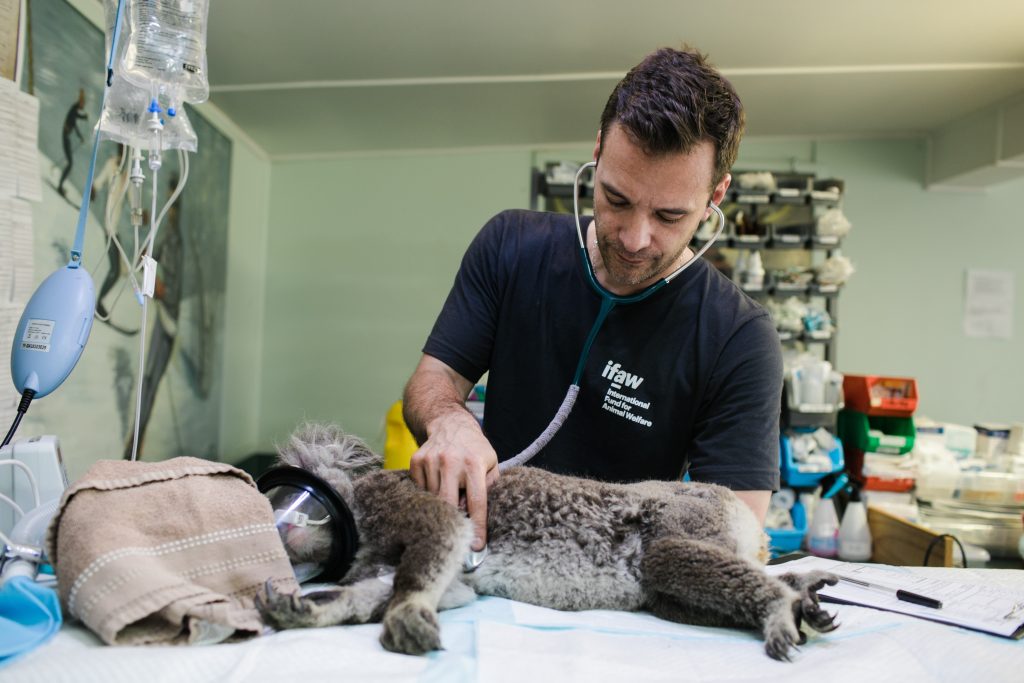
Image by Pexels.com
WHAT DOES OUR VETS SAY?
I asked our animal welfare vets for their top tips and here is what they say:
INNOVAVET VETERINARY CLINIC
It is recommended to socialize your pets. Socialization means learning to be part of society. When we talk about socializing pets, it means helping them learn to be comfortable as a pet within human society. Teach them to be comfortable in a society with different types of people, environments, buildings, sights, noises, smells, animals, and other pets. This will ensure your pets are at ease and calm during the visit to the vet.
Ensure your vaccinations and deworming are up to date and your vaccination card accompanies your pet. It will firstly ensure your pets stay healthy and your vet can see the vaccination history.
When your dog is aggressive and you need to make use of a muzzle, ensure you train your pet to wear a muzzle. Training to wear a muzzle needs patience and time. Start by allowing your dog to put their face into the muzzle to take a treat. Repeat this, gradually putting the treat further into the muzzle, until your dog is happily putting their nose into it. Never force the wear of a muzzle as they may become fearful of wearing a muzzle.
If possible, make an appointment. This will ensure your waiting time is limited and the potential stress your pet may experience is reduced. If your pet is stressed by nature, try to select a consultation time outside of “rush hour”. You may also consider waiting in your car or going for a short walk, so your pet can release some nervous energy.
EVANDER DIEREKLINIEK
Socialize your pet from a young age. They have to get used to being touched and handled by strangers as well as get used to other animals around them.
Get your dog accustomed to walking on a leash and give him/her treats for walking nicely.
Going to the vet must become a highlight for your dog as well as your cat. Let your cat play in their carrier from a young age and even sleep in it. You can also sprinkle some catnip in the carrier.
Always remember the treats when you take your pets for their annual check-up.
Make an appointment to avoid waiting too long. Our vets try to help you as close as possible to that time.
Take out the best pet insurance you can to avoid financial stress in a crisis. Dr. Melinda will gladly fill in your claim form.
VETCROSS EENDEDAM
Bring lots of treats, and the minute you get to the clinic, give your puppy treats for any good behaviour. That includes sitting quietly, greeting people appropriately, handling scary events, and more.
Make sure your puppy has relieved themself before you get to the clinic. If your drive is over 15 minutes, find a nearby space where you are allowed to let them relieve themselves before the visit.
Plan to arrive at least 15 minutes early to avoid being stressed by a tight schedule and to allow your puppy time to adjust to the clinic and new environment.
Veterinary visits don’t have to be a dreaded experience for you or your pet. By taking proactive steps to acclimate your pet to the vet’s office, using calming aids, choosing the right veterinary practice, and considering in-home care, you can significantly reduce the stress associated with these visits. Remember, your calm demeanor will also help your pet stay relaxed. Regular veterinary care is essential for your pet’s health, and with the right approach, these visits can become much more manageable for everyone involved. Your pet’s health and your happiness are what veterinarians and their teams truly care about.
Next week we will look at the consultation itself and what a vet check might include.
INTRODUCING KHULULA ANIMAL WELFARE SOCIETY (KHAWS)
On the first of June, in excitement, I stopped by the Secunda Mall as a dedicated group of fellow animal welfare advocates unveiled the name of their new organization: Khulula Animal Welfare Society (KHAWS). The event, which featured an impressive sold-out bake sale, marked the beginning of a new chapter for animal welfare in the in our area.
Khulula Animal Welfare Society (NPC) is not a entirely new entity, but rather a new beginning for many of the trusted committee that previously managed the local SPCA. This group of experienced volunteers and professionals has been involved in animal welfare for a few years and I could see the change at the SPCA after they took over. After the closure of the local SPCA by the NSPCA earlier in 2024, these individuals decided to establish their own organization, free from the constraints of certain regulations as well as the stigmas often associated with SPCAs.
The name “Khulula” means “to set free,” and this embodies the society’s mission: to free animals from cruelty, suffering, and abandonment, and to find them loving homes. The organization will operate from the same site as the former SPCA, located at 137 Driefontein Farm, Evander, across from Unicor Dam. However, Khulula will have its own unique approach and regulations.
PHASED APPROACH OF ESTABLISHMENT
Khulula Animal Welfare Society plans to build its operations in phases. In the initial phase, no animals will be taken in, and calls regarding animal cruelty cannot be addressed due to a lack of resources such as vehicles and qualified personnel. This careful, step-by-step approach is designed to ensure the organization’s long-term sustainability and effectiveness.
OBJECTIVES AND MISSION
Khulula’s objectives are aimed at creating a safe and nurturing environment for animals. These include:
Prevention of Cruelty: Through education, community outreaches, and sterilization and vaccination drives, Khulula aims to prevent cruelty towards animals. They also plan to implement Trap-Neuter-Return (TNR) programs to manage stray animal populations humanely.
Providing Safe Havens: The society is committed to offering a safe environment for surrendered, stray, and injured animals in their kennels. While the initial phase will not involve taking in animals, the infrastructure and systems are being set up to eventually support this goal.
Rehoming Animals: Finding suitable and dedicated homes for animals is a priority. Khulula will work tirelessly to match animals in their care with loving families, ensuring they are placed in environments where they can thrive.
Future plans: Providing a top-class boarding facility, second-hand book shop, and coffee shop.
PHASES
Phase One
Commence fundraising
Required renovations and maintenance of the current premises to provide only the best for the animals in their care.
Employ and uplift an operational staff team.
To obtain the operational necessities such as vehicles, wish list items, veterinary support, etc.
Note: No animals will be taken in during phase one.
Phase Two
Animal take-in: Stray, surrendered, and injured animals.
Adoption & rehoming.
Note: During this phase, no cruelty cases or calls will be accepted as they do not have qualified and authorized personnel yet.
Phase 3
Training of a Field Officer and Inspector to assist and address animal cruelties in our community.
Outreaches and educational drives.
FUNDRAISING AND COMMUNITY SUPPORT
Starting an organization from scratch requires significant resources. Khulula’s first fundraising event, the bake sale at Secunda Mall, was a resounding success, showcasing the community’s support and enthusiasm. However, much more is needed to get the organization fully operational.
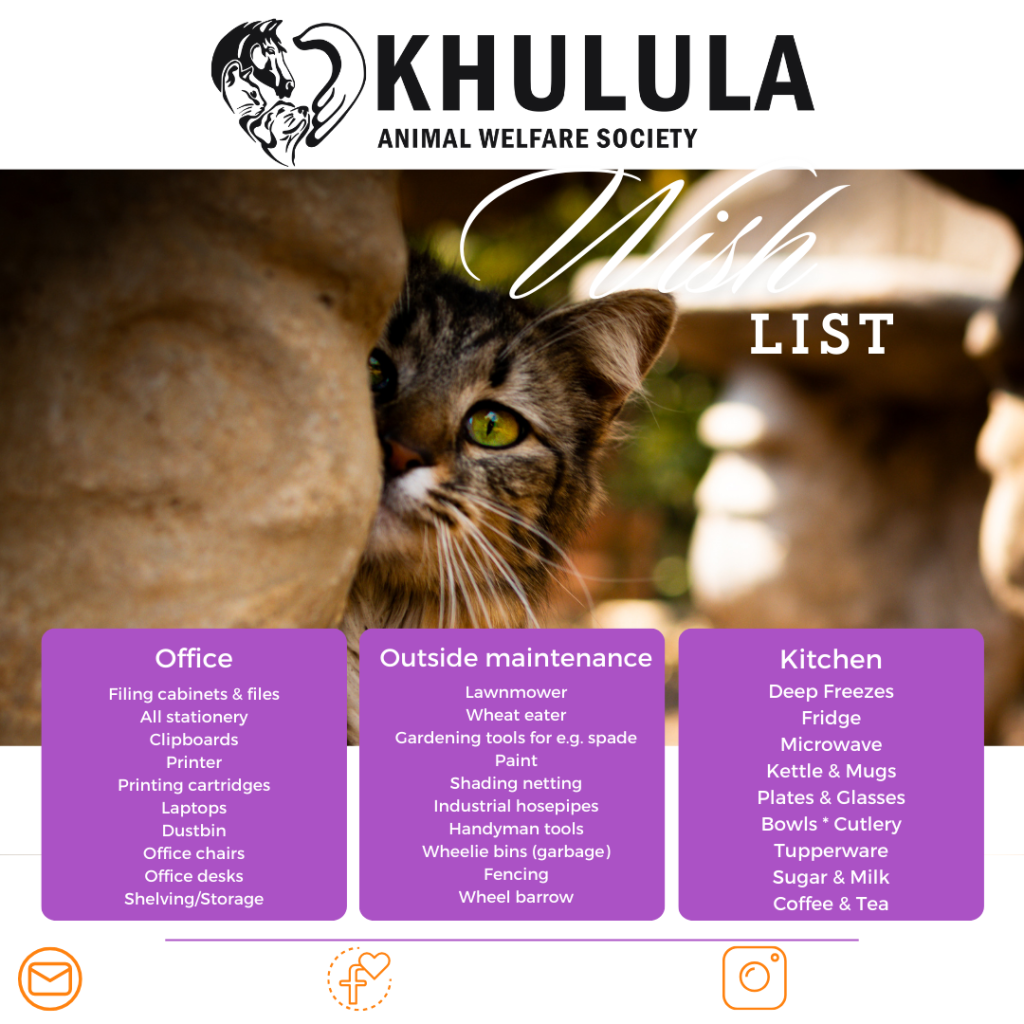
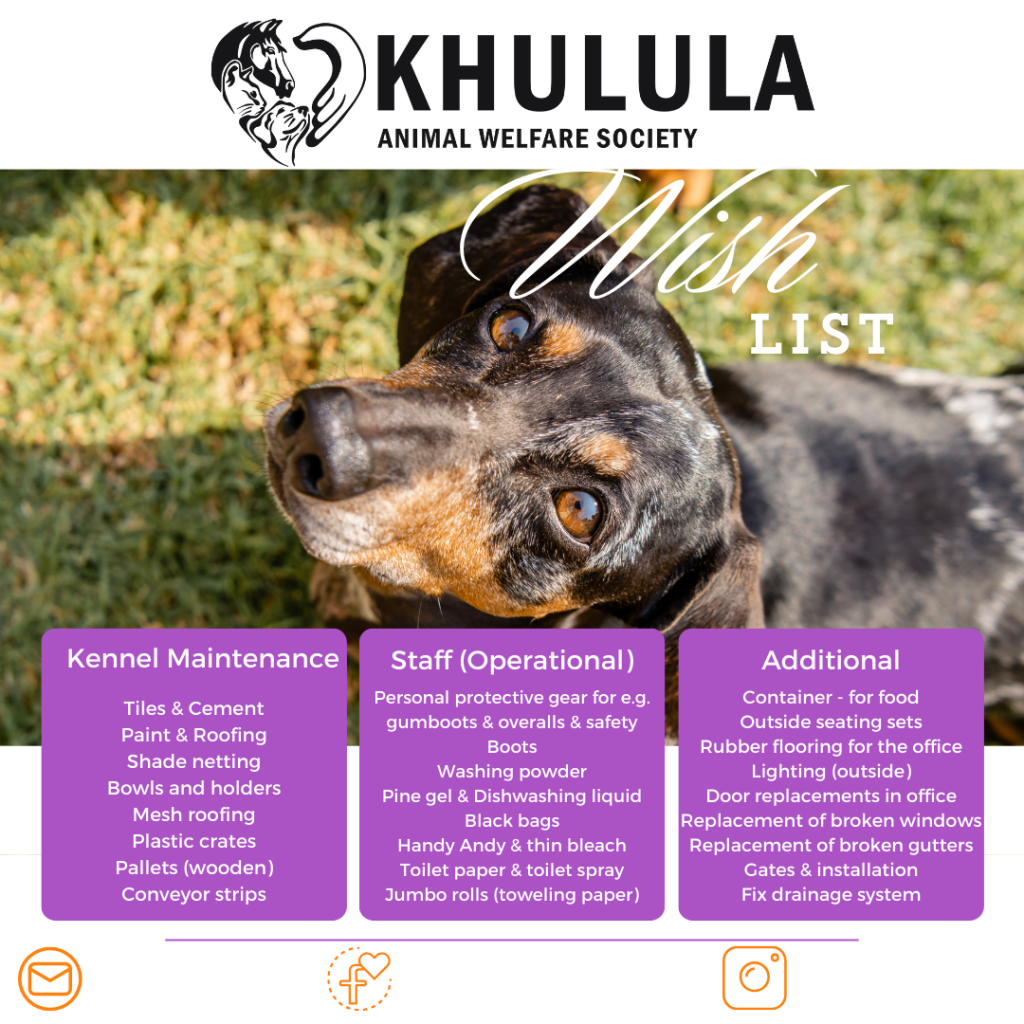
The society has a wish list of items and is actively seeking donations and volunteers. They need everything from basic supplies and equipment to financial contributions. You can also donate any pre-loved books to them.
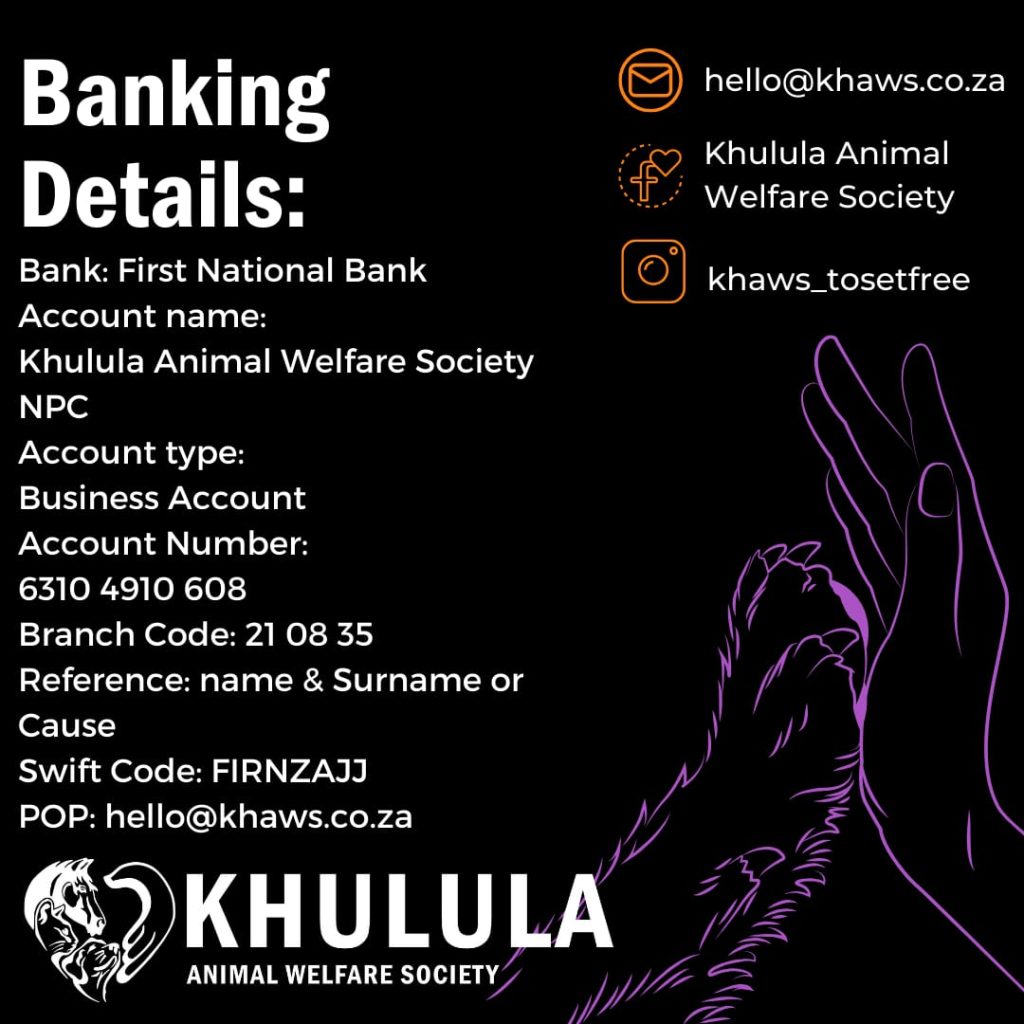
BANK DETAILS FOR DONATIONS
Khulula Animal Welfare Society NPC
FNB Business Account
Acc nr: 6310 4910 608
Branch Code: 21 08 35
Swift Code: FIRNZAJJ
Reference: Name & Surname and/or the cause you want to support
Please send POP to hello@khaws.co.za
WISH LIST
Can you please sponsor any of these items or contribute towards the funds for it?
CONTACT DETAILS
Until the organization is fully operational, no contact number will be provided, however, you can contact them through their Social Media pages and via e-mail.
hello@khaws.co.za
We are looking forward to working with KHAWS in changing the lives of many animals. Community involvement is crucial, and Khulula is counting on the goodwill and generosity of animal lovers in the region.
PROACTIVE STRATEGIES TO CUT DOWN ON VETERINARY COSTS.
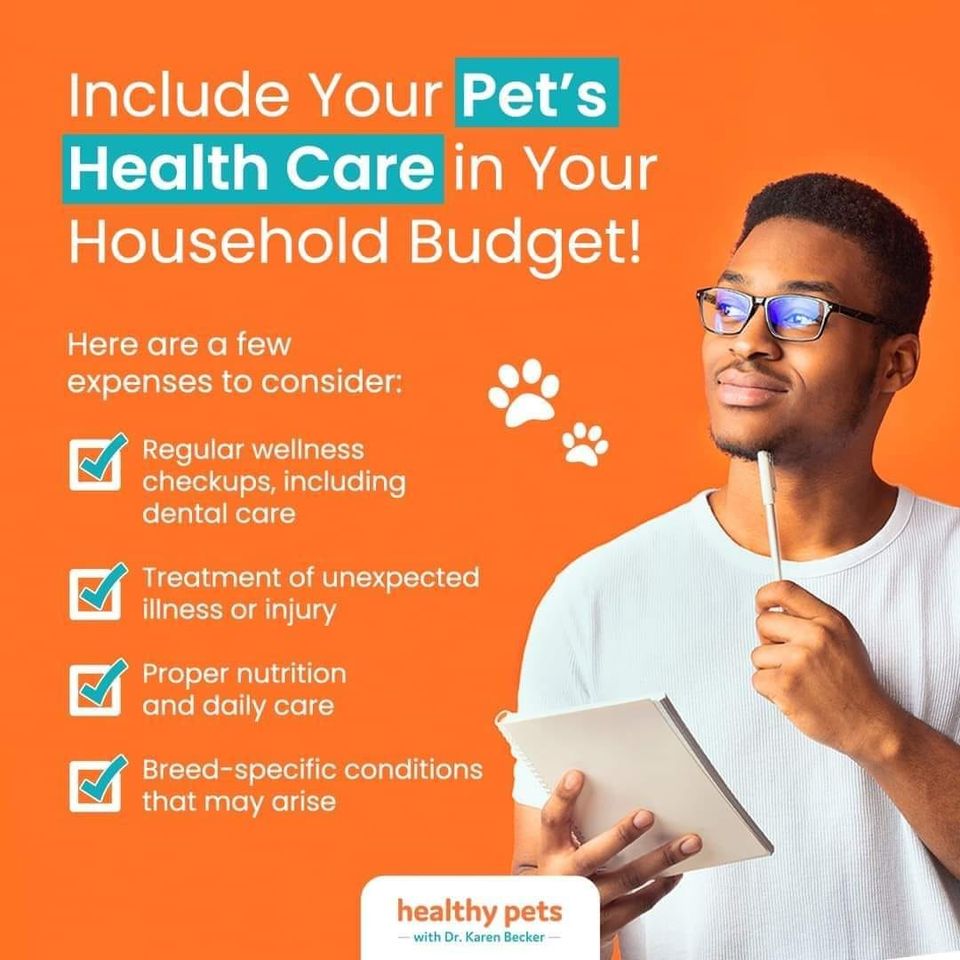
As a pet owner, it’s important to understand that all veterinary practices have unavoidable built-in costs, and when choosing a provider, the cost is just one of many variables you should consider. When you’re creating your household budget, it makes sense to include pet health care expenses and emergency funds as well as to be as proactive as possible when it comes to preventing lifestyle-related diseases.
Consider pet insurance.
Safe a bit every month.
Get involved in animal welfare. Volunteer your time. This way you can build great relationships which can come in handy in an emergency.
This article is a reprint and was first published on 09/03/2022.
TOP PROACTIVE STRATEGIES TO AVOID BIG VET BILLS.
Dental checks — if you see any plaque and tartar accumulating on your pet’s teeth start an at-home dental hygiene routine. Unaddressed oral issues are a common reason for super-expensive veterinary dental procedures so preventing them from occurring can save you thousands, over time.
Examine your pet’s ears — animal ear canals should be like yours, clean and dry. Remove accumulating debris or wax daily, or however often is needed to keep your pet’s ears in pristine condition.
Examine your pet’s eyes — remove accumulating debris as it forms with a damp cloth and keep the hair trimmed short around the eyes to avoid matting and secondary moist pyodermas (skin infections).
Lumps and bumps inventory — run your hands over your pet’s body weekly and keep an at-home body and skin chart. Note the date, location, and size of any new skin tags, warts, lumps, or bumps. Update your pet’s body chart as things change and if you see rapid changes, it’s time for a well-justified vet exam.
Monitor bowels daily — catching changes in your pet’s stools the minute they happen allows you to immediately address them with some home remedies from a veterinarian and dietary adjustments that oftentimes prevent a trip to the vet.
Monitor your pet’s weight at home — weigh yourself, then weigh yourself holding your animal. This gives you some idea if your pet is headed up or down the scale; certainly not exact, but you’ll get some idea about how you need to adjust the upcoming weeks’ calories. Maintaining your pet’s weight reduces the potential for a multitude of diseases.
Range of Motion check-in — your animal needs a lot of daily activity to maintain the resiliency of their muscle mass, ligaments, tendons and overall strength. If you find your animal is moving even slightly slower, is hesitant to climb stairs, or to join you on the couch, address this change immediately.
Proper grooming – do regular grooming, including keeping them clean (don’t wash too often), combing them regularly and keeping their nails trimmed.
Provide enrichment – exercise regularly and meet both your pet’s physical and emotional needs. Strive for at least 30 minutes of intense and interesting physical activity a day and play games which engage them mentally.
Observe body language – when you can spot the changes in their body language and behaviour, you can act immediately when something is off. With any behaviour changes, it is important to rule out health problems, by visiting your trusted veterinarian.
Have a home emergency kit – having the right tools to treat small injuries can prevent it from getting worse or from becoming infected later.
Supervision – when eating bones (not as food, only recreational), when swimming and playing with new or hazardous toys.
Keep them safe in your secure yard – avoid potential injuries caused by other people, other animals, ingestion or being hit by a car when they escape out of the yard.
Keep health treatments up-to-date – vaccinations against dangerous illnesses, tick and flea treatments and regular deworming can prevent unnecessary and expensive trips to the vet.
Protection against extreme weather – follow out tips for pets in summer and winter.
Spaying and neutering – Sterilizing your pets can help cut down on vet costs by preventing reproductive and other health issues, reducing the risk of roaming and fighting injuries, and preventing unplanned litters or pregnancy complications. These procedures not only save money on potential veterinary treatments for reproductive issues and injuries but also contribute to overall pet health and welfare, making them a worthwhile investment for both pet owners and society as a whole.
Apart from tracking weekly changes in your pet’s health, investigating and thoroughly understanding any current health issues is critical to your effective alignment with your loved ones’ prescribed protocols.
Assessing water and air quality — are the chemicals being filtered out of the tap or well water my pet drinks?
How many chemically off-gassing fabrics, upholstery, furniture and carpet is my pet exposed to, and am I offering a means of detoxification?
Are there chemical endocrine disrupters routinely present in the home? Food stored in plastic bags? Does my pet chew plastic toys? Room sprays, plug-ins, or heavily scented candles often used?
Does my animal have exposure to lawn chemicals or household extermination chemicals that can negatively affect their health?
Do I know where the ingredients in my pet’s food come from and do I feel confident my animal is getting all the nutrition they need to thrive with what I’m currently feeding? What percentage of my animal’s diet is ultra-processed versus unprocessed, real, fresh food? How many times were the ingredients in the food my animal is eating heated? (Each time nutrients are heated AGEs form, which contributes to many chronic disease processes).
Flea and tick pesticides are expensive and have potential side effects; have I assessed my animal’s unique exposure risks for my location.
Am I checking vital organ function annually to assure myself my animal is as healthy on the inside as they appear to be on the outside? The only way to address disease is to identify it as soon as possible, proactive bloodwork is critical to the wellness process.
Don’t follow home remedies from unqualified individuals on the internet.
For emergencies, learn pet CPR and how to help a choking animal. Have an emergency poison treatment pack as part of your first aid kit.
If there are health concerns or sudden changes, always consult your Vet! After receiving a diagnosis, the goal is to co-create a viable treatment or quality of life plan you feel confident and comfortable executing at home.
Remember neglect and not providing medical care, when necessary, can be considered animal cruelty! They are your responsibility!
All of this revolves around you having an adequate knowledge base about what’s going on in your animal’s body to make good choices, and that only happens by educating yourself.
Next week we will look at strategies to improve your vet visits.
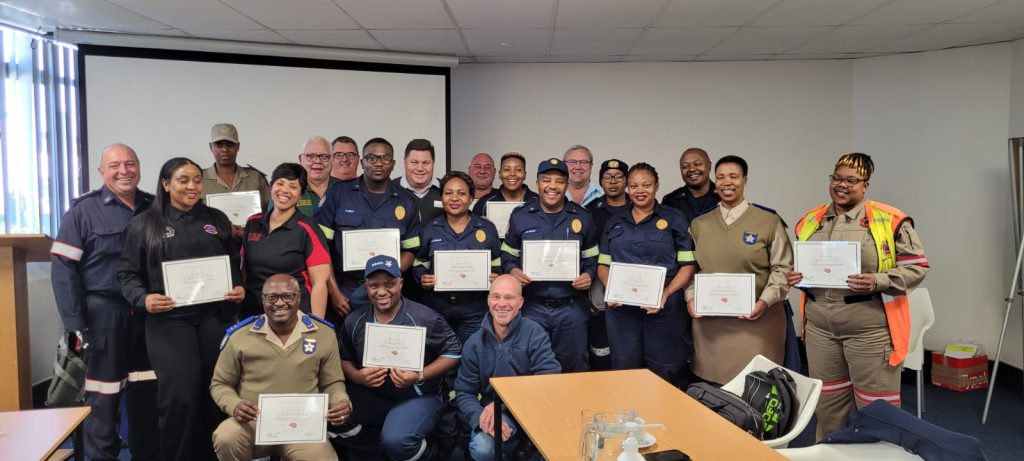
One of the critical functions of the CAER committee is to plan and execute awareness activities within GMM regarding fire and life safety. The effective execution of this service to the community requires the utilization of individuals who are trained to render this service to the community.
Attendees showing of their certificates after the fire and life safety educators training
The shortage of trained educators was highlighted at one of the monthly CAER meetings in 2023. The committee embarked on a process to investigate the various options at its disposal to facilitate and address this need.
During the week of 13 to 17 May 2024, CAER hosted a training session for its members. The training is derived from the international NFPA 1035 standard for Fire and Life Safety Educators.
The Johannesburg Emergency Management Service’s Public Information Education and Relations division was approached, and Mr Gavin Wilson, with the support of his management, agreed to assist with training.
The training was made possible by CAER members and non-members. “We thank Mediclinic-Highveld for the venue, BCX for the printing of the participant manuals, Selective Cookies for the morning snacks and Mr Gavin Wilson for his time and effort in presenting the training,” said Neels de Klerk Sasol representative of the CAER committee.
Members from CAER Who Participated in the training included:
GMM Fire and Rescue services
GMM Disaster Management
GMM Traffic department
Sasol Emergency Management
Sasol Security (Traffic services)
Hamnet
“Doing awareness regarding a host of fire and life safety topics is our core business,” says Boel Engelbrecht, the CAER committee chairperson, “and to do this effectively we need to ensure that the safety messages we teach are appropriate for a specific audience,”
At the completion of the training, a total of 17 members completed the course.
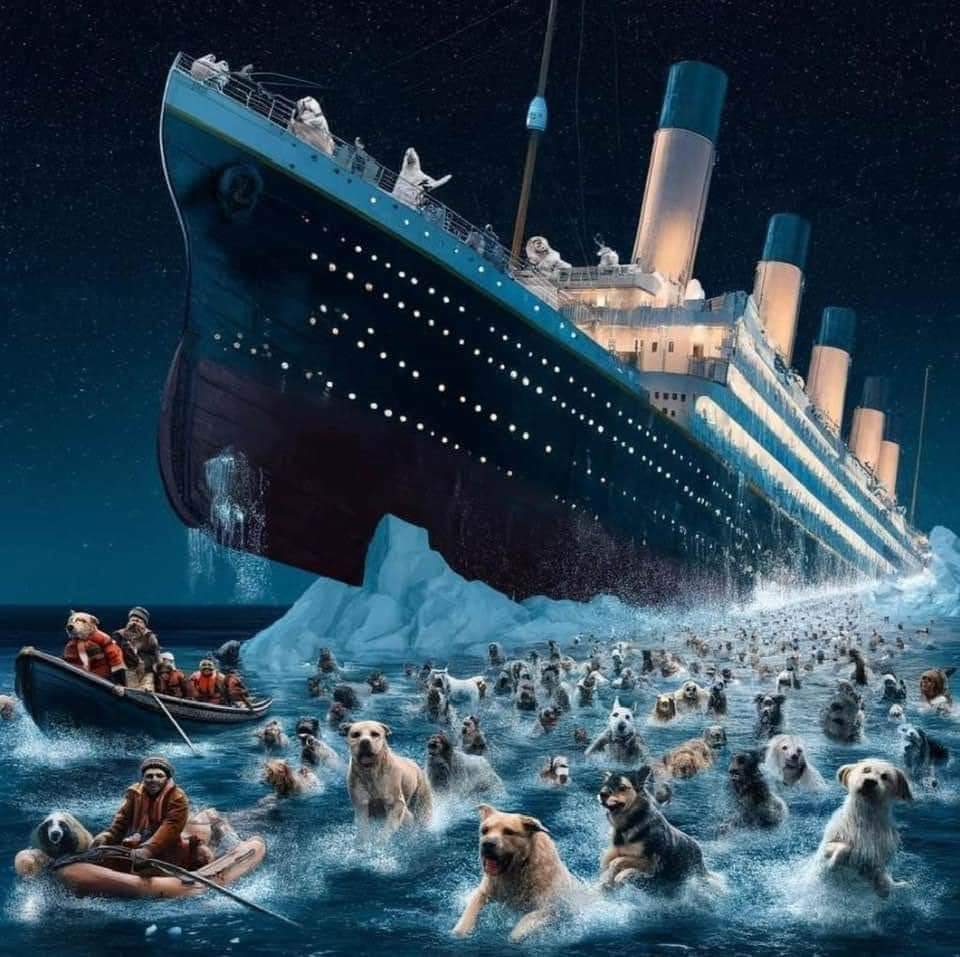
Imagine a huge ocean, overflowing with life, but also full of danger. In this metaphorical sea, the animals we love and cherish are like passengers aboard a grand vessel—the Titanic of our time. Like the tragic fate of the Titanic, where rescue wasn’t an option for many, today’s animals face an equally dangerous predicament: the struggle for survival in a world where their welfare is often disregarded and there are not nearly enough homes for all, never mind good homes.
Rescue organizations and shelters serve as the humble rescue boats in this vast ocean of animal welfare. They tirelessly navigate the turbulent waves, striving to save as many lives as possible with their limited resources and capacity. Yet, despite their unwavering dedication, they find themselves overwhelmed by the sheer magnitude of the crisis.
Every day, rescue organizations are confronted with heart-wrenching decisions akin to deciding who boards a life raft and who is left to face the icy depths alone as the ship sinks. When an owner surrenders their pet for reasons ranging from inconvenience to inability to care, it’s akin to asking for space on that fragile raft. But each addition to the raft means another sentient being must be denied rescue, left to perish in the unforgiving waters of neglect and abandonment.
Rescue boat – Image via pexels.com
THE TITANIC OF OUR COMMUNITY
In contrast to the modest rescue boats, the community at large represents the Titanic — a representation of societal norms, attitudes, and practices regarding animal welfare. From breeders and pet shops to irresponsible owners and those who neglect to spay and neuter, the iceberg looms, threatening to sink the hopes of countless animals.
The chilling truth, an iceberg not visible to many, is that the current approach—relying solely on adoption, education, and sterilization—is insufficient to stem the tide of suffering. The iceberg of systemic issues continues to grow, casting a shadow over the prospects of meaningful change. Despite our best efforts, appeals for compassion often fall on deaf ears, leaving legislation as the lone beacon of hope on the horizon, unless society opens its eyes to see what is right in front of them.
Iceberg – Image via canva.com
THE SOS OF SOLIDARITY
Amid chaos and despair, there echoes a solemn cry for help—a distress signal that vibrates across the vast expanse of the ocean. This call to action is the SOS of solidarity, a rallying cry that unites individuals, organizations, and communities in a shared mission to alleviate the suffering of animals.
Much like the SOS signals sent out by the Titanic as it plunged into the depths, our collective plea for solidarity serves as a beacon of hope amidst the darkness. It signifies our willingness to stand together, extend a helping hand to those in need, and to navigate the treacherous waters of animal welfare with determination and resolve.
By embracing the spirit of solidarity, we acknowledge that the challenges we face are not unconquerable. Together, we can weather the storms, overcome the obstacles, and chart a course towards a brighter future for all creatures, great and small. For it is only through unity and compassion that we can hope to save them all.
Compassion – Image via canva.com
THE COMPASS OF COMPASSION
Amidst the dangerous seas of animal welfare, there exists a guiding light—a moral compass that points toward empathy, kindness, and compassion. This compass of compassion serves as our navigational tool, helping us steer through the moral and ethical dilemmas that define our journey.
Just as the crew of the Titanic relied on navigational instruments to chart their course, so too must we as a society rely on the principles of compassion to guide our actions. It is this unwavering commitment to empathy that compels us to extend a helping hand to those in need, regardless of species or circumstance.
However, like any compass, our moral direction is subject to deviation. In the turbulent waters of modern society, it’s easy to lose sight of our moral bearings, to become adrift amidst the currents of apathy and indifference. Yet, it is precisely in these moments of uncertainty that our commitment to compassion must shine brightest.
By reorienting ourselves as a society, towards the true north of empathy, we can navigate the complexities of animal welfare with clarity and purpose. It is through the collective alignment of our moral compasses that we can hope to steer toward a future where the cries of the innocent are met with compassion and action, rather than silence and neglect.
THE RIPPLES OF RESPONSIBILITY
Just as the sinking of the Titanic sent shockwaves across the world, so too does the plight of animals echo far beyond the confines of their immediate surroundings. The ripples of responsibility extend outward, touching the shores of our collective consciousness and challenging us to confront our role in their fate.
Every action, or inaction, has consequences that echo through the vast expanse of time and space. Whether it’s the decision to adopt a pet from a shelter or to spay and neuter your pets, each choice sends out a ripple that can either contribute to the solution or exacerbate the problem.
Just as the crew and passengers of the Titanic struggled with their individual responsibilities in the face of disaster, so too must we acknowledge our role in shaping the destiny of animals. It is not enough to simply be crying for the tragedy unfolding before us; we must each take ownership of our actions and strive to make a positive difference, however small it may seem.
By embracing our collective responsibility towards animals, we can harness the power of individual actions to effect meaningful change on a global scale. Just as a single pebble creates ripples that spread outward, so too can our efforts to advocate for animal welfare create waves of compassion that wash over society, transforming hearts and minds in the process.
Image by pexels.com
THE LIFE BUOY OF LEGISLATION
Legislation, when enacted and enforced properly, serves as a life buoy for each animal. These legal frameworks can offer extra tools to the rescue organizations and a lifeline to those who would otherwise be left to fend for themselves in a sea of neglect and cruelty. However, much like the limited capacity of the Titanic’s lifeboats, legislation alone cannot bear the full weight of the crisis. It requires the collective effort of society (the ship) and the animal welfare organization (the rescue boats) to ensure that these life buoys are not only available but also accessible to those in need. Legislation can hold the potential to rescue countless creatures from an otherwise tragic fate because the rescue boats will have more tools at their disposal.
A CALL TO ACTION
Just as the Titanic’s fate was sealed by a series of unfortunate events, so too is the fate of countless animals in our world today. But unlike the Titanic, where rescue came too late for many, we have the power to alter the course of this narrative. By advocating for stronger legislation, promoting responsible pet ownership, and supporting organizations dedicated to animal welfare, we can rewrite the ending to this tragic tale.
THE LEGACY OF LESSONS LEARNED
As the Titanic tragedy left an unerasible mark on history, so too will our handling of animal welfare shape the legacy we leave for future generations. Just as the lessons learned from the Titanic disaster led to advancements in maritime safety, so too can we draw wisdom from our experiences to forge a brighter future for animals.
The mistakes of the past serve as cautionary tales, reminding us of the consequences of arrogance, neglect, and indifference. Yet, they also offer opportunities for growth and redemption. By acknowledging our shortcomings and learning from our missteps, we can pave the way for a more compassionate and enlightened society.
Just as the survivors of the Titanic emerged from the wreckage with a newfound appreciation for the fragility of life, so too can we emerge from the trials of animal welfare with a renewed commitment to do better. It is through our collective efforts to heed the lessons of the past that we can chart a course toward a more just and equitable future for all beings.
In the end, the true measure of our legacy will not be found in the grandeur of our achievements, but in the depth of our compassion and the sincerity of our commitment to those who cannot speak for themselves. Let us strive to leave behind a legacy of compassion, one that honors the inherent dignity and worth of every living creature, and ensures that the lessons learned from the trials of today serve as a beacon of hope for generations to come.
In the vast ocean of animal welfare, the Titanic analogy serves as an important reminder of the challenges we face in our quest to save them all. But amidst the stormy seas and looming icebergs, there remains hope—a flickering light of compassion that refuses to be extinguished. Let us heed this call to action, lest we allow the cries of the innocent to be drowned out by the silence of indifference. For in the struggle to save them all, our humanity is truly put to the test.
Take better care of your animals, educate others, and support those who are in the water every day, tirelessly trying to save as many as they can.
Next week we will revisit how to avoid high vet bills.
PROVINCIAL COMMISSIONER WELCOMES THE SENTENCING OF 25 YEARS IMPRISONMENT IMPOSED UPON A SERIAL RAPIST
The Provincial Commissioner of the SAPS in Mpumalanga, Lieutenant General Semakaleng Daphney Manamela has welcomed the 25 years imprisonment imposed on Monday, 20 May 2024 by the Boschfontein Regional Court upon a serial rapist by the name of John Innocent Ndlala (40).
The court heard how the accused somehow entered inside the victim’s house at Mbangwane Trust, in the early hours of 02 June 2012 around 01h30 am then raped the victim, who was aged 59 at the time. At the time of the accident, the perpetrator’s identity was unknown.
A rape case was eventually opened and the docket was assigned to the Family Violence, and Sexual Offences (FCS) Unit.
As if that was not enough, on 22 July 2012, the accused raped another woman who was aged 25 at the time. This incident also occurred at Mbangwane Trust.
On that fateful day, at around 18h00, the victim was on her way home, returning from her friends and along the way, she met the accused whom she knew.
Out of the blue, the accused grabbed the victim, took her to a secluded place, an abandoned shop, where he raped her.
Fortunately, at the time of the incident, a good Samaritan was passing by and he then proceeded to inform the victim’s family about what had occurred. The victim was rescued when her family members swiftly responded. The accused was cornered and pelted with stones. It was during this time that he fled the scene.
This incident was also reported to the Police and the docket was assigned to the FCS Unit to investigate.
An investigation was conducted by a team of dedicated members from the FCS Unit.
The following day (23 July 2012), the accused was arrested.
During the investigation, the team worked tirelessly and later discovered that the accused was the one responsible for the rape of a female victim on 02 June 2012. He was then charged for this rape case.
Thereafter, a trial commenced and the state presented a watertight case against the accused hence he was convicted as follows:
On one count of rape, the accused was sentenced to 12 years imprisonment after raping a woman who was aged 59.
The accused was sentenced to 25 years imprisonment for the rape of a woman who was 25 years old at the time of the incident.
The court ordered the sentences to run concurrently.
The name of the accused will also be entered into the Register of Sexual Offenders.
In delivering the sentence, the court emphasized the severity of the crimes and the need to protect the community from such dangerous individuals like him. The 25 years imprisonment serves as a strong message that such disgusting acts will not be tolerated in society, and perpetrators thereof will be held accountable for their actions.
Meanwhile, the Provincial Commissioner of the SAPS in Mpumalanga, Lieutenant General Semakaleng Daphney Manamela further commended everybody who contributed in whichever way, leading to the well-deserved punishment
“We commend the diligent work of the Investigation Team, Prosecutors, and the Judiciary in ensuring that justice was served in this case. Our thoughts are with the victims and their families, and we hope that this sentence brings them some measure of closure and healing,” said the General, “We must continue to stand together against all forms of violence and support survivors of such traumatic experiences. Let this sentence serve as a reminder that perpetrators of sexual violence will face the full force of the law.”
SOME INTERESTING AND IMPORTANT TIPS TO IMPROVE THE LIVES OF YOUR ANIMALS.
As pet owners, we are entrusted with the well-being of our furry companions. It’s crucial to remember that just because a product is sold in a pet store or recommended by a veterinarian doesn’t guarantee its safety or suitability for our pets. We are their advocates, and it’s our responsibility to do thorough research and consult trusted professionals to ensure their health and happiness. I cannot cover every single topic here today, but I have included some of my favourites which I have learned through the years and wish I had learned earlier.
How many of these do you know about? Every topic we touch on here can be found in more detail on THE PAW COMPANY’s page. You can just add the keywords in the search option on the page.
Choosing the Right Fit
Before welcoming a pet into your home, it’s essential to do your homework. It is not just about how the dog looks and never should be. Consider factors like energy levels and compatibility with your family’s lifestyle to ensure a harmonious bond between you and your furry friend.
Adoption
Adoption stands as the most ethical choice when bringing a pet into your family. Opting for adoption helps combat the overwhelming overpopulation crisis facing animals worldwide, offering a loving home to those in need. It has many benefits and is inexpensive compared to buying a pet or even getting one for free.
Understanding that veterinarians are akin to general practitioners was an important realization for me. They are also not specialist in any particular organ like the heart, are not orthopedic specialists, or have expertise in every disease, including diseases like diabetes or cancer.
While they can offer immediate assistance in emergencies, owners of exotic pets such as rabbits, birds, and reptiles should seek specialized care from veterinarians with expertise in these unique species to ensure tailored and effective treatment. Even when it comes to sterilizations they are not always equipped to deal with all animals. Please do your homework about the vet you use and SA certainly needs more vets that act preventatively instead of just putting out fires.
Expecting too much from our pets
Expecting a dog to seamlessly integrate into our lives with a laundry list of expectations may be unrealistic. Dogs don’t inherently understand our world’s intricacies, and it’s our responsibility to gently teach them. Puppies, especially, require patience and consistent training to grasp our rules and routines. Frustration often arises when owners overlook the significant time and effort needed in the first months of a puppy’s life (or any animal’s life).
Despite the challenges, it’s essential to remember that animals don’t choose their circumstances and rely on us for guidance. Reflecting on their perspective can foster empathy and reinforce the importance of patience and understanding in building a strong bond with our furry companions. It is especially important when it comes to their mental health and understanding their emotions as sentient beings.
Enrichment Beyond Basics
Providing for your pets goes beyond the essentials of food, water, and affection. Enrichment activities and species-appropriate diets, tailored to their species-specific needs are vital for their mental and physical well-being.
Some dogs were bred to use their noses and some for agility and more. Understanding your pet’s breed or species is crucial when selecting appropriate toys and activities. Engaging in species-specific games and providing safe, suitable toys ensures a fulfilling playtime experience for your pet.
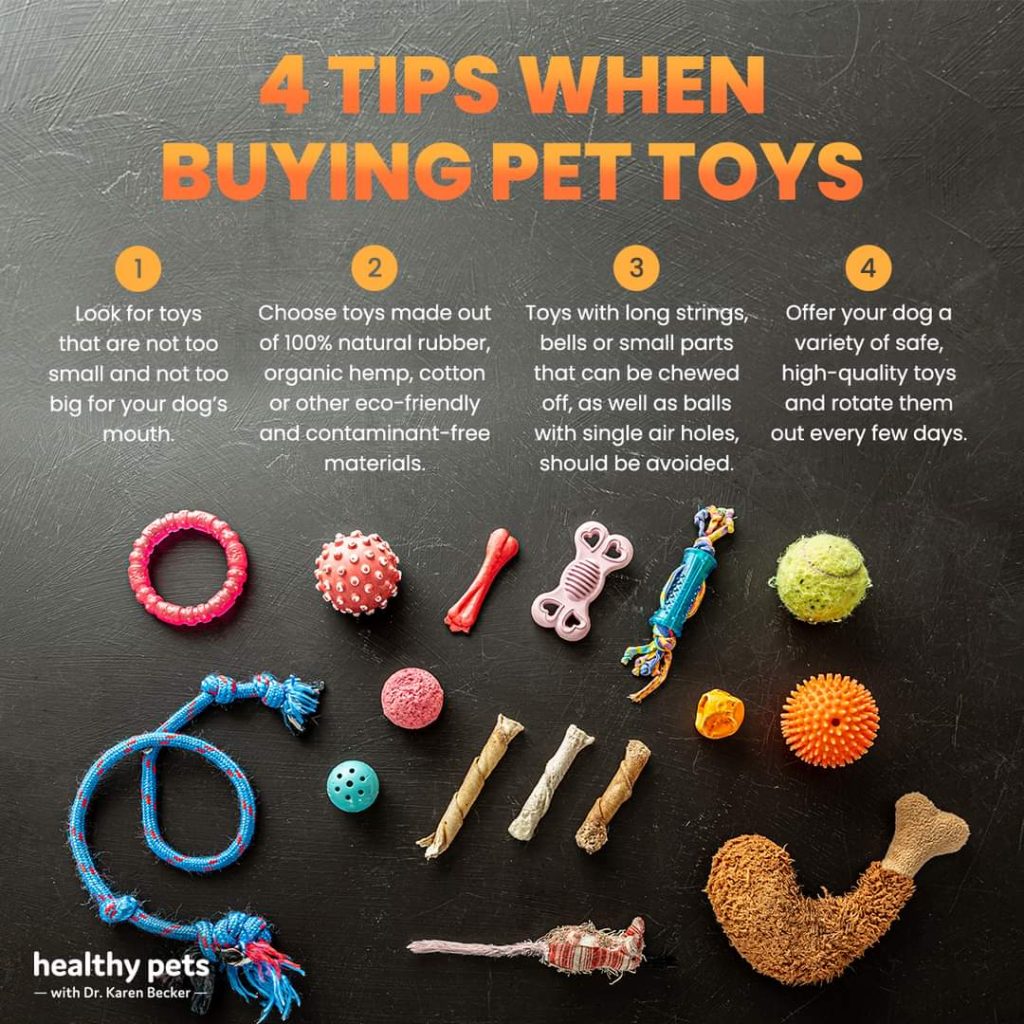
Many of the most popular toys at pet stores or even vet shops contain dyes, heavy metals, and chemical residues that are harmful to pets, and a safe label on the toys’ packaging cannot tell you that it’s completely harmless. Here are 3 things to remember when choosing toys to ensure your pet’s safety:
Look for appropriately sized toys that your pet can comfortably hold in their mouth, but not small enough for them to accidentally swallow.
Choose toys made out of 100% natural rubber, organic cotton, or other eco-friendly and contaminant-free materials.
Avoid toys with bright colours and chemical smells, as well as those are usually made from nylon or flavoured plastic.
Socialization and Companionship
Recognize the importance of socialization for your pet’s overall happiness. While some animals thrive in the company of others, some may prefer solo play or interaction with their human companions.
Socialization is NOT about animals playing with each other although it is an important skill. It is about safe exposure to a wide variety of stimuli so they can learn to act calm and confident around many people, animals, and things and in many different situations.
Stay with mom until 8-12 weeks
We in animal welfare do not support breeding when there is a massive overpopulation crisis! We don’t support the selling or giving away of animals for free and I have written extensively about it before. However, a bad practice that has been rearing its head for a while now is these breeders (anyone who allowed their animals to have litters) who give these pups and kittens away around 3 to 6 weeks.
These pups/kittens learn valuable behavioural info from mom too. Other problems commonly found with removing these pups/kittens early include being unable to problem-solve calmly, low tolerance for frustration, poor social skills, poor impulse control, and sensitivity to touch and handling.
Rescues doesn’t have this luxury though because many times these babies are dumped or the mom dies. If you have a very young pup or kitten, plan on doing extra behaviour modification work to help them overcome their early social deprivation – lots of interaction with socially appropriate animals, conditioning to handling, redirecting their mouth to toys, and teaching them to bite only gently.
Training
If you don’t train them, don’t blame them. Remember that there are basically three sectors involved in dog training and behavior, what to look for and who to go to depending on your needs are with your dog.
Dog Trainer
Dog Behaviour Consultant / Behaviourist
Veterinary Behaviourist
Barking and other Natural Behaviour
Dogs bark. It is a natural behaviour and a way of communicating. Yes, excessive barking is not good, but you need to find out why the dog is barking and address the underlying reason, whether it is boredom, fear, trying to get your attention, or something else. Accepting natural behaviors in dogs and animals, like barking, humping, digging, and licking, is crucial for understanding their instincts and needs. Barking communicates various emotions, humping can be a form of energy release, digging satisfies natural urges, and licking serves as a form of affection and grooming for example. Recognizing and embracing these behaviors strengthens the bond between humans and animals.
Dog bite prevention
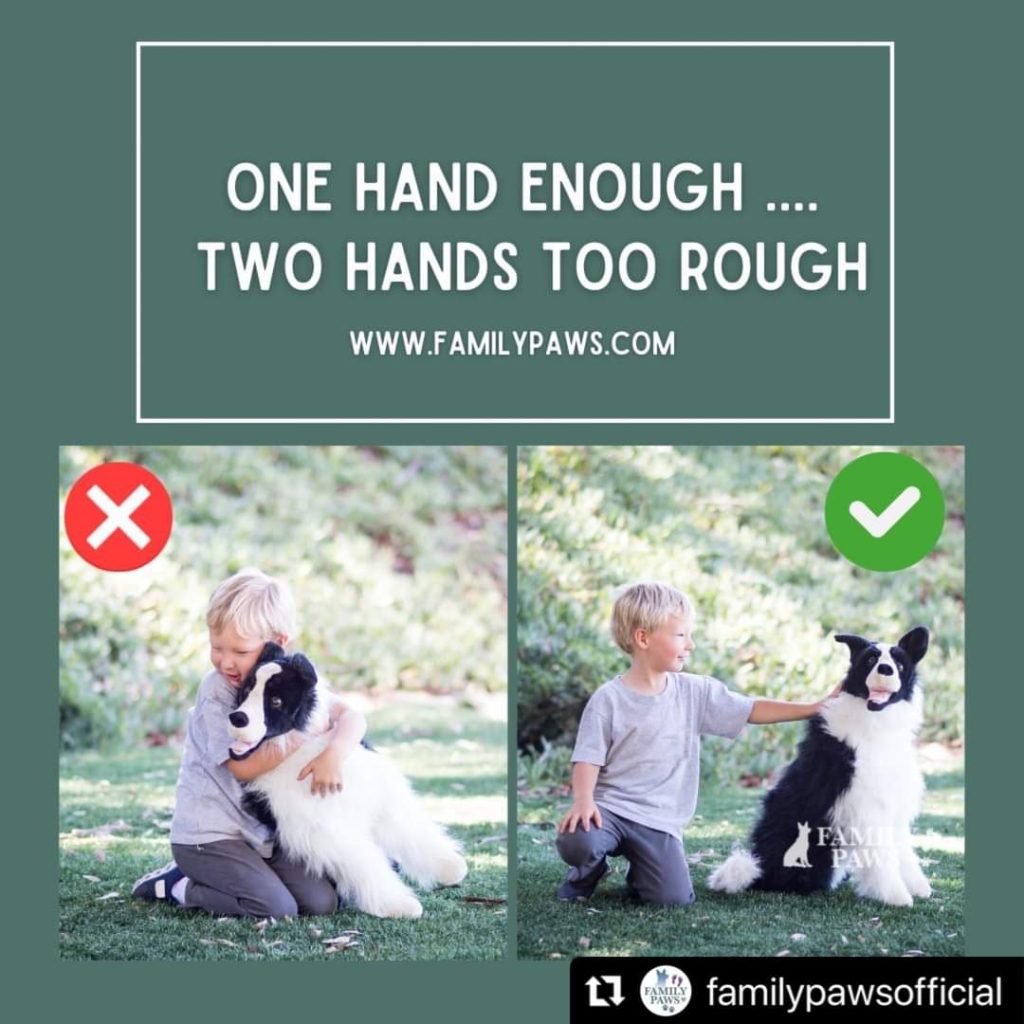
Dog bites are 100% preventable, but all we need are responsible pet guardians. If it is a dog bite in a public area, it usually includes an owner who didn’t secure their yard properly. For that, we need more accountability, but when it comes to dog bites in your own yard or including your children then know this: Dogs do not bite out of the blue, there were many calming signals and signs the dog gave you before they bite. This includes subtle signs like licking, yawning, whale eye, lifting a paw, and more. Learn to read body language well to protect them, other animals and humans.
NEVER PUNISH A GROWL – Growls are one way the dog communicates that they need help. If you punish it, then they will skip the growl next time and go straight to a bite.
Safety and Comfort
Creating a safe space within your home where your pet feels secure is paramount. We will only remove ours from their safe space in case of an emergency. Prioritize their well-being by safeguarding them from potential dangers and providing a comfortable environment.
Letting them sleep inside is one way you can help protect them because they shouldn’t be used to protect you. Great if they can warn you, but you are responsible for protecting them from the dangers of this world, including securing your yard so that they can’t get injured or lost.
Nutritional Awareness
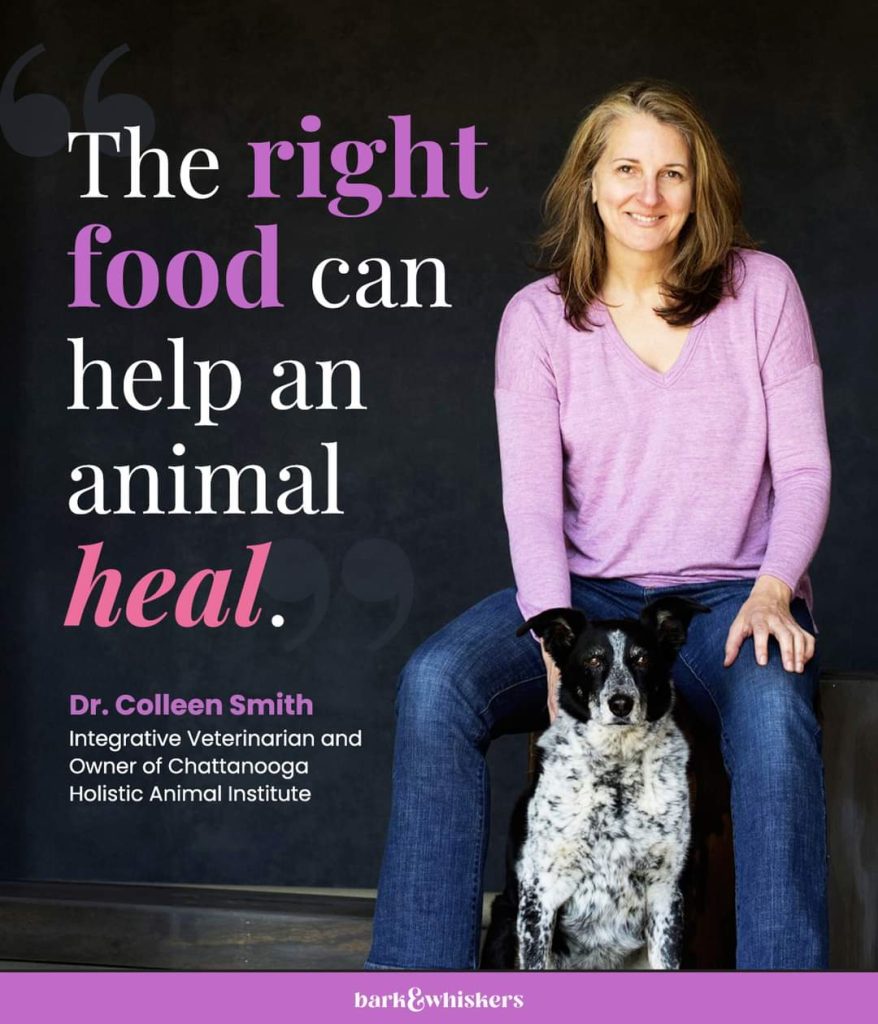
Here I will stop a little longer as very few people consider this topic! Food can do one of two things heal or harm. You have to question the prevalent notion that processed kibble is the healthiest option for your pet. Consider exploring alternative diets (raw, gently cooked etc.) and consulting with professionals to ensure optimal nutrition for your furry friend. I always try to find pet food that are human grade with lower carbs as most pet food are feed grade, meaning that it is not fit for human consumption.
50 years ago veterinarians saw patients primarily for acute injuries and infectious diseases. These days, most patients they see are suffering from gastrointestinal (GI) problems, allergies and skin issues, musculoskeletal issues, and organ dysfunction. As someone who studied nutrition, I can’t help but question the role of the diet in this problem. The vet profession seem to be the the only medical professionals that says: “eat more processed food”, meaning kibble.
Search “can my dog eat this” on The Paw Company’s page to learn more about this topic.
Storage – Try to avoid using a plastic container to store kibble. However, if you already purchased the container, keep the food in its original bag and place that bag into the plastic container. This will help keep too much oxygen away from degrading the kibble. Do not buy in bulk as kibble after being opened loses nutritional value. Only buy what you can use in 30 days.
Food and water – Did you know that cats in nature do not eat where they drink due to possible contamination of their water source? Therefore make sure the food and water are not next to each other. In addition, you should have a water bowl and food bowl for each cat/dog as well as separate litterboxes for each cat. Even an extra one as some experts suggest.
If you drink filtered water because you are scared of the harms of tap water, why do you give tap water to your pets?
New food should be changed slowly at least over a week mixing in 25% of new food in old food, then 50%, 75%, and then only 100%.
Poop – Did you know their poop can tell you about their health! We do regular poop patrols at home. Those who consume kibble have larger amounts of poop and they tend to be more stinky. This is likely due to the digestability of the food. When you go to the vet, give them some feedback on the latest poop or even consider taking a sample with.
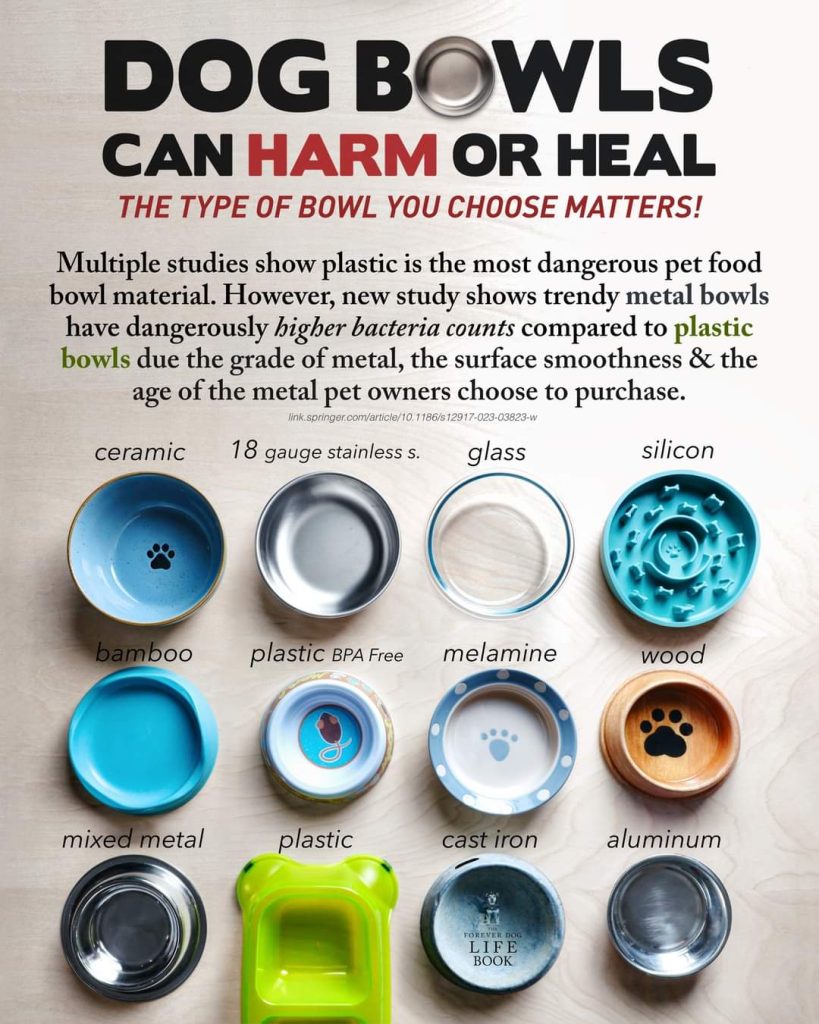
Every type of bowl can have its pros & cons! It is your responsibility to do the research for your pet’s needs and health. Take into account the size of the pet, their mouth shape, length of ears, health, and even temperament. Choosing the right material for the bowl. Plastic, Ceramic, or Stainless steel are the 3 popular choices. Each has its pros and cons, but I prefer stainless steel bowls.
Here are some additional tips about bowls:
Try using a large flat bowl that gives plenty of room. This can also avoid whisker fatigue for cats and dogs.
Consider raising the bowl if your pet is elderly and/or has arthritis or has some digestive issues, as it may be more comfortable for your pets to eat that way.
Non-slip flooring so the bowl doesn’t move around.
The area where the bowls are located, they should be shaded to not heat the water and away from contaminating environments. The pet should also not feel “trapped” when eating.
Although eating is a social experience for humans, it should be a sole dining experience for your pets. Do not put bowls too close to each other.
Wash your pet’s bowls daily. You don’t want to eat out of a dirty bowl every day, do you?
Don’t forget travel bowls.
If you are changing your pet’s food bowl, offer food in the old bowl and original location as well as use the new bowl in a slightly different location. This allows your pet to have a choice. You can then remove the old bowl once your pet starts using the new one.
Also, read about navigating the different types of people in animal welfare.
Choosing beds
When choosing a bed for your pets, consider their size, sleeping habits, and any special needs they may have. Opt for materials that are durable, easy to clean, and provide adequate support for their joints. Do clean their bedding regularly, at least as often as you change yours.
Microchip Registration
Your microchip only contains an ID number. If you do not register your pet’s microchip on multiple databases, then the chip is useless as it can’t link anywhere with your details. The large search databases are also not required to share any data (we are working on that), so even if registered on one platform, it doesn’t mean it will come up on another platform. Always keep the details updated and let the vet check if it is still working with your annual vet visits.
Exercise Needs
While walking is beneficial, it often falls short of meeting a dog’s exercise requirements. Most dogs need at least 20 minutes of heart-pumping exercise every day to maintain optimal health and vitality. That is however not the only exercise they need.
Toxic dangers in your home
Be mindful of the numerous household products that pose risks to your pet’s health. From cleaning chemicals, pesticides, gardening products, parfume, scented candles, to non-stick cookware, and more, take precautions to limit their exposure to potentially harmful substances.
Appropriate Gear Selection
When selecting harnesses and apparel for your pet, prioritize their comfort and mobility. Opt for harnesses that allow for natural shoulder blade movement, promoting unrestricted leg movement and overall well-being. I don’t use collars, only harnesses attached to their leash and always a Y-harness (in front) with lots of space over the shoulder blades.
Euthanasia and pet loss and the grief that accompanies it
Making that dreadful decision is not one I wish on anyone, but please do not let your pet suffer because of your feelings around it, and never leave them alone with basically a stranger in those last moments. I will always do it rather too early than wait a day too long to ease their suffering.
Loss is loss and grief is grief. Do not let anyone diminish the loss you experience when you lose a beloved furry, finned, or scaled animal. Do reach out to people who can help you with that grief and be kind to yourself. Remember that pets can grieve too!
Pet loss – Image by Dr. Karen
Pet emergency plan and your Will
Including your beloved pets in your will and having an emergency plan for them is of paramount importance for their well-being and security. Pets are cherished members of the family, and ensuring their care after your passing or in times of unforeseen circumstances is a responsibility every pet owner should prioritize. Designating a caregiver in your will, setting aside funds for their upkeep, and outlining their specific needs in an emergency plan provide peace of mind, safeguarding their future and ensuring they continue to receive the love and care they deserve.
Remember that any animal who becomes a nuisance to you was failed by a human.
As pet owners, we hold a profound responsibility to prioritize the welfare of our animal companions. Remember, they didn’t choose to live with us; we chose to bring them into our lives and it is our moral duty to help them cope in this human world. Let’s ensure we fulfill this responsibility with compassion, knowledge, and dedication.
Next week we will look at animal rescue using the Titanic analogy!