Home Blog Page 32

ANIMALS 101 – OUR RESCUE BOATS CAN’T SAVE THEM ALL

A TITANIC ANALOGY FOR ANIMAL WELFARE

Imagine a huge ocean, overflowing with life, but also full of danger. In this metaphorical sea, the animals we love and cherish are like passengers aboard a grand vessel—the Titanic of our time. Like the tragic fate of the Titanic, where rescue wasn’t an option for many, today’s animals face an equally dangerous predicament: the struggle for survival in a world where their welfare is often disregarded and there are not nearly enough homes for all, never mind good homes.
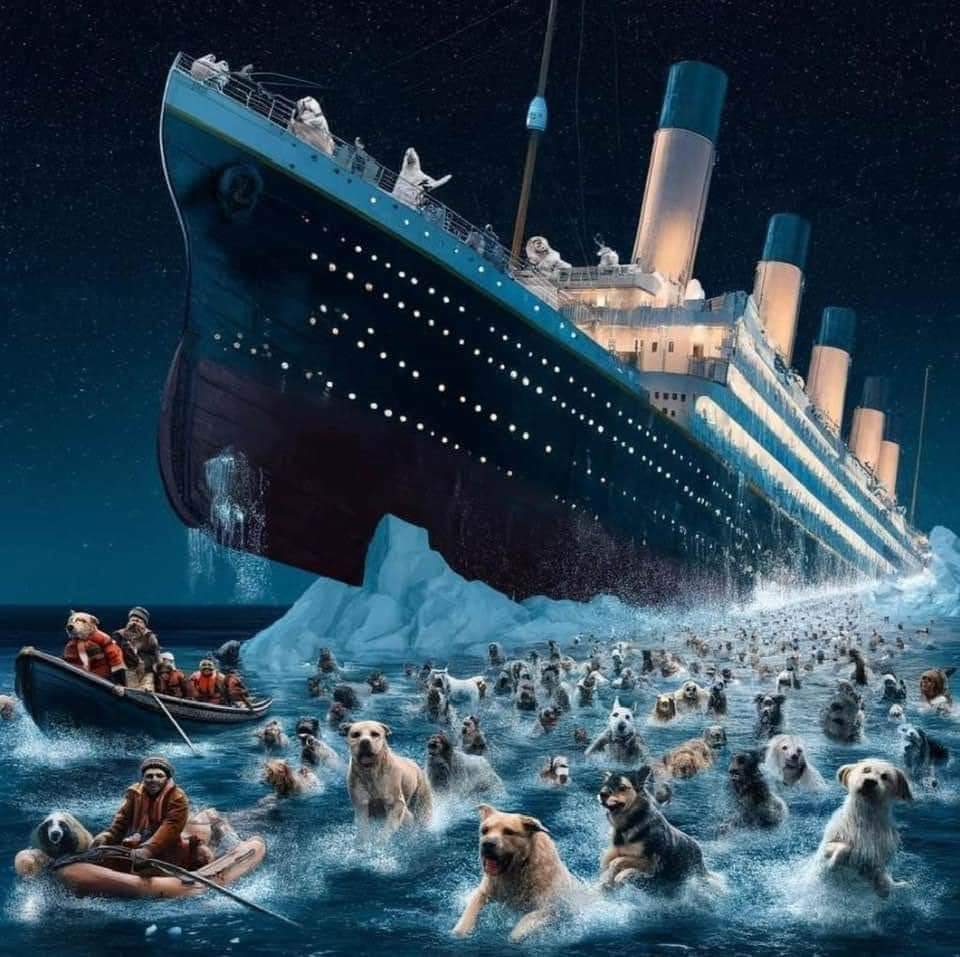
Titanic Analogy – Image shared via The Paw Company

THE RESCUE BOATS

Rescue organizations and shelters serve as the humble rescue boats in this vast ocean of animal welfare. They tirelessly navigate the turbulent waves, striving to save as many lives as possible with their limited resources and capacity. Yet, despite their unwavering dedication, they find themselves overwhelmed by the sheer magnitude of the crisis.

Every day, rescue organizations are confronted with heart-wrenching decisions akin to deciding who boards a life raft and who is left to face the icy depths alone as the ship sinks. When an owner surrenders their pet for reasons ranging from inconvenience to inability to care, it’s akin to asking for space on that fragile raft. But each addition to the raft means another sentient being must be denied rescue, left to perish in the unforgiving waters of neglect and abandonment.
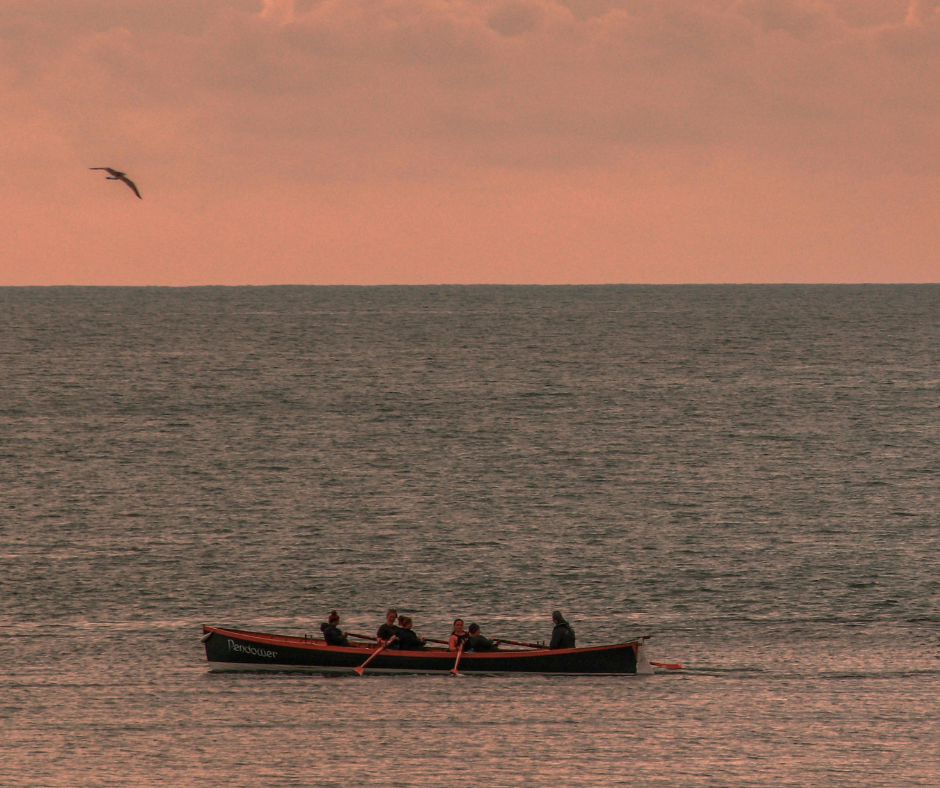
Rescue
Rescue boat – Image via pexels.com

THE TITANIC OF OUR COMMUNITY

In contrast to the modest rescue boats, the community at large represents the Titanic — a representation of societal norms, attitudes, and practices regarding animal welfare. From breeders and pet shops to irresponsible owners and those who neglect to spay and neuter, the iceberg looms, threatening to sink the hopes of countless animals.

The chilling truth, an iceberg not visible to many, is that the current approach—relying solely on adoption, education, and sterilization—is insufficient to stem the tide of suffering. The iceberg of systemic issues continues to grow, casting a shadow over the prospects of meaningful change. Despite our best efforts, appeals for compassion often fall on deaf ears, leaving legislation as the lone beacon of hope on the horizon, unless society opens its eyes to see what is right in front of them.

Animal
Iceberg – Image via canva.com

THE SOS OF SOLIDARITY

Amid chaos and despair, there echoes a solemn cry for help—a distress signal that vibrates across the vast expanse of the ocean. This call to action is the SOS of solidarity, a rallying cry that unites individuals, organizations, and communities in a shared mission to alleviate the suffering of animals.

Much like the SOS signals sent out by the Titanic as it plunged into the depths, our collective plea for solidarity serves as a beacon of hope amidst the darkness. It signifies our willingness to stand together, extend a helping hand to those in need, and to navigate the treacherous waters of animal welfare with determination and resolve.

By embracing the spirit of solidarity, we acknowledge that the challenges we face are not unconquerable. Together, we can weather the storms, overcome the obstacles, and chart a course towards a brighter future for all creatures, great and small. For it is only through unity and compassion that we can hope to save them all.

animals
Compassion – Image via canva.com

THE COMPASS OF COMPASSION

Amidst the dangerous seas of animal welfare, there exists a guiding light—a moral compass that points toward empathy, kindness, and compassion. This compass of compassion serves as our navigational tool, helping us steer through the moral and ethical dilemmas that define our journey.

Just as the crew of the Titanic relied on navigational instruments to chart their course, so too must we as a society rely on the principles of compassion to guide our actions. It is this unwavering commitment to empathy that compels us to extend a helping hand to those in need, regardless of species or circumstance.

However, like any compass, our moral direction is subject to deviation. In the turbulent waters of modern society, it’s easy to lose sight of our moral bearings, to become adrift amidst the currents of apathy and indifference. Yet, it is precisely in these moments of uncertainty that our commitment to compassion must shine brightest.

By reorienting ourselves as a society, towards the true north of empathy, we can navigate the complexities of animal welfare with clarity and purpose. It is through the collective alignment of our moral compasses that we can hope to steer toward a future where the cries of the innocent are met with compassion and action, rather than silence and neglect.

THE RIPPLES OF RESPONSIBILITY

Just as the sinking of the Titanic sent shockwaves across the world, so too does the plight of animals echo far beyond the confines of their immediate surroundings. The ripples of responsibility extend outward, touching the shores of our collective consciousness and challenging us to confront our role in their fate.

Every action, or inaction, has consequences that echo through the vast expanse of time and space. Whether it’s the decision to adopt a pet from a shelter or to spay and neuter your pets, each choice sends out a ripple that can either contribute to the solution or exacerbate the problem.

Just as the crew and passengers of the Titanic struggled with their individual responsibilities in the face of disaster, so too must we acknowledge our role in shaping the destiny of animals. It is not enough to simply be crying for the tragedy unfolding before us; we must each take ownership of our actions and strive to make a positive difference, however small it may seem.

By embracing our collective responsibility towards animals, we can harness the power of individual actions to effect meaningful change on a global scale. Just as a single pebble creates ripples that spread outward, so too can our efforts to advocate for animal welfare create waves of compassion that wash over society, transforming hearts and minds in the process.
animals
Image by pexels.com

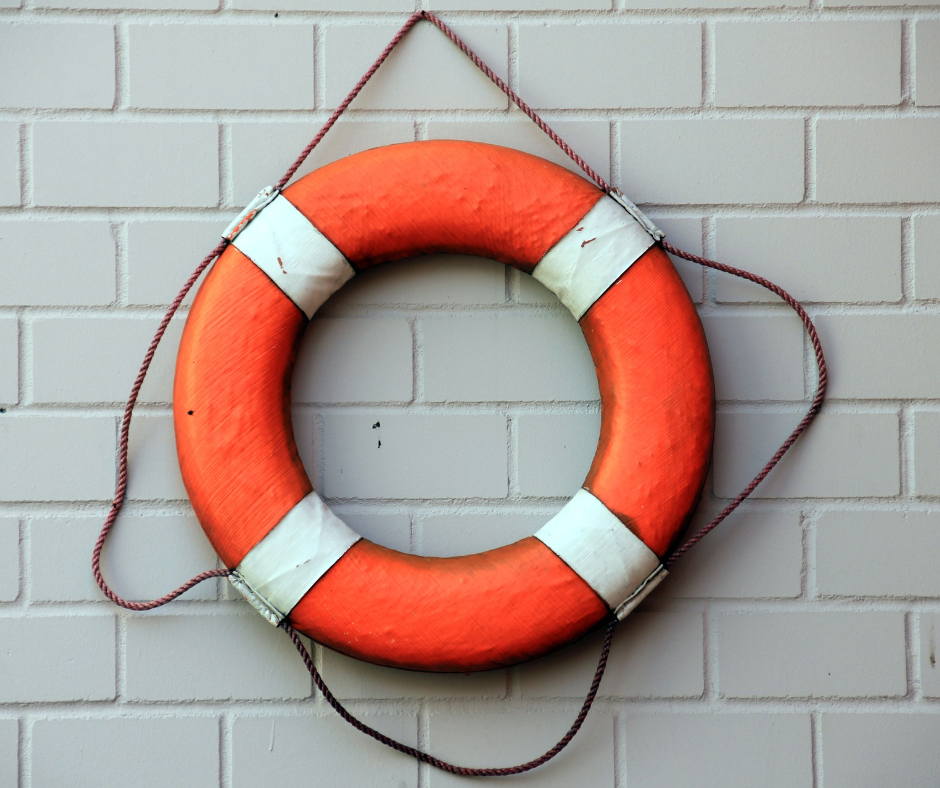
THE LIFE BUOY OF LEGISLATION

Legislation, when enacted and enforced properly, serves as a life buoy for each animal. These legal frameworks can offer extra tools to the rescue organizations and a lifeline to those who would otherwise be left to fend for themselves in a sea of neglect and cruelty. However, much like the limited capacity of the Titanic’s lifeboats, legislation alone cannot bear the full weight of the crisis. It requires the collective effort of society (the ship) and the animal welfare organization (the rescue boats) to ensure that these life buoys are not only available but also accessible to those in need. Legislation can hold the potential to rescue countless creatures from an otherwise tragic fate because the rescue boats will have more tools at their disposal.

A CALL TO ACTION

Just as the Titanic’s fate was sealed by a series of unfortunate events, so too is the fate of countless animals in our world today. But unlike the Titanic, where rescue came too late for many, we have the power to alter the course of this narrative. By advocating for stronger legislation, promoting responsible pet ownership, and supporting organizations dedicated to animal welfare, we can rewrite the ending to this tragic tale.

THE LEGACY OF LESSONS LEARNED

As the Titanic tragedy left an unerasible mark on history, so too will our handling of animal welfare shape the legacy we leave for future generations. Just as the lessons learned from the Titanic disaster led to advancements in maritime safety, so too can we draw wisdom from our experiences to forge a brighter future for animals.

The mistakes of the past serve as cautionary tales, reminding us of the consequences of arrogance, neglect, and indifference. Yet, they also offer opportunities for growth and redemption. By acknowledging our shortcomings and learning from our missteps, we can pave the way for a more compassionate and enlightened society.

Just as the survivors of the Titanic emerged from the wreckage with a newfound appreciation for the fragility of life, so too can we emerge from the trials of animal welfare with a renewed commitment to do better. It is through our collective efforts to heed the lessons of the past that we can chart a course toward a more just and equitable future for all beings.

In the end, the true measure of our legacy will not be found in the grandeur of our achievements, but in the depth of our compassion and the sincerity of our commitment to those who cannot speak for themselves. Let us strive to leave behind a legacy of compassion, one that honors the inherent dignity and worth of every living creature, and ensures that the lessons learned from the trials of today serve as a beacon of hope for generations to come.

In the vast ocean of animal welfare, the Titanic analogy serves as an important reminder of the challenges we face in our quest to save them all. But amidst the stormy seas and looming icebergs, there remains hope—a flickering light of compassion that refuses to be extinguished. Let us heed this call to action, lest we allow the cries of the innocent to be drowned out by the silence of indifference. For in the struggle to save them all, our humanity is truly put to the test.

Take better care of your animals, educate others, and support those who are in the water every day, tirelessly trying to save as many as they can.

Next week we will revisit how to avoid high vet bills.

WHEN YOU KNOW BETTER, DO BETTER!

Serial Rapist Sentenced to 25 Years

PROVINCIAL COMMISSIONER WELCOMES THE SENTENCING OF 25 YEARS IMPRISONMENT IMPOSED UPON A SERIAL RAPIST

The Provincial Commissioner of the SAPS in Mpumalanga, Lieutenant General Semakaleng Daphney Manamela has welcomed the 25 years imprisonment imposed on Monday, 20 May 2024 by the Boschfontein Regional Court upon a serial rapist by the name of John Innocent Ndlala (40).

The court heard how the accused somehow entered inside the victim’s house at Mbangwane Trust, in the early hours of 02 June 2012 around 01h30 am then raped the victim, who was aged 59 at the time. At the time of the accident, the perpetrator’s identity was unknown.

A rape case was eventually opened and the docket was assigned to the Family Violence, and Sexual Offences (FCS) Unit.

As if that was not enough, on 22 July 2012, the accused raped another woman who was aged 25 at the time. This incident also occurred at Mbangwane Trust.

On that fateful day, at around 18h00, the victim was on her way home, returning from her friends and along the way, she met the accused whom she knew.

Out of the blue, the accused grabbed the victim, took her to a secluded place, an abandoned shop, where he raped her.

Fortunately, at the time of the incident, a good Samaritan was passing by and he then proceeded to inform the victim’s family about what had occurred. The victim was rescued when her family members swiftly responded. The accused was cornered and pelted with stones. It was during this time that he fled the scene.

This incident was also reported to the Police and the docket was assigned to the FCS Unit to investigate.

An investigation was conducted by a team of dedicated members from the FCS Unit.

The following day (23 July 2012), the accused was arrested.

During the investigation, the team worked tirelessly and later discovered that the accused was the one responsible for the rape of a female victim on 02 June 2012. He was then charged for this rape case.

Thereafter, a trial commenced and the state presented a watertight case against the accused hence he was convicted as follows:

On one count of rape, the accused was sentenced to 12 years imprisonment after raping a woman who was aged 59.

The accused was sentenced to 25 years imprisonment for the rape of a woman who was 25 years old at the time of the incident.

The court ordered the sentences to run concurrently.

The name of the accused will also be entered into the Register of Sexual Offenders.

In delivering the sentence, the court emphasized the severity of the crimes and the need to protect the community from such dangerous individuals like him. The 25 years imprisonment serves as a strong message that such disgusting acts will not be tolerated in society, and perpetrators thereof will be held accountable for their actions.

Meanwhile, the Provincial Commissioner of the SAPS in Mpumalanga, Lieutenant General Semakaleng Daphney Manamela further commended everybody who contributed in whichever way, leading to the well-deserved punishment

“We commend the diligent work of the Investigation Team, Prosecutors, and the Judiciary in ensuring that justice was served in this case. Our thoughts are with the victims and their families, and we hope that this sentence brings them some measure of closure and healing,” said the General, “We must continue to stand together against all forms of violence and support survivors of such traumatic experiences. Let this sentence serve as a reminder that perpetrators of sexual violence will face the full force of the law.”

ANIMALS 101 – DID YOU KNOW THIS ABOUT YOUR PETS AND THEIR NEEDS?

SOME INTERESTING AND IMPORTANT TIPS TO IMPROVE THE LIVES OF YOUR ANIMALS.

As pet owners, we are entrusted with the well-being of our furry companions. It’s crucial to remember that just because a product is sold in a pet store or recommended by a veterinarian doesn’t guarantee its safety or suitability for our pets. We are their advocates, and it’s our responsibility to do thorough research and consult trusted professionals to ensure their health and happiness. I cannot cover every single topic here today, but I have included some of my favourites which I have learned through the years and wish I had learned earlier.

How many of these do you know about? Every topic we touch on here can be found in more detail on THE PAW COMPANY’s page. You can just add the keywords in the search option on the page. 

Choosing the Right Fit

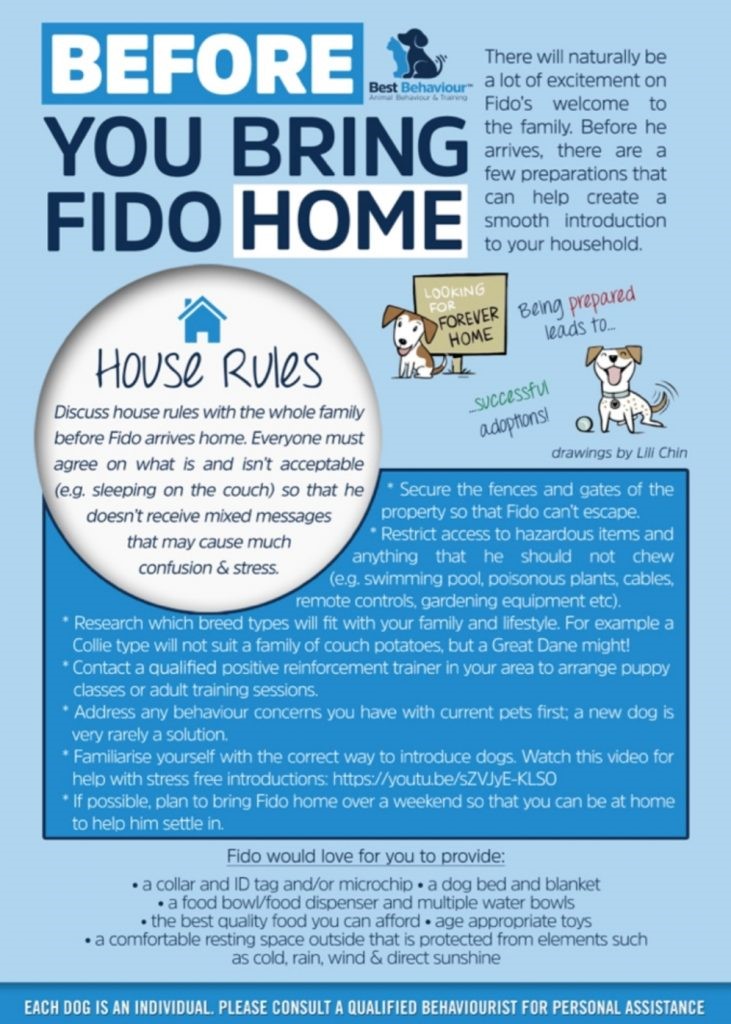
Before welcoming a pet into your home, it’s essential to do your homework. It is not just about how the dog looks and never should be. Consider factors like energy levels and compatibility with your family’s lifestyle to ensure a harmonious bond between you and your furry friend.

Adoption

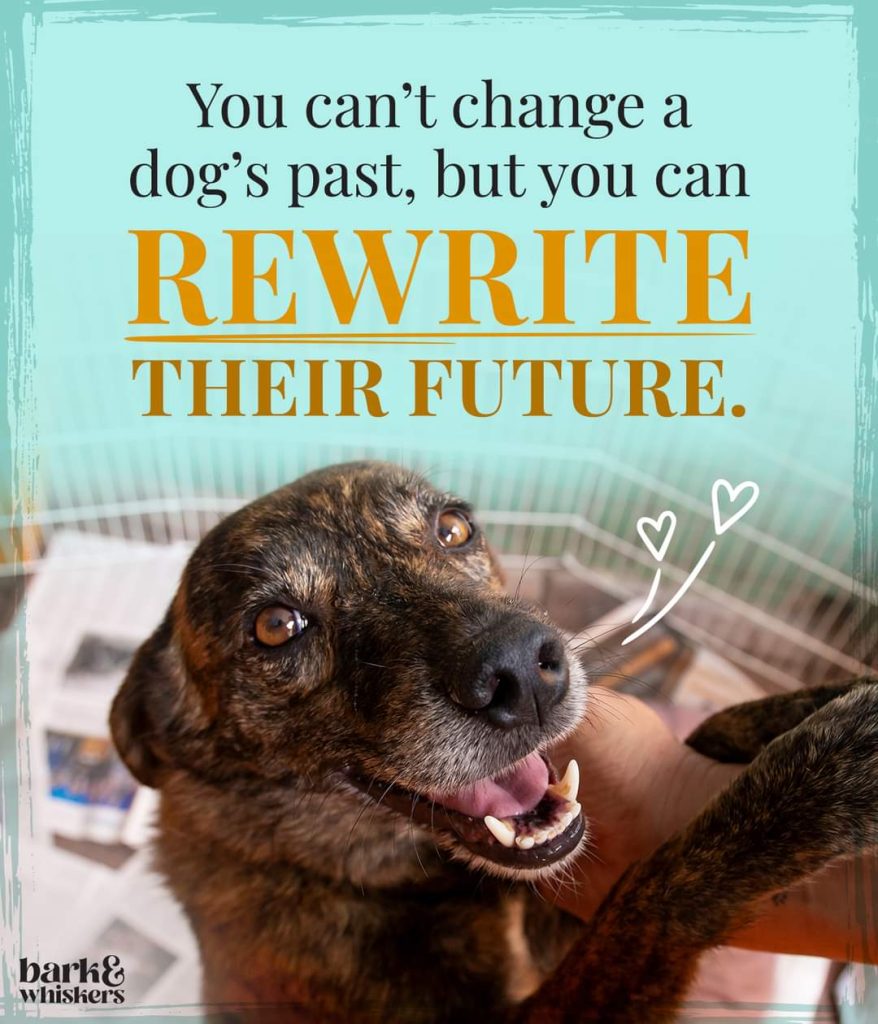
Adoption stands as the most ethical choice when bringing a pet into your family. Opting for adoption helps combat the overwhelming overpopulation crisis facing animals worldwide, offering a loving home to those in need. It has many benefits and is inexpensive compared to buying a pet or even getting one for free.

animals
Adopt don’t shop – Image by Bark & Whiskers

Choosing a veterinarian

Understanding that veterinarians are akin to general practitioners was an important realization for me. They are also not specialist in any particular organ like the heart, are not orthopedic specialists, or have expertise in every disease, including diseases like diabetes or cancer. 

While they can offer immediate assistance in emergencies, owners of exotic pets such as rabbits, birds, and reptiles should seek specialized care from veterinarians with expertise in these unique species to ensure tailored and effective treatment. Even when it comes to sterilizations they are not always equipped to deal with all animals.  Please do your homework about the vet you use and SA certainly needs more vets that act preventatively instead of just putting out fires.

Expecting too much from our pets

Expecting a dog to seamlessly integrate into our lives with a laundry list of expectations may be unrealistic. Dogs don’t inherently understand our world’s intricacies, and it’s our responsibility to gently teach them. Puppies, especially, require patience and consistent training to grasp our rules and routines. Frustration often arises when owners overlook the significant time and effort needed in the first months of a puppy’s life (or any animal’s life).

Despite the challenges, it’s essential to remember that animals don’t choose their circumstances and rely on us for guidance. Reflecting on their perspective can foster empathy and reinforce the importance of patience and understanding in building a strong bond with our furry companions. It is especially important when it comes to their mental health and understanding their emotions as sentient beings.

Enrichment Beyond Basics

Providing for your pets goes beyond the essentials of food, water, and affection. Enrichment activities and species-appropriate diets, tailored to their species-specific needs are vital for their mental and physical well-being.

Some dogs were bred to use their noses and some for agility and more. Understanding your pet’s breed or species is crucial when selecting appropriate toys and activities. Engaging in species-specific games and providing safe, suitable toys ensures a fulfilling playtime experience for your pet.

animal toys
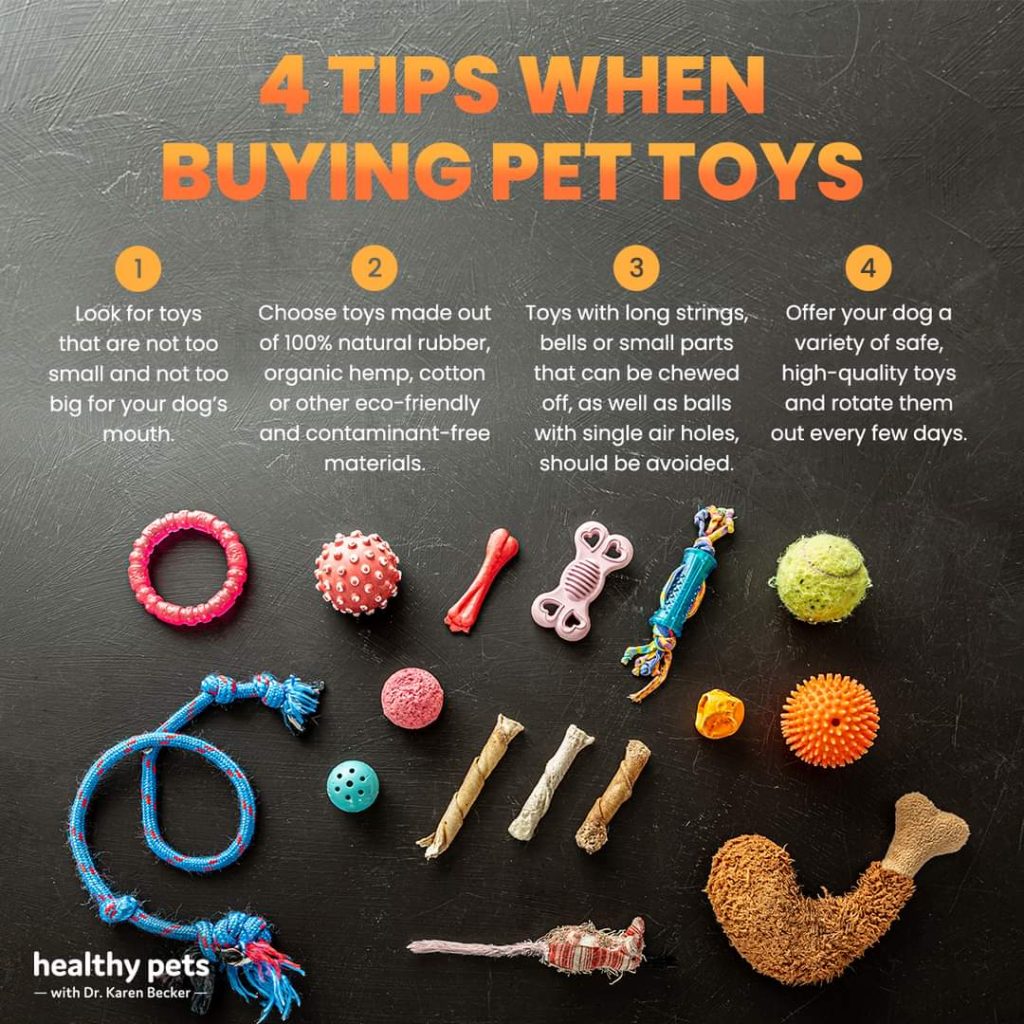
Choosing pet toys – Image by Bark & Whiskers

Choosing toys

Many of the most popular toys at pet stores or even vet shops contain dyes, heavy metals, and chemical residues that are harmful to pets, and a safe label on the toys’ packaging cannot tell you that it’s completely harmless. Here are 3 things to remember when choosing toys to ensure your pet’s safety:

  • Look for appropriately sized toys that your pet can comfortably hold in their mouth, but not small enough for them to accidentally swallow.
  • Choose toys made out of 100% natural rubber, organic cotton, or other eco-friendly and contaminant-free materials.
  • Avoid toys with bright colours and chemical smells, as well as those are usually made from nylon or flavoured plastic.

Socialization and Companionship

Recognize the importance of socialization for your pet’s overall happiness. While some animals thrive in the company of others, some may prefer solo play or interaction with their human companions.

Socialization is NOT about animals playing with each other although it is an important skill.  It is about safe exposure to a wide variety of stimuli so they can learn to act calm and confident around many people, animals, and things and in many different situations.

Stay with mom until 8-12 weeks

We in animal welfare do not support breeding when there is a massive overpopulation crisis!  We don’t support the selling or giving away of animals for free and I have written extensively about it before.  However, a bad practice that has been rearing its head for a while now is these breeders (anyone who allowed their animals to have litters) who give these pups and kittens away around 3 to 6 weeks.

These pups/kittens learn valuable behavioural info from mom too. Other problems commonly found with removing these pups/kittens early include being unable to problem-solve calmly, low tolerance for frustration, poor social skills, poor impulse control, and sensitivity to touch and handling.

Rescues doesn’t have this luxury though because many times these babies are dumped or the mom dies. If you have a very young pup or kitten, plan on doing extra behaviour modification work to help them overcome their early social deprivation – lots of interaction with socially appropriate animals, conditioning to handling, redirecting their mouth to toys, and teaching them to bite only gently.

Training

If you don’t train them, don’t blame them. Remember that there are basically three sectors involved in dog training and behavior, what to look for and who to go to depending on your needs are with your dog.

  • Dog Trainer
  • Dog Behaviour Consultant / Behaviourist
  • Veterinary Behaviourist

Barking and other Natural Behaviour

Dogs bark. It is a natural behaviour and a way of communicating.  Yes, excessive barking is not good, but you need to find out why the dog is barking and address the underlying reason, whether it is boredom, fear, trying to get your attention, or something else.
Accepting natural behaviors in dogs and animals, like barking, humping, digging, and licking, is crucial for understanding their instincts and needs. Barking communicates various emotions, humping can be a form of energy release, digging satisfies natural urges, and licking serves as a form of affection and grooming for example. Recognizing and embracing these behaviors strengthens the bond between humans and animals.

Dog bite prevention

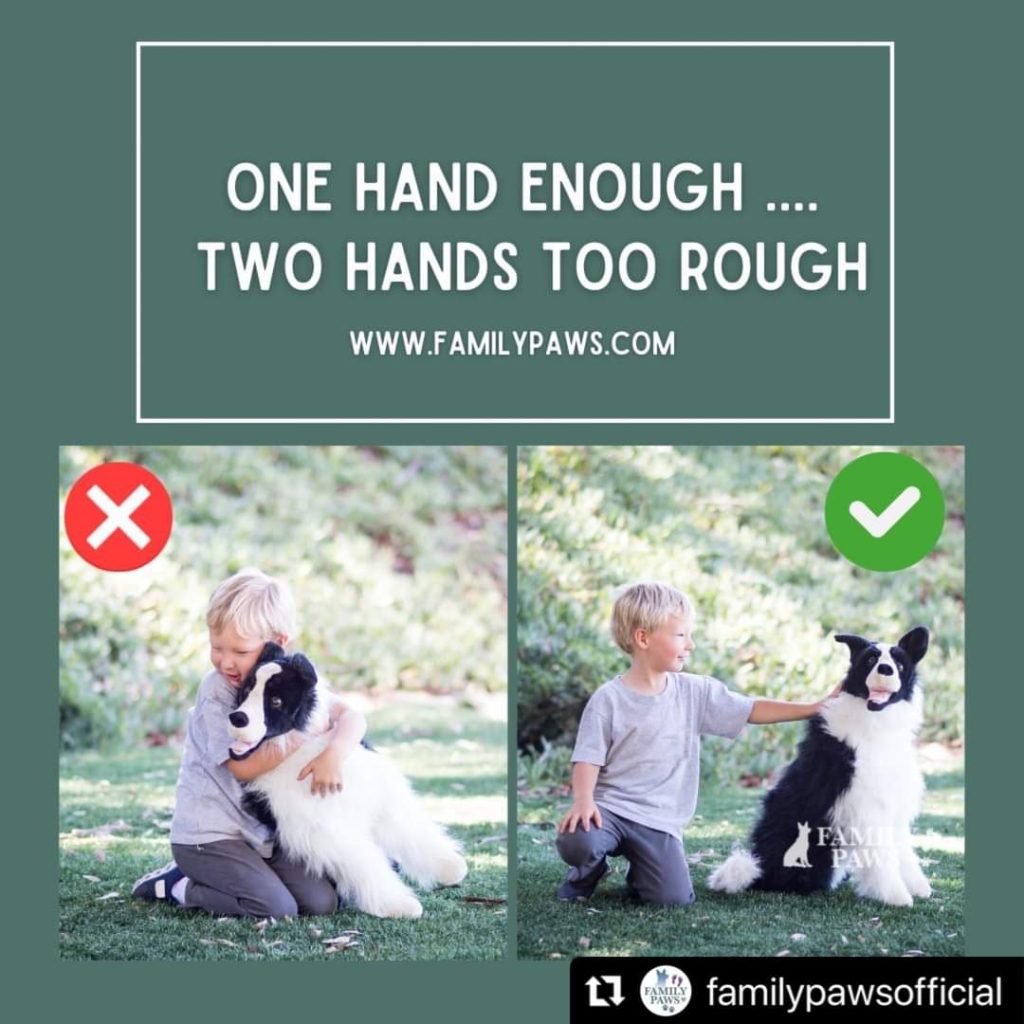
Dog bites are 100% preventable, but all we need are responsible pet guardians. If it is a dog bite in a public area, it usually includes an owner who didn’t secure their yard properly.  For that, we need more accountability, but when it comes to dog bites in your own yard or including your children then know this:  Dogs do not bite out of the blue, there were many calming signals and signs the dog gave you before they bite. This includes subtle signs like licking, yawning, whale eye, lifting a paw, and more.  Learn to read body language well to protect them, other animals and humans.

dog bite prevention
Dog bite prevention – Image by Family Paws Parent Education

NEVER PUNISH A GROWL – Growls are one way the dog communicates that they need help.  If you punish it, then they will skip the growl next time and go straight to a bite.

Safety and Comfort

Creating a safe space within your home where your pet feels secure is paramount. We will only remove ours from their safe space in case of an emergency. Prioritize their well-being by safeguarding them from potential dangers and providing a comfortable environment.

Letting them sleep inside is one way you can help protect them because they shouldn’t be used to protect you. Great if they can warn you, but you are responsible for protecting them from the dangers of this world, including securing your yard so that they can’t get injured or lost.

Nutritional Awareness

Here I will stop a little longer as very few people consider this topic! Food can do one of two things heal or harm.  You have to question the prevalent notion that processed kibble is the healthiest option for your pet. Consider exploring alternative diets (raw, gently cooked etc.) and consulting with professionals to ensure optimal nutrition for your furry friend. I always try to find pet food that are human grade with lower carbs as most pet food are feed grade, meaning that it is not fit for human consumption.

50 years ago veterinarians saw patients primarily for acute injuries and infectious diseases. These days, most patients they see are suffering from gastrointestinal (GI) problems, allergies and skin issues, musculoskeletal issues, and organ dysfunction. As someone who studied nutrition, I can’t help but question the role of the diet in this problem. The vet profession seem to be the the only medical professionals that says: “eat more processed food”, meaning kibble.

Search “can my dog eat this” on The Paw Company’s page to learn more about this topic.

Storage – Try to avoid using a plastic container to store kibble. However, if you already purchased the container, keep the food in its original bag and place that bag into the plastic container. This will help keep too much oxygen away from degrading the kibble. Do not buy in bulk as kibble after being opened loses nutritional value. Only buy what you can use in 30 days.

Food and water – Did you know that cats in nature do not eat where they drink due to possible contamination of their water source?  Therefore make sure the food and water are not next to each other.  In addition, you should have a water bowl and food bowl for each cat/dog as well as separate litterboxes for each cat. Even an extra one as some experts suggest.

If you drink filtered water because you are scared of the harms of tap water, why do you give tap water to your pets?

New food should be changed slowly at least over a week mixing in 25% of new food in old food, then 50%, 75%, and then only 100%.

Poop – Did you know their poop can tell you about their health!  We do regular poop patrols at home. Those who consume kibble have larger amounts of poop and they tend to be more stinky. This is likely due to the digestability of the food. When you go to the vet, give them some feedback on the latest poop or even consider taking a sample with.

pet food
Pet food – Image by Bark & Whiskers

Choosing bowls

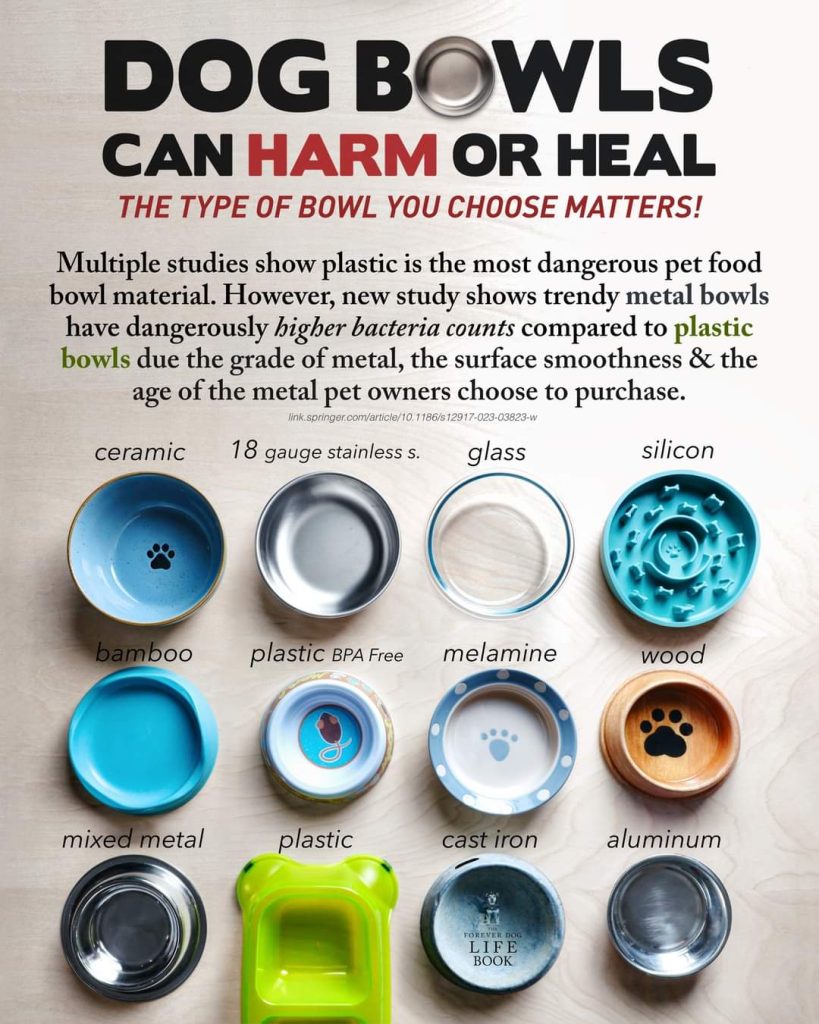
Every type of bowl can have its pros & cons!  It is your responsibility to do the research for your pet’s needs and health. Take into account the size of the pet, their mouth shape, length of ears, health, and even temperament. Choosing the right material for the bowl. Plastic, Ceramic, or Stainless steel are the 3 popular choices. Each has its pros and cons, but I prefer stainless steel bowls.

Here are some additional tips about bowls:

  • Try using a large flat bowl that gives plenty of room. This can also avoid whisker fatigue for cats and dogs.
  • Consider raising the bowl if your pet is elderly and/or has arthritis or has some digestive issues, as it may be more comfortable for your pets to eat that way.
  • Non-slip flooring so the bowl doesn’t move around. 
  • The area where the bowls are located, they should be shaded to not heat the water and away from contaminating environments. The pet should also not feel “trapped” when eating. 
  • Although eating is a social experience for humans, it should be a sole dining experience for your pets. Do not put bowls too close to each other.
  • Wash your pet’s bowls daily.  You don’t want to eat out of a dirty bowl every day, do you?
  • Don’t forget travel bowls.
  • If you are changing your pet’s food bowl, offer food in the old bowl and original location as well as use the new bowl in a slightly different location. This allows your pet to have a choice. You can then remove the old bowl once your pet starts using the new one.
pet bowls
Pet bowls – Image by Bark & Whiskers

Also, read about navigating the different types of people in animal welfare.

Choosing beds

When choosing a bed for your pets, consider their size, sleeping habits, and any special needs they may have. Opt for materials that are durable, easy to clean, and provide adequate support for their joints. Do clean their bedding regularly, at least as often as you change yours.

Microchip Registration

Your microchip only contains an ID number.  If you do not register your pet’s microchip on multiple databases, then the chip is useless as it can’t link anywhere with your details. The large search databases are also not required to share any data (we are working on that), so even if registered on one platform, it doesn’t mean it will come up on another platform.  Always keep the details updated and let the vet check if it is still working with your annual vet visits.

Exercise Needs

While walking is beneficial, it often falls short of meeting a dog’s exercise requirements. Most dogs need at least 20 minutes of heart-pumping exercise every day to maintain optimal health and vitality. That is however not the only exercise they need.

Toxic dangers in your home

Be mindful of the numerous household products that pose risks to your pet’s health. From cleaning chemicals, pesticides, gardening products, parfume, scented candles, to non-stick cookware, and more, take precautions to limit their exposure to potentially harmful substances.

Appropriate Gear Selection

When selecting harnesses and apparel for your pet, prioritize their comfort and mobility. Opt for harnesses that allow for natural shoulder blade movement, promoting unrestricted leg movement and overall well-being. I don’t use collars, only harnesses attached to their leash and always a Y-harness (in front) with lots of space over the shoulder blades.

Euthanasia and pet loss and the grief that accompanies it

Making that dreadful decision is not one I wish on anyone, but please do not let your pet suffer because of your feelings around it, and never leave them alone with basically a stranger in those last moments.  I will always do it rather too early than wait a day too long to ease their suffering. 

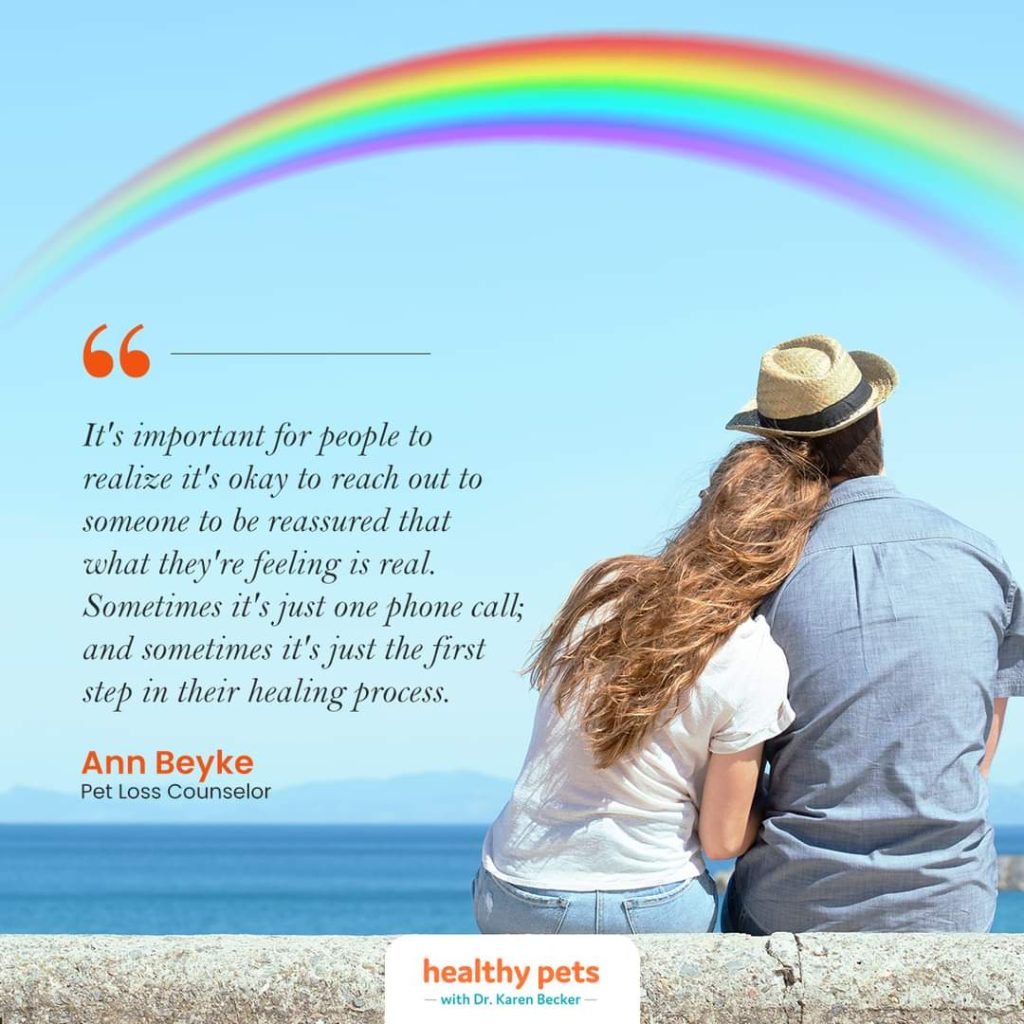
Loss is loss and grief is grief.  Do not let anyone diminish the loss you experience when you lose a beloved furry, finned, or scaled animal.   Do reach out to people who can help you with that grief and be kind to yourself. Remember that pets can grieve too!

Pet loss – Image by Dr. Karen

Pet emergency plan and your Will

Including your beloved pets in your will and having an emergency plan for them is of paramount importance for their well-being and security. Pets are cherished members of the family, and ensuring their care after your passing or in times of unforeseen circumstances is a responsibility every pet owner should prioritize. Designating a caregiver in your will, setting aside funds for their upkeep, and outlining their specific needs in an emergency plan provide peace of mind, safeguarding their future and ensuring they continue to receive the love and care they deserve.

Remember that any animal who becomes a nuisance to you was failed by a human.

As pet owners, we hold a profound responsibility to prioritize the welfare of our animal companions. Remember, they didn’t choose to live with us; we chose to bring them into our lives and it is our moral duty to help them cope in this human world.  Let’s ensure we fulfill this responsibility with compassion, knowledge, and dedication.

Next week we will look at animal rescue using the Titanic analogy!

WHEN YOU KNOW BETTER, DO BETTER!

ANIMALS 101 – NAVIGATING THE COMPLEXITIES OF PERSONALITIES IN ANIMAL WELFARE

WHAT SORT OF PEOPLE GET INVOLVED IN ANIMAL WELFARE AND CAN YOU SPOT THEM?

Within the intricate tapestry of animal welfare, there is a diverse array of personalities, each with its own motivations and behaviours. This happens in other industries too, but today I will focus on the animal welfare industry. This article delves into the complexities of these personalities, shedding light on their impact on the animal welfare community, but keep in mind that I am touching only on the basics here.

I have been involved in animal welfare for a few years and I work with organizations in and outside of South Africa.  Sadly, no matter the geographics, politics rears its head in every industry. I believe the type of person and motivation is part of the cause of the conflict within animal welfare.

Animal welfare – Image by The Paw Company

AN EMOTIONAL INDUSTRY

First, you have to understand that for the most part, the animal welfare industry is emotionally driven. Coupled with low emotional intelligence, this combination can lead to a toxic environment characterized by infighting (there is sadly a lot of it), disharmony, and the lack of objective decision-making. This does damage to the whole industry and the public’s perception.

Individuals lacking confidence often manifest their insecurities through defensive behaviours and interpersonal conflicts. Instead of fostering collaboration for the greater good of animal welfare, these individuals may engage in power struggles, criticism, lies and blame, further exacerbating tensions within the community.

In animal welfare you will also experience and deal with a rollercoaster of emotions in just one situation for example when we hear about a dog in the streets, we can and do experience multiple emotions at once; anger because the dog is in the streets, worry about the dog’s life, frustration with a society that doesn’t care to keep their animals in the yard or expects someone else to do something, and sadness from previous cases which didn’t turn out so good. We worry about a dog that is not even ours and often feel guilty if we can’t change the situation or help.

Keep in mind, for the most part, females are involved in this industry, which ads another layer of complexity, and we do need more strong men onboard too!

MOTIVATION

At the core of animal welfare lie two distinct motivations: the solution-driven and the self-seeking. The former group is propelled by a genuine desire to effect change, while the latter seeks personal validation. This nuanced distinction underscores the multifaceted nature of advocacy within animal welfare.

The motivations for individuals to join the ranks of animal welfare are as diverse as the animals they seek to protect. For some, it’s a deep-seated empathy and compassion towards animals, driving a desire to alleviate their suffering and advocate for their rights. Others are motivated by a sense of duty and responsibility, viewing their work in animal welfare as a moral imperative. Some are drawn to the intellectual challenge of finding innovative solutions to complex problems, while others find fulfillment in the opportunity to make a tangible difference in the lives of animals.

Regardless of the specific motivation, what unites (well supposed to unite) individuals in animal welfare is a shared commitment to creating a more compassionate and just world for all living beings. Collaboration is essential within the animal welfare community because none of us can “do it all”. Despite differences in motivations and personalities, collective action is essential for achieving meaningful change. Encouraging collaboration fosters synergy and amplifies the impact of advocacy efforts.

Personalities in animal welfare
Personalities – Image by fauxels

PERSONALITY PROFILES

Let’s look at some of the basic personalities in animal welfare!

The Altruistic Problem-Solver

These individuals embody the essence of solution-driven activism. Fuelled by empathy and compassion, they tirelessly advocate for animal rights and welfare, seeking tangible solutions to complex issues. Their dedication to their cause is unwavering, making them invaluable assets to the animal welfare community. This group is usually people who are secure in themselves and believe in their abilities. They are self-motivated and when you have conversations with them, it is different from the next ones.

The Self-Seeking Benefactor

In contrast, the self-seeking benefactors are motivated by personal validation. While they may genuinely care for animals, their primary drive stems from a desire for self-enhancement rather than altruism (selfless concern for others). These are usually the conflict creators and you can see it in the relationships within the community.

I had a discussion with one organization’s chair and when I said we need solutions so we can totally stop the problem, she basically said: “but then we won’t be needed”. They are also the ones who think what they do is more important than others and try to drag down those they see as a “threat” or who can expose them.

They want to matter and they want to feel better about themselves. Helping animals create that feeling for them. Their advocacy efforts may yield positive outcomes, but questions linger regarding the authenticity of their motives. Unfortunately, because of the industry they are in, no one can “fault” them for doing something that can be considered noble.  This is often a reason why they get involved.  You can’t say anything bad to someone who seem to help animals, right? It would make you the villian.

The Caring Yet Ineffective

A significant portion of individuals in animal welfare genuinely care, but lack the necessary skills to effect meaningful change. This group often struggles with business insight, decision making, planning, seeing the bigger picture, conflict resolution, finding solutions, emotional intelligence and more. Despite their good intentions, their effectiveness is hindered by a lack of essential skills and resources. These people have the heart, but few are teachable, by choice.

It is not only important to educate the public but to also foster a culture of continuous learning and growth within the animal welfare community. Encouraging individuals to seek out opportunities for professional development, skill-building, and knowledge-sharing can enhance effectiveness and innovation in advocacy efforts. By staying informed about emerging trends, best practices, and evolving challenges in animal welfare, individuals can adapt and evolve their approaches to better serve the needs of animals. This commitment to ongoing improvement not only strengthens the capabilities of individuals and organizations but also reinforces the collective commitment to the welfare of animals.

THE SYMPATHETIC, EMPATHETIC, AND NARCISSISTIC

You can also separate people in animal welfare into these three categories. In the realm of animal welfare, both sympathetic individuals and empathetic souls play vital roles in advocating for the well-being of animals. Sympathetic individuals demonstrate compassion and concern for animals in need, often driven by a desire to alleviate suffering and offer assistance. Their willingness to extend kindness and support can provide comfort to animals and contribute to their welfare.

On the other hand, empathetic individuals possess a deeper understanding of animals’ emotions and experiences, allowing them to connect on a more profound level. Empathy enables individuals to not only recognize animals’ needs but also to actively engage in solutions that address their well-being. Both sympathy and empathy are invaluable qualities within the animal welfare community, working in tandem to create a more compassionate and caring environment for animals in need.

In the animal welfare community, believe it or not, there are many narcissists too. They fool most of the public by pretending to care. The public genuinely believes they do care when they don’t. Communal narcissists may outwardly appear caring, often positioning themselves as pillars of their communities or advocating for social causes. These individuals prioritize self-promotion over genuine activism and care, using their involvement in animal welfare as a means of gathering attention and admiration. Their inflated egos can and have disrupted collaborative efforts and hindered progress within the community.

Navigating personalities in animal welfare – Image by Pixabay

NAVIGATING THE COMPLEXITIES

To navigate the complexities of personalities within animal welfare, a culture of empathy, collaboration, and accountability must be fostered. Recognizing the prevalence of individuals lacking essential skills, efforts should be directed towards providing training and support. By empowering individuals with the tools and knowledge needed for effective advocacy, the animal welfare community can overcome the leadership crisis the industry and world face and work towards meaningful change.

UNDERSTANDING THE NEED FOR DIFFERENT ROLES  

The animal welfare industry tends to attract individuals with a strong sense of compassion, empathy, and advocacy, as discussed. These are people who are, for the most part, deeply committed to the well-being and protection of animals, often driven by a desire to alleviate suffering and promote positive change. Within this industry, there is a diverse range of personalities, each contributing unique strengths and perspectives to the cause.

There are nurturing and empathetic individuals who excel in animal care roles, providing love, attention, and medical treatment to animals in need. Advocates and activists are passionate about raising awareness, campaigning for policy changes, and fighting against animal cruelty. Researchers and scientists bring their analytical minds to uncover insights that improve animal welfare practices. Administrators and organizers ensure the smooth running of shelters, rescue organizations, and advocacy groups. Overall, the animal welfare industry attracts individuals who are dedicated, resilient, and deeply compassionate, who should be united by their shared commitment to making the world a better place for animals.

Indeed, the tireless efforts of those in the trenches of animal welfare deserve admiration and respect. However, the broader landscape of animal welfare encompasses diverse roles and contributions, each playing a crucial part in advancing the cause. Diminishing the efforts of others because they differ from one’s own is not only unjust but also counterproductive. Such behaviour often stems from deep-seated insecurities, as secure and confident individuals recognize the value of all contributions. Legal experts, legislators, visionaries, accountants, fundraisers, and various other professionals play indispensable roles in addressing the multifaceted challenges of animal welfare, not necessarily working directly with the animals all the time.

Navigating the complexities of animal welfare often leads us to confront the realities of the roles within it, including the critical role of animal welfare inspectors for example. It’s a challenging position, one that requires a unique blend of empathy, confidence, high emotional intelligence, insight and objectivity, willingness to learn and grow, adaptability, good decision-making skills, problem-solving skills, and a deep commitment to the welfare of animals. Yet, in unregulated systems with a huge shortage, the selection of individuals for such roles may not always prioritize these essential qualities.

In some instances, individuals may find themselves in inspector roles by circumstance rather than by choice, perhaps transitioning from other positions within an organization like an administrator to a field officer and then inspector. While their intentions to help may be genuine, the absence of a passion-and-skilled-driven pursuit of the role can impact their effectiveness.

Moreover, in my opinion, and likely not a popular view, the more ambitious inspectors may leverage such positions as stepping stones to higher authority, potentially exacerbating the leadership vacuum within statutory bodies. Thus, ensuring that the right individuals are chosen for these critical roles and providing adequate support and training is imperative for advancing the cause of animal welfare effectively.

Different roles in a team – Image by fauxels

WE NEED STRONGER LEADERS
We are facing a leadership crisis everywhere, but especially in animal welfare. I am passionate about leadership training and the lack of true leaders (not popular ones) is immense. Leadership, as in any industry, is also important in animal welfare for several reasons. Firstly, effective leadership provides direction and guidance, ensuring that efforts are coordinated and aligned towards achieving common goals. Secondly, strong leadership fosters innovation and strategic thinking, enabling the development of sustainable solutions to complex challenges within the field. Additionally, leadership sets the tone for organizational culture, promoting values such as empathy, collaboration, and accountability and proper conflict resolution.

The presence of diverse personalities within animal welfare exacerbates existing leadership challenges. Ultimately, strong leadership is essential in navigating these diverse personalities, driving positive change, inspiring others, and advocating effectively for the welfare of animals. We do need stronger leaders in the industry and we also need business people to run or assist animal welfare organizations on an operational level. If you are leading a team, you need to know your team’s personalities, train your team, and take care of your team.

Also, read more about animal adoption.

WE NEED ACCOUNTABILITY

Those who can’t communicate properly will think everything is an argument and those who lack accountability will think everything is an attack.  True advocacy for animals demands a higher standard of conduct. Holding each other accountable and striving for continuous improvement, both personally and organizationally, are essential principles. By prioritizing the welfare of animals above personal insecurities and ego-driven conflicts, individuals can transcend their limitations and cultivate a culture of mutual respect, cooperation, and effectiveness within the animal welfare community.

In conclusion, embracing diversity of skills and perspectives fosters a more comprehensive an innovative approach to advocacy, ultimately benefiting the animals we all seek to protect. We must uphold each other to high standards of collaboration, accountability, and mutual respect, recognizing that our collective efforts are far more impactful than any individual endeavour. We have to recognize and promote diversity and inclusion in the animal welfare industry.  By amplifying marginalized voices and perspectives we can do better for the animals.

Each personality profile brings its own set of challenges and opportunities. By fostering a culture collaboration, the animal welfare community can harness the collective strengths of its members to enact meaningful change for animals in need. I hope and work for a day when we won’t have to rescue animals anymore, but until then, we all need to work together, if it is really about the animals.

Next week we will look at whether you are informed about a few important topics, when it comes to caring for your pets.

WHEN YOU KNOW BETTER, DO BETTER!
Sasol earns awards for eMbalenhle substation upgrade and Safety Performance

Secunda, Mpumalanga – Sasol has received recognition at the Coal Industry Achiever Awards for its community development projects and operations safety.

The awards took place during the annual Coal Safe Conference held in Johannesburg on 9 May 2024, where Sasol scooped three awards. The Community Development Award was for the Sasol Electricity Upgrade Project, which involved upgrading the eMbalenhle electricity substation. The project was undertaken through Sasol’s Social Labour Plan (SLP) and was handed over to the Govan Mbeki Municipality in 2023.

Sasol Mining team receiving one of the three Coal Industry Achiever Awards at the Coal Safe conference in Johannesburg

Sasol also walked away with two operations safety awards, one was awarded to Sasol Operational Services and Mobile Assets for an injury-free operation for the 2023 period. Sasol Operational Services and Mobile Assets received a second award for a fatality-free operation for 28 458 shifts.

Sandile Siyaya, Senior Vice President: Sasol Mining said, “We are honoured to receive first prize in the Community Development award category as well as the two prestigious safety awards. Also, achieving over 28,000 fatality-free shifts and maintaining an injury-free record for the 2023 period in our Operational Services and Mobile Assets, is a testament to our commitment to the wellbeing of people.”

This year’s Coal Safe Conference was held under the theme: Safeguarding today while enabling a sustainable tomorrow, with a focus on the coal mining sector’s endeavours to uphold safety standards with specific reference to the people, the environment and the community it operates in.

Sasol cares about the well-being and development of communities in all the regions it operates.

Umuzi Kunstefees – Op die verhoë

Hierdie Blog het voorheen verskyn by: https://lakeumuzi.co.za/umuzi-kunstefees-op-die-verhoe/

Hope humor op verhoë by Secunda-kunstefees

As jy nie genoeg van Lizz Meiring kan kry nie, het die Umuzi Kunstefees baie goeie nuus. Sy gaan twee eenvroustukke by dié splinternuwe fees in Secunda opvoer.

Meiring ken van fyn spot en die draak steek. Maar ook hoe om ons met ander oë na onsself te laat kyk. Daarom pas die twee produksies haar baie goed: Van die rak af en Kameras, Konserte en Kleedkamers.

Die Skandinawiese projek “The Human Library“ was haar inspirasie vir Van die rak af. Die verhoog word gebruik om op humoristiese wyse stigmas en stereotipes af te breek. Dit werk in beginsel so: In plaas van ‘n boek uitneem, neem jy ‘n mens uit. Die persoon (dikwels ‘n omstrede of gemarginaliseerde persoon) vertel jou sy storie.

In Van die rak af gee Meiring lewe aan sulke mense – aan historiese, fiktiewe of mitologiese figure. Elkeen van die karakters verbeeld en vertel sy unieke verhaal. Dit is ‘n fyn kombinasie van komedie, tragedie en satire.

Maar daar is ook ‘n interaktiewe element. Die gehoor bepaal watter karakters lewe moet kry. Voor die vertoning ontvang elkeen van hulle ‘n “biblioteekkaart” met kriptiese leidrade van die karakters. Dan kies die gehoor self watter “mense“ hulle wil “uitneem” vir dié spesifieke vertoning. Die vyf karakters met die meeste stemme se storie word opgevoer.

Van die rak af sal op Vrydag 5 Julie by die fees op die planke wees.

In haar ander eenvroustuk, wat op Saterdag 6 Julie opgevoer sal word, bied Meiring ‘n humoristiese blik agter die skerms van die toneelwêreld wat sy so goed ken.

Marion Holm bring ook ‘n eenvroustuk na die Umuzi Kunstefees. Holm was onlangs op televisie te sien in die reekse Taktiek en Trompoppie, maar sy gaan nie een van daardie karakters op die verhoog laat herleef nie. Ook nie vir Suster Graaff van Suidooster of Tannie Ans van Nêrens Noord-Kaap nie.

Holm kyk in die verhoogproduksie, wat eenvoudig getitel is Marion Holm, met gans ander oë na die lewe. Sy vat gewone, alledaagse dinge vreksnaaks saam.

Frank Opperman bring op sy beurt nog ‘n teks van die nostalgieskrywer Dana Snyman na Umuzi se verhoog toe: Reünie.

Dié stuk speel af by die skoolreünie van die 1980-matriekklas waarin Adam Boshoff (Opperman) was. Boshoff is verteller, maar deur die loop van die aand kry talle van sy klasmaats ook ‘n spreekbeurt – natuurlik met die hulp van Opperman. So word teruggekyk na die klas se pret en plesier van destyds, maar ook na ‘n tragedie wat hulle saam beleef het.

Die vyfde verhoogstuk wat by die Umuzi Kunstefees opgevoer gaan word, is Dinner for one / Sopper vir een.

As dit bekend klink, is dit met goeie rede. Die rolprentweergawe van die oorspronklike toneelstuk is jare lank op Oujaarsaand as Dinner for one op televisie vertoon.

Dié uiters snaakse klug speel af in ‘n Britse herehuis, waar die laaste oorblywende lid van die familie, Miss Sophie, haar 90ste verjaardag vier. Die hele stuk vind in die eetkamer plaas, met Miss Sophie aan die koppenent van die tafel. Plekke is ook gedek vir haar “gaste”, wat almal al dood is.

Die butler, James, moet ‘n viergang-maal bedien, met ‘n meegaande drankie vir elke gang. Aangesien nie een van die gaste in lewende lywe daar is nie, dring Miss Sophie daarop aan dat James elke gas se plek moet inneem en gevolglik al hul drankies namens hulle moet drink. Die gevolg is steierend snaaks.

Die veteraan-aktrise Elma Potgieter vertolk die rol van Miss Sophie en Justin Strydom is James.

Lefra Produksies, wat vir die stuk verantwoordelik is, het ook ‘n spesiale Afrikaanse element in die produksie ingebou. Na ‘n kort pouse na afloop van Dinner for one voer Potgieter en Strydom Sopper vir Een op. Dit is ‘n verwerking van die oorspronklike teks, maar met die rolle omgeruil vir ekstra konsternasie.

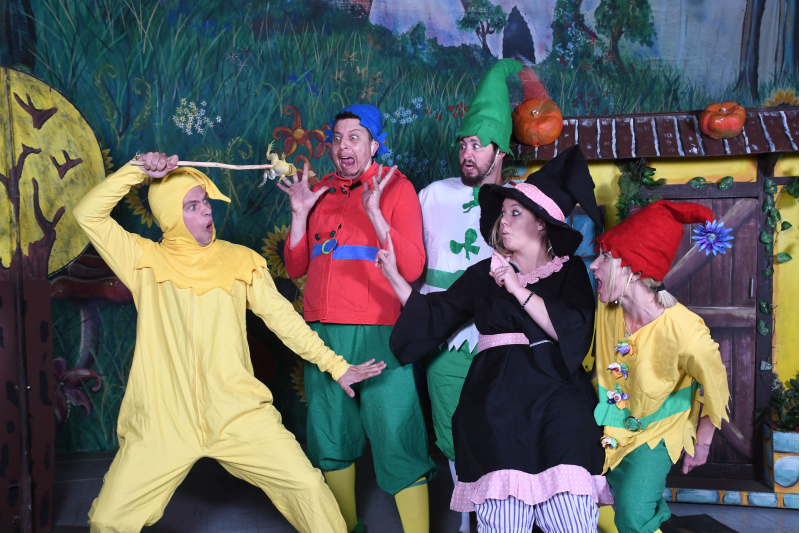
Die kunstefees maak egter ook vir die jongklomp voorsiening. Die prettige verhoogstuk Liewe Heksie en die tuindwergie sal so reg in hul smaak val.

Dit is ‘n unieke Liewe Heksie-verhaal wat spesiaal deur die skepper van die beminde heksie vir die verhoog geskryf is. Verna Vels het die stuk geskryf voor haar dood aan kanker in 2014.

Die rolle word vertolk deur Ana van Achterberg, Phillru van Achterberg en Botha Enslin.

Die Umuzi Kunstefees vind van 4 tot 7 Julie by die Lake Umuzi-kompleks in Secunda in Mpumalanga plaas – die laaste naweek van die skole se wintervakansie. Benewens bogenoemde verhoogproduksies, word daar ook voorsiening gemaak vir woordkuns en musiek, kabaret, ligte komedie, boekgesprekke en die visuele kunste.

Daar is nege eetplekke en volop verblyf by Lake Umuzi, insluitend twee hotelle, ‘n lodge en ‘n woonwapark. Daarbenewens is daar talle gastehuise in die omgewing.

Vir die volledige program en verblyfopsies, besoek die Lake Umuzi-webwerf.

Kaartjies is te koop by Planton.mobi.

Vir medianavrae, kontak Alma Swart by alma@lakeumuzi.co.za of 0836575411

KOOP KAARTJIES

MEER OOR UMUZI KUNSTEFEES

Oor Alma Swart

Alma Swart is ʼn entoesiastiese aspirantskrywer wat enkele kortverhale gepubliseer het. Haar agtergrond strek van dramaprojekte met tieners vir die gewilde fliek Klein Karoo asook die betrokkenheid by feesbeplanning vir die KKNK en InniBos. Deesdae is sy deel van die Lake Umuzi feesspan waar haar passie vir beplanning en mense uitgeleef kan word.

Sasol Fitness Specials

Tuesday Special for Pensioners

As a Sasol fitness centre member, you may bring along a pensioner on a Tuesday between 09:00 and 16:00 who will train for free.

This special is running at the Secunda, Kinross and eMbalenhle fitness centres, and is valid until 31 May 2024.

Please note that the pensioner will be required to complete a physical activity indemnity form at the reception before commencing with training.

Cash Contract Special

Take a cash contract in May and get up to three months of training for free.

This special is running at the Secunda, Kinross and eMbalenhle fitness centres, and is valid until 31 May 2024.

4 suspects arrested for Roodebank murder

4 Suspects were arrested in the early hours of Tuesday morning, 7 May 2024. The 4 suspects will face charges in the murder of Sifiso Lucky Kubheka.

The lifeless body of Sifiso was found after an extensive search was launched when he was reported missing on the 21st of May 2024.

Credit is given to D/Capt Fanny Sindane, D/WO Melusi Mthombeni, CST S Zondo and Ekasi Security for their hard work and for not leaving any stone unturned.

Station management commended a job well done by the detective for voluntarily going out of their policing precinct after they received tangible information that needed urgent attention about suspects who committed this gruesome murder.

Embalenhle Police received a complaint about the body of a person who was floating in a river they immediately rushed to the scene and on arrival, they discovered a body that was floating in the river in a prone position.

During the observation, police noticed that there was no sign of life and role players were summoned to the scene. During the investigation, it was discovered that both hands were tied with cable ties and had a rope on both of his legs and also a big rock was tied on the legs.

The deceased was reported as missing on 2024-04-21 by family and a missing person file was opened at Embalenhle SAPS. Later that week his car was found abandoned along Old Bracken Road Embalenhle. The motive for the kidnapping and killing is unknown at this stage.

The suspects who committed this crime absconded the area from the commission of crime to evade arrest until their arrest on Tuesday.

The suspects will appear in court this morning.

ANIMALS 101 – ADOPTION IS THE ONLY ETHICAL OPTION

WHAT YOU SHOULD KNOW ABOUT SAVING A LIFE THROUGH ADOPTION!

South Africa is overflowing with unwanted dogs, cats, puppies, and kittens, even rabbits, birds, and other animals. It’s sad to think that most of these animals in shelters will never experience a loving home and the security of a family they deserve.  

The sad reality is that although we promote adoption, we can’t adopt our way out of this crisis.  Do you know 30 homes that want to adopt?  I don’t, and that is the number of animals that easily come into one shelter per month and there are thousands of shelters. People selfishly breed and abandon animals faster than we can save them. 

We understand that it seems easier to buy a pet, but buying a pet is part of the problem. The pet industry in South Africa is not regulated and pet shops do not promote responsible pet ownership (sterilizations, home checks, etc.). They make their profits by promoting impulse buying. I am not even talking about all the “free to good home” ones on social media.

Image by The Paw Company

This article is a reprint that was first published on 05/07/2013

WHAT IS ADOPTION? 

Many animals come in as strays found and other animals are dumped, abandoned, or surrendered by their owners. If these animals are not claimed by their owners within the pound period, the shelter has two options namely, euthanize or adoption. Adoption is when you give an animal from a registered and responsible rescue organization/shelter a second chance, as part of your family. You will pay an adoption fee and go through a process of responsible homing.

WHEN YOU ADOPT YOU CHANGE MORE THAN ONE LIFE!   

Here are a few of the many benefits of adopting a pet:

  • You not only save a life but will also make resources and space available for the next one to be rescued.
  • If you can do the math, you know you will save money by adopting!
  • Adopted pets for the most part are already “trained”. 
  • You also help to lighten the load of a shelter that rescues animals and make the rescuers go on for just one more day. 
  • By adopting from a reputable shelter, it also allows you to take a stand against pet stores, puppy mills, and breeders and you do your part to put a dent in the pet-for-profit trade.
  • You can also build a relationship with the shelter that can really come in handy!
  • There is no greater kindness you can offer a frightened, confused shelter pet than a place in your heart and home. Many adoptive parents can attest to the special bonds created after adoption. 

Also, read more about ethical choices when it comes to your wardrobe.

THINGS TO CONSIDER BEFORE ADOPTING 

  • Are you ready for a pet? 
  • Can you afford pet care in the long term? 
  • Have you researched their specific needs and can you meet these needs? 
  • Does the animal fit your family’s lifestyle? 
  • If you live in a townhouse complex, written approval from the body corporate, that pets are allowed, must be obtained.   
  • Municipal By-laws must be adhered to with regard to the allowed number of pets.  
  • You may never know their breed, medical history, or behavioural history. 
  • You will have to pet-proof your home beforehand. 
  • Get the necessary items for your car and for travel. 
  • You will still need to buy beds, blankets, toys, leashes, deworm every 3 months, vaccinate every year, and buy good food every month, this does not even include saving for an emergency!  
  • They need to be spayed/neutered and a form of identification added, which is usually included in the adoption. 
  • Social animals should not be the only animals in the house and most need to be around their own species. 
  • They might need some training and patience to build trust, more time to adjust, and might not get along with all people or animals. 
  • Choosing the right breed for your lifestyle is however especially important.
  • Never make a decision based only on a dog’s look, size, breed, etc. The energy level of that animal should fit with that of your family. 
Adoption - Image by Beyond Behaviour

OUT-OF-TOWN ADOPTIONS

Adopting an animal from a shelter in another town is possible. Usually, a local animal rescue or SPCA in your town will do the home check. Out-of-town adoption however will cost more, and the travel stress can be a lot for the animal. If you change your mind, you can’t expect the shelter to cover the costs. So really think this through and commit 100% before you choose this option.

WHAT CAN YOU EXPECT DURING THE PROCESS OF ADOPTING A PET?

The process and policy might differ between organizations. The process usually includes an application form, meet & greet, home check, paying an adoption fee, signing an adoption contract, sterilization, and follow-up. Depending on availability for sterilization at the Veterinarian or home check schedules, this can be completed in as little as 3 or 4 days. 

Irresponsible homing is not rescue! Because there are far too many irresponsible organizations (yes in our area too) as well as scammers out there, we consider it to be a responsible adoption only when it includes the following:

  • The organization must be registered and have a clear adoption policy as well as transparency and accountability.
  • Must have a comprehensive adoption application.
  • Must require proof of address and a copy of the adopter’s ID.
  • Must do a home check in person. 
  • They must not breed or support breeding in any form. These are the biggest hypocrites “in” animal welfare.
  • May not allow adoption for someone else as this is highly irresponsible and no reputable and responsible organization will do this.
  • Must have an adoption contract that includes a sterilization policy and return policy. They should always take the animal back if the need arise.
  • Should do follow-up post-adoption.
  • Meet and greet with all the family members (humans and animals) is important.
  • We believe the adoption fee should at least include, sterilization, deworming, treatment for ticks and fleas, first vaccination, microchip, and ID collar.

Please note – If it is an individual who is “re-homing” their dogs or their friend’s dog, or giving animals away for free, or selling them, then it is not an adoption and they are part of the problem by abusing the term ‘adoption’ and fueling this massive overpopulation crisis. Selling animals on Facebook goes against their community standard and should be reported to Facebook and the group admins.

ABOUT ADOPTION FEES

If you think adoption fees are too expensive, then we will advise that you rather not get any pet.  If you do the math a responsible pet owner would do, then you will know that the adoption fee which includes sterilization and more, is relatively inexpensive compared to the cost of purchasing a pet, or even compared to getting a pet for free, and that is excluding the animal itself. 

EXAMPLE – Take a medium-sized female dog in Secunda and surrounding areas:

WHEN YOU BUY (Excluding cost for the animal itself.)

  • Sterilization easily up to R1500
  • Microchipping R375
  • Deworming R60
  • Vaccinations R400

TOTAL: R2335

WHEN YOU ADOPT

If all of the above are included in our area, it is around R1250 plus the fact that you saved a life…………which is priceless! That is a R1085 difference plus you just pick up the animal with all of it done already so saving on time and petrol.

Responsible pet owners will do all of the above for their animals and more. So, when you say adoption fees are too much, I would seriously question your math skills and sense of responsibility. If you can’t afford adoption fees, then I doubt you will be able to properly care for that animal, even if your heart is in the right place!

Adoption - Image by The Paw Company
Adoption – Image by The Paw Company

HOME CHECKS 

This is one of the most important aspects when it comes to the credibility of responsible animal welfare organizations. As a prospective adopter, you do not have to be afraid of a home check!  You might learn some valuable information about being a pet owner or things to look for and so, you can help educate others to improve the lives of animals! You can also build a relationship with a knowledgeable person which can come in handy in the future. Most organizations will give you time to make the necessary, reasonable changes and still adopt.

SOME HOME CHECK CONSIDERATIONS INCLUDE:

  • Access to basic needs like food, water, and shelter.
  • Fences, swimming pools, neighbour’s animals, and surrounding areas.
  • Inspection of the other animals in the home, their general condition as well as their behaviour toward their owners and other animals.
  • Children and their attitude towards the animals.

If the organization doesn’t include both a home check and sterilization then they are NOT A RESPONSIBLE ORGANIZATION and we consider them to be a pet shop. By supporting them you help fuel this massive overpopulation crisis.  No matter what they call it, and even if they are registered!

Organizations get blamed for being too strict when it comes to adoptions.  If the process is too ‘hard’ for you, the commitment to the animal for their life will be impossible for you.  You must remember that we are responsible for the life of a sentient being, not just an object you buy at the shop and can return or throw away when you are not happy. It is not just about a good home, but about the right placement for the animal, considering their needs and the availability of resources to meet those needs. 

One popular critique is not allowing adoptions when all the animals in the yard are not sterilized.  It is a standard practice among reputable rescues to require any existing animals to be sterilized, even if you adopt a dog and have a cat. It is counterintuitive to our mission as rescuers to allow puppies, kittens, or bunnies to be homed where there are unsterilized animals. We would not have this massive overpopulation crisis if people sterilized their pets. It is about responsible pet owners.

REMEMBER

  • It may take some time to gain the adopted pet’s trust.
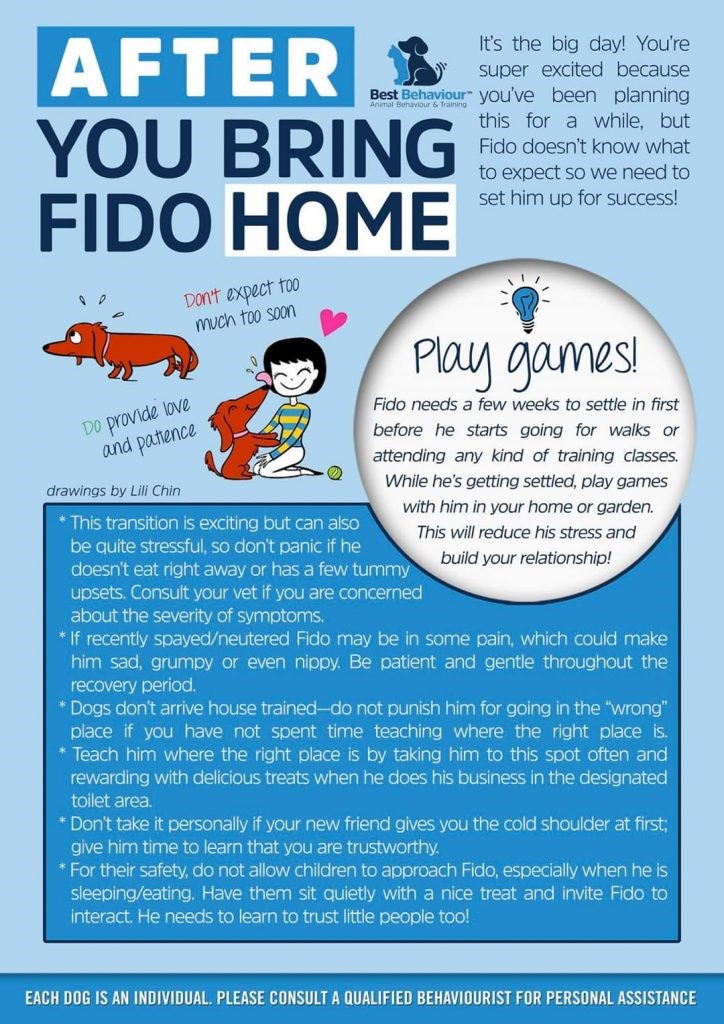
  • After adoption they need time to adjust (3 months at least) and they might be scared at first or for extended periods.
  • The stress and diet change (which should be done correctly and be species-appropriate) can likely cause diarrhea, or maybe constipation.
  • Even if the bond is instant, you don’t know your pet yet, so take the necessary precautions around other people, children, and pets, and do not introduce them to everyone at once. You are their advocate.
  • Get some professional help from a qualified behaviourist (there is a difference between a trainer and a behaviourist) if there are any behaviour concerns.
  • Shelters will not knowingly give you a sick animal, but also contact them when in doubt.
  • Not being “purebred” can actually be beneficial.
  • It is crucial to set the “house rules” and the whole family needs to stick to them and be consistent, so as not to confuse the animals.
Adoption - Image by Beyond Behaviour
Adoption – Image by Beyond Behaviour

Rescue is the best breed! We always advise you to go and meet the animals available at your local shelter.  Shelter pets are not broken, they were only failed by humans, but most people only realize this after they have volunteered at the shelters.  Adopting an adult pet can even be better than a puppy and you might just fall in love with one that you never thought of.

There are breed-specific shelters and shelters for birds, rats, bunnies, and other critters.  If you like a particular breed, there are many different ones up for adoption through breed-specific rescues (e.g., google “Poodle” rescue SA).   If you can’t find the pet you’re looking for locally, consider widening your search but keep in mind the stress for the animal if you adopt from out-of-town.

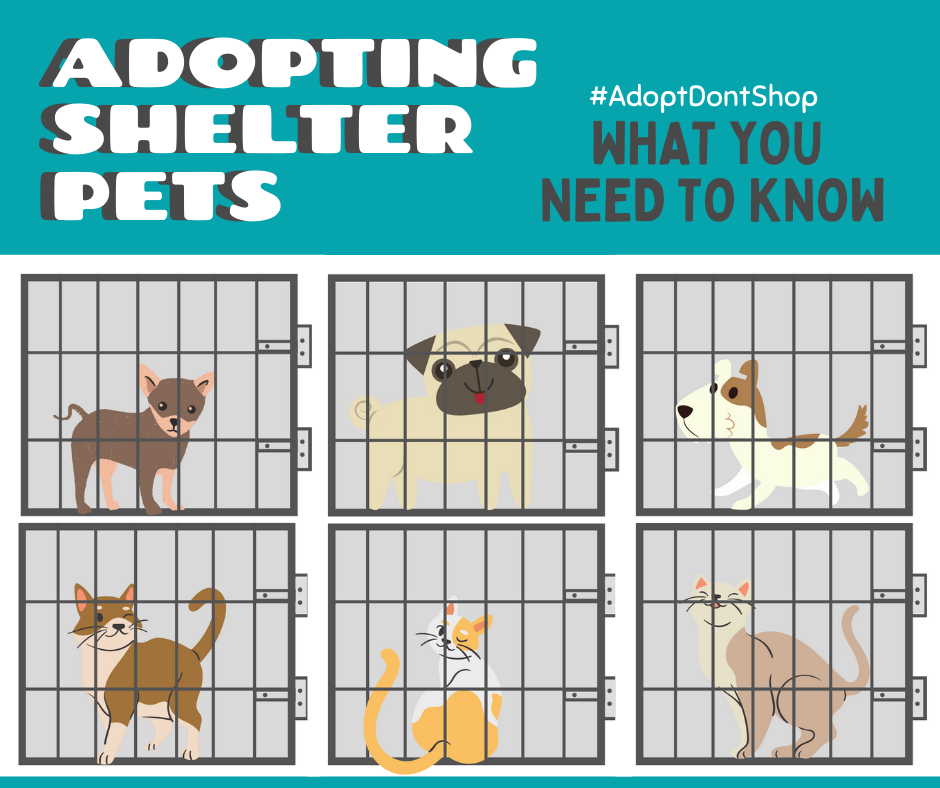
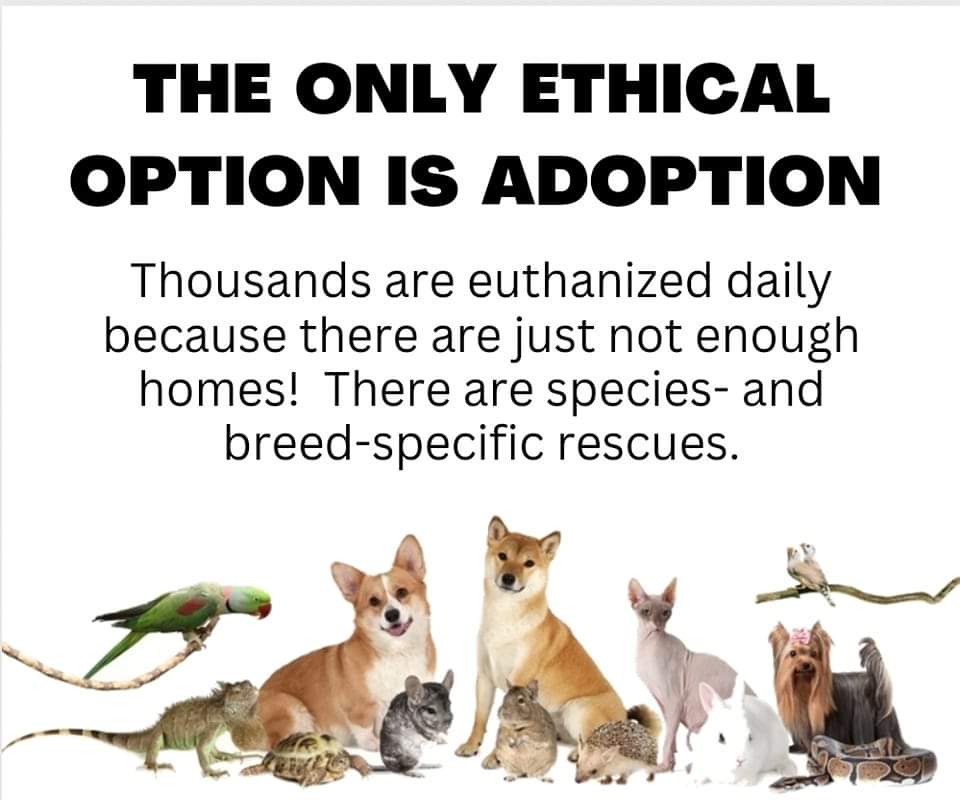
In a world where thousands of animals (about 2800 in SA alone) are humanely killed (PTS/Euthanized) EVERY DAY…… adoption is the only ethical option! Visit your nearest reputable shelter and make a difference today!  ADOPT DON’T SHOP!   

Next week we will look at understanding the different types of people in animal welfare.

WHEN YOU KNOW BETTER, DO BETTER!
Accident exposes cocaine of R4m

POLICE RECOVERED MORE THAN R4 MILLION WORTH OF SUSPECTED COCAINE DURING A MINOR ACCIDENT, ONE PERSON APPREHENDED

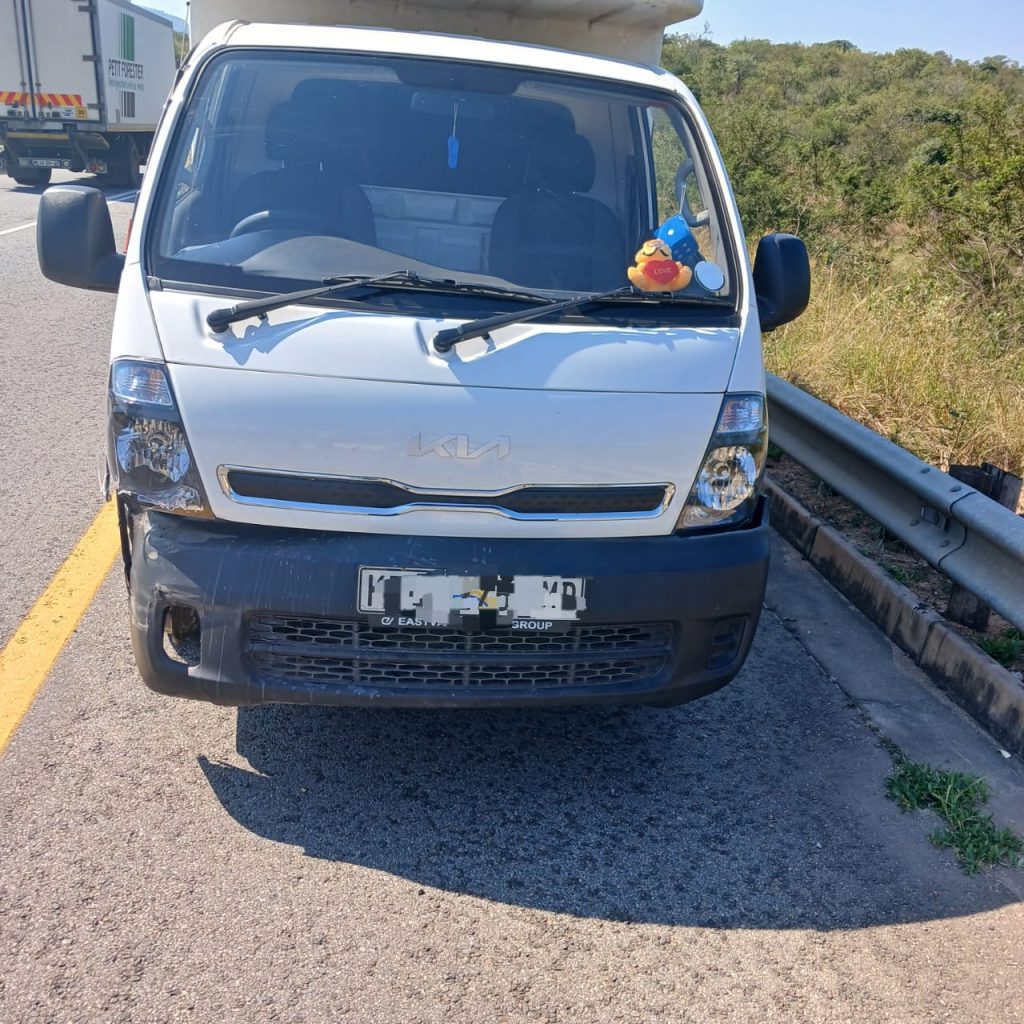
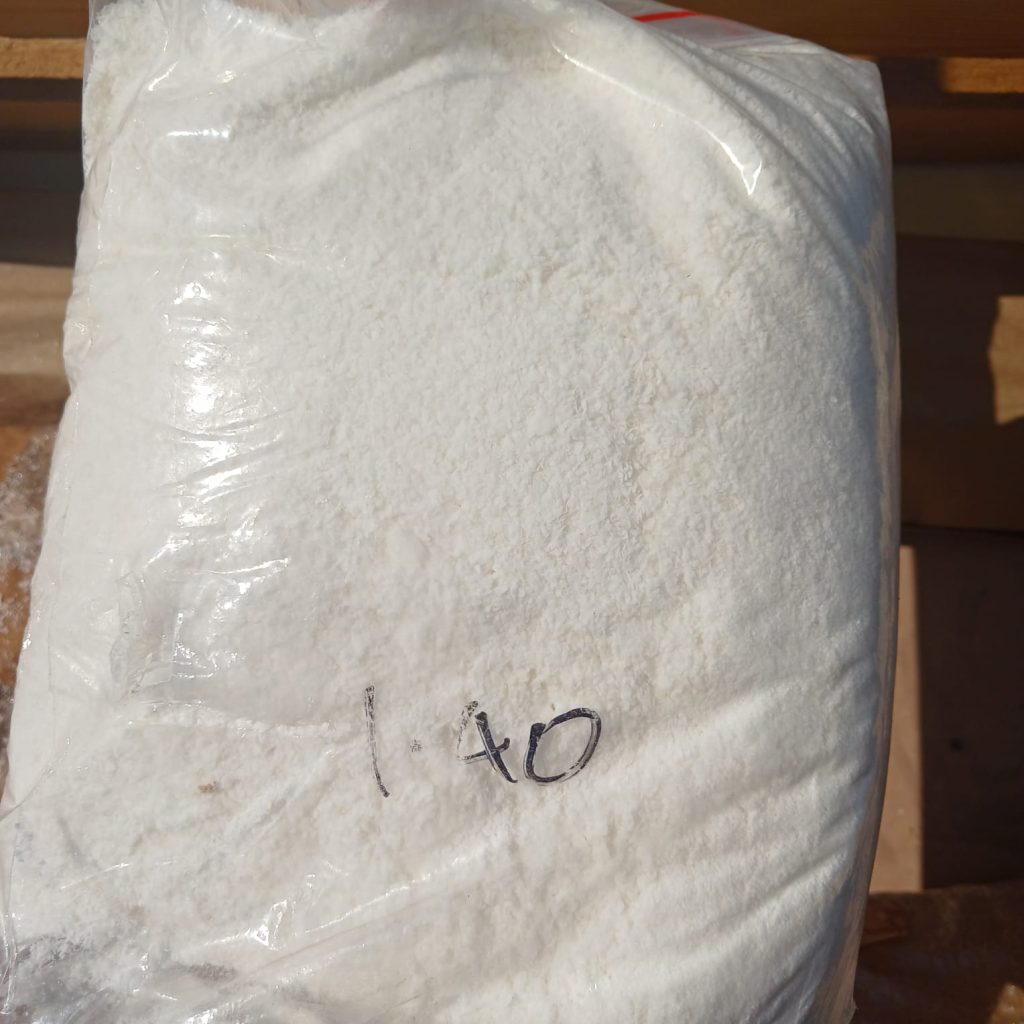
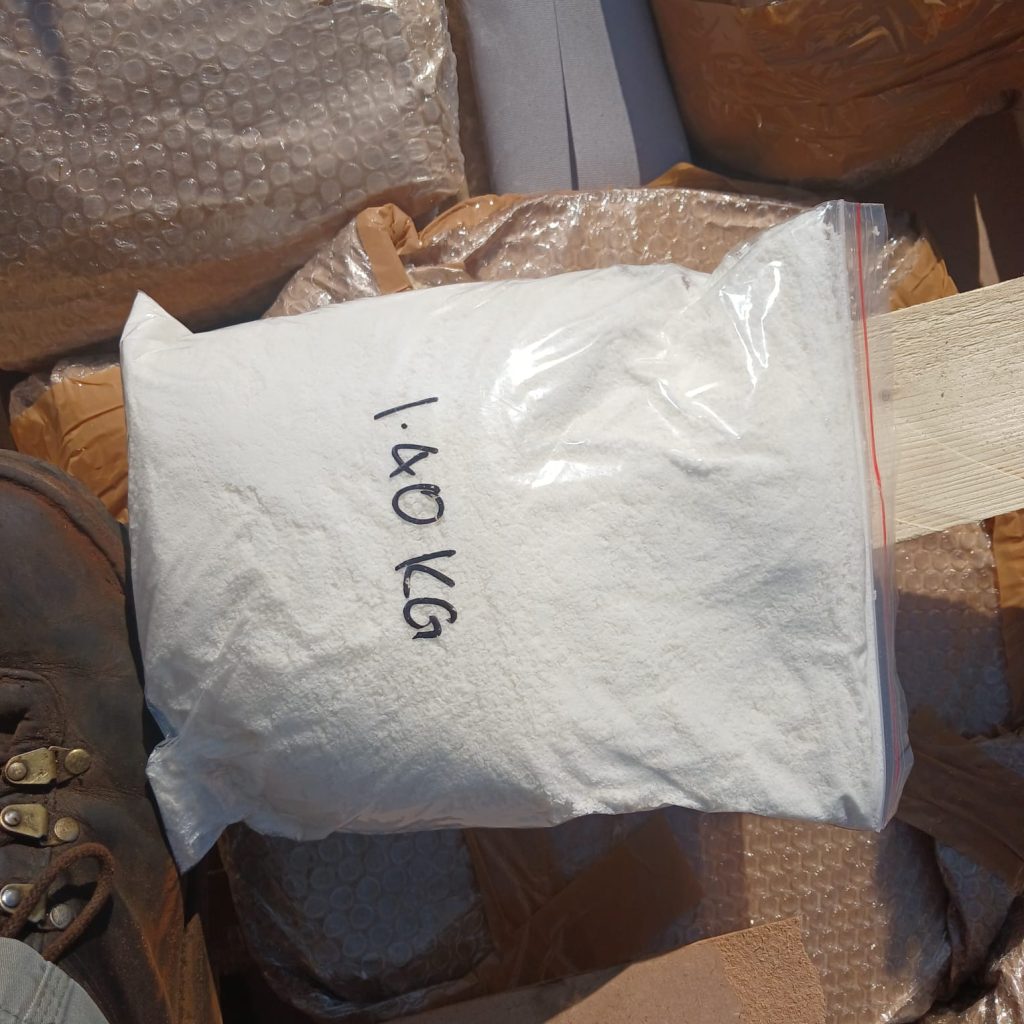
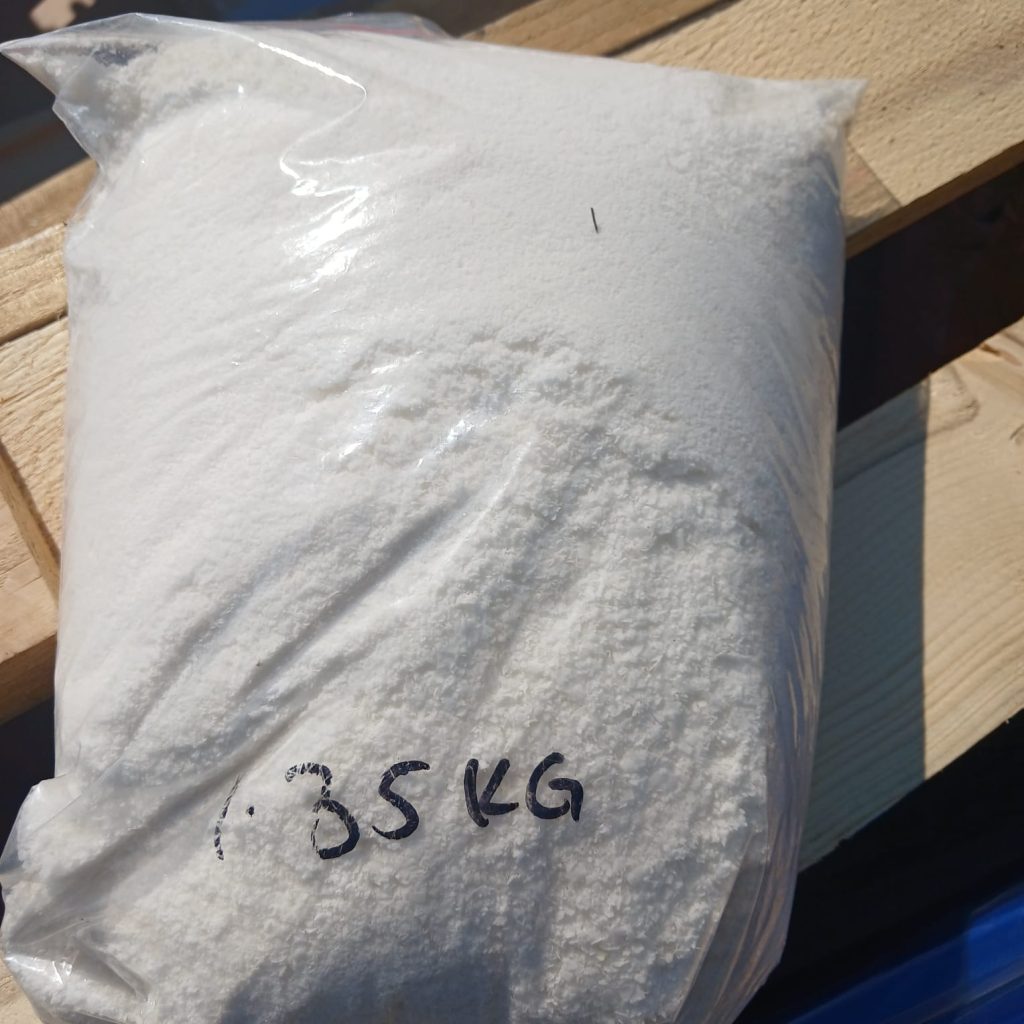
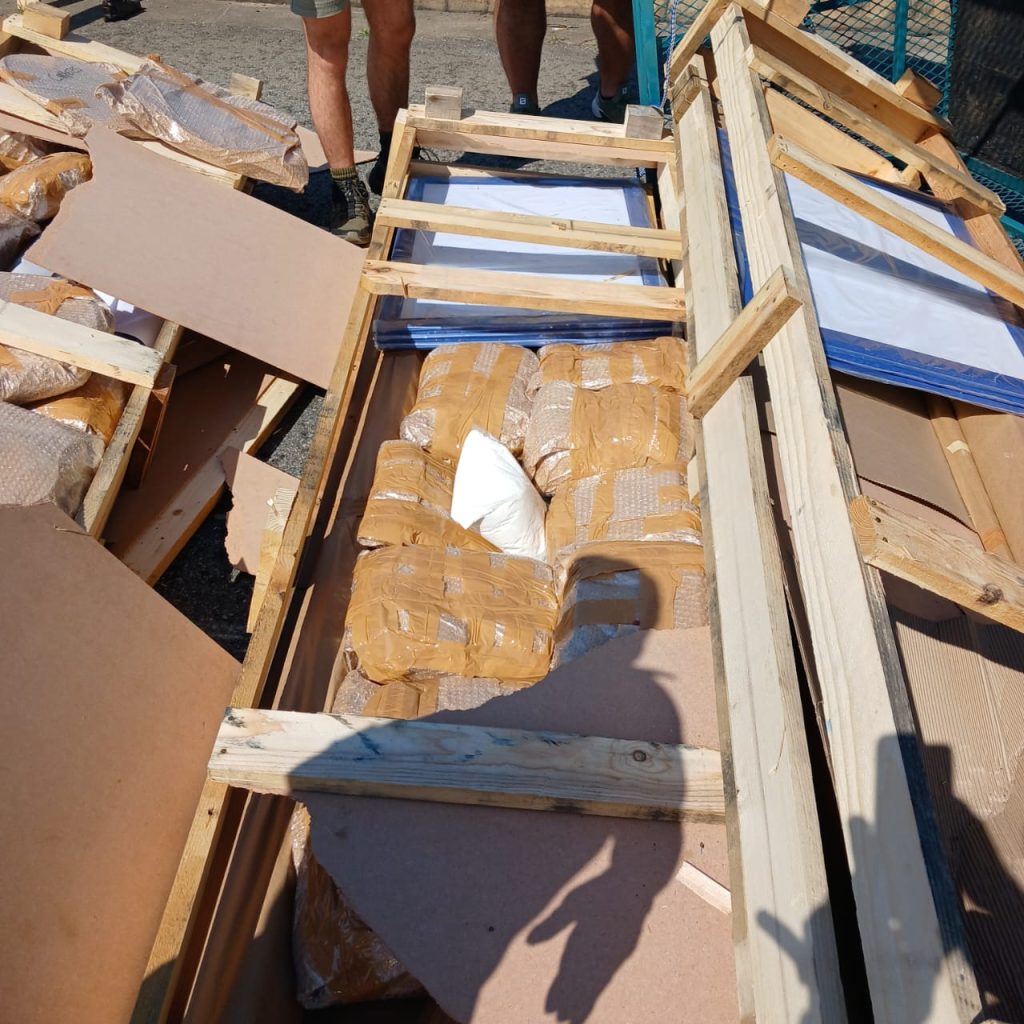
Once again Police made a major breakthrough and apprehended a 23-year-old man with about R4 583 370 worth of suspected cocaine on the N4 Road during a minor accident at Valencia near Nelspruit this afternoon, Thursday 02 May 2024.

According to the report received by the Bulletin, a white KIA bakkie, pulling a trailer, was travelling on the said road when the trailer somehow broke from the truck, resulting in a slight accident.

Members of the Police from Nelspruit SAPS attended the accident.

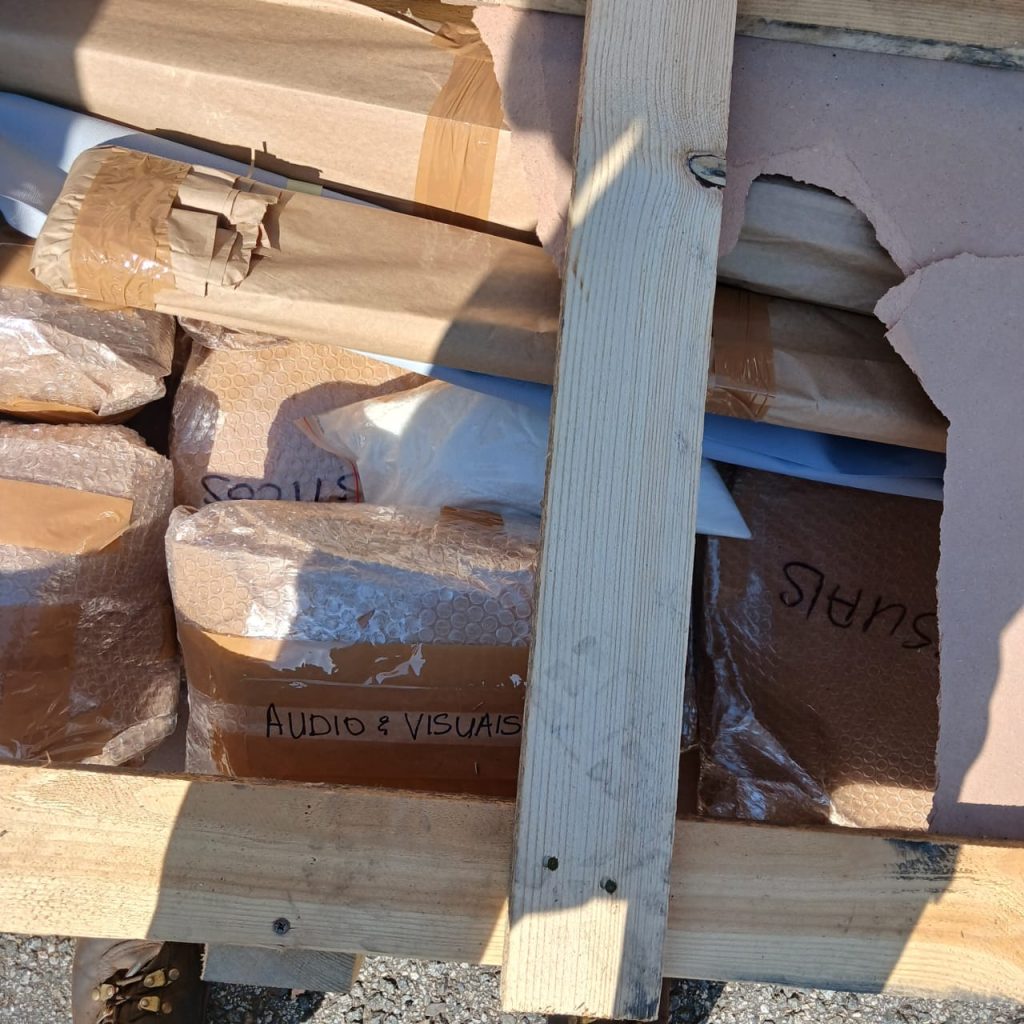
Upon arrival, members smelt the rat and discovered that the courier vehicle had spilt about 8 crates of some white powder (substances). As members were suspicious, they immediately called their counterparts from the K9 Unit of the Police as well as members from the Directorate for Priority Crime Investigative (DPCI) Unit to come on board.

It was during this period when the astute members realised that the substance found, weighing about 11 kilograms, was the subject of Police investigation. Police are more convinced that the powder is nothing else but cocaine.

As a result, an inquiry was opened meanwhile the driver was taken in for further questioning. 

The confiscated substances will undergo some tests as part of the probe.

Without speculating, Police are adamant that the consignment could have been on its way to places in the Gauteng Province however that part will be left to the investigators who will surely share more light as the probe continues.

It is against this backdrop that the Provincial Commissioner of the SAPS in Mpumalanga, Lieutenant General Semakaleng Daphney Manamela has commended members of the Police for their vigilance and once again the General reiterated a call for members of the public to work hand in hand with the Police in the fight against crime.