Home Blog Page 3

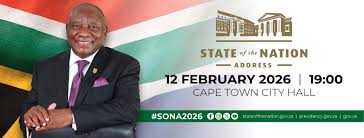
President Ramaphosa delivered the state of the nation address tonight.

0

President Cyril Ramaphosa’s 2026 State of the Nation Address set a determined tone for a year of reform, recovery and renewal. Framing the moment with the memory of the 1956 women’s march and other milestones of the struggle, the President linked South Africa’s constitutional promise to a set of bold, practical priorities: drive inclusive growth and job creation; reduce poverty and the cost of living; and build a capable, ethical, developmental state.
A renewed focus on security and the rule of law dominated the agenda. Organised crime and gang violence were identified as the most immediate threats to democracy, public safety and economic progress. The government will pursue an intelligence-led, integrated enforcement strategy, consolidate national intelligence efforts, and deploy multidisciplinary teams to dismantle priority syndicates. The South African National Defence Force has been authorised to support police operations in hotspot provinces, and 5,500 new police recruits will join this year in addition to prior commitments. A criminal-justice reform initiative, modelled on Operation Vulindlela, aims to strengthen institutions — from the SIU and Hawks to the NPA — while a Whistle-Blower Protection Bill and procurement reforms are intended to reduce corruption and restore public trust.

Water insecurity and local government dysfunction are being elevated to the national scale. The President announced a National Water Crisis Committee to coordinate rapid responses and long-term investments. More than R156 billion in public funding has been committed for water and sanitation over three years, alongside a R54 billion incentive for metros that reform water, sanitation and electricity services. Legislative measures — including the Water Services Amendment Bill — will enable the government to hold providers accountable and intervene where municipalities fail. A revised White Paper on Local Government promises a differentiated, merit-based approach to municipal responsibilities, stronger accountability and faster national interventions when needed.

Economic recovery is central to the plan for inclusive growth. Four consecutive quarters of GDP growth, two primary budget surpluses, an improved credit rating and lower inflation signal positive momentum. To convert this momentum into enduring job creation, government has pledged over R1 trillion in public infrastructure investment over three years and launched an infrastructure bond that was heavily oversubscribed. Reforms to speed commercial dispute resolution (specialised courts), create a professional State Property Company, and expand Operation Vulindlela’s market-opening reforms aim to attract further private investment.

Energy and logistics reforms are key to long-term competitiveness. Load shedding has been ended and the country is accelerating a transition toward renewables, targeting more than 40% of energy from clean sources by 2030. Eskom is being restructured with an independent transmission entity and immediate steps to begin independent transmission projects. Rail and port turnarounds — including private concessions at major terminals and enabling private rail operators — are intended to reduce costs and connect producers to global markets. Preparations for high-speed rail and public-private partnerships in critical corridors were also announced.

Job creation and industrial transformation are priorities across sectors. The Presidential Employment Stimulus has created more than 2.5 million opportunities, and public employment programmes will be expanded and better coordinated to provide income, skills and pathways to long-term work, particularly for youth and women. Government set an ambitious R2 trillion investment target over five years and committed funding for small and medium enterprises — more than R2.5 billion for 180,000 firms plus R1 billion in guarantees — with special focus on women- and youth-led enterprises. Incentives for the green economy (including a 150% tax deduction for new electric vehicle investment) and measures to promote beneficiation of critical minerals are designed to position South Africa for global demand.

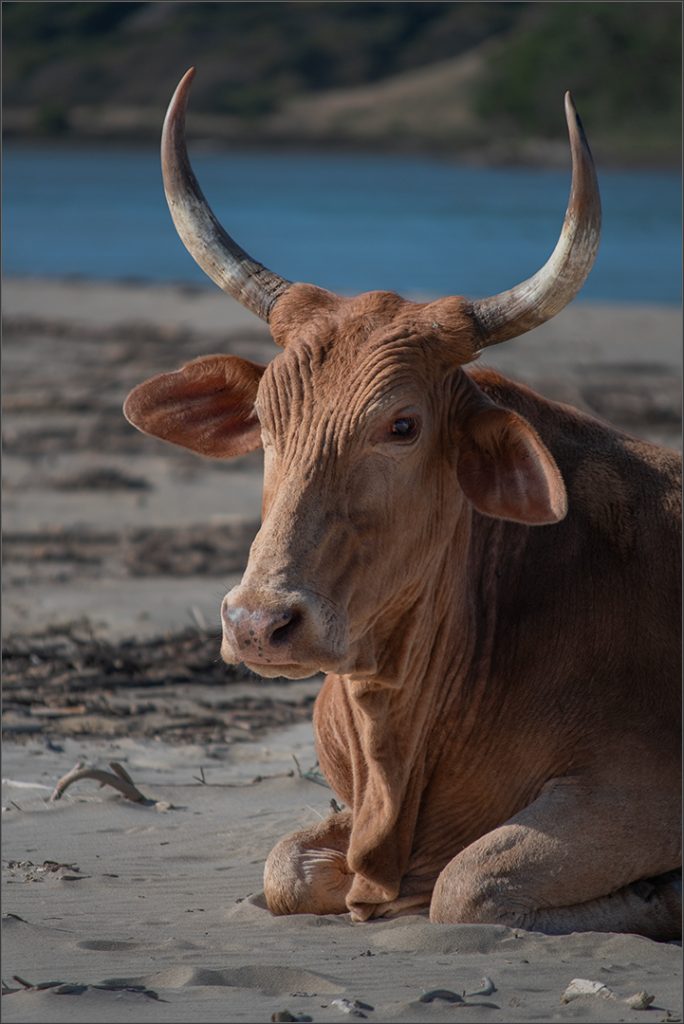
Agriculture and the response to disease received urgent attention: a national vaccination programme for 14 million cattle (28 million doses) was announced to combat a severe foot-and-mouth outbreak, with a task team reporting monthly. The agriculture sector’s export potential was underscored, and finance and extension services will be scaled up for emerging black producers.

Education and skills development are framed as pillars of the skills revolution. Early childhood development is being expanded — including compulsory Grade R and increased ECD subsidies — while the government pursues a dual training model linking classroom learning to workplace experience. The matric class of 2025 achieved an historic 88% pass rate, but the address stressed the need to reduce dropout rates and expand access to science, technology, engineering and mathematics. Reforms to SETAs, greater use of TVET colleges, and changes to skills-levy returns aim to better align training with employer needs.

Social protection, housing and child welfare were emphasized as essential to an inclusive recovery. The Social Relief of Distress Grant will continue but be redesigned to support livelihoods and pathways to sustainable employment. A new housing model will prioritize subsidies for ownership and rental in suitable areas, and the District Six restitution programme will continue with Phase 4 funding. A national mission to end child stunting by 2030 was launched, with targeted interventions for the first 1,000 days of life and allocations to be set out in the Medium Term Budget Policy Statement.

Health and gender-based violence drew urgent, actionable commitments. Investment in health infrastructure and academic hospitals will be prioritised, beginning with George Mukhari Hospital. A mass rollout of Lenacapavir — a six-monthly HIV prevention injection — and a nationwide push to vaccinate girls against HPV aim to reduce HIV transmission and cervical cancer. GBV and femicide, declared a national disaster, will be addressed through improved investigations, expanded sexual offences courts, survivor-centred services, and prevention campaigns.

On migration and borders, the address combined enforcement with human rights protections: funding for border infrastructure and technology, expanded Electronic Travel Authorisation systems, and prosecutions for employers who hire undocumented workers. Ten thousand new labour inspectors will strengthen enforcement of labour laws, while the government reiterated that foreign nationals must not be denied access to essential services.

Strengthening the state and digital transformation were central themes. Legislative reforms, including the Public Service Amendment Bill, will protect senior appointments from political interference and enforce lifestyle audits and a central registry for disciplinary cases. SOE governance will be tightened through clearer appointment standards and a phased move to centralised portfolio management. A Digital ID and the MyMzansi platform will digitise key services — driver’s licenses, matric certificates, police statements and SASSA eligibility checks — expanding access and reducing bureaucratic barriers.

Internationally, South Africa will continue to champion multilateralism, African integration and the interests of the Global South. The government affirmed its commitment to the AfCFTA, economic diplomacy to expand exports, and continued participation in peacekeeping and conflict-prevention efforts. The address reiterated South Africa’s principled stance on sovereignty and human rights across global conflicts.

The President framed 2026 as a turning point: the country is emerging from a period of decline and moving toward growth, with concrete actions to fix local government, fight crime and corruption, create jobs, and build a state that delivers. A National Dialogue process will deepen public participation and culminate in a national convention to define a national compact and inform the next phase of the National Development Plan beyond 2030. The address closed with a call to collective action: to ensure that growth lifts all South Africans, restores trust in public institutions, and secures a more equitable, resilient future.

Overall, the address combined immediate operational measures — security deployments, water crisis interventions, vaccination drives and recruitment targets — with long-term structural reforms in infrastructure, energy, local government, skills, and the public service designed to convert recent economic gains into inclusive, sustainable progress.
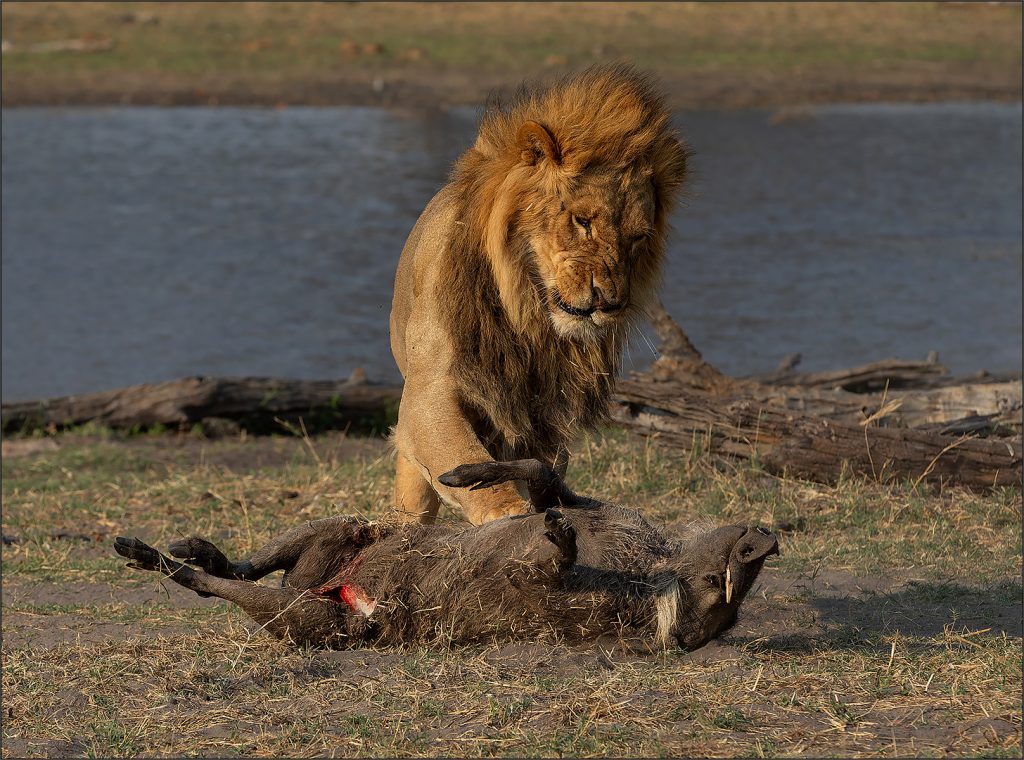
Bethal Photography Club shows excellence at meeting

0

Photographers gathered during the first club meeting of the year to showcase their photographs.

The entries were of a very high standard and it was difficult to award winning entries.

If anymore information on Bethal Fotoklub is required Johan Drotsky can be contacted on 0829265328

The winning photographs for January were

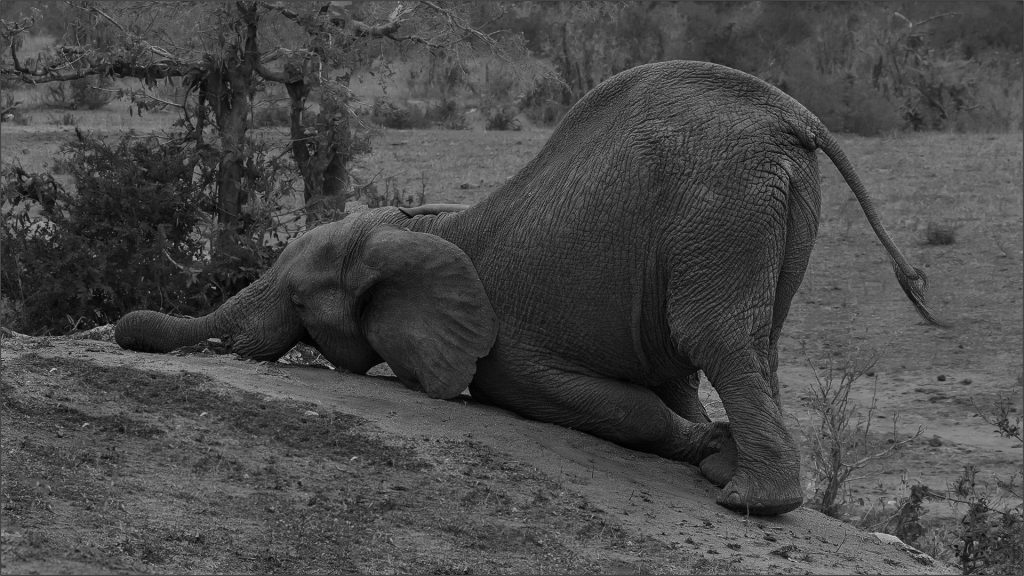
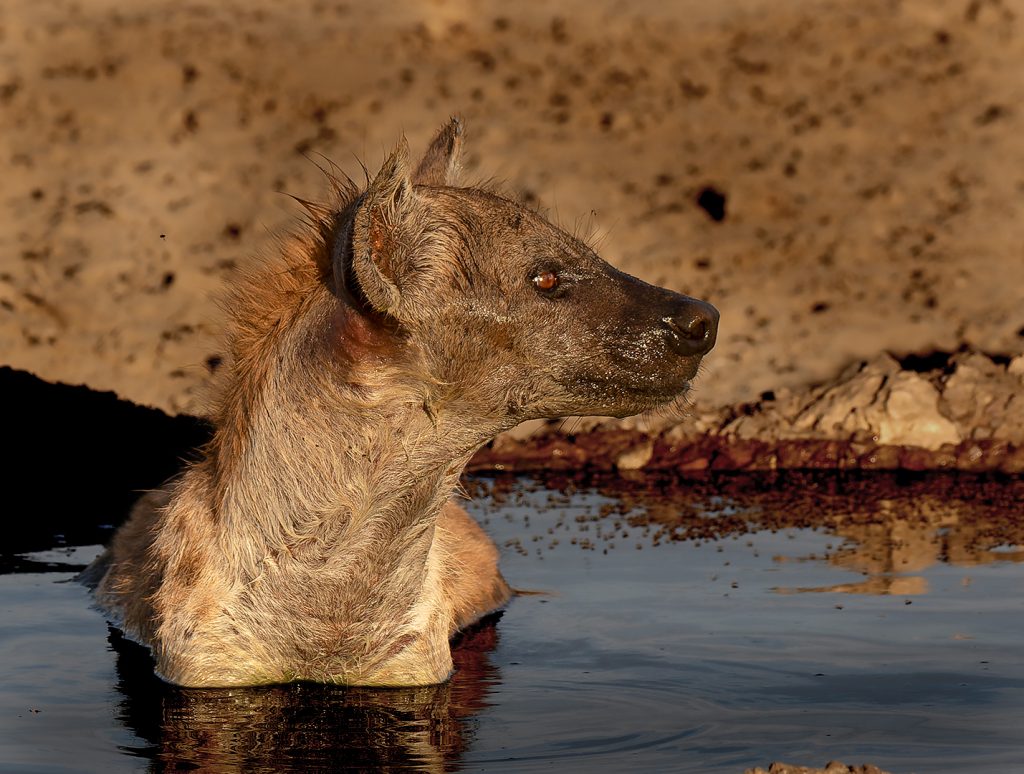
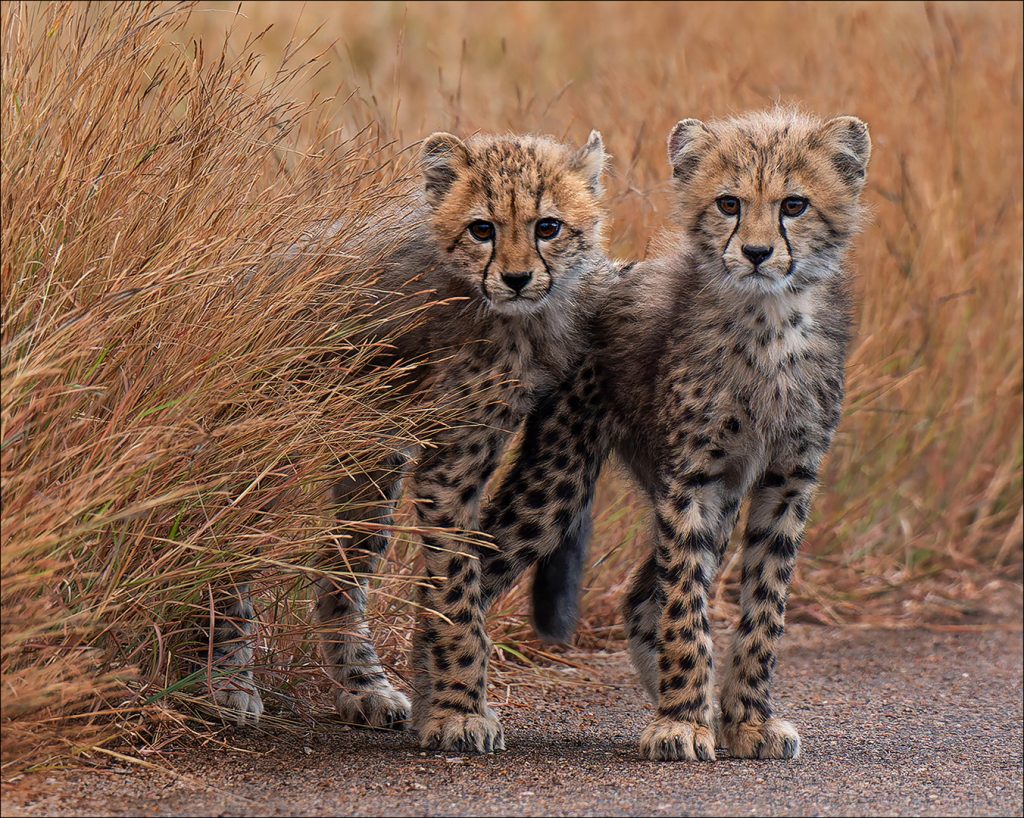
The best Senior Photographer was Johan Drotsky with “Vat so Vark”

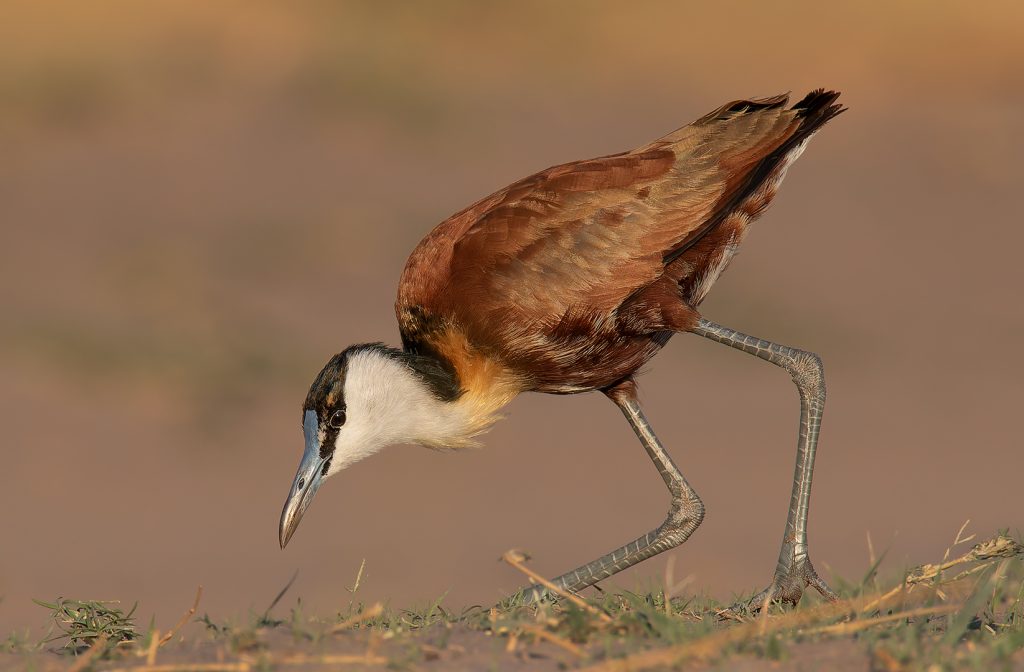
The best Junior Photographer was Landi Drotsky with “Soek vir Kos”

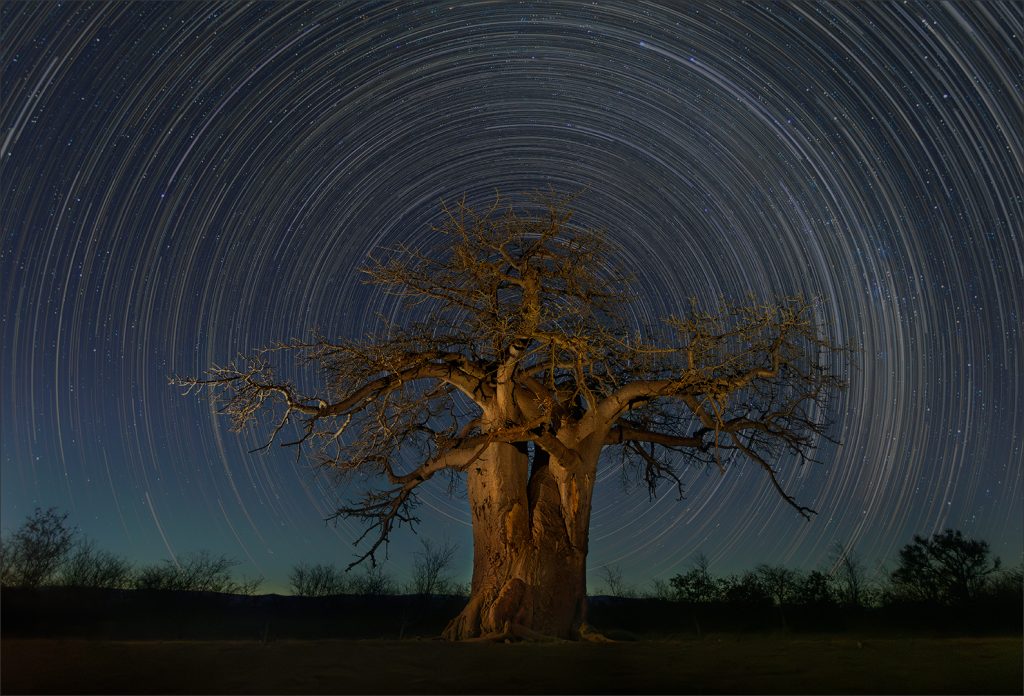
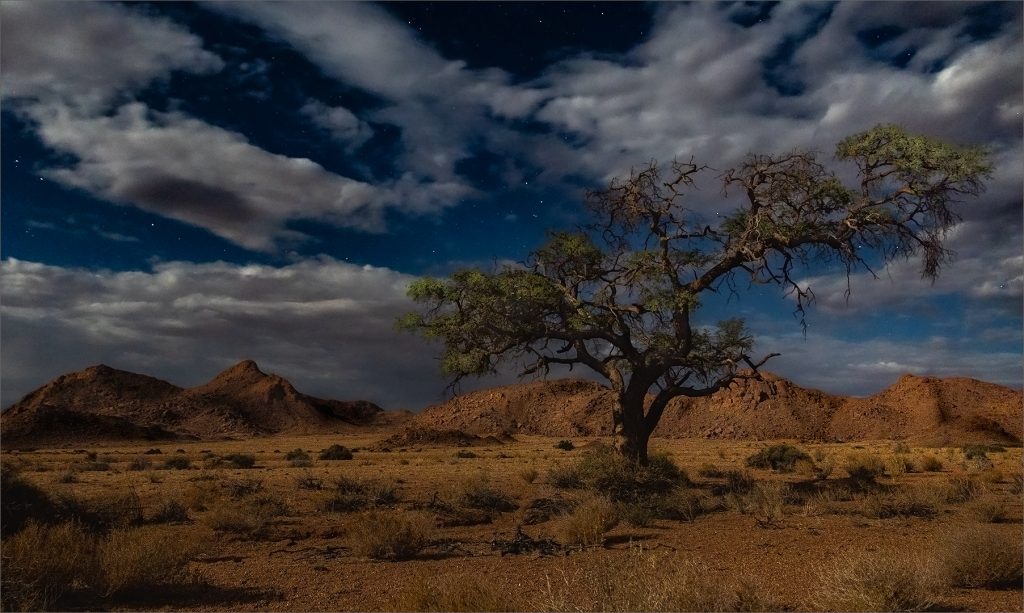
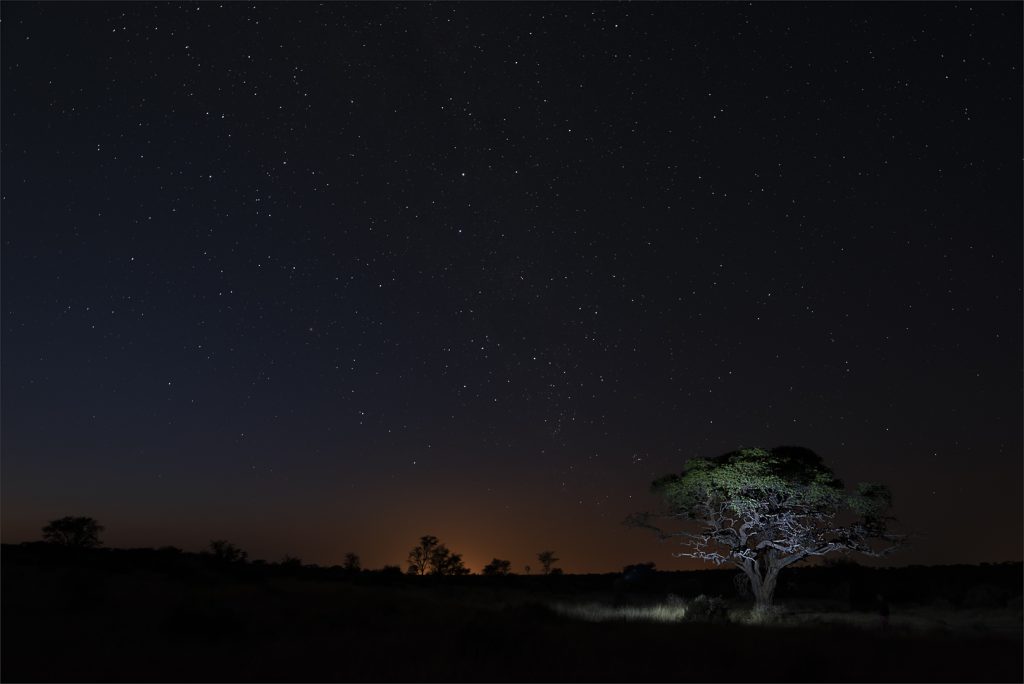
The best Senior Photograph in the Set Subject Category was “Kremetart in die Nag” by Bernie van der Vyver

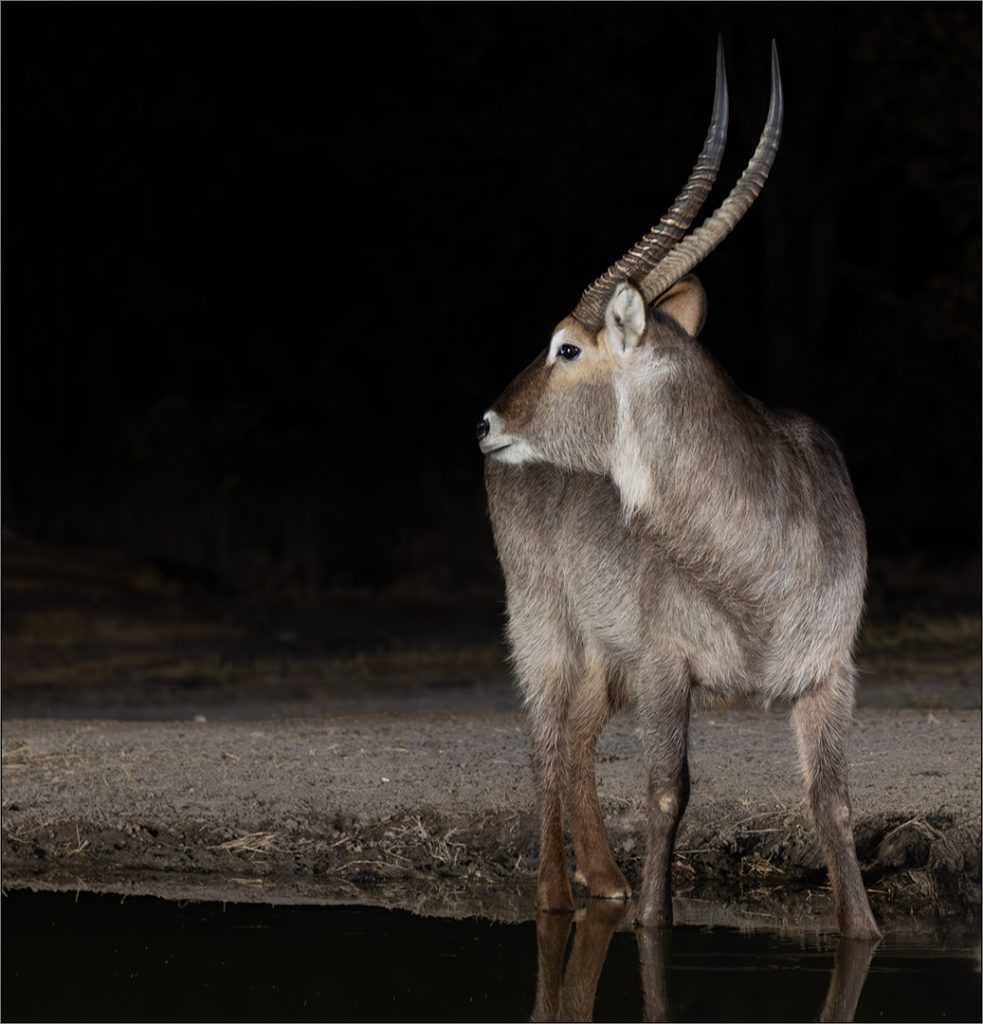
The best Junior Photograph in the Set Subject Category was “Kyk in die Donker” by Reinhardt Herselman

Here is the COM and Gold awards for the night

Category – Open

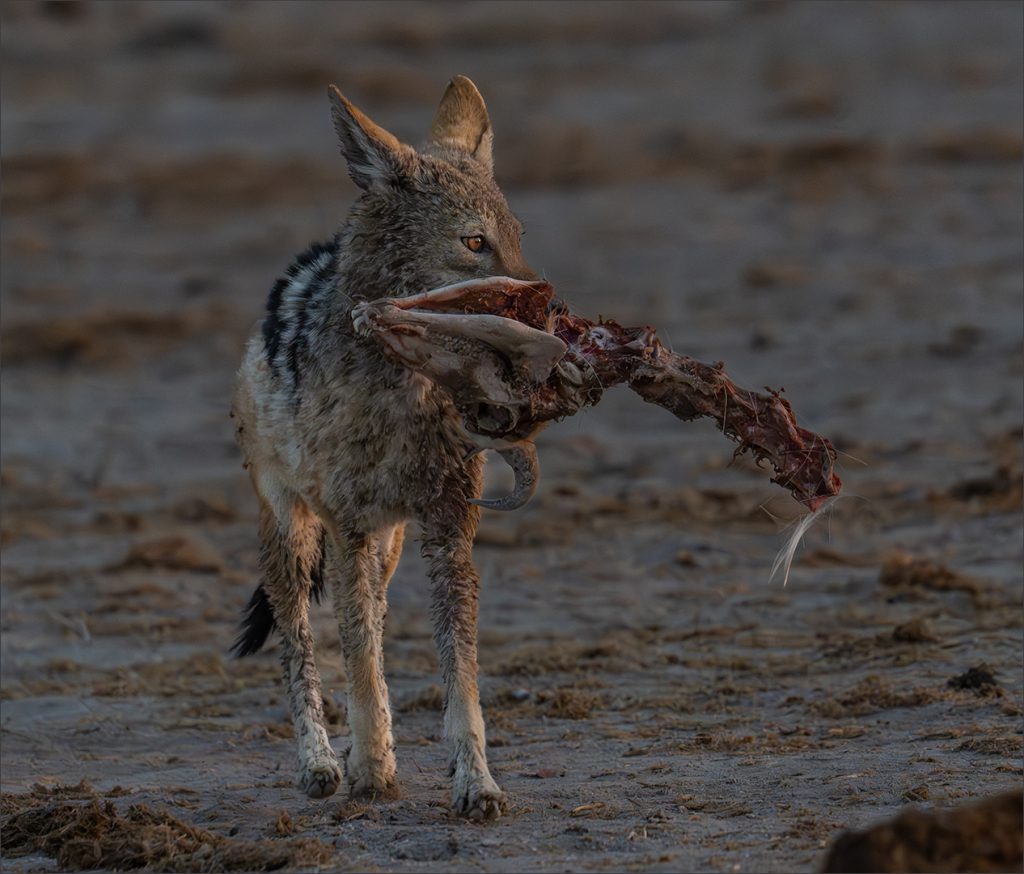
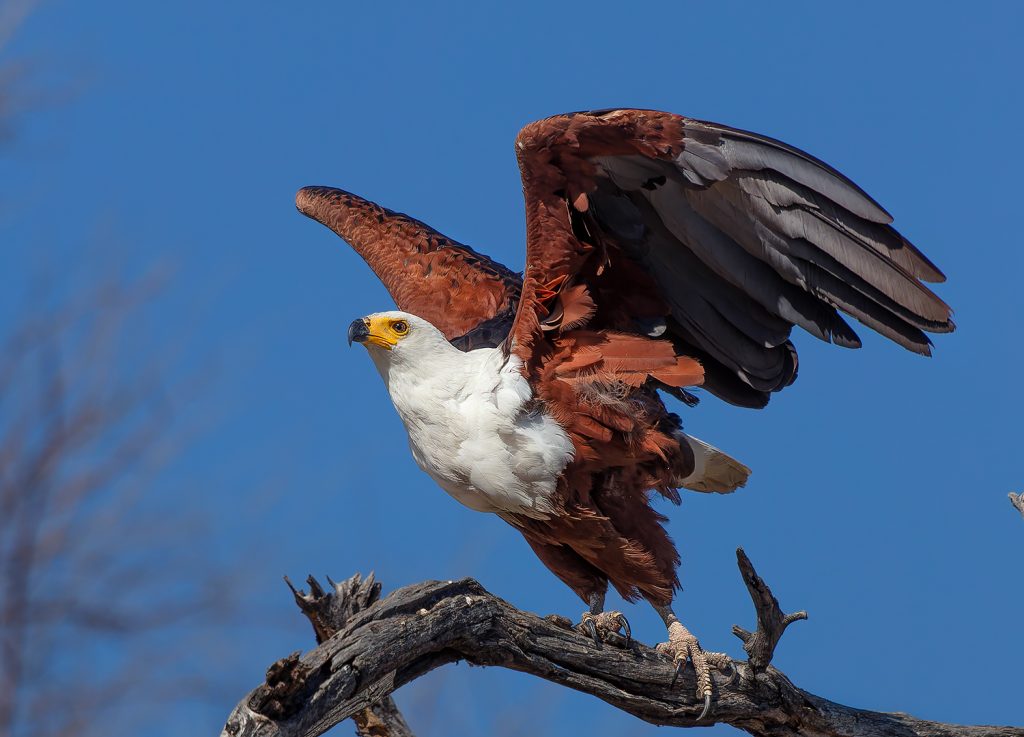
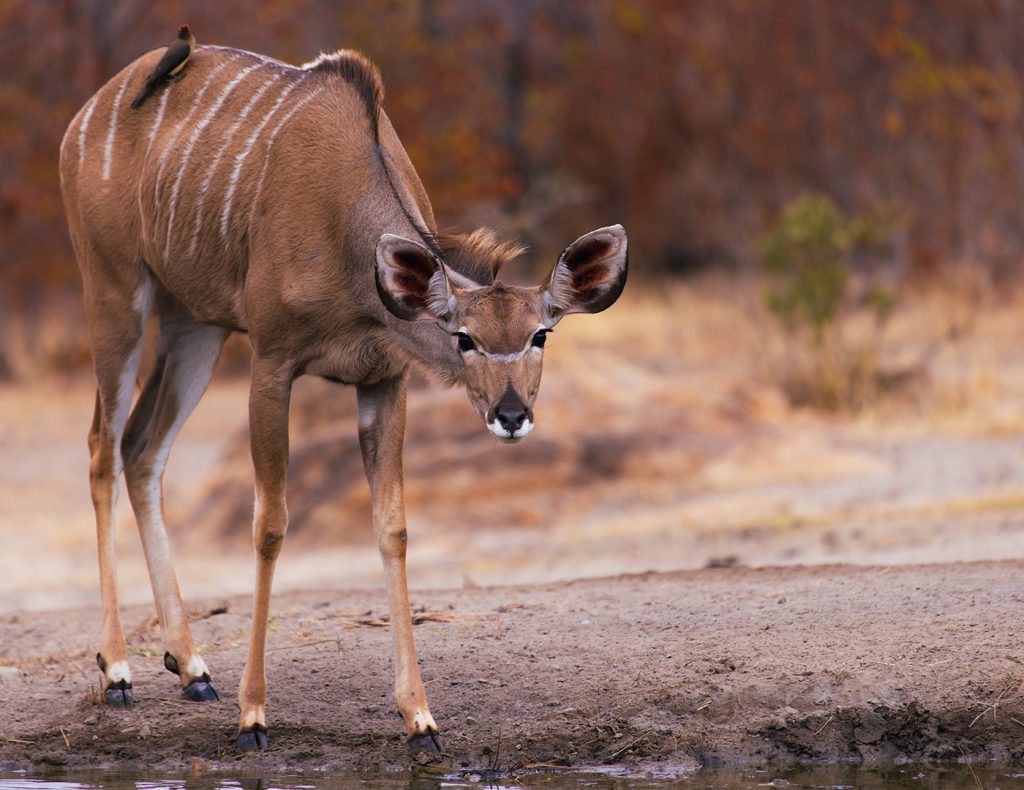
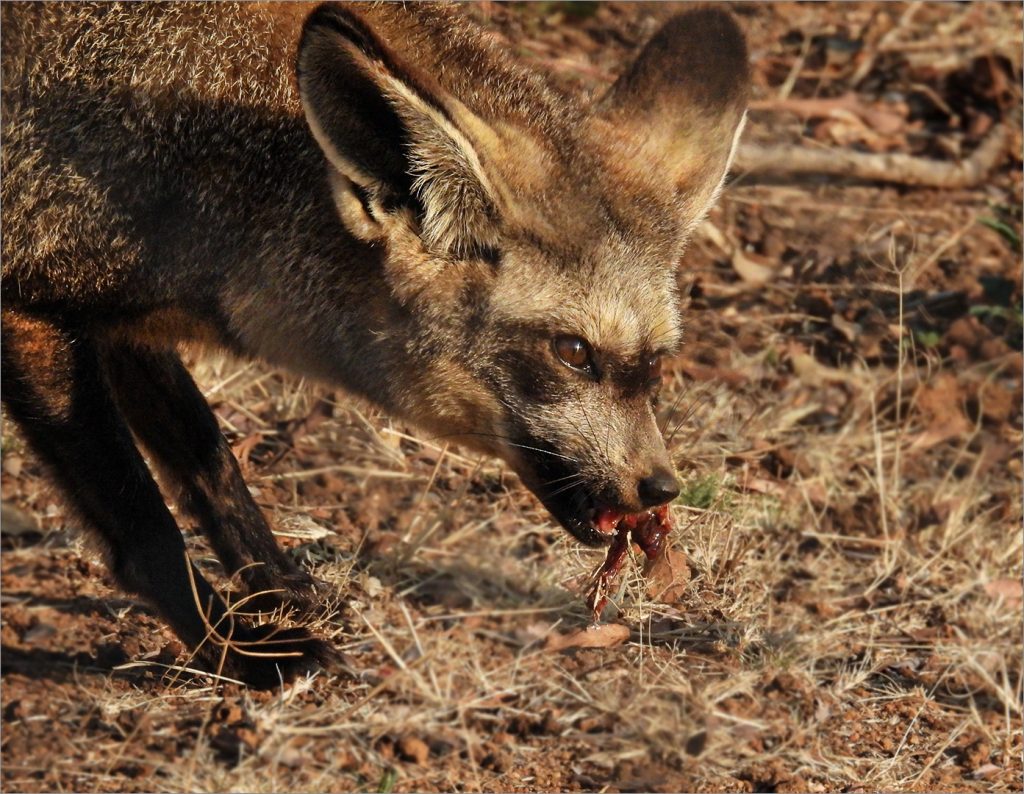
Jakkals met Springbokkop by Leon Venter
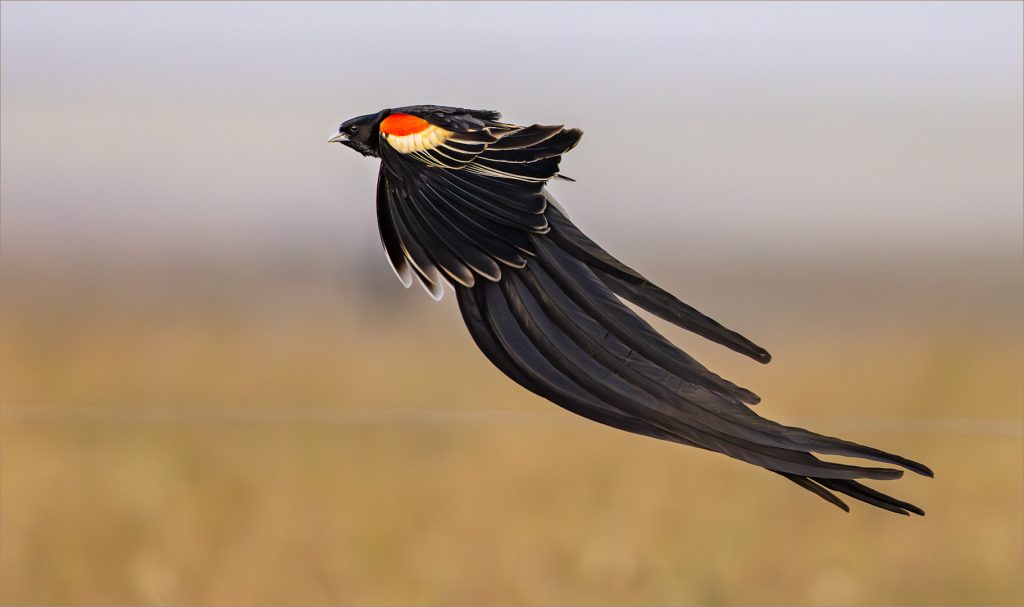
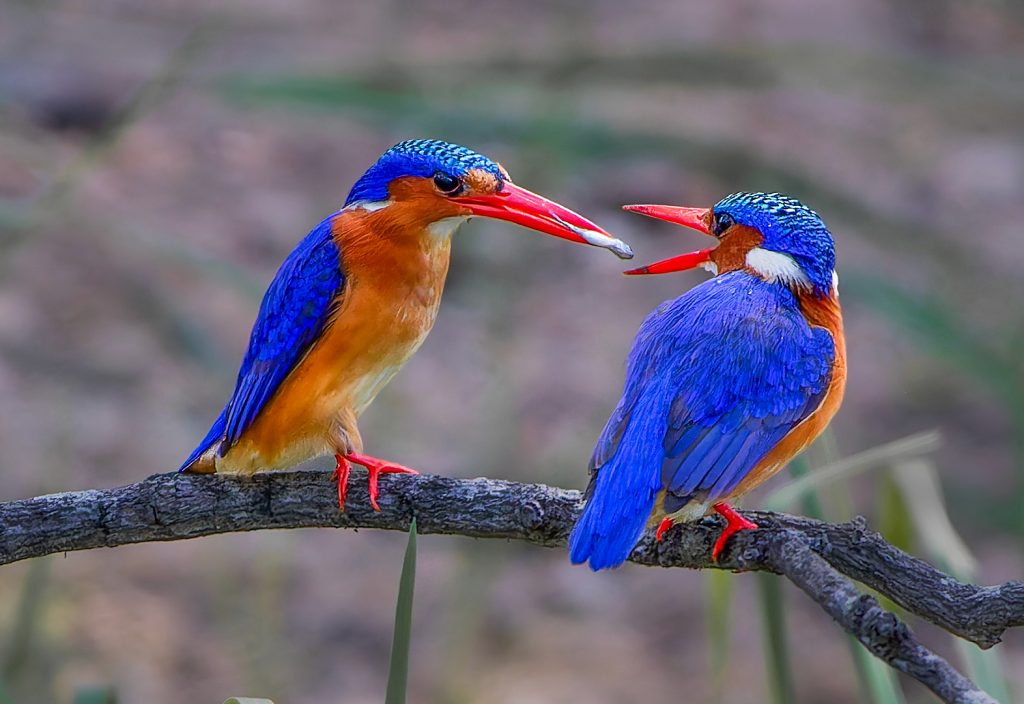
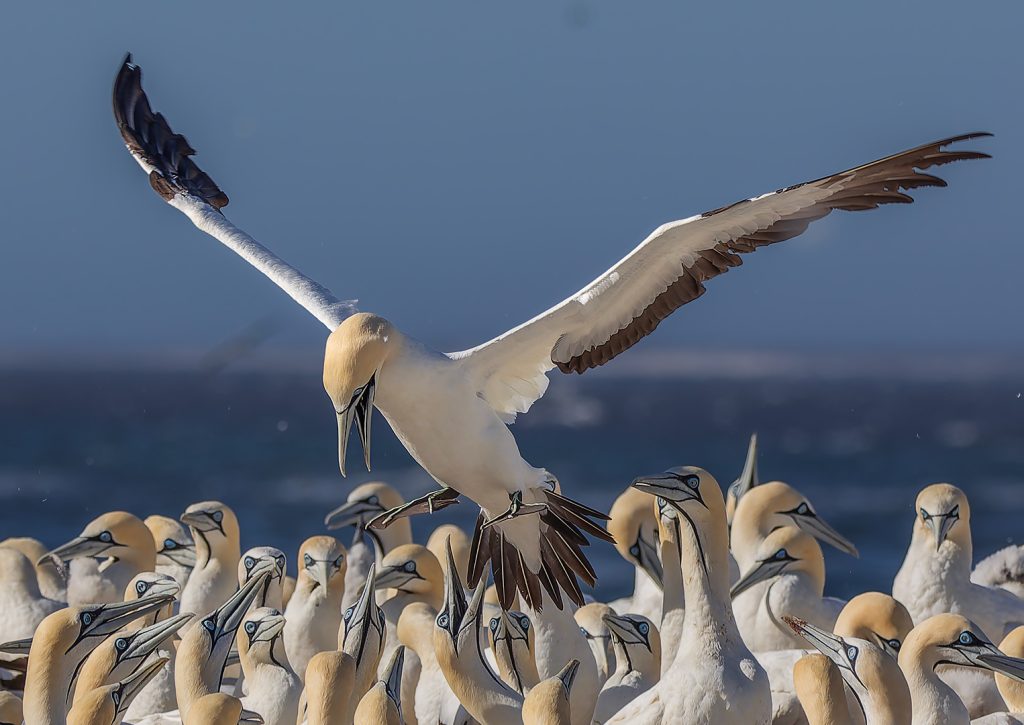
Langstertflap in Vlug by SP Smith
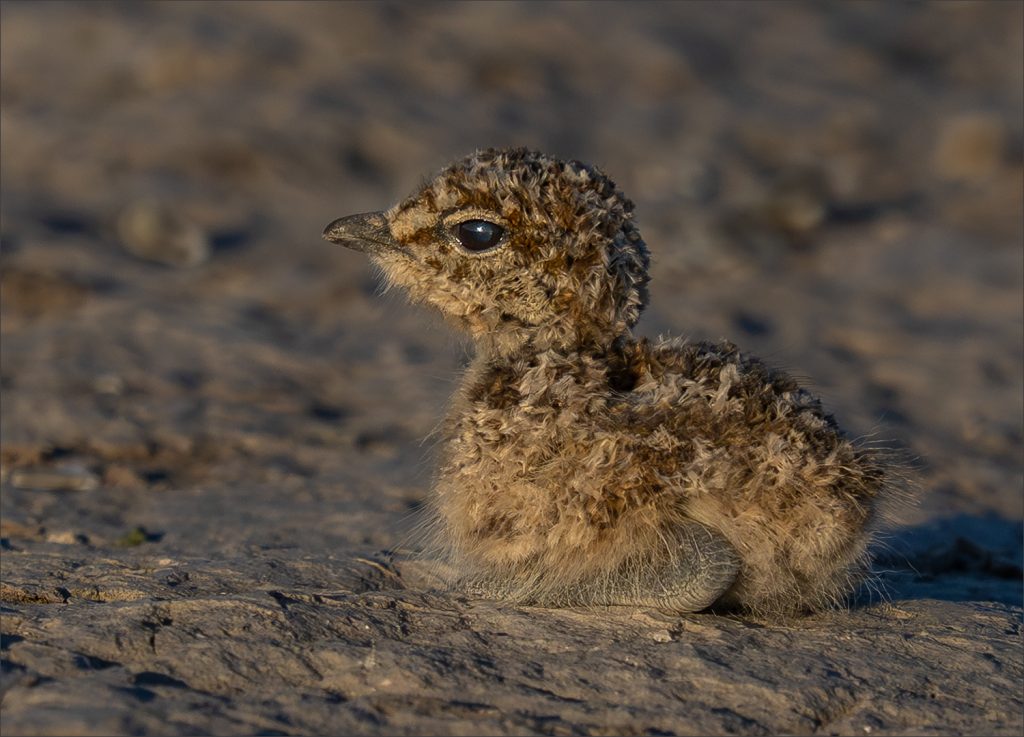
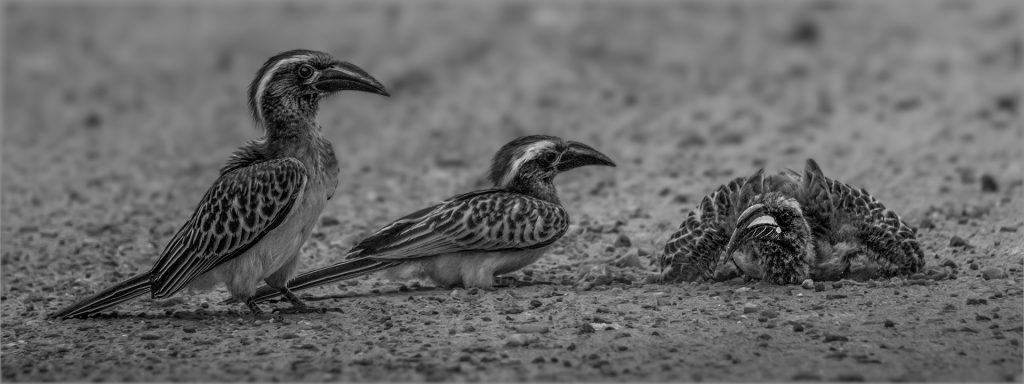
Dubbelbanddrawwertjie kuiken by Leon Venter
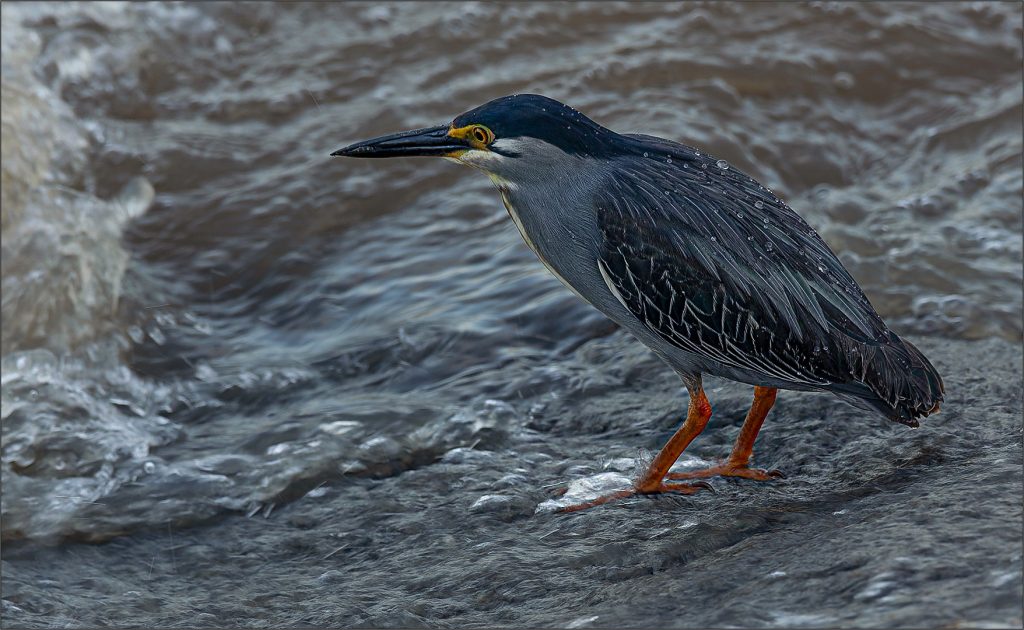
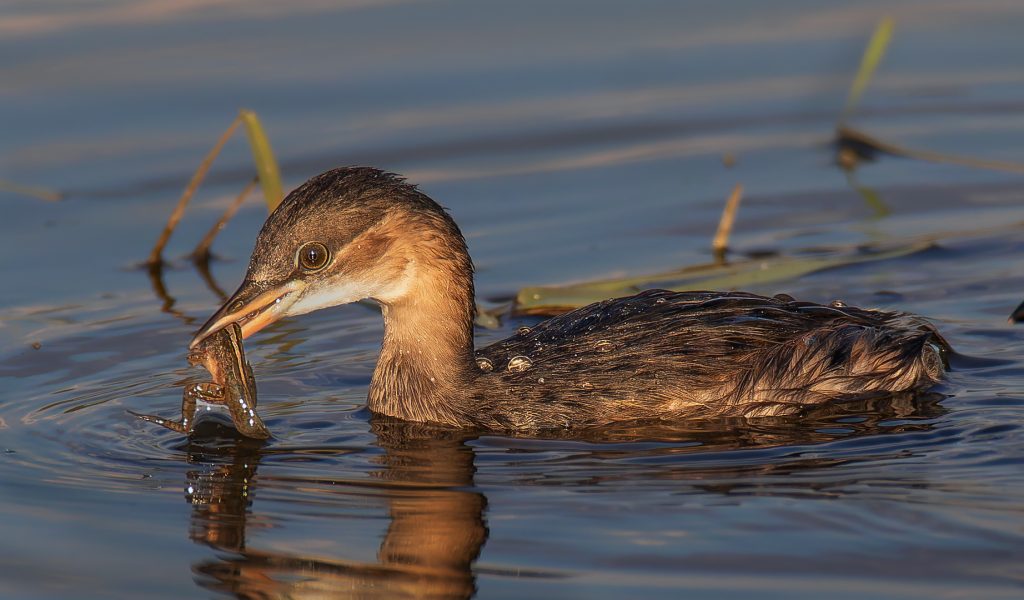
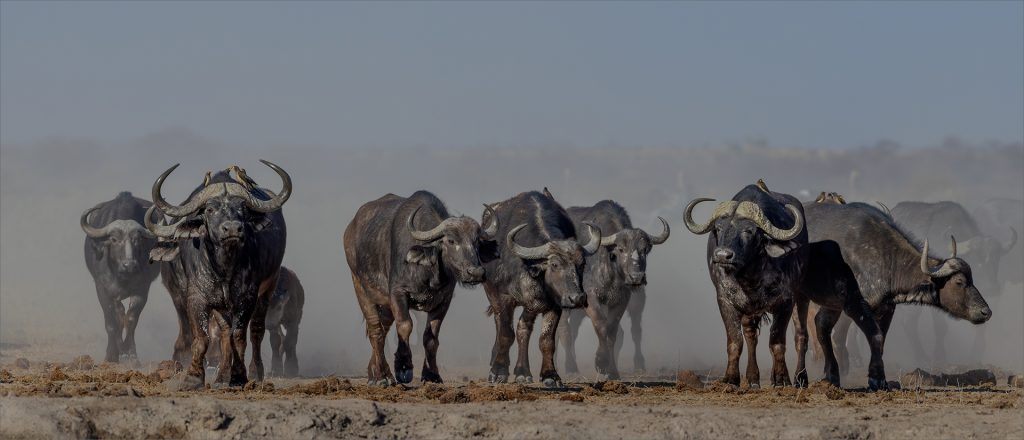
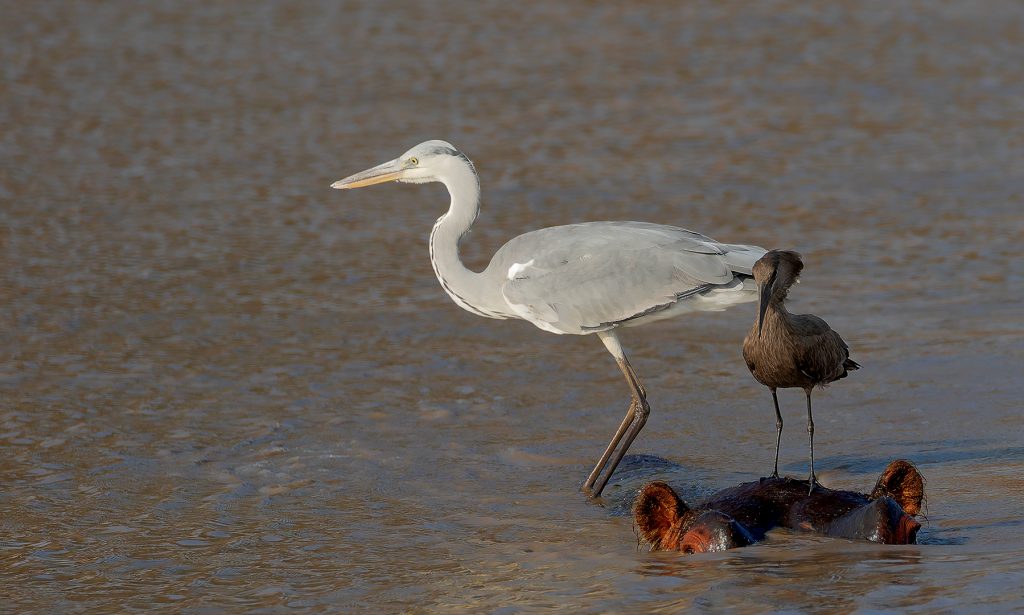
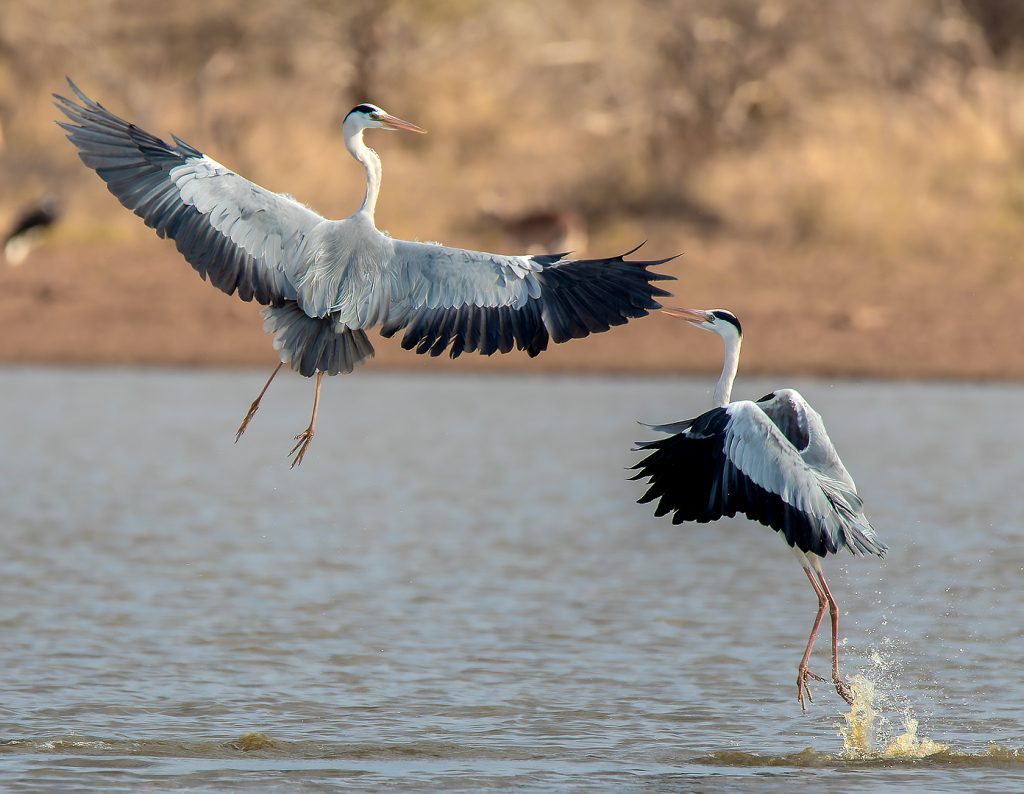
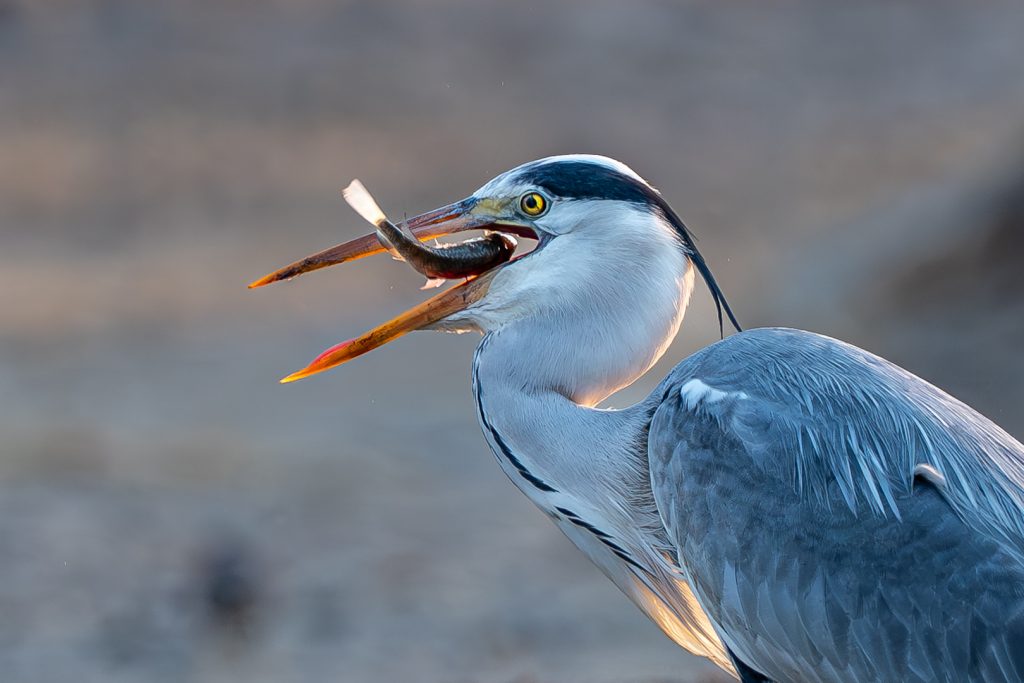
Groenrug Reier by Charles Pentz
Chomp by Appel van der Westhuizen
Staar na die Verte by Reinhardt Herselman

Opgepof by Wilma Drotsky
Hier kom ek Nou by Leon Venter
Wag jou Beurt by Cobus Manders
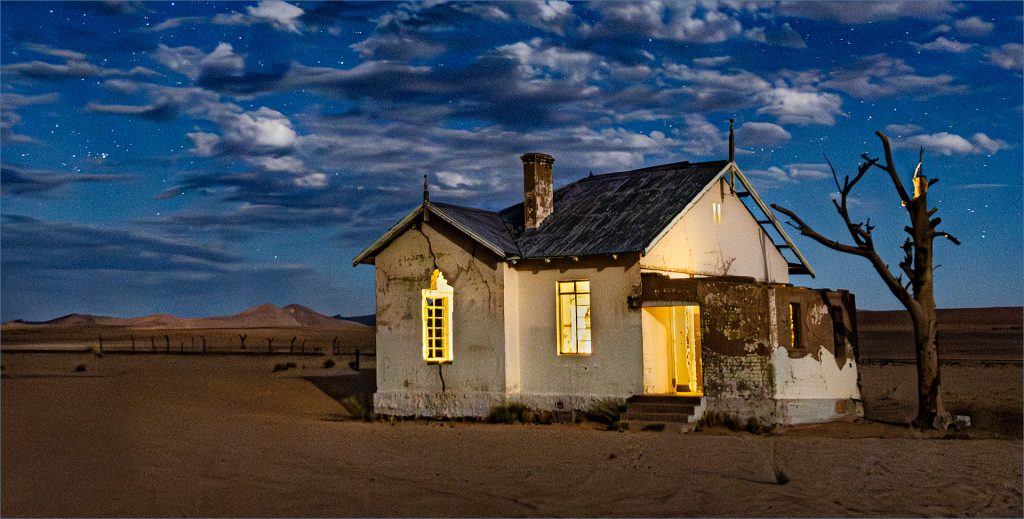
Maanlig in die Woestyn by SP Smith
Vasbyt by Wilma Drotsky
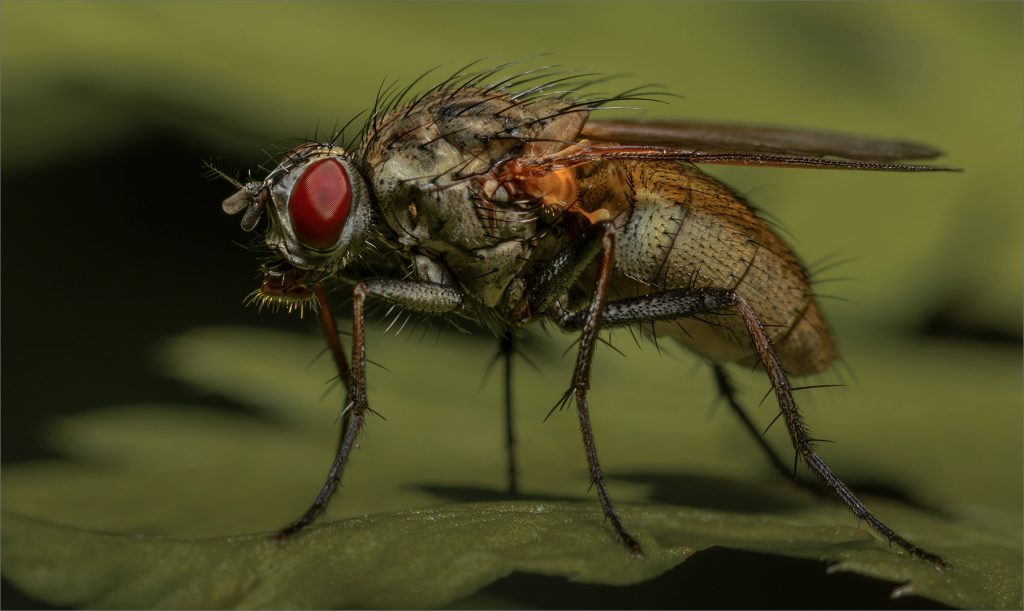
Rooi oog en harige vlieg by Cobus Manders
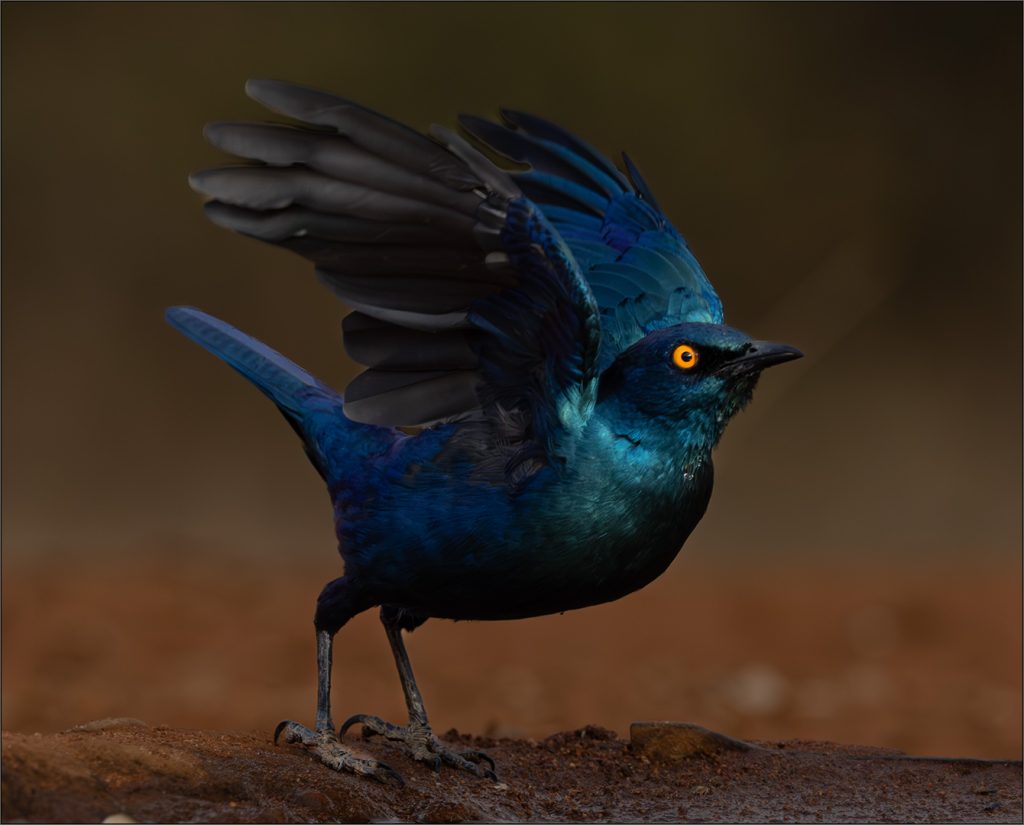
Spreeu Opstyg by Reinhardt Herselman
Opstyg by JG Drotsky
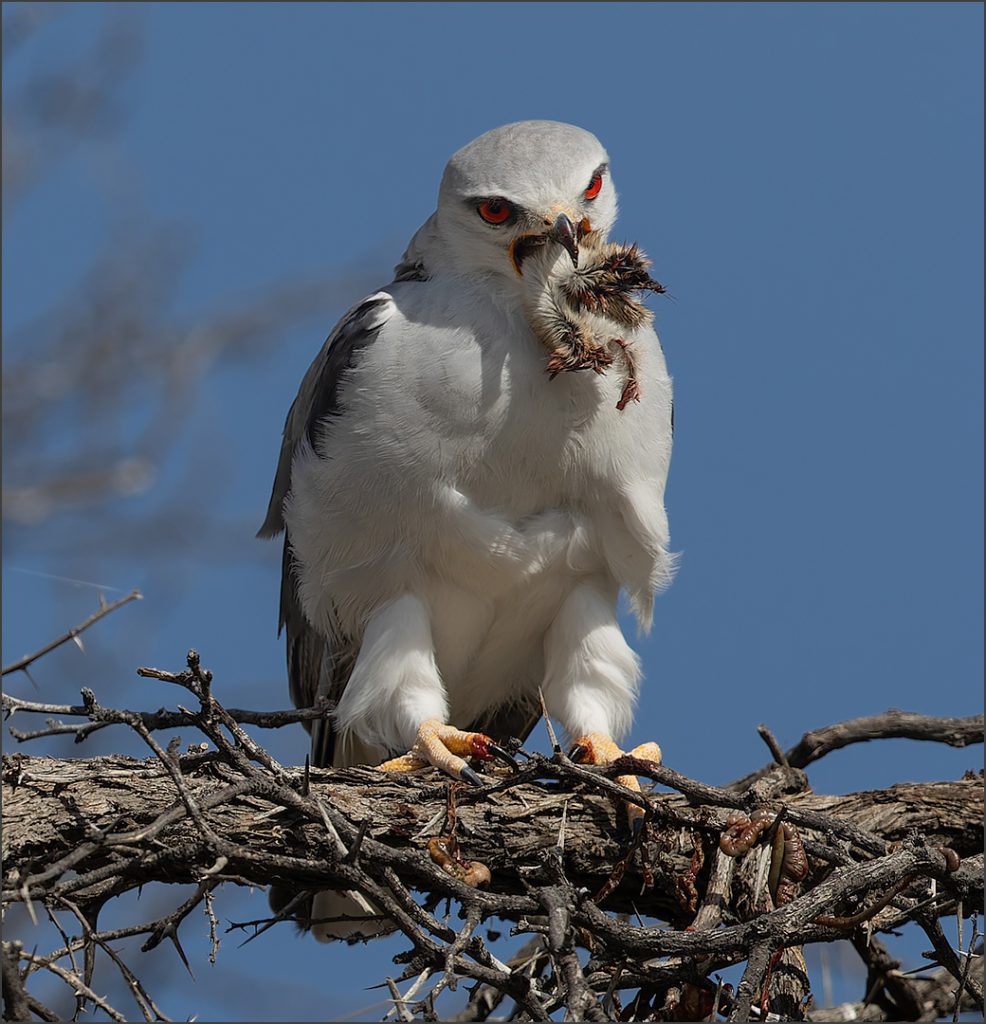
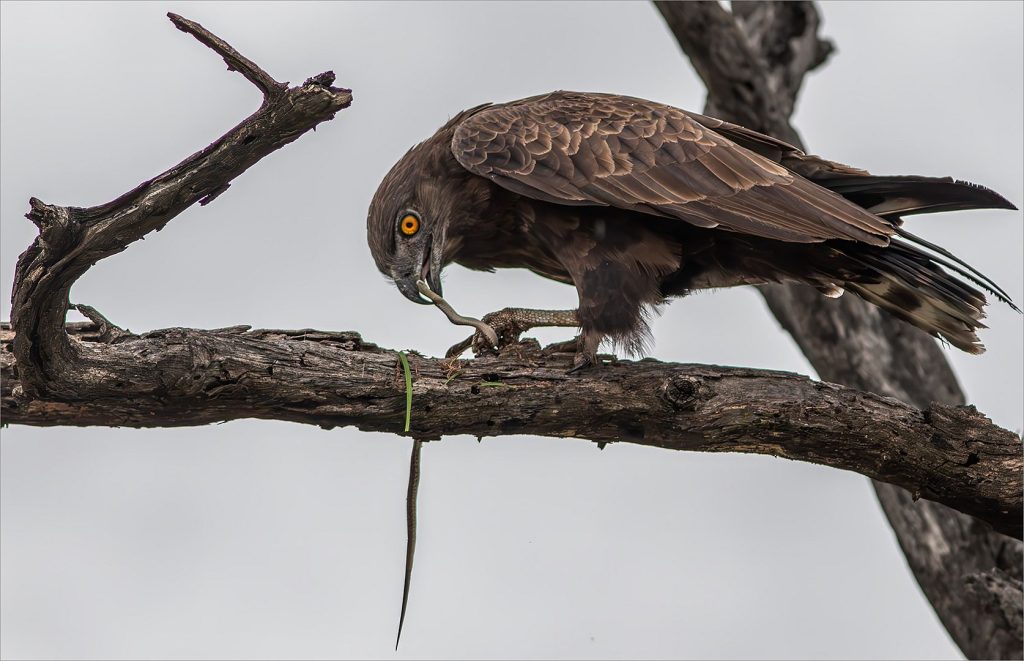
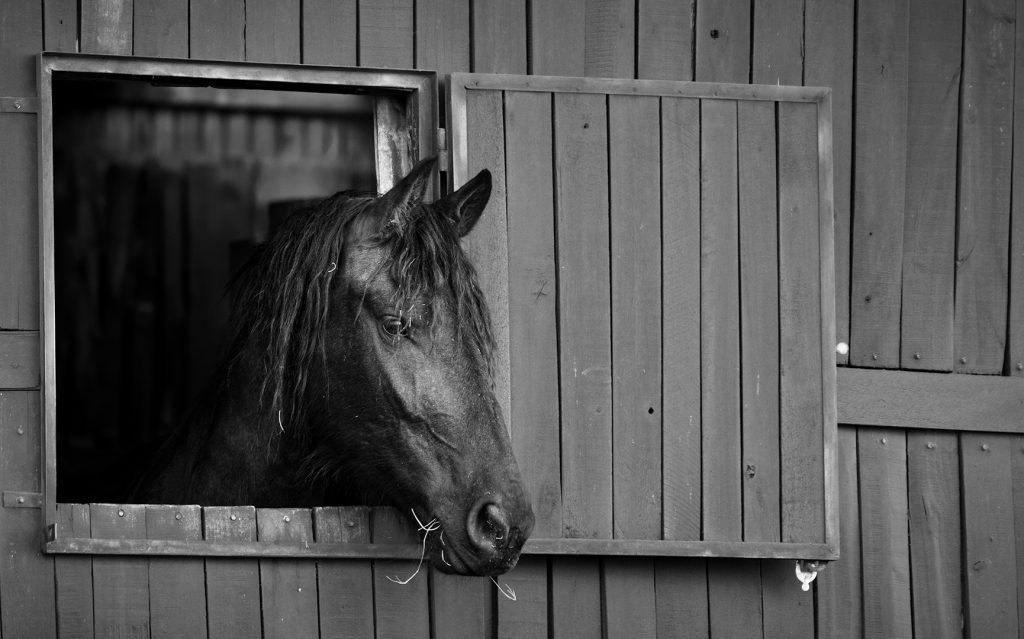
Blouvalk sluk by Johan Drotsky
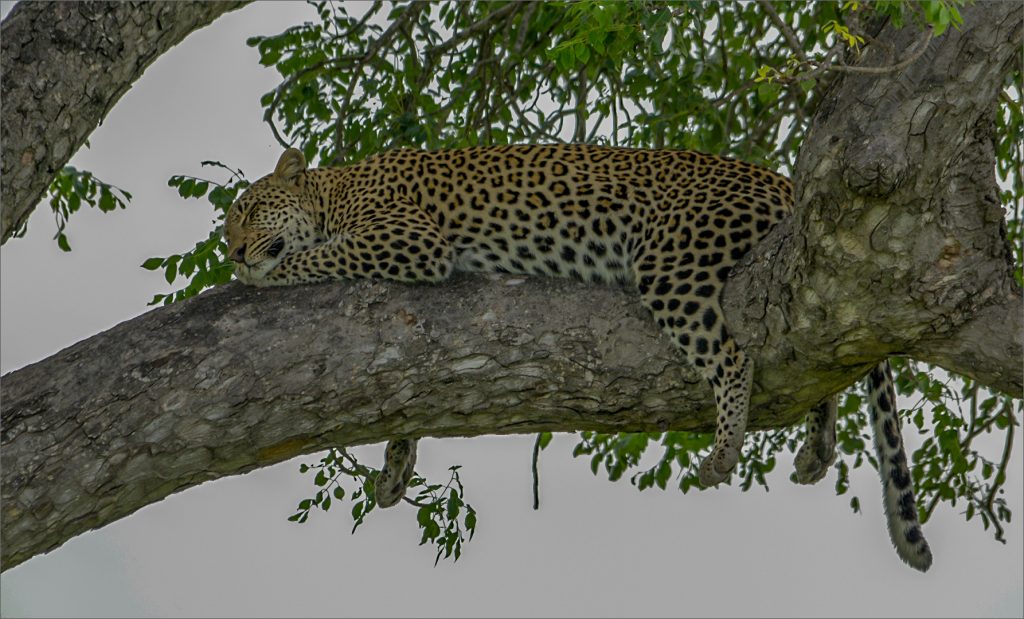
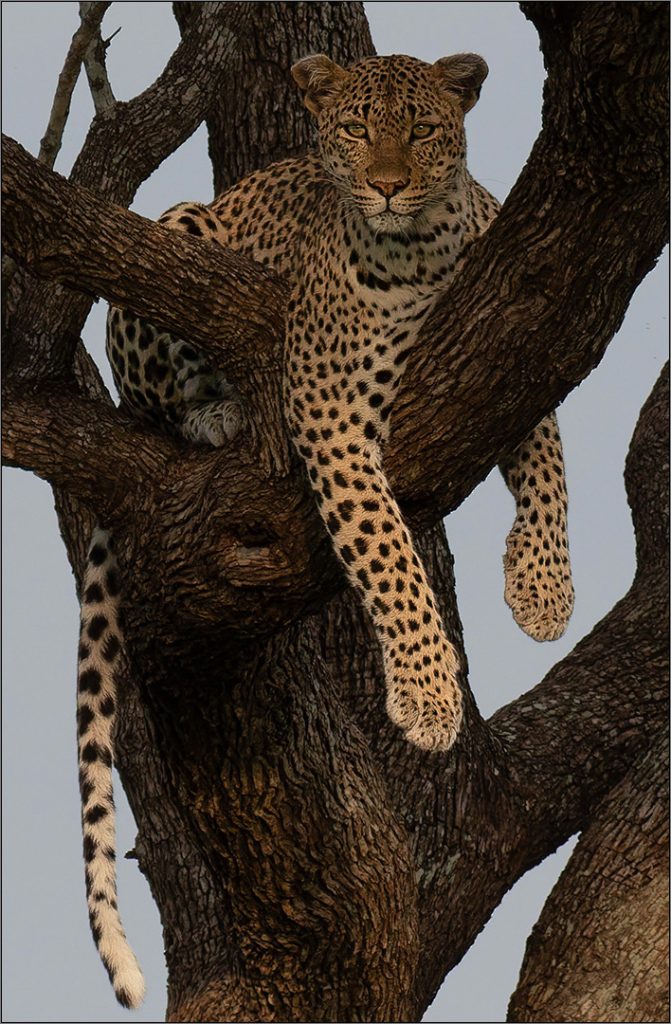
Biyamiti luiperd by Lienkie van der Westhuizen
Dobber by Landi Drotsky
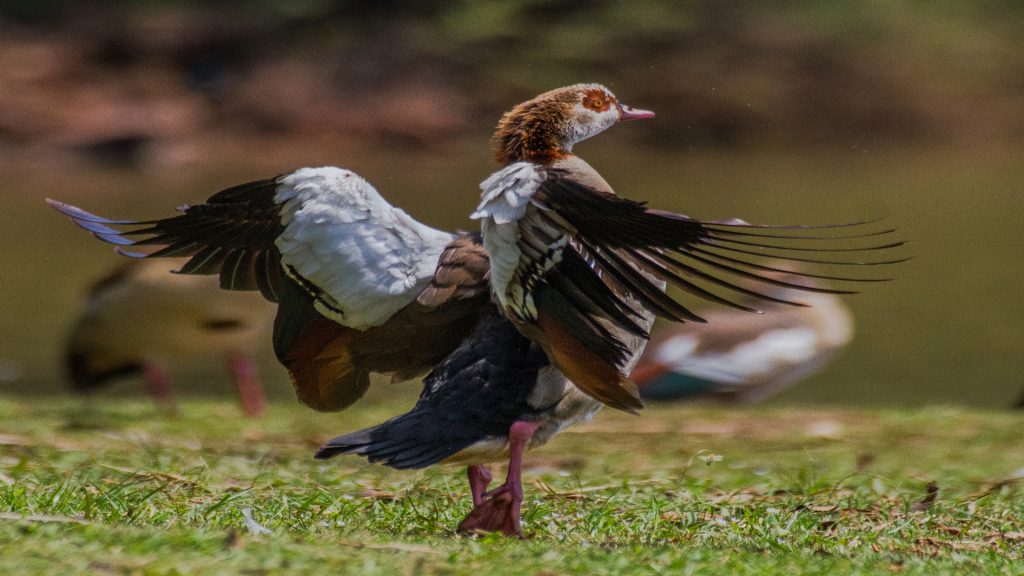
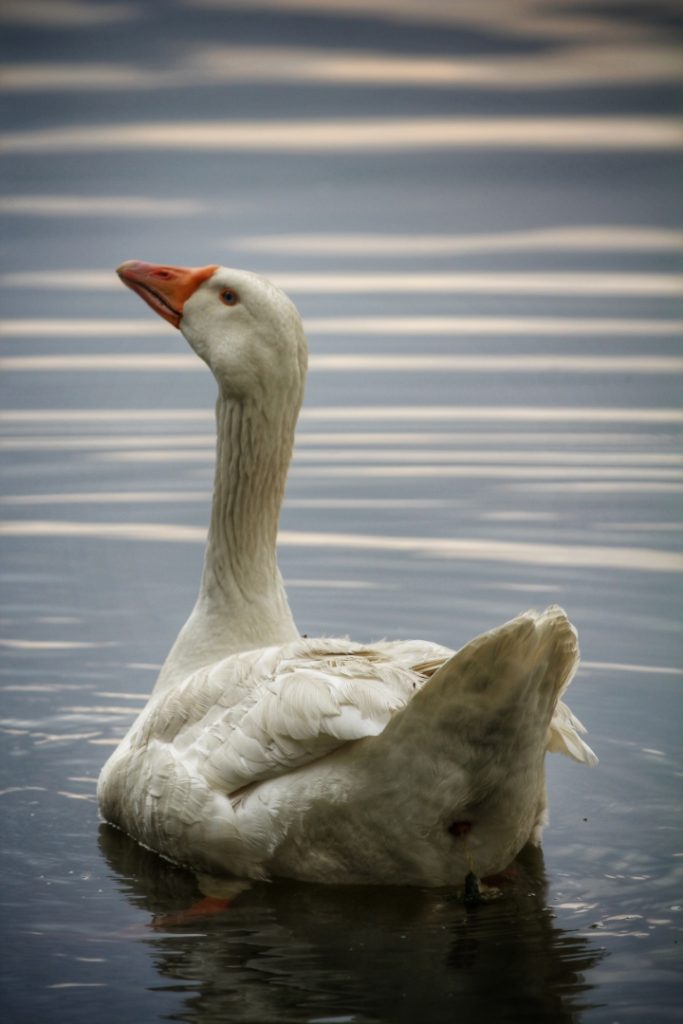
Eende Dans by Christi van Dyk
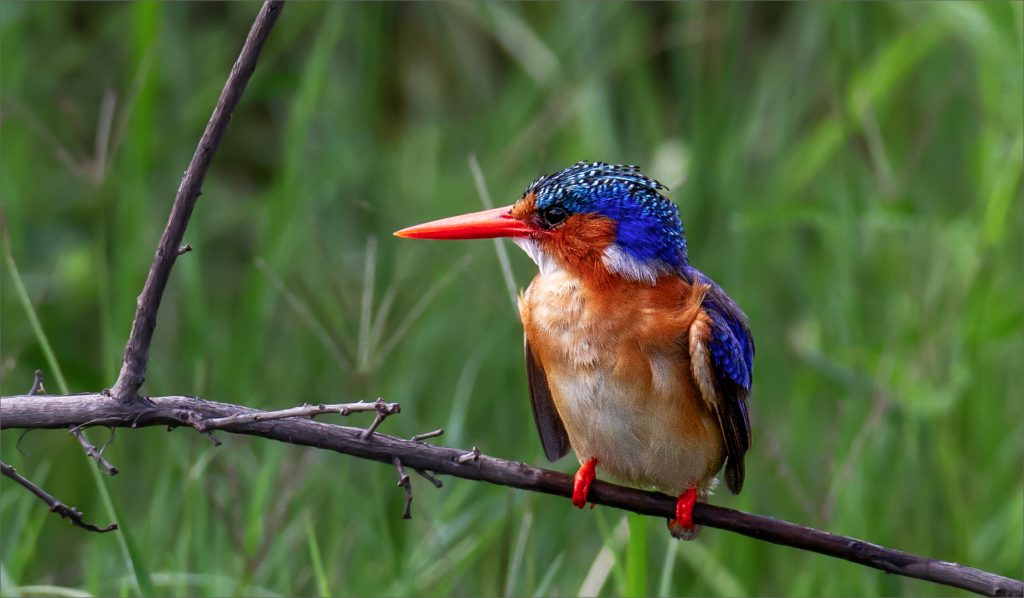
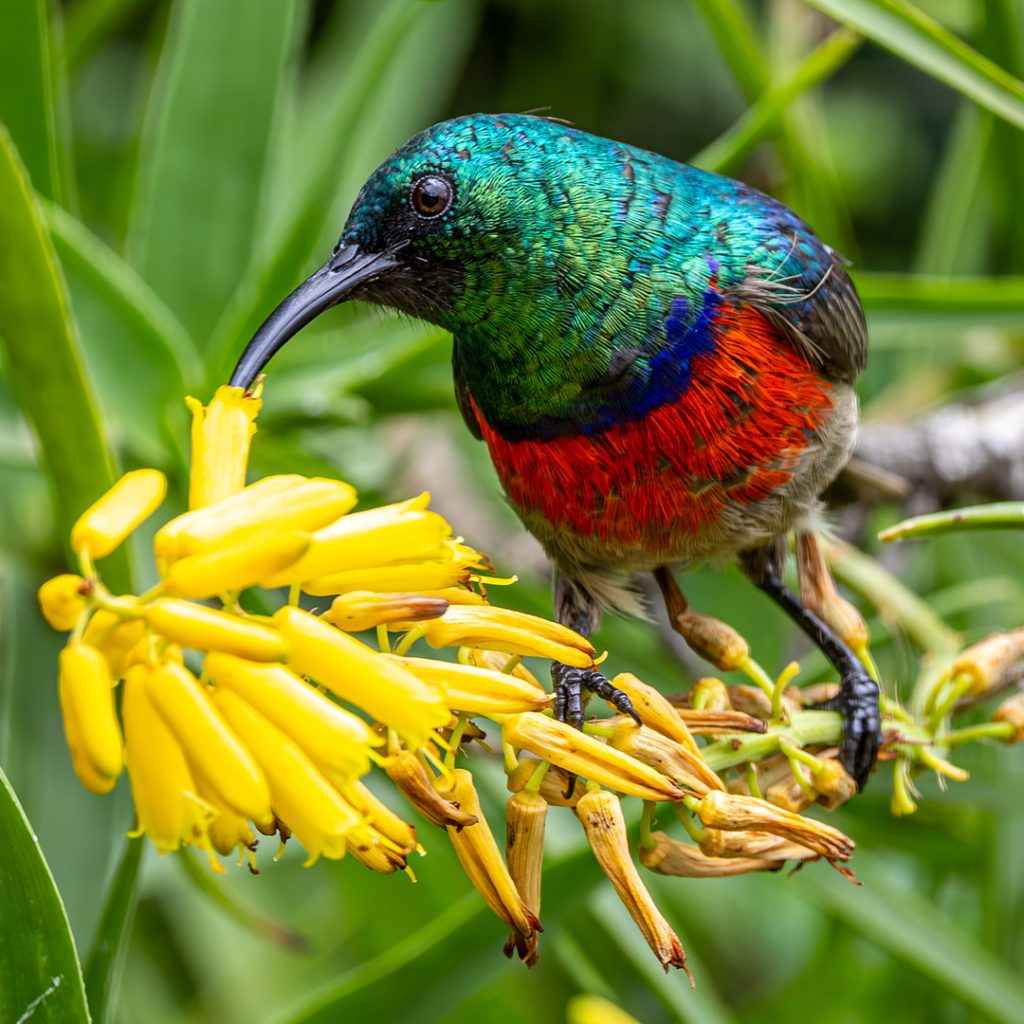
Kleurvol by Sanlia van der Westhuizen
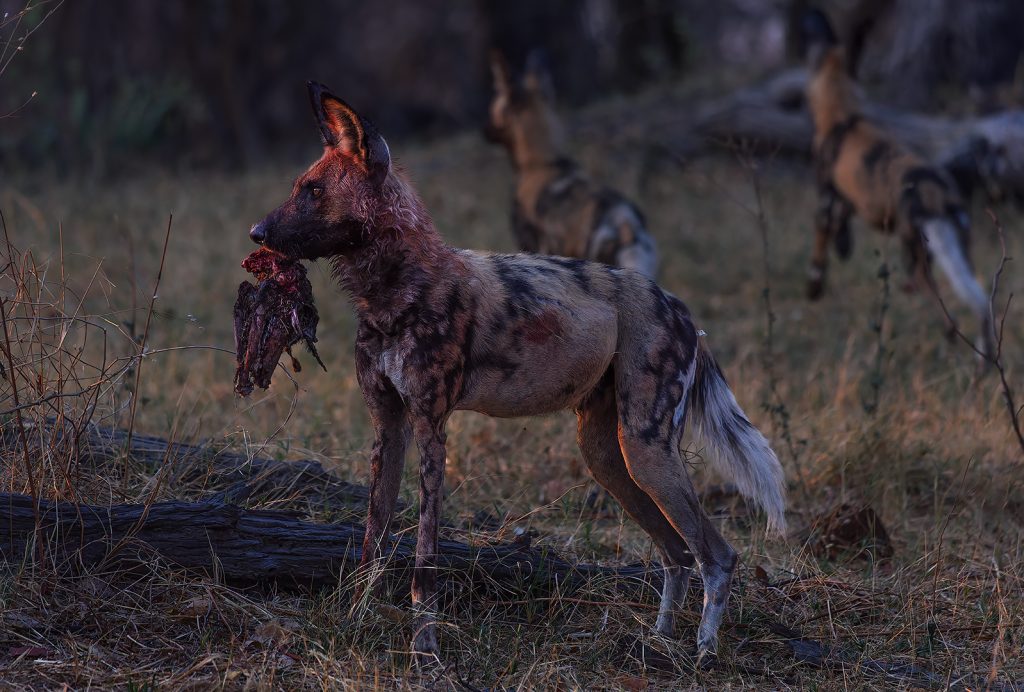
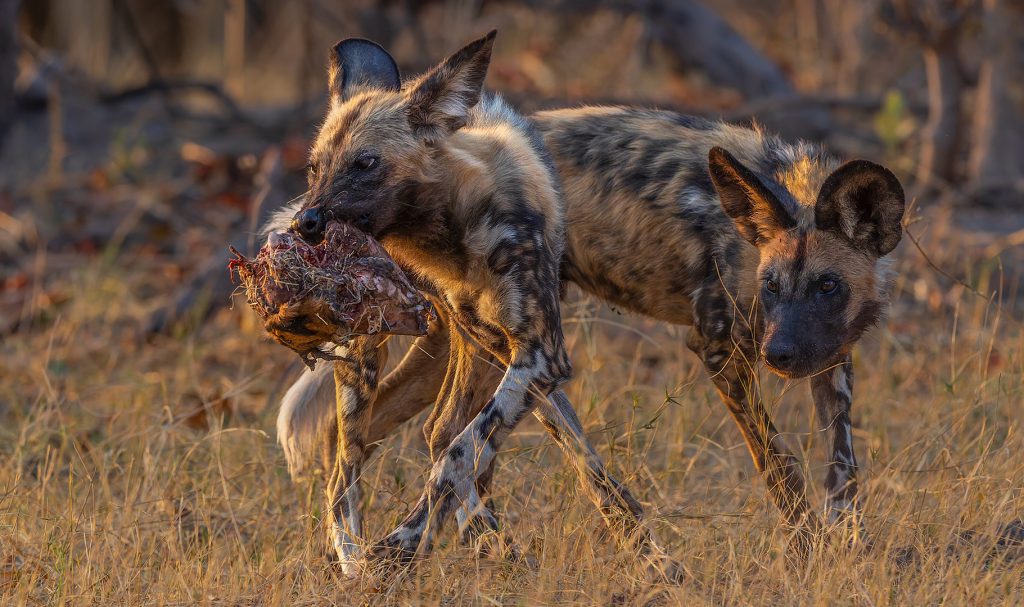
Wildehond vangs by JG Drotsky
Zena by Joane Venter
Etens Tyd by Christi van Dyk
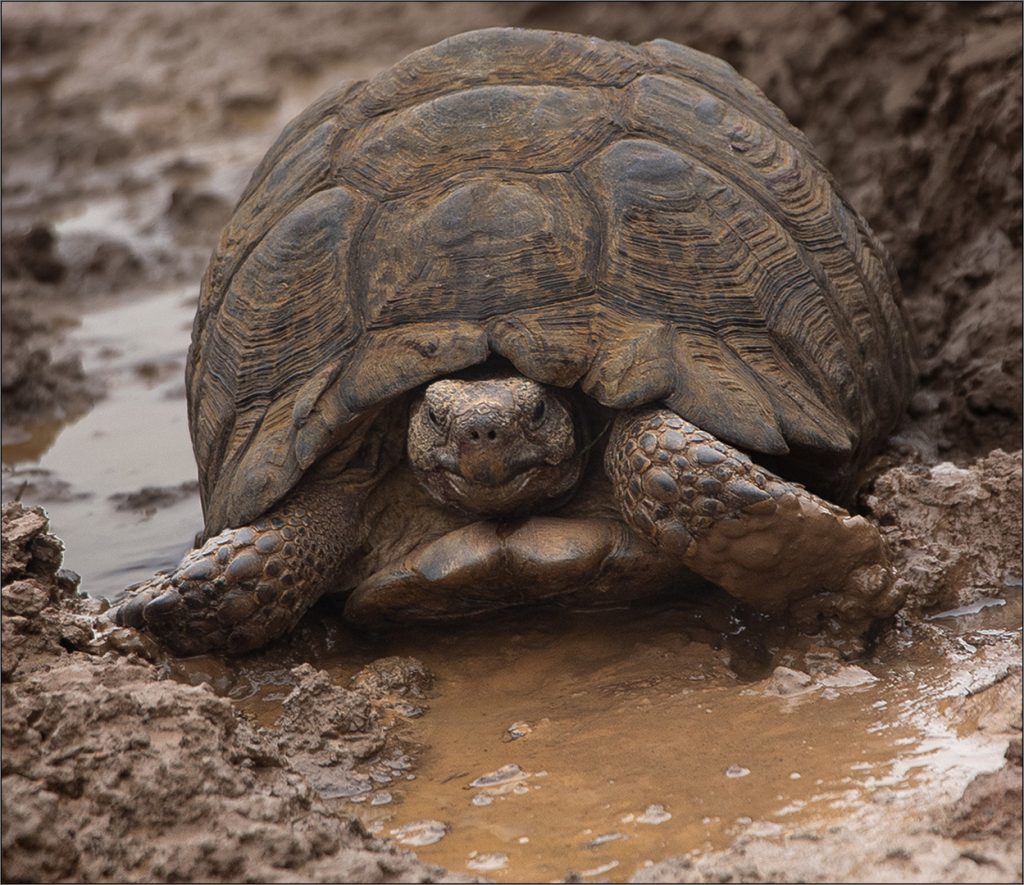
Karoo Skilpad by Joane Venter
Vangs by JG Drotsky
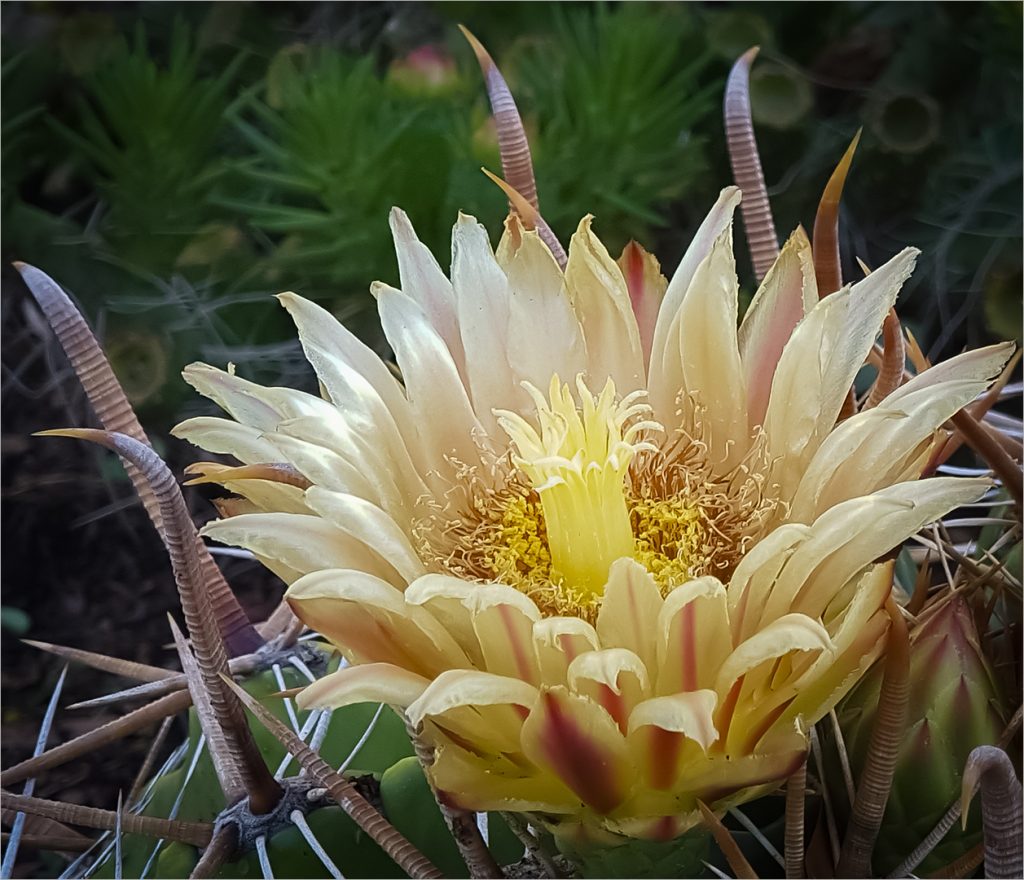
Pienk Blom by Joane Venter
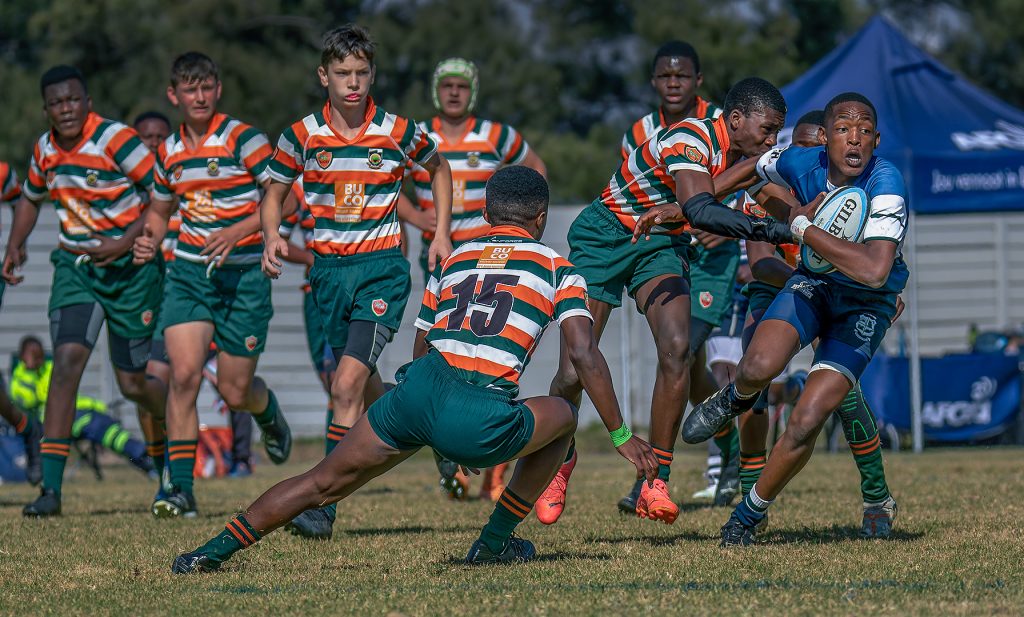
Tsau het die Bal by Landi Drotsky
2 by Jannes Drotsky
Groot Dors by Bernie van der Vyver
Paartyd 4 by Johan Drotsky
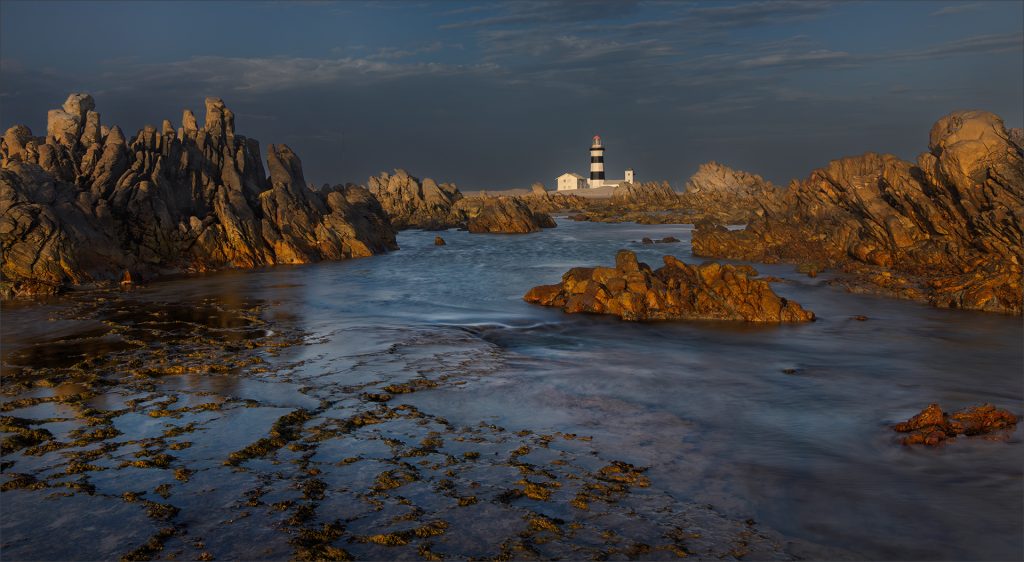
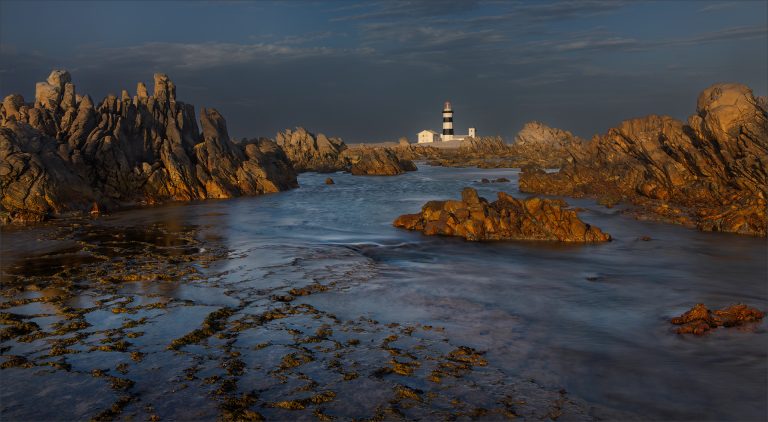
Cape Recife Lighthouse by Bernie van der Vyver
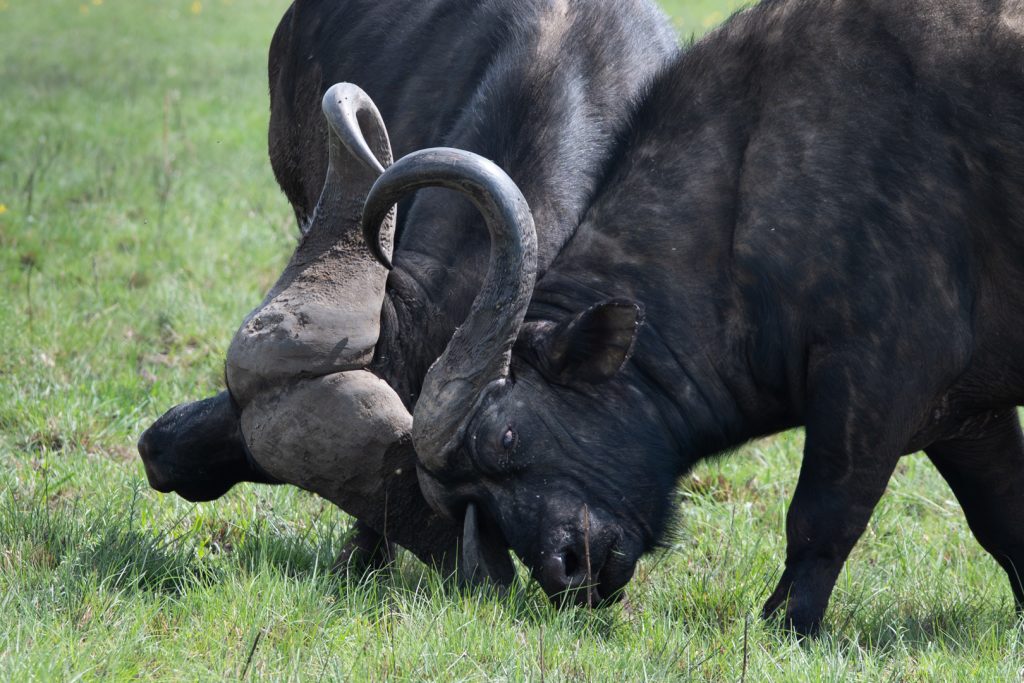
Kop geveg by Jannes Drotsky
Ek is Honger by Bernie van der Vyver
Klaar gesuip by Jannes Drotsky
Water Lafenis by Reinhardt Herselman
Een ry Spore by Bertie Botha
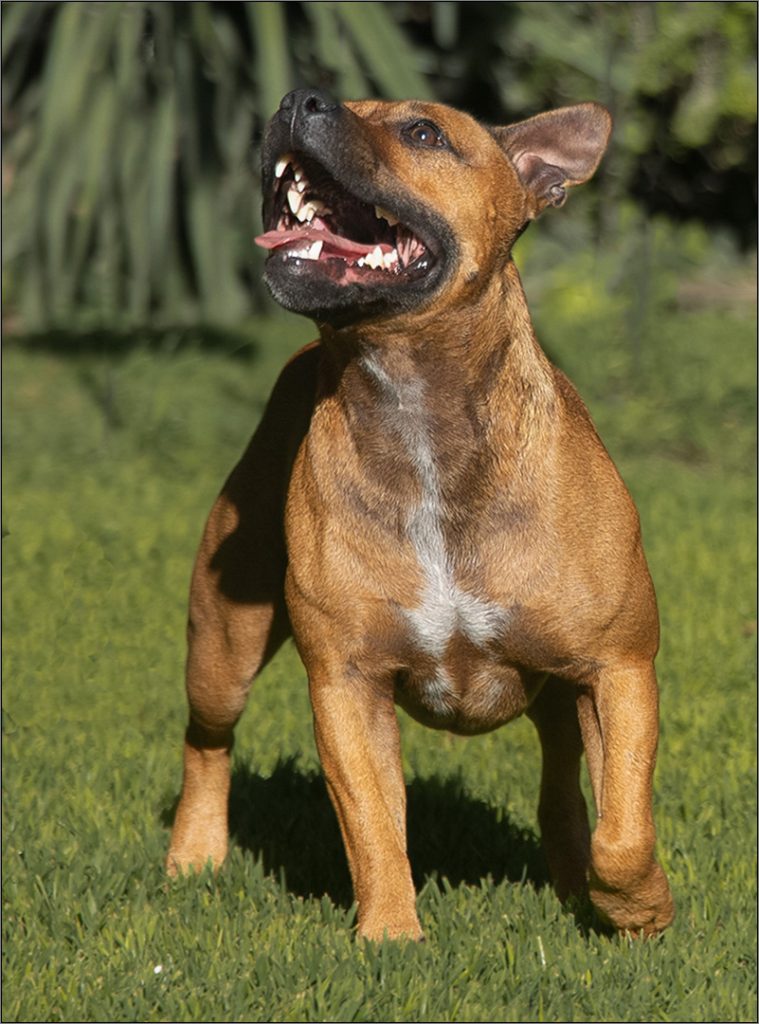
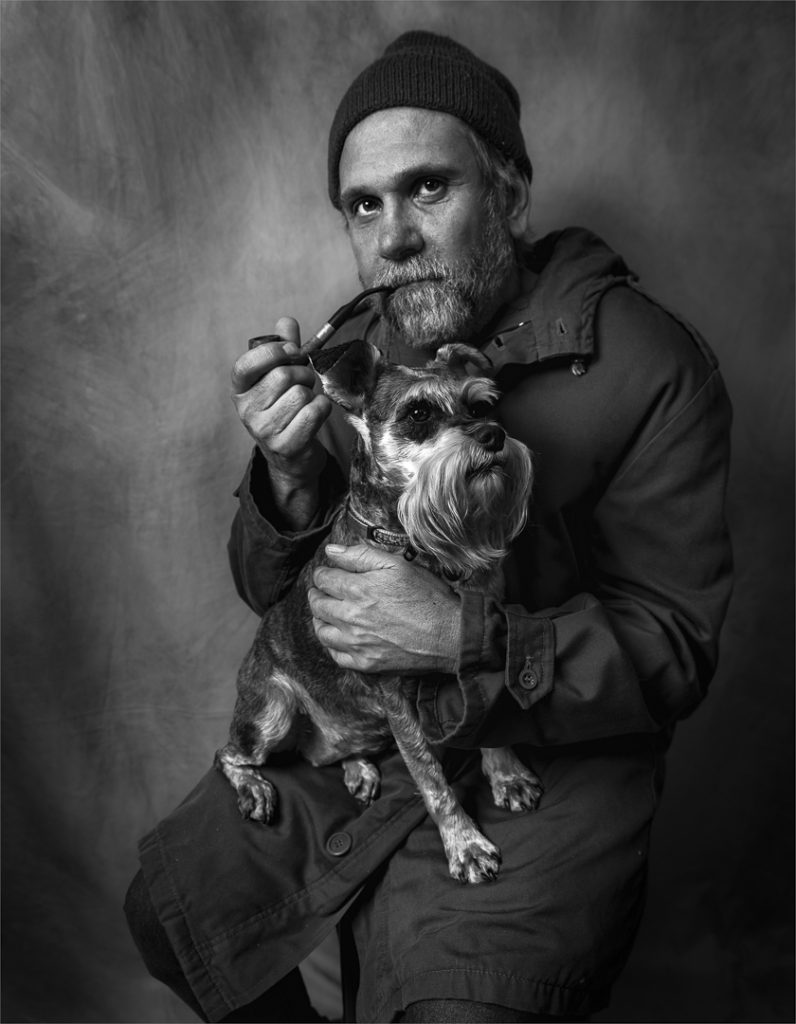
Ek en my Hond by Annelize Dell
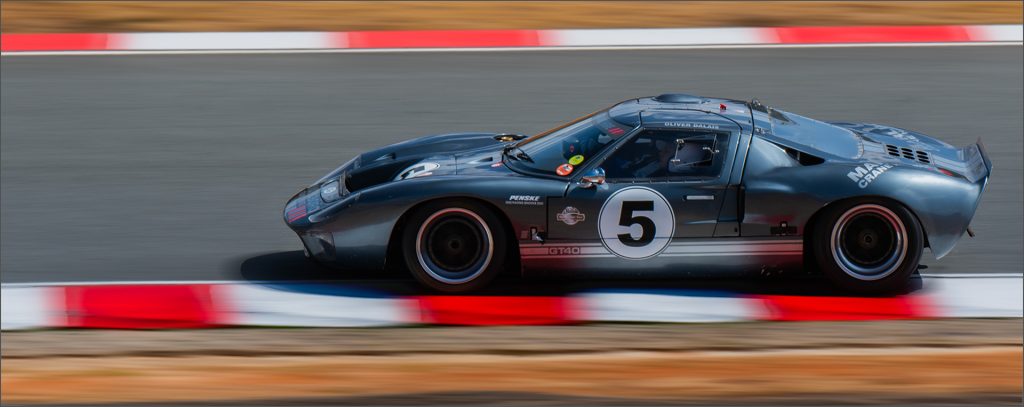
Ford GT40 in Action by Donovan Dell
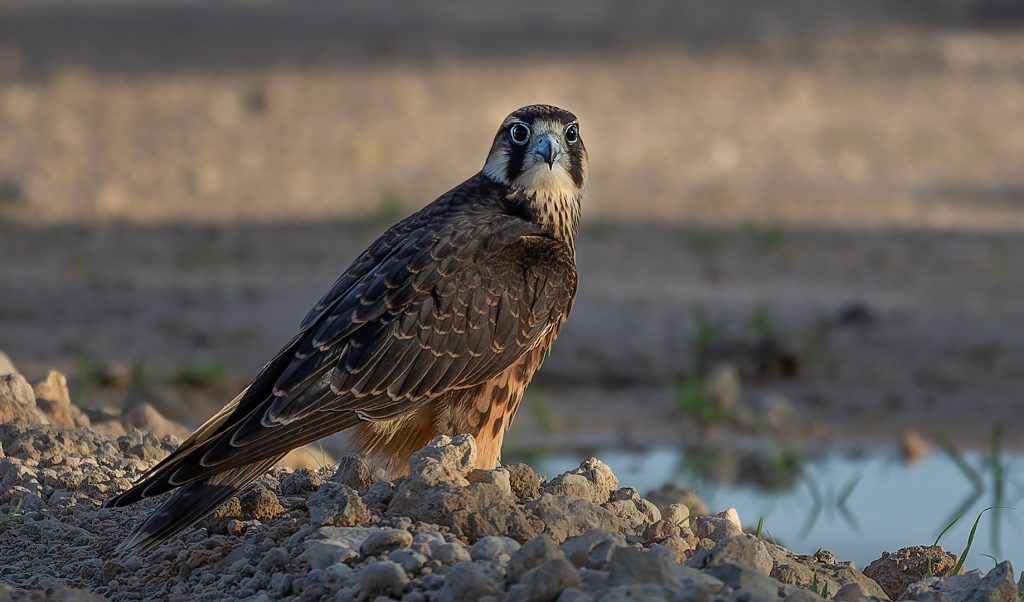
Lanner by Fanie Barnard
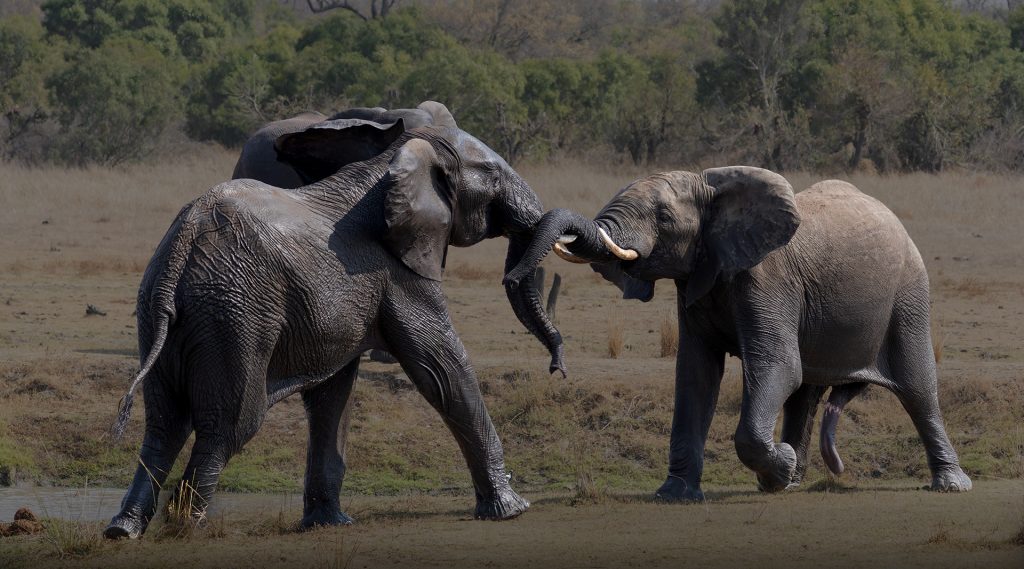
Push and Shove by Priscilla Drotsky
Seevisvang Vroegoggend by Mitzi van der Westhuizen
Three is a Crowd by Appel van der Westhuizen
Classy by Annelize Dell
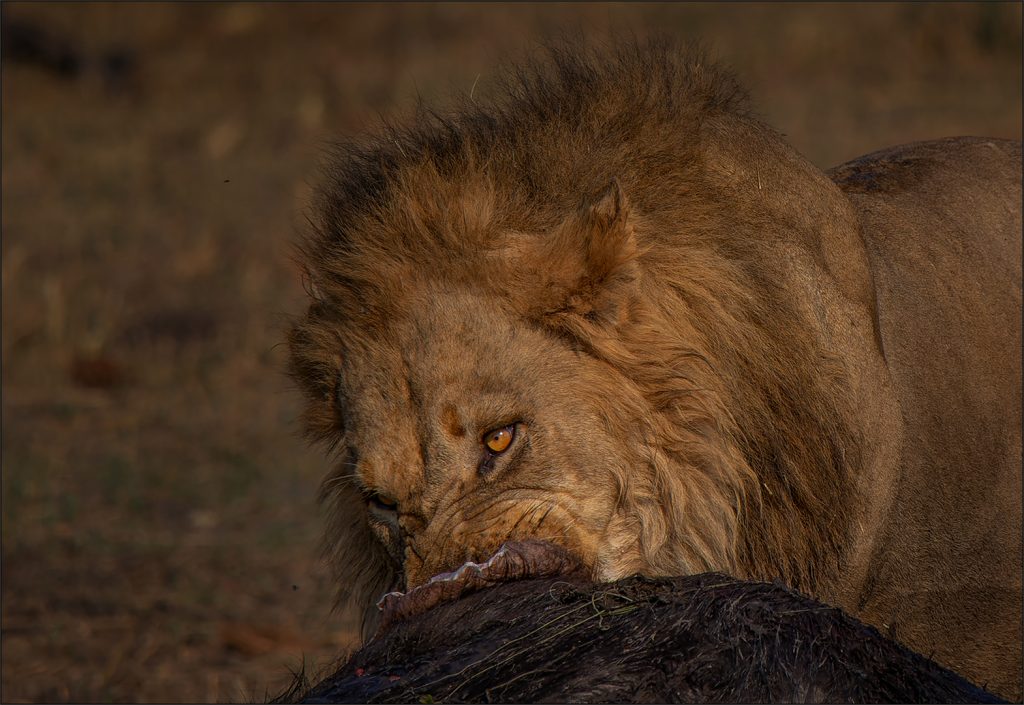
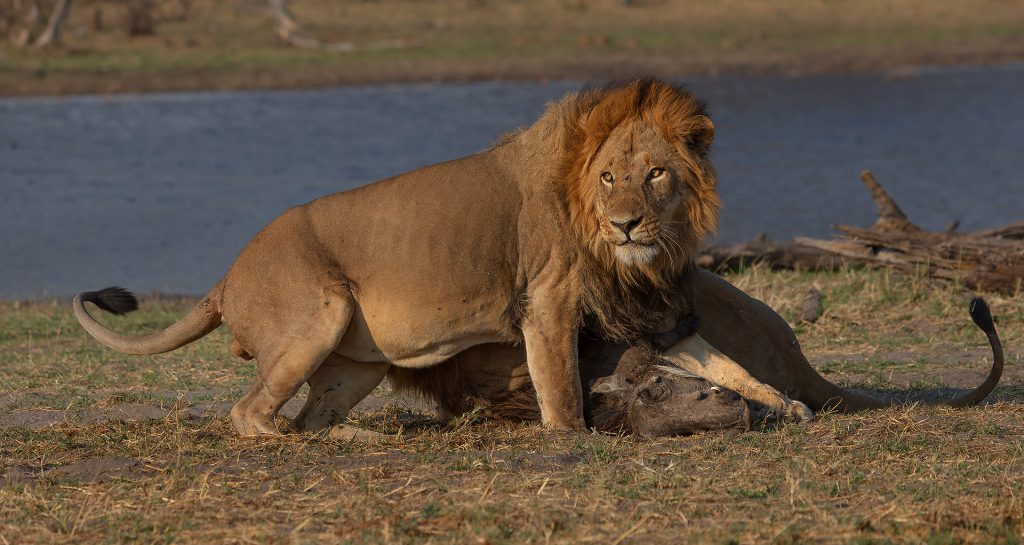
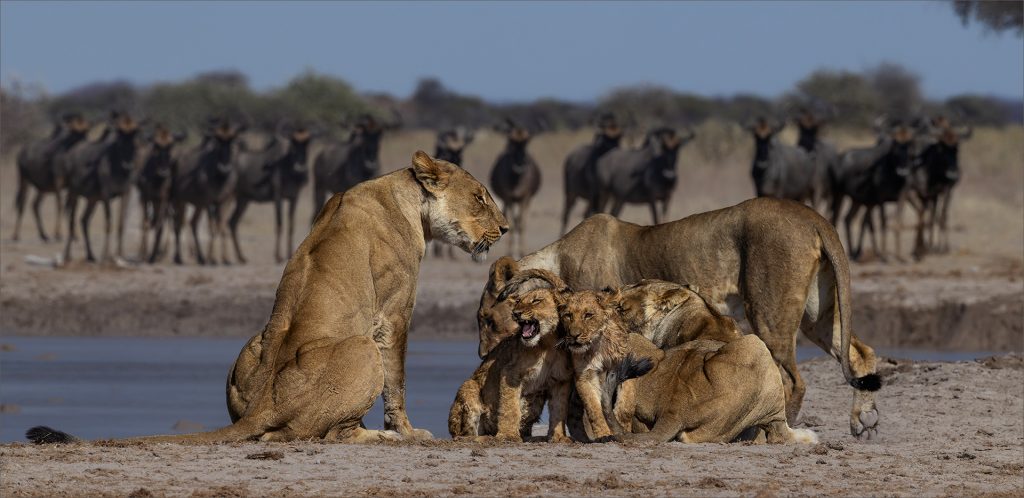
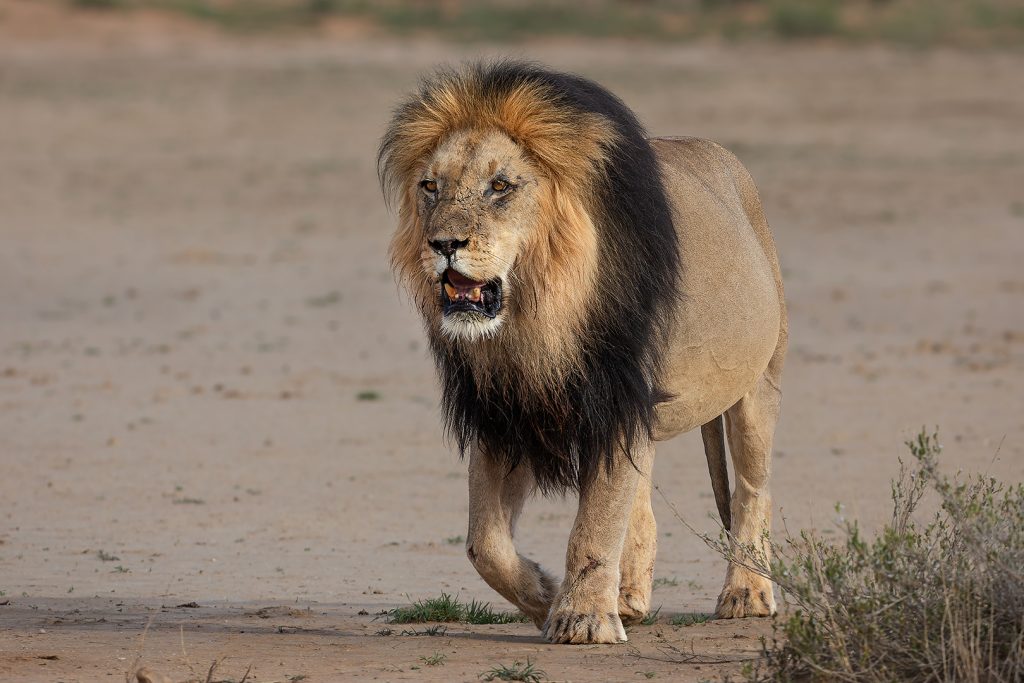
Kalahari Leeu by Fanie Barnard
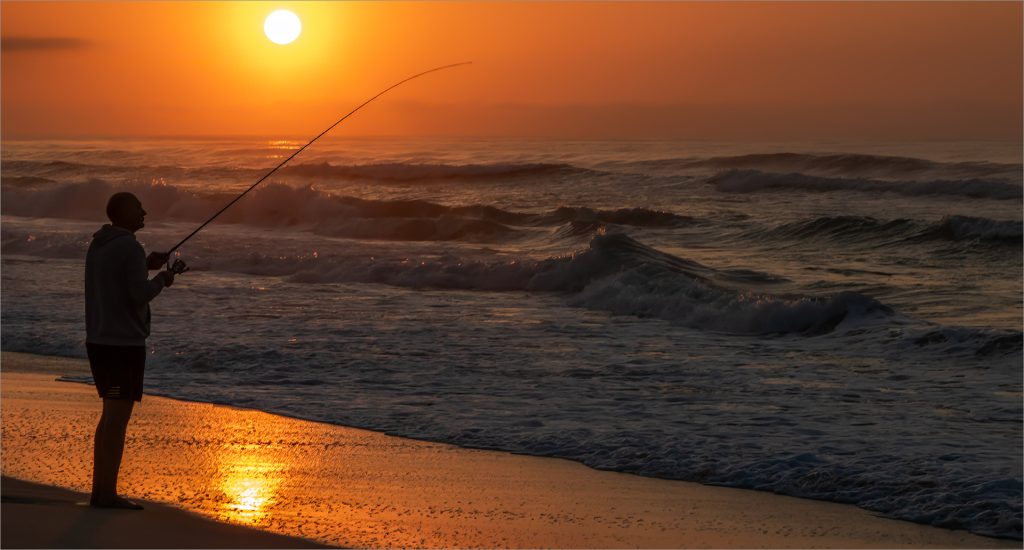
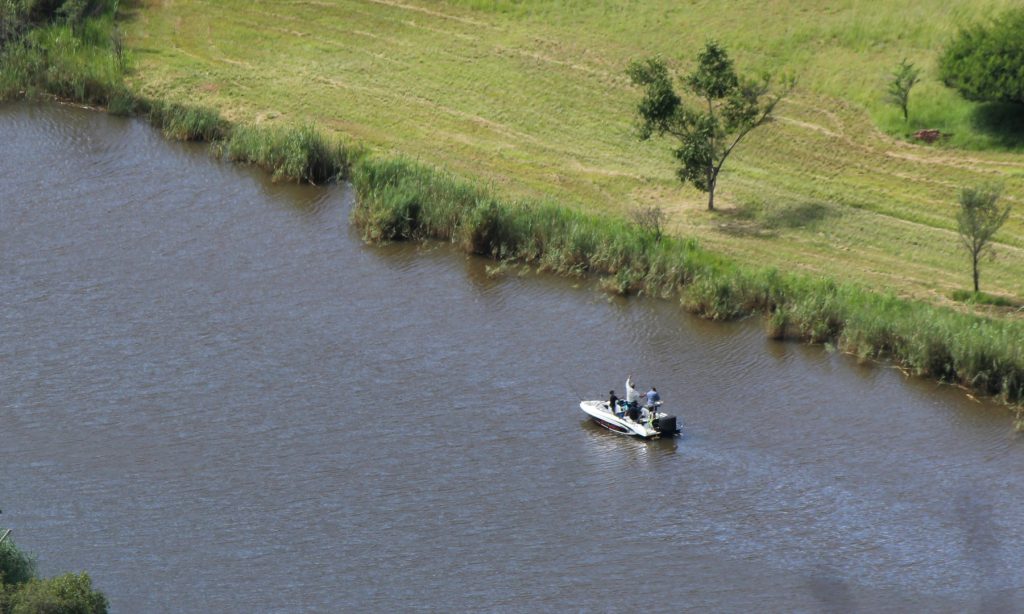
Lone Fisherman by Mitzi van der Westhuizen
Resting on the Beach by Donovan Dell
Samewerking by Priscilla Drotsky
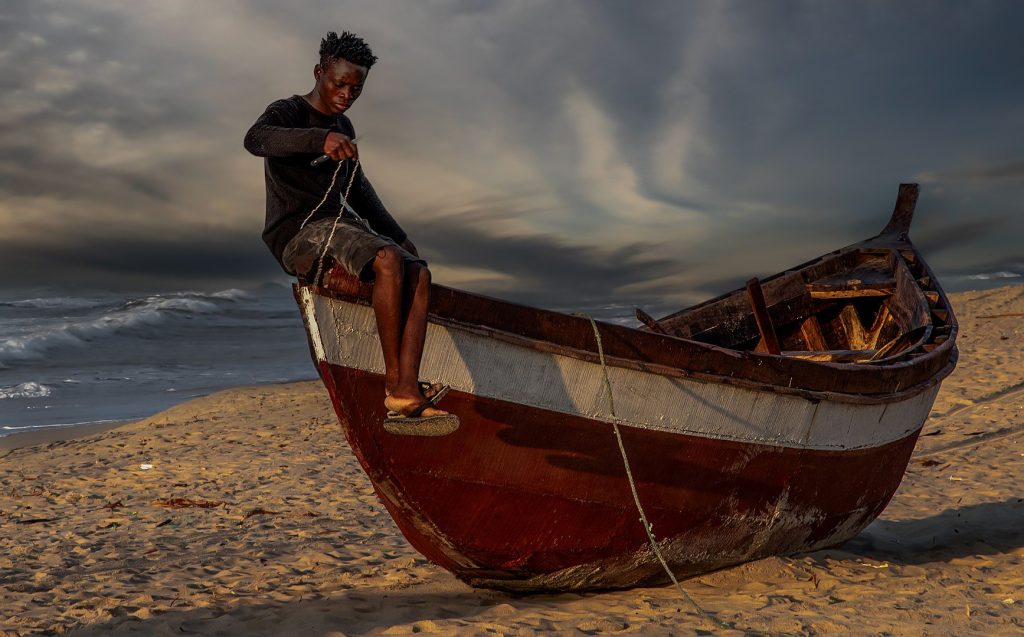
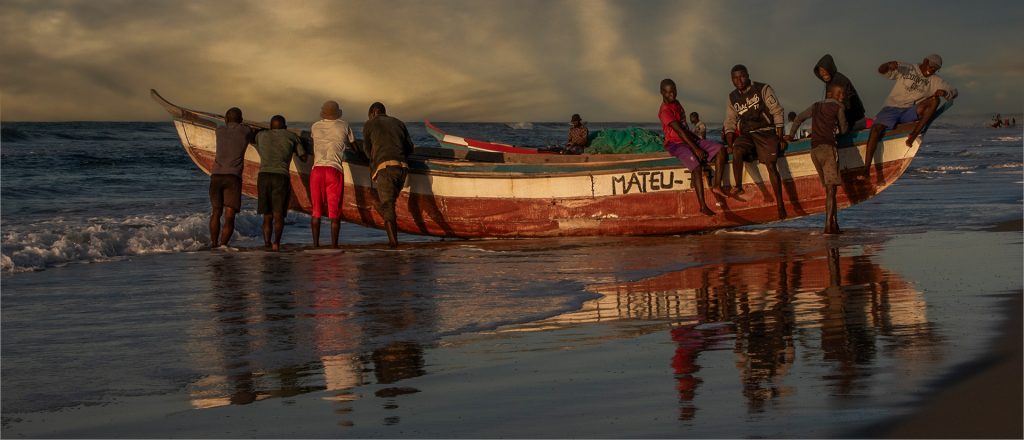
The early boat catches the fish by Appel van der Westhuizen
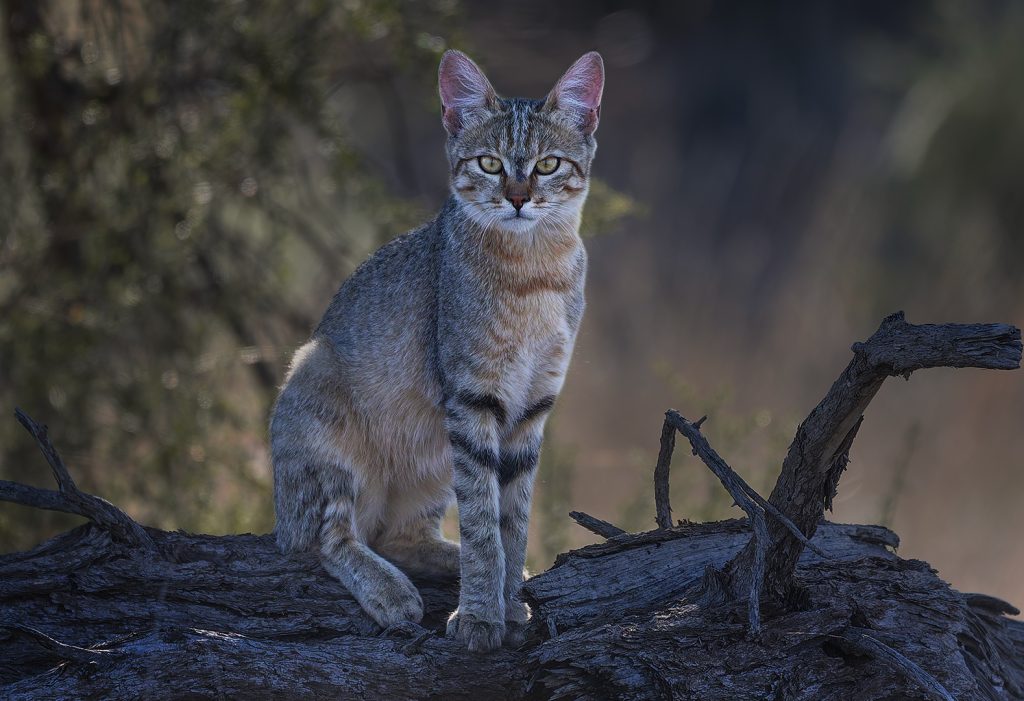
Grom Kat by Fanie Barnard
Middagete by Mitzi van der Westhuizen
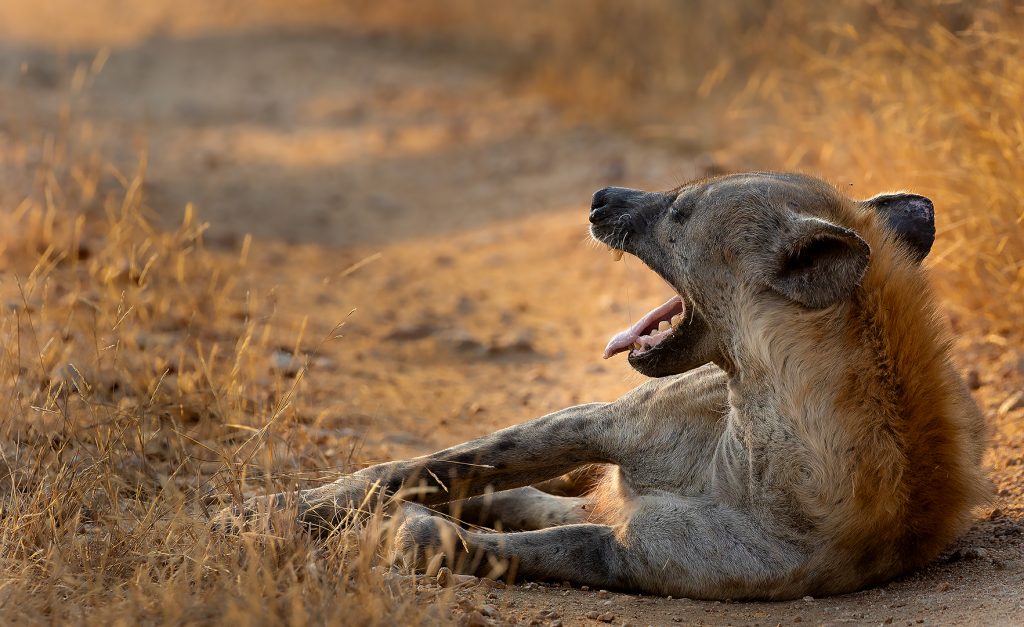
Sundowner Yawn by Priscilla Drotsky
Ernstige Fransie by Hennie Barnard
Fight or Flight by Riaan Drotsky
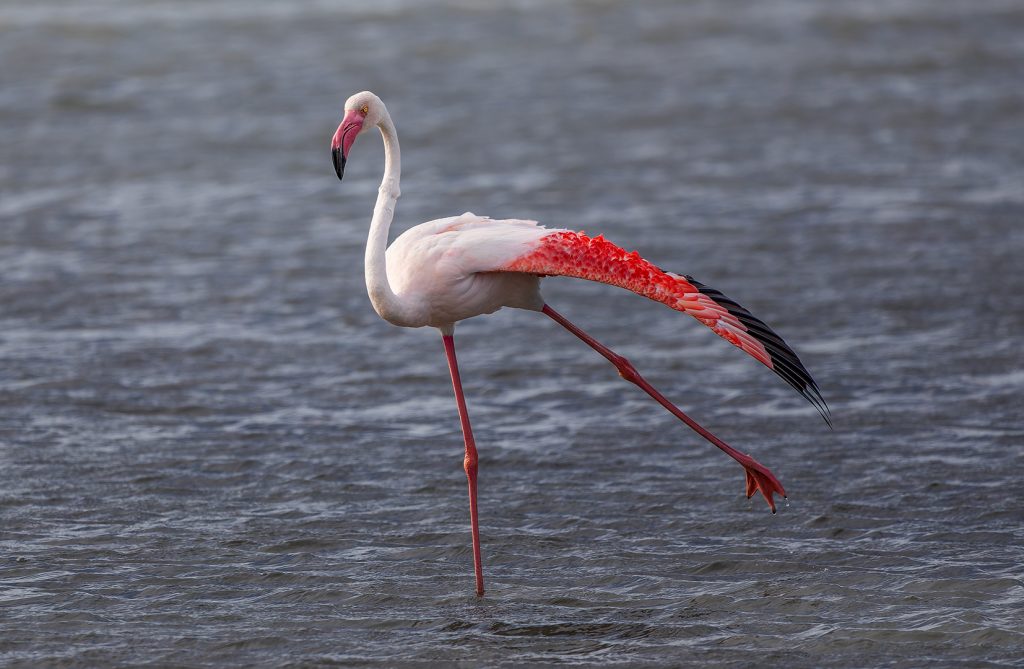
Flamink Strek by Beverly Barnard
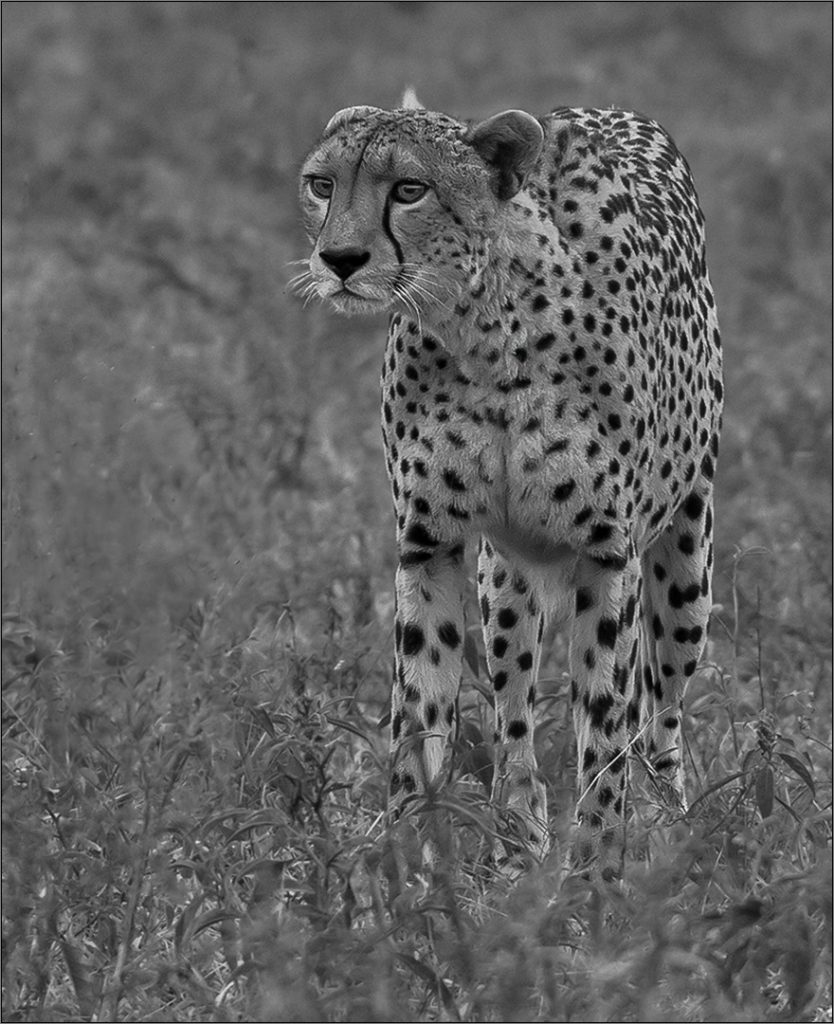
Jagluiperd by Charles Pentz
Saaidjie in die bek by Danika Pentz
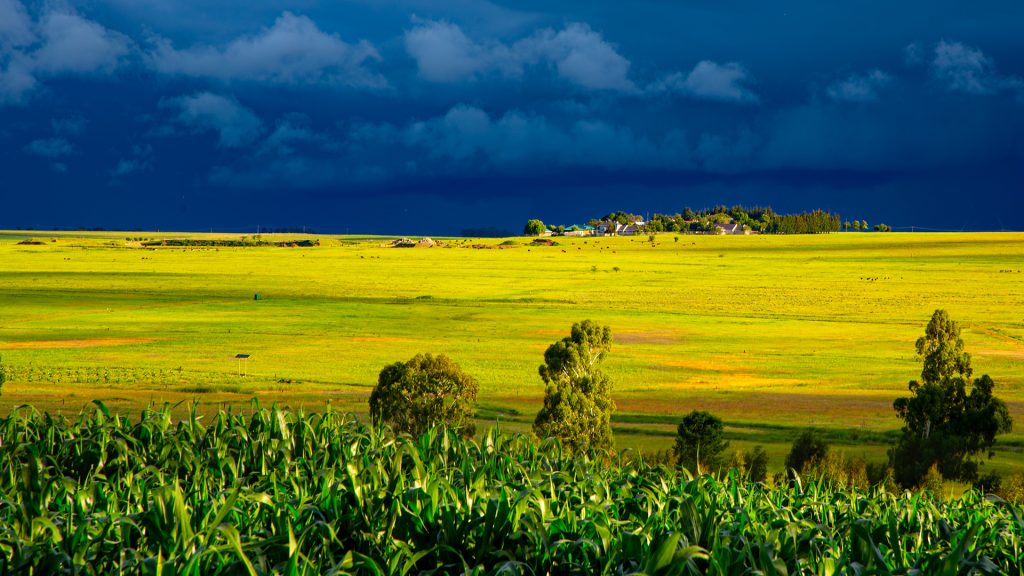
Donderweer oor Grasslands by Hennie Barnard
Ek is honger by Danika Pentz
Landing by Beverly Barnard
Side Step by Riaan Drotsky
Luiperd in Boom by Danika Pentz
Moeg by Charles Pentz
My best side by Riaan Drotsky
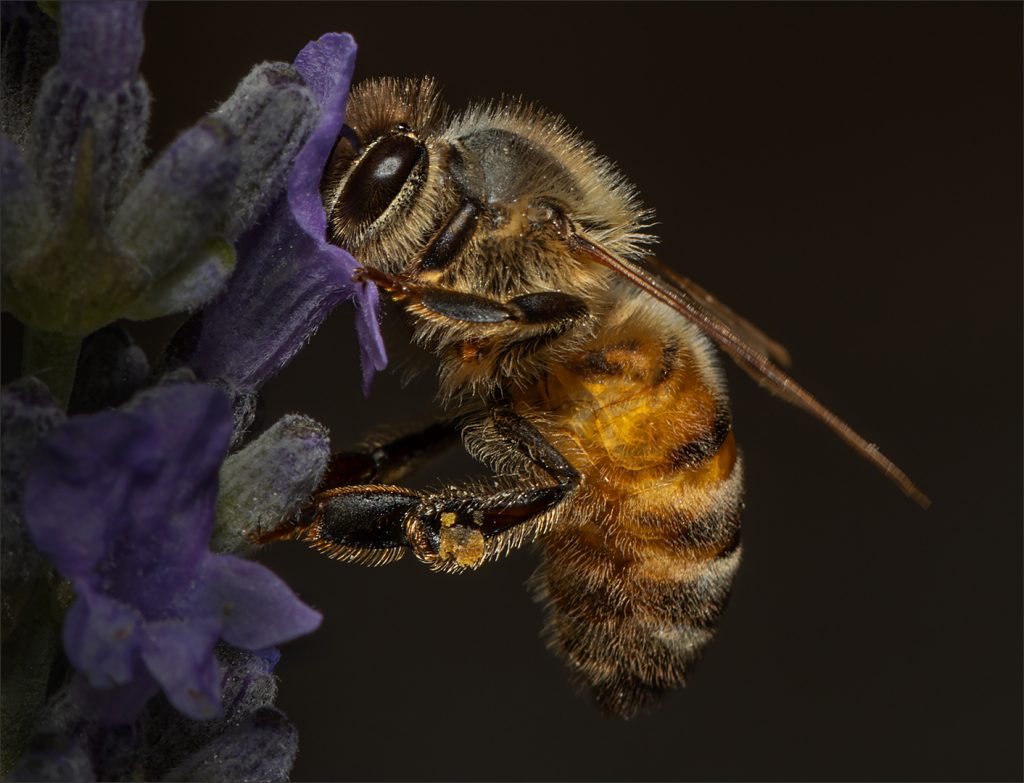
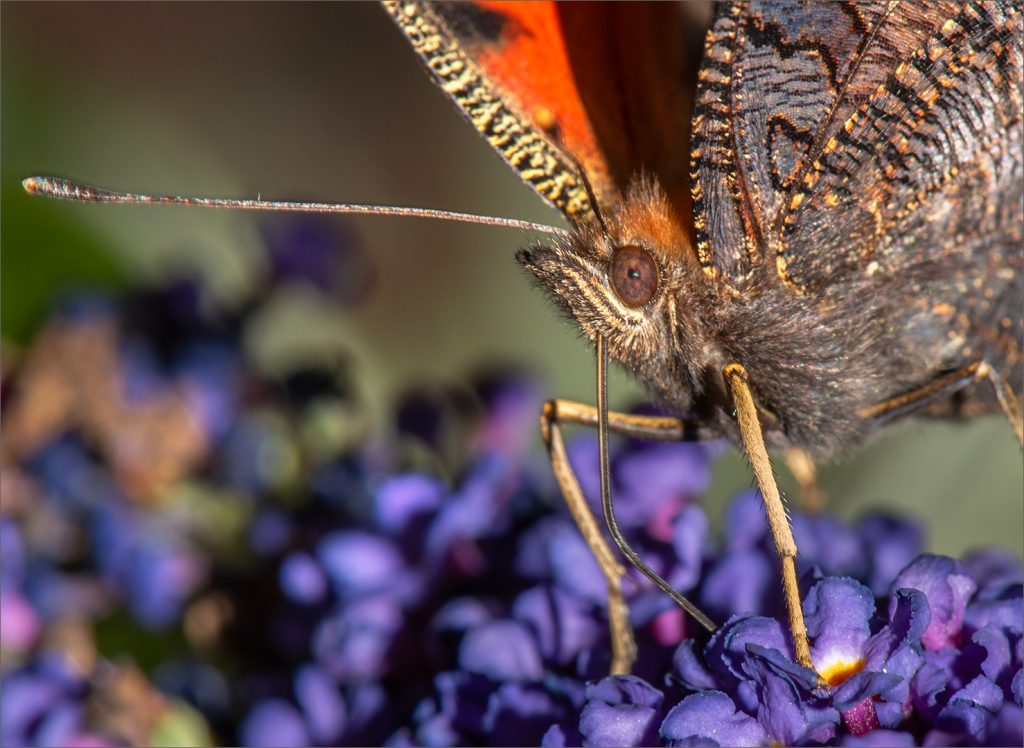
Getting some Pollen by Cobus Manders
Cute by Wilma Drotsky
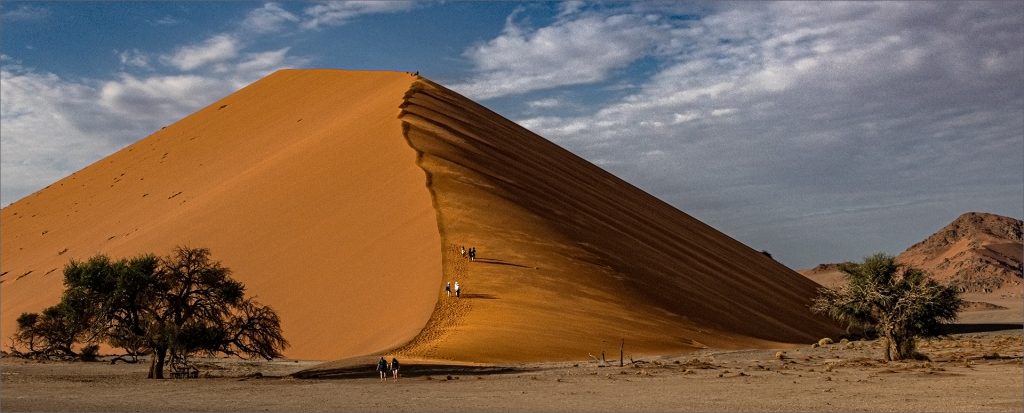
Duin in Sossusvlei by SP Smith

Category – Set Subject

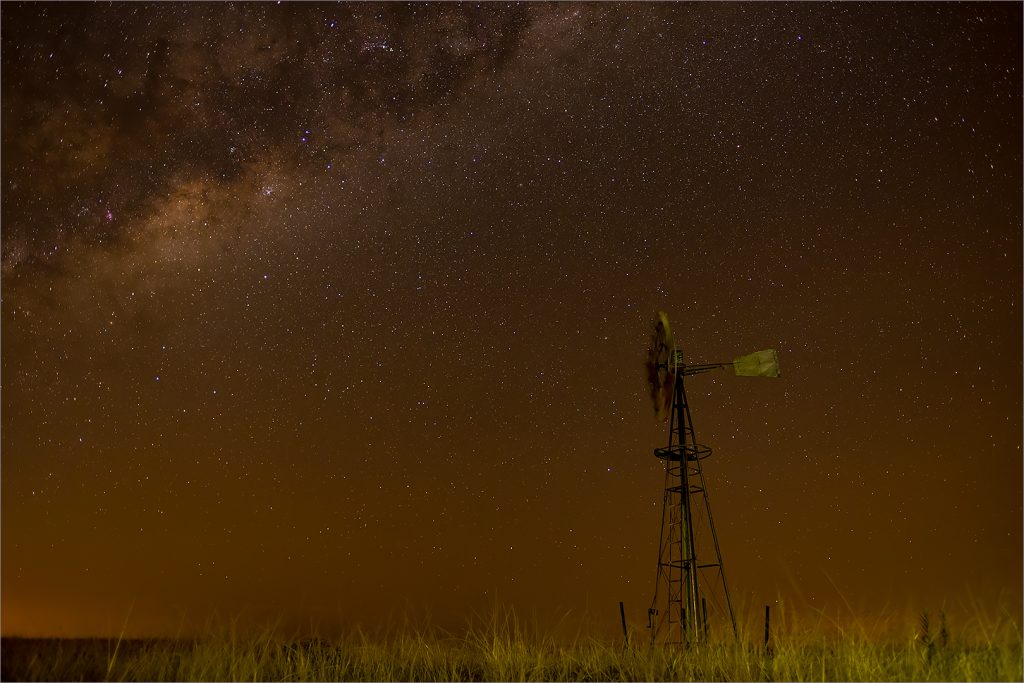
Johan se windpomp – after dark by Franscois Rousseau
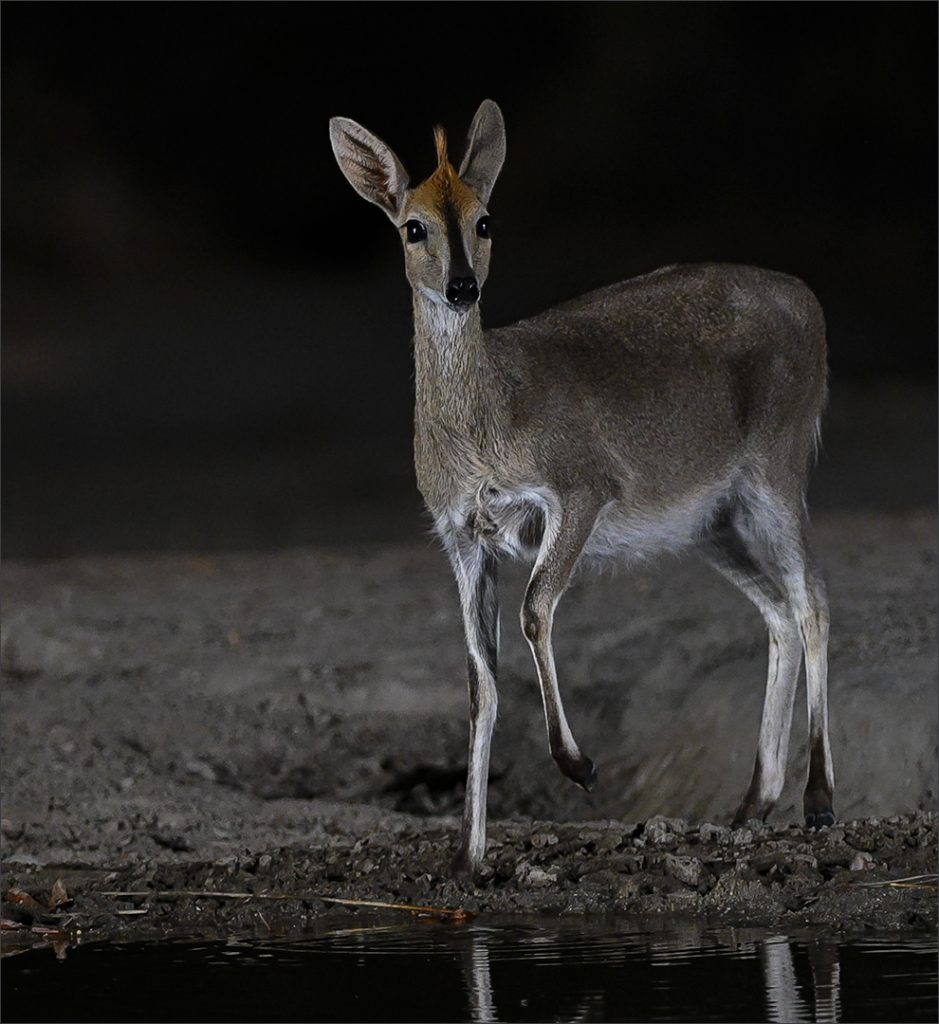
Duiker Paraat by Leon Venter
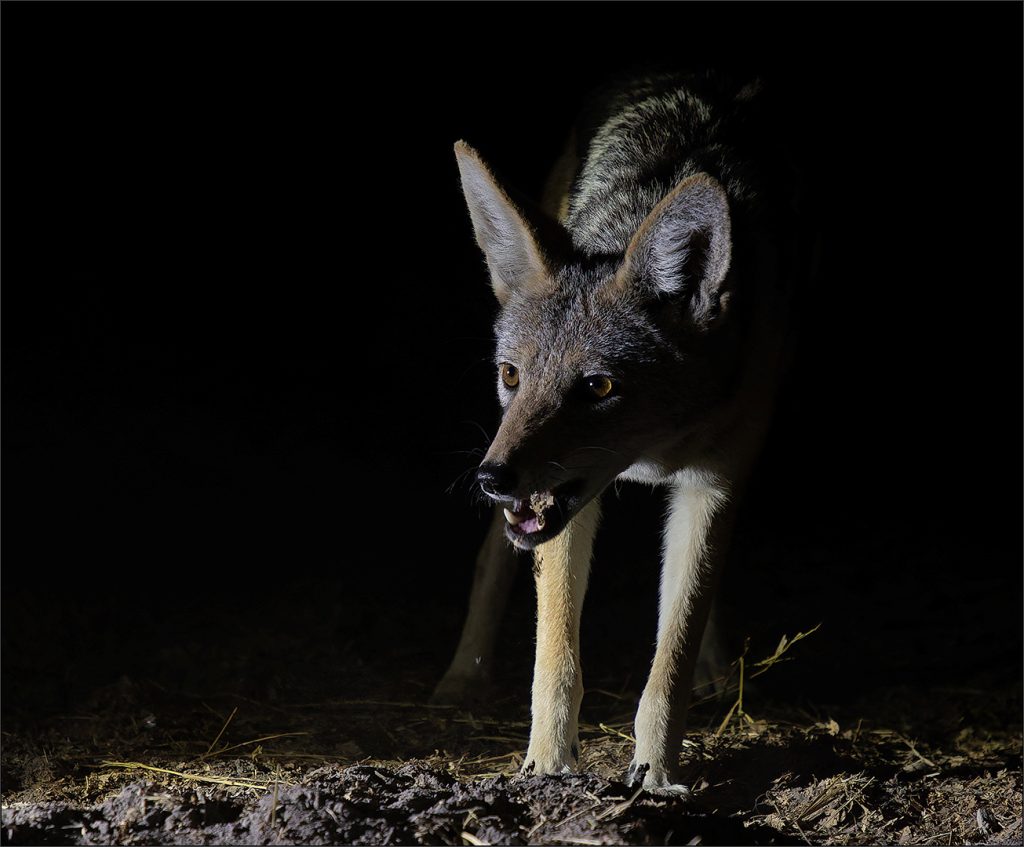
Aas soek in die donker by Wilma Drotsky
Spookhuis by SP Smith
After dark comes sunrise by Riaan Drotsky
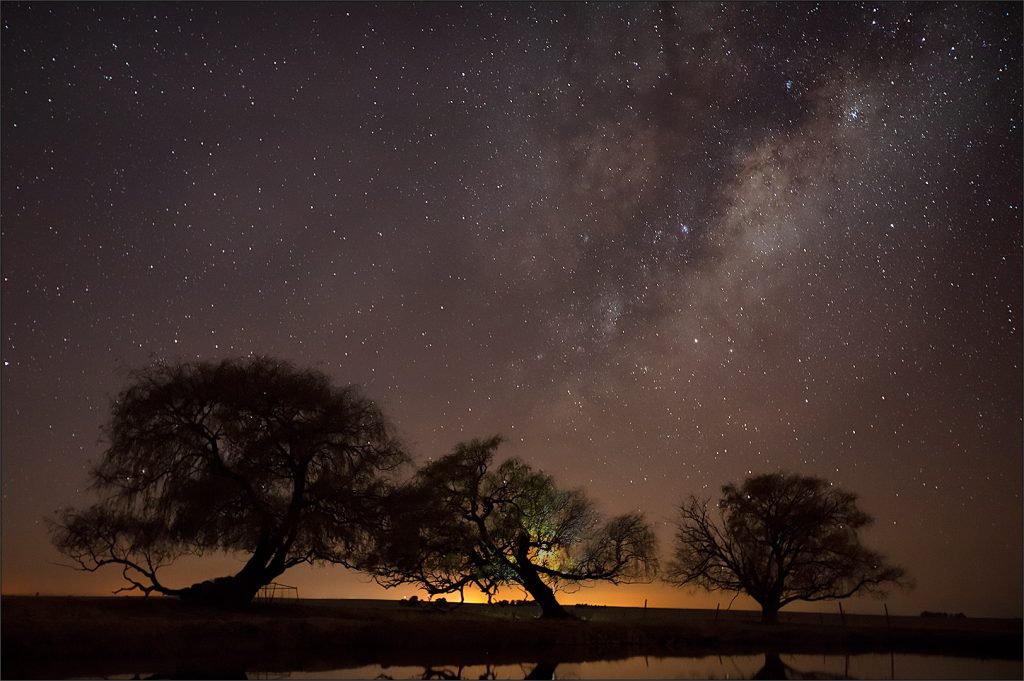
Under a Starry Sky by Annelize Dell
Sparks Flying by Donovan Dell
Fontein Sterre by Johan Drotsky
After Dark by Jannes Drotsky

Are the ANC using municipal funds to prepare for their Birthday Bash?

0

For years councillors in Govan Mbeki Municipality (GMM) have had to explain to residents why basic services were failing. Sewage spills, electricity outages, interrupted water supply, uncollected refuse and pothole-damaged tyres became routine complaints. Councillors were inundated with calls: where is my water? when will my lights be back on? when will the refuse be collected? These are not partisan problems — the steady decline in municipal service delivery has affected everyone.

Then an unexpected but inevitable shock rearranged local politics. In the last local elections the ANC failed to win outright majorities in three Mpumalanga municipalities: Lekwa, Steve Tshwete and Govan Mbeki. In GMM that opened the door to coalition dynamics and, eventually, to the EFF taking a decisive role. Nationally the ANC also lost its single-party majority and now finds itself in a Government of National Unity.

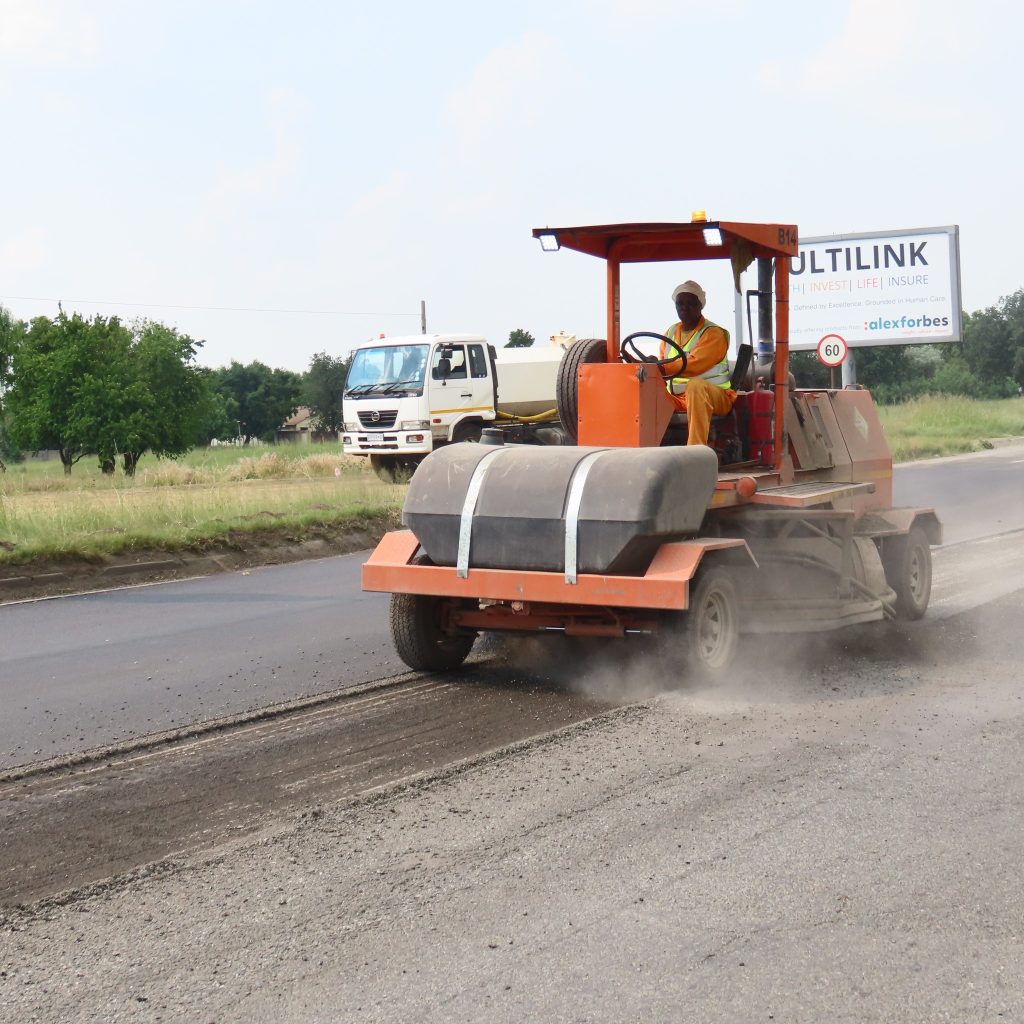
That political squeeze appears to have produced a predictable response: intensified, highly visible “fixing” of certain infrastructure ahead of political events and to shore up traditional voters. What had been routine municipal responsibilities — road repairs, grass cutting, TLB digging and clean-ups — suddenly accelerated in parts of Secunda. A mayoral clean-up campaign called Ijima was publicised, and residents were asked to praise the mayor for improvements that should be part of everyday municipal operations.

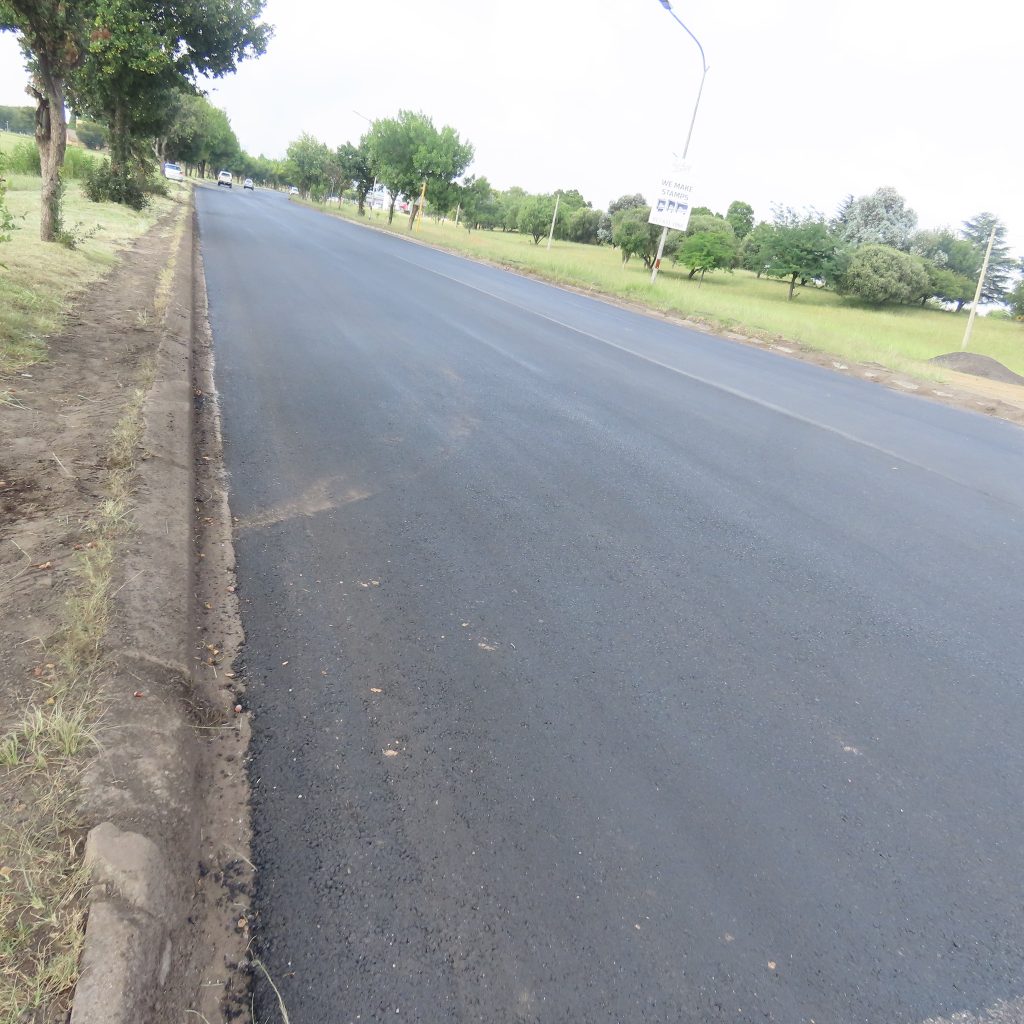
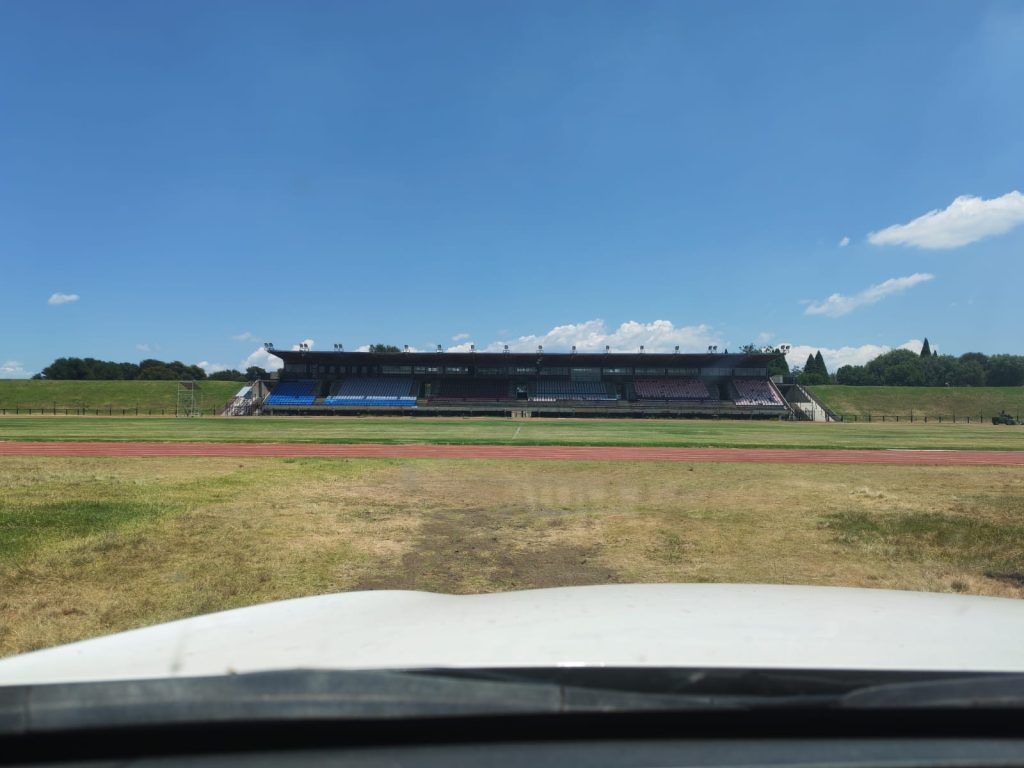
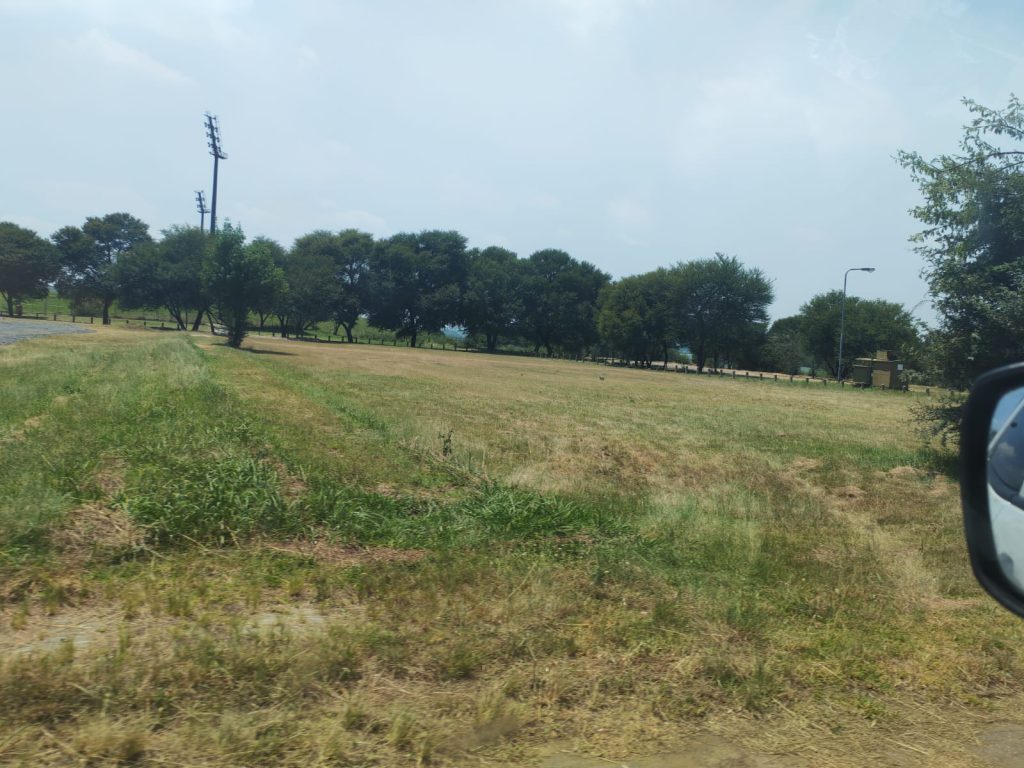
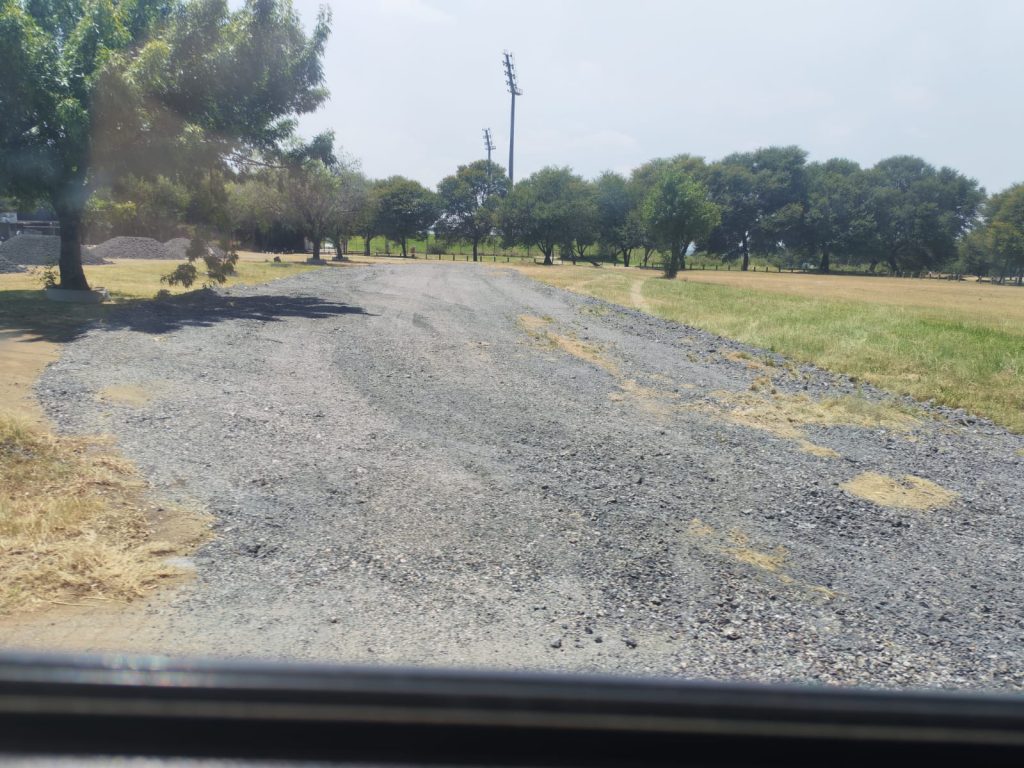
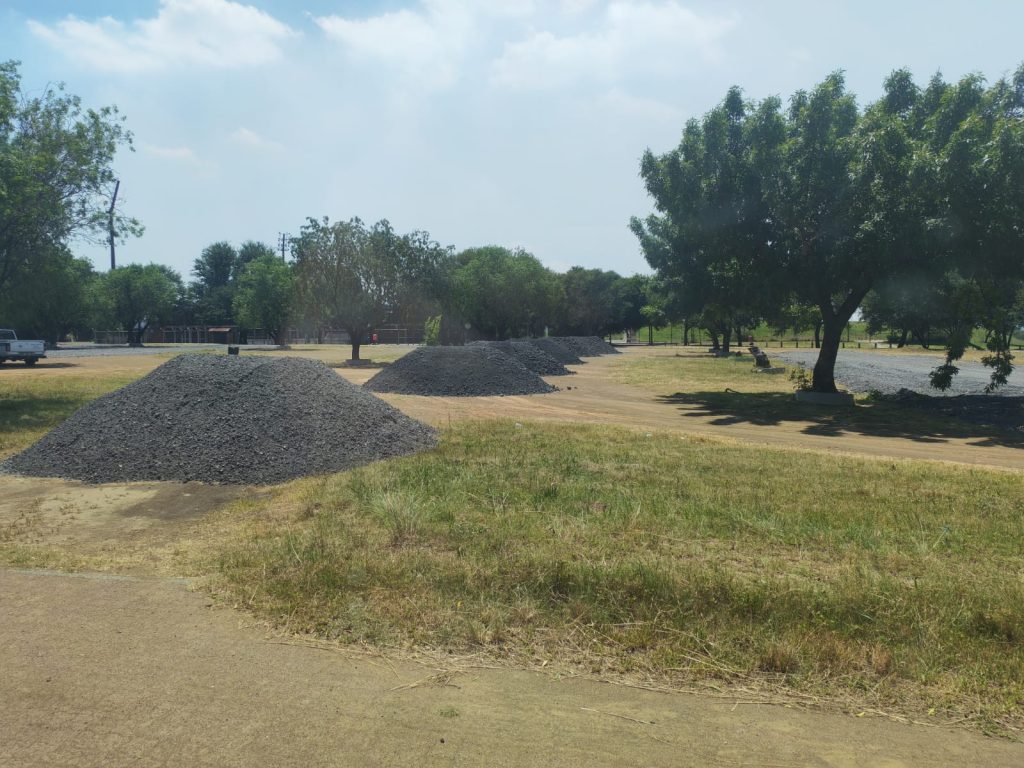
Why the sudden focus? The answer is simple: political optics. The ANC will celebrate its 114th birthday this year, and the Mpumalanga provincial celebrations are being held at Lilian Ngoyi Stadium in Secunda this weekend. According to local sources, the event was initially planned for eMbalenhle but was reportedly moved after objections from the Taxi Association; the precise reasons remain unclear. Whatever the cause, the venue change concentrated attention — and municipal activity — on Secunda. A school athletics meeting scheduled at the stadium was abruptly cancelled. Road surfacing, graveling of the stadium parking lot and frantic grass-cutting followed. Streets like Walter Sisulu Road received new surfaces overnight.

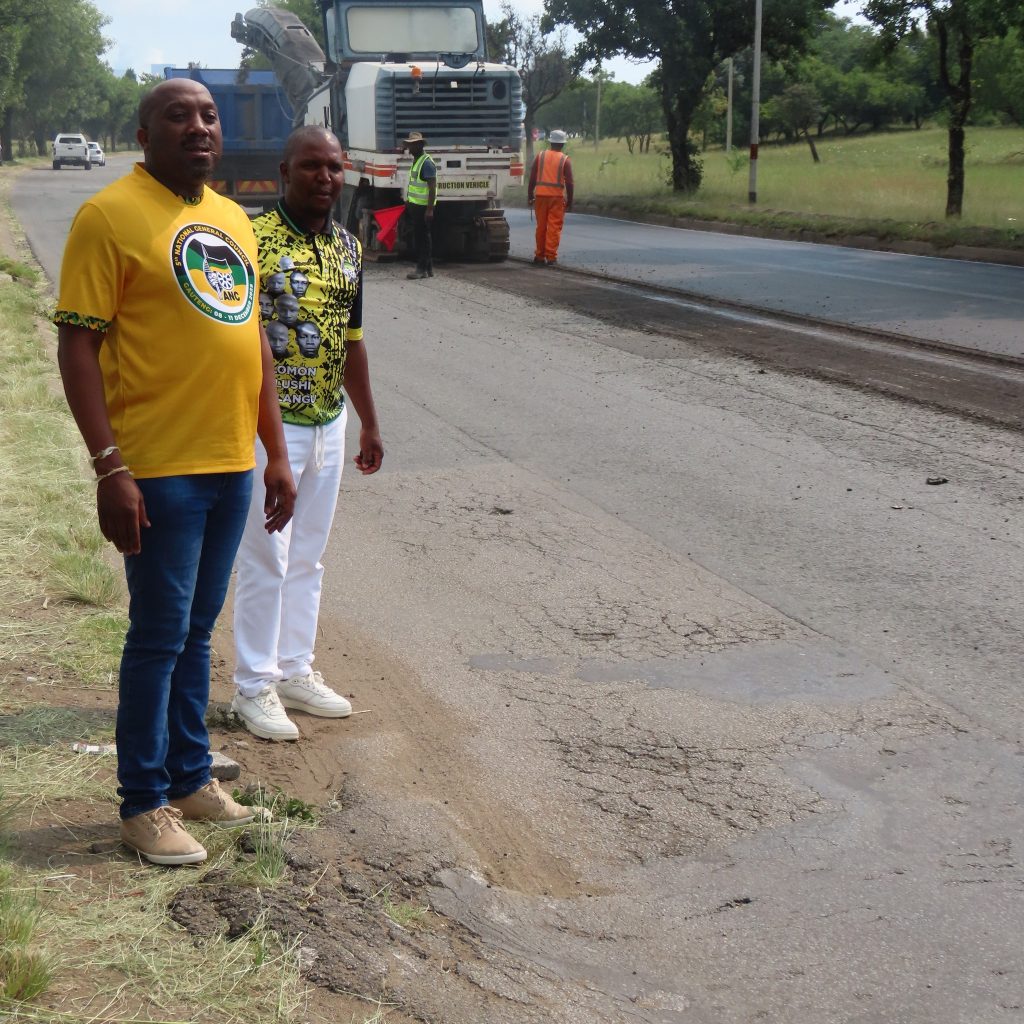
Is this a coincidence? Many residents and opposition leaders — including the Democratic Alliance in Govan Mbeki — say it is not. They allege the ANC is using municipal channels, personnel and public resources to stage-manage improvements so that party leaders can be photographed in ANC regalia inspecting works, creating an impression that the ruling party is personally delivering services. The DA has demanded that Municipal Manager Elliot Maseko immediately stop the politicisation of service-delivery communications on official municipal platforms.

The DA’s public statement by Portia Mpatlanyane DA Councilor Govan Mbeki Local Municipality, raises three central concerns:

  • Elected officials and municipal managers should not use government platforms and resources to promote a party brand. Recent coverage shows Executive Mayor Nhlakanipho Zuma and MMC for Civil Engineering Vusimuzi Mbokazi appearing in ANC regalia while inspecting road repairs under a banner labelled “Accelerating Road Infrastructure Rehabilitation in Secunda.”
  • Road maintenance and similar work are statutory municipal responsibilities, not political favours. Citizens should not be misled by theatrical displays designed to attribute regular service delivery to a party’s goodwill.
  • There are serious risks that public resources are being diverted to raise political visibility. Government funds and municipal capacity must never be used for party campaigning.

The DA reminded residents that the municipality’s Integrated Development Plan (IDP) sets service-delivery targets for wards, and that the Municipal Systems Act and local governance frameworks require impartial, needs-based delivery to all ratepayers, regardless of political affiliation. The DA pledged to continue oversight and to expose improper practices, arguing for a clear separation between ruling party activity and administration so that taxpayers’ money is protected.

What residents should watch for

  • Transparency about who authorises and pays for the recent works in Secunda.
  • Whether municipal communications channels are used to carry party-branded messages.
  • If the improvements are sustained as part of regular service delivery or disappear after the birthday event.
  • Evidence that municipal procurement and labour rules were followed, and that projects were included in the IDP and budget.

Conclusion The visible improvement in Secunda ahead of a major political event raises legitimate questions. If municipal resources, staff time or communication platforms are being used to stage-manage service delivery for partisan gain, that is a misuse of public assets and a breach of citizens’ trust. Govan Mbeki residents deserve steady, equitable services year-round — not short-term performative fixes timed for photo opportunities.

Municipal officials should publish clear, dated records showing the funding sources, procurement approvals and operational orders for the recent works. Political parties should refrain from using state platforms to enhance their brand. And opposition parties and civil society must keep up scrutiny so that taxpayers’ money serves the public interest, not party politics.

Ignore the Panic — Expert Advice on Eskom’s Solar PV Registration Drive and What Homeowners Should Do

0

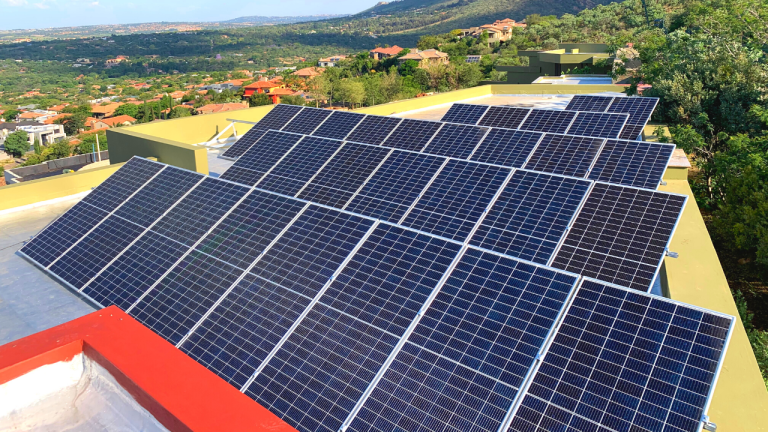
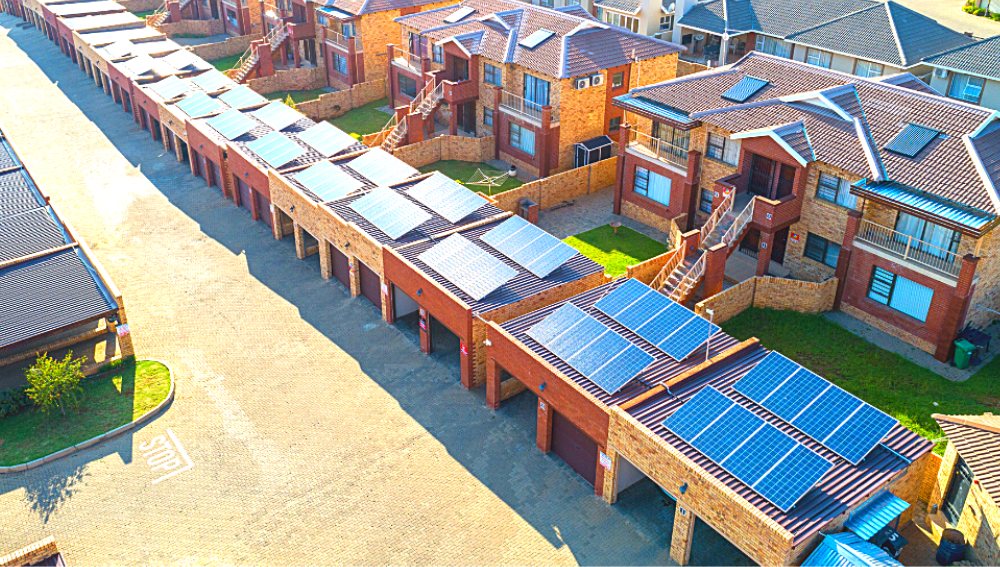
Energy analyst Chris Yelland (MD, EE Business Intelligence and energy advisor to OUTA) has urged South African households with rooftop solar PV or battery energy storage (BES) systems not to be intimidated by recent warnings from Eskom and some municipal electricity distributors about mandatory registration, fines and possible disconnection.

The context Since late 2025, Eskom and a number of municipalities have intensified a “Solar PV registration legal compliance campaign,” telling customers that all embedded generation systems — including residential rooftop PV systems smaller than 100 kVA — must be registered with their electricity service provider under NERSA rules. Eskom’s 14 January 2026 statement reiterated this position and warned of penalties, including fines of more than R6,000 and potential disconnection for unregistered installations. Eskom says it has simplified the process, and from 1 October 2025 allowed sign-off by a Department of Labour–registered person rather than requiring an ECSA-registered professional, framing the effort as a safety and compliance initiative.

Yelland’s view: don’t panic, do ensure proper compliance documentation Yelland describes the utility and municipal messaging and enforcement strategy as misguided, confusing and counterproductive. He warns it risks alienating law‑abiding, paying residential customers and says the approach is unlikely to succeed in the long term. His core advice to homeowners is straightforward: prioritise safe, accredited installations and keep proper documentary proof of compliance.

What homeowners should do now

  • Use accredited, experienced installers for any solar PV/BES installation.
  • Obtain a valid Certificate of Compliance (CoC) issued by an installation electrician who is registered with the Department of Employment and Labour (DoL). The CoC is the lawful proof that the system meets required technical and safety standards.
  • Retain all installation, inspection and commissioning records, inverter settings, and any correspondence with the installer or distributor.
https://www.stsolutions.co.za/power-up-your-sectional-title-unit/

On registration and exporting electricity Yelland notes that homeowners who are not exporting energy to the distribution network face a different practical decision from those who do export. If your system is configured so it does not export to the grid and you hold a valid CoC, Yelland advises that you are within your rights to question or resist aggressive enforcement — but to do so while prepared with proper documentation and, if necessary, legal counsel. Homeowners who plan to export or participate in future incentive programmes should carefully consider registering to avoid disputes and to access potential benefits.

If you are threatened with disconnection According to Yelland’s guidance, customers who receive threats of disconnection should seek legal advice and formally challenge unlawful enforcement actions by their electricity distributor. Keep written records of all threats, written notices, and any communications, and present your CoC and compliance paperwork when engaging with the distributor or a lawyer.

Balancing safety, compliance and practical choices Eskom presents registration as a safety and planning measure and says the process has been simplified to make compliance more accessible. That said, Yelland emphasises homeowners should focus on the fundamentals: competent installation, a DoL‑registered electrician’s CoC, and careful documentation. Whether to register is a decision that can hinge on technical settings (export versus no-export), local regulations and how an individual household wishes to interact with its distributor and potential future programmes.

Practical next steps (quick checklist)

  • Verify your installer’s accreditation and the electrician’s DoL registration.
  • Secure and store your system’s CoC and commissioning paperwork.
  • Confirm whether the system is set to export to the grid; if not, document this configuration.
  • If contacted by Eskom or your municipality, respond in writing, provide your compliance documents, and consult legal advice if you are threatened with fines or disconnection.
  • Consider registering if you want to participate in export programmes or avoid prolonged disputes.

John Steenhuisen to Step Down as DA Federal Leader — Will Not Seek Re-election

0

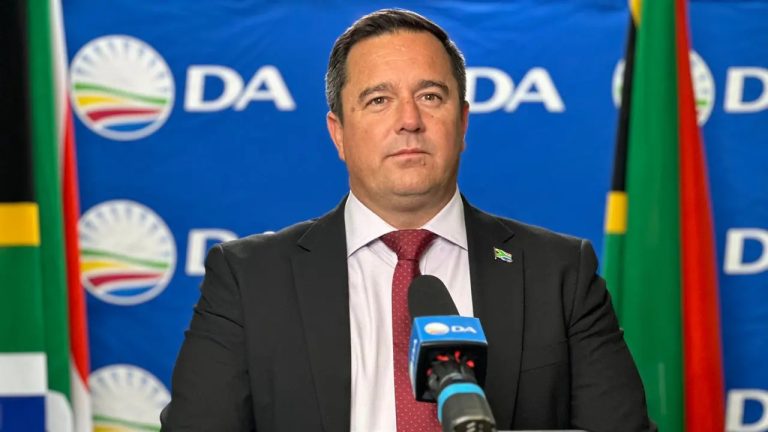
John Steenhuisen, leader of the Democratic Alliance (DA) and South Africa’s Minister of Agriculture, announced on Wednesday, February 4, 2026, that he will not seek re-election as the party’s federal leader at the upcoming Federal Congress in April.

Speaking at a press briefing in his hometown of Durban, Steenhuisen confirmed earlier reports and framed his decision as a deliberate handover after achieving what he called his “DA Moonshot” mission. He credited his tenure with expanding the party’s national reach, returning the DA to outright control of the Western Cape, growing its polling support and guiding the party into the Government of National Unity (GNU).

“This is not the end of the road for the DA, and it is not the end of the road for me,” Steenhuisen said. “I today announce that I will not seek re-election for a third term as DA Federal Leader at the party’s upcoming Federal Congress. I do so with a full heart, knowing that I have accomplished my DA Moonshot mission, and that my work in government now requires me to similarly pour my heart and soul into defeating foot-and-mouth disease.”
He said the decision follows his appointment to a ministerial role focused on combating the worst outbreak of foot-and-mouth disease (FMD) recorded in South Africa’s livestock, a crisis that has drawn intense pressure from farmers and civil society. Steenhuisen said he intends to devote his remaining time in office to eradicating the disease and that dividing his attention between an internal leadership campaign and the national response would be unfair to farmers.
“After leading the DA into the GNU, my next chapter must be to eradicate this devastating disease from our shores once and for all. That is not a part-time job,” he said.
Steenhuisen assured members he will remain in government as minister and pledged full support to the successor elected at the DA’s April federal congress; nominations open on February 24. His exit opens the path for rising DA figures — notably Cape Town Mayor Geordin Hill-Lewis, who has publicly signaled leadership ambitions but had said he would not challenge Steenhuisen while he served as leader.

The leader’s announcement comes against a backdrop of internal party tensions, including public disputes with former DA Federal Finance Chair Dion George, who resigned in January amid a series of accusations against Steenhuisen. An internal probe previously cleared Steenhuisen of misuse of party funds, finding the disputed credit-card expenditure reconciled.

As minister, Steenhuisen has faced mounting criticism from farming groups and lobbyists over the government response to the FMD outbreak. This week, several farmer lobby groups took legal action accusing the minister of obstructing private-sector assistance in efforts to contain the disease — allegations that have increased scrutiny of his handling of the crisis.
Steenhuisen closed his remarks by saying he leaves the DA “a fundamentally healthier party” and urged members to back the next generation of leaders. The Federal Congress in April will elect new party leadership and mark the formal end of Steenhuisen’s tenure as DA federal leader.
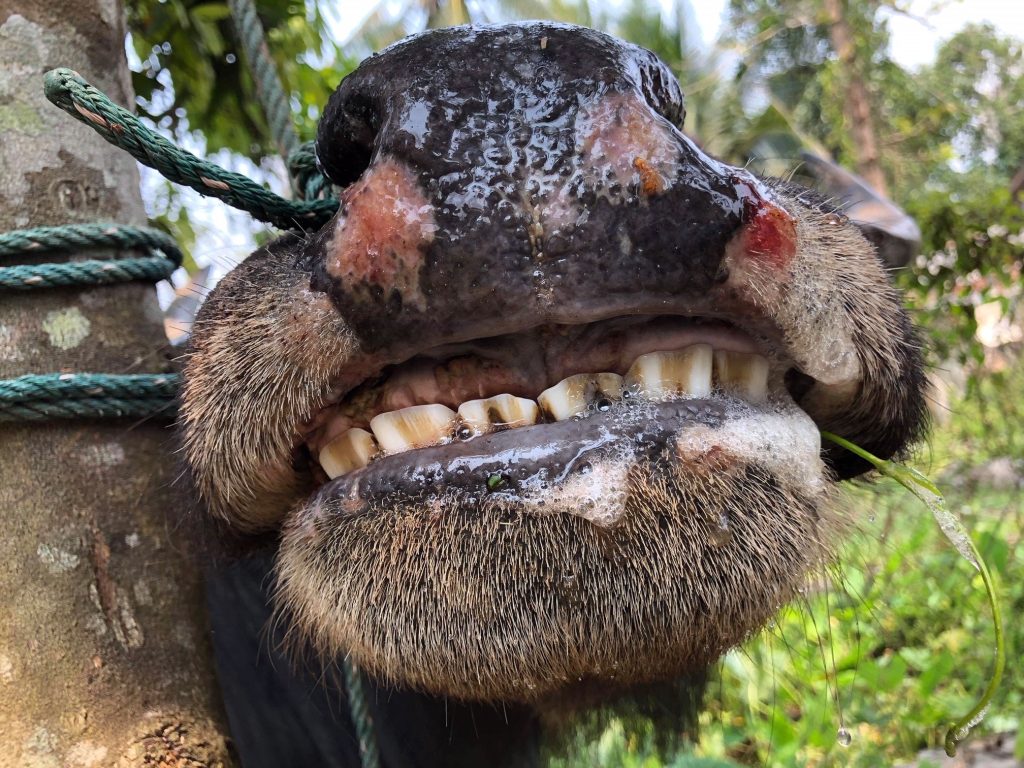
Foot and Mouth Disease in South Africa: Threats, Impacts and the Road to Recovery

0

Introduction Foot and Mouth Disease (FMD) remains one of South Africa’s most serious livestock health risks. Highly contagious and capable of devastating dairy and beef production, FMD undermines animal welfare, rural livelihoods and export markets. Recent outbreaks and renewed national coordination have placed control and eradication squarely at the top of the industry agenda.

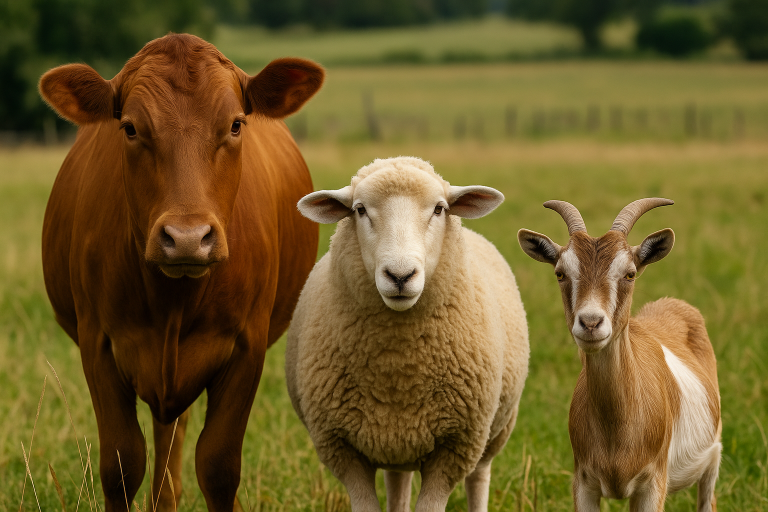
What is FMD and how it spreads FMD is caused by an Aphthovirus infecting cloven-hoofed animals — cattle, sheep, goats, pigs and some wildlife. Young animals are particularly vulnerable. The virus spreads quickly through:

  • Direct animal contact (saliva, milk, breath, secretions).
  • Contaminated surfaces, feed, water and transport vehicles.
  • Human activity (clothing, footwear, equipment).
  • Movement and trade of infected animals.
  • Environmental survival in cool, moist materials (hay, manure, soil).

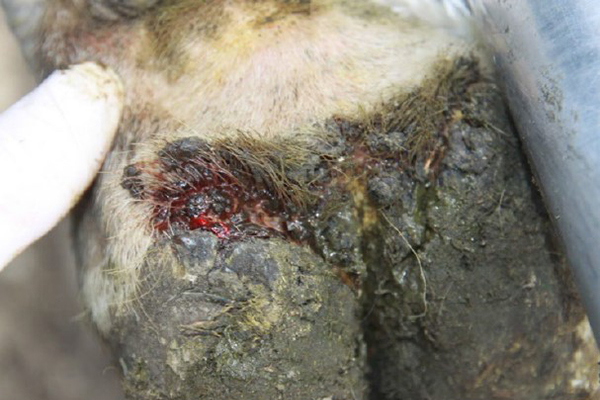
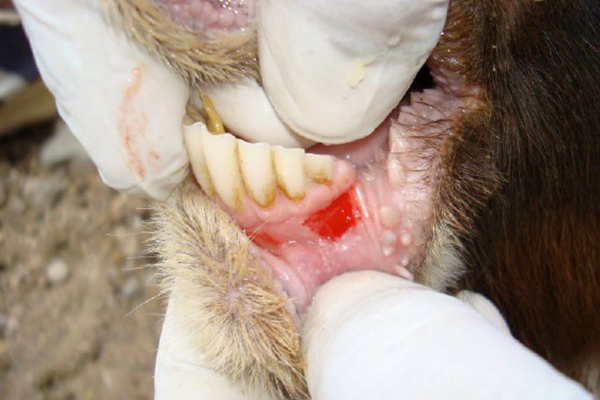
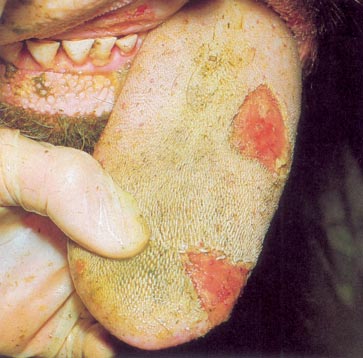
Clinical signs and animal impact Typical signs include fever, painful vesicles on the mouth, tongue, teats and hooves, lameness, reduced appetite, weight loss and severe drops in milk yield. Calves, lambs and piglets face higher mortality; survivors often show reduced fertility and long-term productivity losses. Where outbreaks occur, culling and movement bans are frequently necessary, with major welfare and financial consequences.

Economic and industry consequences Beyond on‑farm losses (reduced milk, slower weight gain, deaths and culling), FMD triggers trade embargoes that close export markets for meat and live animals. Supply-chain disruption affects abattoirs, feedlots, transporters and rural economies. National responses and compensation add fiscal costs. Restoring market access and confidence can take years.

Mpumalanga and recent outbreak history Since 2024–2025, FMD events linked to KZN have affected Mpumalanga. SAT2 (and previously SAT1) strains moved into municipalities including Gert Sibande, Dipaleseng, Victor Khanye, Govan Mbeki, eMakhazeni, Steve Tshwete and Dr Pixley ka Isaka Seme, with multiple outbreaks reported. Authorities implemented vaccinations in controlled zones, targeted culling and strict biosecurity to protect historically FMD-free areas. Persistent challenges include livestock movement compliance and informal markets.

Prevention and control measures Effective control is multifaceted:

  • Quarantine and movement controls, including Disease Management Areas and permits.
  • Strategic vaccination in high‑risk zones and regular boosters.
  • On-farm biosecurity: disinfection, visitor control and equipment hygiene.
  • Traceability systems and real‑time movement records (e.g., RMIS).
  • Rapid detection, reporting and laboratory confirmation.
  • Government–industry collaboration for coordinated response and farmer support.

National coordination and the Industry Coordination Council To accelerate recovery, the Minister established an FMD Industry Coordination Council to work alongside the Department of Agriculture and a Technical and Scientific Task Team. The council’s role includes aligning industry actions with national measures, consolidating situational information, coordinating communications, supporting traceability and readiness for compartmentalised operations, and facilitating logistics, training and monitoring. The council’s inaugural meetings began in January 2026, with weekly engagements planned to maintain momentum.

Leadership and accountability Minister Steenhuisen has committed to a clear roadmap, stating the government cannot act alone and that private sector, farmers and veterinarians must collaborate. The stated goal is to restore FMD-free status within a concerted timeframe through shared responsibility, technical oversight and improved compliance.

What farmers and stakeholders should do now

  • Maintain strict biosecurity and limit unnecessary movements.
  • Enrol and keep records up to date on traceability platforms.
  • Participate in vaccination programs where recommended.
  • Report suspect cases immediately to veterinary authorities.
  • Cooperate with quarantine and testing measures to protect wider markets.

Conclusion FMD poses a sustained threat to South African livestock, trade and rural livelihoods. Recent outbreaks underline the need for rapid detection, disciplined movement controls, strategic vaccination and strong industry–government coordination. With the new council, technical oversight and committed stakeholders, South Africa has a coordinated roadmap to reduce outbreaks and work toward restoring FMD-free status — but success will depend on consistent compliance and collective action.

For support or to report suspect cases, contact provincial veterinary services or the national Department of Agriculture.

Unqualified audit does not conceal Govan Mbeki’s financial distress

0

The Freedom Front Plus (FF Plus) warns that the Govan Mbeki Local Municipality’s unqualified audit opinion for 2024/25 should not be mistaken for financial stability or sound governance.

“An unqualified audit opinion merely indicates that the financial statements are technically acceptable; it does not conceal the scale of the municipality’s crisis,” said Aranda Nel-Buitendag Freedom Front Plus Councillor, Govan Mbeki Local Municipality, “The Auditor-General’s report and the mid-year Audit and Performance Committee report reveal serious financial distress, weak controls, widespread non-compliance and deteriorating service delivery.”

Key concerns:

  • Revenue collection is only 32%.
  • Unauthorised and irregular expenditure exceeds R1.2 billion for the year.
  • Debt to Eskom and the water board totals more than R6.6 billion combined.
  • The budget deficit has reached R733 million.
  • Creditor payments are being deferred, and the AG has declared the municipality not financially sustainable.

Service delivery is failing. Although the full infrastructure budget was spent, only one-third of planned targets were achieved. Large sums are being consumed by interest and penalties, providing no value to residents. A serious environmental irregularity at the Embalenhle Wastewater Treatment Works has already caused pollution-related damage, with no effective remediation underway.

Aranda Nel-Buitendag, FF Plus councillor

The mid-year performance report confirms poor delivery: targets are unmet and indicators fail to comply with basic performance principles. There is an absence of consequence management for financial misconduct.

The FF Plus rejects any portrayal of the municipality as healthy or compliant. The Council and municipal management must move beyond reporting and take decisive action: institute visible consequence management for financial transgressions, improve revenue collection, fully implement audit action plans, and deliver tangible improvements in service delivery.

“Govan Mbeki residents deserve more than polished reports — they deserve real, grassroots change. The Freedom Front Plus will continue to press for full accountability and for a municipality that serves the interests of its community,” concluded Aranda

Sasol AEL Public consultations/Publieke Konsultasie

GEMEENSKAP KENNISGEWING

Sasol bied Publieke Konsultasie Forums aan oor die kwaliteit van lug wat belyn is met Sasol se Atmosferiese Emissie-Lisensies op 10 en 11 Februarie 2026. Die publieke konsultasie forums gaan fokus op Sasol se resultate in terme van lug kwaliteit asook vordering op die lug kwaliteit verbeterings program.

U word genooi om hierdie forums by te woon op 10 en 11 Februarie 2026 te:

LokaalAdresDatumTydKontak
Sasol eMbalenhle Ontspannings KlubIngwe Rylaan nommer 2287, eMbalenhle10 Februarie 2026  10:00 – 12:00    017 6851461
Sasol Secunda Ontspannings KlubNelson Mandela Rylaan, Secunda10 Februarie 2026  14:00 – 16:00  0176100451
Difa Nkosi Community Hall1095 Intumbane Rylaan, Lebohang Uitbreiding 9, Leandra11 Februarie 2026  10:00 – 13:00    017 620 6232

Kontak Nonzwakazi Maguga by nonzwakazi.maguga@sasol.com of 066 248 6741 vir enige navrae en om u bywoning te bevestig.

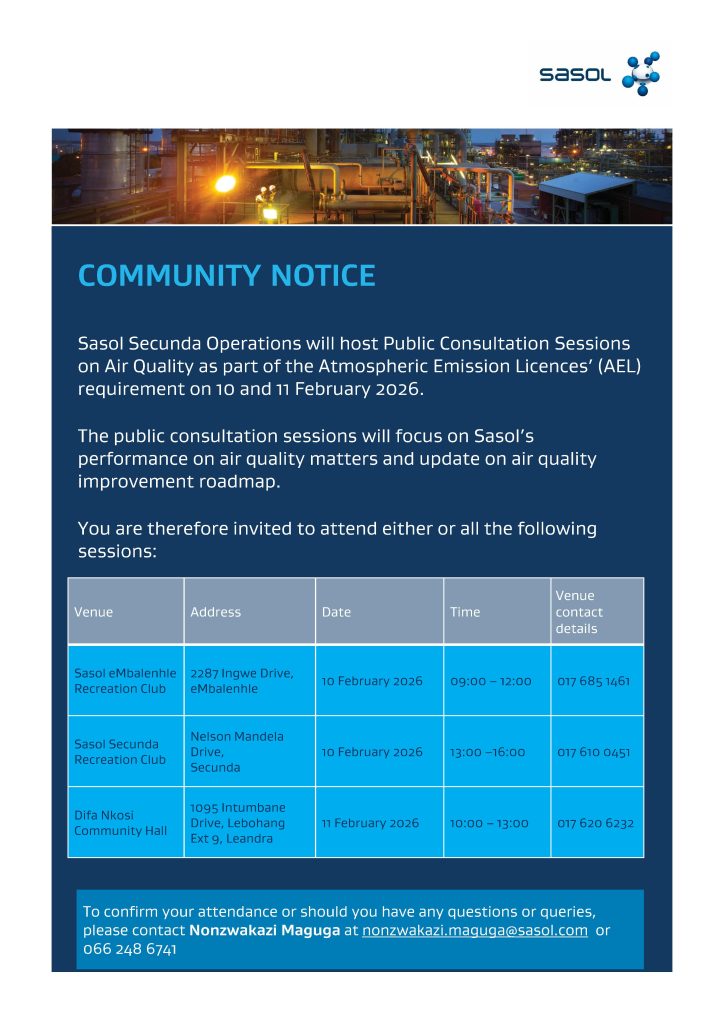
COMMUNITY NOTICE

Sasol is hosting Public Consultation Forums regarding air quality related to Sasol’s Atmospheric Emission Licenses on February 10 and 11, 2026. The public consultation forums will focus on Sasol’s results concerning air quality as well as progress on the air quality improvement program.

You are invited to attend these forums on February 10 and 11, 2026, at:

LocationAddressDateTimeContact
Sasol eMbalenhle Recreation ClubIngwe Road No. 2287, eMbalenhleFebruary 10, 202610:00 – 12:00017 685 1461
Sasol Secunda Recreation ClubNelson Mandela Road, SecundaFebruary 10, 202614:00 – 16:00017 610 0451
Difa Nkosi Community Hall1095 Intumbane Road, Lebohang Extension 9, LeandraFebruary 11, 202610:00 – 13:00017 620 6232

Contact Nonzwakazi Maguga at nonzwakazi.maguga@sasol.com or 066 248 6741 for any inquiries and to confirm your attendance.

CALLS FOR CLARITY ON R280 MILLION INTENDED FOR MPUMALANGA FLOOD-AFFECTED FARMERS

0

The Democratic Alliance (DA) in Mpumalanga expresses its heartfelt sympathy to the communities and farmers affected by the recent devastating floods throughout the province. However, serious concerns have been raised regarding the status and utilization of nearly R280 million allocated to assist farmers in the event of natural disasters.

In the 2025/26 financial year, Mpumalanga was allocated an additional R766.5 million through the Equitable Share. Of this amount, R351.2 million was specifically designated for disaster relief efforts, with R279.8 million earmarked for the Mpumalanga Department of Agriculture, Land, Rural Development, and Agriculture through the Comprehensive Agricultural Support Programme (CASP). These funds were intended to support responses to the adverse effects of recent natural disasters, particularly those impacting the agricultural sector.

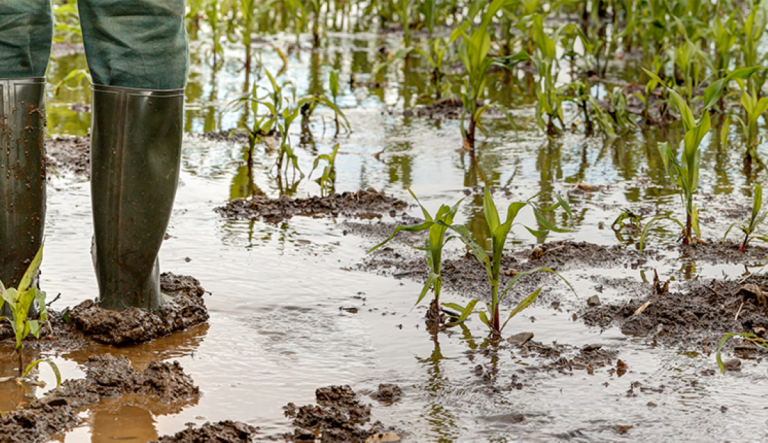
Following the declaration of a National Disaster on January 18, 2026, the Mpumalanga Department of Agriculture subsequently requested R165 million for flood-affected farmers. This request seems inconsistent with the existence of a disaster-related allocation that reportedly includes R279.8 million under CASP. “Given that funds were available and specifically designated for disaster response, it is only reasonable for the public to inquire: What has happened to the R351.2 million allocated for disaster relief, particularly the R279.8 million intended to support farmers impacted by these disasters?” said Tersia Marshall, MPL – DA Spokesperson for Agriculture, Rural Development, Land and Environmental Affairs

Tersia Marshall, MPL – DA Spokesperson for Agriculture, Rural Development, Land and Environmental Affairs

In light of the January 2026 national disaster declaration, South Africans, particularly those in rural and farming communities, rightfully anticipated prompt and effective intervention. However, reports from farmers’ groups and affected stakeholders indicate that considerable additional funding is still being sought to address the same disaster-related impacts.

This situation necessitates immediate investigation through the Public Finance Management Act (PFMA) accountability mechanisms, including transparent disclosures of expenditures, disbursement timelines, beneficiary support measures, and procurement decisions related to these disaster allocations.

The DA emphasizes that disaster response must be swift, effective, and focused on those most adversely affected, free from the influence of politically connected patronage networks. It must also be supported by verifiable reporting on spending and outcomes.

Disaster relief cannot become a conduit for unaccountable expenditures while flood victims and farmers remain without substantive support. Every rand allocated must be traceable, audited, and demonstrably linked to tangible recovery outcomes on the ground.

“The DA will raise urgent questions in the Mpumalanga Provincial Legislature regarding the utilization of the additional Equitable Share allocation and demand an immediate public expenditure report detailing all disaster response spending connected to both provincial allocations and any intergovernmental disaster funding streams received by the province,” concluded Tersia Marshall

Sasol Highveld Photography Club Kicks Off 2026 with a Celebration of Photographic Excellence

0

The Sasol Highveld Photography Club held its eagerly anticipated January 2026 club meeting, setting a vibrant tone for the new year. The evening was a blend of celebration, planning, and knowledge sharing, highlighted by the recognition of 2025’s top photographers and a glimpse into exciting upcoming events. Johan Drotsky served as the esteemed guest judge for the evening.

The club showcased an impressive collection of 65 photographic entries for the night’s competition, spanning diverse categories: 10 in Nature, 3 in Photojournalism, 9 in Monochrome, 14 in Pictorial, 9 in Scapes, 8 in Nature – Birds Only, and 12 for the Set Subject.

A significant portion of the meeting was dedicated to honouring the outstanding achievements of its members throughout 2025. The club celebrated the dedication and talent of its photographers, culminating in the announcement of the prestigious “Club Winners of the Year”:

2025 Club Winners Spotlight:

  • Junior Winner: Yolandi Geyser
  • Hostess Winner: Lorraine Botha
  • Senior Winner: Peter Winnan
  • Junior Set Subject Winner: Lorraine Botha
  • Senior Set Subject Winner: Sussa Pelser

Category winners from both junior and senior divisions were also recognised for their exceptional work across various genres, including Monochrome, Nature, Nature – Birds Only, Photojournalism, Pictorial, and Scapes.

The club also took time to acknowledge January birthdays, with well wishes extended to Piet Potgieter (Jan 3), Danie Smit (Jan 10), and Stian Griffin (Jan 15). Members were reminded to keep their Photovault profiles updated with their birth dates.

Beyond local club activities, the Sasol Highveld Photography Club highlighted its members’ successes in national competitions. Recent results from the 7th Vanderbijlparkse Fotografiese Vereniging Salon PDI (2026) and the 7th Rustenburg PDI National Salon PDI saw numerous “Accepted” photos and Certificates of Merit awarded to club members like Sussa Pelser, DNE Smit, Johan Viljoen, Yolandi Geyser, Pierre Jordaan, and Louis van der Walt, showcasing the club’s strong presence in the broader photographic community.

Looking ahead, the club outlined several upcoming opportunities for members to engage with the Photographic Society of South Africa (PSSA):

Upcoming PSSA Salons (Closing Dates in 2026):

  • 5th Bethal Digital Salon PDI (January 17)
  • 2nd Highway Salon PDI (February 07)
  • Ermelo Fotoklub 5th Digital Salon (February 21)
  • 14th National AFO Salon (March 07)
  • PSSA 29th National Up-and-Coming Photo Competition (March 14)
  • SAVAS 4th Digital Salon (March 21)
  • 10th PSSA NATIONAL SALON PDI (March 28)

Members were encouraged to participate in these salons to further hone their skills and gain national recognition.

The club also announced an upcoming photography event: the 46th Annual Sasol Secunda Marathon on Saturday, offering members a chance to capture dynamic action shots.

Finally, the 2026 meeting calendar with its monthly set subjects was unveiled, providing members with a clear creative roadmap for the year:

  • January: Holiday
  • February: Emotion
  • March: Perspective
  • April: Motion
  • May: Forms in Nature
  • June: Time
  • July: Funny
  • August: Night
  • September: Industrial
  • October: Mirror, mirror
  • November: Self-Portrait
  • December: Annual general meeting and braai!!!

The Sasol Highveld Photography Club looks forward to another year of fostering photographic talent, celebrating achievements, and providing engaging opportunities for its passionate members.

Here are the winning photographs for January

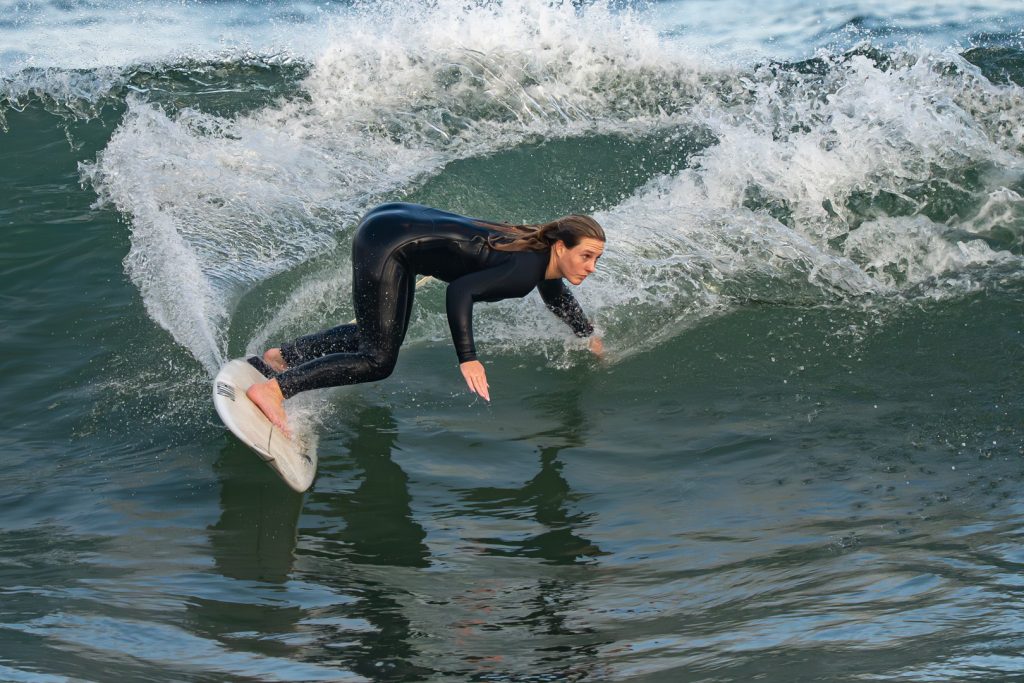
The best Set Subject entry is “Wave backflip” by DNE Smit

Wave Backflip by DNE Smit

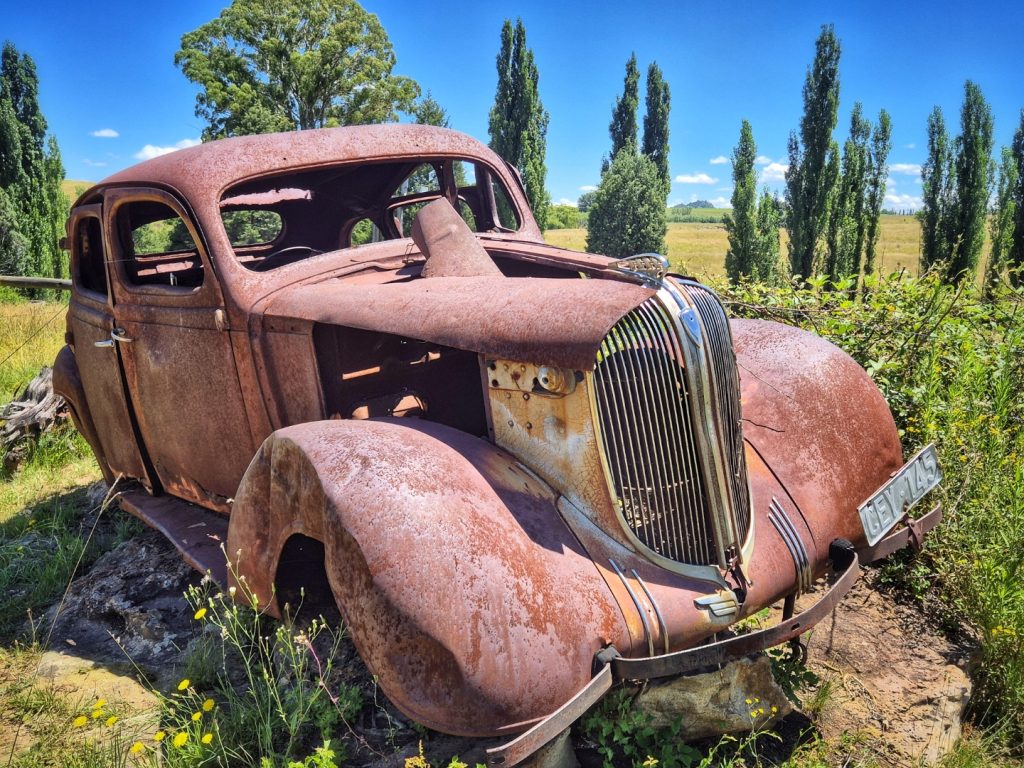
The Best Senior entry is “Garlic Display” by Leon Pelser

Garlic Display by Leon Pelser

The Best Junior entry is “Aandete” by Edmund Hattingh

Aandete by Edmund Hattingh

Here are the COM and GOLD certificates

Category – Nature – Birds Only

Inkunzi Cave Suikerbek 1 by Louis van der Walt
Strike a Pose by Stian Griffin
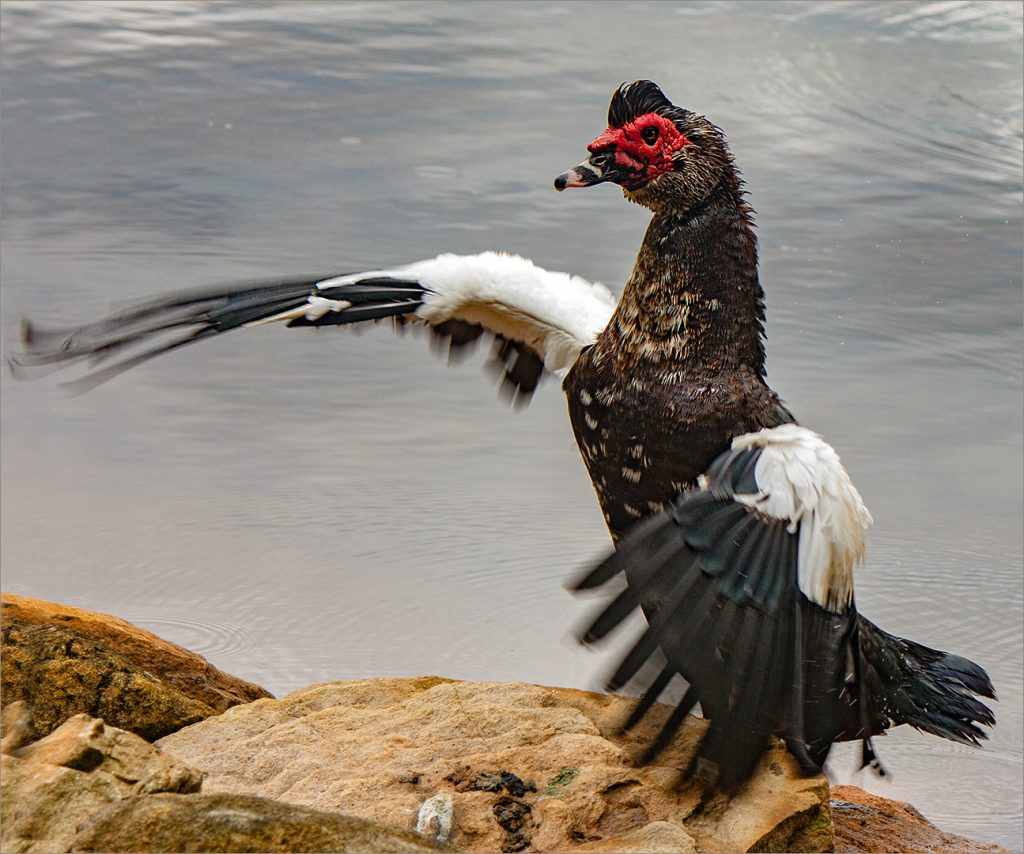
Shake shake shake by Lorraine Botha
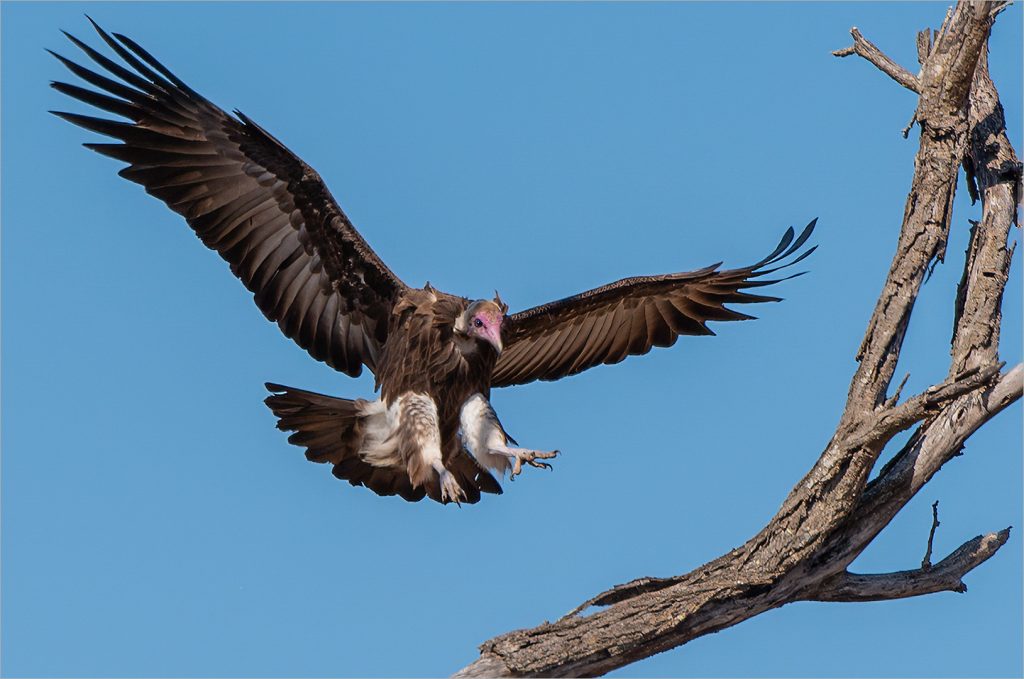
Happy landing by Johan Viljoen
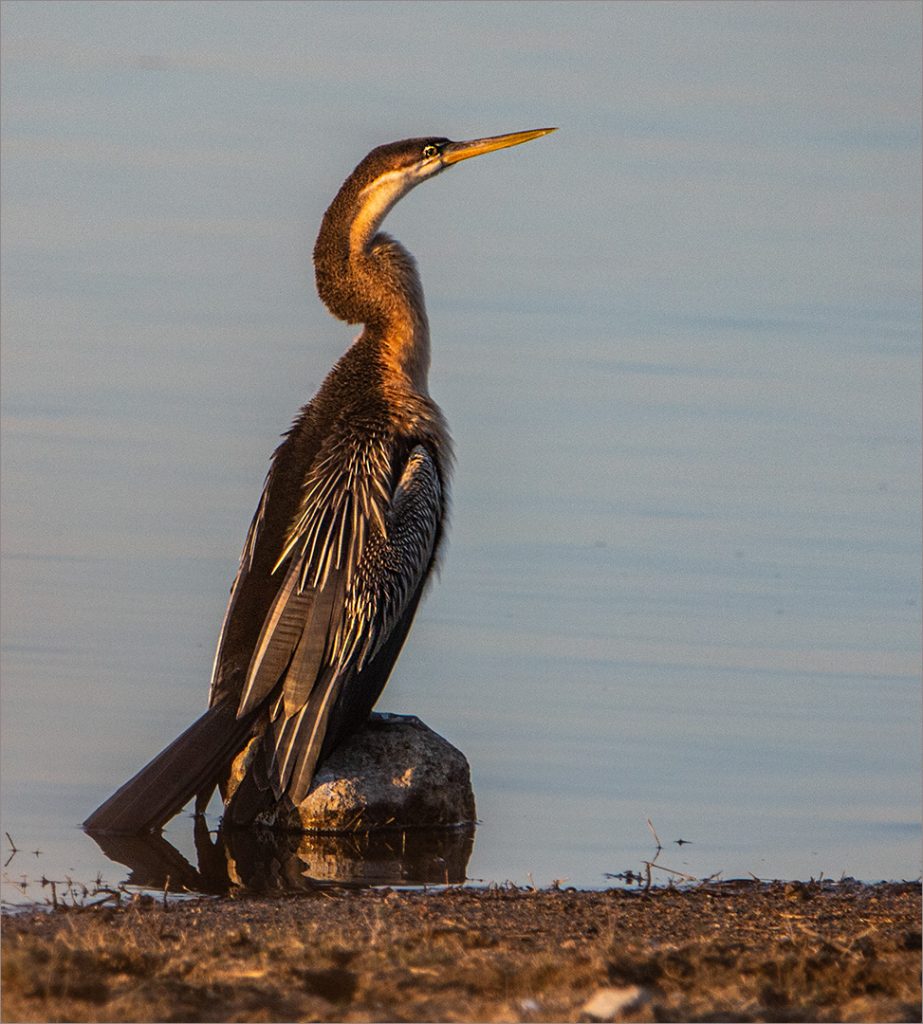
Darter at dusk by Lorraine Botha

Category – Nature

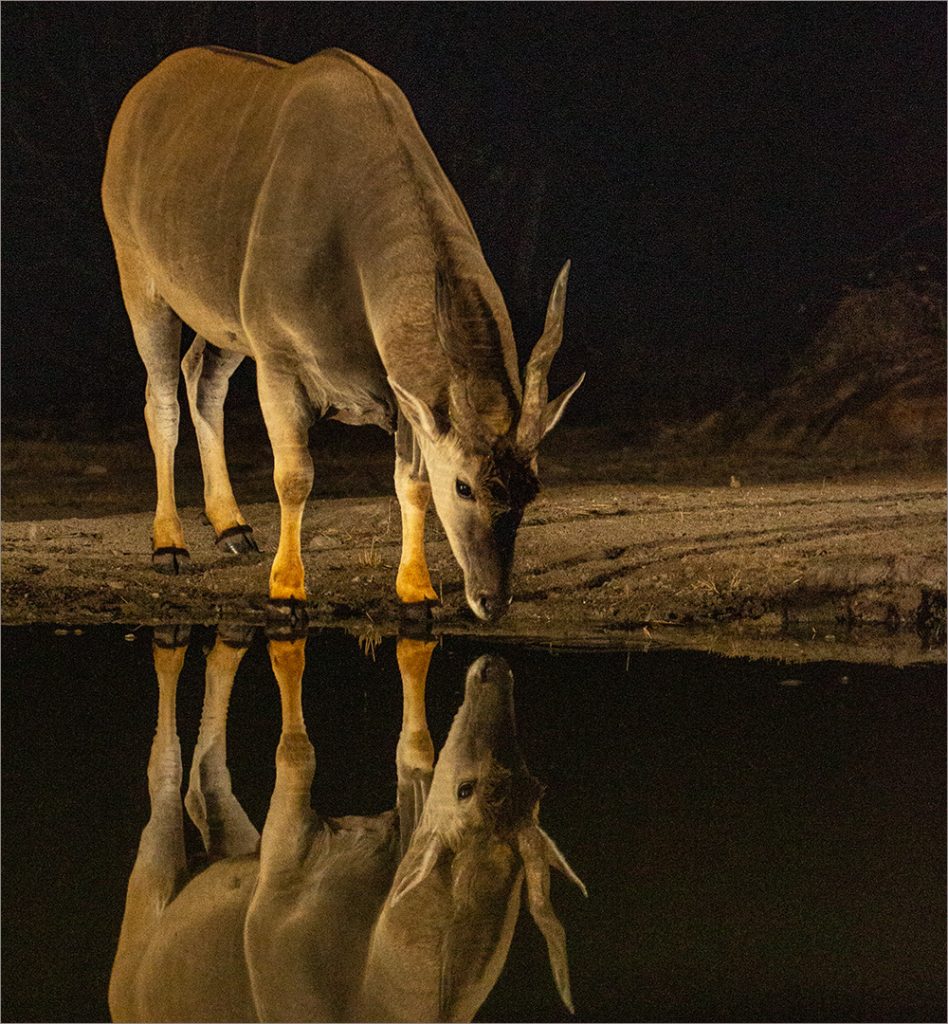
Eland Drinking 3 by Lorraine Botha
One day Pride by Johan Viljoen
Painted lady up close by Hanlie de Beer
Tough Life by Anzette Snyders
Buffelgeveg by Edmund Hattingh
Quiet Watcher by Yolandi Geyser
Jakkals eating by Sussa Pelser
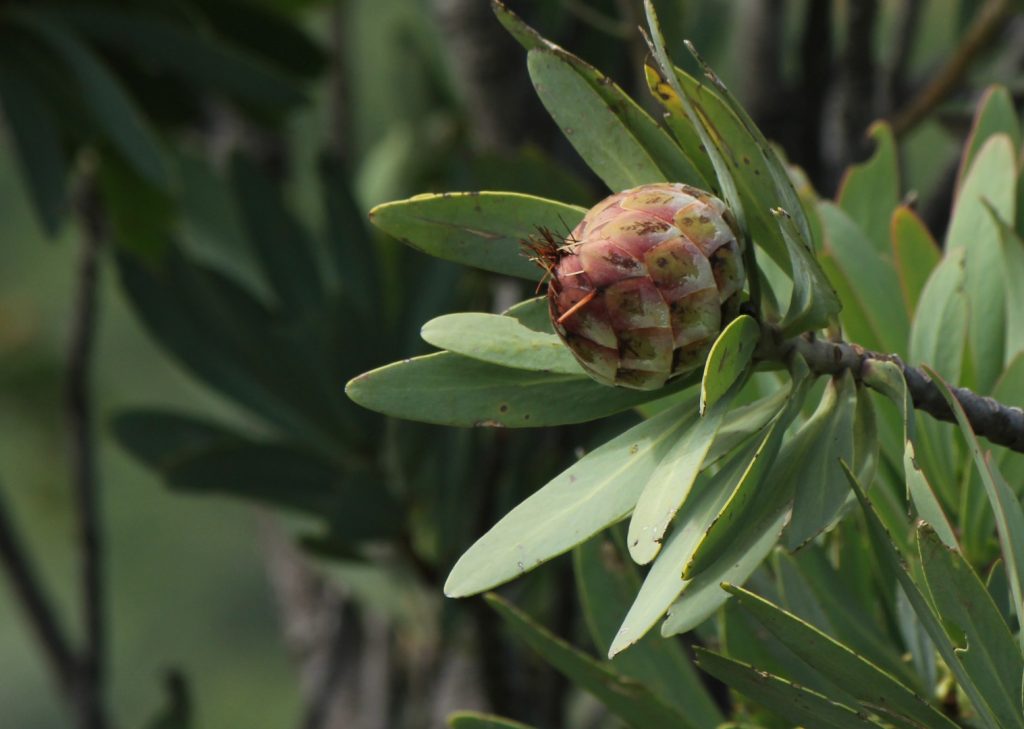
Bushveld Protea by Anzette Snyders
Bloukopkoggelmander by Edmund Hattingh

Category – Pictorial

Upside Down Moss World by Louis van der Walt
Balanseer by Edmund Hattingh
Layers of memories by Yolandi Geyser
The Vintage Model by Stian Griffin
St Salvadore Spire by Hanno de Beer
Queen by Lorraine Botha
Catch me if you can by Johan Viljoen
Family Outing by Leon Pelser
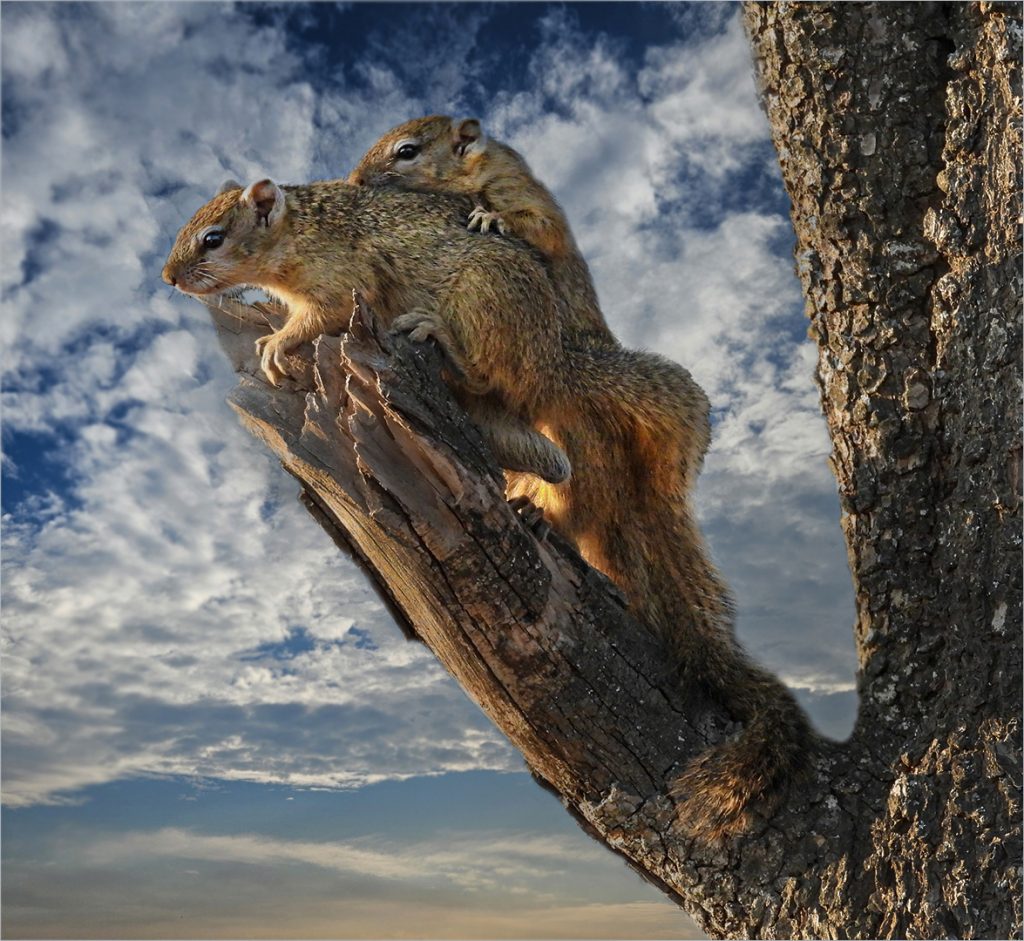
Squirrels On Branch by Sussa Pelser
H Baby Tiger – Too Warm 1 by Louis van der Walt
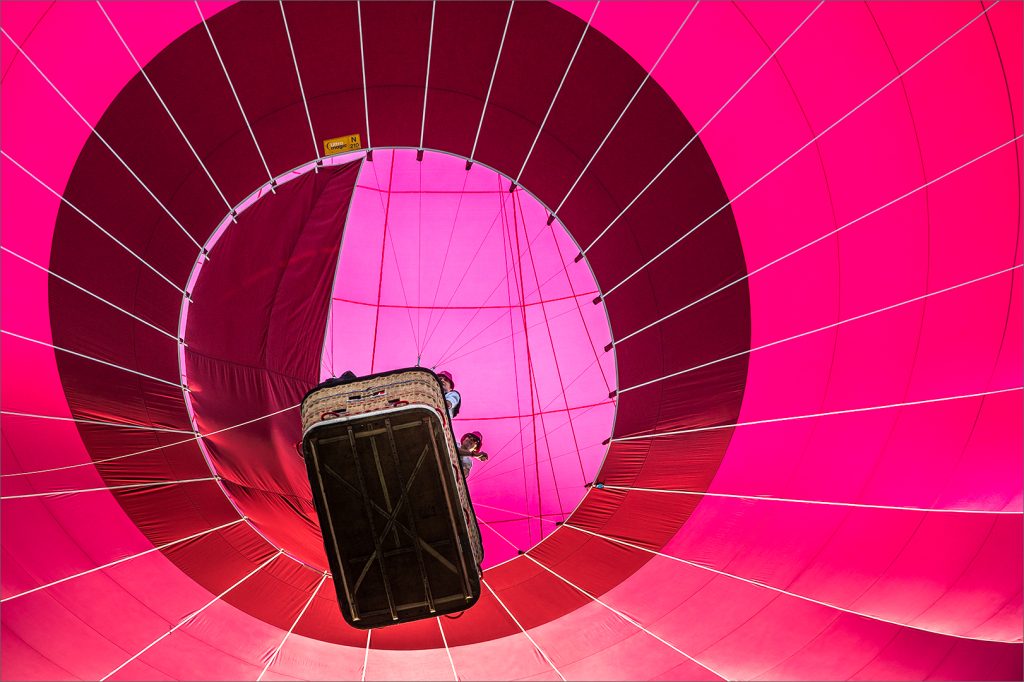
Hot pink air balloon by Hanno de Beer
Let go of me by Johan Viljoen
Caterpillar by Leon Pelser

Category – Monochrome

H Leopard in Tree 2 – BW by Louis van der Walt
In Quiet Reflection by Yolandi Geyser
Verweer Maar Nie Vergete by Stian Griffin
Surreal by Piet Potgieter
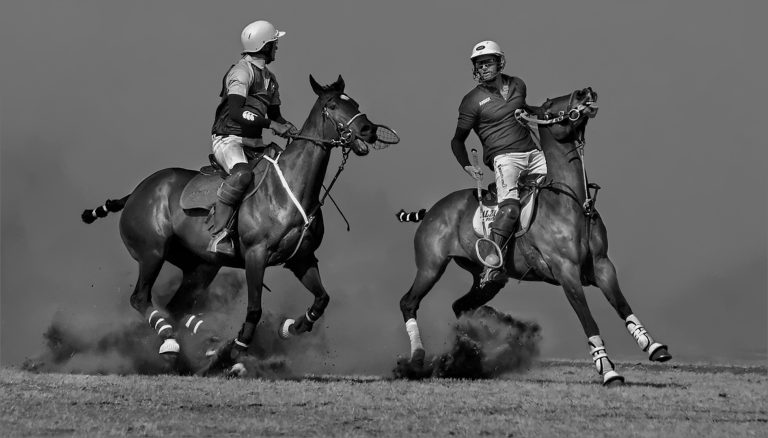
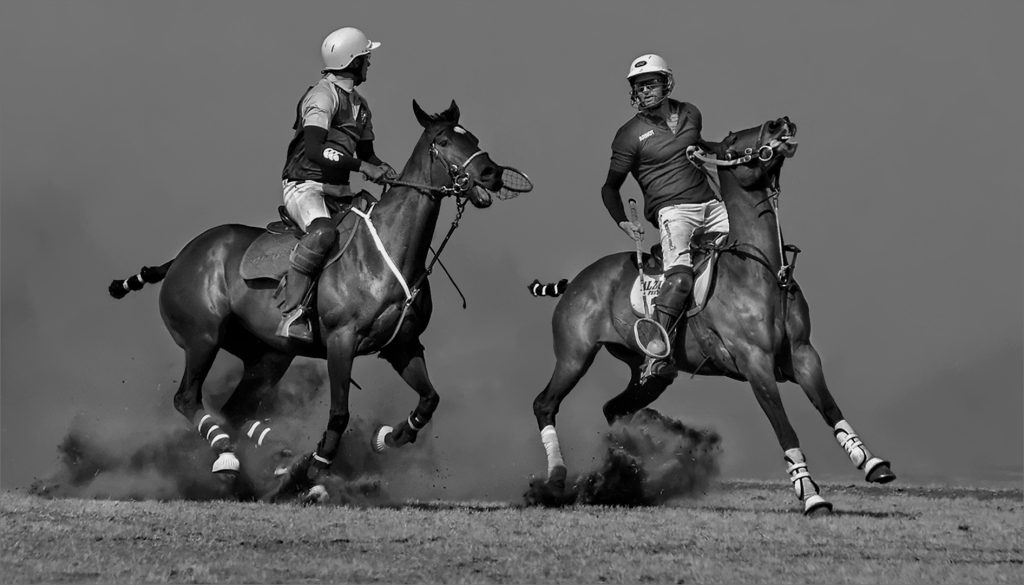
Polo by Leon Pelser
Silent Ascent by Yolandi Geyser

Category – Monochrome

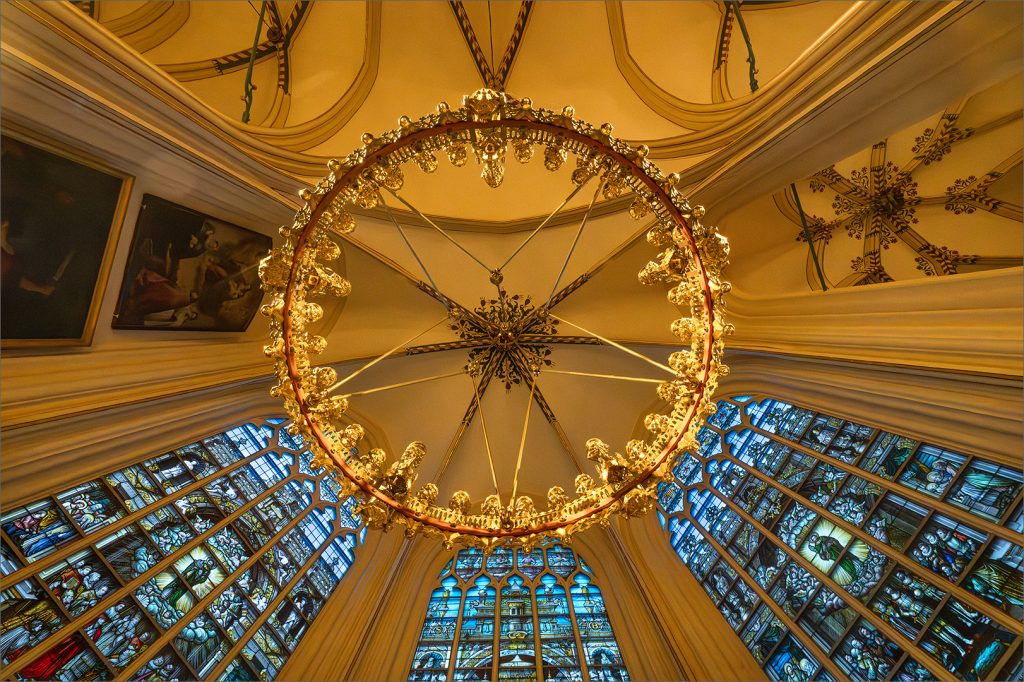
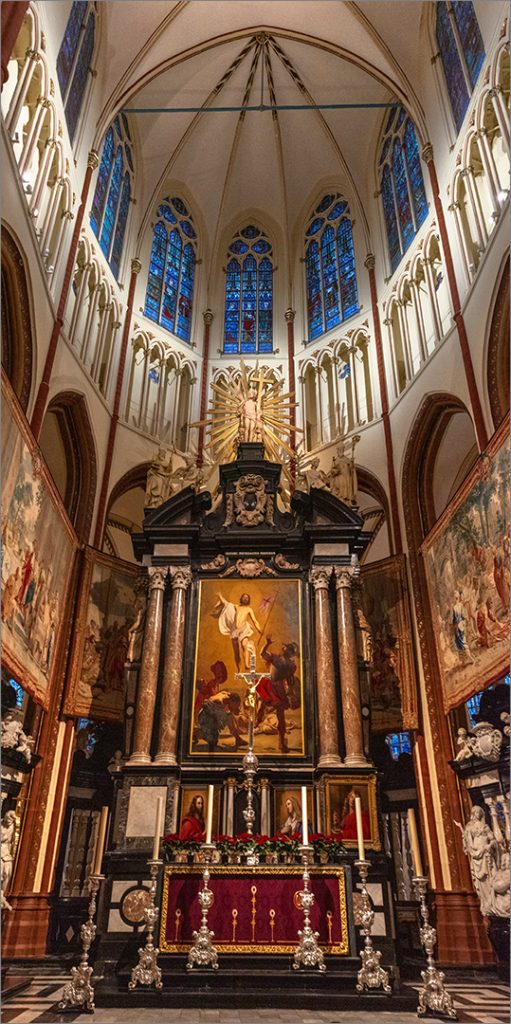
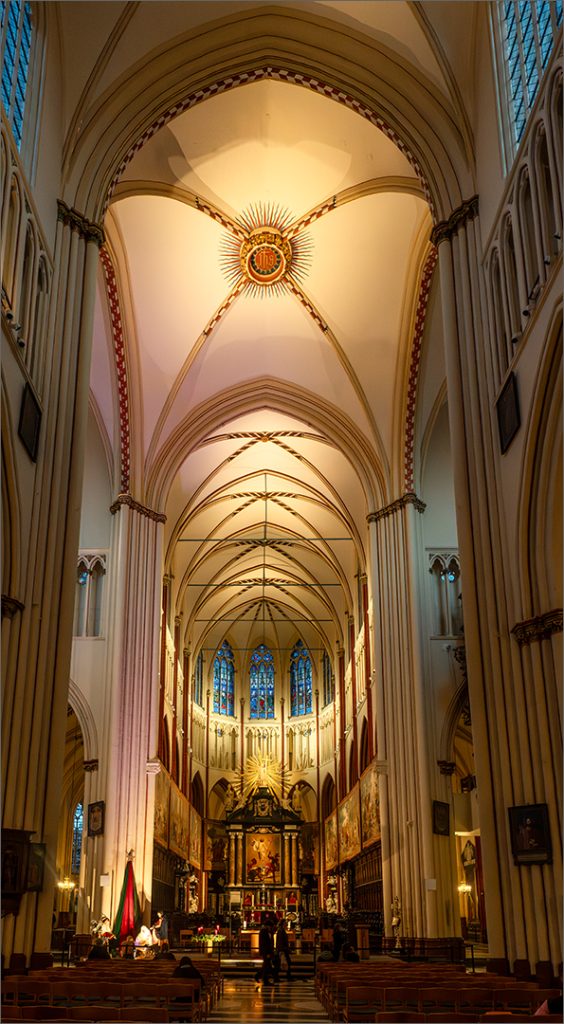
Saint Salvador cathedal altar by Hanli de Beer
Inkunzi Cave StarTrails 1 by Louis van der Walt
View to admire by Anzette Snyders
Stiltes Voor Die Reen by Stian Griffin
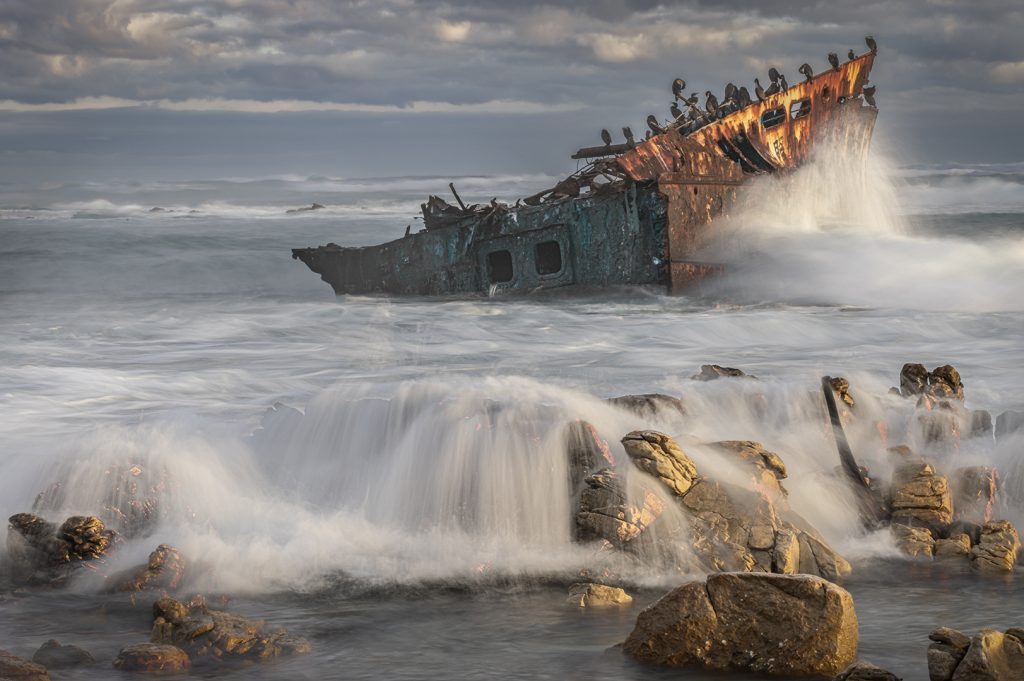
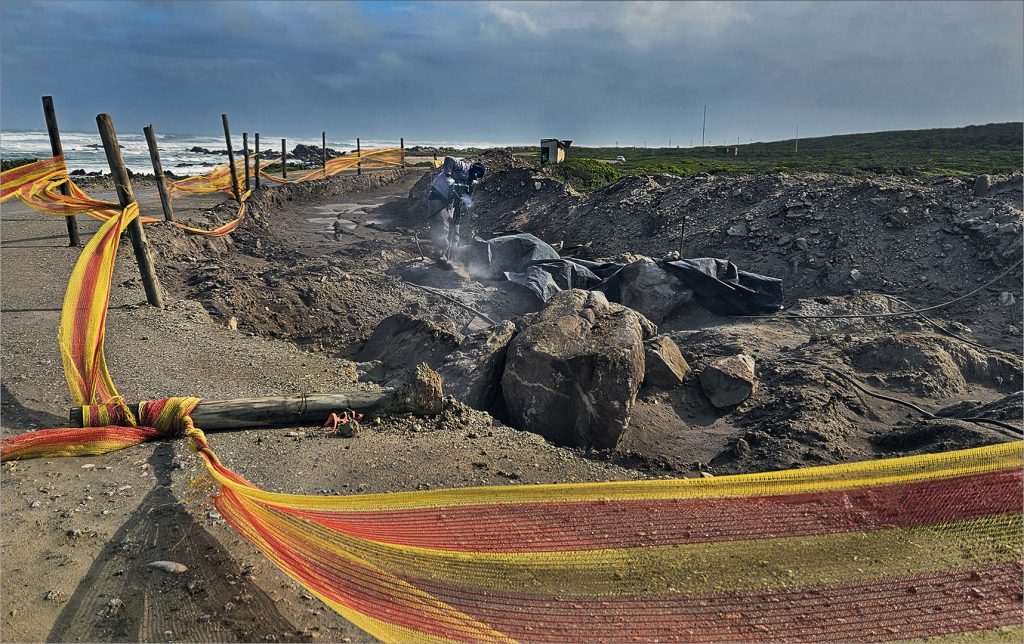
Agulhas shipwreck by DNE Smit
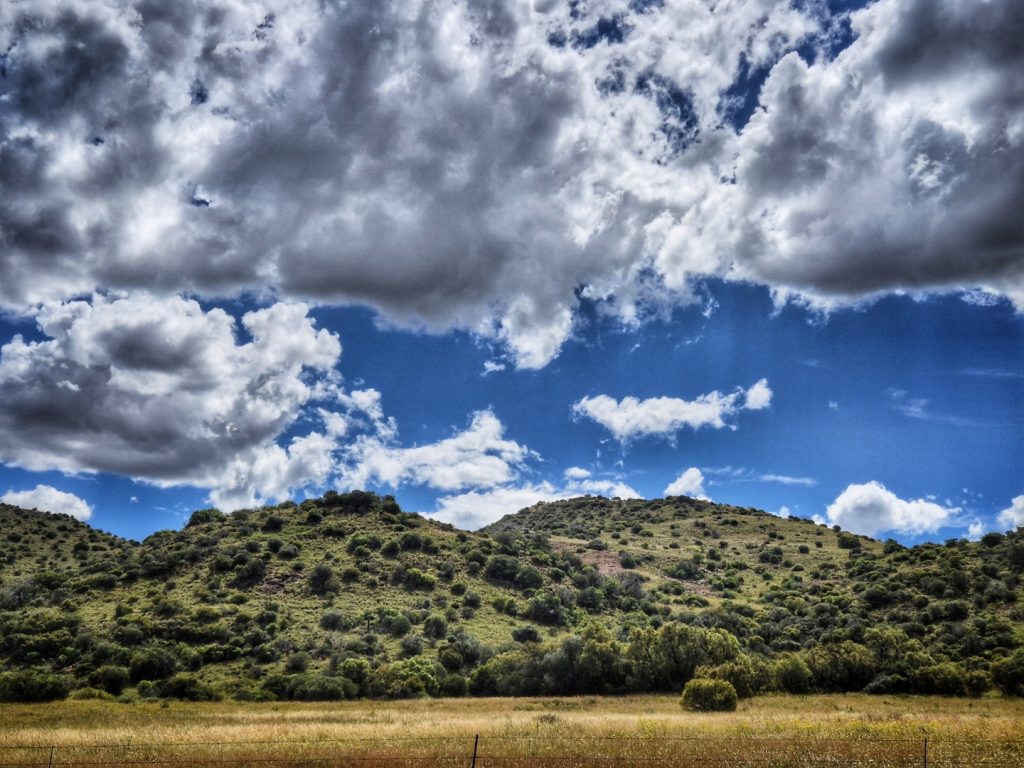
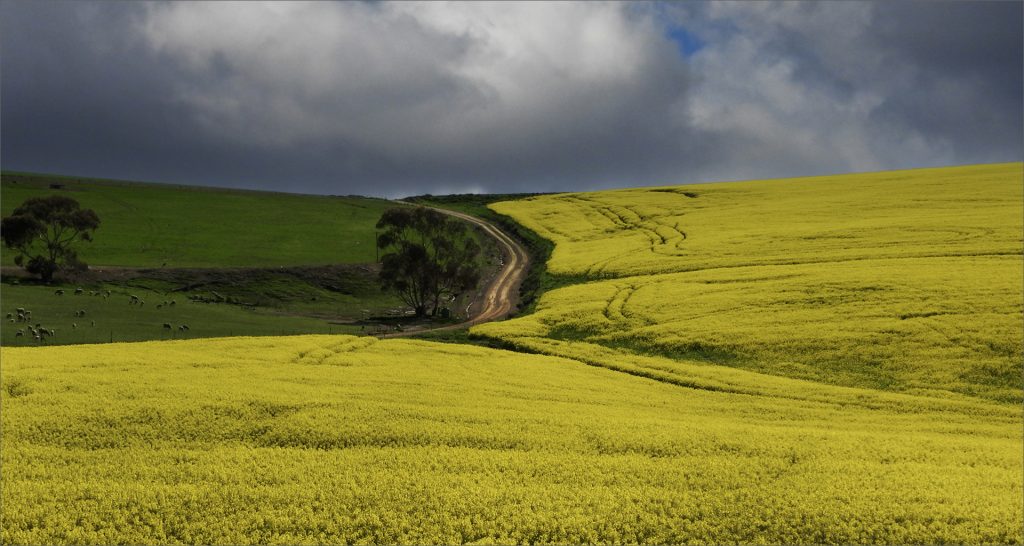
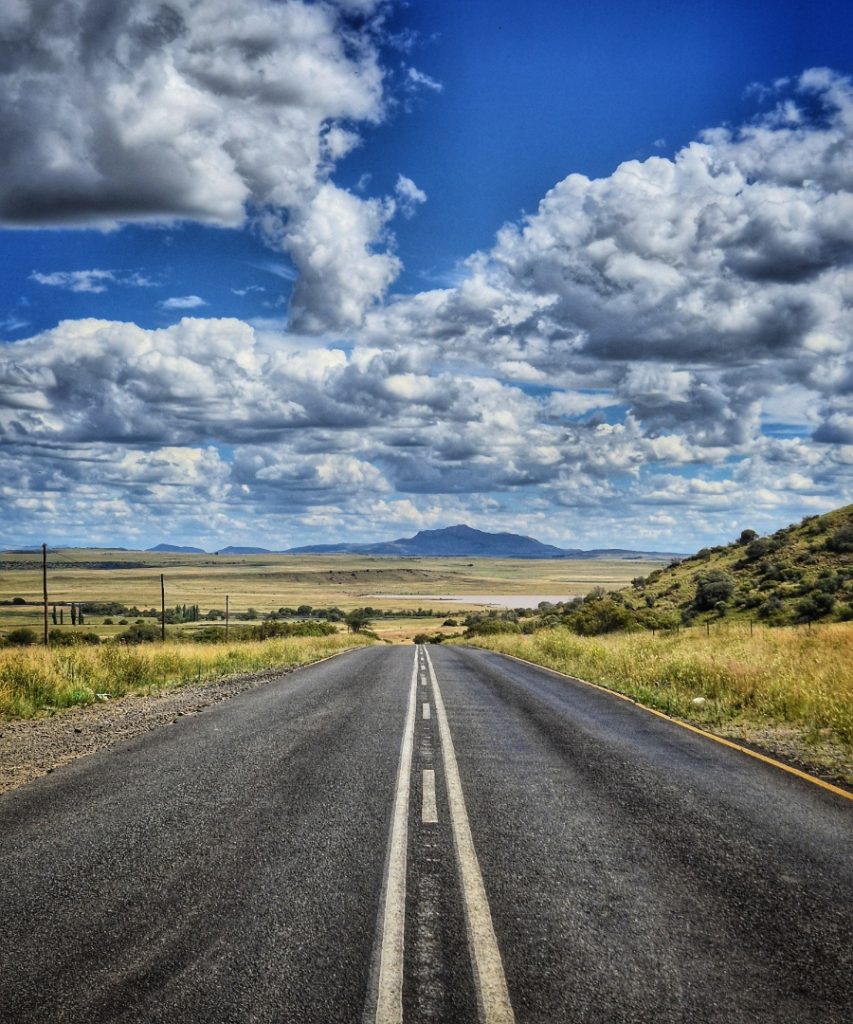
Road To Where In Canola Fields by Sussa Pelser
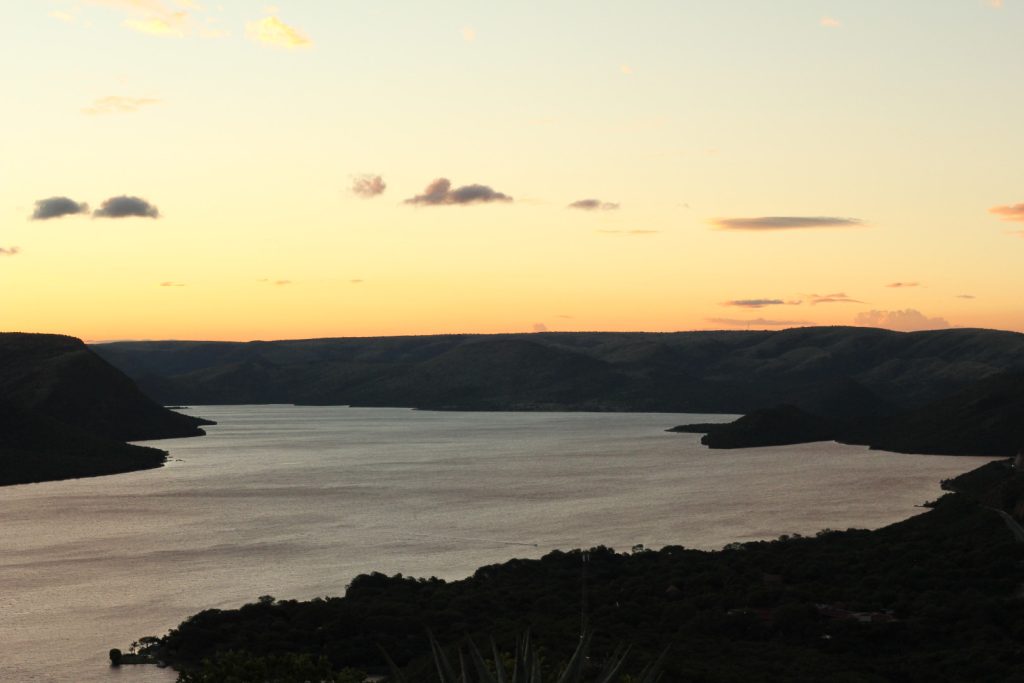
Alpenglow by DNE Smit
Sophia saal by DNE Smit

Catagory – Photojournalism

Maak die lyne nat by Anzette Snyders
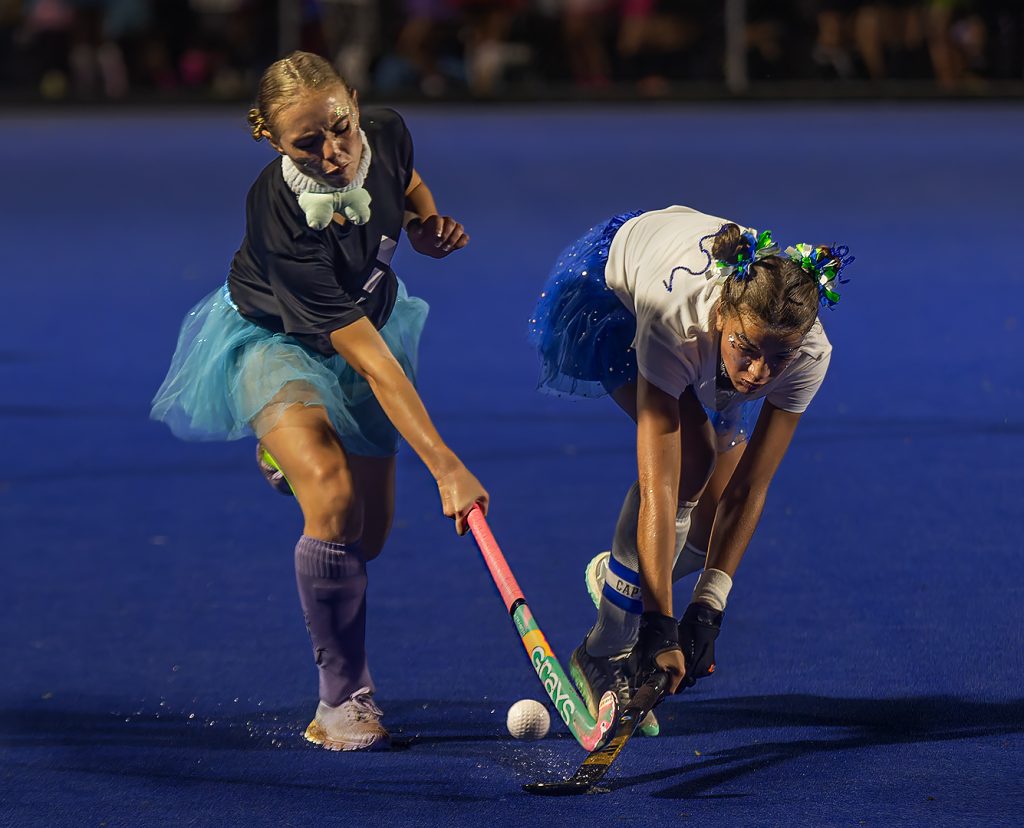
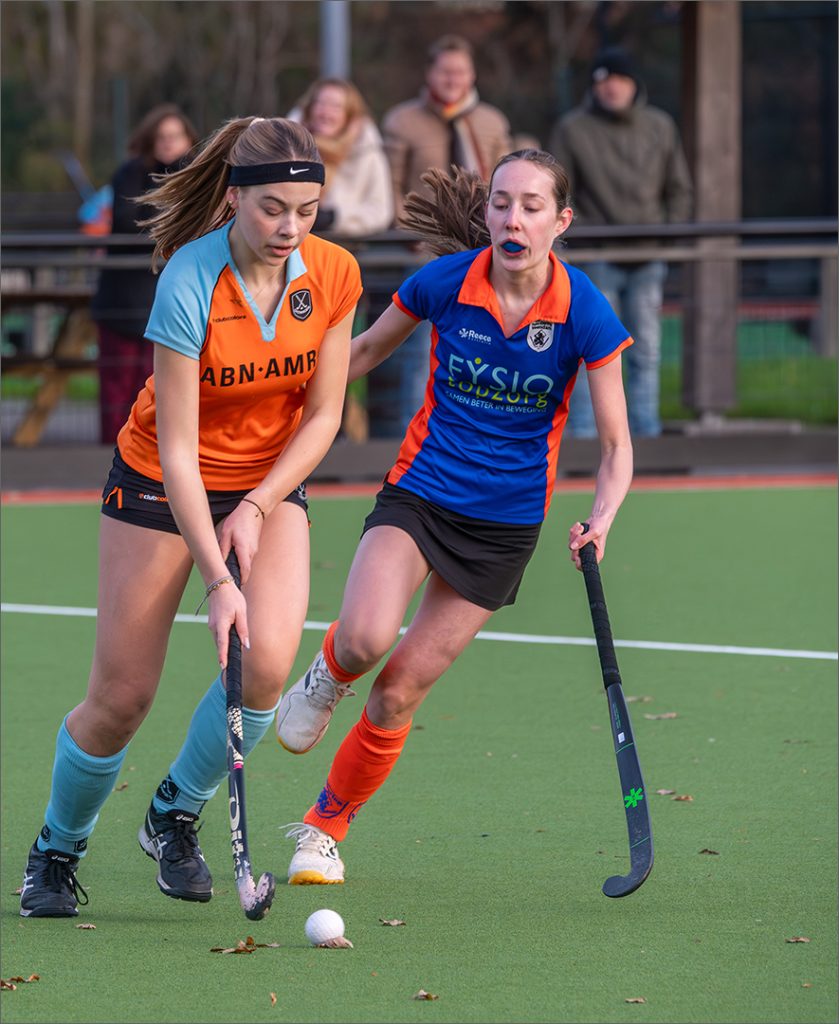
Hockey vs Groningen by Hanno de Beer
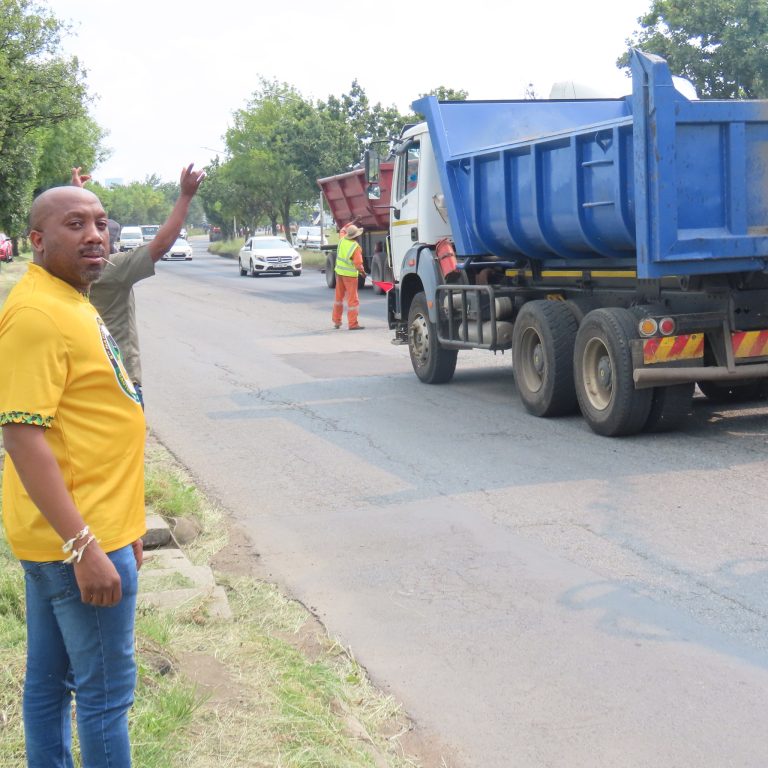
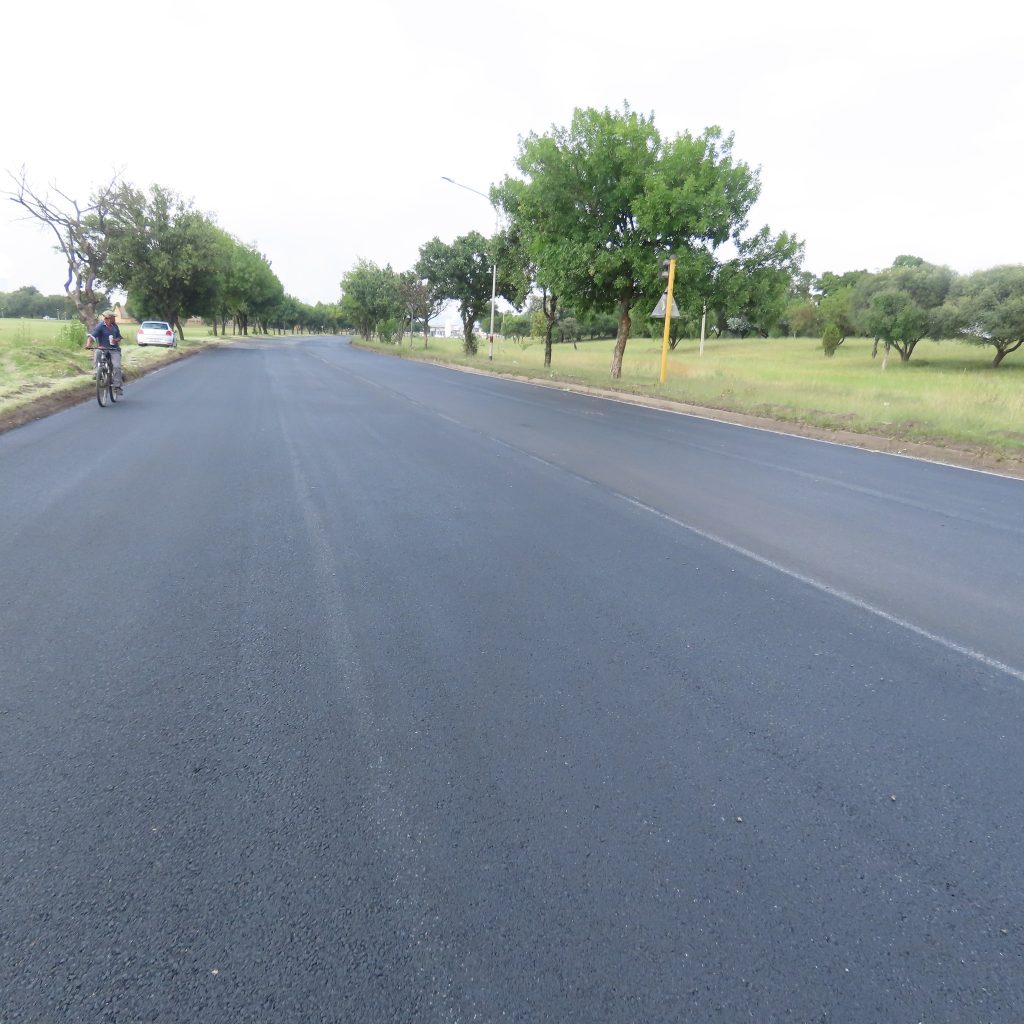
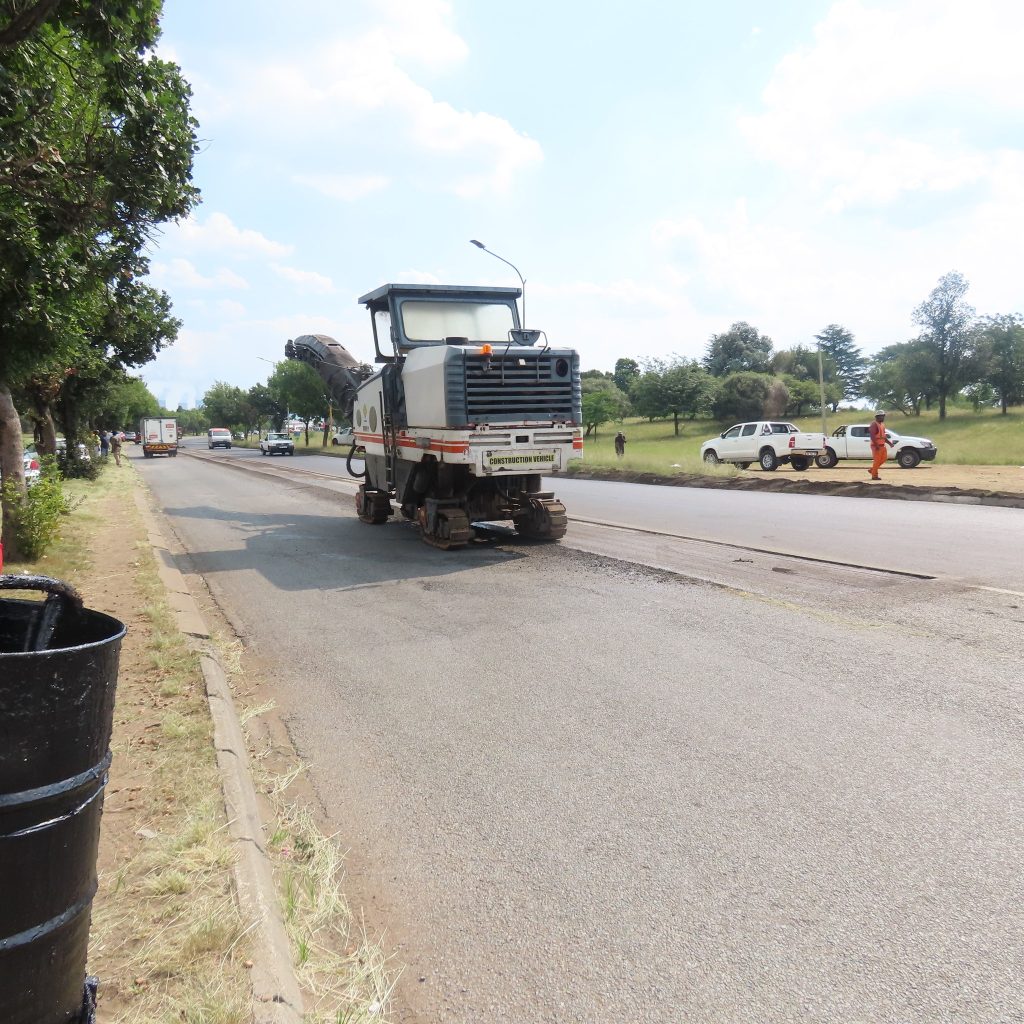
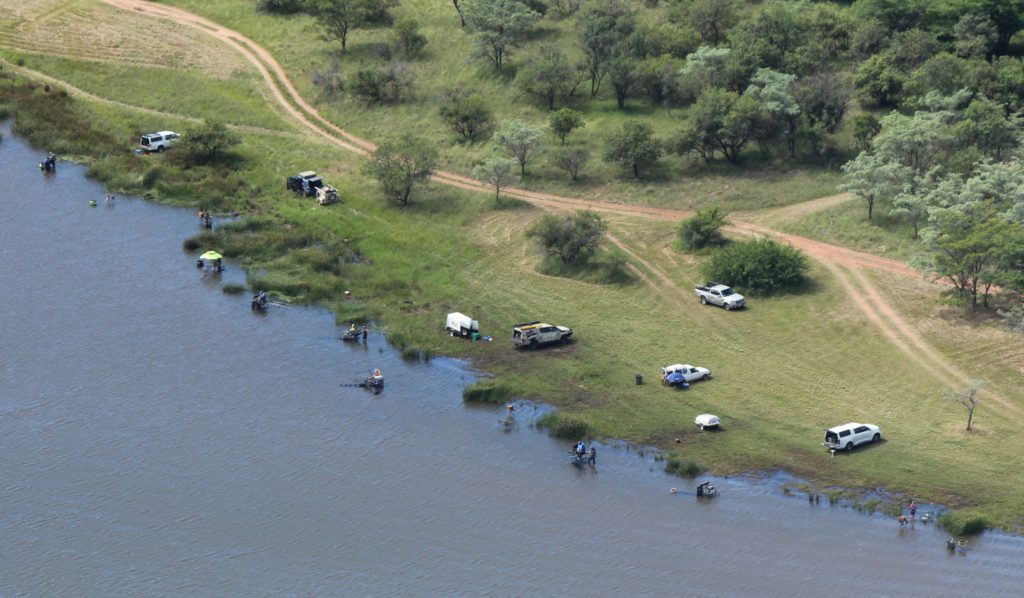
Fixing The Road by Sussa Pelser

Category – Set Subject (Holiday)

Nat Lyne – Anzette Snyders
Vakansiepret by Edmund Hattingh
A Toast to the Season by Yolandi Geyser
Stiltes van die Karoo by Stian Griffin
Sint Salvador Kathedraal by Hanno de Beer
Lekkerrrr by die see by Piet Potgieter
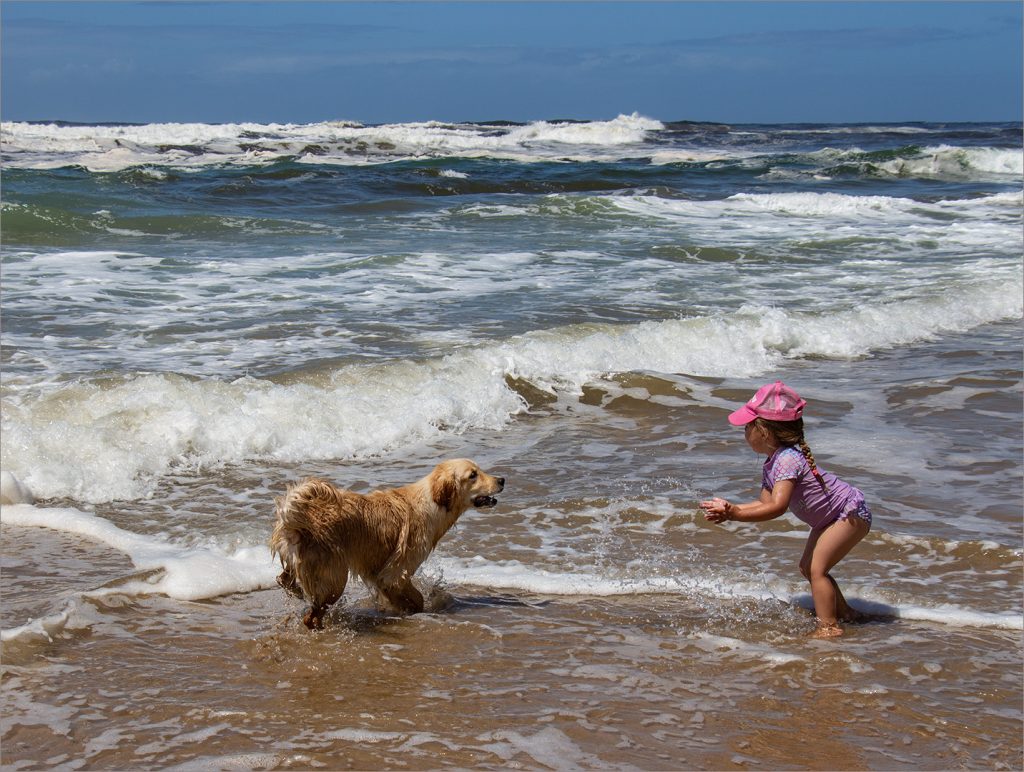
Dog and three year old by Lorraine Botha
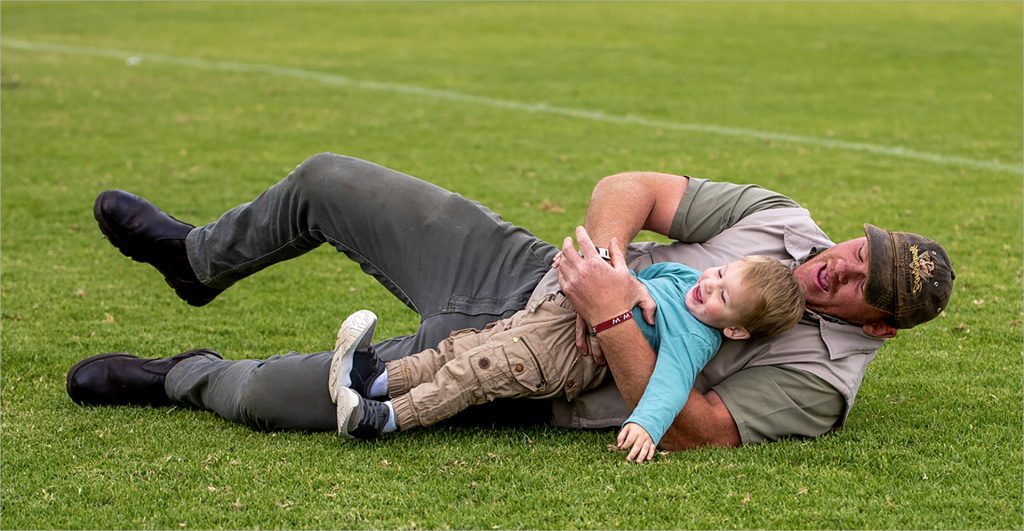
The holiday tackle by Johan Viljoen
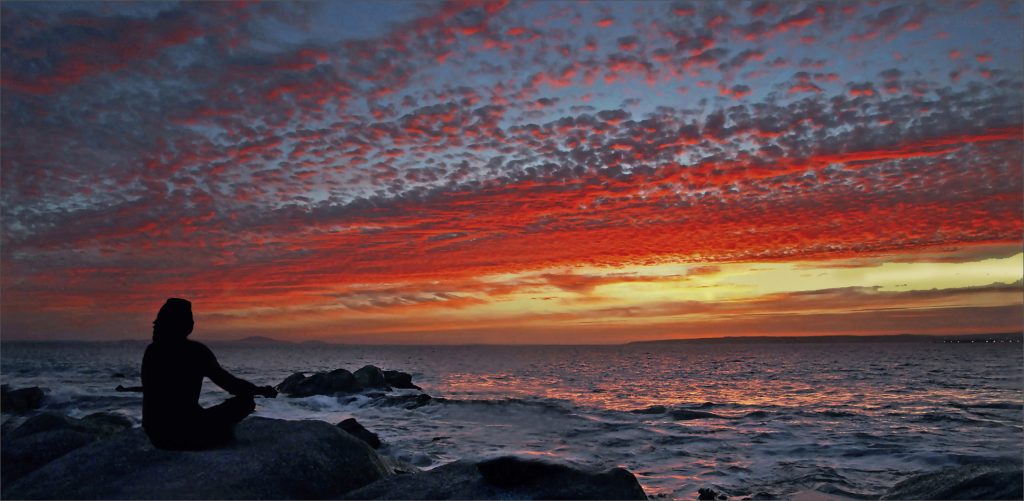
Meditating at Langebaan by Leon Pelser
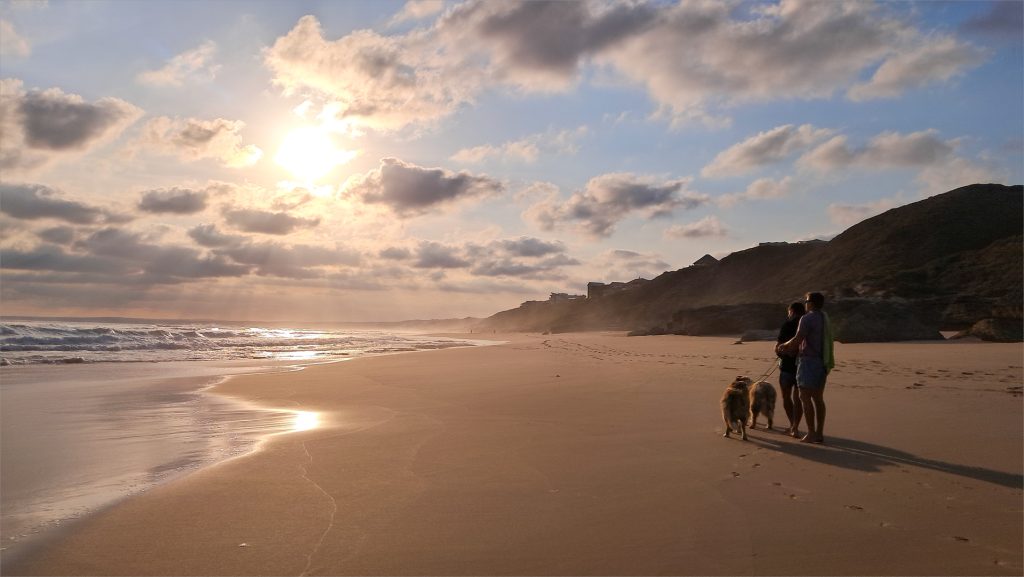
Laatmiddag Danabaai Strand by Adri Kirsten