Nelspruit – Three suspects aged between 31 and 35 were arrested at Ekulindeni in the early hours of today, 27 April 2020 for using COVID-19 to cover their ploy.
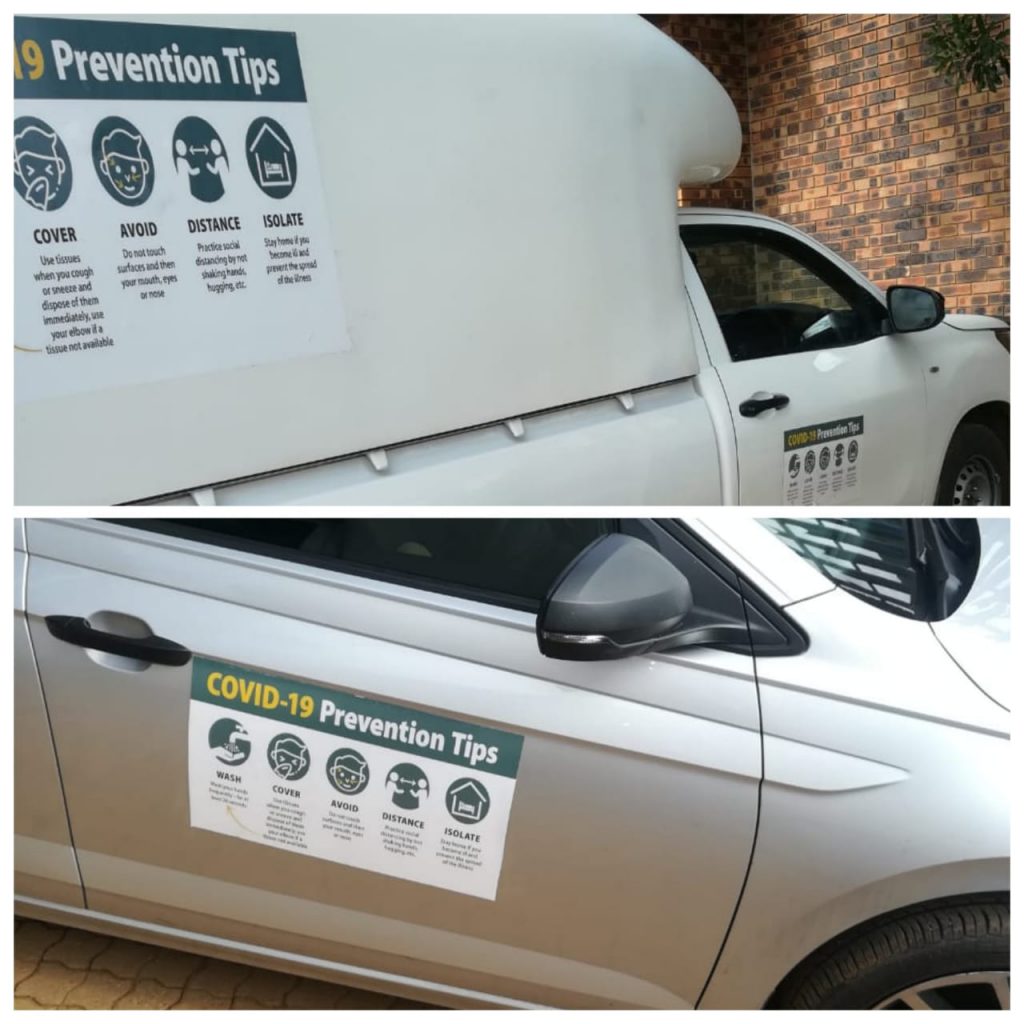
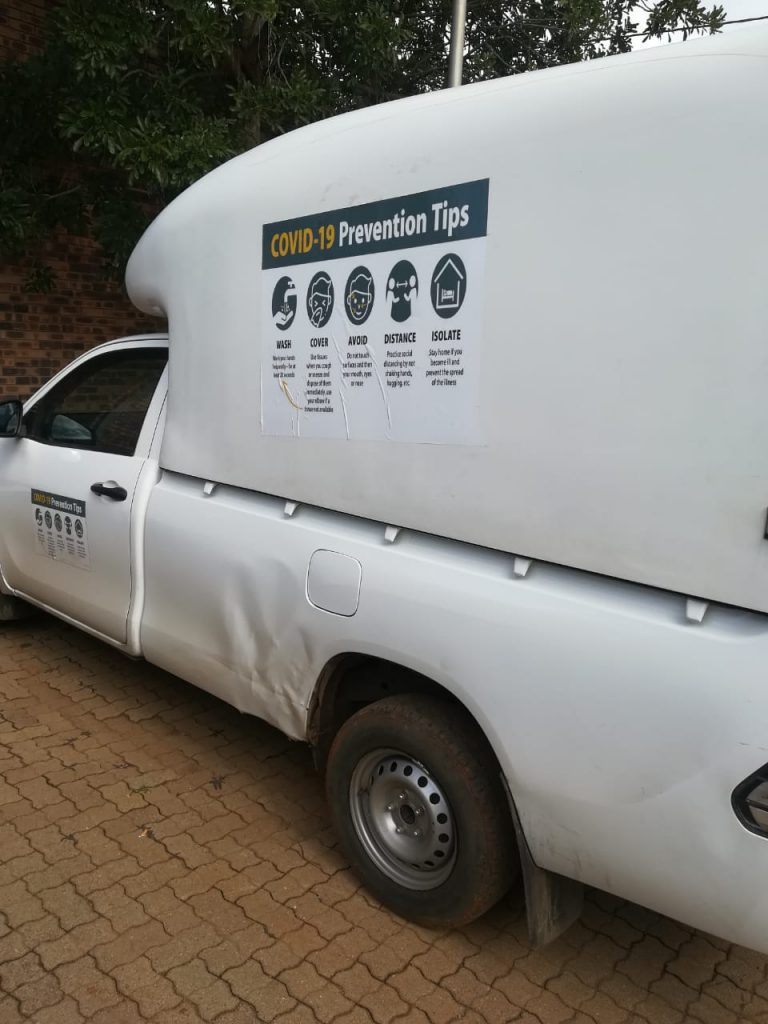
According to the report, a team of police officials received information about two vehicles which were branded with COVID-19 insignia allegedly participating in criminal activities. They (police) followed up on the information and noticed a VW Polo Sedan as well as a Toyota Hilux Bakkie, which both matched the description given.
Upon stopping the said vehicles, police found three occupants pretending to be COVID-19 officials on deployment. They then found fake permits inside and further discovered that the suspects were attempting to cross the border with the intention to collect dagga from a neighbouring country.
The suspects were then arrested and charged with Contravention of the Disaster Management Regulations as they also moved between provinces of Limpopo and Mpumalanga. The vehicles were confiscated for further investigation.
The management of the SAPS has welcomed the arrest of the three and have sent a stern warning to those who think they will take chances during this Lockdown period that law enforcement agencies will deal decisively with them. Meanwhile, the Provincial Commissioner of the SAPS in Mpumalanga, Lieutenant General Mondli Zuma, has indicated that the trick by the suspects of using COVID-19 insignia on their vehicles to covert criminal activities, did not come to pass as the astuteness of the police was magnificent.
Meanwhile, the trio is expected to appear at the Chief Albert Luthuli Magistrate’s Court tomorrow, Tuesday 28 April 2020. Police cannot rule out the possibility of adding charges relating to fraud as they impersonated Covid-19 officials.
At approximately 02H15 this morning, 26 April, a huge shudder was felt throughout a large area of Govan Mbeki Municipality.
Social media started bussing with the news especially on “Secunda en sy mense praat saam”.
Residents related to how the shudder woke them. Some even said that there were two shudders.
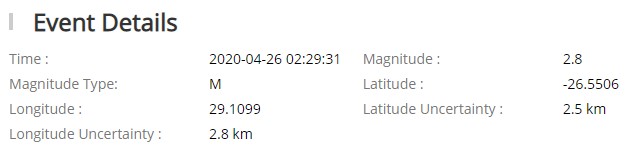
Event details as recorded
This morning The Bulletin contacted Sasol Mining to enquire about the possibility of mining activities. Sasol Mining checked with the Pan African resources (Gold mines) and confirmed that the shudders were not due to any mining activities in the area.
The shudders were felt in Kinross, Evander, Secunda and Trichardt.
Epicentre according to the COUNCIL FOR GEOSCIENCE
Speculation continued but several people visited the geoscience website that confirmed a seismic event near Middelbult mine.
This could be indicative of an earthquake, but the website warns against speculation until finally confirmed.
What is significant is the measurement of a magnitude of 2.8. Friday’s cracks in eMbalenhle appeared to be underground mining activities (not confirmed yet). But if so, it did not even register as a seismic event.
South Africa is lucky not to be on top of faults in the earth’s crust and therefore do not experience a lot of earthquakes.
This event, however, should be treated as an earthquake at this stage.
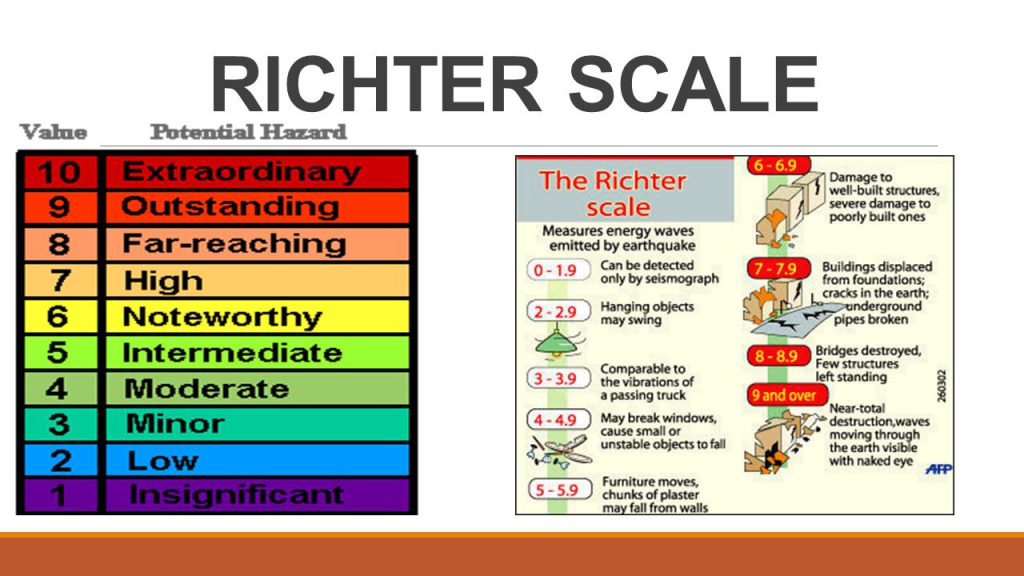
The familiar Richter scale (which is not a physical device but rather a mathematical formula) is no longer widely used by scientists or the media to report an earthquake’s size.
Today, an earthquake’s size is typically reported simply by its magnitude, which is a measure of the size of the earthquake’s source, where the ground began shaking.
RICHTER SCALE
While there are many modern scales used to calculate the magnitude, the most common is the moment magnitude, which allows for more precise measurements of large earthquakes than the Richter scale.
In the news, however, when an earthquake’s magnitude is given, the scale used to calculate the magnitude is not usually specified since the modern scales are all very similar.
A network of geological monitoring stations, each with instruments that measure how much the ground shakes over time called seismographs allow scientists to calculate an earthquake’s time, location and magnitude.
Seismographs record a zigzag trace that shows how the ground shakes beneath the instrument. Sensitive seismographs, which greatly magnify these ground motions, can detect strong earthquakes from sources anywhere in the world.
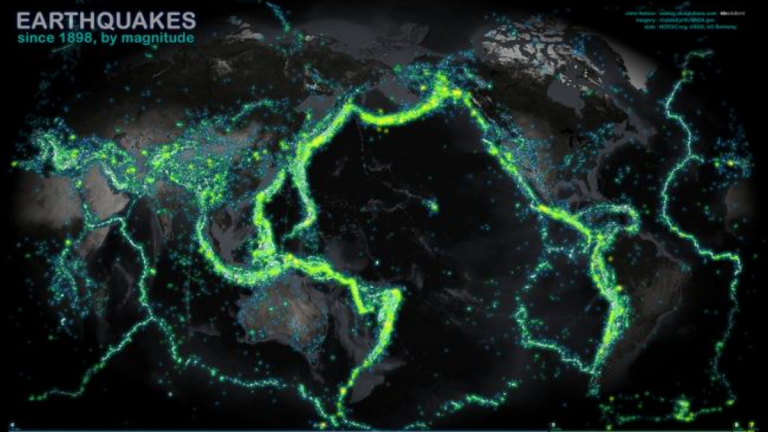
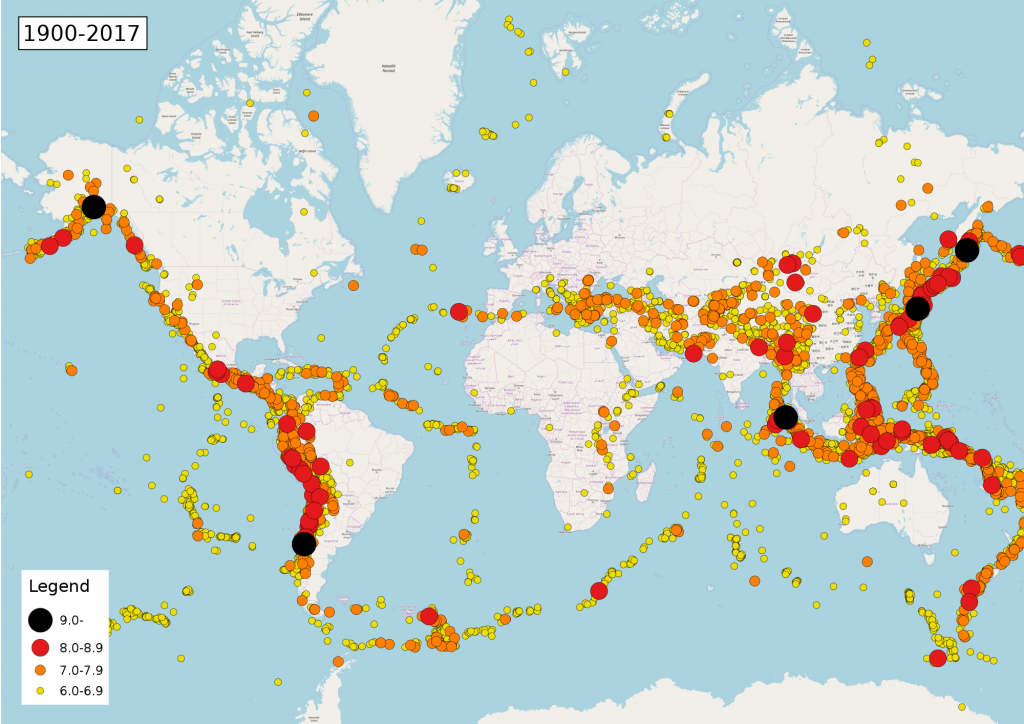
Large earthquakes across the world from 1900-2017
From these measurements, a quake’s magnitude is usually reported as, for example, a magnitude-7.0 in the case of the earthquake that struck Haiti on Jan. 12.
Based on their magnitude, quakes are assigned to a class, according to the U.S. Geological Survey. An increase in one number, say from 5.5 to 6.5, means that a quake’s magnitude is 10 times as great. The classes are as follows:
After an earthquake strikes, its magnitude is continuously revised as time passes and more stations report their seismic readings. Several days can pass before a final number is agreed upon.
Information in this article contained writings, images and videos from:
Brett Israel is a staff writer for OurAmazingPlanet, a sister site to Life’s Little Mysteries.
Portions of this work include intellectual property of the COUNCIL FOR GEOSCIENCE and are used herein by permission. Copyright and all rights reserved by the said COUNCIL.
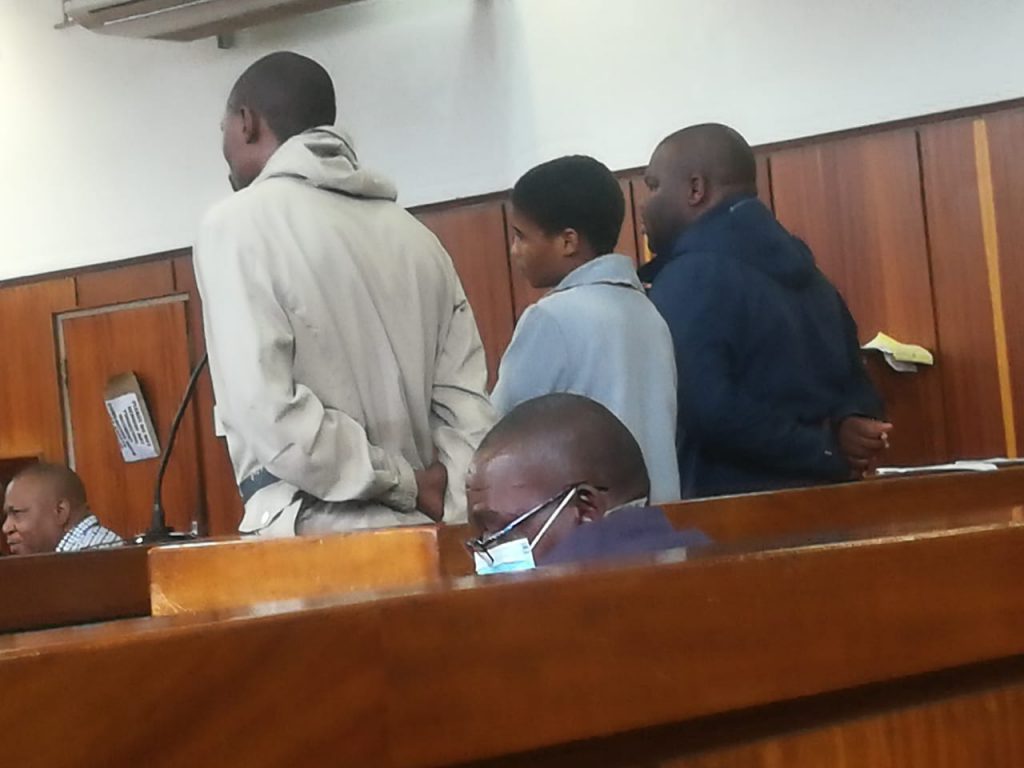
COURT FEEDBACK : Three suspects, Martin Prince Lekhuleni (35), Banele Georgina Nyalunga(24) and Sipho Alfred Nyundu (36) were remanded in custody by the Kabokweni Magistrate Court on Tuesday, 28 April, after they were arrested by members of the Hawks Mpumalanga, Detectives, Tactical Response Team, Crime Intelligence, Tracking Team and the Local Criminal Record Centre last week Friday for dealing in Rhino horns estimated to the value of R 6 Million. The case is postponed to Wednesday 29 April 2020 for formal bail application. All three suspects remain in custody.
An intelligence driven operation has landed three suspects in jail after they were found with six rhino horns.
The operation comprising of the Serious Organised Crime Investigation, Detectives, Crime Intelligence, Tactical Response Team, Tracking Team and the Local Criminal Record Centre ensued after it emerged that three people were allegedly dealing in rhino horns.
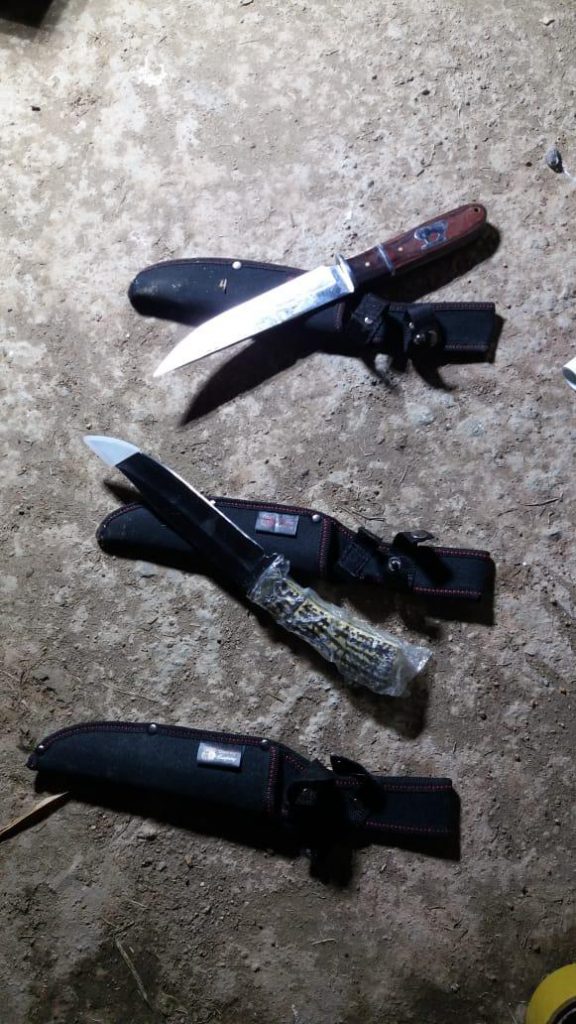
The team obtained a search and seizure warrant and descended on the suspects house at Clau-Clau Newscom in Pienaar. On arrival at the premises, an intensive search commenced and members located a number of hunting knives in one of the three vehicles that were parked inside the yard. They also uncovered a sizable amount of money inside the house.
The team proceeded with the search around the yard and found six rhino horns hidden inside the outside restroom. The horns are believed to be from three dead rhinos.
The three suspects, two males and one female, aged between 24 and 34 were later arrested. The three vehicles, money and the six rhino horns have also been seized. The suspects are expected to appear before Kabokweni Magistrate Court on Tuesday for illegal possession of rhino horns in terms of the National Environmental Management Biodiversity Act. Investigations are still continuing.
Meanwhile the National Head of the DPCI, Lieutenant General Godfrey Lebeya welcomed the arrests.
“The DPCI shall continue to deal decisively with those who are involved in poaching these species. We shall be following the motive which is probably the making of an unexplained wealth with view to attaching same,” said Lieutenant General Lebeya.
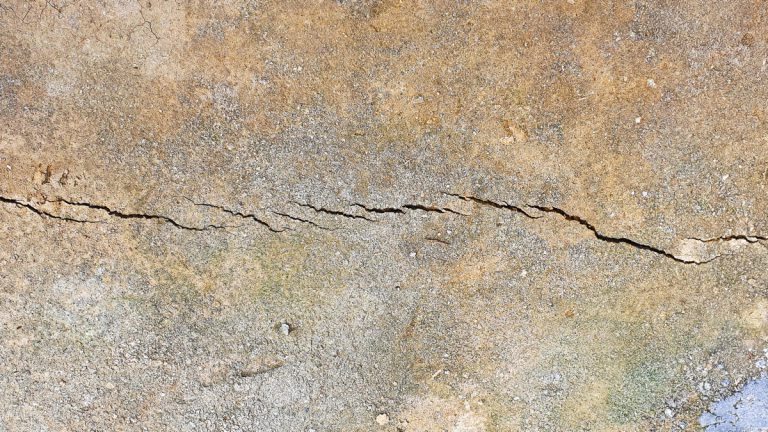
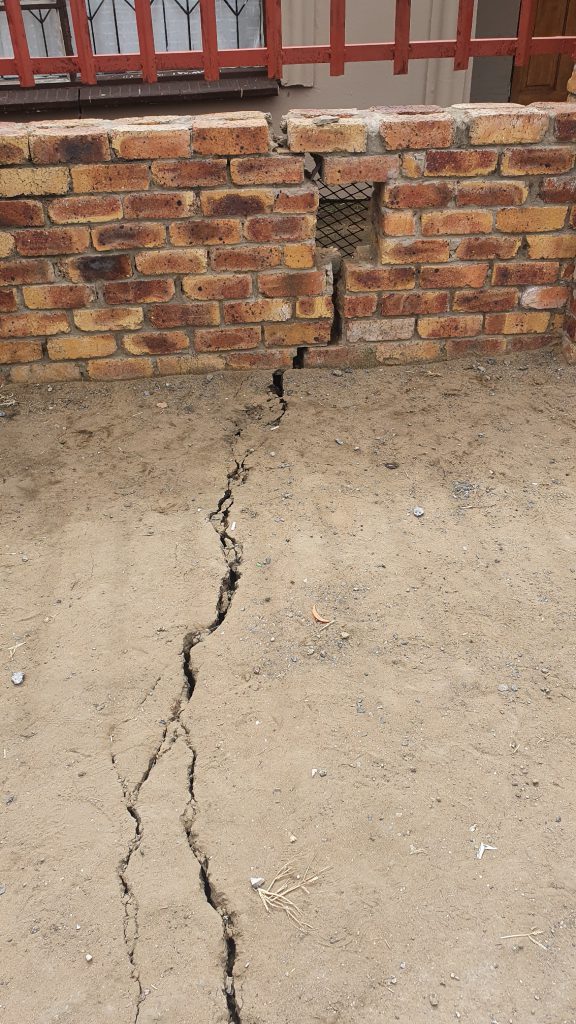
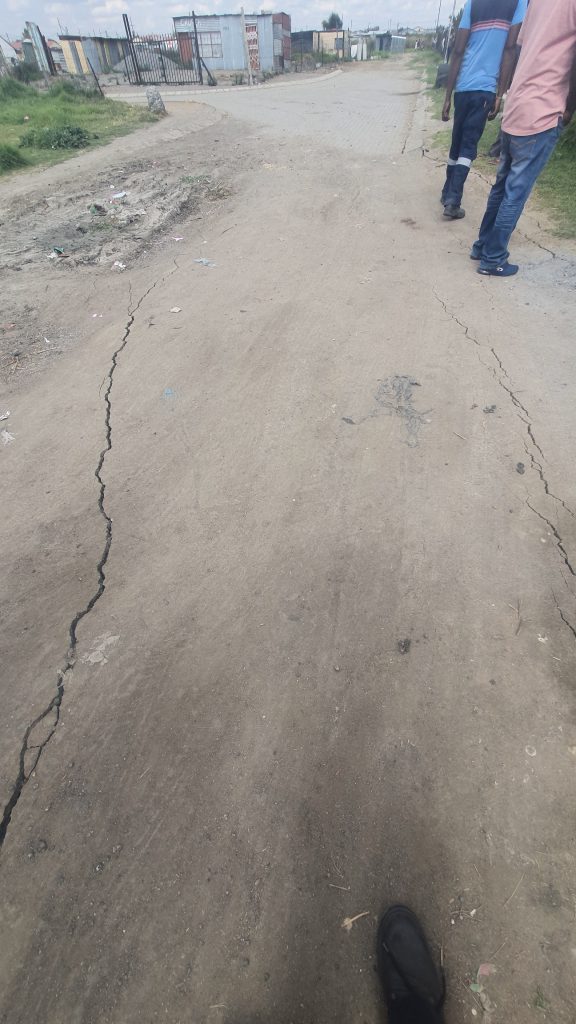
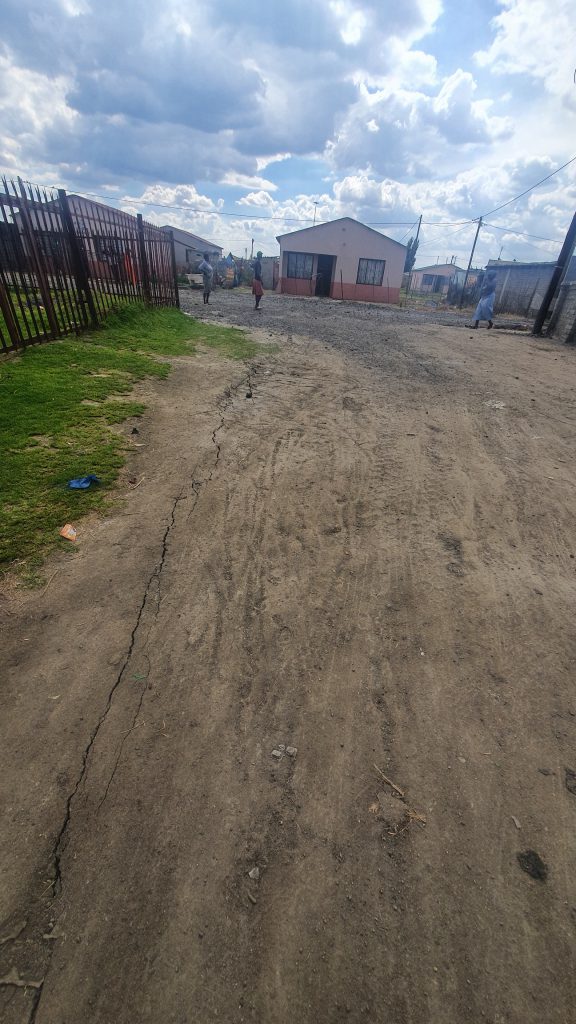
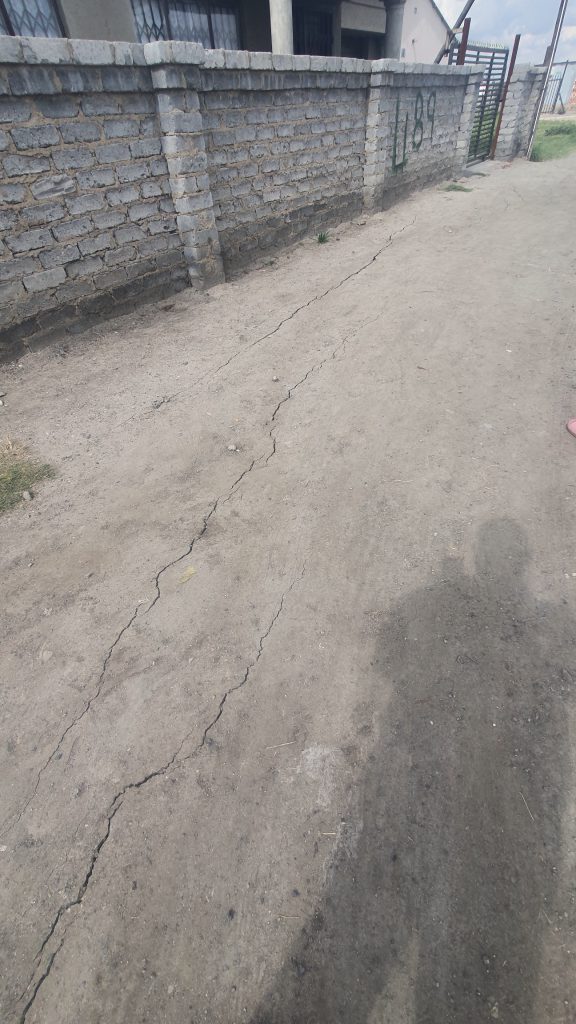
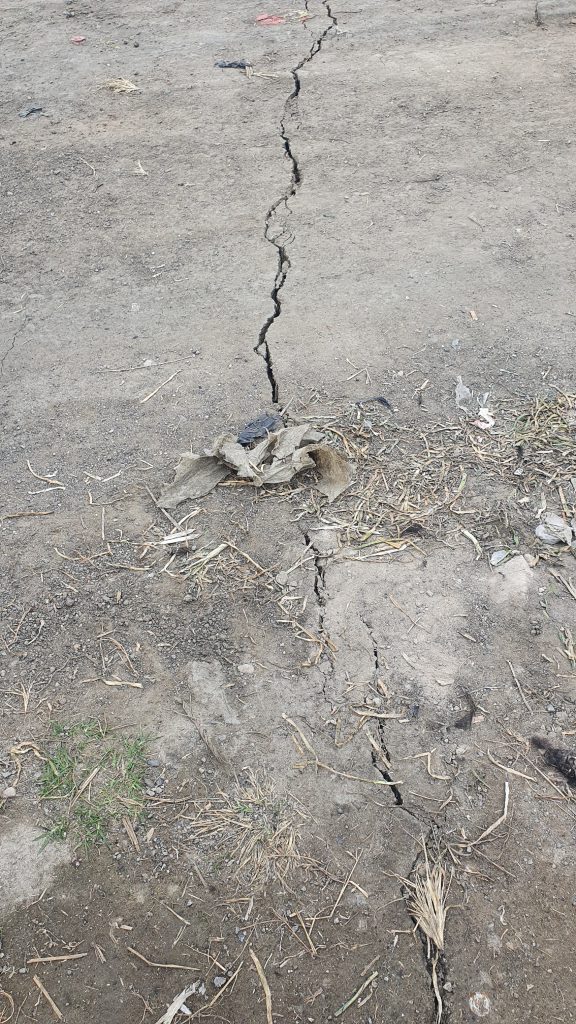
Cracks appeared in the road as well as houses as residents at ext 22 in eMbalenhle rushed out of their houses on Friday.
The Bulletin visited the area and was shocked to see the number of cracks that appeared in the area. It was clear that something happened underneath the area.
Cracks in a house in eMbalenhle
Sasol was contacted by The Bulletin to ask for help with the incident and maybe some clarity, but help was not immediately available as they also had to investigate the cause of the cracks. This was done late yesterday afternoon. Their response will follow later in this report.
The rumblings continued until late on Friday afternoon after the first noises were heard around 23H00 on Thursday evening.
Water in the backyard of a house
Residents were too scared to return to their homes. “Will my house fall in on me?” one resident asked The Bulletin.
It would appear that this was not the first time that cracks have appeared in eMbalenhle but the location of the previous incident is not known to The Bulletin, nor the date and time.
What became clear to The Bulletin was that the area had been undermined before and that GMM was fully aware of this. They were told not to build on that particular area by Sasol unless the structure complied to certain regulations or building codes, according to some residents that spoke to a Vice President at Sasol.
There are some claims that the Department of Planning and Development, under the political leadership of MMC NE Nkosi, was well aware of the problems.
GMM MMC Planning and Development, Cllr Ethel Nkosi
A source, that asked to keep his/her identity secret, told The Bulletin that Sasol objected when GMM started construction, but it the objection was rejected. It is very worrying that an important factor such as underground (or previous) activities can be ignored, putting people at risk.
The roads leading to this area are flooded with sewer and water leaks, also part of MMC Nkosi’s portfolio The Bulletin was told.
The Bulletin engaged with Sasol several times and Sasol confirmed that the area is on top of previous mining activities.
After undertaking an investigation, Sasol has established that the surface structures were built on an area where Sasol completed underground coal mining operations. This area is no longer operational and mining activity was completed before these structures were built, Sasol said in their statement to The Bulletin.
Large cracks on the ground in Ext 22 eMbalenhle
“It must be noted that the construction of buildings on land where underground mining took place is strictly regulated. Although building plans of structures to be erected on such land must be approved by the local municipality, the Mine Health and Safety Act prescribe additional processes and approvals that local authorities should follow,” the statement further read.
The Bulletin would also like to applaud Sasol for their quick response to the incident once they became aware of the problem. They immediately acted and sent experts to investigate the cause.
Cracks leading to a house
“The mining experts who conducted the investigation are compiling the necessary reports which will provide clarity on the exact cause of the cracks forming and to establish the role that mining activities played,” Sasol said in their statement.
The Bulletin contacted the municipality but have not yet received a response.
Here is the full media statement from Sasol:
Sasol has been informed by members of the eMbalenhle community of forming of cracks in the ground and structures near Extension 22. After undertaking an investigation, Sasol has established that the surface structures were built on an area where Sasol completed underground coal mining operations. This area is no longer operational and mining activity was completed before these structures were built.
The mining experts who conducted the investigation are compiling the necessary reports which will provide clarity on the exact cause of the cracks forming and to establish the role that mining activities played.
Cracks in the road
Cracks in the road
Cracks in the road
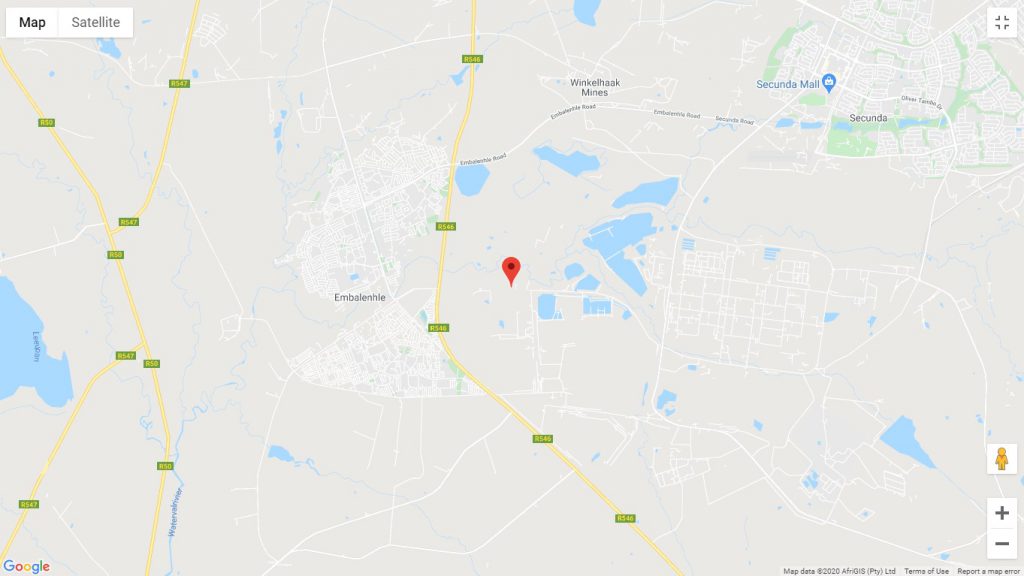
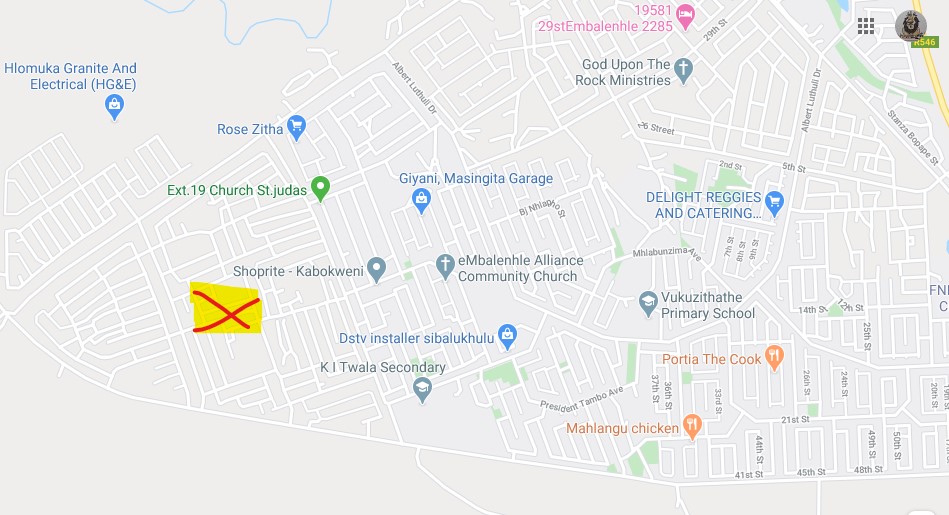
Area affected
Cracks in the road
Some photos of cracks in the roads with a map of the area affected.
It must be noted that the construction of buildings on land where underground mining took place is strictly regulated. Although building plans of structures to be erected on such land must be approved by the local municipality, the Mine Health and Safety Act prescribe additional processes and approvals that local authorities should follow.
We are cooperating with the Govan Mbeki Municipality to establish the nature of the structures and their foundations and whether the applicable building regulations and title deed restrictions dealing with the construction of these structures on undermined land were followed.
Furthermore, the Department of Mineral Resources and Energy has also been notified.
Notwithstanding this regrettable incident and inconvenience to some residents, Sasol Mining will continue to take reasonable measures to establish the cause of the incident and advise the local municipality on appropriate steps to take to address this matter.
We will keep all stakeholders updated as appropriate as this process unfolds.
Ackermans Trading hours: Mon – Fri | 09:00 – 15:00 Sat | 09:00 – 13:00 Sun & PH | Closed
Essential items to be sold – *Baby essentials 0-36 Months* including clothing & sleepwear; footwear; blankets; bed & bath; food products; feeding utensils; toiletries & nappies. – Data and airtime are also available
Great news! PEP will be OPEN Saturday, 25 April. They will be selling essential goods, like baby care and toiletries, plus some financial services.
Trading Hours at Secunda Mall Mon – Fri | 08:00 – 16:00 Sat | 09:00 – 14:00 Sun & PH | Closed
Thank you for your patience during this time. We look forward to welcoming you back again.
Please note: Stores trading & items available for purchase are subject to change at any given point in time in accordance with operational requirements
The following article was written by the Directors and co-owners of Homebrew Lab: Barry Viljoen, Craft Distiller and Andries Doman, Craft Brewer.
This is an informational piece.
President Cyril Ramaphosa announced a
21-day national lock down: “From midnight on Thursday, March 26 until
midnight on Thursday, April 16, all South Africans will have to stay at
home,” which was later extended with another two weeks. With the announcement
of the national lockdown, the regulations made it illegal to buy liquor.
According to the Business Insider, Google search
trends for alcohol-related content in South Africa has spiked by as much as 500%.
Many people turned to some form of home brewing with pineapples being the
go-to ingredient.
In South Africa, brewing beer at home is
legal for own consumption. However, it is illegal to sell the beer
and now during the lock down period transporting alcohol is also
prohibited.
Andries Doman, a local beer brewer and
co-owner of a Secunda based brewery and distillery, said that home brewing can
be a very satisfying hobby. Homebrewing can be summarised as the hobby of
“making beer at home”. Home brewers are people who are passionate, not only about
the food and beverage industry but also DIY experiments, recipe creation, raw
material transformation, process control and all the typical makers’ attitude.
Andries said
that he doesn’t know if it is the process of making the beer, the typical step
process with support of specific technology, or the typical mind-set of the
home brewer, but almost all home brewers are very proud of building their own
instruments and equipment.
Two risky areas in the process of making
beer should be highlighted. The first area is contamination and the second area
is over-pressurisation.
One of the steps of brewing beer is
fermentation. In this step the ideal condition is created for the yeast to
convert sugars into alcohol and carbon dioxide. If some sort of contamination
occurs during the preparation these bacteria will also thrive. This infection
will spoil your beer. Sanitation is a very important part of the process; in
fact it is crucial. The internet is full of advice and can include some
aggressive chemicals such as caustic soda (drain cleaner) and peracetic acid.
If you do not know how to use these chemicals and do not have the correct
personal protective equipment, rather avoid these.
When the beer is ready it should be
packaged in a suitable vessel or container i.e. a bottle in most cases. Most
often the recipe will call for adding a small amount of sugar to the bottles.
The yeast that is still present in the beer will use this sugar to produce
carbon dioxide. This step will provide the “fizz.” Care must be taken that
these bottles can handle pressure. When bottles are over pressurised, it will
explode. Similarly, to prevent over pressurisation of the bottles the beer
should only be bottled when fermentation is complete.
Andries advises all beer enthusiasts who
would like to brew their own beer to join a homebrewing club. Secunda is
fortunate to have such a club with very experienced home brewers, commercial
brewers as well as representatives of brewing suppliers.
If you are interested in taking on this
exciting and rewarding hobby, please feel free to contact us by email: info@homebrewlab.co.za. We would like to share our knowledge, best practises
and overall beer experience with beer enthusiasts alike.
Most South Africans tend to be a jovial
bunch. We love being outdoors, we love our sport, we love to braai and most
importantly, we LOVE to drink beer. And we do it well!
President Ramaphosa addressed the nation tonight on the COVID-19
economic measures.
The President said that more than 126,000 tests have been conducted and
that there are currently 3,465 confirmed cases of coronavirus. He also added
that more than 2 million people have been screened in communities across the
country and over 15,000 have been referred for testing.
The President said that the economic response can be divided into three
phases:
“The first phase began in mid-March when
we declared the coronavirus pandemic as a national disaster. This included a
broad range of measures to mitigate the worst effects of the pandemic on
businesses, on communities and on individuals. The measures included tax
relief, the release of disaster relief funds, emergency procurement, wage
support through the UIF and funding to small businesses.”
He continued: “We are now embarking on
the second phase of our economic response to stabilise the economy, address the
extreme decline in supply and demand and protect jobs. As part of this phase,
we are announcing this evening a massive social relief and economic support
package of R500 billion, which amounts to around 10% of GDP.”
“The third phase is the economic
strategy we will implement to drive the recovery of our economy as the country
emerges from this pandemic.
Central to the economic recovery
strategy will be the measures we will embark upon to stimulate demand and
supply through interventions such as a substantial infrastructure build
programme, the speedy implementation of economic reforms, the transformation of
our economy and embarking on all other steps that will ignite inclusive
economic growth,” said President Ramaphosa.
The President has been in meetings with business, labour and the community
constituency in NEDLAC, Premiers, MECs and Metro Mayors and with the
members of the Presidential Economic Advisory Council.
After meeting with these stakeholders, the
Cabinet had to consider various proposals and also finalised the social relief
and economic support package.
This package includes the following:
Firstly, an extraordinary health budget to respond
to coronavirus
Secondly, the
relief of hunger and social distress
Thirdly, support for companies and workers and
Fourthly, the phased re-opening of the economy.
“The impact of the
coronavirus requires an extraordinary coronavirus budget – of around R500
billion – to direct resources towards fighting the pandemic. This will include
the reprioritisation of around R130 billion within the current budget,” the President
continued, “The rest of the funds will be raised from both local sources, such
as the Unemployment Insurance Fund and from global partners and international
finance institutions. To date, the World Bank, International Monetary Fund,
BRICS New Development Bank and the African Development Bank have been
approached and are working with the National Treasury on various funding
transactions.”
President Ramaphosa said that this funding will be
used to fund the health response to the coronavirus.
An additional R20 billion will also be made
available to municipalities for the provision of emergency water supply,
increased sanitisation of public transport and facilities and providing food
and shelter for the homeless. This is because the nationwide lockdown has had a
negative effect on revenue of municipalities.
A temporary 6-month Coronavirus grant
has been established to assist the most vulnerable families in the country. R 50
billion has been allocated towards the relief of those who are most affected by
the coronavirus.
In other words, child support grant
beneficiaries receive an extra R300 in May and an additional R500 from June to
October. All grant beneficiaries will receive an extra R250 for the next 6 months.
“In addition, a special Covid-19 Social Relief of Distress grant of R350 a
month for the next 6 months will be paid to individuals who are currently
unemployed and do not receive any other form of social grant or UIF payment. The
Department of Social Development will issue the requirements needed to access
and apply for this funding,” the President announced.
The President also touched
on the food parcel shortage the those in need and said: “…the Department of Social Development has partnered
with the Solidarity Fund, NGOs and community-based organisations to distribute
250,000 food parcels across the country over the next two weeks.”
R100 billion will also be set aside to create
jobs and protect employees’ jobs.
The president continued:
UIF’s special COVID-19 benefit has paid out
R1.6-billion, assisting over 37,000 companies and 600,00 workers.
R40 billion has been set aside for income support
payments for workers whose employers are not able to pay their wages.
We continue to provide assistance – in the form of
loans, grants and debt restructuring – to SMMEs, spaza shop owners and other
informal businesses.
The value of this assistance to date is over R100
million.
An additional amount of R2 billion will be made
available to assist SMEs and spaza shop owners and other small businesses.
The IDC facility to support companies to procure or
manufacture personal protective equipment has been utilised in the past few
weeks, with finance of R162 million approved to date.
With regards to the initial tax relief measures, the President
announced the following:
In addition to existing tax relief measures, we will
also be introducing a 4-month holiday for companies’ skills development levy
contributions, fast-tracking VAT refunds and a 3-month delay for filing and
first payment of carbon tax.
To assist a greater number of businesses, the
previous turnover threshold for tax deferrals is being increased to R100
million a year and the proportion of PAYE payment that can be deferred will be
increased to 35 percent.
Businesses with a turnover of more than R100 million
a year can apply directly to SARS on a case-by-case basis for deferrals of
their tax payments.
No penalties for late payments will be applicable if
they can show they have been materially negatively impacted in this period.
Taxpayers who donate to the Solidarity Fund will be
able to claim up to an additional 10 percent as a deduction from their taxable
income.
In total these tax measures should provide at least
R70 billion in cash flow relief or direct payments to businesses and
individuals.
President Ramaphosa will address the nation again on Thursday.
HOëVELD DINK. Daardie diep dink wat jou wegvoer na herrineringe, só helder, só intens dat jy die kosmos bykans kan sien, kan ruik. Die pienk en pers en wit blomme om jou sien lê soos ‘n tapyt. In hierdie vreemde tye is dinktyd noodwendig meer.
Maar die huidige dinktyd is anders as die dinktyd waarvan Herman Charles Bosman skryf in sy storie Willem Prinsloo’s peach brandy. Hy vertel tong-in-die-kies van ‘n momentele dinktyd; die aand met ‘n groot dans op ‘n plaas in die Groot Marico. Toe hy by die voordeur van die plaashuis instap, verwys die gasheer hom na die kombuis waar die tuisgestookte mampoer is.
Hy kon duidelik die mampoerrumoer hoor agter in die huis. Maar, sê hy, wat hom die meeste getref het, was die aantal manne wat teen die lang muur geleun het in die gang, hulle arms teen die muur gesteun, hulle koppe rustend op hulle arms. Dit het hom laat besef dat mampoer mens slim maak, dat dit jou laat dink. Heelparty gaste het so teen die muur gestaan en dink op pad terug van die kombuis af.
Hierdie tyd waarin ons onsself nou bevind, laat mens ook dink. En onthou. Maar dis anders as die dink op Willem Prinsloo se plaas, (of dalk nie!) Omdat alle alkoholverkope gestop is, is daar vele stokers uit nood gebore: bier uit pynappel, cider uit appel en jenewer uit aartappels. Party skynbaar met meer sukses as ander. Ek lees dat die hoeveelheid suiker wat bygevoeg word direk eweredig is aan die vreugde en wysheid uit een bottel. Diè wat weet sê as hulle te veel van die tuisgebroude konkosies absorbeer, dan laat dit jou met tydelike geheueverlies nadat jy diep gedink het.
Hoëvelddink is anders. Dit gebeur wanneer jy laatmiddag sit en oorswelg word deur stilte van afwesige verkeer. Hoëveld dink hier op die weskus vat jou terug na ou, toegegroeide paaie, na Springs en Pretoria en Olifantsfontein en Trichardt. Hoëvelddink kom by jou op as iemand, iewers in die buurt, die Patetique-sonate op ‘n klavier speel, soos Koos Kombuis se Lisa in die laatnaguur as die hele wêreld stil word en luister na die naggeluide van Lisa se klavier. Hoëvelddink laat jou besef dat iewers iets nie pluis is nie, dat jy in jou lewensroete se beplanning baie afdraaipaaie nie eers naasteby kon voorsien nie.
Beethoven: Sonata “Pathetique” Op. 13 – I. Grave. Allegro di molto e con brio
Jou hoëvelddink-vriende se gesigte doem voor jou op. Een-vir-een het hulle weggeraak. Van party hoor jy weer, kontak jy deur Whatsappgroepe en Facebook en deel grappies en Bybeltekste. Van ander hoor jy nooit weer nie. Maar jy dra hulle saam waar jy ook al gaan. Jy diep hulle op in abnormale tye soos hierdie, en besoek saam met hulle die plekke en tye van jou diepdinkgedagtes.
Lank ná jou skooldae en universiteitsdae vou jy die album van jou kopkiekies oop. Jy onthou soveel goed daar waar jy in stil hartkamers delf, soos Koos Doep, ook ‘n oud Springsman, sing.
Jy onthou die stoomtrein wat
laataand op Springsstasie vertrek, die klanke van sy blaas en steun wat dawer
in die helder nag.
Die koue winter in Springs toe julle
sop en broodjies by Jan van Riebeecklaerskool gekry het, en julle gekla het dat
net bandiete uit blikbekers drink.
Die soel nagte in Petersfield toe
julle dryfings met ‘n rugbybal in die straat gespeel het, of toktokkie gespeel
het.
Die melkman wat vroegoggend met sy
elektriese karretjie gekom het, en julle melk op die sypaadjie afgelewer het.
Die slagter se afleweringsfiets met
julle vleis in bruinpapier toegedraai, en die handgeskrewe faktuur op die
pakkie vasgespeld.
Die begrafnis toe twee van julle
laerskoolmaats, twee boeties, beide deur ‘n motor raakgery is, en jy as draer
afgeneem is op die kerkstoep langs die wit kissie, met ‘n diep frons op jou
voorkop omdat jy van die grootmenswêreld niks verstaan nie.
Jy onthou die nagte in huis
Mopanie, toe jy en jou gangmaats laatnag sit en filosofeer het, Koos Doep se
liedjies op die kitaar gespeel het, gedroom het oor die toekoms. Jy onthou die aand toe julle ‘n
massahipnose-vertoning deur prof BP Geldenhuys in die Roossaal bygewoon het, en
agterna met mindere of meerdere mate van sukses mekaar in die koshuiskamer
probeer hipnotiseer het, en Christo stormdronk geword het op ‘n glas water as
gevolg van ‘n post-hipnotiese suggestie wat ons in die lesing gesien het toe
die sielkundeprofessor dit gedoen het, en ons dieselfde probeer het. Julle het bulderend gelag.
Jy onthou die heerlike en
skrikwekkende tye van die warm Oktobernagte in Pretoria, toe die jakarandas
pers in die strate geblom het en eksamen soos ‘n donker sif oor alles neergesak
het. Toe jy en vriend Piet met julle twaalfsnaarkitare gaan sêrrie het by huis
Jasmyn, en ‘n geirriteerde derdejaarstudent wat die volgende dag wiskunde sou
skryf, amper vir Piet die ewigheid ingehelp het met ‘n groot potplant wat van
die vierde verdieping af gegooi is, en hom teen die kop getref het. Die einde
van jou amateurloopbaan as troebadoer.
Wanneer jy oor die mistige strandmeer in Langebaan staar, word alle sluise wat jou laat onthou oopgetrek. Tot daar waar jy eens was, eens geleef het, gelag het. Daar waar alles so seker gelyk het. Daar waar jou teenwoordige gees ontneem word van al sy grys-skakerings, en alles vol helder kleure is. Daar, waar jou Hoëveldvriende en kennisse wat tans oor planeet aarde versprei is, almal nog knus lewe in ‘n hersenskim. Daar waar jy jou siel bakhand aangee aan almal wat vêr en onsigbaar is.
En jy, jy sit karmosyn in die sononder, soos Boerneef sal sê. Alleen, maar tog ook nie. Jou Hoëveld-dink-vriende is by jou.
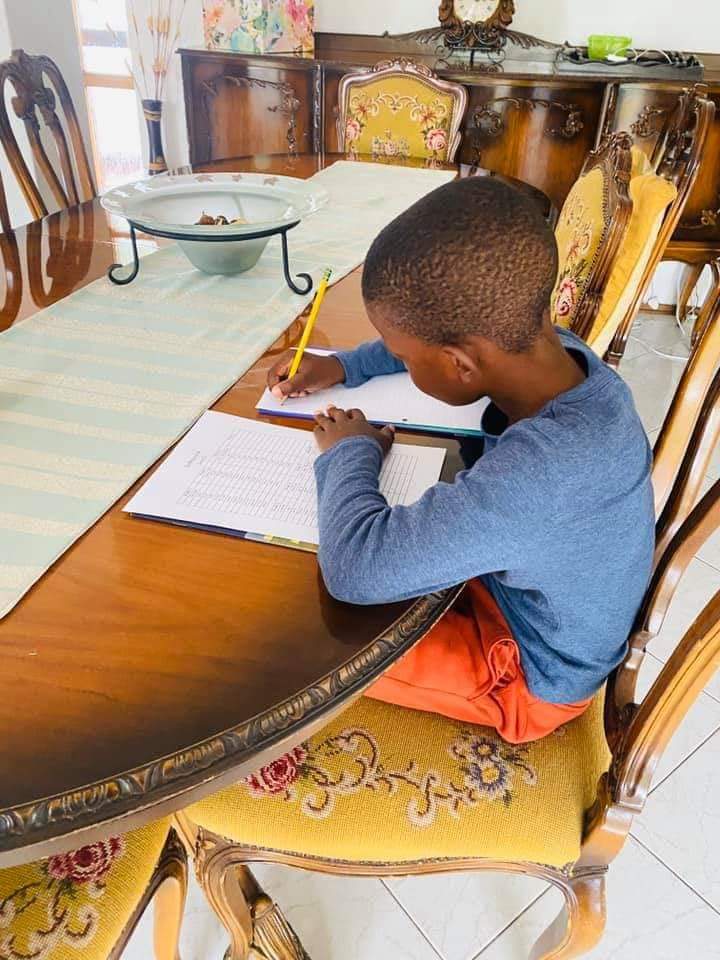
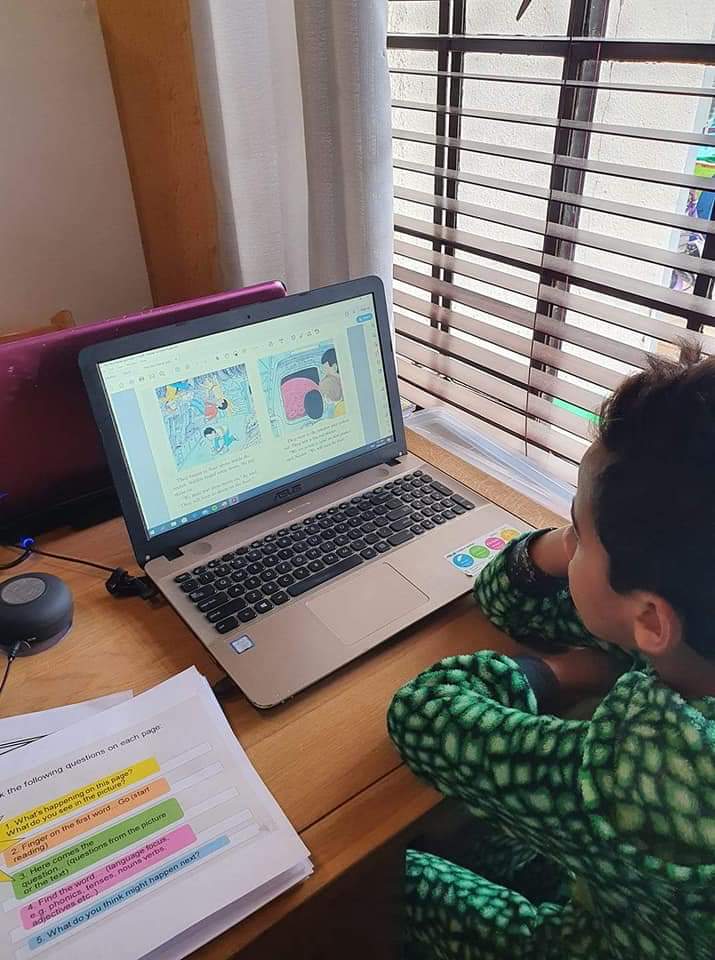
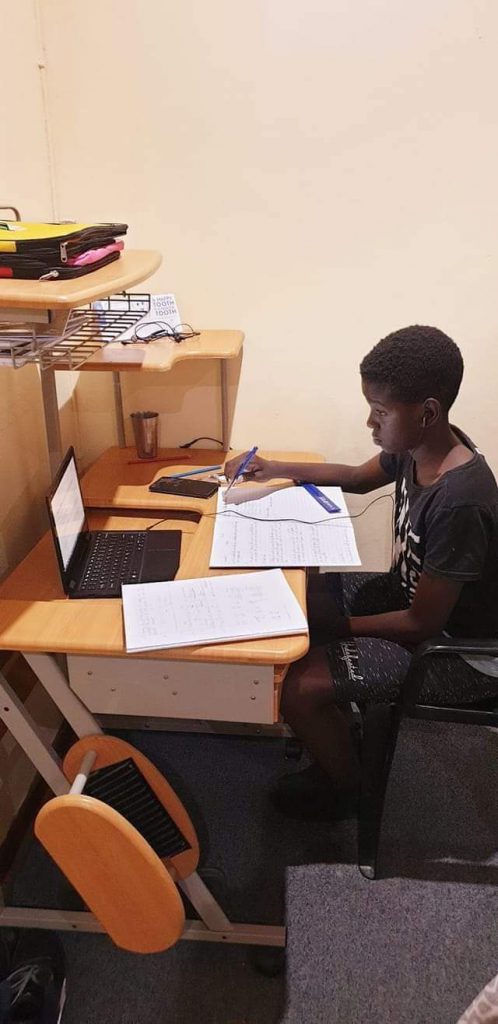
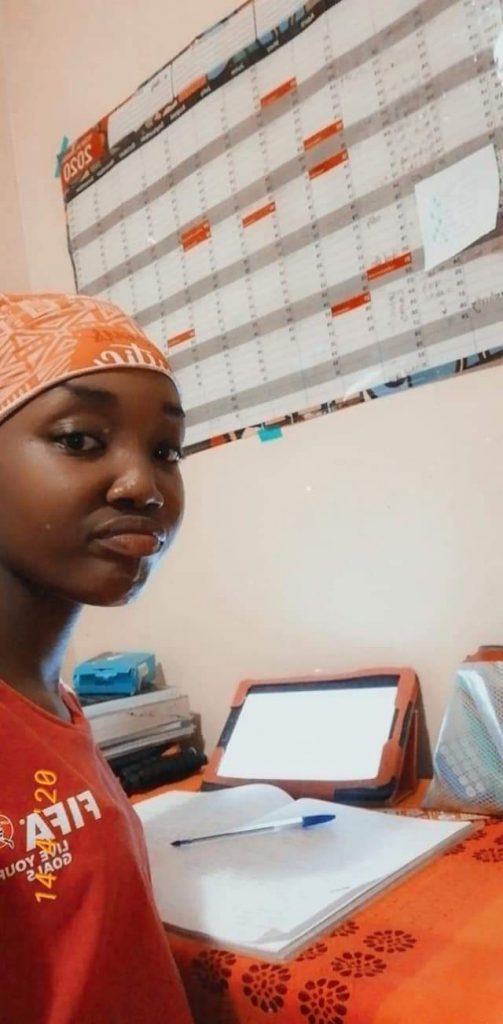
Curro Secunda is focusing on e-learning and assisting our learners to make the most of the lockdown period and keep up to date with their schoolwork.
Through the schools e-learning initiative,
teachers are able to teach their classes and keep up to date with the Curro curriculum.
“Even though it is difficult to teach
during the lockdown, as teachers we still give our 150% to ensure our students
are up to date and we are there to support them at any time,” said one teacher.
“Once the lockdown has been lifted, we will
be able to do a full skills gap analysis to identify the challenges we have to
concentrate on to ensure the success of our students.”
Well done to all the students at Curro Secunda for their dedication and discipline!