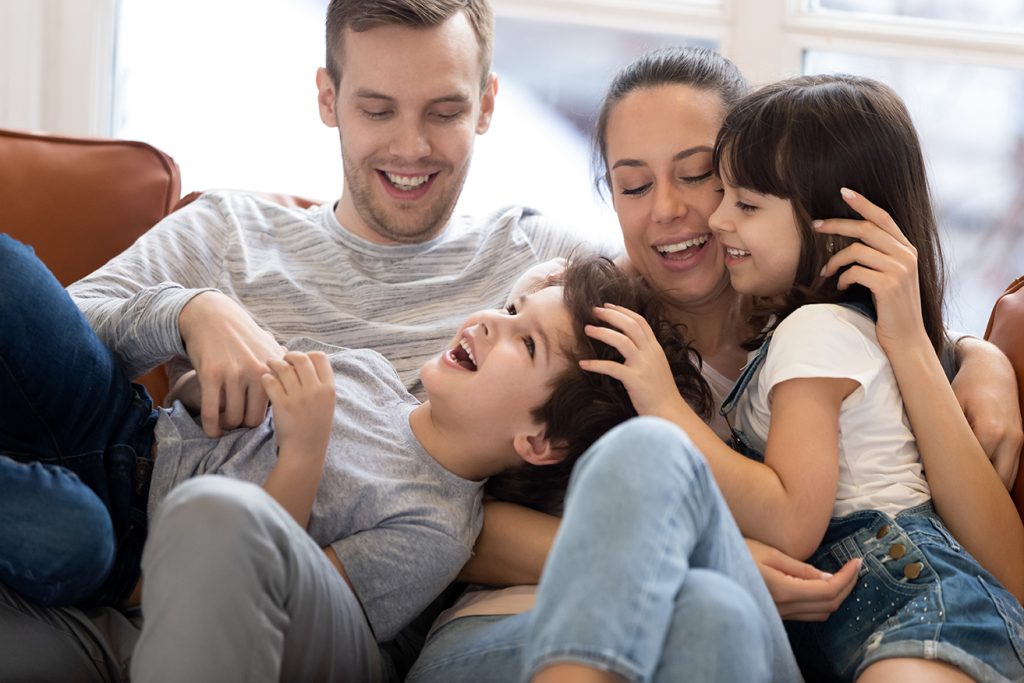
Infant abandonment is a deeply concerning matter in our communities, where numerous cases of babies and fetuses being dumped have been reported. The act of abandoning a newborn is not only a violation of human rights but also poses severe risks to the infant’s survival. This tragic phenomenon is driven by a range of social, economic, and psychological factors that make it difficult for some mothers to care for their children. Despite various incidents of baby dumping continue to rise, prompting urgent attention from both government and civil society.
Hospitals and social services are frequently overwhelmed by the number of abandoned babies brought in by good Samaritans or discovered by authorities. The South African Police Service (SAPS) and non-governmental organizations (NGOs) have noted an increase in reported cases. While exact statistics are difficult to obtain due to unreported cases, it is evident that this issue requires urgent attention. Newborns are often being found in dumpsters, public toilets, open fields, and even rivers. A number of abandoned infants are discovered each year, with many not surviving due to exposure, dehydration, or injuries.
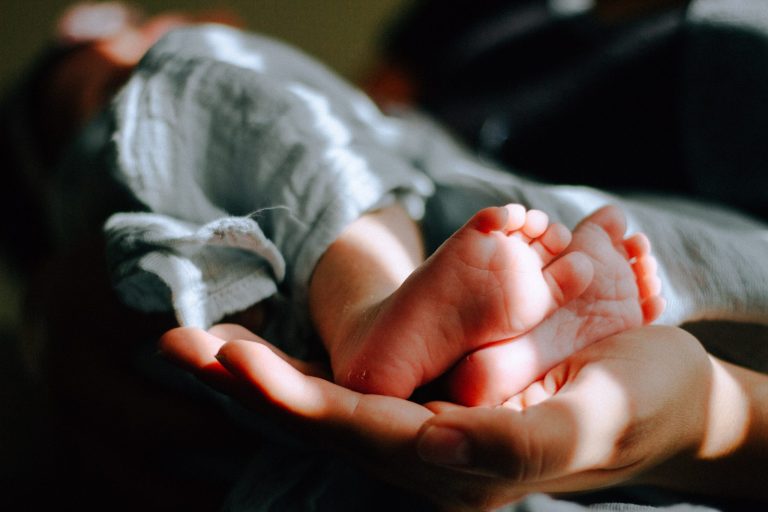
Child Feet Baby Small The Baby’s Legs Newborn
Several underlying factors contribute to why some mothers resort to abandoning their babies. These include, that many mothers, especially teenage mothers and single parents, face extreme financial constraints, making it difficult for them to provide for a child. Unemployment and lack of support exacerbate this situation. Many cases of baby dumping are linked to unplanned pregnancies, often occurring among teenagers or women in abusive relationships who lack access to contraception and reproductive education.
Social and cultural stigmas surrounding out-of-wedlock pregnancies or teenage motherhood often lead to led women to abandoning their infants out of fear of rejection from their families and the communities. Some mothers are unaware of safe surrender options, such as child welfare organizations that can take in an unwanted baby without legal consequences.
Conditions such as postnatal depression, anxiety, and trauma can impair a mother’s ability to care for her child, leading to impulsive decisions such as abandonment.
Contrarily,baby dumping is a criminal offense in South Africa and carries severe legal consequences. Mothers who abandon their babies can face charges of child neglect, child abandonment, or even murder if the child dies.
Under Section 305 of the Children’s Act 38 of 2005, any person who abandons a child or fails to provide proper care is guilty of an offense and can be sentenced to imprisonment or fined.
Section 28 of the Constitution of South Africa states that every child has the right to care, shelter, and protection from neglect or abuse. By dumping a baby, the mother violates these rights, making her liable for legal action.
If a mother’s actions lead to the death of the baby, she can be charged with culpable homicide or murder, which carries a severe prison sentence.
The Children’s Act 38 of 2005 emphasizes child protection and allows mothers to legally place unwanted babies for adoption instead of abandoning them.
To combat the issue of baby dumping, communities must focus on prevention through education, community support, and accessible healthcare services. Community involvement is essential in addressing the matter along with raising awareness about the consequences of baby dumping, providing counselling services, and establishing crisis hotlines for pregnant women can create a supportive environment for mothers in distress.
Local organizations and religious institutions also play a critical role in offering shelter and assistance to those in need. Addressing baby dumping requires a multi-faceted approach that includes economic support, education, legal enforcement, and healthcare improvements. Governments, NGOs, and community members must work together to create a society where no mother feels abandoned or helpless enough to resort to dumping her baby.
Ultimately, preventing baby dumping starts with compassion, awareness, and the commitment to provide better support systems for vulnerable mothers and their babies. Every child deserves a chance at life, and every mother should have the help she needs to make responsible and informed choices. As a community, it is our collective responsibility to ensure that no child is abandoned and that every mother has access to the help she needs.
Thank you to Chemondre Prinsloo from Tutela Secunda for this article
Welcome to our weekly article from the field of social work.
Supporting Families and Communities: The Core Services of a Dedicated Social Welfare Organization
Early Intervention and Family Preservation Tutela Family Care Secunda prioritizes early detection and intervention services as mandated by the Children’s Act, Act 38 of 2005, focusing on families and children at risk of harm or vulnerability. These programs aim to strengthen families’ capacity for self-reliance and address challenges within the home environment to prevent the need for court intervention. By addressing concerns early, the organization helps families build resilience and create safe, nurturing spaces for children.
Community Education and Upliftment Community development efforts include poverty alleviation initiatives and educational programs designed to empower individuals and families. HIV/AIDS awareness campaigns focus on prevention, support for affected families, and teaching children’s protective behaviours. Anti-drug campaigns raise awareness about substance abuse, provide referrals for rehabilitation, and support recovery through individual and group counselling.
Empowering Victims and Supporting Parents The organization offers victim empowerment services, particularly for survivors of gender-based violence, providing emotional and practical support, counselling, and referrals to specialized services. Parenting skills programs equip parents with the tools to raise well-adjusted children, fostering leadership and positive development in future generations.
Care for the Elderly and Poverty Alleviation Services for older persons include care groups that address their physical, emotional, and spiritual needs, as well as programs to prevent elder abuse and promote active aging. Poverty alleviation efforts aim to reduce vulnerabilities by providing knowledge, promoting personal growth, and addressing adverse childhood experiences.
Statutory and Emergency Services The organization provides crucial statutory services, including the removal and placement of children in temporary safe care when their safety is at risk, as outlined in the Children’s Act. Foster care services include screening and training foster parents, ensuring they meet the necessary requirements, and offering ongoing support through training and support groups. These services are integral to protecting children and fostering their well-being while strengthening families.
Aftercare Services
To ensure long term stability and support for individuals and families who have undergone intervention. These services provide continued assistance to clients after they have completed initial intervention, counselling or crises intervention, helping them re-integrate into their communities and maintain positive progress. It includes follow up sessions, life skills training, workshops, support groups and referral to additional resources. The goal is to prevent relapse, reduce vulnerability and promote self-efficiency, by offering ongoing emotional, social and practical support.
With these comprehensive efforts, the organization strives to create stronger, healthier communities and safeguard the most vulnerable members of society.
You can make a difference by volunteering or making a financial donation at:
If you are aware of any social issues or needs in your community, please contact the Tutela Secunda office on 079 310 2599 or tutela.secunda@gmail.com
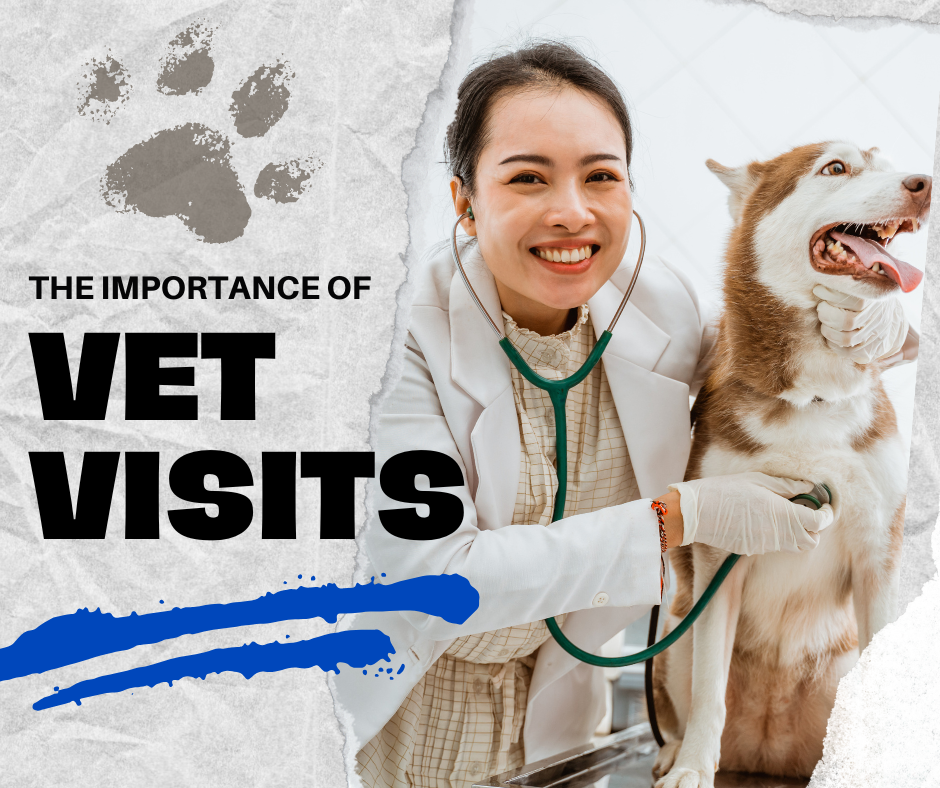
As responsible pet owners, we all want our animals to live happy, healthy lives. One of the most important ways we can ensure this is by regularly taking our pets to the vet. Regular vet visits are essential for catching potential health problems early, keeping your pet’s vaccinations up-to-date, and maintaining overall health. In this article, we will discuss the importance of regular vet check-ups, what to expect during a visit, and how routine care helps keep your pet in optimal health.
Image by The Paw Company
WHY REGULAR VET VISITS MATTER
Just like humans, pets benefit from annual check-ups to ensure their health is on track. Pets age much faster than humans, so an annual vet visit for a pet is equivalent to several years of human check-ups. Regular visits allow veterinarians to detect underlying health problems before they become serious, such as dental disease, parasites, obesity, or even cancers that might otherwise go unnoticed.
During these visits, veterinarians also check for signs of illness that may not be immediately apparent, including subtle changes in behaviour, appetite, or energy levels. Early intervention is key in treating these problems and often leads to better outcomes for pets.
Your pet needs to visit the vet at least once a year, but I would suggest senior pets go for bi-annual check-ups.
VACCINATIONS AND PREVENTATIVE CARE
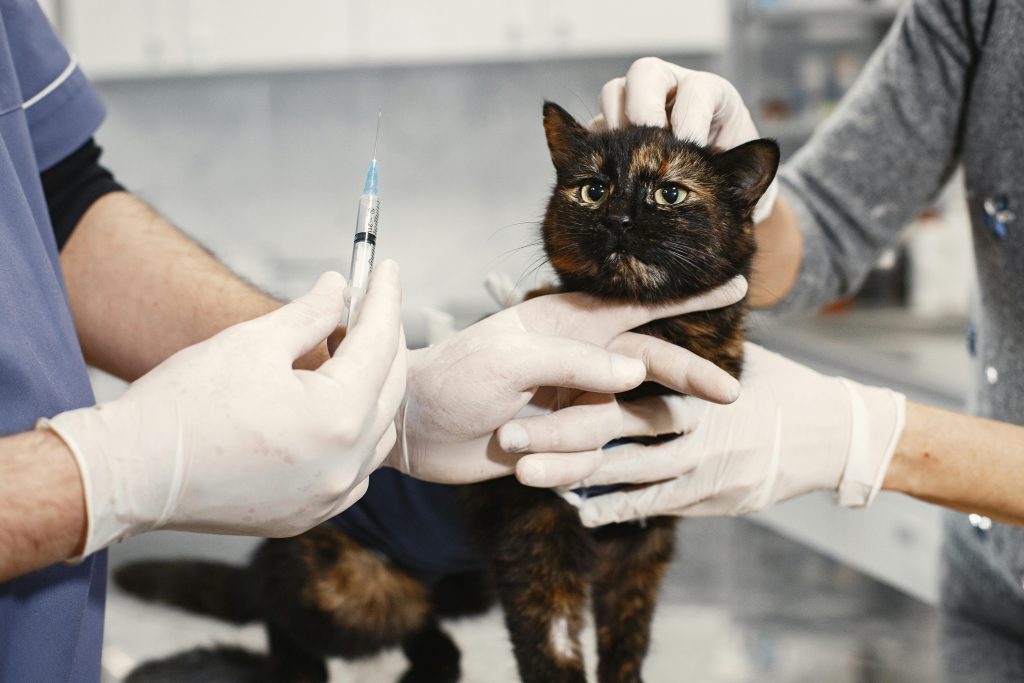
One of the most important reasons for regular vet visits is to keep your pet’s vaccinations up-to-date. Vaccines protect your pet from dangerous diseases, such as rabies, parvovirus, and distemper. Puppies and kittens will have an initial series of vaccinations, and after that, they will need booster shots to maintain their immunity throughout their lives. Failing to stay on top of vaccines could leave your pet vulnerable to infections that are easily preventable. I am cautious about over-vaccinating. Discuss this with your vet and consider a titer test rather than over-vaccinating.
Besides vaccinations, vets also provide other preventive care during regular visits. This includes routine deworming, flea and tick treatments, heartworm prevention, and possible dental cleanings. Preventative measures go a long way in preventing costly medical treatments down the line and improving your pet’s quality of life.
Also, see proactive strategies to cut down on veterinary costs.
Many pet owners overlook dental care, but it’s just as important as any other aspect of a pet’s health. Poor dental hygiene can lead to gum disease, tooth loss, and even heart disease. Regular vet visits allow your veterinarian to check for early signs of dental problems, perform professional cleanings, and provide advice on how to care for your pet’s teeth at home. Routine dental care is an often underappreciated but vital part of your pet’s overall well-being.
Discuss the risks and benefits of professional cleaning with your vet. Not all breeds respond the same to anesthesia, and some breeds are more prone to dental issues than others.
WEIGHT MANAGEMENT
Obesity is a growing problem among pets and can lead to serious health complications, including arthritis, diabetes, and heart disease. Pets may not always show signs of being overweight, especially if the extra pounds have accumulated gradually. Vet visits can help monitor your pet’s weight and your vet can detect weight gain early. They may recommend dietary changes or exercise routines to help prevent obesity and related health issues. Diet and exercise are not that simple and I prefer to consult experts in those fields for advice. For the record, I am not a fan of kibble diets.
BEHAVIOURAL CHANGES
Sometimes, the first sign that something is wrong with your pet is a change in behaviour. Pets may not always show physical signs of illness, but they might stop eating, become more aggressive, or withdraw socially. These subtle behavioural changes can be signs of stress, anxiety, or illness. A veterinarian can help determine the cause and provide solutions. They can rule out medical conditions and refer you to a behaviourist (there is a difference between behaviourists and traniers) for behavioural issues such as separation anxiety, fear of loud noises, excessive barking, etc. You can also consult with a behavioural vet if you have one in your area.
Image from pexels.com
WHAT TO EXPECT DURING A VET VISIT
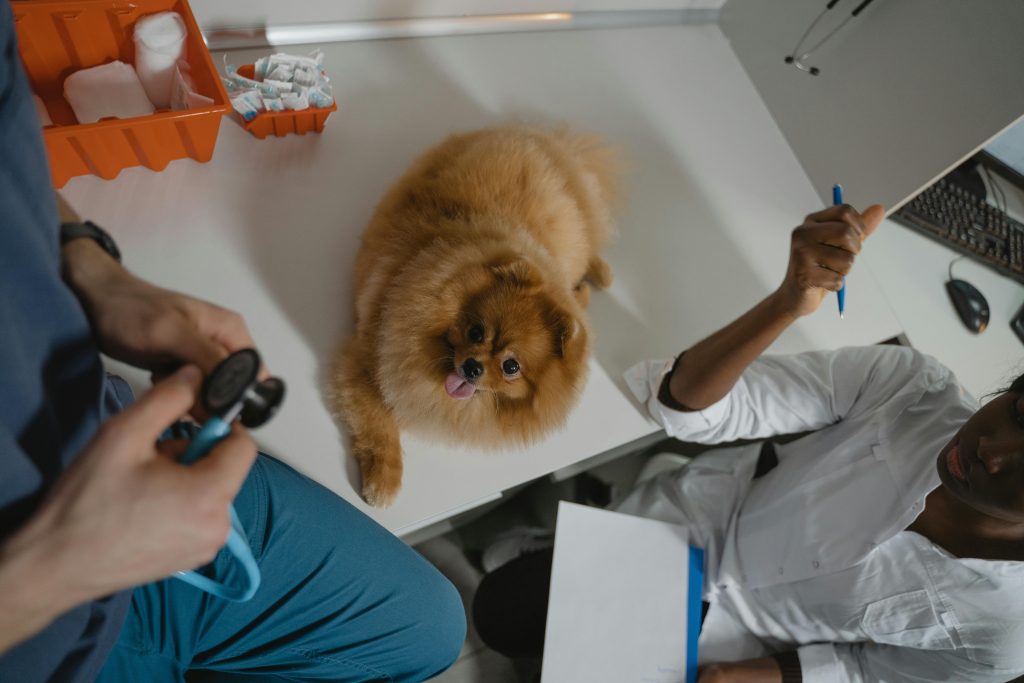
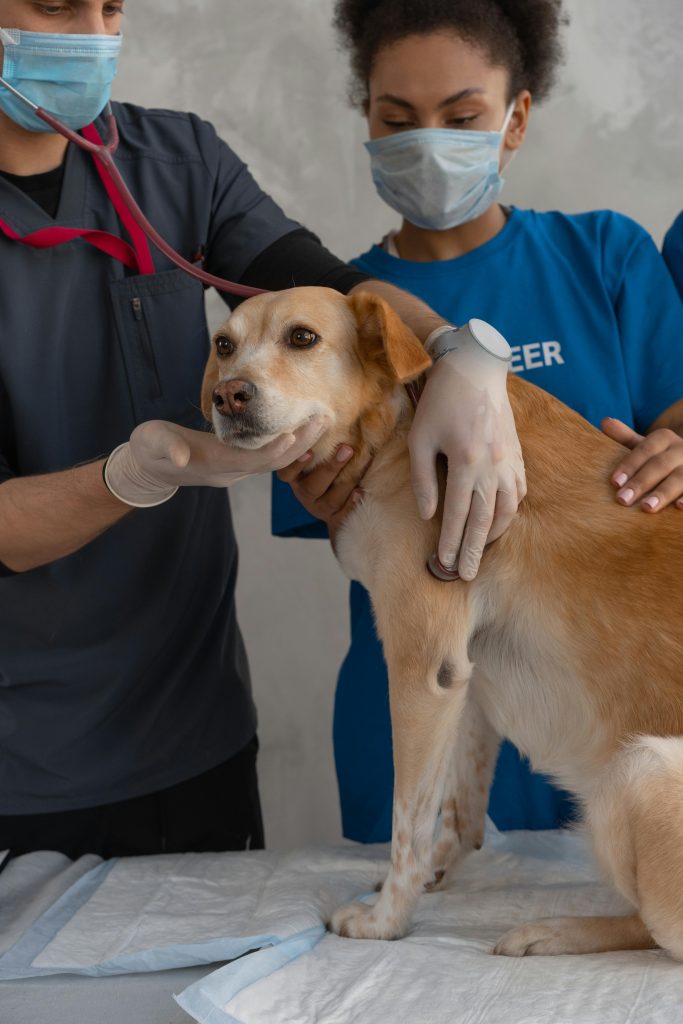
When you take your pet to the vet, there are several things you can expect. The veterinarian will perform a thorough physical exam from head to toe, checking your pet’s eyes, ears, teeth, skin, and coat. They will listen to your pet’s heart and lungs, palpate the abdomen, and check for any abnormalities, including lumps and bumps. They may check your pet’s temperature and whether your microchip is in working order.
Blood tests, urinalysis, or fecal exams may also be recommended to check for infections, parasites, or organ function. If your pet is due for vaccinations, these will be administered, and your vet may also recommend preventive treatments such as flea and tick control.
If your pet is due for a dental cleaning, the vet may schedule this for a later time, as it often requires anesthesia. The vet will also provide recommendations on how to keep your pet healthy in between visits.
REMEMBER
Seek out proactive wellness veterinarians who not only treat problems as they arise but also focus on preventing them, ensuring your pet’s long-term health.
Do your homework on the vet you choose. Read more about it here.
Don’t follow random advice on the internet or from strangers.
Do regular at-home physical exams. Between visits, you can keep a close eye on your pet’s health by conducting an at-home physical exam.
While your veterinarian may be knowledgeable and skilled in general animal care, it’s important to remember that they are not necessarily specialists in fields, such as rehabilitation, cardiology, oncology, behaviour, nutrition, exercise, exotic pets, etc. If your vet seems unsure or you’re dealing with a more complex case, don’t hesitate to seek advice from a specialist. I recommend using Valley Farm Animal Hospital for cases requiring specialized care.
You are your pet’s advocate. It’s natural to feel stressed or even intimidated during a vet visit, but you know your pet best. Yes, better than the veterinarian. Speak up if you have concerns, ask questions, and trust your instincts. If you ever feel uncomfortable with how your pet is being treated, it’s okay to leave and seek a second opinion. Your pet is counting on you to stand up for them.
If you feel the vet has been unprofessional or negligent, you can open a case at the SAVC. Read more about the process here. The Paw Company recently won a case at the SAVC and we are happy to guide you so that vets can be held accountable.
Regular vet visits are one of the most important steps in ensuring that your pet lives a long, healthy, and happy life. By staying up to date with vaccinations, and preventive care, and addressing potential health problems early, you can help your pet avoid serious issues in the future. Regular check-ups also help strengthen the bond between you and your pet, as your vet becomes a trusted partner in caring for your animal. Don’t wait until your pet is showing signs of illness—schedule that annual check-up and ensure your pet’s continued well-being.
Join us again next week as we explore the pets of our lives!
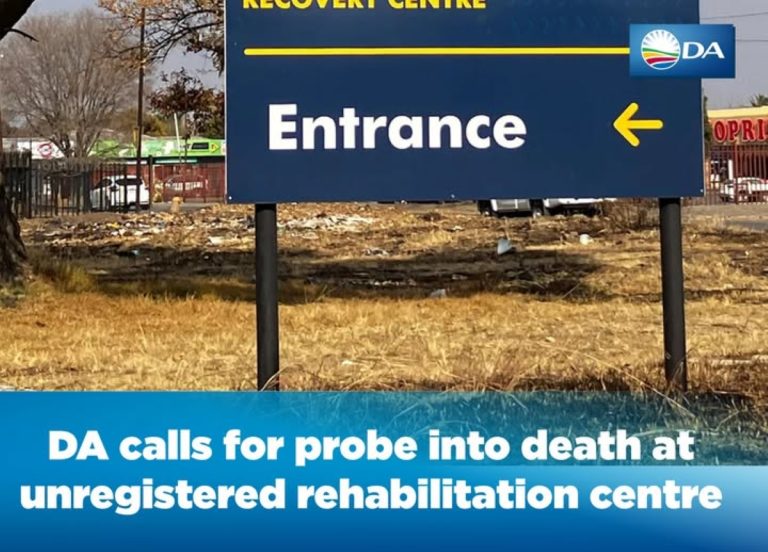
The Democratic Alliance (DA) in Mpumalanga calls on the law enforcement authorities and the MEC of Social Development, Brenda Moeketsi, to act against an unregistered rehabilitation center in eMalahleni Local Municipality after the death of a 31-year-old man in that facility.
According to information received, the South African Police Services (SAPS) from eMalahleni visited the rehabilitation centre on Thursday last week where they found the 31-year-old man dead at this centre situated outside eMalahleni on a farm. The man’s feet were chained so that he couldn’t run away, but he did try. According to reports, three guards in the centre allegedly beat the 31-year-old to death on Wednesday with baton and fists, but the matter was only reported on Thursday. The three alleged suspects were fortunately arrested.
While doing an oversight visit to the center on Friday, the DA was informed that an unnamed Pastor from Middelburg opened the rehabilitation center in December 2023 after getting permission from the farm owner to use the vacant buildings in his farm. To his amazement, the farm owner realized later that the Pastor was already operating the rehab center without registering it with the Department of Social Development. The farm owner told the DA that he was not aware of the fact that the rehab center was open as there was still much construction to take place.
Annerie Weber: MPL – DA Spokesperson for Social Development: Mpumalanga Province
“In our inspection, the DA found shocking living conditions,” said Annerie Weber: MPL – DA Spokesperson for Social Development: Mpumalanga Province, “and it was clear that the institution was still under construction and not conducive for anyone to live there yet. We found the following conditions:
Rooms that were without roofs;
The bathroom was a separate room with only one portable toilet in it;
All 28 residents, male and female, had to use the one toilet. When the toilet is full, it must be carried out into the field and emptied on the grass;
There are no showers or bath facilities;
Patients are chained to avoid escape;
Every patient had to make and prepare their own food;
We also found out that the police left behind the baton that had allegedly been used to beat the man to death (leaving behind evidence).“
According to some sources on the farm, the Pastor from Middelburg had another rehabilitation center situated in Doornkop, outside Middelburg, which was closed in April 2024 due to inhumane conditions. It is alleged that in that Doornkop rehab center, patients were also chained so that they could not run away.
The DA will write an official letter to both the MEC for Community Safety, Security and Liaison, Jackie Macie, and the MEC Moeketsi (Social Development) to execute a thorough investigation into the history of the Pastor and all the rehabilitation centers that he is running. The DA will also request them to visit all rehabilitation centers across the province to investigate if they are compliant or not. We need to take care of all our people, especially those that do need help. Addiction cannot be treated with disrespect and inhumane practices. The DA will keep a close eye on the progression of this case to make sure that justice is served.
HOW BREEDING OR BUYING FROM BREEDERS PERPETUATES THE CYCLE OF OVERPOPULATION AND EUTHANASIA.
Breeders often claim they don’t contribute to the overpopulation crisis because they find homes for all the dogs or cats they breed. This argument ignores a fundamental reality: every puppy/kitten they place in a home is a home that could have gone to a shelter animal in desperate need. Instead of reducing the number of homeless animals, they are actively maintaining demand for breeding while thousands of dogs are euthanized daily for lack of space. In SA we estimate around 2800 animals/day euthanized. The notion that breeders don’t contribute to the crisis is not just misguided – it shows flawed logic. It directly fuels the problem.
Then, when someone buys an animal from a breeder, they create demand for more animals to be bred. Breeders, respond to this demand by continuing to produce litters intentionally.
You also get the irresponsible owners who say it was an “unexpected” litter. No dear Susan, if your pet is not sterilized, you can totally expect it.
For the record, I consider any person who allows their pets to have litters, whether by “accident” or intentionally pimp their pets out to create litters, as breeders, because they all contribute to the same problem.
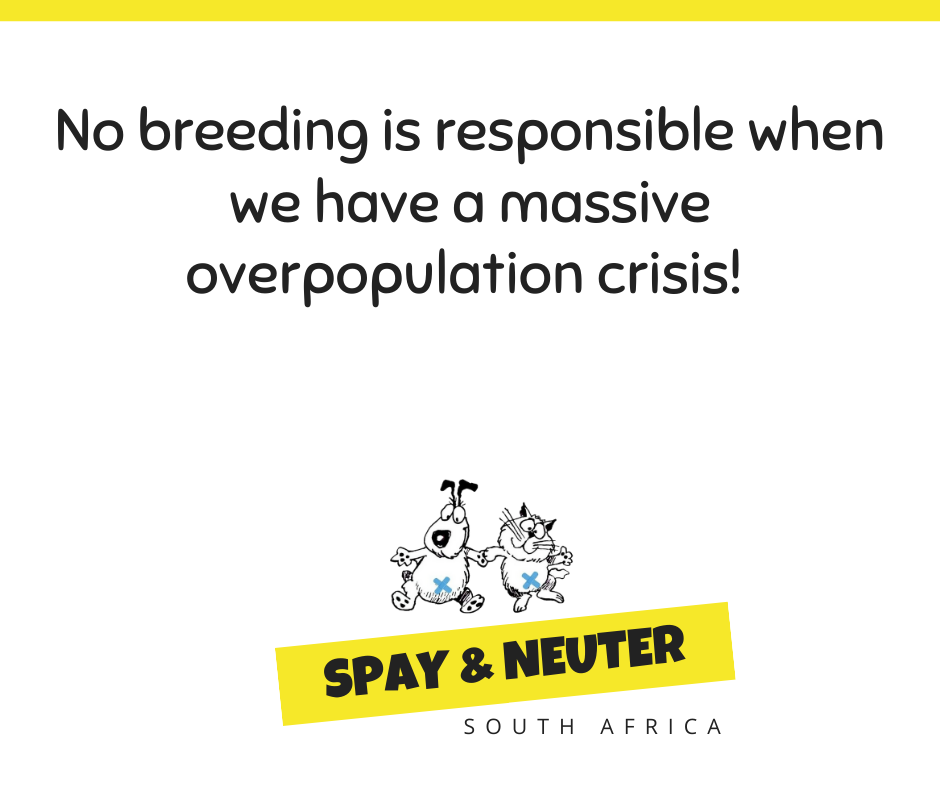
Image by Spay and Neuter SA
HOW DOES THE CYCLE WORK?
Supply and Demand By purchasing from a breeder, you signal that there is money to be made by breeding animals. This encourages breeders to continue producing litters, even when countless animals in shelters (including “purebred” animals) are already waiting for homes.
Shelter Overcrowding For every pet purchased from a breeder, one less shelter animal gets adopted. Shelters are overwhelmed with abandoned, stray, or unwanted animals. When shelters fill up, tough decisions have to be made, including euthanasia.
Irresponsible Breeding Practices Many breeders prioritize profit over the well-being of the animals, leading to overbreeding and a lack of care for genetic health or proper socialization. These animals often end up with health or behavioral problems, which can lead to abandonment and further strain on shelters.
Lack of Adoption Adopting from a shelter reduces the demand for breeding and gives a homeless animal a second chance. Every adoption also reduces the number of animals euthanized due to lack of space or resources.
By choosing adoption (only through responsible organizations) over buying, you directly save lives and help reduce the cycle of overpopulation. Supporting breeders, even inadvertently, feeds into a system that prioritizes profit over the welfare of animals.
HERE ARE MORE REASON WHY BREEDERS ARE A PROBLEM:
Breeders Don’t Vet Buyers Thoroughly Many breeders don’t ensure their animals go to responsible homes, leading to some ending up in shelters when owners can’t care for them anymore. The Illusion of ‘Good Homes’ – Breeders often claim that they carefully select homes for their animals, but without rigorous follow-up and enforced sterilization policies, many of these pets can still end up in shelters. How many breeders do you know that say no to a sale?
Failure to Enforce Sterilization – Many breeders do not require or follow up on sterilization, which allows the cycle of reproduction to continue unchecked. New owners may not spay or neuter their pets, leading to accidental litters that further flood an already overwhelmed system. Without a strict sterilization policy, even pets placed in so-called “good homes” may end up producing litters. Some buyers may even become backyard breeders themselves, perpetuating irresponsible breeding practices.
Separating Puppies and Kittens Too Early – Removing puppies or kittens from their mothers before the minimum eight-week period can lead to behavioural and health issues. Early separation not only affects socialization but also increases the risk of illness and poor development. These poorly socialized animals are more likely to be abandoned or surrendered to shelters, adding to the crisis. I support keeping them with mom until 12 weeks as they learn valuable behaviour from mom.
The Domino Effect When a buyer gets a pet from a breeder, they might inspire others to do the same, further increasing demand for breeding while shelter animals are overlooked.
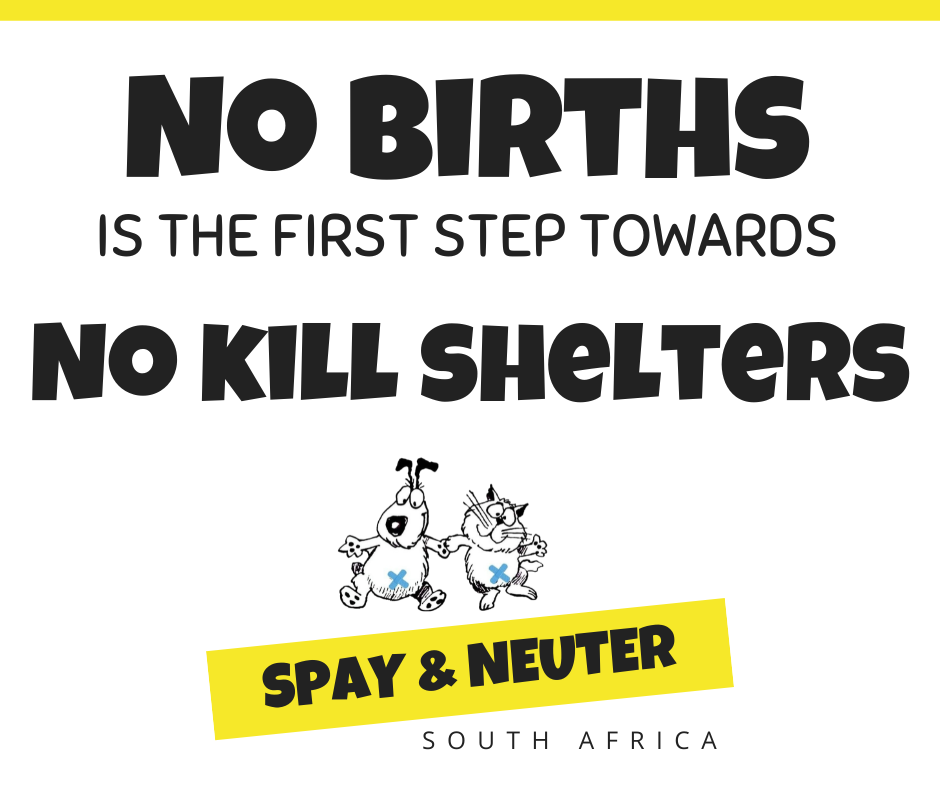
Image by Spay and Neuter SA
We are not even touching on free animals and the darker side of breeding, such as inhumane puppy mills or backyard breeders, which thrive on demand from buyers who might not know better.
I will never believe that you breed for the love of the breed. Status and money are all I see when I talk to breeders. When we have a Pitbull crisis, how many Pitbull breeders have stopped producing litters? When you continue to breed in these circumstances, with any breed, you are either selfish or stupid. Take your pick!
I will also mention, that anyone who knows anything about breeding will know that you can’t just put two nice-looking dogs together. Breeding better dogs/cats is about genetics and without genetic testing, you can’t be truly breeding to “improve the breed.
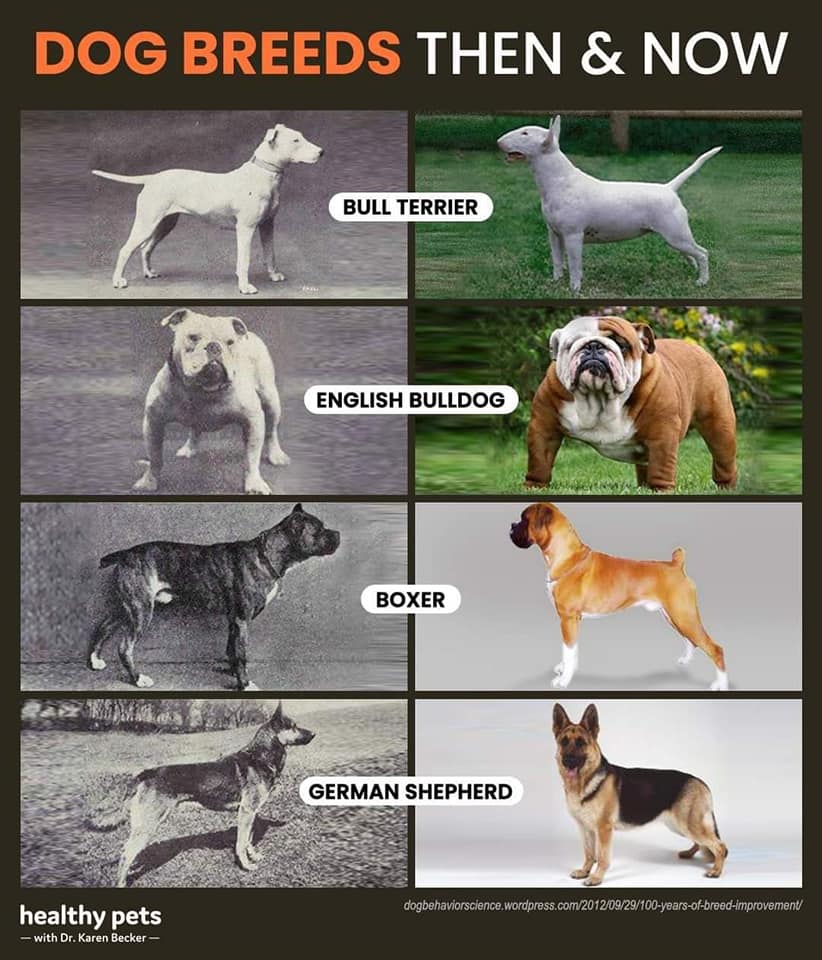
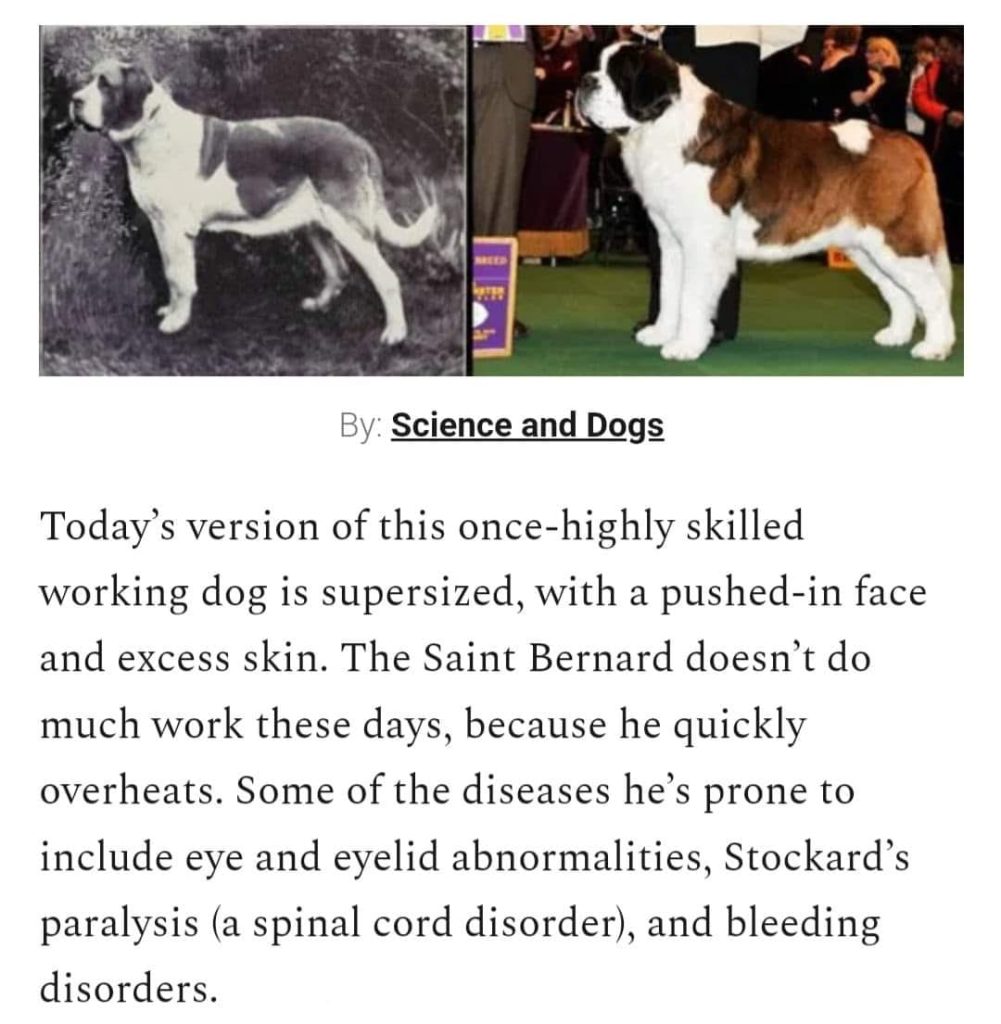
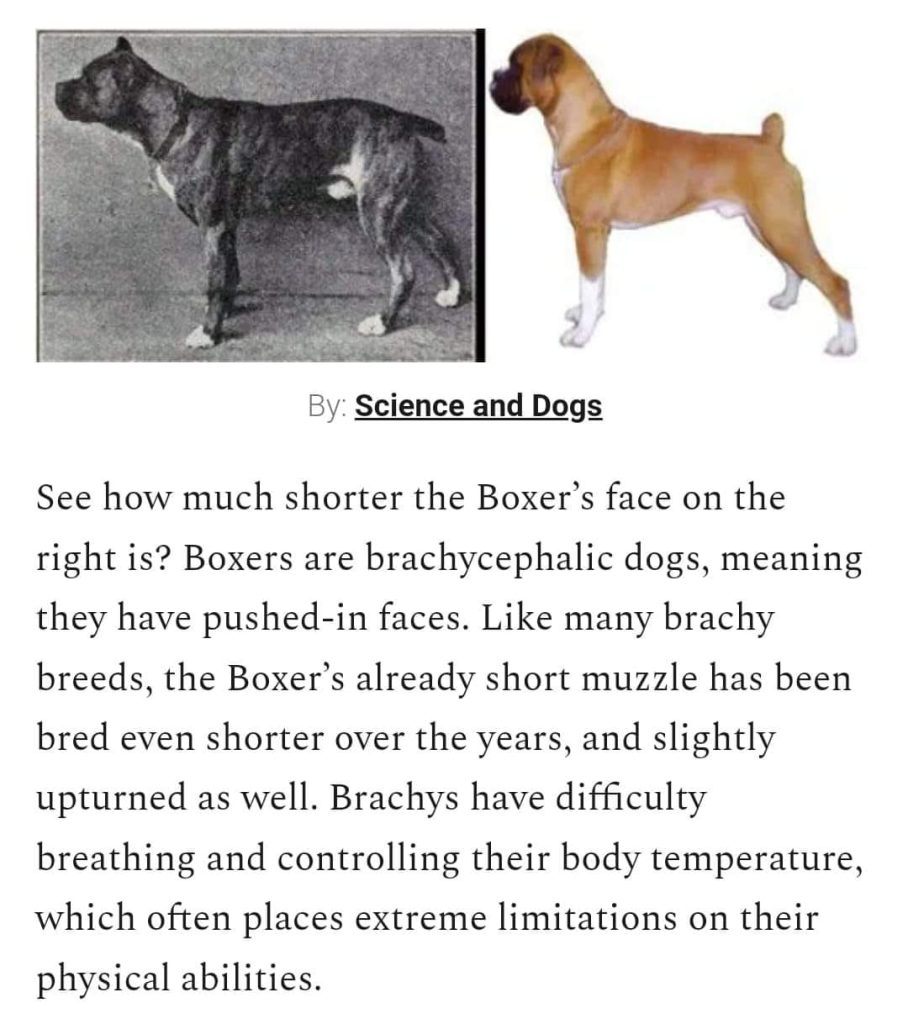
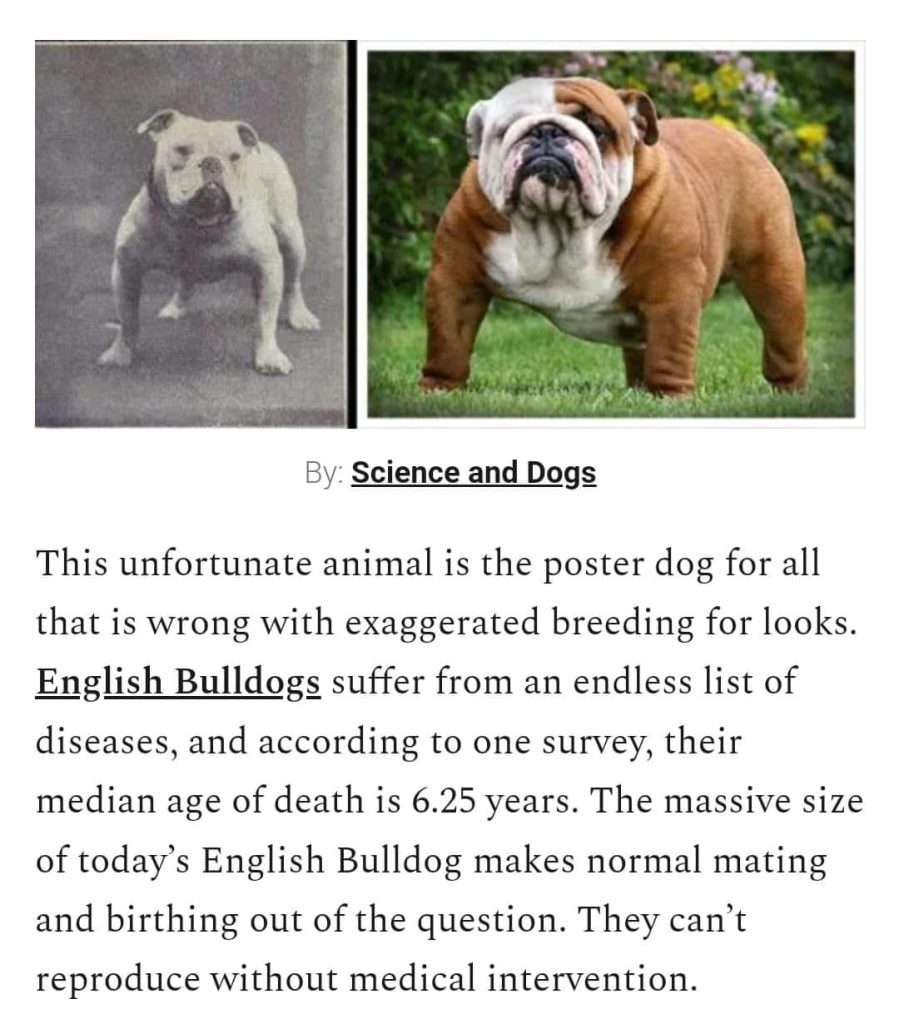
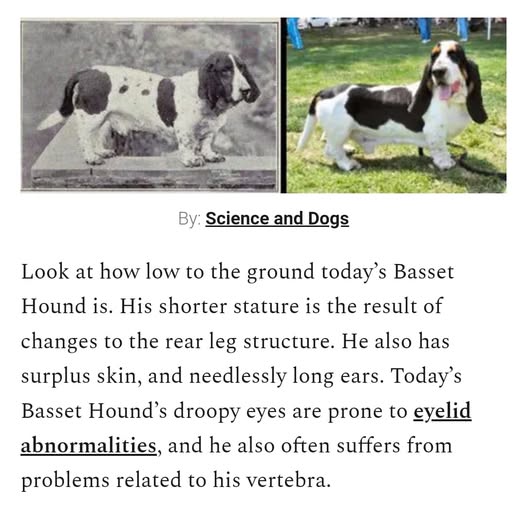
In an article by Dr. Karen Becker, she shared how once-healthy breeds are now deformed. She focuses on eight breeds of which the English Bulldog is the poster child of this terrible industry.
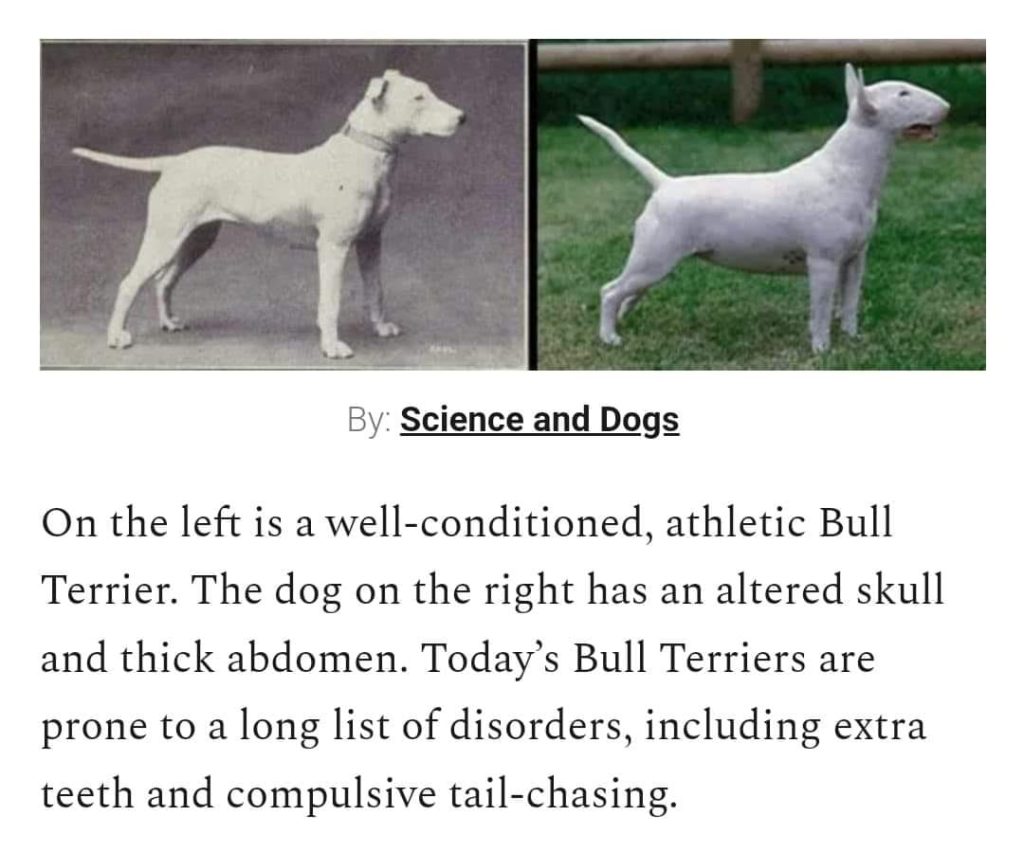
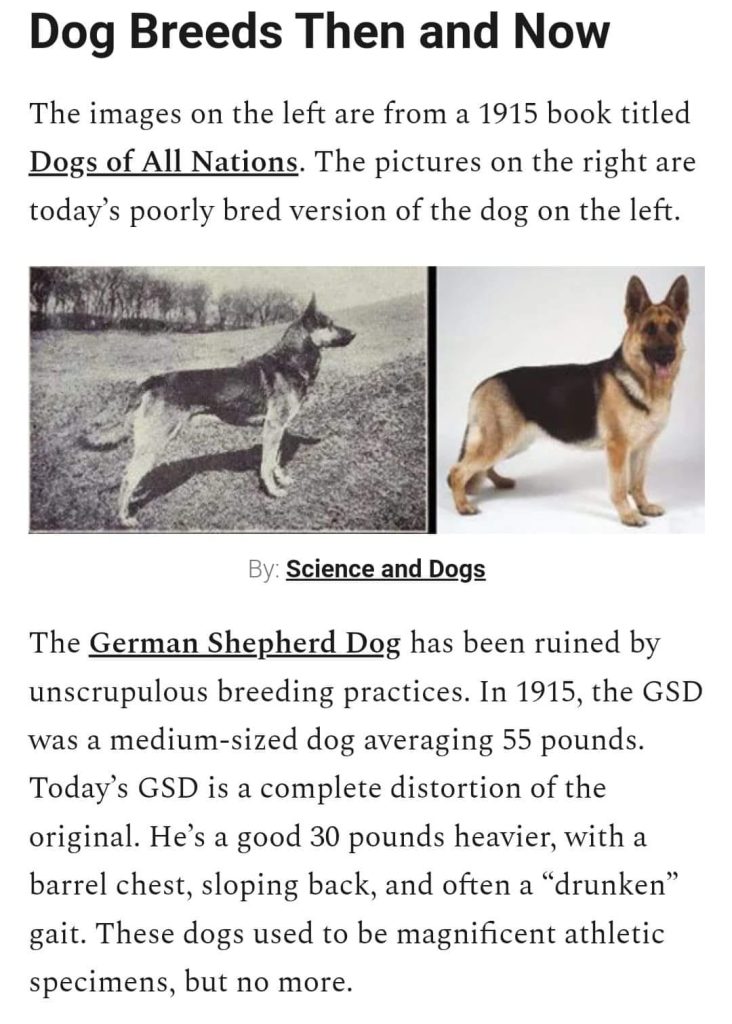
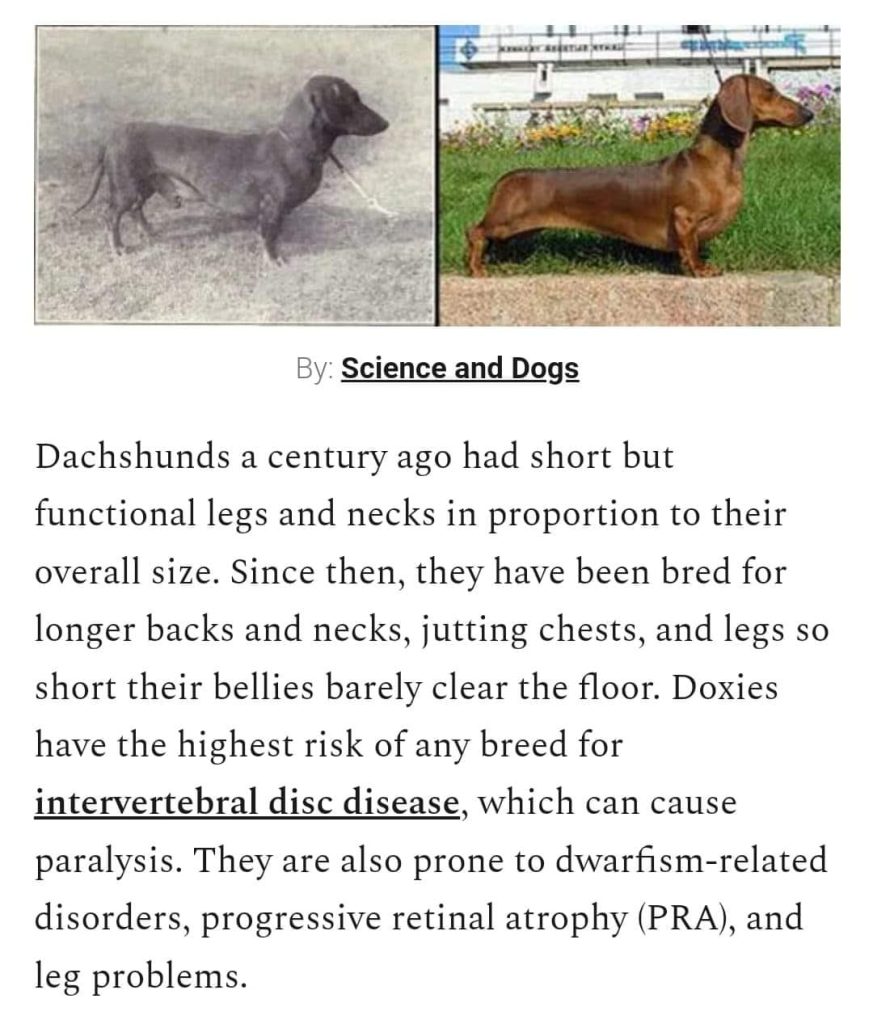
“Breeders may consider them ‘improvements,’ but when you take a closer look at how they’re affecting the dogs’ quality of life and longevity…… they’re anything but! Before humans began their “remodeling” project and playing god, dogs like the Bull Terrier, Boxer, English Bulldog, and Dachshund were well-proportioned, generally healthy, and physically active…..not anymore.”
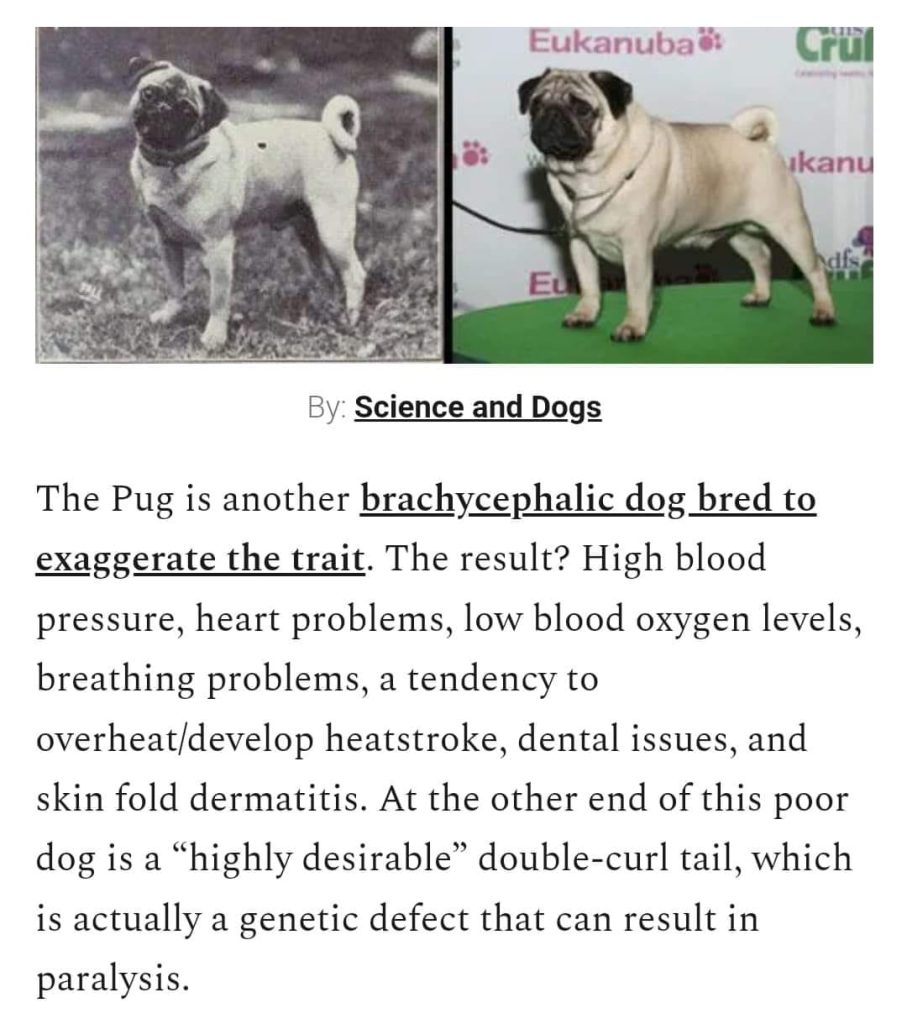
“Over the years, several breeds have been deliberately fashioned to exaggerate certain physical traits at the expense of their health, longevity, and quality of life. Today’s German Shepherd Dog, with his sloped back and incoordination, is no longer the canine athlete he once was; the modern-day Pug comes with an extensive list of brachycephalic-related disorders that make his health a constant concern.”
Breeding physically resilient, healthy dogs has been replaced with breeding for the sole purpose of attaining twisted beauty pageant awards, and breeding for esthetics has cost us the health of our most beloved breeds. As a veterinarian, Dr. Karen has seen first-hand the problems created when dogs are bred exclusively to achieve specific features, without concern for their health, mobility, or quality of life. It is deeply disturbing that, with all we know about the suffering these animals endure, breeders persist in exaggerating their dogs’ physical characteristics, even if it means sacrificing their health, and national kennel clubs condone it.
I agree with the Science and Dogs blogger, Caen Elegans: “No dog breed has ever been improved by the capricious and arbitrary decision that a shorter or longer or flatter or bigger or smaller or curlier ‘whatever’ is better. Condemning a dog to a lifetime of suffering for the sake of looks is not an improvement; it is torture.”
We need to do better for our dogs!
Also, read how the litter in your garbage can harm animals and how you can dispose of it.
Before I conclude, I want you to get a glimpse at the numbers the breeders, irresponsible owners, and buyers contribute to: The scale of pet overpopulation is staggering.
A single unsterilized female dog and her offspring can produce 67,000 puppies in six years, while a female cat can lead to 370,000 kittens in seven years.
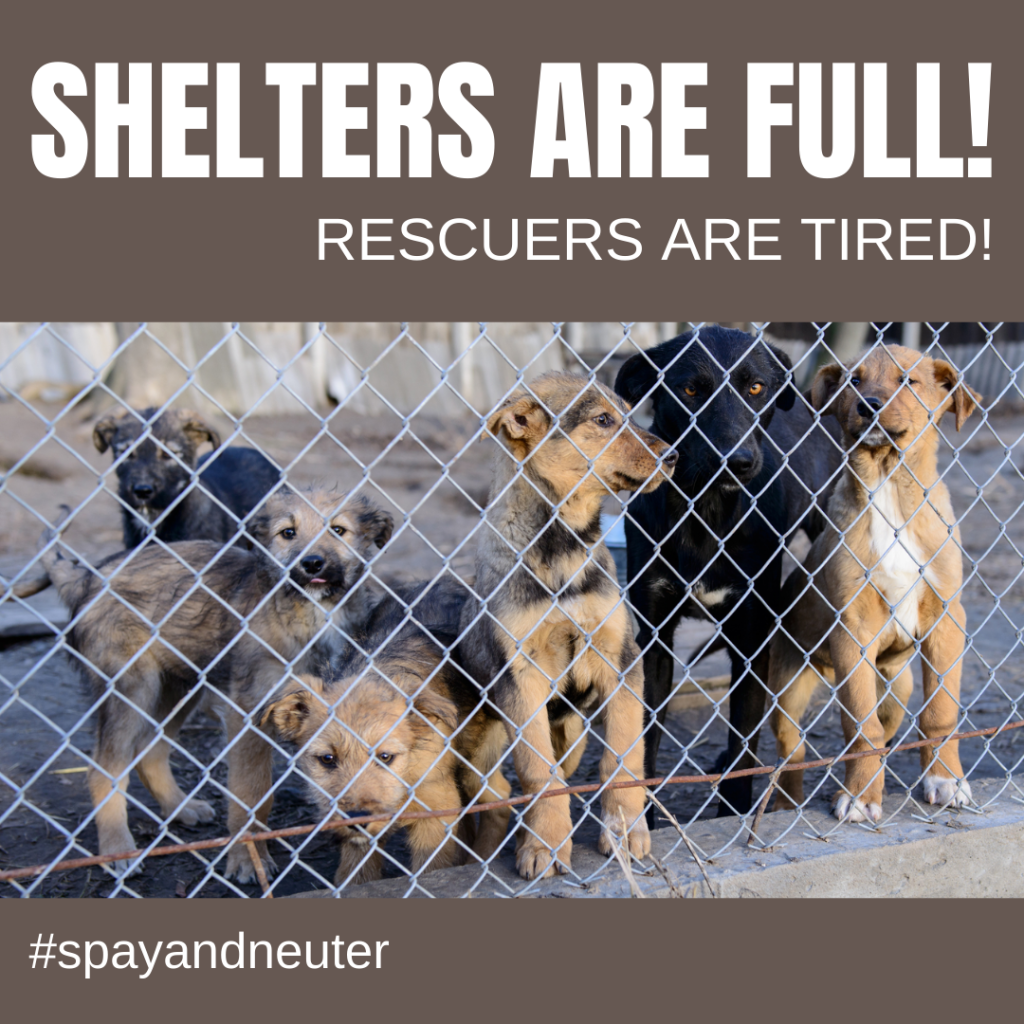
There are breed-specific rescues for nearly every breed in South Africa and they are all full.
A 2021 global report by Mars Petcare revealed that in South Africa, an estimated 4.1 million cats and dogs are homeless, of which only about 650,000 end up in shelters. With a national population of 60 million, this equates to one person needing to care for four animals to balance the numbers. A family of 4 people needs to have 16 animals! How many do you know who can take in 16?
SPCAs are struggling—16 have closed since 2018, leaving 68 remaining (about 18 large, 50 small to medium). The Cape of Good Hope SPCA alone took in nearly 24,000 animals in the last financial year. Beyond SPCAs, over 400 other animal welfare organizations are fighting to manage the crisis and bear the financial burden in SA, yet shelters remain at capacity.
When you look at these numbers, any sane person will see that adoption is the only ethical option in a world where millions of healthy animals need to be killed due to a lack of homes.
Breeders, whether intentional, irresponsible owners or backyard operations, directly contribute to the overpopulation crisis by bringing more animals into a world already overflowing with unwanted pets. Every litter they produce takes potential homes away from shelter animals, many of whom face euthanasia due to lack of space and resources. Until breeding is drastically reduced and responsible pet ownership becomes the norm, the cycle of suffering will continue—leaving thousands of healthy, loving animals to pay the ultimate price…..every single day.
When you support breeders, you fuel the cycle of overpopulation, taking homes away from animals in shelters and contributing to the thousands euthanized daily. Every purchase from a breeder means another shelter pet loses its chance at a loving home.
The Power of Choice – Even if someone feels they’re just one buyer, their decision still has consequences. It’s about taking personal responsibility for the broader impact of their choices. Your decision can either contribute to the problem or be part of the solution. When we adopt, spay, and neuter, we take steps to break this cycle and create a world where every animal has a loving home.
Join us again next week as we learn more about the animals, we share our lives with.
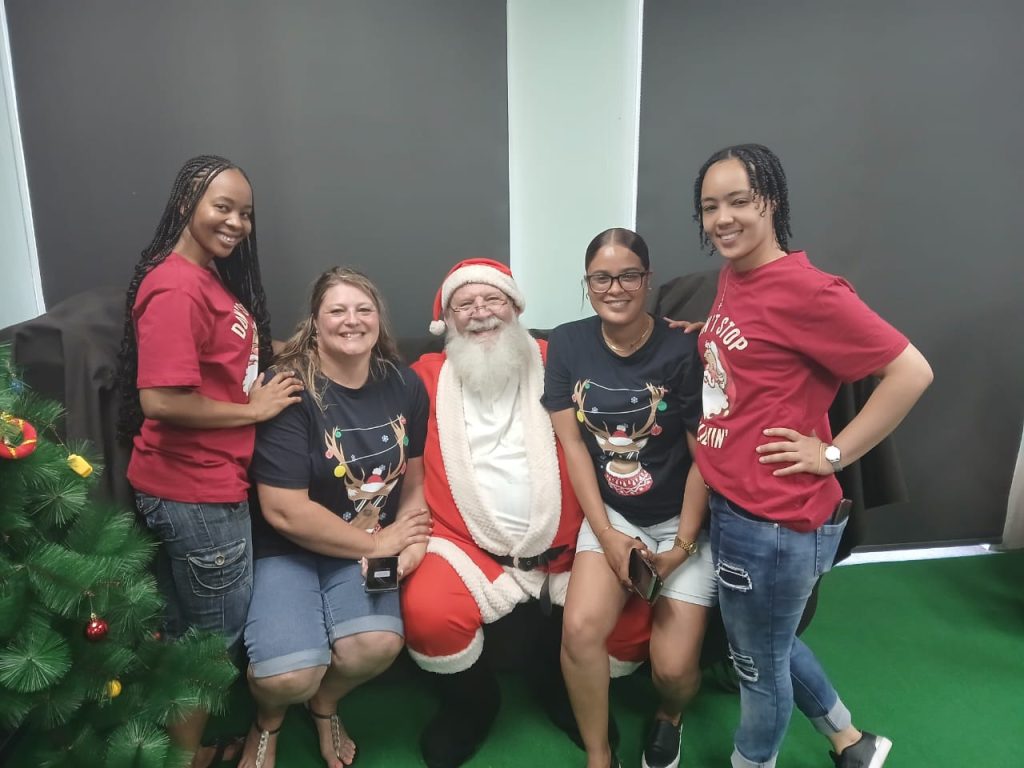
At a recent meeting, the dedicated team at Tutela Family Care Secunda shared the significant challenges and fulfilling rewards of their work in social services. Often misunderstood and underappreciated, social work requires unyielding dedication to helping vulnerable individuals and families navigate emotionally complex and difficult situations. The team, comprising of Miss Florentia Moloi (Social worker), Miss Chemondre Prinsloo (Social worker), Miss Shamillah Wilkenson (Social auxiliary worker), and Mrs. Ronel McIntyre (Office manager), emphasized how their work is far more than paperwork or quick fixes. Each day brings unpredictable challenges, from urgent child protection cases to impactful community outreach programs. Their resilience, empathy, and steadfast commitment drive meaningful change and strengthen the fabric of the community.
Miss Chemondre Prinsloo, originally from Humansdorp in the Eastern Cape, has been with Tutela for nearly four years. She described social work as a calling shaped by her upbringing, inspired by her parents’ kindness and community compassion. “Being a social worker is tough, and most people don’t understand what we do—but I love it,” she shared. For Chemondre, social work is more than a career; it is a way to bring hope and healing to others while empowering individuals and families.
Miss Shamillah Wilkenson, a social auxiliary worker from Kimberly in the Northern Cape, joined the organization 10 months ago. Her role in early intervention services has deepened her sense of empathy, accountability, and collaboration. Shamillah is passionate about improving community well-being and hopes to eventually focus on prison reform, helping inmates reintegrate into society as positive contributors. “Passion and purpose fuel my desire to create lasting change,” she expressed.
Miss Florentia Moloi, a social worker from Nigel in Eastern Gauteng, was driven to her profession by a commitment to supporting individuals, families, and communities. She joined Tutela in July 2022. She believes in the idea that “it takes a village to raise a child” and works tirelessly to empower families and foster resilience. Her goal is to provide individuals with the tools and knowledge to make informed decisions, creating a ripple effect that uplifts both families and the broader community.
Mrs. Ronel McIntyre, the office manager who has been with Tutela for around 4 years, ensures the organization operates smoothly. Since relocating to Secunda from Randburg in 2016, she has become an integral part of the team. Drawing from her diverse professional background and her deep-rooted passion for people, Ronel focuses on streamlining processes and supporting the team’s mission. Her upbringing, influenced by her mother’s 40-year teaching career and her aunt’s work in social services, instilled in her a strong commitment to community care.
At the heart of the organization’s efforts is a dedicated leadership team. Reverend Hannes Reinecke, as Chairperson, provides strategic direction, while Pastor Hein Van Heerden oversees employee wellness. Treasurer, Mr Jan Badenhorst manages the organization’s finances with transparency, and Deputy Chairperson Pastor Francois Van der Merwe, along with board member Mr. PJ Van Zyl, contributes valuable insights to foster collaboration and effective governance.
The team’s stories illustrate the vital role of social workers in creating lasting change, dispelling misconceptions, and promoting resilience. Their work involves addressing immediate crises while striving for long-term solutions, preserving family structures, and building stronger communities.
The unwavering dedication of Tutela Family Care Secunda ensures it’s mission— “Caring brings hope”—remains a reality, creating a lasting impact in the lives of individuals and families.
The FF Plus advocates that Indigent pensioners in Secunda in the Govan Mbeki Local Municipality (Bethal, Charl Cilliers, Embalenhle, Evander, Kinross, Leandra, Secunda, Trichardt, Emzinoni) must henceforth be exempt from property taxes as well.
It is already the case for indigent pensioners in all the other towns.
This follows a motion tabled to the Municipal Council by the FF Plus, requesting that certain pensioners (60 years and older) in Secunda be classified as indigent so they can qualify for discount on their municipal bills.
“To be considered indigent, applicants typically have to meet certain criteria, such as having a monthly household income of R20 000 or less. It is calculated based on an income scale,” said Cllr Aranda Nel-Buitendag of the FF Plus.
Aranda Nel-Buitendag, FF Plus councillor
The party’s objective with its proposal is to support elderly residents’ basic needs, alleviate financial pressure, promote dignity and improve quality of life.
Furthermore, the FF Plus proposes that elderly residents with municipal debt should be treated equally under the current compassionate policy by considering debt write-offs on a fair and non-discriminatory basis for all property owners aged 60 and over.
Even though the ANC rejected the motion, it was adopted after the DA offered its support. The outcome of the vote was 32 in favour of and 27 against. It is now referred to the relevant committee.
Acknowledging the significant contributions senior citizens make to the community, the party also recognises the financial restrictions on many elderly who live on a fixed income. The current economic climate has only made matters worse.
In accordance with the principles of non-discrimination and equality enshrined in the Constitution, the Municipality is obliged to ensure equal treatment and opportunities for all residents, regardless of their race or ethnic background.
MISMANAGED TRASH HAS A DEVASTATING EFFECT ON THE ENVIRONMENT, BUT ALSO A HIGH RISK FOR INJURY OR DEATH TO ANIMALS.
Even though you might throw your trash in the garbage bin, where it lands eventually can still impact the environment and hurt animals. Littering, in general, is bad for the environment, but today, we will focus on what you can do when disposing of litter in your garbage bin, to prevent animals from suffering.
HOW DOES LITTER AFFECT ANIMALS?
Litter can negatively affect animal life in many ways.
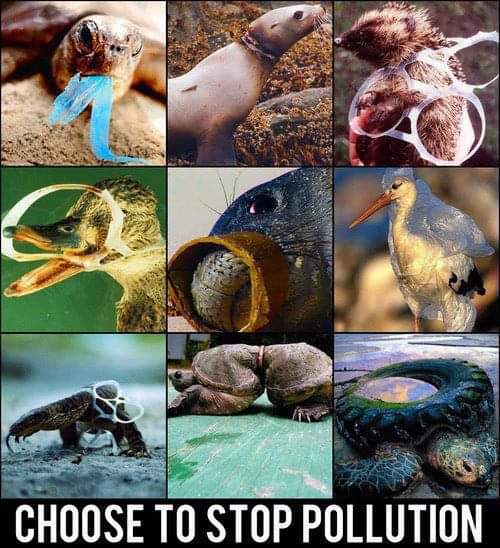
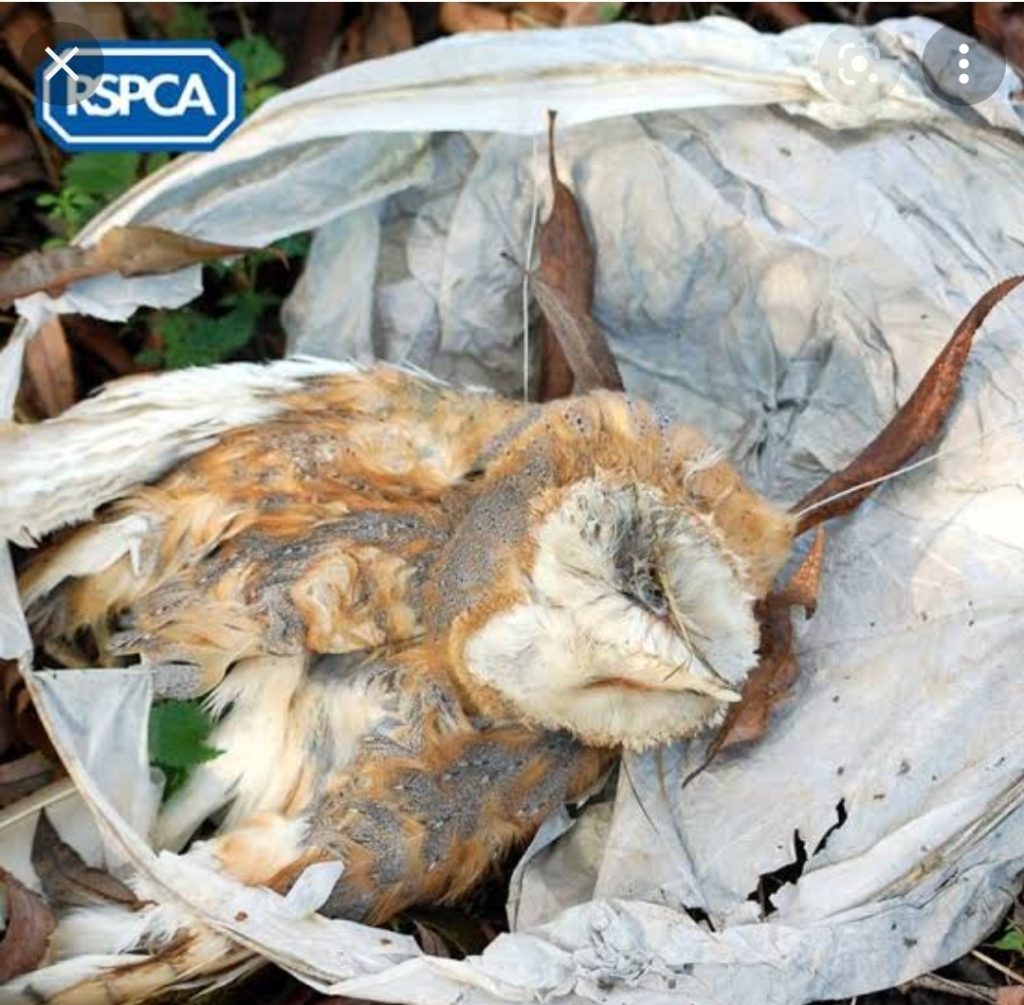
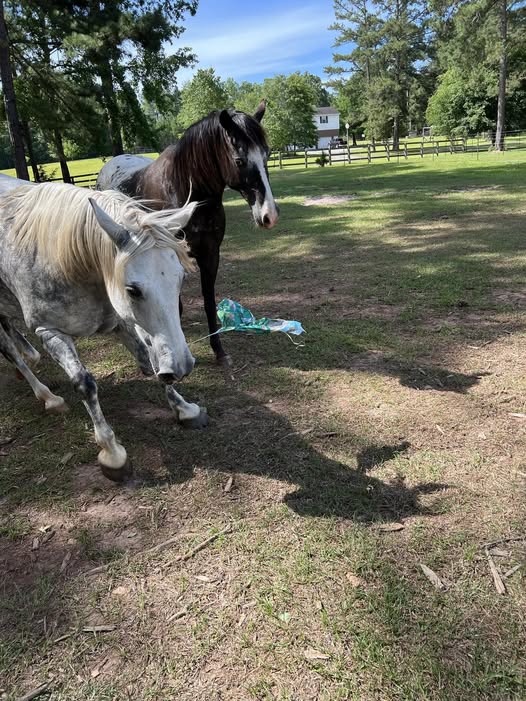
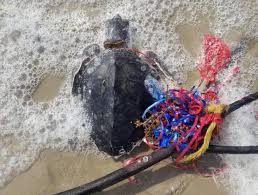
One of the most common effects of litter on animals is entanglement. Animals of all shapes and sizes can find themselves trapped and hurt by various waste products, especially plastic ones, leading to severe injuries or even death if they can’t escape.
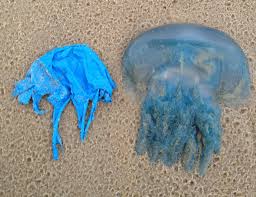
It is easy for wildlife to mistake small pieces of plastic for food since there are millions of them floating in our oceans forming huge garbage patches. Sea turtles, for example, are often found trying to eat plastic bags because they resemble jellyfish, one of their natural prey. Ingesting litter can cause direct harm to an animal’s internal organs, force starvation by filling its stomach and intestines with indigestible material, decrease its mobility, and poison it to the point of sickness or death.
Modern-day garbage dumps, which are full of harmful products and chemicals, are emerging as a serious threat to animal and plant life and are leading to a shift in the food, behaviour, and reproductive habits of wild animals.
Fish, who are unable to reverse, might swim into plastic and suffocate.
Some animals hide in the garbage for shelter and may get trapped or injured.
Litter on the road can cause animals to be hit by cars.
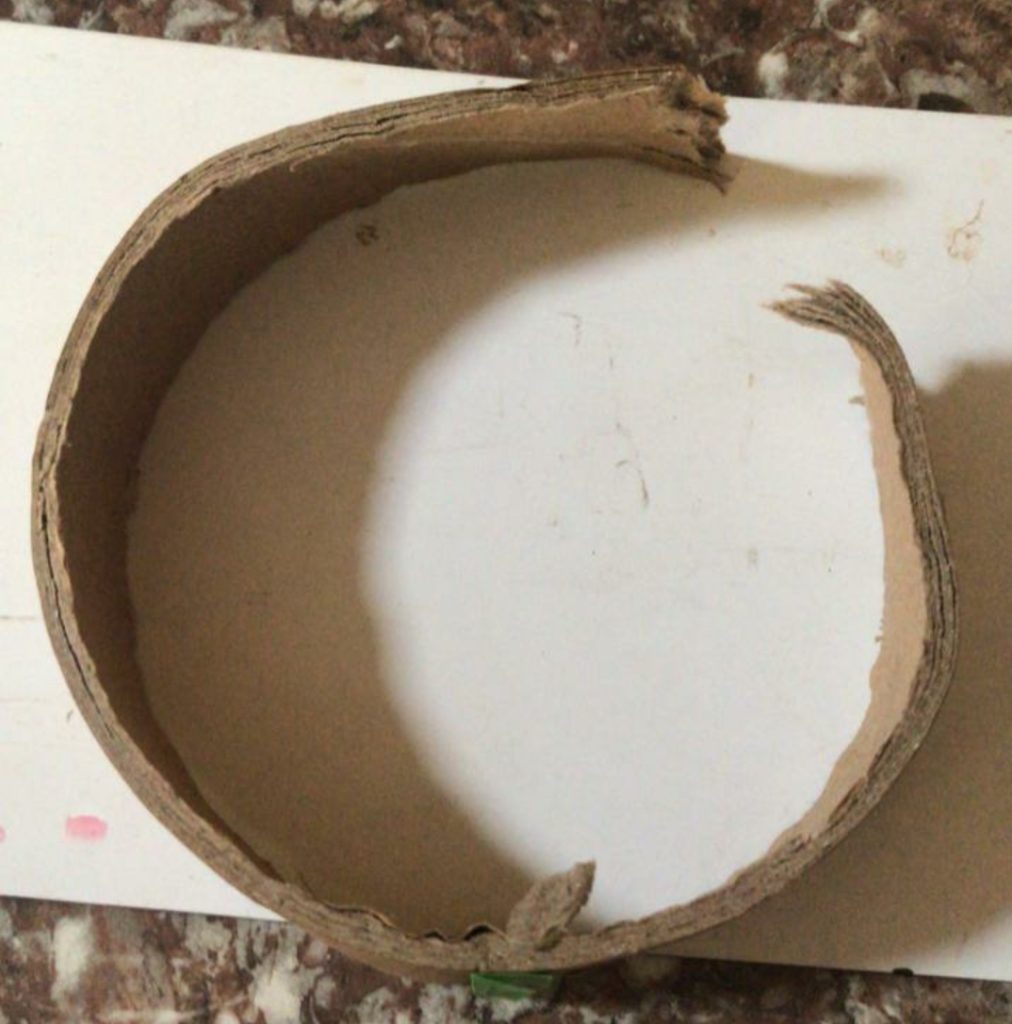
Also, read how to escape-proof your yard and keep your pets safe. Below are just some images from various sources and galleries on the topic.
Editors note: This article is a reprint from 23 March 2022.
Everyday items such as soda cans and plastic bottles can be deadly for unsuspecting wildlife and even for your cats and dogs (or others). Here are some simple tricks by PETA and The Paw Company share what you can do to help prevent animals from suffering:
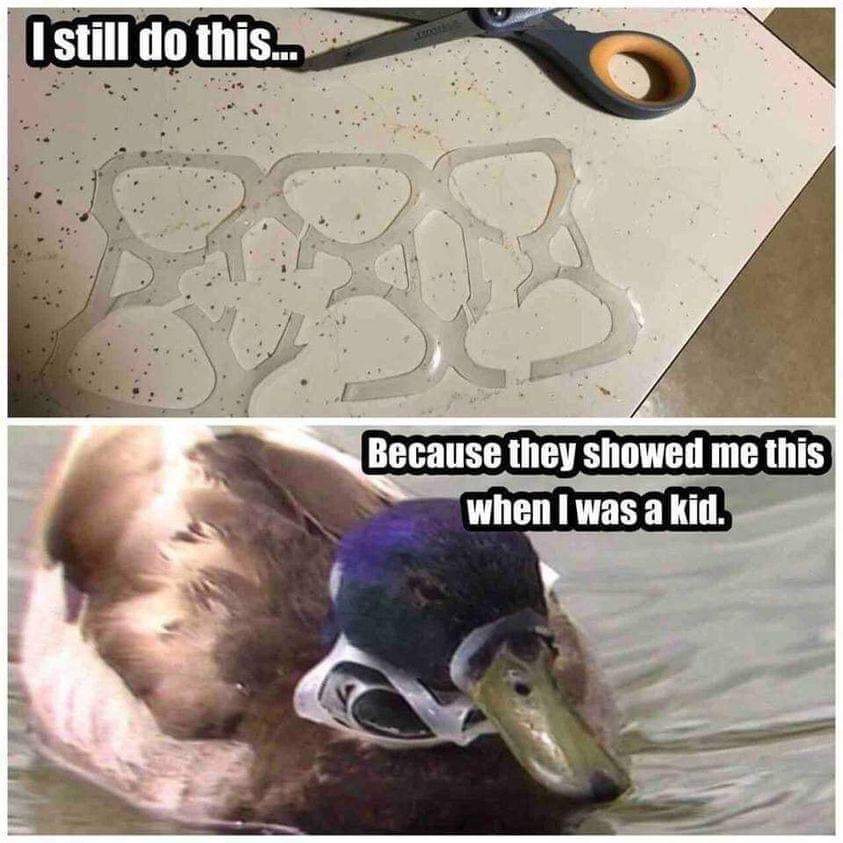
SODA RINGS
Image shared by The Paw Company
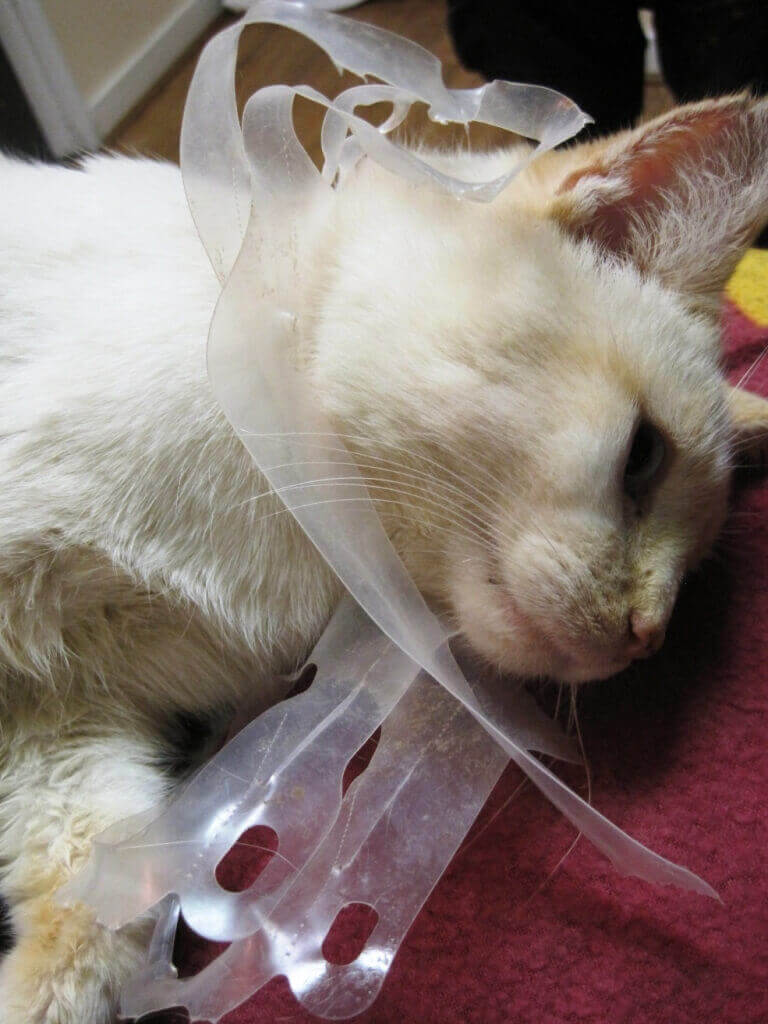
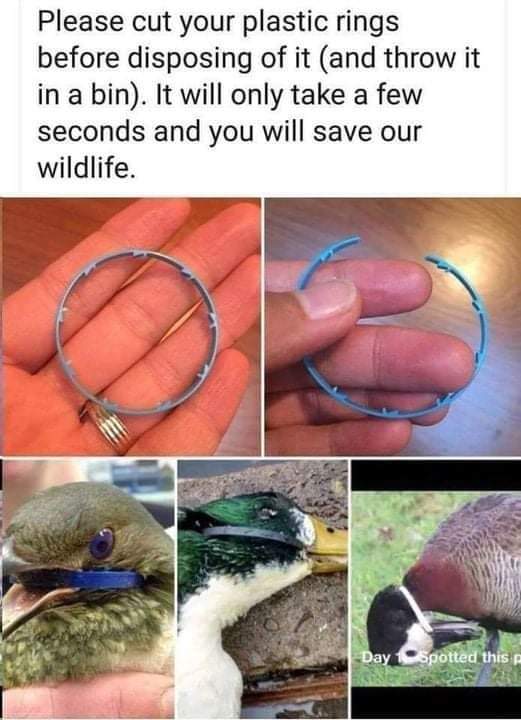
What can happen: Six-packs of soda often come strung together by plastic rings. This feral cat got her head caught in one of them.
How you can help: Cut apart all sections of plastic six-pack rings, including the inner diamonds.
FISHING LINE & HOOKS
What can happen: Birds frequently get their beaks wrapped or wings tangled up in discarded fishing lines. Hooks can be swallowed or become embedded in birds’ skin or beaks.
How you can help: If you spot fishing litter, pick it up and dispose of it. Read The Paw Company’s post on the cruel practice of catch-and-release.
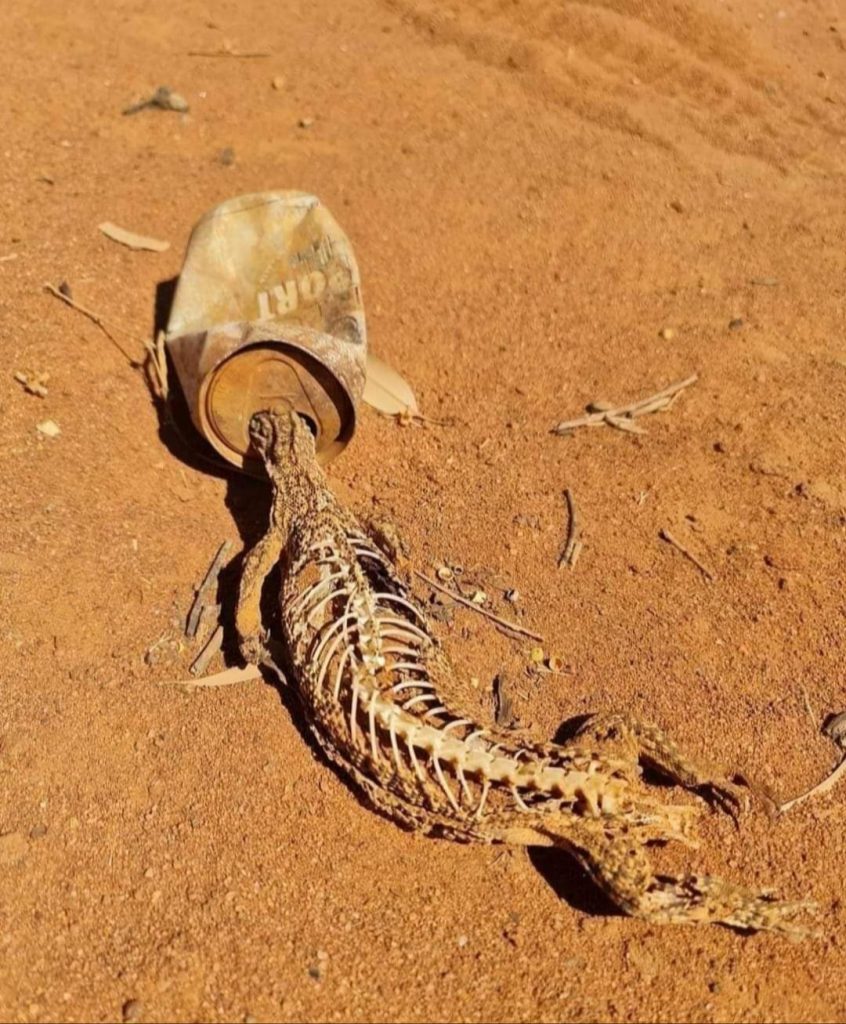
BEER & SODA CANS
What can happen: Even the tiniest animals can fall victim to litter. Discarded soda cans are tempting to small animals who are looking for food or shade. Animals can also be cut by cans’ sharp edges.
How you can help: Be sure to dispose of your cans responsibly. Rinse and crush cans before tossing them into the recycling bin. You can also fold the tab back to block off the hole on the top.
GUM& LABELS
Image shared by The Paw Company
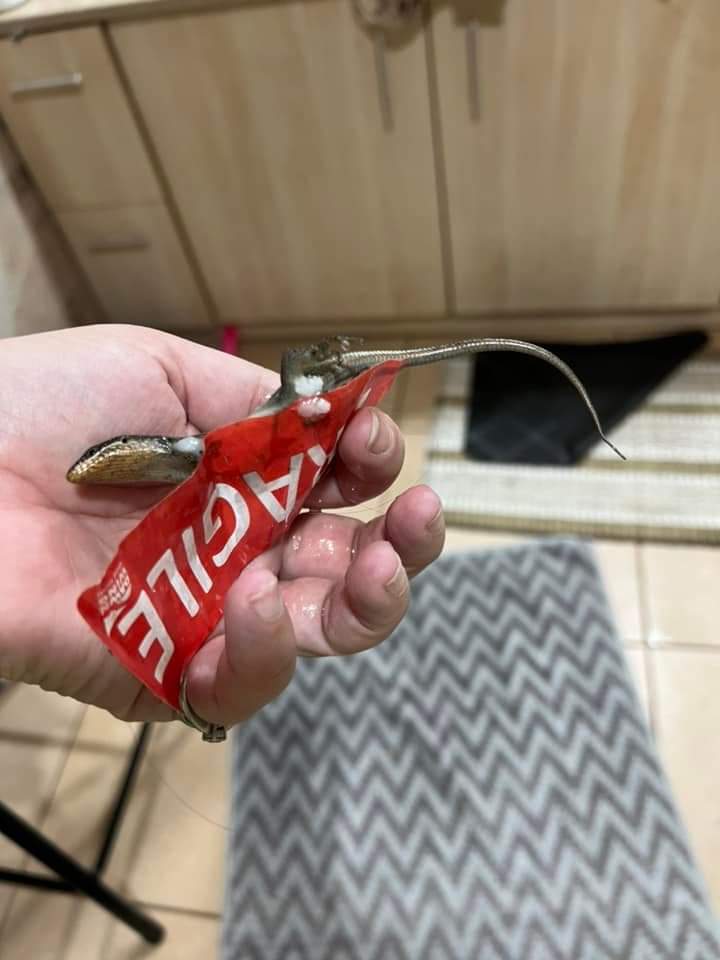
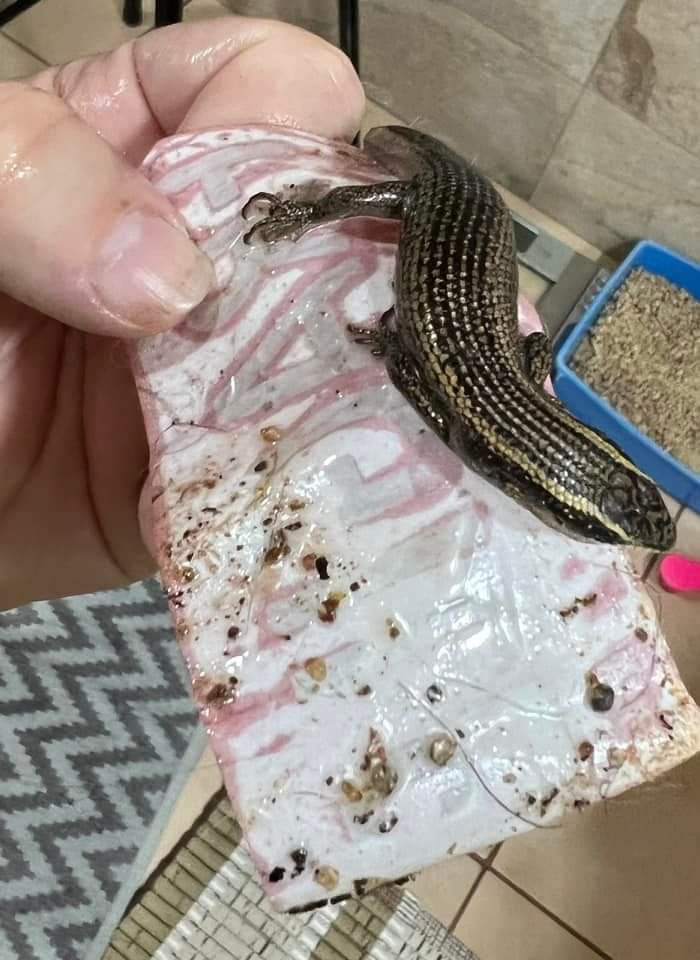
What can happen: Animals often step in gum or sticky labels. Gum can become matted in their fur or feathers, making it difficult for them to move.
How you can help: Never spit gum onto the ground. Wrap it in paper and dispose of it in a proper receptacle. Paste the sticky sides of the tape onto each other.
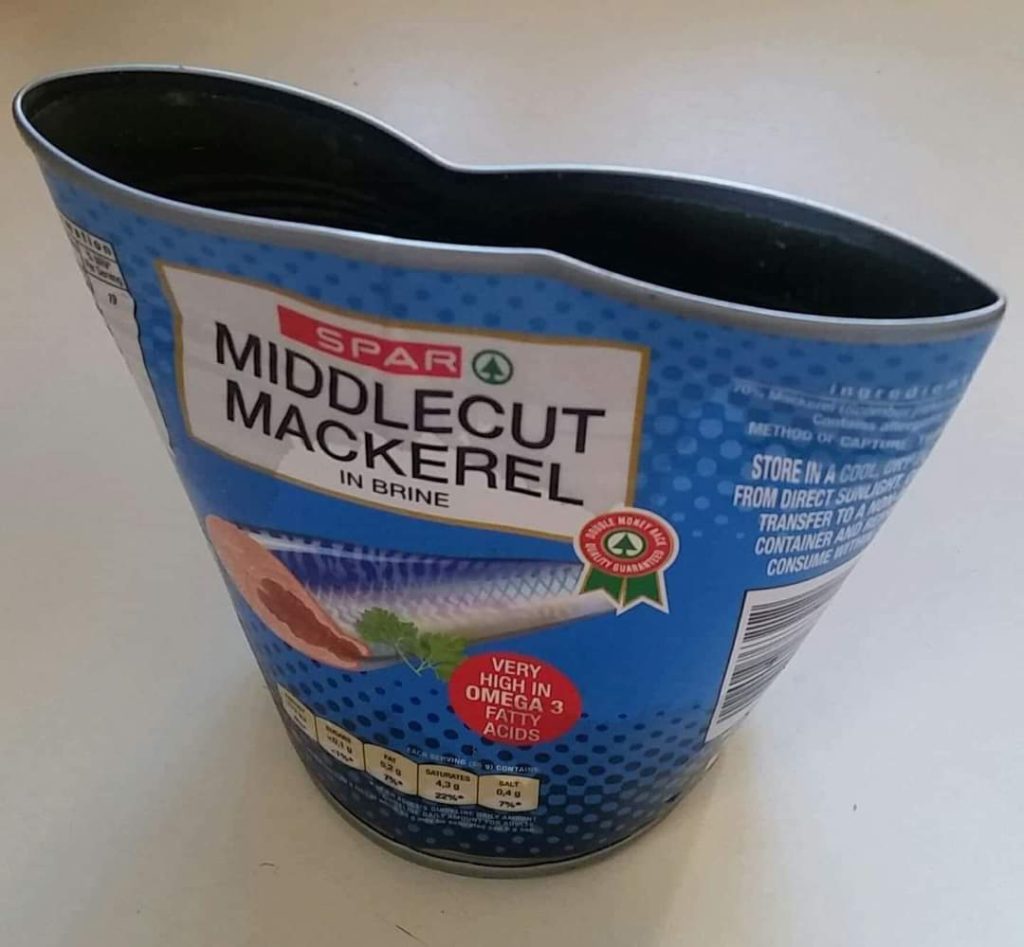
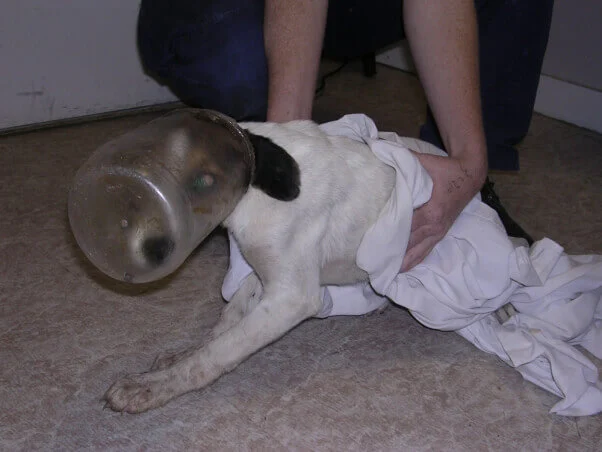
TIN CANS, CUPS, & JARS
Image shared by The Paw Company
What can happen: Hungry animals desperate for even just a few crumbs often get their heads stuck in discarded cans, cups, and jars.
How you can help: Always rinse out containers (and place the lids back on them!) and crush metal cans before disposing of them.
PLASTIC BOTTLES & BAGS
What can happen: Whales, turtles, and seabirds often mistake trash for food, and if eaten, it can choke them or cause fatal stomach or bowel obstructions.
How you can help: When shopping, choose paper bags or take your reusable bags whenever possible.
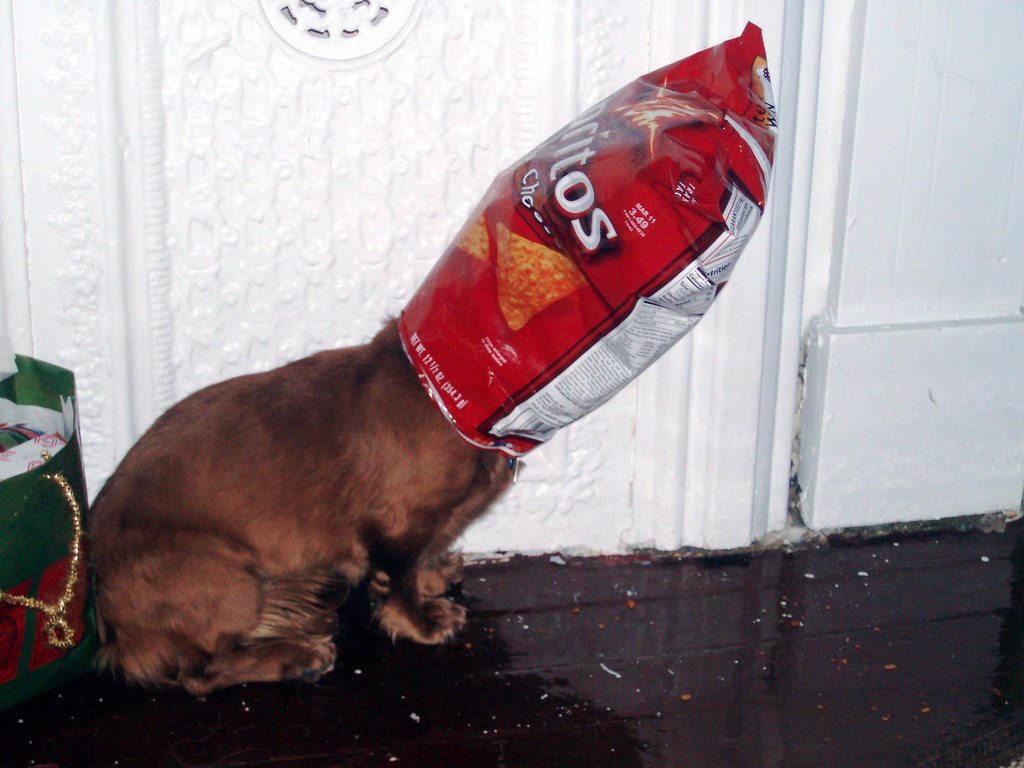
CHIP BAGS
What can happen: Curious pets put their head into a chip bag (or similar packaging), and the bag creates a vacuum seal around the neck of the pet when they inhale. This can cause them to suffocate.
How you can help: Cut down the sides of the chip bag before you throw it away.
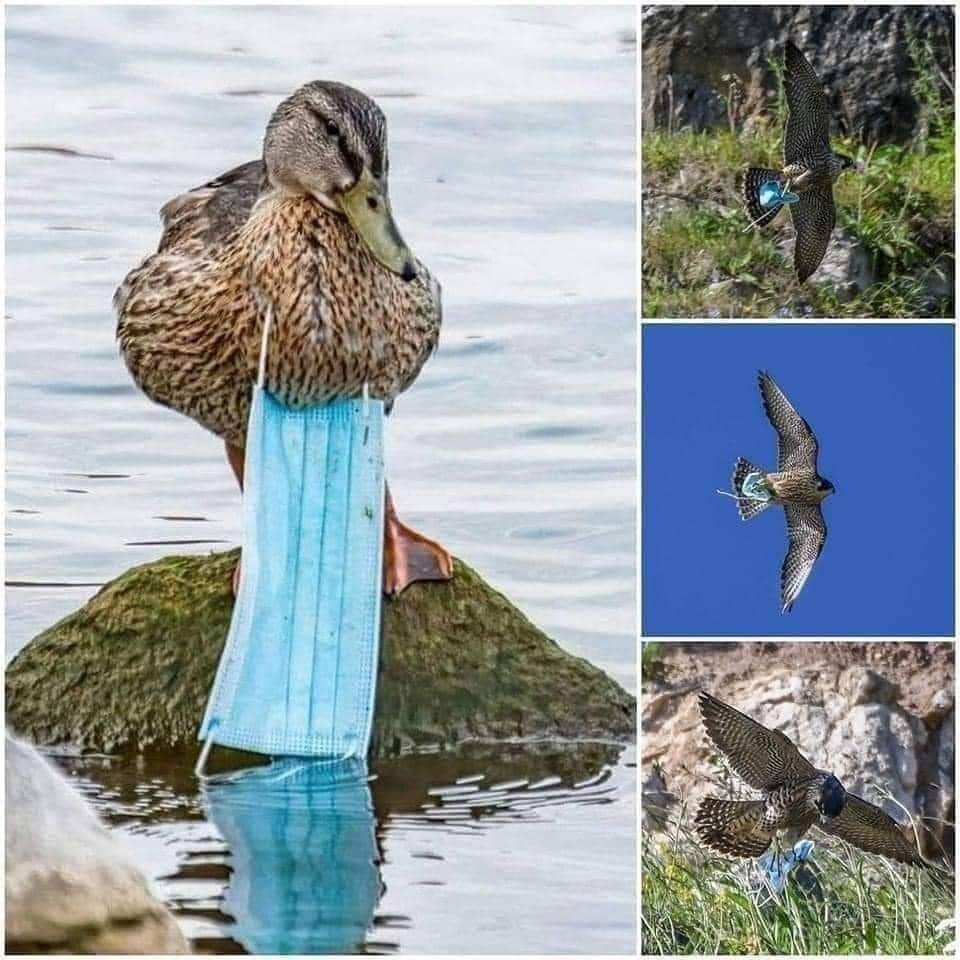
MASKS
Image shared by The Paw Company
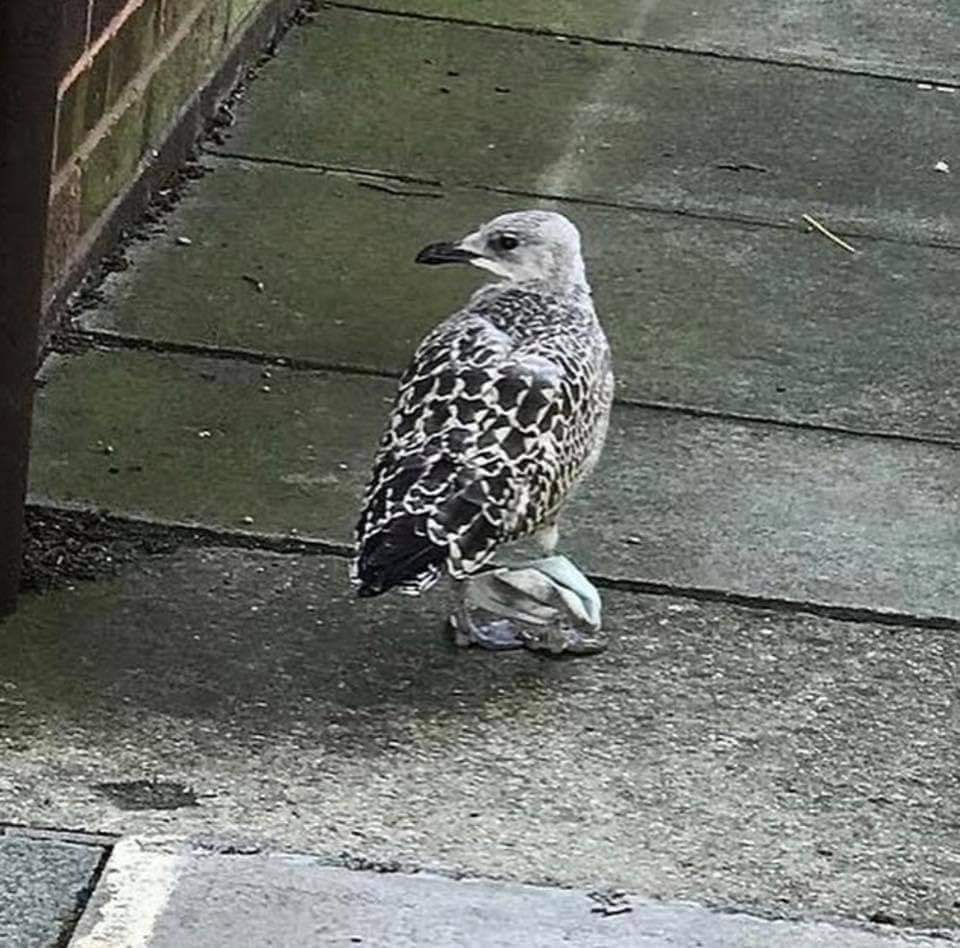
Although the pandemic seems to be over, we still find masks!
What can happen: The strings of the masks get entangled on the feet/legs of animals, especially birds. This can lead to injury or death if they can’t escape.
How you can help: Cut off both strings from the mask.
PET LITTERING
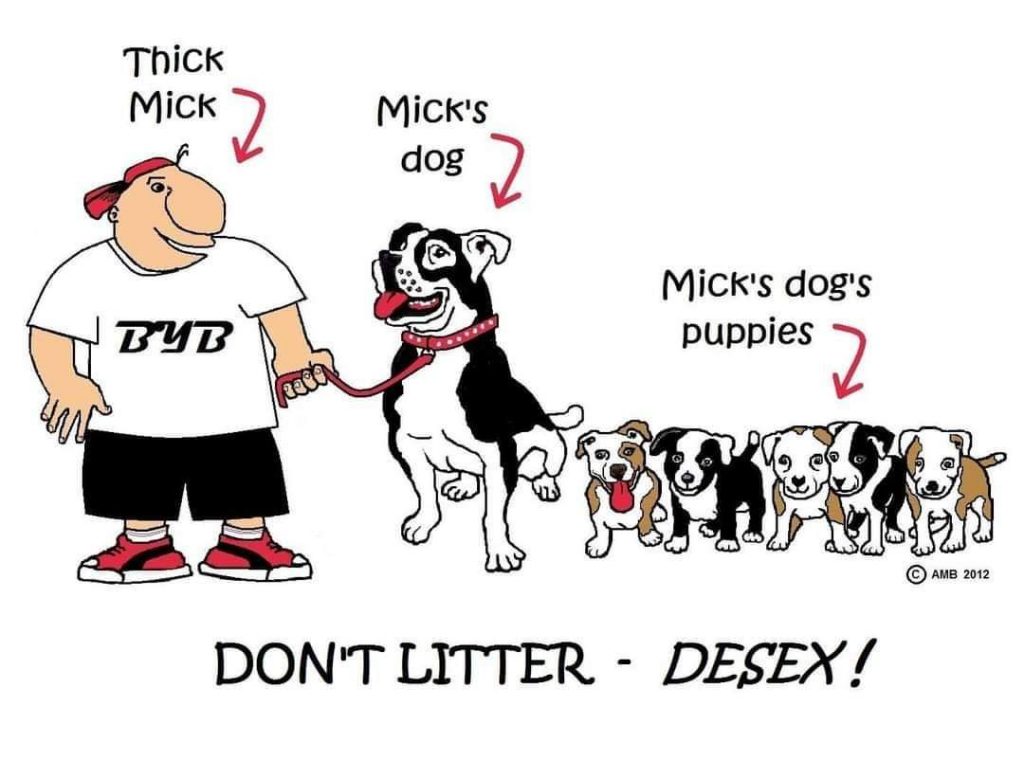
What can happen: We have a massive overpopulation crisis of animals and this problem is perpetuated one litter at a time. This leads to millions of animals being killed humanely annually (euthanized) because there are just not enough homes.
How you can help: Spay & neuter your pets and sponsor sterilizations as much as you can. Keep them secure in your yard.
Image shared by Spay and Neuter SA (Facebook)
WHAT ELSE CAN YOU DO?
The problems are not only limited to the above!
Don’t litter.
Clean up in your community. Find or create events to help pick up litter in your neighbourhood to help keep it litter-free for longer
Securely cover garbage cans and recycle bins so that animals can’t get into them and become trapped inside.
Keep an eye out for other people’s trash, too.
Lessen it in your day-to-day life. Look for ways to prevent yourself from leaving waste behind by opting for more sustainable packaging and recycling the right way.
Spread the word. More people need to understand the devastating effects litter has on animal and plant life.
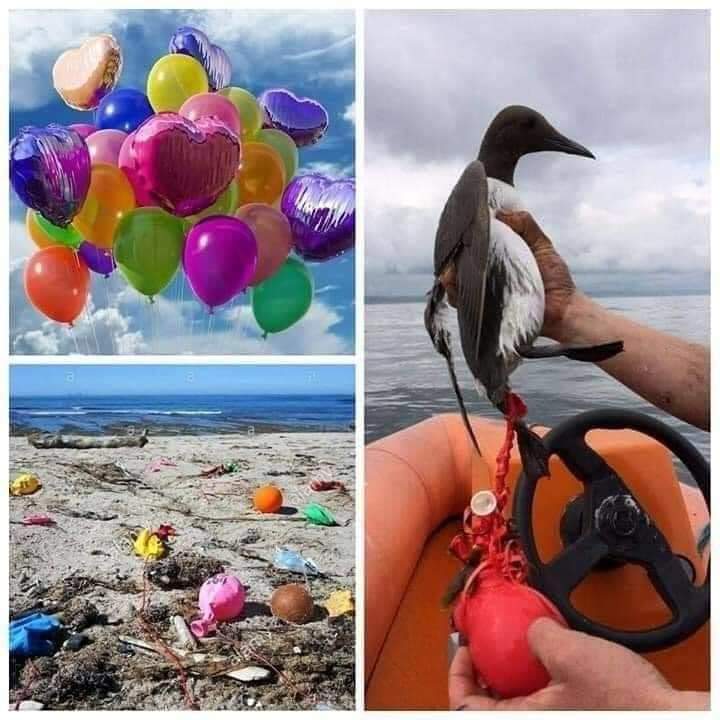
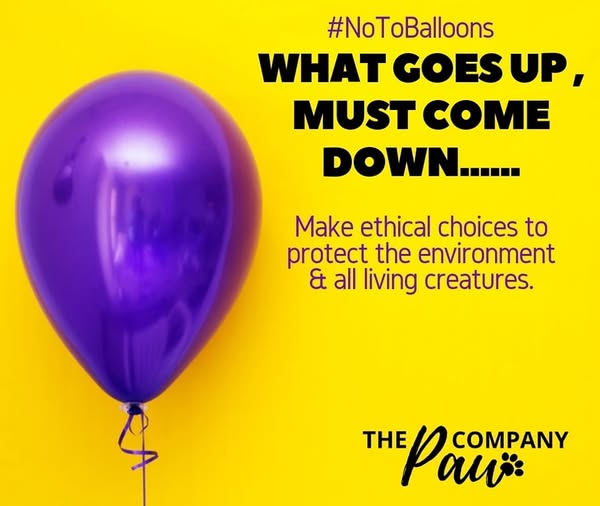
It has become popular at weddings, parties, and funerals, to release sky lanterns or balloons. All released balloons, including those falsely marketed as “biodegradable latex,” return to earth as ugly litter as do lanterns. They kill countless animals and cause dangerous power outages. Balloons are also a waste of Helium, a finite resource. Balloons can travel thousands of miles and pollute the most remote and pristine places. Lanterns have caused fires far from where they are released, startled, injured, and killed animals. When you plan a funeral or other events, celebrate life by not causing more death. You can easily google less harmful ideas.
Image by The Paw Company
Make ethical choices when it comes to the products you use. Think of both the environment and the animals. Your actions could be the difference between life and death for even one sentient being.
Join us again next week as we explore how to improve your pet’s life.
Tutela Family Care Secunda, formerly known as the Christelike Maatskaplike Raad (CMR) van Evander, was established in 1978 to address growing challenges within the community. On 13 November 2014, following an extensive consultative process, the organization underwent a rebranding that included a name and logo change, reflecting a refreshed identity.
The name “Tutela,” derived from Latin, embodies meanings such as protection, guardianship, safeguard, and defence—a fitting choice for an organization dedicated to caring for and safeguarding communities. Aligned with its vision of “caring for and protecting communities,” Tutela Secunda continues to deliver essential services under its inspiring slogan, “Caring brings hope.”
As a registered Non-Profit Organization (NPO) and Faith-Based Organization, Tutela Secunda plays a pivotal role in organizing, initiating, and coordinating service delivery across its network. All entities within the Tutela Group are non-profit and registered under the Non-Profit Organization Act 71 of 1997, with a shared mission of providing welfare services.
The organization’s services are designed to support and uplift children, families, older persons, and other vulnerable groups. Through a range of comprehensive family-oriented programs, Tutela empowers, protects, and preserves families, fostering resilience and well-being within communities.
The service points of Tutela Secunda extend to Adullam Mission Station, Holfontein, and Syferfontein, where the basic needs of communities are addressed with care and compassion.
Recognizing families as the cornerstone of society, Tutela Family Care Secunda is committed to nurturing and protecting them. Through family preservation programs, early intervention services, statutory services and aftercare services the organization builds resilient families, educated and empowered communities. Its ultimate goal is to foster optimal functioning families that contribute positively to a thriving society.
Tutela Secunda remains dedicated to its mission of “caring brings hope,” ensuring that individuals and families receive the support they need to overcome challenges and achieve their fullest potential. Stay tuned to meet our team and learn more about their invaluable contributions!