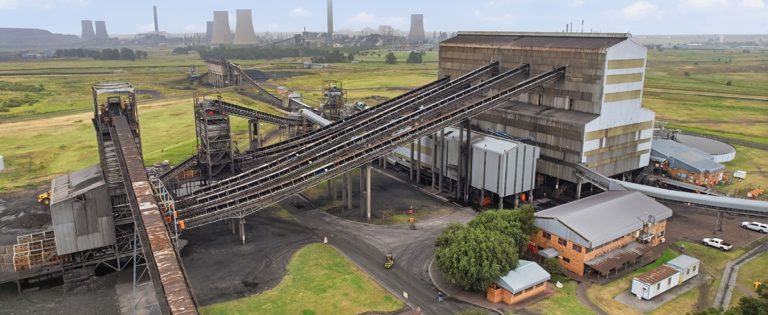
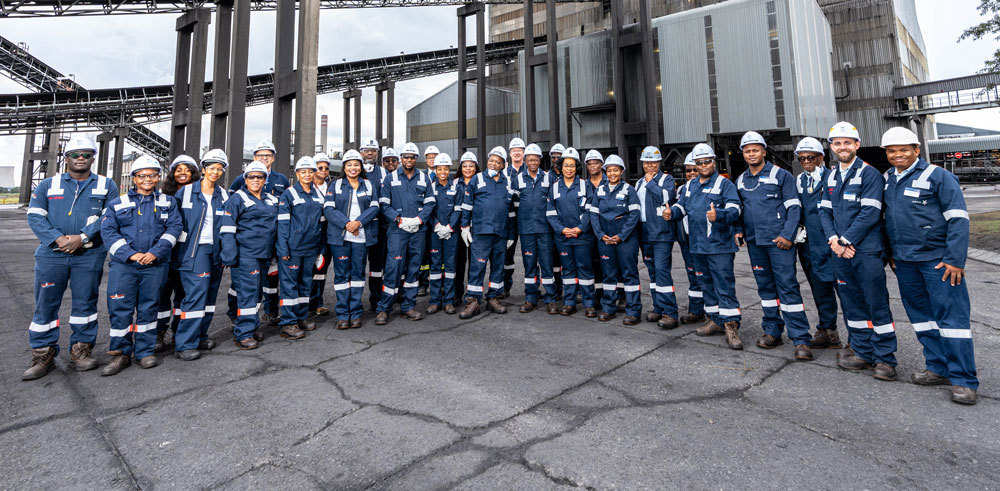
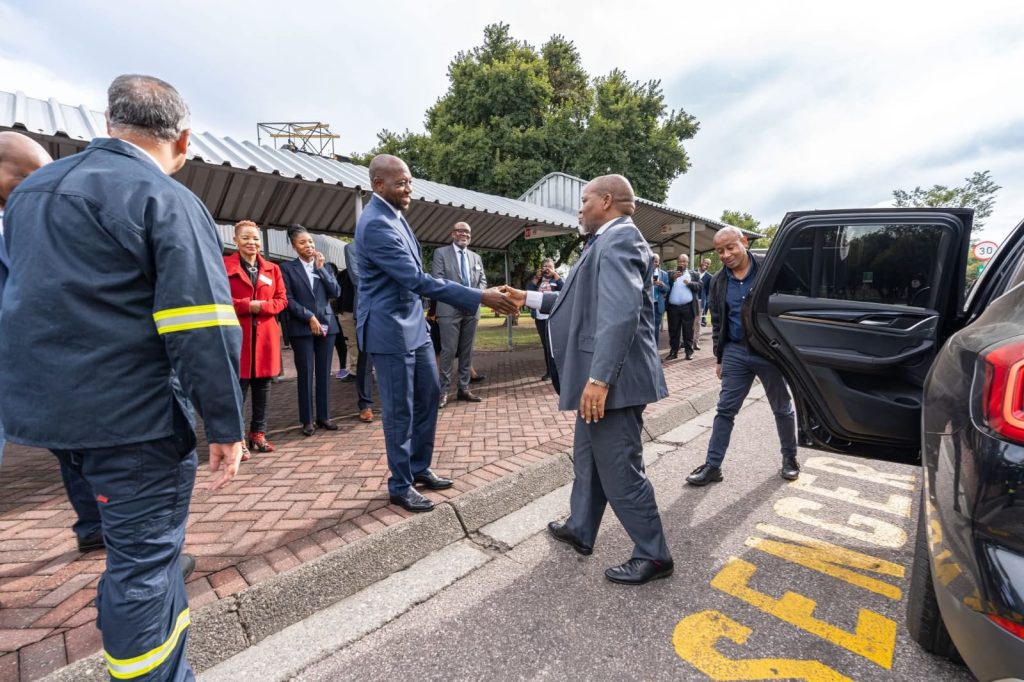
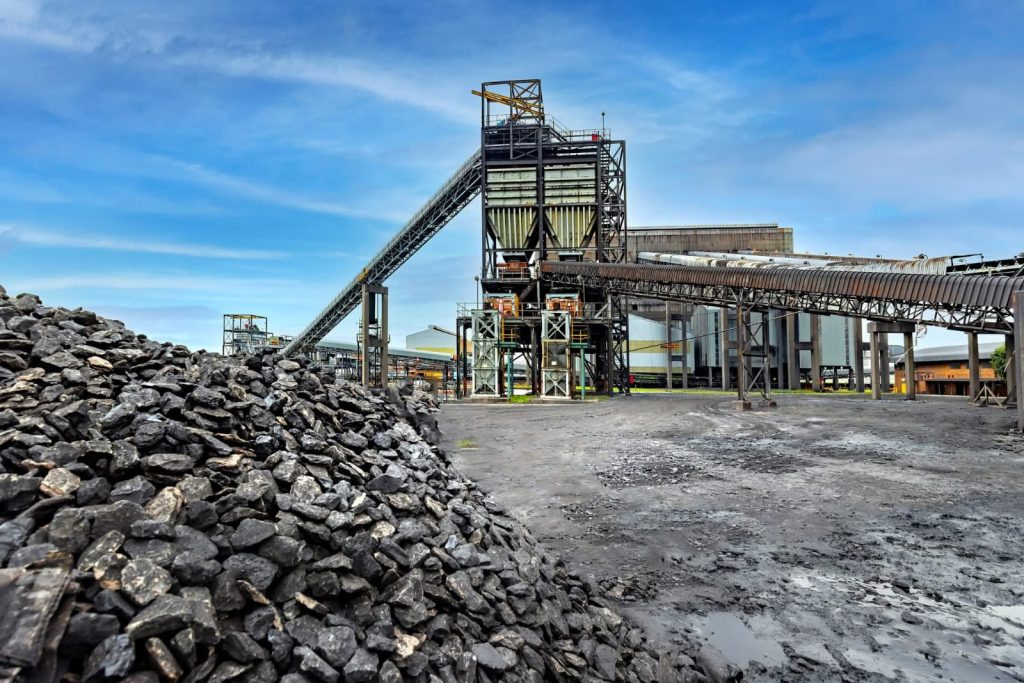
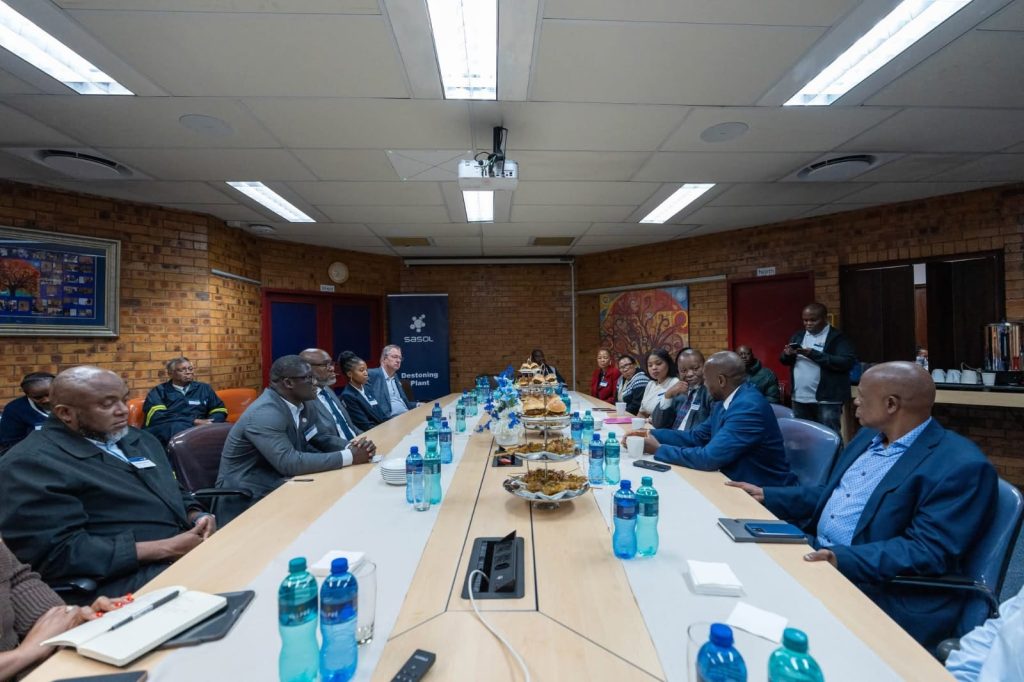
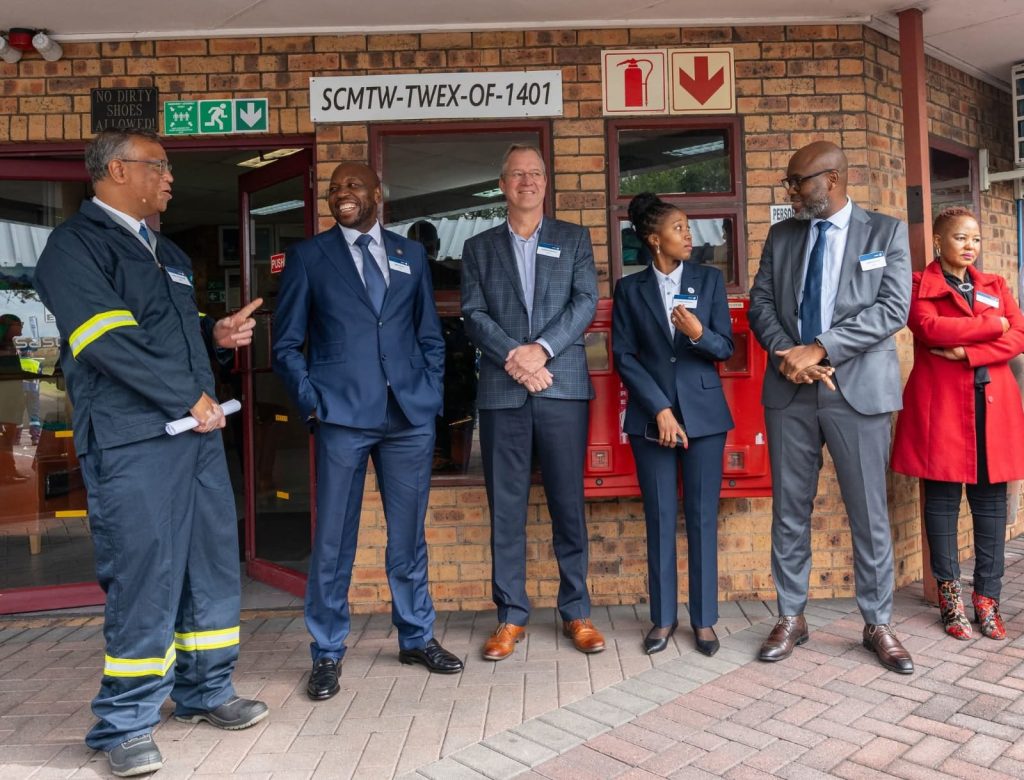
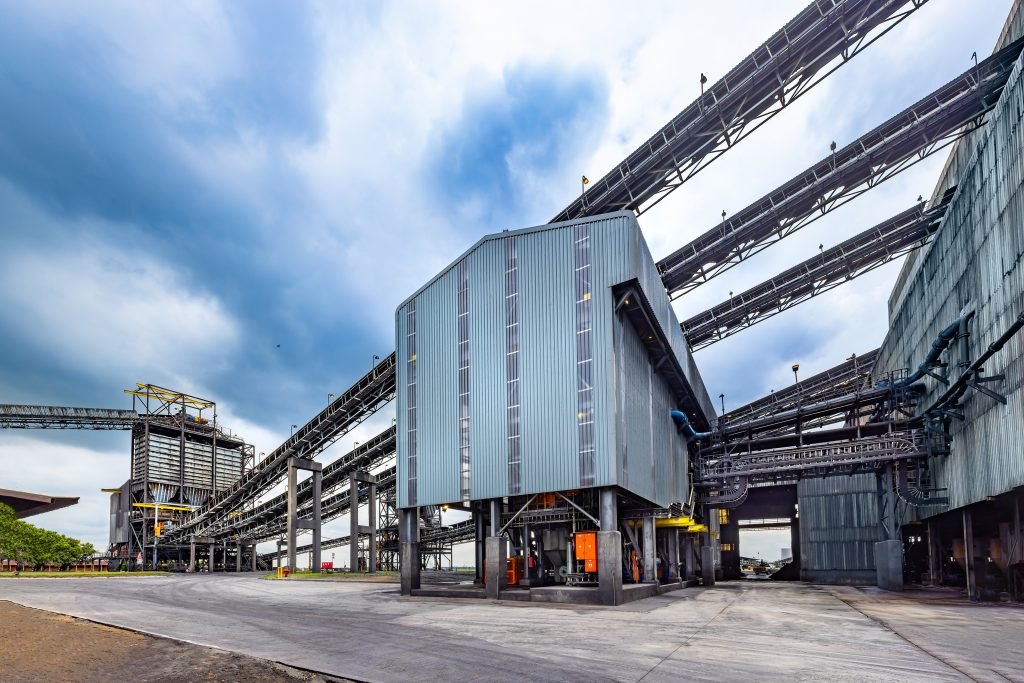
Sasol today officially opened its new Destoning Plant, marking a significant milestone in efforts to enhance coal quality and drive improved operational performance. The plant, which achieved beneficial operation in December 2025, forms part of Sasol’s broader plan to strengthen, grow, and transform the business.
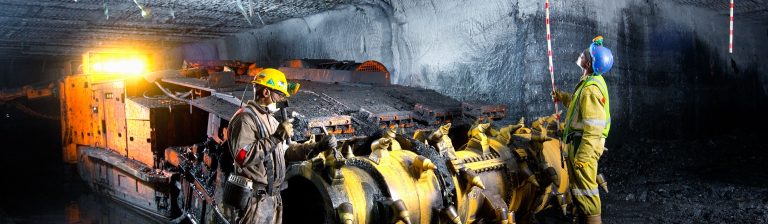
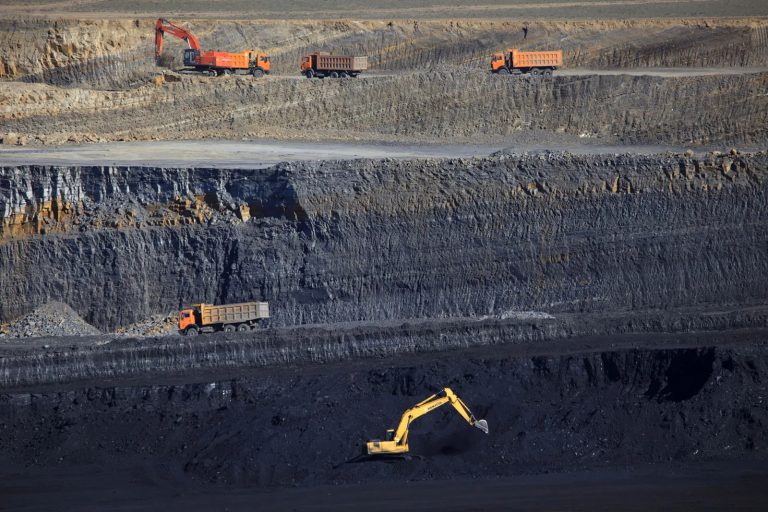
Developed through the conversion of the Twistdraai Export Plant, the facility removes high-density stone from the run-of-mine coal sourced from the Thubelisha and Bosjesspruit mines. By reducing ash and sinks before coal enters the gasification process, the plant helps improve syngas quality for Sasol’s synthetic fuels and chemicals value chain.
Since commissioning, the plant has contributed to a reduction in average sinks for Q1 FY26 to below 14%, supporting improved coal quality availability to Secunda Operations and helping to lift overall production for the quarter.
“This facility is a key commitment we made at Capital Markets Day in 2025, and it plays an important role in enhancing operational performance at Secunda Operations by enabling the processing of higher-quality, destoned coal,” said Simon Baloyi, Sasol President and CEO.
“It is pleasing to report that the plant is already delivering meaningful quality improvements, with average sinks levels to Secunda Operations trending downwards,” added Baloyi.
The full project scope reached beneficial operation in December 2025, marking a key achievement in Sasol Mining’s journey to improve operational reliability and secure long-term value creation.
Premier Ndlovu delivered the State of the Province Address yesterday at Mbombela.
Here is his full speech:
Madam Speaker, I stand before you as one of many leaders who were raised and nurtured by their grandmothers. Today, I am especially proud and deeply grateful that my own grandmother is present in these proceedings.
After undergoing a cataract operation and successfully regaining her eyesight, she is able to wit-ness this moment with us. Her presence is not only a personal blessing, but a powerful reminder of the strength, sacrifice, and resilience of the women who shape our lives and our nation.
Our Provincial Legislature and municipal councils remain stable and focused on their mandate. We extend our sincere appreciation to all political parties for deploying honorable public representatives who remain steadfast in thoughtful deliberation and rigorous intellectual engagement.
Their commitment to critical thinking and constructive debate strengthens our democracy and enhances the quality of governance in our province.
I stand before you today, to give an account that Mpumalanga government is hard at work in building a society where our people are completely free from the shackles of poverty and have food to eat.
This includes actions taken to fulfil commitments arising from the historic Kliptown gathering, 71 years ago, where ordinary citizens of all races united for a common cause produced an extra-ordinary document of principles and they called it “The Freedom Charter”
We have no doubt that after this account, people will realise that we are indeed hard at work and embrace, Mohamed Mamdan’s view that their government can not be accused of lacking the courage to try even though it is not yet uhuru.
Madam Speaker, I would like to share a scripture from the Gospel according to Saint Mark, chapter 4, verse 9, and echoed in Matthew chapter 11 verse 9: “Whoever has ears to hear, let them hear.” :Yiza nendlebe mina ngiza nendaba
Madam Speaker, allow me to congratulate the class of 2025 matriculants who have made us proud with an overall pass rate of 86.55%, an encouraging improvement from last year’s 84.99%.
Our top achiever, Luyanda Ndhlozi from Elangwane Secondary School in Volksrust, under the Pixley Ka Isaka Seme Municipality in the Gert Sibande District, has secured her place among the top 40 achievers nationally. We are truly proud of Luyanda and the many learners who excelled in their matric examinations.
As we celebrate their success, we remain mindful of the persistent challenges of access to tertiary institutions that many still face. As government, we continue working tirelessly to expand post-school education and training opportunities, firm in our belief that education is the surest pathway to a better future and broader life choices.
Madam Speaker, On a sombre note, I extend my heartfelt condolences, on behalf of the people of Mpumalanga, to all those who lost their loved ones during the recent floods that engulfed our nation.
We also convey our deepest sympathies to the families and friends of those who tragically lost their lives in road accidents across our province during the festive season.In these moments of grief, we stand united in compassion and solidarity with every affected family.
Our province and a country, also lost a leader, a gentle giant, former Deputy President Honourable DD Mabuza. This week the country has also lost a freedom fighter, one of the Delmas treason trialist cde Terror Lekota. To all the grieving families, akwehlanga Lungehlanga.
Madam Speaker, We are guided by the Freedom Charter, which serves as a pillar of our Constitution and the cornerstone of our democracy, driving government efforts to eradicate poverty, unemployment, and underdevelopment.
· Our provincial economy is gradually growing
· Unemployment started declining
· Poverty rate and levels of inequality have declined significantly.
· Inflation is at its lowest in many years
· We are continuously recording an increase in Matric pass rate
· Bachelor degree passes increased to twenty eight thousand, six hundred and ten (28,610), demonstrating an increase in the quality of our education
· The rand is stronger than the dollar in 20 years, meaning we pay less for imports
· For the first time in our history, 27 doctors are now permanently placed in local clinics.
This is our story, this is our song worth sharing with the people of Mpumalanga. Does this mean all is perfect? Can we say, all is well? No! Not at all. We have not yet reached the promised land. It means we must roll up our sleeves, put our shoulders to the wheel, and work harder than before.
What we see is the light at the end of the tunnel, not an oncoming train, but a beacon of hope towards a brighter future.
Madam Speaker, the road to economic freedom is ardous. But we are prepared, well equipped, and ready to walk it. We have a reason to celebrate as Mpumalanga, we have successfully hosted several G20 events during South Africa’s Presidency, putting our province on the map and boosting tourism prospects.
These events addressed environment and climate sustainability, development, just energy transition, critical for a coal-producing province with 12 of the 14 coal-fired power plants, research and innovation, anti-corruption, and tourism.
They contributed significantly to local tourism, generating income for hospitality industry and small business sectors. All these events were hosted at Kruger National Park to showcase our biodiversity and commitment to conservation.
Madam Speaker, this year we commemorate important milestones in our political history. These events changed the course of history and shaped our journey to the democracy we enjoy today.
Seventy years ago, over 20,000 women of allraces marched to Pretoria against pass laws. Their courage reminds us that women played a foundational role in our liberation.
It reminds us that gender equality is not just a symbolic gesture. It is a moral obligation, a human right, and essential to improving lives.
This year, we will commemorate the life and legacy of former Mozambican President, Samora Machel. Together with the Government of Mozambique, we will host the 40th Commemoration of his passing in Mbuzini.
This occasion will not only honour his contribution to the liberation of our region, but also reaffirm the enduring bonds of solidarity and friendship between our two nations.
Again this year, we will also proudly celebrate the centenary of the Kruger National Park. Through a series of campaigns, we will highlight how this iconic Park has positively transformed the lives of surrounding communities and strengthened our province’s tourism industry.
Fifty years ago, on June 16, Soweto’s youth led a historic march against Afrikaans, as a medium of instruction and demanded an end to Bantu Education, designed to limit black youth to unskilled labour.
As Oliver Tambo reminded us, “The children of any nation are its future. A country, a movement, or person that does not value its youth does not deserve its future.”
It is against this backdrop, that the ANC-led government works tirelessly to address youth unemployment through various programmes like the Premier’s Youth Development Fund, benefiting over two hundred and eighty (280) youth-owned enterprises to the tune of R358 million.
Our Expanded Public Works Programmes provide much-needed income and work experience.
Agricultural initiatives targeting youth and women, the Youth Employment Service, and the Presidential Employment Stimulus all of them bring relief to unemployment challenges.
As we commemorate these events, we must remember our history, uphold our constitutional obligations, and unite across racial lines, age, and status to build a better Mpumalanga, better South Africa and a better World.
The economy is growing again by more than 1%, unemployment is declining, poverty and inequality are lower than a decade ago, and inflation is at its lowest in years.
Challenges remain, logistics, infrastructure, skills, and creating enabling environments at municipal level, but new hope and optimism are emerging across Mpumalanga.
The highly successful Mpumalanga Investment and Mining Conference in October 2025 showcased our province as a destination of choice for investors.
Of the R238 billion investment commitments, R25 billion has been signed off focusing on the green economy. This marks a significant turning point and a major boost for the provincial economy.
South Africa’s growth looks steadier, expanding for five consecutive quarters, the longest unbroken growth phase since 2018, benefiting Mpumalanga directly. Provincial growth for 2026 is projected at 1.3%, with an average of 2% per annum from 2027–2029.
Catalytic projects in these sectors will positively impact job creation, reduction of poverty, and the level of inequality, bringing our Medium Term Development Plan (MTDP) target of 3% growth within reach.
Statistics South Africa’s Quarterly Labour Force Survey for Fourth Quarter of 2025 shows Mpumalanga’s employment at 1.28 million, the highest on record reflecting net job gains of 37,420, the second highest nationally.
Gains were notable in construction and trade, with five of six quarters in 2024/25 recording net employment growth. Manufacturing losses remain a concern and must be addressed.
We must keep our eye on the MTDP target of at least 60,000 new jobs per year. In 2025, Mpumalanga created twenty eight thousand, seven hundred and seventeen (28,717) jobs, almost 50% of this target, requiring stronger performance in coming years.
Industries with high job creation potential include agriculture and agro-processing, construction, trade including tourism and Micro, Small and Medium Enterprises, finance and business services.
Provincial unemployment rate fell to 32.3% in Fourth Quarter of 2025, improving our ranking to 4th lowest nationally. The provincial MTDP target of 25% unemployment is achievable with higher growth and sustained job creation efforts.
Female unemployment and youth unemployment remain unacceptably high, despite notable improvements. Ensuring that young people acquire relevant qualifications and practical skills is critical to reducing graduate unemployment, which currently stands at 14,4%.
Madam Speaker, the property sector is one of the largest and most powerful economic engines in the country, yet, despite its scale and resilience, the sector has remained largely untransformed
Social and Economic Infrastructure
Madam Speaker, from the outset we identified infrastructure as a catalyst for socio-economic growth. Investment in infrastructure drives jobs directly through construction and maintenance, and indirectly by enhancing productivity and lowering business costs.
It creates temporary employment during construction while supporting permanent jobs in industries that use the infrastructure. Infrastructure also improves mobility for rural and local communities, helps informal and small businesses reach markets, and facilitates travel for school children and citizens.
This extends beyond productive sectors like agriculture to essential socio-economic infrastructure, including health facilities, schools, electricity, water and sanitation, roads, transport networks, and ICT systems. In the past year, Mpumalanga invested around R2.5 billion on road infrastructure, spanning urban and rural areas.
Our road network is like arteries carrying the lifeblood of the province, connecting urban and rural communities, Gauteng, Limpopo, KZN and neighbouring countries Mozambique and Eswatini, enabling economic and social activity.
While transitioning to clean energy, our economy remains reliant on coal mines and coal power stations, requiring upgrades and maintenance of coal haulage roads, as the Province, we affirm that coal will co-exist with green energy.
We will continue to monitor progress on Coal haulage projects. The eMalahleni and Driekoppies Bridges are under design and planning phase. We are making progress in upgrading our Tourism access roads, for example Thulamahashe/Cottondale to Manyeleti Road. Two of the six phases have already been completed.
Under the Kubhunya Lutfuli Programme, a significant number of potholes were patched, roads re-gravelled, and graded throughout the province to promote access especially in local municipalities.
The partnership between government and the private sector on rehabilitating Road P171/1 between Mashishing and Roossenekal Sekhukhune and the Oliphant River Lodge Phase 1 projects are progressing well.
Flood Damage on Provincial Infrastructure
Madam Speaker, since December last year, torrential rains, thunderstorms, and lightning severely affected Mpumalanga, Limpopo, and parts of Mozambique, as a result in our province we lost twenty people. Two thousand five hundred and seven (2507) private properties including homes were affected, leaving more than 200 households in need of emergency shelter.
designed to address sewer and water challenges in the municipality.
This multifaceted approach is not only aimed at eliminating sewer spillages but also ensures a reliable and sustainable water supply for all residents.
In addressing aging infrastructure, we are replacing asbestos bulk lines from the water treatment plant to Kuilen Phase 2, as well as from the water treatment plant to the Bloedfontein reservoir Phase 2 in Dr JS Moroka. These projects are progressing well.
High-priority bulk water and sanitation projects supported by multi-year grants include the upgrading of the Lydenburg Wastewater Treatment Works, which involves refurbishment of the existing 5.5 Mega litres per day capacity and expansion to 11 Mega litres per day to eliminate spillages into the Sabie River is halfway complete.
At the Vaal Bank Water Treatment Works, a reverse osmosis plant is being constructed to address hard metals caused by mining pollution, with progress currently at 40%. Delmas Wastewater Treatment Works is being upgraded from 4 Mega litres per day to 12Mega litres per day, including the construction of a pre-treatment system, and this project is 68% complete.
The Driekoppies Regional Bulk Water Scheme is being upgraded from 20 Mega litres per day to 40 Mega litres per day with the construction of approximately 40 kilometers of bulk pipeline and several reservoirs. Of the four work packages, three are fully completed, while the last is at 15% completion.
These include the upgrading of the Mkhuhlu Wastewater Treatment Works, the KaMhlushwa Water Treatment Works in Nyathi, the Thaba Chweu Regional Bulk Water Supply covering Leroro, Matibidi, and Moremela, refurbishment and upgrading of the Kwazamokhule Wastewater Treatment Works, Ermelo Wastewater Treatment Works, Msukaligwa Regional Bulk Water Supply Phase 1, the Chief Albert Luthuli Bulk Water Project, and the Emalahleni Regional Bulk Water Scheme.
The Department of Water and Sanitation has also completed the development of the Provincial Bulk Water and Sanitation Master Plan, providing a comprehensive framework for planning and implementing bulk infrastructure projects across the province.
Land invasion remains a significant barrier to our vision of developing sustainable human settlements.
The province is committed to assisting municipalities to implement strategies to address land invasions effectively, ensuring that development and environmental preservation go hand in hand.
Upgrading informal settlements is essential to ensure that residents gain access to clean running water, water-borne sewage systems or ablution facilities, subsidized housing, and secure land tenure through title deeds.
By the end of the third quarter of 2025/26, several informal settlements had been approved and are set to be fully proclaimed as townships by 31 March 2026.
This will allow municipal engineering services to be installed, top structures to be built, and title deeds to be delivered.
In Nkangala, 32 townships have been approved and proclaimed, yielding 36,652 stands.
In Gert Sibande, seven SPLUMA township approvals have been granted, with two more expected before the end of March 2026. These settlements will yield 2,143 stands, plus an additional 563 stands.
In Ehlanzeni, one township has been approved and proclaimed, yielding 578 stands.
We are also creating new housing opportunities through greenfield projects to respond to the province’s housing backlogs using the Human Settlements Development Grant.
In Nkangala, ten greenfield township projects have been approved to be proclaimed by March 2026, with a combined yield of 43,677 stands. In Gert Sibande, three SPLUMA township approvals will yield 10,849 new housing opportunities once municipal engineering services are complete.
Social and economic facilities are also being prioritized. For the 2026/27 financial year, we plan to construct one economic social amenity at Bushbuckridge Local Municipality in the form of a community hall at Acornhoek.
Madam Speaker, we have handed over three state of the art completed social amenities projects, a community hall and Early Childhood Development Centre in Ntunda in Nkomazi, community hall and ECD Centre in Delmas in Victor Khanye and ECD Centre in eMpumelelweni in eMalahleni Local municipalities.
To ensure economic empowerment through secure tenure, we planned to deliver 1,000 title deeds in 2025/26 but have surpassed this target by delivering 1,674 title deeds across the province. We aim to register and deliver 2,500 more title deeds in 2026/27.
In the 2026/27 financial year, we plan to deliver 1,763 low-cost housing units in both formal townships and rural areas. Additionally, under the eradication of unsafe and uninhabitable housing program, 193 housing units will be built in Mkhondo, Chief Albert Luthuli, and Nkomazi. We will continue replacing 322 asbestos-roofed houses in Thembisile Hani, Thaba Chweu, and Victor Khanye municipalities.
Madam Speaker, in the 2025/26 financial year, the Department successfully reconstituted and gazetted Traditional Councils in the province under Section 16 of the Traditional and Khoi-San Leadership Act, except for five councils with leadership vacancies.
We also constructed five new Traditional Council offices at Matsamo, Amashangana, Mahlaphahlapha, Kwandwalaza, and Ogenyaneni, while renovating eight offices at Mpakeni, Msogwaba, Lugedlane, Nkambeni, Mdluli, Mjindi, Makhosoke II Kings Cluster, Kgarudi, and eSandleni.
For the 2026/27 financial year, the department plans to contruct three new Traditional Council offices at Lekgoetla, Kgarudi and eSandleni.
Two offices, Enikwakuyengwa and Ebutsini, will be renovated, while fencing and paving will be installed at four offices, namely Sethlare, Thabakgolo, Mashilane, and Makhosoke II Boundary Wall.
Building a capable ethical and Developmental State
Madam Speaker, through tackling corruption, promoting social cohesion, protecting critical infrastructure and improving service delivery, we are building a state that works for all.
We are transforming government at all levels through professionalisation of public service, building responsive state institutions, ensuring municipality accountability and strengthen anticorruption measures.
The District Development Model is producing tangible results. Our strategic intent of integrating all plans from all spheres of government in the three districts has produced 255 catalytic projects to the value of R131, 8 billion.
Healthy families and healthy communities equals a Healthy Mpumalanga Nation
Madam Speaker, a healthy nation depends on a healthy workforce, which in turn relies on healthy individuals and communities. This is a key driver of economic growth, social stability, and prosperity.
Healthy nations enjoy low worker absenteeism, highly committed employees, and generally happy citizens.
I am proud to report that the ANC-led government has fulfilled the majority of the commitments we made last year, and in several areas, we have exceeded our own targets.
Where challenges have arisen, we have not retreated; instead, we have developed clear remedial plans to address shortcomings and accelerate delivery.
· Neonatal mortality rate, babies who die within 28 days of birth in our facilities has dropped from 80 per 1,000 in 1994 to 13.6 per 1,000 in the Second Quarter 2025/26, this means that we are saving more lives than before.
· Maternal mortality rate, women’s deaths during pregnancy, while giving birth or within
42 days after giving birth, remains a challenge. However, we are intensifying awareness campaigns and encourage earlier clinic visits during pregnancy.
· Mpumalanga is on course to achieve all United Nations 95/95/95 HIV/AIDS targets. Efforts will continue to reach and exceed targets for those defaulting on treatment.
The Peer review shows 286 out of 290 clinics, have attained ideal clinic standards, however we will continue with implementation of quality improvement plans so that all hospitals meet ideal hospital standards.
Last year, we committed to filling vacancies in hospitals and clinics: 2 024 health care professionals and 121 doctors have been appointed across all three districts,
As indicated earlier 25 doctors are permanently placed in primary healthcare facilities. We are bringing doctors to where people live, improving timely access to care, reducing unnecessary referrals to hospitals and promoting primary health care.
Mental healthcare remains a serious challenge. Statistics show many citizens experience depression or anxiety disorders at some point. To strengthen mental health services, we have appointed Registered Counsellors, Social Workers, Clinical Psychologists , and Occupational Therapists have been deployed to Community Health Centers and surrounding clinics.
Madam Speaker, social infrastructure, clinics, and hospitals not only improves the quality of life but also drive economic growth by enhancing human capital, employment, and addressing poverty and inequality.
Last year, R1.7 billion was allocated to health infrastructure, with R183 million for maintenance of existing facilities. Mapulaneng Regional Hospital is planned for completion this year.
Other ongoing projects include Kwamhlanga Hospital Maternity Unit, New Troya Clinic, New Dumphries Clinic, MN Cindi Clinic, Barberton Clinic, Alexandria Clinic, Lebohang Clinic, Vezubuhle Clinic, Kinross Clinic, Langkloof Clinic, Lefisoane Clinic, and the upgrade of Siyabuswa CHC.
Social Development
Madam Speaker, we are pleased with the announcement by His Excellency President Cyril Ramaphosa that the Special Relief Dispensation Grant will be extended.
We are equally pleased by the STATS findings that all our social grants combined have drastically reduced the poverty rate in our province. We will continue to support the most vulnerable in our communities and further contribute to poverty alleviation.
Education and Skills Development
Madam Speaker, the era of get-rich-quick schemes, fuelled by social media and speculative investments, cannot replace the lasting value of education and skills development. Education provides sustainable livelihoods and career resilience that no temporary scheme can offer.
Our government invests billions annually in education to equip learners with skills for a changing world. Our campaign, Rhandza Xikolo Xawena – Leave No One Behind #BabizeBonke, ensures that no learner is excluded.
Early Childhood Development (ECD) remains a top priority, forming the foundation for lifelong learning. Children exposed to ECD are more likely to succeed academically and socially. Over 70,000 children are subsidized to access ECD programs through 1,300 registered community centers, while 69,221 Grade R learners are enrolled in public schools.
Through the School Health Services 18,287 Grade R learners have been screened for barriers to learning. The programme of professionalizing Grade R Educators is bearing fruits with 1 729 out of the total of 2 034 being qualified.
To improve reading for meaning thousands of foundation-phase teachers have been trained in reading strategies for English and African languages. As part of our efforts to retain and improve the learning capacity, 67,221 learners are benefitting from scholar transport, while over 1 million learners benefit from the No Fee School Policy and School Nutrition programs.
As a result, the throughput rate, that is learners starting Grade R and completing matric has improved to 67%, which is above the national rate of 64%. This is a remarkable achievement.
As part of promoting Ubuhle buzile e-learning programme in our rural schools, Government has distributed 60,000 tablets to Grade 12 learners and we are rolling out tablets to 80,000 Grade ten learners.
Multiple sanitation, water, classroom expansion, and school construction projects are underway or completed, often in partnership with businesses.
In the previous State of the Province Address, we made a firm commitment to prioritise the upgrading and replacement of 53 aging, community-built schools across our province.
I am pleased to report that we have already commenced with the construction of 29 new schools, of which ten will replace old community-built schools. This means we now have 43 schools remaining under this commitment. During the current financial year, an additional 10 schools will be constructed, including the much-anticipated school for the deaf and blind.
To further fast-track progress, we are introducing a special programme to build 10 more schools, implemented in phases, each comprising two blocks of eight classrooms. Through this accelerated approach, we are steadily eliminating old and unsuitable learning environments and restoring dignity to our learners and educators.
Gender Based Violence and Femicide
Madam Speaker, Gender-Based Violence and Femicide remain a grave concern in our province and across the country. The statistics are deeply worrying hence the President has declared it as a national disaster.
We are becoming a nation at war with itself, with violence occurring inside our bedrooms, dining rooms, and kitchens, and sometimes even extending into our workplaces.
The rising number of murders committed by intimate partners is both concerning and unacceptable. GBV and Femicide destroy families and communities. Behind every statistic is a woman or a child whose life may never be the same.
Families are left to cope with psychological trauma, often manifesting as depression, anxiety, self-isolation, a sense of worthlessness, and anger. Mpumalanga has taken a leading role in scaling up the response to combat the scourge of GBV-F.
In the past nine months alone, 2,048 victims of crime and violence have accessed psychosocial support services. Awareness campaigns have reached 68,457 people across the province, conducted in collaboration with stakeholders including the NPA, HAWKS, SAPS, civil society structures, and all provincial departments.
To ensure victims receive security and protection, the province funds 22 victim support centers run by NPOs, with two shelters owned by government.
I am pleased to report that Mpumalanga has met the 2022 pronouncement of the Honourable President that each province should have a shelter in every district. In fact, our province has more than two shelters per district.
During the 2025/26 financial year, 494 victims were accommodated in these shelters, including 23 victims of human trafficking. Additionally, the province is working closely with the National Gender-Based Violence Command Centre, and communities are using this toll-free number to report cases, with 26 reports received in the past nine months.
We are also preparing to roll out the GBVF Brigade project, which will assign 554 youth to 90 policing precincts to assist with GBVF programs. These brigades will conduct community assessments on the prevalence of GBVF cases, make referrals, and promote awareness programs.
While GBV often happens behind closed doors, there is always a friend, relative, or neighbour who may be aware of a potential violent situation. We urge our communities not to ignore the signs of GBV that are visible to all. We cannot continue with an attitude that says izindaba zabantu asizingeni, or impi yomndeni ayingenwa. Turning a blind eye is not nation-building.
Culture, Arts Sports and Recreation
Madam Speaker, our cultural and creative industry is of critical importance to us and is one of the vital components of our economic drivers in the province. It fosters social cohesion, promotes innovation and supports micro, small and medium industries and contributes significantly to our tourism.
Our signature events like Mpumalanga Cultural Experience celebrates our rich cultural heritage, artistic excellence, and diverse traditions. The event attracts people from inside and outside the province. Our capacity to host big sporting events such as rugby, soccer games and gold panning have been proven beyond doubt.
The province will be building the Sports arena here in Mbombela to promote indoor sports and better conferencing facilities. What we are lacking, and we are working on is the International Conference Centre. We are currently preparing an investment package that will be attractive to potential investors.
Madam Speaker for the first time in our province’s history, Mpumalanga will host a globally sanctioned professional tennis event under the banner of the International Tennis Federation (World Tennis Tour), alongside a nationally sanctioned event by Tennis South Africa.
The Mbombela Open will deliver a series of events across the 2026 season, firmly positioning tennis as a new and sustainable tourism market for Mpumalanga. Players from over 26 countries will converge in our beautiful province while local players are also given access to compete on home soil at world-class level.
Madam Speaker, It is with great honor to announce the inaugural Premier’s Cup that wil build up from school sport league that feature young talents in soccer and netball both at schools and out of school for the first year.
The apex of this tournament will be a premier cup competition to be hosted at the Solomon Mahlangu Stadium in the Thembisile Hani Local Municipality during the PSL off-season.
The competition will feature the four professional and semi-professional teams from our prov-ince, showcasing local talent and strengthening the development of football in Mpumalanga.
We are also proud of the remarkable strides demonstrated by our two local teams, TS Galaxy FC and Casric FC, following their qualification for the quarter-finals of the Nedbank Cup. After defeating formidable opponents, Mamelodi Sundowns and Orlando Pirates, respectively.
We wish both teams every success as they prepare for their encounters this coming weekend. We firmly believe that history has a way of repeating itself, and that the Nedbank Cup will once again be brought back to the Province of the Rising Sun.
Geopolitical Tensions between USA, Israel and Iran:
The escalating geopolitical tensions between the USA, Israel, and Iran reached a critical peak as witnessed in the past weekend. This conflict has immediate and severe implications for South Africa’s economy and international standing.
President Ramaphosa has condemned the “illegal and provocative” strikes, calling for an immediate UN-led dialogue. We have seen Iran losing its supreme leader Khamenei and other senior officials while USA also lost some of its military members.
These tensions have direct impact on the South African economy as our fuel prices may increase, currency volatility with the rand facing renewed selling pressure to the dollar and travel disruptions as international flights were cancelled at OR Tambo, Cape Town, and King Shaka airports due to airspace closures over the UAE and Qatar which will affect international business trading and tourism in South Africa.
2026/27 Priorities
Madam Speaker, we have taken important decisions to drive strategic, evidence-based development. I will appoint a Premier’s Advisory Panel of eminent experts, to guide us on strategic investment interventions, trade, and provincial economic development.
Our partnership with the university of Mpumalanga especially on agricultural production, research and human capital development is a game changer. Mpumalanga will never be the same again.
Our total investment on our economic and social infrastructure over the medium term period will exceed R4 billion.We want to see improvement in maternal mortality rate and a significant increase in the number of hospitals that have reached an ideal hospital standard.
We will continue to build more clinics, additional classrooms, and new schools particularly in areas experiencing rapid population growth, to ensure that our people have access to quality healthcare and education services close to where they live.
This year our country will hold local government elections, and we expect all municipalities to be fully prepared to ensure that the process is conducted efficiently, lawfully and transparently.
There shall be no compromise on municipalities that are failing in their core responsibility to deliver basic services to the communities.
For the 2026/27 financial year, a total of R1.4 billion from the Regional Bulk Infrastructure Grant and Water Services Infrastructure Grant has been earmarked to fund additional highpriority projects.
New projects planned for the 2026/27 financial year include the Kamhlushwa Packaged Plant with bulk sewer and water lines in Nkomazi Local Municipality, the Brendan Village Bulk Water and Sewer Line in Govan Mbeki Local Municipality, and the Hospital View Access Road with bulk sewer and water lines in Bushbuckridge Local Municipality.
We must find better ways of dealing with GBV and Femicide. We will mobilize our communities against crime and GBV and make this scourge a number one priority.
Conclusion
Madam Speaker, anyone who wants to deny that the ANC led government in this province has made enormous strides on a number of fronts is suffering from self-denial, However, we all know that the sound of one tree falling does sometime drown the evidence of a thousand trees that are silently growing.
But we are not going to stop planting more trees of progress and development just because of that one noisy tree. The challenges facing our people remain their lived experiences, unemployment, poverty, flood damages, drought, water shortages and many others.
The statistics I have presented to you today show that these challenges are being attended to and there is serious progress. These challenges must not lead us to despair, they should inspire us to work even harder and employ collaborative approach that will produce tangible positive results.
Our work of building a better Mpumalanga remains unfinished. This will only be accomplished if all of us can one day look back with pride and satisfaction and declare that in Mpumalanga;
· No child goes to bed on an empty stomach
· No baby and or mother dies before, during or after labour on our healthcare facilities
· No young person is left behind on skills development and technological advancement.
· No citizen is deprived of his or her human rights including clean piped water, dignified sanitation, electricity and a safe and secure environment
· No girl child misses school because of lack of sanitary towels
· Economic benefits of Mpumalanga are shared by all those who live in the province
· The land is also shared by all our citizens
· Jobs are created and small and informal businesses are supported and are thriving and · corruption is uprooted from our government.
Working harder and smarter, united by our common purpose and our single mindedness and a vision of a prosperous Mpumalanga, we can and we shall overcome our obstacles and build a better province.
My fellow public represantatives, government officials and captains of both large and small industries, I invite you to begin now, to work diligently here in Mpumalanga. When the sun rises, we must rise with it, committed to working hard for the progress and prosperity of our province.
“As an old African proverb reminds us, “The dawn does not come twice to wake a person.” A new beginning calls on us to rise with purpose, courage, and a shared determination to shape our future together. Sebakanyana s, Le motsotsonyana o, Modimo o refile
God Bless Africa, God Bless South Africa, God Bless Mpumalanga Province
Inkomu, Ngiyabonga, Siyathokoza, Ndiyabulela, Ke a leboga, Baie Dankie, I thank You
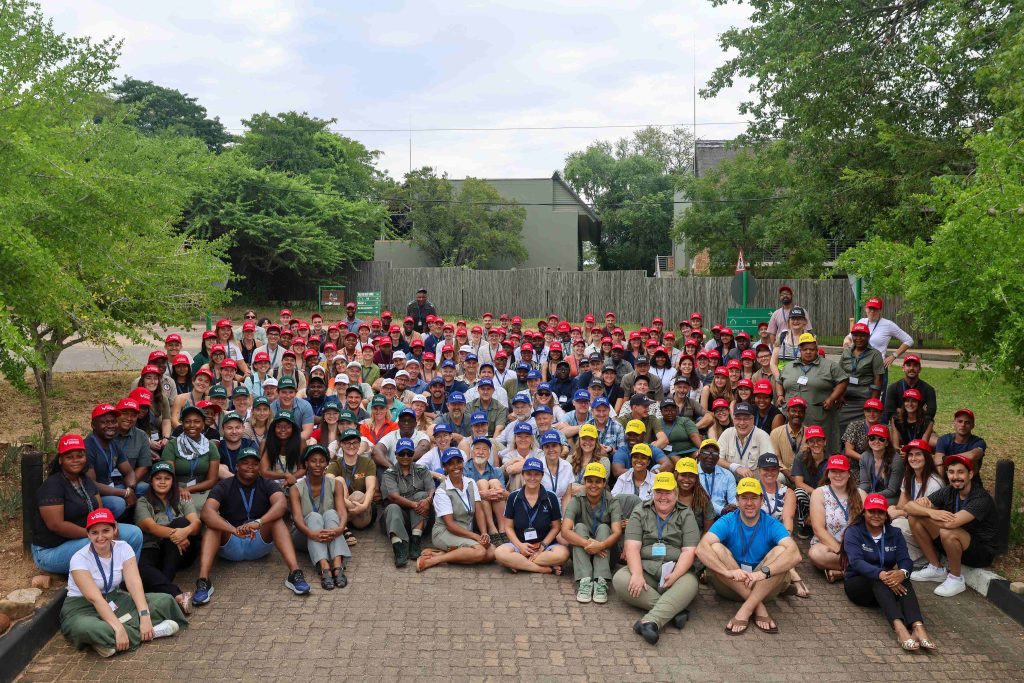
THE 23RD SAVANNA SCIENCE NETWORK MEETING CONCLUDED TODAY WITH A FORWARD-LOOKING CONSERVATION ON THE THEME “BREATHING LANDSCAPES”
The final day included reflections on how ecological processes across the savanna landscape interact to sustain biodiversity and ecosystem resilience.
The discussions emphasized the importance of understanding the interconnected roles played by animals, vegetation, and water systems in maintaining the health of the savanna biome.
Three key conversations shaped the closing day’s programme.
The first discussion explored how herbivores both large and small contribute to shaping savanna landscapes. Participants highlighted how grazing and browsing species influence vegetation patterns, nutrient cycling, and habitat structure. From the smallest grazers to the largest browsers, herbivores play a critical role in maintaining ecological balance, ensuring that landscapes remain dynamic and productive.
The second discussion focused on the ecological role of elephants, particularly their influence as ecosystem engineers. Through their feeding behaviour, movement patterns and interaction with vegetation, elephants help open landscapes, create habitats for other species and influence the distribution of plant communities across the savanna.
The third discussion centred on freshwater systems, examining how rivers, wetlands and seasonal water sources sustain life across the landscape. Participants emphasised that freshwater ecosystems serve as lifelines for wildlife, while also shaping vegetation patterns and supporting biodiversity in the broader savanna environment.
Collectively, the discussions reinforced the concept of “breathing landscapes” living ecosystems that constantly change and respond to the interactions between wildlife, vegetation, water, and climate.
The meeting also reaffirmed the importance of collaborative science in informing conservation management within South African National Parks and across protected areas in southern Africa.
As the gathering concluded, participants reflected on the value of platforms such as the Savanna Science Network in strengthening the relationship between research and conservation practice. By bringing together diverse expertise and perspectives, the network continues to contribute to evidence-based decision making that supports resilient ecosystems and thriving wildlife populations.
The insights shared over the past four days will help inform ongoing research and management approaches in the Kruger National Park and other savanna landscapes across the world.
Sasol confirms that on Thursday, 5 March 2026, members of the Kinross Business Forum conducted a march to the Bokamoso Shaft, a new extension of the Syferfontein colliery under construction.
The group handed over a memorandum to Sasol management. The memorandum cited concerns related to recruitment, SMME support, CIDB compliance, the linkage system and training opportunities.
Sasol remains committed to fostering strong, meaningful, and solution‑focused engagement with local stakeholders
Today, we stand here as the united Kinross Fence Line Communities.
We are not here for confrontation.
We are not here for chaos.
We are here for fairness, transparency, and the honouring of commitments made to our community.
1. BACKGROUND
Sasol is widely recognised as a company that upholds a world-class governance and compliance framework. However, engagement with the Bokamoso Project Fenceline communities commenced only at a very late stage of the project, in October 2026. In light of the recent incidents and the manner in which Sasol has engaged with the communities, it appears that these engagements served largely as delaying tactics while the company continued to pursue its intention of excluding the primary beneficiaries, the Fenceline communities, thereby resulting in the current dispute.
The Bokamoso Project commenced within our locality without structured inclusion of recognised stakeholder representatives.
When the community reacted in frustration and halted operations, Sasol intervened and requested formal engagement.
We responded responsibly.
Seven delegates were appointed, including recognised Bokamoso stakeholder representatives.
It was agreed that the project would remain stopped until outstanding matters were resolved.
We honoured that agreement.
2. OUR GOOD FAITH
When Sasol later issued a notice stating that the project would resume regardless and that any disruption would be prevented by all means necessary, tensions rose again.
Community leadership persuaded residents not to return to the site.
We chose dialogue over confrontation.
We honoured peace.
We honoured process.
We honoured leadership.
But our good faith has not been met with tangible implementation.
3. OUR CORE CONCERNS
The Bokamoso Project commenced without inclusion of Kinross fence line communities, contrary to commitments made by Sasol. Contractors identified on site included TW Group (Trichard) and Comfort Loo (Gauteng).
Minimum requirements such as Grade 12 for general workers are exclusionary and insulting to the community, particularly given that similar requirements are not consistently applied within Sasol mining operations.
The Sasol Project Manager has consistently protected currently appointed subcontractors and did not afford Stefanutti Stocks an opportunity to respond, despite our recommendation. It is not even clear how the current subcontractors were appointed
The Site Manager from Stefanutti Stocks indicated that there is no contractual obligation to work with the local community, which is deeply concerning. However with extreme interventions we started seeing changes however, are we going to experience this throughout the entire project with all the contractors appointed?
Stefanutti Stocks is currently delivering projects successfully with communities in Morgenzon and Bethal. The exclusionary approach on the Bokamoso Project therefore raises serious questions regarding internal influence and alignment.
To date a detailed Scope of Work providing only a high-level overview, which undermines meaningful community participation and denying the community the opportunity to position themselves.
Fence line businesses are systematically excluded from information sharing, limiting preparedness and engagement.
Discrepancies were noted between two recruitment adverts for the CLO role, yet an appointment proceeded regardless.
Advertising local labour opportunities via social media attracts non-local applicants and undermines community inclusion.
We need to indicate that Fence line businesses cannot be restricted to equipment hire (yellow machines) but to execute work, and promote skills transfer, gaining of experience and growth.
Affected farm residents have expressed distress that work is taking place directly adjacent to their homes, yet none of their households or neighbours were considered for employment. This contradicts statements made during the meeting that local farm labour was utilised.
A. Direct Engagement With the Main Contractor
Fence Line businesses are denied direct engagement with Stefanutti Stocks.
All engagement is filtered through Sasol.
Transparency requires direct accountability between implementing contractors and affected communities.
B. Appointment of External Companies
External companies have been appointed while capable Fence Line companies remain excluded.
We were informed that currently subcontracted companies would be removed and replaced with qualifying Fence Line companies.
To date:
No written transition plan has been tabled
No exit strategy has been presented
No timelines have been communicated
Without a formal plan, this promise remains unimplemented while the project progresses.
C. Delays and Red Tape
RFQs have been issued, and we acknowledge that step.
However:
Repeated advertisements, Inconsistent CIDB grading requirements, Long delays in appointments, create uncertainty and weaken trust.
Five weeks later, no Fence Line contractor has been appointed as a primary beneficiary.
D. Payment Terms for SMMEs
Emerging local businesses cannot survive on 60-day payment terms.
Meaningful SMME development requires payment terms aligned to 14–30 days.
Development without financial sustainability is not development.
E. Recruitment Transparency
We were informed of strong local labour targets.
Currently, only nine out of approximately forty-two general workers are from Kinross.
We require transparency in recruitment processes.
We require clarity on labour targets and implementation plans.
F. Absence of a Formal Fence-Line Inclusion Strategy
There is no formally documented framework governing how main contractors must include Fence Line businesses.
Rules are imposed on the community.
But there is no structured guideline protecting the community. – This must change.
4. OUR DEMANDS
We therefore formally demand:
A written Local Participation Implementation Plan.
A documented subcontractor transition and exit strategy with timelines on current subcontracting with the existing contractor.
A structured framework for direct engagement between Fence Line businesses and the main contractor with real opportunities enabling the subcontractors growth, not supply of equipment only.
Alignment of SMME payment terms to sustainable timeframes stipulated with the main contractors.
Clear requirements on all opportunities that does not deny local SMME participation
Transparent labour recruitment statistics and clear targets with a more progressive inclusion of Fenceline community members.
Recruitment of Local Community people in advance of upcoming opportunities to have enough time for the processes.
Advertisement of labour must not be advertised on social media but through Fenceline community notice boards, forums and sent to the community leadership
A structured Community Skills Development Plan within the Mining Projects environment.
Weekly written progress reports until full implementation.
Immediate removal of non-fenceline community sub-contracting companies (TW Group and Comfort Loo), and ensure compliance with B-BBEE commission, DMRE-SLP
All fenceline community companies must be prioritised as per promise made in October 2025.
5. OUR POSITION
We do not oppose development.
We do not oppose investment.
We do not oppose Sasol.
We oppose exclusion.
We oppose inconsistency.
We oppose unfulfilled commitments.
The Bokamoso Project is happening in our community.
Our people must benefit meaningfully. – Not symbolically.
6. FINAL STATEMENT
We remain open to engagement. We remain open to structured resolution. But today we formally place on record that our patience is not weakness. Our unity is not aggression. It is accountability.
We request a written response within seven working days addressing each demand raised in this memorandum.
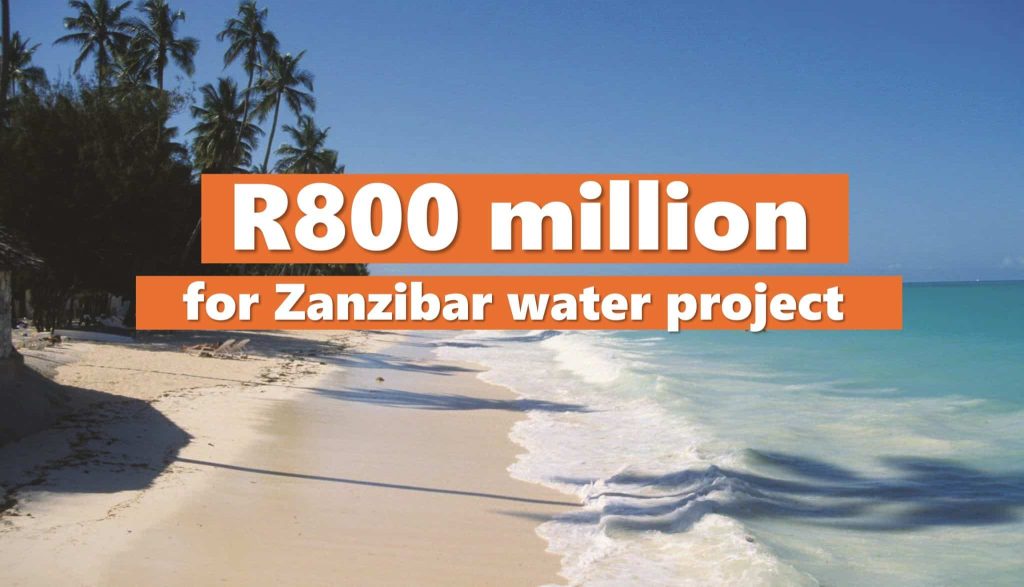
AfriForum slams government over misplaced priorities after R800 million is approved for Zanzibar water project
The approval of Rand Water’s R800 million investment in the Zanzibar Water Authority’s (ZAWA) water project in Tanzania, according to AfriForum, indicates serious misplaced priorities that are detrimental to local service delivery. The Minister of Water and Sanitation, Pemmy Majodina, announced the approval of the investment earlier this week.
“Marais de Vaal ENG 27 Feb 2026”.
According to the government notice (number 7166), Rand Water is entering into a partnership with ZAWA and has been granted permission to enter into a management contract with ZAWA in the “revolutionary government of Zanzibar” for the operation, management and maintenance of strategic water infrastructure.
“Marais-de-Vaal_27-Feb-2026 AFR”.
AfriForum describes the approval of this enormous investment as a politically driven decision at the expense of residents of Gauteng and parts of Mpumalanga, the Free State and North West who depend on Rand Water’s bulk water services.
“The Minister of Finance, Enoch Godongwana, argued in his budget speech on Wednesday that R64 billion is needed to solve the water supply problems in Johannesburg alone. This highlights the extent of the crisis in this city, yet the same government approves a multimillion-rand investment for the delivery of water services abroad. It is clear that the political will to resolve the crisis is completely lacking. The government is thereby failing in its constitutional responsibility to deliver water – a critical basic service – to residents of Gauteng in particular,” explains Marais de Vaal, Advisor for Environmental Affairs at AfriForum.
Marais de Vaal, Advisor for Environmental Affairs at AfriForum.
Rand Water’s partnership with ZAWA also comes amid criticism against the Tanzanian water authority over irregularities in the awarding of tenders. In addition, poor revenue collection is hampering the authority, and a 2022 report warned of ZAWA’s increasing reliance on government subsidies.
The Govan Mbeki Local Municipality’s latest council meeting was once again a demonstration of leadership failing while residents are enduring a water crisis.
Instead of concrete solutions to the water problem, racial slurs and political games dominated the debate.
The EFF councillor, Dan Khoza, claimed that white residents in the gallery were intimidating him – while they were mainly elderly people who simply wanted answers about water supply.
Cllr D Khoza
Playing the race card while communities have no water is short-sighted, irresponsible and divisive. Water shortages affect everyone, regardless of skin colour.
“In Bethal, one of the worst affected areas, residents have been without reliable water supply for more than 50 days,” said Aranda Nel-Buitendag, Freedom Front Plus councillor: Govan Mbeki Local Municipality, “Reservoirs such as Bethal Rand and Van Heerden are empty or nearly empty (0–5%), and high-lying areas receive no water at all.”
Aranda Nel-Buidendag
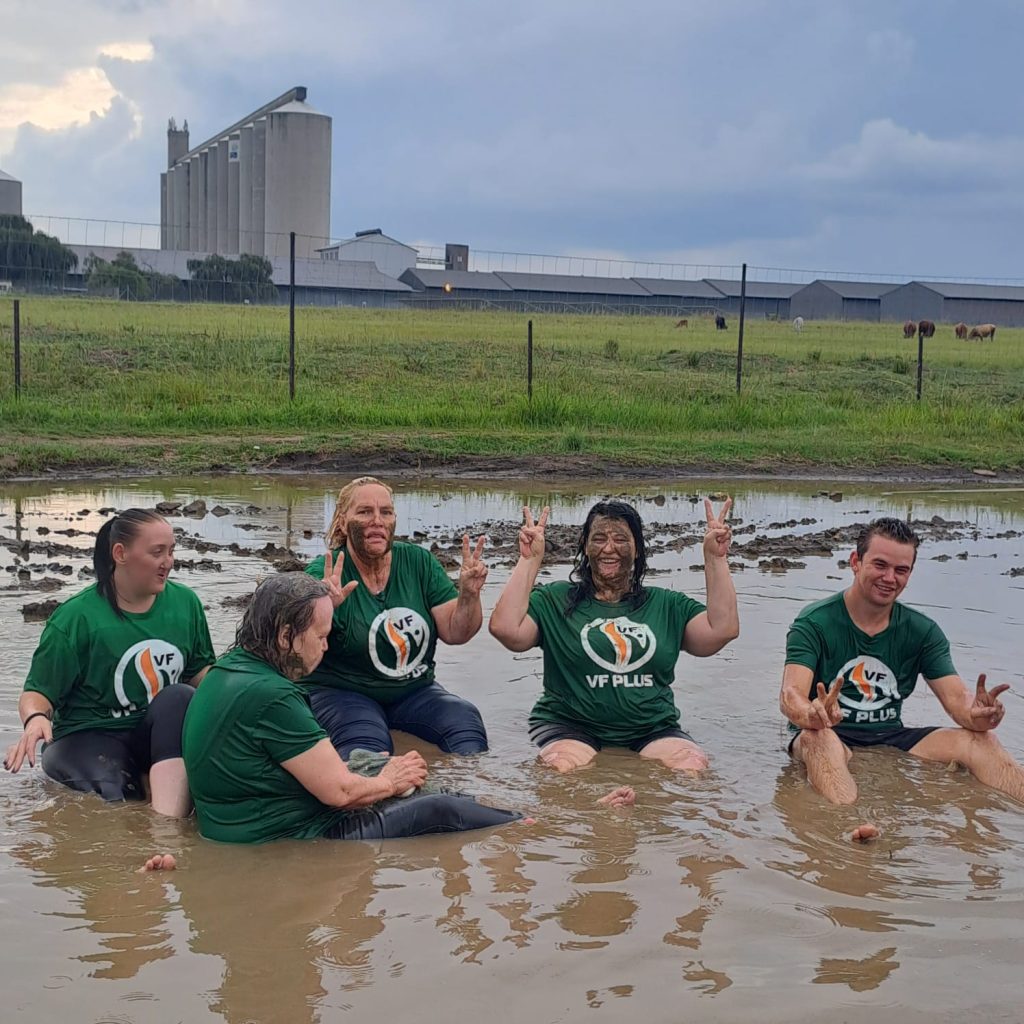
Communities have, out of sheer desperation, demonstrated and even bathed in puddles to draw attention to the problem. Still, a date for when the crisis is expected to be resolved has not been specified. And even when Rand Water does increase pressure, it takes days before the system temporarily recovers. This prolonged service failure is unacceptable and a violation of basic human rights.
The Mayor, Nhlakanipho Zuma, confirmed that Rand Water pumps water intermittently. Yesterday afternoon pumping stopped again, and there is no fixed schedule. This severely disrupts residents’ lives while plunging them into uncertainty.
The Municipality has honoured payment arrangements with Rand Water since November–December 2023, but payments alone will not solve the crisis. What is needed is an emergency plan and visible leadership.
Research into alternative water sources will only be discussed in March. In the meantime, families and businesses have to rely on water tankers that operate without a fixed schedule.
“The Municipality claims there is no money for additional water tankers, even though the Council recently increased the 2025/2026 operational revenue budget from R3,3359 billion to R3,410 billion,” said Nel-Buitendag, “This raises serious questions about priorities.”
Residents deserve solutions, not excuses and racial slurs. A clear water supply schedule should be disseminated to the public, while both the Municipality and Rand Water should ensure transparent communication.
Planning for alternative water sources should urgently be expedited, while accountability is ensured so residents are no longer left high and dry.
The Democratic Alliance (DA) is demanding an intervention into the financial spiral that a number of our municipalities are in.
During the 2024/2025 audit of local municipalities, the Auditor General reiterated the financial crisis that several of our municipalities are in, as uncertainty was expressed about the ability of eight municipalities to continue to operate. This includes:
1. eMalahleni 5. Victor Khanye
2. Govan Mbeki 6. Thaba Chweu
3. Lekwa 7. Mbombela
4. Msukaligwa 8. Nkomazi
“In the cases of eMalahleni, Govan Mbeki, and Lekwa municipalities, which have been under the financial recovery approach for more than five years, it is clear that this approach is not working, as noted by the AG,” said James Masango- DA Mpumalanga Spokesperson on CoGHSTA, “With one of the core focuses being an improvement in revenue generation, the DA finds it extremely concerning that 74% of billed revenue is deemed irrecoverable.”
Because of this situation, the AG notes that 70% of municipalities in the province ended the year on a deficit of R4.8 billion and a significant portion of their next year’s budget will be used to pay the previous years’ expenses.
James Masango- DA Mpumalanga Spokesperson on CoGHSTA
Keeping in mind that this financial crisis derailed service delivery in several municipalities, the DA calls on the MEC of CoGHSTA, Speedy Mashilo, to implement a detailed turnaround strategy with clear timelines and the related responsibilities.
“The DA remains committed to ensuring that all residents of Mpumalanga have access to basic services, and we will make all attempts to ensure that the lives of our residents are improved,” said James, “We will not relent until the provincial government comes up with practical and sustainable solutions to this crisis.”
The water crisis in the GMM area has escalated significantly over the past few weeks, turning water into an increasingly scarce commodity. While certain regions have historically faced water supply issues, the situation has now spiraled out of control.
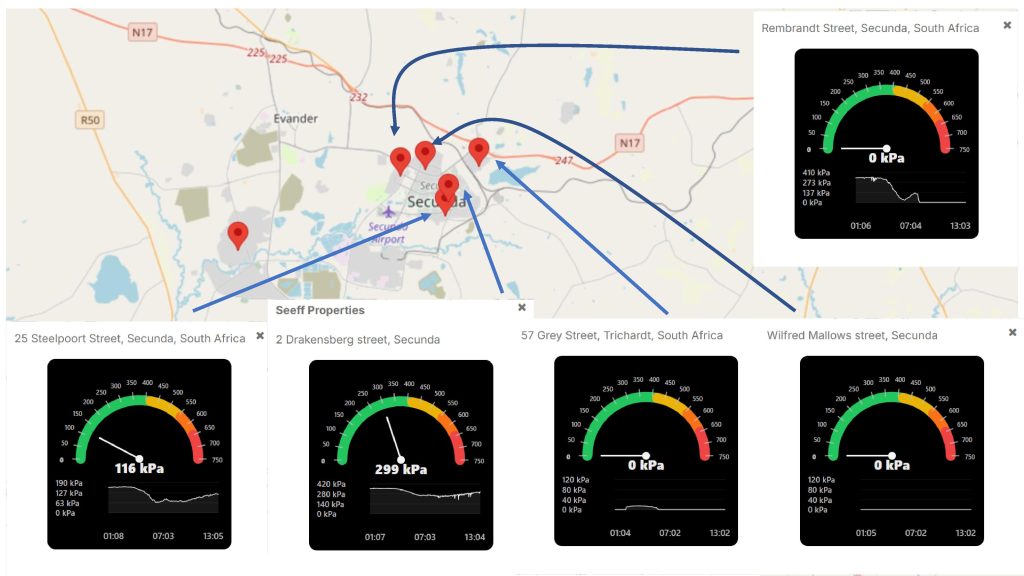
Several areas have gone without water for weeks, with Bethal experiencing supply problems for approximately a month. Additionally, Extensions 21, 22, and 23, as well as Trichardt and the elevated regions of Secunda, have struggled with inadequate water supply for as long as ten days.
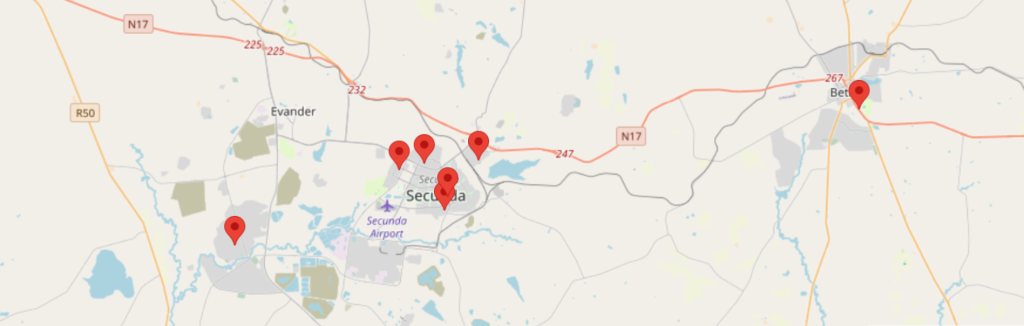
There are seven water pressure data points across GMM; however, the data presents a perplexing picture, revealing inconsistent pressure levels—some areas with no pressure at all while others report high pressure.
Social media is abuzz with messages and complaints about the unavailability of water. The blame is being cast in various directions: some residents hold GMM accountable, others point fingers at Rand Water, while some criticize local councillors. Unfortunately, there is no clear indicator of the root cause of the problem.
However, a significant issue looms regarding Gauteng’s situation. Rand Water claims to be pumping to Gauteng at full capacity, but both political parties and residents contend otherwise. GMM relies on Rand Water for its supply, meaning that any disruption in Gauteng can directly affect us.
The Bulletin spoke with a reliable source within the municipality to better understand the water situation. Our source suggests that Rand Water may not be operating at full capacity during the day, with reports of pumping halting at night. This information remains unverified by Rand Water, which has directed us back to GMM, citing its status as their client and refusing to discuss internal matters with us.
This lack of transparency complicates the establishment of clear facts. Meanwhile, residents continue to bear the brunt of the crisis. Water is a fundamental human right and should not be denied; however, many taps remain dry. Some residents believe that GMM owes Rand Water over R1 billion, which could contribute to the ongoing issue. While this may be true, the absence of clear communication leaves residents as the ultimate victims.
In a striking contrast, the Gauteng premier recently mentioned that he resorts to showering at a hotel, a luxury unattainable for those living in the affected areas.
Let us hope for a resolution to this pressing issue soon.
The Democratic Alliance (DA) in Mpumalanga has lodged a formal written complaint with the Public Protector concerning unlawful mining activities on agricultural land in Victor Khanye Local Municipality, and related environmental statutory breaches, irregular property valuations, and systemic maladministration by municipal and provincial authorities.
The complaint presents credible evidence that multiple mining operations, including active collieries, are conducting extractive activities on properties zoned “Agriculture” or otherwise classified as rural or residential, without the required rezoning or consent-use approvals under applicable planning legislation.
The DA has requested the Public Protector to investigate the conduct of the following persons and institutions in relation to these unlawful mining activities:
Speedy Mashilo, MEC for Cooperative Governance, Human Settlements and Traditional Affairs (CoGHSTA);
Khethiwe Moeketsi, MEC for Agriculture, Rural Development, Land and Environmental Affairs;
Jesta Sidell, MEC for Economic Development;
Senior officials of Victor Khanye Local Municipality, including Mayor Vusi Buda;
The Mpumalanga Regional Office of the Department of Mineral Resources and Energy (DMRE);
Any other official or organ of state who may have failed to discharge constitutional obligations.
Key concerns set out in the complaint
“Despite formal DA correspondence dated 17 June 2025 notifying the MEC for CoGHSTA of the alleged contraventions, there was no acknowledgement or effective supervisory intervention,” said Tersia Marshall MPL DA Spokesperson for Agriculture, Rural Development, Land and Environmental Affairs.
Tersia Marshall, MPL – DA Spokesperson for Agriculture, Rural Development, Land and Environmental Affairs
Prior correspondence from the Executive Mayor to the MEC dated 29 May 2025 confirms the Municipality was aware of widespread zoning contraventions but opted to issue fines rather than enforce cessation of unlawful land uses.
The Municipality’s response omitted critical information, including the duration of unlawful mining activities, when the Municipality first became aware of the contraventions, reasons for delayed or absent enforcement, and whether these irregularities span multiple financial years.
Allegations the DA requests the Public Protector to investigate
Maladministration and failure to enforce land-use schemes;
Abuse of power through deliberate non-enforcement of planning and environmental laws;
Undue delay in exercising oversight and correcting property valuations;
Improper dealing with public money and potential improper enrichment or receipt of undue advantage;
The lawfulness and rationality of decisions permitting mining activities to continue without appropriate rezoning or approvals.
The DA’s position is that Mpumalanga’s agricultural land is strategic national infrastructure for food security, rural livelihoods, and economic sustainability. Its erosion through unlawful or improperly regulated mining activity is not merely a planning failure but a governance crisis that undermines the rule of law and public confidence.
The Constitution requires all spheres of government to act lawfully, rationally, and in the public interest. Where supervisory authorities are aware of illegality and fail to act, constitutional accountability mechanisms must be invoked.
“We are committed to defending lawful governance, environmental compliance, and the proper administration of public funds. Accordingly, the DA has requested an urgent investigation by the Public Protector and appropriate remedial action in the public interest,” concludes Tersia Marshall.