Sasol and White Desert launch landmark commercial Sustainable Aviation Fuel partnership from Cape Town to Antarctica
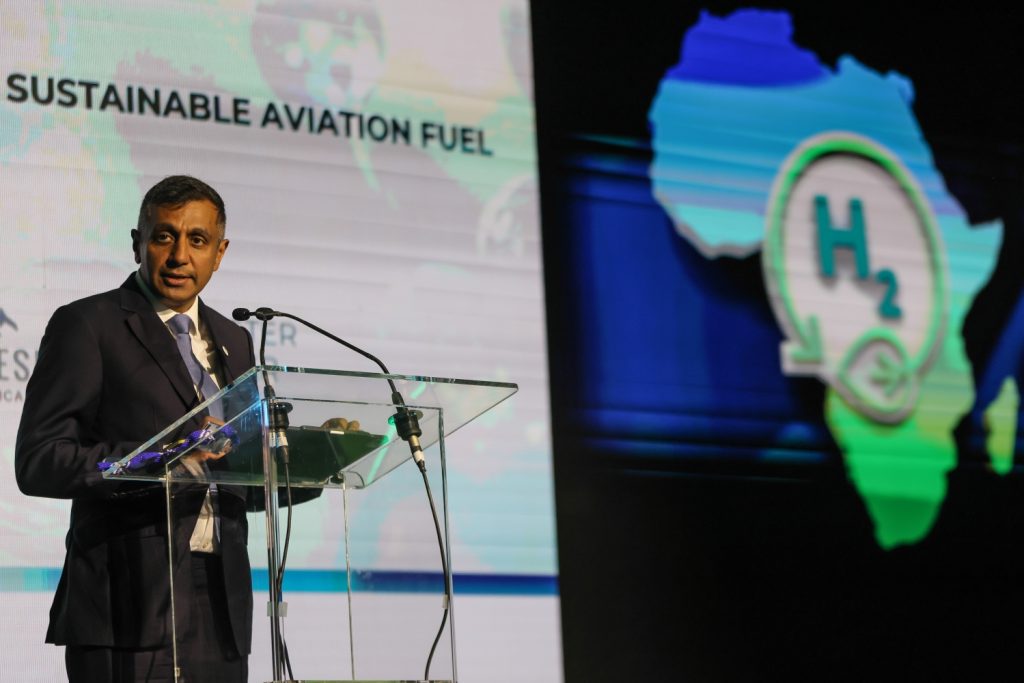
Sasol and White Desert today announced a landmark Sustainable Aviation Fuel (SAF) partnership, a significant milestone for African aviation and the country’s emerging lower-carbon fuels industry. Announced at the Africa Green Hydrogen Summit, the agreement will see Sasol’s first commercial SAF volumes supplied to White Desert for its Cape Town-to-Antarctica expeditions.
The partnership brings together South African technical expertise and customer demand to deliver practical lower-carbon solutions for aviation.
Enabled by Natref’s recent ISCC+ sustainability certification, the agreement reinforces the role South African industry can play in the global transition to lower-carbon energy.
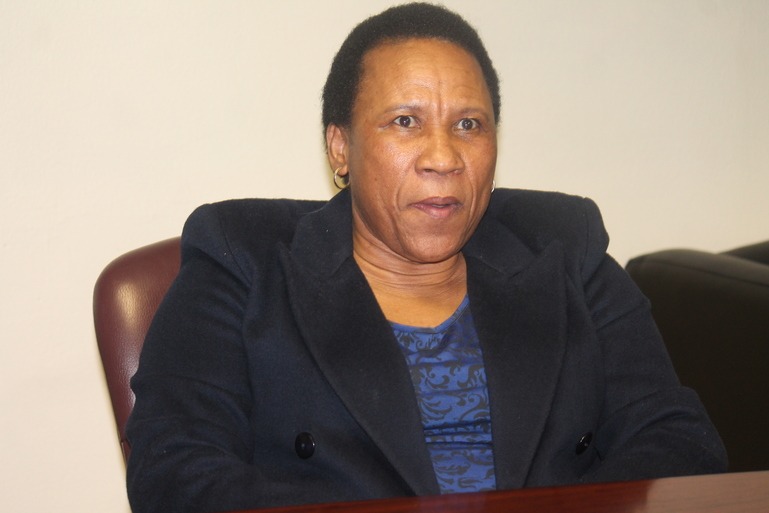
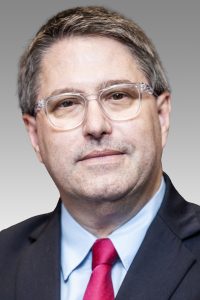
Speaking at the announcement, Dr Sarushen Pillay, Executive Vice President: Business Building, Strategy and Technology at Sasol, said: “Today’s announcement shows that South Africa is not waiting on the sidelines of the energy transition. We are building practical solutions that connect industrial capability, customer demand and innovation. Through our partnership with White Desert, we are demonstrating how sustainable fuels can move from ambition to commercial reality.”
The SAF supplied under the agreement is produced from sustainable bio-feedstocks and provides a stepping stone towards future e-fuels enabled by green hydrogen. These value chains can create new industrial opportunities while supporting energy security, competitiveness and decarbonisation.
White Desert, renowned for its luxury Antarctic expeditions from Cape Town, will use the fuel for its aviation operations between South Africa and Antarctica.
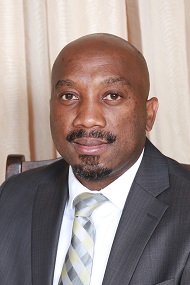
“It is incredible to now be able to source Sustainable Fuel in South Africa, made locally and with real carbon emission reductions. We are excited to be using this for our flights to Antarctica and being at the forefront of getting to net zero.” Patrick Woodhead CEO and Founder of White Desert.
Speaking to Sasol’s broader SAF ambition, Pillay added: “We do not decarbonise aviation by abandoning existing industrial assets, but by transforming them. South Africa has the fuels infrastructure, technical capability and export relationships needed to participate meaningfully in this market. Bio-SAF is the first proof point of that conversion, and a bridge to the e-fuels economy that follows.”
“This is an exciting milestone for South Africa, for aviation and for the future of sustainable fuels,” Pillay concluded.
Sasol Highveld Photography Club showcases exceptional talent
The Sasol Highveld Photography Club held its monthly meeting in early September, with members once again producing an impressive collection of photographs.
The club’s photographers continue to demonstrate a high level of technical skill, while their creative approach to selecting and interpreting subjects allows their imaginations to shine through.
Monthly meetings provide an ideal opportunity for members to connect, share ideas and learn from one another. Wouter Labuschagne from Midlens in Middelburg judged the September competition.
Members meet on the first Friday of every month, usually at the Scrum Inn at the Sasol Club. In addition to the judging of photographs, the meetings include informative talks and discussions on a variety of photography-related topics.
The monthly competition allows photographers to have their work assessed and awarded points according to its standard. Recognition includes Certificates of Merit, as well as gold, silver and bronze awards. Special honours are also presented for Best Senior, Best Junior and Best Set Subject.
Entries are submitted in several categories, including Monochrome, Landscape and Nature.
The Bulletin regularly features the Certificate of Merit and Gold award-winning photographs, along with the three monthly Best photographs.
The following images were selected as the September winners:
Best Senior Photograph is “Very Misty Morning” by Sussa Pelser
Best Junior Photograph is “In The Eye of Tiger” by Ina Annandale
Best Set Subject is “Sasol” by DNE Smit
Here are the COM and Gold photographs for September
Category – Nature, birds only
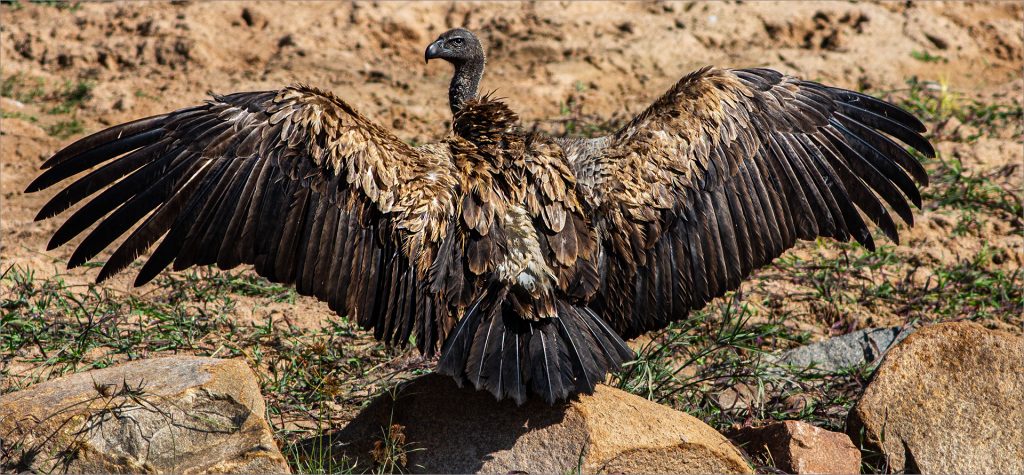
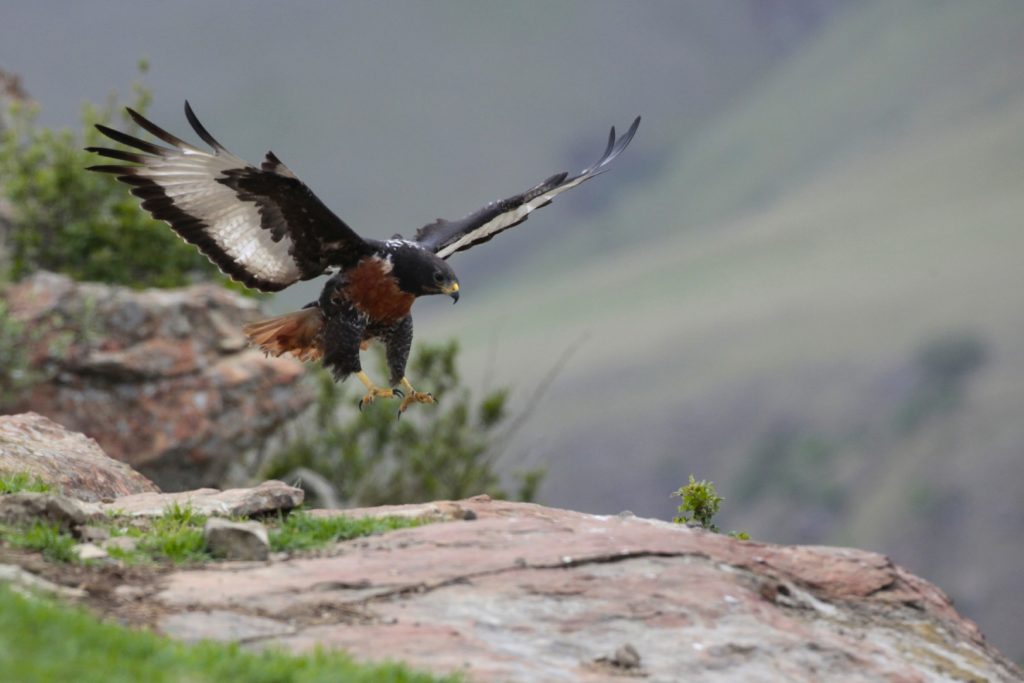
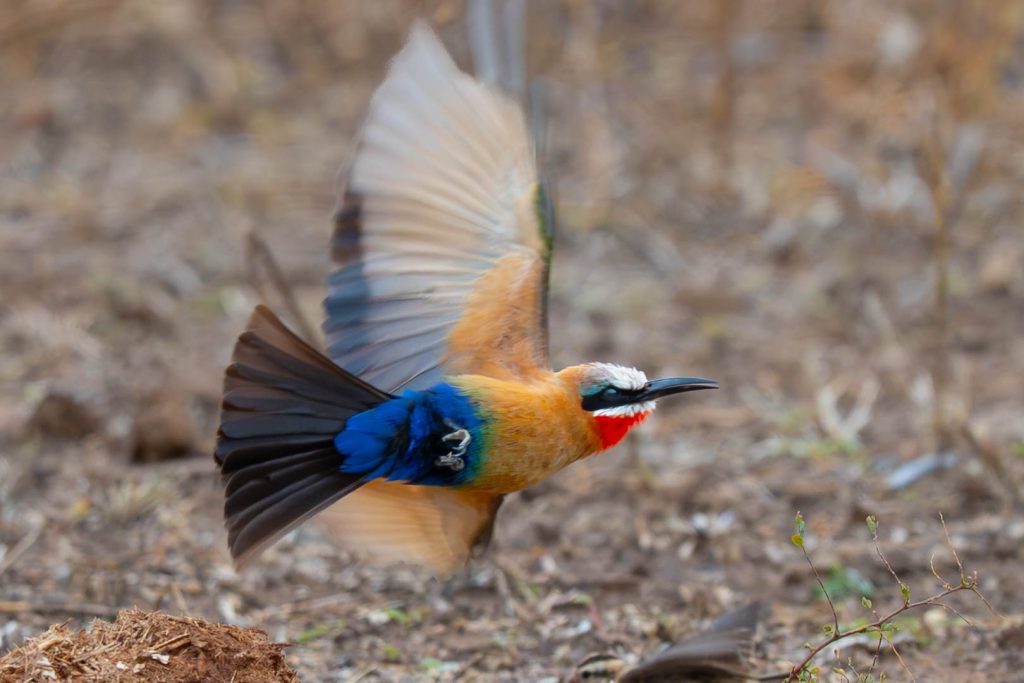
Hairy Creature by Edmund HattinghMaintenance by Robert CohoeHamerkop take off by Lorraine BothaSkerpionete by Edmind HattinghVulture bath time by Lorraine Botha
Category – Scapes
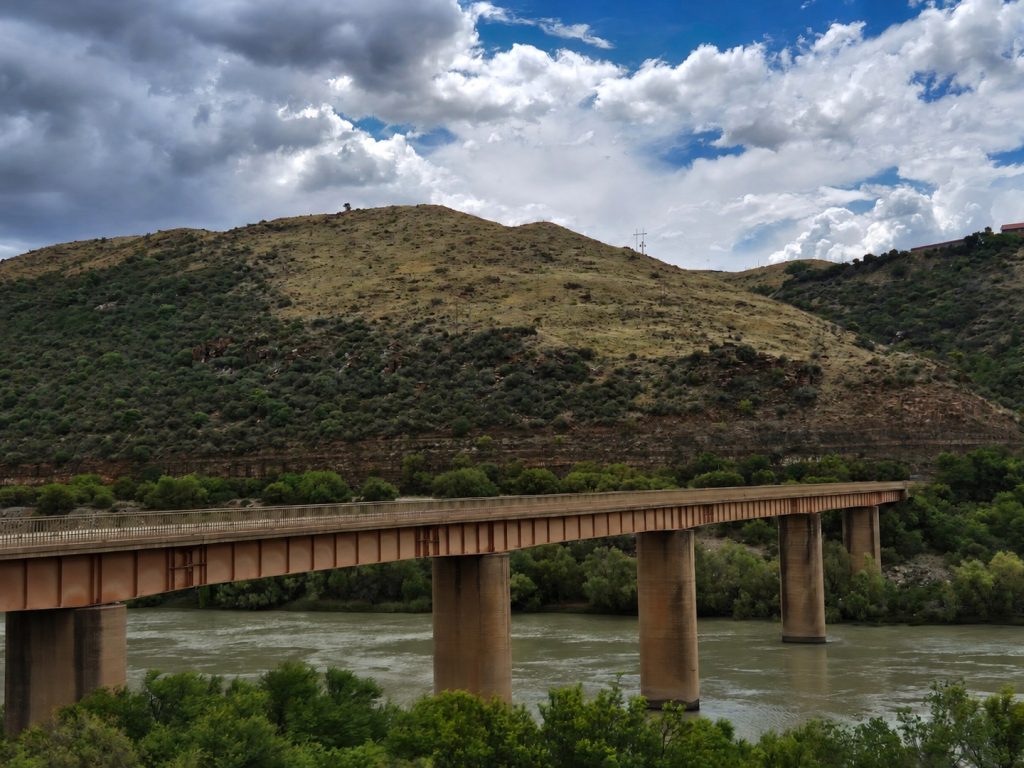
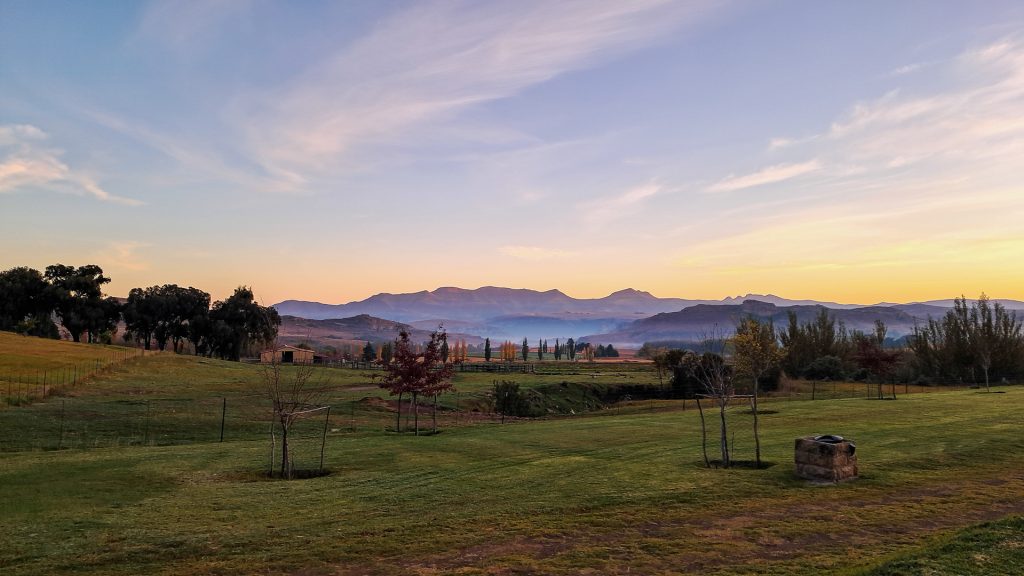
1-8s Tugela River 1 by Louis van der WaltMoon at sunrise by Edmund HattinghWaterfall by Carien SchabortRichters by Robert CohoeDublin by DNE SmitGoodbye to daylight by Hester GriesselKameeldoringboom in droogtetyd by Adri KirstenRock under stars by Edmund Hattingh
Category – Monochrome
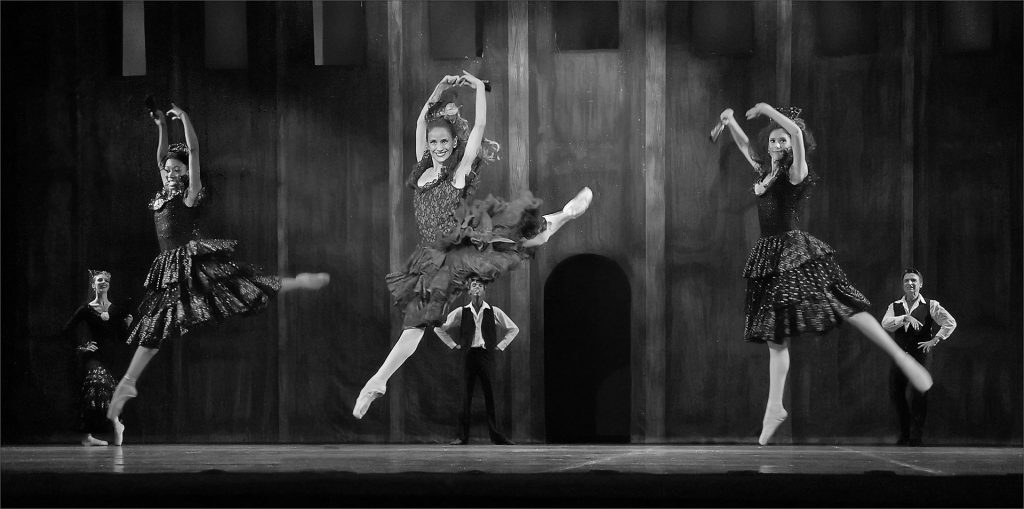
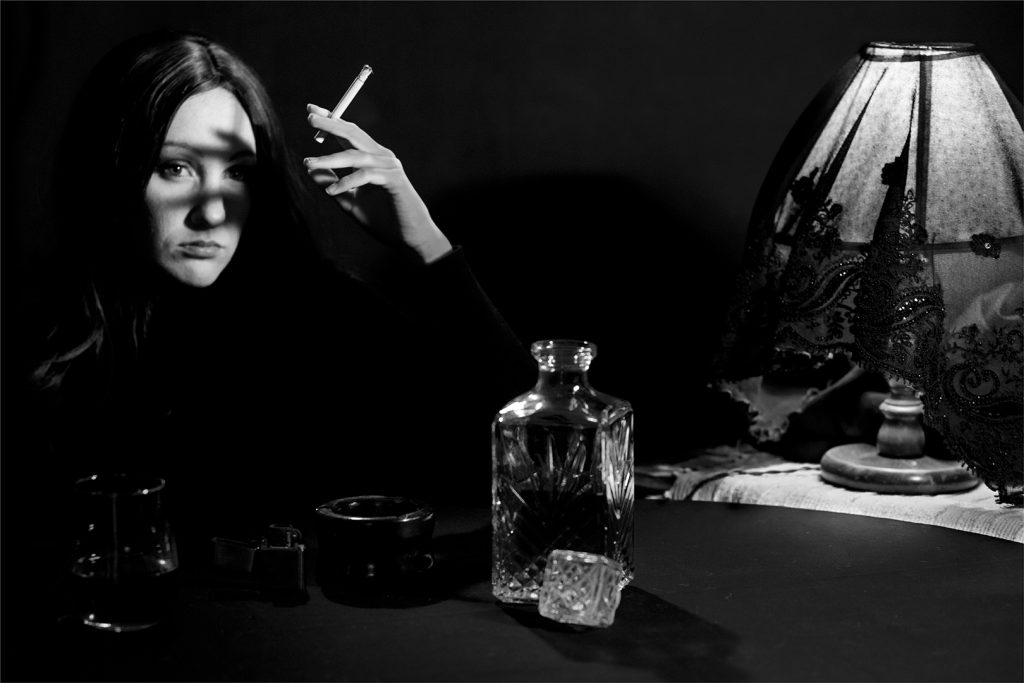
Glass Bloom by Inna AnnandaleCorridor walk by DNE SmitGrass diet by Johan ViljoenGezelle by Leon PelserMy comfort zone by Leon Pelser
Category – Nature
Lilly by Robert CohoeNaaldekoker by Hannes Griessel (Snr)Sibling hyenas playing by Lorraine Botha Lion King by Johan ViljoenKoningsprotea by Adri KirstenHyena by Hannes Griessel (Snr) Bloody mouth by Johan Viljoen
Category – Pictorial
Kosmoskind by Ina AnnandaleBubbly colours by Carien SchabortUpside down by Robert CohoeWaterlelie by Hanner Griessel (Snr)Dublin harp and barrel by DNE SmitSafe landing by Hester GriesselThe pofadder by Leon PelserI Got A Lift by Sussa PelserNew beginning by Carien SchabortOrgidee by Hannes Griessel (Snr)Twee Vensters Een Siel by Ina AnnandaleSlithering along by Carien Schabort
Category – Photojournalism
Knowledge combats fear by Lorraine Botha
Category – Set Subject
Fire by Carien SchabortSasol at six by Robert CohoeNagskof by Hester GriesselWeaving on a loom by Lorraine BothaHarvesting Before It Rains by Sussa Pelser
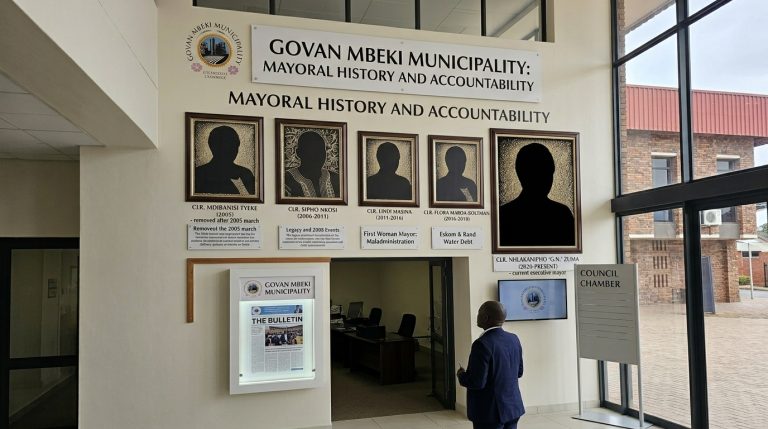
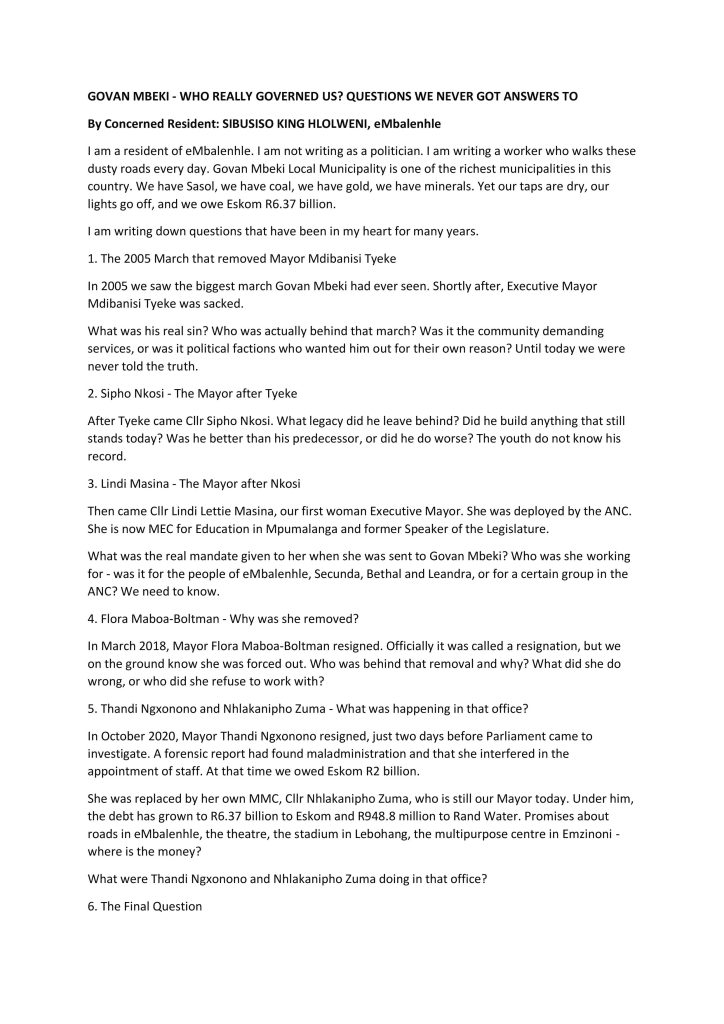
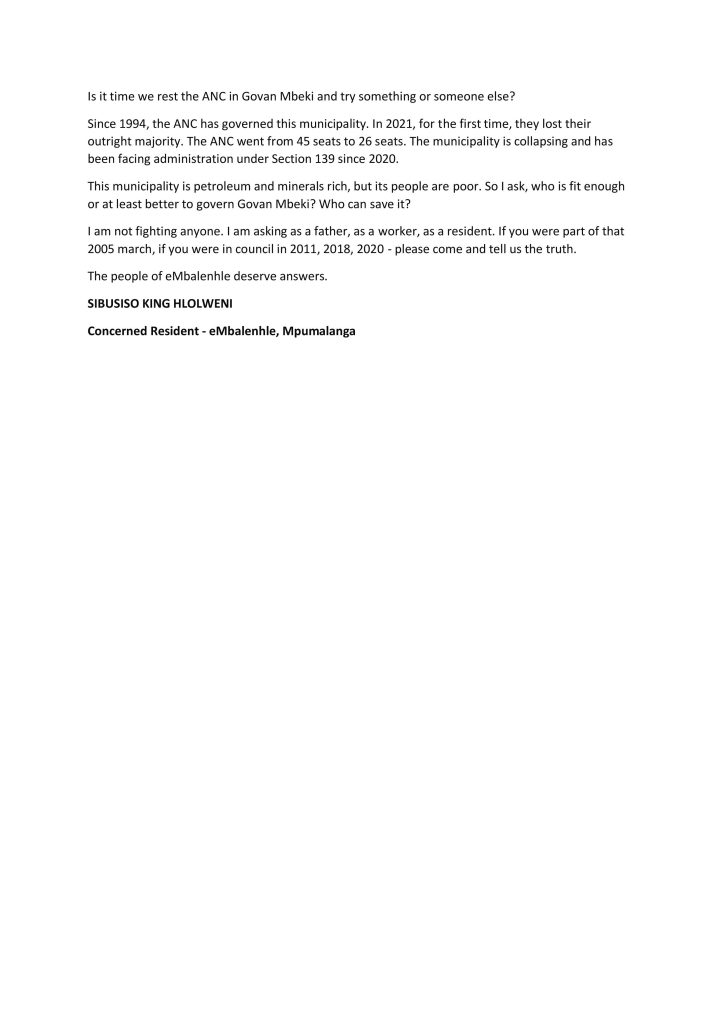
The Bulletin has received a letter from Sibusiso King Hlolweni, a resident of eMbalenhle, raising serious questions about the political and administrative history of Govan Mbeki Local Municipality.
Hlolweni’s letter is not merely a criticism of the current municipal leadership. It is an attempt to trace how political decisions, leadership changes, financial mismanagement and service-delivery failures have shaped the municipality over nearly two decades.
Govan Mbeki is one of Mpumalanga’s economically significant municipalities. It benefits from major industrial, energy, mining and commercial activity. Yet many residents continue to experience unreliable electricity, water interruptions, deteriorating roads, incomplete projects and limited economic opportunities.
The municipality’s financial position has also deteriorated severely. Reports have referred to billions of rand owed to Eskom, together with substantial debt to Rand Water and other service providers. The municipality has also faced repeated concerns about financial management, governance and possible intervention under Section 139 of the Constitution.
Hlolweni’s central question is therefore direct: Who has really governed Govan Mbeki, and in whose interests?
The 2005 march and the removal of Mayor Mdibanisi Tyeke
One of the questions raised concerns the major march held in 2005, after which Executive Mayor Mdibanisi Tyeke was removed from office.
Residents deserve a clear public account of what happened. Was the march driven primarily by genuine service-delivery grievances? Was it connected to internal political divisions? Or was it a combination of both?
Community protests can reflect real hardship, but they can also become linked to political contests within governing parties. Without access to official records, it would be irresponsible to state conclusively who organised the march or what the decisive reason for the mayor’s removal was.
However, the matter should not simply disappear into local political history.
The public has a right to know whether the removal was based on administrative performance, political accountability, internal party decisions or a combination of factors.
What was the legacy of Sipho Nkosi?
Following Mayor Tyeke, Cllr Sipho Nkosi became mayor. Hlolweni asks what concrete legacy was left by that administration.
This is a reasonable question, but it should be answered through evidence rather than political memory alone. A proper assessment would examine the municipality’s integrated development plans, annual reports, audited financial statements and capital budgets during that period.
Nkosi served as the executive mayor of Govan Mbeki Municipality from 2006 to 2011. During his tenure, his deputy mayor, Thandi Mtsweni, was murdered.
Mtsweni was gunned down in front of her husband and son at her home in Leandra on 27 June 2007. At the time of her death, she was reportedly investigating alleged tender irregularities within the municipality.
In 2008, while attending proceedings at the Evander Magistrate’s Court against those accused of killing Mtsweni, Nkosi was arrested by police inside the courtroom. He was implicated in connection with her assassination but was later released because of insufficient evidence.
Following his arrest, Nkosi was suspended as mayor, although he was subsequently reinstated
A mayor’s legacy cannot be measured only by speeches or political popularity. It must be measured by functioning infrastructure, sound finances, credible procurement and improved services.
Lindi Masina and the question of political deployment
Cllr Lindi Lettie Masina later became the municipality’s first woman Executive Mayor. She subsequently served in the Mpumalanga Legislature and as MEC for Education.
Hlolweni asks what mandate she received when she was deployed to Govan Mbeki and whether her primary accountability was to residents or to the ANC.
This question touches on a broader issue in South African local government: the relationship between elected public representatives and political-party structures.
Mayors are elected through council, but many are selected or recommended through party processes. That can create tension between:
accountability to residents;
accountability to council;
accountability to a political party; and
accountability to provincial and national government structures.
There is nothing inherently unlawful about political parties selecting candidates or recommending office-bearers. The concern arises when party loyalty appears to take precedence over constitutional obligations, council oversight and the public interest.
The proper test is not speculation about a mayor’s personal loyalties. The proper test is whether the administration complied with the Constitution, municipal legislation, council decisions, procurement rules and its service-delivery commitments.
Flora Maboa-Boltman’s 2018 departure
In March 2018, Flora Maboa-Boltman left the position of Executive Mayor. Although her departure was publicly described as a resignation, reports at the time indicated that the ANC had recalled her and cited instability within the municipality.
This distinction matters. A resignation resulting from a political recall is not the same as a completely voluntary departure.
The issue is not whether a political party may change its representatives. It may do so within the law and its own rules. The issue is whether residents are informed about the reasons for major leadership changes in a municipality whose finances and services affect hundreds of thousands of people.
The Thandi Ngxonono administration and the 2020 crisis
Hlolweni also raises questions about the administration of Mayor Thandi Ngxonono, who resigned in October 2020, reportedly shortly before a parliamentary investigation or oversight process.
Reports from that period referred to allegations of maladministration and concerns about interference in the appointment of municipal staff. These are serious allegations and should not be treated as proof of wrongdoing unless established through a properly adopted report, disciplinary finding, court judgment or other authoritative process.
What requires closer examination is the documentary record:
Section 106 report: findings that demand follow-through
The Section 106 report supplied to The Bulletin is a 150-page final report prepared for the Mpumalanga Department of Co-operative Governance and Traditional Affairs by Motlatsi Seleke Incorporated. It records that the investigation was instituted under Section 106(1)(b) of the Local Government: Municipal Systems Act 32 of 2000 to examine allegations of maladministration, fraud, corruption, serious malpractice and non-compliance with legislation at Govan Mbeki Local Municipality.
The report examined several areas, including recruitment and acting appointments, the appointment of the chief financial officer, non-implementation of council resolutions, irregular contract extensions, municipal infrastructure and water-services grants, and supply-chain management.
Its findings are particularly significant because they identify weaknesses not only in individual decisions, but also in the municipality’s internal systems.
According to the report’s executive summary, the municipality made 19 employee appointments during the 2017/18 and 2018/19 financial periods that were found to contravene its Recruitment and Selection Policy. It also recorded 12 acting appointments made without compliance with the municipality’s Acting Policy. The investigators stated that recruitment and selection had been “greatly influenced by certain political office bearers”.
The report recommended that the recruitment policy be reviewed and updated. It further recommended disciplinary action against officials responsible for recruitment failures and that the council invoke the councillors’ Code of Conduct in relation to allegations of political interference involving then Executive Mayor Thandiwe Yvonne Ngxonono and councillor N.E. Nkosi. Those findings should not be presented as criminal convictions; they are findings and recommendations contained in an investigation report.
The report also describes a municipality in which oversight decisions were not consistently implemented. Investigators found that there was no proper process to monitor the implementation of council resolutions and that some departmental heads were not held accountable when resolutions remained outstanding. The recommended remedy was a formal tracking system, monthly reporting by responsible officials and the inclusion of implementation progress as a standing item on council agendas.
The CFO appointment and financial accountability
The report devotes a separate section to the appointment of Bongumusa Benedict Sithole as chief financial officer.
It states that the advertised position required, among other things, a tertiary qualification at NQF Level 7 in accounting, finance, economics or chartered accountancy, at least seven years’ relevant management experience, including two years at senior-management level, and the relevant municipal finance competency requirements.
The investigators concluded that Sithole’s Bachelor of Commerce degree was in Insurance rather than one of the fields specified in the advertisement. They also recorded that he had received an overall “basic” result in a competency assessment conducted for another municipality. The report stated that no competency assessment had been conducted for Govan Mbeki before his appointment and that the municipality had not applied to the minister for a waiver of the prescribed requirements.
On that basis, the investigators concluded that the appointment was invalid and recommended that the MEC take appropriate steps to enforce compliance, including possible court proceedings to determine the validity of the appointment.
The report raises a second, separate issue concerning the employment documentation. It records that the municipality could not locate a signed employment contract concluded before Sithole began working as CFO. It further records that a performance agreement was signed only on 9 October 2018, outside the statutory 60-day period referred to in the report.
The report says the municipality later adopted a council resolution authorising the conclusion of a new employment contract. However, the investigators questioned whether the council could retrospectively remedy an appointment that had allegedly contravened the Municipal Systems Act.
The document also records that disciplinary proceedings were instituted against Sithole but that, at the time covered by the investigation, no disciplinary hearing had been held and no disciplinary ruling had been issued. The report recommended that the appointment’s validity be addressed and that the findings of the Integrity Management Unit be implemented.
Supply-chain failures and contracts
The report characterises contract management as a major problem within the municipality. It identifies service providers allegedly operating without contracts, contracts extended from month to month without adequate justification, reliance on expired contracts and contracts terminated without proper consideration of contractual obligations.
The investigators warned that the absence of contracts made it difficult to hold service providers to defined obligations, monitor their performance or establish whether services had actually been delivered. They also stated that incomplete or misplaced records limited the investigation.
The report’s summary records alleged irregularities involving transactions with Sinothile Transport & Projects CC and Vuma Konke Transport & Projects CC. It states that certain deviations were irregular and did not comply with the Municipal Finance Management Act and the municipality’s Supply Chain Management Policy. It also records that invoices involving several suppliers amounted to irregular expenditure.
In another section, the report refers to an Integrity Management Unit investigation into alleged irregular expenditure and fraudulent payments for services that were not rendered. It says the IMU found that payments had been made to three suppliers without the necessary documentation or proof of services rendered. The report records that the IMU recommended criminal charges against implicated officials and suppliers, as well as internal disciplinary action.
Those recommendations require verification from the municipality, the provincial government and law-enforcement agencies.
The report itself does not establish that criminal convictions followed, and The Bulletin does not imply that they did.
Infrastructure, grants and service delivery
The report links administrative weakness to the municipality’s ability to deliver services. Its scope included underspending of the Municipal Infrastructure Grant and Water Services Infrastructure Grant, as well as the failure to complete initiated projects.
The investigators reported that several projects had not been completed because of delays and alleged underperformance by appointed service providers. They recommended that the Project Management Unit operate independently, monitor projects regularly and prepare progress reports to ensure that spending complied with approved implementation plans.
The report also records concerns about the municipality’s skills-development funding. It states that R14 million was allocated through the Municipal Skills Development Grant for 2017 and R23 million for 2018. It records that the LGSETA allocation for 2017 was not spent and was transferred to the 2018 budget. The investigators said that documentation did not explain what happened to the R37 million allocated through the Municipal Skills Development Grant for the two years.
The report did not find maladministration in every area examined. For example, in its assessment of the skills-development levy funds, it stated that there was no maladministration based on the documents and interviews reviewed. But it also identified a lack of compliance with legislation and inadequate investment in employee skills development, and recommended a skills audit and a formal skills-development plan.
A report about implementation as much as misconduct
Perhaps the most important finding is that the report repeatedly returns to the question of implementation.
The investigators recorded that some council resolutions had been implemented, but that no proper process existed to monitor progress. They also stated that a tracking system was available but was not being used. Their recommendations included:
regular updating of the council-resolution register;
quarterly reporting to council;
monthly monitoring by the municipal manager and departmental heads;
implementation of the Integrity Management Unit’s findings;
disciplinary action where officials failed to implement or report on resolutions; and
progress reports to the MEC for Co-operative Governance and Traditional Affairs.
This gives the Section 106 report a direct bearing on the questions raised by resident Sibusiso King Hlolweni. The central issue is no longer simply whether allegations were made or whether investigations were conducted. It is whether the municipality and provincial authorities implemented the report’s findings, pursued consequence management and corrected the systems that the investigators found to be defective.
The municipality, the provincial department, councillors and officials named in the report should be asked to provide an updated implementation schedule. That schedule should identify each recommendation, the official or institution responsible, the action taken, the date of implementation and any outstanding legal or disciplinary process.
Until that information is made public, the existence of the report will not by itself resolve the accountability crisis. It will instead raise a further question: what happened after the findings were delivered?
At the time, the municipality’s Eskom debt was already a major concern. The subsequent growth of the debt suggests that the crisis was not resolved by changes in political leadership.
Nhlakanipho Zuma and the continuing debt crisis
Cllr Nhlakanipho Zuma subsequently became mayor. Hlolweni asks what happened in the mayoral office during this period and why the municipality’s debt continued to grow.
It is important to distinguish between political responsibility and personal culpability. A mayor may carry political responsibility for the performance of an administration without personally causing every debt, contract or failure. Establishing individual wrongdoing requires evidence.
At the same time, political leaders cannot avoid accountability indefinitely by blaming only previous administrations.
If a municipality inherits a financial crisis, the public should expect to see:
a credible financial-recovery plan;
transparent reporting on Eskom and Rand Water arrangements;
monthly expenditure and revenue monitoring;
action against illegal electricity connections and non-payment;
improved billing and revenue collection;
consequences for irregular expenditure;
progress reports on stalled infrastructure projects; and
regular public meetings explaining what is being done.
The projects mentioned by Hlolweni—roads in eMbalenhle, the theatre, the Lebohang stadium and the Emzinoni multipurpose centre—should each be investigated individually. Residents need to know whether these projects were cancelled, delayed, abandoned, redesigned or affected by funding and contractual disputes.
Who is responsible for the municipality’s decline?
The evidence available in the public domain points to a problem that is larger than any one mayor.
The municipality’s decline appears to involve several overlapping factors:
frequent political leadership changes;
internal party contestation;
weak council oversight;
poor financial controls;
inadequate revenue collection;
electricity and water debt;
procurement and contract-management concerns;
insufficient consequences for poor performance; and
failures by different spheres of government to intervene effectively.
This does not remove the responsibility of individual office-bearers. Every administration must account for its own decisions. But residents should also be cautious of explanations that blame the entire crisis on one mayor or one political faction.
A proper investigation should examine the full period since 1994 and identify which decisions created the municipality’s current financial position.
Should residents consider a change of government?
Hlolweni asks whether it is time for residents to rest the ANC and try another party or governing arrangement.
That is ultimately a democratic choice for voters. No party should be presumed entitled to govern indefinitely. Equally, replacing one party with another will not automatically solve the municipality’s problems.
Any party or coalition seeking residents’ support should be required to present a detailed and measurable recovery programme addressing:
the Eskom and Rand Water debts;
revenue collection and billing;
electricity and water reliability;
road maintenance;
completion of stalled projects;
professional municipal appointments;
transparent procurement;
consequence management; and
public reporting and community participation.
The real question is not only which party can replace the ANC. It is whether any party, coalition or independent leadership group can demonstrate the competence, integrity and discipline required to rebuild the municipality.
The answers residents deserve
Hlolweni’s letter should not be dismissed as political provocation. It raises questions that many residents are asking privately.
The Bulletin believes the following information should be made publicly accessible:
a complete chronology of mayors and acting mayors since 1994;
the reasons and procedures for each leadership change;
all major forensic and investigative reports;
the municipality’s annual audit outcomes;
records of irregular, fruitless and wasteful expenditure;
Eskom and Rand Water debt statements;
Section 139 intervention documents;
the status of major infrastructure projects; and
records of disciplinary, civil or criminal action arising from municipal investigations.
These documents would allow residents to move from rumour and political accusation to evidence-based accountability.
The people of eMbalenhle, Secunda, Bethal, Leandra, Emzinoni and Lebohang do not need more political slogans. They need facts, explanations and consequences.
The municipality’s resources belong to the public. Its council is accountable to the public. Its political leaders are entrusted with public power.
The time has come for a full and independent account of how Govan Mbeki was governed—and why a municipality with such a strong economic base has left so many of its residents feeling abandoned
Vir Christelle Hanger is skryfwerk meer as bloot die neerskryf van ’n interessante verhaal. Dit is ’n manier om mense te bereik, moeilike onderwerpe oop te breek en lesers aan te moedig om met groter begrip na ander se lewens te kyk.
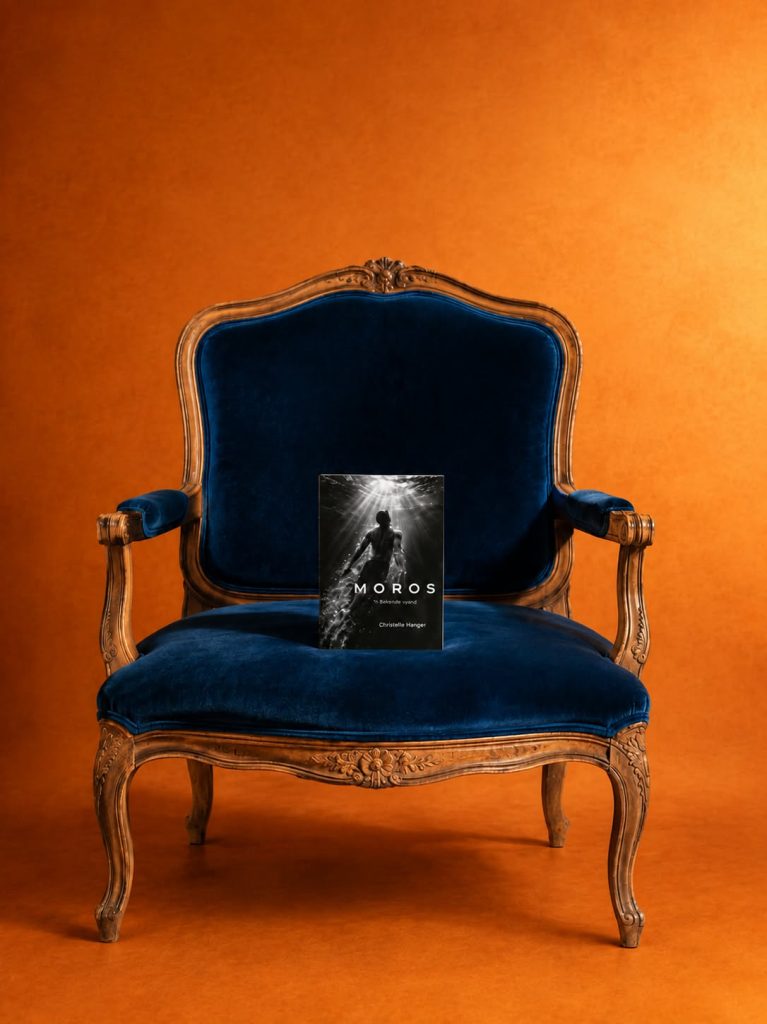
Hanger, wat al jare lank ’n onderwyser was, is die skrywer van die boek Moros. Die verhaal het oor ’n tydperk van ongeveer twintig jaar in haar gedagtes ontwikkel voordat sy uiteindelik gereed was om dit te skryf.
Hoewel Moros in ’n fiktiewe wêreld afspeel, is die boek stewig gewortel in die werklikheid. Die verhaal ondersoek die lewens van jongmense en die uitdagings waarmee hulle daagliks te doen kry. Gesinsgeweld, groepsdruk, ouerdruk, trauma en die gevolge van stilte vorm deel van die groter verhaal.
Hanger beklemtoon dat Moros nie ’n tipiese boek oor gesinsgeweld is nie. Dit is eerder ’n storie waarin ernstige maatskaplike kwessies deel vorm van die karakters se ervarings. Die boek bied dus nie bloot feite of ’n lesing oor geweld nie, maar plaas lesers binne die emosionele wêreld van die karakters.
Die titel is geïnspireer deur die Griekse mitologie. Moros word verbind met ondergang en noodlot – temas wat volgens Hanger by die donker en emosionele aard van die verhaal aansluit. Tog is die boek nie sonder hoop nie. Deur die karakters se ervarings word gewys hoe belangrik dit is om hulp te kry, om ondersteuning te aanvaar en om uiteindelik te begin praat.
Die belangrikheid van luister
Een van die kernboodskappe van Moros is dat stilte gevaarlik kan wees. Kinders en tieners praat nie altyd wanneer hulle seerkry of bang is nie. Soms is hulle bang dat niemand hulle sal glo nie. Ander kere beskerm hulle hulself of hul gesin deur stil te bly.
Hanger glo dat ouers en ander volwassenes moet leer om fyner te luister. Dit beteken nie dat elke gesprek onmiddellik met raad of kritiek beantwoord moet word nie. Kinders het dikwels eers nodig om veilig en aanvaar te voel.
Die boek kan daarom ’n waardevolle hulpmiddel wees om gesprekke tussen ouers en kinders te begin. Dit skep ’n geleentheid om oor moeilike sake te praat sonder dat ’n kind noodwendig sy of haar eie situasie direk hoef te verduidelik.
Onderwysers as veilige persone
As onderwyser is Hanger deeglik bewus van die rol wat skole in kinders se lewens speel. Onderwysers sien leerders gereeld en kan soms veranderinge in gedrag opmerk voordat ander volwassenes dit raaksien.
’n Kind wat skielik teruggetrokke raak, sukkel om te konsentreer of gereeld afwesig is, dra dalk ’n probleem wat nie onmiddellik sigbaar is nie. Hanger meen dat onderwysers dikwels meer doen as om net les te gee. Hulle bied leiding, ondersteuning en soms selfs ’n veilige toevlug aan kinders wat in moeilike omstandighede leef.
Sy wys ook daarop dat onderwysers groot druk ervaar en dat hul werk dikwels onderskat word. Nietemin kan ’n toegewyde onderwyser ’n blywende verskil in ’n kind se lewe maak.
’n Emosionele skryfproses
Die skryf van Moros was vir Hanger ’n intense en emosionele reis. Sy beskryf dit as een van die moeilikste projekte wat sy nog aangepak het. Die temas is swaar, maar juis daarom is die verhaal vir haar belangrik.
Sy hoop dat lesers nie net deur die storie vermaak sal word nie, maar ook iets van hulself daarin sal herken. Die karakters is fiktief, maar die emosies en situasies is universeel. Lesers uit verskillende ouderdomsgroepe en agtergronde kan iets uit die boek neem.
Hoewel die fokus sterk op tieners val, is Moros ook bedoel vir volwassenes. Ouers, onderwysers, jeugwerkers en almal wat met jongmense werk, kan baat vind by die gesprekke wat die boek aanmoedig.
Selfpublikasie met ’n doel
Hanger het besluit om Moros self te publiseer. Dit het beteken dat sy self betrokke was by verskeie aspekte van die publikasieproses, waaronder die uitleg, die ontwerp van die buiteblad en die redigering.
Selfpublikasie verg finansiële opoffering en baie werk, maar dit het Hanger die geleentheid gegee om beheer oor haar verhaal te behou. Vir haar was dit belangrik dat die boek op haar eie voorwaardes gepubliseer word en dat die boodskap nie verwater word nie.
Haar raad aan nuwe skrywers is eenvoudig maar belangrik: skryf omdat jy iets het om te sê. Wees bereid om hard te werk, jou manuskrip te hersien en verantwoordelikheid vir jou boek te neem. Die pad na publikasie is nie altyd maklik nie, maar die eindresultaat kan betekenisvol wees.
’n Boek wat gesprekke wil begin
Christelle Hanger hoop dat Moros lesers sal help om meer bewus te wees van die probleme wat kinders en tieners ervaar. Sy wil hê dat die boek mense moet laat nadink oor hoe hulle luister, hoe hulle reageer en hoe hulle ondersteuning bied.
Uiteindelik is Moros ’n oproep tot groter deernis. Dit herinner lesers daaraan dat ’n mens nooit heeltemal weet wat iemand anders deurmaak nie. ’n Eerlike gesprek, ’n oplettende onderwyser of ’n volwassene wat bereid is om te luister, kan dalk die begin van verandering wees.
Met Moros gebruik Hanger haar stem as skrywer en onderwyser om ’n belangrike boodskap uit te dra: moeilike onderwerpe moet nie stilgebly word nie. Hulle moet met sensitiwiteit, moed en begrip bespreek word.
The monthly Sasol Highveld Photography Club meeting took place on the 14th of August.
Several photographers entered their photographs in the club competition. The photographers excelled again with their photographs. A record number of photographs were entered for the August meeting
Johan Brits judged the entries. He travelled from Vanderbijlpark to share some knowledge and insights.
If you have any questions, contact Louis van der Walt at +27 (72) 755-2767. The Sasol Highveld Photography Club is passionate about photography and the quality of its images. It wants its members to enjoy their photography.
Members are also graded by their skill levels and receive points to progress to a higher level. The aim is for photographers to improve by having their photos judged and critiqued. By taking note of the guests’ comments, they should be able to improve.
Different “certificates” are awarded to the photographs. These are Bronze, Silver, Gold and Certificate of Merit (COM). If the author (photographer) does everything wrong in a photo, for his/her skill level, such as being out of focus, he/she will receive a bronze. Doing everything right will result in gold or even a COM.
The set subject was “Forms in Nature”
The Best Photograph in the Set Subject division was “Curves in Nature” by Leon Pelser
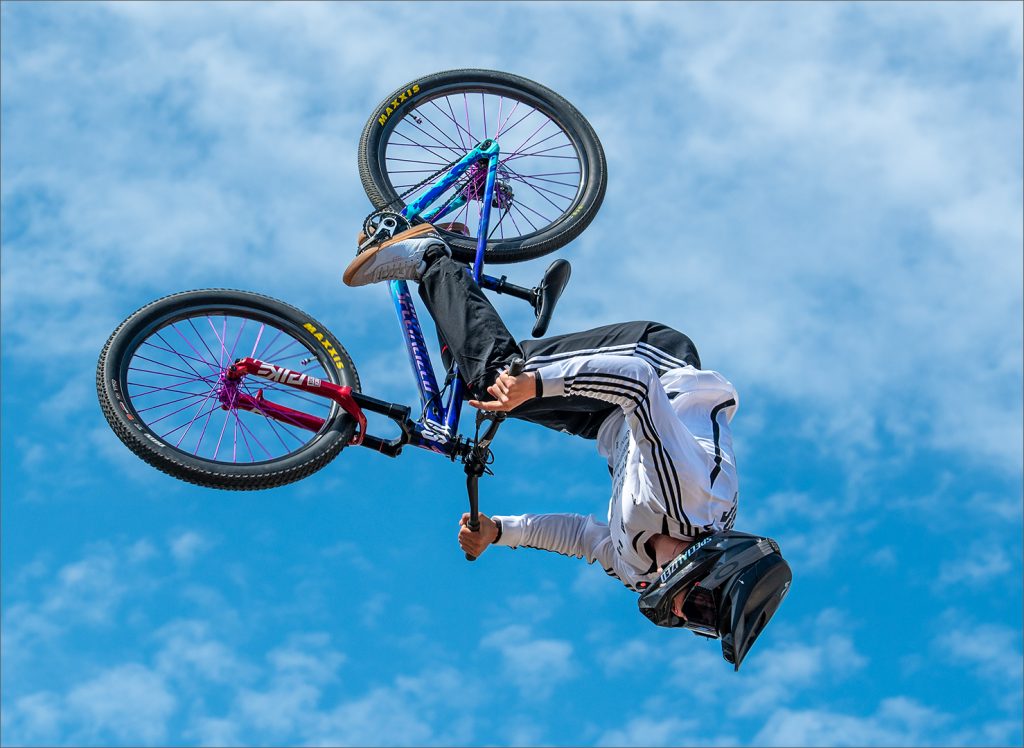
The Best Photograph in the Senior division was “Redbull gives you wings” by Hanno de Beer
The Best Photograph in the Junior division was “Lost in Colour” by Ina Annandale
The following photographs received COM and Gold certificates.
Category – Set Subject: Forms in Nature
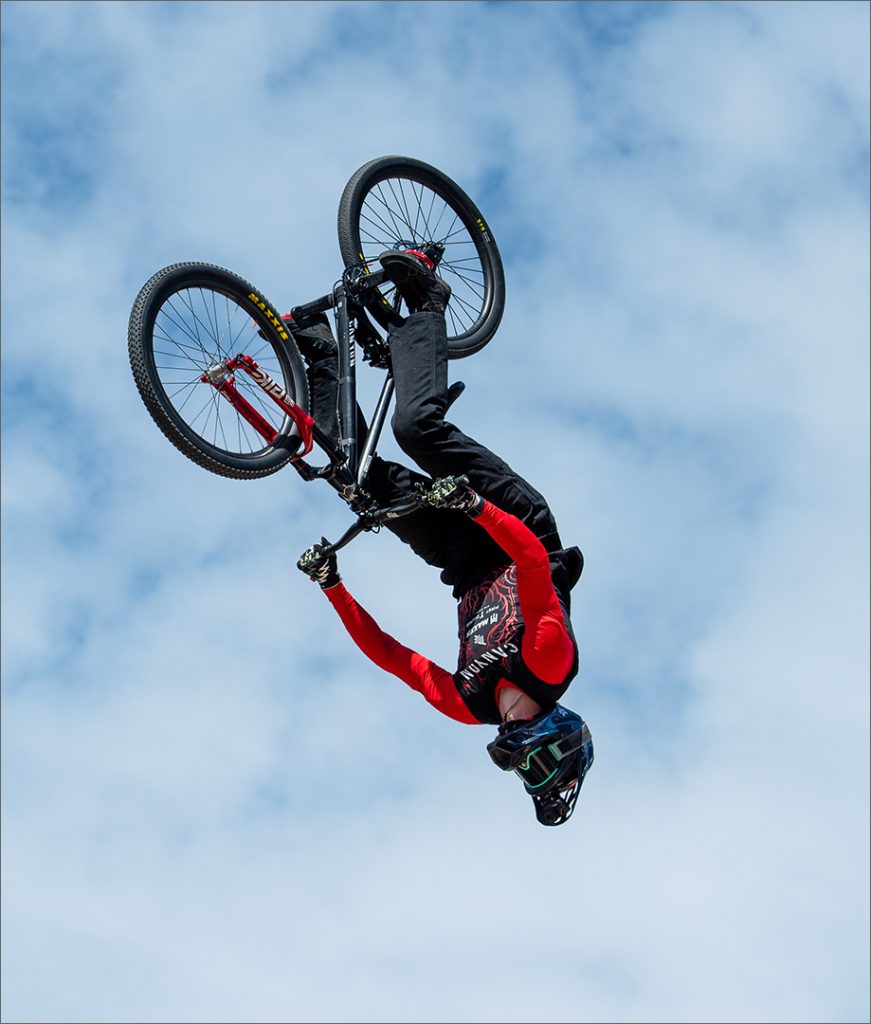
Blom van grinadilla by Adri KirstenShapes in nature by Lorraine BothaLilly by Robert CohoePitte by Carien SchabortFeather Forms by Ina AnnandaleHeart of the Forest by Stian Griffin
Category – Photojournalism
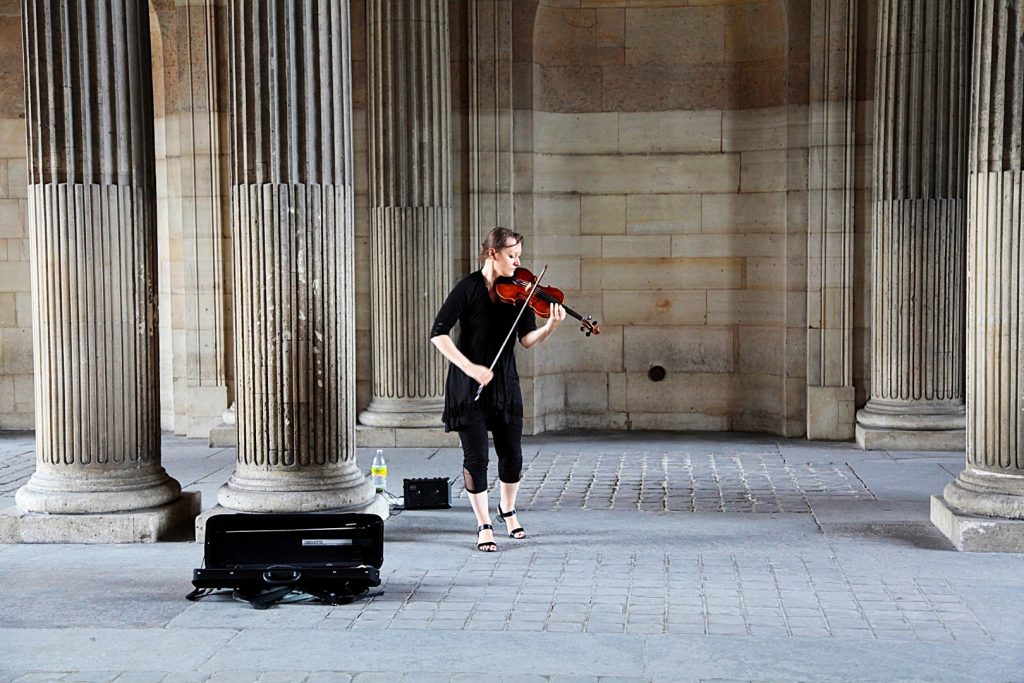
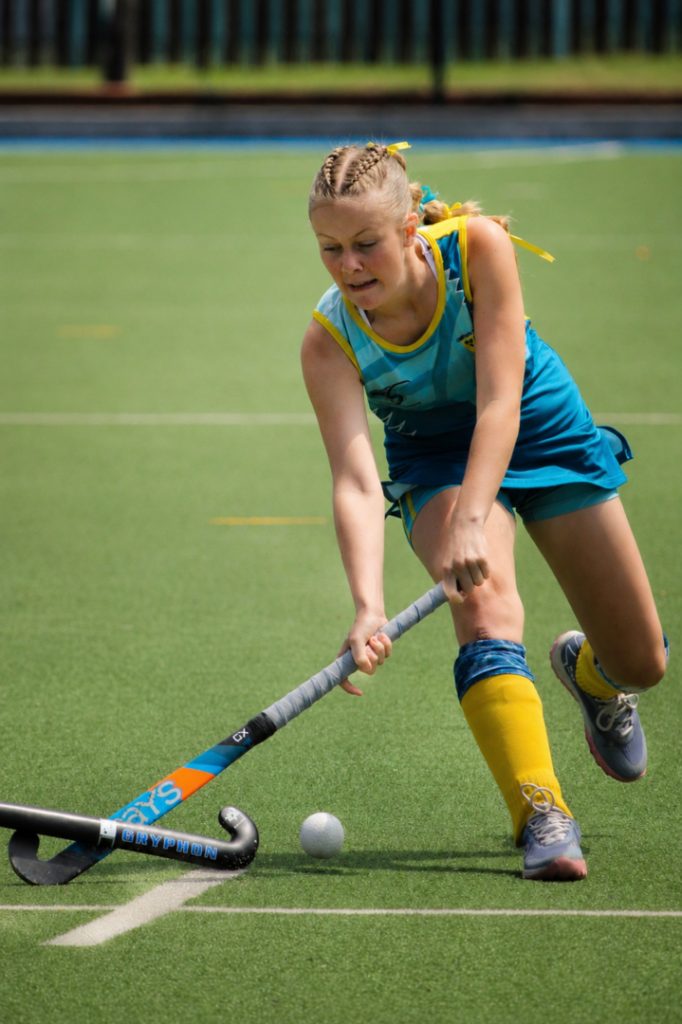
Bad at flying by Hanno de BeerStreet musician by Encee van HuyssteenPrecision in Motion by Stian GriffinWaiting for the Show by Encee van Huyssteen
Category – Pictorial
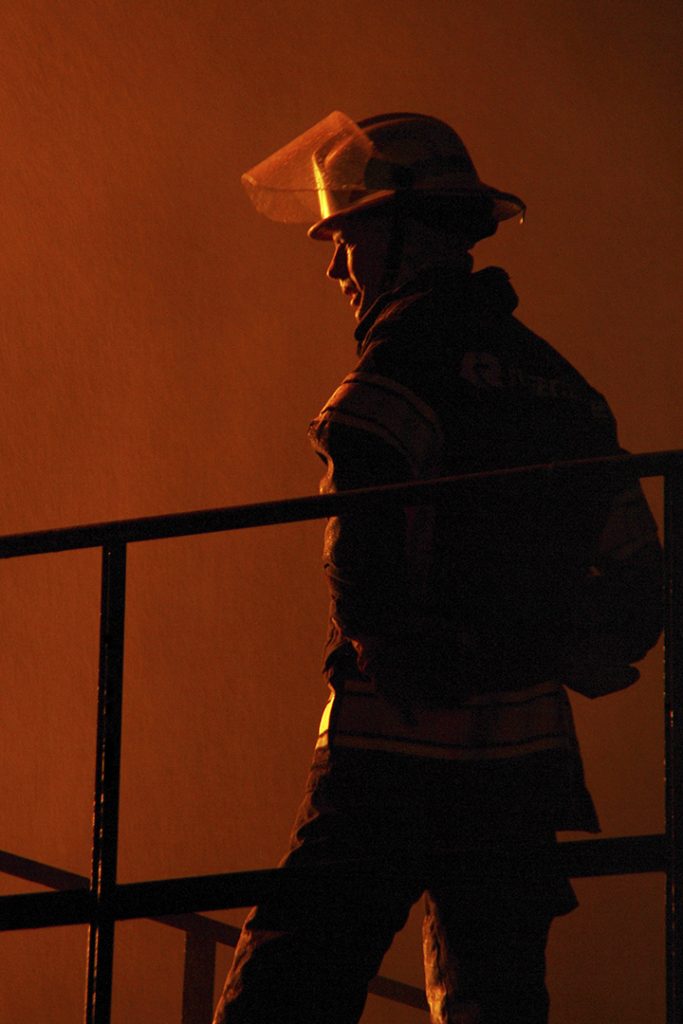
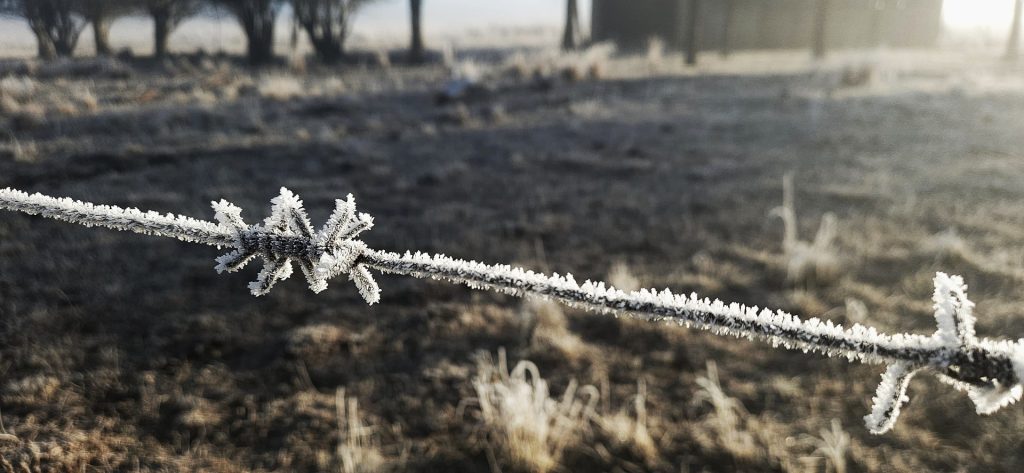
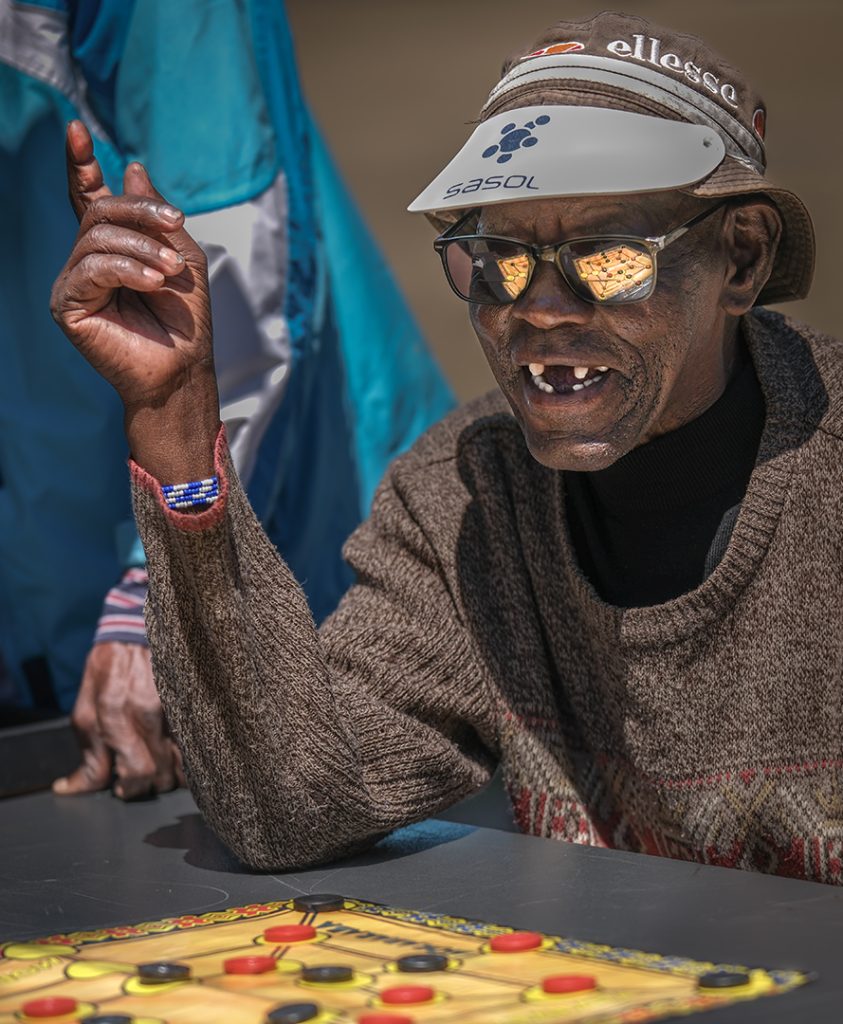
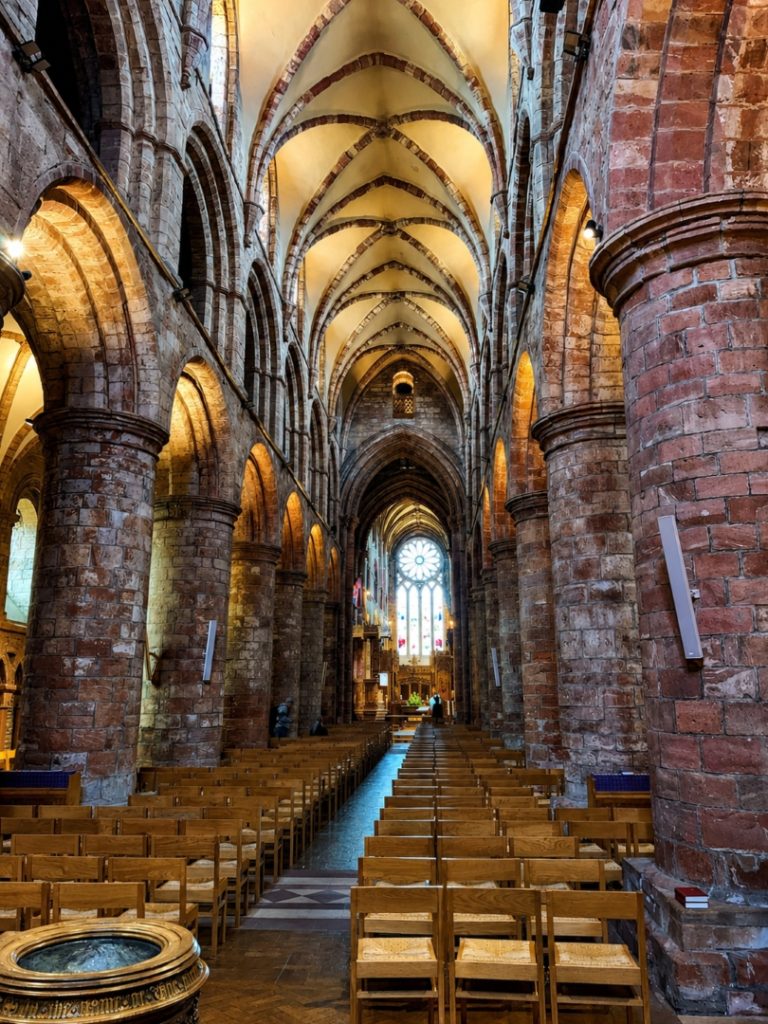
Man and nature by Leon PelserCrimson sunset by Hannes GriesselFirefighter by Carien SchabortChromatic Currents by Ina AnnandaleSebastiaan by Adri KirstenStay away by Leon PelserTrappe klim kleur by kleur by Hanno de BeerFrosted barb by Encee van HuyssteenOld mans game by DNE SmitCathedral by Hannes GriesselBrad by Robert CohoeLook at me by Carien SchabortConcrete and Current by Stian Griffin
Category – Nature
Dragon eating by Lorraine BothaJulle is lastig by Hester GriesselKameelperd geveg by Edmund HattinghTyd vir n happie by Adri KirstenPink by Johan ViljoenGreen iguana by Lorraine BothaKing of the jungle by Hester GriesselWaterjagter by Hannes GriesselRed Eye by Robert CohoePainted sky by Carien SchabortWie ruik ek daar by Edmund Hattingh
Category – Monochrome
Joyfull on stage by Leon PelserLonesome me by Piet PotgieterDone dancing by Carien SchabortMuse in Mono by Ina Annandale
Category – Scapes
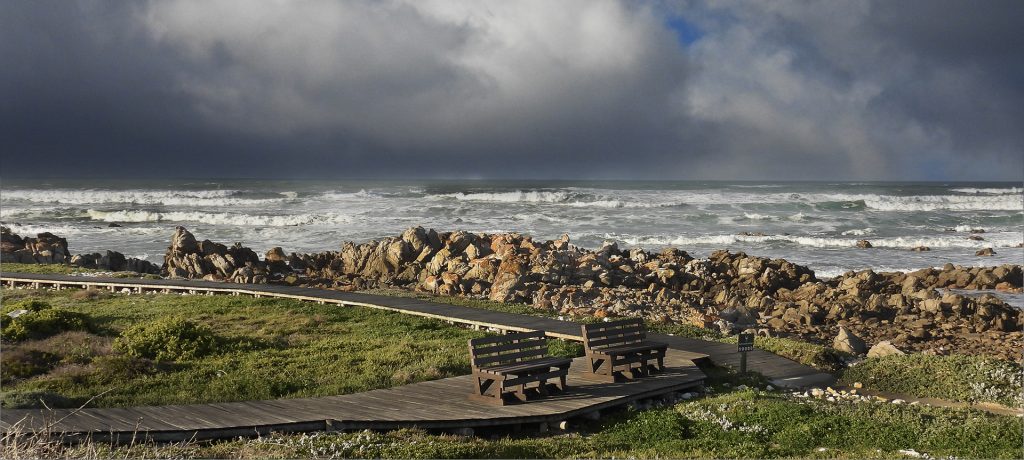
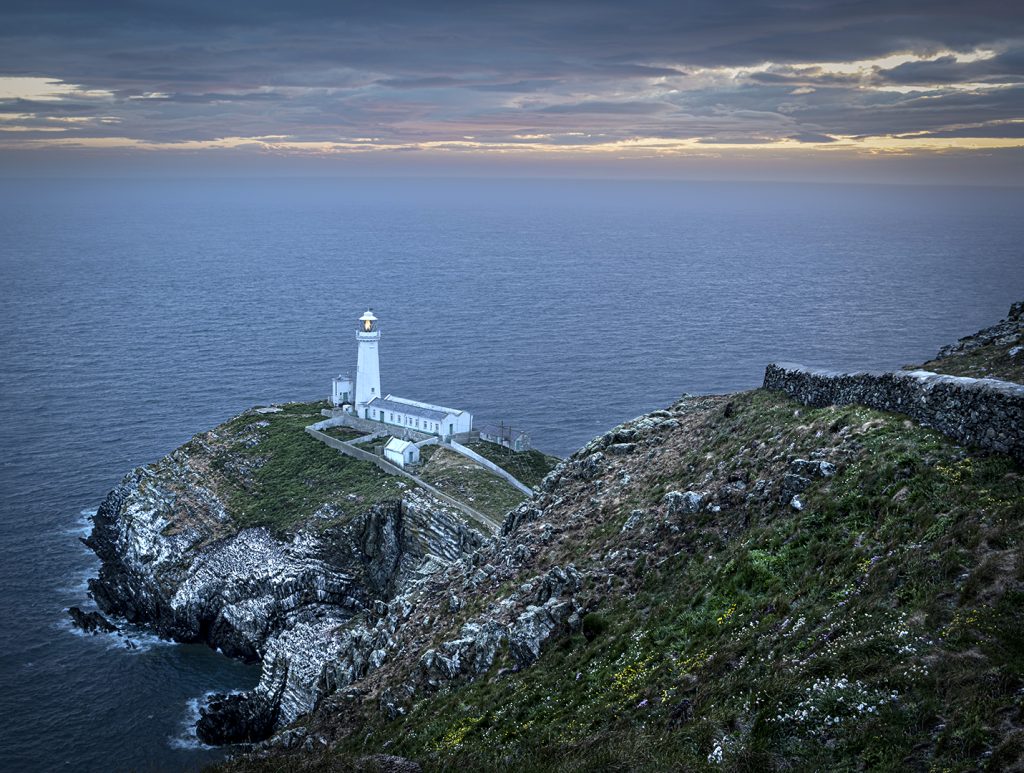
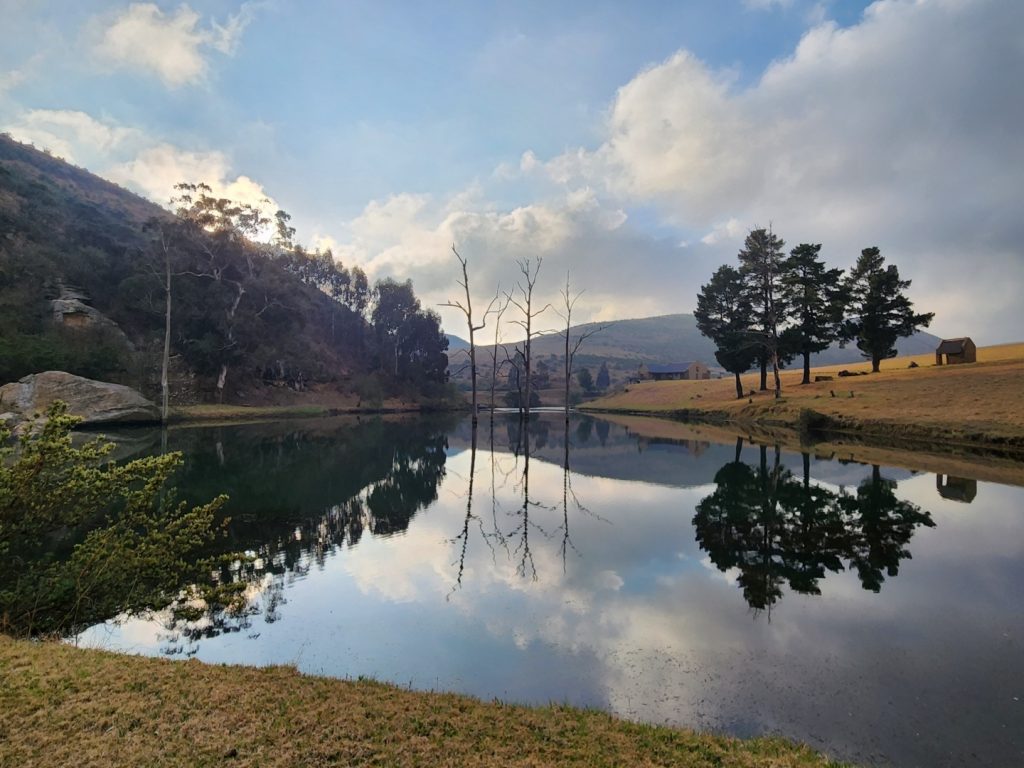
Blue gum and galaxy by DNE SmitHerfsoggend Clarens omgewing by Adri KirstenNobody At The Sea Side by Sussa PelserHolyhead lighthouse by DNE SmitDie gefluister van die kloof by Hannes GriesselWakkerstroom by Rober CohoeThe Final Glow by Stian Griffin
Category – Nature: Birds only
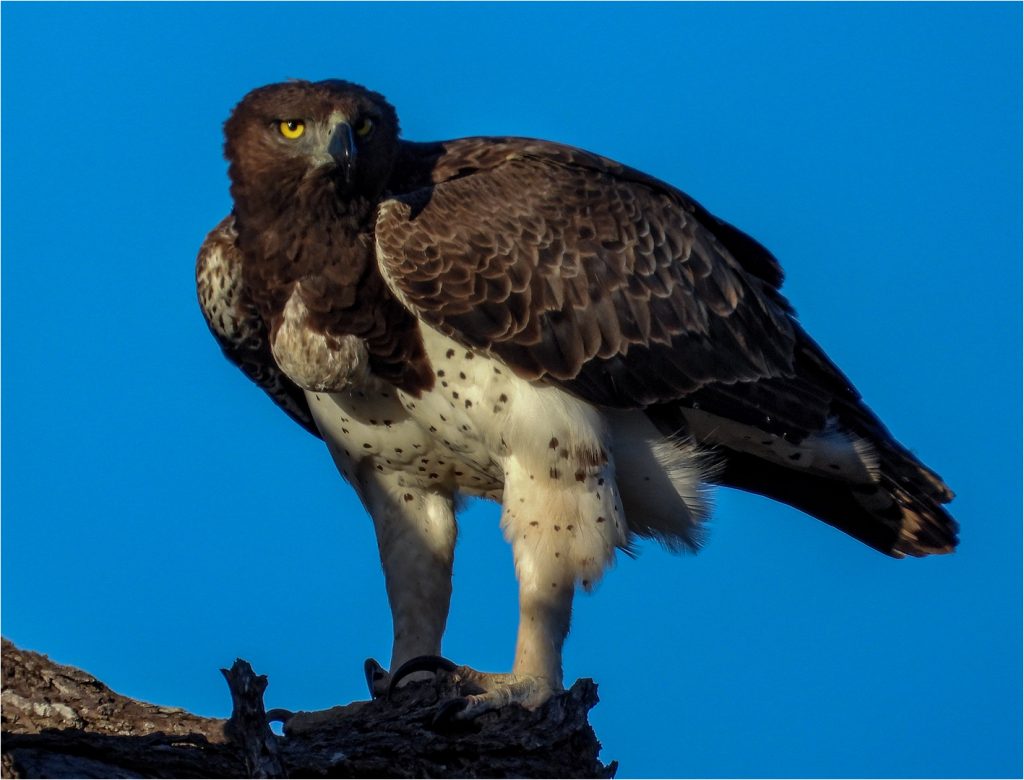
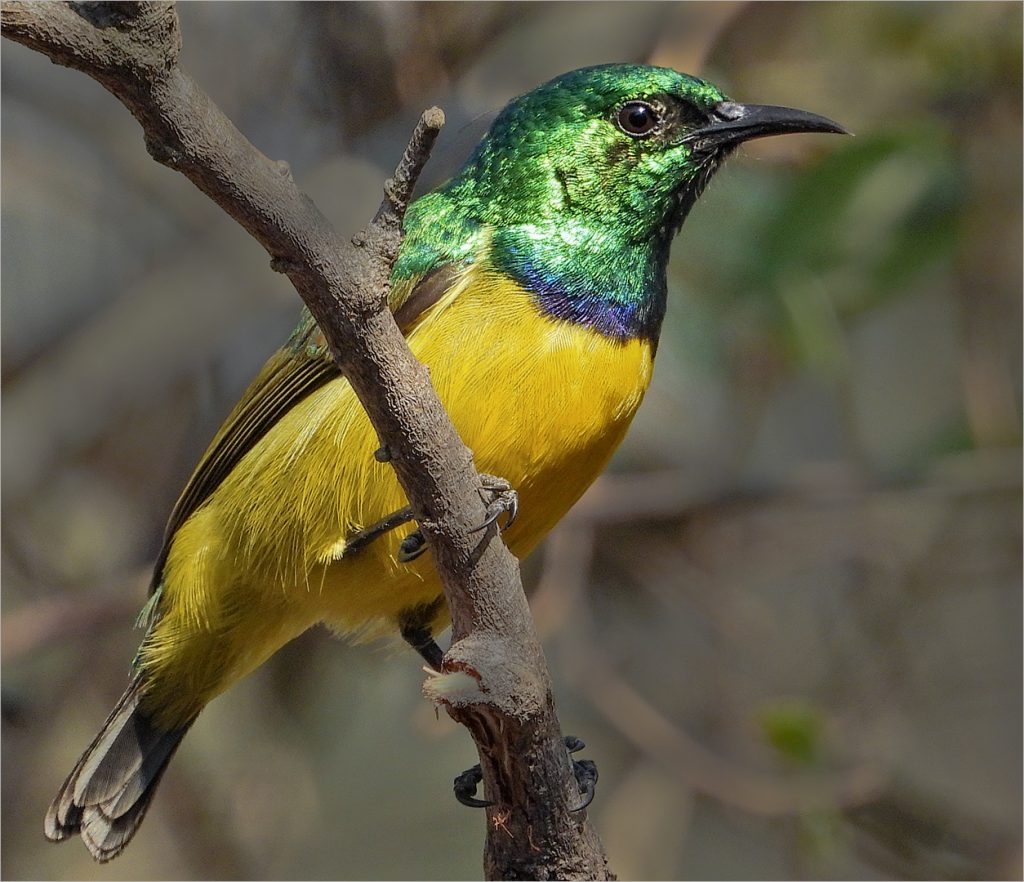
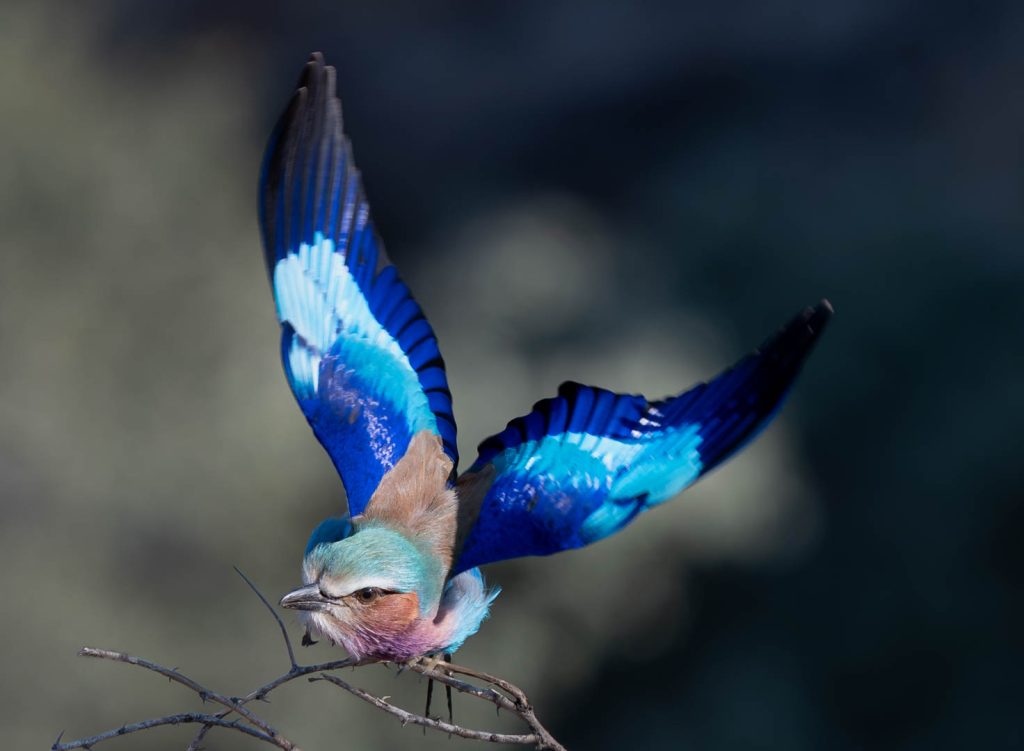
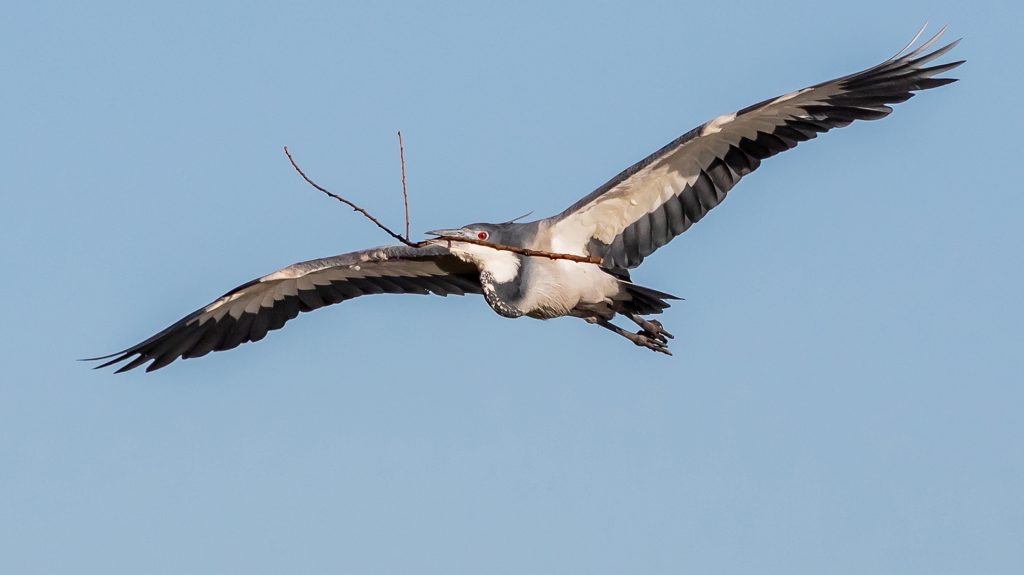
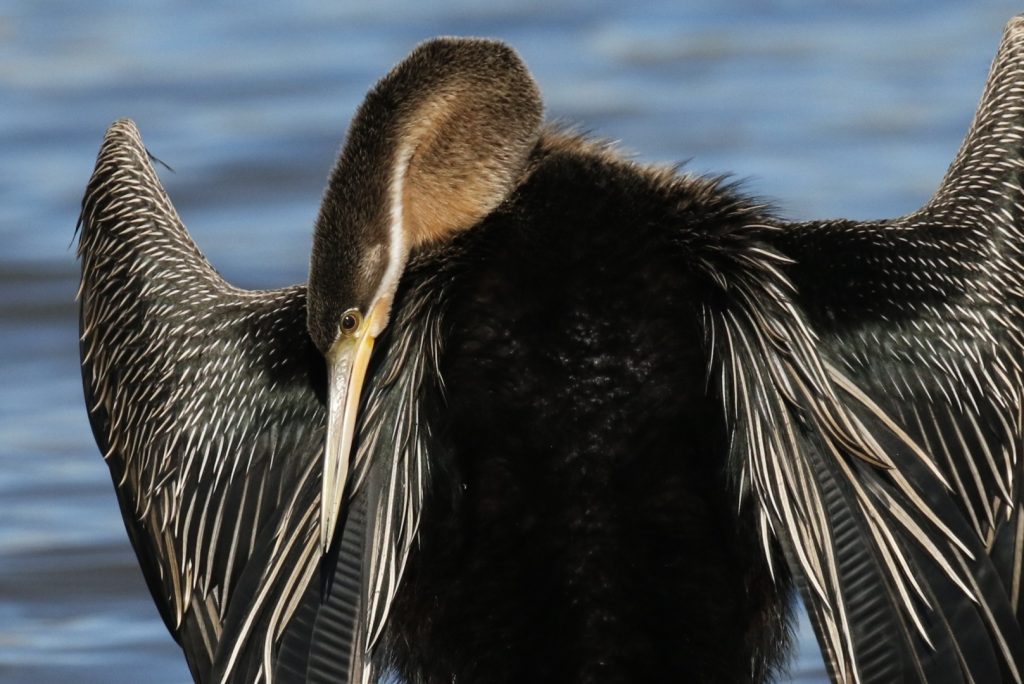
Building a nest by Johan ViljoenSuikerbekkie by Johan ViljoenRoller take off by Edmund HattinghVulture drying in the sun by Lorraine BothaBuilding a home by Piet PotgieterFull flaps landing by Encee van HuyssteenDarter by Robert CohoeThe wake up call by Stian GriffinRooikeelbyvreter in vlug by Edmund Hattingh
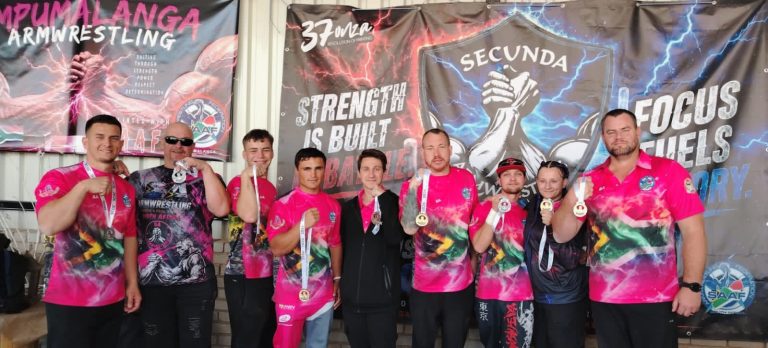
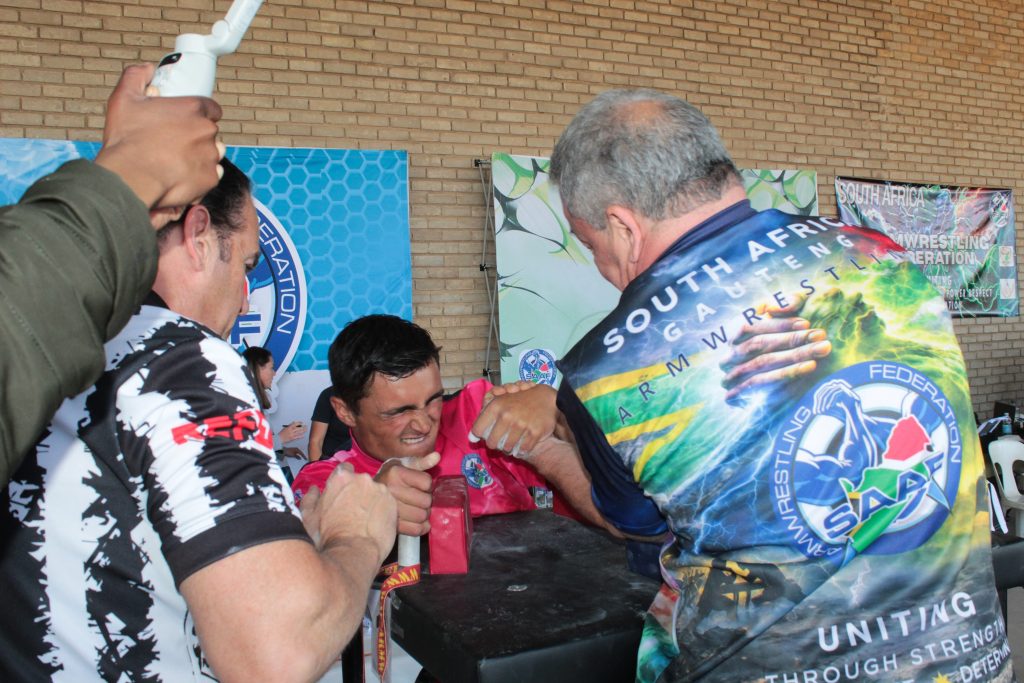
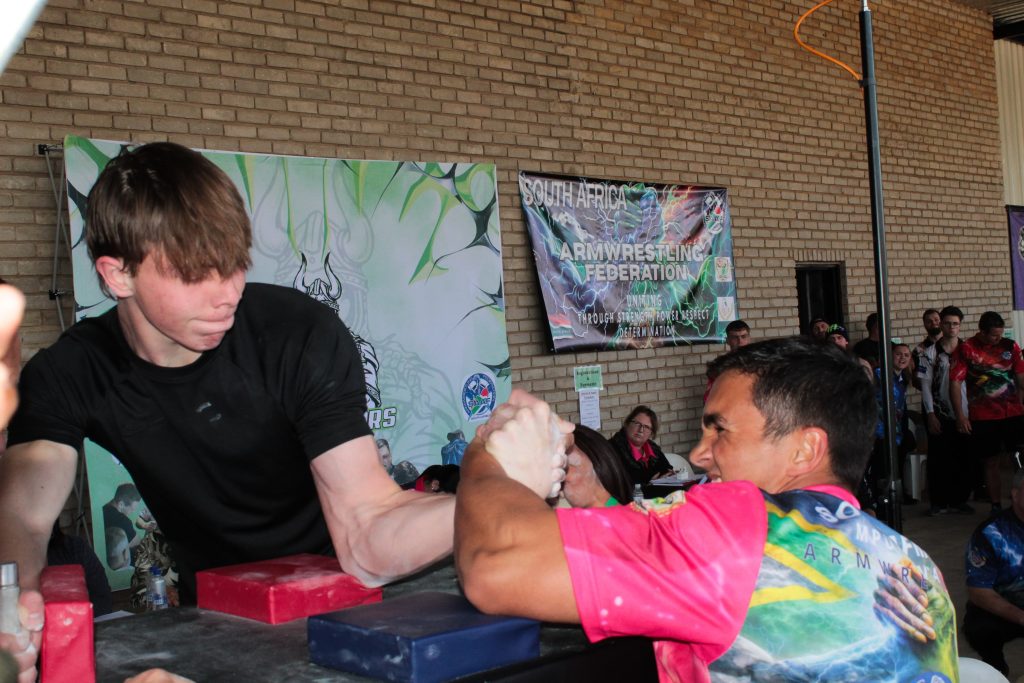
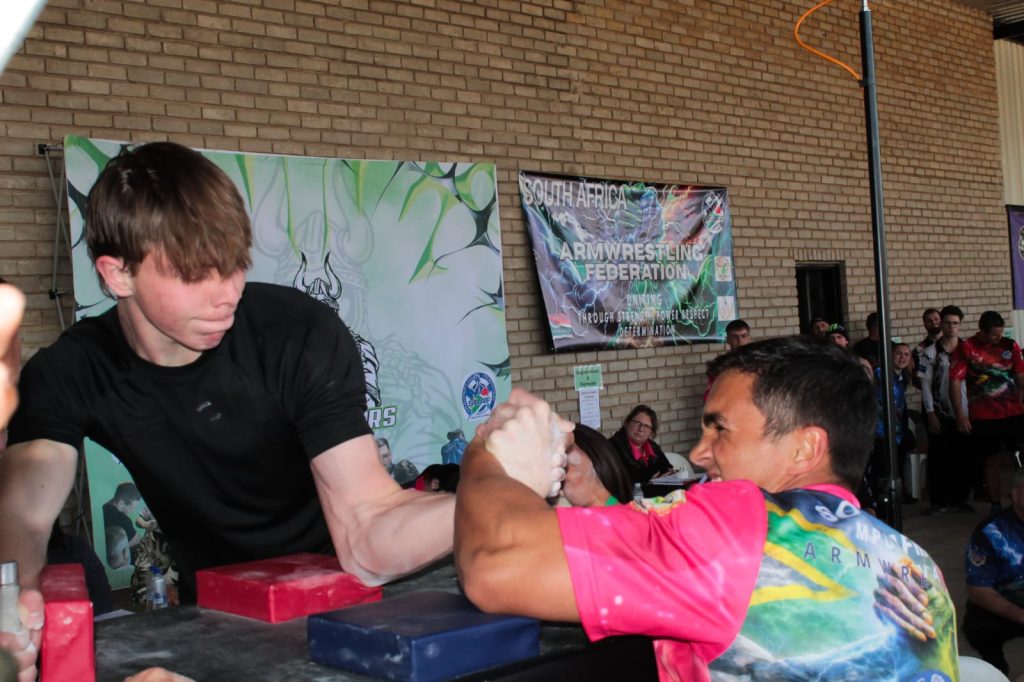
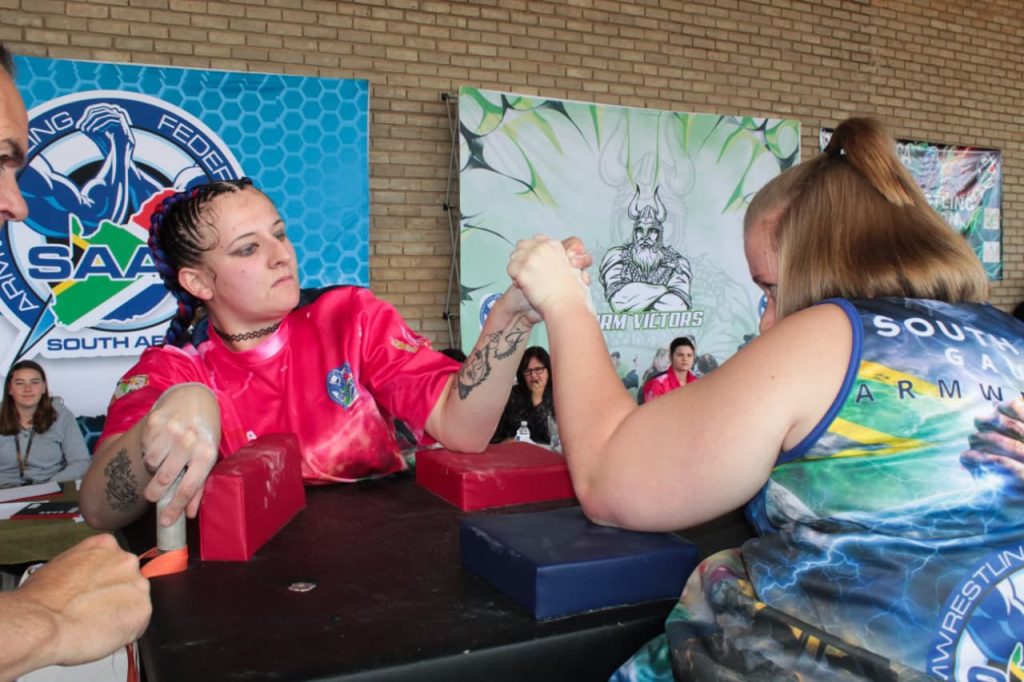
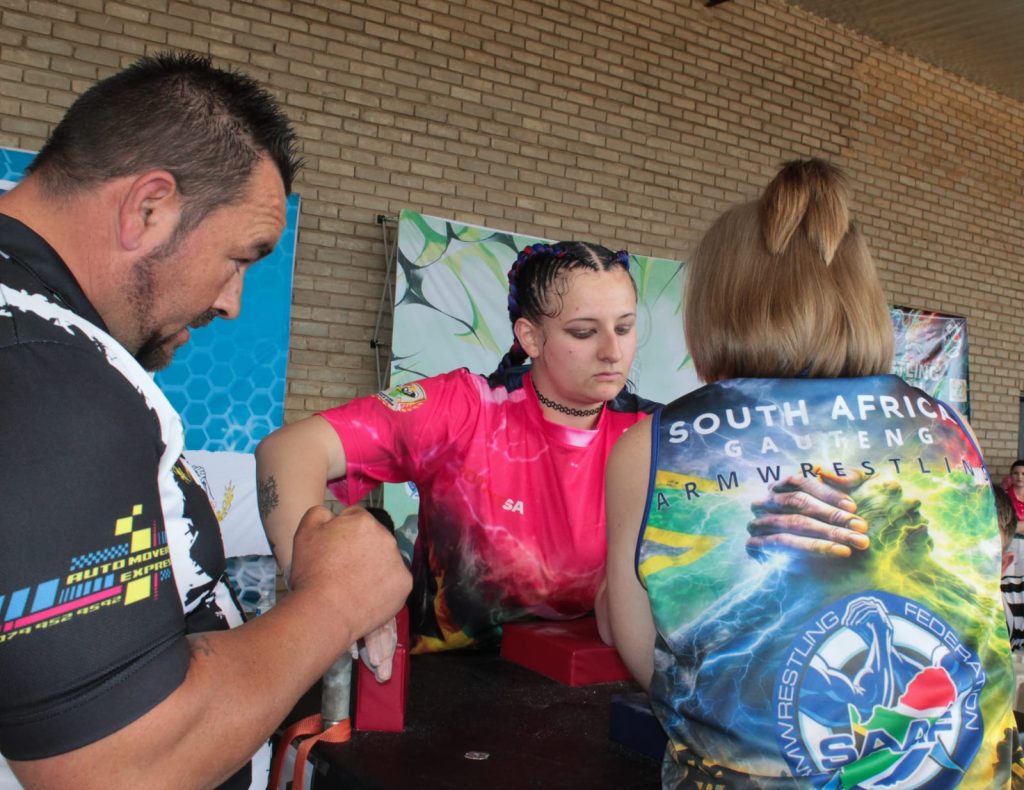
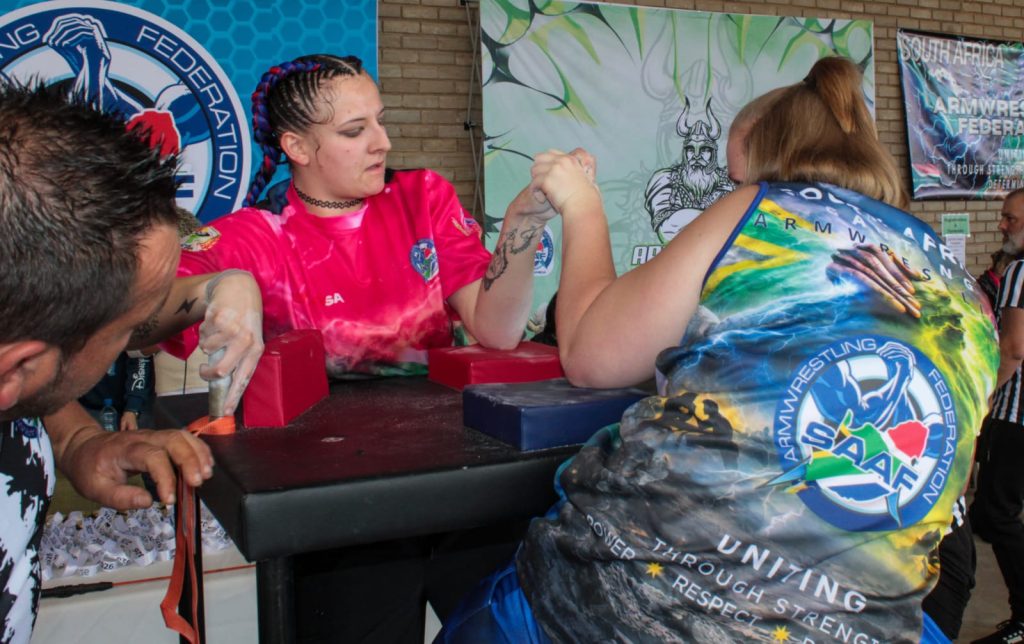
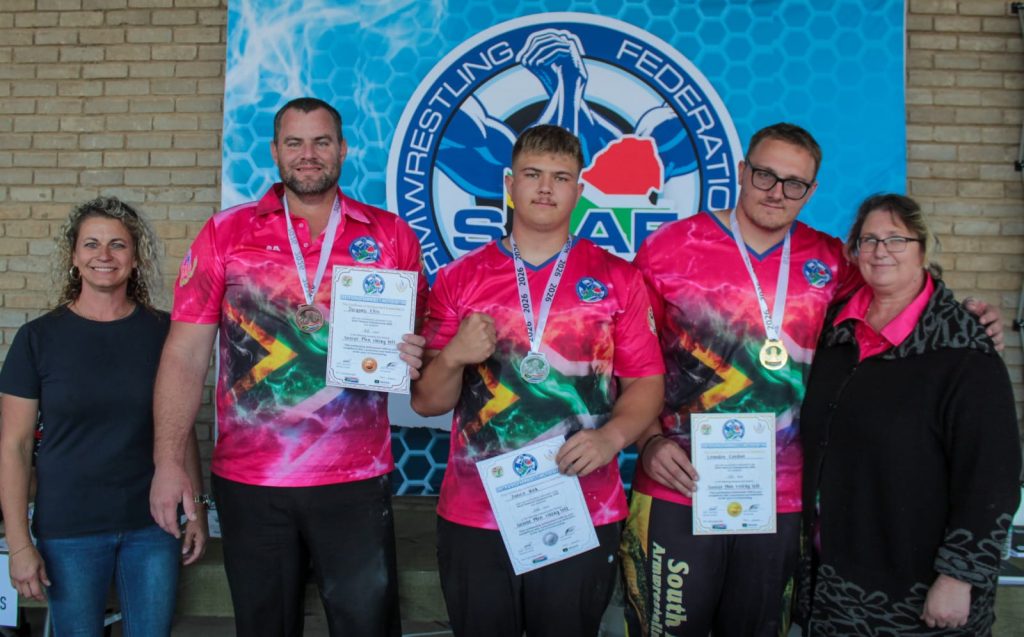
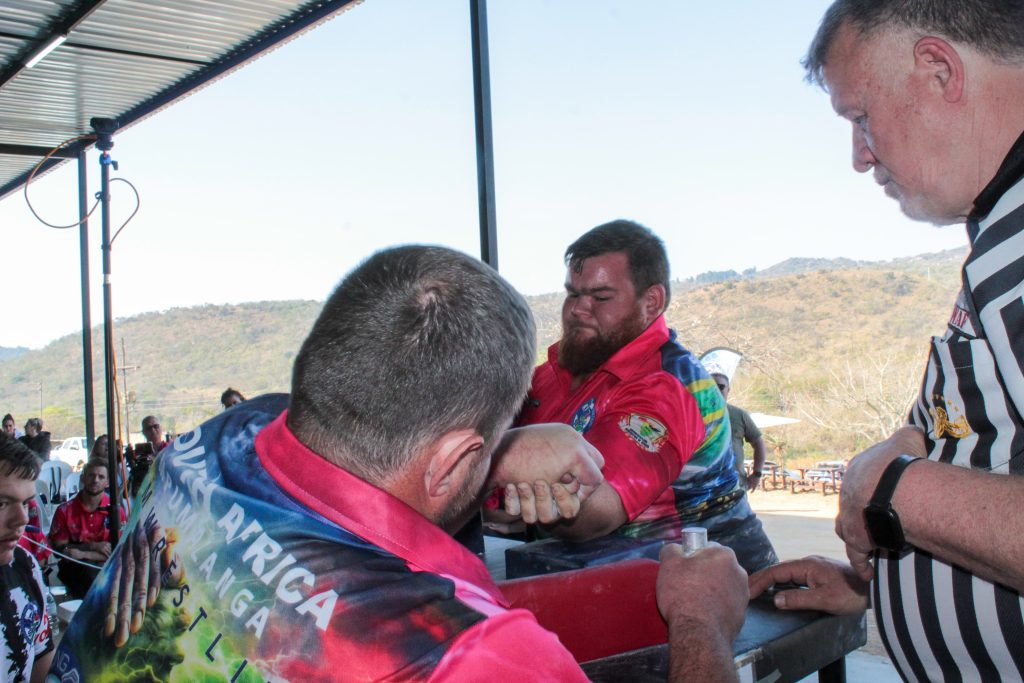
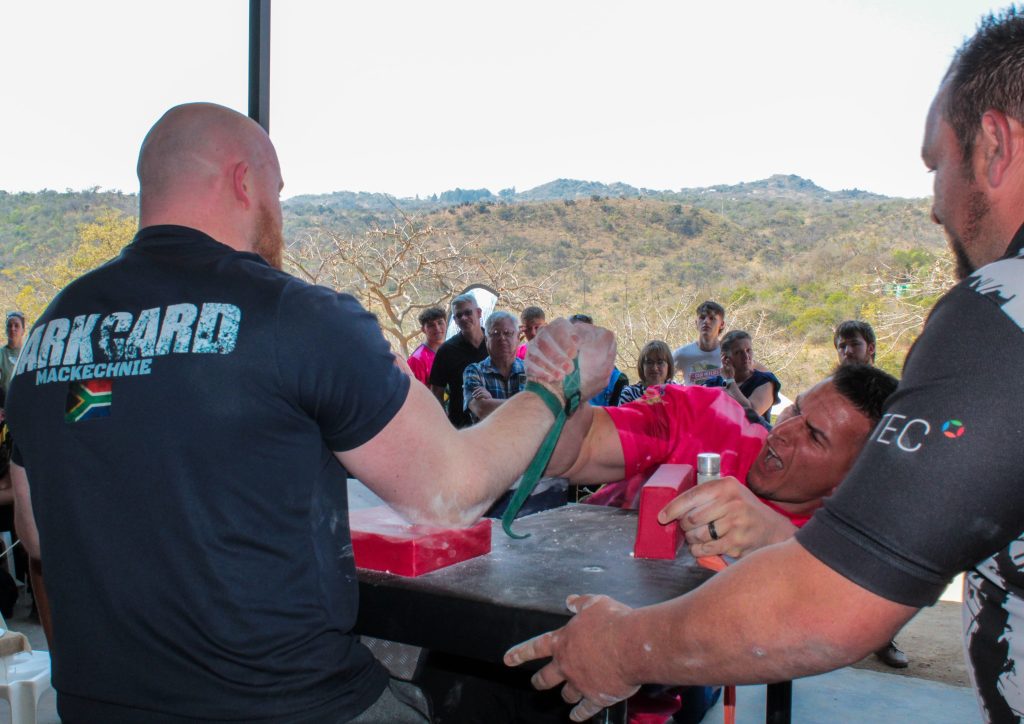
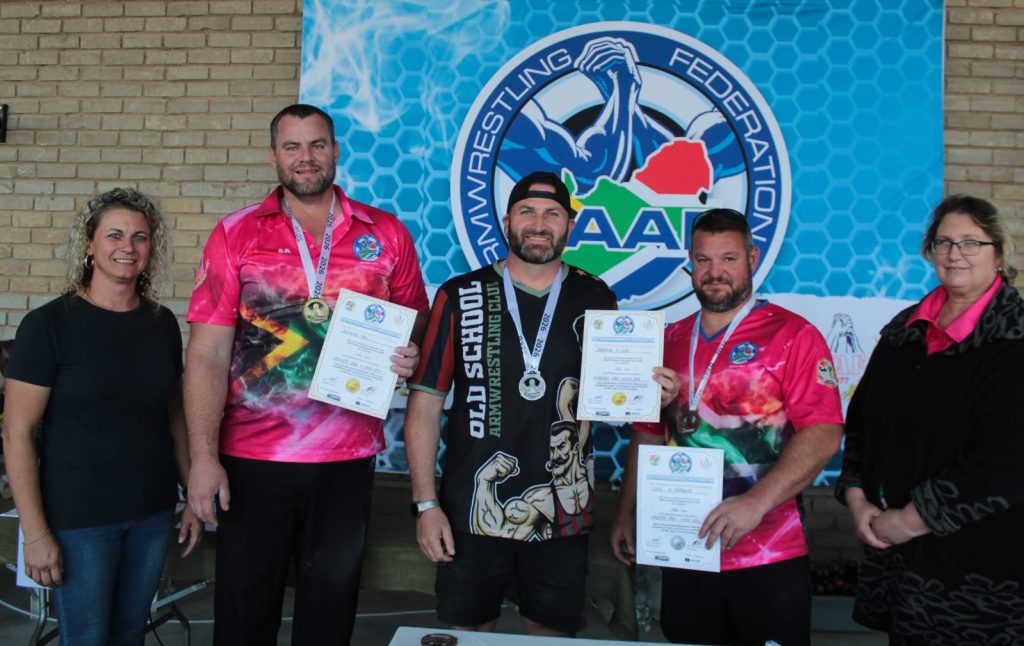
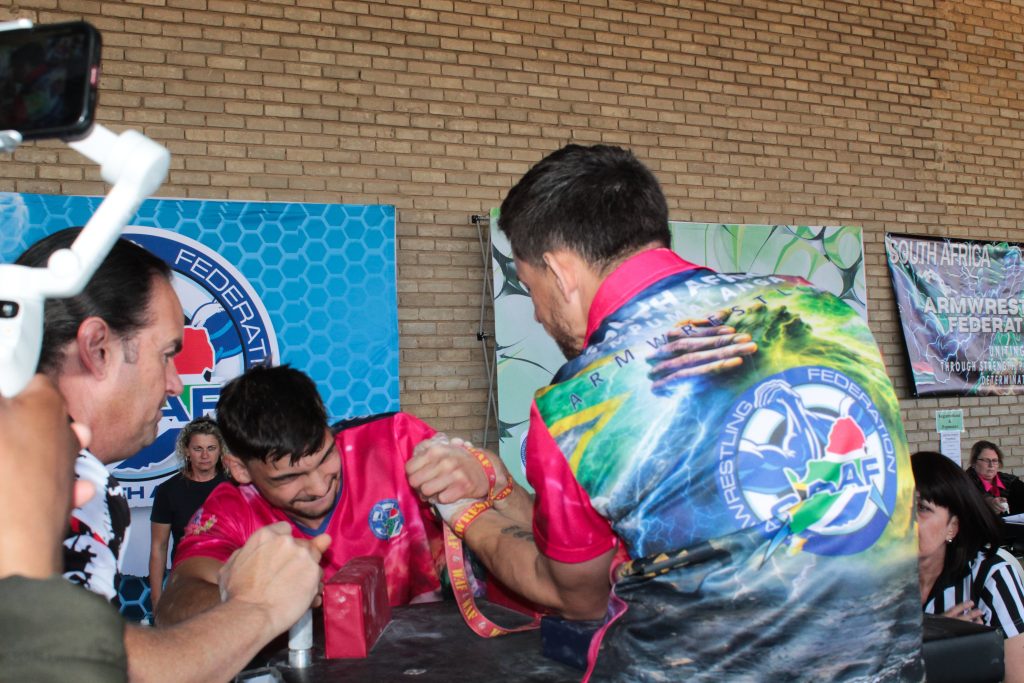
Secunda Armwrestling proudly made its mark at the SAAF National Armwrestling Championships, which took place from 8 to 10 August 2026 at Aloe Hill Function and Wedding Venue in Nelspruit.
The Secunda team competed against some of the country’s finest arm-wrestlers and returned home with an impressive collection of medals. The athletes’ hard work, preparation and determination clearly paid off, resulting in a series of outstanding performances.
One of the weekend’s standout performers was Zander van der Merwe, who claimed two gold medals in the Youth Men aged 18–23, under-80 kg category. He finished first with both his left and right hands. In the Senior Men’s under-80 kg division, he also secured a silver medal with his left hand and a bronze medal with his right.
Ludwig Schnettler delivered a strong performance in the Senior Men’s under-100 kg division, winning silver with his right hand and bronze with his left.
Jaques Ellis produced an exceptional display, winning gold with both hands in the Masters division. He also added two bronze medals to his collection in the Senior Men’s 110 kg-plus category.
Clarissa Oosthuizen enjoyed an excellent championship as well. She won gold with both hands in the Youth Ladies aged 18–23, under-90 kg division. In the Senior Ladies’ under-90 kg category, she claimed bronze with her left hand and silver with her right.
The team’s other impressive results included:
Tyrone Johnstone – second place in the Senior Men’s under-65 kg division with both his left and right hands.
Elttiene Koen – third place in the Youth Men’s under-75 kg division with both hands.
Francois van Schalkwyk – fourth place with both hands in the Youth Men’s under-70 kg division.
Ryno ‘Witblits’ Oosthuizen – fourth place with his right hand in the Senior Men’s under-90 kg division.
For Secunda Armwrestling, however, the weekend was about far more than medals. It was a celebration of the athletes’ hard work, the support within the team and their shared passion for the sport.
The club expressed its sincere gratitude to SAAF, Yorinda Nel, the referees, officials, organisers and everyone who worked behind the scenes to make the National Championships a success.
Special thanks also went to Jackie Kruger of Priceless Moments Photography for capturing the team’s achievements and special moments so beautifully.
Secunda Armwrestling can rightly be proud of its athletes. They did more than win medals – they represented Secunda with pride on a national stage.
Congratulations to every athlete who contributed to this remarkable achievement!
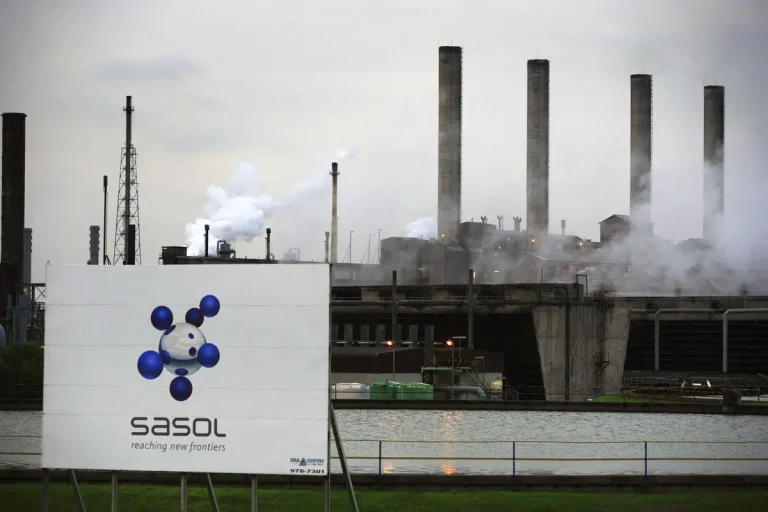
A long-running criminal probe into allegations that Sasol unlawfully polluted the Vaal River system took a dramatic turn this week when National Prosecuting Authority (NPA) investigators executed fresh search warrants at the company’s Secunda operations while Sasol executives were appearing before a parliamentary committee.
Environmental management inspectors and NPA officials served the warrants on Tuesday as Sasol representatives were presenting to the parliamentary committee on forestry, fisheries and the environment. The timing prompted the company to abruptly stop answering detailed questions from Members of Parliament, citing the warrants and the risk of prejudicing an active criminal investigation.
Minister of Forestry, Fisheries and the Environment: Mr David Maynier (MP)
The inquiry began in 2019 after whistleblower Ian Erasmus, a former Sasol senior process controller, alleged the company had unlawfully discharged hazardous chemicals — including vanadium, diethanolamine and potassium carbonate — into its wastewater system, ultimately contaminating the Klipspruit and potentially the Vaal River. Erasmus testified at a South African Human Rights Commission (SAHRC) inquiry in February 2019 that a failed chemical sewer valve at Sasol’s Benfield units allowed contaminated waste to enter the wrong part of the plant’s wastewater system and then the natural waterways.
Sasol has consistently denied the allegations. The company was formally charged in 2022 over alleged historical environmental management failures at Secunda. Prosecutors said the company had discharged waste into API dams between 2012 and 2019 and had undertaken activities without required environmental authorisations. Those charges were provisionally withdrawn in July 2025 after prosecutors received additional evidence from Erasmus, and this week investigators disclosed the probe had been widened.
Frances Craigie, chief director for enforcement at the Department of Forestry, Fisheries and the Environment (DFFE), told MPs the criminal investigation has expanded beyond the original Benfield Phase 1 and 2 facilities to include Benfield Phases 3 and 4. Investigators are also probing whether certain Sasol officials may have provided false or misleading information to environmental management inspectors — an offence under environmental legislation that could be added to any future criminal case if evidence supports it.
Craigie confirmed Erasmus entered the NPA’s witness protection programme in April 2024 after seeking assistance through investigators. She said the investigation had proven unusually complex because the critical Benfield waste valve at the centre of Erasmus’s allegations had been repaired before investigators were able to access the site, preventing contemporaneous river sampling at that discharge point. As a result, investigators have relied on historical river sampling data, monitoring reports, company records, witness statements and scientific evidence.
“We could not collect contemporaneous river samples at that discharge point,” Craigie told the committee. “The investigation therefore has relied on historical river sampling data together with monitoring reports, witness statements and other documentary evidence.” She added that investigators have interviewed 38 witnesses, consulted specialist experts, and compiled extensive technical and scientific evidence. Since the provisional withdrawal of charges, investigators have obtained 16 additional witness statements, and prosecutors are assessing whether to proceed in the Mbombela High Court. Craigie said the prosecutor hoped to place the matter back on the court roll by the end of September, although it could extend to the end of the year.
Sasol’s executives stood in stark contrast to the NPA’s action. Vuyo Kahla, executive director and vice-president for commercial and legal, and Victor Bester, executive vice-president, defended the company’s record. They told MPs that Sasol’s Benfield plant operates with containment systems designed to keep contaminated water within closed infrastructure where it is recycled, treated or disposed of, and argued there is “no pathway” for Benfield process water to reach the Klipspruit or Vaal River systems. Kahla maintained the company rejected both the pollution allegations and claims that Erasmus suffered occupational detriment, saying Erasmus left the company through a mutual separation agreement and that Sasol supports whistleblowers.
However, after learning of the search warrants being executed at Secunda, Sasol said it could not answer further questions without prejudicing its legal position and requested time to seek legal advice. The parliamentary committee gave the company until 25 August to submit written responses to outstanding questions.
The company’s sudden refusal to respond drew visible frustration from committee members. DA MP Wildri Peach said he was “extremely disappointed” and described Sasol’s retreat as “extremely disingenuous,” asking why the company would decline to answer if it were confident in the truthfulness of its presentation. ANC MP Noluthando Makasi said it was “simply not acceptable” for Sasol to refuse to answer questions. Committee chairperson Nqabisa Gantsho said she was disappointed by the abrupt change in approach and urged the company to respond with the same confidence it displayed during its initial presentation.
The case has been marked by protracted delays and multiple institutional inquiries since Erasmus first blew the whistle. The DFFE’s criminal investigation was only transferred to the NPA in December 2021, and legal challenges from Sasol delayed subsequent proceedings. The SAHRC’s own inquiry into the matter has been criticised for delays and incomplete follow-up, prompting the Public Protector to investigate the commission’s handling of the case.
Parliamentary committee members proposed an oversight visit to Sasol’s Secunda site to verify infrastructure integrity and assess impacts on fence-line communities. Meanwhile, the NPA’s fresh warrants and the expanded scope of the investigation signal prosecutors are intensifying efforts to gather admissible evidence. Investigators seized electronic and documentary material this week, sources said, and the prosecutor will weigh whether to re-institute charges and potentially add counts related to misleading inspectors and the alleged victimisation of Erasmus under the National Environmental Management Act.
As the NPA and DFFE continue to gather evidence, Sasol has pledged to provide written responses after legal consultation. The unfolding developments mean a high-profile environmental prosecution that began with a whistleblower’s complaint seven years ago may yet return to court with an expanded roster of allegations.
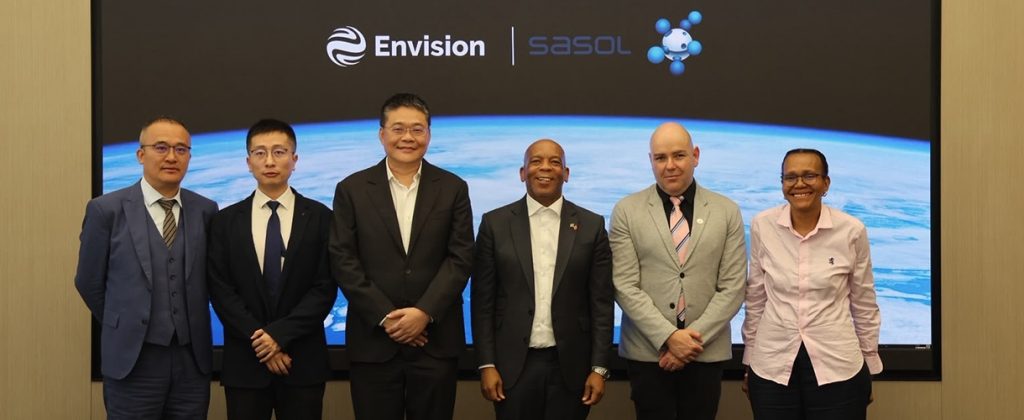
Sasol has commissioned Chinese multinational Envision Energy to carry out a design study for a green hydrogen system at Sasol 1 in Sasolburg, the company announced on 5 August 2026. The study will examine integration of renewables, storage and electrolyser technologies to support green hydrogen production, and — subject to study outcomes and investment decisions — that hydrogen could be used to produce eMethanol and potentially eSAF (electro‑synthetic aviation fuel) in Sasolburg.
Sasol 1, the company’s original liquid fuel‑from‑coal plant, was built in 1954 and gave rise to the town of Sasolburg. It was the world’s first commercial-scale application of the Fischer‑Tropsch process, chosen for its proximity to large coal deposits near the Vaal River and the Witwatersrand markets. Over subsequent decades, Sasol expanded with the Sasol 2 and 3 complexes in Secunda, which later became the world’s largest coal‑to‑liquid production complex.
Sasol began commercial green hydrogen production in June 2023 by using renewable electricity to split water into hydrogen and oxygen, aiming to develop value chains for industry and heavy‑duty transport. The company also has experience producing synthetic jet fuel, with its fuel approved for international commercial use in 2008 and used in a commercial flight in 2010. eSAF is produced from captured CO2, water and renewable electricity; Sasol intends to power its production with green hydrogen.
Danie Cronje, Sasol SVP for business building, described the Envision design study as “an important step toward more affordable green hydrogen production at Sasolburg,” saying global expertise will help evaluate contributions to lower‑carbon fuel and chemical value chains while leveraging existing industrial capabilities. Envision Energy senior vice president Kane Xu highlighted the role of AI‑enabled energy infrastructure and combined renewables, storage and hydrogen technologies in creating sustainable growth pathways.
Sasol framed the collaboration as part of ongoing South Africa–China engagement on energy innovation and lower‑carbon solutions. The project remains contingent on the design study’s findings and subsequent investment decisions.
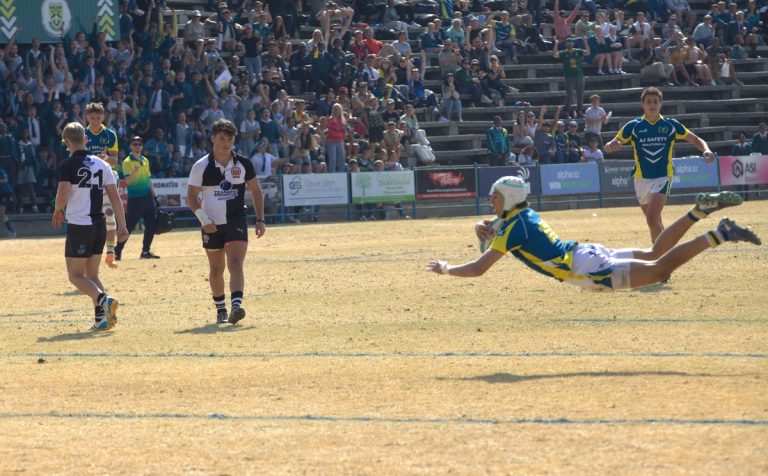
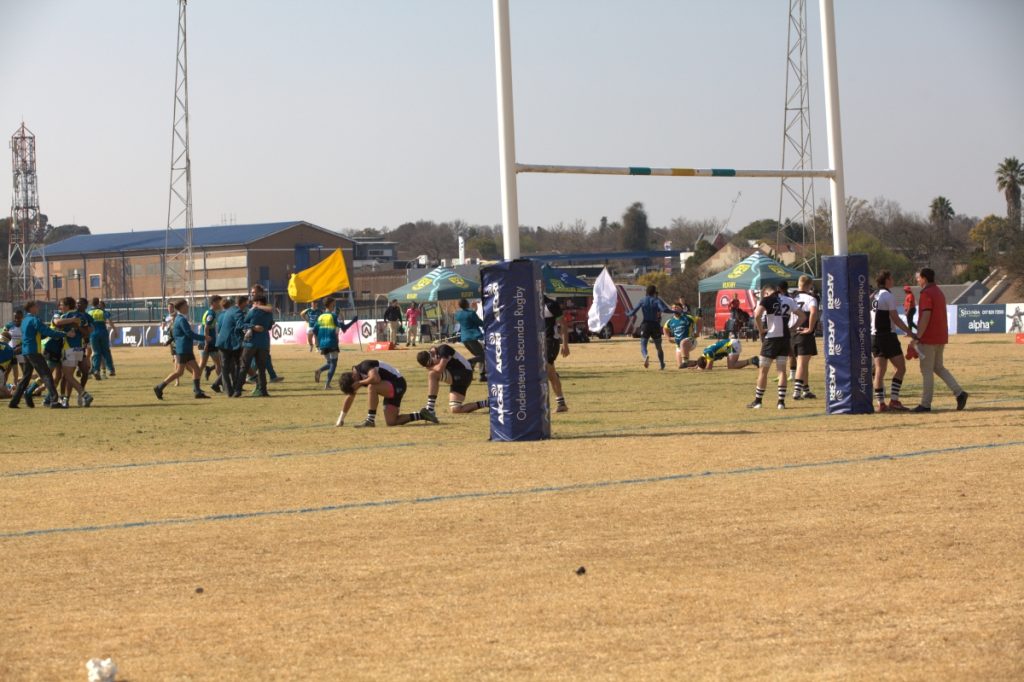
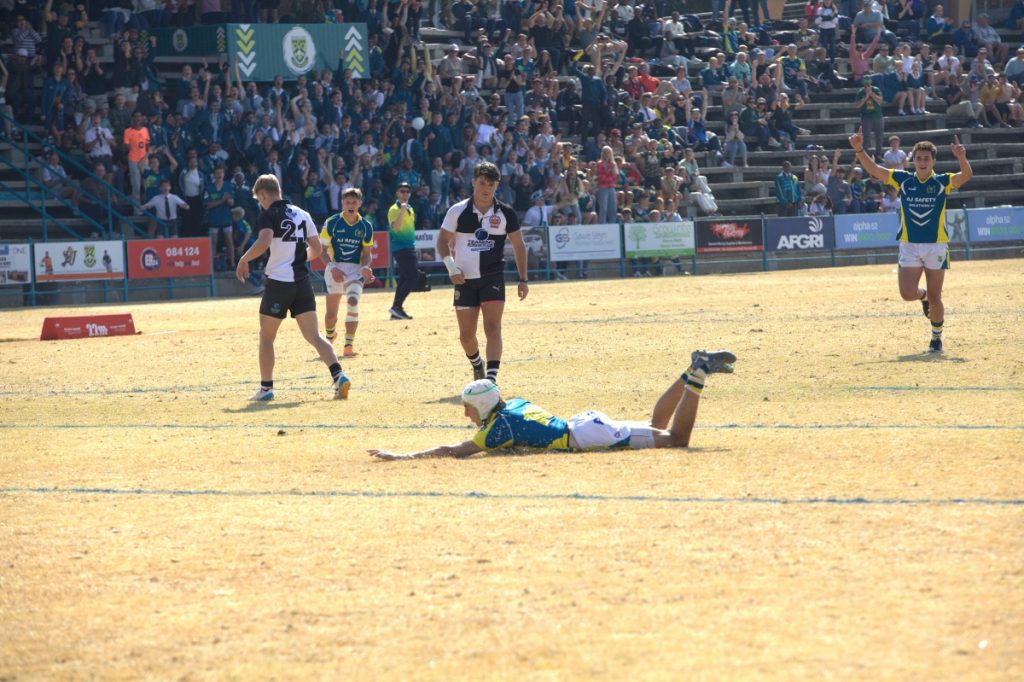
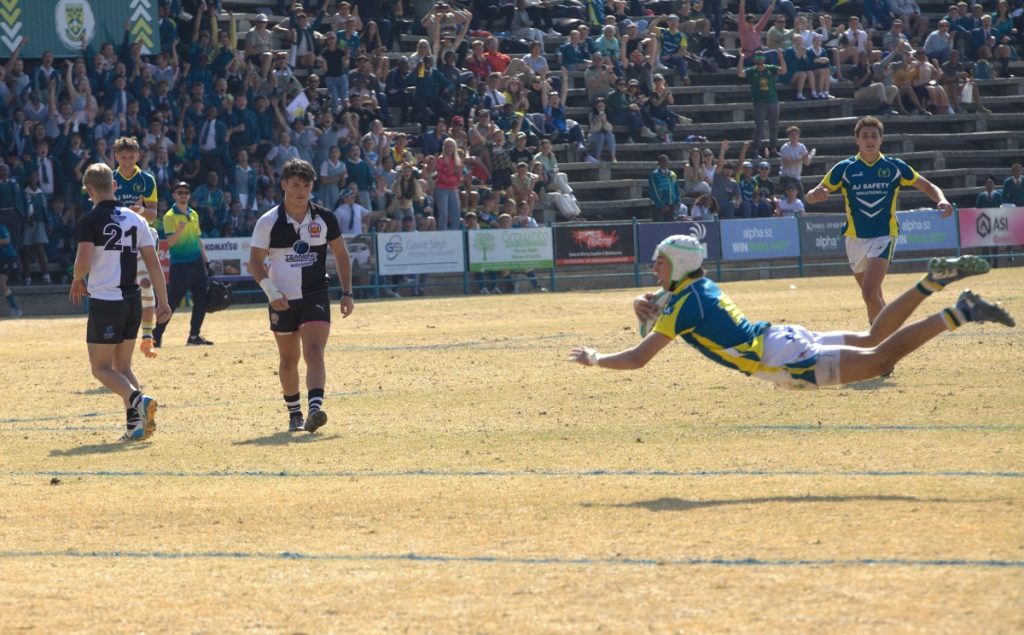
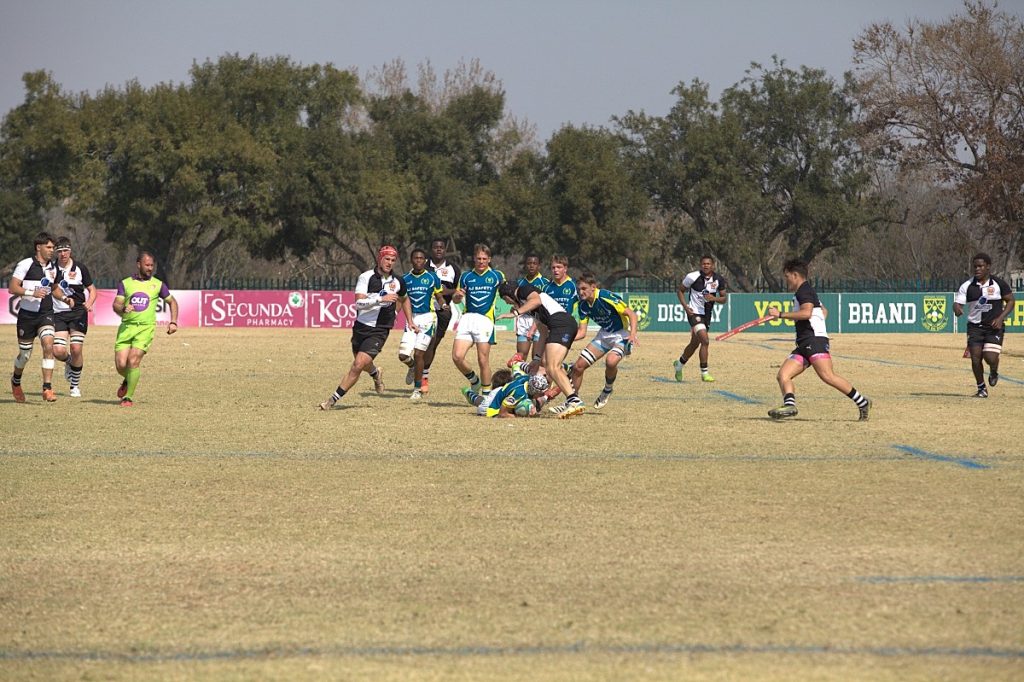
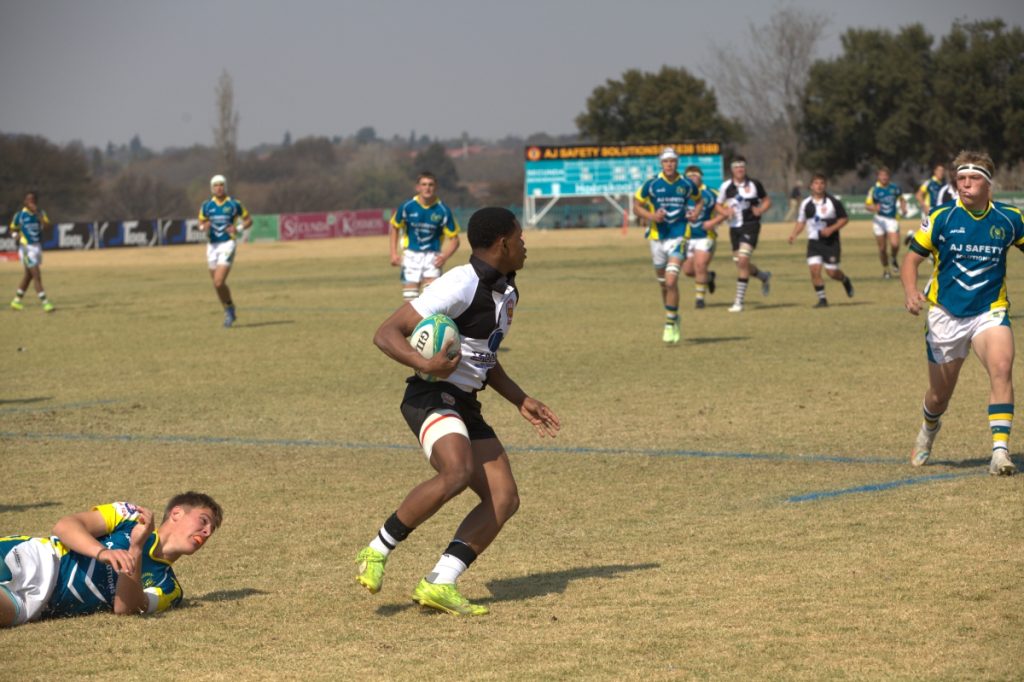
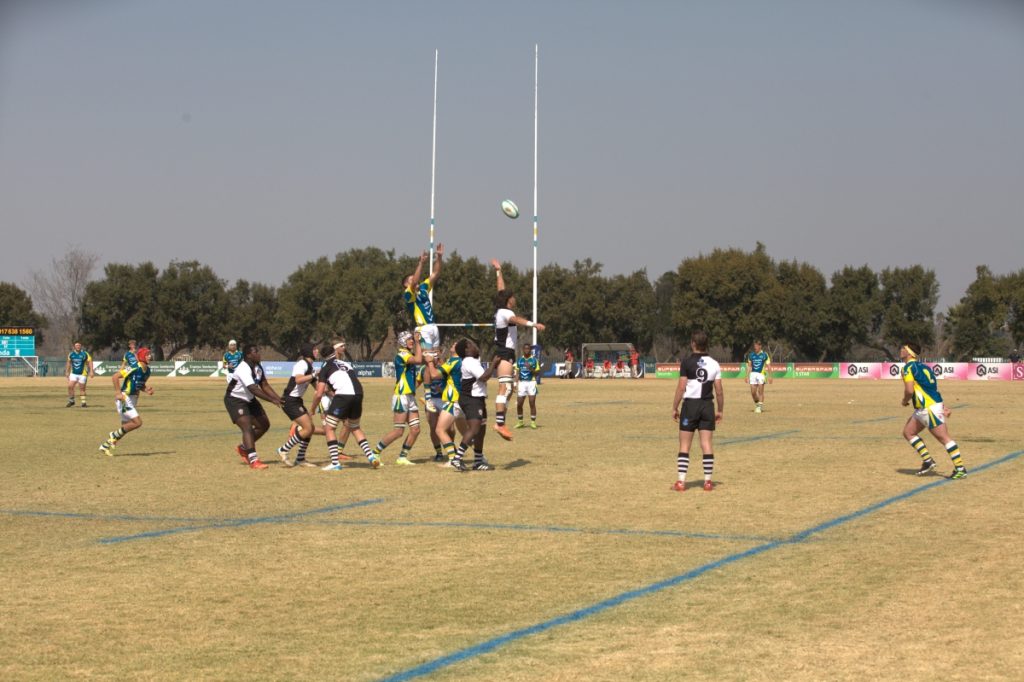
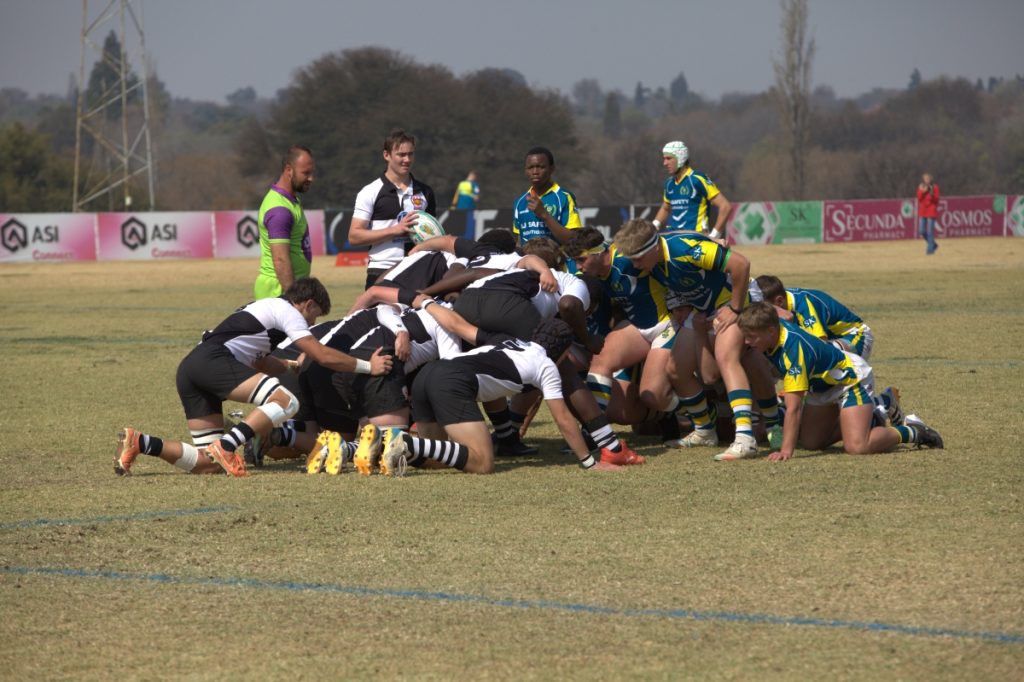
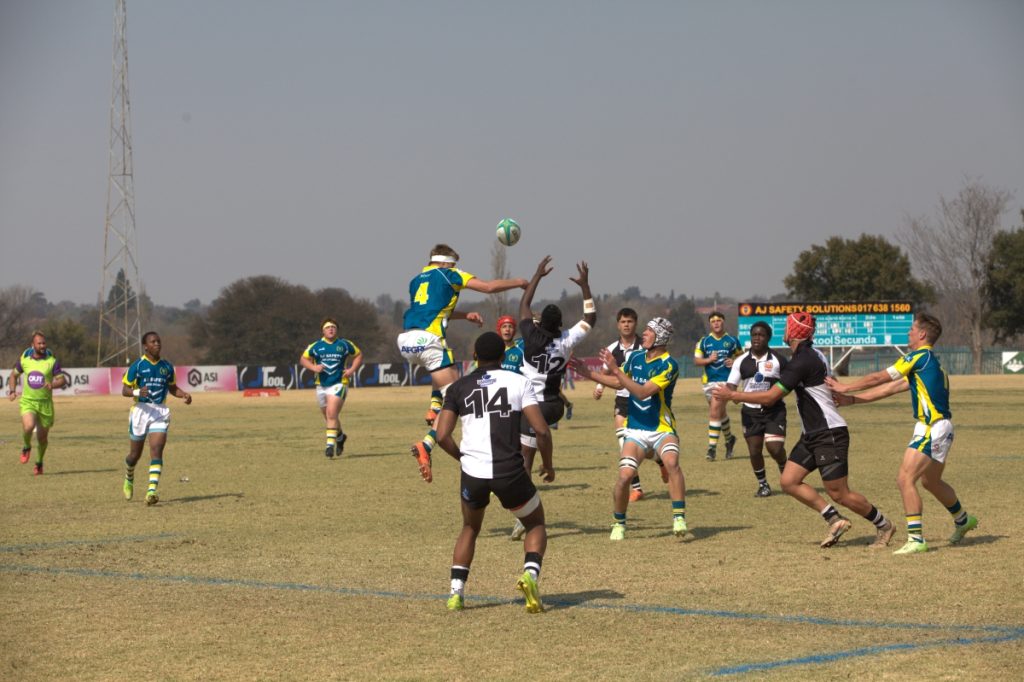
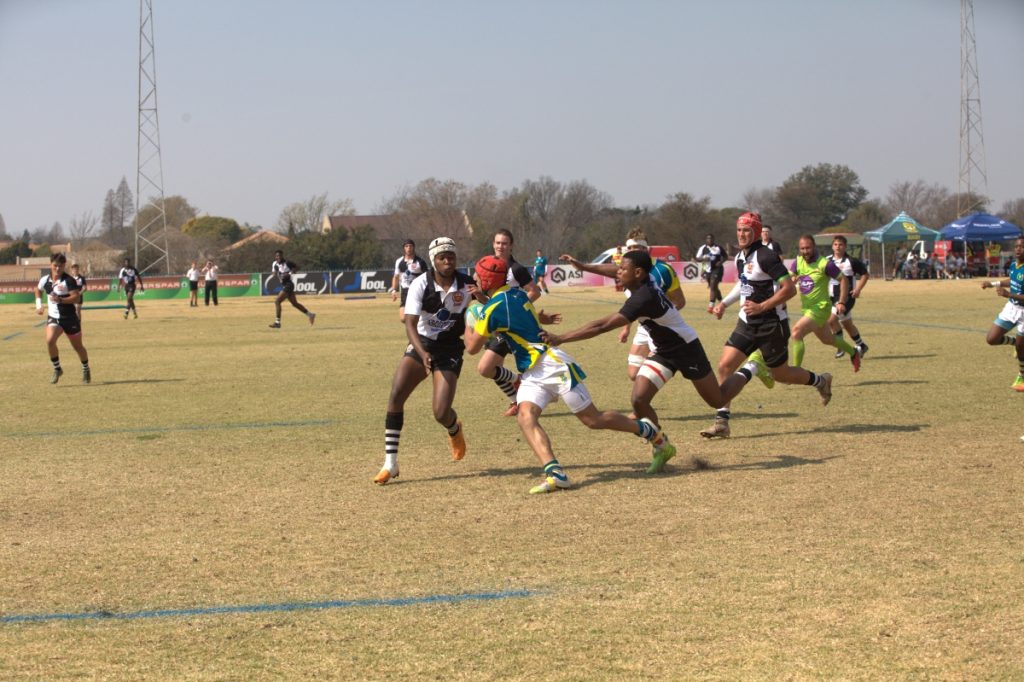
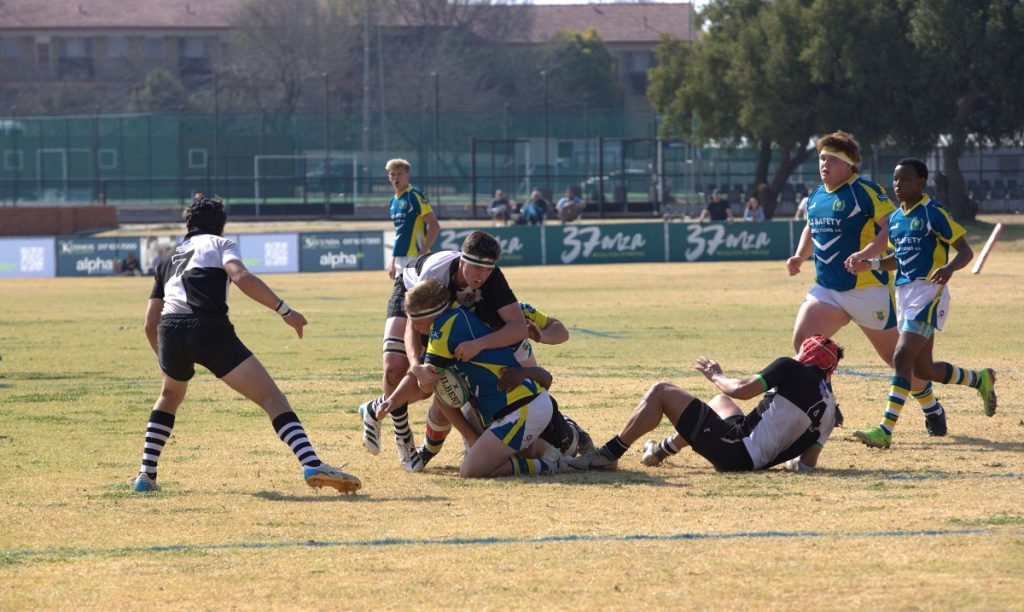
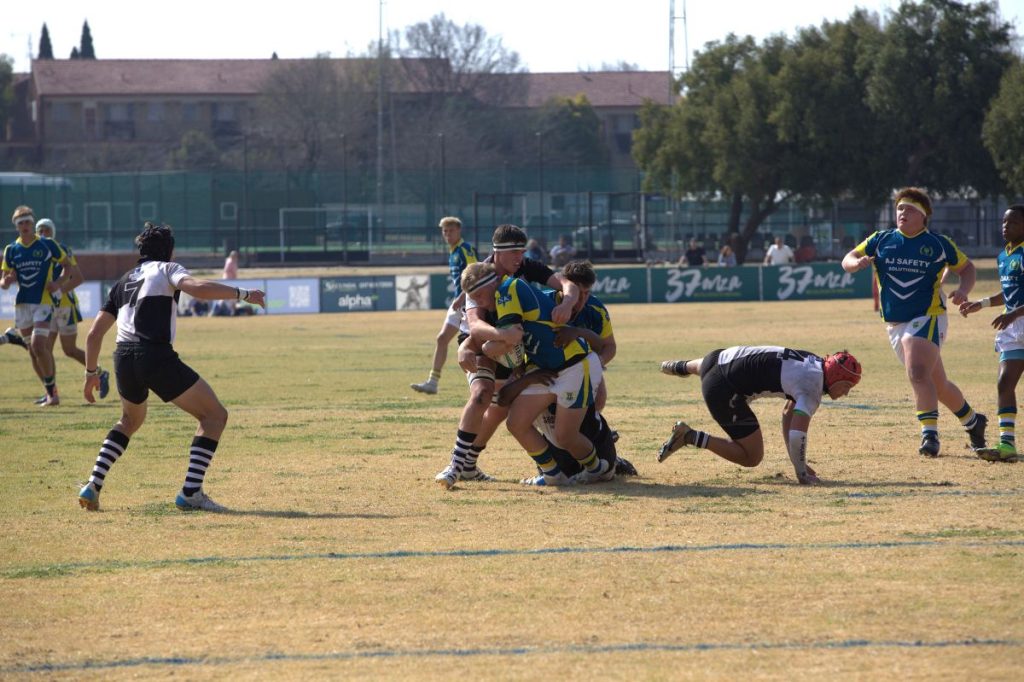
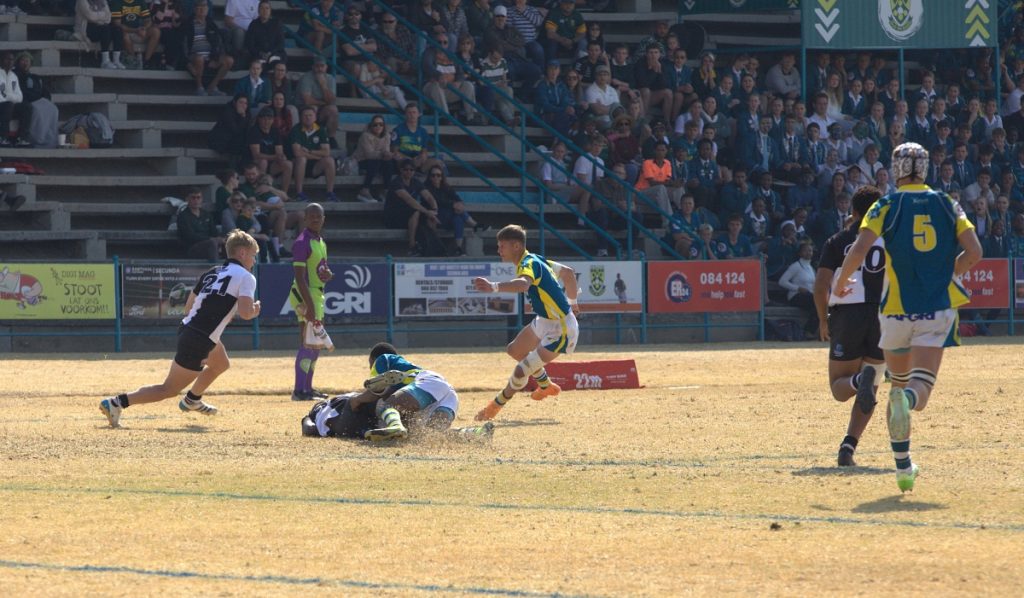
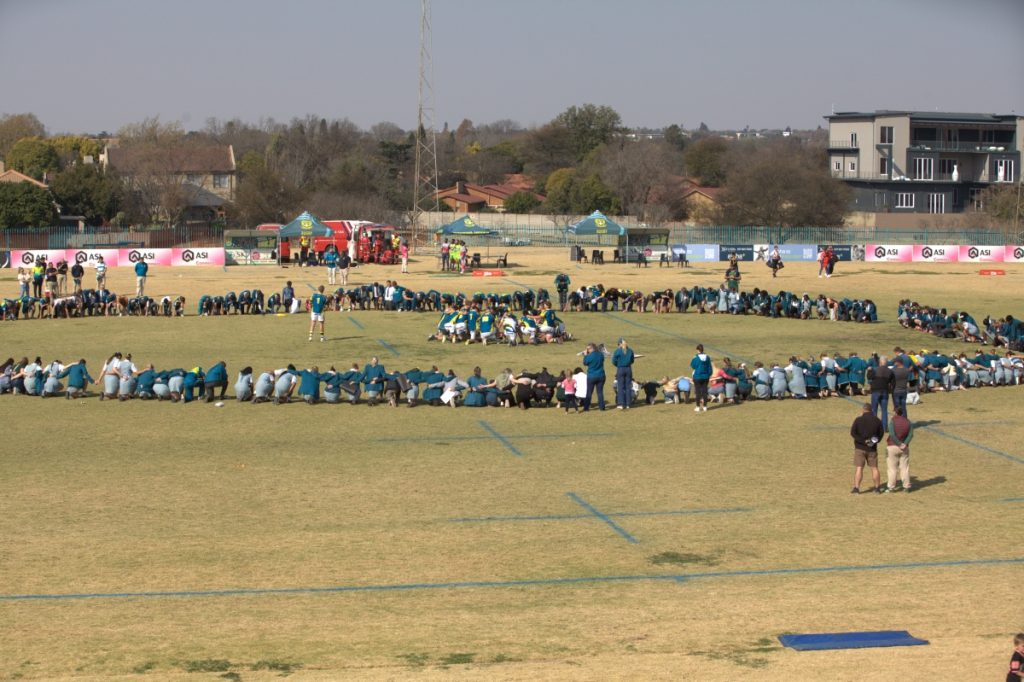
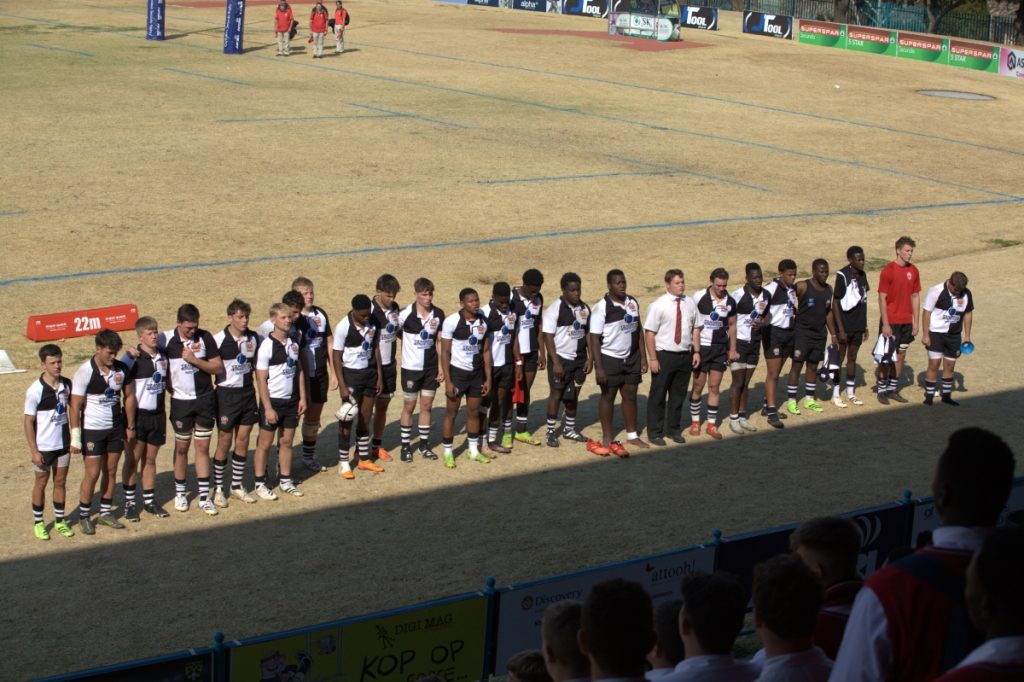
Hoërskool Secunda and Ben Vorster (Tzaneen) produced an entertaining and closely contested match in the Noordvaal Cup today, with Secunda prevailing 17–15.
Played in good spirit, the game kept spectators in the pavilion on the edge of their seats as both teams exchanged momentum throughout. The outcome remained in doubt until the final moments, reflecting the high quality and competitive intensity on display.
Ben Vorster impressed with several incisive attacking breaks that repeatedly tested Secunda’s defence. Secunda, however, matched that threat with a resolute defensive effort, executing a series of excellent tackles that frequently shut down promising moves. Secunda also showed superiority in the lineouts, while scrummaging was largely even.
The scoring seesawed. Ben Vorster opened with a well-worked try that was converted, and Secunda responded soon after with their own try to level the game. Both sides ultimately crossed for two tries apiece, with one penalty also coming into play; Ben Vorster missed a conversion that proved costly in a tight finish. Secunda’s match-turning moment included a spectacular long punt that sailed over the posts from inside the visiting half — a moment of individual brilliance that swung momentum.
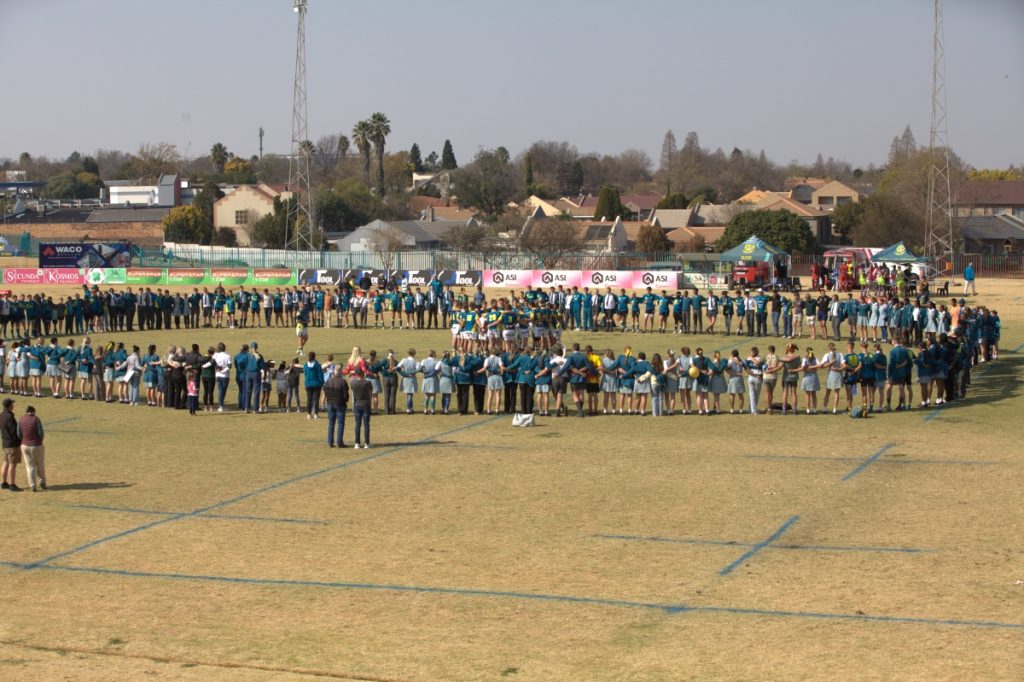
While it is always disappointing to lose, Ben Vorster can take pride in a strong performance on the day. Both teams deserve congratulations for serving up competitive, sporting rugby for the spectators to enjoy.
Across the fixtures today, Hoërskool Secunda won five of nine matches, with Ben Vorster claiming four victories.
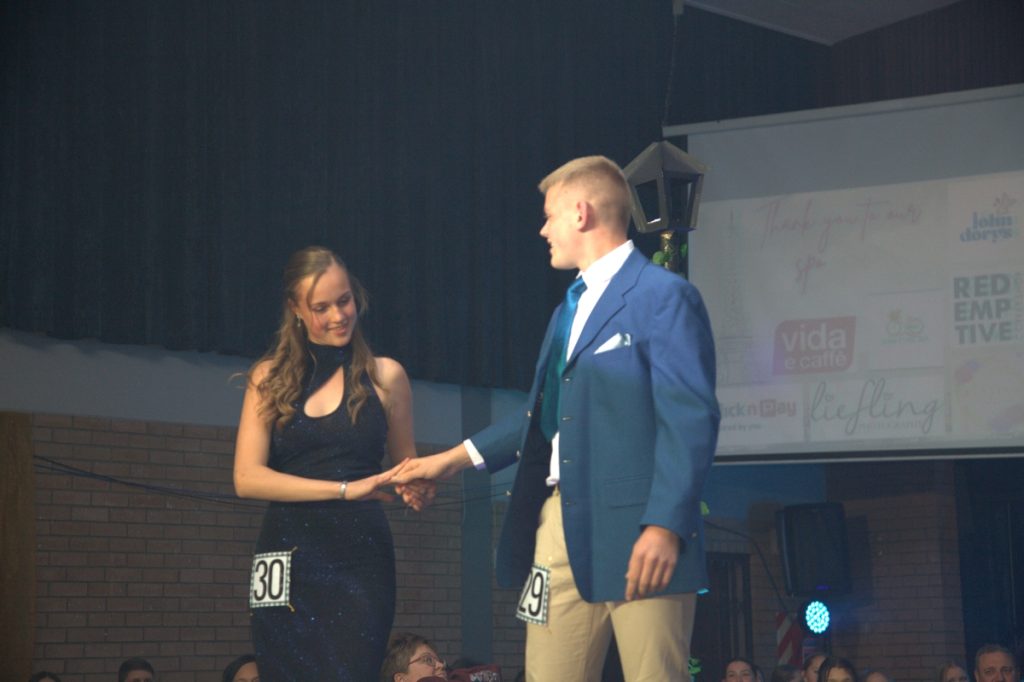
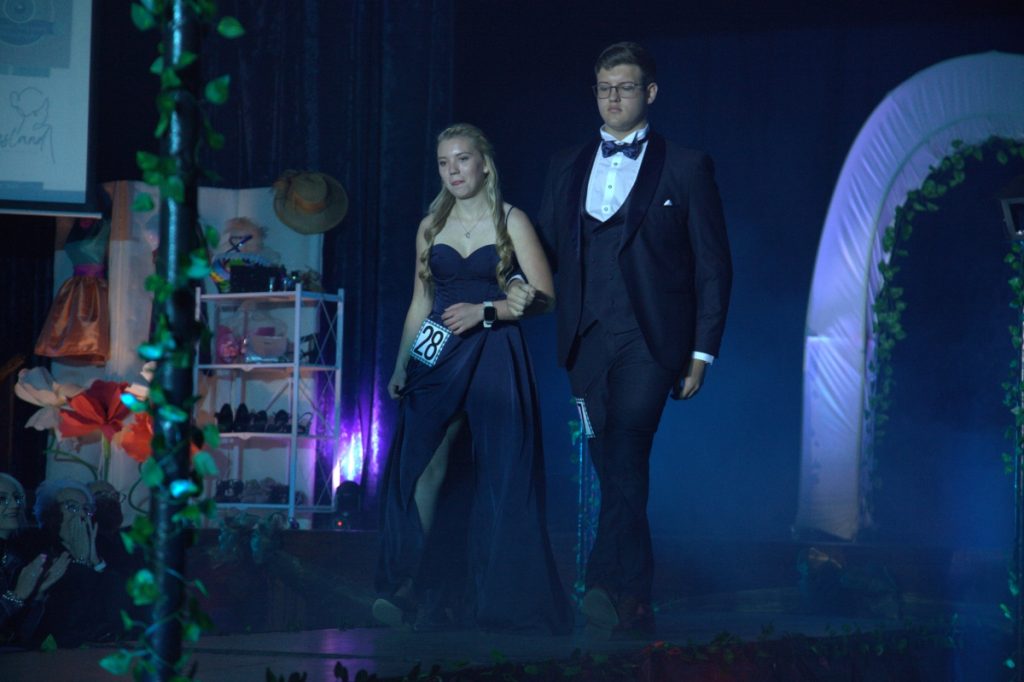
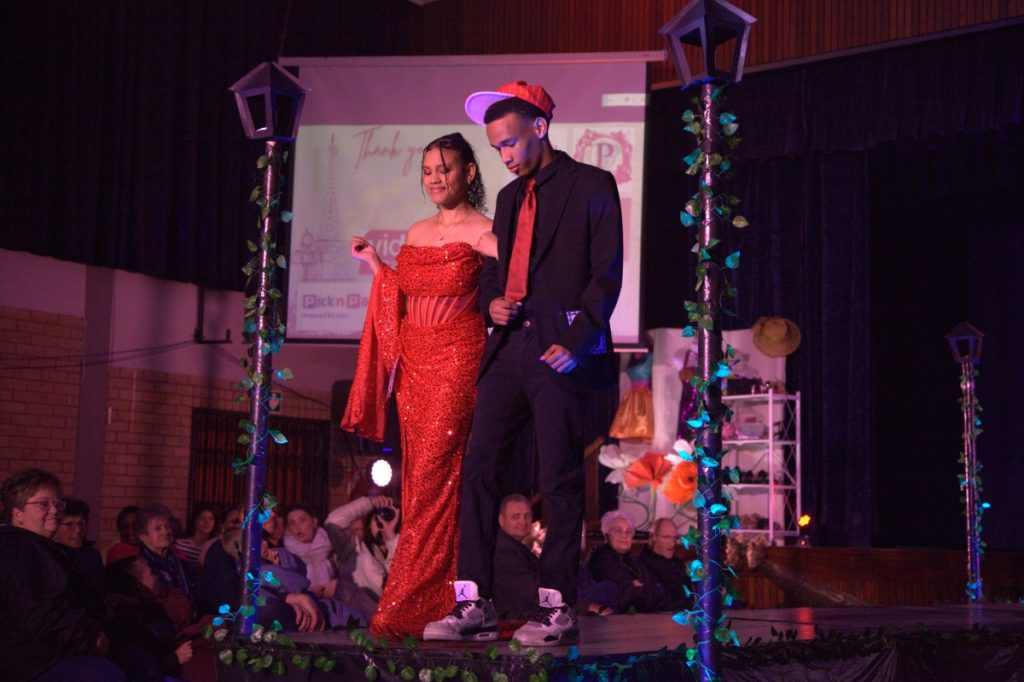
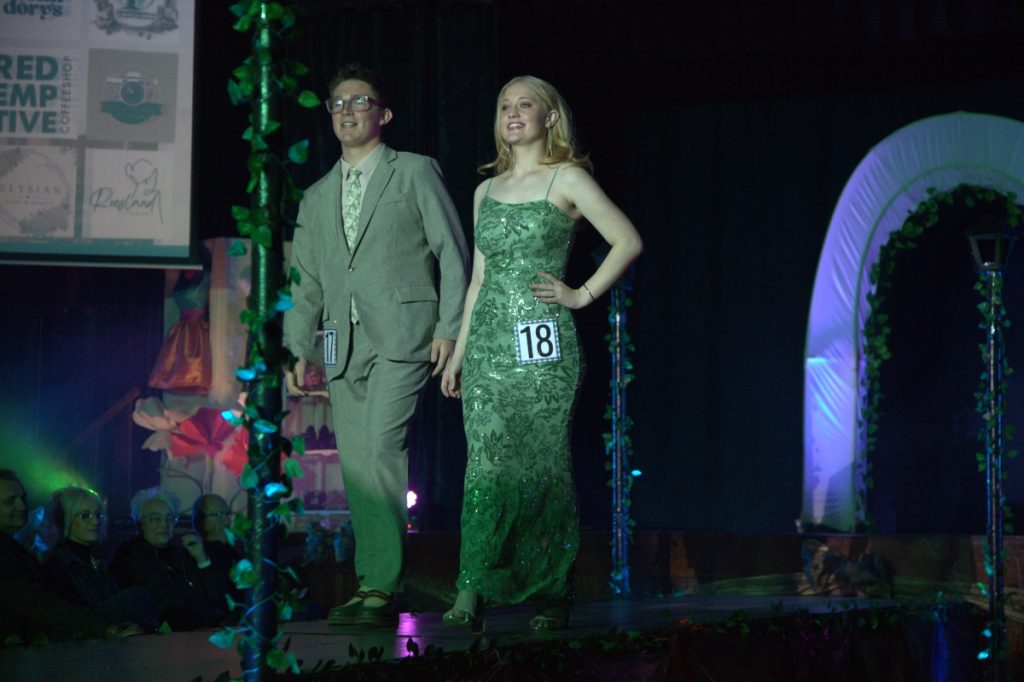
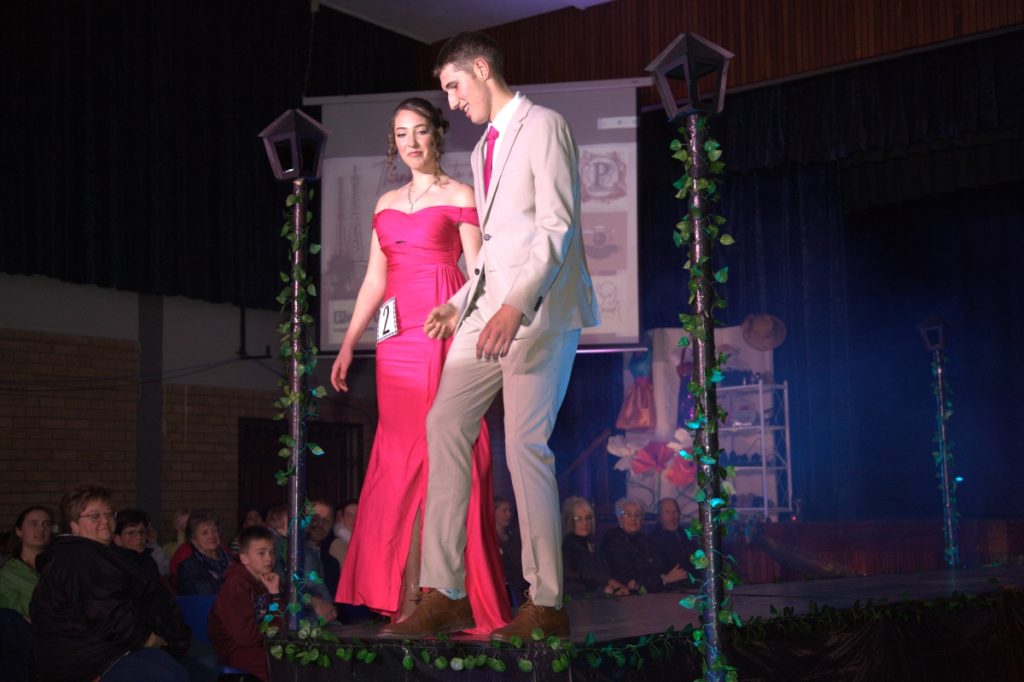
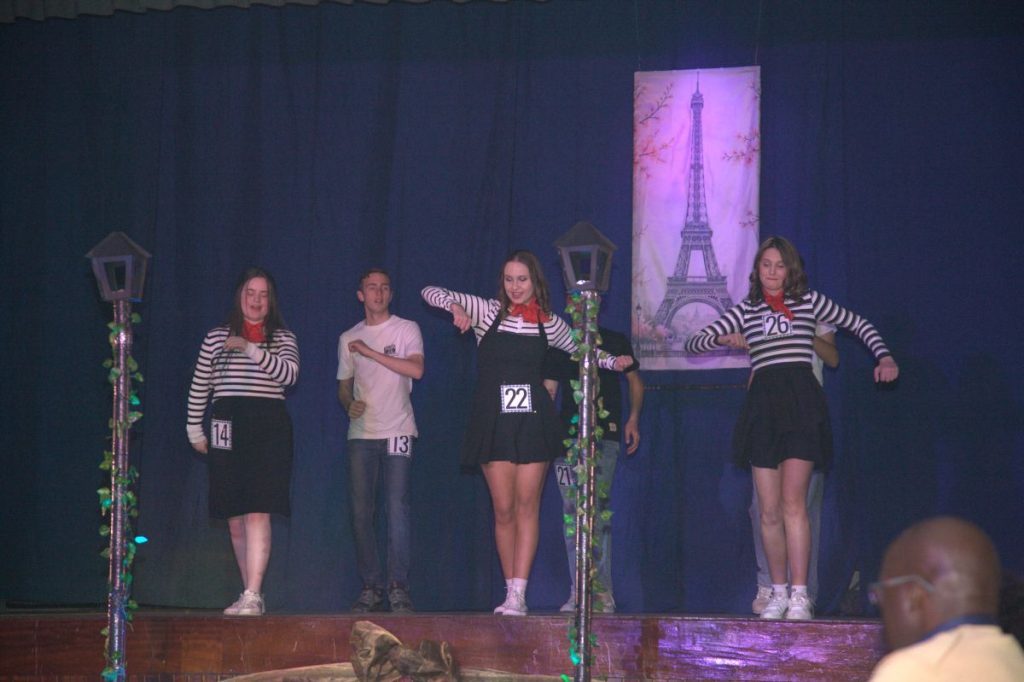
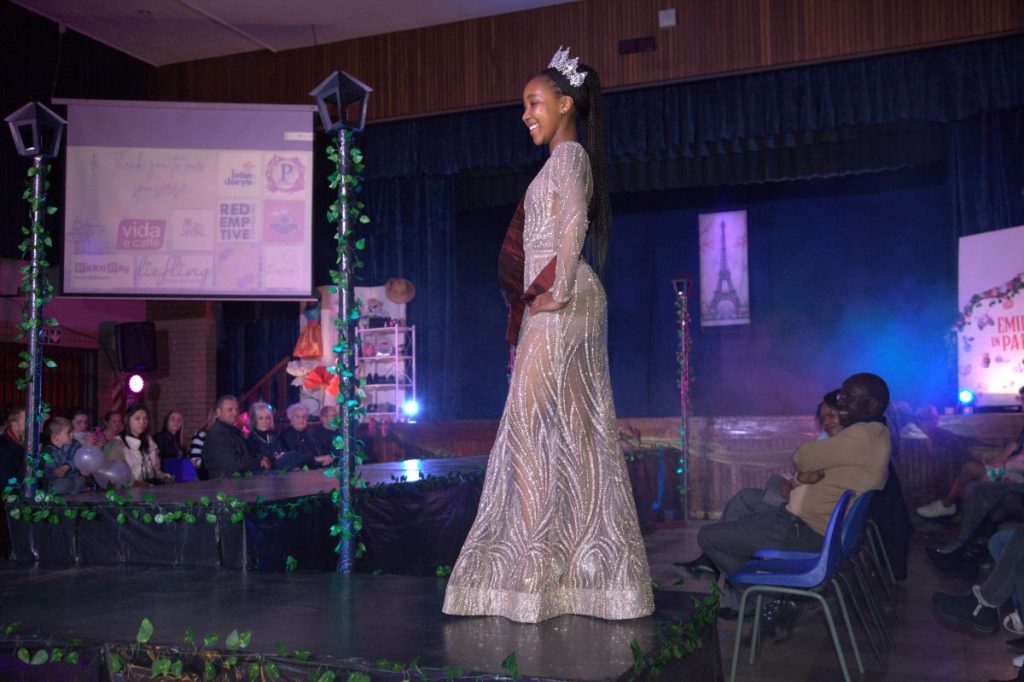
Thursday night delivered a beautiful, Emily in Paris–themed evening of elegance, style and unforgettable moments as the Mr & Miss Oosterland 2026 finalists took the stage.
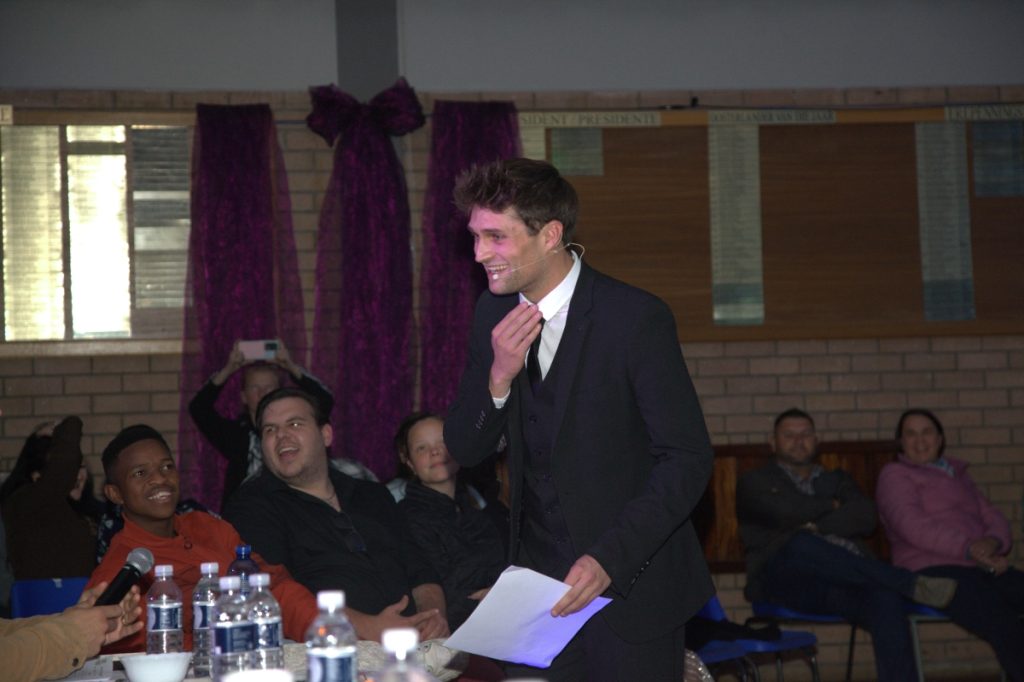
The hall was transformed with Parisian touches — soft lighting, chic backdrops and floral accents — setting a whimsical, glamorous tone that complemented the contestants’ wardrobes and stage pieces. MCs Thandi Sholtz and Righard van Jaarsveld kept the pace lively and warm, introducing segments with charm and encouraging enthusiastic responses from a packed Hoërskool Oosterland Hall.
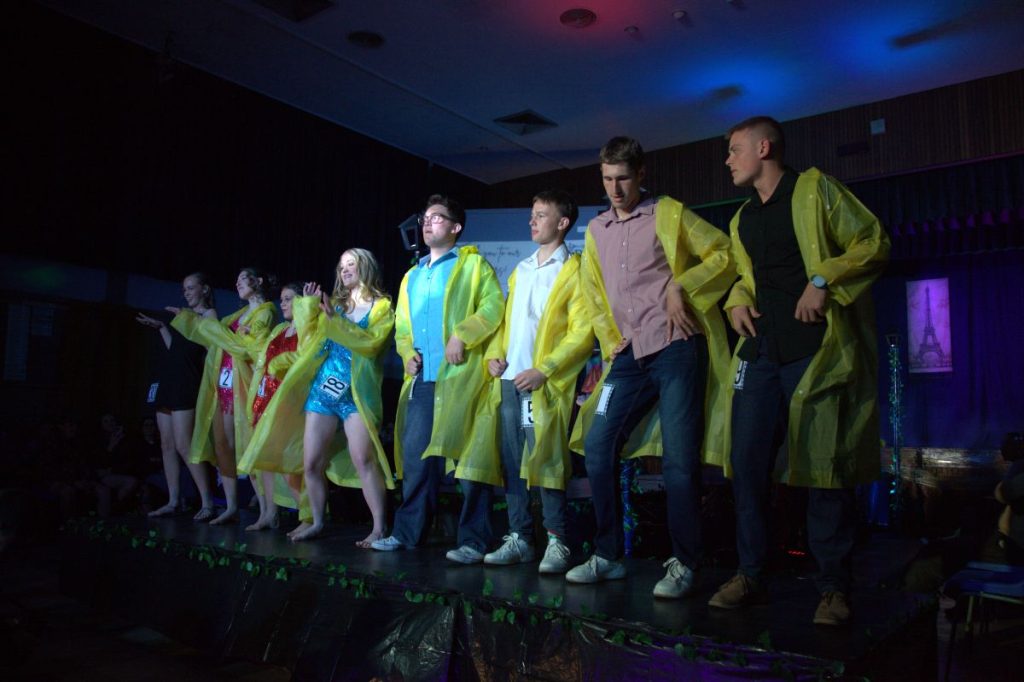
Performances ranged from poised walk-and-pose rounds to short talent displays and themed catwalks inspired by the Emily in Paris motif. Contestants impressed with confidence, personality and showmanship: some wowed the crowd with playful choreography, others charmed judges with graceful presentation and photogenic poise. Parents, teachers and community members gave generous applause throughout, and several acts earned standing ovations.
The judging panel faced a difficult task given the high standard of entrants. Awards recognised a range of strengths — from charisma and camera presence to leadership and stage confidence. When the winners were announced, the following finalists were crowned:
Miss Personality: Kaylin van Wyngaard
Mr Personality: Albert Truter
Miss Photogenic: Zeldine Scheepers
Mr Photogenic: Bergardus Becker
2nd Princess: Wilmie Lyons
2nd Prince: Jaydon McDonald
1st Princess: Elizma Becker
1st Prince: Rikus Lourens
Miss Oosterland: Lonika Jovner
Mr Oosterland: Sibusiso Xaba
A themed group number that brought the audience to their feet with coordinated costumes and choreography, with Individual talent flashes that showcased singing, modelling flair and stage confidence, together with the Emotional crowning moments as finalists embraced and celebrated one another, created an unforgettable evening.
Organisers thanked the MCs, volunteers, teachers, parents and the community for their support in making the evening run smoothly. Ticket holders — both general and VIP — enjoyed a warm, family-friendly atmosphere that celebrated the students’ achievements and community spirit.
Congratulations to all the participants for their hard work and poise. The event was not only a competition but a showcase of confidence, creativity and camaraderie — a fitting tribute to the spirit of Hoërskool Oosterland. We look forward to next year’s show and the new stars it will bring. 👑✨