Home Blog Page 13

ANIMALS 101 – “FREE TO GOOD HOME” IS ANIMAL RUSSIAN ROULETTE

0

THE HIDDEN DANGERS OF GIVING ANIMALS AWAY FOR FREE.

In the world of animal welfare and pet ownership, there exists a “well-intentioned” but often overlooked practice that can lead to unforeseen consequences for our furry companions and the humans who open their homes to them. It’s the act of giving animals away for free, a seemingly generous gesture that, more often than not, conceals a host of concerns and challenges. While the intention behind such acts may be “innocent”, the reality is far more complex. When you give animals away for free or sell them to strangers, you play Russian Roulette with the lives of sentient beings.

Facebook doesn’t allow the selling of animals on their platform, but unfortunately, they don’t seem to have a problem with free animals.  There is a local group that promotes free animals.  Most of us in animal welfare get blocked there.  When I engaged with one of their admins via Messenger, asking if they understood what they were doing, this individual responded with: “People want to sell them, and she is just keeping order in the group and being an admin.”  She also has the mentality that if it is not against the law so, then it is acceptable.  Something doesn’t have to be illegal to be immoral, dangerous, or unethical.

In this article, we delve into the hidden pitfalls of giving animals away without a “price tag”. Your intentions might be considered well-meaning, but here we will share some reasons why anyone who actually cares should seriously reconsider “free to good home” ads!

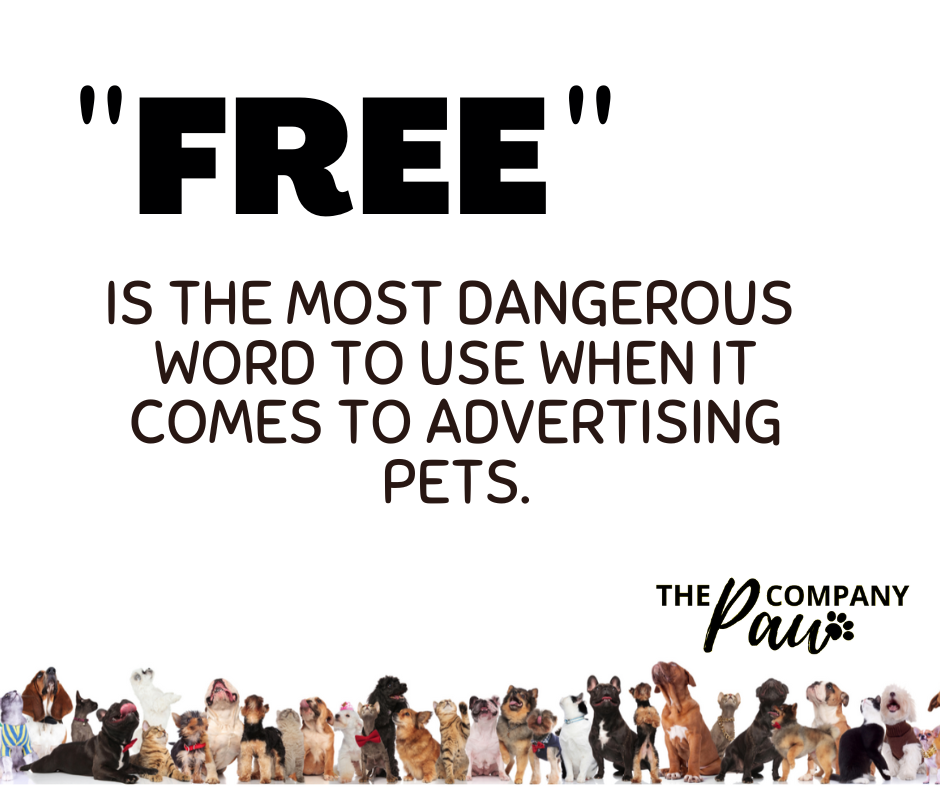
free
Image by The Paw Company

Editorial note: This article is a reprint from 3 July 2024

NOT A GOOD HOME, BUT A GOOD PLACEMENT

Our biggest challenge in an overwhelmed animal welfare system is the massive overpopulation crisis fuelled by irresponsible owners, breeders, pet shops that sell animals, those who give them away for free to strangers, and those who support these practices. There are not enough homes for every domestic animal, and that is why we so fiercely advocate for spaying and neutering.  

So, if there are not enough homes, how many good homes do you think there are? What do you consider a good home?

Sadly, a “good home” means very little in today’s society. What people don’t seem to understand is that whether they sell, buy, give an animal away for free, or adopt, it is never just about a good home, but about a good placement for that animal. The needs of the animal should come first, always! Paying for an animal or having a big yard and money is no guarantee that they will be taken care of and loved as they deserve.

How can you guarantee it is a good home? Do you really know what we consider a good home? You most likely can’t because you are not trained to do this. Animal rescuers can share hundreds of stories about this that ended up in horror situations for those animals.

SOME REASONS WHY “FREE TO GOOD HOME” ADS ARE DANGEROUS

From the lack of screening and financial considerations to the risk of exploitation and the consequences of insufficient education, we will shed light on the concerns that surround the practice of giving animals away for free. By examining these issues, we aim to encourage a more thoughtful and responsible approach like pet adoption, one that prioritizes the welfare of animals and ensures that their new homes are loving, safe, and prepared to meet their unique needs.

Giving animals away for free can raise several concerns, both for the welfare of the animals and the people involved. Some of the main concerns include:

  1. OVERPOPULATION

Giving animals away for free contributes to pet overpopulation, well, more than contributes… it fuels it. In SA on a daily basis, an average of 2800 (yes two zeros and yes daily) healthy animals are humanely killed because there are just not enough homes.  Without responsible breeding practices and adoption fees, there may be less incentive for people to spay/neuter their pets, leading to more unwanted litters. How many of the free animals do you think are sterilized? Usually, only a few exceptions, and this just continues the cycle.

2. LACK OF SCREENING

When animals are given away for free, there is often minimal or no screening of potential owners. This can lead to animals being placed in homes where they may not receive proper care, attention, or even be subjected to abuse.

Those who failed the adoption process are on the list, too. Some people could not get animals through reputable shelters, so now they troll these “free to good home” posts. There is a reason that shelters reject some people, who those who do not work in animal welfare would consider “good homes”. So, chances are high that someone who asks for animals online, free or for sale, might have been rejected by reputable organizations already.

If these animals are not re-homed properly with home checks and sterilization, through the SPCA or reputable animal welfare organizations, these animals, countless times, end up in the wrong hands!

3. RISK OF EXPLOITATION

Free animals can be attractive to individuals who may not have the best intentions. Some people may acquire free animals with the intention of:

  • Reselling them for profit.

There are speculators, which means the person can make a pure profit by selling these animals instead of having to care for mothers and litters. They collect the “free to good home” or buy litters only after they have found buyers.

These “free to good home” animals are targets for animal dealers, too. They take these animals and also sell them for profit. They can be sold to other people as pets, to breeders, to puppy mills, for animal trades like skin or, for racing, as security animals, and to laboratories for animal testing to mention a few. Some call them “flippers”. Trailers full of dogs and other animals are found at borders and other places by the authorities. 

  • Using them for illegal purposes.

Dog fighters may take the power breeds to use in fights, and bait dogs (other breeds and species, including cats) can easily be obtained through these adverts and used in fights too. Bait animals are used for sparring and building up the aggression of the pedigree or power breed, like a pre-show for the main event. Some take these animals to abuse them, to rape them, to offer them as sacrifices (yes, we have witches that live in our community).

  • Used as food. In some cases, these animals are used as food for humans and other animals.

Animal dealers troll these ads too and are “experts” when it comes to fooling most. They pretend to care for the animals in front of you, and if you are not trained to spot them, like those who work in animal welfare, you will be fooled, and an animal will pay the price. There are literally animal brokers who will meet you at a different house or even have a fake Facebook profile where it looks like they love animals.

4. FINANCIAL CAPABILITY

Owning a pet comes with various expenses, including food, veterinary care, grooming, and more. If someone cannot afford to adopt a pet, they may struggle to provide for the animal’s needs, potentially leading to neglect or abandonment.

5. LACK OF COMMITMENT

People who acquire pets for free may not be as committed to their care as those who invest time and money in adoption, not that it is a guarantee either. This can result in impulsive buying, with some owners giving up on the animal when they no longer want the responsibility.

6. HEALTH AND SAFETY CONCERNS

Free animals may not have received necessary vaccinations, veterinary care, or proper socialization. This can lead to health and behavioural problems for the animal and potential risks to other pets and humans in the community.

7. LACK OF EDUCATION

When animals are given away without any educational resources or support, new owners may not have the knowledge and skills needed to care for the pet properly. This can result in behaviour problems and animal suffering.

To address these concerns, many animal welfare organizations and shelters charge adoption fees and conduct thorough screening processes to ensure that animals are placed in responsible, loving homes. These fees help cover the costs of care and can act as a barrier to impulsive or ill-prepared adopters, ensuring a better quality of life for the animals. Additionally, providing educational resources and support to new pet owners can help ensure the well-being of the animals and reduce the risk of abandonment or neglect.

WHERE DOES “FREE TO GOOD HOME” STOCK COME FROM?

Free to good home “stock” usually comes from backyard breeders, irresponsible owners, or those who do not want animals anymore because it is inconvenient for them. Someone in a difficult situation, the very few exceptions, will do re-homing through a responsible organization.

Also, read about winter tips for keeping your pets warm!
free to good home
Image by The Paw Company

NO ANIMAL IS ACTUALLY FREE

The “buying price” is but a small expense compared to their care by a responsible pet guardian (owner).  Usually, the veterinary bill for first vaccinations, de-worming, tick and flea treatment, and sterilization will fall on the new owner, and this will remain an expense during the animal’s lifespan. If you are at all a responsible pet owner, you will need to pay for sterilization as well as spend on proper food, toys, and shelter, in addition to securing your yard properly. All this will easily be more than R2000! Do you think someone who asks for free animals will do the above? Can you guarantee they will?

Yes, we don’t support selling, and yes, we don’t support “free to good home”, so what do we support?  ADOPT DON’T SHOP! Adoption from reputable organizations is the only kind of “trading” of animals we support and the only ethical option.  These organizations will do an adoption application, home check, sterilization, adoption contract, and follow-ups.  That’s responsible. Note that there are registered organizations that do not do this. Don’t support them!

Responsible adoption practices are essential for the well-being of our beloved pets. The complexities of pet ownership demand careful consideration, commitment, and financial responsibility. The fact remains that millions of animals are euthanized annually because there are just not enough homes for all the animals, and even far fewer good homes.

HOW CAN YOU HELP?

  • Educate your friends and family on this topic and share our posts.
  • Report any such post on the social media platform and to your local welfare organizations. Facebook doesn’t allow the selling of animals, so report it too.
  • Spay and neuter your animals and don’t give them away for free (nor sell them).
  • Rehome your pets through reputable organizations if you can’t take care of them.
  • Please stop supporting the “free to good home” ads. 
  • Stop supporting breeders, pet shops, and animal dealers.
  • Stop being mad at shelters and start blaming breeders (of any kind), irresponsible pet owners, and every single person who gives animals away for free as if they are objects and not sentient beings.
  • Adopt, don’t shop.  Adoption is the only ethical option!

Are you willing to take these risks with an animal’s life? If these people really cared about these animals, they would let them be adopted through a responsible organization because irresponsible homing hurts animals.

The act of giving animals away for free, while maybe well-intentioned, can lead to a myriad of problems that impact the welfare of both animals and humans. Let us strive for a future where the act of giving animals away for free is replaced by a culture of responsible and compassionate pet adoption. In doing so, we can create a world where every animal enjoys the love, security, and respect it truly deserves. By uniting our efforts, we can pave the way for a brighter and more humane future for pets and their human companions alike.

Join us again next week as we explore issues around the pets of our lives.
WHEN YOU KNOW BETTER, DO BETTER!

Farewell to the Lesch Family: Secunda Bids a Heartfelt Goodbye

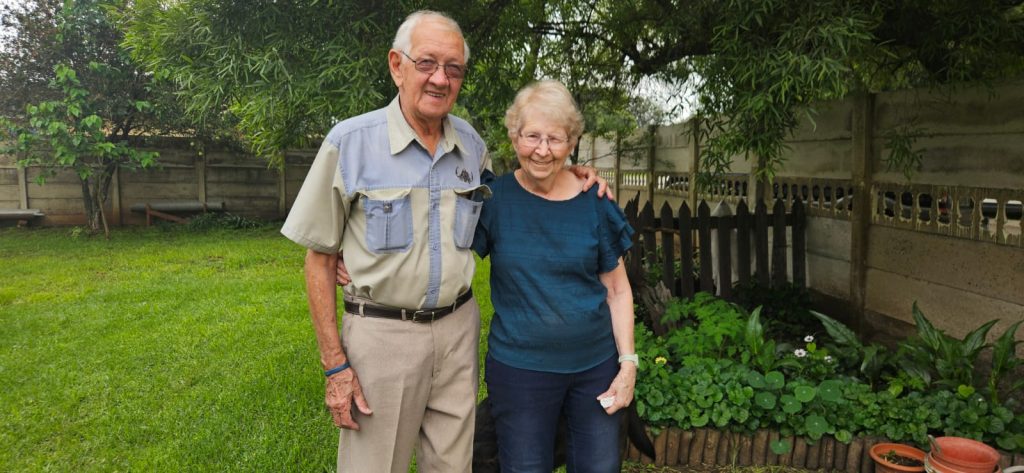
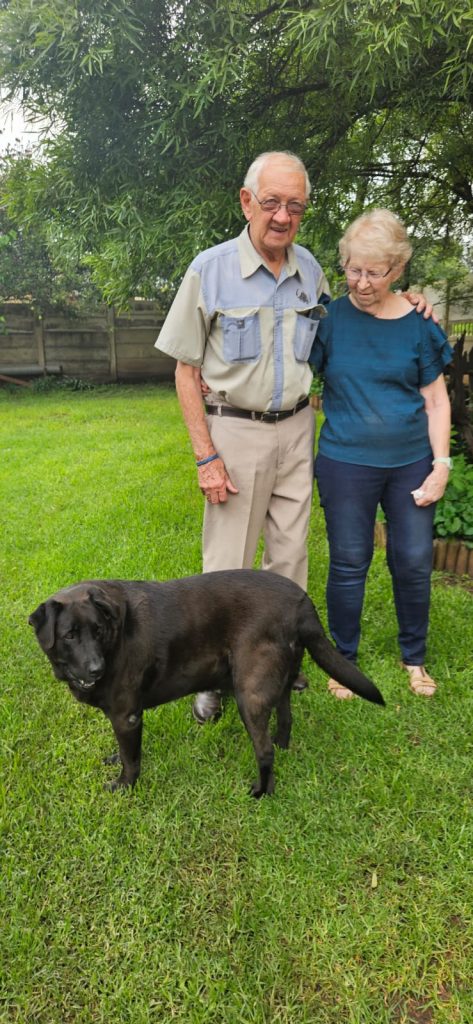
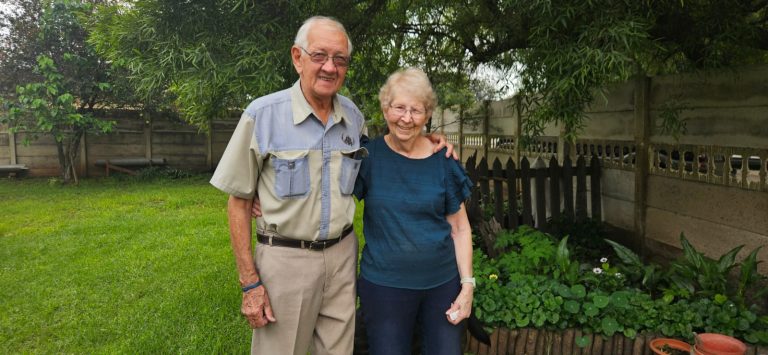
After more than 44 years in Secunda, JC and Juanita Lesch have made the big move to a peaceful retirement village at the East Rand, closing a remarkable chapter marked by community service, creativity, and dedication.

The decision to relocate comes as JC’s health requires a quieter pace of life, and the tranquil new environment promises much-needed rest for both him and Juanita. JC spent his career in the mining industry, with a long and loyal service record at Sasol, where he eventually retired.

Their journey to a new home, however, wasn’t without hurdles. The initial property they considered would not allow pets, forcing them to face the heartbreaking possibility of rehoming their beloved Labrador. But fate intervened—an ideal, pet-friendly home became available, and their four-legged family member is happily moving with them.

While JC was known for his hard work and steady presence, it was Juanita who became something of a local icon. Renowned for her exquisite silk paintings, she handcrafted scarves and ties that became cherished items worn with pride. Her passion extended beyond her own artwork—Juanita offered art and embroidery classes from her home, sharing her talents generously with the community. She also served for many years as chairwoman of the Women’s Agricultural Union, proving her tireless commitment to uplifting and inspiring others.

Juanita told The Bulletin, “I don’t know what I’m going to do, but I’ll definitely keep myself busy.” Knowing her energy and creativity, that could mean anything from painting and teaching to taking on a new community role. One thing is certain: she won’t be sitting still for long.

As the Lesch family settles into their new home, the Secunda community will surely feel their absence, but their legacy of warmth, service, and artistry will continue to echo through the lives they touched.

ANC Blocks Lifestyle Audits as HOD Corruption Scandal Deepens in Mpumalanga

1

The Democratic Alliance (DA) strongly condemns the ANC-led Mpumalanga Provincial Government’s refusal to conduct lifestyle audits on senior government officials—this as allegations of widespread corruption escalate, with six out of ten Heads of Departments (HODs) in the province currently under investigation, suspended, or implicated in financial misconduct.

In a sitting of the Mpumalanga Legislature on Friday, the DA introduced a motion calling for urgent lifestyle audits on:

  • All HODs and Chief Financial Officers (CFOs)
  • The Secretary of the Legislature
  • Senior procurement officials
  • Executives in provincial parastatals
  • Senior managers in both the provincial government and municipalities

This call was prompted by the ongoing investigations involving HODs from the departments of:

  • Education
  • Sports, Culture and Recreation
  • Agriculture
  • Public Works
  • Safety and Security
  • Human Settlements

Despite the severity of the allegations, the ANC majority in the Legislature chose to racialise the debate, claiming that the call for accountability was rooted in colonialism and “white people not accepting that black people can be successful,” said Annerie Weber, MPL – DA Spokesperson on Education, Mpumalanga Province

Annerie Weber, MPL, DA Spokesperson on Education, Mpumalanga Province

This deflection is particularly disingenuous, given that the implicated officials are being investigated by the ANC’s own MECs—not the DA. Ironically, the EFF abstained from the vote, offering no support or opposition to the proposed anti-corruption measure.

The DA remains resolute in its fight against maladministration, corruption, and self-enrichment. The refusal to implement lifestyle audits exposes the ANC’s lack of political will to address corruption within its ranks.

The people of Mpumalanga deserve a transparent and accountable government. The DA will continue to push for reforms that protect public funds and restore integrity to our institutions.

DA Demands By-Elections in Mpumalanga as Councillor Absences Cripple Service Delivery

0

The Democratic Alliance (DA) is calling on the Minister of Cooperative Governance, Velenkosini Hlabisa, to urgently intervene in Mpumalanga and compel the provincial government to declare vacancies in Wards 14 and 26, where prolonged councillor absences have resulted in the near collapse of service delivery.

In Govan Mbeki Local Municipality, Ward 14 Councillor Jabu Zwane resigned on 28 May 2025, submitting his resignation to the Municipal Manager. Despite this formal step and Zwane’s public criticism of the ANC’s governance, the resignation has not been officially acknowledged, raising concerns that political considerations are delaying the declaration of a vacancy.

In eMalahleni Local Municipality, Ward 26 Councillor BT Twala has been absent and inactive for over a year and two months. The council has suspended his salary, yet no explanation for his disappearance has been made public, nor has a vacancy been declared. Credible reports suggest his absence is linked to politically sensitive matters within the ANC.

The Municipal Structures Act is clear: when a councillor resigns, is incapacitated, missing, expelled, or deceased, a vacancy must be declared by the council in consultation with the relevant MEC. A by-election must then be held within 90 days to restore representation for affected residents.

However, both the ANC-led Mpumalanga Government and MEC for COGTA, Speedy Mashilo, have failed to fulfil this legal obligation. As a result, communities in these wards continue to suffer from non-functional ward representation, poor governance, and a collapse in basic service delivery.

The DA demands:

  1. The immediate declaration of vacancies in both wards,
  2. Compliance with the Municipal Structures Act,
  3. The scheduling of by-elections without political delay.

We will escalate this matter to Minister Hlabisa through our parliamentary representatives to ensure that the people of Wards 14 and 26 are no longer denied their democratic right to representation and service delivery.

The DA remains committed to upholding the rule of law and standing up for residents whose constitutional rights are being neglected by a government prioritising political preservation over public interest.

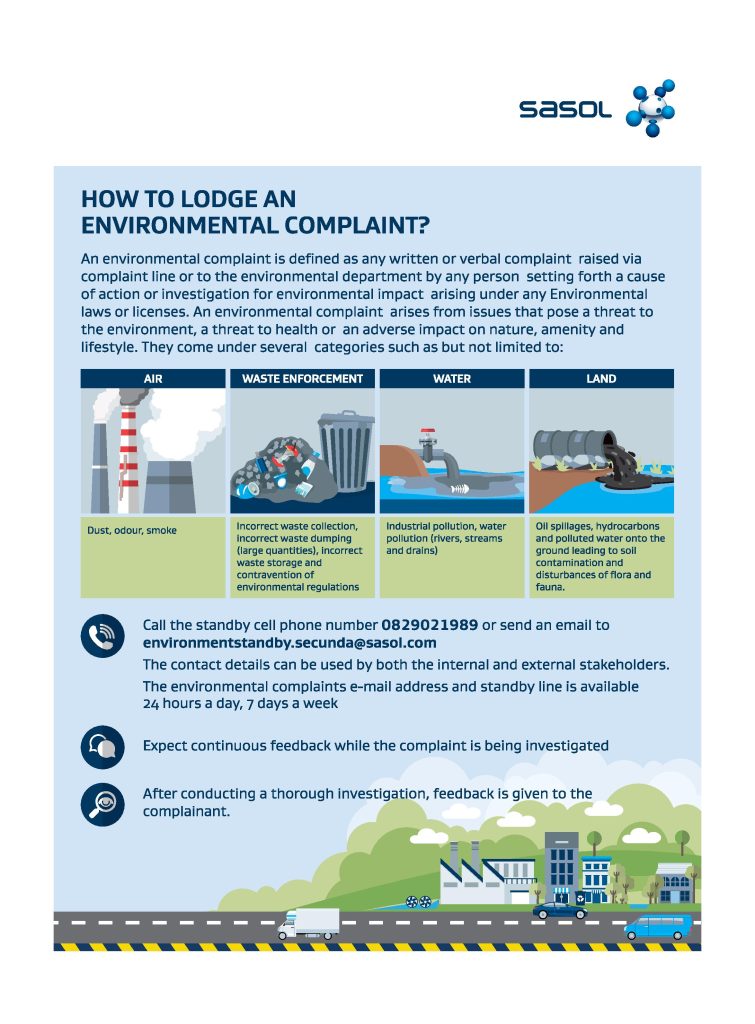
Sasol – HOW TO LODGE AN ENVIRONMENTAL COMPLAINT?

HOW TO LODGE AN ENVIRONMENTAL COMPLAINT?

An environmental complaint is defined as any written or verbal complaint raised via the
complaint line or to the environmental department by any person setting forth a cause of action or investigation for environmental impact arising under any Environmental laws or licenses. An environmental complaint arises from issues that pose a threat to the environment, a threat to health or an adverse impact on nature, amenity and lifestyle.

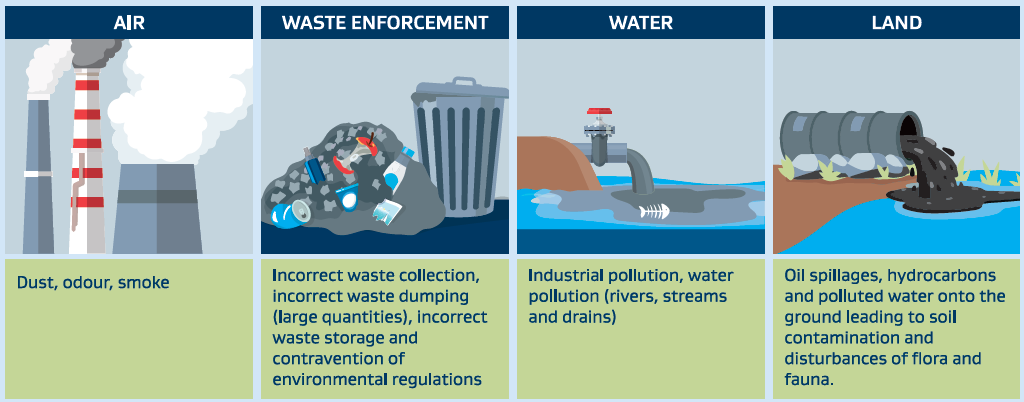
They come under several categories, such as but not limited to:

Call the standby cell phone number 0829021989 or send an email to environmentstandby.secunda@sasol.com
The contact details can be used by both the internal and external stakeholders.
The environmental complaints e-mail address and the standby line is available 24 hours a day, 7 days a week

Expect continuous feedback while the complaint is being investigated

After conducting a thorough investigation, feedback is given to the
complainant.

Two Suspects Arrested Following Armed Robbery and Shootout with Police – Officer Injured

0

Two suspects, aged 37 and 40, were arrested following a shootout with police during an attempted armed robbery in Leslie on Tuesday, 17 June 2025, at approximately 18:00. A 38-year-old police constable sustained a gunshot wound to the hip during the exchange of fire and was transported to the hospital for medical treatment.

According to the preliminary report, members from the Leslie SAPS were on patrol when they encountered an ongoing robbery at a local liquor outlet. Upon approaching the scene, the suspects opened fire on the officers, prompting police to return fire. During the crossfire, the constable was injured.

Initial investigations indicate that approximately seven armed men, dressed in police reflector vests, entered the liquor store under the pretence of conducting an investigation into counterfeit liquor. The suspects allegedly identified themselves as police officers and questioned the store owner. After spending nearly an hour at the premises, the suspects attempted to carry out a robbery.

Police members from Visible Policing (Vispol) in Leslie arrived at the scene, resulting in the shootout. While several suspects managed to flee, they abandoned two vehicles—a white BMW 3 Series bearing false registration plates and a white Ford Focus reported stolen in Bronkhorstspruit (Gauteng Province) in March 2025. Both vehicles were seized for further investigation.

A follow-up search in the area led to the arrest of two suspects found hiding in an enclosed storeroom. The duo has been charged with attempted murder, armed robbery, and possession of suspected stolen property. Forensic experts and investigators are continuing to process the scene and collect evidence. Further arrests are expected as the investigation unfolds.

The arrested suspects are expected to appear before the Leslie Periodical Court on Friday, 20 June 2025.

The remaining suspects are still at large. Police urge anyone with information that may assist in their apprehension to contact Detective Constable Thembayona Mkhulisi on 066 577 6013, or call Crime Stop at 08600 10111. Alternatively, information can be submitted via the MySAPS App. All information received will be treated with the strictest confidentiality, and callers may remain anonymous.

The Acting Provincial Commissioner of SAPS in Mpumalanga, Major General (Dr) Zeph Mkhwanazi, welcomed the arrests and commended the swift action taken by police members. “Those who attack our law enforcement officers will face the full might of the law. We will not rest until all those responsible are brought to justice,” he said.

COUNCIL IN LIMBO AS SPEAKER FAILS TO DECLARE MMC VACANCY FOLLOWING RESIGNATION

Govan Mbeki Municipality – Controversy continues to mount after Cllr Jabu Zwane, the former MMC for Electrical and Mechanical Engineering and ANC ward councillor for Ward 14, resigned on 28 May 2025 — a move that has yet to be officially acknowledged by the Speaker of Council.

Zwane submitted his resignation during a council sitting, reportedly handing a printed email to the Speaker, Cllr Fikile F. Magagamela, before walking out of the chamber. The letter, addressed to Executive Mayor Cllr NG Zuma, stated Zwane’s immediate resignation from both the African National Congress (ANC) and his council duties.

However, 22 days later, no declaration of a vacancy has been made.

Sources close to the council allege that the Speaker has refused to accept the resignation letter, arguing that it was not formally addressed to her. Critics say this inaction may be politically motivated, citing fears within the ANC of triggering a potentially damaging by-election, given the party’s recent decline in local support.

In his resignation letter, Zwane delivered a stinging critique of his former party, stating:

“The ANC has turned to be a foreign organisation which is no longer biased to the poor, vulnerable blacks in general and Africans in particular. I have decided to terminate my membership from the organisation effective immediately.”

By resigning from the ANC, Zwane automatically forfeited his seat on the council, per municipal regulations.

Speaking to The Bulletin, Zwane elaborated on his reasons, accusing the ANC leadership of ignoring corruption allegations and suppressing internal dissent. He specifically referenced the controversial Section 106 report, alleging that it was being “swept under the carpet” to protect implicated individuals.

He further accused former councillors — Ethel Nkosi, Lindi Masina, and Thandi Ngxonono — of still exerting significant influence over the municipality despite being deployed elsewhere.

“We need to get them to release their grip on this municipality,” Zwane said.

In a recent radio interview, Zwane reiterated that he had handed his resignation to both the Speaker and the ANC Chief Whip. He claimed that when raising concerns about irregularities involving security companies contracted by the municipality, he was silenced at both local and higher caucus levels.

Zwane also alleged that Cllr Thandi Ngxonono laid a case of intimidation against him, only to suggest later that she would drop the charges if he withdrew his resignation.

He went further, making explosive claims that senior political figures continue to wield unofficial power over administrative appointments and financial transactions in the municipality:

“Ethel Nkosi is controlling everything in Govan Mbeki — from the executive mayor to directors and even junior staff,” he alleged.
“Some officials are still paying her or buying things like TVs and furniture for her.”

Despite these serious accusations and the clear indication that Zwane has vacated his position, Speaker Magagamela has yet to act, drawing criticism for ignoring due process.

Observers say the silence may be a strategic delay aimed at avoiding a by-election that could cost the ANC a vital seat. Others suggest the hesitation reflects broader internal instability.

Opposition parties are now being urged to intervene, potentially escalating the matter to the Independent Electoral Commission (IEC) or the courts if necessary.

As the municipality remains in limbo, one question remains: Is this political manoeuvring — or a cover-up waiting to unravel?

David Hall, New look same trusted advice

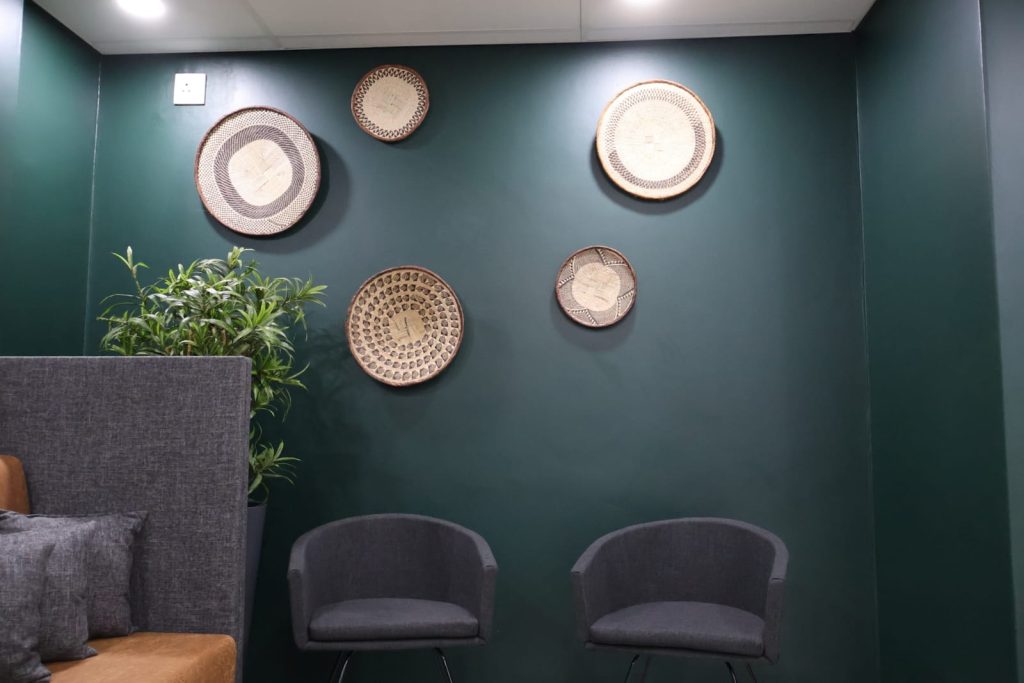
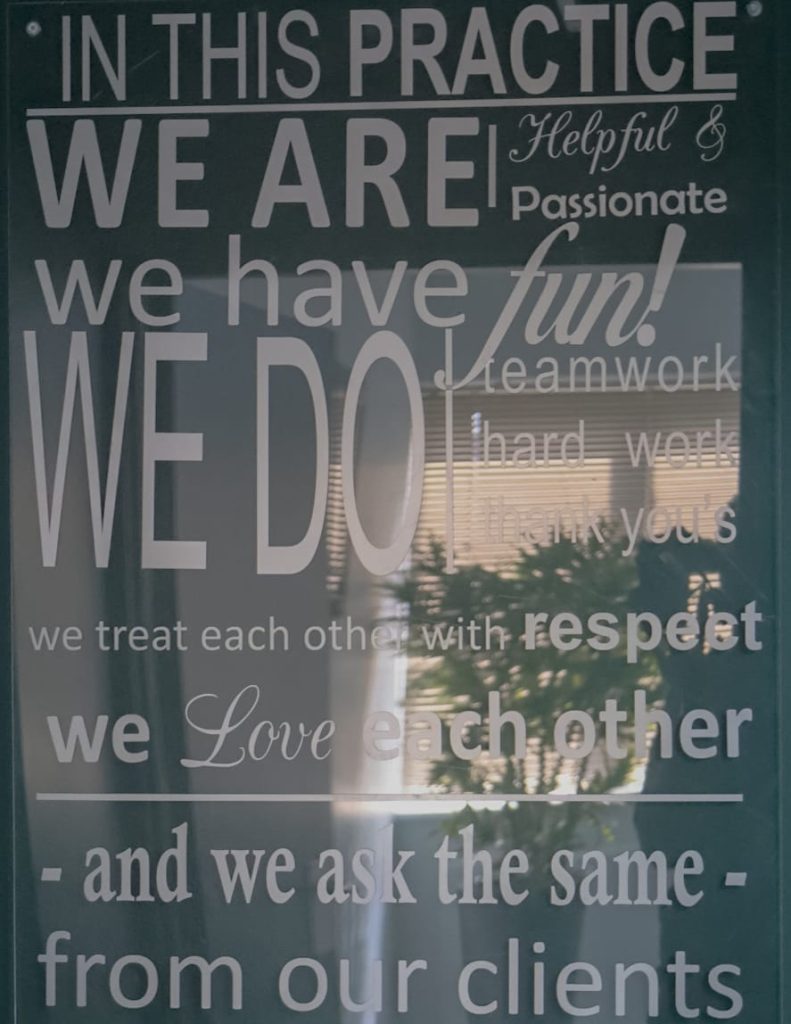
Walk into Old Mutual Certified Financial Planner, David Hall’s newly renovated office in Secunda, and it?s clear that this upgrade involved much more than just a fresh coat of paint. After more than a decade in the Medforum Building, David, who is a trusted Old Mutual financial adviser, decided it was time for a change, not in the advice he gives or the relationships he’s built, but in the environment where it all happens.

The enhanced offices offer a modern, welcoming space built around the needs of David?s customers who want clarity, calm and confidence when making life?s big financial decisions.

David is a familiar name in the Secunda community. He?s been with Old Mutual since 1996 and has operated from the Medforum Building since 2014. Over the years, he has built a strong reputation for helping people plan for the futures they want, build wealth and long-term financial stability, and protect what matters most to them.

The revamped office, which was part of Old Mutual?s broader effort to modernise its office spaces, includes new consultation rooms that are quieter and more private, with a modern layout designed to create a better experience for every visitor. ?The goal was to make the space more welcoming and professional,? David explains. ?We want our customers to feel comfortable when they come to see us and, since this is a space where people talk about personal things, privacy and a calm atmosphere are very important.?

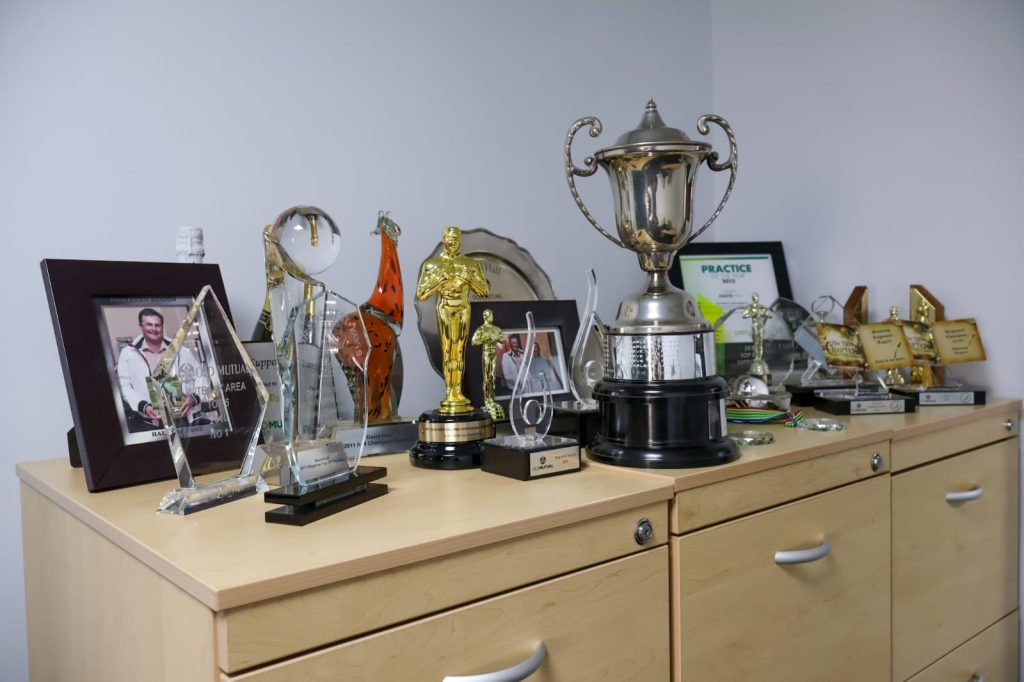
David has worked in financial planning for over 30 years with a special focus on estate planning and risk management. He is also one of Old Mutual?s most recognised and celebrated advisers, having been named among their Top 25 nationally for 25 years in a row. In 2021, he received the Chairman?s Prize as Old Mutual?s Personal Finance top adviser.

His services include everything from life and disability cover to wills, estate planning, retirement strategies, and legacy planning. ?We help customers plan for the unexpected and also for their future,? he explains. ?It?s not just about products; it?s about building a full financial plan that fits each person?s life.?

Financial advice runs in the family for David. Both his parents worked in the industry, and he?s proud to carry that legacy forward. Despite having worked in financial advice for more than three decades, David?s vision remains as clear as it was on the day he started. ?My passion is to provide excellent service and world-class advice that helps people create the lives and futures they want for themselves and their families,? he says. And this obsession with meaningful customer relationships, insightful planning, and trusted guidance continues to drive everything he does.

He also gives credit to his team in his Secunda and Pretoria offices. ?I?m very lucky to have such dedicated people supporting and working alongside me,? he says. ?They play a big role in creating the type of world-class experience our customers have come to expect from us.?

David welcomes both his long-standing customers and new faces to visit the refreshed space for themselves. ?Our upgraded office better reflects the standards we hold ourselves to,? he says, ?professional, personal, and built around what matters to our customers.?

ANIMALS 101 – HOME ALONE PET GUIDE

0

TIPS TO KEEP YOUR PET SAFE AND HAPPY WHEN THEY ARE HOME ALONE

Leaving our beloved pets at home alone is a common part of our daily lives, but ensuring their safety, comfort, and well-being during our absence is an important responsibility as a pet parent. In this guide, we’ll explore a range of practical tips and strategies to make those moments when our furry companions are left on their own a positive experience for both pets and their owners, because we understand that you can’t be with your pet all the time. A question every loving dog parent should ask is, “How long is too long to leave my dog alone?” 

Sadly, we can share many horrible stories of what happened to pets while owners were away or how many people will go away for days with no one checking in on them. This is highly irresponsible, and worse, it is how many puppies get lost or found in the streets! Our concerns include theft, poison, and health-related emergencies, too. Then there is also the emotional well-being, as some animals get very depressed and can even stop eating when left alone.

When you do go out (short or long), make sure:

  • Your yard/house is safe and secure
  • They have enough food
  • They have lots of fresh water
  • They have shelter from the elements
  • Someone can check in on them
  • Your pet sitter is listed with your Vet
  • Their medication and medical records are together
  • They have a microchip that is registered with up-to-date details, or at least an ID collar with your number
home alone pets
Image by The Paw Company

Editorial Note – This article is a reprint from 8 November 2023

HOW LONG CAN YOUR DOG BE LEFT ALONE?

Answer: It depends.

It’s not a yes or no question. How long your dog can stay home alone depends on your dog, their age, and their physical and emotional needs. Two rules of thumb: There’s no one-size-fits-all time frame, but 10 to 12 hours is considered too long to leave a pet alone; they also shouldn’t go without a potty break every 4 to 6 hours if left inside, says Dr. Karen Becker.

  • Your dog’s bladder control, like humans, depends on factors such as age, hydration, and physical build. Young puppies and elderly dogs require more frequent outdoor breaks. Establish a routine that suits both of you, ensuring they go out before you leave and when you return.
  • To determine how long your dog can stay alone, consider their physical and emotional needs. Your dog’s ability to stay home alone also relies on their exercise and social interaction requirements. Some dogs may enjoy lounging during your absence, while others need regular walks and stimulating toys.
  • Watch out for behavioral changes, such as increased lethargy, depression, or destructive tendencies, which could indicate issues related to extended solitude. If you notice these changes, consult your veterinarian for a professional evaluation. Separation anxiety may manifest as destructive behaviours, and dogs, being social animals, may struggle with prolonged isolation.

WAYS TO IMPROVE THEIR ALONE TIME

Managing how your dog spends their time alone can help your pup feel more satisfied or fulfilled while you’re away. It also provides you with some peace of mind. Some options include:

  • Hire a dog walker, even a day or two per week.  This will include much-needed exercise, stimulation, and distraction.
  • Provide safe and mentally stimulating toys such as treat puzzles.
  • Leave the TV or radio (keep in mind electrical risks) on.
  • Get another pet (this only works if they get along).
  • Create a safe space for them in your home. Crate training your dog is recommended in general and for emergencies, but leaving him confined to his crate all day is something he absolutely doesn’t deserve!
  • Doggy cams can be great. Smart indoor cameras that you can access through your phone serve as invaluable tools for keeping an eye on your dog when they’re home alone. Numerous options are available in the market, enabling you to not only see and hear your dog but also receive notifications about activity or sound, allowing for quick check-ins. Some even release a treat.
  • Get a pet sitter to check in.
  • Doggy daycare (one time a week can make a difference).
  • Pet-proof the area where they are left. This can be an area that can be closed off from the rest of the house, and likely one that can be cleaned easily with a tile floor.  Add their bedding, water, food, and toys (safe ones). Ensure there are no plugged-in electrical wires or cables that they can hurt themselves or chew on.  Keep other food out of reach and make sure they can’t climb onto something to access something else. Remove any potentially hazardous chemicals or medication.  Also, make sure that they have much to keep them busy because you would not leave a child in a room with nothing to keep them busy. Initially, you have to supervise those enrichment toys to see if they can destroy them and if there are other dangers around them.
  • Getting your new dog used to being alone. Begin by leaving them alone in a room for short intervals, allowing them to become acclimated to the idea. Gradually extend the duration of their alone time as they adjust. Once your dog has become comfortable in this designated space and their behaviour is reassuring, you can gradually expand their access to other areas of the house when you’re not present. A practical test for this transition is when you expect to be away for around 30 to 60 minutes, such as a quick trip to the supermarket. If they can maintain good behaviour in a larger area for a short period, you can progressively increase the duration for which they have the freedom to roam the house while you’re away, eventually accommodating a full workday.
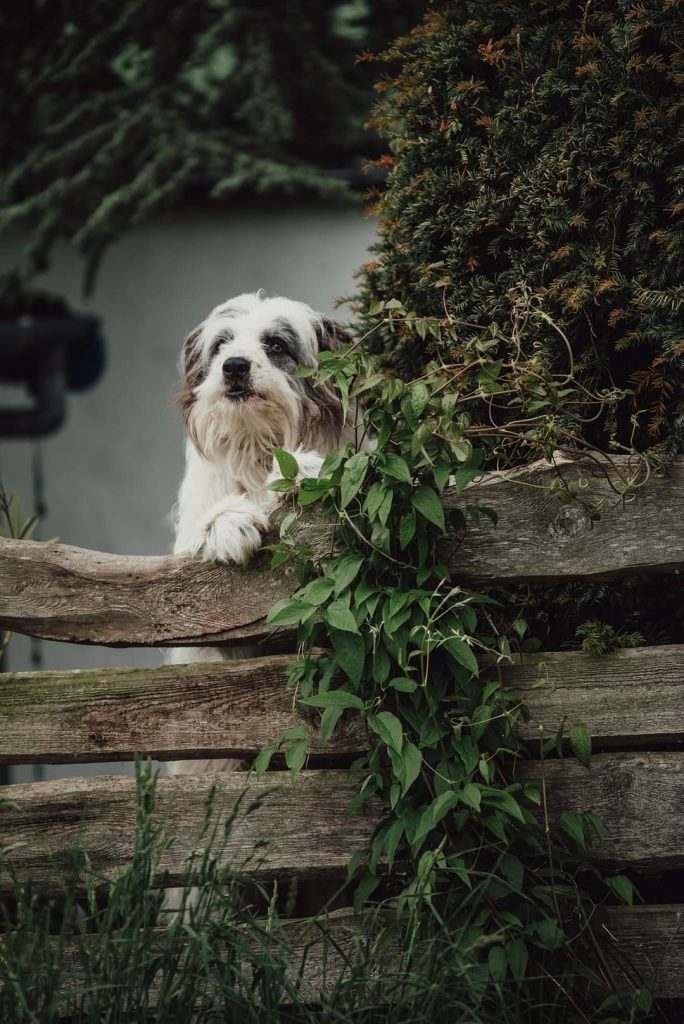
home alone pets
Image by Theresa Duvenage

SPECIAL PRECAUTIONS

When leaving pets home alone, it’s crucial to take extra precautions for:

  • Dogs, especially those prone to separation anxiety.
  • Cats, especially those with anxiety or territorial issues.
  • Birds, particularly highly social species.
  • Exotic pets with specific habitat requirements.
  • Small rodents who need a secure environment.
  • Fish with a focus on water quality and feeding.
  • Young/baby animals
  • Senior pets with age-related health needs.
  • Pets with special needs or health conditions.

Understanding and addressing their unique needs, from companionship to environmental conditions, ensures their well-being when you’re not around.

Have a fire escape and emergency plan.  If a fire starts when you’re not home, having a pet alert window cling, which lets firefighters know the number and type of pets inside, will alert them to look for your pets.  Do you have an ER card for your pets in your wallet? Are your pets included in your last will

WHAT TO CONSIDER WHEN CHOOSING A DAYCARE OR PET SITTER

We have seen posts of people wanting a pet sitter “now,” and for me, that raises a lot of concern.  You need to take time to do your homework and choose carefully who you trust with your animals. You need a trusted and experienced pet sitter or service, and they should be familiar with your pet’s routine and any unique needs they may have.

Blue Cross recommends considering the following when choosing a doggy daycare:

  • Do they have professional training in dog behaviour, first aid, and other important aspects of dog care?
  • Are they properly licensed and insured?
  • Where will your dog play, exercise, and rest?
  • How many other dogs will be there, and by how many people will they be supervised?
  • Are they equipped to take care of any special needs your dog may have due to age, health, etc.?

Make sure to read reviews or ask friends and family about quality daycare places, and do a tour of the facility before leaving your dog. The nice part of a doggy daycare is that you don’t have to take your dog every day, which can sometimes become expensive. A day or two at the daycare will help get your dog exercise as well as socialize them with other dogs.

Read more about training tips for your pets in part one and part two of our previous posts.

Pet sitter
Image by Furry Paws

WHAT TO LEAVE FOR YOUR PET SITTER

While you’re packing and prepping, don’t forget the essentials for your furry family members. It’s vital to ensure they’re as comfortable as possible, especially if they’re staying at home. Furry Paws Secunda is a local pet sitter service/daycare/groomer.  They give the following advice:

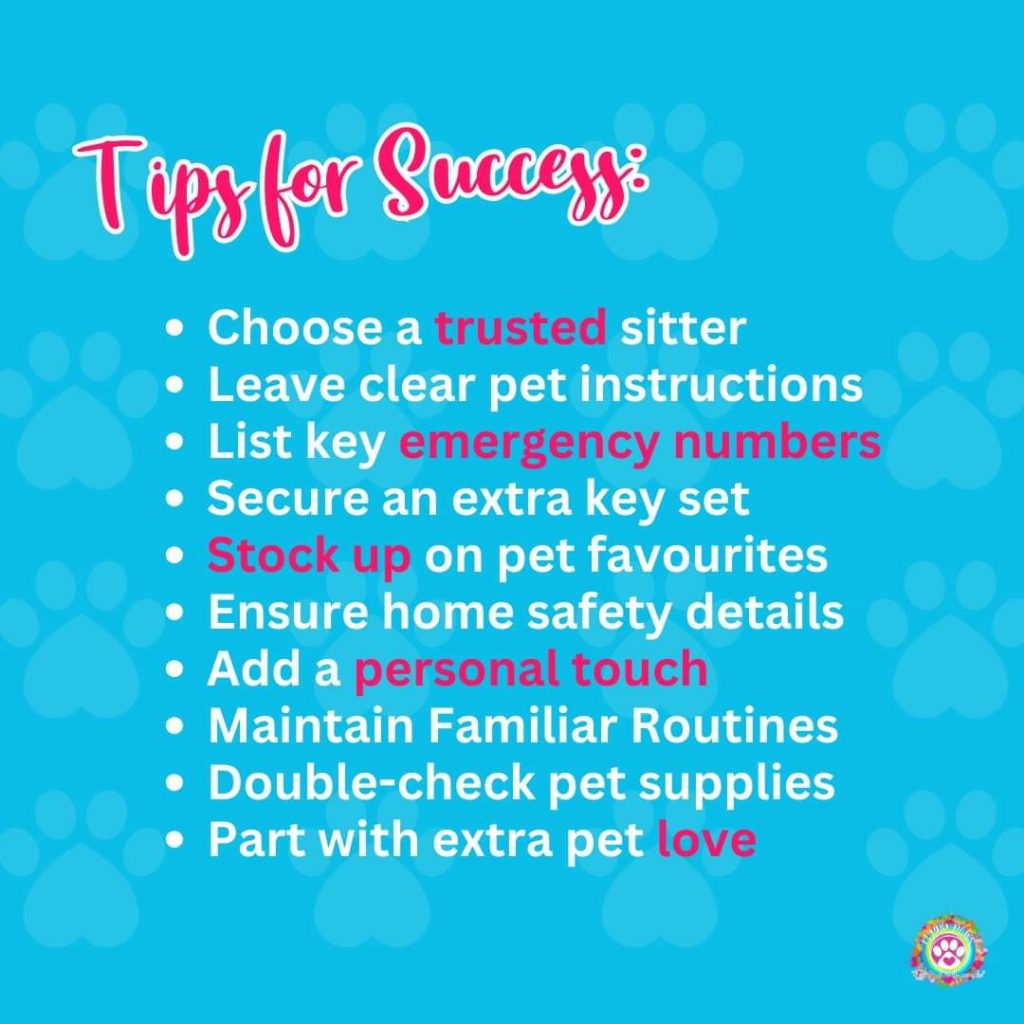
  • Leave written instructions that include feeding schedules for favourite toys. A comprehensive guide will make your pet’s life (and your sitter’s job) smoother.
  • Ensure your sitter has an extra set of keys. Bonus points if you leave another set with a trusted friend or neighbour.
  • Alarm codes, Wi-Fi passwords, and any special instructions should be written down and accessible.

Emergency Numbers and information to add to your instructions:

  • Vet’s contact info.
  • Nearest trusted emergency pet hospital.
  • Your security company’s hotline.
  • Poison control centre number.
  • Local police and other emergency services.
  • A trusted friend or neighbour.
  • Include any medical conditions or allergies your pet may have.

Include some pet comforts and personal touches.

  • Leave familiar toys and bedding to keep them at ease.
  • If your pet has a favourite calming music playlist or TV channel, let your sitter know!
  • Ensure all their favourite treats and foods are well stocked.
  • Consider leaving a short note or voice recording for your pet. Hearing a familiar voice can be comforting.
  • Schedule a call or video chat to check in if you’re away for an extended period.

Remember that when you bring home a new dog, you’re committing to a long-term relationship. Be sure you have time to dedicate to your new family member. Working full-time or having a busy life and owning a pet is doable; you may just have to get creative to ensure their needs are being met. Before bringing a new pet into your home, it’s really important to find an animal that fits your lifestyle. Consider taking a few days off to help them adjust to this new world you force them to live in. #adoptdontshop

In conclusion, when it comes to leaving pets home alone, our furry, feathered, or scaled friends rely on us to create a safe and comforting environment. By following the tips and strategies outlined in this guide, we can uphold our responsibility as responsible pet owners. Remember, pets thrive on routine and familiar surroundings. Ensuring their well-being in your absence not only eases your mind but also guarantees their contentment and security. From setting up their space and providing mental and physical stimulation to considering technological aids, your efforts will not only benefit your pets but also strengthen the bond between you and your beloved companions.

So, the next time you have to leave your pets home alone, do so with the confidence that you’ve taken the necessary steps to ensure their happiness and welfare.

Join us again next week as we learn about the pets of our lives.
WHEN YOU KNOW BETTER, DO BETTER!

Children March Against Abuse to Emba SAPS

0

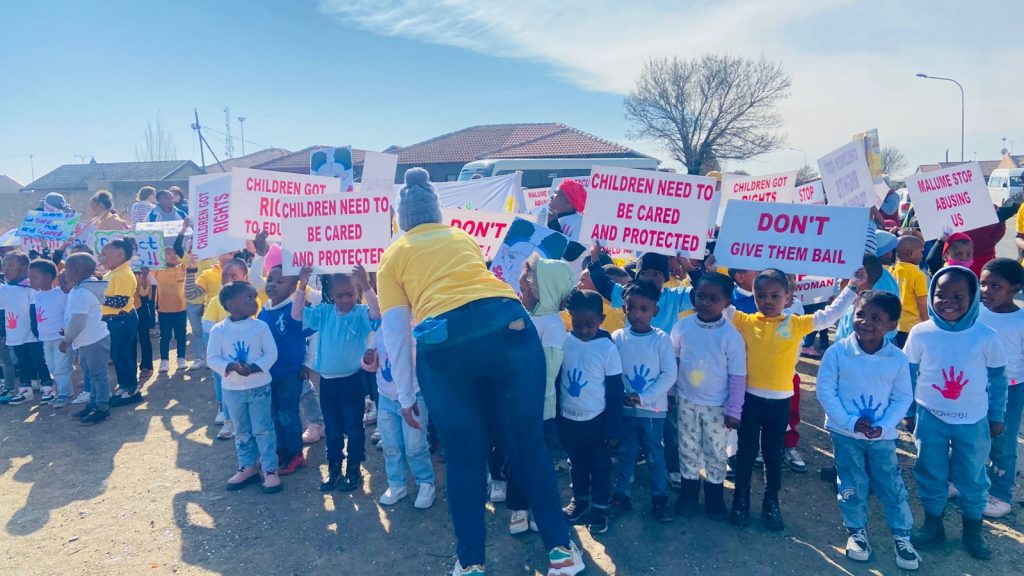
Twenty-five (25) ECD Centres with about 300 Learners marched to the Embalenhle police station. The aim of the march was to deliver a memorandum which entailed the abuse faced by the young ones.

The event also focuses on raising awareness about children’s rights and protecting them from abuse, neglect, and exploitation. The march also served as a reminder of the importance of creating a safe and supportive environment for all children, especially those 6 years and younger. This is part of the 2025 Children Protection Week.

The march started at Engen Garage @10:00 (Extension Four Drive) and proceeded to the Police station.

The principals of the crèche gathered and organised the march to address the station commanders

Four different types of abuse were discussed: The signs and indicators of child abuse and neglect that parents, teachers, and community members should be aware of:

Physical abuse: This type of abuse is most noticeable if the child is not dressed appropriately, or has blue marks (cigarette burns or blue eyes). A child doesn’t accidentally get these injuries; they were inflicted on them.

Emotional abuse: it includes any degrading or insulting comments or remarks towards a child, or threats. This is noticeable when a child is very unhappy, scared, and displaying aggressive behaviour.


Sexual abuse: this abuse is noticeable when a child experiences pain or bleeding around their genitals, is scared to be alone with someone, is withdrawn, is detached, has self-harming behaviour, has nightmares, and displays suicidal behaviour.

https://youtu.be/Bo2L5B-OfKk

“Please look out for children and their suffering- help them- they matter”

The station Commander, Colonel Matrose of EMbalenhle police station, welcomed and received the memorandum from the little ones. She applauded the principals for organising the March and emphasised the need to protect children.