MAN ARRESTED FOR STABBING TWO SIBLINGS AFTER ILLEGAL GAMBLING, ONE SUCCUMBED WHILST ANOTHER TAKEN TO HOSPITAL FOR MEDICAL TREATMENT
Nelspruit – 06 December 2021: An 18-year-old male suspect was arrested by police in Bushbuckridge on allegations of stabbing two brothers whereby one, aged 23 succumbed to his injuries meanwhile the other, aged 19 was taken to hospital for medical treatment after sustaining some injuries. The shocking incident occurred at Violetbank near Bushbuckridge around 05h00 in the morning of Sunday, 05 December 2021.
Reports indicate that the incident occurred inside a yard of a certain tavern which was reportedly closed at the time. It is said that whilst engaged in gambling (playing dice), an argument broke out between the young man and the two brothers which ended tragically whereby the siblings were both stabbed. The one who was fatally stabbed has since been identified by his family as Karabo Mathosi.
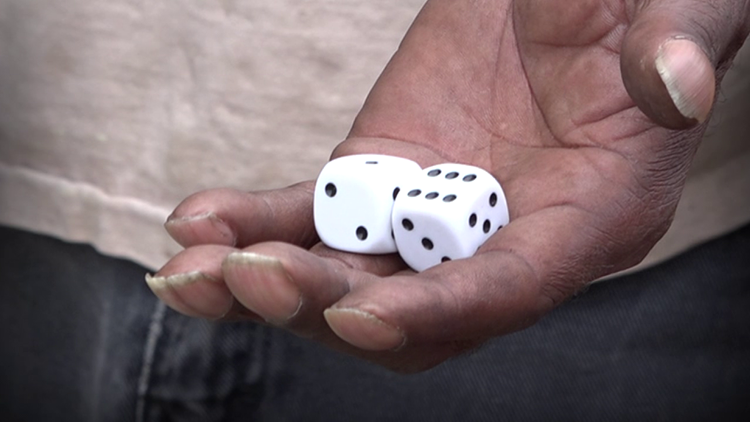
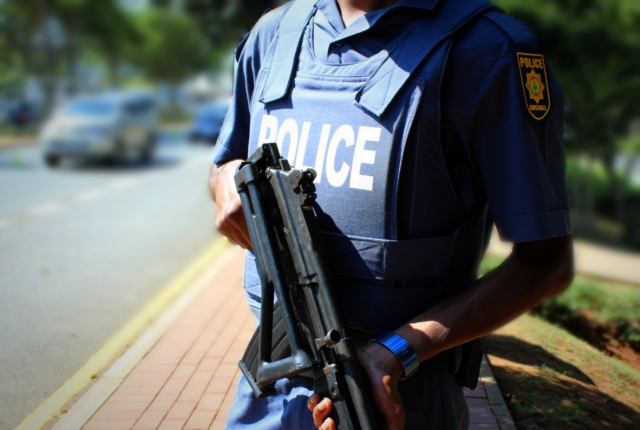
Photo for illustration purposes source: https://www.12newsnow.com/
The matter was reported to the police at Bushbuckridge where a case was opened with one count of murder and another count of attempted murder. Police began with their investigation and arrested the suspect as well as charged him accordingly. He is due to appear in the Bushbuckridge Magistrate’s Court today, 06 December 2021 facing the said charges.
POLICE FINALLY LOCATED THROUGH INVESTIGATIONS A DAUGHTER KIDNAPPED 20 YEARS AGO
Nelspruit- 06 December 2021: Police at Ermelo has finally located, through investigation a daughter that was reportedly kidnapped and never been seen by her family for a period of over 20 years.
According to the reports, on 23 March 2001 a woman, aged 16 at the time, gave birth to a baby girl and both were later discharged that day from Ermelo Provincial Hospital. As they were on their way home (to Breyten) in the company of the baby’s aunt, they met a certain woman who is said to have offered to assist by holding the baby as her mom was experiencing some pains and dizziness whilst the aunt had visited a shop nearby.
After a little while, the said woman then reportedly took the baby, promised to return and went towards the direction where the aunt headed to. The aunt returned but the said woman never did and after searching for the woman and the baby for a while, their attempts were futile.
The incident was then reported to the police at Ermelo and a case of child abduction was opened. Police commenced with their search but there was no information that came forth until 29 November 2021 when the team of Investigators got some leads into their investigation. Police conducted some forensic tests where DNA samples were collected and results came back which turned out to be a breakthrough into their case of child abduction. A 50-year-old woman was then arrested and charged accordingly as she is alleged to have been the one behind the said incident (kidnapping) that occurred 20 years back.
Photo for illustration purposes
The female suspect has since appeared in the Ermelo Magistrate’s Court on 30 November 2021 and she was granted bail of R1000. Her case was postponed to 18 January 2021. Meanwhile, the young lady has been kept in a place of safety whilst she receives some psychological support services and will hopefully be reunited with her biological family soon. The name of the suspect is withheld for the protection of the victim’s identity.
The Provincial Commissioner of the SAPS in Mpumalanga, Lieutenant General Semakaleng Manamela has taken the opportunity of this long-awaited breakthrough and urged parents to never allow a situation to put their trust in the hands of strangers especially when it comes to their children regardless of how genuine people can appear to be.
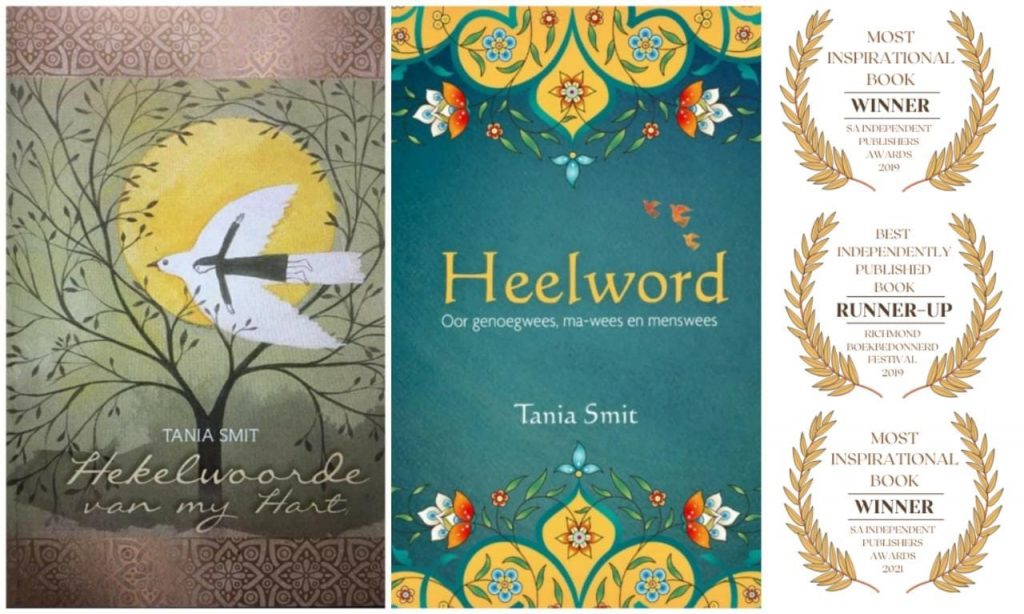
Tania Smit het onlangs uit haar boek, Hekelwoorde kom voorlees by Genade Plaas
Die koue en winderige weer het nie die groepie vrouens se geesdrif gedemp nie. Die saaltjie was mooi reggemaak en die koolstoof was lekker gestook om die hitte bietjie meer te maak.
Natuurlik was daar lekker warm koffie om die binnestes ook bietjie op te warm.
Genade plaas was ‘n gepaste lokaal vir Tania Smit se voorlesings uit Hekelwoorde en Heelword. Die platelandse omgewing het almal sommer lekker laat tuisvoel terwyl hulle geluister het na Tania se voorlesings.
Sommer met die staanspoor het Tania die dames aan haar lippe laat hang.
Sy het gepraat van egskeidings en nuwe liefdes. Swaarkry en lekker kry. Sy het ook vertel van die slegte medesyne wat Antoinette Pienaar vir haar gestuur het om maer te word nie. “Die pakkie lê al vier jaar daar,” het Tania geskerts, “ek glo nie ek sal daai walglike goed ooit weer drink nie.”
Die stories wat Tania voorgelees het het gewissel van lekker lighartige, skertsende stories na swaar, emosionele stories.
“Gewoonlik is daar ‘n paar wat ‘n traan of twee wegvee,” sê Tania, terwyl sy aan die Bulletin vertel dat sy graag aan oumense ook voorlees. Sy besoek graag ouetehuise en lees dan aan die inwoners voor.
Die stories is eg Suid Afrikaans en maak jou bietjie dink. Dit is stories wat met elkeen kon gebeur het, nie stories van daar vêr nie maar stories van hier naby mens.
Norma, van genade plaas het soos gewoonlik uitgeblink met die dingetjies om te eet. Elkeen het die HIGH TEE in ‘n Box baie geniet. Dit was pragtig versier en mooi uitgestal vir elkeen om hulle dalk eers visueel te verlustig aan die soet en soutighydjies.
Natuurlik is die dag afgesluit met die gebruiklike boek tekening. Dit was egter nie so maklik nie, Elkeen het die kans gebruik om eers ‘n bietjie met Tania te gesêls.
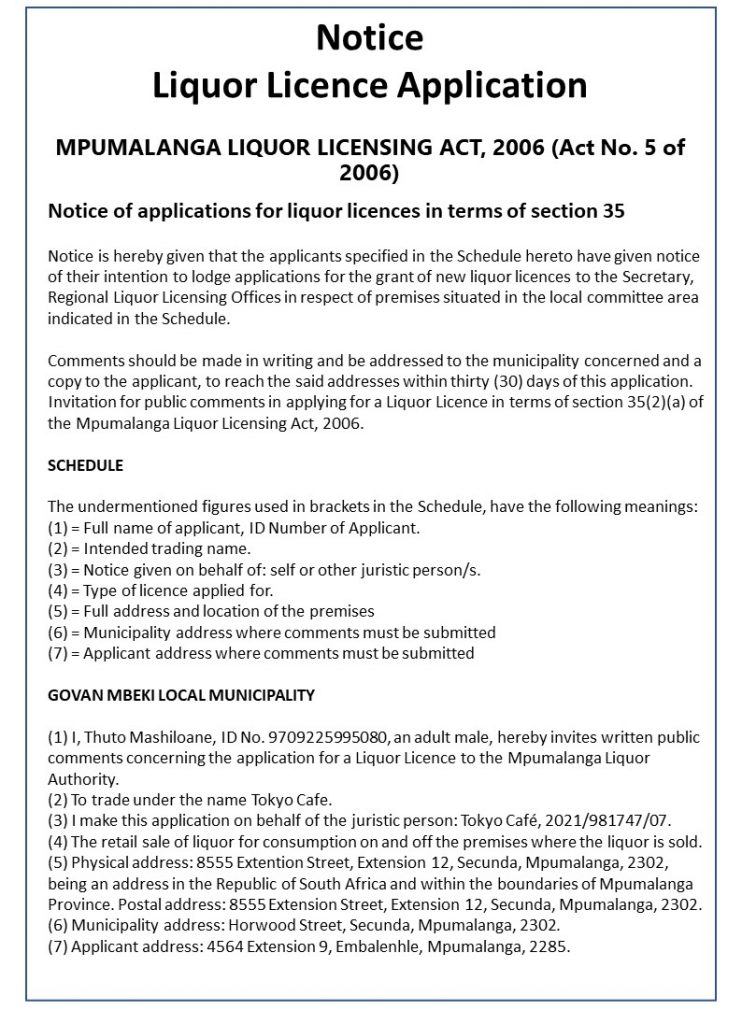
MPUMALANGA LIQUOR LICENSING ACT, 2006 (Act No. 5 of 2006)
Notice of applications for liquor licences in terms of section 35 Notice is hereby given that the applicants specified in the Schedule hereto have given notice of their intention to lodge applications for the grant of new liquor licences to the Secretary, Regional Liquor Licensing Offices in respect of premises situated in the local committee area indicated in the Schedule.
Comments should be made in writing and be addressed to the municipality concerned and a copy to the applicant, to reach the said addresses within thirty (30) days of this application. Invitation for public comments in applying for a Liquor Licence in terms of section 35(2)(a) of the Mpumalanga Liquor Licensing Act, 2006.
SCHEDULE
The undermentioned figures used in brackets in the Schedule, have the following meanings: (1) = Full name of applicant, ID Number of Applicant. (2) = Intended trading name. (3) = Notice given on behalf of: self or other juristic person/s. (4) = Type of licence applied for. (5) = Full address and location of the premises (6) = Municipality address where comments must be submitted (7) = Applicant address where comments must be submitted
GOVAN MBEKI LOCAL MUNICIPALITY
(1) I, Thuto Mashiloane, ID No. 9709225995080, an adult male, hereby invite written public comments concerning the application for a Liquor Licence to the Mpumalanga Liquor Authority. (2) To trade under the name Tokyo Cafe. (3) I make this application on behalf of the juristic person: Tokyo Café, 2021/981747/07. (4) The retail sale of liquor for consumption on and off the premises where the liquor is sold. (5) Physical address: 8555 Extention Street, Extension 12, Secunda, Mpumalanga, 2302, being an address in the Republic of South Africa and within the boundaries of Mpumalanga Province. Postal address: 8555 Extention Street, Extension 12, Secunda, Mpumalanga, 2302. (6) Municipality address: Horwood Street, Secunda, Mpumalanga, 2302. (7) Applicant address: 4564 Extension 9, Embalenhle, Mpumalanga, 2285.
Travel safely this Festive Season if you are allowed to travel.
South Africans are fed up with staying at home. The (nearly) two years of restrictions have devastated the tourism industry in this country. It also pushed people to their limits. The worst of it is that no one knows how long this will still take and what future restrictions will be imposed on travelling etc.
It is expected that the President will have a family meeting tonight to discuss the new Omicron variant and the implications it will have on the December holiday season.
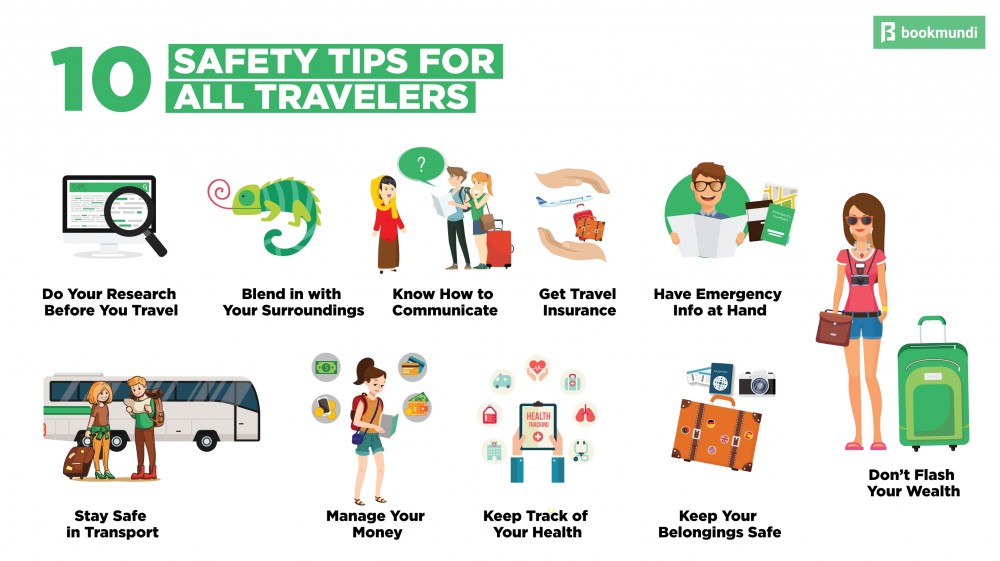
But, in the expectation that we may still travel, The Bulletin searched the internet for safety tips and would like to share some safety tips that we found for the road.
Obey the rules of the road and carry you drivers license with you
Plan the route to your holiday destination and give yourself enough time to reach the destination
Make sure that your vehicle is in a roadworthy condition before departure. All lights and indicators, windscreen wipers, brakes, steering, exhaust system and tyres should be carefully examined for faults.
Do not overload.
Try to avoid driving after dark if possible.
Have a good rest before you embark on your journey
Take safety breaks every 2 hours or 200km
Do not drink and drive
Try to recognize potentially dangerous drivers on and pedestrians alongside the road and keep well clear of them
Be visible – drive with your lights on
Headlights should be dipped well before an approaching vehicle is within range of the main beam.
Always wear your seat belt and see that everyone in the car is wearing theirs.
Drive defensively
Stay within the speed limit at all times
Only overtake when it is absolutely safe to do so
Maintain at least a 2 second following distance – this distance should be increased at night, in foggy or rainy conditions and when the road is wet.
Expect others not to be as obedient to the law as yourself
Be courteous towards fellow road users – keep your temper and resist the temptation to retaliate
Keep left, pass right. A simple rule which should be followed by all moving vehicles. It’s also courteous to drivers to make way for them if they are moving quicker than you. Driving too slow in a lane when there are faster vehicles behind is dangerous and could lead to road rage incidents. The correct approach is to allow faster vehicles to pass when it is safe to do so. Don’t police other drivers, leave that to the authorities.
Take a detour, get off the beaten track, and explore our beautiful country. Make the journey part of your trip. For any accommodation needs visit qa.aatravel.co.za.
Ensure everyone in the vehicle (yes, front and back) is buckled up.
Drink or drive. If you are going to be doing one, don’t do the other, simple as that. It’s the same if you are walking: drink or walk.
If you are walking, be visible at all times, especially at night, and at dawn or dusk, and in poorly lit areas.
While on the road, take a breather every two hours or every 200kms; this will help you stay alert behind the wheel.
If you’re a biker, or riding on a bicycle, wear a helmet and other necessary protective gear.
Drive to the conditions of the road not necessarily to the indicated speed limit.
Distracted driving is dangerous, and means you aren’t focussed on the road ahead. Put your cellphone in the boot and use it only in an emergency.
Ensure your tyres (and spare) are in a good condition.
Ensure your windscreen wipers (front and back) are in good condition. Even relatively new wiper blades may deteriorate quickly if left in the sun for long periods. Streaking, skipping, slipping or squeaking wipers are telling you they need attention. Don’t’ discover mid-way through your journey that they don’t work properly.
Be prepared for any roadside, medical or security situation by downloading the AA RescueMe app (available on all platforms).
There are several more sites available to look at such as Arrive Alive and even the government sites.
Some of the biggest problems that The Bulletin have identified through our reporting on accidents are:
Driving under the influence of alcohol or other substances.
Being impatient on the road.
Taking chances with approaching vehicles.
Not paying attention to road signs and markings and misinterpreting the situation.
Accidents in the Govan Mbeki Municipal area have been particularly horrifying due to the type of vehicles on the road. The covid lockdown and restrictions played a huge role in lessening the number of accidents.
The Bulletin would like to wish all travellers this festive season safe travels and to enjoy their holidays.
Advent nooi ons uit na drie groot bewegings in ons lewe… hoe kan ons opnuut hierdie bewegings aanspreek en hoe kan ons anders na hierdie kerstyd kyk? ‘n Tyd van goeie nuus en van groot blydskap vir almal!
Maak ‘n finansiële bydrae op 2 maniere: 1.Gee Aanlyn (Kruik Gemeente, ABSA, Tjek, Rek nr: 1510140016) 2.Gee deur Zapper – vind ons QR code in die diens aankondigings.
Kontak ons gerus op Kruik Gemeente se Facebook Messenger en Whatsapp lyn (072 133 6130) of besoek ons webtuiste by: https://www.kruik.co.za Geniet die diens saam ons!
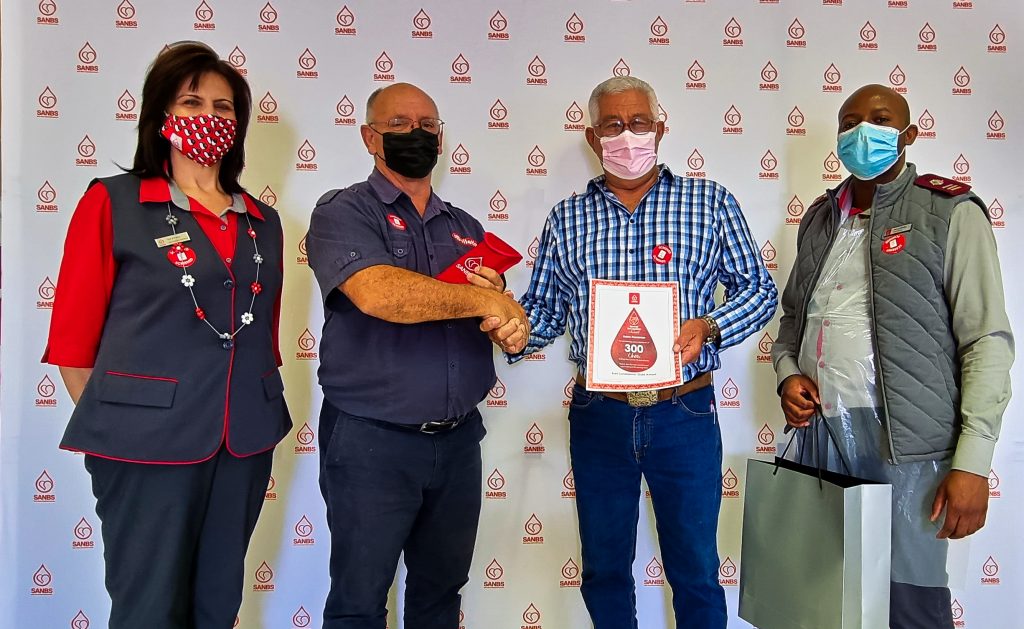
Anton Froneman achieved a lifetime milstone recently.
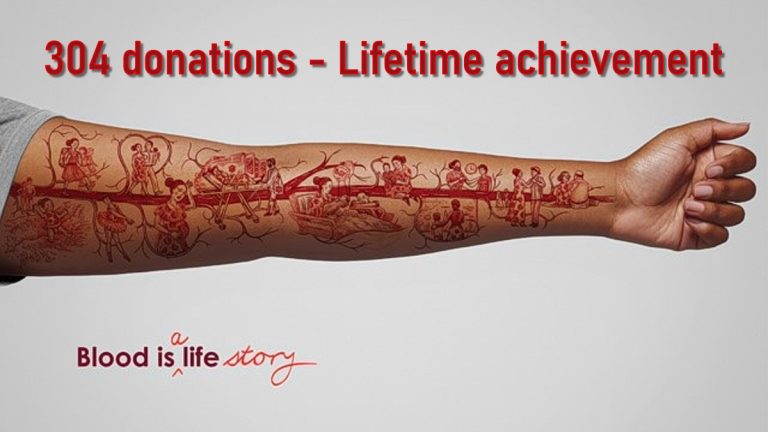
304 donations, that was the figure achieved by Anton Froneman on Tuesday 30 November when he donated blood.
This figure is not easily achieved and is indicative of years of dedication to the South African National Blood Service.
Dot Prinsloo (Donor Relations Practitioner), Encee van Huyssteen (Chairperson – Donor Committee), Anton Froneman, Kenny Mawela (Clinic Supervisor)
Blood donations can only be made every 56 days and to achieve 304 donations means that you never really missed any donations.
Anton started when he was very young. “I cannot remember exactly at what age I started,” said Anton, “but it was when I started working. I was about sixteen.”
“Glass bottles were used,” continued Anton, “I donated most of the 304 units here in this area.”
“I can still remember that we donated in Trichardt in the large church hall.”
Anton worked in the north of the country for about three years from 2010 where he struggled to donate blood.
“I always feel better and happy after I have donated,” said Anton, “I have never passed out after a donation and only started bleeding once.”
Anton served on the donor committee and served as vice-chairperson of the donor committee. He retired only recently from the committee but continue to be dedicated to donating blood.
Only a handful of people reach the milestone of 300 donations.
Here is a little about SANBS as taken from their website.
SANBS is a not-for-profit organisation; therefore, ownership of its assets does not vest in its members. In the event that SANBS should stop operating, its assets would have to be transferred to an organisation with similar goals and objectives.
SANBS provides an essential service within South Africa and is rated amongst the best in the world in the provision of blood and blood products, as well as in relation to the research and training provided.
SANBS operates across all of South Africa, with the exclusion of the Western Cape.
SANBS is further regarded as a major role player in the provision of support to countries in the SADC region.
The universal access to safe blood is the lifeline for the healthcare system of any nation. As South Africans, we can all be proud of our dedicated and selfless voluntary donors who regularly donate blood to save the lives of thousands of our people every year.
Minimum Requirements to be a Blood Donor:
You are between the ages of 16 and 75 years old, for first time donors.
You weigh a minimum of 50 kgs (and platelets a minimum of 55 kgs)
You are in good health.
You lead a low-risk lifestyle.
You consider your blood safe for transfusion.
You have had a balanced meal within four hours of donating blood.
You have not donated blood in the last 56 days (and platelets in the last 14 days.)
Your pulse is between 50-100 regular beats per minute.
Your blood pressure is below 180 systolic (first number) and below 100 diastolic (second number) (180/100mmHg) and above 100 systolic (first number) and above 60 diastolic (second number) (100/60mmHg).
Your haemoglobin level is 12.5 g/dL or above.
Our screening test ensures that your blood pressure and haemoglobin levels are within a safe range for you to donate.
Please ask for more information if:
You have had surgery in the last 6 months or are due for an operation within the next 6 weeks.
You are pregnant or breastfeeding your baby.
You are on medication such as antibiotics
You are from, or have travelled to, a malaria area.
You have had cancer, heart disease, epilepsy, a bleeding disorder or any other chronic medical condition.
You are involved in a “hazardous” occupation or sport e.g. operating heavy machinery, flying a plane, scuba diving, working at heights etc.
If you are deferred please note that we do so in the best interest of your health as well as the safety of the blood being donated.
What is high-risk exposure?
Having sex with, or working as, a commercial sex worker.
Having sex with multiple sexual partners.
Having sex with someone who has multiple sexual partners.
Injecting yourself with drugs or being injected by someone other than your doctor or health care worker.
Having sex with a sex worker or anyone taking money, goods, or favours in exchange for sex.
Please refrain from donating blood if:
You have tested positive for HIV.
There is any chance that you may have been exposed to HIV/ AIDS; or if you are donating blood only to be tested for HIV/AIDS.
You are being treated for a sexually transmitted infection (STI).
Why so many questions if you test the blood?
Every infectious disease has a window period.
The “window period” is the time from when someone becomes infected to the time our tests are able to detect such an infection. When a person is infected with HIV or other viruses, the virus remains undetectable for some time in the blood. Although a person’s test result would be negative during this time, the virus is present in the blood and can be passed on to a patient through a blood transfusion.
This is why we ask people who may have been involved in risky behaviour to refrain from donating for a specific period after a high-risk exposure.
If, after you have donated, you have doubts about the safety of your blood, please contact your donor centre, call our toll free number 0800 119 031 or send an email to customerservice@sanbs.org.za
SANBS strives to ensure a safe and sufficient blood supply and all our procedures are in place in order to achieve this goal. This assures that our blood is amongst the safest in the world, something we are very proud of.
Plasma Donation
Become a Plasma donor:
We would like to invite you to become a plasma donor
What is plasma?
Plasma is the liquid part of your blood in which red cells, white cells and platelets are suspended. It carries these components throughout the body and makes up about 55% of your total blood volume. Plasma also contains antibodies, clotting factors and proteins such as albumin and fibrinogen.
You donate a bit of plasma when you make a normal whole blood donation, but you can also donate plasma only. This is done through a process called plasmapheresis or source plasma donation where plasma is separated and collected while the red cells, white cells and platelets are returned to your body.
Why donate plasma?
Plasma is essential to saving lives. Clotting factors, antibodies and proteins in plasma can be isolated and concentrated into various essential medicinal products used to treat people with rare, acute or chronic diseases and disorders such as haemophilia, Factor VII deficiency, Factor XIII deficiency, Antithrombin III deficiency, Protein C deficiency, von Willebrand factor deficiency, Fibrinogen deficiency, hereditary angioedema, primary immunodeficiency, genetic lung diseases, severe burns, trauma and shock.
“People with these conditions can live long and productive lives because of these treatments”
For more information on plasma products please visit the website:
Although anyone who meets normal donation criteria can donate plasma, we specifically need blood group A and AB donors aged 18 to 65 years to consider donating this special source plasma.
In addition, SANBS would like to invite you to donate source plasma, even if you…….
have travelled to or come from a Malaria area
are on anti-platelet medication such as aspirin and anti-inflammatories
Why blood group AB?
Blood group AB plasma is in high demand. The reason for this is that group AB plasma is universal; therefore it can be used by anyone regardless of their blood group.
What is the process of donating plasma?
You will undergo the normal screening process for blood donation which includes completing the donor questionnaire, having a one-on-one interview with a SANBS staff member and a mini-medical which includes blood pressure, pulse, haemoglobin and weight assessment. Once accepted, a high-tech machine is used to safely and quickly collect your plasma. A sterile needle is placed in the vein of your arm and blood is collected using sterile equipment.
The machine separates some of your plasma from the rest of the blood components. The plasma is collected into a bag. The other components of the blood such as red blood cells, platelets and white blood cells are returned to your body. The plasma collection set is disposable and is used only once. At the end of the procedure, some saline (sterile saltwater) is infused into your blood to compensate for the around 650 ml of plasma collected. The duration of the whole process is about an hour.
Is plasma donation safe?
Donating plasma is generally safe, however, side effects can occur. Most side effects are mild and include dehydration, lightheadedness, fatigue, discomfort or bruising at the site of needle insertion.
During the process of plasma donation, an anticoagulant is infused into the blood in the plasma machine before the blood is returned to your body. The anticoagulant is meant to prevent the formation of blood clots. Most of the anticoagulant is retained in the plasma but a small amount will enter your bloodstream. In some individuals, this causes what is called a citrate reaction.
This can present as a tingling sensation on lips and or mouth or a metallic taste. If severe it can lead to muscle twitches, numbness, rapid or slow pulse. Citrate reaction is treated with calcium available at the donation centre. In some rare cases, plasma donation can lead to more serious side effects such as nerve injury, irregular pulse, and shortness of breath or cardiac arrest.
How often can I donate plasma?
You can donate plasma every two weeks to a maximum of 24 times a year.
Where can I donate plasma?
Please speak to your local blood donation center or contact our toll-free number (0800 119 031) to find out where you can donate plasma today.
What about whole blood donation?
Whole blood donations are still vital. Whole blood is used to transfuse people involved in trauma and for the management of general medical conditions. Blood group O and B donors should ideally donate whole blood as there is a high demand for whole blood from these groups. Blood group A and AB donors who cannot donate plasma or platelets are more than welcome to donate whole blood. We invite you to find a donation center near you.
ANIMALS 101 – WHEN YOU ARE FEELING THE HEAT OF THE SUMMER, SO ARE THEY!
Even though many parts of the country have recently experienced lots of rain and cooler weather, the summer is here and protecting your pets from the heat is crucial for their well-being. Heatstroke is also a health risk!
HOT WEATHER SAFETY
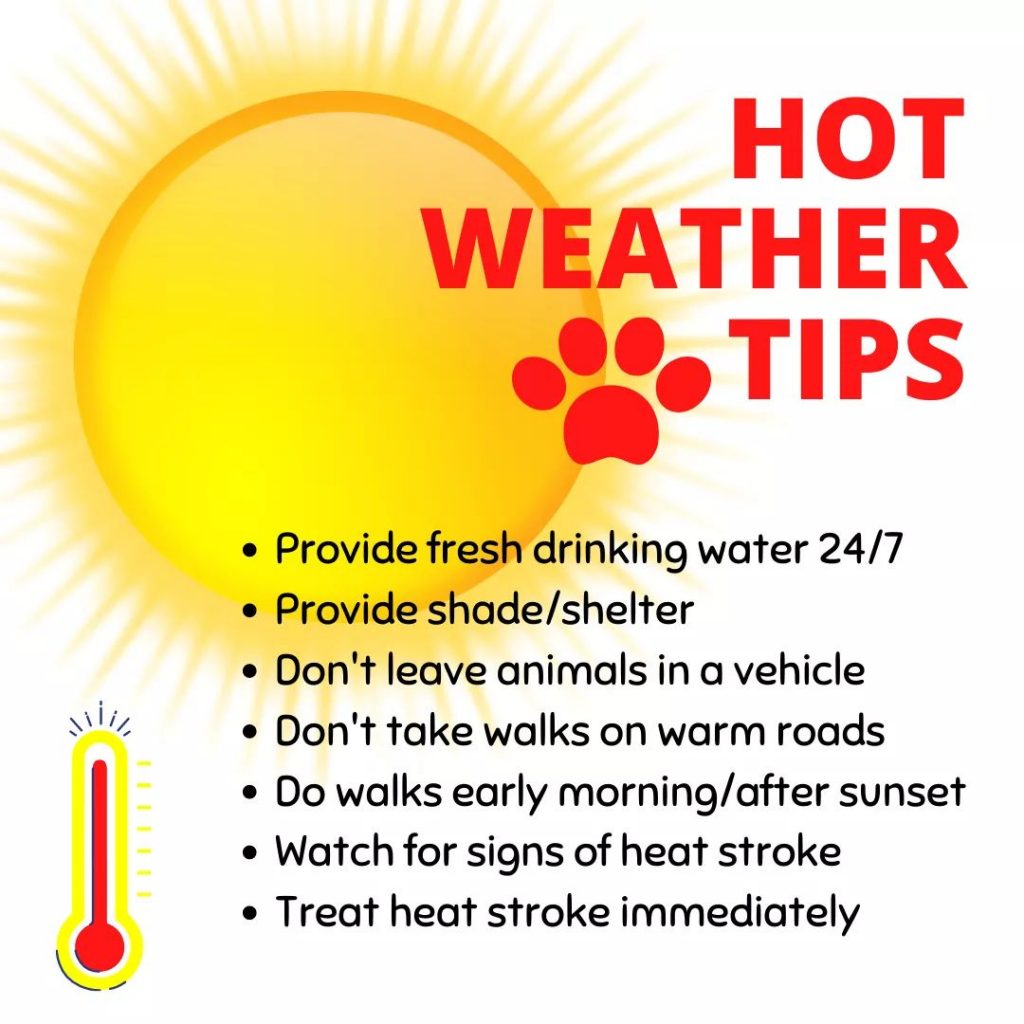
Here are a few tips from the Humane Society to keep your pets safe in the heat:
Please make sure your pets/animals are sheltered from the elements.
They need 24 hour access to fresh, clean and cool water. Keep their bowls out of the sun.
Never leave an animal alone in a vehicle, because overheating can kill them. The inside of a vehicle can reach high degrees in mere minutes, even with the windows cracked.
Take walks during the early morning or after sunset.
On very hot days, any outdoor exercise should be brief or only during the cooler hours of the day.
Test the pavement/ground/road with the back of your hand before you go for a walk. If it’s too hot for your hand, it’s too hot for their paws. Use the 5 second rule. If you can’t hold your hand on the road or pavement for 5 seconds, then it can potentially burn their paws and cause injury.
Never leave an animal out in the sun. Always ensure they have access to shade.
For those breeds with a thin coat or lighter skin, prone to sunburn, apply animal safe sunscreen.
Regulate the temperature inside your home. Use air-cons, fans, or give access to cooler areas like a basement or darker room with tile floors.
Take extra precautions with old, overweight or snub-nosed dogs in hot weather. Boston terriers, Pekingese, Pugs, Lhasa Apsos, Shih Tzus and Bulldogs are especially vulnerable to heat stroke. Dogs with heart or lung diseases should be closely monitored.
Watch for signs of heat stroke. These include panting, difficulty breathing, vomiting, diarrhea, confusion, rapid pulse, bright red gums, and blue tongue or lips.
Treat heat stroke immediately. Move them to a cool place and lower their body temperature with cool (NOT icy) water, then contact your veterinarian as soon as possible.
Provide a safe dog pool to help them cool down. This should be supervised.
Photo by The Paw Company
WHY YOU SHOULD NOT SHAVE YOUR PET ACCORDING TO DR. KAREN BECKER
Most cats and many dogs shouldn’t have their coats shaved, even during the heat of summer. It may seem counterintuitive, but your pet’s coat actually provides heat relief in warm weather.
Many long-haired cats can require regular brushing to prevent mats that ultimately lead to a “buzzcut”. As a general rule dogs shouldn’t be shaved, either; however, there are exceptions, such as dogs with chronic hot spots. Some dogs actually really like a very short coat; in this case, consider a “puppy cut”.
Even in the summer we can experience some cold days! Here are our cold weather tips.
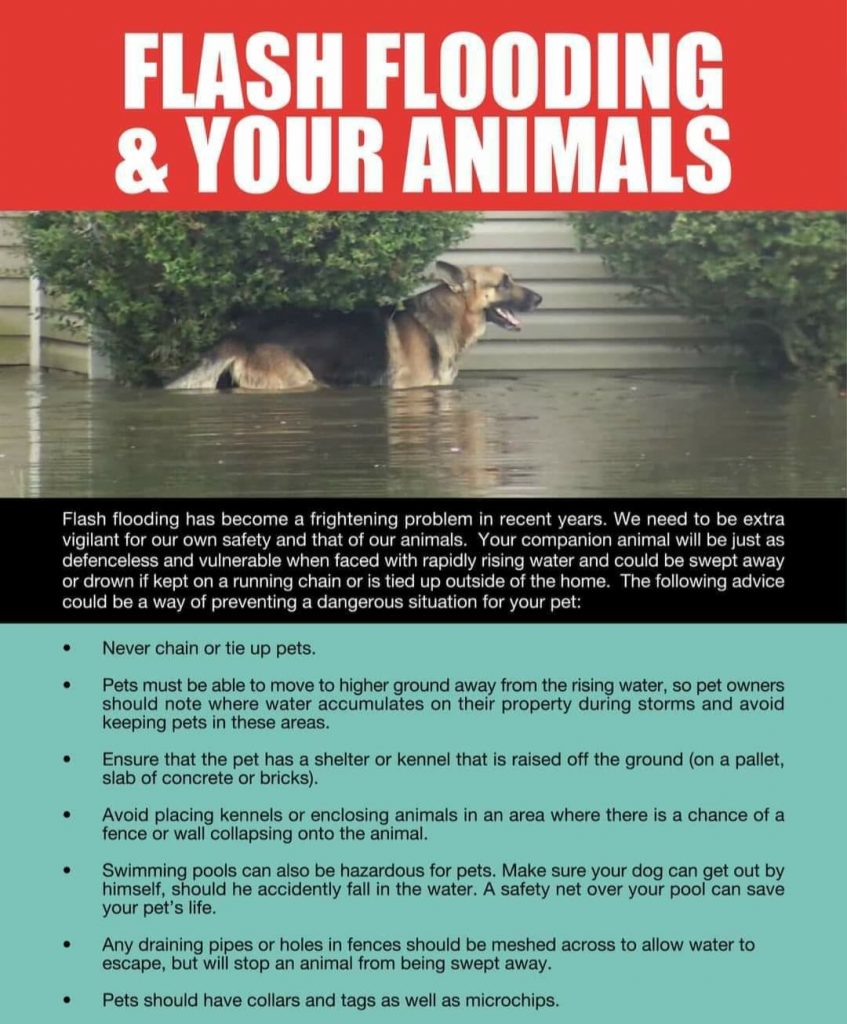
The risk of flash flooding is also a reality. See some tips below on this.
Photo from The Paw Company Facebook page
It doesn’t matter what kind of weather we have, your animals should always be protected from the elements as you are responsible for them. If you see an animal that appears owner-less at the time, in danger, injured, in distress or one that is not protected from the elements, please contact your local SPCA immediately!
Bethal SPCA 066 397 1630 or emergency number 072 573 3122
Highveld Ridge SPCA 082 869 2350 or emergency number 082 222 1122
For other parts of South Africa visit the NSPCA website.
Thanks for tuning in! Next week we will share on why you should not support the circus.
PROVINCIAL COMMISSIONER APPLAUDS POLICE FOR SWIFT RESPONSE TO A BUSINESS ROBBERY IN PROGRESS, MEANWHILE, MANHUNT LAUNCHED FOR THE SUSPECTS
Nelspruit – The Provincial Commissioner of the South African Police Service in Mpumalanga, Lieutenant General Semakaleng Manamela has applauded the swift response by police at Mhala to a complaint about a business robbery at a filling station in Rolle, outside Thulamahashe. Meanwhile, a manhunt has been launched also for the suspects.
“According to the report, the members received information about a group of men who look suspicious and responded swiftly. Upon arrival, they parked their vehicle a little further from the filling station and walked on foot to the scene,” said Mpumalanga police spokesperson Brigadier Selvy Mohlala. “The suspects noticed the members and fired shots at them. The police retaliated and a shootout ensued, where two of the suspects were fatally wounded and a police vehicle damaged in the process.”
The other suspects proceed to bomb the drop safe and took an undisclosed amount of cash and robbed the staff of their cellphones as well. They also broke into a bottle store and stole alcohol as well as hijacked a Hyundai truck and fled the scene in three other different vehicles, a Toyota double cab bakkie, a white Isuzu double cab bakkie as well as a cream-white VW Polo.
Police managed to recover the hijacked truck as well as the stolen alcohol. “Cases of attempted murder, business robbery as well as Contravention of the Explosives Act are being investigated,” said Mohlala.
The Provincial Commissioner has applauded the members for their alertness and has ordered the arrest of the remaining suspects.
Police request anyone with information about the whereabouts of the suspects to immediately contact Captain Jerry Ubisi on 0726245133 or call the Crime Stop number on 08600 10111. Alternatively, members of the public can send information via MYSAPSAPP. All received information will be treated as confidential and callers may opt to remain anonymous.
POLICE LAUNCH MANHUNT FOR SUSPECTS FOLLOWING CASH-IN-TRANSIT ROBBERY
Nelspruit – Police in Witbank are searching for a group of suspects following a cash-in-transit robbery that occurred on Saturday, 27 November 2021 on N4/N12 split at Witbank where two police officers and two security guards were shot and injured during this incident.
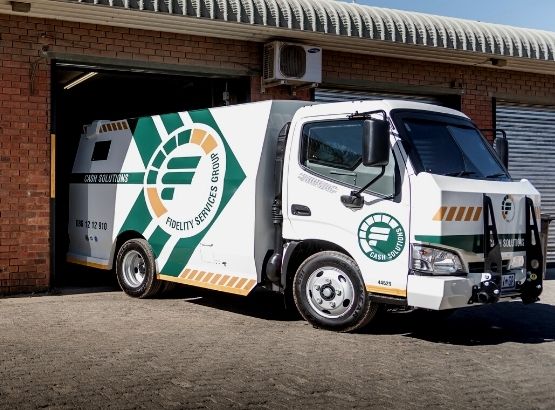
According to the police report, a Fidelity cash van, escorted by two bakkies, was from Ermelo and Hendrina driving on the N4 road. Two Mercedes Benz C-Class vehicles suddenly appeared driving at high speed, where one bumped into the truck causing it to overturn while the other tried to bump into the bakkie but the driver managed to swerve off the road.
Photo for illustration purposes only. https://fidelity-services.com/
A shootout ensued thereafter between the guards and some of the suspects, while the others (suspects) bombed the cash van. Two guards were injured in the process. While the incident was in progress, members from Middelburg Flying Squad, who were patrolling on the N4 noticed the commotion and traffic pile up and rushed to the scene. Upon arrival, they were ambushed by another group of suspects driving in a Mazda iX35. The suspects opened fire on the police members, injuring two officers in the process, however, one escaped unharmed. The suspects then fled in grey Audi and Mazda ix35.
Police also arrested a 44-year-old man after he was found with a huge sum of money suspected to be stolen at the scene. The man appeared at the Emalahleni Magistrate’s Court yesterday on charges of theft.
The injured police officers and security guards were rushed to the hospital for medical care.
Anyone with information that may assist police with the investigation or in locating the suspects can call the Crime Stop number on 08600 10111 or send information via MYSAPSAPP. All received information will be treated as confidential and callers may opt to remain anonymous.