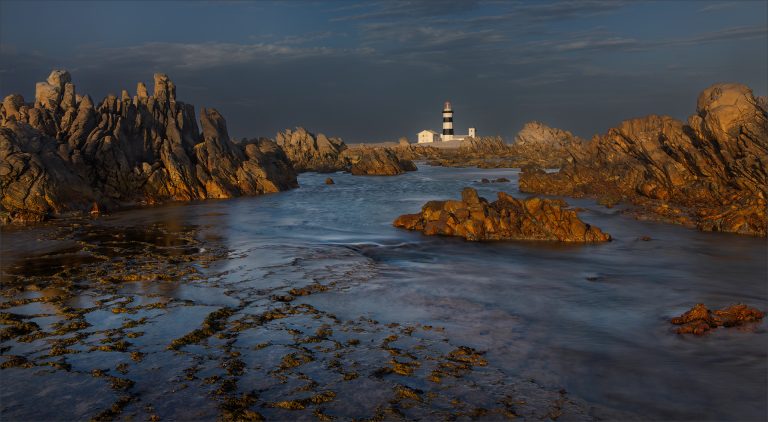
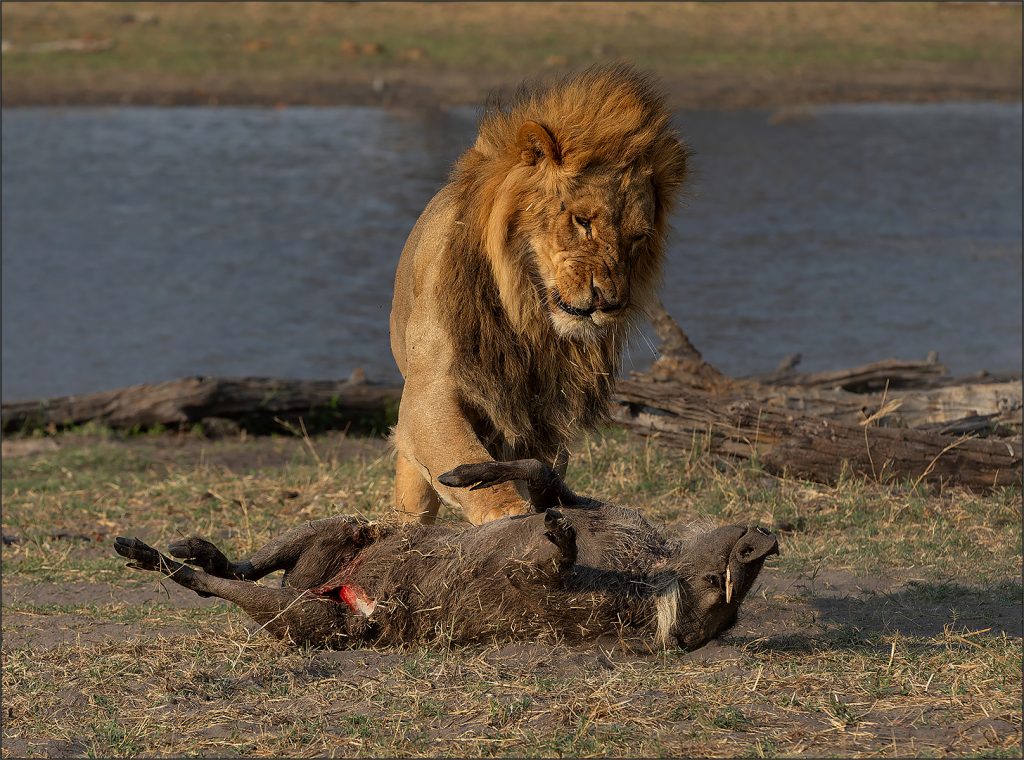
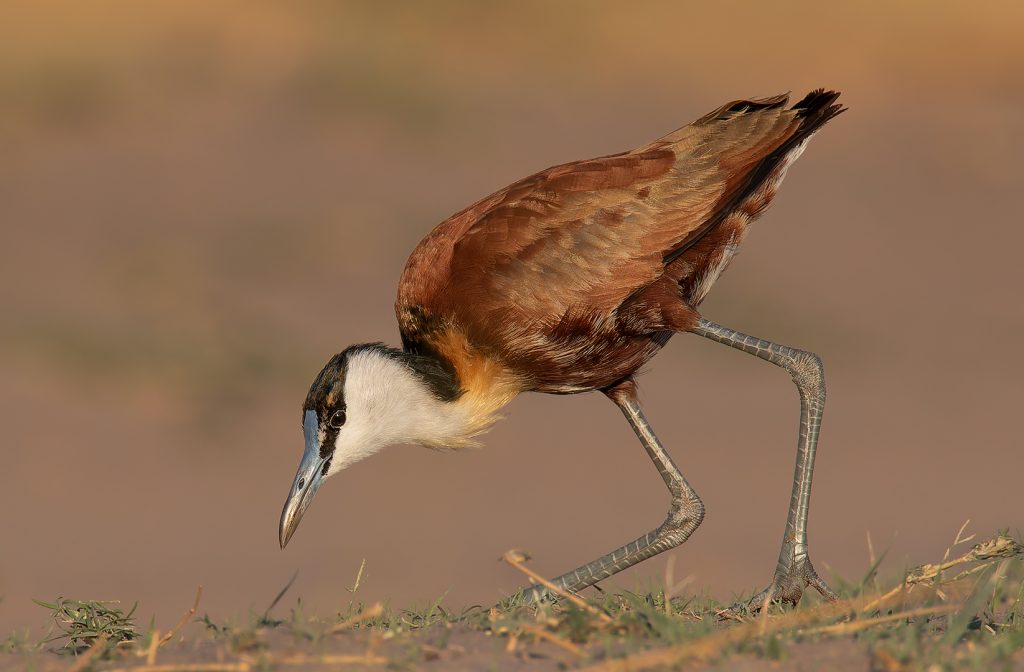
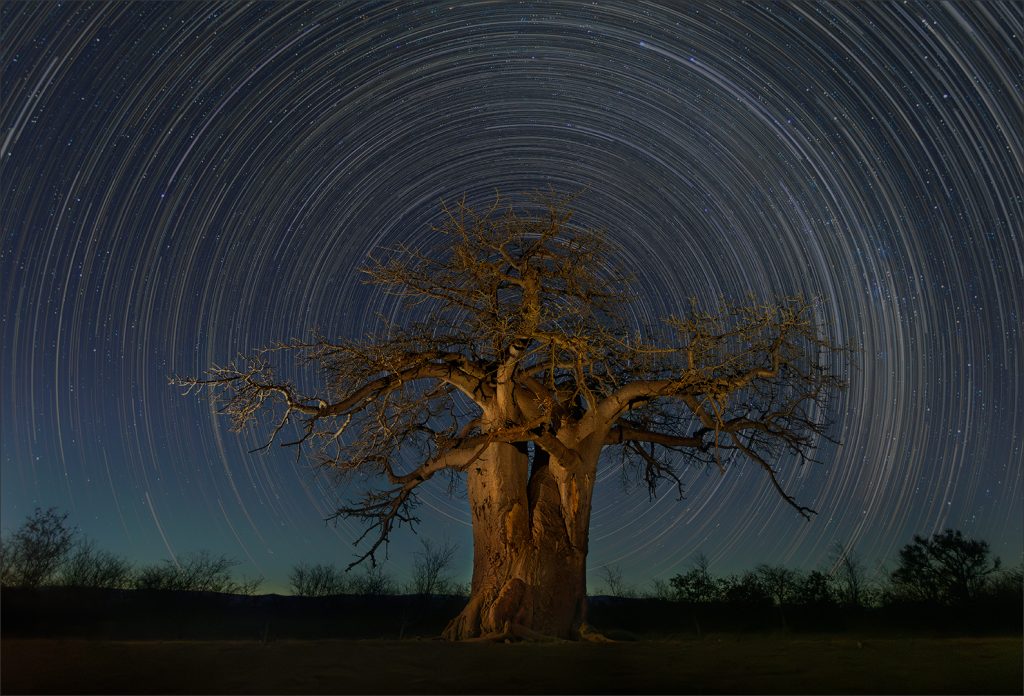
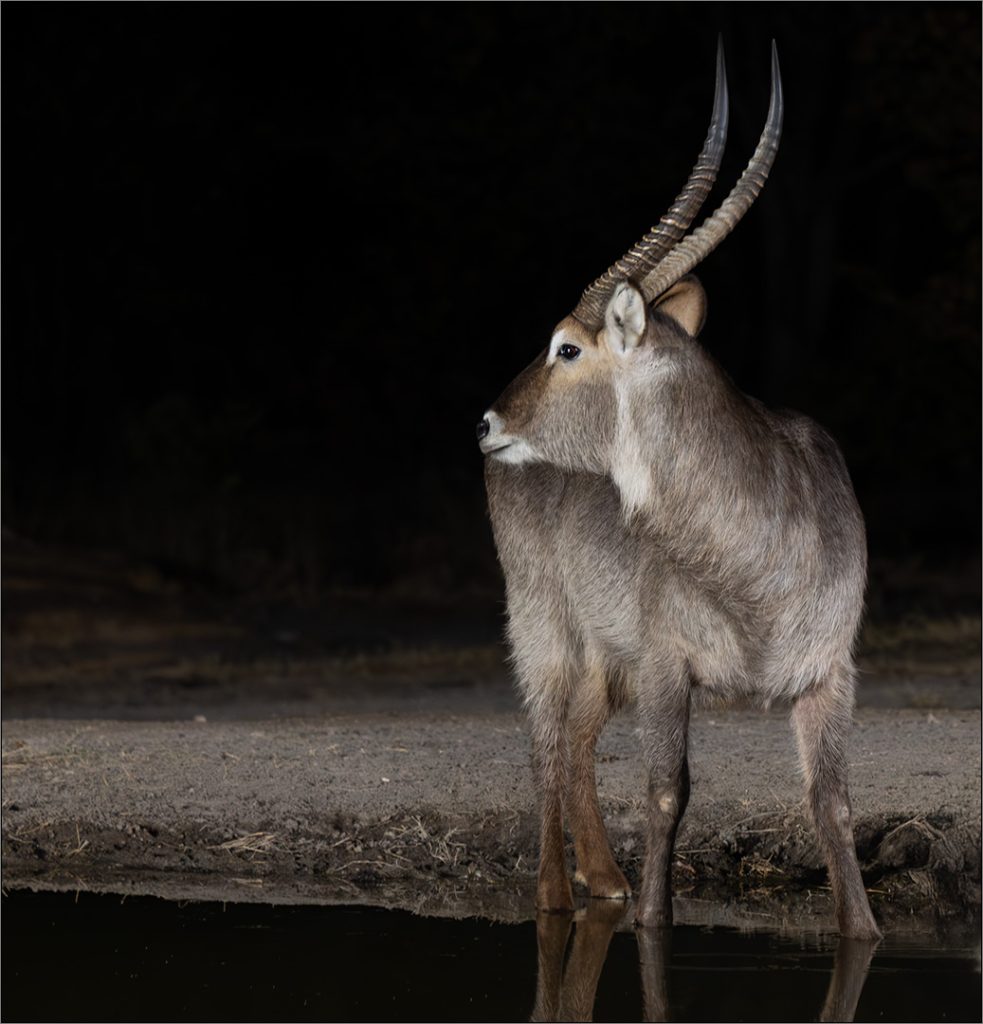
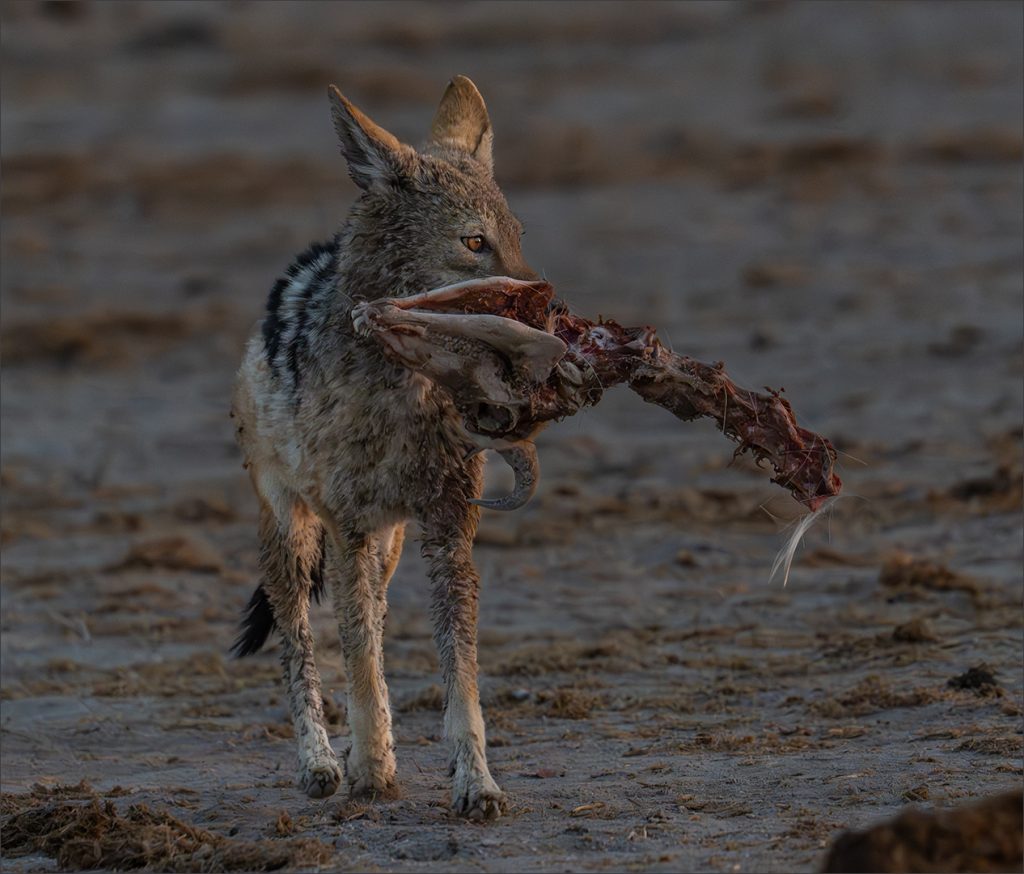
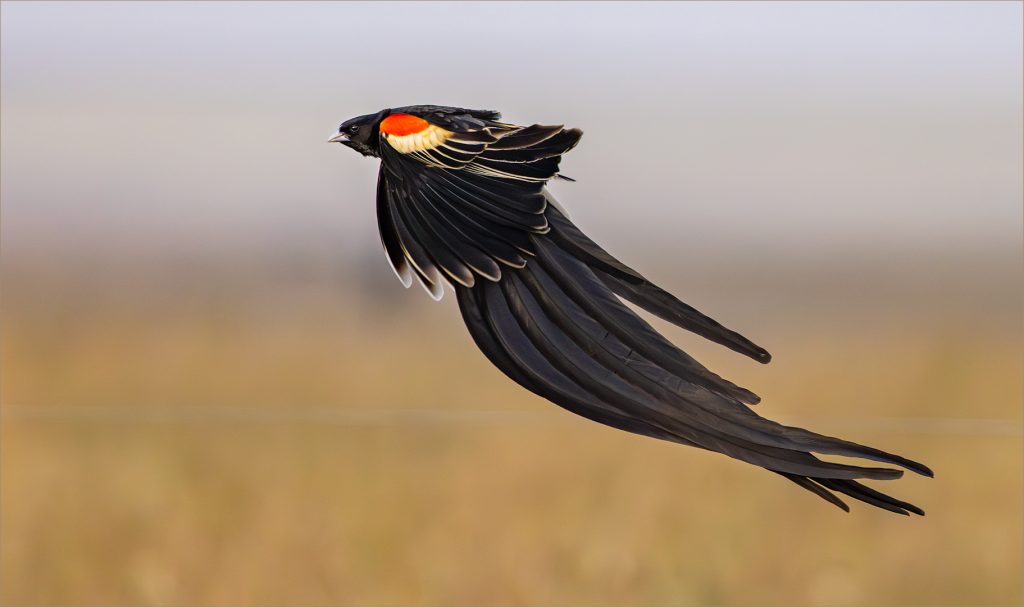
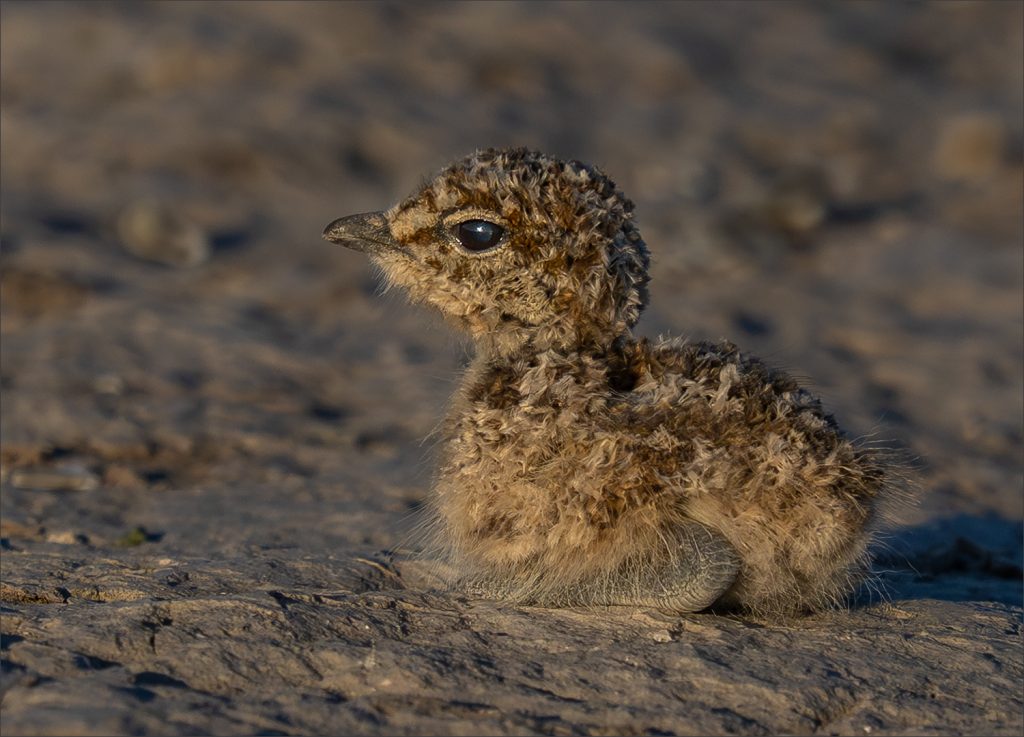
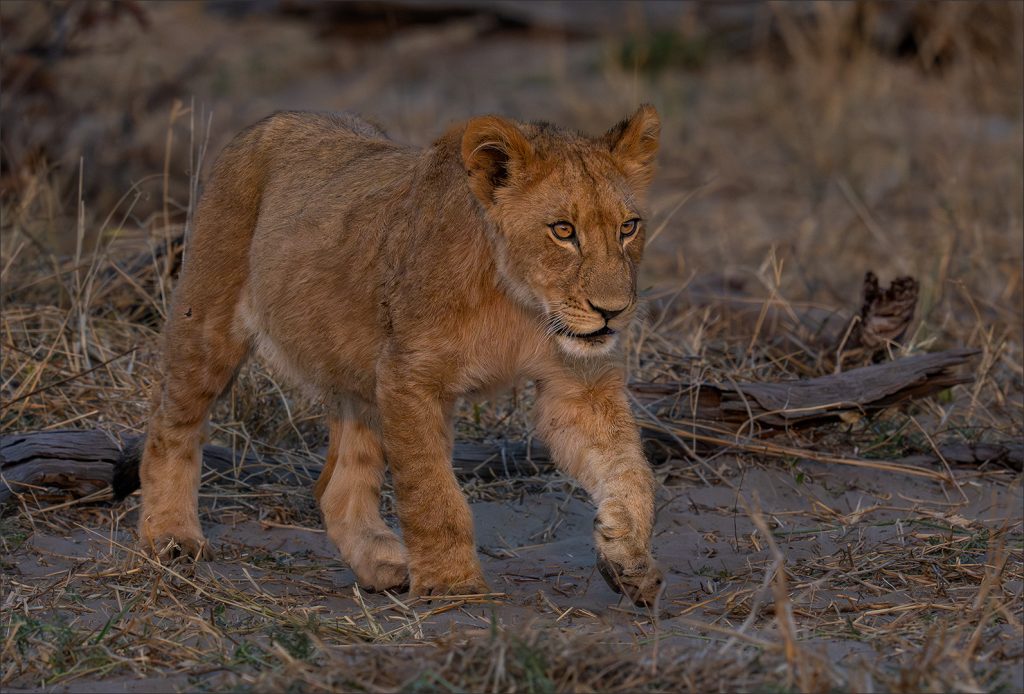
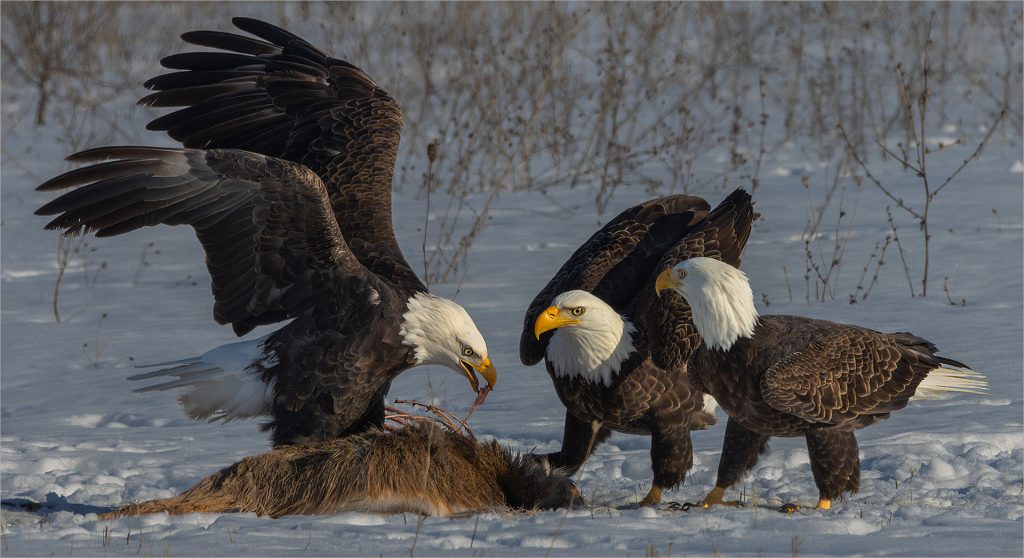
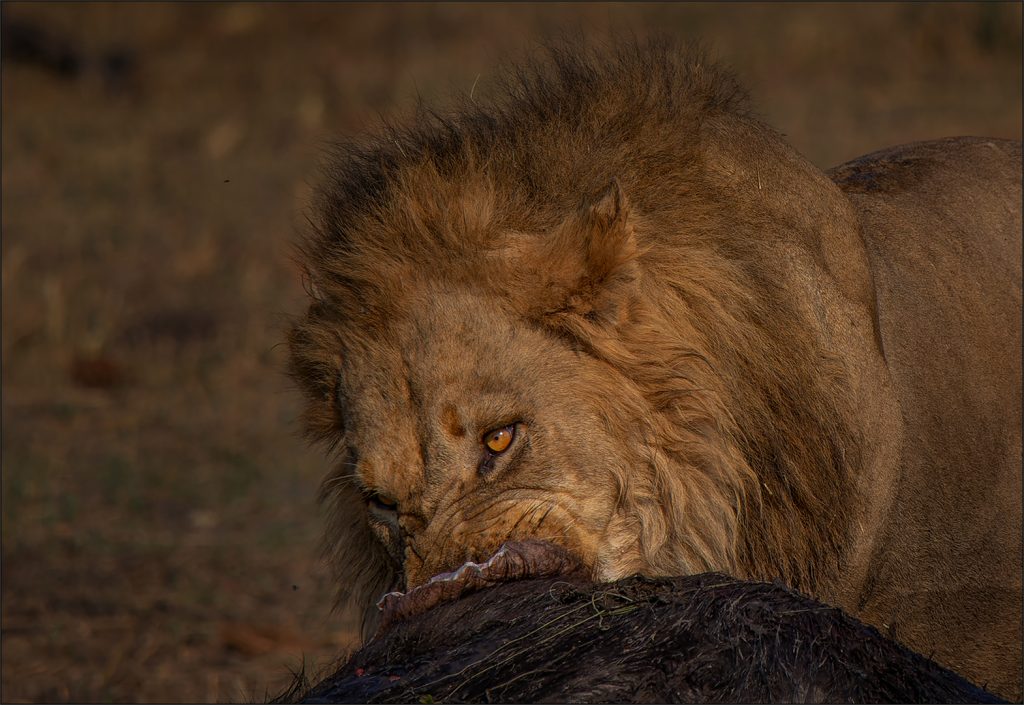
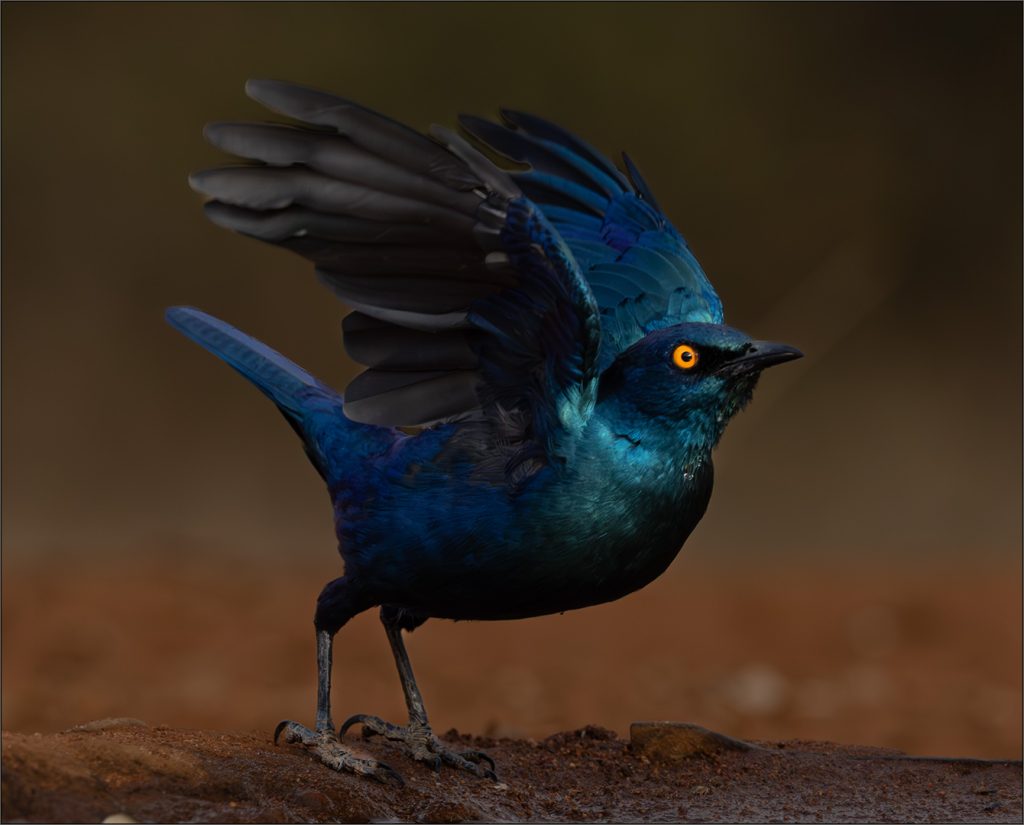
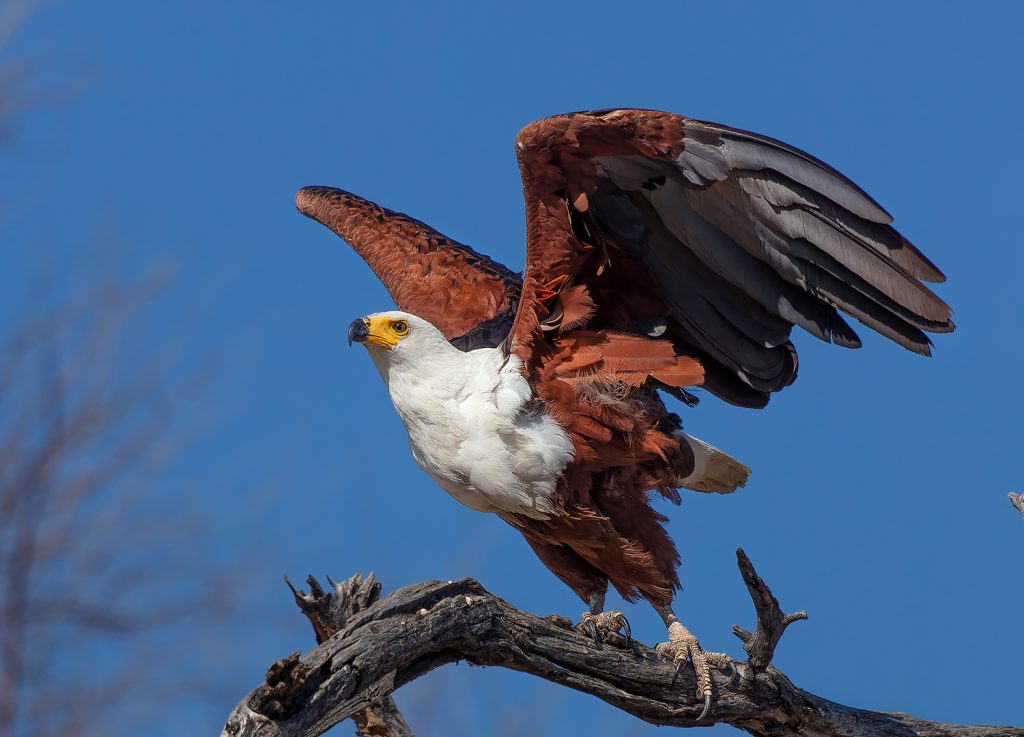
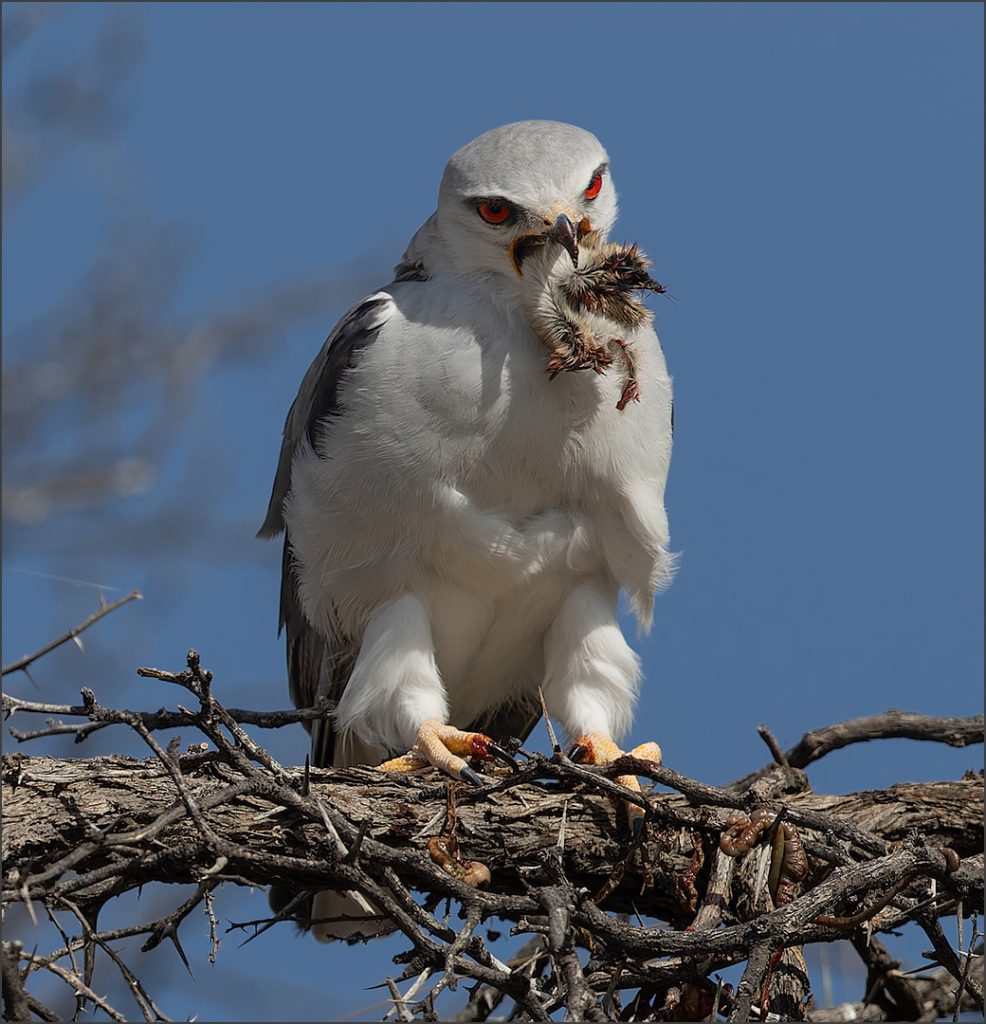
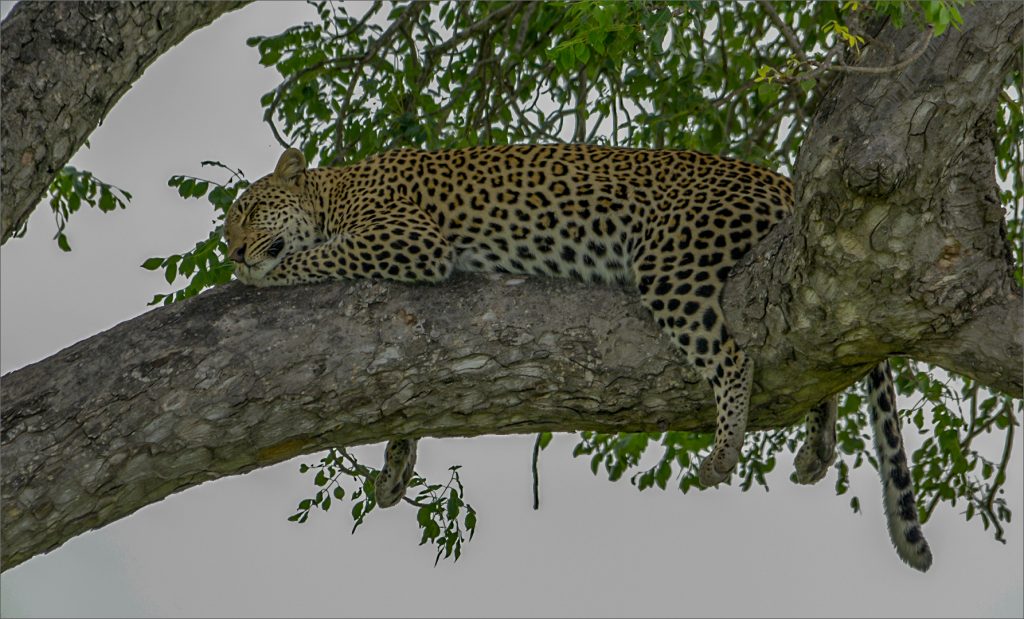
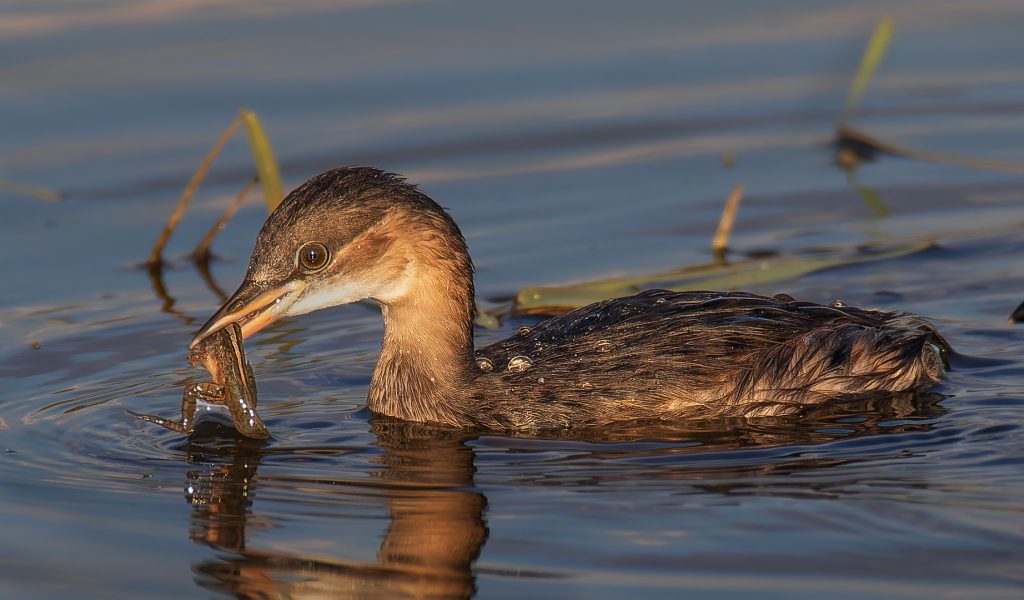
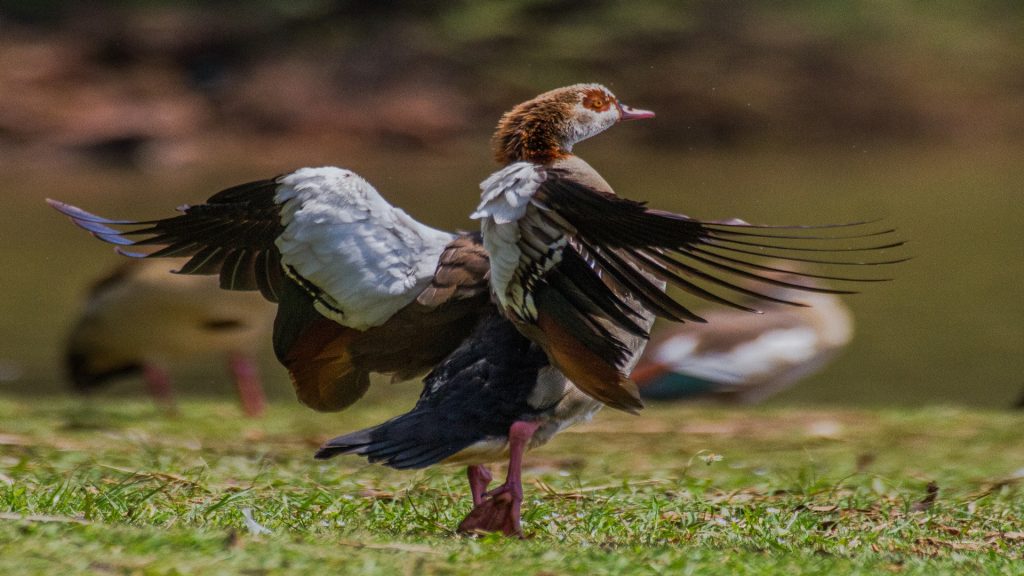
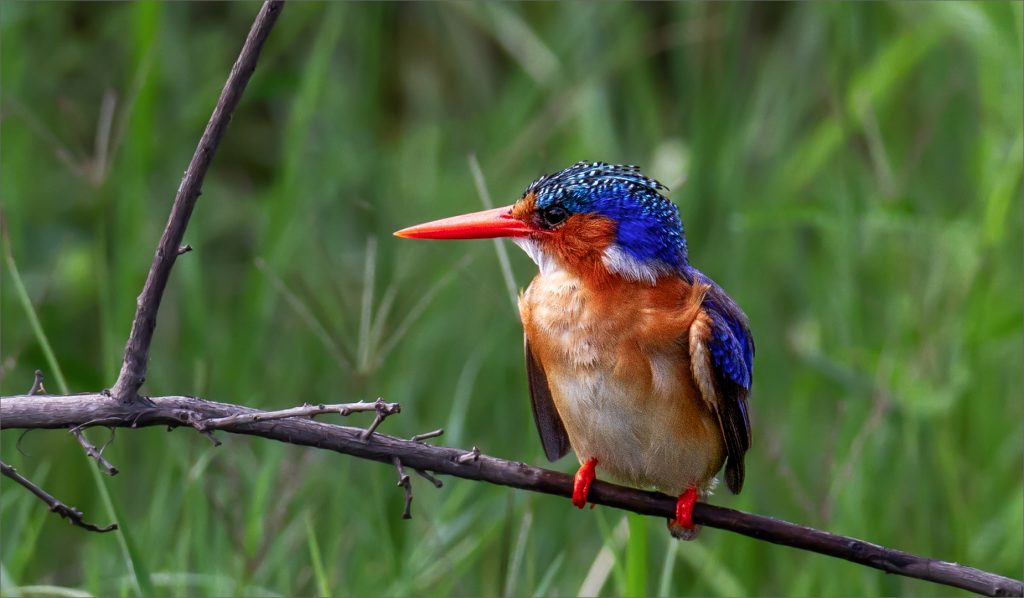
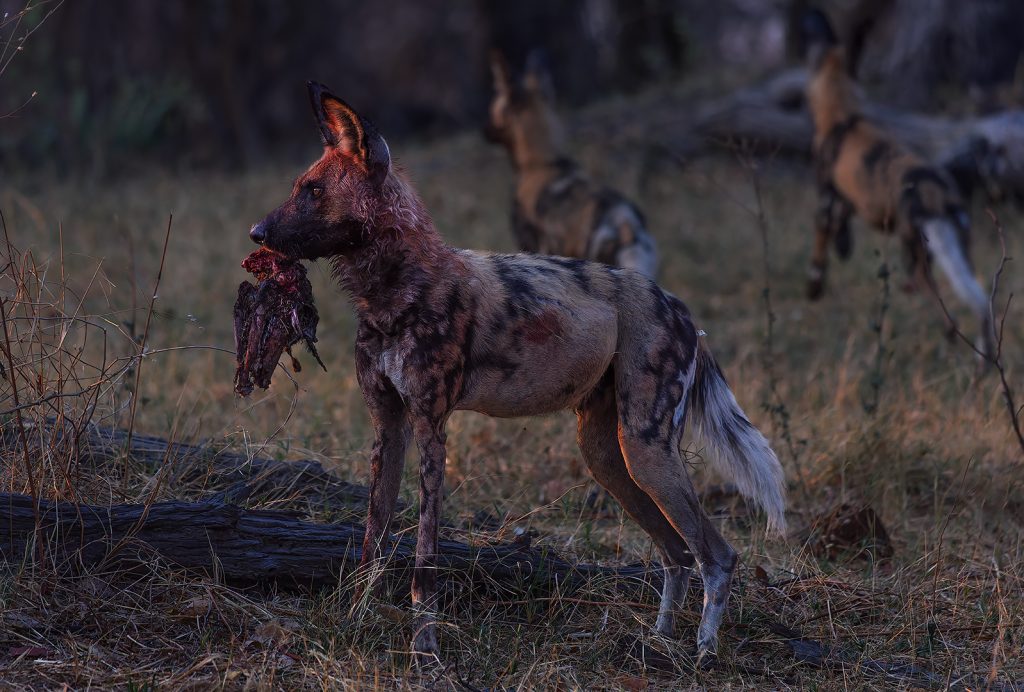
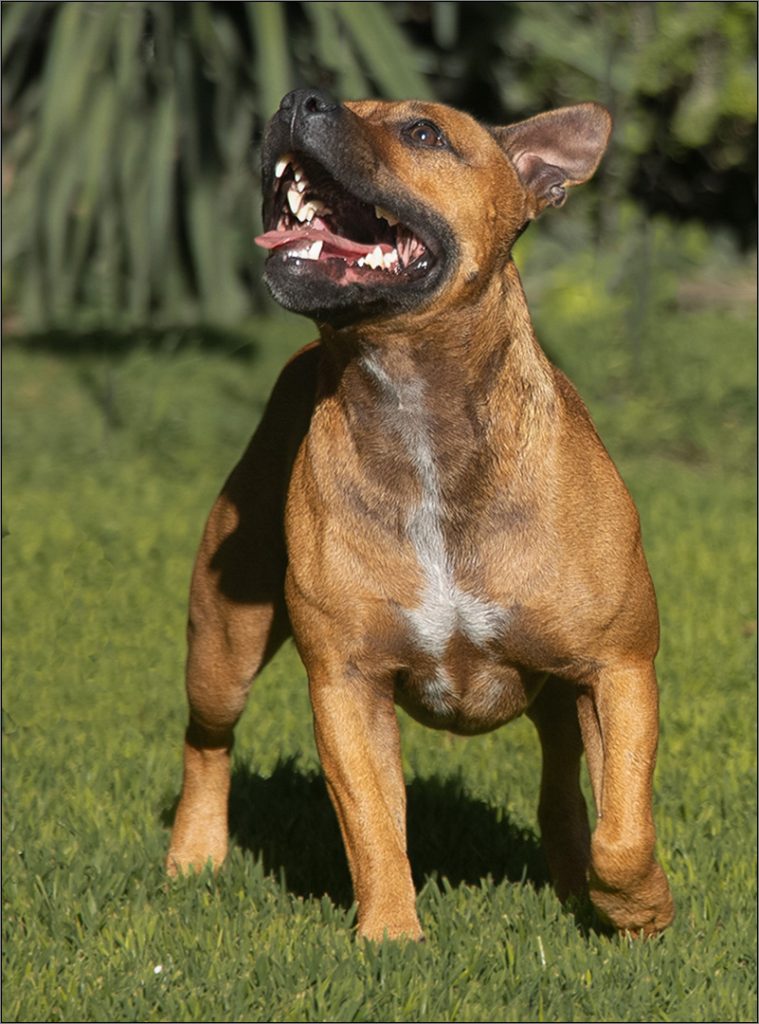
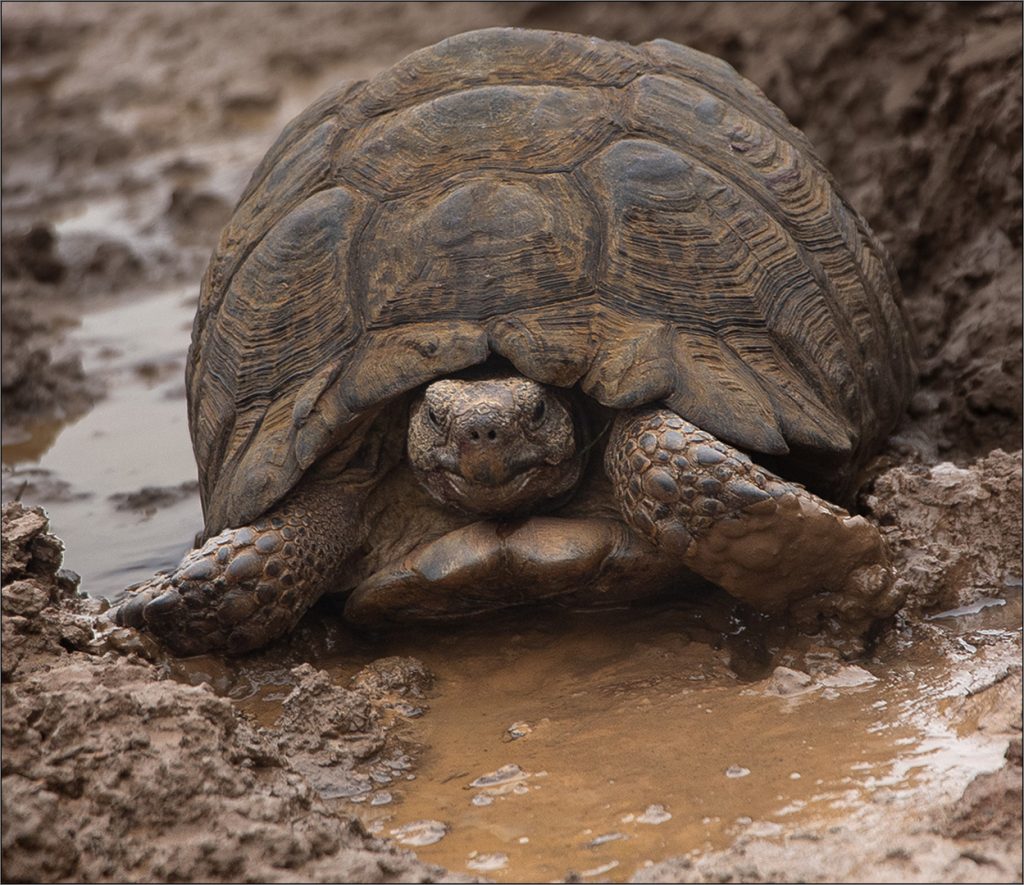
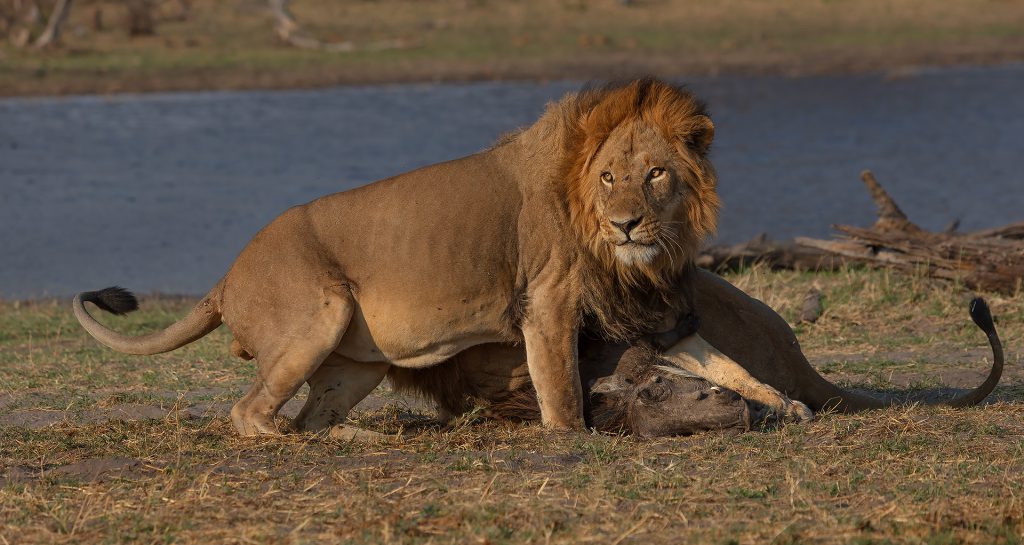
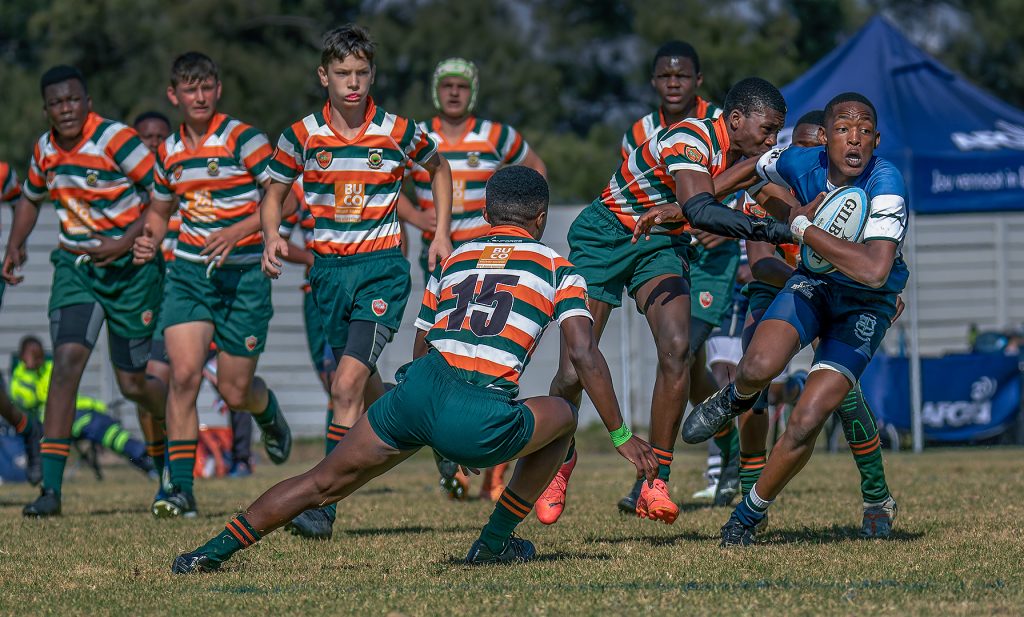
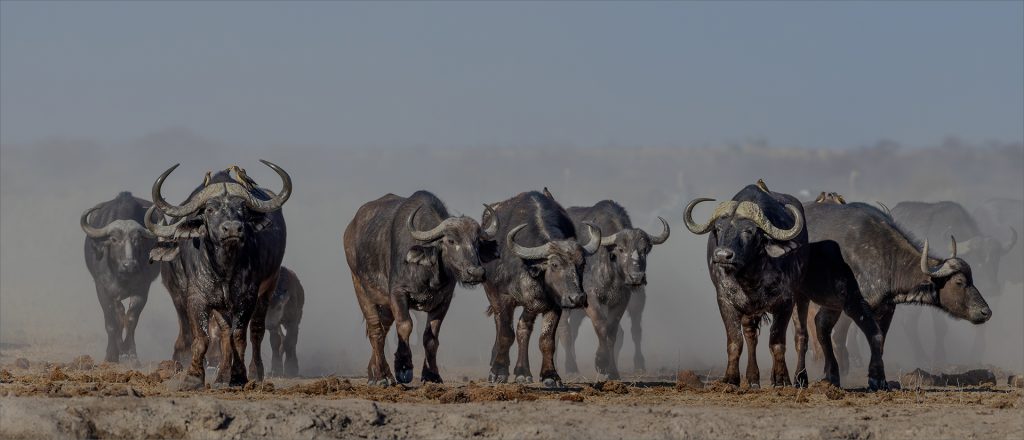
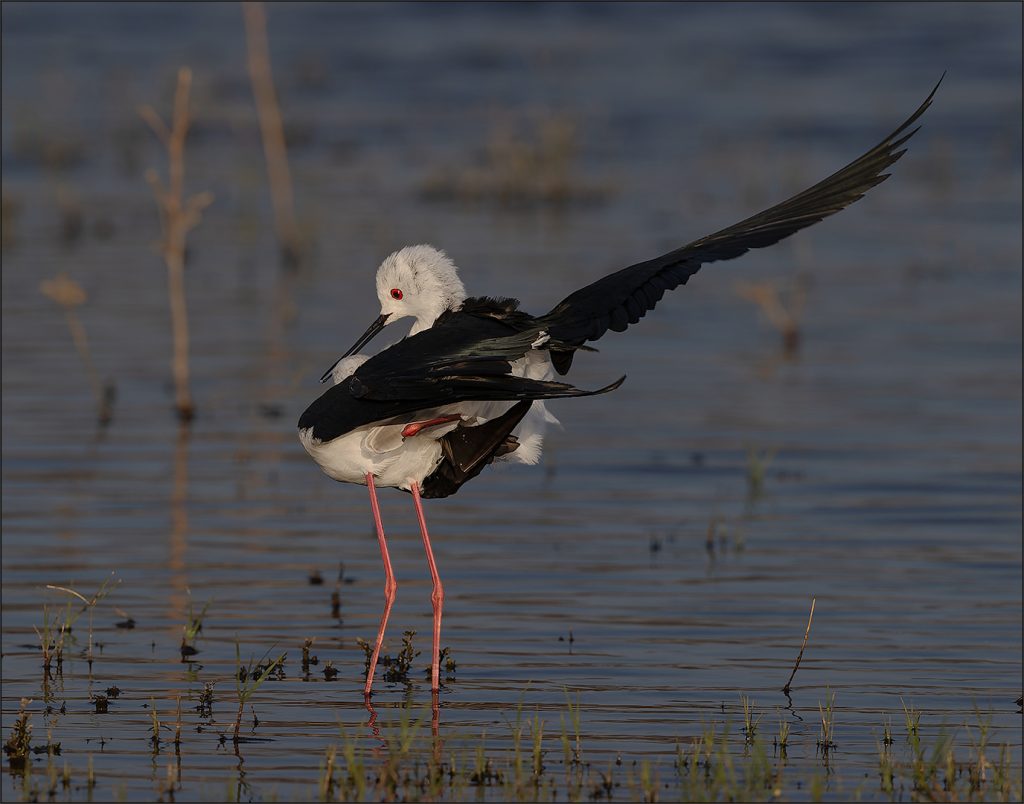
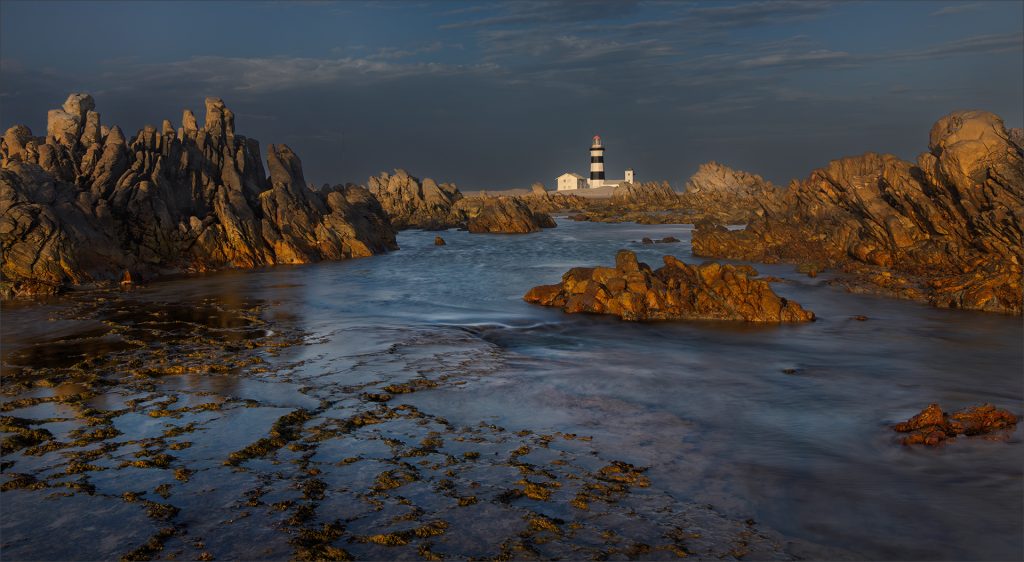
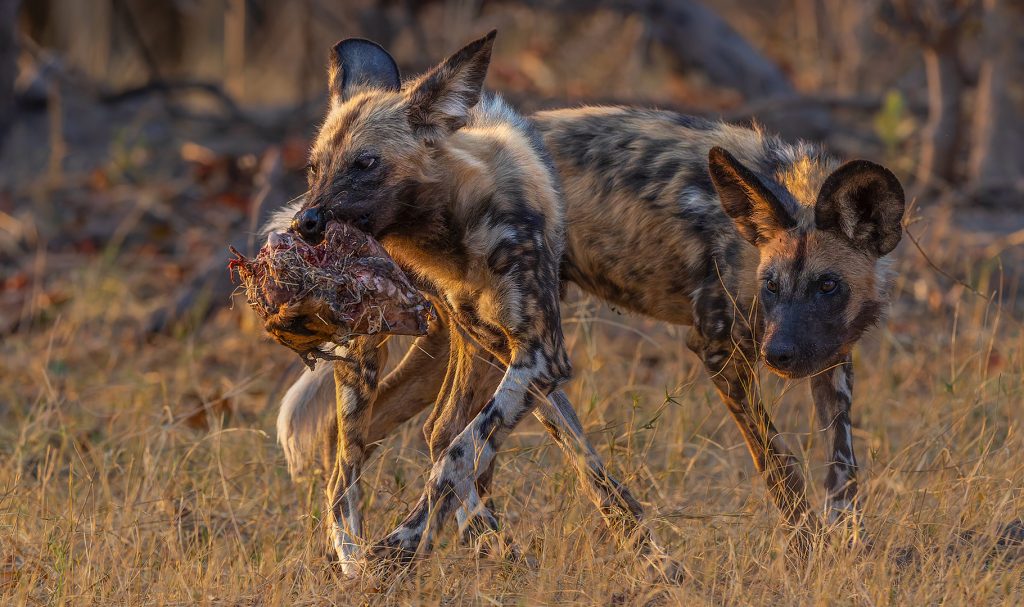
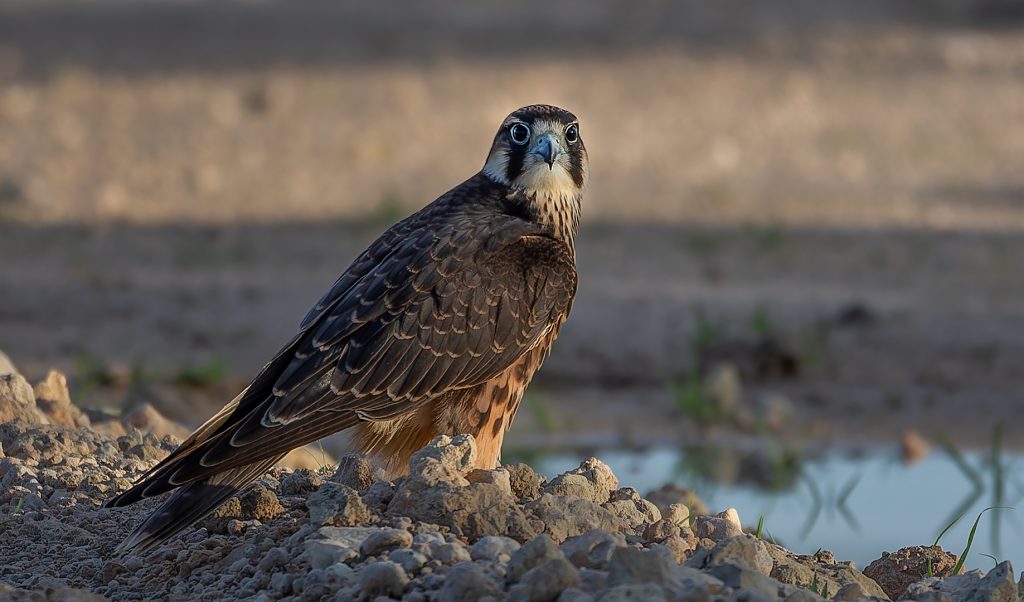
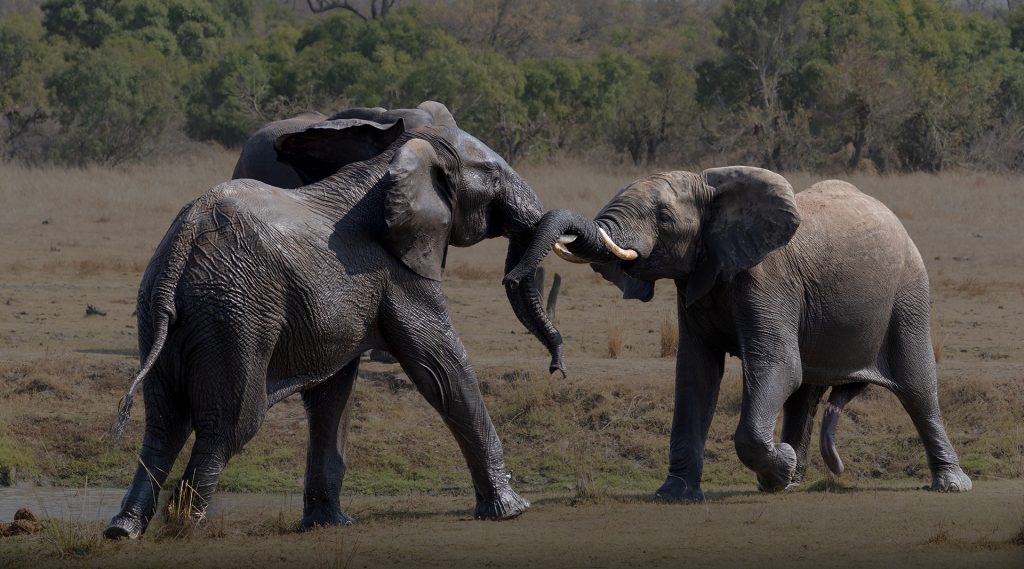
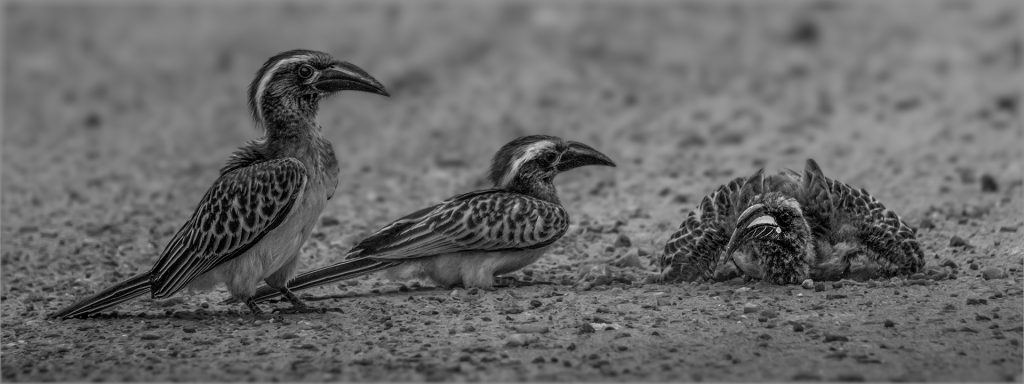
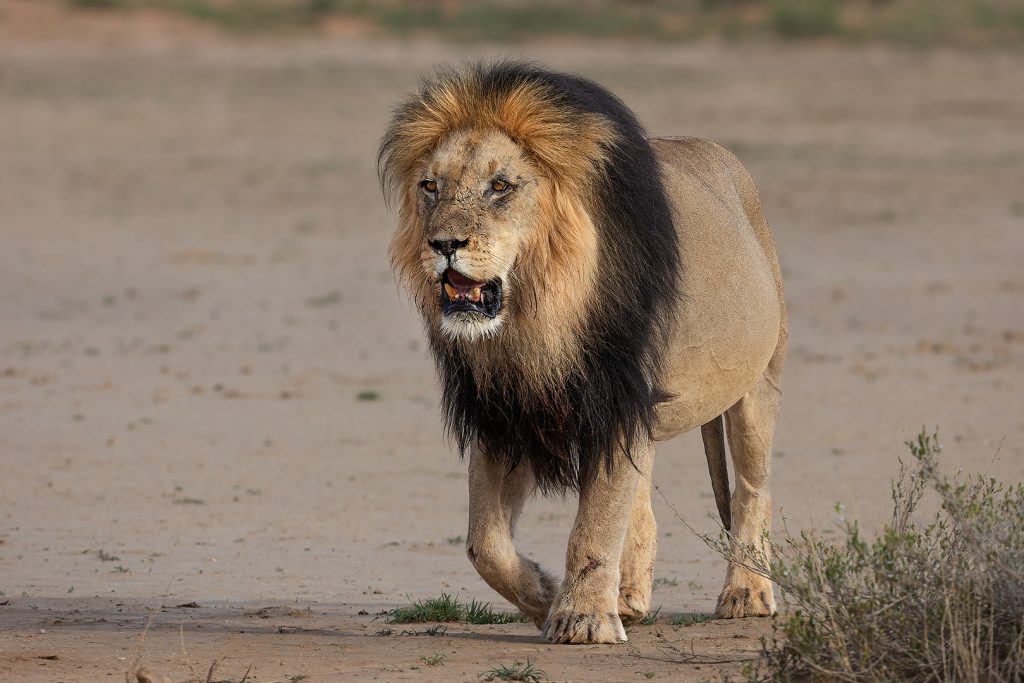
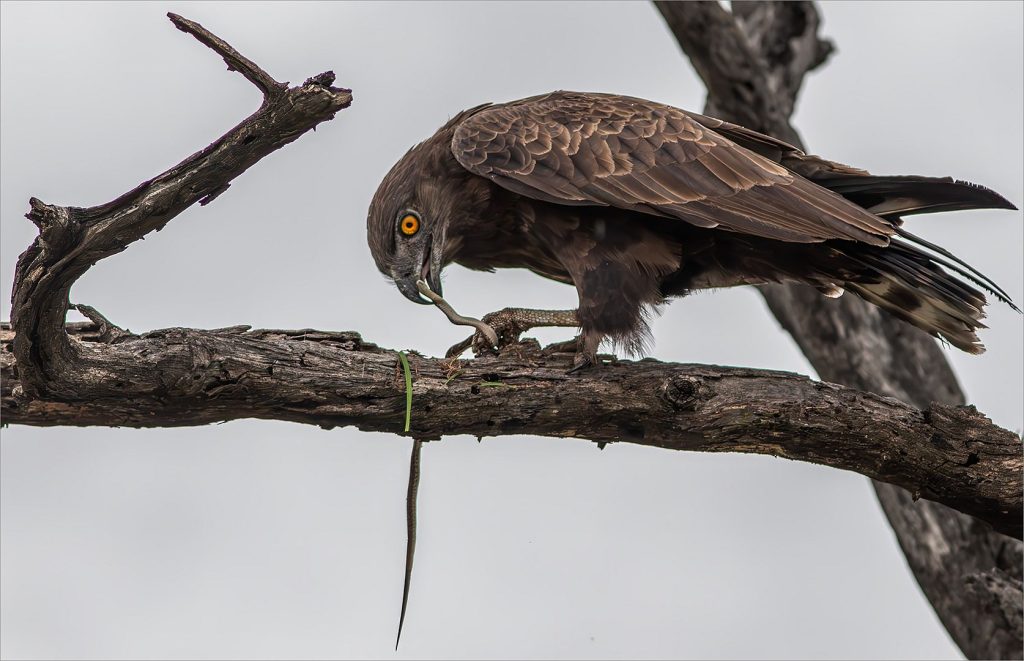
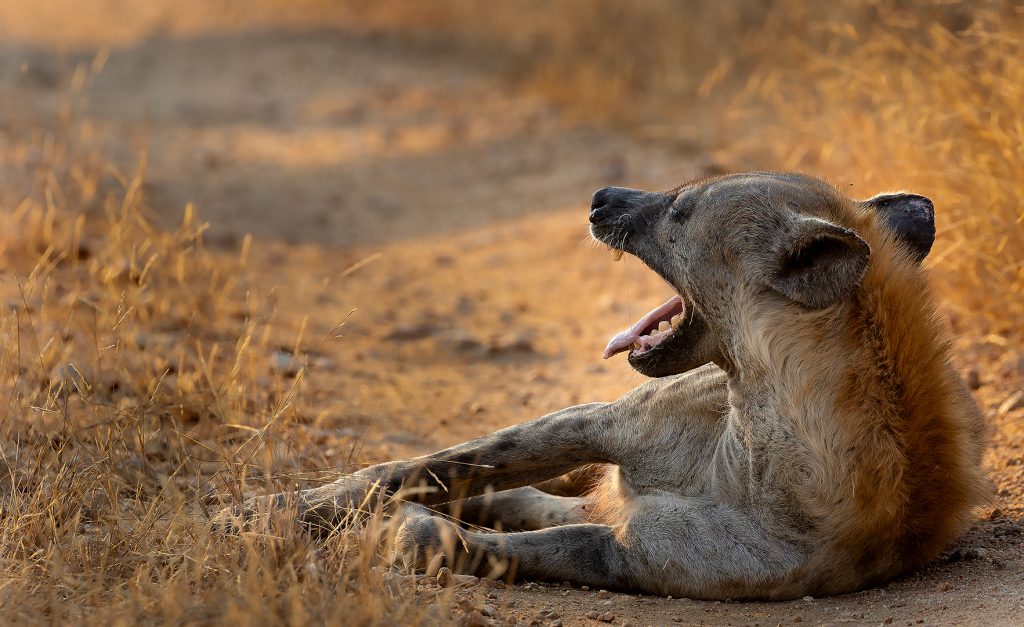
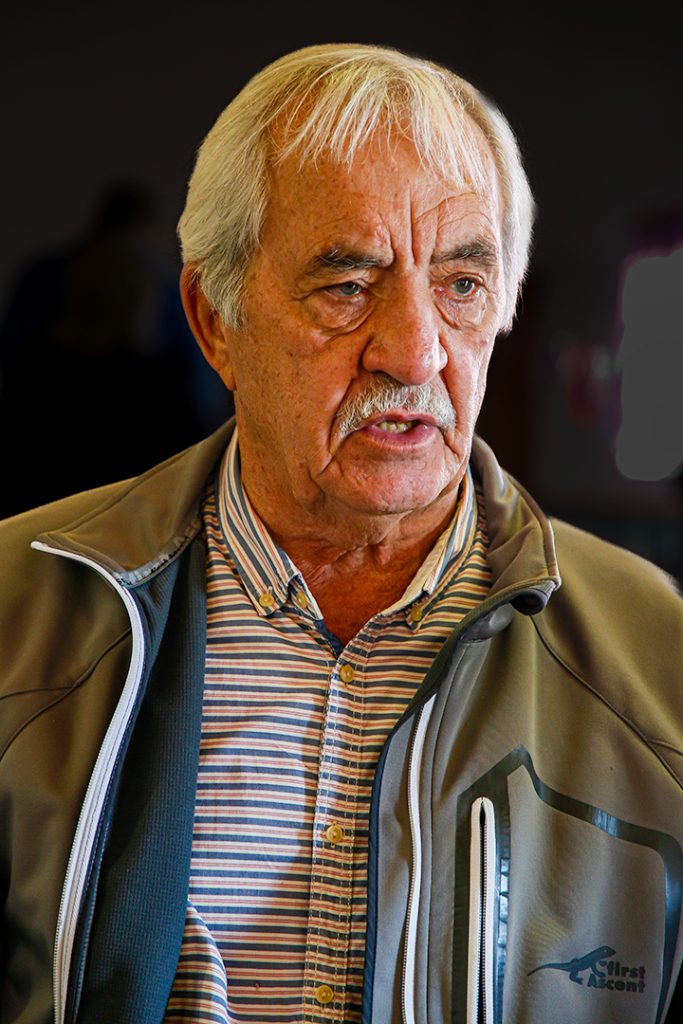
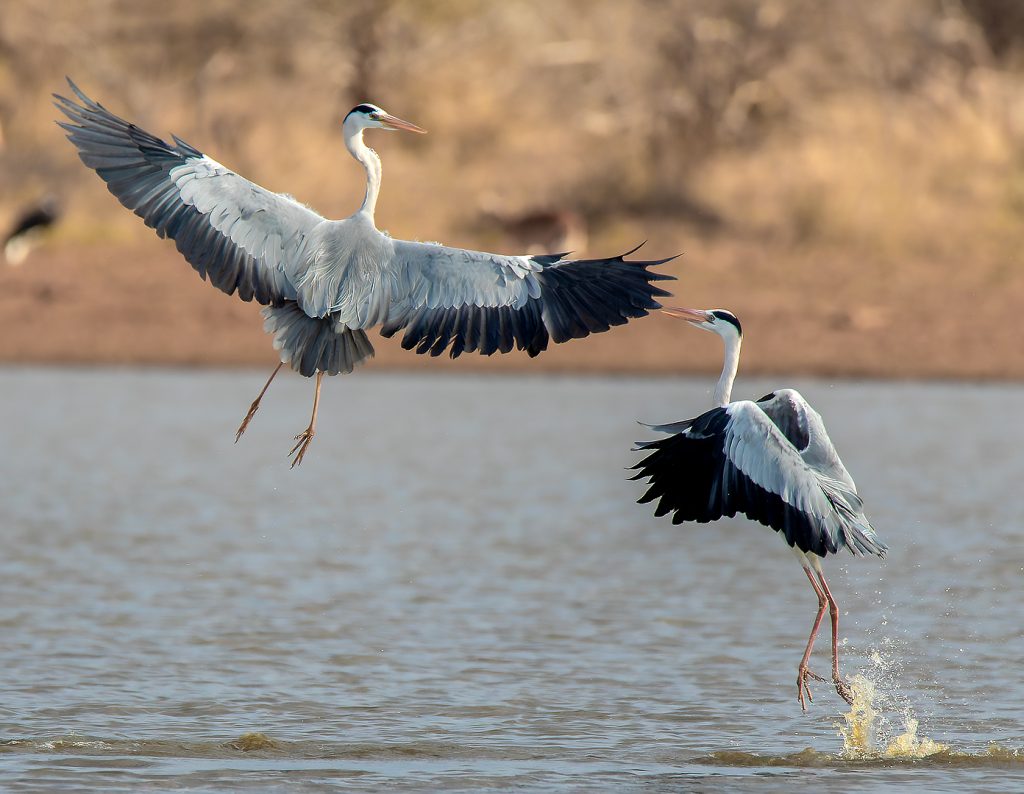
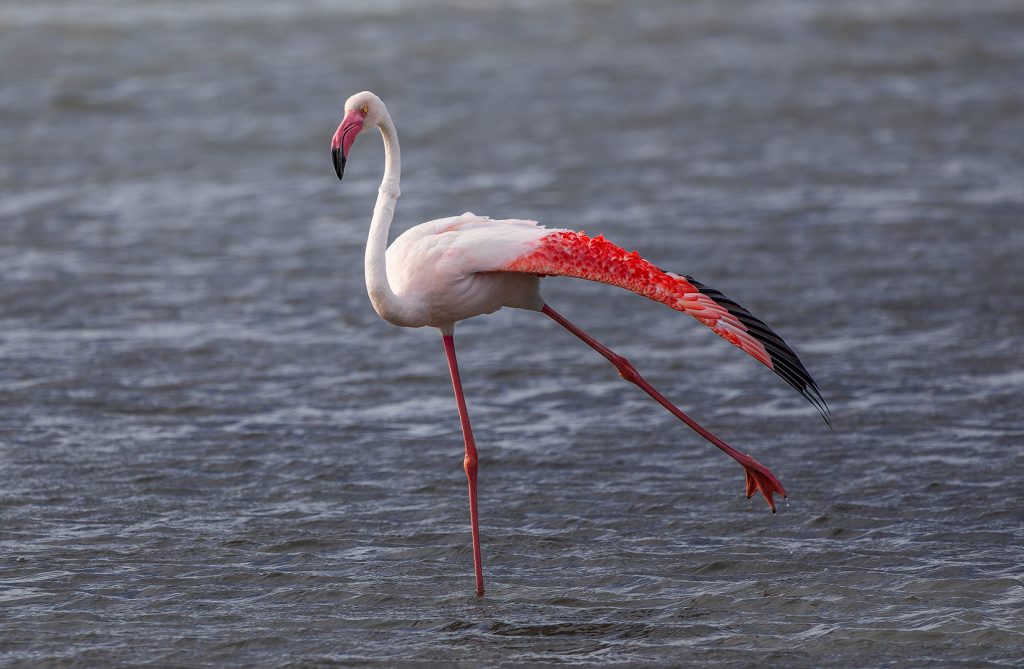
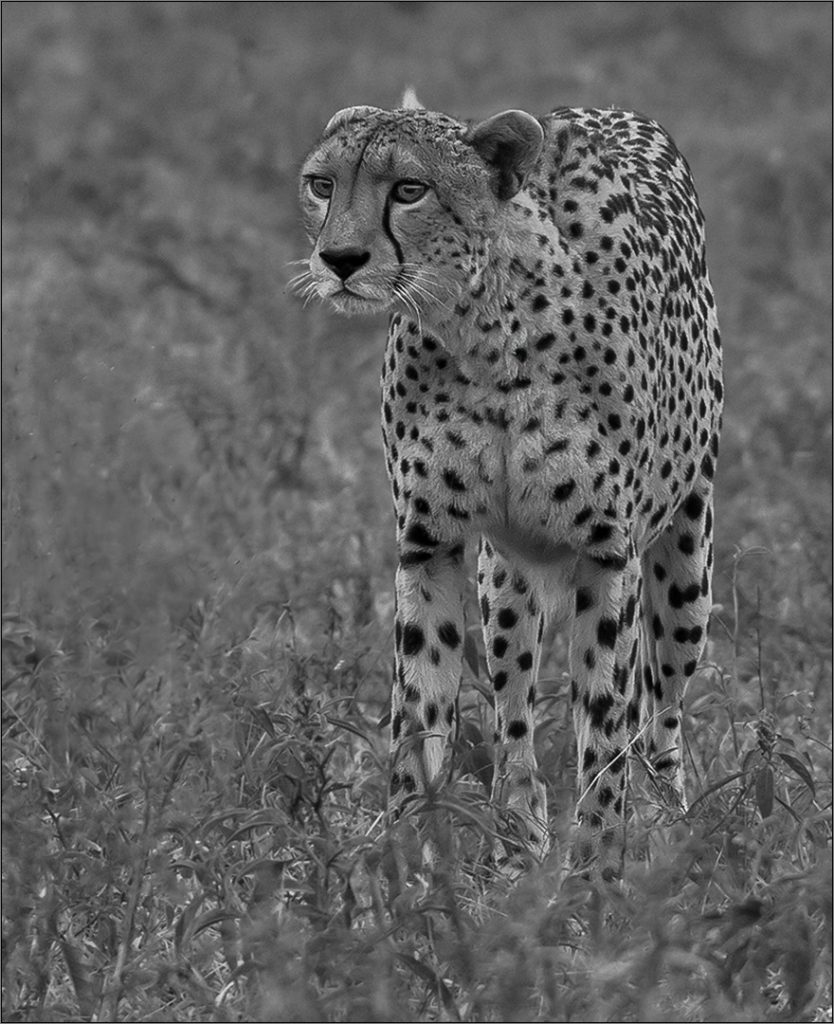
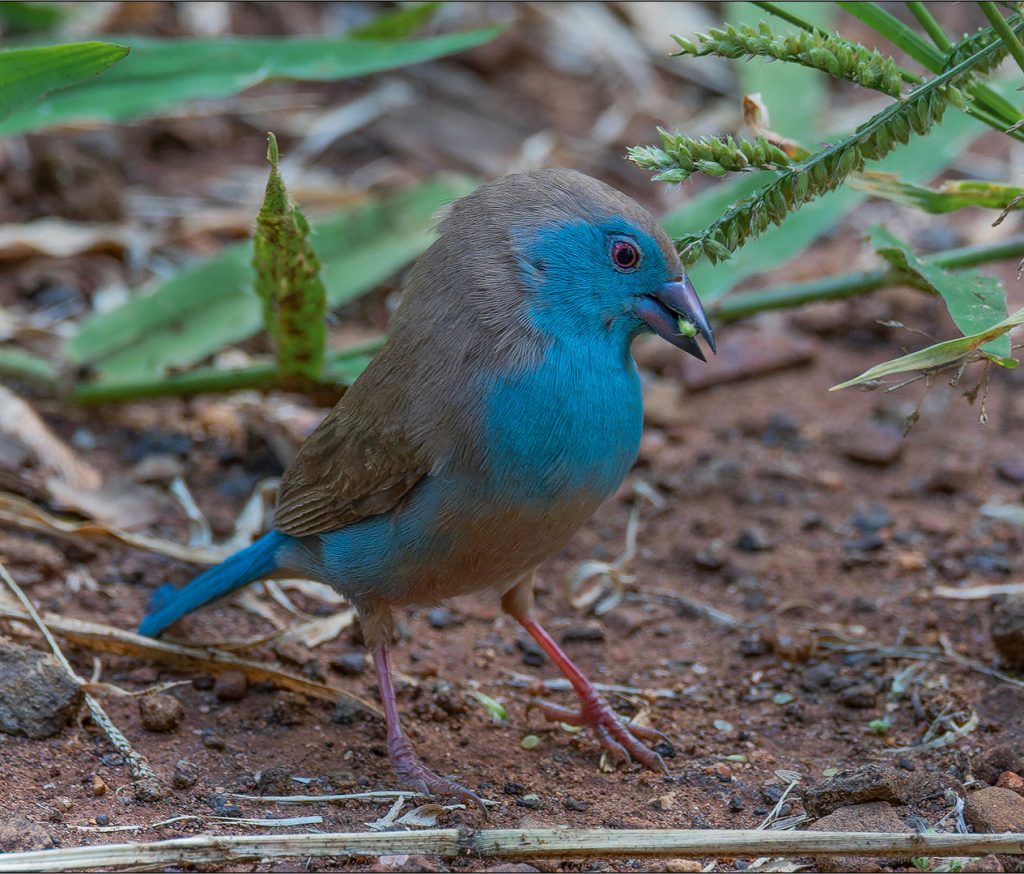
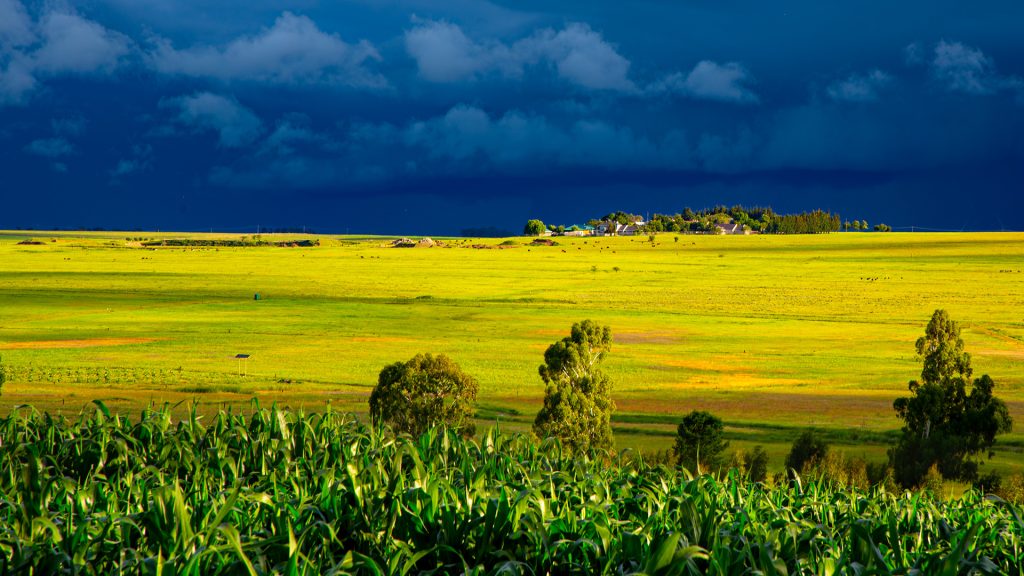
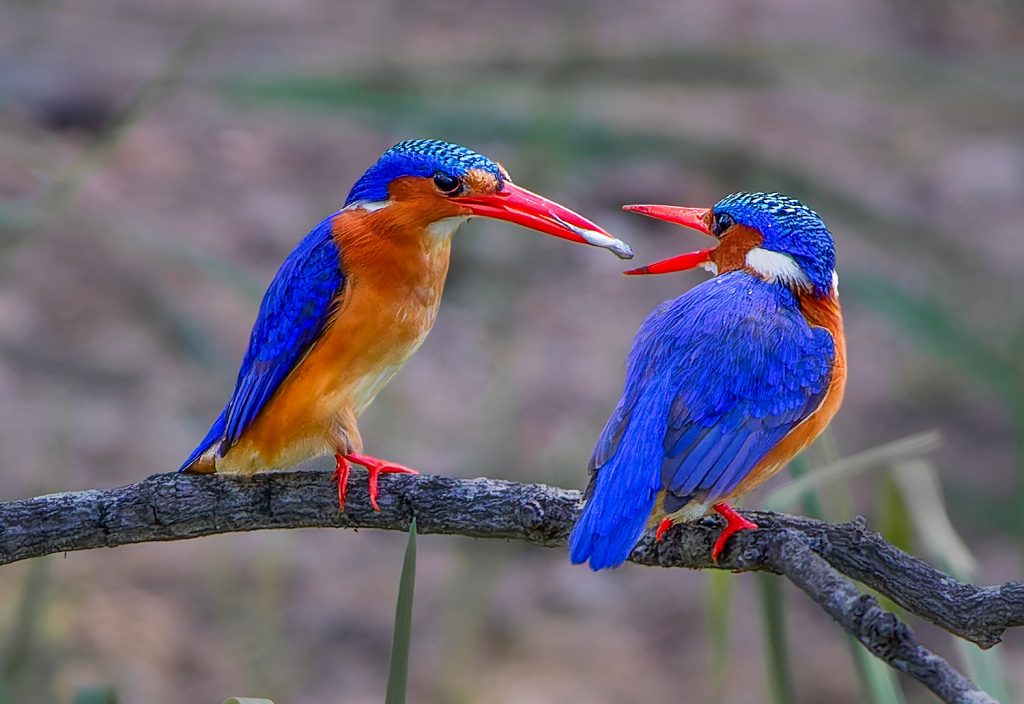
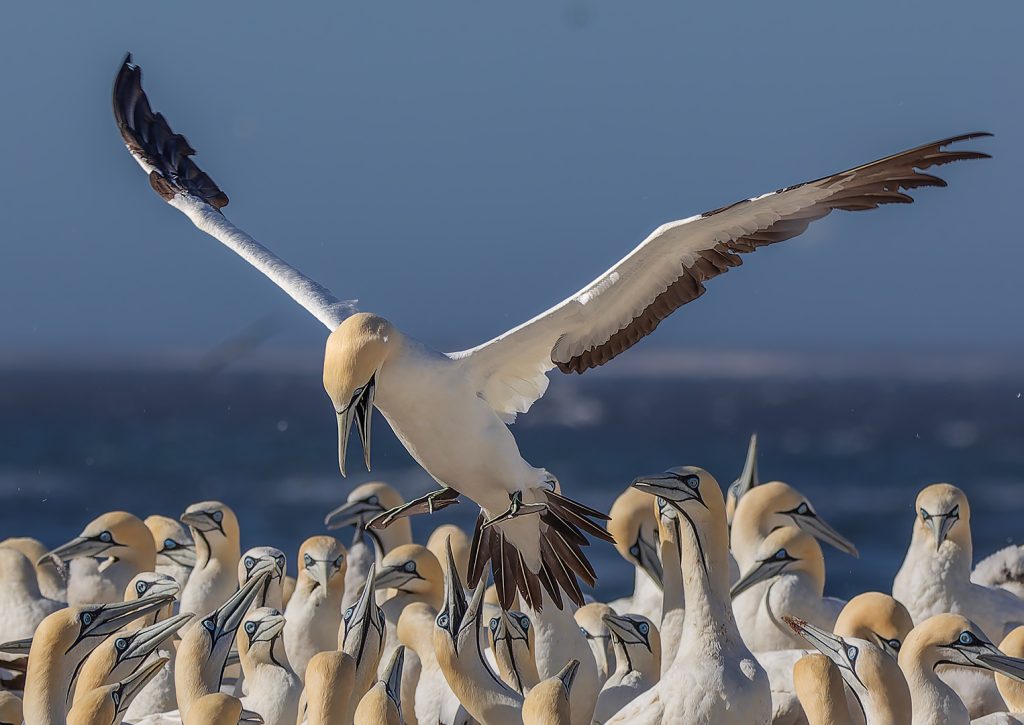
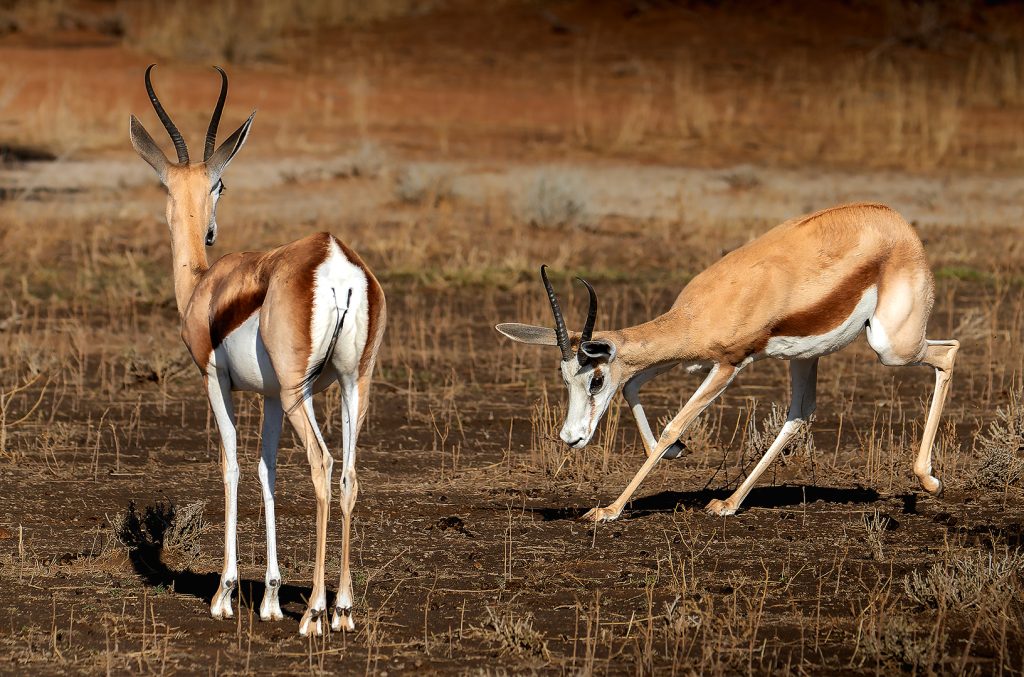
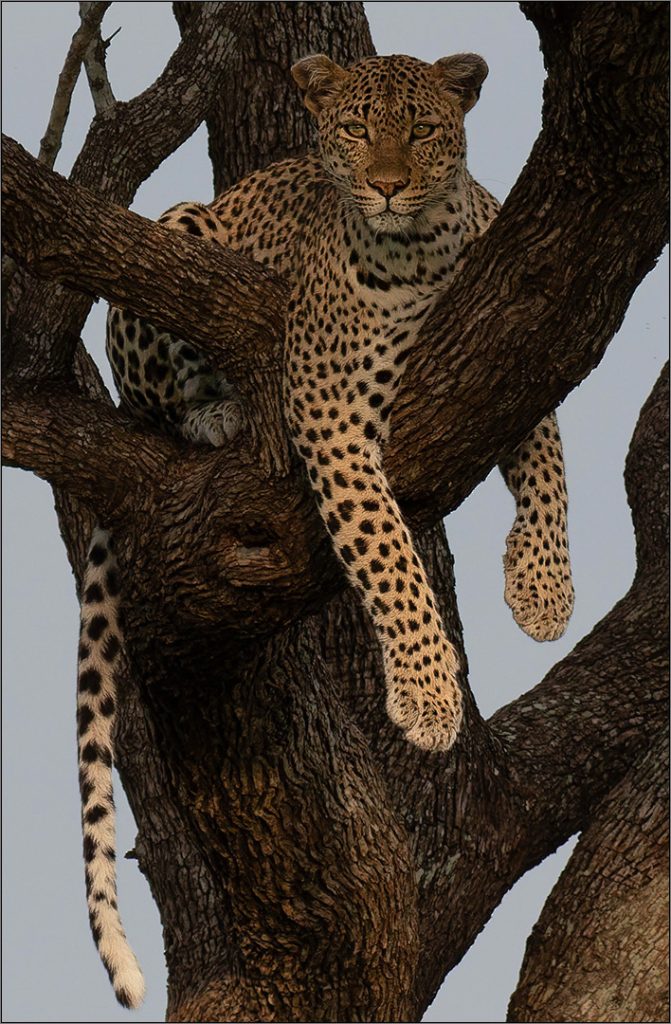
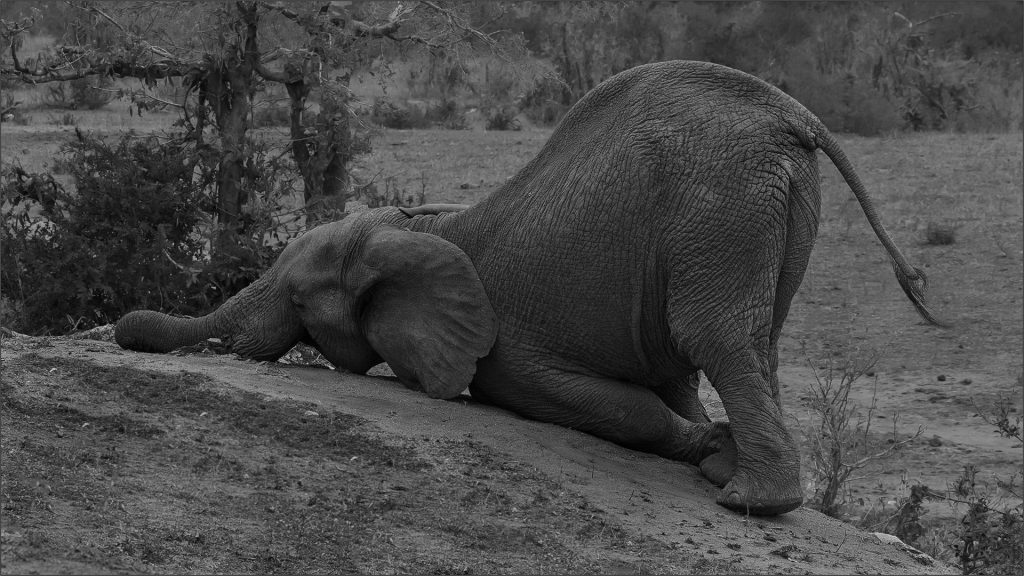
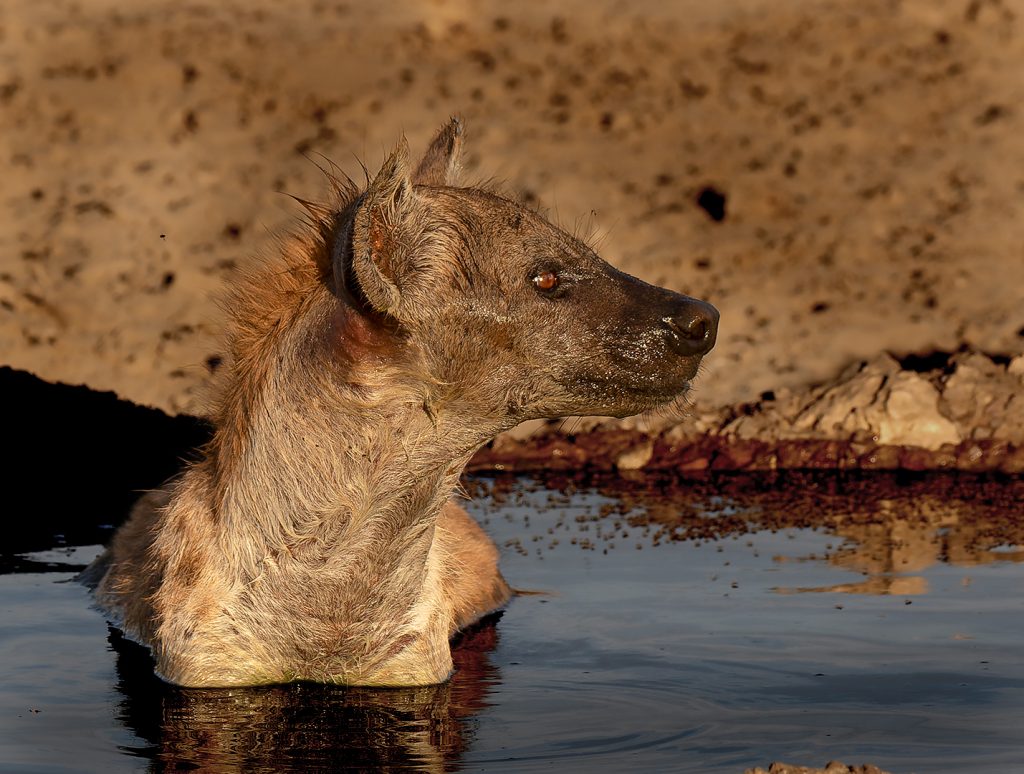
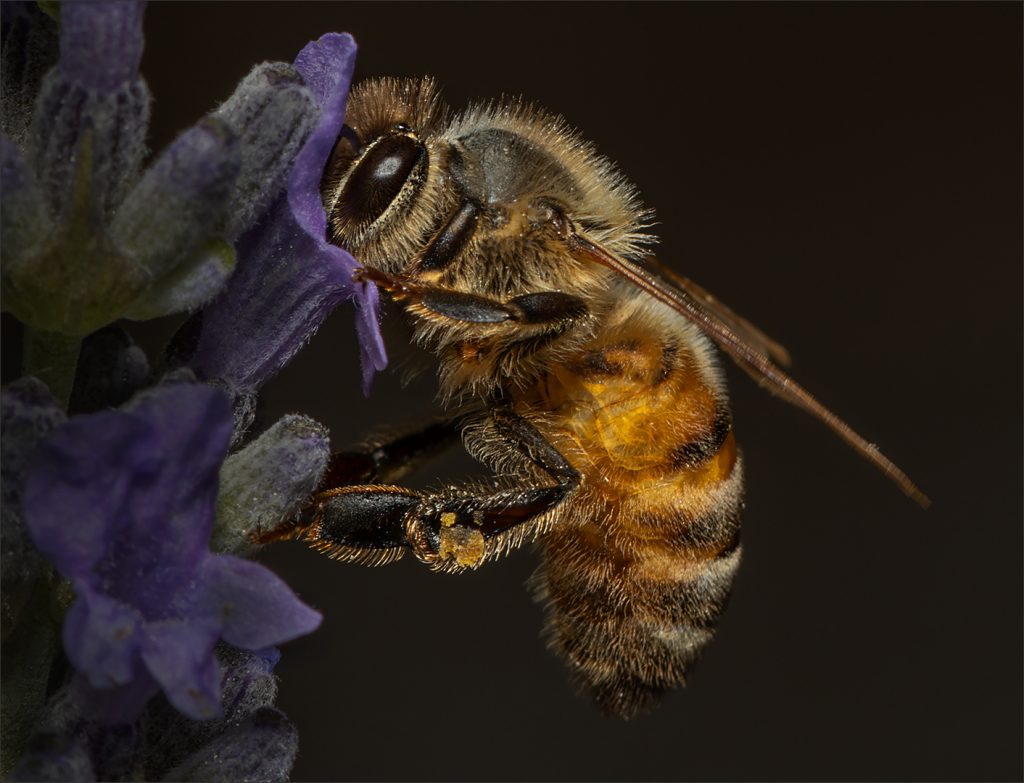
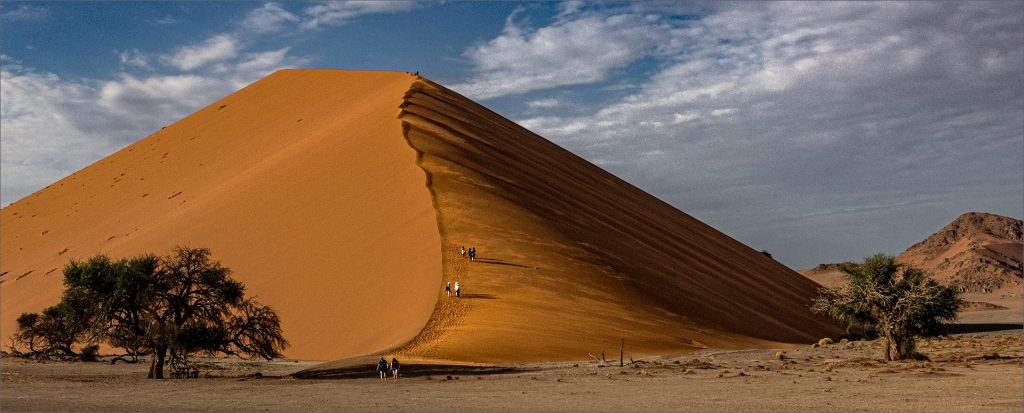
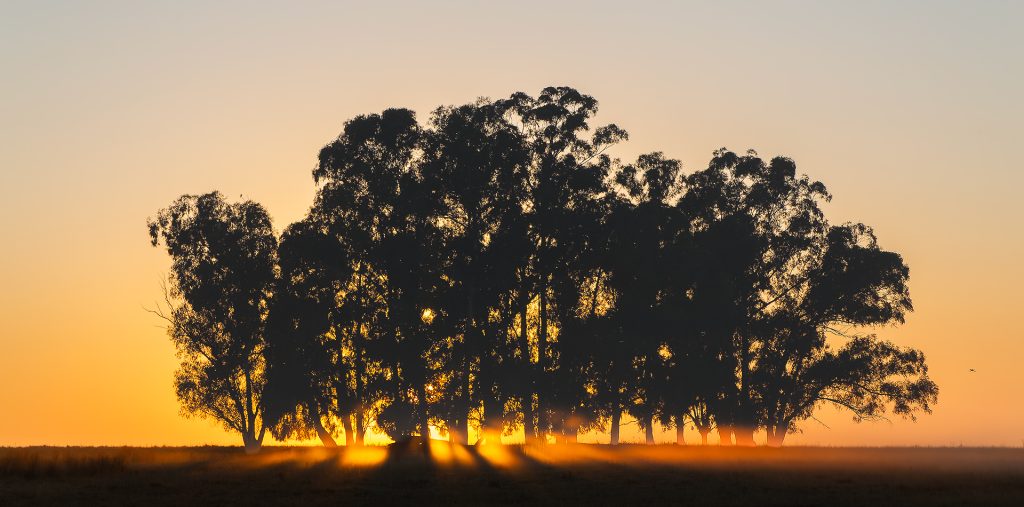
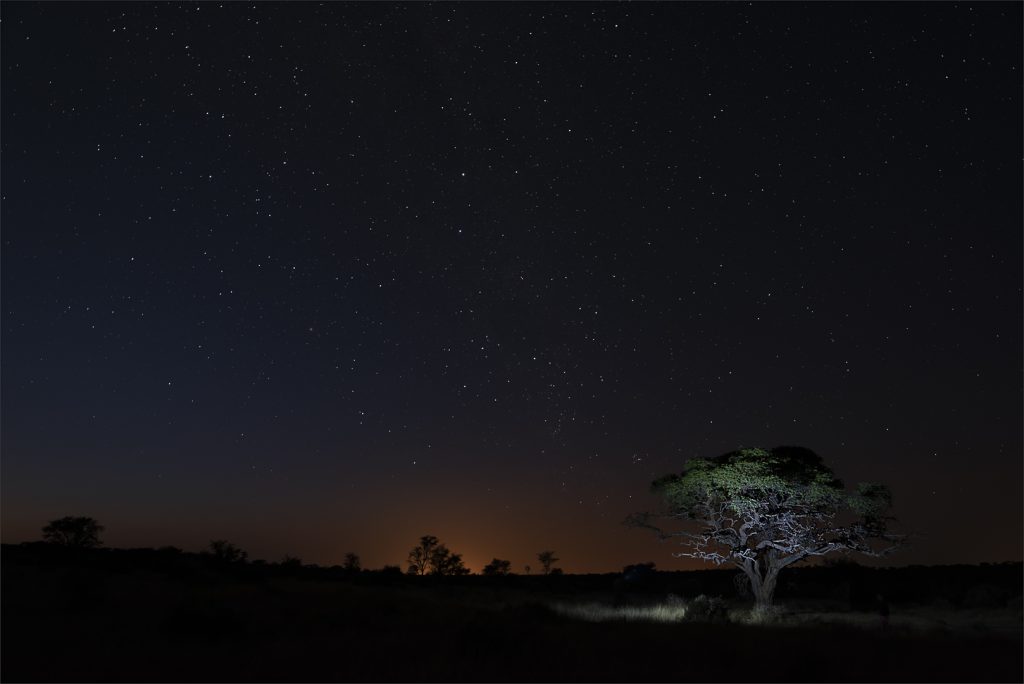
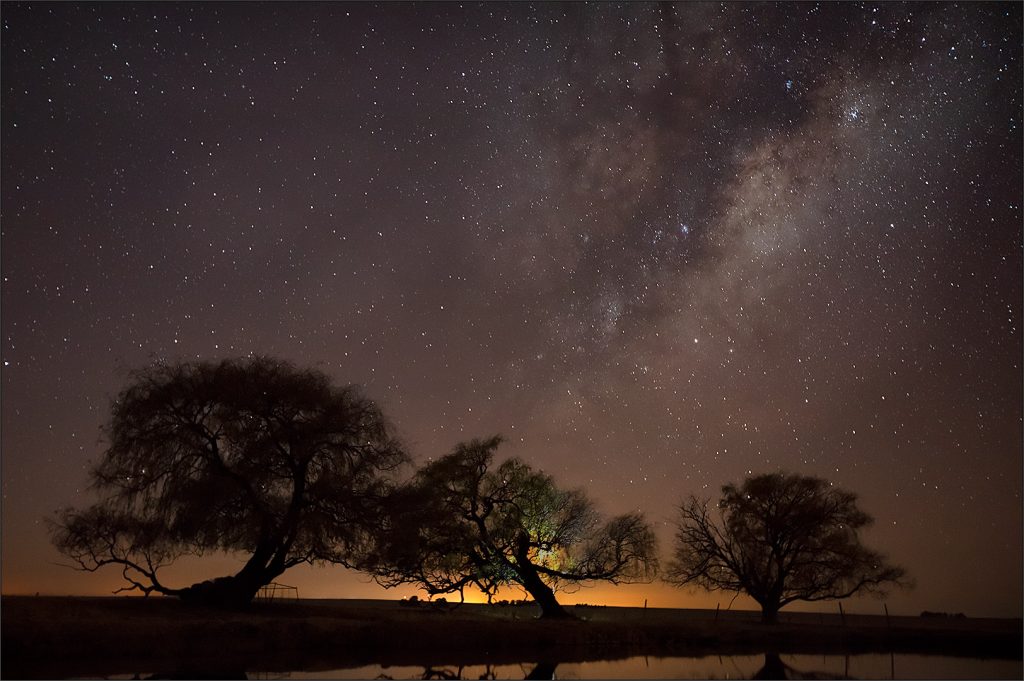
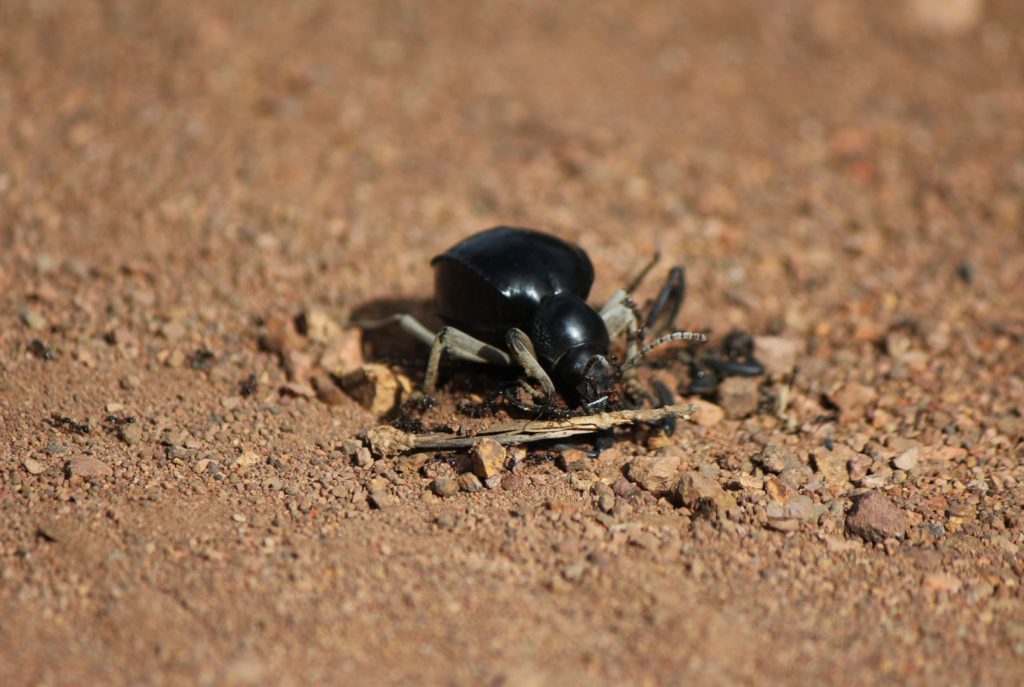
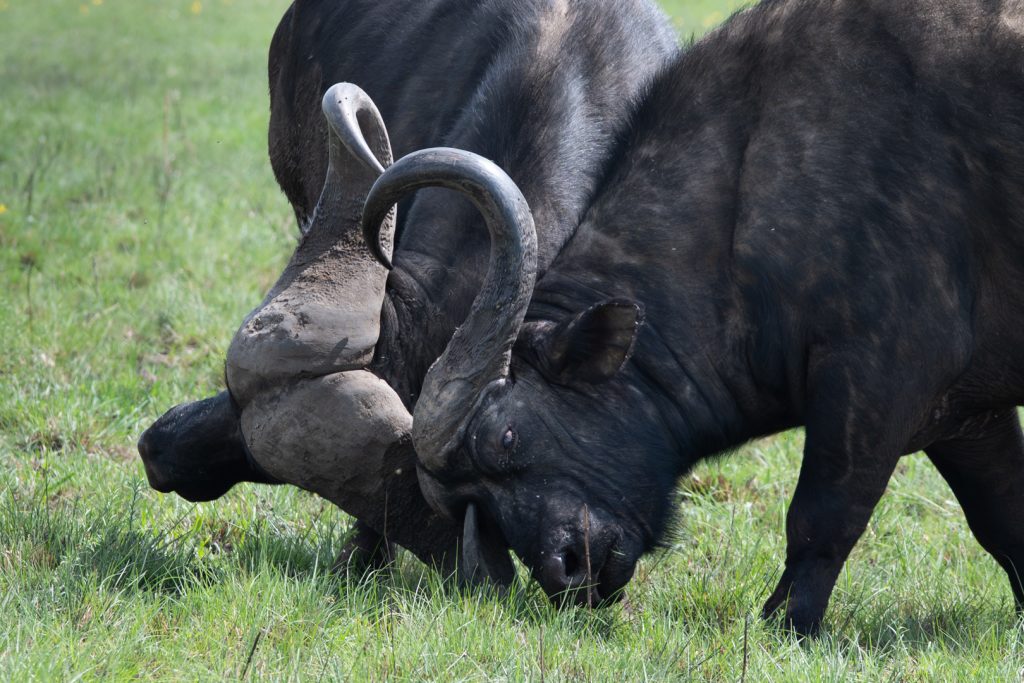
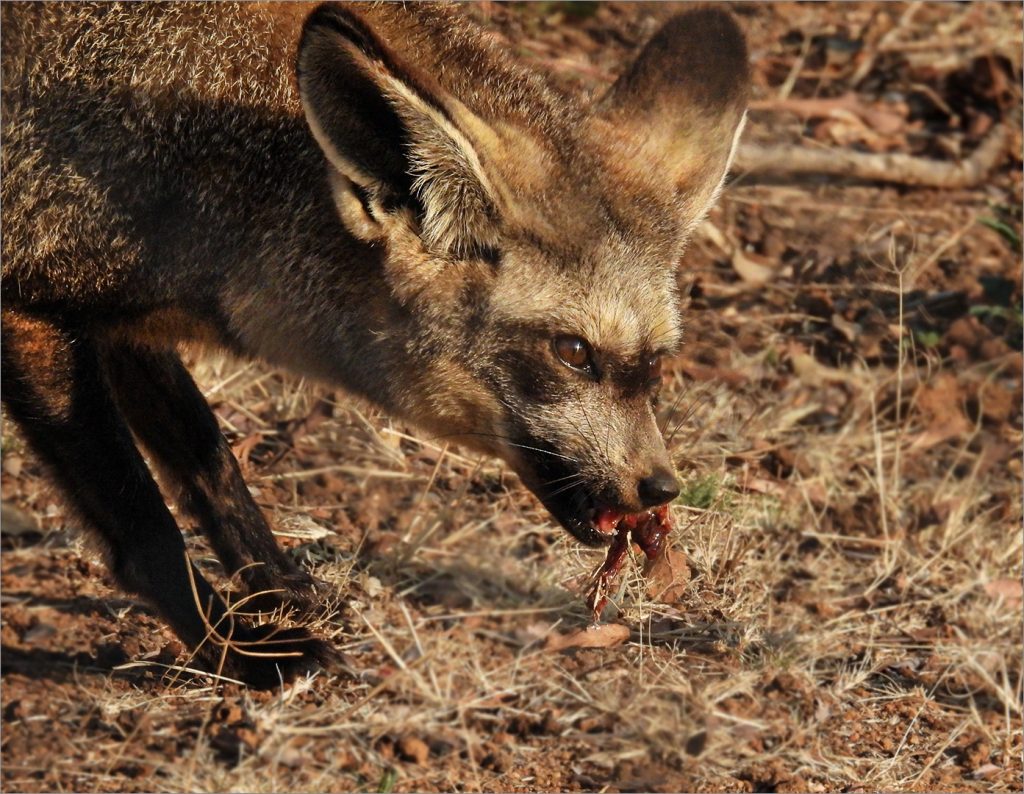
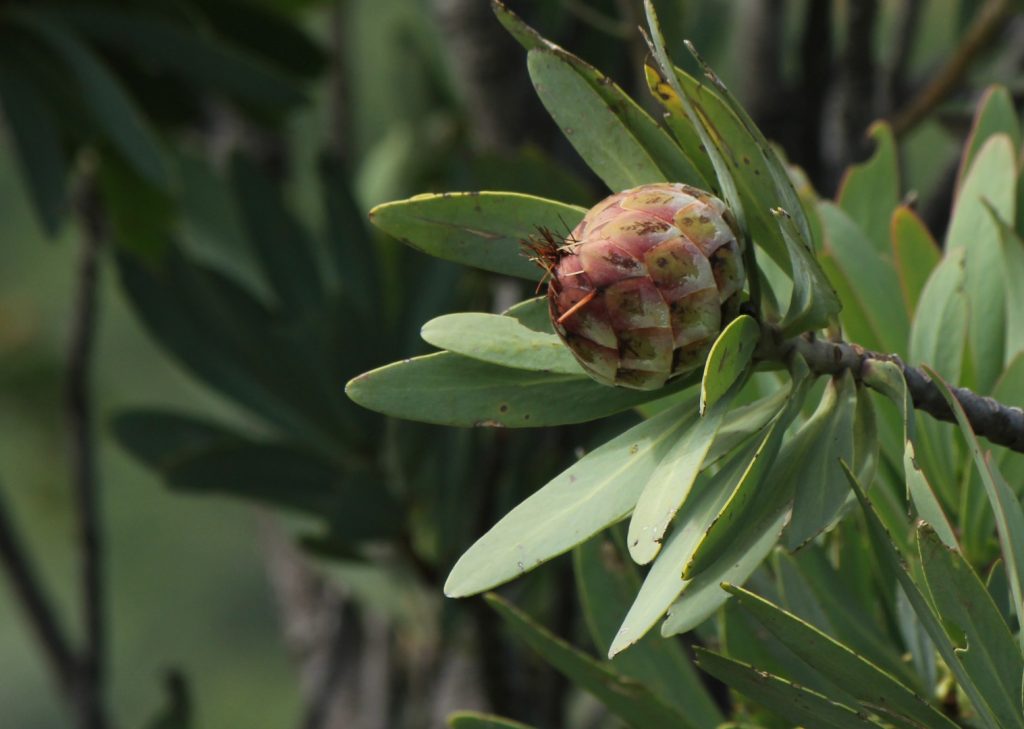
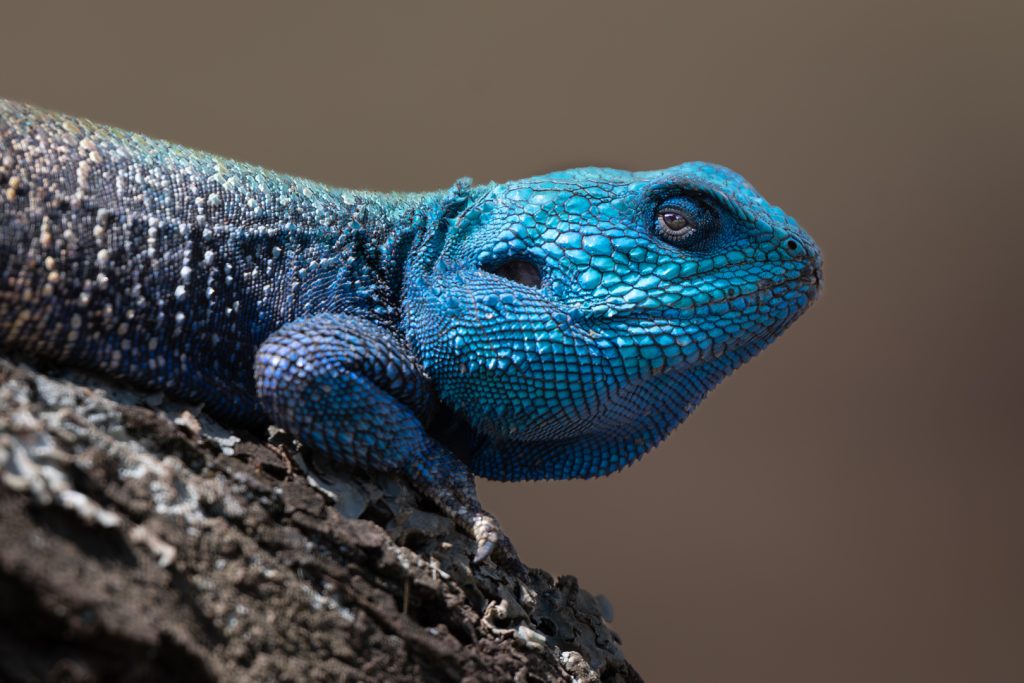
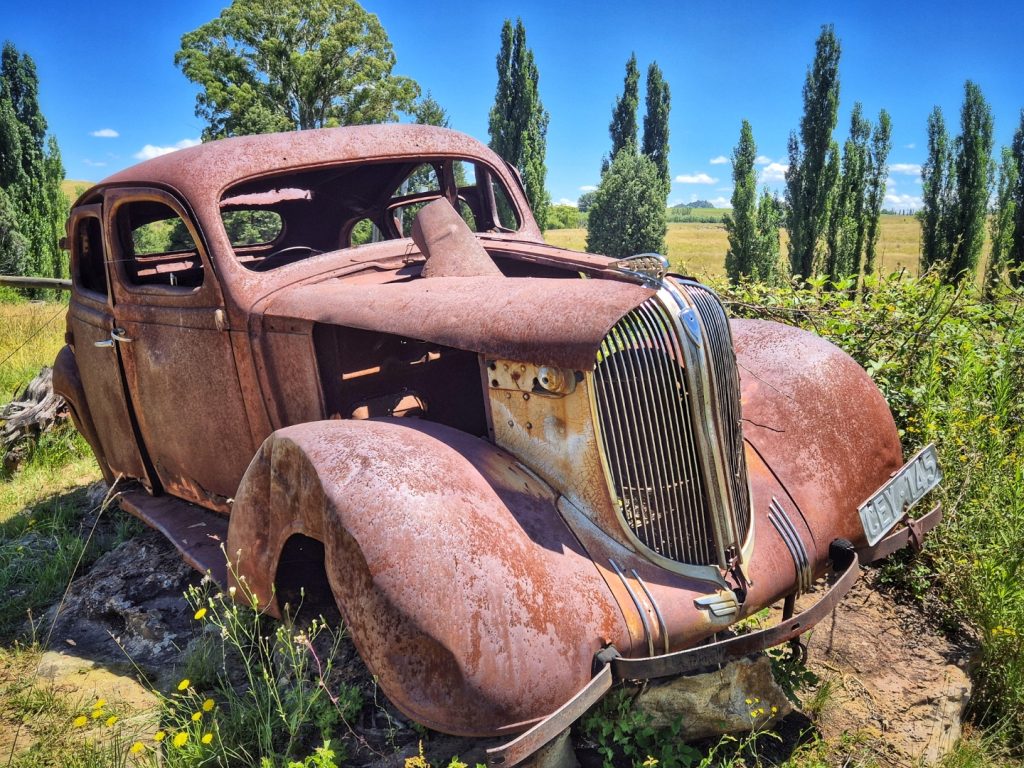
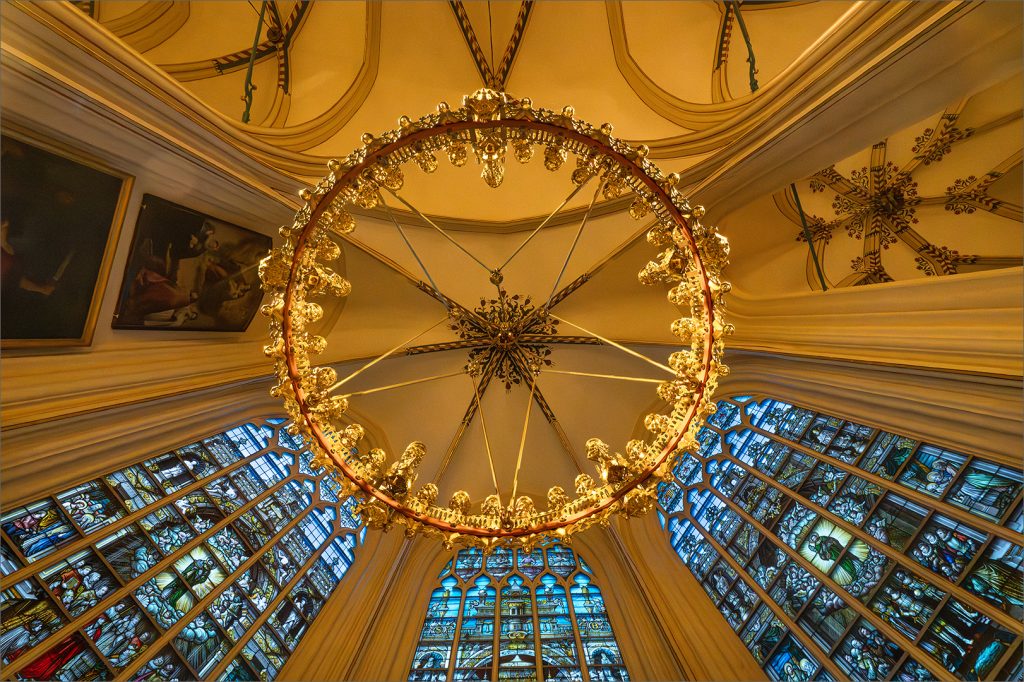
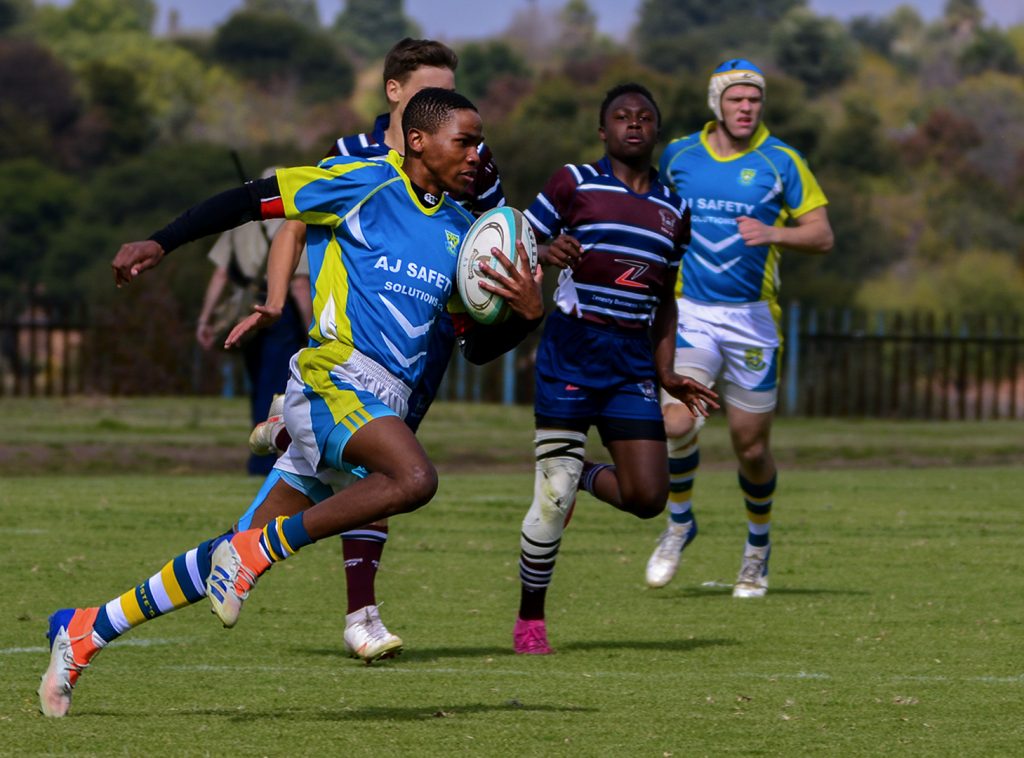
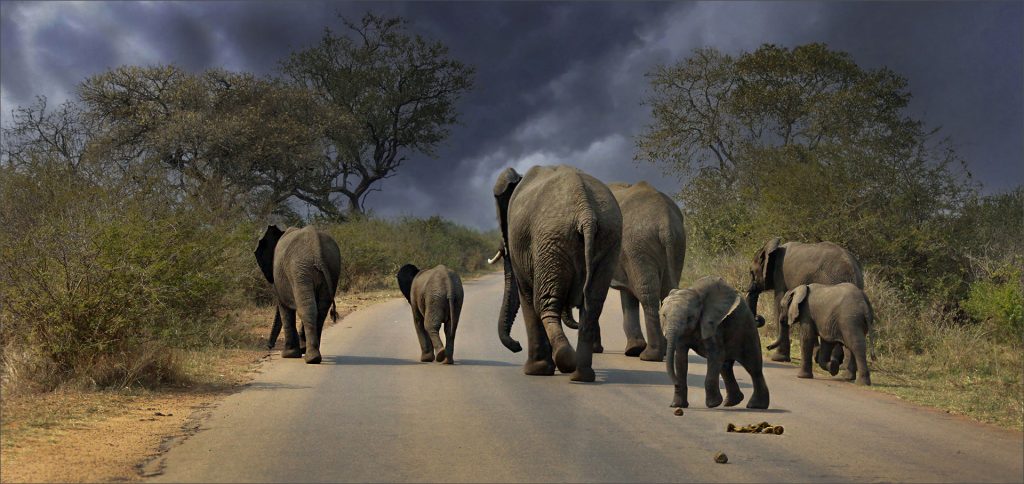
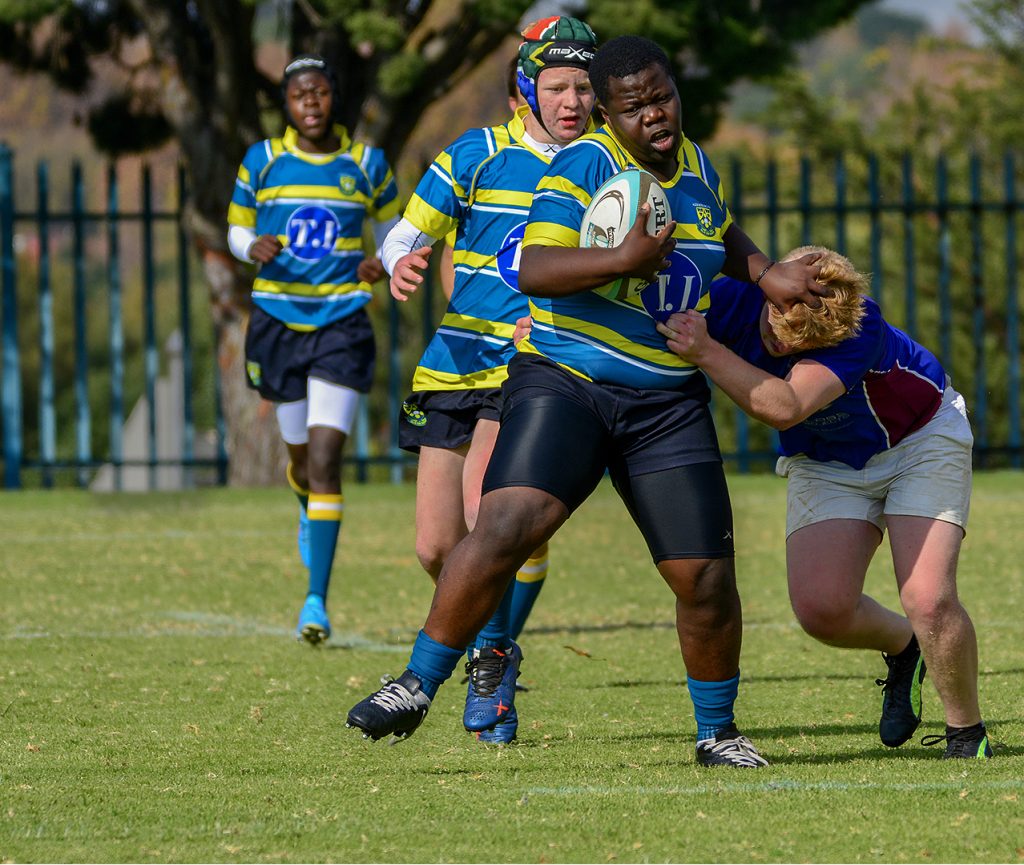
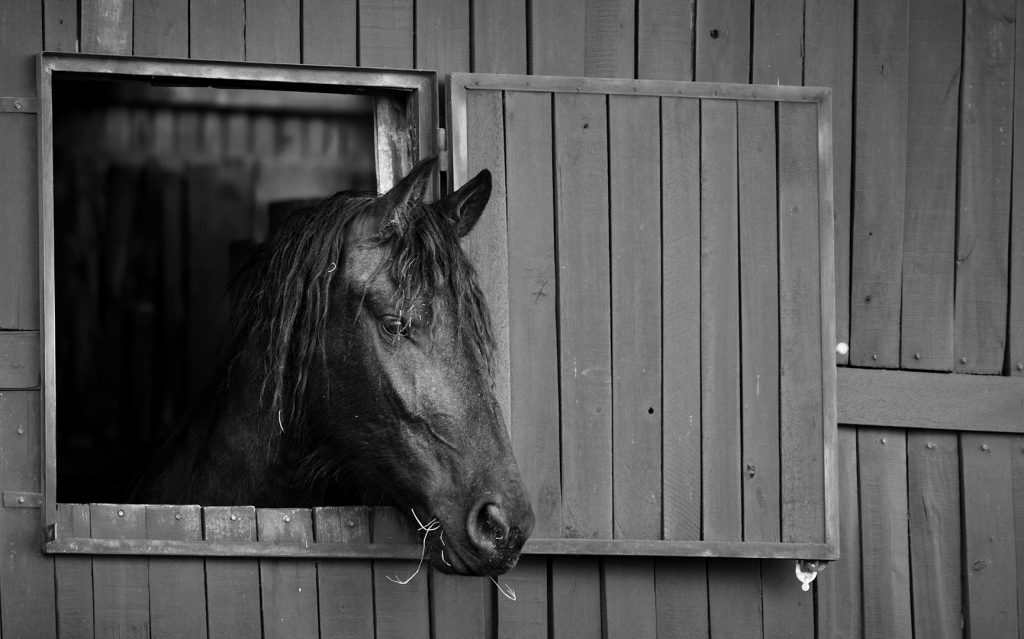
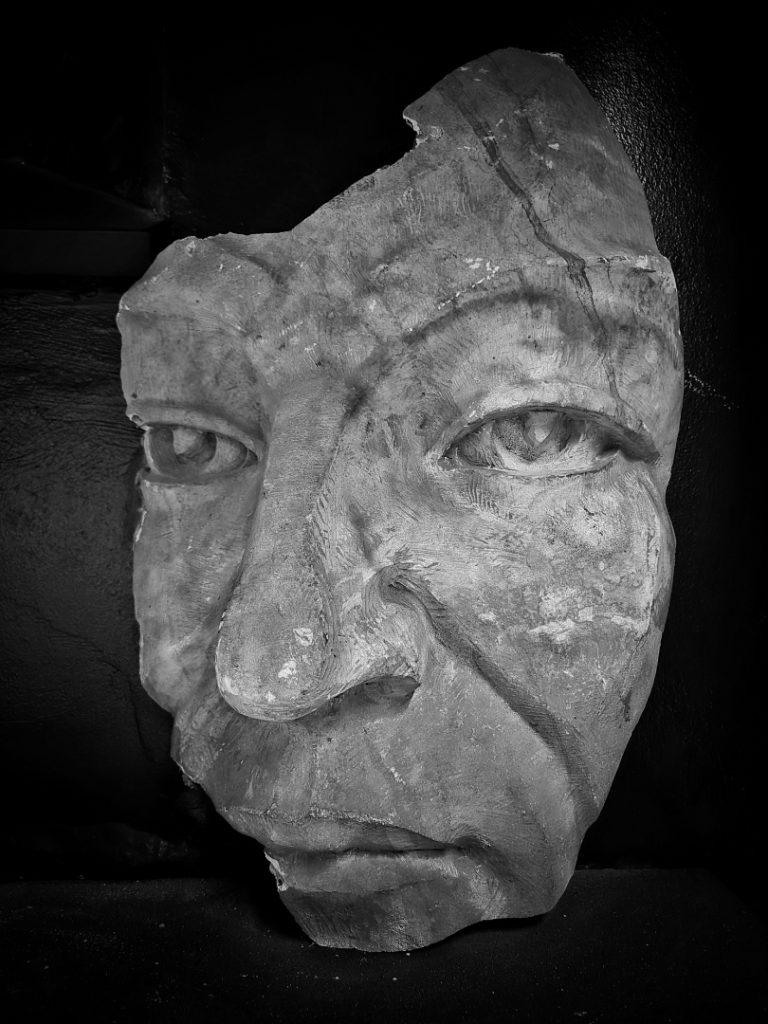
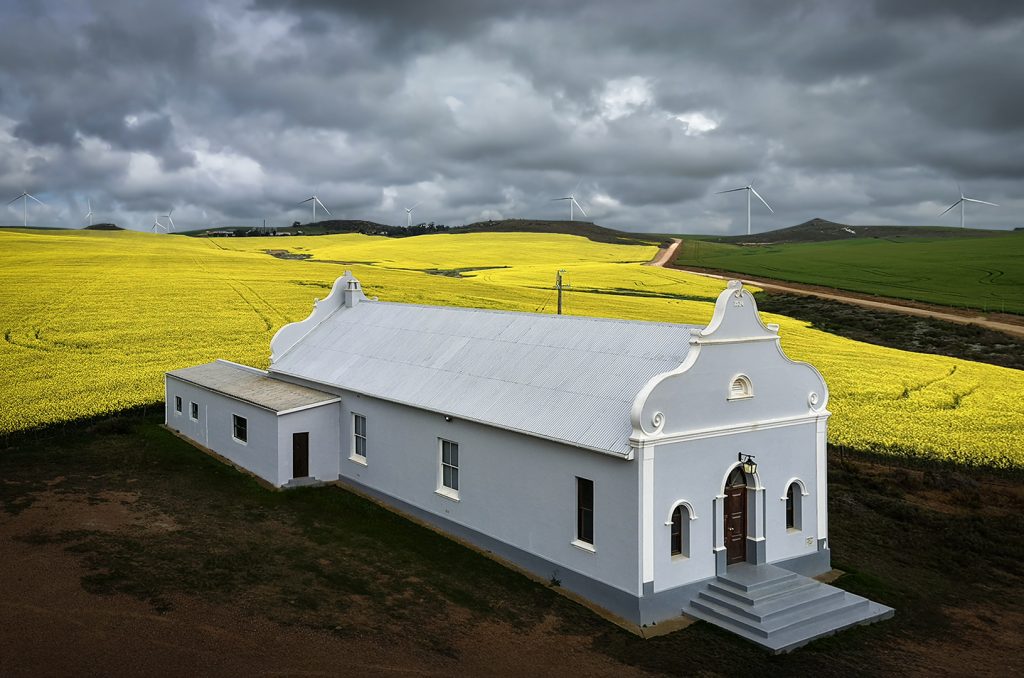
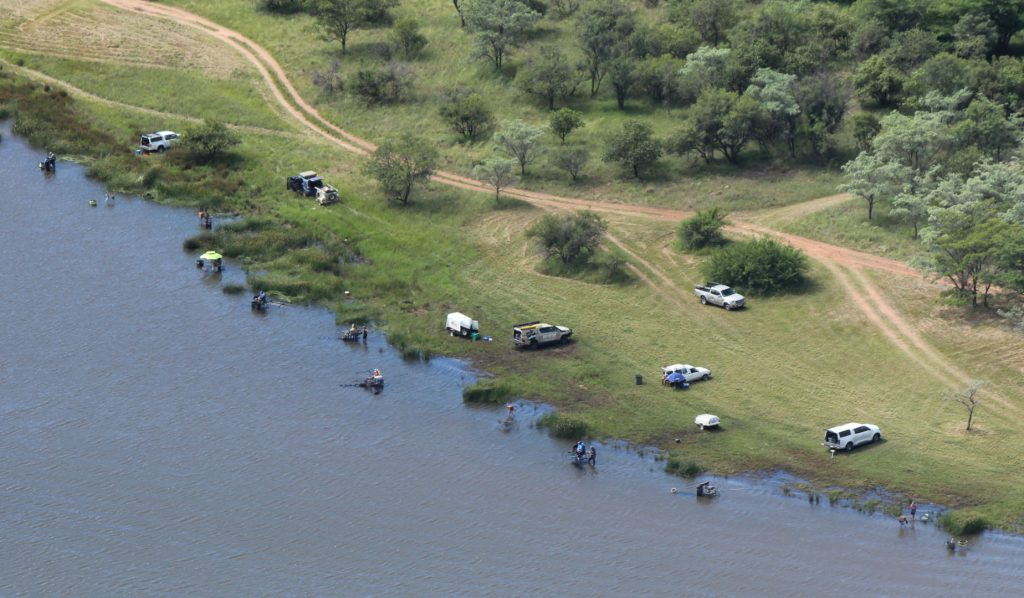
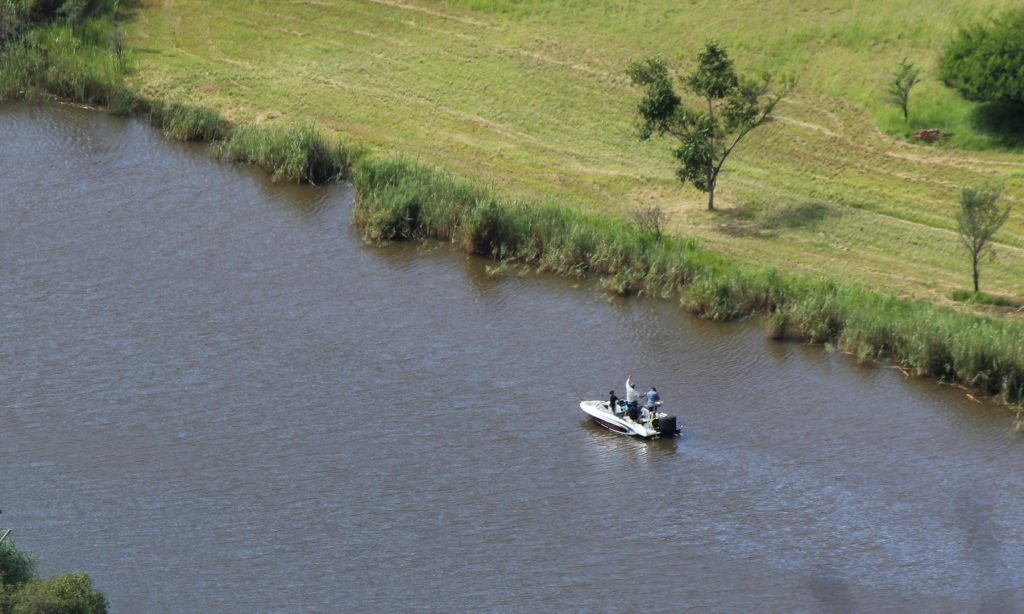
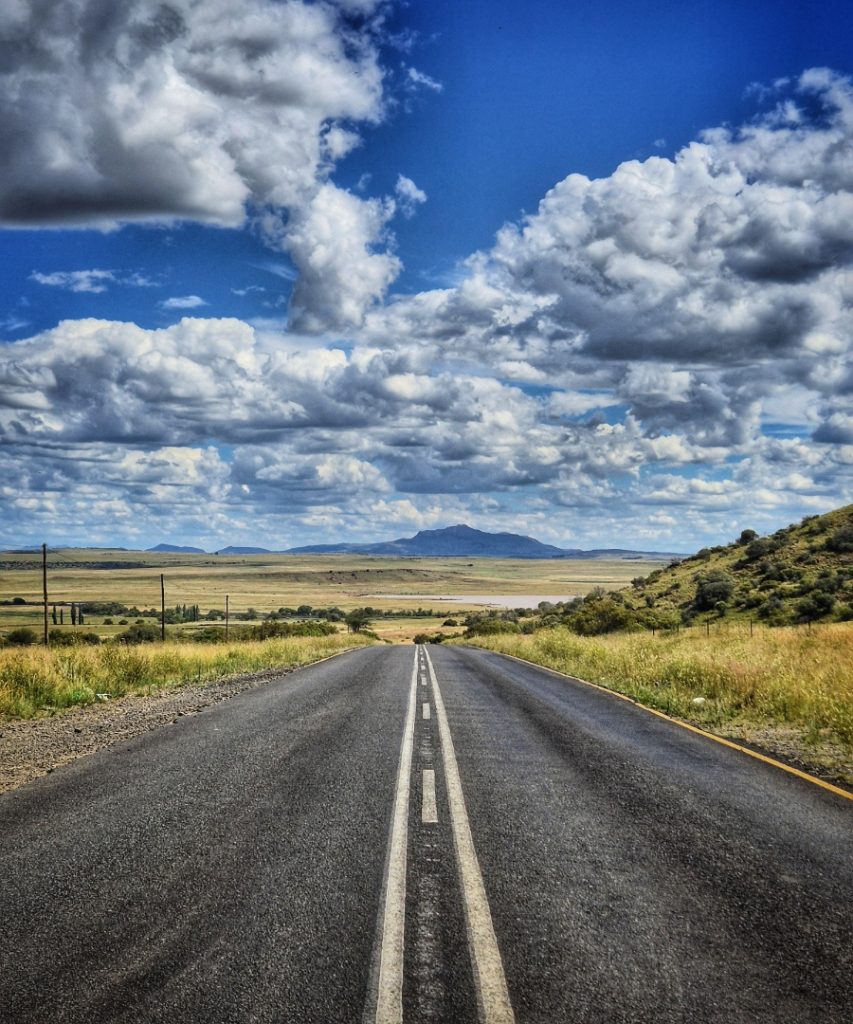
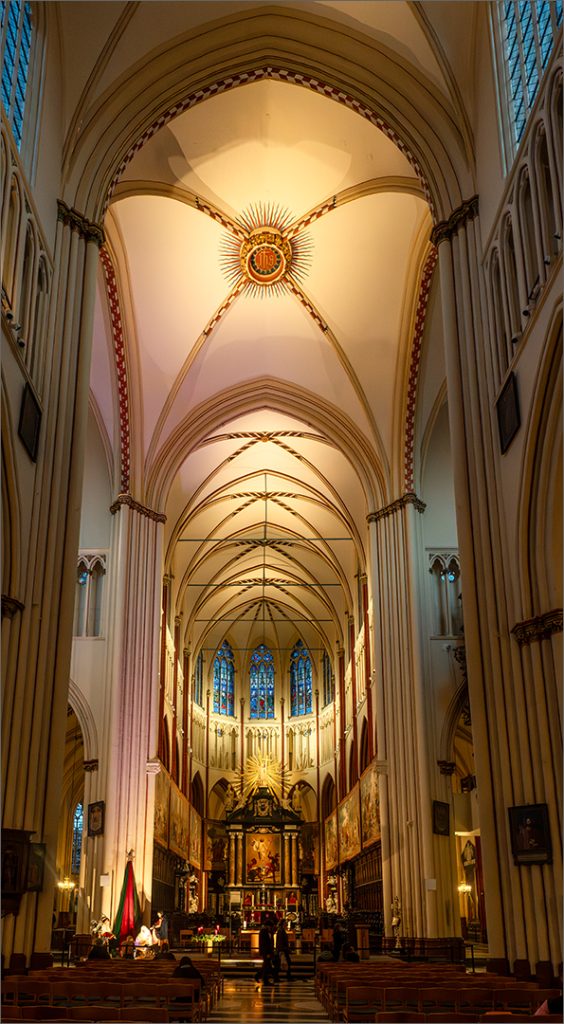
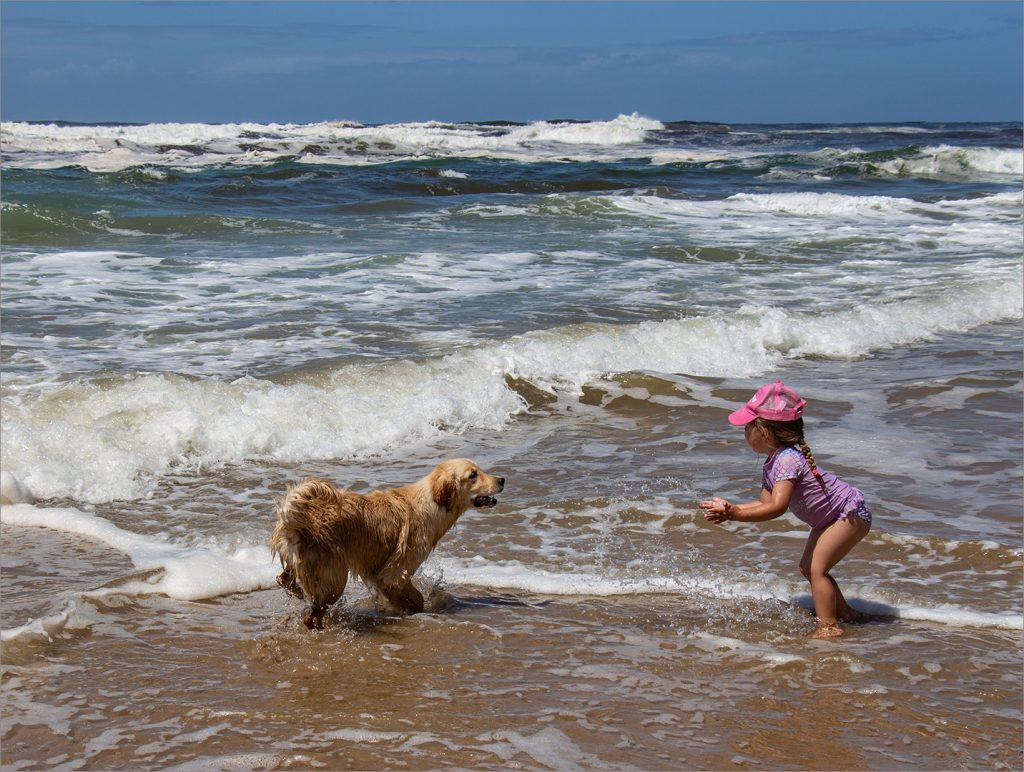
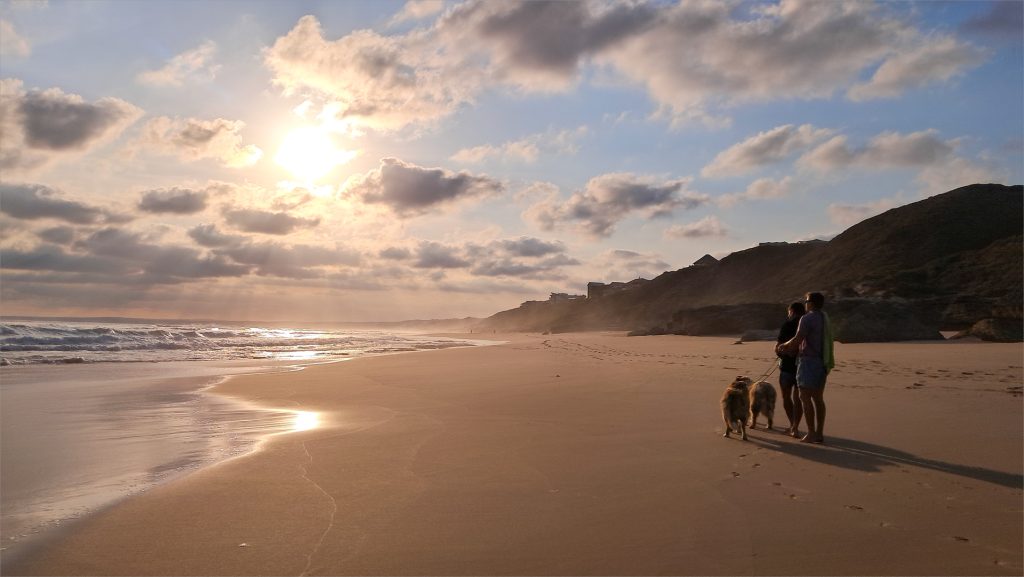
Photographers gathered during the first club meeting of the year to showcase their photographs.
The entries were of a very high standard and it was difficult to award winning entries.
If anymore information on Bethal Fotoklub is required Johan Drotsky can be contacted on 0829265328
The winning photographs for January were
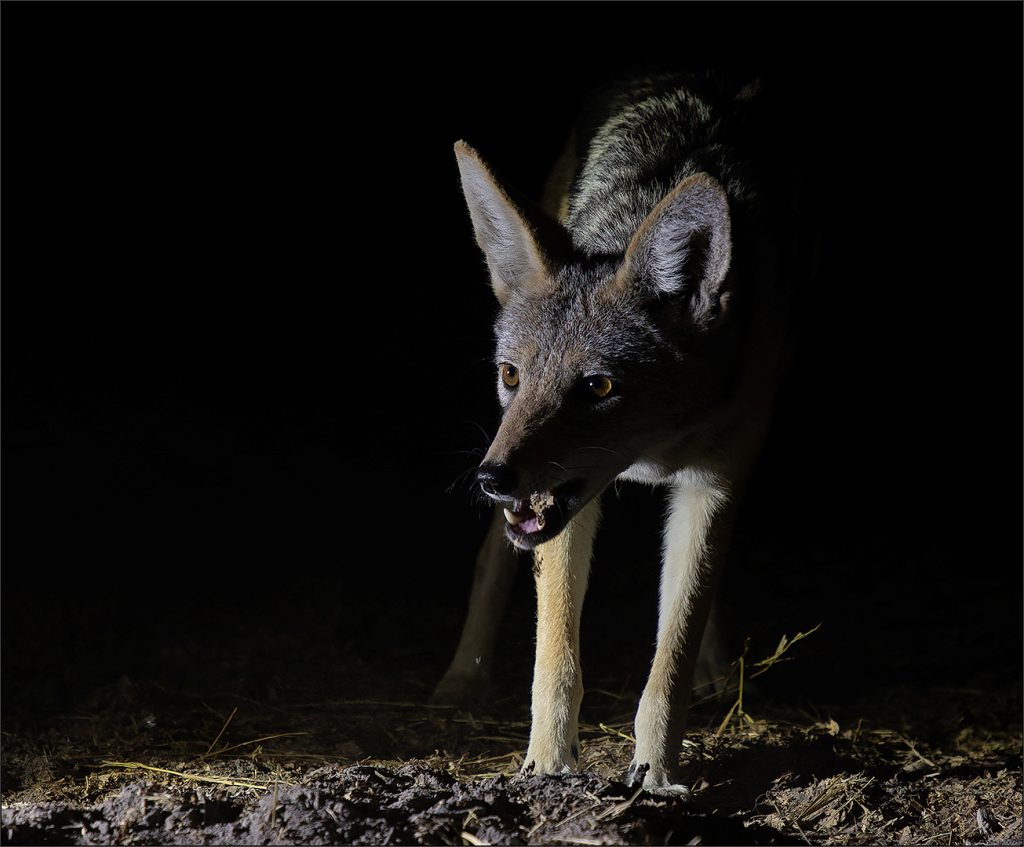
The best Senior Photographer was Johan Drotsky with “Vat so Vark”
The best Junior Photographer was Landi Drotsky with “Soek vir Kos”
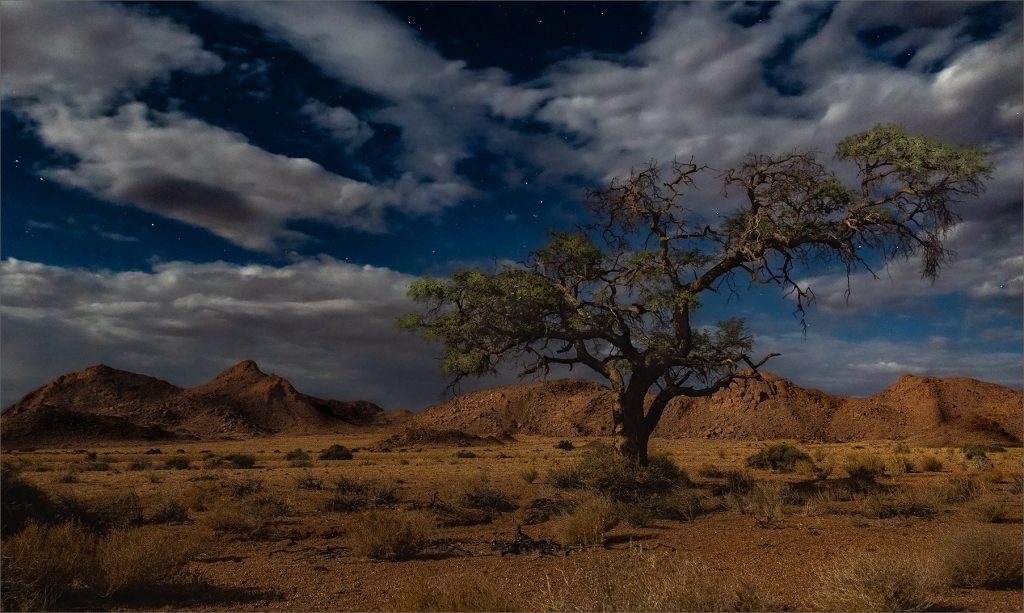
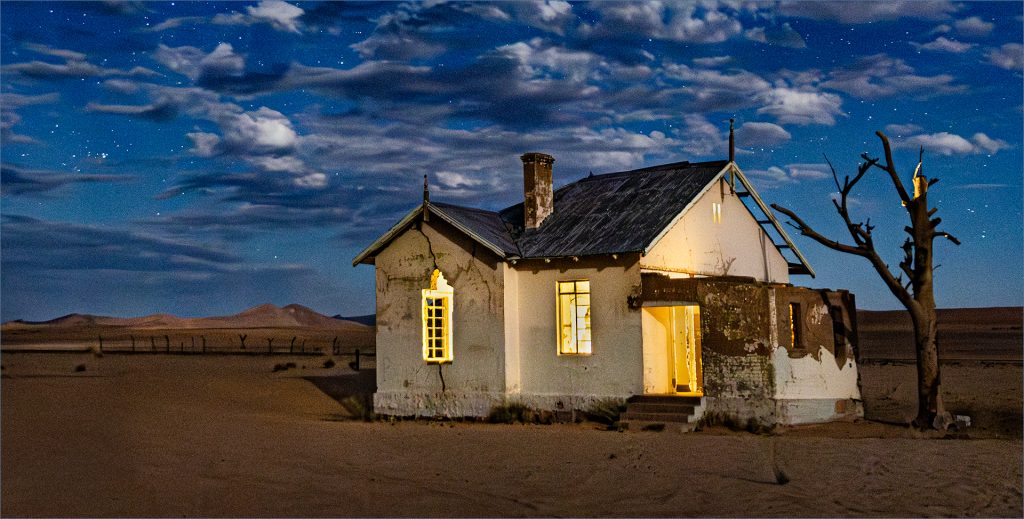
The best Senior Photograph in the Set Subject Category was “Kremetart in die Nag” by Bernie van der Vyver
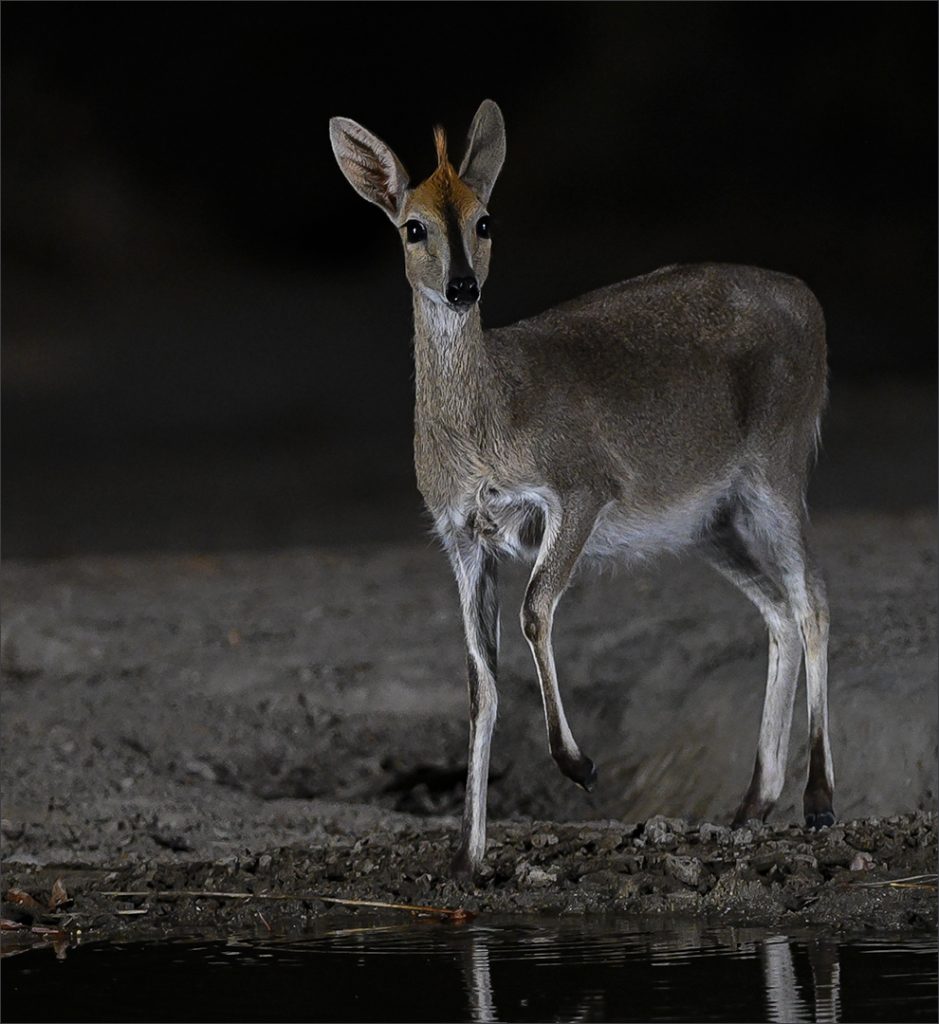
The best Junior Photograph in the Set Subject Category was “Kyk in die Donker” by Reinhardt Herselman
Here is the COM and Gold awards for the night
Category – Open
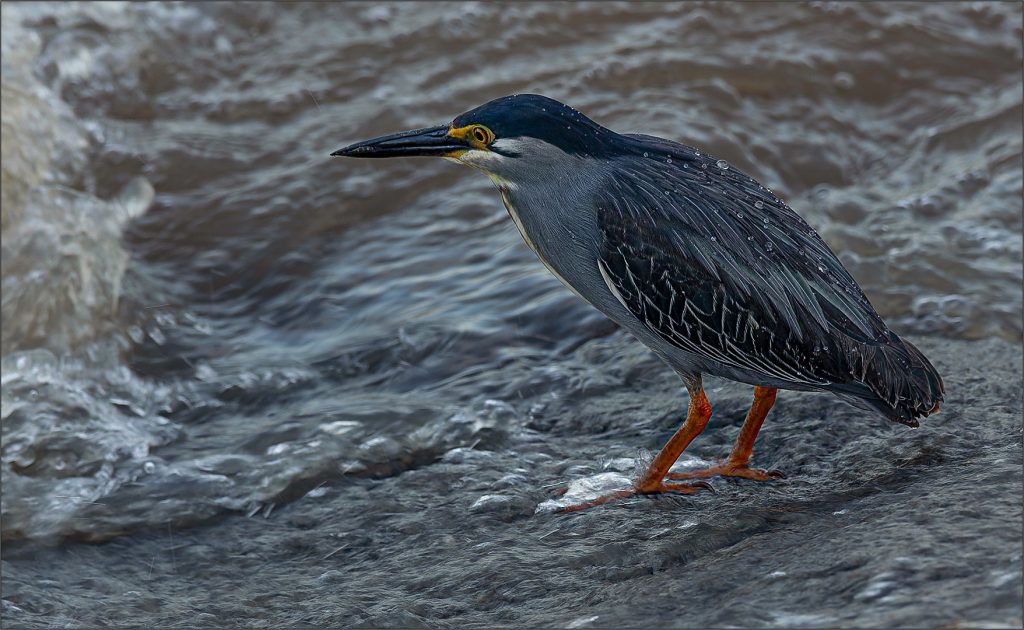
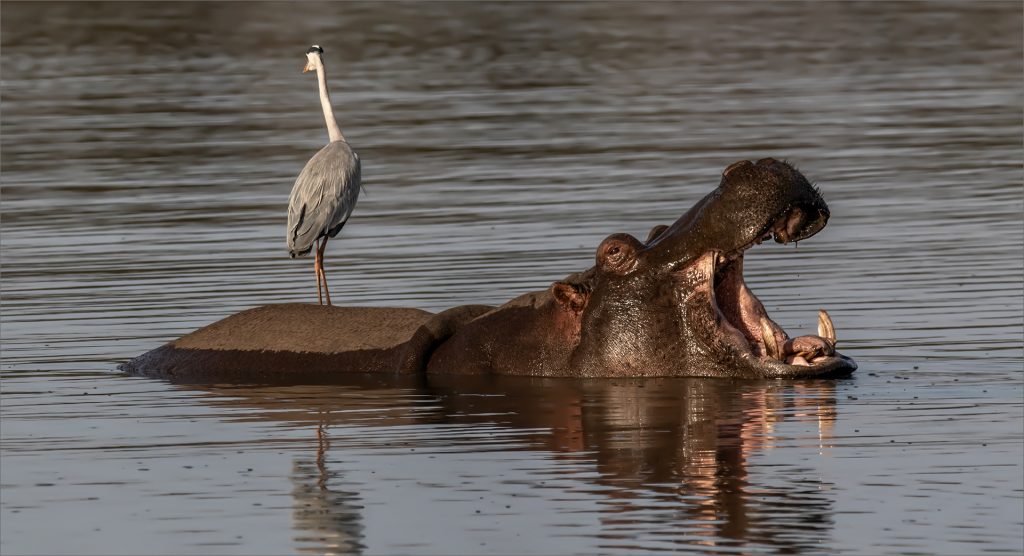
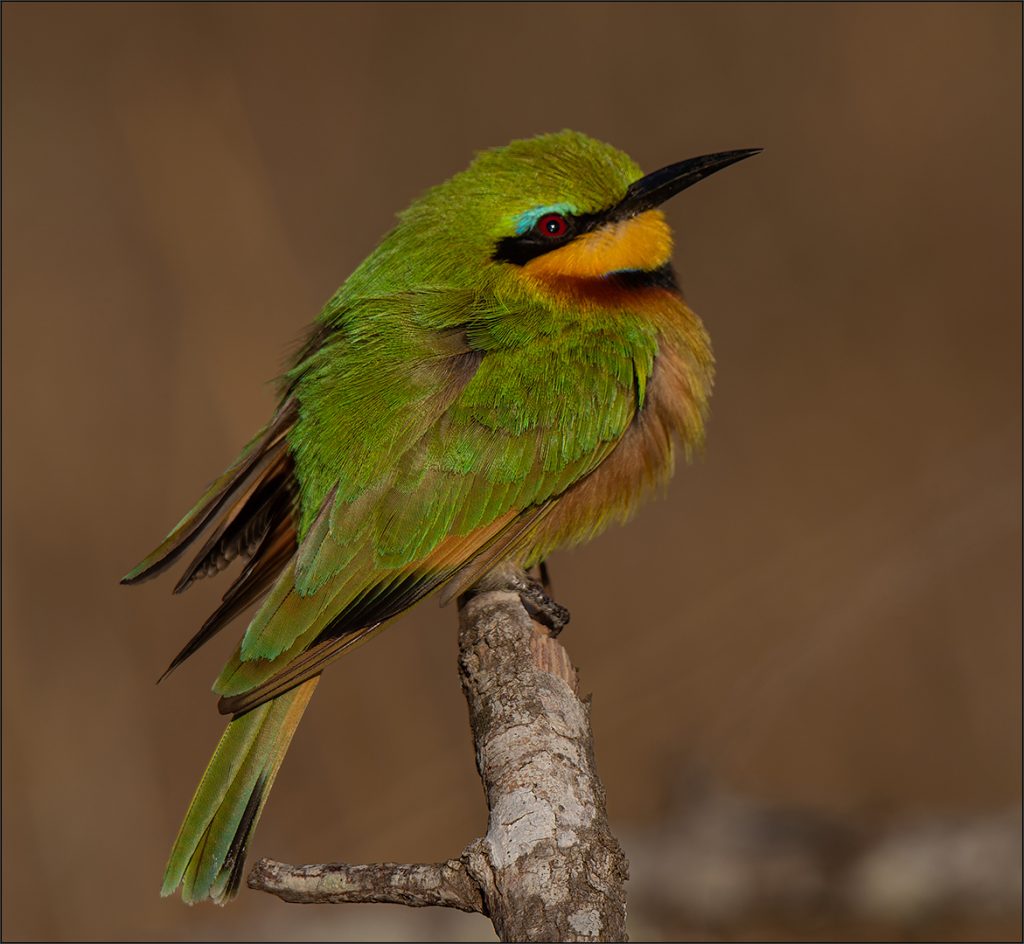
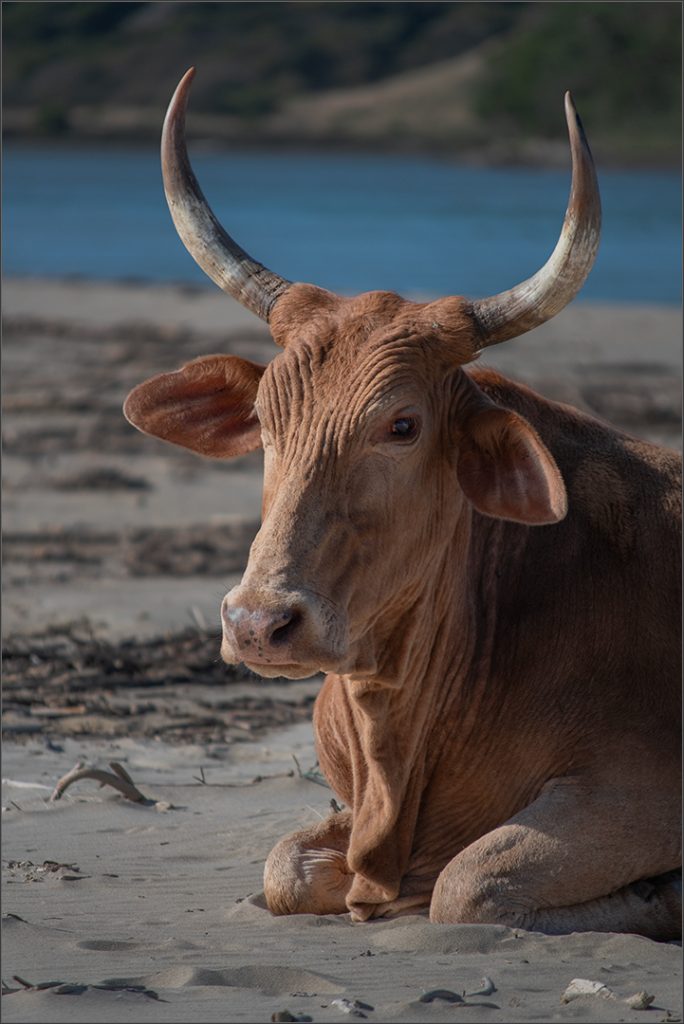
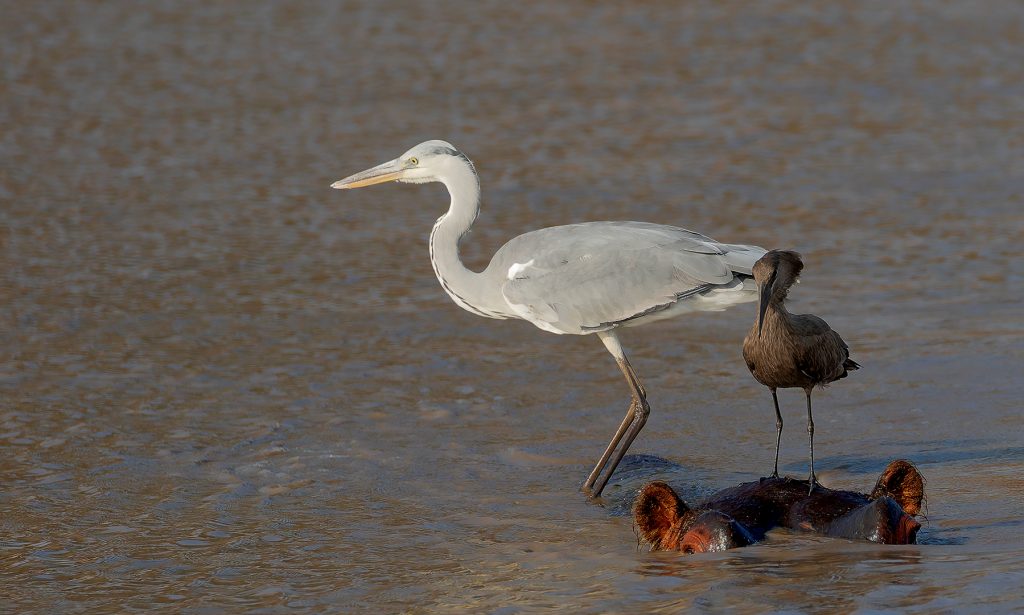
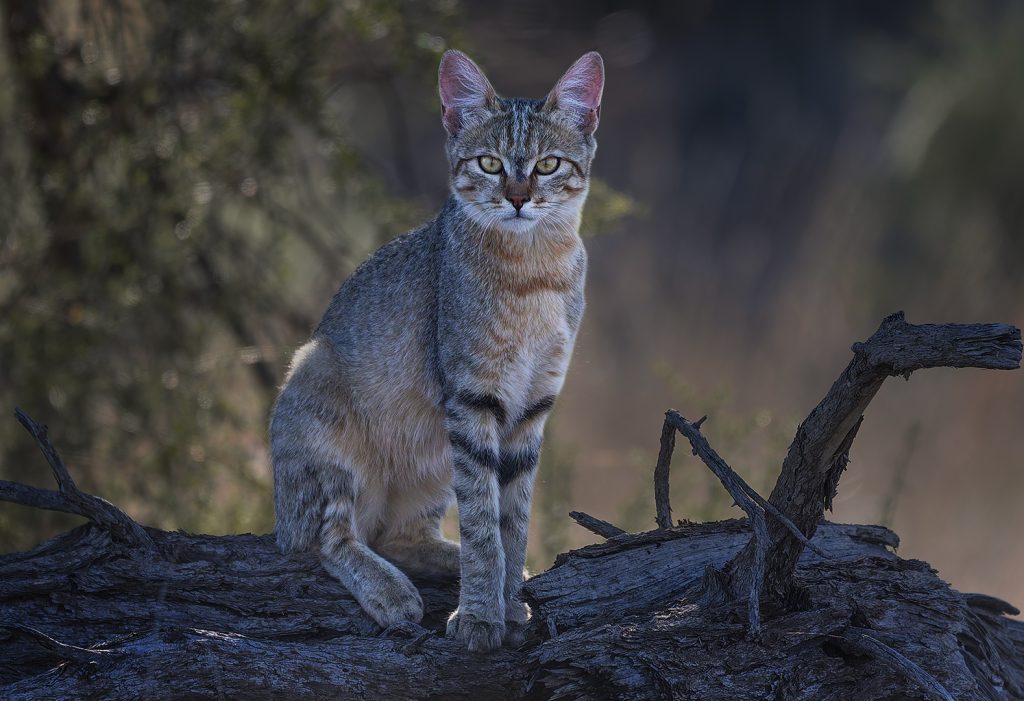
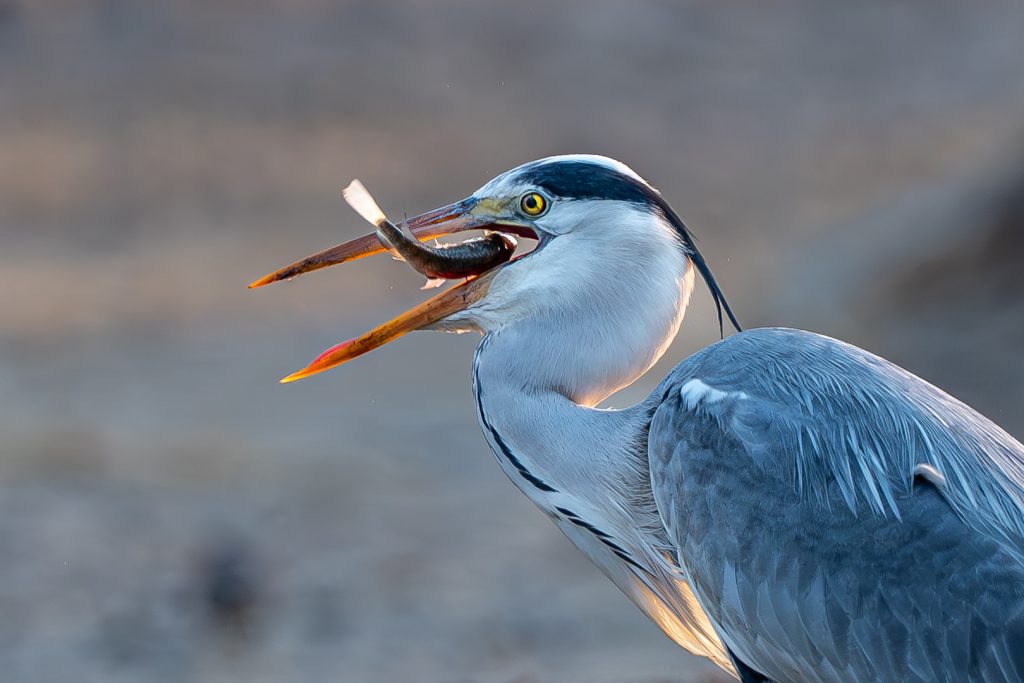
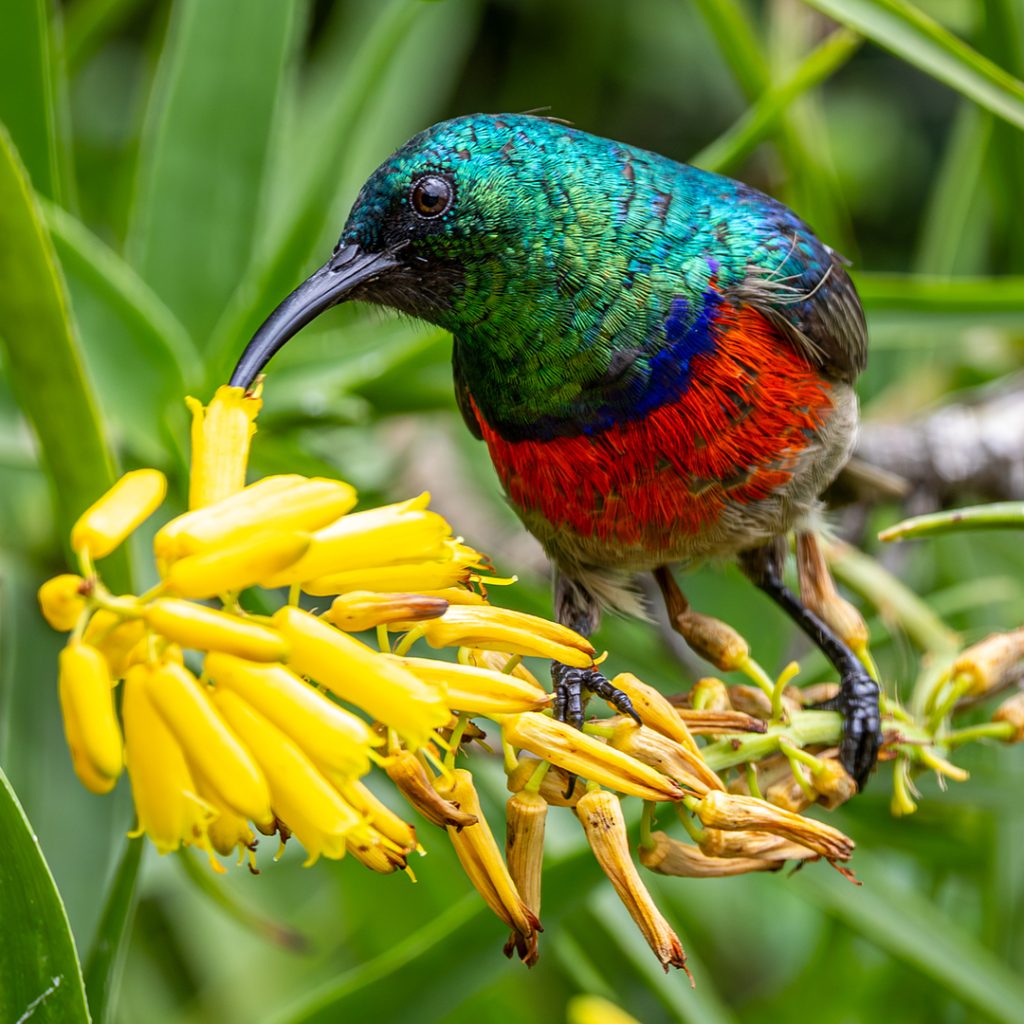
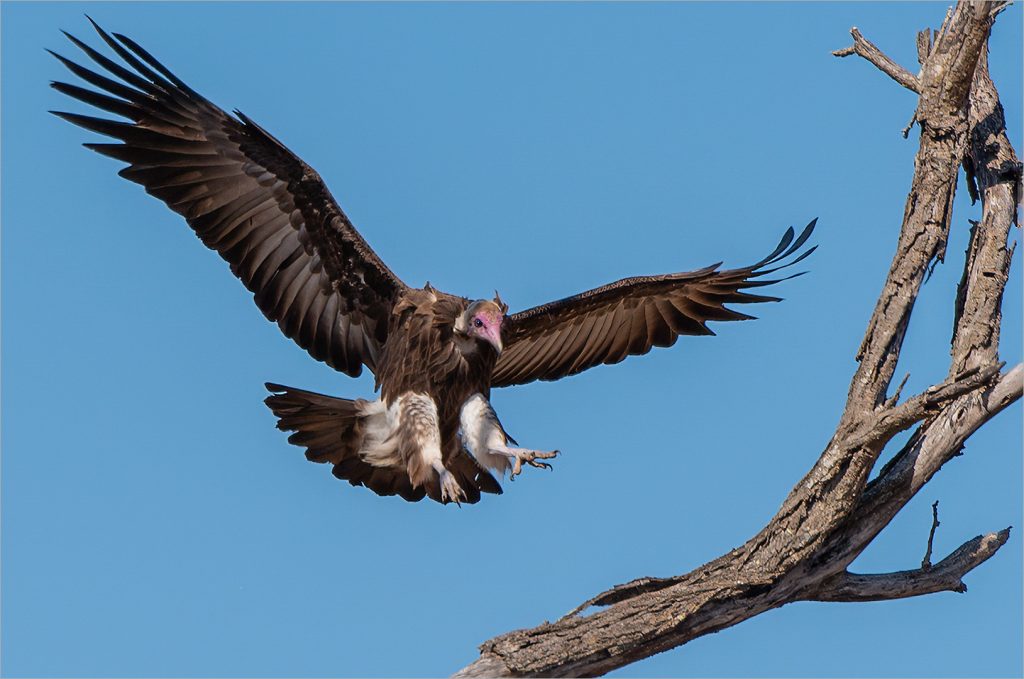
Jakkals met Springbokkop by Leon VenterLangstertflap in Vlug by SP SmithDubbelbanddrawwertjie kuiken by Leon VenterGroenrug Reier by Charles PentzChomp by Appel van der WesthuizenStaar na die Verte by Reinhardt Herselman
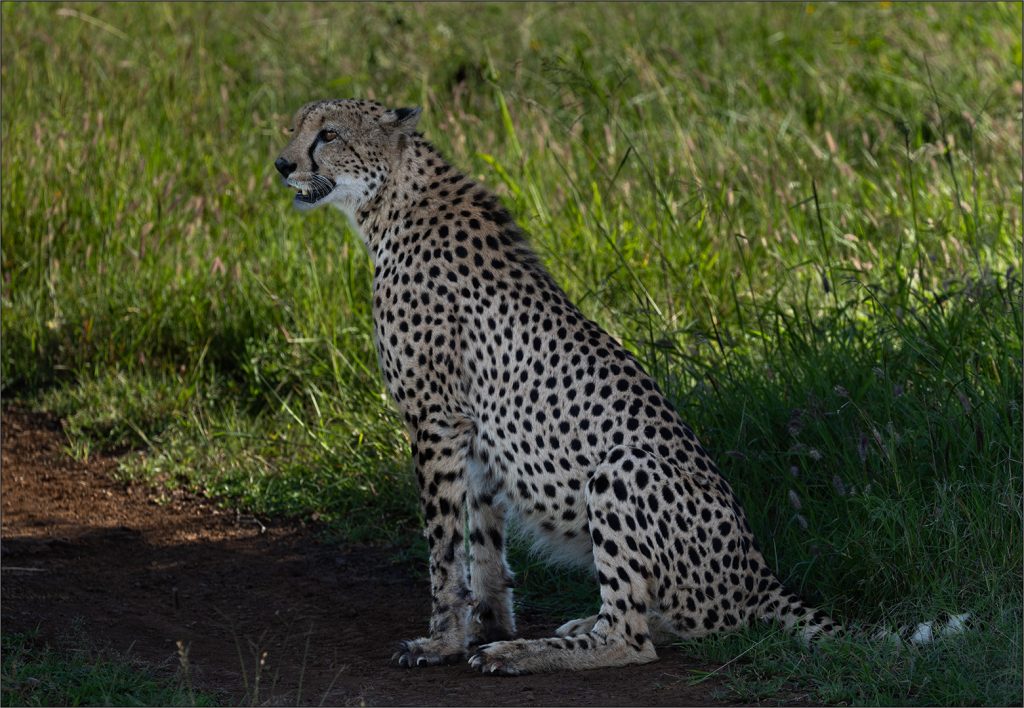
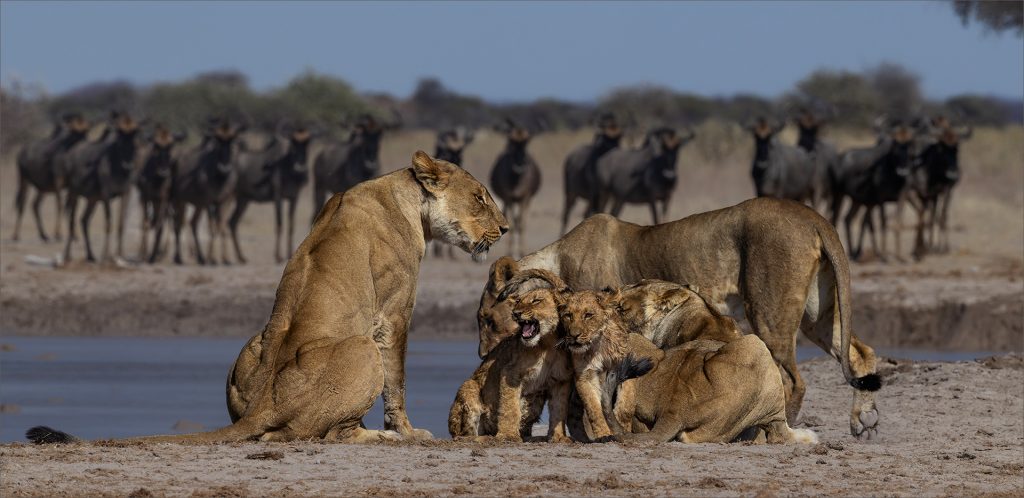
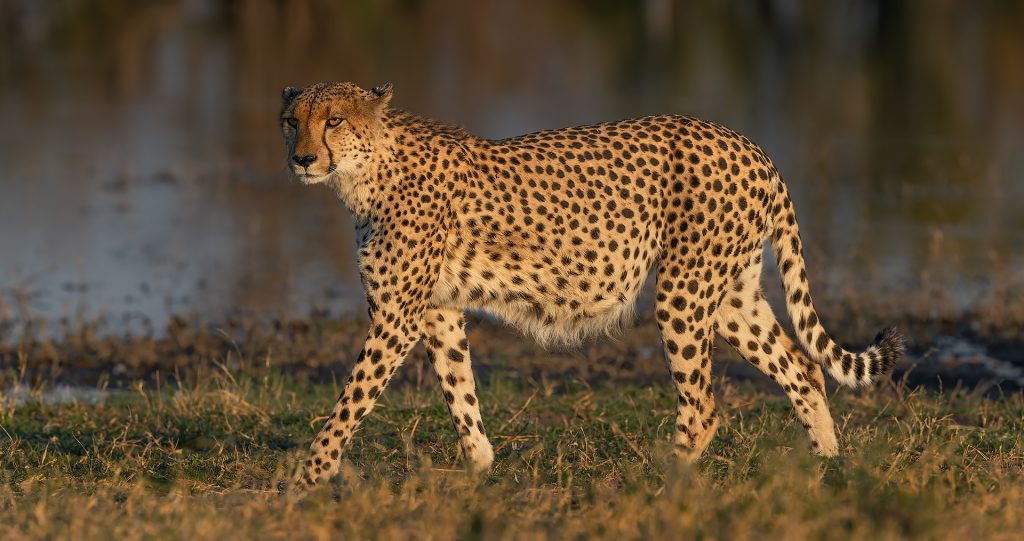
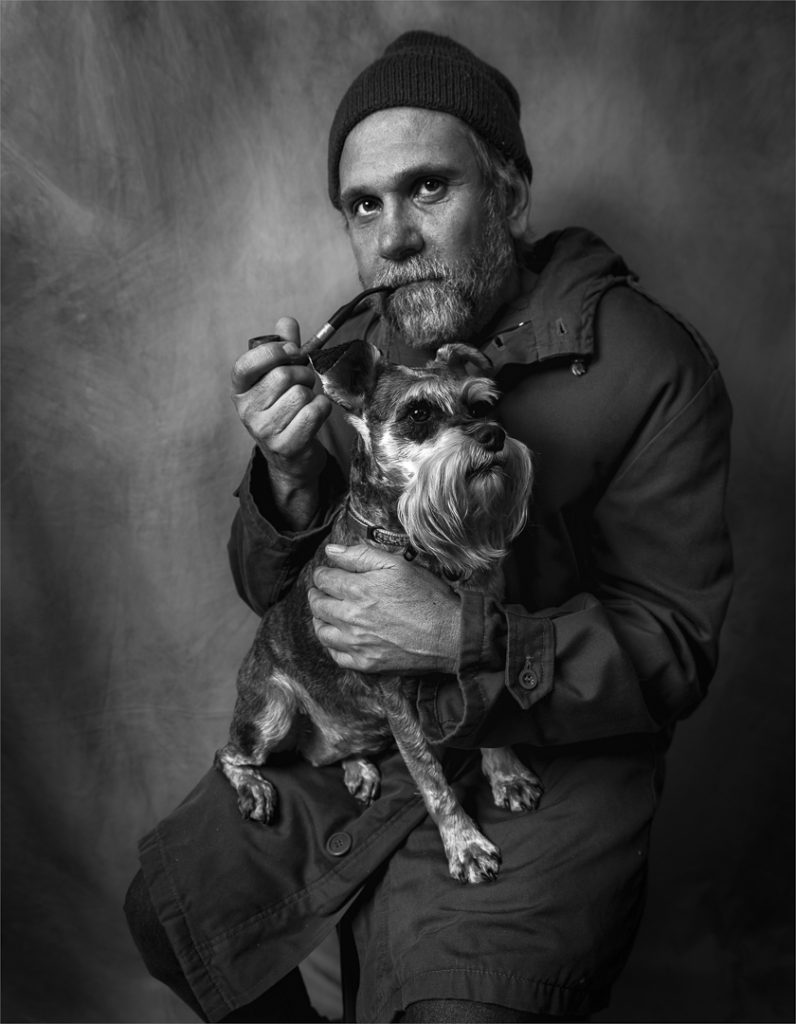
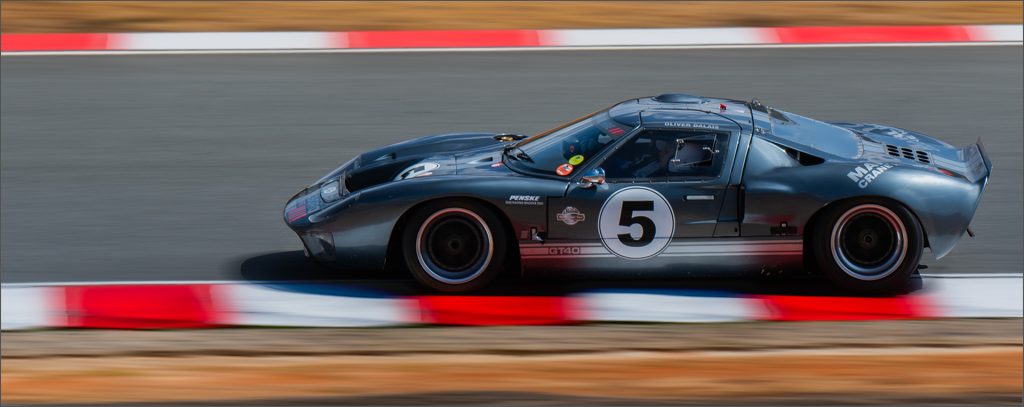
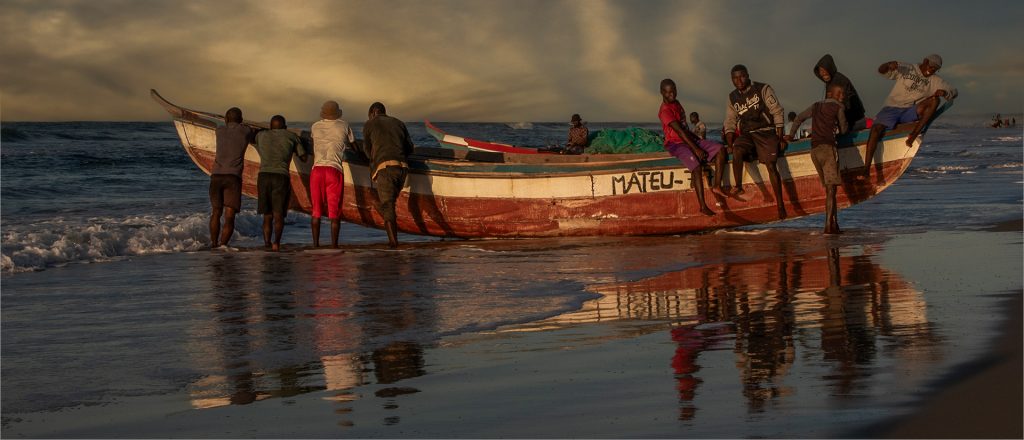
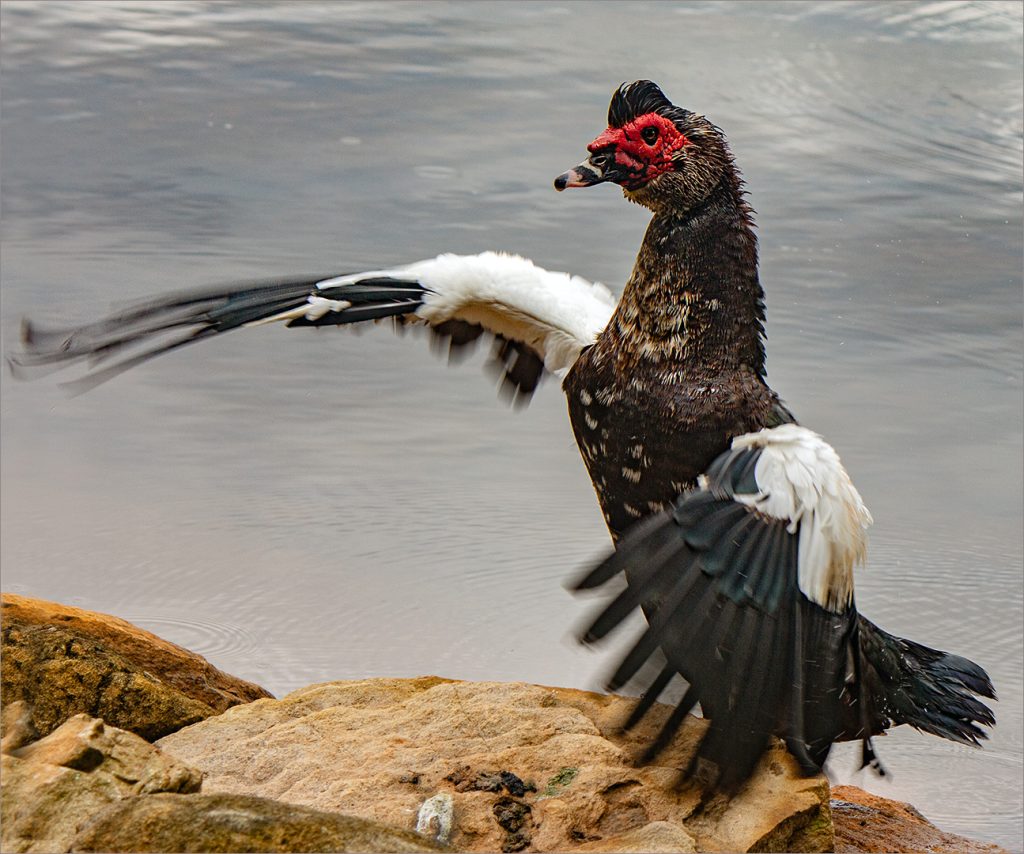
Opgepof by Wilma DrotskyHier kom ek Nou by Leon Venter Wag jou Beurt by Cobus MandersMaanlig in die Woestyn by SP SmithVasbyt by Wilma DrotskyRooi oog en harige vlieg by Cobus MandersSpreeu Opstyg by Reinhardt HerselmanOpstyg by JG DrotskyBlouvalk sluk by Johan DrotskyBiyamiti luiperd by Lienkie van der WesthuizenDobber by Landi DrotskyEende Dans by Christi van DykKleurvol by Sanlia van der WesthuizenWildehond vangs by JG DrotskyZena by Joane VenterEtens Tyd by Christi van DykKaroo Skilpad by Joane VenterVangs by JG DrotskyPienk Blom by Joane VenterTsau het die Bal by Landi Drotsky2 by Jannes DrotskyGroot Dors by Bernie van der VyverPaartyd 4 by Johan DrotskyCape Recife Lighthouse by Bernie van der VyverKop geveg by Jannes DrotskyEk is Honger by Bernie van der VyverKlaar gesuip by Jannes DrotskyWater Lafenis by Reinhardt HerselmanEen ry Spore by Bertie BothaEk en my Hond by Annelize DellFord GT40 in Action by Donovan DellLanner by Fanie BarnardPush and Shove by Priscilla DrotskySeevisvang Vroegoggend by Mitzi van der WesthuizenThree is a Crowd by Appel van der WesthuizenClassy by Annelize DellKalahari Leeu by Fanie BarnardLone Fisherman by Mitzi van der WesthuizenResting on the Beach by Donovan DellSamewerking by Priscilla DrotskyThe early boat catches the fish by Appel van der WesthuizenGrom Kat by Fanie BarnardMiddagete by Mitzi van der WesthuizenSundowner Yawn by Priscilla DrotskyErnstige Fransie by Hennie BarnardFight or Flight by Riaan DrotskyFlamink Strek by Beverly BarnardJagluiperd by Charles PentzSaaidjie in die bek by Danika PentzDonderweer oor Grasslands by Hennie BarnardEk is honger by Danika PentzLanding by Beverly BarnardSide Step by Riaan DrotskyLuiperd in Boom by Danika PentzMoeg by Charles PentzMy best side by Riaan DrotskyGetting some Pollen by Cobus MandersCute by Wilma DrotskyDuin in Sossusvlei by SP Smith
Category – Set Subject
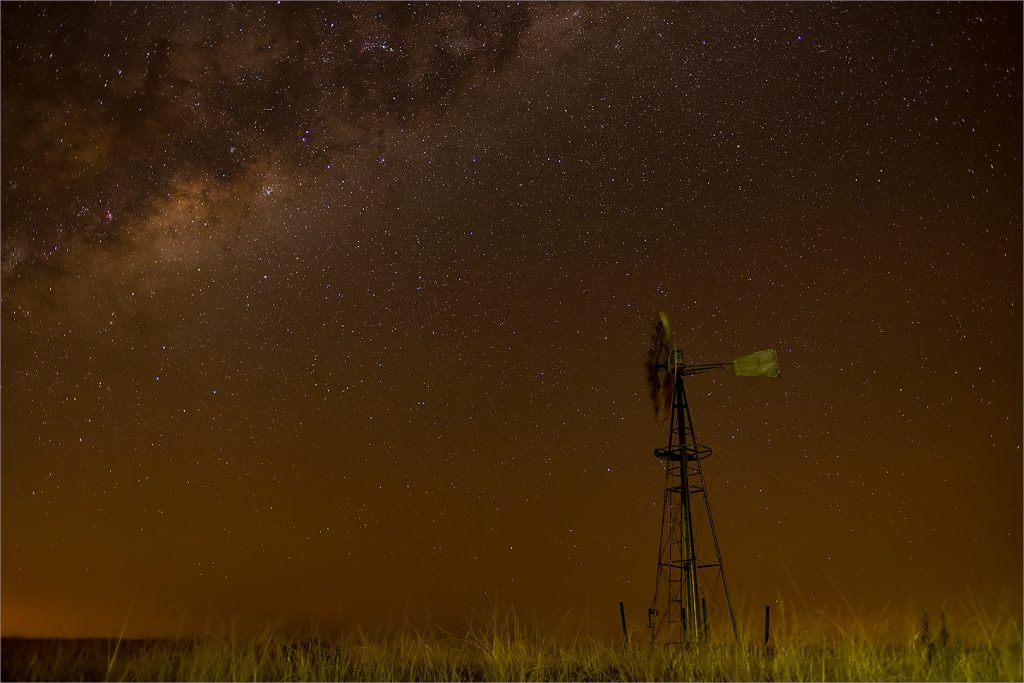
Johan se windpomp – after dark by Franscois RousseauDuiker Paraat by Leon VenterAas soek in die donker by Wilma DrotskySpookhuis by SP SmithAfter dark comes sunrise by Riaan DrotskyUnder a Starry Sky by Annelize DellSparks Flying by Donovan DellFontein Sterre by Johan DrotskyAfter Dark by Jannes Drotsky
For years councillors in Govan Mbeki Municipality (GMM) have had to explain to residents why basic services were failing. Sewage spills, electricity outages, interrupted water supply, uncollected refuse and pothole-damaged tyres became routine complaints. Councillors were inundated with calls: where is my water? when will my lights be back on? when will the refuse be collected? These are not partisan problems — the steady decline in municipal service delivery has affected everyone.
Then an unexpected but inevitable shock rearranged local politics. In the last local elections the ANC failed to win outright majorities in three Mpumalanga municipalities: Lekwa, Steve Tshwete and Govan Mbeki. In GMM that opened the door to coalition dynamics and, eventually, to the EFF taking a decisive role. Nationally the ANC also lost its single-party majority and now finds itself in a Government of National Unity.
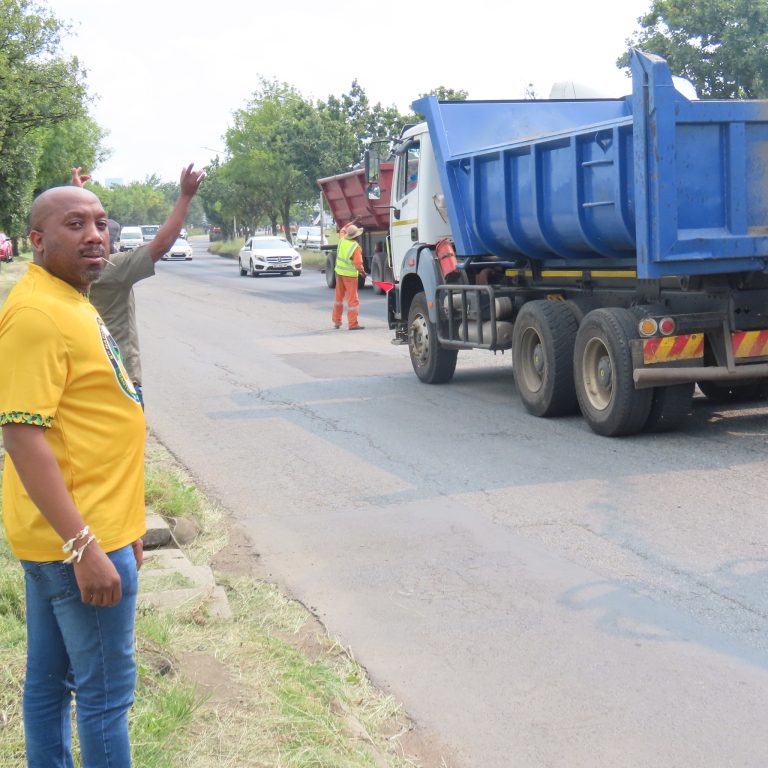
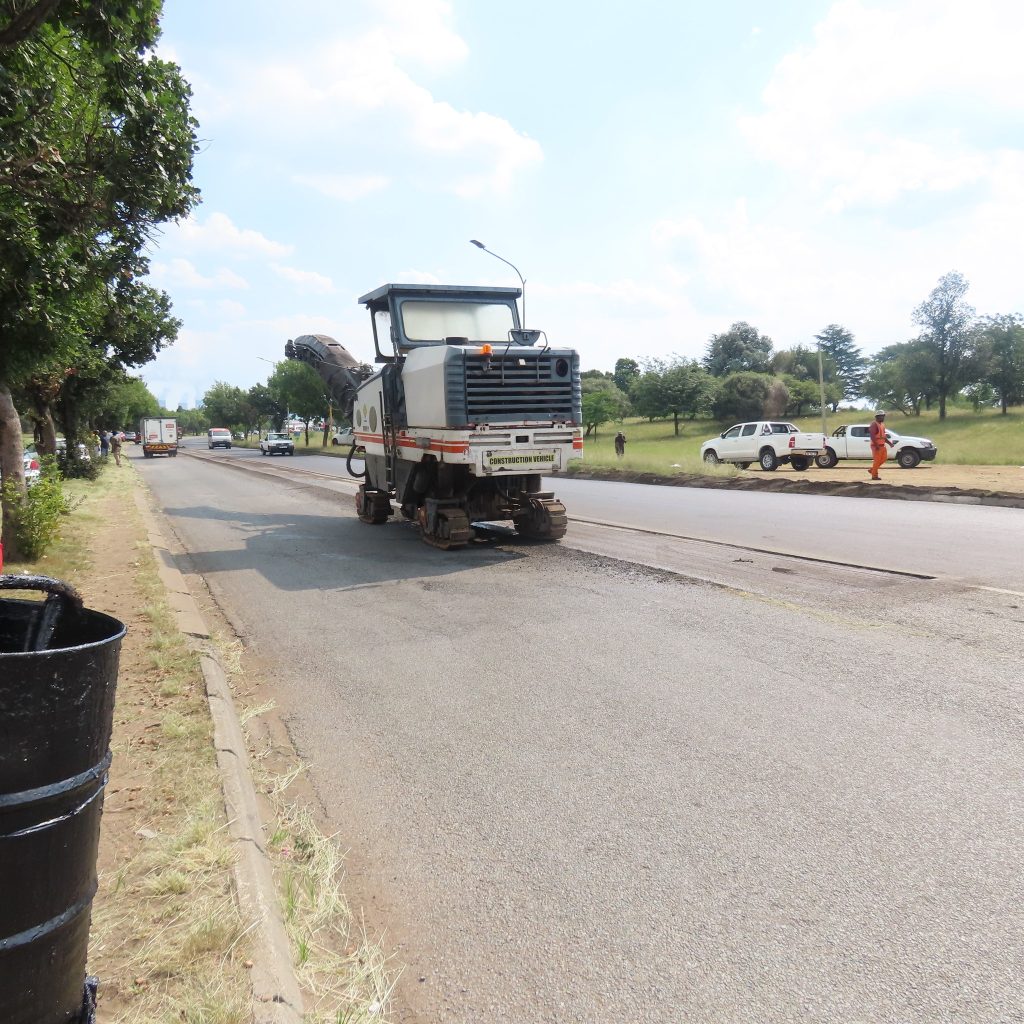
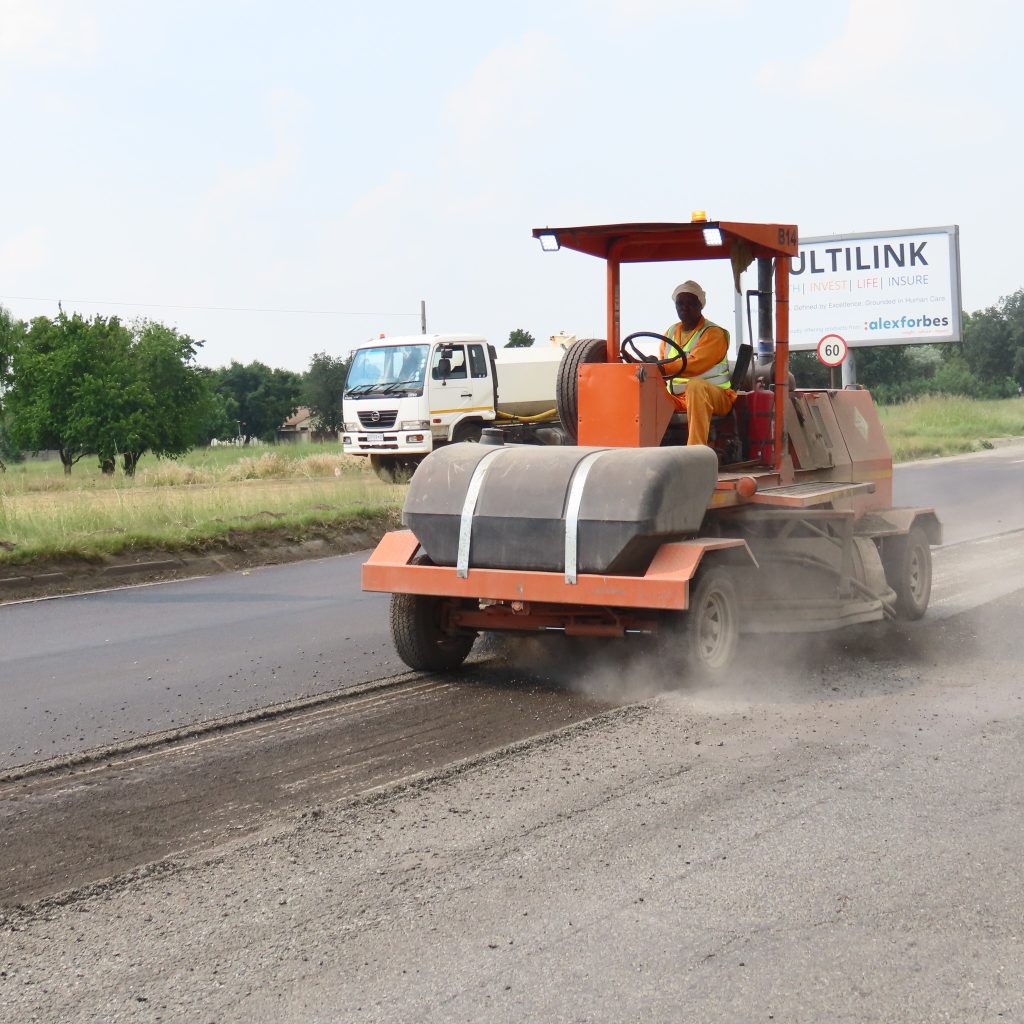
That political squeeze appears to have produced a predictable response: intensified, highly visible “fixing” of certain infrastructure ahead of political events and to shore up traditional voters. What had been routine municipal responsibilities — road repairs, grass cutting, TLB digging and clean-ups — suddenly accelerated in parts of Secunda. A mayoral clean-up campaign called Ijima was publicised, and residents were asked to praise the mayor for improvements that should be part of everyday municipal operations.
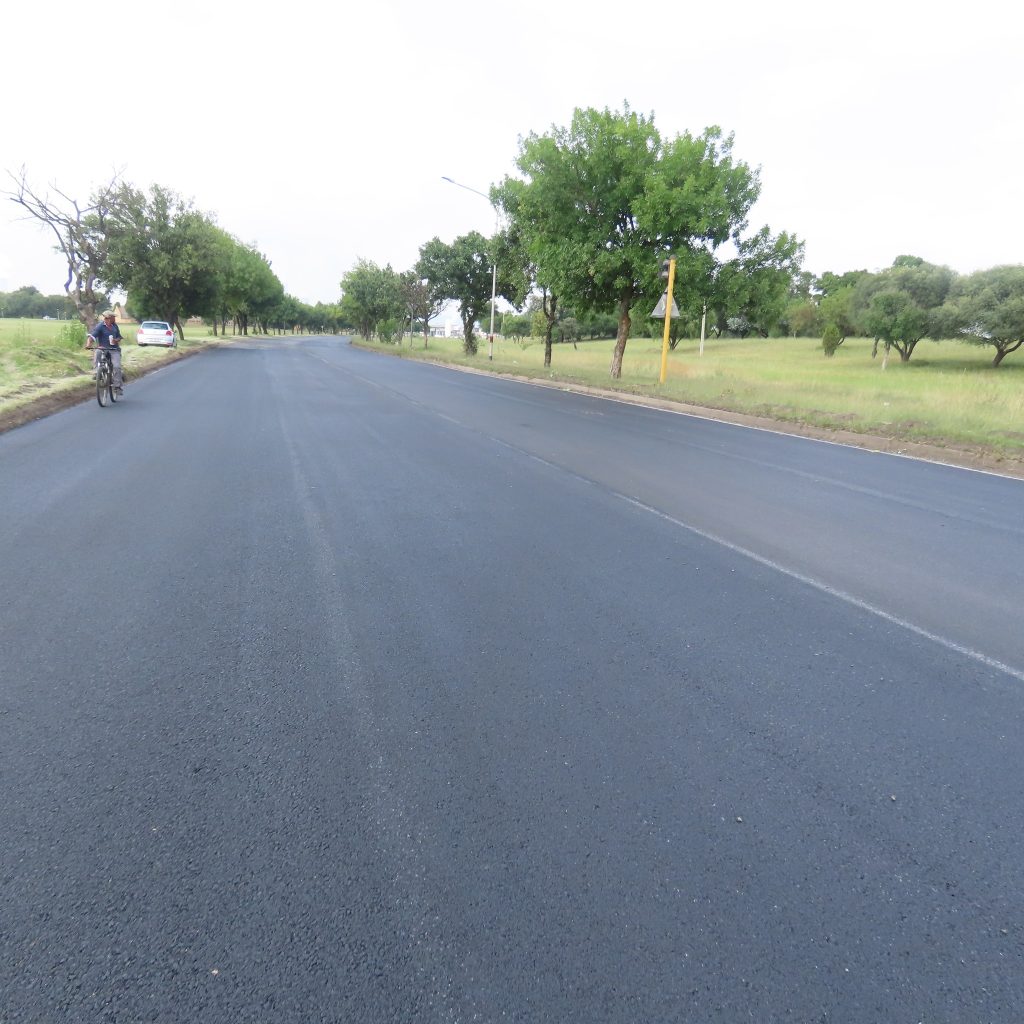
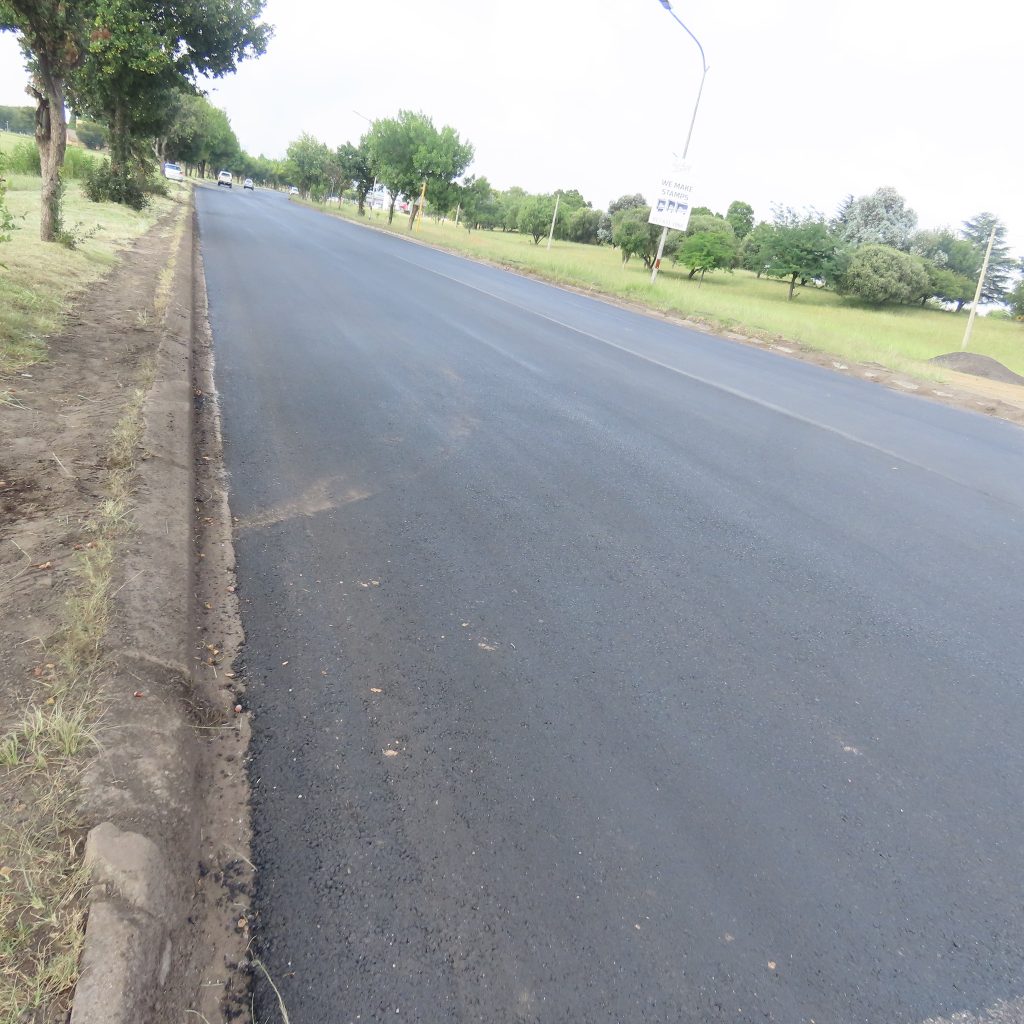
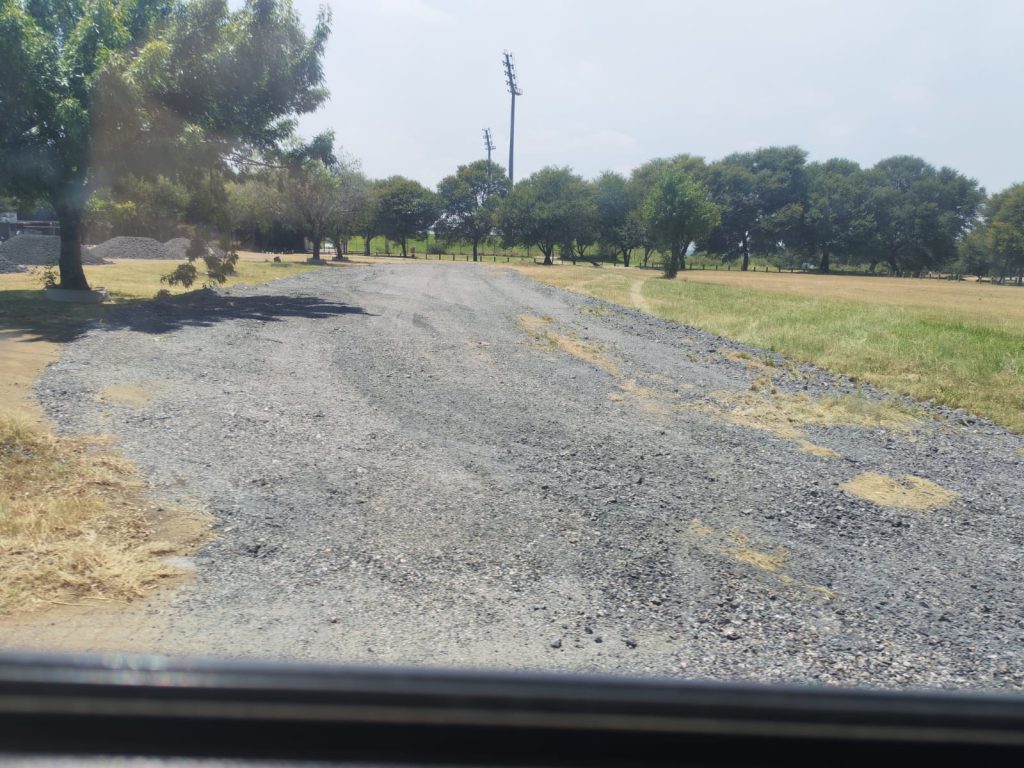
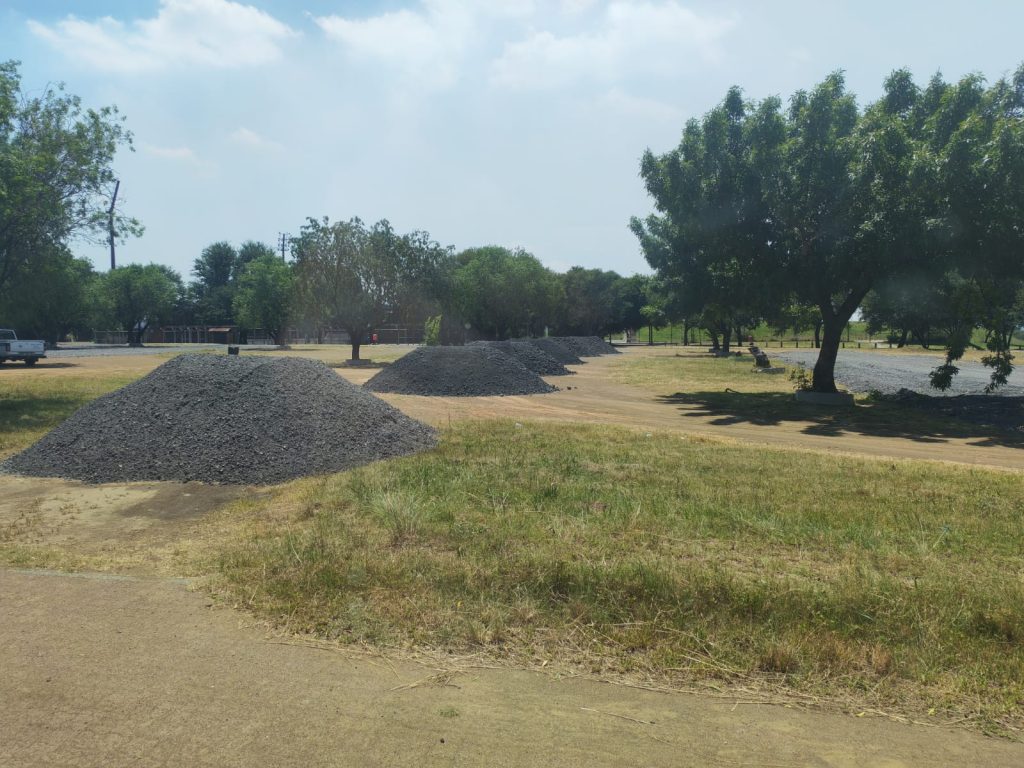
Why the sudden focus? The answer is simple: political optics. The ANC will celebrate its 114th birthday this year, and the Mpumalanga provincial celebrations are being held at Lilian Ngoyi Stadium in Secunda this weekend. According to local sources, the event was initially planned for eMbalenhle but was reportedly moved after objections from the Taxi Association; the precise reasons remain unclear. Whatever the cause, the venue change concentrated attention — and municipal activity — on Secunda. A school athletics meeting scheduled at the stadium was abruptly cancelled. Road surfacing, graveling of the stadium parking lot and frantic grass-cutting followed. Streets like Walter Sisulu Road received new surfaces overnight.
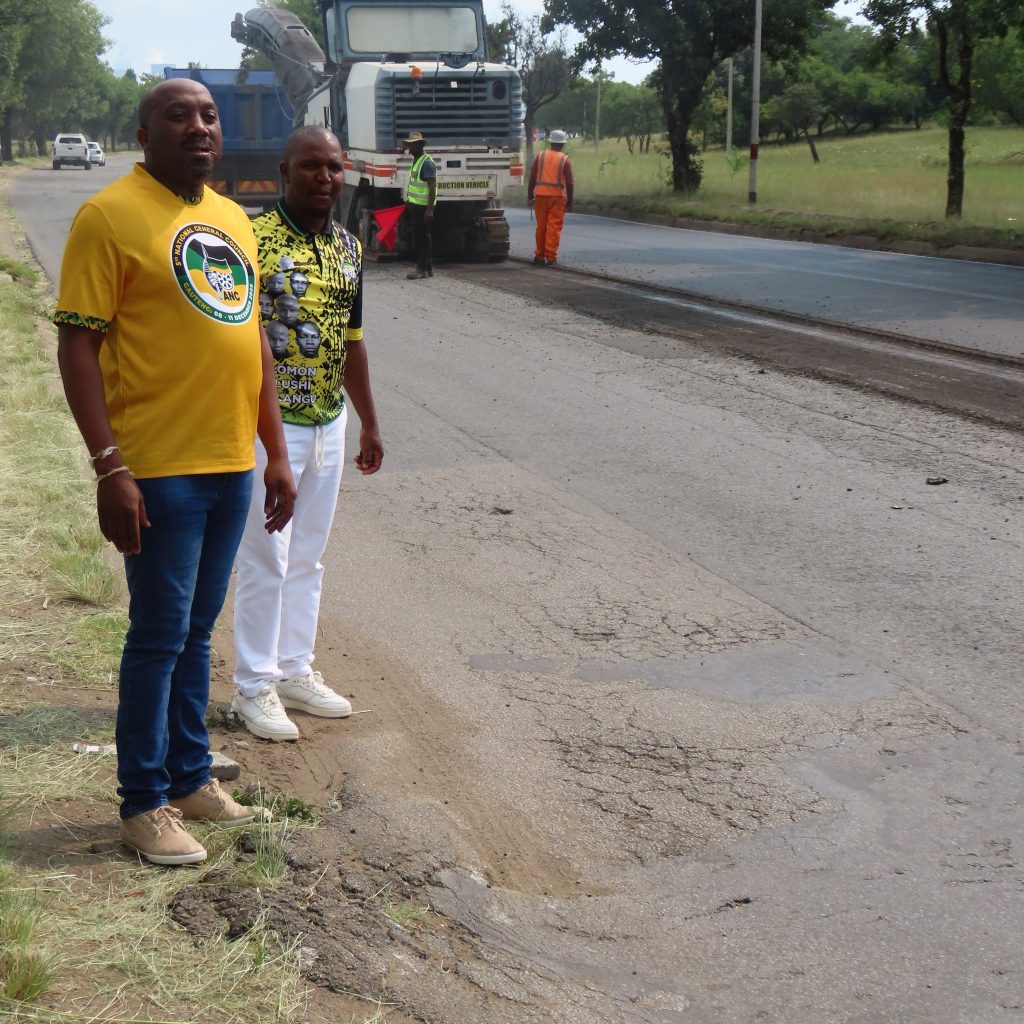
Is this a coincidence? Many residents and opposition leaders — including the Democratic Alliance in Govan Mbeki — say it is not. They allege the ANC is using municipal channels, personnel and public resources to stage-manage improvements so that party leaders can be photographed in ANC regalia inspecting works, creating an impression that the ruling party is personally delivering services. The DA has demanded that Municipal Manager Elliot Maseko immediately stop the politicisation of service-delivery communications on official municipal platforms.
The DA’s public statement by Portia Mpatlanyane DA Councilor Govan Mbeki Local Municipality, raises three central concerns:
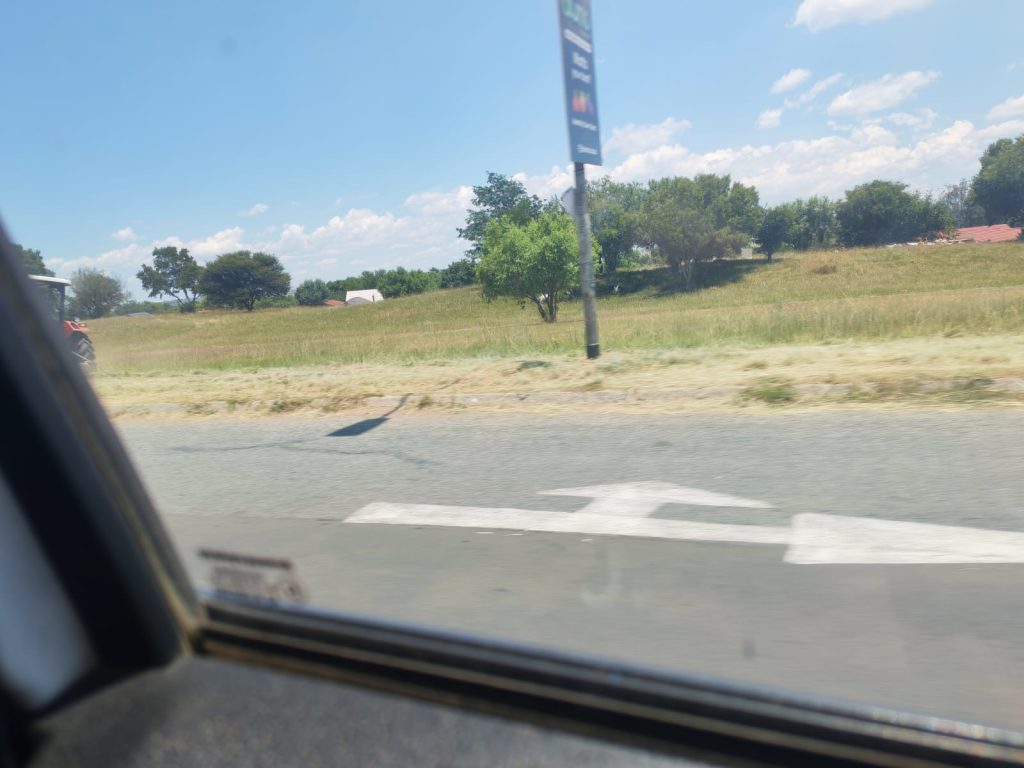
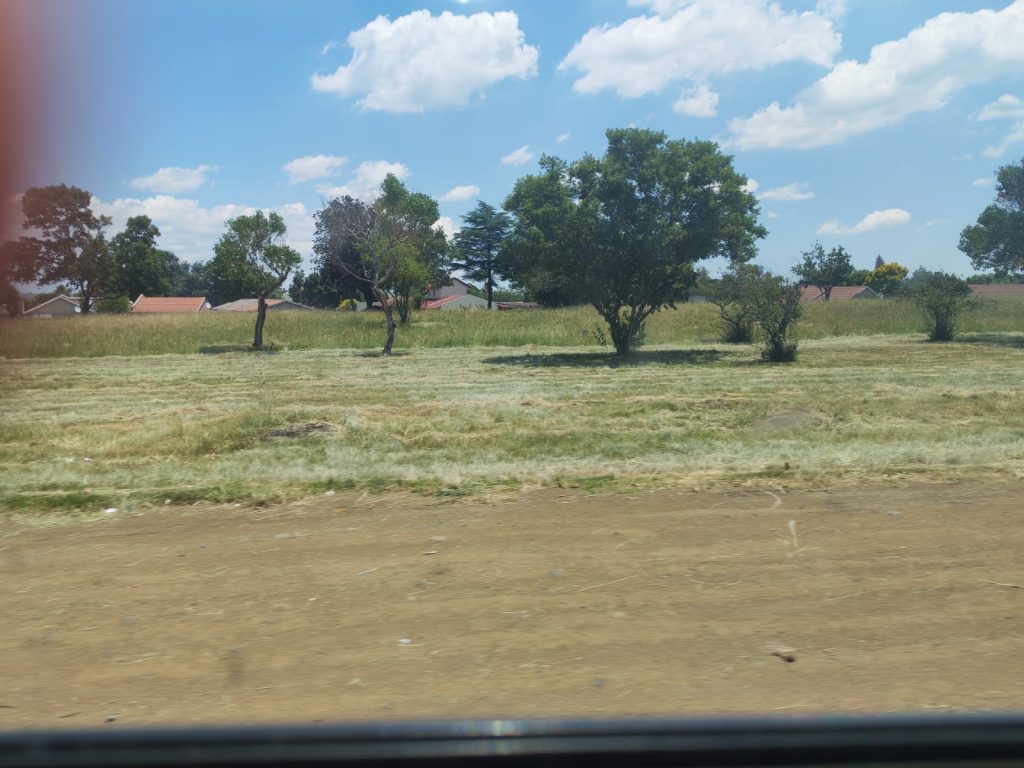
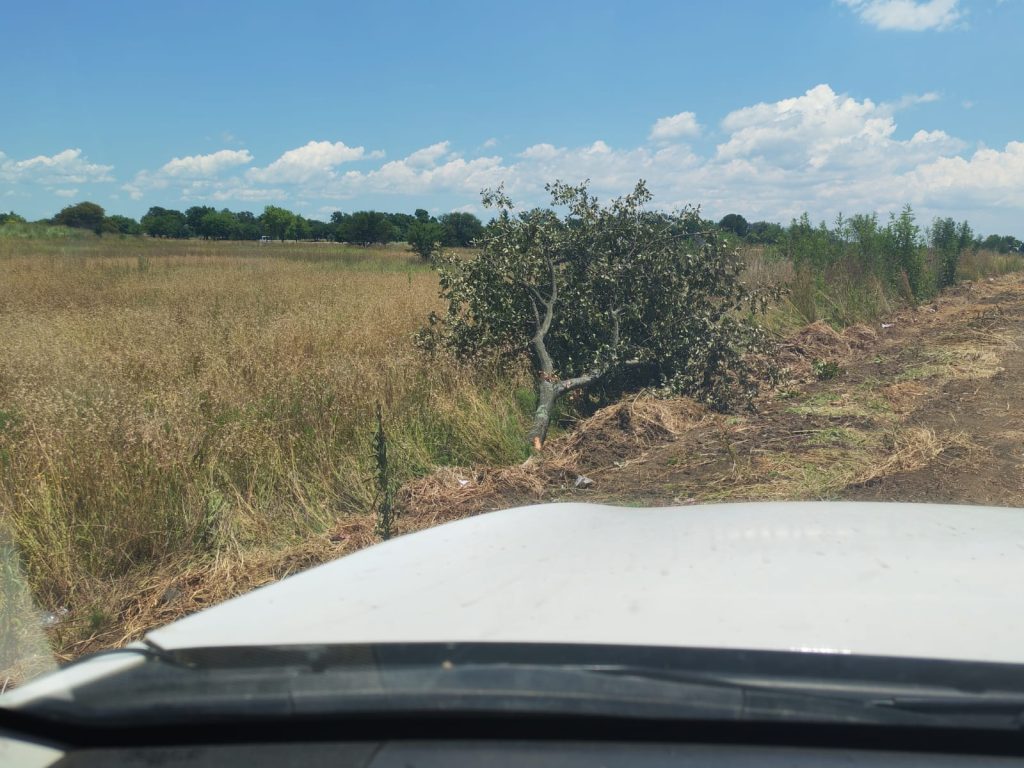
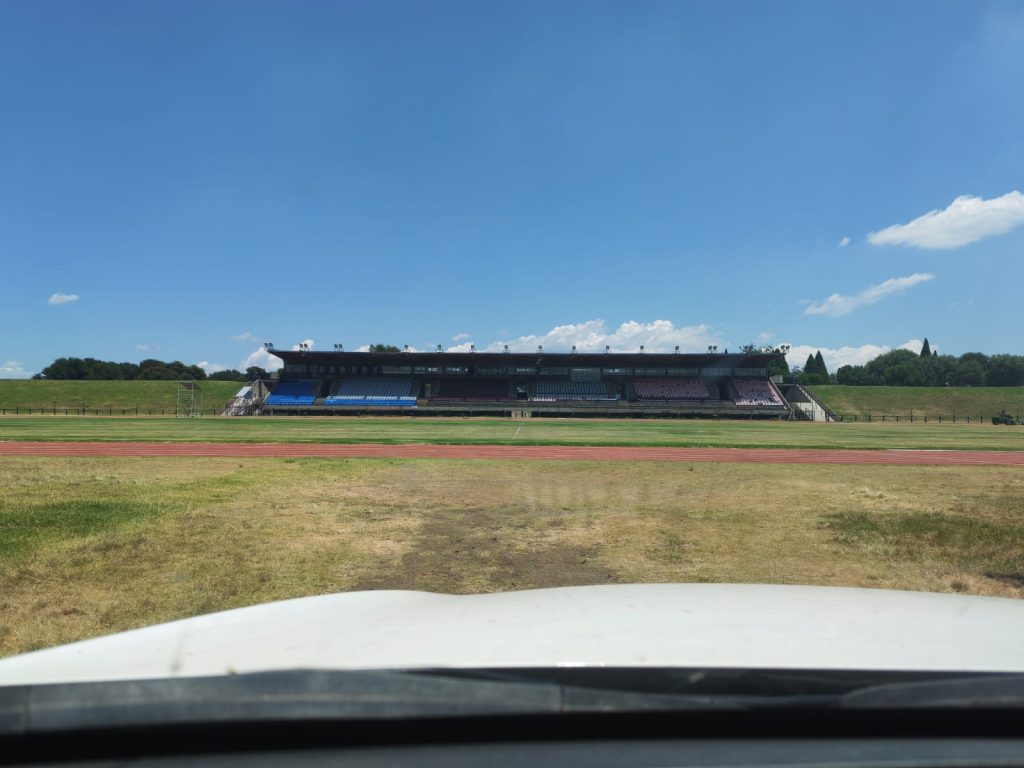
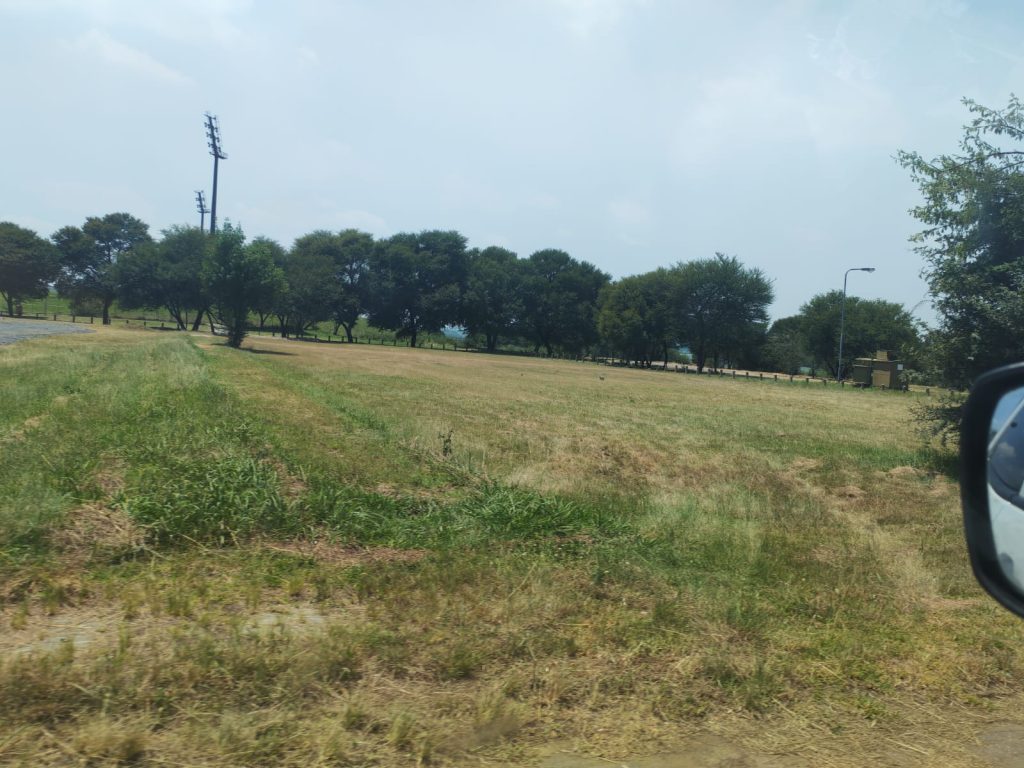
No more VagrantsVagrants suddenly goneGrass cutting Tree victim of new roadLilian Ngoyi gravelledAsh for Lilian Ngoyi
Elected officials and municipal managers should not use government platforms and resources to promote a party brand. Recent coverage shows Executive Mayor Nhlakanipho Zuma and MMC for Civil Engineering Vusimuzi Mbokazi appearing in ANC regalia while inspecting road repairs under a banner labelled “Accelerating Road Infrastructure Rehabilitation in Secunda.”
Road maintenance and similar work are statutory municipal responsibilities, not political favours. Citizens should not be misled by theatrical displays designed to attribute regular service delivery to a party’s goodwill.
There are serious risks that public resources are being diverted to raise political visibility. Government funds and municipal capacity must never be used for party campaigning.
The DA reminded residents that the municipality’s Integrated Development Plan (IDP) sets service-delivery targets for wards, and that the Municipal Systems Act and local governance frameworks require impartial, needs-based delivery to all ratepayers, regardless of political affiliation. The DA pledged to continue oversight and to expose improper practices, arguing for a clear separation between ruling party activity and administration so that taxpayers’ money is protected.
What residents should watch for
Transparency about who authorises and pays for the recent works in Secunda.
Whether municipal communications channels are used to carry party-branded messages.
If the improvements are sustained as part of regular service delivery or disappear after the birthday event.
Evidence that municipal procurement and labour rules were followed, and that projects were included in the IDP and budget.
Conclusion The visible improvement in Secunda ahead of a major political event raises legitimate questions. If municipal resources, staff time or communication platforms are being used to stage-manage service delivery for partisan gain, that is a misuse of public assets and a breach of citizens’ trust. Govan Mbeki residents deserve steady, equitable services year-round — not short-term performative fixes timed for photo opportunities.
Municipal officials should publish clear, dated records showing the funding sources, procurement approvals and operational orders for the recent works. Political parties should refrain from using state platforms to enhance their brand. And opposition parties and civil society must keep up scrutiny so that taxpayers’ money serves the public interest, not party politics.
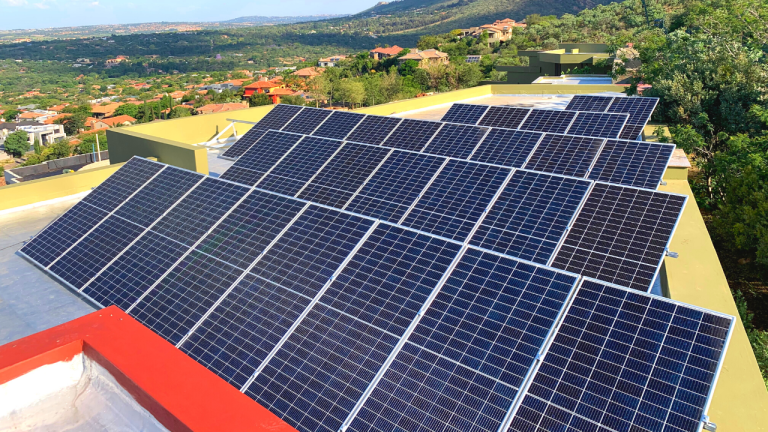
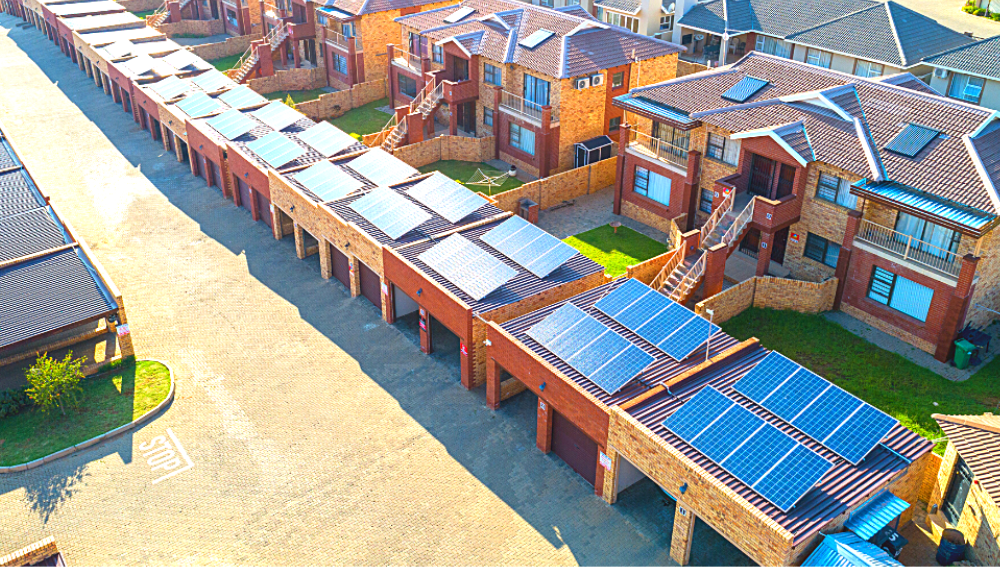
Energy analyst Chris Yelland (MD, EE Business Intelligence and energy advisor to OUTA) has urged South African households with rooftop solar PV or battery energy storage (BES) systems not to be intimidated by recent warnings from Eskom and some municipal electricity distributors about mandatory registration, fines and possible disconnection.
The context Since late 2025, Eskom and a number of municipalities have intensified a “Solar PV registration legal compliance campaign,” telling customers that all embedded generation systems — including residential rooftop PV systems smaller than 100 kVA — must be registered with their electricity service provider under NERSA rules. Eskom’s 14 January 2026 statement reiterated this position and warned of penalties, including fines of more than R6,000 and potential disconnection for unregistered installations. Eskom says it has simplified the process, and from 1 October 2025 allowed sign-off by a Department of Labour–registered person rather than requiring an ECSA-registered professional, framing the effort as a safety and compliance initiative.
Yelland’s view: don’t panic, do ensure proper compliance documentation Yelland describes the utility and municipal messaging and enforcement strategy as misguided, confusing and counterproductive. He warns it risks alienating law‑abiding, paying residential customers and says the approach is unlikely to succeed in the long term. His core advice to homeowners is straightforward: prioritise safe, accredited installations and keep proper documentary proof of compliance.
What homeowners should do now
Use accredited, experienced installers for any solar PV/BES installation.
Obtain a valid Certificate of Compliance (CoC) issued by an installation electrician who is registered with the Department of Employment and Labour (DoL). The CoC is the lawful proof that the system meets required technical and safety standards.
Retain all installation, inspection and commissioning records, inverter settings, and any correspondence with the installer or distributor.
On registration and exporting electricity Yelland notes that homeowners who are not exporting energy to the distribution network face a different practical decision from those who do export. If your system is configured so it does not export to the grid and you hold a valid CoC, Yelland advises that you are within your rights to question or resist aggressive enforcement — but to do so while prepared with proper documentation and, if necessary, legal counsel. Homeowners who plan to export or participate in future incentive programmes should carefully consider registering to avoid disputes and to access potential benefits.
If you are threatened with disconnection According to Yelland’s guidance, customers who receive threats of disconnection should seek legal advice and formally challenge unlawful enforcement actions by their electricity distributor. Keep written records of all threats, written notices, and any communications, and present your CoC and compliance paperwork when engaging with the distributor or a lawyer.
Balancing safety, compliance and practical choices Eskom presents registration as a safety and planning measure and says the process has been simplified to make compliance more accessible. That said, Yelland emphasises homeowners should focus on the fundamentals: competent installation, a DoL‑registered electrician’s CoC, and careful documentation. Whether to register is a decision that can hinge on technical settings (export versus no-export), local regulations and how an individual household wishes to interact with its distributor and potential future programmes.
Practical next steps (quick checklist)
Verify your installer’s accreditation and the electrician’s DoL registration.
Secure and store your system’s CoC and commissioning paperwork.
Confirm whether the system is set to export to the grid; if not, document this configuration.
If contacted by Eskom or your municipality, respond in writing, provide your compliance documents, and consult legal advice if you are threatened with fines or disconnection.
Consider registering if you want to participate in export programmes or avoid prolonged disputes.
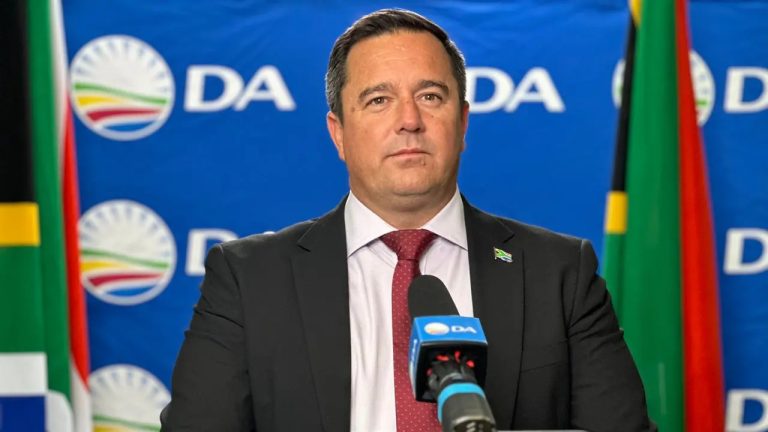
John Steenhuisen, leader of the Democratic Alliance (DA) and South Africa’s Minister of Agriculture, announced on Wednesday, February 4, 2026, that he will not seek re-election as the party’s federal leader at the upcoming Federal Congress in April.
Speaking at a press briefing in his hometown of Durban, Steenhuisen confirmed earlier reports and framed his decision as a deliberate handover after achieving what he called his “DA Moonshot” mission. He credited his tenure with expanding the party’s national reach, returning the DA to outright control of the Western Cape, growing its polling support and guiding the party into the Government of National Unity (GNU).
“This is not the end of the road for the DA, and it is not the end of the road for me,” Steenhuisen said. “I today announce that I will not seek re-election for a third term as DA Federal Leader at the party’s upcoming Federal Congress. I do so with a full heart, knowing that I have accomplished my DA Moonshot mission, and that my work in government now requires me to similarly pour my heart and soul into defeating foot-and-mouth disease.”
He said the decision follows his appointment to a ministerial role focused on combating the worst outbreak of foot-and-mouth disease (FMD) recorded in South Africa’s livestock, a crisis that has drawn intense pressure from farmers and civil society. Steenhuisen said he intends to devote his remaining time in office to eradicating the disease and that dividing his attention between an internal leadership campaign and the national response would be unfair to farmers.
“After leading the DA into the GNU, my next chapter must be to eradicate this devastating disease from our shores once and for all. That is not a part-time job,” he said.
Steenhuisen assured members he will remain in government as minister and pledged full support to the successor elected at the DA’s April federal congress; nominations open on February 24. His exit opens the path for rising DA figures — notably Cape Town Mayor Geordin Hill-Lewis, who has publicly signaled leadership ambitions but had said he would not challenge Steenhuisen while he served as leader.
The leader’s announcement comes against a backdrop of internal party tensions, including public disputes with former DA Federal Finance Chair Dion George, who resigned in January amid a series of accusations against Steenhuisen. An internal probe previously cleared Steenhuisen of misuse of party funds, finding the disputed credit-card expenditure reconciled.
As minister, Steenhuisen has faced mounting criticism from farming groups and lobbyists over the government response to the FMD outbreak. This week, several farmer lobby groups took legal action accusing the minister of obstructing private-sector assistance in efforts to contain the disease — allegations that have increased scrutiny of his handling of the crisis.
Steenhuisen closed his remarks by saying he leaves the DA “a fundamentally healthier party” and urged members to back the next generation of leaders. The Federal Congress in April will elect new party leadership and mark the formal end of Steenhuisen’s tenure as DA federal leader.
Introduction Foot and Mouth Disease (FMD) remains one of South Africa’s most serious livestock health risks. Highly contagious and capable of devastating dairy and beef production, FMD undermines animal welfare, rural livelihoods and export markets. Recent outbreaks and renewed national coordination have placed control and eradication squarely at the top of the industry agenda.
What is FMD and how it spreads FMD is caused by an Aphthovirus infecting cloven-hoofed animals — cattle, sheep, goats, pigs and some wildlife. Young animals are particularly vulnerable. The virus spreads quickly through:
Direct animal contact (saliva, milk, breath, secretions).
Contaminated surfaces, feed, water and transport vehicles.
Human activity (clothing, footwear, equipment).
Movement and trade of infected animals.
Environmental survival in cool, moist materials (hay, manure, soil).
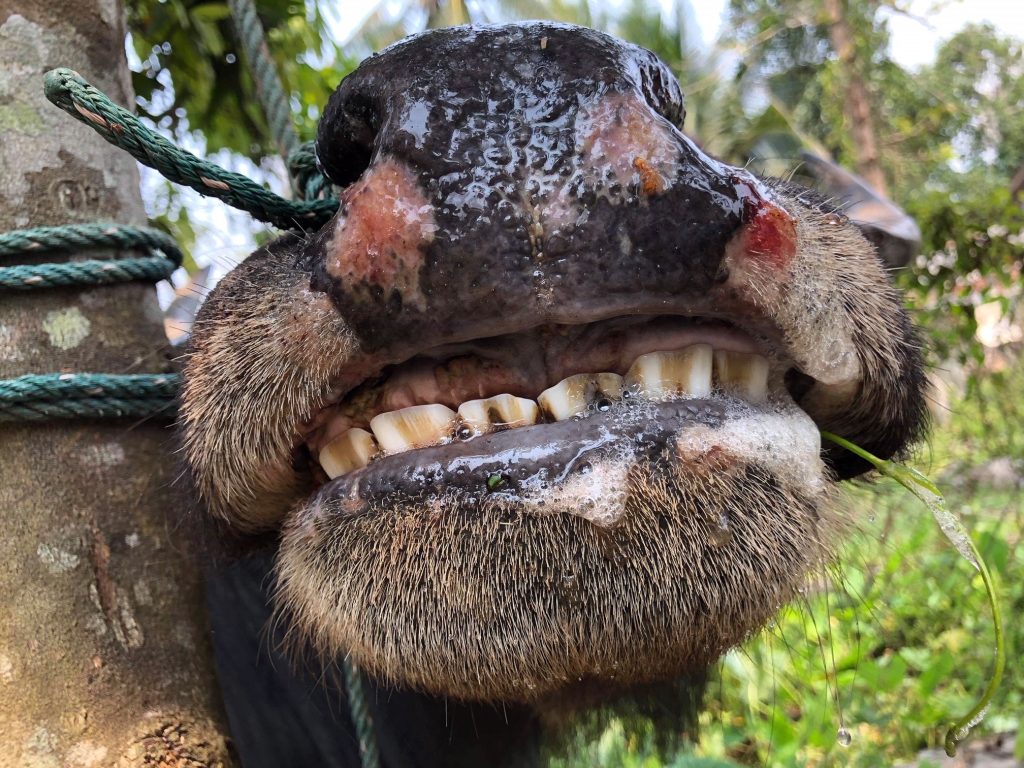
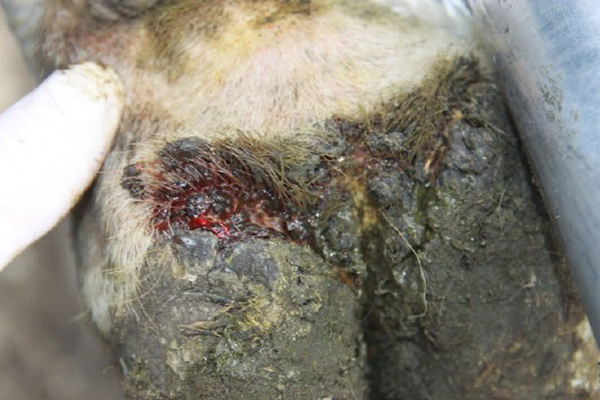
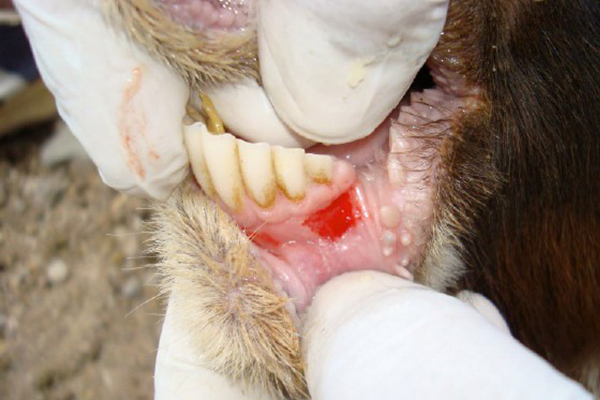
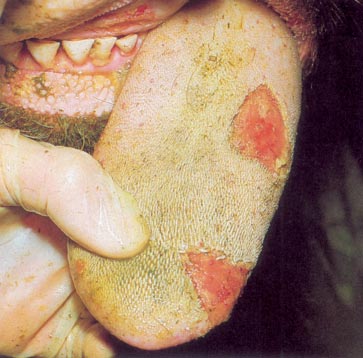
Clinical signs and animal impact Typical signs include fever, painful vesicles on the mouth, tongue, teats and hooves, lameness, reduced appetite, weight loss and severe drops in milk yield. Calves, lambs and piglets face higher mortality; survivors often show reduced fertility and long-term productivity losses. Where outbreaks occur, culling and movement bans are frequently necessary, with major welfare and financial consequences.
Economic and industry consequences Beyond on‑farm losses (reduced milk, slower weight gain, deaths and culling), FMD triggers trade embargoes that close export markets for meat and live animals. Supply-chain disruption affects abattoirs, feedlots, transporters and rural economies. National responses and compensation add fiscal costs. Restoring market access and confidence can take years.
Mpumalanga and recent outbreak history Since 2024–2025, FMD events linked to KZN have affected Mpumalanga. SAT2 (and previously SAT1) strains moved into municipalities including Gert Sibande, Dipaleseng, Victor Khanye, Govan Mbeki, eMakhazeni, Steve Tshwete and Dr Pixley ka Isaka Seme, with multiple outbreaks reported. Authorities implemented vaccinations in controlled zones, targeted culling and strict biosecurity to protect historically FMD-free areas. Persistent challenges include livestock movement compliance and informal markets.
Prevention and control measures Effective control is multifaceted:
Quarantine and movement controls, including Disease Management Areas and permits.
Strategic vaccination in high‑risk zones and regular boosters.
On-farm biosecurity: disinfection, visitor control and equipment hygiene.
Traceability systems and real‑time movement records (e.g., RMIS).
Rapid detection, reporting and laboratory confirmation.
Government–industry collaboration for coordinated response and farmer support.
National coordination and the Industry Coordination Council To accelerate recovery, the Minister established an FMD Industry Coordination Council to work alongside the Department of Agriculture and a Technical and Scientific Task Team. The council’s role includes aligning industry actions with national measures, consolidating situational information, coordinating communications, supporting traceability and readiness for compartmentalised operations, and facilitating logistics, training and monitoring. The council’s inaugural meetings began in January 2026, with weekly engagements planned to maintain momentum.
Leadership and accountability Minister Steenhuisen has committed to a clear roadmap, stating the government cannot act alone and that private sector, farmers and veterinarians must collaborate. The stated goal is to restore FMD-free status within a concerted timeframe through shared responsibility, technical oversight and improved compliance.
What farmers and stakeholders should do now
Maintain strict biosecurity and limit unnecessary movements.
Enrol and keep records up to date on traceability platforms.
Participate in vaccination programs where recommended.
Report suspect cases immediately to veterinary authorities.
Cooperate with quarantine and testing measures to protect wider markets.
Conclusion FMD poses a sustained threat to South African livestock, trade and rural livelihoods. Recent outbreaks underline the need for rapid detection, disciplined movement controls, strategic vaccination and strong industry–government coordination. With the new council, technical oversight and committed stakeholders, South Africa has a coordinated roadmap to reduce outbreaks and work toward restoring FMD-free status — but success will depend on consistent compliance and collective action.
For support or to report suspect cases, contact provincial veterinary services or the national Department of Agriculture.
The Freedom Front Plus (FF Plus) warns that the Govan Mbeki Local Municipality’s unqualified audit opinion for 2024/25 should not be mistaken for financial stability or sound governance.
“An unqualified audit opinion merely indicates that the financial statements are technically acceptable; it does not conceal the scale of the municipality’s crisis,” said Aranda Nel-Buitendag Freedom Front Plus Councillor, Govan Mbeki Local Municipality, “The Auditor-General’s report and the mid-year Audit and Performance Committee report reveal serious financial distress, weak controls, widespread non-compliance and deteriorating service delivery.”
Key concerns:
Revenue collection is only 32%.
Unauthorised and irregular expenditure exceeds R1.2 billion for the year.
Debt to Eskom and the water board totals more than R6.6 billion combined.
The budget deficit has reached R733 million.
Creditor payments are being deferred, and the AG has declared the municipality not financially sustainable.
Service delivery is failing. Although the full infrastructure budget was spent, only one-third of planned targets were achieved. Large sums are being consumed by interest and penalties, providing no value to residents. A serious environmental irregularity at the Embalenhle Wastewater Treatment Works has already caused pollution-related damage, with no effective remediation underway.
Aranda Nel-Buitendag, FF Plus councillor
The mid-year performance report confirms poor delivery: targets are unmet and indicators fail to comply with basic performance principles. There is an absence of consequence management for financial misconduct.
The FF Plus rejects any portrayal of the municipality as healthy or compliant. The Council and municipal management must move beyond reporting and take decisive action: institute visible consequence management for financial transgressions, improve revenue collection, fully implement audit action plans, and deliver tangible improvements in service delivery.
“Govan Mbeki residents deserve more than polished reports — they deserve real, grassroots change. The Freedom Front Plus will continue to press for full accountability and for a municipality that serves the interests of its community,” concluded Aranda
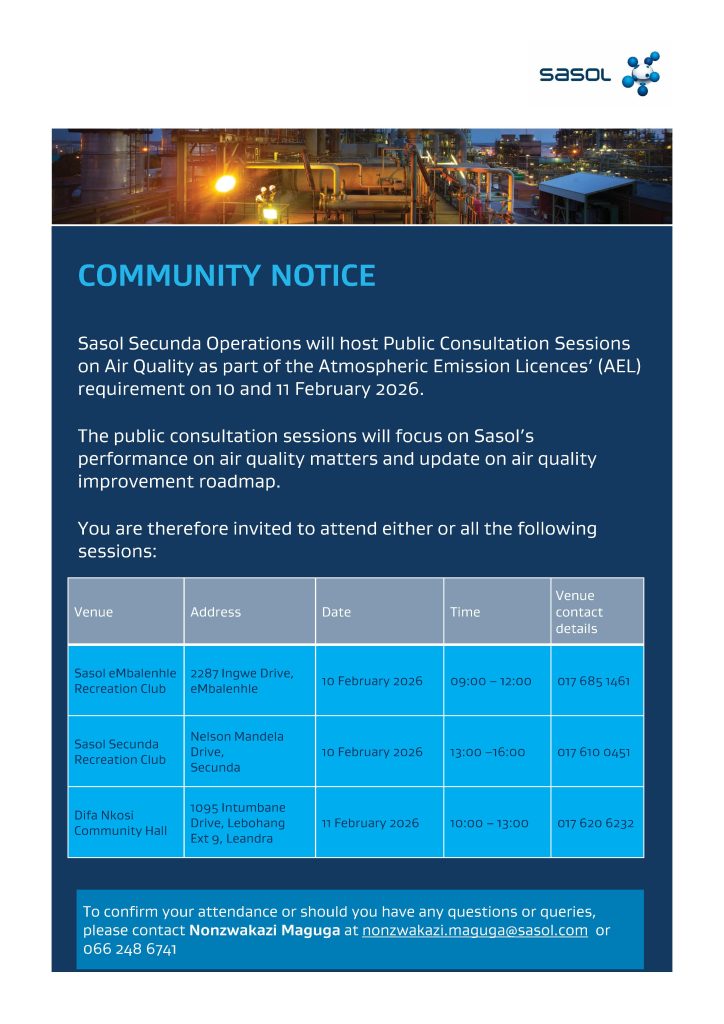
Sasol bied Publieke Konsultasie Forums aan oor die kwaliteit van lug wat belyn is met Sasol se Atmosferiese Emissie-Lisensies op 10 en 11 Februarie 2026. Die publieke konsultasie forums gaan fokus op Sasol se resultate in terme van lug kwaliteit asook vordering op die lug kwaliteit verbeterings program.
U word genooi om hierdie forums by te woon op 10 en 11 Februarie 2026 te:
Kontak Nonzwakazi Maguga by nonzwakazi.maguga@sasol.com of 066 248 6741 vir enige navrae en om u bywoning te bevestig.
COMMUNITY NOTICE
Sasol is hosting Public Consultation Forums regarding air quality related to Sasol’s Atmospheric Emission Licenses on February 10 and 11, 2026. The public consultation forums will focus on Sasol’s results concerning air quality as well as progress on the air quality improvement program.
You are invited to attend these forums on February 10 and 11, 2026, at:
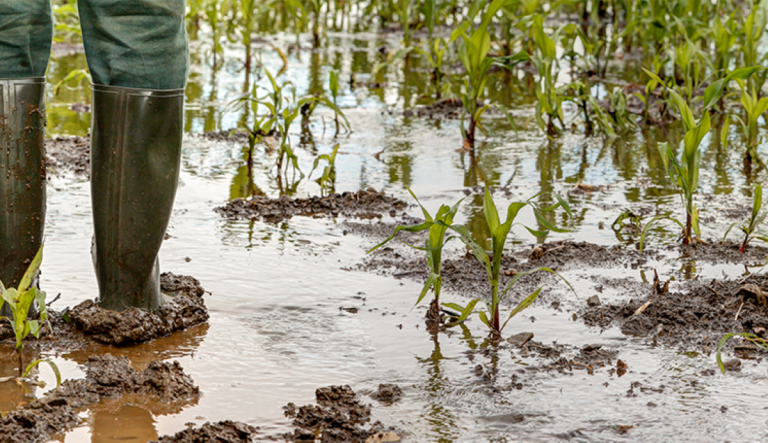
The Democratic Alliance (DA) in Mpumalanga expresses its heartfelt sympathy to the communities and farmers affected by the recent devastating floods throughout the province. However, serious concerns have been raised regarding the status and utilization of nearly R280 million allocated to assist farmers in the event of natural disasters.
In the 2025/26 financial year, Mpumalanga was allocated an additional R766.5 million through the Equitable Share. Of this amount, R351.2 million was specifically designated for disaster relief efforts, with R279.8 million earmarked for the Mpumalanga Department of Agriculture, Land, Rural Development, and Agriculture through the Comprehensive Agricultural Support Programme (CASP). These funds were intended to support responses to the adverse effects of recent natural disasters, particularly those impacting the agricultural sector.
Following the declaration of a National Disaster on January 18, 2026, the Mpumalanga Department of Agriculture subsequently requested R165 million for flood-affected farmers. This request seems inconsistent with the existence of a disaster-related allocation that reportedly includes R279.8 million under CASP. “Given that funds were available and specifically designated for disaster response, it is only reasonable for the public to inquire: What has happened to the R351.2 million allocated for disaster relief, particularly the R279.8 million intended to support farmers impacted by these disasters?” said Tersia Marshall, MPL – DA Spokesperson for Agriculture, Rural Development, Land and Environmental Affairs
Tersia Marshall, MPL – DA Spokesperson for Agriculture, Rural Development, Land and Environmental Affairs
In light of the January 2026 national disaster declaration, South Africans, particularly those in rural and farming communities, rightfully anticipated prompt and effective intervention. However, reports from farmers’ groups and affected stakeholders indicate that considerable additional funding is still being sought to address the same disaster-related impacts.
This situation necessitates immediate investigation through the Public Finance Management Act (PFMA) accountability mechanisms, including transparent disclosures of expenditures, disbursement timelines, beneficiary support measures, and procurement decisions related to these disaster allocations.
The DA emphasizes that disaster response must be swift, effective, and focused on those most adversely affected, free from the influence of politically connected patronage networks. It must also be supported by verifiable reporting on spending and outcomes.
Disaster relief cannot become a conduit for unaccountable expenditures while flood victims and farmers remain without substantive support. Every rand allocated must be traceable, audited, and demonstrably linked to tangible recovery outcomes on the ground.
“The DA will raise urgent questions in the Mpumalanga Provincial Legislature regarding the utilization of the additional Equitable Share allocation and demand an immediate public expenditure report detailing all disaster response spending connected to both provincial allocations and any intergovernmental disaster funding streams received by the province,” concluded Tersia Marshall
The Sasol Highveld Photography Club held its eagerly anticipated January 2026 club meeting, setting a vibrant tone for the new year. The evening was a blend of celebration, planning, and knowledge sharing, highlighted by the recognition of 2025’s top photographers and a glimpse into exciting upcoming events. Johan Drotsky served as the esteemed guest judge for the evening.
The club showcased an impressive collection of 65 photographic entries for the night’s competition, spanning diverse categories: 10 in Nature, 3 in Photojournalism, 9 in Monochrome, 14 in Pictorial, 9 in Scapes, 8 in Nature – Birds Only, and 12 for the Set Subject.
A significant portion of the meeting was dedicated to honouring the outstanding achievements of its members throughout 2025. The club celebrated the dedication and talent of its photographers, culminating in the announcement of the prestigious “Club Winners of the Year”:
2025 Club Winners Spotlight:
Junior Winner: Yolandi Geyser
Hostess Winner: Lorraine Botha
Senior Winner: Peter Winnan
Junior Set Subject Winner: Lorraine Botha
Senior Set Subject Winner: Sussa Pelser
Category winners from both junior and senior divisions were also recognised for their exceptional work across various genres, including Monochrome, Nature, Nature – Birds Only, Photojournalism, Pictorial, and Scapes.
The club also took time to acknowledge January birthdays, with well wishes extended to Piet Potgieter (Jan 3), Danie Smit (Jan 10), and Stian Griffin (Jan 15). Members were reminded to keep their Photovault profiles updated with their birth dates.
Beyond local club activities, the Sasol Highveld Photography Club highlighted its members’ successes in national competitions. Recent results from the 7th Vanderbijlparkse Fotografiese Vereniging Salon PDI (2026) and the 7th Rustenburg PDI National Salon PDI saw numerous “Accepted” photos and Certificates of Merit awarded to club members like Sussa Pelser, DNE Smit, Johan Viljoen, Yolandi Geyser, Pierre Jordaan, and Louis van der Walt, showcasing the club’s strong presence in the broader photographic community.
Looking ahead, the club outlined several upcoming opportunities for members to engage with the Photographic Society of South Africa (PSSA):
Upcoming PSSA Salons (Closing Dates in 2026):
5th Bethal Digital Salon PDI (January 17)
2nd Highway Salon PDI (February 07)
Ermelo Fotoklub 5th Digital Salon (February 21)
14th National AFO Salon (March 07)
PSSA 29th National Up-and-Coming Photo Competition (March 14)
SAVAS 4th Digital Salon (March 21)
10th PSSA NATIONAL SALON PDI (March 28)
Members were encouraged to participate in these salons to further hone their skills and gain national recognition.
The club also announced an upcoming photography event: the 46th Annual Sasol Secunda Marathon on Saturday, offering members a chance to capture dynamic action shots.
Finally, the 2026 meeting calendar with its monthly set subjects was unveiled, providing members with a clear creative roadmap for the year:
January: Holiday
February: Emotion
March: Perspective
April: Motion
May: Forms in Nature
June: Time
July: Funny
August: Night
September: Industrial
October: Mirror, mirror
November: Self-Portrait
December: Annual general meeting and braai!!!
The Sasol Highveld Photography Club looks forward to another year of fostering photographic talent, celebrating achievements, and providing engaging opportunities for its passionate members.
Here are the winning photographs for January
The best Set Subject entry is “Wave backflip” by DNE Smit
Wave Backflip by DNE Smit
The Best Senior entry is “Garlic Display” by Leon Pelser
Garlic Display by Leon Pelser
The Best Junior entry is “Aandete” by Edmund Hattingh
Aandete by Edmund Hattingh
Here are the COM and GOLD certificates
Category – Nature – Birds Only
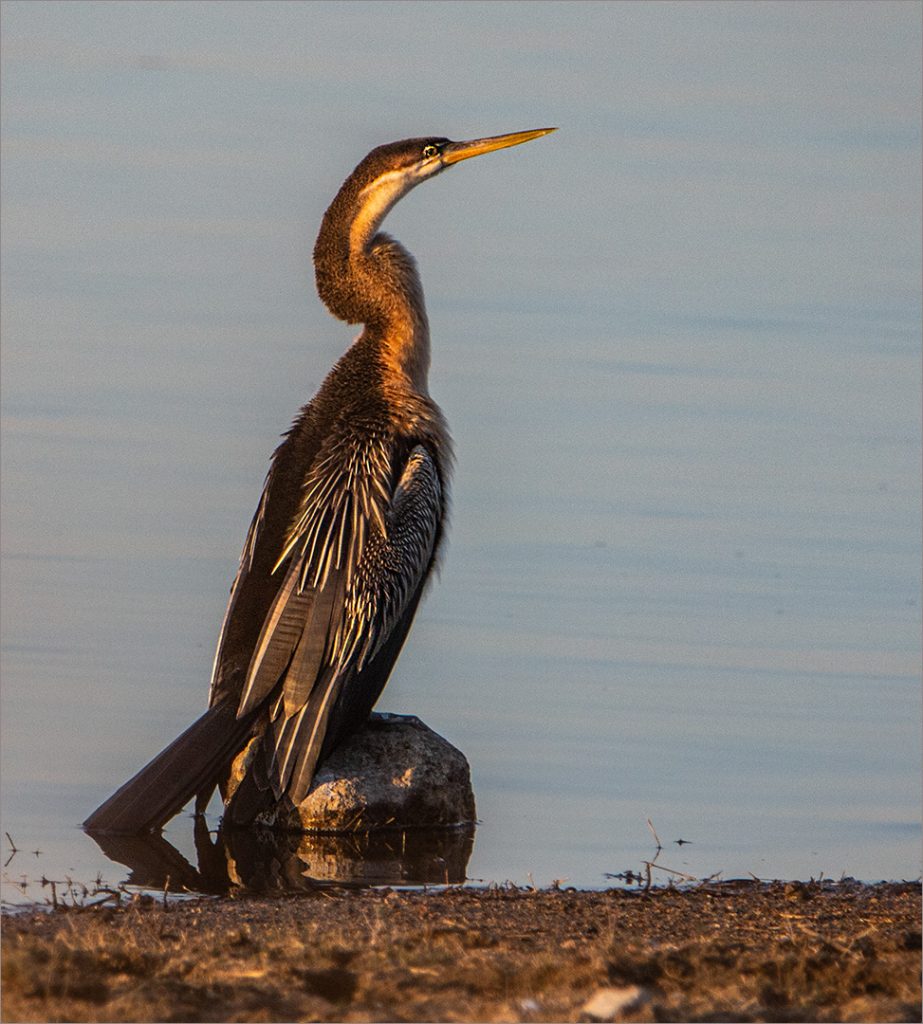
Inkunzi Cave Suikerbek 1 by Louis van der WaltStrike a Pose by Stian GriffinShake shake shake by Lorraine BothaHappy landing by Johan ViljoenDarter at dusk by Lorraine Botha
Category – Nature
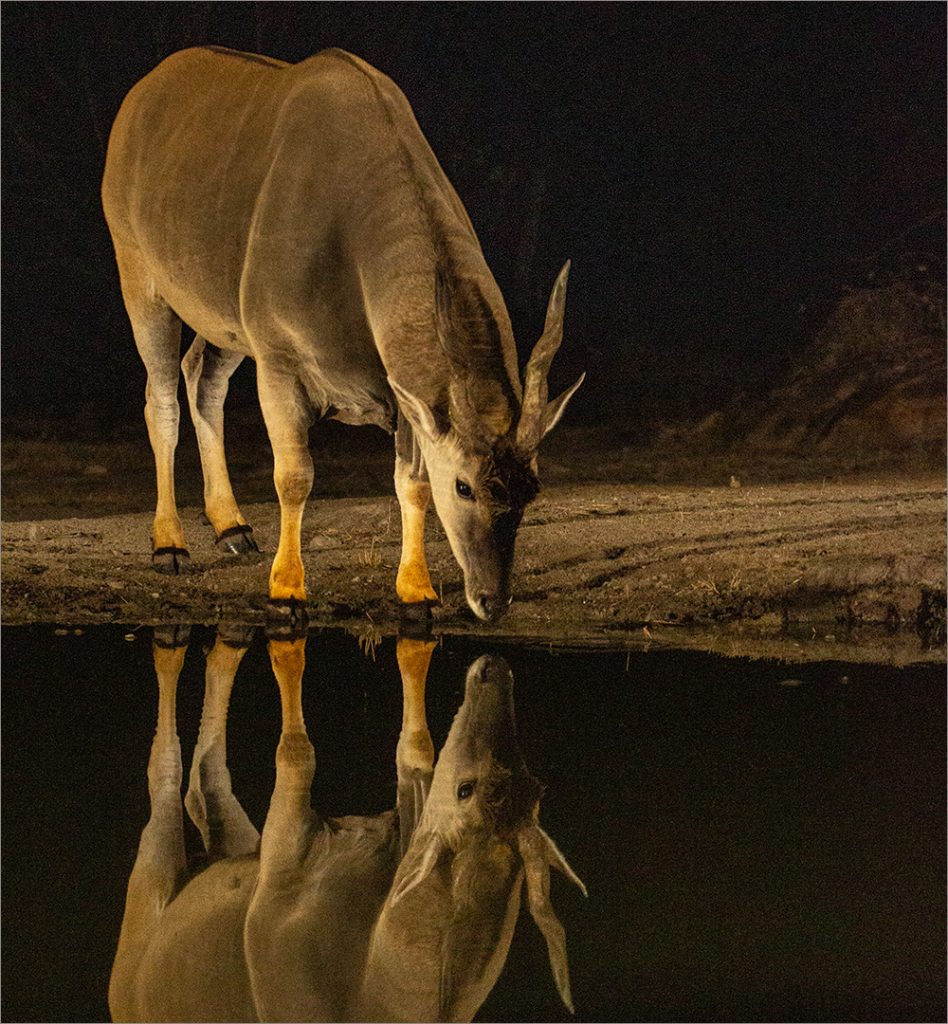
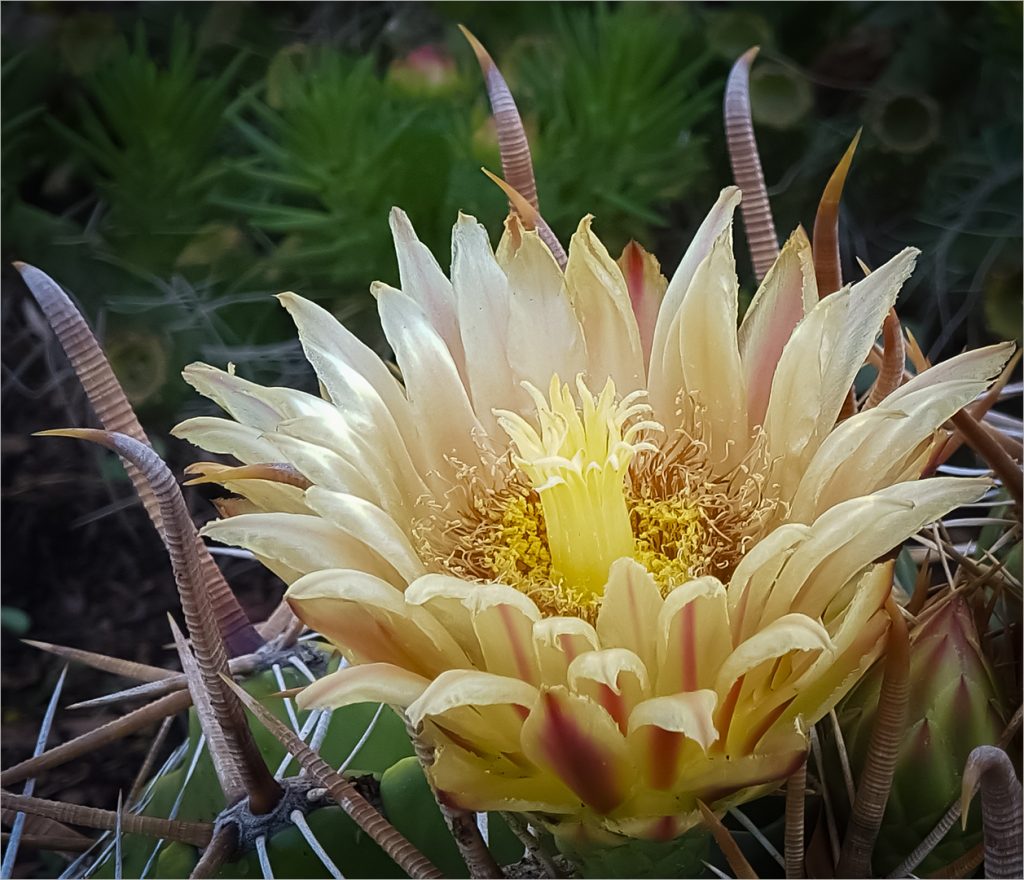
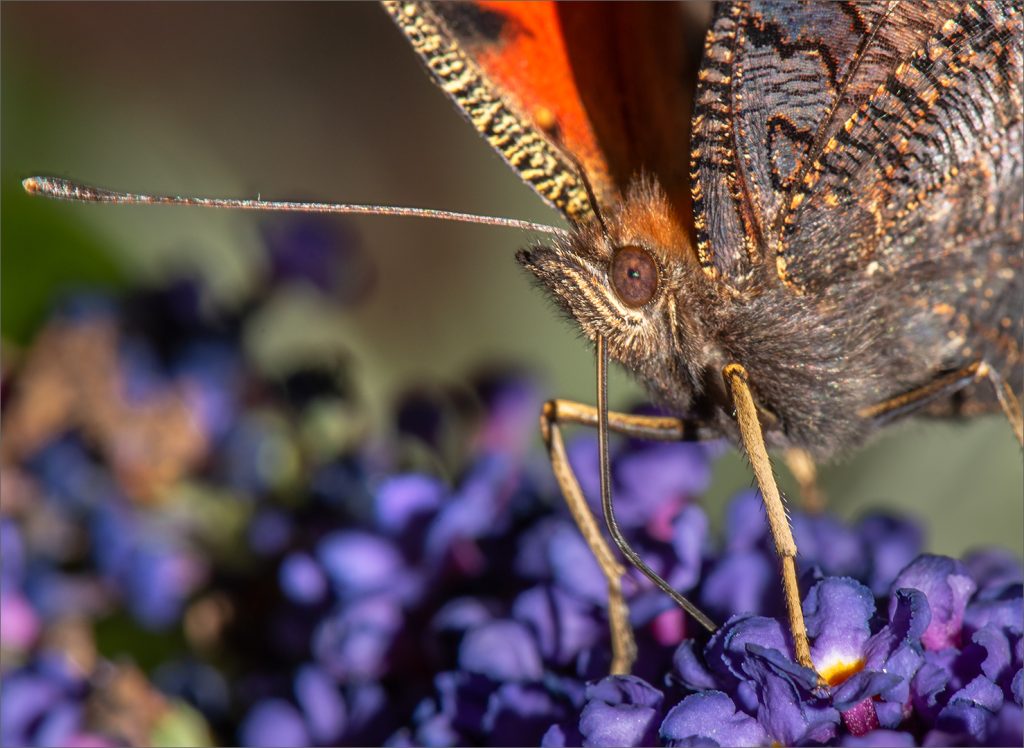
Eland Drinking 3 by Lorraine BothaOne day Pride by Johan ViljoenPainted lady up close by Hanlie de BeerTough Life by Anzette SnydersBuffelgeveg by Edmund HattinghQuiet Watcher by Yolandi GeyserJakkals eating by Sussa PelserBushveld Protea by Anzette SnydersBloukopkoggelmander by Edmund Hattingh
Category – Pictorial
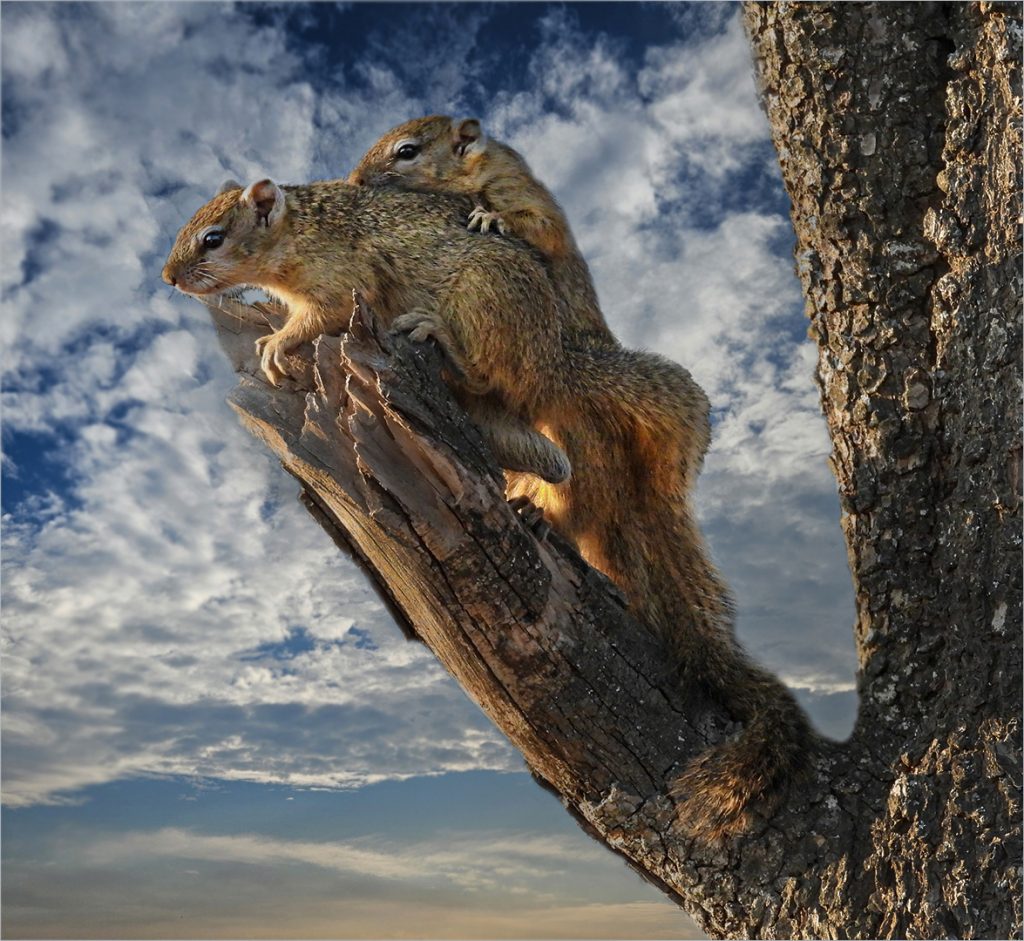
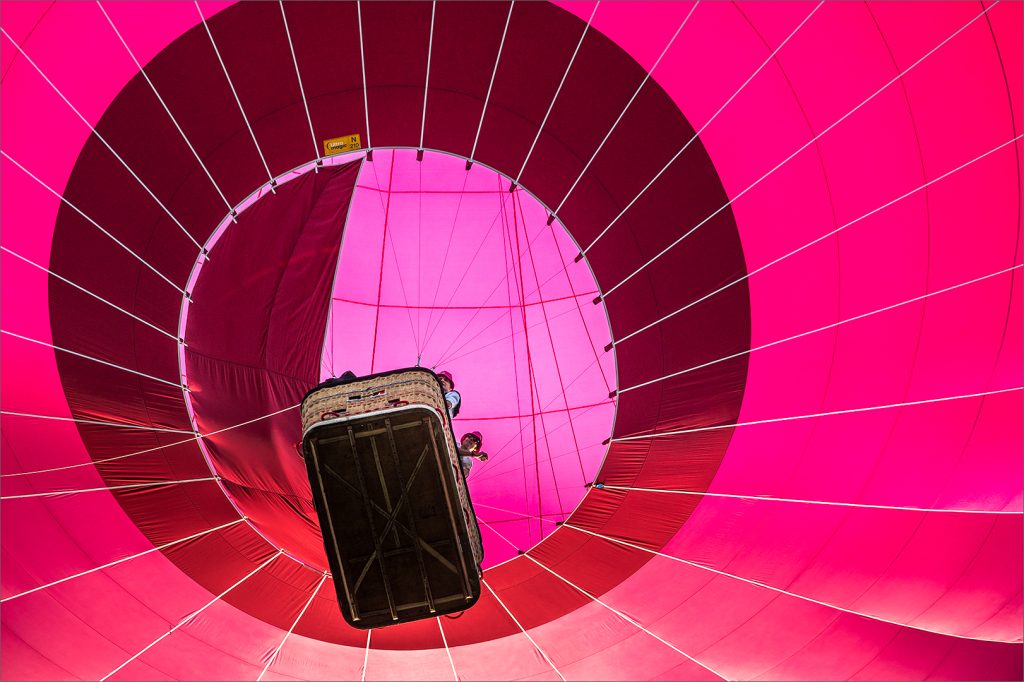
Upside Down Moss World by Louis van der WaltBalanseer by Edmund HattinghLayers of memories by Yolandi GeyserThe Vintage Model by Stian GriffinSt Salvadore Spire by Hanno de BeerQueen by Lorraine BothaCatch me if you can by Johan ViljoenFamily Outing by Leon PelserSquirrels On Branch by Sussa PelserH Baby Tiger – Too Warm 1 by Louis van der WaltHot pink air balloon by Hanno de BeerLet go of me by Johan ViljoenCaterpillar by Leon Pelser
Category – Monochrome
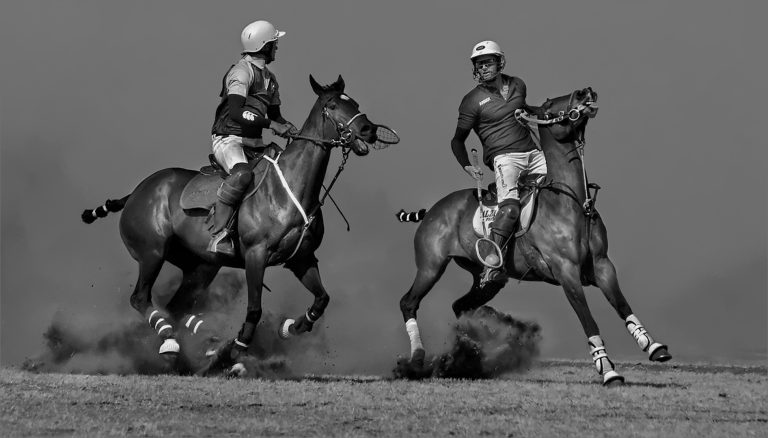
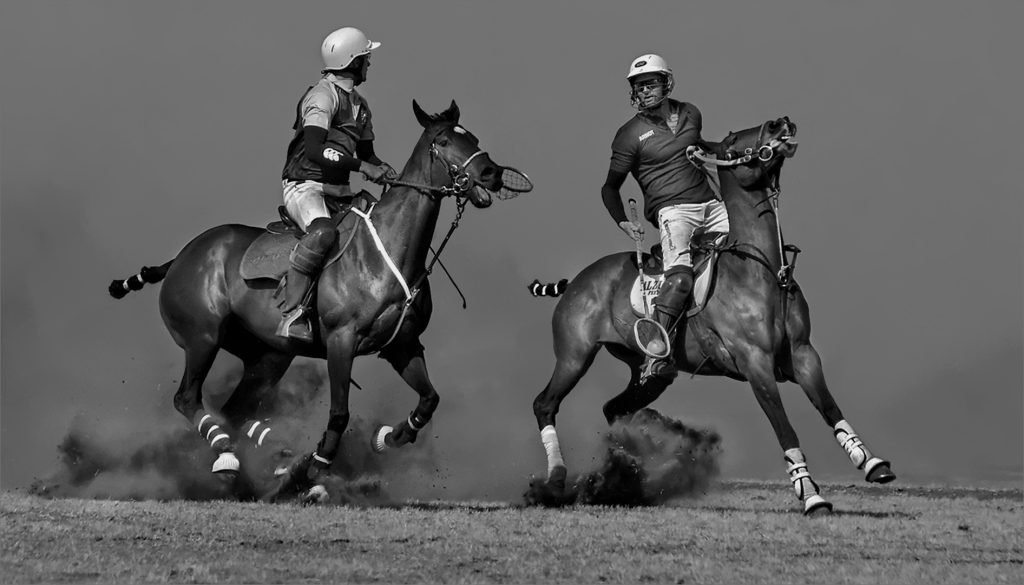
H Leopard in Tree 2 – BW by Louis van der WaltIn Quiet Reflection by Yolandi GeyserVerweer Maar Nie Vergete by Stian GriffinSurreal by Piet PotgieterPolo by Leon PelserSilent Ascent by Yolandi Geyser
Category – Monochrome
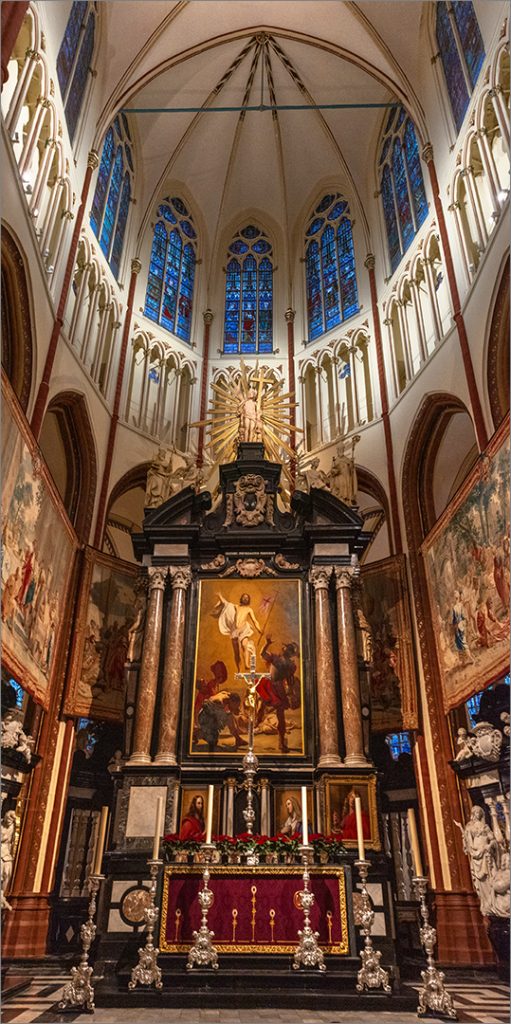
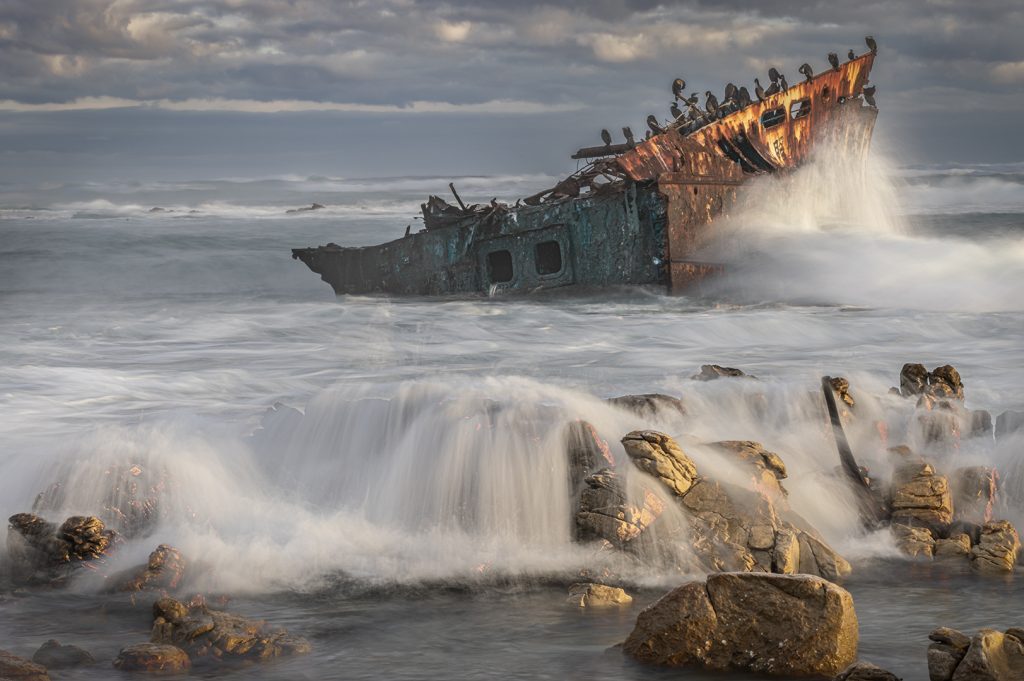
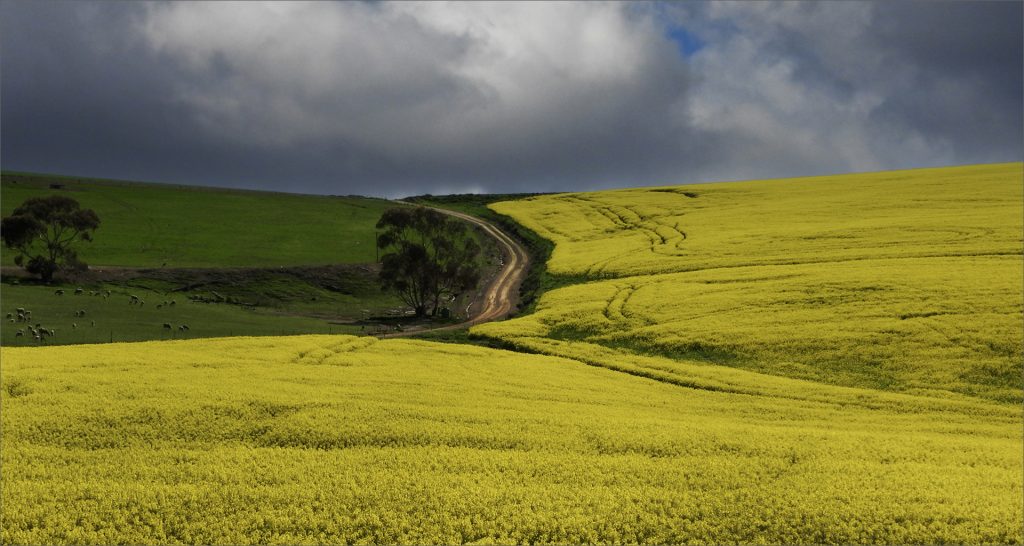
Saint Salvador cathedal altar by Hanli de BeerInkunzi Cave StarTrails 1 by Louis van der WaltView to admire by Anzette SnydersStiltes Voor Die Reen by Stian GriffinAgulhas shipwreck by DNE SmitRoad To Where In Canola Fields by Sussa PelserAlpenglow by DNE SmitSophia saal by DNE Smit
Catagory – Photojournalism
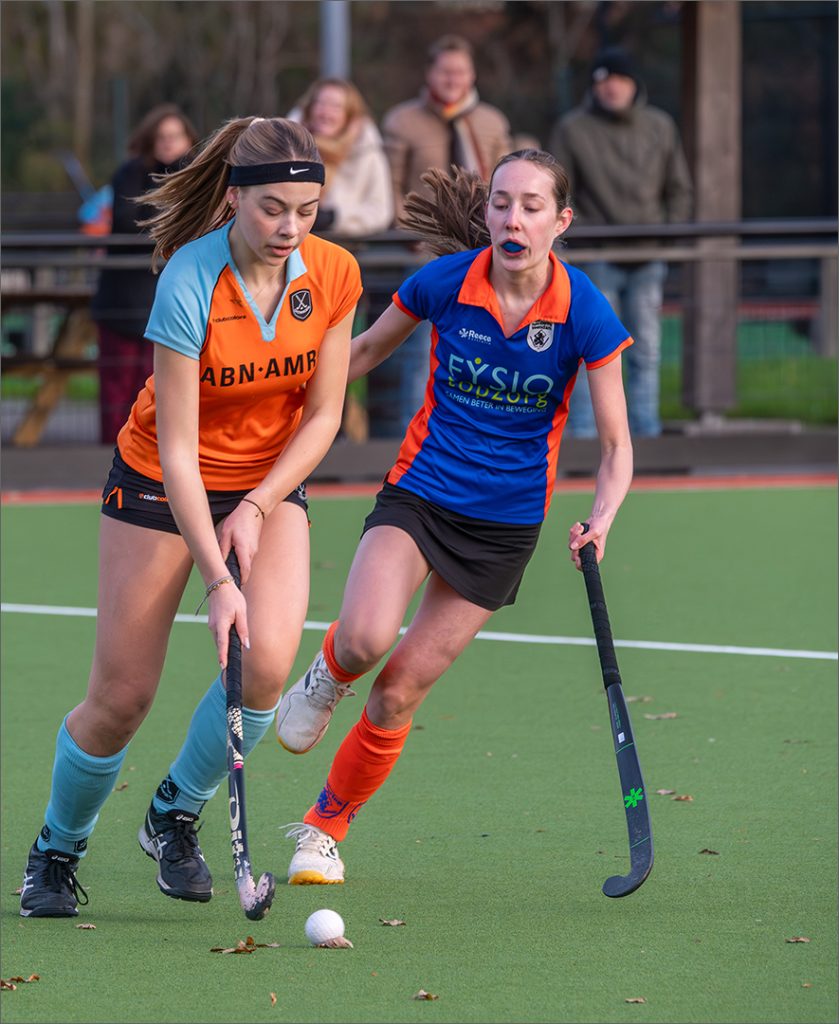
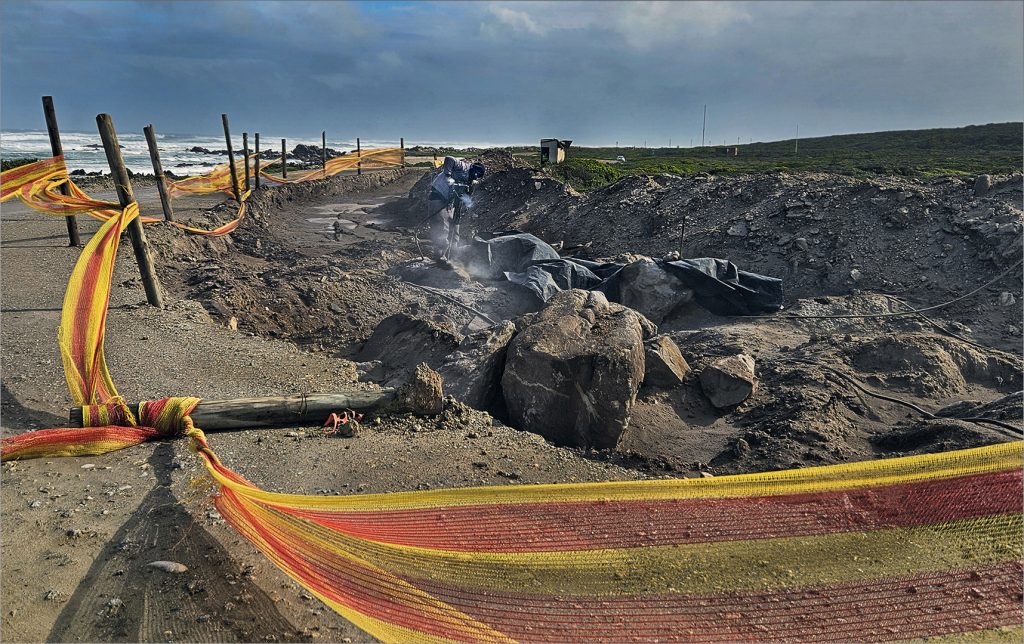
Maak die lyne nat by Anzette SnydersHockey vs Groningen by Hanno de BeerFixing The Road by Sussa Pelser
Category – Set Subject (Holiday)
Nat Lyne – Anzette SnydersVakansiepret by Edmund HattinghA Toast to the Season by Yolandi GeyserStiltes van die Karoo by Stian GriffinSint Salvador Kathedraal by Hanno de BeerLekkerrrr by die see by Piet PotgieterDog and three year old by Lorraine BothaThe holiday tackle by Johan ViljoenMeditating at Langebaan by Leon PelserLaatmiddag Danabaai Strand by Adri Kirsten
The Mpumalanga Department of Education notes with concern the article published by City Press and News24 regarding the procurement of laptops and tablets for learners.
The Department wishes to place the correct facts on record and dispel misleading allegations of wastage and irregular procurement.
The Ubuhlebuzile E-Learning Programme was introduced in 2022 as a well thought and phased intervention to enhance teaching and learning throughout the Province.
In 2022, the Department procured 64 000 tablets for Grade 12 learners under a three-year contract valued at R224 million, including a three-year warranty. The procurement was conducted through a SITA contract, with Bongani Rainmaker Limited (BRL) appointed as the supplier, in full compliance with applicable government procurement prescripts.
In 2025, the Department replaced the 2022 devices with 60 000 Packard Bell tablets valued at R232 million, inclusive of a three-year warranty.
These tablets were successfully distributed to Grade 12 learners in quintile 1 to 3 schools in 2025, and the Department is not aware of any verified reports of non-functionality.
The Department attributes the improved Grade 12 performance partly to the effective utilisation of e-learning and teaching devices.
The significant improvement from 79% in 2023 to 86. 55% in 2025 is also linked to the maturing of the e-learning programme introduced in 2022.
The allegation that the Packard Bell tablets constitute wastage is completely untrue and misplaced.
As part of the Department’s e-learning strategy, the 2025 Grade 12 tablets have been retrieved, formatted, and reloaded with updated content.
These devices will be re-issued to the 2026 Grade 12 cohort, ensuring cost efficiency and sustainability.
The Department has further placed an order for 70 000 Windows-based tablet notebooks to be issued to Grade 10 learners in 2026.
The cost of these devices is R330 million, not R600 million as alleged by the City Press.
The strategy is to issue content loaded devices to Grade 10 learners who will retain them through to Grade 12, thereby reducing future costs related to retrieval, redistribution, and logistics.Content to these devices will henceforth be updated remotely, further improving efficiency.
The procurement was facilitated through BRL, in terms of a contract that allows BRL to source devices based on Department-approved specifications, manage procurement, load educational content, and oversee distribution to schools.
The Department funds the programme through a dedicated e-learning allocation, supplemented by the Learning and Teaching Support Material (LTSM) budget, as the devices form an integral part of e-learning delivery.
For the 2025/26 financial year, the e-learning budget amounted to R717 million to cover both grade 10 and 12 learners and is allocated as follows:
R312 million for Grade 12 tablets, including e-content and the distribution to schools.
The remaining R279 million, augmented by the LTSM budget, contributed to the procurement of 70 000 Grade 10 devices, with a total project value of R393 million, inclusive of devices, e-content, and distribution
The Department reiterates that all procurement processes were lawful, strategic, and aligned to improving learner outcomes.
Claims of wastage, inflated costs, or non-functional devices are factually incorrect and misleading.
The Department remains committed to transparency, accountability, and the effective use of technology to advance quality education for all learners through out the Province.