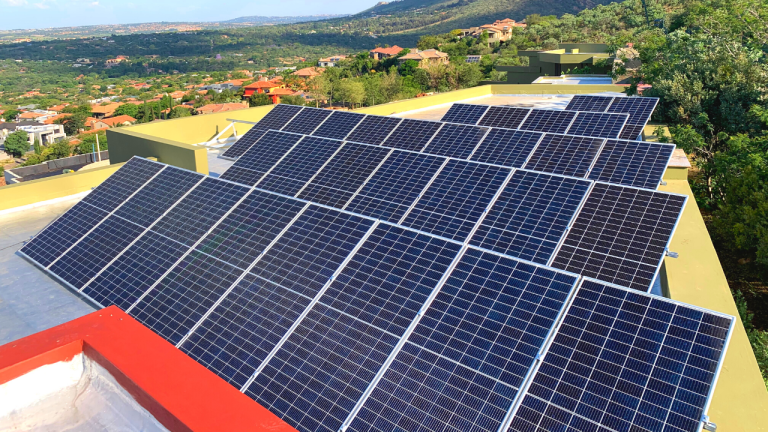
Energy analyst Chris Yelland (MD, EE Business Intelligence and energy advisor to OUTA) has urged South African households with rooftop solar PV or battery energy storage (BES) systems not to be intimidated by recent warnings from Eskom and some municipal electricity distributors about mandatory registration, fines and possible disconnection.
The context Since late 2025, Eskom and a number of municipalities have intensified a “Solar PV registration legal compliance campaign,” telling customers that all embedded generation systems — including residential rooftop PV systems smaller than 100 kVA — must be registered with their electricity service provider under NERSA rules. Eskom’s 14 January 2026 statement reiterated this position and warned of penalties, including fines of more than R6,000 and potential disconnection for unregistered installations. Eskom says it has simplified the process, and from 1 October 2025 allowed sign-off by a Department of Labour–registered person rather than requiring an ECSA-registered professional, framing the effort as a safety and compliance initiative.
Yelland’s view: don’t panic, do ensure proper compliance documentation Yelland describes the utility and municipal messaging and enforcement strategy as misguided, confusing and counterproductive. He warns it risks alienating law‑abiding, paying residential customers and says the approach is unlikely to succeed in the long term. His core advice to homeowners is straightforward: prioritise safe, accredited installations and keep proper documentary proof of compliance.
What homeowners should do now
- Use accredited, experienced installers for any solar PV/BES installation.
- Obtain a valid Certificate of Compliance (CoC) issued by an installation electrician who is registered with the Department of Employment and Labour (DoL). The CoC is the lawful proof that the system meets required technical and safety standards.
- Retain all installation, inspection and commissioning records, inverter settings, and any correspondence with the installer or distributor.
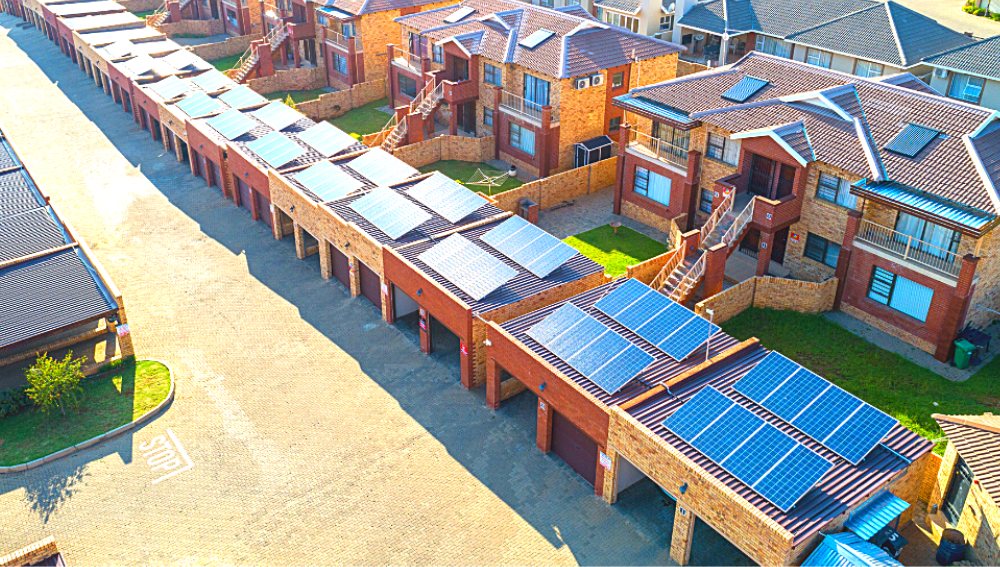
On registration and exporting electricity Yelland notes that homeowners who are not exporting energy to the distribution network face a different practical decision from those who do export. If your system is configured so it does not export to the grid and you hold a valid CoC, Yelland advises that you are within your rights to question or resist aggressive enforcement — but to do so while prepared with proper documentation and, if necessary, legal counsel. Homeowners who plan to export or participate in future incentive programmes should carefully consider registering to avoid disputes and to access potential benefits.
If you are threatened with disconnection According to Yelland’s guidance, customers who receive threats of disconnection should seek legal advice and formally challenge unlawful enforcement actions by their electricity distributor. Keep written records of all threats, written notices, and any communications, and present your CoC and compliance paperwork when engaging with the distributor or a lawyer.
Balancing safety, compliance and practical choices Eskom presents registration as a safety and planning measure and says the process has been simplified to make compliance more accessible. That said, Yelland emphasises homeowners should focus on the fundamentals: competent installation, a DoL‑registered electrician’s CoC, and careful documentation. Whether to register is a decision that can hinge on technical settings (export versus no-export), local regulations and how an individual household wishes to interact with its distributor and potential future programmes.
Practical next steps (quick checklist)
- Verify your installer’s accreditation and the electrician’s DoL registration.
- Secure and store your system’s CoC and commissioning paperwork.
- Confirm whether the system is set to export to the grid; if not, document this configuration.
- If contacted by Eskom or your municipality, respond in writing, provide your compliance documents, and consult legal advice if you are threatened with fines or disconnection.
- Consider registering if you want to participate in export programmes or avoid prolonged disputes.