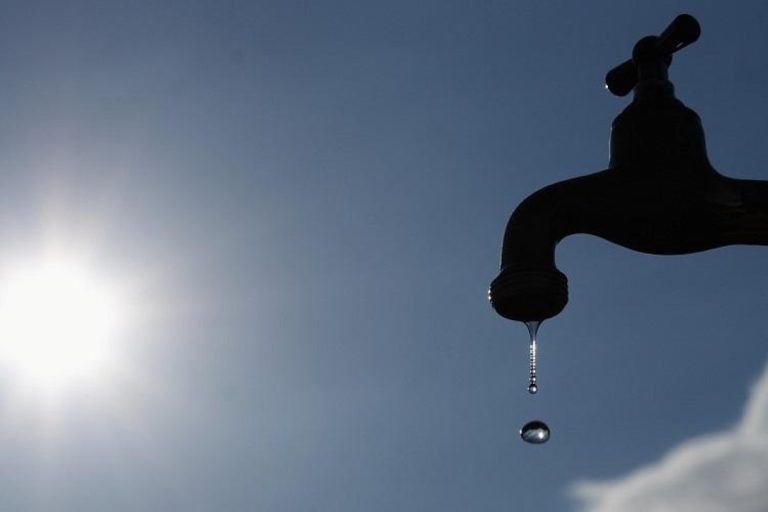
The water crisis in the GMM area has escalated significantly over the past few weeks, turning water into an increasingly scarce commodity. While certain regions have historically faced water supply issues, the situation has now spiraled out of control.
Several areas have gone without water for weeks, with Bethal experiencing supply problems for approximately a month. Additionally, Extensions 21, 22, and 23, as well as Trichardt and the elevated regions of Secunda, have struggled with inadequate water supply for as long as ten days.
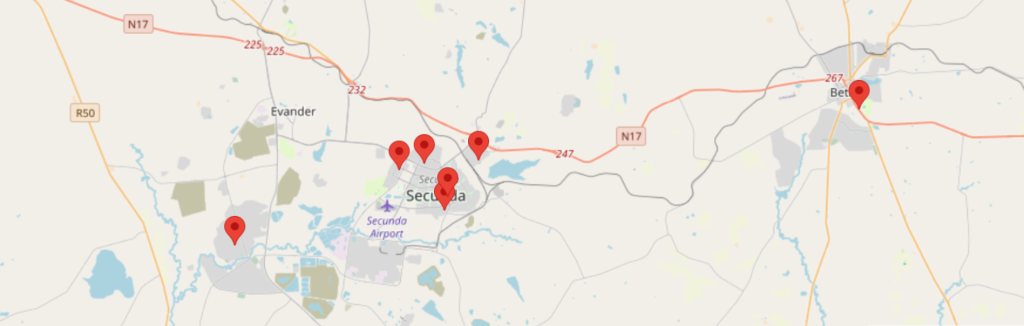
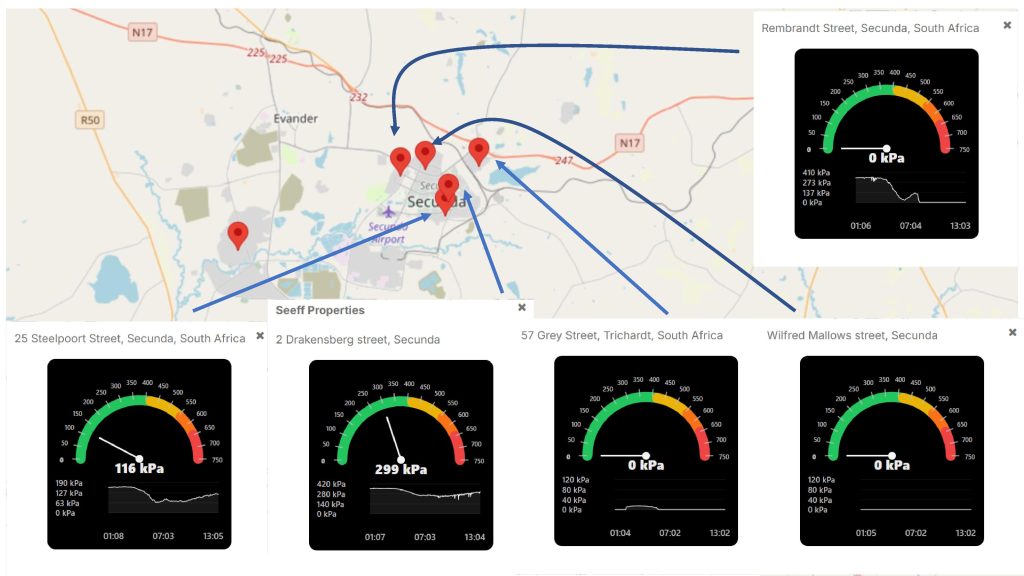
There are seven water pressure data points across GMM; however, the data presents a perplexing picture, revealing inconsistent pressure levels—some areas with no pressure at all while others report high pressure.
Social media is abuzz with messages and complaints about the unavailability of water. The blame is being cast in various directions: some residents hold GMM accountable, others point fingers at Rand Water, while some criticize local councillors. Unfortunately, there is no clear indicator of the root cause of the problem.
However, a significant issue looms regarding Gauteng’s situation. Rand Water claims to be pumping to Gauteng at full capacity, but both political parties and residents contend otherwise. GMM relies on Rand Water for its supply, meaning that any disruption in Gauteng can directly affect us.
The Bulletin spoke with a reliable source within the municipality to better understand the water situation. Our source suggests that Rand Water may not be operating at full capacity during the day, with reports of pumping halting at night. This information remains unverified by Rand Water, which has directed us back to GMM, citing its status as their client and refusing to discuss internal matters with us.
This lack of transparency complicates the establishment of clear facts. Meanwhile, residents continue to bear the brunt of the crisis. Water is a fundamental human right and should not be denied; however, many taps remain dry. Some residents believe that GMM owes Rand Water over R1 billion, which could contribute to the ongoing issue. While this may be true, the absence of clear communication leaves residents as the ultimate victims.
In a striking contrast, the Gauteng premier recently mentioned that he resorts to showering at a hotel, a luxury unattainable for those living in the affected areas.
Let us hope for a resolution to this pressing issue soon.