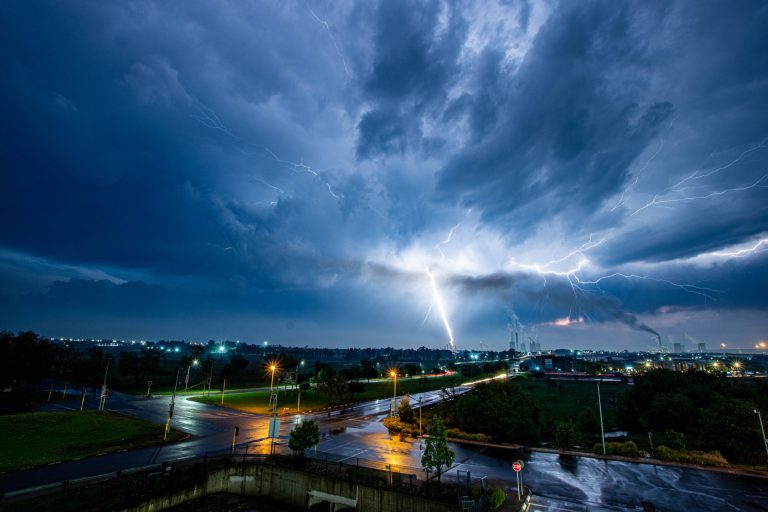
Recent incidents, such as those reported in Majaneng, Gauteng, serve as a stark reminder of the profound danger lightning poses, especially in regions like the eastern half of South Africa, which is recognized as one of the most lightning-prone areas globally. Understanding the science behind lightning and taking appropriate precautions can significantly reduce the risk of injury or fatality.
How Lightning Forms: A Brief Overview
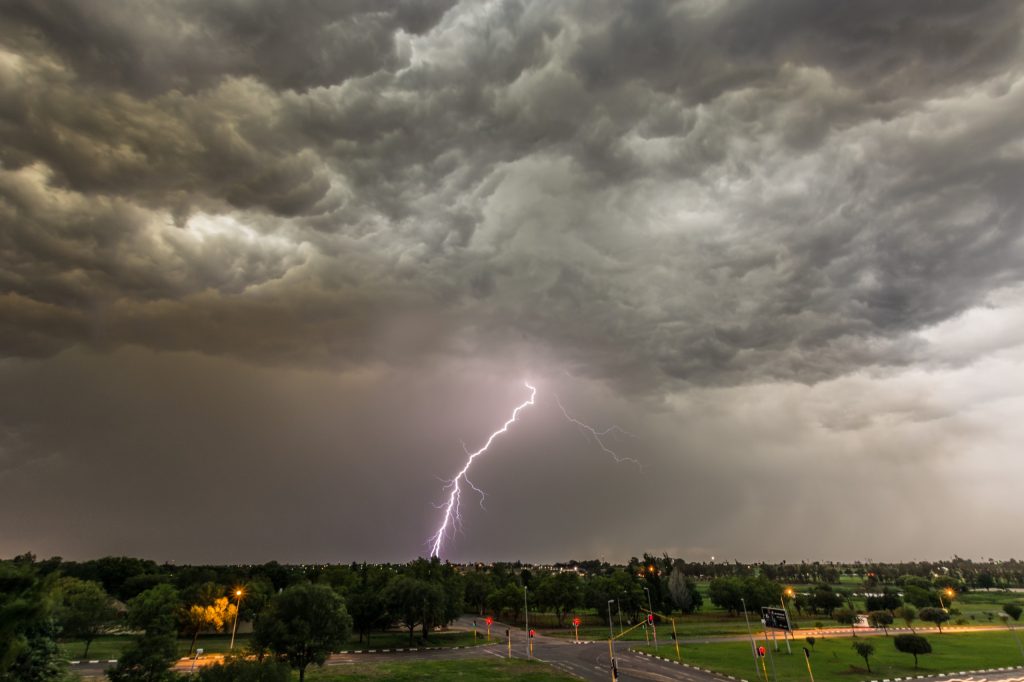
Lightning is a dramatic natural electrical discharge that occurs during thunderstorms. It begins with strong updrafts and downdrafts within storm clouds, causing water droplets and ice particles to collide. These collisions lead to a separation of electrical charges: positive charges accumulate at the top of the cloud, and negative charges gather at the base. When the electrical potential difference becomes too great, an electrical discharge — lightning — occurs, either within the cloud or between the cloud and the ground.
The Immense Dangers of Lightning Strikes
Lightning is not merely a flash of light; it’s an incredibly powerful natural phenomenon with devastating potential:
- Extreme Energy and Heat: A single lightning strike releases an enormous amount of energy, heating the air in its path to approximately 30,000 °C – five times hotter than the surface of the sun. The peak electrical currents can reach around 30,000 amperes.
- Devastating Impact on Humans:
- Not Just Direct Hits: People do not need to be directly struck to suffer harm. Injuries commonly occur through:
- Ground Current: The leading cause of lightning-related injuries in South Africa. When lightning strikes the ground, electricity spreads outward through the earth, affecting anyone in its path.
- Side Flashes: When lightning strikes a nearby object (like a tree or pole) and a portion of the current jumps to a person.
- Contact Strikes: Touching conductive materials (e.g., metal fences) that have been energized by a lightning strike.
- Physiological Effects: Even an indirect exposure to lightning’s immense electrical pulse can interrupt cardiac rhythm, cause severe burns, damage the nervous system and internal organs, and often result in fatality.
- Not Just Direct Hits: People do not need to be directly struck to suffer harm. Injuries commonly occur through:
- Increased Risk in Open Spaces: Gatherings in open spaces significantly heighten the risk of multiple injuries during a thunderstorm. Factors contributing to this include standing close together, the presence of tall objects or temporary structures, metal equipment, elevated terrain, and delays in seeking proper shelter. Critically, temporary shelters like tents and gazebos offer no adequate protection against lightning.
Protecting Yourself: Essential Precautions During Thunderstorms
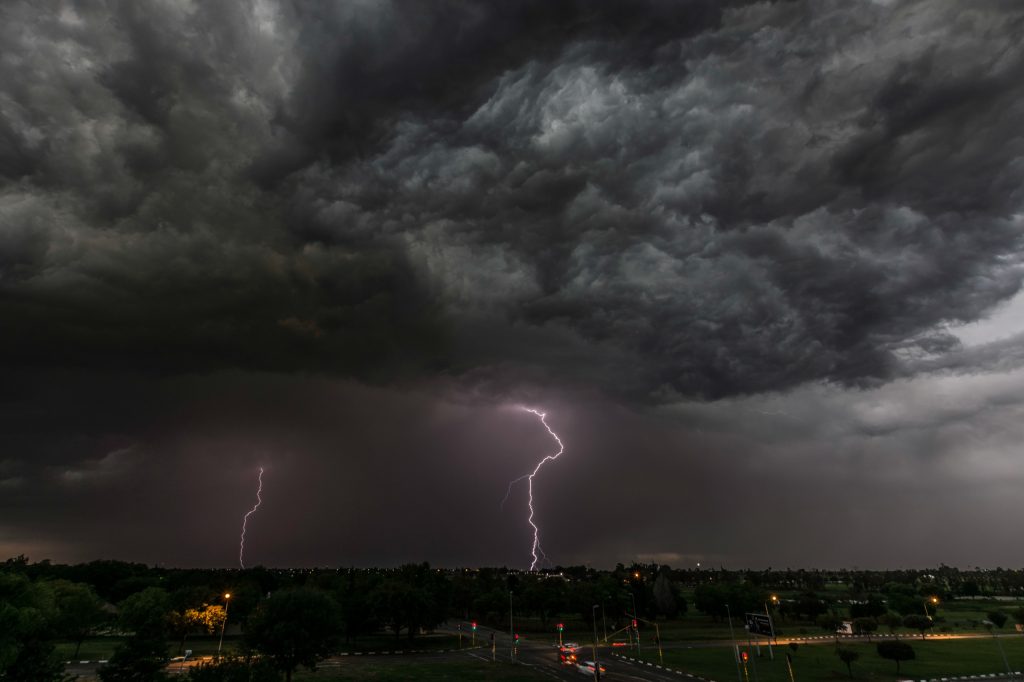
The South African Weather Service (SAWS) urges the public to take lightning warnings seriously. Your safety is paramount, and proactive measures can save lives.
- Heed the Warnings: “When Thunder Roars, Go Indoors!”
- If you hear thunder, it means lightning is close enough to strike you. Do not wait for rain or for the lightning to be visible.
- Immediately cease all outdoor activities.
- Seek Safe Shelter:
- Enclosed Buildings: The safest place is a fully enclosed building with wiring and plumbing that can safely conduct electrical current to the ground.
- Hard-Topped Vehicles: Get inside a car, truck, or van with closed windows. The metal frame of the vehicle acts as a Faraday cage, diverting lightning around the occupants. Do NOT touch metal parts inside the vehicle.
- Avoid Dangerous Locations and Objects:
- Open Areas: Stay away from open fields, hilltops, and elevated terrain.
- Tall Objects: Avoid standing near tall trees, utility poles, or other isolated tall structures.
- Water Bodies: Get out of and away from lakes, ponds, pools, and other water bodies immediately. Water conducts electricity.
- Metal Objects: Do not touch metal fences, gates, bleachers, or equipment.
- Temporary Structures: Tents, gazebos, and bus stops offer no protection.
- If No Safe Shelter is Available:
- If caught outdoors with no immediate access to safe shelter, spread out from others.
- Crouch low to the ground with your feet together, touching the ground with as little surface area as possible. Minimize contact with the ground; avoid lying flat. This position helps reduce the impact of ground current.
- Post-Storm Safety:
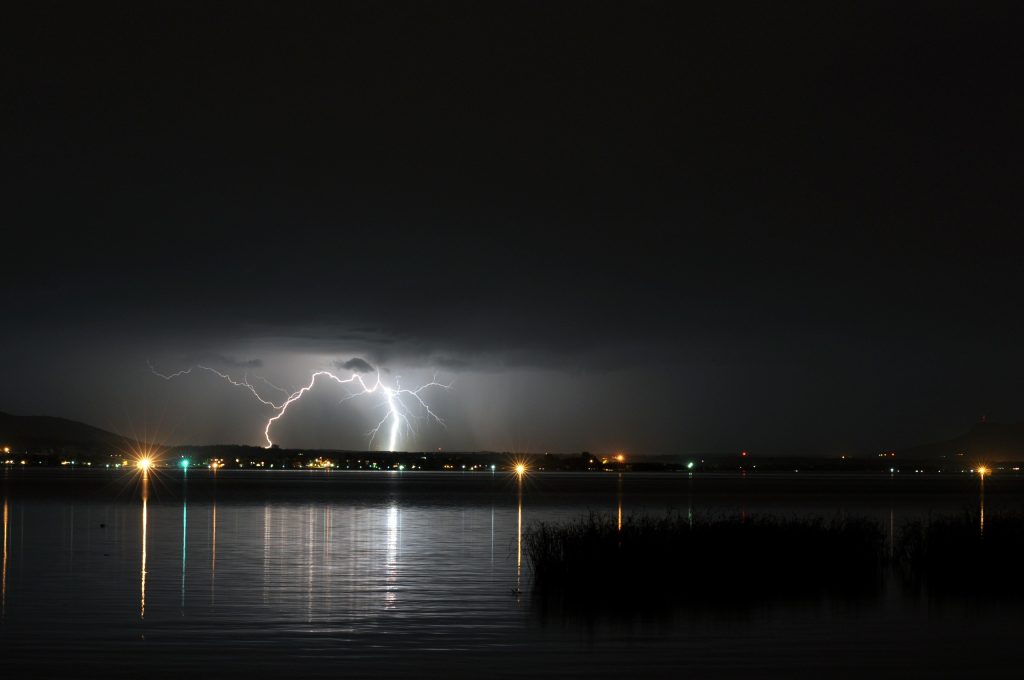
- Wait at least 30 minutes after the last sound of thunder before resuming outdoor activities. Lightning can strike from many miles away, even when the storm appears to have passed.
- Assisting Lightning Strike Victims:
- It is SAFE to touch a lightning strike victim. They do not carry an electrical charge.
- Call for Help: Immediately contact emergency services (e.g., 10177 in South Africa).
- Administer CPR: If trained, begin CPR immediately. Lightning strikes can cause cardiac arrest.
- Utilize Early Warning Systems:
- The SAWS offers a buffer zone lightning alert service, providing advance warnings of lightning activity via email, indicating anticipated start and end times. This service (info4@weathersa.co.za) can be crucial for event organizers and those in high-risk areas.
Lightning-related injuries and fatalities are largely preventable through heightened awareness, preparedness, and timely action. Communities, event organizers, schools, and workplaces are strongly encouraged to prioritize lightning safety and stay informed through official weather alerts from the South African Weather Service.