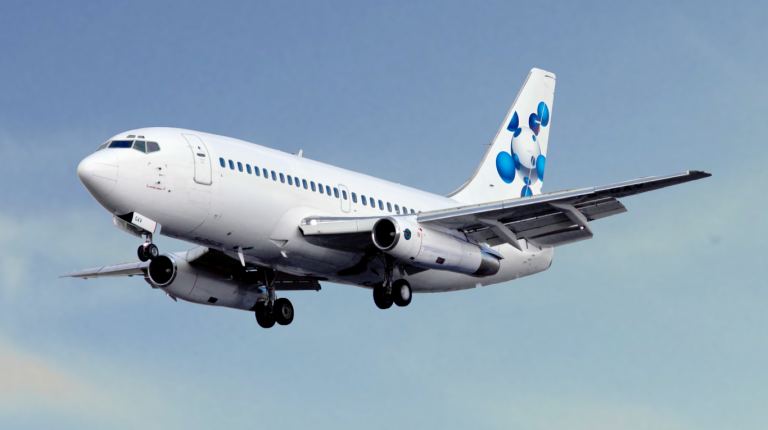
Sasol and White Desert launch landmark commercial Sustainable Aviation Fuel partnership from Cape Town to Antarctica
Sasol and White Desert today announced a landmark Sustainable Aviation Fuel (SAF) partnership, a significant milestone for African aviation and the country’s emerging lower-carbon fuels industry. Announced at the Africa Green Hydrogen Summit, the agreement will see Sasol’s first commercial SAF volumes supplied to White Desert for its Cape Town-to-Antarctica expeditions.
The partnership brings together South African technical expertise and customer demand to deliver practical lower-carbon solutions for aviation.
Enabled by Natref’s recent ISCC+ sustainability certification, the agreement reinforces the role South African industry can play in the global transition to lower-carbon energy.
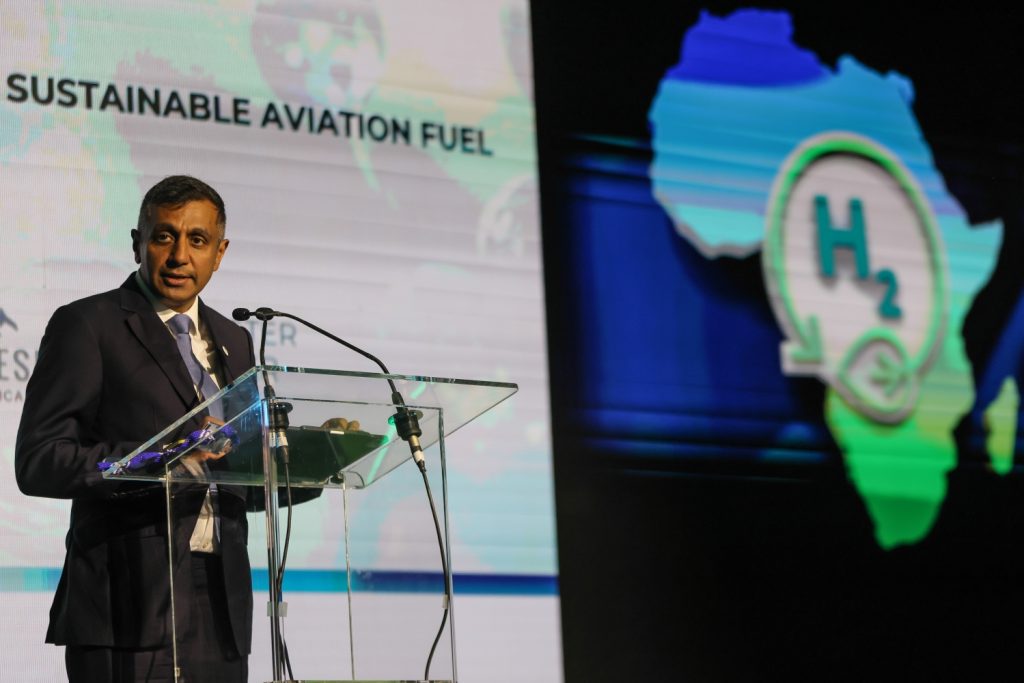
Speaking at the announcement, Dr Sarushen Pillay, Executive Vice President: Business Building, Strategy and Technology at Sasol, said: “Today’s announcement shows that South Africa is not waiting on the sidelines of the energy transition. We are building practical solutions that connect industrial capability, customer demand and innovation. Through our partnership with White Desert, we are demonstrating how sustainable fuels can move from ambition to commercial reality.”
The SAF supplied under the agreement is produced from sustainable bio-feedstocks and provides a stepping stone towards future e-fuels enabled by green hydrogen. These value chains can create new industrial opportunities while supporting energy security, competitiveness and decarbonisation.
White Desert, renowned for its luxury Antarctic expeditions from Cape Town, will use the fuel for its aviation operations between South Africa and Antarctica.
“It is incredible to now be able to source Sustainable Fuel in South Africa, made locally and with real carbon emission reductions. We are excited to be using this for our flights to Antarctica and being at the forefront of getting to net zero.” Patrick Woodhead CEO and Founder of White Desert.
Speaking to Sasol’s broader SAF ambition, Pillay added: “We do not decarbonise aviation by abandoning existing industrial assets, but by transforming them. South Africa has the fuels infrastructure, technical capability and export relationships needed to participate meaningfully in this market. Bio-SAF is the first proof point of that conversion, and a bridge to the e-fuels economy that follows.”
“This is an exciting milestone for South Africa, for aviation and for the future of sustainable fuels,” Pillay concluded.