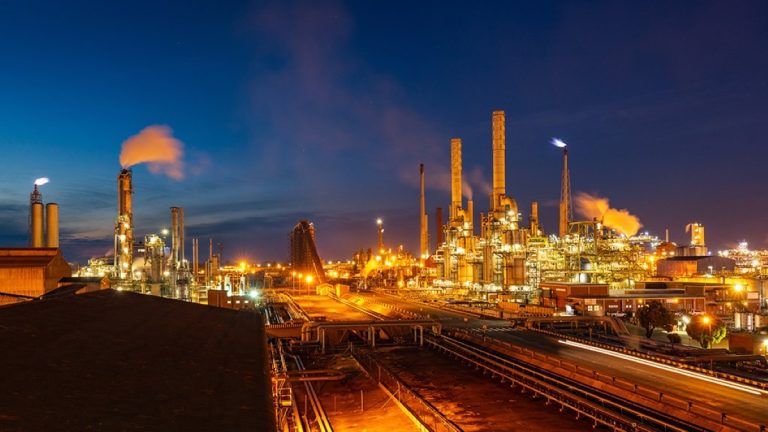
Sasol has commissioned Chinese multinational Envision Energy to carry out a design study for a green hydrogen system at Sasol 1 in Sasolburg, the company announced on 5 August 2026. The study will examine integration of renewables, storage and electrolyser technologies to support green hydrogen production, and — subject to study outcomes and investment decisions — that hydrogen could be used to produce eMethanol and potentially eSAF (electro‑synthetic aviation fuel) in Sasolburg.
Sasol 1, the company’s original liquid fuel‑from‑coal plant, was built in 1954 and gave rise to the town of Sasolburg. It was the world’s first commercial-scale application of the Fischer‑Tropsch process, chosen for its proximity to large coal deposits near the Vaal River and the Witwatersrand markets. Over subsequent decades, Sasol expanded with the Sasol 2 and 3 complexes in Secunda, which later became the world’s largest coal‑to‑liquid production complex.
Sasol began commercial green hydrogen production in June 2023 by using renewable electricity to split water into hydrogen and oxygen, aiming to develop value chains for industry and heavy‑duty transport. The company also has experience producing synthetic jet fuel, with its fuel approved for international commercial use in 2008 and used in a commercial flight in 2010. eSAF is produced from captured CO2, water and renewable electricity; Sasol intends to power its production with green hydrogen.
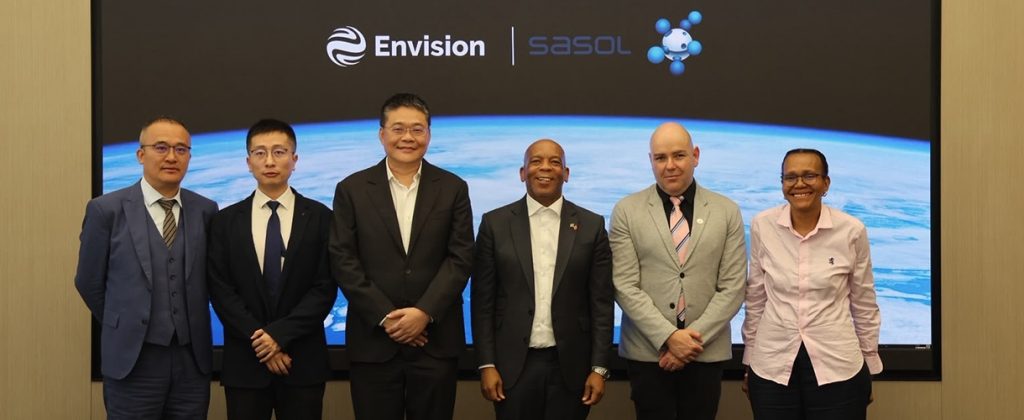
Danie Cronje, Sasol SVP for business building, described the Envision design study as “an important step toward more affordable green hydrogen production at Sasolburg,” saying global expertise will help evaluate contributions to lower‑carbon fuel and chemical value chains while leveraging existing industrial capabilities. Envision Energy senior vice president Kane Xu highlighted the role of AI‑enabled energy infrastructure and combined renewables, storage and hydrogen technologies in creating sustainable growth pathways.
Sasol framed the collaboration as part of ongoing South Africa–China engagement on energy innovation and lower‑carbon solutions. The project remains contingent on the design study’s findings and subsequent investment decisions.