
After years of starts, stops and revisions, South Africa is moving nearer to enacting far-reaching controls on tobacco and e‑cigarette products. On Thursday the Portfolio Committee on Health voted that the Tobacco Products and Electronic Delivery Systems Control Bill is “desirable,” clearing a major procedural hurdle and setting the stage for detailed amendment and debate.
What the bill would do The draft legislation proposes one of the most comprehensive overhauls of tobacco and vaping regulation in South Africa’s recent history. Key measures include:
- A ban on indoor smoking and vaping in public spaces.
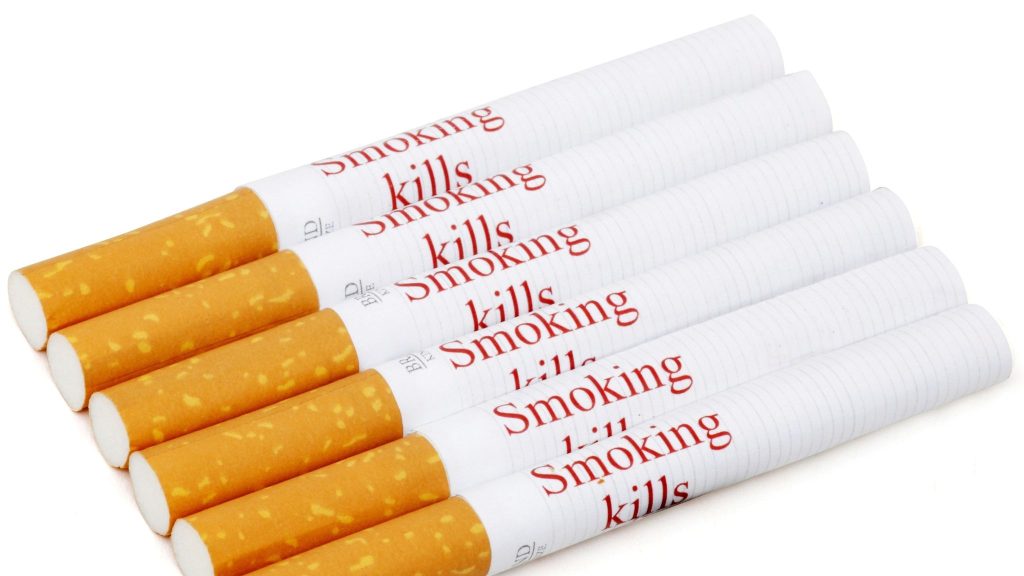
- Mandatory plain packaging for tobacco products with large graphic health warnings.
- The removal of retail product displays.
- A blanket prohibition on advertising, sponsorships and promotion of tobacco and electronic nicotine delivery products.
- Tighter restrictions on sales — including limits on vending-machine sales and prohibitions in certain private venues where children or non‑smokers are present.
- Treating vaping and other electronic nicotine delivery systems (ENDS) under the same regulatory framework as combustible cigarettes.
The bill also proposes criminal and civil penalties for non‑compliance, including fines and potential custodial sentences, though exact penalty scales remain subject to amendment.
Public consultation and committee process The committee’s endorsement follows an intensive public consultation process restarted after the 2024 national elections and concluded at the end of 2025. The committee held hearings in 27 municipalities across all nine provinces, attracting nearly 7,900 attendees, about 1,113 oral submissions and roughly 40,000 written submissions — making it one of the most widely consulted health bills in recent memory.
Committee members voted in favour of the bill’s desirability but were explicit that support is conditional on substantive amendments. A principal area of contention raised repeatedly during consultations is whether the law should continue to regulate combustible tobacco products and non‑combustible nicotine products (such as many vaping devices) identically.
“It has become unmistakable, through the scientific submission and through our own deliberations as a committee, that not all tobacco and nicotine products carry the same risk,” the committee said in its statement. The Department of Health, in responses to public comments published in March 2026, similarly accepted differentiating product risk as a guiding principle.
Next steps With the desirability motion passed, the bill will move into clause‑by‑clause deliberations in the Portfolio Committee on Health. During that stage, Members of Parliament will consider specific amendments — including provisions that seek to differentiate regulation by product risk and address other stakeholder concerns raised during consultations.
Once clause-by-clause scrutiny is completed and the committee finalises its report, the bill will be tabled for debate in the National Assembly. Only after parliamentary approval, and subsequent assent by the President, would the law come into force — a process that could still take many months.
Implications If adopted largely as currently drafted, the bill would significantly tighten the regulatory environment for tobacco retailers, manufacturers and the growing vaping market in South Africa, aligning the country with stricter global tobacco control trends. Public health advocates have welcomed the move as likely to reduce tobacco-related harm, while some industry and consumer groups have argued for differentiated treatment of lower‑risk products and for measured transitional arrangements.
The Bulletin News will continue to follow developments as the bill enters clause-by-clause scrutiny and moves toward National Assembly debate.