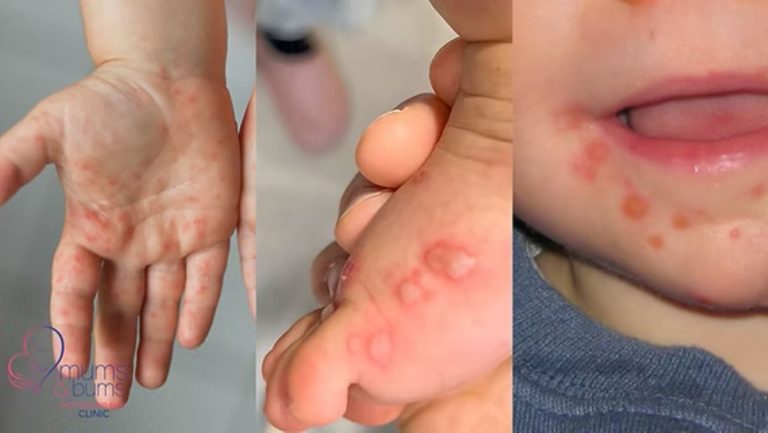
Since early February 2025, clusters of hand, foot and mouth disease (HFMD) have been reported in primary schools and daycare centres in the northern part of eThekwini District. Cases has also been reported in Secunda and even Capetown.
HFMD is a common viral illness that primarily affects infants and children under 10. Caused by enteroviruses, it typically produces mild, self-limiting illness with recovery in 7–10 days. HFMD affects humans only and is distinct from animal “foot-and-mouth” disease.
How HFMD spreads
- Direct contact with an infected person’s saliva, nasal secretions, or fluid from blisters.
- Respiratory droplets produced when an infected person coughs or sneezes.
- Contact with contaminated surfaces or shared objects (toys, stationery, utensils).
- Contact with fecal matter (for example, from inadequate hand hygiene after toilet use or diaper changes).
Signs and symptoms
Symptoms usually appear 3–7 days after exposure and commonly last about 7–10 days. Typical features include:
- Fever, sore throat, fatigue, and loss of appetite
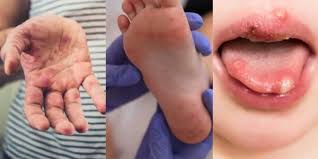
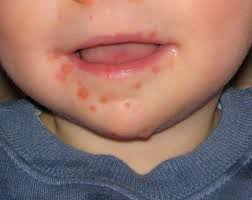
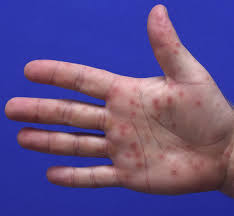
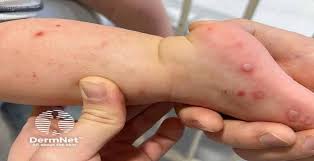
- Small painful blisters or ulcers inside the mouth, and on the palms of the hands and soles of the feet
Diagnosis and treatment
- HFMD is usually diagnosed clinically from the characteristic symptoms and signs. In severe or uncertain cases, throat or stool samples may be sent to a laboratory for confirmation.
- There is no specific antiviral treatment or widely used vaccine for HFMD. Management is supportive: rest, fluids, and symptomatic relief for fever and pain (as advised by a healthcare provider).
- Most children recover fully at home. Seek prompt medical attention for severe symptoms or signs of complications.
Prevention and school guidance
- Encourage frequent handwashing with soap and water, especially after toileting, diaper changes, and before eating.
- Avoid sharing eating utensils, cups, and toothbrushes.
- Regularly clean and disinfect toys, surfaces, and shared items in childcare and classroom settings.
- Keep children from close contact with anyone who is ill.
- Children who are well enough may attend school; routine exclusion or school closures are not generally required when cases occur, unless advised by health authorities.
If you have concerns about a child’s symptoms or believe they may have HFMD, contact your healthcare provider or local health department for guidance.