Water-supply problems continue to plague Govan Mbeki Municipality (GMM), leaving many residents across the municipality increasingly frustrated and vulnerable. The crisis has persisted for months, with some communities — notably parts of Bethal — enduring prolonged outages. Residents in sections of Bethal reportedly went without water for more than 50 days, a situation that has intensified public anger and raised urgent questions about accountability and long-term planning.
Multiple factors are contributing to the crisis. Frequent pipe bursts have severely disrupted supply and affected large areas. Many reservoirs and balancing structures are either bypassed or non-functional, producing chaotic pressure fluctuations across the network. Those pressure swings place extra stress on aging pipes and fittings, leading to repeated failures and cascading outages. Where reservoirs are empty or offline, the municipality has fewer options to stabilise flows and protect vulnerable sections of the system.
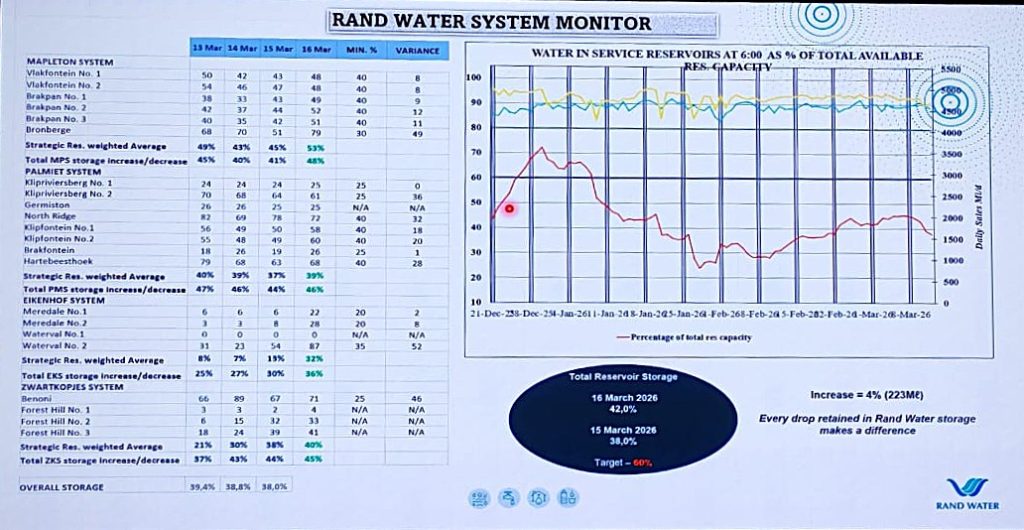
When residents ring the municipal call centre, they are often told that Rand Water is not pumping or that the supply problem lies with Rand Water. However, the situation appears more complex than a single-source failure. During a recent visit to Rand Water in Gauteng, attended by DA councillor Mariaan Chamberlain and MP Steven Moore, Rand Water emphasised that municipalities must meet their payment obligations. According to Rand Water’s presentation — posted as a press release and circulated to media outlets — Govan Mbeki Municipality owes close to R1 billion to Rand Water.
Rand Water said it is supplying the volumes for which it is being paid, though it did not disclose the precise paid-for volume. Sources within the municipality say GMM normally receives between 80–90Ml (Megalitres) per day under usual operating conditions. GMM is currently receiving between 60 and 63Ml per day according to sources within the municipality. Rand Water also noted that an extra 200Ml of water recently approved for allocation will be directed to metropolitan areas and will not be pumped to GMM.
While bulk supply is a critical part of the story, the municipality retains responsibility for distribution, balancing and local infrastructure maintenance. That division of responsibility raises serious governance and operational questions. If Rand Water is delivering the contracted volumes, why are some reservoirs and communities receiving adequate supply while others remain low or empty? The pattern suggests problems in municipal distribution management, maintenance backlogs, or prioritisation decisions that disadvantage certain communities.
The state of specific reservoirs underlines the scale of the challenge. For example, the reservoir in Secunda Extension 22 has reportedly been out of operation for a long period. A contractor was appointed to repair and return it to service, but the work remains incomplete. These prolonged delays in critical repairs reduce the municipality’s capacity to balance flows and mitigate pressure-related failures.
Rand Water representatives also reported difficulties storing sufficient water in their own storage systems, which complicates pumping and scheduling to municipalities. In addition, both parties acknowledged that communication between Rand Water and GMM — and from GMM to residents — has been poor. Confusion over responsibilities, billing and operational status has left communities uncertain about when their water will be restored.
Reservoir levels as at 18 March 2026 illustrate the uneven distribution:
Region 1: Bethal Rand 40%; Extension 4 10%; Extension 5 & Van Heerden EMPTY. Affected areas: Extensions 3, 4, 5, Azapo, Kanana and Chris Hani.
Region 2: Lebohang RDP 80%; Leandra 70%; Kinross Town 90%; Evander 60%. Systems for Eendracht, Thistle Grove, Secunda and Trichardt are maintaining direct flow to residents. Water trucks have been deployed to support areas experiencing interruptions.
Region 3: Adullam 100%; eMbalenhle Extension 15 30%; Charl Cilliers 0%. Water tankers are being dispatched to Charl Cilliers, surrounding farms and affected extensions in eMbalenhle.
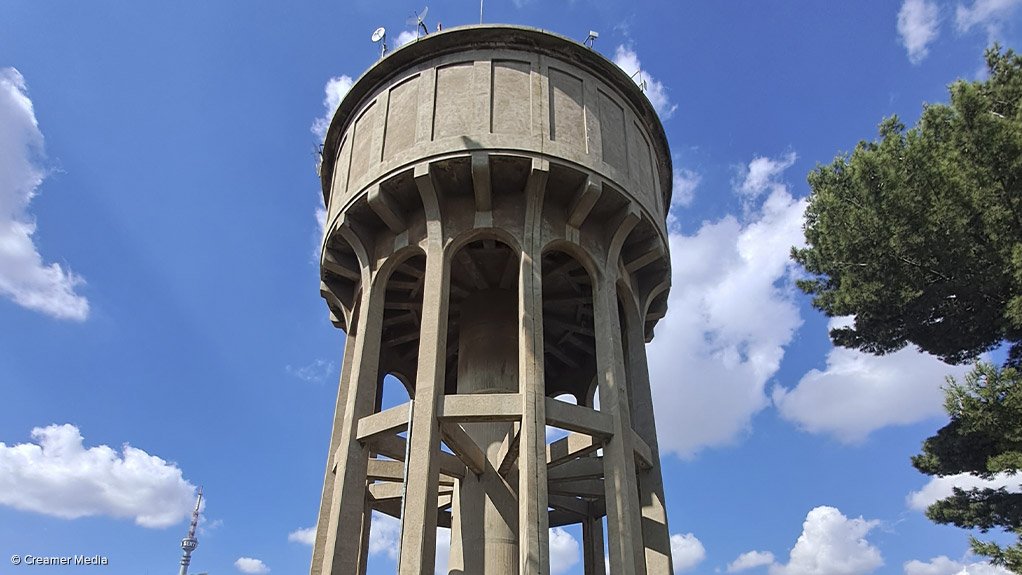
The reservoir-to-area mapping shows which communities are currently being served by specific tanks, with some areas receiving regular flow while others rely on emergency tanker deliveries.
The human and economic impacts are significant. Households coping without reliable water face immediate health and sanitation risks, added expense for purchasing water, and reduced quality of life. Small businesses, schools and health facilities also suffer operational disruptions that can affect livelihoods and essential services. Prolonged outages can exacerbate inequalities, as households with resources secure private water deliveries while poorer residents remain without.
Addressing the crisis will require coordinated action on several fronts. Immediate steps should include completing outstanding repair contracts for reservoirs and critical infrastructure, restoring bypassed reservoirs to service, and deploying a targeted pressure-management plan to reduce bursts. Financially, the municipality and Rand Water must reach clarity on accounts and contracted supply volumes to avoid supply reductions tied to unpaid bills. Equally important is restoring transparent, timely communication: residents need accurate updates on repair timelines, tanker schedules and priority allocations.
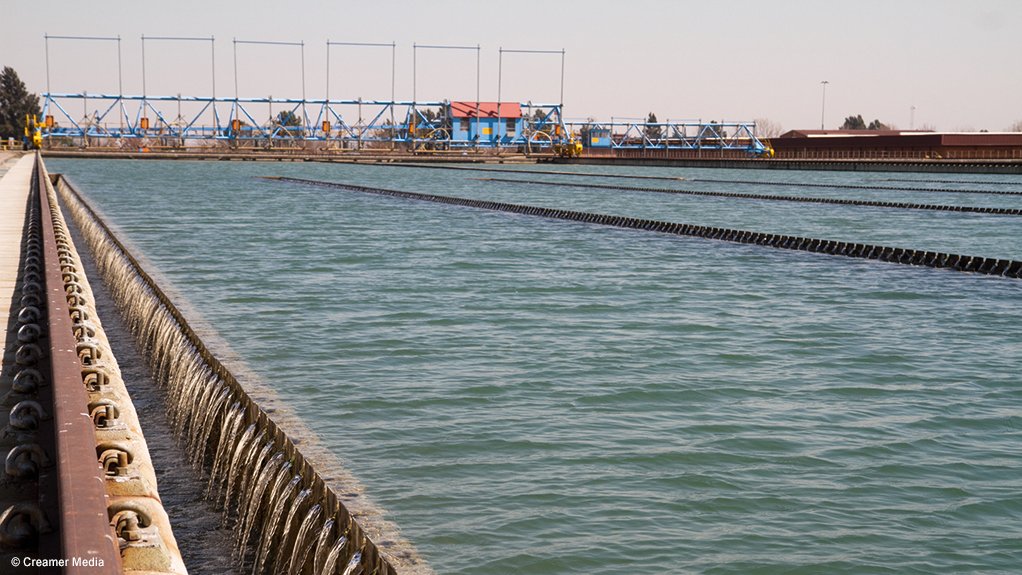
The Bulletin was reliably informed that GMM will table a plan to balance the water supply at the council meeting scheduled for Wednesday, 25 March 2026. Residents and oversight bodies will be watching to see if that plan includes clear budgets, timelines, contingency measures for vulnerable communities, and mechanisms to improve communication and accountability between the municipality and Rand Water.
Without decisive, coordinated action that addresses both bulk supply settlement and local distribution failures, the water crisis in Govan Mbeki is likely to persist — with serious social and economic consequences for the municipality’s residents.