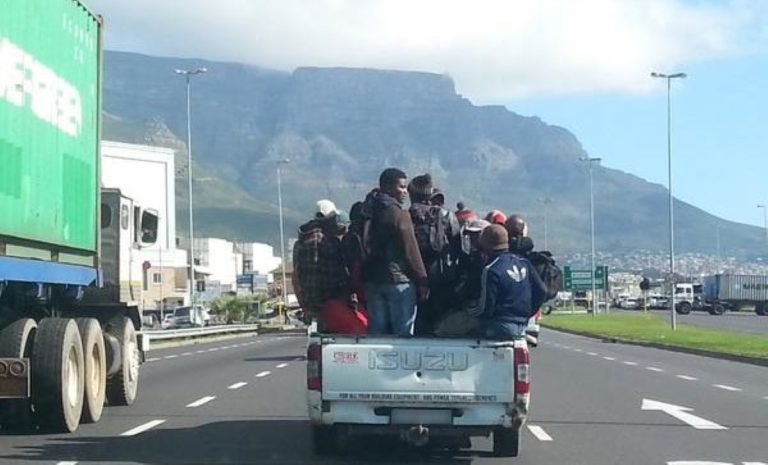
Every year, countless families pay the price for a decision that’s often made in seconds: letting someone ride in the open tray of a bakkie. What might seem like convenient, cheap transport is in fact a profoundly dangerous choice. The physics are simple and unforgiving: there are no seatbelts, no airbags, no crush protection—only bare metal and exposure. In a crash, passengers in the tray are catapulted, crushed, or thrown clear and left to collide with pavement, guardrails, posts, or other vehicles. Survival is the exception, not the rule.
Why it’s so dangerous
- No restraint or protection: Unlike a cabin, the tray offers no built-in safety systems. Passengers can be ejected in even minor collisions or sudden manoeuvres.
- High risk from everyday events: A pothole, sudden braking, swerving to avoid an obstacle, or a sharp turn can launch someone from the back. Even a slow-speed incident can produce catastrophic injuries.
- Increased severity of injury: Being struck by a bakkie or thrown onto asphalt, metal, or concrete typically results in multiple severe injuries — head trauma, spinal injury, fractures, internal bleeding — that have higher fatality and disability rates than similar crashes involving belted occupants.
- Children and vulnerable passengers: Children, the elderly, and smaller adults have far less ability to protect themselves and suffer disproportionately severe outcomes. Loose riders can also become projectiles that injure others.
- Weather and road hazards: Wet, icy, or debris-covered roads increase the risk of ejection. Lack of shelter exposes passengers to sun, rain, cold and objects kicked up by the road.
Real consequences Beyond the immediate physical harm, the fallout is social and economic: families lose breadwinners, children lose parents, and survivors may live with lifelong disabilities. Emergency services and hospitals bear the burden of treating preventable, severe trauma. Communities suffer avoidable grief and financial stress.
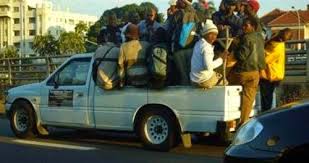
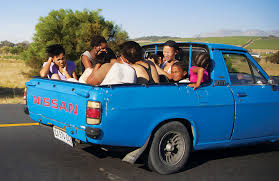
Myths and realities
- “It’s okay for short trips.” Even short trips carry the same physical risks. Many catastrophic injuries occur within a few kilometres of home.
- “Holding on will keep you safe.” Sudden forces in crashes can easily overpower a person’s grip. There’s no reliable way to stay secured in an open tray.
- “It’s common practice, so it must be acceptable.” Frequency does not equal safety. Cultural norms and cost pressures often mask risks that become evident only after tragedy.
What drivers and passengers should do instead
- Use the cab: Always transport people inside the vehicle cabin with properly functioning seatbelts. If the vehicle has limited seating, make multiple trips or use another vehicle.
- Child safety: Never place children in the tray. Use appropriate child restraints or car seats in the cabin.
- Plan for capacity: If you regularly need to move people, consider investing in a vehicle with adequate seating or arranging safe, licensed transport.
- Report and refuse: If you’re a passenger and asked to ride in the tray, refuse. If you’re a driver, insist that no one travels in the back regardless of pressure or convenience.
- Secure loads separately: Keep cargo and passengers strictly separated. Heavy or unstable loads in the tray increase risk for everyone.
- Advocate for change: Support local regulations and enforcement that prohibit riding in open trays and encourage safer transport options.
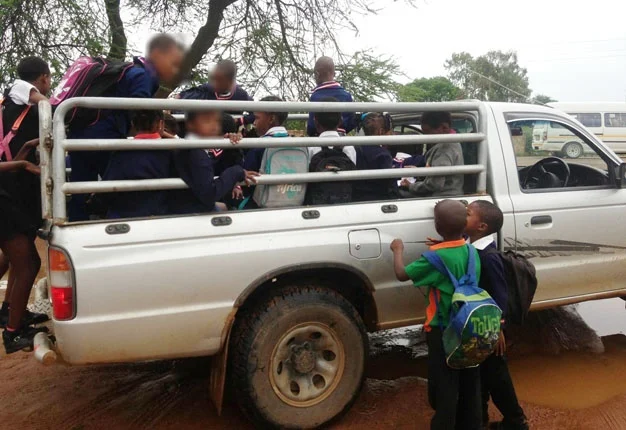
How communities can help
- Education campaigns: Raise awareness about the real dangers and dispel myths that normalize risky behaviour.
- Policy and enforcement: Strengthen and enforce laws banning passengers in open vehicle trays, with clear penalties and alternatives.
- Accessible alternatives: Improve affordable, safe public and private transport options so people aren’t forced to choose risk for cost reasons.
A simple choice can save lives Putting someone in the back of a bakkie is not a small risk; it’s a potentially lethal one. The easy convenience of loading people into the tray is outweighed by the very real chance of permanent injury or death. If you care about the safety of your family, friends, or community, choose the cabin every time, make safe transport a priority, and speak up when you see dangerous practices. A moment of convenience is never worth a lifetime of loss.