Introduction Foot and Mouth Disease (FMD) remains one of South Africa’s most serious livestock health risks. Highly contagious and capable of devastating dairy and beef production, FMD undermines animal welfare, rural livelihoods and export markets. Recent outbreaks and renewed national coordination have placed control and eradication squarely at the top of the industry agenda.
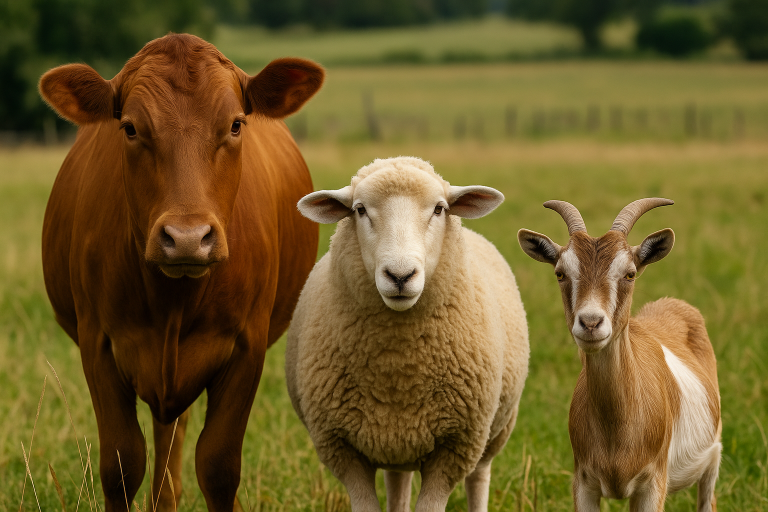
What is FMD and how it spreads FMD is caused by an Aphthovirus infecting cloven-hoofed animals — cattle, sheep, goats, pigs and some wildlife. Young animals are particularly vulnerable. The virus spreads quickly through:
- Direct animal contact (saliva, milk, breath, secretions).
- Contaminated surfaces, feed, water and transport vehicles.
- Human activity (clothing, footwear, equipment).
- Movement and trade of infected animals.
- Environmental survival in cool, moist materials (hay, manure, soil).
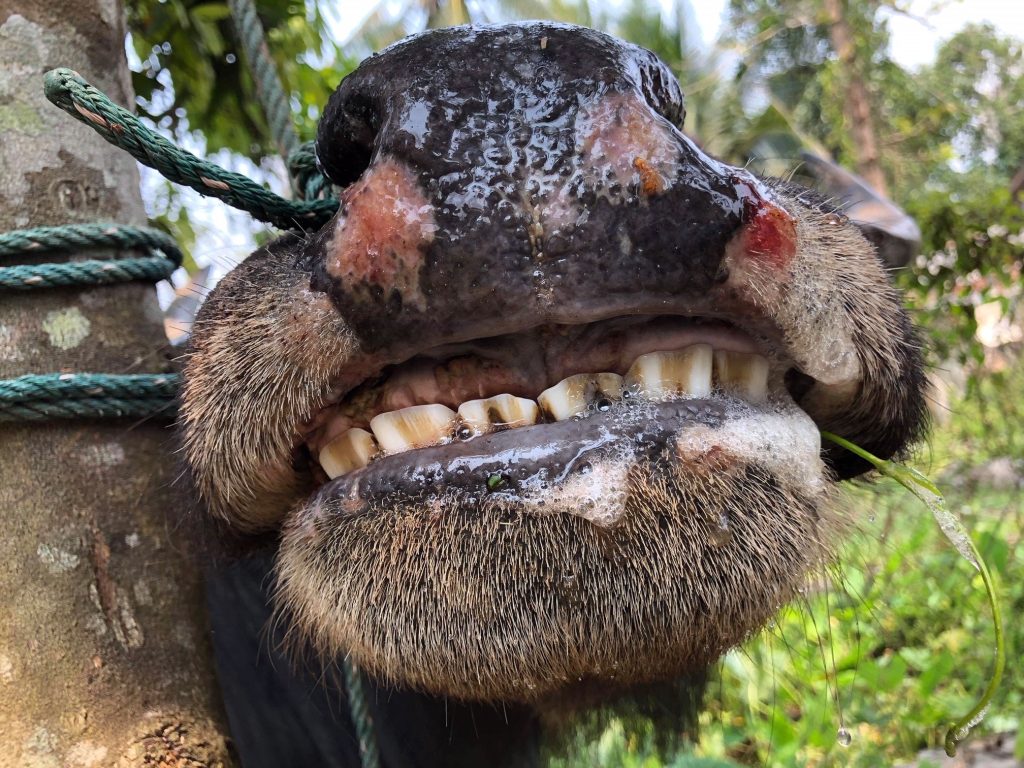
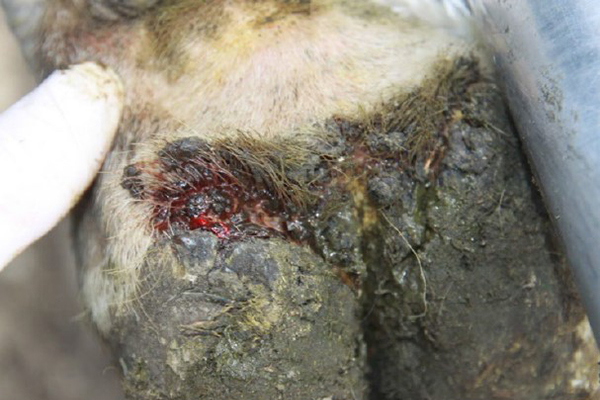
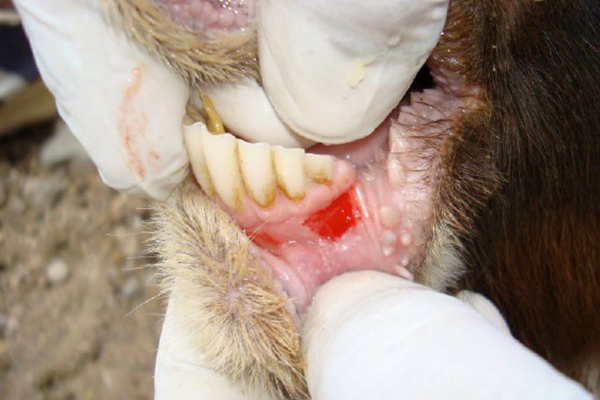
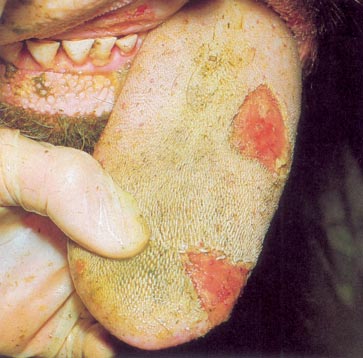
Clinical signs and animal impact Typical signs include fever, painful vesicles on the mouth, tongue, teats and hooves, lameness, reduced appetite, weight loss and severe drops in milk yield. Calves, lambs and piglets face higher mortality; survivors often show reduced fertility and long-term productivity losses. Where outbreaks occur, culling and movement bans are frequently necessary, with major welfare and financial consequences.
Economic and industry consequences Beyond on‑farm losses (reduced milk, slower weight gain, deaths and culling), FMD triggers trade embargoes that close export markets for meat and live animals. Supply-chain disruption affects abattoirs, feedlots, transporters and rural economies. National responses and compensation add fiscal costs. Restoring market access and confidence can take years.
Mpumalanga and recent outbreak history Since 2024–2025, FMD events linked to KZN have affected Mpumalanga. SAT2 (and previously SAT1) strains moved into municipalities including Gert Sibande, Dipaleseng, Victor Khanye, Govan Mbeki, eMakhazeni, Steve Tshwete and Dr Pixley ka Isaka Seme, with multiple outbreaks reported. Authorities implemented vaccinations in controlled zones, targeted culling and strict biosecurity to protect historically FMD-free areas. Persistent challenges include livestock movement compliance and informal markets.
Prevention and control measures Effective control is multifaceted:
- Quarantine and movement controls, including Disease Management Areas and permits.
- Strategic vaccination in high‑risk zones and regular boosters.
- On-farm biosecurity: disinfection, visitor control and equipment hygiene.
- Traceability systems and real‑time movement records (e.g., RMIS).
- Rapid detection, reporting and laboratory confirmation.
- Government–industry collaboration for coordinated response and farmer support.
National coordination and the Industry Coordination Council To accelerate recovery, the Minister established an FMD Industry Coordination Council to work alongside the Department of Agriculture and a Technical and Scientific Task Team. The council’s role includes aligning industry actions with national measures, consolidating situational information, coordinating communications, supporting traceability and readiness for compartmentalised operations, and facilitating logistics, training and monitoring. The council’s inaugural meetings began in January 2026, with weekly engagements planned to maintain momentum.
Leadership and accountability Minister Steenhuisen has committed to a clear roadmap, stating the government cannot act alone and that private sector, farmers and veterinarians must collaborate. The stated goal is to restore FMD-free status within a concerted timeframe through shared responsibility, technical oversight and improved compliance.
What farmers and stakeholders should do now
- Maintain strict biosecurity and limit unnecessary movements.
- Enrol and keep records up to date on traceability platforms.
- Participate in vaccination programs where recommended.
- Report suspect cases immediately to veterinary authorities.
- Cooperate with quarantine and testing measures to protect wider markets.
Conclusion FMD poses a sustained threat to South African livestock, trade and rural livelihoods. Recent outbreaks underline the need for rapid detection, disciplined movement controls, strategic vaccination and strong industry–government coordination. With the new council, technical oversight and committed stakeholders, South Africa has a coordinated roadmap to reduce outbreaks and work toward restoring FMD-free status — but success will depend on consistent compliance and collective action.
For support or to report suspect cases, contact provincial veterinary services or the national Department of Agriculture.